
The Challenge of Multiple Sclerosis: How Do We Cure A Chronic Heterogeneous Disease?
|
|
|
- Gervais Martin Watts
- 10 years ago
- Views:
Transcription
1 NEUROLOGICAL PROGRESS The Challenge of Multiple Sclerosis: How Do We Cure A Chronic Heterogeneous Disease? Howard L. Weiner, MD Multiple sclerosis is (MS) a T-cell autoimmune disease characterized by a relapsing-remitting followed by a progressive phase. Relapses are driven by the adaptive immune system and involve waves of T helper cell 1 (Th1), Th17, and CD8 cells that infiltrate the nervous system and provoke a attack. These cells are modulated by regulatory T and B cells. Infiltration of T cells into the nervous system initiates a complex immunological cascade consisting of epitope spreading, which triggers new attacks, and activation of the innate immune system (microglia, dendritic cells, astrocytes, B cells), which leads to chronic inflammation. The secondary progressive phase is due to neurodegeneration triggered by inflammation and is driven by the innate immune system. Why a shift to the progressive stage occurs and how to prevent it is a central question in MS. Effective treatment of MS must affect multiple disease pathways: suppression of proinflammatory T cells, induction of regulatory T cells, altering traffic of cells into the nervous system, protecting axons and myelin, and controlling innate immune responses. Without biomarkers, the clinical and pathological heterogeneity of MS makes treatment difficult. Treatment is further hampered by untoward adverse effects caused by immune suppression. Nonetheless, major progress has been made in the understanding and treatment of MS. There are three definitions of cure as it applies to MS: (1) halt progression of disease, (2) reverse neurological deficits, and (3) prevent MS. Although the pathways to each of these cures are linked, each requires a unique strategy. Ann Neurol 2009;65: Multiple sclerosis (MS) is a chronic inflammatory disease of the central nervous system (CNS) that primarily affects young adults. 1 Great strides have been made in our understanding and treatment of MS, and given this progress, we must now ask what would it mean to cure MS and what is needed to achieve this goal. 2 When one examines the question, it becomes clear that there are three definitions of cure as it relates to MS: (1) halt progression of the disease, (2) reverse neurological deficits, and (3) develop a strategy to prevent MS. We are making progress in halting or slowing progression of MS, have approaches that may help reverse neurological deficits, and for the first time are beginning to develop strategies to prevent MS. Clinical and Magnetic Resonance Imaging Features of Multiple Sclerosis In most instances, MS begins as a relapsing-remitting disease that, in many patients, becomes secondary progressive. Approximately 10% of patients begin with a primary progressive form of the disease. Although primary progressive MS differs clinically and in response to treatment from relapsing MS, 3 it is somehow related because there are families in which one member has relapsing MS and another the primary progressive form. Not all patients enter the secondary progressive stage, and there are both benign and malignant forms of MS. Early stages of MS are associated with relapses and gadolinium enhancement on magnetic resonance imaging (MRI), which decrease with time even without treatment. It is not clear why this happens, though as discussed later, it may relate to changes that occur in the adaptive and innate immune system over the course of the illness (Fig 1). The progressive forms of the disease are the most disabling and are likely similar in their pathogenic mechanisms. Epidemiological studies have raised the question whether relapses are related to or are independent from the development of progressive MS. 4 This raises the central question: Will current therapy that is effective in reducing relapses delay or prevent the onset of progression? From the Partners Multiple Sclerosis Center, Center for Neurologic Diseases, Brigham and Women s Hospital, Harvard Medical School, Boston, MA. Address correspondence to Dr Weiner, Partners Multiple Sclerosis Center, Center for Neurologic Diseases, 77 Avenue Louis Pasteur Brigham and Women s Hospital, Harvard Medical School, Boston, MA [email protected] Potential conflict of interest: Nothing to report. Adapted from John Dystel Lecture. May 1, American Academy of Neurology, Boston, MA. Received Nov 20, 2008, and in revised form Nov 20. Accepted for publication Dec 12, Published in Wiley InterScience ( DOI: /ana American Neurological Association 239 Published by Wiley-Liss, Inc., through Wiley Subscription Services

2 What Causes Multiple Sclerosis? CNS inflammation is the primary cause of nervous system damage in MS. The exact factors that initiate inflammation are unknown, but it is generally believed that MS is caused by environmental factors in a genetically susceptible host that trigger a T-cell autoimmune response against the CNS. 5 Recent studies have begun to identify genes that are associated with MS, and they are related to the immune system. 6 The major genetic factor in MS is the major histocompatibility complex, which overshadows other susceptibility genes that have been identified (eg, interleukin-7 [IL-7], IL-2). The major histocompatibility complex is most probably related to MS by affecting both the immune repertoire and immunoregulatory circuits, and the DRB*1501 allele is linked to disease severity. 7 Although viruses may trigger MS relapses, 8 there is no definitive evidence that there is an MS virus or an ongoing chronic infection of the nervous system. It is possible, however, that a self-limited CNS infection in childhood could trigger MS, and epidemiological evidence suggest that Epstein Barr virus, a ubiquitous virus, plays a key role in MS. 9 Experimental allergic encephalomyelitis (EAE) serves as the primary animal model for MS, and from the time it was first described by Rivers in 1933, forms of the model have been developed that mimic virtually all the clinical features of MS including relapsing, relapsingremitting, progressive, and opticospinal forms. In addition, spontaneous forms of EAE have been developed 10 (Table 1). The majority of treatments for MS have stemmed from studies in the EAE model, further supporting the concept that autoimmune processes in the EAE model are relevant to MS. 11 Fig 1. Immune status and disease course in multiple sclerosis (MS). MS involves a relapsing-remitting followed by a secondary progressive phase. The relapsing-remitting phase is characterized by clinical attacks, gadolinium (GD) enhancement on magnetic resonance imaging, and minimal disability, and is driven by the adaptive immune response. The secondary progressive phase is characterized by progressive accumulation of disability in the absence of clinical attacks and is driven by the innate immune system. Immune System in Multiple Sclerosis Adaptive Immune System in Multiple Sclerosis: Pathogenic T Cells It is generally believed that the acute MS lesion is initiated by a myelin-reactive CD4 T cell that is stimulated in the periphery and enters the brain and spinal cord (Fig 2). These CD4 T cells have previously been believed to be interferon- secreting T helper cell 1 (Th1) cells. It is now recognized that Th17 cells play a crucial role in autoimmunity in the EAE model, 12 and increased numbers of Th17 cells have been identified in MS as well. 13 Both types of pathogenic cells (Th1 and Th17) most probably play a role in MS and could account for the immunological and clinical heterogeneity of the disease. 14 Immunohistochemical examination of brain demonstrates a Th1/Th17 immune response. 15 Th1 versus Th17 responses have been associated with different types of EAE. 14 Transforming growth factor- (TGF- ), which is a central cytokine in the induction of regulatory T cells (see later), induces Th17 cells when combined with IL-6, 16 and anti IL-6 therapy is being investigated for the treatment of autoimmunity. Although CD8 T cells have not been at the forefront of thinking in MS, CD8 T cells are found in MS lesions, and a greater frequency of CD8 T cells reactive to myelin antigens have been reported in MS. It is likely that CD8 T cells play a role in MS and also contribute to disease heterogeneity. 17,18 Natural killer cells (NK cells) most likely also play a role in MS and may have either an inflammatory or antiinflammatory role in MS 19,20 Table 1. Clinical Phenotypes of Experimental Allergic Encephalomyelitis Models Animal Induction Disease Type Lewis rat MBP Acute relapse ADEM SJL PLP Relapsing remitting C57Bl/6 MOG Relapsing remitting NOD MOG Chronic progressive MOG TCR a MOG Optic neuritis 91 MOG TCR b MOG Devic s disease 92 SJL Theiler s virus Relapsing/progressive C57Bl/6 Monocyte Progressive MBP myelin basic protein; ADEM acute disseminated encephalomyelitis; MOG myelin oligodendrocyte glycoprotein. a MOG TCRTg MOG BCRTg 91 b MOG TCRTg MOG BCRK Annals of Neurology Vol 65 No 3 March 2009

3 Fig 2. Immune pathways and adaptive immunity in the initiation of multiple sclerosis (MS). MS is initiated by myelin reactive inflammatory T cells that cross the blood brain barrier and initiate an inflammatory cascade in the central nervous system (CNS). These inflammatory T cells are modulated by regulatory T cells both inside and outside the CNS. B cells and NK cells may influence both inflammatory and regulatory T cells. APC antigen-presenting cell; IL interleukin; TGF transforming growth factor; TNF tumor necrosis factor; Th T helper cell; Treg regulatory T cell; NK natural killer cell. Adaptive Immune System in Multiple Sclerosis: Regulatory T Cells It is now clear that the adaptive immune system consists of a network of regulatory T cells (Tregs). 21 Defects in regulatory T-cell function have been described in MS, and a major goal of MS immunotherapy is to induce regulatory cells in a physiological and nontoxic fashion (see Fig 2). Regulatory T cells can broadly be classified as natural Tregs and induced Tregs. Foxp3 is the major transcription factor for Tregs. CD25 marks natural Tregs and TGF- induces Tregs. Th3 cells are induced Tregs that secrete TGF-, 25 and Tr1 cells are induced Treg cells that secrete IL Th2 cells may also have regulatory T-cell function, and patients with parasitic infections that induce Th2-type responses have a milder form of MS. 27 Experimental data suggest that regulatory cells may not be effective if there is ongoing CNS inflammation. 28 We have taken the approach of using the mucosal immune system to induce regulatory cells and have found that oral anti-cd3 monoclonal antibody 29 and oral ligands that bind the aryl hydrocarbon receptor induce TGF- dependent regulatory T cells that suppress EAE and these approaches provide a novel avenue for treating MS. 30 Adaptive Immune System in Multiple Sclerosis: B Cells and Antibodies Although autoantibodies have been reported in MS, there is no evidence that there are high-affinity pathogenic antibodies in MS as in other antibody-mediated autoimmune diseases such as myasthenia gravis. 31 Antibodies to myelin components, however, may participate in myelin loss. 32 A classic finding in MS is increased locally produced IgG and oligoclonal bands in the cerebrospinal fluid, the pathogenic significance of which remains unknown. Treatment with rituximab, a monoclonal antibody that deletes B cells, dramatically reduces inflammatory disease activity as measured by MRI without affecting immunoglobulin levels, demonstrating a clear role for B cells in relapsing forms of MS. 33 The almost immediate clinical response to ri- Weiner: Multiple Sclerosis 241

4 tuximab suggests that B cells are most likely affecting T-cell function via their antigen presentation properties, though they most likely directly participate in lesion formation as well. B cells may have antiinflammatory and proinflammatory function. 34,35 In this sense, B cells are part of the innate immune system (see below), affecting T cells, whereas myelin specific antibodies represent an adaptive immune response. Furthermore, B cells may also play an important role in progressive MS. 36 Innate Immune System in Multiple Sclerosis The innate immune system consists of monocytes, dendritic cells, and microglia. It is becoming increasingly recognized that the innate immune system plays an important role in the immunopathogenesis of MS. Although the secondary progressive phase of MS has been believed to be related to neurodegenerative changes in the CNS, it is now clear that the peripheral innate immune system changes when patients transition from the relapsing-remitting to the progressive stage. We have observed this in our studies of IL-12, IL-18, and dendritic cells Furthermore, chronic microglial activation occurs in MS. 41 This leads to a different view of the immunopathogenesis of MS that integrates both limbs of the immune system and links them to different disease stages and processes. Thus, the adaptive immune system drives acute inflammatory events (attacks, gadolinium enhancement on MRI), whereas innate immunity drives progressive aspects of MS (Fig 3). This raises important questions regarding the pathogenesis and treatment of different stages of MS. Of note, there do not appear to be abnormalities of CD4 CD25 regulatory T cells in secondary progressive MS. 42 It is not known the degree to which the adaptive and innate immune systems affect each other in MS. A major question is whether aggressive and early antiinflammatory treatment will prevent the secondary progressive form of the disease. There is some evidence that this is occurring; studies are beginning to show that treatment with interferons delays the onset of progressive stage. 43 Of note, there is a form of EAE driven by the innate, rather than the adaptive immune system. 44 There are no specific therapies designed to affect the innate immune system in MS, and scientists are only beginning to investigate the innate immune system in MS and characterize it as relates to disease stage and response to therapy. Furthermore, like the adaptive immune system, there are different classes of innate immune responses, for example, protective and tolerogenic versus pathogenic and proinflammatory. Of note, we have found increased osteopontin expression in dendritic cells in relapsing MS 45 and changes in expression of IL-27 (unpublished data). Thus, in the re- Fig 3. Immune pathways and innate immunity in the progression of multiple sclerosis (MS). Inflammatory T cells that enter the central nervous system (CNS) initiate a complex immunological cascade consisting of epitope spreading, which triggers new attacks, and activation of the innate immune system (microglia, dendritic cells, astrocytes, B cells), which leads to chronic CNS inflammation. IFN interferon; NAWM normal-appearing white matter; NO nitric oxide; TNF tumor necrosis factor. 242 Annals of Neurology Vol 65 No 3 March 2009

5 lapsing stage, a pro-inflammatory milieu that combines both the innate and adaptive immune system is present, whereas in the progressive stage abnormalities of the innate immune system predominate. Neurodegeneration in Multiple Sclerosis Axonal and myelin loss are prominent pathological features of MS 46 and can be directly caused by immune cells, for example, cytotoxic CD8 cells damaging neurons or macrophages stripping myelin from the axon, 47 or can result from release of toxic intermediates, for example, glutamate and nitric oxide. These intermediates can trigger immune cascades that further enhance inflammatory-mediated CNS damage. Thus, glutamate and nitric oxide can lead to enhanced expression of chemokine (C-C- motif) ligand 2 (CCL2) on astrocytes, which, in turn, leads to infiltration of CD11b cells and additional tissue damage. 48 -Amino-3-hydroxy-5- methyl-4-isoxazole propionic acid (AMPA) antagonists have been shown to have an ameliorating effect in acute EAE models, 49,50 and we have found that a carbonbased fullerene linked to an NMDA receptor with antiexcitotoxic properties slows progression and prevents axonal damage in the spinal cord in a model of chronic progressive EAE. 48 Although the compound is not an immune compound, it reduces infiltration of CD11b cells into the CNS (see Fig 3). Another important component of neurodegeneration relates to changes in Na channels, and these are targets of therapy. 51 Clinical and Pathological Heterogeneity of Multiple Sclerosis MS is a nondescript term that refers to multiple scars that accumulate in the brain and spinal cord. MS is more a syndrome than a single disease entity, and the MS syndrome has both clinical and pathological heterogeneity. 52,53 The clinical heterogeneity is reflected in the different types and stages of the disease. An important question in MS is the relation of the progressive to relapsing forms. Devic s disease appears to be an MS variant associated with antibodies to the aquaporin receptor. 54,55 There are rare malignant forms including Marburg s variant, tumefactive MS, and Balo s concentric sclerosis. An unanswered question relates to why benign forms of MS exist. 56,57 Although some cases of MS which are defined as benign progress with prolonged follow-up, 58 there are clearly benign forms of the disease. By definition, patients with benign MS do not enter the progressive phase. The ability to identify benign or malignant MS early in the course of the illness is important for treatment strategies. We compared brain parenchymal fraction over a 2-year period in benign versus early relapsing-remitting MS matched for age and expanded disability status scale, and found that patients with benign MS had less decrease in brain parenchymal fraction (BPF). 59 As it impinges on the expanded disability status scale, the majority of disability in MS relates to spinal cord dysfunction. The relation between spinal cord changes and brain MRI changes is not well known, but changes in the medulla oblongata that reflect spinal cord but can be visualized on brain MRI may correlate with entering the progressive phase. 60 In addition, a human leukocyte antigen D related type 2 (HLA-DR2) dose effect may be associated with a more severe form of the disease. 61 Multiple Sclerosis Biomarkers Magnetic Resonance Imaging A major tool to address the heterogeneity of MS and devise appropriate treatment strategies is to develop reliable biomarkers. MRI has served as the primary biomarker for MS, 62 and although conventional imaging does not link strongly to clinical outcomes, every US Food and Drug Administration approved MS drug showed positive results on MRI. Advances in MRI are beginning to better define MS and its heterogeneity. Most important, MRI and pathological studies have shown gray matter atrophy in MS, which is linked to cognitive impairment. 63 In addition, cortical foci of demyelination, microglial activation, leptomeningeal inflammation, iron deposition, and neuronal loss occur in the gray matter (Fig 4). The degree to which current therapies attenuate gray matter destruction is not known. It is likely that the processes that affect the gray matter are highly clinically relevant and will ultimately provide new therapeutic targets. MRI has also shown diffuse involvement of the normal-appearing white matter including demyelination, inflammation, and axonal injury not seen by conventional imaging 64 but which can be visualized by magnetization transfer, diffusion-weighted imaging, and spectroscopic imaging. These changes can precede overt gadolinium-enhancing lesions by months and result from early migration of lymphocytes into the brain. Spinal cord dysfunction is primarily responsible for gait impairment in MS, the major disabling feature of the illness, and better spinal cord imaging should improve clinical MRI correlation. 65 Spinal cord atrophy may occur early, and the clinical heterogeneity of MS and benign forms of MS may relate to atrophy and spinal cord involvement. The factors that predict benign versus nonbenign MS are poorly understood. As discussed, we have found that the rate of atrophy progression is less in benign MS, 59 and an MRI study using double inversion recovery imaging to detect cortical lesions suggests the importance of gray matter sparing in predicting a benign clinical course. 63 We have developed a Magnetic Resonance Disease Severity Scale that combines multiple measures to provide an index of disease severity and progression as measured by MRI. 66 The addition of spinal cord imaging and gray Weiner: Multiple Sclerosis 243

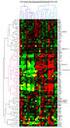
6 son s 72,73 approach, we performed antigen microarray analysis to characterize patterns of low-affinity antibody reactivity in MS serum against a panel of CNS protein and lipid autoantigens and heat shock proteins. Using informatic analysis for validation, we found unique autoantibody signatures that distinguished relapsing-remitting, secondary progressive, and primary progressive MS patients from healthy controls and other neurological or autoimmune diseases. 74 Relapsing-remitting MS was characterized by autoantibodies to heat shock proteins that were not observed in primary progressive or secondary progressive MS. In addition, relapsing-remitting, secondary progressive, and primary progressive MS were characterized by unique patterns of reactivity to CNS antigens (Fig 5). We also examined sera from patients with different immunopathological patterns of MS as determined by brain biopsy, 52 and we identified unique antibody patterns to lipids and CNS-derived peptides that were linked to type I and II patterns. This led us to identify classes of oxysterols that are differentially increased in the serum of relapsing-remitting vs. preogressive MS (unpublished). The demonstration of unique serum immune signatures linked to different stages and pathological processes in MS provides a new avenue to understand disease heterogeneity, to monitor MS, and Fig 4. Magnetic resonance imaging (MRI) defined gray matter involvement in multiple sclerosis (MS). (A, B) Fluidattenuated inversion recovery (FLAIR) axial images of a 40- year-old woman with relapsing-remitting multiple sclerosis (RRMS) of 2 years duration and mild disability demonstrate cortical lesions (arrows, note hyperintensities). (C) Fast spinecho, T2-weighted axial images of a 43-year-old man with RRMS of 4 years duration and mild-to-moderate disability demonstrates bilateral hypointensity in the thalamus and basal ganglia (arrows) most likely representing excessive iron deposition and diffuse brain atrophy indicated by widening of the cortical sulci/fissures and ventricles (D) of an age-matched healthy control subject. (E) Spoiled gradient recalled echo coronal images of a 54-year-old man with secondary progressive MS of 29 years duration with moderate-to-severe disability demonstrate widespread gray matter atrophy of the cortical mantle and the deep gray nuclei, such as the thalamus in the patient with MS. (F) Age-matched healthy control subject. (A, B, E, F: Courtesy Drs Mohit Neema and Rohit Bakshi; C, D: Adapted from Stankiewicz and colleagues. 90 ) matter involvement to the Magnetic Resonance Disease Severity Scale should enhance its value as a biomarker. Immune Biomarkers We and others have shown immune measures that are associated with disease activity and MRI activity, and RNA profiling is beginning to identify gene expression patterns associated to different forms of MS and disease progression. 70,71 Building on Robin- Fig 5. Autoantibody immune signatures of multiple sclerosis (MS) in the peripheral blood as demonstrated by antigen arrays. (A) Schematic depiction of immune signatures associated with relapsing-remitting MS (RRMS), secondary progressive MS (SPMS), and primary progressive MS (PPMS). (B) Heatmap depicting antibody reactivities against myelin antigens and heat shock proteins (HSP) in SPMS vs RRMS. CNS central nervous system. 244 Annals of Neurology Vol 65 No 3 March 2009

7 to characterize immunopathogenic mechanisms and therapeutic targets in the disease. Curing Multiple Sclerosis Immunotherapy to Halt Disease Activity and Progression One could argue that a cure is a treatment that eradicates MS. This may be true for an infection or tumor but not for MS in which there is an inherent defect of the immune system and chronic inflammation of the brain. If, however, one treated MS at the clinical onset and prevented disease progression for the remainder of the patient s life, it would be considered a cure. There may be patients who are being cured with current therapy, though they may have less severe forms of the disease. Interferons and glatiramer acetate are only partially effective in MS, with stronger effects observed with natalizumab and alemtuzumab. 75,76 This raises a central question: Will aggressive and early immunotherapy prevent the secondary progressive form of the disease? With the strong antiinflammatory effects of a drug such as alemtuzumab, this question could be addressed in the future, though widespread testing may be prohibited by adverse effects. Other approaches of aggressive immunotherapy at disease onset to test this hypothesis include bone marrow transplantation, nonablative chemotherapy utilizing cyclophosphamide, 77 or induction with a drug such as cyclophosphamide or mitoxantrone followed by maintenance immune modulation. 78 We found that a short course of cyclophosphamide was very effective in shutting down disease activity in early aggressive MS, 79 but less effective in older patients who had entered the later progressive stages. 80 This phenomenon was also observed in trials of beta interferon in progressive MS and with other anti-inflammatory drugs such as alemtuzumab and rituximab. Patients most likely to respond to drugs with anti-inflammatory actions are those with active disease progression and adaptive immune activity as evidence by continued relapse activity. 81 Because the immune damage to myelin and axons initiates secondary pathways of CNS damage, nonimmune-based therapy may be required to control disease progression. The presence of glutamate and nitric oxide leads to axonal injury and demyelination, which in itself can set up an inflammatory response on astrocytes that express CCL2 and lead to infiltration of CD11B cells. Thus, a complex disease such as MS will require treatment(s) that has an effect on multiple pathways including (Table 2) suppressing Th1/Th17 responses, inducting Tregs, altering traffic of cells into the CNS, protecting axons and myelin from degeneration initiated by inflammation and affecting the innate immune system. If multiple drugs are required to achieve this Table 2. Therapeutic Pathways for the Treatment of Multiple Sclerosis Decrease Th1/Th17 cells Induce Treg cells Prevent lymphocyte trafficking Deplete B cells Affect innate immunity Provide neuroprotection (eg, glutamate toxicity) Promote remyelination Th T helper cell; Treg regulatory T cell. effect, one must be certain that one treatment does not interfere with the other. It has been reported that statins may interfere with the action of interferons. 82 It may also be that one must first suppress Th1 and Th17 responses before inducing Tregs. Antigen specific therapies that do not disrupt immune pathways are the ultimate goal. Because of disease heterogeneity, there will be responders and nonresponders to each effective therapy and, the earlier treatment is initiated, the more likely it is to be effective. Finally, biomakers are required to provide immunologic staging of MS. These immune markers would establish how far along the immunologic pathway a patient has progressed and based on this, which therapy or combination therapy is best for an individual patient. Inherent in the concept of curing MS by halting progression is the ability to demonstrate that progression has been halted in a group of patients and to identify those factors associated with preventing the onset of progressive disease. We have initiated the Comprehensive Longitudinal Investigation of Multiple Sclerosis at Brigham and Women s (CLIMB) natural history study in which 1,000 patients with new-onset MS will be monitored over a 20-year period with clinical evaluation, MRI, and immune and genetic markers to identify which factors are associated with disease progression and response to therapy. 83 Repairing a Damaged Nervous System There is evidence of repair in the CNS of those with MS, though the mechanisms involved are not well understood. Furthermore, it has been shown in animal models that reducing inflammation promotes repair even with nonspecific immunosuppressants such as cyclophosphamide. 84 Blocking molecules that inhibit axonal (Nogo) or myelin (Lingo-1) growth may promote repair and treatment of animal models with anti Lingo-1, anti-nogo, or antibodies reacting with oligodendrocytes and have shown positive effects Furthermore, treatments that affect sodium channels may not only affect nerve conduction but may have effects on microglial activation. 88 Nonetheless, it must be emphasized that when severe neuronal and oligodendro- Weiner: Multiple Sclerosis 245

8 cyte loss occurs, it is unlikely that one would be able to significantly reverse neurological deficits. Of note, stem-cell therapy may be inhibited by CNS inflammation. 89 Preventing Multiple Sclerosis If MS is triggered in the environment in susceptible individuals, it may be possible to prevent MS, though one must first be able to identify those at risk. Autoantibody signatures in the serum have the potential to identify those at risk. 74 Some believe vaccination against Epstein Barr virus or treating children at high risk for development of MS with vitamin D may be initial approaches. It is often stated that we cured polio, when in actuality, we prevented polio by vaccinating against the virus. This would be the ultimate cure for MS and would require treatment that modulated the immune system in children so they did not develop MS. Such a vaccine could initially be given to higher risk individuals such as children whose parents have MS and where there is a strong family history. References 1. McFarland HF, Martin R. Multiple sclerosis: a complicated picture of autoimmunity. Nat Immunol 2007;8: Weiner HL. Curing MS: how science is solving the mysteries of multiple sclerosis. New York: Crown Publishers, 2004: Miller DH, Leary SM. Primary-progressive multiple sclerosis. Lancet Neurol 2007;6: Confavreux C, Vukusic S, Moreau T, et al. Relapses and progression of disability in multiple sclerosis. N Engl J Med 2000; 343: Weiner HL. Multiple sclerosis is an inflammatory T-cellmediated autoimmune disease. Arch Neurol 2004;61: Hafler DA, Compston A, Sawcer S, et al. Risk alleles for multiple sclerosis identified by a genomewide study. N Engl J Med 2007;357: Caillier SJ, Briggs F, Cree BA, et al. Uncoupling the roles of HLA-DRB1 and HLA-DRB5 genes in multiple sclerosis. J Immunol 2008;181: Sibley WA, Bamford CR, Clark K. Clinical viral infections and multiple sclerosis. Lancet 1985;1: Levin LI, Munger KL, Rubertone MV, et al. Multiple sclerosis and Epstein-Barr virus. JAMA 2003;289: Lassmann H. Experimental models of multiple sclerosis. Rev Neurol (Paris) 2007;163: Steinman L, Zamvil SS. How to successfully apply animal studies in experimental allergic encephalomyelitis to research on multiple sclerosis. Ann Neurol 2006;60: Bettelli E, Korn T, Oukka M, et al. Induction and effector functions of T(H)17 cells. Nature 2008;453: Kebir H, Kreymborg K, Ifergan I, et al. Human TH17 lymphocytes promote blood-brain barrier disruption and central nervous system inflammation. Nat Med 2007;13: Stromnes IM, Cerretti LM, Liggitt D, et al. Differential regulation of central nervous system autoimmunity by T(H)1 and T(H)17 cells. Nat Med 2008;14: Montes M, Zhang X, Berthelot L, et al. Oligoclonal myelinreactive T-cell infiltrates derived from multiple sclerosis lesions are enriched in Th17 cells. Clin Immunol 2009;130: Bettelli E, Carrier Y, Gao W, et al. Reciprocal developmental pathways for the generation of pathogenic effector TH17 and regulatory T cells. Nature 2006;441: Crawford MP, Yan SX, Ortega SB, et al. High prevalence of autoreactive, neuroantigen-specific CD8 T cells in multiple sclerosis revealed by novel flow cytometric assay. Blood 2004; 103: Saxena A, Bauer J, Scheikl T, et al. Cutting edge: multiple sclerosis-like lesions induced by effector CD8 T cells recognizing a sequestered antigen on oligodendrocytes. J Immunol 2008;181: Morandi B, Bramanti P, Bonaccorsi I, et al. Role of Natural killer cells in the pathogenesis and progression of multiple sclerosis. Pharmacol Res. 2008;57: Lünemann JD, Müz C. Do natural killer cells accelerate or prevent autoimmunity in multiple sclerosis? Brain. 2008;131: Sakaguchi S, Yamaguchi T, Nomura T, et al. Regulatory T cells and immune tolerance. Cell 2008;133: Viglietta V, Baecher-Allan C, Weiner HL, et al. Loss of functional suppression by CD4 CD25 regulatory T cells in patients with multiple sclerosis. J Exp Med 2004;199: Martinez-Forero I, Garcia-Munoz R, Martinez-Pasamar S, et al. IL-10 suppressor activity and ex vivo Tr1 cell function are impaired in multiple sclerosis. Eur J Immunol 2008;38: Astier AL, Meiffren G, Freeman S, et al. Alterations in CD46- mediated Tr1 regulatory T cells in patients with multiple sclerosis. J Clin Invest 2006;116: Weiner HL. Induction and mechanism of action of transforming growth factor-beta-secreting Th3 regulatory cells. Immunol Rev 2001;182: Roncarolo MG, Gregori S, Battaglia M, et al. Interleukin-10- secreting type 1 regulatory T cells in rodents and humans. Immunol Rev 2006;212: Correale J, Farez M. Association between parasite infection and immune responses in multiple sclerosis. Ann Neurol 2007;61: Korn T, Reddy J, Gao W, et al. Myelin-specific regulatory T cells accumulate in the CNS but fail to control autoimmune inflammation. Nat Med 2007;13: Ochi H, Abraham M, Ishikawa H, et al. Oral CD3-specific antibody suppresses autoimmune encephalomyelitis by inducing CD4 CD25- LAP T cells. Nat Med 2006;12: Quintana FJ, Basso AS, Iglesias AH, et al. Control of T(reg) and T(H)17 cell differentiation by the aryl hydrocarbon receptor. Nature 2008;453: O Connor KC, McLaughlin KA, De Jager PL, et al. Self-antigen tetramers discriminate between myelin autoantibodies to native or denatured protein. Nat Med 2007;13: Genain CP, Cannella B, Hauser SL, Raine CS. Identification of autoantibodies associated with myelin damage in multiple sclerosis. Nat Med 1999;5: Hauser SL, Waubant E, Arnold DL, et al. B-cell depletion with rituximab in relapsing-remitting multiple sclerosis. N Engl J Med 2008;358: Mizoguchi A, Bhan AK. A case for regulatory B cells. J Immunol 2006;176: Duddy M, Niino M, Adatia F, et al. Distinct effector cytokine profiles of memory and naive human B cell subsets and implication in multiple sclerosis. J Immunol 2007;178: Magliozzi R, Howell O, Vora A, et al. Meningeal B-cell follicles in secondary progressive multiple sclerosis associate with early onset of disease and severe cortical pathology. Brain. 2007;130: Annals of Neurology Vol 65 No 3 March 2009

9 37. Balashov KE, Smith DR, Khoury SJ, et al. Increased interleukin 12 production in progressive multiple sclerosis: induction by activated CD4 T cells via CD40 ligand. Proc Natl Acad Sci U S A 1997;94: Karni A, Koldzic DN, Bharanidharan P, et al. IL-18 is linked to raised IFN-gamma in multiple sclerosis and is induced by activated CD4( ) T cells via CD40-CD40 ligand interactions. J Neuroimmunol 2002;125: Karni A, Abraham M, Monsonego A, et al. Innate immunity in multiple sclerosis: myeloid dendritic cells in secondary progressive multiple sclerosis are activated and drive a proinflammatory immune response. J Immunol 2006;177: Vaknin-Dembinsky A, Balashov K, Weiner HL. IL-23 is increased in dendritic cells in multiple sclerosis and downregulation of IL-23 by antisense oligos increases dendritic cell IL-10 production. J Immunol 2006;176: Kutzelnigg A, Lucchinetti CF, Stadelmann C, et al. Cortical demyelination and diffuse white matter injury in multiple sclerosis. Brain 2005;128: Venken K, Hellings N, Hensen K, et al. Secondary progressive in contrast to relapsing-remitting multiple sclerosis patients show a normal CD4 CD25 regulatory T-cell function and FOXP3 expression. J Neurosci Res 2006;83: Trojano M, Pellegrini F, Fuiani A, et al. New natural history of interferon-beta-treated relapsing multiple sclerosis. Ann Neurol 2007;61: Furtado GC, Pina B, Tacke F, et al. A novel model of demyelinating encephalomyelitis induced by monocytes and dendritic cells. J Immunol 2006;177: Gopal M, Mittal A, Weiner H. Increased osteopontin expression in dendritic cells amplifies IL-17 production by CD4 T cells in experimental autoimmune encephalomyelitis and in multiple sclerosis. J Immunol 2008;18: Bjartmar C, Wujek JR, Trapp BD. Axonal loss in the pathology of MS: consequences for understanding the progressive phase of the disease. J Neurol Sci 2003;206: Trapp BD, Wujek JR, Criste GA, et al. Evidence for synaptic stripping by cortical microglia. Glia 2007;55: Basso AS, Frenkel D, Quintana FJ, et al. Reversal of axonal loss and disability in a mouse model of progressive multiple sclerosis. J Clin Invest 2008;118: Pitt D, Werner P, Raine CS. Glutamate excitotoxicity in a model of multiple sclerosis. Nat Med 2000;6: Smith T, Groom A, Zhu B, et al. Autoimmune encephalomyelitis ameliorated by AMPA antagonists. Nat Med 2000;6: Waxman SG. Mechanisms of disease: sodium channels and neuroprotection in multiple sclerosis-current status. Nat Clin Pract Neurol 2008;4: Lassmann H, Bruck W, Lucchinetti CF. The immunopathology of multiple sclerosis: an overview. Brain Pathol 2007;17: Breij EC, Brink BP, Veerhuis R, et al. Homogeneity of active demyelinating lesions in established multiple sclerosis. Ann Neurol 2008;63: Hinson SR, Roemer SF, Lucchinetti CF, et al. Aquaporin-4- binding autoantibodies in patients with neuromyelitis optica impair glutamate transport by down-regulating EAAT2. J Exp Med 2008;205: Misu T, Fujihara K, Kakita A, et al. Loss of aquaporin 4 in lesions of neuromyelitis optica: distinction from multiple sclerosis. Brain 2007;130: Ramsaransing GS, De Keyser J. Benign course in multiple sclerosis: a review. Acta Neurol Scand 2006;113: Pittock SJ, McClelland RL, Mayr WT, et al. Clinical implications of benign multiple sclerosis: a 20-year population-based follow-up study. Ann Neurol 2004;56: Hawkins SA, McDonnell GV. Benign multiple sclerosis? Clinical course, long term follow up, and assessment of prognostic factors. J Neurol Neurosurg Psychiatry 1999;67: Gauthier S, Berger AM, Liptak Z, et al. Benign MS is characterized by a lower rate of brain atrophy as compared to early MS. Arch Neurol 2009;66: Liptak Z, Berger AM, Sampat MP, et al. Medulla oblongata volume: a biomarker of spinal cord damage and disability in multiple sclerosis. AJNR Am J Neuroradiol 2008;29: Barcellos LF, Oksenberg JR, Begovich AB, et al. HLA-DR2 dose effect on susceptibility to multiple sclerosis and influence on disease course. Am J Hum Genet 2003;72: Bakshi R, Thompson AJ, Rocca MA, et al. MRI in multiple sclerosis: current status and future prospects. Lancet Neurol 2008;7: Pirko I, Lucchinetti CF, Sriram S, et al. Gray matter involvement in multiple sclerosis. Neurology 2007;68: Miller DH, Thompson AJ, Filippi M. Magnetic resonance studies of abnormalities in the normal appearing white matter and grey matter in multiple sclerosis. J Neurol 2003;250: Agosta F, Filippi M. MRI of spinal cord in multiple sclerosis. J Neuroimaging 2007;17(suppl 1):46S 49S. 66. Bakshi R, Neema M, Healy B, et al. Predicting clinical progression in multiple sclerosis with the magnetic resonance disease severity scale. Arch Neurol 2008;65: Comabella M, Balashov K, Issazadeh S, et al. Elevated interleukin-12 in progressive multiple sclerosis correlates with disease activity and is normalized by pulse cyclophosphamide therapy. J Clin Invest 1998;102: Khoury SJ, Guttmann CR, Orav EJ, et al. Longitudinal MRI in multiple sclerosis: correlation between disability and lesion burden. Neurology 1994;44: Khoury SJ, Guttmann CR, Orav EJ, et al. Changes in activated T cells in the blood correlate with disease activity in multiple sclerosis. Arch Neurol 2000;57: Achiron A, Gurevich M, Friedman N, et al. Blood transcriptional signatures of multiple sclerosis: unique gene expression of disease activity. Ann Neurol 2004;55: Corvol JC, Pelletier D, Henry RG, et al. Abrogation of T cell quiescence characterizes patients at high risk for multiple sclerosis after the initial neurological event. Proc Natl Acad Sci U S A 2008;105: Robinson WH, DiGennaro C, Hueber W, et al. Autoantigen microarrays for multiplex characterization of autoantibody responses. Nat Med 2002;8: Kanter JL, Narayana S, Ho PP, et al. Lipid microarrays identify key mediators of autoimmune brain inflammation. Nat Med 2006;12: Quintana F, Farez M, Viglietta V, et al. Antigen microarrays identify unique serum autoantibody signatures associated with different clinical forms and pathologic subtypes of multiple sclerosis. Proc Natl Acad Sci 2008;105: Rudick RA, Stuart WH, Calabresi PA, et al. Natalizumab plus interferon beta-1a for relapsing multiple sclerosis. N Engl J Med 2006;354: Coles AJ, Compston DA, Selmaj KW, et al. Alemtuzumab vs. interferon beta-1a in early multiple sclerosis. N Engl J Med 2008;359: Krishnan C, Kaplin AI, Brodsky RA, et al. Reduction of disease activity and disability with high-dose cyclophosphamide in patients with aggressive multiple sclerosis. Arch Neurol 2008;65: Weiner: Multiple Sclerosis 247

10 78. Le Page E, Leray E, Taurin G, et al. Mitoxantrone as induction treatment in aggressive relapsing remitting multiple sclerosis: treatment response factors in a 5 year follow-up observational study of 100 consecutive patients. J Neurol Neurosurg Psychiatry 2008;79: Hauser SL, Dawson DM, Lehrich JR, et al. Intensive immunosuppression in progressive multiple sclerosis. A randomized, three-arm study of high-dose intravenous cyclophosphamide, plasma exchange, and ACTH. N Engl J Med. 1983;308: Weiner HL, Cohen JA. Treatment of multiple sclerosis with cyclophosphamide: critical review of clinical and immunologic effects. Mult Scler. 2002;8: Kappos L, Weinshenker B, Pozzilli C, et al. Interferon beta-1b in secondary progressive MS: a combined analysis of the two trials. Neurology. 2004;63: Birnbaum G, Cree B, Altafullah I, et al. Combining beta interferon and atorvastatin may increase disease activity in multiple sclerosis. Neurology 2008;71: Gauthier SA, Glanz BI, Mandel M, et al. A model for the comprehensive investigation of a chronic autoimmune disease: the multiple sclerosis CLIMB study. Autoimmun Rev 2006;5: Rodriguez M, Lindsley MD. Immunosuppression promotes CNS remyelination in chronic virus-induced demyelinating disease. Neurology 1992;42: Mi S, Hu B, Hahm K, et al. LINGO-1 antagonist promotes spinal cord remyelination and axonal integrity in MOGinduced experimental autoimmune encephalomyelitis. Nat Med 2007;13: Karnezis T, Mandemakers W, McQualter JL, et al. The neurite outgrowth inhibitor Nogo A is involved in autoimmunemediated demyelination. Nat Neurosci 2004;7: Warrington AE, Asakura K, Bieber AJ, et al. Human monoclonal antibodies reactive to oligodendrocytes promote remyelination in a model of multiple sclerosis. Proc Natl Acad Sci U S A 2000;97: Craner MJ, Damarjian TG, Liu S, et al. Sodium channels contribute to microglia/macrophage activation and function in EAE and MS. Glia 2005;49: Pluchino S, Muzio L, Imitola J, et al. Persistent inflammation alters the function of the endogenous brain stem cell compartment. Brain 2008;131: Stankiewicz J, Panter SS, Neema M, et al. Iron in chronic brain disorders: imaging and neurotherapeutic implications. Neurotherapeutics 2007;4: Bettelli E, Baeten D, Jäger A, et al. Myelin oligodendrocyte glycoprotein-specific T and B cells cooperate to induce a Deviclike disease in mice. J Clin Invest 2006;116: Bettelli E, Pagany M, Weiner HL, et al. Myelin oligodendrocyte glycoprotein-specific T cell receptor transgenic mice develop spontaneous autoimmune optic neuritis. J Exp Med 2003;197: Annals of Neurology Vol 65 No 3 March 2009

Multiple Sclerosis. Matt Hulvey BL A - 615
 Multiple Sclerosis Matt Hulvey BL A - 615 Multiple Sclerosis Multiple Sclerosis (MS) is an idiopathic inflammatory disease of the central nervous system (CNS) MS is characterized by demyelination (lesions)
Multiple Sclerosis: An imaging review and update on new treatments.
 Multiple Sclerosis: An imaging review and update on new treatments. Dr Marcus Likeman Consultant Neuroradiologist North Bristol NHS Trust Bristol Royal Hospital for Children MRI appearances - White Matter
FastTest. You ve read the book... ... now test yourself
 FastTest You ve read the book...... now test yourself To ensure you have learned the key points that will improve your patient care, read the authors questions below. The answers will refer you back to
Chapter 10. Summary & Future perspectives
 Summary & Future perspectives 123 Multiple sclerosis is a chronic disorder of the central nervous system, characterized by inflammation and axonal degeneration. All current therapies modulate the peripheral
Accuracy in Space and Time: Diagnosing Multiple Sclerosis. 2012 Genzyme Corporation, a Sanofi company.
 Accuracy in Space and Time: Diagnosing Multiple Sclerosis 2012 Genzyme Corporation, a Sanofi company. Brought All rights to reserved. you by www.msatrium.com, MS.US.PO876.1012 your gateway to MS knowledge.
Autoimmunity and immunemediated. FOCiS. Lecture outline
 1 Autoimmunity and immunemediated inflammatory diseases Abul K. Abbas, MD UCSF FOCiS 2 Lecture outline Pathogenesis of autoimmunity: why selftolerance fails Genetics of autoimmune diseases Therapeutic
Understanding How Existing and Emerging MS Therapies Work
 Understanding How Existing and Emerging MS Therapies Work This is a promising and hopeful time in the field of multiple sclerosis (MS). Many new and different therapies are nearing the final stages of
Multiple Sclerosis Update. Bridget A. Bagert, MD, MPH Director, Ochsner Multiple Sclerosis Center
 Multiple Sclerosis Update Bridget A. Bagert, MD, MPH Director, Ochsner Multiple Sclerosis Center None Disclosures First of All. Why is my talk in the Neurodegenerative hour? I respectfully object! Case
Disclosures. Consultant and Speaker for Biogen Idec, TEVA Neuroscience, EMD Serrono, Mallinckrodt, Novartis, Genzyme, Accorda Therapeutics
 Mitzi Joi Williams, MD Neurologist MS Center of Atlanta, Atlanta, GA Disclosures Consultant and Speaker for Biogen Idec, TEVA Neuroscience, EMD Serrono, Mallinckrodt, Novartis, Genzyme, Accorda Therapeutics
B Cells and Antibodies
 B Cells and Antibodies Andrew Lichtman, MD PhD Brigham and Women's Hospital Harvard Medical School Lecture outline Functions of antibodies B cell activation; the role of helper T cells in antibody production
The Prospect of Stem Cell Therapy in Multiple Sclerosis. Multiple sclerosis is a multifocal inflammatory disease of the central
 The Prospect of Stem Cell Therapy in Multiple Sclerosis Multiple sclerosis is a multifocal inflammatory disease of the central nervous system that generally affects young individuals, causing paralysis
A Genetic Analysis of Rheumatoid Arthritis
 A Genetic Analysis of Rheumatoid Arthritis Introduction to Rheumatoid Arthritis: Classification and Diagnosis Rheumatoid arthritis is a chronic inflammatory disorder that affects mainly synovial joints.
New Treatment Options for MS Patients: Understanding risks versus benefits
 New Treatment Options for MS Patients: Understanding risks versus benefits By Michael A. Meyer, MD Department of Neurology, Sisters Hospital, Buffalo, NY Objectives: 1. to understand fundamentals of MS
Immune Basis of New MS Therapies
 Immune Basis of New MS Therapies Samia J Khoury, MD Director of Abou-Haidar Neuroscience Institute Director of Multiple Sclerosis Center Professor of Neurology AUBMC MS Center & Harvard Medical School
The Nuts and Bolts of Multiple Sclerosis. Rebecca Milholland, M.D., Ph.D. Center for Neurosciences
 The Nuts and Bolts of Multiple Sclerosis Rebecca Milholland, M.D., Ph.D. Center for Neurosciences Objectives Discuss which patients are at risk for Multiple Sclerosis Discuss the diagnostic criteria for
specific B cells Humoral immunity lymphocytes antibodies B cells bone marrow Cell-mediated immunity: T cells antibodies proteins
 Adaptive Immunity Chapter 17: Adaptive (specific) Immunity Bio 139 Dr. Amy Rogers Host defenses that are specific to a particular infectious agent Can be innate or genetic for humans as a group: most microbes
Frequency Of Autoreactive T Cells 3/5/2014. Circulation Of Activated Cells To The CNS
 Immune Basis of New MS Therapies Samia J Khoury, MD Director of Abou-Haidar Neuroscience Institute Director of Multiple Sclerosis Center Professor of Neurology AUBMC MS Center & Harvard Medical School
Multiple Sclerosis. Diagnosis and Therapy
 Multiple Sclerosis Multiple Sclerosis Diagnosis and Therapy EDITED BY Howard L. Weiner, MD Robert L. Kroc Professor of Neurology Harvard Medical School Director, Partners Multiple Sclerosis Center Co-Director,
Novel therapeutic approaches in multiple sclerosis Neuroprotective and remyelinating agents, the future of clinical trials in MS?
 Novel therapeutic approaches in multiple sclerosis Neuroprotective and remyelinating agents, the future of clinical trials in MS? Marie Trad, M.D., Lynne Hughes, Cathy VanBelle, Amy Del Medico 3rd International
OHTAC Recommendation
 OHTAC Recommendation Multiple Sclerosis and Chronic Cerebrospinal Venous Insufficiency Presented to the Ontario Health Technology Advisory Committee in May 2010 May 2010 Issue Background A review on the
Autoimmunity. Autoimmunity. Genetic Contributions to Autoimmunity. Targets of Autoimmunity
 Autoimmunity Factors predisposing an individual to autoimmune disease Mechanisms of initiation of autoimmunity Pathogenesis of particular autoimmune disease Animal models of autoimmune disease Treatment
Mariusz Stasiołek Neurology Department Polish Mother s Memorial Hospital Research Institute, Lodz
 Therapeutic Plasma Exchange in Multiple Sclerosis Relapses Mariusz Stasiołek Neurology Department Polish Mother s Memorial Hospital Research Institute, Lodz MS heterogeneity Multiple Sclerosis differences
Microbiology AN INTRODUCTION EIGHTH EDITION
 TORTORA FUNKE CASE Microbiology AN INTRODUCTION EIGHTH EDITION Differentiate between innate and acquired immunity. Chapter 17 Specific Defenses of the Host: The Immune Response B.E Pruitt & Jane J. Stein
Current and future options of MS treatment Prof. Dr. Karl Vass, AKH Wien
 Current and future options of MS treatment Prof. Dr. Karl Vass, AKH Wien European Health Forum, Gastein 6 th October 2010 Multiple Sclerosis is the most common neurological disorder in young Caucasian
Reversibility of Acute Demyelinating Lesions in relapsingremitting
 Reversibility of Acute Demyelinating Lesions in relapsingremitting Multiple Sclerosis Omar A. Khan ( Division of Neuroimmunology, Department of Neurology, Neurology and Research Services. Veterans Affairs
CNS DEMYLINATING DISORDERS
 CNS DEMYLINATING DISORDERS Multiple sclerosis A Dutch saint named Lidwina, who died in 1433, may have been one of the first known MS patients. After she fell while ice skating, she developed symptoms such
Natalizumab (Tysabri)
 Natalizumab (Tysabri) Spirella Building, Letchworth, SG6 4ET 01462 476700 www.mstrust.org.uk reg charity no. 1088353 Natalizumab (Tysabri) Date of issue: July 2010 Review date: July 2011 Contents Section
Clinical Trials of Disease Modifying Treatments
 MS CENTER CLINICAL RESEARCH The UCSF MS Center is an internationally recognized leader in multiple sclerosis clinical research. We conduct clinical trials involving the use of experimental treatments,
acquired chronic immune-mediated inflammatory condition of CNS. MS in children: 10% +secondary progressive MS: rare +primary progressive MS: rare
 Immunomodulatory Therapies in Pediatric MS Vuong Chinh Quyen Neurology Department Medscape Mar 8, 2013 Multiple Sclerosis in Children. Iran J Child Neurol. 2013 Spring Introduction acquired chronic immune-mediated
Medication Policy Manual. Topic: Aubagio, teriflunomide Date of Origin: November 9, 2012
 Medication Policy Manual Policy No: dru283 Topic: Aubagio, teriflunomide Date of Origin: November 9, 2012 Committee Approval Date: December 12, 2014 Next Review Date: December 2015 Effective Date: January
Compositional Changes of B and T Cell Subtypes during Fingolimod Treatment in Multiple Sclerosis Patients: A 12-Month Follow-Up Study
 Compositional Changes of B and T Cell Subtypes during Fingolimod Treatment in Multiple Sclerosis Patients: A 12-Month Follow-Up Study Nele Claes 1 *; Tessa Dhaeze 1 *; Judith Fraussen PhD 1 ; Bieke Broux
ß-interferon and. ABN Guidelines for 2007 Treatment of Multiple Sclerosis with. Glatiramer Acetate
 ABN Guidelines for 2007 Treatment of Multiple Sclerosis with ß-interferon and Glatiramer Acetate Published by the Association of British Neurologists Ormond House, 27 Boswell Street, London WC1N 3JZ Contents
Immunoablative therapy with autologous hematopoietic stem cell transplantation in the treatment of poor risk multiple sclerosis
 Immunoablative therapy with autologous hematopoietic stem cell transplantation in the treatment of poor risk multiple sclerosis T Kozák, P Lhotáková Department of Clinical Haematology, 3r d School of Medicine,
Programa Cooperación Farma-Biotech Neurociencias NT-KO-003
 Programa Cooperación Farma-Biotech Neurociencias NT-KO-003 A new oral treatment for Multiple Sclerosis based on a novel mechanism of action Barcelona, 15 de febrero 2011 Programa Cooperación Farma-Biotech
Managing Relapsing Remitting MS Risks & benefits of emerging therapies. Dr Mike Boggild The Walton Centre
 Managing Relapsing Remitting MS Risks & benefits of emerging therapies Dr Mike Boggild The Walton Centre MS: Facts and figures Affects 1 in 800 in the UK Commonest cause of acquired neurological disability
Medication Policy Manual. Topic: Aubagio, teriflunomide Date of Origin: November 9, 2012
 Medication Policy Manual Policy No: dru283 Topic: Aubagio, teriflunomide Date of Origin: November 9, 2012 Committee Approval Date: December 11, 2015 Next Review Date: December 2016 Effective Date: January
ANIMALS FORM & FUNCTION BODY DEFENSES NONSPECIFIC DEFENSES PHYSICAL BARRIERS PHAGOCYTES. Animals Form & Function Activity #4 page 1
 AP BIOLOGY ANIMALS FORM & FUNCTION ACTIVITY #4 NAME DATE HOUR BODY DEFENSES NONSPECIFIC DEFENSES PHYSICAL BARRIERS PHAGOCYTES Animals Form & Function Activity #4 page 1 INFLAMMATORY RESPONSE ANTIMICROBIAL
III./5.3.: Multiple sclerosis. Epidemiology. Etiology. Pathology
 III./5.3.: Multiple sclerosis Epidemiology Multiple sclerosis (MS) is the most common neuroimmunological disorder of the central nervous system. This chronic illness begins in early adulthood, mostly at
Chapter 43: The Immune System
 Name Period Our students consider this chapter to be a particularly challenging and important one. Expect to work your way slowly through the first three concepts. Take particular care with Concepts 43.2
MRI in Differential Diagnosis
 MRI in Differential Diagnosis Jill Conway, MD, MA, MSCE Director, Carolinas MS Center Clerkship Director, UNCSOM-Charlotte Campus Charlotte, NC DISCLOSURES Speaking, consulting, and/or advisory boards
Drug Class Review. Disease-modifying Drugs for Multiple Sclerosis. Single Drug Addendum: Fingolimod
 Drug Class Review Disease-modifying Drugs for Multiple Sclerosis Single Drug Addendum: Fingolimod Final Original Report February 2011 The Agency for Healthcare Research and Quality has not yet seen or
Disease Modifying Therapies for MS
 Disease Modifying Therapies for MS The term disease-modifying therapy (DMT) means a drug that can modify or change the course of a disease. In other words a DMT should be able to reduce the number of attacks
How To Use A Drug In Multiple Sclerosis
 Revised (2009) guidelines for prescribing in multiple sclerosis INTRODUCTION In January 2001, the (ABN) first published guidelines for the use of licensed disease modifying treatments (ß-interferon and
Update: MRI in Multiple sclerosis
 Nyt indenfor MS ved MR Update: MRI in Multiple sclerosis Hartwig Roman Siebner Danish Research Centre for Magnetic Resonance (DRCMR) Copenhagen University Hospital Hvidovre Dansk Radiologisk Selskabs 10.
- Patients treated with alemtuzumab in CARE-MS II were more than twice as likely to experience disability improvement compared to Rebif -
 PRESS RELEASE Significant Improvement in Disability Scores Observed in Multiple Sclerosis Patients Who Received Lemtrada TM* (Alemtuzumab) Compared With Rebif in Phase lll Trial - Patients treated with
RELAPSE MANAGEMENT. Pauline Shaw MS Nurse Specialist 25 th June 2010
 RELAPSE MANAGEMENT Pauline Shaw MS Nurse Specialist 25 th June 2010 AIMS OF SESSION Relapsing/Remitting MS Definition of relapse/relapse rate Relapse Management NICE Guidelines Regional Clinical Guidelines
Committee Approval Date: December 12, 2014 Next Review Date: December 2015
 Medication Policy Manual Policy No: dru299 Topic: Tecfidera, dimethyl fumarate Date of Origin: May 16, 2013 Committee Approval Date: December 12, 2014 Next Review Date: December 2015 Effective Date: January
The role of IBV proteins in protection: cellular immune responses. COST meeting WG2 + WG3 Budapest, Hungary, 2015
 The role of IBV proteins in protection: cellular immune responses COST meeting WG2 + WG3 Budapest, Hungary, 2015 1 Presentation include: Laboratory results Literature summary Role of T cells in response
Relapsing-remitting multiple sclerosis Ambulatory with or without aid
 AVONEX/BETASERON/COPAXONE/EXTAVIA/GILENYA/REBIF/TYSABRI Applicant must be covered on an Alberta Government sponsored drug program. Page 1 of 5 PATIENT INFMATION Surname First Name Middle Initial Sex Date
Progress in MS: Current and Emerging Therapies
 Progress in MS: Current and Emerging Therapies Presented by: Dr. Kathryn Giles, MD MSc FRCPC The MS Society gratefully acknowledges the grant received from Biogen Idec Canada, which makes possible the
News on modifying diseases therapies. Michel CLANET CHU Toulouse France ECTRIMS
 News on modifying diseases therapies Michel CLANET CHU Toulouse France ECTRIMS Current treatment strategies Future oral treatments Future non oral treatments Drug safety and risks CIS at risk of MS Active
NEW DIRECTION IN THE IMPROVEMENT OF CLINICAL CONDITIONS IN MULTIPLE SCLEROSIS PATIENTS By F. De Silvestri, E. Romani, A. Grasso
 NEW DIRECTION IN THE IMPROVEMENT OF CLINICAL CONDITIONS IN MULTIPLE SCLEROSIS PATIENTS By F. De Silvestri, E. Romani, A. Grasso Introduction Multiple sclerosis (MS), in its many and varied clinical forms,
Disease Modifying Therapies for MS
 Disease Modifying Therapies for MS The term disease-modifying therapy means a drug that can modify or change the course of a disease. In other words a DMT should be able to reduce the number of attacks
National MS Society Information Sourcebook www.nationalmssociety.org/sourcebook
 National MS Society Information Sourcebook www.nationalmssociety.org/sourcebook Chemotherapy The literal meaning of the term chemotherapy is to treat with a chemical agent, but the term generally refers
Name (print) Name (signature) Period. (Total 30 points)
 AP Biology Worksheet Chapter 43 The Immune System Lambdin April 4, 2011 Due Date: Thurs. April 7, 2011 You may use the following: Text Notes Power point Internet One other person in class "On my honor,
The immune system. Bone marrow. Thymus. Spleen. Bone marrow. NK cell. B-cell. T-cell. Basophil Neutrophil. Eosinophil. Myeloid progenitor
 The immune system Basophil Neutrophil Bone marrow Eosinophil Myeloid progenitor Dendritic cell Pluripotent Stem cell Lymphoid progenitor Platelets Bone marrow Thymus NK cell T-cell B-cell Spleen Cancer
Disclosure Statement. Multiple Sclerosis: Current Trends in Treatment. Epidemiology of MS. Multiple Sclerosis. Viral Link to MS.
 Disclosure Statement Multiple Sclerosis: Current Trends in Treatment Member of Speaker s Bureau Biogen Idec Will discuss non FDA approved therapies Christine St Laurent MSN, RN, MSCN 19 th Annual Mud Season
A Letter From the MS Coalition
 0 A Letter From the MS Coalition The treatment of multiple sclerosis (MS) requires a comprehensive management strategy. One important component of that strategy is modifying the disease course. When deciding
AUBAGIO (teriflunomide) oral tablet
 AUBAGIO (teriflunomide) oral tablet Coverage for services, procedures, medical devices and drugs are dependent upon benefit eligibility as outlined in the member's specific benefit plan. This Pharmacy
Guidance for evaluation of new neurological symptoms in patients receiving TYSABRI
 Guidance for evaluation of new neurological symptoms in patients receiving TYSABRI Background information Progressive multifocal leukoencephalopathy (PML) PML is a demyelinating disease that attacks the
Multiple Sclerosis (MS) Aprile Royal, Novartis Pharma Canada Inc. September 21, 2011 Toronto, ON
 Multiple Sclerosis (MS) Aprile Royal, Novartis Pharma Canada Inc. September 21, 2011 Toronto, ON First-line DMTs Reduce Relapse Frequency by ~30% vs. Placebo Frequency of relapse with various DMTs, based
Supplementary appendix
 Supplementary appendix This appendix formed part of the original submission and has been peer reviewed. We post it as supplied by the authors. Supplement to: Gold R, Giovannoni G, Selmaj K, et al, for
 CAMBRIDGE UNIVERSITY CENTRE FOR BRAIN REPAIR A layman's account of our scientific objectives What is Brain Damage? Many forms of trauma and disease affect the nervous system to produce permanent neurological
Treatment Optimization in MS: When to Start, When to Shift, when to Stop
 Treatment Optimization in MS: When to Start, When to Shift, when to Stop Mark S. Freedman MSc MD FAAN FANA FRCPC Director, Multiple Sclerosis Research Unit University of Ottawa Sr. Scientist, Ottawa Hospital
Corporate Medical Policy
 Corporate Medical Policy File Name: Origination: Last CAP Review: Next CAP Review: Last Review: adoptive_immunotherapy 11/1993 3/2016 3/2017 3/2016 Description of Procedure or Service The spontaneous regression
A Definition of Multiple Sclerosis
 English 182 READING PRACTICE by Alyx Meltzer, Spring 2009 Vocabulary Preview (see bolded, underlined words) gait: (n) a particular way of walking transient: (adj) temporary; synonym = transitory remission:
New research in primary and secondary progressive multiple sclerosis. Dr Claire McCarthy MRCP PhD Neurology SpR Addenbrooke s Hospital
 New research in primary and secondary progressive multiple sclerosis Huntingdon MS Society Annual Meeting Sat 22nd March 2014 Dr Claire McCarthy MRCP PhD Neurology SpR Addenbrooke s Hospital 1 Overview
Natalia Taborda Vanegas. Doc. Sci. Student Immunovirology Group Universidad de Antioquia
 Pathogenesis of Dengue Natalia Taborda Vanegas Doc. Sci. Student Immunovirology Group Universidad de Antioquia Infection process Epidermis keratinocytes Dermis Archives of Medical Research 36 (2005) 425
AUBMC Multiple Sclerosis Center
 AUBMC Multiple Sclerosis Center 1 AUBMC Multiple Sclerosis Center The vision of the American University of Beirut Medical Center (AUBMC) is to be the leading academic medical center in Lebanon and the
NATIONAL INSTITUTE FOR HEALTH AND CARE EXCELLENCE. Proposed Health Technology Appraisal
 NATIONAL INSTITUTE FOR HEALTH AND CARE EXCELLENCE Proposed Health Technology Appraisal Daclizumab for treating relapsing-remitting multiple Draft scope (pre-referral) Draft remit/appraisal objective To
Multiple Sclerosis DIAGNOSIS AND THERAPY. Howard L. Weiner and James M. Stankiewicz EDITED BY
 Multiple Sclerosis DIAGNOSIS AND THERAPY EDITED BY Howard L. Weiner and James M. Stankiewicz Multiple Sclerosis Multiple Sclerosis Diagnosis and Therapy EDITED BY Howard L. Weiner, MD Robert L. Kroc
TREATING AUTOIMMUNE DISEASES WITH HOMEOPATHY. Dr. Stephen A. Messer, MSEd, ND, DHANP Professor and Chair of Homeopathic Medicine
 TREATING AUTOIMMUNE DISEASES WITH HOMEOPATHY Dr. Stephen A. Messer, MSEd, ND, DHANP Professor and Chair of Homeopathic Medicine AUTOIMMUNE DISEASES An autoimmune disorder occurs when the body s immune
ALLIANCE FOR LUPUS RESEARCH AND PFIZER S CENTERS FOR THERAPEUTIC INNOVATION CHALLENGE GRANT PROGRAM PROGRAM GUIDELINES
 ALLIANCE FOR LUPUS RESEARCH AND PFIZER S CENTERS FOR THERAPEUTIC INNOVATION CHALLENGE GRANT PROGRAM PROGRAM GUIDELINES DESCRIPTION OF GRANT MECHANISM The Alliance for Lupus Research (ALR) is an independent,
MULTIMODAL THERAPY FOR MS- ASSOCIATED COGNITIVE DYSFUNCTION
 MULTIMODAL THERAPY FOR MS- ASSOCIATED COGNITIVE DYSFUNCTION Michael K. Racke, MD Professor and Chairman in Neurology The Helen C. Kurtz Chair in Neurology Department of Neurology Ohio State University
How does Progressive MS differ
 How does Progressive MS differ from Relapsing MS? Anne Gocke, Ph.D. Assistant Professor Department of Neurology Johns Hopkins University CMSC May 28, 2014 Types of MS Progressive relapsing Progressive
Clinical Department of Neurology, Innsbruck Medical University, Austria 1
 CHAPTER 6 LEVEL S OF SERUM IGM ANTIBODY AGAINST NATIVE REFOLDED MOG PREDICT RESPONSIVENESS TO CORTICOSTEROIDS FOR TRE ATMENT OF ACUTE MULTIPLE SCLEROSIS REL APSES Michael Khalil 1, Bettina Kuenz, Andreas
LYMPHOMA. BACHIR ALOBEID, M.D. HEMATOPATHOLOGY DIVISION PATHOLOGY DEPARTMENT Columbia University/ College of Physicians & Surgeons
 LYMPHOMA BACHIR ALOBEID, M.D. HEMATOPATHOLOGY DIVISION PATHOLOGY DEPARTMENT Columbia University/ College of Physicians & Surgeons Normal development of lymphocytes Lymphocyte proliferation and differentiation:
Multifocal Motor Neuropathy. Jonathan Katz, MD Richard Lewis, MD
 Multifocal Motor Neuropathy Jonathan Katz, MD Richard Lewis, MD What is Multifocal Motor Neuropathy? Multifocal Motor Neuropathy (MMN) is a rare condition in which multiple motor nerves are attacked by
Using the MS Clinical Course Descriptions in Clinical Practice
 Using the MS Clinical Course Descriptions in Clinical Practice Mark J. Tullman, MD Director of Clinical Research The MS Center for Innovations in Care Missouri Baptist Medical Center Disclosures Consultant/speaking
PROPOSED REVISIONS TO THE CRITERIA. multiple sclerosis (RRMS)] Chapter 6 6 It is recognised that use is in only exceptional circumstances in RRMS.
![PROPOSED REVISIONS TO THE CRITERIA. multiple sclerosis (RRMS)] Chapter 6 6 It is recognised that use is in only exceptional circumstances in RRMS.](/thumbs/33/16408576.jpg "PROPOSED REVISIONS TO THE CRITERIA. multiple sclerosis (RRMS)] Chapter 6 6 It is recognised that use is in only exceptional circumstances in RRMS.") Specialist Working Group for Neurology Proposed changes to the Criteria for the clinical use of intravenous immunoglobulin in Australia, Second Edition ITEM Condition Name Multiple Sclerosis (MS) Multiple
Specialist Working Group for Neurology Proposed changes to the Criteria for the clinical use of intravenous immunoglobulin in Australia, Second Edition ITEM Condition Name Multiple Sclerosis (MS) Multiple
Rheumatoid arthritis: an overview. Christine Pham MD
 Rheumatoid arthritis: an overview Christine Pham MD RA prevalence Chronic inflammatory disease affecting approximately 0.5 1% of the general population Prevalence is higher in North America (approaching
Lemtrada (alemtuzumab)
 Lemtrada (alemtuzumab) Policy Number: 5.02.517 Last Review: 08/2015 Origination: 08/2015 Next Review: 08/2016 Policy BCBSKC will provide coverage for Lemtrada (alemtuzumab) when it is determined to be
MULTIPLE SCLEROSIS. Megan Snyder INTRODUCTION TO EPIDEMOLOGY
 MULTIPLE SCLEROSIS Megan Snyder INTRODUCTION TO EPIDEMOLOGY Snyder 1 Personal Connection to Multiple Sclerosis Multiple sclerosis (MS) is an extremely painful disease of which not enough is understood.
EMA and Progressive Multifocal Leukoencephalopathy.
 EMA and Progressive Multifocal Leukoencephalopathy. ENCePP Plenary, London 23 November 2011 Presented by: Henry Fitt Head of Coordination & Networking, Pharmacovigilance & Risk Management An agency of
Life with MS: Striving for Maximal Independence & Fulfillment
 Life with MS: Striving for Maximal Independence & Fulfillment St. Louis, May 7, 2005 Florian P. Thomas, MA, MD, PhD MS Center, Department of Neurology Associate Professor, Saint Louis University Brain