
Certificate of Attendance
|
|
|
- Ashlie Merritt
- 10 years ago
- Views:
Transcription
1 Certificate of Attendance Advanced Clinic: Advancement Flaps and Adjacent Tissue Transfer CPT Coding February 12, 2004 NAME Lolita M. Jones, RHIA, CCS Presenter The American Health Information Management Association (AHIMA) has approved this program for two (2) continuing education clock hours in the External Forces content area. Retain this certificate as evidence of participation.

2 Advanced Clinic: Advancement Flaps and Adjacent Tissue Transfer Author: Lolita M. Jones, RHIA, CCS Lolita M. Jones Consulting Services 1921 Taylor Avenue Fort Washington, MD (V) (FAX) Coding Training: All CPT Codes 2003 American Medical Association* Lolita M. Jones Consulting Services Distributed by HCPro, Inc. i

3 Table of Contents Disclaimer 1 About Lolita M. Jones Consulting Services 2 Objective 7 I. Adjacent Tissue Transfer 8 Clinical Coder: Adjacent Tissue Transfer/Rearrangement 9 Exercises 14 Answer Key 47 All CPT Codes 2003 American Medical Association* Lolita M. Jones Consulting Services i

4 Disclaimer Advanced Clinic: s is designed to provide accurate and authoritative information in regard to the subject covered. Every reasonable effort has been made to ensure the accuracy of the information within these pages. However, the ultimate responsibility lies with the user. Lolita M. Jones Consulting Services and staff make no representation, guarantee or warranty, express or implied, that this compilation is error-free or that the use of this publication will prevent differences of opinion or disputes with Medicare or other third-party payers, and will bear no responsibility or liability for the results or consequences of its use. Physician s Current Procedural Terminology, Fourth Edition (CPT-4) is a copyrighted coding system owned and maintained by the American Medical Association. Please contact Lolita M. Jones, RHIA, CCS at: (V) (Fax) Coding Training: [email protected] 2004 Lolita M. Jones Consulting Services All five-digit number Physician s Current Procedural Terminology, Fourth Edition (CPT) codes, service description, instructions and/or guidelines are 2003 American Medical Association. All rights reserved. All rights reserved. The author grants permission for photocopying for limited personal use or internal use of the original purchaser. This consent does not extend to other kinds of copying, such as for general distribution, for advertising or promotional purposes, for creating new collective works, or for resale. FLAP All CPT Codes 2003 American Medical Association* Lolita M. Jones Consulting Services i

5 About Lolita M. Jones Consulting Services HOSPITAL TRAINING PROGRAMS Coding Training: (V) (FAX) BIOGRAPHY: Lolita M. Jones, RHIA, CCS, is an independent consultant specializing in hospital outpatient and ambulatory surgery center coding, billing, reimbursement, and operations. Ms. Jones recently launched her web-based coding program at She has over 15 years of experience in publishing, training, and auditing for the hospital outpatient and freestanding ambulatory surgery center (ASC) markets. Ms. Jones has earned both the Registered Health Information Administrator and Certified Coding Specialist credentials from the American Health Information Management Association (AHIMA) in Chicago, IL. Ms. Jones resides in Fort Washington, Maryland, and she has developed six (6) specialty manuals for freestanding ambulatory surgery centers (ASCs) as well as comprehensive manuals for the following ambulatory payment classification (APC) training programs: Basic CPT Outpatient Coding Clinic: This 6.5 hour program is designed for (Future/Beginning/Current) Coding Specialists, Coding Managers, Reimbursement Specialists, Compliance Auditors, Hospital-Based Clinic Managers, and ALL hospital staff responsible for outpatient coding including emergency room, ancillary department and hospital-based clinic staff. The contents include general guidelines, steps for coding, and official CPT guidelines for surgical procedures that are commonly performed in the hospital outpatient setting. Exercises based on actual ambulatory surgery operative reports will be used to strengthen the attendees understanding of the guidelines presented. APC Institute: Impact on Emergency Services: This 3 hour program is designed for Emergency Department: Directors, Managers, Supervisors, and Nurses; Registration Staff, Health Information Managers, Coding Specialists, and Cast Room Technicians. The contents include APC Grouping Logic, Mapping Logic for ED Medical Visits, APCs for Emergency Department Services, Modifiers 25 and 27, Emergency Screening without Treatment, Critical Care, Clotbuster Drugs, Tissue Adhesive Wound Closure, and Documentation Guidelines. All CPT Codes 2003 American Medical Association 2

6 APC Institute: Outpatient Compliance Action Plan: This 6.5 hour program is designed for Compliance Department Staff (Corporate Officers, Directors, Managers, Analysts, Auditors); Health Information Management Staff (Directors, Coding Managers/Supervisors, Coding Specialists); Risk Managers, APC Coordinators, Reimbursement Specialists, Decision Support Analysts, Outpatient Billing Supervisors, Outpatient Billing Specialists, Software Vendor Product Managers, ALL staff responsible for facility component outpatient coding in: Registration, Hospital-Based Clinics, Ancillary Departments, and the Emergency Department. The contents include: Brief Overview of APCs; CPT Surgery Coding Compliance; and APC Compliance Issues: siteof-service billing, reason for visits, discontinued surgery, medical visits, limited followup services, colorectal cancer screening, observation stay without recovery, critical care, interventional radiology, modifiers, unlisted procedure codes, units of service, UB- 92 claims data, and higher level APC groups. APC Institute: Clinical Documentation Strategies: This 6.5 hour program is designed for nursing, utilization management, case management, and other health care professionals responsible for health records documentation. The contents include ambulatory payment classification (APC)-related clinical documentation requirements and management tips for the following sites of service: Emergency Room, Observation Beds/Unit, Ambulatory Surgery, Hospital-Based Outpatient Departments/Clinics, Pain Management Clinic, Series/Recurring Services, Partial Hospitalization Program, Cast Room, Ancillary Testing Areas, and Utilization Management. APC Institute: Coding Guidelines for Hospitals - This 1 or 2 day program is designed for all technical, clinical and managerial staff responsible for facility component outpatient coding that will directly impact ambulatory payment classification (APC) payments. The contents include: Ambulatory Surgery Reimbursement under APCs, APC Data Reporting Requirements, Medicare Hospital Outpatient Edits, Outpatient Billing Procedures and Guidelines, Ambulatory Claims Rejection Monitors, Peer Review Ambulatory Surgery Review, Coding System Reviews, How to Use ICD-9-CM, How to Use CPT, and CPT Coding Guidelines By Body System (Integumentary, Musculoskeletal, Respiratory, Cardiovascular and Lymphatic, Hemic and Lymphatic, Digestive System, Urinary, Male Genital, Laparoscopy/Hysteroscopy, Female Genital, Endocrine, Nervous, Eye and Ocular Adnexa, Auditory). All CPT Codes 2003 American Medical Association 3

7 Modifier Clinic: Hospital Outpatient Issues: This 6.5 hour program is designed for coding, reimbursement, compliance, billing, database management, ancillary, and clinic staff responsible for modifier programming, reporting, billing, and auditing. The contents include: Modifier Reporting Requirements, Official Medicare Guidelines, Recommended Hospital Front-End Modifier Edits, Electronic/On-Line UB-92 Reporting of Modifiers, Coding and Billing Aborted/Discontinued Procedures, ICD-9-CM vs. Medicare Coding Guidelines, Unsuccessful vs. Aborted/Discontinued Procedures, Documentation of Reduced/Discontinued Procedures, Testing Potential Coders, Software Encoder Modifier Edits, Interventional Radiology Procedures, Information System Upgrades, Data Quality Review, Radiology Modifier Reporting Issues, Ancillary Department Modifier Reporting for Hospitals, and Exercises/Case Studies. APC Institute: Hospital Financial and Operational Issues: This 6.5 hour program is designed for hospital executives, directors, chargemaster coordinators, coding/reimbursement staff, and information system/database managers who will implement ambulatory payment classifications (APCs). The contents include: General Overview of APCs, APC Data Reporting Requirements, APC Policy Issues, Developing a Plan of Action, Conducting Hospital-Wide APC Education, and Assessing Current Outpatient Operations for: Overall Hospital, Management Information Systems, Business Office/Patient Accounts, Health Information Management, Ancillary Departments/Chargemaster, Emergency Room, Hospital-Based Clinics, Hospital-Owned Satellite Facilities, Hospital-Based Physician Coding and Billing, and Utilization Management. APC Institute: Billing and Reimbursement Issues. This 6.5 hour program is designed for Chief Financial Officers, Vice Presidents of Finance, Controllers, Chargemaster Coordinators, Database Managers, Software Vendor Product Managers, Coding Managers, Reimbursement Specialists, Director of Patient Accounts/Business Office, Outpatient Billing Supervisor/Coordinator, Outpatient Billing Specialists. The contents include: Durable Medical Equipment and Prosthetics, Pre-operative Registration, Outpatient Service Red Flags, Chargemaster/Charge Entry, Claims Preparation, Claims Payment, Tracking and Reviewing Medicare Billing Guidelines. All CPT Codes 2003 American Medical Association 4

8 Lolita M. Jones Consulting Services FREESTANDING AMBUALTORY SURGERY CENTER TRAINING PROGRAMS ASC Clinic: Multi-Specialty Procedures - This 6.5 hour program is designed for Freestanding ambulatory surgery center (ASC) Managers (Business, Nurse, Reimbursement), Directors, Administrators, Coding Supervisors, Coding Specialists, and Billers. The contents include: Current Freestanding ASC Structure, Proposed Freestanding ASC Structure, Medicare Coding Requirements, Medicare Billing Requirements, Coding Ambulatory Surgery, How To Use CPT When Coding Ambulatory Surgery, and CPT Coding Guidelines By Body System (Integumentary, Musculoskeletal, Respiratory, Cardiovascular and Lymphatic, Hemic and Lymphatic, Digestive System, Urinary, Male Genital, Laparoscopy/Hysteroscopy, Female Genital, Endocrine, Nervous, Eye and Ocular Adnexa, Auditory). ASC Clinic: Dermatology & Plastic Surgery - This 6.5 hour program is designed for all technical, clinical and managerial staff responsible for facility component freestanding ASC coding and billing. The contents include: exercises based on actual outpatient operative reports; and CPT coding guidelines for topics such as: tissue expander, pedicle flap, pressure ulcer, skin grafts, nail avulsion and excision, scar revision, burn treatment, lesion excisions, wound repair, adjacent tissue transfer/rearrangement, breast surgery, free flaps with microvascular anastomosis. ASC Clinic: Eye & Oculoplastic Surgery - This 6.5 hour program is designed for all technical, clinical and managerial staff responsible for facility component freestanding ASC coding and billing. The contents include: exercises based on actual outpatient operative reports; and CPT coding guidelines for topics such as: cataracts. intraocular lens, keratoplasty, trabeculectomy, strabismus surgery, punctum plugs, tarsorrhaphy, trichiasis correction, retinal detachment repair, vitrectomy. All CPT Codes 2003 American Medical Association 5

9 ASC Clinic: Gastroenterology Procedures- This 6.5 hour program is designed for all technical, clinical and managerial staff responsible for facility component freestanding ASC coding and billing. The contents include: exercises based on actual outpatient operative reports; and CPT coding guidelines for topics such as: hernia repair, nasogastric intubation, percutaneous gastrostomy tube, hemorrhoidectomy, abscess/cyst drainage, dental procedures, covered and noncovered colorectal cancer screening, gastrointestinal endoscopy, esophageal dilation. ASC Clinic: Orthopaedic Surgery - This 1 or 2 day program is designed for all technical, clinical and managerial staff responsible for facility component freestanding ASC coding and billing. The contents include: exercises based on actual outpatient operative reports; and CPT coding guidelines for topics such as: ganglion cyst, joint injections, decompression fasciotomy, treatment of fractures/dislocations, skeletal anatomy of the hand and foot, surgical knee arthroscopy, bunionectomy, toe-to-hand transfer with microvascular anastomosis. ASC Clinic: Urology Procedures - This 6.5 hour program is designed for all technical, clinical and managerial staff responsible for facility component freestanding ASC coding and billing. The contents include: exercises based on actual outpatient operative reports; and CPT coding guidelines for topics such as: retrograde pyelogram, ureter vs. urethra, urethral dilation, ureteral stent, urethral stent, Burch Procedure, vesicourethropexy/urethropexy, urodynamics, chemotherapy. All CPT Codes 2003 American Medical Association 6

10 OBJECTIVE: This program will first provide a detailed review of the advancement flap and adjacent tissue transfer CPT coding guidelines to assist the participants in their understanding of the numerous techniques that are performed. Real life operative report case studies will also be presented for many of the adjacent tissue transfer techniques that are discussed. All CPT Codes 2003 American Medical Association 7

11 I. Adjacent Tissue Transfer Adjacent tissue transfer or rearrangement, trunk; defect 10 sq cm or less Adjacent tissue transfer or rearrangement, trunk; defect 10.1 sq cm to 30.0 sq cm Adjacent tissue transfer or rearrangement, scalp, arms and/or legs; defect 10 sq cm or less Adjacent tissue transfer or rearrangement, scalp, arms and/or legs; defect 10.1 sq cm to 30.0 sq cm Adjacent tissue transfer or rearrangement, forehead, cheeks, chin, mouth, neck, axillae, genitalia, hands and/or feet; defect 10 sq cm or less Adjacent tissue transfer or rearrangement, forehead, cheeks, chin, mouth, neck, axillae, genitalia, hands and/or feet; defect 10.1 sq cm to 30.0 sq cm Adjacent tissue transfer or rearrangement, eyelids, nose, ears and/or lips; defect 10 sq cm or less Adjacent tissue transfer or rearrangement, eyelids, nose, ears and/or lips; defect 10.1 sq cm to 30.0 sq cm Adjacent tissue transfer or rearrangement, more than 30 sq cm, unusual or complicated, any area All CPT Codes 2003 American Medical Association 8

12 Clinical Coder: Adjacent Tissue Transfer/Rearrangement The table on the following page describes various adjacent tissue transfers or rearrangements. A surgeon may perform one of these procedures to repair large wounds or burns that are not treatable with a simple or multilayer closure technique. The surgeon decides which procedure is most appropriate based on the size, shape and location of the area to be treated. Many of the techniques described here are flap procedures. In these procedures, the surgeon lifts a portion of skin and subcutaneous tissue from somewhere on the patient s body (donor site). A portion of this skin and tissue is immediately grafted to a new (recipient) site on the patient s body. The remaining portion of skin and tissue (base) stays partially connected to the donor site until sufficient blood flow and nutrition to the recipient site is established. At that point, the base can be removed and grafted to the recipient site. Coding Tips: All of these adjacent tissue transfer/rearrangement procedures are reported using CPT codes through If a lesion is excised and an adjacent tissue transfer or rearrangement is performed at the same site, excision of the lesion is not reported separately (Source: CPT Assisant newsletter, July 1999, page 3). The specific code used is determined by the size and location of the defect site. Codes in the through range require that the coder indicate in square centimeters (sq. cm) the size of the defect site to which the adjacent tissue transfer/rearrangement is being applied. To calculate this figure, the coder must multiply the dimensions of the original wound site (e.g., a 5 x 4 cm wound is 20 sq. cm). Never code based on the dimensions of the graft s donor site. If two lesions from the same anatomical classification are removed with both of the resulting defects requiring adjacent tissue transfer closure, the appropriate code from the series may be reported for each tissue transfer (eg, flap advancement) performed, provided the defects have distinct margins and are not contiguous. The primary repair code should be reported as listed in the CPT manual. Modifier 59 (Distinct Procedural Service) should be appended to subsequent repair codes to indicate that the tissue advancement was performed at a separate anatomical site. For example, if a lesion is removed from the forehead, resulting in a 5.2 sq cm defect, and another lesion is removed from the neck, resulting in a 7.3 sq cm defect, and both require rotational advancement flaps to provide closure, then CPT code would be reported twice, with modifier 59 appended to the second code. Although both anatomic sites fall into the same anatomic classification as defined by the code descriptor for code 14040, the defects do not have contiguous margins and represent separate and distinct defects (Source: CPT Assistant newsletter, July 2000, page 10). All CPT Codes 2003 American Medical Association 9

13 Clinical Coder: Adjacent Tissue Transfer/Rearrangement cont d CPT code is reported when the physician performs an unusual or complex tissue transfer or rearrangement. CPT does not define unusual or complicated; instead, this determination is made by the physician. Code may be reported for any anatomical area. (Source: CPT Assistant newsletter, July 1999, page 3.) When another graft or flap is required for closure of the donor site, this is considered an additional procedure, and should be reported with a separate CPT code. (Source: CPT Assistant newsletter, July 1999, page 3.) Note that the type of procedure is not determined by the shape of the wound repair. For example, if the repaired wound incidentally results in the shape of a V, it should not automatically be coded as a Y-V plasty. In order for it to be considered a Y-V plasty, that procedure must have been intended by the surgeon. Thus, to assign a code from the through range, a tissue transfer/rearrangement must be fully performed by the surgeon. All CPT Codes 2003 American Medical Association 10

14 Clinical Coder: Adjacent Tissue Transfer/Rearrangement cont d The term defect, as used for the adjacent tissue transfer codes, has had variable interpretations. Adjacent tissue transfer actually involves a primary and secondary defect, both of which are repaired in the adjacent tissue transfer procedure. The primary defect, by definition, is the original defect to be closed. The secondary defect is the defect created by the movement of tissue necessary to close the primary defect. Since both types of defects affect the amount of effort necessary to perform the procedure, the language included in the guidelines now reflects the true nature of the procedure performed by specifying the need to include both the primary and secondary defects as part of the measurement for this type of repair. In addition, the defect and the attending physician work involve for the procedure varies more with the type of flap utilized than with the size of the lesion removed. For instance, in some cases, the primary defect may approximate the size of the secondary defect. However, in many instances, the secondary defect area must be considerably larger than the primary defect area, depending on factors such as location, skin mobility and elasticity, or adjacent structures such as lip or eyelid. Example: A large cheek rotation flap may be required to repair a much smaller intraorbital defect in order to avoid downward traction on the eyelid. Significantly more work is required to mobilize a large area of the cheek for repair of a 5-sq cm primary intra-orbital defect, than to repair the same size primary defect at the angle of the jaw with a transposition flap. [Source: CPT Changes 2004 An Insider s View, AMA, Chicago, IL, 2003.] All CPT Codes 2003 American Medical Association 11

15 Clinical Coder: Adjacent Tissue Transfer/Rearrangement cont d Type of Tissue Transfer/ Rearrangement Z-plasty W-plasty Advancement flap V-Y (or Y-V) plasty Brief Description of Procedure A scar is lengthened, straightened or realigned to help reduce tension on the wound and, thus, produce a better cosmetic effect. This procedure is similar to a Z- plasty but is used for less linear scar/wound repair. This is the simplest of all flaps the surgeon simply stretches nearby skin over a wound. In the V-Y procedure, an incision is made in the shape of V and sutured in the shape of Y to lengthen an area of tissue; conversely, a Y-V plasty begins with a Y-shaped incision that is sutured in the shape of a V to shorten an area of tissue. Comments (if applicable) Considered a type of advancement flap Rotation flap Pedicle or double-pedicle flaps A semicircular flap of skin is rotated into position over the wound site. Flaps consisting of the full thickness of the skin and the subcutaneous tissue are transferred to a clean tissue bed. Also called transpositional or interpolation flap Ideal for covering exposed bone and tendon All CPT Codes 2003 American Medical Association 12

16 Clinical Coder: Adjacent Tissue Transfer/Rearrangement cont d Type of Tissue Transfer/ Rearrangement Sliding flap Brief Description of Procedure A flap is transferred to its new position using a sliding technique. Comments (if applicable) Similar to advancement flap Melolabial flap Kutler procedure A flap from the medial cheek, used as a transposition flap, to repair a defect on the side of the nose. It is used for deep nasal defects, providing thick sebaceous skin and subcutaneous fat for rebuilding tissue lost in surgery. Folded on itself, it can recreate an alar rim. Two flaps are developed, one on each side of the finger, which are then mobilized toward the tip of the finger and sutured to conform to the normal shape of the end of the finger. This is an example of a V-Y plasty. This flap is often erroneously referred to as Nasolabial flap in the medical record. All CPT Codes 2003 American Medical Association 13

17 Exercise 1: Read the following operative report and answer the coding questions that follow. Operative Report Preoperative Diagnosis: Postoperative Diagnosis: Operation(s): Basal cell carcinoma, left ear Same Wide excision, frozen section and reconstruction by rotation flap Description of operation: Patient was given local infiltration anesthesia of 0.50% Xylocaine with epinephrine. Parts were prepped and draped in the usual fashion. The area of basal cell carcinoma, which was right behind the helical dome, was excised. The total area of excision was about 2 cm. X 2 cm. It was given to the pathologist for proper orientation, who determined that the margins were free, and it was basal cell carcinoma indeed. A superiorly based rotation flap measuring 3 cm. X 1.5 cm was then marked, incised, undermined, transposed into the defect, and closure was done with 5-0 nylon interrupted sutures. Donor site was closed by advancement flaps. At the conclusion of the procedure, the flaps were viable. Hemostasis was satisfactory. A bulky dressing was applied. The patient left for home in satisfactory condition. All CPT Codes 2003 American Medical Association 14

18 Exercise 1 continued Coding Questions: 1. What was (were) the diagnostic reason(s) for the encounter/visit? 2. The basal cell carcinoma was located behind the helical dome of the left ear. a. true b. false 3. What were the dimensions of the site from which the basal cell carcinoma was excised? 4. What type of adjacent tissue transfer was applied to the basal cell carcinoma defect site? a. pedicle flap b. sliding flap c. rotational flap d. advancement flap 5. What was the donor site for the adjacent tissue that was transferred to the basal cell carcinoma defect site? a. superior region of the defect site b. supraclavicular area c. rotator cuff area 6. What were the dimensions of the donor site for the rotation flap? 7. How was the donor site for the rotation flap closed? a. suture closure b. advancement flap application c. skin graft application All CPT Codes 2003 American Medical Association 15

19 Exercise 1 continued 8. Rotation flap is also called? a. transpositional flap b. advancement flap c. interpolation flap 9. Please list the CPT surgery codes and modifier codes for this case: All CPT Codes 2003 American Medical Association 16

20 Exercise 2: Please read the following operative and/or Pathology Report and assign the appropriate CPT codes and modifiers. PREOPERATIVE DIAGNOSES 1. Atypical nevus of the left shoulder. 2. Enlarging mass of the left forehead. POSTOPERATIVE DIAGNOSES 1. Atypical nevus of the left shoulder. 2. Enlarging mass of the left forehead. Operative Report OPERATION 1. Excision of forehead mass with primary closure. 2. Excision of atypical nevus with W-plasty of about 15 square centimeters. ANESTHESIA Local anesthesia. ESTIMATED BLOOD LOSS Less than 2 cc. HISTORY OF PRESENT ILLNESS This is a 47 year-old white male with a history of extensive sun exposure who has presented in the past with atypical nevus. His previous excision of his left shoulder revealed an atypical nevus with extension to the margins. The patient has been recommended for reexcision of this lesion. He also noted an enlarging new mass of his left forehead. The patient was recommended for re-excision of these lesions. The risks and benefits of the procedure including bleeding, infection, recurrence, need for additional procedures were discussed and accepted by the patient. The patient has requested the above procedure. PROCEDURE/FINDINGS The patient underwent local anesthesia and was draped and prepped in the usual sterile fashion. An elliptical incision was made over the forehead to excise the mass. Primary closure of 3 cm was performed. The patient tolerated this half of the procedure well. The wound was closed with Vicryl followed by a nylon suture. Attention was then directed to the back where a 3- x 5-cm elliptical incision was made. The lesion was resected. The wound was then undermined and closed using a W- plasty type of closure. It was closed with Vicryl followed by a nylon suture. At the end of the procedure, hemostasis was ensured. The patient was awakened and taken to the recovery room in stable condition. He was discharged on p.o. Tylenol and is to follow up in our office in approximately one week s time for suture removal. All CPT Codes 2003 American Medical Association 17

21 Exercise 2 continued Pathology Report Specimen: 02:SP Spec Type: Surgical P Subm Dr: PREOPERATIVE DIAGNOSIS Neoplasm OPERATION PERFORMED Date: 02/28/02 Doctor(s) Procedure: Left 015 Excision lesion, left 015 excision lesion, excisi Procedure (cont): Lt forehard, excision atypical nevus, left posterior TISSUE REMOVED A. Lesion, Left Forehead B. Atypical nevus, Lt Posterior Shoulder-Long Suture Tag, Superior; Short Suture Tag, Left GROSS DESCRIPTION Part A: Received labeled lesion, left forehead. The specimen consists of an irregular fragment of white skin with a small amount of pink-tan subcutaneous tissue attached measuring 0.7 x 0.4 cm and excised to a maximum depth of 0.3 cm. The skin surface is diffusely vaguely nodular. The specimen is not oriented. The tips of the specimen are removed. The resection margin of the remainder of the specimen is inked black, and the remainder of the specimen is bisected. The specimen is entirely submitted in A. Part B: Received labeled atypical nevus, left shoulder, long-superior, short-left. The specimen consists of an ellipse of pink-tan, hair bearing skin with attached pink-tan subcutaneous tissue measuring 2.1 x 1.2 cm and excised to a maximum depth of 0.4 cm. The specimen has been oriented by the surgeon as previously described. Centrally located on the specimen is an ill-defined, irregular brown discolored area measuring 1.1 x 0.7 cm. Black ink is applied to the lateral half of the resection margin, and yellow ink is applied to the medial half. The specimen is serially sectioned from superior to inferior to reveal a grossly unremarkable white solid and homogeneous cut surface. The superior half of the specimen is entirely submitted in B1, and the inferior half is submitted in B2. The smallest piece in each cassette represent the tips of the specimen. (CB/JW:KLM) PATH PROCEDURES Procedures: Path DSM, A1 Blk, B1 Blk, B2 Blk All CPT Codes 2003 American Medical Association 18
22 Exercise 2 continued FINAL DIAGNOSIS Part A: Skin, Left Forehead, Biopsy: Intradermal Nevus. Part B: :Skin, Left posterior shoulder excisional biopsy: Atypical junctional melanocytic hyperplasia consistent with residual atypical nevus, completely excised. The biopsy site consists of dermal scarring and chronic inflammation. (JW: KLM) REVIEW SHR Signed CPT Procedure/Modifier Code(s): All CPT Codes 2003 American Medical Association 19
23 Exercise 3: Please read the following Operative and/or Pathology Report and assign the appropriate CPT codes and modifiers. Operative Report OPERATION: Re-excision of basal cell carcinoma of the forehead. Reconstruction of defect, 5 x 2.5 cm, with superior and inferior advancement flap closure. ANESTHESIA: 1% Xylocaine with epinephrine and 0.5% Marcaine with epinephrine. PREOPERATIVE DIAGNOSIS: Basal cell carcinoma of the forehead. History of residual basal cell carcinoma of the forehead. POSTOPERATIVE DIAGNOSIS: Basal cell carcinoma of the forehead. History of residual basal cell carcinoma of the forehead. OPERATIVE PROCEDURE: The 57 year-old patient was seen in the preoperative holding area and marked. He was brought to the operating room and placed in the supine position. The above-noted anesthetic was used to infiltrate the area. Once vasoconstriction was noted, the patient was prepped and draped in a sterile manner. Utilizing 2.5 power loupe magnification, full-thickness circumferential excision was performed around the previous scar. The superior margin was marked with a short suture and the left margin with a long suture. This was sent for frozen section. Hemostasis was achieved with electrocautery. Double hook retractors were inserted, and with traction and countertraction, advancement flaps were elevated superiorly and inferiorly. The wound was irrigated, and reinspected for hemostasis. The pathology report revealed inflammatory reaction, without evidence of basal cell carcinoma. Advancement of the deep subcutaneous tissue to the midline was performed with 4-0 Vicryl suture, followed by 4-0 Vicryl in the subdermal plane and running subcuticular 4-0 Monocryl. Skin prep and Steri-Strips were applied. The patient was transferred back in satisfactory condition. All CPT Codes 2003 American Medical Association 20
24 Exercise 3 continued Pathology Report FINAL DIAGNOSIS: 1. Skin, Forehead, Re-Excision (A) Basal Cell Carcinoma, Micronodular Type. -scar and healing surgical wound. 2. Soft Tissue, Forehead, Deep Margin of excision (B) Chronic Inflammation and Fibrosis. - Negative for Neoplasm. COMMENT: In specimen A, the residual basal cell carcinoma is completely excised. ** Report Electronically Signed Out** ************************************************************************ SPECIMEN(S) SUBMITTED Part A: Lesion Forehead Part B: Lesion Forehead Deep Margins CLINICAL DATA: Lesion Forehead. GROSS DESCRIPTION: A. Received fresh for frozen section consultation is an ellipse of skin and subcutaneous tissue measuring 3 x 0.9 x 0.3 cm. This specimen has been oriented by the surgeon with a long suture on the left and a short suture superiorly. A scar is seen at the center of the ellipse. A suspicious skin lesion is not identified grossly. The superior aspect of the specimen is inked with blue ink, the inferior aspect with yellow ink and the deep with black ink. In addition, the left tip is designated with black ink. Serial cross sections reveal scar and no evidence of residual gross neoplasm. A representative section including both tips and two sections through the ellipse are submitted for frozen section consultation. The remainder of the specimen is submitted in formalin in three cassettes. B. Received in formalin are three segments of tan-pink soft irregular shaped tissue aggregating to 1.0 x 0.5 x 0.3 cm. The specimen is not sectioned. Totally submitted in formalin in one cassette. INTRAOPERATIVE CONSULTATION: A. Margin Negative for basal cell carcinoma, biopsy repair reaction. (Dr.) All CPT Codes 2003 American Medical Association 21
25 Exercise 3 continued CPT Procedure/Modifier Code(s): All CPT Codes 2003 American Medical Association 22
26 Exercise 4: Please read the following Operative and/or Pathology Report and assign the appropriate CPT codes and modifiers. Operative Report PREOPERATIVE DIAGNOSIS: Basal cell carcinoma, left infraauricular area and keratosis preauricular area left. POSTOPERATIVE DIAGNOSIS: Basal cell carcinoma, left infraauricular area and keratosis preauricular area left. OPERATION: Excision of basal cell carcinoma measuring 3 x 2 centimeters under frozen section control, and closure with rotation flap. Shave excision keratosis 1 centimeter left preauricular area. ANESTHESIA: Local. BLOOD LOSS: Minimal. COMPLICATIONS: None. INDICATIONS: This 79 year-old patient presented with the above diagnosis, undergoing excision of basal cell carcinoma. This was an infiltrating type. The excision, pros, cons, complications were discussed. She had no evidence of metastasis. Risks of infection, bleeding, scarring, need for flap, autograft, and recurrence were discussed; so was the need of secondary operation. DESCRIPTION OF PROCEDURE: After prepping and draping the patient in the usual fashion with phisohex solution, markings were made. Anesthesia was infiltrated. After waiting a few minutes for its effect, elliptical excision was performed. I included a 7 mm margin as this was infiltrating. Hemostasis was assured. Frozen section was submitted, that came back as negative. A rotation flap was needed in order not to distort the earlobe on this patient as primary closures which have resulted in distortion. A superiorly based flap was outlined, measured about 4 x 2 cm, elevated including skin and subcutaneous tissue, and rotated to the recipient bed. Closure in multiple layers with 4-0 Monocryl and 6-0 Monocryl suture, and 6-0 nylon suture was done. Shave excision of the preauricular lesion was performed. The procedure was tolerated well. COMPLICATIONS: All CPT Codes 2003 American Medical Association 23
27 Exercise 4 continued PATHOLOGY REPORT SURGICAL AP Case Type: Surgical AP Accession No. S AP Result Status AP Specimen Descr Final Biopsy, Anterior Margin, Postauricular Left Ear, F.S. Biopsy, Posterior Margin, Postauricular Left Ear, F.S. Main Lesion Lesion, Face SPECIMEN: 1: Biopsy, Anterior margin, Postauricular left ear, F.S. 2: Biopsy, Posterior margin, Postauricular left ear, F.S. 3: Main Lesion 4: Lesion, Face GROSS: 1. Specimen is received fresh and consists of a piece of skin measuring 1.2 x 0.2 cm. The specimen is frozen entirely and subsequently submitted entirely in a single cassette. Frozen Section Diagnosis: No tumor identified. (SS) 2. Specimen is received fresh and consists of a piece of skin measuring 1.2 x 0.2 cm. The specimen is frozen entirely and subsequently submitted entirely in a single cassette. Frozen Section Diagnosis: No tumor identified. (SS) SS:klk 3. Specimen is received in formalin and consists of an ellipse of tan skin with a raised lesion in the center. The skin measure 2.5 x 1.5 cm. The lesion is circular and measures 0.4 cm and it is 0.4 cm away from the surgical cut edge. The specimen is inked. The longitudinal ends are submitted in 1 cassette. The remainder is serially sectioned and submitted entirely in 4 cassettes. 4. Specimen is received in formalin and consists of a shaved biopsy of karatotic appearing white skin measuring 0.6 x 0.6 x 0.1 cm. The specimen is inked and submitted entirely in a single cassette. ESS 1 cassette. SS: rbj All CPT Codes 2003 American Medical Association 24
28 Exercise 4 continued DIAGNOSIS: 1. Post auricular anterior margin, left ear skin with solarelastosis No tumor identified 2. Post auricular posterior margin, left ear; Skin with sun damage No tumor identified 3. Main lesion: BASAL CELL CARCINOMA Scar Margins free of tumor 4. Face lesion: 5. Seborrheic keratosis CPT Procedure/Modifier Code(s): All CPT Codes 2003 American Medical Association 25
29 Exercise 5: Please read the following Operative and/or Pathology Report and assign the appropriate CPT codes and modifiers. PREOPERATIVE DIAGNOSIS: Cyst right ear. Operative Note PROCEDURE: Removal of cyst and repair with mucoperichondrial flaps. POSTOPERATIVE DIAGNOSIS: The same. ANESTHETIST: ANESTHESIA: CLINICAL NOTE: This 39 year-old female patient had a large cyst on the conchal surface of the ear which had been present for several years. The cyst had recently enlarged and the patient wanted it removed. PROCEDURE: The patient was brought into the Operating Room where we proceeded to excise the cyst with an elliptical excision and then dissected around skin flaps so that we could close the wound. Attempts to close the wound primarily failed. After having dissected carefully the cyst and All CPT Codes 2003 American Medical Association 26
30 Exercise 5 continued removed it the space was too great. We then tried bending the ear medially toward the occiput to close the wound and this pinned the ear too much into the occiput. For this reason we decided to free up mucoperichondrial flaps. Almost the entire surface of the posterior ear was advanced so they could meet mastoid skin. After having done this we set the skin with #3-0 Vicryl sutures. The skin was then closed with a #6-0 fast absorbing catgut suture. We placed Steri-strips on the entire medial skin of the ear to splint it and to prevent any postoperative hematoma. We then placed a bulky compressive dressing on the ear. This was turned into a mastoid dressing which the patient will be wearing for three days. All CPT Codes 2003 American Medical Association 27
31 Exercise 5 continued Surgical Pathology Result Report CLINICAL HISTORY: Right ear cyst OPERATION: Excision GROSS DESCRIPTION: (MKP/jlg) In formalin labeled cyst right ear is an ellipse of skin measuring 1.5 x 0.9 cm excised to a depth of 0.6 cm. The skin covers a 1.2 x 0.5 x 0.4 cm cyst containing light grumous material. Representative sections are submitted as 1A. FINAL DIAGNOSIS: Skin lesion, right ear: Epidermal Inclusion cyst. CPT Procedure/Modifier Code(s): All CPT Codes 2003 American Medical Association 28
32 Exercise 6: Please read the following Operative and/or Pathology Report and assign the appropriate CPT codes and modifiers. Operative Report PRE-OPERATIVE DIAGNOSIS: Surgical defect left cheek and preauricular area greater than 30 sq cm, status post Mohs histologic surgery for basal cell carcinoma left cheek. POST-OPERATIVE DIAGNOSIS: Surgical defect left cheek and preauricular area greater than 30 sq cm, status post Mohs histologic surgery for basal cell carcinoma left cheek. PROCEDURE PERFORMED: Complex repair left cheek greater than 30 sq cm utilizing adjacent tissue transfer (rhomboid flap). ANESTHESIA: General endotracheal. PROCEDURE: The patient was brought to the operating room in good condition and placed supine on the operating table. After induction of general endotracheal anesthesia, the patient was prepped and draped with the left side of the face superior. Analysis of the surgical defect revealed an irregular trapezoid wound measuring 6 cm in vertical dimension x 5 cm in horizontal width. The wound was full thickness and extended to the mesenteric fascia and periparotid fascia. Those were not in view. The edges of the wound were freshened using the sharp scalpel and an attempt was made to fashion a rhomboid wound with apices at 12:00, 6:00, 3:00, and 9:00. The skin of the external auditory canal was partially denuded down to the cartilage. Helical rim cartilage as well as antihelical cartilage as it approached the superior was exposed. The cartilage was trimmed back with sharp scalpel to allow for advancement of skin edges. The entire wound was undermined several cm and a subcutaneous plane taking care to maintain a thin flap and prevent neuronal damage. A rhomboid flap was outlined with limb extending from the anterior apex at 9:00 and then angled sharply downward towards the angle of the jaw for 5 cm. The rhomboid was then elevated by sharp dissection again maintaining an adequate layer of fat beneath the skin but staying above the SMAS. Rotation of the flap failed to result in adequate closure of the defect. It was decided at this point that further advancement of the flap would be necessary. The limb extending inferiorly was further lengthened to just beyond the angle of the mandible. A bolus triangle was sketched onto the skin with a marking pen on both the superior and inferior limb of the flap. Additional undermining of the flap down into the neck was performed and the flap was advanced with closure of the triangle and allowing the superior portion of the flap to reach the cephalic margin of the defect. Utilizing careful atraumatic tissue techniques with skin hooks only, the flap was advanced and while holding the flap in position, several stay sutures of interrupted #4-0 chromic suture were placed in inverted buried fashion at the corners of the flap. Once this was accomplished, the subcutaneous tissues were closed around the entire defect with additional row of interrupted #4-0 chromic suture. The edges of the skin were carefully approximated and everted and a series of interrupted simple #5-0 nylon sutures were employed to close the skin. Careful All CPT Codes 2003 American Medical Association 29
33 Exercise 6 continued attention was given to preservation of the external auditory canal. Cartilage was removed to a point where canal skin could be gently advanced and sutured to the flap. The external auditory canal was lightly packed with Xeroform gauze. Xeroform gauze was placed over all suture line and soft dressing with sponges was placed over the gauze and Kling was applied as a circumferential turban wrap. The patient tolerated the procedure well. ESTIMATED BLOOD LOSS: Less than 25 cc. COMPLICATIONS: None SPECIMEN: None DISPOSITION: To PACU CPT Procedure/Modifier Code(s): All CPT Codes 2003 American Medical Association 30
34 Exercise 7: Please read the following Operative and/or Pathology Report and assign the appropriate CPT codes and modifiers. Operative Report PRE-OPERATIVE DIAGNOSIS: Massive severe folliculitis of the posterior neck. POSTOPERATIVE DIAGNOSIS: Same. OPERATION: Excision of folliculitis 20 x 9 cm tissue down to muscle with advance and flap closure. ANESTHESIA: Local. DESCRIPTION OF PROCEDURE: After this gentleman was placed on his abdomen in a totally prone position, appropriately protected, he was prepped and draped. The area to be excised was marked and able to be excised in a wedge-type excision taking it down to the underlying muscle fascia. Hemostasis was achieved with cautery as the procedure progressed. All areas of infected and involved tissue and scar tissue was removed. After the tissue was removed, hemostasis was achieved with additional cautery and verified with irrigation. Undermining the superior portion was carried out in order to advance a flap and the wound was able to be closed using tension sutures of 3-0 nylon and then interrupted 4-0 nylon and a running 4-0 Prolene. Penrose drains were brought out in each corner and sutured to place. An appropriate pressure dressing with a neck collar was applied. The patient is going to be discharged to be followed by me as an outpatient. He has been instructed and given instructions in writing. All CPT Codes 2003 American Medical Association 31
35 Exercise 7 continued Department of Pathology TISSUES A. SKIN FOLLICULITIS POSTERIOR NECK FINAL DIAGNOSIS Cystic folliculitis, posterior neck. CPT Procedure/Modifier Code(s): All CPT Codes 2003 American Medical Association 32
36 Exercise 8: Please read the following Operative and/or Pathology Report and assign the appropriate CPT codes and modifiers. Operative Report PREOPERATIVE DIAGNOSIS: Wide excision of basal cell carcinoma of the left forehead with advance and flap closure. POSTOPERATIVE DIAGNOSIS: Same. OPERATION: Excision of basal cell carcinoma. ANESTHESIA: Local. After this lady was prepped with Betadine, carefully marked, injected with 1% Xylocaine with adrenaline, the entire area was able to be excised as a large ellipse measuring 4 cm x 2.5 cm. The wound was able to be closed primarily after the flaps were undermined, they were able to be advanced with interrupted 4-0/5-0 nylon and Prolene. She tolerated the procedure well and has been instructed. A pressure dressing is applied and she will be followed by me as an outpatient. CPT Procedure/Modifier Code(s): All CPT Codes 2003 American Medical Association 33
37 Exercise 8 continued Department of Pathology TISSUES A. SKIN SCALP LESION. FINAL DIAGNOSIS Skin from scalp: Basal cell carcinoma, tumor extends close, but not into the narrow margin. Deep margin is free of tumor. CPT Procedure/Modifier Code(s): All CPT Codes 2003 American Medical Association 34
38 Exercise 9: Please read the following Operative Report and assign the appropriate CPT codes and modifiers. Operative Report PREOPERATIVE DIAGNOSIS: Squamous cell carcinoma of right ear posteriorly, recurrent. POSTOPERATIVE DIAGNOSIS: Squamous cell carcinoma of right ear posteriorly, recurrent. OPERATIVE PROCEDURE: Multiple frozen sections and excisions of squamous cell carcinoma of the right ear with a large anteriorly based flap reconstruction measuring 5 x 6 cm. DESCRIPTION OF PROCEDURE: The patient was given intravenous sedation. The area which was basically along the sulcus of the posterior surface of the ear, was marked out with a fine-tip marking pen, and then taking skin from the posterior surface of the ear, as well as from the mastoid. The suture was placed at the 12 o clock position. Dissection was carried down to the lower aspect of the ear. The frozen section margins came back clear on the edges, but there was some tumor on the deep surface. This was adjacent to the cartilage. Therefore, the complete cartilage under this area was excised. This was basically from the helix, all the way back, down to the sulcus, for about two-thirds or slightly more of the ear. This was completely resected. Ink was placed on the anterior concave site and the posterior old deep margin was completely excised with a specimen down to the site of the head. A further deep margin was taken in the soft tissue part posterior to the cartilaginous component and a completely new deep margin was resected. This was copiously irrigated with saline and checked for hemostasis with bipolar cautery. A large flap, 5 x 6 cm, was advanced from an anterior based position to mobilize this tissue and allow closure with interrupted deep 5 and 6-0 Monocryl in the deep layers and 4-0 running Chromic on the skin. The ear was packed with moist cotton balls and light gauze dressing with cling applied. The patient tolerated the procedure well and left the operating area in good condition. The sponge, needle, and instrument counts were correct. It should be noted that the patient had a blood loss of less than 20 cc. CPT Procedure/Modifier Code(s): All CPT Codes 2003 American Medical Association 35
39 Exercise 10: Please read the following Operative and/or Pathology Report and assign the appropriate CPT codes and modifiers. Operative Report PREOPERATIVE DIAGNOSIS: Multiple left post auricular cysts, right upper eyelid soft tissue lesion/ POSTOPERATIVE DIAGNOSIS: Multiple left post auricular cysts, right upper eyelid soft tissue lesion/ OPERATION: Excision multiple left post auricular cysts, excision right upper eyelid lesion. ANESTHESIA: Local general, a total of 6 cc of half-and-half mixture of.05% Lidocaine with Epinephrine and 0.5% Marcaine with Epinephrine. ESTIMATED BLOOD LOSS: Minimal. SPECIMENS: 1. Post Auricular Cyst. 2. Right Upper Lid Lesion. DRAINS: NONE. COMPLICATIONS: NONE. INDICATIONS FOR PROCEDURE: The patient is a 49-year old male with a history of multiple post auricular cysts that have gone through flares and resolution. However, he has multiple areas that continually drain All CPT Codes 2003 American Medical Association 36
40 Exercise 10 continued and require excision to avoid further flares. The patient also has a history of mitral valve prolapse, which put him at risk every time that he does have a flare-up. The patient also has left upper eyelid margin lesion that is 2 mm by 3 mm in length and is continuing to grow over the last approximately year to two years. It is fleshy in nature and pedunculated. Biopsies are indicated for diagnostic purposes. DETAILS OF PROCEDURE: The patient was brought into the operating room and placed on the table in supine position. After the induction of general anesthesia and the Ultra-Dex prep, the areas were anesthetized with the aforementioned anesthetic mixture. An elliptical incision was then made in the post auricular fossa and the lesion was excised. There were clearly at least six, if not seven cysts in the area in the post auricular region that were excised in total. A small post auricular flap was then elevated on the mastoid side and advanced forward, and the wound was then closed with a combination of 4-0 Monocryl interrupted inverted deep dermal sutures, followed by a running 6-0 Prolene post auricular stitch, followed a bolster using 3-0 nylon, moist cotton, and Xeroform. Attention was then turned to the right upper eyelid lesion. The area was then flushed with BSS and an eye protector was placed. The corneal protector was placed. The eyelid was grasped and the lesion was excised at the epidermal/derma; interface trying to maintain as may eyelashes as possible that were growing right through this area. The lesion was removed in three pieces. TobraDex ointment was placed. The patient tolerated the procedure well and was allowed to transport awaken and alert to the recovery room in stable condition. At the end of the case all instrument and sponge counts were correct. Dr. R. was present and scrubbed for the entire case. All CPT Codes 2003 American Medical Association 37
41 Exercise 10 continued Surgical Pathology Report Specimen(s) Received A: lesion left posterior ear B: right upper eye lid lesion Final Diagnosis A. SKIN, LEFT POSTERIOR EAR, EXCISIONAL BIOPSY: DIAGNOSIS: RUPTURED CYST (MULTIPLE) B. SKIN, RIGHT UPPER EYELID, BIOPSY: DIAGNOSIS: SEBORRHEIC KERATOSIS. CPT Procedure/Modifier Code(s): All CPT Codes 2003 American Medical Association 38
42 Exercise 11: Please read the following Operative and/or Pathology Report and assign the appropriate CPT codes and modifiers. Operative Report PREOPERATIVE DIAGNOSIS: Left wrist mass. POSTOPERATIVE DIAGNOSIS: Left wrist mass. OPERATION: 1. Excision, left wrist skin and subcutaneous tissue lesion measuring approximately 1.5 x 2 cm 2. Local transposition flap approximately 2 x 1.5 cm. ANESTHESIA: Local PROCEDURE/FINDINGS: Operative Findings: The patient is status post open reduction and internal fixation of the left distal radius fracture as well as ligamentous repair of the left scapholunate ligament tear. He developed a progressively enlarging wound at the proximal aspect of his radial incision. The patient had significant tenderness associated with this but it did not appear infected. Attempt at treatment with silver nitrate sticks was unsuccessful. The lesion was full thickness to the skin; it was excised. Margins were tagged. This left a defect approximately 3 x 2 cm. This was closed with a local transposition flap. Procedure: The patient was brought to the operating room and placed on the operating room table in the supine position. The left arm was prepped and draped in the usual sterile fashion after local anesthesia was given along the planned incision. The mass was then removed in toto. It was full thickness. Upon completion of the excision of the mass, the lesion was tagged with appropriate margins being oriented with the proximal volar aspect being tagged. This left a triangular defect of approximately 2 x 3 cm. The apex distally was sutured together. This decreased the size of the defect somewhat, however, primary closure was not achievable. As a result, a transposition flap was created by curving the incision proximally with a back-cut. This was then advanced distally, and brought into the wound. Wound closure was achieved quite easily. The All CPT Codes 2003 American Medical Association 39
43 Exercise 11 continued wound was irrigated copiously. Then 4-0 nylon sutures were used in a simple fashion to close the incision. A sterile dressing was applied. The patient was brought to the recovery room in stable condition, having tolerated the procedure well. All CPT Codes 2003 American Medical Association 40
44 Exercise 11 continued Surgical Pathology Report TISSUE REMOVED A. Left forearm skin lesion, status post ORIF, stitch is proximal volar/orif- May 1, FINAL DIAGNOSIS Skin, left forearm, excisional biopsy: Keratoacanthoma involving the inked lateral (12 to 9 to 6 o clock) margin of excision. CPT Procedure/Modifier Code(s): All CPT Codes 2003 American Medical Association 41
45 Exercise 12: Please read the following Operative Report and assign the appropriate CPT codes and modifiers. PREOPERATIVE DIAGNOSIS: Ischemic skin ulcer left hand. Operative Report POSTOPERATIVE DIAGNOSIS: Ischemic skin ulcer left hand. OPERATION: Transposition flap left hand length of flap approximately 8 cm. ANESTHESIA: General. OPERATIVE FINDINGS: The patient had an ulcer on the dorsal aspect of his left hand. It progressed in size. The patient has a dialysis A-V fistula in the proximal aspect of the left arm. He has had difficulty healing this ulcer despite aggressive wound management in our Wound Care Center. The wound has progressively gotten bigger. At the time of surgery transposition flap was attempted. The dorsal skin on the hand had poor perfusion. There was evidence of numerous thrombosed dorsal hand veins. There was evidence of some fibrotic tissue dorsal to the tendons as well. The transposition flap allowed coverage of a majority of the defect which measured approximately 25 mm x 20 mm; however, the ulnar most aspect was unable to be covered successfully. Approximately 90% of the defect was covered. The risks, benefits and alternatives of this procedure were discussed. The patient was told of the high likelihood of failure of a local transposition flap given the poor perfusion of the hand but it was decided that this would be the first step at attempted reconstruction and if this was unsuccessful perhaps more extensive reconstruction such as groin flap maybe indicated. PROCEDURE/FINDINGS: The patient was brought to the operating room and placed on the operating room and placed on the operating room table in the supine position. General anesthesia was induced. The old dorsal wound with the above mentioned dimensions was excised and it was triangulated. This allowed for a transposition flap, which was radially and proximally based to be rotated. The line of transposition was a curvilinear line extending from the dorsal All CPT Codes 2003 American Medical Association 42
46 Exercise 12 continued ulnar distal aspect of the hand proximally and radially to the wrist flexion crease. The skin and subcutaneous tissue was divided. Attempt was made to preserve the subdermal vasculature with the skin; however, there was evidence of significant fibrosis in this layer and poor perfusion to this skin flap. There was some bleeding apparent at the time of the incision. The transposition flap was then advanced and a small back cut was made at the proximal aspect. This allowed advancement of the flap to cover the majority of the defect. Then 3-0 nylon was used to advance the flap. The wound was irrigated copiously, sterile and moist dressing was applied, a splint was applied and the patient was brought to the recovery room in stable condition. CPT Procedure/Modifier Code(s): All CPT Codes 2003 American Medical Association 43
47 Exercise 13: Please read the following Operative and/or Pathology Report and assign the appropriate CPT codes and modifiers. Operative Report PREOPERATIVE DIAGNOSIS: Basal cell carcinoma, right side of nose. POSTOPERATIVE DIAGNOSIS: Basal cell carcinoma, right side of nose over the ala of the right nostril. PROCEDURE PERFORMED: Wide excision of basal cell carcinoma, right side of nose, frozen section biopsy, and reconstruction of defect with advancement of local flaps. ANESTHESIA: Local 1% lidocaine with epinephrine solution. Indications: The patient is a 72-year old female who was referred to me with a history of having noticed a lesion over the right side of the most which was biopsed and proven to be a basal cell carcinoma. The patient was referred to me for evaluation and management of the same. The past medical history includes history of hypertension and bronchitis. Medications: The patient is on hydrochlorothiazide. No known drug allergies. Physical examination reveals a 72-year old female who is alert and oriented. General examination is normal. Examination of the face reveals a lesion over the right side of the nose between the tip of the ala of the right nostril and the groove between the ala and right side of the patient s nose. The lesion measures about 1.5 cm in length and about 8-9 mm in width. There was no other lesion. The rest of the examination is normal. Procedure: The patient was placed in the supine position. The right side of the face and nose were prepared and draped in the usual sterile fashion. An incision was marked out encircling the lesion above the ala of the right nostril in the groove. The area was then injected with local anesthesia and following satisfactory anesthesia, the incision was made and the lesion together with the surrounding skin was excised full thickness down to the cartilage. Hemostasis was attained. Next a skin flap was mobilized from over the right cheek and the incision was extended to the nasolabial fold. The cheek flap was mobilized and advanced into the defect to close the defect All CPT Codes 2003 American Medical Association 44
48 Exercise 13 continued without any tension on the suture line and without pulling of the right nostril. The advanced flap was then accurately approximated using #5-0 Monocryl interrupted inverted muscular and subcutaneous sutures. The skin edges were then accurately approximated using #6-0 nylon interrupted vertical mattress sutures. The flap was sutured into place. Hemostasis was confirmed, and the wound was then dressed with Seri-Strips. The procedure was terminated. The patient tolerated the procedure well and did not have any intraoperative complications. She was discharged home with instructions to keep the dressing dry, take antibiotics as prescribed and come back to the office in one week s time for removal of stitches. All CPT Codes 2003 American Medical Association 45
49 Exercise 13 continued Surgical Pathology Report Pathologic Diagnosis: BASAL CELL RT NOSE: Infiltrating Basal Cell Carcinoma Extending to the Deep Margin. Superior and Inferior Margins Negative for Tumor. Nature of Specimen: BASAL CELL RT NOSE. CPT Procedure/Modifier Code(s): All CPT Codes 2003 American Medical Association 46
50 ANSWER KEY: The answers below are based on the 2004 edition of the CPT code book. Exercise 1 1. What was (were) the diagnostic reason(s) for the encounter/visit? Basal Cell Carcinoma, left ear. 2. The basal cell carcinoma was located behind the helical dome of the left ear. a. true 3. What were the dimensions of the site from which the basal cell carcinoma was excised? 2 cm x 2 cm (4 sq cm) 4. What type of adjacent tissue transfer was applied to the basal cell carcinoma defect site? c. rotational flap 5. What was the donor site for the adjacent tissue that was transferred to the basal cell carcinoma defect site? a. superior region of the defect site 6. What were the dimensions of the donor site for the rotation flap? 3 cm x 1.5 cm (4.5 sq cm). 7. How was the donor site for the rotation flap closed? b. advancement flap application 8. Rotation flap is also called? a. transpositional flap c. interpolation flap All CPT Codes 2003 American Medical Association 47
51 9. Please list the CPT surgery codes and modifier codes for this case: Adjacent tissue transfer or rearrangement, eyelids, nose, ears and/or lips; defect 10 sq cm or less Adjacent tissue transfer or rearrangement, eyelids, nose, ears and/or lips; defect 10 sq cm or less Distinct Procedural Service Exercise Excision, other benign lesion (unless listed elsewhere), face, ears, eyelids, nose, lips, mucous membrane; lesion diameter 0.6 to 1.0 cm Adjacent tissue transfer or rearrangement, trunk defect sq cm to sq cm Exercise Adjacent tissue transfer or rearrangement, forehead, cheeks, chin, mouth, neck, axillae, genitalia, hands and/or feet; defect 10.1 sq cm to 30.0 sq cm All CPT Codes 2003 American Medical Association 48
52 Exercise Adjacent tissue transfer or rearrangement, eyelids, nose, ears and/or lips; defect 10 sq cm or less Shaving of epidermal or dermal lesion, single lesion, face, ears, eyelids, nose, lips, mucous membrane; lesion diameter 0.6 cm to 1.0 cm- Distinct Procedural Service Exercise Adjacent tissue transfer or rearrangement, eyelids, nose, ears and/or lips; defect 10 sq cm or less Exercise Adjacent tissue transfer or rearrangement, more than 30 sq cm, unusual or complicated, any area Exercise Adjacent tissue transfer or rearrangement, more than 30 sq cm, unusual or complicated, any area Exercise Adjacent tissue transfer or rearrangement, forehead, cheeks, chin, mouth, neck, axillae, genitalia, hands and/or feet; defect 10 sq cm or less All CPT Codes 2003 American Medical Association 49
53 Exercise Adjacent tissue transfer or rearrangement, eyelids, nose, ears and/or lips; defect 10.1 sq cm to 30.0 sq cm Exercise Adjacent tissue transfer or rearrangement, eyelids, nose, ears and/or lips; defect 10 sq cm or less Excision, other benign lesion including margins (unless listed elsewhere), face, ears, eyelids, nose, lips, mucous membrane; excised diameter 0.5 cm or less- Distinct Procedural Service Exercise Adjacent tissue transfer or rearrangement, scalp, arms and/or legs; defect 10 sq cm or less Exercise Adjacent tissue transfer or rearrangement, forehead, cheeks, chin, mouth, neck, axillae, genitalia, hands and/or feet; defect 10 sq cm or less All CPT Codes 2003 American Medical Association 50
54 Exercise Adjacent tissue transfer or rearrangement, eyelids, nose, ears and/or lips; defect 10 sq cm or less All CPT Codes 2003 American Medical Association 51
Integumentary System Individual Exercises
 Integumentary System Individual Exercises 1. A physician performs an incision and drainage of a subcutaneous abscess in his office for a particularly uncooperative established patient. How should this
Lesions, and Masses, and Tumors Oh My!!
 Lesions, and Masses, and Tumors Oh My!! Presented by: Susan Ward, CPC, CPC-H, CPC-I, CPCD, CEMC, CPRC 1 1 CPT GUIDELINES Agenda CPT DEFINITIONS OP REPORT CASES 2 Definitions Cyst - a closed sac having
Traumatic Primary Eyelid and Facial Laceration Repair. Riva Lee Asbell Philadelphia, PA
 Traumatic Primary Eyelid and Facial Laceration Repair Riva Lee Asbell Philadelphia, PA I INTRODUCTION I always have to work a little harder when coding for traumatic eyelid and facial repairs. There is
Oklahoma Facts CPT. Definitions. Mohs Micrographic Surgery. What Does That Mean? Billing and Coding for Mohs Surgery
 Billing and Coding for Mohs Surgery Cindy L. Wilson Dermatology Associates of Tulsa Oklahoma Facts Per square mile, Oklahoma has more tornadoes than any other place in the world. The highest wind speed
Coding Dermatology Procedures. Presented by: Betty A Hovey Director, ICD-10 Development and Training AAPC
 Coding Dermatology Procedures Presented by: Betty A Hovey Director, ICD-10 Development and Training AAPC 1 No part of this presentation may be reproduced or transmitted in any form or by any means (graphically,
Spinal Arthrodesis Group Exercises
 Spinal Arthrodesis Group Exercises 1. Two surgeons work together to perform an arthrodesis. Dr. Bonet, a general surgeon, makes the anterior incision to gain access to the spine for the arthrodesis procedure.
Cracking CPT Codes: An Interactive Discussion Presented by Tom Loughrey, CCS-P. Jumping Right In!
 Cracking CPT Codes: An Interactive Discussion Presented by Tom Loughrey, CCS-P Jumping Right In! Code the following: 38 year old female for right breast biopsy with percutaneous needle core using image
Claims submission simplified for emergency dental procedure codes
 January 2002 No. 2002-02 PHC 1844 To: Dentists HMOs and Other Managed Care Programs Claims submission simplified for emergency dental procedure codes Effective immediately, both electronic and paper claims
DERMABOND Portfolio 2012 LACERATION REPAIR REIMBURSEMENT GUIDE
 2012 LACERATION REPAIR REIMBURSEMENT GUIDE ETHICON, INC. IS PLEASED TO PROVIDE THIS LACERATION REPAIR REIMBURSEMENT GUIDE AS A RESOURCE FOR HEALTHCARE PROVIDERS. This guide is intended for informational
Procedure Coding for Skin Lesions and Lacerations
 Procedure Coding for Skin Lesions and Lacerations Audio Seminar/Webinar April 30, 2009 Practical Tools for Seminar Learning Copyright 2009 American Health Information Management Association. All rights
Shoulder Arthroscopy
 Copyright 2011 American Academy of Orthopaedic Surgeons Shoulder Arthroscopy Arthroscopy is a procedure that orthopaedic surgeons use to inspect, diagnose, and repair problems inside a joint. The word
Excision of Lesions. Brenda Chidester-Palmer CPC, CPC-I, CEMC, CASCC, CCS-P. All Rights Reserved. Objectives
 Excision of Lesions Surgical Approach Brenda Chidester-Palmer CPC, CPC-I, CEMC, CASCC, CCS-P 1 Objectives In this session we will discuss Lesion categories Removal versus biopsy Different lesion removal
An individual is considered an incident case only once per lifetime.
 1 DERM 4 MALIGNANT MELANOMA; SKIN Includes Invasive Malignant Melanoma Only; Does Not Include Secondary Melanoma; For Malignant Melanoma In-Situ, See Corresponding Case Definition Background This case
PROPERTY OF ELSEVIER SAMPLE CONTENT - NOT FINAL
 Oncoplastic breast conservation surgery Melvin J Silverstein C H A P T E R 5 Introduction Oncoplastic breast conservation surgery combines oncologic principles with plastic surgical techniques. But it
Coding & Reimbursement
 2013 Coding & Reimbursement 2013 Coding and Reimbursement MatriStem is a unique extracellular matrix derived from a porcine urinary bladder. It has been shown to be effective in the treatment of acute
Preparing to Suture. 6 th Annual Pediatric Advanced Practice Conference Tuesday, February 9, 2016 1:30 pm. Workshop B: Suturing for Beginners
 Preparing to Suture Kristen Devick, MPAS, PA-C University of Colorado Department of Emergency Medicine NONE! Skin Anatomy Trott, 2012, p.11 Preparing to suture Initial evaluation Hemostasis Anesthesia
Modifiers 25 and 59. Modifier 25
 Modifiers 25 and 59 This article discusses the appropriate use of modifier 25, Significant, Separately Identifiable Evaluation and Management Service by the Same Physician on the Same Day of the Procedure
CUSTOM SOFTWARE SYSTEMS, INC
 MODIFIERS 4 21 PROLONGED EVALUATION AND MANAGEMENT SERVICES 5 22 UNUSUAL PROCEDURAL SERVICES 6 23 UNUSUAL ANESTHESIA 7 24 UNRELATED EVALUATION AND MANAGEMENT SERVICE BY THE SAME PHYSICIAN DURING A POSTOPERATIVE
Lip Cancer: Treatment & Reconstruction
 Lip Cancer: Treatment & Reconstruction GBMC - Head & Neck Cancer Grand Rounds Elizabeth E. Redd, M.D. With the assistance of Ira Papel, M.D. Patrick Byrne, M.D. Lip Cancer: Treatment & Reconstruction Anatomic
NEW YORK STATE MEDICAID PROGRAM PHYSICIAN PROCEDURE CODES SECTION 5 - SURGERY
 NEW YORK STATE MEDICAID PROGRAM PHYSICIAN PROCEDURE CODES SECTION 5 - SURGERY Table of Contents ANESTHESIA SECTION------------------------------------------------------------------------2 GENERAL INFORMATION
MOHS MICROGRAPHIC SURGERY
 MOHS MICROGRAPHIC SURGERY UMass Memorial Medical Center 55 Lake Avenue North Worcester, MA 01655 (508) 856-1666 Dr. Mary Maloney This booklet is intended to explain Mohs surgery to you. It is not, however,
TREATMENT 1. Control bleeding by applying pressure over wound with Gauze Pads (Surgical Supply-4). 2. Contact Surgeon for laceration repair options.
 Page 1 of 8 pages NOTE Contact Surgeon before giving any medication marked with an asterisk. In an emergency or during Loss of Signal, begin appropriate treatment; then call Surgeon as soon as possible.
Abdominal Pedicle Flaps To The Hand And Forearm John C. Kelleher M.D., F.A.C.S.
 Abdominal Pedicle Flaps To The Hand And Forearm John C. Kelleher M.D., F.A.C.S. Global-HELP Publications Chapter Eight: TECHNICAL REQUIREMENTS FOR FORMATION OF A TUBED PEDICLE FLAP Creating a tube pedicle
INTERNATIONAL MEDICAL COLLEGE
 INTERNATIONAL MEDICAL COLLEGE Joint Degree Master Program: Implantology and Dental Surgery (M.Sc.) Basic modules: List of individual modules Basic Module 1 Basic principles of general and dental medicine
Surgical Coding Errors & English 101. Riva Lee Asbell. Fort Lauderdale, FL
 Surgical Coding Errors & English 101 Riva Lee Asbell Fort Lauderdale, FL INTRODUCTION Many surgical coding mistakes result from misinterpretation of CPT (Current Procedural Terminology) wording. When the
MEDICAL MANAGEMENT POLICY
 TITLE: Scar Revision/Keloid PAGE: 1of 9 This Medical policy is not a guarantee of benefits or coverage, nor should it be deemed as medical advice. In the event of any conflict concerning benefit coverage,
5 Upper eyelid blepharoplasty
 5 Upper eyelid blepharoplasty INSTRUMENTS Marking pen No. 15 scalpel blade Blade handle Castroviejo needle holder Castroviejo calipers 0.5 fixation forceps Westcott scissors 6-0 prolene suture Bovie cautery
Lesions, and Masses,
 Lesions, and Masses, and dtumors Oh My!! Presented by: Betty Johnson, CPC, CPC-I, CCS-P, PCS, CPC-H, RMC, CCP, CIC, CPCD and Susan Ward, CPC, CPC-H, CPC-I, CPCD, CEMC, CPRC 1 1 CPT GUIDELINES Agenda CPT
Descemet s Stripping Endothelial Keratoplasty (DSEK)
 Descemet s Stripping Endothelial Keratoplasty (DSEK) Your doctor has decided that you will benefit from a corneal transplant operation. This handout will explain your options to you. It explains the differences
Tissue Reinforcement with Strattice Reconstructive Tissue Matrix following Correction of Severe Breast Deformity
 Tissue Reinforcement with Strattice Reconstructive Tissue Matrix following Correction of Severe Breast Deformity Robert Cohen, MD, FACS* Paradise Valley, AZ Case summary A 41-year old woman with a history
MOHS MICROGRAPHIC SURGERY
 Mary E. Maloney, MD Director Professor of Medicine David E. Geist, MD Assistant Professor of Medicine Dori Goldberg, MD Assistant Professor of Medicine Mark J. Scharf, MD Professor of Medicine Jason D.
Minimally Invasive Hip Replacement through the Direct Lateral Approach
 Surgical Technique INNOVATIONS IN MINIMALLY INVASIVE JOINT SURGERY Minimally Invasive Hip Replacement through the Direct Lateral Approach *smith&nephew Introduction Prosthetic replacement of the hip joint
Physicians as Assistants at Surgery: 2013 Study Participating Organizations:
 Physicians as Assistants at Surgery: 2013 Study Participating Organizations: American College of Surgeons American Academy of Ophthalmology American Academy of Orthopaedic Surgeons American Academy of
Meditec.com Free Trial Offer Medical Coding Mini Course. Notice to user:
 Meditec.com Free Trial Offer Medical Coding Mini Course Notice to user: The materials contained in this mini course are copyrighted and may not be reproduced or distributed by any means, or used for any
PHaSES: Practical Hands-on Surgical Education System
 U.S. Toll Free 866-GOLIMBS PHaSES Range PHaSES: Practical Hands-on Surgical Education System Limbs & Things is pleased to introduce the PHaSES Range. The range is based upon our well known basic & general
Kensington Eye Center 4701 Randolph Road, #G-2 Rockville, MD 20852 (301) 881-5701 www.keceyes.com
 Kensington Eye Center 4701 Randolph Road, #G-2 Rockville, MD 20852 (301) 881-5701 www.keceyes.com Natasha L. Herz, MD INFORMED CONSENT FOR DESCEMET S STRIPPING and AUTOMATED ENDOTHELIAL KERATOPLASTY (DSAEK)
Medical Necessity Guidelines: Reconstructive and Cosmetic Surgery
 Medical Necessity Guidelines: Reconstructive and Cosmetic Surgery Effective: October 1, 2015 Clinical Documentation and Prior Authorization Required Coverage Guideline, No Prior Authorization Applies to:
41 Assisting with Minor Surgery
 Learning Outcomes 41.1 Define the medical assistant s role in minor surgical procedures. 41-2 CHAPTER 41 Assisting with Minor Surgery 41.2 Describe types of wounds and explain how they heal. 41.3 Describe
St. Louis Eye Care Specialists, LLC Andrew N. Blatt, MD
 St. Louis Eye Care Specialists, LLC Andrew N. Blatt, MD 675 Old Ballas Rd. Suite 220 St. Louis, MO 63141 Phone:314-997-EYES Fax: 314-997-3911 Toll Free: 866-869-3937 STRABISMUS SURGERY (Post-Op Strabismus
FUNCTIONS OF THE SKIN
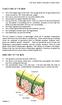 FUNCTIONS OF THE SKIN Skin is the largest organ of the body. The average adult has 18 square feet of skin which account for 16% of the total body weight. Skin acts as a physical barrier for you to the
How To Become A Surgical Technologist
 JOB DESCRIPTION: SURGICAL TECHNOLOGIST. The Standards and Guidelines for the Accreditation of Educational Programs in Surgical Technology have been approved by the Association of Surgical Technologists
Correct Coding to Maximize Reimbursements: Common Urological Coding and Billing Errors. Michael A. Ferragamo, MD, FACS
 Correct Coding to Maximize Reimbursements: Common Urological Coding and Billing Errors Michael A. Ferragamo, MD, FACS Coding and Reimbursement Consultant; Assistant Clinical Professor of Urology, University
Chapter 11. Everting skin edges
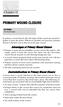 Chapter 11 PRIMARY WOUND CLOSURE KEY FIGURE: Everting skin edges In primary wound closure, the skin edges of the wound are sutured together to close the defect. Whenever possible and practical, primary
7/11/2011. Pressure Ulcers. Moisture-NOT Pressure. Wounds NOT Caused by Pressure
 Assessment and Documentation of Pressure Ulcers Jeri Ann Lundgren, RN, BSN, PHN, CWS, CWCN Pathway Health Services July 19, 2011 Training Objectives Describe etiologies of pressure ulcers Discuss how to
Laparoscopic Colectomy. What do I need to know about my laparoscopic colorectal surgery?
 Laparoscopic Colectomy What do I need to know about my laparoscopic colorectal surgery? Traditionally, colon & rectal surgery requires a large, abdominal and/or pelvic incision, which often requires a
Rotation Specific Goals & Objectives: University Health Network-Princess Margaret Hospital/ Sunnybrook Breast/Melanoma
 Rotation Specific Goals & Objectives: University Health Network-Princess Margaret Hospital/ Sunnybrook Breast/Melanoma Medical Expert: Breast Rotation Specific Competencies/Objectives 1.0 Medical History
Rotator Cuff Repair Surgical Procedures
 Rotator Cuff Repair Surgical Procedures 2011 Reimbursement and Coding Reference Guide for Physicians and Hospitals This coding reference guide is intended to illustrate the common CPT * codes, ICD-9 CM
Intra-operative Nerve Monitoring Coding Guide. March 1, 2011
 Intra-operative Nerve Monitoring Coding Guide March 1, 2011 Please direct any questions to: Patty Telgener, RN Vice President, Reimbursement Services Emerson Consultants (303) 526-7604 (office) (303) 570-2159
Dermatology & Wound Care Services
 Dermatology & Wound Care Services Presenter: Sara San Pedro CPC, CPMA, CEMC, CCP-P AHIMA Approved ICD-10 CM&PCS Trainer/Ambassador Objectives The Surgical Package and modifiers Common wound care services
Modifiers XE, XS, XP, XU, and 59 - Distinct Procedural Service
 Manual: Policy Title: Reimbursement Policy Modifiers XE, XS, XP, XU, and 59 - Distinct Procedural Service Section: Modifiers Subsection: None Date of Origin: 1/1/2000 Policy Number: RPM027 Last Updated:
NEW YORK STATE MEDICAID PROGRAM PHYSICIAN PROCEDURE CODES SECTION 5 - SURGERY
 NEW YORK STATE MEDICAID PROGRAM PHYSICIAN PROCEDURE CODES SECTION 5 - SURGERY Table of Contents SURGERY SECTION... 3 GENERAL INFORMATION AND RULES... 3 SURGERY SERVICES... 9 GENERAL... 9 INTERGUMENTARY
Coding for Oral and Maxillofacial Pathology
 saving faces changing lives Coding for Oral and Maxillofacial Pathology I. INTRODUCTION Detailed discussion of evaluation and management (E/M) codes is not within the scope of this paper. However, this
Physicians as Assistants at Surgery: 2016 Update Participating Organizations:
 Physicians as Assistants at Surgery: 2016 Update Participating Organizations: American College of Surgeons American Academy of Ophthalmology American Academy of Orthopaedic Surgeons American Academy of
Blepharoplasty & Cosmetic eyelid surgery
 Our cosmetic surgery team at The USF Eye Institute offers a wide variety of cosmetic procedures of the eyelids and face with the goal of obtaining a natural and rejuvenated appearance. Dr.Leyngold has
Highlights of the Florida Medicaid Ambulatory Surgical Center Services Coverage and Limitations Handbook
 Highlights of the Florida Medicaid Ambulatory Surgical Center Services Coverage and Limitations Handbook Agency for Health Care Administration July 2013 1 Learning Objectives Provide an overview of the
Melanoma The Skin Understanding Cancer
 Melanoma A form of cancer that begins in melanocytes (cells that make the pigment melanin). It may begin in a mole (skin melanoma), but can also begin in other pigmented tissues, such as in the eye or
Laser Procedure Note
 Laser Procedure Note Patient Name Date 1. Pre procedure diagnosis 2. Procedure and Eye Eye: 3. Pre procedure topical medications administered (and time) 4. Vital signs BP / HR Acuity OD: OS: 5. IOP: OD
Percutaneous Abscess Drainage
 Scan for mobile link. Percutaneous Abscess Drainage An abscess is an infected fluid collection within the body. Percutaneous abscess drainage uses imaging guidance to place a thin needle through the skin
Bankart Repair using the Smith & Nephew BIORAPTOR 2.9 Suture Anchor
 Shoulder Series Technique Guide *smith&nephew BIORAPTOR 2.9 Suture Anchor Bankart Repair using the Smith & Nephew BIORAPTOR 2.9 Suture Anchor Gary M. Gartsman, M.D. Introduction Arthroscopic studies of
Basal Cell Carcinoma Affecting the Eye Your Treatment Explained
 Basal Cell Carcinoma Affecting the Eye Your Treatment Explained Patient Information Introduction This booklet is designed to give you information about having a Basal Cell Carcinoma near your eye and the
Coding and Payment Guide for Dental Services. A comprehensive coding, billing, and reimbursement resource for dental services
 Coding and Payment Guide for Dental Services A comprehensive coding, billing, and reimbursement resource for dental services 2014 Contents Introduction...1 Coding Systems... 1 Claim Forms... 2 Contents
Procedural Coding Guidelines Utilizing CPT, HCPCS and CDT
 saving faces changing lives Procedural Coding Guidelines Utilizing CPT, HCPCS and CDT I. INTRODUCTION This paper discusses procedure coding, using the Current Procedural Terminology (CPT), Health Care
istent Trabecular Micro-Bypass Stent Reimbursement Guide
 istent Trabecular Micro-Bypass Stent Reimbursement Guide Table of Contents Overview Coding 3 4 Coding Overview Procedure Coding Device Coding Additional Coding Information Coverage Payment 10 11 Payment
Understand nurse aide skills needed to promote skin integrity.
 Unit B Resident Care Skills Essential Standard NA5.00 Understand nurse aide s role in providing residents hygiene, grooming, and skin care. Indicator Understand nurse aide skills needed to promote skin
2. Does the patient have one of the following appropriate indications for placing indwelling urinary catheters?
 A. Decision to Insert a Urinary Catheter: 1. Before placing an indwelling catheter, please consider if these alternatives would be more appropriate: Bladder scanner: to assess and confirm urinary retention,
(Immediate) Primary Versus Delayed Reconstruction of Human and Animal Bite
 Egypt, J. Plast. Reconstr. Surg., Vol. 35, No. 2, July: 267-271, 2011 (Immediate) Primary Versus Delayed Reconstruction of Human and Animal Bite SAMY ELEOWA, M.D.; AHMED TAHA, M.D.; MOUSTAFA MEKY, M.D.
Wound Management and Basic Suturing Techniques. Disclosures
 Wound Management and Basic Suturing Techniques 10 July 2016 Douglas Winstanley, DO FAAD FACMS West Michigan Dermatology Grand Rapids MI Hugh Greenway s 33 nd Annual Cutaneous Anatomy and Surgery Course
Intraoperative Nerve Monitoring Coding Guide. March 1, 2010
 Intraoperative Nerve Monitoring Coding Guide March 1, 2010 Please direct any questions to: Kim Brew Manager Reimbursement and Therapy Access Medtronic ENT (904) 279-7569 Rev 9/10 KB TO OUR PARTNERS IN
Basic CPT Coding, Part I
 Basic CPT Coding, Part I Course Description The purpose of this course is to provide students with the basic principles of CPT coding and classification systems, the sequencing of codes and impact on reimbursement,
Thyroid Eye Disease. Anatomy: There are 6 muscles that move your eye.
 Thyroid Eye Disease Your doctor thinks you have thyroid orbitopathy. This is an autoimmune condition where your body's immune system is producing factors that stimulate enlargement of the muscles that
Anatomic Percutaneous Ankle Reconstruction of Lateral Ligaments (A Percutaneous Anti ROLL)
 Anatomic Percutaneous Ankle Reconstruction of Lateral Ligaments (A Percutaneous Anti ROLL) Mark Glazebrook James Stone Masato Takao Stephane Guillo Introduction Ankle stabilization is required when a patient
TOWN CENTER ORTHOPAEDIC ASSOCIATES P.C. Labral Tears
 Labral Tears The shoulder is your body s most flexible joint. It is designed to let the arm move in almost any direction. But this flexibility has a price, making the joint prone to injury. The shoulder
Clinical Privileges Profile Plastic Surgery. Indu & Raj Soin Medical Center
 Printed Name Clinical Privileges Profile Plastic Surgery Indu & Raj Soin Medical Center Applicant: Check off the Requested box for each privilege requested. Applicants have the burden of producing information
Coding Endoscopic Sinus Surgery
 Coding Endoscopic Sinus Surgery Audio Seminar/Webinar July 31, 2008 Practical Tools for Seminar Learning Copyright 2008 American Health Information Management Association. All rights reserved. Disclaimer
SLAP Repair Protocol
 SLAP Repair Protocol Anatomy and Biomechanics The shoulder is a wonderfully complex joint that is made up of the ball and socket connection between the humerus (ball) and the glenoid portion of the scapula
Daman Published Rates
 Daman Published Rates Non-Network Services Price List Daman Published Rates as applicable for covered Health Services in Non-Network Providers TABLE OF CONTENTS WELCOME... 3 HOW TO READ THE PRICE LIST?...
Medical Coding and Billing Specialist Certificate Program
 Medical Coding and Billing Specialist Certificate Program Delivery Method: Program Hours: Program Modules: Online asynchronous learning with video lectures. 576 hours (2 Modules) Module I (288 hours) Section
Wound Care Charge Process
 There are six components to the wound care charge process. 1. Visit evaluation and management levels 2. Nursing / Rehab Therapist procedures 3. Physician procedures 4. Diagnostic testing 5. Dermal tissue
Stereotactic Breast Biopsy
 Scan for mobile link. Stereotactic Breast Biopsy Stereotactic breast biopsy uses mammography a specific type of breast imaging that uses low-dose x-rays to help locate a breast lump or abnormality and
Local Coverage Determination (LCD) for Skin Lesion (Non-Melanoma) Removal (L28300)
 Search Home Medicare Medicaid CHIP About CMS Regulations & Guidance Research, Statistics, Data & Systems Outreach & Education People with Medicare & Medicaid Questions Careers Newsroom Contact CMS Acronyms
Documentation Guidelines for Physicians Interventional Pain Services
 Documentation Guidelines for Physicians Interventional Pain Services Pamela Gibson, CPC Assistant Director, VMG Coding Anesthesia and Surgical Divisions 343.8791 1 General Principles of Medical Record
Medical Billing Basics
 Ingenix Learning: Medical Billing Basics 2010 8th edition Contents Introduction... 1 Welcome to the Career of Medical Coding...1 The Nature of Medical Coding...1 Coding and the Financial Picture...2 Supporting
CONSENT FORM. Procedure: Descemet s Stripping Automated Endothelial Keratoplasty (DSAEK)
 CONSENT FORM Procedure: Descemet s Stripping Automated Endothelial Keratoplasty (DSAEK) Surgeon: Jeffrey W. Liu, M.D. Peninsula Laser Eye Medical Group 1174 Castro Street, Ste. 100 Mountain View, CA 94040
Coding and Payment Guide for Dental Services. A comprehensive coding, billing, and reimbursement resource for dental services
 Coding and Payment Guide for Dental Services A comprehensive coding, billing, and reimbursement resource for dental services 2011 Contents Introduction...1 Coding Systems... 1 Claim Forms... 2 Contents
Descemet s Stripping Automated Endothelial Keratoplasty (DSAEK)
 Descemet s Stripping Automated Endothelial Keratoplasty (DSAEK) John D. Goosey, MD Introduction DSAEK is a corneal transplant technique where the unhealthy, diseased, posterior portion of a patient s cornea
Introduction to Perioperative Nursing
 Jones & Bartlett Learning, LLC. NOT FOR SALE OR DISTRIBUTION C H A P T E R 1 Introduction to Perioperative Nursing Learner Objectives 1. Define the three phases of the surgical experience. 2. Describe
The Use of MEDIHONEY for Wound Management in Oncology
 The Use of MEDIHONEY for Wound Management in Oncology Presenter: Patrice M. Dillow, MSN, APRN, CWOCN Cancer Treatment Centers of America Midwestern Regional Medical Center A Magnet Hospital This presentation
St. Louis Eye Care Specialists, LLC Andrew N. Blatt, MD
 St. Louis Eye Care Specialists, LLC Andrew N. Blatt, MD 675 Old Ballas Rd. Suite 220 St. Louis, MO 63141 Phone: 314-997-3937 Fax: 314997-3911 Toll Free: 866-869-3937 PEDIACTRIC CATARACT SURGERY A cataract
Michael A. Boss, M.D. FMH Plastic, Reconstructive und Aesthetic Surgery
 Michael A. Boss, M.D. FMH Plastic, Reconstructive und Aesthetic Surgery Boss Aesthetic Center Schauplatzgasse 23 CH-3011 Bern Switzerland +41 31 311 7691 www.aesthetic-center.com B r e a s t A u g m e
SPINAL STENOSIS Information for Patients WHAT IS SPINAL STENOSIS?
 SPINAL STENOSIS Information for Patients WHAT IS SPINAL STENOSIS? The spinal canal is best imagined as a bony tube through which nerve fibres pass. The tube is interrupted between each pair of adjacent
X-Plain Trigeminal Neuralgia Reference Summary
 X-Plain Trigeminal Neuralgia Reference Summary Introduction Trigeminal neuralgia is a condition that affects about 40,000 patients in the US every year. Its treatment mostly involves the usage of oral
ACCEPTABLE OPERATIVE REPORT # 1
 ACCEPTABLE OPERATIVE REPORT # 1 This operative report follows the standards set by The Joint Commission and AAAHC for sufficient information to: identify the patient support the diagnosis justify the treatment
Knee arthroscopy advice sheet
 Knee arthroscopy advice sheet During an arthroscopy, a camera is inserted into the knee through two or three small puncture wounds. It allows the surgeon to look at the joint surfaces, cartilage and the
Re: Horizon Blue Cross Blue Shield of New Jersey Inappropriate Application of Modifier 25
 February 5, 2015 Glenn Pomerantz, MD, JD Vice President and Chief Medical Officer Horizon Blue Cross Blue Shield of New Jersey 3 Penn Plaza East Newark, NJ 07105 Re: Horizon Blue Cross Blue Shield of New
Urinary Diversion: Ileovesicostomy/Ileal Loop/Colon Loop
 Urinary Diversion: Ileovesicostomy/Ileal Loop/Colon Loop Why do I need this surgery? A urinary diversion is a surgical procedure that is performed to allow urine to safely pass from the kidneys into a