
STAY CONNECTED WITH SGU
|
|
|
- Joel Cunningham
- 10 years ago
- Views:
Transcription
1 SCHOOL OF

2

3 A global education This is St. George s University, an educational institution that leads by example. More than 38 years ago, the University broke ground by founding the first truly international center of medical education. Creating this new opportunity gave our charter students, and all those who have followed, the chance to benefit from an international curriculum that not only helps students become doctors, but inspires them to become examples of all the great things medicine can do. To date, St. George s University has graduated more than 12,000 physicians who have practiced worldwide and whose good works are testaments to this belief.

4

5 What s Inside From the Chancellor Doctor of Medicine...24 Graduate Degree Programs...35 Independent Graduate Degree Programs Dual Degree Programs...46 General Rules and Regulations...53 Course Descriptions...54 Clinical Centers and Affiliated Hospitals Academic Partnerships...94 Student Support Services Student Organizations Admission Finances Important Dates for Entering Students Relevant Organizations STAY CONNECTED WITH SGU What s the latest news at SGU? Find out by visiting us on social media, including Facebook, Twitter, YouTube, Google Plus, Instagram, and LinkedIn. Like us, follow us, +1 us, and subscribe to stay up-to-date on everything SGU. Alumni Affairs Administration and Faculty The University reserves the right to make changes in the curriculum, degree requirements, course offerings, tuition/fees, and all rules and regulations at any time and without prior notice. The content of this catalog is current as of print time. The most up-to-date information can be found on our website at sgu.edu. Catalog

6 From the Chancellor St. George s University prepares students for the lifelong study and practice of medicine. In addition to the essential knowledge and skills of practicing professionals, the program forwards the highest goals of health care professionals. The international character of our faculty and student body, coupled with locations on three continents, provides our graduates with an experiential education consonant with our modern world. The Doctor of Medicine (MD) program promotes the understanding that research into the basic sciences and clinical medicine is an essential feature of health care. The establishment of our Medical Student Research Initiative provides the exceptional student with the opportunities to develop into a physician-scientist. The commitment of the University to research underlies its affiliation with Windward Islands Research and Education Foundation (WINDREF) and its support of our Council on Education for Public Health (CEPH)-accredited Master of Public Health degree program. This commitment promotes studies in a wider range of health care fields and preventive medicine, and an understanding into the cause, epidemiology,

7 and treatment of diseases important to the communities of the Windward Islands and the greater Caribbean. Throughout its history, part of our mission expressed a responsibility to improve the health care of Grenada. Over the decades, this has taken many forms. Presently, St. George s University is planning on developing postgraduate training programs in Grenada to train family medicine and general practice physicians. Many of these physicians will be graduates of our School. We believe this will enhance the delivery of primary care on our island and improve the lives of all Grenadians. Charles R. Modica, Chancellor

8 Unique International Education Bringing together students, graduates, and faculty from more than 140 countries in a conscious effort to create and maintain a unique international education. SGU s Department of Public Health and Preventive Medicine has been designated as a World Health Organization (WHO) Collaborating Center on Environmental and Occupational Health, the first of its kind in the Caribbean. $250 million USD, magnificent, purpose-built campus filled with state-of-the-art lecture halls, laboratories, and study space. St. George s University s Department of Educational Services is dedicated to teaching students how to learn and teachers how to teach. This unique and highly effective faculty is an important component of our student and graduate success.

9 SGU Student/Faculty/graduate Countries of Origin

10

11 Accreditations and approvals Accredited by the Government of Grenada Accredited by The Caribbean Accreditation Authority for Education in Medicine and other Health Professions (CAAM-HP), one of only three existing private medical schools to have this accreditation. CAAM-HP is recognized by the General Medical Council (GMC) of the UK and by the World Federation for Medical Education (WFME) Foundation for Advancement of International Medical Education and Research (FAIMER). After 2023, the Educational Commission for Foreign Medical Graduates (ECFMG) will issue ECFMG certification only for degrees obtained from a medical school with an accreditation recognized by the WFME. The National Committee on Foreign Medical Education and Accreditation (of the US Department of Education), for the purpose of conferring student loans, has deemed Grenada s accreditation standards to be comparable to those utilized by the United States. Approved by the New York State Education Department (NYSED) for the purpose of conducting clinical training programs in the State of New York Approved by the New Jersey State Board of Medical Examiners (NJSBME) to conduct clinical clerkship programs at SGU-affiliated New Jersey teaching hospitals and an Alternatively Accredited medical school by the Advisory Graduate Medical Education Council of New Jersey (AGMEC) within the New Jersey Commission of Higher Education Recognized by the Medical Board of California. Licensed by the Florida Commission on Independent Education (CIE) St. George s University s Master of Public Health program is only one of a few non-us programs to receive accreditation by the US Council on Education for Public Health (CEPH). SGU (SGUSOM) has been reviewed and approved by the following bodies internationally: The Bahamas Medical Council, The Bermuda Medical Council, The Sri Lankan Medical Council, The Thailand Medical Council, and The Medical Board of Trinidad and Tobago. Catalog

12 Qualified and Accessible faculty The faculty is highly qualified, dedicated to teaching, and committed to learning and utilizing the best teaching techniques of the 21st century. Faculty members with professorial rank have terminal degrees a PhD, an MD (or equivalent), or both teach in the MD program, including: 373 campus-based faculty 1524 clinical faculty providing St. George s University students with impressive access to hands-on training opportunities Distinguished visiting scholars from such highly regarded institutions as Cambridge University in the United Kingdom, as well as Harvard University, Georgetown University, and Emory University in the United States, lecture in the. 10 St. George s University

13

14

15 Broad clinical Exposure and Cohesive training MD students are presented with a wide range of patient populations. Clinical skills begin in Grenada and the clinical program is distributed throughout 70+ affiliated hospitals and clinical centers in the US, the UK, Canada, and Grenada, and delivered within a cohesive clinical training program. DMEs, program directors, and faculty at all hospitals work to the same learning objectives and examinations and hold regular meetings culminating in the annual clinical meetings in Grenada. Catalog

16 Outstanding performance and graduate outcomes St. George s University students who took the USMLE 1 for the first time in 2013 achieved a 98 percent pass rate, marking the fifth consecutive year that SGU s overall first-time pass rate on the examination surpassed 90 percent. These students have come to SGU from 37 countries, posting an impressive mean score of 227, with a mean score of 233 registered by SGU s Canadian students. St. George s University graduates are often matched in the positions of their choice, including highly competitive residencies in surgery, radiology, orthopedics, and emergency medicine. St. George s 2013 performance on USMLE Step 1 was an improvement on the outstanding results from 2012, a year in which SGU first-time test takers achieved a pass rate of 97 percent overall. By contrast, the first-time taker pass rate for students at US and Canadian schools was 96 percent in 2012 and 97% in 2013, according to the USMLE website. USMLE Step 1 First-Time Test Takers Pass Rates % 95% 90% 85% 80% 75% 70% 65% St. George s University has been SGU US/Canadian Students 92% 94% 96% 97% 98% the #1 provider of doctors into firstyear US residencies for the last three SGU Overall US/Canadian Schools* 91% 94% 92% 92% 95% 94% 97% 96% 98% 97% years combined. SGU graduates have obtained more than 750 residency positions in the US in 2014.* All Other Foreign Schools 72% 68% * Excluding SGU 71% 75% 78% *According to published information from July St. George s University

17

18

19 Transforming the US health care system, impacting global health care St. George s University has contributed more doctors into the US health care system than two-thirds of the US medical schools.* St. George s University graduates have been licensed in every state in the United States, as well as in Canada and the United Kingdom, and have practiced in more than 50 countries around the world. In its more than 38 years of academic achievement, St. George s University has graduated more than 12,000 physicians into global health care systems. *From an AMA data source, distributed in February Catalog

20 Acclaimed Academic partnerships Students who enroll in a University joint-degree program receive direct entry into the Doctor of Medicine program at St. George s University upon completing their bachelor s degree. Joint-degree programs allow students to obtain their undergraduate and Doctor of Medicine degrees in six or seven years combined. Affiliated universities fit the University s mold of international education, with locations on four continents, including institutions in the United States, the United Kingdom, and the Caribbean. 18 St. George s University

21
22
23 Scholarships providing access to a top medical education Approximately 28 percent of each entering MD class awarded institutional scholarships. A variety of scholarship awards are available and based on academic excellence and/or need: The Legacy of Excellence Scholarship is a partial-tuition scholarship awarded to entering students who demonstrate the commitment and dedication necessary to achieve academic excellence in a rigorous medical curriculum, based on their academic history. Within the Legacy of Excellence, the prestigious Chancellor s Circle is a one-third scholarship automatically awarded to accepted students who have earned an overall undergraduate GPA of 3.7, a 3.5 science GPA, and a 29 MCAT score. The CityDoctors Scholarship Program awards full and half scholarships to students committed to working as a primary care attending physician at one of SGU s participating CityDoctors hospitals. Geoffrey H. Bourne Scholarships Congress of Italian American Organizations (CIAO) Stephen R. Kopycinski Memorial Scholarships International Peace Scholarships Global Medicine Scholarship Program Commonwealth Jubilee Scholarship Program Catalog
24 Our Mission To provide an international, culturally diverse environment in which students learn the knowledge, skills, and attitudes required for postgraduate training in the health professions while being inspired to develop compassion, curiosity, tolerance, and commitment to patients and society, dedication to lifelong learning, and an understanding of the vital role of research in health care. Academic Programs With its dedication to a universal model of education, the School of Medicine at St. George s University offers a comprehensive program of study to accommodate the academic backgrounds and professional aspirations of students from all over the world. Doctor of Medicine Students wishing to achieve the Doctor of Medicine degree may enter the premedical program during one of three premedical years, or the four-year Doctor of Medicine degree program beginning with the first year of Basic Medical Sciences, which is when most students from North America begin. Students who begin their studies in the premedical program must meet the program s academic standards to be promoted into the first year of the four-year medical program. Students pursuing the Doctor of Medicine degree will study in Grenada or the United Kingdom for the first year and in Grenada for the second year, and will complete clinical training in one of our affiliated centers in the United States, the United Kingdom, Canada, or Grenada. Founders: (left to right) Edward McGowan, Louis J. Modica, Patrick F. Adams, and Charles R. Modica Keith B. Taylor Global Scholars Program The offers an option for medical students to spend the first year of the four-year Doctor of Medicine degree program on the campus of Northumbria University in the United Kingdom as part of the Keith B. Taylor Global Scholars Program (KBTGSP). A Diploma of Higher Education in Medical Sciences is awarded by the School of Applied Sciences at Northumbria University upon successful completion of the first year. Students continue the second year of the medical program in Grenada and complete clinical training in one of our affiliated centers in the United States, the United Kingdom, Canada, or Grenada. Students of the KBTGSP who may wish, at any time in their professional career, to become registered to practice medicine in the UK, must spend at least one year training in SGUSOM s clinical program in Grenada. UK General Medical Council requires that foreign medical graduates seeking UK registration complete at least 50% of their medical degree at least two years out of the four years standard duration of the course in the country in which the degree is granted. This measurement is determined by physical time spent in Grenada versus physical time spent outside of Grenada during the course of study. 22 St. George s University
25 MD/Dual Degree Programs Students pursuing a Doctor of Medicine degree at St. George s University may simultaneously earn other degrees. Bachelor of Science/MD Those who enter the University in the early stages of the premedical program (the first or second year of the program) may earn a bachelor s degree upon acceptance into and completion of the first year of the four-year medical program, if the qualifications for a bachelor s degree are met. MD/Master of Public Health and MD/Master of Science Students who wish to enhance their educational experience and broaden their career opportunities may simultaneously earn a graduate degree in public health, anatomy, microbiology and their related concentrations, or scientific research in specific disciplines. These dual graduate degrees require students to study for at least one extra term in Grenada. MD/Master of Business Administration Students who wish to focus on managing community wellness and broaden their focus of study may simultaneously earn a Master of Business Administration degree in Multi-Sector Health Management. This dual degree option requires an additional semester of study to complete the basic medical sciences curriculum. Clinical medicine is only a small part of a much greater system. The additional degree allows you to distinguish yourself from other students and shows prospective employers that you are driven and care to better your standing. Naresh Nandram, MPH 10, MD 12 Independent Graduate Degree Programs Through its Graduate Studies Program, the offers master s degree programs in public health, microbiology, bioethics, tropical medicine, physiology and neuroscience, and anatomy. The School also offers PhD programs in microbiology, physiology and neuroscience, and anatomy. Catalog
26 Doctor of Medicine Doctor of Medicine One World, One Health, One Medicine St. George s alumni include more than 12,000 successful physicians who have practiced in all 50 states in the US, and in more than 50 countries around the world. Through our many global affiliations, medical selectives are available in Prague, Thailand, India, Honduras, Kenya, and Sweden and public health practica at 150 locations in 46 countries throughout Africa, Asia, the Caribbean, Europe, and North and South America. Premedical Program The premedical program is delivered on the True Blue campus in Grenada, West Indies. Students accepted into the premedical program have been accepted into the academic track to the Doctor of Medicine (MD) degree. These years of study incorporate basic undergraduate courses in reading, writing, and mathematics with the necessary science foundation courses for a well-rounded education. The first two years of the premedical program also include a variety of courses that integrate the health and social sciences and introductory cources in anatomy and physiology. The premedical program curriculum is designed as a firm foundation for the advanced studies offered later in the four-year Doctor of Medicine degree program. The Committee on Admission places the applicants into the first, second, or third year of the premedical program according to the applicant s academic background. Those who enter the first or second year of the premedical program begin with courses in biology, chemistry, math, and physics, and also include general education and arts and humanities courses. Mastery of English and study skills are also emphasized. The third year of the premedical program consists of upper-level biomedical and behavioral science courses designed to strengthen students premedical sciences foundation and learning development program to enhance the opportunity for success in advanced medical studies. The Supplemental Instruction Model of peer learning, as well as peer review groups and mentoring, are offered for science courses taught within the premedical program. Throughout all years of the premedical program, there is a strong focus on study skills development and academic enhancement. Students who complete the premedical program with a grade point average (GPA) of 3.2 or better and pass the Premedical Science Comprehensive Examination (PMSCE) are promoted into the first year of the four-year Doctor of Medicine degree program. Additionally, any US citizen or US permanent resident is required to take the MCAT examination and have the scores reported to the School. Students who do not hold a first degree and who wish to obtain a bachelor s degree in the course of their studies may be eligible to do so. Evaluation of prior educational background will determine eligibility and appropriate placement within the BSc/MD program. 24 St. George s University
27 Premedical Program outline Year 1 Year 2 BIOL 220 General Biology 4 cr. BIOL 221 Human Biology 4 cr. CHEM 122/123 General Chemistry I/General Chemistry I Lab 3/1 cr. CHEM 124/125 General Chemistry II/General Chemistry II Lab 3/1 cr. MATH 120 College Math OR Math Elective 3 cr. PSYC 201 Introduction to Psychology 3 cr. COMP Computer Elective 3 cr. AH Arts and Humanities Elective 3 cr. Total 28 cr. BIOL 101 Anatomy and Physiology I 4 cr. BIOL 202 Anatomy and Physiology II 4 cr. CHEM 222/223 Organic Chemistry I/Organic Chemistry I Lab 3/1 cr. CHEM 224/225 Organic Chemistry II/Organic Chemistry II Lab 3/1 cr. COMH 201 Community Health 3 cr. ENGL 204 Public Speaking 3 cr. MATH 220 Statistics 3 cr. NUTR 201 Nutrition 3 cr. PSYC 205 Health Psychology 3 cr. PHYS 201 General Physics I 4 cr. PHYS 202 General Physics II 4 cr. AH Arts and Humanities Elective 3 cr. Course outline is subject to change Only qualified students in the premedical program who are enrolled in the Bachelor of Science program will be eligible to receive a Bachelor of Science degree at the end of the first year of the four-year Doctor of Medicine degree program. Doctor of Medicine Total 42 cr. Year 3 BIOL 320 Genetics 3 cr. BIOL 321/331 Molecular Biology/Molecular Biology Lab 3/1 cr. BIOL 401 Microbiology 4 cr. BIOL 441 Physiology 3 cr. BIOL 460 Human Anatomy 4 cr. CHEM 450/451 Biochemistry/Biochemistry Lab 3/1 cr. PMED 301 Learning Strategies for the Preprofessional Programs 1 cr. PMED 302 Communication for the Health Professions I 3 cr. PMED 303 Communication for the Health Professions II 3 cr. PMED 380 Clinical Cases 2 cr. PMED 390 Research Project 2 cr. PSYC 302 Abnormal Psychology 3 cr. SSCI 412 Social Sciences and Medicine 3 cr. Total 39 cr. Year 4 * *These courses comprise Year 4 of the bachelor s degree program and Year 1 of the Four-Year Doctor of Medicine Program ANAT 531 Histology and Cell Biology 4 cr. ANAT 550 Human Gross and Developmental Anatomy 8 cr. BCHM 550 Medical Biochemistry 5 cr. BIOE 501 Bioethics and the Professional: Medicine in Society I 1 cr. BMIC 550 Medical Immunology and Medical Genetics 4 cr. PHY 510 Neuroscience 5 cr. PHY 560 Physiology 6 cr. PUBH 501 Topics in Community and Preventive Medicine: Medicine in Society II 1 cr. Total 34 cr. Catalog
28 Doctor of Medicine Preprofessional Development During the premedical program, students may participate in the Preprofessional Experience Program (PEP) or the Community Linked Research and Development Program (CLRDP). These programs have been designed to encourage students in the premedical program to become more informed about their intended profession from an early point in their medical studies. They support career and personal development through participation in health fairs, physician shadowing, health education, advocacy programs, community health programs, and research. Medical Program The program for the four-year Doctor of Medicine (MD) degree consists of a 157-week curriculum. Most students complete the program in four calendar years. The program is divided into nine terms of 16 to 18 weeks each, requiring five academic years of study. Each academic year consists of 32 to 36 weeks. During the first two years, which cover the basic sciences, students study on the True Blue campus in Grenada. Students are also given the option to enroll in the Keith B. Taylor Global Scholars Program, which offers the first year of basic sciences on the campus of Northumbria University in the United Kingdom. During the last two clinical years, students move on to study at the University s clinical centers and affiliated hospitals in the United States, the United Kingdom, Canada, and/or Grenada. Four-Year Doctor of Medicine Program The Basic Sciences The first two years of the Doctor of Medicine degree program concentrate on the traditional basic science disciplines. Laboratory experience is an integral part of these first two years, along with small group discussions designed for problem-based learning and early integration of basic sciences into the clinical experience. Clinical skills begin in the first term with various basic sciences courses teaching specific components of clinical skills. Part of gross anatomy focuses on surface anatomy and living anatomy, which is a basis of much of physical diagnosis. Physical diagnosis continues in the second term in neuroscience and physiology. Clinical skills taught in the fourth term is a formal segment on communication skills and physical diagnosis, including signs and symptoms. In Term 5, the Department of Clinical Skills teaches Introduction to Clinical Medicine, which involves exercises in communication skills, visits to the Grenada General Hospital and outpatient settings, as well as small groups on campus to discuss history taking, physical examination, and generating a problem list for a given patient. Many of the clinical skills laboratory sessions use standardized patients. The on-campus sessions are conducted in a simulated hospital setting to make use of the new technologies for recording group and individual sessions employing the B-Line Medical laboratory systems. The gross anatomy laboratory in Grenada is amply supplied with cadavers for use in teaching skills. In addition, sessions in the Simulation Laboratory and ultrasound examinations on standardized patients are provided for each student. The microbiology, pathology, and histology laboratories contain extensive collections of microscopic and gross images which can be used for learning and assessment. In the Keith B. Taylor Global Scholars Program, the anatomy labs at Northumbria University use plastinated cadavers, whole and part, which are specially prepared to utilize the latest, state-of-the-art preservation technologies. Labs are set up to utilize our upto-date array of audio/visual and computerized materials in all subjects. Students progress in clinical skills, and applications of science to medicine is monitored by Objective Structured Clinical Examinations (OSCE) given at the end of the first, second, fourth & fifth terms. This examines the students skills in communication, history taking and physical examination of patients, along with the clinical application of basic sciences A separate course called Basic Sciences Foundation for Clinical Reasoning is taught in a modified team-based learning setup where students actively recapitulate concepts of basic sciences to solve clinical problems. The basic sciences courses use didactic lectures, laboratory instruction, supplemental instruction, case-based learning, question-based reviews, small group tutorials, peer teaching, and computer-assisted instruction. Basic sciences and clinical faculty present clinical correlations throughout all five terms. The Clinical Years The St. George s University approach to clinical education provides students with the opportunity to learn medicine in some of the best and best-known hospitals in the world. Located in the United States, the United Kingdom, Canada, 26 St. George s University
29 Foreign Graduate medical School Consumer Information Reporting Form Institution name St. George s University OPEID Name of medical program Length of medical program 4 years for Aug matrics/ 4.5 for Jan matrics Most recently completed calendar year start date 7/1/12 Doctor of Medicine Most recently completed calendar year end date 6/30/13 Number of US students completing medical program on-time in the most recently completed calendar year Number of US students completing medical program in the most recently completed calendar year On-time completion rate for US students completing medical program in the most recently completed calendar year Median Title IV loan debt incurred by a US student who completed the medical program in the most recently completed calendar year Median private education loan debt incurred by a US student who completed the medical program in the most recently completed calendar year Median institutional loan debt incurred by a US student who completed the medical program in the most recently completed calendar year Median combined educational loan debt incurred by a US student who completed the medical program in the most recently completed calendar year Mean Title IV loan debt incurred by a US student who completed the medical program in the most recently completed calendar year Mean private loan debt incurred by a US student who completed the medical program in the most recently completed calendar year Mean institutional loan debt incurred by a US student who completed the medical program in the most recently completed calendar year Mean combined educational loan debt incurred by a US student who completed the medical program in the most recently completed calendar year % $256, $282,912 $213,820 $8,238 $50 $222,108 Disclosed as of 4/30/2014 Catalog
30 Doctor of Medicine I loved my experience at St. George s University. I went there with a clear idea in my head of what my future held, and it came to fruition. Tanner Brownrigg, MD 07 Anybody can be a doctor but it takes a very special person to be a physician. St. George s University taught us to be well-rounded physicians. Louis Guida, MD 84 and Grenada some of these hospitals have been designated by the University as clinical centers. A clinical center is a hospital or group of hospitals able to provide at least four of the five core rotations, train students at all times, and offer sub-internships, primary care training, and elective rotations. The clinical centers allow students to complete all of their clinical training at one site, if they wish. The clerkships at these hospitals conform to the curriculum, course descriptions, and educational goals of St. George s University School of Medicine, and are monitored carefully through site visits and faculty meetings. All core rotations and sub-internships must be taken only in those hospitals with which the University has an active, written affiliation agreement, and in which there are appropriate St. George s University clinical faculty members. Students are placed in hospitals with approved postgraduate training programs in the subjects to be studied. Any other hospital in which electives are taken must also have approved postgraduate programs in the areas of training offered. In the Clinical Years, students are taught by more than 1,000 clinicians. In addition to clinical professors, the appoints a Director of Medical Education at every Clinical Center and affiliated hospital, and Clerkship Directors in each of the core clinical specialties studied there. Site visits from the Office of Clinical Studies to affiliated hospitals occur regularly. This allows the administration to meet with students and faculty throughout the Clinical Years. Departmental meetings are held at least twice a year to maintain and improve the strength of the departmental structure and to support ongoing evaluation of the curriculum, program delivery, evaluation, and testing procedures. In the Clinical Years, students are taught by an educational method based on the practical experience found in hospitals and clinics under careful supervision by practicing physicians. The knowledge acquired in the Basic Sciences serves as a basis for the facts and concepts necessary to understand the practice of modern medicine. In the Clinical Years, students develop the knowledge, skills, and attitudes needed to continue into postgraduate training. For all core rotations, the University has required reading assignments and the hospitals offer small group teaching sessions, conferences, and lectures. Clinical skills introduced in Grenada now become a major component of students education. In the hospital, students are involved in the care of patients and develop diagnostic decision-making, history, physical examination, and test interpretation skills. Students learn to communicate with patients and their families, as well as other health care workers, and are expected to grow into their roles as professionals. During the Clinical Years, we emphasize responsibility, maturity, and compassion as important attributes in the development of professional excellence. Students are expected to learn how to 28 St. George s University
31 Four-Year Medical Program Objective Outcomes Mission To provide an international, culturally diverse environment in which students learn the knowledge, skills and behaviors required for postgraduate training in the health profession, while being inspired to develop compassion, curiosity, tolerance and commitment to patients and society, dedication to lifelong learning and an understanding of the vital role of research in health care. Four-Year Outcome Objectives 1. Medical Knowledge 2. Clinical Skills Doctor of Medicine a. Apply the multidisciplinary body of basic sciences to clinical analysis and problem solving using: i. The knowledge of normal structure, function, physiology and metabolism at the levels of the whole body, organ systems, cells, organelles and specific biomolecules, including embryology, aging, growth and development. ii. The principles of normal homeostasis including molecular and cellular mechanisms. iii. The etiology, pathogenesis, structural and molecular alterations as they relate to the signs, symptoms, laboratory results, imaging investigations and causes of common and important diseases conditions. b. Incorporate the impact of factors including aging, psychological, cultural, environmental, genetic, nutritional, social, economic, religious and developmental on health and disease of patients, as well as their impact on families and caregivers. c. Utilize the important pharmacological and nonpharmacological therapies available for the prevention and treatment of disease based on cellular and molecular mechanisms of action and clinical effects. Identify and explain factors that govern therapeutic interventions, such as clinical and legal risks, benefits, cost assessments, age and gender. d. Apply the theories and principles that govern ethical decision making in the management of patients. e. Evaluate and apply clinical and translational research to the care of patient populations. a. Communicate effectively with patients, their families and members of the health care team. b. Obtain a comprehensive and/or focused medical history on patients of all categories. c. Perform physical and mental status examinations on patients of all categories appropriate to each patient s condition. d. Document pertinent patient health information in a concise, complete and responsible way. e. Select appropriate investigations and interpret the results for common and important diseases and conditions. f. Recognize and communicate common and important abnormal clinical findings. g. Develop a problem list and differential diagnosis based on the history, physical findings and initial investigations. h. Apply effective problem solving strategies to patient care. i. Perform routine and basic medical procedures. j. Provide patient education for all ages regarding health problems and health maintenance k. Identify individuals at risk for disease and select appropriate preventive measures. l. Recognize life-threatening emergencies and initiate appropriate primary intervention. m. Outline the management plan for patients under the following categories of care: preventive, acute, chronic, emergency, end of life, continuing and rehabilitative. Continued on next page. Catalog
32 Four-Year Medical Program Objective Outcomes (continued) Doctor of Medicine n. Continually reevaluate management plans based on the progress of the patient s condition and appraisal of current scientific evidence and medical information. 3. Professional Behavior a. Establish rapport and exhibit compassion for patients and families and respect their privacy, dignity and confidentiality. b. Demonstrate honesty, respect and integrity in interacting with patients and their families, colleagues, faculty and other members of the health care team. c. Be responsible in tasks dealing with patient care, faculty and colleagues including health care documentation. d. Demonstrate sensitivity to issues related to culture, race, age (including those related to geriatrics and end of life), gender, religion, sexual orientation and disability in the delivery of health care. e. Demonstrate a commitment to high professional and ethical standards. f. React appropriately to difficult situations involving conflicts, nonadherence and ethical dilemmas. g. Demonstrate a commitment to independent and lifelong learning including evaluating research in health care. h. Demonstrate the willingness to be an effective team member and team leader in the delivery of health care. i. Recognize one s own limitations in knowledge, skills and attitudes, as well as the need for asking for additional consultation. j. Participate in activities to improve the quality of medical education, including evaluations of courses and clerkships. conduct themselves in the professional role of physician and are judged on their ability to take responsibility, relate to and work harmoniously with professional colleagues, exhibit maturity in conduct on the wards, and demonstrate the disposition of a mature and qualified physician. Curriculum The third year of the four-year medical program consists of 48 weeks of core rotations. These are structured experiences required of all students, regardless of where they train. The core rotations consist of 12 weeks of Medicine; 12 weeks of Surgery; and 6 weeks each of Psychiatry, Pediatrics, Obstetrics/Gynecology, and Family Medicine. These core rotations traditionally form the educational foundation for all medical students regardless of future specialty. In addition to the core rotations, all students must complete six weeks of Family Medicine, a four-week Medicine subinternship, a four-week Medicine elective, a four-week Pediatric sub-internship or elective, and 20 weeks of additional electives, in order to graduate. Family Medicine (six weeks): This mandatory rotation can be done out of network at any hospital with an approved ACGME residency in Family Medicine. The Family Medicine rotation focuses on learning aspects of acute medical problems commonly seen in outpatient settings, such as respiratory, cardiovascular, gastrointestinal, psychiatric, and genitorurinary illnesses, as well as hypertension, diabetes, pain management, and common mild musculoskeletal injuries. Subsets of patients seen in this setting include the clinically healthy, the socioeconomically disadvantaged, the elderly, high medical utilizers, immigrants, and those with chronic or terminal diseases. A sub-internship in Medicine continues the educational goals and objectives of the core rotation, but at a higher level of responsibility. Sub-interns share patient responsibility and participate in regularly scheduled night and weekend calls. Sub-interns follow a limited number of patients very closely throughout the diagnostic workup and management. In this way, sub-internships prepare students 30 St. George s University
33 for internships and first postgraduate years. A four-week Medicine sub-internship, four-week Medicine elective, and four-week Pediatric sub-internship or elective are mandatory for all students. Electives are offered at the University s Clinical Centers and affiliated hospitals. Additional electives are available at hospitals outside the University system, but these are subject to the review and approval of the Dean of the. Students who seek licensure in the United States should carefully note that the licensing boards of some states require that students take electives only at affiliated hospitals. This will also be true in other countries. The University requires that each clerkship (whether core or elective) be completed at a hospital with an approved postgraduate training program in that specialty. Since licensing regulations may vary from state to state, and from one year to the next, this matter must be considered as students devise elective programs. Each elective is usually at least four weeks long. General Strategy: The principal objective of the elective program is to provide the best preparation for students career choices, while coordinating balanced yet broad clinical experiences. In recognition of the individual plans and needs of all students, choices of both subject matter and course location are made by students with advice from supervising clinical teachers and with the approval of the Dean. Details about each of the core rotations are found under the departmental descriptions. Requirements for the MD Degree The entire academic record of every student is reviewed to ensure that all candidates for the Doctor of Medicine degree meet the standards of the University. All students must: 1. Have satisfactory evidence on file of having complied with the requirements for admission. 2. Be in good financial standing, discharged of all indebtedness to the University. 3. Have satisfied the standards for admission, retention, and graduation from the as outlined in the SGU Student Manual. 4. Have successfully completed the medical program curriculum within the satisfactory academic progress guidelines of the School of Medicine. 5. Be at least 21 years of age. 6. Have studied medicine for at least two years at St. George s University. 7. Have maintained acceptable academic ethics, professional behavior, and good moral conduct. INTERNATIONAL Clinical Tutor TEACHING Fellowship Program The international clinical tutor teaching fellowship program is a unique, locally developed program designed for recently graduated physicians from around the world who want to enhance their teaching and communication skills, as well as pursue board examinations (USMLE, PLAB, etc.) to be accepted into postgraduate residency programs. Tutors are recruited initially for one year; upon satisfactory performance, tutors are renewed for another year. During this program, they are expected to pass the board examinations and move on to postgraduate training. The Clinical Tutors are trained by the department faculty to function as preceptors for the small groups and lab experiences for the students. Doctor of Medicine Catalog
34 Medical Program outline Basic Sciences Doctor of Medicine Academic Year One August 2014 Entrants Term 1 ANAT 531 Histology and Cell Biology 4 cr. ANAT 550 Human Gross and Developmental Anatomy 8 cr. BCHM 550 Medical Biochemistry 5 cr. Total 17 cr. Aug. 18, 2014 to Dec. 12, 2014 Term 2 BIOE 501 Bioethics and the Professional: Medicine in Society I 1 cr. BMIC 550 Medical Immunology and Medical Genetics 4 cr. PHY 510 Neuroscience 5 cr. PHY 560 Physiology 6 cr. PUBH 501 Topics in Community and Preventive Medicine: Medicine in Society II 1 cr. Jan. 12, 2015 to May 17, 2015 Total 17 cr. Academic Year Two Term 3 BEHS 640 Behavioral Sciences and Medicine 6 cr. Total 6 cr. June 29, 2015 to Aug. 7, 2015 Term 4 CLSK 653 Communication Skills and Physical Diagnosis 3 cr. MICR 670 Microbiology 6 cr. PATH 640 Pathology 13 cr. PATH 693 Medical Nutrition 1 cr. Aug. 11, 2015 to Dec. 11, 2015 Total 23 cr. Term 5 CLSK 655 Introduction to Clinical Medicine 3 cr. PATH 674 Pathophysiology 12 cr. PATH 676 Basic Science Foundation for Clinical Reasoning 2 cr. PHAR 681 Pharmacology 6 cr. Jan. 11, 2016 to May 13, 2016 Total 23 cr. 32 St. George s University
35 January 2015 Entrants Jan. 19, 2015 to May 15, 2015 August 2015 Entrants Aug. 17, 2015 to Dec. 11, 2015 January 2016 Entrants Jan. 18, 2016 to May 13, 2016 Calendar is subject to change. *Students in the Keith B. Taylor Global Scholars Program will begin the term a day prior to the date listed. Doctor of Medicine Aug. 11, 2015 * to Dec. 13, 2015 Jan. 11, 2016 to May 15, 2016 Aug. 9, 2016 * to Dec. 11, 2016 Jan. 11, 2016 to Feb. 19, 2016 June 27, 2016 to Aug. 5, 2016 Jan. 9, 2017 to Feb. 17, 2017 Feb. 22, 2016 to June 24, 2016 Aug. 9, 2016 to Dec. 9, 2016 Feb. 20, 2017 to June 23, 2017 Aug. 9, 2016 to Dec. 15, 2016 Jan. 9, 2017 to May 12, 2017 Aug. 15, 2017 to Dec. 15, 2017 Catalog
36 Medical Program outline Clinical Years Doctor of Medicine Academic Years Three, Four, and Five 48 weeks Core Rotations Medicine: 12 weeks Surgery: 12 weeks Pediatrics: 6 weeks Obstetrics/Gynecology: 6 weeks Psychiatry: 6 weeks Family Medicine: 6 weeks 32 weeks Sub-internships and Electives Medicine Sub-internship: 4 weeks Medicine Elective: 4 weeks Pediatric Elective or Sub-internship: 4 weeks Additional Electives: 20 weeks The Clinical Years consist of five terms for a total of 80 weeks. This listing does not indicate the sequence of courses. The core rotation schedules are determined by the hospital at the time students are admitted into the clinical program. In general, students complete their core rotations before doing additional requirements and electives. Electives listed are examples of the many options available. Elective choices and schedules are arranged individually by students, in consultation with the hospital administration. Hospitals have the option of requiring students to attend an orientation. This orientation can last up to a week and is a non-credit experience. Clinical rotations in the United Kingdom begin in January, July, and October. 34 St. George s University
37 Graduate Degree Programs The general policies, procedures, and requirements to earn a master s degree at St. George s University follow those of the Graduate Studies Program (GSP) of the University. The specific program in each department is defined by the rules developed within these GSP guidelines by the departmental Graduate Affairs Committee (GAC). The chair of the GAC is responsible for administration of the departmental program. Many departments will offer a research/thesis program and some may elect to also offer a non-thesis program. Advanced Standing and Transfer of Credits Up to 12 transfer credits can be made from a prior graduate degree program or during the course of the master s degree from approved universities. Recommendation for transfer of credits for advanced standing and for acceptance of non-sgu courses will be determined by the departmental GAC and presented to the Dean of the GSP for approval. Course Requirements Students must complete at least 34 credit hours. The distribution of the credit hours will be determined by the GAC and approved by the Board of Studies (BOS) after review by the Graduate Review Committee (GRC). For the master s degree program, which includes research and thesis, these components must be a total of 12 credits (6 for research and 6 for thesis). Substitutions within the Program Courses may be substituted at the discretion of the departmental GAC. Teaching Requirements At the discretion of the head of the department and following the recommendation of the departmental GAC, students may be required to serve as teaching assistants or instructors in departmental courses. Students who are required to teach will typically be remunerated for this service. Graduate Degree Programs Stand-Alone Degrees PhD Anatomy/Anatomical Sciences PhD Anatomy/Anatomical Education PhD Microbiology PhD Physiology and Neuroscience MSc Anatomy MSc Biochemistry MSc Bioethics MSc Microbiology MSc Physiology and Neuroscience MSc Tropical Medicine MPH Public Health Dual Degrees MD/MSc Anatomy MD/MSc Bioethics MD/MSc Microbiology MD/MSc Neuroscience MD/MSc Physiology MD/MSc Tropical Medicine MD/MPH Public Health MD/MBA Multi-Sector Health Management Graduate Degree Programs Catalog
38 Graduate Degree Programs Satisfactory Academic Progress For students to maintain satisfactory academic progress, a GPA of at least 3.0 (B) and a passing grade in all pass/ fail courses must be obtained. If the GPA falls below 3.0, students will be placed on academic probation and must correct the deficiency within the stated period of time, as determined by the Committee for Satisfactory Academic Progress and Professional Standards. Failure to do so may result in dismissal. Students must achieve a B or better in all departmental courses. A C in any departmental course will require that students repeat the course at its next offering. A course may only be repeated once. Students academic progress will be reviewed biannually by the departmental GAC to identify and deal with any academic or nonacademic problems. A report of each meeting will be forwarded to the Dean of the Graduate Studies Program for any further action. Students who are dismissed may appeal through the established GSP appeals process. Supervisory Committee By the beginning of the second term, students are expected to have selected a mentor with whom they wish to work. For students in the research/thesis program, both student and mentor will determine the research project and, within two months of selecting a mentor, both will choose a thesis Supervisory Committee (SC) from faculty, whose interests and expertise will complement the research project. The SC will oversee all aspects of research, administer the thesis, and review students progress. The SC will be composed of at least three members, with at least two faculty members from the department and one from outside the department. Thesis Preparation Students under the direction of student mentors will prepare the master s thesis. Members of the SC will act as consultants during the research and must approve the thesis during its development, as well as in its final form. At least four weeks should be allowed for committee review and revision of drafts of the thesis. Thesis Format and Submission The thesis must be prepared and formatted according to the thesis rules and regulations of the Graduate Studies Program. Final submission of the thesis must follow the established GSP guidelines. Final Thesis Examination The thesis presentation and defense is the culmination of the GSP experience. Following the final review by the SC and the required alterations made to the satisfaction of the SC, students will present their research in a public seminar, duly advertised, at which all the SC members must be present. Following the seminar, the SC will make a final evaluation of both the thesis and its presentation. Capstone Presentation For students in the non-thesis master s program, students and mentors must choose a topic related to the chosen program on which students will make a presentation at the end of their course of study. This presentation will be duly advertised within the University. Requirements for Graduation Students will be deemed to have fulfilled all requirements for the master s degree after successfully completing at least 34 credits with a cumulative GPA of at least 3.0. Time Frame for the Completion of the Master of Science Degree All requirements for the master s degree must be completed within five years of matriculation into the program. 36 St. George s University
39 The Institutional Review Board for the Protection of Research Participants Scientists, physicians, other health care professionals, attorneys, clergy, and members of the Grenada community populate the Institutional Review Board (IRB) for the Protection of Research Participants at St. George s University. As its mission, the members state that the IRB exists to ensure that all human research proposed under the auspices of St. George s University or referred to the IRB for review is conducted according to the highest ethical standards. It is the vision of the St. George s University Institutional Review Board that investigators are provided with a thorough and timely review of their research proposals, and human participants in research are assured that all research is conducted in a compassionate, ethical, and accountable manner. We envision the facilitation and support of research and the education of investigators and participants in ethical research principles. Windward Islands Research and Education Foundation Founded in 1994 with funds granted by the University, the Windward Islands Research and Education Foundation (WINDREF), an independent nonprofit organization located on the True Blue campus, seeks to advance health and environmental development through multidisciplinary research and education programs. Currently, WINDREF carries out short- and long-term studies in epidemiology, anthropology, virology, conservation ecology, marine biology, and other topics relevant to tropical climates and developing nations. WINDREF strives for program excellence by promoting collaborative relationships between internationally recognized scholars and regional scientists, by adhering to the highest ethical and academic standards in the design and conduct of research, and by maintaining computer links to the world s scientific community. Graduate Degree Programs Catalog
40 Independent Graduate Degree Programs Independent Graduate Degree Programs Fully accredited MPH program St. George s University s MPH program is accredited by the US authority for public health programs, the Council on Education for Public Health (CEPH). SGU is one of only a few non-us institutions to receive CEPH accreditation for its MPH degree program. WHO Collaborating Center In August 2012, the Department of Public Health and Preventive Medicine was designated as the first World Health Organization (WHO) Collaborating Center on Environmental and Occupational Health in the region. Master of Public Health The vision of the Department of Public Health and Preventive Medicine (DPHPM) at St. George s University is to be a dynamic regional and international center of excellence in public health education, service, research, and scholarly activities; attracting students, faculty, and partners of diverse backgrounds who contribute to the strengthening and empowerment of communities, in an ever-changing environment. The vision is supported by the mission to cultivate, produce, and disseminate public health knowledge, to train practitioners, and collaborate with partners and communities to promote public health regionally and internationally through an integration of education, service, research, and scholarly activities. This mission is accomplished through community empowerment, collaboration, and team concept, offering continued professional educational opportunities, translating research and knowledge through high-quality research-to-practice applications, producing graduates of high quality, and aligning the program with the needs of the community. The department offers its graduate program within the, administers the Community Preventive Medicine component of the Doctor of Medicine program and collaborates with the School of Veterinary Medicine. The Master of Public Health (MPH) program offers the freestanding MPH, giving students the option to specialize in one of three tracks: epidemiology, environmental and occupational health, or health policy and administration. A track offered in collaboration with the School of Veterinary Medicine veterinary public health is specific to DVM/MPH dual degree students. The MPH program requires 42 credits of graduate public health coursework. Of the total credits, 15 are completed in public health core courses, 6 in program-required courses, 12 in track-required courses, 3 in elective courses, 3 in the field-based practicum; and 3 in the culminating Capstone Seminar. An MD/MPH dual degree is also offered. The department is also the academic home for many public health practitioners who serve as our core, adjunct, and visiting faculty. Many of these members have years of public health experience and continue to engage in teaching, research, service and workforce development activities. The program allows its faculty and students to pursue interdisciplinary opportunities in scholarly activities, service and workforce development. The DPHPM hosts the Gamma Kappa Chapter of the Delta Omega Honors Society in Public Health and 38 St. George s University
41 Master of public health Program Overview Core Courses 27 credits Trackrequired courses 12 credits PUBH 803 Principles in Epidemiology 3 cr. PUBH 804 Principles in Biostatistics 3 cr. PUBH 805 Health Policy and Management 3 cr. PUBH 806 Social and Behavioral Aspects of Public Health 3 cr. PUBH 807 Principles of Environmental Health 3 cr. PUBH 831 Concepts, Practice, and Leadership of Public Health 3 cr. PUBH 832 Public Health Research Methods and Ethics 3 cr. PUBH 889 Practicum in Public Health 3 cr. PUBH 893 Capstone Seminar (Paper and Presentation) Letter Grade 3 cr. Environmental and Occupational Health Track (Any 4) PUBH 816 Occupational Health 3 cr. PUBH 837 Environmental Sustainable Development 3 cr. PUBH 841 Occupational and Environmental Epidemiology 3 cr. PUBH 849 Environmental Toxicology 3 cr. PUBH 852 Environmental Health Management 3 cr. PUBH 856 Principles of Industrial Hygiene 3 cr. Epidemiology Track (Must take ALL 4) PUBH 813 Chronic Disease Epidemiology 3 cr. PUBH 835 Practical Data Management and Analysis 3 cr. PUBH 842 Intermediate Epidemiology 3 cr. PUBH 843 Infectious Disease Epidemiology 3 cr. Independent Graduate Degree Programs Health Policy and Administration Track (Must take ALL 4) PUBH 844 Decision Making for Public Health Policy 3 cr. PUBH 850 Leadership in Management 3 cr. PUBH 851 Foundation in Health Policy Analysis 3 cr. PUBH 854 Health Economics 3 cr. Elective courses 3 credits Take any 3 credits PUBH 808 Maternal and Child Health 3 cr. PUBH 812 Nutrition and Public Health 3 cr. PUBH 825 Family Violence: A Public Health Problem 3 cr. PUBH 826 Women and Health: A Sociolegal Perspective 3 cr. PUBH 853 Public Health Surveillance 3 cr. PUBH 881 Independent Study 3 cr. Catalog
42 Master of public health Program Outline Independent Graduate Degree Programs Term 1 Term 2 PUBH 803 Principles of Epidemiology 3 cr. PUBH 804 Principles of Biostatistics 3 cr. PUBH 805 Health Policy and Management 3 cr. PUBH 807 Principles of Environmental Health 3 cr. PUBH 831 Concepts, Practices, and Leadership of Public Health 3 cr. Total 15 cr. PUBH 8XX Track-Required Course 3 cr. PUBH 8XX Track-Required Course 3 cr. PUBH 832 Public Health Research Methods and Ethics 3 cr. PUBH 806 Social and Behavioral Aspects of Public Health 3 cr. Total 12 cr. August 2014 Entrants Aug. 18, 2014 to Nov. 7, 2014 (12 weeks) Jan. 19, 2015 to April 10, 2014 (12 weeks) January 2015 Entrants Jan. 19, 2015 to April 10, 2015 (12 weeks) May 18, 2015 to July 10, 2015 (8 weeks) PUBH 8XX Elective 3 cr. Term 3 PUBH 8XX Track-Required Course 3 cr. PUBH 8XX Track-Required Course 3 cr. PUBH 893 Capstone Seminar 3 cr. PUBH 889 Practicum in Public Health 3 cr. May 18, 2015 to July 10, 2014 (8 weeks) Aug. 17, 2015 to Nov. 6, 2015 (12 weeks) Total 15 cr. Calendar is subject to change 40 St. George s University
43 serves as a World Health Organization Collaborating Center (WHO CC) in Environmental and Occupational Health. The faculty is encouraged to participate in research collaboration with other public health institutions and have existing links with the Centers for Disease Control and Prevention (CDC), National Institute of Health (NIH), the Caribbean Health Research Council (CHRC), University of the West Indies, and many others. Service links exist with the Grenada s Ministries of Health and Agriculture, as well as regional and international agencies, such as the Pan American Health Organization (PAHO), Caribbean Community (CARICOM), the United Nations Children s Fund (UNICEF), and the United Nations Development Fund for Women (UNIFEM). All of these dimensions contribute to the academic experiences that our students receive within the program. The US accreditation authority for public health programs, the Council on Education for Public Health (CEPH), has granted accreditation for five years to St. George s University s Master of Public Health degree program. This makes St. George s University one of only a few institutions outside of the United States to be accredited by CEPH. Master of Science All Master of Science (MSc) degree options require at least 30 credits of graduate work. Research and coursework is directed by the candidate s supervisory committee. All completed theses, upon the recommendation of the chair of the Supervisory Committee, are submitted to the Dean of the Graduate Studies Program and forwarded to an external examiner for independent evaluation. A final oral presentation and defense of the thesis must be successfully completed prior to being awarded the degree. Anatomy The MSc in anatomy is a two-year program that focuses on contemporary topics in anatomical sciences such as: ultrasound, endoscopy, immunohistochemistry, medical education, etc., and is available as a thesis or non-thesis master s program. Biochemistry The MSc in biochemistry is a two-year program which has both a course component and a research component. It is anticipated that the course requirements can be completed in the first year of the program while the research and thesis components will be completed in the second year of enrollment. This program is intended to provide laboratory (hands-on) research training in biochemistry. The training will involve three important components addressing a specific research proposal :1) Experimental design; 2) Performing experiments and 3) Interpretation of experimental results and compiling them in the final thesis. Bioethics This MSc degree provides a unique cultural and socioeconomic environment in which students develop bioethical insights and skills needed for successful international and multicultural interaction. Students explore the connections between bioethics and societal concerns, including the impact of climate change on health. Microbiology The microbiology master s program provide a rich, laboratory-based curriculum, supporting students in the development of independent research projects, and encouraging them in their efforts to develop and contribute new ideas in selected areas of microbiology. Areas of concentration include, but are not limited to, clinical microbiology, marine microbiology, parasitology, mycology, and virology. A student s individualized program of study and pursuant research is determined by the student s interests, as well as academic background, and is directed by a chosen advisor and selected Supervisory Committee, in consultation with the student. The microbiology department also offers students an opportunity to concentrate on medically related issues in microbiology. With similar academic requirements, this degree program includes courses delivered in the basic medical sciences, preparing students for careers in medical research and clinical laboratory work. Physiology and Neuroscience The MSc program in physiology and neuroscience is designed to expose students to the latest developments in medical physiology and neuroscience, both in terms of content knowledge and methodologies. The program aims to provide a solid foundation in physiology and neuroscience-related fields with an opportunity to choose a specialist subject in which to conduct research, either as a practical project or a literature-based project. Both of these tracks teach the student how to develop their evidence- Independent Graduate Degree Programs Catalog
44 Independent Graduate Degree Programs based learning skills and introduce students to critical thinking and project management. Tropical Medicine This one-year, 34-credit MSc in tropical medicine is designed for postgraduate students who have a keen interest in global health and who wish to gain firsthand experience in tropical medicine in a tropical setting. The course focuses on parasitic diseases and is delivered through 15 credits of required coursework (10 from the MD basic sciences curriculum) and 19 credits of 900-level (thesis) courses. Dual MD/MSc students only require 24 credits outside of their MD coursework to complete the MSc degree. A large component of the degree is spent developing and testing a hypothesis which is completed in the form of a thesis. Research is carried out in a tropical or developing country setting under the guidance of a Supervisory Committee. Students who complete this degree have been exposed to research ethics, epidemiology of tropical parasitic diseases and health systems in developing countries, cultural competence, and research design, as well as interpretation, scientific writing, and oral presentation of research findings. Projects are designed to facilitate publication in peer-reviewed international journals. Doctor of Philosophy The Doctor of Philosophy (PhD) degree programs at St. George s University require a minimum of 60 credits. All PhD programs require the production and defense of a doctoral thesis. Transfer credits are accepted from approved institutions and the candidate s Supervisory Committee determines the number of credits that may be incorporated, following specified guidelines. Research and coursework are directed by the candidate s Supervisory Committee. All completed theses, upon the recommendation of the chair of the Supervisory Committee, are submitted to the dean of the Graduate Studies Program and forwarded to an external examiner. A final oral presentation and defense of the thesis must be successfully completed prior to being awarded the degree. Anatomy/Anatomical Sciences The PhD in anatomy/anatomical sciences provides students with training in clinical anatomy topics such as ultrasound, endoscopy, immmunohistochemistry and their application in clinical practice. Anatomy/Anatomical Education The PhD in anatomy/anatomical education provides students with training in clinical anatomy topics, such as ultrasound, endoscopy, and immmunohistochemistry, with special emphasis on their applications in medical education. Microbiology The PhD in microbiology offers specific areas of concentration in clinical microbiology, marine microbiology, parasitology, mycology, and virology. Graduate courses will complement the specific areas of concentration and are set by the candidate s supervisory committee. Physiology and Neuroscience The PhD in physiology and neuroscience trains students to become critical-thinking and self-supporting project managers with specialized content knowledge in the physiology and neuroscience sphere. 42 St. George s University
45 Master of Science in Anatomy Specific Course Requirements (Thesis and Non-Thesis Option) MD Courses credits Graduate Courses 2 credits Research Courses ** 3 or 18 credits General Graduate Electives 7 8 credits OR credits ANAT 531 Histology and Cell Biology* 4 cr. ANAT 550 Human Gross and Developmental Anatomy 8 cr. PHY 510 Neuroscience* 5 cr. ANAT 804 Seminar in Anatomical Sciences 1 cr. BIOE 801 Research Ethics and Human Subjects 1 cr. Thesis option (18 credits) IDGS 901 MSc Project Proposal Seminar 1 cr. IDGS 902 MSc Written Project Proposal 2 cr. IDGS 903 MSc Thesis 12 cr. IDGS 904 MSc Thesis Seminar 2 cr. IDGS 905 MSc Thesis Defense 1 cr. Non-Thesis option (3 credits) ANAT 890 Capstone in Anatomical Sciences 3 cr. Thesis option must take 7 8 credits Non-thesis Option must take credits The elective credits are comprised of a combination of 800- and 900-level courses that will be determined from existing graduate courses by the Supervisory Committee in consultation with the students. * Students can take either ANAT 531 or PHY 510. **Students can complete either the thesis or non-thesis option Independent Graduate Degree Programs Master of Science in Biochemistry Specific Course Requirements Graduate courses 11 credits BCHM 816 Advanced Techniques in Biochemistry 2 cr. BCHM 817 Biochemistry for Graduate Students 6 cr. PUBH 804 Biostatistics 3 cr. Thesis courses 12 credits IDGS 904 MSc Thesis Seminar 2 cr. IDGS 913 MSc Research and Thesis 10 cr. take any 11 credits General Graduate Electives 11 credits ANAT 531 Histology and Cell Biology 4 cr. MICR 805 Microbial Genetics 2 cr. MICR 813 Medical Microbiology 5 cr. MICR 824 Advanced Biochemical Methods in Microbiology 2 cr. MICR 828 General Immunology 2 cr. PUBH 849 Environmental Toxicology 3 cr. Catalog
46 Master of Science in Bioethics Specific Course Requirements Independent Graduate Degree Programs Graduate courses 11 credits Thesis courses 17 credits General Graduate Electives 6 credits BEHS 640 Behavioral Sciences and Medicine 6 cr. BIOE 501 Bioethics and the Professional: Medicine in Society I 1 cr. BIOE 801 Research Ethics and Human Subjects 1 cr. BIOE 805 Clinical, Ethical, and Neurological Aspects of Pain 1 cr. PUBH 501 Topics in Community and Preventive Medicine: Medicine in Society II 1 cr. SCSK 529 Bioethics Today 1 cr. IDGS 902 MSc Written Project Proposal 2 cr. IDGS 903 MSc Thesis 12 cr. IDGS 904 MSc Thesis Seminar 2 cr. IDGS 905 MSc Thesis Defense 1 cr. take any 6 credits BEHS 818 Directed Study in Data Analysis 1 cr. EDUC 801 Professional Development Seminar 2 cr. EDUC 802 Seminar in University Teaching 2 cr. EDUC 803 Classroom Testing and Measurement 2 cr. IDGS 805 Community Health 1 cr. IDGS 807 Research Design and Biostatistics 3 cr. PUBH 803 Principles of Epidemiology 3 cr. PUBH 804 Principles of Biostatistics 3 cr. PUBH 805 Health Policy and Management 3 cr. PUBH 806 Social and Behavioral Aspects of Public Health 3 cr. PUBH 807 Principles of Environmental Law 3 cr. PUBH 827 International Public Health Law and Policy 3 cr. Master of science in Microbiology Specific Course Requirements Graduate Courses 24 credits Thesis Courses 6 credits Any 800- or 900-Level Courses The 24 credits of 800- and 900-level courses will be determined from existing graduate courses by the Supervisory Committee in consultation with the students. MICR 920 Research in Microbiology for MSc 6 cr. 44 St. George s University
47 Master of Science in Physiology and Neuroscience Specific Course Requirements (Thesis and Non-Thesis Option) Graduate Courses 20 credits Thesis courses * 14 credits Non-Thesis courses * 14 credits Take any combination of 20 credits BIOE 801 Research Ethics and Human Subjects 1 cr. IDGS 807 Research Design and Biostatistics 3 cr. MICR 825 Scientific Text: Organization and Presentation (STOP) 2 cr. PHNS 800 Physiology for Graduate Students 6 cr. PHNS 801 Neuroscience for Graduate Students 5 cr. PHNS 8XX Histology for Graduate Students 4 cr. IDGS 901 MSc Project Proposal Seminar 1 cr. IDGS 902 MSc Written Project Proposal 2 cr. IDGS 905 MSc Thesis Defense 1 cr. IDGS 913 MSc Research and Thesis 10 cr. Capstone Courses (8 credits) PHNS 890 Capstone Presentation for MSc 3 cr. PHNS 891 Capstone Paper for MSc 5 cr. 800-Level Courses (6 credits) * Students can take either the thesis or non-thesis track Independent Graduate Degree Programs The outstanding six credits of 800-level courses will be determined from existing graduate courses by the Supervisory Committee in consultation with the students. Master of Science in Tropical Medicine Specific Course Requirements MD Courses 10 credits Graduate Courses 5 credits Thesis courses 19 credits BMIC 550 Medical Immunoloy and Medical Genetics 4 cr. MICR 670 Microbiology 6 cr. Five credits of 800-level courses will be determined from existing graduate courses by the Supervisory Committee in consultation with the students. IDGS 900 MSc Seminar 1 cr. IDGS 901 MSc Project Proposal Seminar 1 cr. IDGS 902 MSc Written Project Proposal 2 cr. IDGS 903 MSc Thesis 12 cr. IDGS 904 MSc Thesis Seminar 2 cr. IDGS 905 MSc Thesis Defense 1 cr. Catalog
48 Dual Degree Programs Dual Degree Programs Stand Out As a Medical Leader A dual degree will help you stand apart from the crowd, preparing you to achieve leadership roles in private practice, business, government, international, and research organizations. Physicians have a unique ability to view problems from an alternate perspective using their medical training to come up with real solutions from public health to the business of health care. Students in the CEPH-accredited MPH program, available as a dual MD/MPH degree, will find that they not only have the skills and global insight to continue the ongoing battles of public health, but they are better prepared to see new threats on the horizon. And as health care practitioners are increasingly being called to draw upon new skills in patient care, dual degree MD/MBA students learn how to better manage the complexities of modern health care delivery and community wellness. St. George s University offers several paths for medical students to increase their knowledge in one area of medical study while pursuing the Doctor of Medicine degree. Bachelor of Science/MD Students who enter the University during the first or second year of the premedical program may earn a bachelor s degree upon acceptance into and completion of their first year of the four-year Doctor of Medicine degree program. MD/Master of Public Health The Department of Public Health and Preventive Medicine administers the graduate public health degree in the Doctor of Medicine/Master of Public Health (MD/MPH) program. The department also delivers the Community Preventive Medicine component of the Doctor of Medicine degree program. For dual MD/MPH degree-seeking students, 13 credits from the medical curriculum will be included towards the MPH degree. These credits together with the 1-credit Seminar Series in Community Health offered by the Department will form the basis of the MD/MPH degree track specialization. Students are required to complete 31 credits of graduate public health coursework, including the field-based practicum, for a total of 44 credits and the award of an MPH degree. Students who enter during the August term complete Term 1 of the MPH program and begin the medical program in spring of the following year. Term 2 of the MPH program continues in the summer term. These students then resume their Term 2 of the medical program in the fall term while completing the MPH coursework including the Capstone and Practicum during the remaining period of basic sciences for the medical program. MD students who enter during the January term complete Terms 1 and 2 of the MPH program during the spring and summer terms respectively, and begin their medical program, in the fall of that year. They will then complete the 6 credits of Capstone and Practicum for the MPH program during the remaining period of basic sciences in the medical program. Students seeking admission to the MD/MPH program will first be reviewed for acceptance into the four-year medical program. Upon acceptance, the Office of Admission will forward the application to the 46 St. George s University
49 MD/Master of Public Health Course Outline: August 2014 Entrants MD courses MPH courses PUBH 803 Principles of Epidemiology 3 cr. ANAT 531 Histology and Cell Biology 4 cr. ANAT 550 Human Gross and Developmental Anatomy 8 cr. BCHM 550 Medical Biochemistry 5 cr. Term 1 Fall Term 2 Spring Term 3 Summer PUBH 804 Principles of Biostatistics 3 cr. PUBH 805 Health and Policy Management 3 cr. PUBH 807 Principles of Environmental Health 3 cr. PUBH 831 Concepts, Practices, and Leadership of Public Health 3 cr. PUBH 806 Social and Behavioral Aspects of Public Health 3 cr. PUBH 832 Public Health Research Methods and Ethics 3 cr. PUBH 855 Community Medicine Seminar Series 1 cr. PUBH 8XX Elective 3 cr. Dual Degree Programs BIOE 501 Bioethics and the Professional 1 cr. BMIC 550 Medical Immunology and Medical Genetics 4 cr. PHY 510 Neuroscience 5 cr. PHY 560 Physiology 6 cr. PUBH 501 Topics in Community and Preventive Medicine 1 cr. Term 4 Fall PUBH 893 Capstone Seminar 3 cr. BEHS 640 Behavioral Science and Medicine 6 cr. Term 5 Winter CLSK 653 Communication Skills and Physical Diagnosis 3 cr. MICR 670 Microbiology 6 cr. PATH 640 Pathology 13 cr. PATH 693 Medical Nutrition 1 cr. Term 6 Spring CLSK 655 Introduction to Clinical Medicine 3 cr. PATH 674 Pathophysiology 12 cr. PATH 676 Basic Science Foundation for Clinical Reasoning 2 cr. PHAR 681 Pharmacology 6 cr. Term 7 Fall Term 8 Spring PUBH 889 Practicum in Public Health 3 cr. TOTAL MD CREDITS TOWARD MPH 13 cr. TOTAL MD CREDITS 86 cr. Total MPH Credits 31 cr. Course outlines are subject to change. Catalog
50 MD/Master of Public Health Course Outline: January 2015 Entrants MD courses MPH courses PUBH 803 Principles of Epidemiology 3 cr. Dual Degree Programs ANAT 531 Histology and Cell Biology 4 cr. ANAT 550 Human Gross and Developmental Anatomy 8 cr. BCHM 550 Medical Biochemistry 5 cr. Term 1 Spring Term 2 Summer Term 3 Fall PUBH 804 Principles of Biostatistics 3 cr. PUBH 805 Health and Policy Management 3 cr. PUBH 807 Principles of Environmental Health 3 cr. PUBH 831 Concepts, Practices, and Leadership of Public Health 3 cr. PUBH 806 Social and Behavioral Aspects of Public Health 3 cr. PUBH 832 Public Health Research Methods and Ethics 3 cr. PUBH 855 Community Medicine Seminar Series 1 cr. PUBH 8XX Elective 3 cr. BIOE 501 Bioethics and the Professional 1 cr. BMIC 550 Medical Immunology and Medical Genetics 4 cr. PHY 510 Neuroscience 5 cr. PHY 560 Physiology 6 cr. PUBH 501 Topics in Community and Preventive Medicine 1 cr. Term 4 Spring PUBH 893 Capstone Seminar 3 cr. BEHS 640 Behavioral Science and Medicine 6 cr. Term 5 Summer CLSK 653 Communication Skills and Physical Diagnosis 3 cr. MICR 670 Microbiology 6 cr. PATH 640 Pathology 13 cr. PATH 693 Medical Nutrition 1 cr. Term 6 Fall CLSK 655 Introduction to Clinical Medicine 3 cr. PATH 674 Pathophysiology 12 cr. PATH 676 Basic Science Foundation for Clinical Reasoning 2 cr. PHAR 681 Pharmacology 6 cr. Term 7 Spring Term 8 Summer PUBH 889 Practicum in Public Health 3 cr. TOTAL MD CREDITS TOWARD MPH 13 cr. TOTAL MD CREDITS 86 cr. Total MPH Credits 31 cr. 48 St. George s University Course outlines are subject to change.
51 Department of Public Health and Preventive Medicine for review and consideration. The US accreditation authority for public health programs, The Council on Education for Public Health (CEPH), has granted accreditation for five years (starting July 1, 2010) to St. George s University s Master of Public Health degree program. St. George s University is one of only a few non- US institutions to be accredited by CEPH. MPH graduates and students who complete 21 credits of coursework are eligible to sit the National Board of Public Health Examiners (NBPHE) to become Certified in Public Health (CPH). The Department of Public Health and Preventive Medicine also hosts the Gamma Kappa chapter of Delta Omega, an honorary society into which alumni with distinguished service to public health are inducted. MD/Master of Science The dual degree program offers opportunities for research in the areas of anatomy, bioethics, microbiology, physiology and neuroscience, and tropical medicine. The curriculum for the dual Doctor of Medicine/Master of Science (MD/MSc) degree reflects the areas of applied investigative research. Medical students who wish to obtain a dual MD/MSc degree must decelerate the preclinical medical program (basic medical sciences) by six months to facilitate research activities which contribute to the MSc program. Depending on the concentration of the MSc degree, 10 appropriate credits of the MD degree contribute to the 34-credit MSc part of the dual degree. Many of the dual degree program s research components are facilitated through the Research Institute of the Windward Islands Research and Education Foundation (WINDREF), a nonprofit 501(c)3 organization located on the True Blue campus of St. George s University. Depending on the specific area of research, studies may be conducted through community-based or field studies, or within WINDREF, in departmental laboratories, or in approved laboratories at other universities or institutes. Non-thesis dual degree options are also available. A Supervisory Committee oversees the MSc curriculum and research, which culminates in the production of a thesis. The MSc degree will be awarded upon the successful completion of the 10 required credits from the preclinical medical program and all prescribed graduatelevel courses as outlined in the curriculum. Admission criteria for entry into a master s degree program is an undergraduate degree from an approved university. Course requirements for the specific dual degree programs are outlined on the succeeding pages and more detailed information may be obtained from the Office of the Dean of the Graduate Studies Program. Prospective students can apply online or download a PDF application from the SGU website at sgu.edu/apply). MD/Master of Business Administration The Master of Business Administration (MBA) offered through St. George s University s Graduate Studies Program offers a US-style master s degree, which is projectcentered and tool-driven, designed for experienced managers and professionals from diverse backgrounds and cultures, and focuses on managing the dimensions and complexities of community wellness, including economic enterprise. Combining a creative mix of blended learning methods, the program is taught primarily online to international project teams, with short residencies on the True Blue campus supplementing the multi-mode delivery. Over a 14-month period, participants complete a 34-credit program that equips them to manage every aspect of small- to medium-sized organizations, in the private or social sectors, with an emphasis on international settings. A distinctive holistic approach underlies learning that reaches across disciplines and sectors, seeking the total health of communities, and is a unique feature of our MBA program. The dual MD/MBA in Multi-Sector Health Management requires 34 credits of MBA courses and two separate oneweek residencies in Grenada. This requires an additional semester of study in Grenada to complete the basic medical sciences curriculum. Students seeking admission to the MD/MBA program will first be reviewed for acceptance into the four-year Doctor of Medicine degree program. Upon acceptance, the Office of Admission will forward the application to the Office of Graduate Studies for review and consideration. Acceptance into the MBA program is based on the following requirements: a bachelor s degree (BA or BS from a regionally accredited university or college) or a competitive GPA, unless exempted by the Committee on Admission. Dual Degree Programs Catalog
52 MD/Master of Science Program Specific Course requirements Students must complete at least 34 credits of graduate level courses to complete the requirements for the dual MD/MSc degree. These credits comprise 19 credits of 900 level courses as detailed below, 5 credits of approved 800 level courses, a list of which is available from the registrar, and 10 credits of MD courses which will vary according to the major concentration. All students are required to take at least one credit of an 800 level ethics course. The remaining four credits of 800-level courses to be taken are decided upon by the chair of the supervisory committee in consultation with the student. Anatomy Dual Degree Programs MD courses 10 credits ANAT 550 Human Gross and Developmental Anatomy 8 cr. BIOE 501 Bioethics and the Professional: Medicine in Society I 1 cr. PUBH 501 Topics in Community and Preventive Medicine: Medicine in Society II 1 cr. Bioethics BEHS 640 Behavioral Sciences and Medicine 6 cr. BMIC 550 Medical Immunoloy and Medical Genetics 4 cr. Microbiology BMIC 550 Medical Immunoloy and Medical Genetics 4 cr. MICR 670 Microbiology 6 cr. NEUROSCIENCE BIOE 501 Bioethics and the Professional: Medicine in Society I 1 cr. BMIC 550 Medical Immunoloy and Medical Genetics 4 cr. PHY 510 Neuroscience 5 cr. PHYSIOLOGY BMIC 550 Medical Immunoloy and Medical Genetics 4 cr. PHY 560 Physiology 6 cr. Tropical Medicine MICR 670 Microbiology 6 cr. BMIC 550 Medical Immunoloy and Medical Genetics 4 cr. Graduate Courses 5 credits Any combination of 800-level courses 5 cr. Thesis Courses 19 credits IDGS 900 MSc Seminars 1 cr. IDGS 901 MSc Project Proposal Seminar 1 cr. IDGS 902 MSc Written Project Proposal 2 cr. IDGS 903 MSc Thesis 12 cr. IDGS 904 MSc Thesis Seminar 2 cr. IDGS 905 MSc Thesis Defense 1 cr. 50 St. George s University
53 MD/Master of Science Program Course Outline: August 2014 Entrants MD courses MSc Courses ANAT 531 Histology and Cell Biology 4 cr. ANAT 550 Human Gross and Developmental Anatomy 8 cr. BIOE 501 Bioethics and the Professional: Medicine in Society I 1 cr. Research 1 cr. BCHM 550 Medical Biochemistry 5 cr. Research 11 cr. BEHS 640 Behavioral Sciences and Medicine 6 cr. Research 2 cr. Term 1 Fall Term 2 Spring Term 3 July IDGS 900 Seminar Project* 1 cr. IDGS 901 Seminar on Project Proposal 1 cr. IDGS 902 Preparation of Project 2 cr. IDGS 903 Research Project 5 cr. Coursework (Ethics) 1 cr. Coursework 2 cr. Coursework 2 cr. Dual Degree Programs Research 6 cr. Term 4 Late Summer IDGS 903 Research Project 6 cr. BMIC 550 Medical Immunoloy and Medical Genetics 4 cr. PHY 510 Neuroscience 5 cr. PHY 560 Physiology 6 cr. PUBH 501 Topics in Community and Preventive Medicine: Medicine in Society II 1 cr. Research 3 cr. Term 5 Fall IDGS 903 Thesis Preparation 1 cr. IDGS 904 Seminar Results 2 cr. CLSK 653 Communication Skills and Physical Diagnosis 3 cr. MICR 670 Microbiology 6 cr. PATH 640 Pathology 13 cr. PATH 693 Medical Nutrition 1 cr. Research 1 cr. Term 6 Spring IDGS 905 Thesis Defense 1 cr. TOTAL MD CREDITS TOWARD MSc 10 cr. TOTAL MD CREDITS 87 cr. Total MSc Credits 24 cr. Course outlines are subject to change. * Attendance at or seminar production from a list of topics provided. May be taken at any time during the degree program. Course outlines are subject to change. Catalog
54 MD/Master of Science Program Course Outline: January 2015 Entrants MD courses MSc Courses IDGS 900 Seminar Project* 1 cr. Dual Degree Programs BCHM 550 Medical Biochemistry 5 cr. Research 12 cr. BEHS 640 Behavioral Sciences and Medicine 6 cr. Research 7 cr. ANAT 531 Histology and Cell Biology 4 cr. ANAT 550 Human Gross and Developmental Anatomy 8 cr. BIOE 501 Bioethics and the Professional: Medicine in Society I 1 cr. Research 4 cr. Term 1 Spring Term 2 July Term 3 Late Summer Term 4 Fall IDGS 901 Seminar on Project Proposal 1 cr. IDGS 902 Preparation of Project 2 cr. IDGS 903 Research Project 5 cr. Coursework 2 cr. Coursework (Ethics) 1 cr. IDGS 903 Research Project 6 cr. IDGS 903 Thesis Preparation 1 cr. IDGS 904 Seminar Results 2 cr. Coursework 2 cr. BMIC 550 Medical Immunoloy and Medical Genetics 4 cr. PHY 510 Neuroscience 5 cr. PHY 560 Physiology 6 cr. PUBH 501 Topics in Community and Preventive Medicine: Medicine in Society II 1 cr. Term 5 Spring CLSK 653 Communication Skills and Physical Diagnosis 3 cr. MICR 670 Microbiology 6 cr. PATH 640 Pathology 13 cr. PATH 693 Medical Nutrition 1 cr. Research 1 cr. Term 6 Fall IDGS 905 Thesis Defense 1 cr. TOTAL MD CREDITS TOWARD MSc 10 cr. TOTAL MD CREDITS 87 cr. Total MSc Credits 24 cr. Course outlines are subject to change. * Attendance at or seminar production from a list of topics provided. May be taken at any time during the degree program. 52 St. George s University Course outlines are subject to change.
55 General Rules and Regulations Honor Code St. George s University is an institution of medical education dedicated to a high standard of ethics and academic achievement. It is the duty of the University community to nurture safe, competent physicians who exhibit professional maturity and sound moral character. To this end, the University has instituted an Honor Code to which all students must adhere upon matriculation at the School. As a member of the student body of St. George s University, I agree: 1. To adhere to the University s policy of maintaining a high standard of honor and academic integrity 2. To refrain from violations of these ideals, for example, by cheating, plagiarizing, lying, or stealing 3. To accept the responsibility of reporting such wrongdoing upon witness. It is understood that any breach of this honor code necessitates disciplinary action, subject to the discretion of University officials, the procedures for which are outlined in the SGU Student Manual Once signed, adherence to this code is required and expected for the duration of students matriculation at the University. Promotion, Progress, and Academic Retention The Committee for Satisfactory Academic Progress and Professional Standards (CAPPS) reviews the records of all students twice a year. Students are evaluated in terms of their academic performance, professional attitude, and moral character. The faculty reserves the right to refuse promotion to students who are believed to be unsuited for continued study at the University. Information detailing promotion, progress, and academic retention guidelines are delineated in the SGU Student Manual on the University website Members Center. Health Form The University Health Form is comprised of three parts: Part I Health History; Part II Physical Examination; and Part III TB Screening and Immunization Record. All three parts, filled out completely and accurately, must be submitted prior to registration at the University. After a leave of absence (LOA) for medical reasons, a new medical clearance may be required for rematriculation. Due to public health regulations, students health histories, physical examination reports, and immunization records must be current and accurate in order for students to do clinical rotations at hospitals in the United States and the United Kingdom. Students will not be admitted to the clinical program unless their health forms are complete, current, and cleared. This information is also required for postgraduate training and when joining a hospital s medical staff as a fully licensed physician. Therefore, a copy of all this material, including updates, should be kept by students at all times and arrangements for current physicals should be made at appropriate intervals to eliminate delays in academic and career progress. Outside Employment Students are not permitted to obtain outside employment during the official school term without the written consent of the appropriate dean. Students who are not citizens of Grenada may not obtain employment in Grenada unless specifically permitted to do so by authorization of the applicable Grenadian authorities. General Rules and Regulations Catalog
56 Course Descriptions Course Descriptions Premedical Program BIOL 101 Anatomy and Physiology I Anatomy and Physiology I is an introductory course to the structure and function of the human body. Through lectures, self-guided study, and online learning, this course will develop the students theoretical knowledge of the structure and function of the human body inclusive of the cell, tissues, organs, organ systems and accessory structures. The students basic understanding of the physiological processes which arise from the body s structure will develop throughout the delivery of the course. Students will learn to apply their knowledge of anatomy and physiology to normal and a variety of abnormal pathological conditions. BIOL 201 Anatomy and Physiology II This is the second and more advanced portion of this science course on the structure and function of the human body. Through lectures, self guided study, on-line learning and applied sessions, this course will develop the students theoretical knowledge of the structure and function of the human body inclusive of the cell, tissues, organs, organ systems and accessory structures. The student s basic understanding of the physiological processes which arise from the body s structure will develop throughout the delivery of the course. Students will learn apply their knowledge of anatomy and physiology to normal and a variety of abnormal pathological conditions that are clinically relevant in the practice of medicine. BIOL 220/BIOL 221 General Biology/Human Biology General Biology and Human Biology can be taken in any order, and are designed specifically for students in the preprofessional programs. These courses aim to explain the role of macromolecules in the organization of cells, the compartmentalization of metabolic reactions, and the role of the cell cycle with regards to inheritance. BIOL 320 Genetics This course is designed to introduce undergraduate students in the preprofessional programs to the principles of classical, molecular, and population genetics. It will summarize one of the most dynamic and productive areas of modern biology by providing a historical background of our knowledge of heredity and a review of advances in our knowledge of gene structure and function. Students are expected to develop problem-solving skills in the course of their study. Testing will emphasize the use of problembased questions in which students must apply principles learned in lectures to novel situations. The application of genetic principles to medicine (human and veterinary) will be emphasized throughout the course. BIOL 321/BIOL 331 Molecular Biology/Molecular Biology Lab This course is designed to help students to develop an understanding of the molecular mechanisms that biological organisms use to store and preserve genetic information, the means by which they use that information to create functional biological structures, and the techniques that are commonly used to manipulate and study these processes in the laboratory. A basic understanding of chemistry, biology, and biochemistry will be assumed. The goal of the accompanying laboratory sessions is to help students to develop an understanding of the study of molecular biology in the laboratory; develop an understanding of the technical limitations and potential errors that can be encountered in the laboratory; develop an understanding of the scientific method and the source of the facts studied in lectures; and develop the ability to interpret, organize, and present scientific information. BIOL 401 Microbiology This course attempts to provide a general introduction into the microbial world with information on microbial physiology, growth and its control, nutrition, interactions within various ecosystems, biotechnology, and industrial aspects. 54 St. George s University
57 BIOL 441 Physiology This course is designed to provide a fundamental basis for understanding mammalian physiology, especially human physiology. In particular, this course will study the physiology of the muscular, nervous, endocrine, cardiovascular, respiratory, renal, digestive, and reproductive systems. BIOL 460 Human Anatomy Students will learn basic human anatomy and develop an understanding of the basic applications to clinical practice. CHEM 122/CHEM 123 General Chemistry I/General Chemistry I Lab General Chemistry I is a one-semester course for sciencerelated majors and students in the premedical program. The course will introduce basic concepts in physical and inorganic chemistry. CHEM 124/CHEM 125 General Chemistry II/General Chemistry II Lab This is a course in kinetics, equilibrium, acid-base, thermodynamics, electrochemistry, metallurgy, nonmetals, nuclear chemistry, transition elements, and organic chemistry. CHEM 222/CHEM 223 Organic Chemistry I/Organic Chemistry I Lab This is a course in nomenclature and classification of organic molecules, in addition to the structure and reactivity of functional groups (hydrocarbons, alcohols, alkyl halides, alkadienes, and allylic systems). CHEM 224/CHEM 225 Organic Chemistry II/Organic Chemistry II Lab An advanced course in the structure and reactivity of functional groups (aromatic compounds, carbonyl compounds, carbohydrates, organometallic compounds, carboxylic acids and their derivatives, amines, and amino acids). This course covers all the essential material needed for biochemistry. CHEM 450/451 Biochemistry/Biochemistry Lab The course covers the structure and function of biological molecules, the biochemical pathways of intermediary metabolism and their regulation in normal and aberrant states. It is designed to help students integrate the biochemical information covered by this course into meaningful knowledge with an emphasis on the functional significance and regulatory mechanisms governing metabolic pathways. The lab portion teaches basic experimental techniques used in the study of biologically significant macromolecules (biochemistry). COMH 201 Community Health Health is more than a personal matter. People do not live in isolation, unaffected by others; their health is very much determined by the world they live in and the dynamic relationship that they experience with their community. The goal of the Community Health course is to provide an understanding of population-based health as opposed to individual health. ENGL 204 Public Speaking There are many occasions in professional and private life that call for individuals to speak in public. This course is designed to introduce students to the fundamentals of public speaking. It will consider the importance of communication and cover speech building (including the collection and collation of material, structure, and content), speech writing, and event management. MATH 120 College Mathematics This course provides a working knowledge of collegelevel mathematics and its applications. The following topics will be covered in this course: sets, computation, measurements, statistics, algebra, relations, functions and graphs, geometry, and trigonometry. MATH 220 Statistics Statistics is designed to assist students in acquiring a good intuitive grasp of statistics, specifically in terms of what they are, how and when to apply various statistical techniques, how to interpret results, and how to draw meaningful conclusions from the data. NUTR 201 Nutrition This course introduces students to basic nutrition information, which will help them to understand the Course Descriptions Catalog
58 Course Descriptions relationship between diet and the prevention and/or control of diseases. PHYS 201 General Physics I This course consists of linear kinematics, works, power, energy, momentum, a brief introduction to heat, thermodynamics, and sound. This course does not require mastery of calculus and is designed to help students understand the basic principles of mechanics, heat, and sound. PHYS 202 General Physics II This course is an introduction to basic principles of electricity, magnetism, electromagnetism, alternating current, electric fields, and optics. This course does not require mastery of calculus. PMED 301 Learning Strategies for Preprofessional Programs This is a skills development course through which students in the preprofessional programs will find creative and constructive ways to gain and apply knowledge in learning situations. Students will develop a commitment to learning in a more personalized, efficient, and effective way. Significant attention will be given to study strategies and how to best place these strategies into practice in their course of study. Class sessions will provide opportunities for students to gain exposure to various learning strategies and for students to share their experiences, successes, and concerns with other students. Students will gain exposure to various learning techniques. Students will be exposed to levels of learning, types of studying, time management and planning, active review, memory, note-taking strategies, group study, and methods of developing critical-thinking skills. PMED 302 Communication for Health Professions I This course aims to develop students skills in locating, selecting, evaluating, and using research to answer questions, which are personally and professionally relevant. The course will help students to develop skills in reading, paraphrasing, and summarizing, and in using APA style to document sources. Students will learn to evaluate research methods and will analyze structure and writing style in research articles. PMED 303 Communication for Health Professions II This course aims to train students of the health professions to write clearly and effectively, to identify and correct punctuation and grammatical errors, and to write in style and registers that are appropriate for academic and professional contexts. Students will analyze several writing tasks commonly required in the health professions in order to identify and then apply the principles contributing to effectively performing these tasks. A process approach will be taken. PMED 380 Clinical Cases This course is designed to introduce students in the final year of the premedical program to clinical medicine. It provides an insight into the knowledge, skills, attitudes, and values individual students need to acquire as physicians, as well as an understanding of how material currently taught in physiology lectures applies to clinical medicine. PMED 390 Premedical Project Research This course is offered in the final year of the premedical program. It is a requirement for students in the School of Medicine combined degree program (Bachelor s/ MD). A emphasis of the class is to equip students with the skills needed to assess, understand, and critically evaluate published medical research. The course begins by reviewing standard research design and common pitfalls. It then covers other relevant topics, such as methodology, ethics, online research resources, survey design, and basic data interpretation. Students work together in small groups to produce a research paper and present a poster to the campus community. PSYC 201 Introduction to Psychology Introduction to Psychology covers systematic and experimental approaches to understanding human behavior and cognition. The course is an in-depth introduction to the science and profession of psychology. It will present a summary of what is known about human nature, how it reveals general principles of the functioning of the brain, and the behavior of individuals and groups. 56 St. George s University
59 PSYC 205 Health Psychology This course will engage concepts in health psychology and describe the effects of heredity, maturation, and environmental factors on individuals throughout their lifetime. It will examine the main theories of personalities and disorders of personalities, cognition, and emotion. It will describe main psychological disorders, the relationship between behavior and specific chronic diseases, pain perception, stress and coping, death, dying, and bereavement. PSYC 302 Abnormal Psychology The course examines the etiology, epidemiology, description/classification, and treatment of disordered behavior. Major mental disorders are systematically examined from several different theoretical viewpoints, including psychodynamic, learning, cognitive, physiological, and humanistic/existential. A survey of psychological disorders is provided and students are introduced to the DSM-5 classification system. Treatment approaches based upon the major theoretical perspectives are covered and empirically based treatment outcome studies are reviewed. SSCI 412 Social Science and Medicine This course examines several aspects of medicine. First, it examines how the health care system is a social institution with norms and belief systems that may differ in other cultures. Second, the doctor-patient relationship is examined and the concepts of doctor communication, patient adherence, and compliance, in addition to types of health care delivery, are highlighted. Third, behavior and how it affects patient health is examined. Specifically, the course discusses stress, personality, drug and alcohol use, smoking, diet, and pain management as important factors contributing to a person s health. As fewer people die from infectious diseases and more people die from diseases (such as cancer) that may be prevented through a healthy lifestyle, understanding patients lifestyles outside of the hospital becomes imperative. Overall, the course discusses health and illness within the biopsychosocial model that is replacing the biomedical model in medicine. Doctor of Medicine Program The medical program curriculum is divided into two segments, the Basic Medical Sciences and the Clinical Years. Basic Medical Sciences Courses The following descriptions are overviews of the Basic Medical Sciences courses. The subject matter and course objectives will continually change to reflect advances and new directions within the discipline, as well as growth and new dimensions within the faculty and academic community of the School. Anatomical Sciences Marios Loukas, MD, PhD, Chair ANAT 531 Histology and Cell Biology The Histology and Cell Biology Course offers approximately 84 scheduled class hours devoted to teaching microscopic anatomy. The course consists of lectures and lab activities, where microscopic images of normal organs and organ systems are presented. An insight into their appearance and their relevant functions in various organs systems are discussed. Lectures Once the lectures on normal histology of an organ system are covered, clinical importance of that particular system is emphasized in clinical lectures. These lectures include the normal gross appearance of an organ and its histology, followed by gross pathological and histopathological appearance of the same. Clinical and radiological (basic) appearances and biochemical variations are included in a few cases. This establishes the importance of understanding normal histology and cell biology, thus enabling the students to differentiate and integrate pathological states at a microscopic level. This mode of teaching achieves horizontal and vertical integration of all Basic Sciences. Laboratory Using the facility available, digital images of microscopic anatomy are uploaded through Sakai, our University website, and discussed in small groups facilitated by qualified physicians (clinical tutors). Following the presentation of normal histology of cells by the students, Course Descriptions Catalog
60 Course Descriptions clinical vignettes with pathological conditions which are similar to USMLE board format, are discussed, thus enabling students to compare the normal with the abnormal. This further emphasizes the objective of the course. Light microscopes are available to interested students to visualize glass slides, when time permits. Self-assessment Exercises The students learning abilities are tested by selfassessment and Turning Point questions in labs and lectures. Online quiz exercises and assessments are also assigned to the students. Mock exams before the midterm and final exam further strengthens their knowledge and increases their confidence. The course is evaluated by the feedback obtained from the midterm and final exam. Online suggestions from endof-term student evaluations are considered and positive changes implemented. Internal and external reviews also help fine-tune the course presentation. ANAT 550 Human Gross and Developmental Anatomy The course in human gross and developmental anatomy consists of approximately 160 scheduled class hours devoted to cultivating an appreciation of a threedimensional visual image of the human body and its development. Lectures present students with an integrated approach to general and applied anatomy. Laboratory Exercises Study of the cadaver is achieved through prosected cadaveric specimens and follows a traditional sequence of the back, upper extremities, thorax, and abdomen prior to the midterm examination. The sequence continues with the pelvis, perineum, lower extremities, head, and neck for the final examination. Small Groups With the guidance of clinical tutors, groups of eight students have the opportunity to explore surface anatomy on standardized patients which is then integrated with the learning of the foundation steps of physical examination. Problem-based learning through the use of clinical cases is presented to the students, whose objective is the interpretation of the relevant clinical anatomy. Students are also introduced to radiological images, such as CT, MRI, ultrasound and arteriograms. Reviewing articles taken from peer-reviewed journals allow the students to appreciate and debate new advances in medicine related to anatomy. In all small groups, the clinical tutors who are MDs ensure that professional competencies and team-based interpersonal skills are evaluated. Student evaluation consists of online quizzes, as well as midterm and final examinations. The material tested covers topics presented in lectures, labs, small groups, simulation exercises, and all resources available on SAKAI on the University website. All examinations follow the USMLE format, which familiarizes the students with the standardized testing methods required by medical licensers. 58 St. George s University
61 Behavioral Sciences David L. Brown, MD, PhD, Co-Chair John P. Pettus, PhD, Co-Chair BEHS 640 Behavioral Sciences and Medicine This course aims to contribute to the education of skilled physicians. Students will be able to integrate biomedical, clinical, and behavioral knowledge, leading to improved patient well-being and community health. There are three modules: Module 1: Fundamental Principles of Human Behavior and Development Module 1 focuses upon fundamental principles of human behavior and development. Theories of normal lifespan development and psychopathology are examined. The importance of effective communication within the doctorpatient relationship is emphasized in terms of patient compliance and positive health outcomes. An overview of models of human behavior, which include behavioral, cognitive, and biological approaches are provided. Lecture topics include psychopathology/ diagnosis, biological/genetic bases of behavior, brain-behavior relationships, cognitive-behavioral therapy, behavioral medicine, sexual functioning and identity, psychological assessment, suicide, and psychopharmacological intervention. A biopsychosocial approach to patient care is promoted, including the role of cultural factors within the doctorpatient encounter. There is an emphasis on development of cultural sensitivity and competence in provision of care. The role of the family and patient s social network are explored, and such life-disrupting disorders as substance abuse, domestic violence and child abuse are discussed with reference to the physician s role in detection and intervention. Module 2: Quantitative Principles of Medicine An introduction to biostatistics provides fundamental concepts that quantify variation and uncertainty. Clinical epidemiology involves concepts of epidemiology, preventive medicine and evidence-based medicine tailored to the needs of future clinicians. Emphasis is on recognizing patterns of disease occurrence and disease outcomes in human populations, using that information to decide on diagnostic strategy and therapeutic interventions, and applying sound scientific principles to patient care. Introduction to the concepts and practice of evidencebased medicine is provided with a special emphasis on the evaluation of complementary medicine techniques. Quantitative topics are enhanced with clinical examples from the medical literature, providing a transition from research findings to care of individual patients. How behavior, environment and politics influence health in different societies is also considered an international comparison of health systems is provided, and factors underlying existing disparities in health care are explored. Current issues of health care financing and delivery are discussed, along with changes in insurance systems, cost containment, and different types of medical practice. Module 3: Medical Jurisprudence and Clinical Ethics Module 3 focuses on fundamental concepts of law and ethics in relation to the medical profession. The concerns of society in the regulation of medical practice are emphasized. Basic principles of malpractice are discussed, along with such topics as informed consent and confidentiality. The module surveys the history of medical ethics, the ethical duties of a physician, patient autonomy, termination of pregnancy and end-of-life decisions, social ethics and rationing of services. Small Group Sessions Small group sessions (six students per group) focus on topics introduced in lectures. Small group session format varies, and may involve discussion around case-based clinical videos, interpretation of clinical data, critical evaluation of medical research literature, or application of epidemiological principles to clinical decision making. Exam format is consistent with NBME guidelines. Biochemistry and Genetics Sharmila Upadhya, MBBS, MD, DNB, Chair BCHM 550 Medical Biochemistry The Medical Biochemistry course teaches the science of biochemistry in a clinical and physiological context. The course is planned to provide students with a working knowledge of the biochemical basis of disease processes Course Descriptions Catalog
62 Course Descriptions for understanding the subsequent courses in the medical curriculum. The course has about 74 didactic lectures and nine small group sessions. The first half of the course provides a background for understanding acid-base relations, structure and function of macromolecules, the role of enzymes, and introduction to metabolism and genetics. The mechanisms of biochemical reactions with attention being given to their roles in disease are also discussed. In this half of the term, metabolism of carbohydrates and their clinical correlation is also discussed. There is emphasis on the key enzymes and regulatory steps in metabolic pathways, which are important in understanding metabolism in different physiological and pathological situations. In the second half of the term, lipid and nitrogen metabolism are discussed. This half of the term is dominated by integrative and clinical subjects. The biochemical roles of the major organ systems and an overview of the metabolic interplay between organs are highlighted. Principles of energy balance, as well as the role of vitamins and minerals in maintaining good health are introduced. The biochemical aspects of coagulation, jaundice, porphyrias, diabetes, obesity, inherited diseases and under-nutrition are presented. An introduction to genomics and the use of molecular genetics in diagnostic medicine is also included to ensure that students have an understanding of the basic concepts and techniques of molecular biology, to be able to participate in the geneticbased medicine of the new millennium. Interactive audience response clicker systems are used in most of the lectures. Students will also participate in nine small group discussions, which are each based on a clinical case facilitated by clinical tutors. The biochemical aspects of the clinical scenarios are extensively discussed in these sessions. The topics presented are evaluated by three exams: unified, midterm, and final examinations. The questions used for evaluation are clinical or laboratory vignette-style questions, similar to the USMLE board format to familiarize students with the standardized testing methods. The test questions are based on application of the concepts discussed in the lectures and small groups. There are also online quizzes for student self-assessment. The professional attitudes and communication skills of students are continuously assessed in the small group sessions, and form part of the final grade. BMIC 550 Medical Immunology and Medical Genetics Medical Immunology and Medical Genetics (MIMG) is a four-credit interdepartmental course. Given the interdepartmental nature of MIMG, it is listed as a distinct course within the Microbiology and the Biochemistry Department. The Medical Genetics and Genomics module aims to prepare the medical student to see the human condition and all disease through a genetic lens. Material is presented in a clinical, physiological, and biochemical context with the aim to develop competency skills in medical genetics. The course is planned to provide students with a working knowledge of the genetic basis of disease processes for understanding the subsequent courses in the medical curriculum. The genetics and genomics module provides a background for understanding the chemical nature of nucleic acids, molecular diagnostic techniques, gene regulation, and aspects of inheritance patterns including epigenetics. Integrative and clinical subjects are developed with discussions on cytogenetics, population genetics, multifactorial genetics, and cancer genetics. Additionally, aspects of treatment of genetic diseases, the hemoglobinopathies, and pharmacogenomics are discussed. Throughout the entire term, ethical issues related to genetics and genomics in medicine are highlighted. Interactive audience response clicker systems are used in most of the lectures. The Medical Immunology module of MIMG has been developed to interdigitate with allied disciplines that are also offered during the student s program of study. In particular, every attempt is made to ensure horizontal integration with Genetics and vertical integration with Parasitology and Microbiology, which in turn, are integrated with Pathology through to Pathophysiology. The nature of Immunology demands that discipline-specific vocabulary be memorized before concepts may be understood and assimilated. A strong foundation is necessary to grasp the principles underlying clinical trials, clinical cases, diagnostic tests, and progressing immunological research. In addition to the aforementioned integration, the Immunology module emphasizes the manner by which basic science research translates into clinical practice. This is achieved by the incorporation of Translational Immunology, Immunodiagnostics, and Clinical Cases. 60 St. George s University
63 Bioethics Cheryl Macpherson, PhD, Chair SGU s Department of Bioethics is charged with centralizing and strengthening training in ethical and professional thought and action. This department offers programs and courses to stimulate critical thinking and ethical discourse across disciplines, to facilitate academic exchange, and contribute to the professional development of students, faculty, visiting scholars, and Caribbean health professionals. The department serves the wider Caribbean community by providing a home for the Secretariat of the Bioethics Society of the English-speaking Caribbean (BSEC). It contributes to the White Coat Ceremony and is the base for SGUSOM s Chapter of the Gold Humanism Honor Society (GHHS). It serves and supports SGU s IRB and runs an active Bioethics Grand Rounds seminar series. BIOE 501 Bioethics and the Professional: Medicine in Society I Bioethics is a discipline grounded in facts, contextual information, and objective reasoning. The bioethics course consists of 18 scheduled class hours. It encourages students to reflect on their professional identity as medical students, and aims to strengthen the student s ability to recognize and critically analyze ethical concerns in medicine. To do so, it introduces language, structure, and tools with which to address moral conflicts that arise in medicine in different contexts around the world. Course concepts and terminology emphasize professionalism, principles, and theories; students learn to apply these to case scenarios and controversies in medicine. The course is interactive during class and uses a personal response system during lectures to reinforce concepts and expose disagreements. Students are assessed based on participation in groups and informatics lab, electronic short answer assignments, and the final exam. Clinical Skills Winston Mitchell, MBBS, FACS, Chair CLSK 653 Communication Skills and Physical Diagnosis The Communication Skills and Physical Diagnosis course consists of approximately 227 scheduled class hours where the students are expected to learn the art of skilled interviewing and the skills of physical examination. Students are taught history taking in the broad sense. History taking consists of the what (information obtained from the patient encounter) and the how (techniques of communication skills) to obtain the maximum amount of information while being empathetic, considerate and paying attention to the patient s feelings and rights. Physical diagnosis is taught in the lab and the student is taught how to utilize the senses of sight (observation), touch (palpation and percussion) and hearing (auscultation) as a unified exercise. Both history taking and physical diagnosis are taught in the lab in small groups. Physical Diagnosis is taught along system lines: Although this teaching is sectionalized, one must realize that the patient must be approached as a unit with all systems functioning in an integrated manner. Small Groups With the guidance of clinical tutors and full-time faculty, small groups of no more than eight students per group have the opportunity to learn the initial steps of physical examination, such as inspection, percussion, auscultation, and so forth, through a problem-based environment. In addition, relevant core clinical cases are presented to the students in order to facilitate basic interpretation of professional competencies and team-based interpersonal skills. Student Assessment Consists of three written examinations one unified, one midterm written, and one final written; three quizzes and one OSCE. All examinations cover topics discussed in lectures and labs. Of the three quizzes, one consists of a case write-up obtained from evaluation of an actual patient. The OSCE is a lab-based practical examination covering patient s interview and physical examination. Term 4 is a departure from the students experiences in Terms 1, 2 and 3. These terms deal with Basic Science and rely heavily on memorization and recall. Although Clinical Skills require a strong foundation in Basic Sciences, it deals mainly with the application of knowledge. Term 4 provides the first real experience for the medical student to interview patients, real or simulated, and to examine fellow medical students, simulated patients, and real patients. To students, this is the real beginning of medicine. Course Descriptions Catalog
64 Course Descriptions Vertical integration of all aspects of lessons taught throughout the medical school is essential. Students must recognize that courses taught in Basic Science are needed for the understanding of Clinical Skills. CLSK 655 Introduction to Clinical Medicine The Introduction to Clinical Medicine course consists of approximately 189 scheduled class hours where it serves as the bridge to help facilitate the student s transition from the basic science to the clinical years. The course provides an introduction and opportunity to learn and practice the fundamental clinical and reasoning skills that are required to enter the third year clerkship. The goal of the primary learning activity is to develop those analytic and problem-solving abilities that are needed to formulate a differential diagnosis, using information obtained from an appropriately done history taking and physical diagnosis that they learn in Term 4. The teaching method (and learning) is defined as symptombased differential diagnosis. Students must be able to determine and ask relevant questions in order to further elucidate all the symptoms. On completion of the history, the student should be able to make a tentative differential diagnosis, and determine the systems that require physical examination. Based upon this analysis of the system(s) to be examined, a focused (or if needed a complete) physical examination is carried out. Students will focus primarily on obtaining and presenting the historical and physical examination findings to clinical preceptors during hospital and clinic visits. They will organize, prioritize, and accurately report these findings in the written and oral case presentation formats. a case is discussed each week that focuses on a different organ system. Each small group of students is given the presenting complaint(s) of a patient, in vignette format, by the tutor. Students are expected to determine what appropriate questions need to be asked and answered in order to progress toward a tentative differential diagnosis. Additional information from the history is then given by the tutor. Based on the complete history, students are expected to determine the appropriate organ system(s) on which the physical examination should be primarily focused. This process of critical thinking starts from the presentation of the vignette. Students then indicate the possible physical findings that may be expected. The actual physical findings are then given to the students by the tutor. A differential diagnosis is then prepared along with possible investigations and their likely findings. This leads to a final diagnosis with brief reference to management principles. Student Assessment Home Study Clinical vignette of presenting complaints. Students make a list of differential diagnoses with supporting and non-supporting evidence. Small Group Detailed discussion of above vignette to arrive at a tentative diagnosis with brief discussion of investigation and management. Hospital Rotation One hospital visit per week. Case Write-up Based upon cases seen at hospital visits. Written Examinations Unified, Midterm, Final 1 OSCE Seven stations each with history and physical examinations. The clinical data gathered during the history and physical examination must be correctly interpreted. Students will also learn to interpret their findings from the history and physical examination, formulate a problem list and generate a differential diagnosis. Basic elements of the selection and interpretation of laboratory tests, as well as patient management concepts are also introduced. Students will further develop their clinical problem-solving skills and critical thinking by actively participating in classroom small group sessions. During these sessions, Microbiology David Lennon, PhD, Chair MICR 670 Microbiology The course is designed to focus the student on the clinical presentation of infectious disease, while encompassing the pathogenesis of the causative agent. The learning and examinations are integrative and not compartmentalized. 62 St. George s University
65 The microbiology course is comprised of 30% introductory material addressing the bacterial, viral, fungal & parasitic groups, and the remaining 70% is delivered in an organ system framework. The main emphasis of the course is microbial infections within each of the human organ systems with special emphasis on clinical correlates presenting the range of infectious agents. Laboratory Exercises Two hands-on laboratory sessions are designed to expose students to basic microbiology laboratory techniques for the safe handling and identification of microorganisms. Small Group Sessions Six sessions are conducted by clinical tutors to engage critical thinking and reasoning to enable application of the basic science information presented in the course in a clinical manner. Student are placed in groups of 8 9 members, discussing 3 4 clinical vignettes, emphasizing the integration of basic science knowledge with clinical medicine. Web-based/Self-study Three in-class quizzes on current topics in medical microbiology related to each organ system taught. Each quiz is designed to encourage students to read current research/review articles and summarize the content in a manner that will be advantageous to their future. Both midterm and final examinations cover topics discussed in lectures. The course is specifically designed to enhance clinical integration of the Basic Sciences material. In addition, the exams will are in a USMLE board format to familiarize students with standardized testing methods required by medical licensers and given electronically using Examsoft. Pathology Shivayogi Bhusnurmath, MD, FRCPath, Co-Chair Bharti Bhusnurmath, MBBS, MD, Co-Chair PATH 640 Pathology The course is taught in two segments General Pathology and Systemic Pathology. The main emphasis is on active learning by the students based on clinically oriented lectures and daily clinical problem-solving in groups. The General Pathology segment deals with how tissue responds to injury, cell death, inflammation, ischemia, thrombosis, embolism, infarction, etc. It also deals with response to infections, environmental pollutants and disease states related to abnormal immune responses. Mechanisms of tumor development and how tumors spread are studied under neoplasia, followed by molecular pathology. The Systemic Pathology segment involves similar principles, but applied in detail to individual organ systems, such as cardiovascular, respiratory, etc. It includes interpretation of laboratory data for some of the major disease processes. Forensic pathology is also taught in this segment. Small Groups The lab sessions are conducted as group activities in student groups of 12, closely monitored by a clinical tutor. The students discuss gross and microscopic pathology images, (about 400), electron micrographs, radiographic images and clinical cases which correlate with the concurrent lecture manual. The process involves active learning with guided discovery of etiology, pathogenesis, structural changes, clinical symptoms and signs, relevant investigations, and course of the disease for the common and prototype diseases. The students are also encouraged to learn how to distinguish between related entities. Periodically, gross specimens and glass slides from current hospital material are also discussed. Exams, Quizzes, Grading There are three exams. This includes one unified exam after the first two weeks of classes and one exam at the end of each segment. Each exam is comprehensive, covering all the material taught to that date and is made up of clinical vignette-based MCQ-type questions. Approximately 23% of those questions are image-based. There is also one online quiz. Students can earn a maximum of 25 professionalism points for clinicopathological conferences, concept map submissions, lab and lecture participation, and demonstration of professional behavior. All three exams carry a combined total of 300 points, distributed as follows: Course Descriptions Catalog
66 Unified Exam (20 questions) Exam 1 (140 questions) Final Exam (150 questions) 10 points 140 points 150 points Pathophysiology Subramanya Upadhya, MBBS, MD, DNB, Chair Course Descriptions The grade distributions are follows: A+: % B+: 87 89% C+: 77 79% F: < 70% A: 93 96% B: 83 86% C: 73 76% A-: 90 92% B-: 80 82% C-: 70 72% Online All course notes, lab images, sample questions, and other course materials are posted on Sakai. All quizzes are administered online. PATH 693 Medical Nutrition The course in Medical Nutrition consists of approximately 16 scheduled class hours devoted to developing an appreciation of the pathological changes which occur as a result of alterations in nutrition. It presents components of human pathophysiology in which diet, on the basis of current knowledge, is believed to be important in either a causative or a contributory way. The application of dietary knowledge, to prevention of disease and the management of established diseases are discussed. Being able to apply knowledge of nutrition is important in clinical practice. The course presents additional foundational nutrition concepts in such a way as to emphasize the relevance of scientific knowledge presented in earlier coursework, especially in Biochemistry, Physiology, Pathology, Genetics and Epidemiology to important medical topics. The lectures and assignments cover important aspects of nutrition and disease, including many controversial issues. Practicing physicians need a solid foundation in the basic nutritional sciences and to be well informed, in order to retain credibility with their patients, who may rely on physicians as the preferred sources of nutrition information. The final exam covers topics taught in the lectures. There is also an online quiz at the end of the first week, as well as daily clicker questions, so the students can gauge their performance since the course is so short. There are neither laboratories nor small group exercises. PATH 674 Pathophysiology The course in Pathophysiology consists of approximately 124 scheduled lecture hours devoted to providing a platform for active learning where the students learn to analyze clinical problems using the concepts learned in all the basic sciences in an integrated fashion. The course is designed to allow students to restructure their basic science learning and to organize it around clinical presentations to prepare them for USMLE 1 and the clerkship. There are four small group sessions which are based on clinical vignettes covering the combined objectives of Pathophysiology, Pharmacology, and Clinical Skills. These sessions also allow students to demonstrate professional behaviors, communication and clinical skills as well as their knowledge of the subject matter. In addition, students will be provided with a series of online quizzes and practice questions for study. Evaluation Two midterms and one final examination will cover topics discussed in the lectures and small groups. In addition, students are required to take the Comprehensive Basic Sciences Examination (CBSE), administered by the National Board of Medical Examiners (NBME), United States, toward the end of the term. Scores obtained in term examinations and NBME-CBSE are considered while grading. The course is specifically designed to enhance clinical integration of Basic Sciences material. In addition, the exams are in a USMLE board format to familiarize students with standardized testing methods required by medical licensers. PATH 676 Basic Science Foundation for Clinical Reasoning The course in Basic Science Foundation for Clinical Reasoning (BSFCR) consists of 28 Lab-hours devoted to review basic science concepts by solving clinical problems through group discussions. These are facilitated by clinical tutors and monitored by subject experts from various departments of basic sciences. The course is designed to integrate basic sciences in clinical context. In 64 St. George s University
67 addition, students are also trained to develop professional competencies, interpersonal skills,and communication skills. Evaluation Two midterms and one final examination cover topics discussed in lab-based group discussions. In addition, written tests are administered every week as continuous assessment. Also, students are required to take the Comprehensive Basic Sciences Examination (CBSE), administered by the National Board of Medical Examiners (NBME), United States, toward the end of the term. Scores obtained in term examinations, continuous assessment, and NBME-CBSE are considered while grading. The term exams are in a USMLE board format to familiarize students with standardized testing methods required by medical licensers. Pharmacology Leonardo Dasso, PhD, Chair PHAR 681 Pharmacology The primary objective of the Pharmacology course is to provide the student with a solid basis for understanding the pharmacology of therapeutic agents, and thus with a foundation for future clinical decision-making with respect to pharmacological therapies. The course begins with a basic principles module exploring the fundamental principles of pharmacokinetics and pharmacodynamics. This is followed by systematic discussion of the major drugs used in specific clinical situations. Topics covered include the pharmacology of the autonomic and central nervous systems, cardiovascular, respiratory, gastrointestinal, renal, endocrine and autacoid pharmacology, and chemotherapy. Particular emphasis is placed on the mechanisms of action, therapeutic and adverse effects and clinical indications of drugs used in medical practice. The lecture sequence is coordinated with the Pathophysiology course and the schedules are subdivided into different subject blocks to facilitate learning across disciplines. Each lecture has well-defined learning objectives intended to help students organize their study and prepare for exams. For advanced discussion of selected topics, the class is divided into small groups, and short high-yield clinical cases are presented and discussed by students under the guidance of a group facilitator. The small group sessions are designed to provide a clinical context to help students apply acquired knowledge and explore new knowledge, as well as to integrate Pharmacology with Clinical Medicine and Pathophysiology. The final grade of the Pharmacology course is based on the results from the three written examinations, as well as the participation in the small group sessions. Physiology and Neuroscience Walter Kolbinger, PhD, Chair PHY 510 Neuroscience The Neuroscience course is an interdisciplinary study of the structure and function of the nervous system, entailing almost simultaneously its anatomy (focusing on the central nervous system), histology, physiology, some pharmacology and pathophysiology. Whenever feasible, the course presents concomitantly, rather than sequentially, the basic structures, mechanisms and functions of the various interrelated neural systems. Neurological case studies discussed as disorders of normal function are included as an integral component wherever possible. The course provides a contemporary and thorough grounding in cellular, molecular and systems Neuroscience. This knowledge is intended to serve as a basis for understanding the effects of damage to the nervous system as seen in general clinical medicine and in specialties such as Neurology, Neurosurgery, Psychiatry, and Ophthalmology. The course facilitates the development of professional competencies, which include clinical reasoning, components of practical clinical skills used in neurological examinations, basic interpretation of modern imaging techniques, and communication and interpersonal skills, in particular through small group practical sessions and interactive settings. Assessments include two examinations (midterm and final) of multiple choice single best answer type, small group Course Descriptions Catalog
68 Course Descriptions practical assessments requiring successful participation, usually followed by an online activity. A small group practical examination assesses practical clinical skills. Professionalism, communication, and interpersonal skills are assessed (formative and summative assessments) in every small group practical session. All provided course materials are available in electronic format on the course website. Wherever copyright regulations allow, students enrolled in the course are permitted to download electronic copies for personal and classroom use only, most of them allowing personal annotations and highlighting. A textbook, atlas and a physical diagnosis kit are required. PHY 560 Physiology The medical physiology course consists of approximately 96 scheduled class hours that cover basic physiology and pharmacology in a systems-based approach. The course follows the syllabus as outlined by the American Physiological Society, in conjunction with the Association of Chairs of Departments of Physiology. Building upon the anatomical knowledge the students have gained from Term 1, each major organ system is examined with respect to its own basic function and its role in the overall function of the whole person. The course provides the student with a comprehensive understanding of basic physiological concepts, from the cellular to the whole organism, and where relevant, clinical and pathophysiological aspects are introduced. Didactic lectures form the majority of the course (88 hours) which are supplemented by clinical cases and laboratory exercises. The aim of the small group sessions is to provide a discursive active learning platform which integrates the basic science content with clinical and some pathophysiological information. The course grade comprises the results of two major exams and two unified exams. The midterm and final exams contribute 84% of the grade. The two unified exams contribute an additional 10% of the grade; small group assessments and professionalism make up the remainder of the grade (6%). The course seeks to equip students with basic science reasoning skills, by presenting the concepts from lectures in an interactive way, and further developing those ideas in clinical scenarios in active small group sessions. Students are also able to develop their communication and leadership skills during small groups where they will be required to lead discussions and develop ideas, not only with their small group but with the entire class. All aspects of professionalism, will also be examined during these interactions and feedback provided to the students about their performance. The professionalism criteria used is adapted from the American Association of Medical Colleges Medical Student Performance Evaluation advisory; where aspects of timeliness, accountability, compliance, teamwork, motivation and respect are examined. In addition, basic clinical skills are introduced to the students, where they will learn how to approach, conduct, and analyze tests on a patient, e.g. blood pressure measurement, patient examination, and lung function tests. Public Health and Preventive Medicine Omur Cinar Elci, MD, PhD, FRSPH, Chair PUBH 501 Topics in Community and Preventive Medicine: Medicine in Society II This course focuses on contemporary topics and issues in the field of community and preventive medicine disease prevention, health promotion, and population health and how these issues affect physicians in clinical practice. As the second component of the Medicine-in-Society course series, this course addresses the interaction between the practice of medicine and society, and gives special attention to disease prevention strategies used in clinical practice. The first part of the course focuses on the three pillars of preventive medicine screening, counseling, and immunizations. The second part of the course addresses the interaction and contributions of public health information to day-to-day clinical practice, as well as the expectations, interaction, and contribution of physicians in clinical practice to the public health infrastructure. In considering these issues in community and preventive medicine, the course continues to promote the overarching themes of professionalism, ethics, and the societal, legal, economic, and cultural contexts in which medicine is practiced. Structurally, the course includes 14 seminar-style lectures and one small group interactive workshop. The course grade comprises the results of a final exam (100%) at the end of course, and awards extra points for 66 St. George s University
69 participating in the workshops. The lectures and course materials present students with basic community and preventive medicine concepts, and test the mastery of those concepts through clinical scenarios during the final exam. Course Learning Objectives Following successful completion of this class, students should be able to: Describe the relevance of community medicine and preventive medicine to clinical practice Describe at least three disease prevention strategies that are components of successful clinical practice List three ways in which the public health system provides useful information to physicians in clinical practice List three ways in which physicians in clinical practice provide useful information to the public health system For at least two contemporary health issues discussed in the course, describe the competing concerns and perspectives that affect individual, clinical, or public policy decision-making Selectives Selectives are offered to basic sciences students during the first two years of the four-year medical program. The objective is to provide a structured learning experience in diverse clinical and scholarly areas. They give students the opportunity to integrate basic sciences knowledge into clinical areas and may provide a transition into clinical medicine. Selectives are offered by various departments and coordinated through the Office of the Dean of Basic Sciences. There is a cost associated with some of the following selectives. ELEC 524 Culture and the Practice of Medicine Diana Stone, MPH, DVM, PhD Health care practitioners have become increasingly aware of the significant impact of cultural beliefs and practices on health, illness, and disease. This course is designed for both human and veterinary medical students. The goal of this course is to enable students to identify cultural beliefs and practices that impact disease in human and animal populations and the practice of human and veterinary medicine. Students will understand the concept of One Health One Medicine and will incorporate cultural aspects and interdisciplinary approaches to health care problem solving. Students will use cultural knowledge, including an understanding of their own cultural beliefs and practices, to improve their ability to effectively practice medicine. Course Descriptions Catalog
70 Course Descriptions SCSK 500 The Prague Experience in Medicine Walter Kolbinger, PhD Martin Stransky, MD This popular two-credit selective takes place in Prague in the Czech Republic during the last three weeks of July. Students are introduced to three teaching hospitals and a private practice clinic with 25 physicians. The students gain exposure to both adult and pediatric settings, and participate in team discussions, teaching rounds, lectures, and direct patient interaction. The thinking process that clinicians use when examining patients is introduced and discussed. Students assess the medical, cultural, and economic forces impacting different medical systems. After this selective, students will have developed an increased awareness of the globalization of medicine, expanding their perspectives and knowledge bases in patient care. SCSK 501 Speech Skills for Professionals Bill Blunt, DEd This selective is an online communication workshop designed to provide the techniques and concepts needed to improve students communication skills as professionals in today s US marketplace. The acquired speaking skills will improve performance in interviews, presentations, and interactions with colleagues and peers. Emphasis will be placed on preparation, body language, and image. Essential to competing in the US job market today is the ability to convey information and concepts distinctly without language barriers. To this end, this workshop will enhance students English pronunciation while reducing foreign accents. In addition, students will learn the factors that influence their speech qualities, such as verbal debris and volume. Throughout the one-credit course, each student will have opportunities to hear his/her voice through recordings and engage in self-critique in order to become acutely aware of modifications. Once identified, students will work through practice exercises and find solutions in online discussions and resources to rectify errors. SCSK 504 International Health and Human Rights in Honduras TBD This is a one-credit selective that takes place in Honduras. As there are fundamental differences between health care provision in developed and underdeveloped countries, a recognition and understanding of some of these issues should help to build partnerships and support international health efforts. Human rights are essential to the full attainment of health. Most traditional medical curriculums do not address this subject. This selective is designed to give students a fuller comprehension of the global aspects surrounding health and human rights. This selective is designed to promote a better understanding of the broad determinants of individual and population health, which can be applied to issues in Honduras and regionally to other developed countries. The core of the selective will be facilitated in Honduras by our relationship with ASONOG (Asociación de Organismos No Gubernamentales, the Association of Non-Governmental Organizations), a nonprofit organization which works throughout Honduras. ASONOG was founded in 1988 and works on the coordinating of objectives strengthening primary health services, developing local capacities in the prevention of illnesses, and health promotion. SCSK 505 Integrated Approach of Basic Science Related to the Head and Neck Area Robert Hage, MD, PhD, DLO, MBA This one-credit selective is offered twice a year. Students will have two sessions per week for five weeks at the beginning of each semester. Visits to outside institutions are arranged during the semester according to preference and availability. Students will receive a total of five case studies by , and are expected to attempt to solve the problems before these cases are presented on Monday afternoons. On Thursday afternoons there will be sessions covering maxillofacial surgery, radiology, examination technique, and demonstrations. Visits to the General Hospital operating room, radiology department, School for the Deaf, ENT Clinic, and special homes are opportunities for students to gain valuable experience. A CD must be provided by students so that material related to the selective (clinical pictures, video clips, text) can be made available for home study. SCSK 506 Integrative Medicine Jacqueline Stanley, PhD This is a one-credit pass/fail selective that introduces students to a number of complementary therapies defined by the National Center for Complementary and Alternative Medicine (NCCAM), a division of the US National Institute of Health (NIH). This selective relies heavily on visiting 68 St. George s University
71 professors, as well as on local practitioners to deliver material in a cohesive manner based on their area of expertise. The selective consists of eight lecture hours, two quizzes, and 14 workshops to be completed in a minimum of two terms, but a maximum of five terms. Although the lectures are open to everyone, students who wish to participate in the workshops, or receive credit on their transcript, must officially register for this selective. SCSK 507 Regional Anatomical Dissection Kathleen Bubb, MD Benjamin Turner, MSc This one-term, two-credit selective will give participants the opportunity to undertake four detailed regional dissections of the human body. These regions include head and neck; back and thorax; extremities; and abdomen, pelvis, and perineum. Each regional dissection will be limited to the appropriate area but need not be a complete dissection of all the structures within the topic area. The ultimate objectives are to give students the opportunity to dissect regions of the human body of particular interest to obtain a deeper understanding of the anatomy of selected areas and for detailed anatomical preparation to be created for future clinical aspirations. SCSK 508 Scientific Literature and Evidence-Based Medicine Walter Kolbinger, PhD Joanna Rayner, PhD This one-credit selective is offered to students in Term 2 or higher. Major components of the course are tutorials and practical hands-on experience through small group and online assignments. The course aims to have the students understand the underlying principles of evidence-based medicine and to enable them to actively engage in searching for scientific literature, using tools that are available to the general public, as well as specific tools offered in the St. George s University academic environment. The practical components are aimed toward actively learning to assess the methodological quality of scientific publications, differentiation between different types of trials, systematic reviews and meta-analyses, and the ability to question or defend their findings in a small group interactive setting. SCSK 509 Imaging and Anatomy Robert Hage, MD, PhD, DLO, MBA This one-credit selective will give participants the opportunity to review the typical anatomical structure of the human body as seen in various radiological films, such as X-rays, MRIs, and CT scans. A major emphasis will be placed on the clinical application of gross anatomy as it relates to the various imaging methods, especially with hands-on experience with ultrasonography. Ultimately, the students overall knowledge of clinical anatomy will be enhanced. SCSK 511 Pulmonary Function Testing Mark Clunes, PhD This one-credit selective will familiarize students with the performance and evaluation of clinical flow/volume pulmonary function tests and allow them to develop the clinical skills required to perform successful tests. This course will use didactic lectures to review lung physiology and pathophysiology of different lung diseases. After demonstration of a pulmonary function test, students will practice administering the test, using American Thoracic Society guidelines, to their peers. Students will examine how test results are analyzed and how the results help in the diagnosis of various lung disorders. Students will receive a clinical case and will make a presentation based on that case to assess understanding of implementation, analysis, and diagnosis. SCSK 512 Gross Anatomy Special Dissection Kathleen Bubb, MD Michael Snosek, MSc This one-term two-credit course will give participants the opportunity to undertake detailed, professional-quality dissections of the human body. The ultimate objective is to allow students to dissect specific regions and/or organs of the human body in order to create museum quality specimens for teaching purposes. In so doing, students will learn the various techniques involved in the preparation of cadaveric material for display and teaching. These include dry bone/ligamentous preps, plastic embedding, and various plastination procedures. Ultimately, the students overall knowledge of anatomy will be enhanced. Course Descriptions Catalog
72 Course Descriptions SCSK 513 Medical Spanish for Health Care Professionals Debbi Johnson, MA This one-credit selective, which will meet once a week for the entire term, is designed primarily to meet the needs of medical students who anticipate contact with Spanishspeaking patients in their future. In the United States, particularly, it has become an absolute necessity for health care providers to have at least a minimal understanding of the Spanish language in order to reduce frustrations stemming from the lack of ability to communicate with the nation s fastest-growing non-english speaking group. In addition to the significant lack of control that health care providers feel at not being in command of the language of their patients, the predicament of non-english speaking patients in need of medical care is of crucial concern as well. The course, which will be offered at the University s main campus, will provide students with a basic introduction to Spanish grammar and sentence structure, as well as an overview of vocabulary for specific medical purposes. Students will be expected to have had some exposure to Spanish language instruction, as well as be in good academic standing in order for the more specialized medical instruction to be beneficial. The course will cover such topics as emergency medicine, a visit to the family practitioner, basic anatomy, and dealing with sensitive cultural issues. SCSK 514 American Sign Language (ASL) Robert Hage, MD, PhD, DLO, MBA This one-credit selective is offered once per semester and will fall within the start/stop dates of Term 1. Ten sessions are scheduled per semester. Students are expected to attend and actively participate twice a week in a onehour session during which a teacher from the School for the Deaf will teach American Sign Language (ASL). Guest speakers will cover topics such as speech training, causes of deafness, prevention of deafness, and hearing aids. This will add to each session an element of theory and practical information related to deafness. Students are expected to practice their acquired sign language skills with each other between sessions and demonstrate some of their skills during each session. Videocassettes are available for viewing in the library. Visits to the School for the Deaf are recommended. SCSK 515 Clinical, Ethical, and Neuroscience Aspects of Pain Katherine Yearwood, MBBS Pain is an important symptom in medicine but undertreated pain and its management are relatively neglected in medical curricula. This one-credit selective will define pain and introduce it as a public health problem. It will explore the neuroanatomy and neurophysiology of pain, and psychological, sociological, and bioethical aspects of pain. Students will be taught to do pain histories, assess levels of pain and effectiveness of pain relief, and be introduced to treatment options. The course includes visits to Grenada General Hospital and/or geriatric homes and/or rounds with community nurses. SCSK 516 Research Ethics Cheryl Macpherson, PhD This selective fosters professional development, strengthens ethical sensitivity and reasoning ability, and enhances knowledge and understanding of the complexities of existing research ethics guidelines. This course focuses on the role of human participants and the intersection of research with medical and veterinary medical clinical practice and public health. Students participate in seminars and case discussions involving international guidelines, therapeutic misconception, use of stored tissues, and cultural and socioeconomic factors that bear on international research collaborations. The ethics of authorship and plagiarism are explored. The course expands upon the SOM and SVM required curriculum on research ethics, enabling students to gain deeper insight. SCSK 521 Thailand Medical Experience Theresa McCann, PhD, MPH Michael Weitzman This selective offers a diverse clinical and cultural experience. Students spend one week in Bangkok (Thailand s largest city) and one week in Ao Nang in southern Thailand (a rural town on the Andaman Coast). In this way, the selective exposes students to both modern Western-style medicine in Bangkok and ancient Easternstyle health practices in Ao Nang. The week in Bangkok is based at Siriraj Hospital, the oldest, largest, and most respected hospital in Thailand. Students observe modern medical practices in the emergency room 70 St. George s University
73 and on the wards and clinics in surgery, pediatrics, OB/GYN, medicine, and other specialties. An exciting feature of this week is the opportunity to meet and interact with Thai medical students. Students experience the cultural aspects of Bangkok as well. Bangkok has become one of the most exciting cities in the world. While there, students stay at a guesthouse located in a prime location for visiting interesting sites in Bangkok. During the alternate week in Ao Nang, the program focuses on Complementary and Alternative Medicine (CAM) as practiced for centuries in the East. By the end of the week, students learn to give a one-hour Thai Massage and perform the 24 Form Yang Style Tai Chi set, the most popular Tai Chi set in the world. Not only do students acquire these new skills during this second week, they deepen their understanding of Integrative Medicine and the role these ancient Eastern practices can play in modern health care. The cultural experience in Ao Nang contrasts with cosmopolitan Bangkok. Students have the opportunity to augment their CAM learning with outdoor activities, taking advantage of the physical beauty and tranquility in southern Thailand on the Andamen Sea. The uniqueness of this selective is the alternation between city and country and between modern and ancient health care practices. The location in Thailand exposes students to a fascinating country and leads to a greater appreciation of global health. SCSK 522 International Spanish Experience Debbi Johnson, MA This one-credit selective allows students to build and expand on medical Spanish language skills by participating in hands-on patient interaction in health care settings located in international settings. The course director assists with the identification and selection of a program that best meets student needs from a large variety of approved options available to them. All international programs have some degree of Spanish language immersion and practice opportunities throughout the selective. Settings will primarily focus on students applying those skills to patient interviews and basic medical care in clinics and hospital settings, participating in community health initiatives. SCSK 523 Surgery Chamarthy Subbarao, BSc, MBBS In this four-week, one-credit selective, students attend three lectures about history taking, communication skills, and the history and running of the Grenada Health Services. Students attend clinics and surgical operations under guidance of a surgeon. They participate in taking histories from patients and observe the examination of these patients followed by discussions with the attending surgeon. They observe the examinations and surgical procedures in different specialties. They are required to keep a log of their activities and submit detailed case histories. A one-credit version with less time commitment is offered during the school term. SCSK 524 Community Health Chamarthy Subbarao, BSc, MBBS In this four-week one-credit selective, students attend three lectures about orientation of the course including health care systems in Grenada, history taking and communication skills. Students attend the clinics under guidance of a Medical Officer. They participate in taking history from patients and observe the examination of these patients followed by discussions with the attending physician. They are required to keep a log of their activities and submit one detailed case history. A one-credit version with less time commitment is offered during the school term. SCSK 525 A Practical Experience in Tropical Medicine in Kenya Calum Macpherson, PhD This selective provides an introduction to tropical medicine, and its impact and means of control within the available health care and service settings in an East African cultural context. The course is a two-week field-based experience for students enrolled in the MD/MSc in tropical medicine, and the remaining places are available for preclinical medical students from St. George s University, with preference given to students in the Keith B. Taylor Global Scholars Program. This experience offers direct observation of the epidemiology, public health, clinical, control, and economic impact of tropical diseases in a country where many such infections are endemic. Through interaction with Kenyan medical students who take the selective, AMREF staff, and visits to rural areas, students gain an understanding and appreciation of people and cultures in Kenya. Students Course Descriptions Catalog
74 Course Descriptions will become familiar with tropical medicine as practiced in the region through a combination of lectures, site visits, seminars, case discussions, and ward rounds. SCSK 526 Applied Cell Biology and Histology Jacques Gilloteaux, PhD Using basic knowledge acquired in Cell Biology and Histology during the first term of the four-year medical program, selective students during their second term explore in more depth some of the topics related to medical applications in applied cell biology, histology of the human body, as well as applying advanced morphological and related ancillary techniques. The Applied Cell Biology and Histology selective will review six major areas of cell, tissue, and organ system investigations, as they can be relevant to reinforce cell biology and histology knowledge. Students are also introduced to principles of clinical histopathology. Students are given the opportunity to critically read publications in these topics to discuss and review the reports or presentations of morphological data acquired in view of understanding their clinical implications. SCSK 527 Applied Anatomy Using Ultrasound and Nerve Mapper Brian Curry, PhD Donny Shanahan, PhD This selective improves the anatomical knowledge of students in the second term of the four-year medical program by using cadaveric material to revisit the basic anatomy, and then using an ultrasound machine to view the internal structure on live volunteers of vital areas such as the neck and femoral triangle, and a nerve mapper to show the position of nerves and vessels in the living body in areas such as the neck, cubital fossa, and femoral triangle. The course uses new technology to show students the position of vital structures and reinforces the relevance of clinical anatomy. SCSK 528 Clinical Professionalism in Sweden Cheryl Macpherson, PhD This intensive selective is hosted by a neurologist at Uppsala University in Sweden for one week. Students build upon their professional competencies and skills while learning about conflict resolution, cultural competence, the Swedish health care system, and other topics. Students interact with patients, doctors, and other medical students in clinical and classroom settings. They are assessed through team projects on the topics of their choice and presented conference style on the last day. Uppsala s medical school is among the oldest in the world. SCSK 529 Bioethics Today Cheryl Macpherson, PhD The selective is designed for students with an interest in bioethics who want to further develop their knowledge. It uses a seminar format to examine aspects of medicine, public health, research, environment, and other topics. Fifteen contact hours can be spread over several semesters in Grenada. These are led by faculty, visiting professors, and students. Students in the Keith B. Taylor Global Scholars Program are encouraged to enroll and options for written assignments, sonic foundry, and/or teleconferencing will be provided. Students are required to lead one seminar or journal club discussion during their last year in Grenada. Most sessions are held at noon as part of the Bioethics Grand Rounds Series. SCSK 530 Forensics for First Responders Peter Giesler This selective acquaints future physicians, veterinarians, and law enforcement personnel with the underlying principles and concepts of modern forensic procedure. Emphasis is on preservation of evidence, securing of crime scenes, and proper maintenance of chain-of-custody of evidence. Through lectures, demonstrations, and practical exercises, students who successfully complete the course should be able to recognize a crime scene, take appropriate steps to secure the area, and preserve the integrity of the scene. Students learn about types of physical evidence that may be found, how it is obtained, and how it is analyzed. The course covers legal procedures in the forensic sciences and specific groups that are involved in the scientific analysis of legal evidence. SCSK 531 Community Health in Obstetrics and Gynecology Shazmi Khan, MD This selective involves integration and application of basic science knowledge with clinical medicine in obstetrics and gynecology. It is a one-credit course with eight lecture hours, including self-study and 14 clinical hours. A logbook needs to be kept. The topics to be covered will be 72 St. George s University
75 mastered by self-study, lectures, and classroom interaction and demonstrations. The course includes one weekend at Carriacou Health Services (CHS) where clinical hours will encompass time in the operating room, examining room, and evaluation of patients in outpatient and inpatient settings, including imaging procedures. SCSK 532 Current Topics in Medical Virology Amy Baldwin, PhD This selective is conducted in a journal club-type format, where students discuss and present current research in the area of medical virology. Course goals include reviewing current scientific literature in the area of medical virology; obtaining experience in critical evaluation of research; and developing effective presentation skills. Student presentation and discussion of research articles in medical virology will be facilitated. This selective is one credit and will be graded on a Pass/Fail basis. SCSK 534 India Medical Experience Bharti Bhusnurmath, MBBS, MD The students spend 15 days at the Krishna Institute of Medical Sciences University (KIMS), Karad, Maharashtra, India, usually in the last two weeks of July or December. They get hands-on clinical exposure under dedicated clinical professors in medicine, surgery, OB/GYN, pediatrics, ICU, radiology, radiotherapy, clinical anatomy, pathology, alternative systems of medicine, community outreach projects in breast cancer, oral cancer, etc. They assist in surgeries, childbirth, and management in out-patient departments (OPDs), wards, and casualties. Students interact with other medical students and residents from India, Malaysia, Sri Lanka, Indonesia, and United States. They also get exposed to health practices in a rural community teaching hospital. The cultural exposure has been very rewarding to students. SCSK 535 Biomedical Informatics Edwin Sperr, MLIS Information technology is important to the practice of medicine, but still does little to inform the core practice of documentation. Indeed, health care finds itself in the same position now with regards to IT that most other industries did 15 years ago. Students will need a range of competencies to work in this changing landscape. They will not only need to navigate this future, but they will need to help build it as well. The purpose of this course is to introduce the students to the basic principles of biomedical informatics and give the students a framework with which to face the challenges ahead. To this end, students will trace the development of the electronic medical record, and situate that history in the context of current practice; discuss the importance of integrating different types of information sources in a clinical setting; demonstrate a basic knowledge of different telemedicine technologies and be able to evaluate the appropriateness of solutions for a particular situation. Students will use online tools to meet immediate information needs, as well as to aid in current awareness; demonstrate that you can evaluate types of information sources in terms of format, authority, relevance and availability; and discuss the basic legal and ethical issues relating to patient privacy and electronic medical records. SCSK 536 Current Topics in Medical Mycology Gary Brown, PhD This selective is conducted in a journal club format; 7 hours of direct contact (1 hour/week for 7 weeks), and 18 other hours. Direct contact will include instruction on selection of topics and presentation skills. Other hours include preparation of one or two presentations to the entire group and critical assessment question preparation of peerpresented articles. The selective will offer both medical and graduate students an opportunity to review and evaluate current scientific research in medical mycology. SCSK 537 Dive Emergency and Rescue Brenda Kirkby, PhD This one-credit scuba diving selective involves completion of two modules. Module I provides theoretical and practical training in avoiding, recognizing, and managing dive-related emergencies underwater, at the surface, and on land. Module I, which is taught by professional dive instructors, takes two days and leads to PADI Rescue Diver certification. Module II provides an introduction to hyperbaric oxygen treatment for dive-related injuries and includes training in conducting a neurological exam in persons suspected of having decompression illness. Module II involves seven hours of classroom sessions scheduled across multiple days. Prerequisites for this selective are Advanced Open-Water Diver certification and Basic Life Support certification. Course Descriptions Catalog
76 Course Descriptions SCSK 538 Current Topics in Neuroscience and Neurology Tuula Jalonen, PhD This course follows a journal club format and will lean toward learning critical reading and appraisal of an article, keeping up to date with current medical literature relevant to neurology and neuroscience, identifying research areas of interest in neuroscience, and improving the background basic knowledge for future interactions in a clinical setting. In the beginning of the course, an introduction is given on how to conduct literature searches. At the end, students will attend a critical summary lecture of the course. The other hours include student-driven presentations or optional presentations given by persons not enrolled in the course (not for credit), as well as preparation of presentations. Each student must give one presentation as well as serve as an audience member during other students presentations and ask at least one question of each article, which they also have read. The course director will choose the level of complexity of the articles, to fit the level of the individual student to reflect his/her level of education. SCSK 539 Psychotropic Drugs and Drug Demand Reduction Dirk Burkhardt, MD Students receive a primarily didactic orientation to drugs and are required to prepare and present educational sessions to secondary school students in Grenada. Phase One is composed of four three-hour lectures given on four consecutive Saturdays from 9 am to 12 noon. The content of this selective will cover the different types and families of psychotropic drugs, highlighting how they are administered or taken, their acute and protracted effects, including their neurobiological actions, their addictive potential, their lethal potential, their psychosocial consequences, and treatment and prevention implications. Phase Two requires students to prepare and present four minute presentations to high school students on a schedule that the course directors will arrange to be convenient to both the students and the schools. Following the participation in the didactic sessions of Phase One, students will have to prepare four PowerPoint presentations for high school students on some aspect of the topics taught. If the necessary permissions from the Ministry of Education cannot be achieved in time, the presentation will be held for the class. The presentations may be limited to one drug or category of drugs, or be even more comprehensive, depending on each student s preference. They may focus on some particular aspect of the drug(s) such as effects, lethality, addictive potential, etc. The particular message selected will be the choice of each student, who will be expected to deliver four such presentations to classes of students on different occasions. As noted, the schedule and venue of these sessions will be arranged by the course directors. SCSK 540 Global Touch of Medicine David Holmes, BSc (Hons.), PhD, CSci, FIBMS Robert Hage, MD, PhD, DLO, MBA Students in Term 1 can register for this selective. It runs over three terms, two in Newcastle (Terms 1 and 2) as part of the KBTGSP and one (Term 3) in Grenada. At completion of this selective, students will understand why different systems have evolved and exist over time and interpret the pros and cons of each. While in the KBTGSP in Newcastle you will learn about the UK National Health System (NHS), then go on to learn about the Grenada health care system during your final year of basic sciences on the True Blue campus. The elements of this selective consist of: public lectures, seminars, active participation in research days, participation in health fairs and/or activities linked to charity organizations, and other activities by discretion of the course directors. Lectures and seminars usually are a onehour activity and count toward one hour for the selective. Activities such as research days and health fairs add to half an hour for every two hours of active participation in the event. A logbook must be kept by each student and should be signed off at every event. A total of 15 hours is sufficient to be eligible for obtaining one credit for this selective. In closing the selective there will be a session where all participants give a short presentation of their experience to peers, faculty, and interested parties. SCSK 541 Global Community Medicine Robert Hage, MD, PhD, DLO, MBA Nirupma Kakkar, MD This course consists of involvement with local charity and voluntary organizations, nursing homes, institutions for people with special needs, and health fair organizations. By engaging and interacting with the local communities and culture, both in the UK and Grenada, medical students are exposed, early in their careers, to the various social problems which impact on the health 74 St. George s University
77 of the population. Students gain insight into the organization and management of various social issues and resource implications thereof, as well as gain a greater understanding of how charity and voluntary organizations may prove valuable for research into social problems and issues, which in turn might have a significant impact on government policy and decision-making. SCSK 542 Membrane Biophysics and Electrophysiology Tuula Jalonen, PhD This selective introduces the basics of membrane biophysics, specifically introducing electrophysiological methods for studying cell membranes, ion channels and receptors. The course will be evaluated based on joint writing of a short review-type paper of a related assigned topic and a presentation given by the student. It contains lectures, interactive sessions with discussions and writing of a short communication article or conference abstract related to the basics of membrane biophysics and electrophysiology methodology. The course is relevant for understanding some of the current methodology used in drug development for treatment of diseases, such as various channelopathies. The course director will assign tasks (writing summaries, abstracts, or short proceedings/ reviews) to each student based on the level of the student s education and related to diseases and drug development. SCSK 543 Observation in Medical Settings in UK and Grenada David Holmes, BSc (Hons.), PhD, CSci, FIBMS Robert Hage, MD, PhD, DLO, MBA Nirupma Kakkar, MD This selective is offered to expose students early to the life as a physician on both sides of the Atlantic. Students will be able to apply basic science knowledge to cases seen in the physician s everyday practice and present these to their peers and faculty. They will have a unique experience of two different health systems. A number of lectures/seminars will cover the history and management of health systems. SCSK 544 Sports Medicine (Northumbria) David Holmes, BSc (Hons.), PhD, CSci, FIBMS Nirupma Kakkar, MD Duncan French, PhD This selective exposes students to the current topics of research in sports medicine, allows them to interact with leading world experts specializing in sports physiology and medicine, and increases awareness about current issues and concerns in the field of sports medicine. Students will be expected to attend various lectures and will have the opportunity to ask questions and interact with the invited speakers. SCSK 545 Microbiology Selective I Amy Baldwin, PhD Gary Brown, PhD Svetlana Kotelnikova, PhD This course consists of laboratory and/or field research on an ongoing problem under the direction of one of the three above-named principal investigators. Thirty-two hours of active research participation must be documented in order to obtain credit. SCSK 546 Microbiology Selective II Amy Baldwin, PhD Gary Brown, PhD Svetlana Kotelnikova, PhD. This course consists of laboratory and/or field research on an ongoing problem under the direction of one of the three above-named principal investigators. Thirty-two hours of active research participation must be documented in order to obtain credit. SCSK 547 Clinical Microbiology Practice in Labs with Limited Resources Ateef Qureshi, PhD. The laboratory component of the Medical Microbiology (MICR 570) course is the minimum required for future physicians who intend to practice in developed countries with automated, professional laboratory support. Students planning to serve in developing nations will benefit from the extra laboratory experience that will be provided by this one-credit selective. Students who have an interest in infectious disease and diagnostic microbiology will also benefit from this selective. The objectives of the selective are to provide extensive practical hands-on laboratory-based experience and foster an appreciation of the safe handling of infectious materials and/or microorganisms. Students must have a minimum GPA of 3.0, and either General Microbiology (BIOL 401) or Medical Microbiology (PATH 570) (pre- or co-requisite), as well as the permission of both the course Course Descriptions Catalog
78 Course Descriptions director and Dean of Students. A minimum of four to five students must be registered. SCSK 552 Improvisation for Communication Skills Ed Sperr, MLIS Barbara Landon, PsyD This selective is designed to assist students with their communication skills through the discipline of improvisational theater (or improv ). Indeed, improv is a great way to cultivate concrete communication skills, as it is based upon the art of actively listening to a collaborator and taking a conversation forward. Students will work with their peers in a number of hands-on exercises designed to help them focus on a conversational partner, attend to new information, and gain a greater awareness of how self-presentation impacts interactions. By the course s end, students will have better learned how to clearly communicate to an audience and think quickly on their feet skills that are as vital for the clinician as the performer. Clinical Years There are 80 weeks of clinical training. Every student takes 42 weeks of core clinical rotations in the five major specialty areas 12 weeks of internal medicine, 12 weeks of surgery, and six weeks each of obstetrics/gynecology, pediatrics, and psychiatry. In addition to the core rotations, all students must complete four weeks of family medicine, a four-week medicine subinternship, a four-week medicine elective, and a four-week pediatric sub-internship or elective. To complete the clinical requirements, every student takes 22 weeks of electives. Internal Medicine Fred M. Jacobs, MD, Chair The 12 weeks of the internal medicine rotation are designed to expose students to a wide variety of medical problems. Students are expected to develop a logical approach to the diagnosis and treatment of patients complaints. Some of the skills that must be acquired and refined are how to elicit and assess patient information, how to perform a complete and accurate physical examination, how to formulate a differential diagnosis and problem list, how to construct a diagnostic workup and a plan of management, and how to write up and present cases. Students thoroughly study at least two new patients per week, present them on teaching rounds, follow them throughout their hospital stay, and use patient problems as a basis for reading. The end of the rotation should accumulate large amounts of experience-based knowledge as students are assigned cases in various major areas of medicine such as cardiology, gastroenterology, and endocrinology. Self-learning techniques, as well as compulsory attendance at lectures, conferences, and teaching rounds, in concert with a careful study of patients, should foster a sound pathophysiological approach to medical diseases and a concern for and awareness of patient needs. Surgery James Rucinski, MD, Interim Chair The goal of the surgery rotation is to acquaint students with those clinical problems that require surgery as part of the therapeutic management. The emphasis of this rotation is not primarily on surgical technique, but on the 76 St. George s University
79 understanding of the pathophysiology of surgical disease, as well as on the management of pre-operative and postoperative therapy. Besides the many short histories and physical examinations done during this rotation, students are required to perform detailed histories and physical examinations on at least two patients admitted to the surgical service each week, and to follow these patients through surgical and post-operative therapy. Attendance in the operating room is required when surgery is performed on a patient for whom students obtained an admission history and performed a physical examination. Students must assist in the operating room to gain an understanding of basic surgical techniques, surgical discipline in relation to asepsis, and care of the unconscious patient. The more common post-operative complications must be recognized. Student follow-ups of patients are required (for example, pathology, radiology, rehabilitation medicine). Procedures that involve manual skills, such as venipuncture, placing and removing sutures, and urethral catheterization are incorporated into the surgical rotation. Initially, students are under direct supervision. After demonstrating proficiency, they are indirectly supervised. Obstetrics/Gynecology Paul Kastell, MD, Interim Chair The goals of the clinical rotation in obstetrics/gynecology are to provide students with knowledge and experience in managing the normal and abnormal changes that occur during pregnancy, labor, delivery, and the puerperium, and in diagnosing and treating gynecological disorders. Students become proficient in taking histories from and examining such patients, learning to perform pelvic examinations, including how to pass a speculum and obtain a cervical smear, as well as in attending to their patients in the operating and delivery rooms. Additional student experiences include the observation of labor, delivery of cases, installation of intravenous infusions, recording of partograms, helping with problems of anesthesia, and attendance at special clinics such as pre- and postnatal care, family planning, infertility, and high-risk cases. Students attend conferences, lectures, and teaching rounds. They are expected to follow their patients carefully, read textbooks and literature relevant to their patients problems, and pay special attention to public health aspects of reproductive medicine, especially as they relate to maternal and perinatal morbidity and mortality, sexually transmitted disease, cancer detection, and human sexuality. Psychiatry Amy Hoffman, MD, Chair The purpose of the rotation is to convey psychiatric concepts, attitudes, and skills that are needed by all students, regardless of their future career plans. By the conclusion of the rotation, students should be able to elicit, organize, and present a full psychiatric history, perform a mental status examination and a differential diagnosis, and suggest methods of treatment. Students will have improved their ability to establish a physician-patient relationship and will have acquired knowledge of psychological factors in physical illness. Students will demonstrate improved interviewing skills and know the major indications, uses, and side effects of commonly used psychotropic drugs. They will become familiar with the major psychiatric syndromes in children and adolescents, as well as with the effects on the child/ adolescent/family of the life-disrupting syndromes of child abuse and substance abuse. Students will learn detection and treatment of these syndromes, as well as how to evaluate and manage psychiatric emergencies. The goal is for students to feel more comfortable with psychiatric patients, and, ultimately, possess an understanding of biological, psychological, and social determinant behavior. Students must fully work up at least one patient a week. The history and mental status examination are presented to the preceptor and the case is discussed. Students must follow each patient s progress throughout the duration of the rotation. Students must attend ward rounds and outpatient sessions. Attendance will be expected at case conferences and seminars. Special experiences are recommended. These include attendance at Alcoholics Anonymous meetings and visits to local mental health facilities, county, and/or state hospitals, addiction programs, and any other special programs in the vicinity of the hospital. Observation and participation in group therapy, pre-discharge, and postdischarge group management are required. Pediatrics Phyllis Weiner, MD, Chair The goal of the rotation in pediatrics is to allow students to acquire the basic knowledge of the normal physical, mental, and emotional development of children. Students learn how this development is influenced by medical, social, and educational factors, as well as understand the common disorders and diseases of childhood, especially their diagnosis, management, and prevention. Students will be taught to be aware of the special needs of the newborn, the Course Descriptions Catalog
80 Course Descriptions handicapped child, and the adolescent. An integral part of the rotation is the opportunity to acquire the necessary skills of taking a pediatric history, to examine children of all ages, and to acquire experience in evaluating the essential clinical information so that a coherent plan of management can be formulated and explained to the parents and, as appropriate, to the child. Students learn to appreciate the value of a confident but sympathetic approach to the child and the family while recognizing and accepting the limits of that unit s expectations and understanding. Student reading is structured during the six weeks so that they first become acquainted with the normal child and then learn history taking and physical examination, reactions of children to illness and hospitalization, the principles of infant feeding, and fluid and drug therapy. Emergency Medicine Theodore Gaeta, DO, MPH, Chair The goal of the rotation in emergency medicine is to teach medical students the necessary skills to take care of patients with a wide variety of undifferentiated urgent and emergent conditions. Students learn how to approach patients with common and potentially life-threatening complaints (such as chest pain, headache, abdominal pain, and many others). Emphasis is placed on teaching how to develop a working differential diagnosis and how to appropriately narrow it. During the rotation, students have the opportunity to gain proficiency in rapidly collecting data and performing focused physical examinations appropriate for the acutely or emergently ill patient. Students function as an effective and essential part of the emergency medical team in the patient assessment, stabilization, and management of a variety of acute medical and surgical conditions. Students learn to formulate appropriately organized and succinct medical records and problem lists. Students are familiarized with the indications, limitations, and methodology of emergency department (ED) diagnostic procedures and introduced to the multifaceted psychological, social, and economic challenges faced in an emergency medical setting. Students function under the direct supervision of the ED faculty. During the rotation, students attend departmental conferences, lectures, skills labs, and teaching rounds. Evaluations are based on clinical performance, written examination, and case-log presentations. Family Medicine and General Practice Everett Schlam, MD, Chair The goals of the family medicine and general practice rotation are to ensure that all medical students have a full understanding and appreciation of an integrative approach to the care of patients, families, and communities. Students will be introduced to the aspects of family medicine that are applicable to all fields of medical practice, including comprehensive and continuous care provided by family physicians to patients of all ages. The importance of family systems and the impact of chronic illness on patients and their families will be incorporated into patient care. Students will accompany precept physicians performing patient care in the office setting, nursing home, and house calls. Participation in community services involving health care will be encouraged. By the end of the rotation, students will be expected to perform and present a focused patient history and physical examination to diagnose and manage patients. Students will be able to provide effective patient education and utilize evidencebased decision making in clinical practice. Students will use the Fifth Edition of Sloan s Essentials of Family Medicine as a text for the rotation. 78 St. George s University
81 Graduate Studies Program Anatomical Sciences Marios Loukas, MD, PhD, Chair ANAT 801 Educational Development This course will give graduate students the opportunity to enhance their general anatomical knowledge and explore in greater detail areas of the body that were covered only superficially in previous coursework. This course will enable students to enter their fields of interest prepared to effectively teach pertinent concepts and applied anatomy in that field, as well as allow students to prepare a body of work with educational value for future students by developing educational materials through dissection or other media forms, such as computer or medical imaging. Students will learn various techniques involved in the preparation of cadaveric material for display and teaching, including dry bone/ligamentous preps, plastic embedding, and various plastination procedures. ANAT 802 Graduate Anatomy Special Regional Dissection This course allows students to hone their dissection expertise, as well as their academic and three-dimensional understanding of a particular body area through detailed cadaveric dissection. Students will produce prosections for the department while gaining a chance to learn a particular region of the body in great and professional-level detail, well beyond that covered in the standard anatomy course. Project topics focus on four regions: head and neck; back and thorax; extremities; and abdomen, pelvis, and perineum. Each regional dissection will be limited to the appropriate area and will be a complete dissection of all the structures within the topic area, either through one or a series of dissections. Each project will be researched, dissected, and presented to the faculty and peers of students involved. ANAT 803/ANAT 813 Instructional Development I/ Instructional Development II Instructional Development is an elective or selective to assist students with the development of their teaching skills and topic proficiency by providing teaching opportunities in the core anatomical science courses (Human Gross and Developmental Anatomy, Embryology, Histology and Cell Biology, or Neuroanatomy). This course is designed to provide students with practical teaching experience as a teaching assistant. They must either pass the course that they wish to teach with a minimum passing grade of B, or they must have permission from the course director to waive this prerequisite. As graduate teaching assistants, they will be required to attend and teach in the relevant labs, in addition to the preparation and delivery of two lectures throughout the term to faculty and, upon approval of faculty, to students of the course. This practical experience is a crucial part of any educator s training. Students are eligible to take this course twice. The first is Instructional Development I (ANAT 803) and the second is Instructional Development II (ANAT 813). Students cannot apply these to the same core subject. If they elect to take both courses, they must select two of the four core anatomy courses (Human Gross and Developmental Anatomy, Embryology, Histology and Cell Biology, or Neuroanatomy). Letter grades will be based on the course director s evaluation and the delivered lectures to colleagues and other course instructors, as well as to students of the course. The subjective evaluation of attendance and work effort in relevant labs, as well as the quality of oral presentations will be considered as a component of the grade. It is intended that students will be formally evaluated at the end of the term by the students of the course, but it is up to the course director as to whether or not to use this feedback in their evaluation. ANAT 804 Seminar in Anatomical Sciences A core course requirement for the MSc and PhD, this course aims to provide an awareness of important current issues in clinical anatomy education and improve student understanding of both the educational issues confronting the profession and the ethical issues associated with the use of human tissue. Members of the department will meet with graduate students to discuss topics, to be determined by the course director, that are issues in the field of clinical anatomy education. The seminar will be held three times each term and graduate students will participate in the seminar for a minimum of four terms. The course is graded as satisfactory/unsatisfactory and performance will be determined by the level of student participation in the discussions over the four terms. Course Descriptions Catalog
82 Course Descriptions ANAT 805 Biomedical Research Methods The students will explore basic and modern methods for the study of cells and tissues, including biomethodology of laboratory animals and use and care of laboratory animals to be discussed. The course will foster the understanding of the principles and practice of tissue culture and tissue processing for insitu localization of cellular and subcellular molecules by chemical and immunological reactions, as well as dye staining techniques. The researcher idea will be examined to identify the role of critical thinking in problem solving. Critical review of biomedical literature as well as the capacity to develop high quality research proposals will form a major focus of the course. ANAT 806 Fundamentals of Microscopy and Imaging The course consist of lectures, laboratory exercises, demonstrations and discussions that will enable students to obtain and interpret microscope images of high quality, to perform quantitative optical measurements and to produce video and digital records for documentation and analysis. Principles of image formation and microscope design will be discussed, alongside clarification and types of Light microscopy. Types of cameras, analog and digital image processing and analysis, as well as an introduction to fluorescence microscopy and application of optical methods to live cells will be explored. ANAT 820 Graduate Gross Anatomy An independent study course that aims to provide graduate students with the knowledge of gross anatomy necessary for postgraduate teaching, Graduate Gross Anatomy goes beyond the level attained in the Human Gross and Developmental Anatomy (ANAT 550) course and includes historical perspectives and anatomical variation. Students will be responsible for preparing full-body prosection following the same sequence as the dissection in Human Gross and Developmental Anatomy. The prosection will be used as a teaching specimen for current ANAT 550 students. Students will work under the supervision of a full-time member of the department. Students will be responsible for assigned readings for the area prosected and will be evaluated by oral examination periodically. The course will be taken the term immediately following the completion of Human Gross and Developmental Anatomy. ANAT 831 Anatomy Prosection and Preservation The goals of this course are to improve students understanding of a region or regions, improve their dissection and presentation skills, develop a body of high-quality teaching materials with anatomical purpose, and develop the ability to discuss and educate others on a particular region of the body. Graduate students are provided the opportunity to enhance their general anatomical knowledge and explore in far greater detail areas of the body that were covered only superficially in their previous coursework. They will learn the finer anatomical points of the body, as well as be exposed to and trained in the various means of specimen preparation, preservation, and display available today. They will be able to revisit anatomical areas of interest to obtain a deeper understanding of those areas, in addition to the production and study of detailed anatomical preparations for future application in their teaching careers. This one- or two-term course will give participants the opportunity to undertake detailed, professional-quality dissections of the human body. The various techniques involved in the preparation of cadaveric material for display and teaching include dry bone/ligamentous preps, plastic embedding, and various plastination procedures. This course gives a letter grade and involves 24 lecture hours and 70 lab hours. A formal 50-minute seminar/presentation must be presented to departmental faculty and invited guests a minimum of twice per term, as well as a formal presentation of the students finished program projects will be given to peers and faculty. ANAT 890 Capstone Anatomical Sciences Students are required to meet or follow-up with their Faculty Advisor to discuss their ideas for the paper as needed. A final paper and its presentation must be completed before a grade will be awarded. Proposal: Significance of Problem/Question Students will write a persuasive argument (two to three pages), supported by published literature, describing/ defending the significance of their chosen question or topic. Preliminary Review of Literature: Relevance Screening Students are required to review a minimum of 50 abstracts to determine their relevance to their chosen question or topic. These abstracts must be of peer-reviewed articles and submitted to the program supervisor and GAC. 80 St. George s University
83 Quality Assessment and Data Extraction Students are required to select the 15 most relevant articles from the 50 reviewed abstracts of peer-reviewed articles that are relevant to their topic. They must submit a summary of each of the 15 most relevant articles, including the statistical and/or scientific merit of each. Findings The final paper will be a report on the synthesis of these articles, emphasizing their usefulness to the student s question or topic. This report cannot be more than 10 pages and must be organized according to the following outline: Title Abstract Introduction: Describes the selected topic and summarizes the significance Body: Summarizes the designs, outcomes, and data analyses of the articles reviewed Discussion: Synthesis of the reviewed articles, including the student s interpretation of their relationship to the initial question Conclusion References ANAT 980 Research for the PhD 10 credits ANAT 991 Doctoral Dissertation in the PhD 9 credits Behavioral Sciences David L. Brown, MD, PhD, Co-Chair John P. Pettus, PhD, Co-Chair BEHS 818 Directed Study in Data Analysis This course is designed to provide experience with a selection of data-analytic methods and interpretation of results. Analysis of a variety of data sets illustrating different analytic concepts is undertaken. Both descriptive and hypothesis-testing computations are applied to real and artificial data. Biochemistry and Genetics Sharmila Upadhya, MBBS, MD, DNB, Chair BCHM 816 Advanced Techniques in Biochemistry The course is primarily comprised of a series of lab experiments (five to six) aimed at introducing graduate students to modern techniques in biochemistry and cell biology. In addition, students will be trained in the basic principles of designing and conducting scientific experiments. BCHM 817 Biochemistry for Graduate Students This course is a comprehensive course in biochemistry which will cover the following: 1) Structure and function of biological molecules; 2) Enzymes regulations and kinetics; 3) Intermediary metabolism; 4) Replication, transcription and translation; 5) Mechanisms of hormone action and signal transduction; 6) Role of vitamins in normal and aberrant conditions; 7) Inherited errors of metabolism; and 8) Integration of metabolism and organ function. Bioethics Cheryl Macpherson, PhD, Chair In addition to the courses listed below, the Bioethics Department routinely teaches the course Bioethics and the Professional: Medicine in Society I (BIOE 501), which is listed in the medical program course descriptions. BIOE 801 Research Ethics and Human Subjects International guidelines for ethical research are presented in lectures, current journal articles, and student presentations. Use of stored data and genetic information, as well as the conflicting goals of medical research and medical practice are among the topics examined. The course also addresses scientific integrity and authorship, ethical issues in prevalence and control programs, and the relevance of culture and socioeconomics to the responsible conduct of research. This course fulfills a graduate program requirement of a course in research ethics. Course Descriptions Catalog
84 Course Descriptions BIOE 804 Independent Study in Research Ethics The specific interests of students are identified and addressed through library research and/or field work, tutorials, and case discussions. Permission of the instructor is required. BIOE 805 Clinical, Ethical, and Neuroscience Aspects of Pain This course introduces pain as a public health problem. Topics covered include the definition of pain; the different qualities of acute and chronic pain; the neuroanatomy and neurophysiology of pain; and psychological, sociological, and anthropological aspects of pain. Students will be taught to take a pain history, perform a physical examination, and assess pain and pain relief. The course introduces treatment options and discusses ethical issues related to pain management. The laboratory hours involve visits to the General Hospital and geriatric homes, and rounds with community nurses. Clinical Skills Winston Mitchell, MBBS, FACS, Chair CLSK 820 Alcohol and Drug Addiction The objective of this course is to provide participants with an overview of prevalence, etiology, clinical presentations, treatment modalities, and preventive strategies of drug use in Grenada, with particular reference to alcohol. effective teaching, curriculum vitae development, ethics, and interviewing techniques. EDUC 802 Seminar in University Teaching This is a seminar-based course that addresses current research and teaching topics of relevance to university educators. Principles of teaching and learning, methods of instruction, modes of academic discourse, and the role of teaching in university scholarship are topics covered. The course is designed to assist graduate students in the development of knowledge and skills related to research and teaching in a university environment. EDUC 803 Classroom Testing and Measurement This course explores the role of measurement, testing, and evaluation in postsecondary education. Topics include the principles of test construction, issues relating to the reliability of measurement instruments, methods of assessing the validity of test procedures and instruments, and techniques of item analysis. In addition, the course provides students with background information regarding the various sources of information about standardized tests and, more specifically, reviews major testing tools used to measure standard academic achievement (for example, the USMLE and NAVLE examinations). Other topics include the measurement of interests and attitudes, learning styles, and learning disabilities. Readings and discussions also focus on the issues of the ethics of educational evaluation and testing, as well as on methods for disseminating and reporting test information. Educational Services Andre Havenga, DEd, Chair EDUC 801 Professional Development Seminar A core course requirement for the MSc degree, this seminar exposes students to the skills and strategies needed for successful careers by investigating a wide variety of educational topics. Seminar presentations and discussions of topics essential to enhancing the awareness, personal satisfaction, and professional success of graduate students are featured. Topics include graduate students roles and responsibilities, professor/student relations, thesis/dissertation, grant and publication writing, preparing effective presentations, Interdepartmental Courses IDGS 804 Biology of Aging This course examines theories of aging, the physiological and pathophysiological aspects of aging, cellular and extracellular aspects of aging, organ system changes, goals of gerontology, and predictors for increased longevity. IDGS 805 Community Health This course is designed to provide an understanding of the basic sciences in relation to the practice of medicine. The course will allow students to apply clinical skills developed in their preclinical studies to real-life situations, and thus provide a smooth transition from preclinical to clinical 82 St. George s University
85 studies. The program allows students to improve their abilities in patient interviews, history taking, and physical and laboratory diagnosis, as well as therapeutics. IDGS 806 Critical Appraisal of Research Methods By the end of the course, students will be able to critically appraise observational and interventional studies in humans, and describe the principles of research synthesis using examples from human parasitic infections. This course includes preparatory reading, lectures, group/ individual work, seminars, discussions, and preparation of a four-page policy brief. IDGS 807 Research Design and Biostatistics This course is designed to provide students with the skills necessary to conduct population-based research, consider questions being asked, and select appropriate measurement tools and types of data to be collected. Also addressed will be data management and the ethical considerations of conducting population research. IDGS 821 Perinatal Epidemiology International Perspectives This course is designed to expand students understanding of basic concepts and research strategies of epidemiology, and by way of context, introduce major maternal and child health issues in Grenada and worldwide. IDGS 900 MSc Seminar 1 credit IDGS 901 MSc Project Proposal Seminar 1 credit IDGS 902 MSc Written Project Proposal 2 credits IDGS 903 MSc Thesis 12 credits IDGS 904 MSc Thesis Seminar 2 credits IDGS 905 MSc Thesis Defense 1 credit IDGS 913 MSc Research and Thesis The research and thesis component of the MSc is a substantial component of the MSc degree. This is a student devised and driven research project that is expected to provide original input, or confirm established data, in an area chosen by the candidate. Microbiology David Lennon, PhD, Chair Ateef Qureshi, PhD, Director of Graduate Program in Microbiology MICR 802 Public Health and Sanitation This course involves the study of pathogenic organisms present in air, water, sewage, food, and dairy products, as well as their epidemiology, prevention, and control in relation to public health. MICR 803 Topics in Virology This course involves a discussion of current knowledge relating to viral structure, interference, multiplication, immunology, and pathogenesis. In addition, students will perform an in depth study of any two current topics in virology. MICR 805 Microbial Genetics This course covers the genetics of bacteria, bacteriophages, and viruses, with consideration of plasmids, transposons, and more, as well as practical applications of bacterial genetics (DNA probes, recombinant vaccines, etc.). Prerequisite: Any course in microbiology or genetics MICR 806 Applied Food Microbiology This course considers the relationship between the chemistry and microbiology of food, the epidemiology of food poisoning outbreaks and procedures of control, detailed analysis of current and emerging foodborne pathogens, their isolation and detection, current topical problems in Course Descriptions Catalog
86 Course Descriptions food technology and their possible resolution, food control systems, such as Hazard Analysis and Critical Control Point (HACCP), current legislation of food quality, and hygiene. Prerequisite: General Microbiology (BIOL 401) MICR 810 Bacterial Physiology, Growth, and Development This course provides students with an overview of how microbes function, including their nutritional requirements and metabolic activities. Prerequisite: General Microbiology (BIOL 401) MICR 812 Tropical Medical Parasitology This course is designed to provide participants with laboratory and clinical experience with common parasitic diseases, which are the cause of much mortality and morbidity in the tropics. The biology, epidemiology, diagnosis, screening, and control of tropical parasites form the focus of the course. Field and clinical experience will take place in Guyana. MICR 813 Medical Microbiology This is a general course in medical microbiology that looks at bacterial structure, function, growth, nutrition, metabolism, genetics, and control of microorganisms. Medical Microbiology also includes a survey of pathogenic bacteria and fungi, as well as an introduction to viral structure replication, pathogenesis, and control of common viral agents that cause disease in humans. A laboratory component is attached to the course and an extensive paper is to be submitted on an assigned topic. Prerequisite: General Microbiology (BIOL 401) MICR 816 Tropical Medical Parasitology I This course examines parasites causing diarrheal episodes in humans. This course covers life cycles, diagnosis, treatment, clinical manifestations, epidemiology, and control, in addition to socioeconomic and human behavioral considerations in relation to these disease organisms. MICR 817 Tropical Medical Parasitology II This course is designed to provide participants with laboratory, field, and clinical experience dealing with Wuchereria bancrofti, Plasmodium falciparum, Plasmodium vivax, Leishmania, and Echinococcus granulosus, all of which are common parasites that are the cause of considerable mortality and morbidity throughout the tropics. Complementing Tropical Medical Parasitology I (MICR 816), this course looks in greater detail at the epidemiology and public health importance of two or three major tropical medical parasites. This course is accompanied by a visit to a region where these parasitic diseases are endemic. MICR 818 History of Microbiology History of Microbiology studies the origins and development of the science of microbiology using a historical approach from the Renaissance to the postantibiotic era. The course will involve lectures, discussions, guided readings, and the preparation of a term paper. Prerequisite: General Microbiology (BIOL 401) or Biology (BIOL 301) MICR 819 Medicinal Plants This course examines the influence of medicinal plants (herbal remedies) in 20th century medicine. The advantages and disadvantages of medicinal plant usage are examined, as is the evaluation of the use of certain medicinal plants. MICR 820 Marine Microbiology Marine Microbiology studies microorganisms found in oceanic littoral, pelagic, and benthic environments. This course covers microbial ecology, including microbial loops, evolutionary trees, sediment, deep seas, and the sunindependent ecosystem. MICR 822 Medical Biofilms This course will discuss the relevance of the biofilm mode of growth with regard to infectious diseases and disease processes (enhanced microbial survival, evasion of immune response components, etc.), focus on infections of indwelling medical devices (heart valves, catheters, artificial joints), and examine the relevance of biofilm formation with regard to treatment strategies and failures. MICR 823 Microbial Effects on Climate and Geosphere This course covers geomicrobiology, the role of microorganisms in geochemical reactions, oil and gas origins, the production of methane and carbon dioxide, and how life in deep subsurface is similar to life on Mars. 84 St. George s University
87 MICR 824 Advanced Biochemical Methods in Microbiology This course examines strict anaerobe maintenance, DNA extraction, DNA-DNA reassociation, sequencing, electrophoresis of proteins, indirect immunofluorescence, chemical analysis of cell walls, G+C content in DNA, gas chromatography, radioisotope techniques, microbial physiology, light-scanning electron microscopy, PCR primer design, detection of specific microorganisms, gene cloning, plotting and reference programs, and 16S rrna database interaction. MICR 825 Scientific Text: Organization and Presentation (STOP) The effective organization and presentation of scientific information is a necessary skill for students in the master s and PhD degree programs to acquire. Scientific texts tend to follow very specific rules in terms of style, grammar, and format, regardless of whether a graduate thesis or journal article is being produced. This course aims to provide students with an introduction to some of the stylistic rules and technical aspects of presenting scientific data. Specifically, this course will target graduate-level theses, scientific articles, poster presentations, and oral presentations. As this is a course aiming to teach practical writing skills, a large component of the class is the production of a formal research proposal by students. MICR 828 General Immunology This two-credit course has been designed to provide students with an understanding of the major principles and mechanisms underlying the various aspects of the immune system, including tissues, cells, and soluble molecules. There is an emphasis on the interaction between innate and acquired immunity in response to inflammation and infection by different groups of pathogens. Clinically relevant topics are also emphasized. In addition to classroom instruction, students must do extensive literature research on a particular topic and submit a 20-page essay on this topic. Classroom instruction is completed with medical students enrolled in Medical Immunology (MICR 580). MICR 829 Current Topics in Immunology This is a one-credit course that includes extensive literature research with the option of either two 10-page essays on two different topics or one 20-page essay on one topic based on researched material. Regardless? of the option selected, students must present one 45-minute PowerPoint presentation (followed by an oral question-andanswer session) on one of the selected research topics. Evaluation will be based on the essays, the PowerPoint presentation, and the ability to answer oral questions after the PowerPoint presentation. Course Descriptions Catalog
88 Course Descriptions MICR 831 Microbiology Teaching Practicum This course is no less than 30 hours per term of direct contact teaching in laboratories, small group sessions, and/or lectures in ongoing regular courses conducted by the department. This may take place at undergraduate, graduate, and/or professional levels. All contact shall be under direct personal supervision of departmental faculty. MICR 901 Graduate Seminars in Microbiology This is an ongoing seminar series. Registration and participation every term is required for all students while in residence for the MSc and PhD programs in Microbiology. In this series, students and faculty present reports on current topics. Credit students must organize and present at least one one-hour seminar per term and attend all other seminars to receive credit. Permanent, as well as visiting faculty, shall also present. This course is repeatable up to nine terms for cumulative credit. Graduate students are expected to enroll in this course repeatedly a minimum of three times for freestanding MSc students and a minimum of four times for PhD students. MICR 920 Research in Microbiology for MSc Students shall conduct research on a topic approved by their graduate supervisory committee for the MSc thesis. MICR 980 Research in Microbiology for PhD Students shall conduct research on a topic approved by their graduate supervisory committee for their PhD dissertations. MICR 990 Master s Thesis in Microbiology Students shall prepare and submit an original thesis, which must be defended before the microbiology faculty and invited guests. This course cannot be repeated for credit. This course may be offered by different instructors and/or faculty members engaged in research and willing to supervise students. MICR 991 Doctoral Dissertation in Microbiology Students shall prepare and submit an original dissertation, which must be defended before the microbiology faculty and invited guests. This course cannot be repeated for credit. Physiology and Neuroscience Walter Kolbinger, PhD, Chair PHNS 800 Physiology for Graduate Students The course will cover the basic physiology of all major organ systems as didactic lectures and clinical cases are presented in a small group learning environment. In addition, a chosen specialist subject will also be researched and presented both as a review paper and as a seminar. PHNS 801 Neuroscience for Graduate Students The major components of the course are didactic lectures, clinical case discussions, small group practical sessions, and online activities, as well as directed self-study and monitored activities. PHNS 890 Capstone Presentation for MSc The Capstone Presentation is a 50-minute seminar presented by the student to an audience and their supervisory committee. The presentation will cover the student s chosen specialist field. PHNS 891 Capstone Paper for MSc The Capstone Paper is based upon the student s chosen specialist subject. The student, having thoroughly and critically researched the literature, will write a review paper based upon their literature research. The paper is appraised by the supervisory committee and awarded a letter grade based upon the current SOM grading system. Public Health and Preventive Medicine Omur Cinar Elci, MD, PhD, FRSPH, Chair In addition to the courses listed below, the Department of Public Health and Preventive Medicine routinely teaches the course Topics in Community and Preventive Medicine: Medicine in Society II (PUBH 501), listed in the Medical Program Course Descriptions. PUBH 803 Principles of Epidemiology Principles of Epidemiology is the investigation of the factors that determine the distribution and dynamics of 86 St. George s University
89 health and disease in human populations. The course covers the measure of disease frequency, descriptive epidemiology, study types, and methods to document variation in disease occurrence. The tools of epidemiology are used in all aspects of public health to describe the patterns of illness in populations, design research studies, evaluate public health programs, and keep abreast of changes in the health status of populations. PUBH 804 Principles of Biostatistics Principles of Biostatistics presents the principles and methods of data description and statistical analysis used for planning, development, and evaluation of health problems. This course provides an introduction to descriptive statistics, probability distributions, sampling, estimation, inference, and basic parametric and nonparametric tests. A program called Epi Info, developed by the World Health Organization and Centers for Disease Control, is the primary computer program used for the course, although other computing programs will be demonstrated. Emphasis is placed on understanding and interpretation of data used in public health. PUBH 805 Health Policy and Management The focus is on a comprehensive background in the organizational, financial, legal, and political issues surrounding the health care environment. Health Policy and Management examines the major substantive issues confronting health policy makers in the areas of health systems, health sector reform, family and community health, and environmental and occupational health. PUBH 806 Social and Behavioral Aspects of Public Health This course explores the influence of social, psychological, and cultural factors on the health status of individuals and communities. While this topic may be studied from many perspectives, the class seeks to understand the origins of health-compromising behaviors, their distribution in the population, and ways to change or prevent them. PUBH 807 Principles of Environmental Health In this course, students learn about the interaction between humans and physical, chemical, and biological agents, in addition to the important impact they have on health. This course considers important environmental health issues facing society. Topics include environmental physiology, radiation protection, air pollution control, water and wastewater management, food protection, hazardous material management, ecology and control of animal vectors of disease, and basic community sanitation issues. PUBH 808 Maternal and Child Health This course covers the major issues involved in the provision of maternal and child care services across countries, special needs and programs targeting women and children, the changing structure of the family, domestic violence, and child abuse. Special focus is given to issues involving maternal and child health in the Caribbean region. PUBH 812 Nutrition and Public Health Nutrition and Public Health covers the roles and applications of nutrition to assess community needs, shape policies that affect the public s health, and manage public health nutrition programs. This course examines major health conditions and diseases within populations that have strong nutritional components. PUBH 813 Chronic Disease Epidemiology This course covers principles, methods, and issues in the epidemiology of chronic diseases. Chronic Disease Epidemiology starts with a strong focus on preventive medicine, and explores the risk factors for various chronic conditions. The course covers major conditions in extensive detail, including cardiovascular disease, cancer, diabetes, lung disease, arthritis, and neurological disorders. PUBH 816 Occupational Health This course provides students with the knowledge and skills to recognize and evaluate common occupational hazards (e.g., chemical, physical, biological, and psychosocial), which are followed by a review of common approaches that can be taken to prevent these hazards from causing work related diseases and injuries. The relationship between workers and their jobs, with respect to health outcomes, are explored from historical, scientific, and policy perspectives. A systematic approach to the study of the causes and extent of work-related injuries and ill health is emphasized. Principles of occupational safety Course Descriptions Catalog
90 Course Descriptions and models of accidents, causation, and investigation are also covered. PUBH 825 Family Violence: A Public Health Problem This course presents an in-depth study of family violence, a growing public health problem. Characteristics of the problem, its history, and its numerous manifestations in specific population groups across the lifespan will be studied. The role of public health agencies and their interface with the criminal justice systems will be an important focus. Prevention strategies and community responses to the problem will provide students with the opportunity to evaluate and plan a public health solution to a specific aspect of family violence for a geographic location of their selection. PUBH 826 Women and Health: A Sociolegal Perspective This course is intended to develop an understanding of the conception and operation of the law as it relates to women and health. Critical conceptual issues from the humanities, law, and social sciences will be used to investigate and theorize the intersections of women, health, and the law, with an emphasis on the North American experience, as well as glimpses into global conversations. The ways in which differences of race, class ability, and sexuality make a difference to women s health will be constantly interrogated. PUBH 827 International Public Health Law and Policy This course is intended to provide students of public health administration, health policy, and planning, as well as other health-related disciplines, with a basic understanding of law and the international legal system as it impacts upon public health administration. The course is accordingly tailored to the needs of such students; it is specifically designed to assist them in understanding and coping with the legal constraints within which they will pursue their various disciplines and endeavors, the legal controversies in which they are likely to become involved, and the relationship between public health and international law. As such, the primary audience of this course is intended to be students and others with some interest or expertise in the delivery of health care, but with little or no background in law. PUBH 831 Concepts, Practice, and Leadership of Public Health This course is one of four that the department requires of all graduate students in the Master of Public Health program. It focuses on the determinants of health, and the philosophical and organizational foundations of the professional practice of the core areas of public health. It provides an integrated overview of the field by surveying epidemiology, biostatistics, preventive medicine, environmental health, social and behavioral aspects of health, and health policy. The course will also give students an understanding of the tools needed to be effective leaders in carrying out the core public health functions of assessment, policy development, and assurance. PUBH 832 Public Health Research Methods and Ethics As the second course required by the department, Public Health Research Methods and Ethics covers basic research tools needed to work successfully in public health and explores some of the common types of research encountered in public health settings. Topics include qualitative and quantitative data collection, design of research instruments, interpretation and dissemination of data, community assessments, and presentation of research findings. The course integrates case studies in public health ethics throughout the discussion of research so that the latter is considered in light of moral and ethical dilemmas that often occur. A combination of lecture, discussion, reading of literature, and computer applications are used to familiarize students with public research methods in public health. PUBH 835 Practical Data Management and Analysis In this course, students will learn the concepts and practice of sound data management, data editing, and cleaning, as well as plan and conduct an analysis of actual public health data. Students will use Epi Info to create data entry screens and edits, enter and clean data they have collected, and analyze data from a large cross-sectional survey, in addition to an analytic epidemiologic cohort or case-control study. The knowledge and skills acquired in this course will be useful for any student whose future plans include epidemiology, biostatistics, or medical or veterinary research. 88 St. George s University
91 PUBH 837 Environmental Sustainable Development Principle I of the Rio Declaration on Environment and Development (1992) states, Human beings are at the center of concerns for sustainable development. They are entitled to a healthy and productive life in harmony with nature. The objectives of this course are to introduce students to the definition and concepts of sustainable development, and to explore the cross-cutting relationship between health and sustainable development. The areas of focus include energy for sustainable development, atmospheric pollution and climate change, integrated water resources management, integrated solid waste management, health and sustainable development, disaster reduction and management, biodiversity, trade and environment, sustainable consumption and production, sustainable tourism, agriculture, transport, human settlements, international law, industrial development, poverty, and national sustainable development strategies. PUBH 841 Occupational and Environmental Epidemiology The main goal of this course is to provide an introduction to environmental and occupational epidemiology and basic concepts, methodology, and practical usage in public health. This course describes epidemiological methods that are utilized to study risk factors in occupational and environmental health. Students will critically analyze epidemiological studies in occupational and environmental health settings. Students will gain knowledge and skills to evaluate environmental and occupational health problems by using epidemiologic methodology. PUBH 842 Intermediate Epidemiology In this course, students will be exposed to a more in-depth look at basic study designs, including the measures of disease occurrence, measure of effect, and the concept of validity and methods to deal with threats to validity, as well as defining and assessing heterogeneity. This course will also expose students to the most common analytic methods used by epidemiologists. PUBH 843 Infectious Diseases Epidemiology During the first half of this course, students are introduced to basic epidemiological concepts and methods, which form part of the standard armament of all epidemiologic activity. This includes the most common measures of disease frequency, measures of effect, basic study designs, concepts of validity, and basic statistical concepts. In the second half, emphasis is placed on how these basic tools are applied in the disease dependence context typical of infectious disease epidemiology. In this part of the course, students will look at models for epidemics, outbreak investigation and analysis, surveillance, measurement of infectivity, contact patterns, and the epidemiology of vaccination. An effort will be made to demonstrate the application of these methods in the context of important infectious diseases of human, animal, and zoonotic origin. PUBH 844 Decision-Making for Public Health Policy This course is all about doing the right things right. It gives an overview of different techniques for decisionmaking in health policy and management. Decisionmaking is an essential part of working as a public health professional; it forms the critical link between theory and practice, and thus ensures implementation of the right interventions with the maximum impact on the well-being of the population or groups of patients. PUBH 847 Water Resources Management This course is designed to build upon the knowledge gained in Introduction to Environmental Health (PUBH 807). Students will gain a basic understanding of watershed hydrology and water supply as well as the physical and social causes and public health significance of water stress and water scarcity. Additionally, students will be challenged to develop a deeper level of understanding of water resource management, trends in management, characteristics of resilient water supply systems, and how to participate in an integrated water resources management (IWRM) setting as a public health stakeholder. PUBH 849 Environmental Toxicology The course covers basic principles of toxicology and mechanisms by which chemicals cause health problems and environmental damage. The student will be able to apply the principles of toxicology for compounds found in the environment and workplace. Course Descriptions Catalog
92 Course Descriptions PUBH 850 Leadership in Management The main emphasis of this course is guided by recent events and new trends; public health training increasingly requires new and more advanced information leadership and management skills drawn from business, industry, education, and government. This course offers skills necessary for students entering the field of public health management with a specific focus on developing knowledge and skills in the cross-cutting competency domains. The course provides students with the tools needed to diagnose and solve organizational problems; to influence the actions of individuals, groups, and organizations; and to lead high-performing, successful public service organizations. A key leadership task is to assemble the skills, talents, and resources of individuals and groups into those combinations that best solve the organizational problems at hand. Leaders must manage people, information, and processes to accomplish organizational goals; they must make things happen, and often not under conditions or time frames of their own choosing. The successful execution of these goals requires leaders to be able to understand what they bring to and need from their organizations, formulate a mission and strategy, make effective decisions, influence and motivate diverse individuals, apply their own skills and abilities to their teams, optimize the structure of their organization, diagnose problems, and drive organizational change. Each class will focus on a particular set of leadership skills. The goal will be to distinguish between effective and ineffective strategies. Students will accomplish this by discussing key theoretical concepts, analyzing related cases, engaging in exercises, and completing team projects. This course reflects a dual focus on practice and conceptual training. The course packet readings introduce key concepts and useful ways of thinking about common situations in complex organizations. Case studies and class exercises provide opportunities to apply theories, concepts, and research findings to particular situations, sectors, and fields of interest to the students and to hone skills in problem definition and problem solving. The written assignments, including the team project, ask students to consolidate their insights and to practice their analytic skills. PUBH 851 Foundations in Health Policy Analysis Foundations in Health Policy Analysis is the introductory course to health policy concepts and analysis, with special emphasis on the political framework and the problemcentered model. This is based on the thinking that good policy analysis is built on economics, resource management strategies, and political processes. Policy analysis can be described as the science and the art of giving advice that affects public policy decisions. This course familiarizes students with the policy process, the role of political actors, and the implications of research and resources within health policy-making. The larger economic, political, and governmental context on health policy decisions is introduced, as well as an understanding of the effect or impact of policies on target groups, institutions, and society more generally. Specific global health policy issues are chosen for discussion on the basis of their relevance to current public policy debates. Particular emphases are placed on students ability to understand, assess and critique the policy process, and apply concepts within real-world settings and initiatives PUBH 852 Environmental Health Management Environmental Health Management is designed to prepare students to confidently step into community situations in a professional capacity and experience, understand, evaluate, and solve real-world environmental and occupational health issues in the developing world. Emphasis will be placed on understanding the linkages between the physical and social aspects of environmental and occupational health issues. Topics are variable and will draw upon the cumulative expertise of the Environmental Health Track faculty. Course time will be split approximately evenly between field project time conducted off-campus and in-class instruction designed to prepare students for field projects. PUBH 853 Public Health Surveillance This course provides a comprehensive overview of the key aspects of surveillance: history of public health surveillance, sources and collection of data, analysis and interpretation of surveillance data, communication of surveillance data, technology of public health surveillance systems, evaluation of public health surveillance activities, ethical and legal issues in surveillance, international and regional issues 90 St. George s University
93 in surveillance, and future considerations. The course structure will be based on the principle that the purpose of surveillance is to enable evidence-based development of prevention and control programs, and to promote the most effective use of health resources. Surveillance is built upon dynamic and flexible principles of careful resource allocation, the best response to the current epidemic state, use of biological and behavioral data, and integration of various data sources. PUBH 854 Health Economics The course will introduce students to the main concepts of the public health field and the critical links between global health and social and economic development. Students will get an overview: To provide an economics perspective for management decision-making To provide theoretical groundwork for the study of finance, accounting, marketing, and planning To enable them as future health care managers to play positive roles in the reform of health care. The course will cover key concepts and frameworks but be very practical in orientation PUBH 855 Community Medicine Seminar Series This course is a 16 contact-hour seminar series experience in which students are required to attend, participate in presented topics, as well as develop and deliver a seminar on their own. This seminar series will contribute to the development of well-rounded (holistic) medical professionals, who will demonstrate knowledge and competence in dealing with primary health care, desire for lifelong learning, evidence-based practice, interdisciplinary teamwork, and professional and ethical behavior in practice in order to improve and sustain the health of the human population. PUBH 856 Principles of Industrial Hygiene This course is designed to provide knowledge and skills on anticipation, recognition, evaluation, and control of workplace exposures to biological, chemical and physical agents, and psychosocial risk factors. PUBH 881 Independent Study This course is the opportunity for students to design a course of particular interest for self-study in association with a faculty mentor. This course requires the permission of a faculty advisor. PUBH 889 Practicum/Internship in Public Health This course is the third requirement of the department is the practicum. The practicum experience is a critical part of the Master of Public Health program, which integrates academic preparation with field-based experience. The internship allows students to apply academic coursework and training within a public health agency setting under the direction of a mentor or on-site supervisor. Internships are arranged on an individual basis with written goals spelled out in advance and approved by the student, faculty advisor, and on-site supervisor. Students complete a minimum of 240 hours of fieldwork in the public health practice setting. PUBH 893 Capstone Seminar The fourth departmental requirement is designed as a practical seminar to assist students to work through systematic steps in preparation of their Capstone Paper. The seminar covers topics in a planned sequence, such as selecting a topic, reviewing the literature, selecting data sources, selecting methods of analysis, preparing a proposal, and writing stepwise drafts. The Capstone Paper demonstrates mastery of selected concepts of public health by integrating the core functions of public health within a comprehensive research paper. Students determine the topic of the paper and work according to the schedule of the Capstone Seminar to show understanding and mastery through the application of public health concepts to chosen research questions. Finished papers are presented orally in a seminar setting and kept in the department as reference documents; they may also be submitted for publication. Course Descriptions Catalog
94 Clinical Centers and Affiliated Hospitals United STates Affiliations California Alameda County Medical Center (Highland Campus) * Arrowhead Regional Medical Center San Joaquin General Hospital Connecticut Danbury Hospital Norwalk Hospital ** St. Mary s Hospital * Florida The Center for Haitian Studies * Cleveland Clinic Hospital * Larkin Community Hospital Miami Children s Hospital * University of Florida ** Illinois Norwegian American Hospital ** Maryland Holy Cross Hospital * Sheppard Pratt Health System * Spring Grove Hospital Center * Michigan Doctors Hospital of Michigan ** Providence Hospital * St. John Hospital and Medical Center New Jersey AtlantiCare Regional Medical Center * Bergen Regional Medical Center * Hackensack University Medical Center Hackensack University Medical Center Mountainside * Jersey City Medical Center JFK Medical Center * Monmouth Medical Center Morristown Memorial Hospital * New Jersey Medical School ** Newark Beth Israel Medical Center Overlook Medical Center St. Barnabas Medical Center St. Joseph s Regional Medical Center St. Michael s Medical Center * Trinitas Regional Medical Center New York Beth Israel Medical Center * Brookdale University Hospital and Medical Center * Brooklyn Hospital Center Coney Island Hospital Flushing Hospital and Medical Center Kings County Hospital Center Kingsbrook Jewish Medical Center * Lincoln Medical and Mental Health Center Lutheran Medical Center Maimonides Medical Center ** Manhattan Psychiatric Center * Metropolitan Hospital Center * Montefiore Mount Vernon Hospital * Montefiore New Rochelle Hospital * New York Methodist Hospital The Queens Hospital Network Elmhurst Hospital Center Richmond University Medical Center St. Joseph Hospital Health Center * Southside Hospital ** Woodhull Medical and Mental Health Center Ohio The Jewish Hospital * Mercy St. Vincent Medical Center Washington DC MedStar National Rehabilitation Hospital ** 92 St. George s University
95 United Kingdom Buckinghamshire Stoke Mandeville Hospital ** Dorset Poole Hospital NHS Foundation Trust St. Ann s Hospital, Poole * Greater London North Middlesex University Hospital St. Ann s Hospital, London * Hampshire North Hampshire Hospital Royal Hampshire County Hospital Hertfordshire Watford General Hospital Canada British Columbia Vancouver General Hospital, Department of Family Medicine ** Vancouver General Hospital, Department of Psychiatry ** Kent Kent and Canterbury Hospital ** Queen Elizabeth the Queen Mother Hospital St. Martin s Hospital ** William Harvey Hospital Norwich Norfolk and Norwich University Hospital Norfolk and Suffolk NHS Foundation Trust, Hellesdon Hospital * Suffolk Ipswich Hospital NHS Trust ** West Midlands Russells Hall Hospital Wiltshire The Great Western Hospital ** Saskatchewan University of Saskatchewan ** Affiliations Grenada St. George s Grenada General Hospital Clinical Center * Major Affiliated Hospital ** Limited Affiliated Hospital Catalog
96 Academic Partnerships Academic Partnerships Affiliations ANC Education Bermuda College Caldwell University California State University, Fullerton California State University, Dominguez Hills City Colleges of Chicago, Malcolm X College Drexel University College of Medicine Franklin Pierce University Long Island University Mahidol University International College Monmouth University New Jersey Institute of Technology Northumbria University Makerere University Niagara Christian Community of Schools Regis College Seattle Colleges Springfield College Tung Wah College University of Guyana University of St. Thomas University of the West of England Westerfield College Widener University In order to provide select students with different avenues for pursuing their academic career goals, St. George s University has developed a number of academic partnerships with other institutions of higher learning. These partnerships are designed to expand the number of entry tracks into SGU s professional programs, and to broaden and enhance the educational experience. In addition, when the guidelines for continuation in these programs are met, they simultaneously serve to streamline the entry process into St. George s University. ANC EDUCATION Sri Lanka Combined BS/MD Program St. George s University has joined with ANC Education to offer students an opportunity to obtain a BS/MD degree. Through the partnership, qualified students are able to pursue a career in medicine at St. George s University following successful completion of the BS degree or Advanced Level Examinations at ANC. Upon successful completion of the BS degree at ANC students enter the four-year MD program at SGU. If the student completes the Advanced levels at ANC, they may enter the five-year medical program at SGU. ANC Education specializes in providing the best of international undergraduate and postgraduate education through its partnerships with some of the leading universities worldwide. Having been in operation for more than 10 years, ANC Education is the only umbrella organization that offers the entire array of education from preschool and high school to undergraduate and postgraduate education. ANC Education enables excellent results at the Pre-University, Advanced Diploma, Associate Degree, and Bachelor Degree levels to motivated and committed Sri Lankan and international students from diverse ethnic and socioeconomic backgrounds, including India, Maldives, South Korea, China, and Europe. For more information about this program, contact: Bob Ryan Associate Dean of Enrolment Planning St. George s University [email protected] 94 St. George s University
97 BERMUDA COLLEGE Bermuda Combined BS/MD Degree Program with Associate s Degree This seven-year educational sequence begins with enrollment in the two-year Associate of Science degree program at Bermuda College. After successfully completing the associate s degree program, qualified students are eligible for admission to a combined BS/MD degree program at St. George s University. The third year of this sequence is comprised of the final year of the premedical program at St. George s University. Students are eligible for promotion into the Doctor of Medicine program after successful completion of the premedical program. Students must meet the admission requirements and qualifications to enter the School of Medicine, and continue to meet the standards for promotion. The professional program, representing the fourth through seventh years of this sequence, is four calendar years in duration. Upon successful completion of the first year of the professional program, students will have completed four academic years of college-level coursework and will be awarded a Bachelor of Science degree from St. George s University. After successful completion of the seven-year program, St. George s University will confer the Doctor of Medicine degree. The medical degree from St. George s University has been approved by the Bermuda Medical Council. Bermuda College, Bermuda s only postsecondary educational institution, recognized for advanced standing in universities and colleges overseas, and St. George s University have partnered to bring students a unique opportunity to meet interim educational milestones (an associate s degree and a bachelor s degree) while pursuing the long-term goal of earning a degree in medicine. CALDWELL UNIVERSITY New Jersey, USA Combined BS/MD Program Caldwell University in Caldwell, New Jersey, has joined with St. George s University in offering students an opportunity to obtain a BS/MD degree. Qualified students are able to pursue a career in medicine at St. George s University following successful completion of the premedical program at Caldwell University. Enrolled students begin their studies at Caldwell University where they spend the first three years of the premedical program. Qualified students then proceed to Grenada to enter the first year of the St. George s University Doctor of Medicine program. Upon successful completion of their first year at St. George s University, students fulfill the requirements for the Bachelor of Science in biology from Caldwell University. Qualified students are then eligible to complete the three remaining yeas of study at St. George s University, leading to the completion of the Doctor of Medicine degree. Caldwell University is a Catholic, co-educational, four-year liberal arts institution. Founded in 1939 by the Sisters of Saint Dominic, the College is accredited by the Middle States Association of Colleges and Universities, chartered by the State of New Jersey, and registered with the Regents of the University of the State of New York. Located on a 70-acre wooded campus in a quiet suburban community 20 miles from New York City, Caldwell provides a serene and secure environment conducive to study and learning. For more information about this program, contact: Kristen Viola Assistant Director of Admission St. George s University [email protected] Phone: 1 (800) (631) ext Academic Partnerships For more information on this program, contact: Colin Dowe Associate Dean of Enrolment Planning St. George s University Phone: +1 (473) Catalog
98 Academic Partnerships CALIFORNIA STATE UNIVERSITY, Dominguez Hills California, USA Combined BS/MD Degree Program St. George s University has joined with CSU Dominguez Hills to offer students an opportunity to obtain a BS/MD degree. Through the partnership, qualified students are able to pursue a career in medicine at St. George s University following successful completion of the BS degree or prehealth professions certificate at CSU Dominguez Hills. CSU students who apply and are admitted to the combined degree program may enter the four-year MD program at SGU upon successful completion of the undergraduate degree program. Centrally located in the South Bay and the heart of Los Angeles, CSU Dominguez Hills is a diverse, welcoming community of learners and educators collaborating to change lives and communities for the better. Through strong and relevant academic programs, dedicated faculty mentors, supportive staff, and attractive campus and student amenities, CSU Dominguez Hills is committed to connecting our students to an affordable, high-quality and transformative education while providing its communities with a vital resource for talent, knowledge, skills, and leadership needed to thrive today and tomorrow. For more information about this program, contact: Joseph Franza Assistant Director of Admission [email protected] Phone: 1 (800) (631) ext CALIFORNIA STATE UNIVERSITY, FULLERTON California, USA Combined BS/MD Degree Program St. George s University has joined with CSU Fullerton to offer students an opportunity to obtain a BS/MD degree. Through the partnership, qualified students are able to pursue a career in medicine at St. George s University following successful completion of the BS degree or pre-health professions certificate at CSU Fullerton. CSU students who apply and are admitted to the combined degree program may enter the four-year MD program at SGU upon successful completion of the undergraduate degree program. CSU Fullerton is a major regional university in a vital, flourishing area that includes Orange County, metropolitan Los Angeles, and the expanding Inland Empire. The beautiful 236-acre campus is set in Fullerton in north Orange County, about 25 miles from downtown Los Angeles and about 21 miles from nearby beaches. Cal State Fullerton has more than 37,000 students and approximately 1,800 full- and part-time faculty members. The University offers 107 degree programs in eight colleges. For more information about this program, contact: Joseph Franza Assistant Director of Admission [email protected] Phone: 1 (800) (631) ext CITY COLLEGES OF CHICAGO, Malcolm X COLLEGE Illinois, USA Combined BS/MD Program Students may enter a joint premedical program offered by Malcolm X College and St. George s University. Qualified applicants successfully completing two years of study at Malcolm X College and meeting the requirements for promotion are granted a pathway from their undergraduate associate s degree to the premedical program at St. George s University. Upon successful completion of their second year at St. George s University, students fulfill the requirements for the Bachelor of Science from St. George s University. Qualified students are then eligible to enroll in the Doctor of Medicine degree program at St. George s. Malcolm X College is a major provider of training for health professionals in Chicago, offering associate degrees, shorter-term certificate programs, free adult education classes and special interest courses. 96 St. George s University
99 For more information about this program, contact: John Marimuthu Assistant Director of Admission St. George s University [email protected] Phone: 1 (800) (631) ext DREXEL UNIVERSITY COLLEGE OF MEDICINE Pennsylvania, USA COMBINED DEGREE PROGRAM Drexel University College of Medicine has joined with St. George s University to offer students an opportunity to obtain a direct pathway to an MD degree. Qualified students are able to pursue a career in medicine at St. George s University following successful completion of either one year of postbaccalaureate premedicine certificate study, or completion of a Master of Medical Science (MMS) or Master of Science in Biological Science (MBS) at Drexel. Qualified applicants successfully completing the requirements at Drexel and meeting the requirements for entrance are granted a pathway to the SGU Doctor of Medicine program. Interested students should apply to Drexel through its office of admissions, indicating interest in the combined degree program. Drexel University was founded in 1891 and is a comprehensive global research university ranked among the top 100 in the nation. With approximately 26,000 students, Drexel is one of America s 15 largest private universities. For more information about this program, contact: Kristen Viola Assistant Director of Admission St. George s University [email protected] Phone: 1 (800) (631) ext FRANKLIN PIERCE UNIVERSITY New Hampshire, USA Combined BS/MD Program Franklin Pierce University has joined with St. George s University to offer students an opportunity to obtain a BS/MD degree. Qualified students are able to pursue a career in medicine at St. George s University following successful completion of the premedical program and their bachelor s degree at Franklin Pierce University. Applicants admitted to this combined degree program are granted a pathway from their undergraduate degree in biology or health sciences to a Doctor of Medicine program. Students admitted to the pathway program complete their undergraduate degree in biology or health sciences at Franklin Pierce in four years, and upon meeting established admission criteria, progress into the four-year Doctor of Medicine program at SGU. Franklin Pierce University is a regionally accredited university grounded in the liberal arts, with a focus on personal attention and high-quality instruction. The University consists of the College at Rindge and the College of Graduate & Professional Studies with locations in Arizona and throughout New Hampshire. For more information about this program, contact: Kristen Viola Assistant Director of Admission St. George s University [email protected] Phone: 1 (800) (631) ext LONG ISLAND UNIVERSITY New York, USA Combined BS/MD Program Long Island University has joined with St. George s University to offer students an opportunity to obtain a BS/MD degree. Qualified students are able to pursue a career in medicine at St. George s University following successful completion of four years of undergraduate study at Long Island University. Academic Partnerships Catalog
100 Qualified applicants successfully completing four years of study at Long Island University and meeting the requirements for promotion are granted a pathway from their undergraduate degree to the Doctor of Medicine program. Long Island University offers more than 500 undergraduate, graduate, and doctoral degree programs and certificates, offering degree-credit and continuing education programs in Brooklyn, Brookville (LIU Post), Brentwood, Riverhead, and Rockland and Westchester (LIU Hudson). Other academic units include LIU Pharmacy (the Arnold & Marie Schwartz College of Pharmacy and Health Sciences), which prepares students for successful careers in the fields of pharmacy and health care, and LIU Global, which provides a wide range of study abroad options at overseas centers. Initially established in 1986 as the International Students Degree Program (ISDP), Mahidol University International College (MUIC) was Thailand s first international bachelor s degree program at a public university, with its mission to produce well-rounded graduates and to excel in broad international education research and academic services for the benefit of humankind. MUIC maintains a strong liberal arts focus and promotes a learning culture that prepares its students to meet the challenges of living and working in a diverse and globalized world. For more information about this program, contact: Bob Ryan Associate Dean of Enrolment Planning St. George s University [email protected] Academic Partnerships For more information about this program, contact: Kristen Viola Assistant Director of Admission St. George s University [email protected] Phone: 1 (800) (631) ext MAHIDOL UNIVERSITY INTERNATIONAL COLLEGE Thailand Combined BS/MD Program Through a partnership with SGU, qualified students have an opportunity to obtain a dual BS/MD degree. Applicants interested in the dual degree program must meet all admission requirements of Mahidol University (MUIC) and St. George s University program. Once admitted to the program, and after successfully completing three years of undergraduate study at MUIC, qualified students will proceed to the first year of the medical program at St. George s University. Upon successful completion of the first year of the MD program at SGU, qualified students will have fulfilled the requirements for a Bachelor of Science degree from MUIC and will be eligible to complete the remaining three years of study at SGU leading to the MD degree. MAKERERE UNIVERSITY Uganda St. George s University and Makerere University have an agreement to work toward mutual collaboration in the areas of research, shared curricula, faculty, and student exchange in various degree programs, and collaboration on graduate and postgraduate training. Each institution will recognize the other s credit in compatible courses and will jointly review relevant curricula. The two institutions encourage collaborative research and graduate students research supervision, as well as facilitate, when possible, accommodations for academic exchange visits. For more information about this program, contact: Bob Ryan Associate Dean of Enrolment Planning St. George s University [email protected] MONMOUTH UNIVERSITY New Jersey, USA Combined BS/MD Degree Students may enter a joint BS/MD program offered by Monmouth University and St. George s University. Qualified students are able to pursue a career in medicine at St. George s University following successful completion of the premedical program at Monmouth. 98 St. George s University
101 Applicants admitted to this combined degree program are granted a pathway from their undergraduate degree in biology or health sciences to a Doctor of Medicine program. Students complete their undergraduate degree in biology or health sciences at Monmouth University in four years, and upon meeting established admission criteria, progress into the four-year Doctor of Medicine program at SGU. Monmouth University is a leading private institution in West Long Branch, New Jersey, that offers a comprehensive array of undergraduate and graduate degree programs. The University provides students with a highly personalized education that builds the knowledge and confidence of tomorrow s leaders. Monmouth University s magnificent and historic campus is approximately one hour from both New York City and Philadelphia and is within walking distance of the Jersey Shore s ocean beaches. For more information about this program, contact: Kristen Viola Assistant Director of Admission St. George s University [email protected] Phone: 1 (800) (631) ext NEW JERSEY INSTITUTE OF TECHNOLOGY New Jersey, USA Combined BS/MD Degree The New Jersey Institute of Technology Degree Program is a highly selective program developed by St. George s University, in cooperation with New Jersey Institute of Technology (NJIT)/Albert Dorman Honors College and St. Michael s Medical Center. NJIT is a public research university located in Newark, New Jersey, providing instruction, research, and public service in several science and engineering fields. St. Michael s Medical Center is an affiliated hospital at which SGUSOM students complete clinical rotations. After meeting stringent admission criteria, students follow the Honors Curriculum in biology or engineering science at NJIT s Albert Dorman Honors College and fulfill the requirements of the college. Students proceed to Grenada and enter the first year of the Doctor of Medicine program at St. George s University after three successful years at NJIT. Successful completion of the first year of medical study at St. George s University will fulfill the requirements for the Bachelor of Arts in biology or the Bachelor of Science in engineering science at NJIT s Albert Dorman Honors College. After the second year of the Doctor of Medicine degree program at SGU, students will enter the clinical phase of the MD program at SGU s affiliated hospital, St. Michael s Medical Center in Newark. Successful completion of the medical program leads to the conferral of the Doctor of Medicine degree. For more information about this program, contact: Kristen Viola Assistant Director of Admission St. George s University [email protected] Phone: 1 (800) (631) ext NIAGARA CHRISTIAN COMMUNITY OF SCHOOLS Ontario, Canada Combined BS/MD Program St. George s University and Niagara Christian Community of Schools (NCC) offer students an opportunity to obtain a BS/MD degree through a joint degree program. Qualified students are able to pursue a career in medicine at St. George s University following successful completion of secondary education requirements at NCC. Applicants admitted to this dual degree program complete their studies at NCC before proceeding to the seven-year premedicine/medicine degree program track at St. George s University. Upon successful completion of the first year of the MD program at SGU, the qualified student will have fulfilled the requirements for a Bachelor of Science degree from St. George s University, and will then be eligible to complete the remaining three years of study at SGU leading to the MD degree. Niagara Christian Community of Schools was established in 1932 and is situated on the shores of the Niagara River in Fort Erie, Ontario, Canada. NCC is an international Academic Partnerships Catalog
102 Academic Partnerships community of schools established to educate students with excellence in a family-like environment, equipping them to live the Christian lifestyle, and empowering them to make a difference in the world. For more information about this program, contact: Bob Ryan Associate Dean of Enrolment Planning St. George s University [email protected] NORTHUMBRIA UNIVERSITY United Kingdom Combined BS/MD Program St. George s University and Northumbria University have entered into an agreement providing an exciting pathway to becoming a medical doctor. Students begin their studies in the School of Life Sciences at Northumbria University in a Diploma of Higher Education in Medical Sciences, which equates to a Certificate of Higher Education in Medical Sciences. After successful completion of the one-year certificate course, qualified students proceed to Grenada to commence the St. George s University Doctor of Medicine degree program or alternatively remain at Northumbria in the Keith B. Taylor Global Scholars Program (KBTGSP). Students who opt to remain at Northumbria will, upon successful completion of the first year of basic medical sciences, also be awarded the Diploma of Higher Education in Medical Sciences. Qualified students accepted into this competitive program will complete the degree of Doctor of Medicine (MD) after a total of five years of study. Students apply initially to Northumbria University for the Medical Sciences Diploma Course. Applicants who meet the admission criteria for the joint medical program will then be invited to submit a Supplemental Application to St. George s University. Upon receipt of the applications, St. George s University and Northumbria University will liaise to establish suitable candidates and dates for interview. An offer for the joint program can only be made after an interview is conducted. Entry into St. George s University is conditional on a minimum overall mark of 65 percent in the Northumbria University Medical Sciences Certificate and a satisfactory reference from Northumbria University. Northumbria University, located in Newcastle upon Tyne, is well known for its excellence in biomedical sciences and recognized as a principal innovator in the field. The agreement links the scientific aspects of premedical training in the United Kingdom with a comprehensive and excellent medical education. For more information about this program, contact: Bob Ryan Associate Dean of Enrolment Planning St. George s University [email protected] REGIS COLLEGE Massachusetts, USA Combined BS/MD Degree Program St. George s University and Regis College offer students an opportunity to obtain a BS/MD degree through a joint degree program. Qualified students are able to pursue a career in medicine at St. George s University following successful completion of three years of premedicine coursework at Regis College. Qualified students meeting the requirements for promotion are admitted into the MD program at St. George s University. Upon successful completion of the first year of the MD program at SGU, qualified students will have fulfilled the requirements for a Bachelor of Arts or Bachelor of Science degree from Regis College and will then be eligible to complete the remaining three years of study at SGU leading to the MD degree. Regis College is a Catholic liberal arts and sciences co-educational college founded in 1927 by the Congregation of Sisters of St. Joseph Boston. The college sits on a 32-acre campus located in the town of Weston, 12 miles west of Boston. Regis offers majors and graduate/professional programs to prepare students for such in-demand fields as nursing, health, public service, education, business, and communication. For more information about this program, contact: Kristen Viola Assistant Director of Admission St. George s University [email protected] Phone: 1 (800) (631) ext St. George s University
103 Seattle Colleges Washington, USA Combined BS/MD Degree St. George s University and Seattle Colleges offer students an opportunity to obtain a BS/MD degree through a joint degree program. Qualified students are able to pursue a career in medicine at St. George s University following successful completion of secondary education requirements at Seattle Colleges. Applicants admitted to this dual degree program complete their studies at Seattle Colleges before proceeding to the third year of the premedicine/medicine degree program track at St. George s University. Upon successful completion of their premedicine degree program at SGU, the qualified student will have fulfilled the requirements for a Bachelor of Science degree from St. George s University, and will then be eligible to complete the remaining four years of study at SGU leading to the MD degree. The Seattle Colleges serve all of metropolitan Seattle and its surrounding communities, and comprise the largest community college district in the state, educating more than 50,000 students each year. Students choose from an array of more than 135 academic and careertechnical programs, the largest number in the state. The curriculum has led the way as the Puget Sound area moved from a manufacturing and resource-based economy to information-based industries. Like the region, the college population is dynamic. The student body is the most diverse in the Northwest, reflecting nearly 80 different languages spoken in homes throughout the city. For more information about this program, contact: Joseph Franza Assistant Director of Admission [email protected] Phone: 1 (800) (631) ext SPRINGFIELD COLLEGE Massachusetts, USA Combined BS/MD Program Springfield College has joined with St. George s University to offer students an opportunity to obtain a BS/MD degree. Springfield students who complete required courses in biology, sports biology, or a sciencebased major, as well as meet the requirements for promotion to St. George s University, will gain entrance to the University s Doctor of Medicine program. Upon completing their first year at St. George s, students will obtain their Bachelor of Science from Springfield, and will then be eligible to complete the remaining three years of study toward an MD degree at St. George s University. Founded in 1885, Springfield College is known worldwide for the guiding principles of its humanics philosophy educating students in spirit, mind, and body for leadership in service to others. With its foundation of academic excellence and rich athletic heritage, Springfield College prepares students with real-world leadership skills for careers that transform lives and communities. The college offers a range of undergraduate and graduate degree programs in the fields of health sciences, human and social services, sport management and movement studies, education, business, and the arts and sciences. For more information about this program, contact: Kristen Viola Assistant Director of Admission St. George s University [email protected] Phone: 1 (800) (631) ext TUNG WAH COLLEGE Hong Kong St. George s University and Tung Wah College (TWC), Hong Kong, have signed a memorandum of understanding that opens the door for graduates of TWC s Bachelor of Medical Science or Bachelor of Health Science programs to enter graduate programs at SGU. Furthermore, St. George s University and TWC will work together to create a semester-based exchange program that will enhance each student s international learning experience. For more information about this program, contact: Bob Ryan Associate Dean of Enrolment Planning St. George s University [email protected] Academic Partnerships Catalog
104 Academic Partnerships UNIVERSITY OF GUYANA Guyana St. George s University, Grenada, and the University of Guyana, in recognition of each other as regional institutions with high academic standards, have entered into a partnership that encourages the sharing of graduate and postgraduate students and staff between the two institutions. These academic exchanges take place within the context of the degree programs and research initiatives, and the universities collaborate in the development of programs that enhance the education and research initiatives in the region. For more information about this program, contact: Bob Ryan Associate Dean of Enrolment Planning St. George s University [email protected] UNIVERSITY OF ST. THOMAS Minnesota, USA Combined BS/MD Program The University of St. Thomas has joined with St. George s University to offer students an opportunity to obtain a BS/MD degree. Qualified students are able to pursue a career in medicine at St. George s University following successful completion of the premedical program at St. Thomas. Enrolled students begin their studies at the University of St. Thomas where they spend the first three years of the premedical program. Qualified students then proceed to Grenada to enter the first year of SGU s Doctor of Medicine program. Upon successful completion of their first year at SGU, students fulfill the requirements for the Bachelor of Science in biology from St. Thomas. Qualified students are then eligible to complete the three remaining years of study at St. George s University leading to the completion of the Doctor of Medicine degree. The University of St. Thomas is a Catholic, comprehensive university that fosters a tradition of service to the public and an energetic, thoughtful approach to the challenges of contemporary life. Located in Minnesota s vibrant Twin Cities area, St. Thomas offers its students a wide range of employment opportunities, cultural events, and volunteer activities. It is a campus connected to community to meet the challenges of today. For more information about this program, contact: John Marimuthu Assistant Director of Admission St. George s University [email protected] Phone: 1 (800) (631) ext UNIVERSITY OF THE WEST OF ENGLAND United Kingdom Joint Premedical Sciences Program This challenging one-year international Premedical Sciences Program has been co-developed by the University of the West of England (UWE) and St. George s University (SGU). Taught at UWE in Bristol, United Kingdom, it provides an exciting route for students with A-level science qualifications or the equivalent to gain the knowledge and entry qualification for subsequent progression into the Doctor of Medicine (MD) Program at SGU. This fulltime program is delivered in the Department of Applied Sciences through eight compulsory modules covering aspects of human anatomy and physiology. In addition, the program s modules include biology, microbiology, and genetics underpin an understanding of human health, which will prepare the student both academically and professionally to subsequently undertake a medical degree. Upon successful completion of the program, students are awarded a UK Certificate of Higher Education (Cert HE). Entry into St. George s University School of Medicine is conditional on a minimum overall mark of 65 percent in the UWE Premedical Sciences Cert HE and a satisfactory reference from UWE. Qualified students accepted into this competitive program can complete the degree of Doctor of Medicine (MD) after a total of five years of study. Students initially apply to the University of the West of England for the Cert HE. Applicants who demonstrate 102 St. George s University
105 they meet the academic criteria for the Joint Premedical Sciences Program will then be invited to submit a Supplemental Application, an additional essay and reference. Upon receipt of the respective applications, UWE and SGU will liaise to establish suitable candidates and dates for interview. An offer for the joint program can only be made after an interview is conducted. UWE Bristol is one of the UK s largest and most popular universities with over 30,000 students and 3,500 staff members. The university has an excellent reputation for the quality of teaching and approvals from numerous external bodies, including the Institute of Biomedical Science. Students studying on this course will have access to all UWE s professional and social facilities. More information on the Premedical Sciences program is available at courses.uwe.ac.uk/c99h. For more information about this program, contact: Bob Ryan Associate Dean of Enrolment Planning St. George s University [email protected] WESTERFIELD COLLEGE Nigeria Combined BS/MD Degree Program St. George s University and Westerfield College offer students an opportunity to obtain a BS/MD degree through a joint degree program. Qualified students are able to pursue a career in medicine at St. George s University following successful completion of secondary education requirements at Westerfield College. Applicants admitted to this dual degree program complete their studies at Westerfield College before proceeding to the five-, six-, or seven-year premedicine degree program track at St. George s University. Upon successful completion of the first year of the MD program at SGU, qualified students in the seven-year program will have fulfilled the requirements for a Bachelor of Science degree from St. George s University, and will then be eligible to complete the remaining three years of study at SGU leading to the MD degree. at undergraduate degrees at top universities in the US, UK, Europe, and Caribbean. The college is recognized by the British Council and other international examination bodies. For more information about this program, contact: Bob Ryan Associate Dean of Enrolment Planning St. George s University [email protected] WIDENER UNIVERSITY Pennsylvania, USA Combined BS/MD Degree Program Widener University has joined with St. George s University in an agreement to offer qualified students the opportunity to pursue a career in medicine at St. George s University following successful completion of three years of premedicine at Widener University, allowing the students to obtain the BS/MD degree. Enrolled students begin their studies at Widener University, completing three years of undergraduate study. After meeting the requirements for promotion, qualified students then proceed to Grenada to enter the first year of the St. George s University Doctor of Medicine program. For more information about this program, contact: For more information about this program, contact: Kristen Viola Assistant Director of Admission St. George s University [email protected] Phone: 1 (800) (631) ext Academic Partnerships Westerfield College is a further education college offering a range of University access courses into advanced entry Catalog
106 Student Support Services In accordance with its mission, the University is fully committed to the creation and maintenance of an environment conducive to academic success for all students. A wide range of student academic and nonacademic support services are offered to ensure that the University is in partnership with each student to provide support for success. Student Support Services Let s Talk Teaching Program The Department of Educational Services has established a faculty development program that provides faculty members with different avenues for exploring new advances in pedagogy, classroom and laboratory technology, and course delivery. Through workshops and individual consultation, the program supports instructional faculty in their goals of developing techniques to enhance student learning and retention; defining learning styles to identify individual needs; reciprocal assessments of colleagues in mutual support; and sustaining the vitality, passion, and enthusiasm that captivate and motivate students to strive for their personal best. Dean of Students C. V. Rao, PhD, Dean The mission of the Dean of Students Office (DOS) is to encourage and enable students to achieve academic success, and to exhibit the highest standards of professionalism in their chosen fields of study at St. George s University. This is accomplished by providing support and guidance in both academic and nonacademic areas. From orientation to graduation, the DOS assists all students in the University including the, the School of Veterinary Medicine, the School of Arts and Sciences, the Graduate Studies Program, as well as other University programs. The DOS Office accomplishes its mission by providing guidance in both academic and nonacademic areas, enabling students to freely access the services and support mechanisms needed to achieve their professional goals, and enhance their personal growth during their tenure at St. George s University. The DOS Office is responsible for monitoring the academic progress of all students, providing information and advice regarding the satisfactory academic progress and professional standards. Additionally, the DOS enforces the student code of conduct as described in the SGU Student Manual. All students who have cognitive or non-cognitive concerns are provided with a wide range of support services, and the DOS serves as a student advocate in accessing needed services on- or off-campus. For additional ongoing support, matriculated students are assigned a faculty advisor as part of the Faculty Advisor Program, which is administered by the DOS. The advisor becomes personally acquainted with the student s goals, strengths and challenges and serves as a source of support and advice throughout the student s tenure at the University. The DOS supports nearly 50 student organizations that enhance student life by promoting a variety of activities with a range of goals: religious, cultural, professional, political, social, and academic. 104 St. George s University
107 The Dean of Students is a member of the University Council of Deans; chairs the Committees for Satisfactory Academic Progress and Professional Standards, and the Student Nonacademic Affairs Committee; and is active on other committees and panels constituted in the interests of student affairs. Department of Educational Services Andre Havenga, DEd, Director St. George s University s dedicated Department of Educational Services (DES) teaches students how to learn and teachers how to teach. This unique and highly effective faculty is the largest on campus, and is an important component of our student and graduates success. Close to 100 percent of the University s students and many of the professors in all schools avail themselves of the support offered through a variety of innovative programs, including time management, note-taking skills, and utilizing technology effectively in teaching and learning. DES provides academic support services in Grenada through a variety of programs, courses, and workshops focused on student and faculty skills development. These services include the Academic Enhancement Program, a proactive retention initiative; the Specialized English Language Program (SELP) offering classes and workshops, as well as individualized programs with training in reading efficiency and comprehension, writing, oral communication, pronunciation, and grammatical accuracy; and the Faculty Development Program, which offers seminars and workshops in concepts, methods, and techniques of education. DES works closely with the Dean of Basic Sciences on faculty development, and with the Dean of Students on student academic progress. Office of Career Guidance and Student Development John F. Madden, MD, Director The Office of Career Guidance and Student Development (OCGSD) assists students in the Doctor of Medicine program to find their way through postgraduate medical training and licensure procedures successfully and effectively. These programs introduce students to the processes early in their academic careers in order to make a smoother transition. Starting in the basic science years, students are invited to a series of seminars. The seminars focus on the importance of preparation for the required comprehensive examinations as well as the USMLE Step 1, examination requirements, clinical rotation time schedules, and obtaining postgraduate training with specifics on how to prepare for the residency application process. As part of the Office of the Dean of Students, the OCGSD is staffed by faculty and alumni who can advise students on preparing for licensing examinations and offer counseling in specialty and residency selection, as well as the residency application process in the United States and the United Kingdom. True Blue Clinic Katherine Bourne-Yearwood, MBBS Interim Director, University Health Services The True Blue Clinic maintains modern clinic facilities with scheduled and walk-in hours from 9 am to 4:30 pm AST, Monday through Friday. Additionally, there is daily 24-hour coverage by wellcredentialed physicians and physician assistants to provide students with emergency care when the clinic is not open. Medical emergencies in Grenada are referred to the Grenada General Hospital. University Health Services facilitates air evacuation, if indicated, on campus. Psychological Services Center Terry Ruthrauff, PhD, Director The Psychological Services Center (PSC) is independent from the faculty and administration. While the Dean of Students may refer students to counseling, no report returns to the Dean or to any other faculty member. Students have a completely secure avenue to confidentially discuss concerns with trained professionals. Counseling services are available on the Grenada campus. In the clinical years, counseling can be arranged on an individual basis through the Office of Clinical Studies. Student Support Services Catalog
108 Student Organizations St. George s in the Grenada Community The University is the largest employer in the private sector and contributes over $100 million USD into the economy annually (direct subsidies, charitable giving, local salaries, faculty and students living and spending, etc.). The University community is an active partner in the wider Grenadian community through its outreach programs, some of which include island-wide health fairs, fundraisers for local charities, ecological programs, education programs, and other activities. St. George s University s student organizations are centered on different areas of student life cultural, religious, social, academic, professional, and community service. The Student Government Association (SGA) is a highly developed and active group that has representation on the Faculty Senate committees of the University. The Office of the Dean of Students, cognizant of the benefits of active student involvement, offers support for more than 50 student organizations in Grenada and for students in clinical rotations. Students seeking additional information on organizations that support the following categories may contact the Office of the Dean of Students. The following descriptions of the student organizations are provided by the organizations and do not represent the views or policies of St. George s University. St. George s University does not discriminate in its support of student organizations. Academic Organizations American Medical Student Association As an International chapter of the American Medical Student Association (AMSA), this group promotes active improvement in medical education, world health care delivery, and the enhancement of social, moral, and ethical obligations of the medical profession. The St. George s University chapter has on average 600 AMSA members, making it one of AMSA s largest chapters. You can join at amsa.org. Student Organizations Clinical Research Society The Clinical Research Society strives to provide selected basic science medical students the opportunity to perform interdisciplinary research in the fields of basic and clinical medical science and produce, under the direction of specific faculty principal investigators, quality and relevant research while simultaneously emphasizing and fostering academic excellence. Emergency Medicine Club Students from a variety of backgrounds choose to join the Emergency Medicine Club (EMC) to learn more about emergency medicine, help the local community, and get a jumpstart on their clinical years through several hands-on workshops. The club regularly invites guest speakers to talk with students about emergency medicine, obtaining residencies, and recent advances that have been made in the field. All students are welcome to join. 106 St. George s University
109 Family Medicine Club The Family Medicine Club aims to educate current and future SGU medical students about the range of opportunities and challenges of a family practice career. The goals of the club are educating, volunteering, mentoring, and encouraging caring and compassion in developing primary care physicians. Humanitarian Service Organization The Humanitarian Service Organization aims to support SGUSOM s chapter of the Gold Humanism Honor Society (GHHS) by promoting community service and professionalism in medicine and medical education during SGUSOM s preclinical curriculum. Each term, HSO organizes one or more educational or developmental projects for volunteer service in the Grenadian community and/or on campus. These may involve campus activities to promote cultural sensitivity, community health fairs, health education at Grenadian schools, home care visits to support patients and relieve caregivers, and other options. Society and the medical profession gain directly through such services and, less directly, from future physicians who have nurtured a social conscience in themselves and among their peers. Student members also benefit through experience in project development and implementation, leadership, developing professional competencies associated with patient care, engaging with communities that are socioeconomically and culturally different from their own, and/or in other areas. Internal Medicine Club The Internal Medicine Club (IMC) at SGU is aimed at exposing students to the practice of internal medicine as well as the many sub-specialties it encompasses. The organization acts as an educational resource to members by providing career guidance, hosting guest lecturers, and conducting clinical skills seminars. One of the goals of the organization is to familiarize students with the general field of internal medicine and its many medical sub-specialties in order to provide better insight into what career the student wishes to pursue. Through our clinical skills seminars focused on physician/student interactions, we plan to better prepare SGU students for their third/fourth years. By learning about the different training paths offered through internal medicine, it is hoped that students will be aided in thinking about future career goals. International Federation of Medical Students Associations The International Federation of Medical Students Associations (IFMSA) is an independent, non-governmental, and non-political federation of medical students associations worldwide. IFMSA-Grenada is the forum for medical students in Grenada to the worldwide IFMSA body, which represents more than one million medical students to the United Nations and the World Health Organization. Internationally, there are nearly 100 member countries of IFMSA; IFMSA-Grenada joined the international body in IFMSA is considered a major partner when it comes to issues relating to global health. Iota Epsilon Alpha International Honor Medical Society Iota Epsilon Alpha (IEA) is a student organization comprised of students who have excelled academically and are willing to participate in various extracurricular activities and international health projects. The mission of IEA is to promote the pursuit of academic excellence and integrity of scholarship and research; to recognize outstanding achievements in the study, practice and science of medicine; to encourage the highest standards of character, conduct, leadership, and compassion; to improve the overall morale of medical students and graduates locally and worldwide; and to promote, and where possible, provide for the public health and welfare of the underprivileged and medically indigent, locally and worldwide. Journal Club The Journal Club of St. George s University was founded to provide a forum for students to discuss current biomedical research. Members read and analyze recent research and reviews of clinical significance and particular interest to them. They then present encapsulations of this research to their peers in an organized format. Keeping up with current research and developing effective presentations are critical skills for health care professionals and the Journal Club seeks to prepare SGU students for the challenges they will meet along these lines in clinical years and beyond. Pediatrics Club The Pediatrics Club is a student organization for students in the SGU community who seek to learn more about the field of pediatrics. The goal of the club tis to promote and Student Organizations Catalog
110 Student Organizations stimulate interest in pediatric medicine through various events and activities, as well as provide service to children of the local Grenadian community. Physicians for Human Rights The purpose of Physicians for Human Rights (PHR) is to mobilize health professionals to advance health, dignity, and justice and promote the right to health for all. Harnessing the specialized skills, rigor, and passion of doctors, nurses, public health specialists, and scientists, PHR investigates human rights abuses and works to stop them. The purpose of this student chapter is to support the campaigns of PHR and to advance the understanding and commitment to health and human rights activism locally, nationally and globally. The SGU student chapter operates in Grenada, at Northumbria in the UK, and in the US for students who are completing clinical placements there. Visit physiciansforhumanrights. org for more information. Premed Biology Student Organization The Premed Biology Student Organization (PBSO) was developed with the aim of promoting scientific research in the biological sciences and to increase awareness of chronic and prevalent diseases in Grenada. The group seeks to provide future scientists and physicians with opportunities that will nurture and foster professional development. This organization aims to increase the academic performance of students in the biology and premedical departments and to provide members with leadership skills critical for the work world. Finally, it strives to create a bond among members that will last beyond the walls of St. George s University through hosting events such as guest lectures, workshops, seminars, visits to health care facilities, and a variety of social activities. The club is open to anyone who is interested in the biological sciences. Public Health Student Association The Public Health Student Association (PHSA) is a student organization primarily consisting of MPH, MD/MPH and DVM/MPH students. PHSA s main focus is to partner with community and governmental agencies to respond to the needs of the community. The areas of collaboration include school health, community health education and promotion, human rights, fund raising and charitable efforts for underprivileged communities and supporting research and service efforts with several other student organizations. Radiology Club This organization was established with the belief that diagnostic radiology has a place in the future of all students of St. George s University. The primary focus is on students who have an interest in radiology as a career, but the club acknowledges and champions the reality that knowledge in this specialty is applicable to many careers in medicine. This group provides a source of information about pursuing a career in radiology and additional exposure to diagnostic imaging through group discussion, tutoring, and guest lecturing. It is the belief of this organization that this will better prepare students of SGU for the amount of imaging encountered in clinical and residency training and well into their careers. St. George s University Neuroscience Society St. George s University Neuroscience Society (SGUNS) is a student-run organization, provided with invaluable guidance by the neuroscience department of St. George s University. Primarily, it is dedicated to medical, undergraduate, and premedical students interested in the fields of general surgery, neurology, psychiatry, neurosurgery, and/or neuroscience research. Secondarily, it is an organization that focuses on providing knowledge and fun activities for local school kids in the field of neurosciences through the Brain Awareness Program. To that aim, as part of SGUNS, the group will sponsor and organize events, per semester, that will focus on different aspects of neurosciences, and importantly provide valuable knowledge and enjoyment in taking part in a number of activities. SGUNS events include setting up clinical workshops, inviting guest speakers, and the Brain Awareness Program. Student Government Association (SGA) The SGA has been organized to provide the students at St. George s University with a structured, democratic body that will represent them in administrative matters, student affairs, and provide representation to the Alumni Association. The organizational goals of the SGA are: 1. Represent student needs and concerns to University administration. 2. Assist the administration with the task of making improvements in SGU. 3. Increase the sense of community and cooperation among the students, faculty and administration of SGU. 108 St. George s University
111 Surgery Club The Surgery Club offers all SGU students, regardless of future professional interests, an opportunity to participate in a variety of activities including learning suturing techniques, as well as observing surgeries at the local hospital. For more information, visit sgusurgery.com. Undergraduate Student Government Association The Undergraduate Student Government Association (USGA) of St. George s University is a representative of all Undergraduate students in the School of Arts and Sciences, which comprises the following programs: premedicine, preveterinary medicine, life sciences, business, management information systems, liberal studies, information technology, and nursing. The USGA acts on behalf of undergraduate students to address concerns, and assist in their development in academic and non-academic matters in an effort to ensure that they are afforded the best experience possible at the University. Women in Medicine Women in Medicine (WIM) is a committee that advocates for the interests of women in medicine, particularly physicians-in-training. It promotes women s health, emphasizing well-being and autonomy and works for the inclusion of women s health issues in medical school curricula and continuing medical education. The organization also works to affirm the basic right of reproductive freedom and to educate women to become full participants in their own health care. For example, as a part of community education, the group participates in community health fairs and offers breast exam screening, self-exam instruction, resources, and referrals. There are many workshops, guest lectures, and activities planned during each semester to benefit students, staff, and the community. RELIGIOUS/CULTURAL ORGANIZATIONS African Cultural Students Association The African Cultural Students Association (AFCSA) is a union of different cultures of African descent representing the African cultural student body, and the unique needs of students in all aspects of the school. The group provides a medium for unifying African cultures (between students on campus and people in the community), aid in the progression of students through their academic careers at SGU, and also establishing a network for students and alumni. Activities include weekly forums on development of leadership skills, community projects, and a once-persemester cultural show that incorporates their cultural heritage and tradition to educate SGU of the diverse nature of Africa s culture on the continent and in the diaspora. Armenian Students Association The Armenian Students Association at St. George s University (ASA at SGU), founded in November 2012, strives to cultivate an understanding and appreciation of Armenian history, heritage, and culture through social, philanthropic, and educational activities. As an organization, they are focused on providing a space where students of Armenian descent can connect with their roots, network with one another, and give back to their communities whether on campus or in Armenia and local charity organizations supporting Grenada. The ASA at SGU works with other cultural, social, philanthropic, and academic groups on campus to promote an appreciation of all cultures and people. Asian Pacific Islander Student Association The Asian Pacific Islander Student Association (APISA) is an organization devoted to spreading awareness and visibility of Pan-Asian culture at St. George s Schools of Medicine, Veterinary Medicine, Public Health, Undergraduate Studies, and the various professional schools with the goal of increasing the diversity of experiences of the student body and the island of Grenada. It is an all-inclusive organization and welcomes anybody interested in learning more about Asian culture and being involved with the community of St. George s and the island of Grenada. Canadian Students Association The Canadian Students Association (CanSA) is an organization dedicated to the development of a community that supports and enhances the lives of Canadian and non-canadian students alike, at St. George s University. The goal of the club is to facilitate the transition of students to life at SGU and to provide information for Canadians studying abroad through a series of guest speakers. The Student Organizations Catalog
112 Student Organizations organization also strives to enrich the entire community by sharing the rich heritage of Canada. Caribbean Students Association The Caribbean Students Association (CaSA ) was started in 2001 by students who saw a need for Caribbean unity on campus. However, membership is open to all students, Caribbean and non-caribbean. The purpose of the Association is not only to bring together Caribbean students, but to provide further knowledge of the Caribbean culture and customs. Catholic Students Organization The goal of the Catholic Students Organization (CSO) is to provide the students, faculty and staff of St. George s University with the spiritual guidance needed to live each day as practicing Catholics. In addition to facilitating weekly Sunday Mass on campus, the CSO is committed to providing support in celebrating the holidays of the Liturgical Year and sponsoring events that remind us that we walk with the Lord in faith. The CSO welcomes, as members, all SGU students and does not discriminate based on religion, race, gender, sexual orientation, or other personal beliefs. Christian Students Association The Christian Students Association (CSA) offers a nondenominational church service every Sunday morning at 11 am in Bourne Lecture Hall. The services are composed of a worship service, prayer time, a short Biblical message given by a member of their leadership team, and a time of fellowship and refreshments afterward. The students that attend CSA come from a wide range of church backgrounds which lends to a balanced, enjoyable service for all. It is student-led and tries to offer an encouraging environment in which to go to school and grow in the knowledge of Christ. Indian Cultural Student Association The Indian Cultural Student Association (ICSA) is an organization that endeavors to share the Indian culture with the entire university and country of Grenada at large. The organization welcomes members from all races, colors, and creeds. ICSA hosts many different events on campus including a Diwali Show in the fall and a Holi Show in the spring. Both cultural shows include Indian dances, vocal acts, and various other performances. Jewish Students Association Being a medical/veterinary medical student and new resident of Grenada, it can be difficult to maintain a religious lifestyle. This is particularly true for the Jewish students of St. George s University, since there is no local affiliation. With the help of Chabad in New York and Puerto Rico, the Jewish Students Association (JSA) brings shofar blasts for the Jewish New Year, seders for Passover and get-togethers throughout the term. JSA makes services comprehensible to all sects of Judaism and is open to all SGU students interested in participating. 110 St. George s University
113 Muslim Students Association The Muslim Students Association (MSA) is a student organization that provides religious services and support for the SGU community. Its goal is to promote a positive understanding of Islam and its practice among people of all faiths and nationalities. Besides providing weekly Jummah (Friday) Prayer Services, MSA also sponsors community gatherings, dinners, and biannual holiday celebrations. Persian Students Association The Persian Students Association (PSA) is a non-profit, nonpolitical student organization whose objective is to sponsor Persian social and cultural activities and events, promote an understanding of Persian culture, to help foster friendship among different cultural groups, and to provide a source of union and support for the Persian community at SGU. PSA also provides various services to Iranian medical students in the form of its scholastic education which may include academic and or financial support, general inquiries, or anywhere else the PSA can be of assistance. Seventh-Day Adventist Students Organization The Seventh-day Adventist Students Organization (SDASO) is comprised of Seventh-day Adventist students and staff from around the world. Members range in nationality from the Caribbean region to the African, North and South American continents. Membership in the organization transcends the barriers of religious affiliation. The group s mission is to foster the social and spiritual growth of students through fellowship and to proclaim the love of God and the second coming of Jesus Christ by the way they live. The members vision is to be a perpetual light reflecting God s truth to the wider community. All are welcome to join and share in the life-changing experience that is the Seventh-day Adventist Students Organization. St. John s Orthodox Club The Orthodox Church is the oldest church in Christian history. It is rich in its sacraments, rituals, and teachings. The St. John s Orthodox Club (SJOC) welcomes all Orthodox Christian students as well as any other interested members. Its aim is to gain spiritual, social, and personal growth. The club s mission is summarized by what St. John the Beloved said, Behold, if God so loved us, we also ought to love one another (1 John 4:11). SPECIAL INTEREST GROUPS Angels in Armor (Animal Rescue Fund) The mission of Angels in Armor (Animal Rescue Fund) (AAARF) is to provide financial relief to those students or faculty members of St. George s University who opt to rescue sick or injured companion animals in need of emergency care and are without ownership. The Angels in Armor Organization of St. George s University is a group of volunteers dedicated to encourage Good Samaritan behavior in our community as well provide an outlet to save the lives of animals that would otherwise be euthanized for lack of financial capabilities. AAARF intends to promote and advance emergency medicine and critical care as a specialty for veterinary students through demonstrations, case studies and lectures. Athletics Facilities Committee Sports and sporting facilities on campus are organized by the Athletic Facilities Committee (AFC). Currently, campus supports an intramurals program consisting of basketball, volleyball, soccer, flag football, badminton, tennis, street hockey, and a developing softball and cricket tournament. It also supports several SGU rep teams that participate in community-based competitions such as cricket, soccer, netball, and basketball. For those with less competitive interests, there is a plethora of regular pick-up events that take place on the athletic field and court facilities. In addition to the above-mentioned core activities, the campus supports numerous aerobics classes, lacrosse, martial arts, ultimate Frisbee, and an expanding weight room and cardio center. There are also communitybased activities available such as scuba diving, snorkeling, kayaking, swimming, and cross country running or hiking. Check the Athletics section on Sakai for more information. Improv Comedy Club The mission of the Improv Comedy Club (ICC) is to practice improvisational comedy games on a weekly basis, and perform a free monthly show on campus.. If you have never tried improv comedy before and you ve always wanted to this is your chance. Anyone skill level is welcome to come and have fun. The club members practice basic acting skills, as well as work on public presentation skills and thinking on one s feet. Student Organizations Catalog
114 Student Organizations Orphanage Students Organization The Orphanage Students Organization (OSO) is a group of volunteers that are committed to providing care and assistance to the abused, neglected and abandoned children in the Bel Air and Queen Elizabeth orphanages in Grenada. Many of the children suffer from development, social, and educational inadequacies. Through volunteer interactions the children receive well-needed attention, find a role model, and most importantly have fun. In addition to hosting beach days and holiday parties, the OSO also helps to address medical, academic, and other basic needs of the children. Photography Club The SGU Photography Club strives to provide students of the SGU community who seek to share their talent and learn more about the art of photography and/or filmmaking. The club will be based on the exchange of talents, knowledge, and techniques between each student coming from a different background and expertise. In a way, every member will teach or improve his/her skills in the art of photography. Also, the members will have the opportunity to put their skills into action by being the photographer of a club event. The goal of the club is to introduce photography as a hobby that is accessible to everyone in the SGU community, be it a beginner, an amateur, or a professional. Pothounds Against Pregnancy Student Association Pothounds Against Pregnancy Student Association s (PAPSA) mission is to work with Pothounds Against Pregnancy in the sterilization of dogs and cats in Grenada. PAPSA s goal is to leave a PAWSitive impact by providing education to the local citizens of Grenada regarding proper animal husbandry and care, and veterinary services to surgical candidates presented for third year St. George s University School of Veterinary Medicine students. The association provides short-term foster homes for surgical candidates that are rejected due to health problems, so they can be rehabilitated and surgery can be rescheduled. Long term foster homes are also provided for unwanted puppies that need to find permanent adoptive homes and for severely injured or sick patients that need a place to recuperate. Pride & Equality SGU Pride & Equality (P&E) SGU exists for the benefit of all members of the University in the hope of enriching their experience at SGU. As a result, the organization is open to anyone and everyone. P&E SGU is committed to the development of an atmosphere that is both open and equitable, specifically as that goal pertains to the needs of those who have been marginalized on the basis of their sexual and/or gender orientations, and/or identities. By working with a wide variety of excellent faculty and visiting professors, the club is able to offer a number of educational events and social activities throughout the term focusing on various aspects of the LGBT community. Significant Others Organization The Significant Others Organization (SOO) is comprised of spouses and significant others of students and faculty who have relocated to Grenada, in order to attend St. George s University. The mission of the SOO is to facilitate the transition of the significant others and their families to Grenada, to provide social and recreational activities for significant others and their families, to act as an informal support group for them, to participate in and organize philanthropic activities for the Grenadian community, and to work together with students and administrators of SGU on various projects and activities. Visit SOO at sgusignificantothers.org. Volunteer Services The student body has become increasingly involved with the community in Grenada through various volunteer projects. Students have donated time, money, and a tremendous amount of energy to projects such as the Kennedy Home for the Handicapped, the Grenada Health Fair, the St. George s University Fund for the Orphans and the Elderly, the Limes After School Program, the Queen Elizabeth Home for Orphans, and the Dorothy Hopkins Home for the Disabled. Information regarding volunteer opportunities can be found by contacting the Significant Other Organization. 112 St. George s University
115 Admission The begins classes in mid-august and mid-january of each year. The Committee on Admission utilizes a rolling admission policy in the ; therefore, applications are accepted and reviewed on an ongoing basis. The final deadline for receipt of applications and all supporting documentation is June 15 of the current year for the August class, and November 15 of the preceding year for the January class. Prospective candidates should note that entering classes are highly competitive and applications completed early have the advantage of being reviewed at the beginning of the admission process. The time necessary to secure official transcripts, standardized test scores, and letters of recommendation should be taken into consideration. The Committee reserves the right to defer an application to the following semester if there are no available seats. St. George s University does not discriminate based on race, sex, color, gender, religious creed, sexual orientation, national origin, disability, military status, or any other legally protected status. Please contact University Counsel to report a suspected infraction of this policy. All Applicants Applicants are advised that the Committee on Admission requires an academic indicator (completed coursework or examination score) within the three years prior to application. North American applicants are advised that MCAT scores may be used as a recent academic indicator. Doctor of Medicine Degree Program Entrance Requirements for the Premedical Program Applicants presenting secondary school, Advanced Level of the General Certificate of Education, the International Baccalaureate, or university/college undergraduate credentials will be assessed individually and will be considered for appropriate entry into the premedical program. Entry Requirements All Applicants 1. Statement of Financial Support: Applicants must provide a financial plan indicating adequate funding for the duration of the complete medical program. See SGU On Us SGU boasts an impressive $250 million campus with more than 60 buildings featuring state-of-the-art classrooms, an impressive medical library, lecture halls, laboratories, a student center, health services center, and climatecontrolled student housing. But don t take our word for it. It s important for you to actually see the foundation of your entire career, visit the campus, meet the faculty, mingle with your peers, and see our facilities for yourself. And we will pay for that to happen. If you take advantage of the See SGU Program and visit the campus, apply, get accepted, and ultimately matriculate, SGU will refund you the cost of your airfare and hotel.* Take the first step toward your future. See SGU. Visit sgu.edu/seesgu or call an admission advisor today for details. * Airfare will be refunded from continental United States, Canada, and United Kingdom only. Admission Catalog
116 Admission 2. If English is not the principal language, the applicant must have achieved a minimum score of 600 (paperbased), 250 (computer-based), or 100 (Internet-based) on the Test of English as a Foreign Language (TOEFL), or a 7.0 overall score on the International English Language Testing System (IELTS). (The University s TOEFL code is 2864.) Premedical Program: Year 1 a. Passes in GCSE Ordinary Levels (or the equivalent) are required in mathematics, science, biology, chemistry, English, and at least one other subject. OR b. High school diploma (or the equivalent) with a strong GPA in science and strong SAT scores. Premedical Program: Year 2 a. A Matriculation Examination, such as the South African or Australian Examination, or its equivalent, with strong science grades. OR b. Minimum of 30 university/college undergraduate level credits that include some science foundation courses.* Premedical Program: Year 3 a. International Baccalaureate Diploma or a minimum of three GCE Advanced Level Examinations (or the equivalent) with strong science grades. OR b. Minimum of 60 university/college undergraduate level credits that include all science foundation courses.* *The science foundation courses are the following requisite undergraduatelevel courses for admission to the medical program: Biology I and II with lab, Organic Chemistry I and II with lab, Inorganic Chemistry I and II (General or Physical) with lab, at least one semester of Physics with lab, one semester of Math (Calculus, Computer Science, or Statistics), and one semester of English. Promotion into the Doctor of Medicine Program Transitioning from the premedical program into the medical program at St. George s University is dependent on successful completion of the final year of the premedical program. Students must achieve a B average to maintain satisfactory academic progress. To be eligible for promotion to the Doctor of Medicine program, students must successfully complete the final premedical year with a minimum 3.2 GPA (B+), a minimum 2.75 science GPA, pass the Premedical Science Comprehensive Examination (PMSCE), and have a favorable review. Additionally, any US citizen or US permanent resident is required to take the MCAT examination and have the scores reported to the school. Entrance Requirements for the Doctor of Medicine Program North American Applicants 1. A bachelor s degree from an accredited university is required. Candidates accepted during the final year of undergraduate study are accepted with the assumption that their undergraduate degree will be completed before matriculation into the ; candidates acceptance will be withdrawn if the degree is not obtained. 2. The following specific undergraduate coursework (or its equivalent) is required as part of the premedical program requirements for admission: one year General Biology or Zoology with lab; one year Inorganic Chemistry (General or Physical) with lab; one year Organic Chemistry with lab; one semester Physics with lab; one semester Math (Calculus, Computer Science, or Statistics); and one semester English. The Committee on Admission recommends courses in Biochemistry, Microbiology, and Physiology as preparation for medical school, and in today s increasingly technical environment, a basic knowledge in the use of a computer is imperative. 3. Medical College Admission Test (MCAT). All North American applicants must submit MCAT scores. (The University s MCAT code is ) Inquiries concerning application, test dates, and locations should be directed to: 114 St. George s University
117 Association of American Medical Colleges Medical College Admission Test 655 K Street, NW, Suite 100 Washington, DC Phone: +1 (202) [email protected] aamc.org/mcat British Applicants 1. A bachelor s degree with a strong science background is necessary. 2. Applicants with passes at the Advanced Level of the General Certificate of Education will be assessed individually and will be considered for entry into Year 3 of the premedical program. 3. If English is not the principal language, the applicant must have achieved a minimum score of 600 (paperbased), 250 (computer-based), or 100 (Internet-based) on the Test of English as a Foreign Language (TOEFL), or a 7.0 overall score on the International English Language Testing System (IELTS) (The University s TOEFL code is 2864). Applicants from Other Systems of Education 1. Successful completion of secondary school (12 years post-kindergarten, comprising four years post-primary/ elementary that is in itself at least eight years long), preferably in a science curriculum or track. 2. A bachelor s degree (or equivalent), which includes a science background and the study of English. 3. If English is not the principal language, the applicant must have achieved a minimum score of 600 (paper-based), 250 (computer-based), or 100 (Internet-based) on the Test of English as a Foreign Language (TOEFL), or a 7.0 overall score on the International English Language Testing System (IELTS) (The University s TOEFL code is 2864). Admission to the Keith B. Taylor Global Scholars Program Students should apply to St. George s University School of Medicine for the Doctor of Medicine degree, noting that they wish to be considered for the Keith B. Taylor Global Scholars Program. Prospective students must also include a 500-word essay that demonstrates a commitment to dedicating at least a part of their professional lives to practicing medicine in a developing country or an underserved region of a developed country. Academic Indicators Applicants are advised that the Committee on Admission requires an academic indicator (completed coursework or exam score) within the three years prior to submitting an application. North American applicants are advised that MCAT scores may be used as a recent academic indicator. Admission Process And Student Selection Admission Process The faculty of the seek students for its MD program who exhibit strong academic potential; who are compassionate, competent, flexible, motivated, perceptive, and empathetic with strong communication skills; they must be aware of the realities of medical health care delivery in the 21st century and be familiar with the ethical questions they will face on a daily basis. They must have a sense of community responsibility and have interest in and exposure to knowledge creation. The faculty also seeks students from diverse backgrounds, cultures, countries and various states within the US. A student s whole background will be taken into account during this process: academic achievement and trajectory, volunteer and job experience, extracurricular activities, and exposure to the medical profession. 1. Upon receipt of the application, an admissions counselor from the Office of Enrolment Planning staff is assigned to the applicant. That counselor will aid the candidate in ensuring that all supporting documentation is in and complete and that minimum Admission Catalog
118 Admission admission requirements (courses, degree or diploma, tests, etc.) have been satisfied. 2. When the application is complete (all required documentation is received) the counselor informs the applicant that the application is being presented to the Committee on Admission (SOMCOA). The SOMCOA reviews the application and determines whether it will go to the next step (the interview) or whether the applicant is not suitable for admission. 3. Applicants that are granted an interview (about 60%) are informed of this by phone and . They are given the name and address of the interviewer (typically a graduate), the interviewer is given the name and address of the candidate and they set a date and time for the interview, that is suitable to both. The SGU Office of Admission encourages candidates who have been approved for an interview to request interviews in Grenada and will schedule one upon the applicant s request. The University recognizes that financial considerations may prevent many candidates who reside at great distances from Grenada from choosing this option. Interviews, therefore, may be conducted in the United States, the United Kingdom, Africa, the Middle East, the Far East, the Caribbean, or other locations that best serve the diverse applicant pool. The interview gives us a chance to know candidates better and gives the candidates a chance to articulate themselves in ways that might not be evident in an application. 4. After the interview has been completed, the interview form is added to the candidate s application and the SOMCOA makes a final determination on the candidate. 5. This determination can be: a. Accept (sometimes into an academic enhancement program) b. Not Accept c. Wait list/accept to a later class d. Accept into another program with a guarantee of MD later upon requisite performance markers Acceptances cannot be deferred. Applicants who wish to matriculate in a later term than the one offered must put their request in writing to be reviewed with the application by the Committee on Admission for a final determination. Applicants should be aware that there is no guarantee that they will be offered the same terms of acceptance as all candidates are reviewed with consideration of the existing pool of applicants. At all times an applicant is encouraged to contact the Admission Counselor with questions and concerns. Student Selection The Committee on Admission takes seriously its charge of choosing future physicians who will contribute positively to the world s community of health care practitioners. The selection of students is made after careful consideration of many aspects: academic ability, emotional and professional maturity, academic achievement, community service, indicators of responsibility and motivation, Medical College Admission Test scores (when applicable), health professions experience, and letters of recommendation regarding the applicant s personal qualities, character, motivation, and academic abilities. Candidates for admission will be invited for an interview. The medical school faculty specified the following non-academic and academic standards which applicants/medical students are expected to meet to participate in the medical education program and the subsequent practice of medicine: Observation Skills The applicant/medical student must be able to participate actively in all demonstrations and laboratory exercises in the basic medical sciences and to assess and comprehend the condition of all patients assigned to him or her for examination, diagnosis and treatment. Communication Skills The applicant/medical student must be able to communicate effectively and sensitively with patients in order to elicit information, describe changes in mood, activity and posture, assess nonverbal communications, and be able to effectively and efficiently transmit information to patients, fellow students, faculty, staff, and all members of the health care team. Communication skills include speaking, reading, and writing, as well as the observation skills described above. Motor Skills The applicant/medical student must have sufficient motor function to elicit information from patients by palpation, 116 St. George s University
119 auscultation, percussion and other diagnostic maneuvers, be able to perform basic laboratory tests, possess all skills necessary to carry out diagnostic procedures and be able to execute motor movements reasonably required to provide general care and emergency treatment to patients. Intellectual-Conceptual, Integrative and Quantitative Abilities The applicant/medical student must be able to measure, calculate, reason, analyze, and synthesize. Problem solving, the critical skill demanded of physicians, requires all of these intellectual abilities. In addition, the applicant/ medical student must be able to comprehend threedimensional relationships and to understand the spatial relationships of structures. The applicant/medical student must have the capacity to perform these problem-solving skills in a timely fashion. Behavioral and Social Attributes The applicant/medical student must possess the emotional health required for full utilization of his/her intellectual abilities, the exercise of good judgment, the prompt completion of all responsibilities attendant to the diagnosis and care of patients, and the development of mature, sensitive, and effective relationships with patients and others. The applicant/medical student must also be able to tolerate taxing workloads, function effectively under stress, adapt to changing environments, display flexibility, and learn to function in the face of uncertainties inherent in the clinical problems of many patients. Compassion, integrity, concern for others, commitment, and motivation are personal qualities which each applicant/medical student should possess. A student s acceptance into the is granted upon the presumption by the Committee on Admission that: (1) All courses currently being taken by the applicant will be completed prior to registration. (2) All statements made by the applicant during the admission process, whether oral, written, or in submission of academic documentation, are true and correct. If it is subsequently discovered that false or inaccurate information was submitted, the University may nullify a candidate s acceptance or, if the student is registered, dismiss the student. Application Checklist All documents must be in English or have a certified translation attached, and must be originals or certified copies. 1. Application Fee (The application will not be processed without the fee. Payment can be made via credit card at time of online application submission; otherwise via check drawn on a US bank): a. $75.00 USD for Doctor of Medicine, Dual Degree, and Premedical Programs. b. $50.00 for Graduate Studies Program.* *The application fee may be waived for applicants outside of the United States and Canada. 2. Complete application for admission (Prospective students can apply online or download a PDF from the website sgu.edu/apply). 3. Passport-sized photograph, with your name and date of birth printed on the back (if not scanned). 4. Personal Statement and Essay. Note: It is strongly suggested that you make a copy of your application for your records before you submit it. Checklist for Items to be Sent The following items should be sent directly from the appropriate offices: 1. Official degree-bearing transcripts (undergraduate and graduate, if applicable) 2. Official transcripts or academic certificates (from all other institutions attended) 3. Official standardized test scores (if you are a North American applicant) 4. Two letters of recommendation, preferably from science professors or premedical committee evaluation 5. Official TOEFL or IELTS scores (if English is not your principal language). All application materials should be forwarded to the following address: Admission Catalog
120 Admission St. George s University Office of Admission c/o University Support Services, LLC The North American Correspondent: 3500 Sunrise Highway, Building 300 Great River, NY USA Advanced Standing Applications Applications for advanced standing are considered rarely, and only for the beginning of the second year of the medical program. The Committee on Admission does not seek or encourage transfer applications. Candidates seeking advanced standing should write to the chairman of the Committee on Admission to determine whether their application will be considered. Letters should include the citizenship of the candidate, the prior medical school with years attended, a brief summary of academic achievement, and the reason for leaving. Should the Committee on Admission consider the application, candidates will be notified of the procedures for application. The Orientation Process The Office of Admission and the administration as a whole consider a realistic assessment of the medical program and the student experience in Grenada, the United States, and the United Kingdom, a necessary component of a responsible decision to attend St. George s University. Therefore, accepted and prospective candidates are invited to visit the campus in Grenada during the academic year, if possible. Accepted candidates who are unable to do so are encouraged to attend one of the Welcome Sessions for entering students that are held before registration, usually in New York City, Los Angeles, Toronto, Trinidad, and London. The Dean of Enrolment Planning, faculty members, graduates, students, and others will attend the Welcome Sessions in order to guide prospective students in making their decisions and preparing for medical school. As part of welcoming all new students, there is an extensive mandatory academic orientation program on campus commencing five days prior to the start of classes. For students arriving by air, this includes reception and transportation to the campus from the airport. Entering students are required to attend all academic sessions as well as the seminar on safety, campus rules, Grenadian law, off-campus housing, busing, and disaster preparedness. All students are encouraged to participate in walking tours of the campus and to familiarize themselves with the many recreational opportunities on campus and in Grenada. Independent Graduate Degree Programs Entrance Requirements for the MPH Program North American Applicants 1. A bachelor s degree from a recognized university or college with a minimum Grade Point Average (GPA) of Work experience or a strong interest in public health 3. Two letters of recommendation British Applicants 1. A first or second-class degree 2. Work experience or a strong interest in public health 3. Two letters of recommendation Applicants from Other Systems of Education 1. A bachelor s degree (BS) or the equivalent, with a strong science background 2. Work experience or a strong interest in public health 3. Two letters of recommendation 4. If English is not the principal language, the applicant must have achieved a minimum score of 600 (paper-based), 250 (computer-based), or 100 (Internet-based) on the Test of English as a Foreign Language (TOEFL), or a 7.0 overall score on the International English Language Testing System (IELTS) (The University s TOEFL code is 2864). Application Process for the MPH Program St. George s University now participates in the Schools of Public Health Application Service (SOPHAS) the centralized 118 St. George s University
121 application service for schools accredited by the Council on Education for Public Health (CEPH). SOPHAS simplifies the process of applying to public health schools and programs. By using SOPHAS, you are able to complete one application and send one set of documents to the centralized service. SOPHAS will verify your coursework for accuracy, calculate your GPA, and send your application to as many public health schools and programs as you wish to designate who utilize the service. To begin your application please visit sophas.org and be sure to first carefully read all Frequently Asked Questions. Entrance Requirements for the MSc and PhD Programs North American Applicants 1. A bachelor s degree or the equivalent, with a Grade Point Average (GPA) of 3.0 and a strong science background 2. GRE test scores are not required, but a strong GRE performance can enhance an application 3. Candidates for the MSc degree in microbiology must have at least a 3.0 GPA in microbiology courses 4. Two letters of recommendation 5. Prior research experience is a benefit, but not a requirement British Applicants 1. A first-or second-class degree; 2. Two letters of recommendation; 3. Candidates for the MSc degree in microbiology must have strong scores in microbiology courses; 4. Prior research experience is a benefit, but not a requirement Applicants from Other Systems of Education 1. A bachelor s degree (BS) or the equivalent in addition to a strong science background 2. Two letters of recommendation 3. Candidates for the MSc degree in microbiology must have strong scores in microbiology courses 4. Prior research experience is a benefit, but not a requirement 5. If English is not the principal language, the applicant must have achieved a minimum score of 600 (paperbased), 250 (computer-based), or 100 (Internet-based) on the Test of English as a Foreign Language (TOEFL), or a 7.0 overall score on the International English Language Testing System (IELTS) (The University s TOEFL code is 2864). Application Process for the MSc and PhD Programs Students interested in applying solely to an MSc or PhD program must submit a graduate application and all the supporting documentation. Dual Degree Programs BS/MD Degree Students interested in the BS/MD degree must submit an application to the Office of the University Registrar and the Office of the Premedical Program during their first term of enrollment. Students who enter the final year of the premedical program directly (e.g., with Advanced Levels or Caribbean Advanced Proficiency Examination [CAPE]) cannot earn a BS degree without spending additional semesters in the program. MD/MSc, MD/MBA, and MD/MPH Students applying to the dual graduate degree programs must first meet the admission requirements for the Doctor of Medicine program. Please refer to the Doctor of Medicine program admission requirements for details. In addition to the professional application, applicants must submit an additional essay outlining any relevant experience and their interest in pursuing the designated graduate degree. Once candidates are offered admission into the professional program, the Committee on Admission will evaluate the potential for success in the dual degree program, and render an admission decision based on the information provided. Admission Catalog
122 Finances Finances Scholarships St. George s University offers a wide variety of institutional scholarships designed to recognize academic excellence and provide access to the best and brightest students regardless of circumstance. Approximately 28% of each entering class is awarded institutional scholarships with awards based on academic excellence and/or need. Academic Merit-Based Scholarships Chancellor s Circle of the Legacy of Excellence Scholarship Legacy of Excellence Scholarship CityDoctors Scholarship Need-Based Scholarships Geoffrey H. Bourne Scholarship Congress of Italian American Organizations (CIAO) Stephen R. Kopycinski Memorial Scholarships International Peace Scholarship Global Medicine Scholarship Commonwealth Jubilee Scholarship Program Grenadian Scholarships Financial Obligations Tuition All tuition fees and other University charges must be paid before students are permitted to register for classes (see tuition and fees chart on separate insert). Responsibility for payment of tuition and all other University charges is solely that of the student. Billing is posted to the Student Self-Service Account. Notification that bills are available for viewing is sent via to students University accounts approximately one month prior to the due date. In the event students do not have fees posted to their account, it is their responsibility to contact the Office of Student Finances to request proper billing. Housing University policy requires that entering medical, veterinary medical, and graduate students live in campus residence halls for their first term; students entering into the premedical, preveterinary medical, and undergraduate programs must live in the campus residence halls for their first year and will be billed accordingly. Students will be assigned housing and roommates in order of their acceptance. If students have a specific roommate request, it should be indicated to the housing coordinator. After this initial period on campus, upperclassmen who did not initially contract for their second term will be accommodated on campus according to availability by a lottery system and will be billed accordingly (see housing rates on separate insert). There are many houses, apartments, and efficiency units close to campus. All matriculated students on the Grenada campus are strongly advised to live in University-recommended housing either onor off-campus, at the discretion of the University. There are currently no housing accommodations available on campus for students with children or pets. Students residing off-campus are responsible for their own housing expenses. The University reserves the right to require students to live on campus. During clinical terms, students are responsible for their own room and board; although, the University and affiliated hospitals may provide some assistance. University Refund Policy University Charges Students who withdraw or take an unapproved leave of absence, fail to return from an approved leave of absence, are dismissed, or otherwise fail to complete the term for which they were charged, will 120 St. George s University
123 receive a refund of University charges based on a pro rata calculation. If the student withdraws during the first 60 percent of a term, University charges are prorated based on the percentage of the term that has elapsed. If a credit balance is created, the funds will be returned to the student within 30 days. If withdrawals take place after the 60 percent point, full University charges remain due. The refund is determined by the student s effective dates of separation and the start of the student s term. Students who take a leave of absence may appeal for an exception to the refund policy by writing a letter to the Office of Financial Aid asking for consideration of a William M. McCord scholarship. A McCord scholarship is a partial tuition scholarship awarded to students who take a leave of absence from a term due to compelling personal reasons, and when they return to resume their studies, suffer undue financial hardships which affect their ability to pay for their education. These awards are grants-in-aid and do not have to be repaid. The scholarship is used to help defray all or part of the penalty paid as a result of the withdrawal. The scholarship committee will review the details of the student s unusual and compelling reasons noted in their appeal and may require further documentation before determining eligibility for the scholarship. Return of Title IV Funds In accordance with federal regulations, students who withdraw or otherwise fail to complete the term and have Federal Title IV financial assistance that has been credited or could have been credited to their account, will be subject to a federally mandated pro rata refund policy. Title IV funds (Federal Direct Loans and Federal Direct PLUS Loans) are awarded to students based on the assumption that they will attend classes for the entire period for which aid is awarded. The return of federal aid is a federally mandated process by which a school calculates the amount of federal funds to be returned for a federally funded student who withdraws or ceases attendance during a period of enrollment. Calculations may result in a reduction of the student s Title IV loan to reflect the percentage of the period of enrollment that the student attended, if the student attended 60 percent or less of the enrollment period. The calculation required determines a student s earned and unearned Title IV aid based on the percentage of the enrollment period completed by the student. The percentage of the period that the student remained enrolled is derived by dividing the number of days the student attended by the number of days in the period. Calendar days (including weekends) are used, but breaks of at least five days are excluded from both the numerator and denominator. Until a student has passed the 60 percent point of an enrollment period, only a portion of the student s aid has been earned. A student who remains enrolled beyond the 60 percent point is considered to have earned all awarded aid for the enrollment period. Only the amount of the aid that has been earned for a term (as a result of the prorated amount of the time the student has been in school for that term) will be eligible to be retained for the student. Based on these calculations, the school and/or the student may be required to return unearned federal assistance in the following order: 1. Unsubsidized Federal Direct Loan 2. Grad Plus Federal Direct Loan These unearned Title IV funds must be returned no later than 45 days after the date St. George s University determined the student withdrew. If the student did not receive all of the funds earned, the student may be due a post-withdrawal disbursement. St. George s University must obtain the student s permission before the funds can be disbursed. A student may choose to decline some or all of the loan funds so that he does not incur additional debt. Financial Aid Approximately 80 percent of students enrolled in the Doctor of Medicine program use financial aid to pay for part or all of their educational expenses. The Office of Financial Aid administers the financial aid programs available to St. George s University students; assists in financial planning, budgeting, and completion of the application documents; and counsels students regarding management of their debt. Applicants who wish to review the process or receive counseling prior to acceptance are welcome to contact the Office of Financial Aid. Finances Catalog
124 Finances The financial aid process is described in detail with instructions and application forms on the University website at sgu.edu/somloans. Applications for financial aid can be completed almost entirely online. For information or applications, please contact: Office of Financial Aid c/o University Support Services, LLC 3500 Sunrise Highway, Building 300 Great River, NY Phone: +1 (631) Fax: +1 (631) Partial scholarships are available to some entering students who demonstrate financial need and/or academic excellence. Those students who meet the criteria for one or more of the programs offered are encouraged to apply. Applications for institutional aid are available on the University website at sgu.edu/som-scholarships. Although an application may be reviewed for several programs, a recipient generally will receive only one type of scholarship. The University participates in US and Canadian government loan programs and private educational loan programs offered by private lenders. The credit-based private educational loan programs are available to US students. US students who meet the eligibility requirements are able (if necessary) to finance their entire cost of attendance through loans. International students whose governments do not provide scholarship and loan programs usually need substantial personal and private resources to pay for costs of attendance not covered by the partial scholarships and loans made available through the University. Students may wish to research and pursue outside sources of financial aid; however, the responsibility for paying for the cost of attendance is solely with the student. It is important that students anticipating the need for financial assistance at any time during their medical education undertake early long-term planning. The Office of Financial Aid welcomes the opportunity to help students develop these plans. Financial aid is used only to supplement personal and/or family financial resources. In some cases, because both the personal contribution and sources of financial aid are limited, students may be unable to enroll in medical school. Students who believe they may be unable to attend due to financial constraints should call the Office of Financial Aid for information and counseling. University-Sponsored Scholarships St. George s University offers a wide variety of institutional scholarships designed to recognize academic excellence and provide access to the best and brightest students, regardless of circumstance. Partial tuition scholarships are granted to members of each entering class. All awards must be used to defray the cost of tuition and are credited directly to the student s account each term. In order for a student to plan in advance for the financial obligations associated with attending SGU, most applications and awards are made prior to registration in the School. Applicants should be aware that the funding is limited, and the quality of the applicants is very competitive. Unfortunately, awards cannot be made to every deserving student. Applications for each program are listed below each corresponding program description. Applicants will receive either an award letter or a letter of declination via in a timely manner. Academic/Merit-Based Scholarships for Entering Students The Legacy of Excellence The Legacy of Excellence scholarship is a partial-tuition scholarship awarded to entering students who demonstrate the commitment and dedication necessary to achieve academic excellence in a rigorous medical curriculum based on their academic history. No application is necessary for this scholarship. Students are identified during the admission application process and notified of their award through the Admissions Office upon acceptance into the University. Contact: [email protected] +1 (631) ext Chancellor s Circle of the Legacy of Excellence The Chancellor s Circle scholarship is automatically awarded to accepted students who have earned an overall undergraduate GPA of 3.7, a 3.5 science GPA and a 29 MCAT score. Fifty of these one-third tuition scholarships will be awarded. No application is necessary for this scholarship. Students are identified during the admission 122 St. George s University
125 application process and notified of their award through the Office of Admission Office upon acceptance into the University. Contact: +1 (631) ext CityDoctors Scholarship The CityDoctors Scholarship awards full and half scholarships to students committed to working as a primary care attending physician at one of the program s city hospitals. The scholarship is designed to attract and educate the best and brightest from the participating city hospital s region to become doctors committed to serving their residents with academic and need-based scholarships. For more information on this scholarship and to apply, visit citydoctors.com. Need-Based Scholarships for Entering Students The Office of Financial Aid, in accordance with guidelines set by the school s Financial Aid Committee, makes the selection of award recipients. Award determinations are based on academic excellence, the degree of the family s financial need and the availability of funds from SGU, as well as each scholarship program s specified criteria. A student s ability to finance his/her education beyond the extent of the financial aid award is also an important selection criterion. Applications and instructions are available at sgu.edu/som-scholarships. Application Deadlines: July 1 for class commencing in August and December 1 for class commencing in January. Students accepted to the University after the scholarship application deadline will have a deadline of the first day of registration. No application will be accepted later than the first day of classes. US Students or Permanent Residents Geoffrey H. Bourne Scholarship Partial scholarships are awarded to entering students who possess the personal qualities of motivation and integrity, as well as a background that demonstrates academic excellence. Congress of Italian American Organizations (CIAO) Partial scholarships are awarded in honor of Mrs. Mary Sansone, Executive Director of Congress of Italian American Organizations (CIAO), for her many years of community service. Preference is given to students of Italian descent; however, students of all heritages have received these awards. Stephen R. Kopycinski Memorial Scholarships Partial tuition scholarships are awarded under the auspices of the Polonians, a national organization that promotes Polish heritage and culture. The awards are made in memory of Stephen R. Kopycinski, a former administrator at St. George s University. Preference is given to students of Polish descent; however, students of all heritages have received these awards. Contact: [email protected] +1 (631) ext International Students International Peace Scholarship The International Peace Scholarship program is committed to promoting a student body made up of diverse nationalities and cultural backgrounds, which in the future will contribute to a worldwide medical community. Partial scholarships are awarded to international students who exhibit academic excellence, demonstrate financial need, and who will return to their home countries as physicians dedicated to the enhancement of the countries medical care systems. to Apply: The international students scholarship application is available at sgu.edu/isapp. Application Deadlines: The scholarship application and essay must be submitted by the following dates: June 1 for the August class November 1 for the January class Contact: [email protected] +1 (631) ext Global Medicine Scholarship The Global Medicine Scholarship program is committed to promoting a student body made up of diverse nationalities and cultural backgrounds specifically within the Keith B. Taylor Global Scholars Program, which in the future will contribute to a worldwide medical community. Partial scholarships are awarded to international students who exhibit academic excellence, demonstrate financial need, and who will return to their home countries as physicians Finances Catalog
126 Finances dedicated to the enhancement of the countries medical care systems. to Apply: The international students scholarship application is available at sgu.edu/isapp. Application Deadlines: The scholarship application and essay must be submitted by the following dates: June 1 for the August class November 1 for the January class Contact: [email protected] +1 (631) ext Commonwealth Jubilee Scholarship Program The Commonwealth Jubilee Scholarship Program, commemorating the 60 years of the Queen s reign as the Head of the Commonwealth of Nations, provides for 60 full-tuition scholarships to be awarded to citizens of Commonwealth nations. Ten scholarships are available for Doctor of Medicine students in the. A Commonwealth Jubilee Scholarship Committee established by the University awards the scholarships. The scholarship funds tuition only. Students must have a financial plan in place to fund living and travel expenses through their own personal resources or alternative funding sources. to Apply: A prospective scholarship candidate must be a resident citizen of a Commonwealth country, have been accepted to St. George s University, and submit an essay detailing how this award will ultimately benefit the development of his/her country. The application is available at sgu.edu/jubilee. Application Deadlines: The Commonwealth Jubilee Scholarship application and essay must be submitted by the following dates: June 1 for the August class November 1 for the January class Contact: [email protected] +1 (631) ext Grenadian Scholarship Ten scholarships are awarded annually to Grenadian citizens. Applicants must have been accepted into the University by the Committee on Admission, nominated by the Scholarship Selection Panel, and awarded by the Grenadian Government. The scholarships provide full tuition and administrative fees. Contact: [email protected] +1 (473) Scholarship Opportunities for Upperclassmen Students A prospective award candidate must have completed Terms 1 and 2. Determinations are made twice yearly in the fall and spring. Students are welcome to re-apply each academic year. The scholarship application must be submitted by the following dates: Application Deadlines: June 15: Applicants will have the opportunity to be awarded for the full academic year. November 15: Applicants will have the opportunity to be awarded for the remaining term(s) of the academic year. Award determinations will be made after each respective deadline. Applications and instructions are available at sgu.edu/som-scholarships. Contact: [email protected] +1 (631) ext Morris Alpert Scholarship This scholarship is dedicated to the memory of Morris Alpert, MD, the first Dean of Kingstown Medical College. Each year, several partial tuition scholarships will be awarded to upperclassmen in Terms 3 through 10 who have achieved academic excellence and have participated in extracurricular or community service during their first years of medical school. Recipients of these awards must also demonstrate financial need and meet the high moral and ethical standards set by Dr. Alpert for his students during his tenure on the faculty of St. George s University. William M. McCord Scholarship This scholarship is dedicated to the memory of William M. McCord, MD, a leader in the field of medical education in the United States, who had a major impact on the development of St. George s University School of Medicine s clinical program. These partial tuition 124 St. George s University
127 scholarships are awarded to students who take a leave of absence during a term due to compelling personal reasons, and when they return to resume their studies suffer undue financial hardships which affect their ability to pay for their education. The scholarship committee will review the details of the student s unusual and compelling reasons noted in their appeal and may require further documentation before determining eligibility for the scholarship. Loan Programs United States Citizens or Permanent Residents Finances US Federal Student Loans St. George s University participates in the William D. Ford Federal Direct Loan Program. These loans are available to students in the who are or have been enrolled in the Basic Sciences portion of their program in Grenada. (As of July 1, 2011, students in the Keith B. Taylor (KBT) Global Studies Program are not eligible for the Federal Direct Loan Program or federal loan deferments.) The William D. Ford Federal Direct Loan Program consists of the Federal Direct Unsubsidized Stafford Loan and Federal Direct Graduate PLUS Loan. The maximum loan amount for which a student is eligible may not exceed the cost of attendance (as defined by St. George s University) minus any other assistance received for the academic period in which the student is enrolled. Eligible students can borrow up to $20,500 per academic year from the Federal Direct Unsubsidized Stafford loan, not to exceed an overall aggregate amount borrowed of $138,500. The Federal Direct Graduate PLUS loan program is used to bridge the gap between the Unsubsidized Loans and the remaining cost of attendance. Students must have a satisfactory credit history in order to qualify for a Federal Direct Graduate PLUS loan. The Direct PLUS loan does not have an aggregate limit. The Legacy of Excellence scholarship is incredibly helpful in helping me fulfill my goal of becoming a physician. It has made medical school and the prospect of contributing to the lives of others in a positive way a more feasible option. Nicole Cahalan, MD 16 (expected) The interest is currently set at an annual fixed rate of 6.21% for Direct Unsubsidized Stafford loans and 7.21% for Direct Graduate PLUS loans. Students may choose to pay the interest while attending school; if allowed to accrue it will be capitalized (added to the principle balance) at the beginning of the repayment period. The student will be required to pay a 1.072% % origination fee on Unsubsidized loans and a 4.288% origination fee on Direct PLUS loans. Loans disbursed after October 1, 2014 will have a loan origination fee of 1.073% for Unsubsidized loans and 4.292% for Grad PLUS loans. These fees will be subtracted from the amount borrowed, and will be reflected in the disbursements issued to the student s account. Catalog
128 Finances Loans are typically processed for an academic year and are disbursed in two installments. Disbursements typically occur 10 days before the start of an academic term. For example, if a student requests an $20,500 Federal Direct Unsubsidized Stafford Loan, the Department of Education will release half the requested amount, minus any applicable fees for the first term of the academic year and release the second half of the approved amount (minus fees) 10 days before the start of the second term. Under the Direct Unsubsidized and Graduate PLUS loan programs, the student is responsible for all accruing interest and may choose to repay the interest while in school or defer it until repayment begins. Upon graduation, a grace period is applied automatically to your Federal Direct Stafford loans. The grace period is a six-month period of time during which no payments are required, although interest will continue to accrue on these loans. If a student ceases to be enrolled at least half time (withdraws or takes a leave of absence), the six-month grace period would apply in most circumstances. Students can apply for US federal loans by completing the Free Application for Federal Student Assistance (FAFSA) at fafsa.ed.gov. When completing the FAFSA, be sure to the appropriate school code. The SGU federal school code is G Students will also need to complete an online Entrance Counselling session and Master Promissory Notes in order to complete the application process. To receive Direct Loans, recipients must be either citizens or permanent residents of the United States, be enrolled in the at least half-time, maintain satisfactory academic progress, and not be in default on any prior US government guaranteed loan. These guidelines are subject to statutory and/or regulatory changes in the US Higher Education Act and the Title IV Program Regulations. For details on how to apply, visit sgu.edu/somloans. satisfactory credit history as determined by the lender. The loans typically have a variable interest rate, with the interest rate tied to an index, such as LIBOR or PRIME, plus a margin. The interest rates and fees paid on a private student loan are based on the student s credit score and the credit score of the cosigner. These loans have repayment terms that begin following graduation or withdrawal from school and may be extended up to 20 years. The Financial Aid Office at SGU provides extensive financial aid counseling services to students in order to help them understand the eligibility requirements, terms and conditions. Canadian Citizens St. George s University is approved by the Canadian Ministry of Education, entitling most students to the ability to receive Canadian federal loans, provincial loans, and federal grants. The Canada Student Loans Program (CSLP) offers financial assistance to full-time and part-time students pursuing post-secondary education in the form of loans, grants, and repayment assistance. The CSLP delivers student financial assistance in partnership with most provinces and territories. Quebec and the Northwest Territories operate their own programs. These loans are interest-subsidized by the Canadian government while the student is enrolled in school and maintaining satisfactory academic progress as determined by the individual province. Below is a comprehensive list of available funding by province. To supplement the financing of their education, students usually apply for a professional line of credit available through the banks in Canada. Credit lines are normally approved for up to $200,000, however the bank will require a co-signer. St. George s University is committed to ensuring that students are aware of all their financial aid options and we have designated a counselor to work directly with students to address their questions and needs. Private Educational Loans Private educational lenders in the United States offer St. George s US students alternate loans. Students can obtain these loans to meet all or part of their cost of attendance. These private loan programs are all creditbased and are offered only to students who have a Beth Cohen Canadian Loan Specialist 1 (800) ext Fax: +1 (631) [email protected] Allison Enoch International Admission/ International Scholarship Inquiries 1 (800) ext Fax: +1 (631) [email protected] 126 St. George s University
129 Canadian Funding Amounts Ontario Student Assistance Program osap.gov.on.ca 1 (877) Students are eligible for federal funding only (not provincial). Maximum federal funding is $210 Canadian per week of instructional time. Students are also eligible for low- or middle income-grants. British Columbia Student Financial Aid aved.gov.bc.ca/studentaidbc 1 (866) Students are eligible for both the federal and provincial funding up to $320 ($210 federal and $110 provincial) per week. Students are awarded funding by the month. If the term starts/ends mid-month, the award is prorated and the award is made for either two or four weeks of funding depending on the exact date. Students are also eligible for low- or middle-income grants. Saskatchewan Student Loans Program aeei.gov.sk.ca/student-loans 1 (800) Students are eligible for both the federal and provincial funding up to $320 ($210 federal and $110 provincial) per week. Award is based on actual number of weeks of instructional time. Students are also eligible for low- or middle-income grants. Alberta Student Financial Assistance alis.alberta.ca/ec/fo/pay/loans-grants.html +1 (780) Students are eligible for both the federal and provincial funding in Alberta. The combined maximum a student can receive is $33,250 Canadian. If the term starts/ends midmonth, the award is prorated and the award is made for the whole month or nothing for that month. Students are awarded funding by the month. Students are also eligible for low- or middle-income grants. Manitoba Student Aid gov.mb.ca/educate/sfa/pages/sfafrontdoor_en.html 1 (866) Students are eligible for both the federal and provincial funding up to $310 ($210 federal and $100 provincial) per week of instructional time. Students are also eligible for low- or middle-income grants. Newfoundland Student Financial Assistance aes.gov.nl.ca/studentaid/apply/index.html 1 (888) Students are eligible for both the federal and provincial funding ($210 federal and $140 provincial) per week of instructional time. Students are also eligible for low- or middle-income grants. Nova Scotia Student Assistance studentloans.ednet.ns.ca 1 (800) Students are eligible for both the federal and provincial loans ($210 federal and $160 provincial) per week of instructional time. Student may be awarded up to 20% of the provincial loan amount in a scholarship. Students are also eligible for low- or middle-income grants. Quebec Student Financial Assistance Programs afe.gouv.qc.ca/en/index.asp 1 (877) Quebec does not offer funding to students studying medicine outside the Province of Quebec however students in other programs are eligible to apply for funding. NWT Student Financial Assistance securesfa.ece.gov.nt.ca/eceweb/sfa 1 (800) Students also are eligible to receive scholarships and bursaries; funds also go directly to students. Bursary is up to $10,000 per year. Students are eligible for low- or middle-income grants. Veteran Affairs Benefit Programs St. George s University is a participant in the Department of Veteran Affairs Educational Programs. Only students who are/were a uniformed service member, veteran, veteran s dependent, surviving spouse, or child of a deceased veteran, and are registered in the MD or DVM programs are eligible for the VA Benefit. Veteran Affairs Education Programs The following is a list of Veteran Affair benefit programs that the SGU MD program is eligible for: Chapter 30, Montgomery GI Bill Active Duty Chapter 32, Veterans Educational Assistance Program (VEAP) Finances Catalog
130 Finances Chapter 33, Post-9/11 GI Bill Chapter 34, GI Bill Chapter 35, Dependents Educational Assistance Program (DEA) Chapter 1606, Montgomery GI Bill Selective Reserves Chapter 1607, Reserve Educational Assistance Program (REAP) Student eligibility for each of these programs is first determined by the Department of Veteran Affairs. Once eligibility is determined, the School s Certifying Official will fill out an Enrollment Verification Form and submit it to the Department of Veterans Affairs on the student s behalf. The claim will be handled by the Buffalo Regional Processing Office. Application Submit the appropriate application form listed below to the VA. Veterans/Servicepersons/Reservists Submit VA Form , Application for Education Benefits, if you are a veteran, serviceperson, or reservist and are applying for the first time. Submit VA Form , Request for Change of Program or Place of Training, if you are a veteran, serviceperson, or reservist and you are requesting a change of program or place of training. Veterans Dependents Submit VA Form , Application for Survivors and Dependents Educational Assistance, if you are a spouse or a child of a veteran and are applying for the first time. Submit VA Form , Request for Change of Program or Place of Training Survivors and Dependents Educational Assistance, if you are a spouse or a child of a veteran and you are requesting a change of program or place of training. Disabled Veterans Submit VA Form , Disabled Veterans Application for Vocational Rehabilitation, if you have a service-connected disability which the VA has rated at least 20 percent disabling, or 10 percent disabling if you have a serious employment handicap. Once your eligibility for VA Benefits has been approved, you will be issued a Certificate of Eligibility showing the number of months of entitlement you have, as well as the date your eligibility expires. If possible, you should have this document in your possession prior to enrollment in the SGU MD program. You will need to supply a copy of your Certificate of Eligibility to the Financial Aid Office in order for a VA enrollment certification form (Form ) to be completed and sent to the VA on your behalf. Payment of benefit can take up to eight weeks. For more information, please contact: Laurie Wagner St. George s University Certifying Official Assistant Director of Financial Aid Phone: 1 (800) or +1 (631) ext [email protected] gibill.va.gov/ gibill.va.gov/vet_info/os_trngv.htm todaysgibill.org/ Dual MD/MPH, MD/MBA, and MD/MSc Degree Programs Scholarships For more information regarding scholarships available for the Graduate Studies programs, please contact the Office of Financial Aid. Global Leaders Scholarship Students enrolling in the dual MD/MBA degree program will automatically be awarded a partial scholarship for the MBA program. This Global Leaders Scholarship reduces the MBA tuition by 30 percent. Commonwealth Jubilee Scholarship Program Master of Public Health Program The Commonwealth Jubilee Scholarship Program, commemorating the 60 years of the Queen s reign as 128 St. George s University
131 the Head of the Commonwealth of Nations, provides for 60 full-tuition scholarships to be awarded to citizens of Commonwealth nations. Ten scholarships are available for students accepted into the MPH program. A Commonwealth Jubilee Scholarship Committee, established by the University, awards the scholarships. The scholarship funds tuition only. Students must have a financial plan in place to fund living and travel expenses through their own personal resources or alternative funding sources. to Apply: A prospective scholarship candidate must be a resident citizen of a Commonwealth country, have been accepted to St. George s University, and submit an essay detailing how this award will ultimately benefit the development of his/her country. The application is available at sgu.edu/jubilee. Application Deadlines: The scholarship application and essay must be submitted by the following dates: June 1 for the August class November 1 for the January class Contact: [email protected] +1 (631) ext Private Education Loans for the Dual MD/MPH or MD/MSc Degree Programs Private educational loans may be available to US students. Students who qualify for private loans may be able to use these loans to fund the full cost for the MPH or MSc portion of their education. These private loan programs are creditbased and offered only to students who meet the credit requirements determined by the lender. Students may be required to have a cosigner for these loans. Repayment begins after graduation or withdrawal from the University. Applications for private loans are completed by the applicant and certified by the Office of Financial Aid. The Office of Financial Aid also provides counseling services to our students to help them understand the eligibility requirements, terms, and conditions of these loans. For further information about our financial aid counseling services and alternate loan programs, contact the Office of Financial Aid. Further information about credit services and alternate loan programs is available on the University website at sgu.edu/somloans. Finances Catalog
132 Important Dates Important Dates for Entering Students Doctor of Medicine (Grenada Campus and Northumbria Campus) August 8 August 11 August 11 August 11 August 12 August 12 August 12 August 2014 Registration all students Holiday: Grenada Carnival (whole day) GND Mandatory academic orientation (freshmen only) NU Term 2 classes begin NU Holiday: Grenada Carnival (half day) GND Terms 2, 4, and 5 classes begin GND Late registration period begins for Term 2 NU August Make-up Examinations for Terms 2, 4, and 5 August 13 Late registration period begins for Terms 2, 4, and 5 GND August 13 Mandatory academic orientation (freshmen only) GND August 15 Convocation NU August 15 White Coat Ceremony NU August 17 Convocation GND August 18 Term 1 classes begin August 18 Late registration period ends for Term 2, 5 pm NU August 19 (NO REGISTRATION AFTER THIS DAY) Late registration period ends for Terms 2 5, 5 pm GND (NO REGISTRATION AFTER THIS DAY) August 19 Late registration begins for Term 1 August 25 Late registration period ends for Term 1, 5 pm GND August 25 August 26 August 29 August (NO REGISTRATION AFTER THIS DAY) Bank Holiday NU Late registration period ends for Term 1, 5 pm NU (NO REGISTRATION AFTER THIS DAY) White Coat Ceremony GND Family Weekend GND October 8 Last day to withdraw from Nutrition, 5 pm GND October 24 Last day to enter IAP Term 1, 5 pm October 25 Holiday: Thanksgiving GND October 30 Last day to enter IAP Term 2, 5 pm November 13 Last day to withdraw from Pathology and Communications and Physical Diagnosis, 5 pm GND November 20 Last day to enter IAP Term 5, 5 pm GND December 12 Last day of examinations for Terms 1, 4, and 5 December 14 Last day of examinations for Term 2 December Completion of examinations December 19 Committee for Satisfactory Academic Progress and Professional Standards (CAPPS) for Terms 1 and 2 NU December CAPPS for Terms 1, 2, 4, and 5 GND January 1 January 9 January 12 January 12 January 2015 Graduation diploma date (no ceremony) Registration all students Terms 2, 3, and 5 classes begin Mandatory academic orientation (freshmen only) NU January Make-up Examinations for Terms 2, 4, and 5 January 13 Late registration period begins for Terms 2, 3, and 5 January 14 Mandatory academic orientation (freshmen only) GND January 15 Convocation NU January 15 White Coat Ceremony NU January 18 Convocation GND January 19 Term 1 classes begin January 19 Late registration period ends for Terms 2, 3, and 5, 5 pm (NO REGISTRATION AFTER THIS DAY) 130 St. George s University
133 January 20 Late registration begins for Term 1 January 26 Late registration period ends for Term 1, 5 pm (NO REGISTRATION AFTER THIS DAY) January 30 White Coat Ceremony GND Jan. 30 Feb 1 Family Weekend GND February 7 Holiday: Independence Day GND February 20 Last day of Term 3 examinations February 23 Term 4 classes begin February 26 Interim Review for Term 3 March 26 Last day to enter IAP Term 1, 5 pm April 2 Last day to enter IAP Term 2, 5 pm April 10 Graduation diploma date (no ceremony) April 3 Holiday: Good Friday April 6 Holiday: Holy Monday April 23 Last day to enter IAP Terms 4 and 5, 5 pm GND May 1 Holiday: Labor Day GND May 4 Holiday: May Day NU May 8 Graduation diploma date (no ceremony) May 15 Last day of examinations for Terms 1 and 5 May 17 Last day of examinations for Term 2 May Completion/make-up examinations, Terms 1, 2, and 5 May CAPPS for Terms 1, 2, and 5 GND May 22 CAPPS for Terms 1 and 2 NU May 25 Bank Holiday NU May 25 Holiday: Whit Monday GND June 4 Holiday: Corpus Christi GND June 19 Graduation diploma date (no ceremony) June 26 Last day of examinations for Term 4 June 26 Term 3 registration begins June Completion/make-up examinations, Term 4 June 29 Term 3 classes begin June 30 Late registration period begins for Term 3 July 2 CAPPS for Term 4 July 6 Late registration period ends for Term 3, 5 pm TBA (NO REGISTRATION AFTER THIS DAY) Graduation ceremony August 7 August 7 August 10 August 10 August 10 August 11 August 11 August 2015 Last day of Term 3 examinations Registration all students Holiday: Grenada Carnival (whole day) GND Mandatory academic orientation (freshmen only) NU Term 2 classes begin NU Holiday: Grenada Carnival (whole day) GND Terms 2, 4, and 5 classes begin GND August Make-up Examinations for Terms 2, 4, and 5 August 12 Mandatory academic orientation (freshmen only) GND August 13 Convocation NU August 13 White Coat Ceremony NU August 17 Term 1 classes begin August 19 Interim review for Term 3 August 28 White Coat Ceremony GND August Family Weekend GND December 11 Last day of examinations for Terms 1, 4, and 5 December 13 Last day of examinations for Term 2 December Completion of examinations GND December CAPPS for Terms 1, 2, 4, and 5 GND December 18 CAPPS for Terms 1 and 2 NU Important Dates Dates are subject to change GND Applies only to Grenada Campus nu Applies only to KBTGSP at the Northumbria University Campus Catalog
134 Important Dates Premedical Sciences, Foundation to Medicine, Foundation to Premedicine, and Postbaccalaureate Program August 9 August 11 August 12 August 13 August 17 August 18 August 19 August 25 August 25 August October 25 October 31 November 3 7 December 5 December 8 December 12 December 15 December 19 December 31 January 9 January 12 January 14 January 18 January 19 August 2014 Registration all students Holiday: Grenada Carnival (whole day) Holiday: Grenada Carnival (half day) Mandatory academic orientation (freshmen only) Convocation Classes begin (all programs) Late registration period begins Last day to add/drop a course, 5 pm Late registration period ends, 5 pm (NO REGISTRATION AFTER THIS DAY) Family Weekend Holiday: Grenada Thanksgiving Last day to withdraw from a course, 5 pm Course selection for preregistration for January 2015 Last day of course examinations for Premedical Sciences, Foundation to Medicine, and Foundation to Premedicine Premedical Science Comprehensive Examination (PMSCE) Last day of course examinations for Postbaccalaureate Progam Committee for Satisfactory Academic Progress and Professional Standards (CAPPS) for Premedical Sciences, Foundation to Medicine, and Foundation to Premedicine CAPPS for Postbaccalaureate Program Graduation diploma date (no ceremony) January 2015 Registration all students Classes begin for Postbaccalaureate Program Mandatory academic orientation (freshman only) Convocation Classes begin for Premedical Sciences, Foundation to Medicine, and Foundation to Premedicine January 20 January 26 January 26 Jan. 30 Feb. 1 February 7 April 3 April 6 April 7 April 7 10, 13 May 1 May 8 May 11 May 18 TBA August 7 August 10 August 11 August 12 August 17 August December 4 December 7 December 11 December 14 December 18 December 31 Dates are subject to change Late registration period begins Last day to add/drop a course, 5 pm Late registration period ends, 5 pm (NO REGISTRATION AFTER THIS DAY) Family Weekend Holiday: Independence Day Holiday: Good Friday Holiday: Holy Monday Last day to withdraw from a course, 5 pm Course selection for preregistration for August 2015 Holiday: Labor Day Last day of course examinations PMSCE CAPPS Graduation ceremony and diploma date August 2015 Registration all students Holiday: Grenada Carnival (whole day) Holiday: Grenada Carnival (half day) Mandatory academic orientation (freshmen only) Classes begin Family Weekend Last day of course examinations for Premedical Sciences, Foundation to Medicine, and Foundation to Premedicine PMSCE Last day of course examinations for Postbaccalaureate Program CAPPS for Premedical Sciences, Foundation to Medicine, and Foundation to Premedicine CAPPS for Postbaccalaureate Program Graduation diploma date (no ceremony) 132 St. George s University
135 Relevant Organizations Parents Coalition of SGUSOM The Parents Coalition is an independent organization, founded in 1985, in response to a changing political atmosphere that affected the students. The coalition has had significant impact on legislation at both state and federal levels, and today students enjoy the progress that the coalition has made over the years. Presently, the coalition remains politically oriented, monitoring the changes that will be occurring in health care and medical education. The Parents Coalition is a nonprofit organization. Meetings are held at least once a year. The coalition welcomes membership from all students, parents, or friends of St. George s University School of Medicine. Miriam Jacobs, Director Phone: 1 (800) Fax: +1 (973) Outside of US: +1 (973) National Resident Matching Program The function of the National Resident Matching Program (NRMP) is to match applicants seeking postgraduate residency positions in the United States with institutions offering those positions. Students are given the opportunity in the final year to rank preferences confidentially. The students are matched to training programs ranked highest that offer prospective graduate positions. Students and graduates of foreign medical schools may enroll as individuals and will be retained in the match program if they submit proof of having passed the examinations required to obtain the ECFMG certification by the date of submission of Rank Order Lists in January of each year. ECFMG certification must be obtained before beginning residency training. Residency applications are now generally done through the Electronic Residence Application Service (ERAS). International medical students obtain the necessary software to complete the electronic format application from the ECFMG and return it to them for processing in the early fall, prior to the expected start of a residency in July. Candidates who intend to enter the United States as exchange visitors must also be able to qualify under the conditions of applicable US law. Residency program directors must determine that alien students of foreign medical schools will be able to obtain a visa if matched, that applicants are ECFMG-certified, and that applicants are also eligible under state law for any license or permit that may be necessary to study as residents. Family Weekend St. George s University Family Weekend provides the students families with an insider s view of the island, its people and the University. Showcasing our beautiful True Blue campus in Grenada, West Indies, SGU hosts the families of our enrolled students as they see the campus, meet the administration, and experience what the beautiful island of Grenada has to offer. Family Weekend is held twice yearly in September and February. For more information visit sgu.edu/familyweekend. Relevant Organizations Catalog
136 Relevant Organizations Information and materials may be obtained from: National Resident Matching Program 2121 K Street, NW, Suite 1000 Washington, DC Phone: 1 (866) 653-NRMP Outside of US: +1 (202) [email protected] nrmp.org Medical College Admissions Test (MCAT) Inquiries concerning application, test dates, and worldwide test locations should be directed to: Association of American Medical Colleges Medical College Admission Test 655 K Street, NW, Suite 100 Washington, DC Phone: +1 (202) [email protected] aamc.org/mcat MCAT Code: Educational Commission for Foreign Medical Graduates Medical students who are considering the practice of medicine in the United States should familiarize themselves with the components of licensure for students/physicians who have attended foreign medical schools. There is now in place a single, three-step examination process for achieving medical licensure in the United States: USMLE Step 1 is a test of basic science knowledge and is usually taken at the completion of the Basic Medical Sciences curriculum. Step 2 is a two-part examination given during the final year of the Medical Sciences. Clinical Knowledge is a written examination. Clinical Skills is a bedside examination that utilizes standardized patients to test students abilities in clinical skills, (for example, medical history taking, physical examination and diagnosis of the patient, and composition of a written record of patient contact). Spoken English is also assessed at this time. USMLE Step 3 is administered after graduation by individual state licensing boards. Information on the scheduling of and application for these examinations is distributed to students in a timely fashion during their medical programs. More information and a pamphlet can be obtained from: Educational Commission for Foreign Medical Graduates 3624 Market Street Philadelphia, PA Phone: +1 (215) Fax: +1 (215) or +1 (215) or +1 (215) [email protected] ecfmg.org Students needing information on procedures may contact: Director of Record Services c/o The North American Correspondent: University Support Services, LLC 3500 Sunrise Highway, Building 300 Great River, NY Phone: +1 (631) Fax: +1 (631) USMLE Step 1 2. USMLE Step 2 a. Clinical Knowledge (CK Written Exam) b. Clinical Skills (CS Clinical Skills Exam) 3. USMLE Step St. George s University
137 Alumni Affairs Postgraduate Records St. George s University has a continuing commitment to its graduates and other former students. The services of the Office of the Registrar include assistance to graduates who wish to sit for qualifying examinations, obtain licensure, secure postgraduate training programs, and achieve employment. The registrar maintains the records of all graduates; certifies their medical education; and sends transcripts, letters of recommendation, and other supporting documentation to places of employment, educational institutions, and government agencies. Records are released only upon the written request of graduates and the subsequent authorization of the registrar. There is a fee for these services. This office also provides access to information needed to address the examination and licensing requirements of state and national boards. Although it is not a placement service, the office acts as a liaison between graduates involved in job searches and medical institutions that have indicated an interest in employing graduates of the University. Statistical data about postgraduate training, examination results, medical specialty associations, and licenses are kept on file and are continually updated to enhance postgraduate professional contacts. Much of this information is received from graduates voluntarily. The University urges its graduates to report regularly all accomplishments, such as postgraduate residency positions acquired, licenses issued, and specialty board certifications. The Office of the Registrar works in conjunction with the Alumni Association to help graduates keep in touch with one another and to inform them of developments within the University. It is the University s goal to provide a basis of support that allows this network of graduates to continue to benefit from the trust and cooperation they share as members of the St. George s University community. Licensure Applicants for licensure should bear in mind that it is their responsibility to see that their applications are properly processed in accordance with the requirements of the particular authority from which licenses are sought. The Office of the Registrar maintains some information on the requirements for licensure in the 54 American jurisdictions, and in many international jurisdictions; however, the University is not an agent of any licensing authority. For precise information, it is students or graduates responsibility to seek that information from the licensing agency in the region, state, or country Alumni Admission Mentor Program Volunteer Directory Practicing physicians trained at St. George s University are available to help guide and assist prospective students as they prepare for the next step in their professional career. We are delighted to connect our prospective students with some of our network of over 11,000 School of Medicine alumni who are practicing worldwide. Thousands of prospective and current students have used this service to learn more about the University s clinical programs, faculty, life in Grenada, licensing processes, and more. See sgu.edu/avd. Alumni Affairs Catalog
138 Alumni Affairs Graduating from St. George s University, I was prepared to make a good impression and get the residency spot I wanted, and that was the ultimate goal. SGU has given a lot of us the tools to build great careers. Jason Fischer, MD 03 where licensure is being sought. The Office of the Registrar, during the paperwork process of licensure, will advise individuals on the role of the University in the process. Alumni Association The St. George s University Alumni Association, an autonomous nonprofit organization, was founded in May 1981 to help its graduates achieve their educational and professional aspirations. A large membership of graduates, transferees to US schools, and current students, is served by a substantial commitment to maintain the fellowship cultivated in Grenada. Since 1984, this has been accomplished by alumni reunions and the alumni newsletter, a forum for the membership that keeps them informed of educational, professional, and personal news of interest. All graduates, transferees, and students are urged to enroll and enjoy the collective spirit and experience of the membership. The Alumni Relations Office has been set up to aid in the area of alumni affairs. Please visit the website at sgu.edu/alumnirelations. 136 St. George s University
139 Administration and Faculty Board of Trustees CHARLES R. MODICA, Chair PATRICK F. ADAMS, Secretary JOHN J. CUSH MONSIGNOR JOHN HEINLEIN LOUIS J. MODICA SR. JEANNE O LAUGHLIN CHARLES J. ADAMS Officers of the University CHARLES R. MODICA, JD Chancellor PATRICK F. ADAMS Secretary University Administration CHARLES R. MODICA, JD Chancellor ALLEN H. PENSICK, PhD Provost CALUM MACPHERSON, PhD Vice Provost for International Program Development Dean, Graduate Studies Program Director of Research DENIS PAUL Vice Provost for Institutional Advancement PETER BOURNE, MA, MD Vice Chancellor Emeritus CHARLES J. ADAMS, JD General Counsel BRIAN ZWARYCH Chief Financial Officer C. V. RAO, PhD Dean of Students MARGARET LAMBERT, MA Dean of Enrolment Planning University Registrar Director of University Communications and Publications GREGORY J. HENDEL Senior Vice President and Chief Operating Officer FRED M. JACOBS, MD, JD Executive Vice President JONATHAN K. ROGERS Vice President and Controller DAWNE BUCKMIRE Business Administrator JOHN A. WILBUR, III Director of Regulatory Data and Information ANTHONY SCHMIDT, PhD Executive Director, Information Technology DIANE BELTRANI Director of Financial Aid ANDREW J. BELFORD Director of Design and Project Management ADRIAAN HAVENGA, DEd Chair, Department of Educational Services Director, Institutional Research and Data Analysis JOHN McGUIRK, MA, DipLib Director of University Library Services GLEN JACOBS, PhD Senior Associate Dean, Office of the Provost ROBERT L. JORDAN, PhD Senior Associate Dean of Enrolment Planning for Admission Senior Associate Dean of Basic and Allied Health Sciences for the Keith B. Taylor Global Scholars Program ZURI AMULERU-MARSHALL, PhD Senior Associate Dean of Students ROBERT RYAN Associate Dean of Enrolment Planning COLIN DOWE Associate Dean of Enrolment Planning SARA RABIE, PhD Associate Dean of Students Administration and Faculty Catalog
140 Administration and Faculty Shubhra Brush Associate Dean of Students, Northumbria University ROBERT YEARWOOD, MBBS Associate Dean of Graduate Studies JOANNA RAYNER, PhD Assistant Dean, Office of the Provost NADINE BAKSH, MA Assistant Dean of Enrolment Planning for Registrar Aboud Galayini Assitantant Dean of Students FEISAL BRAHIM, PhD Assistant Dean of Graduate Studies Program ANTHIA PARKE Assistant to the Chancellor ANN-MARIE PALMER Assistant to the Provost DAVID LENNON, PhD Coordinator of Faculty and Student Services BRENDA COOPER-WILLIAMS, BA University Scheduling Coordinator TERRIE RODRIGUES University Faculty Recruitment Officer University Committees University Council of Deans University Senate Advisory Management Committee Financial Aid Committee Internal Review Board Judiciary Board and Student/Faculty Judiciary Board Library Panel Research and Scholarly Activities University Standard Exam Committee St. George s University Professionalism Panel Non-Academic Affairs Committee Committee for Technology-Based Teaching and Learning University Health Services KATHERINE BOURNE-YEARWOOD, MBBS Interim Director, University Health Services TERRY RUTHRAUFF, PhD Director, Psychological Services Center Administration STEPHEN WEITZMAN, MD Dean of the ALLEN H. PENSICK, PhD Dean of Basic and Allied Health Sciences DANIEL RICCIARDI, MD Dean of Clinical Development, United States RODNEY CROFT, FRCS, FACS Dean of Clinical Studies, United Kingdom SHIVAYOGI BHUSNURMATH, MD, FRCPath Dean, Academic Affairs MARIOS LOUKAS, MD, PhD Dean of Research Assistant Dean of Basic and Allied Health Sciences THERESA MCCANN, PhD Associate Dean of Basic and Allied Health Sciences ROBERT L. JORDAN, PhD Senior Associate Dean of Enrolment Planning for Admission Senior Associate Dean of Basic and Allied Health Sciences for the Keith B. Taylor Global Scholars Program DAVID HOLMES, BSc (Hons), PhD, CSci, FIBMS Associate Dean of Basic and Allied Health Sciences for the Keith B. Taylor Global Scholars Program JOHN F. MADDEN, MD Associate Dean of Students Director, Office of Career Guidance and Student Development LAURENCE DOPKIN, MD Assistant Dean of Students R. DUNCAN KIRKBY Assistant Dean of Students (Graduate Studies) BRENDA KIRKBY, PhD Assistant Dean of Students 138 St. George s University
141 SHUBHRA BARUAH, MBBS Assistant Dean of Students, Keith B. Taylor Global Studies Program FRANCES MCGILL, MD Associate Dean of Clinical Studies, United States DAVID LOUIS BROWN, PhD, MD Associate Dean of Clinical Studies, United States ORAZIO GILIBERTI, MD Associate Dean of Clinical Studies, United States RICHARD SUMMERFIELD, MB, MA, BChir, FFARCS Associate Dean of Clinical Studies, United Kingdom Associate Dean of Students, United Kingdom DOLLAND NOEL, MD Associate Dean of Clinical Studies in Grenada GARY ISHKANIAN, MD Assistant Dean of Clinical Studies, United States LINDA ANZALONE, PhD Director of Distributive Education SUSAN CONWAY, RN, MBA Director of Student Health Records LESLIE MARINO Assistant to the Dean COURISSE KNIGHT, MA Director of the Pre-professional Program Committees Council of Deans Executive Council of Deans Curriculum Committee Basic Science Curriculum Committee Clinical Council Executive Clinical Councils US and UK Chairs Council Committee on Academic Progress and Professional Standards Executive Committee on Academic Progress and Professional Standards Committee on Admission Professionalism Committee Faculty Senate Executive Committee Division of Basic Sciences Committees Executive Committee Curriculum (Faculty/Administrative) Student Academic Affairs Faculty Affairs Division of Clinical Science Committees Executive Committee Student Academic Affairs Faculty Affairs Basic Sciences Faculty Anatomical Sciences MARIOS LOUKAS, MD, PhD Chair of Anatomical Sciences Professor of Human Gross and Developmental Anatomy ROBERT L. JORDAN, PhD Administrative Chair and Professor of Human Gross and Developmental Anatomy FEISAL BRAHIM, PhD Professor of Human Gross and Developmental Anatomy C. V. RAO, PhD Professor of Human Gross and Developmental Anatomy ANTHONY PAPARO, PhD Professor of Histology and Cell Biology ROBERT HAGE, MD, PhD, DLO, MBA Professor of Human Gross and Developmental Anatomy BRIAN CURRY, PhD Professor of Human Gross and Developmental Anatomy DANNY BURNS, MD, PhD Professor of Human Gross and Developmental Anatomy JACQUES GILLOTEAUX, DSc, EdM Professor of Histology and Cell Biology FRANCIS FAKOYA, PhD Professor of Histology and Cell Biology R. SHANE TUBBS, PhD, PAC Professor of Human Gross and Developmental Anatomy ABHISHEK YADAV, MBBS, MSc Associate Professor of Human Gross and Developmental Anatomy Administration and Faculty Catalog
142 Administration and Faculty ERIC KOPPELMAN, PhD Associate Professor of Histology and Cell Biology MATHANGI GILKES, MBBS, MSc Associate Professor of Histology and Cell Biology EWARLD MARSHALL, MD, MSc Associate Professor of Human Gross and Developmental Anatomy ALENA WADE, MD Instructor of Human Gross and Developmental Anatomy KATHLEEN BUBB, MD Instructor of Human Gross and Developmental Anatomy RACHAEL GEORGE, MD Instructor of Human Gross and Developmental Anatomy ADEOLA ADESOKAN, MBChB Instructor of Human Gross and Developmental Anatomy DEON FORRESTER, MD Instructor of Human Gross and Developmental Anatomy IKECHI GBENIMACHO, MBChB Instructor of Human Gross and Developmental Anatomy KAZZARA RAEBURN, MD Instructor of Human Gross and Developmental Anatomy MICHAEL SNOSEK, MSc Instructor of Human Gross and Developmental Anatomy BENJAMIN TURNER, MSc Instructor of Human Gross and Developmental Anatomy MAIRA DU PLESSIS, MSc Instructor of Human Gross and Developmental Anatomy JESSICA HOLLAND, MSc Instructor of Human Gross and Developmental Anatomy OGUNDERU ABAYOMI, MBBS Clinical Tutor EMMANUEL BAIDOO, MD Clinical Tutor SIKEREDONG EKPO, MBBCh Clinical Tutor ADEGBENRO FAKOYA, MBBS Clinical Tutor IRFAN CHAUNDRY, MD Clinical Tutor IMONITAMA PHEBE OIBOH, MBBS Clinical Tutor EGEAGBOR ISI OIBOH, MBBS Clinical Tutor AMIT SHARMA, MD Research Fellow Part-Time Professors PETER ABRAHAMS, MBBS Professor of Human Gross and Developmental Anatomy T. V. N. PERSAUD, PhD, MD, DSc, FRCPath Professor of Human Gross and Developmental Anatomy Visiting Professors J. ROSS MCCLUNG, PhD Professor, Virginia Commonwealth University T. P. WELCH, MBBS, FRCS Professor, Cambridge University BERNARD MOXHAM, PhD Professor, University of Wales ROBERT O. KELLEY, PhD Professor, University of Wyoming DAVID AKER, PhD Professor, Temple University LAWRENCE M. ROSS, PhD Professor, University of Texas GEORGE SALTER, PhD Professor, University of Alabama TIMOTHY STRICKLER, PhD Professor, Grand Valley State University ANNA ZURADA MD, PhD Associate Professor, Varmia and Masuria University in Olsztyn JERZY GIELECKI, MD, PhD Professor, Varmia and Masuria University in Olsztyn KITT SCHAFFER, MD, PhD Professor, Boston University JOEL VILENSKY, PhD Professor, Indiana University STEPHEN CARMICHAEL, PhD Professor, Mayo Clinic CAMILLE DILULLO, PhD Professor, Philadelphia College of Osteopathic Medicine TIM STRICKTLER, PhD Professor, Grand Valley State University ROBERT WARD, MD Assistant Professor, Tufts University 140 St. George s University
143 REBECCA PRATT, PhD Professor, Michigan State University BRION BENNINGER, MD, MSc Professor, Oregon Health Science University GERALD GREENHOUSE, PhD Professor, Harvard University Behavioral Sciences DAVID BROWN, MD, PhD Co-Chair and Professor of Behavioral Sciences JOHN P. PETTUS, PhD Co-Chair, Co-Course Director, and Professor of Behavioral Sciences BRENDA KIRKBY, PhD Co-Course Director and Professor of Behavioral Sciences ZURI AMULERU-MARSHALL, PhD Professor of Behavioral Sciences THERESA MCCANN, PhD Professor of Behavioral Sciences CHARLES R. MODICA, JD Professor of Medical Jurisprudence VISITING PROFESSORS NATALIE BLADES, PhD Department of Statistics, Brigham Young University, Utah DOOLEY GOUMENIOUK, MD Department of Anesthesiology, Pharmacology, and Therapeutics, Consultant Psychiatrist, Huntington s Disease Medical Clinic University of British Columbia, Vancouver, Canada ANTONIA MAIONI, PhD Department of Political Science and Institute for Health and Social Policy, McGill University, Montreal, Canada ROBERT M. VEATCH, PhD The Kennedy Institute of Ethics, Georgetown University, Washinton DC RICHARD YOUNG, JD Attorney at Law Biochemistry SHARMILA UPADHYA, MBBS, MD, DNB Biochem Chair and Professor of Biochemistry MARK WILLIAMS, PhD Professor of Biochemistry, KBTGSP MARGIT TROTZ, PhD Professor of Biochemistry CRISTOFRE MARTIN, PhD Professor of Biochemistry MARY C. MAJ, PhD Associate Professor of Biochemistry ANDREW SOBERING, PhD Associate Professor of Biochemistry ABBOUD J. GHALAYINI, PhD Professor of Biochemistry TREVOR WILDMAN, MSc Instructor of Biochemistry GODWILL JAMES, MBBS Clinical Instructor of Biochemistry FELICIA IKOLO, MSc Instructor of Biochemistry TOBIAS CLEMENT, BSc Demonstrator of Biochemistry VISITING PROFESSORS ROSS McGOWAN, PhD Memorial University Of Newfoundland DAVID LEVIN, PhD Boston University Henry M. Goldman School of Dental Medicine SARAH H. ELSEA, PhD Virginia Commonwealth University KEN STOREY, PhD Carleton University KAY PADGET, PhD Northumbria University ROBERT FINN, PhD Northumbria University STEPHANY VEUGER, PhD Newcastle University Bioethics CHERYL MACPHERSON, PhD Chair and Professor of Bioethics BARBARA LANDON, PsyD Associate Professor Administration and Faculty Catalog
144 Administration and Faculty FREDERIK KOTZE, MBchB (Pret) Clinical Instructor Part-Time Professors CLARICE MODEST-CURWEN, MD Clinical Tutor RANDALL WAECHTER, PhD Instructor VISITING PROFESSORS ANGUS J DAWSON, BA (Hons), MSc, PhD University of Birmingham CARIN MUHR, MD, PhD Uppsala University, Sweden DARSHAN H. MEHTA, MD MPH Benson-Henry Institute for Mind/Body Medicine at Massachusetts General Hospital GAVIN BART, MD Hennepin County Medical Center, MN GERARD CORCORAN BSc., MS, FRCS Marie Curie Palliative Care Institute Liverpool (MCPCIL, University Liverpool). MATTHEW WYNIA, MD, MPH, FACP Institute of Ethics, American Medical Association RUTH MACKLIN, PhD Albert Einstein New York ROBERT VEATCH, PhD Georgetown University SEAN PHILPOTT, MS, PhD, Union Graduate College, Schenectady, NY UDO SCHUKLENK, PhD Queens University VISITING ALUMNI ELIZABETH LOUIE, MD Center for Precious Minds, Florida Ella Ruth Derbyshire, MD Maniilaq Association, Kotzebue AK JEAN-PIERRE BARAKAT, MD, PhD, MSC, SST Staten Island University Hospital, New York LLOYD FINKS, MD University of Tennessee Health Science Center MATTHEW BOLES, MD, MSC Oregon Anesthesiology Group, Salem Hospital RAE CONNOLLY, MD, MSC Sacred Heart Hospital, Temple University, Pennsylvania REBECCA SMITH, MD, MS University of Pennsylvania SEBASTIAN KREITSCHITZ, MD, MSC University of Utah SUTAPA DUBE, MD Department of Psychiatry, University of Arizona ADJUNCT PROFESSORS JOHN MCGUIRK, MA, DipLib Professor and Director of Library Services KATHERINE BOURNE-YEARWOOD, MBBS Associate Professor of Clinical Skills SUZANNE PAPARO, MLIS Associate Professor of Library Services EDWIN SPERR, MLIS Associate Professor of Library Services JOSEPH MERLINO, MD, M.P.A. Assistant Professor of Bioethics SUNY Downstate College of Medicine JULIE LONGWORTH, LLB (HONS) Instructor of Bioethics SEAN PHILPOTT, PhD, MS, Assistant Professor of Bioethics Union Graduate College, Schenectady, NY Clinical Skills WINSTON MITCHELL, MBBS Chair and Professor of Clinical Skills PATRICK ROONEY, MB ChB, MD, FRCP Professor of Clinical Skills NARASIMHAN PRABHAKAR, MBBS Professor of Clinical Skills CHAMARTHY SUBBARAO, BSc, MBBS Professor of Clinical Skills FRANCES MCGILL, MD Professor of Clinical Skills KATHERINE BOURNE-YEARWOOD, MBBS Associate Professor of Clinical Skills 142 St. George s University
145 SHAZMI KHAN, MD Associate Professor of Clinical Skills JENNIFER ROONEY, MD Associate Professor of Clinical Skills ROSSANNA MARS, MD Clinical Instructor of Clinical Skills CHRISLON JONES, MD Clinical Instructor of Clinical Skills NADINE PILE, MBBS Clinical Tutor of Clinical Skills AYANNA GEORGE, MBBS Clinical Tutor of Clinical Skills VALERIE HAVENGA Demonstrator of Clinical Skills JASON LUCAS, BSc Demonstrator of Clinical Skills PART-TIME Professors JENNIFER SOLOMON, BSc Clinical Tutor of Clinical Skills JEFFERSON BELMAR, MD, BSc Clinical Preceptor of Clinical Skills KESTER DRAGON, MD Clinical Preceptor of Clinical Skills DEBORAH ANN JOHN, MD Clinical Preceptor of Clinical Skills DORIS KEENS-DOUGLAS, MD, MPH Clinical Tutor /Preceptor of Clinical Skills RUPERT LOUISON, MD Clinical Tutor of Clinical Skills MARGARET ODILI, MBBS, BA, MPH Clinical Tutor/Preceptor of Clinical Skills SONIA PHILLIP, MD Clinical Preceptor of Clinical Skills KENDRA BLANCHARD, MD Clinical Preceptor of Clinical Skills BETTY-ANN SANDY, MD Clinical Tutor of Clinical Skills DEVON FRANCIS, MD Clinical Preceptor of Clinical Skills VIBERT YAW, DDS Clinical Preceptor of Clinical Skills THERESA SIMON, MD (Hons), DGO, DM Clinical Preceptor of Clinical Skills HUGH QUASHIE, MD Clinical Preceptor of Clinical Skills LYDIA GEORGE, MD Clinical Preceptor of Clinical Skills DOUGLAS NOEL, MB, B. Chir. BAO (NUI), FRCS (Edin) Clinical Preceptor of Clinical Skills BEVERLY NELSON, MD, FAAP Clinical Preceptor of Clinical Skills MAGDALENE ANTOINE, MD Clinical Preceptor of Clinical Skills TYHIESIA DONALD, MD Clinical Preceptor of Clinical Skills ANDRE HAMLET, MD Clinical Preceptor of Clinical Skills ANNETH MC LEISH, Bsc. (Hons) MD Clinical Preceptor of Clinical Skills ABDOUL KARIN KEITA, MD Clinical Preceptor of Clinical Skills FRANCIS MARTIN, MD, MPH Clinical Preceptor of Clinical Skills BYRON CALLISTE, MD Clinical Preceptor of Clinical Skills KECIA LOWE, MD, FAAP Clinical Preceptor of Clinical Skills SUSAN LAMBERT, MD Clinical Preceptor of Clinical Skills DOLLAND NOEL, MD, DABIM Clinical Preceptor of Clinical Skills MARIA RHOMA RUBIO, MD Clinical Preceptor of Clinical Skills ALBAN PHILLIP, MD Clinical Preceptor of Clinical Skills HELEN ABUTU, MBBS, FMCP Clinical Preceptor of Clinical Skills EVLYN SPENCER, MD Clinical Tutor/Preceptor of Clinical Skills ANWULI ODILI, MD, MPH Clinical Preceptor of Clinical Skills Administration and Faculty Catalog
146 Administration and Faculty Full-time Clinical Tutors OLICIA HENRY, MD Clinical Tutor of Clinical Skills MATTHEW OYELAMI, MBBS Clinical Tutor of Clinical Skills TOCHUKWU NOWSU, MBBS Clinical Tutor of Clinical Skills ROHIT GUPTA, MBBS Clinical Tutor of Clinical Skills WALEED MOHAMED, MBBS Clinical Tutor of Clinical Skills ONIKA MIGUEL, MD Clinical Tutor of Clinical Skills CLINICAL TEACHING UNIT DOLLAND NOEL, MD Associate Dean of Clinical Studies, Grenada Director of Medical Education Director of Clinical Medicine MARIA RHOMA RUBIO, MD Registrar Educational Services ADRIAAN HAVENGA, DEd Chair, Department of Educational Services RICHARD BLUNT, DEd Chair of Faculty Development GLEN JACOBS, DEd Director of Student Academic Support and Development SARA RABIE, PhD Director of Student Academic Support and Development PETER J. V. SLINGER, MA Supervisor, Professional Supplemental Learning Program GERVETTE PENNY, BSc Professional Supplemental Learning Program ATOM ABDULLAH, BSc Professional Supplemental Learning Program DEBBI JOHNSON, PhD Director, Medical Spanish Selective LAURA MCWHORTER, MA Specialized English Language Program HEATHER BRATHWAITE, BA Specialized English Language Program NITSA TOPALE, PhD Supervisor, Learning Strategies Program BRIAN PILCHER, MS Learning Strategies Program JOANNE BUCKLAND, MA Learning Strategies Program ANDREA VAUGHANS, MD Learning Strategies Program COURISSE KNIGHT, MS Director, Preprofessional Programs ARLETTE WILDMAN, MA Combined Degree Coordinator, BS/MD Program SACHA PIERRE, BA Assistant Coordinator, BS/MD Program ALTHEA MCPHAIL, BS Assistant Co-ordinator, Preprofessional Program ANTHIA TOKALA, MComm Student Support Administrative Office GOLDA MAHESH, BSc Student Support Administrative Office MICHAEL MONINGER, PhD Special Projects CATHERINE ALFORD, BA Specialized English Language Program CAYLEY MOSCA, BSc Specialized English Language Program COURTNEY NELSON, MSc Specialized English Language Program LAUREN ORLANDO, MSc Student Support Administrative Office Founders Library JOHN MCGUIRK, MA, DipLib Professor/Director of Library Services SUZANNE PAPARO, MLIS Associate Professor of Library Services EDWIN SPERR, MLIS Associate Professor of Library Services 144 St. George s University
147 Pathology SHIVAYOGI R. BHUSNURMATH, MBBS, MD, FRCPath Co-Chair and Professor of Pathology BHARTI BHUSNURMATH, MBBS, MD (Path) Deputy Chair and Professor of Pathology CAREY WILLIAMS, MD, MPH Assistant Professor of Pathology JOHN A. OKPE, MBBS Instructor of Pathology VAJINDER SINGH, MBBS Instructor of Pathology SAFINA HAFEEZ, MD Instructor of Pathology MAHESH PERCY, BSc Instructor of Pathology/Medical Technology ELSHAIKH ABUBAKER, MBBS Clinical Tutor of Pathology OMER SAEED, MBBS Clinical Tutor of Pathology ASHRAF ABUGROUN, MBBS Clinical Tutor of Pathology MOHAMMED SAAD, MBBS Clinical Tutor of Pathology SATISH BODDHULA, MBBS Clinical Tutor of Pathology AJAY KUMAR, MBBS Clinical Tutor of Pathology MICHAEL UNOBE, MBBS Clinical Tutor of Pathology KIRAN ROKKAPPANAVAR, MBBS Clinical Tutor of Pathology Visiting Professors BAKRI SAEED, MD, PhD Professor of Pathology DAVID WILKINSON, PhD Professor and Chair of Pathology, Medical College of Virginia, Virginia Commonwealth University BERTHA GARCIA, MD London Health Sciences Centre PAUL STRAUSBAUCH, PhD, MD Professor, East Carolina University BYRON CRAWFORD, MD Tulane University JAGDISH BUTANY Professor, University of Toronto FRED JORDAN, MD Chief Medical Examiner, State of Oklahoma SUBRATA CHAKARBARTI, PhD, MD London Health Sciences Centre, Canada JENNIFER JAPAL-ISAAC, MBBS Private Practice CAROLE PILLINGER, MD University of South Carolina REGINA KREISLE, PhD Associate Professor, Purdue University JESSICA SHEPHERD, PhD London Health Sciences Centre, Canada JAISHREE JAGIRDAR, MD Director of Anatomic Pathology, University of Texas Health Science Center ROBERT CORLISS, MD University of Wisconsin Hospital and Clinic DHANPAT JAIN, MD Department of Pathology, Yale University ASHRAF KHAN, MD Department of Pathology, University of Massachusetts VINITA PARKASH, MD Yale University YAKOUB JACK KATRI, MD Long Island College Hospital ROBERT HAMMOND, MD, FRCP Department of Pathology, London Health Sciences Center, Canada MANJU PRASAD, MD Department of Pathology, University of Massachusetts DAVID RAMSAY, MBChB, FRCPC, FRCPath, MRCP Department of Pathology, London Health Sciences Centre, Canada MEGHA JOSHI, MD Department of Pathology, Lawrence General Hospital BRUCE WEBBER Baptist Memorial Hospital (retired) SANDESH JAIN, MD Kidney and Hypertension Center of Central New Jersey Administration and Faculty Catalog
148 Administration and Faculty KISHA MITCHELL, MD Yale University MONA LISA SUR, MD Mc Master University NIRAG JHALA, MD University of Alabama at Birmingham MADELEINE MOUSSA, MD London Health Sciences Centre ALLAN SCHILLER, MD Mount Sinai SHEFALI GOYAL, MD University of Washington, Seattle RAJIV SWAMY, MD Queen Elizabeth II Hospital ELIZABETH PAVISKO, MD Duke University Medical center BENJAMIN HOCH, MD University of Washington Medical Center SHANNON MCCALL, MD Duke University Medical Center LOUIS DI BERNARDO, MD Duke University Medical Center DIANA CARDONA, MD Duke University Medical Center PARUL BHARGAVA, MD Beth Israel Deaconess Medical Center Microbiology DONALD JUNGKIND, PhD Chair and Professor of Microbiology DAVID LENNON, PhD Professor of Microbiology ALLEN H. PENSICK, PhD Professor of Microbiology ATEEF QURESHI, PhD Professor of Microbiology JACQUELINE STANLEY, PhD Course Director, Professor of Immunology CALUM MACPHERSON, PhD Course Director, Professor of Parasitology ZARA ROSS, PhD Course Director, Professor of Microbiology JOANNA RAYNER, PhD Professor of Microbiology SVETLANA KOTELNIKOVA, PhD Professor of Microbiology GARY BROWN, PhD Professor of Microbiology AMY BALDWIN, PhD Associate Professor of Microbiology GRACE DOLPHIN-BOND, MT, BSc, MBA Instructor of Microbiology GRANT LAMBERT, BSc, AHI Demonstrator of Microbiology/Medical Technology AVI BAHADOOR-YETMAN, BA Demonstrator of Microbiology PETER GIESLER Demonstrator of Microbiology SHEEREENE RAHAMAN, MD Demonstrator of Microbiology RAVINDRA NARAINE, MSc Demonstrator of Microbiology Pathophysiology SUBRAMANYA UPADHYA, MBBS, MD, DNB Professor and Chair of Pathophysiology DAVID HOLLOMBY, MDCM, FRCPC, FACP, FRCP (Glasg.) Professor of Pathophysiology OBINNA IVOKE, MBBS Instructor of Pathophysiology JOSEPH MBAZOR, MBChB, FMCOG Instructor of Pathophysiology ADEWALE EBENEZER JONES, MBBS Clinical Tutor of Pathophysiology KARL ANWAR THEODORE, MBBS Clinical Tutor of Pathophysiology KENECHUKWU MEZUE, MBBS Clinical Tutor of Pathophysiology TOSAN AJUYAH, MBBS Clinical Tutor of Pathophysiology 146 St. George s University
149 OKLO GODWIN CHUKWUKA, MBBS Clinical Tutor of Pathophysiology TOYIN AYODELE, MBBS Clinical Tutor of Pathophysiology KEHINDE IDOWU, MBBS Clinical Tutor of Pathophysiology CHUKWUEMEHA NZEWI, MBBS Clinical Tutor of Pathophysiology LAURA HALE, MD Duke University Medical Center PATRICK BUCKLEY, MD Duke University Medical Center AARON PINKASHOV, MD London Health Services LYN GUENTHER, MD Private Practice Visiting Professors ROGER COOPER, MD St. Barnabas Health Care System ROBERT CARL DAHL, MD University of Colorado MARK WILLIAMS, MD Eli Lilly Company SANJAY DODDAMANI, MBBS Private Practice DAVID COLBY, MD Private Practice ANAND LAGOO, MD Duke University Medical Center SHANNON VENANCE, MD London Health Services BRENT WAINWRIGHT, MD Norwalk Hospital IAN CHEN-YEE, MD Victoria Hospital SUSHMITA MIKKELINENI, MD Private Practice JENNIFER JAPAL-ISAAC, MBBS Private Practice NILAY SHAH, MD Private Practice MICHAEL FIRTH, MD Exempla Lutheran Medical Center DWIGHT MATTHIAS, MD Private Practice WILLIAM THOMPSON, MD London Health Services DAVID MCCORMACK, MD London Health Services Pharmacology LEONARDO DASSO, PhD Chair and Professor of Pharmacology T. M. REDDY, MBBS, MD Professor of Pharmacology LUCY CLUNES, PhD Associate Professor of Pharmacology RAVEEN KATPALLY, MBBS Instructor of Pharmacology BANNUR NANDEESH, MBBS, MD Instructor of Pharmacology ALLISTER RECHEA, MD Clinical Tutor of Pharmacology ELIZABETH BIBBY, MD Clinical Tutor of Pharmacology Physiology and Neuroscience WALTER KOLBINGER, PhD Chair and Professor of Neuroscience MARK CLUNES, PhD Associate Professor of Physiology DIRK BURKHARDT, MSc, MD, PhD Professor of Neuroscience ROBERT DUNCAN KIRKBY, PhD Professor of Neuroscience VIJAYA CHELLAPILLA, MD Professor of Physiology TUULA JALONEN, PhD Associate Professor of Neuroscience KESAVA MANDALANENI, MBBS Assistant Professor of Neuroscience Administration and Faculty Catalog
150 Administration and Faculty JACQUELINE POWELL, PhD Associate Professor of Physiology NOREEN ALEXANDER, MSc Instructor of Neuroscience DAN SYDNEY PAYNE, MBBS, MMSci, Dip.Arch Clinical Instructor for Physiology/Neuroscience THEODORE HOLLIS, PhD Professor of Physiology C. RANDALL HOUSE, PhD, DSc, FRSE Professor of Neuroscience, Northumbria OLWEN PARRY, PhD Professor of Physiology, Northumbria BRIANA FAHEY, PhD Associate Professor of Neuroscience, Northumbria SASIKANTH PERALA, MBBS Clinical Tutor of Physiology and Neuroscience DEEPTHI, YARRAMSETTY, MBBS Clinical Tutor of Physiology and Neuroscience JUANETTE MCKENZIE, MD Clinical Tutor of Physiology and Neuroscience GABRIELLE BEDEAU WALCOTT, MD Clinical Tutor of Physiology and Neuroscience JACOB THOMPSON, MD Clinical Tutor of Physiology and Neuroscience SHERRY NOEL, MD Clinical Tutor of Physiology and Neuroscience NNAJI ARINZECHUKWU, MD Clinical Tutor of Physiology and Neuroscience ESTHER OMOTAYO LAWAL, MD Clinical Tutor of Physiology and Neuroscience SHANKER SAJJAN, MBBS Clinical Tutor of Physiology and Neuroscience ROXANN LEWIS-ROBERTS, MD Clinical Tutor of Physiology and Neuroscience VISITING PROFESSORS, NEUROSCIENCE DIVISION JOHN NICHOLLS, MBBS, PhD, FRS Professor of Biophysics, SISSA, Trieste VISITING PROFESSORS, PHYSIOLOGY DIVISION NIGEL WEST, PhD, BSc Professor, University of Saskatchewan, Canada STUART MCDONALD WILSON,PhD, BSc, Professor, University of Dundee SHONA MCQUILKEN, PhD, BSc (Hons), Birbeck College University of London Public Health and Preventive Medicine OMUR-CINAR ELCI, MD, PhD Chair and Professor of Public Health and Preventive Medicine MARTIN FORDE, ScD, PEng Professor of Public Health and Preventive Medicine EMMANUEL KEKU, MA, MSPH, MD Professor of Public Health and Preventive Medicine HUGH SEALY, PhD, PEng Professor of Public Health and Preventive Medicine MUGE AKPINAR-ELCI, MD, MPH Associate Professor of Public Health and Preventive Medicine CECILIA HEGAMIN-YOUNGER, PhD Professor of Public Health and Preventive Medicine SATESH BIDAISEE, DVM, MSPH Associate Professor of Public Health and Preventive Medicine ROGER LINCOLN RADIX, MD, MPH, MIB, FRSPH Associate Professor Public Health and Preventive Medicine PRAVEEN DURGAMPUDI, MBBS, MPH, MSPH Associate Professor of Public Health and Preventive Medicine SHELLY RODRIGO, MPhl, PhD Assistant Professor Public Health and Preventive Medicine KAMILAH B. THOMAS-PURCELL, PhD, CHES Assistant Professor of Public Health and Preventive Medicine KENNEDY ROBERTS, MPH Instructor of Public Health and Preventive Medicine CHRISTINE RICHARDS, MPH Instructor of Public Health and Preventive Medicine GERARD ST. CYR, MPH Instructor of Public Health and Preventive Medicine TESSA WENDY ST. CYR, MSc, BEd Practicum Coordinator of Public Health and Preventive Medicine SHANTEL PETERS, MPH Instructor LESELLE PIERRE MSc Instructor 148 St. George s University
151 DIANNE ROBERTSs, MES Instructor Public Health and Preventive Medicine ODRAN NIGEL EDWARDS BSC Demonstrator ADJUNCT PROFESSORS JACQUELINE SEALY-BURKE, LLM Associate Professor of Public Health and Preventive Medicine PETER RADIX, PhD Professor of Public Health and Preventive Medicine VISITING PROFESSORs JEAN COX-GANSER, PhD National Institute of Occupational Safety and Health MARY JEANNE KREEK, MD The Rockerfeller University TAR-HANG AW, MSc, MB, BS United Arab Emirates University MICHAEL EDWARD SMALLEY, BSc, PhD The African Medical and Research Foundation (AMREF) BERRAN YUCESOY, PhD National Institute for Occupational Safety and Health (NIOSH) MARSHALL KERR TULLOCH-REID, MBBS, MPhil, DSc, FACE Tropical Medicine REsearch Institute, University of the West Indies, Mona Jamaica TREVOR THOMPSON Ministry of Agriculture, Grenada LINUS THOMAS, MRP, Phd Honorary Consul for Belize in Grenada LEON DEREK CHARLES, BSc, MSc, MBA Charles and Associate, Inc. Clinical Faculty Emergency Medicine Professors JOHN MADDEN, MD Associate Dean of Students, Director, Office of Career Guidance and Student Development St. George s University THEODORE J. GAETA, DO Chair, St. George s University Associate Director of Medical Education, New York Methodist Hospital DAVID E. HODGKINSON, BMBS, MFSEM, FRCP, FRCS, FCEM Associate Chair, St. George s University Ipswich Hospital NHS Trust JOHN A. BRENNAN, MD Newark Beth Israel Medical Center JOSEPH FELDMAN, MD Director of Medical Education, Clerkship Director, Hackensack University Medical Center GREGORY J. ROKOSZ, DO, JD St. Barnabas Medical Center MUHAMMAD WASEEM, MD Lincoln Medical and Mental Health Center Adjunct Professors JOSEPH BOVE, MD New York Methodist Hospital Clinical Professors BENSON YEH, MD The Brooklyn Hospital Center Associate Professors PAUL BARBARA, MD Associate Advisor, Office of Career Guidance and Student Development, St. George s University SIMON J. BELL, MBBS, MRCP Clerkship Director, Poole General Hospital PRITISH K. BHATTACHARYYA, MD Hackensack University Medical Center RICHARD BLAYNEY, MBBChB, LRCPI, LRCSI, FRCSI, FFAEM Clerkship Director, Russells Hall Hospital ABHIJIT BOSE, MBBS, FRCS, FCEM Clerkship Director, Ipswich Hospital NHS Trust GARY CUMBERBATCH, FRCS, DA, FCEM Poole General Hospital IAN K. DUKES, BSc, MBBS, FRCS, FCEM Russells Hall Hospital PATRICK B. HINFEY, MD Newark Beth Israel Medical Center Administration and Faculty Catalog
152 Administration and Faculty MATTHEW J. HUEBNER, MD Cleveland Clinic Hospital LISANDRO IRIZARRY, MD The Brooklyn Hospital Center STEWART H. MCMORRAN, MBBCh, MRCS Clerkship Director, Stoke Mandeville Hospital ASHES K. MUKHERJEE, MBBS, FRCS, FFAEM Russells Hall Hospital PATRICIA P. NOUHAN, MD St. John Hospital and Medical Center NILESH N. PATEL, DO St. Joseph s Regional Medical Center LINDA FARBER POST, JD Hackensack University Medical Center MARK ROSENBERG, DO St. Joseph s Regional Medical Center BONNIE SIMMONS, DO Lutheran Medical Center Clinical Associate Professors RODNEY W. BORGER, MD Arrowhead Regional Medical Center CHINWE OGEDEGBE, MD Hackensack University Medical Center MARGARITA E. PENA, MD St. John Hospital & Medical Center Assistant Professors BAHA AL-WAKEEL, MBChB, MRCP, FRCP North Middlesex University Hospital BEN ASLAM, MBBS, FRCS, DA The Great Western Hospital MICHAEL J. BESSETTE, MD Jersey City Medical Center CRAIG BLACK, DO Cleveland Clinic Hospital VICTORIA CESPEDES, MD Clerkship Director, Jersey City Medical Center JAYDEEP CHITNIS, MBBS Clerkship Director, North Hampshire Hospital and Royal Hampshire County Hospital MIEKA D. CLOSE, MD Jersey City Medical Center SYLVIE DE SOUZA, MD Hackensack University Medical Center PETER DOYLE, MBChB, MRCP Russells Hall Hospital LAURENT DREYFUSS, DO Cleveland Clinic Hospital CHRISTINE FERNANDEZ, MD Associate Director of Medical Education, Hackensack University Medical Center DAVID R. GAUNT, MBBS, FRCS, FFAEM Clerkship Director, Watford General Hospital REGINA HAMMOCK, DO Coney Island Hospital GETAW WORKU HASSEN, MD Lutheran Medical Center HEINRICH H. HOLLIS, MBChB, MRCS Clerkship Director, Norfolk and Norwich University Hospital THOMAS P. KIPPAX, MBBS, MRCP, FFAEM Russells Hall Hospital SARAH E. KUHLMANN, MD St. Barnabas Medical Center DAVID LEDRICK, MD Clerkship Director, Mercy St. Vincent Medical Center NICOLE J. MAGUIRE, DO Newark Beth Israel Medical Center BARBARA A. MCINTOSH, MD Hackensack University Medical Center TODD A. MUNDY, MD New York Methodist Hospital RICHARD NIERENBERG, MD Clerkship Director, Hackensack University Medical Center RAJAN PAW, MBChB, MRCS, FCEM Russells Hall Hospital TROY W. PENNINGTON, DO Clerkship Director, Arrowhead Regional Medical Center ALFREDO L. RABINES, DO Lutheran Medical Center OTTO F. SABANDO, DO St. Joseph s Regional Medical Center 150 St. George s University
153 CHRISTOPHER SHIELDS, MD Clerkship Director, Lincoln Medical and Mental Health Center NICHOLAS A. STOCKDALE, MBBCh, MRCS, FCEM Russells Hall Hospital GURUSWAMY VIJAYAKUMAR, MBBS, FRCS Clerkship Director, North Middlesex University Hospital MOLLIE V. WILLIAMS, MD The Brooklyn Hospital Center ANTON WRAY, MD The Brooklyn Hospital Center Adjunct Assistant Professors RAVI KAPOOR, MD Clerkship Director, The Queens Hospital Network KAUSHAL H. SHAH, MD The Queens Hospital Network MICHEAL R. ZABOSKI, MD Trinitas Regional Medical Center Clinical Assistant Professors DAVID J. ADINARO, MD St. Joseph s Regional Medical Center CARY H. CHIANG, MD Hackensack University Medical Center KEVIN HEWITT, MD Hackensack University Medical Center FERNANDO JARA, MD Clerkship Director, Lincoln Medical and Mental Health Center MICHAEL R. KANE, MD Hackensack University Medical Center CAROL H. LEE, MD Arrowhead Regional Medical Center THOMAS F. MINAHAN JR, DO Arrowhead Regional Medical Center DAVID P. NECKRITZ, DO Coney Island Hospital Instructors JIANG (CAROLE) CHEN Hackensack University Medical Center STACEY L. FANNING, PhD Hackensack University Medical Center DOROTHY M. HILPMANN, BA Hackensack University Medical Center SHIMAL SANGHVI, MD Jersey City Medical Center Clinical Instructors RONALD L. FERNANDEZ, MD Hackensack University Medical Center VIKKI HAZELWOOD, PhD Hackensack University Medical Center Family Medicine and General Practice Professors EVERETT W. SCHLAM, MD Chair, St. George s University Director of Medical Education, Clerkship Director, Mountainside Hospital TOCHI IROKU-MALIZE, MD Director of Medical Education, Southside Hospital GILL N. WHITE, MD Director of Medical Education, University of Saskatchewan Adjunct Professors JAMES B. TUCKER, MD Director of Medical Education, St. Joseph Hospital and Health Center Clinical Professors EMILY A. EBERT, MD Director of Medical Education, Arrowhead Regional Medical Center RAOUF R. SEIFELDIN, MD Clerkship Director, Doctors Hospital of Michigan Associate Professors SHERLY ABRAHAM, MD The Brooklyn Hospital Center KENNETH W. BOLLIN, MD Clerkship Director, St. John Hospital and Medical Center RICHARD J. BONANNO, MD Southside Hospital Administration and Faculty Catalog
154 Administration and Faculty ROBERT J. CARR, MD Danbury Hospital KEVIN T. CUSTIS, MD Clerkship Director, Kingsbrook Jewish Medical Center MARIE L. ELOI-STIVEN, MD The Brooklyn Hospital Center KENNETH W. FAISTL, MD Hackensack University Medical Center AMY D. GRUBER, MD Clerkship Director, Overlook Hospital NIKHIL K. HEMADY, MD Director of Medical Education, Doctors Hospital of Michigan ELBRIDGE T. HOLLAND, MD Clerkship Director, Overlook Hospital VICTOR C. JOE, MD Clerkship Director, Arrowhead Regional Medical Center STANLEY F. KARON, MD Vancouver General Hospital DENA L. LACARA, DO Mountainside Family Practice DAVID WILTON, MD Vancouver General Hospital TAM T. NGUYEN, MD Clerkship Director, San Joaquin General Hospital ROBIN WINTER, MD Director of Medical Education, Clerkship Director, JFK Medical Center Adjunct Associate Professors MICHAEL R. DELMAN, MD Clerkship Director, Southside Hospital MICHEL J. DODARD, MD Director of Medical Education, Clerkship Director, Center for Haitian Studies Clinical Associate Professors CLAUDIA L. LYON, DO Lutheran Medical Center GEORGE W. MILLER, MD HackensackUMC Mountainside Hospital YAR PYE, MD Lutheran Medical Center RODERICK P. TUKKER, MD Vancouver General Hospital NANCY WEITZMAN, PhD Southside Hospital Assistant Professors JUDIT BAKONYI, MD Vancouver General Hospital ROBERT T. BOCK, MD HackensackUMC Mountainside Hospital ANI A. BODOUTCHIAN, MD Southside Hospital ERNESTO BONILLA, MD Cleveland Clinic Hospital BYRON A. CALLISTE, MD Clerkship Director, St. George s General Hospital RUTH E. DEITZ, MD HackensackUMC Mountainside Hospital MICHAEL DELISI, MD St. Joseph s Regional Medical Center IRINA V. ERLIKH, MD The Brooklyn Hospital Center JOSE C. FLORES, DO HackensackUMC Mountainside Hospital KWAME O. E. FRANCIS, MD St. John Hospital and Medical Center KATHLEEN M. FULGENZI, MD St. John Hospital and Medical Center JOHN A. GREGG, DO St. Joseph s Regional Medical Center CHANDRIKA IYER, MD St. John Hospital and Medical Center PETER KRYKORKA, MD Vancouver General Hospital CHRISTOPHER J. MAGNIFICO, MD Southside Hospital SRILAKSHMI MAGULURI, MD Director of Medical Education, Norwegian American Hospital DALIA S. MCCOY, MD Cleveland Clinic Hospital CHARLENE MILNE, MD JFK Medical Center 152 St. George s University
155 MICHELE MOSCATO, DO HackensackUMC Mountainside Hospital JOHN MURATORI, MD Southside Hospital MARY E. MURPHY, MD St. John Hospital and Medical Center KIMBERLY ANN ODELL, MD JFK Medical Center VEENA PANTHANGI, MD St. John Hospital and Medical Center MARK R. PASCHALL, MD St. John Hospital and Medical Center NEUBERT PHILLIPE, MD Southside Hospital ANNE PICCIANO, MD JFK Medical Center DANIEL H. POMERANTZ, MD Clerkship Director, Montefiore New Rochelle Hospital NIREN RAVAL, DO Arrowhead Regional Medical Center ANGELICA P. RODRIGUEZ, DO Cleveland Clinic Hospital IVAN D. RODRIGUEZ, DO, PhD Clerkship Director, Larkin Community Hospital CHRISTIAN J. RUCKER, MD Vancouver General Hospital ANDREW A. RUSSELL, MD Cleveland Clinic Hospital MICHAEL K. SCHIFFMAN, MD Clerkship Director, Danbury Hospital BARRY J. SCOFIELD, MD St. Johns Hospital and Medical Center POORNIMA SENRA, MBBS, MRCPsych Vancouver General Hospital TANYA SHNEYDER, MD Lutheran Medical Center KULBIR SINGH, MD Clerkship Director, Vancouver General Hospital SHAKIRA L. SLATER, MD HackensackUMC Mountainside Hospital DEBORAH E. SMALL, MD Arrowhead Regional Medical Center EMMANUEL L. G. ST. LOUIS, MD Clerkship Director, The Brooklyn Hospital Center HERMANN J. STUBBE, MD Cleveland Clinic Hospital MICHAEL W. TORELLI, MD Southside Hospital PATRICIA WEST, PhD St. John Hospital and Medical Center DAVID WESTERDAHL, MD Cleveland Clinic Hospital DARICE T. WIEGEL, DO Cleveland Clinic Hospital JANIS E. ZIMMERMAN, MD Clerkship Director, Mercy St. Vincent Medical Center RAMIRO ZUNIGA, MD San Joaquin General Hospital Adjunct Assistant Professors DAWN BRINK-CYMERMAN, MD Clerkship Director, St. Joseph s Hospital Health Center Clinical Assistant Professors FRANK J. X. BAIN, MD HackensackUMC Mountainside Hospital DANIEL EZEKIEL, MD Vancouver General Hospital YLONKA GARCIA-MAROTTA, MD HackensackUMC Mountainside Hospital JAMES A. LAMPARIELLO, MD HackensackUMC Mountainside Hospital John P. Metz, MD JFK Medical Center ADESUWA I. OKESANYA, MD The Brooklyn Hospital Center DOROTHY OURVAN, DO Hackensack University Medical Center JOHN A. C. RIDLEY, MD Vancouver General Hospital PAYAM SAZEGAR, MD Vancouver General Hospital SUNG Y. SON CHAE, MD JFK Medical Center Administration and Faculty Catalog
156 Administration and Faculty ANTHONY M. VENTIMIGLIA, MD HackensackUMC Mountainside Hospital Clinical Instructors CARMINE A. MAZZELLA, DO HackensackUMC Mountainside Hospital ARJUNA R. A. PERERA, MD Vancouver General Hospital Internal Medicine Professors DANIEL D. RICCIARDI, MD Dean of Clinical Development, St. George s University Director of Medical Education, The Brooklyn Hospital Center GARY ISHKANIAN, MD Assistant Dean of Clinical Studies, Associate Chair Department of Medicine Director of Medical Education, Clerkship Director Montefiore Mount Vernon Hospital FRED M. JACOBS, MD Chair, St. George s University STANLEY BERNSTEIN, MD Associate Chair, St. George s University Director of Medical Education, Clerkship Director, St. Joseph s Regional Medical Center ARLA OGILVIE, MBChB, MRCP Associate Chair, Director of Medical Education, Watford General Hospital EDWARD L. ARSURA, MD Director of Medical Education, Richmond University Medical Center HARRY BIENENSTOCK, MD Coney Island Hospital TIMOTHY SHELDON BRANNAN, MD Jersey City Medical Center JEFFREY BRENSILVER, MD Overlook Hospital LYSSETTE CARDONA, MD Cleveland Clinic Hospital MICHAEL CLEMENTS, MBBS, MD, FRCP Watford General Hospital PAUL A. CULLIS, MD St. John Hospital and Medical Center HARVEY DOSIK, MD New York Methodist Hospital MATTHEW S. DRYDEN, MD, MBBS Royal Hampshire County Hospital ADEL EL-HENNAWY, MD Coney Island Hospital MOHAMAD FAKIH, MD St. John Hospital and Medical Center GLORIA I. FERNANDEZ, MD Coney Island Hospital STANLEY B. FIEL, MD Morristown Medical Center MICHAEL D. FLYNN, MBBS, MRCP, MD, FRCP Kent and Canterbury Hospital JULIUS M. GARDIN, MD Hackensack University Medical Center STEPHEN J. GOLDBERG, MD Director of Medical Education, Clerkship Director, The Jewish Hospital PETER GROSS, MD Hackensack University Medical Center MARTINE GUEZ, MD Coney Island Hospital KANCHAN GUPTA, MD Coney Island Hospital JACOB HAFT, MD St. Michael s Medical Center SHAFKAT HUSSAIN, MBBS Coney Island Hospital SAUID ISHAQ, MBBS, FRCP Director of Medical Education, Clerkship Director, Russells Hall Hospital Farida Khan, MD Clerkship Director, New York Methodist Hospital PADMANABHAN KRISHNAN, MBBS Coney Island Hospital EDGAR LICHSTEIN, MD Maimonides Medical Center HADI MANJI, MD, FRCP Ipswich Hospital NHS Trust 154 St. George s University
157 JOEL N. MASLOW, MD Morristown Memorial Medical Center ROBERT PROVENZANO, MD St. John Hospital and Medical Center ROSE RECCO, MD Coney Island Hospital THEODORE G. ROSE, MD Alameda County Medical Center HENRY ROSENBERG, MD Director of Medical Education, St. Barnabas Medical Center HOWARD S. ROSMAN, MD St. John Hospital and Medical Center CALUM N. ROSS, MBChB, MRCP Norfolk and Norwich University Hospital ALAN SACERDOTE, MD Woodhull Medical and Mental Health Center LOUIS D. SARAVOLATZ, MD Clerkship Director, St. John Hospital and Medical Center JOHN W. SENSAKOVIC, MD, PhD Director of Medical Education, St. Michael s Medical Center STANLEY SHERBELL, MD Director of Medical Education, New York Methodist Hospital R. KNIGHT STEEL, MD Hackensack University Medical Center FRANCIS STEINHEBER, MD Coney Island Hospital DAVID C. TOMPKINS, MD Director of Medical Education, Lutheran Medical Center WILLIAM A. VENTIMIGLIA, MD St. John Hospital and Medical Center BARRY WEINER, MD Jersey City Medical Center STEPHEN WEITZMAN, MD Dean, St. George s University Clinical Professors HANI ASHAMALLA, MD New York Methodist Hospital GERALD COHEN, MD St. John Hospital and Medical Center ROBERT T. FAILLACE, MD St. Joseph s Regional Medical Center COLIN FEENEY, MD Director of Medical Education, Alameda County Medical Center JOHN J. HALPERIN, MD Overlook Hospital M. ANEES KHAN, MD St. Joseph s Regional Medical Center HERBERT M. SCHUB, MD Alameda County Medical Center FAYEZ SHAMOON, MD St. Michael s Medical Center JIHAD SLIM, MD St. Michael s Medical Center ANTHONY D. SLONIM, MD, DrPH St. Barnabas Medical Center Adjunct Professors BAQUAR BASHEY, MD New York Methodist Hospital RAND DAVID, MD The Queens Hospital Network STEPHAN L. KAMHOLZ, MD Maimonides Medical Center LAMBERT N. KING, MD The Queens Hospital Network KOTRESHA NEELAKANTAPPA, MD New York Methodist Hospital FERNANDO A. PUJOL, MD New York Methodist Hospital MIRAN W. SALGADO, MD New York Methodist Hospital CHARLES TWORT, MD, FRCP St. George s University Associate Professors DOLLAND W. NOEL, MD Associate Dean of Clinical Studies, Caribbean Director of Medical Education, Clerkship Director, St. George s General Hospital NASIR ABBAS, MBBS, MRCP Kent and Canterbury Hospital MARC ADELMAN, MD St. Michael s Medical Center Administration and Faculty Catalog
158 Administration and Faculty JOLA A. ADEMOKUN, MBBS, FRCP, FRCPath, MD Ipswich Hospital NHS Trust ABHA AGRAWAL, MD Kings County Hospital Center BASIM AL-KHAFAJI, MD St. John Hospital and Medical Center ROBERT AMORUSO, MD St. Joseph s Regional Medical Center SHAREN ANGHEL, MD Clerkship Director, Overlook Hospital AMR AREF, MD St. John Hospital and Medical Center HORMOZ ASHTYANI, MD Hackensack University Medical Center SALMAN AZHAR, MD Lutheran Medical Center NATASHA BAGDASARIAN, MD St. John Hospital and Medical Center GUL BAHTIYAR, MD Woodhull Medical and Mental Health Center MATTHEW J. BANKS, MBChB, MRCP Russells Hall Hospital NICHOLAS BARANETSKY, MD St. Michael s Medical Center SEBASTIAN BARTON, MBCHir, MD, MRCP Kent and Canterbury Hospital PRASANTA BASAK, MD Montefiore New Rochelle Hospital KEITH A. BELLOVICH, MD St. John Hospital and Medical Center BERNARD BERNHARDT, MD Montefiore New Rochelle Hospital MICHAEL J. BERNSTEIN, MD Coney Island Hospital ELIAHU BISHBURG, MD Newark Beth Israel Medical Center RODOLFO BLANDON, MD Cleveland Clinic Hospital JACK BOGHOSSIAN, MD Director of Medical Education, St. Michael s Medical Center GLENN M. BRADY, MD Associate Advisor, Office of Career Guidance and Student Development, St. George s University TERENCE M. BRADY, MD Director of Medical Education, Coney Island Hosptial JACK D. BURTON, MD Coney Island Hospital THOMAS BUSTROS, MD Lutheran Medical Center DAVID B. BUTCHER, MD St. John Hospital and Medical Center BRIAN CAMILLERI, MD, MRCP Ipswich Hospital NHS Trust JEANNE M. CAREY, MD Lutheran Medical Center ANTHONY CARLINO, MD Clerkship Director, St. Barnabas Medical Center JOSEPH E. CASINO, MD Montefiore New Rochelle Hospital FERNANDO J. CASTRO-PAVIA, MD Cleveland Clinic Hospital CHANDRA B. CHANDRAN, MD St. Joseph s Regional Medical Center EDWARD K. CHAPNICK, MD Maimonides Medical Center SEGUNDINA CHUA-GAN, MD Coney Island Hospital JIMMY CHONG, BA, MBBCh, BAO, MD, MRCPI, FRCP Royal Hampshire County Hospital HILLARY B. CLARKE, MD Coney Island Hospital JOSEPH P. CLEARY, MD Director of Medical Education, Clerkship Director, Norwalk Hospital JEFFREY I. COCHIUS, MBBS Norfolk and Norwich University Hospital RONNY A. COHEN, MD Woodhull Medical and Mental Health Center ANNE MARGARET COOPER, MBChB, DRCOG, MRCP, MD, FRCP Royal Hampshire County Hospital David Coppini, MD, FRCP Poole General Hospital 156 St. George s University
159 SIMON D. CROWTHER, MRCP Poole General Hospital RAMI K. DAYA, MD Lutheran Medical Center VINCENT A. DEBARI, PhD St. Joseph s Regional Medical Center MICHAEL DELANEY, MBBS, MRCP, MD Kent and Canterbury Hospital MARCIA DEITZ, MD Coney Island Hospital KETAN K. DHATARIYA, MD, MBBS, MRCP, FRCP Norfolk and Norwich University Hospital RASHMIKANT DOSHI, MD Coney Island Hospital DOANTRANG T. DU, MD Clerkship Director, Monmouth Medical Center CHRISTOPHER J. DURKIN, MBB, MRCP, FRCP Director of Medical Education, Clerkship Director, Stoke Mandeville Hospital HELEN EAGLETON, MBBS, MRCP, MRCPath Stoke Mandeville Hospital SALLY E. EDMONDS, MBBS, MRCP, MD, FRCP Stoke Mandeville Hospital FRANK J. EIDELMAN, MD Cleveland Clinic Hospital MOHAMED EL-GHOROURY, MD St. John Hospital and Medical Center ADEL EL-HENNAWY, MD Coney Island Hospital HOSSAM ELZAWAWY, MD Cleveland Clinic Hospital CHRISTOPHER K. T. FARMER, MBBS, FRCP, MD Clerkship Director, Kent and Canterbury Hospital IAN W. FELLOWS, MBBS, FRCP Norfolk and Norwich University Hospital JOEL T. FISHBAIN, MD St. John Hospital and Medical Center NEIL C. FISHER, MD, MBBS, MRCP Russells Hall Hospital LINWALD FLEARY, MD St. George s General Hospital DAVID FLORES, MD Jersey City Medical Center LEISA FREEMAN, MBChB, FRCP, MRCP Norfolk and Norwich University Hospital STEPHEN G. GARDNER, MBBCh, MD, MRCP, FRCP Stoke Mandeville Hospital JOSE A. GASCON, MD Cleveland Clinic Hospital DANIEL J. GIACCIO, MD Clerkship Director, Lutheran Medical Center SAM S. S. GIBBS, MB BChir, MRCP, FRCP The Great Western Hospital BERNARD GITLER, MD Montefiore New Rochelle Hospital ISAIARASI GNANASEKARAN, MD Lincoln Medical and Mental Health Center KEVIN J. GRADY, MD St. John Hospital and Medical Center RALPH P. GREGORY, MRCP, FRCP Poole General Hospital ADRIANA GRIGORIU, MD Jersey City Medical Center ALISON GROVE, MD, FRCP, MRCP, MB BChir Royal Hampshire County Hospital SIMON A. GRUMETT, PhD Russells Hall Hospital Philippe Grunstein, MD Norfolk and Norwich University Hospital PETER HANSON, MD, MA, MBBS, MRCP Director of Medical Education, Clerkship Director, The Great Western Hospital KAREN HENNESSEY, MD Lincoln Medical Center and Mental Health Center RONALD D. HERTZ, DO St. John Hospital and Medical Center RAYMOND C. HILU, MD St. John Hospital and Medical Center MINDY HOUNG, MD St. Barnabas Medical Center CHRISTOPHER W. HUGHES, MD St. John Hospital and Medical Center Administration and Faculty Catalog
160 Administration and Faculty MEMON ILLAHI, MBBS Kent and Canterbury Hospital SAUID ISHAQ, MBBS, FRCP Director of Medical Education, Clerkship Director, Russells Hall Hospital FERGUS JACK, MBBS, MBChB, MRCP Poole General Hospital JOSEPH JAEGER, DrPH Director of Medical Education, Monmouth Medical Center KALYANA C. JANGA, MBBS Maimonides Medical Center LEONARD B. JOHNSON, MD St. John Hospital and Medical Center KELL N. JULLIARD, MA, MFA Lutheran Medical Center SYUNG MIN JUNG, MD San Joaquin General Hospital SHAHID A. KAUSAR, MD, FRCP Russells Hall Hospital MICHAEL KESSELBRENNER, MD St. Joseph s Regional Medical Center ASHOK KHANNA, MD Coney Island Hospital GEORGE D. KITAS, MD, PhD, MRCP, FRCP Russells Hall Hospital VASANTHA KONDAMUDI, MD The Brooklyn Hospital Center DAVID KUO, MD Clerkship Director, Morristown Memorial Hospital GINA LACAPRA, MD Overlook Hospital JOHN W. LEE, MD St. John Hospital and Medical Center NICK J. LEVELL, MBChB, MRCP, MD, FRCP Norfolk and Norwich University Hospital ROSARIO J. LIGRESTI, MD Hackensack University Medical Center MANUEL LOPEZ, MD Flushing Hospital Medical Center STEFAN LOZEWICZ, MD, MBBS, MRCP, FRCP North Middlesex University Hospital HIMENDER K. MAKKER, MBBS, MD, MRCP, FRCP, DM North Middlesex University Hospital ROBERT H. MALLINSON, MRCP, MBChB Ipswich Hospital NHS Trust MICHAEL MANDEL, MD Montefiore New Rochelle Hospital JYOTI MATTA, MD Jersey City Medical Center WILLIAM MCCREA, MBBCh, MRCP The Great Western Hospital CARLA S. MCWILLIAMS, MD Lutheran Medical Center JINESH MEHTA, MD Cleveland Clinic Hospital Peter Merry, MBBS, MRCP Norfolk and Norwich University Hospital YIN M. MIAO, MBBS, FRCP Ipswich Hospital NHS Trust ATEF MICHAEL, MD, MRCP, MBBCh, MSc Russells Hall Hospital FREDERICK MICHAEL, DO St. John Hospital and Medical Center RAO S. MIKKILINENI, MD Director of Medical Education, Clerkship Director, Jersey City Medical Center ANDREW D. MILLAR, MBBS, MD, MRCP North Middlesex University Hospital STEVEN E. MINNICK, MD St. John Hospital and Medical Center DEEPAK MOHAN, MD San Joaquin General Hospital IAIN MORRISON, MBBS, MRCP, FRCR Kent and Canterbury Hospital SHYAM S. MOUDGIL,MD St. John Hospital and Medical Center JOSE M. MUNIZ, MD Cleveland Clinic Hospital EDUARDO C. OLIVEIRA, MD Cleveland Clinic Hospital JAMES K. ONWUBALILI, MD, MBBS, MRCP, FRCP North Middlesex University Hospital 158 St. George s University
161 MANISHA PARULEKAR, MD Hackensack University Medical Center VIKRANT KELVIN PANDIAN, MBBS Clerkship Director, Richmond University Medical Center ASHISH D. PARIKH, MD St. Barnabas Medical Center JEFFREY M. PASSICK, MD Coney Island Hospital AMIT A. PATEL, MD Jersey City Medical Center JOHN F. POTTER, MBBS, MRCP, FRCP Norfolk and Norwich University Hospital JOHN POWELL-JACKSON, MA, MB BChir, MRCP, FRCP Associate Director, Office of Career Guidance and Student Development, United Kingdom, St. George s University BANDIPALYAM V. PRATHIBHA, MBBS, FRCP Clerkship Director, William Harvey Hospital CRISTINA PRAVIA, MD Cleveland Clinic Hospital DENIS RADIX, MBBCh, BAO Grenada General Hospital F. FRANCK RAHAGHI, MD Cleveland Clinic Hospital JEYACHANDRAN RAJASEKARAN, MD Jersey City Medical Center NAIPAUL RAMBARAN, MD St. Joseph s Regional Medical Center ASIM K. RAY, MBBS, MD North Middlesex University Hospital GERRARD RAYMAN, MBBS, MD, FRCP Director of Medical Education, Clerkship Director, Ipswich Hospital NHS Trust JAMES M. RECORD, MD St. Joseph s Regional Medical Center MICHELLE R. REISNER, MD Jersey City Medical Center FARIBORZ REZAI, MD St. Barnabas Medical Center NICHOLAS T. F. RIDLEY, MBChB, MRCP, FRCP The Great Western Hospital JOHN A. ROBERTS, MBChB, MRCP, MD, FRCP Clerkship Director, Royal Hampshire County Hospital VINCENT ROVITO, MD Lutheran Medical Center DONALD M. ROZZELL, MD St. John Hospital and Medical Center MAJID SADIGH, MD Danbury Hospital JAMES SAFFIER, MD Director of Medical Education, San Joaquin General Hospital THOMAS L. SALAZER, MD Hackensack University Medical Center ANTHONY SALEH, MD New York Methodist Hospital SUNIL SAPRU, MD, MBBS St. Barnabas Medical Center ARCHANA SAXENA, MD Lutheran Medical Center ACHIM SCHWENK, MD, FRCP North Middlesex University Hospital CHRISTOPHER D. SCRASE, MB BChir, MRCP, FRCR Ipswich Hospital NHS Trust IN SUK SEO, MD The Brooklyn Hospital Center SHARON SELINGER, MD Overlook Hospital JAGDISH SHAH, MD, MBBS, FRCA Watford General Hospital MAMTA SHARMA, MD St. John Hospital and Medical Center NICOLE SIMON, MD Coney Island Hospital RON D. B. SIMON, MBBS, MRCP North Middlesex University Hospital LAURENCE A. SMOLLEY, MD Cleveland Clinic Hospital JONATHAN SNOOK, BMBCh, MRCP, FRCP Clerkship Director, Poole General Hospital ROBERTO SOLIS, MD St. Joseph s Regional Medical Center PAUL STEVENS, BSc, MBBS, MRCP, FRCP Kent and Canterbury Hospital IAN STURGESS, MBChB, MRCP, FRCP Kent and Canterbury Hospital Administration and Faculty Catalog
162 Administration and Faculty RANJITH W. SUMATHIPALA, MBBS, FRCP, MRCP Kent and Canterbury Hospital AVRAHAM TAL, MD Coney Island Hospital LISA TANK, MD Hackensack University Medical Center DAVID TARVER, MBBS, MRCP, FRCR Poole General Hospital CARYS THOMAS, MBBS, MRCP, FRCR Kent and Canterbury Hospital MOHAN R. THOMAS, MBBS, MD, MRCP Russells Hall Hospital NICOLA J. TREPTE, MBBS, MRCG, FRCP Ipswich Hospital NHS Trust MUN-YEE TUNG, MBBS, MRCP Kent and Canterbury Hospital HITENDRA C. UPADHYAYA, MD Jersey City Medical Center JOHN E. VAN DE PETTE, MBBS, BSc, MRCS, FRCPath, FRCP Royal Hampshire County Hospital MANJULA VARA, MD Coney Island Hospital Aman A. Vazir, MD St. Joseph s Regional Medical Center WARREN M. WALKOW, MD Monmouth Medical Center MICHAEL J. WELDON, MD, MRCP Stoke Mandeville Hospital LINDA P. WILLIAMS, MD Montefiore New Rochelle Hospital LYN WILLIAMSON, BMBCh, MRCP The Great Western Hospital JENNIFER Z. WIMPERIS, MB, BSM, DM, FRCPath, FRCP Norfolk and Norwich University Hospital PHILIP XIAO, MD The Brooklyn Hospital Center MICHAEL F. YACOUB, MD St. John Hospital and Medical Center HIROSHI YAMASAKI, MD St. John Hospital and Medical Center Chi Yuen Yau, MA, MBBchir, MRCP Stoke Mandeville Hospital PAUL YODICE, MD St. Barnabas Medical Center FRANK YUPPA, MD St. Joseph s Regional Medical Center Muhammad M. Zaman, MD Coney Island Hospital Adjunct Associate Professors DEBRA J. BRENNESSEL, MD The Queens Hospital Network TITA D. CASTOR, MD Director of Medical Education, The Queens Hospital Network JOSEPH FARRAYE, MD The Queens Hospital Network MIRELA C. FEURDEAN, MD Overlook Hospital JEAN K. FLEISCHMAN, MD The Queens Hospital Network REBECCA A. GRIFFITH, MD Co-Clerkship Director, Morristown Memorial Hospital TERENCE MCGARRY, MD The Queens Hospital Network MAURICE POLICAR, MD The Queens Hospital Network LAWRENCE M. REICH, MD The Queens Hospital Network ISSAC SACHMECHI, MD The Queens Hospital Network SUSAN P. STEIGERWALT, MD St. John Hospital and Medical Center NANCY TARLIN, MD The Queens Hospital Network JOEL M. TOPF, MD St. John Hospital and Medical Center MARTIN E. WARSHAWSKY, MD The Queens Hospital Network Clinical Associate Professors SURYANARAYAN ANAND, MD The Brooklyn Hospital Center WALID BADDOURA, MD, St. Joseph s Regional Medical Center 160 St. George s University
163 LEONARD BERKOWITZ, MD The Brooklyn Hospital Center RUDOLF L. BORGSTEIN, MBBS, FRCP North Middlesex University Hospital EVAN A. BRATHWAITE, MD Coney Island Hospital ERIC N. BURKETT, MD Monmouth Medical Center DAVID JOHN DICK, MD, MBChB, MRCP, FRCP Norfolk and Norwich University Hospital MICHAEL KNEE, MD St. Joseph s Regional Medical Center STEVE LEQUERICA, MD St. Joseph s Regional Medical Center DAVID LINTZ, MD Jersey City Medical Center SUZANNE MEYER, MD Alameda County Medical Center ANTHONY NATELLI, MD St. Joseph s Regional Medical Center GIAN M. NOVARO, MD Cleveland Clinic Hospital DOUGLAS J. RATNER, MD Jersey City Medical Center ILAN Z. REMLER, MD Alameda County Medical Center ROBERT SAPORITO, MD St. Joseph s Regional Medical Center STEVEN SIEGEL, MD Coney Island Hospital Todd L. Simon, MD New York Methodist Hospital STEVEN J. SPERBER, MD Hackensack University Medical Center VISWANATH P. VASUDEVAN, MBBS The Brooklyn Hospital Center AUDANIS VERTUS, MD Clerkship Director, Kings County Hospital Center Assistant Professors SAMIR ABDELHADI, DO Hackensack University Medical Center MUHAMMAD ABDULLAH, MD Coney Island Hospital NADA G. ABOU-FAYSSAL, MD Lutheran Medical Center ANANTH ACHARYA, MD Alameda County Medical Center IRFAN ADMANI, MD Hackensack University Medical Center RICHARD ADAMICK, MD Cleveland Clinic Hospital RAMIN AHMADI, MD Director of Medical Education, Danbury Hospital SAHID AHMED, MBBS, MRCP The Great Western Hospital SUHEL H. AHMED, MD Hackensack University Medical Center RANA Y. ALI, MD The Brooklyn Hospital Center USMAN ALI, MD San Joaquin General Hospital LINDA J. ANZALONE, PhD St. George s University, FARHAD ARJOMAND, MD The Brooklyn Hospital Center STEPHEN V. AVALLONE JR, MD Cleveland Clinic Hospital SULAIMAN AZEEZ, MD Lincoln Medical and Mental Health Center SIMON BADIN, MD Jersey City Medical Center RAMIN BAGHAI-RAVARY, MD Kent and Canterbury Hospital BINDU BALANI, MD Hackensack University Medical Center EDWARD BARNES, MBBS, MRCP The Great Western Hospital ANOMADARSHI BARUA, MD Coney Island Hospital SANAA BDIIWI, MD Coney Island Hospital ANDREW M. BEALE, MD The Great Western Hospital Administration and Faculty Catalog
164 Administration and Faculty SILVIA BERCOVICI, MD Coney Island Hospital MARK BERMAN, MD Cleveland Clinic Hospital DAVID A. BLUM, MD Montefiore New Rochelle Hospital JACK BOGGOSIAN, MD St. Michael s Medical Center ALLA BOGORODOVSKY, MD Coney Island Hospital CHRISTOPHER BOOS, MD, MBBS Poole General Hospital W. JAMES BRESNAHAN, MD San Joaquin General Hospital CARL BROOKES, MBBS, MRCP, FRCP North Hampshire Hospital NAGI J. BUSTROS, MD Lutheran Medical Center RAFAEL CABRALES, MD Cleveland Clinic Hospital GARY CAMPBELL, MBChB, MRCP Clerkship Director, Norfolk and Norwich University Hospital PRAVEEN CHANDER ANDE, MD Ipswich Hospital NHS Trust THANDAVABABU CHELLIAH, MD Coney Island Hospital QIYUAN CHEN, MD Lutheran Medical Center YAW-LING CHEN, MD Co-Clerkship Director, Woodhull Medical and Mental Health Center CRISTINA E. CICOGNA, MD Hackensack University Medical Center RONNY A. COHEN, MD Woodhull Medical and Mental Health Center DAVID M. COLLAS, MBBS, MRCP, FRCP Watford General Hospital RICHARD CONWAY, MD Coney Island Hospital DEBRA D. CRAIG, MD Clerkship Director, Arrowhead Regional Medical Center NEMER DABAGE-FORZOLI, MD Cleveland Clinic Hospital M. BASSEM DEKELBAB, MD St. John Hospital and Medical Center DANILA DELIANA, MD Montefiore New Rochelle Hospital MICHAEL D. DELISI, MD Clerkship Director, St. Joseph s Regional Medical Center SAMIT S. DESAI, MD Hackensack University Medical Center PASCUAL DESANTIS, MD Cleveland Clinic Hospital RAMESH DHARAWAT, MD San Joaquin General Hospital ALVARO DOMINGUEZ, MD Lutheran Medical Center RIAZ DOR, MBChB, MRCP Clerkship Director, North Middlesex University Hospital SUKRUT DWIVEDI, MD Monmouth Medical Center F. SANTI DI FRANCO, MD Clerkship Director, Flushing Hospital Medical Center LEONARD DIRE, MD Montefiore New Rochelle Hospital SHAMS UD DUJA, MBBS, MRCP Russells Hall Hospital KATHERINE ENTWISLE, MD Kent and Canterbury Hospital ANDRE FEDIDA, MD St. Michael s Medical Center ELIE FEIN, MD Maimonides Medical Center RICHARD C. FELDSTEIN, MD Woodhull Medical and Mental Health Center ANDRAS FENYVES, MD The Brooklyn Hospital Center CARLOS M. FERMIN, MD Jersey City Medical Center ARIEL FERNANDEZ, MD Director of Medical Education, Clerkship Director, Cleveland Clinic Hospital 162 St. George s University
165 GUSTAVO FERRER, MD Cleveland Clinic Hospital JOHN FIRTH, MBCHB, MRCPath, FRCPath North Middlesex University Hospital ROBERT FLEMING, MD Clerkship Director, Coney Island Hospital E. Jane Flint, MD, MBChB, MRCP Russells Hall Hospital PETER D. FOWLER, BSc, MBBS, FRCP Ipswich Hospital NHS Trust NORRIS FOX, MD Montefiore New Rochelle Hospital PAUL K. FOZO, MD St. John Hospital and Medical Center THOMAS G. FROHLICH, MD Alameda County Medical Center ELENA FROLOVA, MD Coney Island Hospital THOMAS M. GALLIFORD, MBBS, BSc, MRCP Clerkship Director, Watford General Hospital KENNETH F. GARAY, MD Jersey City Medical Center GABRIEL GAVRILESCU, MD Cleveland Clinic Hospital TIMOTHY J. GILBERT, MBBS, FRCP Norfolk and Norwich University Hospital GREGORY GOIKHBERG, MD Coney Island Hospital GUNARATNAM J. GUNATHILAGAN, MRCP Clerkship Director, Queen Elizabeth the Queen Mother Hospital RAVI GUPTA, MD Lutheran Medical Center MICHELE HALPERN, MD Montefiore New Rochelle Hospital SYED HASAN, MBBS, FCPS, MRCP Stoke Mandeville Hospital STANLEY B. HOLSTEIN, MD Montefiore New Rochelle Hospital RICHARD HOWARD-GRIFFIN, FRCA Ipswich Hospital NHS Trust FEDIR ILNITSKYY, MD New York Methodist Hospital JESSICA L. ISRAEL, MD Monmouth Medical Center ABDUL K. JAHANGIR, MD New York Methodist Hospital STEPHEN JESMAJIAN, MD Director of Medical Education, Clerkship Director, Montefiore New Rochelle Hospital AVIR KAGAN, MD Coney Island Hospital STEPHEN KARP, MBBS, FRCP North Middlesex University Hospital MOIZ M. KASUBHAI, MD Lincoln Medical Center and Mental Health Center PRISCILLA D. KASZUBSKI, DO St. Joseph s Regional Medical Center SRINIVAS KATRAGADDA, MD Clerkship Director, Mercy St. Vincent Medical Center DAVID A. KAUFMAN, MD Cleveland Clinic Hospital NEELIMA KETHINENI, MD San Joaquin General Hospital GULAM M. KHAN, MBBS, MS, FRCS Woodhull Medical and Mental Health Center TARANNUM S. KHAN, MD Cleveland Clinic Hospital DORIS A. KODUAH, MD Clerkship Director, Newark Beth Israel Medical Center MARGARET L. KUHN-BASTI, MD Lutheran Medical Center STEPHEN KWON, MD St. Joseph s Regional Medical Center KAMESWARI D. LAKSHMI, MD Montefiore New Rochelle Hospital SHERIF A. A. LATIF, MBChB, MRCS, FRCR Russells Hall Hospital ANGEL A. LAZO JR, MD Jersey City Medical Center JEFFREY A. LEDERMAN, MD Montefiore New Rochelle Hospital JEFFREY L. LEVINE, PhD Director of Medical Education, Atlantic Health System Administration and Faculty Catalog
166 Administration and Faculty KHURRAM S. MALIK, MD Jersey City Medical Center RIZWAN MALIK, MD St. John Hospital and Medical Center LORIS N. Z. MANSOUR, MD Hackensack University Medical Center MARINA MARGULIS, MD Coney Island Hospital VALENTIN MARIAN, MD Jersey City Medical Center MARIA S. MARITATO, MD Co-Clerkship Director, Woodhull Medical and Mental Health Center ABU SALEH MATIN, MD Coney Island Hospital SALAH MATTI, MD, MDChB, FRCP North Hampshire Hospital DUNCAN C. MCNAB, FRACP, MPhil, MBBS Ipswich Hospital NHS Trust VJEKOSLAV MIKELIC, MD St. John Hospital and Medical Center BROOKS A. MIRRER, MD Woodhull Medical and Mental Health Center SUNITA R. MISTRY, MD Clerkship Director, Alameda County Medical Center CHINTAN B. MODI, MD St. Michael s Medical Center RUPAL MUKUND MODY, MD St. John Hospital and Medical Center VINEETH MOHAN, MD Cleveland Clinic Hospital MOJDEH MOMENI, MD The Brooklyn Hospital Center HUMAYUN MUHAMMAD, MBBS, MRCP, MSc, BSc Russells Hall Hospital STEPHEN M. MULROONEY, MD Coney Island Hospital CHALAPATHY NARISETY, MD Jersey City Medical Center CIPRIAN NEDELCU, MD The Brooklyn Hospital Center DEMSAS NEGASH, MD The Queens Hospital Network ANDREA M. NISSENBAUM, MD Coney Island Hospital LEONARD G. NOVARRO, MD St. John Hospital and Medical Center DANIELLE A. OSTERHOLZER, MD St. John Hospital and Medical Center ANDREW OSWELL, MA (ED), MBChB, MRCP Royal Hampshire County Hospital VAGRAM OVNANIAN, MD Hackensack University Medical Center VALERIE OVERHOLT, DO Clerkship Director, Providence Hospital MANISH PAGARIA, MBBS, MRCP Russells Hall Hospital DARSHAN D. PANDIT, MBBS, MD, MRCP Russells Hall Hospital HASSAN D. O. PARAISO, MD, MRCP Russells Hall Hospital SALLY D. PARRY, MD FRCP, MRCP Poole General Hospital RAJNIKANT B. PATEL, MD Coney Island Hospital JOSHUA D. PINNER, MD New York Methodist Hospital DANIEL H. POMERANTZ, MD Clerkhip Director, Montefiore New Rochelle Hospital IAN D. PRESCOTT, MD Kings County Hospital Center MOHAMMAD Z. RAHMAN, MD Kings County Hospital Center SHREELAKSHMI RAMASWAMY, MD St. Barnabas Medical Center JOSE F. RAMIREZ, MD Cleveland Clinic Hospital BARRY RAPIER, MD Grenada General Hospital MICHAEL J. REYNOLDS, MBBS, FRCP, MRCP Clerkship Director, North Hampshire Hospital MAZYAR ROUHANI, MD Cleveland Clinic Hospital 164 St. George s University
167 LYUDMILA RUBINSHTEYN, MD Clerkship Director, Richmond University Medical Center MOHSEN SAADAT, DO Clerkship Director, San Joaquin General Hospital KORDO B. A. SAEED, FRCPath, MSc, MBChB Royal Hampshire County Hospital RICHARD SAITTA, MD Montefiore New Rochelle Hospital NOREEN SAKOWITZ-COHEN, MD St. Joseph s Regional Medical Center ABDUL SALAM, MBBS, FRCP Russells Hall Hospital VIRGINIA J. SANDERS ZACHARIAS, MD St. John Hospital and Medical Center ARUNIMA SARKAR, MD Hackensack University Medical Center JOHN SAYAD, MD Lutheran Medical Center MICHAEL K. SCHIFFMAN, MD Clerkship Director, Danbury Hospital RANI SEBTI, MD Hackensack University Medical Center SOHAIL N. SHAIKH, MD St. Joseph s Regional Medical Center CLARK B. SHERER, MD Director of Medical Education, Clerkship Director, Trinitas Regional Medical Center SHARANABASAPPA SHETTY, MD, MRCP Russells Hall Hospital VIJAY S. SHETTY, MD Director of Medical Education, Maimonides Medical Center MARK INBO SHIM, MD Lutheran Medical Center NILESH B. SHUKLA, MD Hackensack University Medical Center HAROON SIDDIQUE, MBBS, MRCP Russells Hall Hospital DARBY SIDER, MD Cleveland Clinic Hospital HILARY D. SINCLAIR, MD, MBBS North Middlesex University Hospital NIGEL SMYTH, MBChB, MRCP Clerkship Director, Royal Hampshire County Hospital IBRAHIM N.SOLIMAN, MD Coney Island Hospital NIKET SONPAL, MD Clerkship Director, Kingsbrook Jewish Medical Center KEVIN STADTLANDER, MD Cleveland Clinic Hospital ANDREW E. STANTON, MD, MRCP The Great Western Hospital JANICE M. STEPHENSON, MD Cleveland Clinic Hospital LUCY SYKES, MBBCh, MRCP Co-Clerkship Director, Royal Hampshire Hospital FRANK M. TAMARIN, MD Montefiore New Rochelle Hospital GIORGIO ENRICO TARCHINI, MD Cleveland Clinic Hospital LOUIS-HERVE THELUSMOND, MD Coney Island Hospital TAMAR TORONJADZE, MD Flushing Hospital Medical Center CLIVE VANDERVELDE, MRCP, FRCR Royal Hampshire County Hospital EMMANUEL VALERY, MD Director of Medical Education, Kingsbrook Jewish Medical Center WILLIAM R. VENTURA, MD St. Joseph s Regional Medical Center ANILRUDH A. VENUGOPAL, MD St. John Hospital and Medical Center MALCOLM P. R. WATTERS, MB BChir, MRCP, FRCA The Great Western Hospital CURTIS L. WHITEHAIR, MD Director of Medical Education, Clerkship Director, National Rehabilitation Hospital MITCHELL S. WHITEMAN, MD Cleveland Clinic Hospital TILAK W. WIKRAMANAYAKE, MD New York Methodist Hospital ROBIN H. WITHRINGTON, MB BcH, FRCP Kent and Canterbury Hospital Administration and Faculty Catalog
168 Administration and Faculty MILA YAKOBY, MD Coney Island Hospital LINUS M. YOE, MD Clerkship Director, The Brooklyn Hospital Center RAKHMIN YUSUPOV, MD Coney Island Hospital MOHAMMAD B. ZALT, MD St. John Hospital and Medical Center PARVIN ZAWAHIR, MD New York Methodist Hospital Adjunct Assistant Professors JEWEL D. ALLEYNE, MD The Queens Hospital Network VASANTHI ARUMUGAM, MD Co-Clerkship Director, The Queens Hospital Network SABINA AWWAL, MD The Queens Hospital Network NATALIA CALDERON, MD The Queens Hospital Network GEORGE N. CORITSIDIS, MD The Queens Hospital Network SUMA DASARI, MD The Queens Hospital Network MICHELE ELKINS, MD Overlook Hospital OLEG EPELBAUM, MD The Queens Hospital Network JEFFREY FINE, MD The Queens Hospital Network ALEKSEY KAMENETSKY, MD The Queens Hospital Network ANATOLY LEYTIN, MD The Queens Hospital Network WILLIAM X. LI, MD The Queens Hospital Network KHALID MAHMOOD, MD The Queens Hospital Network RAUL C. MANRIQUE, MD The Queens Hospital Network SETHU MURALIDHARAN, MD The Queens Hospital Network SUSAN SANELLI-RUSSO, MD The Queens Hospital Network SHERRY SINGH MOHAPATRA, MD St. George s University, EARL L. SMITH, MD The Queens Hospital Network ROBERT THOMPSON, MD Co-Clerkship Director, The Queens Hospital Network Clinical Assistant Professors MOHAMMAD ASLAM, MD Arrowhead Regional Medical Center YOLANDA CUADROS, MD Alameda County Medical Center WILLIAM CHENITZ, MD St. Michael s Medical Center VIHREN G. DIMITROV, MD Clerkship Director, Lincoln Medical and Mental Health Center ANTOINE V. FERNAINE, MD Lutheran Medical Center SHEIRA FREEDMAN, MD Alameda County Medical Center BRUCE F. GARNER, MD Lutheran Medical Center MICHAEL J. GOLDFISCHER, MD Hackensack University Medical Center JONAH S. GREEN, MD Woodhull Medical and Mental Health Center ROBBIN GREEN-YEH, DO Alameda County Medical Center GUNWANT K. GURON, MD St. Michael s Medical Center TRANICE D. JACKSON, MD Director of Medical Education, Lincoln Medical and Mental Health Center QURESH KHAIRULLAH, MD St. John Hospital and Medical Center DMITRI KIRPICHNIKOV, MD Lutheran Medical Center GARY KOSC, MD St. Joseph s Regional Medical Center 166 St. George s University
169 VINUTA MOHAN, MD Lincoln Medical and Mental Health Center JOHN B. PANNONE, MD Lutheran Medical Center H. SUDHAKAR PRABHU, MD Coney Island Hospital STEVE SACKRIN, MD Alameda County Medical Center ALI H. SHAKIR, MD St. John Hospital and Medical Center DEEPAK SHRIVASTAVA, MD San Joaquin General Hospital ALAN LLOYD ST. BERNARD, MBBS Grenada General Hospital GEORGE STOUPAKIS, MD Hackensack University Medical Center AMER K. SYED, MD Jersey City Medical Center LEONID VOLFINZON, MD Lutheran Medical Center FREDERICK E. WIEN, MD Hackensack University Medical Center NASER YAZIGI, MD Lutheran Medical Center ROBERT A. ZALOOM, MD Lutheran Medical Center Instructors DENISE BYRD, NP Montefiore New Rochelle Hospital PRESTON GARNES, MPH, BSc Lutheran Medical Center ALINA LAZIS, RPA The Brooklyn Hospital Center M. SAID RATEB, MD Lutheran Medical Center Clinical Instructors ANNA MARIA CYRUS-MURDEN, MD Lutheran Medical Center NAVEEN GOYAL, MD The Brooklyn Hospital Center Obstetrics/Gynecology Professors FRANCES MCGILL, MD Associate Dean of Clinical Studies, United States, St. George s University PAUL H. KASTELL, MD Chair, St. George s University Director of Medical Education, Woodhull Medical and Mental Health Center SIMON CROCKER, MBBS, LRCP, MRCS, DOBSTRCOG, FRCOG Associate Chair, Norfolk and Norwich University Hospital JOHN F.BONAMO, MD St. Barnabas Medical Center MITCHELL P. DOMBROWSKI, MD St. John Hospital and Medical Center CAROL GAGLIARDI, MD Jersey City Medical Center MARTIN L. GIMOVSKY, MD Newark Beth Israel Medical Center IFFATH A. HOSKINS, MD Lutheran Medical Center BRIAN A. MASON, MD St. John Hospital and Medical Center RICHARD C. MILLER, MD St. Barnabas Medical Center MICHAEL MORETTI. MD Richmond University Medical Center SAMBIT MUKHOPADHYAY, MBBS, MD, MRCOG Clerkship Director, Norfolk and Norwich University Hospital STANLEY OKOLO, FWACS, MRCOG North Middlesex University Hospital EDWARD J. WOLF, MD St. Barnabas Medical Center Clinical Professors MANUEL ALVAREZ, MD Hackensack University Medical Center ROGER P. KIERCE, MD Clerkship Director, St. Joseph s Regional Medical Center Administration and Faculty Catalog
170 Administration and Faculty Adjunct Professors JASMIN MOSHIRPUR, MD The Queens Hospital Network Associate Professors ABDULLAH AL-KHAN, MD Hackensack University Medical Center LIAT ELMA APPLEWHITE, MD Lutheran Medical Center JASON BELL, MD St. George s University NATALIE I. BILENKI, MD St. Joseph s Regional Medical Center DANA K. BRYANT, MD Woodhull Medical and Mental Health Center TYRONE T. CARPENTER, MBBS Poole General Hospital MAHAMARAKKALA. S. DE SILVA, MBBS, PLAB, MRCOG Clerkship Director, Russells Hall Hospital WILFRIDO J. DIANZON, MD Coney Island Hospital FRANCES A. EVANS, MBBS, FRCS, MRCOG North Middlesex University Hospital ABIODUN FAKOKUNDE, MBBS, FWACS, MRCOG North Middlesex University Hospital GARRY FRISOLI, MD Clerkship Director, Overlook Hospital ABHA GOVIND, MBBS, DGO, MRCOG North Middlesex University Hospital ROBERT A. GRAEBE, MD Monmouth Medical Center FRANCOISE H. D. HARLOW, MBBS, MRCOG Norfolk and Norwich University Hospital MICHAEL HEARD, MB, MRCP, MRCOG Royal Hampshire County Hospital CASSANDRA HENDERSON, MD Lincoln Medical and Mental Health Center RICHARD J. W. HENRY, MBBS, FRCS, MRCOG Director of Medical Education, Poole General Hospital TIMOTHY C. HILLARD, BM, DM, MRCOG, FRCOG Clerkship Director, Poole General Hospital RUSSELL R. HOFFMAN, MD Overlook Hospital JOSEPH R. IVAN, MD Newark Beth Israel Medical Center BALROOP JOHAL, MD Clerkship Director, Ipswich Hospital NHS Trust RAKSHA JOSHI, MBBS, MS, MRCOG Monmouth Medical Center MONA KHADRA, MBBCh, MRCOG Poole General Hospital ALDO D. KHOURY, MD St. Joseph s Regional Medical Center HENRY LAM, MD Clerkship Director, Flushing Hospital Medical Center MICHAEL LEWIS, MBBS, FRCS Norfolk and Norwich University Hospital JOSEP M. LLAHI-CAMP, MRCOG North Middlesex University Hospital KEITH A. LOUDEN, BMBS, DM, FRCOG Royal Hampshire County Hospital CYRUS O. MCCALLA, MD Clerkship Director, Woodhull Medical and Mental Health Center ALASTAIR McKELVEY, MRCOG, MBBCh Norfolk and Norwich University Hospital RAY MERCADO, MD Clerkship Director, Lincoln Medical and Mental Health Center EDWARD MORRIS, MBBS, MRCOG, MD Norfolk and Norwich University Hospital SUSHMA NAKRA, MD Clerkship Director, Coney Island Hospital JoSePH Nieto, MRCOG, LMS Norfolk and Norwich University Hospital MALCOLM PADWICK, MBBS, MD, MRCOG, FRCOG Clerkship Director, Watford General Hospital MICHAEL F. PRYSAK, MD St. John Hospital and Medical Center HUGH QUASHIE, MD Clerkship Director, St. George s General Hospital ROBERT J. SAWDY, MBBS, BSc, PhD Poole General Hospital MICHAEL SBARRA, MD Clerkship Director, Hackensack University Medical Center 168 St. George s University
171 PAUL T. SCHNATZ, MD Clerkship Director, Providence Hospital and Medical Center ANNE M. SCHNEIDER, MD St. John Hospital and Medical Center Eli Serur, MD The Brooklyn Hospital Center ANITA SINHA, MD Clerkship Director, The Great Western Hospital RICHARD P. SMITH, PhD, MBChB, MRCOG Norfolk and Norwich University Hospital DEBRA J. WRIGHT, MD St. John Hospital and Medical Center WAI-CHEONG YOONG, MBBCh, BAO, MRCOG, MD, CCST North Middlesex University Hospital Adjunct Associate Professors KOLAWOLE AKINNAWONU, MD The Queens Hospital Network ALEKSANDR M. FUKS, MD The Queens Hospital Network Clinical Associate Professors MICHAEL CABBAD, MD Clerkship Director, The Brooklyn Hospital Center SERENA H. CHEN, MD St. Barnabas Medical Center ANGELA KERR, MD The Brooklyn Hospital Center JOHN A. KINDZIERSKI, MD St. Barnabas Medical Center JOANNA C. PESSOLANO, MD Clerkship Director, Richmond University Medical Center ROBERT N. SAMUELSON, MD Clerkship Director, Danbury Hospital SHIRLEY P. WONG, DO Clerkship Director, Arrowhead Regional Medical Center Assistant Professors TATIANA AMBARUS, MD Clerkship Director, Newark Beth Israel Medical Center RENEE F. BEHRENS, MD Royal Hampshire County Hospital MICHAEL J. BIMONTE, MD Jersey City Medical Center DAVID BINDER, MD Coney Island Hospital TIMOTHY J. DUNCAN, MBBS Norfolk and Norwich University Hospital SHERMAN DUNN JR, DO Coney Island Hospital SORAYA G. ESTEVA, MD San Joaquin General Hospital GARY J. FIASCONARO, MD Associate Advisor, Office of Career Guidance and Student Development, St. George s University, New York Methodist Hospital EMAD A. HASHEMI, MD Newark Beth Israel Medical Center MINUCHEHR KASHEF, MD St. John Hospital and Medical Center MEERA KESAVAN, MD Clerkship Director, Lutheran Medical Center KAREN L. KOSCICA, MD Newark Beth Israel Medical Center CASSIE LAASCH, MD St. John Hospital and Medical Center SANFORD M. LEDERMAN, MD New York Methodist Hospital CHOY HOA LEE, MD, MBChB William Harvey Hospital LLOYD J. LEE, MD Clerkship Director, San Joaquin General Hospital VIVIAN LO, MD St. Barnabas Medical Center WASIM LODHI, MBBS, MCPS, MRCOG Clerkship Director, North Middlesex University Hospital DIPAK MAJUMDAR, MBBS, MRCOG, FRCOG The Great Western Hospital Robert A. Massaro, MD Clerkship Director, Monmouth Medical Center NICOLA MCCORD, MBBCh, MRCOG, BSc Poole General Hospital MARC MONCRIEFF, MD, FRCS Norfolk and Norwich University Hospital Administration and Faculty Catalog
172 Administration and Faculty DORCAS C. MORGAN, MD Lutheran Medical Center DONALD T. MORRISH, MD Lutheran Medical Center IMAD S. MUFARRIJ, MD Director of Medical Education, Clerkship Director, Holy Cross Hospital PRADIP MUKHERJEE, MD Coney Island Hospital Kate Neales, MBBS, FRANZCOG, MRCOG Clerkship Director, William Harvey Hospital DAISY M. NIRMAL, MD Norfolk and Norwich University Hospital UCHENNA C. NWOBU, MD Coney Island Hospital LAWRENCE O. OLUJIDE, MBBS, MRCOG Royal Hampshire County Hospital MYCHELLE A. OWEN, DO Clerkship Director, Mercy St. Vincent Medical Center ERIN M. PANARELLI, MD Clerkship Director, Danbury Hospital MICHAEL C. PITTER, MD Newark Beth Israel Medical Center ZEUDI RAMSEY-MARCELLE, MBBS Clerkship Director, North Middlesex University Hospital LABIB E. RIACHI, MD Clerkship Director, Trinitas Regional Medical Center BENNYE D. RODGERS, MD San Joaquin General Hospital GRAHAM ROSS, MBBCh, MRCOG Director of Medical Education, Queen Elizabeth Queen Mother Hospital REGINALD J. RUIZ, MD Woodhull Medical and Mental Health Center KEYURI SHROTRI, MBBS, MRCOG Clerkship Director, Queen Elizabeth the Queen Mother Hospital AMARA SOHAIL, MBBS, MRCOG Clerkship Director, North Hampshire Hospital MEDHA SULE, MD Norfolk and Norwich University Hospital CLAUDINE M. SYLVESTER, MD Clerkship Director, St. Barnabas Medical Center JOHN J. TADROS, MD Jersey City Medical Center CALVIN E. THOMAS, MD Woodhull Medical and Mental Health Center AYCAN TURKMEN, MD Coney Island Hospital SHYLA R. VENGALIL, MD St. John Hospital and Medical Center LATHA VINAYAKARAO, MBBS, MRCP Poole General Hospital NATHAN WAGSTAFF, MD St. John Hospital and Medical Center DANIEL P. WEBSTER, MBChB, BSc, MRCOG Poole General Hospital ANN M. WOO, MD Co-Clerkship Director, The Queens Hospital Network ZOE WOODWARD, MBBS, MRCOG Clerkship Director, Kent and Canterbury Hospital AHMED S. YOUSRY, MD Clerkship Director, Jersey City Medical Center UZMA ZAFAR, MBBS, MRCOG Russells Hall Hospital Adjunct Assistant Professors KOLAWOLE AKINNAWONU, MD The Queens Hospital Network ANDREW DITCHIK, MD The Queens Hospital Network TERESA GIL, MD The Queens Hospital Network ISHA MEHTA, MD Co-Clerkship Director, The Queens Hospital Network ANN M. WOO, MD The Queens Hospital Network DONGPING ZHANG, DO Co-Clerkship Director, The Queens Hospital Network Clinical Assistant Professors GAIL BRENNER, MD Coney Island Hospital ABRAHAM HAMAOUI, MD Lincoln Medical and Mental Health Center 170 St. George s University
173 EITAN S. KILCHEVSKY, MD Danbury Hospital SIMON G. KOKKINAKIS, MD Richmond University Medical Center TONI A. STERN, MD Clerkship Director, Coney Island Hospital ELENITA TAGLE, MD Coney Island Hospital Center Instructors SANTO G. FIASCONARO, MD New York Methodist Hospital Adjunct Instructors TERESA GIL, MD The Queens Hospital Network Pediatrics Professors ALI RABBANI, MD Assistant Dean of Clinical Studies Michigan, Director of Medical Education, Clerkship Director, St. John Hospital and Medical Center PHYLLIS WEINER, MD Chair, St. George s University DAVID SCHAPIRA, MBBS, MRCP Associate Chair, St. George s University Clerkship Director, Royal Hampshire County Hospital KENNETH BROMBERG, MD The Brooklyn Hospital Center BEATRIZ CUNILL-DE SAUTU, MD Miami Children s Hospital WILLIAM DEBRUIN, MD St. Joseph s Regional Medical Center MARIA L. DUENAS, MD St. John Hospital and Medical Center MARK P. DYKE, MBChB, MRCP Director of Medical Education, Clerkship Director, Norfolk and Norwich University Hospital DAVID R. FERNANDES, MD Kings County Hospital Center MARGARET C. FISHER, MD Monmouth Medical Center ROBERTO A. JODORKOVSKY, MD Clerkship Director, St Joseph s Regional Medical Center SUSAN J. MARGOLIN, MD Clerkship Director, St. Barnabas Medical Center STEVEN G. PAVLAKIS, MD Maimonides Medical Center WARREN SEIGEL, MD Coney Island Hospital MUHAMMAD WASEEM, MD Lincoln Medical and Mental Health Center TIMOTHY S. YEH, MD St. Barnabas Medical Center Clinical Professors RANI SIMON GEREIGE, MD Miami Children s Hospital MICHAEL LAMACCHIA, MD St. Joseph s Regional Medical Center KENNETH V. LIEBERMAN, MD Hackensack University Medical Center PRAMOD NARULA, MD, MBBS, DCH Clerkship Director, New York Methodist Hospital ALBERT SANZ, MD, FAAP St. Joseph s Regional Medical Center ANTHONY D. SLONIM, MD, DrPH St. Barnabas Medical Center Adjunct Professors RANDI S. WASSERMAN, MD Clerkship Director, The Queens Hospital Network Associate Professors JOHN T. ADAMS, MD St. John Hospital and Medical Center IQBAL N. ALLARAKHIA, MD St. John Hospital and Medical Center NWANDO A. ANYAOKU, MD Newark Beth Israel Medical Center SUHAIL N. ALSHEIKH, MD Jersey City Medical Center Administration and Faculty Catalog
174 Administration and Faculty ALOK BHUTADA, MD Maimonides Medical Center JEFRY L. BIEHLER, MD Director of Medical Education, Clerkship Director, Miami Children s Hospital JEFFREY BOSCAMP, MD Clerkship Director, Hackensack University Medical Center RENATO S. CASABAR, MD St. John Hospital and Medical Center A. MAKSUD A. CHOWDHURY, MD Coney Island Hospital ANTHONY S. COHN, MBBS, MRCP Watford General Hospital RICHARD DEGROOTE, MD Clerkship Director, Monmouth Medical Center M. BASSEM DEKELBAB, MD St. John Hospital and Medical Center NINAD DESAI, MD Director of Medical Education, Clerkship Director, Kings County Hospital Center PRAVIN R. DESAI, MD, MBBS Clerkship Director, Ipswich Hospital NHS Trust MARIA C. ESPIRITU-FULLER, MD Newark Beth Israel Medical Center BELEN A. FINEZA, MD The Brooklyn Hospital Center KEITH D. FOOTE, MBBS, DCH, MRCP, LMCC, FRCPCH Royal Hampshire County Hospital MOHAMED I. GAFFOOR, MD Maimonides Medical Center MADHU B. GUDAVALLI, MD New York Methodist Hospital BASEL HAMZEH, MD St. John Hospital and Medical Center IVAN L. HAND, MD Kings County Hospital Center RONALD D. HERTZ, DO St. John Hospital and Medical Center Joseph A. Holahan, MD St. Joseph s Regional Medical Center ABRAHAM JELIN, MD The Brooklyn Hospital Center ELLEN B. KAPLAN, MD Hackensack University Medical Center MICHAEL KEENAGHAN, MD Lutheran Medical Center JUAN C. KUPFERMAN, MD Maimonides Medical Center SUSAN G. MAUTONE, MD Director of Medical Education, New Jersey Medical School ALAN J. MELTZER, MD Morristown Memorial Hospital JOHN J. MESSINA, MD St. Joseph s Regional Medical Center SUSHMITA MIKKILINENI, MD Newark Beth Israel Medical Center Mary-Anne Morris, MD, MBBS, MRCP, FRCPPCH Clerkship Director, Norfolk and Norwich University Hospital BHIM SEN NANGIA, MD Coney Island Hospital WENDY P. NEAL, MD Newark Beth Israel Medical Center BEVERLY NELSON, MD Clerkship Director, St. George s General Hospital TIMOTHY P. NEWSON, MD Director of Medical Education, Clerkship Director, William Harvey Hospital STEPHEN PERCY, MD Hackensack University Medical Center JENNIFER L. PINTILIANO, MD Clerkship Director, Coney Island Hospital ANURADHA PRABHU, MD St. John Hospital and Medical Center NAIPAUL RAMBARAN, MD St. Joseph s Regional Medical Center GWEN B. RAPHAN, MD Clerkship Director, The Queens Hospital Network SARAH A. RAWSTRON, MD The Brooklyn Hospital Center SELEEM RAZA, MD St. John Hospital and Medical Center ASHLEY REECE, MBChB, MSc, MRCPCH Watford General Hospital LUIS RODRIGUEZ, MD 172 St. George s University
175 Woodhull Medical and Mental Health Center NITIN P. RON, MD New York Methodist Hospital JOSHUA ROSENBLATT, MD Director of Medical Education, Newark Beth Israel Medical Center SWAYAMPRABHA SADANANDAN, MD The Brooklyn Hospital Center RANDALL S. SCHLIEVERT, MD Director of Medical Education, Mercy, St. Vincent Medical Center ARVIND R. SHAH, MD, DCH, MRCP, FRCPCH Clerkship Director, North Middlesex University Hospital JON F. SICAT, MD Clerkship Director, Newark Beth Israel Medical Center MARK P. TIGHE, MD Clerkship Director, Poole General Hospital THOMAS T.M. TSANG, MBBS, FRCP Norfolk and Norwich University Hospital KUSUM VISWANATHAN, MD Brookdale University Hospital and Medical Center GRACIELA WETZLER, MD Maimonides Medical Center GABRIEL WITLINGUM, MBBS Royal Hampshire County Hospital STANLEY ZENGEYA, MRCP Clerkship Director, The Great Western Hospital Clinical Associate Professors TALAATA A. ABDELMONEIM, MD Kings County Hospital Center ROGER W. COOPER, MD St. Barnabas Medical Center LUDOVICO GUARINI, MD Maimonides Medical Center LESLIE A. HAYES, MD The Brooklyn Hospital Center HARRY S. KAPLOVITZ, MD Maimonides Medical Center GABRIEL S. KUPCHIK, MD Maimonides Medical Center TERESA M. LEMMA, MD Clerkship Director, Richmond University Medical Center BRIAN M. LURIE, MD Clerkship Director, Morristown Memorial Hospital HERNANDO J. LYONS, MD St. John Hospital and Medical Center MICHAEL G. MARCUS, MD Maimonides Medical Center BEVERLY NELSON, MD Grenada General Hospital PATRICK V. PERIN, MD St. Joseph s Regional Medical Center OLA SMITH, MD William Harvey Hospital RENUKA VERMA, MD Monmouth Medical Center ADEL M. ZAUK, MD St. Joseph s Regional Medical Center Adjunct Associate Professors LOUISDON PIERRE, MD The Brooklyn Hospital Center MARCY STEIN-ALBERT, MD The Queens Hospital Network Assistant Professors MATTHEW COULSON, MD Assistant Dean of Clinical Studies, St. George s University BETTY ANSONG-ASSOKU, MD Woodhull Medical and Mental Health Center PATRICIA C. APOLINARIO, MD Co-Clerkship Director, San Joaquin General Hospital WONDWESSEN BEKELE, MD Newark Beth Israel Medical Center MANJULA CHATTERJEE, MD The Brooklyn Hospital Center YAW LIM CHEN, MD Lutheran Medical Center MARCUS EE DEGRAW, MD St. John Hospital and Medical Center FRANCIS J. DEVITO, MD New York Methodist Hospital Administration and Faculty Catalog
176 Administration and Faculty JOSHUA L. DYME, MD Hackensack University Medical Center STEVEN B. EAGLE, MD Clerkship Director, Hackensack University Medical Center WEGDAN ELAZZAWY, MD Lutheran Medical Center MARIAM FAHIM, DO Arrowhead Regional Medical Center RAND S. FARJO, MD St. John Hospital and Medical Center MARK J. FENSTER, MD Coney Island Hospital VENKATESH S. GANGADHARAPPA, MD Woodhull Medical and Mental Health Center STEVEN GHANNY, MD Hackensack University Medical Center FRED C. HIRSCHENFANG, MD Hackensack University Medical Center ZALA IBRAHIM, MBChB, MRCP Clerkship Director, Russells Hall Hospital FATEMA JAFFERY, MD Newark Beth Israel Medical Center MAMTA JAIN, MD Co-Clerkship Director, San Joaquin General Hospital UMA JAYAKRISHNAN-PATURU, MD Lutheran Medical Center MARY P. JOSEPH, MD San Joaquin General Hospital MAGDALINE S. KOPACZ, MD Hackensack University Medical Center LEWIS M. KRATA, MD The Brooklyn Hospital Center KUSUM KUMAR, MD Clerkship Director, Brookdale University Hospital and Medical Center DENNIS J. KUO, MD St. Joseph s Regional Medical Center LEORAH LANDMAN, MD Coney Island Hospital NATALIE LANGSTON-DAVIS, MD The Brooklyn Hospital Center PATRICK LEBLANC, MD The Brooklyn Hospital Center TATYANA LIPTSYN, MD St. Barnabas Medical Center CLAIRE A. MAJISU, MD Newark Beth Israel Medical Center TANIA MANGONES, MD Maimonides Medical Center CATALINA MARINO-RIVEROS, MD Lincoln Medical and Mental Health Center LUIS C. MARRERO, MD St. Joseph s Regional Medical Center Fatema P. Meah, MD Clerkship Director, Flushing Hospital Medical Center MARSHA MEDOWS, MD Woodhull Medical and Mental Health Center Anand S. Mohite, MD, MBBS, MRCP Russells Hall Hospital REYNELLA A. MORENAS, MBBS, BSc, MRCPCH Royal Hampshire County Hospital RAKESH MUDGAL, MBBS, MD, MRCPCH Russells Hall Hospital VASANTA R. NANDURI, MBBS, MRCP, MD, FRCPCH Watford General Hospital SHALU NARANG, MD Newark Beth Israel Medical Center RACHEL O BYRNE, MD St. John Hospital and Medical Center CLEMENTINA O. OKUNPOLOR, MD Clerkship Director, Woodhull Medical and Mental Health Center HETU PAREKH, MD Lutheran Medical Center TEJ D. PHATAK, MD Newark Beth Israel Medical Center SHASHIKALA PILLAI, MD Coney Island Hospital SHIRLEY J. PINERO-BERNARDO, MD Flushing Hospital Medical Center MOHAMMAD REZAUR RAHMAN, MBBS, MRCP Co-Clerkship Director, William Harvey Hospital CHANIYIL A. RAMESH, MBBS, MRCP, FRCPCH Clerkship Director, Watford General Hospital 174 St. George s University
177 FRANK RATZKEN, MD Coney Island Hospital NICHOLAS C. RELICH, MD St. John Hospital and Medical Center STACEY RIFKIN-ZENENBERG, DO Newark Beth Israel Medical Center MARIE L. ROCHE, MD Lutheran Medical Center IAN RODD, MBBS, MRCP, MRCPCH Royal Hampshire County Hospital SERAFIN A. SALES, MD Coney Island Hospital DONALD E. SAMPSON, MD Clerkship Director, Danbury Hospital ERIC S. SCHOTTENFELD, MD Coney Island Hospital AZIZA S. SEDRAK, MD The Brooklyn Hospital Center MANZUR A. SHEIKH, MD Clerkship Director, Lutheran Medical Center JAN STANEK, MD Clerkship Director, Queen Elizabeth the Queen Mother Hospital INDRMALI SUMATHIPALA, MBBS, MRCP, MRCPCH William Harvey Hospital NATALIE TELT, MD Coney Island Hospital NORMA I. VILLANUEVA, MD Lutheran Medical Center INGRID A. WALKER-DESCARTES, MD Clerkship Director, Maimonides Medical Center MELISSA C. WALLACH, MD Newark Beth Israel Medical Center NICHOLAS B. WARD, MBBS, MRCPCH Clerkship Director, North Hampshire Hospital OLU WILKEY, MBChB, MRCPH, FRCPH North Middlesex University Hospital MARTHA J. WYLES, MBChB, MRCPCH, BSc Royal Hampshire County Hospital DOUGLAS K. ZIEGLER, MD St. John Hospital and Medical Center Adjunct Assistant Professors THAINA ROUSSEAU-PIERRE, MD The Queens Hospital Network ROSALIE F. SIA, MD The Queens Hospital Network Clinical Assistant Professors STEPHEN IRA AJL, MD The Brooklyn Hospital Center PIERRE R. BLEMUR, MD The Center for Haitian Studies JEREMIAH T. CLEVELAND, MD Clerkship Director, Maimonides Medical Center ESRA FAKIOGLU, MD Flushing Hospital Medical Center CYNTHIA J. KATZ, MD The Brooklyn Hospital Center BRIAN R. MCMAHON, MD Richmond University Medical Center HEATHER M. MEADE, MD Clerkship Director, Mercy St. Vincent Medical Center VIKAS SHAH, MD Kings County Hospital Center YEKATERINA SITNITSKAYA, MD Clerkship Director, Lincoln Medical and Mental Health Center VIMAL VASU, MD William Harvey Hospital RADHIKA VIJAYAN, MD Hackensack University Medical Center WEBSTER A. WONG, MD Clerkship Director, Arrowhead Regional Medical Center Clinical Instructors JERRY WATMAN, MD Coney Island Hospital Administration and Faculty Catalog
178 Administration and Faculty Psychiatry Professors DAVID BROWN, MD, PhD Associate Dean of Clinical Studies, United States, St. George s University LAURENCE E. DOPKIN, MD Assistant Dean of Students St George s University, AMY S. HOFFMAN, MD Chair, St. George s University NAS CHOUDRY, MBCHB, FRCPsych Associate Chair, St. George s University ORESTE J. ARCUNI, MD Danbury Hospital ROBERT N. AVERBUCH, MD University of Florida WILLIAM M. GREENBERG, MD Bergen Regional Medical Center NARASIMHAN PRABHAKAR, MD Clerkship Director, St. George s General Hospital RONNIE G. SWIFT, MD Director of Medical Education, Clerkship Director, Metropolitan Hospital Center ARNOLD WINSTON, MD Director of Medical Education, Beth Israel Medical Center Clinical Professors SOMA GANESAN, MD Director of Medical Education, Vancouver General Hospital MYRON L. GLUCKSMAN, MD Danbury Hospital Associate Professors Brian C. Douglas, MBChB, MRCPsych Associate Chair, St. Ann s Hospital London RENUKA ANANTHAMOORTHY, MD Kings County Hospital Center HOWARD BERKOWITZ, MD Maimonides Medical Center SARAH COHEN, MBChB, MRCPsych Clerkship Director, Watford General Hospital DIEGO COIRA, MD Clerkship Director, Hackensack University Medical Center JESSY J. COLAH, MD Clerkship Director, New York Methodist Hospital Paul E. Cullen, MD, MBBch, MRCPsych Russells Hall Hospital SUDIPTO DAS, MD Director of Medical Education, St. Ann s Hospital Poole ANWAR Y. GHALI, MD Trinitas Regional Medical Center SENG-ENG GOH MBBS, LRCP, MRCS, MRCPsych Russells Hall Hospital JEFFREY GOLDBERG, DO Coney Island Hospital CHINMOY GULRAJANI, MD Kings County Hospital Center DAVID S. HELSEL, MD Director of Medical Education, Spring Grove Hospital Center CHARLES HERRICK, MD Clerkship Director, Danbury Hospital MUHAMMAD Z. IQBAL, MBBS, DPM, MRCPsych Russells Hall Hospital GEOFFREY ISAACS, MBBS, MRCP, MRCPsych St. Ann s Hospital London CHRIS JONES, MD Norfolk and Suffolk NHS Foundation Trust RENJU JOSEPH, MBBS, MD, MRCPsych Clerkship Director, Russells Hall Hospital BRIAN LADDS, MD Clerkship Director, Lincoln Medical and Mental Health Center PAUL LESSEM, MD Director of Medical Education, Clerkship Director, Providence Hospital and Medical Center AMARJOT S. NARULA, MD Bergen Regional Medical Center ROUMEN NIKOLOV, MD Clerkship Director, Kings County Hospital Center FAISAL S. SHAIKH, MBBS, MRCPsych Russells Hall Hospital SARA S. SMITH, MBChB, MRCPsych Russells Hall Hospital 176 St. George s University
179 ELIZABETH R. TOMAR, MD Spring Grove Hospital Center DANIEL M. TUCKER, MD Director of Medical Education, University of Florida KHUSHRO B. UNWALLA, MD Arrowhead Regional Medical Center AJAY WAGLE, MD, MRCPsych Norfolk and Suffolk NHS Foundation Trust JONATHAN M. WILSON, BSC MBCHB, M.PHIL, PD DIP CAT, MRCPsych Director of Medical Education, Norfolk and Suffolk NHS Foundation Trust DEVAL ZAVERI, MD Kings County Hospital Center PANAYIOTIS ZIKIS, MD, DPM, MRCPsych, WMIP Russells Hall Hospital Adjunct Associate Professors ELLEN EISENSTADT, MD Clerkship Director, Beth Israel Medical Center MELINDA LANTZ, MD Beth Israel Medical Center LAUREN D. LAPORTA, MD Clerkship Director, St. Joseph s Regional Medical Center NANCY CHIYO MARUYAMA, MD Beth Israel Medical Center RICHARD A. YOUNG, MD Co-Clerkship Director, The Queens Hospital Network Clinical Associate Professors RITA W. CLARK, MD Maimonides Medical Center WILLIAM JEFFREY, MD Maimonides Medical Center ISRAEL SAMUELLY, MD Maimonides Medical Center NANCY WEITZMAN, PhD Southside Hospital SUSAN D. WHITLEY, MD Kings County Hospital Center Assistant Professors AKINOLA ADEBISI, MD Kings County Hospital Center KARINE V. AIRAPETIAN, MD Bergen Regional Medical Center SYED A. H. ALI, MD Spring Grove Hospital Center STEPHEN D. ANDERSON, MD Vancouver General Hospital ARTURO P. ARCHILA, MD Bergen Regional Medical Center MAXIMILLIAN BADOY, MD Spring Grove Hospital Center JEFFREY A. BERMAN, MD Bergen Regional Medical Center PURABI BHARATIYA, MD Clerkship Director, Trinitas Regional Medical Center PAUL BRADLEY, MBBS, MRCPsych Watford General Hospital RICHARD S. BROWN, BSc, MBBS, MRCP, MRCPsych Director of Medical Education, St. Martin s Hospital SUZANNAH CARMAN, MBBS, MRCPsych North Hampshire Hospital JOSEPH CARMODY, MD Clerkship Director, Maimonides Medical Center RITU CHANDAK, MD Jersey City Medical Center FAIZ A. CHEEMA, MD Bergen Regional Medical Center Julia Cranitch, MBBS, MRCPsych Director of Medical Education, Clerkship Director, St. Ann s Hospital London OWEN DELANY, MBBChB Norfolk and Suffolk NHS Foundation Trust YULIYA DEMENTYEVA, MD St. Joseph s Regional Medical Center WESLEY DICKERSON, MD Kings County Hospital Center MICHELLE DOHERTY, MBBCh, MRCPsych St. Ann s Hospital Poole DEL DRESSEL, MD Spring Grove Hospital Center Administration and Faculty Catalog
180 Administration and Faculty DAVID DUNNINGAN, MD Spring Grove Hospital Center DAVID EDGCOMB, MD Beth Israel Medical Center Philip Evans, MBBS, MRCGP, DRCOG St. Ann s Hospital Poole IAN S. FORBES, MD Vancouver General Hospital BEVERLI S. GOLDBERG, MD Spring Grove Hospital Center KEITH GORDON, MD Clerkship Director, Arrowhead Regional Medical Center RONALD K. GRAY, MD Spring Grove Hospital Center NAOMI H. GWYNN, MD Director of Medical Education, Clerkship Director, Manhattan Psychiatric Center EDWARD G. HALL, MD Director of Medical Education, Clerkship Director, Bergen Regional Medical Center DURGA HARSH, MBBS, MD, DPM, MRCPsych Norfolk and Suffolk NHS Foundation Trust REBECCA L. HORNE, MRCPsych, MBBS Norfolk and Suffolk NHS Foundation Trust ASGHAR S. M. HOSSAIN, MD Bergen Regional Medical Center PONGSAK HUANGTHAISONG, MD Kings County Hospital Center THULASIRAM JANARDHANAN, MD Kingsbrook Jewish Medical Center JELENA JANKOVIC, MBBS, MRCPsych Russells Hall Hospital SOFYA KAGAN, MD Clerkship Director, Coney Island Hospital TAHIR N. KHWAJA, MD St. Joseph s Regional Medical Center DAVID M. KLAHR, MD Beth Israel Medical Center SOL LEE, MD Danbury Hospital JOHN MARK LEVY, MD Vancouver General Hospital SHAOHUA LU, MD Vancouver General Hospital SARAH MAXWELL, MBBS, MRCPsych Clerkship Director, Norfolk and Suffolk NHS Foundation Trust SCOT G. MCAFEE, MD Maimonides Medical Center BORIS MEKINULOV, MD Beth Israel Medical Center GALI MISRA, MD Spring Grove Hospital Center ARRAMRAJU NAGARAJU, MD Spring Grove Hospital Center AMITAV K. NARULA, MBChB, MRCPsych Russells Hall Hospital MARIA D. NIEVES-ORTIZ, MD Danbury Hospital JUAN DIEGO OMS, MD Clerkship Director, Larkin Community Hospital ABNER PASATIEMPO, MD Spring Grove Hospital Center DONNA M. PELLERIN, MD Danbury Hospital KELLEY L. PHILLIPS, MD Spring Grove Hospital Center HAYLEY L. PINTO, MBBS, MRCPsych Norfolk and Suffolk NHS Foundation Trust M. HANIF RAMAY, MD Bergen Regional Medical Center ELIANA SANTORO, MD Spring Grove Hospital Center ARCHNA SARWAL, MD Clerkship Director, Richmond University Medical Center NATHAN SCHAFFER, MD Vancouver General Hospital VIJAYAKUMAR SEETHAPATHY, MD Vancouver General Hospital JESSE SIDHU, MD Vancouver General Hospital KULBIR SINGH, MD Clerkship Director, Vancouver General Hospital MAGDALENA SPARIOSU, MD Hackensack University Medical Center 178 St. George s University
181 MATT SYMONS, BM MSc MRCPsych Clerkship Director, North Hampshire Hospital ALEXANDER TRAKHTMAN, MD Maimonides Medical Center PAVEL VERETILO, MD Kings County Hospital Center NICK VIALE, MBBS, MRCPsych Norfolk and Suffolk NHS Foundation Trust AJAY VIJAYAKRISHNAN, MRCPsych Watford General Hospital SUVARNA WAGLE, MBBS, MD, MRCPsych Norfolk and Suffolk NHS Foundation Trust WAHAN WANIS, MD Vancouver General Hospital SHIMING WU, MD Beth Israel Medical Center Adjunct Assistant Professors LAURA J. BERNAY, MD Beth Israel Medical Center TYSON J. BOUDREAUX, MD Manhattan Psychiatric Center BASILISA H. CANTO, MD The Queens Hospital Network JASON M. CARERI, MD The Queens Hospital Network DIANE CHU, MD The Queens Hospital Network MARGARET GONI, MD The Queens Hospital Network HAGOP GORGISSIAN, MD The Queens Hospital Network JAMES W. HICKS, MD Manhattan Psychiatric Center MELANIE ISRAELOVITCH, MD Beth Israel Medical Center DANIEL S. KESTELMAN, MD The Queens Hospital Network RITESHA S. KRISHNAPPA, MD The Queens Hospital Network JONATHAN B. LAUTER, MD The Queens Hospital Network DENNIS K. LIN, MD Beth Israel Medical Center CARROL T. LONGSHORE, MD The Queens Hospital Network SUMERTA MANCHANDANI, MD The Queens Hospital Network ROSE MARCUS, MD The Queens Hospital Network MARTIN MAURER, MD Co-Clerkship Director, The Queens Hospital Network RAFAEL MUSTAFA-MICHEL, MD The Queens Hospital Network CHARLES PERKEL, MD Beth Israel Medical Center SHAHEEN RAHMAN, MD The Queens Hospital Network DANIEL S. SAFIN, MD Beth Israel Medical Center DRAGOS SERSENI, MD Beth Israel Medical Center ANILA A. SIDDIQI, MD The Queens Hospital Network GREGORIO G. SUNGCAD, MD The Queens Hospital Network USHA KIRAN TANDON, MD The Queens Hospital Network ALEKSEY TEN, MD The Queens Hospital Network KAVITA VASU, MD The Queens Hospital Network LAURIE VITAGLIANO, MD The Queens Hospital Network Clinical Assistant Professors YASIR J. AHMAD, MD Hackensack University Medical Center ZULEIKA ARROYO, MD Hackensack University Medical Center JILL BOWEN, PhD Kings County Hospital Center REGINE BRUNY-OLAWAIYE, MD Kings County Hospital Center Administration and Faculty Catalog
182 Administration and Faculty MAUREEN CERESNEY, MD Vancouver General Hospital Oksana Cohen, MD Maimonides Medical Center CELENA DANCOURT, MD Beth Israel Medical Center PETER A. GOLD, PsyD Clerkship Director, University of Florida JAWEED HUSAIN, MD Maimonides Medical Center CHRISTIANE L. KUBIT, MD Danbury Hospital TANYA LEWIS, MD Hackensack University Medical Center KATHLEEN M. MALLOY, MD Maimonides Medical Center KHORSHED MIAH, MD Hackensack University Medical Center ALLA OSTROVSKAYA, MD Kings County Hospital Center PANKAJ R. PATEL, MD Richmond University Medical Center ROCCO RUOTI, MD Maimonides Medical Center MOISES SHUSTER, MD Maimonides Medical Center DIANA STANCOV, MD Danbury Hospital ALAN L. TUSHER, MD, PhD Kings County Hospital Center PORFIRIO F. VILLARIN, MD Maimonides Medical Center JOSEPH H. WILLIAMS JR, MD Danbury Hospital DAVID YAMINS, MD Maimonides Medical Center MARGARET GRADY, APN Hackensack University Medical Center THE REVEREND JEFFREY LEE HAMBLIN, MD Kings County Hospital Center ABDUL MOHIT, MD Kings County Hospital Center GLENN A. OCCHIOGROSSO, MD Kings County Hospital Center SRIKANTH M. REDDY, MD Bergen Regional Medical Center CARLOS J. RODRIGUEZ PEREZ, MA Kings County Hospital Center ERIC B. RUETH, MD Kings County Hospital Center MICHELE RUVOLO, MD Bergen Regional Medical Center RICHARD F. STORCH, MD Kings County Hospital Center Adjunct Instructors MELISSA E. ARTHUR, PhD Clerkship Director, St. Joseph s Hospital Health Center EMILIAN MIHAILA, PhD The Queens Hospital Network Clinical Instructors MIRIAM AZUANCE, EdD Kings County Hospital Center ERLINDA DALAO-GAGAN, MD Maimonides Medical Center DORIS KEENS-DOUGLAS, MD St. George s General Hospital DANIEL FINCH, MD Hackensack University Medical Center PAUL D. O KEEFE, MD Kings County Hospital Center Instructors MATTHEW BARS, MS Jersey City Medical Center SEVILL GAMER, MD Kings County Hospital Center 180 St. George s University
183 Surgery Professors RODNEY CROFT, FRCS, FACS Dean of Clinical Studies, United Kingdom, St. George s University RICHARD SUMMERFIELD, MB, MA, BChir, FFARCS Associate Dean of Clinical Studies, United Kingdom, St. George s University Royal Hampshire County Hospital ORAZIO L. GILIBERTI, MD Associate Dean of Clinical Studies, United States, Director, Division of Ophthalmology, St. George s University JAMES RUCINSKI, MD Chair, New York Methodist Hospital DAVID L. STOKER, MD, FRCS Associate Chair (UK), Director of Medical Education, North Middlesex University Hospital Anthony J. Acinapura, MD Lutheran Medical Center PATRICK I. BORGEN, MD Maimonides Medical Center DAVID BROADWAY, MBBS, FRCS, MD Division of Ophthalmology, Norfolk and Norwich University Hospital RONALD S. CHAMBERLAIN, MD, MPA, FACS St. Barnabas Medical Center MARK W. CONNOLLY, MD St. Joseph s Regional Medical Center ADRIAN B. CRESSWELL, MBChB, FRCS Clerkship Director, North Hampshire Hospital JOSEPH DITROLIO, MD St. Barnabas Medical Center RICHARD D. FESSLER, MD St. John Hospital and Medical Center MICHAEL A. GOLDFARB, MD Monmouth Medical Center NICHOLAS GOODGER, PhD, FRCS Kent and Canterbury Hospital JOEL H. HOROVITZ, MD Clerkship Director, Maimonides Medical Center SIMON KEIGHTLEY, MBBS, DO, FRCS, FRCOphth Director of Medical Education, Division of Ophthalmology, North Hampshire Hospital MICHAEL A. MARANO, MD Clerkship Director, St. Barnabas Medical Center MADHU S. RANGRAJ, MD Clerkship Director, Montefiore New Rochelle Hospital DAVID I. ROSENBLUM, MD Maimonides Medical Center IHOR S. SAWCZUK, MD Hackensack University Medical Center KEDAMBADY SHEKA, MD Coney Island Hospital VALERIE L. STARADUB, MD Co-Clerkship Director, Danbury Hospital RICHARD A. WATSON, MD Hackensack University Medical Center NICHOLAS WILSON, Bsc, MBBS, FRCS, MS Director of Medical Education, Royal Hampshire County Hospital Adjunct Professors RASHEED U. ADAM, MD St. George s University LOUIS CLEARKIN, MBBS, FRCP Division of Ophthalmology, St. George s University JOHN D. CUNNINGHAM, MD Overlook Hospital BERYL A. DE SOUZA, MBBS, FRCP North Middlesex University Hospital MUHAMMAD S. FETEIHA, MD Overlook Hospital PHILIP FIORE, MD Division of Ophthalmology, St. George s University KENNETH R. FOX, MD Division of Ophthalmology, St. George s University ROBERT J. FUCIGNA, MD Division of Ophthalmology, St. George s University Administration and Faculty Catalog
184 Administration and Faculty DOMINICK I. GOLIO, MD Division of Ophthalmology, St. George s University MICHAEL A. HERION, MD Division of Ophthalmology, St. George s University JEFFREY J. HURWITZ, MD Division of Ophthalmology, St. George s University JOSEPH D. IUORNO, MD Division of Ophthalmology, St. George s University Mark A. Lister, MD Division of Ophthalmology, St. George s University JOSEPH F. MUSSOLINE, MD Division of Ophthalmology, St. George s University MICHAEL L. ROSENBERG, MD Division of Ophthalmology, St. George s University Bernard Spier, MD Division of Ophthalmology, St. Barnabas Medical Center LEON STRAUSS, MD Division of Ophthalmology, St. George s University MICHAEL J. TARAVELLA, MD Division of Ophthalmology, St. George s University JAMIE S. ULLMAN, MD The Queens Hospital Network Clinical Professors DENNIS L. BORDAN, MD Clerkship Director, St. Joseph s Regional Medical Center GEORGE S. FERZLI, MD Lutheran Medical Center MARTIN GIZZI, MD Division of Ophthalmology, St. George s University NATHANIEL J. HOLMES, MD Jersey City Medical Center JOEL H. HOROVITZ, MD Maimonides Medical Center BARRY MALTZMAN, MD Division of Ophthalmology, Jersey City Medical Center anthony j. tortolani, md New York Methodist Hospital Associate Professors Armand Asarian, MD Associate Chair, Clerkship Director, The Brooklyn Hospital Center ANDREW S. ADAMSON, MBBS, FRCS Royal Hampshire County Hospital HARRY ADLER, MD Maimonides Medical Center CHARUSHEELA ANDAZ, MD Maimonides Medical Center MATTHEW P. ARMON, BMBS, DM, FRCS Norfolk and Norwich University Hospital LARRY BENJAMIN, FRCS (Ed), FCOphth DO Division of Ophthalmology, Stoke Mandeville Hospital FRANK J. BORAO, MD Monmouth Medical Center NEIL A. BURGESS, MBBCh, FRCS, MCh Norfolk and Norwich University Hospital MOHAMMED S. BUTT, MBBS, FRCP Russells Hall Hospital ROBERTO CANTU JR, MD Flushing Hospital Medical Center ALBERTO L. CAYTON, MD The Brooklyn Hospital Center MITCHELL CHAAR, MD Clerkship Director, Jersey City Medical Center STEPHEN R. COLEN, MD Hackensack University Medical Center PHILIP R. CORVO, MD Director of Medical Education, St. Mary s Hospital GRAHAM J. COX, MBBS, FRCS Stoke Mandeville Hospital JILL H. DALE, MBChB, PhD, MSc, BSc The Great Western Hospital SAMER M. DOUGHAN, MD, BSc, FRCSEd Clerkship Director, Queen Elizabeth the Queen Mother Hospital NAZMI ELRABIE, MD St. Joseph s Regional Medical Center 182 St. George s University
185 OLADAPO O. O. FAFEMI, MB, FRCSEd, FRCS Clerkship Director, North Middlesex University Hospital JEFFERY S. FALK, MD St. John Hospital and Medical Center FEDERICO GATTORNO, MD, MC, FACS Woodhull Medical and Mental Health Center GREGORY GRECO, MD Clerkship Director, Monmouth Medical Center PIOTR J. GORECKI, MD Clerkship Director, New York Methodist Hospital ZIAD G. HANHAN, MD Jersey City Medical Center DANIEL H. HECHTMAN, MD Maimonides Medical Center ANDREAS W. HILGER, MD, FRCS Ipswich Hospital NHS Trust EDWIN T. S. HO, MD, MBBCh, FRCS Norfolk and Norwich University Hospital THOMAS L. HUSTED, MD The Jewish Hospital PARMOD K. JAIN, MD Poole General Hospital CLIFFORD BRUCE JAMES, BA, MA, FRCS, FRCO, DM Division of Ophthalmology, Stoke Mandeville Hospital SANDEEP KAPUR, MBBS, FRCSI Clerkship Director, Norfolk and Norwich University Hospital RATUKONDLA RAVI KUMAR, MBBS, MSc, FRCS North Middlesex University Hospital SANDEEP KAPUR, MBBS, FRCSI Norfolk and Norwich University Hospital CHARLES S. LA PUNZINA, MD Lutheran Medical Center ERIC L. LAZAR, MD Clerkship Director, Morristown Memorial Hospital Michael Lewis, MBBS, MS, FRCS Norfolk and Norwich University Hospital JOHN D. LORENZETTI, MD Director of Medical Education, AtlantiCare Regional Medical Center AHMED MAHMOUD, MD San Joaquin General Hospital MARC S. MANDEL, MD Clerkship Director, Overlook Hospital JOHN A. MANICONE, MD Clerkship Director, Newark Beth Israel Medical Center CHARLES J. V. MANN, MBBS, FRCS Norfolk and Norwich University Hospital Andrew J. G. Miles, MBBS, FRCS Royal Hampshire County Hospital Ahamed S. Moideen, MD, FACS, FCCP Director of Medical Education, Flushing Hospital Medical Center BRUNO MOLINO, MD Jersey City Medical Center NEIL C. MOLONY, MBBCh, FRCS Russells Hall Hospital GUY NASH, MBBS, FRCSI Poole General Hospital SHARIQUE NAZIR, MD Lutheran Medical Center CARI OGG, MD Co-Clerkship Director, Jewish Hospital ALEXANDER ONOPCHENKO, MD Clerkship Director, AtlantiCare Regional Medical Center NIGEL PADGHAM, PhD, FRCS Kent and Canterbury Hospital JAMES PAIN, BSc, MBBS, MRCS, FRCS, MS Poole General Hospital JOHN A. PALESTY, MD Clerkship Director, St. Mary s Hospital AMRATLAL PATEL, MBChB, FRCS Norfolk and Norwich University Hospital RAJAN PATEL, MBBCh, FRCS, MD Clerkship Director, Russells Hall Hospital ROHIT PRATAP, MBBS, MSc, MRCS, FRCS Watford General Hospital JYOTI RAINA, DO, FRCS (Ophthal) Division of Ophthalmology, North Middlesex University Hospital RAMACHANDRA C. REDDY, MD The Brooklyn Hospital Center Joseph Schianodicola, MD New York Methodist Hospital SHERWIN P. SCHRAG, MD Jersey City Medical Center Administration and Faculty Catalog
186 Administration and Faculty CHRISTOPHER SEERY, MD Division of Ophthalmology, St. Barnabas Medical Center KRISHNA K. SETHIA, MA, MBBS, FRCS, DM Norfolk and Norwich University Hospital HENRY RICHARD SHARP, MBBS, FRCS William Harvey Hospital CHRISTOPHER SPEAKMAN, MBBS, FRCS, MD Norfolk and Norwich University Hospital PAUL M. STARKER, MD Clerkship Director, Overlook Hospital Melissa SHAPIRO Steinberg, MD Division of Ophthalmology, Jersey City Medical Center Nigel Trimmings, MA, MB, FRCS Royal Hampshire County Hospital ANGUS WADDELL, MBBS The Great Western Hospital JENNIFER A. WATTS, MB, MRCS, LRCP, DO, FRCS Division of Ophthalmology, Royal Hampshire County Hospital ROBERT J. YEARWOOD, MD Clerkship Director, St. George s General Hospital PAUL YODICE, MD St. Barnabas Medical Center Adjunct Associate Professors LOUIS G. FARES II, MD St. George s University, BENJAMIN W. PACE, MD The Queens Hospital Network JEAN-BERNARD POULARD, MD The Queens Hospital Network PRITHI P. SINGH, MD The Queens Hospital Network Clinical Associate Professors IAN D. BOTTRILL, BM FRCS Stoke Mandeville Hospital PHILLIP BURGESS, MBChB, BSc, MD, FRCS Clerkship Director, The Great Western Hospital JOSEPH A. DELUCA, MD Division of Ophthalmology, St. George s University KESTER DRAGON, MD St. George s General Hospital ROMULO L. GENATO, MD The Brooklyn Hospital Center DEV A. GNANADEV, MD Arrowhead Regional Medical Center HENRY CLAY IRVING, MD Jersey City Medical Center AJANTHA P. JAYATUNGA, MS, FRCS Russells Hall Hospital ERROL C. MALLET, MD Coney Island Hospital SOULA PRIOVOLOS, MD Clerkship Director, Lincoln Medical and Mental Health Center SANDEEP SIRSI, MD The Brooklyn Hospital Center Assistant Professors JALIL AL-IBRAHIM, MD, DO, FRCS Division of Ophthalmology, Russells Hall Hospital OLIVER ALLENBY-SMITH, BM, FRCS Clerkship Director, Poole General Hospital HENRY ATKINSON, MBChB, MRCS, BSc North Middlesex University Hospital CHRISTOPHER A. BAILEY, MBChB, FRCS Clerkship Director, Royal Hampshire County Hospital SANJOY BASU, MBBS, MS, FRCS William Harvey Hospital RUPERT BECK, MBBS, FRCS The Great Western Hospital RAVIKUMAR BRAHMBHATT, MD Jersey City Medical Center ALAN E. CAMERON, FRCS Ipswich Hospital NHS Trust RODOLFO COLACO, MD Clerkship Director, Trinitas Regional Medical Center KARI L. COLEN, MD Hackensack University Medical Center NORMAN B. DAY, MD St. George s University, LEE DVORKIN, MD, FRCS Clerkship Director, North Middlesex University Hospital 184 St. George s University
187 KRISTIN G. FLESS, MD St. Barnabas Medical Center ANDREW C. FOGGITT, MBChB, FRCS Royal Hampshire County Hospital DAVID L. FORD, MD Lutheran Medical Center PRATAP KUMAR GADANGI, MD Lutheran Medical Center SRINIVAS GADIKOPPULA, MBBS, MS, FRCS North Middlesex University Hospital MICHAEL D. GIASULLO, MD Lutheran Medical Center GALINA GLINIK, MD Lutheran Medical Center HARSHAWARDHAN C. GODBOLE, MBBS North Middlesex University Hospital ERIC M. GORDON, MD The Brooklyn Hospital Center MAGDI EL-GUINDI, MBBCh, FRCS Stoke Mandeville Hospital RUSSELL J. HORN, MD Hackensack University Medical Center ABRAHAM HOUNG, MD St. Barnabas Medical Center SREEDHAR KALLAKURI, MD Clerkship Director, Coney Island Hospital RAMAMOHAN R. KILARU, MD Clerkship Director, Lutheran Medical Center SAMPATH R. KUMAR, MD Lutheran Medical Center RONALD B. LOW, MD Hackensack University Medical Center JOHN MACKINNON, FRCA Kent and Canterbury Hospital RATNA MAKKER, MBBS, FRCA Watford General Hospital KWESI MCGUIRE, MD St. George s University THOMAS P. MCINTYRE, MD Kings County Hospital Center FELICITY J. MEYER, MA, FRCA Norfolk and Norwich University Hospital MUTHUSAMY MUTHUKUMAR, MD Clerkship Director, Kings County Hospital Center ADEDAYO A. OJO, MD Clerkship Director, Woodhull Medical and Mental Health Center NAMIK OLIVA, MD Clerkship Director, The Brooklyn Hospital Center OLU A. OLUWAJOBI, MBBS, MSc, FRCS Russells Hall Hospital ABDEL A. OMER, MBBS, PhD FRCS Clerkship Director, Ipswich Hospital NHS Trust JERALDINE S. ORLINA, MD Co-Clerkship Director, Danbury Hospital ANROY K. OTTLEY, MD Jersey City Medical Center SIMON PAIN, MB BChir, FRCS Norfolk and Norwich University Hospital GARETH W. PARRY, MBBCh, FRCS Norfolk and Norwich University Hospital NARMAN PUVANACHANDRA, MD Norfolk and Norwich University Hospital RAMESH K. REDDY, MD Kings County Hospital Center MILTON R. RETAMOZO, MD Arrowhead Regional Medical Center AMJID ALI RIAZ, MD Watford General Hospital CELINE RICHARDSON, MD Hackensack University Medical Center SEAN RIM, MD Lutheran Medical Center IGOR RUBINSHTEYN, MD Coney Island Hospital MARIO SABADO, MD Clerkship Director, Woodhull Medical and Mental Health Center KEVIN SARGEN, MD Norfolk and Norwich University Hospital NITIN SHROTRI, MBBS, FRCS Director of Medical Education, Kent and Canterbury Hospital FRANZ O. SMITH, MD St. Barnabas Medical Center JAMES SNELLING, MBChB, MRCS, FRCS Stoke Mandeville Hospital Administration and Faculty Catalog
188 Administration and Faculty SUSAN ST. JOHN, MD Clerkship Director, Flushing Hospital Medical Center JULIAN P. STONE, MBBA, FRCA The Great Western Hospital HENRY TALUS, MD Kings County Hospital Center MICHAEL TIMONEY, MD Lutheran Medical Center THULASIRAMAN VIJAYAGANESH, MBBS, FRCS Russells Hall Hospital EDUARDO D. TOLENTINO, MD Newark Beth Israel Medical Center ALBERT W. TSANG, MD Clerkship Director, Mercy St. Vincent Medical Center JONATHAN WONG, MD Clerkship Director, Brookdale University Hospital and Medical Center KEVIN E. WRIGHT, MD The Brooklyn Hospital Center Adjunct Assistant Professors BENJAMIN D. MALKIN, MD The Queens Hospital Network BRUCE L. MOREL, MD The Queens Hospital Network RICHARD S. NITZBERG, MD Overlook Hospital ALFRED C. WINKLER, MD The Queens Hospital Network Clinical Assistant Professors GERARD D AVERSA, MD Division of Ophthalmology, St. George s University INGRID A. CARLSON, MD Division of Ophthalmology, St. George s University GREGORY GALLINA, MD Hackensack University Medical Center ROBERT W. HAGE, MD Grenada General Hospital ALMA J. OLIVOS-ASARIAN, MD Division of Ophthalmology, The Brooklyn Hospital Center YOGENDRA PATEL, MD Clerkship Director, Richmond University Medical Center ARTHUR C. TUTELA, II, MD Division of Ophthalmology, St. Barnabas Medical Center FAUSTO Y. VINCES, DO Lutheran Medical Center ROBERT YEARWOOD, MBBS, FRCS, DM Grenada General Hospital Adjunct Instructors GREGORY FIASCONARO, MD St. George s University St. George s University
189
190 St. George s University, Grenada, West Indies School of Arts and Sciences School of Veterinary Medicine Graduate Studies Program Prospective students may direct inquiries to: Office of Admission St. George s University c/o University Support Services, LLC The North American Correspondent 3500 Sunrise Highway, Building 300 Great River, NY USA Counseling for prospective students: US/Canada Toll-Free: 1 (800) Worldwide: +1 (631) UK Free Phone: Admission Counselor: ext Financial Aid Counselor: ext Phone: +1 (631) US/Canada Toll-Free: 1 (800) UK Free Phone: Fax: +1 (631) [email protected] sgu.edu Florida regional contact regarding licensing or clinical placement: Miami Children s Hospital 3100 SW 62nd St. Miami, FL Licensed by the Commission for Independent Education, Florida Department of Education. Additional information regarding this institution may be obtained by contacting the Commission at 325 West Gaines Street, Suite 1414, Tallahassee, FL , toll-free phone: 1 (888) Any applicant who is denied admission will be notified of the reason for the denial. A copy of the letter will be maintained for at least one year.
191
192 St. George s University University Centre, Grenada, West Indies c/o University Support Services, LLC The North American Correspondent 3500 Sunrise Highway, Building 300 Great River, NY USA US/Canada Toll-Free: 1 (800) UK Freephone: Worldwide: +1 (631) Fax: +1 (631) [email protected] Website: sgu.edu/md St. George s University /
This is St. George s University, an education that leads by. example. Over 34 years ago, the University broke ground
 SCHOOL OF 2011-2012 This is St. George s University, an education that leads by example. Over 34 years ago, the University broke ground by founding the first truly international center of medical education.
Goal 2. To produce humanitarian physicians with high moral and ethical standards.
 THE ASK CURRICULUM The central challenge of the modern medical curriculum is to educate future physicians who will continue to learn throughout their careers. The curriculum of the Robert Wood Johnson
Biomedical Sciences Graduate Program Guidelines
 Biomedical Sciences Graduate Program Guidelines 1111 West 17 th Street Tulsa, OK 74107-1898 Table of Contents Section Page Number Program Description 3 1. Master of Science (M.S.) in Biomedical Sciences
Medical School 2014-2016 Catalog Addendum
 Medical School 2014-2016 Catalog Addendum MEDICAL SCHOOL 2014-2016 CATALOG ADDENDUM BOOKLET INDEX OF CHANGES Tuition and Fees Effective Fall 2015 MD Program, Page 18 MS Program, Page 38 MD Academic Organization
it s all about Choices S H R P School of Health Related Professions Physician Assistant Program
 D E P A R T M E N T O F P R I M A R Y C A R E it s all Choices about S H R P School of Health Related Professions Physician Assistant Program P H Y S I C I A N A S S I S T A N T Choices Students who choose
The University of Queensland School of Medicine Ochsner Clinical School
 The University of Queensland School of Medicine Ochsner Clinical School UQ School of Medicine, Brisbane A New Global Medical Education Paradigm The University of Queensland School of Medicine Ochsner Clinical
Master of Science in Vision Science and Investigative Ophthalmology MVSIO
 Master of Science in Vision Science and Investigative Ophthalmology MVSIO Global Leadership in Eye Care, Vision Research and Ophthalmology Education Bascom Palmer Eye Institute is pleased to introduce
The College of Liberal Arts and Sciences
 The College of Liberal Arts and Sciences Proposal for a Biomedical Sciences Major (BS) Professor Bernd Fritzsch, DEO, Department of Biology Associate Professor Bryant McAllister, DUS, Department of Biology
Doctor of Physical Therapy (DPT) Degree Program
 SCHOOL OF PUBLIC HEALTH NEW YORK MEDICAL COLLEGE VALHALLA, NY 10595 Doctor of Physical Therapy (DPT) Degree Program The Department of Physical Therapy offers a professional Doctor of Physical Therapy (DPT)
MEDICAL BOARD STAFF REPORT
 Agenda Item 5 MEDICAL BOARD STAFF REPORT DATE REPORT ISSUED: April 16, 2014 ATTENTION: Medical Board of California SUBJECT: Recognition of International Medical School Medical University of the Americas
X Degree Programs, Bachelor of Applied Science (B.A.Sc.)
 240 Program Information The University of Guelph offers an 8 semester (20.00 credits) honours program leading to a Bachelor of Applied Science (B.A.Sc.) degree. Students must select one of the 4 following
QUESTIONS FOR The Commonwealth Medical College
 Page 1 QUESTIONS FOR The Commonwealth Medical College PROCESS OF CURRICULUM REDESIGN Why did you redesign your curriculum? What were your goals? What was the timeframe? What lessons were learned while
Degree Level Expectations for Graduates Receiving the Doctor of Medicine, M.D. Faculty of Medicine University of Toronto
 Degree Level Expectations for Graduates Receiving the Doctor of Medicine, M.D. Faculty of Medicine University of Toronto 1 Introduction The University of Toronto, Undergraduate Medical Education Program
SCHOOL OF MEDICINE APPLICATION FOR ADMISSION
 SCHOOL OF MEDICINE APPLICATION FOR ADMISSION Entering Term: August Term 20 January Term 20 School of Medicine Programs: Doctor of Medicine Program Four-, five-, six-, and seven-year programs Grenada Keith
Pre-Physical Therapy. Admission Requirements
 226 Pre-Physical Therapy Undergraduate Degree Options Students can choose from a variety of undergraduate majors. It is essential for the student to work closely with his/her adviser to plan a program
Physician Assistant Program Master of Medical Science (MMS)
 Twenty-four months to a top medical career Physician assistant (PA) is one of the fastest-growing health careers. The Department of Labor projects a 39% increase in physician assistant jobs through 2018.
COMPARISON OF CLINICIAN TEACHER AND SALARIED CLINICAL FACULTY PATHWAYS, PSYCHIATRY AND BEHAVIORAL SCIENCES 9/22/14
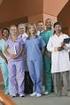 COMPARISON OF CLINICIAN TEACHER AND SALARIED CLINICAL FACULTY PATHWAYS, PSYCHIATRY AND BEHAVIORAL SCIENCES 9/22/14 Clinician Teacher Primary responsibilities Clinical care Teaching and/or supervision Scholarship
Graduate Studies in Biomedical Sciences
 Graduate Studies in Biomedical Sciences The graduate program in Biomedical Sciences is designed to provide a multidisciplinary educational and training environment that will prepare them for independent
PHYSICIAN ASSISTANT STUDIES
 Springfield College Graduate Program in PHYSICIAN ASSISTANT STUDIES This is where you belong. I chose Springfield College for my graduate studies based on the great reputation the program has and how confident
POLICIES AND CUSTOMS Ph.D. PROGRAM DEPARTMENT OF MOLECULAR & CELLULAR BIOCHEMISTRY UNIVERSITY OF KENTUCKY
 - 1 - POLICIES AND CUSTOMS Ph.D. PROGRAM DEPARTMENT OF MOLECULAR & CELLULAR BIOCHEMISTRY UNIVERSITY OF KENTUCKY Revised: March 2010 The following is intended to serve as a guide for graduate students in
College of Pharmacy & Pharmaceutical Sciences Graduate Catalog 2015-2016
 College of Pharmacy & Pharmaceutical Sciences Graduate Catalog 2015-2016 Degrees Offered Doctor of Philosophy in Experimental Therapeutics Doctor of Philosophy in Medicinal Chemistry Master of Science
1. The student shall be a student enrolled at McMurry University
 3 + 4 DUAL DEGREE AND DENTAL EARLY ADMISSION PROGRAM (DEAP) JOINT AGREEMENT BETWEEN McMURRY UNIVERSITY AND THE UNIVERSITY OF TEXAS HEALTH SCIENCE CENTER AT SAN ANTONIO DENTAL SCHOOL PURPOSE OF THE PROGRAM
POSTGRADUATE CLINICAL TRAINING PROGRAMS BIOMEDICAL SCIENCES DIVISION GRADUATE PROGRAMS
 52 The student may select, with the approval of the Committee for the Clinical Component, another course among the primary areas of the Junior Internship, or in areas such as Surgery, Psychiatry, and Emergency
CLINICAL AND TRANSLATIONAL SCIENCES, DOCTOR OF PHILOSOPHY (PH.D.) WITH A CONCENTRATION IN CANCER AND MOLECULAR MEDICINE
 VCU 1 CLINICAL AND TRANSLATIONAL SCIENCES, DOCTOR OF PHILOSOPHY (PH.D.) WITH A CONCENTRATION IN CANCER AND MOLECULAR MEDICINE Program goal The doctoral program in clinical and translational sciences offers
HANDBOOK FOR PRE VETERINARY STUDENTS AT NORTHERN MICHIGAN UNIVERSITY
 HANDBOOK FOR PRE VETERINARY STUDENTS AT NORTHERN MICHIGAN UNIVERSITY This document has been developed for students at Northern Michigan University who are interested in the field of veterinary medicine.
The Medical College of Georgia School of Medicine A Tradition of Excellence
 The Medical College of Georgia School of Medicine A Tradition of Excellence The Beginning Founded in 1828 Classes began in 1829 Began with 7 students and 4 faculty members 13th oldest medical school in
Center for Health Sciences
 Oklahoma State University Center for Health Sciences Biomedical Sciences Osteopathic Medicine Forensic Sciences www.healthsciences.okstate.edu Explore your OPTIONS High school is the perfect time to begin
American International College PSYCHOLOGY. Doctor of Education in Educational
 American International College 1 PSYCHOLOGY Doctor of Education in Educational cognition Doctor of Education in Educational Psychology The Doctor of Education in Educational Psychology (EdD) program provides
MEDICAL&HEALTH PROFESSIONS PROGRAMS
 www.evms.edu MEDICAL&HEALTH PROFESSIONS PROGRAMS Doctor of Medicine, MD Art Therapy and Counseling, MS Biomedical Sciences, PhD Biomedical Sciences Research, MS Biotechnology, MS Clinical Embryology and
Master of Physician Assistant Studies Course Descriptions for Year I
 FALL TERM COURSES: Master of Physician Assistant Studies Course Descriptions for Year I PHAC 7230 Fundamentals in Pharmacology for Health Care I Credit Hrs: 3 This course will build on foundational knowledge
Dear Prospective Student,
 Dear Prospective Student, Congratulations on taking the first steps to applying to Weill Cornell Medical College in Qatar! This brochure will help you to understand the steps and requirements of the application
Physician Assistant Studies
 Physician Assistant Studies Physician Assistant Phone: (540) 568-8171 Website: http://www.jmu.edu/heathsci/paweb Interim Academic Unit Head Dr. Paula Maxwell Graduate Program Director Mr. James Hammond,
Northeast Ohio Medical University (NEOMED) Chair of Pharmaceutical Sciences Search
 Northeast Ohio Medical University (NEOMED) Chair of Pharmaceutical Sciences Search Spring 2013 About NEOMED Northeast Ohio Medical University (NEOMED) www.neomed.edu is a dynamic free-standing community-based,
MSBS/Physician Assistant Studies Degree Requirements
 MSBS/ PHYSICIAN ASSISTANT STUDIES DEGREE REQUIREMENTS P hysician Assistants (PAs) are health professionals, prepared to practice medicine with physician supervision. Within the physician/pa relationship,
INFORMATION FOR UNDERGRADUATE STUDENTS majoring in PATHOBIOLOGY and VETERINARY SCIENCE
 INFORMATION FOR UNDERGRADUATE STUDENTS majoring in PATHOBIOLOGY and VETERINARY SCIENCE Welcome to the Department of Pathobiology and Veterinary Science, College of Agriculture and Natural Resources, University
ATHLETIC TRAINING. Attend athletic training orientation and training events. Attend one information/advising session held once each semester.
 ATHLETIC TRAINING The Athletic Training major is designed for those students interested in pursuing a career in athletic training. Students who complete the Athletic Training major will be eligible to
Coordinators. Dual Degree Program. About Arcadia s Dual Degree Program in Public Health and Physical Therapy
 Master of Public Health/ Doctor of Physical Therapy Global Perspectives Personal Attention Real-World Integrative Learning Experiences Coordinators Andrea Crivelli-Kovach, Ph.D., M.A., MCHES, Professor
STUDY AT ONE OF THE WORLD S BEST UNIVERSITIES
 STUDY AT ONE OF THE WORLD S BEST UNIVERSITIES WHY AT UOW Psychology at UOW connects you with people, programs and technology to enhance your learning experience. 1. RECOGNISED AUSTRALIA-WIDE When peak
MD-PhD: Is it Right for Me? Training & Career Paths
 MD-PhD: Is it Right for Me? Training & Career Paths What is a physician-scientist? Men and women who are physicians and investigators (and mentors and teachers and inventors and ) Spend most of their professional
The Lakeland Advantage. For more information. Career Opportunities
 Nursing Registered nurses play a critical role in providing quality healthcare services to patients. RNs administer treatments and medications, review the results of diagnostic tests, and assist clients
Doctorate: An Excellent Foundation for a Physical Therapy Career
 Doctorate: An Excellent Foundation for a Physical Therapy Career Physical Therapists have rewarding careers working directly with people in a variety of settings. They are respected members of the health
Robert Stempel College of Public Health and Social Work Picture Page
 Graduate Catalog 2010-2011 Robert Stempel College of Public Health and Social Work 545 Robert Stempel College of Public Health and Social Work Picture Page 546 Robert Stempel College of Public Health and
ORTHOPEDIC TECHNOLOGY PROGRAM
 ORTHOPEDIC TECHNOLOGY PROGRAM Admission Packet CENTRAL GEORGIA TECHNICAL COLLEGE Macon Campus 3300 Macon Tech Drive Macon, GA 31206 478-757-3403 www.centralgatech.edu Revised June 2015 Introduction Orthopaedic
MD/MS Guidelines. A) Thesis Option:
 f. Leave periods for either students or employees will not extend the maximum time requirement to complete a degree. g. The enforcement of this policy will be the responsibility of the mentor to document
The Department of Bioengineering
 The Department of Bioengineering 226 Engineering Research Building Box 19138 817-272-2249 www.uta.edu/bioengineering Overview The Department of Bioengineering offers a Bachelor of Science (BS) degree in
STATUS REPORT: UNIVERSITY OF MIAMI MILLER SCHOOL OF MEDICINE AT FLORIDA ATLANTIC UNIVERSITY
 STATUS REPORT: UNIVERSITY OF MIAMI MILLER SCHOOL OF MEDICINE AT FLORIDA ATLANTIC UNIVERSITY Michael L. Friedland, M.D., Dean, UMMSM at FAU Regional Campus and Vice President for Medical Programs, FAU UMMSM
CLINICAL AND TRANSLATIONAL SCIENCES, DOCTOR OF PHILOSOPHY (PH.D.) WITH A CONCENTRATION IN PSYCHIATRIC, BEHAVIORAL AND STATISTICAL GENETICS
 VCU 1 CLINICAL AND TRANSLATIONAL SCIENCES, DOCTOR OF PHILOSOPHY (PH.D.) WITH A CONCENTRATION IN PSYCHIATRIC, BEHAVIORAL AND STATISTICAL GENETICS Program goal The doctoral program in clinical and translational
Admissions...713/500-5116 Alumni Relations...713/500-5065 Continuing Medical Education...713/500-5249 Educational Programs...
 fact book The University of Texas Health Science Center at Houston in the Texas Medic I-45 59 Lyndon B. Johnson Gen Hospital I-10 I-10 Rice University Campus Downtown Houston 59 Texas Medical Center I-45
What s Inside STAY CONNECTED WITH SGU
 SCHOOL OF 2014-2015 A global education In 1999, St. George s University launched the School of Veterinary Medicine, building upon the over 20 years of experience in delivering high-quality medical education
American Psychological Association D esignation Criteria for Education and
 American Psychological Association D esignation Criteria for Education and Training Programs in Preparation for Prescriptive Authority Approved by APA Council of Representatives, 2009 Criterion P: Program
Ph.D. Counselor Education and Supervision 2014 2015 Program Guidebook
 Ph.D. Counselor Education and Supervision 2014 2015 Program Guidebook NOTE: 1) This guidebook is subject to change. If it does, students will be notified via email and will be provided with the revised
MEDICINE, DOCTOR OF (M.D.)/ PUBLIC HEALTH, MASTER OF (M.P.H.) [COMBINED]
![MEDICINE, DOCTOR OF (M.D.)/ PUBLIC HEALTH, MASTER OF (M.P.H.) [COMBINED]](/thumbs/24/3931939.jpg "MEDICINE, DOCTOR OF (M.D.)/ PUBLIC HEALTH, MASTER OF (M.P.H.) [COMBINED]") VCU 1 MEDICINE, DOCTOR OF (M.D.)/ PUBLIC HEALTH, MASTER OF (M.P.H.) [COMBINED] Program accreditation Liaison Committee on Medical Education (M.D.) Council on Education for Public Health (M.P.H.) Program
VCU 1 MEDICINE, DOCTOR OF (M.D.)/ PUBLIC HEALTH, MASTER OF (M.P.H.) [COMBINED] Program accreditation Liaison Committee on Medical Education (M.D.) Council on Education for Public Health (M.P.H.) Program
Program Handbook Nutrition and Dietetics Major Department of Nutrition and Food Sciences 2014-15
 Program Handbook Nutrition and Dietetics Major Department of Nutrition and Food Sciences 2014-15 Topics: Page: NFS Department and Field of Nutrition and Dietetics 2 Undergraduate Major 3 Admission and
DEPARTMENT OF NURSING C.W.POST CAMPUS LONG ISLAND UNIVERSITY UNDERGRADUATE STUDENT HANDBOOK
 DEPARTMENT OF NURSING C.W.POST CAMPUS LONG ISLAND UNIVERSITY UNDERGRADUATE STUDENT HANDBOOK C.W. POST CAMPUS DEPARTMENT OF NURSING UNDERGRADUATE STUDENT HANDBOOK TABLE OF CONTENTS MISSION STATEMENT FOR
Counseling Psychology, M.Ed.
 Counseling Psychology, M.Ed. 1 Counseling Psychology, M.Ed. COLLEGE OF EDUCATION (http://www.temple.edu/education) About the Program The Counseling Psychology program offers a 60-credit master's degree
MSC - Catalog 2006-2008 Academic Programs - School of Nursing 131
 MSC - Catalog 2006-2008 School of Nursing 131 MISSION AND GOALS The School of Nursing is responsible for teaching, research, and service in the discipline of nursing, as accomplished through its educational
Kinesiology (M.S.) Kinesiology Admission. Mission. Goals
 Kinesiology (M.S.) Kinesiology Admission In addition to The Graduate School qualifications for admissions, potential candidates must meet the requirements of the Department of Kinesiology. Contact the
MD/Ph.D. Degree Requirements
 COMBINED MD/Ph.D. DEGREE REQUIREMENTS MD/Ph.D. Program Eligibility Application to the Program General Requirements of the Program T he combined MD/Ph.D. degree program at the University of Toledo offers
Master of Arts in Psychology
 Master of Arts in Psychology Introduction This handbook describes the major milestones, program regulations and requirements that students will encounter as they complete the Master s program in Psychology
Occupational Therapy Dr. Jeff Loveland, O.T.D., M.S., O.T.R./L, Graduate Coordinator
 Occupational Therapy Dr. Jeff Loveland, O.T.D., M.S., O.T.R./L, Graduate Coordinator Phone: (540) 568-2399/8170 Web site: http://www.healthsci.jmu.edu/occupationaltherapy/ Admission Requirements The Masters
BSc (Hons)/MSc Nutritional Sciences - SC527 (Under Review)
 BSc (Hons)/MSc Nutritional Sciences - SC527 (Under Review) Specific Titles: BSc (Hons) /MSc Nutritional Sciences BSc (Hons) Nutritional Sciences (Specialisation: Dietetics) 1. Rationale and Objectives
(B) Purpose ofpolicy To describe program requirements for the combined MD/MSBS, MD/MPH, MD/MSOH, MD/MBA, MD/JD and MD/PhD degree programs.
 Name of Policy: Combined degree programs for medical students PolicyNumber: 3364-81-04-012-04 Approving Officer: Dean, College of Medicine & Life Sciences Responsible Agent: Directors/Co-Directors of the
How To Get A Nursing Degree
 MASTER OF SCIENCE IN NURSING Program Director Judith L. Papenhausen, Ph.D., RN Graduate Coordinator and Chairperson Denise M. Boren, Ph.D., RN The mission of the graduate program in nursing at California
Position Statement on Accreditation of Faculty Teaching Human Anatomy and Physiology Courses
 Approved by Human Anatomy & Physiology Society Board of Directors, May 25, 2013 Position Statement on Accreditation of Faculty Teaching Human Anatomy and Physiology Courses In 2005 the Human Anatomy and
SOUTHERN UNIVERSITY AND A&M COLLEGE BATON ROUGE, LOUISIANA
 MASTER OF SCIENCE IN NURSING (MSN) COURSE DESCRIPTIONS 600. THEORETICAL FOUNDATIONS OF ADVANCED NURSING (Credit, 3 hours). A systematic examination of the concepts of nursing, human beings, health, and
M.S. DEGREE REQUIREMENTS
 Graduate Group in Biochemistry, Molecular, Cellular & Developmental Biology Ph.D. and M.S. DEGREE REQUIREMENTS Graduate Council Approval: April 15, 2009 MASTER'S PROGRAM 1) Admissions Requirements Applicants
UNIVERSITY OF MINNESOTA MEDICAL SCHOOL. RESEARCH (W) TRACK STATEMENT Promotion Criteria and Standards PART 1. MEDICAL SCHOOL PREAMBLE
 UNIVERSITY OF MINNESOTA MEDICAL SCHOOL RESEARCH (W) TRACK STATEMENT Promotion Criteria and Standards PART 1. MEDICAL SCHOOL PREAMBLE I. INTRODUCTORY STATEMENT This document describes the specific criteria
Master of Library and Information Science (MLIS)
 St. Catherine University 1 Master of Library and Information Science (MLIS) Mission The Master of Library and Information Science (MLIS) program at St. Catherine educates students in the principles, practices
Doctor of Pharmacy/Master of Public Health Joint Degree Program
 Rationale Doctor of Pharmacy/Master of Public Health Joint Degree Program The Master of Public Health (MPH) program is designed to prepare students to become effective leaders, practitioners, researchers,
HANDBOOK FOR PRE VETERINARY STUDENTS AT NORTHERN MICHIGAN UNIVERSITY
 HANDBOOK FOR PRE VETERINARY STUDENTS AT NORTHERN MICHIGAN UNIVERSITY This document has been developed for students at Northern Michigan University who are interested in the field of veterinary medicine.
Master of Biomedical Sciences
 COLLEGE OF MEDICAL SCIENCES Master of Biomedical Sciences HEALTH PROFESSIONS DIVISION Entering Class 2015 MASTER OF BIOMEDICAL SCIENCES The College of Medical Sciences joins the Colleges of Osteopathic
Doctor of Pharmacy/Master of Public Health Joint Degree Program
 Rationale Doctor of Pharmacy/Master of Public Health Joint Degree Program The Master of Public Health (MPH) program is designed to prepare students to become effective leaders, practitioners, researchers,
Medical Educational Requirements
 20-10-1. Definitions As used in Sections 20-10-1 through 20-10-3, inclusive: (a) "Accredited hospital" means a hospital accredited by the Joint Commission on Accreditation of Hospitals. (b) "Department"
Doctoral Study in Applied Developmental Psychology
 Doctoral Study in Applied Developmental Psychology Department of Psychology University of New Orleans College of Sciences New Orleans, LA With a Ph.D. in Applied Developmental Psychology from the University
PRE-MED AND PRE-HEALTH PROGRAM Dr. Gwynne D. Brown, Director McMurran Hall, Room 108 (757) 594-7782 [email protected]
 PRE-MED AND PRE-HEALTH PROGRAM Dr. Gwynne D. Brown, Director McMurran Hall, Room 108 (757) 594-7782 [email protected] Medical schools and other health profession programs typically seek applicants with
GRADUATE EDUCATION IN MEDICINAL CHEMISTRY POLICIES AND PROCEDURES MANUAL
 GRADUATE EDUCATION IN MEDICINAL CHEMISTRY POLICIES AND PROCEDURES MANUAL A Reference Guide for Students Concerning Departmental Policies and Procedures Revised September 1998 Revised August 1999 Revised
American Academy of Forensic Sciences
 American Academy of Forensic Sciences Forensic Science Education Programs Accreditation Commission (FEPAC) ACCREDITATION STANDARDS Adopted by FEPAC May 16, 2003 Approved by the AAFS Board of Directors
Rice University Department of Bioengineering Graduate Degree Requirements and Procedures
 Rice University Department of Bioengineering Graduate Degree Requirements and Procedures The Bioengineering Graduate Program offers programs of graduate study leading to a professional Masters in Bioengineering
ST. GEORGE S UNIVERSITY SCHOOL OF MEDICINE COMPENDIUM THE DOCTOR OF MEDICINE PROGRAM
 ST. GEORGE S UNIVERSITY SCHOOL OF MEDICINE COMPENDIUM THE DOCTOR OF MEDICINE PROGRAM 30 MISSION To provide an international, culturally diverse environment in which students learn the knowledge, skills
The College of Saint Elizabeth Report Narrative
 Program Overview and Mission The College of Saint Elizabeth Report Narrative The College of Saint Elizabeth has been recognized as a leader in teacher education since its founding over 100 years ago. In
GENERAL INSTRUCTIONS FOR COMPLETING THE DATABASE
 GENERAL INSTRUCTIONS FOR COMPLETING THE DATABASE Each of the standards in this section is followed by relevant questions. In some cases, two closely related standards are placed together, followed by a
ACCREDITATION AND RECOGNITION OF VETERINARY SCHOOL QUALIFICATIONS & ACCREDITATIONS COMMITTEE MALAYSIAN VETERINARY COUNCIL 2013
 ACCREDITATION AND RECOGNITION OF VETERINARY SCHOOL QUALIFICATIONS & ACCREDITATIONS COMMITTEE MALAYSIAN VETERINARY COUNCIL 2013 A. INTRODUCTION In the year 2012, the Malaysian Veterinary Council has formalized
UMD Department of Mechanical and Industrial Engineering
 UMD Department of Mechanical and Industrial Engineering Indices and Standards for Tenure and Promotion to Professor as Required by Section 7.12 of the Board of Regents Policy on Faculty Tenure (June 10,
GRADUATE DEGREE REGULATIONS
 Graduate Regulations-Spring 2014 1 GRADUATE DEGREE REGULATIONS DEPARTMENT OF PSYCHOLOGY UNIVERSITY OF FLORIDA GRADUATE DEGREE REGULATIONS 1 I. GENERAL INFORMATION 2 A. Graduate Advisor/Supervisory Committee.
GREAT FALLS COLLEGE MSU RESPIRATORY THERAPIST PROGRAM
 GREAT FALLS COLLEGE MSU RESPIRATORY THERAPIST PROGRAM Student Information and Application Packet (Applications are subject to change from year to year) Fall 2015 Updated February 13, 2015 for Fall 2015
Minimum Quarter Units
 Nursing Science and Health-Care Leadership Graduate Group (NSHL) Master s Entry Program in Nursing (MEPN) MASTER OF SCIENCE IN NURSING DEGREE REQUIREMENTS Graduate Council Approval: January 9, 05 Master
Degree Type Bachelor of Science (BS) Degree Title Biology. Focus: Biological Science
 Degree Type Bachelor of Science (BS) Degree Title Biology 09-23-15 Focus: Biological Science The Department of Biology is committed to excellence in instruction, scholarly accomplishment, research, professional
MPH Degree Requirements
 MASTER OF PUBLIC HEALTH DEGREE REQUIREMENTS T he Northwest Ohio Consortium for Public Health (NOCPH) MPH students typically designate a major (also known as a concentration or track) prior to or upon matriculation
Auerbach School of Occupational Therapy
 Auerbach School of Occupational Therapy School Overview The Auerbach School of Occupational Therapy is named in honor of Dr. S. P. Auerbach and his family in recognition of their outstanding support of
Moi University Academic Calendar 2012/2015 (ISO 9001:2008 Certified)
 Moi University Academic Calendar 2012/2015 (ISO 9001:2008 Certified) 388 School of Nursing SCHOOL OF NURSING Contact: Dean, School of Nursing College of Health Sciences, Moi University P.O. Box 4606 30100,
MSOH Degree Requirements
 MASTER OF SCIENCE IN OCCUPATIONAL HEALTH DEGREE REQUIREMENTS Accreditation Program Program Educational Objectives T he Master of Science in Occupational Health degree/ Industrial Hygiene program (MSOH/IH)
RADIOLOGIC TECHNOLOGY PROGRAM
 RADIOLOGIC TECHNOLOGY PROGRAM CENTRAL GEORGIA TECHNICAL COLLEGE Warner Robins Campus 80 Cohen Walker Drive, Warner Robins, GA 31088 (478)218-3216 Macon Campus 3300 Macon Tech Drive, Macon, GA 31206 478-757-3552
Medical College of Georgia Augusta, Georgia School of Medicine Competency based Objectives
 Medical College of Georgia Augusta, Georgia School of Medicine Competency based Objectives Medical Knowledge Goal Statement: Medical students are expected to master a foundation of clinical knowledge with
Special Regulations for Examinations Leading to the Degrees of Bachelor of Medicine and Bachelor of Surgery at University College London
 Special Regulations for Examinations Leading to the Degrees of Bachelor of Medicine and Bachelor of Surgery at University College London Including Candidates Following the MBPhD Programme (With effect
Completion of not less than sixty (60) semester hours, or its equivalent, of acceptable credits prior to the date of registration.
 Cardiopulmonary Science Bachelor of Science Degree Admission Requirements: Admission to the Bachelor of Science Degree Program in Cardiopulmonary Science is on a competitive basis. Satisfactory completion
MASTER OF EDUCATION (M.Ed.) PROGRAMS
 MASTER OF EDUCATION (M.Ed.) PROGRAMS 1. M.ED. PROGRAM GRID..................... 90 2. MASTER OF EDUCATION (GENERAL)........ 90 a. Statement of Purpose.................... 90 b. Admission Requirements.................