
Big Era Six The Great Global Convergence CE
|
|
|
- Julia Walton
- 10 years ago
- Views:
Transcription
1 Big Era Six The Great Global Convergence CE Table of Contents Closeup Teaching Unit The Protestant Reformation PowerPoint Presentation The Protestant Reformation Why this unit? 2 Unit objectives 2 Time and materials 2 Author 2 The historical context 2 This unit in the Big Era timeline 4 Lesson 1: Vocabulary: the language of the Reformation 5 Lesson 2: Martin Luther and the Protestant Reformation (accompanying PowerPoint 10 presentation Lesson 3: Primary sources: Martin Luther and Pope Leo X 13 Lesson 4: Review and summary: The Church after Luther 21 Lesson 5: Calvinism 24 This unit and the Three Essential Questions 30 This unit and the Seven Key Themes 30 This unit and the Standards in Historical Thinking 31 Resources 31 Correlations to National and State Standards 32 Conceptual links to other lessons 34 World History for Us All A project of San Diego State University In collaboration with the National Center for History in the Schools (UCLA)

2 Why this unit? The Reformation was a movement that aimed at reforming the Roman Catholic Church. Instead, it resulted in a tumultuous schism that put an end to the unity of the Western Christian world. The Protestant Reformation led to a restructuring of the social system of Europe and changed the face of Christianity. The Reformation is the root of all the branches of modern-day Protestantism. In nailing his Ninety-Five Theses to the door of Wittenberg Cathedral, Martin Luther, a Catholic monk and teacher, hoped to draw attention to what he saw as corruption in the Church. In particular, he objected to the selling of indulgences. Luther also objected to the Church s teachings on a more fundamental level. He had come to believe that salvation was obtainable only through faith and was not something that could be granted by the Church. Luther s actions began the movement that became known as the Protestant Reformation. Teachers may also wish to refer to Lesson 5 ( Scientific and Intellectual Exchanges ) in the Panorama Teaching Unit for Big Era 5 and to Lesson 1 in Landscape Teaching Unit 6.7, The Long Reach of the Major Religions. The subject of Lesson 1 is the Protestant Reformation. Unit objectives Upon completing this unit, students will be able to: 1. Analyze the factors leading to Martin Luther s decision to publish his Ninety-Five Theses. 2. Describe the response to Luther s call for reform. 3. Explain the basic teachings of Protestantism and how they differed from those of the Roman Catholic Church. 4. Describe the reaction of the Roman Catholic Church to Luther s criticisms. 5. Trace the spread of Protestantism to other parts of Europe. Time and materials The unit will require four or five single period lessons. A computer will be needed for the PowerPoint presentation. Author Gerry Morrison is a Middle School teacher in Lakewood, California. He teaches world history to seventh graders and US history to eighth graders. Page 2

3 The historical context Until the Reformation began in the sixteenth century, the Roman Catholic Church had united the Christians of Western Europe. The Catholic Church, with the pope at its head, appeared to bind all believers to a single faith. The Catholic Church was more than just a religion; it was a cornerstone of the medieval social and political system. The Renaissance, that great flowering of culture that occurred at the end of the Middle Ages, began to loosen the grip of the Church on society. Scholars of the Renaissance were influenced by the ideas of Humanism, an essential component of which was the questioning of accepted beliefs. Humanists placed less emphasis on the spiritual aspect of humankind and stressed a more secular and individualist philosophy. The Renaissance set the stage for the Reformation in another important way, too. In the midfifteenth century, a German named Johannes Gutenberg had invented a kind of printing that used movable metal type. This was a vast improvement on previous methods of printing used in Europe. Before Guttenberg, most books were written by hand and could take months to produce. Now, hundreds of pages could be turned out in a day for a fraction of the cost. Cheap books, or pamphlets, would come to play an important role in the spread of ideas during the Reformation. The rise of national monarchies weakened the power of the Church. Disputes over the authority of the pope and the control of Church property festered throughout the Middle Ages. When the pope threatened to excommunicate King Philip IV in a conflict over taxes, the French monarch had the pope kidnapped. He was released shortly after but died a few days later. Then, in 1309, the new pope moved the seat of the papacy from Rome to Avignon, a town in France, where it remained for the next seventy years. Efforts to move the center of the Church back to Rome caused a schism in the Church, resulting in two, and then three, men claiming to be the rightful pope. The Church was also raising money in some less than respectable ways. One practice, that came to symbolize the need for reform, was the selling of indulgences. An indulgence was the remission of the temporal penalty due to forgiven sin, in virtue of the merits of Christ and the saints. It exempted either the bearer, or a dead friend or relative of the bearer, from the punishment associated with the sin. In other words, people could buy forgiveness and a ticket to heaven by handing over money to the Church. Another way of making money was the practice of selling positions of authority in the Church. This widespread practice was known as simony. Some people bought multiple Church offices, and used these positions as a source of income. The Church was also open to criticism further down the pecking order. Many priests led debauched lives, cohabiting openly with their mistresses and making a mockery of any vows of chastity. Many priests did not even live in the parishes they represented. This kind of corruption was the fuel that fed the fire of the Reformation, but it was the monk, Martin Luther, who in 1519 lit the first match. Page 3

4 The movement began in Wittenberg, a city in the German-speaking region known as Saxony. There, Martin Luther nailed his Ninety-Five Theses to the cathedral door. He was protesting against corruption in the Church, but more than that, Luther objected to some of the teachings at the heart of Church theology. For the Church, the way to salvation was by following the practices and rituals of Catholicism. For Luther, salvation came through faith in Christ and a belief in the truth of the Bible. Luther s argument became known as justification by faith. The movement soon spread throughout much of Europe. When the pope, Leo X, issued a directive condemning Luther s ideas, Luther publicly set fire to the document. Charles V, the Holy Roman Emperor and a loyal Catholic, ordered Luther to recant. Luther refused, and the fire continued to spread. Luther s opposition to the Church became a focus for others throughout Europe. Those who were unhappy with the Church for their own reasons rallied behind Luther. For many, Luther s revolt provided an opportunity to break with the Church and reject the authority of Rome. Within a short time religious uprisings and wars erupted across the continent. In Germany, Luther looked to sympathetic German princes for support, and some came to his defense, sheltering him from Charles V. Lutheranism continued to grow, often in the face of fierce opposition from the Catholic clergy. Fighting between Catholics and Protestants continued during the rest of Luther s lifetime. Nine years after his death, Charles V agreed to the Peace of Augsburg, recognizing the practices of Luther s new Church, even though religious wars continued in Europe for more than a century. One change was permanent: even though the Roman Catholic Church continued to thrive in much of the subcontinent, it never again spoke for all Western European Christians This unit in the Big Era Timeline Page 4

5 Lesson 1 Vocabulary: The Language of the Reformation Preparation Distribute Student Handout 1 (Crossword Puzzle). Introduction Explain to the students that the answers to the clues contain important vocabulary. The students will be unfamiliar with many of the words. Provide the students with sources to complete the assignment. A list of key terms is attached. The appropriate chapter in the class textbook would be a starting point. Activities This assignment can be done in class, individually, or as a group. It can also be assigned as homework. Assessment Review the definitions in class and discuss the meaning and relevance. Page 5

6 Lesson 1 Student Handout 1 Crossword Puzzle Page 6

7 ACROSS 1 Helped spread the ideas of the Reformation DOWN 1 The office of the pope 6 Achieving salvation 2 Kick out of the Church 10 Those who saw the Church as corrupt 3 The attempt to change the Catholic Church 4 This person started the Reformation 5 Argument 7 Buy one of these and maybe get out of purgatory 8 Ideas that go against the teachings of the Church 9 Town where Luther lived 11 Selling positions in the Church Page 7

8 Lesson 1 Crossword Puzzle Key for Teachers Anglican The Church of England, the Protestant Church founded in England. The British king or queen is the head of the Church. John Calvin A French lawyer who became a leader and reformer in the Protestant Reformation. Excommunicate To expel formally from the Church. Heresy Religious belief or practice incompatible with Church teachings. Indulgence A pardon for sin for oneself or one s dead relatives or friends. The granting of an indulgence could help speed deceased sinners from purgatory to heaven. In Martin Luther s time, the Catholic Church sold indulgences. Justification An act of God freeing an individual of guilt for sin; achieving salvation. Luther A German monk who challenged the teachings of the Roman Catholic Church in the early sixteenth century. Papacy The office of the pope. Predestination The belief that God has chosen certain individuals for salvation. Printing Press A machine using movable metal type to print text in multiple copies. The European version was invented by Johann Gutenberg in Germany in the fifteenth century. Page 8

9 Protestants Christians who broke with the Roman Catholic Church. The term originally applied to people who in 1529 protested a Church decree commanding submission of Christians to the authority of the pope. Reformation A movement in the early sixteenth century to reform the Catholic Church. Instead, it led to the formation of several new Christian denominations, or Protestant churches. The Catholic Church then carried on an internal reformation of its own in the mid-sixteenth century. Schism A split or breakup within an organization, such as a Church. Simony The selling of Church offices. Thesis A proposition or formal argument. Wittenberg A city in Saxony, a region of northern Germany. Page 9

10 Lesson 2 Martin Luther and the Protestant Reformation Preparation This lesson involves showing a PowerPoint presentation titled Martin Luther: The Protestant Reformation. (Teachers may click on the presentation title or access the PowerPoint in the World History for Us All website by going to Closeup Teaching Unit 6.7.1). Ideally, teachers should use a computer projector and screen. The presentation may be given as one lecture or may be divided into different sections. A note-taking copy of the PowerPoint may be printed and distributed to the students as a guide for note-taking. Alternatively, students may take Cornell style notes using Student Handout 2 (Note-taking Template). The PowerPoint is a summary. The teacher should be prepared to expand on the notes and illustrations. Introduction Explain to students that they will be taking notes during the lecture. Activities Many of the slides contain text that will need explanation. Use these slides as an introduction to class discussion, As well as taking notes, students should be encouraged to take part in the discussion. Page 10

11 Lesson 2 Student Handout 2 Note-taking template Topic Name: Period: Date: Main Ideas Notes Page 11

12 Page 12

13 Lesson 3 Primary Sources: Martin Luther and Pope Leo X Preparation Distribute Student Handouts 3.1, 3.2, and 3.3. Identify key vocabulary words that might seem unusual to students. Explain and discuss these words with the class. Introduction Explain to the students the nature of the documents. Both documents have been edited for brevity. The first document is a letter Luther wrote to the archbishop protesting the sale of indulgences to finance a new building. The archbishop was one of the people who had authorized the sale of the indulgences. The second document is a Bull issued by the Pope, demanding that Luther stop preaching against the Church. Luther is warned that if he does not stop he faces the threat of excommunication. Activities The students will need two copies of Student Handout 3.1, one for each of the primary source documents. Divide the students into small groups. Ask students to first analyze Luther s letter and the Pope s Bull, and then answer the SOAPS questions on Student Handout 3.1. Assessment The homework assignment is for the student to write a paragraph comparing the two documents and explaining which, in their opinion, is more convincing as an argument. Page 13

14 Lesson 3 Student Handout 3.1 SOAPS for Primary Source Documents Name Period Source Who wrote it? Where is it from? Occasion Letter, diary, speech, etc. Audience Whom was it meant for? Purpose Why was it written? Page 14

15 Summary Write a three-sentence summary of the document. Page 15

16 Lesson 3 Student Handout 3.2 Martin Luther: Excerpts from a Letter to the Archbishop of Mainz, To the Most Reverend Father in Christ and Most Illustrious Lord, Albrecht of Magdeburg and Mainz. The grace of God be with you in all its fullness and power! Spare me, Most Reverend Father in Christ and Most Illustrious Prince, that I, the dregs of humanity, have so much boldness that I have dared to think of a letter to the height of your Sublimity. The Lord Jesus is my witness that, conscious of my smallness and baseness, I have long deferred what I am now shameless enough to do, moved thereto most of all by the duty of fidelity which I acknowledge that I owe to your most Reverend Fatherhood in Christ. Meanwhile, therefore, may your Highness deign to cast an eye upon one speck of dust, and for the sake of your pontifical clemency to heed my prayer. Papal indulgences for the building of St Peter s are circulating under your most distinguished name, and as regards them, I do not bring accusation against the outcries of the preachers, which I have not heard, so much as I grieve over the wholly false impressions which the people have conceived from them; to wit, the unhappy souls believe that if they have purchased letters of indulgence they are sure of their salvation; again, that so soon as they cast their contributions into the money-box, souls fly out of purgatory; furthermore, that these graces [i.e., the graces conferred in the indulgences] are so great that there is no sin too great to be absolved, even, as they say though the thing is impossible if one had violated the Mother of God; again, that a man is free, through these indulgences, from all penalty and guilt. Works of piety and love are infinitely better than indulgences, and yet these are not preached with such ceremony or zeal; nay, for the sake of preaching the indulgences they are kept quiet, though it is the first and the sole duty of all bishops that the people should learn the Gospel and the love of Christ, for Christ never taught that indulgences should be preached. How great then is the horror, how great the peril of a bishop, if he permits the Gospel to be kept quiet, and nothing but the noise of indulgences to be spread among his people! These faithful offices of my insignificance I beg that your Most Illustrious Grace may deign to accept in the spirit of a Prince and a Bishop, i.e., with the greatest clemency, as I offer them out of a faithful heart, altogether devoted to you, Most Reverend Father, since I too am a part of your flock. May the Lord Jesus have your Most Reverend Fatherhood eternally in His keeping. Amen. From Wittenberg on the Vigil of All Saints, MDXVII. Source: Letter to Archbishop of Manz, 1517, Internet Modern History Sourcebook, Paul Halsall, ed., Page 16

17 Terms: Sublimity Awe-inspiring Pontifical Having to do with the pope Indulgence A pardon for sin sold by the Church Piety Sincere devotion to God and to religious obligations Deign Deem worthy Page 17

18 Lesson 3 Student Handout 3.3 Exsurge Domine Excerpt of Pope Leo X s Bull, issued on June 15, Arise, O Lord, and judge your own cause. Remember your reproaches to those who are filled with foolishness all through the day. Listen to our prayers, for foxes have arisen seeking to destroy the vineyard whose winepress you alone have trod For we can scarcely express, from distress and grief of mind, what has reached our ears for some time by the report of reliable men and general rumor; alas, we have even seen with our eyes and read the many diverse errors. Some of these have already been condemned by councils and the constitutions of our predecessors, and expressly contain even the heresy of the Greeks and Bohemians. Other errors are either heretical, false, scandalous, or offensive to pious ears, as seductive of simple minds, originating with false exponents of the faith who in their proud curiosity yearn for the world s glory, and contrary to the Apostle s teaching, wish to be wiser than they should be. With the advice and consent of these our venerable brothers, with mature deliberation on each and every one of the above theses, and by the authority of almighty God, the blessed Apostles Peter and Paul, and our own authority, we condemn, reprobate, and reject completely each of these theses or errors as either heretical, scandalous, false, offensive to pious ears or seductive of simple minds, and against Catholic truth. By listing them, we decree and declare that all the faithful of both sexes must regard them as condemned, reprobated, and rejected We restrain all in the virtue of holy obedience and under the penalty of an automatic major excommunication Moreover, because the preceding errors and many others are contained in the books or writings of Martin Luther, we likewise condemn, reprobate, and reject completely the books and all the writings and sermons of the said Martin, whether in Latin or any other language, containing the said errors or any one of them; and we wish them to be regarded as utterly condemned, reprobated, and rejected. We forbid each and every one of the faithful of either sex, in virtue of holy obedience and under the above penalties to be incurred automatically, to read, assert, preach, praise, print, publish, or defend them. They will incur these penalties if they presume to uphold them in any way, personally or through another or others, directly or indirectly, tacitly or explicitly, publicly or occultly. Therefore let Martin himself and all those adhering to him, and those who shelter and support him, through the merciful heart of our God and the sprinkling of the blood of our Lord Jesus Christ by which and through whom the redemption of the human race and the upbuilding of holy mother Church was accomplished, know that from our heart we exhort and beseech that he cease to disturb the peace, unity, and truth of the Church for which the Savior prayed so earnestly to the Father. Let him abstain from his pernicious errors that he may come back to us. If they really Page 18

19 will obey, and certify to us by legal documents that they have obeyed, they will find in us the affection of a father s love, the opening of the font of the effects of paternal charity, and opening of the font of mercy and clemency. We enjoin, however, on Martin that in the meantime he cease from all preaching or the office of preacher. Source: Pope Leo X: Exsurge Domine, 15 June, 1520, Internet Modern History Sourcebook, Paul Halsall, ed., Page 19

20 Terms: Bull Official document issued by the pope Heretical Contrary to Church teachings Reprobate Strongly disapprove Excommunication Expulsion from the Church Occultly In secret Pernicious Wicked Clemency Mercy Page 20

21 Lesson 4 Review and Summary: The Church after Luther Preparation Distribute Student Handout 4. Introduction Explain to the students that the last lesson involves summarizing what they have learned about the Reformation. Activities Start the class with a discussion about what the students have learned. After they have had a chance to contribute, have them begin to complete their individual graphic organizers. The bottom box, titled the Catholic Reformation (Counter Reformation), relates to historical knowledge not included in this unit. Teachers might guide students to research briefly what changes the Catholic Church made in response to the Protestant Reformation. They might also first speculate about what those changes might have been, then research or discuss with the teacher what reforms the Catholic Church actually made. Assessment The homework assignment is for the student to complete the Venn diagram comparing and contrasting the Catholic Church and the Lutheran Church. Page 21
22 Lesson 4 Student Handout 4 Summary and Comparison The Reformation Teaching and Practice of Luther s New Church Teaching and Practice of Catholic Church before the Reformation Changes in Catholic Teaching and Practice following the Catholic Reformation Page 22
23 Similarities and Differences in Church Teaching and Practice Catholic Both Lutheran Page 23
24 Lesson 5 Calvinism Preparation Make enough copies of Student Handout 5.1 (Pass/Fail Tickets) to give every student either a Pass or Fail ticket. (These tickets refer to the upcoming class quiz but are symbolic of salvation and represent students who have been chosen by God as the Elect. ) At the beginning of class distribute Fail tickets to three quarters of the students and Pass tickets to the remaining quarter. The students should not know what their ticket says. Put them in sealed envelopes or fold and staple them. Tell the students to leave the envelopes on their desks. The students will then get a copy of Student Handout 5.2 (Class Quiz). Introduction Explain to the students that they will be learning about the ideas of John Calvin and also taking a quiz to demonstrate how much they have learned about the Reformation. Have them take the quiz first, grading it by whatever standard the teacher chooses. After the students see the results of their quiz, explain that Calvin believed all people to be inherently sinful. This idea is based on the biblical story of Adam and Eve. Calvin also believed, however, that God, in his infinite mercy, would spare a small number of Elect individuals from the fires of hell. God had decided who these individuals would be before human history began. It followed that the choice of who would be elected could not be affected by how people behaved during their lives. Ask students to look at their pass/fail tickets. Tell them that no matter how well they did on the quiz, it was predestined that they pass or fail it depending on the ticket they have and irrespective of their score or grade. Do not, however, enter pass or fail in the class grade book based on the tickets received! Activities Begin the class with a discussion about what the students have learned so far. At this point, the class should be ready for a heated debate about Calvin s idea of Predestination. Some ideas for class discussion: What do you think of Calvin s idea of Predestination If you think it is unfair, why? How do you think the idea of free will fits with Calvin s idea? (Point out to the students that many of the early American colonists embraced Predestination.) Why do you think this was the case? What kind of social conditions might make this belief comforting? Page 24
25 Could Calvin s ideas provide some notion of certainty in a tumultuous and frightening world? Page 25
26 Lesson 5 Student Handout 5.1 Pass/Fail Tickets PASS FAIL Page 26
27 Lesson 5 Student Handout 5.2 Class Quiz A. Which city became the center of the Catholic Church in the early 1300s? 1. Avignon 2. Rome 3. Liverpool 4. Wittenberg B. Which two groups were divided during the Great Schism? 1. Catholics and Protestants 2. Supporters of the pope in Avignon and the pope in Rome 3. Calvinists and Lutherans 4. Priests and nuns C. Martin Luther was 1. A Roman Pope who opposed the selling of indulgences 2. A French philosopher who criticized the Church 3. An English priest who questioned the authority of the pope 4. A German monk who challenged the Catholic Church D. What did an indulgence from the Church provide? 1. Freedom of religion 2. The right to vote in papal elections 3. A pardon for a sin 4. Church sacraments E. Which of the following was a cause of the Reformation? 1. The spread of Islam to Western Europe 2. An economic recession 3. War between England and France 4. Opposition to Roman Catholic Church taxes Page 27
28 F. What does the word reformation mean? 1. The dispute in the Roman Catholic Church that led to the Great Schism 2. The dispute that led to the creation of Protestantism 3. The dispute between Lutherans and Calvinists 4. The dispute between the pope and his bishops G. The word Protestant refers to people who 1. Broke away from the Catholic Church during and after the sixteenth century 2. Supported the pope in Avignon 3. Sold indulgences to raise money for the Church 4. Protested against the spread of Islam H. The Peace of Westphalia 1. Ended the war between England and France 2. Brought peace to the Catholic Church 3. Recognized the division of Europe into Catholic and Protestant nations 4. Divided France into two countries I. John Calvin was 1. A French priest who founded the Jesuits 2. An English philosopher who supported the Reformation 3. An English priest who opposed the Reformation 4. A French reformer who believed that Christians could not earn salvation J. John Calvin believed in 1. Predestination 2. Free will 3. Papal infallibility 4. Democracy Page 28
29 Lesson 5 Teacher s Quiz Key A 1 B 2 C 4 D 3 E 4 F 2 G 1 H 3 I 4 J Page 29
30 This unit and the Three Essential Questions The following is a selection that appeared in the Earth Times of Nov. 1, Bremen The Protestant Church in Germany (EKD) is worried about God s creation. At its synod in the northern city of Bremen from Sunday to Wednesday, its most important meeting of the year, the main theme will be global warming and dwindling water resources. The EKD, a federation of 23 regional churches - Lutheran, Reformed and United - is expected to urge political and business leaders to get serious about environmental protection before it is too late. Environmental protection is not a new issue for the Church: its officials have been warning for years that care must be taken with the Earth and the natural resources on which humans depend; and its parishes have launched a number of environmental protection projects. Discuss in class whether churches today should be involved in solving current environmental problems. What do you think Martin Luther, John Calvin, or Leo X might have thought about human intervention to protect the environment? Research and create a map of the world showing modern countries whose population majorities are 1) adherents of the Roman Catholic Church, and 2) adherents of one or more Protestant denominations. During the past 500 years, why do you think certain European countries became predominantly Protestant, and why did others remain Catholic? Looking at the world outside Europe, why do you think Protestantism or Roman Catholicism became the majority religions in certain countries? For example, why do you think Mexico is predominantly Roman Catholic but Jamaica (in the Caribbean) predominantly Protestant? Research and discuss in class the question of why Protestant churches have, since the time of the Reformation, permitted clergy to marry, but the Roman Catholic Church requires that clergy be celibate (unmarried). What historical factors might account for this difference in teaching? This unit and the Seven Key Themes This unit emphasizes: Key Theme 3: Uses and Abuses of Power Key Theme 5: Expressing Identities Key Theme 7: Spiritual and Moral Codes Page 30
31 This unit and the Standards in Historical Thinking Historical Thinking Standard 1: Chronological Thinking The student is able to (F) reconstruct patterns of historical succession and duration in which historical developments have unfolded, and apply them to explain historical continuity and change. Historical Thinking Standard 2: Historical Comprehension The student is able to (C) identify the central question(s) the historical narrative addresses. Historical Thinking Standard 3: Historical Analysis and Interpretation The student is able to (C) analyze cause-and-effect relationships, bearing in mind multiple causation including (a) the importance of the individual in history; (b) the influence of ideas, human interests, and beliefs; and (c) the role of chance, the accidental, and the irrational. Historical Thinking Standard 4: Historical Research Capabilities The student is able to (C) interrogate historical data. Historical Thinking Standard 5: Historical Issues-Analysis and Decision-Making The student is able to (C) identify relevant historical antecedents. Resources Resources for teachers Bainton, Roland H. The Reformation of the Sixteenth Century. Boston: Beacon Press, This book was originally written in For many years it was a standard text on the subject. The author presents an excellent background to the Reformation and an analysis of its effects throughout Europe. Lee, Stephen J. Aspects of European History, New York: Routledge, This book looks at a number of important events in European history, from the Renaissance to the French revolution, and examines various historical themes. The book is divided into separate chapters by topic, but everything is located in its historical context. MacCulloch, Diarmaid. The Reformation. New York: Viking, This is a detailed account of the Reformation and the events and ideas that made it possible. It is a great read and an excellent starting point for those who want to understand the world in which Luther lived. Page 31
32 Tracy, James D. Europe s Reformation, Lanham, MD: Rowman and Littlefield, A scholarly work, but lucid and deeply informative. Wiesner-Hanks, Merry E. Early Modern Europe, Cambridge: Cambridge UP, This lively textbook will help teachers set the Protestant and Catholic reformations in a European, even global context. Resources for students Martin Luther. Calliope: Exploring World History, no. 5, This entire issue of this children s magazine is devoted to the subject. Teachers Curriculum Institute. History Alive: The Medieval World and Beyond. Rancho Cordova, CA: T.C.I., This is an excellent textbook written for the seventh grade curriculum in California. It is easy to use with the students, and the T.C.I. supplementary materials provide excellent background for the teacher. Wiesner-Hanks, Merry E. An Age of Voyages, Oxford: Oxford UP, This is one of the volumes in the excellent The Medieval and Early Modern World series for older children. Chapter 5 focuses on the Protestant and Catholic reformations. Correlations to National and State Standards National Standards for World History Era 6: The Emergence of the First Global Age, B: The student understands the Renaissance, Reformation, and Catholic Reformation. California: History-Social Science Content Standard Grade Seven, 7.9.1: List the causes for the internal turmoil in and weakening of the Catholic Church (e.g. tax policies, selling of indulgences); 7.9.2: describe the theological, political, and economic ideas of the major figures during the Reformation (e.g. Desiderius Erasmus, Martin Luther, John Calvin, William Tyndale). Michigan High School Content Expectations: Social Studies World History and Geography. Era 5: The Emergence of the First Global Age Regional Content Expectations. Analyze how the Renaissance, Reformation, Scientific Revolution, and the Enlightenment contributed to transformations in European society. New York: Social Studies Resource Guide with Core Curriculum Unit Three. Global Interactions ( ). G. Reformation and Counter Reformation. 2. Martin Luther s Ninety-Five Theses: the challenge to the power and authority of the Roman Catholic Church. Page 32
33 Virginia History and Social Science Standards of Learning WHII.3. The student will demonstrate knowledge of the Reformation in terms of its impact on Western civilization by a) explaining the effects of the theological, political, and economic differences that emerged, including the views and actions of Martin Luther, John Calvin, and Henry VIII. Page 33
34 Conceptual links to other teaching units Page 34
Reformation Lesson Plan. Central Historical Question: Why did Luther challenge the Catholic Church?
 Reformation Lesson Plan Central Historical Question: Why did Luther challenge the Catholic Church? Materials: Reformation PowerPoint Copies of Documents A and B Copies of Reformation: Guiding Questions
The Protestant Reformation
 The Protestant Reformation Mr. Montreuil April 2015 1 The Big Picture I can explain how the Protestant Reformation impacted Europe religiously, politically, & socially. This Lesson I can identify Reformation
Renaissance and Reformation Study Guide and Notebook Checklist. **Use your notes and pages 34-57 and 146-148. Answers in Italics
 Renaissance and Reformation Study Guide and Notebook Checklist **Use your notes and pages 34-57 and 146-148 Answers in Italics 1. What is the Renaissance Movement the rebirth of? Art and learning 2. Where
Unit 9 Lesson 5 Popes, Kings and Challenges to the Church
 Unit 9 Lesson 5 Popes, Kings and Challenges to the Church Lesson 5 Popes, Kings and Challenges to the Church Directions Read each False statement below. Replace each underlined word with one from the word
THEME: We should take every opportunity to tell others about Jesus.
 Devotion NT307 CHILDREN S DEVOTIONS FOR THE WEEK OF: LESSON TITLE: Paul Goes Before Agrippa THEME: We should take every opportunity to tell others about Jesus. SCRIPTURE: Acts 25:13 26:32 Dear Parents
WELCOME TO GOD S FAMILY
 WELCOME TO GOD S FAMILY To all who received him, to those who believed in his name, he gave the right to become children of God children born not of natural descent, nor of human decision or a husband
Liz Bierling-Powers. Lesson Plan: Introduction to the Reformation 9 th Grade Global History and Geography
 Liz Bierling-Powers Lesson Plan: Introduction to the Reformation 9 th Grade Global History and Geography New York State Curriculum Unit III Global Interactions 1200-1650 Time allotted: 180 minutes (2 class
NATIONAL BIBLE INSTITUTE
 NATIONAL BIBLE INSTITUTE NBI'S FREE QUIZ... "BIBLE: Basic Information Before Leaving Earth" Please answer all questions contained in the test. You will be contacted within a few days with your results.
What is God s plan (purpose) for you? ' = next PowerPoint slide
 What is God s plan (purpose) for you? ' = next PowerPoint slide ' Intro: - God has always had a plan for His children His plan for us has been from all eternity - illus.: Jer. 29:10-11 God, I know the
THEME: God has a calling on the lives of every one of His children!
 Devotion NT298 CHILDREN S DEVOTIONS FOR THE WEEK OF: LESSON TITLE: Paul s First Missionary Journey THEME: God has a calling on the lives of every one of His children! SCRIPTURE: Acts 12:25 13:52 Dear Parents
Prayers for a Virtual Pilgrimage with Pope Francis
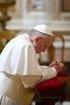 Prayers for a Virtual Pilgrimage with Pope Francis Tuesday, September 22 Washington, DC As our shepherd Pope Francis begins his pilgrimage to the United States, please pray for the Church in our country.
THE BOOK OF EPHESIANS
 Ephesians Roger A. Cox 1 THE BOOK OF EPHESIANS Introduction Except for the book of Romans, the book of Ephesians is the most carefully written presentation of Christian theology in the New Testament. Paul
_ Amen. Our help comes from the Lord, the Maker of heaven and
 Funeral Service I *The ceremonies or tributes of social or fraternal societies have no place within the service. Baptized Christians should be buried from the Church. We begin in the name of the Father
KNOWING GOD NEW BELIEVERS STUDY
 NEW BELIEVERS STUDY TABLE OF CONTENTS BIBLE STUDY 1: SALVATION 1 BIBLE STUDY 2: FAITH AND ASSURANCE 4 BIBLE STUDY 3: POWER OF THE HOLY SPIRIT 7 BIBLE STUDY 4: TRIALS 10 BIBLE STUDY 1: SALVATION SCRIPTURE
with Children Sharing the Plan of Salvation By Cheryl Markland
 Sharing the Plan of Salvation with Children By Cheryl Markland Font: Whiz Bang For more information contact: Childhood Ministry Baptist State Convention of North Carolina (800) 395-5102 ext. 5646 Sharing
The Church 02. 1 P a g e
 The Church 02 In the creed, we say that we believe in one, holy, catholic and apostolic Church. These four properties or characteristics were seen as so essential to the nature of the Church that they
Spiritual Growth Chart
 Marriage Parenting Spiritual Growth Sexuality Relationships Mental Health Spiritual Growth Chart a resource from: 515 Highland Street, Morton, IL 61550 v Tel: (309) 263-5536 Fax: (309) 263-6841 v www.accounseling.org
Whereas I was Blind, Now I See. John 9: 1-11; 25
 Whereas I was Blind, Now I See John 9: 1-11; 25 We all know that great hymn well: Amazing grace, how sweet the sound, that saved a wretch like me; I once was lost, but now I m found; was blind, but now
How Does Jesus Save? The Significance of The Blood of Christ
 How Does Jesus Save? The Significance of The Blood of Christ 2 Introduction Jesus Saves... true, but how? He will save His people from their sins. (Mt 1:21) Are we saved... Because of our parents/ancestors?
And the Books Were Opened
 JUDGMENT DAY And the Books Were Opened 1 And the Books Were Opened Hebrews 9:27 INTRODUCTION: A. Have you thought of the reality of the judgment day? 1. Judgment day is a real day! 2. Judgment day is a
Session 1 : Alive - Ephesians 2:1-10
 Session 1 : Alive - Ephesians 2:1-10 Rewind We can!t jump into chapter two without first reviewing the first chapter of Ephesians. As was the custom with first century letters, Paul began by identifying
What Good Things Can We Do With the Tongue?
 TONGUE What Good Things Can We Do With the Tongue? 1 What Good Things Can We Do With the Tongue? 2 Timothy 1:13 INTRODUCTION: A. Lesson Texts: 1. 2 Timothy 1:13 Hold fast the pattern of sound words which
"God's Wisdom Revealed to All (Ephesians 3:7-20)
 "God's Wisdom Revealed to All (Ephesians 3:7-20) by Rev. Jackie Stoneman Paul begins this chapter by reminding the Ephesians that he is in fact a prisoner. Because he has been preaching to the Gospel especially
TRAINING WORSHIP LEADERS
 TRAINING WORSHIP LEADERS SESSION ONE LIVING FOR GOD S GLORY Junko is a gifted singer. She also loves to sing praise songs. So her small group leader asked Junko to use her talents and gifts by becoming
SUBSTITUTE TEACHER APPLICATION
 300 North 17th Street Moorhead, MN 56560 Phone (218) 236-0500 Fax (218) 236-7301 SUBSTITUTE TEACHER APPLICATION APPLICANT S NAME AND ADDRESS (please print or type) Name Application Date Present Address:
7 Important Things Martin Luther Said (and One Funny One) and What They Meant
 7 Important Things Martin Luther Said (and One Funny One) and What They Meant The Big Idea: Our church is named for Martin Luther, a remarkable, outspoken 15th century Bible teacher. Learning Goal: Learners
HE DWELT AMONG US. THE GOSPEL OF JOHN LESSON 2 Chapter 1:19-51. The Beginning of Jesus Public Ministry
 Lesson 2, page 1 HE DWELT AMONG US THE GOSPEL OF JOHN LESSON 2 Chapter 1:19-51 The Beginning of Jesus Public Ministry Very little is recorded about Jesus childhood in the scriptures. We are told, the Child
II. HOW WERE PEOPLE SAVED BEFORE JESUS CAME?
 HOW WERE PEOPLE SAVED BEFORE JESUS CAME? BOB BRYANT Cypress Valley Bible Church Marshall, Texas I. INTRODUCTION How were people saved before Jesus came? Some suggest that people were saved by sincerely
Quit Calling Yourself a Sinner
 Quit Calling Yourself a Sinner by Roger L. Smalling, D.Min This article corresponds to the book Joyfully Justified available in Kindle. Quit calling yourself a sinner, at least not all the time. After
God Gives You Standards for Living
 70 Bible Ethics LESSON 5 God Gives You Standards for Living Imagine that you are considering buying a bicycle. In the shop you see a beautiful bicycle, just the kind you have always wanted. Of course you
Prayer Service to Celebrate the Ministry of Teachers During Catholic Schools Week 2015
 Prayer Service to Celebrate the Ministry of Teachers During Catholic Schools Week 2015 You Will Need A large candle with the words Love, Kindness, Joy, Truth and Justice (the final page of this document
THE BASICS: Lesson 1 INTRODUCTION TO THE BIBLE
 THE BASICS: Lesson 1 INTRODUCTION TO THE BIBLE The Bible is the Word of God. It claims to be the truth, the message of God to man. 2 Peter 1:21 says that men moved by the Holy Spirit spoke from God. The
1 Corinthians #3 Crucified Men 1 Corinthians 1: 19-31
 1 Corinthians #3 Crucified Men 1 Corinthians 1: 19-31 The prayer book for the Church of England begins with these words, "Almighty and most merciful Father, we have erred and strayed from Thy ways like
9 marks of A Healthy New Testament Church. 1. Preaching. 2. Biblical Theology
 9 marks of A Healthy New Testament Church 1. Preaching What is it? An expositional sermon takes the main point of a passage of Scripture, makes it the main point of the sermon, and applies it to life today.
This booklet contains a message of love and hope. An exciting adventure awaits all who discover these life-changing truths.
 This booklet contains a message of love and hope. An exciting adventure awaits all who discover these life-changing truths. The following four principles will help you discover how to know God personally
BENEDICTION AND FINAL GREETINGS Hebrews 13:20-25
 1 BENEDICTION AND FINAL GREETINGS Hebrews 13:20-25 As the writer comes to the end of the letter, he prays for his readers. He prays to the God who knows everything and who knows our hearts. Although we
The Crux Chapter 4 Grace (Ephesians 2:1-9)
 BIBLE STUDY (Ephesians 2:1-9) What s This Passage All About? Writing to the Christians in the city of Ephesus (modern-day Turkey), St. Paul calls on them to take a step back and examine their salvation
Soul-Winning Commitment Day. Sunday School/ Small Group Lessons. Soul-Winning. Commitment Day
 Sunday School/ Small Group Lessons Soul-Winning Commitment Day Purpose of Lesson: This guide is for the purpose of preparing older children through adult Sunday school members to understand the importance
Getting to know you. Intro. Chapter pg 1a. Presentation of Mary Advent Anticipation. to God, and accepted his call.
 Intro. Chapter pg 1a Seasonal Getting to know you Call To Faith 6th Grade Activities will be in your boxes with supply needed to develop the activities. Title Overview Scripture Chapter Words Activities
Online Program - Suggested Course Schedule & Descriptions
 Online Program - Suggested Schedule & Descriptions What classes do I take and when? You have a lot of flexibility in scheduling your classes. There are a few courses that need to follow previous courses
The Power of the Gospel. The Great Exchange
 The Power of the Gospel 3 The Great Exchange In the last lesson, we saw how God dealt decisively with the problem of your separation from God. We also saw how this is the first fourth of the Gospel the
Accountable To God. I Corinthians 3:9-15 (NKJV)
 Message for THE LORD'S DAY MORNING, November 3,2013 Christian Hope Church of Christ, Plymouth, North Carolina by Reggie A. Braziel, Minister Accountable To God I Corinthians 3:9-15 (NKJV) Please turn with
The failure of the Spanish Armada in 1588 permanently crippled the Spanish navy.
 AP European History Mr. Mercado Name Chapter 15B Politics, Religion, and War (Note: only do the sections Politics, Religion, and War ; Changing Attitudes ; and Literature and Art ) A. True or False Where
For more information on this study guide/pamphlet go to : www.someonecaresministry.org.
 P a g e 1 P a g e 2 Search the Scriptures Study Guide Author s Note: The bible says in 1 John 4:1 that we should try (test) every spirit and every message to see whether it be of God. Please test this
The Sacrament of Extreme Unction is now called what sacrament? (Anointing of the Sick)
 Sacraments Questions Anointing the Sick The Sacrament of Extreme Unction is now called what sacrament? (Anointing of the Sick) True or False: The priest anoints the sick person with holy water. (False)
But both are thieves. Both lead us away from God s grace and rob us of our joy.
 Graceful Christianity: The Law, Legalism, and Love Matthew 22:34-40 A Sermon Preached by Ernest Thompson June 1, 2014 First Presbyterian Church Wilmington, NC Last Sunday we started a new sermon series
Go therefore and make disciples of all nations, teaching them to observe all that I have commanded you; and lo, I am with you always, to the close of
 Go therefore and make disciples of all nations, teaching them to observe all that I have commanded you; and lo, I am with you always, to the close of the age. (Mt. 28:19a, 20) Catechist Certification Guidelines
The Book of Ephesians
 The Book of Ephesians A study using 18 questions per chapter The purpose of this study is to find out What the Bible says. THE WORD FOR THE WORLD STUDIES IN THE NEW TESTAMENT by Bill DeLaughter Bill DeLaughter
You Have a Friend the Holy Spirit
 16 Lesson 1 You Have a Friend the Holy Spirit Today, more than ever before in the history of the world, people are talking about the Holy Spirit and His work. They have discovered that He is a Person,
Survey of the New Testament II
 Survey of the New Testament II Multiple choice test for the Diploma {You may refer to the audio lectures at any time during the test} You have two options. (1) Print the multiple choice test. (2) View
The Covenant Service & Renewal of Baptismal Vows
 Church of England St. Mark s Church Bedford Methodist Church The Covenant Service & Renewal of Baptismal Vows You are standing here in order to enter into a covenant with the Lord your God Deuteronomy
(Leader and Reader Text) Vigil Service for a Deceased Serran with Lay Leader
 (Leader and Reader Text) Vigil Service for a Deceased Serran with Lay Leader Prayers, readings and the quotes below are taken from Order of Christian Funerals, approved for use in the Dioceses of the United
Premarital Sex By Evan Lenow
 Premarital Sex By Evan Lenow Pre-Session Assignments One week before the session, students will take the following assignments. Assignment One Read the comments related to Hebrews 13:4 in the section It
PRAYING FOR OTHER PEOPLE
 PRAYING FOR OTHER PEOPLE SESSION ONE HOW TO PRAY FOR OTHER PEOPLE When friends get together, they talk about their problems. Sometimes your friends will share with you about their own personal difficulties
Caring for a new Christian follow-up Sandy Fairservice
 F Caring for a new Christian follow-up Sandy Fairservice ollow up is a commercial term familiar to sales people. You make a contact, then make it again to advance your purpose. Dawson Trotman borrowed
Whom Shall I Send? Isaiah 6: 8-13
 Whom Shall I Send? Isaiah 6: 8-13 Isaiah lived in a day much like ours. The people of Judah had developed a sense of arrogance toward God. They were His chosen people; He had brought them out of Egypt,
John 20:31...these are written that you may believe that Jesus is the Christ, the Son of God, and that believing you may have life in His name.
 [ B E L I E V E R S B I B L E S T U D Y ] THE GOSPEL OF JOHN Chapter 1 INTRODUCTION... The Gospel of John is such a great book to study, as a new believer, because it speaks so clearly about Jesus. It
Morning and Evening Prayer
 1 The minister welcomes the people and announces the opening HYMN. 2 The minister reads one me SCRIPTURE SENTENCES and then says these WORDS OF EXHORTATION: The Bible encourages us repeatedly to acknowledge
and you are of Christ, and Christ is of God.
 1 Corinthians 3:10-11, 16-23 10 By the grace God has given me, I laid a foundation as an expert builder, and someone else is building on it. But each one should be careful how he builds. 11 For no one
How does God want us to live? What does He want us to do? How are we to treat others?
 Discernment It Takes A Church November 2, 2014 Introduction Romans 12:1, 2 NRSV I appeal to you therefore, brothers and sisters, by the mercies of God, to present your bodies as a living sacrifice, holy
Unity in Christ September 16, 2012 Ephesians 2:11-22
 I. Introduction Unity in Christ September 16, 2012 Ephesians 2:11-22 Since, as a whole, the Jews in Ephesus wanted nothing to do with Paul and his so-called Messiah, the church in Ephesus was made up largely
Living Water Church Ministry Training Center
 Living Water Church Ministry Training Center He that believeth on me, as the scripture hath said, out of his belly shall flow rivers of living water. John 7:38 1000 Hall Valley Drive Bridgeport, WV 26301
Religion. Christianity. vs. onetruth. Students should understand the theme of the beatitudes. Matthew 5:1-11. Lesson Overview:
 Religion vs. Christianity Lesson Overview: Jesus begins the ministry of His first church with the Sermon on the Mount. Matthew 5-7 sets the stage for Jesus teaching ministry for the next three years. In
For New Testament Books of the Bible
 Study Questions For New Testament Books of the Bible Ephesians Chapter 1 1. Who was the author of Ephesians? When was this letter written? Where was the author writing from and to whom was this letter
CHAPTER 16: ADULTERY: THE BIBLICAL DEFINITION
 CHAPTER 16: ADULTERY: THE BIBLICAL DEFINITION In presenting any subject for discussion, it is essential that pertinent words be accurately defined. It has been said that if one is allowed to define or
DOCTRINE OF THE HOLY SPIRIT The Illumination of the Spirit Lesson 10
 DOCTRINE OF THE HOLY SPIRIT The Illumination of the Spirit Lesson 10 In this lesson we will study the Holy Spirit s role in helping believers understand the meaning of the Word of God which is often referred
Lesson 2: Principles of Evangelism
 Lesson 2: Principles of Evangelism Introduction In our last lesson, we discovered that our identity determines, more than anything else, the success of our mission work. Who we are is so much more important
The Symbiotic Relationship of Religion and Art
 Brown 1 The Symbiotic Relationship of Religion and Art Ashley Brown, Lynchburg College Most art created during the Middle Ages and into the Byzantine period reflected purely religious themes, the portrayal
Father. Communications. Creative. Master. Sample. Bridegroom. King. A Bible Study in 6 Sessions on the Kingdom Parables
 Father Master Bridegroom King A Bible Study in 6 Sessions on the Kingdom Parables FatherMaster BridegroomKing A Bible Study in 6 Sessions on the Kingdom Parables When the Son of Man comes, will he find
We Too Want to Live in Love, Peace, Freedom and Justice
 We Too Want to Live in Love, Peace, Freedom and Justice A Response to A Common Word Between Us and You Peace We appreciate how you urge in your letter the fact that this world needs peace and that members
LUTHER S SMALL CATECHISM
 LUTHER S SMALL CATECHISM The Lord s Prayer The Introduction Our Father, who art in heaven. Here God encourages us to believe that he is truly our Father and we are his children. We therefore are to pray
Why do we go to Adoration? Quotes on the Most Blessed Sacrament
 Why do we go to Adoration? Quotes on the Most Blessed Sacrament "The Eucharist is connected with the Passion. To make sure that we do not forget, Jesus gave us the Eucharist as a memorial of his love When
Who Are the Evangelists of Ephesians 4:11? And what is their ministry in the New Testament Local Church today?
 Who Are the Evangelists of Ephesians 4:11? And what is their ministry in the New Testament Local Church today? INTRODUCTION By Dr. Jim Bearss For people who take the Bible seriously, when the choice comes
World History Course Summary Department: Social Studies. Semester 1
 World History Course Summary Department: Social Studies All World History courses (Honors or otherwise) utilize the same targets and indicators for student performance. However, students enrolled in Honors
work out your own salvation with fear and trembling.
 By: Dov Avnon It is important to know what does it mean to work out your salvation. Remember it is Paul who writing it to the members of the body of Christ in this dispensation of Grace. Paul is not talking
Teaching the Faith Christian Education
 Teaching the Faith Christian Education Course Introduction When you become a pastor, one most important responsibility you will have is teaching the Christian faith. If you lead a Bible study, teach a
7.1.1 The church is Christ together with his people called both to worship and to serve him in all of life.
 Living Faith: Chapter 7 - "God's Church" Page 1 of 6 Living Faith - Chapter 7 - God's Church 7.1 The Church 7.1.1 The church is Christ together with his people called both to worship and to serve him in
OUR LIFE WITH JESUS. Faith and Life Series 3. Third Edition
 OUR LIFE WITH JESUS Faith and Life Series 3 Third Edition Contents Note to Parents... 7 1. God Loves Us... 9 2. God Created the World... 13 3. Learning about God.... 17 4. The Promise of a Savior... 23
BASIC CATHOLIC PRAYERS
 BASIC CATHOLIC PRAYERS Sign of the Cross In the name of the Father, and of the Son, and of the Holy Spirit. Amen. The Apostles Creed I believe in God, the Father almighty, creator of heaven and earth.
Who Is Your Defense Attorney? 1 John 2:1-2. The text for this sermon, the theme of which is, Who Is Your Defense
 Easter 2 B Who Is Your Defense Attorney? 1 John 2:1-2 The text for this sermon, the theme of which is, Who Is Your Defense Attorney?, is 1 John 2:1-2 My little children, I am writing these things to you
Why Attend Bible Classes?
 TEACHERS: Why Attend Bible Classes? 1 Why Attend Bible Classes? INRODUCTION: A. Lesson Text: James 4:8 Draw near to God and He will draw near to you. Cleanse your hands, you sinners; and purify your hearts,
THE DISCIPLESHIP EVANGELISM COURSE
 Condensed Version THE DISCIPLESHIP EVANGELISM COURSE 48-lessons by Don W. Krow with Andrew Wommack Unless otherwise indicated, all Scripture quotations are taken from the King James Version of the Bible.
GOD S SIMPLE PLAN OF SALVATION ~ Are You Going to Heaven? You Can Know For Sure!
 GOD S SIMPLE PLAN OF SALVATION ~ Are You Going to Heaven? You Can Know For Sure! The Scriptures offer the gift of eternal life through Jesus Christ the Lord. The following principles are given with the
The Role of the Church in Today s Society
 CHURCH What is the Role of the Church in Today s Society? 1 The Role of the Church in Today s Society Ephesians 3:10 INTRODUCTION: A. Familiar sayings in threes... 1. Ready... Set... Go 2. Hop... Skip...
The Church: Evangelism Acts 1:1-8 Introduction: Scripture Focus Key Verse TDM Competency Overview Theme
 The Church: Evangelism Acts 1:1-8 Introduction: This is the introductory lesson in the series, The Doctrine of the Church. Throughout these lessons we will exam the church from the perspective of its mission,
THEME: Jesus sent the Holy Spirit to indwell and empower us.
 Devotion NT285 CHILDREN S DEVOTIONS FOR THE WEEK OF: LESSON TITLE: The Day of Pentecost THEME: Jesus sent the Holy Spirit to indwell and empower us. Dear Parents SCRIPTURE: Acts 2:1-41 Dear Parents, Welcome
What is the Church? Matthew 16:18
 THE CHURCH What is the Church? 1 What is the Church? Matthew 16:18 INTRODUCTION: A. Matthew 16:18... And on this rock I will build My church. What is the church? 1. The prophets of old prophesied about
MARRIAGE LITURGY / NO MASS
 MARRIAGE LITURGY / NO MASS Opening Prayer A1 Father, you have made the bond of Marriage a holy mystery, a symbol of Christ's love for His Church. Hear our prayers for Groom and Bride. With faith in you
6 DAY DEVOTION GUIDE FOR FASTING & PRAYER WEEK
 6 DAY DEVOTION GUIDE FOR FASTING & PRAYER WEEK There is one body and one Spirit, just as you were called to one hope when you were called; one Lord, one faith, one baptism; one God and Father of all, who
Knowing and Using Your Gifts for God's Glory
 Knowing and Using Your Gifts for God's Glory How Can I Serve God at Hyde Park United Methodist Church? Know your gifts & abilities Follow your heart & passions Just do it Get involved Used with permission
The Trinity is a mystery. Even great theologians don t completely understand it, and some scholars spend their whole lives studying it.
 Holy Trinity Sunday In the name of the Father, Son, and Holy Spirit Mathew 28:16-20 Sometimes when I m leading chapel for our preschoolers, I ask a question like: Who was born in Bethlehem? And one of
This Is The Faith. referenced according to the new. Catechism of the Catholic Church
 This Is The Faith referenced according to the new Catechism of the Catholic Church Each catechism is unique, and there are always variations between them. Some catechisms put the four sections (the Creed,
Session 3. Calvary: How Jesus Won the Spiritual War
 Session 3 Calvary: How Jesus Won the Spiritual War 1 Theme: Appropriate Christ s victory over evil forces. 2 Biblical Foundation: And what is the exceeding greatness of His power toward us who believe,
Crossword Puzzles The Letter to the Ephesians
 Crossword Puzzles The Letter to the Ephesians Stanley L Russell; January, 2008 http://www.2fl1nl3r.com; Stan s Area All rights reserved This material may be freely distributed, copied, and used for the
FORWARD 1. Explain the tug of war that goes on within us. Romans 7:14-25
 Worksheet for: How to Live a Christian Life FORWARD 1. Explain the tug of war that goes on within us. Romans 7:14-25 2. Summarize the Christian faith in Romans 8:12-14 Chapter 1 Christian Faith 1. Read:
21. What was the original sin? A. It was Adam and Eve=s sin of pride and disobedience to God=s law. 22. When did you receive a share in God=s life
 92 Questions 1. How many Gods are there? A. One. 2. How many Persons are there in God? A. Three persons in God. 3. Who are they? What are their names? A. God the Father, God the Son, and God the Holy Spirit.
THE ORDER OF THE MASS
 THE ORDER OF THE MASS The first part of the Mass is about getting to know everyone and welcoming everyone to God s house. It s called the INTRODUCTORY RITES. Entrance Song We sing to celebrate that we
The Comforter. John 16:7-14
 The Comforter John 16:7-14 John 16:7-14 Nevertheless I tell you the truth. It is to your advantage that I go away; for if I do not go away, the Comforter will not come to you; but if I depart, I will send
Titus 3:1-8 Civic Minded. I. Introduction
 1 Titus 3:1-8 Civic Minded I. Introduction II. Vs. 1-2 Remind them III. Vs. 3 The way we were IV. Vs. 4-8 What a transformation I. Introduction Having just written Titus about the personal impact that
Chapter 1. The Renaissance and Reformation 1300-1650
 Chapter 1 The Renaissance and Reformation 1300-1650 The Renaissance The Renaissance was a period of history that sought to join the middle ages to the modern times. This age grew into one of the most culturally