
Joint Protection and Home Hand Exercises Improve Hand Function in Patients With Hand Osteoarthritis: A Randomized Controlled Trial
|
|
|
- Lester Barnett
- 10 years ago
- Views:
Transcription
1 Arthritis & Rheumatism ARTHRITIS CARE & RESEARCH 47:44 49, 2002 DOI /art ORIGINAL ARTICLE Joint Protection and Home Hand Exercises Improve Hand Function in Patients With Hand Osteoarthritis: A Randomized Controlled Trial TANJA ALEXANDRA STAMM, 1 KLAUS PETER MACHOLD, 1 JOSEF SEBASTIAN SMOLEN, 2 SABINE FISCHER, 1 KURT REDLICH, 1 WINFRIED GRANINGER, 1 WOLFGANG EBNER, 3 AND LUDWIG ERLACHER 1 Objective. To determine the effect of joint protection and home exercises on hand function of patients with hand osteoarthritis (OA). Methods. Randomized, controlled, 3-month trial with a blinded assessor. Primary outcome parameter was grip strength; secondary parameters were Health Assessment Questionnaire and visual analog scales (VAS) for pain and global hand function. Forty patients with hand OA were randomly assigned to 2 groups: One group received instruction for joint protection and home hand exercises (JPE group), the control group received an information session about hand OA. Results. Grip strength improved by 25% in the JPE group (right hand, P < ; left hand, P ), but not in the control group. Global hand function (by VAS) improved in a larger proportion (65%) of patients in the JPE group (P < 0.05). Conclusions. Joint protection and hand home exercises, easily administered and readily acceptable interventions, were found to increase grip strength and global hand function. KEY WORDS. Hand osteoarthritis; Joint protection; Hand exercises. INTRODUCTION Osteoarthritis (OA) is the most common joint disease and it most frequently involves joints of the hands (1). The disease leads to pain in and around the affected joints and to swelling, stiffness, deformity, and gradual loss of function (2,3). As a consequence, the ability to perform tasks of everyday life may become impaired or lost altogether. OA is characterized by a progressive loss of articular cartilage. Hand OA commonly affects proximal interphalangeal joints (PIP), distal interphalangeal joints (DIP), and the 44 This study was partly supported by an unrestricted grant from Merck, Sharp & Dohme. 1 Tanja Alexandra Stamm, MA, OTR, Klaus Peter Machold, MD, Sabine Fischer, Cand Med, Kurt Redlich, MD, Winfried Graninger, MD, and Ludwig Erlacher, MD: Vienna University, Vienna, Austria; 2 Josef Sebastian Smolen, MD: Vienna University and Hospital Lainz Vienna, Vienna, Austria; 3 Wolfgang Ebner, MD: Hospital Lainz Vienna, Vienna, Austria. Address correspondence to Tanja Alexandra Stamm, MA, OTR, Department of Rheumatology, Vienna University, Waehringer Guertel 18-20, Vienna A-1090, Austria. [email protected]. Submitted for publication February 24, 2001; accepted in revised form September 6, carpometacarpal joint of the thumb (4). Autopsy studies reveal almost universal evidence of cartilage damage in people over age 65 years. Taking into account that 60 70% of the population above the age of 65 seek medical attention for this condition (5), hand OA has an enormous socioeconomic impact. Because one of the most important social phenomena of the 20th century is the increased longevity of the population, and today almost 80% of the population can expect to live through most of their 7th decade of life, the socioeconomic impact of OA is likely to increase even further in the future (5). Pain and loss of hand function decrease the patients ability to perform manual tasks and diminish their quality of life. Drug treatment recommended for hand OA includes analgesics, nonsteroidal antiinflammatory drugs (NSAIDs), and glucosamine sulfate (6). However, none of these treatments have been shown to retard cartilage loss, and thus they have to be regarded as purely symptomatic. Therefore, persons with hand OA are commonly referred to occupational and physical therapists to improve functional performance (7). Occupational therapy (OT) intervention principles, given their focus on enhancing a person s ability to perform occupational tasks and on maximizing independence (8), constitute a potentially effective approach to treating 2002, American College of Rheumatology Published by Wiley-Liss, Inc.

2 Joint Protection and Exercises for Osteoarthritis 45 people with hand OA. OT interventions include joint protection, training in activities of daily living, and functional exercises. The goal is to maintain and improve function of the affected hand joints. Joint protection interventions have been studied in people with rheumatoid arthritis (RA) (9,10). Home hand exercise programs have been used in trials for persons with RA and have been reported to be well tolerated. Hand exercises have been shown to be an effective means of increasing grip strength and decreasing morning stiffness in RA (11 14). Joint protection is a concept routinely employed in all patients whose joints are affected by arthritis. Originally designed for RA (15), the concept has been expanded to include OA by finding ways to reduce microtrauma to articular cartilage and subchondral bone. For persons with OA, joint protection is designed to strengthen muscular support, improve shock absorption around a joint, and reduce mechanical stress on the joint with different techniques or devices. These techniques are intended to help manage inflammation, avoid pain, reduce fatigue, and increase physical fitness (15), although randomized controlled trials about hand OA have not been published so far. Because the musculoskeletal system must function as an integrated unit for optimum efficacy, specific exercise programs designed to improve everyday hand function are another essential aspect in the treatment of hand OA. Moderately loading the joint, increasing fitness, and increasing muscle strength are possible ways to stabilize bone and cartilage health (15,16). Moreover, a reduced movement range may generate primary OA, and maintaining the range of motion is essential for optimal function and pain control (17). Exercises for hand OA should be designed to maintain the full range of motion in metacarpophalangeal (MCP), PIP, and DIP joints, and the following principles should be applied: active movement, few repetitions, and a low amount of resistance (16). However, there is no evidence for the efficacy of hand exercises in hand OA. The goal of this study was to evaluate the effect of instruction for joint protection in combination with a hand exercise intervention in persons with hand OA. METHODS Patients. Forty patients from 2 Austrian rheumatology outpatient clinics who met the American College of Rheumatology criteria for hand OA (4) were included in the study. Medication with analgesics and/or NSAIDs was permitted during the study and had to remain stable at least 1 month before and throughout the duration of the study. No other nondrug therapy for the upper extremity was permitted for at least 1 month before and throughout the study. Patients with evidence of RA or any rheumatic disease other than OA were excluded. Furthermore, persons with elevated C-reactive protein levels ( 0.5 mg/dl) at the baseline visit or with soft tissue swelling of any of the MCP, PIP, or DIP joints were excluded. The 40 participants were matched for age and sex and then randomly assigned to a control group or a joint protection and exercise (JPE) group (20 patients each). Participants were informed in detail about the study procedures and were told that they would be assigned to 1 of the treatment groups. All gave written informed consent. Interventions. The control group was given oral and written information about hand OA to ensure that these persons also received proper attention. The information about hand OA included information on joint anatomy and pathogenesis of OA. During this session, each control person also received a piece of Dycem (nonslip matting), which they were told to use for opening jars throughout the period of 3 months. Duration of this session was 20 minutes. The JPE group received oral and written instruction for joint protection and a home hand exercise program, which was to be performed daily throughout a study period of 3 months. The following principles were explained during the joint protection instruction: the need for balance between movement and resting a joint; dividing stress between as many joints as possible; using larger and stronger joints; using each joint in its most stable plane to reduce pressure on the joint; avoiding staying in one position; and avoiding vibrations for the finger joints (15). In addition, patients were trained to protect their joints, using assistive devices if necessary to perform Activities of Daily Living (ADL). Patients were trained to do the following activities in a protective way: wringing a cloth; using enlarged grips for writing; opening jars, cans, or boxes with Dycem; using a book holder for reading; and using a rocker or angled knife for cutting food. Patients were encouraged to find examples for application of these principles in their own daily activities, which were discussed. Oral and written information was provided. The joint protection instruction and ADL training took 30 minutes for each patient. The JPE group was also instructed to perform a home exercise program. The exercise program consisted of 7 exercises: making a fist, making a small fist (flexing the PIP and DIP joints only), flexing the MCP joints while keeping the PIP and DIP joints stretched, touching the tip of each finger with the tip of the thumb while keeping each finger flexed, spreading the fingers as far as possible with the hand lying flat on a table, pushing each finger in the direction of the thumb with the hand lying flat on a table, and touching the MCP V joint with the tip of the thumb. Patients were taught for 15 minutes how to perform the exercises correctly. They were instructed to do every exercise with both hands 10 times daily. To control the patients adherence, they were asked to write an exercise diary (noting date, time, and duration of exercise). All instructions, interventions, and information were administered by the same occupational therapist (TAS). Assessments. Assessments were carried out at baseline and after 3 months. The primary outcome parameter was grip strength. Secondary parameters were the Health Assessment Questionnaire (HAQ) in a validated German version (18) and visual analog scales (VAS) for pain and

3 46 Stamm et al Table 1. Group characteristics* Age, years (mean SD) Ratio women/men NSAID use JPE group /3 50% Control group /2 40% * JPE joint protection and exercise; NSAID nonsteroidal antiinflammatory drug. global hand function. Assessments were performed by a blinded assessor who was unaware of the treatment of the patients (SF). Grip strength was measured with a Martin vigorimeter (Martin, Tuttlingen, Germany) (19,20) according to the following protocol: Patients were sitting, shoulder in neutral position, elbow 90 flexed, thumb upward and outside of the fist. Resting the arm on a table was not permitted. Patients were encouraged to press as firmly as possible. The middle-sized rubber bulb ( 43 mm) was used for all patients. Patients were asked to assess their general level of pain and their ability to perform everyday tasks (global hand function) on a 100-mm VAS. Improvement was defined as a decrease in pain or increase in global hand function of at least 10% compared with baseline. Patients with less than 10% improvement or worsening were regarded as having no improvement. Patients completed the HAQ score form (21). To improve the ability of the HAQ to discern changes in hand function in patients with hand OA, 2 additional items were included and analyzed separately: wringing a cloth and opening a jar of jam (20). Analysis. Statistical analysis was performed using GraphPad Prism statistical software (version 2.01, Graph- Pad Software, San Diego, CA) on a personal computer. Values and scores were tested for Gaussian distribution (normality test). Baseline values of grip strength and HAQ scores in both groups, as well as differences of change between baseline and 3 months in JPE and control groups, were tested for statistical significance with unpaired Student s t-test. Values of grip strength and HAQ scores of baseline and 3 months in 1 group were tested for statistical significance with paired Student s t-test. For improvement in grip strength and VAS scales, the proportion of patients improved were tested for statistical significance with chisquare tests. RESULTS Group characteristics. Age and sex distribution, as well as use of NSAIDs, were similar for both the JPE and control group (Table 1). Grip strength. Baseline values of grip strength for both groups were comparable. Grip strength of both hands was slightly, but not significantly, higher in the control group (mean for the right hand was in the JPE group Figure 1. Change of grip strength in the joint protection and exercise (JPE) and control groups. Differences between baseline and 3 months indicate a statistically significant difference between JPE and control groups (P for both hands). The mean of improvement (measured in bar) for the right hand was in the JPE group and in the control group. The mean for the left hand was in the JPE group and in the control group. and in the control group; mean for the left hand was in the JPE group and in the control group). After 3 months, grip strength improved statistically significantly in the JPE group to for the right hand and for the left hand (P for the right and P for the left hand, compared with baseline), but not in the control group ( for the right hand and for the left hand; P for the right hand and P for the left hand compared with baseline). In addition, the improvement in grip strength between baseline and 3 months was significantly higher (P ) in the JPE group than in the controls (Figure 1). Furthermore, the proportion of patients with an increase in grip strength of at least 10% was significantly higher (P 0.05) in the JPE group (16 of 20 in both hands) than in the controls (5 of 20 in the right and 4 of 20 in the left hand) (Figure 2). VAS. VAS for self-perceived global hand function showed a significantly higher proportion of patients with improvement (P 0.05) in the JPE group (13 of 20 improved) compared with the control group (4 of 20 improved) (Figure 3). VAS values for general pain were not significantly different between baseline and 3 months in either group (data not shown). HAQ. HAQ scores, scores of individual HAQ domains relevant to hand function, and the 2 additional items were analyzed separately. No differences between the JPE and the control group were detected in any of these analyses (data not shown). Diaries. Sixteen patients (80%) provided diaries. The average exercise time was 11 minutes per day (range, 2 30 minutes). Neither improvement in grip strength nor im-

4 Joint Protection and Exercises for Osteoarthritis 47 Figure 2. Grip strength development over 3 months. Each patient is represented by 1 line. The proportion of patients with grip strength improved by at least 10% was significantly higher in the joint protection and exercise (JPE) group than in the controls in both hands (P 0.05, chi-square test). provement in global hand function (by VAS) correlated with exercise time (data not shown). Exercises were well tolerated; few periods of mild discomfort, such as an increase in pain, were reported. DISCUSSION In this study, we investigated immediate and short-term effects of a home exercise program and a joint protection intervention for patients with hand OA. We found a statistically significant increase in grip strength in both hands in the JPE group. In contrast, no such changes were seen in the controls. Moreover, global hand function (by VAS) showed improvement in a significantly higher number of persons in the intervention group as compared with the control group. Global pain assessment (by VAS) and global Figure 3. Proportion of improvement in self-reported global hand function. On the visual analog scale, 13 patients of the joint protection and exercise (JPE) group reported improvement in global hand function, whereas 7 patients did not improve. In the control group, 4 patients reported improvement and 16 did not improve (P 0.05, chi-square test). HAQ scores did not change significantly. This includes HAQ scores in items relevant to hand function and 2 additional items related to hand function and grip strength. We selected grip strength, a variable representing impairment level, as the primary outcome measure for this study because it has been found to better represent the actual disability (disability with personal assistance or use of assistive devices or personal assistance) than the HAQ (22). In the literature, grip strength has been frequently regarded to reflect a certain aspect of hand function in persons with RA (23). In RA, grip strength is commonly limited by pain and cannot easily be interpreted simply as function of muscle force production (22). In OA, the increase in grip strength is more likely to represent better hand function, which is consistent with the improvement of the VAS score for everyday hand function. Our results show a moderate, but significant, effect of our JPE intervention program on grip strength. The control group, which received an intervention that gave only verbal information without pointing out the possible value of a joint protection and an exercise program, essentially did not improve at all during the observation period of 3 months. Because the exercise program contained no elements aimed specifically at increasing grip strength, the results are all the more remarkable. The moderate effect in our trial can be related to the use of range-of-motion exercises (11) and probably also to the adoption of joint protection behavior by the participants. Resistive exercises might have led to a greater increase in strength, but we felt that they could also have caused further damage to the cartilage of the hand joints. Particularly in standard programs such as the ones used in this study, adding resistive training, which imposes the same resistance to every participant, might produce negative effects on hand joints in persons with low muscle strength. A moderate effect in

5 48 Stamm et al grip strength, which is also related to self-perceived improvement in function, may have more clinical relevance for treatment of hand OA than a great increase in strength, which might have more deleterious effects on cartilage. Very high grip strength has been found to be related to an increased risk of developing hand OA, whereas appropriate hand strengthening may help prevent or even treat hand OA (24). Self-reported general pain level by VAS did not decrease significantly in either group. Because the question referring to pain levels did not specifically ask for pain in the hands, it cannot be excluded that some of the answers could be related to pain in other joints, such as from knee or hip OA. The HAQ was selected as the assessment tool because no other standardized questionnaire specific for hand OA is currently available. The HAQ has been developed to assess quality of life and daily function in persons with various forms of inflammatory arthritis. To make the HAQ more specific for hand OA, two additional items were included (20) and analyzed separately. Despite this modification, the HAQ might not be an adequate questionnaire for persons with hand OA, even if variables concerning only hand function were analyzed. Further research is needed to develop a specific questionnaire for persons with hand OA. Some methodologic problems might have affected the results. It was not possible to fully blind the participants. The participants were told that they would get an intervention for hand OA, but were not told into which group they were randomized. Assessments, however, were performed by a blinded assessor who was unaware of the group to which the participant had been randomized. Furthermore, only persons willing to participate were included. To estimate the adherence of the participants, exercise diaries were used. However, a correlation between the self-reported length of exercise training with the outcome parameters could not be found. The JPE intervention consisted of 2 different parts: joint protection and hand home exercises. According to our clinical experience, a combination of both was most likely to improve the situation of patients with hand OA. Therefore, we decided that the intervention in this study should comprise both joint protection and hand exercises. Additional research is needed to analyze the effects of joint protection or hand exercises alone. The intervention in this study was a standard program for joint protection and hand exercise. The standard program was used to ensure that every participant received the same intervention. Most participants reported a subjective beneficial effect when performing this program at home. Some persons did not feel comfortable with the standard therapy program and might have appreciated more therapy sessions and/or more specific procedures to improve their individual everyday activities. More individualized treatments might be necessary for these persons. Especially in OT, exercises could be embedded in purposeful activity or replaced by meaningful activities (25,26). However, the advantage of a standard program is that it can easily be memorized and takes little time to be performed, which was appreciated by most of our participants. Furthermore, the joint protection sessions provided some individual advice according to specific problems based on standard principles (15) and focused on the daily activities of the participants. Taken together, in this short-term study, joint protection and hand home exercises were found to be an effective means to increase hand function, as measured by grip strength and self-reported global function in persons with hand OA. The JPE intervention has no side effects, is readily accepted by patients, and can be performed in any environment where the patient feels comfortable. These favorable short-term results need to be extended to a larger number of patients over a longer period of time. Hand OA is a chronic disease for which no cure is currently available, the symptomatic pharmacologic treatment has significant side effects (27), and none of the recommended physical therapies have been demonstrated to improve function. To this end, our study constitutes a systematic approach to show how patients with hand OA might benefit from an intervention that is free of side effects, easily administered, and readily acceptable. REFERENCES 1. Creamer P, Hochberg MC. Osteoarthritis. Lancet 1997;350: Fife RS. Osteoarthritis. Epidemiology, pathology, and pathogenesis. In: Klippel JH, Weyand CM, Wortmann RL, editors. Primer on the rheumatic diseases. 11th ed. Atlanta: Arthritis Foundation; p Hochberg MC. Osteoarthritis. Clinical features and treatment. In: Klippel JH, Weyand CM, Wortmann RL, editors. Primer on the rheumatic diseases. 11th ed. Atlanta: Arthritis Foundation; p Altman R, Alarcón G, Appelrouth D, Bloch D, Borenstein D, Brandt K, et al. The American College of Rheumatology criteria for the classification and reporting of osteoarthritis of the hand. Arthritis Rheum 1990;33: Kraus VB. Pathogenesis and treatment of osteoarthritis. Med Clin North Am 1997;81: Lozada CJ, Altman RD. Management of osteoarthritis. In: Mc- Carty DJ, Koopman WJ, editors. Arthritis and allied conditions: a textbook of rheumatology. 14th ed. Philadelphia: Lippincott; p Brandt KD. The importance of nonpharmacologic approaches in management of osteoarthritis. Am J Med 1998;105:39S 44S. 8. Clark F, Azen SP, Zemke R, Jackson J, Carlson M, Mandel D, et al. Occupational therapy for independent-living older adults. A randomized controlled trial. JAMA 1997;278: Hammond A. Joint protection behavior in patients with rheumatoid arthritis following an education program: a pilot study. Arthritis Care Res 1994;7: Hammond A, Lincoln N, Sutcliffe L. A crossover trial evaluating an educational-behavioral joint protection program for people with rheumatoid arthritis. Patient Educ Couns 1999; 37: Hoenig H, Groff G, Pratt K, Goldberg E, Franck W. A randomized controlled trial of home exercise on the rheumatoid hand. J Rheumatol 1993;20: Hawkes J, Care G, Dixon JS, Bird HA, Wright V. Comparison of three physiotherapy regimens for hands with rheumatoid arthritis. Br Med J (Clin Res Ed) 1985;291: Schaufler J, Sverdlik SS, Baker A, Krewer SE. Hand gym for patients with arthritic hand disabilities: preliminary report. Arch Phys Med Rehabil 1978;59: Castillo BA, el Sallab RA, Scott JT. Physical activity, cystic erosions, and osteoporosis in rheumatoid arthritis. Ann Rheum Dis 1965;24:522 7.

6 Joint Protection and Exercises for Osteoarthritis Cordery J, Rocchi M. Joint protection and fatigue management. In: Melvin JL, Jensen GM, editors. Rheumatologic rehabilitation series. Bethesda, MD: American Occupational Therapy Association; p Coppard BM, Gale JR, Jensen GM. Therapeutic exercise. In: Rheumatologic rehabilitation series. Bethesda, MD: American Occupational Therapy Association; p Alexander CJ. Utilisation of joint movement range in arboreal primates compared with human subjects: an evolutionary frame for primary osteoarthritis. Ann Rheum Dis 1994;53: Bruhlmann P, Stucki G, Michel BA. Evaluation of a German version of the physical dimensions of the Health Assessment Questionnaire in patients with rheumatoid arthritis. J Rheumatol 1994;21: Jones E, Hanly JG, Mooney R, Rand LL, Spurway PM, Eastwood BJ, et al. Strength and function in the normal and rheumatoid hand. J Rheumatol 1991;18: Kleven T, Russwurm H, Finsen V. Tendon interposition arthroplasty for basal joint arthrosis. 38 thumbs followed for 4 years. Acta Orthop Scand 1996;67: Fries JF, Spitz P, Kraines RG, Holman HR. Measurement of patient outcome in arthritis. Arthritis Rheum 1980;23: Nordenskiold U, Grimby G. Assessments of disability in women with rheumatoid arthritis in relation to grip force and pain. Disabil Rehabil 1997;19: Stern EB, Ytterberg SR, Krug HE, Mullin GT, Mahowald ML. Immediate and short-term effects of three commercial wrist extensor orthoses on grip strength and function in patients with rheumatoid arthritis. Arthritis Care Res 1996;9: Chaisson CE, Zhang Y, Sharma L, Kannel W, Felson DT. Grip strength and the risk of developing radiographic hand osteoarthritis: results from the Framingham Study. Arthritis Rheum 1999;42: Lin K, Wu C, Tickle-Degen L, Coster W. Enhancing occupational performance through occupationally embedded exercise: a meta-analytic review. Occup Ther J Res 1997;17: Bernard A. The use of music as purposeful activity: a preliminary investigation. Phys Occup Ther Geriatr 1992;10: Cryer B, Kimmey MB. Gastrointestinal side effects of nonsteroidal anti-inflammatory drugs. Am J Med 1998;105:20S 30S.

Rheumatoid Arthritis. Nicole Klett,, M.D.
 Rheumatoid Arthritis Nicole Klett,, M.D. Rheumatoid Arthritis Systemic Chronic Inflammatory Primarily targets the synovium of diarthrodial joints Etiology likely combination genetic and environmental Diarthrodial
A Patient's Guide to Arthritis of the Finger Joints
 Introduction A Patient's Guide to Arthritis of the Finger Joints When you stop to think about how much you use your hands, it's easy to see why the joints of the fingers are so important. Arthritis of
A User's Guide to: Rheumatoid and Arthritis Outcome Score RAOS
 RAOS User's Guide 2004 A User's Guide to: Rheumatoid and Arthritis Outcome Score RAOS RAOS is developed as an instrument to assess the patients opinion about their hips/knees and/or feet and associated
.org. Arthritis of the Hand. Description
 Arthritis of the Hand Page ( 1 ) The hand and wrist have multiple small joints that work together to produce motion, including the fine motion needed to thread a needle or tie a shoelace. When the joints
Arthritis www.patientedu.org
 written by Harvard Medical School Arthritis www.patientedu.org Arthritis is the most common chronic disease in the world, and it s the leading cause of disability in the United States. There are more than
Disease Therapy Management (DTM) Enhances Rheumatoid Arthritis Treatment
 A WHITE PAPER BY Disease Therapy Management (DTM) Enhances Rheumatoid Arthritis Treatment Increased adherence rates deliver improved outcomes for patients FALL 2010 The Benefits of DTM for Rheumatoid Arthritis
Elbow Injuries and Disorders
 Elbow Injuries and Disorders Introduction Your elbow joint is made up of bone, cartilage, ligaments and fluid. Muscles and tendons help the elbow joint move. There are many injuries and disorders that
A pilot study of the primary care management of knee osteoarthritis in the Northern States of Malaysia.
 A pilot study of the primary care management of knee osteoarthritis in the Northern States of Malaysia. Arshad A and Rashid R Putra Specialist Centre, Alor Setar, Kedah, Malaysia ABSTRACT ORIGINAL ARTICLE
Integra. MCP Joint Replacement PATIENT INFORMATION
 Integra MCP Joint Replacement PATIENT INFORMATION Integra MCP Patient Information This brochure summarizes information about the use, risks, and benefits of the Integra MCP finger implant. Be sure to discuss
(Intro to Arthritis with a. Arthritis) Manager of Education & Services for the Vancouver Island Region of The Arthritis Society
 Arthritis 101 (Intro to Arthritis with a Focus on Rheumatoid Arthritis) by Cari Taylor by Cari Taylor Manager of Education & Services for the Vancouver Island Region of The Arthritis Society What You Will
Medication Management Improvement System Protocol #4 Potentially Inappropriate Use of NSAIDs
 Medication Management Improvement System Protocol #4 Potentially Inappropriate Use of NSAIDs Problem: Use of Non-Steroidal Anti-Inflammatory Drugs (NSAIDs) in clients with any one of the following risk
Once the immune system is triggered, cells migrate from the blood into the joints and produce substances that cause inflammation.
 HealthExchange Points For Your Joints An Arthritis Talk Howard Epstein, MD Orthopaedic & Rheumatologic Institute Rheumatic & Immunologic Disease Cleveland Clinic Beachwood Family Health & Surgery Center
Information on Rheumatoid Arthritis
 Information on Rheumatoid Arthritis Table of Contents About Rheumatoid Arthritis 1 Definition 1 Signs and symptoms 1 Causes 1 Risk factors 1 Test and diagnosis 2 Treatment options 2 Lifestyle 3 References
Early identification and treatment - the Norwegian perspective. Till Uhlig Dept of Rheumatology Diakonhjemmet Hospital Oslo, Norway
 Early identification and treatment - the Norwegian perspective Till Uhlig Dept of Rheumatology Diakonhjemmet Hospital Oslo, Norway Oslo Rheumatoid Arthritis Registry (ORAR) Very early Arthritis Clinic
Osteoporosis and Arthritis: Two Common but Different Conditions
 and : Two Common but Different Conditions National Institutes of Health and Related Bone Diseases ~ National Resource Center 2 AMS Circle Bethesda, MD 20892 3676 Tel: 800 624 BONE or 202 223 0344 Fax:
Arthroscopy of the Hand and Wrist
 Arthroscopy of the Hand and Wrist Arthroscopy is a minimally invasive procedure whereby a small camera is inserted through small incisions of a few millimeters each around a joint to view the joint directly.
adj., departing from the norm, not concentric, utilizing negative resistance for better client outcomes
 Why Eccentrics? What is it? Eccentric adj., departing from the norm, not concentric, utilizing negative resistance for better client outcomes Eccentrics is a type of muscle contraction that occurs as the
Range of Motion Exercises
 Range of Motion Exercises Range of motion (ROM) exercises are done to preserve flexibility and mobility of the joints on which they are performed. These exercises reduce stiffness and will prevent or at
ARTHRITIS INTRODUCTION
 ARTHRITIS INTRODUCTION Arthritis is the most common disease affecting the joints. There are various forms of arthritis but the two that are the most common are osteoarthritis (OA), and rheumatoid arthritis
.org. Tennis Elbow (Lateral Epicondylitis) Anatomy. Cause
 Tennis Elbow (Lateral Epicondylitis) Page ( 1 ) Tennis elbow, or lateral epicondylitis, is a painful condition of the elbow caused by overuse. Not surprisingly, playing tennis or other racquet sports can
Strength Training HEALTHY BONES, HEALTHY HEART
 Strength Training HEALTHY BONES, HEALTHY HEART No matter what your age, strength training can improve your bone health and your balance. As we age, our bones lose both tissue and strength. This condition
Evaluation of Disorders of the Hands and Wrists
 Evaluation of Disorders of the Hands and Wrists Case 27 yo female with 6 month history of right forearm and hand pain Works as secretary, symptoms are interfering with her job duties Complains that she
Basal Joint Arthritis
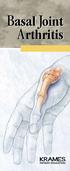 Basal Joint Arthritis What Is Basal Joint Arthritis? Arthritis is a disease that causes inflammation and stiffness in the joints. It often affects the joint at the base of the thumb, called the basal joint.
Dr Sarah Levy Consultant Rheumatology Croydon University Hospital
 Dr Sarah Levy Consultant Rheumatology Croydon University Hospital Contents Definition/ epidemiology Diagnosis Importance of early diagnosis/ treatment Guidelines Evidence based treatment protocol Current
Understanding Rheumatoid Arthritis
 Understanding Rheumatoid Arthritis Understanding Rheumatoid Arthritis What Is Rheumatoid Arthritis? 1,2 Rheumatoid arthritis (RA) is a chronic autoimmune disease. It causes joints to swell and can result
The International Classification of Functioning, Disability and Health (ICF) Core Sets for rheumatoid arthritis: a way to specify functioning
 ii40 REPORT The International Classification of Functioning, Disability and Health (ICF) Core Sets for rheumatoid arthritis: a way to specify functioning G Stucki, A Cieza... Ann Rheum Dis 2004;63(Suppl
Rheumatoid Arthritis www.arthritis.org.nz
 Rheumatoid Arthritis www.arthritis.org.nz Did you know? RA is the second most common form of arthritis Approximately 40,000 New Zealanders have RA RA can occur at any age, but most often appears between
Rehabilitation after shoulder dislocation
 Physiotherapy Department Rehabilitation after shoulder dislocation Information for patients This information leaflet gives you advice on rehabilitation after your shoulder dislocation. It is not a substitute
Rheumatology. Rheumatoid Arthritis
 Rheumatology Rheumatoid Arthritis The Rheumatology service specialises in the diagnosis and treatment of diseases affecting the musculoskeletal system. Other than providing inpatient and outpatient consultation,
What is Osteoarthritis? Who gets Osteoarthritis? What can I do when I am diagnosed with Osteoarthritis? What can my doctor do to help me?
 Knee Osteoarthritis What is Osteoarthritis? Osteoarthritis is a disease process that affects the cartilage within a joint. Cartilage exists at the surface of the ends of the bones and provides joints with
Radial Head Fracture Repair and Rehabilitation
 1 Radial Head Fracture Repair and Rehabilitation Surgical Indications and Considerations Anatomical Considerations: The elbow is a complex joint due to its intricate functional anatomy. The ulna, radius
Passive Range of Motion Exercises
 Exercise and ALS The physical or occupational therapist will make recommendations for exercise based upon each patient s specific needs and abilities. Strengthening exercises are not generally recommended
Rotator Cuff Surgery: Post-Operative Protocol for Mini-Open or Arthroscopic Rotator Cuff Repair
 Rotator Cuff Surgery: Post-Operative Protocol for Mini-Open or Arthroscopic Rotator Cuff Repair Considerations: 1. Mini-Open - shoulder usually assessed arthroscopically and acromioplasty is usually performed.
Knee Pain/Osteoarthritis: Occupational Therapy Approaches
 Knee Pain/Osteoarthritis: Occupational Therapy Approaches Susan Murphy ScD OTR Associate Professor, Physical Medicine & Rehab Dept, University of Michigan Research Health Science Specialist VA Ann Arbor
PROVEN NON-INVASIVE TREATMENT FOR RHEUMATOID ARTHRITIS
 PROVEN NON-INVASIVE TREATMENT FOR RHEUMATOID ARTHRITIS BIONICARE HAND SYSTEM Non-drug, non-invasive Adjunctive therapy For patients symptomatic despite current therapy For patients intolerant to drug
Range of Motion. A guide for you after spinal cord injury. Spinal Cord Injury Rehabilitation Program
 Range of Motion A guide for you after spinal cord injury Spinal Cord Injury Rehabilitation Program This booklet has been written by the health care providers who provide care to people who have a spinal
Facts About Aging and Bone Health
 Facts About Aging and Bone Health A Guide to Better Understanding and Well Being with the compliments of Division of Health Services Diocese of Camden Exercise as treatment Along with medication, proper
Managing canine osteoarthritis: What has proven benefits?
 Managing canine osteoarthritis: What has proven benefits? B. Duncan X. Lascelles and Denis J. Marcellin-Little North Carolina State University Student Chapter of the IVAPM, Durham, NC 10.10.2006 Osteoarthritis:
Treatment Guide Understanding Elbow Pain. Using this Guide. Choosing Your Care. Table of Contents:
 Treatment Guide Understanding Elbow Pain Elbow pain is extremely common whether due to aging, overuse, trauma or a sports injury. When elbow pain interferes with carrying the groceries, participating in
Predictors of Physical Therapy Use in Patients with Rheumatoid Arthritis
 Predictors of Physical Therapy Use in Patients with Rheumatoid Arthritis Maura Iversen,, PT, DPT, SD, MPH 1,2,3 Ritu Chhabriya,, MSPT 4 Nancy Shadick, MD 2,3 1 Department of Physical Therapy, Northeastern
world-class orthopedic care right in your own backyard.
 world-class orthopedic care right in your own backyard. Patient Promise: At Adventist Hinsdale Hospital, our Patient Promise means we strive for continued excellence in everything we do. This means you
ABOUT RHEUMATOID ARTHRITIS
 MEDIA BACKGROUNDER ABOUT RHEUMATOID ARTHRITIS Rheumatoid arthritis (RA) is a type of arthritis (chronic inflammatory polyarthritis) that typically affects hands and feet, although any joint in the body
X-Plain Rheumatoid Arthritis Reference Summary
 X-Plain Rheumatoid Arthritis Reference Summary Introduction Rheumatoid arthritis is a fairly common joint disease that affects up to 2 million Americans. Rheumatoid arthritis is one of the most debilitating
Imaging of Hand in Rheumatoid Arthritis with CR, US and MRI. Azar Bahrami, PGY4 Radiology Rounds Jan, 31, 2007
 Imaging of Hand in Rheumatoid Arthritis with CR, US and MRI Azar Bahrami, PGY4 Radiology Rounds Jan, 31, 2007 Introduction RA most common type of inflammatory Arthritis with prevalence of 1% Accurate and
Rheumatoid Arthritis. Disease RA Final.indd 2 15. 6. 10. 11:23
 Rheumatoid Arthritis Disease RA Final.indd 2 15. 6. 10. 11:23 Understanding what to expect can help you prepare for your transition into treatment. Rheumatoid Arthritis What You Need To Know About Rheumatoid
Early Diagnosis of Rheumatoid Arthritis & Axial Spondyloarthritis
 Early Diagnosis of Rheumatoid Arthritis & Axial Spondyloarthritis 奇 美 醫 院 過 敏 免 疫 風 濕 科 陳 宏 安 Rheumatoid arthritis Most common chronic inflammatory joint disease Multisystem autoimmune disease of unknown
Arthritis of the Shoulder
 Arthritis of the Shoulder In 2011, more than 50 million people in the United States reported that they had been diagnosed with some form of arthritis, according to the National Health Interview Survey.
PROTOCOL SYNOPSIS Evaluation of long-term opioid efficacy for chronic pain
 P a g e 1 PROTOCOL SYNOPSIS Evaluation of long-term opioid efficacy for chronic pain Clinical Phase 4 Study Centers Study Period 25 U.S. sites identified and reviewed by the Steering Committee and Contract
MARKET ANALYSIS of ActiPatch Therapy Try & Tell Surveys
 MARKET ANALYSIS of ActiPatch Therapy Try & Tell Surveys Consumers Report Pain Relief, Product Satisfaction and Intent to Buy New Behavior in Pain Management is Developing BioElectronics Corporation 4539
COMPUTER-RELATED MUSCLE, TENDON, AND JOINT INJURIES
 CHAPTER ELEVEN COMPUTER-RELATED MUSCLE, TENDON, AND JOINT INJURIES To reduce the risk of pain in your neck and shoulders, stay within these recommended ranges of movement: Neck Flexion: 0 o -15 o (bending
Treatment Options for Rotator Cuff Tears A Guide for Adults
 Treatment Options for Rotator Cuff Tears A Guide for Adults Is This Guide for Me? YES, if your doctor has told you that you have a rotator cuff tear, which is an injury to one or more of the muscles and
How To Test For Muscle Strength
 Myositis Core Set Measures of Activity, including MMT8, and the Preliminary Definitions of Improvement Lisa G. Rider, M.D. EAG, National Institute of Environmental Health Sciences, NIH, DHHS Bethesda,
X-Plain Neck Exercises Reference Summary
 X-Plain Neck Exercises Reference Summary Introduction Exercising your neck can make it stronger, more flexible and reduce neck pain that is caused by stress and fatigue. This reference summary describes
A Patient s Guide to Diffuse Idiopathic Skeletal Hyperostosis (DISH)
 A Patient s Guide to Diffuse Idiopathic Skeletal Hyperostosis (DISH) Introduction Diffuse Idiopathic Skeletal Hyperostosis (DISH) is a phenomenon that more commonly affects older males. It is associated
RHEUMATOLOGY ICD-10 CROSSWALK
 RHEUMATOLOGY ICD-10 CROSSWALK ICD is revised periodically and is currently in its tenth edition and will be implemented in the United States on October 1, 2015. There is an annual minor update and three-yearly
COMMITTEE FOR PROPRIETARY MEDICINAL PRODUCTS (CPMP)
 The European Agency for the Evaluation of Medicinal Products Evaluation of Medicines for Human Use London, 17 December 2003 CPMP/EWP/556/95 rev 1/Final COMMITTEE FOR PROPRIETARY MEDICINAL PRODUCTS (CPMP)
Clinical Scenario. Focused Clinical Question. Summary of Search, Best Evidence Appraised, and Key Findings
 Journal of Sport Rehabilitation, 2013, 22, 72-78 2013 Human Kinetics, Inc. www.jsr-journal.com CRITICALLY APPRAISED TOPIC Effectiveness of Low-Level Laser Therapy Combined With an Exercise Program to Reduce
ESSENTIALPRINCIPLES. Wrist Pain. Radial and Ulnar Collateral Ligament Injuries. By Ben Benjamin
 ESSENTIALPRINCIPLES Wrist Pain Radial and Ulnar Collateral Ligament Injuries By Ben Benjamin 92 MASSAGE & BODYWORK FEBRUARY/MARCH 2005 Ulnar Collateral Ligament Radial Collateral Ligament Right wrist,
TENDON INJURIES OF THE HAND KEY FIGURES:
 Chapter 32 TENDON INJURIES OF THE HAND KEY FIGURES: Extensor surface of hand Mallet finger Mallet splints Injured finger in stack splint Repair of open mallet Most hand specialists believe that the earlier
Care at its Best! Foam Roller Exercise Program
 Foam Roller Exercise Program Foam rollers are a popular new addition the gym, physical therapy clinics or homes. Foam rollers are made of lightweight polyethyline foam. Cylindrical in shape, foam rollers
TENS, Electroacupuncture and Ice Massage: Comparison of Treatment for Osteoarthritis of the Knee
 TENS, Electroacupuncture and Ice Massage: Comparison of Treatment for Osteoarthritis of the Knee Merih Yurtkuran, Tuncer Kocagil Uludag University Medical Faculty Department of Physical Therapy and Rehabilitation,
Integrating Physiotherapy and Occupational Therapy for Persons with Chronic Disease: Lessons Learned from Research in Primary Care
 Integrating Physiotherapy and Occupational Therapy for Persons with Chronic Disease: Lessons Learned from Research in Primary Care Lori Letts & Julie Richardson School of Rehabilitation Science McMaster
Hand & Plastics Physiotherapy Department Carpal Tunnel Syndrome Information for patients
 Oxford University Hospitals NHS Trust Hand & Plastics Physiotherapy Department Carpal Tunnel Syndrome Information for patients page 2 What is the Carpal Tunnel? The carpal tunnel is made up of the bones
Shoulder Joint Replacement
 Shoulder Joint Replacement Many people know someone with an artificial knee or hip joint. Shoulder replacement is less common, but it is just as successful in relieving joint pain. Shoulder replacement
CARPAL TUNNEL SYNDROME A PATIENT GUIDE TO THE NURSE-LED CARPAL TUNNEL SERVICE
 CARPAL TUNNEL SYNDROME A PATIENT GUIDE TO THE NURSE-LED CARPAL TUNNEL SERVICE Information Leaflet Your Health. Our Priority. Page 2 of 6 What is carpal tunnel syndrome? It is entrapment of a nerve at the
Biceps Tenodesis Protocol
 Department of Rehabilitation Services Physical Therapy The intent of this protocol is to provide the clinician with a guideline of the postoperative rehabilitation course of a patient that has undergone
Rheumatoid Arthritis
 Rheumatoid Arthritis While rheumatoid arthritis (RA) has long been feared as one of the most disabling types of arthritis, the outlook has dramatically improved for many newly diagnosed patients. Certainly
Cervical Spondylosis (Arthritis of the Neck)
 Copyright 2009 American Academy of Orthopaedic Surgeons Cervical Spondylosis (Arthritis of the Neck) Neck pain is extremely common. It can be caused by many things, and is most often related to getting
The Role of Acupuncture with Electrostimulation in the Prozen Shoulder
 The Role of Acupuncture with Electrostimulation in the Prozen Shoulder Yu-Te Lee A. Aim To evaluate the efficacy of acupuncture with electrostimulation in conjunction with physical therapy in improving
Arthritis of the Hands
 Arthritis of the Hands On the Agenda Normal Osteoarthitis Rheumatoid arthritis CPPD crystal deposition Gout Psoriatic arthritis Normal Hand X-ray Osteoarthritis (DJD) Gradual degeneration of articular
If I eat certain foods, will my rheumatoid arthritis symptoms improve? Answer
 August 17, 2010 Rheumatoid arthritis Question Rheumatoid arthritis diet: Do certain foods reduce symptoms? If I eat certain foods, will my rheumatoid arthritis symptoms improve? Answer By April Chang-Miller,
Injury Prevention for the Back and Neck
 Injury Prevention for the Back and Neck www.csmr.org We have created this brochure to provide you with information regarding: Common Causes of Back and Neck Injuries and Pain Tips for Avoiding Neck and
Effectiveness and Drug Adherence in Rheumatoid Arthritis Patients on Biologic Monotherapy: A prospective observational study in Southern Sweden
 Effectiveness and Drug Adherence in Rheumatoid Arthritis Patients on Biologic Monotherapy: A prospective observational study in Southern Sweden Collaborators: Primary investigators Dr Lars Erik Kristensen,
ISOMETRIC EXERCISE HELPS REVERSE JOINT STIFFNESS, BUILDS MUSCLE, AND BOOSTS OVERALL FITNESS.
 ISOMETRIC EXERCISE HELPS REVERSE JOINT STIFFNESS, BUILDS MUSCLE, AND BOOSTS OVERALL FITNESS. By Askari A. Kazmi KazmisBioscienceLabs exercise helps reverse joint stiffness, builds muscle, and boosts overall
Westmount UCC 751 Victoria Street South, Kitchener, ON N2M 5N4 519-745-2273 Fairway UCC 385 Fairway Road South, Kitchener, ON N2C 2N9 519-748-2327
 K-W URGENT CARE CLINICS INC. Westmount UCC 751 Victoria Street South, Kitchener, ON N2M 5N4 519-745-2273 Fairway UCC 385 Fairway Road South, Kitchener, ON N2C 2N9 519-748-2327 OPEN Mon-Fri 8am-5pm, Sa
Computer Workstation Ergonomic Self Evaluation
 Computer Workstation Ergonomic Self Evaluation Use this guidance to perform a preliminary evaluation of your workstation, and make any adjustments that are necessary to achieve a correct neutral posture.
Adult Forearm Fractures
 Adult Forearm Fractures Your forearm is made up of two bones, the radius and ulna. In most cases of adult forearm fractures, both bones are broken. Fractures of the forearm can occur near the wrist at
Therapeutic Canine Massage
 Meet our Certified Canine Massage Therapist, Stevi Quick After years of competitive grooming and handling several breeds in conformation, I became interested in training and competing with my dogs in the
It is worth noting that people with psoriasis can also develop other forms of arthritis such as rheumatoid arthritis and osteoarthritis.
 Psoriatic Arthritis Main Colour - pantone 2597u Research - pantone 206u Children - pantone 123 4 What is psoriatic arthritis? Psoriatic arthritis is an inflammatory joint disease associated with psoriasis.
Copeland Surface Replacement Arthroplasty (Hannan Mullett)
 1.0 Policy Statement... 2 2.0 Purpose... 2 3.0 Scope... 2 4.0 Health & Safety... 2 5.0 Responsibilities... 2 6.0 Definitions and Abbreviations... 3 7.0 Guideline... 3 7.1 Pre-Operative... 3 7.2 Post-Operative...
Stickler Syndrome and Arthritis
 Stickler Syndrome and Arthritis Arthritis Foundation Pacific Region, Nevada Office Presented by: Crystal Schulz, MPH Community Development Manager Arthritis Foundation Improving lives through leadership
Dr. O Meara s. Anterior Knee Pain (PatelloFemoral Syndrome) Rehabilitation Protocol www.palomarortho.com
 Dr. O Meara s Anterior Knee Pain (PatelloFemoral Syndrome) Rehabilitation Protocol www.palomarortho.com Anterior Knee Pain (PatelloFemoral Syndrome) Rehabilitation Protocol Hamstring Stretching & Strengthening
Physiotherapy in Rheumatoid Arthritis. Information for patients Gina Wall Senior Physiotherapist
 Physiotherapy in Rheumatoid Arthritis Information for patients Gina Wall Senior Physiotherapist What do Physiotherapists do? We conduct assessments by asking detailed questions about your symptoms, medical
Tai Chi: : A Mind-body Exercise for Pain Relief and Well-being
 Tai Chi: : A Mind-body Exercise for Pain Relief and Well-being Chenchen Wang, MD, MSc Associate Professor of Medicine Director, Center for Integrative Medicine Tufts Medical Center/Tufts University School
Temple Physical Therapy
 Temple Physical Therapy A General Overview of Common Neck Injuries For current information on Temple Physical Therapy related news and for a healthy and safe return to work, sport and recreation Like Us
Chapter 30. Rotational deformity Buddy taping Reduction of metacarpal fracture
 Chapter 30 FINGER FRACTURES AND DISLOCATIONS KEY FIGURES: Rotational deformity Buddy taping Reduction of metacarpal fracture Because we use our hands for so many things, finger fractures and dislocations
What Are Bursitis and Tendinitis?
 Bursitis and tendinitis are both common conditions that cause swelling around muscles and bones. They occur most often in the shoulder, elbow, wrist, hip, knee, or ankle. A bursa is a small, fluid-filled
DIFFERENTIATING INFLAMMATORY AND MECHANICAL BACK PAIN
 DIFFERENTIATING INFLAMMATORY AND MECHANICAL BACK PAIN CHALLENGE YOUR DECISION MAKING Claire Harris, Senior Physiotherapist, The North West London Hospitals NHS Trust Susan Gurden, Advanced Physiotherapy