
Treatment Guidelines
|
|
|
- Eunice Fields
- 10 years ago
- Views:
Transcription
1 Treatment Guidelines Cutera Inc. World Headquarters 3240 Bayshore Boulevard, Brisbane, CA USA Tel: Fax: D1544 Rev B, March,

2 The following information is supplemental to the excel HR Operator Manual. Refer to the Operator Manual for detailed information, including important cautions and warnings, prior to using the laser system. USING THESE TREATMENT GUIDELINES These treatment guidelines are based on physician feedback and are provided as a guide only. They are not designed to be a substitute for clinical training. The excel HR should only be operated by qualified practitioners who have received appropriate training and have thoroughly reviewed the Operator Manual that shipped with the system. When using the laser, always observe laser-tissue interaction and clinical endpoints to determine appropriate settings INDICATIONS FOR USE The 755 nm and 1064 nm wavelengths are indicated for temporary and permanent hair reduction on all skin types (Fitzpatrick I VI), including tanned skin. Permanent hair reduction is defined as long-term, stable reduction in hair counts observed at 6, 9 and 12 months after the end of a treatment regime. Refer to the Operator Manual for a complete list of indications for use. CONTRAINDICATIONS Pregnant patients Patients undergoing treatment for skin cancer Refer to the Operator Manual for a complete list of contraindications, warnings, and precautions. WARNINGS Do not treat over dysplastic nevi or questionable pigmented lesions. o Online Melanoma resources include and Do not treat over or close to: o tattoos or permanent make-up o metal or electronic implants Hair removal by lasers or intense pulse light sources can cause increased hair growth in some individuals. Based upon currently available data, the highest risk groups for this response are females of Mediterranean, Middle Eastern and South Asian heritage treated on the face and neck. PRECAUTIONS Do not treat patients who have taken Accutane in the past 6 months. Anticoagulants may increase the risk of purpura or bruising. Gold therapy may cause blue-gray discoloration. Vitiligo may cause de-pigmentation. Pre-treatment with an antiviral may be indicated for patients with herpes. Use caution when treating patients with a history of keloids or hypertrophic scarring. Patients with hormone disorders (e.g., Polycystic Ovarian Syndrome) may not see effective hair reduction. Do not treat over open wounds. Only treat over known benign lesions. EXPECTED TRANSIENT EVENTS AND POSSIBLE ADVERSE EFFECTS Erythema, edema and purpura may occur following treatment and typically resolve with time. Hyperpigmentation, hypopigmentation, burns, erosion, epidermal crusting or blistering may occur, some of which may result in scarring. Temporary or permanent gray hair (leukotrichia) may develop. Undesired hair loss in hair-bearing areas may result from treatment of vascular and benign pigmented lesions. Sun exposure/tanning beds/artificial tanning may increase the risk of unwanted side effects and adverse events. Red rash/bumps may occur. Hemosiderin staining may occur. Textural changes/cutaneous indentations may occur. Darker skin types have an increased risk of complications and/or pigmentary issues. D1544 Rev B, March,

3 PATIENT ASSESSMENT Obtain a complete medical history and signed informed consent prior to treatment. Determine skin type to help guide treatment parameter selection. AVOIDING COMPLICATIONS Use extreme caution when treating near the eye. o Always treat outside the orbital rim of the eye aiming the beam away from the orbit. o Always use patient eye protection. o Point the treatment window away from the eye and apply to the skin outside of the orbital rim. Sun exposure, tanning beds, and artificial tanning may increase the risk of side effects and adverse events. o Patients should avoid sun exposure, including tanning beds, and artificial tanning (spray tans, tanning lotions, etc.) for at least 4 weeks prior to treatment. o Patients should have no residual sun tan (sun/tanning booth) prior to treatment. o Sun tan may be faded, but keep in mind that any residual tan is a target for the laser. Remove all traces of make-up prior to treatment. Keep top side of sapphire window clear of gel; wipe periodically with 4x4 gauze if necessary. o Excessive top side gel may affect laser beam output, possibly leading to adverse events. Pre and post cooling can help reduce the risk of complications. Reaction to treating over fillers and toxins is unknown. Reaction to treating over superficial cosmetic implants or threads is unknown. Patients should avoid treatments that may irritate the skin (depilatories, harsh chemicals, etc.) for 1-2 weeks prior to treatment. Pigmented lesions may darken. Allow these to slough off naturally. SAFETY EYEWEAR Safety eyewear appropriate for 755 nm and 1064 nm must be worn by ALL people in treatment room. The laser ships with opaque stainless steel patient goggles as well as operator goggles. Check the wavelength and optical density (OD 755 nm and OD 1064 nm) marked on all operator goggles. Apply wet gauze over the eye lid when using metal eye shields. CAUTION: Metal eye shields may increase in heat and burn the patient if a protective layer of gauze is not used. Operator Goggles Patient Goggles D1544 Rev B, March,

4 EXCEL HR USER INTERFACE Fluence is the energy measured in J/cm 2. The lighter the chromophore or target, the more energy (fluence) is needed. Press the Up/Down arrows to adjust. 2. Pulse Duration is the length of each pulse measured in milliseconds (ms). Pulse duration is automatically set to 3 ms when using the 755 nm wavelength but is adjustable when using the 1064 nm wavelength. 3. Repetition Rate is the number of pulses per second measured in Hz with foot pedal depressed. Press the Up/Down arrows to adjust. 4. Temperature can be adjusted to 4 C, 8 C, 12 C, 16 C, or 20 C. 5. Memory Button saves 2 different settings per wavelength for common indications. 6. Number of Pulses is displayed. Press the reset button to reset. 7. Spot Size is adjustable: 5 18 mm for the 755 nm wavelengths; 3 18 mm for the 1064 nm wavelength. 755 nm 5, 8, 10, 12, 14, 16, 18 mm 1064 nm 3, 5, 7, 10, 12, 14, 15, 16, 18 mm 8. Standby Button is the yellow icon that is selected to go into Standby Mode. The handpiece cannot be fired when in Standby Mode. Screen background is yellow when in Standby Mode. 9. Ready Button is the green icon that is selected to go into Ready Mode to begin treatment. Press the foot pedal to start the pulse after the flute sound indicates system is ready. Screen background is green when in Ready Mode. NOTE: Treatment parameters are interrelated. Therefore, not all parameter combinations are simultaneously available. If you attempt to select a treatment setting that is not available, the system emits a distinct audible tone. Changing one or more of the other parameters may enable you to select the desired treatment setting. D1544 Rev B, March,

5 HAIR REMOVAL PROCESS The purpose of the treatment is to selectively treat the hair follicle without causing thermal damage to the surrounding tissue. o The sapphire window provides epidermal cooling and protection. Permanent hair reduction is achieved by using heat to disable the hair follicle and prevent re-growth. o The bulb and bulge of the hair follicle, which are responsible for hair re-growth, are targeted by the excel HR laser. o Because the bulb and bulge of the hair follicle must be present, do not pluck or wax targeted hair in between treatment sessions. The excel HR laser targets the melanin in the hair bulb and bulge; therefore, hair must be brown or black. o The excel HR laser does not target and cannot be absorbed by white, gray, or red hair. TREATMENT INTERVALS Only the hair follicle in the anagen growth phase can be effectively targeted and disabled. Each hair goes through the 3 growth phases independently of the neighboring hairs, so not all hairs will be in the same phase at the same time. Therefore, multiple treatments are required to achieve sufficient reduction in hair growth. Treatment Interval recommendations are a general guideline only and are a compilation of intervals used by successful operators. o Facial hair: 6-8 week intervals between treatments o Body hair: 8-10 week intervals between treatments o Back or Leg hair: week intervals between treatments Hormones, diseases, medication, and other factors can affect the treatment outcome. Treatments that are spaced too closely together may appear to be more successful within the first few treatments. However, more treatment sessions may be required for the desired final outcome, because a smaller percentage of regrown hairs may be available as targets. Patients should be assessed before each treatment to determine treatment intervals and settings. o Hair may grow back lighter and finer, and settings may need to be adjusted to target this new hair. If the patient returns for treatment and there is minimal hair, it may be in a transitional or resting phase. o Wait until hair is actively growing to resume treatment cycle. Facial skin has significantly more hair follicles per cm² than the body, which is why you can see results within the first three to four treatments with shorter interval times. When in doubt, it is better to space the treatments farther apart than closer together. D1544 Rev B, March,

6 PREPARING THE PATIENT FOR HAIR REMOVAL TREATMENT Clean the skin by removing all make-up and/or topical anesthetic. Ensure that the treatment area is clean shaven. Take photographs prior to the initial treatment for future reference. Topical anesthetic is optional and must be removed before treatment. o CAUTION: Toxicity may result from overuse. Consult the product labeling for any anesthetic used. Ensure that ALL people in the treatment room are wearing safety eyewear. SELECTING TREATMENT PARAMETERS FOR HAIR REMOVAL TREATMENT The following parameters are provided as a guide only. Perform and observe test spots prior to treatment. Potential adverse reactions may take hours to appear. Pigmentation changes for darker skin type patients may develop up to several weeks following treatment. o Test spot fluence settings are determined by evaluating skin type and, for hair removal procedures, hair color, thickness, and density. o Treatment settings should be selected based on test spot clinical response. o Perform test spots on the same area as being treated. o Deliver single pulses to assess clinical response and potential adverse reactions. o Deliver 3 to 4 adjacent pulses to assess skin s reaction to bulk heating. Start with conservative settings, and observe laser-tissue interaction and clinical endpoints to determine appropriate settings for each patient. Fluence and/or pulse duration adjustments should be performed gradually. o 1064 nm Adjust by 5 J/cm² or 5 ms at a time, while watching for epidermal response. Adjust only one parameter (fluence OR pulse duration) at a time. Shortening the pulse duration by 5 ms is more aggressive than increasing the fluence. o 755 nm Adjust 1 J/cm² at a time, while watching for epidermal response. Patients should be re-assessed prior to each treatment to determine sun exposure and hair density and coarseness. o Parameters may need to be adjusted. Mild to moderate erythema and/or perifollicular edema are desired endpoints. o IMPORTANT: Clinical endpoints are not always required for an effective treatment. It is possible for a treatment to be effective without seeing these reactions. If treated area darkens or develops significant erythema or edema, the fluence should be decreased or the pulse duration should be increased. Repetition rate should be adjusted according to patient comfort, skin type, hair density, and user experience. o Single pulses or low repetition rate are recommended on areas where additional cooling is desired (such as higher energy settings, sun exposed areas, coarse/dense hair, darker skin, curved or bony areas, etc.). o Higher repetition rates are only recommended for experienced practitioners and only when treating larger treatment areas that allow for easy handpiece motion. o If using a higher repetition rate, the fluence may need to be lowered. CAUTION: When treating darker skin types, additional pre-cooling and lower repetition rates or single pulse modes are recommended to maximize epidermal protection. Re-evaluate the patient prior to each treatment to determine sun exposure and treatment target. o Parameters may need to be decreased if increased melanin content due to sun exposure is observed. Treatment ranges are wide due to significant variations in patient response. CAUTION: Sun-exposed areas have a higher risk of adverse events. CAUTION: Do not use clinical settings taken from other 755 nm or 1064 nm laser guideline documents. Technology and performance differences can significantly effect clinical response. o Excel HR contact cooling technology provides refractive index matching improving energy coupling into skin. Skin compression from the contact handpiece also blanches the skin and reduces the distance to the hair target reducing losses. o These effects, for the same displayed settings, result in excel HR achieving higher effective intradermal fluence than seen with other cooling technologies. o As a result, the same levels of efficacy will be achieved with lower system settings. o If equivalent displayed settings are selected, the higher effective intradermal fluence will result in higher follicular and perifollicular temperatures which can improve efficacy but may increase treatment sensations D1544 Rev B, March,

7 SELECTING HAIR REMOVAL TREATMENT PARAMETERS Skin Type 755 nm is preferred for lighter skin types and lighter or fine hair nm is preferred for darker skin types or darker, coarser hair. CAUTION: When treating darker skin types, additional pre-cooling and lower repetition rates or single pulses are recommended to maximize epidermal protection. Hair Color and Thickness For darker, coarser hair, use lower fluence and longer pulse duration. For lighter, finer hair, use higher fluence and shorter pulse duration. Hair Density For dense hair, extended pre-cooling, lower fluence, lower repetition rates, and less overlap are recommended. Parameters may need to be adjusted as density decreases, skin type permitting. o Use caution when transitioning from lower density areas to higher density areas such as men s necks approaching the hairline and the bikini line. Actinic Bronzing Patients Actinic bronzing is chronic tan-like pigmentation damage resulting from long-term sun exposure. Patients with actinic bronzing are at higher risk for crusting and other adverse events. Patients with actinic bronzing should be treated as though they are one skin type darker than their underlying ethnicity would suggest. o For example, treat a skin type II patient with skin type III settings. D1544 Rev B, March,

8 HAIR REMOVAL TREATMENT GUIDELINES The following parameters are provided as a guide only and are based on practitioner feedback. Start at the lowest fluence and observe laser-tissue interaction and clinical endpoints to determine appropriate settings. Skin Type Temperature Pulse Duration I - II 4 3 ms III 4 3 ms IV 4 3 ms V * 4 3 ms 755 nm Wavelength * Treating Skin Type V patients with the 755 nm Wavelength The 1064 nm wavelength is recommended for all Skin Type V treatments. Use caution if considering 755 nm treatment for Skin Type V patients. o Should only be treated by experienced practitioners. o Do not treat patients with recent sun exposure or chronic tan. Skin Type I - II III IV Temperature Spot Size Fluence Fine Hair Fluence Medium Hair Fluence Coarse Hair J/cm² J/cm² J/cm² J/cm² J/cm² J/cm² J/cm² J/cm² 9 13 J/cm² J/cm² J/cm² J/cm² J/cm² J/cm² J/cm² J/cm² J/cm² 9 11 J/cm² J/cm² J/cm² 9 11 J/cm² J/cm² J/cm² 8 10 J/cm² J/cm² 9 11 J/cm² 7 9 J/cm² J/cm² 8 11 J/cm² 1064 nm J/cm² 7 10 J/cm² 1064 nm J/cm² 6 9 J/cm² 1064 nm 1064 nm Wavelength Pulse Duration ms ms ms V ms VI ms Spot Size Fluence 10 mm J/cm² 12 mm J/cm² 15 mm J/cm² 18 mm 755 nm 10 mm J/cm² 12 mm J/cm² 15 mm J/cm² 18 mm 755 nm 10 mm J/cm² 12 mm J/cm² 15 mm J/cm² 18 mm 755 nm 10 mm J/cm² 12 mm J/cm² 15 mm J/cm² 18 mm J/cm² 10 mm J/cm² 12 mm J/cm² 15 mm J/cm² 18 mm J/cm² Adjusting parameters for 1064 nm treatments when treating coarse or fine hair Coarse Hair o Longer pulse durations are recommended Fine Hair o Shorter pulse durations recommended o Higher fluence may be required to achieve the desired clinical endpoint D1544 Rev B, March,

9 HAIR REMOVAL TREATMENT STEPS Inspect the handpiece to ensure the sapphire window and metal surfaces are free of debris and ejected hair prior to and during treatment. o It may be necessary to periodically wipe the bottom of the handpiece with a gauze to remove ejected hair Perform and observe test spots prior to treatment. Potential adverse reactions may take hours to appear. Pigmentation changes for darker skin type patients may develop up to several weeks following treatment. Large areas may be easier to treat if divided into smaller grids. o Mark with a white eyeliner pencil. o Use only WHITE pencil as it will not be absorbed by laser light. o Because eyeliner pencil components are not standardized, test the pencil before using on patients. Apply a thin layer of clear gel (such as ultrasound or aloe vera gel) for increased epidermal protection, for easy gliding of the handpiece, and to determine placement of adjacent rows. To prevent fogging of the treatment window, place one drop of the Anti-fog drops provided with the system on top of the window prior to each treatment or when window develops condensation. Sapphire window must be in full contact with skin during treatment. o Pay particular attention when treating rounded/bony areas. Pulses should be spaced with 10-20% overlap. o Use a maximum of 10% overlap on darker skin. Consider precooling for patients with darker skin or areas of dense hair. Precool area with sapphire window, depress the foot pedal to fire a pulse, then glide handpiece to next treatment area and repeat. o If using a repetition rate, keep foot pedal depressed as the laser fires each pulse. Ensure that handpiece has complete contact with skin during each pulse. Do not stack pulses ( double-pulse ) or retreat an area within a single visit. Common endpoints are mild to moderate erythema and/or perifollicular edema, which may be delayed. However, these endpoints are not required for a successful treatment. o If desired clinical endpoint is not achieved, consider increasing fluence or shortening the pulse duration. Always observe the epidermis during the treatment, watching for signs of damage (blanching or gray coloration). o If damage is seen, stop the treatment and apply a cool compress and evaluate the area for possible complications and wound care. Be extra cautious when treating delicate or highly sensitive areas (knuckles, genitalia, ears, upper lip, etc.). o Provide extra cooling with handpiece and/or frozen gel pack. Thinner skin is more easily damaged. o Insert damp cotton ball inside ear canal when treating the ear. o Pull skin away from testes to treat. o When treating near the mouth, a moist gauze can be placed between the lips and teeth to protect teeth from discomfort. Inspect sapphire window prior to and during treatment Mark treatment area with white eyeliner pencil Ensure handpiece has full contact with skin Typical 10% - 20% overlap of pulses Perifollicular edema is a common endpoint D1544 Rev B, March,

10 HAIR REMOVAL POST-TREATMENT CARE Avoid sun exposure, and use a broad spectrum (UVA/UVB) sunscreen. Avoid heat (hot tubs, saunas, etc.) for 1-2 days. Avoid skin irritants (products containing tretinoin, retinol, benzoyl peroxide, glycolic/salicylic acids, astringents, etc.) for a few days post-treatment. Do not wax or pluck between treatments. Redness and perifollicular edema are common and will resolve with time. Bruising and swelling are uncommon but may occur and will resolve with time. Hair may take up to two weeks to fall out. BENIGN PIGMENTED LESION TREATMENT GUIDELINES 755 NM WAVELENGTH The following parameters are provided as a guide only and are based on practitioner feedback. Start at the lowest fluence and observe laser-tissue interaction and clinical endpoints to determine appropriate settings. Indication Skin Type Spot Size Fluence Temperature Gel (mm) ( C) Seborrheic Keratosis I III J/cm² J/cm² C C Light Pigment I III J/cm² J/cm² C C Medium Pigment I IV J/cm² J/cm² C C Dark Pigment I - IV J/cm² J/cm² 12 C 12 C Treatment Precautions Avoid treating surrounding skin with actinic bronzing or chronic tan. Reduce fluence when treating: o darker skin types o sun exposed areas (such as chest and arms) or actinic bronzing o over bony areas o on the body Extreme caution should be used when treating near the eye. o Always treat outside the orbital rim of the eye aiming the beam away from the orbit. o Patient eye protection is required to avoid ocular damage. o The laser beam should ALWAYS be pointed away from the eye and only applied to the skin outside of the orbital rim. o Distance from the orbit can often be increased by pulling the skin away from the eye for treatment. Do not treat over or close to tattoos or permanent make-up. Possible hair loss may occur. Implants: o Reaction to metal implants is unknown. o Pacemaker - stay at least 6 inches away from implant. o Reaction to fillers is unknown. D1544 Rev B, March,

11 GENERAL TREATMENT TECHNIQUES Inspect the handpiece to ensure that the sapphire window is free of debris or ejected hair prior to and during treatment. If gel is recommended, apply a thin layer of ultrasound gel to the treatment area to improve epidermal contact during treatment. Ensure that the handpiece is in full contact with the skin during treatment. o Pay particular attention when treating rounded/bony areas. Treat the pigmented lesion only and not the surrounding area. If the desired clinical endpoint is not achieved, adjust the settings accordingly. Always observe the epidermis during the treatment, watching for signs of damage (e.g., epidermal separation, frosting or gray coloration). o If damage is observed, stop the treatment, cool the skin and evaluate the area for possible complications and wound care. Treating Seborrheic Keratosis o May only be lightened and often re-occurs. o Use caution and less aggressive settings when treating flatter Seborrheic Keratosis. Use extreme caution when treating near the eyes. Use caution when treating unusual areas (scalp hair, knuckles, men s genitalia, ears, inside nose, etc.). o Consider extended pre-cooling with the handpiece or a frozen gel pack. Do not double-pulse or retreat an area within a single visit. When treating near the mouth, rolled-up gauze can be placed between the lips and teeth to protect teeth from discomfort. Treatment endpoint is a slight darkening of the lesion. o A subtle color change is sufficient. o It is important to achieve a color change over the full diameter of the lesion. o Localized erythema and/or edema may develop up to 15 min after treatment. 1 2 treatments are recommended, spaced 4 weeks apart. Re-assess the treatment area prior to subsequent treatments, and adjust the parameters accordingly. BENIGN PIGMENTED LESION POST-TREATMENT CARE Cold compresses or chilled gel-packs may be applied post treatment. Avoid sun exposure and apply sunscreen to the treated area Treated lentigines will darken after treatment. Crusting forms within a few days and typically slough within 1-3 weeks Retreatment of lentigines is not recommended prior to 4-6 weeks BENIGN PIGMENTED LESION POSSIBLE REACTIONS Normal Reactions: o Erythema usually resolves within 2-4 hours. o Edema usually resolves within 24 hours. o Bruising usually resolves within 7-10 days. Pigmented lesions will darken after treatment. Crusting may form and last 1-3 weeks before flaking off. Cold gel packs or cool compresses should be applied to a suspected burn. If a blister develops, treat as a wound. D1544 Rev B, March,

12 SELECTING VASCULAR LESION TREATMENT PARAMETERS 1064 NM WAVELENGTH Select treatment parameters in the order listed below. Always start with the least aggressive settings for a specific vessel. Observe laser-tissue interaction and clinical response to determine appropriate settings for each patient. 1. Spot Size measured in millimeters (mm), based on treatment type and vessel depth For superficial linear vessels, use smaller spot size. For deeper linear vessels, use larger spot size. For area treatments/diffuse redness, use larger spot size. 2. Fluence measured in J/cm 2, based on the vessel size, depth, and skin type. For smaller vessels, use higher fluence. For larger vessels, use lower fluence. For deeper vessels, use higher fluence (energy dissipates to the surrounding tissue). For darker skin types or tan skin, use lower fluence. 3. Pulse Duration measured in milliseconds (ms), based on vessel size and color For smaller diameter, lighter vessels, use shorter pulse duration. For larger diameter, darker vessels, use longer pulse duration. For darker skin types or tan skin, use longer pulse duration. Pulse durations shorter than 10 ms increase the likelihood of purpura when treating vascular lesions. 4. Window Temperature measured in o Celsius. There are 5 options: 4 C, 8 C, 12 C, 16 C or 20 C. For vascular indications, 4 C or 8 C is advised for increased epidermal protection and patient comfort For larger, darker vessels and vascular birthmarks (more hemoglobin), use 4 C. 5. Repetition Rate measured in Hz. Number of pulses per second with foot pedal depressed. For increased epidermal safety, use single pulses (0.0 Hz) with pre and post cooling. 6. Contact Cooling Sapphire window provides pre, parallel and post cooling. Pre-cooling protects the epidermis by reducing initial skin temperature. Parallel cooling during the laser pulse protects epidermis while laser is firing. Post-cooling extracts heat from tissue to help prevent epidermal injury. Longer pre and post cooling is recommended when heating larger, darker vessels. Linear vessels Superficial vessels Spot Size - + Area treatments Deeper vessels Larger vessels Fluence - + Smaller vessels Smaller vessels Pulse Duration - + Larger vessels Darker skin types Tan skin D1544 Rev B, March,

13 VASCULAR LESION TREATMENT GUIDELINES 1064 NM WAVELENGTH The following parameters are provided as a guide only and are based on practitioner feedback. Start at the lowest setting and observe laser-tissue interaction and clinical endpoints to determine appropriate settings. Indication Example Picture Temp Spot Size Fluence Pulse Width Facial Telangiectasia Fine Leg Telangiectasia < 0.5 mm diameter Purple/Blue Facial Telangiectasia (Skin Types I-VI) Periorbital Blue Veins** (Skin Types I-VI) 8 o 8 o 8 o 8 o 3 mm 5 mm 3 mm 5 mm J/cm² J/cm² J/cm² J/cm² ms ms ms ms Skin Type I IV I V I IV I IV 8 o 5 mm J/cm² ms I V 8 o 5 mm J/cm² ms I V Red Spider Leg Veins 1-2 mm 8 o 3 mm J/cm² ms I IV Purple Spider Leg Veins 1 2 mm 8 o 5 mm 7 mm J/cm² J/cm² ms ms I V I V Reticular Leg Veins 2-4 mm Cherry or Spider Angioma Venous Lake 8 o 7 mm J/cm² ms I V 8 o 8 o 3 mm (<2 mm) 5 mm (>2mm) J/cm² J/cm² 8 30 ms ms I IV I V 8 o 5 mm J/cm² ms I VI Treatment Precautions Test pulses are always recommended. Observe laser-tissue interaction before proceeding. o When treating skin types IV-VI, use a longer pulse duration. WARNING: The red diode aiming beam in the sapphire window should be in full contact with the skin before, during, and after the laser pulse. o Pay close attention when treating over the nose or curved areas to ensure full contact with the window where the red aiming beam is present. o Consider using smaller spot size if you cannot ensure full contact with the sapphire window. Extreme caution should be used when treating near the eye. o Always treat outside the orbital rim of the eye aiming the beam away from the orbit. o Patient eye protection is required to avoid ocular damage. o The laser beam should ALWAYS be pointed away from the eye and only applied to the skin outside of the orbital rim. o Distance from the orbit can often be increased by pulling the skin away from the eye for treatment. Do not treat over or close to tattoos or permanent make-up. Possible hair loss may occur. The Nd:YAG may affect a tooth if exposed. o Moist gauze may be placed between the lips and teeth. Implants: o Reaction to metal implants is unknown. o Pacemaker - stay at least 6 inches away from implant. o Reaction to fillers is unknown. D1544 Rev B, March,

14 GENERAL TREATMENT TECHNIQUES Inspect the handpiece to ensure that the sapphire window is free of debris prior to and during treatment. Apply a thin layer of ultrasound gel to the treatment area if indicated to aid gliding of the handpiece and to improve epidermal contact during treatment. Ensure that the handpiece is in full contact with the skin during treatment. o Pay particular attention when treating rounded/bony areas. Pre-cooling the skin is required to help prevent epidermal damage. o Ensure each pulse receives both pre and post cooling. o Length of pre and post cooling time required will vary according to size, color, and depth of vessel. Larger, darker vessels require longer pre and post cooling. Do not stack pulses or double pulse. o For smaller vessels, place treatment pulses adjacent to one another without overlap. o For larger vessels, leave space between pulses. Vessel rupture and extravasation may occur with more aggressive settings. o Cool and compress the area; purpura may develop. Telangiectasia prior to pulse o Lengthen the pulse width and/or reduce the fluence on subsequent pulses. Endpoints will vary based on type, size, color, volume, pressure, and location of vein. o Common endpoints are color change, vein disappearance, or constriction. o If the clinical endpoint is not reached, shorten the pulse duration. If clinical endpoint still not reached, then increase the fluence. o The endpoint may not be evident or may be very subtle when treating larger reticular leg veins. Always observe the epidermis during the treatment, watching for signs of damage (e.g., epidermal separation, frosting or gray coloration). o If damage is observed, stop the treatment, cool the skin and evaluate the area for possible complications and wound care. Telangiectasia endpoint example Use extreme caution when treating near the eye. o Only experienced practitioners should treat periorbital vessels. o Always use patient eye protection. o Always point the laser beam away from the eye, and never treat near or within the orbital rim. When treating near the mouth, rolled-up gauze can be placed between the lips and teeth to protect teeth from discomfort. Re-assess the treatment area prior to subsequent treatments, and adjust the parameters accordingly. VASCULAR LESIONS POST-TREATMENT CARE Cold compresses or chilled gel-packs may be applied post treatment. Avoid sun exposure and apply sunscreen to the treated area Retreatment of vessels is not recommended prior to 4-6 weeks Larger reticular vessels may take longer to resolve and should not be re-treated prior to 2-3 months Compression stockings following leg vein treatments are optional VASCULAR LESIONS POSSIBLE REACTIONS Normal Reactions: o Erythema usually resolves within 2-4 hours o Edema usually resolves within 24 hours o Bruising usually resolves within 7-10 days o Urticarial (hive-like) reaction (smaller vessels) usually resolves within several hours Linear crusting may occur when treating leg veins and should be allowed to slough off naturally Hemosiderin staining is uncommon but may occur (more commonly in leg veins) and usually resolves over time (3-6 months) Cold gel packs or cool compresses should be applied to a suspected burn If a blister develops, treat as a wound D1544 Rev B, March,

15 SKIN TYPE CLASSIFICATION QUESTIONNAIRE SCORE What is the natural color of your hair? Sandy red Blond Chestnut, dark blond Dark brown Black What is the eye color? Light blue, Gray, Green Blue, Gray, Green Brown Dark Brown Brownish Black What is the color of sun unexposed skin areas? How many freckles on unexposed skin areas? Reddish Very pale Pale with beige tint Light brown Dark brown Many Several Few Incidental None What happens when you are in the sun TOO long without sunblock? Painful redness, blistering, peeling Blistering followed by peeling Burns, sometimes followed by peeling Rarely burns Never had a problem How well do you turn brown? Hardly or not at all Light color tan Reasonable tan Tan very easily Turn dark very quickly Do you turn brown within one day of sun exposure? Never Seldom Sometimes Often Always How does your face respond to the sun? Very sensitive Sensitive Normal Very resistant Never had a problem When did you last expose yourself to the sun or artificial sun treatments? More than 3 months ago 2-3 month ago 1-2 months ago Less than 1 month ago Less than 2 weeks ago Do you expose the area to be treated to the sun? Never Hardly ever Sometimes Often Always TOTAL points = Skin type I points = Skin type II points = Skin type III points = Skin type IV points = Skin type V & VI D1544 Rev B, March,

Vascular Treatment Guidelines
 Vascular Treatment Guidelines Cutera Inc. World Headquarters 3240 Bayshore Boulevard, Brisbane, CA 94005 USA Tel: +1 415 657 5500 Fax: +1 415 330 2444 www.cutera.com The following treatment parameters
VariLite Treatment Guidelines
 VariLite Treatment Guidelines Cutera Inc. World Headquarters 3240 Bayshore Boulevard, Brisbane, CA 94005 USA Tel: +1 415 657 5500 Fax: +1 415 330 2444 www.cutera.com D1355 RevB June2013 p. 1 The Cutera
Consent for Laser/Light Based Treatment
 Consent for Laser/Light Based Treatment I authorize Dr. Linda Cook to oversee laser/intense pulsed light cosmetic dermatology treatments on me, including but not limited to deep tissue heating, soft tissue
Treatment Guidelines
 Treatment Guidelines For customers outside of the USA Cutera Inc. World Headquarters 3240 Bayshore Boulevard, Brisbane, CA 94005 USA Tel: +1 415 657 5500 Fax: +1 415 330 2444 www.cutera.com The following
What are spider veins? What is the best treatment for spider veins?
 Laser Spider/Leg Vein Q & A What are spider veins? Millions of women and men are bothered by unsightly spider veins on their faces and legs. Spider veins or telangiectasias are those small red, blue and
NEHSNORTH EASTERN HEALTH SPECIALISTS
 COSMETIC DERMATOLOGY NEHSNORTH EASTERN HEALTH SPECIALISTS nehs.com.au CONSENT FORM ACNE Treatment I, DOB:, of authorize of North Eastern Health Specialist to perform hair removal with the BBL / Nd-Yag
8502-00-0821 Revision L Candela Proprietary Sheet 1 of 5 February 2005
 Vbeam Treatment Guidelines These guidelines were developed from clinical experience and do not take the place of the Operator s Manual and clinical judgment. These guidelines are subject to change as users
LASER HAIR REMOVAL: SCIENTIFIC PRINCIPLES AND PRACTICAL ASPECTS
 LASER HAIR REMOVAL: SCIENTIFIC PRINCIPLES AND PRACTICAL ASPECTS ABSTRACT Christine C. Dierickx, M.D. Visiting Research Scientist Wellman Laboratories of Photomedicine Harvard Medical School The use of
Innovative Low Fluence-High Repetition Rate Technology for Hair Removal
 Innovative Low Fluence-High Repetition Rate Technology for Hair Removal Dr. Joseph Lepselter Alma Lasers Ltd. Caesarea, Israel Houten, Holland April 14, 2012 Terms LHR = laser hair removal SHR = super
Informed Consent For Laser Hair Removal
 Informed Consent For Laser Hair Removal INSTRUCTIONS This informed-consent document has been prepared to help inform you about laser procedures, its risks, as well as alternative treatment(s). It is important
Patient Information and Consent for Medical/Laser/Intense Pulsed Light Treatment. VASClinic PROCEDURES
 This consent form includes general descriptions of various dermatological treatments, including possible benefits and risks that may occur as a result of these treatments. Your doctor or nurse will describe
INDY LASER CLIENT INFORMATION
 172 W. Carmel Drive Carmel, IN 46032 Tel: (317)575-2737 INDY LASER CLIENT INFORMATION Client Name Address City Zip Code Mobile Phone Home Phone Date of Birth Body Hair Color Email Address Referral Source
ICON PRE AND POST OP INSTRUCTIONS. MAXG or 1540 (XD/XF)
 ICON PRE AND POST OP INSTRUCTIONS MAXG or 1540 (XD/XF) Pre-Op Instructions 1. Please arrive to appointment 15 minutes before your scheduled time. Please be advised, running late may result in less than
New Methods for Guidance of Light-Based Treatments Using Objective Melanin Measurements
 New Methods for Guidance of Light-Based Treatments Using Objective Melanin Measurements Sean Doherty, MD, 1 Richard Cohen, PhD, 2 Felicia Whitney, RN, 2 Oksana Bradley, MD, 2 (Ukraine) Brooke Seckel, MD
COSMETIC LASER AND AESTHETICS CENTER
 COSMETC LASER AND AESTHETCS CENTER LGHT SHEAR LASER HAR REMOVAL NFORMATON AND CONSENT understand that the purpose of this procedure is to reduce and/or remove unwanted hair. There are several alternatives
Laser hair removal. Birmingham Regional Skin Laser Centre
 What is laser hair removal? involves removing unwanted hair using laser. The high level of energy in the laser is taken up by the pigment within the hair (melanin), which converts the energy into heat
A Free Guide to different Hair Removal Treatments
 A Free Guide to different Hair Removal Treatments 2 Introduction From peach-fuzz to long, dark, or coarse growth, both men and women have been doing battle with excess hair -and hair removal - for centuries.
There are different types of lasers that according the wavelength of their beams have different indications; the most common ones used on skin are:
 What is Laser Surgery? Laser (Light Amplification by Stimulated Emission of Radiation) surgery uses a very hot, focused beam of light to remove or cauterise a skin lesion and control bleeding without affecting
Love the Skin You re In. Emily Lambert, MD Sara Drew, ANP
 Love the Skin You re In Emily Lambert, MD Sara Drew, ANP Conditions Treated Unwanted Hair Sun Spots Wrinkles Redness Blood Vessels Spider Veins Scarring Aging Skin Melasma pregnancy mask Sun-damage Pre-cancers
medical history for Vectus laser treatment
 medical history for Vectus laser treatment PATIET IFORMATIO PLEASE PRIT LAST AME FIRST AME OF BIRTH SEX MALE FEMALE STREET ADDRESS CIT STATE ZIP PHOE UMBERS HOME WORK CELL Which is your primary / preferred
Thomas T. Jeneby, M.D. 7272 Wurzbach Suite 801 San Antonio, TX. 78240 210-782-8269/210 270 8595
 Laser hair removal is one of the most popular cosmetic procedures performed. Unwanted hair grows on various regions of the body. Often, individuals find the presence of hair in certain regions of the body
Laser Tattoo Removal. Birmingham Regional Skin Laser Centre
 What is laser tattoo removal? Laser tattoo removal is a treatment to help fade and remove unwanted tattoos. We are able to remove the following types of tattoos: Amateur tattoos - normally formed using
Safe and Effective Long-Term Hair Reduction in Tanned Patients Using an 800 nm Diode Laser
 Lum 1051 Campos ppr.v8 Safe and Effective Long-Term Hair Reduction in Tanned Patients Using an 800 nm Diode Laser VALERIA B. CAMPOS, MD, Jundiai, Brazil This clinical summary provided by Lumenis, Inc.
Laser Tattoo Removal
 Laser Tattoo Removal Laser Tattoo Removal Focus Medical NaturaLase QS Focus Medical, Bethel, CT, USA American Made NaturaLase QS4 2J 2J of energy, 4 wavelengths 1064, 532, 585, 650 NaturaLase QS4 1J 1J
Explaining Ellipse I 2 PL
 Explaining Ellipse I 2 PL CLINICALLY PROVEN SAFE AND EFFECTIVE Ellipse I 2 PL stands for Ellipse secondgeneration Intense Pulsed Light The Ellipse I 2 PL system is used for the treatment of a wide range
Save Face Laser & IPL Fact Sheet
 Save Face Laser & IPL Fact Sheet Patient information Laser & IPL (Intensed Pulse light) What is laser & IPL (Intensed Pulse light)? Over the last decade the use of light such as Lasers and Intense Pulsed
Laser treatment for the removal of unwanted Hair
 Laser treatment for the removal of unwanted Hair Exceptional healthcare, personally delivered Welcome to the Bristol Laser Centre We are part of the Plastic Surgery Department at North Bristol NHS Trust
Welcome to Bella! Give the Gift of Bella. A few tips to prepare you for your first visit: Gift Certificates are just $100 for a $150 value!
 Welcome to Bella! We are glad to have you as our guest. We encourage you to visit our website to see all of the exciting new laser and skincare treatments that we offer. Please be aware of our 24 hour
MTOne. Taking care of people, our masterpieces. The Next Generation Multi-Source Platform IPL - Laser Er:YAG - Laser DIODE.
 Taking care of people, our masterpieces MTOne The Next Generation Multi-Source Platform IPL - Laser Er:YAG - Laser DIODE This brochure is not intended for the U.S. market. Certain Intended Uses/Configurations/Models/Accessories
The Hair Removal ebook!
 The Hair Removal ebook! Brought to you by Terms of Use: This ebook was created to provide educational information regarding hair removal. Before making any decision, please consult a qualified health or
SHR Pain Free Hair Free
 SHR Pain Free Hair Free Brochure Treatment Laser Hair Removal AFT Hair Removal SHR by Alma Lasers Pain Free Hair Free Alma Laser s SHR technology is the world s most popular and widely used method of laser
A single device, a plethora of treatments.
 A single device, a plethora of treatments. A single device, a plethora of treatments. ETHEREA was developed to bring in the market the best, most efficient and top-rated technologies device for laser and
Laser Tattoo Removals Frequently Asked Questions
 Laser Tattoo Removals Frequently Asked Questions What type of laser do you use? We use a Sapphire and Ruby Q-switched KTP/ YAG laser, this type of laser delivers the energy quickly and allows for the best
Performance. All You Need. All In One.
 Performance. All You Need. All In One. Skin & Hair Treatments Performance. All You Need. All In One. In the world of multi-application platforms, performance is everything. From treatment time to clinical
User Manual Table of Contents. Instructions for Using the LaserTouchOne Charging the Unit... 5 Holding the Device... 5 Treatment Steps...
 User Manual User Manual Table of Contents Introduction The LaserTouchOne... 3 Device Features and Controls (Photo of device)... 4 Product Contents... 4 Laser Safety... 4 Electrical Safety... 5 Instructions
Not suitable for Afro-Caribbean or black skin complexions.
 Dear Customer, Congratulations on your purchase. Laser hair treatment gives a long term solution to permanent hair reduction. Treating individual hairs to kill the hair root permanently has a high success
HAIR REMOVAL LASER PRECISION. Instructions for Use
 HAIR REMOVAL LASER PRECISION Instructions for Use SKIN TONE CHART TABLE OF CONTENTS CHECK YOUR SKIN TONE to find out if you can safely use the Tria Hair Removal Laser Precision. Match the skin in the area
 no!no! Thermicon: A Novel, Home-based Hair Removal Device Dr. Mira Barki Yavne, Israel Introduction Lasers and intense pulsed light sources have become a popular method for long-term removal of unwanted
LASERs for vascular lesions. Mashayekhi vahid MD Dermatology Department Emamreza Hospital Mashhad-Iran
 LASERs for vascular lesions Mashayekhi vahid MD Dermatology Department Emamreza Hospital Mashhad-Iran Introduction This technology is new and rapidly evolving, and therefore, guidelines are so far as the
Spotlight Series: Interventional Radiology. Varicose Veins and Venous Insufficiency
 Spotlight Series: Interventional Radiology Varicose Veins and Venous Insufficiency What is venous insufficiency? Spectrum of Disease Spider veins and telangiectasias Small reddish and purple veins near
Long-Pulsed 1064-nm Nd:YAG Laser-Assisted Hair Removal in All Skin Types
 Long-Pulsed 1064-nm Nd:YAG Laser-Assisted Hair Removal in All Skin Types ELIZABETH L. TANZI, MDAND TINA S. ALSTER, MD Washington Institute of Dermatologic Laser Surgery, Washington, DC BACKGROUND. Although
RESULTS YOU CAN SEE AND FEEL
 RESULTS YOU CAN SEE AND FEEL You do a lot to look and feel great, finding the time to enjoy life to the fullest while still taking care of your body. Yet, the effects of sun, pollution, stress and fatigue
Advanced Aesthetic Technology. X-Lase
 Advanced Aesthetic Technology X-Lase CPL applicator CPL applicator Nd:YAG applicator Nd:YAG procedure technologies for unlimited face and body care Combined Nd:YAG laser and CPL (Calibrated Pulsed Light)
Treatment of Freckles and Solar Lentigines Using A Long-Pulsed Alexandrite Laser in Asian Skin : A Pilot Study
 Treatment of Freckles and Solar Lentigines Using A Long-Pulsed Alexandrite Laser in Asian Skin : A Pilot Study Manassaya Samranrat, MD. Suthep Jerasuthus, MD. Treatment of Freckles and Solar Lentigines
Cryosurgery using the CryoPen
 Cryosurgery using the CryoPen FAQ CRYOSURGERY What is cryosurgery? Cryosurgery is a procedure that uses extreme cold to destroy tissue. How can my practice benefit from using cryosurgery in my practice?
Optimizing the Efficacy and Comfort of Laser Hair Removal Treatment
 Optimizing the Efficacy and Comfort of Laser Hair Removal Treatment A Review of Laser Hair Removal Products with Mary P Lupo MD Introduction For years, hair removal has been the top cosmetic laser procedure,
about Why You Should Know Melanoma
 about Why You Should Know Melanoma Why You Should Know about Melanoma Each year, more than 3 million Americans are diagnosed with skin cancer. This is the most common form of cancer. Of these, more than
ELECTROLYSIS- INFORMATION AND FAQ s
 ELECTROLYSIS- INFORMATION AND FAQ s 1. How does Electrolysis work? A very fine sterilized filament is inserted into the hair follicle, which is a natural opening in the skin. The skin is not pierced or
Study of Very Long-Pulsed (100 ms) High-Powered Diode Laser for Hair Reduction on All Skin Types
 Study of Very Long-Pulsed (100 ms) High-Powered Diode Laser for Hair Reduction on All Skin Types Eliot F. Battle, Jr., MD and R. Rox Anderson, MD Wellman Laboratories of Photomedicine, Department of Dermatology
12/7/2014. Dr.Mohammad Alshami associate professor of dermatology Sana a university Yemen
 Dr.Mohammad Alshami associate professor of dermatology Sana a university Yemen 1 2 Types of resurfacing lasers A. Classical ablative lasers -CO2 10600nm -Erbium-YAG 2400nm B. Non ablative lasers -Nd-YAG
Melanoma The Skin Understanding Cancer
 Melanoma A form of cancer that begins in melanocytes (cells that make the pigment melanin). It may begin in a mole (skin melanoma), but can also begin in other pigmented tissues, such as in the eye or
Freckles Removal Using Intense Pulsed Light in Chinese People
 Case Report Freckles Removal Using Intense Pulsed Light in Chinese People October 2007 1 Freckles Removal Using Intense Pulsed Light in Chinese People Hangyan Shi, Meihua Wu, Sufan Wu Department of Plastic
Use of the LightSheer Diode Laser System for the Treatment of Benign Pigmented Lesions
 Use of the LightSheer Diode Laser System for the Treatment of Benign Pigmented Lesions SUZANNE KILMER, MD, VERA A. CHOTZEN, MD, MARLA MCCLAREN, MD Laser and Skin Surgery Center of Northern California,
Informed Consent for Cosmetic Laser Skin Resurfacing with the DOT laser
 Informed Consent for Cosmetic Laser Skin Resurfacing with the DOT laser INSTRUCTIONS This informed-consent document has been prepared to help inform you about laser procedure, its risks, as well as alternative
HIRSUTISM. What are the aims of this leaflet?
 HIRSUTISM What are the aims of this leaflet? This leaflet has been written to help you understand more about hirsutism. It tells you what it is, what causes it, what can be done about it, and provides
Safe Use of Lasers and Intense Pulsed Light Equipment
 HABIA Hairdressing And Beauty Industry Authority Safe Use of Lasers and Intense Pulsed Light Equipment P3 Consumer Services Industry Authority 2003 Fraser House, Nether Hall Road, Doncaster DN1 2PH Tel:
Use of an 800 nm High-power Diode Laser for the Treatment of Leg Vein Telangiectasia
 Use of an 800 nm High-power Diode Laser for the Treatment of Leg Vein Telangiectasia Valeria B. Campos, M.D., R. Rox Anderson M.D., and Christine C. Dierickx, M.D. Wellman Laboratories of Photomedicine
CHAPTER 15 SCLEROTHERAPY FOR VENOUS DISEASE
 Introduction CHAPTER 15 SCLEROTHERAPY FOR VENOUS DISEASE Original authors: Niren Angle, John J. Bergan, Joshua I. Greenberg, and J. Leonel Villavicencio Abstracted by Teresa L. Carman New technology has
PRICE LIST 2015. Our laser, was nominated by Aesthetic Trends and Technologies for the best technology for hair removal.
 PRICE LIST 2015 LASER HAIR REMOVAL (ALL SKIN TYPES) Our laser, was nominated by Aesthetic Trends and Technologies for the best technology for hair removal. FULL FACE..from R800 UPPER LIP from R400 CHIN..from
GentleMax Pro. Integrated Aesthetic Treatment System. Science. Results.Trust.
 GentleMax Pro Integrated Aesthetic Treatment System Science. Results.Trust. When it comes to offering fast and effective laser hair removal, every specification matters. The dual wavelength of the GentleMax
Beaumont Hospital. Varicose Veins. and their TREATMENT. Professor Austin Leahy, MCh, FRCS, FRCSI WWW.VEINCLINICSOFIRELAND.COM
 Beaumont Hospital Varicose Veins and their TREATMENT Professor Austin Leahy, MCh, FRCS, FRCSI WWW.VEINCLINICSOFIRELAND.COM Department of Surgery Beaumont Hospital and Royal College of Surgeons in Ireland
Acne (Acne Vulgaris) A common type of bacteria that lives on the skin, known as Propionibacterium acnes, sometimes
 Acne (Acne Vulgaris) Acne, clinically known as acne vulgaris, is the most common skin disease. It affects 85% of teenagers, some as young as 12, and often continues into adulthood. It is also called pimples,
Educational Tool for Medical Laser Programs 1. Laser Safety
 Educational Tool for Medical Laser Programs 1 Laser Safety Dangers and hazards associated with the use of surgical laser systems require appropriate safety precautions and policies. The success of any
treatment of varicose and spider veins patient information SAMPLE a publication by advancing vein care
 treatment of varicose and spider veins patient information a publication by advancing vein care Since most veins lie deep to the skin s surface, vein disorders are not always visible to the naked eye.
Independent Clinics Lasers and Intense Pulse Light Source Treatments
 Independent Clinics Lasers and Intense Pulse Light Source Treatments Registration & Inspection Unit May 2008 (amended October 2013) Department of Health and Social Care Rhyenn Slaynt as Kiarail y Theay
PowerLight LED Light Therapy. The FUTURE of corrective skin
 PowerLight LED Light Therapy The FUTURE of corrective skin care TODAY LED facial treatments Effective when used with correct protocols Non thermal stimulation of collagen Increases circulation and lymphatic
Evaluation of the Efficacy of Tattoo-Removal Treatments with Q-Switch Laser
 ISSN 1855-9913 Journal of the Laser and Health Academy Vol. 2013, No.2; www.laserandhealth.com Evaluation of the Efficacy of Tattoo-Removal Treatments with Q-Switch Laser Masa Gorsic 1, Irena Bacak 1,
Blepharoplasty & Cosmetic eyelid surgery
 Our cosmetic surgery team at The USF Eye Institute offers a wide variety of cosmetic procedures of the eyelids and face with the goal of obtaining a natural and rejuvenated appearance. Dr.Leyngold has
Avalanche FRAC3 Nd:YAG Laser Hair Removal
 ISSN 1855-9913 Journal of the Laser and Health Academy Vol. 2013, No.1; www.laserandhealth.com Avalanche Nd:YAG Laser Hair Removal Abdelhakim Eltarky 1, Marko Kazic 2, Matjaz Lukac 2 1 Egypt Dream Inc.,
There has been an explosive increase in the
 Incidence of side effects after laser hair removal Sean W. Lanigan, MD, FRCP, DCH a,b Birmingham, United Kingdom Background: Despite the widespread use of lasers for hair removal there are few data published
Radiation Therapy and Caring for Your Skin
 Patient Information Radiation Therapy and Caring for Your Skin Comments, Feedback? Contact Patient and Professional Education 519-685-8742 Email: [email protected] Reviewed by the LRCP Patient Education
From: Chief of Naval Personnel To: All Ships and Stations (less Marine Corps field addressees not having Navy personnel attached)
 N13 BUPERS INSTRUCTION 1000.22B From: Chief of Naval Personnel To: All Ships and Stations (less Marine Corps field addressees not having Navy personnel attached) Subj: MANAGEMENT AND DISPOSITION OF NAVY
Fall 2014 Prices subject to change
 Fall 2014 Prices subject to change LASER HAIR REMOVAL Ask about our choose 2 body parts, pay for 1 package price. Face 100 Lip or chin 50 Underarms 85 Bikini line 100 Mexican 150 Brazilian 200 Half legs
Control system for laser therapy of teleangiectasies
 ISSN 1855 9913 Journal of the Laser and Health Academy Vol. 2012, No.1; www.laserandhealth.com Control system for laser therapy of teleangiectasies Nada Kecelj Leskovec 1, Katarina Bevec 1, Klemen Povšič
Selinsgrove, Pennsylvania
 Selinsgrove, Pennsylvania Skin Care at FPC offers patients a wide array of aesthetic services and products in a relaxing and serene environment. Body Contouring Treatments Now you can have the body you
Aesthetic Plus LASER TRAINING MANUAL FOR MEDICAL PROFESSIONALS. presents
 Aesthetic Plus presents LASER TRAINING MANUAL FOR MEDICAL PROFESSIONALS INTRODUCTION More than ever before, people are turning to laser esthetics for cosmetic purposes. This is because lasers offer a number
Epidermal Protection: A Comparative Analysis of Sapphire Contact and Cryogen Spray Cooling
 Epidermal Protection: A Comparative Analysis of Sapphire Contact and Cryogen Spray Cooling KURT G. KLAVUHN, PHD Research Scientist, Lumenis Inc., Pleasanton, California BACKGROUND. Laser hair removal is
My Custom Design ver.1.0
 My Custom Design ver.1.0 Embroidery Data Creation Software Instruction Manual Before using this software, be sure to read this Instruction Manual for information on the correct use of the software. Keep
Corporate Medical Policy Laser Treatment of Port Wine Stains
 Corporate Medical Policy Laser Treatment of Port Wine Stains File Name: Origination: Last CAP Review: Next CAP Review: Last Review: laser_treatment_of_port_wine_stains 9/2010 9/2015 9/2016 9/2015 Description
AcneBooklet_A02.qxp 25-04-2007 14:05 Side 1. Acne treatment CLINICALLY PROVEN SAFE AND EFFECTIVE
 AcneBooklet_A02.qxp 25-04-2007 14:05 Side 1 Acne treatment CLINICALLY PROVEN SAFE AND EFFECTIVE AcneBooklet_A02.qxp 25-04-2007 14:05 Side 2 AcneBooklet_A02.qxp 25-04-2007 14:05 Side 3 At some point in
GentleYAG. Superior Results Treating Multiple Indications. Science. Results.Trust.
 GentleYAG Superior Results Treating Multiple Indications Science. Results.Trust. Because of its high-peak power specifications the GentleYAG is extremely versatile for hair and leg-vein removal treatments
Case reports: Nordlys short pulse SWT treatment of: Port Wine Stains & Rosacea. (Comparison with Pulsed Dye Laser)
 Case reports: Nordlys short pulse SWT treatment of: Port Wine Stains & (Comparison with Pulsed Dye Laser) Ellipse /S 2015 Page 1 of 5 1CS8605-01 ackground Vascular treatments are based on selective photothermolysis,
PPx System Comprehensive Treatment Options Including: Acne, Skin Rejuvenation & Permanent Hair Reduction
 The Technology The PPx System combines pneumatic energy and broadband light, hence Photopneumatic (PPx ). Photo meaning light and pneumatic meaning vacuum. Most conventional laser and light based systems
SKIN REJUVENATION WITH FRAXEL LASER. Akhil Wadhera, M.D. Dermatology
 SKIN REJUVENATION WITH FRAXEL LASER By Akhil Wadhera, M.D. Dermatology Dr. Hendler: Hello and welcome to KP Healthcast. I m your host, Dr. Peter Hendler. Today our guest is Dr. Akhil Wadhera who s been
CLINICAL EVALUATION OF HANDHELD SELF-TREATMENT DEVICE FOR HAIR REMOVAL
 788 COPYRIGHT 2007 CLINICAL EVALUATION OF HANDHELD SELF-TREATMENT DEVICE James M. Spencer MD Spencer Dermatology and Skin Surgery, St. Petersburg, FL Abstract Background and Objectives: Laser and light-based
Electronics and Soldering Notes
 Electronics and Soldering Notes The Tools You ll Need While there are literally one hundred tools for soldering, testing, and fixing electronic circuits, you only need a few to make robot. These tools
Position Statement: Pressure Ulcer Staging
 Position Statement: Pressure Ulcer Staging Statement of Position The Wound, Ostomy and Continence Nurses (WOCN) Society supports the use of the National Pressure Ulcer Advisory Panel Staging System (NPUAP).
7/11/2011. Pressure Ulcers. Moisture-NOT Pressure. Wounds NOT Caused by Pressure
 Assessment and Documentation of Pressure Ulcers Jeri Ann Lundgren, RN, BSN, PHN, CWS, CWCN Pathway Health Services July 19, 2011 Training Objectives Describe etiologies of pressure ulcers Discuss how to
LED Light Photo - Therapy
 LED Light Photo - Therapy What are the Benefits of LED? Skin Unique s Multi-light LED Panels. Hand held system see below. Activates fibroblast cells which create collagen and elastin Restores skin s natural
Before you know about your future see your past before improving your future hair see what has been and is the state of your hair now Ravi Bhanot
 Chapter 1 All you need to know about hair almost Before you know about your future see your past before improving your future hair see what has been and is the state of your hair now Ravi Bhanot Typically
How To Stage A Pressure Ulcer
 WOCN Society Position Statement: Pressure Ulcer Staging Originated By: Wound Committee Date Completed: 1996 Reviewed/Revised: July 2006 Revised: August 2007 Reviewed/Revised: April 2011 Definition of Pressure
Laser Treatment for Acne
 Laser Treatment for Acne Exceptional healthcare, personally delivered Welcome to the Laser Centre of the South West We are part of the Plastic Surgery Department at North Bristol NHS Trust, and were set
Pre and Post Procedure Treatment for Permanent Makeup
 Pre and Post Procedure Treatment for Permanent Makeup Pre Procedure Instructions: We highly recommend you use the Homeopathic medication Arnica Montana prior to and following your lip color procedure.
EndoVenous Laser Therapy (EVLT) Information Booklet. Dr. Dueck. Varicose Veins
 EndoVenous Laser Therapy (EVLT) Information Booklet Dr. Dueck Varicose Veins Varicose veins are abnormally large veins that protrude from under the skin in the legs. They can be associated with a brown
Thyroid Eye Disease. Anatomy: There are 6 muscles that move your eye.
 Thyroid Eye Disease Your doctor thinks you have thyroid orbitopathy. This is an autoimmune condition where your body's immune system is producing factors that stimulate enlargement of the muscles that
FUNCTIONS OF THE SKIN
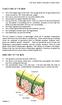 FUNCTIONS OF THE SKIN Skin is the largest organ of the body. The average adult has 18 square feet of skin which account for 16% of the total body weight. Skin acts as a physical barrier for you to the
Extended Theory of Selective Photothermolysis
 Lasers in Surgery and Medicine 29:416 432 (2001) Extended Theory of Selective Photothermolysis G.B. Altshuler, PhD, 1 * R.R. Anderson, MD, 2 D. Manstein, MD, 2 H.H. Zenzie, MS, 1 and M.Z. Smirnov, PhD