
CANADA IS ONE of the world s highest per
|
|
|
- Alannah Hunter
- 10 years ago
- Views:
Transcription
1 Evidence-Based Guidelines on the Use of Intravenous Immune Globulin for Hematologic and Neurologic Conditions Paula Robinson, David Anderson, Melissa Brouwers, Thomas E. Feasby, and Heather Hume, on behalf of the IVIG Hematology and Neurology Expert Panels In Canada, intravenous immunoglobulin (IVIG) use has increased by 115% over the past 7 to 8 years. Given this increased usage, Canadian Blood Services and the National Advisory Committee on Blood and Blood Products for Canada identified the need to develop and disseminate evidencebased guidelines to facilitate appropriate IVIG use. As a result, guidelines for IVIG use in hematologic and neurologic conditions have been developed and are published in this supplement of Transfusion Medicine Reviews. This commentary provides a brief description of the process used to develop these guidelines and includes a summary of the recommendations for IVIG use in the various conditions evaluated. A 2007 Published by Elsevier Inc. CANADA IS ONE of the world s highest per capita users of intravenous immune globulin (IVIG), with its use increasing by 115% between and This expensive fractionated blood product consists of concentrated immunoglobulin, primarily IgG, derived from human plasma in pools of 3000 to more than donors. With a single infusion of 1 gm/kg for a 70-kg adult costing approximately $4000, IVIG now accounts for more than one third of Canadian Blood Services total budget for all fractionated and recombinant products or approximately one sixth of Canadian Blood Services entire budget. Although Health Canada has licensed specific IVIG preparations for the treatment of primary and secondary immunodeficiencies, allogenic bone marrow transplantation, chronic B-cell lymphocytic leukemia, pediatric HIV infection, and idiopathic thrombocytopenic purpura, IVIG is also being used to treat a growing number of boff-labelq indications. Much of the recent growth in IVIG use is believed to be due to this increasing boff-labelq usage. Given this escalating usage of IVIG, in 2004 Canadian Blood Services and the National Advisory Committee on Blood and Blood Products (an advisory group to the Canadian provincial and territorial Ministries of Health and Canadian Blood Services, composed of hospital-based transfusion medicine experts) identified the need to develop and disseminate evidence-based practice guidelines as a way to facilitate appropriate use of IVIG. Two separate panels of national experts were convened to develop evidence-based practice guidelines on the use of IVIG for 18 hematologic conditions and for 22 neurologic conditions. The panels mandates were to review the available evidence regarding the use of IVIG and formulate recommendations on IVIG use for each of the identified conditions in each area of expertise. This commentary provides a brief description of the process used to develop the guidelines and a summary of the recommendations for IVIG use in each of the clinical conditions evaluated. The primary sources used by the expert panels were recent evidence-based reviews, both published and unpublished. (For a complete set of references, refer to each document.) Recommendations for use of IVIG were developed based on interpretation of the available evidence and, where evidence was lacking, consensus of expert clinical opinion. Interpretation of the evidence involved recognition and discussion of factors influencing the decisionmaking process. Both expert panels evaluated the use of IVIG for a diverse range of conditions. The level of evidence required to recommend IVIG varied depending upon the condition. For rare diseases that have no effective alternative treatments, the threshold for recommendation of the use of IVIG was lower than for common diseases with established standard therapies. The level of evidence available to inform the recommendations for each condition was assessed Address reprint requests to Heather Hume, MD, FRCPC, Executive Medical Director, Transfusion Medicine, Canadian Blood Services, 1800 Alta Vista Drive, Ottawa, ON CANADA K1G 4J5. [email protected] /07/$ - see front matter n 2007 Published by Elsevier Inc. doi: /j.tmrv Transfusion Medicine Reviews, Vol 21, No 2, Suppl 1 (April), 2007: pp S3-S8 S3

2 S4 ROBINSON ET AL Table 1. Summary of Recommendations for the Use of IVIG in Patients With Hematologic Conditions Acquired hemophilia IVIG is not recommended for routine use in the treatment of acquired hemophilia. considered one option among adjunctive therapies, such as steroids, in urgent situations in this disorder. Acquired hypogammaglobulinemia (secondary to malignancy) Adult IVIG is recommended for infection prophylaxis in adults with malignant hematologic disorders associated with hypogammaglobulinemia or dysfunctional gammaglobulinemia and either (i) a recent episode of a life-threatening infection, which is reasonably thought to be caused by low levels of polyclonal immunoglobulins; or (ii) recurrent episodes of clinically significant infections (eg, pneumonia), which are reasonably thought to be caused by low levels of polyclonal immunoglobulins. considered one option for the treatment of acute lifethreatening infection in patients with malignant hematologic disorders associated with hypogammaglobulinemia or, more specifically, low levels of polyclonal immunoglobulins. The panel also recommends that health care providers consider the role of other contributing risks for infection (eg, neutropenia or chemotherapy-related mucositis) in determining the likely role of hypogammaglobulinemia in the development of the infectious process. Pediatric IVIG is not recommended for routine use in children with hematologic malignancies (with or without hypogammaglobulinemia). The panel recognizes 2 possible exceptions to this general recommendation: (i) For children with hematologic malignancies with acquired hypogammaglobulinemia and either a history of severe invasive infection or recurrent sinopulmonary infections, IVIG may be considered a treatment option according to the above recommendations for adult patients. (ii) Some multinational protocols for the treatment of hematologic malignancies (and/or hematopoietic stem cell transplantation) in childhood recommend routine use of IVIG for hypogammaglobulinemia, even in the absence of severe or recurrent infections. These recommendations are protocol specific and not necessarily consistent across protocols of similar intensity. Consequently, the panel suggests that IVIG may be administered to children registered on such clinical trials to comply with protocol recommendations. However, because the benefit of this approach has not been adequately studied and there is considerable uncertainty as to the efficacy of such an approach, the panel suggests that IVIG not be routinely used for nonregistered patients. Acquired red cell aplasia or pure red cell aplasia (PRCA) IVIG is not recommended as first line therapy for immunologic PRCA. Based on consensus by the expert panel, IVIG is a reasonable option for patients with immunologic PRCA who have failed other therapies (eg, prednisone or cyclosporin). Acquired red cell aplasia or pure red cell aplasia (continued) IVIG should be considered a first-line therapy for viral PRCA associated with parvovirus B19 in immunocompromised patients. Acquired von Willebrand disease (AvWD) IVIG is not recommended for routine use in the treatment of AvWD. considered one option among adjunctive therapies in the treatment of AvWD in urgent situations (eg, active bleeding or preoperatively). Aplastic anemia IVIG is not recommended for the treatment of aplastic anemia. Autoimmune hemolytic anemia (AIHA) IVIG is not recommended for routine use in either acute or chronic treatment of AIHA. considered among the options for treatment of severe lifethreatening AIHA. Autoimmune neutropenia IVIG is not recommended for routine treatment of autoimmune neutropenia. considered among the treatment options in rare circumstances of autoimmune neutropenia when the standard of care, G-CSF, fails. Fetal or neonatal alloimmune thrombocytopenia (F/NAIT) Treatment of F/NAIT before delivery IVIG is recommended as the standard first-line antenatal treatment of FAIT. Candidates for treatment include (i) Pregnant women with a previously affected pregnancy. Intravenous immunoglobulin should be initiated at a time in the pregnancy that corresponds to a gestational age in the present fetus that precedes by some weeks the time at which bleeding was thought to occur in the first pregnancy. (ii) Pregnant women with a familial history of F/NAIT or those found on screening to have platelet alloantibodies. Timing of IVIG treatment should be based on the severity of fetal thrombocytopenia determined by cordocentesis. Expert opinion suggests that treatment should be initiated around 20 wk and not later than 30 wk. Given the complexity of this disorder and its management, it is strongly recommended that treatment be under the direction of a high-risk obstetrical center with specialized expertise in the treatment of F/NAIT. Treatment of a newborn with F/NAIT In the opinion of the expert panel, the provision of antigennegative compatible platelets should be considered a firstline therapy and IVIG adjunctive. Given the lack of evidence to guide management in this rare disorder, it is strongly recommended that treatment of newborns with F/NAIT be under the direction of a center with specialized pediatric expertise in the treatment of this condition. Hematopoietic stem cell transplantation IVIG is not recommended for use after hematopoietic stem cell transplantation. The panel recognizes as a possible exception to this recommendation that some multinational protocols for (continued on next page)

3 IVIG CLINICAL GUIDELINES S5 Hematopoietic stem cell transplantation (continued) the treatment of hematologic malignancies and/or hematopoietic stem cell transplantation in childhood recommend routine use of IVIG for hypogammaglobulinemia. These recommendations are protocol specific and not necessarily consistent across protocols of similar intensity. Consequently, the panel suggests that IVIG may be administered to children registered on such clinical trials to comply with protocol recommendations. However, because the benefit of this approach has not been adequately studied and there is considerable uncertainty as to the efficacy of such an approach, the panel suggests that IVIG not be routinely used for nonregistered patients. Hemolytic disease of the newborn (HDN) IVIG is not recommended for use in the management of HDN without established hyperbilirubinemia. The panel recommends that IVIG be offered to patients with HDN as treatment for severe hyperbilirubinemia and endorses the recommendations outlined in the American Academy of Pediatrics (AAP) guideline on the management of hyperbilirubinemia. AAP recommendations (July 2004) state: In isoimmune hemolytic disease, administration of IVIG ( g/kg over 2 h) is recommended if the total serum bilirubin (TSB) is rising despite intensive phototherapy or the TSB level is within 2-3 mg/dl (34-51 lmol/l) of the exchange level. If necessary, this dose can be repeated in 12 h. Although the AAP recommendation states that a dose of IVIG may be given over 2 h, this may represent an infusion administration faster than that recommended by the manufacturer; this needs to be taken into consideration in treatment decisions. Hemolytic transfusion reaction IVIG is not recommended for either the prophylaxis or routine treatment of hemolytic transfusion reactions. considered as an option among supportive therapies for urgent situations in this disorder. Hemolytic transfusion reaction in sickle cell disease IVIG is not recommended for the routine treatment of non life-threatening delayed hemolytic transfusion reactions in patients with sickle cell disease. considered among the options for treatment of serious, lifethreatening, delayed hemolytic transfusion reactions in patients with sickle cell disease. Hemolytic uremic syndrome (HUS) and thrombotic thrombocytopenic purpura (TTP) IVIG is not recommended as first-line therapy for HUS or TTP in either the pediatric or adult population. considered one option among adjunctive therapies when first-line therapy has failed. Heparin-induced thrombocytopenia IVIG is contraindicated for treatment of heparin-induced thrombocytopenia. HIV-associated thrombocytopenia IVIG is recommended as a treatment option for HIV-associated thrombocytopenia when there is active bleeding or when platelet counts are less than /L. Idiopathic thrombocytopenic purpura (ITP) in children Pediatric ITP IVIG is recommended as one option for first-line therapy of acute ITP in children with platelet counts less than /L. IVIG is recommended as part of a multimodality approach (ie, in conjunction with platelet transfusions and bolus intravenous methylprednisolone) for treatment of children with ITP who have life-threatening bleeding. considered as one option for treatment of children with chronic ITP. Another related option (ie, a plasma derived immunoglobulin product) for Rh-positive nonsplenectomized children is anti-d, provided that there are no contraindications to the use of this product. Neonates of mothers with ITP The expert panel endorses the American Society of Hematology (ASH) guideline recommendations, which are bin newborns without evidence of intracranial hemorrhage, treatment with IVIG is appropriate if the infant s platelet count is b20000/ll ( /L). Newborns with platelet counts of /lL ( /L to /L) do not necessarily require IVIG treatment. Newborns with counts N50000/lL ( /L) should not be treated with IVIG or glucocorticoids.q Newborns with imaging evidence of intracranial hemorrhage should be treated with combined glucocorticoid and IVIG therapy if the platelet count is b20000/ll ( /L). In this setting it is prudent to use glucocorticoids in combination with other treatment. Idiopathic thrombocytopenic purpura (ITP) in adults Adult acute ITP with bleeding Based on consensus by the expert panel, IVIG is strongly recommended as part of multimodality therapy for adults with acute ITP and major or life-threatening bleeding complications and/or clinically important mucocutaneous bleeding. Adult acute ITP with severe thrombocytopenia but no bleeding Based on consensus by the expert panel, IVIG is not recommended as first-line therapy alone for acute ITP with severe thrombocytopenia but no major bleeding or wet purpura, except for patients with contraindications to steroids. Adult ITP with no or slow response to adequate dose steroids considered as a possible adjunctive therapy for patients not responding or slowly responding to steroids. Adult chronic ITP postsplenectomy considered as a possible adjunctive therapy as a steroidsparing measure. Pregnancy-associated ITP When pregnancy-associated ITP requires treatment, as outlined in the ASH guidelines, IVIG is recommended as one option for first-line therapy, as are steroids. Clinical judgment should inform the decision. The expert panel endorses the treatment parameters outlined in the ASH recommendations. (continued on next page)

4 S6 ROBINSON ET AL Summary of ASH recommendations: Platelet counts greater than /L do not routinely need treatment and should not receive steroids or IVIG. Platelet counts between 30 and /L in first or second trimester also should not receive treatment. Treatment is required if platelet count is b /L at any time in the pregnancy or between 10 and /L in second or third trimester or if there is bleeding. Pregnant women who fail steroids and IVIG should be considered for splenectomy in the second trimester if platelet count is less than /L and there is bleeding. A platelet count of /L is sufficient for vaginal delivery or cesarean section. Intravenous immunoglobulin may be useful if very rapid elevation of platelet count is needed before delivery. These recommendations are based on clinical experience and expert consensus. Posttransfusion purpura (PTP) IVIG is recommended as the standard first-line therapy for PTP. Viral-associated hemophagocytic syndrome (VAHS) IVIG is not recommended for routine use in the treatment of VAHS. considered among the options for treatment of severe lifethreatening VAHS. using the system developed by Bob Phillips et al from the National Health Service (UK) Centre for Evidence-Based Medicine. (A detailed description of the classification system is given in the full guidelines document.) Using membership lists for appropriate professional organizations, we circulated drafts of the practice guidelines to hematologists and neurologists across Canada, and feedback was obtained via a questionnaire using a web-based survey tool. The results from this consultation process were then reviewed by the expert panels, and subsequent modifications to the guidelines were made where appropriate. The guidelines produced through this process include a brief clinical description plus a summary of the available evidence and the expert panel s interpretation and recommendations regarding use of IVIG for each of the conditions reviewed. HEMATOLOGIC CONDITIONS For most of the hematologic conditions reviewed by the hematology expert panel, routine use of IVIG was not recommended. Recommendations for routine use of IVIG (ie, clinical settings in which IVIG could be considered an appropriate therapeutic option) were made for the following Table 2. Summary of Recommendations for the Use of IVIG in Patients With Neurologic Conditions Neurologic conditions Acute disseminated encephalomyelitis (ADEM) IVIG is recommended as an option for treatment of monophasic ADEM when first-line therapy with high-dose corticosteroids fails or when there are contraindications to steroid use. considered as an option for treatment of relapsing ADEM to eliminate steroid dependency or for those patients who fail to respond, or have contraindications, to steroids. Adrenoleukodystrophy IVIG is not recommended for the treatment of adrenoleukodystrophy. Amyotrophic lateral sclerosis IVIG is not recommended for the treatment of amyotrophic lateral sclerosis. Autism IVIG is not recommended for the treatment of autism. Chronic inflammatory demyelinating polyneuropathy IVIG is recommended as an option for the short-term management of new-onset chronic inflammatory demyelinating polyneuropathy (CIDP) or CIDP relapses. considered as an option in combination with other immunosuppressive therapy for the long-term management of CIDP. If IVIG is to be used in the long-term management of CIDP, the patient should be under the care of a qualified expert with specialized knowledge of CIDP, and a systematic approach should be taken to determine the minimal effective dose. Critical illness polyneuropathy IVIG is not recommended for the treatment of critical illness polyneuropathy. Dermatomyositis Based on consensus by the expert panel, pathologic confirmation by means of a skeletal muscle biopsy is required for the diagnosis of dermatomyositis. It is critical that the muscle specimen be procured, processed, and interpreted in a laboratory familiar with the correct handling of muscle biopsy specimens and that the final interpretation be made by an expert in neuromuscular pathology. Based on consensus by the expert panel, use of IVIG for the treatment of patients with dermatomyositis should be made in consultation with an expert in neuromuscular disease. IVIG is not recommended as monotherapy for dermatomyositis. IVIG is recommended as an option, in combination with other agents, for patients with dermatomyositis who have not adequately responded to other immunosuppressive therapies. IVIG is recommended, in combination with other agents, as a steroid-sparing option for patients with dermatomyositis. Diabetic neuropathy IVIG is not recommended for treatment of diabetic polyneuropathy, mononeuropathy, or proximal lower limb neuropathy. Based on consensus by the expert panel, IVIG use for patients with diabetes who have evidence of a CIDP phenotype should follow the recommendations outlined in the CIDP section of this guideline. (continued on next page)

5 IVIG CLINICAL GUIDELINES S7 Table 2 (continued) Neurologic conditions Table 2 (continued) Neurologic conditions Guillain-Barré syndrome (GBS) IVIG is recommended as a treatment option for GBS within 2 wk of symptom onset for (i) Patients with symptoms of grade 3 severity (able to walk with aid) or greater; or (ii) Patients with symptoms less than grade 3 severity whose symptoms are progressing. considered as a treatment option for patients who initially responded to IVIG and who are experiencing a relapse of symptoms. Based on consensus by the expert panel, the recommendations for use of IVIG for GBS also apply to patients with Miller- Fisher and other variants of GBS. Diagnosis of GBS variants should be made by a specialist with expertise in this area. Inclusion body myositis Based on consensus by the expert panel, pathologic confirmation by means of a skeletal muscle biopsy is required for the diagnosis of inclusion body myositis. It is critical that the muscle specimen be procured, processed, and interpreted in a laboratory familiar with the correct handling of muscle biopsy specimens and that the final interpretation be made by an expert in neuromuscular pathology. IVIG is not recommended for the treatment of inclusion body myositis. Intractable childhood epilepsy IVIG is not recommended for the treatment of intractable childhood epilepsy. Lambert-Eaton myasthenic syndrome IVIG is recommended as an option for treatment of Lambert- Eaton myasthenic syndrome. Objective evidence of clinical improvement is needed for sustained use of IVIG. Multifocal motor neuropathy IVIG is recommended as first-line treatment for multifocal motor neuropathy. Based on consensus by the expert panel, diagnosis of multifocal motor neuropathy should be made by a neuromuscular specialist because the diagnosis requires very specific electrodiagnostic expertise. Multiple sclerosis (MS) IVIG is recommended as an option for treatment of patients with relapsing-remitting MS who fail, decline, or are not able to take standard immunomodulatory drug therapies. For those patients with rapidly advancing relapsing-remitting MS, consideration should first be given to immunosuppression therapy. IVIG is not recommended for the treatment of primary or secondary progressive MS. Based on consensus by the expert panel, IVIG is not recommended for treatment of acute exacerbations of MS, except in patients with severe, refractory, optic neuritis who have had no recovery of vision after 3 months of standard steroid therapy or patients for whom corticosteroid therapy is contraindicated. considered as a treatment option for patients with relapsing-remitting MS who are pregnant or breast-feeding or in the immediate postpartum period for women whose exacerbation rate was high before pregnancy and who were on disease-modifying agents before pregnancy with plans to recommence therapy following birth or breast-feeding. Multiple sclerosis (MS) (continued) considered as a treatment option for patients with Marburg disease, given the life-threatening nature of this disease. Myasthenia gravis Adult and juvenile myasthenia gravis IVIG is recommended as a treatment option for patients with severe exacerbations of myasthenia gravis or myasthenic crises. considered as an option to stabilize patients with myasthenia gravis before surgery. IVIG is not recommended as maintenance therapy for patients with chronic myasthenia gravis. Neonatal myasthenia gravis considered among the treatment options for neonates severely affected with myasthenia gravis. Opsoclonus-myoclonus considered as an option for treatment of opsoclonus-myoclonus. Paraproteinemic neuropathy (IgM variant) IVIG is not recommended for the treatment of IgM paraproteinemic neuropathy. Pediatric autoimmune neuropsychiatric disorders associated with streptococcal infections (PANDAS) IVIG is recommended as an option for treatment of patients with PANDAS. Based on consensus by the expert panel, diagnosis of PANDAS requires expert consultation. POEMS syndrome IVIG is not recommended for the treatment of POEMS syndrome. Polymyositis Based on consensus by the expert panel, pathologic confirmation by means of a skeletal muscle biopsy is required for the diagnosis of polymyositis. It is critical that the muscle specimen be procured, processed, and interpreted in a laboratory familiar with the correct handling of muscle biopsy specimens and that the final interpretation be made by an expert in neuromuscular pathology. considered among the treatment options for patients with polymyositis who fail to respond to first-line therapies (eg, steroids). Rasmussen encephalitis IVIG may be an option as a short-term temporizing measure for patients with Rasmussen encephalitis. IVIG is not recommended for long-term therapy for Rasmussen encephalitis because surgical treatment is the current standard of care. Stiff person syndrome IVIG is recommended as an option for treatment of stiff person syndrome, if GABAergic medications fail or for patients who have contraindications to GABAergic medications. Abbreviations: G-CSF, granulocyte colony-stimulating factor; PANDAS, pediatric autoimmune neuropsychiatric disorders associated with streptococcal infections; POEMS, polyneuropathy, organomegaly, endocrinopathy, M protein, skin changes.

6 S8 ROBINSON ET AL 7 hematologic conditions: acquired red cell aplasia, acquired hypogammaglobulinemia (secondary to malignancy), fetal-neonatal alloimmune thrombocytopenia, hemolytic disease of the newborn, HIVassociated thrombocytopenia, idiopathic thrombocytopenic purpura, posttransfusion purpura. Intravenous immunoglobulin was not recommended for use, except under certain urgent or lifethreatening circumstances, for 8 conditions, namely, acquired hemophilia, acquired von Willebrand disease, autoimmune hemolytic anemia, autoimmune neutropenia, hemolytic transfusion reaction, hemolytic transfusion reaction associated with sickle cell disease, hemolytic uremic syndrome/ thrombotic thrombocytopenic purpura, and viralassociated hemophagocytic syndrome. Intravenous immunoglobulin was not recommended for aplastic anemia and hematopoietic stem cell transplantation. Intravenous immunoglobulin was considered to be contraindicated for heparin-induced thrombocytopenia. Table 1 provides a summary of the recommendations for the clinical use of IVIG for hematologic conditions. For a complete discussion of the panel s recommendations, including recommended dose and duration of IVIG therapy, please refer to the specific condition of interest in the accompanying guideline article in this issue of Transfusion Medicine Reviews. NEUROLOGIC CONDITIONS Of the 22 neurologic conditions reviewed by the neurology expert panel, specific recommendations for use of IVIG were made for 14 conditions, including acute disseminated encephalomyelitis, chronic inflammatory demyelinating polyneuropathy, dermatomyositis, diabetic neuropathy, Guillain-Barré syndrome, Lambert-Eaton myasthenic syndrome, multifocal motor neuropathy, multiple sclerosis, myasthenia gravis, opsoclonus-myoclonus, pediatric autoimmune neuropsychiatric disorders associated with streptococcal infections (PANDAS), polymyositis, Rasmussen encephalitis, and stiff person syndrome. Intravenous immunoglobulin was not recommended for the following 8 neurologic conditions: adrenoleukodystrophy, amyotrophic lateral sclerosis, autism, critical illness polyneuropathy, inclusion body myositis, intractable childhood epilepsy, paraproteinemic neuropathy (IgM variant), and POEMS syndrome. Table 2 provides a summary of the recommendations for the clinical use of IVIG for neurologic conditions. Please consult the complete guideline for a complete discussion of the panel s recommendations, including information on recommended dose and duration of IVIG therapy in this issue of Transfusion Medicine Reviews.

Gateway Health SM Non-Formulary Prior Authorization Criteria Intravenous Immune Globulin (IVIG)
 Gateway Health SM Non-Formulary Prior Authorization Criteria Intravenous Immune Globulin (IVIG) Coverage is provided in the following situations: PARP Approved 6/2015 Coverage is provided for Primary Immunodeficiency
Immune Globulin (IVIG and SCIG)
 Immune Globulin (IVIG and SCIG) DRUG POLICY Policy Number: 2015D0035R Effective Date: 10/1/2015 Table of Contents Page COVERAGE RATIONALE... 1 BENEFIT CONSIDERATIONS... 14 BACKGROUND... 14 CLINICAL EVIDENCE...
Intravenous Immunoglobulin in Neurological disorders
 Intravenous Immunoglobulin in Neurological disorders Exceptional healthcare, personally delivered What is Intravenous Immunoglobulin (IVIg)? Intravenous immunoglobulin (IVIg) is a blood product that combines
SARASOTA MEMORIAL HOSPITAL BLOOD COMPONENT CRITERIA AND INDICATIONS SCREENING GUIDELINES
 SARASOTA MEMORIAL HOSPITAL BLOOD COMPONENT CRITERIA AND INDICATIONS SCREENING GUIDELINES TABLE OF CONTENTS SUBJECT PAGE ADULT CRITERIA Red Blood Cells/Autologous 2 Washed Red Blood Cells 2 Cryoprecipitate
INITIATING ORAL AUBAGIO (teriflunomide) THERAPY
 FOR YOUR PATIENTS WITH RELAPSING FORMS OF MS INITIATING ORAL AUBAGIO (teriflunomide) THERAPY WARNING: HEPATOTOXICITY AND RISK OF TERATOGENICITY Severe liver injury including fatal liver failure has been
Guidelines on the Use of Intravenous Immune Globulin (IVIG) for Neurologic Conditions
 Guidelines on the Use of Intravenous Immune Globulin (IVIG) for Neurologic Conditions Copyright This guideline is copyrighted by the National Technical Working Group on Blood and Blood Products (NTWG).
Guidelines on the Use of Intravenous Immune Globulin for Neurologic Conditions
 Guidelines on the Use of Intravenous Immune Globulin for Neurologic Conditions Tom Feasby, Brenda Banwell, Timothy Benstead, Vera Bril, Melissa Brouwers, Mark Freedman, Angelika Hahn, Heather Hume, John
FastTest. You ve read the book... ... now test yourself
 FastTest You ve read the book...... now test yourself To ensure you have learned the key points that will improve your patient care, read the authors questions below. The answers will refer you back to
QUICK REFERENCE TO BLOOD BANK TESTING
 QUICK REFERENCE TO BLOOD BANK TESTING All Blood bank Tests are performed on demand 24 hours a day, 7 days a week. Feto/Maternal Bleed Quantitation estimates will be available within 4 hours of blood bank
Immune Globulins. Subcutaneous Immune Globulin: Hizentra and HyQvia
 Immune Globulins Intravenous Immune Globulin (IVIG): Bivigam, Carimune NF, Flebogamma DIF, Gammagard Liquid, Gammagard S/D, Gammaked, Gammaplex, Gamunex-C, Octagam, and Privigen Subcutaneous Immune Globulin:
Specific Standards of Accreditation for Residency Programs in Pediatric Hematology/Oncology
 Specific Standards of Accreditation for Residency Programs in Pediatric Hematology/Oncology INTRODUCTION 2009 A university wishing to have an accredited program in Pediatric Hematology/Oncology must also
IMPORTANT DRUG WARNING Regarding Mycophenolate-Containing Products
 Dear Healthcare Provider: Mycophenolate REMS (Risk Evaluation and Mitigation Strategy) has been mandated by the FDA (Food and Drug Administration) due to postmarketing reports showing that exposure to
Original Policy Date
 MP 5.01.20 Tysabri (natalizumab) Medical Policy Section Prescription Drug Issue 12:2013 Original Policy Date 12:2013 Last Review Status/Date Local Policy/12:2013 Return to Medical Policy Index Disclaimer
Disclosures. Consultant and Speaker for Biogen Idec, TEVA Neuroscience, EMD Serrono, Mallinckrodt, Novartis, Genzyme, Accorda Therapeutics
 Mitzi Joi Williams, MD Neurologist MS Center of Atlanta, Atlanta, GA Disclosures Consultant and Speaker for Biogen Idec, TEVA Neuroscience, EMD Serrono, Mallinckrodt, Novartis, Genzyme, Accorda Therapeutics
Thymus Cancer. This reference summary will help you better understand what thymus cancer is and what treatment options are available.
 Thymus Cancer Introduction Thymus cancer is a rare cancer. It starts in the small organ that lies in the upper chest under the breastbone. The thymus makes white blood cells that protect the body against
Systemic Lupus Erythematosus
 Harvard-MIT Division of Health Sciences and Technology HST.021: Musculoskeletal Pathophysiology, IAP 2006 Course Director: Dr. Dwight R. Robinson Systemic Lupus Erythematosus A multi-system autoimmune
What You Need to Know About LEMTRADA (alemtuzumab) Treatment: A Patient Guide
 For Patients What You Need to Know About LEMTRADA (alemtuzumab) Treatment: A Patient Guide Patients: Your doctor or nurse will go over this patient guide with you. It is important to ask any questions
Stem Cell Transplantation
 Harmony Behavioral Health, Inc. Harmony Behavioral Health of Florida, Inc. Harmony Health Plan of Illinois, Inc. HealthEase of Florida, Inc. Ohana Health Plan, a plan offered by WellCare Health Insurance
Corporate Medical Policy
 Corporate Medical Policy File Name: Origination: Last CAP Review: Next CAP Review: Last Review: immune_globulin_therapy 07/1994 2/2015 2/2016 2/2015 Description of Procedure or Service Human immune globulin
Mother s blood test to check her unborn baby s blood group
 Mother s blood test to check her unborn baby s blood group This leaflet explains why it is important to have a blood test to check the baby s blood group, so that only those who need it, receive anti-d
acquired chronic immune-mediated inflammatory condition of CNS. MS in children: 10% +secondary progressive MS: rare +primary progressive MS: rare
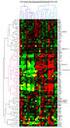 Immunomodulatory Therapies in Pediatric MS Vuong Chinh Quyen Neurology Department Medscape Mar 8, 2013 Multiple Sclerosis in Children. Iran J Child Neurol. 2013 Spring Introduction acquired chronic immune-mediated
Multifocal Motor Neuropathy. Jonathan Katz, MD Richard Lewis, MD
 Multifocal Motor Neuropathy Jonathan Katz, MD Richard Lewis, MD What is Multifocal Motor Neuropathy? Multifocal Motor Neuropathy (MMN) is a rare condition in which multiple motor nerves are attacked by
Guideline on the clinical investigation of human normal immunoglobulin for intravenous administration (IVIg)
 22 July 2010 EMA/CHMP/BPWP/94033/2007 rev. 2 Committee for Medicinal Products for Human Use (CHMP) Guideline on the clinical investigation of human normal immunoglobulin for intravenous administration
Vaccination against pertussis (whooping cough) - the replacement of Repevax with Boostrix -IPV an update for registered healthcare practitioners
 Vaccination against pertussis (whooping cough) - the replacement of Repevax with Boostrix -IPV an update for registered healthcare practitioners Questions and Answers May 2014 Health Protection Scotland
Blood & Marrow Transplant Glossary. Pediatric Blood and Marrow Transplant Program Patient Guide
 Blood & Marrow Transplant Glossary Pediatric Blood and Marrow Transplant Program Patient Guide Glossary Absolute Neutrophil Count (ANC) -- Also called "absolute granulocyte count" amount of white blood
HARVARD MEDICAL SCHOOL FELLOWSHIP PROGRAM IN TRANSFUSION MEDICINE CORE CURRICULUM
 BETH ISRAEL DEACONESS MEDICAL CENTER BRIGHAM AND WOMEN'S HOSPITAL CHILDREN S HOSPITAL, BOSTON DANA FARBER CANCER INSTITUTE MASSACHUSETTS GENERAL HOSPITAL HARVARD MEDICAL SCHOOL HARVARD MEDICAL SCHOOL FELLOWSHIP
5.07.09. Aubagio. Aubagio (teriflunomide) Description
 Federal Employee Program 1310 G Street, N.W. Washington, D.C. 20005 202.942.1000 Fax 202.942.1125 5.07.09 Subject: Aubagio Page: 1 of 6 Last Review Date: December 5, 2014 Aubagio Description Aubagio (teriflunomide)
Not All Stem Cells are the Same
 Cord Blood Banking and Transplantation Jennifer Willert, M.D. Hematology/Oncology Blood and Marrow Transplant Rady Children s Hospital San Diego Clinical Professor UCSD Not All Stem Cells are the Same
GRANIX (tbo-filgrastim)
 RATIONALE FOR INCLUSION IN PA PROGRAM Background Neutropenia is a hematological disorder characterized by an abnormally low number of neutrophils. A person with severe neutropenia has an absolute neutrophil
MEDICAL ASSISTANCE BULLETIN
 ISSUE DATE May 11, 2015 SUBJECT EFFECTIVE DATE May 18, 2015 MEDICAL ASSISTANCE BULLETIN NUMBER *See below BY Prior Authorization of Multiple Sclerosis Agents Pharmacy Service Leesa M. Allen, Deputy Secretary
RELAPSE MANAGEMENT. Pauline Shaw MS Nurse Specialist 25 th June 2010
 RELAPSE MANAGEMENT Pauline Shaw MS Nurse Specialist 25 th June 2010 AIMS OF SESSION Relapsing/Remitting MS Definition of relapse/relapse rate Relapse Management NICE Guidelines Regional Clinical Guidelines
FastTest. You ve read the book... ... now test yourself
 FastTest You ve read the book...... now test yourself To ensure you have learned the key points that will improve your patient care, read the authors questions below. Please refer back to relevant sections
Relapsing-remitting multiple sclerosis Ambulatory with or without aid
 AVONEX/BETASERON/COPAXONE/EXTAVIA/GILENYA/REBIF/TYSABRI Applicant must be covered on an Alberta Government sponsored drug program. Page 1 of 5 PATIENT INFMATION Surname First Name Middle Initial Sex Date
Introduction. About 10,500 new cases of acute myelogenous leukemia are diagnosed each
 Introduction 1.1 Introduction: About 10,500 new cases of acute myelogenous leukemia are diagnosed each year in the United States (Hope et al., 2003). Acute myelogenous leukemia has several names, including
INTRAVENOUS IMMUNOGLOBULINS IN THE THERAPY OF IMMUNE-MEDIATED HEMATOLOGIC DISORDERS Susan G. Hackner, BVSc.MRCVS.DACVIM. DACVECC.
 INTRAVENOUS IMMUNOGLOBULINS IN THE THERAPY OF IMMUNE-MEDIATED HEMATOLOGIC DISORDERS Susan G. Hackner, BVSc.MRCVS.DACVIM. DACVECC. Intravenous immunoglobulin (IVIG) is used for the treatment of numerous
Selective IgA deficiency (slgad) [email protected] 0800 987 8986 www.piduk.org
 Selective IgA deficiency (slgad) [email protected] 0800 987 8986 www.piduk.org About this booklet This booklet provides information on selective IgA deficiency (sigad). It has been produced by the PID UK
F r e q u e n t l y A s k e d Q u e s t i o n s
 Myasthenia Gravis Q: What is myasthenia gravis (MG)? A: Myasthenia gravis (meye-uhss- THEEN-ee-uh GRAV uhss) (MG) is an autoimmune disease that weakens the muscles. The name comes from Greek and Latin
What we will discuss today
 Umbilical cord blood banking It s Utility? Dr. Nita Radhakrishnan Pediatric Hematology Oncology Unit, Sir Ganga Ram Hospital, New Delhi What we will discuss today What are stem cells? What are the sources
Hydroxyurea Treatment for Sickle Cell Disease
 Hydroxyurea Treatment for Sickle Cell Disease Before hydroxyurea After hydroxyurea Hydroxyurea Treatment for Sickle Cell Disease 1 This document is not intended to take the place of the care and attention
2011 Update on the ECIL-3 guidelines for EBV management in patients with leukemia and other hematological disorders
 UPDATE ECIL-4 2011 2011 Update on the ECIL-3 guidelines for EBV management in patients with leukemia and other hematological disorders Jan Styczynski, Hermann Einsele, Rafael de la Camara, Catherine Cordonnier,
TRANSFUSION MEDICINE
 TRANSFUSION MEDICINE Transfusion medicine is a one-month per year rotation for a total of three months. During each rotation the resident is exposed to the basic concepts of transfusion medicine. Specific
Human Normal Immunoglobulin Solution for Intravenous Infusion.
 CONSUMER MEDICINE INFORMATION (CMI) OCTAGAM Human Normal Immunoglobulin Solution for Intravenous Infusion. OCTAGAM is available in single use bottles of 20 ml, 50 ml, 100 ml and 200 ml. OCTAGAM contains
A Career in Pediatric Hematology-Oncology? Think About It...
 A Career in Pediatric Hematology-Oncology? Think About It... What does a pediatric hematologist-oncologist do? What kind of training is necessary? Is there a future need for specialists in this area? T
Commonly Asked Questions About Chronic Hepatitis C
 Commonly Asked Questions About Chronic Hepatitis C From the American College of Gastroenterology 1. How common is the hepatitis C virus? The hepatitis C virus is the most common cause of chronic viral
4. All cord blood banks should be subject to the same standards, regulations and accreditation requirements.
 WMDA Policy Statement on the Utility of Autologous or Family Cord Blood Unit Storage The WMDA Board adopted this policy on 25 th of May 2006. Policy updated _April 2011 The Cord Blood Working Group and
Helping you find the one match.. Guide for Unrelated Stem Cell Transplant Patients OneMatch Stem Cell and Marrow Network BLOOD.
 Helping you find the one match.. Guide for Unrelated Stem Cell Transplant Patients OneMatch Stem Cell and Marrow Network BLOOD.CA WWW This guide is intended for patients in need of an unrelated volunteer
Red Blood Cell Transfusions for Sickle Cell Disease
 Red Blood Cell Transfusions for Sickle Cell Disease Red Blood Cell Transfusions for Sickle Cell Disease 1 Produced by St. Jude Children s Research Hospital, Departments of Hematology, Patient Education,
House Resolution No. 37
 california legislature regular session House Resolution No. Introduced by Assembly Member Hill August, House Resolution No. Relative to umbilical cord blood banking. WHEREAS, Since the first umbilical
Careers in Haematology
 Careers in Haematology A Guide for Medical Students and Junior Doctors Haematology is the medical speciality concerned with blood disorders. Your non-medical friends however will always think that you
EMG and the Electrodiagnostic Consultation for the Family Physician
 EMG and the Electrodiagnostic Consultation for the Family Physician Stephanie Kopey, D.O., P.T. 9/27/15 The American Association of Neuromuscular & Electrodiagnostic Medicine (AANEM) Marketing Committee
IVIG (Intravenous Immune Globulin) SCIG (Subcutaneous Immune Globulin)
 Phone: (800) 244-6224 Fax: (855) 840-1678 IVIG (Intravenous Immune Globulin) SCIG (Subcutaneous Immune Globulin) Notice: Please be sure to complete this form in its entirety. Missing information makes
LCD for Intravenous Immune Globulin (L29205)
 LCD for Intravenous Immune Globulin (L29205) Contractor Information Contractor Name First Coast Service Options, Inc. Contractor Number 09102 Contractor Type MAC - Part B LCD ID Number L29205 LCD Information
More details >>> HERE <<<
 More details >>> HERE http://urlzz.org/conitp/pdx/cc8648/ Tags:
Clinical Guidelines for Immunoglobulin Use (Second Edition)
 DH INFORMATION READER BOX Policy Estates HR / Workforce Commissioning Management IM & T Planning / Finance Performance Clinical Social Care / Partnership Document Purpose Best Practice Guidance Gateway
3nd Biennial Contemporary Clinical Neurophysiological Symposium October 12, 2013 Fundamentals of NCS and NMJ Testing
 3nd Biennial Contemporary Clinical Neurophysiological Symposium October 12, 2013 Fundamentals of NCS and NMJ Testing Peter D. Donofrio, M.D. Professor of Neurology Vanderbilt University Medical Center
Rh D Immunoglobulin (Anti-D)
 Document Number PD2006_074 Rh D Immunoglobulin (Anti-D) Publication date 29-Aug-2006 Functional Sub group Clinical/ Patient Services - Maternity Clinical/ Patient Services - Medical Treatment Population
Summary of Advisory Council on Blood Stem Cell Transplantation: Recommendations and Status
 of Advisory Council on Blood Stem Cell Transplantation: Recommendations and Shelley Grant Branch Chief, Blood Stem Cell Transplantation Program September 11, 2015 Overview December 20, 2005 - HRSA began
Yvette Marie Miller, M.D. Executive Medical Officer American Red Cross October 20, 2012 45 th Annual Great Lakes Cancer Nursing Conference Troy, MI
 Yvette Marie Miller, M.D. Executive Medical Officer American Red Cross October 20, 2012 45 th Annual Great Lakes Cancer Nursing Conference Troy, MI Overview of Hematology, http://www.nu.edu.sa/userfiles/mhmorsy/h
Summary of the risk management plan (RMP) for Accofil (filgrastim)
 EMA/475472/2014 Summary of the risk management plan (RMP) for Accofil (filgrastim) This is a summary of the risk management plan (RMP) for Accofil, which details the measures to be taken in order to ensure
Clinical Commissioning Policy: Disease Modifying Therapies For patients With Multiple Sclerosis (MS) December 2012. Reference : NHSCB/D4/c/1
 Clinical Commissioning Policy: Disease Modifying Therapies For patients With Multiple Sclerosis (MS) December 2012 Reference : NHSCB/D4/c/1 NHS Commissioning Board Clinical Commissioning Policy: Disease
Steroids. What are steroids?
 Steroids What are steroids? Also known as corticosteroids and glucocorticoids, steroids are hormones that are normally produced by the adrenal glands. They are mainly used in multiple sclerosis (MS) because
Neuromuscular Medicine Fellowship Curriculum
 Neuromuscular Medicine Fellowship Curriculum General Review Goals and Objectives Attend weekly EMG sessions as assigned Take a Directed History and Exam of each EMG patient Attend every other week Muscle
STEM CELLS : A THERAPEUTIC REVOLUTION JACQUES KADOCH ROBERT HEMMINGS MARINELA MANDRA
 STEM CELLS : A THERAPEUTIC REVOLUTION JACQUES KADOCH ROBERT HEMMINGS MARINELA MANDRA OVO CLINIC I 8000 BLVD DECARIE, MONTREAL QC H4P 2S4 I 514.798.2000 I OVOCLINIC.COM 2 a therapeutic revolution As the
Cord blood Banking Transplant List for One USA Bank - StemCyte www.stemcyte.com/cordblood-banking-transplant-list
 Cells4Life is the oldest and largest cord blood storage company in the UK. We are governed by some of the world's most stringent medical laws, and are currently the only stem cell storage company in the
Medical Questionnaire and Informed Consent Public Cord Blood Bank Switzerland
 Medical Questionnaire and Informed Consent Public Cord Blood Bank Switzerland You have just read the information sheet for cord blood donors and you would like to donate cord blood. We thank you for answering
Cord Blood Stem Cell Transplantation
 LEUKEMIA LYMPHOMA MYELOMA FACTS Cord Blood Stem Cell Transplantation No. 2 in a series providing the latest information on blood cancers Highlights Umbilical cord blood, like bone marrow and peripheral
AUBMC Multiple Sclerosis Center
 AUBMC Multiple Sclerosis Center 1 AUBMC Multiple Sclerosis Center The vision of the American University of Beirut Medical Center (AUBMC) is to be the leading academic medical center in Lebanon and the
Patient Guide. Important information for patients starting therapy with LEMTRADA (alemtuzumab)
 Patient Guide Important information for patients starting therapy with LEMTRADA (alemtuzumab) This medicinal product is subject to additional monitoring. This will allow quick identification of new safety
Hemolysis. Intravascular vs. Extravascular. Classification. Warm vs. Cold Auto. Warm Auto. WAIHA Serologic Investigation
 Positive Direct Antiglobulin Test and Autoimmune Hemolytic Anemias Jeffrey S. Jhang, M.D. Assistant Professor of Clinical Pathology College of Physicians and Surgeons of Columbia University Direct Antiglobulin
National MS Society Information Sourcebook www.nationalmssociety.org/sourcebook
 National MS Society Information Sourcebook www.nationalmssociety.org/sourcebook Chemotherapy The literal meaning of the term chemotherapy is to treat with a chemical agent, but the term generally refers
Leukemias and Lymphomas: A primer
 Leukemias and Lymphomas: A primer Normal blood contains circulating white blood cells, red blood cells and platelets 700 red cells (oxygen) 1 white cell Neutrophils (60%) bacterial infection Lymphocytes
Understanding How Existing and Emerging MS Therapies Work
 Understanding How Existing and Emerging MS Therapies Work This is a promising and hopeful time in the field of multiple sclerosis (MS). Many new and different therapies are nearing the final stages of
Bone Marrow Transplantation and Peripheral Blood Stem Cell Transplantation: Questions and Answers. Key Points
 CANCER FACTS N a t i o n a l C a n c e r I n s t i t u t e N a t i o n a l I n s t i t u t e s o f H e a l t h D e p a r t m e n t o f H e a l t h a n d H u m a n S e r v i c e s Bone Marrow Transplantation
Transient Hypogammaglobulinemia of Infancy. Chapter 7
 Transient Hypogammaglobulinemia of Infancy Chapter 7 An unborn baby makes no IgG (antibody) and only slowly starts producing it after birth. However, starting at about the sixth month of pregnancy, the
Infosheet. Allogeneic stem cell transplantation in myeloma. What is the principle behind stem cell transplantation?
 Infosheet Allogeneic stem cell transplantation in myeloma High-dose therapy and autologous stem cell transplantation is currently the first-line treatment standard of care for younger/fitter myeloma patients.
The Prospect of Stem Cell Therapy in Multiple Sclerosis. Multiple sclerosis is a multifocal inflammatory disease of the central
 The Prospect of Stem Cell Therapy in Multiple Sclerosis Multiple sclerosis is a multifocal inflammatory disease of the central nervous system that generally affects young individuals, causing paralysis
5. All cord blood banks should be subject to the same standards, regulations and accreditation requirements.
 WMDA Policy Statement for the Utility of Autologous or Family Cord Blood Unit Storage (This policy statement has been approved and adopted by the WMDA board on the 25 th of May 2006) The Cord Blood Registries
The Nuts and Bolts of Multiple Sclerosis. Rebecca Milholland, M.D., Ph.D. Center for Neurosciences
 The Nuts and Bolts of Multiple Sclerosis Rebecca Milholland, M.D., Ph.D. Center for Neurosciences Objectives Discuss which patients are at risk for Multiple Sclerosis Discuss the diagnostic criteria for
Zika Virus. Fred A. Lopez, MD, MACP Richard Vial Professor Department of Medicine Section of Infectious Diseases
 Zika Virus Fred A. Lopez, MD, MACP Richard Vial Professor Department of Medicine Section of Infectious Diseases What is the incubation period for Zika virus infection? Unknown but likely to be several
LEMTRADA REMS Education Program for Prescribers
 For Prescribers LEMTRADA REMS Education Program for Prescribers This education program includes information about: The LEMTRADA REMS Program requirements Serious risks of autoimmune conditions, infusion
Paraneoplastic Antibodies in Clinical Practice. Mohammed El lahawi New Cross Hospital Wolverhampton
 Paraneoplastic Antibodies in Clinical Practice Mohammed El lahawi New Cross Hospital Wolverhampton 1 Effects of Neoplasm Direct mass ( pressure ) effect Metastasis effect Remote effect 2 The Nervous System
Intravenous Methyl Prednisolone in Multiple Sclerosis
 Intravenous Methyl Prednisolone in Multiple Sclerosis Exceptional healthcare, personally delivered Relapse management in multiple sclerosis Relapses in multiple sclerosis (MS) are common and caused by
Mayo Clinic College of Medicine Pharmacy Services. Rotation Summary
 Mayo Clinic College of Medicine Pharmacy Services Rotation Summary Rotation Title: PGY-2 Pediatric Hematology-Oncology Rotation Length: 3-6 weeks Primary Preceptor Name: Amanda Kuper, PharmD, BPCS, Ron
CNS DEMYLINATING DISORDERS
 CNS DEMYLINATING DISORDERS Multiple sclerosis A Dutch saint named Lidwina, who died in 1433, may have been one of the first known MS patients. After she fell while ice skating, she developed symptoms such
Cord Cor Blood Banking Scott N. Furlan, MD Ellen S. Plummer, Plummer MD
 Cord Blood Banking Scott N. Furlan, MD Ellen S.Plummer, MD Overview Background Biology of Stem Cell Transplant Opportunities i at Parkland Logistics of Banking Potential Barriers Indications for HCT Cancer
chronic leukemia lymphoma myeloma differentiated 14 September 1999 Pre- Transformed Ig Surface Surface Secreted Myeloma Major malignant counterpart
 Disease Usual phenotype acute leukemia precursor chronic leukemia lymphoma myeloma differentiated Pre- B-cell B-cell Transformed B-cell Plasma cell Ig Surface Surface Secreted Major malignant counterpart
Blood-Forming Stem Cell Transplants
 Blood-Forming Stem Cell Transplants What are bone marrow and hematopoietic stem cells? Bone marrow is the soft, sponge-like material found inside bones. It contains immature cells known as hematopoietic
Therapeutic Treatment Options: Chronic Blood Transfusions Bone Marrow Transplantation. Marianne E. McPherson Yee, MD, MSc
 Therapeutic Treatment Options: Chronic Blood Transfusions Bone Marrow Transplantation Marianne E. McPherson Yee, MD, MSc Sickle Cell Treatment Options Supportive Care Newborn Screen PCN Immunizations Education
Time Frame 15 minutes. Student should strive to be able to perform multiple procedures simultaneously.
 Name Direct Antiglobulin Test (DAT) (Direct Coombs) Principle The DAT detects the in vivo sensitization of RBC with IgG incomplete or non-agglutinating antibodies. After thorough washing of RBC with saline
Corporate Medical Policy
 Corporate Medical Policy File Name: Origination: Last CAP Review: Next CAP Review: Last Review: hematopoietic_stem-cell_transplantation_for_epithelial_ovarian_cancer 2/2001 11/2015 11/2016 11/2015 Description
Guideline Statement for the Treatment of Disseminated Intravascular Coagulation
 Guideline Statement for the Treatment of Disseminated Intravascular Coagulation Introduction Though a rare occurrence in the perioperative setting, disseminated intravascular coagulation (DIC) is a syndrome
Prior Authorization Guideline
 Prior Authorization Guideline Guideline: PS Inj - Alimta Therapeutic Class: Antineoplastic Agents Therapeutic Sub-Class: Antifolates Client: PS Inj Approval Date: 8/2/2004 Revision Date: 12/5/2006 I. BENEFIT
EMA and Progressive Multifocal Leukoencephalopathy.
 EMA and Progressive Multifocal Leukoencephalopathy. ENCePP Plenary, London 23 November 2011 Presented by: Henry Fitt Head of Coordination & Networking, Pharmacovigilance & Risk Management An agency of
SECTION 2. Section 2 Multiple Sclerosis (MS) Drug Coverage
 SECTION 2 Multiple Sclerosis (MS) Drug Coverage Section 2 Multiple Sclerosis (MS) Drug Coverage ALBERTA HEALTH AND WELLNESS DRUG BENEFIT LIST Selected Drug Products used in the treatment of patients with