
Child Poverty Map of the UK Part 1: England
|
|
|
- Julius Bridges
- 10 years ago
- Views:
Transcription
1 Child Poverty Map of the UK Part 1: England March 2011

2 2
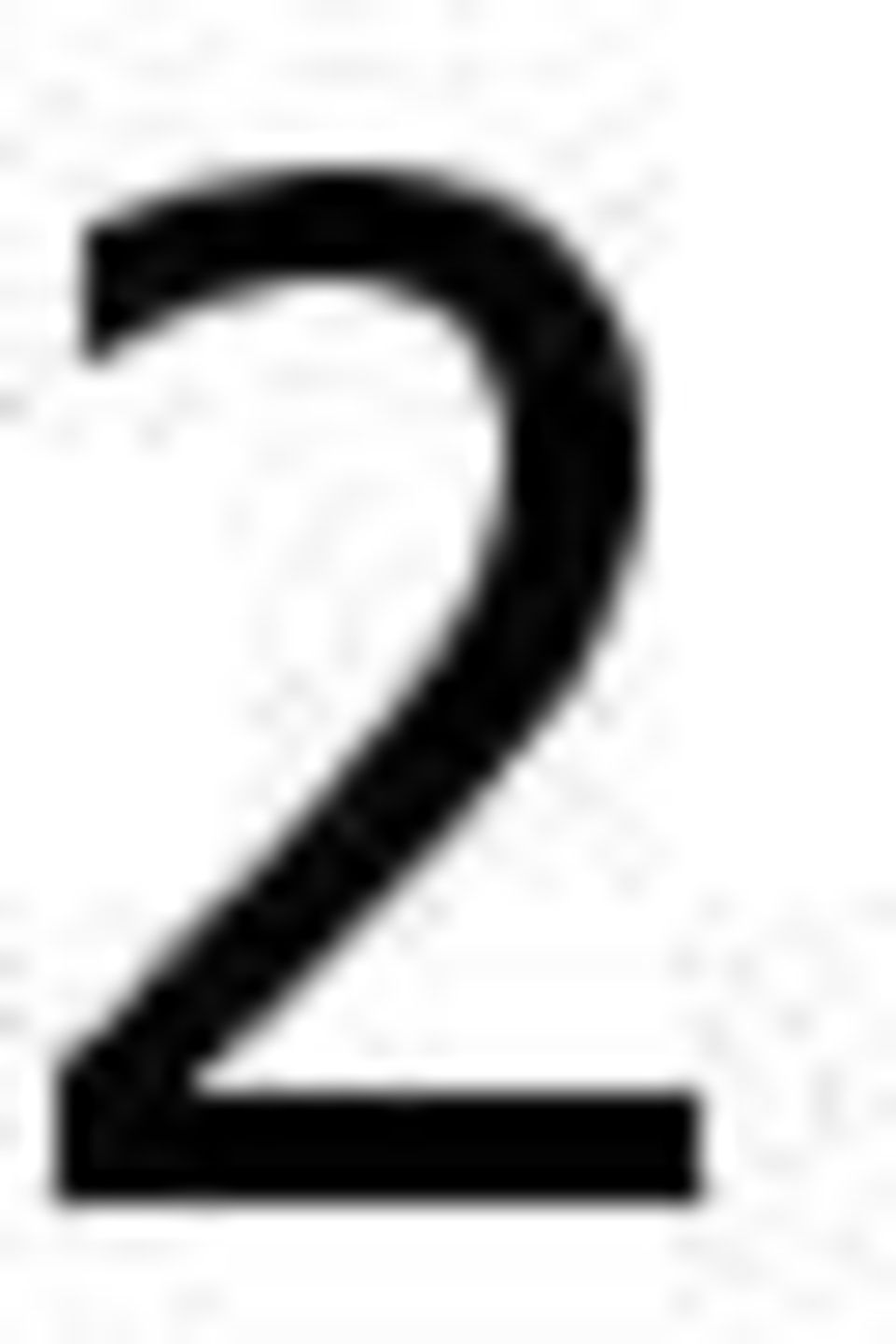
3 Contents Introduction How child poverty is measured Where child poverty is highest Where child poverty is lowest Comparison with local authority spending settlements Current and future pressures on child poverty Regional poverty maps and tables The East of England The East Midlands London The North East The North West The South East The South West The West Midlands Yorkshire & The Humber Annexe: Note on method Compilation and presentation of local data by Donald Hirsch and Jacqueline Beckhelling of the Centre for Research in Social Policy, Loughborough University, for the Campaign to End Child Poverty. 3

4 4

5 Introduction We can make British poverty history and we will make British poverty history David Cameron In October 2007, David Cameron spoke to an audience at Chance UK in North London and made the historic commitment to making British poverty history. This built on an earlier promise in 2006 by the Conservative Party to support the aim set by the Tony Blair s government in 1999 to eradicate child poverty by The commitment to eradicate child poverty by 2020 was also signed up to by the Liberal Democrat party in a policy paper called Freedom from Poverty, Opportunity for All at their conference in September In the 2009/10 parliamentary session, both future coalition partners voted in favour of the bill that became the Child Poverty Act 2010, with clear targets for substantial child poverty reductions by The Coalition s Programme for Government stated: We will maintain the goal of ending child poverty by This report provides a localised map of child poverty on the closest possible measure to that used nationally by the Government. The figures presented are for mid 2010 and therefore represent the starting point from which the Government will embark upon its strategy to keep its promise of making British poverty history and ending child poverty by The figures show that for some parts of the country, this starting point is particularly challenging. In three parliamentary constituencies and in 96 local wards, the majority of children are in poverty. Progress in tackling child poverty had already been made when the new government came to power. In 1998/99 there were 4.4 million children in the UK living below the poverty line. By 2008/09 this had been reduced to 3.9 million children. The Institute for Fiscal Studies predict that when the data is available for the current year, it will show child poverty has fallen further to 3.5 million children. The progress made by the previous government was is significant part due to investment in tax credits, child benefit, jobs growth, lone parent employment and support from services such as Sure Start. Poverty in the UK can be ended. British children face much higher rates of poverty than many other similarly wealthy EU countries and there is no reason why British children should suffer more than their European neighbours. This report serves as a warning of the situation we are in, and the pressures we face, as the current government embarks on its goal of making British poverty history and ending child poverty. 5

6 How child poverty is measured The national targets: There are four dimensions of poverty captured under the Child Poverty Act, each with a target to be met by They are: Relative low income poverty (below 60 per cent median household income) Absolute low income poverty (below 60 per cent of median household income held constant at 2010/11 level) Persistent low income poverty (below 60 per cent of median household income for three years or longer) Material deprivation combined with relative low income (below 70 per cent median household income and suffering from inability to afford essential spending needs) The most well known measure is relative low income poverty, often referred to as the headline measure. The figures given are for the relative low income measure after housing costs. The Government targets are tracked using figures before housing costs, which show a lower rate of poverty because the costs of housing are so high. The change in the number of children in the whole of the UK below the official poverty line in key years is shown below. Table 1: UK child poverty 1998/ / /11 Change from 1998/99 to 2010/11 Children in poverty 3.4 million 2.8 million 2.5 million -0.9 million before housing costs Children in poverty after housing costs Source DWP actual DWP actual IFS projection 4.4 million 3.9 million 3.5 million -0.9 million What the official poverty line means for family budgets: There is evidence to suggest that material deprivation can start to become apparent in low income households even when household income is between 60 and 70 per cent of the median. At below 60 per cent of the median, material deprivation becomes a more and more apparent problem, and families struggle to meet basic needs like food, heating, transport, clothing and the extra costs of schooling like equipment and trips. The poverty line means that after housing costs all the household bills and family s spending needs will need to be met by around 11 or less per family member per day. For many families, especially those reliant on out of work benefits, it can be substantially less. Parents will often try and shield their children from some of the impacts of financial hardship and the stigma of poverty. Sometimes parents will make sacrifices, such as skipping meals, so that they can send their child off to school with a warm coat, or out to play in the same popular brand of trainers that their friends have. They do not 6

7 want their children to feel excluded, or become bullied. But behind the doors of the home, the hardship is often far more visible and many are deeply trapped in debt. The local indicators in this report: The figures presented in this report use tax credit data to give the percentage of children on low incomes in local authorities, parliamentary constituencies and wards across England. They also use local trends in unemployment to estimate recent changes in the number of children who are in poverty because their parents have lost their jobs to update the tax credit data which is more than two years old. This is not a direct measure of exactly how many children are in poverty on the official definition, but is the closest measure we have of local levels of child poverty. The figures are estimates for mid In the figures presented below, children are classified as being in poverty if they live in families in receipt of out of work benefits or in receipt of in-work tax credits where their reported income is less than 60 per cent of median income. The measure is of income before housing costs, and therefore replicates the more modest, official estimate of how many children are in poverty, not taking account of the impact of high rent or mortgage payments. This indicator, compiled officially as a local estimate of child poverty, has been reported for August 2008 by HMRC. However, other HMRC data reported only at a national level show that the number of children in out of work families (who comprise the great majority of children in poverty on this indicator) rose significantly between 2008 and 2010, corresponding with a rise in unemployment. Local figures on general unemployment trends have been used to estimate how many more children were in poverty locally by mid Advantages of this methodology are that: It presents an estimate of child poverty as recently as mid 2010, whereas the most recent official data are for April 2008 to March It is based on data showing households where their reported income is less than 60 per cent of median income; therefore it corresponds with the official measure of poverty. It provides local figures, including local authorities and parliamentary constituencies (in this report) and wards (see the spreadsheets available on the End Child Poverty website). For more details see the Appendix: Note on method. 7

8 Where child poverty is highest On average throughout England, one in five (21.3%) children are classified as below the poverty line (before housing costs). In some areas of our large cities, this rises to over half. This is true in one whole local authority (Tower Hamlets), as well as in the parliamentary constituencies of Bethnal Green and Bow, Poplar and Canning Town, and Manchester Central. In six London Boroughs and in Manchester, at least four in ten children are in poverty. At ward level, there are even greater concentrations. Table 2: Top 20 parliamentary constituencies with highest levels of child poverty across England: Constituency (pre-2010 boundaries) % of children in poverty 2010 Bethnal Green and Bow 57% Poplar and Canning Town 55% Manchester Central 52% Islington South and Finsbury 49% Birmingham, Ladywood 49% Hackney South and Shoreditch 49% Regent's Park and North Kensington 48% Tottenham 48% Liverpool, Riverside 48% Holborn and St. Pancras 47% Birmingham, Sparkbrook and Small Heath 47% Edmonton 45% Birmingham, Hodge Hill 45% Islington North 44% Manchester, Blackley 43% Manchester, Gorton 43% West Ham 43% East Ham 42% Leeds Central 41% Barking 41% 8

9 Table 3: Top 20 local authorities with highest levels of child poverty across England: Local Authority % of children in poverty 2010 Tower Hamlets 57% Islington 46% Hackney 44% Newham 43% Manchester 42% Westminster 41% Camden 41% Haringey 40% Barking and Dagenham 39% Nottingham 37% Enfield 37% Birmingham 36% Hammersmith and Fulham 36% Lambeth 36% Liverpool 35% Brent 35% Waltham Forest 35% Southwark 34% Middlesbrough 34% Leicester 34% 9

10 Where child poverty is lowest The constituencies with the lowest levels of child poverty differ by a factor of nearly 10 compared to the highest. In these areas, child poverty is already well below the target level for 2020 contained in the Child Poverty Act. Table 4: Top 20 parliamentary constituencies with lowest levels of child poverty across England. Constituency (pre-2010 boundaries) % of children in poverty 2010 Buckingham 6% Sheffield, Hallam 6% Ribble Valley 6% Haltemprice and Howden 7% Henley 7% North East Hampshire 7% Witney 7% South Cambridgeshire 8% Wokingham 8% Vale of York 8% Chesham and Amersham 8% Mole Valley 8% Horsham 8% Winchester 8% Mid Bedfordshire 8% Cheadle 8% Westmorland and Lonsdale 8% Rushcliffe 8% Skipton and Ripon 8% Woodspring 8% 10

11 Table 5: Top 20 local authorities with lowest levels of child poverty across England: Local Authority % of children in poverty 2010 Isles of Scilly 4% Ribble Valley 6% South Northamptonshire 6% Hart 6% Harborough 7% Wokingham 7% Rutland 8% West Oxfordshire 8% Chiltern 8% Uttlesford 8% Mole Valley 8% Winchester 8% South Oxfordshire 8% Waverley 8% Mid Sussex 8% Rushcliffe 8% South Cambridgeshire 8% East Hertfordshire 8% Harrogate 9% South Lakeland 9% 11

12 Comparison with local authority spending settlements The Child Poverty Act requires local authorities to produce child poverty strategies and work with local partners on reduction and prevention of child poverty in their area. The scale of this task and the action needed is clearly greater for those local authorities with the highest rates of child poverty. However, the spending settlements that have been provide by central government for 2011/12 and 2012/13 tend to be less favourable for those local authorities with higher rates of child poverty, and more favourable for those with lower rates of child poverty. As shown in the graph and tables below, 37 councils stood to lose more than 8.9% of their spending power in 2011/12, but had their losses capped at this level in the transition arrangement. Four of these are among the five local authorities with the highest child poverty rates, but none are among the 130 local authorities (i.e. 40% of all authorities) with the lowest child poverty rates. Chart 1: Comparison of child poverty rate with reductions in local authority spending power for 2011/ % 9.00% Reduction in L.A. spending power for 2011/ % 7.00% 6.00% 5.00% 4.00% 3.00% 2.00% 1.00% 0.00% 0% 10% 20% 30% 40% 50% 60% Child Poverty Rate Source: DCLG

13 Table 6: Top 20 local authorities with highest child poverty alongside their ranking for reduction in spending power Local Authority % of children in poverty 2010 DCLG ranking for reduction in spending powers in 2011/12 (out of 318) Tower Hamlets 57% =1 Islington 46% 40 Hackney 44% =1 Newham 43% =1 Manchester 42% =1 Westminster 41% 87 Camden 41% 136 Haringey 40% 61 Barking and Dagenham 39% 180 Nottingham 37% 48 Enfield 37% 294 Birmingham 36% 54 Hammersmith and Fulham 36% 132 Lambeth 36% 69 Liverpool 35% =1 Brent 35% 187 Waltham Forest 35% 223 Southwark 34% 49 Middlesbrough 34% =1 Leicester 34% 113 Source: DCLG 13

14 Table 6: Top 20 local authorities with lowest child poverty alongside their ranking for reduction in spending power Local Authority % of children in poverty 2010 DCLG ranking for reduction in spending powers in 2011/12 (out of 318) Isles of Scilly 4% 318 Ribble Valley 6% 168 South Northamptonshire 6% 186 Hart 6% 289 Harborough 7% 195 Wokingham 7% 316 Rutland 8% 307 West Oxfordshire 8% 183 Chiltern 8% 266 Uttlesford 8% 241 Mole Valley 8% 264 Winchester 8% 228 South Oxfordshire 8% 218 Waverley 8% 262 Mid Sussex 8% 263 Rushcliffe 8% 191 South Cambridgeshire 8% 203 East Hertfordshire 8% 238 Harrogate 9% 206 South Lakeland 9% 224 Source: DCLG 14

15 Current and future pressures on child poverty Relative low income and absolute low income poverty: Although the recession has made life harder for many low income families, its full impact has been lessened by direct investment in financial support for families in the final years of the previous government. Similarly, investment through child tax credits by the Coalition Government will protect against the full impact of spending cuts for at least the first two years of the current government. However, the Institute for Fiscal Studies has predicted that by 2013 both relative low income poverty and absolute low income poverty will have started rising again. In part this will be due to social security and welfare benefit cuts that will total 18 billion per year by the end of the current parliament. Material deprivation: In whichever area of the country a low income family lives, the experience of poverty is being exacerbated by rapidly rising prices, particularly of food and fuel. This is likely to continue, as global pressures drive up commodity prices. The following graph shows that in the past four years, food and domestic fuel have risen much faster than inflation generally, meaning that the cost of these essentials has for many families in poverty been rising faster than their incomes. In the past 3 years, the official inflation rate has shown prices rising by a total of 11%, but food has gone up nearly twice as much, by 19% and domestic fuel by 31%, three times the official rate. Chart 2: Price rises, (January 2008 = 100) Source: National Statistics 15

16 At the same time those families who face poverty without a parent in work will be hit by reductions to benefits like Jobseekers Allowance, Income Support, and Employment and Support Allowance, which are having their uprating restricted to the CPI measure of inflation. This means annual increases can be expected to be lower than previously when they were linked to the RPI measure of inflation. Other benefit cuts will hit both in-work and out-of-work parents in low income families, such as the cap on housing benefit and the three year freeze on child benefit. In-work parents on low incomes also face cuts to tax credits, including a substantial reduction to the amount of financial support provided to help meet childcare costs. The cost of preschool childcare rose by 4.8% last year (Day Care Trust, Annual Childcare Costs Survey 2011). Low income families with a parent in work may be under threat of redundancy for many public sector jobs and for some private sector jobs that are highly dependent on public sector commissioning. Wage stagnation will also affect many low income families with a parent, or both parents in work. Families will therefore face multiple pressures on both their incomes and their outgoings, which can be expected to lead to a very significant and damaging increase in the number of families facing material deprivation, as well the severity of material deprivation low income families will suffer. Persistent poverty: While unemployment remains at a high level, with the Office for Budgetary Responsibility predicting it has still not reached its peak, the threat of persistent poverty due to lack of opportunities for those out of work to gain employment will increase. Wage stagnation will also threaten to leave families below the poverty line for longer where parents are receiving low wages. We can therefore expect a high risk of an increase in persistent poverty over the coming years. Life chances: There has been much recent discussion in government about life chances for children from low income families. It is expected that the Government s first Child Poverty Strategy, to be published by the end of March 2011, will contain proposals for a set of Life Chance Indicators to supplement four dimensions of poverty already captured by the Child Poverty Act. While it is not yet clear quite what these indicators might be, they are likely to look at factors thought to be predictors of longer term outcomes in life, including the likelihood of benefitting from social mobility. 16

17 Should the increases occur in income poverty, material deprivation and persistent poverty warned about above, along with expected losses in access to services, then we believe that the life chances of children from low income families will be negatively impacted. This is because inequality would then be expected to increase, which is know to be associated with lower levels of social mobility. Educational outcomes, which are crucial to life chances and social mobility are also known to be undermined by lack of material resources, which can limit a child s capacity to take advantage of educational and developmental opportunities both within the home and at school. Areas at risk: In light of the coming cuts and growing cost of living, there is a risk of child poverty deteriorating greatly in the years ahead. A contraction in the employment market is also a key risk factor. Some parts of the country have already seen steep rises in joblessness. These rises are greatest in six local authorities that were already deprived before the recession, and which depend greatly on public sector jobs: North-East Lincolnshire Middlesbrough Sandwell Hartlepool Hull Walsall In these local authorities, growth in jobless benefit claims rose by at least at twice the national average, relative to the adult population, between 2008 and But the pain is not restricted to already-deprived areas. Some local authorities that up to now have experienced more modest poverty rates are seeing high relative increases in unemployment. For example in the following local authorities, claimant unemployment at least doubled between 2008 and 2010: Surrey Heath, Surrey Brentwood, Essex Elmbridge, Surrey Vale of White Horse, Oxfordshire Reigate and Banstead, Surrey Three Rivers, Hertfordshire West Berkshire Guildford, Surrey Purbeck, Dorset Mole Valley, Surrey Eden, Cumbria 17

18 These are all affluent areas, where previously small levels of unemployment are growing rapidly, placing children at risk who previously may have been secure. Government action: These warnings are made on the basis of the known and reasonably expected pressures on child poverty in the near and medium term. However, the Government has yet to publish its first Child Poverty Strategy, which is due by the end of March The Government also has periodic opportunities such as the Budget to introduce measures that will have downward pressures on the multiple dimensions of child poverty captured under the Child Poverty Act. It is therefore possible that Government action may lessen and counter pressures that would otherwise be expected to increase child poverty. To keep its commitments under the Coalition Agreement and the Child Poverty Act, Ministers will need to implement a comprehensive strategy that can demonstrably make substantial year on year progress reducing child poverty towards the target year of

19 Regional poverty maps and tables The following pages provide levels of child poverty by local authority and constituency, presented by English regions: The East of England The East Midlands London The North East The North West The South East The South West The West Midlands Yorkshire & The Humber For comparison, just over one in five children (21.3%) in England live in poverty on the local estimate of child poverty in 2010 used here. Scotland, Wales and Northern Ireland The full official data needed to produce child poverty maps for Scotland, Wales and Northern Ireland are not yet available. In producing an updated version in late 2011, we will include these parts of the United Kingdom 2. The indicator Official measures of child poverty are based on a national survey of family income, which shows poverty at national and regional level, but not in more local areas. The official relative low income measure is published both before housing costs, and after housing costs. The figure after housing costs shows a significantly higher proportion of children in poverty (due to the high cost of housing leaving families with less disposable income), but the figure the Government uses to track progress for the national target to end child poverty by 2020 is before housing costs. The measure we have used for the local figures in this report is before housing costs too. On this adjusted measure, across England, 21.3% of children are in poverty. This represents 2.4 million children, almost exactly the same as the number officially counted as being in poverty in England, before housing costs. (Note however that the after housing cost poverty measure, which takes into account the relatively large amounts that low income families spend on rent or mortgage payments, is much higher.) 2 HMRC have indicated that Scotland and Wales figures will be available by then; a decision on Northern Ireland data has not yet been taken 19

20 East of England Percentage of children in poverty By Local Authority Babergh 12% Basildon 23% Bedford 20% Braintree 14% Breckland 15% Brentwood 10% Broadland 10% Broxbourne 18% Cambridge 17% Castle Point 16% Central Bedfordshire 12% Chelmsford 12% Colchester 17% Dacorum 14% East Cambridgeshire 11% East Hertfordshire 9% Epping Forest 15% Fenland 20% Forest Heath 15% Great Yarmouth 25% Harlow 22% Hertsmere 14% Huntingdonshire 11% Ipswich 22% King's Lynn & W Norfolk 18% Luton UA 29% Maldon 13% Mid Suffolk 9% North Hertfordshire 13% North Norfolk 16% Norwich 30% Peterborough UA 25% Rochford 11% South Cambridgeshire 8% South Norfolk 11% Southend-on-Sea UA 24% St. Albans 10% St. Edmundsbury 12% Stevenage 19% Suffolk Coastal 11% Tendring 24% Three Rivers 12% Thurrock UA 20% Uttlesford 8% Watford 16% Waveney 22% Welwyn Hatfield 16% Colour Key: % of children in poverty 40% or more 30% to 40% 20% to 30% 10% to 20% 0% to 10% 20

21 By Parliamentary Constituency Basildon 25% Bedford 25% Billericay 18% Braintree 15% Brentwood and Ongar 11% Broxbourne 17% Bury St. Edmunds 11% Cambridge 18% Castle Point 16% Central Suffolk & N Ipswich 12% Colchester 20% Epping Forest 16% Great Yarmouth 25% Harlow 21% Harwich 28% Hemel Hempstead 17% Hertford and Stortford 9% Hertsmere 14% Hitchin and Harpenden 9% Huntingdon 12% Ipswich 22% Luton North 27% Luton South 30% Maldon and East Chelmsford 13% Mid Bedfordshire 8% Mid Norfolk 12% North East Bedfordshire 11% North East Cambridgeshire 19% North East Hertfordshire 12% North Essex 11% North Norfolk 16% North West Cambridgeshire 15% North West Norfolk 20% Norwich North 18% Norwich South 28% Peterborough 28% Rayleigh 9% Rochford and Southend East 28% Saffron Walden 9% South Cambridgeshire 8% South East Cambridgeshire 10% South Norfolk 12% South Suffolk 12% South West Bedfordshire 17% South West Hertfordshire 9% South West Norfolk 16% Southend West 17% St. Albans 11% Stevenage 18% Suffolk Coastal 13% Thurrock 22% Watford 15% Waveney 22% Welwyn Hatfield 16% West Chelmsford 13% West Suffolk 13% 21
22 East Midlands Percentage of children in poverty By Local Authority Amber Valley 17% Ashfield 22% Bassetlaw 19% Blaby 9% Bolsover 23% Boston 19% Broxtowe 15% Charnwood 13% Chesterfield 21% Corby 20% Daventry 11% Derby UA 25% Derbyshire Dales 10% East Lindsey 20% East Northamptonshire 12% Erewash 18% Gedling 15% Harborough 7% High Peak 13% Hinckley and Bosworth 11% Kettering 15% Leicester UA 34% Lincoln 25% Mansfield 23% Melton 10% Newark and Sherwood 17% North East Derbyshire 15% North Kesteven 10% North West Leicestershire 13% Northampton 22% Nottingham UA 37% Oadby and Wigston 12% Rushcliffe 8% Rutland UA 8% South Derbyshire 13% South Holland 15% South Kesteven 12% South Northamptonshire 6% Wellingborough 19% West Lindsey 15% Colour Key: % of children in poverty 40% or more 30% to 40% 20% to 30% 10% to 20% 0% to 10% 22
23 By Parliamentary Constituency Amber Valley 19% Ashfield 23% Bassetlaw 20% Blaby 9% Bolsover 23% Boston and Skegness 21% Bosworth 12% Broxtowe 13% Charnwood 9% Chesterfield 20% Corby 16% Daventry 9% Derby North 21% Derby South 30% Erewash 18% Gainsborough 15% Gedling 16% Grantham and Stamford 14% Harborough 10% High Peak 13% Kettering 13% Leicester East 30% Leicester South 34% Leicester West 38% Lincoln 23% Loughborough 16% Louth and Horncastle 19% Mansfield 22% Newark 16% North East Derbyshire 16% North West Leicestershire 13% Northampton North 25% Northampton South 16% Nottingham East 38% Nottingham North 40% Nottingham South 30% Rushcliffe 8% Rutland and Melton 9% Sherwood 18% Sleaford and North Hykeham 10% South Derbyshire 14% South Holland and The Deepings 13% Wellingborough 17% West Derbyshire 10% 23
24 London Percentage of children in poverty By Local Authority Barking and Dagenham 39% Barnet 24% Bexley 19% Brent 35% Bromley 17% Camden 41% City of London 19% Croydon 27% Ealing 30% Enfield 37% Greenwich 34% Hackney 44% Hammersmith and Fulham 36% Haringey 40% Harrow 24% Havering 19% Hillingdon 25% Hounslow 29% Islington 46% Kensington and Chelsea 29% Kingston upon Thames 16% Lambeth 36% Lewisham 34% Merton 21% Newham 43% Redbridge 29% Richmond upon Thames 12% Southwark 34% Sutton 17% Tower Hamlets 57% Waltham Forest 35% Wandsworth 26% Westminster 41% Colour Key: % of children in poverty 40% or more 30% to 40% 20% to 30% 10% to 20% 0% to 10% 24
25 By Parliamentary Constituency Barking 41% Battersea 26% Beckenham 16% Bethnal Green and Bow 57% Bexleyheath and Crayford 18% Brent East 38% Brent North 27% Brent South 39% Brentford and Isleworth 25% Bromley and Chislehurst 17% Camberwell and Peckham 38% Carshalton and Wallington 20% Chingford and Woodford Green 24% Chipping Barnet 19% Cities of London and Westminster 28% Croydon Central 31% Croydon North 31% Croydon South 16% Dagenham 37% Dulwich and West Norwood 26% Ealing North 29% Ealing, Acton and Shepherd's Bush 39% Ealing, Southall 30% East Ham 42% Edmonton 45% Eltham 28% Enfield North 40% Enfield, Southgate 20% Erith and Thamesmead 33% Feltham and Heston 32% Finchley and Golders Green 21% Greenwich and Woolwich 37% Hackney North and Stoke Newington 40% Hackney South and Shoreditch 49% Hammersmith and Fulham 32% Hampstead and Highgate 33% Harrow East 26% Harrow West 21% Hayes and Harlington 35% Hendon 30% Holborn and St. Pancras 47% Hornchurch 18% Hornsey and Wood Green 29% Ilford North 25% Ilford South 37% Islington North 44% Islington South and Finsbury 49% Kensington and Chelsea 19% Kingston and Surbiton 18% Lewisham East 33% Lewisham West 32% Lewisham, Deptford 37% Leyton and Wanstead 32% Mitcham and Morden 28% North Southwark and Bermondsey 38% Old Bexley and Sidcup 13% Orpington 18% Poplar and Canning Town 55% Putney 26% Regent's Park and Kensington North 48% Richmond Park 12% Romford 19% Ruislip-Northwood 14% Streatham 34% Sutton and Cheam 13% Tooting 26% Tottenham 48% Twickenham 12% Upminster 21% Uxbridge 24% Vauxhall 40% Walthamstow 37% West Ham 43% Wimbledon 11% 25
26 North East Percentage of children in poverty By Local Authority Darlington UA 22% Durham UA 22% Gateshead 25% Hartlepool UA 30% Middlesbrough UA 34% Newcastle-upon-Tyne 32% North Tyneside 20% Northumberland UA 17% Redcar and Cleveland UA 26% South Tyneside 28% Stockton-on-Tees UA 22% Sunderland 26% Colour Key: % of children in poverty 40% or more 30% to 40% 20% to 30% 10% to 20% 0% to 10% 26
27 By Parliamentary Constituency Berwick-upon-Tweed 14% Bishop Auckland 24% Blaydon 18% Blyth Valley 22% City of Durham 17% Darlington 24% Easington 28% Gateshead East and Washington West 24% Hartlepool 29% Hexham 9% Houghton and Washington East 23% Jarrow 24% Middlesbrough 38% Middlesbrough South and East Cleveland 24% Newcastle upon Tyne Central 31% Newcastle upon Tyne East and Wallsend 34% Newcastle upon Tyne North 24% North Durham 21% North Tyneside 23% North West Durham 20% Redcar 27% Sedgefield 20% South Shields 31% Stockton North 28% Stockton South 16% Sunderland North 28% Sunderland South 29% Tyne Bridge 39% Tynemouth 16% Wansbeck 23% 27
28 North West Percentage of children in poverty By Local Authority Allerdale 17% Barrow-in-Furness 22% Blackburn with Darwen UA 30% Blackpool UA 30% Bolton 25% Burnley 29% Bury 19% Carlisle 16% Cheshire West and Chester 17% Cheshire East UA 22% Chorley 13% Copeland 19% Eden 9% Fylde 11% Halton UA 26% Hyndburn 26% Knowsley 33% Lancaster 18% Liverpool 35% Manchester 42% Oldham 30% Pendle 26% Preston 23% Ribble Valley 6% Rochdale 29% Rossendale 18% Salford 30% Sefton 20% South Lakeland 9% South Ribble 11% St. Helens 25% Stockport 16% Tameside 24% Trafford 16% Warrington UA 14% West Lancashire 18% Wigan 19% Wirral 25% Wyre 16% Colour Key: % of children in poverty 40% or more 30% to 40% 20% to 30% 10% to 20% 0% to 10% 28
29 By Parliamentary Constituency Altrincham and Sale West 9% Ashton under Lyne 27% Barrow and Furness 20% Birkenhead 39% Blackburn 33% Blackpool North and Fleetwood 24% Blackpool South 32% Bolton North East 27% Bolton South East 31% Bolton West 15% Bootle 37% Burnley 29% Bury North 17% Bury South 20% Carlisle 19% Cheadle 8% Chorley 13% City of Chester 17% Congleton 10% Copeland 18% Crewe and Nantwich 18% Crosby 12% Denton and Reddish 22% Eccles 27% Eddisbury 13% Ellesmere Port and Neston 18% Fylde 12% Halton 24% Hazel Grove 14% Heywood and Middleton 24% Hyndburn 25% Knowsley North and Sefton East 29% Knowsley South 30% Lancaster and Wyre 11% Leigh 21% Liverpool, Garston 27% Liverpool, Riverside 48% Liverpool, Walton 39% Liverpool, Wavertree 28% Liverpool, West Derby 35% Macclesfield 9% Makerfield 18% Manchester, Blackley 43% Manchester, Central 52% Manchester, Gorton 43% Manchester, Withington 28% Morecambe and Lunesdale 20% Oldham East and Saddleworth 24% Oldham West and Royton 35% Pendle 25% Penrith and The Border 9% Preston 27% Ribble Valley 6% Rochdale 34% Rossendale and Darwen 17% Salford 38% South Ribble 11% Southport 15% St. Helens North 23% St. Helens South 27% Stalybridge and Hyde 25% Stockport 22% Stretford and Urmston 23% Tatton 10% Wallasey 28% Warrington North 18% Warrington South 10% Weaver Vale 21% West Lancashire 19% Westmorland and Lonsdale 8% Wigan 20% Wirral South 13% Wirral West 14% Workington 18% Worsley 22% Wythenshawe and Sale East 32% 29
30 South East Percentage of children in poverty By Local Authority Adur 17% Arun 16% Ashford 16% Aylesbury Vale 10% Basingstoke and Deane 12% Bracknell Forest UA 11% Brighton and Hove UA 22% Canterbury 18% Cherwell 12% Chichester 12% Chiltern 8% Crawley 18% Dartford 17% Dover 19% East Hampshire 9% Eastbourne 21% Eastleigh 11% Elmbridge 10% Epsom and Ewell 10% Fareham 9% Gosport 18% Gravesham 20% Guildford 10% Hart 6% Hastings 29% Havant 21% Horsham 9% Isle of Wight UA 21% Lewes 15% Maidstone 14% Medway UA 21% Mid Sussex 8% Milton Keynes UA 20% Mole Valley 8% New Forest 13% Oxford 24% Portsmouth UA 24% Reading UA 22% Reigate and Banstead 11% Rother 19% Runnymede 11% Rushmoor 13% Sevenoaks 12% Shepway 21% Slough UA 24% South Bucks 9% South Oxfordshire 8% Southampton UA 27% Spelthorne 14% Surrey Heath 9% Swale 23% Tandridge 10% Test Valley 10% Thanet 26% Tonbridge and Malling 12% Tunbridge Wells 12% Vale of White Horse 9% Waverley 8% Wealden 11% West Berkshire UA 11% West Oxfordshire 8% Winchester 8% Windsor and Maidenhead UA 10% Woking 12% Wokingham UA 7% Worthing 15% Wycombe 13% r Colour Key: % of children in poverty 40% or more 30% to 40% 20% to 30% 10% to 20% 0% to 10% 30
31 By Parliamentary Constituency Arundel and South Downs 10% Ashford 15% Aylesbury 13% Banbury 12% Basingstoke 13% Beaconsfield 9% Bexhill and Battle 17% Bognor Regis and Littlehampton 18% Bracknell 10% Brighton, Kemptown 29% Brighton, Pavilion 17% Buckingham 6% Canterbury 18% Chatham and Aylesford 20% Chesham and Amersham 8% Chichester 13% Crawley 18% Dartford 16% Dover 20% East Hampshire 10% East Surrey 10% East Worthing and Shoreham 15% Eastbourne 20% Eastleigh 12% Epsom and Ewell 9% Esher and Walton 10% Fareham 9% Faversham and Mid Kent 17% Folkestone and Hythe 21% Gillingham 20% Gosport 17% Gravesham 20% Guildford 11% Hastings and Rye 29% Havant 22% Henley 7% Horsham 8% Hove 19% Isle of Wight 21% Lewes 15% Maidenhead 9% Maidstone and The Weald 13% Medway 20% Mid Sussex 9% Milton Keynes North East 18% Milton Keynes South West 22% Mole Valley 8% New Forest East 14% New Forest West 12% Newbury 11% North East Hampshire 7% North Thanet 24% North West Hampshire 10% Oxford East 26% Oxford West and Abingdon 10% Portsmouth North 20% Portsmouth South 29% Reading East 17% Reading West 20% Reigate 11% Romsey 10% Runnymede and Weybridge 10% Sevenoaks 12% Sittingbourne and Sheppey 24% Slough 24% South Thanet 22% South West Surrey 8% Southampton, Itchen 28% Southampton, Test 25% Spelthorne 14% Surrey Heath 10% Tonbridge and Malling 11% Tunbridge Wells 12% Wantage 9% Wealden 10% Winchester 8% Windsor 11% Witney 7% Woking 11% Wokingham 8% Worthing West 15% Wycombe 17% 31
32 South West Percentage of children in poverty By Local Authority Bath and North East Somerset UA 13% Bournemouth UA 21% Bristol, City of UA 27% Cheltenham 17% Christchurch 16% Cornwall UA 19% Cotswold 10% East Devon 12% East Dorset 10% Exeter 17% Forest of Dean 14% Gloucester 19% Mendip 14% Mid Devon 12% North Devon 16% North Dorset 12% North Somerset UA 15% Plymouth UA 22% Poole UA 17% Purbeck 13% Sedgemoor 16% South Gloucestershire UA 11% South Hams 13% South Somerset 13% Stroud 11% Swindon UA 16% Taunton Deane 14% Teignbridge 14% Tewkesbury 12% Torbay UA 24% Torridge 16% West Devon 13% West Dorset 13% West Somerset 20% Weymouth and Portland 19% Wiltshire UA 11% Colour Key: % of children in poverty 40% or more 30% to 40% 20% to 30% 10% to 20% 0% to 10% 32 C ity
33 By Parliamentary Constituency Bath 15% Bournemouth East 19% Bournemouth West 23% Bridgwater 20% Bristol East 28% Bristol North West 25% Bristol South 31% Bristol West 14% Cheltenham 18% Christchurch 14% Cotswold 10% Devizes 11% East Devon 12% Exeter 17% Falmouth and Camborne 23% Forest of Dean 14% Gloucester 19% Kingswood 16% Mid Dorset and North Poole 14% North Cornwall 18% North Devon 16% North Dorset 11% North Swindon 15% North Wiltshire 10% Northavon 9% Plymouth, Devonport 27% Plymouth, Sutton 24% Poole 18% Salisbury 10% Somerton and Frome 12% South Dorset 17% South East Cornwall 16% South Swindon 18% South West Devon 9% St. Ives 20% Stroud 11% Taunton 14% Teignbridge 14% Tewkesbury 12% Tiverton and Honiton 12% Torbay 23% Torridge and West Devon 15% Totnes 19% Truro and St. Austell 17% Wansdyke 11% Wells 13% West Dorset 13% Westbury 14% Weston-Super-Mare 20% Woodspring 8% Yeovil 14% 33
34 West Midlands Percentage of children in poverty By Local Authority Birmingham 36% Bromsgrove 9% Cannock Chase 17% Coventry 27% Dudley 23% East Staffordshire 17% Herefordshire UA 14% Lichfield 12% Malvern Hills 13% Newcastle-under-Lyme 17% North Warwickshire 14% Nuneaton and Bedworth 19% Redditch 18% Rugby 14% Sandwell 32% Shropshire UA 13% Solihull 16% South Staffordshire 12% Stafford 11% Staffordshire Moorlands 11% Stoke-on-Trent UA 29% Stratford-on-Avon 9% Tamworth 18% Telford and Wrekin UA 25% Walsall 29% Warwick 12% Wolverhampton 31% Worcester 17% Wychavon 12% Wyre Forest 19% Colour Key: % of children in poverty 40% or more 30% to 40% 20% to 30% 10% to 20% 0% to 10% 34
35 By Parliamentary Constituency Aldridge-Brownhills 15% Birmingham, Edgbaston 30% Birmingham, Erdington 37% Birmingham, Hall Green 29% Birmingham, Hodge Hill 45% Birmingham, Ladywood 49% Birmingham, Northfield 34% Birmingham, Perry Barr 31% Birmingham, Selly Oak 30% Birmingham, Sparkbrook and Small Heath 47% Birmingham, Yardley 32% Bromsgrove 9% Burton 18% Cannock Chase 18% Coventry North East 34% Coventry North West 20% Coventry South 26% Dudley North 27% Dudley South 23% Halesowen and Rowley Regis 24% Hereford 15% Leominster 13% Lichfield 12% Ludlow 12% Meriden 20% Mid Worcestershire 13% Newcastle-under-Lyme 18% North Shropshire 14% North Warwickshire 15% Nuneaton 18% Redditch 18% Rugby and Kenilworth 13% Shrewsbury and Atcham 14% Solihull 10% South Staffordshire 11% Stafford 13% Staffordshire Moorlands 14% Stoke-on-Trent Central 32% Stoke-on-Trent North 30% Stoke-on-Trent South 25% Stone 8% Stourbridge 19% Stratford-on-Avon 9% Sutton Coldfield 9% Tamworth 17% Telford 30% The Wrekin 18% Walsall North 33% Walsall South 35% Warley 33% Warwick and Leamington 13% West Bromwich East 29% West Bromwich West 32% West Worcestershire 12% Wolverhampton North East 33% Wolverhampton South East 37% Wolverhampton South West 24% Worcester 17% Wyre Forest 19% 35
36 Yorkshire and the Humber Percentage of children in poverty By Local Authority Barnsley 24% Bradford 29% Calderdale 21% Craven 9% Doncaster 23% East Riding of Yorkshire UA 12% Hambleton 9% Harrogate 9% Kingston-upon-Hull, City of UA 33% Kirklees 22% Leeds 23% North East Lincolnshire UA 27% North Lincolnshire UA 19% Richmondshire 10% Rotherham 23% Ryedale 11% Scarborough 21% Selby 11% Sheffield 25% Wakefield 21% York UA 13% Colour Key: % of children in poverty 40% or more 30% to 40% 20% to 30% 10% to 20% 0% to 10% 36
37 By Parliamentary Constituency Barnsley Central 26% Barnsley East and Mexborough 26% Barnsley West and Penistone 18% Batley and Spen 22% Beverley and Holderness 12% Bradford North 35% Bradford South 30% Bradford West 36% Brigg and Goole 14% Calder Valley 14% City of York 19% Cleethorpes 19% Colne Valley 16% Dewsbury 26% Don Valley 20% Doncaster Central 25% Doncaster North 26% East Yorkshire 16% Elmet 11% Great Grimsby 32% Halifax 28% Haltemprice and Howden 7% Harrogate and Knaresborough 10% Hemsworth 21% Huddersfield 29% Keighley 21% Kingston upon Hull East 31% Kingston upon Hull North 34% Kingston upon Hull West and Hessle 29% Leeds Central 41% Leeds East 35% Leeds North East 17% Leeds North West 14% Leeds West 29% Morley and Rothwell 17% Normanton 13% Pontefract and Castleford 24% Pudsey 10% Richmond (Yorks) 10% Rother Valley 19% Rotherham 29% Ryedale 11% Scarborough and Whitby 21% Scunthorpe 24% Selby 10% Sheffield Central 39% Sheffield, Attercliffe 22% Sheffield, Brightside 39% Sheffield, Hallam 6% Sheffield, Heeley 26% Sheffield, Hillsborough 12% Shipley 14% Skipton and Ripon 8% Vale of York 8% Wakefield 21% Wentworth 20% 37
38 Appendix: Note on method These data have been compiled using National Indicator 116, an official indicator of child poverty at local level. A full description of this indicator can be found at: The indicator tries as far as possible to use tax credit data to replicate the official national indicator for child poverty, which is based on the Family Resources Survey and reported in the Households Below Average Income (HBAI) survey as children in households with below 60% median income before housing costs. For children whose parents do not work, it counts poverty as being in a family claiming out of work benefits. This shows more children as being in poverty than the survey data, since about a quarter of children whose parents are out of work nevertheless have incomes above the poverty line. On the other hand, the local figures show considerably less in-work poverty than the HBAI data. This may partly be because the former only consider families claiming tax credits, and partly because they calculate incomes at the family rather than the household level. The family does not include, for example, non-dependent children. A family living in the same household as one or more non-dependents will have higher income needs for their whole household than just for the family, and if the non-dependents are not working, this can mean that the household income does not reach 60% median, adjusted for household size, even though the family income is enough to reach this threshold adjusted for family size only. These two significant differences, however, balance out, showing a similar number of children in poverty overall in the local indicators as in the national figures. The indicator has initially been compiled by HMRC for England only, using a snapshot of reported incomes for 31 August HMRC plans to release August 2009 data for England, Scotland and Wales before the end of The Centre for Research in Social Policy has estimated how many more children in each area are in out of work households in mid-2010 than in these 2008 data, and added this number to the 2008 estimate. The Labour Force Survey shows that the percentage of children in out-of-work households rose from 15.4% to 15.9% between the second quarter of 2008 and the second quarter of 2010 a rise of 0.5 percentage points 4. Between August 2008 and August 2010, the percentage of working age adults claiming Jobseekers
39 Allowance rose from 2.8% to 4.3% - a rise of 1.5 percentage points 5. Thus, nationally, for every 3 percentage points rise in JSA claims, the number of children in out of work households rose by 1 percentage point. The local estimates look at local changes in JSA rates, and assume that this same relationship applies at the local level for each 3 percentage points that JSA has risen, the number of children in out of work families has risen by 1 percentage point. This estimate effectively amounts to translating the national figure for increases in the number of children in out of work households to a local level, but weighting it according to how much unemployment has risen locally. The resulting increase in the number of children in out of work households is taken as a rough estimate of the rise in the number in out of work families, and added to the 2008 total, to calculate a new estimate of child poverty for
40 End Child Poverty 2011 The Campaign to End Child Poverty is made up of more than 150 organisations from civic society including children s charities, child welfare organisations, social justice groups, faith groups, trade unions and others, united in our vision of a UK free of child poverty. We campaign to achieve our vision by: Ensuring the voices of families facing economic disadvantage are heard; Increasing understanding of the causes and impacts of child poverty and mobilising public support and action; Promoting to politicians and government the case for ending child poverty by 2020, the actions that will achieve it and holding them to account on the requirements of the Child Poverty Act. For more information and a list of our members, please visit: End Child Poverty is hosted by: Child Poverty action Group 94 White Lion Street London N1 9PF Tel: Fax: Child Poverty Action Group is a charity registered in England and Wales (registration number ) and in Scotland (registration number SC039339). Company limited by guarantee registered in England (registration number ). Registered office: 94 White Lion Street, London N1 9PF. VAT no
Referrals to Local Authority Adoption Agencies from First4Adoption by region. Q4 January-March 2015
 Referrals to Local Authority Adoption Agencies from FirstAdoption by region Q January-March 0 Yorkshire & The Humber LA Adoption Agencies North East LA Adoption Agencies Leeds City Council Barnsley Adoption
Healthwatch Factsheet
 Healthwatch Factsheet Independent Complaints Advocacy Service What is the funding available to local authorities for the provision of NHS complaints advocacy? Clause 185 of the Health & Social Care Bill
People Registered Deaf or Hard of Hearing Year ending 31 March 2007, in England
 People Registered Deaf or Hard of Hearing Year ending 31 March 2007, in England Adult Social Services Statistics Price: Free Published by The Information Centre Part of the Government Statistical Service
BOARD PAPER - NHS ENGLAND. To present the 2013/2014 financial plans for CCGs and NHS England.
 Paper NHSE130911 BOARD PAPER - NHS ENGLAND Title: NHS England and CCG financial plans 2013/2014 Clearance: Paul Baumann, Chief Financial Officer Purpose of paper: To present the 2013/2014 financial plans
The Director of Social Services Chief Executive - Care Trusts Chief Executive - Strategic Health Authorities
 Local Authority Circular LAC(DH)(2012)03 To: The Chief Executive County Councils } Metropolitan District Councils } England Shire Unitary Councils } London Borough Councils Common Council of the City of
Gazetteer of the old and new geographies of the United Kingdom
 Gazetteer of the old and new geographies of the United Kingdom London: Office for National Statistics About the Office for National Statistics The Office for National Statistics (ONS) is the Government
Land value estimates for policy appraisal
 Land value estimates for policy appraisal February 2015 Department for Communities and Local Government Crown copyright, 2015 Copyright in the typographical arrangement rests with the Crown. You may re-use
Schools. Applying for a sch.uk. Fees. Where to apply
 Schools Schools in the UK are eligible to register a.sch.uk domain name of their choice. These domains follow the format school name.area.sch.uk. For example a.sch.uk domain name could look like st-marys.oxon.sch.uk
Child Obesity Statistics for PCT Clusters
 Child Obesity Statistics for PCT Clusters September 2011 Delivered by NOO on behalf of the Public Health Observatories in England Obesity prevalence Introduction and methods Introduction The (NCMP) measures
Improving services for substance misuse Diversity, and inpatient and residential rehabilitation services
 Improving services for substance misuse Diversity, and inpatient and residential rehabilitation services Joint service review January 2009 Commission for Healthcare Audit and Inspection. This document
Prevention and early Diagnosis of Type 2 DiaBetes LET S GET IT RIGHT
 Prevention and early Diagnosis of Type 2 DiaBetes THE NHS HEALTH CHECK PROGRAMME LET S GET IT RIGHT CONTENTS Foreward 3 summary 4 nhs health check programme 6 APPENDIX: National and regional statistics
What is the difference between a divorce and a dissolution?
 About divorce/dissolution D183 What is the difference between a divorce and a dissolution? A divorce is a way to end the marriage of an opposite sex couple. A dissolution is a way to end the civil partnership
Community Learning Mental Health Pilot: specification
 Community Learning Mental Health Pilot: specification January 2015 Of interest to eligible community learning providers, mental health organisations, NHS funded recovery colleges and other relevant partners.
Definitions Markets, Submarkets & Submarket Clusters
 Definitions Markets, Submarkets & Submarket Clusters Each property on the CoStar database is linked to a market, a submarket and a cluster (or group of submarkets), as well as more common forms of addressing
Hospital admissions for alcohol-related harm: Understanding the dataset
 Hospital admissions for alcohol-related harm: Understanding the dataset Hospital admissions for alcohol-related harm: Understanding the dataset DH INFORMATION READER BOX Policy HR/Workforce Management
Tables showing the number of reported physical assaults on NHS staff in 2014/15 National Summary by Sector Type
 Tables showing the number of reported physical assaults on NHS staff in 2014/15 National Summary by Sector Type Sources (1) NHS Protect Physical Assault Statistics 2014/15 (2) Physical assaults at (1)
Inequalities in Dental Health
 BRITISH FLUORIDATION SOCIETY BRIEFING Inequalities in Dental Health How Fluoridated Water Overrides the Normal Link between Social Deprivation and Poor Dental Health Many diseases affect the most socially
National COPD Audit Programme: National Pulmonary Rehabilitation Audits 2015
 List of Mapped Pulmonary Rehabilitation Providers and Programmes in England and Wales - as at 16 July 2015 Programmes are arranged by: Region Local Area Team Trust/Provider Programme London North East
WHO S KNOCKING AT YOUR DOOR?
 WHO S KNOCKING AT YOUR DOOR? Local councils and their use of bailiffs and debt recovery agencies A Big Brother Watch report April 2011 1 Contents Executive Summary... 2 Introduction... 3 Bailiffs and the
Improving the Quality of Interpretation and Translation Services for Primary Care. Demographics
 Improving the Quality of Interpretation and Translation Services for Primary Care Demographics Demand Analysis sign language interpreting services Methodology There was a need to estimate the potential
THE COMPLETE FA CUP RECORD
 THE COMPLETE FA CUP RECORD 1886/87 23 Oct 0-1 v Swindon Town (h) 1st Round 1887/88 15 Oct 2-4 v Chesham (a) 1st Round (replay ordered by Football Association) 22 Oct 3-1 v Chesham (h) 1st Round replay
Statistics on company winding up and bankruptcy petitions issued in the High Court and county courts of England and Wales fourth quarter 2010
 Statistics on company winding up and bankruptcy petitions issued in the High Court and county courts of England and Wales fourth quarter 2010 Ministry of Justice Statistics bulletin Published: 10 February
PUBLIC HEALTH RING-FENCED GRANT CONDITIONS - 2015/16
 Local Authority Circular LAC(DH)(2014)2 To: The Chief Executive County Councils District Councils (excluding District Councils with a County Council) London Borough Councils Council of the Isles of Scilly
Complaints about acute trusts 2013-14 and Q1, Q2 2014-15
 Complaints about acute trusts 2013-14 and Q1, Q2 2014-15 Contents Foreword 2 Introduction 3 Complaints about the NHS 4 Overview of about acute trusts 6 Reasons for 7 Complaint volumes for each acute trust
2015/16 Sky Bet Football League Fixtures
 2015/16 Sky Bet Football League Fixtures Saturday, August 8th, 2015 Birmingham City v. Reading Blackburn Rovers v. Wolverhampton Wanderers Bolton Wanderers v. Derby County Brentford v. Ipswich Town Brighton
Primary School Absence in Barnet
 Primary School Absence in Barnet Page 1 of 19 DfE's statistics on Pupil Absence (collated from the School Census). 2014/15 data: SFR39/2015. 2013/14 data: SFR38/2014. 2012/13 data: SFR39/2013. 2011/12
Regional Specialty Advisor to the British Cardiovascular Society & Royal Colleges of Physicians. Role description
 Regional Specialty Advisor to the British Cardiovascular Society & Royal Colleges of Physicians Role description Page 1 of 9 Introduction The British Cardiovascular Society (BCS) and Royal College of Physicians
Transformation Challenge Award 2015-16 - Succesful Bids
 Transformation Challenge Award 2015-16 - Succesful Bids Authority Title Summary TCA Funding Awarded Ashfield District The Nottinghamshire Prevent Strategy and the New Cross Support team Three pilot areas
Yell.com Rates. April 2007. www.yelldirect.com. Published by Yell.com Marketing Yell Limited, Queens Walk, Oxford Road Reading, Berkshire RG1 7PT
 Yell.com Rates April 2007 www.yelldirect.com Published by Yell.com Marketing Yell Limited, Queens Walk, Oxford Road Reading, Berkshire RG1 7PT Trade mark of Yell Limited NM 024 04/07 Designed by Works
Local government geography and history
 ANNEX A Local government geography and history This annex contains the following geographical and historical information: Maps of local authority areas in England English local authority structure Parish
Assessment and management of Cirrhosis Stakeholders
 Assessment and management of Cirrhosis Stakeholders 5 Boroughs Partnership NHS Foundation Trust AbbVie Advisory Group on Hepatitis Allocate Software PLC Association for Clinical Biochemistry and Laboratory
Rotor Aircraft Landing Facilities Light / Medium Aircraft Report
 Light / Medium Aircraft Report Dec 2014 Operational Subcommittee Air Ambulance Helicopters form an essential part of the UK s Pre-hospital response to patients suffering life threatening injuries or illness.
Educational Requirements for an Engineering Technician
 al Requirements for an Engineering Technician Higher National Certificate (HNC), Higher National Diploma (HND), Foundation Degrees, National Certificate and National Diploma Courses The courses listed
NHS adult hearing services in England: exploring how choice is working for patients. Annexes
 NHS adult hearing services in England: exploring how choice is working for patients Annexes 1 Contents Annex 1: Commissioning areas in England that have introduced patient choice and those that have not...
Qualifying Award Mode of study Validating body (if different from
 Social work applicants must have the following to be able to Register Name of education provider of Name of programme (including different historical programme award levels e.g. MSc and Pg Dip) Anglia
19 th Century British Library Newspapers Database
 19 th Century British Library Newspapers Database List of organisations subscribed to the service March 2010 Not on this list? All UK higher and further education institutions are eligible for a licence.
List of approved programmes social workers in England
 Education and Training Committee 12 June 2012 List of approved programmes social workers in England Executive summary and recommendations This paper provides Committee with an update on the legislation
Britain Calling - List of Participating hotels Brand Hotel Name City Mercure Aberdeen Ardoe House Hotel and Spa Aberdeen ibis Aberdeen Centre
 Britain Calling - List of Participating hotels Brand Hotel Name City Mercure Aberdeen Ardoe House Hotel and Spa Aberdeen ibis Aberdeen Centre Aberdeen Mercure Altrincham Bowdon Hotel Altrincham Mercure
Part 7 Land Registry. Land Registry. Land Registry Offices. Land Registry 221
 Land Registry 221 Part Land Registry Registration of title to land is compulsory on sale throughout the whole of England and Wales. The table following indicates the land registry office serving each authority
Statistics on football-related arrests and football banning orders Season 2012-13
 Statistics on football-related arrests and football banning orders Season 212-13 Football-related arrests and football banning orders Season 212-13 Statistical Commentary During 212-13 season the number
Local Government Finance Settlement 2014/15
 Local Government Finance Settlement 2014/15 Standard Note: SN/SG/6816 Last updated: 10 February 2014 Authors: Matthew Keep Section Social and General Statistics The 2014/15 Local Government Finance Settlement
Educational Requirements for an Engineering Technician
 Educational Requirements for an Engineering Technician Higher National Certificate (HNC), Higher National Diploma (HND), Foundation Degrees, National Certificate and National Diploma Courses The courses
THE NEWCASTLE UPON TYNE HOSPITALS NHS FOUNDATION TRUST BEST PLACES TO WORK IN THE NHS 2015
 THE NEWCASTLE UPON TYNE HOSPITALS NHS FOUNDATION TRUST BEST PLACES TO WORK IN THE NHS 2015 Agenda item A7(ii) 1. INTRODUCTION On 7 th July 2015, the Health Service Journal and its sister title Nursing
Centres Licensed by the HFEA as at 31 March 2013
 s Licensed by the HFEA as at 31 March 2013 No Name Type Town Country /Region 0004 Ninewells Dundee Scotland 0005 Peninsular for Exeter 0006 The Lister Fertility Clinic London London 0007 Hewitt Fertility
ADULTS SERVICES KNOWLEDGE REVIEW 20. Commissioning person-centred, cost-effective, local support for people with learning disabilities
 ADULTS SERVICES KNOWLEDGE REVIEW 20 Commissioning person-centred, cost-effective, local support for people with learning disabilities Commissioning person-centred, cost-effective, local support for people
Educational Requirements for an Engineering Technician
 al Requirements for an Engineering Technician Higher National Certificate (HNC), Higher National Diploma (HND), Foundation Degrees, National Certificate and National Diploma Courses The courses listed
M-commerce and 4G mobile broadband services
 M-commerce and 4G mobile broadband services Response to the Ofcom consultation on the assessment of future mobile competition and proposals for the award of 800 MHz and 2.6 GHz spectrum and related issues
IMPLEMENTATION OF PATIENT SAFETY ALERTS
 IMPLEMENTATION OF PATIENT SAFETY ALERTS August 2011 CONTENTS Introduction Page 3 Summary of Main Findings Page 3 Background Page 4 How the current system works Page 5 Real People, Real Lives Page 6 Findings
Turning the tide of inactivity
 Turning the tide of inactivity #turnthetide Acknowledgments We would like to thank all of the public health and active lifestyles staff from local authorities across the UK and the wide range of stakeholders
PATIENT SAFETY ALERTS: IMPLEMENTATION; MONITORING; AND REGULATION IN ENGLAND
 PATIENT SAFETY ALERTS: IMPLEMENTATION; MONITORING; AND REGULATION IN ENGLAND FEBRUARY 2014 Background Patient Safety Alerts are instructions on how to limit the risk of known repeated problems which cause
HITTING THE POOREST PLACES HARDEST
 HITTING THE POOREST PLACES HARDEST The local and regional impact of welfare reform Christina Beatty and Steve Fothergill Centre for Regional Economic and Social Research Sheffield Hallam University April
HOW MUCH IS COMPENSATION COSTING YOU & YOUR COUNCIL?
 HOW MUCH IS COMPENSATION COSTING YOU & YOUR COUNCIL? Researchers at BBC Inside Out Midlands have been collecting compensation figures from all 48 councils in our television region since May 2008. The following
COMMISSIONING INDEPENDENT NHS COMPLAINTS ADVOCACY SERVICES BRIEFING PACK
 COMMISSIONING INDEPENDENT NHS COMPLAINTS ADVOCACY SERVICES BRIEFING PACK CONTENTS 1. Introduction 2. Current Service Provision 3. NHS Complaints Procedures 4. The Current NHS Complaints Process 5. The
Colleges mergers 1993 to date
 s mergers 1993 to date This spreadsheet contains details of colleges that were established under the 1992 Further and Higher Education Act and subsequently merged Sources: Learning and Skills Council Government
WORKFORCE RACE EQUALITY STANDARD
 NHS Equality and Diversity Council WORKFORCE RACE EQUALITY STANDARD 215 DATA ANALYSIS REPORT FOR NHS TRUSTS Publication Gateway Reference Number: 562 3 NHS Workforce Race Equality Standard 215 Data Analysis
UK Self Storage Market Analysis of Top Locations
 UK Self Storage Market Analysis of Top Locations 2015 Contents Overview Supply and Market Concentration o Distribution of Major Operators Property Portfolio o Trend in rents and occupancy o Emerging investment
Social and Public Service Impacts of International Migration at the Local Level
 Social and Public Service Impacts of International Migration at the Local Level Research Report 72 Sarah Poppleton, Kate Hitchcock, Kitty Lymperopoulou, Jon Simmons, Rebecca Gillespie July 2013 Forward
Indicative ERDF/ESF allocations to South East LEPs 2014-2020 ( millions) 75.6 57.6 38.5 36.9 25 17.2 11.9
 Local Enterprise Partnerships' EU Structural and Investment Fund Strategies Report to South East England Councils: Main Report (without annexes) March 2014 Executive Summary 1. South East England Councils
Housing Market Trends in England. A look to 2030
 Housing Market Trends in England A look to 2030 This report has been produced by urbarno ltd, an independent management and advisory consultancy. The study was led by Arno Schmickler, Director of urbarno,
Valuing Carers 2015. The rising value of carers support. Lisa Buckner, University of Leeds Sue Yeandle, University of Sheffield. carersuk.
 uk.org Valuing Carers 2015 Lisa Buckner, University of Leeds Sue Yeandle, University of Sheffield Photo: Chris Steele-Perkins / Magnum Valuing Carers 2015 the rising value of support is the third in a
List of approved programmes approved mental health professionals
 Education and Training Committee 12 June 2012 List of approved programmes approved mental health professionals Executive summary and recommendations This paper provides Committee with an update on the
EXOTICS BETTING. R 151875 for R1 R 116029 for R10 R 100100 for R100
 EXOTICS BETTING R 151875 for R1 R 116029 for R10 R 100100 for R100 DATE TIME COUPO WIN HOME DRAW AWAY WIN Exotics Betting Australia FFA Cup 10/08 11:30 1082 33/10 Perth Glory FC (Cleansheet Yes) Perth
The Legal Job Vacancy Database Crime Ten-Percent Legal Recruitment Websites
 Internet: The Legal Job Vacancy Database Crime Ten-Percent Legal Recruitment Websites The table below lists the crime posts extracted from the full job vacancy database for the Ten-Percent Group of Legal
Distribution of Pupils by School Type and Population Growth Estimates. anewdirection.org.uk
 Distribution of Pupils by School Type and Population Growth Estimates anewdirection.org.uk Where young Londoners go to school and population change over the next ten years 16% of all pupils in England
The team has met all Type 1 standards, met at least 95% of Type 2 standards and met at least 80% Type 3 standards.
 Glossary of terms Accredited as excellent to [date] The team has met all Type 1 standards, met at least 95% of Type 2 standards and met at least 80% Type 3 standards. Accredited to [date] The team has
School Business Management (SBM) National Scholarship Fund
 School Business Management (SBM) National Scholarship Fund Applicant Guidance Round Three: Autumn 2015 1 Contents 1. Summary 2. Introduction 3. The third round 4. Scholarship funding 5. Eligibility 6.
National Dental Epidemiology Programme for England: oral health survey of five-year-old children 2012 A report on the prevalence and severity of
 National Dental Epidemiology Programme for England: oral health survey of five-year-old children 2012 A report on the prevalence and severity of dental decay About Public Health England We are a new national
Where growth happens. The high growth index of places. Place Analytics insight Autumn 2014
 Where growth happens The high growth index of places Place Analytics insight Autumn 2014 Contents Executive summary 1 Building the High Growth and Dynamism Indices 6 The High Growth Index of Places 8 The
Charges schedule. for the Supply of Water and Wastewater Services for 2015/16. Effective from 1 April 2015
 Charges schedule for the Supply of Water and Wastewater Services for 2015/16 Effective from 1 April 2015 1 Contents 1 Introduction 3 2 Unmetered water and wastewater charges 4 2.1 Unmetered water and wastewater
Ofcom s DSL Fact Sheet
 Ofcom s DSL Fact Sheet March 2004 This update reports progress made with ADSL and Local Loop Unbundling (LLU). It is not a complete overview of the DSL market, but gives a snapshot of the current issues
Bursaries for Placement/Year Abroad Students Disabled Sport. a year Aston S 1,000 accommodation S 500 Progression fee waiver of B 1,000 B S 1,000 in
 400 vouchers through Book Plus scheme, plus 400 cash bursary 200 to support final year project costs 400 vouchers Anglia Ruskin through Book Plus scheme Arts University 2,000 Bournemouth a year Aston 1,000
June 2012. University of Brighton. Boston College. Colchester Institute. University of Exeter. Bournemouth University. Bridgwater College
 24 June 2012 Monday 11th June UCAS day University of Brighton Tuesday 12th June Boston College Colchester Institute London Metropolitan University University of Exeter Wednesday 13th June Bournemouth University
Road cycling: statistics
 Road cycling: statistics Standard Note: SN/SG/06224 Last updated: 25 June 2013 Author: Matthew Keep Section Social and General Statistics This note summarises statistics on road cyclists. It focuses particularly
What s happening in the graduate jobs market? Charlie Ball: HECSU Deputy Research Director
 What s happening in the graduate jobs market? Charlie Ball: HECSU Deputy Research Director Popular myths about having a degree Everyone has a degree nowadays Only one in three of the adult population of
Fit for the future? dr foster hospital guide 2012
 Fit for the future? dr foster hospital guide 2012 this page is intentionally blank is your hospital Fit for the future? dr foster hospital guide 2012 Contents 5 About Dr Foster 6 2012: what have we learnt?
How has Hounslow s demographic profile changed? An analysis of the 2011 Census data based on releases available up to January 2013
 How has Hounslow s demographic profile changed? An analysis of the 2011 Census data based on releases available up to January 2013 Background Since 2001 Hounslow s population has grown by 19.6% from 212,341
Professional Training in Complaints Handling and Investigations
 Professional Training in Complaints Handling and Investigations A range of one-day courses and a nationally recognised qualification equipping staff with the essential skills and knowledge to undertake
anti-social behaviour People, Place & Perceptions
 anti-social behaviour People, Place & Perceptions Contents 1. Introduction 1 2. Summary 3 3. Measuring Anti-Social Behaviour 5 Why bother measuring perceptions? 5 Perceptions = reality 7 A uniform measure
How To Work For The Dwp
 The Work Programme Invitation to Tender Specification and Supporting Information Version 5.0 WP Specification - 1 CONTENTS 1. Overview 2. The Service Requirement 3. The Payment Model, Performance and Market
NHS SBS einvoicing Implementation Guide
 NHS SBS einvoicing Implementation Guide Page 1 of 34 Document Control Version 1.88 Document prepared by: Tradeshift Delivery Team Guide approved by: Stuart Wynn (SVP of Delivery) Date last changed August
11,635 buys 1m² of a home in Kensington & Chelsea as London boroughs dominate most expensive properties in Britain
 23/06/ NOT FOR BROADCAST OR PUBLICATION BEFORE 00.01 HRS ON TUESDAY 23 JUNE The Halifax House Price Per Square Metre Survey examines the movement in house prices on an average price per square metre (m
2014 Mid-Year Population Estimates: Total population of Kent authorities
 Business Intelligence Statistical Bulletin July 2015 2014 Mid-Year Population Estimates: Total population of Kent authorities Related information The Population and Census web page contains more information
BRITISH THORACIC SOCIETY BRITISH LUNG FOUNDATION PULMONARY REHABILITATION SURVEY
 BRITISH THORACIC SOCIETY BRITISH LUNG FOUNDATION PULMONARY REHABILITATION SURVEY 1. INTRODUCTION In October 2002 the British Lung Foundation (BLF) and the British Thoracic Society (BTS) surveyed respiratory
Accessible Private health cover. Hospital list
 Accessible Private health cover Hospital list Effective from 1 January 2014 Hospital List The hospitals listed on the following pages are grouped together by area for ease of reference. The list shows