
YOUNG HARRIS COLLEGE TEACHER PREPARATION PROGRAM HANDBOOK
|
|
|
- Lynne Knight
- 10 years ago
- Views:
Transcription
1 YOUNG HARRIS COLLEGE TEACHER PREPARATION PROGRAM HANDBOOK YOUNG HARRIS COLLEGE Department of Education One College Street Young Harris, GA

2 CONCEPTUAL FRAMEWORK 2

3 PREFACE Young Harris College is a private, residential, liberal arts institution located in the southern Appalachian region. The college is affiliated with the United Methodist Church and students from all backgrounds are welcome. The college is accredited by the Commission on Colleges of the Southern Association of Colleges and Schools (SACS) to award associate and baccalaureate degrees and is endorsed by the University Senate of The United Methodist Church as an affiliated United Methodist institution. The college offers a beautiful mountain environment conducive to the development of the Christian faith and character, opportunities for personal and intellectual growth and responsible citizenship. The institution also provides programs, services and facilities that accommodate diverse educational, recreational and cultural interests for both its students and the general public. Young Harris College has succeeded for more than 125 years because it has adhered to a set of values that have been guiding principles for important decisions made by the leaders of the college. These values are stated with pride and with the conviction that they will allow the school to prosper during its second century of existence and beyond. Young Harris College values: Student Success Educational Excellence Affiliation with the United Methodist Church Employee Success Service to the Community Guidelines and requirements of the Teacher Preparation Program are based on this conceptual framework and the continually updated requirements for teacher certification in the state of Georgia. Each student/candidate should plan to use the current Teacher Preparation Program Handbook and Student Teaching Handbook as guides for matriculation through his/her program of study. 3

4 TABLE OF CONTENTS Teacher Preparation Program Conceptual Framework Model 5 Young Harris College Mission, Goals, and Values 5 Young Harris College Vision Statement 6 Young Harris College Teacher Preparation Program 6 Teacher Preparation Program Mission 6 Teacher Preparation Program Purpose 6 Teacher Preparation Program Motto 6 Teacher Preparation Program Goals and Objectives 7 Teacher Preparation Program Descriptive Narrative 9 Programs of Study 9 Early Childhood Education 9 Middle Grades Education 10 Music Education 10 Secondary Education 10 Post-baccalaureate (certification only) 10 Liability Insurance 10 Field and Clinical Experience 11 Observations 11 Practica 11 Student Teaching 13 Preservice Teacher Attendance Policy 13 Field and Clinical Experiences Placement Plan 14 Definitions and Explanations of Requirements 18 Planning Your Program 21 Preparing for Your Program 22 Criteria for Admission to Teacher Preparation program 23 Transition Point 1 23 Transition Point 2 24 Transition Point 3 24 Transition Point 4 25 Transition Point 5 26 Criteria for Certification by the State of Georgia 26 Applying for Teacher Certification 26 Personal Affirmation Statement 27 Teacher Preparation Program Procedures 28 Code of Ethics for Educators 30 Documents Checklist 30 4

5 CONCEPTUAL FRAMEWORK FOR THE TEACHER PREPARATION PROGRAM The Teacher Preparation Program at Young Harris College originates from the college mission, goals, and values combined with professional, state, and institutional standards for the preparation of prospective teachers. With the history of a strong liberal arts background woven throughout, the institutional motto of Educate, Inspire, Empower supports the pillars of initial teacher preparation. The pillars of the program may be defined as: knowledge/content, skills/pedagogy, and dispositions/professionalism/ethics. Embedded throughout the program are commitments to diversity and technology. With continuous assessment providing constant feedback and monitoring of all components of the conceptual framework within the program, the importance of student-centered pedagogy characterizes both the approach of the Young Harris College faculty and the program expectations/outcomes for teacher candidates. Thus, the motto of the conceptual framework of the Young Harris College Teacher Preparation Program is Excellence in Learner-Centered Teacher Preparation. YOUNG HARRIS COLLEGE MISSION, GOALS, AND VALUES Young Harris College is a private, residential, liberal arts institution located in the southern Appalachian region. The College is affiliated with the United Methodist Church and students from all backgrounds are welcome. Mission Statement Young Harris College educates, inspires, and empowers students through a comprehensive liberal arts experience that integrates mind, body, and spirit. Goals Young Harris College will: educate Students through a comprehensive liberal arts experience, challenge students through innovative academic cultural, athletic, and spiritual programs, recruit and retain excellent students, faculty, and staff, empower students, faculty, and staff to reach their full potential, increase significantly the College s financial resources and facilities to support growth and development, and contribute to the quality of life of our local community. Values Young Harris College Values: Truth Truth and its unfettered pursuit through intellectual inquiry. Integrity in all aspects of academic, professional, and personal life. The Liberal Arts Open-minded and inquisitive learners. The liberal arts model of higher education and its role in transforming students. Heritage Its historic affiliation with the United Methodist Church and the Wesleyan tradition of higher education which seeks to develop both a trained mind and a warm heart. Academic freedom, affirmation of the dignity and worth of all persons, moral integrity, and support for the spiritual journeys of the members of our college community. 5

6 Community The relationships engendered through a small and diverse campus community. The support provided by our faculty, staff, trustees, alumni, and friends. The natural world and the cultural traditions and rich history of the southern Appalachian region. Citizenship Our personal and collective responsibilities as citizens in service to society. The role of leadership dedicated to creating a sustainable, just, and caring society. Vision Statement Young Harris College will be a liberal arts institution of recognized excellence, comprised of a vibrant community of learners. EDUCATE -- Young Harris College seeks to be recognized in the Southeast as an institution that, through its liberal arts education, encourages students to be intellectually curious. The College will educate the whole person through a comprehensive program of classroom, residential, and extra-curricular experiences. Faculty and staff will be active lifelong learners, and the College will support their intellectual and professional development. The College will examine its processes and learn not only from itself, but also remain involved with the academy at-large. The College will embrace emerging technology and pedagogical innovations. INSPIRE -- Young Harris College will be inclusive in character, providing opportunities for the development of faith through study, worship, and service. The College will take advantage of its mountain setting, incorporating the heritage and natural environment in both academics and student programming. The College will provide diverse educational, recreational, social and cultural experiences for its students and the surrounding community. EMPOWER -- Young Harris College will prepare its students to exercise mature and independent moral judgment in an ever-changing and diverse world. The College will challenge students to find and develop their particular talents, skills, and abilities. The College will provide opportunities for students to interact with others from diverse backgrounds, thus preparing them for responsible citizenship. The Young Harris College experience will exemplify environmental awareness, stewardship, and service to the community. YHC TEACHER PREPARATION PROGRAM MISSION, PURPOSE, GOALS, AND OBJECTIVES Teacher Preparation Program Mission The mission of the YHC Teacher Preparation Program is to utilize a strong liberal arts base reflecting the mission and institutional goals of Young Harris College to prepare prospective teachers and leaders of the geographic region. Purpose The purpose of the program includes the following: to demonstrate subject matter knowledge, to acquire and demonstrate effective pedagogy, to demonstrate professionalism, to address the needs of an increasingly diverse population of learners, and to address the technology needs of learners. Motto: Excellence in Learner-Centered Teacher Preparation 6

7 Goals and Objectives Goals and objectives of the Young Harris College Teacher Preparation Program are linked to the mission, goals, values, and theme of Young Harris College. These connections to the college mission and goals are identified in the following text after each Teacher Preparation Program goal. GOAL I. Preservice teachers will demonstrate subject matter knowledge appropriate to their certification areas and grade levels. YHC Goals: Young Harris College will educate students through a comprehensive liberal arts experience, challenge students through innovative academic cultural, athletic, and spiritual programs. YHC Values: Truth and its unfettered pursuit through intellectual inquiry YHC Themes: Educate *k=knowledge; s=skills; d=dispositions Preservice teachers will: 1. Demonstrate current knowledge of subject and theories of the discipline. (k)* 2. Know and utilize diverse viewpoints and perspectives of experts in their field. (k,s) 3. Integrate knowledge across academic disciplines.(k) Demonstrate skills required to practice the discipline effectively.(s) 4. Use Reading and Writing across the curriculum to assure literacy in subject discipline. (s) 5. Use the following elements of the learning process to master the discipline content: motivation, understanding, contextualizing, reflection, critical thinking, social interaction, and performance. (k) GOAL II. Preservice teachers will acquire and demonstrate teaching skills appropriate to their certification areas and grade levels. YHC Goals: Young Harris College will empower students, faculty, and staff to reach their full potential, contribute to the quality of life of our local community. YHC Values: Citizenship - our personal and collective responsibilities as citizens in service to society YHC Themes: Educate - the college will embrace emerging technology and pedagogical innovations; Inspire, Empower Preservice teachers will: 1. Demonstrate knowledge of instructional strategies, activities, and educational theories for the disciplines taught. (k) 2. Implement curricula using their understanding of the learning process: motivation, understanding, contextualizing, reflection, critical thinking, social interaction, performance. (k, s) 3. Develop assessments that consider the developmental stage and needs of the learner. (k, s) 4. Utilize assessment data to determine learning objectives, make instructional decisions, and revise curricula. (k, s) 5. Employ a variety of appropriate technologies in classroom instruction. (k,s) 6. Plan and practice effective classroom management skills. (s) 7. Diagnose learner needs with appropriate assessments. (k, s) 7

8 GOAL III. Preservice teachers will demonstrate appropriate professional dispositions for the teaching profession. YHC Goals: Young Harris College will educate students through a comprehensive liberal arts experience. YHC Values: Truth and its unfettered pursuit through intellectual inquiry; integrity in all aspects of academic, professional, and personal life; heritage. Its historic affiliation with the United Methodist Church and the Wesleyan tradition of higher education which seeks to develop both a trained mind and a warm heart. YHC Themes: Inspire, Empower Preservice teachers will: 1. Promote self-confidence in learners. (d) 2. Encourage cooperation among learners. (d) 3. Base decisions and performance on high moral and ethical standards. (d) 4. Develop a teaching philosophy that reflects the ethics of the profession. (k, d) 5. Evaluate their own professional growth through reflection and synthesis of data from multiple sources. (k, d) 6. Maintain a physical environment conducive to learning. (s) 7. Use Ethics Across the Curriculum to reinforce appropriate professional dispositions. GOAL IV. Preservice teachers will acquire and demonstrate appropriate skills in addressing the needs of an increasingly diverse population of learners. YHC Goals: Young Harris College will challenge students through innovative academic cultural, athletic, and spiritual programs YHC Values: Community - the relationships engendered through a small, and diverse campus Community; Citizenship - our personal and collective responsibilities as citizens in service to Society YHC Themes: Educate, Inspire, Empower Preservice teachers will: 1. Demonstrate multicultural and global awareness. (k, d) 2. Establish relationships with an understanding of the different multicultural populations in the classroom. (d) 3. Develop a teaching philosophy that reflects the importance of recognizing cultural differences of students. (k, d) 4. Work collaboratively with colleagues, the community, and the home to promote learning in the classroom. (k, s, d) 5. Use community resources to enhance classroom learning. (s) 6. Involve parents or guardians to enhance classroom learning. (s) 7. Develop a teaching philosophy that reflects the importance of recognizing and planning for English Language Learners (ELL) (k, d) GOAL V. Preservice teachers will acquire and demonstrate technology skills appropriate to the certification area and level of learners. YHC Goals: Young Harris College will empower students, faculty, and staff to reach their full potential. YHC Values: The liberal arts - the liberal arts model of higher education and its role in transforming students YHC Themes: Educate - the college will embrace emerging technology and pedagogical innovations 8

9 Preservice teachers will: 1. Use technology in planning, instruction, and assessment. (k, s, d) 2. Use technology to work collaboratively in classes, field, and clinical experiences. (k, s, d) 3. Use technology to establish a record of excellence with electronic portfolios. (k, d) 4. Demonstrate professional growth in meeting technology expectations of the profession. (k, s) HISTORY OF EDUCATION AS AN ACADEMIC DISCIPLINE AT YHC Since its founding in 1886, one of the main goals of Young Harris College was to send its graduates out to make the world a better place. As students left YHC, they entered the mission field or began teaching in local schools. In 1923, one three-hour education course was required of graduates. By 1948, Education courses were expanded through the English and science departments. In 1972, Education became part of the Behavioral Studies Division. Students were able to complete an Associate Degree in Education at this time. In 2007, the Board of Trustees and the YHC administration voted to return to a four-year institution, submitting to SACS in 2008, a plan for opening seven new education degree programs. In February 2011, the Georgia Professional Standards Commission conducted a developmental review and granted informal approval of the new education degrees. At this time, we are awaiting final approval and expect that will be announced in May. Information from the Young Harris College Catalog ( ) and the History of Young L.G. Harris College (1936). Prepared by Debra March, Special Collections Librarian. PROGRAMS OF STUDY Beginning Fall Semester 2011, pending official approval by the Georgia PSC, students will be able to pursue a Bachelor of Science in Education degree with a major in Early Childhood Education or Middle Grades Education. Students interested in secondary education will be able to pursue a Bachelor of Science or Bachelor of Arts in various academic areas with accompanying certification as a secondary teacher in English, history, mathematics, or science. Students interested in teaching music education will be able to pursue a Bachelor of Music in Education degree with a concentration in grades P through 12. These majors and degree requirements will be available in the current college catalog. Post-baccalaureate certification will also be available in the above certification areas to persons who have already completed Bachelor of Arts or Bachelor of Science degrees. Early Childhood Education The major in Early Childhood Education will provide course work, advisement, practica, and student teaching leading toward the degree of Bachelor of Science in Education with a major in Early Childhood Education and certification in P-5. Dr. Mark Bruner, Program Coordinator for Field and Clinical Experiences and Early Childhood Education, and Dr. Sharon Jackson will serve as advisors for students majoring in Early Childhood Education. 9

10 Middle Grades Education The major in Early Middle Grades Education will provide course work, advisement, practica, and student teaching leading toward the degree of Bachelor of Science in Education with a major in Middle Grades Education. Dr. Sharon Jackson, Program Coordinator for Middle Grades Education, will serve as advisor for students majoring in Middle Grades Education. Music Education The Music Department of the Fine Arts Division and the Department of Education of the Division of Social and Behavioral Sciences will provide course work, advisement, practica, and student teaching for students in the Bachelor of Music Education degree and teacher certification in music education grades P-12. Mary Land, Interim Program Director for Music Education, will serve as the program coordinator for Music Education. Secondary Education The degree and certification programs for Secondary Education will provide course work, advisement, practica, and student teaching for students in both Bachelor of Arts and Bachelor of Science degrees seeking certification as teachers in grades six through twelve in English, History, Mathematics and Broad Field Science. The student s primary advisor will be from the respective academic discipline in which the student will pursue a major. Students seeking secondary level certification will have Dr. Bill Brown, Chair of the Department of Education, as the secondary advisor in order to remain current with education certification requirements. Post-Baccalaureate (Certification Only) The program of certification only will be available to persons who have completed at least a bachelor s degree with adequate content work and a grade point average of 2.75 or above. This program will involve course work, practica, and student teaching leading to a recommendation for teacher certification in one of the seven state approved YHC initial certification programs. Candidates will be required to apply and be admitted to the Teacher Preparation Program at Young Harris College. Candidates for certification only should be aware that the Young Harris College Teacher Preparation Program will not be able to guarantee a completion date. That will be dependent on each candidate s preparation, rate of course completion, and availability of courses. LIABILITY INSURANCE and CRIMINAL RECORDS CHECKS All students in the Teacher Preparation Program will be required to obtain membership in the Student Georgia Association of Educators (SGAE) or in the Student Professional Association of Georgia Educators (SPAGE). Membership dues will provide liability insurance. Liability insurance and a criminal records check will be required for all students in the teacher preparation programs before they are placed in public education facilities for any observation, practica, or student teaching experience. Young Harris College will have a chapter of SGAE/SPAGE which meets on a regular schedule. All education majors will be invited and encouraged to attend. 10

11 The SGAE and SPAGE enrollment forms and the payment to join should be given to the Field and Clinical Coordinator, Dr. Mark Brunner. These enrollment forms will be available in the Education Office through the administrative assistant. FIELD AND CLINICAL EXPERIENCES Three levels of field experience will be provided. These will include observation, practica, and student teaching. All field experiences will be placed through the Coordinator of Field and Clinical Experiences. Students will not be permitted to make their own arrangements for any field experiences. A description of each is found below. Observation Foundations of Education (EDUC 2204, MUS 2270), which will be offered to all education students during the freshman or sophomore year, requires ten hours of classroom observation. This fulfills the Teacher Preparation Program requirement of a minimum of ten hours of classroom observation every year after the freshman year. Candidates must have purchased liability insurance (SGAE or SPAGE) and completed a Criminal Records Check (CRC) prior to observing in any school. Practica During the methods courses, students are given opportunities to work with teachers and students in a variety of settings and with students from a variety of economic, ethno-linguistic, and cultural backgrounds trying the methods they are taught in the methods courses. Due to the organization of classes, Early Childhood Education, Middle Grades Education, secondary, and music majors all adhere to diverse patterns of practica experiences. Descriptions of the program requirements follow. Early Childhood Education. All students seeking certification in prekindergarten through grade five (ECE P-5) will be required to complete two practica (prior to student teaching). One practicum in grades PreK, Kindergarten, or grades 1-3 and one practicum in grades 4-5. These practica must also show diversity in economic, ethnic, and cultural settings. Early childhood education majors will complete two blocks which include field experience for a period of three weeks (four hours per day) each. During the junior year, students will be placed in classrooms in one demographic and age-range setting. In the senior block, students will be placed in alternate settings. This diversity of placements will provide the student with a broad range of experience in different classroom environments. Middle Grades Education. All students seeking certification in grades four through eight will be required to complete two practica (prior to student teaching): grades 4-6 and grades 7-8. These practica must also show diversity in economic, ethnic, and cultural settings. Middle Grades Education majors will be required to complete two blocks which include field experience for a period of three weeks (four hours per day) each. During the junior year, students will be placed in classrooms in one demographic and age-range setting. In the senior block, students will be placed in alternate settings. This diversity of placements will provide the student with a broad range of experience in different classroom environments. 11

12 Music Education. All students seeking certification in kindergarten through grade twelve in the music education program (instrumental and choral emphasis) must complete a minimum of 120 hours of practica. (See Music Education for specific practica requirements details.) Music education majors must complete two blocks (both completed fall semester of junior year) which will include experiences at the elementary, middle school, and high school levels as well as experiences in general music, instrumental, and choral settings at those levels. In the senior block, music education majors will be required to complete 10 hours of practicum relating to string instruments. This diversity of placements will provide the student with experiences that cover a broad range of classroom, age level, and music education experiences. Practicum and student teaching experience must show diversity in economic, ethnic, and cultural settings. Secondary Degree and Certification Education. One practicum in grades six through eight and one in grades nine through twelve will be required for all secondary education majors prior to student teaching. The practicum and student teaching experience will be required to show diversity in economic, ethnic, and cultural settings. Dates for the practica will be set by the Teacher Preparation Program Field and Clinical Coordinator in cooperation with public school administrators. Under no circumstances is a student to begin a practicum before the assigned date. If the student cannot complete the practicum within the specified time frame, the student will be responsible for negotiating an extension with the clinical coordinator, the public school teacher and the college professor to whose course(s) the practicum relates. The student must pass (successfully complete) the practicum experience prior to admission to student teaching (Transition Point 3). EVALUATION RECORD FOR THE PRACTICUM JOURNAL 1. Official Student Practicum Evaluation completed by the supervising classroom teacher. 2. Written evaluation by the supervising teacher (3-question format) a. What did you like about the preservice teacher s teaching? b. How do you think the preservice teacher could improve his or her teaching? c. What grade do you think the preservice teacher should receive for this practicum? 3. Evaluation by public school students (3-question format) a. What did you like about the preservice teacher s teaching? b. How do you think the preservice teacher could improve his or her teaching? c. What grade do you think the preservice teacher should receive for this practicum? 4. Clearly identifiable report of how specific college class assignments were fulfilled. This assignment will be given to you by your professor. 5. Preservice teacher s daily notes to be placed in the Practicum Journal. 6. Practicum time sheet initialed daily by supervising classroom teacher 7. Lesson Plans using the Young Harris College format. 12

13 Student Teaching For Full information on the YHC TPP Student Teaching experience, please consult the YHC Student Teaching Handbook. All education students will be expected to complete Twelve (12) weeks or 60 days of student teaching. During this experience, students will meet weekly with other students and college faculty for curriculum and personal development. Each student will be observed by a college supervisor a minimum of four times during the student teaching. Prior to student teaching, students must be officially accepted into the Teacher Preparation Program. (See the sections in this handbook on application for admission to the program for more information.) In addition, students must take the appropriate GACE content test(s) before student teaching. These tests will measure content knowledge and should be taken during the semester prior to student teaching. For more information about student teaching, please refer to the appropriate Student Teaching Handbook. This handbook located in the Department of Education Office or online. A copy will be provided each candidate and cooperating classroom teacher during the student teaching experience. Transportation and Budget Concerns Transportation needed for observations, practica, and student teaching is the responsibility of the student. Quite often a variety of costs are expected during the student teaching experience. Students budgets should be studied carefully and plans made for both expected and unexpected costs. The service district for student teaching consists of Towns and Union Counties and adjoining Georgia counties and systems within those counties. Students choosing to student teach outside the service district will be assessed a round trip per fee (to be established) per mile for each YHC college supervisor visit. The fee will be figured by the Teacher Preparation Program personnel. Preservice Teacher Attendance Policy One of the important characteristics of a highly effective teacher is excellent attendance. Attendance and carrying out responsibilities in the manner of a practicing professional are qualifications required by school administrators. Goal III of the Conceptual Framework of the Teacher Preparation Program of Young Harris College states that the Preservice teachers will demonstrate appropriate professional dispositions for the teaching profession. Attendance and submitting reports on or before the due date are critical components of professional dispositions. Preservice teachers will be required to demonstrate excellent attendance in classes and demonstrate appropriate professional dispositions. The following criteria will serve as a guide: Attend each class session. Fulfill obligations of class presentations, assignments, and tests when scheduled. 13

14 FIELD AND CLINICAL EXPERIENCES PLACEMENT PLAN Part 1: Directions Study this entire document, noting the grade level and diversity requirements for your particular program. Then fill in all of Part IV. Return only Part IV to your professor. Returning Part IV does not guarantee a particular placement, but serious effort will be given to honoring requests within policy and logistic parameters. Part II: Placement Guidelines for Practica and Student Teaching Grade Level Requirements Program Number of Blocks (3) Grade Levels ECE (P-5) Block (Spring) PreK, K, 1-3, 4-5 EDUC 3003 Mathematics Methods I EDUC 3007 Creative Arts, Health and Movement:ECE EDUC 3008 Children s Literature EDUC 3009 Reading and Language Arts I Block (Fall) PreK, K, 1-3, 4-5 EDUC 3004 Mathematics Methods II EDUC 3005 Science Methods:ECE EDUC 3006 Social Science Methods:ECE EDUC 3010 Reading and Language Arts II Student Teaching PreK, K, 1-3, 4-5 EDUC 4411 Student Teaching:ECE All ECE candidates will be required to complete field and clinical experiences within diverse settings including, but not limited to socioeconomic, exceptionalities, ethnic and racial backgrounds, students with special needs as well as English language learners. MGE (4-8) Block (Fall) 4-6, 7-8 EDUC 3012 Fund of Hum Grow Dev 6-14 EDUC 3017 Creative Arts and Health EDUC 3018 Principles of Class Mgmt Block (Spring) 4-6, 7-8 EDUC 3013 Lit, Lang Arts, & Reading And *EDUC 3014 Soc Sci Education: MGE Or *EDUC 3015 Math Education: MGE, Or *EDUC 3016 Science Education: MGE (*Dependent upon area of concentration) Student Teaching 4-6,

15 EDUC 4411 Student Teaching: MGE All MGE candidates will be required to complete field and clinical experiences within diverse settings including, but not limited to socioeconomic, exceptionalities, ethnic and racial backgrounds, students with special needs as well as English language learners. Secondary (6-12) Blocks (Fall and Spring) Area High School or Middle School EDUC 3021 Introduction to Secondary Education EDUC 3023 Methods in Reading and Language Arts: SE OR EDUC 3024 History Education OR EDUC 3025 Mathematics Education: SE OR EDUC 3026 Science Education: SE Student Teaching EDUC 4411 Student Teaching: SE 6-12 in Area School All Secondary candidates will be required to complete field and clinical experiences within diverse settings including, but not limited to socioeconomic, exceptionalities, ethnic and racial backgrounds, students with special needs as well as English language learners. Music Education (P-12) Block 1 (Junior Year, Fall Semester) K-12 MUSI 2261 Intro to Music Technology, MUSI 2271 Brass Class, MUSI 2272 Percussion Class, MUSI 3320 Conducting, MUSI 3371 Elementary Music Methods, MUSI 3372 Secondary Music Methods, MUSI 4441 Arranging MUSI 4460 Vocal Pedagogy (choral emphasis), MUSI 4471 Marching Band Techniques (instrumental emphasis) Block 2 (Junior Year, Spring Semester) 6-12 MUSI 2274 Voice Class (instrumental emphasis) MUSI 2275 Woodwind Class, MUSI 3321 Instrumental Conducting, MUSI 4403 Diction (choral emphasis) Block 3 (Senior Year, Fall Semester) 6-12 MUSI 2273 Strings Class Student Teaching K-12 MUSI 4479 Student Teaching 15

16 All Music Education candidates will be required to complete field and clinical experiences within diverse settings including, but not limited to socioeconomic, exceptionalities, ethnic, and racial backgrounds, students with special needs as well as English language learners. Part III: Preliminary Plan for Practica and Student Teaching Placements NOTICE: Preferences for all practica and student teaching are limited to school systems only, not individual schools or teachers. The Teacher Preparation Program is committed to school system choices rather than individual school choices in order that the standards set by the Georgia Professional Standards Commission may be accomplished. Note also that students will not be placed in schools that either they or their children have attended. Neither will students be placed in the same school for two field experiences. Finally, students will not be placed with relatives. 16

17 PRACTICA AND STUDENT TEACHING PLACEMENTS A. Your Certification Area (circle one): Early Childhood Middle Grades Music Education Secondary English Secondary (Broad-Field) Science Secondary History Secondary Mathematics B. For first practicum, please indicate your grade level and school system preference below: Grade Level School System C. For second practicum, complete all information below: Practicum 1: Grade Level Practicum 2: Grade Level School System School System D. Student Teaching Preference: Grade Level School System *Please Note: Students choosing to student teach outside the service district will be assessed a fee to be determined per mile for each visit. The fee will be figured by the Teacher Preparation Program personnel. Also please note the diversity expectations for your certification area. I hereby certify that I have read, understand, and agree to abide by these policies. Name Signature Date For office use only. Do not write in the box below. School: Grade(s): Content(s): Teacher(s) 17

18 DEFINITIONS AND EXPLANATIONS OF REQUIREMENTS Background Check is a check by a law enforcement agency to determine if one has a criminal record. This will be required for admission to the Teacher Preparation Program and by the public schools before observations, practica, and student teaching. Also known as a Criminal Records Check (CRC) Block Classes are those courses that will be either taken at the same time or for an extended period of time. (See pages for a listing of block classes for each area.) Prior to taking block classes students must be officially admitted into the Teacher Preparation Program (Transition Point 1) and block classes for any initial certification program must be completed at Young Harris College. Classroom Observations will be visits made in schools for the purpose of seeing and noting current teaching practices, student behavior, and general school function. The student will be primarily in the passive role of observer rather than in the active role as participant. Several courses will require students to observe and to participate in various teaching situations. Transportation related to classroom observations will be the responsibility of the student. Before entering a school to observe, students must have liability insurance via SGAE or SPAGE and an acceptable background check. College Supervisor will be a member of the college faculty who, in addition to teaching duties, is responsible for supervising student teachers, holding conferences with them and with their public school supervising classroom teachers, evaluating the progress of the student teachers, and participating in the student teaching seminars. Note: Adjunct instructors will sometimes be employed to assist the department with student teaching supervision. Concentration will be a series of content courses chosen by the college student and college supervisor and/or academic advisor which will provide the college student a level of competency in a specific field. The Secondary add-on certifications and music certification have a major in the chosen area of content. The ECE major will concentrate in the liberal arts, thus preparing them for teaching all disciplines. The MGE major will select two concentrations from Reading/Language Arts, Mathematics, Science, and Social Studies. Cooperating School will be a school which provides the observation experience, practicum experience or the student teaching experience for teacher candidates. Core Curriculum refers to courses which will be required by the college as part of a degree program. These courses are generally, but not always, taken during the freshman and sophomore years and should be completed before courses in the professional/education sequence are begun. Demonstration of content knowledge acquired in core curriculum courses will be expected in all education methods courses during the professional sequence. 18

19 Students will be required to pass the GACE Basic Skills (or provide a suitable exemption) as one of the admission requirements into the Teacher Preparation Program. Director of Teacher Preparation will be the Young Harris College faculty member who has the overall responsibility for the program with the departments and officers of the college, the State Department of Education, the Professional Standards Commission, and the college administration. Dr. Bill Brown, Professor of Education and Chair of the Department of Education will serve as the Director of the Teacher Preparation Program. Education Department Office is maintained by (to be determined), the Administrative Assistant to the Director of Teacher Preparation. The office will be located in Goolsby 106. Forms and information will be available in this office Monday Friday, 8:00 a.m. 4:00 p.m. Major Professor will be the faculty member in the discipline in which the student specializes. If two or more individuals are responsible for the discipline content, the student will select his/her major professor from among these individuals. Methods Courses will be courses which are designed to prepare teacher candidates to teach content at the specific levels of specialization Early Childhood Education, Middle Grades Education, Secondary Education (certification only), and Music Education. All methods courses in ECE, MGE, and Secondary Education will be connected to a three week field experience. (Music Education students will need to contact the Mary Land, Interim Director of Music Education, for specific field experiences information.) Prior to taking methods/block courses, students will be required to meet all the criteria and be officially admitted into the Teacher Preparation Program. Portfolio will be a compilation of documents assembled by the student to illustrate the student s progress in the Teacher Preparation Program. The portfolio will be presented at four stages in the program initially in the entrance into the Teacher Preparation Program process: Transitions Points 1, 2, 3, and 4. At Transitions Points 1, 2, and 3, a team composed of the candidate s advisor and a cooperating classroom teacher/mentor will score the student s portfolio according to a rubric designed by YHC Teacher Preparation Program professionals. At Transition Point 4, the portfolio will be assessed at the completion of the program by the college supervisor, the supervising classroom teacher, and the major professor. The rubric at this final stage reflects criteria that potential employers may want to review. Each major will have unique portfolio guidelines and rubrics. The student s adviser will provide pertinent information and assistance. Acceptable performance in the production of the portfolio will be necessary at Transition Points 2 and 3 for the student to remain in the Teacher Preparation Program. The above process will be controlled through the use of LiveText online electronic portfolios. Practicum will be a field experience designed to allow teacher candidates limited teaching opportunities in the classroom before student teaching. The practicum experiences will be part of the methods courses and 19

20 allow college students to practice methods learned through course work and readings while under the supervision of the classroom teacher. Transportation will be the responsibility of the practicum student. Practica must be passed in order for the student to remain in the Teacher Preparation Program. GACE -- Georgia Assessments for the Certification of Educators tests will be given to assess the knowledge and skills of prospective Georgia public school educators. Through alignment with the Georgia Performance Standards, the GACE program helps the Georgia Professional Standards Commission (PSC) meet its goal of ensuring that candidates have the knowledge and skills needed to perform the job of an educator in Georgia public schools. The GACE tests are aligned with state and national standards for educator preparation and with state standards for P-12 student curriculum (Georgia Performance Standards). 1. GACE Basic Skills Assessment is a test of academic skills in reading, writing, and mathematics. Passing the GACE Basic Skills Test or a suitable exemption (see below) is required for official admission to the Young Harris College Teacher Preparation Program and for taking block and methods classes. If a student fails a component of the GACE Basic Skills Assessment, she/he should ask his/her advisor for assistance in planning remediation on SAT (reading and math) or 43 on ACT (reading and English) or 1000 (composite for verbal and quantitative scores on the GRE) Candidates may register for the GACE Basic Skills Assessment on the GACE Website at All GACE registration and preparation materials are readily available on the GACE Website. 2. GACE Content Assessments are tests of minimum competence in the field of certification and related professional knowledge. Since these tests measure content knowledge, students should not take them until the semester prior to student teaching. It is mandatory that the appropriate GACE Content Assessment be attempted before placement for student teaching. If a student fails the GACE Content Assessment, he/she should see his/her advisor or the Director of the Teacher Preparation Program immediately for assistance in planning remediation. Candidates may register for the GACE Basic Skills Assessment on the GACE Website at All GACE registration and preparation materials are readily available on the GACE Website. Remediation Teacher Preparation Program students may be required to repeat courses or experiences where deficiencies are demonstrated or if the requirements for transition points in the program have not been met. 20

21 Student Teaching Handbook will provide detailed information about the policies and procedures of the Teacher Preparation Program regarding student teaching. The handbook can be found online as well as in the office of the Department of Education. Writing Sample will be required as part of the Application for Admission to the Teacher Preparation Program. This writing sample will serve several purposes. First, it will give the writer the opportunity to begin to reflect on the profession of teaching. Second, it will enable professors to examine the applicant s ideas, creativity, and writing skills. Third, the revision of it will illustrate the author s ability to improve his or her work. Fourth, it will give the Teacher Preparation Program an assessment by which to measure the effectiveness of the program. 1. In preparing your writing sample on your ideas about teaching, make sure that you use correct spelling, grammar, style and language use (diction or syntax). Your sample should include or have an introduction, supporting paragraphs with topic sentences, and a conclusion. This is your work, so please do not seek assistance from others. 2. On the appointed Writing Sample Date (please see below), complete the sample and give a copy to the Director of the Teacher Preparation Program or his designee(s). The designees will be the certification program coordinators for your area of interest and they will judge the appropriateness of the sample. 3. If no revisions are requested of your writing sample, the program coordinator(s) will sign and date signifying their approval. You may then attach the sample to your application. 4. If revisions are requested, please make them as quickly as possible and return the original and the edited copies to your program coordinators. Each reader will determine if the revised version is acceptable, then sign and date her/his copy, signifying approval. 5. Attach all versions of the writing sample to the Application for Admission to the Teacher Preparation Program. PLANNING YOUR PROGRAM Planning (major sequence) sheets, generated by the Department of Education, will be provided for students so that they can arrange their schedules and work with their advisors to develop programs of study. As a general rule, students seeking certification will be required to average fifteen hours per semester to finish the degree program in four years. Summer term will be an option, and students will be allowed to take courses that relate to the core and concentration fields at other institutions. Students will NOT be allowed to take methods courses off-campus or at other institutions. By college policy, all students must take their last thirty hours on the Young Harris College campus, and no more than a total of sixty (60) semester hours may be transferred from any two-year institutions. 21
22 Due to the rigorous outside accreditation requirements of the Georgia Professional Standards Commission, there will be no guarantee that students will be able to complete the certification program in a given period of time that is dependent of each candidate s preparation, rate of course completion, and availability of courses. Planning sheets may be obtained from the student s advisor or from the Office of the Teacher Preparation Program. PREPARING FOR YOUR PROGRAM Students desiring to complete the Teacher Preparation Program will be expected to demonstrate competence in all areas of the liberal arts (humanities, fine arts, social science, natural science, mathematics, health and physical education, and computer science). The liberal arts core curriculum will provide the specific content needed by teachers. A strong foundation in the liberal arts will be necessary for the expected work in the education methods courses and practicum experiences. Students not demonstrating competence will be required to remediate the deficiencies BEFORE being admitted to a teacher certification program, admitted to student teaching, or recommended for certification or graduation. For example, a student unable to demonstrate appropriate speaking skills before a group of peers will be asked to remediate the competencies required for Communication Arts, or a student demonstrating poor writing skills will be asked to remediate English. Grades The minimum Grade Point Average (GPA) for acceptance into the Teacher Preparation Program will be 2.75 on a 4.00 scale. Students with GPAs below 2.25 will NOT be able to take any education courses. Students with GPAs between 2.50 and 2.75 may take LIMITED course work within the major field as listed below with the written approval of their major professor or adviser, the Director of Teacher Preparation, and the course instructor. EDUC 2204 Introduction to Education OR MUSI 2270 Introduction to Music Education EDUC 2220 Exceptional Learner EDUC 2230 Educational Psychology EDUC 2250 Introduction to Early Childhood Education EDUC 2260 Early Child Development: Birth through Age Eight EDUC 3012 Fundamentals of Human Grown and Development: Age 6-14 EDUC 3022 Adolescent Development Other than the courses listed above, students will be required to have been accepted into a Teacher Preparation Program (thus have a 2.75 GPA) before taking courses with an EDUC classification or level courses in their major fields to be applied toward certification. A student contemplating teacher certification or majoring in education should not make grades below C. Grades of D and F demonstrate inadequate knowledge and skills and should be remediated. 22
23 Grades below C in each required English, math, computer, and communications courses will be unacceptable in the Teacher Preparation Program and will require retaking the respective courses for higher grades. Grades below C will not count toward any education course or any course in a major or concentration towards certification. A grade of C will be viewed by the Teacher Preparation Program faculty as an average grade and is not, therefore, necessarily a poor reflection on the individual s performance in liberal arts courses. A grade of B will be considered above average, however, and will be the minimum grade expected in all education courses. A grade of A will be considered excellent, and a preferred demonstration of performance in all courses, especially in education courses. The minimum GPA of 2.75 must be maintained throughout the student s work in the Teacher Preparation Program. A 2.75 GPA will be required for graduation. CRITERIA FOR ADMISSION TO THE TEACHER PREPARATION PROGRAM TRANSITION POINT 1 1. The candidate must have achieved a minimum of a 2.75 cumulative grade point average on a 4-point scale before applying for admission to the Teacher Preparation Program. 2. The candidate must demonstrate proficiency on all core courses taken prior to acceptance into the Teacher Preparation Program. If a deficiency is detected, the student may be required to remediate, usually by taking additional course work in the discipline of deficiency. A minimum grade of C must be earned in all required English, mathematics, computer, and communications courses and in courses in the major field. 3. The candidate must have earned 45 or more semester hours of credit. 4. The candidate must have made a passing score on the GACE BASIC SKILLS examination before applying for admission to the Teacher Preparation Program. The candidate may exempt the GACE BASIC SKILLS with an SAT score of 1000, or with an ACT score of 43. These scores are determined by the Georgia Professional Standards Commission and are subject to change. 5. The candidate must be recommended by three professors (a faculty member outside the Department of Education, the student s major professor, and the Director of the Teacher Preparation Program). 6. The candidate must show proof of liability insurance. 7. The candidate must have a current criminal records background check on file with the Department of Education 8. The candidate must have read the Georgia Code of Ethics for Educators and have a signed statement on file to that effect. 9. The candidate must complete a formal application. The application includes a writing sample that is evaluated by the advisor and the Director of the Teacher Preparation Program. The rubric for scoring the essay and policies for intervention if sample does not meet criteria will be developed by a subcommittee of the Teacher Education Advisory Committee. 23
24 When the application is complete, the candidate should turn it in to the administrative assistant in the Department of Education office. (Please note the administrative assistant will not accept an application until it is entirely completed. It will be the pre-service candidate s responsibility to gather all signatures, documents, etc.) When the application has been processed, the candidate will receive an official letter of acceptance. CRITERA FOR CONTINUED ENROLLMENT IN TEACHER PREPARATION COURSES TRANSITION POINT 2 (Midpoint) 1. The candidate must maintain all credentials established upon admission to the program. 2. The candidate must submit an electronic Professional Portfolio (LiveText) that earns a grade of A as determined by the major professor and/or advisor using a scoring rubric. 3. The candidate must complete all practica earning a score of Average or better. TRANSITION POINT 3 (Admission to Student Teaching ) Prior to admission to Student Teaching, the preservice teacher must meet the following requirements: 1. Maintain a 2.75 cumulative grade point average as determined by the Registrar of the college. 2. Earn a minimum of C in all required English, mathematics, computer, and communications courses; in all courses in the major field; and in all education courses. 3. The candidate must have completed all required classes prior to the semester of student teaching. 4. Show proof of having taken the appropriate GACE CONTENT AREA tests as determined by the Professional Standards Commission. 5. Merit recommendation of the advisor. 6. Produce an appropriate electronic portfolio (LiveText) that earns a grade of A as determined by the major professor and/or advisor using a scoring rubric. 7. The candidate must provide proof of liability insurance. 8. The candidate must documentation of an acceptable criminal background check. 9. The candidate must have abided by the Code of Ethics for Educators. 10. The candidate must complete the Student Teaching Application. When the application has been processed and the placement confirmed, the candidate will be notified by mail. Student Teaching Placement The Student Teaching Assignment Committee (under the guidance of the YHC Teacher Preparation Program Coordinator of Field and Clinical Placements) will place each student with an approved teacher in approved schools. Individual placement requests are inappropriate and will not be accepted. Students (other than Music Education) will not be placed outside partnering school systems unless special arrangements are made for reimbursing the Teacher Preparation Program for expenses at a rate to be determined per mile round trip. 24
25 The candidate for student teaching will be informed of the final placement (school and teacher) from the Clinical Coordinator at a meeting prior to student teaching. UNDER NO CIRCUMSTANCES SHOULD STUDENTS CONTACT PRINCIPALS OR TEACHERS BEFORE FINAL WRITTEN NOTIFICATION OF PLACEMENT! CRITERIA FOR COMPLETING STUDENT TEACHING AND THE TEACHER PREPARATION PROGRAM (Recommendation for Certification) TRANSITION POINT 4 At the end of the semester during the Student Teaching Experience, the student must apply for teacher certification. Before the student can be recommended for certification, he or she must: 1. Receive acceptable Student Teaching evaluations from the supervising teacher and the college supervisor. 2. Pass the GACE CONTENT AREA exam. 3. Earn a 2.75 cumulative grade point average. 4. Achieve a grade of C or better in all required English, mathematics, computer, and communications courses; in courses in the major field; in education courses; and in concentration courses. 5. Provide official transcripts from all schools attended. 6. Complete the application for certification. 7. Complete a written exit survey regarding the Teacher Preparation Program. The student must deliver the written survey to the Department Chair, who then takes the opportunity to review it and ask for further elaboration if needed. The responses to all the surveys will be gathered and summarized under the supervision of the Director of Teacher Preparation. The Faculty of the Education Department reviews the results and determines any changes needed in response to the surveys. If those changes require alterations in the program, then a report is delivered to the Teacher Education Advisory Committee (TEAC). The TEAC then makes the decision about the course of action. 8. Submit an acceptable electronic Professional Portfolio via LiveText to the college supervisor of Student Teaching. Acceptability is defined as a grade of A as determined by the major professor or advisor using a scoring rubric. The candidate should provide post-graduation contact information for the permanent file. This facilitates the completion of requirements by the Georgia Professional Standards Commission for teacher certification. It also assists the department with future graduate surveys. 25
26 TRANSITION POINT 5 (Alumni Performance) Alumni performance is measured by surveys administered through the Georgia Association of Independent Colleges of Teacher Education (GAICTE) and followup surveys provided by Young Harris College. CRITERIA FOR CERTIFICATION BY THE STATE OF GEORGIA Before the Young Harris College Teacher Preparation Program personnel will recommend a student for certification, the student must: 1. Have successfully completed all components of Transition Points 1, 2, 3, and 4 outlined above 2. Have a 2.75 cumulative GPA 3. Pass the appropriate GACE tests 4. Provide official transcripts from all schools attended, and 5. Complete all certification application forms. Since certification is a licensure process determined by the State of Georgia, these regulations may be changed at any time and without warning. APLYING FOR TEACHER CERTIFICATION After successfully completing student teaching, receiving your Young Harris College diploma, and passing the appropriate GACE content test, you are eligible for certification at the T-4 level in the state of Georgia. The Georgia PSC Certification Applications are available in the Department of Education Office or online at Click certification, then download our applications. You will need the Application for Certification and the Approved Program Recommendation Form. What you will need to apply for certification: I. Completed Application Directions for filling out application: A. Complete both pages of the certification application, using black ink and all uppercase letters in the boxes. B. Use the address where you will be after graduation, not your Young Harris College address. C. Pay close attention to number 4, the personal affirmation section. Make sure that you are completely honest when answering the yes/no questions. If you have been arrested, for any reason, attach an explanation. D. Make sure the application is signed and dated. E. List all colleges attended. Even if you only attended a school during one summer semester, it must be included. 26
27 F. On the Georgia PSC Approved Program Recommendation Form, fill in the top section ONLY. II. Official transcripts A. A transcript from every college attended must be submitted. Please have an OFFICIAL transcript mailed to, Department of Education, 1 College Street, Young Harris, GA B. Please fill out a Young Harris College Request for Transcript Form. This form may be obtained from the Office of the Registrar. Write in the address for the PSC (found on the application) as the place to mail the Young Harris College OFFICIAL transcript. At the bottom of the form, write Please send transcript to. On the right side of the form, be sure to indicate that you want the transcript issued for teacher certification and after your degree is conferred. III. GACE Scores A copy of your passing GACE Basic Skills (or proof of exemption) and GACE exit content scores must be attached to the application. These copies are in addition to the one you had the testing center send to the department. Your application packet will be mailed to the Georgia Professional Standards Commission after all transcripts have been received. This will be approximately one week after your graduation date. You will receive your T-4 Georgia Teacher s Certification in approximately 4-6 weeks. This certification will come directly to you. You can check the progress of your certification at Click on the certification status and enter your social security number. If you are planning to seek certification in another state, you must first apply for Georgia certification. After you have gotten your certification from Georgia, call the Board of Education in the other state and request a form for certification. The Department of Education administrative assistant will help you apply for another certification. PERSONAL AFFIRMATION STATEMENT The following Personal Affirmation Statement appears on the Georgia Professional Standards Commission Certification Application. This section of the application must be completed in order to get your teaching certificate. FALSE STATEMENTS MADE IN THIS APPLICATION MAY CONSTITUTE SUFFICIENT GROUNDS TO TAKE ACTION AGAINST REVOKE OR DENY A CERITIFICATE AND MAY CONSTITUTE GROUNDS FOR LEGAL ACTION. Please read carefully the instructions and checklist section of the application before completing this section. Failure to complete this block will result in your application being returned without processing. 27
28 Fill in the appropriate Y N for each question. If you answer yes to any question, an explanation and supporting documentation (your statement of what occurred, a current criminal history, final orders, termination letters, etc.) MUST be attached to this application. Failure to include these items will result in your application not being processed. If you answer yes to any question, a PSC investigation will open. Exclude events For which the Professional Standards Commission has found no probable cause and events before age 17. (Y) (N) 1. (Y) (N) 2. (Y) (N) 3. Have you ever resigned or been discharged (including contract termination or nonrenewal) for committing a felony or for committing a misdemeanor involving moral turpitude (excluding minor traffic offenses), or for committing a breach of the code of ethics or for a violation of state education laws, or are you currently under investigation or otherwise have any such charges pending against you? Have you pled guilty, been found guilty, entered a plea of nolo contendere, been granted first offender treatment without adjudication of guilt, or been placed under court order whereby an adjudication or sentence was otherwise withheld for any felony or for any misdemeanor offense involving moral turpitude (excluding minor traffic offences), or is any such charge currently pending against you? Have you surrendered a professional certificate/credential/license/permit or had one denied, revoked or suspended, or is any investigation or adverse action now pending against you? I affirm that to the best of my knowledge, all information is true and correct. I hereby give permission to the Professional Standards Commission to obtain copies of my criminal and personal records relating to me which are held by any local, state, or federal government agency or private entity, and authorize any such agency or entity to release those records to the Commission. I understand that this information may be shared with other states and other agencies in the event that any disciplinary action affecting my certification occurs. Signature: Date: NOTE: All teachers are fingerprinted before being hired by any Georgia school system. TEACHER PREPARATION PROGRAM PROCEDURES REMEDIATION Teacher Preparation Program students may be required to repeat courses or experiences where deficiencies are demonstrated or if the requirements for transition points in the program have not been met. 28
29 DISMISSAL Teacher certification is a process which culminates in the student teaching semester. During any or all courses leading to certification including student teaching, remediation or dismissal from the program may occur. Decisions of this nature take place when, in the judgments of the professionals involved (such as the advisor, supervising teacher, or college supervisor), a student demonstrates deficiencies in any areas of the teaching field. Remediation or dismissal may be appealed as follows: first to the Director of Teacher Preparation, second to the Dean of Social and Behavioral Sciences, and third to Teacher Education Advisory Committee. STUDENT COMPLAINTS/GRIEVANCES See the current Young Harris College Handbook. EARLY RELEASE FROM STUDENT TEACHING* NOTE: Early release is approved only in rare circumstances after the completion of a minimum of ten (10) weeks (or state required minimum) of student teaching. Procedure: 1. Ask the supervising teacher to write a formal letter of recommendation to the Teacher Preparation Program of Young Harris College stating that he/she is in agreement with you that you have satisfactorily completed all needed internship requirements preparing you for a regular teaching position. This letter must be submitted in duplicate to both the Chair of the Department of Education and to the college supervisor before moving to step Ask the college supervisor (once he/she has received the letter from above) to write a formal letter of recommendation to the Chair of the Department of Education stating that he/she is in agreement with you and the supervising teacher that you have successfully completed all needed internship requirements preparing you for a regular teaching position. This letter must be submitted by you to the Director of the Teacher Preparation Program of Young Harris College and an appointment with the Director scheduled before moving to step Meet with the Chair of the Department of Education of Young Harris College to determine your eligibility for having your case presented to the Teacher Preparation Program Exceptions Review Board. 4. Once the Chair of the Department of Education of Young Harris College determines the eligibility of your case, the Exceptions Review Board will be convened to consider your submissions. The Exceptions Review Board shall be comprised of the Chair of the Department of Education and two appropriate college faculty members to be selected by the Chair of the Department of Education of Young Harris College. 5. The Young Harris College Teacher Preparation Program Exemptions Review Board will send you a formal letter presenting the results of their decision. 29
30 CODE OF ETHICS FOR EDUCATORS Code of Ethics Available on: DOCUMENTS CHECKLIST Teacher Preparation Program Handbook Every student who plans to teach needs this as a guide. The student is responsible for studying its content, asking questions for clarification, planning his/her college experiences accordingly, and following the instructions provided herein. Revised and updated Teacher Preparation Program Handbooks are distributed at the beginning of each academic year at a mandatory meeting for education majors. Application for Admission to the Teacher Preparation Program Admission to the Teacher Preparation Program is a prerequisite for block courses and methods courses. Therefore, this form should be submitted, along with the specified documentation (e.g., GPA, GACE Basic Skills) before registering for any courses except: EDUC 2204 Introduction to Educ OR MUSI 2270 Introduction to Music Educ, EDUC 2220 Exceptional Learner, EDUC 2230 Educational Psychology, EDUC 2250 Introduction to Early Childhood Education, EDUC 2260 Early Child Development: Birth through Age Eight GACE Registration Bulletin The current GACE Registration Bulletin, which contains complete registration and testing information is available at the GACE Website at SGAE or SPAGE Membership Form Proof of liability insurance is required for practica participation and admission to Teacher Education. For an annual membership fee to SGAE or SPAGE, students automatically receive one million dollars worth of insurance and leadership opportunities. SGAE and SPAGE membership forms are available through the Department of Education Office. 5. Application for Student Teaching This application is available in the Department of Education Office. Note that there is a different Student Teaching Application for each teaching area: early childhood, middle grades, music, and secondary. Deadline dates for submitting this application will be announced and posted each semester. 6. Student Teaching Handbook A copy of the Student Teaching Handbook will be available for student teachers and their supervising teacher during the initial meeting prior to student teaching when student teaching assignments are made. 30
YOUNG HARRIS COLLEGE TEACHER PREPARATION PROGRAM HANDBOOK
 YOUNG HARRIS COLLEGE TEACHER PREPARATION PROGRAM HANDBOOK Division of Education 1 College Street Young Harris, GA 30582 706.379.5275 1 TABLE OF CONTENTS Young Harris College Mission, Vision, Goals, and
Early Childhood Education Application
 Fall Application Due by March 30 th Spring Application Due by October 30 th Early Childhood Education Application Teacher Candidate Applicant Information Full Name: Address: Last First Middle Name Street
Elementary and Early Childhood Education
 Elementary and Early Childhood Education-1 Elementary and Early Childhood Education Faculty: Beyers, Chair; Ammentorp, Burroughs, Carroll, Conte, Dell Angelo, Eberly, Heddy, Hinitz, Hornberger, Joshi,
I n t r o d u c t i o n
 and Mission Teachers and education leaders help to build a nation and provide the pathway for the I n t r o d u c t i o n future. They serve their country in important and lasting ways. Having good teachers
B.A. in Education Specialization: Early Childhood Education (P-3) Student Handbook
 B.A. in Education Specialization: Early Childhood Education (P-3) Student Handbook Rowan University College of Education Teacher Education Department 1 Table of Contents Program Description 3 ECED Program
Discuss DIVERSITY AND PROFESSIONAL DISPOSITIONS 1 SECTION I CONTEXT
 Discuss DIVERSITY AND PROFESSIONAL DISPOSITIONS 1 SECTION I CONTEXT Provide the following contextual information: 1. Description of any state or institutional policies that may influence the application
Graduate Programs in Education and Human Development
 Graduate Programs in Education and Human Development Department of Curriculum and Instruction Two master s degree options and a doctorate degree are offered in Curriculum and Instruction. The Master of
Bachelor s Degrees. You may earn a maximum of 30 college credits by examination. See page 22 for further information.
 Bachelor s Degrees Maintaining Good Standing You must maintain a minimum cumulative grade-point average of 2.0 for the Bachelor of Applied Science, the Bachelor of Science in Nursing, and the Bachelor
Faculty of Social and Behavioral Sciences
 Faculty of Social and Behavioral Sciences Chair: Basma Faour, Ed.D. Mission The Faculty of Social and Behavioral Sciences (SBS) provides culturally and contextually relevant educational curricula that
Frequently Asked Questions: Masters and Certification Programs in Early Childhood Special Education (ECSE) Preschool Special Education Endorsement
 Frequently Asked Questions: Masters and Certification Programs in Early Childhood Special Education (ECSE) Preschool Special Education Endorsement Department of Educational Psychology, Special Education,
Assessment Coordinator: Bill Freese 214 Reid Hall 994 3072
 MSU Departmental Assessment Plan 2009 2010 Department: Education Department Head: Dr. Joanne Erickson Assessment Coordinator: Bill Freese 214 Reid Hall 994 3072 Degrees/Majors/Options Offered by Department
STUDENT HANDBOOK. Master of Education in Early Childhood Education, PreK-4 and Early Childhood Education Certification Programs
 Master of Education in Early Childhood Education, PreK-4 and Early Childhood Education Certification Programs STUDENT HANDBOOK Lincoln University Graduate Education Program 3020 Market Street Philadelphia,
GEORGIA STANDARDS FOR THE APPROVAL OF PROFESSIONAL EDUCATION UNITS AND EDUCATOR PREPARATION PROGRAMS
 GEORGIA STANDARDS FOR THE APPROVAL OF PROFESSIONAL EDUCATION UNITS AND EDUCATOR PREPARATION PROGRAMS (Effective 9/01/08) Kelly Henson Executive Secretary Table of Contents Standard 1: Candidate Knowledge,
Master of Education. Early Childhood Education
 Master of Education Early Childhood Education About Shorter University Master of Education Careers as a Teacher Application Tuition and Financial Aid online.shorter.edu About Shorter University Who we
GRADUATE PROGRAM CURRICULUM
 GRADUATE PROGRAM CURRICULUM COLLEGE OF EDUCATION & HUMAN SERVICES Dr. Hank Weddington, Dean Dr. Kim Matthews, Chair SCHOOL OF EDUCATION MASTER OF ARTS IN COMMUNITY COLLEGE ADMINISTRATION OFFERED IN ASHEVILLE
Section 2: Program Summary Economics (CA): Secondary Major and Minor
 Section 2: Program Summary Economics (CA): Secondary Major and Minor The University Detroit Mercy (UDM), a Catholic institution whose mission flows from the educational traditions of the Sisters of Mercy
Elementary and Early Childhood Education
 Elementary and Early Childhood Education-1 Elementary and Early Childhood Education Faculty: Kern, Chair; Ammentorp, Beyers, Burroughs, Carroll, Conte, Dell Angelo, Eberly, Galen, Heddy, Hinitz, Hornberger,
College. Of Education
 College Of Education Contact Us 00971-2-5993111 (Abu Dhabi) 00971-4-4021111 (Dubai) 00971-2- 5993783 (College of Education) @Zayed_U www.facebook.com/zayeduniversity www.zu.ac.ae Introduction and Mission
ASU College of Education Course Syllabus ED 4972, ED 4973, ED 4974, ED 4975 or EDG 5660 Clinical Teaching
 ASU College of Education Course Syllabus ED 4972, ED 4973, ED 4974, ED 4975 or EDG 5660 Clinical Teaching Course: ED 4972, ED 4973, ED 4974, ED 4975 or EDG 5660 Credit: 9 Semester Credit Hours (Undergraduate),
Dr. Candice McQueen, Dean, College of Education 168 LIPSCOMB UNIVERSITY 2009-10
 Dr. Candice McQueen, Dean, College of Education 168 LIPSCOMB UNIVERSITY 2009-10 Department of Education Junior High, Associate Professor and Academic Chair Charles A. Beaman, Visiting Professor Keith Nikolaus,
The College of Saint Elizabeth Report Narrative
 Program Overview and Mission The College of Saint Elizabeth Report Narrative The College of Saint Elizabeth has been recognized as a leader in teacher education since its founding over 100 years ago. In
PRIORITY REVIEW GIVEN TO THOSE WHO SUBMIT APPLICATIONS BY JANUARY 5, 2009. (EI AND LD ONLY.)
 SPECIAL EDUCATION Emotionally Impaired/Learning Disabled/Deaf Education Master of Arts Application Deadlines: EMOTIONALLY IMPAIRED FEBRUARY 15. LEARNING DISABLED FEBRUARY 15. DEAF EDUCATION FEBRUARY 15.
COLLEGE OF EDUCATION
 COLLEGE OF EDUCATION 77 COLLEGE OF EDUCATION The mission of the College of Education is to prepare educators, counselors, administrators, and other professionals to be lifelong, innovative, informed, reflective
Lycoming College Education Department. Programs for Post-Baccalaureate/Accelerated/Teacher Intern Teacher Certification
 Lycoming College Education Department Programs for Post-Baccalaureate/Accelerated/Teacher Intern Teacher Certification Lycoming College Education Department 700 College Place, Box 22 Williamsport, PA 17701
WATSON SCHOOL OF EDUCATION UNIVERSITY OF NORTH CAROLINA WILMINGTON. BACHELOR OF ARTS DEGREE IN SPECIAL EDUCATION Adapted Curriculum
 WATSON SCHOOL OF EDUCATION UNIVERSITY OF NORTH CAROLINA WILMINGTON BACHELOR OF ARTS DEGREE IN SPECIAL EDUCATION Adapted Curriculum Program Goals and Objectives The goals and objectives of the Special Education
Will apply content knowledge, decision-making skills and sound judgments inherent in the learning and teaching process.
 TEACHER INTERN PROGRAM DESIGN The Teacher Intern Program focuses on a way of thinking about teaching that includes planning and preparation, classroom management, instruction and professional responsibilities.
Elementary MEd I. The Relationship of the Program with the Unit s Conceptual Framework
 Elementary MEd I. The Relationship of the Program with the Unit s Conceptual Framework Shaping Tomorrow: Ideas to Action The Early Elementary Education program for prospective elementary education candidates
St. Joseph s College Education Department Handbook for Student Teachers Cooperating Teachers College Supervisors
 St. Joseph s College Education Department Handbook for Student Teachers Cooperating Teachers College Supervisors Brooklyn Campus Long Island Campus 245 Clinton Avenue 155 West Roe Boulevard Brooklyn, NY
Teacher Education Certification Program
 167 U.T. Dallas offers a rigorous university-based teacher certification curriculum and has built an outstanding reputation for producing excellent teachers. Coursework and field experiences leading to
SECONDARY EDUCATION. College of Education and Public Policy Bachelor of Science in Education (B.S. Ed.) with Initial Teacher Licensure.
 SECONDARY EDUCATION College of Education and Public Policy Bachelor of Science in Education (B.S. Ed.) with Initial Teacher Licensure and College of Arts and Sciences Bachelor of Arts (B.A.) / Bachelor
UNDERGRADUATE HANDBOOK
 (updated 3/23/13) St. Cloud State University Department of Special Education School of Education UNDERGRADUATE HANDBOOK Mission The Department of Special Education is dedicated to the preparation of educators
Educational Studies Departmental Mission Statement: Overview of Departmental Programs: Communicating Plus - Educational Studies:
 Educational Studies Professor Jeanne F. Williams (Chair); Associate Professor. Hervé Somé; Assistant Professors Kathleen Nichols; Visiting Instructor and Clinical Coordinator Jean M. Rigden; Cooperating
NEVADA STATE COLLEGE. PROGRAM HANDBOOK Information and Guidelines for B.A. in Speech Pathology Students SCHOOL OF EDUCATION
 NEVADA STATE COLLEGE PROGRAM HANDBOOK Information and Guidelines for B.A. in Speech Pathology Students SCHOOL OF EDUCATION TABLE OF CONTENTS I. Program Information... 1-2 Learner Outcomes Mission Statement
EXTENDED TEACHER PREPARATION PROGRAM
 VCU 1 EXTENDED TEACHER PREPARATION PROGRAM The School of Education, in cooperation with the College of Humanities and Sciences, offers extended teacher preparation programs in early childhood and elementary
First-Time Licensure. SECONDARY EDUCATION Master s Degree Program M.Ed.
 SECONDARY EDUCATION Master s Degree Program M.Ed. First-Time Licensure College of Education Secondary Ed. Program University of Nevada, Reno 1664 N. Virginia St. Mailstop 280 Reno, NV 89557 The M.Ed. program
Bachelor of Science in Elementary Education
 Bachelor of Science in Elementary Education NAU degree can be completed on the Paradise Valley Community College campus! We re everywhere you want to learn! Classes are held 2 nights each week Final semester
Composite GPA N Mean N Mean N Mean N Mean N Mean N Mean N Mean Music 12 24 7 180 7 179 7 177 19 3.32 Education
 Page 1 of 14 P 12 Music Education Initial Preparation Annual Program Report Academic Year 2012 13 Robyn Swanson November 20, 2013 1. Continuous Assessment Results a. Admission Data Table 1 provides the
Judith Herb College of Education
 Judith Herb College of Education 2014-2015 Catalog Graduate Programs The Judith Herb College of Education (JHCOE) offers flexible programs leading to a range of master s, educational specialist, and doctoral
MASTERS HANDBOOK IN MUSIC EDUCATION
 MASTERS HANDBOOK IN MUSIC EDUCATION M.M. IN MUSIC EDUCATION Admission Standards To be admitted to the Master of Music degree program in Music Education on a regular status, an applicant must have a bachelor
Bachelor of Science (B.S.) Early Childhood Education (PK-3) Informational Handbook
 Bachelor of Science (B.S.) Early Childhood Education (PK-) Informational Handbook 1 Table of Contents Admissions Requirements to Early Childhood Education (PK-) Program............. Outline of Courses
College of Education Patricia Sims, Ed. D. Dean
 College of Education Patricia Sims, Ed. D. Dean The College of Education at Athens State University is accredited by the National Council for Accreditation of Teacher Education (NCATE) 2010 Massachusetts
EDUCATION (M.S./M.S.ED.) SCHOOL OF ARTS, SCIENCES AND EDUCATION
 53 EDUCATION (M.S./M.S.ED.) SCHOOL OF ARTS, SCIENCES AND EDUCATION MASTER'S DEGREE IN EDUCATION All programs in the education department are accredited by the Regents Accreditation of Teacher Education.
Program Report for the Preparation of Elementary School Teachers Association for Childhood Education International (ACEI) 2007 Standards - Option A
 Program Report for the Preparation of Elementary School Teachers Association for Childhood Education International (ACEI) 2007 Standards - Option A NATIONAL COUNCIL FOR ACCREDITATION OF TEACHER EDUCATION
Master of Science in Curriculum and Instruction
 GRADUATE FACULTY COMMITTEE DOC. NO. 1151 Approved November 16, 2009 RECOMMENDATION OF THE SUBCOMMITTEE ON GRADUATE COURSE AND CURRICULUM, THE SCHOOL OF EDUCATION FACULTY ASSEMBLY, THE SCHOOL OF EDUCATION
GRADUATE PROGRAM IN THEOLOGY MASTER OF ARTS IN CATHOLIC THEOLOGY
 GRADUATE PROGRAM IN THEOLOGY MASTER OF ARTS IN CATHOLIC THEOLOGY The Theology Program at Our Lady of Holy Cross College offers a Master of Arts in Catholic Theology (MACT). This degree is designed to be
MASTER OF SCIENCE IN EDUCATION AND CERTIFICATION OPTIONS
 Overview MASTER OF SCIENCE IN EDUCATION (INSTRUCTIONAL LEADERSHIP) AND CERTIFICATION OPTIONS Neumann University s graduate program leading to the Master of Science in Education: Instructional Leadership
Judith Herb College of Education
 Judith Herb College of Education Graduate Programs The Judith Herb College of Education (JHCOE) offers flexible programs leading to a range of master s, educational specialist, and doctoral degrees in
WATSON SCHOOL OF EDUCATION UNIVERSITY OF NORTH CAROLINA WILMINGTON
 WATSON SCHOOL OF EDUCATION UNIVERSITY OF NORTH CAROLINA WILMINGTON BACHELOR OF ARTS DEGREE IN ELEMENTARY EDUCATION Program Goals and Objectives The goal of the elementary education program at UNCW is to
Music Education Band C50208BM Wind Instrument - Percussion
 Music Education Band C50208BM Wind Instrument - Percussion 8/15/14 The following information has official approval of the School of Music, but is intended only as a supplemental guide. Official degree
Program Report for the Preparation of Elementary School Teachers Association for Childhood Education International (ACEI)
 Program Report for the Preparation of Elementary School Teachers Association for Childhood Education International (ACEI) NATIONAL COUNCIL FOR ACCREDITATION OF TEACHER EDUCATION COVER SHEET 1. Institution
Master of Library and Information Science (MLIS)
 St. Catherine University 1 Master of Library and Information Science (MLIS) Mission The Master of Library and Information Science (MLIS) program at St. Catherine educates students in the principles, practices
The University of Mississippi School of Education
 The University of Mississippi School of Education Master s Degree in Literacy Education Department of Teacher Education Educators as Reflective Professionals Graduate Handbook Revised Fall 2012 1 Table
ACADEMIC REGULATIONS FOR MASTER'S DEGREE PROGRAMS
 Additional Requirements 1. At least six hours of electives must be completed to present a minimum total of 120 semester hours. 2. A cumulative grade point average of 2.0, including a minimum of 2.0 in
A grade of C or above in all education courses, major courses, and in all courses that count toward licensure or endorsement is required.
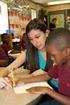 EDUCATION The Education Unit draws upon a Biblically-based perspective to prepare pre-service teachers to embody Christ-like servanthood. We prepare teachers to cultivate relational peace, educational
SECTION 4: MASTER OF EDUCATION DEGREE
 SECTION 4: MASTER OF EDUCATION DEGREE Beginning with the summer session in 1954, a fifthyear program of teacher education leading to the degree Master of Teaching was instituted at Northwestern Oklahoma
Music Education Band C50208BM Wind Instrument - Percussion
 11/27/13 Music Education Band C50208BM Wind Instrument - Percussion The following information has official approval of the School of Music, but is intended only as a supplemental guide. Official degree
Music Education Handbook. The University of Tennessee School of Music Knoxville, Tennessee
 Music Education Handbook The University of Tennessee School of Music Knoxville, Tennessee 2014-2015 1 UNIVERSITY OF TENNESSEE, KNOXVILLE SCHOOL OF MUSIC MUSIC EDUCATION PROGRAM INTRODUCTION Welcome to
Early Childhood. Education
 Early Childhood Page 1 Education Program Assessment System effective August 26, 2013 Revised January 7, 2014 I. Greetings to Students Welcome to the Early Childhood Education teacher preparation program
Revisioning Graduate Teacher Education in North Carolina Master of Arts in Elementary Education Appalachian State University
 Revisioning Graduate Teacher Education in North Carolina Master of Arts in Elementary Education Appalachian State University A. A description of how the proposed program has been revisioned to reflect
Graduate Student HANDBOOK. Rehabilitation Counseling Program
 Graduate Student HANDBOOK Rehabilitation Counseling Program 2014-2015 Dear Rehabilitation Counseling Students, On behalf of the Rehabilitation Counseling faculty, staff, and second year students, I would
Summary of the Case Greenville College School of Education Teacher Education Programs December 10-12, 2013
 Summary of the Case Greenville College School of Education Teacher Education Programs December 10-12, 2013 The Summary of the Case is written by the auditors and approved by program faculty. The Summary
All students are admitted during the summer and begin their coursework in the fall. Students must commit to completing these courses in sequence.
 Department of Special Education Initial Licensure and Added Endorsement the Special Education Generalist Overview and Assessment Plan Purpose for Program Change In the Fall of 2013 the Department of Special
Southeastern Oklahoma State University. Graduate Studies Handbook. for. Master of Education Degree in Reading Specialist
 Southeastern Oklahoma State University Graduate Studies Handbook for Master of Education Degree in Reading Specialist Revised: April, 2009 Reading Specialist Program Handbook Department of Educational
DEPARTMENT OF NURSING C.W.POST CAMPUS LONG ISLAND UNIVERSITY UNDERGRADUATE STUDENT HANDBOOK
 DEPARTMENT OF NURSING C.W.POST CAMPUS LONG ISLAND UNIVERSITY UNDERGRADUATE STUDENT HANDBOOK C.W. POST CAMPUS DEPARTMENT OF NURSING UNDERGRADUATE STUDENT HANDBOOK TABLE OF CONTENTS MISSION STATEMENT FOR
Recommended Course Sequence MAJOR LEADING TO PK-4. First Semester. Second Semester. Third Semester. Fourth Semester. 124 Credits
 ELEMENTARY AND EARLY CHILDHOOD EDUCATION MAJOR LEADING TO PK-4 Recommended Course Sequence 124 Credits Elementary and Early Childhood Education majors will also complete a Reading Education minor within
505-3-.05 GEORGIA TEACHER ACADEMY FOR PREPARATION AND PEDAGOGY (GaTAPP)
 Effective July 3, 2014 505-3-.05 GEORGIA TEACHER ACADEMY FOR PREPARATION AND PEDAGOGY (GaTAPP) (1) PURPOSE. This rule states specific content standards and requirements for approving nontraditional preparation
Master of Arts in Higher Education (both concentrations)
 Higher Education Dickinson Hall, Room 419 (501) 569-3267 Master of Arts and Doctor of Education The Master of Arts in Higher Education is designed for those individuals who are interested in entering or
Teacher Education. of California mandates changes in program structure and content, which the college is required to implement.
 Teacher Education Dr. Kurt Hild, Chairperson The Master s College is authorized to recommend candidates for both California Multiple and Single Subject Preliminary teaching credentials. The purpose of
General Advisement Guide and Policies and Procedures Manual The Master of Arts in Teaching (M.A.T.) Degree Program http://www.ed.sc.edu/sa/matgen.
 General Advisement Guide and Policies and Procedures Manual The Master of Arts in Teaching (M.A.T.) Degree Program http://www.ed.sc.edu/sa/matgen.pdf I. Description of the Program The Master of Arts in
COLLEGE OF EDUCATION
 COLLEGE OF EDUCATION 81 COLLEGE OF EDUCATION The mission of the College of Education is to prepare educators, counselors, administrators, and other professionals to be lifelong, informed, reflective, innovative
BACHELOR OF EARLY CHILDHOOD LEADERSHIP PROGRAM (C300)
 BACHELOR OF EARLY CHILDHOOD LEADERSHIP PROGRAM (C300) PROGRAM NAME COURSE CODE SCHOOL CENTRE LOCATION DURATION Bachelor of Early Childhood Leadership C300 Community Services and Early Childhood George
Key Assessments School Library Media Specialist
 GACE Media Specialist Test I and Test II (Georgia Content Test) Web Folio (Content Knowledge, Planning, Clinical Practice, Effects on Student Learning, Dispositions) Graduate and Employer/Supervisor Surveys
STUDENT HANDBOOK Graduate Programs in Special Education
 STUDENT HANDBOOK Graduate Programs in Special Education Masters Degree Programs Leading to Initial/Professional Certification & Post-Masters Advanced Certification Programs Graduate Programs in Special
University of Alaska Anchorage prior Friday, November 6th, 2015 for spring admission or Friday, April 15th, 2016 for summer admission.
 University of Alaska Anchorage College of Education Master of Arts in Teaching with Secondary Certification 2016-2017 The Master of Arts in Teaching with Secondary Certification (MAT) is a comprehensive
Wichita State University School Psychologist, Narrative Describing the Operation of the Program Assessment Plan Approved 11-15-05
 School Psychologist, Narrative Describing the Operation of the Program Assessment Plan Approved 11-15-05 Program evaluation in the Program occurs both (a) to make decisions about individual candidates
Delivered in an Online Format. Revised November 1, 2014. I. Perspectives
 1 Prospectus of the Ed.D. in Curriculum and Instruction Delivered in an Online Format Revised November 1, 2014 I. Perspectives The online Doctor of Education (Ed.D.) in Curriculum is a graduate degree
Eastern Wyoming College
 Eastern Wyoming College 2014-2016 Elementary Education Program Information For more information about the Eastern Wyoming College / VCSU Elementary Education Program, contact the School of Education and
LEHMAN COLLEGE Department of Counseling, Leadership, Literacy, and Special Education CURRICULUM CHANGE
 1 LEHMAN COLLEGE Department of Counseling, Leadership, Literacy, and Special Education CURRICULUM CHANGE Type of Change: Revision of Bilingual School Counseling Extension From: M.S.ED. Program in Counselor
Summary of the Case Siena Heights University Teacher Education Program 1
 Summary of the Case Siena Heights University Teacher Education Program 1 The Summary of the Case is written by the auditors and approved by program faculty. The Summary reflects the auditors understanding
students to complete their degree online. During the preliminary stage of included Art, Business, Computer Science, English, Government, History, and
 Texas Woman s University College of Arts and Sciences Bachelor of General Studies Program Undergraduate Program Review May 2012 I. PROGRAM REVIEW AND MISSION A. History Texas Woman s University has a proud
Lewis College of Business LEWIS COLLEGE OF BUSINESS VISION STATEMENT LEWIS COLLEGE OF BUSINESS MISSION STATEMENT
 Lewis College of Business LEWIS COLLEGE OF BUSINESS VISION STATEMENT The Marshall University Elizabeth McDowell Lewis College of Business (LCOB) will be recognized as an exceptional educational value and
APPLICATION FOR ADMISSION TEACHER EDUCATION PROGRAM College of Education, Washington State University Tri-Cities
 APPLICATION FOR ADMISSION TEACHER EDUCATION PROGRAM Application Deadlines (please note that applications are now accepted for fall admission only) Fall 2015 Admission - March 2, 2015 Fall 2016 Admission
UNDERGRADUATE TEACHER EDUCATION CERTIFICATION CARDINAL STRITCH UNIVERSITY
 UNDERGRADUATE TEACHER EDUCATION CERTIFICATION AT CARDINAL STRITCH UNIVERSITY "Devoted to bridging knowledge, practice, and service." Our mission is to transform lives and communities by preparing leaders
Appendix A Components for the Review of Institutions of Higher Education
 Appendix A Components for the Review of Institutions of Higher Education Appendix A: Components for the Review of Institutions of Higher Education The PI 34 requirements for program approval are organized
Admissions Requirements
 Special Education Dickinson Hall, Rooms 300F, 304 (501) 569-3124, (501) 569-8710, (501) 569-8922 Master of Education in Special Education The Master of Education in Special Education (SPED) prepares candidates
KEAN UNIVERSITY College of Education Department of Elementary Education (K-5) & Bilingual Education (K-5/5-8)
 KEAN UNIVERSITY College of Education Department of Elementary Education (K-5) & Bilingual Education (K-5/5-8) STUDENT HANDBOOK ELEMENTARY EDUCATION PROGRAM BILINGUAL EDUCATION PROGRAM GRADUATE PROGRAM
Early Childhood Education
 Early Childhood Education Portfolio Guidelines College of Education University of Nevada, Reno Program Coordinator & Advisor: Melissa M. Burnham, Ph.D. (775) 784-7012; [email protected]; WRB 3031 P a g
Doctor of Arts. Department of Political Science Idaho State University
 Doctor of Arts Idaho State University revised 09/05/2014 ENTERING THE D.A. PROGRAM: DEPARTMENT OF POLITICAL SCIENCE IDAHO STATE UNIVERSITY DOCTOR OF ARTS 1. Make application to the Graduate School, non-refundable.