
Of all the skin changes possible after inflammatory
|
|
|
- Kelly Goodwin
- 10 years ago
- Views:
Transcription
1 Successful Treatment of Depressed, Distensible Acne Scars Using Autologous Fibroblasts: A Multi-Site, Prospective, Double Blind, Placebo-Controlled Clinical Trial GIRISH S. MUNAVALLI, MD, MHS, FACMS,* STACY SMITH, MD, JOHN M. MASLOWSKI, MS, AND ROBERT A. WEISS, MD BACKGROUND A previous clinical trial evaluating autologous fibroblasts (human dermal) injections for the treatment of facial contour deformities found significantly greater improvements in wrinkle and acne scar appearance than with placebo treatment. OBJECTIVE To compare the efficacy and safety of autologous fibroblast treatment of moderate to severe, depressed, distensible facial acne scars with that of vehicle control. METHODS This was a randomized multicenter, double-blind, placebo-controlled trial in subjects with bilateral moderate to severe acne scarring; subjects served as their own controls. Skin biopsies were obtained from randomized subjects for fibroblast production. Subjects (n = 99) underwent three intradermal injection sessions with 2 ml of autologous fibroblast suspension (10 20 million cells/ml) on one cheek and vehicle control (cell culture medium) on the other at 14-day intervals. Efficacy was based on the blinded subject s, evaluator s, and independent photographic viewer s (IPR) assessment of acne scarring 1 to 4 months after the last treatment. RESULTS Autologous fibroblast treatment was associated with significantly greater treatment success than vehicle control for the subject (43% vs 18%), evaluator (59% vs 42%), and IPR assessments. Autologous fibroblast injections were well tolerated, without permanent adverse effects. CONCLUSIONS Autologous fibroblast injections safely and effectively improved the appearance of depressed distensible acne scars. This study was funded by Fibrocell Science, Inc. Drs. Munavalli, Smith, and Weiss are consultants and serve on the advisory board for Fibrocell Science, Inc. Mr. Maslowski is an employee of Fibrocell Sciences, Inc. Of all the skin changes possible after inflammatory and nodulocystic acne eruptions of the face, including postacne erythema, dyschromia, and scarring, scarring leaves the most potentially permanent, cosmetically and psychologically devastating effects. 1 Active acne, and probably facial acne scarring, is associated with negative psychosocial effects and poor quality of life. 1 Acne scarring may not resolve spontaneously, and procedural interventions including surgery are required to reverse these skin changes. Acne scarring can be classified morphologically into atrophic or hypertrophic, or more specifically boxcar or fixed, icepick, and distensible or rolling scars. 2 4 As expected given the diversity of acne scarring morphology and severity, certain treatment modalities are more effective with certain subgroups of scarring. 4 For example, distensible scars are amenable to volumetric correction with dermal fillers. Even with the development of new treatment options, multiple treatment modalities are likely to be required to treat acne-scarred individuals. 5,6 *Dermatology, Laser & Vein Specialists of the Carolinas, Charlotte, North Carolina and Department of Dermatology, Wake Forest University, Winston Salem, NC; Private Practice, DelMar, California; Fibrocell Technologies Inc., Exton, Pennsylvania; Maryland Laser, Skin and Vein Institute, Hunt Valley, Maryland 2013 by the American Society for Dermatologic Surgery, Inc. Published by Wiley Periodicals, Inc. ISSN: Dermatol Surg 2013;39: DOI: /dsu

2 M UNAVALLI ET AL The advent of dermal fillers began with bovine collagen usage in the 1980s. In a small series, bovine collagen was shown to have efficacy in the treatment of acne scarring. 7 Several studies have characterized the effectiveness and longevity of different types of permanent and semipermanent dermal fillers in the treatment of acne scarring Such fillers include hyaluronic acid (HA)-based products with varying degrees of cross-linking. These HA products have themselves been shown to stimulate endogenous collagen formation over time, which could contribute to sustained volumetric correction of treated scars, 11 but the use of dermal fillers is not without risk, 12 and an awareness of existing treatment algorithms is needed to manage potential complications. 13 Classically, device treatments such as dermabrasion and laser resurfacing have been considered first-line treatment of atrophic acne scarring. 2,14 Most recently, fractional carbon dioxide (CO 2 ) ablative laser was used successfully to treat atrophic acne scarring in a small randomized controlled, blinded evaluation. 15 Subjects received three treatments at 4- to 5-week intervals. The authors concluded that acne scars can be safely improved using ablative fractional CO 2 laser resurfacing, with improvement seen as soon as after 1 month and sustained 6 months after treatment. They noted that the use of higher energy levels might have improved the results and possibly induced significant adverse effects. 15 The purpose of the study was to compare the safety and efficacy profile of autologous fibroblast treatments (LaViv, azficel-t, Fibrocell Sciences, Inc, Exton, PA) of moderate to severe depressed, distensible acne scars with that of vehicle control treatments. Materials and Methods A centralized Institutional Review Board, Chesapeake Research Review, Inc., reviewed and approved the protocol and informed consent forms, and written informed consent was obtained from all 99 subjects at seven U.S. sites before study participation. The study was conducted in accordance with Good Clinical Practices and principles that have their origins in the Declaration of Helsinki. Depressed, distensible facial acne scars (scars disappearing completely with manual perilesional skin stretching) were targeted for treatment in this study. Evaluators were provided with a pictorial and descriptive guideline outlining the acne scarring morphology (depressed and distensible) considered for autologous fibroblast treatment. 16 Healthy subjects with facial acne scarring on both cheeks were enrolled in the study. To meet eligibility, subjects depressed distensible acne scars on both cheeks had to be evaluator rated as moderate or severe on a novel, validated 5-point acne scar assessment scale (Table 1). Subject ratings of the appearance of each cheek were required to be very dissatisfied or dissatisfied (Table 2). Subjects were excluded if they had hypertrophic acne scarring or numerous icepick acne scars in the treatment area, had undergone TABLE 1. Validated Physician Evaluator 5-point Acne Scar Assessment Scale Grade Term Description 0 Clear No depressions are seen in the treatment area. Macular discoloration may be seen 1 Very mild A single depression is easily noticeable with direct lighting (deep). Most or all of the depressions seen are only readily apparent with tangential lighting (shallow) 2 Mild A few to several but less than half of all the depressions are easily noticeable with direct lighting (deep). Most of the depressions seen are only readily apparent with tangential lighting (shallow) 3 Moderate More than half of the depressions are apparent with direct lighting (deep) 4 Severe All or almost all the lesions can be seen with direct lighting (deep) 39:8:AUGUST

3 SUCCESSFUL T REATMENT OF D EPRESSED,DISTENSIBLE A CNE S CARS TABLE 2. Subject Acne Scar Self-Assessment Scale How do you feel about the appearance of your cheek? 2 = I am very dissatisfied with the appearance of my cheek 1 = I am dissatisfied with the appearance of my cheek 0 = I am somewhat satisfied with the appearance of my cheek +1 = I am satisfied with the appearance of my cheek +2 = I am very satisfied with the appearance of my cheek Modified from Cohen and Holmes. 19 aesthetic procedures (e.g., fractional or traditional ablative/non-ablative laser resurfacing, subcision, microdermabrasion, chemical peels) to the treated area within the past 12 months, or had ever previously received dermal fillers in the treated area. Subjects with a history of heavy smoking, alcohol or drug abuse, or steroid treatment were excluded because these attributes may be associated with limited cell expansion in vitro. 17 Prescription topical treatments, such as retinoids or topical antibiotics, were discontinued for 2 weeks before the first injection and disallowed for the duration of the study. Enrolled subjects underwent three postauricular full-thickness (epidermis, dermis, fat) skin punch biopsies to harvest autologous fibroblasts. The cosmetically inconspicuous postauricular mastoid area was chosen because of its sun-protected nature. Biopsy sites were closed using 5 0 fastabsorbing chromic gut suture or with thin adhesive strips. The 3-mm punch biopsy specimens (times 3) were immediately placed into a sterile vial containing transport medium. The vials were then transported in a biocontainer with ice packs on the day of harvest overnight to Fibrocell Technologies, Inc. (Exton, PA), where the fibroblasts were isolated, cultured, and expanded over a several-week period as described previously. 18 In a split-face design, the cheeks of each subject were randomized to receive autologous fibroblasts (10 20 million cells/ml) or vehicle control (dye-free, protein-free cell culture medium) injected into the high papillary dermis at a Figure 1. Treatment was performed using a 28 G tuberculin syringe. Note the superficial nature of the needle placement, below and surrounding each identifiable scar in the field. The endpoint of this injection is a visible wheal with blanching ( mm; dots per inch). maximum dose of 2 ml per treatment, administered as approximately 0.1 ml/cm 2, with a minimum treatment area of 9 cm 2 (Figure 1). Immediately before the injections, the treatment area on the cheek was anesthetized with topical lidocaine anaesthetic cream for 30 to 60 minutes. Most commonly, 4% lidocaine cream was employed, although some sites used a compounded formulation of benzocaine 20%, tetracaine 10%, and lidocaine 4%. The injections were made into the papillary dermal plane, using an insulin hub-less syringe with a 28G needle (Becton, Dickinson and Company, Franklin Lakes, NJ) so as to create a wheal and transient blanching of the skin surface with each injection. Injections were directed underneath the individual scar lesions, in addition to the perilesional area, to achieve a field treatment effect. The intent of injection was to introduce the live cells into the scarred area and surrounding skin within the confines of the papillary dermis, with the assumption that the cells would disperse into the surrounding dermis. Achieving a degree of correction, as commonly employed in techniques with dermal fillers (e.g., full correction or overcorrection), was not the endpoint, because the liquid cell suspension was not designed for immediate volumetric improvement. Wheals created at each injection point usually disappeared within hours after injection. After injection, small ice packs were used to reduce any stinging or discomfort, and subjects were instructed 1228 DERMATOLOGIC SURGERY

4 M UNAVALLI ET AL on a strict 7-day post-treatment regimen, including the use of only bland moisturizer and sunscreen. The use of make-up or topical cosmeceuticals was not allowed for 1 week after treatment. Subjects received three treatments to each side of the face 14 3 days apart. Efficacy and safety evaluations were performed 1, 2, 3, and 4 months after the third treatment. The co-primary efficacy end point required that subject cheeks be considered to have responded based on the subject and evaluator acne scar assessment of treatment response to be counted as a treatment success. For the subject acne scar assessment, a responding cheek was defined as a cheek with a 2-point improvement on the subject acne scar assessment. The acne scar assessment scale is a 5-point scale (very dissatisfied = 2, dissatisfied = 1, somewhat satisfied = 0, satisfied =+1, very satisfied =+2).The scale is a modification of the scale used by Cohen and Holmes 19 (Table 2). A 5-point evaluator live acne scar assessment scale was developed and validated (0 = clear, 1 = very mild, 2 = mild, 3 = moderate, 4 = severe) for use in live assessment of subjects to detect clinically meaningful changes in acne scar severity over time. The scale was used with an associated photo guide demonstrating acne scar appearance associated with each grade. Scale evaluation studies (conducted separately from and before the interventional clinical study described here) demonstrated the validity of the scale in detecting a 1-point improvement in scar appearance. Dermatologists with experience in treating acne scars were consulted during scale development to ensure the clinical meaningfulness of a 1-point improvement. A responding cheek was defined as a cheek with a 1-point improvement on the evaluator live acne scar assessment scale. Evaluators were blinded to the treatment each cheek had received. The study required that the physician performing the treatment injections not be the physician performing the subject evaluations to eliminate any potential for bias based on the injection. Photographs were taken of each subject at baseline and 2, 3, and 4 months after the third treatment using photographic equipment and procedures designed to ensure reproducible positioning and lighting of subjects. An independent panel of three board-certified dermatologists assessed change from baseline in the appearance of acne scarring using a 5-point scale ( 2 = much worse, 1 = worse, 0 = no change, +1 = improved, +2 = much improved). Post-treatment photographs were graded compared with baseline photographs for each cheek at each time point. The independent photographic reviewers (IPR) were blinded to the treatment each cheek had received and viewed the photographs with respect to the time of the followup (at 1, 2, 3, and 4 months). The statistical analysis compared the autologous fibroblast-treated and placebo-treated sides of the face. The primary efficacy comparisons were performed separately (in different rooms) for the co-primary endpoints (subject and evaluator assessments). Success was defined as statistically significant (p <.05, two-sided) results for the subject and evaluator assessments. For each endpoint and time point, the McNemar paired test of proportions was used to test the null hypothesis for the subject and evaluator assessments. The Wilcoxon signed-rank test was used to assess the comparative difference in scar appearance for autologous fibroblast and placebo-treated cheeks for each of the three independent reviewers. Assessments of safety included the incidence of treatment-emergent adverse events (AEs), vital signs, and physical examination assessments throughout the study period. Results Fifty-seven percent of subjects from whom skin was harvested to prepare study treatment 39:8:AUGUST

5 SUCCESSFUL T REATMENT OF D EPRESSED,DISTENSIBLE A CNE S CARS TABLE 3. Subject Demographics (N = 109) Age, years Mean (SD) 42 (11) Range (Min, Max) 19, 65 Gender, n (%) Female 62 (57) Male 47 (43) Race, n (%) White 78 (72) Hispanic 17 (16) Black or African American 8 (7) Asian 5 (5) American Indian or Alaska Native 1 (1) (N = 119 biopsied, N = 109 in the intentionto-treat population) were female, 72% were white. Seventeen percent of the ITT population were Hispanic; subjects had a mean age of 42 (Table 3). Sixty-six percent of the subjects rated their acne scar appearance at baseline as very dissatisfied for the autologous fibroblast treated cheeks and 72% as very dissatisfied for the vehicle-treated cheeks (Table 4); 56% of the evaluators rated acne scar appearance at baseline as moderate for the autologous fibroblast treated cheeks and 54% as moderate for the vehicle-treated cheeks (Table 4). Subjects were to receive three autologous fibroblast and vehicle control treatments 14 days apart. Ten of the 119 subjects received no treatment. In these cases, the cell culture could not be harvested or produced too few cells upon harvest to complete the clinical treatment regime. Cell culture performance variability is expected because of the autologous nature of the product, primarily because of the lack of a consistent starting material source. For example, low cell yields upon cell expansion can occur when inadequate biopsy specimens are submitted for a given subject, such as portions of the dermis being absent or truncated during trimming and harvesting. No laboratory error root causes or manufacturing trends were associated with lots exhibiting low yield or inability to achieve harvest. Ninety-six of the 99 subjects treated completed the series of three treatments. Of the 99 treated subjects, there were seven early study terminations. One subject withdrew TABLE 4. Baseline Acne Scar Assessments According to Treatment Area (N = 109) Baseline Assessment consent for reasons unrelated to AEs, and six were lost to follow-up. Subjects received a mean total dose over the three treatments of 5.9 ml of autologous fibroblast to one cheek and 5.9 ml of vehicle control to the other cheek. The average treatment area was 29 cm 2 for autologous fibroblast and 28 cm 2 for vehicle control. The total dose per average treatment area was to ml/cm 2 (~0.08 ml/cm 2 for each of three treatments). Efficacy Endpoints Autologous Fibroblast Treated Cheek Vehicle Control Treated Cheek N (%) Subject Very Dissatisfied ( 2) 72 (66) 78 (72) Dissatisfied ( 1) 37 (34) 31 (28) Evaluator Severe (4) 48 (44) 50 (46) Moderate (3) 61 (56) 59 (54) Based on a visual inspection, subjects and evaluators rated the acne scar appearance of each cheek prior to receipt of treatment (baseline). Treatment with autologous fibroblast was associated with statistically significantly more responders 4 months after the last treatment for the subject and evaluator responder analysis than vehicle control (Figure 2). Co-primary endpoint p-values were <.001 for subject responder analysis and.01 for evaluator responder analysis. More than twice as many subjects rated the autologous fibroblast treated area with a 2-point or greater improvement than the area receiving vehicle control (43% vs 18%). Evaluators rated 59% of the autologous fibroblast treated sides with a 1-point or greater improvement on the evaluator scale compared with 42% of the sides receiving vehicle control. Based on subject and evaluator assessments at earlier time points, the proportion of responding autologous fibroblast treated cheeks was statistically signifi DERMATOLOGIC SURGERY

6 M UNAVALLI ET AL (A) side photographs from a representative subject are shown in Figure 3. (B) Based on the three IPR scores at three time points, all three reviewers consistently ranked the autologous fibroblast treated cheeks as statistically significantly more improved than the placebo-control treated cheeks for all but one assessment (reviewer 2 at month 4). In all assessments, the mean score for the autologous fibroblast treated cheeks was greater than that for the placebo-treated cheek. Safety Endpoints Figure 2. Efficacy assessments as a function of time: subjects and physician evaluators rated acne scar appearance of both cheeks 1 to 4 months after three treatments using autologous fibroblast and vehicle control as described in the Materials and Methods section. Subjects and evaluators were blinded to the treatment received on each cheek. The percentages of responders based on the subject assessment (A) are shown for autologous fibroblast (filled squares) and vehicle control treated (open squares) cheeks. The percentages of responders based on the evaluator assessment (B) are shown for autologous fibroblast (filled circles) and vehicle control treated (open circles) cheeks. A responder is defined as a 2-point improvement from baseline on the subject assessment and a 1-point improvement from baseline on the evaluator assessment. *Statistically significant difference between autologous fibroblast and vehicle control treatment based on the McNemar paired test of proportions (p <.05) ( mm; dots per inch). cantly greater than that of placebo for all but one assessment at one time point (evaluator at 3 months after the last treatment). As assessed by the subject and evaluator, the response rate continued to increase throughout the follow-up period for autologous fibroblast treated cheeks but did not increase after the 3-month visit for vehicle control treated cheeks (Figure 2). Control and treatment Autologous fibroblast treatment was considered to be safe and well tolerated in this study. No subjects experienced serious AEs, discontinued treatment, or withdrew from the study as a result of a treatmentemergent AE. All AEs were mild or moderate in severity. The incidence of cheek-specific AEs was comparable between the autologous fibroblast and vehicle control treated cheeks. The most common AEs were treatment area erythema (occurring in 11.1% of subjects) and swelling (occurring in 10.1% of subjects). Of the related treatment area AEs occurring in more that 5% of subjects, all were of mild or moderate severity (Table 5), and 89% of all treatment area AEs resolved within 1 week. Five of the 12 subjects reporting erythema and five of the 11 subjects reporting swelling had events of moderate severity in the autologous fibroblast treated area, whereas all 11 related AEs reported in the vehicle control treated area were of mild severity. Five subjects experienced erythema and swelling at both treatment areas, where the AE was of moderate severity on the cheek receiving active treatment. The subjects received cold compress therapy for these AEs, which resolved in 1 to 4 days. No clinically meaningful changes in skin pigmentation or evidence of hypertrophic scarring in the treated areas was observed. No changes in vital signs or physical examination findings were reported. Of the subjects who completed the study, 98% indicated that they were interested in receiving additional treatment with autologous fibroblast. 39:8:AUGUST

7 SUCCESSFUL T REATMENT OF D EPRESSED,DISTENSIBLE A CNE S CARS (A) (B) (C) (D) Figure 3. Clinical response. Subjects received three treatments on the left cheek subunit with autologous fibroblasts at 2- week intervals as described in the Materials and Methods section. Shown are sample photographs of a subject taken before (A) and 4 months after (B) treatment with autologous fibroblasts. The control side on the right cheek subunit is shown in monographs before (C) and 4 months after (D) treatment ( mm ( dots per inch). TABLE 5. Related Treatment Emergent Adverse Events by Severity Reported in >5% Subjects Adverse Event Severity Discussion Autologous Fibroblast, n = 99 Vehicle Control, n = 99 N (%) Erythema Mild 7 (7) 11 (11) Moderate 5 (5) 0 Swelling Mild 6 (6) 11 (11) Moderate 5 (5) 0 Treatment Emergent Adverse Events preferred terms were defined using the Medical Dictionary for Regulatory Activities version The table shows the number and percentage of subjects that experienced treatment-emergent adverse events according to severity and considered by the investigator to be related (possibly, probably, definitely) to study treatment. Both adverse events were located at the treatment area. Autologous fibroblast treatment is a novel natural method for correcting dermal defects that involves in vivo injection of autologous fibroblasts into contour defects. Autologous fibroblasts have the ability to produce human collagen in vivo, which obviates the need for skin testing previously required for use of products containing bovine collagen. The mechanism of action of autologous fibroblast treatment is not well understood, but previous clinical results suggest that novel collagen production and remodeling of preexisting extracellular matrix in the scarred tissue may be associated with the observed improvement. 20 A previous placebo-controlled clinical trial evaluating injections of autologous fibroblasts for the treatment of facial contour deformities found significantly greater improvements in acne scar appearance than with placebo in the subset of subjects with facial acne scarring. 20 To some extent, these scars are a result of a loss of collagen after resolution of localized intense inflammation and wound healing associated with inflammatory acne. Injection of inert filler materials temporarily corrects the tissue defect, but the biologic environment is 1232 DERMATOLOGIC SURGERY

8 M UNAVALLI ET AL unchanged. Consequently, scar appearance typically reverts to its pretreatment appearance once the inert material is resorbed. Autologous fibroblast treatment offers one method of correcting the biologic elements supporting scar morphology, which could lead to better treatment outcomes. Earlier studies have demonstrated objective and subjective diminution of contour facial defects after treatment with autologous fibroblasts. 21,22 Histologic analysis demonstrated that areas treated with fibroblast injections had a thicker, denser layer of collagen in the dermal region, showed no evidence of inflammatory reaction, and contained viable fibroblasts throughout. 22 Treatment with autologous fibroblast was associated with statistically significantly greater improvement in acne scar appearance than vehicle control in the treatment of moderate to severe acne scarring based on the live subject and evaluator responder analysis and three independent photographic reviewer assessments. The subjects in this study tended to have more-extensive distensible acne scarring than the population typically treated in a dermatologist s office because of the inclusion criteria. Although the difference in the percentage of responders between autologous fibroblast and vehicle control treatment for the evaluator and the subject responder analysis was similar (~20%), evaluators rated more vehicletreated cheeks as responders (42.2%) than did subjects (18.3%). Despite the magnitude of the placebo effect associated with the vehicle control treatment in the evaluator responder analysis, the autologous fibroblast treated cheek was associated with a statistically significantly greater (58.7%) number of responders (p =.01). The association between the vehicle control treatment and a significant treatment response is not unexpected given that techniques such as skin needling and subcision, which are believed to disrupt collagen fibers that anchor the superficial dermis to dermal and subdermal layers and stimulate collagen synthesis, are used to treat acne scarring. 23,24 Given that the responder definitions differed between the subject and evaluator assessments (subject assessments required a 2-point improvement from baseline, whereas the evaluator assessment required a 1-point improvement), it is not unexpected that the evaluator assessment had more responders for the active and vehicle control treatments (64 and 46 cheeks, respectively) than the subject assessment responders (47 and 20 cheeks, respectively). The live assessments identified a greater magnitude of improvement in acne scar appearance than did the IPR assessments, although the internal consistency in the efficacy results is notable given that the primary efficacy assessments were based on live assessments with no baseline comparator, whereas the IPR results were based on comparison of pairs of photographs. Quantifying acne scarring and changes in acne scars after an intervention is particularly difficult given the diverse types of scarring. To address this challenge, a validated, novel, 5-point acne scar severity assessment and accompanying photo guide were used for this study for the live assessment. Depressed, distensible facial acne scars treated in this study were classified as an atrophic subset of the Grade 3 category according to Goodman and Baron. 2 Validation of the evaluator acne scar assessment scale demonstrated that 1-point improvements on this scale, as judged by trained evaluators, are reliable third-party indicators of positive treatment effect, providing evidence of clinically meaningful improvement in acne scarring appearance after autologous fibroblast treatment. Subject assessment of acne scar appearance is arguably the most important assessment of treatment outcome because the subjects are the beneficiaries of the treatment. 25 No validation studies of a 5-point subject assessment of satisfaction scale have been published, but using a similar 5-point classification system with two categories indicating positive change (e.g., satisfaction), one category for no change, and two categories for negative change, a 1-point change was defined as a minimal clinically important difference when the 5-point scale was used to determine the minimal clinically important difference for a novel acne-specific 15-point scale. 26 Thus the definition of a responder in this study (2-point improvement 39:8:AUGUST

9 SUCCESSFUL T REATMENT OF D EPRESSED,DISTENSIBLE A CNE S CARS on the subject assessment and 1-point improvement on the evaluator assessment) probably exceeds what would be considered a minimal clinically important difference in acne scar appearance after autologous fibroblast treatment of depressed distensible acne scars. It it is likely that autologous fibroblast treatment is associated with a durable response because anecdotal reports from subjects treated for scars with autologous fibroblasts in a previous study suggest that the duration of efficacy may be long lasting. Specifically, 75% to 82% of autologous fibroblast treated subjects continued to demonstrate treatment benefit 9 (A) Figure 4. Sustained response noted from subject on the autologous fibroblast treated left cheek 2 years after the last study treatment: (A) baseline, (B) 2 years after treatment ( mm; dots per inch). (B) and 12 months after treatment. 20 Additionally, anecdotal 2-year follow-up of several subjects from one site showed persistent improvement in acne scar appearance. Figures 4 and 5 represent 2-year followup from one study site. Sustained improvement in the appearance of acne scarring (two years post last treatment) is depicted on the treated left cheek (Figure 4) versus the control right cheek (Figure 5) (Munavalli, Charlotte, NC). Another subject is depicted in Figure 6 with sustained improvement 2.5 years after the last study treatment. Based on the nature of the treatment-emergent AEs reported, autologous fibroblasts were safe and well-tolerated in this study. The split-face study design clearly indicated that the incidence of treatment-emergent AEs was comparable on the autologous fibroblast and vehicle control treated sides of the face, and the types of observed AEs were not unexpected given the 25 to 40 intradermal injections per side per treatment. As might be expected, treatment area erythema and swelling was somewhat more pronounced on autologous fibroblast treated cheeks (more events rated moderate) than on vehicle-treated cheeks, but there was no difference in the duration of treatment-emergent AEs between the two treatment areas. Unlike acne scarring treatment using ablative laser resurfacing, fractional nonablative resurfac- (A) (B) (C) Figure 5. Sustained response from subject BJ on the control side right cheek 2 years after the last study treatment: (A) baseline, (B and C) 2 years after treatment ( mm; dots per inch) DERMATOLOGIC SURGERY

10 M UNAVALLI ET AL (A) (B) John Joseph, MD, The Clinical Testing Center of Beverly Hills, Beverly Hills, CA. Independent photographic reviewers Ashish Bhatia, MD, Steven Kempers, MD, and Robert Matheson, MD, provided thoughtful and timely review of photographs. Michael Elashoff, Elashoff Consulting LLC, Redwood City, CA, and Sandra Miller, StatWorks, Inc., Research Triangle Park, NC, provided statistical analysis. References Figure 6. Sustained response from autologous fibroblast treated cheek on study subject 2.5 years after final study treatment: (A) baseline, (B) 2.5 years after treatment ( mm; dots per inch). ing 2,14,15,27 or other less-invasive treatment options such as subcision, autologous fibroblast treatment is associated with a minimal post-treatment recovery period and no post-treatment purpura or pigmentary alteration, even in subjects with Fitzpatrick skin types IV and V in this study. No subjects discontinued treatment with autologous fibroblasts as a result of treatment discomfort or AEs, and subjects who experienced AEs returned for retreatment, indicating the mild nature of the events. In summary, autologous fibroblast treatment was associated with clinically meaningful improvement in acne scar appearance and a positive risk:benefit ratio, as reflected by subjects continuing interest in participation in a future study. Autologous fibroblast treatment was safe and superior to vehicle control for the treatment of moderate to severe depressed distensible facial acne scarring. Acknowledgments The authors wish to thank the IT-A-008 Study Principal Investigators who participated in the study: Fredric Brandt, MD, Dermatology Research Institute, LLC, Coral Gables, FL; Cheryl Karcher, MD, Sadick Dermatology, New York, NY; Ava Shamban, MD, The Laser Institute for Dermatology, Santa Monica, CA; 1. Koo J. The psychosocial impact of acne: patients perceptions. J Am Acad Dermatol 1995;32(Suppl):S Goodman GJ, Baron JA. Postacne scarring: a qualitative global scarring grading system. Dermatol Surg 2006;32: Dreno B, Khammari A, Orain N, Noray C, et al. ECCA grading scale: an original validated acne scar grading scale for clinical practice in dermatology. Dermatology 2007;214: Fabbrocini G, Annunziata MC, D Arco V, et al. Acne scars: pathogenesis, classification and treatment. Dermatol Res Pract 2010;2010: Rivera AE. Acne scarring: a review and current treatment modalities. J Am Acad Dermatol 2008;59: Shamban AT, Narurkar VA. Multimodal Treatment of Acne, acne scars and pigmentation. Dermatol Clin 2009;27: Varnavides CK, Forster RA, Cunliffe WJ. The role of bovine collagen in the treatment of acne scars. Br J Dermatol 1987;116: Hasson A, Romero WA. Treatment of facial atrophic scars with Esthelis, a hyaluronic acid filler with polydense cohesive matrix (CPM). J Drugs Dermatol 2010;9: Goldberg DJ, Amin S, Hussain M. Acne scar correction using calcium hydroxylapatite in a carrier-based gel. J Cosmet Laser Ther 2006;8: Barnett JG, Barnett CR. Treatment of acne scars with liquid silicone injections: 30-year perspective. Dermatol Surg 2005;31 (11 Pt 2): Wang F, Garza LA, Kang S, Varani J, et al. In vivo stimulation of de novo collagen production caused by cross-linked hyaluronic acid dermal filler injections in photodamaged human skin. Arch Dermatol 2007;143(2): Cox SE. Clinical experience with filler complications. Dermatol Surg 2009;35(suppl 2): Narins RS, Jewell M, Rubin M, Cohen J, et al. Clinical Conference: management of rare events following dermal fillers focal necrosis and angry red bumps. Dermatol Surg 2006;32: Jacob CI, Dover JS, Kaminer MS. Acne scarring: a classification system and review of treatment options. J Am Acad Dermatol 2001;45: :8:AUGUST

11 SUCCESSFUL T REATMENT OF D EPRESSED,DISTENSIBLE A CNE S CARS 15. Hedelund L, Haak CS, Togsverd-Bo K, Bogh MK, et al. Fractional CO(2) laser resurfacing for atrophic acne scars: a randomized controlled trial with blinded response evaluation. Lasers Surg Med 2012 Aug;44(6): Kadunc BV. Trindade de Almeida AR. Surgical treatment of facial acne scars based on morphologic classification: a Brazilian experience. Dermatol Surg 2003;29: Johnen C, Hartmann B, Steffen I, Bräutigam K, et al. Skin cell isolation and expansion for cell transplantation is limited in patients using tobacco, alcohol, or are exhibiting diabetes mellitus. Burns 2006;32: Chhetri DK, Berke GS. Injection of cultured autologous fibroblasts for human vocal fold scars. The Laryngoscope 2011;121: Cohen SR, Holmes RE. Artecoll: a long-lasting injectable wrinkle filler material: report of a controlled, randomized, multicenter clinical trial of 251 Subjects. Plast Reconstr Surg 2004;114: Weiss RA, Weiss MA, Beasley KL, Munavalli G. Autologous cultured fibroblast injection for facial contour deformities: a prospective, placebo-controlled, phase III clinical trial. Dermatol Surg 2007;33: Watson D, Keller GS, Lacombe V, Fodor PB, et al. Autologous fibroblasts for treatment of facial rhytids and dermal depressions. A pilot study. Arch Facial Plast Surg 1999;1(165): Boss WK Jr, Usal H, Fodor PB, Chernoff G. Autologous cultured fibroblasts: a protein repair system. Ann Plast Surg 2000;44: Alam M, Omura N, Kaminer MS. Subcision for acne scarring: technique and outcomes in 40 patients. Dermatol Surg 2005;31: Fabbrocini G, Fardella N, Monfrecola A, Proietti I, et al. Acne scarring treatment using skin needling. Clinical and Experimental Dermatol 2009;34: Durani P, McGrouther DA, Ferguson MWJ. Current scales for assessing human scarring: a review. J Plastic, Reconstructive & Aesthetic Surg 2009;62: McLeod LD, Fehnel SE, Brandman J, Symonds T. Evaluating minimal clinically important differences for the acne-specific quality of life questionnaire. Pharmacoeconomics 2003;21: Alam M, Dover JS. Treatment of acne scarring. Skin Therapy Letter 2006;11:1 7. Available from: Accessed June 25, Address correspondence and reprint requests to: Girish Munavalli, MD, Dermatology, Laser & Vein Specialists of the Carolinas, 1918 Randolph Rd, Suite 550, Charlotte, NC 28207, or [email protected] 1236 DERMATOLOGIC SURGERY

Microneedling therapy in atrophic facial scars: An objective assessment (publ. 01.07.2009)
 Microneedling therapy in atrophic facial scars: An objective assessment (publ. 01.07.2009) Author: Imran Majid / Cutis Skin and Laser Clinic, Govt Medical College, Srinagar, India Abstract Background:
ACNE IS A COMMON DISORder,
 ORIGINAL ARTICLE Evaluation of Acne Scar Treatment With a 1450-nm Midinfrared Laser and 30% Trichloroacetic Acid Peels Paul J. Carniol, MD; Jyothi Vynatheya; Eric Carniol Objective: To evaluate the efficacy
Evaluation of Fractional CO 2 Laser Efficacy in Acne Scar
 Original Article Evaluation of Fractional CO 2 Laser Efficacy in Acne Scar Simin Saryazdi, Azadeh Mohebbi Department of Dermatology, Afzalipour Hospital, Kerman, Iran Abstract: Introduction: Acne scar
Non-Fractional Broadband Infrared Light for: Acne Scarring - Preliminary Results
 Non-Fractional Broadband Infrared Light for: Acne Scarring - Preliminary Results Ilaria Ghersetich Jean Luc Levy M.D. M.D., Daisy Kopera and Mario A Trelles M.D. M.D.,, Presented at (ESLAS), the European
Periorbital skin tightening with broadband infrared light device - Preliminary Results
 Periorbital skin tightening with broadband infrared light device - Preliminary Results Elman Monica, MD* Elman Aesthetics Clinic, Rishon Le Zion, Israel Abstract Background and Objectives: Periorbital
12/7/2014. Dr.Mohammad Alshami associate professor of dermatology Sana a university Yemen
 Dr.Mohammad Alshami associate professor of dermatology Sana a university Yemen 1 2 Types of resurfacing lasers A. Classical ablative lasers -CO2 10600nm -Erbium-YAG 2400nm B. Non ablative lasers -Nd-YAG
PowerLight LED Light Therapy. The FUTURE of corrective skin
 PowerLight LED Light Therapy The FUTURE of corrective skin care TODAY LED facial treatments Effective when used with correct protocols Non thermal stimulation of collagen Increases circulation and lymphatic
Fractional photothermolysis is a new technique
 Novel Use of Erbium:YAG (2,940-nm) Laser for Fractional Ablative Photothermolysis in the Treatment of Photodamaged Facial Skin: A Pilot Study MOSHE LAPIDOTH, MD, MPH, y MARINA EMIKO YAGIMA ODO, MD, z AND
Cosmetic Laser Procedures and Facial Contouring with Injectables. 2009, American Society for Aesthetic Plastic Surgery
 Cosmetic Laser Procedures and Facial Contouring with Injectables Stuart B. Kincaid, MD, F.A.C.S. San Diego/La Jolla Office 8929 University Center Lane, Ste. 201 San Diego, California 92122 Phone: 858-450-4199
Smoothbeam Laser Treatment of Acne Vulgaris. Emerging Applications
 Smoothbeam Laser Treatment of Acne Vulgaris Emerging Applications About Acne Vulgaris Very common - Affects 80% of population Almost every person experiences acne Most common reason to visit dermatologist
Use of Fractionated Microneedle Radiofrequency for the Treatment of Inflammatory Acne Vulgaris in 18 Korean Patients
 Use of Fractionated Microneedle Radiofrequency for the Treatment of Inflammatory Acne Vulgaris in 18 Korean Patients SANG JU LEE, MD, PHD,* JA WOONG GOO, MD, JAEYONG SHIN, MD, WON SOON CHUNG, MD,* JIN
There are different types of lasers that according the wavelength of their beams have different indications; the most common ones used on skin are:
 What is Laser Surgery? Laser (Light Amplification by Stimulated Emission of Radiation) surgery uses a very hot, focused beam of light to remove or cauterise a skin lesion and control bleeding without affecting
Characterization of a New Light and Vacuum Device for the Treatment of Acne
 Characterization of a New Light and Vacuum Device for the Treatment of Acne Munavalli, G., Hong, C., Anderson, R., Theravant Inc., 2011 Introduction We report on the development of a new device that combines
Michael A. Boss, M.D. FMH Plastic, Reconstructive und Aesthetic Surgery
 Michael A. Boss, M.D. FMH Plastic, Reconstructive und Aesthetic Surgery Boss Aesthetic Center Schauplatzgasse 23 CH-3011 Bern Switzerland +41 31 311 7691 www.aesthetic-center.com B r e a s t A u g m e
MOHS MICROGRAPHIC SURGERY
 MOHS MICROGRAPHIC SURGERY UMass Memorial Medical Center 55 Lake Avenue North Worcester, MA 01655 (508) 856-1666 Dr. Mary Maloney This booklet is intended to explain Mohs surgery to you. It is not, however,
MICROLASERPEEL TM. Meeting. Atlanta, GA April, 2002 (1) TM Sciton Corp, Palo Alto, CA
 MICROLASERPEEL TM Jason N. Pozner, M.D. 4800 North Federal Highway Suite C101 Boca Raton, Florida 33431 [email protected] (561) 367-9101 Fax (561) 367-9102 University of Miami School of Medicine and
2.0 Synopsis. Vicodin CR (ABT-712) M05-765 Clinical Study Report R&D/07/095. (For National Authority Use Only) to Part of Dossier: Volume:
 2.0 Synopsis Abbott Laboratories Name of Study Drug: Vicodin CR Name of Active Ingredient: Hydrocodone/Acetaminophen Extended Release (ABT-712) Individual Study Table Referring to Part of Dossier: Volume:
Medical personnel are growing more aware of the extent of an esthetician s
 Chapter 1 Defining Roles Medical personnel are growing more aware of the extent of an esthetician s training and realizing the potential value in bringing an esthetician into the medical environment. Working
SKIN CARE menu of services
 SKIN CARE menu of services your best you. There s no denying the confidence you can possess when you look as good as you feel. Allow the skin health specialists and staff at C H A R L O T T E P L A S T
COMPOUNDING PHARMACY SOLUTIONS PRESCRIPTION COMPOUNDING FOR DERMATOLOGY
 JUNE 2012 COMPOUNDING PHARMACY SOLUTIONS PRESCRIPTION COMPOUNDING WWW.CPSRXS. COM We customize individual prescriptions for the specific needs of our patients. INSIDE THIS ISSUE: Acne 2 Cutaneous Candidiasis
Laser and Cosmetic Center
 Laser and Cosmetic Center A Patient s Guide to Cosmetic Dermatology WELCOME Experts You Can Trust The Massachusetts General Hospital Dermatology Laser and Cosmetic Center s depth of experience is unmatched.
A 3-PRODUCT SALICYLIC ACID REGIMEN EFFECTIVELY TREATS ACNE VULGARIS IN POST- ADOLESCENT WOMEN
 A 3-PRODUCT SALICYLIC ACID REGIMEN EFFECTIVELY TREATS ACNE VULGARIS IN POST- ADOLESCENT WOMEN J. R. Kaczvinsky 1, C. E. Mack 1, L. L. Griffin 1, J. Li 1, R. A. Rose-Mansfield 1, S. C. Weitz 1, M. J. Marmor
D E R M A T O L O G Y
 We customize individual prescriptions for the specific needs of our patients. J A N U A R Y 2 0 1 3 I N S I D E T H I S I S S U E : Warts 2 Melasma 3 P R E S C R I P T I O N C O M P O U N D I N G F O R
Is Monotherapy Treatment of Etanercept Effective Against Plaque Psoriasis?
 Philadelphia College of Osteopathic Medicine DigitalCommons@PCOM PCOM Physician Assistant Studies Student Scholarship Student Dissertations, Theses and Papers 2011 Is Monotherapy Treatment of Etanercept
What is Needling? How does it work? How deep does needle penetrate the skin?
 What is Needling? Needling has been in practice since the late 1980s, but has gained in popularity in the last two years. Needling treatment is the preferred method for 100% natural scar and wrinkle reduction.
ICON PRE AND POST OP INSTRUCTIONS. MAXG or 1540 (XD/XF)
 ICON PRE AND POST OP INSTRUCTIONS MAXG or 1540 (XD/XF) Pre-Op Instructions 1. Please arrive to appointment 15 minutes before your scheduled time. Please be advised, running late may result in less than
Technological platforms
 Advitech Advitech is a life sciences & technology company Its mission is to discover and commercialize proprietary and evidence-based natural health products Focus on milk, whey and bovine colostrum R&D,
New Methods for Guidance of Light-Based Treatments Using Objective Melanin Measurements
 New Methods for Guidance of Light-Based Treatments Using Objective Melanin Measurements Sean Doherty, MD, 1 Richard Cohen, PhD, 2 Felicia Whitney, RN, 2 Oksana Bradley, MD, 2 (Ukraine) Brooke Seckel, MD
PLEASE SCROLL DOWN FOR ARTICLE
 This article was downloaded by:[grant, Kim] On: 27 June 2008 Access Details: [subscription number 794523169] Publisher: Informa Healthcare Informa Ltd Registered in England and Wales Registered Number:
What are spider veins? What is the best treatment for spider veins?
 Laser Spider/Leg Vein Q & A What are spider veins? Millions of women and men are bothered by unsightly spider veins on their faces and legs. Spider veins or telangiectasias are those small red, blue and
Patient Information and Consent for Medical/Laser/Intense Pulsed Light Treatment. VASClinic PROCEDURES
 This consent form includes general descriptions of various dermatological treatments, including possible benefits and risks that may occur as a result of these treatments. Your doctor or nurse will describe
Available online www.jocpr.com. Research Article
 Available online www.jocpr.com Journal of Chemical and Pharmaceutical Research, 2014, 6(2):736-741 Research Article ISSN : 0975-7384 CODEN(USA) : JCPRC5 A comparative study of efficacy and safety of combination
Blepharoplasty - Eyelid Surgery
 Blepharoplasty - Eyelid Surgery Introduction Eyelid surgery repairs sagging or drooping eyelids. The surgery is also known as blepharoplasty, or an eyelid lift. Sagging or drooping eyelids happen naturally
Treatment of Recalcitrant Intermetatarsal Neuroma With 4% Sclerosing Alcohol Injection: A Pilot Study
 Treatment of Recalcitrant Intermetatarsal Neuroma With 4% Sclerosing Alcohol Injection: A Pilot Study Christopher F. Hyer, DPM,' Lynette R. Mehl, DPM,2 Alan J. Block, DPM, MS, FACFAS,3 and Robert B. Vancourt,
Eyelid laxity is often the cause of senile ectropion
 Eyelid Tightening and Improved Eyelid Aperture through Nonablative Fractional Resurfacing SEAN A. SUKAL, MD, PHD, ANNE M. CHAPAS, MD, y LEONARD J. BERNSTEIN, MD, ELIZABETH K. HALE, MD, y KAREN H. KIM,
MEDICAL POLICY POLICY TITLE POLICY NUMBER SURGICAL TREATMENT OF ACNE AND DERMABRASION MP-1.102
 Original Issue Date (Created): July 26, 2004 Most Recent Review Date (Revised): Effective Date: December 21, 2010 August 31, 2011- RETIRED I. POLICY Surgical Treatment of Acne The surgical excision or
Guidance for Industry Acne Vulgaris: Developing Drugs for Treatment
 Guidance for Industry Acne Vulgaris: Developing Drugs for Treatment DRAFT GUIDANCE This guidance document is being distributed for comment purposes only. Comments and suggestions regarding this draft document
Treating HIV-related lipoatrophy by injecting a non-absorbable gel polymer
 Issue date January 2013 Information for the public NICE interventional procedures guidance advises the NHS on when and how new procedures can be used in clinical practice. Treating HIV-related lipoatrophy
Innovative Low Fluence-High Repetition Rate Technology for Hair Removal
 Innovative Low Fluence-High Repetition Rate Technology for Hair Removal Dr. Joseph Lepselter Alma Lasers Ltd. Caesarea, Israel Houten, Holland April 14, 2012 Terms LHR = laser hair removal SHR = super
Non-Surgical Fat Reduction using the CoolSmooth Conformable Surface Cryolipolysis Applicator. W. Grant Stevens, MD, FACS
 Non-Surgical Fat Reduction using the CoolSmooth Conformable Surface Cryolipolysis Applicator W. Grant Stevens, MD, FACS As published in Plastic Surgery Pulse News, Volume 6, Number 2, 2014. http://www.plasticsurgerypulsenews.com/18/article_dtl.php?qncategoryid=174&qnarticleid=351&qncurpage=1
NEHSNORTH EASTERN HEALTH SPECIALISTS
 COSMETIC DERMATOLOGY NEHSNORTH EASTERN HEALTH SPECIALISTS nehs.com.au CONSENT FORM ACNE Treatment I, DOB:, of authorize of North Eastern Health Specialist to perform hair removal with the BBL / Nd-Yag
PROVEN NON-INVASIVE TREATMENT FOR RHEUMATOID ARTHRITIS
 PROVEN NON-INVASIVE TREATMENT FOR RHEUMATOID ARTHRITIS BIONICARE HAND SYSTEM Non-drug, non-invasive Adjunctive therapy For patients symptomatic despite current therapy For patients intolerant to drug
DERMATOLOGY & COSMETIC LASER CENTER
 DERMATOLOGY & COSMETIC LASER CENTER MEET DR. NATALIE H. DANIELS Practicing medical, cosmetic, and surgical dermatology is my passion, which is why I m committed to the total health of my patients skin.
Fall 2014 Prices subject to change
 Fall 2014 Prices subject to change LASER HAIR REMOVAL Ask about our choose 2 body parts, pay for 1 package price. Face 100 Lip or chin 50 Underarms 85 Bikini line 100 Mexican 150 Brazilian 200 Half legs
A Novel Approach to Make an Objective Evaluation of Photo Skin Rejuvenation with Intense Pulsed Light
 A Novel Approach to Make an Objective Evaluation of Photo Skin Rejuvenation with Intense Pulsed Light Pyra Haglund, MD, PhD, Stureplanskliniken, Lastmakargatan 18, S-111 44 Stockholm, Sweden Summary Several
Motiva Implant Matrix Silicone Breast Implants Summary of Clinical Data 4-Year Follow Up
 Motiva Implant Matrix Silicone Breast Implants Summary of Clinical Data 4-Year Follow Up October 2010 - March 2015 Motiva Implant Matrix Silicone Breast Implants Prospective Clinical Evaluation: 4-Year
Tissue Reinforcement with Strattice Reconstructive Tissue Matrix following Correction of Severe Breast Deformity
 Tissue Reinforcement with Strattice Reconstructive Tissue Matrix following Correction of Severe Breast Deformity Robert Cohen, MD, FACS* Paradise Valley, AZ Case summary A 41-year old woman with a history
RESULTS YOU CAN SEE AND FEEL
 RESULTS YOU CAN SEE AND FEEL You do a lot to look and feel great, finding the time to enjoy life to the fullest while still taking care of your body. Yet, the effects of sun, pollution, stress and fatigue
Antipsychotic drugs are the cornerstone of treatment
 Article Effectiveness of Olanzapine, Quetiapine, Risperidone, and Ziprasidone in Patients With Chronic Schizophrenia Following Discontinuation of a Previous Atypical Antipsychotic T. Scott Stroup, M.D.,
Blepharoplasty & Cosmetic eyelid surgery
 Our cosmetic surgery team at The USF Eye Institute offers a wide variety of cosmetic procedures of the eyelids and face with the goal of obtaining a natural and rejuvenated appearance. Dr.Leyngold has
A single device, a plethora of treatments.
 A single device, a plethora of treatments. A single device, a plethora of treatments. ETHEREA was developed to bring in the market the best, most efficient and top-rated technologies device for laser and
Treatment of Freckles and Solar Lentigines Using A Long-Pulsed Alexandrite Laser in Asian Skin : A Pilot Study
 Treatment of Freckles and Solar Lentigines Using A Long-Pulsed Alexandrite Laser in Asian Skin : A Pilot Study Manassaya Samranrat, MD. Suthep Jerasuthus, MD. Treatment of Freckles and Solar Lentigines
Comparison of the Effect of Azelaic Acid 20% And Clindamycin 1% In the Treatment of Mild And Moderate Acne. Abstract
 Original Article Comparison of the Effect of Azelaic Acid 20% And Clindamycin 1% In the Treatment of Mild And Moderate Acne Soudabeh Tirgar Tabari, MD Ali Akbar Moghadam Nia, PharmD Karimollah Hajian Amirmajid
Laurie Shaker-Irwin, Ph.D., M.S. Co-Leader, Regulatory Knowledge and Research Ethics UCLA Clinical and Translational Science Institute
 Laurie Shaker-Irwin, Ph.D., M.S. Co-Leader, Regulatory Knowledge and Research Ethics UCLA Clinical and Translational Science Institute Understand the protocol completely Recognize institutional polices
Product: Tazarotene, cream, 500 micrograms per g (0.05%) and 1.0 mg per g (0.1%), 30 g, Zorac
 PUBLIC SUMMARY DOCUMENT Product: Tazarotene, cream, 500 micrograms per g (0.05%) and 1.0 mg per g (0.1%), 30 g, Zorac Sponsor: Genepharm Australasia Ltd Date of PBAC Consideration: July 2007 1. Purpose
Study Design. Date: March 11, 2003 Reviewer: Jawahar Tiwari, Ph.D. Ellis Unger, M.D. Ghanshyam Gupta, Ph.D. Chief, Therapeutics Evaluation Branch
 BLA: STN 103471 Betaseron (Interferon β-1b) for the treatment of secondary progressive multiple sclerosis. Submission dated June 29, 1998. Chiron Corp. Date: March 11, 2003 Reviewer: Jawahar Tiwari, Ph.D.
FREEDOM C: A 16-Week, International, Multicenter, Double-Blind, Randomized, Placebo-Controlled Comparison of the Efficacy and Safety of Oral UT-15C
 FREEDOM C: A 16-Week, International, Multicenter, Double-Blind, Randomized, Placebo-Controlled Comparison of the Efficacy and Safety of Oral UT-15C SR in Combination with an ERA and/or a PDE-5 Inhibitor
GT-020 Phase 1 Clinical Trial: Results of Second Cohort
 GT-020 Phase 1 Clinical Trial: Results of Second Cohort July 29, 2014 NASDAQ: GALT www.galectintherapeutics.com 2014 Galectin Therapeutics inc. Forward-Looking Statement This presentation contains, in
Clinical Study Synopsis
 Clinical Study Synopsis This file is posted on the Bayer HealthCare Clinical Trials Registry and Results website. It is provided for patients and healthcare professionals to increase the transparency of
Informed Consent For Laser Hair Removal
 Informed Consent For Laser Hair Removal INSTRUCTIONS This informed-consent document has been prepared to help inform you about laser procedures, its risks, as well as alternative treatment(s). It is important
How To Treat Eye Problems With A Laser
 1550 Oak St., Suite 5 1515 Oak St., St Eugene, OR 97401 Eugene, OR 97401 (541) 687-2110 (541) 344-2010 INFORMED CONSENT FOR PHOTOREFRACTIVE KERATECTOMY (PRK) This information is to help you make an informed
Curriculum Vitae MAX L. POLO, M.D. Sunset Professional Building DOB: 07-18-66 6280 Sunset Drive, Suite 501
 Curriculum Vitae MAX L. POLO, M.D. Sunset Professional Building DOB: 07-18-66 6280 Sunset Drive, Suite 501 South Miami, Florida 33143 Phone (305)666-1352 Fax (305)667-8709 EDUCATION University of Miami
Plastic Surgery. Statistics Report. ASPS National Clearinghouse of. Plastic Surgery. Procedural Statistics
 ASPS National Clearinghouse of Procedural Statistics All figures are projected. * Data unavailable in prior year. **77% of total breast implants were silicone; 23% were saline. ***Botulinum Toxin Type
New Developments in the Topical Management of Acne
 Clinical Review New Developments in the Topical Management of Acne Abstract Adapalene 0.1%/BPO 2.5% (adapalene/bpo) gel is a novel agent for acne therapy that has recently become available in Canada. This
SKIN REJUVENATION WITH FRAXEL LASER. Akhil Wadhera, M.D. Dermatology
 SKIN REJUVENATION WITH FRAXEL LASER By Akhil Wadhera, M.D. Dermatology Dr. Hendler: Hello and welcome to KP Healthcast. I m your host, Dr. Peter Hendler. Today our guest is Dr. Akhil Wadhera who s been
Informed Consent for Cosmetic Laser Skin Resurfacing with the DOT laser
 Informed Consent for Cosmetic Laser Skin Resurfacing with the DOT laser INSTRUCTIONS This informed-consent document has been prepared to help inform you about laser procedure, its risks, as well as alternative
 Additional details >>> HERE
 Kensington Eye Center 4701 Randolph Road, #G-2 Rockville, MD 20852 (301) 881-5701 www.keceyes.com
 Kensington Eye Center 4701 Randolph Road, #G-2 Rockville, MD 20852 (301) 881-5701 www.keceyes.com Natasha L. Herz, MD INFORMED CONSENT FOR DESCEMET S STRIPPING and AUTOMATED ENDOTHELIAL KERATOPLASTY (DSAEK)
Key words: Psoriasis, Calcipotriol, Tazarotene. tazarotene. 16 ( 4 ) tazarotene calcipotriol ( 22 : 23-34, 2004)
 In the treatment of plaque psoriasis, tazarotene was known to be effective, but its efficacy in a Taiwanese population has not been reported. Our purpose was to compare the efficacy, side effects and the
FUNCTIONS OF THE SKIN
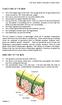 FUNCTIONS OF THE SKIN Skin is the largest organ of the body. The average adult has 18 square feet of skin which account for 16% of the total body weight. Skin acts as a physical barrier for you to the
2013 Plastic Surgery Statistics Report
 All figures are projected. * Data unavailable in prior year. **72% of total breast implants were silicone; 28% were saline. ***Botulinum toxin type A numbers are of anatomic sites injected. ASPS National
Structual Fat Transfer (Fat Injection to the Breast) Musgrove Park Hospital is part of Taunton and Somerset NHS Foundation Trust. Patient Information
 Structual Fat Transfer (Fat Injection to the Breast) Musgrove Park Hospital is part of Taunton and Somerset NHS Foundation Trust Patient Information Introduction This information is for patients undergoing
Safe and Effective Long-Term Hair Reduction in Tanned Patients Using an 800 nm Diode Laser
 Lum 1051 Campos ppr.v8 Safe and Effective Long-Term Hair Reduction in Tanned Patients Using an 800 nm Diode Laser VALERIA B. CAMPOS, MD, Jundiai, Brazil This clinical summary provided by Lumenis, Inc.
Breast Augmentation. If you are dissatisfied with your breast size, augmentation surgery is a choice to consider. Breast augmentation can:
 Breast Augmentation What is Breast Augmentation? Also known as augmentation mammaplasty, breast augmentation involves using implants to fulfill your desire for fuller breasts or to restore breast volume
Selinsgrove, Pennsylvania
 Selinsgrove, Pennsylvania Skin Care at FPC offers patients a wide array of aesthetic services and products in a relaxing and serene environment. Body Contouring Treatments Now you can have the body you
PPx System Comprehensive Treatment Options Including: Acne, Skin Rejuvenation & Permanent Hair Reduction
 The Technology The PPx System combines pneumatic energy and broadband light, hence Photopneumatic (PPx ). Photo meaning light and pneumatic meaning vacuum. Most conventional laser and light based systems
Name of Policy: Laser Treatment of Active Acne
 Name of Policy: Laser Treatment of Active Acne Policy #: 394 Latest Review Date: December 2009 Category: Surgery Policy Grade: B Background: As a general rule, benefits are payable under Blue Cross and
If several different trials are mentioned in one publication, the data of each should be extracted in a separate data extraction form.
 General Remarks This template of a data extraction form is intended to help you to start developing your own data extraction form, it certainly has to be adapted to your specific question. Delete unnecessary
SERVICES. Cosmetic and Laser Surgery
 SERVICES Cosmetic and Laser Surgery Cosmetic and Laser Surgery at Lahey Outpatient Center, Lexington, uses the most advanced anti-aging treatments and technologies to restore the younger, more vibrant
Clinical Study Synopsis
 Clinical Study Synopsis This Clinical Study Synopsis is provided for patients and healthcare professionals to increase the transparency of Bayer's clinical research. This document is not intended to replace
INFORMED CONSENT FOR LASIK SURGERY
 IMPORTANT: READ EVERY WORD! This information is to help you make an informed decision about having laser assisted in-situ keratomileusis (LASIK) surgery to treat your nearsightedness, farsightedness and/or
Laser Tattoo Removal
 Laser Tattoo Removal Laser Tattoo Removal Focus Medical NaturaLase QS Focus Medical, Bethel, CT, USA American Made NaturaLase QS4 2J 2J of energy, 4 wavelengths 1064, 532, 585, 650 NaturaLase QS4 1J 1J
Breast Reconstruction Options. Department of Plastic Surgery #290 Santa Clara Homestead Campus
 Breast Reconstruction Options Department of Plastic Surgery #290 Santa Clara Homestead Campus Importance of Breast Reconstruction As successes in treating breast cancer have grown, more women have been
INFORMED CONSENT TO HAVE LASIK
 A Division of Scott & Christie and Associates INFORMED CONSENT TO HAVE LASIK This information is to help you make an informed decision about having Laser Assisted Intrastromal Keratomileusis (LASIK), an
INFORMED CONSENT FOR PHOTOREFRACTIVE KERATECTOMY (PRK)
 INFORMED CONSENT FOR PHOTOREFRACTIVE KERATECTOMY (PRK) This information and the Patient Information booklet must be reviewed so you can make an informed decision regarding Photorefractive Keratectomy (PRK)
Fat Injection to Correct Contour Deformities in the Reconstructed Breast
 Fat Injection to Correct Contour Deformities in the Reconstructed Breast Scott L. Spear, M.D., Henry B. Wilson, M.D., and Michelle D. Lockwood, M.D. Washington, D.C. Background: A ten-year, single-surgeon
Preetha selva et al. / International Journal of Phytopharmacology. 6(1), 2015, 42-46. International Journal of Phytopharmacology
 International Journal of Phytopharmacology Journal homepage: www.onlineijp.com 42 e- ISSN 0975 9328 Print ISSN 2229 7472 IJP A CLINICAL STUDY TO EVALUATE THE EFFECT OF TOPICAL TAZAROTENE IN THE TREATMENT
RESEARCH OBJECTIVE/QUESTION
 ADHD 9 Study results from confirm effectiveness of combined treatments and medication management in reducing children s Attention Deficit/Hyperactivity Disorder (ADHD) symptoms CITATION: MTA Cooperative
Treatment of Burn Scars With the 1,550 nm Nonablative Fractional Erbium Laser
 Lasers in Surgery and Medicine 44:441 446 (2012) Treatment of Burn Scars With the 1,550 nm Nonablative Fractional Erbium Laser Jill Waibel, MD, 1,y Adam J. Wulkan, BS, 2 Mary Lupo, MD, 3z Kenneth Beer,
Efficacy and Safety of Calcipotriol Ointment in Psoriasis Vulgaris - Experiences in Hong Kong
 ORIGINAL ARTICLES Efficacy and Safety of Calcipotriol Ointment in Psoriasis Vulgaris - Experiences in Hong Kong Drs. C. W. Fung, L.Y. Chong, C.Y. Leung, C. N. Look, K.K. Lo, K. M. Ho Social Hygiene Service
Therapeutics for the Clinician
 A Multicenter, Double-blind Study to Evaluate the Efficacy and Safety of 2 Treatments in articipants With Mild to Moderate Acne Vulgaris Zoe Diana Draelos, MD; Alan R. Shalita, MD; Diane Thiboutot, MD;
EndoVenous Laser Therapy (EVLT) Information Booklet. Dr. Dueck. Varicose Veins
 EndoVenous Laser Therapy (EVLT) Information Booklet Dr. Dueck Varicose Veins Varicose veins are abnormally large veins that protrude from under the skin in the legs. They can be associated with a brown
Frequently Asked Questions: REDEFINE ACUTE CARE Skincare for Expression Lines
 Frequently Asked Questions: REDEFINE ACUTE CARE Skincare for Expression Lines 1. How does REDEFINE ACUTE CARE work? REDEFINE ACUTE CARE quickly and comfortably smoothes targeted lines and wrinkles using
Guidance for Industry
 Guidance for Industry Cancer Drug and Biological Products Clinical Data in Marketing Applications U.S. Department of Health and Human Services Food and Drug Administration Center for Drug Evaluation and
Spotlight Series: Interventional Radiology. Varicose Veins and Venous Insufficiency
 Spotlight Series: Interventional Radiology Varicose Veins and Venous Insufficiency What is venous insufficiency? Spectrum of Disease Spider veins and telangiectasias Small reddish and purple veins near
Version History. Previous Versions. Policy Title. Drugs for MS.Drug facts box Glatiramer Acetate Version 1.0 Author
 Version History Policy Title Drugs for MS.Drug facts box Glatiramer Acetate Version 1.0 Author West Midlands Commissioning Support Unit Publication Date Jan 2013 Review Date Supersedes/New (Further fields
Patient-Reported Outcomes with LASIK (PROWL-1) Results
 Patient-Reported Outcomes with LASIK (PROWL-1) Results Elizabeth M. Hofmeister, MD CAPT, MC, USN Naval Medical Center San Diego Refractive Surgery Advisor for Navy Ophthalmology Assistant Professor of
Skin rejuvenation with laser and other techniques
 Skin rejuvenation with laser and other techniques Sabine Stangl, Wolfgang Kimmig Kopf- und Hautzentrum Klinik und Poliklinik für Dermatologie und Venerologie Universitätsklinik Hamburg-Eppendorf Direktorin: