
Extended Abstract: Impact of Cloud Computing on Supply Chain Resilience
|
|
|
- Sharyl Jenkins
- 10 years ago
- Views:
Transcription
1 Extended Abstract: Impact of Cloud Computing on Supply Chain Resilience Cigdem Kochan Department of Marketing and Logistics University of North Texas College of Business, 1155 Union Circle # Denton, TX Phone: (940) David R. Nowicki Department of Marketing and Logistics University of North Texas College of Business, 1155 Union Circle # Denton, TX Phone: (940) Wesley S. Randall Department of Marketing and Logistics University of North Texas College of Business, 1155 Union Circle # Denton, TX Wesley. Phone: (940) Saba Pourreza Department of Marketing and Logistics University of North Texas College of Business, 1155 Union Circle #311160, Denton, TX Phone: (940)
2 Impact of Cloud Computing on Supply Chain Resilience Introduction Today's modern supply chains constitute a global and complex network of enterprises that aim to deliver products in the right quantity, at the right place, and at the right time in an increasingly volatile and unpredictable environment. Persistent instability in global markets exposes supply chains to potential disruptions (Pettit, Fiksel, & Croxton, 2010). Supply chain disruptions can arise from external and internal sources. External supply chain disruption sources include natural disasters (e.g., earthquakes, hurricanes, and tsunamis) or manmade disasters (e.g., accidents, wars, terrorist attacks, strikes, financial crises, and sabotage). Failure to coordinate all operational functions, an occurrence of a fire at a manufacturing plant, or the loss of a critical supplier in a supply chain are all examples of internal supply chain disruptions (Christopher & Peck, 2004; Ponomarov & Holcomb, 2009; Wagner & Neshat, 2010; Soni & Jain, 2011). While a supply chain disruption is the trigger that leads to the occurrence of risk, supply chain vulnerability is the factor that causes loss to supply chains (Wagner & Bode, 2006). Firms can develop effective supply chain risk management strategies to reduce supply chain vulnerability (Manuj & Mentzer, 2008). However, it is difficult to apply these traditional risk management strategies to each link in global supply chains for every possible disruption (Pettit et al., 2010). Therefore, supply chains need a system that identifies, monitors, and reduces supply chain risks; and reacts quickly and cost-effectively to supply chain disruptions (Melnyk, Davis, Spekman, & Sandor, 2010). Ponomarov and Holcomb (2009) call this system as supply chain resilience (SCRES) and define as: The adaptive capability of the supply chain to prepare for unexpected events, respond to disruptions, and recover from them by maintaining continuity of operations at the desired level of connectedness and control over structure and function. (P. 131) One of the three principles of resilience, connectedness, refers to a supply chain partners' level of effective and efficient coordination through an integrated network (Ponomarov & Holcomb, 2009). Connectedness is possible through information sharing (Brandon Jones, Squire, Autry, & Petersen, 2014). 2
3 The sharing of appropriate and timely demand and inventory information among supply chain partners improves supply chain visibility (Brandon Jones et al., 2014; Christopher & Lee, 2004; Tang, 2006). Information technology (IT) solutions often provide for more effective supply chain risk management with the ultimate goal of a stockless, risk free supply chain where supply and demand are perfectly balanced (Peck, 2006). However, organizations struggle with the implementation and support cost of IT solutions and the poor quality, visibility, and timeliness of its information (Casey, Jones- Farmer, Yun, & Benjamin, 2012). This is consistent with the World Economic Forum s (WEF, 2012) supply chain risk survey. According to 64% of the supply chain executives, the second largest area of supply chain vulnerability is the availability of shared information. That implies 64 % of major companies don't have adequate visibility across their supply chain network. In this proposed research, cloud computing, an enabler for collaborative information sharing (Nexus, 2012), is considered to be a cost effective, key technology that improves supply chain capabilities that leads to enhanced SCRES. Cloud computing in supply chain management is a relatively new concept even as the practical use of cloud computing to support supply chain operations continue to increase. In academic literature, existing studies regarding cloud computing mainly focus on well-known benefits and complications of adopting cloud computing in supply chains (Buyya, Yeo, Venugopal, Broberg, & Brandic, 2009; Casey et al., 2012; Cegielski, Jones-Farmer, Wu, & Hazen, 2012). There is a limited explanation on cloud computing's impact on supply chains from a theoretical perspective (Wu, Cegielski, Hazen, & Hall, 2013). To address this gap in the literature, we apply relational view (RV) (Dyer & Singh, 1998) and resource-based view (RBV) (Wernerfelt, 1984; Barney, 1991) to develop a conceptual framework and theory driven, testable hypotheses to investigate cloud computing and its impact on supply chain resilience. Therefore, the purpose of the proposed research is to explore the role of cloud computing in influencing SCRES and how SCRES may lead to a sustainable competitive advantage. The proposed research contributes to the literature by developing a theory-driven, conceptual model that explains the relationship between cloud computing and SCRES and other factors influencing this relationship. 3
4 Today, CEOs are often unable to economically justify the significant investment required to transition to a cloud based supply chain environment (Sullivan, 2013). The results of this study may help to enhance a CEOs understanding on how cloud computing can improve its firm s competitive position by building resiliency into its supply chains. Literature Review and Theory-Driven Hypothesized Relationships RBV and RV RBV explains how an organization can achieve a competitive advantage by developing resources and capabilities (Wernerfelt, 1984; Barney, 1991; Barney, Wright, & Ketchen, 2001). In the supply chain resilience literature, there exists studies that utilize RBV perspective to understand the relationships among the resources, supply chain capabilities, and SCRES (Blackhurst, Dunn, & Craighead, 2011; Brandon Jones et al., 2014). In the present study, we propose cloud computing and information sharing as resources and supply chain agility, flexibility and collaboration as capabilities that may influence SCRES. RV offers that the competitive advantage of a firm is dependent on the network of relationships (Dyer & Singh, 1998). RV theory emphasizes the relational outcomes such as trust, credibility and effectiveness of the relationship. The trust between the firms improves as they share information (Zacharia, Nix, & Lusch, 2009), and information sharing improves as the level of trust increases (Kwon & Suh, 2004). In this study, we propose trust as a moderator between cloud computing and information sharing. Cloud Computing From the RBV perspective cloud computing refers to an IT resource that enables information sharing. The cloud computing term is emerged in 2007 (Leukel, Kirn, & Schlegel, 2011). Cloud computing is defined as "a connectivity-facilitated virtualized resource (e.g. software, infrastructure, or platforms) that is dynamically reconfigurable to support various degrees of organizational need, which allows for optimized systems utilization "(Casey et al., 2012). The fundamental difference between traditional IT systems (e.g., on-premise Enterprise Resource Planning (ERP) systems) and cloud computing offerings is seen in the shift from a push of resources to a 4
5 pull of resources. Cloud computing lends itself to on-demand self-service, broad network access, resource pooling, measured service, and reduced total cost of ownership via pay-per-use. The integrity of supply chain visibility is jeopardized when an on premise ERP system s inventory position is compromised. An example is when the inventory counts at a location do not include the correct in-transit items due to a latency problem. Cloud based supply chain bridges this information gap by providing realtime data on in-transit items and updating it instantly across the supply chain network (Nexus, 2012). Obtaining real-time data and instant updates help supply chain partners to make rapid decisions in response to supply chain disruptions. For instance, a major specialty chemicals player operating in 25 countries used its cloud based supply chain platform to proactively plan for Suez Canal closure due to civil unrests and protests in 2011.Using data from carriers around the world on their cloud based supply chain platform, the company was able to rapidly develop an alternate transport route to for its critical items (Nexus, 2012). Cloud computing technology executes rapid and accurate statistical demand forecast for all the supply chain partners by reducing the time demand data and resulting forecasts are communicated throughout the supply chain (Schramn et al., 2011). Such processes can lead to a significant decrease of the bullwhip effect, the information distortion among different stages of the supply chain (Lee et al. 1997). For instance, with a traditional on premise ERP system, when a disaster hit, decision makers would have hard time to find data on the status of current inventory, production or availability of alternative transportation modes. Using cloud technology, supply chain partners can see the risks, rapidly develop a plan to mitigate a disruption and as a result, gain competitive advantage. Lindner et al. (2010) is the first to develop a framework to explain how cloud computing technology applies to supply chains. Lindner et al. (2010) introduces the concept of a cloud supply chain and defines a cloud supply chain as "two or more parties linked by the provision of cloud services, related information and funds". Building on Lindner et al. (2010), Zhou, Zhu, Lin, and Bentley (2012) develop a conceptual model that identifies the benefits and challenges of cloud computing in supply 5
6 chains. Later on, Casey et al. (2012) provides and empirically study that analyzes a decision makers' intention to adopt cloud computing technologies in supply chains. To the best of our knowledge, this study is the first to posit an explanatory relationship on how cloud computing impacts SCRES. Impact of Cloud Computing on Information Sharing and Moderating Role of Trust Gunasekaran and Ngai (2004) suggest that internet-enabled electronic supply chain management systems (escms) provides seamless collaboration among supply chain partners thereby improving the effectiveness and efficiency of a supply chain. Seamless collaboration improves forecasting and planning, which helps to reduce stock levels and stock-outs (Giménez & Lourenço, 2008). However, this is more likely based on the efforts of trust between supply chain partners (Giménez & Lourenço, 2008). In this study, trust is defined as the belief that the other party will act in the firm s best interest in circumstances where that other party could take advantage or act opportunistically to gain at the firm s expense (Akkermans, Bogerd, & Van Doremalen, 2004). When two organizations have trust, they are more likely to engage in information sharing (Vikram, Prakash, & Amrik, 2012). Building on Akkermans et al. (2004) s findings, we propose that: H1: Cloud computing has a positive impact on information sharing. H1a: Trust positively moderates the relationship between cloud computing and information sharing: the higher the level of trust, the greater the effects of cloud computing on information sharing. Impact of Cloud Computing and Information Sharing on Supply Chain Capabilities RBV suggest that when resources are combined, they create capabilities (Barney, 1991). In this study, combination of cloud computing and information sharing resources leads to higher order supply chain capabilities. Supply chain capabilities are defined as the antecedents of supply chain vulnerability that impact both the probability of occurrence and the severity of supply chain disruptions (Sheffi, 2005; Wagner & Bode, 2006). Based on literature, Jüttner and Maklan (2011) synthesize four formative capabilities; visibility, velocity, flexibility and collaboration. Supply chain visibility refers to clear view of upstream and downstream information such as inventories, demand and supply conditions, and production and purchasing schedules (Christopher & 6
7 Peck, 2004). Increasing the visibility of demand information across the supply chain reduces the risks related to information distortion that causes Bullwhip Effect in supply chains (Chopra & Sodhi, 2004). Supply chain visibility and velocity are the key elements of supply chain agility which implies ability to respond rapidly to unpredictable changes. Velocity refers to the supply chain's reaction time to changes in demand, upwards or downwards (Christopher & Peck, 2004). Reduction in lead-time through improved visibility enhances the velocity (Carvalho, Duarte, & Machado, 2011; Christopher & Peck, 2004). Agility with improved velocity and visibility allows synchronization based on shared information among supply chain partners. Synchronous supply chain requires transparency of demand and inventory information in close to real time. Transparency of demand and inventory information is possible with the availability of the technology and software that enables information sharing (Christopher & Lee, 2004). Supply chain flexibility refers to the ability to rapidly change processes and facilities to achieve the same goals. Cloud computing enables flexibility by creating a reliable real-time data platform that allows companies to assess inventory in the supply chain and expedite and re-route as necessary. In the proposed research, supply chain collaboration refers to the tendency of the supply chain partners to align forces in the case of a disturbance event (Carvalho, Duarte, & Machado, 2011).Cloud computing enables high level collaboration through information sharing by reducing inconsistencies and uncertainties in data. Based on the discussion above, we posit that: H2: Cloud computing has a positive impact on SC capabilities. H3: Information sharing has a positive impact on SC capabilities. Impact of Supply Chain Capabilities on SCRES According to Haimes (2006), the goal of the SCRES is: 1) to recover to the desired state of the system within an acceptable time and cost, and 2) to reduce the impact of a disturbance by changing the effectiveness level of a potential threat (Carvalho, Barroso, Machado, Azevedo, & Cruz-Machado, 2012b). The goal of SCRES can be achieved by enabling the shift towards desirable states in which failure modes would not occur (Carvalho, Azevedo, & Cruz-Machado, 2012a). For instance, when faced with a disruption, a resilient supply chain would shift flow to other customers and markets so that its 7
8 supply source continues at full operating rates (Bradley, 2005). However, resilience depends on choices made before the disruption than the actions taken on the midst of the disruption (Sheffi, 2005). Therefore, to enable such a shift towards to desirable state, resilience needs to be designed into supply chain (Christopher & Peck, 2004). Resilience can be designed into supply chain by developing various capabilities. Resilience capabilities reduce the vulnerabilities by detecting, preventing or reducing the occurrences of supply chain disruptions. The formative capabilities of SCRES (agility (visibility & velocity), flexibility, collaboration) are based on integrating and coordinating resources that enhance the SCRES (Jüttner & Maklan, 2011). The degree of these capabilities influences the quick response to changes in demand and recovery after a disturbance (Carvalho et al., 2012a). In the proposed study, cloud computing is utilized as an enabler of four formative capabilities of supply chain resilience through information sharing. Based on the discussion about capabilities, we propose that: H4: SC capabilities have a positive impact on SCRES. Impact of SCRES on Sustainable Competitive Advantage From the RBV perspective, capabilities that are obtained from integrating resources create core competencies which lead to sustainable competitive advantage (Prahalad & Hamel, 1990). In todays global business environment, being resilient to cope with disruptions is not enough. It is important to turn the resiliency s positive impact on a firm s performance into a competitive advantage (Carvalho et al., 2012a; Sheffi, 2005). Under uncertain conditions, supply chain resilience plays a key role in sustaining capabilities and creating competitive advantage (Ponomarov & Holcomb, 2009). Therefore, we posit that: H5: SCRES has a positive impact on sustainable competitive advantage. Building on Brandon Jones et al. (2014)'s model, we develop the following conceptual model as illustrated in Figure 1. 8
9 Cloud Computing +H2 SC Capabilities Agility (Visibility &Velocity) Flexibility Collaboration +H4 SC Resilience Trust + H1a + H1 +H3 +H5 Sustainable Competitive Advantage Information Sharing Proposed Methodology Figure 1.The conceptual model Since this study is exploratory in nature, in the future we will conduct surveys to test the proposed conceptual model. The survey questionnaire will be based on existing scales. Variables will be measured using established scales in the literature. Instead of focusing on a single industry, this research will be focused on developing a broad understanding of cloud computing s impact on SCRES. Therefore, multiple industries will be included in the sampling frame. Potential respondents for the survey will be the organizations that use cloud computing to manage their supply chain operations. A questionnaire will be sent to cloud service providers for supply chains such as One Network and GTNexus. Conclusions and Future Research We propose a theory-based, conceptual model based on RBV and RV and a review of supply chain, supply chain resiliency, and cloud based technology literature. Future research will empirically test the proposed conceptual model to examine the impact cloud computing has on SCRES. We hope that the results of this study would help supply chain managers and executives to better understand cloud 9
10 computing's impact on SCRES when making strategic decisions to improve a firm s competitive advantage. In the literature, the concept of cloud based supply chain management is still new and theoretical frameworks are still in its infancy (Casey et al., 2012). Therefore, an additional understanding of the phenomenon of interest could be gained by using a qualitative approach, such as grounded theory. Further conceptualization using additional constructs would be highly recommended. In addition, future research can incorporate behavioral aspects of the SCRES. 10
11 REFERENCES Akkermans, H., Bogerd, P., & Van Doremalen, J Travail, transparency and trust: A case study of computer-supported collaborative supply chain planning in high-tech electronics. European Journal of Operational Research, 153(2): Barney, J Firm Resources and Sustained Competitive Advantage. Journal of Management, 17(1): 99. Barney, J., Wright, M., & Ketchen, D. J The resource-based view of the firm: Ten years after Journal of management, 27(6): Blackhurst, J., Dunn, K. S., & Craighead, C. W An Empirically Derived Framework of Global Supply Resiliency. Journal of Business Logistics, 32(4): Bradley, Z. H Are supply (driven) chains forgotten? The International Journal of Logistics Management, 16(2): Brandon Jones, E., Squire, B., Autry, C., & Petersen, K. J A Contingent Resource Based Perspective of Supply Chain Resilience and Robustness. Journal of Supply Chain Management. Buyya, R., Yeo, C. S., Venugopal, S., Broberg, J., & Brandic, I Cloud computing and emerging IT platforms: Vision, hype, and reality for delivering computing as the 5th utility. Future Generation computer systems, 25(6): Carvalho, H., Azevedo, S. G., & Cruz-Machado, V. 2012a. Agile and resilient approaches to supply chain management: influence on performance and competitiveness. Logistics Research, 4(1): Carvalho, H., Barroso, A. P., Machado, V. H., Azevedo, S., & Cruz-Machado, V. 2012b. Supply chain redesign for resilience using simulation. Computers and Industrial Engineering, 62(1): Carvalho, H., Duarte, S., & Machado, V. C Lean, agile, resilient and green: divergencies and synergies. International Journal of Lean Six Sigma, 2(2): Casey, G. C., Jones-Farmer, L. A., Yun, W., & Benjamin, T. H Adoption of cloud computing technologies in supply chains. The International Journal of Logistics Management, 23(2):
12 Cegielski, C. G., Jones-Farmer, L. A., Wu, Y., & Hazen, B. T Adoption of cloud computing technologies in supply chains: an organizational information processing theory approach. The International Journal of Logistics Management, 23(2): Chopra, S., & Sodhi, M. S Managing Risk to Avoid Supply-chain breakdown. MIT Sloan management review. Chou, D. C., Tan, X., & Yen, D. C Web technology and supply chain management. Information Management & Computer Security, 12(4): Christopher, M., & Lee, H Mitigating supply chain risk through improved confidence. International Journal of Physical Distribution & Logistics Management, 34(5): 388. Christopher, M., & Peck, H Building the resilient supply chain. International Journal of Logistics Management, The, 15(2): Dyer, J. H., & Singh, H The relational view: cooperative strategy and sources of interorganizational competitive advantage. Academy of management review, 23(4): Giménez, C., & Lourenço, H. R E-SCM: internet's impact on supply chain processes. International Journal of Logistics Management, The, 19(3): Gunasekaran, A., & Ngai, E. W Information systems in supply chain integration and management. European Journal of Operational Research, 159(2): Jüttner, U., & Maklan, S Supply chain resilience in the global financial crisis: an empirical study. Supply Chain Management: An International Journal, 16(4): Kwon, I. W. G., & Suh, T Factors affecting the level of trust and commitment in supply chain relationships. Journal of Supply Chain Management, 40(1): Leukel, J., Kirn, S., & Schlegel, T Supply Chain as a Service: A Cloud Perspective on Supply Chain Systems. IEEE Systems Journal, 5(1): Liang, W.-Y., & Huang, C.-C Agent-based demand forecast in multi-echelon supply chain. Decision Support Systems, 42(1):
13 Lindner, M., Galán, F., Chapman, C., Clayman, S., Henriksson, D., & Elmroth, E The cloud supply chain: A framework for information, monitoring, accounting and billing. Paper presented at the 2nd International ICST Conference on Cloud Computing (CloudComp 2010). Manuj, I., & T. Mentzer, J Global supply chain risk management strategies. International Journal of Physical Distribution & Logistics Management, 38(3): Melnyk, S. A., Davis, E. W., Spekman, R. E., & Sandor, J Outcome-Driven Supply Chains. MIT Sloan Management Review, 51(2): Nexus, G T Five Steps to a High-Performance Supply Chain. GT Nexus, Inc.Retrieved March 2014, from Peck, H Reconciling supply chain vulnerability, risk and supply chain management. International Journal of Logistics, 9(2): Pettit, T. J., Fiksel, J., & Croxton, K. L Ensuring supply chain resilience: Development of a conceptual framework. Journal of Business Logistics, 31(1): Prahalad, C.K., and Gary Hamel The core competence of the corporation. Harvard Business Review, 68 (3): Ponomarov, Y. S., & Holcomb, C. M Understanding the concept of supply chain resilience. International Journal of Logistics Management, 20(1): Sheffi, Y The resilient enterprise: overcoming vulnerability for competitive advantage. Sullivan, F Is Cloud the Answer to Healthcare Industry's Challenges, Analysis of Healthcare Cloud in APAC: Frost & Sullivan. Tang, C. S Perspectives in supply chain risk management. International Journal of Production Economics, 103(2): Wagner, S. M., & Bode, C An empirical investigation into supply chain vulnerability. Journal of Purchasing and Supply Management, 12(6):
14 WEF New Models for Addressing Supply Chain and Transport Risk, Vol. Risk_IndustryAgenda_2012.pdf: World Economic Forum. Wernerfelt, B A Resource-based View of the Firm. Strategic Management Journal, 5(2): Vikram, B., Prakash, S., & Amrik, S Collaborative management of inventory in Australian hospital supply chains: practices and issues. Supply Chain Management: An International Journal, 17(Report): Wu, Y., Cegielski, C. G., Hazen, B. T., & Hall, D. J Cloud Computing in Support of Supply Chain Information System Infrastructure: Understanding When to go to the Cloud. Journal of Supply Chain Management, 49(3): Zacharia, Z. G., Nix, N. W., & Lusch, R. F An analysis of supply chain collaborations and their effect on performance outcomes. Journal of Business Logistics, 30(2): Zhou, L., Zhu, Y., Lin, Y., & Bentley, Y Cloud Supply Chain: A Conceptual Model. Paper presented at the European, Proceedings of International Working Seminar on Production Economics, Innsbruck, Austria. 14
Lecture 3: Supply Chain Risk Management
 Lecture 3: Supply Chain Risk Management John F. Smith Memorial Professor Director Virtual Center for Supernetworks Isenberg School of Management University of Massachusetts Amherst, Massachusetts 01003
An Agile Supply Chain to deal with Global Challenges. November 22 nd, 2012
 An Agile Supply Chain to deal with Global Challenges November 22 nd, 2012 Antonio Galvao Vice President Global Supply Chain at Diversey, now part of Sealed Air Author of the "Working Green" department
Supply Chain Responsiveness: A Relational Capability Perspective
 Supply Chain Responsiveness: A Relational Capability Perspective Santanu Mandal [email protected] Doctoral Research Scholar, IBS Hyderabad Visiting Scholar, Oklahoma State University Dr. Rathin Sarathy
A MODEL FOR PROACTIVE SUPPLY CHAIN RISK MANAGEMENT
 A MODEL FOR PROACTIVE SUPPLY CHAIN RISK MANAGEMENT I Nyoman Pujawan and Laudine H. Geraldin Logistics and Supply Chain Management Laboratory Department of Industrial Engineering Sepuluh Nopember Institute
APICS INSIGHTS AND INNOVATIONS SUPPLY CHAIN RISK CHALLENGES AND PRACTICES
 APICS INSIGHTS AND INNOVATIONS SUPPLY CHAIN RISK CHALLENGES AND PRACTICES APICS INSIGHTS AND INNOVATIONS ABOUT THIS REPORT This report examines the role that supply chain risk management plays in organizations
THE INTERNATIONAL JOURNAL OF BUSINESS & MANAGEMENT
 THE INTERNATIONAL JOURNAL OF BUSINESS & MANAGEMENT A Review on Supply Chain Disruption: Managing Risk Dhirendra Singh Parihar Ansal University, Gurgaon, India Manmohan Rahul Ansal University, Gurgaon,
Supply Chain Risk: Understanding Emerging Threats to Global Supply Chains
 Supply Chain Risk: Understanding Emerging Threats to Global Supply Chains Prof John Manners-Bell, Logistics and Supply Chain Council, WEF CEO, Transport Intelligence Sao Paulo, March 2015 Changes in SCM
The Network Approach to Inventory Management
 The Network Approach to Inventory Management Getting Accurate Inventory Information Across the Entire Supply Chain Stream Creates Healthy Companies A GT Nexus White Paper The Inventory Challenge The problem
Useful Techniques to Minimize Risk in Supply Chain Risk Management
 Useful Techniques to Minimize Risk in Supply Chain Risk Management Mohammadreza Nourbakhshian 1, Alireza Hooman 2,Arman Rajabinasr 3, Shahab Darougheha 4 1 Master of business administration, Graduate school
GLOBAL VALUE CHAINS UNDER THREAT
 GLOBAL VALUE CHAINS UNDER THREAT HOW RESILIENT IS YOUR SUPPLY CHAIN? By IMD Professor Ralf Seifert and Polina Bochukova April 2014 IMD Chemin de Bellerive 23 PO Box 915, CH-1001 Lausanne Switzerland Tel:
Next-Generation Supply Management
 Cisco Internet Business Solutions Group (IBSG) Cisco IBSG 2012 Cisco and/or its affiliates. All rights reserved. Next-Generation Supply Management Authors Ram Muthukrishnan Kevin Sullivan May 2012 Cisco
SUPPLY CHAIN MANAGEMENT REVIEW ON RISK MANAGEMENT FROM SUPPLIER S PERSPECTIVE
 DAAAM INTERNATIONAL SCIENTIFIC BOOK 2014 pp. 557-566 Chapter 44 SUPPLY CHAIN MANAGEMENT REVIEW ON RISK MANAGEMENT FROM SUPPLIER S PERSPECTIVE MAHESHWARI, S. & JAIN, P. K. Abstract: Supply Chain Management
A To Do List to Improve Supply Chain Risk Management Capabilities
 A To Do List to Improve Supply Chain Risk Management Capabilities Investigators: Debra Elkins General Motors R&D Center Mailcode 480-106-359 30500 Mound Road Warren, MI 48090 Phone: 586-986-2750 FAX: 586-986-0574
Applying Best Supply Chain Practices to Humanitarian Relief
 to Humanitarian Relief Roberta S. Russell Virginia Tech [email protected] ABSTRACT Janine S. Hiller Virginia Tech [email protected] With the growth in length and breadth of extended supply chains, more companies
SUPPLY CHAIN RISK MANAGEMENT IN FUNCTION OF INCREASING ITS RESISTANCE. Aleksandra Andjelkovic
 SUPPLY CHAIN RISK MANAGEMENT IN FUNCTION OF INCREASING ITS RESISTANCE Aleksandra Andjelkovic WHY SUPPLY CHAIN RISK MANAGEMENT? Previous research Results of research Business Continuity Institute from 2011
Supply chain risk management
 The current issue and full text archive of this journal is available at www.emeraldinsight.com/1463-7154.htm House of risk: a model for proactive supply chain I. Nyoman Pujawan and Laudine H. Geraldin
Evaluating the Value of Disruption Information for Mitigating Supply Chain Risks
 Evaluating the Value of Disruption Information for Mitigating Supply Chain Risks Yuhong Li ([email protected]) Dept. of Business Information Technology, Pamplin College of Business, 1007 Pamplin Hall, Blacksburg,
Business, Resiliency and Effective Disaster Recovery. Anne Kleffner, PhD Haskayne School of Business, University of Calgary
 Business, Resiliency and Effective Disaster Recovery Anne Kleffner, PhD Haskayne School of Business, University of Calgary CRHNet October 2012 Agenda Business resilience and community resilience in disaster
New Challenges to Emergency Management of Pharmaceutical/Healthcare Supply Chain Disruptions
 (Position Paper for the 2009 DHS Workshop on Incident Management, Resource Management, and Supply Chain Management) New Challenges to Emergency Management of Pharmaceutical/Healthcare Supply Chain Disruptions
COMPARISON OF AHP AND ANP METHODS FOR RESILIENCE MEASUREMENT IN SUPPLY CHAINS. Pavel WICHER, Radim LENORT
 COMPARISON OF AHP AND ANP METHODS FOR RESILIENCE MEASUREMENT IN SUPPLY CHAINS Abstract Pavel WICHER, Radim LENORT ŠKODA AUTO University, Na Karmeli 1457, 293 01 Mladá Boleslav, Czech Republic, EU, [email protected],
Delivering a Competitive Edge Across the Supply Chain
 Delivering a Competitive Edge Across the Supply Chain An Industry White Paper By Laura Rokohl, Supply Chain Manager, AspenTech Supply chain leaders face significant challenges today amidst market volatility
SUPPLY CHAIN VULNERABILITY
 SUPPLY CHAIN VULNERABILITY Executive Report On Behalf of: Department for Transport, Local Government and the Regions Home Office Department of Trade and Industry January 2002 SUPPLY CHAIN VULNERABILITY
Why Should Companies Take a Closer Look at Business Continuity Planning?
 whitepaper Why Should Companies Take a Closer Look at Business Continuity Planning? How Datalink s business continuity and disaster recovery solutions can help organizations lessen the impact of disasters
Creating Supply Chain Resilience Through Agile Six Sigma By Professor Martin Christopher & Christine Rutherford
 June - August 2004 Creating Supply Chain Resilience Through Agile Six Sigma By Professor Martin Christopher & Christine Rutherford Today s global supply chains are, in effect, highly complex networks.
Aligning Supply Chain Strategies with Product Uncertainties. Lee, Hau L. California Management Review, Vol. 44, No. 3, (2002) pp.
 Aligning Supply Chain Strategies with Product Uncertainties 1 Lee, Hau L. California Management Review, Vol. 44, No. 3, (2002) pp. 105-119 April 1 3, 2013 Overview 2 Issue addressed Fit into broader field
EVERYTHING YOU NEED TO KNOW ABOUT INVENTORY
 EVERYTHING YOU NEED TO KNOW ABOUT INVENTORY Introduction Inventory is considered the necessary evil of the supply chain. In fact, there has been a whole movement; lean manufacturing that has tried to reduce
Supply Chain Management: from a necessary evil to a core organisational competency
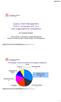 Supply Chain : from a necessary evil to a core organisational competency Dr Sinéad Roden Senior Lecturer in Operations & Supply Director of Studies for MSc in Global Supply Chain Percentage of world revenues
Comparative Study of External Supply Chain Risks on Operational Performance of Motor Vehicle Body Building Firms in Nakuru County, Kenya
 International Journal of Economics, Finance and Management Sciences 2015; 3(5): 566-576 Published online November 2, 2015 (http://www.sciencepublishinggroup.com/j/ijefm) doi: 10.11648/j.ijefm.20150305.28
SUPPLY CHAIN MODELING USING SIMULATION
 SUPPLY CHAIN MODELING USING SIMULATION 1 YOON CHANG AND 2 HARRIS MAKATSORIS 1 Institute for Manufacturing, University of Cambridge, Cambridge, CB2 1RX, UK 1 To whom correspondence should be addressed.
APICS INSIGHTS AND INNOVATIONS UNCOVERING CHRONIC DISRUPTION IN SUPPLY CHAIN AND OPERATIONS MANAGEMENT
 APICS INSIGHTS AND INNOVATIONS UNCOVERING CHRONIC DISRUPTION IN SUPPLY CHAIN AND OPERATIONS MANAGEMENT APICS INSIGHTS AND INNOVATIONS ABOUT THIS REPORT Sudden, acute supply chain disruptions such as those
Operations Management Coursework ECCO Shoes Global Value Chain
 Operations Management Coursework ECCO Shoes Global Value Chain By Arif Harbott EMBA September 2010 Lecturer: Dr. Canan Kocaba Deadline: 8 th August 2011 Word Count: 2,497 (excluding contents, footnotes,
Ways to develop a robust supply chain. Jens Schumacher FHV
 Ways to develop a robust supply chain Jens Schumacher FHV Content } Statement of problem & motivation } Definitions } Risk management for supply chains } Stabilization on the different management levels
The 2013 Supply Chain Agenda
 The 2013 Supply Chain Agenda Time to go beyond the traditional supply chain optimization projects 5 th Edition Prepared and edited by: Erik Koperdraat Kris Dieteren Capgemini Consulting The Netherlands
Collaborative Supply Chain Management Learning Using Web-Hosted Spreadsheet Models ABSTRACT
 Collaborative Supply Chain Management Learning Using Web-Hosted Spreadsheet Models Don N. Pope Abilene Christian University, ACU Box 29309, Abilene, Texas 79699-9309 Phone: 325-674-2786 Fax: 325-674-2507
Prepared by Rod Davis, ABCP, MCSA November, 2011
 Prepared by Rod Davis, ABCP, MCSA November, 2011 Disaster an event, which causes the loss of an essential service, or part of it, for a length of time which imperils mission achievement. (Andrew Hiles,
Business Continuity Planning. Presentation and. Direction
 Business Continuity Planning Presentation and Direction Thomas Bronack, president Data Center Assistance Group, Inc. 15180 20 th Avenue Whitestone, NY 11357 Phone: (718) 591-5553 Email: [email protected]
Visibility in the Import Supply Chain Getting a Clear View into Competitive Advantage
 Visibility in the Import Supply Chain Getting a Clear View into Competitive Advantage A GT Nexus White Paper Executive Summary Leading importers are reaping the benefits of end-to-end global supply chain
Exceptional Customer Experience: The New Supply Chain Management Focus
 White Paper Exceptional Customer Experience: The New Supply Chain Management Focus Jonathan Gross Contents A Fresh Look at Supply Chain Management....2 Factors Driving the Integration of Supply Chain Management
How To Write A Supply Chain Risk Management
 SUPPLY CHAIN RISK A Handbook of Assessment, Management, and Performance edited by George A. Zsidisin Bob Ritchie 4y Springer Acknowledgements xvii Chapter 1: Supply Chain Risk Management - Developments,
A comparison of supply chain risk perceptions in Original Equipment Manufacturers and Tier One suppliers: A case-study in the aerospace industry.
 011-0290 A comparison of supply chain risk perceptions in Original Equipment Manufacturers and Tier One suppliers: A case-study in the aerospace industry. Naomi Brookes Amrik Singh Aston Business School
Using SCOR to Compete and Grow in a Down Economy
 Using SCOR to Compete and Grow in a Down Economy How to Define, Align, and Transform Your Supply Chain for Operations Excellence Richard Sherman Founding Team Member & Board Emeritus Supply Chain Council
Combining Lean and Agile
 An Integrated Approach to Supply Chain Strategy: Combining Lean and Agile Solutions Professor Martin Christopher Cranfield School of Management Cranfield University Cranfield Bedford MK43 0AL United Kingdom
Building Resilient Supply Chains using Supply Chain and Traditional Risk Management and Insurance Techniques
 Building Resilient Supply Chains using Supply Chain and Traditional Risk Management and Insurance Techniques By K.P. Sapna Isotupa School of Business & Economics Wilfrid Laurier University Waterloo, ON,
A Dissertation. entitled. Flexible and Redundant Supply Chain Practices to Build Strategic Supply Chain
 A Dissertation entitled Flexible and Redundant Supply Chain Practices to Build Strategic Supply Chain Resilience: Contingent and Resource-based Perspectives by Kihyun Park Submitted to the Graduate Faculty
Sales forecasting in times of crises at DSM
 escf Operations Practices: Insights from Science European Supply Chain Forum Sales forecasting in times of crises at DSM Where innovation starts 1 Responding to the Lehman Wave Sales forecasting and Supply
Empowering Logistics with Intelligence
 Empowering Logistics with Intelligence Logit One NV Frank Knoors, Managing Director Logit One NV Introduction Document: Logit One General_v1.0x Summary.pptx Version: E2 Date: 03-03-2015 2 Empowering Logistics
Transformation. Fueling Supply Chain. Predictive analytics energizes dynamic networks. By Can A. Dogan, Frode Huse Gjendem, and Jade Rodysill
 Fueling Supply Chain Transformation Predictive analytics energizes dynamic networks By Can A. Dogan, Frode Huse Gjendem, and Jade Rodysill 38 July/August 2011 APICS magazine As companies fight for competitive
www.pwc.com Business Resiliency Business Continuity Management - January 14, 2014
 www.pwc.com Business Resiliency Business Continuity Management - January 14, 2014 Agenda Key Definitions Risks Business Continuity Management Program BCM Capability Assessment Process BCM Value Proposition
Supply Chain Risk Offering
 Supply Chain Risk Offering 2010 & 2011 Catastrophes Emphasize Supply Chain Vulnerability Iceland Volcano ~ $200 million USD per Day >$5 billion USD total economic loss Japan Earthquake and Tsunami ~ $300
The Role of Engineering in Supply Chain Management William K. Hoehn, Ph.D. Raytheon Systems Company Tucson, Arizona
 The Role of Engineering in Supply Chain Management William K. Hoehn, Ph.D. Raytheon Systems Company Tucson, Arizona Abstract Supply Chain Management addresses the need for companies to coordinate their
Business Continuity and Disaster Planning
 WHITE PAPER Business Continuity and Disaster Planning A guide to preparing for the unexpected Robert Drewniak Director, Strategic & Advisory Services Disasters are not always the result of high winds and
RELATIONSHIP BETWEEN SUPPLY CHAIN STRATEGIES AND TRANSPORT OUSOURCING GOALS - THE RISK PERSPECTIVE
 1 st Logistics International Conference Belgrade, Serbia 28-30 November 2013 RELATIONSHIP BETWEEN SUPPLY CHAIN STRATEGIES AND TRANSPORT OUSOURCING GOALS - THE RISK PERSPECTIVE Đurđica M. Stojanović * University
How human behaviour amplifies the bullwhip effect a study based on the beer distribution game online
 How human behaviour amplifies the bullwhip effect a study based on the beer distribution game online Joerg Nienhaus *, Arne Ziegenbein *, Christoph Duijts + * Centre for Enterprise Sciences (BWI), Swiss
Tapping the benefits of business analytics and optimization
 IBM Sales and Distribution Chemicals and Petroleum White Paper Tapping the benefits of business analytics and optimization A rich source of intelligence for the chemicals and petroleum industries 2 Tapping
Influence of Lean, Resilient and Green Practices on Supply Chain Sustainability
 Influence of Lean, Resilient and Green Practices on Supply Chain Sustainability SUSANA G. AZEVEDO UNIDEMI - Department of Business and Economics University of Beira Interior Polo IV, Ernesto Cruz Covilhã,
Managing the links between manufacturing and logistics service
 Abstract no. 020-0980 Managing the links between manufacturing and logistics service Yong Lin 1, Jing Luo 2, Shihua Ma 3, Li Zhou 4 1,2,4 School of Business, University of Greenwich, 30 Park Row, Greenwich,
How To Improve Your Company
 BOOSTING COMPANY PERFORMANCE Supply Chain Risk Steering & Working Capital as success drivers Stuttgart, May 2012 Companies that actively steer their Supply Chain Risk level achieve significant higher Company
Lean Procurement: The Future of Supply Chain Management in a Demand-Driven World
 Lean Procurement: The Future of Supply Chain Management in a Demand-Driven World An Oracle White Paper Written in Collaboration with CSS International, Inc. June 2006 Lean Procurement: The Future of Supply
Curriculum Vitae - Helena Carvalho
 Curriculum Vitae - Helena Carvalho January 2013 Full name: Helena Maria Lourenço Carvalho Remigio Short name: Helena Carvalho Date and country of birth: 16 May 1977, Portugal Nationality: Portuguese E-mail:
Supplemental Tool: Executing A Critical Infrastructure Risk Management Approach
 Supplemental Tool: Executing A Critical Infrastructure Risk Management Approach Executing a Critical Infrastructure Risk Management Approach Risk is defined as the potential for an unwanted outcome resulting
FORMULATING YOUR BUSINESS CONTINUITY PLAN
 WHITE PAPER Page 0 Planning for the Worst Case Scenario: FORMULATING YOUR BUSINESS CONTINUITY PLAN 9 Wing Drive Cedar Knolls, NJ 07927 www.nac.net Page 1 Table of Contents Overview... 2 What is Disaster
4 Key Tools for Managing Shortened Customer Lead Times & Demand Volatility
 ebook 4 Key Tools for Managing Shortened Customer Lead Times & Demand Volatility 4 Key Tools for Managing Shortened Customer Lead Times & Demand Volatility S U P P L Y C H A I N Content Introduction Tool
An Enterprise Resource Planning Solution (ERP) for Mining Companies Driving Operational Excellence and Sustainable Growth
 SAP for Mining Solutions An Enterprise Resource Planning Solution (ERP) for Mining Companies Driving Operational Excellence and Sustainable Growth 2013 SAP AG or an SAP affi iate company. All rights reserved.
Desktop Scenario Self Assessment Exercise Page 1
 Page 1 Neil Jarvis Head of IT Security & IT Risk DHL Page 2 From reputation to data loss - how important is business continuity? Neil Jarvis Head of IT Security (EMEA) DHL Logistics IT Security Taking
Bachelor Thesis, Organization and Strategy. ANR : 106074 Study Program : Premaster logistics and operations management
 2010 Tilburg University Bachelor Thesis, Organization and Strategy Name : Bas Leenders ANR : 106074 Study Program : Premaster logistics and operations management Topic : Aspects of supply chain management
The Influence of Supply Chain Management Practices in the Enterprise Performance
 The Influence of Supply Chain Management Practices in the Enterprise Performance Daniel Spina Fundação Getulio Vargas Luiz Carlos Di Serio Fundação Getulio Vargas Luiz Artur Ledur Brito Fundação Getulio
CLOUD-BASED SOLUTIONS FOR SUPPLY CHAIN MANAGEMENT: A POST-ADOPTION STUDY
 CLOUD-BASED SOLUTIONS FOR SUPPLY CHAIN MANAGEMENT: A POST-ADOPTION STUDY Dothang Truong Embry Riddle Aeronautical University ABSTRACT More and more organizations have adopted cloud-based solutions to be
InforCloudSuite Industrial
 InforCloudSuite Industrial Industry Suite Handbook Overview What if... You could quickly and easily take steps to embrace speed and agility, while reducing IT upgrade and maintenance costs within your
Factors for the Acceptance of Enterprise Resource Planning (ERP) Systems and Financial Performance
 Factors for the Acceptance of Enterprise Resource Planning (ERP) Systems and Financial Performance Ayman Bazhair and Kamaljeet Sandhu Abstract The purpose of this research paper to present the synthesized
LEAN SUPPLY CHAIN MANAGEMENT TOPICS IN. Marc J. Schniederjans. Dara G. Schniederjans. Ashlyn M. Schniederjans. :.,.' If I.
 TOPICS IN LEAN SUPPLY CHAIN MANAGEMENT Marc J. Schniederjans University of Nebraska-Lincoln, USA Dara G. Schniederjans Texas Tech University, USA Ashlyn M. Schniederjans Harvard University, USA :.,.' If
A Synchronized Supply Chain for Reducing Decoupling Stock
 A Synchronized Supply Chain for Reducing Decoupling Stock Jian Wang Shanghai University, China, [email protected] Hiroaki Matsukawa Keio University, Japan, [email protected] Shane J. Schvaneveldt