
Indications, Benefits, Contraindications, Adverse Reactions and Precautions
|
|
|
- Buck Hudson
- 9 years ago
- Views:
Transcription
1 NESS H200 Hand Rehabilitation System Indications, Benefits, Contraindications, Adverse Reactions and Precautions Indications for Use of the NESS H200 Hand Rehabilitation System The NESS H200 Hand Rehabilitation System is intended for patients with injuries to the central nervous system resulting in a motor deficit of the upper limb(s). Clinical Benefits Improving Hand Active Range of Motion and Hand Function* Improving Voluntary Movement Re-Educating Muscles Maintaining or Increasing Range of Motion, Resulting in the Prevention of Contractures Preventing or Retarding Disuse Atrophy Increasing Local Blood Circulation Reducing Muscle Spasm * In hemiplegia due to stroke and/or tetroplegia due to C5 spinal cord injury Contraindications Patients with a demand-type cardiac pacemaker should not use the NESS H200. Stimulation should not be applied directly over the area of a malignant tumor. The NESS H200 should not be used over areas of regional disorders, such as a fracture or dislocation, which would be adversely affected by motion from the stimulation.

2 Do not use the NESS H200 simultaneously with high-frequency surgical equipment. Do not use the NESS H200 in proximity (less than 1 meter) to short wave or microwave therapy equipment. Adverse Reactions In the unlikely event of any of the following occurrences, instruct your patient to stop using the NESS H200 immediately and consult his or her personal physician. Signs of significant skin irritation or pressure sores on the limb in areas of contact with the Orthosis A significant increase in muscle spasticity A feeling of heart-related stress during stimulation Swelling of the hand, wrist or forearm Any other unanticipated reaction Precautions Inflammation in the region of the NESS H200 may be aggravated by motion, muscle activity or pressure from the Orthosis. Use of the device should be temporarily halted until the inflammation clears. Caution should be used for patients with suspected or diagnosed epilepsy. Specific physician clearance should be obtained prior to use in patients with alteration of normal arterial or venous flow due to local insufficiency, occlusion, arterio-venous fistula for the purpose of hemodialysis, or primary disorder of the vasculature. Specific physician clearance should be obtained when there is a structural deformity or placement of metal implant in the area to be stimulated. Specific physician clearance should be obtained prior to use in patients with implantable cardiac defibrillators (ICDs); those patients cleared to use the

3 NESS H200 should be followed closely by the relevant physician to ensure continued proper functioning of their ICD devices. The safety of the NESS H200 during pregnancy has not been established. Skin problems in areas of contact with the Orthosis may be aggravated by use of the NESS H200. The NESS H200 should be turned OFF before removing or replacing electrode pads. The NESS H200 should be kept out of the reach of children. The NESS H200 control unit is splash proof. However, it should be protected from any contact with water, such as dampness from sinks, bathtubs and shower stalls, from weather such as rain and snow, or from any other source of water. Always keep the control unit at a safe distance while wetting the electrode pads. Do not leave the NESS H200 stored in a car in hot weather where the temperature may exceed the recommended storage temperature and could cause damage to the device. Stimulation should not be applied over areas of natural reflexes (e.g. carotid sinus, heart, parasympathetic nerves, laryngeal muscles, phrenic nerve). Stimulation should not be applied over fixed contracture(s). If stimulation causes cardiac irregularity, stop stimulation. Patients should not drive or operate heavy or dangerous machinery while using the device. Any noxious stimulation can trigger autonomic dysreflexia in patients with spinal cord injury at the T6 level and above (acute hypertension and bradycardia). Caution should be taken when using very strong electrical stimulation over superficial bony prominences. Caution should be used for patients with implanted intrathecal/intravascular drug delivery systems. During initial trials with the H200, clinicians should monitor carefully patients on intraspinal/intravascular therapy for any new

4 neurological or other medical signs or symptoms. Those clinicians should be advised to inform patients of the signs and symptoms of drug underdose or overdose. Clinicians and patients also should be advised to follow programming guidelines and precautions provided in the relevant drug delivery systems product manuals. Should any technical problem occur, patients should contact their clinician or Bioness Inc. No attempt should be made by a patient to repair the NESS H200. Should any clinical problem occur, patients should contact their clinician and the clinician should then contact Bioness Inc.

5 NESS L300 Foot Drop System Indications, Contraindications, Warnings, Precautions and Adverse Reactions Indications for Use of the NESS L300 Foot Drop System The NESS L300 Foot Drop System is intended for patients with injuries to the central nervous system resulting in a motor deficit of the lower limb(s). Contraindications Patients with a demand-type pacemaker, defibrillator or any electrical or metallic implant should not use the NESS L300 Foot Drop System. The NESS L300 should not be used on the leg if a cancerous lesion is present or suspected. The NESS L300 should not be used over areas of regional disorders, such as a fracture or dislocation, which would be adversely affected by motion from the stimulation. Warnings The long-term effects of chronic electrical stimulation are unknown. The Functional Stimulation Cuff (Orthosis) should not be applied over swollen, infected, or inflamed areas or skin eruptions, such as phlebitis, thrombophlebitis, varicose veins, and so on. Simultaneous connection of the NESS L300 to the patient and to highfrequency surgical equipment may result in burns at the site of the stimulator electrodes and possible damage to the RF Stim Unit of the Functional Stimulation Cuff (Orthosis).
6 Do not use the NESS L300 in close proximity (less than three feet) to short wave or microwave therapy equipment as it may produce instability in the RF Stim Unit output. System configuration should only be performed by an authorized clinician. The Clinician s Programmer [Personal Digital Assistant (PDA)] used for programming the NESS L300 Control Unit should only contain the Windows Mobile 5 for Pocket PC operating system and the NESS proprietary software. Third-party software packages are not supported and may interfere with proper operation of the NESS L300 Foot Drop System, thus voiding the warranty. Precautions Inflammation in the region of the NESS L300 may be aggravated by motion, muscle activity, or pressure from the Functional Stimulation Cuff (Orthosis). Use of the device should be temporarily halted until the inflammation is resolved completely. Caution should be used in patients with suspected or diagnosed heart problems. Caution should be used in the presence of the following conditions in the area of the Functional Stimulation Cuff (Orthosis): o When there is a tendency to hemorrhage following acute trauma or fracture. o Following recent surgical procedures when muscle contraction may disrupt the healing process. o Over areas of the skin that lack normal sensation. Caution should be used for patients with suspected or diagnosed epilepsy. Some patients may experience skin irritation or hypersensitivity due to the electrical stimulation or electrical conductive medium. The irritation can usually be reduced by changing the stimulation parameters or alternate electrode placement (performed by the treating clinician).
![The Clinician s Programmer [Personal Digital Assistant (PDA)] used for programming the NESS L300 Control Unit should only contain the Windows Mobile 5 for Pocket PC operating system and the NESS](/docs-images/45/23262102/images/page_6.jpg "proprietary software. Third-party software packages are not supported and may interfere with proper operation of the NESS L300 Foot Drop System, thus voiding the warranty.")
7 Electrode placement and stimulation setting should be determined by the treating clinician. The NESS L300 should be used only with electrodes supplied by Bioness Neuromodulation Ltd. or Bioness Inc. Specific physician clearance should be obtained prior to use in patients with alteration of normal arterial or venous flow in the region of the Functional Stimulation Cuff (Orthosis) due to local insufficiency, occlusion, arteriovenous fistula for the purpose of hemodialysis, or a primary disorder of the vasculature. Specific physician clearance should be obtained when there is a structural deformity in the area to be stimulated. The safety of the NESS L300 s use during pregnancy has not been established. Skin problems in areas of contact with Functional Stimulation Cuff (Orthosis) may be aggravated by use of the NESS L300. The NESS L300 should be turned off before removing or replacing the electrodes. The NESS L300 should be kept out of the reach of children. The NESS L300 Control Unit is splash proof. However, it should be protected from any contact with water, such as water from sinks, bathtubs, and shower stalls, from weather such as rain or snow, or any other source of water. Do not leave the NESS L300 stored in a car in hot or cold weather where the temperature may exceed the recommended storage temperatures of -20 to 60 C (-4 to 140 F) and could cause damage to the device. Should any technical problem occur that is not covered in the Troubleshooting section of the NESS L300 User s Guide, contact Bioness Inc. Do not attempt to repair the NESS L300. The Functional Stimulation Cuff (Orthosis) is meant to be worn only on the leg of the patient for whom it is fitted. It should not be applied to anyone else or any other part of the body.

8 Put on the Functional Stimulation Cuff (Orthosis) only when the NESS L300 is turned off. Do not activate it until it is fastened in place. The system should be shut off while driving, operating machinery, or during any activity in which involuntary muscle contractions may put the patient at undue risk of injury. Medical electrical equipment needs special precautions regarding Electromagnetic Compatibility (EMC). In order to avoid condensation problems, when moving the NESS L300 between hot and cold temperatures, place the NESS L300 in an airtight plastic bag and let it slowly adjust to the temperature changes (at least 2 hours) before using the system. Adverse Reactions In the unlikely event of any of the following occurrences, the patient should stop using the NESS L300 immediately and consult his/her personal physician: Signs of significant skin irritation or pressure sores on the limb in areas of contact with the Functional Stimulation Cuff (Orthosis). A significant increase in muscle spasticity. A feeling of heart-related stress during stimulation. Swelling of the leg, knee, ankle or foot. Any other unanticipated reaction. Skin irritations and burns have been reported with the use of powered muscle stimulators. Should any technical problem occur, patients should contact their clinician or Bioness Inc. No attempt should be made by a patient to repair the NESS L300. Should any clinical problem occur, patients should contact their clinician and the clinician should then contact Bioness Inc.
User Manual Table of Contents. Instructions for Using the LaserTouchOne Charging the Unit... 5 Holding the Device... 5 Treatment Steps...
 User Manual User Manual Table of Contents Introduction The LaserTouchOne... 3 Device Features and Controls (Photo of device)... 4 Product Contents... 4 Laser Safety... 4 Electrical Safety... 5 Instructions
Transcutaneous Electrical Nerve Stimulation Device LUMI-TENS
 Transcutaneous Electrical Nerve Stimulation Device LUMI-TENS Operation Manual Read Before Using LUMI-TENS-INS-LAB-RevA08 TABLE OF CONTENTS INTRODUCTION TO TENS INDICATIONS AND CONTRAINDICATIONS WARNINGS
Y O U R S U R G E O N S. choice of. implants F O R Y O U R S U R G E R Y
 Y O U R S U R G E O N S choice of implants F O R Y O U R S U R G E R Y Y O U R S U R G E O N S choice of implants F O R Y O U R S U R G E R Y Your Surgeon Has Chosen the C 2 a-taper Acetabular System The
Chapter 4 Physiological Therapeutics. 1 Cryotherapy
 Chapter 4 Physiological Therapeutics 1 Cryotherapy CRYOTHERAPY PHYSIOLOGIC EFFECTS OF ICE APPLICATION 1. Decreased circulation 5. Increased tissue stiffness 2. Local vasoconstriction 6. Decreased muscle
Musculoskeletal System
 CHAPTER 3 Impact of SCI on the Musculoskeletal System Voluntary movement of the body is dependent on a number of systems. These include: The brain initiates the movement and receives feedback to assess
Therapeutic Modalities. Modality Policy and Procedures
 Therapeutic Modalities Modality Policy and Procedures The Winona State University Athletic Training Program currently possesses multiple therapeutic modalities intended for the treatment of Winona State
 Epimed Would Like To Congratulate The 20th Annual Budapest Conference The New Shape of Pain Relief SmalleST. ThiNNeST. CoNTouRed design. Precision Novi is the world s smallest, thinnest 16 contact primary
Elbow Injuries and Disorders
 Elbow Injuries and Disorders Introduction Your elbow joint is made up of bone, cartilage, ligaments and fluid. Muscles and tendons help the elbow joint move. There are many injuries and disorders that
Transmittal 55 Date: MAY 5, 2006. SUBJECT: Changes Conforming to CR3648 for Therapy Services
 CMS Manual System Pub 100-03 Medicare National Coverage Determinations Department of Health & Human Services (DHHS) Centers for Medicare & Medicaid Services (CMS) Transmittal 55 Date: MAY 5, 2006 Change
17. Undiagnosed lumps and bumps and unexplained areas of pain. 2. Varicose veins (do not treat anything below the vein site).
 15. Acute rheumatism. 16. Asthma. 17. Undiagnosed lumps and bumps and unexplained areas of pain. 18. Whiplash. 19. Slipped Disc. LOCAL CONTRA-INDICATIONS 1. Skin diseases (non contagious). 2. Varicose
Tired, Aching Legs? Swollen Ankles? Varicose Veins?
 Tired, Aching Legs? Swollen Ankles? Varicose Veins? Healthy Legs 2006 http://healthylegs.com Page 1 Venous disorders are widespread Leg problems are widespread throughout the world, but what most people
Functional electrical stimulation (FES)
 Functional electrical stimulation (FES) to aid walking after stroke Updated: July 2013 Review Date: July 2014 Different Strokes 0845 130 7172 or 01908 317618 [email protected] Who is this booklet
Physiotherapy in Rheumatoid Arthritis. Information for patients Gina Wall Senior Physiotherapist
 Physiotherapy in Rheumatoid Arthritis Information for patients Gina Wall Senior Physiotherapist What do Physiotherapists do? We conduct assessments by asking detailed questions about your symptoms, medical
THERAPEUTIC USE OF HEAT AND COLD
 THERAPEUTIC USE OF HEAT AND COLD INTRODUCTION Heat and cold are simple and very effective therapeutic tools. They can be used locally or over the whole body, and the proper application of heat and cold
Hand Injuries and Disorders
 Hand Injuries and Disorders Introduction Each of your hands has 27 bones, 15 joints and approximately 20 muscles. There are many common problems that can affect your hands. Hand problems can be caused
Chapter 4 Physiological Therapeutics. 3 Therapeutic Ultrasound
 Chapter 4 Physiological Therapeutics 3 Therapeutic Ultrasound Therapeutic Ultrasound PHYSIOLOGIC EFFECTS OF ULTRASOUND 1. Increased collagen extensibility 5. Increased nerve conduction velocities 2. Increased
Closed Automobile Insurance Third Party Liability Bodily Injury Claim Study in Ontario
 Page 1 Closed Automobile Insurance Third Party Liability Bodily Injury Claim Study in Ontario Injury Descriptions Developed from Newfoundland claim study injury definitions No injury Death Psychological
Spinal Cord Injury. North American Spine Society Public Education Series
 Spinal Cord Injury North American Spine Society Public Education Series What Is a Spinal Cord Injury? A spinal cord injury is a condition that results from damage or trauma to the nerve tissue of the spine.
Webinar title: Know Your Options for Treating Severe Spasticity
 Webinar title: Know Your Options for Treating Severe Spasticity Presented by: Dr. Gerald Bilsky, Physiatrist Medical Director of Outpatient Services and Associate Medical Director of Acquired Brain Injury
Therapeutic Massage .(W). Chiropractor
 Therapeutic Massage Please take a moment to answer the following questions. The information you provide will be used to customize your session to your needs and exclude any techniques that may be medically
Exercise and FES cycle fact sheet
 Exercise and FES cycle fact sheet FES = Functional Electrical Stimulation. An electrical current is passed through paralysed muscle causing it to contract. The electrical current uses the peripheral nerves
Transcutaneous Electrical Nerve Stimulation Device. Operation Manual Read Before Using
 Transcutaneous Electrical Nerve Stimulation Device Operation Manual Read Before Using TABLE OF CONTENTS INTRODUCTION TO TENS INDICATIONS AND CONTRAINDICATIONS WARNINGS PRECAUTIONS/ADVERSE REACTIONS ABOUT
electrotherapy pain relief
 INSTRUCTION MANUAL electrotherapy pain relief Model: PM3030 Before Using the Unit Introduction...2 Important Safety Precautions and Warnings...3 How electrotherapy pain relief Works...10 Know Your Unit...11
Clinical guidance for MRI referral
 MRI for cervical radiculopathy Referral by a medical practitioner (excluding a specialist or consultant physician) for a scan of spine for a patient 16 years or older for suspected: cervical radiculopathy
Provided by the American Venous Forum: veinforum.org
 CHAPTER 1 NORMAL VENOUS CIRCULATION Original author: Frank Padberg Abstracted by Teresa L.Carman Introduction The circulatory system is responsible for circulating (moving) blood throughout the body. The
X-Plain Rheumatoid Arthritis Reference Summary
 X-Plain Rheumatoid Arthritis Reference Summary Introduction Rheumatoid arthritis is a fairly common joint disease that affects up to 2 million Americans. Rheumatoid arthritis is one of the most debilitating
Chapter 4 Physiological Therapeutics. 2 Superficial Heat
 Chapter 4 Physiological Therapeutics 2 Superficial Heat Date revised 8/27/03 Superficial Heat PHYSIOLOGICAL EFFECTS OF HEAT APPLICATION 1. Increases blood flow 5. Promotes abnormal ossification 2. Increases
.org. Arthritis of the Hand. Description
 Arthritis of the Hand Page ( 1 ) The hand and wrist have multiple small joints that work together to produce motion, including the fine motion needed to thread a needle or tie a shoelace. When the joints
National Hospital for Neurology and Neurosurgery. Managing Spasticity. Spasticity Service
 National Hospital for Neurology and Neurosurgery Managing Spasticity Spasticity Service If you would like this document in another language or format, or require the services of an interpreter please contact
Cerebral Palsy. 1995-2014, The Patient Education Institute, Inc. www.x-plain.com nr200105 Last reviewed: 06/17/2014 1
 Cerebral Palsy Introduction Cerebral palsy, or CP, can cause serious neurological symptoms in children. Thousands of children are diagnosed with cerebral palsy every year. This reference summary explains
Spinal Cord Injury Education. An Overview for Patients, Families, and Caregivers
 Spinal Cord Injury Education An Overview for Patients, Families, and Caregivers Spinal Cord Anatomy A major component of the Central Nervous System (CNS) It is 15 to 16 inches long, and weighs 1 to 2 ounces
Cerebral Palsy. In order to function, the brain needs a continuous supply of oxygen.
 Cerebral Palsy Introduction Cerebral palsy, or CP, can cause serious neurological symptoms in children. Up to 5000 children in the United States are diagnosed with cerebral palsy every year. This reference
LOSS OF BLADDER CONTROL IS TREATABLE TAKE CONTROL AND RESTORE YOUR LIFESTYLE
 LOSS OF BLADDER CONTROL IS TREATABLE TAKE CONTROL AND RESTORE YOUR LIFESTYLE TALKING ABOUT STRESS INCONTINENCE (SUI) Millions of women suffer from stress incontinence (SUI). This condition results in accidental
Orthopaedic Spine Center. Anterior Cervical Discectomy and Fusion (ACDF) Normal Discs
 Orthopaedic Spine Center Graham Calvert MD James Woodall MD PhD Anterior Cervical Discectomy and Fusion (ACDF) Normal Discs The cervical spine consists of the bony vertebrae, discs, nerves and other structures.
Frequently Asked Questions Regarding the Use of Electrical Stimulation to Treat Feeding and Swallowing Disorders in the Pediatric Population
 Frequently Asked Questions Regarding the Use of Electrical Stimulation to Treat Feeding and Swallowing Disorders in the Pediatric Population This document was developed by the Pediatric Advisory Committee
Integra. MCP Joint Replacement PATIENT INFORMATION
 Integra MCP Joint Replacement PATIENT INFORMATION Integra MCP Patient Information This brochure summarizes information about the use, risks, and benefits of the Integra MCP finger implant. Be sure to discuss
Treatment of Spastic Foot Deformities
 Penn Comprehensive Neuroscience Center Treatment of Spastic Foot Deformities Penn Neuro-Orthopaedics Service 1 Table of Contents Overview Overview 1 Treatment 2 Procedures 4 Achilles Tendon Lengthening
Tired, Aching Legs? Swollen Ankles? Varicose Veins? An informative guide for patients
 Tired, Aching Legs? Swollen Ankles? Varicose Veins? An informative guide for patients Are You at Risk? Leg problems are widespread throughout the world, but what most people don t know is that approximately
Hemodialysis Access: What You Need to Know
 Hemodialysis Access: What You Need to Know Hemodialysis Access: What You Need To Know Whether you already get hemodialysis treatment, or you will need to start dialysis soon, this booklet will help you
Common Injuries in Bodybuilding
 Common Injuries in Bodybuilding There is nothing that can slow you down like an injury. Sometimes it seems just when you are starting to make progress in your workouts, you suffer a nagging injury that
DROP FOOT AND TREATMENTS YOUNGMEE PARK
 DROP FOOT AND TREATMENTS YOUNGMEE PARK WHAT IS FOOT DROP Foot drop / Drop foot the inability to lift the front part of the foot not a disease a symptom of some other medical problems a sign of an underlying
Clinical and Therapeutic Cannabis Information. Written by Cannabis Training University (CTU) All rights reserved
 Clinical and Therapeutic Cannabis Information Written by Cannabis Training University (CTU) All rights reserved Contents Introduction... 3 Chronic Pain... 6 Neuropathic Pain... 8 Movement Disorders...
Living With Your Pacemaker
 2012 Living With Your Pacemaker Living With Your Pacemaker The pamphlet will help you learn what your new pacemaker can do for you. The heart s natural pacemaker Your heart s natural pacemaker controls
Introduction. What is syncope?
 Syncope Introduction What is syncope? Syncope (SING-kuh-pee) is a medical term for fainting. When you faint, your brain is not receiving enough blood and oxygen, so you lose consciousness temporarily.
What Are Arrhythmias?
 What Are Arrhythmias? Many people have questions about what the word arrhythmia means, and arrhythmias can be a difficult subject to understand. The text below should give you a better understanding of
Throughout this reference summary, you will find out what massage therapy is, its benefits, risks, and what to expect during and after a massage.
 Massage Therapy Introduction Massage therapy is the manipulation of the soft tissues of the body, including the skin, tendons, muscles and connective tissue by a professional, for relaxation or to enhance
ACUPUNCTURE POINTS STIMULATION WITH PAINGONE A GENERAL GUIDE TO PAIN RELIEF
 ACUPUNCTURE POINTS STIMULATION WITH PAINGONE A GENERAL GUIDE TO PAIN RELIEF Tower Health - Unit 1 Holly Court Business Park, Landmere Lane, Edwalton, Nottingham NG12 4DG Tel. 0115 9651780 www.tower-health.co.uk
TMJ. Problems. Certain headaches and pain in. the ear, jaw, neck, tooth, and. sinus can be the result of a. temporomandibular joint (TMJ)
 DIVISION OF ORAL AND MAXILLOFACIAL SURGERY TMJ Problems Certain headaches and pain in the ear, jaw, neck, tooth, and sinus can be the result of a temporomandibular joint (TMJ) problem. People with TMJ
Whiplash Associated Disorder
 Whiplash Associated Disorder Bourassa & Associates Rehabilitation Centre What is Whiplash? Whiplash is a non-medical term used to describe neck pain following hyperflexion or hyperextension of the tissues
Endoscopic Plantar Fasciotomy
 Endoscopic Plantar Fasciotomy Introduction Plantar fasciitis is a common condition that causes pain centralized around the heel. It may be severe enough to affect regular activities. Health care providers
Neck Pain Overview Causes, Diagnosis and Treatment Options
 Neck Pain Overview Causes, Diagnosis and Treatment Options Neck pain is one of the most common forms of pain for which people seek treatment. Most individuals experience neck pain at some point during
Corporate Medical Policy
 Corporate Medical Policy File Name: Origination: Last CAP Review: Next CAP Review: Last Review: spinal_cord_stimulation 3/1980 10/2015 10/2016 10/2015 Description of Procedure or Service Spinal cord stimulation
ENGLISH...3 DEUTSCH...13 FRANÇAIS...23 ESPAÑOL...33 ITALIANO...43 PORTUGUÊS...53
 USERS GUIDE ENGLISH...3 DEUTSCH...13 FRANÇAIS...23 ESPAÑOL...33 ITALIANO...43 PORTUGUÊS...53 NEDERLANDS...63 SVENSKA...113 TABLE OF CONTENTS USERS MANUAL FOR CEFAR MYO XT AND CEFAR ACTIV XT ENGLISH 3 PRECAUTIONARY
How To Manage A Catastrophic Injury
 Report #14 CATASTROPHIC INJURIES: Paralysis, Amputation, Burns Overview: A catastrophic injury or illness usually occurs suddenly and without warning. Injuries may be considered catastrophic when they
anti-aging treatment USER GUIDE & OPERATING INSTRUCTIONS
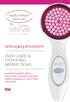 anti-aging treatment USER GUIDE & OPERATING INSTRUCTIONS Includes important safety information. Read all instructions before using device. Save these instructions. Kathy Ireland Passion and Promise The
THE SPINAL CORD AND THE INFLUENCE OF ITS DAMAGE ON THE HUMAN BODY
 THE SPINAL CORD AND THE INFLUENCE OF ITS DAMAGE ON THE HUMAN BODY THE SPINAL CORD. A part of the Central Nervous System The nervous system is a vast network of cells, which carry information in the form
Cast removal what to expect #3 Patient Information Leaflet
 Cast removal what to expect #3 Patient Information Leaflet SM466 Now your cast is off, self help is the key! Follow the advice given to you by your doctor and the staff in the clinic. Your skin will be
ICD-9-CM coding for patients with Spinal Cord Injury*
 ICD-9-CM coding for patients with Spinal Cord Injury* indicates intervening codes have been left out of this list. OTHER DISORDERS OF THE CENTRAL NERVOUS SYSTEM (340-349) 344 Other paralytic syndromes
Emergency Action Plans
 Emergency Action Plans Clearly the most effective way to deal with an injury- emergency is to plan ahead and to practice the appropriate procedures. An emergency action plan is a written plan of action
Hip Replacement Surgery Understanding the Risks
 Hip Replacement Surgery Understanding the Risks Understanding the Risks of Hip Replacement Surgery Introduction This booklet is designed to help your doctor talk to you about the most common risks you
No two knees are alike. That s why we personalize your surgery just for you. Zimmer Patient Specific Instruments. For Knee Replacement Surgery
 No two knees are alike. That s why we personalize your surgery just for you. Zimmer Patient Specific Instruments For Knee Replacement Surgery Table of Contents Here s how it works....2 Why does my knee
Information for the Patient About Surgical
 Information for the Patient About Surgical Decompression and Stabilization of the Spine Aging and the Spine Daily wear and tear, along with disc degeneration due to aging and injury, are common causes
Spinal Cord Stimulation (SCS) Therapy: Fact Sheet
 Spinal Cord Stimulation (SCS) Therapy: Fact Sheet What is SCS Therapy? Spinal cord stimulation (SCS) may be a life-changing 1 surgical option for patients to control their chronic neuropathic pain and
INFUSE Bone Graft. Patient Information Brochure
 INFUSE Bone Graft Patient Information Brochure This Patient Guide is designed to help you decide whether or not to have surgery using INFUSE Bone Graft to treat your broken tibia (lower leg). There are
CMS Limitations Guide - Radiology Services
 CMS Limitations Guide - Radiology Services Starting October 1, 2015, CMS will update their existing medical necessity limitations on tests and procedures to correspond to ICD-10 codes. This limitations
AMERICAN VENOUS FORUM
 Revised Venous Clinical Severity Score AMERICAN VENOUS FORUM Pain : 0 Mild: 1 or other discomfort (ie, aching, heaviness, fatigue, soreness, burning) origin Occasional pain or other discomfort (ie, not
CLINICAL PRACTICE GUIDELINES FOR MANAGEMENT OF LOW BACK PAIN
 CLINICAL PRACTICE GUIDELINES FOR MANAGEMENT OF LOW BACK PAIN Low back pain is very common, up to 90+% of people are affected by back pain at some time in their lives. Most often back pain is benign and
1 of 6 1/22/2015 10:06 AM
 1 of 6 1/22/2015 10:06 AM 2 of 6 1/22/2015 10:06 AM This cross-section view of the shoulder socket shows a typical SLAP tear. Injuries to the superior labrum can be caused by acute trauma or by repetitive
.org. Herniated Disk in the Lower Back. Anatomy. Description
 Herniated Disk in the Lower Back Page ( 1 ) Sometimes called a slipped or ruptured disk, a herniated disk most often occurs in your lower back. It is one of the most common causes of low back pain, as
Cerebral palsy can be classified according to the type of abnormal muscle tone or movement, and the distribution of these motor impairments.
 The Face of Cerebral Palsy Segment I Discovering Patterns What is Cerebral Palsy? Cerebral palsy (CP) is an umbrella term for a group of non-progressive but often changing motor impairment syndromes, which
INFORMED CONSENT - CARPAL TUNNEL RELEASE
 . Purchasers of the Patient Consultation Resource Book are given a limited license to modify documents contained herein and reproduce the modified version for use in the Purchaser's own practice only.
.org. Shoulder Pain and Common Shoulder Problems. Anatomy. Cause
 Shoulder Pain and Common Shoulder Problems Page ( 1 ) What most people call the shoulder is really several joints that combine with tendons and muscles to allow a wide range of motion in the arm from scratching
ACUPUNCTURE Information for Patients and Families
 ACUPUNCTURE Information for Patients and Families What is acupuncture? Acupuncture comes from ancient Chinese medicine. It has been used to treat pain in China for about 3000 years. The Chinese explanation
THORACIC OUTLET SYNDROME & BRACHIAL PLEXUS INJURIES
 THORACIC OUTLET SYNDROME & BRACHIAL PLEXUS INJURIES I. THORACIC OUTLET SYNDROME TOS is a compression of nerves or blood vessels, or both, in the thoracic outlet region, which is the space between the collarbone
The Total Ankle Replacement
 The Total Ankle Replacement Patient Information Patient Information This patient education brochure is presented by Small Bone Innovations, Inc. Patient results may vary. Please consult your physician
Varicose veins and spider veins
 Varicose veins and spider veins Summary Varicose veins are knobbly, twisted and darkish-blue in appearance, and are most commonly found on people s legs. Varicose veins are caused by faulty valves within
Plantar Fascia Release
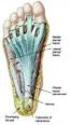 Plantar Fascia Release Introduction Plantar fasciitis is a common condition that causes pain around the heel. It may be severe enough to affect regular activities. If other treatments are unsuccessful,
Suffering from varicose veins? Patient Information. ELVeS Radial Minimally invasive laser therapy of venous insufficiency
 Suffering from varicose veins? Patient Information ELVeS Radial Minimally invasive laser therapy of venous insufficiency Do you suffer from heavy legs or visible veins? This makes diseases of the veins
Hot & Cold Therapy with the Power of Magnets: Back Support
 Hot & Cold Therapy with the Power of Magnets: Back Support INSTRUCTION MANUAL MW-BHC1-0EU MW-BHC2-0EU Experience Hot & Cold Therapy with the Power of Magnets. Thank you for purchasing this HoMedics TheraP
UBISTESIN 1:200,000 and UBISTESIN FORTE 1:100,000
 UBISTESIN 1:200,000 and UBISTESIN FORTE 1:100,000 Articaine hydrochloride and adrenaline hydrochloride Consumer Medicine Information WHAT IS IN THIS LEAFLET Please read this leaflet carefully before you
Venefit treatment for varicose veins
 Oxford University Hospitals NHS Trust Venefit treatment for varicose veins Information for patients Your consultant has recommended that we treat your varicose veins with a procedure known as Venefit radio
.org. Plantar Fasciitis and Bone Spurs. Anatomy. Cause
 Plantar Fasciitis and Bone Spurs Page ( 1 ) Plantar fasciitis (fashee-eye-tiss) is the most common cause of pain on the bottom of the heel. Approximately 2 million patients are treated for this condition
NeuroPace. RNS System Patient Manual
 NeuroPace RNS System Patient Manual CAUTION: Federal law restricts this device to sale by or on the order of a physician. 01/2013 DN 1013555 Rev 2 1 2013 NeuroPace, Inc. 2 This Manual supports: RNS Neurostimulator
RX: Custom Thermoplastic AFO Compliance Documentation
 RX: Custom Thermoplastic AFO Compliance Documentation Doctor Name: Phone: Patient Name: HICN: DOB: Indicate Quality ARIZONA THERMOPLASTIC ARTICULATED AFO, DORSI-ASSIST CROW L4631 A bivalved custom molded
Herniated Cervical Disc
 Herniated Cervical Disc North American Spine Society Public Education Series What Is a Herniated Disc? The backbone, or spine, is composed of a series of connected bones called vertebrae. The vertebrae
Sports Injury Treatment
 Sports Injury Treatment Participating in a variety of sports is fun and healthy for children and adults. However, it's critical that before you participate in any sport, you are aware of the precautions
TENS and Electrodes Guide
 TENS and Electrodes Guide General Description of Electrotherapy: General Information on TENS and Electrodes Electrotherapy is a physical treatment whereby electrical stimulation is applied to nerves and
A compressive dressing that you apply around your ankle, and
 Ankle Injuries & Treatment The easiest way to remember this is: R.I.C.E. Each of these letters stands for: Rest. Rest your ankle. Do not place weight on it if it is very tender. Avoid walking long distances.
Nursing. Management of Spinal Trauma. Content. Objectives. Objectives
 7 cervical vertebrae Content 12 thoracic vertebrae Nursing 5 sacral vertebrae Management of Spinal Trauma Kwai Fung Betty Siu Ward Manager O&T Dept TKOH Date : 22nd April 2007 5 lumbar vertebrae 4 coccygeal
Contraindications & Precautions
 Contraindications & Precautions There remains some controversy over exactly what does and does not constitute a contraindication to each modality. In addition to any list produced, it is essential that
Level 1, 131-135 Summer Street ORANGE NSW 2800 Ph: 02 63631688 Fax: 02 63631865
 Write questions or notes here: Level 1, 131-135 Summer Street ORANGE NSW 2800 Ph: 02 63631688 Fax: 02 63631865 Document Title: Total Knee Replacement Further Information and Feedback: Tell us how useful
Ultima 20 User s manual
 Ultima 20 User s manual User Manual for Ultima 20 T.E.N.S UNIT PRESCRIBING INFORMATION FOREWORD Read this manual carefully before using your Ultima 20 T.E.N.S. unit. The manufacturer strongly recommends
X-Plain Varicose Veins Reference Summary
 X-Plain Varicose Veins Reference Summary Introduction Varicose veins are very common, in both women and men. Varicose veins can be painful and unattractive. Vein doctors use non-invasive ultrasound imaging
Integra. Subtalar MBA Implant
 Integra Subtalar MBA Implant Patient EDUCATION Overview: What is Flatfoot? Flatfoot is a physical deformity where there is an absence of the arch that runs from the heel of the foot to the toes. A common
.org. Achilles Tendinitis. Description. Cause. Achilles tendinitis is a common condition that causes pain along the back of the leg near the heel.
 Achilles Tendinitis Page ( 1 ) Achilles tendinitis is a common condition that causes pain along the back of the leg near the heel. The Achilles tendon is the largest tendon in the body. It connects your
Dual Channel TENS. Natural, drug-free pain relief. Target-specific pain relief. Clinically Proven. User Manual. Model ACRL-3000
 Dual Channel TENS Natural, drug-free pain relief Target-specific pain relief. Clinically Proven User Manual Model ACRL-3000 This manual is valid for the AccuRelief Dual Channel TENS Pain Reliever ACRL-3000.
CHAPTER 32 QUIZ. Handout 32-1. Write the letter of the best answer in the space provided.
 Handout 32-1 QUIZ Write the letter of the best answer in the space provided. 1. All of the following are signs and symptoms in patients with spinal injuries except A. paralysis. C. hyperglycemia. B. priapism.