
Optimizing the Rehabilitation of Elbow Lateral Collateral Ligament Injuries
|
|
|
- Shon Clarke
- 9 years ago
- Views:
Transcription
1 Western University Electronic Thesis and Dissertation Repository April 2016 Optimizing the Rehabilitation of Elbow Lateral Collateral Ligament Injuries Ranita Harpreet Kaur Manocha The University of Western Ontario Supervisor Dr. Graham J. W. King & Dr. James A. Johnson The University of Western Ontario Graduate Program in Medical Biophysics A thesis submitted in partial fulfillment of the requirements for the degree in Master of Science Ranita Harpreet Kaur Manocha 2016 Follow this and additional works at: Part of the Biomechanical Engineering Commons, Medical Biophysics Commons, Occupational Therapy Commons, Orthopedics Commons, Orthotics and Prosthetics Commons, Physical Therapy Commons, and the Sports Medicine Commons Recommended Citation Manocha, Ranita Harpreet Kaur, "Optimizing the Rehabilitation of Elbow Lateral Collateral Ligament Injuries" (2016). Electronic Thesis and Dissertation Repository. Paper This Dissertation/Thesis is brought to you for free and open access by Scholarship@Western. It has been accepted for inclusion in Electronic Thesis and Dissertation Repository by an authorized administrator of Scholarship@Western. For more information, please contact [email protected].

2 Abstract Elbow lateral collateral ligament (LCL) injuries frequently arise following trauma, and can result in disabling instability. Typically such injuries are managed with immobilization followed by a graduated exercise regime; however there is minimal biomechanical evidence to support current treatment protocols. This investigation examines the in vitro effectiveness of several rehabilitation techniques using a custom elbow motion simulator. It was found that active range of motion is safest in the overhead position (n = 7). Early motion in this position may reduce the incidence of elbow stiffness without compromising ligament healing following LCL injury. Forearm pronation and active motion stabilize the LCL-deficient elbow, while varus positioning worsens instability. It was also found that a hinged elbow orthosis did not significantly improve in vitro elbow stability following LCL injury (n = 7). However, such orthoses may be useful in keeping the forearm in the more stable pronated position. Future research directions are proposed, with suggestions on applying this methodology to other elbow injuries. Keywords elbow, lateral collateral ligament, instability, posterolateral rotatory instability, biomechanics, rehabilitation, overhead motion protocol, varus, orthosis, brace, active motion, range of motion i

3 Co-Authorship Statement Chapter One Ranita Manocha sole author Chapter Two Ranita Manocha study design, specimen preparation, data collection and analysis, statistical analysis, wrote manuscript Jonathan Kusins developed overhead simulation, data collection Rafael Pereira data collection and analysis George Athwal specimen preparation James Johnson study design, reviewed manuscript Graham King study design, specimen preparation, reviewed manuscript Chapter Three Ranita Manocha study design, specimen preparation, data collection and analysis, statistical analysis, wrote manuscript Rafael Pereira data collection Jennifer Dowling-Medley data collection George Athwal specimen preparation James Johnson study design, reviewed manuscript Graham King study design, specimen preparation, reviewed manuscript Chapter Four sole author ii

4 Acknowledgments Firstly, I would like to thank my supervisors, Dr. Graham King and Dr. James Johnson, for challenging and mentoring me as a clinician-researcher over the past three years. Dr. King, thank you for taking the time out of your clinical work to help me prepare specimens and troubleshoot the cadaveric emergencies that happened during testing. Thanks also for your thorough feedback throughout this process. You have helped expand my appreciation for upper extremity anatomy and pathology which has and will continue to serve me well in my clinical practice. Dr. Johnson, thank you for meeting me when I was a bright-eyed high school student looking for work exploring the lab back then reinforced my passion for biomechanics. Thank you for all the opportunities you provided since then to further my interest in this field, for helping me out with machining and engineering questions, and for honing my presentation skills. It has been a real privilege to work with these two great minds and I truly appreciate their contributions to this research and to my personal and professional development. Secondly, I would like to thank all those from Team Elbow at HULC Rafael Pereira, Jonathan Kusins, Jennifer Dowling-Medley, and Jordan O Brien you helped us set some new records for straight hours spent in the lab, records that I don t anticipate will be broken for years to come. Thanks also to Dr. George Athwal for your help with specimen preparation, Dr. Louis Ferreira for your guidance on using the elbow simulator, and Dr. Dan Langohr and Nik Knowles for your technical assistance. Alana Khayat, thanks for keeping my spirits up, and Jennifer Ng, thank you for your mentorship through the entire process. To everyone else in the lab, thank you for all the fun memories inside and outside the Tank and Penthouse, and for increasing my appreciation for country music. I would also like to thank the Clinical Investigator Program at Western University for providing financial and mentorship support, as well as my colleagues in the Department of Physical Medicine and Rehabilitation for their accommodations to my research needs during my residency. In particular, I would like to thank Dr. Timothy Doherty for serving on my advisory committee. Finally, I couldn t have done this without my incredible friends, family, and colleagues locally and across the country. Thank you. iii

5 Table of Contents Abstract... i Co-Authorship Statement... ii Acknowledgments... iii Table of Contents... iv List of Figures... viii List of Tables... x List of Appendices... xi List of Abbreviations... xii Chapter Introduction Elbow Anatomy Elbow Osteology The Capsule and Ligaments Muscles Elbow Kinematics Elbow Stability Static Stabilizers Dynamic Stabilizers Lateral Collateral Ligament Injury Posterolateral Rotatory Instability (PLRI) Management of Lateral Collateral Ligament Instability Muscle Activation Arm Position Forearm Position iv

6 1.5.4 Orthoses Design Principles in Hinged Elbow Orthoses Upper Limb Biomechanical Testing Joint Motion Simulation Techniques Kinematic Assessment In Vitro Elbow Motion Simulation Study Rationale Objectives Hypotheses Thesis Overview References Chapter Overhead Rehabilitation in Lateral Elbow Injuries Introduction Methods Results Discussion Conclusion Acknowledgements References Chapter Effectiveness of Bracing in Elbow Lateral Collateral Ligament Injuries Introduction Methods Results v

7 3.3.1 Dependent Position Overhead Position Horizontal Position Varus Position Discussion Conclusion Acknowledgements References Chapter General Discussion, Conclusions, and Future Directions Summary of Hypotheses and Clinical Relevance Instability with Extent of Lateral Soft Tissue Injury Arm and Forearm Position in the Rehabilitation of Elbow Lateral Collateral Ligament Injuries Bracing in the Rehabilitation of Elbow Lateral Collateral Ligament Injuries Strengths and Limitations Future Directions Applying Methodology to Other Clinical Paradigms Expansion of Lateral Collateral Ligament Injury Rehabilitation Research Paradigms Conclusion References Appendix A Glossary Appendix B Appendix to Chapter B.1 Impact of Hinged Elbow Orthosis in the Intact Elbow vi

8 B.2 Power for Detecting Differences in Elbow State Appendix C Copyright Releases Curriculum Vitae vii

9 List of Figures Figure Elbow osteology Figure Osteology of the ulnohumeral joint Figure The lateral collateral ligament of the elbow Figure The medial collateral ligament of the elbow Figure Elbow motions Figure Elbow flexors of the anterior arm Figure Elbow extensors of the posterior arm Figure Flexor-pronator muscles of the anterior forearm Figure Extensor-supinator muscles of the posterior forearm Figure Dynamic screw displacement axis changes during elbow flexion Figure Flexion-extension axis of the elbow joint Figure Carrying angle Figure Kinematic references for the elbow Figure Disruption of the circle of Horii with increasing elbow instability Figure O'Driscoll stages of elbow instability Figure Posterolateral rotatory instability Figure Gravity-loaded humerus positions Figure Theoretical elbow joint compressive forces in overhead position Figure Mayo Clinic Elbow Brace viii

10 Figure Schematic outlining general operation of motion tracking systems Figure Flock of Birds electromagnetic tracking system Figure Custom elbow motion simulator in multiple positions Figure Custom humeral clamp Figure Determination of ulnar and humeral joint coordinate systems Figure Mean ulnohumeral kinematic profiles during elbow extension with forearm pronated Figure Mean ulnohumeral kinematic profiles during elbow extension with forearm supinated Figure Mean ulnohumeral rotation with arm dependent Figure Mean ulnohumeral rotation with arm overhead Figure Mean ulnohumeral rotation with arm horizontal Figure Mean ulnohumeral rotation with arm varus ix

11 List of Tables Table Effect of arm position and muscle activation on elbow stability during extension with forearm pronated Table Effect of arm position and muscle activation on elbow stability during extension with forearm supinated Table Impact of hinged elbow orthosis on elbow stability during extension with forearm pronated Table Impact of hinged elbow orthosis on elbow stability during extension with forearm supinated Table Pairwise comparisons for significant effects of elbow state on ulnohumeral rotation during elbow extension Table B-1 - Impact of hinged elbow orthosis on ulnohumeral rotation in the intact elbow Table B-2 - Power analysis for repeated measures ANOVAs in Chapter x

12 List of Appendices Appendix A Glossary.106 Appendix B Appendix to Chapter B.1 Impact of Hinged Elbow Orthosis in the Intact Elbow B.2 Power for Detecting Differences in Elbow State 111 Appendix C Copyright Releases.112 xi

13 List of Abbreviations AAROM: active-assisted range of motion ACL: anterior cruciate ligament (of the knee) ADL: activity of daily living ANOVA: analysis of variance AROM: active range of motion CEO: common extensor origin CSA: cross-sectional area ECRB: extensor carpi radialis brevis ECRL: extensor carpi radialis longus EDC: extensor digitorum communis EMG: electromyography FEM: finite element model FCR: flexor carpi radialis FCU: flexor carpi ulnaris HEO: hinged elbow orthosis HULC: Roth-McFarlane Hand and Upper Limb Centre JCS: joint coordinate system LCL: lateral collateral ligament (of the elbow) LUCL: lateral ulnar collateral ligament xii

14 MCL: medial collateral ligament (of the elbow) PLRI: posterolateral rotatory instability RF: radiofrequency RMS: root-mean-square ROM: range of motion SD: standard deviation STA: soft tissue artifact xiii

15 Chapter 1 1 Introduction OVERVIEW: This chapter reviews the anatomy of the elbow joint and its supporting capsular and ligamentous structures; normal elbow kinematics; mechanisms of injury to the lateral collateral ligament (LCL) of the elbow; management of LCL injuries, with special reference to bracing; and general principles of upper limb biomechanical testing. The rationale, objectives, and hypotheses pertaining to the thesis are also outlined. 1.1 Elbow Anatomy Elbow Osteology The elbow joint is formed by the convergence of three bones: the humerus, the radius, and the ulna (Morrey, 2000a). Figures 1-1 and 1-2 outline important bony landmarks that enable the more proximal humerus to articulate with the more distal radius and ulna to form the three articulations of the elbow joint (Morrey, 2000a; Stroyan & Wilk, 1993). The trochlea of the distal medial humerus articulates with the greater sigmoid notch of the proximal ulna, forming the ulnohumeral joint. The capitellum of the distal lateral humerus articulates with the radial head, forming the radio-capitellar joint. The proximal radius and the lesser sigmoid notch of the proximal ulna articulate to form the proximal radioulnar joint (Morrey, 2000a) The Capsule and Ligaments The elbow joint is stabilized by the lateral and medial collateral ligaments and by the elbow joint capsule (Morrey, 2000a; Szekeres et al., 2008). The lateral collateral ligament (LCL) is a Y-shaped structure that consists of the lateral ulnar collateral ligament (LUCL), annular ligament, and the radial collateral ligament (Figure 1-3) (King et al., 1993b; Olsen et al., 1996). The LUCL originates on the lateral epicondyle and inserts on the supinator crest of 1

16 Figure Elbow osteology. A: Lateral view of right upper extremity. B: Lateral view of elbow. C: Medial view of elbow. D: The three articulations of the elbow. The elbow joint is formed by the convergence of three bones: the humerus, the radius, and the ulna. The trochlea of the distal humerus articulates with the olecranon and coronoid of the proximal ulna, forming the ulnohumeral joint. The capitellum of the distal humerus articulates with the radial head, forming the radiocapitellar joint. The proximal radius and ulna articulate to form the proximal radioulnar joint. 2

17 Figure Osteology of the ulnohumeral joint. The complementary structures of the articular surfaces of the humerus and ulna allow for stability during elbow motion. During flexion, the guiding ridge of the greater sigmoid notch glides in the trochlear groove and at terminal flexion the coronoid enters the coronoid fossa. 3

18 Figure The lateral collateral ligament of the elbow. This lateral view of the right elbow shows the components of the lateral collateral ligament (LCL): the lateral ulnar collateral ligament, the annular ligament, and the radial collateral ligament. 4

19 the ulna, with some fibres passing through the annular ligament (Olsen et al., 1996, Morrey & An, 1985). The annular ligament is oriented circumferentially around the radial head, and originates and inserts on the anterior and posterior margins of the lesser sigmoid notch of the ulna, respectively (King et al., 1993b). The radial collateral ligament originates on the lateral epicondyle of the humerus and inserts into the annular ligament. The LCL tends to be closely apposed and invested with the overlying common extensor muscle origin and the deeper lateral joint capsule (Olsen et al., 1996). The impact of the LCL on elbow stability is discussed further below (see Section ).The medial collateral ligament (MCL) is a triangular-shaped ligament that consists of an anterior bundle, posterior bundle, and transverse ligament (Figure 1-4) (Fuss, 1991; Pribyl et al., 1999). The anterior and posterior bundles originate on the medial epicondyle. The linear anterior bundle inserts on the sublime tubercle of the ulna, whereas the fan-shaped posterior bundle inserts on the trochlear notch of the ulna. The transverse ligament is inconsistently present. If it exists, it originates on the medial tip of the olecranon and inserts on the inferior medial coronoid process. The contribution of the MCL to elbow stability is briefly reviewed in Section The elbow joint capsule is composed of synovial membrane that covers the three articulations that form the elbow joint (King et al., 1993b; Morrey, 2000a; Stroyan & Wilk, 1993). The anterior portion originates proximally above the coronoid and radial fossae. Distally, it attaches to the anterior coronoid and the annular ligament. The posterior capsule attaches proximally above the olecranon fossa and distally along the trochlea, the greater sigmoid notch, and the annular ligament (King et al., 1993b; Morrey, 2000a). The anterior joint capsule becomes taut in elbow extension, whereas the posterior capsule becomes taut in flexion (King et al., 1993b) Muscles There are four groups of muscles that surround the elbow (Stroyan & Wilk, 1993). These muscles act to flex and extend the elbow, pronate and supinate the forearm (Figure 1-5), and flex and extend the wrist and fingers (King et al., 1993b). The primary elbow flexors cause flexion of the elbow and include the biceps brachii, brachialis, and brachioradialis (Figure 1-6). The biceps brachii is also the primary forearm supinator (Basmajian & Latif, 5

20 Figure The medial collateral ligament of the elbow. This medial view of the right elbow shows the components of the medial collateral ligament (MCL): the anterior bundle, the posterior bundle and the transverse ligament. 6

21 Figure Elbow motions. A: Lateral view of the elbow, showing extension (left), which is normally to 0, and flexion (right), which is normally to 145. B: Anterior view of the elbow, showing forearm supination (left), which is normally to 85, and pronation (right), which is normally to 75. During supination, the radius rotates about a relatively stationary ulna. Right upper extremity shown. (Reproduced with permission: Ferreira LM, 2011). 7
22 Figure Elbow flexors of the anterior arm. The elbow flexors located in the anterior arm include the more superficial biceps brachii and the deeper brachialis. The brachioradialis (not shown, see Figure 1-8), located in the forearm, also enables elbow flexion. Biceps brachii is also the primary forearm supinator. (Reproduced with permission: Salmon S, ed., 1995). 8
23 1957). The brachialis lies deep to the biceps, originating on the anterior distal humerus and inserting on the ulnar tuberosity and coronoid process (Morrey, 2000a). The brachioradialis originates along the lateral supracondylar ridge of the humerus and inserts into the base of the radial styloid, enabling elbow flexion in mid-pronation (Morrey, 2000a). The elbow extensors, located in the posterior arm, enable elbow extension. The triceps brachii is the main elbow extensor, although anconeus plays a minimal role (Figure 1-7) (Morrey, 2000a). The long head of the triceps originates at the infraglenoid process of the scapula, whereas the medial and lateral heads originate from the posterior aspect of the humerus. These three heads merge to insert on the olecranon process of the ulna. The flexor-pronator forearm muscles (Figure 1-8) are located in the anterior forearm and originate from a common flexor tendinous origin on the medial epicondyle (Morrey, 2000a). The most superficial muscles of this group include the flexor carpi radialis (FCR), palmaris longus, and flexor carpi ulnaris (FCU), all of which enable wrist flexion, and the pronator teres, which is the primary pronator of the forearm. The extensor-supinator forearm muscles (Figure 1-9) originate from a common extensor tendinous origin (CEO) located on the lateral epicondyle. The largest muscles of this group include the extensor carpi radialis longus (ECRL), extensor carpi radialis brevis (ECRB), extensor digitorum communis (EDC), and supinator. The ECRL, ECRB, and EDC enable wrist extension, and the EDC also enables extension of the second to fifth fingers. The supinator lies deep to the other extensor muscles and performs forearm supination. It inserts on the lateral surface of the radius (Morrey, 2000a). 1.2 Elbow Kinematics The ulnohumeral articulation of the elbow is responsible for elbow flexion and extension (An & Morrey, 2000; King et al., 1993b; Schwab et al., 1980; Stroyan & Wilk, 1993). The radiocapitellar and proximal radioulnar joints enable forearm pronation and supination (King et al., 1993b; Morrey, 2000a; Schwab et al., 1980; Stroyan & Wilk, 1993). During forearm rotation, the proximal radius pivots about its own centre. Distally, the radius rotates about the stationary ulna, crossing volarly in full pronation (An & Morrey, 2000). 9
24 Figure Elbow extensors of the posterior arm. The triceps brachii, located in the posterior arm, is the main elbow extensor. Anconeus (not shown) also enables elbow extension. (Reproduced with permission: Salmon S, ed., 1995). 10
25 Figure Flexor-pronator muscles of the anterior forearm. These muscles of the anterior compartment of the forearm originate at the medial epicondyle and enable wrist flexion and pronation. (Reproduced with permission: Salmon S, ed., 1995). 11
26 Figure Extensor-supinator muscles of the posterior forearm. The extensor-supinator forearm muscles originate at a common extensor origin located on the lateral epicondyle. The extensor carpi radialis longus (ECRL), extensor carpi radialis brevis (ECRB), and extensor digitorum communis (EDC) enable wrist extension. EDC also enables extension of the second to fifth fingers. The supinator enables forearm supination. (Reproduced with permission: Salmon S, ed., 1995). 12
27 Normal forearm rotation averages from 75 of pronation to 85 of supination (Morrey, 2000a). The elbow joint is described as a trochoginglymoid or loose hinge joint (Morrey & Chao, 1976). Throughout most of the flexion arc, the joint permits motion primarily in the flexion-extension plane (Duck et al., 2003b; Morrey & Chao, 1976). However, at extremes of the flexion arc, the humerus rotates axially relative to the ulna. When the elbow starts to flex from a fully extended position, the humerus internally rotates, and when full flexion is approached the humerus externally rotates, relative to the ulna (Figure 1-10). This is independent of forearm rotation and it causes the elbow to move from a valgus to a varus position as it flexes. The flexion-extension axis of the elbow is anterior to the humeral shaft. It passes through the centres of the capitellum and trochlea, and is angled 6-8 valgus with respect to the medial-lateral axis of the humerus (Figure 1-11) (Amis et al., 1979; An & Morrey, 2000). Normal range of motion is typically 0 of extension to 140 of flexion. The carrying angle of the elbow is defined as the acute angle formed by the long axis of the humerus and the long axis of the ulna (Figure 1-12). It averages 10 to 15 in men and 15 to 20 in women (An & Morrey, 2000). The varus and valgus angles of the ulna relative to the humerus have also been described, and can be helpful in the assessment of elbow stability (Armstrong et al., 2000; Dunning et al., 2001b; Dunning et al., 2001c; Pomianowski et al., 2001). When the humeral and ulnar coordinate systems are coincident, the varus angle describes the adducted angular deviation of the ulnar long axis from the humeral long axis in the coronal plane, and the valgus angle describes the abducted angular deviation of the ulna relative to the humerus in the same plane (Ferreira, 2011) (Figure 1-13). The internal or external rotation of the ulna relative to the humerus have also been used to describe functional elbow stability (Armstrong et al., 2000; Cohen et al., 1997; Dunning et al., 2001b; Dunning et al., 2001c). This measure is defined as rotation of the ulna about its own long axis, with respect to the humerus (Ferreira, 2011). O Driscoll et al. have previously shown that a small amount of external rotation of the ulna occurs with supination and internal rotation of the ulna occurs with pronation (1991). Linear translation of the ulna relative to the humerus has also been described and can occur in the proximal/distal, anterior/posterior, and medial/lateral directions. 13
28 Figure Dynamic screw displacement axis changes during elbow flexion. Lines representing screw displacement axes changing throughout motion for a single specimen during supinated active flexion are shown superimposed on the distal humerus in the frontal (C) and transverse (D) planes. The humerus internally rotates when the elbow if fully extended and tends to externally rotate during full flexion. Abbreviations: CAP, capitellum; TRO, trochlea. (Reproduced with permission: Duck, 2003b). 14
29 A B Figure Flexion-extension axis of the elbow joint. A: The elbow flexion-extension axis passes through the centre of the capitellum and the centre of the trochlea. B: This axis is 6-8 valgus and 5-7 internally rotated with respect to the long axis of the humerus. (Reproduced with permission: Ferreira LM, 2011). 15
30 Figure Carrying angle. The carrying angle of the elbow (Ɵ) is defined as the acute angle formed by the long axis of the humerus and the long axis of the ulna. It averages 10 to 15 in men and 15 to 20 in women. 16
31 Figure Kinematic references for the elbow. Several kinematic descriptors of elbow motion exist. Linear translation of the ulna relative to the humerus can occur in the proximal/distal, anterior/posterior, and medial/lateral directions (red). Varus and valgus motions can occur in the coronal plane (purple). Internal and external rotation of the ulna about its own long axis relative to the humerus has also been described (blue). 17
32 1.3 Elbow Stability The combination of bones, ligaments, capsule, and muscles around the elbow joint confer static and dynamic stability. The relative contribution of each of these structures to joint stability depends on muscle activation, arm position, and forearm position (King et al., 1993b). Damage to any of these structures could alter elbow kinematics resulting in negative short- and long-term consequences Static Stabilizers The osseous articulations, ligaments, and joint capsule described above confer static stability to the elbow joint by increasing apposition of the articular surfaces (King et al., 1993b). The complementary structures of the articular surfaces provide stability during elbow motion. During elbow flexion, the guiding ridge of the greater sigmoid notch glides in the trochlear groove and the oval dish-shaped radial head articulates with the spherical capitellum. The proximal portion of the greater sigmoid notch contributes to 80% of resistance to valgus stress whereas the distal portion of the notch provides 65% of the resistance to varus stress (An et al., 1986). At terminal flexion, the coronoid enters the coronoid fossa and the radial head enters the radial fossa. At terminal extension, the olecranon enters the olecranon fossa. The coronoid prevents posterior subluxation of the elbow joint, particularly with the elbow extended. The anteromedial coronoid also resists varus stress. The radial head articulates with the lesser sigmoid notch during forearm pronation and supination (Hotchkiss and Weiland, 1987; King et al., 1993b; Morrey, 2000a). The MCL primarily resists valgus loading of the elbow (Hotchkiss & Weiland, 1987; Morrey et al., 1991). The anterior bundle is the primary restraint to valgus stress (Morrey et al., 1991; Safran et al., 2005; Søjbjerg et al., 1987) and when this constraint is sectioned all elbows become unstable (Hotchkiss and Weiland, 1987). The posterior bundle acts as a secondary stabilizer during valgus stress and the transverse ligament is felt to be of minimal functional significance (Morrey et al., 1991; Safran et al., 2005; Stroyan & Wilk, 1993). The radial head is an important secondary stabilizer against valgus stress when the anterior bundle of the MCL is absent; however it provides only minimal joint stability when the 18
33 MCL is intact (Hotchkiss & Weiland, 1987; King et al., 1999; Morrey et al., 1991). There are few activities besides throwing and traumatic injuries that expose the MCL to loads that can lead to symptomatic instability (Morrey, 2000b) Functional Anatomy of the Lateral Collateral Ligament The LCL stabilizes the elbow against varus and posterolateral rotational loads (King et al., 2002; Morrey & An, 1983, Olsen et al. 1996). The LUCL is often reported to be the primary stabilizer against posterolateral rotational loads, preventing subluxation of the radial head in the posterior and lateral directions (O Driscoll et al., 1992; Olsen et al., 1996). However, a subsequent studies have suggested that the radial and lateral ulnar collateral ligaments contribute equally to posterolateral stability, and that complete instability results only when both ligaments as well as the overlying extensor musculature are sectioned (Dunning et al., 2001c; McAdams et al., 2005). The annular ligament stabilizes the proximal radius to the ulna during forearm rotation (Søjbjerg et al., 1987). Morrey and An examined cadaveric specimens to determine the degree of varus stability provided by static stabilizers of the elbow (B. F. Morrey & An, 1983). In full extension, the LCL provides 15% of restraint against varus stress, whereas the joint capsule and bony articulation contribute 30% and 55% respectively. With the elbow flexed to 90, 75% of joint stability comes from osseous anatomy, followed by 13% from the anterior capsule and 9% from the LCL. In full extension, bony congruency resists 55% of varus stress; 32% is then provided by the anterior capsule and 14% by the LCL. Thus the anterior capsule is an important stabilizer of the elbow to varus stress in the extended elbow (King et al., 1993b). The posterolateral capsule appears to have minimal mechanical resistance to varus stress (Olsen et al., 1996). As most activities of daily living (ADLs) load the elbow in a varus fashion (Morrey et al., 1981), the LCL is felt to be more functionally important than the MCL of the elbow (King et al., 1993b) Dynamic Stabilizers The muscles that cross the elbow joint provide dynamic stability. As the resultant vector of their joint reaction forces compresses the articular surfaces, the contact area of the elbow increases, thereby augmenting congruency and stability (An et al., 1990; An et al., 1981; 19
34 King et al., 1993b; Morrey et al., 1988; Palmer et al., 1982). The elbow flexors and extensors do not confer significant passive varus-valgus stability (An et al., 1981; An et al., 1989). However, the superficial muscles of the forearm flexor-pronator group resist dynamic valgus forces, particularly the flexor carpi ulnaris (FCU) (An et al., 1981; Lin et al., 2007; Park & Ahmad, 2004; Udall et al., 2009). This has important implications in pitchers, who tend to develop FCU tendinopathy and thus decreased dynamic support. In a cadaveric dissection study, Cohen et al. noted that the fascial bands and intermuscular septae of the forearm extensor muscles prevent the forearm from externally rotating away from the humerus when the forearm is supinated (Cohen & Hastings, 1997). This suggests that the forearm extensor-supinator muscles confer dynamic elbow stability against varus and posterolateral rotatory stress. Anconeus also confers dynamic stability during both pronation and supination (Basmajian & Griffin, 1972). Josefsson et al. confirmed the important impact of the elbow musculature on dynamic stability by observing that elbow instability following simple elbow dislocation increased when patients were examined under anesthesia, i.e. when voluntary muscle tone was decreased (1987b). 1.4 Lateral Collateral Ligament Injury The elbow is the second most commonly dislocated major joint in the adult population, with an estimated incidence of 5.21 dislocations per 100,000 person-years (Josefsson & Nilsson, 1986; Mehlhoff et al., 1988; Stoneback et al., 2012; Tashjian & Katarincic, 2006). Such dislocations universally cause damage to the LCL and result from high energy mechanisms (Josefsson et al., 1987b). Acute elbow instability is classified into three stages based on the disruption of the Horii circle of soft tissue, proposed by O Driscoll et al., with injury progression from the lateral to the medial elbow (Figures 1-14 and 1-15; O Driscoll et al., 2000). The LUCL is disrupted in Stage 1 injuries, causing subluxation and resulting in a condition known as posterolateral rotatory instability (PLRI). This condition is discussed further below (see Section 1.4.1). Stage 2 injuries involve disruption of the remaining LCL structures as well as damage to the anterior and posterior elbow capsule. This can cause incomplete posterolateral dislocation or perching where the trochlea appears to rest on the coronoid. Stage 3 injuries involve damage to the MCL and are further divided into three stages. Stage 3A injuries involve disruption of all posterior structures 20
35 Figure Disruption of the circle of Horii with increasing elbow instability The Horii circle of soft tissue (double-headed arrows) consists of the elbow capsule and its ligaments. With acute elbow trauma, injury extent progresses from the lateral (left side of image) to the medial (right side of image) side in three stages. Stage 1 injuries involve disruption of the lateral ulnar collateral ligament (LUCL). Stage 2 injuries involve damage to the remainder of the lateral collateral ligament and elbow capsule. Stage 3 injuries involve disruption of part or all of the medial ulnar collateral ligament (also known as the medial collateral ligament (MCL)). (Reproduced with permission: O Driscoll, 1992). 21
36 Figure O'Driscoll stages of elbow instability. Varus elbow instability typically results from an axial compression, supination, and valgus load at the elbow (arrows). In the reduced or native anatomic state (Stage 0, on the left), the distal humerus, proximal ulna, and proximal radius are congruent. Stage 1 injuries can result in recurrent subluxation, known as posterolateral rotatory instability (PLRI). Stage 2 injuries can result in incomplete posterolateral dislocation, or perching, where the trochlea appears to rest on the coronoid. Stage 3 injuries result in complete elbow dislocation. (Reproduced with permission: O Driscoll, 1992). 22
37 excluding the anterior band of the MCL. Such injuries tend to be associated with fractures of the coronoid process and radial head. Stage 3B injuries involve complete MCL disruption, leading to varus, valgus, and bidirectional rotatory instability. In Stage 3C, the soft tissue trauma is so severe that the elbow can dislocate even when immobilized (O Driscoll et al., 2000). Acute isolated LCL injury can arise following traumatic subluxation or dislocation (i.e. from a fall onto an outstretched hand, sports injury, or motor vehicle accident), or iatrogenically from surgical release (Muller et al., 2010; O Driscoll et al., 2000; Tashjian & Katarincic, 2006). Isolated acute traumatic LCL injuries typically fall into one of six patterns: proximal avulsion (most common), midsubstance rupture (second most common), bony avulsion of the lateral epicondyle, ulnar detachment of the LCL, ulnar bony avulsion, or a combination of the above (McKee et al., 2003). 66% of acute LCL injuries occur in combination with rupture of the common extensor origin. More than half of LCL injuries are associated with rupture of at least the posterolateral part of the elbow capsule off the lateral condyle (McKee et al., 2003). Chronic attritional rupture of the LCL has also been reported, as a consequence of cubitus varus causing recurrent varus loading (O Driscoll et al., 1991; O Driscoll et al., 2001), generalized ligamentous laxity (Charalambous & Stanley, 2008), and chronic crutch use (Charalambous & Stanley, 2008; McGuire & Bain, 2013; Singleton & Conway, 2004). It can also arise iatrogenically following radial head resection (Beingessner et al., 2004; Jensen et al., 2005), previous LCL release (Jensen et al., 2005), or corticosteroid injection for lateral epicondylitis (Chanlalit & Limsricharoen, 2013; Kalainov & Cohen, 2005) Posterolateral Rotatory Instability (PLRI) PLRI is a clinical condition whereby an axial load through the forearm causes external rotatory subluxation of the proximal ulna from the trochlea and posterolateral subluxation of the radial head relative to the capitellum (Figure 1-16) (O Driscoll et al., 1990; O Driscoll et al., 1991). Often there is a history of previous trauma or surgery causing damage to the LCL, as outlined above (see Section 1.4). Patients with this condition commonly report clicking, snapping, and functional weakness (Muller et al., 2010). 23
38 Figure Posterolateral rotatory instability. When the lateral collateral ligament is disrupted, the elbow is vulnerable to posterolateral rotatory instability (PLRI). In this situation, the radial head subluxates posterolaterally relative to the capitellum, and the ulna rotates externally from the trochlea. This become more pronounced when axial compression, supination, and valgus loads are applied (black arrows). 24
39 Patients may also note locking, particularly when the elbow is extended and supinated (Reichel et al., 2013). Multiple physical examination maneuvers involving the application of an axial and supination load to the forearm and valgus load at the elbow have been described to elicit this instability, such as the pivot-shift test, the drawer sign, the chair sign, and the push-up sign (Reichel et al., 2013). 1.5 Management of Lateral Collateral Ligament Instability In general, elbow instability can be classified as simple (ligamentous injury without fracture) or complex (ligamentous injury with associated fracture) (Tashjian & Katarincic, 2006). Most simple acute post-traumatic LCL tears are managed non-operatively (Josefsson et al., 1987a; Maripuri et al., 2007; Safran et al., 2005; Szekeres et al., 2008; Wolff & Hotchkiss, 2006). Rehabilitation protocols typically begin with immobilization and motion restriction, followed by gradual progression of passive-, active-assisted, and active range of motion. Therapy later involves progressive strengthening, and, ultimately, sport-, job-, or other functional-specific activities (Reichel et al., 2013; Wolff & Hotchkiss, 2006). Some surgeons and therapists recommend hinged elbow orthoses (HEOs, colloquially known as braces) for immobilization and motion restriction. However, restricting elbow motion predisposes to stiffness, contracture, and subsequent loss of function (Lansinger et al., 1984; Mehlhoff et al., 1988). The elbow is responsible for allowing the proper placement of the hand in space for ADLs (Szekeres et al., 2008). When the elbow is fused at any flexion angle between 50 and 110, the shoulder and wrist cannot compensate to allow for completion of functional activities (O'Neill et al., 1992). At a biophysical level, immobilization in mouse hindlimb medial collateral ligament injury models causes ligaments to fail with repetitive low loads (Thornton et al., 2003). Acutely post-injury, however, ligamentous stress increases creep (Thornton et al., 2000) and can increase the risk of repeat subluxation or dislocation (Jockel et al., 2013). In the longer term, this can lead to abnormal joint tracking and post-traumatic arthritis (Josefsson et al., 1984). A small amount of ligamentous stress, however, has also been shown to enhance soft tissue healing (Cyr & Ross, 1998). Thus the rehabilitation of the LCL-deficient elbow involves a balance between encouraging ligament healing and preventing contracture while avoiding worsening instability. 25
40 1.5.1 Muscle Activation Passive range of motion (PROM) involves the movement of a joint without autonomous contraction by the patient of the muscles around that joint. This is often achieved by a therapist moving the joint or by the patient using their contralateral extremity to move the affected joint. Active range of motion (AROM) involves a patient actively contracting his or her muscles to move a given joint. Most therapy sessions for lateral elbow instability start with PROM in order to precondition the tissues, followed by AROM later on in the session (Szekeres et al., 2008). In LCL insufficiency, cadaveric studies have found that passive elbow flexion with the forearm supinated in the dependent position (Figure 1-17A) causes instability which can be reduced with simulated (i.e. motion simulator-controlled; described further below, see Section 1.7) active elbow flexion (Dunning et al., 2001b; Duck et al., 2003a). This is likely due to active tensioning of the extensor-supinator muscles providing lateral stability due to their origin on the lateral epicondyle, and contraction of the biceps brachii, brachialis and triceps brachii, which augments the intrinsic constraint of the elbow joint by compressing the articulation together (Olsen et al., 1998; Szekeres et al., 2008) Arm Position The overhead position has recently become a popular method to rehabilitate elbow LCL injuries (Figure 1-17B) (Szekeres et al., 2008). This is thought to enable the weight of the forearm and the activated biceps brachii, brachialis, and triceps brachii to compress the ulnohumeral joint (Wolff & Hotchkiss, 2006) (Figure 1-18). Although the biceps brachii and brachialis may exert a potentially destabilizing posterior force at the elbow joint, the triceps may counteract this during active extension in the overhead position (Wolff & Hotchkiss, 2006). Lee et al. quantified ulnohumeral gapping during passive motion in intact cadaveric elbow specimens, those with a sham approach only procedure, and those with LCL sectioning (Lee et al., 2013). They found 104% more gapping with the arm in a dependent position versus in an overhead position and concluded that rehabilitation of the LCL-deficient elbow in the overhead position was safe, whereas loading in the dependent position risked dislocation (Lee et al., 2013). This is the only published study to date that has evaluated the effect of the overhead arm position on elbow kinematics and stability. 26
41 Figure Gravity-loaded humerus positions. The humerus can be positioned in the gravity-loaded vertical dependent (A) or overhead (B) positions, in the gravity-loaded valgus (C) or varus positions (D), or in the horizontal (E) position. Typically the dependent, horizontal, and varus positions are seen during activities of daily living. Following LCL injury, the overhead position is employed for exercises and the varus position is avoided. 27
42 Figure Theoretical elbow joint compressive forces in overhead position. When the humerus is positioned in the vertical overhead position, the weight of the forearm and hand unit (Fg, dark blue arrow) provides a compressive force at the elbow joint which increases as the elbow moves from 90 to full extension (light blue arrow). When active extension is performed, loading through the triceps muscle (FT, red arrow) and the elbow flexors biceps brachii and brachialis (FEF) provide an additional compressive force at the elbow joint. For these reasons, clinicians and scientists theorize that overhead arm motion reduces instability following lateral elbow injuries. 28
43 No studies have investigated simulated active overhead positioning on elbow kinematics and stability. Positioning the arm in the gravity-loaded varus position (Figure 1-17D) is typically avoided in the first 6-12 weeks following LCL injuries to avoid putting tensile stresses on the lateral elbow structures (Szekeres et al., 2008). During passive elbow flexion in LCL-deficient cadavers loaded in gravity-loaded varus positions, there were significant increases in maximum varus-valgus laxity, regardless of forearm position (Dunning et al., 2001b). Simulated active elbow flexion and extension have never been studied in LCL-insufficient cadavers in varus orientations because these positions have caused such marked instability that the motion simulators available in the past were not able to reliably initiate and control motion (Alolabi et al., 2012a; Armstrong et al., 2000; Dunning et al., 2001b) Forearm Position Cadaveric studies have shown that with the arm oriented in the dependent position, forearm pronation improves the stability of the LCL-deficient elbow relative to forearm supination during both passive and active elbow flexion (Duck et al., 2003a; Dunning et al., 2001b; Fraser et al., 2008). Amongst therapists who deal with LCL injuries, pronation has widely been adopted into rehabilitation regimes (Szekeres et al., 2008) Orthoses There is minimal literature on the effectiveness of elbow orthoses in the management of lateral elbow instability (Hijmans et al., Geertzen, 2004). Regardless of whether managed operatively or not, LCL injuries tend to be treated initially with immobilization in a thermoplastic splint with the elbow flexed to and forearm pronated (Szekeres et al., 2008; Wolff & Hotchkiss, 2006). The splint is removed for exercises and personal hygiene but must otherwise be worn continuously for about 4-6 weeks (Szekeres et al., 2008). In cases of significant ligamentous instability, a hinged elbow orthosis (HEO, Figure 1-19) such as a Bledsoe Brace (Bledsoe Brace Systems, Grand Prairie, Texas) or a Mayo Clinic Elbow Brace (Aircast, Summit, New Jersey) is recommended by some authors (Cohen & Hastings, 1998; Morrey, 2000c; Reichel et al., 2013; Szekeres et al., 2008; Wolff & Hotchkiss, 2006). There is no published data on how frequently such orthoses are used. 29
44 Figure Mayo Clinic Elbow Brace. This device is an example of a prefabricated hinged elbow orthosis (HEO). It has no energy-storing components. It may be used in the first few weeks following elbow LCL injury or surgical repair of such injuries. (Reproduced with permission: DJO Canada, 2016). 30
45 Initially these devices may be locked at a certain flexion angle and used as a static splint, in a similar manner to the thermoplastic splints previously mentioned (Morrey, 2000c; Wolff & Hotchkiss, 2006). These orthoses may then be adjusted to prevent terminal extension yet allow full flexion (i.e. 40 to 140 ) early post-injury or surgery. This extension limit is gradually reduced towards 0 as joint stability improves over 4 to 6 weeks (Wolff & Hotchkiss, 2006). HEOs are worn at all times and often during exercises (Wolff & Hotchkiss, 2006), thus allowing some stress to encourage ligament healing and prevent stiffness and pain (Cyr & Ross, 1998; Morrey, 2000c; Lunsford & DiBello, 2008). The Mayo Clinic Elbow Brace is prefabricated, with 2 Velcro hook and loop straps at the arm and 2 Velcro hook and loop straps at the forearm to enable proper fit and suspension, and thus adequate mechanical control (Griffin et al., 2008). On the anterior arm, the straps have foam padding to increase skin contact and reduce discomfort. On the posterior undersurface of the most proximal arm strap, there is a C-shaped metal cuff that is adjustable to accommodate for 5 arm widths and which can be secured using an Allen key. Bilateral metal sidebars are aligned axially on the medial and lateral sides of the arm and forearm. There is a mechanical hinge at the elbow flexion-extension axis into which pins can be inserted to limit flexion-extension range of motion. The inner surface of the hinge on both sides of the arm is lined with foam padding. The device has no energy-storing components. Only one biomechanical study has been published evaluating the effectiveness of HEOs in LCL injury. Lee et al. examined seven LCL-deficient cadavers during passive motion when the arm was dependent, and found that ulnohumeral distraction was nearly twice as much in cadavers with a Bledsoe Brace as compared to those that were not braced, although the difference was not statistically significant (2013). This difference was attributed to the mass of the orthosis. No studies have looked at bracing with the arm in any other positions and there are no studies to support the efficacy of these orthoses in terms of secondary injury prevention, enhanced proprioception, or other clinical or functional outcomes. 31
46 1.6 Design Principles in Hinged Elbow Orthoses There are several features that determine how effectively an HEO will provide mechanical stability. These orthoses operate on a four-point pressure system, with the four points on the medial and lateral side being at the level of the arm (provided by the two arm straps) and the level of the forearm (provided by the two forearm straps). This creates a three-point lever system on the medial and lateral aspects of the upper extremity, with the proximal and distal lever arms being on the arm and forearm respectively, and with the orthotic hinge serving as the fulcrum. Longer lever arms theoretically provide more medial-lateral control at the elbow (Lunsford & Contoyannis, 2008). The mechanical control an orthosis will impart is also determined by the surface contact area between the orthosis and the braced limb. Typically, contact area is maximized over areas with minimal soft tissue, as this maximizes mechanical control of the bones beneath the orthosis. Areas with increased soft tissue are subject to the orthosis causing more tissue deflection as opposed to bony control. In the lower extremity, hinged knee orthoses tend to have increased contact at the anterior tibia for this reason (Wolters, 2008). However, in the upper extremity, there is no analogous bony prominence. In this case, wider straps help suspend the orthosis and translate forces of the orthosis over a larger part of the limb to impart control. Alignment of the anatomical joint with the mechanical joint (i.e. the elbow flexion-extension axis with the orthosis hinge axis) is also important to ensure that motion generated at the arm or forearm does not cause rotation or translational movement outside the flexion-extension axis, as this could risk further subluxation or dislocation with the application of the orthosis (Lunsford & DiBello, 2008). 1.7 Upper Limb Biomechanical Testing Joint Motion Simulation Techniques In general, a joint s kinematics can be assessed by: observing and quantifying that joint moving naturally in humans (in vivo); using a specialized device to move a cadaveric joint (in vitro); or using a computer model to simulate how that joint would move (in silico) (Ferreira, 2011). There are strengths and limitations to each of these methods. 32
47 In Vivo In vivo experiments, which usually involve tracking motion while a human subject is performing a prescribed movement or task, can provide useful clinical and functional information. However, such studies are limited by subject recruitment, the time a subject is willing to spend in the laboratory, and the ability of the subject to perform the desired movement in a repeatable fashion, if necessary. In addition, there is the potential that the novel treatment being investigated, such as a movement protocol or surgical treatment, can harm the subject. Finally, markers must be mounted on the skin since rigid marker mounting is generally considered too invasive for human subjects. Thus in vivo joint motion tracking is highly subject to soft tissue artifact (STA) (Akbarshahi et al., 2010; Cappozzo et al., 1996; Heneghan & Balanos, 2010). Humeral internal/external rotation is particularly vulnerable to STA and this is challenging to correct for (Cao et al., 2007; Cutti et al., 2005; Zhang et al, 2011). Some kinematic studies have used fluoroscopy (Jalali et al., 2015; Wu et al., 2010) or four-dimensional computed tomography for joint motion tracking, however, these modalities are associated with high ionizing radiation exposure, which can have damaging effects on deoxyribonucleic acids and potentially predispose to cancer with long-term or repeated use (Brenner & Hall, 2007; Integration, 2006) In Vitro In vitro techniques can address some of the challenges seen with in vivo techniques. A device used to move a cadaveric joint for kinematic analyses can result in more repeatable motion patterns for investigation, and multiple investigations can be done with no limitation by patient tolerance. In addition, inserting markers into bone eliminates STA, decreasing the required sample size. If a treatment option is found to cause harm in vitro, this can prevent it from being used in vivo; similarly, treatments can be optimized prior to being used in patients. Unfortunately, such specialized devices and the cadaveric specimens themselves can be expensive, and testing must be carried out in a designated biohazard facility (Ferreira, 2011). Test duration is limited due to desiccation and biomechanical changes that occur in the soft tissues (King et al., 2000); thus specimens cannot be reused. In addition, the specimens and device hardware and software may be subject to failure. Depending on where the specimens are obtained, there may be a 33
48 population skew by age and/or ethnicity. Finally, there may be alterations in fascial plane interactions, cartilage mechanics, and joint loads as compared to natural motion in live subjects. Of course, in vitro systems also cannot incorporate features such as cortical control, pain inhibition, and proprioception. However, in vitro systems do allow for the ability to control for various aspects of a system (i.e. distribution of muscle loads, amount of forearm rotation) much better than using human subjects, allowing the investigator to better understand natural joint motion. They also do not have to make the same anatomical assumptions as in silico models because the variations in anatomy and ligament and tendon properties that exist between individuals are already incorporated (Ohman et al., 2009). Finally, in vitro models allow the incorporation of some clinical variables that are challenging to model in silico because of lack of published data, such as mild moments provided by passive range of motion or the torque an orthosis might apply on a specimen In Silico In in silico techniques, a live human or cadaveric specimen may be imaged to generate a computer finite element model (FEM) with which different treatment techniques are simulated (Ferreira, 2011; Fisk & Wayne, 2009). The benefits of such models include lower cost, minimal need for subject recruitment, and no surgical safety risk to the investigator. As with in vitro techniques, there is no limitation by patient tolerance and novel therapies can be investigated without putting human subjects at risk. Using FEMs, multiple variables can be controlled for and adjusted, and the model can be reused multiple times, unlike in vitro specimens. As with in vitro techniques, FEMs are limited by the many assumptions that are made in their generation. As outlined earlier in this chapter, elbow motion involves the complex interaction of bones, muscles, ligaments, capsule, and overlying fascia, in the context of the human neuromotor system. In FEMs, because there is little research on the complex dynamic mechanical properties and varying geometries of all of these structures around the elbow, assumptions such as simplifying muscle lines of action (Klein et al., 2007), ignoring viscoelastic and anisotropic effects (Quapp & Weiss, 1998), assuming mechanical properties from other structures (i.e. knee tendon for elbow tendon, or knee tendon for elbow ligament, etc.), and ignoring effects of surrounding soft 34
49 tissue are often made. Thus the assumptions made in the model limit its clinical applicability Kinematic Assessment Kinematics refers to the study of the motion of a rigid body, without reference to the forces causing the motion. Often motion is described in terms of position (i.e. location of the body in three-dimensional space) and orientation (i.e. angular position of the body in threedimensional space). This generally results in a six-degree-of-freedom model. Orientation is generally described using Euler angles, i.e. the orientation of the object s frame as a composition of three rotations compared to a fixed reference frame. A downside of this method, however, is gimbal lock, where one degree of freedom is lost when the reference and object frame have two parallel axes. This results in no gimbal available to determine the rotation along the remaining axis (Rab et al., 2002). In healthcare applications, kinematics are often best described in terms of clinically relevant joint motions. In order to do this, a set of universal definitions have been established which align a local bone segment coordinate system with a relevant anatomical or functional axis, such as the bone s long axis or flexion axis (Ferreira, 2011; Rab et al., 2002; Wu et al., 2005). These coordinate systems are known as joint coordinate systems (JCS). For the elbow, International Standards suggest JCS for the humerus and ulna, which can then be used to result in an Euler rotation sequence that corresponds to flexion angle, varus angle, and internal rotation of the ulna relative to the humerus (Piazza & Cavanagh, 2000; Wu et al., 2005). Establishing accurate JCSs ensures that misalignment, or kinematic crosstalk will not occur with a joint s functional axis (Piazza & Cavanagh, 2000). If misalignment occurs, one joint rotation might be falsely interpreted as another (i.e. flexion interpreted as internal rotation). Real-time kinematic assessment can be accomplished using a variety of tracking modalities, all of which function according to the same basic principles, illustrated in Figure 1-20 (Manocha, 2008). A transmitter, usually fixed to some location in the operating environment, generates a signal, which can be acoustic, electromagnetic, mechanical, or optical. This signal gets sensed by a receiver, which is generally attached to the object that is being tracked. Both the transmitter and receiver are connected to a control box, which 35
50 Figure Schematic outlining general operation of motion tracking systems. In general, a transmitter, usually fixed to some location in the operating environment generates a signal (i.e. mechanical, optical, electromagnetic). This signal subsequently is sensed by one or more receivers, which are generally attached to the object being tracked. A control box integrates the transmitted and received signals and interfaces with a computer to convert the signal into kinematic output (i.e. position and/or orientation). (Reproduced with permission: Manocha 2008). 36
51 processes the relative strengths of the transmitted and received signals through communication with a computer. As a result, the position and/or orientation of the receiver (the output ) can be determined (Kinzel & Gutowski, 1983; Manocha, 2008) Optical Tracking Devices incorporating optical signals are commonly used in in vivo motion analyses (Sardelli et al., 2011; Schnall et al., 2008), but are also used in some in vitro studies of motion (Bernas et al., 2009; Hammond et al., 2012). Typically sensors are attached to the limb(s) of interest directly, or otherwise the sensor is affixed to a device attached to the limb surface or to the bone(s) of that limb. Skeletal pins are not practical for in vivo motion, although they are commonly used for in vitro assessments. Marker movement is then detected either by light reflection from the transmitter to the receiver from retroreflective skin markers, or by videographic analyses of the markers, or a combination of both. Some downsides of this method include the challenge of inserting pins without impinging other structures or motions. In addition, markers attached to wands are likely to impinge on other limb segments and suffer from inertial effects (Rab et al., 2002). Finally, loss of visualization of markers can be common. Imaging techniques such as fluoroscopy have also been used for motion tracking (Lee et al., 2013; Jalali et al., 2015), however these can be expensive and risk exposure to ionizing radiation if used in vivo Inertial Sensors This form of motion tracking involves the use of mechanical sensors such as accelerometers and gyroscopes (Tao et al., 2012). An accelerometer measures change in velocity along an axis, whereas a gyroscope measures change in angular rate of rotation. Such sensors are either attached to various parts of the body or incorporated into garments (Langohr et al., 2016; Liu et al., 2009). Newer smartphones contain inertial sensors which can also be attached to limbs for this purpose (Roldan-Jimenez et al., 2015). This technology has become much more affordable and available recently and is well-suited to in vivo applications, particularly as they can assess motion outside a controlled laboratory setting (Tao et al., 2012; Patel et al., 2012). In gait analyses, it has been shown that for two-dimensional analyses at slow gait velocities there tends to be good correlation between 37
52 inertial sensor data and optical tracking data (Liu et al., 2009; Takeda et al., 2009). However, these devices are prone to STA (described above, see Section ), and can be subject to error accumulation, particularly with gyroscopes, with higher velocities of motion, and with increased axial rotation (Liu et al., 2009; Tao et al., 2012) Electromagnetic Tracking Most elbow motion simulators (discussed further below, see Section 1.7.3) use electromagnetic tracking systems due to their low cost and ability to function without lineof-sight requirements (An et al., 1988; van Ruijven et al., 2000). With this modality, a series of three orthogonal coils, located in a transmitter, are pulsed in rotation in order to generate a series of radiofrequency (RF) electromagnetic pulses (the signals) (Figure 1-21). Each pulse induces a current in another set of three orthogonal coils located in a receiver. A control box, connected to the transmitter and the receiver, processes the attenuation of the received pulses and from this calculates the position and orientation of the receiver relative to the transmitter. This spatial output can then be used for subsequent real-time motion analysis (An et al., 1988; Koerhuis et al., 2003; van Ruijven et al., 2000). Unfortunately many of these systems rely on alternating current (AC) or steady direct current (DC) signals, which can generate eddy currents in nearby metals, producing secondary magnetic fields and leading to distortions in the transmitted field that is sensed by a receiver, affecting spatial output (McGill et al., 1997; Milne et al., 1996; Raab et al., 1979). The elbow motion simulator used in this thesis and described further below (see Section 1.7.3) relies on a different electromagnetic tracking system (Flock of Birds, Ascension Technology Corporation, Burlington, VT) which uses pulsed DC signals. These are less susceptible to magnetic field distortions as measurements of the receiver s position and orientation with respect to a transmitter in six degrees of freedom can be obtained once a steady magnetic state has been reached (LaScalza et al., 2003; Milne et al., 1996). The manufacturer s specified static positional accuracy of the device is 0.1 inches root-meansquare (RMS) with a spatial resolution of 0.03 inches. The static angular accuracy is 0.5 RMS with an angular resolution of 0.1 (Ascension, 2004). 38

53 Computer Workstation Control Box X Receiver (Rc1) Y Transmitter Z X Z Y Electromagnetic Field Z X Y Receiver (Rc2) Figure Flock of Birds electromagnetic tracking system. In this electromagnetic tracking system (Ascension Technologies, Inc., Burlington, VT), a fixed transmitter emits an electromagnetic field from each of its three orthogonal coils. Each field induces a current in the antennae of the receivers (Rc1 and Rc2), which are usually fixed to bones of interest. The control box determines the induced currents in the receivers and calculates the attenuation of signal from the transmitter to determine the positions and orientations of the receivers relative to the transmitter. (Reproduced with permission, Ferreira, 2011). 39
54 1.7.3 In Vitro Elbow Motion Simulation Elbow simulators model joint motion and loading through positioning a cadaveric joint statically or moving it through a range of motion and then measuring the joint s kinematics, contact forces, contact area, or ligament strain (Ferreira, 2011). Cadaveric specimens most closely mimic live human tissues when they are fresh-frozen as embalming, decomposition, and dehydration alter tissue mechanics (Fessel et al., 2011; Reilly & Burstein, 1974; Unger et al., 2010; Verstraete et al., 2015; Woo et al., 1986). Most reported systems involve simulated forces with the elbow in static positions or with the elbow being passively flexed or extended by an investigator or device. The latter are known as passive motion simulators and are felt to clinically replicate therapists performing PROM therapy, which has been described earlier in this chapter (see Section 1.5.1). Such devices occasionally have additional simulated muscle forces to enable some joint compression. Multiple studies (Itoi et al., 1994; King et al., 1993a; O Driscoll et al., 1992; Pomianowski et al., 2001) have used a passive motion simulator developed at the Mayo Clinic in Rochester, Minnesota (Morrey et al., 1991). With this device, the humerus was mounted in a dependent position with static weights with forces of 5% of the maximum potential force applied to the tendons of the biceps brachii, brachialis, and triceps brachii muscles. The investigator then manually performed elbow flexion. The humeral mount could rotate to model gravity-loaded vertical dependent, varus and valgus situations. The use of small tone loads with this simulator enabled improved elbow joint contact, likely producing more clinically accurate kinematics. Active motion simulators enable physiological elbow flexion and extension by using a computer to generate forces through motors and/or actuators connected to tendons (Ferreira, 2011). A novel active elbow motion simulator was developed in the Bioengineering Laboratory of the Hand and Upper Limb Centre (HULC) in London, Ontario, and was first reported in 1997 (Rath). With this device, the mid-shaft of the humerus was rigidly fixed. Stainless steel cables connected the distal tendons of the triceps brachii, biceps brachii, brachialis, brachioradialis, and pronator teres to pneumatic actuators. A computer software program directed electromechanical proportional pressure controllers to provide a desired actuator pressure to produce a proportional force through 40
55 each muscle ( load-controlled motion ) (Ferreira, 2011; Rath, 1997). Muscle loads were determined by the maximum voluntary contraction of that muscle crossing the elbow joint in vivo based on electromyographic (EMG) analysis (Funk et al., 1987) and the crosssectional area (CSA) of that muscle (Amis et al., 1979). The humerus could be placed in the dependent, varus, or valgus positions. Simulated active motion could be carried out with good repeatability in the dependent position, where gravity provided a stabilizing vector against elbow flexion while actuators tensioned the biceps brachii, brachialis, and brachioradialis, thus requiring minimal loading through triceps brachii (Dunning et al., 2001a; Johnson et al., 2000). Passive motion could also be assessed in the varus and valgus positions. This simulator was used in multiple investigations (Armstrong et al., 2000; Armstrong et al., 2002; Dunning et al., 2001b, 2001c; Johnson et al., 2000; King et al., 1999; King et al., 2002). Dunning et al. later modified this simulator so that the elbow could be flexed in a motioncontrolled fashion (2003). In such a system, a prime mover of the arm is assigned and the elbow is flexed at a desired rate. The position of the arm is monitored by an electromagnetic tracking system (discussed above, see Section ) in order to generate a specified excursion rate of the prime mover. The remainder of the tendons are moved in a load-controlled fashion based on computer software that monitors and integrates these inputs and outputs using a custom closed-loop feedback controller. With this simulator, brachialis was considered the prime mover and it was position-controlled using a proportional integral derivative algorithm. Loads were then distributed to the remainder of the muscles (i.e. load-controlled), including triceps, as a ratio of the brachialis load based on the EMG and CSA data used in the previous iteration of the simulator. This motioncontrolled simulator was found to produce more reproducible joint velocity and similar or improved repeatability compared to the previous load-controlled version of the simulator in the dependent position (Dunning et al., 2003). It also could simulate active elbow flexion in the varus and valgus positions, however not as reliably as with the arm in the dependent position. It was used in several subsequent investigations (Beingessner et al., 2004; Beingessner et al., 2007). 41
56 In 2010, Ferreira et al. modified the aforementioned simulator to enable simulated active flexion and extension in the horizontal, varus, and valgus positions (Ferreira et al., 2010). It was more challenging to simulate active motion with the humerus in these positions because the weight of the forearm generates a gravitational moment about the elbow which resists the moments generated by the major elbow flexors and extensors; thus forearm extensors and flexors were used in this iteration of the simulator (see above, Section 1.1.3). The following tendons were incorporated: wrist flexors (flexor carpi ulnaris and radialis), wrist extensors (extensor carpi ulnaris and radialis longus), biceps brachii, brachialis, triceps brachii, brachioradialis, pronator teres, and supinator. Servo-motors with strain gauges on the motor mounts allowed for load-feedback for the brachialis, biceps, and triceps. Load-control outputs were used with pneumatic actuators for the remaining muscles. For each humerus position and forearm position, a certain muscle was designated as the prime mover to enable elbow flexion at a given rate. The remainder of the muscles maintained elbow flexion at that rate while maintaining forearm position based on loadcontrol as a function of the load through the prime mover or position-control as a function of flexion angle (Ferreira, 2011). This simulator improved the repeatability of active flexion in the horizontal, varus, and valgus positions compared to the earlier simulator. It has been used in multiple investigations (Alolabi et al., 2012a, 2012b; Ferreira et al., 2015; Sabo et al., 2012a, 2012b). More recently, the simulator has been modified to achieve simulated active and passive motion with the humerus oriented in a vertical overhead position (Kusins et al., 2016). This system is motion-controlled with triceps designated as the prime mover during both flexion and extension. 1.8 Study Rationale Following ligamentous injury to the elbow with or without surgical repair, it is important to initiate early motion in order to prevent stiffness (Morrey, 2000c). This must be done cautiously as too much motion risks recurrent instability. Most rehabilitation protocols for elbow instability are based on expert opinion (Wilk et al., 1993; Wolff & Hotchkiss, 2006), case series (Rettig et al., 2001; Ross et al., 1999), and modest biomechanical evidence (Alolabi et al., 2012a; Armstrong et al., 2000; Bernas et al., 2009; Dunning et al., 2001b; Fraser et al., 2008; Pichora et al., 2007). 42
57 These investigations employ cadaveric specimens in a custom elbow simulator that reproduces in vivo forces (see above, HULC simulator, in Section 1.7.3) to study the biomechanical implications of various rehabilitation protocols for lateral elbow instability. Cadaver studies are well-suited for research on elbow rehabilitation since several factors, such as attendance and effort, can be better controlled as compared to clinical studies on patients. As well, cadaver studies can determine possibly deleterious methods of rehabilitation without causing harm to patients with elbow injuries. Such studies may be more repeatable than those involving human participants. Finally, microinstability, not detected by patients or even clinicians, can be measured in the laboratory. This is important as it may compromise ligament healing and lead to degenerative painful arthritis. In particular, it is important for clinicians to understand whether, as is currently thought, overhead rehabilitation improves stability following lateral elbow injuries. As well, no biomechanical studies have been done on the influence of simulated active elbow extension in the gravity-loaded varus and valgus arm positions. Understanding how this affects kinematics can help determine when such positions can be safely initiated when recovering from an LCL injury. In addition, no studies have looked at the spectrum of LCL injury and its influence on elbow kinematics during AROM. Moreover, HEOs are expensive, but there is little information on whether they are biomechanically effective in the treatment of elbow instability. Understanding how such devices alter kinematics can result in their appropriate prescription. Although this study will focus on LCL injury, it will provide a framework for future studies of MCL and combined MCL and LCL injuries. 1.9 Objectives The specific objectives of this work are: 1. To compare the stability of the intact elbow to the elbow after: a. Isolated LCL sectioning b. LCL sectioning with and without sectioning of the common extensor origin 2. To better understand the influence of the following in elbow LCL injuries, in order to optimize treatment protocols: a. Arm position (gravity-loaded dependent, overhead, horizontal, and varus) b. Forearm position (full pronation and full supination) 43
58 c. Muscle activation (simulated active and passive motion) 3. To determine the effect of an HEO on an elbow with lateral ligamentous insufficiency 1.10 Hypotheses The following hypotheses were formulated for the LCL-deficient elbow: 1. In the varus position, instability will increase with increasing lateral soft tissue injury 2. Overhead positioning will minimize instability 3. In the overhead position, pronation will improve stability 4. In the overhead position, active motion will improve stability better than passive motion in both forearm positions 5. A hinged elbow orthosis will not provide additional stability in the dependent, overhead, or horizontal positions 6. A hinged elbow orthosis will reduce instability when the arm is in the varus position 7. While the orthosis is applied, pronation will be more stable than supination 8. While the orthosis is applied, active motion will be more stable than passive motion 1.11 Thesis Overview Chapter 2 presents the first reported cadaveric study of simulated active motion performed in the overhead and varus positions. Simulated injury to the LCL followed by injury to the common extensor origin is examined with the arm in three positions: dependent, overhead, and varus. In each position, passive and active motion with the forearm in pronation and supination are performed in order to determine the optimal positions for rehabilitation of lateral elbow injuries, depending on the spectrum of lateral injury. Chapter 3 describes the effectiveness of a hinged elbow orthosis in controlling instability in cadaveric elbows with simulated lateral injuries. The orthosis is evaluated with the arm in four positions (dependent, overhead, horizontal, and varus) during simulated active and passive motion with the forearm in both pronation and supination. 44
59 Chapter 4 discusses the impact of Chapters 2 and 3, important conclusions for scientists and clinicians, and directions for future work pertaining to lateral elbow injuries, as well as MCL injuries and elbow dislocations. 45
60 1.12 References Akbarshahi M, Schache AG, Fernandez JW, Baker R, Banks S, Pandy MG. Non-invasive assessment of soft-tissue artifact and its effect on knee joint kinematics during functional activity. J. Biomech May 7;43(7): Alolabi B, Gray A, Ferreira LM, Johnson JA, Athwal GS, King GJW. Rehabilitation of the medial and lateral collateral ligament-deficient elbow: an in vitro biomechanical study. J. Hand Ther. 2012a;25(4): Alolabi B, Gray A, Ferreira LM, Johnson JA, Athwal GS, King GJW. Reconstruction of the coronoid using an extended prosthesis: an in vitro biomechanical study. J. Shoulder Elb. Surg. 2012b;21(7): Amis A, Dowson D, Wright V, Miller J. The derivation of elbow joint forces, and their relation to prosthesis design. J Med Eng Technol. 1979;3: Amis A, Dowson D, Wright V. Muscle strengths and musculoskeletal geometry of the upper limb. Eng. Med. 1979;8: An K, Jacobsen M, Berglund L, Chao E. Application of a magnetic tracking device to kinesiologic studies. J. Biomech. 1988;21(7): An KN, Himeno S, Tsumura H, Kawai T, Chao EYS. Pressure distribution on articular surfaces: application to joint stability evaluation. J. Biomech. 1990;23(10): An KN, Hui FC, Morrey BF, Linscheid RL, Chao EY. Muscles across the elbow joint: a biomechanical analysis. J. Biomech Jan 1;14(10): An KN, Kaufman KR, Chao EYS. Physiological considerations of muscle force through the elbow joint. J. Biomech Jan 1;22(11-12): An K-N, Morrey BF. Biomechanics of the elbow. In: Morrey BF, editor. The Elbow and Its Disorders. Philadelphia: W.B. Saunders Company; p An K-N, Morrey BF, Chao EYS. The effect of partial removal of proximal ulna on elbow constraint. Clin. Orthop. Rel. Res. 1986;209: Armstrong AD, Dunning CE, Faber KJ, Duck TR, Johnson JA, King GJW. Rehabilitation of the medial collateral ligament-deficient elbow: An in vitro biomechanical study. J. Hand Surg. Am. 2000;25(6): Armstrong AD, Dunning CE, Faber KJ, Johnson JA, King GJW. Single-strand ligament reconstruction of the medial collateral ligament restores valgus elbow stability. J. Shoulder Elb. Surg. 2002;11(1): Ascenscion Technology Corporation. Flock of Birds installation and operation guide (revision C) Burlington, VT: Ascension Technology Corporation. 46
61 Basmajian J, Latif A. Integrated actions and functions of the chief flexors of the elbow: a detailed electromyographic analysis. J. Bone Jt. Surg. 1957;39(5): Basmajian JV, Griffin RW. Function of anconeus muscle: an electromyographic study. J. Bone Jt. Surg. Am. 1972;54-A: Beingessner DM, Dunning CE, Gordon KD, Johnson JA, King GJW. The effect of radial head excision and arthroplasty on elbow kinematics and stability. J. Bone Joint Surg. Am Aug 1;86A(8): Beingessner DM, Dunning CE, Stacpoole RA, Johnson JA, King GJW. The effect of coronoid fractures on elbow kinematics and stability. Clin. Biomech Feb;22(2): Bernas GA, Ruberte Thiele RA, Kinnaman KA, Hughes RE, Miller BS, Carpenter JE. Defining safe rehabilitation for ulnar collateral ligament reconstruction of the elbow: a biomechanical study. Am. J. Sports Med Dec;37(12): Brenner DJ, Hall EJ. Computed Tomography An Increasing Source of Radiation Exposure. N Engl J Med. 2007;357: Cao L, Masuda T, Morita S. Compensation for the effect of soft tissue artefact on humeral axial rotation angle. J. Med. Dent. Sci Mar;54(1):1 7. Cappozzo A, Catani F, Leardini A, Benedetti MG, Della Croce U. Position and orientation in space of bones during movement: experimental artefacts. Clin. Biomech. 1996;11(2): Chanlalit C, Limsricharoen W. Posterolateral rotatory instability from multiple steroids injections for tennis elbow: a case report. J. Med. Assoc. Thai Jan;96 Suppl 1:S Charalambous CP, Stanley JK. Posterolateral rotatory instability of the elbow. J. Bone Joint Surg. Br Mar 1;90(3): Cohen MS, Hastings H. Rotatory instability of the elbow. The anatomy and role of the lateral stabilizers. J. Bone Joint Surg. Am. 1997;79(2): Cohen MS, Hastings H. Acute elbow dislocation: evaluation and management. J. Am. Acad. Orthop. Surg. 1998;6(1): Cutti AG, Paolini G, Troncossi M, Cappello A, Davalli A. Soft tissue artefact assessment in humeral axial rotation. Gait Posture Apr;21(3): Cyr LM, Ross RG. How controlled stress affects healing tissues. J. Hand Ther Apr;11(2): Don Joy Global. Mayo Clinic Elbow Brace [image]. Received Febraury 5,
62 Duck TR, Dunning CE, Armstrong AD, Johnson JA, King GJW. Application of screw displacement axes to quantify elbow instability. Clin. Biomech. 2003a;18(4): Duck TR, Dunning CE, King GJW, Johnson JA. Variability and repeatability of the flexion axis at the ulnohumeral joint. J. Orthop. Res. 2003b;21(3): Dunning CE, Gordon KD, King GJW, Johnson JA. Development of a motion-controlled in vitro elbow testing system. J. Orthop. Res May;21(3): Dunning CE, Duck TR, King GJW, Johnson JA. Simulated active control produces repeatable motion pathways of the elbow in an in vitro testing system. J. Biomech. 2001a;34(8): Dunning CE, Zarzour ZDS, Patterson SD, Johnson JA, King GJW. Muscle forces and pronation stabilize the lateral ligament deficient elbow. Clin. Orthop. Relat. Res. 2001b;388: Dunning CE, Zarzour ZDS, Patterson SD, Johnson JA, King GJW. Ligamentous stabilizers against posterolateral rotatory instability of the elbow. J. Bone Jt. Surg. 2001c;83(12): Ferreira LM, Greeley GS, Johnson JA, King GJW. Load transfer at the distal ulna following simulated distal radius fracture malalignment. J. Hand Surg. Am. 2015;40(2): Ferreira LM, Johnson JA, King GJW. Development of an active elbow flexion simulator to evaluate joint kinematics with the humerus in the horizontal position. J. Biomech Aug 10;43(11): Ferreira LM. Development of an active elbow motion simulator and coordinate systems to evaluate kinematics in multiple positions [PhD Thesis]. Fessel G, Frey K, Schweizer A, Calcagni M, Ullrich O, Snedeker JG. Suitability of Thiel embalmed tendons for biomechanical investigation. Ann. Anat May;193(3): Fisk JP, Wayne JS. Development and validation of a computational musculoskeletal model of the elbow and forearm. Ann. Biomed. Eng Apr;37(4): Fraser GS, Pichora JE, Ferreira LM, Brownhill JR, Johnson JA, King GJW. Lateral collateral ligament repair restores the initial varus stability of the elbow: an in vitro biomechanical study. J. Orthop. Trauma Oct;22(9): Funk D, An K, Morrey B, Daube J. Electromyographic analysis of muscles across the elbow joint. J Orthop Res. 1987;5: Fuss FK. The ulnar collateral ligament of the human elbow joint. Anatomy, function and biomechanics. J. Anat Apr;175:
63 Griffin LY, Kercher J, Shoop JL. Protective equipment to the upper limb in sport. In: Hsu JD, Michael JW, Fisk JR, eds. AAOS Atlas of Orthoses and Assistive Devices. Mosby Elsevier; 2008.Hammond J, Ruland R, Hogan C, Rose D, Belkoff S. Biomechanical analysis of a transverse olecranon fracture model using tension band wiring. J. Hand Surg. Am Dec;37(12): Heneghan NR, Balanos GM. Soft tissue artefact in the thoracic spine during axial rotation and arm elevation using ultrasound imaging: a descriptive study. Man. Ther Dec;15(6): Hijmans JM, Postema K, Geertzen JHB. Elbow orthoses: a review of literature. Prosthet. Orthot. Int. 2004;28(3): Hotchkiss RN, Weiland AJ. Valgus stability of the elbow. J. Orthop. Res. 1987;5(3): Integration of Biology and Epidemiology. In: Health Risks from Exposure to Low Levels of Ionizing Radiation. Washington, D.C.: National Academies Press; Itoi E, King G, Neibur G, Morrey B, An K. Malrotation of the humeral component of the capitellocondylar total elbow replacement is not the sole cause of dislocation. J Orthop Res. 1994;12: Jalali M, Farahmand F, Mousavi SME, Golestanha SA, Rezaeian T, Shirvani Broujeni S, et al. Fluoroscopic analysis of tibial translation in anterior cruciate ligament injured knees with and without bracing during forward lunge. Iran. J. Radiol Jul;12(3):e Jensen SL, Olsen BS, Tyrdal S, Søjbjerg JO, Sneppen O. Elbow joint laxity after experimental radial head excision and lateral collateral ligament rupture: efficacy of prosthetic replacement and ligament repair. J. Shoulder Elb. Surg Jan;14(1): Jockel CR, Katolik LI, Zelouf DS. Simple medial elbow dislocations: a rare injury at risk for early instability. J. Hand Surg. Am. 2013;38(9): Johnson JA, Rath DA, Dunning CE, Roth SE, King GJW. Simulation of elbow and forearm motion in vitro using a load controlled testing apparatus. J. Biomech May;33(5): Josefsson PO, Gentz CF, Johnell O, Wendeberg B. Surgical versus non-surgical treatment of ligamentous injuries following dislocation of the elbow joint. A prospective randomized study. J. Bone Jt. Surg. 1987a;69(4): Josefsson PO, Johnell O, Wendeberg B. Ligamentous injuries in dislocations of the elbow joint. Clin. Orthop. Relat. Res. 1987b;221: Josefsson PO, Nilsson BE. Incidence of elbow dislocation. Acta Orthop. 1986;57(6):
64 Josefsson PO, Johnell O, Gentz CF. Long-term sequelae of simple dislocation of the elbow. J. Bone Jt. Surg. 1984;66(6): Kalainov DM, Cohen MS. Posterolateral rotatory instability of the elbow in association with lateral epicondylitis: A report of three cases. J. Bone Jt. Surg. 2005;87(5): King G, Dunning C, Zarzour Z, Patterson S, Johnson J. Single-strand reconstruction of the lateral ulnar collateral ligament restores varus and posterolateral rotatory stability of the elbow. J. Shoulder Elb. Surg. 2002;11(1): King G, Itoi E, Risung F, Niebur G, Morrey B, An K. Kinematics and stability of the Norway elbow. A cadaveric study. Acta Orthop Scand 1993a. 64: King GJW, Morrey BF, An K-N. Stabilizers of the elbow. J. Shoulder Elb. Surg. 1993b May;2(3): King GJW, Pillon CL, Johnson JA. Effect of in vitro testing over extended periods on the low-load mechanical behaviour of dense connective tissues. J. Orthop. Rel. Res. 2000;18: King GJW, Zarzour ZDS, Rath DA, Dunning CE, Patterson SD, Johnson JA. Metallic radial head arthroplasty improves valgus stability of the elbow. Clin. Orthop. Relat. Res. 1999;368: Kinzel GL, Gutowski LJ. Joint models, degrees of freedom, and anatomical motion measurement. J Biomech Eng 1983;105(1): Klein H, Koopman H, van der Helm F, Prose L, Veeger H. Morphological muscle and joint parameters for musculoskeletal modelling of the lower extremity. Clin Biomech. 2007;22: Koerhuis C, Winters J, van der Helm F, Hof A. Neck mobility measurement by means of the Flock of Birds electromagnetic tracking system. Clin. Biomech. 2003;18: Kusins JR, Willing R, King GJ, Ferreira LM. Development of a computational elbow model with experimental validation of kinematics and muscle forces. J. Appl. Biomech [In Press].Langohr G, Haverstock J, Athwal G, Johnson J. The daily shoulder motion of healthy subjects. In: Canadian Orthopaedic Research Society (CORS) Annual Meeting Abstracts Lansinger O, Karlsson J, Körner L, Måre K. Dislocation of the elbow joint. Arch. Orthop. Trauma. Surg. 1984;102(3): LaScalza S, Arico J, Hughes R. Effect of metal and sampling rate on accuracy of Flock of Birds electromagnetic tracking system. J. Biomech. 2003;36(1): Lee AT, Schrumpf MA, Choi D, Meyers KN, Patel R, Wright TM, et al. The influence of gravity on the unstable elbow. J. Shoulder Elb. Surg. 2013;22(1): Lin F, Kohli N, Perlmutter S, Lim D, Nuber G, Makhsous M. Muscle contribution to 50
65 elbow joint valgus stability. J. Shoulder Elb. Surg. 2007;16: Liu K, Liu T, Shibata K, Inoue Y, Zheng R. Novel approach to ambulatory assessment of human segmental orientation on a wearable sensor system. J. Biomech Dec;42(16): Lunsford TR, Contoyannis B. Materials science. In: Hsu JD, Michael JW, Fisk JR, eds. AAOS Atlas of Orthoses and Assistive Devices. Mosby Elsevier; Lunsford TR, DiBello T V. Principles and components of upper limb orthoses. In: Hsu JD, Michael JW, Fisk JR, eds. AAOS Atlas of Orthoses and Assistive Devices. 4th ed. Mosby Elsevier; Manocha R. Receiver orientation effects on the positional output of an electromagnetic tracker Maripuri SN, Debnath UK, Rao P, Mohanty K. Simple elbow dislocation among adults: a comparative study of two different methods of treatment. Injury. 2007;38(11): McAdams TR, Masters GW, Srivastava S. The effect of arthroscopic sectioning of the lateral ligament complex of the elbow on posterolateral rotatory stability. J. Shoulder Elb. Surg. 2005;14(3): McGill SM, Cholewicki J, Peach JP. Methodological considerations for using inductive sensors (3SPACE ISOTRAK) to monitor 3-D orthopaedic joint motion. Clin. Biomech Apr;12(3): McGuire D, Bain GI. Medial and lateral collateral ligament repair or reconstruction of the elbow. Oper. Tech. Orthop Dec;23(4): McKee MD, Schemitsch EH, Sala MJ, O Driscoll SW. The pathoanatomy of lateral ligamentous disruption in complex elbow instability. J. Shoulder Elb. Surg. 2003;12(4): Mehlhoff TL, Noble PC, Bennett JB, Tullos HS. Simple dislocation of the elbow in the adult: results after closed treatment. J. Bone Jt. Surg. 1988;70(2): Milne AD, Chess DG, Johnson JA, King GJW. Accuracy of an electromagnetic tracking device: a study of the optimal operating range and metal interference. J. Biomech. 1996;29(6): Morrey BF, An KN, Stormont TJ. Force transmission through the radial head. J. Bone Jt. Surg. 1988;70(2): Morrey BF, An K-N. Articular and ligamentous contributions to the stability of the elbow joint. Am. J. Sports Med Sep 1;11(5):
66 Morrey BF, An KN. Functional anatomy of the ligaments of the elbow. Clin. Orthop. 1985;201: Morrey BF, Askew LJ, Chao EY. A biomechanical study of normal functional elbow motion. J. Bone Jt. Surg Jul 1;63(6): Morrey BF, Chao EY. Passive motion of the elbow joint. J Bone Jt. Surg Am. 1976;58(4): Morrey BF, Tanaka S, An K-N. Valgus stability of the elbow: a definition of primary and secondary constraints. Clin. Orthop. Relat. Res. 1991;265: Morrey BF. Anatomy of the elbow joint. In: Morrey BF, editor. The elbow and its disorders. Philadelphia: W.B. Saunders Company; 2000a. p Morrey BF. Diagnosis and treatment of ulnar collateral ligament injuries in athletes. In: Morrey BF, editor. The elbow and its disorders. Philadelphia: W.B. Saunders Company; 2000b. p Morrey BF. Splints and bracing at the elbow. In: Morrey BF, editor. The elbow and its disorders. Philadelphia: W.B. Saunders Company; 2000c. p Muller MS, Drakos MC, Feeley B, Barnes R, Warren RF. Nonoperative management of complete lateral elbow ligamentous disruption in an NFL player: a case report. Hosp. Spec. Surg. J Feb;6(1): O Driscoll SW, Bell DF, Morrey BF. Posterolateral rotatory instability of the elbow. J. Bone Jt. Surg. 1991;73(3): O Driscoll SW, Jupiter JB, King GJW, Hotchkiss RN, Morrey BF. The unstable elbow. J. Bone Jt. Surg. 2000;82(5): O Driscoll SW, Morrey BF, Korinek S, An K-N. Elbow subluxation and dislocation: a spectrum of instability. Clin. Orthop. Relat. Res. 1992;280: O Driscoll SW, Spinner RJ, McKee MD, Kibler W Ben, Hastings H, Morrey BF, et al. Tardy posterolateral rotatory instability of the elbow due to cubitus varus. J. Bone Jt. Surg. 2001;83(9): O Neill OR, Morrey BF, Tanaka S, An KN. Compensatory motion in the upper xtremity after elbow arthrodesis. Clin. Orthop. Rel. Res 1992;(281):89 96.Ohman C, Baleani M, Viceconti M. Repeatability of experimental procedures to determine mechanical behaviour of ligaments. Acta Bioeng Biomech. 2009;11: Olsen BS, Søjbjerg JO, Helmig P, Sneppen O. Lateral collateral ligament of the elbow joint: anatomy and kinematics. J. Shoulder Elb. Surg. 1996;5(2): Olsen BS, Søjbjerg JO, Nielsen KK, Vaesel MT, Dalstra M, Sneppen O. Posterolateral elbow joint instability: the basic kinematics. J. Shoulder Elb. Surg. 1998;7(1):
67 Palmer AK, Glisson RR, Werner FW. Ulnar variance determination. J. Hand Surg. Am. 1982;7(4): Park MC, Ahmad CS. Dynamic contributions of the flexor-pronator mass to elbow valgus stability. J. Bone Joint Surg. Am Oct 1;86A(10): Piazza SJ, Cavanagh PR. Measurement of the screw-home motion of the knee is sensitive to errors in axis alignment. J. Biomech Aug;33(8): Pichora JE, Fraser GS, Ferreira LM, Brownhill JR, Johnson JA, King GJW. The effect of medial collateral ligament repair tension on elbow joint kinematics and stability. J. Hand Surg. Am. 2007;32(8): Pomianowski S, O Driscoll SW, Neale PG, Park MJ, Morrey BF, An KN. The effect of forearm rotation on laxity and stability of the elbow. Clin. Biomech. 2001;16: Pribyl CR, Hurley DK, Wascher DC, McNally TP, Firoozbakhsh K, Weiser MW. Elbow ligament strain under valgus load: a biomechanical study. Orthopedics Jun;22(6): Quapp KM, Weiss JA. Material characterization of human medial collateral ligament. Biomech Eng. 1998;120(6): Raab F, Blood E, Steiner T, Jones H. Magnetic position and orientation tracking system. IEEE Trans. Aerosp. Electron. Syst Sep 1;15(5): Rab G, Petuskey K, Bagley A. A method for determination of upper extremity kinematics. Gait Posture. 2002;15(2): Rath D. Design and development of an elbow loading apparatus and determination of elbow kinematics [PhD Thesis]. Reichel LM, Milam GS, Sitton SE, Curry MC, Mehlhoff TL. Elbow lateral collateral ligament injuries. J. Hand Surg. Am Jan;38(1): Reilly DT, Burstein AH. The mechanical properties of cortical bone. J. Bone Joint Surg. Am Jul;56(5): Rettig AC, Sherrill C, Snead DS, Mendler JC, Mieling P. Nonoperative treatment of ulnar collateral ligament injuries in throwing athletes. Am. J. Sports Med. 2001;29(1): Roldan-Jimenez C, Cuesta-Vargas A, Bennett P. Studying upper-limb kinematics using inertial sensors embedded in mobile phones. J. Med. Internet Res. Rehabil. Assist. Technol May;2(1):e4. Ross G, Mcdevitt ER, Chronister R, Ove PN. Treatment of simple elbow dislocation using an immediate motion protocol. Am. J. Sports Med. 1999;27(3):
68 van Ruijven L, Beek M, Donker E, Vanjden T. The accuracy of joint surface models constructed from data obtained with an electromagnetic tracking device. J. Biomech. 2000;33: Sabo MT, Shannon H, De Luce S, Lalone E, Ferreira LM, Johnson JA, et al. Elbow kinematics after radiocapitellar arthroplasty. J. Hand Surg. Am. 2012a May;37(5): Sabo MT, Shannon HL, Deluce S, Lalone E, Ferreira LM, Johnson JA, et al. Capitellar excision and hemiarthroplasty affects elbow kinematics and stability. J. Shoulder Elb. Surg. 2012b Aug;21(8): Safran M, Ahmad CS, Elattrache NS. Ulnar collateral ligament of the elbow. Arthroscopy Nov;21(11): Salmon S, editor. Muscle. In: Gray s Anatomy. Churchill Livingstone; p Sardelli M, Tashjian RZ, MacWilliams BA. Functional elbow range of motion for contemporary tasks. J. Bone Joint Surg. Am Mar;93(5): Schwab GH, Bennett JB, Woods GW, Tullos HS. The role of the medial collateral ligament. Clin. Orthop. Relat. Res. 1980;146: Schnall BL, Baum BS, Andrews AM. Gait characteristics of a soldier with a traumatic hip disarticulation. Phys. Ther Dec;88(12): Singleton SB, Conway JE. PLRI: posterolateral rotatory instability of the elbow. Clin. Sports Med Oct;23(4):629 42, ix x. Søjbjerg JO, Ovesen J, Gundorf CE. The stability of the elbow following excision of the radial head and transection of the annular ligament. Arch. Orthop. Trauma. Surg. 1987;106(4): Stoneback JW, Owens BD, Sykes J, Athwal GS, Pointer L, Wolf JM. Incidence of elbow dislocations in the United States population. J. Bone Jt. Surg. 2012;94(3): Stroyan M, Wilk KE. The functional anatomy of the elbow complex. J. Orthop. Sports Phys. Ther. 1993;17(6): Szekeres M, Chinchalkar SJ, King GJW. Optimizing elbow rehabilitation after instability. Hand Clin Feb;24(1): Tashjian RZ, Katarincic JA. Complex elbow instability. J. Am. Acad. Orthop. Surg May;14(5): Tao W, Liu T, Zheng R, Feng H. Gait analysis using wearable sensors. Sensors Jan;12(2):
69 Takeda R, Tadano S, Natorigawa A, Todoh M, Yoshinari S. Gait posture estimation using wearable acceleration and gyro sensors. J. Biomech Nov;42(15): Thornton GM, Leask GP, Shrive NG, Frank CB. Early medial collateral ligament scars have inferior creep behaviour. J Orthop Res. 2000;18(2): Thornton GM, Shrive NG, Frank CB. Healing ligaments have decreased cyclic modulus compared to normal ligaments and immobilization further compromises healing ligament response to cyclic loading. J Orthop Res. 2003;21(4): Udall J, Fitzpatrick M, McGarry M. Effects of flexor-pronator muscle loading on valgus stability of the elbow with an intact, stretched, and resected medial ulnar collateral ligament. J. Shoulder Elb. Surg. 2009; Unger S, Stefan U, Blauth M, Michael B, Schmoelz W, Werner S. Effects of three different preservation methods on the mechanical properties of human and bovine cortical bone. Bone Dec;47(6): Verstraete MA, Van Der Straeten C, De Lepeleere B, Opsomer G-J, Van Hoof T, Victor J. Impact of drying and Thiel embalming on mechanical properties of Achilles tendons. Clin. Anat Sep 17;28(8): Wilk KE, Arrigo C, Andrews JR. Rehabilitation of the elbow in the throwing athlete. J. Orthop. Sports Phys. Ther. 1993;17(6): Wolff AL, Hotchkiss RN. Lateral elbow instability: nonoperative, operative, and postoperative management. J. Hand Ther. 2006;19(2): Wolters BW. Knee orthoses for sports-related disorders. In: Hsu JD, Michael JW, Fisk JR, eds. AAOS Atlas of Orthoses and Assistive Devices. 4th ed. Mosby Elsevier; Woo SL, Orlando CA, Camp JF, Akeson WH. Effects of postmortem storage by freezing on ligament tensile behavior. J Biomech. 1986;19(5): Wu J-L, Hosseini A, Kozanek M, Gadikota HR, Gill TJ, Li G. Kinematics of the anterior cruciate ligament during gait. Am. J. Sports Med Jul 4;38(7): Wu G, Van der Helm FCT, Veeger HEJ, Makhsous M, Van Roy P, Anglin C, et al. ISB recommendation on definitions of joint coordinate systems of various joints for the reporting of human joint motion Part II: shoulder, elbow, wrist and hand. J. Biomech. 2005;38(5): Zhang Y, Lloyd DG, Campbell AC, Alderson JA. Can the effect of soft tissue artifact be eliminated in upper-arm internal-external rotation? J. Appl. Biomech Aug;27(3):
70 Chapter 2 2 Overhead Rehabilitation in Lateral Elbow Injuries OVERVIEW: Following lateral collateral ligament (LCL) injuries, therapists often prescribe active motion exercises with the arm overhead as this is thought to enable gravity and forces through the anterior and posterior arm musculature to compress the elbow joint, improving stability. This effect has yet to be proven biomechanically. This chapter quantifies the effects of muscle activation, arm, and forearm position on elbow stability during simulated rehabilitation exercises following sequential sectioning of the lateral collateral ligament (LCL) and common extensor origin (CEO) of the posterior forearm muscles. Specimens were tested in a custom elbow motion simulator in three arm positions (overhead, dependent, and varus) with the forearm in both pronation and supination. Elbow extension was performed passively by the researcher as well as actively using the simulator. Following combined LCL and CEO injury, overhead positioning enhanced elbow stability relative to the varus and dependent positions (p < 0.01 in pronation, p = 0.04 in supination). In overhead positioning, forearm pronation improved stability relative to supination (p = 0.05). There was no difference in stability between simulated active and passive motion in the pronated overhead position (p = 0.07). When the arm was in varus, instability worsened with progressive lateral elbow injury during passive motion (p = 0.01 in pronation, p < 0.01 in supination). This suggests that rehabilitation with the arm in the overhead position improves elbow stability following lateral soft tissue injuries, and that varus positioning of the arm should be avoided following such injuries. Portions of this work were presented at the 2015 Canadian Association of Physical Medicine & Rehabilitation Annual Scientific Meeting and the 2015 American Academy of Physical Medicine & Rehabilitation Annual Assembly. 56
71 2.1 Introduction Acute injury to the elbow lateral collateral ligament (LCL) may occur following trauma causing elbow subluxation, dislocation or fracture-dislocation, such as a fall onto an outstretched hand, motor vehicle accident, or sports injury (O Driscoll et al., 2000; Tashjian & Katarincic, 2006). Commonly implicated sports include football (Kenter et al., 2000; Muller et al., 2010) and weight-lifting (Kandemir et al., 2002). The common extensor origin (CEO) is injured in 66% of acute traumatic LCL injuries (McKee et al., 2003). These injuries are more likely to cause persistent instability, as the CEO is an important secondary stabilizer of the elbow (Cohen & Hastings, 1997; McKee et al., 2003). LCL insufficiency can also be caused by lateral surgical approaches to the elbow (Morrey & An, 1985). Chronic rupture of the LCL due to recurrent varus tension loading has also been reported. This has been seen in individuals with cubitus varus (O Driscoll et al., 2001), generalized ligamentous laxity, and following long-term crutch use (Charalambous & Stanley, 2008; Kandemir et al., 2002; McGuire & Bain, 2013; Singleton & Conway, 2004). Most acute post-traumatic LCL tears without associated fractures are managed nonoperatively (Josefsson et al., 1987; Maripuri et al., 2007; Szekeres et al., 2008; Wolff & Hotchkiss, 2006). Rehabilitation protocols generally begin with immobilization and motion restriction, followed by gradual progression of passive-, active-assisted, and active range of motion (ROM) (Szekeres et al., 2008; Wolff & Hotchkiss, 2006). Passive ROM involves a patient moving a joint with their other arm or a therapist moving a joint with no assistance from the patient. Active ROM involves a patient actively contracting their muscles to move a given joint. Rehabilitation later progresses to strengthening and, ultimately, sport-, job-, or other functional-specific activities (Reichel et al., 2013; Wolff & Hotchkiss, 2006). The LCL helps prevent external rotatory subluxation of the ulna relative to the humerus and stabilizes the elbow against varus loads (King et al., 2002; McAdams et al., 2005; Morrey & An, 1983). Thus positioning the arm in the gravityloaded varus position (Figure 1-17D) is typically avoided in the first 6-12 weeks following LCL injuries to avoid putting tensile stresses on lateral elbow structures (Szekeres et al., 2008). 57
72 It has been suggested that LCL injuries should be rehabilitated with the arm in a gravityloaded overhead (Figure 1-17B) position as this is thought to enable gravity and activation of the brachialis, biceps and triceps muscles to cause joint compression and increased congruency, and thus stability (Szekeres et al., 2008; Wolff & Hotchkiss, 2006) (Figure 1-18). Lee et al. have published the only study to date quantifying elbow kinematics with the arm in the overhead position (2013). Using fluoroscopic analysis to evaluate ulnohumeral distance in cadaveric specimens with sectioned LCLs undergoing passive ROM with the forearm in neutral rotation, they found 104% more displacement with the arm in a dependent (Figure 1-17A) position compared to an overhead position, and concluded that rehabilitation in an overhead position was safe, whereas loading in a gravity-loaded dependent position risked dislocation. Although the overhead position is increasingly used in rehabilitation, no biomechanical studies have assessed the effectiveness of simulated active motion in this position. Elbow kinematics in the setting of LCL insufficiency have previously been analyzed with the arm in a dependent position. In this position, instability observed with passive flexion was reduced with simulated (i.e. custom motion simulator-controlled) active elbow flexion (Dunning et al., 2001b). Forearm pronation has also previously been shown to improve the stability of the LCL-deficient elbow during active and passive flexion with the arm in the dependent position (Dunning et al., 2001b). While passive motion of the LCL-deficient elbow has been studied with the arm in the varus position (Dunning et al., 2001b), the effect of active motion with this condition has not. The purpose of this investigation was to quantify elbow stability during simulated rehabilitation exercises with the arm in the overhead, dependent, and varus positions before and after LCL injury with and without concomitant injury to the CEO and lateral elbow capsule. It was hypothesized that following LCL injury: 1) Rehabilitation with the arm overhead would minimize elbow instability compared to the dependent and varus positions. 2) Active motion would reduce instability compared to passive motion in the overhead position. 58
73 3) Forearm pronation would reduce instability compared to supination in the overhead position. 2.2 Methods Seven fresh-frozen cadaveric left upper extremities (mean age ± standard deviation: 76 ± 10 years; 2 male) amputated at the forequarter level were used. All specimens were scanned using computed tomography to rule out pre-existing arthritis or fracture. Specimens were stored at 20 C and thawed at room temperature (22±2 C) for 18 hours prior to testing and mounted in a custom elbow motion simulator that has been previously described (Dunning et al., 2003; Ferreira, 2010; Johnson et al., 2000; Kusins et al., 2016) (Figure 2-1). The distal tendons of the biceps, brachialis, brachioradialis, pronator teres, triceps, wrist extensors (extensor carpi radialis longus and extensor carpi ulnaris), and wrist flexors (flexor carpi radialis and flexor carpi ulnaris) were sutured with running locking braided Dacron (Gamefish Technologies, Newport Beach, California, USA). Sutures were passed subcutaneously within their respective physiologic compartments to maintain anatomic lines of action of the tendons. In addition, alignment guides were placed at the medial epicondyle for the pronator teres and wrist flexors, at the lateral epicondyle for the wrist extensors, and at the supracondylar ridge for brachioradialis. A custom-machined stainless steel intramedullary humeral mounting rod was inserted into the humeral shaft through the humeral head and cemented with methylmethacrylate. The diameter of the rod was adjusted based on the diameter of the medullary canal of the humerus; the largest rod that could be inserted was used (8mm rod used in 3 specimens, 10mm rod used in 4). This rod was then rigidly mounted into a custom clamp on the base of the elbow motion simulator (Figure 2-2). The rod used to mount the simulator was adjusted based on the arm diameter and upper extremity weight (8mm rod used in 3 specimens, 10mm rod used in 4). The humerus was positioned in neutral ulnohumeral rotation such that when the arm was horizontal and the elbow was flexed to 90, the forearm was perpendicular to the floor. The sutures for all tendons were then connected via stainless steel cables (0.8mm diameter) to computercontrolled servomotors (for biceps, brachialis, and triceps) and pneumatic actuators (for the remaining tendons). The simulator base could be rotated such that the arm could be positioned in the dependent, overhead, and varus positions. 59
74 Figure Custom elbow motion simulator in multiple positions. The parts of the custom simulator are shown in (A), with the humerus in the dependent position. An electromagnetic tracking system, with a transmitter fixed relative to the humerus and a receiver fixed to the ulna, measured ulnohumeral kinematics. Stainless steel cables connected selected tendons of the upper extremity to servo-motors and pneumatic pistons. A computer produced simulated active elbow extension using position feedback. The simulator platform (green) could rotate such that the humerus could be positioned in the overhead (B), varus (C), and horizontal (D) positions (cables, servo-motors, and all actuators not shown). A right upper extremity is shown. 60
75 Figure Custom humeral clamp. A novel humeral mounting system was used in this investigation. A custom-machined stainless steel rod was inserted into the humeral shaft through the humeral head. This rod was then rigidly mounted into the custom clamp which was secured to the simulator platform. Pneumatic actuators are shown for context. 61
76 Passive motion was performed by one investigator (RM) manually grasping the wrist and hand to passively rotate the forearm into full pronation or supination until a definite end point of range of motion was reached, and then gently moving the elbow through extension at approximately 10 degrees per second while maintaining the forearm in either full pronation or supination and while avoiding the application of varus or valgus stress. Simulated active motion was achieved as described in previously published studies using a custom-designed LabVIEW program (National Instruments, Austin, Texas, USA) (Ferreira et al., 2010; Kusins et al., 2016). Through sequential timing and loading of each actuator and servomotor, the elbow was actively placed in a starting position, then the desired elbow extension was generated by applying physiologic muscle loads. Simulated active elbow extension was performed at a rate of 10 degrees per second. The following muscles were assumed to be the principle elbow movers: flexors (biceps brachii, brachialis, and brachioradialis) and extensor (triceps brachii). Active forearm rotation was achieved assuming the principle pronator to be pronator teres and the principle supinator to be biceps brachii. During active motion, a 10-N tone load was applied to the wrist extensors and the wrist flexors to stabilize the wrist in a neutral position. Specimens were examined in the gravity-loaded dependent, overhead, and varus positions. Before testing, in order to minimize viscoelastic effects, five passive then five active preconditioning cycles of elbow flexion and extension through full elbow range of motion with the forearm maintained in both pronation and supination were conducted in all three arm positions. During testing, for each arm position, passive and active elbow extension were performed with the forearm in both pronation and supination. Testing was first conducted with the elbow intact. LCL injury was then simulated by dissecting down to the Kocher interval between anconeus and extensor carpi ulnaris and sectioning the lateral ulnar collateral and the radial collateral ligaments off the lateral epicondyle ( LCL condition). Complete lateral soft tissue injury was simulated by sectioning the overlying common extensor origin, and the lateral anterior and posterior elbow capsule ( LCL/CEO condition). The testing sequence was repeated for each injury pattern. During testing, all skin incisions were sutured closed. Specimens were kept moist throughout testing by irrigation with 0.9% normal saline as it is known that mechanical properties of ligaments change with lack of physiologic water content (Thornton et al., 2001). 62
77 Ulnohumeral kinematics were recorded using a six degree-of-freedom electromagnetic tracking system (Flock of Birds, Ascension Technologies, Burlington, Vermont, USA) that has previously been shown to have adequate positional and rotational accuracy (Milne et al., 1996). The device s transmitter was rigidly fixed to the base of the simulator such that the receivers would remain within the optimum operating range throughout elbow extension. The first receiver was rigidly fixed to the distal medial ulna, such that the receiver did not limit forearm rotation or cause muscle impingement. Following testing the elbow and wrist were disarticulated and anatomically-derived humeral and ulnar coordinate systems were established from the average of three successive digitizations of bony landmarks using a Delrin stylus attached to a second receiver. The humeral coordinate system was established from: the centre of the humeral shaft; the centre of curvature of the capitellum (using a least-squares sphere-fitting model); and the centre of the trochlear groove (using a least-squares circle-fitting model). The ulnar coordinate system was established from: the centre (using a least-squares circle-fitting model) and plane of the greater sigmoid notch, and the tip of the ulnar styloid (Figure 2-3). The relative motion of the ulna with respect to the humerus was analyzed using the Euler Z-Y-X sequence. Elbow instability was quantified at each elbow extension angle by internal-external rotation of the ulna relative to the humerus. The effects of active and passive motion, forearm pronation and supination, and arm position on elbow stability for each soft tissue state (intact elbow, LCL injury, combined LCL and CEO injury) were analyzed. A two-way repeated-measures analysis of variance with Greenhouse-Geisser correction (ANOVA) was performed when comparing extension angle and soft tissue state. A three-way ANOVA with Greenhouse-Geisser correction was performed when comparing active and passive motion, with muscle activation (active or passive), soft tissue state, and extension angles as variables. A three-way ANOVA with Greenhouse-Geisser correction was performed when comparing arm position, extension angle, and soft tissue state in the complete injury model. A three-way ANOVA with Greenhouse-Geisser correction was performed when comparing muscle activation, forearm rotation, and extension angle in the complete injury model in the overhead position. For all ANOVAs, statistical significance was set at α = Post-hoc pairwise comparisons were performed using Bonferroni adjustments. 63
78 Figure Determination of ulnar and humeral joint coordinate systems. The transmitter is rigidly fixed to the simulator platform, as shown in Figure 2-1. The humerus is rigidly mounted using the humeral clamp shown in Figure 2-2. The humeral coordinate system is thus derived relative to the transmitter. A receiver is rigidly mounted on the ulna in order to derive the ulnar coordinate system. By convention, the origin of the coordinate system lies at the centre of joint rotation, the x-axis points proximally, the z-axis points medially, and the y-axis points posteriorly. Left upper extremity shown. (Reproduced with permission, Ferreira, 2011). 64
79 2.3 Results With the arm overhead and forearm pronated, there was no difference in stability by extent of lateral soft tissue injury (active motion, p = 0.61; passive motion, p = 0.19; Figure 2-4 and Table 2-1). There was also no significant effect of muscle activation (active versus passive ROM) in the overhead position when the forearm was pronated (p = 0.13). With combined LCL/CEO injury and forearm pronated, overhead position significantly reduced instability compared to dependent (p = 0.04) and varus (p < 0.01) positions. With the arm overhead and forearm supinated, there was no difference in stability by extent of soft tissue injury during active extension (p = 0.93; Figure 2-5 and Table 2-2). However, with passive extension, there was significantly increased instability with increased lateral soft tissue injury (p = 0.01). Active motion was significantly more stable than passive motion for all 3 arm positions (dependent, p < 0.01; overhead, p = 0.01; varus, p = 0.01) with the forearm supinated. With combined LCL/CEO injury, vertical overhead positioning significantly reduced instability compared to the varus position (p = 0.01); however there was no significant difference compared to the vertical dependent position (p = 0.09). In the overhead position, with combined LCL/CEO injury, forearm pronation improved stability relative to supination in both passive (p = 0.01) and active (p < 0.01) states. When the arm was varus, instability worsened with progressive lateral elbow injury during both passive (p = 0.01 in pronation, p < 0.01 in supination) and active motion (p = 0.04 in pronation, p = 0.27 in supination). 65
80 Figure Mean ulnohumeral kinematic profiles during elbow extension with forearm pronated. Kinematic profiles for passive (top) and simulated active (bottom) elbow extension with forearm pronated are shown for the intact (left), LCL injury (middle), and LCL with CEO injury (right) states. The dependent (blue), overhead (red), and varus (green) humerus positions were examined. Standard deviations were omitted from the graphs for clarity but ranged as follows: active dependent ( ); passive dependent ( ); active overhead ( ); passive overhead ( ); active varus ( ); passive varus ( ). 66
81 Table Effect of arm position and muscle activation on elbow stability during extension with forearm pronated. Mean (SD) Ulnohumeral Rotation (degrees) Arm Muscle LCL LCL/CEO Position Activation Intact Difference Injury Injury p p Dependent Active * 0.68 (11.57) (11.34) (12.47) Passive (12.22) (10.37) (10.50) Overhead Active (11.70) (11.57) (11.63) Passive (11.08) (10.68) (10.74) Varus Active * 0.10 (11.57) (11.50) (11.64) Passive (11.34) (10.12) (11.39) * For ulnohumeral rotation, positive values indicate external rotation and negative values indicate internal rotation. Difference indicates ulnohumeral rotation for the LCL/CEO state minus that of the intact state. p-values describe the significance of ligament state, as the result of a two-way analysis of variance (ANOVA) with ligament state and extension angle as variables. p -values describe the significance of muscle activation, as the result of a three-way ANOVA for muscle activation, ligament state, and extension angle. The asterisk (*) indicates significance (p < 0.05). Abbreviations: LCL, lateral collateral ligament; LCL/CEO, lateral collateral ligament and common extensor origin; SD, standard deviation. 67
82 Figure Mean ulnohumeral kinematic profiles during elbow extension with forearm supinated. Kinematic profiles for passive (top) and simulated active (bottom) elbow extension with forearm supinated are shown for the intact (left), LCL injury (middle), and LCL with CEO injury (right) states. The dependent (blue), overhead (red), and varus (green) humerus positions were examined. Standard deviations were omitted from the graphs for clarity but ranged as follows: active dependent ( ); passive dependent ( ); active overhead ( ); passive overhead ( ); active varus ( ); passive varus ( ). 68
83 Table Effect of arm position and muscle activation on elbow stability during extension with forearm supinated. Arm Position Dependent Overhead Varus Muscle Activation Active Passive Active Passive Active Passive Mean (SD) Ulnohumeral Rotation (degrees) Intact LCL LCL/CEO p p Difference Injury Injury (11.53) (11.20) (11.25) <0.01* (10.84) (10.61) (15.52) * (11.99) (11.80) (11.96) * (10.62) (10.76) (11.08) (11.47) (11.20) (11.25) * (11.54) (11.67) (11.61) 8.42 <0.01* For ulnohumeral rotation, positive values indicate external rotation and negative values indicate internal rotation. Difference indicates ulnohumeral rotation for the LCL/CEO state minus that of the intact state. p-values describe the significance of ligament state, as the result of a two-way analysis of variance (ANOVA) with ligament state and extension angle as variables. p -values describe the significance of muscle activation, as the result of a three-way ANOVA for muscle activation, ligament state, and extension angle. The asterisk (*) indicates significance (p < 0.05). Abbreviations: LCL, lateral collateral ligament; LCL/CEO, lateral collateral ligament and common extensor origin; SD, standard deviation. 69
84 2.4 Discussion Previous studies have suggested that active motion and pronation stabilize the LCLdeficient elbow when the arm is in the dependent position (Dunning et al., 2001b; Fraser et al., 2008). This prior work was supported by the results of the current investigation. Although commonly used in clinical practice, the influence of overhead arm positioning on the stability of the LCL-deficient elbow has not been well-analyzed. To our knowledge, our investigation is the first to look at simulated active motion in the overhead position. This study demonstrates that with combined LCL/CEO injury, during elbow extension with the forearm pronated, overhead positioning reduces elbow instability much more than positioning in the dependent and varus arm positions. With the forearm pronated and the arm overhead, the ulnohumeral kinematics of an elbow with a combined LCL/CEO injury are comparable to those of an intact elbow during both active and passive range of motion. This is likely because of the effect of gravity due to the weight of the forearm and hand unit compressing the elbow joint in this position, increasing bony congruency and thus joint stability (An et al., 1990; Wolff & Hotchkiss, 2006). During active motion with the arm overhead and forearm supinated, there was no difference in ulnohumeral stability based on extent of lateral soft tissue injury, perhaps due to the positive effects of gravity and the force through the activated triceps negating the destabilizing moment caused by forearm supination. However, passive motion in this position created instability that worsened with increasing extent of lateral soft tissue injury. These findings suggest that following LCL and combined LCL/CEO injuries, rehabilitation should be conducted with the arm overhead and forearm pronated. Given that kinematic pathways between the injured and uninjured elbow are so similar in the overhead position, early motion may be safely initiated in this position following LCL injury or surgical reconstruction. The elbow is particularly prone to stiffness following traumatic injury (Jupiter et al., 2003), thus early range of motion without risking further joint damage or compromising ligament healing can be beneficial in preventing this common complication. Interestingly, active motion was not statistically superior to passive motion in this position, despite evidence that in other arm positions muscular activation increases stability (Dunning et al., 2001b) and the theoretically expected increase in 70
85 stability afforded by activated biceps brachii, brachialis, and triceps brachii muscles. This is likely because the stabilizing effects of the overhead position conferred by gravity and forearm pronation outweigh differences due to muscle activation. Most therapy sessions start with passive range of motion in order to precondition the tissues, followed by active range of motion later on in the session (Szekeres et al., 2008), thus this is likely safe to continue doing this with the arm in the overhead position and the forearm in pronation. This investigation also showed the detrimental effect of placing the arm in a varus position, even during active motion, following LCL injury. Previous work has shown that varus positioning in LCL-deficient cadavers increases elbow instability during passive motion (Dunning et al., 2001b). Most basic activities of daily living (i.e. brushing teeth, dressing, bringing a glass to one s mouth) occur with the elbow in a varus position (Morrey et al., 1981) so it can be a challenging position for patients to avoid. It has also been shown that the average healthy young adult abducts the shoulder to angles greater than 100 approximately 20 times per hour, potentially putting the arm in a varus position (Langohr et al., 2016). This investigation reinforces the importance of reminding patients to restrict motion in the varus position until adequate ligamentous healing has occurred in order to avoid long-term complications such as posterolateral rotatory instability (O Driscoll et al., 1991; Reichel et al., 2013) or post-traumatic arthritis (Josefsson et al., 1984; Wysocki & Cohen, 2011). This investigation showed that for every condition of muscle activation and forearm rotation, instability in the varus position increased with increasing lateral soft tissue injury. This may further suggest that the timeline for avoiding varus arm positioning should increase based on the extent of injury. To date, there has been no gold-standard variable for quantifying elbow instability, and there is no value of ulnohumeral rotation that marks instability. As such, we were unable to perform a priori power analyses. However, the number of specimens used in this investigation were comparable to that used in similar biomechanical analyses (Fraser et al., 2008; Lee et al., 2013). In addition, in this investigation we simulated LCL with and without CEO injuries. This may not precisely correlate with clinical injuries, however, this was the first investigation to our knowledge to examine the spectrum of lateral soft tissue injuries on elbow stability. In most cadaveric studies of LCL injuries, only the complete 71
86 LCL/CEO injury model has been studied (Alolabi et al., 2012; Dunning et al., 2001b; Dunning et al., 2001c; Lee et al., 2013). LCL injuries typically affect those younger than 30 years of age (Stoneback et al., 2012); thus a limitation of many cadaveric studies, ours included, is that specimens of an older age were used. However, at low strain rates, cadaveric tendons and ligaments exhibit no correlation between tensile strength and age (Blevins et al., 1994; Swank et al., 2015; Woo et al, 1991). Finally, cadaveric studies cannot account for some factors that might impact the success of a rehabilitation regime, such as patient motivation, attendance at therapy, and compliance with exercise prescriptions. This study also cannot account for factors that might inhibit range of motion during real-world therapy sessions, such as tactile and visual proprioception, scar tissue formation, and pain (Ervilha et al., 2004; Hodges & Richardson, 1996; Le Pera et al., 2001). However, the results represent a potential worst-case scenario that can help clinicians in providing a reasonable exercise prescription for patients based on biomechanical evidence. This was the first study to report the effectiveness of an active overhead rehabilitation protocol. The ability to conduct simulated active motion can allow future work in the assessment of the overhead position in conditions of MCL insufficiency, combined MCL- LCL deficiency, as well as ligament injuries combined with fractures. This study also used tone loads in the wrist flexors and extensors in our simulated active motion protocols, something that is not done consistently in cadaveric studies in the literature. The wrist flexors and extensors contribute to elbow stability (King et al., 1993; Park & Ahmad, 2004; Seiber et al., 2009), thus it is likely important to include when simulating active motion. Further research should address how varying wrist flexor and extensor muscle loading affects elbow stability, and how strengthening these muscles could potentially be incorporated into LCL injury rehabilitation protocols. 2.5 Conclusion The rehabilitation of the LCL-insufficient elbow requires a balance between restricting motion to reduce ligamentous stress to facilitate healing (Jockel et al., 2013), and encouraging motion to reduce stiffness and loss of function (Lansinger et al., 1984; Mehlhoff et al., 1988). Clinicians have recently tried to address this balance by prescribing 72
87 range-of-motion exercises with the arm overhead as this is thought to allow gravity to compress the elbow joint, increasing congruency and thus stability. This study is the first to provide a biomechanical basis for this theory. In particular, it suggests that exercises can be safely performed with the arm overhead and the forearm pronated in patients with LCL injuries. Forearm pronation has been previously shown to enhance stability of the LCLdeficient elbow with the arm in the gravity-dependent position (Dunning et al., 2001b); this study demonstrates that this is also true with the arm in the overhead position. Although it was hypothesized that muscle activation would enhance elbow stability in the overhead position, there was no significant difference between active and passive motion in this investigation, suggesting that either can be safely performed. This investigation also illustrates the importance of avoiding varus arm positioning following lateral soft tissue injury in order to enhance ligamentous healing. 2.6 Acknowledgements Funding for this research was provided by the Physicians Services Incorporated (PSI) Foundation and the Western University Clinical Investigator Program. 73
88 2.7 References Alolabi B, Gray A, Ferreira LM, Johnson JA, Athwal GS, King GJW. Rehabilitation of the medial and lateral collateral ligament-deficient elbow: an in vitro biomechanical study. J. Hand Ther. 2012;25(4): An KN, Himeno S, Tsumura H, Kawai T, Chao EYS. Pressure distribution on articular surfaces: application to joint stability evaluation. J. Biomech. 1990;23(10): Blevins FT, Hecker AT, Bigler GT, Boland AL, Hayes WC. The effects of donor age and strain rate on the biomechanical properties of bone-patellar tendon-bone allografts. Am. J. Sports Med. 1994;22(3): Charalambous CP, Stanley JK. Posterolateral rotatory instability of the elbow. J Bone Joint Surg Br. 2008;90(3): Cohen MS, Hastings H. Rotatory instability of the elbow. The anatomy and role of the lateral stabilizers. J. Bone Joint Surg. Am. 1997;79(2): Dunning CE, Gordon KD, King GJW, Johnson JA. Development of a motion-controlled in vitro elbow testing system. J Orthop Res. 2003;21(3): Dunning CE, Duck TR, King GJW, Johnson JA. Simulated active control produces repeatable motion pathways of the elbow in an in vitro testing system. J. Biomech. 2001a;34(8): Dunning CE, Zarzour ZDS, Patterson SD, Johnson JA, King GJW. Muscle forces and pronation stabilize the lateral ligament deficient elbow. Clin. Orthop. Relat. Res. 2001b;388: Dunning CE, Zarzour ZDS, Patterson SD, Johnson JA, King GJW. Ligamentous stabilizers against posterolateral rotatory instability of the elbow. J. Bone Jt. Surg. 2001c;83(12): Ervilha UF, Arendt-Nielsen L, Duarte M, Graven-Nielsen T. The effect of muscle pain on elbow flexion and coactivation tasks. Exp. Brain Res May;156(2): Ferreira LM, Johnson JA, King GJW. Development of an active elbow flexion simulator to evaluate joint kinematics with the humerus in the horizontal position. J Biomech. 2010;43(11): Ferreira LM. Development of an active elbow motion simulator and coordinate systems to evaluate kinematics in multiple positions [PhD Thesis]. Fraser GS, Pichora JE, Ferreira LM, Brownhill JR, Johnson JA, King GJW. Lateral collateral ligament repair restores the initial varus stability of the elbow: an in vitro biomechanical study. J. Orthop. Trauma Oct;22(9):
89 Hodges PW, Richardson CA. Inefficient muscular stabilization of the lumbar spine associated with low back pain: a motor control evaluation of transversus abdominis. Spine. 1996;21(22): Jockel CR, Katolik LI, Zelouf DS. Simple medial elbow dislocations: a rare injury at risk for early instability. J. Hand Surg. Am. 2013;38(9): Johnson JA, Rath DA, Dunning CE, Roth SE, King GJW. Simulation of elbow and forearm motion in vitro using a load controlled testing apparatus. J. Biomech May;33(5): Josefsson PO, Gentz CF, Johnell O, Wendeberg B. Surgical versus non-surgical treatment of ligamentous injuries following dislocation of the elbow joint. A prospective randomized study. J. Bone andjoint Surg. 1987;69(4): Josefsson PO, Johnell O, Gentz CF. Long-term sequelae of simple dislocation of the elbow. J. Bone Jt. Surg. 1984;66(6): Jupiter JB, Driscoll SWO, Cohen MS. The assessment and management of the stiff elbow. 2003;52: Kandemir U, Fu FH, McMahon PJ. Elbow injuries. Curr. Opin. Rheumatol. 2002;14(2): Kenter K, Behr CT, Warren RF, O Brien SJ, Barnes R. Acute elbow injuries in the National Football League. J. Shoulder Elb. Surg. 2000;9(1):1-5. King GJW, Dunning C, Zarzour Z, Patterson S, Johnson J. Single-strand reconstruction of the lateral ulnar collateral ligament restores varus and posterolateral rotatory stability of the elbow. J. Shoulder Elb. Surg. 2002;11(1): King GJW, Morrey BF, An K-N. Stabilizers of the elbow. J. Shoulder Elb. Surg May;2(3): Kusins JR, Willing R, King GJ, Ferreira LM. Development of a computational elbow model with experimental validation of kinematics and muscle forces. J. Appl. Biomech [In Press]. Lansinger O, Karlsson J, Körner L, Måre K. Dislocation of the elbow joint. Arch. Orthop. Trauma. Surg. 1984;102(3): Langohr G, Haverstock J, Athwal G, Johnson J. The daily shoulder motion of healthy subjects. In: Canadian Orthopaedic Research Society (CORS) Annual Meeting Abstracts Lee AT, Schrumpf MA, Choi D, Meyers KN, Patel R, Wright TM, et al. The influence of 75
90 gravity on the unstable elbow. J. Shoulder Elb. Surg. 2013;22(1): Maripuri SN, Debnath UK, Rao P, Mohanty K. Simple elbow dislocation among adults: a comparative study of two different methods of treatment. Injury. 2007;38(11): McAdams TR, Masters GW, Srivastava S. The effect of arthroscopic sectioning of the lateral ligament complex of the elbow on posterolateral rotatory stability. J. Shoulder Elb. Surg. 2005;14(3): McKee MD, Schemitsch EH, Sala MJ, O Driscoll SW. The pathoanatomy of lateral ligamentous disruption in complex elbow instability. J. Shoulder Elb. Surg. 2003;12(4): Mehlhoff TL, Noble PC, Bennett JB, Tullos HS. Simple dislocation of the elbow in the adult: Results after closed treatment. J. Bone Jt. Surg. 1988;70(2): Milne AD, Chess DG, Johnson JA, King GJW. Accuracy of an electromagnetic tracking device: a study of the optimal operating range and metal interference. J. Biomech. 1996;29(6): Morrey BF, An K-N. Articular and ligamentous contributions to the stability of the elbow joint. Am. J. Sports Med Sep 1;11(5): Morrey BF, An K-N. Functional anatomy of the ligaments of the elbow. Clin. Orthop. Relat. Res. 1985;201: Morrey BF, Askew LJ, Chao EY. A biomechanical study of normal functional elbow motion. J. Bone Jt. Surg Jul 1;63(6): Muller MS, Drakos MC, Feeley B, Barnes R, Warren RF. Nonoperative management of complete lateral elbow ligamentous disruption in an NFL player: a case report. Hosp Spec. Surg. J. 2010;6(1): O Driscoll SW, Bell DF, Morrey BF. Posterolateral rotatory instability of the elbow. J. Bone Jt. Surg. 1991;73(3): O Driscoll SW, Jupiter JB, King GJW, Hotchkiss RN, Morrey BF. The unstable elbow. J. Bone Jt. Surg. 2000;82(5): O Driscoll SW, Morrey BF, Korinek S, An K-N. Elbow subluxation and dislocation: a spectrum of instability. Clin. Orthop. Relat. Res. 1992;280: O Driscoll SW, Spinner RJ, McKee MD, Kibler W Ben, Hastings H, Morrey BF, et al. Tardy posterolateral rotatory instability of the elbow due to cubitus varus. J. Bone Jt. Surg. 2001;83(9):
91 Park MC, Ahmad CS. Dynamic contributions of the flexor-pronator mass to elbow valgus stability. J. Bone Joint Surg. Am Oct 1;86-A(10): Le Pera D, Graven-Nielsen T, Valeriani M, Oliviero A, Di Lazzaro V, Tonali PA, et al. Inhibition of motor system excitability at cortical and spinal level by tonic muscle pain. Clin. Neurophysiol Sep 9;112(9): Reichel LM, Milam GS, Sitton SE, Curry MC, Mehlhoff TL. Elbow lateral collateral ligament injuries. J. Hand Surg. Am Jan;38(1): Seiber K, Gupta R, McGarry MH, Safran MR, Lee TQ. The role of the elbow musculature, forearm rotation, and elbow flexion in elbow stability: an in vitro study. J. Shoulder Elb. Surg Jan;18(2): Stoneback JW, Owens BD, Sykes J, Athwal GS, Pointer L, Wolf JM. Incidence of elbow dislocations in the United States population. J. Bone Jt. Surg. 2012;94(3): Swank KR, Behn AW, Dragoo JL. The effect of donor age on structural and mechanical properties of allograft tendons. Am. J. Sports Med Feb 1;43(2): Szekeres M, Chinchalkar SJ, King GJW. Optimizing elbow rehabilitation after instability. Hand Clin Feb;24(1): Tashjian RZ, Katarincic JA. Complex elbow instability. J. Am. Acad. Orthop. Surg May;14(5): Thornton GM, Shrive NG, Frank CB. Altering ligament water content affects ligament pre-stress and creep behaviour. J Orthop Res. 2001;19(5): Wolff AL, Hotchkiss RN. Lateral elbow instability: nonoperative, operative, and postoperative management. J. Hand Ther. 2006;19(2): Woo SL-Y, Hollis JM, Adams DJ, Lyon RM, Takai S. Tensile properties of the human femur-anterior cruciate ligament-tibia complex: the effects of specimen age and orientation. Am. J. Sports Med Jun 1;19(3): Wu G, Van der Helm FCT, Veeger HEJ, Makhsous M, Van Roy P, Anglin C, et al. ISB recommendation on definitions of joint coordinate systems of various joints for the reporting of human joint motion Part II: shoulder, elbow, wrist and hand. J. Biomech. 2005;38(5): Wysocki RW, Cohen MS. Primary osteoarthritis and posttraumatic arthritis of the elbow. Hand Clin May;27(2):
92 Chapter 3 3 Effectiveness of Bracing in Elbow Lateral Collateral Ligament Injuries OVERVIEW: Acute lateral collateral ligament (LCL) injuries are often managed with early immobilization, or protected mobilization, using a hinged elbow orthosis (HEO). There is minimal evidence on how this device affects elbow kinematics or clinical outcomes. This chapter quantifies the effect of an HEO on in vitro elbow stability following LCL injury. Specimens were tested in a custom elbow motion simulator in four arm positions (overhead, dependent, horizontal, and varus) and two forearm positions (pronation and supination) during passive and simulated active elbow extension. The orthosis did not significantly improve elbow stability in any arm position. However there was a trend towards increased instability with the HEO during passive motion in the dependent and horizontal positions. During passive motion when the arm was in the dependent, horizontal, and varus positions, pronation was significantly more stable than supination (p = 0.02, p = 0.04, and p = 0.003, respectively). Active motion was more stable than passive motion when the arm was in the dependent, horizontal, and varus positions. This suggests that an HEO may be beneficial for maintaining the forearm in pronation, and is likely safe to use during active motion. However, an HEO was not effective in preventing elbow instability during passive motion following LCL injury. Caution is required when using an HEO during passive motion in therapy, or when patients are not activating their muscles normally. Portions of this work were presented at the 2015 Clinical Investigator Trainee Association of Canada-Canadian Society for Clinical Investigation Annual Scientific Meeting. 78
93 3.1 Introduction Injury to the lateral collateral ligament (LCL) is often implicated in cases of elbow instability. Acute LCL injury can arise following a fall onto an outstretched hand, a sports injury, or a motor vehicle accident, leading to a spectrum of dysfunction ranging from posterolateral rotatory instability to frank dislocation (O Driscoll et al., 2000; Tashjian & Katarincic, 2006). Most acute LCL tears without associated fractures are managed nonoperatively (Josefsson et al., 1987; Maripuri et al., 2007; Szekeres et al., 2008; Wolff & Hotchkiss, 2006). Initially such injuries are treated with immobilization. One method is the thermoplastic splint, which is generally applied with the arm dependent, elbow flexed to 90, and forearm pronated (Szekeres et al., 2008; Wolff & Hotchkiss, 2006). The splint is removed for therapy and personal hygiene but is otherwise worn continuously for 4-6 weeks (Szekeres et al., 2008). In cases of more significant instability, a hinged elbow orthosis (HEO) may be used (Cohen & Hastings, 1998; Morrey, 2000a; Reichel et al., 2013; Szekeres et al., 2008; Wolff & Hotchkiss, 2006). Initially these devices may be locked and used as a static splint, in a similar manner as the thermoplastic splints previously mentioned (Morrey, 2000a; Wolff & Hotchkiss, 2006). These devices are typically unlocked to allow motion within a given flexion-extension range early on post-injury. There is no published data on the range typically recommended by clinicians, however terminal extension is typically avoided as the elbow is felt to be more unstable in this position (O Driscoll et al., 2001). This range is thereafter gradually increased as joint stability improves (Wolff & Hotchkiss, 2006). HEOs are typically worn at all times, including during exercises (Wolff & Hotchkiss, 2006). Early motion within a stable range promotes ligament healing (Cyr & Ross, 1998), prevents stiffness and minimizes muscular deconditioning. There is no published data on how frequently HEOs are used. Only one biomechanical study has evaluated the effectiveness of HEOs in LCL injury. Lee et al. examined seven cadavers with simulated LCL injury during passive motion with the arm dependent and the forearm in neutral rotation, and found that ulnohumeral distraction was nearly twice as much in cadavers with a Bledsoe Brace (Bledsoe Brace Systems, Grand Prairie, Texas) as compared to those that were not braced; although the difference was not statistically significant (Lee et al., 2013). This was postulated to have occurred because the mass of the orthosis increased joint distraction. No reported studies have evaluated bracing 79
94 with the arm in any other positions or with active motion, and there are no clinical studies to support the efficacy of HEOs in the context of LCL injury (Hijmans et al., 2004). The purpose of this investigation was to quantify the effect of an HEO on elbow stability following simulated LCL injury in cadaveric specimens with the humerus and forearm in a variety of clinically relevant positions under both passive and simulated active elbow motion. It was hypothesized that in the setting of LCL injury: 1) the HEO would provide no additional stability when the arm is dependent, overhead, or horizontal; 2) the HEO would decrease instability when the arm is in varus; 3) active motion would be more stable than passive motion when using an HEO; 4) pronation would be more stable than supination when using an HEO. 3.2 Methods Seven fresh-frozen cadaveric left upper extremities (mean age ± standard deviation: 76 ± 10 years; 2 male) amputated at the forequarter level with no pre-existing pathology were used. Specimens were stored at 20 C and thawed at room temperature (22±2 C) for 18 hours prior to testing. Specimens were mounted in the same custom elbow motion simulator as described in Chapter 2 (Section 2.2). The distal tendons of the biceps, brachialis, brachioradialis, pronator teres, triceps, wrist extensors (extensor carpi radialis longus and extensor carpi ulnaris), and wrist flexors (flexor carpi radialis and flexor carpi ulnaris) were sutured with running locking braided Dacron (Gamefish Technologies, Newport Beach, California, USA) in order to simulate active joint motion. The simulator base was rotated such that the arm could be positioned in the dependent, overhead, horizontal, and varus positions (Figure 2-1). Passive motion was performed by one investigator (RM) manually grasping the wrist and hand to passively rotate the forearm into full pronation or supination until a definite end point of range of motion was reached, and then gently moving the elbow through its arc of flexion and extension at approximately 10 per second while gently maintaining the forearm in either full pronation or supination. Simulated active motion was performed at a rate of 10 per second using a custom-designed 80
95 LabVIEW program (National Instruments, Austin, Texas, USA) (Dunning et al., 2001a; Ferreira, 2011; Johnson et al., 2000; Kusins et al., 2016). Specimens were tested with the arm in the gravity-loaded dependent, overhead, horizontal and varus positions. During testing, for each arm position, passive and active elbow extension was performed with the forearm maintained in both pronation and supination. Testing was first conducted with the elbow intact. LCL injury was then simulated by sectioning the common extensor origin and the lateral ulnar collateral and radial collateral ligaments off the lateral epicondyle, as well as the anterior and posterior lateral elbow capsule off the humerus. The testing sequence was repeated. A left Mayo Clinic Elbow Brace (Aircast, Summit, New Jersey, U.S. Patent # ; Figure 1-19) was then applied to the specimen as per the manufacturer s recommendations (Don Joy Global, 2009 & 2011) and testing was repeated. The width of the orthosis was adjusted to ensure good fit to the specimen. In order to eliminate potential motion tracking interference, the metallic loops of the orthosis were replaced with polymer replicas using a three-dimensional printer. The Flock of Birds (Ascension Technologies, Burlington, Vermont, USA) electromagnetic tracking system was used to record ulnohumeral kinematics in six degrees of freedom. Elbow instability was quantified throughout extension by internal-external rotation of the ulna relative to the humerus. A two-way repeated measures analysis of variance (ANOVA) with Greenhouse-Geisser correction was performed for each experimental condition, comparing elbow state (intact, LCL injury, LCL injury + HEO) and elbow extension angle. Post-hoc analyses comparing LCL injury to LCL injury with HEO were performed using Bonferroni adjustments. For all tests, statistical significance was set at α = Results Dependent Position With the arm dependent during passive motion, there was a significant difference in stability between the intact, LCL sectioned and LCL sectioned with HEO elbow states with the forearm in both pronation (p = 0.03) and supination (p = 0.04) (Figure 3-1 and Tables 3-1 and 3-2). LCL sectioning tended to increase external ulnar rotation relative to the intact 81
96 state (pronation: p = 0.47; supination, p = 0.25). Application of the HEO further increased instability, however this was not statistically significant (pronation, p = 0.42; supination, p = 0.55). Maximum instability with the HEO occurred at 50 of elbow flexion in the pronated condition and at 40 of elbow flexion in the supinated condition. During passive motion with the HEO and LCL injury, pronation was more stable than supination (p = 0.02).During active motion with the arm dependent, the HEO had no significant effect on the stability of the LCL-injured elbow. With the LCL injury and HEO, active motion was more stable than passive motion (pronated, p = 0.03; supinated, p = 0.002) Overhead Position With the arm in the overhead position, there was no significant difference in stability of the elbows after LCL sectioning with or without the HEO, regardless of forearm position or muscle activation (Figure 3-2). However, during passive supination, the HEO trended towards reducing instability. This effect was most pronounced at 90 of elbow flexion but did not reach statistical significance. Within the LCL injury with HEO condition, muscle activation had no effect on elbow stability with the forearm in pronation (p = 0.24). However, with forearm supination, active motion was more stable than passive motion (p = 0.02). During passive motion with the HEO post-lcl injury, forearm rotation had no significant effect (p = 0.86) Horizontal Position With the arm in the horizontal position during passive motion, there was a significant difference in stability between the intact, LCL sectioned, and LCL sectioned with HEO states with the forearm in pronation (p = 0.01) but not supination (p = 0.07) (Figure 3-3). In pronation, following LCL injury, elbows were no more unstable than the intact state (p = 1.00). The braced condition increased instability compared to the unbraced condition, but this was not statistically significant (p = 0.10). Instability with the HEO was greatest at 50. During active motion in the horizontal position, there was no significant effect of LCL sectioning or the HEO with the forearm in both pronation and supination. With the HEO, active motion improved elbow stability relative to passive motion (p < 0.01 for both 82
97 pronation and supination). When the arm was passively moved with the HEO following LCL injury, pronation was more stable than supination (p = 0.04) Varus Position With the arm in varus during passive motion, there was a significant effect of elbow state in both pronation (p < 0.01) and supination (p < 0.01) (Figure 3-4). LCL sectioning increased instability (p < 0.01 for both pronation and supination). However, adding the HEO did not change elbow stability. During active motion, elbow state had no effect (pronation: p = 0.11; supination: p = 0.28). With the HEO post-lcl injury, elbows were more stable with active motion than passive motion (p < 0.01 for both pronation and supination). During passive motion with the arm in varus while the HEO was applied, pronation was more stable than supination (p < 0.01). 3.4 Discussion During active motion, sectioning the LCL did not worsen instability in any position. Thus, as expected, adding an orthosis during active motion did not alter ulnohumeral kinematics. This supported our hypothesis in the dependent, overhead, and horizontal positions. We had expected the HEO to improve stability in the most provocative varus position but this was not observed. Typically following LCL injury, the arm is braced in the dependent position. These findings suggest that a hinged elbow orthosis can safely be worn following LCL injury during active motion. During passive motion with the forearm in pronation, elbow state had a significant effect on stability when the arm was in the dependent, horizontal, and varus positions. Within group comparisons, however, only showed a significant increase in instability between the intact state and the LCL sectioned condition with the arm in varus. The addition of the HEO did not improve nor worsen stability in this position. During passive motion in supination, elbow state had a significant effect in the dependent and varus positions. Within group comparisons, however, again only showed a significant increase in instability between the intact state and the LCL sectioned condition with the arm in varus. The addition of the HEO did not improve nor worsen stability in this position. This suggests that varus positioning, with or without a HEO, should be avoided post-lcl injury. 83
98 Figure Mean ulnohumeral rotation with arm dependent. Kinematic profiles for passive (top) and simulated active (bottom) elbow extension are shown for forearm pronation (left) and supination (right). The intact (blue), lateral collateral ligament (LCL) injury (green), and LCL injury with hinged elbow orthosis (HEO; red) states are shown. Standard deviations were omitted from the graphs for clarity but ranged as follows: passive pronated ( ); passive supinated ( ); active pronated ( ); active supinated ( ). During passive motion, there was a significant effect of elbow state (pronation: p = 0.03; supination: p = 0.04). 84
99 Figure Mean ulnohumeral rotation with arm overhead. Kinematic profiles for passive (top) and simulated active (bottom) elbow extension are shown for forearm pronation (left) and supination (right). The intact (blue), lateral collateral ligament (LCL) injury (green), and LCL injury with hinged elbow orthosis (HEO; red) states are shown. Standard deviations were omitted from the graphs for clarity but ranged as follows: passive pronated ( ); passive supinated ( ); active pronated ( ); active supinated ( ). 85
100 Figure Mean ulnohumeral rotation with arm horizontal. Kinematic profiles for passive (top) and simulated active (bottom) elbow extension are shown for forearm pronation (left) and supination (right). The intact (blue), lateral collateral ligament (LCL) injury (green), and LCL injury with hinged elbow orthosis (HEO; red) states are shown. Standard deviations were omitted from the graphs for clarity but ranged as follows: passive pronated ( ); passive supinated ( ); active pronated ( ); active supinated ( ). During passive motion with forearm pronated, there was a significant effect of elbow state (p = 0.01). 86
101 Figure Mean ulnohumeral rotation with arm varus. Kinematic profiles for passive (top) and simulated active (bottom) elbow extension are shown for forearm pronation (left) and supination (right). The intact (blue), lateral collateral ligament (LCL) injury (green), and LCL injury with hinged elbow orthosis (HEO; red) states are shown. Standard deviations were omitted from the graphs for clarity but ranged as follows: passive pronated ( ); passive supinated ( ); active pronated ( ); active supinated ( ). During passive motion, there was a significant effect of elbow state (p < 0.01 in both pronation and supination). LCL sectioning increased instability (*; p < 0.01 in pronation and supination). Adding the HEO did not improve or worsen instability (p = 1.00 in pronation and supination). 87
102 Table Impact of hinged elbow orthosis on elbow stability during extension with forearm pronated. Mean (SD) Ulnohumeral Rotation (degrees) Arm Position Muscle Activation Intact LCLI LCLI + HEO Dependent Active (11.57) (12.47) (11.10) Passive (11.87) (10.37) (9.55) Overhead Active (12.57) (12.58) (12.74) Passive (11.91) (11.64) (13.18) Horizontal Active (12.36) (12.60) (12.40) Passive (12.00) (13.38) (11.60) Varus Active (12.50) (12.50) (12.88) Passive (12.23) (12.29) (12.55) p * * 0.11 <0.01* For ulnohumeral rotation, positive values indicate external rotation and negative values indicate internal rotation. p-values describe the significance of elbow state, as the result of a two-way analysis of variance (ANOVA) with elbow state (intact, LCL injury, LCL injury + HEO) and extension angle as variables. The asterisk (*) indicates significance (p < 0.05). Abbreviations: HEO, hinged elbow orthosis; LCL, lateral collateral ligament; LCLI, LCL injury; SD, standard deviation. 88
103 Table Impact of hinged elbow orthosis on elbow stability during extension with forearm supinated. Mean (SD) Ulnohumeral Rotation (degrees) Arm Position Muscle Activation Intact LCL Injury LCLI + HEO Dependent Active (12.44) (12.23) (13.72) Passive (10.84) (15.52) (11.39) Overhead Active (12.91) (12.94) (12.80) Passive (11.38) (11.95) (11.21) Horizontal Active (12.72) (14.25) (12.28) Passive (13.33) (13.36) (10.84) Varus Active (12.65) (14.40) (12.92) Passive (12.47) (12.44) (12.32) p * <0.01* For ulnohumeral rotation, positive values indicate external rotation and negative values indicate internal rotation. p-values describe the significance of elbow state, as the result of a two-way analysis of variance (ANOVA) with elbow state (intact, LCL injury, LCL injury + HEO) and extension angle as variables. The asterisk (*) indicates significance (p < 0.05). Abbreviations: HEO, hinged elbow orthosis; LCL, lateral collateral ligament; LCLI, LCL injury; SD, standard deviation. 89
104 Table Pairwise comparisons for significant effects of elbow state on ulnohumeral rotation during elbow extension. Pronation Supination Arm Muscle p p1 p2 p p1 p2 Position Activation Dependent Passive 0.03* * Horizontal Passive 0.01* N/A N/A Varus Passive < 0.01* < 0.01* 1.00 < 0.01* < 0.01* 1.00 p-values describe the significance of elbow state, as the result of a two-way analysis of variance (ANOVA) with elbow state (intact, lateral collateral ligament injury (LCLI), LCLI with hinged elbow orthosis (HEO)) and extension angle as variables. p1 and p2 represent the results of pairwise comparisons. p1 values refer to the difference between intact and LCLI; p2 values refer to the difference between LCLI and LCLI with HEO. The asterisk (*) indicates significance (p < 0.05). 90
105 Interestingly, we found a trend towards increased elbow instability with the application of the orthosis to the LCL-injured upper extremity when the arm was passively moved in the dependent and horizontal positions, although this was not statistically significant. Lee et al. similarly found that the addition of an HEO following LCL injury with the arm dependent increased ulnohumeral distraction in cadavers undergoing passive elbow flexion (Lee et al., 2013). It is possible that the weight of the HEO (0.47 kg) added an increased gravitational distraction force of 5 N when the arm was loaded in the dependent position, resulting in increased elbow instability. The axial component of such a force would depend on the elbow extension angle. At ranges of elbow flexion less than 90, axial gravitational forces would tend to be distracting at the elbow joint, whereas at elbow flexion angles greater than 90, axial forces would tend to have a more compressive component. In this investigation, more instability with the orthosis was seen at elbow flexion angles between 30 and 60 when the arm was dependent, which is consistent with this theory. A trend towards increased instability in the horizontal position occurred particularly between 20 and 60. These findings suggest that during passive range of motion therapy or when a patient is improperly activating muscles (i.e. due to fatigue, cognitive impairment, altered pain or proprioceptive sensorium, or during sleep), bracing in the horizontal or dependent positions may be harmful by increasing external ulnohumeral rotation. This rotational maltracking may cause pain, impair ligament healing and lead to arthritis. This investigation also suggests that should an HEO be used to manage LCL injuries, it should have an extension block applied to allow motion only at elbow flexion angles greater than 60, at least early post-injury. This supports clinical experience that the elbow tends to be more unstable at terminal extension (O Driscoll et al., 2001). Our hypothesis that the HEO would provide no additional stability when the arm is overhead was confirmed by this investigation. In this position, during passive supination, the orthosis tended to reduce instability, although this was not statistically significant. Previous work has shown that in the dependent position during LCL injury, passive motion is less stable than active motion, and forearm supination is less stable than pronation (Dunning et al., 2001b); thus it is reassuring that an HEO can prevent instability in this situation of forearm supination where the elbow is most at risk for instability. In the overhead position during passive motion with the braced LCL-injured extremity, forearm 91
106 rotation had no effect, likely because the compressive gravitational joint force induced by arm position had a much greater effect than destabilizing rotational moments induced by forearm positioning. When the arm was overhead and forearm supinated with the HEO applied, muscle activation provided additional stability. The same effect was not observed with pronation. This is likely because the gravitational moment from the forearm and orthosis weight and the rotational moment conferred from the pronated positioning enabled joint compression that outweighed any further dynamic stability conferred from muscle activation. Clinically, patients often perform exercises with the arm overhead following LCL injury (Szekeres et al., 2008). These results suggest that an HEO is not likely to provide additional benefit during rehabilitation with the arm in this position, except during certain conditions that would not typically be used because they are known to be destabilizing (i.e. passive supination). Previous work has shown that muscle activation without an orthosis enhances stability during elbow flexion in the LCL-injured elbow when in the dependent position (Dunning et al., 2001b). No studies have looked at the impact of muscle activation on elbow stability following LCL injuries with the addition of an orthosis. In our investigation, when an HEO was applied to an LCL-injured elbow muscle activation enhanced stability when the arm was in the dependent, horizontal, and varus positions. In these positions, as mentioned above, gravitational moments potentially cause increased joint distraction in the LCLinjured elbow. It is likely that the resultant vector of the muscle activation joint reaction forces compressed articular surfaces, augmenting congruency and stability (An et al., 1981; King et al., 1993). As such, it is likely safe to wear an HEO if muscles are being appropriately activated; however, as mentioned earlier, if patient fatigue becomes an issue, it is possible that HEOs may become harmful. We also found that during passive motion, pronation stabilized the LCL-injured elbow more than supination in the dependent, horizontal, and varus positions. As most of the time patients will have their arm in these three positions while performing their activities of daily living (Morrey et al., 1981), an HEO may be beneficial solely to maintain the forearm in pronation. A limitation of this study was that LCL sectioning only increased instability in the varus condition while the forearm was moved passively. Dunning et al. found that LCL 92
107 sectioning increased instability in the dependent position during elbow flexion passively and actively, and in the varus position passively (2001b). The entire anterior and posterior elbow capsule was sectioned in that investigation, whereas in the current investigation only half of the lateral capsule was sectioned. The elbow capsule confers significant static elbow stability (King et al., 1993; McKee et al., 2003; Morrey, 2000b; Stroyan & Wilk, 1993), and the lack of instability seen in the dependent position in our study may be related to our decision to section a smaller part of the elbow capsule; however it is likely that this study reflects most clinical capsule injuries associated with LCL tears (McKee et al., 2003). In addition, in this investigation muscle activation was simulated by exerting forces via muscle tendons directly. In reality, when patients contract a muscle, this increases the muscle s diameter (Jones et al., 2008), which would theoretically improve the apposition of the orthosis straps to the skin, improving fit and thus the potential of the orthosis to impart some mechanical stability. To account for this, in this in vitro investigation, the orthosis was applied tightly, likely tighter than most patients would tolerate with regular use, which should have increased the potential for the orthosis to be effective. This study also cannot account for some factors that may influence how an orthosis affects ulnohumeral kinematics clinically. It is well-known that ligamentous injury often leads to deficits in proprioception, which is defined as a sensory modality incorporating both joint position sense and joint movement sense (Lephart et al., 1997). This has not been specifically studied in elbow LCL injuries but can be inferred based on studies of other human ligamentous injuries (Barrett, 1991; Corrigan et al., 1992). It has been postulated that the beneficial effect of orthoses in ligamentous injuries may be related to effects on proprioception or neuromuscular control. There have been no studies looking at such effects of an HEO in patients with LCL injuries. However, studies of a variety of hinged knee orthoses and neoprene sleeve-style knee orthoses in the setting of reconstructed or chronic injury to the knee anterior cruciate ligament in humans have suggested that these devices do not significantly improve static (Beynnon et al., 1999) or dynamic (Birmingham et al., 2001) proprioception, muscle contractile forces during isokinetic testing (Wu et al., 2001) or dynamic electromyographic activity of the quadriceps and hamstrings muscle groups, particularly during functional activities (Branch et al., 1989; Ramsey et al., 2003). Other research has suggested these devices may improve gait kinetics 93
108 in both reconstructed and ACL-deficient knees (Lu et al., 2006), and static proprioception in ACL-reconstructed knees (Wu et al., 2001). Bracing for ligamentous injury may also have beneficial effects on pain modulation, although again the literature supporting this is conflicting and has not been reported for HEOs in LCL injuries. In general, orthoses may also provide confidence (Birmingham et al., 2008; Zissimopolous et al., 2014) and visible disability (i.e. a patient remembering not to use his or her arm, or a stranger avoiding contact with an injured arm). Again, these factors have not been studied following LCL injury and would be an avenue for future research. A significant strength of this study is that we preserved the entire length of the humerus as well as the soft tissues under the orthosis, as opposed to potting the mid-shaft of the humerus or denuding the specimen as has been done in other cadaveric bracing studies (Lee et al., 2013; Maurel et al., 2013), which likely helped to ensure sufficient orthosis fit and thus optimize its potential efficacy. To our knowledge, this is also the first reported study to examine the effect of an HEO in the LCL-deficient elbow with the arm in the varus and horizontal positions, and the first to study an HEO during simulated active motion with the arm in multiple positions. Many of the arm positions, forearm rotations, and muscle activations used were physiologic and reflective of activities done by patients in therapy or during daily life. 3.5 Conclusion In general, there is limited understanding of how orthoses impact elbow biomechanics in the setting of ligamentous injury, and the effects of orthoses are challenging to study with no optimal standard to assess their biomechanical effectiveness. This study attempted to understand how a hinged elbow orthosis affects ulnohumeral kinematics following injury to the lateral collateral ligament of the elbow. This investigation suggests that an HEO may be helpful by keeping the forearm pronated, a position of enhanced stability following LCL injury. It was found that an HEO does not significantly impact elbow stability during simulated active motion when the arm is in a variety of positions. However, during passive motion, use of an HEO may be harmful in arm positions where gravitational forces may increase ulnohumeral distraction, although the effects seen in this study did not reach 94
109 statistical significance. In such cases, limiting elbow extension to angles greater than 70 may minimize this risk. 3.6 Acknowledgements We wish to acknowledge Don Joy Orthotics Canada for donating the hinged elbow orthosis used in this study. Funding for this research was provided by the Physicians Services Incorporated (PSI) Foundation and the Western University Clinical Investigator Program. 95
110 3.7 References An KN, Hui FC, Morrey BF, Linscheid RL, Chao EY. Muscles across the elbow joint: a biomechanical analysis. J. Biomech Jan 1;14(10): Barrett DS. Proprioception and function after anterior cruciate reconstruction. J. Bone Joint Surg. Br Oct;73(5): Beynnon BD, Ryder SH, Konradsen L, Johnson RJ, Johnson K, Renström PA. The effect of anterior cruciate ligament trauma and bracing on knee proprioception. Am. J. Sports Med Jan 1;27(2): Birmingham TB, Bryant DM, Giffin JR, Litchfield RB, Kramer JF, Donner A, et al. A randomized controlled trial comparing the effectiveness of functional knee brace and neoprene sleeve use after anterior cruciate ligament reconstruction. Am. J. Sports Med Apr;36(4): Birmingham TB, Kramer JF, Kirkley A, Inglis JT, Spaulding SJ, Vandervoort AA. Knee bracing after ACL reconstruction: effects on postural control and proprioception. Med. Sci. Sports Exerc Aug;33(8): Branch TP, Hunter R, Donath M. Dynamic EMG analysis of anterior cruciate deficient legs with and without bracing during cutting. Am. J. Sports Med. 1989;17(1): Cohen MS, Hastings H. Acute elbow dislocation: evaluation and management. J. Am. Acad. Orthop. Surg. 1998;6(1): Corrigan JP, Cashman WF, Brady MP. Proprioception in the cruciate deficient knee. J. Bone Joint Surg. Br Mar;74(2): Cyr LM, Ross RG. How controlled stress affects healing tissues. J. Hand Ther Apr;11(2): Don Joy Global. Mayo Clinic Elbow Brace Adjustment Instructions. 2009; Don Joy Global. Mayo Clinic Elbow Brace Instructions for Use. 2011; Dunning CE, Duck TR, King GJW, Johnson JA. Simulated active control produces repeatable motion pathways of the elbow in an in vitro testing system. J. Biomech. 2001a;34(8): Dunning CE, Zarzour ZDS, Patterson SD, Johnson JA, King GJW. Muscle forces and pronation stabilize the lateral ligament deficient elbow. Clin. Orthop. Relat. Res. 2001b;388: Ferreira LM. Development of an active elbow motion simulator and coordinate systems to evaluate kinematics in multiple positions. 2011; 96
111 Hijmans JM, Postema K, Geertzen JHB. Elbow orthoses: a review of literature. Prosthet. Orthot. Int. 2004;28(3): Johnson JA, Rath DA, Dunning CE, Roth SE, King GJW. Simulation of elbow and forearm motion in vitro using a load controlled testing apparatus. J. Biomech May;33(5): Jones EJ, Bishop PA, Woods AK, Green JM. Cross-sectional area and muscular strength: a brief review. Sports Med. 2008;38(12): Josefsson PO, Gentz CF, Johnell O, Wendeberg B. Surgical versus non-surgical treatment of ligamentous injuries following dislocation of the elbow joint. A prospective randomized study. J. Bone Jt. Surg. 1987;69(4): King GJW, Morrey BF, An K-N. Stabilizers of the elbow. J. Shoulder Elb. Surg May;2(3): Kusins JR, Willing R, King GJ, Ferreira LM. Development of a computational elbow model with experimental validation of kinematics and muscle forces. J. Appl. Biomech [In Press].Lee AT, Schrumpf MA, Choi D, Meyers KN, Patel R, Wright TM, et al. The influence of gravity on the unstable elbow. J. Shoulder Elb. Surg. 2013;22(1): Lephart SM, Pincivero DM, Giraido JL, Fu FH. The Role of Proprioception in the Management and Rehabilitation of Athletic Injuries. Am. J. Sports Med Jan 1;25(1): Lu T-W, Lin H-C, Hsu H-C. Influence of functional bracing on the kinetics of anterior cruciate ligament-injured knees during level walking. Clin. Biomech. (Bristol, Avon) Jun;21(5): Maripuri SN, Debnath UK, Rao P, Mohanty K. Simple elbow dislocation among adults: a comparative study of two different methods of treatment. Injury. 2007;38(11): Maurel ML, Fitzgerald LG, Miles a W, Giddins GEB. Biomechanical study of the efficacy of a new design of wrist guard. Clin. Biomech. (Bristol, Avon) Jun;28(5): McKee MD, Schemitsch EH, Sala MJ, O Driscoll SW. The pathoanatomy of lateral ligamentous disruption in complex elbow instability. J. Shoulder Elb. Surg. 2003;12(4): Milne AD, Chess DG, Johnson JA, King GJW. Accuracy of an electromagnetic tracking device: a study of the optimal operating range and metal interference. J. Biomech. 1996;29(6): Morrey BF, Askew LJ, Chao EY. A biomechanical study of normal functional elbow motion. J. Bone Jt. Surg Jul 1;63(6):
112 Morrey BF. Splints and bracing at the elbow. In: Morrey BF, editor. The elbow and its disorders. Philadelphia: W.B. Saunders Company; 2000a. p Morrey BF. Anatomy of the elbow joint. In: Morrey BF, editor. The elbow and its disorders. Philadelphia: W.B. Saunders Company; 2000b. p O Driscoll SW, Jupiter JB, King GJW, Hotchkiss RN, Morrey BF. The unstable elbow. J. Bone Jt. Surg. 2000;82(5): O Driscoll SW, Jupiter JB, King GJW, Hotchkiss RN, Morrey BF. The unstable elbow. Instr. Course Lect. Acad. Orthop. Surg. 2001;50: Ramsey DK, Wretenberg PF, Lamontagne M, Németh G. Electromyographic and biomechanic analysis of anterior cruciate ligament deficiency and functional knee bracing. Clin. Biomech. (Bristol, Avon) Jan;18(1): Reichel LM, Milam GS, Sitton SE, Curry MC, Mehlhoff TL. Elbow lateral collateral ligament injuries. J. Hand Surg. Am Jan;38(1): Stroyan M, Wilk KE. The functional anatomy of the elbow complex. J. Orthop. Sports Phys. Ther. 1993;17(6): Szekeres M, Chinchalkar SJ, King GJW. Optimizing elbow rehabilitation after instability. Hand Clin Feb;24(1): Tashjian RZ, Katarincic JA. Complex elbow instability. J. Am. Acad. Orthop. Surg May;14(5): Wolff AL, Hotchkiss RN. Lateral elbow instability: nonoperative, operative, and postoperative management. J. Hand Ther. 2006;19(2): Wu GK, Ng GY, Mak AF. Effects of knee bracing on the sensorimotor function of subjects with anterior cruciate ligament reconstruction. Am. J. Sports Med. 2001;29(5): Zissimopoulos A, Fatone S, Gard S. The effect of ankle-foot orthoses on self-reported balance confidence in persons with chronic poststroke hemiplegia. Prosthet. Orthot. Int Apr;38(2):
113 Chapter 4 4 General Discussion, Conclusions, and Future Directions OVERVIEW: This chapter reviews the objectives and hypotheses stated at the outset of this thesis and discusses the studies performed to address aspects of rehabilitation of lateral elbow injuries. The impact of this work for physicians, therapists, and scientists is reviewed, as well as the strengths and limitations of the investigations performed. Finally, directions for further research in the field of lateral elbow injuries, orthoses, and the application of this methodology to other fields of elbow research is presented. 4.1 Summary of Hypotheses and Clinical Relevance This investigation aimed to quantify the effect of several factors employed in the rehabilitation of elbow lateral collateral ligament injuries on elbow stability, using in vitro methods. In the opening chapter, three objectives and seven hypotheses were introduced. The subsequent two chapters presented data on the impact of several factors including arm position, forearm position, muscle activation, extent of lateral soft tissue injury, and the presence of a hinged elbow orthosis Instability with Extent of Lateral Soft Tissue Injury In Chapter 2, it was shown that ulnohumeral stability worsened with increasing lateral soft tissue injury during active motion in the dependent and varus positions when the forearm was pronated (Objective #1; Hypothesis #1). Instability similarly worsened with further lateral soft tissue injury during passive motion in the dependent position with forearm supinated, and in the varus position during both supination and pronation. In the overhead position, elbow stability did not change significantly with increasing lateral soft tissue injury during active motion. 99
114 4.1.2 Arm and Forearm Position in the Rehabilitation of Elbow Lateral Collateral Ligament Injuries It was also shown in Chapter 2 that, following LCL injury, the overhead position is likely best for initiating early active range of motion therapy, in order to maintain elbow stability while preventing the development of elbow stiffness, supporting Hypothesis #2. When the arm was overhead, forearm pronation induced more stability than supination during both active and passive motion, supporting Hypothesis #3. Muscle activation in the overhead position only enhanced stability when the forearm was supinated, partially supporting Hypothesis #4. It was also found that varus positioning should be avoided early post-lcl injury to avoid increased elbow instability (Objective #2) Bracing in the Rehabilitation of Elbow Lateral Collateral Ligament Injuries In Chapter 3, the presence of a hinged elbow orthosis (HEO) had no significant effect on LCL-injured elbows (Objective #3). This supported Hypothesis #5, but refuted Hypothesis #6. In the dependent and horizontal positions, the addition of the HEO to an LCL-injured specimen tended to increase instability during passive motion, however, this did not reach statistical significance. This suggests that caution should be used when using an HEO during passive ROM in therapy and when patients are not normally activating their muscles, such as during sleep or periods of fatigue. While the LCL-injured elbow was braced, muscle activation enhanced stability when the arm was dependent, horizontal, and varus (Hypothesis #8). It also enhanced stability when the arm was overhead, but in supination only. Within the condition of LCL injury with an HEO, forearm pronation enhanced stability during passive motion when the arm was dependent, horizontal, and varus, but not when the arm was overhead (Hypothesis #7). 4.2 Strengths and Limitations This body of work has several novel features. It is the first to report on simulated active overhead rehabilitation and quantify the effectiveness of such a motion protocol on elbow stability. It is also the first to investigate simulated active motion during LCL injury with 100
115 the arm in varus. Examining the effectiveness of an elbow orthosis during simulated active elbow motion is also unique. From the standpoint of methodology, we preserved the glenohumeral joint instead of fixing the diaphysis of the humerus. The latter has been done in many cadaveric studies of elbow biomechanics (Bernas et al., 2009; Hammond et al., 2012; Lee et al., 2013). This allowed us to preserve the entire length of the humerus and overlying soft tissues, which was important in ensuring appropriate orthosis fit and in modeling more clinically relevant elbow kinematics. We also looked at multiple arm positions, forearm rotations, and muscle activations that were reflective of activities done by patients in therapy or during daily life. This study also used tone loads in the wrist flexors and extensors during simulated active motion trials. This is not consistently done in the literature, although it is known that these muscle groups contribute to elbow stability (King et al., 1993; Park & Ahmad, 2004; Seiber et al., 2009). A limitation of this study is that the soft tissue injuries were simulated in both Chapters 2 and 3. Sectioning of the LCL, common extensor tendon origin and elbow capsule may not correlate to clinical injuries. In Chapter 2, however, we presented the first investigation to report on the effect of varying the extent of lateral soft tissue injury on elbow stability, giving further information of clinical relevance to healthcare practitioners regarding treatment protocols. In Chapter 3, complete LCL and CEO sectioning was performed, which is consistent with the majority of clinical LCL injuries (McKee et al., 2003) and is a model which has also been used in multiple prior cadaveric studies of LCL injury (Alolabi et al., 2012; Dunning et al., 2001a; Dunning et al., 2001b; Lee et al., 2013). With regards to the hinged elbow orthosis, in general it is challenging to perform in vitro biomechanical analyses of such devices. In this work, we did not model increases in muscle diameter that occur with muscle activation which may have caused enhanced orthotic tightness. We attempted to counteract this by applying the orthosis as tightly as possible, which should have enhanced its potential efficacy. Finally, it can be challenging to apply in vitro work to clinical populations. There are factors that impact the success of any rehabilitation regime that, by design, could not be 101
116 incorporated into this investigation, such as patient motivation, attendance at therapy, and compliance with exercise prescriptions. There are also other important factors such as pain, proprioception, ligamentous healing, and scar tissue formation that impact rehabilitation. Some of these factors might also influence the clinical success of an orthosis, although this has not been shown specifically in the literature for elbow LCL injuries. Despite these limitations, the novel aspects examined in these studies should still help clinicians in providing a reasonable rehabilitation prescription for patients with elbow LCL injuries based on biomechanical evidence. 4.3 Future Directions Applying Methodology to Other Clinical Paradigms Now that the HULC elbow simulator has been modified to perform simulated active and passive motion in the overhead position, this position should be assessed in the setting of MCL and combined MCL and LCL injuries. Similarly, the ability to simulate active varus and valgus motion should enable the study of valgus motion in MCL injuries and varus and valgus motion in combined MCL and LCL injuries. A similar strategy in investigating extent of medial soft tissue injury could be applied to future investigations of the MCLdeficient elbow. Finally, now that we are familiar with the methodology of using orthoses in cadaveric research, similar studies could be carried out on both MCL-deficient and combined MCL-LCL injuries Expansion of Lateral Collateral Ligament Injury Rehabilitation Research Paradigms Further research should be done to investigate other factors involved in rehabilitation of elbow LCL injuries. Firstly, the influence of the forearm extensors on dynamic elbow stability needs to be better elucidated, and studying this can influence how therapists initiate concentric and eccentric strengthening of these muscles in the setting of lateral ligamentous injuries. From an in vitro perspective, the tone loads applied through the wrist flexors and extensors in the current simulator could be modified and impacts on elbow stability could be assessed. In vivo studies should be carried out with electromyographic 102
117 analyses of the forearm extensors in healthy individuals, as has been done in the assessment of the contribution of the wrist flexors to dynamic medial elbow stability (Park & Ahmad, 2004). From the perspective of arm position and forearm rotation, in vivo biomechanical analyses may be useful to assess how well current exercises maintain expected positions, and how long patients can sustain repeatable active motion in these positions. There are several studies which should be done to better understand the role of orthoses for the management of LCL injuries. Other devices could be studied using the same methodology as used in this investigation, such as a locked HEO or custom thermoplastic splint. Custom thermoplastic splints are relatively inexpensive and perhaps could be molded to individual cadavers. It would be helpful to see if customization affects stability differently than a prefabricated HEO. In addition, modifying conditions of the HEO used in this study could also be examined, such as varying strap tightness or brace width. The results of Chapter 3 indicate that the HEO at times tends to worsen instability in the LCLdeficient elbow, potentially because the device itself caused ulnohumeral maltracking. A future avenue for research would be to investigate how varying the varus-valgus angulation of the brace itself, or fixing the forearm rotation provided by the device, affect elbow stability. Ultimately such information could lead to the design of a more biomechanically effective orthosis. Clinically relevant outcomes of HEOs could then be assessed in vivo, determining impact on proprioception or pain. The effects of arm position, forearm position, muscle activation, and presence of an HEO can also be investigated in terms of articular contact or lateral and medial capsule strain to provide more clinical information. Finally, research on the effectiveness of the overhead position and elbow orthoses can be conducted in clinical populations to determine how well these factors reduce risk of development of posterolateral rotatory instability and posttraumatic arthritis following elbow LCL injury. 4.4 Conclusion This investigation reveals that following elbow LCL injury, active range of motion can be safely initiated early on in the overhead position without risking further instability. This can be helpful to clinicians in preventing the development of elbow stiffness. In addition, 103
118 forearm supination and varus positioning of the arm should be avoided early post-injury as these positions risk further posterolateral elbow subluxation. A hinged elbow orthosis is not helpful in maintaining the biomechanical stability of the elbow following LCL injury. However, it may be helpful solely in keeping the forearm pronated, a position of increased stability, to prevent further subluxation post-injury. There is a risk that such an orthosis will worsen instability during passive motion in the dependent and horizontal positions; thus caution should be used when bracing during passive therapy in these positions or if patients are in states where they may not be activating their muscles normally (i.e. sleep, fatigue, cognitive impairment, altered mental status, altered sensation, etc.). If utilized in these positions, terminal extension should be limited in the HEO to no more than 60, at least initially. Despite some limitations of applying this in vitro data directly to clinical populations, this thesis provides a biomechanical basis for several important factors that need to be translated to physicians, therapists, and patients in order to improve outcomes amongst those suffering from acute and chronic lateral elbow injuries. There is often limited basic science evidence behind many exercises prescribed in rehabilitation. Cadaveric studies can be useful in determining both safety risks and potential benefits of such exercises in order to better define optimal rehabilitation protocols. 104
119 4.5 References Alolabi B, Gray A, Ferreira LM, Johnson JA, Athwal GS, King GJW. Rehabilitation of the medial and lateral collateral ligament-deficient elbow: an in vitro biomechanical study. J. Hand Ther. 2012;25(4): Bernas GA, Ruberte Thiele RA, Kinnaman KA, Hughes RE, Miller BS, Carpenter JE. Defining safe rehabilitation for ulnar collateral ligament reconstruction of the elbow: a biomechanical study. Am. J. Sports Med Dec;37(12): Dunning CE, Zarzour ZDS, Patterson SD, Johnson JA, King GJW. Muscle forces and pronation stabilize the lateral ligament deficient elbow. Clin. Orthop. Relat. Res. 2001a;388: Dunning CE, Zarzour ZDS, Patterson SD, Johnson JA, King GJW. Ligamentous stabilizers against posterolateral rotatory instability of the elbow. J. Bone Jt. Surg. 2001b;83(12): Hammond J, Ruland R, Hogan C, Rose D, Belkoff S. Biomechanical analysis of a transverse olecranon fracture model using tension band wiring. J. Hand Surg. Am Dec;37(12): King GJW, Morrey BF, An K-N. Stabilizers of the elbow. J. Shoulder Elb. Surg May;2(3): Lee AT, Schrumpf MA, Choi D, Meyers KN, Patel R, Wright TM, et al. The influence of gravity on the unstable elbow. J. Shoulder Elb. Surg. 2013;22(1): McKee MD, Schemitsch EH, Sala MJ, O Driscoll SW. The pathoanatomy of lateral ligamentous disruption in complex elbow instability. J. Shoulder Elb. Surg. 2003;12(4): Park MC, Ahmad CS. Dynamic contributions of the flexor-pronator mass to elbow valgus stability. J. Bone Joint Surg. Am Oct 1;86-A(10): Seiber K, Gupta R, McGarry MH, Safran MR, Lee TQ. The role of the elbow musculature, forearm rotation, and elbow flexion in elbow stability: an in vitro study. J. Shoulder Elb. Surg Jan;18(2):
120 Appendix A Glossary Abduction: The movement of a limb away from a position near the median axis of the body. Active range of motion (AROM): The range of motion through which a patient moves his or her joint by autonomously activating adjacent muscles. Active-assisted range of motion (AAROM): The range of motion through which a joint is moved primarily through a patient s efforts to activate adjacent muscles, but accompanied by the aid of an allied healthcare member or the patient s uninjured extremity. Activities of daily living (ADLs): Functions that an individual must perform for routine self-care; for example: ambulating, bathing, brushing teeth, dressing, feeding, toileting, transferring. Adduction: The movement of a limb toward a position near the median axis of the body. Anterior: Movement towards the front of the body Brace: See Orthosis. Carrying angle: The acute angle formed by the long axis of the humerus and the long axis of the ulna. It averages 10 to 15 in men and 15 to 20 in women. Common forearm extensor-supinator muscle group: A group of muscles arising from a common origin located at the lateral epicondyle of the humerus. Common forearm flexor-pronator muscle group: A group of muscles arising from a common origin located at the medial epicondyle of the humerus. Complex elbow dislocation: An injury that destabilizes the elbow because of damage to the ligamentous structures and fracture through one or more bone(s) of the elbow joint. Control box: In motion analysis, a device that processes the relative strengths of the transmitted and received signal(s) and, usually in conjunction with a computer, delivers desired motion output. Creep: The time-dependent deformation of a solid material occurring with the application of a constant stress. Distal: Movement further away from a structure s origin. Extension: Movement about a joint that increases the angle between the bones forming that joint. 106
121 Flexion: Movement about a joint that decreases the angle between the bones forming that joint. Hinged elbow orthosis (HEO): A prefabricated orthosis with no energy-storing components. It consists of 2 Velcro hook and loop straps at the arm and 2 Velcro hook and loop straps at the forearm. A sidebar is aligned axially on the medial and lateral sides of the arm and forearm. There is a hinge at the elbow flexion-extension axis into which pins can be inserted to limit flexion-extension range of motion. This device is often used to reduce instability following ligamentous and/or bony elbow injury. In silico: Adjective describing the study of a natural process based on computer simulation of that process. In kinematic analyses, this often involves developing a computer model of joint motion and analyzing the impact of altering the model s variables on joint kinematics. In vitro: Adjective describing the study of a natural process using a laboratory model of that process. In kinematic analyses, this often involves using a specialized device to move a cadaveric joint and observing the resulting joint motion. In vivo: Adjective describing the study of a process occurring in a living organism. In kinematic analyses, this often involves observing a human moving a joint naturally. Kinematics: The mechanical study of the motion of points, objects, and groups of objects, without reference to the forces that result in that motion. Kinetics: The mechanical study of the forces that result in the motion of points and objects. Lateral: Movement away from the median sagittal plane. Load-controlled simulation: In vitro cadaveric simulation of active joint motion whereby a set of desired force(s) is directed through the tendon(s) of selected muscle(s). Medial: Movement towards the median sagittal plane. Motion-controlled simulation: In vitro cadaveric simulation of active joint motion whereby a joint is moved at a prespecified rate through changing force(s) through the tendon(s) of selected muscle(s). Orientation: The angular or rotational position of an object in 3-dimensional space. Orthosis: An externally applied device used to modify the structural and/or functional characteristics of the neuromuscular and/or skeletal systems. Passive range of motion (PROM): The range of motion of a joint by an external force, usually provided by an allied healthcare member, without any voluntary muscular effort from the patient. 107
122 Position: The location of an object in 3-dimensional space. Posterior: Movement towards the back of the body. Posterolateral rotatory instability (PLRI): A clinical condition whereby elbow lateral collateral ligament insufficiency results in posterolateral subluxation of the radial head relative to the capitellum and external rotation of the proximal ulna relative to the humerus. Pronation: Rotation of the forearm such that the palm faces posteriorly when the humerus is dependent. Proprioception: A sensory modality incorporating both joint position sense and joint movement sense. Proximal: Movement closer to a structure s origin Range of motion (ROM): The full arc of potential movement of a joint, usually measured in degrees. Receiver: A device, usually attached to an object being tracked for motion analysis purposes, that senses a signal that has been sent by a transmitter. Simple elbow dislocation: An injury that destabilizes the elbow because of damage to the ligamentous structures, without associated fracture. Simulated active range of motion: Movement of a joint that occurs during an in vitro study whereby a machine enacts forces on tendon(s) of a cadaver. Supination: Rotation of the forearm such that the palm faces anteriorly when the humerus is dependent. Transmitter: A device, usually fixed to some location in the operating environment, that generates a signal for the purposes of motion tracking. Ulnohumeral external rotation: Rotation of the ulna about its own long axis away from the midline, relative to the humerus. Ulnohumeral internal rotation: Rotation of the ulna about its own long axis towards the midline, relative to the humerus. Valgus: Angulation of a joint such that the distal segment is oriented away from the midline, as compared to the proximal segment. Varus: Angulation of a joint such that the distal segment is oriented towards the midline, as compared to the proximal segment. 108
123 Appendix B Appendix to Chapter 3 B.1 Impact of Hinged Elbow Orthosis in the Intact Elbow Table B-1 is presented to illustrate that the design of the hinged elbow orthosis may have contributed to alterations in elbow kinematics even in the non-injured elbow. This table complements Tables 3-1 and 3-2, and Figures 3-1 to 3-4, in Chapter 3. B.2 Power for Detecting Differences in Elbow State Table B-2 is presented to illustrate the results of post-hoc power testing for the ANOVAs performed in Chapter 3. This table complements Tables 3-1 and 3-2 in Chapter
124 Table B-1 - Impact of hinged elbow orthosis on ulnohumeral rotation in the intact elbow. Pronation Supination Mean Ulnohumeral Rotation (degrees) Mean Ulnohumeral Rotation (degrees) Arm Muscle Intact Intact + p Intact Intact p Position Activation HEO + HEO Dependent Active Passive * Overhead Active Passive * Horizontal Active Passive <0.01* Varus Active * Passive * For ulnohumeral rotation, positive values indicate external rotation and negative values indicate internal rotation. p-values describe the significance of elbow state, as the result of a two-way analysis of variance (ANOVA) with elbow state (intact, intact + HEO) and extension angle as variables. The asterisk (*) indicates significance (p < 0.05). Abbreviations: HEO, hinged elbow orthosis. 110
125 Table B-2 - Power analysis for repeated measures ANOVAs in Chapter 3. Power Arm Muscle Position Activation Pronation Supination Dependent Active Passive Overhead Active Passive Horizontal Active Passive Varus Active Passive Power analyses for two-way analyses of variance (ANOVAs) with elbow state (intact, LCL injury, LCL injury with HEO) and extension angle as variables. Abbreviations: HEO, hinged elbow orthosis; LCL, lateral collateral ligament. 111
126 Appendix C Copyright Releases Jones, Jennifer (ELS-OXF) Wed, Dec 9, 2015 at 9:24 AM To: Ranita Manocha Dear Dr Ranita Manocha We hereby grant you permission to reproduce the material detailed below at no charge in your thesis, in print and on Scholarship@Western and subject to the following conditions: 1. If any part of the material to be used (for example, figures) has appeared in our publication with credit or acknowledgement to another source, permission must also be sought from that source. If such permission is not obtained then that material may not be included in your publication/copies. 2. Suitable acknowledgment to the source must be made, either as a footnote or in a reference list at the end of your publication, as follows: This article was published in Publication title, Vol number, Author(s), Title of article, Page Nos, Copyright Elsevier (or appropriate Society name) (Year). 3. Your thesis may be submitted to your institution in either print or electronic form. 4. Reproduction of this material is confined to the purpose for which permission is hereby given. 5. This permission is granted for non-exclusive world English rights only. For other languages please reapply separately for each one required. Permission excludes use in an electronic form other than as specified above. Should you have a specific electronic project in mind please reapply for permission. 6. This includes permission for the Library and Archives of Canada to supply single copies, on demand, of the complete thesis. Should your thesis be published commercially, please reapply for permission. 112
127 Yours sincerely Jennifer Jones Permissions Specialist Elsevier Limited, a company registered in England and Wales with company number , whose registered office is. From: Ranita Manocha Sent: 02 December :29 To: Rights and Permissions (ELS) Subject: Obtain Permission Book request Title: Dr. Ranita Manocha Institute/company: Department of Medical Biophysics, Western University Address: Post/Zip Code: City: London State/Territory: Ontario Country: Canada Telephone: Type of Publication: Book Book Title: Gray's Anatomy, 38th edition Book ISBN: Book Author: Peter L. Williams et al. Book Year: 1995 Book Pages: 840 to 849 Book Chapter number: 7 Book Chapter title: Muscle 113
128 Journal Title: Journal ISSN: Journal Volume: Journal Issue: Journal Year: Journal Pages: to Journal Author: Journal Article title: E-prod Title: E-prod ISBN: E-prod Author: E-prod Year: E-prod Pages: to E-prod Chapter number: E-prod Chapter Title: Quantity of material: Figure 7.93 (p. 840) Figure 7.94 (p. 841) Figure 7.98 (p. 845) Figure (p. 849) Excerpts: Are you the author of the Elsevier material? No If not, is the Elsevier author involved? No If yes, please provide details of how the Elsevier author is involved: In what format will you use the material? Print and Electronic Will you be translating the material? No If yes, specify language: Information about proposed use: Reuse in a thesis/dissertation Proposed use text: I would like to use the excellent anatomic diagrams of the musculature of the arm and forearm in the introduction portion of my thesis. My research involves examining lateral collateral ligament injuries of the elbow and optimal rehabilitation strategies. The thesis will be posted in a repository. Additional Comments / Information: 114
129 Re: Permission to Use Copyrighted Material in a Master s Thesis From: Louis Ferreira To: Ranita Manocha Date: Thursday - January 14, :34 AM Subject: Re: Permission to Use Copyrighted Material in a Master s Thesis Hi Ranita, You have my permission to include those figures. kind regards, Louis >>> Ranita Manocha 01/14/16 9:20 AM >>> Date: January 14, 2016 Re: Permission to Use Copyrighted Material in a Master s Thesis Dear Dr. Ferreira, As you know, I am a University of Western Ontario graduate student completing my Master s thesis entitled Optimizing the rehabilitation of lateral collateral ligament injuries of the elbow." My thesis will be available in full-text on the internet for reference, study and / or copy. Except in situations where a thesis is under embargo or restriction, the electronic version will be accessible through the Western Libraries web pages, the Library s web catalogue, and also through web search engines. I will also be granting Library and Archives Canada and ProQuest/UMI a non-exclusive license to reproduce, loan, distribute, or sell single copies of my thesis by any means and in any form or format. These rights will in no way restrict republication of the material in any other form by you or by others authorized by you. I would like permission to allow inclusion of the following material from your 2011 PhD thesis, "Development of an Active Elbow Motion Simulator and Coordinate Systems to Evaluate Kinematics in Multiple Positions" from the University of Western Ontario in my anticipated thesis: -Figure 1.2 (page 3) - "Flexion-Extension Axis of the Elbow Joint" -Figure 1.8 (page 14) - "Elbow Motions" -Figure 1.10 (page 20) - "Electromagnetic Tracking System" -Figure 1.13 (page 25) - "Bone Fixed Local Coordinate Systems" The material will be attributed through a citation. Please confirm in writing or by that these arrangements meet with your approval. Yours sincerely, Ranita Manocha, MD MSc Candidate, Dept. of Medical Biophysics Western University 115
130 JOHN WILEY AND SONS LICENSE TERMS AND CONDITIONS Feb 08, 2016 This Agreement between Ranita Manocha ("You") and John Wiley and Sons ("John Wiley and Sons") consists of your license details and the terms and conditions provided by John Wiley and Sons and Copyright Clearance Center. License Number License date Jan 29, 2016 Licensed Content Publisher John Wiley and Sons Licensed Content Publication Journal of Orthopaedic Research Licensed Content Title Variability and repeatability of the flexion axis at the ulnohumeral joint Licensed Content Author Teresa R. Duck,Cynthia E. Dunning,Graham J. W. King,James A. Johnson Licensed Content Date Jan 1, 2006 Pages 6 Type of use Requestor type Format Portion Dissertation/Thesis University/Academic Print and electronic Figure/table Number of figures/tables 2 Original Wiley figure/table number(s) Will you be translating? Title of your thesis / dissertation Figure 1 and Figure 2 No OPTIMIZING THE REHABILITATION OF LATERAL COLLATERAL LIGAMENT INJURIES OF THE ELBOW Expected completion date Mar 2016 Expected size (number of pages) Requestor Location 120 Ranita Manocha Canada Attn: Ranita Manocha Billing Type Invoice Billing Address Ranita Manocha 116
131 Canada Attn: Ranita Manocha Total 0.00 CAD Terms and Conditions TERMS AND CONDITIONS This copyrighted material is owned by or exclusively licensed to John Wiley & Sons, Inc. or one of its group companies (each a"wiley Company") or handled on behalf of a society with which a Wiley Company has exclusive publishing rights in relation to a particular work (collectively "WILEY"). By clicking "accept" in connection with completing this licensing transaction, you agree that the following terms and conditions apply to this transaction (along with the billing and payment terms and conditions established by the Copyright Clearance Center Inc., ("CCC's Billing and Payment terms and conditions"), at the time that you opened your RightsLink account (these are available at any time at Terms and Conditions The materials you have requested permission to reproduce or reuse (the "Wiley Materials") are protected by copyright. You are hereby granted a personal, non-exclusive, non-sub licensable (on a standalone basis), non-transferable, worldwide, limited license to reproduce the Wiley Materials for the purpose specified in the licensing process. This license, and any CONTENT (PDF or image file) purchased as part of your order, is for a onetime use only and limited to any maximum distribution number specified in the license. The first instance of republication or reuse granted by this license must be completed within two years of the date of the grant of this license (although copies prepared before the end date may be distributed thereafter). The Wiley Materials shall not be used in any other manner or for any other purpose, beyond what is granted in the license. Permission is granted subject to an appropriate acknowledgement given to the author, title of the material/book/journal and the publisher. You shall also duplicate the copyright notice that appears in the Wiley publication in your use of the Wiley Material. Permission is also granted on the understanding that nowhere in the text is a previously published source acknowledged for all or part of this Wiley Material. Any third party content is expressly excluded from this permission. With respect to the Wiley Materials, all rights are reserved. Except as expressly granted by the terms of the license, no part of the Wiley Materials may be copied, modified, adapted (except for minor reformatting required by the new Publication), 117
132 translated, reproduced, transferred or distributed, in any form or by any means, and no derivative works may be made based on the Wiley Materials without the prior permission of the respective copyright owner.for STM Signatory Publishers clearing permission under the terms of the STM Permissions Guidelines only, the terms of the license are extended to include subsequent editions and for editions in other languages, provided such editions are for the work as a whole in situ and does not involve the separate exploitation of the permitted figures or extracts, You may not alter, remove or suppress in any manner any copyright, trademark or other notices displayed by the Wiley Materials. You may not license, rent, sell, loan, lease, pledge, offer as security, transfer or assign the Wiley Materials on a stand-alone basis, or any of the rights granted to you hereunder to any other person. The Wiley Materials and all of the intellectual property rights therein shall at all times remain the exclusive property of John Wiley & Sons Inc, the Wiley Companies, or their respective licensors, and your interest therein is only that of having possession of and the right to reproduce the Wiley Materials pursuant to Section 2 herein during the continuance of this Agreement. You agree that you own no right, title or interest in or to the Wiley Materials or any of the intellectual property rights therein. You shall have no rights hereunder other than the license as provided for above in Section 2. No right, license or interest to any trademark, trade name, service mark or other branding ("Marks") of WILEY or its licensors is granted hereunder, and you agree that you shall not assert any such right, license or interest with respect thereto NEITHER WILEY NOR ITS LICENSORS MAKES ANY WARRANTY OR REPRESENTATION OF ANY KIND TO YOU OR ANY THIRD PARTY, EXPRESS, IMPLIED OR STATUTORY, WITH RESPECT TO THE MATERIALS OR THE ACCURACY OF ANY INFORMATION CONTAINED IN THE MATERIALS, INCLUDING, WITHOUT LIMITATION, ANY IMPLIED WARRANTY OF MERCHANTABILITY, ACCURACY, SATISFACTORY QUALITY, FITNESS FOR A PARTICULAR PURPOSE, USABILITY, INTEGRATION OR NON-INFRINGEMENT AND ALL SUCH WARRANTIES ARE HEREBY EXCLUDED BY WILEY AND ITS LICENSORS AND WAIVED BY YOU. WILEY shall have the right to terminate this Agreement immediately upon breach of this Agreement by you. You shall indemnify, defend and hold harmless WILEY, its Licensors and their respective directors, officers, agents and employees, from and against any actual or threatened claims, demands, causes of action or proceedings arising from any breach of this Agreement by you. IN NO EVENT SHALL WILEY OR ITS LICENSORS BE LIABLE TO YOU OR ANY OTHER PARTY OR ANY OTHER PERSON OR ENTITY FOR ANY 118
133 SPECIAL, CONSEQUENTIAL, INCIDENTAL, INDIRECT, EXEMPLARY OR PUNITIVE DAMAGES, HOWEVER CAUSED, ARISING OUT OF OR IN CONNECTION WITH THE DOWNLOADING, PROVISIONING, VIEWING OR USE OF THE MATERIALS REGARDLESS OF THE FORM OF ACTION, WHETHER FOR BREACH OF CONTRACT, BREACH OF WARRANTY, TORT, NEGLIGENCE, INFRINGEMENT OR OTHERWISE (INCLUDING, WITHOUT LIMITATION, DAMAGES BASED ON LOSS OF PROFITS, DATA, FILES, USE, BUSINESS OPPORTUNITY OR CLAIMS OF THIRD PARTIES), AND WHETHER OR NOT THE PARTY HAS BEEN ADVISED OF THE POSSIBILITY OF SUCH DAMAGES. THIS LIMITATION SHALL APPLY NOTWITHSTANDING ANY FAILURE OF ESSENTIAL PURPOSE OF ANY LIMITED REMEDY PROVIDED HEREIN. Should any provision of this Agreement be held by a court of competent jurisdiction to be illegal, invalid, or unenforceable, that provision shall be deemed amended to achieve as nearly as possible the same economic effect as the original provision, and the legality, validity and enforceability of the remaining provisions of this Agreement shall not be affected or impaired thereby. The failure of either party to enforce any term or condition of this Agreement shall not constitute a waiver of either party's right to enforce each and every term and condition of this Agreement. No breach under this agreement shall be deemed waived or excused by either party unless such waiver or consent is in writing signed by the party granting such waiver or consent. The waiver by or consent of a party to a breach of any provision of this Agreement shall not operate or be construed as a waiver of or consent to any other or subsequent breach by such other party. This Agreement may not be assigned (including by operation of law or otherwise) by you without WILEY's prior written consent. Any fee required for this permission shall be non-refundable after thirty (30) days from receipt by the CCC. These terms and conditions together with CCC's Billing and Payment terms and conditions (which are incorporated herein) form the entire agreement between you and WILEY concerning this licensing transaction and (in the absence of fraud) supersedes all prior agreements and representations of the parties, oral or written. This Agreement may not be amended except in writing signed by both parties. This Agreement shall be binding upon and inure to the benefit of the parties' successors, legal representatives, and authorized assigns. In the event of any conflict between your obligations established by these terms and conditions and those established by CCC's Billing and Payment terms and conditions, these terms and conditions shall prevail. WILEY expressly reserves all rights not specifically granted in the combination of (i) the license details provided by you and accepted in the course of this licensing 119
134 transaction, (ii) these terms and conditions and (iii) CCC's Billing and Payment terms and conditions. This Agreement will be void if the Type of Use, Format, Circulation, or Requestor Type was misrepresented during the licensing process. This Agreement shall be governed by and construed in accordance with the laws of the State of New York, USA, without regards to such state's conflict of law rules. Any legal action, suit or proceeding arising out of or relating to these Terms and Conditions or the breach thereof shall be instituted in a court of competent jurisdiction in New York County in the State of New York in the United States of America and each party hereby consents and submits to the personal jurisdiction of such court, waives any objection to venue in such court and consents to service of process by registered or certified mail, return receipt requested, at the last known address of such party. WILEY OPEN ACCESS TERMS AND CONDITIONS Wiley Publishes Open Access Articles in fully Open Access Journals and in Subscription journals offering Online Open. Although most of the fully Open Access journals publish open access articles under the terms of the Creative Commons Attribution (CC BY) License only, the subscription journals and a few of the Open Access Journals offer a choice of Creative Commons Licenses. The license type is clearly identified on the article. The Creative Commons Attribution License The Creative Commons Attribution License (CC-BY) allows users to copy, distribute and transmit an article, adapt the article and make commercial use of the article. The CC-BY license permits commercial and non- Creative Commons Attribution Non-Commercial License The Creative Commons Attribution Non-Commercial (CC-BY-NC)License permits use, distribution and reproduction in any medium, provided the original work is properly cited and is not used for commercial purposes.(see below) Creative Commons Attribution-Non-Commercial-NoDerivs License The Creative Commons Attribution Non-Commercial-NoDerivs License (CC-BY-NC-ND) permits use, distribution and reproduction in any medium, provided the original work is properly cited, is not used for commercial purposes and no modifications or adaptations are made. (see below) Use by commercial "for-profit" organizations Use of Wiley Open Access articles for commercial, promotional, or marketing purposes requires further explicit permission from Wiley and will be subject to a fee. 120
135 Further details can be found on Wiley Online Library Other Terms and Conditions: v1.10 Last updated September
136 RE: Permission to Use Copyrighted Material in a Master's Thesis From: "Van Steenkiste, Francine" To: CC: Date: Subject: Attachments: Dear Ranita, Ranita Manocha Baltrop, Greg; Ure, Alistair Friday - February 5, :21 AM RE: Permission to Use Copyrighted Material in a Master's Thesis TEXT.htm; image001.png; Mayo Elbow Brace.jpg; Mime.822 I herewith confirm that it is OK to use the attached image for publication in your master thesis. Kind regards Francine Francine Van Steenkiste Intl. Clinical Projects & Professional Relations DJO Global, Inc. Wavre, Belgium / Guildford, UK DJOglobal.eu DJOglobal.com From: Ure, Alistair Sent: Friday, January 29, :46 PM To: 'Ranita Manocha'; Barltrop, Greg Cc: Van Steenkiste, Francine; White, Miles Subject: RE: Permission to Use Copyrighted Material in a Master's Thesis Hi Ranita I have copied Francine Van Steenkiste from our Intl. Clinical Projects & Professional Relations. Francine will follow up with you shortly regarding your request below. Best regards, Alistair Ure National Market Manager Bracing and Supports DJO Canada Inc. A DJO Global Company 122
137 From: Ranita Manocha Sent: Friday, January 29, :42 PM To: Ure, Alistair; Barltrop, Greg Subject: Permission to Use Copyrighted Material in a Master's Thesis Date: January 29, 2016 Re: Permission to Use Copyrighted Material in a Master s Thesis Dear Mr. Ure, As you know, I am a University of Western Ontario graduate student completing my Master s thesis entitled Optimizing the rehabilitation of lateral collateral ligament injuries of the elbow." My thesis will be available in full-text on the internet for reference, study and / or copy. Except in situations where a thesis is under embargo or restriction, the electronic version will be accessible through the Western Libraries web pages, the Library s web catalogue, and also through web search engines. I will also be granting Library and Archives Canada and ProQuest/UMI a non-exclusive license to reproduce, loan, distribute, or sell single copies of my thesis by any means and in any form or format. These rights will in no way restrict republication of the material in any other form by you or by others authorized by you. I would like permission to allow inclusion of the photograph you provided of the Mayo Clinic Elbow Brace in my anticipated thesis. The material will be attributed through a citation. Please confirm in writing or by that these arrangements meet with your approval. Yours sincerely, Ranita Manocha, MD MSc Candidate, Dept. of Medical Biophysics Western University -- Ranita Manocha, MD Resident, Physical Medicine & Rehabilitation/Clinician Investigator Program MSc Candidate, Dept. of Medical Biophysics Schulich School of Medicine & Dentistry, Western University This information is directed in confidence solely to the person named above and may contain confidential and/or privileged material. This information may not otherwise be distributed, copied or disclosed. If you have received this in error, please notify the sender immediately via a return and destroy original message. Thank you for your cooperation. 123
138 WOLTERS KLUWER HEALTH, INC. LICENSE TERMS AND CONDITIONS Feb 09, 2016 This Agreement between Ranita Manocha ("You") and Wolters Kluwer Health, Inc. ("Wolters Kluwer Health, Inc.") consists of your license details and the terms and conditions provided by Wolters Kluwer Health, Inc. and Copyright Clearance Center. License Number License date Feb 08, 2016 Licensed Content Publisher Wolters Kluwer Health, Inc. Licensed Content Publication Current Orthopaedic Practice Licensed Content Title Licensed Content Author Elbow Subluxation and Dislocation: A Spectrum of Instability. SHAWN O'DRISCOLL, BERNARD MORREY, SARAH KORINEK, et al Licensed Content Date Jan 1, 1992 Licensed Content Volume Number Type of Use Requestor type Portion Number of figures/tables/illustrations Figures/tables/illustrations used Author of this Wolters Kluwer article Title of your thesis / dissertation 280 Dissertation/Thesis Individual Figures/table/illustration 2 Figures 7 & 8 No OPTIMIZING THE REHABILITATION OF LATERAL COLLATERAL LIGAMENT INJURIES OF THE ELBOW Expected completion date Mar 2016 Estimated size(pages) 120 Requestor Location Ranita Manocha Attn: Ranita Manocha Billing Type Billing Address Invoice Ranita Manocha Attn: Ranita Manocha Total 0.00 CAD Terms and Conditions 124
139 Terms and conditions Wolters Kluwer Health 1. Transfer of License: Wolters Kluwer hereby grants you a non-exclusive license to reproduce this material for this purpose, and for no other use, subject to the conditions herein 2. Credit Line: A credit line will be prominently placed, wherever the material is reused and include: the author(s), title of article, title of journal, volume number, issue number and inclusive pages. Where a journal is being published by a learned society, the details of that society must be included in the credit line. i. for Open access journals:the following statement needs to be added when reprinting the material in Open Access journals only: promotional and commercial use of the material in print, digital or mobile device format is prohibited without the permission from the publisher Wolters Kluwer Health. Please contact [email protected] for further information 3. Exceptions: In case of Disease Colon Rectum, Plastic Reconstructive Surgery, The Green Journal, Critical care Medicine, Pediatric Critical Care Medicine, the American Heart Publications, the American Academy of Neurology the following guideline applies: no drug/ trade name or logo can be included in the same page as the material re-used. 4. Translations: When requesting a permission to translate a full text article, Wolters Kluwer/ Lippincott Williams & Wilkins request to receive the pdf of the translated document. This disclaimer should be added at all times: Wolters Kluwer Health and its Societies take no responsibility for the accuracy of the translation from the published English original and are not liable for any errors which may occur. 5. Warranties The requestor warrants that the material shall not be used in any manner which may be considered derogatory to the title, content, or authors of the material, or to Wolters Kluwer 6. Indemnity: You hereby indemnify and hold harmless Wolters Kluwer and their respective officers, directors, employees and agents, from and against any and all claims, costs, proceeding or demands arising out of your unauthorised use of the Licensed Material. 7. Geographical Scope: Permission granted is valid worldwide in the English language and the languages specified in your original request 8. Wolters Kluwer cannot supply the requestor with the original artwork or a clean copy. 9. Permission is valid if the borrowed material is original to a Wolters Kluwer imprint (Lippincott-Raven Publishers, Williams &Wilkins, Lea & Febiger, Harwal, Rapid Science, Little Brown & Company, Harper & Row Medical, American Journal of Nursing Co, and Urban & Schwarzenberg) 10. Termination of contract: If you opt not to use the material requested above please notify RightsLink or Wolters Kluwer Health/ Lippincott Williams & Wilkins within 90 days of the original invoice date. 11. This permission does not apply to images that are credited to publications other than Wolters Kluwer journals. For images credited to non-wolters Kluwer Health journal publications, you will need to obtain permission from the journal referenced in the figure or table legend or credit line before making any use of image(s) or table(s) 12. Third party material: Adaptations are protected by copyright, so if you would like to reuse material that we have adapted from another source, you will need not only our permission, but the permission of the rights holder of the original material. Similarly, if you want to reuse an adaptation of original LWW content that appears in another publishers work, you will need our permission and that of the next publisher. The adaptation should be credited as follows: Adapted with permission from Wolters Kluwer Health: Book author, title, year of publication or Journal name, article author, title, reference citation, year of publication. 13. Altering or modifying material: Please note that modification of text within figures or full- text article is strictly forbidden. 125
140 14. Please note that articles in the ahead-of print stage of publication can be cited and the content may be re-used by including the date of access and the unique DOI number. Any final changes in manuscripts will be made at the time of print publication and will be reflected in the final electronic issue. Disclaimer: Articles appearing in the Published Ahead-of Print section have been peer-reviewed and accepted for publication in the relevant journal and posted online before print publication. Articles appearing as publish ahead of-print may contain statements, opinions, and information that have errors in facts, figures, or interpretation. Accordingly, Lippincott Williams & Wilkins, the editors and authors and their respective employees are not responsible or liable for the use of any such inaccurate or misleading data, opinion or information contained in the articles in this section. 15. Duration of the license: i. Permission is granted for a one-time use only within 12 months from the date of this invoice. Rights herein do not apply to future reproductions, editors, revisions, or other derivative works. Once the 12- month term has expired, permission to renew must be submitted in writing. ii. For content reused in another journal or book, in print or electronic format, the license is one-time use and lasts for the 1st edition of a book or for the life of the iii. edition in case of journals. If your Permission Request is for use on a website (which is not a journal or a book), internet, intranet, or any publicly accessible site, you agree to remove the material from such site after 12 months or else renew your permission request. 16. Contingent on payment: While you may exercise the rights licensed immediately upon issuance of the license at the end of the licensing process for the transaction, provided that you have disclosed complete and accurate details of your proposed use, no license is finally effective unless and until full payment is received from you (either by publisher or by CCC) as provided in CCC's Billing and Payment terms and conditions. If full payment is not received on a timely basis, then any license preliminarily granted shall be deemed automatically revoked and shall be void as if never granted. Further, in the event that you breach any of these terms and conditions or any of CCC's Billing and Payment terms and conditions, the license is automatically revoked and shall be void as if never granted. Use of materials as described in a revoked license, as well as any use of the materials beyond the scope of an unrevoked license, may constitute copyright infringement and publisher reserves the right to take any and all action to protect its copyright in the materials. 17. Waived permission fee: If the permission fee for the requested use of our material has been waived in this instance, please be advised that your future requests for Wolters Kluwer materials may attract a fee on another occasion. Please always check with the Wolters Kluwer Permissions Team if in doubt [email protected] For Books only: 18. Permission is granted for a one time use only. Rights herein do not apply to future reproductions, editions, revisions, or other derivative works. Service Description for Content Services Subject to these terms of use, any terms set forth on the particular order, and payment of the applicable fee, you may make the following uses of the ordered materials: Content Rental: You may access and view a single electronic copy of the materials ordered for the time period designated at the time the order is placed. Access to the materials will be provided through a dedicated content viewer or other portal, and access will be discontinued upon expiration of the designated time period. An order for Content Rental does not include any rights to print, download, save, create additional copies, to distribute or to reuse in any way the full text or parts of the materials. 126
141 Content Purchase: You may access and download a single electronic copy of the materials ordered. Copies will be provided by or by such other means as publisher may make available from time to time. An order for Content Purchase does not include any rights to create additional copies or to distribute copies of the materials. The materials may be accessed and used only by the person who placed the Order or the person on whose behalf the order was placed and only in accordance with the terms included in the particular order. SPECIAL CASES: 1. For STM Signatories only, as agreed as part of the STM Guidelines Any permission granted for a particular edition will apply also to subsequent editions and for editions in other languages, provided such editions are for the work as a whole in situ and does not involve the separate exploitation of the permitted illustrations or excerpts. Please click here to view the STM guidelines. Other Terms and Conditions: v
142 Curriculum Vitae Name: Ranita Harpreet Kaur Manocha Post-Secondary Education and Degrees: The University of Western Ontario London, Ontario, Canada B.A. Cross-Disciplinary Studies (Western Scholars Distinction) Harvard University Cambridge, Massachusetts, United States of America 2006 Course in Psychiatric Anthropology The University of British Columbia Vancouver, British Columbia, Canada M.D. The University of Western Ontario London, Ontario, Canada M.Sc. Medical Biophysics The University of Western Ontario London, Ontario, Canada 2012-present Residency, Physical Medicine & Rehabilitation Clinical Investigator Program Chief Resident Academic Honours Western Graduate Research Scholarship ($4500/year) & Awards: University of Western Ontario, rd Place, Abstracts, Resident Research Category (1 st Author) 1 st Place, Abstracts, Case Reports Category (2 nd Author) Canadian Association of Physical Medicine & Rehabilitation Annual Scientific Meeting, st Place, Abstracts, Systematic Reviews Category (2 nd Author) Canadian Association of Physical Medicine & Rehabilitation Annual Scientific Meeting, 2014 PSI Foundation Resident Research Grant ($19,500) Physician Services Incorporated Foundation,
143 1 st Place, Poster Presentation (1 st Author) Vancouver Coastal Health Research Institute Summer Student Research Forum, 2010 CIHR Health Professional Student Research Award Canadian Institutes of Health Research (CIHR), 2010 Florence E. Heighway Summer Research Award University of British Columbia, 2010 Faculty of Medicine Summer Student Research Program University of British Columbia, 2010 Oscar E. Forsberg Memorial Scholarship in Medicine University of British Columbia, 2010 John J. Mason Memorial Scholarship in Medicine University of British Columbia, 2010 Life Labs Services Prize in Endocrinology ($1000) University of British Columbia, 2010 Gwynne-Vaughan Memorial Award in Medicine University of British Columbia, 2009 NSERC Undergraduate Student Research Award Natural Sciences & Engineering Research Council of Canada University of Toronto, 2008 University of Western Ontario, 2007 Department of Medical Biophysics Summer Student Program University of Toronto, 2008 Richard Konrad Scholarship in Science Faculty of Science, University of Western Ontario, 2008 Faculty Association Award for Academic Excellence University of Western Ontario Faculty Association, 2007 Andrew & Sarah Hamilton Scholarship for Academic Excellence University of Western Ontario, Continuing Admission Scholarship University of Western Ontario,
144 Governor-General s Bronze Academic Medal South Secondary School, 2005 Local Award Laureate Canadian Millennium Scholarship Foundation, 2005 National Book Award University of Toronto, 2004 Peer-Reviewed Publications: 1. MacGillivray M, Manocha R, Sawatzky B. The influence of a polymer damper on swing-through crutch gait biomechanics. Med Eng Phys 2016;38(3): Manocha RH. On MD/PhD programs and becoming a clinician-scientist. UBC Med J 2012;4(1): Manocha RH. Talking suicide, advocacy, and politics with the Honorable Dr. Fry. UBC Med J 2012;3(2): Manocha RH. Playing for fitness: helping seniors stay active. UBC Med J 2011;3(1): Manocha RH. One resident, thirty-five cameras: sharing the stories of Inuvik youth. UBC Med J 2011; 2(2): Manocha RH. Vancouver home to Canada s first multidisciplinary vulvodynia program. UBC Med J 2010; 2(1): Manocha RH & Joseph JA. Pulling back the curtains on physicians and the Games. UBC Med J 2010;1(2): Manchanda R, Norman RMG, Malla AK, & Manocha R. Antipsychotic use in a firstepisode psychosis program. Int J Psych Clin Prac 2007;11(2): Published Abstracts: 1. Manocha RH, Johnson JA, King GJW. Vertical overhead motion in the rehabilitation of lateral elbow injuries: a biomechanical study. J Rehabil Med 2016:48: Kassam A, Manocha R, Sequeira K, Payne M, Batey C, Miller TA. Treatment and rehabilitation in erythomelalgia, a novel approach to a voltage-gated sodium channelopathy. A case of burning red feet. J Rehabil Med 2016:48: Miller TA, Manocha RH, Macaluso S, Sequeira K, Doherty TJ, Ross DC. Scapular winging secondary to spinal accessory nerve palsy following whiplash injury. Muscle Nerve 2015:52(S2):S Manocha RH, Johnson JA, King GJW. Vertical overhead motion in the rehabilitation of lateral elbow injuries: a biomechanical study. PM&R 2015;7(9):S
145 5. Manocha RH, MacGillivray MK, Sawatzky BJ. Aid kinetics during forearm crutchassisted gait in a transpelvic amputee. J Rehabil Med 2014;46: Manocha RH, Salter K, Batey C, Macaluso S. Clinical review of acupuncture for non-traumatic shoulder pain. J Rehabil Med 2014;46: Batey C, Salter K, Manocha RH, Macaluso S. Nutritional supplementation for knee osteoarthritis. J Rehabil Med 2014;46: Manocha RH, Miller TA, Ross DC, Chinchalkar S. Rehabilitation of bilateral brachial neuritis and radial nerve palsy in hereditary neuropathy: an illustrative case. J Rehabil Med 2013;45: Manocha R, MacGillivray MK, Sawatzky BJ. The biomechanics of swing-through gait: a proposed comparison of the SideStix sports forearm crutch versus standard crutch designs in lower-limb amputees. UBC Med J 2011;2(2):S36. Documentaries: 1. Hughes S, Manocha R. The nature of the Coves (Video). Friends of the Cove Subwatershed, London, Ontario, October Conference Podium Presentations: (presenter is bolded) 1. Manocha RHK, Johnson JA, King GJW. Effectiveness of bracing in elbow lateral collateral ligament injuries: a biomechanical study. Western University Clinician Scientist Trainee Symposium, London, Ontario, January 4, Manocha RH, Johnson JA, King GJW. Vertical overhead motion in the rehabilitation of lateral elbow injuries: a biomechanical study. 62 nd Annual Scientific Meeting of the Canadian Association of Physical Medicine & Rehabilitation, Vancouver, May 22, Kassam A, Manocha R, Sequeira K, Payne M, Batey C, Miller TA. Treatment and rehabilitation in erythomelalgia, a novel approach to a voltage-gated sodium channelopathy. A case of burning red feet. 62 nd Annual Scientific Meeting of the Canadian Association of Physical Medicine & Rehabilitation, Vancouver, May 22, Batey C, Salter K, Manocha RH, Macaluso S. Nutritional supplementation for knee osteoarthritis. 62 nd Annual Scientific Meeting of the Canadian Association of Physical Medicine & Rehabilitation, St. John s, June 18, MacGillivray MK, Manocha R, Sawatzky BJ. A kinetic evaluation of a novel forearm crutch design. BC Orthopaedic Update, Vancouver, British Columbia, May MacGillivray MK, Manocha R, Sawatzky BJ. The biomechanics of swing-through gait: a comparison of the SideStix sports forearm crutch versus a standard crutch 131
146 design. 28 th International Seating Symposium, Vancouver, British Columbia, March 8, MacGillivray MK, Manocha R, Sawatzky, BJ. Kinetic analysis of the SideStix Discovery forearm crutches. International Collaboration on Repair Discoveries Trainee Research Meeting, Vancouver, British Columbia, May Conference Poster Presentations: (presenter is bolded) 1. Manocha RHK, Johnson JA, King GJW. Effectiveness of bracing in elbow lateral collateral ligament injuries: a biomechanical study. Western University Clinician Scientist Trainee Symposium, London, Ontario, Manocha RH, Johnson JA, King GJW. Bracing in lateral collateral ligament injuries of the elbow: a biomechanical study. Clinical Investigator Trainee Association of Canada-Canadian Society for Clinical Investigation Annual Scientific Meeting, Toronto, Miller TA, Manocha RH, Macaluso S, Sequeira K, Doherty TJ, Ross DC. Scapular winging secondary to spinal accessory nerve palsy following whiplash injury. American Association of Neuromuscular & Electrodiagnostic Medicine Annual Meeting, Honolulu, Manocha RH, Johnson JA, King GJW. Vertical overhead motion in the rehabilitation of lateral elbow injuries: a biomechanical study. American Academy of Physical Medicine & Rehabilitation Annual Assembly, Boston, Kassam A, Manocha R, Sequeira K, Payne M, Batey C, Miller TA. Treatment and rehabilitation in erythomelalgia, a novel approach to a voltage-gated sodium channelopathy. A case of burning red feet. 62 nd Annual Scientific Meeting of the Canadian Association of Physical Medicine & Rehabilitation, Vancouver, May 22, Manocha RH, Johnson JA, King GJW. Vertical overhead motion in the rehabilitation of lateral elbow injuries: a biomechanical study. 62 nd Annual Scientific Meeting of the Canadian Association of Physical Medicine & Rehabilitation, Vancouver, May 22, Manocha RH, MacGillivray MK, Sawatzky BJ. Aid kinetics during forearm crutchassisted gait in a transpelvic amputee. 62 nd Annual Scientific Meeting of the Canadian Association of Physical Medicine & Rehabilitation, St. John s, June Manocha RH, Salter K, Batey C, Macaluso S. Clinical review of acupuncture for non-traumatic shoulder pain. 62 nd Annual Scientific Meeting of the Canadian Association of Physical Medicine & Rehabilitation, St. John s, June 18, Batey C, Salter K, Manocha RH, Macaluso S. Nutritional supplementation for knee osteoarthritis. 62 nd Annual Scientific Meeting of the Canadian Association of Physical Medicine & Rehabilitation, St. John s, June 18,
147 10. Manocha RH, Miller TA, Ross DC, Chinchalkar S. Rehabilitation of bilateral brachial neuritis and radial nerve palsy in hereditary neuropathy: an illustrative case. 61 st Annual Scientific Meeting of the Canadian Association of Physical Medicine & Rehabilitation, Montreal, June 1, MacGillivray MK, Manocha R, Sawatzky BJ. A kinetic evaluation of a novel forearm crutch with a shock absorption system. 51 st Annual Scientific Meeting of the International Spinal Cord Society, London, United Kingdom, September MacGillivray MK, Manocha R, Sawatzky BJ. A kinetic evaluation of a novel forearm crutch design. 17 th Biennial Meeting of the Canadian Society of Biomechanics, Burnaby, British Columbia, June MacGillivray MK, Manocha R, Sawatzky BJ. A kinetic evaluation of a novel forearm crutch with a shock absorption system. Interdependence 2012 Global SCI Conference, Vancouver, British Columbia, May Manocha R, MacGillivray MK, Sawatzky BJ. The biomechanics of swing-through gait: a proposed comparison of the SideStix sports forearm crutch versus standard crutch designs in lower-limb amputees. University of British Columbia Medical Journal-Medical Undergraduate Society Research Forum, Vancouver, March Manocha R, MacGillivray MK, Sawatzky BJ. The biomechanics of swing-through gait: a proposed comparison of the SideStix sports forearm crutch versus standard crutch designs in lower-limb amputees. International Collaboration on Repair Discoveries (ICORD) 3 rd Annual Research Meeting, Vancouver, February Manocha R, MacGillivray MK, Sawatzky BJ. Biomechanical analysis of swingthrough gait: SideStix versus standard forearm crutch designs (pilot study). Vancouver Coastal Health Research Institute Summer Student Research Forum, Vancouver, August 25, Invited Presentations: Department of Physical Medicine & Rehabilitation, Western University Annual Research Day January 11, 2016 January 12, 2015 December 2, 2013 April 15, 2013 Journal Club February 8, 2016 June 15, 2015 February 9, 2015 October 7, 2013 November 26, 2012 Bracing in lateral elbow injuries: a biomechanical study Vertical overhead rehabilitation in lateral elbow injuries Biomechanics of bracing in ulnar collateral ligament tears Proposed Masters during residency: elbow ligament loading with bracing Amputee care and being a good leader Technology-enabled aphasia therapy Management of agitation post-brain injury Intravenous ketamine for complex regional pain syndrome Stroke: neuroprotectants and rehabilitation setting 133
148 Academic Half Day Lectures December 7, 2015 Neurogenic Bowel: Structure, Function, and Management November 9, 2015 Glenohumeral Instability September 11, 2015 Exercise Terms & the Exercise Prescription August 17, 2015 Neuroanatomy: Spinal Cord & Spinal Cord syndromes July 10, 2015 Anatomy: Leg & Ankle July 10, 2015 Physical Examination: Foot & Ankle July 6, 2015 Anatomy: Forearm May 4, 2015 Electrodiagnostic Approach to Lumbosacral Plexopathy April 27, 2015 Electrodiagnosis of Ulnar Neuropathy at the Elbow March 16, 2015 Medical Complications of Spinal Cord Injury August 24, 2014 All About Parasport August 8, 2014 Anatomy: Ventricles & Meninges July 7, 2014 Anatomy: Arm & Elbow July 7, 2014 Physical Examination: Thoracic Outlet Syndrome April 28, 2014 Pharmacological Management of Spasticity July 29, 2013 Patellofemoral Pain Syndrome July 22, 2013 Anatomy: Pelvis & Hip July 15, 2013 Anatomy: Shoulder & Neck July 15, 2013 Physical Examination: Triangulofibrocartilage Complex Tear July 8, 2013 Kienbock s Disease August 20, 2012 Mood Disorders: Diagnosis & Management August 13, 2012 Anatomy: Skull August 10, 2012 Achilles Tendinopathy & Rupture July 30, 2012 Anatomy: Lumbosacral Plexus July 16, 2012 Acromioclavicular Joint Sprains July 9, 2012 Anatomy: Brachial Plexus Department of Medical Biophysics, Western University Graduate Seminars December 17, 2015 February 12, 2015 Elbow lateral collateral ligament injuries: A biomechanical evaluation of the effectiveness of bracing Vertical overhead rehabilitation in the management of lateral elbow injuries Schulich School of Medicine & Dentistry, Western University Year 4 Undergraduate Medicine Communications Course Small Group Facilitator March 12, 2014 Communicating in Teams, Breaking Bad News March 11, 2014 Giving & Receiving Feedback 134
149 Year 2 Undergraduate Medicine Musculoskeletal Course Clinical Methods February 28, 2014 Patellofemoral Pain Syndrome (Knee Examination) February 26, 2014 Patellofemoral Pain Syndrome (Knee Examination) February 26, 2014 Ankylosing Spondylitis (Spine Examination) Anatomy Lab February 3, 2015 Anterior and Medial Thigh February 4, 2013 Thigh & Gluteal Region January 28, 2013 Anterior Forearm Parkwood Hospital, London, Ontario Others: Amp Up Your Knowledge : Amputee Rehabilitation Program In-Service Education Sessions April 1, 2015 Acute wheelchair-related injuries amongst lower extremity amputees March 4, 2015 Anticipated outcomes of individuals with transtibial amputations and contralateral limb dysfunction February 4, 2015 Cognition and lower extremity amputations 1. Cassidy C, Manocha R, Payne M. What is Physiatry? Western University Physical Medicine & Rehabilitation Interest Group, London, Ontario, February 18, Manocha R, Woodward E. Abilities in Focus : Sport & Disability Advocacy Through Photographic Research. University of British Columbia Physical Medicine & Rehabilitation Academic Half-Day, Vancouver, British Columbia, November 16, Simonett G, Manocha R, Tawse H, Bowie K. All about wheelchair sports. University of British Columbia Physical Medicine & Rehabilitation Academic Half-Day, Vancouver, British Columbia, July 6, Woodward E, Manocha R. Abilities in focus: photo novella as a way to explore disabled athletes experiences in sport. University of British Columbia Island Medical Program Class of 2012, Victoria, British Columbia, November 7, Manocha R and the Rural Education Action Program. Becoming a rural healthcare provider. Presented to Glenmerry Elementary School grade seven students, Trail, British Columbia, June 21, Manocha R. The Alternative Spring Break program: how service learning fits into the classroom. University of Western Ontario Department of Statistical & Actuarial Sciences Research Group Retreat, London, Ontario, May 1, Manocha R. Creating change at home Activate! Youth Sport Leadership Conference, Esteem Team Canada, Ottawa, Ontario, May 17,
150 8. Khan A, Manocha R, & Wei L. So we served in the Dominican now what? University of Western Ontario Alternative Spring Break Showcase, London, Ontario, April Interviews: 1. All you ever wanted to know about the elbow with Ranita Manocha [Podcast]. Gradcast, for the Western University Society of Graduate Students. January 20, 2016, London, Ontario, Canada. 2. The #AAPMR2015 Experience [YouTube Video]. American Academy of Physical Medicine & Rehabilitation. October 3, 2015, Boston, Massachusetts, United States of America. Available at: 3. #AAPMR2015 Connections [YouTube Video]. American Academy of Physical Medicine & Rehabilitation. October 3, 2015, Boston, Massachusetts, United States of America. Available at: 4. Breakfast Television [Television]. The New PL. The Canadian Association for Girls in Science. November 7, 2005, London, Ontario, Canada. Reviewer Activities: 2014 Reviewer, Musculoskeletal Abstracts, American Academy of Physical Medicine & Rehabilitation 2014 Annual Assembly (18 abstracts) 2013 Reviewer, Musculoskeletal Abstracts, American Academy of Physical Medicine & Rehabilitation 2013 Annual Assembly (14 abstracts) 2010 Reviewer, University of British Columbia Medical Journal (2 articles) Supervision: January 2016 Erica Yang, Co-Op High School Student Oakridge Secondary School, London, Ontario January - June 2015 Nick Asapu, Co-Op High School Student London Central Secondary School, London, Ontario May - August 2014 May - August 2014 June - July 2014 Jennifer Dowling-Medley, Undergraduate Biomedical Engineering Co-op Student (Year 4), University of Guelph Rafael Gomes Pereira, Undergraduate Mechanical Engineering International Exchange Student (Year 4), Universidade Federal de Pernambuco Allison Pellar, Masters of Engineering Science Student, UWO 136
151 Certifications: ACLS Provider (2015) Workplace Hazardous Materials Information System (WHMIS) Basic Training (2015) Classifier, Canadian Wheelchair Basketball Association (2011) Tri-Council Policy Statement Ethical Conduct for Research Involving Humans (2008) Professional Memberships: 2015-present 2012-present 2012-present 2011-present 2009-present 2008-present 2008-present Clinical Investigator Trainee Association of Canada Ontario Medical Association College of Physicians & Surgeons of Ontario American Academy of Physical Medicine & Rehabilitation Canadian Association of Physical Medicine & Rehabilitation Canadian Medical Association British Columbia Medical Association College of Physicians & Surgeons of British Columbia Non-Academic Rick Hansen 25 th Anniversary Relay Medal-Bearer Honours Olympic Winter Games Torchbearer 2009 Letter of Accomplishment in Community Leadership & Service Learning President of the University of Western Ontario, 2007 Honour W Award for Outstanding Student Leadership University Students Council, University of Western Ontario, 2006 Novice Champion Skate Canada National Synchronized Skating Championships
Elbow & Forearm H O W V I T A L I S T H E E L B O W T O O U R D A I L Y L I V E S?
 Elbow & Forearm H O W V I T A L I S T H E E L B O W T O O U R D A I L Y L I V E S? Clarification of Terms The elbow includes: 3 bones (humerus, radius, and ulna) 2 joints (humeroulnar and humeroradial)
Elbow & Forearm. Notes. Notes. Lecture Slides - A.D.A.M. Lab Pics. Bones & Joints: Elbow & Forearm
 Elbow & Forearm Elbow & Forearm Notes Lecture Slides - A.D.A.M. Lab Pics Notes Bones & Joints: The elbow joint is a combination of joints but common reference is usually to the articulation of the distal
Radial Head Fracture Repair and Rehabilitation
 1 Radial Head Fracture Repair and Rehabilitation Surgical Indications and Considerations Anatomical Considerations: The elbow is a complex joint due to its intricate functional anatomy. The ulna, radius
THE THERAPIST S MANAGEMENT OF THE STIFF ELBOW MARK PISCHKE, OTR/L, CHT NOV, 17, 2014
 THE THERAPIST S MANAGEMENT OF THE STIFF ELBOW MARK PISCHKE, OTR/L, CHT NOV, 17, 2014 ELBOW FUNCTION 1. Required to provide stability for power and precision tasks for both open and closed kinetic chain
Elbow Examination. Haroon Majeed
 Elbow Examination Haroon Majeed Key Points Inspection Palpation Movements Neurological Examination Special tests Joints above and below Before Starting Introduce yourself Explain to the patient what the
QUESTION I HAVE BEEN ASKED TO REHAB GRADE II AND III MCL INJURIES DIFFERENTLY BY DIFFERENT SURGEONS IN THE FIRST 6WEEKS FOLLOWING INJURY.
 QUESTION I HAVE BEEN ASKED TO REHAB GRADE II AND III MCL INJURIES DIFFERENTLY BY DIFFERENT SURGEONS IN THE FIRST 6WEEKS FOLLOWING INJURY. SOME ARE HINGE BRACED 0-90 DEGREES AND ASKED TO REHAB INCLUDING
Musculoskeletal Ultrasound Technical Guidelines. II. Elbow
 European Society of MusculoSkeletal Radiology Musculoskeletal Ultrasound Technical Guidelines II. Ian Beggs, UK Stefano Bianchi, Switzerland Angel Bueno, Spain Michel Cohen, France Michel Court-Payen,
www.ghadialisurgery.com
 P R E S E N T S Dr. Mufa T. Ghadiali is skilled in all aspects of General Surgery. His General Surgery Services include: General Surgery Advanced Laparoscopic Surgery Surgical Oncology Gastrointestinal
How To Perform An Elbow Operation
 Coonrad/Morrey Total Elbow Surgical Technique Interchangeability, Anterior Flange, Clinical History Coonrad/Morrey Total Elbow Surgical Technique 1 Coonrad/Morrey Total Elbow Surgical Technique Table
Injuries to Upper Limb
 Injuries to Upper Limb 1 The following is a list of common sporting conditions and injuries. The severity of each condition may lead to different treatment protocols and certainly varying levels of intervention.
Hand and Upper Extremity Injuries in Outdoor Activities. John A. Schneider, M.D.
 Hand and Upper Extremity Injuries in Outdoor Activities John A. Schneider, M.D. Biographical Sketch Dr. Schneider is an orthopedic surgeon that specializes in the treatment of hand and upper extremity
THE SHOULDER JOINT T H E G L E N O H U M E R A L ( G H ) J O I N T
 THE SHOULDER JOINT T H E G L E N O H U M E R A L ( G H ) J O I N T CLARIFICATION OF TERMS Shoulder girdle = scapula and clavicle Shoulder joint (glenohumeral joint) = scapula and humerus Lippert, p115
Elbow, Forearm, Wrist, & Hand. Bony Anatomy. Objectives. Bones. Bones. Bones
 Objectives Elbow, Forearm, Wrist, & Hand Chapter 19 Identify and discuss the functional anatomy of the elbow and forearm Discuss the common injuries associated with these anatomical structures Bones Humerus
Upper Limb QUESTIONS UPPER LIMB: QUESTIONS
 1 Upper Limb QUESTIONS 1.1 Which of the following statements best describes the scapula? a. It usually overlies the 2nd to 9th ribs. b. The spine continues laterally as the coracoid process. c. The suprascapular
Rehabilitation Guidelines for Elbow Ulnar Collateral Ligament (UCL) Reconstruction
 Rehabilitation Guidelines for Elbow Ulnar Collateral Ligament (UCL) Reconstruction The elbow is a complex system of three joints formed from three bones; the humerus (the upper arm bone), the ulna (the
International Standards for the Classification of Spinal Cord Injury Motor Exam Guide
 C5 Elbow Flexors Biceps Brachii, Brachialis Patient Position: The shoulder is in neutral rotation, neutral flexion/extension, and adducted. The elbow is fully extended, with the forearm in full supination.
Chapter 5. The Shoulder Joint. The Shoulder Joint. Bones. Bones. Bones
 Copyright The McGraw-Hill Companies, Inc. Reprinted by permission. Chapter 5 The Shoulder Joint Structural Kinesiology R.T. Floyd, Ed.D, ATC, CSCS Structural Kinesiology The Shoulder Joint 5-1 The Shoulder
www.ghadialisurgery.com
 P R E S E N T S Dr. Mufa T. Ghadiali is skilled in all aspects of General Surgery. His General Surgery Services include: General Surgery Advanced Laparoscopic Surgery Surgical Oncology Gastrointestinal
Biomechanics. State of equilibrium is when the sum (or net effect) of forces acting on a body equals zero
 Biomechanics Kinesiology is the science of, or study of, human motion. It brings together the fields of anatomy, physiology, biomechanics, physics and geometry relating them to human movement. Bio refers
Chapter 7 The Wrist and Hand Joints
 Chapter 7 The Wrist and Hand Manual of Structural Kinesiology R.T. Floyd, EdD, ATC, CSCS Many Archery, Relate wrist require sports require precise functioning of flexion, & hand & hand functional combined
Rotator Cuff Pathophysiology. treatment program that will effectively treat it. The tricky part about the shoulder is that it is a ball and
 Rotator Cuff Pathophysiology Shoulder injuries occur to most people at least once in their life. This highly mobile and versatile joint is one of the most common reasons people visit their health care
Knee Kinematics and Kinetics
 Knee Kinematics and Kinetics Definitions: Kinematics is the study of movement without reference to forces http://www.cogsci.princeton.edu/cgi-bin/webwn2.0?stage=1&word=kinematics Kinetics is the study
Goals. Our Real Goals. Michael H. Boothby, MD Southwest Orthopedic Associates Fort Worth, Texas. Perform a basic, logical, history and physical exam
 Michael H. Boothby, MD Southwest Orthopedic Associates Fort Worth, Texas Goals Our Real Goals Perform a basic, logical, history and physical exam on a patient with knee pain Learn through cases, some common
How To Fix A Radial Head Plate
 Mayo Clinic CoNGRUENT RADIAL HEAD PLATE Since 1988 Acumed has been designing solutions to the demanding situations facing orthopedic surgeons, hospitals and their patients. Our strategy has been to know
Total Elbow Arthroplasty and Rehabilitation
 Total Elbow Arthroplasty and Rehabilitation Surgical Indications and Considerations Anatomical Considerations: There are three bones and four joint articulations that have a high degree of congruence in
The wrist and hand are constructed of a series of complex, delicately balanced joints whose function is essential to almost every act of daily living.
 TOPIC OUTLINE 9- THE WRIST AND HAND. Introduction. The wrist and hand are constructed of a series of complex, delicately balanced joints whose function is essential to almost every act of daily living.
Examination of the Elbow. Elbow Examination. Structures to Examine. Active Range of Motion. Active Range of Motion 8/22/2012
 Examination of the Elbow The elbow is a complex modified hinge joint The humero-ulnar joint is a hinge joint allowing flexion and extension The radio-ulnar joint allows for pronation and supination of
INJURIES OF THE HAND AND WRIST By Derya Dincer, M.D.
 05/05/2007 INJURIES OF THE HAND AND WRIST By Derya Dincer, M.D. Hand injuries, especially the fractures of metacarpals and phalanges, are the most common fractures in the skeletal system. Hand injuries
.org. Shoulder Pain and Common Shoulder Problems. Anatomy. Cause
 Shoulder Pain and Common Shoulder Problems Page ( 1 ) What most people call the shoulder is really several joints that combine with tendons and muscles to allow a wide range of motion in the arm from scratching
Most active and intricate part of the upper extremity Especially vulnerable to injury Do not respond well to serious trauma. Magee, 2008. pg.
 PTA 216 Most active and intricate part of the upper extremity Especially vulnerable to injury Do not respond well to serious trauma Magee, 2008. pg. 396 28 bones Numerous articulations 19 intrinsic muscles
ASOP Exams PO Box 7440 Seminole, FL 33775. The Manual of Fracture Casting & Bracing Exam 80% Passing ID # Name Title. Address. City State Zip.
 The Manual of Fracture Casting & Bracing Exam 80% Passing ID # Name Title Address City State Zip Tel# Email Certification Organization Cert# Mail a copy of your completed exam to: ASOP Exams PO Box 7440
The Elbow, Forearm, Wrist, and Hand
 Elbow - Bones The Elbow, Forearm, Wrist, and Hand Chapters 23 & 24 Humerus Distal end forms the medial & lateral condyles Lateral: capitulum Medial: trochlea Radius Ulna Sports Medicine II Elbow - Bones
Rehabilitation Guidelines for Posterior Shoulder Reconstruction with or without Labral Repair
 Rehabilitation Guidelines for Posterior Shoulder Reconstruction with or without Labral Repair The anatomic configuration of the shoulder joint (glenohumeral joint) is often compared to a golf ball on a
Shoulder Instability. Fig 1: Intact labrum and biceps tendon
 Shoulder Instability What is it? The shoulder joint is a ball and socket joint, with the humeral head (upper arm bone) as the ball and the glenoid as the socket. The glenoid (socket) is a shallow bone
The Knee Internal derangement of the knee (IDK) The Knee. The Knee Anatomy of the anteromedial aspect. The Knee
 Orthopedics and Neurology James J. Lehman, DC, MBA, FACO University of Bridgeport College of Chiropractic Internal derangement of the knee (IDK) This a common provisional diagnosis for any patient with
Elbow Tendinopathies
 Elbow Tendinopathies Tennis Elbow Biceps Ruptures Triceps Ruptures James T. Mazzara, M.D. Shoulder and Elbow Surgery Sports Medicine Occupational Orthopedics Patient Education Disclaimer This presentation
Adult Forearm Fractures
 Adult Forearm Fractures Your forearm is made up of two bones, the radius and ulna. In most cases of adult forearm fractures, both bones are broken. Fractures of the forearm can occur near the wrist at
Ergonomics Monitor Training Manual
 Table of contents I. Introduction Ergonomics Monitor Training Manual II. Definition of Common Injuries Common Hand & Wrist Injuries Common Neck & Back Injuries Common Shoulder & Elbow Injuries III. Ergonomics
American Shoulder and Elbow Surgeons Elbow Curriculum
 American Shoulder and Elbow Surgeons Elbow Curriculum Section I: General Principles and Basic Science 1. Anatomy 2. Surgical Approaches 3. Elbow Arthroscopy General 4. Elbow Biomechanics 5. Outcome Evaluation
GALLAND/KIRBY UCL RECONSTRUCTION (TOMMY JOHN) POST-SURGICAL REHABILITATION PROTOCOL
 GALLAND/KIRBY UCL RECONSTRUCTION (TOMMY JOHN) POST-SURGICAL REHABILITATION PROTOCOL INTRODUCTION The ulnar collateral ligament reconstruction is a tendon transfer procedure. No muscles are transected during
A Simplified Approach to Common Shoulder Problems
 A Simplified Approach to Common Shoulder Problems Objectives: Understand the basic categories of common shoulder problems. Understand the common patient symptoms. Understand the basic exam findings. Understand
Occupational Therapy Manual for Evaluation of Range of Motion and Muscle Strength
 Licensed to: CengageBrain User Licensed to: CengageBrain User Occupational Therapy Manual for Evaluation of Range of Motion and Muscle Strength DONNA LATELLA, MA, OTR/L Assistant Professor Department of
Rehabilitation Protocol: SLAP Superior Labral Lesion Anterior to Posterior
 Rehabilitation Protocol: SLAP Superior Labral Lesion Anterior to Posterior Department of Orthopaedic Surgery Lahey Hospital & Medical Center, Burlington 781-744-8650 Lahey Outpatient Center, Lexington
Wrist and Hand. Patient Information Guide to Bone Fracture, Bone Reconstruction and Bone Fusion: Fractures of the Wrist and Hand: Carpal bones
 Patient Information Guide to Bone Fracture, Bone Reconstruction and Bone Fusion: Wrist and Hand Fractures of the Wrist and Hand: Fractures of the wrist The wrist joint is made up of the two bones in your
Rehabilitation after shoulder dislocation
 Physiotherapy Department Rehabilitation after shoulder dislocation Information for patients This information leaflet gives you advice on rehabilitation after your shoulder dislocation. It is not a substitute
Hemiplegic shoulder pain/shoulder subluxation
 UPPER LIMB NEUROMUSCULAR ELECTRICAL STIMULATION: Electrode positions Please note that the polarity (red and black leads) can be altered according to your clinical reasoning. The area in which you want
LSU Health Sciences Center Occupational Therapy Flexor Tendon Injury Treatment Protocol
 . LSU Health Sciences Center Occupational Therapy Flexor Tendon Injury Treatment Protocol DIP PIP MCP Zone 1 Zone 2 T 1 T 2 Zone 3 T 3 Zone 4 Zone 5 Zone 5 cs Carla M. Saulsbery LOTR, CHT Dr. A. Hollister,
Anterior Capsular Repair Rehabilitation Program Methodist Sports Medicine Center, Indianapolis, IN Department of Physical Therapy
 Anterior Capsular Repair Rehabilitation Program Methodist Sports Medicine Center, Indianapolis, IN Department of Physical Therapy Anterior Capsule reconstruction is a surgical procedure utilized for anterior
.org. Tennis Elbow (Lateral Epicondylitis) Anatomy. Cause
 Tennis Elbow (Lateral Epicondylitis) Page ( 1 ) Tennis elbow, or lateral epicondylitis, is a painful condition of the elbow caused by overuse. Not surprisingly, playing tennis or other racquet sports can
Elbow Injuries and Disorders
 Elbow Injuries and Disorders Introduction Your elbow joint is made up of bone, cartilage, ligaments and fluid. Muscles and tendons help the elbow joint move. There are many injuries and disorders that
Systemic condition affecting synovial tissue Hypertrohied synovium destroys. Synovectomy. Tenosynovectomy Tendon Surgery Arthroplasty Arthrodesis
 Surgical Options for Rheumatoid Arthritis of the Wrist Raj Bhatia Consultant Hand & Orthopaedic Surgeon Bristol Royal Infirmary & Avon Orthopaedic Centre Rheumatoid Arthritis Systemic condition affecting
Anterior Shoulder Instability Surgical Repair Protocol Dr. Mark Adickes
 Anterior Shoulder Instability Surgical Repair Protocol Dr. Mark Adickes Introduction: This rehabilitation protocol has been developed for the patient following an arthroscopic anterior stabilization procedure.
CAPPAGH NATIONAL ORTHOPAEDIC HOSPITAL, FINGLAS, DUBLIN 11. The Sisters of Mercy. Elbow Arthroplasty
 1.0 Policy Statement... 2 2.0 Purpose... 2 3.0 Scope... 2 4.0 Health & Safety... 2 5.0 Responsibilities... 2 6.0 Definitions and Abbreviations... 2 7.0 Guideline... 3 7.1 Indications... 3 7.2 Types of
Rehabilitation Guidelines For SLAP Lesion Repair
 Rehabilitation Guidelines For SLAP Lesion Repair The anatomic configuration of the shoulder joint (glenohumeral joint) is often compared to a golf ball on a tee. This is because the articular surface of
The Shoulder Complex & Shoulder Girdle
 The Shoulder Complex & Shoulder Girdle The shoulder complex 4 articulations involving The sternum The clavicle The ribs The scapula and The humerus Bony Landmarks provide attachment points for muscles
Pediatric Sports Injuries of the Wrist and Hand. Sunni Alford, OTR/L,CHT Preferred Physical Therapy
 Pediatric Sports Injuries of the Wrist and Hand Sunni Alford, OTR/L,CHT Preferred Physical Therapy Wrist injuries TFCC ECU/ FCU tendonitis Instability Growth Plate Fractures Ulnar abutment syndrome Triangular
Rotator Cuff Tears in Football
 Disclosures Rotator Cuff Tears in Football Roger Ostrander, MD Consultant: Mitek Consultant: On-Q Research Support: Arthrex Research Support: Breg Research Support: Arthrosurface 2 Anatomy 4 major muscles:
Rehabilitation Guidelines for Arthroscopic Capsular Shift
 Rehabilitation Guidelines for Arthroscopic Capsular Shift The anatomic configuration of the shoulder joint (glenohumeral joint) is often compared to a golf ball on a tee. This is because the articular
Avulsion Fracture of the Ulnar Sublime Tubercle in Overhead Throwing Athletes
 0363-5465/102/3030-0426$02.00/0 THE AMERICAN JOURNAL OF SPORTS MEDICINE, Vol. 30, No. 3 2002 American Orthopaedic Society for Sports Medicine Avulsion Fracture of the Ulnar Sublime Tubercle in Overhead
SHOULDER INSTABILITY IN PATIENTS WITH EDS
 EDNF 2012 CONFERENCE LIVING WITH EDS SHOULDER INSTABILITY IN PATIENTS WITH EDS Keith Kenter, MD Associate Professor Sports Medicine & Shoulder Reconstruction Director, Orthopaedic Residency Program Department
Muscle Energy Technique. Applied to the Shoulder
 Muscle Energy Technique Applied to the Shoulder MUSCLE ENERGY Theory Muscle energy technique is a manual therapy procedure which involves the voluntary contraction of a muscle in a precisely controlled
ORTHOPAEDIC KNEE CONDITIONS AND INJURIES
 11. August 2014 ORTHOPAEDIC KNEE CONDITIONS AND INJURIES Presented by: Dr Vera Kinzel Knee, Shoulder and Trauma Specialist Macquarie University Norwest Private Hospital + Norwest Clinic Drummoyne Specialist
Biceps Tenodesis Protocol
 Department of Rehabilitation Services Physical Therapy The intent of this protocol is to provide the clinician with a guideline of the postoperative rehabilitation course of a patient that has undergone
Muscle Movements, Types, and Names
 Muscle Movements, Types, and Names A. Gross Skeletal Muscle Activity 1. With a few exceptions, all muscles cross at least one joint 2. Typically, the bulk of the muscle lies proximal to the joint it crossed
Fractures around wrist
 Fractures around wrist Colles Fracture Smiths fracture Barton s fracture Chauffer s fracture Scaphoid fracture Lunate dislocation Vivek Pandey Colles fracture Definition: Fracture of the distal end radius
Rehabilitation Guidelines for Anterior Shoulder Reconstruction with Arthroscopic Bankart Repair
 Rehabilitation Guidelines for Anterior Shoulder Reconstruction with Arthroscopic Bankart Repair The anatomic configuration of the shoulder joint (glenohumeral joint) is often compared to a golf ball on
Lateral Epicondylitis Surgical Treatment and Rehabilitation
 1 Lateral Epicondylitis Surgical Treatment and Rehabilitation Surgical Indications and Considerations Anatomical Considerations: Lateral epicondylitis primarily involves the origin of the extensor carpi
Rehabilitation Guidelines for Shoulder Arthroscopy
 Rehabilitation Guidelines for Shoulder Arthroscopy Front View Long head of bicep Acromion Figure 1 Shoulder anatomy Supraspinatus Image Copyright 2010 UW Health Sports Medicine Center. Short head of bicep
Structure and Function of the Hip
 Structure and Function of the Hip Objectives Identify the bones and bony landmarks of the hip and pelvis Identify and describe the supporting structures of the hip joint Describe the kinematics of the
Treatment Guide Understanding Elbow Pain. Using this Guide. Choosing Your Care. Table of Contents:
 Treatment Guide Understanding Elbow Pain Elbow pain is extremely common whether due to aging, overuse, trauma or a sports injury. When elbow pain interferes with carrying the groceries, participating in
Muscles of the Forearm and Hand
 8 Muscles of the Forearm and Hand 132 PRONATOR TERES Strengthening exercises Pronation with strength bar Self stretches Weight of stick increases supination via gravity PRONATOR TERES 133 Latin, pronate,
Surgery of the Upper Extremity in Children with Hemiplegic Cerebral Palsy
 Article submitted, at the request of CHASA, by Robert Bunata, M.D., Board Certified Orthopedic Surgeon. Dr. Bunata has a special interest in upper extremity surgery in children who have hemiplegia. He
CAPPAGH NATIONAL ORTHOPAEDIC HOSPITAL, FINGLAS, DUBLIN 11. The Sisters of Mercy. Rotator Cuff Repair
 1.0 Policy Statement... 2 2.0 Purpose... 2 3.0 Scope... 2 4.0 Health & Safety... 2 5.0 Responsibilities... 2 6.0 Definitions and Abbreviations... 3 7.0 Guideline... 3 7.1 Pre-Operative... 3 7.2 Post-Operative...
Rehabilitation Guidelines for Knee Multi-ligament Repair/Reconstruction
 UW Health Sports Rehabilitation Rehabilitation Guidelines for Knee Multi-ligament Repair/Reconstruction The knee joint is comprised of an articulation of three bones: the femur (thigh bone), tibia (shin
Get Rid of Elbow Pain
 Get Rid of Elbow Pain Self Regional Healthcare Optimum Life Center 115 Academy Avenue Greenwood, SC 29646 Office: (864) 725-7088 Self Regional Healthcare Physical Therapy Savannah Lakes 207 Holiday Road
Biomechanics of Joints, Ligaments and Tendons.
 Hippocrates (460-377 B.C.) Biomechanics of Joints, s and Tendons. Course Text: Hamill & Knutzen (some in chapter 2 and 3, but ligament and tendon mechanics is not well covered in the text) Nordin & Frankel
Arthroscopic Shoulder Procedures. David C. Neuschwander MD. Shoulder Instability. Allegheny Health Network Orthopedic Associates of Pittsburgh
 Arthroscopic Shoulder Procedures David C. Neuschwander MD Allegheny Health Network Orthopedic Associates of Pittsburgh Shoulder Instability Anterior Instability Posterior Instability Glenohumeral Joint
Shoulder Pain and Weakness
 Shoulder Pain and Weakness John D. Kelly IV, MD THE PHYSICIAN AND SPORTSMEDICINE - VOL 32 - NO. 11 - NOVEMBER 2004 For CME accreditation information, instructions and learning objectives, click here. A
Common wrist injuries in sport. Chris Milne Sports Physician Hamilton,NZ
 Common wrist injuries in sport Chris Milne Sports Physician Hamilton,NZ Overview / Classification Acute injuries Simple - wrist sprain Not so simple 1 - Fracture of distal radius/ulna 2 - Scaphoid fracture
Orthopaedic and Spine Institute 21 Spurs Lane, Suite 245, San Antonio, TX 78240 www.saspine.com Tel# 210-487-7463
 Phase I Passive Range of Motion Phase (postop week 1-2) Minimize shoulder pain and inflammatory response Achieve gradual restoration of gentle active range of motion Enhance/ensure adequate scapular function
SLAP Lesion Repair Rehabilitation Protocol Dr. Mark Adickes
 SLAP Lesion Repair Rehabilitation Protocol Dr. Mark Adickes Introduction: This rehabilitation protocol has been developed for the patient following a SLAP (Superior Labrum Anterior Posterior) repair. It
Rotator Cuff Surgery: Post-Operative Protocol for Mini-Open or Arthroscopic Rotator Cuff Repair
 Rotator Cuff Surgery: Post-Operative Protocol for Mini-Open or Arthroscopic Rotator Cuff Repair Considerations: 1. Mini-Open - shoulder usually assessed arthroscopically and acromioplasty is usually performed.
EXTENSOR POLLICIS TENDONITIS SYNDROME
 EXTENSOR POLLICIS TENDONITIS SYNDROME The extensor pollicis longus muscle has its origin on the lateral part of the middle third of the ulnar shaft on the dorsal border below the abductor pollicis longus
UHealth Sports Medicine
 UHealth Sports Medicine Rehabilitation Guidelines for Arthroscopic Rotator Cuff Repair Type 2 Repairs with Bicep Tenodesis (+/- subacromial decompression) The rehabilitation guidelines are presented in
Synopsis of Causation
 Ministry of Defence Synopsis of Causation Internal Derangement of the Knee Author: Dr Tony Fisher, Medical Author, Medical Text, Edinburgh Validator: Mr Malcolm Glasgow, Norfolk and Norwich University
Muscles of Mastication
 Muscles of Mastication Masseter Zygomatic Arch Mandibular angle Elevates mandible Mandibular ramus Temporalis Temporal fossa of the temporal bone Coronoid process of the mandible Elevates mandible Retracts
William J. Robertson, MD UT Southwestern Orthopedics 1801 Inwood Rd. Dallas, TX 75390-8882 Office: (214) 645-3300 Fax: (214) 3301 billrobertsonmd.
 Arthroscopic Rotator Cuff Repair Postoperative Rehab Protocol Starting the first day after surgery you should remove the sling 3-4 times per day to perform pendulum exercises and elbow/wrist range of motion
THE WRIST. At a glance. 1. Introduction
 THE WRIST At a glance The wrist is possibly the most important of all joints in everyday and professional life. It is under strain not only in many blue collar trades, but also in sports and is therefore
North Shore Shoulder Dr.Robert E. McLaughlin II 1-855-SHOULDER 978-969-3624 Fax: 978-921-7597 www.northshoreshoulder.com
 North Shore Shoulder Dr.Robert E. McLaughlin II 1-855-SHOULDER 978-969-3624 Fax: 978-921-7597 www.northshoreshoulder.com Physical Therapy Protocol for Patients Following Shoulder Surgery -Rotator Cuff
Important rehabilitation management concepts to consider for a postoperative physical therapy rtsa program are:
 : General Information: Reverse or Inverse Total Shoulder Arthroplasty (rtsa) is designed specifically for the treatment of glenohumeral (GH) arthritis when it is associated with irreparable rotator cuff
1 of 6 1/22/2015 10:06 AM
 1 of 6 1/22/2015 10:06 AM 2 of 6 1/22/2015 10:06 AM This cross-section view of the shoulder socket shows a typical SLAP tear. Injuries to the superior labrum can be caused by acute trauma or by repetitive
Anatomy for Workers Compensation Attorneys
 Anatomy for Workers Compensation Attorneys Donato J. Borrillo MD JD Plant Medical Advisor Chrysler/Jeep Assembly Toledo Zoll, Kranz, and Borgess May 16, 2015 Imaging studies neck 1 Bulge and herniation
Biceps Brachii Tendon Proximal Rupture
 1 Biceps Brachii Tendon Proximal Rupture Surgical Indications and Considerations Anatomical Considerations: Biceps brachii, one of the dominant muscles of the arm, is involved in functional activities
NOW PLAYING THE WRIST. David Costa, OTR/L October 20, 2007
 NOW PLAYING THE WRIST David Costa, OTR/L October 20, 2007 Starring Radius Ulna Scaphoid Lunate Triquetrum Trapezium Trapezoid Capitate Hamate Pisiform TFCC Transverse Carpal Ligament Scapholunate Ligament
Boxing/Kickboxing Shoulder Injuries and Prevention
 Boxing/Kickboxing Shoulder Injuries and Prevention Dr. Paul Newhart, D.C. Kickboxing and boxing are an excellent workout regimen, as long as precautions are taken so as not to injure the shoulders, elbows
Stretch Beyond Your Expectations.
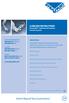 CLINICIAN INSTRUCTIONS Dynasplint Supination/Pronation Forearm System Corporate Headquarters: 800.638.6771 toll-free 800.380.3784 fax Canada: 800.668.9139 toll-free 905.851.3494 fax Europe: 00131.455 230