
Migraine headaches affect 35 million Americans, RECONSTRUCTIVE
|
|
|
- Donna Lester
- 9 years ago
- Views:
Transcription
1 RECONSTRUCTIVE Outcomes Article Outcome Comparison of Endoscopic and Transpalpebral Decompression for Treatment of Frontal Migraine Headaches Mengyuan T. Liu, B.S. Harvey Chim, M.D. Bahman Guyuron, M.D. Cleveland, Ohio Background: This study was designed to compare the efficacy of the transpalpebral versus endoscopic approach to decompression of the supraorbital and supratrochlear nerves in patients with frontal migraine headaches. Methods: The medical charts of 253 patients who underwent surgery for frontal migraine headaches were reviewed. These patients underwent either transpalpebral nerve decompression (n 62) or endoscopic nerve decompression (n 191). Preoperative and 12-month or greater postoperative migraine frequency, duration, and intensity were analyzed to determine the success of the surgeries. Results: Forty-nine of 62 patients (79 percent) in the transpalpebral nerve decompression group and 170 of 191 patients (89 percent) who underwent endoscopic nerve decompression experienced a successful outcome (at least a 50 percent decrease in migraine frequency, duration, or intensity) after 1 year from surgery. Endoscopic nerve decompression had a significantly higher success rate than transpalpebral nerve decompression (p 0.05). Thirty-two patients (52 percent) in the transpalpebral nerve decompression group and 128 patients (67 percent) who underwent endoscopic nerve decompression observed elimination of migraine headaches. The elimination rate was significantly higher in the endoscopic nerve decompression group than in the transpalpebral nerve decompression group (p 0.03). Conclusion: Endoscopic nerve decompression was found to be more successful at reducing or eliminating frontal migraine headaches than transpalpebral nerve decompression and should be selected as the first choice whenever it is anatomically feasible. (Plast. Reconstr. Surg. 129: 1113, 2012.) CLINICAL QUESTION/LEVEL OF EVIDENCE: Therapeutic, III. Migraine headaches affect 35 million Americans, or approximately 17 percent of women and 6 percent of men in the United States. 1 On average, one of every four households has someone who suffers from migraine headaches. 1 The symptoms can last from 4 hours to several days and can include recurrent unilateral or bilateral throbbing pain, nausea, vomiting, photophobia, and phonophobia. 2 Most migraine sufferers manage migraine headaches with pharmacologic interventions. The annual cost of these migraine medications is estimated to be $1.5 billion. 3,4 There is no widely From the Department of Plastic Surgery, University Hospitals Case Medical Center, and Case Western Reserve University School of Medicine. Received for publication September 15, 2011; accepted November 22, Copyright 2012 by the American Society of Plastic Surgeons DOI: /PRS.0b013e31824a2c31 accepted permanent cure at this time, and many patients continue to experience symptoms even under pharmacologic treatment. Although the pathophysiology of migraine headaches remains controversial, studies have shown that irritation of the trigeminal nerve causes the release of calcitonin gene-related peptide and neurokinin A into the cell bodies of the trigeminal nerve. 2,5 These substances induce inflammation and pain in the areas around the trigeminal nerve. The senior author s (B.G.) theory is that the musculature, vessels, bony foramen, and possibly fascia bands around the trigeminal nerve branches in the head and neck irritate the nerves, leading to inflammation. Anatomical Disclosure: The authors have no financial interest to declare in relation to the content of this article
2 Plastic and Reconstructive Surgery May 2012 studies have supported the potential for such irritation Based on this theory, surgical treatment of migraine headaches has evolved to include removal of various surrounding superficial muscles, fascia, or vessels to reduce irritation to the nerve, resulting in reduction of migraine headaches. Surgical intervention for migraine headaches has been shown to provide long-term ( 5 years) relief ( 50 percent reduction in frequency, duration, or intensity) in over 80 percent of patients Migraine surgery can be performed at four common trigger sites, the most prevalent of which is the frontal site (migraine site I), where the glabellar muscle group (depressor supercilii, corrugator supercilii, procerus muscle) and accompanying vessels, overlying fascia bands, and the foramina cause compression of the supratrochlear nerve and supraorbital nerve to trigger frontal migraine headaches. 9 Sixty-eight percent of all migraine surgeries performed by the senior author included intervention at this site. Other common trigger sites include temporal, septonasal, and occipital sites Intervention at the frontal trigger site involves the resection of the glabellar muscle group, cauterization of the vessels accompanying the nerves, unroofing of the supraorbital foramen when present, and more recently, release of the fibrous band across the supraobital notch when present. These surgical maneuvers reduce irritation of the supratrochlear nerve and supraorbital nerve. Since 2000, the senior author has used endoscopic nerve decompressions on patients undergoing concomitant endoscopic manipulation of the zygomaticotemporal branch of the trigeminal nerve for temporal migraine headaches trigger site (migraine site II). Endoscopic nerve decompression, however, was not performed on patients with long foreheads ( 8 cm measured from the anterior hairline to the supraorbital ridge) or on patients with significant curvature to the forehead, as endoscopic access would have been difficult to impossible (Fig. 1). Transpalpebral nerve decompression was performed when there was no concomitant endoscopic site II surgery, as transpalpebral nerve decompression provided closer access to the glabellar muscle group and did not require endoscopic equipment. The purpose of this study was to evaluate and compare the effectiveness of transpalpebral nerve decompression and endoscopic nerve decompression in the reduction of frontal migraine headaches and discuss additional techniques that can further improve the outcome of frontal migraine surgery. Fig. 1. Contraindication for endoscopic nerve decompression is forehead length of 8 cm or more, most commonly seen in patients with receded hairlines or significant forehead curvature. (Left) Patient with 8-cm forehead length received transpalpebral nerve decompression despite receiving concomitant endoscopic release of the temporal trigger site (site II). (Right) Patient with 6-cm forehead length received endoscopic nerve decompression concomitantly with endoscopic site II surgery. 1114
3 Volume 129, Number 5 Treatment of Frontal Migraine Headaches PATIENTS AND METHODS Patient Selection Institutional review board approval was obtained before the commencement of this retrospective chart review. The subjects were patients who underwent frontal migraine surgery by the senior author during a span of 10 years (August 31, 2000, to August 31, 2010) and completed a migraine headache questionnaire before surgery and 12 months or more after surgery. These questionnaires recorded the frequency (number of migraine headaches per month), duration (in days), intensity (scale of 0 to 10, 10 being the most severe), and location of migraine headache pain. A migraine index was calculated by multiplying frequency, duration, and intensity of migraine headaches. A successful surgery was defined as a decrease of 50 percent or more in migraine index after 12 months. Elimination was defined as a migraine index of 0 after 12 months. Only frontal migraine headache pain was considered in this study, as it pertained directly to the results of supratrochlear nerve and supraorbital nerve There were 253 patients who met these inclusion criteria, each receiving either transpalpebral nerve decompression or endoscopic nerve Surgical Technique Transpalpebral Nerve Decompression The incision was marked in the supratarsal crease involving up to two-thirds of the medial limit of the caudal portion of the conventional upper blepharoplasty incision. The upper eyelid, glabellar area, and the lower forehead were infiltrated with 1% lidocaine containing 1:100,000 epinephrine and 0.5% ropivacaine HCl. After incision, a skin orbicularis oculi muscle flap was raised above the level of the septum and the orbicularis muscle in a cephalic direction. The dissection was continued to the supraoribtal rim. The depressor supercilii muscle was exposed and resected as completely as possible, protecting the supraorbital nerve and supratrochlear nerve. This allowed exposure of the corrugator supercilii muscle, which is darker in color and more friable compared with the depressor supercilii muscle. Excision of the corrugator supercilii muscle was then achieved with electrocautery, and lateral fibers of the procerus muscle encasing the supratrochlear nerve were also removed (Fig. 2). Fat was then harvested either from the medial fat pad of the upper lid or from an area deep to the deep temporal fascia above the zygomatic arch, if endoscopic ablation Fig. 2. Supraorbital nerve (SON) and vessels (SOV), and supratrochlear nerves (STN) and vessels (STV) preserved after removal of the corrugator supercilii muscle through transpalpebral dissection. of the zygomaticotemporal branch of the trigeminal nerve was performed concomitantly, and placed to fill the depression left following resection of the corrugator supercilii muscle and to cushion the nerves Additional procedures included removal of the vessels accompanying the nerves, foraminotomy when a foramen was present, and more recently, release of the fibrous bands across the supraorbital notch when a notch was present. Endoscopic Nerve Decompression A midline incision or two paramedian incisions were marked 1.5 cm long about 3.5 cm apart in the frontal area and one or two similar incisions in the temple if decompression of the temple trigger site was also indicated. The hair-bearing forehead scalp was infiltrated with 0.5% lidocaine mixed with 1:200,000 epinephrine, and the rest of the forehead was infiltrated with a mix of 0.5% ropivacaine HCl and 1% lidocaine with 1:100,000 epinephrine. If this was performed together with migraine trigger site II surgery, five or six 1-cm incisions were made for access to the glabellar muscle group and the zygomaticotemporal branch of the trigeminal nerve. Migraine site II surgery was performed first, and fat was harvested from beneath the deep temporal fascia above the zygomatic arch medially. 20 To remove the muscles, the incisions were made and the endoscopic access devices were placed in position. The dissection was carried caudally and medially in a subperiosteal plane to expose the glabellar muscle group. The corrugator supercilii muscle and depressor supercilii muscles were resected in their entirety along with the lateral fibers of the procerus muscle un- 1115
4 Plastic and Reconstructive Surgery May 2012 Fig. 3. Supraorbital nerve (SON) and vessels (SOV), and supratrochlear nerve (STN) and vessels (STV) seen after endoscopic removal of corrugator supercilii muscle. The supraorbital foramen (SOF) is clearly exposed for foraminotomy. der direct endoscopic visualization, with care taken to preserve the supraorbital and supratrochlear nerves (Fig. 3). 17 Additional surgical maneuvers at the frontal trigger site included percutaneous foraminotomy using a 2-mm osteotome, whenever there was a foramen rather than a notch, and cauterization of the vessels accompanying the nerves. Finally, an accessory supraorbital nerve was transected whenever it was identified to exit from a separate foramen in which the unroofing of the related tunnel was deemed unsafe. Data Analysis The success and elimination rates in the transpalpebral nerve decompression and endoscopic nerve decompression groups were compared using chi-square tests. In addition, t tests were performed to compare mean reductions in frequency, duration, intensity, and migraine index between the transpalpebral nerve decompression and endoscopic nerve decompression groups. A p value less than 0.05 was considered significant. Furthermore, the operative note from each patient was analyzed for any additional surgical maneuvers performed at the supraorbital site. Lastly, the subjects were grouped by number of concomitant migraine surgery sites, and chi-square tests were performed to determine whether concomitant trigger site release affected the outcome of frontal migraine headache relief. Statistical analyses were performed using QuickCalcs (GraphPad Software, La Jolla, Calif.) and the Microsoft Excel 2007 Data Analysis Tool (Microsoft Corporation., Redmond, Wash.). RESULTS Overall Surgery Outcome There were a total of 253 patients (226 female and 27 male) included in this study. The follow-up ranged from 12 months to 126 months, with a mean follow-up of 34 months. Of these 253 patients who underwent surgery for frontal migraine headaches, 62 received transpalpebral nerve decompression, and 191 underwent endoscopic nerve There was no significant difference in gender (transpalpebral nerve decompression, 84 percent female; endoscopic nerve decompression, 91 percent female; p 0.09) or average age (transpalpebral nerve decompression, ; endoscopic nerve decompression, ; p 0.70) between the two groups. Of the 62 transpalpebral nerve decompression patients, 49 (79 percent) experienced a reduction of 50 percent or greater in frontal migraine index, with 32 (52 percent) having elimination of migraine headaches. Of the 191 endoscopic corrugator resection patients, 170 (89 percent) experienced a frontal migraine index reduction of 50 percent or greater, with 128 (67 percent) experiencing elimination. The success rate (percentage of patients who experienced 50 percent reduction in migraine headaches) of endoscopic nerve decompression (89 percent) was significantly higher than that of transpalpebral nerve decompression (79 percent; p 0.05). The elimination rate of endoscopic nerve decompression (67 percent) was also significantly higher than that of transpalpebral nerve decompression (52 percent; p 0.03). These results are summarized in Table 1. Outcome by Reductions In Migraine Pain Variables Endoscopic nerve decompression produced a significantly greater (p 0.01) mean reduction in migraine frequency ( percent) than transpalpebral nerve decompression (51.8 Table 1. Success and Elimination Rates TPND END p* Success rate 79% 89% 0.05 Elimination rate 52% 67% 0.03 TPND, transpalpebral nerve decompression; END, endoscopic nerve *p calculated from chi-square tests. Success rate indicates the percentage of patients who experienced reduction of 50 percent or greater in migraine headaches at 12 months. Elimination rate indicates the percentage of patients who experienced no migraine headaches at 12 months. 1116
5 Volume 129, Number 5 Treatment of Frontal Migraine Headaches Table 2. Reductions in Migraine Pain Variables Mean Reduction* Variable TPND END p Frequency, migraine headaches/month % % 0.01 Duration, days % % 0.30 Intensity, analog scale % % 0.02 Migraine index, frequency x duration x intensity % % 0.05 TPND, transpalpebral nerve decompression; END, endoscopic nerve *Reduction was determined by the formula (variable at 12 months variable at baseline)/(variable at baseline). The p values were calculated from t tests comparing mean reduction between transpalpebral nerve decompression and endoscopic nerve percent). The mean reduction in migraine duration was not significantly different (p 0.30) between the transpalpebral nerve decompression ( percent) and endoscopic nerve decompression ( percent) groups. The mean pain severity was significantly more reduced following endoscopic nerve decompression ( percent) compared with transpalpebral nerve decompression ( percent; p 0.02). Finally, the mean reduction in migraine index was significantly greater (p 0.05) following endoscopic nerve decompression ( percent) compared with transpalpebral nerve decompression ( percent). These results are summarized in Table 2. Additional Surgical Maneuvers at Supraorbital Site Two of 62 patients (3 percent) in the transpalpebral nerve decompression group and 40 of 191 patients (21 percent) in the endoscopic nerve decompression group received supraorbital foraminotomies. The surgical success rate for frontal migraine headache surgery that included a foraminotomy was 93 percent, with 71 percent having elimination of migraine headaches compared with 85 percent success with 61 percent elimination of migraine headaches in the group without foraminotomy. One patient in the group that underwent endoscopic nerve decompression and three patients in the group subjected to transpalpebral nerve decompression had supraorbital arterectomy, and all four of these patients had successful surgeries, with two experiencing elimination of frontal migraine headache pain. Four patients in the transpalpebral nerve decompression group and 16 patients in the endoscopic nerve decompression group had avulsion of at least one accessory supraorbital nerve, and all 20 of these patients had successful surgeries, with 16 (80 percent) experiencing elimination of migraine headaches. One patient in the transpalpebral nerve decompression group had notch fasciotomy and had a 60 percent reduction in migraine index. One endoscopic nerve decompression group patient also had notch fasciotomy and experienced elimination of migraine headaches. Concomitant Surgery Sites The majority (n 35) of the 62 patients who underwent transpalpebral nerve decompression received surgery at site I only, without any concomitant sites. The number of patients in the transpalpebral nerve decompression group decreased as the number of concomitant surgery sites increased (Table 3). The number of concomitant sites did not contribute to a significant difference in the success rate of transpalpebral nerve decompression (p 0.5). In contrast, all 191 patients in the endoscopic nerve decompression group underwent at least one concomitant trigger site release, with the majority of endoscopic nerve decompression patients being subjected to at least two concomitant surgery sites (Table 3). The number of concomitant sites did not contribute to a significant difference in the success rate of endoscopic nerve decompression (p 0.15). DISCUSSION There are several possible reasons why endoscopic nerve decompression was significantly Table 3. Surgery Outcomes of Site I with Concomitant Sites TPND END Surgery Site n Success Rate* n Success Rate* I only 35 77% 0 I 1 more site 17 82% 35 83% I 2 more sites 9 78% 85 89% All 4 sites 1 100% 71 92% TPND, transpalpebral nerve decompression; END, endoscopic nerve *The success rates reflect improvements in frontal migraine headache pain only, not the overall migraine headache pain. 1117
6 Plastic and Reconstructive Surgery May 2012 more effective at reducing frontal migraine headaches than transpalpebral nerve decompression was. One reason is the potential incomplete resection of the corrugator supercilii muscle in transpalpebral nerve Walden et al. performed transpalpebral corrugator and endoscopic corrugator resections on 12 cadaveric heads and subsequently evaluated the extent of corrugator supercilii muscle resection through coronal exposure. 21 Their results showed that transpalpebral corrugator resection left up to onethird of the lateral aspect of the transverse head of corrugator supercilii muscle intact, whereas endoscopic corrugator resection successfully removed the entire corrugator supercilii muscle. 21 We believe the amount of residual corrugator supercilii muscle after transpalpebral corrugator resection is largely dependent on technique but concur that a transpalpebral approach is less effective at completely removing the corrugator supercilii muscle than an endoscopic approach. Better visibility and magnification through the endoscope allows for more thorough removal of the glabellar muscle group, whereas transpalpebral nerve decompression requires more extensive lateral and medial dissection using a smaller operative window. We consider complete resection of the glabellar muscle group crucial for the successful treatment of frontal migraine, as any residual muscle may continue to irritate the supraorbital nerve and supratrochlear nerve. Another advantage of endoscopic nerve decompression is that the supraorbital foramen is more frequently identified endoscopically than in transpalpebral nerve decompression (Fig. 3). The supraorbital nerve exits through a supraorbital foramen in approximately 25 percent of the population, whereas in the remaining 75 percent, it exits through a supraorbital notch. 8,22 25 We now routinely release any fibrous bands enclosing the supraorbital notch. We have, however, been doing foraminotomy using a 2-mm osteotome percutaneously since we started performing migraine surgery in Both maneuvers will release potential supraorbital nerve compression. In addition, we diligently and routinely isolated and cauterized the supraorbital and supratrochlear arteries and veins, hoping to achieve additional improvement in the results. The potential role of the vessels in irritation of the nerves has been discussed for decades Our results show that patients who received foraminotomies experienced higher success rates, thus supporting the theory that constriction of the supraorbital nerve within the foramen contributes to frontal migraine headaches. 24 Another surgical technique more easily performed in endoscopic nerve decompression is the identification of accessory supraorbital nerves. The 20 patients who had transection of an accessory supraorbital nerve had 100 percent success rate and 80 percent elimination rate. The accessory supraorbital nerves are often very lateral and cephalic, making the visualization through the transpalpebral approach difficult. In contrast, the accessory supraorbital nerves can be detected readily through the endoscopic approach. On the other hand, release of the bands across the supraorbital notch is easier through the transpalpebral approach, whereas the identification of the supraorbital artery is easier through the endoscopic approach. Although our studies clearly demonstrate the superiority of the results with a foraminotomy, 24 our current sample size for the patients who have undergone supraorbital arterectomy and fasciotomy is not enough to provide statistical support. We are, however, conducting studies to further elucidate the role of fasciotomy and arterectomy in treatment of frontal migraine headaches. Concomitant trigger-site deactivation did not significantly alter the success of transpalpebral nerve or endoscopic nerve decompression in reducing frontal migraine headaches, offering further evidence that these trigger sites are independent, with an overlap of the symptoms occurring when the entire trigeminal nerve becomes inflamed. Moreover, our previous study documented that an increase in concomitant migraine operative sites significantly improved the outcome of migraine headache surgery, confirming the importance of the identification of all of the existing trigger sites without demonstrating interaction among the trigger sites. 29 Our results suggest that pain at other trigger sites (e.g., temporal site II) does not usually radiate to the supraorbital area. Both transpalpebral nerve decompression and endoscopic nerve decompression carry risks for rare complications including paresthesia of the frontoparietal or temporal scalp if the nerves were injured, and forehead asymmetry if the corrugator supercilii muscle was not equally removed on both sides. 17 Additional risks associated only with endoscopic nerve decompression include frontalis paralysis from injury to the temporal branch of the facial nerve, unilateral or bilateral eyebrow elevation, and dimpling on animation. 17 Based on the results of this study, endoscopic nerve decompression should be the first choice in all frontal migraine surgeries unless contraindicated by a forehead length of 8 cm or more(fig. 1118
7 Volume 129, Number 5 Treatment of Frontal Migraine Headaches 1), usually resulting from hairline recession or an excessive prominence to the forehead. When endoscopic nerve decompression is not feasible, transpalpebral nerve decompression should be performed. Under this scenario, it is important to ensure that the entire corrugator supercilii muscle is removed and that the supratrochlear nerve and supraorbital nerve are maximally released. Maneuvers to achieve this include either notch fasciotomy or foraminotomy, resection of the supraorbital and supratrochlear vessels, and removal of any accessory supraorbital nerve. These additional procedures may require more extensive dissection than what was previously described for transpalpebral nerve Bahman Guyuron, M.D Cedar Road Cleveland (Lyndhurst), Ohio [email protected] PATIENT CONSENT Patients provided written consent for the use of their images. ACKNOWLEDGMENT The authors thank Lisa DiNardo, Ph.D., for her assistance in preparing this article. REFERENCES 1. Lipton RB, Bigal ME, Diamond M, et al. Migraine prevalence, disease burden, and the need for preventive therapy. Neurology 2007;68: Moskowitz MA. The neurobiology of vascular head pain. Ann Neurol. 1984;16: Goldberg LD. The cost of migraine and its treatment. Am J Manag Care 2005;11(Suppl. 2):S62 S Pharmacy Benchmarks. Trends in Pharmacy Benefit Management for Commercial Plans. Sacramento, Calif.: Pharmacy Care Network; Goetz C, Pappert E. Textbook of Clinical Neurology. Philadelphia, Pa.: Saunders; Janis JE, Hatef DA, Reece EM, et al. Neurovascular compression of the greater occipital nerve: Implications for migraine headaches. Plast Reconstr Surg. 2010;126: Janis JE, Chavami A, Lemmon JA, Leedy JE, Guyuron B. Anatomy of the corrugator supercilii muscle: Part I. Corrugator topography. Plast Reconstr Surg. 2007;120: Janis JE, Ghavami A, Lemmon J et al. The anatomy of the corrugator supercilii muscle: Part II. Supraorbital nerve branching patterns. Plast Reconstr Surg. 2008;121: Totonchi A, Pashmini N, Guyuron B. The zygomaticotemporal branch of the trigeminal nerve: An anatomical study. Plast Reconstr Surg. 2005;115: Janis JE, Hatef DA, Thakar H, et al. The zygomaticotemporal branch of the trigeminal nerve: Part II. Anatomical variations. Plast Reconstr Surg. 2010;126: Mosser SW, Guyuron B, Janis JE, Rohrich RJ. The anatomy of the greater occipital nerve: Implications for the etiology of migraine headaches. Plast Reconstr Surg. 2004;113: Dash K, Janis J, Guyuron B. The lesser and third occipital nerves and migraine headaches. Plast Reconstr Surg. 2005; 115: Janis J, Hatef D, Ducic I et al. The anatomy of the greater occipital nerve: Part II. Compression point topography. Plast Reconstr Surg. 2010;126: Guyuron B, Reed D, Kriegler JS, et al. A placebo-controlled surgical trial of the treatment of migraine headaches. Plast Reconstr Surg. 2009;124: Guyuron B, Kriegler JS, Davis J, Amini SB. Comprehensive surgical treatment of migraine headaches. Plast Reconstr Surg. 2005;115: Guyuron B, Kriegler J, Davis J, et al. Five-year outcome of surgical treament of migraine headaches. Plast Reconstr Surg. 2010;127: Guyuron B. Surgical management of migraine headaches. In: Achauer BM, Eriksson E, Guyuron B, Coleman JJ III, Russell RC, Vander Kolk CA, eds. Plastic Surgery: Indications, Operations, and Outcomes. St. Louis, Mo.: Mosby; Guyuron B, Michelow BJ, Thomas T. Corrugator supercilii muscle resection through blepharoplasty incision. Plast Reconstr Surg. 1995;95: Guyuron B, Rose K. Harvesting fat form the infratemporal fossa. Plast Reconstr Surg. 2004;114: Guyuron B, Knize DM. Corrugator supercilii resection through blepharoplasty incision. Plast Reconstr Surg. 2001; 107: Walden JL, Brown CC, Klapper AJ, Chia CT, Aston SJ. An anatomical comparison of transpalpebral, endoscopic, and coronal approaches to demonstrate exposure and extent of brow depressor muscle resection. Plast Reconstr Surg. 2005; 116: Knize DM. A study of the supraorbital nerve. Plast Reconstr Surg. 1995;96: Cuzalina AL, Holmes JD. A simple and reliable landmark for identification of the supraorbital nerve in surgery of the forehead: An in vivo anatomical study. J Oral Maxillofac Surg. 2005;63: Chepla KJ, Oh E, Guyuron B. Clinical outcomes following supraorbital foraminotomy for treatment of frontal migraine headache. Plast Reconstr Surg. 2012;129: Beer GM, Putz R, Mager K, Schumaker M, Keil W. Variations of the frontal exit of the supraorbital nerve: An anatomic study. Plast Reconstr Surg. 1998;102: Moskowitz MA. The neurobiology of vascular head pain. Ann Neurol. 1984;16: Connors MJ. Cluster headache: A review. J Am Osteopath Assoc. 1995;95: Charles A, Brennan KC. The neurobiology of migraine. Handb Clin Neurol. 2010;97: Larson K, Lee M, Davis J, Guyuron B. Factors contributing to migraine headache surgery failure and success. Plast Reconstr Surg. 2011;128:
How To Harvest Fat From The Infratemporal Fossila
 Techniques in Cosmetic Surgery Harvesting Fat from the Infratemporal Fossa Bahman Guyuron, M.D., and Kevin Rose, M.D. Cleveland, Ohio As part of forehead rejuvenation and surgical treatment of migraine
Migraine headaches affect over 35 million RECONSTRUCTIVE
 RECONSTRUCTIVE A Comparison of Outcome of Surgical Treatment of Migraine Headaches Using a Constellation of Symptoms versus Botulinum Toxin Type A to Identify the Trigger Sites Mengyuan T. Liu, B.S. Bryan
The Anatomy of the Greater Occipital Nerve: Implications for the Etiology of Migraine Headaches
 Cosmetic The Anatomy of the Greater Occipital Nerve: Implications for the Etiology of Migraine Headaches Scott W. Mosser, M.D., Bahman Guyuron, M.D., Jeffrey E. Janis, M.D., and Rod J. Rohrich, M.D. Cleveland,
Surgical Treatment of Migraine Headaches
 Surgical Treatment of s Bahman Guyuron, M.D., Tarvez Tucker, M.D., and Janine Davis, R.N. Cleveland, Ohio This prospective study was conducted to investigate the role of removal of corrugator supercilii
HEADACHES AND THE THIRD OCCIPITAL NERVE
 HEADACHES AND THE THIRD OCCIPITAL NERVE Edward Babigumira M.D. FAAPMR. Interventional Pain Management, Lincoln. B. Pain Clinic, Ltd. Diplomate ABPMR. Board Certified Pain Medicine No disclosures Disclosure
Minimally Invasive Spine Surgery
 Chapter 1 Minimally Invasive Spine Surgery 1 H.M. Mayer Primum non nocere First do no harm In the long history of surgery it always has been a basic principle to restrict the iatrogenic trauma done to
Chapter Thirteen MIGRAINE & PERIPHERAL NERVES
 Chapter Thirteen MIGRAINE & PERIPHERAL NERVES MIGRAINE HEADACHE!!!!!!. MIGRAINE & PHERIPERAL NERVES INTRODUCTION MIGRAINE HEADACHE!!!!!! You know what it is. That is not why you are reading this. You have
5 Upper eyelid blepharoplasty
 5 Upper eyelid blepharoplasty INSTRUMENTS Marking pen No. 15 scalpel blade Blade handle Castroviejo needle holder Castroviejo calipers 0.5 fixation forceps Westcott scissors 6-0 prolene suture Bovie cautery
Nearly 30 million Americans suffer from migraine. RECONSTRUCTIVE Outcomes Article
 RECONSTRUCTIVE Outcomes Article A Placebo-Controlled Surgical Trial of the Treatment of Migraine Headaches Bahman Guyuron, M.D. Deborah Reed, M.D. Jennifer S. Kriegler, M.D. Janine Davis, R.N. Nazly Pashmini,
X-Plain Trigeminal Neuralgia Reference Summary
 X-Plain Trigeminal Neuralgia Reference Summary Introduction Trigeminal neuralgia is a condition that affects about 40,000 patients in the US every year. Its treatment mostly involves the usage of oral
Facial Paralysis and Reanimation Smile Surgery Jeffrey R. Marcus MD. Introduction:
 Facial Paralysis and Reanimation Smile Surgery Jeffrey R. Marcus MD 2007 Jeffrey R. Marcus MD Introduction: Facial paralysis can result from a variety of causes, and it can affect people at nearly any
Heel Pain Syndromes DELLON INSTITUTES FOR PERIPHERAL NERVE SURGERY
 Heel Pain s 5 3333 N CALVERT ST, SUITE 370, BALTIMORE, MD 21218 T410 467 5400 F410 366 9826 delloninstitutes.com your complaints are Pain, numbness or burning in your heel. The timing of this pain and
Corporate Medical Policy Reconstructive Eyelid Surgery and Brow Lift
 Corporate Medical Policy Reconstructive Eyelid Surgery and Brow Lift File Name: Origination: Last CAP Review: Next CAP Review: Last Review: reconstructive_eyelid_surgery_and_brow_lift 1/2000 9/2015 9/2016
Upper Eyelid Gold Weight Implantation in the Asian Patient with Facial Paralysis
 Upper Eyelid Gold Weight Implantation in the Asian Patient with Facial Paralysis Phillip H. Choo, M.D., Susan R. Carter, M.D., and Stuart R. Seiff, M.D. Sacramento and San Francisco, Calif. Patients with
Cervicogenic Headache: A Review of Diagnostic and Treatment Strategies
 Cervicogenic Headache: A Review of Diagnostic and Treatment Strategies 1 Journal of the American Osteopathic Association April 2005, Vol. 105, No. 4 supplement, pp. 16-22 David M. Biondi, DO FROM ABSTRACT:
Comprehensive Surgical Treatment of Migraine Headaches
 Comprehensive Surgical Treatment of Migraine Headaches Bahman Guyuron, M.D., Jennifer S. Kriegler, M.D., Janine Davis, R.N., and Saeid B. Amini, Ph.D., M.B.A., J.D. Cleveland, Ohio The purpose of this
Lesions, and Masses, and Tumors Oh My!!
 Lesions, and Masses, and Tumors Oh My!! Presented by: Susan Ward, CPC, CPC-H, CPC-I, CPCD, CEMC, CPRC 1 1 CPT GUIDELINES Agenda CPT DEFINITIONS OP REPORT CASES 2 Definitions Cyst - a closed sac having
Welcome to the July 2012 edition of Case Studies from the files of the Institute for Nerve Medicine in Santa Monica, California.
 Welcome to the July 2012 edition of Case Studies from the files of the Institute for Nerve Medicine in Santa Monica, California. In this issue, we focus on a 23-year-old female patient referred by her
OPEN ACCESS ATLAS OF OTOLARYNGOLOGY, HEAD & NECK OPERATIVE SURGERY
 OPEN ACCESS ATLAS OF OTOLARYNGOLOGY, HEAD & NECK OPERATIVE SURGERY NASOLABIAL FLAP FOR ORAL CAVITY RECONSTRUCTION Harry Wright, Scott Stephan, James Netterville Designed as a true myocutaneous flap pedicled
Disclosure: I have nothing to disclose
 Disclosure: I have nothing to disclose Pectoralis Minor Syndrome Definition Hand and arm symptoms due to Compression of Axillary neurovascular bundle by Pec Minor Muscle Pectoralis Minor Syndrome Short
Open and Endoscopic Forehead Lift. Plastic Surgery. For All Brow and Forehead Lift Procedures. Revolutionizing. Soft-Tissue Fixation
 Plastic Surgery Open and Endoscopic Forehead Lift For All Brow and Forehead Lift Procedures Revolutionizing Soft-Tissue Fixation DESIGNED FOR SIMPLICITY AND PREDICTABILITY The versatile design can be applied
Blepharoplasty & Cosmetic eyelid surgery
 Our cosmetic surgery team at The USF Eye Institute offers a wide variety of cosmetic procedures of the eyelids and face with the goal of obtaining a natural and rejuvenated appearance. Dr.Leyngold has
Endoscopic Plantar Fasciotomy
 Endoscopic Plantar Fasciotomy Introduction Plantar fasciitis is a common condition that causes pain centralized around the heel. It may be severe enough to affect regular activities. Health care providers
Lateral Canthoplasty by the Micro-Mitek Anchor System: 10-Year Review of 96 Patients
 CRANIOMAXILLOFACIAL DEFORMITIES/COSMETIC SURGERY J Oral Maxillofac Surg 69:1745-1749, 2011 Lateral Canthoplasty by the Micro-Mitek Anchor System: 10-Year Review of 96 Patients Carmine Alfano, MD,* Stefano
Chapter 24. Evolution of Procedures
 Chapter 24 BREAST SURGERY KEY FIGURES: Saline implant reconstruction Latissimus dorsi reconstruction Free TRAM reconstruction In the developed world, breast reconstruction after mastectomy and breast reduction
Facial Nerve Paralysis: Management of the Eye
 Facial Nerve Paralysis: Management of the Eye Facial Nerve Paralysis: Management of the Eye Introduction Anatomy Options Discussion of Literature Introduction-Facial Nerve Paralysis Functional and cosmetic
Neck Pain Overview Causes, Diagnosis and Treatment Options
 Neck Pain Overview Causes, Diagnosis and Treatment Options Neck pain is one of the most common forms of pain for which people seek treatment. Most individuals experience neck pain at some point during
Image. 3.11.3 SW Review the anatomy of the EAC and how this plays a role in the spread of tumors.
 Neoplasms of the Ear and Lateral Skull Base Image 3.11.1 SW What are the three most common neoplasms of the auricle? 3.11.2 SW What are the four most common neoplasms of the external auditory canal (EAC)
BOTOX Treatment. for Chronic Migraine. Information for patients and their families. Botulinum Toxin Type A
 BOTOX Treatment Botulinum Toxin Type A for Chronic Migraine Information for patients and their families. Is Chronic Migraine the same as Migraine? Chronic Migraine is similar to migraine as sufferers experience
What Is an Arteriovenous Malformation (AVM)?
 What Is an Arteriovenous Malformation (AVM)? From the Cerebrovascular Imaging and Intervention Committee of the American Heart Association Cardiovascular Council Randall T. Higashida, M.D., Chair 1 What
HEADACHE. as. MUDr. Rudolf Černý, CSc. doc. MUDr. Petr Marusič, Ph.D.
 HEADACHE as. MUDr. Rudolf Černý, CSc. doc. MUDr. Petr Marusič, Ph.D. Dpt. of Neurology Charles University in Prague, 2nd Faculty of Medicine Motol University Hospital History of headache 1200 years B.C.
ADVANCEMENTS IN PLANTAR FASCIA SURGERY
 C H A P T E R 3 3 ADVANCEMENTS IN PLANTAR FASCIA SURGERY James L. Bouchard, DPM Andrea Cass, DPM INTRODUCTION It has been estimated that 90% of patients with plantar fasciitis and heel spur syndrome get
MODIFIED STRAYER GASTROCNEMIUS RECESSION: A Technique Guide for the Supine Positioned Patient
 C H A P T E R 4 5 MODIFIED STRAYER GASTROCNEMIUS RECESSION: A Technique Guide for the Supine Positioned Patient M. Jay Groves, IV, DPM Gastrosoleal equinus is a common deforming force on the foot and ankle.
Pretarsal Fixation of Gold Weights in Facial Nerve Palsy
 Ophthalmic Plastic and Reconstructive Surgery 5(2): 104-109. 1989. 104 1989 Raven Press, Ltd., New York Pretarsal Fixation of Gold Weights in Facial Nerve Palsy Stuart R. Seiff, M.D., John H. Sullivan,
Disclosures & Shameless Plug
 Duren Michael Ready, MD FAHS Director, Headache Clinic Scott & White Healthcare [email protected] Disclosures & Shameless Plug Family Physician UCNS Certified in Headache Medicine Just one blind
Sinus Headache vs. Migraine
 Sinus Headache vs. Migraine John M. DelGaudio, MD, FACS Professor and Vice Chair Chief of Rhinology and Sinus Surgery Department of Otolaryngology Emory University School of Medicine 1 Sinus Headache Problems
*A discrete, hypersensitive nodule within tight band of muscle or fascia that present with classic pattern of pain referral that does not follow
 A patient presents with c/o cervical spine pain and chronic headaches that radiates across the top of his head. He also experiences frequent bouts of nausea, dizziness and indigestion. The patient also
Evaluation of the Cosmetic Patient
 APC Ophthalmology Conference Evaluation of the Cosmetic Patient David K. Isaacs, M.D. Clinical instructor Loma Linda University Clinial Staff Attending UCLA/Jules Stein Eye Institute Lecture Agenda Review
Interscalene Block. Nancy A. Brown, MD
 Interscalene Block Nancy A. Brown, MD What is an Interscalene Block? An Interscalene block is a form of regional anesthesia used in conjunction with general anesthesia for surgeries of the shoulder and
13 Adductor Muscle Group Excision
 Malawer Chapter 13 21/02/2001 15:36 Page 243 13 Adductor Muscle Group Excision Martin Malawer and Paul Sugarbaker OVERVIEW The adductor muscle group is the second most common site for high- and low-grade
Venous Reflux Disease and Current Treatments VN20-87-A 01/06
 Venous Reflux Disease and Current Treatments Leg Vein Anatomy Your legs are made up of a network of veins and vessels that carry blood back to the heart The venous system is comprised of: Deep veins Veins
Non-surgical treatment of severe varicose veins
 Non-surgical treatment of severe varicose veins Yasu Harasaki UCHSC Department of Surgery General Surgery Grand Rounds March 19, 2007 Definition Dilated, palpable, subcutaneous veins generally >3mm in
Natural Modality in the Treatment of Primary Headaches. William S. Mihin, D.C. Catharine Helms, M.S. Michelle M. Anderson, M.S.N., F.N.P.
 Natural Modality in the Treatment of Primary Headaches William S. Mihin, D.C. Catharine Helms, M.S. Michelle M. Anderson, M.S.N., F.N.P. Abstract Headaches are both a prevalent and disabling condition.
Early Colonoscopy in Patients with Acute Diverticulitis Simon Bar-Meir, M.D.
 Early Colonoscopy in Patients with Acute Diverticulitis Simon Bar-Meir, M.D. Professor of Medicine Germanis Kaufman Chair of Gastroenterology Director, Dept. of Gastroenterology Chaim Sheba Medical Center,
Groin Pain Syndromes
 Groin Pain s 4 3333 N CALVERT ST, SUITE 370, BALTIMORE, MD 21218 T410 467 5400 F410 366 9826 delloninstitutes.com your compaints are Pain, numbness or burning in the lower abdominal wall, and/or the pubic
Cold as an adjunctive therapy for headache
 Cold as an adjunctive therapy for headache Seymour Diamond, MD Frederick G. Freltag, DO Preview Patients with acute headache are often so vexed by pain that they seek out numerous physicians and headache
Modifiers 25 and 59. Modifier 25
 Modifiers 25 and 59 This article discusses the appropriate use of modifier 25, Significant, Separately Identifiable Evaluation and Management Service by the Same Physician on the Same Day of the Procedure
Thyroid Eye Disease. Anatomy: There are 6 muscles that move your eye.
 Thyroid Eye Disease Your doctor thinks you have thyroid orbitopathy. This is an autoimmune condition where your body's immune system is producing factors that stimulate enlargement of the muscles that
Recurrent & Persistent Papillary Thyroid Cancer Central Nodal Dissection vs. Node-Picking Patterns of Nodal Metastases Recurrent Laryngeal Nerve,
 Recurrent & Persistent Papillary Thyroid Cancer Central Nodal Dissection vs. Node-Picking Patterns of Nodal Metastases Recurrent Laryngeal Nerve, Larynx, Trachea, & Esophageal Management Robert C. Wang,
There has been a renewed interest in upper
 SPECIAL TOPIC An Algorithmic Approach to Upper Arm Contouring Eric A. Appelt, M.D. Jeffrey E. Janis, M.D. Rod. J. Rohrich, M.D. Dallas, Texas Summary: There has been a renewed interest in upper arm contouring
The Furcal nerve. Ronald L L Collins,MB,BS(UWI),FRCS(Edin.),FICS (Fort Lee Surgical Center, Fort Lee,NJ)
 The Furcal nerve. Ronald L L Collins,MB,BS(UWI),FRCS(Edin.),FICS (Fort Lee Surgical Center, Fort Lee,NJ) The furcal nerve is regarded as an anomalous nerve root, and has been found with significant frequency
SUBCUTANEOUS DISSECTION AND
 eep-plane Face-lift vs Superficial Musculoaponeurotic System Plication Face-lift A omparative Study Ferdinand F. ecker, M; enjamin A. assichis, M ORIGINAL ARTILE Objective: To evaluate deep-plane face-lift
become a mainstay in the management of this painful condition.
 J Neurosurg 96:527 531, 2002 Predictors of outcome in surgically managed patients with typical and atypical trigeminal neuralgia: comparison of results following microvascular decompression ELIZABETH C.
Spinal Cord Stimulation (SCS) Therapy: Fact Sheet
 Spinal Cord Stimulation (SCS) Therapy: Fact Sheet What is SCS Therapy? Spinal cord stimulation (SCS) may be a life-changing 1 surgical option for patients to control their chronic neuropathic pain and
Preparing to Suture. 6 th Annual Pediatric Advanced Practice Conference Tuesday, February 9, 2016 1:30 pm. Workshop B: Suturing for Beginners
 Preparing to Suture Kristen Devick, MPAS, PA-C University of Colorado Department of Emergency Medicine NONE! Skin Anatomy Trott, 2012, p.11 Preparing to suture Initial evaluation Hemostasis Anesthesia
Treatment of Recalcitrant Intermetatarsal Neuroma With 4% Sclerosing Alcohol Injection: A Pilot Study
 Treatment of Recalcitrant Intermetatarsal Neuroma With 4% Sclerosing Alcohol Injection: A Pilot Study Christopher F. Hyer, DPM,' Lynette R. Mehl, DPM,2 Alan J. Block, DPM, MS, FACFAS,3 and Robert B. Vancourt,
.org. Plantar Fasciitis and Bone Spurs. Anatomy. Cause
 Plantar Fasciitis and Bone Spurs Page ( 1 ) Plantar fasciitis (fashee-eye-tiss) is the most common cause of pain on the bottom of the heel. Approximately 2 million patients are treated for this condition
DESPITE THE FACT that cubital tunnel syndrome is
 SURGICAL TECHNIQUE Endoscopic Cubital Tunnel Release Tyson K. Cobb, MD A minimally invasive endoscopic approach has been successfully applied to surgical treatment of cubital tunnel syndrome. This procedure
APPENDIX D. April 1, 2015 AD1 Amd 12 Draft 1. Appendix DApril 1, 2015 PREAMBLE
 Appendix DApril 1, 2015 PREAMBLE 1. Surgery to alleviate significant physical symptoms, which have not responded to a minimum of six months active treatment, or to restore or improve function to any area
What You Should Know About Cerebral Aneurysms
 What You Should Know About Cerebral Aneurysms From the Cerebrovascular Imaging and Interventions Committee of the American Heart Association Cardiovascular Radiology Council Randall T. Higashida, M.D.,
LUMBAR LAMINECTOMY AND DISCECTOMY. Basic Anatomical Landmarks: Posterior View Lumbar Spine
 Lumbar Relating to the loins or the section of the back and sides between the ribs and the pelvis. In the spinal column, the last five vertebrae (from superior to inferior, L1-L5) Laminectomy Surgical
Open and Endoscopic Forehead Lift. Plastic Surgery. For All Brow and Forehead Lift Procedures. Revolutionizing. Soft-Tissue Fixation
 Plastic Surgery Open and Endoscopic Forehead Lift For All Brow and Forehead Lift Procedures Revolutionizing Soft-Tissue Fixation DESIGNED FOR SIMPLICITY AND PREDICTABILITY The versatile design can be applied
Plantar Fascia Release
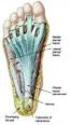 Plantar Fascia Release Introduction Plantar fasciitis is a common condition that causes pain around the heel. It may be severe enough to affect regular activities. If other treatments are unsuccessful,
Handicap after acute whiplash injury A 1-year prospective study of risk factors
 1 Handicap after acute whiplash injury A 1-year prospective study of risk factors Neurology 2001;56:1637-1643 (June 26, 2001) Helge Kasch, MD, PhD; Flemming W Bach, MD, PhD; Troels S Jensen, MD, PhD From
Femoral Nerve Block/3-in-1 Nerve Block
 Femoral Nerve Block/3-in-1 Nerve Block Femoral and/or 3-in-1 nerve blocks are used for surgical procedures on the front portion of the thigh down to the knee and postoperative analgesia. Both blocks are
Informed Patient Tutorial Copyright 2012 by the American Academy of Orthopaedic Surgeons
 Informed Patient Tutorial Copyright 2012 by the American Academy of Orthopaedic Surgeons Informed Patient - Carpal Tunnel Release Surgery Introduction Welcome to the American Academy of Orthopaedic Surgeons'
Basal Cell Carcinoma Affecting the Eye Your Treatment Explained
 Basal Cell Carcinoma Affecting the Eye Your Treatment Explained Patient Information Introduction This booklet is designed to give you information about having a Basal Cell Carcinoma near your eye and the
MEDICAL COVERAGE POLICY. SERVICE: Varicose Veins of the Lower Extremities. PRIOR AUTHORIZATION: Required.
 Page 1 of 5 MEDICAL COVERAGE POLICY Important note Even though this policy may indicate that a particular service or supply may be considered covered, this conclusion is not based upon the terms of your
Breast Reconstruction
 Breast Reconstruction by Editorial Staff and Contributors En Español (Spanish Version) Click here to view an animated version of this procedure. Definition Breast reconstruction is plastic surgery to rebuild
Ankle Block. Indications The ankle block is suitable for the following: Orthopedic and podiatry surgical procedures of the distal foot.
 Ankle Block The ankle block is a common peripheral nerve block. It is useful for procedures of the foot and toes, as long as a tourniquet is not required above the ankle. It is a safe and effective technique.
Symptoms and Signs of Irritation of the Brachial Plexus in Whiplash Injuries
 1 Symptoms and Signs of Irritation of the Brachial Plexus in Whiplash Injuries J Bone Joint Surg (Br) 2001 Mar;83(2):226-9 Ide M, Ide J, Yamaga M, Takagi K Department of Orthopaedic Surgery, Kumamoto University
Headaches + Facial pain
 Headaches + Facial pain Introduction: Each of us experienced sporadically/ chronically headache 40% worldwide population suffers with severe, disabling headache at least annually Common ailment Presenting
Long-Term Outcome of Trigeminal Nerve Injuries Related to Dental Treatment
 DENTOALVEOLAR SURGERY J Oral Maxillofac Surg 69:2284-2288, 2011 Long-Term Outcome of Trigeminal Nerve Injuries Related to Dental Treatment M. Anthony Pogrel, DDS, MD, FACS, FRCS,* Ryan Jergensen, DDS,
Chapter 3. Ulnar nerve infiltration
 Chapter 3 LOCAL ANESTHESIA KEY FIGURES: Digital block/anatomy Sensation to hand Median nerve infiltration Ulnar nerve infiltration Facial block: skeleton Full surgical evaluation of a wound and suture
Image-guided Spine Procedures for Relief of Severe Lower Back Pain:
 Image-guided Spine Procedures for Relief of Severe Lower Back Pain: A Guide to Epidural Steroid Injection, Facet Joint Injection, and Selective Nerve Root Block. PETER H TAKEYAMA MD HENRY WANG MD PhD SVEN
www.backandspinefl.com Back and Spine Center 509 Riverside Dr., Suite 203 Stuart, FL 34994 Phone: (772) 288-5862
 Non-Profit ORG. U.S. Postage PAID West Palm BCH. FL. PERMIT NO. 4709 www.backandspinefl.com Back and Spine Center 509 Riverside Dr., Suite 203 Stuart, FL 34994 Phone: (772) 288-5862 The evolution of neurosurgery
ANTERIOR CERVICAL DISCECTOMY AND FUSION. Basic Anatomical Landmarks: Anterior Cervical Spine
 Anterior In the human anatomy, referring to the front surface of the body or position of one structure relative to another Cervical Relating to the neck, in the spine relating to the first seven vertebrae
P REPLACEMENT SURGERY
 P REPLACEMENT SURGERY DIRECT ANTERIOR APPROACH M I N I M I Z I N G R E C O V E R Y. M A X I M I Z I N G R E S U L T S. CENTER FOR MINIMAL INVASIVE JOINT SURGERY 2301 25TH STREET SOUTH FARGO ND 58103 701-241-9300
THORACIC OUTLET SYNDROME
 THORACIC OUTLET SYNDROME The Problem The term thoracic outlet syndrome is used to describe a condition of compression of the nerves and/or blood vessels in the region around the neck and collarbone, called
Surgical Procedures and Clinical Results of Endoscopic Decompression for Lumbar Canal Stenosis
 Surgical Procedures and Clinical Results of Endoscopic Decompression for Lumbar Canal Stenosis Munehito Yoshida, Akitaka Ueyoshi, Kazuhiro Maio, Masaki Kawai, and Yukihiro Nakagawa Summary. The purpose
Case Series on Chronic Whiplash Related Neck Pain Treated with Intraarticular Zygapophysial Joint Regeneration Injection Therapy
 Pain Physician 2007; 10:313-318 ISSN 1533-3159 Case Series Case Series on Chronic Whiplash Related Neck Pain Treated with Intraarticular Zygapophysial Joint Regeneration Injection Therapy R. Allen Hooper
Rotation Specific Goals & Objectives: University Health Network-Princess Margaret Hospital/ Sunnybrook Breast/Melanoma
 Rotation Specific Goals & Objectives: University Health Network-Princess Margaret Hospital/ Sunnybrook Breast/Melanoma Medical Expert: Breast Rotation Specific Competencies/Objectives 1.0 Medical History
Give us a table of facelift complications. How would you treat each? Answers from Cummings:
 Give us a table of facelift complications. How would you treat each? Answers from Cummings: Hematoma The most common perioperative complication of rhytidectomy is hematoma, which occurs in 1% to 10% of
Minimally Invasive Spine Surgery For Your Patients
 Minimally Invasive Spine Surgery For Your Patients Lukas P. Zebala, M.D. Assistant Professor Orthopaedic and Neurological Spine Surgery Department of Orthopaedic Surgery Washington University School of
Blepharoplasty - Eyelid Surgery
 Blepharoplasty - Eyelid Surgery Introduction Eyelid surgery repairs sagging or drooping eyelids. The surgery is also known as blepharoplasty, or an eyelid lift. Sagging or drooping eyelids happen naturally
Marc A. Cohen, MD, FAAOS, FACS Diplomate American Board of Spinal Surgery Fellow American College of Spinal Surgery
 Marc A. Cohen, MD, FAAOS, FACS Diplomate American Board of Spinal Surgery Fellow American College of Spinal Surgery 221 Madison Ave Morristown, New Jersey 07960 (973) 538 4444 Fax (973) 538 0420 Patient
Surgical Treatment of Chronic Rhinosinusitis in. Children
 Surgical Treatment of Chronic Rhinosinusitis in Children Fuad M. Baroody, M.D., F.A.C.S. Professor of Otolaryngology-Head and Neck Surgery and Pediatrics The University of Chicago Medicine and Biological
Practical class 3 THE HEART
 Practical class 3 THE HEART OBJECTIVES By the time you have completed this assignment and any necessary further reading or study you should be able to:- 1. Describe the fibrous pericardium and serous pericardium,