
Chapter 8: Clinical Tests for Monoclonal Proteins
|
|
|
- Adele McLaughlin
- 9 years ago
- Views:
Transcription
1 Chapter 8: Clinical Tests for Monoclonal Proteins Nelson Leung, MD Division of Nephrology and Hypertension, Hematology, Mayo Clinic, Rochester, Minnesotta INTRODUCTION Monoclonal gammopathy is a hallmark of plasma cell dyscrasias and some B-cell lymphoproliferative disorders (1). They cover a wide spectrum of diseases from the premalignant condition monoclonal gammopathy of undetermined significance (MGUS) to symptomatic multiple myeloma, malignant lymphomas, and chronic lymphocytic leukemia (CLL). The monoclonal (M) proteins can be the entire immunoglobulin, light chain only, or, rarely, heavy chain only. Their ability to cause kidney disease is another characteristic they have in common. In a disease such as multiple myeloma, the risk of AKI correlates with the severity of disease and can be as high as 50% (2,3). In one study, 87% of patients with AKI had the most advanced stage (III) of disease according to the Durie Salmon classification (4). In fact, only 44% of the patients with stage III disease had normal renal function. Other less common causes of AKI in this population include interstitial nephritis and acute tubular necrosis (5 7). A number of glomerular and tubular lesions have also been described in myeloma patients; however, these lesions are actually more common in patients where the diagnostic criteria for multiple myeloma or lymphoma have not been met and are diagnosed with monoclonal gammopathy of renal significance (MGRS) (8). Patients with MGRSrelated kidney disease are more likely to present with proteinuria, hematuria, and mild renal impairment than rapid-onset AKI as in cast nephropathy. In either situation, the identification of a monoclonal protein changes the diagnosis, pathophysiology, and prognosis and directs the clinician toward a hematologic evaluation (9). Monoclonal protein testing should be a part of any workup of AKI, as well as proteinuria with mild reduction of renal function in adults. This article will review the current available tests for monoclonal proteins. SERUM PROTEIN ELECTROPHORESIS Serum protein electrophoresis (SPEP) is the most commonly used laboratory test for the detection of monoclonal proteins. Serum proteins are loaded on to a gel or a capillary tube and are separated by an electrical current based on charge and size. The proteins are then stained for visualization. The proteins migrate into five zones or fractions. These arealbumin, a1,a2, b,and g.the b fraction often has two peaks. Albumin is the most abundant protein in the serum and should make up the largest peak in normal serum. When a monoclonal (M) protein is present, a sharp band appears often in the g region. However, M proteins can migrate to the b or even the a fractions. This often occurs when the M protein is comprised of an IgA or free light chain (FLC). In some cases, no band is detected but instead there is a decrease in the g peak (10). The hypogammaglobulinemia is due to the monoclonal gammopathy. Currently, SPEP is the most commonly used test for M proteins globally because of its ease of use and relatively low cost. Fully automated systems are available for both the agarose gel and capillary tube methods, which have increased reproducibility and efficiency. Because SPEP is quantitative, it is used in both diagnostic and response criteria in multiple myeloma (11,12). Despite its utility, its detection limit is not sensitive enough as a single screening test, especially in low-burden diseases like MGRS. The detection limit for an M protein is g/dl in the g region and up to 0.7 g/dl in the a or b region(13).spepis positive in 87.6% of multiple myelomas but only 73.8%ofimmunoglobulinlightchain(AL)amyloidosis and 55.6% of light chain deposition disease (LCDD) (14). In addition, the M-band on the SPEP only indicates an M protein but it does not distinguish the isotypes. To find out the type, immunofixation is required. Correspondence: Nelson Leung, Mayo Clinic, Rochester, Minnesotta: [email protected] Copyright 2016 by the American Society of Nephrology American Society of Nephrology Onco-Nephrology Curriculum 1

2 Table 1. Screening panel Condition SPEP SIFE SFLC UPEP/IFE MGRS X X X X AL/MIDD X X X X WM X X Multiple myeloma X X Immunofixation should be performed if a screening test is positive to help type the monoclonal protein. SPEP, serum protein electrophoresis; SIFE, serum immunofixation; SFLC, serum free light chain; U, urine; MGRS, monoclonal gammopathy of renal significance; AL, AL amyloidosis; MIDD, monoclonal immunoglobulin deposition disease; WM, Waldenström macroglobulinemia. URINE PROTEIN ELECTROPHORESIS The first person to recognize that monoclonal proteins have special properties in the urine was Dr. William MacIntyre (15). Urine of myeloma patients turns opaque when boiled, clears with the addition of acid, and turns opaque again as it cools. The property was attributed to a protein that was named after the physician who misidentified it: Dr. Henry Bence Jones. It was not until later that Bence-Jones protein was identified as immunoglobulin FLC. Urine protein electrophoresis (UPEP) uses the same principle as SPEP and has the same advantages and disadvantages. The urine M-spike is used for diagnosis and response determination in multiple myeloma (16). However, because M proteins are not always present in the urine of patients with monoclonal gammopathy, the sensitivity of UPEP is the lowest of all the tests and should never be used alone for screening. In a study with 2,799 patients of which 4.4% had a plasma cell dyscrasia, SPEP was positive in 94.4% of patients, whereas only 37.7% had a positive UPEP (17). This has led some to suggest that the serum FLC assay should replace the UPEP for screening (see below). However, despite the low sensitivity, UPEP does provide additional information. In patients with renal impairment, the presence of an M protein and low albumin concentration on the UPEP is highly suggestive of cast nephropathy, whereas a high albumin concentration is more likely the results of LCDD or AL amyloidosis (18). In addition, the presence of a monoclonal light chain in the urine significantly increases the risk of renal injury in myeloma patients (19). Finally, urine M-spike is still used in response determination in multiple myeloma (11). Therefore, UPEP remains a useful supplemental test in patients with paraproteinemia. SERUM AND URINE IMMUNOFIXATION Samples are electrophoresed in parallel lanes in immunofixation (IFE). Antibodies against the heavy and light chains of the immunoglobulin are then applied to each lane separately. A reaction forming a sharp band would suggest the presence of monoclonal immunoglobulin component (Figure 1). The M protein composed of the entire monoclonal immunoglobulin would be positive for both a heavy chain and a light chain. The sensitivity of IFE has a detection limit of ;0.1 g/dl of Figure 1. Serum protein electrophoresis (PEL) and immunofixation (IFE). A monoclonal (M) spike was detected in the b region of the protein electrophoresis. The immunofixation identified a band in the IgA and k lanes that corresponded to the band in the b region of the protein electrophoresis. The M protein in this case is a monoclonal IgA k. The blurry smudge in IgG lane indicated that the IgG was polyclonal. monoclonal protein. In multiple myeloma, serum IFE increased the detection rate from 87.6% to 94.4%. Similarly, the sensitivity increases from 65.9% to 73.8% in AL amyloidosis. In a mixed group of patients, the sensitivity increases from 79% to 87%. Not only is the sensitivity improved with IFE, but the type of the monoclonal protein can be identified. IFE is qualitative and not quantitative. Therefore, for response determination in multiple myeloma and AL amyloidosis, it is only used for assessment of complete response. The extra reagents add significantly to the cost, making IFE less affordable. SERUM FLC ASSAY In the early 2000s,a new assay was introducedto aidin the detection of monoclonal proteins. Using antibodies against epitopes that are normally hidden in the intact immunoglobulin, the assay detects both k and l FLCs. It is quantitative and automated. The assay is not specific for monoclonal light chains but instead infers monoclonalitywhenanabnormalratiobetweenthek and l FLCs is detected. The normal ratio is between 0.26 and A high ratio suggests a k clone, whereas a ratio,0.26 suggest a l clone. The addition of the serum FLC assay to SPEP and serum IFE has significantly increased the sensitivity of monoclonal protein 2 Onco-Nephrology Curriculum American Society of Nephrology

3 testing. Prior to the introduction of the FLC assay, up to 5% of multiple myelomas were thought to be nonsecretory. Using the FLC assay, 19 of 28 nonsecretory myeloma patients were found to have abnormal k to l ratios, and 4 had suppression of one or both FLCs (20). The FLC assay was able to identify abnormalities in 82% of patients classified as nonsecretory by serum and urine PEP and IFN. Most of these were light chain only myeloma. Recently, the serum FLC ratio was added to the diagnostic criteria of multiple myeloma (12). In AL amyloidosis, the serum FLC assay increases the detection rate from 69% (with serum IFE alone) to 99% (21). The addition of UPEP did not identify any additional patients. Another study found the combination of serum IFE and serum FLC detected 100% of the patients with multiple myeloma, Waldenström macroglobulinemia, and smoldering multiple myeloma (14). The addition of UPEP did not increase the sensitivity for the above diagnoses but did assist in the identification of MGUS, extramedullary plasmacytoma, AL amyloidosis, and LCDD. In addition to diagnostic evaluation, serum FLC is also used in disease monitoring and assessment of response. The degree and speed of serum FLC reduction have been found to be the most important predictors of renal recovery in cast nephropathy (22). In AL amyloidosis, the reduction of serum FLC has been shown to be a better predictor of outcomes than the M-spike. To achieve stringent complete response in multiple myeloma and complete response in AL amyloidosis, the serum FLC ratio has to be normalized (16,23). Although the serum FLC assay increases the detection rate of monoclonal gammopathy, clinicians should be aware of its limitations. First, the assay does not distinguish between polyclonal FLCs and monoclonal FLCs. The higher (or lower) the k to l ratio, the more likely a monoclonal gammopathy exists. However, several conditions are known to cause minor abnormalities. The most common is renal insufficiency. Because FLCs are mostly cleared by the kidney, a reduction in glomerular filtration rate will cause a rise in the FLC levels. This rise, however, is not symmetric because k FLCs are cleared more readily than l. Thus, the asymmetric increase in FLCs results in an increase in the ratio. In patients with severe renal impairment, a renal reference range for the k to l ratio (0.37 to 3.1) has been recommended (24). Patients with autoimmune diseases can also have mildly abnormality k tol ratios. Finally, look for a biclonal gammopathy if there is elevation in both FLCs but the renal function is normal and autoimmune disorders have been ruled out. URINARY FLC The measurement and quantification of FLC can also be performed in the urine. An elevated k to l ratio suggests a k clone, and a depressed ratio suggests a l clone (25). Studies suggest that the urinary FLC can correlate with the serum FLC in an individual patient (26). However, urinary FLC excretion does not always increase even in patients with elevated serum FLC levels (27). Thus, urinary FLC levels do not appear to contribute to diagnostic sensitivity of the current monoclonal testing regimen. SCREENING AND MONITORING The screening test(s) for any disease must have sufficient sensitivity to identify as many patients as possible but also cost effective enough to apply to the general population. Currently, no single test is capable of accomplishing these goals in monoclonal gammopathy. This is especially true for diseases with very low levels of monoclonal protein (28). However, in diseases such as multiple myeloma and Waldenström macroglobulinemia, where the monoclonal protein is usually abundant, the combination of serum IFE and serum FLC has been shown to be nearly 100% sensitive (14). In diseases with lower levels of monoclonal gammopathy, urine IFE can increase the sensitivity but at a higher cost (Table 1). For monitoring, the goals are different. Typically, the type of monoclonal protein is no longer important so IFE is not routinely required. The response is typically based on the reduction of the M protein. Depending on the M protein, this is done with SPEP, UPEP, and/or serum FLC assay. IFE is required when the M-spike is no longer detectable to evaluate for complete response. In multiple myeloma, FLC should be followed even when patient has a M-spike because of the phenomenon light chain escape. This occurs in some heavily treated patients where the clonal evolution produces a clone that makes more FLC than the intact immunoglobulin (29). In these patients, the M-spike would remain low, suggesting persistent response but the involved FLC will rise rapidly. TAKE HOME POINTS c Monoclonal protein testing is an important diagnostic tool for the evaluation of AKI and proteinuria. c The Serum free light chain assay significantly increases the detection rate of monoclonal protein when added to serum immunofixation. c Urine protein electrophoresis can help distinguish between tubular or glomerular injury in patients with multiple myeloma. REFERENCES 1. Kyle RA, Therneau TM, Rajkumar SV, Larson DR, Plevak MF, Offord JR, Dispenzieri A, Katzmann JA, Melton LJ 3rd. Prevalence of monoclonal gammopathy of undetermined significance. N Engl J Med 354: , Knudsen LM, Hippe E, Hjorth M, Holmberg E, Westin J. Renal function in newly diagnosed multiple myeloma: A demographic study of 1353 patients. The Nordic Myeloma Study Group. Eur J Haematol 53: , Ivanyi B. Frequency of light chain deposition nephropathy relative to renal amyloidosis and Bence Jones cast nephropathy in a necropsy study of patients with myeloma. Arch Pathol Lab Med 114: , 1990 American Society of Nephrology Onco-Nephrology Curriculum 3

4 4. Blade J, Fernandez-Llama P, Bosch F, Montoliu J, Lens XM, Montoto S, Cases A, Darnell A, Rozman C, Montserrat E. Renal failure in multiple myeloma: Presenting features and predictors of outcome in 94 patients from a single institution. Arch Intern Med 158: , Nasr SH, Valeri AM, Sethi S, Fidler ME, Cornell LD, Gertz MA, Lacy M, Dispenzieri A, Rajkumar SV, Kyle RA, Leung N. Clinicopathologic correlations in multiple myeloma: A case series of 190 patients with kidney biopsies. Am J Kidney Dis 59: , Pasquali S, Zucchelli P, Casanova S, Cagnoli L, Confalonieri R, Pozzi C, Banfi G, Lupo A, Bertani T. Renal histological lesions and clinical syndromes in multiple myeloma. Renal Immunopathology Group. Clin Nephrol 27: , Rota S, Mougenot B, Baudouin B, De Meyer-BrasseurM, Lemaitre V, Michel C, Mignon F, Rondeau E, Vanhille P, Verroust P, Ronco P. Multiple myeloma and severe renal failure: A clinicopathologic study of outcome and prognosis in 34 patients. Medicine (Baltimore) 66: , Leung N, Bridoux F, Hutchison CA, Nasr SH, Cockwell P, Fermand JP, Dispenzieri A, Song KW, Kyle RA. Monoclonal gammopathy of renal significance: When MGUS is no longer undetermined or insignificant. Blood 120: , Bridoux F, Leung N, Hutchison CA, Touchard G, Sethi S, Fermand JP, Picken MM, Herrera GA, Kastritis E, Merlini G, Roussel M, Fervenza FC, Dispenzieri A, Kyle RA, Nasr SH. Diagnosis of monoclonal gammopathy of renal significance. Kidney Int 87: , O Connell TX, Horita TJ, Kasravi B. Understanding and interpreting serum protein electrophoresis. Am Fam Physician 71: , Durie BG, Harousseau JL, Miguel JS, Blade J, Barlogie B, Anderson K, Gertz M, Dimopoulos M, Westin J, Sonneveld P, Ludwig H, Gahrton G, Beksac M, Crowley J, Belch A, Boccadaro M, Cavo M, Turesson I, Joshua D, Vesole D, Kyle R, Alexanian R, Tricot G, Attal M, Merlini G, Powles R, Richardson P, Shimizu K, Tosi P, Morgan G, Rajkumar SV. International uniform response criteria for multiple myeloma. Leukemia 20: , Rajkumar SV, Dimopoulos MA, Palumbo A, Blade J, Merlini G, Mateos MV, Kumar S, Hillengass J, Kastritis E, Richardson P, Landgren O, Paiva B, Dispenzieri A, Weiss B, LeLeu X, Zweegman S, Lonial S, Rosinol L, Zamagni E, Jagannath S, Sezer O, Kristinsson SY, Caers J, Usmani SZ, Lahuerta JJ, Johnsen HE, Beksac M, Cavo M, Goldschmidt H, Terpos E, Kyle RA, Anderson KC, Durie BG, Miguel JF. International Myeloma Working Group updated criteria for the diagnosis of multiple myeloma. The Lancet Oncology 15: e538 e548, Gay-Bellile C, Bengoufa D, Houze P, Le Carrer D, Benlakehal M, Bousquet B, Gourmel B, Le Bricon T. Automated multicapillary electrophoresis for analysis of human serum proteins. Clin Chem 49: , Katzmann JA, Kyle RA, Benson J, Larson DR, Snyder MR, Lust JA, Rajkumar SV, Dispenzieri A. Screening panels for detection of monoclonal gammopathies. Clin Chem 55: , Steensma DP, Kyle RA. A history of the kidney in plasma cell disorders. Contrib Nephrol 153: 5 24, Durie BGM, Harousseau JL, Miguel JS, Blade J, Barlogie B, Anderson K, Gertz M, Dimopoulos M, Westin J, Sonneveld P, Ludwig H, Gahrton G, Beksac M, Crowley J, Belch A, Boccadaro M, Turesson I, Joshua D, Vesole D, Kyle R, Alexanian R, Tricot G, Attal M, Merlini G, Powles R, Richardson P, Shimizu K, Tosi P, Morgan G, Rajkumar SV, Grp IMW. International uniform response criteria for multiple myeloma (vol. 20, pg 1467, 2006). Leukemia 20: , McTaggart MP, Lindsay J, Kearney EM. Replacing urine protein electrophoresis with serum free light chain analysis as a first-line test for detecting plasma cell disorders offers increased diagnostic accuracy and potential health benefit topatients.am J Clin Pathol 140: , Leung N, Gertz M, Kyle RA, Fervenza FC, Irazabal MV, Eirin A, Kumar S, Cha SS, Rajkumar SV, Lacy MQ, Zeldenrust SR, Buadi FK, Hayman SR, Nasr SH, Sethi S, Ramirez-Alvarado M, Witzig TE, Herrmann SM, Dispenzieri A. Urinary albumin excretion patterns of patients with cast nephropathy and other monoclonal gammopathy-related kidney diseases. Clin J Am Soc Nephrol 7: , Drayson M, Begum G, Basu S, Makkuni S, Dunn J, Barth N, Child JA. Effects of paraprotein heavy and light chain types and free light chain load on survival in myeloma: An analysis of patients receiving conventional-dose chemotherapy in Medical Research Council UK multiple myeloma trials. Blood 108: , Drayson M, Tang LX, Drew R, Mead GP, Carr-Smith H, Bradwell AR. Serum free light-chain measurements for identifying and monitoring patients with nonsecretory multiple myeloma. Blood 97: , Katzmann JA, Abraham RS, Dispenzieri A, Lust JA, Kyle RA. Diagnostic performance of quantitative kappa and lambda free light chain assays in clinical practice. Clin Chem 51: , HutchisonCA,CockwellP,StringerS,BradwellA,CookM,GertzMA, Dispenzieri A, Winters JL, Kumar S, Rajkumar SV, Kyle RA, Leung N. Early reduction of serum-free light chains associates with renal recovery in myeloma kidney. JAmSocNephrol22: , Palladini G, Dispenzieri A, Gertz MA, Kumar S, Wechalekar A, Hawkins PN, Schonland S, Hegenbart U, Comenzo R, Kastritis E, Dimopoulos MA, Jaccard A, Klersy C, Merlini G. New criteria for response to treatment in immunoglobulin light chain amyloidosis based on free light chain measurement and cardiac biomarkers: impact on survival outcomes. JClinOncol30: , Hutchison CA, Plant T, Drayson M, Cockwell P, Kountouri M, Basnayake K, Harding S, Bradwell AR, Mead G. Serum free light chain measurement aids the diagnosis of myeloma in patients with severe renal failure. BMC Nephrol 9: 11, Nakano T, Nagata A, Takahashi H. Ratio of urinary free immunoglobulin light chain kappa to lambda in the diagnosis of Bence Jones proteinuria. Clin Chem Lab Med 42: , Abraham RS, Clark RJ, Bryant SC, Lymp JF, Larson T, Kyle RA, Katzmann JA: Correlation of serum immunoglobulin free light chain quantification with urinary Bence Jones protein in light chain myeloma. Clin Chem 48: , Alyanakian MA, Abbas A, Delarue R, Arnulf B, Aucouturier P. Free immunoglobulin light-chain serum levels in the follow-up of patients with monoclonal gammopathies: Correlation with 24-hr urinary light-chain excretion. Am J Hematol 75: , Bhutani G, Nasr SH, Said SM, Sethi S, Fervenza FC, Morice WG, Kurtin PJ, Buadi FK, Dingli D, Dispenzieri A, Gertz MA, Lacy MQ, Kapoor P, Kumar S, Kyle RA, Rajkumar SV, Leung N. Hematologic characteristics of proliferative glomerulonephritides with nonorganized monoclonal immunoglobulin deposits. Mayo Clinic Proc 90: , Kuhnemund A, Liebisch P, Bauchmuller K, zur Hausen A, Veelken H, Wasch R, Engelhardt M. Light-chain escape-multiple myeloma -an escape phenomenon from plateau phase: Report of the largest patient series using LC-monitoring. JCancerResClinOncol135: , Onco-Nephrology Curriculum American Society of Nephrology

5 REVIEW QUESTIONS 1. A 68-year-old man presents with a 1-year history of suddenonset nephrotic range proteinuria, easy bruising with spontaneous black eyes, and more recent onset of dyspnea on exertion. Which of the following tests should be performed for screening? a. Serum protein electrophoresis b. Urine protein electrophoresis c. Serum immunofixation d. Serum free light chain assay e. All of the above Answer: e is correct. The presentation is concerning for amyloidosis. Because amyloidosis is usually caused by a low burden plasma cell dyscrasia, all of the tests should be performed to avoid false negativity. 2. Which test is most important in the screening of nonsecretory multiple myeloma? a. Urine immunofixation b. Complete blood count c. Serum creatinine d. Serum calcium e. Serum free light chain assay Answer: e is correct. Prior to the serum free light chain assay, up to 5% of the multiple myeloma cases were thought to be nonsecretory. The serum free light chain assay identifies 80% of these cases as light chain myeloma. 3. A 65-year-old man with hypertension, mild anemia, and CKD stage IV presents with a mildly depressed serum k to l free light chain ratio of 0.12 (normal ). Serum and urine immunofixation are negative. What is the most likely possible explanation for his abnormal k to l free light chain ratio? a. CKD b. Hypertension c. Chronic myelogenous leukemia d. Monoclonal gammopathy of undetermined significance e. None of the above Answer: d is correct. CKD and renal impairment result in a mildly elevated k to l ratio. This is because the reduction of glomerular filtration reduces the clearance of k free light chain more than l. Hypertension does not affect free light chain clearance. Chronic myelogenous leukemia is a myeloid disease and does not produce monoclonal protein. With the history of CKD, the low k to l ratio is likely to be due to the presence of a monoclonal gammopathy. American Society of Nephrology Onco-Nephrology Curriculum 5

Diagnostic accuracy of monoclonal antibody based serum immunoglobulin
 1 2 Diagnostic accuracy of monoclonal antibody based serum immunoglobulin free light chain immunoassays in myeloma cast nephropathy 3 4 Running Title: Free light chain immunoassays 5 6 Colin A Hutchison
Use of free light chain analysis in the diagnosis, prognosis and therapy of multiple myeloma. Amitabha Mazumder, MD
 Use of free light chain analysis in the diagnosis, prognosis and therapy of multiple myeloma Amitabha Mazumder, MD Monoclonal Gammopathies Multiple Myeloma 18% Light Chain Dep Ds < 1% AL Amyloidosis 9%
Monoclonal Gammopathy of Undetermined Significance (MGUS) Facts
 Monoclonal Gammopathy of Undetermined Significance (MGUS) Facts Normal plasma cells (a type of white blood cell) produce antibodies (also known as immunoglobulins) which help fight infection. Each type
UNDERSTANDING MULTIPLE MYELOMA AND LABORATORY VALUES Benjamin Parsons, DO [email protected] Gundersen Health System Center for Cancer and
 UNDERSTANDING MULTIPLE MYELOMA AND LABORATORY VALUES Benjamin Parsons, DO [email protected] Gundersen Health System Center for Cancer and Blood Disorders La Crosse, WI UNDERSTANDING MULTIPLE
Shaji Kumar, M.D. Multiple Myeloma: Multiple myeloma (MM) is the second most common hematological
 An update on the management of multiple myeloma and amyloidosis Shaji Kumar, M.D. Multiple Myeloma: Multiple myeloma (MM) is the second most common hematological malignancy in this country affecting nearly
Multiple Myeloma Workshop- Tandem 2014
 Multiple Myeloma Workshop- Tandem 2014 1) Review of Plasma Cell Disorders Asymptomatic (smoldering) myeloma M-protein in serum at myeloma levels (>3g/dL); and/or 10% or more clonal plasma cells in bone
Understanding Serum Free Light Chain Assays
 Understanding Serum Free Light Chain Assays International Myeloma Foundation 12650 Riverside Drive, Suite 206 North Hollywood, CA 91607 USA Telephone: 800-452-CURE (2873) (USA & Canada) 818-487-7455 Fax:
Multiple Myeloma Patient s Booklet
 1E Kent Ridge Road NUHS Tower Block, Level 7 Singapore 119228 Email : [email protected] Website : www.ncis.com.sg LIKE US ON FACEBOOK www.facebook.com/ nationaluniversitycancerinstitutesingapore Multiple
for B cell Dyscrasias
 Serum Free Light Chain Assays Recommended by International Myeloma Working Group guidelines for B cell Dyscrasias The Specialist Protein Company Index Page Introduction to Freelite 1 What is Freelite?
Things You Don t Want to Miss in Multiple Myeloma
 Things You Don t Want to Miss in Multiple Myeloma Sreenivasa Chandana, MD, PhD Attending Hematologist and Medical Oncologist West Michigan Cancer Center Assistant Professor, Western Michigan University
chronic leukemia lymphoma myeloma differentiated 14 September 1999 Pre- Transformed Ig Surface Surface Secreted Myeloma Major malignant counterpart
 Disease Usual phenotype acute leukemia precursor chronic leukemia lymphoma myeloma differentiated Pre- B-cell B-cell Transformed B-cell Plasma cell Ig Surface Surface Secreted Major malignant counterpart
FastTest. You ve read the book... ... now test yourself
 FastTest You ve read the book...... now test yourself To ensure you have learned the key points that will improve your patient care, read the authors questions below. Please refer back to relevant sections
Serum protein electrophoresis is a laboratory
 Understanding and Interpreting Serum Protein Electrophoresis THEODORE X. O CONNELL, M.D., TIMOTHY J. HORITA, M.D., and BARSAM KASRAVI, M.D. Kaiser Permanente Woodland Hills Family Medicine Residency Program,
SOUTHWEST ONCOLOGY GROUP CLINICAL RESEARCH ASSOCIATE (CRA) MANUAL. MYELOMA CHAPTER 10 REVISED: March 2008
 Introduction This disease site includes the following three malignancies: multiple myeloma, amyloidosis, and waldenstrom's macroglobulinemia. See pages 4 and 5 for descriptions of the latter two diseases.
Study of serum protein electrophoresis in suspected cases of Multiple Myeloma.
 Journal homepage: http://www.journalijar.com INTERNATIONAL JOURNAL OF ADVANCED RESEARCH RESEARCH ARTICLE Study of serum protein electrophoresis in suspected cases of Multiple Myeloma. Dr. Dharmishtha N.
Proteins. Protein Trivia. Optimizing electrophoresis
 Proteins ELECTROPHORESIS Separation of a charged particle in an electric field Michael A. Pesce, Ph.D Department of Pathology New York-Presbyterian Hospital Columbia University Medical Center Rate of migration
Waldenström Macroglobulinemia: The Burning Questions. IWMF Ed Forum May 18 2014 Morie Gertz MD, MACP
 Waldenström Macroglobulinemia: The Burning Questions IWMF Ed Forum May 18 2014 Morie Gertz MD, MACP Are my kids going to get this? Familial seen in approximately 5 10% of all CLL patients and can be associated
Outline. Question 1. Question 2. What is Multiple Myeloma? Andrew Eisenberger, MD
 Outline A Disease Overview June 3, 2013 Andrew Eisenberger, MD Assistant Professor of Medicine Hematology/Oncology Columbia Presbyterian Medical Center Introduction Epidemiology/Risk Factors Clinical Features/Diagnostic
Plasma cell dyscrasias Mark Drayson
 Plasma cell dyscrasias Mark Drayson Mortality statistics for England and Wales. Deaths attributed to multiple myeloma from 1988-1997 by age cohort as a percentage of total (21,257) deaths Deaths in age
Understanding Protein Electrophoresis
 Understanding Protein Electrophoresis International Myeloma Foundation 12650 Riverside Drive, Suite 206 North Hollywood, CA 91607 USA Telephone: 800-452-CURE (2873) (USA & Canada) 818-487-7455 Fax: 818-487-7454
MULTIPLE MYELOMA Review & Update for Primary Care. Dr. Joseph Mignone 21st Century Oncology
 MULTIPLE MYELOMA Review & Update for Primary Care Dr. Joseph Mignone 21st Century Oncology OVERVIEW Identify the diagnostic criteria for multiple myeloma Compare first & second line therapies, using data
Understanding Protein Electrophoresis
 Understanding Protein Electrophoresis International Myeloma Foundation 12650 Riverside Drive, Suite 206 North Hollywood, CA 91607 USA Telephone: 800-452-CURE (2873) (USA & Canada) 818-487-7455 Fax: 818-487-7454
Renal rescue for myeloma patients
 Renal rescue for myeloma patients Introducing Myeloma Kidney Therapy A new lifeline for myeloma kidney patients Even as they fight their cancer, multiple myeloma patients can be forced to face an unwelcome
Whole Antibody and Free Light Chain Production by Plasma Cells
 MYELOMA Very Good ; Stringent or Complete Navigating the maze of Responses Parameswaran Hari Medical College of Wisconsin Milwaukee Increasing understanding of disease biology in the last few years Deeper
Multiple Myeloma. The term multiple myeloma is considered to be synonymous with myeloma, plasma cell myeloma, active and symptomatic myeloma.
 Multiple Myeloma. The term multiple myeloma is considered to be synonymous with myeloma, plasma cell myeloma, active and symptomatic myeloma. The intent is to positively identify patients with active or
International Staging System: A Tool to Predict Survival in Patients with Multiple Myeloma
 World Applied Sciences Journal 16 (7): 1004-1008, 2012 ISSN 1818-4952 IDOSI Publications, 2012 International Staging System: A Tool to Predict Survival in Patients with Multiple Myeloma 1 2 3 Aneela Atta
New diagnostic criteria for myeloma
 New diagnostic criteria for myeloma Dr Guy Pratt Senior Lecturer/Honorary Consultant Haematologist University of Birmingham/Heart of England NHS Trust International Myeloma Working Group (IMWG) define
 MULTIPLE MYELOMA 1 PLASMA CELL DISORDERS Multiple l Myeloma Monoclonal Gammopathy of Undetermined Significance (MGUS) Smoldering Multiple Myeloma (SMM) Solitary Plasmacytoma Waldenstrom s Macroglobulinemia
Clinical Course of Patients With Relapsed Multiple Myeloma. Mayo Clin Proc. July 2004;79(7):867-874 www.mayo.edu/proceedings 867
 ORIGINAL RELAPSED MULTIPLE ARTICLE MYELOMA Clinical Course of Patients With Relapsed Multiple Myeloma SHAJI K. KUMAR, MD; TERRY M. THERNEAU, PHD; MORIE A. GERTZ, MD; MARTHA Q. LACY, MD; ANGELA DISPENZIERI,
A Clinical Primer. for Managed Care Stakeholders
 reviews therapy Diagnosing, Staging, and Treating Multiple Myeloma: A Clinical Primer for Managed Care Stakeholders by Ralph V. Boccia, MD, FACP, Medical Director, Center for Cancer and Blood Disorders
TABLE OF CONTENTS. Multiple Myeloma / Plasma Cell Leukemia Pre-HSCT Data
 Instructions for Multiple Myeloma / Plasma Cell Leukemia Pre-HSCT Data (Form 2016) This section of the CIBMTR Forms Instruction Manual is intended to be a resource for completing the Multiple Myeloma /
Multiple myeloma: challenges of management in a developing country
 Journal of Medicine and Medical Sciences Vol. 3(6) pp. 397-403, June 2012 Available online http://www.interesjournals.org/jmms Copyright 2012 International Research Journals Full Length Research Paper
Serum Protein Electrophoresis
 Serum Protein Electrophoresis Karina Rodriguez-Capote MD, PhD, FCACB, Clinical Chemist, DynaLIFE Dx 2013 Laboratory Medicine Symposium Objectives Describe the electrophoresis procedure used to separate
Serum free light chains: diagnostic and prognostic value in multiple myeloma
 Clin Chem Lab Med 2009;47(9):1101 1107 2009 by Walter de Gruyter Berlin New York. DOI 10.1515/CCLM.2009.260 2009/228 Serum free light chains: diagnostic and prognostic value in multiple myeloma Pavai Sthaneshwar*,
Multiple Myeloma Making Sense of the Report Forms. Parameswaran Hari Medical College of Wisconsin Milwaukee
 Hodgkin CML MDS/Other Leuk CLL Neuroblastoma Multiple Myeloma Making Sense of the Report Forms Parameswaran Hari Medical College of Wisconsin Milwaukee Indications for Blood and Marrow Transplantation
Multiple Myeloma How to Evaluate Response To Treatment and Relapse
 Multiple Myeloma How to Evaluate Response To Treatment and Relapse D R L. G AR D E R E T Saint Antoine Hospital, Paris Haematology Department 1 What is Multiple Myeloma? 4 Diagnostic Tools 8 Response to
Investigation of B cell malignancies. Dr. Joanna Sheldon Protein Reference Unit St. George s s Hospital
 Investigation of B cell malignancies Dr. Joanna Sheldon Protein Reference Unit St. George s s Hospital The B cell progression from «Pluripotent stem cell «Lymphoid committed stem cell «B lineage committed
Comparison of Serum Beta 2-Microglobulin and 24 hour Urinary Creatinine Clearance as a Prognostic Factor in Multiple Myeloma
 J Korean Med Sci 2006; 21: 639-44 ISSN 1011-8934 Copyright The Korean Academy of Medical Sciences Comparison of Serum Beta 2-Microglobulin and 24 hour Urinary Creatinine Clearance as a Prognostic Factor
Malignant Lymphomas and Plasma Cell Myeloma
 Malignant Lymphomas and Plasma Cell Myeloma Dr. Bruce F. Burns Dept. of Pathology and Lab Medicine Overview definitions - lymphoma lymphoproliferative disorder plasma cell myeloma pathogenesis - translocations
1.5 Function of analyte For albumin, see separate entry. The immunoglobulins are components of the humoral arm of the immune system.
 Total protein (serum, plasma) 1 Name and description of analyte 1.1 Name of analyte Total protein 1.2 Alternative names None 1.3 NMLC code 1.4 Description of analyte This is a quantitative measurement
Current Multiple Myeloma Treatment Adapted From the NCCN Guidelines
 Current Multiple Myeloma Treatment Adapted From the NCCN Guidelines Diagnosis Survival 3-5 yrs Survival
Stem Cell Transplantation
 Harmony Behavioral Health, Inc. Harmony Behavioral Health of Florida, Inc. Harmony Health Plan of Illinois, Inc. HealthEase of Florida, Inc. Ohana Health Plan, a plan offered by WellCare Health Insurance
Stage B multiple myeloma patients: a long-term, single center outcomes research study
 DCTH - 1 2014-13-21 ORIGINAL ARTICLE Stage B multiple myeloma patients: a long-term, single center outcomes research study Monica Galli 1, Ettore Sabadini 2, Paola Stefanoni 1, Federica Delaini 1, Elena
ADVANCES IN MULTIPLE MYELOMA:
 MYELOMA AND THE NEWLY DIAGNOSED PATIENT: A FOCUS ON TREATMENT AND MANAGEMENT S. Vincent Rajkumar, MD LEARNING OBJECTIVES Upon completion of this educational activity, participants should be able to: Discuss
Beta-2-Microglobulin Is an Independent Predictor of Progression in Asymptomatic Multiple Myeloma
 Beta-2-Microglobulin Is an Independent Predictor of Progression in Asymptomatic Multiple Myeloma Davide Rossi, MD 1 ; Marco Fangazio, MD 1 ; Lorenzo De Paoli, MD 1 ; Alessia Puma, MD 1 ; Paola Riccomagno,
Simple Method for Quantification of Bence Jones Proteins
 Clinical Chemistry 48:12 2202 2207 (2002) Proteomics and Protein Markers Simple Method for Quantification of Bence Jones Proteins Morten Salomo, 1 Peter Gimsing, 1 and Lars B. Nielsen 2* Background: Quantification
Continuing Medical Education Article Imaging of Multiple Myeloma and Related Plasma Cell Dyscrasias JNM, July 2012, Volume 53, Number 7
 Continuing Medical Education Article Imaging of Multiple Myeloma and Related Plasma Cell Dyscrasias JNM, July 2012, Volume 53, Number 7 Authors Ronald C. Walker 1,2, Tracy L. Brown 3, Laurie B. Jones-Jackson
Interesting Case Review. Renuka Agrawal, MD Dept. of Pathology City of Hope National Medical Center Duarte, CA
 Interesting Case Review Renuka Agrawal, MD Dept. of Pathology City of Hope National Medical Center Duarte, CA History 63 y/o male with h/o CLL for 10 years Presents with worsening renal function and hypercalcemia
The sensitive marker for glomerular filtration rate (GFR) Estimation of GFR from Serum Cystatin C:
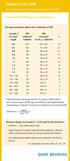 The sensitive marker for glomerular filtration rate (GFR) Estimation of GFR from Serum Cystatin C: The good correlation allows close estimation of GFR Cystatin C GFR GFR in serum estimated* measured* n
MULTIPLE MYELOMA. Overview
 MULTIPLE MYELOMA Overview Steven R. Schuster, M.D. May 7, 2015 Objectives Give an overview of Multiple Myeloma Everything I know in 15 minutes Explain how genetic information can be used to personalize
Multiple Myeloma and Related Disorders. Zsolt Nagy
 Multiple Myeloma and Related Disorders Zsolt Nagy Outline Biology Plasma Cell Dyscrasia MGUS Plasmacytoma Multiple myeloma Smoldering POEMS Waldenstrom s Macroglobulinemia Amyloidosis Classification of
Lymphoplasmacytic Lymphoma. Hematology fellows conference 4/12/2013 Christina Fitzmaurice, MD, MPH
 Lymphoplasmacytic Lymphoma versus IGM Multiple Myeloma Hematology fellows conference 4/12/2013 Christina Fitzmaurice, MD, MPH Hematology consult patient 48 yo woman presents to ER with nonspecific complaints:
NON SECRETORY MULTIPLE MYELOMA A CASE REPORT
 NON SECRETORY MULTIPLE MYELOMA A CASE REPORT Golwilkar A.,*Saluja R., Mehendale A. and Jalnapurkar N. Department of Histopathology, Golwilkar Metropolis Health Services (India) Pvt Ltd *Author for Correspondence
經 多 線 新 藥 治 療 後 多 發 性 骨 髓 瘤 產 生 之 " 輕 鍊 脫 逃 " 現 象 及 災 難 性
 台 灣 癌 症 醫 誌 (J. Cancer Res. Pract.) 1(1), 39-45, 2014 Case Report journal homepage:www.cos.org.tw/web/index.asp Light Chain Escape Multiple Myeloma Complicated with Catastrophic Extramedullary Plasmacytoma
Hematology Morphology Critique
 Survey Slide: History: 60-year-old female presenting with pneumonia Further Laboratory Data: Hgb : 90 g/l RBC : 2.92 10 12 /L Hct : 0.25 L/L MCV : 87 fl MCH : 30.8 pg MCHC : 355 g/l RDW : 17.7 % WBC :
Waldenström Macroglobulinemia, AL Amyloidosis, and Related Plasma Cell Disorders: Diagnosis and Treatment
 NOVEMBER 2006 IMPROVING PATIENT CARE THROUGH ESOTERIC LABORATORY TESTING VOLUME 31, NO. 11 Monoclonal Gammopathy of Undetermined Significance, Waldenström Macroglobulinemia, AL Amyloidosis, and Related
FEIST- WEILLER CANCER CENTER MULTIPLE MYELOMA GUIDELINES. Updated December, 2011. Authors: Nebu Koshy, MD. Binu Nair, MD. Gerhard Hildebrandt, MD
 FEIST- WEILLER CANCER CENTER MULTIPLE MYELOMA GUIDELINES Updated December, 2011 Authors: Nebu Koshy, MD Binu Nair, MD Gerhard Hildebrandt, MD Reinhold Munker, MD Glenn Mills, MD Mandatory initial tests
Information Pathway. Myeloma tests and investigations. Paraprotein measurement
 Information Pathway Myeloma UK Broughton House 31 Dunedin Street Edinburgh EH7 4JG Tel: + 44 (0) 131 557 3332 Fax: + 44 (0) 131 557 9785 Myeloma Infoline 0800 980 3332 www.myeloma.org.uk Charity No. SC
Haematological Features and Serum Protein Pattern on Electrophoresis of Multiple Myeloma in Sudanese Patients
 Pyrex Journal of Clinical Pathology and Forensic Medicine Vol 1 (2) pp. 009-016 November, 2015 http:///pjcpfm Copyright 2015 Pyrex Journals Original Research Article Haematological Features and Serum Protein
Multiple Myeloma and Amyloidosis: Optimism for Heretofore Incurable Diseases
 Multiple Myeloma and Amyloidosis: Optimism for Heretofore Incurable Diseases Robert Vescio, MD Director Multiple Myeloma & Bone Metastases Program Samuel Oschin Comprehensive Cancer Center Cedars-Sinai
July 2015 - Monthly Update, Quest Diagnostics Nichols Institute, Valencia
 TEST CHANGES Please Note: Not all test codes assigned to each assay are listed in the table of contents. Please refer to the complete listing on the page numbers indicated. Former Test Name Effective Date
Introduction. Plasma Cell Neoplasms: Diagnosis. Dr. Kevin Imrie Updated August 2007. Updates (extensive re-write):
 Plasma Cell Neoplasms Dr. Kevin Imrie Updated August 2007 Updates (extensive re-write): Major changes to initial therapy of younger and older patients Use of thalidomide, bortezomib Changes to bisphosphonate
Definition, Prevalence, Pathophysiology and Complications of CKD. JM Krzesinski CHU Liège-ULg Core curriculum Nephrology September 28 th 2013
 Definition, Prevalence, Pathophysiology and Complications of CKD JM Krzesinski CHU Liège-ULg Core curriculum Nephrology September 28 th 2013 KI supplements January 2013 Objectives of the course on CKD:
Protein electrophoresis is used to categorize globulins into the following four categories:
 Globulin Globulin is one of the two types of serum proteins, the other being albumin. This generic term encompasses a heterogeneous series of families of proteins, with larger molecules and less soluble
Extramedullary Plasmacytoma
 Extramedullary Plasmacytoma Carole Fakhry MD MPH The Milton J. Dance, Jr. Head and Neck Center at GBMC HEAD AND NECK GRAND ROUNDS 9-5-2008, Baltimore, Maryland Plasmacytoma Monoclonal proliferation of
THE ROLE OF RENAL BIOPSY IN GLOMERULAR DISEASES DIAGNOSTIC FRANCO FERRARIO FABIO PAGNI
 THE ROLE OF RENAL BIOPSY IN GLOMERULAR DISEASES DIAGNOSTIC FRANCO FERRARIO FABIO PAGNI Nephropathology Center San Gerardo Hospital-Monza Milan-Bicocca University Italy Percutaneous Renal Biopsy has a fundamental
Chapter 2. S. Hovenga 1, J.Th.M. de Wolf 1, J.E.J. Guikema 4, H. Klip 2, J.W. Smit 3, C.Th. Smit Sibinga 5, N.A. Bos 4, E.
 Chapter 2 Autologous stem cell transplantation in multiple myeloma after VAD and EDAP courses; a high incidence of oligoclonal serum immunoglobulins post transplantation S. Hovenga, J.Th.M. de Wolf, J.E.J.
Quantification of Multiple Therapeutic mabs in Serum Using microlc-esi-q-tof Mass Spectrometry
 Quantification of Multiple Therapeutic mabs in Serum Using microlc-esi-q-tof Mass Spectrometry Paula Ladwig, David Barnidge, Mindy Kohlhagen, John Mills, Maria Willrich, Melissa R. Snyder and David Murray
Evolving Management of Multiple Myeloma: 2015. Todd M. Zimmerman, M.D. Associate Professor of Medicine Section of Hematology/Oncology
 Evolving Management of Multiple Myeloma: 2015 Todd M. Zimmerman, M.D. Associate Professor of Medicine Section of Hematology/Oncology MULTIPLE MYELOMA Estimated 24,050 cases and 11,090 deaths in 2014 [1]
FIFTEEN YEARS OF SINGLE CENTER EXPERIENCE WITH STEM CELL TRANSPLANTATION FOR MULTIPLE MYELOMA: A RETROSPECTIVE ANALYSIS
 ORIGINAL ARTICLE FIFTEEN YEARS OF SINGLE CENTER EXPERIENCE WITH STEM CELL TRANSPLANTATION FOR MULTIPLE MYELOMA: A RETROSPECTIVE ANALYSIS Jakub Radocha, Vladimír Maisnar, Alžběta Zavřelová, Melanie Cermanová,
Standardization and Evaluation of IgA and IgM Gel Column Agglutination for Direct Antiglobulin Testing
 Standardization and Evaluation of IgA and IgM Gel Column Agglutination for Direct Antiglobulin Testing ABSTRACT BACKGROUND: Diagnosis of autoimmune hemolytic anemia is commonly confirmed with a positive
A Diagnostic Chest XRay: Multiple Myeloma
 Daniela Marinho Tridente, VI FCMSCSP October 2013 A Diagnostic Chest XRay: Multiple Myeloma Daniela Marinho Tridente, VI FCMSCSP Our Learning Agenda Introduction of our patient His imaging data and findings
Fundamentals in the Management of Multiple Myeloma
 CONTINUING MEDICAL EDUCATION Fundamentals in the Management of Multiple Myeloma S A W Fadilah, MMed (Int Med), FRCPE Department of Medicine & Cell Therapy Center, Faculty of Medicine, Universiti Kebangsaan
serum protein and A/ G ratio
 serum protein and A/ G ratio Blood plasma contains at least 125 individual proteins. Serum ( as contrasted with plasma) is deficient in those coagulation protein which are consumed during the process of
I've Just Been Diagnosed. with Multiple Myeloma, What s Next?
 I've Just Been Diagnosed with Multiple Myeloma, What s Next? Table of Contents Message from a Survivor Introduction What is Multiple Myeloma? What Causes Multiple Myeloma? Genes & Multiple Myeloma What
Light-chain multiple myeloma in a cat
 Brief Communications 443 J Vet Diagn Invest 19:443 447 (2007) Light-chain multiple myeloma in a cat Osamu Yamada, Kyoichi Tamura, Hiroko Yagihara, Mayu Isotani, Mari Azakami, Satoko Sawada, Kenichiro Ono,
Calculating the stage of Renal Disease
 Calculating the stage of Renal Disease When the Refresh Template/Check Labs button is depressed, the box next to MDRD, will be automatically checked. In order to use this in the calculation of the stage
Appendix D- Monoclonal Gammopathy of Undetermined Significance (MGUS)
 Local Enhanced Service: Primary care management of stable haematological patients Monoclonal Gammopathy of Undetermined Significance (MGUS) 1. Introduction Monoclonal Gammopathy of Undetermined Significance
Clinical Review Article. Multiple Myeloma. Darren S. Fentress, MD Luisa A. Orrico, MD Megan Kruspe, BS Kristi S. Briscoe, BS Damian A.
 Clinical Review Article Multiple Myeloma Darren S. Fentress, MD Luisa A. Orrico, MD Megan Kruspe, BS Kristi S. Briscoe, BS Damian A. Laber, MD, FACP Multiple myeloma (MM) is the most common hematologic