
Serum free light chains: diagnostic and prognostic value in multiple myeloma
|
|
|
- Alexia Clarke
- 9 years ago
- Views:
Transcription
1 Clin Chem Lab Med 2009;47(9): by Walter de Gruyter Berlin New York. DOI /CCLM /228 Serum free light chains: diagnostic and prognostic value in multiple myeloma Pavai Sthaneshwar*, Veerasekaran Nadarajan, Jayaranee A.S. Maniam, Nani Nordin and Gan Gin Gin Department of Pathology, University of Malaya, Kuala Lumpur, Malaya Abstract Background: Measurement of serum free light chains (FLCs) has recently become available for the diagnosis and monitoring of patients with plasma cell dyscrasias. The aim of this study was to investigate the performance of the serum FLC assay as a tumour marker by comparing FLC concentrations with serum protein electrophoresis (PE) results in the diagnosis of multiple myeloma (MM). In addition, we also evaluated the prognostic value of the baseline serum FLC ratio in patients with MM. Methods: We measured FLC concentrations and calculated the kappa/lambda (k/l) FLC ratios for three groups (control, polyclonal gammopathy and MM). Results: The FLC ratio at a cut-off threshold of 2.0 showed higher sensitivity and specificity compared with serum electrophoresis for the diagnosis of MM. We used the median FLC ratio of )57.5 and for k and l secretors, respectively, for assessing survival. Survival was 30 months in patients with the k/l ratio of )57.5 and compared to 47 months in patients with the ratio and )0.04, indicating that more abnormal serum FLC ratios are associated with poorer survival (p-0.011). Conclusions: Despite the limitations of the assay, the results of our study indicate that the FLC assay in combination with serum PE has an increased sensitivity in the diagnosis of MM. Also, baseline measurement of the k/l ratio provides prognostic information in these same patients. Clin Chem Lab Med 2009;47: Keywords: b 2 -microglobulin; multiple myeloma; serum electrophoresis; serum free light chains. Introduction Monoclonal gammopathies are a group of disorders characterised by clonal expansion of B cells that usually secrete intact monoclonal immuoglobulins, monoclonal free light chains (FLCs) or both. They may *Corresponding author: Pavai Sthaneshwar, Department of Pathology, University of Malaya, Kuala Lumpur, Malaya [email protected] Received May 2, 2009; accepted June 26, 2009 be present as a spectrum of diseases that include multiple myeloma (MM), Waldenstrom s macroglobulinaemia, asymptomatic myeloma, non-secretory myeloma, AL-amyloidosis, light chain deposition disease and monoclonal gammopathy of undetermined significance (MGUS) (1). Until recently, the recommended laboratory algorithm for patients suspected of having MM, primary amyloid (AL), and related disorders included serum or urine protein electrophoresis (PE) and immunofixation electrophoresis (IFE) to optimise detection of monoclonal gammopathies (2). Quantitation of monoclonal protein (M-protein) by PE is recommended as a tumour marker in patients with monoclonal gammopathy (3, 4). However, PE is a semiquantitative method for detection of M proteins, and may be misinterpreted as a negative result due to lack of sensitivity, or the masking effect from other proteins when the M-protein is not present in the g fraction. The accuracy of urine PE has been questioned in patients with proteinuria (5). Moreover, PE and IFE have limited use in the identification of patients with light chain MM (LCMM), non-secretory MM and AL amyloidosis where the M-protein may not be present in sufficient concentrations for detection. In order to diagnose and monitor these patients, an alternative assay has been developed to identify, characterise and quantitate serum FLCs. The only commercially available quantitative assay for FLCs was introduced in 2001 (FREELITE, The Binding Site Ltd, Birmingham, UK). This immunoassay measures very low concentrations of FLC in serum, with virtually no cross reactivity with light chains contained within intact immunoglobulins (6). This assay is not capable of distinguishing monoclonal from polyclonal FLCs, but the use of the kappa to lambda (k/l) ratio enables the identification of imbalances in light chain production. Abnormal k and l FLC ratios may be due to immune suppression, immune stimulation, reduced renal clearance or monoclonal lymphoplasmacytic proliferative disorders. Sera from patients with either polyclonal hypergammaglobulinaemia or renal impairment often have increased k FLC and l FLC, but in these cases the k/l FLC ratio remains normal. It is presumed that abnormal k/l FLC ratios only result from a clonal B-lymphoid or plasma cell proliferative disorder, and is interpreted as evidence of free monoclonal light chains in the serum. Recently, Snozek et al. (7) have described that the concentration of serum FLCs at initial diagnosis is an important predictor of prognosis in myeloma, and can be incorporated into International Staging System (ISS) for improved risk stratification. The goal of this study was to investigate the performance of the serum FLC assay as a tumour marker by comparing FLC concentrations with serum PE for

2 1102 Sthaneshwar et al.: Serum free light chains in multiple myeloma the diagnosis of MM. In addition, we also evaluated the prognostic value of baseline serum FLC ratios in these same patients. Patients and methods The study group comprised 59 patients who had been diagnosed with MM from 1999 to 2008, and 30 patients who were noted to have polyclonal gammopathy due either to infection or inflammation. Archived serum samples from blood collected at the time of initial diagnosis were available for measurement of serum FLCs. The reference interval for serum FLC was established using 30 blood samples collected from healthy blood donors. The clinical diagnosis of MM was based on findings of serum or urine PE and IFE, plasma cell content of bone marrow aspirates or trephine biopsies, together with the clinical features of MM, including lytic bone lesions or fractures. Information regarding patient demographics, clinical presentations and indicators of disease activity, such as serum calcium, serum albumin, haemoglobin, platelet count, M-protein concentrations, plasma cell infiltration, C-reactive protein (CRP) concentrations, serum b 2 -microglobulin (b2m) and presence of bony lytic lesions recorded at the time of diagnosis, were retrieved from the medical records and the laboratory information system. Serum FLC concentrations were measured using a latex-enhanced immunonephelometry method (The Binding Site, Birmingham, UK) performed using the Beckman Coulter IMMAGE 800 analyser (Beckman Coulter, Brea, CA, USA). Statistical analysis Means, standard deviations (SDs) and reference intervals (mean"2 SD) were calculated for k, l and the k/l ratio. One-way ANOVA was used to compare the mean k/l ratio in normal, polyclonal and MM patients. Sensitivity, specificity, positive predictive value (PPV) and negative predictive value (NPV) were calculated for the k/l ratio using different cut-off thresholds and for the results of serum PE (Table 1). Survival was defined as the time from initial diagnosis to death or the last follow-up and was calculated by the method of Kaplan and Meier (8). The survival curves were compared using the log-rank test. The Cox proportional hazards regression model was used to analyse univariately the influence of prognostic factors on survival. Statistically significant factors were further tested in multivariate analysis with stepwise forward selection. p-values were considered to be significant. The relationship between abnormal k/l ratio and the other disease related parameters was assessed using the x 2 - test. Statistical analysis was performed using SPSS for Windows version 11.0 (SPSS Inc., Chicago, IL, USA). Results The reference range for the serum k, l and k/l ratio calculated from 30 healthy donors was found to be , and mg/l, respectively (mean"2 SD). The reference intervals recommended by the manufacturer for k and l when using this platform are mg/l and mg/l, respectively. The mean (median) serum k, l and k/l ratio in the group with polyclonal gammopathy were (52.8), (54.1) and 0.89 (0.81) mg/l, respectively. The mean k and l values were significantly increased compared to the controls (p-0.05), but no significant difference was noted in the k/l ratio (ps0.73) between controls and patients with polyclonal gammopathy. Fifty-three patients with MM (90%) had intact immunoglobulin MM (IIMM). Based on IFE results, 44 (83%) of them were identified to have the IgG isotype, eight (15%) with IgA and one (2%) with IgM. k Light chain restriction was observed in 30 (57%) patients and l light chain restriction in 23 (43%). The remaining six patients were diagnosed as light chain MM (LCMM). Three of the six LCMM patients (10%) were noted to be k secretors, and the other three were l secretors. The mean (median) k, l concentrations in 59 patients with MM were (140.75) mg/l and (14.3) mg/l, respectively. These values were significantly increased when compared to those in the control group; ps0.003, The mean (median) k/l ratio for k secretors and l secretors were (57.5) and 0.24 (0.04), respectively. The k/l ratio in MM was significantly abnormal compared to that of controls (ps0.005), and the group with polyclonal gammopathy (ps0.008). The distributions of k and l FLC in the control group, polyclonal group and patients with MM are shown in the scatter plot (Figure 1). The distribution of the k/l ratio in the control group, polyclonal gammopathy group, and k-mm and l-mm groups are shown in the box plot (Figure 2). Fourteen of the patients with MM succumbed to their disease. In nine patients, there was no follow-up after a period of time. Of the 59 patients with MM, 57 had increased serum FLC concentrations and abnormal k/l ratios according to the type of light chain restrictions. Two patients had a normal k/l ratio and both of these patients had IgG-l MM. In one of them, serum k and l concentrations were normal, the other patient showed k and l concentrations that were increased, accounting for the normal k/l ratio. In the patients with polyclonal gammopathy, higher serum FLC concentrations were observed. However, the k/l ratio was within the val- Table 1 Sensitivity, specificity, PPV and NPV of the k/l ratio at different cut-off thresholds, and serum protein electrophoresis. Method (cut-off value) Sensitivity, % Specificity, % PPV, % NPV, % k/l ( ) k/l ( ) k/l ( ) Serum PE PPV, positive predictive value; NPV, negative predictive value; serum PE, serum protein electrophoresis.

3 Sthaneshwar et al.: Serum free light chains in multiple myeloma 1103 ues obtained for our reference population in all except four in whom the k/l ratio was slightly increased (k/l ratio )1.2 and -2). When a cut-off threshold for the k/l ratio of 2.0 was used, it showed better sensitivity, specificity, PPV and NPV (Table 1) when compared with the reference value for the k/l ratio of , and when compared with serum PE. In eight patients with MM, the M-protein was not detected in the g region by serum PE. However, the PE showed abnormally elevated b and a2 globulins in three and one patient, respectively. These four patients were diagnosed with intact IgA MM by serum IFE. The other four patients had LCMM. In two of these patients, serum PE showed no abnormalities, whereas the other two were noted to have hypogammaglobulinaemia. However, the M-protein was identified in PE and IFE of urine. All eight patients had increased serum FLC concentrations and an abnormal k/l ratio. Survival analysis and prognostic significance of serum FLC and other variables Figure 1 Distributions of k and l FLC in normal, multiple myeloma and polyclonal gammopathy group. The median survival time for the patients with MM patients was noted to be 43 months. Univariate analysis of the parameters using Cox proportional hazards regression showed that six out of the ten variables analysed were associated significantly with survival. These variables included albumin, calcium, creatinine, the serum FLC ratio, ISS, and b2m (Table 2 and Figure 3). A median FLC ratio )57.5 and for k and l secretors, respectively, was used for assessing prognosis. In the multivariate analysis, the serum FLC ratio (k/l and l/k ratio), serum b2m and serum calcium concentrations were found to have independent prognostic predictive value for survival. p-values were 0.011, and 0.022, respectively. Correlations with parameters of disease activity (Table 3) The FLC ratio correlated with creatinine, haemoglobin, calcium, b2m, Durie-Salmon staging (DSS) and ISS (p-0.05). No correlation was noted with age, gender, and albumin (p)0.05). Discussion Figure 2 Distribution of k/l ratio in control, polyclonal gammoapthy, multiple myeloma with k- and l restriction. Serum PE is the most common test in use for detecting monoclonal immunoglobulins, with a sensitivity that is between 500 mg/l and 2000 mg/l (9). The wide range of sensitivity can be explained by the different migration patterns of M-proteins. In the majority of cases, the monoclonal component migrates in the g globulin region and is easier to detect. However, occasionally the M-spike can be missed if it is masked by proteins within the b and a globulin region. Immunofixation is a more sensitive technique and can detect between 100 mg/l and 150 mg/l of M-protein (6). A new commercially available automated immunoassay enables quantifitation of serum k and l FLCs. The ability of the FLC assay to identify most patients with LCMM suggests that analysis of urine may rarely be needed for diagnosis of these patients (3). The serum FLC assay has also been shown to be useful for the diagnosis and monitoring of patients with non-secretory myeloma (10). In our study, 96.6% (57/ 59) of patients with MM had increased serum FLC concentrations and an abnormal k/l ratio. The light chains were increased according to the clonal type. In two patients, the serum FLC ratio was within the reference interval, although serum PE showed the presence of M-protein. It has been reported that in 10% of IIMM, the k/l ratio can be normal (11, 12). However, in our study, serum PE was not helpful in diagnosing MM in eight patients (10%), and the M-protein was detected either by IFE or urine PE. Four of these patients had an M-band migrating within the b or a 2

4 1104 Sthaneshwar et al.: Serum free light chains in multiple myeloma Table 2 Cox model and univariate analysis of patients with multiple myeloma. Parameters Median survival Number, n p-value rate, months Age, years ) Sex Male Female Hb, g/l G Serum FLC ratio or ) )57.5 or Calcium, mmol/l G Measured albumin, g/l G Creatinine, mmol/l G b2m, mg/l ) DS staging 1A A B 6 2 3A B IS staging 1 No event Hb, haemoglobin; FLC, free light chain; b2m, b 2 -microglobulin; DS, Durie-Salmon; IS, International Staging. Figure 3 Survival functions. region, and the remaining four patients had LCMM. In all these patients, the k/l ratio was abnormal. Serum FLC assays are more sensitive than PE in conditions, such as LCMM and MM, where the M-spike can be masked by other proteins. Increased concentration of FLC can occur not only in MM, but also in inflammation or infection where there is an increased synthesis (4). In addition, patients with renal impairment can retain FLCs for a longer time (6, 13). We noted increased serum FLC concentrations in patients with polyclonal gammopathy, but their k/l ratios were usually normal. In three patients, the ratio was slightly increased but Abadie et al. (14) observed a mildly increased k/l ratio up to 3.1 with increased serum creatinine and/or polyclonal hypergammaglobulinaemia. Hence, they recommended a suitable reference interval to be used in interpreting results in these patients. Using a cut-off threshold of 2.0 for the FLC ratio, 100% PPV and 96.8% NPV was noted, enabling us to differentiate polyclonal gammopathy from MM. Similar findings have been reported by Kang et al. (15). The present study shows higher sensitivity when a cut-off threshold of 2.0 for the k/l ratio was used, compared to serum PE (96.6% vs. 86.4%) in detecting MM. This finding is in agreement with that of other studies (15, 16). The sensitivity was 100% when both assays were used. Therefore, if a diagnosis of MM is suspected, optimum laboratory practice should be to screen sera using both electrophoresis and the FLC assay. The outcome for patients with MM is highly variable. With the use of conventional chemotherapy, the median survival of patients with MM has been ;3 years, and the proportion of long-term survivors is disappointingly small. Since the first formal publication 40 years ago by Carbone et al. (17), several prognostic factors that identify groups of patients with significantly different survival probabilities have

5 Sthaneshwar et al.: Serum free light chains in multiple myeloma 1105 Table 3 Comparison of patient demographics according to baseline FLC ratios. Parameters FLC ratio FLC ratio p-value or )0.04 )57.5 or x 2 (ns28) (ns31) Age, years )0.05 ) Sex Male )0.05 Female Hb, g/l G Calcium, mmol/l G Measured albumin, g/l )0.05 G Creatinine, mmol/l G b2m, mg/l G DS staging 1 and IS staging 1 and Hb, hemoglobin; FLC, free light chain; b2m, b 2 -microglobulin; DS, Durie-Salmon; IS, International Staging. been identified. In 1975, the DSS system (18) was introduced and is still widely used. In the 1980s, b2m emerged as a simple reliable predictor of survival. Subsequently, other prognostic factors were introduced, including serum CRP, albumin, the plasma cell labelling index, cell cycle analysis, creatinine clearance and deletion of chromosome 13 (19, 20). In our study, univariantly significant baseline factors associated with decreased survival were albumin -35 g/l, calcium G2.5 mmol/l, creatinine G115 mmol/l, a serum FLC ratio )57.5 and -0.04, higher International Staging, and b2m )5.5 mg/l (Table 2). Among these baseline variables, the serum FLC ratio, serum b2m and serum calcium retained independent prognostic significance. Several biochemical markers are linked to disease activity, and the most important of them is b2m concentrations. b2m is part of the major histocompatibility complex class I molecule on the cell surface of nucleated cells, and is regarded as the most important prognostic factor in MM. The ISS uses serum b2m concentrations for staging of MM. b2m concentrations increase as a result of both tumour burden and deterioration of renal function. Several threshold values for b2m (3 6 mg/dl) have been used to discriminate prognostic subgroups (21, 22). We used a cut-off threshold of 5.5 mg/dl. The higher the b2m value, the shorter the survival (21, 22). The DSS system categorises patients into 1 of 3 categories (stage I, II, or III) based on haemoglobin concentrations, serum calcium concentrations, the production rate of M-protein, and the number of osteolytic lesions. Hypercalcaemia remains the most frequent metabolic complication in patients with myeloma, and excessive osteolysis plays a major contributory role in its pathogenesis. In the study by Abildgaard et al. (23), serum calcium showed the highest prognostic significance using multivariate analysis. Higher serum calcium concentrations were also associated with poorer outcome of patients in our study, and multivariate analysis showed calcium to be an independent prognostic factor (p-0.02). Abnormal baseline FLC ratios correlated with creatinine, calcium, DSS, b2m and ISS staging, indicating more aggressive disease and higher tumour burden. Similar findings have been reported by van Rhee et al. (24). Recently, Kyrtsonis et al. (25) described the use of serum FLC concentrations for predicting prognosis, independently of the ISS, in a relatively small group of patients with MM. A study by van Rhee et al. (24) in the same year confirmed that the baseline FLC ratio was predictive of survival within the first 2 years following diagnosis. Snozek et al. (7) suggested that the serum FLC ratio at initial diagnosis is an important predictor of prognosis in myeloma, and can be incorporated into the ISS for improved risk stratification. In their study, they observed that median survival was lower in patients with FLC ratios of and )32. We used the median FLC ratio of )57.5 and for k and l secretors, respectively, for assessing survival. The median FLC ratio used in the study is different from that reported by Snozek et al. (7), possibly due to the smaller number of MM patients in our

6 1106 Sthaneshwar et al.: Serum free light chains in multiple myeloma study; 23 (39%) of which were in stage 3. The different value used could also be attributed to different analysers used in the studies. According to Tate et al. (13), discordant results arising from instruments include differences in the analyser performance, or analytical imprecision on the calculation of the FLC ratio. The survival was 30 months in patients with the k/l ratio of )57.5 and -0.04, compared to 47 months in patients with the ratio and )0.04. This indicates that higher serum FLC ratios are associated with poorer survival (p-0.011). Our study also supports the findings of previous investigators who found that the serum FLC ratio is an independent prognostic variable in MM. In their recent guidelines for serum-flc analysis in MM and related disorders, the International Myeloma Working Group (26) has recommended three major indications for the FLC measurement. First, in the context of screening, the serum FLC assay in combination with serum PE and immunofixation yields high sensitivity. Second, the baseline FLC measurement is of major prognostic value in virtually every plasma cell disorder (PCD). Third, the FLC assay allows for quantitative monitoring of patients with oligosecretory PCD. FLC assays do have some drawbacks. No international standard exists for FLCs. Serum FLC concentrations, by themselves cannot be used to diagnose MM. There is a need for complementary IFE to be performed to confirm the clonality. The FLC ratio can also be normal in IIMM. Tate et al. (13) reported that the inaccuracies in the assay could be attributable to (i) differences in the immunoreactivity of monoclonal FLCs compared to the polyclonal calibrator used for calibration and (ii) over or under estimation of FLC due to polymerisation of monoclonal FLCs. Also, they have reported that the analytical performance and FLC values differed between instruments and methodologies. Despite these limitations, the results of our study indicate that the FLC assay in combination with serum PE has an increased sensitivity in the diagnosis of MM, and baseline measurement of the k/l ratio provides prognostic information in these patients. Acknowledgements We thank Alex Legg (Binding Site) for the guidance during the study. References 1. Merlini G. Monoclonal gammopathies. Cancer J 1995;8: International Myeloma Working Group. Criteria for the classification of monoclonal gammopathies, multiple myeloma and related disorders: a report or the International Myeloma Working Group. Br J Haematol 2003;121: Bradwell AR, Car-Smith HD, Mead GP, Harvey TC, Drayson MT. Serum test for assessment of patients with Bence Jones myeloma. Lancet 2003;361: Katzmann JA, Clark RJ, Abraham RS, Bryant S, Lymp JF, Bradwell AR, et al. Serum reference intervals and diagnostic ranges for free kappa and free lambda immunoglobulin light chains: relative sensitivity for detection of monoclonal light chains. Clin Chem 2002;48: Le Bricon T, Bengoufa D, Benlakehal M, Bousquet B, Erlich D. Urinary free light chain analysis by the Freelite immunoassay: a preliminary study in multiple myeloma. Clin Biochem 2002;35: Bradwell AR, Carr-Smith HD, Mead GP, Tang LX, Showell PJ, Drayson MT, et al. Highly sensitive automated immunoassay for immunoglobulin free light chains in serum and urine. Clin Chem 2001;47: Snozek CL, Katzmann JA, Kyle RA, Dispenzieri A, Larson DR, Therneau TM, et al. Prognostic value of the serum free light chain ratio in newly diagnosed myeloma: proposed incorporation into the international staging system. Leukaemia 2008;22: Kaplan E, Meier P. Nonparametric estimation from incomplete observation. J Am Stat Assoc 1958;58: Wolff F, Thiry C, Willems D. Assessment of the analytical performance and the sensitivity of serum free light chains immunoassay in patients with monoclonal gammopathy. Clin Biochem 2007;40: Drayson M, Tang LX, Drew R, Mead GP, Carr-Smith H, Bradwell AR. Serum free light chain measurements for identifying and monitoring patients with non-secretory multiple myeloma. Blood 2001;97: Bratt G. The evolving use of serum free light chain assays in haematology. Br J Haematol 2008;141: Mead GP, Carr-Smith HD, Drayson MT, Morgan GJ, Child JA, Bradwell AR. Serum free light chains for monitoring multiple myeloma. Br J Haematol 2004;126: Tate JR, Gill D, Cobcroft R, Hickman PE. Practical considerations for the measurement of free light chains in serum. Clin Chem 2003;49: Abadie JM, van Hoeven KH, Wells JM. Are renal reference intervals required when screening for plasma cell disorders with serum free light chains and serum protein electrophoresis? Am J Clin Pathol 2009;131: Kang SY, Suh JT, Lee HJ, Yoon HJ, Lee WI. Clinical usefulness of free light chain concentration as a tumor marker in multiple myeloma. Ann Hematol 2005;84: Piehler AP, Gulbrandsen N, Kierulf P, Urdal P. Quantitation of serum free light chains in combination with protein electrophoresis and clinical information for diagnosing multiple myeloma in a general hospital population. Clin Chem 2008;54: Carbone PP, Kellerhouse LE, Gehan EA. Plasmacytic myeloma. A study of the relationship of survival to various clinical manifestations and anomalous protein type in 112 patients. Am J Med 1967;42: Durie BG, Salmon SE. A clinical staging system for multiple myeloma. Correlation of measured myeloma cell mass with presenting clinical features, response to treatment, and survival. Cancer 1975;36: Yun JP, Suh C, Lee E, Chang JW, Yang WS, Park JS, et al. Comparison of serum B-2 microglobulin and 24 hour urinary creatinine clearance as a prognostic factor in multiple myeloma. J Korean Med Sci 2006;21: Facon T, Abet-Loiseau H, Guillerm G, Moreau P, Genevieve F, Zandecki M, et al. Chromsome 13 abnormalities identified by FISH analysis and serum beta 2 microglobulin produce a powerful myeloma staging system for patients receiving high-dose therapy. Blood 2001;97: Cuzick J, De Stavola BL, Cooper EH. Long-term prognostic value of serum B-2-microglobulin in myelomatosis. Br J Haematol 1990;75: Bataille R, Greiner J, Sany J. Beta-2-microglobulin in myeloma: optimal use for staging, prognosis and treat-

7 Sthaneshwar et al.: Serum free light chains in multiple myeloma 1107 ment: a prospective study of 160 patients. Blood 1984; 63: Abildgaard N, Bentzen SM, Nielsen JL, Heickendorff L. Serum markers of bone metabolism in multiple myeloma: prognostic value of the carboxy-terminal telopeptide of type I collagen (ICTP). Nordic Myeloma Study Group (NMSG). Br J Haematol 1997;96: van Rhee F, Bolejack V, Hollmig K, Pineda-Roman M, Anaissie E, Epstein J, et al. High serum-free light chain levels and their rapid reduction in response to therapy define an aggressive multiple myeloma subtype with poor prognosis. Blood 2007;110: Kyrtsonis MC, Vassilakopoulos TP, Kafasi N, Sachanas S, Tzenou T, Papadogiannis A, et al. Prognostic value of serum free light chain ratio at diagnosis in multiple myeloma. Br J Haematol 2007;137: Dispenzieri A, Kyle R, Merlini G, Miguel JS, Ludwig H, Hajek R. International Myeloma Working Group guidelines for serum-free light chain analysis in multiple myeloma and related disorders. Leukemia 2009;23:

UNDERSTANDING MULTIPLE MYELOMA AND LABORATORY VALUES Benjamin Parsons, DO [email protected] Gundersen Health System Center for Cancer and
 UNDERSTANDING MULTIPLE MYELOMA AND LABORATORY VALUES Benjamin Parsons, DO [email protected] Gundersen Health System Center for Cancer and Blood Disorders La Crosse, WI UNDERSTANDING MULTIPLE
Multiple Myeloma Patient s Booklet
 1E Kent Ridge Road NUHS Tower Block, Level 7 Singapore 119228 Email : [email protected] Website : www.ncis.com.sg LIKE US ON FACEBOOK www.facebook.com/ nationaluniversitycancerinstitutesingapore Multiple
Multiple Myeloma Workshop- Tandem 2014
 Multiple Myeloma Workshop- Tandem 2014 1) Review of Plasma Cell Disorders Asymptomatic (smoldering) myeloma M-protein in serum at myeloma levels (>3g/dL); and/or 10% or more clonal plasma cells in bone
Things You Don t Want to Miss in Multiple Myeloma
 Things You Don t Want to Miss in Multiple Myeloma Sreenivasa Chandana, MD, PhD Attending Hematologist and Medical Oncologist West Michigan Cancer Center Assistant Professor, Western Michigan University
Diagnostic accuracy of monoclonal antibody based serum immunoglobulin
 1 2 Diagnostic accuracy of monoclonal antibody based serum immunoglobulin free light chain immunoassays in myeloma cast nephropathy 3 4 Running Title: Free light chain immunoassays 5 6 Colin A Hutchison
Comparison of Serum Beta 2-Microglobulin and 24 hour Urinary Creatinine Clearance as a Prognostic Factor in Multiple Myeloma
 J Korean Med Sci 2006; 21: 639-44 ISSN 1011-8934 Copyright The Korean Academy of Medical Sciences Comparison of Serum Beta 2-Microglobulin and 24 hour Urinary Creatinine Clearance as a Prognostic Factor
for B cell Dyscrasias
 Serum Free Light Chain Assays Recommended by International Myeloma Working Group guidelines for B cell Dyscrasias The Specialist Protein Company Index Page Introduction to Freelite 1 What is Freelite?
Understanding Serum Free Light Chain Assays
 Understanding Serum Free Light Chain Assays International Myeloma Foundation 12650 Riverside Drive, Suite 206 North Hollywood, CA 91607 USA Telephone: 800-452-CURE (2873) (USA & Canada) 818-487-7455 Fax:
Use of free light chain analysis in the diagnosis, prognosis and therapy of multiple myeloma. Amitabha Mazumder, MD
 Use of free light chain analysis in the diagnosis, prognosis and therapy of multiple myeloma Amitabha Mazumder, MD Monoclonal Gammopathies Multiple Myeloma 18% Light Chain Dep Ds < 1% AL Amyloidosis 9%
Plasma cell dyscrasias Mark Drayson
 Plasma cell dyscrasias Mark Drayson Mortality statistics for England and Wales. Deaths attributed to multiple myeloma from 1988-1997 by age cohort as a percentage of total (21,257) deaths Deaths in age
New diagnostic criteria for myeloma
 New diagnostic criteria for myeloma Dr Guy Pratt Senior Lecturer/Honorary Consultant Haematologist University of Birmingham/Heart of England NHS Trust International Myeloma Working Group (IMWG) define
SOUTHWEST ONCOLOGY GROUP CLINICAL RESEARCH ASSOCIATE (CRA) MANUAL. MYELOMA CHAPTER 10 REVISED: March 2008
 Introduction This disease site includes the following three malignancies: multiple myeloma, amyloidosis, and waldenstrom's macroglobulinemia. See pages 4 and 5 for descriptions of the latter two diseases.
Monoclonal Gammopathy of Undetermined Significance (MGUS) Facts
 Monoclonal Gammopathy of Undetermined Significance (MGUS) Facts Normal plasma cells (a type of white blood cell) produce antibodies (also known as immunoglobulins) which help fight infection. Each type
Multiple Myeloma. The term multiple myeloma is considered to be synonymous with myeloma, plasma cell myeloma, active and symptomatic myeloma.
 Multiple Myeloma. The term multiple myeloma is considered to be synonymous with myeloma, plasma cell myeloma, active and symptomatic myeloma. The intent is to positively identify patients with active or
MULTIPLE MYELOMA Review & Update for Primary Care. Dr. Joseph Mignone 21st Century Oncology
 MULTIPLE MYELOMA Review & Update for Primary Care Dr. Joseph Mignone 21st Century Oncology OVERVIEW Identify the diagnostic criteria for multiple myeloma Compare first & second line therapies, using data
Investigation of B cell malignancies. Dr. Joanna Sheldon Protein Reference Unit St. George s s Hospital
 Investigation of B cell malignancies Dr. Joanna Sheldon Protein Reference Unit St. George s s Hospital The B cell progression from «Pluripotent stem cell «Lymphoid committed stem cell «B lineage committed
TABLE OF CONTENTS. Multiple Myeloma / Plasma Cell Leukemia Pre-HSCT Data
 Instructions for Multiple Myeloma / Plasma Cell Leukemia Pre-HSCT Data (Form 2016) This section of the CIBMTR Forms Instruction Manual is intended to be a resource for completing the Multiple Myeloma /
FastTest. You ve read the book... ... now test yourself
 FastTest You ve read the book...... now test yourself To ensure you have learned the key points that will improve your patient care, read the authors questions below. Please refer back to relevant sections
Malignant Lymphomas and Plasma Cell Myeloma
 Malignant Lymphomas and Plasma Cell Myeloma Dr. Bruce F. Burns Dept. of Pathology and Lab Medicine Overview definitions - lymphoma lymphoproliferative disorder plasma cell myeloma pathogenesis - translocations
Whole Antibody and Free Light Chain Production by Plasma Cells
 MYELOMA Very Good ; Stringent or Complete Navigating the maze of Responses Parameswaran Hari Medical College of Wisconsin Milwaukee Increasing understanding of disease biology in the last few years Deeper
Understanding Protein Electrophoresis
 Understanding Protein Electrophoresis International Myeloma Foundation 12650 Riverside Drive, Suite 206 North Hollywood, CA 91607 USA Telephone: 800-452-CURE (2873) (USA & Canada) 818-487-7455 Fax: 818-487-7454
Information Pathway. Myeloma tests and investigations. Paraprotein measurement
 Information Pathway Myeloma UK Broughton House 31 Dunedin Street Edinburgh EH7 4JG Tel: + 44 (0) 131 557 3332 Fax: + 44 (0) 131 557 9785 Myeloma Infoline 0800 980 3332 www.myeloma.org.uk Charity No. SC
NON SECRETORY MULTIPLE MYELOMA A CASE REPORT
 NON SECRETORY MULTIPLE MYELOMA A CASE REPORT Golwilkar A.,*Saluja R., Mehendale A. and Jalnapurkar N. Department of Histopathology, Golwilkar Metropolis Health Services (India) Pvt Ltd *Author for Correspondence
Continuing Medical Education Article Imaging of Multiple Myeloma and Related Plasma Cell Dyscrasias JNM, July 2012, Volume 53, Number 7
 Continuing Medical Education Article Imaging of Multiple Myeloma and Related Plasma Cell Dyscrasias JNM, July 2012, Volume 53, Number 7 Authors Ronald C. Walker 1,2, Tracy L. Brown 3, Laurie B. Jones-Jackson
Proteins. Protein Trivia. Optimizing electrophoresis
 Proteins ELECTROPHORESIS Separation of a charged particle in an electric field Michael A. Pesce, Ph.D Department of Pathology New York-Presbyterian Hospital Columbia University Medical Center Rate of migration
1.5 Function of analyte For albumin, see separate entry. The immunoglobulins are components of the humoral arm of the immune system.
 Total protein (serum, plasma) 1 Name and description of analyte 1.1 Name of analyte Total protein 1.2 Alternative names None 1.3 NMLC code 1.4 Description of analyte This is a quantitative measurement
Multiple myeloma: challenges of management in a developing country
 Journal of Medicine and Medical Sciences Vol. 3(6) pp. 397-403, June 2012 Available online http://www.interesjournals.org/jmms Copyright 2012 International Research Journals Full Length Research Paper
chronic leukemia lymphoma myeloma differentiated 14 September 1999 Pre- Transformed Ig Surface Surface Secreted Myeloma Major malignant counterpart
 Disease Usual phenotype acute leukemia precursor chronic leukemia lymphoma myeloma differentiated Pre- B-cell B-cell Transformed B-cell Plasma cell Ig Surface Surface Secreted Major malignant counterpart
Multiple Myeloma Making Sense of the Report Forms. Parameswaran Hari Medical College of Wisconsin Milwaukee
 Hodgkin CML MDS/Other Leuk CLL Neuroblastoma Multiple Myeloma Making Sense of the Report Forms Parameswaran Hari Medical College of Wisconsin Milwaukee Indications for Blood and Marrow Transplantation
Study of serum protein electrophoresis in suspected cases of Multiple Myeloma.
 Journal homepage: http://www.journalijar.com INTERNATIONAL JOURNAL OF ADVANCED RESEARCH RESEARCH ARTICLE Study of serum protein electrophoresis in suspected cases of Multiple Myeloma. Dr. Dharmishtha N.
 MULTIPLE MYELOMA 1 PLASMA CELL DISORDERS Multiple l Myeloma Monoclonal Gammopathy of Undetermined Significance (MGUS) Smoldering Multiple Myeloma (SMM) Solitary Plasmacytoma Waldenstrom s Macroglobulinemia
The sensitive marker for glomerular filtration rate (GFR) Estimation of GFR from Serum Cystatin C:
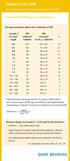 The sensitive marker for glomerular filtration rate (GFR) Estimation of GFR from Serum Cystatin C: The good correlation allows close estimation of GFR Cystatin C GFR GFR in serum estimated* measured* n
Understanding Protein Electrophoresis
 Understanding Protein Electrophoresis International Myeloma Foundation 12650 Riverside Drive, Suite 206 North Hollywood, CA 91607 USA Telephone: 800-452-CURE (2873) (USA & Canada) 818-487-7455 Fax: 818-487-7454
Beta-2-Microglobulin Is an Independent Predictor of Progression in Asymptomatic Multiple Myeloma
 Beta-2-Microglobulin Is an Independent Predictor of Progression in Asymptomatic Multiple Myeloma Davide Rossi, MD 1 ; Marco Fangazio, MD 1 ; Lorenzo De Paoli, MD 1 ; Alessia Puma, MD 1 ; Paola Riccomagno,
International Staging System: A Tool to Predict Survival in Patients with Multiple Myeloma
 World Applied Sciences Journal 16 (7): 1004-1008, 2012 ISSN 1818-4952 IDOSI Publications, 2012 International Staging System: A Tool to Predict Survival in Patients with Multiple Myeloma 1 2 3 Aneela Atta
Multiple Myeloma How to Evaluate Response To Treatment and Relapse
 Multiple Myeloma How to Evaluate Response To Treatment and Relapse D R L. G AR D E R E T Saint Antoine Hospital, Paris Haematology Department 1 What is Multiple Myeloma? 4 Diagnostic Tools 8 Response to
Myeloma pathways to diagnosis UCLP audit
 Myeloma pathways to diagnosis UCLP audit Dr Neil Rabin Consultant Haematologist University College London Hospitals & North Middlesex University Hospital Myeloma Clinical Features Bone pain (70%) High
Chapter 2. S. Hovenga 1, J.Th.M. de Wolf 1, J.E.J. Guikema 4, H. Klip 2, J.W. Smit 3, C.Th. Smit Sibinga 5, N.A. Bos 4, E.
 Chapter 2 Autologous stem cell transplantation in multiple myeloma after VAD and EDAP courses; a high incidence of oligoclonal serum immunoglobulins post transplantation S. Hovenga, J.Th.M. de Wolf, J.E.J.
Stem Cell Transplantation
 Harmony Behavioral Health, Inc. Harmony Behavioral Health of Florida, Inc. Harmony Health Plan of Illinois, Inc. HealthEase of Florida, Inc. Ohana Health Plan, a plan offered by WellCare Health Insurance
A Clinical Primer. for Managed Care Stakeholders
 reviews therapy Diagnosing, Staging, and Treating Multiple Myeloma: A Clinical Primer for Managed Care Stakeholders by Ralph V. Boccia, MD, FACP, Medical Director, Center for Cancer and Blood Disorders
Current Multiple Myeloma Treatment Adapted From the NCCN Guidelines
 Current Multiple Myeloma Treatment Adapted From the NCCN Guidelines Diagnosis Survival 3-5 yrs Survival
MULTIPLE MYELOMA. Dr Malkit S Riyat. MBChB, FRCPath(UK) Consultant Haematologist
 MULTIPLE MYELOMA Dr Malkit S Riyat MBChB, FRCPath(UK) Consultant Haematologist Multiple myeloma is an incurable malignancy that arises from postgerminal centre, somatically hypermutated B cells.
Appendix D- Monoclonal Gammopathy of Undetermined Significance (MGUS)
 Local Enhanced Service: Primary care management of stable haematological patients Monoclonal Gammopathy of Undetermined Significance (MGUS) 1. Introduction Monoclonal Gammopathy of Undetermined Significance
Outline. Question 1. Question 2. What is Multiple Myeloma? Andrew Eisenberger, MD
 Outline A Disease Overview June 3, 2013 Andrew Eisenberger, MD Assistant Professor of Medicine Hematology/Oncology Columbia Presbyterian Medical Center Introduction Epidemiology/Risk Factors Clinical Features/Diagnostic
Waldenström Macroglobulinemia: The Burning Questions. IWMF Ed Forum May 18 2014 Morie Gertz MD, MACP
 Waldenström Macroglobulinemia: The Burning Questions IWMF Ed Forum May 18 2014 Morie Gertz MD, MACP Are my kids going to get this? Familial seen in approximately 5 10% of all CLL patients and can be associated
A Diagnostic Chest XRay: Multiple Myeloma
 Daniela Marinho Tridente, VI FCMSCSP October 2013 A Diagnostic Chest XRay: Multiple Myeloma Daniela Marinho Tridente, VI FCMSCSP Our Learning Agenda Introduction of our patient His imaging data and findings
Multiple Myeloma Patient Handbook. www.myeloma.ca
 Multiple Myeloma Patient Handbook www.myeloma.ca Introduction This resource has been designed for: 1. Someone who has been newly diagnosed with myeloma and is wondering what it means and what the future
Shaji Kumar, M.D. Multiple Myeloma: Multiple myeloma (MM) is the second most common hematological
 An update on the management of multiple myeloma and amyloidosis Shaji Kumar, M.D. Multiple Myeloma: Multiple myeloma (MM) is the second most common hematological malignancy in this country affecting nearly
Interesting Case Review. Renuka Agrawal, MD Dept. of Pathology City of Hope National Medical Center Duarte, CA
 Interesting Case Review Renuka Agrawal, MD Dept. of Pathology City of Hope National Medical Center Duarte, CA History 63 y/o male with h/o CLL for 10 years Presents with worsening renal function and hypercalcemia
NATIONAL CANCER INSTITUTE. Lenalidomide or Observation in Treating Patients With Asymptomatic High-Risk Smoldering Multiple Myeloma
 NATIONAL CANCER INSTITUTE Lenalidomide or Observation in Treating Patients With Asymptomatic High-Risk Smoldering Multiple Myeloma Basic Trial Information Phase Type Status Age Sponsor Protocol IDs Phase
I've Just Been Diagnosed. with Multiple Myeloma, What s Next?
 I've Just Been Diagnosed with Multiple Myeloma, What s Next? Table of Contents Message from a Survivor Introduction What is Multiple Myeloma? What Causes Multiple Myeloma? Genes & Multiple Myeloma What
A new score predicting the survival of patients with spinal cord compression from myeloma
 A new score predicting the survival of patients with spinal cord compression from myeloma (1) Sarah Douglas, Department of Radiation Oncology, University of Lubeck, Germany; [email protected] (2) Steven
Multiple Myeloma Understanding your diagnosis
 Multiple Myeloma Understanding your diagnosis Multiple Myeloma Understanding your diagnosis When you first hear that you have cancer you may feel alone and afraid. You may be overwhelmed by the large amount
MULTIPLE MYELOMA. Overview
 MULTIPLE MYELOMA Overview Steven R. Schuster, M.D. May 7, 2015 Objectives Give an overview of Multiple Myeloma Everything I know in 15 minutes Explain how genetic information can be used to personalize
Kharkov Regional Centre of Cardiovascular surgery V.N. Karazin Kharkov National University Department of Internal Medicine.
 Kharkov Regional Centre of Cardiovascular surgery V.N. Karazin Kharkov National University Department of Internal Medicine Multiple Myeloma Associate professor Abduyeva F.M., MD, PhD 2014 Definition Multiple
Simple Method for Quantification of Bence Jones Proteins
 Clinical Chemistry 48:12 2202 2207 (2002) Proteomics and Protein Markers Simple Method for Quantification of Bence Jones Proteins Morten Salomo, 1 Peter Gimsing, 1 and Lars B. Nielsen 2* Background: Quantification
Multiple. Powerful thinking advances the cure
 Multiple Myeloma DISEASE OVERVIEW Powerful thinking advances the cure Powerful thinking advances the cure About the Multiple Myeloma Research Foundation The Multiple Myeloma Research Foundation (MMRF)
Pulling the Plug on Cancer Cell Communication. Stephen M. Ansell, MD, PhD Mayo Clinic
 Pulling the Plug on Cancer Cell Communication Stephen M. Ansell, MD, PhD Mayo Clinic Why do Waldenstrom s cells need to communicate? Waldenstrom s cells need activating signals to stay alive. WM cells
Serum Protein Electrophoresis
 Serum Protein Electrophoresis Karina Rodriguez-Capote MD, PhD, FCACB, Clinical Chemist, DynaLIFE Dx 2013 Laboratory Medicine Symposium Objectives Describe the electrophoresis procedure used to separate
How To Determine The Prevalence Of Microalbuminuria
 Research Journal of Pharmaceutical, Biological and Chemical Sciences Prevalence of Microalbuminuria in relation to HbA1c among known Type2 Diabetic Patients in Puducherry population Muraliswaran P 1 *,
Serum protein electrophoresis is a laboratory
 Understanding and Interpreting Serum Protein Electrophoresis THEODORE X. O CONNELL, M.D., TIMOTHY J. HORITA, M.D., and BARSAM KASRAVI, M.D. Kaiser Permanente Woodland Hills Family Medicine Residency Program,
Background Information Myeloma
 Myeloma FAST FACTS Myeloma, also known as multiple myeloma, is a type of cancer that develops from plasma cells which originate in the bone marrow 1 Myeloma is the second most common type of blood cancer
PATIENT HANDBOOK. Multiple Myeloma. Improving Lives Finding the Cure. Cancer of the Bone Marrow. Prepared by Brian G.M. Durie, M.D.
 PATIENT HANDBOOK A Publication of the International Myeloma Foundation Dedicated to improving the quality of life of myeloma patients while working toward prevention and a cure. Prepared by Brian G.M.
6/20/2014. PART I: Plasma Cell Myeloma. Plasma Cells
 MULTIPLE MYELOMA: THE TESTING, VALIDATION AND IMPLEMENTATION OF CELL SEPARATION TECHNOLOGY FOR IMPROVED PATIENT CARE Elizabeth Harper CG(ASCP), Binh Vo CG(ASCP), Joey Pena CG(ASCP), Denise Lovshe CG(ASCP),
Prognostic impact of uric acid in patients with stable coronary artery disease
 Prognostic impact of uric acid in patients with stable coronary artery disease Gjin Ndrepepa, Siegmund Braun, Martin Hadamitzky, Massimiliano Fusaro, Hans-Ullrich Haase, Kathrin A. Birkmeier, Albert Schomig,
The Role of Bisphosphonates in Multiple Myeloma: 2007 Update Clinical Practice Guideline
 The Role of Bisphosphonates in Multiple Myeloma: 2007 Update Clinical Practice Guideline Introduction ASCO convened an Update Committee to review and update the 2002 recommendations for the role of bisphosphonates
An overview of CLL care and treatment. Dr Dean Smith Haematology Consultant City Hospital Nottingham
 An overview of CLL care and treatment Dr Dean Smith Haematology Consultant City Hospital Nottingham What is CLL? CLL (Chronic Lymphocytic Leukaemia) is a type of cancer in which the bone marrow makes too
Clinical Course of Patients With Relapsed Multiple Myeloma. Mayo Clin Proc. July 2004;79(7):867-874 www.mayo.edu/proceedings 867
 ORIGINAL RELAPSED MULTIPLE ARTICLE MYELOMA Clinical Course of Patients With Relapsed Multiple Myeloma SHAJI K. KUMAR, MD; TERRY M. THERNEAU, PHD; MORIE A. GERTZ, MD; MARTHA Q. LACY, MD; ANGELA DISPENZIERI,
Chapter 15 Multiple myeloma
 Chapter 15 Multiple myeloma Peter Adamson Summary In the UK and in the 199s, multiple myeloma accounted for around 1 in 8 diagnosed cases of cancer and 1 in 7 deaths from cancer. There was relatively little
Tumour Markers. What are Tumour Markers? How Are Tumour Markers Used?
 Dr. Anthony C.H. YING What are? Tumour markers are substances that can be found in the body when cancer is present. They are usually found in the blood or urine. They can be products of cancer cells or
Multiple Myeloma. Understanding your diagnosis
 Multiple Myeloma Understanding your diagnosis Multiple Myeloma Understanding your diagnosis When you first hear that you have cancer, you may feel alone and afraid. You may be overwhelmed by the large
Understanding diabetes Do the recent trials help?
 Understanding diabetes Do the recent trials help? Dr Geoffrey Robb Consultant Physician and Diabetologist CMO RGA UK Services and Partnership Assurance AMUS 25 th March 2010 The security of experience.
Myeloma. A guide for patients and families. 1800 620 420 leukaemia.org.au
 Myeloma A guide for patients and families 1800 620 420 leukaemia.org.au Notes Contents Acknowledgments 4 Introduction 5 The Leukaemia Foundation 6 Blood cancers 10 What is myeloma? 16 Who gets myeloma?
Lymphoplasmacytic Lymphoma. Hematology fellows conference 4/12/2013 Christina Fitzmaurice, MD, MPH
 Lymphoplasmacytic Lymphoma versus IGM Multiple Myeloma Hematology fellows conference 4/12/2013 Christina Fitzmaurice, MD, MPH Hematology consult patient 48 yo woman presents to ER with nonspecific complaints:
FEIST- WEILLER CANCER CENTER MULTIPLE MYELOMA GUIDELINES. Updated December, 2011. Authors: Nebu Koshy, MD. Binu Nair, MD. Gerhard Hildebrandt, MD
 FEIST- WEILLER CANCER CENTER MULTIPLE MYELOMA GUIDELINES Updated December, 2011 Authors: Nebu Koshy, MD Binu Nair, MD Gerhard Hildebrandt, MD Reinhold Munker, MD Glenn Mills, MD Mandatory initial tests
Table of Contents Accelerate Your Research Introduction I. From the Real World to the Lab II. Research Challenges III. How Can Conversant Bio Help?
 Table of Contents Accelerate Your Research 2 Introduction 3 I. From the Real World to the Lab 4 A. Diagnosing Multiple Myeloma 4 1. Lab Tests 4 2. Bone Marrow Exams 6 3. Imaging Studies 7 B. Subtypes of
A new staging system for multiple myeloma patients based on the Southwest Oncology Group (SWOG) experience
 British Journal of Haematology, 2003, 122, 441 450 A new staging system for multiple myeloma patients based on the Southwest Oncology Group (SWOG) experience Joth L. Jacobson, 1 Mohamad A. Hussein, 2 Bart
Beware that Low Urine Creatinine! by Vera F. Dolan MSPH FALU, Michael Fulks MD, Robert L. Stout PhD
 1 Beware that Low Urine Creatinine! by Vera F. Dolan MSPH FALU, Michael Fulks MD, Robert L. Stout PhD Executive Summary: The presence of low urine creatinine at insurance testing is associated with increased
How To Diagnose And Treat Hyperphosphatemia
 Electrolyte & Blood Pressure 5:335, 2007 Case report ) Pseudohyperphosphatemia in a Patient with Multiple Myeloma Yonggu Lee, M.D., Taiyon Koo, M.D., JooHark Yi, M.D., JungHye Choi, M.D. SangWoong Han,
Myeloma. Anne Grace, myeloma survivor. Support for this publication provided by
 Myeloma Anne Grace, myeloma survivor Support for this publication provided by Revised 2015 Publication Update Myeloma The Leukemia & Lymphoma Society wants you to have the most up-to-date information about
Multiple Myeloma. Abstract. Introduction
 Multiple Myeloma Abstract Multiple Myeloma is a plasma cell cancer that causes an overproduction of plasma cells. Multiple Myeloma is a difficult disease to diagnosis because symptoms might not be present
Patient Handbook. Multiple Myeloma. International Myeloma Foundation. Until There is a Cure... There is the IMF. Cancer of the Bone Marrow
 Until There is a Cure... There is the IMF. Patient Handbook Published by the International Myeloma Foundation (IMF) International Myeloma Foundation 12650 Riverside Drive, Suite 206 North Hollywood, CA
Supplementary appendix
 Supplementary appendix This appendix formed part of the original submission and has been peer reviewed. We post it as supplied by the authors. Supplement to: Farooqui MZH, Valdez J, Martyr S, et al. Ibrutinib
Multiple myeloma: A clinical and pathological profile
 Multiple myeloma: A clinical and pathological profile P. Kaur 1, B.S. Shah 2, P. Bajaj 3 1 Giansagar Medical College and Hospital, Banur, Dist Patiala, Punjab, India. 2 Guru Teg Bahadur Hospital, Ludhiana,
Waldenström Macroglobulinemia, AL Amyloidosis, and Related Plasma Cell Disorders: Diagnosis and Treatment
 NOVEMBER 2006 IMPROVING PATIENT CARE THROUGH ESOTERIC LABORATORY TESTING VOLUME 31, NO. 11 Monoclonal Gammopathy of Undetermined Significance, Waldenström Macroglobulinemia, AL Amyloidosis, and Related