
Endoluminal stent-graft placement in patients with acute aortic dissection type B q
|
|
|
- Milo Moody
- 9 years ago
- Views:
Transcription
1 European Journal of Cardio-thoracic Surgery 21 (2002) Endoluminal stent-graft placement in patients with acute aortic dissection type B q D. Hutschala a, T. Fleck a, M. Czerny a, M. Ehrlich a, M. Schoder b, J. Lammer b, E. Wolner a, M. Grabenwöger a, * a Department of Cardio-Thoracic Surgery, University of Vienna, Währinger Gürtel 18-20, A-1090 Vienna, Austria b Department of Angiography and Interventional Radiology, University of Vienna, Währinger Gürtel 18-20, A-1090 Vienna, Austria Received 17 September 2001; received in revised form 17 January 2002; accepted 18 January 2002 Abstract Objectives: This study was performed to evaluate the feasibility, safety and effectiveness of endovascular stent-grafting in treating Stanford type B acute aortic dissection. We describe our first clinical experiences and initial results with stent-grafting across the primary entry tear in patients with acute aortic dissection type B. Methods: Between March 2000 and August 2001, nine patients with acute type B dissection were treated endoluminally by stent-graft implantation. There were seven male and two female patients with a mean age of 63 years (between 48 and 85 years). In all nine patients aortic dissection was diagnosed by multislice computed tomography (CT) angiography. All nine patients had a maximal aortic diameter of 5.5 cm or more and recurrent pain, one patient showed hemoptysis. This patient with signs of a contained rupture was treated under emergency condition, the eight remaining patients were in hemodynamic stabile condition at the time of intervention. The GORE w Excluder stent-graft system was used in eight patients (mean 1.8 stents/patient) and the TALENT w stentgraft system in one patient, which were introduced transfemorally. Results: The primary entry tear could be sealed successfully in all nine patients. Complete thrombosis of the false thoracic aortic lumen was obtained in two patients, in the remaining seven patients the false lumen was obliterated in the area of the thoracic aorta but perfused via re-entries in the abdominal region. No severe intraoperative complications occurred. One patient developed bilateral incomplete paraplegia with motor and sensory deficits affecting completely the right leg and partially the left leg, 14 h after intervention. A cerebrospinal fluid drainage was initiated by inserting a lumbar catheter. All nine patients, including the patient with the transient paraplegia, could be discharged from the hospital in excellent condition and without remaining neurologic deficits. Control CT scans showed a reduction of the false lumen from 2.34 ^ 0.58 to 0.7 ^ 0.44 cm and an increase of the true lumen from 1.56 ^ 0.5 to 4.10 ^ 0.6 cm in the thoracic aortic region. Mean ICU stay was 1.8 days, mean postoperative hospital stay was 7.6 days. Conclusions: Stent-grafting of acute type B dissections may represent a very effective and promising new method by closure of the primary entry tear, thereby minimizing the risk of rupture of the thoracic aorta and optimizing distal perfusion by decompression of the true lumen. q 2002 Elsevier Science B.V. All rights reserved. Keywords: Acute aortic dissection type B; Stent-graft placement; Cerebrospinal fluid drainage 1. Introduction q Presented at the joint 15th Annual Meeting of the European Association for the Cardio-thoracic Surgery and the 9th Annual Meeting of the European Society of Thoracic Surgeons, Lisbon, Portugal, September 16 19, * Corresponding author. Tel.: ; fax: address: [email protected] (M. Grabenwöger). Diseases of the thoracic aorta are still a great therapeutic challenge. Especially acute aortic dissection is a life-threatening situation for the patient. For patients with acute Stanford type A dissection, surgical intervention is performed immediately after diagnosis to avert the high risk of death due to various complications, such as cardiac tamponade, aortic regurgitation and myocardial infarction. In contrast, the preferred treatment for the uncomplicated Stanford type B dissection is medical therapy, including the use of antihypertensive drugs. Surgical treatment is reserved for patients who are complicated by progression of dissection, impending rupture, refractory hypertension, contained pain or end-organ ischemia caused by compromise of the aortic branches. Although diagnostic imaging, pharmacological control, anesthesia technology and surgical techniques have improved, surgical aortic repair is still associated with high morbidity and mortality /02/$ - see front matter q 2002 Elsevier Science B.V. All rights reserved. PII: S (02)

2 D. Hutschala et al. / European Journal of Cardio-thoracic Surgery 21 (2002) rates especially in a population that is frequently elderly and debilitated [1 3]. Ever since Parodi et al. [4] described their first clinical experiences with the use of a stent-graft to treat an abdominal aortic aneurysm, endoluminal stent-graft placement has been emerging as a less invasive alternative to conventional surgery in patients with thoracic aortic aneurysms. Dake et al. [5,6] reported excellent initial clinical results with transcatheter stent-graft treatment of aortic type B dissection in patients at high risk. In the present study, we evaluated the feasibility and safety of endoluminal stent-graft treatment for acute type B dissection. 2. Material and methods 2.1. Patient population Between March 2000 and August 2001 there were nine patients, seven male and two female patients, with acute type B dissections who were treated using transluminal thoracic stent-graft insertion. The mean age of these patients was 63 years (range, years). Six patients (66.7%) had a classic entry tear localization and the three remaining patients (33.3%) had a primary tear that was identified in the distal part of the descending aorta. The dissection extended into the abdominal aorta in three patients (33.3%) and distally into the iliac arteries in two patients (22.2%). In one case, the inferior mesenteric artery and right renal artery were perfused from the false lumen, in all other cases, abdominal vessels were perfused from the true lumen of the dissected aorta. Eight patients (88.9%) were hemodynamically stable under antihypertensive therapy, and no rupture or bleeding was observed. Indications for invasive therapy were recurrent pain and increasing pleural effusion. One patient with the signs of a contained rupture was treated under emergency conditions. Diagnosis was performed by multislice computed tomography (CT) scans in all patients (Fig. 1). Exact identification of primary entry site was feasible using this technique. Required anatomical criteria for stent-graft insertion were an entry site at least 1 cm distal to the left subclavian artery and suitable access with no severe tortuosity, and dissection or narrowness of the iliac or femoral arteries that could impede introduction of the stent-graft delivery system. The maximum diameters of the true and the false lumen of the thoracic aorta were measured, evaluated from crosssectional CT scans. Hypertension was the most common preoperative medical disorder (97.2%) followed by pulmonary dysfunction (33.3%) and coronary artery disease (22.2%). Two patients (22.2%) suffered from myocardial dysfunction with an ejection fraction of less than Obstructive pulmonary dysfunction with a forced expiratory volume in Fig. 1. CT scan shows dissected thoracic aorta with a small true lumen and large false lumen. Note significant pleural effusion at the left side. 1 s of less than 50% of predicted values was present in three patients (33.3%). One patient had undergone previous coronary artery bypass grafting. The mean time between diagnosis of the dissection and stent-grafting was 4.75 days (range, 1 9 days) Stent-graft systems Two different stent-graft systems are available in our department. The GORE w Thoracic Excluder Endoprothesis (W.L. Gore & Associates, Sunnyvale, CA, USA) was used in eight patients (88.9%). Exclusion of thoracic aortic aneurysms with the TALENT w endoluminal stent-graft system (Medtronic, Sunrise, FL, USA) was performed in one patient (11.1%). The TALENT w stent-graft consists of a nitinol wire stent shaped in a zigzag formation, which is covered with extrathin polyester (Dacron). A straight nitinol wire severs the length of the device and avoids twisting or kinking. This self-expandable stent-graft is compressed over a placement catheter. Both the stent-graft and the catheter are loaded into a polyurethane sheath for insertion. The endoluminal stentgraft system is passed over the guidewire and positioned at the desired location as determined by intraoperative angiography. After exact positioning, the stent-graft was released by removing the sheath. The GORE w Thoracic Excluder stents are constructed differently. The system is placed into the vasculature through an introduction sheath. The stent-graft itself is mounted on a placement catheter. Development of the stent-graft is achieved by pulling on a string at the end of the placement catheter. GORE w stent-grafts are available in standard sizes. GORE w stent-grafts were used in eight patients (88.9%), TALENT w stent-grafts were placed in one patient (11.1%).

3 966 D. Hutschala et al. / European Journal of Cardio-thoracic Surgery 21 (2002) Surgical procedure Stent-grafting was performed in an angiosuite by a team of cardiovascular surgeons and interventional radiologists. Eight patients were operated in general anesthesia attained by using tracheal intubation and mechanical ventilation, one patient was treated in spinal anesthesia. Patients were prepared to undergo surgery in case the procedure failed. First a 5-French calibrated angiographic pigtail catheter was advanced via the right subclavian artery into the ascending aorta to permit an arteriographic evaluation of the distance between the left subclavian artery and the entry tear. In all nine patients, it was possible to identify the entrance site precisely. An angiography with an automatic injector was performed to reconfirm characterization of the morphology and extent of the dissection (Fig. 2). After the arteriographic evaluation, 5000 UI of heparin sodium was administered intravenously and antibacterial medication was given prophylactically. The femoral (n ¼ 6; 66.7%) or distal iliac artery (n ¼ 2; 22.2%) was surgically exposed. In one patient an aortobifemoral prothesis had to be used for vascular access. After the insertion of the appropriately sized introducer sheath, a guidewire (Backup Meier, Boston Scientific, Natick, MA, USA) was placed into the ascending aorta. Next, the delivery system was introduced through the true lumen and was carefully advanced into the optimal position under fluoroscopic guidance. After correct positioning of the device the stent-graft was deployed. Reduction of the systolic blood pressure was not considered necessary, as deployment of the GORE w Thoracic Excluder stent-graft spreads within milliseconds from the middle to both ends of the graft. After deployment, a TAG w Balloon Catheter (W.I. Gore & Associates, Inc., Sunnyvale, CA, USA) was inflated inside the stent-graft to achieve full expansion and to anchor the stent in the aortic wall. In contrast to the GORE w device, the balloon of the TALENT w device is included in the delivery system. Finally, an angiogram was performed to confirm the position of the device relative to the entry tear, to evaluate patency of the left subclavian artery and blood flow in the visceral arteries and to verify the effectiveness of the stentgrafting Follow-up Follow-up was performed during a time period between 1 day and 6 months (mean 89 days) after intervention. In all nine patients, the first follow-up was done within 72 h after operation. Spiral CT scans were then obtained 6 months after stent-grafting, yearly thereafter, and at the onset of any new symptoms. Because of the actuality of this study we could not perform a second or third follow-up in all patients. The second follow-up was realized in five cases (55.6%) and the third follow-up in three cases (33.3%). For follow-up investigation, spiral CT scans of the aorta were analyzed for correct placement of the stent-device and the perfusion of the false lumen. Correct placement in the follow-up was defined as the stent-graft being in the same position, without altered overlaps of the proximal and distal aorta and complete expansion without kinking or stenosis. Diameters of the true and the false lumen were measured along a line perpendicular to the intimal flap. Clinical data concerning early mortality and morbidity were available in all patients at least over a period of 30 days, either in the hospital or after discharge. 3. Results Fig. 2. Intraoperative angiography is performed to evaluate the morphology of the dissection, especially for identification of the primary entry tear. Stent-graft deployment within the true lumen of the aorta and complete coverage of the primary entry tear were technically and clinically successful in all cases. There was no hospital mortality and all patients were doing fine during the follow-up period. Furthermore, no cases of aneurysm formation or aortic rupture were documented and no additional aortic operation was necessary.

4 D. Hutschala et al. / European Journal of Cardio-thoracic Surgery 21 (2002) Fig. 3. Postoperative angiography confirms closure of the false lumen. the false lumen of the dissected aorta decreased from 2.34 ^ 0.58 to 0.7 ^ 0.44 cm, and the true lumen increased from 1.56 ^ 0.5 to 4.10 ^ 0.60 cm in the thoracic region. Complete thrombosis of the thoracic aortic false lumen was evident in two patients and partial thrombosis was evident in seven patients on angiographic studies or CT images obtained within 6 months after stent-graft placement (Figs. 3 and 4). In these seven cases, the false lumen was obliterated in the area of the thoracic aorta but perfused via re-entries in the abdominal region (Fig. 5). Except for one case, all abdominal vessels were perfused from the true lumen of the dissection. In this patient, the perfusion of the inferior mesenteric artery and the right renal artery from the false lumen of the dissection did not change during follow-up, and there were no ischemic symptoms of the abdominal organs. No substantial kinking or migration of the stent-grafts was noted when comparing the multislice CT images of the stent-grafts obtained during the follow-up. All implanted stent-grafts were fully expanded and perfused, with no sign of an endoleak. In the thoracic part of the aorta no antegrade perfusion of the false lumen was seen. One procedure-related neurological complication occurred. A patient treated with stent-grafts for acute dissection type B developed bilateral incomplete paraplegia within 14 h postoperatively. A cerebrospinal fluid drainage (CSF) was initiated 8 h after onset of symptoms by inserting a lumbar catheter in the height of L3 L4 [8]. Initial liquor pressure was 45 mmhg. To reach the target pressure of 15 mmhg liquor was drained for 96 h. A total volume of 800 ml was collected and neurologic symptoms decreased continuously. After an uneventful postoperative course the patient could be discharged with no remaining neurologic deficit. After the intervention, the patients were transferred to the intermediate care unit where routine examinations were performed. Four patients presented a postimplantation syndrome, described by Blum et al. [9], with elevated inflammatory parameters such as leukocytosis, elevated C- reactive protein levels and slight back pain, which normalized without therapy between 5 and 20 days. The stay at the intermediate care unit averaged 2.3 days (between 1 and 5 days), mean postoperative hospital stay was 7.4 days (between 5 and 21 days). In six patients (66.7%), deployment of two stent-grafts in an overlapping manner was necessary to cover additional entry tears into the false lumen, which were located more distally. The mean diameter of the implanted stent-grafts ðn ¼ 13Þ was mm (mean, 34 mm), the mean length of the stent-grafts was 100 mm (range, mm). Total procedure time was min (mean, 121 min); total fluoroscopy time was 9 32 min (mean, 19 min). During follow-up investigations, the mean diameter of 4. Discussion Our preliminary study indicates that stent-grafting of acute type B dissections may represent a very effective and promising new method by closure of the primary entry tear, thereby minimizing the risk of rupture of the thoracic aorta and optimizing distal perfusion by decompression of the true lumen. Clinical application of stent-grafting in acute aortic dissections was first reported by Dake et al.[5,7] and Niena- Fig. 4. CT scan reveals regularly perfused stent-graft in the true lumen and completely obliterated false lumen.

5 968 D. Hutschala et al. / European Journal of Cardio-thoracic Surgery 21 (2002) Fig. 5. After stent deployment control angiography shows retrograde perfusion of the false lumen via a re-entry in the height of the renal arteries. ber et al. [7]. These two studies report preliminary findings with acute aortic dissections treated by catheter-delivered endovascular stent-grafts. The objective of their approach was to seal the entry tear, promote thrombosis of the false lumen and stabilize the dissection. Both these studies, which yielded favorable early results, represent a major step forward in the treatment of this potentially lethal disorder. Recent investigations consider endoluminal stent-graft application for the treatment of type B dissection as a potential alternative to surgical repair [10,11]. The basic principle for the established surgical repair of the dissected aorta is to obviate the most frequent cause of death, due to local rupture mostly of the false lumen [12]. However, in this series we focused on patients, who otherwise have been subjected to conservative treatment. In these patients, a significant risk for development of late complications such as increasing aortic diameter and aortic rupture is reported. The authors conclude that a more aggressive therapeutic strategy is warranted [13]. Our approach is similar to surgical obliteration of the entry tear because it can exclude flow through the initial tear in the intima and redirect aortic blood flow exclusively into the true lumen. Our experience suggests that stent-graft placement over the primary entry tear in patients with acute type B dissections may be an alternative to both open surgery and conservative treatment. In addition, stent-graft placement over the intimal tear can prevent the development of an aneurysm by facilitating complete thrombosis of the false lumen. In this series, thrombosis and shrinkage of the false lumen in the descending thoracic aorta were observed in two of nine patients after stent-grafting and partial thrombosis in the remaining seven patients. In these seven patients the false lumen was obliterated in the area of the thoracic aorta but perfused via reentries in the abdominal region. Even if only partial thrombosis of the false lumen is achieved, it still can be advantageous: it may protect the false lumen from enlarging over time, since systemic blood pressure is no longer directly transmitted from the aorta through a large primary tear in the intima. For interventional therapy, restrictions including anatomical conditions especially the distal vascular access through the iliac or femoral arteries and a sufficient proximal neck between the primary entry tear and the aortic arch are necessary. Since most aortic dissections type B begin immediately distal from the left subclavian artery, proximal anchoring of the prosthesis with simultaneous sealing of the primary entry can be problematic. However, overstenting of the left subclavian artery may be performed under emergency conditions. Furthermore, distal vascular access can be complicated by dissection of the iliac or femoral arteries. In all our patients, dissection extended only unilaterally in peripheral arteries, which was identified by preoperative CT scans. The position of the guidewire in the true lumen was verified by administration of contrast media during insertion of the catheter. In contrast to the studies of Dake et al. [5]and Nienhaber et al. [7], two-thirds of our patients received a second stentgraft in an overlapping manner. The aim of stent grafting over a longer distance is not only the complete sealing of the primary entry, but also the stabilization of the dissected thoracic aorta. In our opinion, this leads to a better decompensation of the false lumen and therefore to better perfusion of the true lumen. Furthermore, the risk of perigraft leakage should be minimized. In accordance with Czermark et al. [14], we hypothesize, that an incomplete closure of entry sites and non-clotting of the false lumen are factors adversely influencing outcome. Endoluminal repair of type B dissection obviates thoracotomy, thereby preventing respiratory dysfunction, especially in patients with preexisting pulmonary insufficiency. After intervention, no pulmonary or cardiac complications occurred. We observed one severe neurologic complication. This patient suffered from bilateral paraparesis with motor and sensory deficits affecting completely the right leg and partially the left leg. Cerebrospinal fluid drainage was initiated 8 h after onset of symptoms via a lumbar catheter. A total volume of 800 ml was drained within 96 h. Subsequently, neurologic symptoms declined and the patient came to full recovery. In our series, no central neurologic deficit could be observed. It can be suggested that the catheter technique applied is responsible for this positive

6 D. Hutschala et al. / European Journal of Cardio-thoracic Surgery 21 (2002) outcome. At first, the aortic arch is advanced by a soft pigtail catheter. Thereafter, a stiff guidewire (Backup Meier) is inserted via the pigtail catheter into the ascending aorta. Advancement of the stent-graft into the distal aortic arch over the extra-stiff guidewire could be performed avoiding extensive manipulation in the aortic arch. Recently, due to the rising number of stent-graft insertions as an alternative treatment in a selected group of patients, attention has been focused on the possibility of neurologic deficit occurring after stent-graft placement [15,16]. The accepted mechanism of spinal cord protection achieved by CSF drainage is decompression of the spinal compartment and restoration of spinal cord perfusion. In our opinion, paraplegia was a result of increased liquor pressure in the spinal cord. We suggested that the increased liquor pressure was a consequence of reperfusion edema resulting from obliteration of three pairs of intercostal arteries by the stent-graft, which was deployed in the distal portion of the thoracic aorta. CSF drainage was able to restore the microcirculatory flow in the spinal cord. In conclusion, we demonstrate that stent-grafting over the primary entry tear is feasible and may represent an effective therapeutic option of acute type B dissection by minimizing the risk of rupture and by optimizing perfusion of the distal aorta by decompression of the true lumen. However, further studies need to be done to evaluate long-term effectiveness of this method. References [1] Coselli JS, Plestis KA, La-francesa S, Cohen S. Results of contemporary surgical treatment of descending thoracic aortic aneurysms: experience in 198 patients. Ann Vasc Surg 1996;10(2): [2] Svensson LG, Hess KR, Coselli JS, Safi HJ. Influence of segmental arteries, extent, and atriofemoral bypass on postoperative paraplegia after thoracoabdominal aortic operations. J Vasc Surg 1994;20: [3] DeBakey ME, McCollum CH, Graham JM. Surgical treatment of aneurysms of the descending thoracic aorta: long-term results in 500 patients. J Cardiovasc Surg 1978;19: [4] Parodi JC, Palmaz JC, Barone HD. Transfemoral intraluminal graft implantation for abdominal aortic aneurysms. Ann Vasc Surg 1991;5: [5] Dake MD, Miller DC, Semba CP, Mitchell RS, Walker PJ, Liddell RP. Transluminal placement of endovascular stent-grafts for the treatment of descending thoracic aortic aneurysms. N Engl J Med 1994;331: [6] Dake MD, Kato N, Michell RS, Semba CP, Miller DC. Endovascular stent-graft placement for the treatment of acute aortic dissection. N Engl J Med 1999;340: [7] Nienhaber CA, Fattori R, Lund G, Dieckmann CH, Wolf W, Von Kodolitsch Y, Pierangeli A. Nonsurgical reconstruction of thoracic aortic dissection by stent-graft placement. N Engl J Med 1999;340: [8] Tefera G, Acher C, Wynn M. Clamp and sew techniques in thoracoabdominal aortic surgery using naloxone and CSF drainage. Semin Vasc Surg 2000;13(4): [9] Blum U, Voshage G, Lammer J. Endoluminal stent-grafts für infrarenal abdominal aortic aneurysms. N Engl J Med 1997;336: [10] Mitchell RS, Dake MD, Semba CP. Endovascualar stent-graft repair of thoracic aortic aneurysm. J Thorac Cardiovasc Surg 1996;111: [11] Razavi MK, Nishimura E, Slonim S, Zeigler W, Kee S, Witheerall HL, Semba CP, Dake MD. Percutaneous creation of acute type B aortic dissection : an experimental model for endoluminal therapy. J Vasc Interv Radiol 1998;9: [12] Miller DC. Surgical management of aortic dissections: indications, perioperative management, and long-term results. Doroghazi RM, Slater EE, editors. Aortic dissection. New York, NY: McGraw-Hill, pp [13] Juvonen T, Ergin MA, Galla JD, et al. Risk factors for rupture of chronic type B dissections. J Thorac Cardiovasc Surg 1999; 117(4): [14] Czermark BV, Waldenberger P, Fraedrich G, Dessl AH, Roberts KE, Bale RJ, Perkmann R, Jaschke WR. Treatment of Stanford type B aortic dissection with stent-grarfts: preliminary results. Radiology 2000;217: [15] Coselli J, LeMaire S, Schmittling Z, Köksoy C. Cerebrospinal fluid drainage in thoracoabdominal aortic surgery. Semin Vasc Surg 2000;13(4): [16] Huynh D, Miller III C, Safi H. Delayed onset of neurologic deficit: significance and management. Semin Vasc Surg 2000;13(4):

Thoracoabdominal aortic aneurysm
 Thoracoabdominal aortic aneurysm Patient (1) - 69 PMH: 2013 - MVP, aortic root replacement with biological valve (Perimount) and subtotal aortic arch replacement Analysis for oppressive chest complaints
Talent Thoracic Stent Graft with THE Xcelerant Delivery System. Expanding the Indications for TEVAR
 Talent Thoracic with THE Xcelerant Delivery System Expanding the Indications for TEVAR Talent Thoracic Precise placement 1 Broad patient applicability 1 Excellent clinical outcomes 1, a + Xcelerant Delivery
Imaging of Thoracic Endovascular Stent-Grafts
 Imaging of Thoracic Endovascular Stent-Grafts Tariq Hameed, M.D. Department of Radiology and Imaging Sciences, Indiana University School of Medicine, Indianapolis, Indiana Disclosures: No relevant financial
INSTEAD at 5-year follow-up shifts the expectations for endovascular treatment
 INSTEAD at 5-year follow-up shifts the expectations for endovascular treatment Christoph A. Nienaber, MD, FACC University Heart Center Rostock Department of Medicine I - Cardiology [email protected]
Endovascular Repair of an Axillary Artery Aneurysm: A Novel Approach
 Endovascular Repair of an Axillary Artery Aneurysm: A Novel Approach Bao- Thuy D. Hoang, MD 1, Jonathan- Hien Vu, MD 2, Jerry Matteo, MD 3 1 Department of Surgery, University of Florida College of Medicine,
A Patient s Guide to Minimally Invasive Abdominal Aortic Aneurysm Repair
 A Patient s Guide to Minimally Invasive Abdominal Aortic Aneurysm Repair Table of Contents The AFX Endovascular AAA System............................................ 1 What is an Abdominal Aortic Aneurysm
What You Should Know About Cerebral Aneurysms
 What You Should Know About Cerebral Aneurysms From the Cerebrovascular Imaging and Interventions Committee of the American Heart Association Cardiovascular Radiology Council Randall T. Higashida, M.D.,
Since 1991, when Parodi et al1 described a minimally
 Aptus Endovascular AAA Repair System Report of the 1-year follow-up in a first-in-man study. BY TAKAO OHKI, MD; DAVID H. DEATON, MD; AND JOSÉ ANTONIO CONDADO, MD Since 1991, when Parodi et al1 described
Patient Information Booklet. Endovascular Stent Grafts: A Treatment for Abdominal Aortic Aneurysms
 Patient Information Booklet Endovascular Stent Grafts: A Treatment for Abdominal Aortic Aneurysms TABLE OF CONTENTS Introduction 1 Glossary 2 Abdominal Aorta 4 Abdominal Aortic Aneurysm 5 Causes 6 Symptoms
Problems Encountered During and After Stent-Graft Treatment of Aortic Dissection
 Chapter Problems Encountered During and After Stent-Graft Treatment of Aortic Dissection 21 Jong Yun Won, Do Yun Lee Contents 21.1 Introduction... 209 21.2 Materials and Methods... 209 21.2.1 Patients...
Reporting Transcatheter Aortic Valve Replacement (TAVR) Procedures in 2013
 Reporting Transcatheter Aortic Valve Replacement (TAVR) Procedures in 2013 There are nine new CPT codes effective January 1, 2013, for reporting TAVR procedures. Five of these codes are Category I codes
Thoracic aortic aneurysm (TAA) is associated
 Thoracic endovascular stent graft placement: A case report Colleen M. Smith, CRNA, MS Copley, Ohio Endovascular stent grafting (EVSG) is a minimally invasive alternative to open repair of thoracic aortic
Your Guide to Express Critical Illness Insurance Definitions
 Your Guide to Express Critical Illness Insurance Definitions Your Guide to EXPRESS Critical Illness Insurance Definitions This guide to critical illness definitions will help you understand the illnesses
Lifecheque Basic Critical Illness Insurance
 Lifecheque Basic Critical Illness Insurance Strong. Reliable. Trustworthy. Forward-thinking. Extra help on the road to recovery Surviving a critical illness can be very challenging financially Few of us
REPORTING STENT PLACEMENT FOR NONOCCLUSIVE VASCULAR DISEASE IN LOWER EXTREMITIES
 REPORTING STENT PLACEMENT FOR NONOCCLUSIVE VASCULAR DISEASE IN LOWER EXTREMITIES Effective January 1, 2015, there was a change in CPT that affects reporting specific endovascular services provided in the
Ultrasound in Vascular Surgery. Torbjørn Dahl
 Ultrasound in Vascular Surgery Torbjørn Dahl 1 The field of vascular surgery Veins dilatation and obstruction (varicose veins and valve dysfunction) Arteries dilatation and narrowing (aneurysms and atherosclerosis)
POLICY PRODUCT VARIATIONS DESCRIPTION/BACKGROUND RATIONALE DEFINITIONS BENEFIT VARIATIONS DISCLAIMER CODING INFORMATION REFERENCES POLICY HISTORY
 Original Issue Date (Created): February 28, 2012 Most Recent Review Date (Revised): January 27, 2015 Effective Date: April 1, 2015 POLICY PRODUCT VARIATIONS DESCRIPTION/BACKGROUND RATIONALE DEFINITIONS
Renal artery stenting: are there any indications left?
 there any indications left? Luís Mendes Pedro, MD. PhD, FEBVS Lisbon Academic Medical Centre (University of Lisbon and Hospital Santa Maria) Instituto Cardiovascular de Lisboa Disclosures Speaker name:
STONY BROOK UNIVERSITY HOSPITAL VASCULAR CENTER CREDENTIALING POLICY
 STONY BROOK UNIVERSITY HOSPITAL VASCULAR CENTER CREDENTIALING POLICY Per Medical Board decision March 18, 2008: These credentialing standards do NOT apply to peripheral angiography performed in the context
Endovascular Stent Grafts for Disorders of the Thoracic Aorta. Original Policy Date
 MP 7.01.69 Endovascular Stent Grafts for Disorders of the Thoracic Aorta Medical Policy Section Surgery Issue 12:2013 Original Policy Date 12:2013 Last Review Status/Date Reviewed with literature search/12:2013
Local Coverage Article: Endovascular Repair of Aortic Aneurysms (A53124)
 Local Coverage Article: Endovascular Repair of Aortic Aneurysms (A53124) Contractor Information Contractor Name Novitas Solutions, Inc. Article Information General Information Article ID A53124 Original
UW MEDICINE PATIENT EDUCATION. Aortic Stenosis. What is heart valve disease? What is aortic stenosis?
 UW MEDICINE PATIENT EDUCATION Aortic Stenosis Causes, symptoms, diagnosis, and treatment This handout describes aortic stenosis, a narrowing of the aortic valve in your heart. It also explains how this
Overview. Total Joint Replacement in the U.S. KP National Total Joint Registry EMR Tools and Outcome Assessment: A Model for Vascular Surgery?
 KP National Total Joint Registry EMR Tools and Outcome Assessment: A Model for Vascular Surgery? Liz Paxton Director of Surgical Outcomes and Analysis Overview KP Total Joint Replacement Registry Background
The Cardiac Society of Australia and New Zealand
 The Cardiac Society of Australia and New Zealand Guidelines on Support Facilities for Coronary Angiography and Percutaneous Coronary Intervention (PCI) including Guidelines on the Performance of Procedures
Complications of Femoral Catheterization. Daniel Kaufman, MD University Hospital of Brooklyn December 16, 2005
 Complications of Femoral Catheterization Daniel Kaufman, MD University Hospital of Brooklyn December 16, 2005 Case Presentation xx yr old female presents with fever, chills, and painful swelling of R groin
New Cardiothoracic Surgery CPT Codes for 2013
 New Cardiothoracic Surgery CPT Codes for 2013 There were several changes to the cardiothoracic surgery CPT codes for 2013. There are five new codes in the general thoracic surgery section, with one revised
Subclavian Steal Syndrome By Marta Thorup
 Subclavian Steal Syndrome By Marta Thorup Definition Subclavian steal syndrome (SSS), is a constellation of signs and symptoms that arise from retrograde flow of blood in the vertebral artery, due to proximal
Joint Working Group to produce guidance on delivering an Endovascular Aneurysm Repair (EVAR) Service.
 Joint Working Group to produce guidance on delivering an Endovascular Aneurysm Repair (EVAR) Service. Royal College of Radiologists British Society of Interventional Radiology The Vascular Society of Great
RADIOLOGY 2014 CPT Codes
 RADIOLOGY 2014 CPT Codes Radiology 2014 CPT Codes CMS has issued 36 new procedure codes (one is a radiation therapy code) for CY 2014 that directly pertain to radiology with 26 of those codes the result
RELAY Plus Thoracic Stent-Graft System with Transport Delivery System
 RELAY Plus Thoracic Stent-Graft System with Transport Delivery System TABLE OF CONTENTS Section Page DEVICE DESCRIPTION 8 RADIOPAQUE MARKER BANDS 8 RELAY PLUS TRANSPORT DELIVERY SYSTEM 8 INDICATIONS FOR
The Fatal Pulmonary Artery Involvement in Behçet s Disease
 The Fatal Pulmonary Artery Involvement in Behçet s Disease Dr. Vedat Hamuryudan Div. Rheumatology, Dept. Internal Medicine Cerrahpasa Medical Faculty, University of Istanbul 33 years old man Sept 2011:
Renovascular Disease. Renal Artery and Arteriosclerosis
 Other names: Renal Artery Stenosis (RAS) Renal Vascular Hypertension (RVH) Renal Artery Aneurysm (RAA) How does the normal kidney work? The blood passes through the kidneys to remove the body s waste.
California Health and Safety Code, Section 1256.01
 California Health and Safety Code, Section 1256.01 1256.01. (a) The Elective Percutaneous Coronary Intervention (PCI) Pilot Program is hereby established in the department. The purpose of the pilot program
SUTTER MEDICAL CENTER, SACRAMENTO Department of Cardiovascular Disease Cardiology - Delineation of Privileges
 INITIAL: [ ] RENEWED: [ ] DATE: ADDITIONAL: [ ] Privileges are granted for Sutter General Hospital, Sutter Memorial Hospital, Sutter Center for Psychiatry, Sutter Oaks Midtown and the Capitol Pavilion
Steven J. Yakubov, MD FACC For the CoreValve US Clinical Investigators
 Long-Term Outcomes Using a Self- Expanding Bioprosthesis in Patients With Severe Aortic Stenosis Deemed Extreme Risk for Surgery: Two-Year Results From the CoreValve US Pivotal Trial Steven J. Yakubov,
Cardiac Catheterization Curriculum for Fellows in Cardiology Dartmouth-Hitchcock Medical Center Level 1 and Level 2 Training 2008-2009
 Cardiac Catheterization Curriculum for Fellows in Cardiology Dartmouth-Hitchcock Medical Center Level 1 and Level 2 Training 2008-2009 I. Overview of Training in Cardiac Catheterization Cardiac catheterization
Perioperative Cardiac Evaluation
 Perioperative Cardiac Evaluation Caroline McKillop Advisor: Dr. Tam Psenka 10-3-2007 Importance of Cardiac Guidelines -Used multiple times every day -Patient Safety -Part of Surgical Care Improvement Project
ANESTHESIA FOR PATIENTS WITH CORONARY STENTS FOR NON CARDIAC SURGERY. Dr. Mahesh Vakamudi. Professor and Head
 ANESTHESIA FOR PATIENTS WITH CORONARY STENTS FOR NON CARDIAC SURGERY Dr. Mahesh Vakamudi Professor and Head Department of Anesthesiology, Critical Care and Pain Medicine Sri Ramachandra University INTRODUCTION
INNOVATIONS IN THE ENVIRONMENT: HOW THE HYBRID OPERATING ROOM CAN INFLUENCE CARDIAC SURGERY
 CLAUDIO GROSSI Cardiac Surgery Ospedale Santa Croce CUNEO (Italy) INNOVATIONS IN THE ENVIRONMENT: HOW THE HYBRID OPERATING ROOM CAN INFLUENCE CARDIAC SURGERY Impossibile visualizzare l'immagine. La memoria
Heart Center Packages
 Heart Center Packages For more information and appointments, Please contact The Heart Center of Excellence at the American Hospital Dubai Tel: +971-4-377-6571 Email: [email protected] www.ahdubai.com
2009/JUL/20 at 9:18 a.m. Doc number: M710950B001 [Uni+] VALIANT THORACIC STENT GRAFT WITH THE CAPTIVIA DELIVERY SYSTEM Instructions for Use
![2009/JUL/20 at 9:18 a.m. Doc number: M710950B001 [Uni+] VALIANT THORACIC STENT GRAFT WITH THE CAPTIVIA DELIVERY SYSTEM Instructions for Use](/thumbs/40/21239668.jpg "2009/JUL/20 at 9:18 a.m. Doc number: M710950B001 [Uni+] VALIANT THORACIC STENT GRAFT WITH THE CAPTIVIA DELIVERY SYSTEM Instructions for Use") VALIANT THORACIC STENT GRAFT WITH THE CAPTIVIA DELIVERY SYSTEM Instructions for Use 0086 EXPLANATION OF SYMBOLS Explanation of symbols that may appear on product labeling. Consult instructions for use
VALIANT THORACIC STENT GRAFT WITH THE CAPTIVIA DELIVERY SYSTEM Instructions for Use 0086 EXPLANATION OF SYMBOLS Explanation of symbols that may appear on product labeling. Consult instructions for use
What Is an Arteriovenous Malformation (AVM)?
 What Is an Arteriovenous Malformation (AVM)? From the Cerebrovascular Imaging and Intervention Committee of the American Heart Association Cardiovascular Council Randall T. Higashida, M.D., Chair 1 What
UNIVERSITA' DEGLI STUDI DI ROMA TOR VERGATA
 SYSTEMATIC PATHOLOGY I IIIYear Scientific Field DISCIPLINE TUTOR Systematic Pathology I MED/21 MED/10 Thoracic Surgery Respiratory Diseases Tommaso Claudio Mineo Paola Rogliani MED/10 Respiratory Diseases
Marc A. Cohen, MD, FAAOS, FACS Diplomate American Board of Spinal Surgery Fellow American College of Spinal Surgery
 Marc A. Cohen, MD, FAAOS, FACS Diplomate American Board of Spinal Surgery Fellow American College of Spinal Surgery 221 Madison Ave Morristown, New Jersey 07960 (973) 538 4444 Fax (973) 538 0420 Patient
Term Critical Illness Insurance
 Term Critical Illness Insurance PRODUCT GUIDE 5368-01A-JUL14 ASSUMPTION LIFE This document is a summary of the various features of Assumption Life's products. It is neither a contract nor an insurance
Ch. 138 CARDIAC CATHETERIZATION SERVICES 28 138.1 CHAPTER 138. CARDIAC CATHETERIZATION SERVICES GENERAL PROVISIONS
 Ch. 138 CARDIAC CATHETERIZATION SERVICES 28 138.1 CHAPTER 138. CARDIAC CATHETERIZATION SERVICES Sec. 138.1 Principle. 138.2. Definitions. GENERAL PROVISIONS PROGRAM, SERVICE, PERSONNEL AND AGREEMENT REQUIREMENTS
Majestic Trial 12 Month Results
 Majestic Trial 12 Month Results S.Müller-Hülsbeck, MD, EBIR, FCIRSE, FICA ACADEMIC HOSPITALS Flensburg of Kiel University Ev.-Luth. Diakonissenanstalt zu Flensburg Knuthstraße 1, 24939 FLENSBURG Dept.
Physician rates effective January 1, 2016 through December 31, 2016.
 Endovascular Repair of Abdominal Aortic Aneurysm Coverage, Coding and Reimbursement Overview Physician 2016 Edition Reimbursement Amounts are Listed at National Medicare Rates and Do Not Include the 2%
AORTOENTERIC FISTULA. Mark H. Tseng MD Brooklyn VA Hospital February 11, 2005
 AORTOENTERIC FISTULA Mark H. Tseng MD Brooklyn VA Hospital February 11, 2005 AORTOENTERIC FISTULA diagnosis and management Mark H. Tseng MD Brooklyn VA Hospital February 11, 2005 AORTOENTERIC FISTULA Aortoenteric
Renovascular Hypertension
 Renovascular Hypertension Philip Stockwell, MD Assistant Professor of Medicine (Clinical) Warren Alpert School of Medicine Cardiology for the Primary Care Provider September 28, 201 Renovascular Hypertension
Section Four: Pulmonary Artery Waveform Interpretation
 Section Four: Pulmonary Artery Waveform Interpretation All hemodynamic pressures and waveforms are generated by pressure changes in the heart caused by myocardial contraction (systole) and relaxation/filling
Delineation of Privileges Department of Surgery/Section of Vascular Surgery. Name: Please print or type
 University of Michigan Hospitals and Health Centers Delineation of Privileges Department of Surgery/Section of Vascular Surgery Name: Please print or type CORE PRIVILEGES VASCULAR SURGEON Vascular Surgery
INTRODUCTION TO EECP THERAPY
 INTRODUCTION TO EECP THERAPY is an FDA cleared, Medicare approved, non-invasive medical therapy for the treatment of stable and unstable angina, congestive heart failure, acute myocardial infarction, and
Expert Consensus Document on the Treatment of Descending Thoracic Aortic Disease Using Endovascular Stent-Grafts*
 REPORT FROM THE SOCIETY OF THORACIC SURGEONS ENDOVASCULAR SURGERY TASK FORCE Expert Consensus Document on the Treatment of Descending Thoracic Aortic Disease Using Endovascular Stent-Grafts* Editors: Lars
X-Plain Abdominal Aortic Aneurysm Vascular Surgery Reference Summary
 X-Plain Abdominal Aortic Aneurysm Vascular Surgery Reference Summary Ballooning of the aorta, also known as an "abdominal aortic aneurysm," can lead to life threatening bleeding. Doctors may recommend
PATIENT INFORMATION BOOKLET
 PATIENT INFORMATION BOOKLET Wingspan Stent System with Gateway PTA Balloon Catheter TABLE OF CONTENTS Definitions... 2 What is the Purpose of This Booklet?... 3 What is an Intracranial Lesion?... 3 Who
ECG may be indicated for patients with cardiovascular risk factors
 eappendix A. Summary for Preoperative ECG American College of Cardiology/ American Heart Association, 2007 A1 2002 A2 European Society of Cardiology and European Society of Anaesthesiology, 2009 A3 Improvement,
Chest Pain. Acute Myocardial Infarction: Differential Diagnosis and Patient Management. Common complaint in ED. Wide range of etiologies
 Acute Myocardial Infarction: Differential Diagnosis and Patient Management Presented By: Barbara Furry, RN-BC, MS, CCRN, FAHA Director The Center of Excellence in Education Director of HERO Chest Pain
Purpose Members of the Department of Cardiology will provide cardiology services to patients of McLaren Greater Lansing.
 Purpose Members of the Department of Cardiology will provide cardiology services to patients of McLaren Greater Lansing. Qualifications To be eligible for core privileges in the Department of Cardiology,
Initial experience with a new fenestrated stent graft
 VASCULAR AND ENDOVASCULAR TECHNIQUES Thomas L. Forbes, MD, Section Editor Initial experience with a new fenestrated stent graft Peter Mark Bungay, MA, MRCP, FRCR, a Nick Burfitt, MRCS, FRCR, b Kaji Sritharan,
NAME OF THE HOSPITAL: 1. Coronary Balloon Angioplasty: M7F1.1/ Angioplasty with Stent(PTCA with Stent): M7F1.3
 1. Coronary Balloon Angioplasty: M7F1.1/ Angioplasty with Stent(PTCA with Stent): M7F1.3 1. Name of the Procedure: Coronary Balloon Angioplasty 2. Select the Indication from the drop down of various indications
Diagnostic and Therapeutic Procedures
 Diagnostic and Therapeutic Procedures Diagnostic and therapeutic cardiovascular s are central to the evaluation and management of patients with cardiovascular disease. Consistent with the other sections,
Minimally Invasive Mitral Valve Surgery
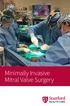 Minimally Invasive Mitral Valve Surgery Stanford Health Care offers leading, superior options in cardiac surgery, including the latest techniques and research for Minimally Invasive Cardiac surgery. Advanced
Understanding your Renal Stent Procedure. A patient Guide (COVER PAGE) TABLE OF CONTENTS (inside front page)
 Understanding your Renal Stent Procedure. A patient Guide (COVER PAGE) TABLE OF CONTENTS (inside front page) The Kidney and the Renal Arteries... 1 Renal Artery Disease... 2 Diagnosis of Renal.Artery Disease...
surg urin Surgery: Urinary System 1
 Surgery: Urinary System 1 This section contains information to assist providers in billing for surgical procedures related to the urinary system. Extracorporeal Shock Wave Lithotripsy Medi-Cal covers Extracorporeal
Contraindications: Malign or benign strictures in the upper part of esophagus close to the cricopharyngeal muscle.
 Manufactured by: ELLA CS, s.r.o. Milady Horákové 504 500 06 Hradec Králové 6 Czech Republic Phone: +420 49 527 91 11 Fax: +420 49 526 56 55 E-mail: [email protected] Instructions for Use FerX-ELLA Esophageal
Abdominal Aortic Aneurysm (AAA) General Information. Patient information Leaflet
 Abdominal Aortic Aneurysm (AAA) General Information Patient information Leaflet 1 st July 2016 WHAT IS THE AORTA? The aorta is the largest artery (blood vessel) in the body. It carries blood from the heart
2014 Procedural Reimbursement Guide Select Percutaneous Coronary Interventions
 2014 Procedural Reimbursement Guide Select Percutaneous Coronary Interventions IC-221010-AA Jan 2014 Page 1 of 10 Interventional Cardiology This for interventional cardiology procedures provides coding
Credentials for Peripheral Angioplasty: Comments on Society of Cardiac Angiography and Intervention Revisions
 Credentials for Peripheral Angioplasty: Comments on Society of Cardiac Angiography and Intervention Revisions David Sacks, MD, Gary J. Becker, MD, and Terence A.S. Matalon, MD J Vasc Interv Radiol 2003;
Policies and Procedures. Related to. IABP Therapy
 Policies and Procedures Related to IABP Therapy Courtesy of Datascope Corp. Clinical Support Services The following policies and procedures are intended to serve as guidelines for developing hospital policy.
Antiplatelet and anticoagulation treatment of patients undergoing carotid and peripheral artery angioplasty
 Round Table: Antithrombotic therapy beyond ACS Antiplatelet and anticoagulation treatment of patients undergoing carotid and peripheral artery angioplasty M. Matsagkas, MD, PhD, EBSQ-Vasc Associate Professor
Note to Teachers about The Virtual Stroke Lab Student Handout
 Note to Teachers about The Virtual Stroke Lab Student Handout This document contains a handout that can be distributed for students to fill out as they complete The Virtual Stroke Lab, a free online Virtual
Listen to your heart: Good Cardiovascular Health for Life
 Listen to your heart: Good Cardiovascular Health for Life Luis R. Castellanos MD, MPH Assistant Clinical Professor of Medicine University of California San Diego School of Medicine Sulpizio Family Cardiovascular
Cardiovascular diseases. pathology
 Cardiovascular diseases pathology Atherosclerosis Vascular diseases A disease that results in arterial wall thickens as a result of build- up of fatty materials such cholesterol, resulting in acute and
Trust Guideline for Thromboprophylaxis in Trauma and Orthopaedic Inpatients
 A clinical guideline recommended for use In: By: For: Key words: Department of Orthopaedics, NNUHT Medical staff Trauma & Orthopaedic Inpatients Deep vein thrombosis, Thromboprophylaxis, Orthopaedic Surgery
Understanding Coronary Artery Disease, Cardiac Catheterization, and Treatment Options. A Guide for Patients
 Understanding Coronary Artery Disease, Cardiac Catheterization, and Treatment Options A Guide for Patients Coronary Artery Disease If you or a member of your family has been diagnosed with coronary artery
ST. DAVID S MEDICAL CENTER CARDIOLOGY - Special, Invasive, Diagnostic, or High-Risk Procedure Requirements
 ST. DAVID S MEDICAL CENTER CARDIOLOGY - Special, Invasive, Diagnostic, or High-Risk Procedure Requirements Cardiac Catheterization & Peripheral Angiography Completion of a fellowship in Cardiovascular
When Procedural Support really matters. Navien TM A+ Intracranial Support Catheter
 When Procedural Support really matters Navien TM A+ Intracranial Support Catheter Coils / Liquid Embolics DURABLE ovalization resistance, Maintains patent lumen in tortuosity for smooth micro catheter
Specific Basic Standards for Osteopathic Fellowship Training in Cardiology
 Specific Basic Standards for Osteopathic Fellowship Training in Cardiology American Osteopathic Association and American College of Osteopathic Internists BOT 07/2006 Rev. BOT 03/2009 Rev. BOT 07/2011
Vascular Technology (VT) Content Outline Anatomy & physiology 20% Cerebrovascular Cerebrovascular normal anatomy Evaluate the cerebrovascular vessels
 Vascular Technology (VT) Content Outline Anatomy & physiology 20% normal anatomy Evaluate the cerebrovascular vessels hemodynamics Evaluate the cerebrovascular vessels for normal perfusion normal anatomy
6/3/2011. High Prevalence and Incidence. Low back pain is 5 th most common reason for all physician office visits in the U.S.
 High Prevalence and Incidence Prevalence 85% of Americans will experience low back pain at some time in their life. Incidence 5% annual Timothy C. Shen, M.D. Physical Medicine and Rehabilitation Sub-specialty
Instructions For Use Aorfix AAA Flexible Stent Graft System
 Instructions For Use AAA Flexible Stent Graft System With AorFlex Delivery Device Caution: Federal law (USA) restricts this implant to sale by or on the order of a physician. Page 1 of 62 PN02114 Issue
Appendix. Costing Case Samples for OOHCA
 Appendix Costing Case Samples for OOHCA The patient (ICD-1) Treatment Codes (OPCS 4) Patient 27 Admitted to ICU following percutaneous cardiac intervention (PCI) with 2 drugeluting stents following a VF
The Hybrid Cath Lab: A Revolution in Cardiac Care
 Surgery Artis zee in the OR In the interest of improved patient outcomes, increased workflow efficiency, and implementation of cutting-edge technology, The Prince Charles Hospital in Brisbane, Australia
YALE UNIVERSITY SCHOOL OF MEDICINE: SECTION OF OTOLARYNGOLOGY PATIENT INFORMATION FUNCTIONAL ENDOSCOPIC SINUS SURGERY
 YALE UNIVERSITY SCHOOL OF MEDICINE: SECTION OF OTOLARYNGOLOGY PATIENT INFORMATION FUNCTIONAL ENDOSCOPIC SINUS SURGERY What is functional endoscopic sinus surgery (FESS)? Functional endoscopic sinus surgery
CERTIFICATE TERMS AND CONDITIONS
 CERTIFICATE TERMS AND CONDITIONS We, us, our or Industrial Alliance means Industrial Alliance Insurance and Financial Services Inc. ( Industrial Alliance ). You or your means the Insured. We agree, under
MODIFIER 59 ARTICLE. The CPT Manual defines modifier 59 as follows:
 MODIFIER 59 ARTICLE The Medicare National Correct Coding Initiative (NCCI) includes Procedure-to-Procedure (PTP) edits that define when two Healthcare Common Procedure Coding System (HCPCS)/ Current Procedural
AI CPT Codes. x x. 70336 MRI Magnetic resonance (eg, proton) imaging, temporomandibular joint(s)
 Code Category Description Auth Required Medicaid Medicare 0126T IMT Testing Common carotid intima-media thickness (IMT) study for evaluation of atherosclerotic burden or coronary heart disease risk factor
NOVOSTE BETA-CATH SYSTEM
 HOSPITAL INPATIENT AND OUTPATIENT BILLING GUIDE FOR THE NOVOSTE BETA-CATH SYSTEM INTRAVASCULAR BRACHYTHERAPY DEVICE This guide is intended solely for use as a tool to help hospital billing staff resolve
Group Critical Illness Insurance Provides lump-sum cash benefits that can help with daily expenses
 What can living with a critical illness mean to you? Daily out-of-pocket expenses for fighting the disease while still paying your bills! GROCERIES CAR HOME PRESCRIPTIONS Benefit coverage for A Plus Benefits
The treatment of peripheral vascular disease has
 Covered s in Peripheral Vascular Aneurysms and Emergencies Reviewing current covered stent selection and use through case study and discussion. By Alberto Posabella, MD; Raffaele Rosso, MD, FACS, FRCS;
Diagnostic and Screening Ultrasound Examinations of the Abdominal Aorta in Adults
 AIUM Practice Parameter for the Performance of Diagnostic and Screening Ultrasound Examinations of the Abdominal Aorta in Adults Parameter developed in collaboration with the American College of Radiology
Department of Surgery
 What is emphysema? 2004 Regents of the University of Michigan Emphysema is a chronic disease of the lungs characterized by thinning and overexpansion of the lung-like blisters (bullae) in the lung tissue.
Is Stenting or Coronary Artery By-pass Grafting the Better Treatment for This Patient?
 Is Stenting or Coronary Artery By-pass Grafting the Better Treatment for This Patient? --- NIRS-IVUS TVC Imaging Adds Additional Information for the Heart Team Dr. Luis Tami Memorial Regional Hospital
Michigan Heart & Vascular Institute ON THE ST. JOSEPH MERCY HOSPITAL CAMPUS, ANN ARBOR, MICHIGAN
 ON THE ST. JOSEPH MERCY HOSPITAL CAMPUS, ANN ARBOR, MICHIGAN Dear Colleague: Cardiovascular medicine has marked an important milestone in the battle against heart disease. The latest available data indicates
Section Two: Arterial Pressure Monitoring
 Section Two: Arterial Pressure Monitoring Indications An arterial line is indicated for blood pressure monitoring for the patient with any medical or surgical condition that compromises cardiac output,
CHAPTER 9 DISEASES OF THE CIRCULATORY SYSTEM (I00-I99)
 CHAPTER 9 DISEASES OF THE CIRCULATORY SYSTEM (I00-I99) March 2014 2014 MVP Health Care, Inc. CHAPTER 9 CHAPTER SPECIFIC CATEGORY CODE BLOCKS I00-I02 Acute rheumatic fever I05-I09 Chronic rheumatic heart
EFSUMB EUROPEAN FEDERATION OF SOCIETIES FOR ULTRASOUND IN MEDICINE AND BIOLOGY Building a European Ultrasound Community
 MINIMUM TRAINING REQUIREMENTS FOR THE PRACTICE OF MEDICAL ULTRASOUND IN EUROPE Appendix 8: Vascular Ultrasound Level 1 Training and Practice Practical training should involve at least two half day ultrasound