
COMMITTEE FOR VETERINARY MEDICINAL PRODUCTS
|
|
|
- William Smith
- 9 years ago
- Views:
Transcription
1 The European Agency for the Evaluation of Medicinal Products Evaluation of Medicines for Veterinary Use EMEA/MRL/717/99-FINAL December 1999 COMMITTEE FOR VETERINARY MEDICINAL PRODUCTS TOLDIMFOS SUMMARY REPORT 1. Toldimfos sodium is the sodium salt of 4-dimethylamino-2-methyl-phenyl-phosphinous acid, a derivative of phosphoric acid. It is indicated for the treatment and prophylaxis of diseases which arise in connection with parturition and the peri-partum period, developmental and nutritional disorders in young animals, disorders of bone growth and tetany or paresis caused by disorders of calcium, magnesium and phosphorous metabolism. The recommended therapeutic dose is 10 mg/kg bw given by intravenous, intramuscular or subcutaneous injection. Injections are normally repeated to clinical effect, up to a maximum of 10 injections. Toldimfos is indicated for use in the following food producing species: horses, cattle, sheep, pigs and goats. 2. No specific data on the pharmacodynamic action of toldimfos was submitted. The precise mode of action of toldimfos is unknown and it is questionable whether the effect of toldimfos is simply a matter of the substitution of deficient phosphorus. It appears more likely that the effect of toldimfos arises due to multiple stimulation of metabolism within the body. Toldimfos is an aromatic phosphorus compound which falls between phosphorous itself and phosphoric acid in the stages of oxidation. 3. The intramuscular administration of toldimfos to cattle at a dosage level of 10 mg/kg bw led to a peak blood concentration within 10 to 20 minutes after administration. Pharmacokinetic studies in calves showed the mean half life of toldimfos in serum was 1.07 hours, whilst the corresponding value for dairy cows was 1.15 hours. The pharmacokinetic profile corresponded to a one compartment model of distribution. The mean residence time for toldimfos in blood in calves was 3.6 hours, with a value of 3.1 hours being recorded for dairy cows. These studies were not radiolabelled. Urinary excretion studies revealed a rapid elimination of toldimfos following dosing. The major fraction of the administered dose was eliminated within 6 hours, whilst at the 24 hour time-point, only concentrations in the range of the limit of detection (limit of detection: 0.5 µg/kg) were observed. Twelve to twenty four hours following a second injection of toldimfos, similar low concentrations were recorded in urine. Toldimfos was eliminated as parent compound. Elimination of the compound in milk was extremely low, with levels below the limit of quantification of the analytical technique (limit of quantification for milk 0.15 µg/kg) at most time points. Repeated dosing in the pharmacokinetic study did not lead to bio-accumulation of the test compound. A further GLP compliant radiolabelled study was performed in which 20 mg 14 C-toldimfos/kg bw was administered by intramuscular injection on a single occasion to a total of 12 adult bovines. Toldimfos was rapidly absorbed from the injection site with peak concentrations of 52 to 61 µg equivalents/ml occurring in serum at 10 minutes post administration. The serum half-life was 0.7 to 0.95 hours, with a mean residence time of 1.1 to 1.4 hours. Total clearance from serum was 0.2 to 0.27 l/hour. The volume of distribution in bovines was 0.27 to 0.34 l/kg. Parent compound was the dominant fraction in serum. However, there was a significant unknown metabolite fraction also present in the serum of both sexes. More 7 Westferry Circus, Canary Wharf, London, E14 4HB, UK Switchboard: ( ) Fax: ( ) E_Mail: [email protected] Reproduction and/or distribution of this document is authorised for non commercial purposes only provided the EMEA is acknowledged

2 than 95% of the dose was recovered by 48 hours post drug treatment in both sexes. Urine was the principle route of elimination, accounting for over 80% of the recovered radioactivity. In urine, unchanged toldimfos accounted for more than 90% of the recovered radioactivity. Faecal samples from male animals had both parent compound and a further unknown metabolite present. 4. Urinary excretion studies conducted in the dog indicated that the kidney was the major route of excretion of toldimfos. Male Beagle dogs received an intravenous (n = 2) or an intramuscular (n = 2) injection of 2000 mg of toldimfos per animal. The results demonstrate that following intravenous and intramuscular administration of toldimfos to male Beagle dogs, virtually 100% of the administered dose was excreted within 24 hours as parent compound. This study did not conform to GLP standards. 5. A tissue distribution study was also performed in rats where toldimfos was administered at a dosage rate of 50 mg/kg bw to two treatment groups. A total of 24 rats were used in this study; 12 received toldimfos subcutaneously and 12 received the compound orally. Twenty-four hours later a second injection of toldimfos at the same dosage rate was administered. Twelve rats were sacrificed at both the 24 hour and the 48 hour time-points post first dose. The limit of quantification for the analytical technique in this study was 0.5 mg/kg. Samples of liver, kidney, fat, muscle and injection site were removed for analysis. Examination of the individual data shows that all samples had concentrations below the limit of quantification at all time points, with the exception of one rat who had an injection site value of 2.53 mg/kg at the 24 hour time point. All other rats had injection site concentrations below the limit of quantification. This study was not radiolabelled, but was conducted in accordance with GLP standards. 6. Two acute toxicity studies were performed with toldimfos in mice with conflicting results. In the first study the acute LD 50 following subcutaneous administration of toldimfos was 164 mg/kg bw; following intramuscular administration, the corresponding value was 132 mg/kg bw whilst the value for the intravenous route was 4000 mg/kg bw. A later acute toxicity study in mice revealed an acute LD 50 of 8000 mg/kg bw following subcutaneous administration and 6000 mg/kg bw following intravenous administration. As both studies are over 30 years old, no raw data was available to evaluate these two studies. These studies did not meet GLP standards. Acute toxicity studies by the intravenous route in the rabbit revealed that dosage levels between 5000 and 6000 mg/kg bw led to death. Observed signs of toxicity included increases in heart rates and respiratory rates and increased voiding of urine. Transient paralysis was also a feature. 7. Repeated dose toxicity studies were performed in the rat. In the first study, 10 rats received 20 mg toldimfos/kg bw subcutaneously, 6 days a week for a period of 4 weeks. This dose level caused parenchymal degeneration and fatty degeneration of the liver in some rats. Three weeks after cessation of drug administration, no abnormalities were recorded in the liver. This study did not correspond to GLP standards. More recently a 91 day repeated dose subcutaneous toxicity study was performed in the rat. The dosage levels used in this study were 10, 20 and 50 mg/kg bw. A control group was also incorporated. No abnormal clinical signs nor changes in behaviour were recorded in this study. Bodyweight and growth curves were similar for treated and control animals. Food intake was slightly increased in the highest dosage group. Minor changes were recorded on haematology, but such changes were transient and reversible with time. The white blood cell count was markedly decreased at the 10 mg and 50 mg/kg bw dosage levels following drug withdrawal. On biochemical evaluation, a significant increase in alamine transaminase values was recorded in the highest dosage group, particularly in males. Glucose and aspartate transaminase values were also significantly increased in the highest dosage group females. Statistically significant alterations in organ weights (both relative and absolute) were recorded at all dosage levels. Nephrocalcinosis was recorded at post mortem in 50% of females treated at the 50 mg/kg dosage level. As nephrocalcinosis is commonly recognised in rats as a background problem (particularly in female laboratory sewer rats), the significance of such a finding is doubtful. Due to the changes seen on haematology and post mortem examination, even at the lowest dosage level, it was not possible to set a NOEL for this study. 2/6

3 A further GLP compliant study was performed in which groups of 10 male and 10 female rats were fed toldimfos in the diet at dosage levels of 0, 140, 1400 and mg/kg feed/day for 90 days. No abnormal behaviour nor mortalities were recorded during this study. Body weight and food consumption were unaffected by treatment. Haematological examination at study termination was unremarkable, but serum biochemistry revealed statistically significant increases in bilirubin concentrations in both sexes at the highest dose level. Statistically significant increases were recorded in the concentrations of alanine transaminase and aspartate transaminase in either one or both sexes at intermediate and high dose levels. Blood glucose levels were significantly increased in males of all dosage groups. However, the mild increase in blood glucose concentrations was not considered to be of toxicological significance. Absolute and relative lung weights were statistically significantly decreased in mid and high dose males. Decreased absolute ovarian weights were observed in high dose females, whilst increased relative pituitary weights were observed in mid dose females. Histopathology of affected tissues was unremarkable. A dosage level of 140 mg/kg feed/day (equal to 10 and 11mg/kg bw/day in males and females respectively) was retained as a NOEL from this study. 8. A GLP-compliant reproductive toxicity study was conducted in SPF Wistar rats, where toldimfos was administered subcutaneously at dosage levels of 10, 20 and 50 mg/kg bw. Parental and F1 generation females were treated from 14 days prior to mating until the end of lactation. Male rats were treated from the time of weaning until the end of mating in both generations. Each treatment group consisted of 26 female and 13 male rats. A decrease in male fertility was recorded in all F 1 parental generation groups (both treated and untreated). The percentage of females mated in the parental P generation varied between 77 and 96%. Due to the decrease in male fertility recorded in all F 1 parental generation groups, the percentage of females mated in the F 1 generation varied between 56% and 73%. This effect was not dose dependent. The following parameters were not adversely affected by treatment in the period up to weaning; the mean number of days required for mating, the percentage of gravid females, gestation period, mean litter size, sex distribution of pups, live birth index, developmental stage of offspring and the bodyweight of pups and growth rate of such offspring. At the highest dosage level tested (50 mg/kg bw), there was a 10% loss of whole litters surviving in both the F 1 and F 2 generations. A total of 45 pups were lost up to the time of weaning in the F 1 generation versus 27 in the control group. A significant incidence of pup mortality in the F 2 generation occurred in all treated groups. The incidence was highest in the 10 mg/kg treated group (the incidence for pup mortality in the F 2 generation was 36% for the 10 mg/kg dosage group, whilst the corresponding figure for the control group was 10.5%). The major time for pup mortality was 2 to 7 days post partum. Such mortality seemed to be associated with an increased incidence of cannibalism by dams. Maternal cannibalism occurred in approximately 25% of control litters and 53% of litters treated at 10 mg/kg bw. The increase in pup mortality in the 10 mg/kg bw treatment group was primarily attributable to two dams that ate almost their entire litters. The increased incidences of cannibalism and pup mortality were not dose dependant. Histopathological examination of parent generations revealed no abnormalities in the reproductive system nor in the pituitary gland which could be treatment related. Although a NOEL value could not be retained from this study, this fact should not be considered of pivotal importance in the overall safety assessment of toldimfos, as the route of administration in this study was subcutaneous, not oral. 9. The study on reproductive toxicity also investigated any teratogenic effects of toldimfos. Gross malformations were recorded in two F 1 pups of the control group and in one F 1 pup of the 50 mg/kg dosage group. Four F 2 pups in litters of a 10 and a 20 mg/kg treated mother demonstrated aplasia of the ureters, anus and kidneys. No malformations were recorded in F 2 pups from dams treated at the highest dosage level. Overall, it would appear that malformations were sporadic and not dosage dependent. 3/6

4 10. A total of 3 studies were performed to investigate the mutagenic potential of toldimfos. The Salmonella microsomal assay was conducted using two strains of Salmonella typhimurium (TA98 and TA100). Studies were performed both in the presence and absence of metabolic activation. The dosage levels of toldimfos investigated were as follows : 140 mg, 105 mg, 70 mg, 35 mg, 17.5 mg and 7 mg per plate. The results recorded in this study were negative for both strains TA98 and TA100, both in the presence and absence of metabolic activation. A cytogenetic analysis study was undertaken whereby toldimfos was injected intraperitoneally to Balb C mice at dosage levels of 120, 300 and 600 mg/kg bw. Five male and 5 female mice were incorporated into each group. The animals were sacrificed 24 hours following drug administration and smears of bone marrow cells were prepared for cytogenetic analysis. Fifty metaphases were analysed for each test animal. This study demonstrated no in vivo mutagenic effects of toldimfos on mammalian cells. A further study was undertaken to investigate whether biochemical markers of mutagenicity were induced by toldimfos. Toldimfos was dissolved in dimethyl-sulfoxide and injected intraperitoneally at dosage levels of 0.1 to 100 mg/kg bw to 10-week old male C57 B1/6 mice. Measurement of microsomal protein fractions demonstrated that toldimfos did not induce certain bioactivating or detoxifying enzymes. All studies were performed to GLP standards. The available evidence indicates no mutagenic hazard for toldimfos. 11. No carcinogenicity data was available. In line with the negative results obtained in the mutagenicity studies, and in the absence of any structural alerts, carcinogenicity studies were not considered necessary. 12. Toldimfos has not been subjected to any specific tests for immunotoxicity, but the findings of the repeated dose toxicity tests do not indicate that toldimfos is likely to be immunotoxic. 13. No information on the microbiological properties of residues was available. As no such effects are expected for toldimfos, specific studies were not considered necessary. 14. Toldimfos has been historically used in human medicine since However, it is not currently indicated for human use. In humans, the product was used as an injectable or an oral preparation for states of debility, following major operations and infectious diseases, the treatment of chronic stress and as treatment for physical and mental overexertion. The recommended dosage rate was 10 to 20 mg of toldimfos per person per day by subcutaneous administration or 300 mg of toldimfos per person per day by oral administration. Toldimfos was well tolerated after both parenteral and oral administration. Although a significant amount of human data was available, the quality of such data was poor, making meaningful interpretation difficult. 15. A toxicological ADI of 0.1 mg/kg bw (i.e. 6 mg/person for a 60 kg person) was established based on the NOEL of 10 mg/kg bw/day from the 90-day rat study, and applying a safety factor of A tissue residue study was performed with the use of toldimfos in calves. A total of 8 calves were slaughtered at 2 separate time points (4 animals per time point). Toldimfos was administered by intramuscular injection at a dose rate of 10 mg/kg bw on two occasions, 24 hours apart. Four calves were sacrificed 24 hours following the second injection, with the remaining 4 being slaughtered at the 48 hour time point following the second injection. Samples of liver, kidney, muscle, fat and injection sites were removed for analysis. The parent compound was assayed by an HPLC technique with a limit of quantification of 500 µg/kg. This study, however, was not radiolabelled. No residues above the limit of quantification were detected in any tissue samples at either of the 2 slaughtering time points. The highest residue values detected were recorded in liver and fat. Following the second administration of toldimfos, a slight increase in some tissue concentrations was detected, but all levels remained below the limit of quantification. Residues did not appear to persist at the injection site, with no residues being detected at this site in all four calves at the 48 hour time point post second injection. The study was performed to GLP standards. No information was available on tissue residue levels in other indicated species. 4/6

5 A GLP-compliant radiolabelled residue depletion study was conducted in adult cattle. Groups of 4 animals each were sacrificed at 8, 24 and 48 hours following a single intramuscular injection of 14 C-toldimfos at 20 mg/kg bw. Total radioactivity was measured by liquid scintillation counting, with an limit of quantification of approximately 100 µg equivalents/kg of tissue for all matrices except fat, where the limit of quantification was approximately 300 µg equivalents/kg. Highest mean concentrations of total residues were recorded at the injection site and in kidney, although variations according to sex were apparent. The mean concentrations of total residues at the injection site in males were 8200, 1900 and 2300 µg equivalents/kg at the 8, 24 and 48 hour time points, respectively. The corresponding values for the female animals were , 2200 and 1300 µg equivalents/kg at the same respective time points. Mean total residue concentrations in kidney were 8000 and 2400 µg equivalents/kg in males and females, respectively, at the 8-hour time point post treatment. Thereafter, mean values declined to similar concentrations in both sexes, and were below 250 µg equivalents/kg at the 24 and 48-hour time points. Mean total residue concentrations in liver and fat were below 700 µg equivalents/kg in both sexes at the 8- hour time point, with values declining to below 300 µg equivalents/kg by 24 hours. Muscle, other than injection site, had the lowest mean total residue concentrations, with values below 100 µg equivalents/kg at all time points assayed. Samples from the above studies were also assayed for concentrations of toldimfos, using a HPLC assay technique with an limit of quantification of 500 µg/kg. Quantifiable residues were only detected in kidney at the 8 hour time point, with mean concentrations of 6000 and 1400 µg/kg recorded for males and females respectively at this time point. Kidney tissue from later time points, and all samples of muscle (other than injection site), fat and liver had residue concentrations below the limit of quantification. Measurable residues of toldimfos were only detectable at the injection site at the 8 hour time point post dosing. Individual values recorded ranged between 1000 and 9000 µg/kg. 17. Residues of toldimfos in milk were analysed as part of a pharmacokinetic experiment involving 2 dairy cows. Milk samples were collected from 2 cows who received two intramuscular injections of toldimfos at the recommended therapeutic dosage, 24 hours apart. The limit of detection and the limit of quantification for the analytical method was 150 µg/kg. Residues of toldimfos were assayed at 12 hour intervals over a period of 2 days and were below 200 µg/kg at all time points in milk from both dairy cows. Twenty-four hours following the second dose of toldimfos, residue levels were below the limit of quantification in both animals. Although the analytical techniques were performed to GLP standards, the number of animals incorporated in this study was totally inadequate for meaningful interpretation. No radiolabel was attached to the toldimfos administered in this experiment. The analytical technique utilised for residues of toldimfos in tissues and body fluids was based on HPLC. A similar method was used for all experiments; only the elution procedure was changed depending on the sample. The reference substance utilised was toldimfos. 5/6

6 Conclusions and recommendation Having considered the criteria laid down by the Committee for Veterinary Medicinal Products for the inclusion of substances into Annex II of Council Regulation (EEC) No 2377/90, and in particular that: A toxicological ADI of 0.1 mg/kg bw (i.e. 6 mg/day for a 60 kg human) was established, the substance is used infrequently in a small number of individual animals, the pharmacokinetic data from bovines and laboratory animal species indicate that toldimfos is rapidly eliminated, at 24 hours after treatment, the amount of residues likely to be ingested by consumers represents only a fraction (less than 25%) of the toxicological ADI; the Committee for Veterinary Medicinal Products concluded that there is no need to establish MRLs for toldimfos and recommends its inclusion into Annex II of Council Regulation (EEC) No 2377/90 in accordance with the following table: Pharmacologically active substance(s) Toldimfos Animal species All food producing species Other provisions 6/6

FRENCH AGENCY FOR VETERINARY MEDICINAL PRODUCTS DECENTRALISED PROCEDURE PUBLICLY AVAILABLE ASSESSMENT REPORT FOR A VETERINARY MEDICINAL PRODUCT
 FRENCH AGENCY FOR VETERINARY MEDICINAL PRODUCTS DECENTRALISED PROCEDURE FOR A VETERINARY MEDICINAL PRODUCT EMEDOG, 1 mg/ml, solution for injection for dogs Date: 20/08/2015 French agency for food, environnemental
COMMITTEE FOR VETERINARY MEDICINAL PRODUCTS
 The European Agency for the Evaluation of Medicinal Products EMEA/MRL/551/99-FINAL February 1999 COMMITTEE FOR VETERINARY MEDICINAL PRODUCTS PARACETAMOL SUMMARY REPORT 1. Paracetamol (synonym: acetaminophen)
COMMITTEE FOR VETERINARY MEDICINAL PRODUCTS
 The European Agency for the Evaluation of Medicinal Products Veterinary Medicines and Inspections EMEA/MRL/695/99-FINAL November 1999 COMMITTEE FOR VETERINARY MEDICINAL PRODUCTS ACETYLSALICYLIC ACID, SODIUM
Bifenthrin 41 5.2 BIFENTHRIN (178)
 Bifenthrin 41 5.2 BIFENTHRIN (178) TOXICOLOGY Bifenthrin is the International Organization for Standardization (ISO) approved name for 2-methyl-3- phenylphenyl) methyl (1RS, 3RS)-3-[(Z)-2-chloro-3, 3,
Re: GRAS Notice No. AGRN 000-009
 May 4, 2012 Dr. Hardy Edwards III Vitamin Derivatives, Inc. 625 Lem Edwards Road Winterville, Georgia 30683 Re: GRAS Notice No. AGRN 000-009 Dear Dr. Edwards: The Food and Drug Administration (FDA) is
ICH Topic S 1 A The Need for Carcinogenicity Studies of Pharmaceuticals. Step 5
 European Medicines Agency July 1996 CPMP/ICH/140/95 ICH Topic S 1 A The Need for Carcinogenicity Studies of Pharmaceuticals Step 5 NOTE FOR GUIDANCE ON THE NEED FOR CARCINOGENICITY STUDIES OF PHARMACEUTICALS
Introduction. Introduction Nutritional Requirements. Six Major Classes of Nutrients. Water 12/1/2011. Regional Hay School -- Bolivar, MO 1
 Cattle and Horse Nutrition Dona Goede Livestock Specialist Introduction Many health, reproductive and production problems can be prevented with good nutrition. Poor nutrition results in: Poor conception
Agencia Española de Medicamentos y Productos Sanitarios C/Campezo 1, Edificio 8 28022 Madrid España (Reference Member State)
 DEPARTAMENTO DE MEDICAMENTOS VETERINARIOS Medicamentos y Productos C/Campezo 1, Edificio 8 28022 Madrid España (Reference Member State) DECENTRALISED PROCEDURE PUBLICLY AVAILABLE ASSESSMENT REPORT FOR
September 19, 1984 FOOD PRODUCTION AND DIRECTION GÉNÉRALE, SECTION INSPECTION BRANCH PRODUCTION ET INSPECTION PESTICIDES DES ALIMENTS TRADE MEMORANDUM
 Agriculture Canada September 19, 1984 T-1-245 FOOD PRODUCTION AND DIRECTION GÉNÉRALE, SECTION INSPECTION BRANCH PRODUCTION ET INSPECTION PESTICIDES DES ALIMENTS TRADE MEMORANDUM RE: Guidelines for Developing
5.7 CHLOROTHALONIL (081)
 Chlorothalonil 89 5.7 CHLOROTHALONIL (081) TOXICOLOGY Chlorothalonil is the ISO approved common name for tetrachloroisophthalonitrile. Chlorothalonil (CAS No. 1897-45-6) is a non-systemic foliar fungicide
EUROPEAN COMMISSION HEALTH & CONSUMER PROTECTION DIRECTORATE-GENERAL
 EUROPEAN COMMISSION HEALTH & CONSUMER PROTECTION DIRECTORATE-GENERAL Directorate C - Scientific Opinions C2 - Management of scientific committees II; scientific co-operation and networks Revision of the
COMMITTEE FOR PROPRIETARY MEDICINAL PRODUCTS (CPMP) NOTE FOR GUIDANCE ON THE PRE-CLINICAL EVALUATION OF ANTICANCER MEDICINAL PRODUCTS
 The European Agency for the Evaluation of Medicinal Products Human Medicines Evaluation Unit London, 23 July 1998 COMMITTEE FOR PROPRIETARY MEDICINAL PRODUCTS (CPMP) NOTE FOR GUIDANCE ON THE PRE-CLINICAL
1) Aug 2005 In Vitro Chromosomal Aberration Study Cytotoxicity (File: TS39) Conclusion No cytotoxicity can be detected at concentrations up to 100%.
 Endotoxicity and Cytotoxicity Studies 1) Aug 2005 In Vitro Chromosomal Aberration Study Cytotoxicity (File: TS39) Chinese Hamster Ovary (CHO) cells were grown in monolayer with and without metabolic activation.
NONCLINICAL EVALUATION FOR ANTICANCER PHARMACEUTICALS
 INTERNATIONAL CONFERENCE ON HARMONISATION OF TECHNICAL REQUIREMENTS FOR REGISTRATION OF PHARMACEUTICALS FOR HUMAN USE ICH HARMONISED TRIPARTITE GUIDELINE NONCLINICAL EVALUATION FOR ANTICANCER PHARMACEUTICALS
PHOSPHATE-SANDOZ Tablets (High dose phosphate supplement)
 1 PHOSPHATE-SANDOZ Tablets (High dose phosphate supplement) PHOSPHATE-SANDOZ PHOSPHATE-SANDOZ Tablets are a high dose phosphate supplement containing sodium phosphate monobasic. The CAS registry number
ZOVIRAX Cold Sore Cream
 Data Sheet ZOVIRAX Cold Sore Cream Aciclovir 5% w/w Presentation Topical cream Indications ZOVIRAX Cold Sore Cream is indicated for the treatment of Herpes simplex virus infections of the lips and face
PART B: METHODS FOR THE DETERMINATION OF TOXICITY AND OTHER HEALTH EFFECTS GENERAL INTRODUCTION: PART B
 PART B: METHODS FOR THE DETERMINATION OF TOXICITY AND OTHER HEALTH EFFECTS GENERAL INTRODUCTION: PART B A. EXPLANATORY NOTE For the purpose of this General Introduction the following nymbering applies:
IV solutions may be given either as a bolus dose or infused slowly through a vein into the plasma at a constant or zero-order rate.
 د.شيماء Biopharmaceutics INTRAVENOUS INFUSION: IV solutions may be given either as a bolus dose or infused slowly through a vein into the plasma at a constant or zero-order rate. The main advantage for
1. NAME OF THE MEDICINAL PRODUCT. Impavido 10 mg capsules Impavido 50 mg capsules 2. QUALITATIVE AND QUANTITATIVE COMPOSITION. 1 capsule contains:
 1. NAME OF THE MEDICINAL PRODUCT Impavido 10 mg capsules Impavido 50 mg capsules 2. QUALITATIVE AND QUANTITATIVE COMPOSITION 1 capsule contains: Impavido 10 mg capsules 10 mg Miltefosine. Impavido 50 mg
COMMITTEE ON HERBAL MEDICINAL PRODUCTS (HMPC) FINAL COMMUNITY HERBAL MONOGRAPH ON HYPERICUM PERFORATUM L., HERBA (TRADITIONAL USE)
 European Medicines Agency Evaluation of Medicines for Human Use London, 12 November 2009 Doc. Ref.: EMEA/HMPC/745582/2009 COMMITTEE ON HERBAL MEDICINAL PRODUCTS (HMPC) FINAL COMMUNITY HERBAL MONOGRAPH
Teriflunomide is the active metabolite of Leflunomide, a drug employed since 1994 for the treatment of rheumatoid arthritis (Baselt, 2011).
 Page 1 of 10 ANALYTE NAME AND STRUCTURE TERIFLUNOMIDE Teriflunomide TRADE NAME Aubagio CATEGORY Antimetabolite TEST CODE PURPOSE Therapeutic Drug Monitoring GENERAL RELEVANCY BACKGROUND sclerosis. The
Guidance for Industry Safety Testing of Drug Metabolites
 Guidance for Industry Safety Testing of Drug Metabolites U.S. Department of Health and Human Services Food and Drug Administration Center for Drug Evaluation and Research (CDER) February 2008 Pharmacology
Summary of Product Characteristics
 Summary of Product Characteristics 1 NAME OF THE VETERINARY MEDICINAL PRODUCT ACEGON, 50 microgram/ml, solution for injection for cattle. 2 QUALITATIVE AND QUANTITATIVE COMPOSITION Each ml contains: Active
INTERNATIONAL CONFERENCE ON HARMONISATION OF TECHNICAL REQUIREMENTS FOR REGISTRATION OF PHARMACEUTICALS FOR HUMAN USE S1A. Current Step 4 version
 INTERNATIONAL CONFERENCE ON HARMONISATION OF TECHNICAL REQUIREMENTS FOR REGISTRATION OF PHARMACEUTICALS FOR HUMAN USE ICH HARMONISED TRIPARTITE GUIDELINE GUIDELINE ON THE NEED FOR CARCINOGENICITY STUDIES
Basic Overview of Preclinical Toxicology Animal Models
 Basic Overview of Preclinical Toxicology Animal Models Charles D. Hebert, Ph.D., D.A.B.T. December 5, 2013 Outline Background In Vitro Toxicology In Vivo Toxicology Animal Models What is Toxicology? Background
COMMITTEE FOR VETERINARY MEDICINAL PRODUCTS
 The European Agency for the Evaluation of Medicinal Products EMEA/MRL/026/95 COMMITTEE FOR VETERINARY MEDICINAL PRODUCTS SULPHONAMIDES (2) SUMMARY REPORT 1. The Sulphonamides play an important role as
Guidance on dose level selection for regulatory general toxicology studies for pharmaceuticals
 Guidance on dose level selection for regulatory general toxicology studies for pharmaceuticals The 3Rs: Replacement refers to methods that replace or avoid the use of animals in areas where animals would
MUTUAL RECOGNITION PROCEDURE DECENTRALISED PROCEDURE PUBLICLY AVAILABLE ASSESSMENT REPORT FOR A VETERINARY MEDICINAL PRODUCT
 Bundesamt für Verbraucherschutz und Lebensmittelsicherheit (BVL) Federal Office of Consumer Protection and Food Safety Mauerstraße 39-42 10117 Berlin (Germany) MUTUAL RECOGNITION PROCEDURE DECENTRALISED
MATERIAL SAFETY DATA SHEET
 Page 1 of 5 1. IDENTIFICATION OF THE SUBSTANCE/PREPARATION AND THE COMPANY/UNDERTAKING Pfizer Inc Pfizer Pharmaceuticals Group 235 East 42nd Street New York, New York 10017 1-212-573-2222 Emergency telephone
Sheep Nutrition. Sheep Nutrition. Nutrient Needs. Sheep Nutrition Water. Products Produced. Use of Pasture\Range and Forages.
 Products Produced Muscle (Meat) Milk Fiber (wool, mohair, cashmere) Use of Pasture\Range and Forages Able to produce acceptable product on forage Nutrient Needs Water Energy (TDN, ME, or NE) Protein (CP
COMMITTEE ON HERBAL MEDICINAL PRODUCTS (HMPC) FINAL COMMUNITY HERBAL MONOGRAPH ON HYPERICUM PERFORATUM L., HERBA (WELL-ESTABLISHED MEDICINAL USE)
 European Medicines Agency Evaluation of Medicines for Human Use London, 12 November 2009 Doc. Ref.: EMA/HMPC/101304/2008 COMMITTEE ON HERBAL MEDICINAL PRODUCTS (HMPC) FINAL COMMUNITY HERBAL MONOGRAPH ON
Nursing 113. Pharmacology Principles
 Nursing 113 Pharmacology Principles 1. The study of how drugs enter the body, reach the site of action, and are removed from the body is called a. pharmacotherapeutics b. pharmacology c. pharmacodynamics
Chemical Name: Acetone CAS: 67-64-1 Synonyms: propanone, β-ketopropane, dimethyl ketone, dimethylformaldehyde, DMK, 2-propanone, propan-2-one
 2011 Health Risk Limits for Groundwater Health Risk Assessment Unit, Environmental Health Division 651-201-4899 651-201-5797 TDD Web Publication Date: March 21, 2011 Chemical Name: Acetone CAS: 67-64-1
Guidance for Industry
 Guidance for Industry S9 Nonclinical Evaluation for Anticancer Pharmaceuticals U.S. Department of Health and Human Services Food and Drug Administration Center for Drug Evaluation and Research (CDER) Center
Chapter 12: SPECIFIC TARGET ORGAN SYSTEMIC TOXICITY (TOST) FOLLOWING A SINGLE EXPOSURE
 Chapter 12: SPECIFIC TARGET ORGAN SYSTEMIC TOXICITY (TOST) FOLLOWING A SINGLE EXPOSURE DEFINITIONS 1. Classification identifies the chemical substance as being a specific target organ/systemic toxicant
Volume of Distribution
 1 Volume of Distribution Nick Holford Dept Pharmacology & Clinical Pharmacology University of Auckland, New Zealand 2 Objectives Learn the definition of volume of distribution Understand the physiological
MATERIAL SAFETY DATA SHEET
 Page 1 of 5 1. IDENTIFICATION OF THE SUBSTANCE/PREPARATION AND THE COMPANY/UNDERTAKING Pfizer Inc Pfizer Pharmaceuticals Group 235 East 42nd Street New York, New York 10017 1-212-573-2222 Emergency telephone
General toxicity study designs
 General toxicity study designs Jan Willem van der Laan Section on Safety of Medicines and Teratology Centre for Biological Medicines and Medical Technology National Institute for Public Health and the
Guideline on non-clinical and clinical development of similar biological medicinal products containing recombinant erythropoietins (Revision)
 18 March 2010 EMEA/CHMP/BMWP/301636/2008 Corr.* Committee for Medicinal Products for Human Use (CHMP) Guideline on non-clinical and clinical development of similar biological medicinal products containing
MATERIAL SAFETY DATA SHEET
 Page 1 of 6 1. IDENTIFICATION OF THE SUBSTANCE/PREPARATION AND THE COMPANY/UNDERTAKING Pfizer Inc Pfizer Pharmaceuticals Group 235 East 42nd Street New York, New York 10017 1-212-573-2222 Emergency telephone
Agencia Española de Medicamentos y Productos Sanitarios C/Campezo 1, Edificio 8 28022 Madrid España (Reference Member State)
 DEPARTAMENTO DE MEDICAMENTOS VETERINARIOS Medicamentos y Productos C/Campezo 1, Edificio 8 28022 Madrid España (Reference Member State) DECENTRALISED PROCEDURE [DRAFT] PUBLICLY AVAILABLE ASSESSMENT REPORT
COMMITTEE ON HERBAL MEDICINAL PRODUCTS (HMPC) FINAL COMMUNITY HERBAL MONOGRAPH ON ALOE BARBADENSIS MILLER
 European Medicines Agency Evaluation of Medicines for Human Use London, 26 October 2006 Doc. Ref. EMEA/HMPC/76310/2006 Corrigendum 1 COMMITTEE ON HERBAL MEDICINAL PRODUCTS (HMPC) FINAL COMMUNITY HERBAL
B.27. SUB-CHRONIC ORAL TOXICITY TEST REPEATED DOSE 90 - DAY ORAL TOXICITY STUDY IN NON-RODENTS
 B.27. SUB-CHRONIC ORAL TOXICITY TEST REPEATED DOSE 90 - DAY ORAL TOXICITY STUDY IN NON-RODENTS 1. METHOD This sub-chronic oral toxicity test method is a replicate of the OECD TG 409 (1998). 1.1 INTRODUCTION
Consumer Concerns About Hormones in Food
 Cornell University Program on Breast Cancer and Environmental Risk Factors in New York State (BCERF) June 2000 Consumer Concerns About Hormones in Food This fact sheet addresses some of the consumer concerns
1333 Plaza Blvd, Suite E, Central Point, OR 97502 * www.mountainviewvet.net
 1333 Plaza Blvd, Suite E, Central Point, OR 97502 * www.mountainviewvet.net Diabetes Mellitus (in cats) Diabetes, sugar Affected Animals: Most diabetic cats are older than 10 years of age when they are
JOINT FAO/WHO EXPERT COMMITTEE ON FOOD ADDITIVES (JECFA)
 Food and Agriculture Organization of the United Nations World Health Organization JOINT FAO/WHO EXPERT COMMITTEE ON FOOD ADDITIVES (JECFA) PROCEDURES FOR RECOMMENDING MAXIMUM RESIDUE LIMITS- RESIDUES OF
NUTRITION OF THE BODY
 5 Training Objectives:! Knowledge of the most important function of nutrients! Description of both, mechanism and function of gluconeogenesis! Knowledge of the difference between essential and conditionally
METHODS OF VITAMIN ANALYSIS
 METHODS OF VITAMIN ANALYSIS Specimen requirements; Fasting plasma or serum Lithium Heparin is the anticoagulant of choice for vitamins such as; thiamine, riboflavin, retinol, tocopherols & cholecalciferol
Section 4. Toxicology
 Section 4 Toxicology Occupational Health Any chemical you use incorrectly can result in over-exposure leading to adverse health effects immediately or in the future. All hazardous materials can be handled
MATERIAL SAFETY DATA SHEET
 Page 1 of 7 1. IDENTIFICATION OF THE SUBSTANCE/PREPARATION AND THE COMPANY/UNDERTAKING Pfizer Inc Pfizer Pharmaceuticals Group 235 East 42nd Street New York, New York 10017 1-212-573-2222 Emergency telephone
Focus on Preventing Disease. keeping an eye on a healthy bottom line. Cattle Industry
 Focus on Preventing Disease keeping an eye on a healthy bottom line Cattle Industry Multimin + VACCINES : University OF FLORIDA study data Study 1 Effect of injectable trace minerals on the humoral immune
POISON KEEP OUT OF REACH OF CHILDREN READ SAFETY DIRECTIONS BEFORE OPENING OR USING FOR ANIMAL TREATMENT ONLY. As an aid in the control of bloat.
 Front Panel POISON KEEP OUT OF REACH OF CHILDREN READ SAFETY DIRECTIONS BEFORE OPENING OR USING FOR ANIMAL TREATMENT ONLY * AF1404 Rumensin 100 Monensin Sodium ACTIVE CONSTITUENT: 100 g/kg MONENSIN (as
Elements for a Public Summary
 VI.2 Elements for a Public Summary VI.2.1 Overview of Disease Epidemiology Hunter syndrome is a rare genetic disease which mainly affects males of all ethnicities. The incidence rate ranges from 0.6 to
General Principles for the Safety Assessment of Excipients
 General Principles for the Safety Assessment of Excipients General Characteristics of the Pharmaceutical Excipients Classification of excipients The Safety Assessment of Pharmaceutical Excipients : how
THE EFFECT OF SODIUM CHLORIDE ON THE GLUCOSE TOLERANCE OF THE DIABETIC RAT*
 THE EFFECT OF SODIUM CHLORIDE ON THE GLUCOSE TOLERANCE OF THE DIABETIC RAT* BY JAMES M. ORTEN AND HENRY B. DEVLINt (From the Deparkment of Physiological Chemistry, Wayne University College of Medicine,
MA 2000 Pharmacology for Medical Assistants
 South Central College MA 2000 Pharmacology for Medical Assistants Course Information Description Total Credits 3.00 Total Hours 64.00 Types of Instruction In this course students will learn topics essential
Care Pathway for the Administration of Intravenous Iron Sucrose (Venofer )
 Departments of Haematology, Nephrology and Pharmacy Care Pathway for the Administration of Intravenous Iron Sucrose (Venofer ) [Care Pathway Review Date] Guidance for use This Care Pathway is intended
Risk Assessment of Pesticides Residue by JMPR - To set ADI and ARfD-
 The FAO Regional Training Course: Strengthening Capacity of Data Collection and Generation for Food Safety Risk Analysis Support to Capacity Building and Implementation of International Safety Standards
NUTRITION IN LIVER DISEASES
 NUTRITION IN LIVER DISEASES 1. HEPATITIS: Definition: - Viral inflammation of liver cells. Types: a. HAV& HEV, transmitted by fecal-oral route. b. HBV & HCV, transmitted by blood and body fluids. c. HDV
Risk Assessment in Chemical Food Safety. Dept. of Food Safety and Zoonoses (FOS) http://www.who.int/foodsafety/en/
 Risk Assessment in Chemical Food Safety Dept. of Food Safety and Zoonoses (FOS) http://www.who.int/foodsafety/en/ Risk Analysis Paradigm Internationally Scientific data analysis Risk Assessment WHO & FAO
RADIOPHARMACEUTICALS BASED ON MONOCLONAL ANTIBODIES
 RADIOPHARMACEUTICALS BASED ON MONOCLONAL ANTIBODIES Guideline Title Radiopharmaceuticals based on Monoclonal Antibodies Legislative basis Directives 65/65/EEC, 75/318/EEC as amended, Directive 89/343/EEC
ETIOLOGIC CLASSIFICATION. Type I diabetes Type II diabetes
 DIABETES MELLITUS DEFINITION It is a common, chronic, metabolic syndrome characterized by hyperglycemia as a cardinal biochemical feature. Resulting from absolute lack of insulin. Abnormal metabolism of
Public Assessment Report Scientific discussion. Tenofovir disoproxil Teva (tenofovir disoproxil) SE/H/1432/01/DC
 Public Assessment Report Scientific discussion Tenofovir disoproxil Teva (tenofovir disoproxil) SE/H/1432/01/DC This module reflects the scientific discussion for the approval of Tenofovir disoproxil Teva.
Recommended Dose Volumes for Common Laboratory Animals IQ 3Rs Leadership Group - Contract Research Organization Working Group
 NOTE: This document includes dose volume guidelines that have been researched and published as well as standards that have gained acceptance through empirical use across multiple members of the IQ 3Rs
Nutrient Reference Values for Australia and New Zealand
 Nutrient Reference Values for Australia and New Zealand Questions and Answers 1. What are Nutrient Reference Values? The Nutrient Reference Values outline the levels of intake of essential nutrients considered,
Chapter 13: SPECIFIC TARGET ORGAN SYSTEMIC TOXICITY (TOST) FOLLOWING REPEATED EXPOSURE
 Chapter 13: SPECIFIC TARGET ORGAN SYSTEMIC TOXICITY (TOST) FOLLOWING REPEATED EXPOSURE DEFINITIONS 1. Classification identifies the chemical substance as being a specific target organ/systemic toxicant
Faculteit Diergeneeskunde. Prof. dr. G. Opsomer Faculty of Veterinary Medicine Ghent University.
 Faculteit Diergeneeskunde Integrated veterinary herd health management as the basis for sustainable animal production (dairy herd health as an example) Prof. dr. G. Opsomer Faculty of Veterinary Medicine
GUIDELINES FOR THE REGISTRATION OF BIOLOGICAL PEST CONTROL AGENTS FOOD AND AGRICULTURE ORGANIZATION OF THE UNITED NATIONS
 GUIDELINES FOR THE REGISTRATION OF BIOLOGICAL PEST CONTROL AGENTS FOOD AND AGRICULTURE ORGANIZATION OF THE UNITED NATIONS -ii- GUIDELINES ON THE REGISTRATION OF BIOLOGICAL PEST CONTROL AGENTS FOOD AND
EFFIMET 1000 XR Metformin Hydrochloride extended release tablet
 BRAND NAME: Effimet XR. THERAPEUTIC CATEGORY: Anti-Diabetic PHARMACOLOGIC CLASS: Biguanides EFFIMET 1000 XR Metformin Hydrochloride extended release tablet COMPOSITION AND PRESENTATION Composition Each
MATERIAL SAFETY DATA SHEET
 Page 1 of 6 1. IDENTIFICATION OF THE SUBSTANCE/PREPARATION AND THE COMPANY/UNDERTAKING Pfizer Inc Pfizer Pharmaceuticals Group 235 East 42nd Street New York, New York 10017 1-212-573-2222 Emergency telephone
BEC Feed Solutions. Steve Blake BEC Feed Solutions
 BEC Feed Solutions Presenter: Steve Blake BEC Feed Solutions Nutritional Role of Phosphorus Phosphorus (P) is present in all cells in the body Essential for many digestive and metabolic processes, including
Drug Excretion. Renal Drug Clearance. Drug Clearance and Half-Life. Glomerular Filtration II. Glomerular Filtration I. Drug Excretion and Clearance
 t/.drugexcretion AINTRAVENOUSDOSE 36848765430TIME(hours) t/ Drug Excretion Dr. Robert G. Lamb Professor Pharmacology & Toxicology Drug Excretion and Clearance Drug Excretion: is the movement of drug from
Dietary Fat Supplements and Body Condition: Does Fatty Acid Profile Matter? James K. Drackley, Professor of Animal Sciences
 Dietary Fat Supplements and Body Condition: Does Fatty Acid Profile Matter? James K. Drackley, Professor of Animal Sciences Does Fatty Acid Profile Matter? How does the balance of the major energy-related
The sensitive marker for glomerular filtration rate (GFR) Estimation of GFR from Serum Cystatin C:
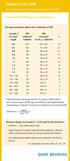 The sensitive marker for glomerular filtration rate (GFR) Estimation of GFR from Serum Cystatin C: The good correlation allows close estimation of GFR Cystatin C GFR GFR in serum estimated* measured* n
4.1 Objectives of Clinical Trial Assessment
 L1 4.1 Objectives of Clinical Trial Assessment Presentation to APEC Preliminary Workshop on Review of Drug Development in Clinical Trials Celia Lourenco, PhD, Manager, Clinical Group I Office of Clinical
Clinical Laboratory Parameters for Crl:CD(SD) Rats. March, 2006. Information Prepared by Mary L.A. Giknis, Ph.D. Charles B. Clifford, D.V.M., Ph.D.
 Clinical Laboratory Parameters for Crl:CD(SD) Rats March, 2006 Information Prepared by Mary L.A. Giknis, Ph.D. Charles B. Clifford, D.V.M., Ph.D. CHARLES RIVER LABORATORIES Clinical Laboratory Parameters
Ethyl Glucuronide. Where is the Drug? Detection Windows. Urine. Blood. Absorption and Distribution. Metabolism. Excretion
 Where is the Drug? Ethyl Absorption and Distribution A Biomarker for Ethanol Use Metabolism Excretion Anthony G. Costantino, Ph.D. D-ABFT NMS Labs,Willow Grove, PA John J. Treuting, Ph.D. Treuting & Assoc.
BIOTECHNOLOGY OPERATIONS
 BIOTECHNOLOGY OPERATIONS Principles and Practices Michael J. Roy TECHNISCHE INFORMATION SBIBLIOTHEK UNIVERSITATSBIBLIOTHEK HANNOVER CRC Press TaylorStFrancis Croup Boca Raton London New York CRC Press
Adjuvants and Excipients
 Adjuvants and Excipients The Food Safety and Inspection Service (FSIS) transferred the official responsibility to evaluate adjuvants and excipients used in Veterinary Biologics back to the Animal and Plant
Analytical Specifications RIVAROXABAN
 Page 1 of 9 ANALYTE NAME AND STRUCTURE - RIVAROXABAN SYNONYMS Xarelto CATEGORY Anticoagulant TEST CODE PURPOSE Therapeutic Drug Monitoring GENERAL RELEVANCY BACKGROUND Xarelto (rivaroxaban) is an orally
Preventol - Preservatives
 Preventol - Preservatives Preventol CMK Summary of Toxicity and Ecotoxicity Preventol CMK Summary of Toxicity and Ecotoxicity Active ingredient: 4-chloro-3-methylphenol; p-chloro-m-cresol Synonyms: PCMC,
COMMITTEE FOR MEDICINAL PRODUCTS FOR HUMAN USE (CHMP)
 European Medicines Agency Evaluation of Medicines for Human Use London, 19 July 2007 Doc. Ref: EMEA/27170/2006 COMMITTEE FOR MEDICINAL PRODUCTS FOR HUMAN USE (CHMP) GUIDELINE ON COMPASSIONATE USE OF MEDICINAL
Clinical Aspects of Hyponatremia & Hypernatremia
 Clinical Aspects of Hyponatremia & Hypernatremia Case Presentation: History 62 y/o male is admitted to the hospital with a 3 month history of excessive urination (polyuria) and excess water intake up to
Anemia and chronic kidney disease
 Anemia and chronic kidney disease THE KIDNEY FOUNDATION OF CANADA 1 Anemia and chronic kidney disease What is anemia? Anemia is a condition in which the red cells in the blood are at a low level. The red
Fluoride. Introduction
 Fluoride Introduction Most fluoride in the body is found in bones and teeth, due to its high affinity for calcium and calcium phosphate. Ingestion of and topical treatment with fluoride is effective in
ICH Topic Q 5 E Comparability of Biotechnological/Biological Products
 European Medicines Agency June 2005 CPMP/ICH/5721/03 ICH Topic Q 5 E Comparability of Biotechnological/Biological Products Step 5 NOTE FOR GUIDANCE ON BIOTECHNOLOGICAL/BIOLOGICAL PRODUCTS SUBJECT TO CHANGES
402 Adopted: 24 Feb 1987
 OECD GUIDELINE FOR TESTING OF CHEMICALS Adopted: 24 Feb 1987 1. I N T R O D U C T O R Y I N F O R M A T I O N P r e r e q u i s i t e s Solid or liquid test substance Chemical identification of test substance
Week 30. Water Balance and Minerals
 Week 30 Water Balance and Minerals Water: more vital to life than food involved in almost every body function is not stored--excreted daily largest single constituent of the human body, averaging 60% of
HYPERTENSION ASSOCIATED WITH RENAL DISEASES
 RENAL DISEASE v Patients with renal insufficiency should be encouraged to reduce dietary salt and protein intake. v Target blood pressure is less than 135-130/85 mmhg. If patients have urinary protein
SUMMARY OF PRODUCT CHARACTERISTICS
 SUMMARY OF PRODUCT CHARACTERISTICS 1. NAME OF THE VETERINARY MEDICINAL PRODUCT Prednicare Tablets 5mg 2. QUALITATIVE AND QUANTITATIVE COMPOSITION Each tablet contains: Active Substance(s) Prednisolone
FACT SHEET TESTETROL, A NOVEL ORALLY BIOACTIVE ANDROGEN
 FACT SHEET TESTETROL, A NOVEL ORALLY BIOACTIVE ANDROGEN General Pantarhei Bioscience B.V. is an emerging specialty pharmaceutical company with a creative approach towards drug development. The Company
Overview: Human Health Effects of Environmental Contaminants
 Overview: Human Health Effects of Environmental Contaminants 1 1 OVERVIEW: HUMAN HEALTH EFFECTS OF ENVIRONMENTAL CONTAMINANTS Human activity has led to the production and release into the environment of
Endocrine System: Practice Questions #1
 Endocrine System: Practice Questions #1 1. Removing part of gland D would most likely result in A. a decrease in the secretions of other glands B. a decrease in the blood calcium level C. an increase in
Calcium Folinate Ebewe Data Sheet
 NAME OF THE MEDICINE Calcium folinate injection Composition Active: Calcium folinate (equivalent to 10 mg folinic acid per ml) Inactive: Sodium chloride (7.7mg/mL), qs Water for Injections. Preservative
Amylase and Lipase Tests
 Amylase and Lipase Tests Also known as: Amy Formal name: Amylase Related tests: Lipase The Test The blood amylase test is ordered, often along with a lipase test, to help diagnose and monitor acute or