
Premenstrual syndrome (PMS) refers to a collection of
|
|
|
- Sabrina Melton
- 9 years ago
- Views:
Transcription
1 THE JOURNAL OF ALTERNATIVE AND COMPLEMENTARY MEDICINE Volume 11, Number 2, 2005, pp Mary Ann Liebert, Inc. Understanding Premenstrual Syndrome from a Chinese Medicine Perspective PATSY B.Y. CHOU, B.Sc. (T.C.M.) (Hons.), B.N., 1 and CAROL A. MORSE, Ph.D., M.A.P.S. 2 ABSTRACT Premenstrual syndrome (PMS) is a common disorder of some women during their reproductive years, characterized by a range of cyclical physical and/or mood symptoms experienced during the last few days of each menstrual cycle. Several treatment approaches have been applied, but have shown limited success, as the exact cause and pathophysiology of PMS is still not fully identified. In this paper, the etiology and pathogenesis of PMS is compared from both a Traditional Chinese Medicine (TCM) perspective and the Western biomedicine paradigm. TCM has used herbal medicines to treat the symptoms of the premenstrual and menstrual phases for centuries. To date, very few studies on the application of TCM to PMS have applied rigorous research methods. We examine the case of PMS from each paradigm: The biomedical view and that of TCM. Similarities and differences are identified and explored, and possible treatment approaches are considered and discussed in the light of these two models. INTRODUCTION Premenstrual syndrome (PMS) refers to a collection of cyclical physical and/or psychologic symptoms that appear during the late luteal phase of the menstrual cycle, persist until menses begin, and typically disappear during the early follicular days of the subsequent menstrual cycle (Moline and Zendell, 2000). It has a high prevalence. Depending on the methods of assessment and the samples of women selected, studies indicate that 25 to 96% of women of reproductive age have reported a wide range of premenstrual changes of varying degrees of severity, although only about 5 to 10% experience severe symptoms that affect their ability to function at home, in the workplace, or in relationships with others (Henderson, 2000). From the perspective of biomedicine, the exact cause and pathophysiology of PMS is not completely understood (Kessel, 2000). Many pharmacologic agents that are typically prescribed to reduce the symptoms have adverse effects that limit their use in particular women (Endicott et al., 1996; Steiner, 2000). From the perspective of Traditional Chinese Medicine (TCM), the signs and symptoms of PMS are explained as Liver qi stagnation, the proposed root cause of pathologic changes that affect other systems/organs of the body (He and Wang, 1995). DIFFERENCES BETWEEN BIOMEDICINE AND TCM PERSPECTIVES ON PMS Definition According to the Diagnostic and Statistical Manual of Mental Disorders, 4th edition (DSM-IV) (American Psychiatric Association, 1994) classification, the symptoms of PMS must occur in the late luteal phase, around days in a usual cycle, must resolve within one or two days after the onset of menstrual bleeding, and disappear completely by the mid-follicular phase. The symptoms must be recurrent in most menstrual cycles during the current year and severe enough to frequently disrupt the woman s daily life. 1 Department of Health Sciences, Victoria University, Melbourne, Australia. 2 Professor of Adult Development and Ageing, Victoria University, Melbourne, Australia. 355

2 356 While biomedicine defines PMS as a collection of cyclical physical and mental symptoms in women, TCM does not consider it a distinct disorder. Rather, the TCM approach provides a focus on individual symptoms that appear around the menstrual phase. Descriptions of specific symptoms abound in the Chinese medical literature, such as edema during menstruation, and premenstrual breast distension (SiTu and Yang, 2000). In recent years, following the Western biomedical practice of disease categorization, modern TCM gynecology has begun to group all these symptoms under one category, called perimenstrual disorder. The diagnostics and treatments continue to follow the traditional approaches. Typical descriptions of perimenstrual disorder, such as those found in The Clinical Gynaecology of Chinese Medicine (Xia, 1994), refer to a series of menstrually related disorders that are cyclical and recurrent, and in which a variety of symptoms appear a few days before menstruation, that may continue during or immediately after menstruation, and disappear or lower to a negligible level in the early follicular phase. Thus, the biomedical definition and TCM descriptions are clearly referring to the same phenomena. Background In Western society, an early attempt to describe women s premenstrual problems occurred in 1931 when Frank coined the term premenstrual tension to describe the collection of predominantly somatic complaints brought to him by female patients (Endicott, 2000). In 1964, Dalton included both somatic and psychologic symptoms and renamed the condition PMS. In classical Chinese medical records, the earliest discussion of premenstrual and menstrual symptoms dates back to the Ming dynasty ( AD); in The Appendix of Dan- Xi s Experiential Methods, Fang advised that to diagnose cases of feverish sensation in women s diseases, one should ascertain whether it occurred during menstruation or also at other times. In Ye Tianshi s Gynaecological Records (Qing dynasty, ), up to 22 perimenstrual symptoms were recorded, such as edema, feverish sensation, pain in the hypochondrium, diarrhea, body aches, abdominal cramps, and reduced appetite, with one general category given to all emotional changes. These descriptions mirror the Western biomedical phenomena very closely. Symptomatology Studies have found that premenstrual symptoms and levels of discomfort vary from woman to woman, but PMS has been reported to affect women from all cultures and socioeconomic and ethnic backgrounds (Henderson, 2000). In an Australian survey of 98 women seeking treatment of PMS, a total of 32 different psychologic or physical symptoms were reported at the initial interview (Gotts et al., 1995). The most frequently reported symptoms were irritability and depression, and these comprised at least half of the total symptoms experienced. A similar study of 454 Chinese women of reproductive age in Beijing reported that the most frequent symptoms were irritability, depression, anxiety, diarrhea, lack of concentration, and hypersomnia (Zhao et al., 1998). These findings indicate a considerable similarity of reported symptoms and the dominance of negative mood states in both Western and Chinese women reporting symptoms of PMS. Etiology CHOU AND MORSE In the West, the exact etiology of PMS remains unclear after more than 40 years of systematic research. Findings to date consistently suggest that PMS is multifactorial, with the involvement of hormones, neurotransmitters, neurosteroids, nutrition, and psychosocial factors (Steiner, 2000). Even so, after considerable study and research, no exact hormonal or neurochemical dysfunctions have been identified that can explain the disturbances (Dickerson et al., 2003). TCM approaches acknowledge that menstruation is a natural physiologic phenomenon produced as a result of the action of Tiankui Blood, qi (life force), meridians (especially the Chong and Ren meridians), and the internal organs (particularly the Liver, Kidney, and Spleen) that affect the uterus (Chen, 1998). The occurrence of symptoms directly before menstruation, which diminish gradually as menses begin, or after menstruation has ceased, is explained as being related to the changes of the excess or deficiency of the Blood and qi, and the fullness or emptiness of the Chong and Ren meridians during this phase (Cai, 1997). The states of deficiency in qi, Blood, yang, and yin, and/or the excess conditions (i.e., Fire, Stasis, Dampness) of organs of the individual constitution may give rise to different symptoms and severity (Zhang, 1990). Prior to menstruation, Blood and qi travel down to the uterus via the Chong and Ren meridians to prepare the organ for menstruation. When qi is abundant, the Blood will flow more rapidly, often resulting in an accumulation that may cause a blockage of the meridians. As the Chong and Ren meridians are governed by the Liver meridian, the flow of Liver qi is perceived to become disrupted. The accumulation of Blood in the lower part of the body (uterus) may also result in an insufficiency of yin Blood in other organs of the body. Consequently, the function of internal organs during this time is understood to be adversely affected, leading to the systemic signs and symptoms that are accepted as directly associated with PMS. Once the normal flow of Blood and qi is restored as menstruation commences, the symptoms disappear (Chen, 1998). All women are regarded as being prone to a yin Blood deficiency because of regular blood loss during menstruation, as well as in giving birth (Chen, 1998). When the internal organs are lacking in nourishment by Blood, their function is impaired. The Liver system is the reservoir and regulator of Blood and qi for the entire body. Failure to prop-

3 TCM PERSPECTIVE ON PMS 357 erly regulate and distribute Blood in the appropriate quantities throughout the body results in various disharmonies. The Liver system also ensures the smooth flow of qi throughout the body. Accordingly, if the function of the Liver system is impaired, the harmonious movement of qi will be obstructed (Han, 1998). As qi is the basis for all physical, emotional, and mental processes, when any obstruction to its movement occurs, this will give rise to emotional and physical symptoms (Maciocia, 1989). The Liver meridian passes through the head, face, breasts, hypochondrium, and lower abdomen. According to TCM theory, the common symptoms of PMS (such as headache, dizziness, breast tenderness or swelling, irritability, agitation, frustration, depression, and anger), are caused by an impaired function of the Liver system (He and Wang, 1995), and is the primary factor triggering PMS (Yu, 1997). The Five Elements theory of TCM, in The Yellow Emperor s Classic of Internal Medicine (circa 100 BC), describes the human body as an inseparable, integrated whole, with the functions of all of the internal organs interconnected and interdependent (Fig. 1). Thus, one organ may affect other organs, depending on the state of health in any given organ at a particular time. For instance, prolonged stagnation of Liver qi may transform into Heat/Fire, causing Heat/Fire in the related Stomach or Heart systems, giving rise to symptoms such as increased appetite, oral ulcer, irritability, frustration, and insomnia. When the stagnant Liver qi disrupts the Spleen, which governs the transformation and transportation of water inside the body, those with a weak Spleen system may experience increased water retention. As water is retained in the skin and muscles, it will manifest as edema. If water moves downward untransformed, it may give rise to diarrhea. If the Blood fails to nourish the Heart system, manifestations such as forgetfulness, crying, or lethargy may occur, since the spirit is controlled by the Heart system (Cai and Zhou, 1997). These theoretical views from TCM seek to explain the appearance of PMS symptoms in the premenstrual phase, as well as the idiosyncratic nature of PMS complaints that have also been described in Western women (Gotts et al., 1995). Water Kidney Uninary Bladder Metal Lung Large Intestine Wood Liver Gall Bladder Fire Heart Small Intestine Earth Spleen Stomach Interpromoting relation Interacting and overacting relation Counteracting FIG 1. Interpromoting, interacting, overacting, and counteracting relationships among the five elements Wood, Fire, Earth, Metal, and Water. Diagnosis Because of the range of symptoms associated with PMS and the absence of a specific diagnostic laboratory test to confirm a diagnosis (Frye and Silverman, 2000), assessment of PMS must depend on what is actually reported by the women themselves (Freeman, 2003). According to the American College of Obstetricians and Gynecologists, a diagnosis of PMS should include: symptoms consistent with the classification of defined PMS, restriction of these symptoms to the late luteal phase, impairment (mild, moderate, or severe) of some facets of the woman s usual life, and the exclusion of other disorders. The information should be based on prospective diaries kept by women charting their symptoms, preferably every day for approximately 8 10 consecutive days for 2 3 consecutive months (Henderson, 2000). In 1983, the National Institute of Mental Health suggested that a diagnosis of PMS was dependent on symptom severity increasing by at least 30% in the 6 days preceding menses as compared to up to 5 days after menstruation. These symptoms had to be present during at least 2 consecutive cycles (Dickerson et al., 2003). The TCM diagnostic process is known as pattern identification (Bian Zheng), and involves a synthesis of symptoms and signs collected through 4 methods of diagnosis inspection, auscultation, interrogation, and palpation to identify a meaningful pattern or patterns of disharmony to guide treatment (Maciocia, 1989). Thus the diagnosis of perimenstrual disorders is made according to the cyclical timing of symptoms that are associated with menstruation, using information collected through the 4 diagnostic methods during consultation, and linking these symptoms into a pattern or patterns of disharmony. Subtypes: Researchers have attempted to identify subtypes of premenstrual symptoms by grouping them into clusters, or according to severity. In the West, these subtypes include premenstrual syndrome (Dalton, 1964; Dalton, 1984); menstrual distress syndrome (MDS) (Dalton, 1980); and late luteal phase dysphoric disorder (LLPDD)/premenstrual dysphoric disorder (PMDD), which appears in the appendix of the DSM-IIIR and DSM-IV (American Psychiatric Association, 1987; American Psychiatric Association, 1994) and is considered to be the most severe form of PMS (Freeman, 2003). In TCM, Gao and Chen (1994) categorized PMS according to 22 patterns of disharmony, from journal papers over a period of 10 years (Table 1). The most common patterns encountered were Liver qi stagnation and Liver and Kidney yin deficiency, causing heat in the internal organs. Treatment Pharmacologic agents such as hormones, selective serotonin reuptake inhibitors (SSRIs), tranquilizers, diuretics, and nonsteroidal anti-inflammatory drugs (NSAIDs) have all been used to treat PMS (Frye and Silverman, 2000). Unfortunately, many of these drugs have several potentially ad-

4 358 TABLE 1. PREMENSTRUAL SYNDROME: 22 PATTERNS OF DISHARMONY 1 Liver qi stagnation 2 Liver qi stagnation transforms into Fire 3 Disharmony between Liver and Spleen 4 Liver and Kidney yin deficiency causing Liver yang flare up 5 Blood deficiency causing hyperactivity of Fire 6 Qi and Blood stagnation causing blockage in the channels and collaterals 7 Phlegm and qi binding together/blood stasis causing obstruction 8 Spleen and Kidney yang deficiency 9 Exuberance of Heart Fire causing Heart and Kidney failure to communicate 10 Qi and Blood deficiency causing disharmony between ying qi and Wei qi 11 Lung and Spleen qi deficiency with Liver Fire flaring up 12 Dampness retaining in the Lung and Spleen 13 Sluggishness of Lung qi 14 Yin deficiency causing hyperactivity of Fire that burns the Lung collaterals 15 Kidney deficiency causing stagnation of Liver 16 Heart and Spleen deficiency 17 Liver and Kidney deficiency giving rise to coldness that blocks the Liver channels 18 Blood stasis and Heat stagnating in the Chong and Ren channels 19 Blood stasis stagnating Interiior causing Liver Fire to flare up 20 Stomach and Kidney yin deficiency causing the up rush of qi 21 Yang deficiency and qi insufficiency 22 Heat in the internal organs verse effects (Young, 2001) and some have been shown to provide symptomatic relief no better than placebo, or for only short periods of time (Freeman and Rickels, 1999). SSRIs have been the only pharmacologic agents clearly shown to be more effective than placebo in treating this condition and fluoxetine is the only drug recently approved for PMDD in several countries (Steiner, 2000). However, the SSRIs have been reported to produce side effects such as insomnia, gastrointestinal disturbances, fatigue, nervousness, difficulty in concentrating, dizziness, and sexual dysfunction (Steiner, 2000). These symptoms are within the same class of complaints for which women seek treatment in the first place, so a key question concerns whether the effects of treatment are better or worse than the condition itself. In recent years, several well-designed trials have demonstrated the efficacy of cognitive behavior therapy (CBT) in reducing the negative effects of both psychologic and physical symptoms of PMS. Relaxation therapy has also been reported to be successful by some (Goodale et al., 1990). Morse and colleagues (1991) compared CBT with a progestogen (the preferred treatment at that time) and relaxation. CBT was found to be superior to the other therapies through the 10-week treatment phase and on follow-up after 3 months. In TCM, since Liver qi stagnation and yin Blood deficiency are proposed as the most common root causes of PMS, the fundamental principles of treatment for the disorder involve measures to regulate Liver qi so as to resolve stagnation and to tonify Blood. Traditionally, Chinese herbal medicine is the most common treatment therapy for perimenstrual symptoms. The most common medicines for the relief of PMS are: herbs (Chaihu [Radix bupleuri], Xiangfu [Rhizoma cyperi]) for releasing the stagnation in the Liver qi and for tonifying Blood (Danggui [Radix angelicae sinensis], Baishao [Radix paeoniae alba]), or herbal formulas such as Xiao Yao San or Chai Hu Shu Gan Tang. Acupuncture can be applied to move the Liver qi on certain acupoints, including Liv-3 (Taichong), and GB-34 (Yanglingquan), and to tonify Blood (e.g., Sp-6 [Sanyingjiao]) (You, 1997). Chinese diet therapy can also be utilized. Qigong, Chinese deep breathing exercises such as Tai Ji Quan, can also be undertaken to maintain the treatment effect as a long-term therapeutic strategy, and is similar in intent and application to Benson s relaxation technique and the controlled breathing and muscle movements of Pilates. Gao and Chen (1994) summarized the results of 30 studies of PMS using Chinese herbal medicine in China. Of a total of 861 patients with PMS, in 651 patients (75.6%) the result was full recovery, 177 patients (20.6%) showed some effect, and 33 (3.8%) patients had no effect. A literature search of the Chinese Bio-Medicine Disc (Institute of Chinese Medical Information, 2000) has revealed that a total of 92 articles on perimenstrual disorder/pms were published in Chinese medical journals from 1979 to Of these, 32 were clinical study reports on the treatment of PMS using Chinese herbs, and 1 study of acupuncture. These 32 clinical studies of herbal medicine cover 2531 patients: 29 studies used Chinese raw herbs and 3 used herbal granules. One used herbs in a compress applied externally for abdominal cramps. Seven used a number of herbal formulas according to the defined patterns of disharmony (Table 2). Eight (8) studies applied a single herbal formula to treat a single perimenstrual symptom. The remaining 16 studies used one classic formula (e.g., Xiao Yao San) or one of their own herbal formulas to treat the disorder/symptom as a whole. Twenty-nine (29) studies reported an effective rate 90%, while 2 studies reported 85 86% effectiveness, and 1 study reported an effective rate of 80%. As these results were either from case studies, or from studies that were not well-designed or using robust experimental designs, the claims must be viewed with caution. Methodologic aspects CHOU AND MORSE Western approaches in treatment studies for PMS include a wide range of methods including randomized controlled

5 TABLE 2. PATTERNS OF DISHARMONY IN SELECTED STUDIES OF PREMENSTRUAL SYNDROME Study Patterns of disharmony Ye, 1998 Liver qi Yin deficiency Heart and Liver and stagnation with heat Spleen Kidney yin deficiency deficiency Liang, 1996 Liver qi Yin deficiency Heart and Spleen and Kidney Blood Blood stagnation stagnation with heat Spleen yang deficiency deficiency deficiency Zhu, 1995 Liver qi Heart and Spleen and Kidney Liver and Blood stagnation Cold and stagnation Spleen yang deficiency Kidney yin dampness deficiency deficiency stagnation Zhao and Liver qi Yin deficiency Spleen and Kidney Yang, 1994 stagnation with heat yang deficiency Wang, 1988 Liver qi Liver and Blood Qi and Blood stagnation Kidney yin deficiency stagnation deficiency Xu, 1982 Liver qi Yin deficiency Spleen and Kidney Blood and stagnation with heat yang deficiency phlegm stagnation Chen et al., Liver qi Yin deficiency Spleen and Kidney Liver and 1982 stagnation with heat yang deficiency Kidney yin deficiency

6 360 trials, single-blinded comparative group studies, and, less frequently, uncontrolled individual case studies. In the 32 clinical studies using Chinese herbal medicine mentioned above, only 1 was a single-blinded study; the other 31 were open trials. Five (5) studies employed control groups that received a range of biomedicine including bromocriptine mesylate, estradiol, progesterone plus oryzanol, or natural products of soy powder and bran skin. Three (3) studies employed random assignment to groups. Twenty-six (26) studies graded their results into 4 levels, and 6 studies graded into 3 levels. Only 2 used individually designed symptom assessment charts. The Gao and Chen study (1994) revealed that although the results of the 30 studies they summarized were outstanding, most lacked systematic observation or standardized diagnoses. Some of the studies were only single case reports, and very few studies had control groups. All these discrepancies clearly affect the evaluation value of the claimed rates of treatment effectiveness. SUMMARY AND FUTURE DIRECTION PMS has many symptoms and is idiosyncratic in nature. While biomedicine typically utilized symptomatic relief approaches until recently, when both psychologic assessment and medical management are frequently considered together, the underlying hypothesized causation is still addressed through such treatments. TCM typically employs a holistic treatment plan which is determined to cover both psychologic and physical symptoms, and also strives to address the hypothesized root cause of the syndrome. It is clear that PMS is a condition experienced by thousands of women worldwide for which TCM may be a most suitable addition as an effective alternative treatment to Western biomedicine. However, confidence in this treatment is largely based on practice that accords respect to traditional practices, yet which has not been scientifically evaluated. Although some research has been carried out, there have been no rigorous clinical trials on the use of Chinese herbs to treat PMS to satisfy Western demands for hard, thoroughly researched, evidence. For the most robust consideration, a double-blinded controlled clinical trial is one highly desirable approach to scientifically evaluating the effectiveness of Chinese herbal medicine. The outcomes should be measured by the occurrence and severity of both the psychologic and physical symptoms. Data collection should be based on those validated and widely used questionnaires that have a high internal consistency. Only through rigorous evaluation methods carried out by formally trained practitioners can the efficacy of TCM be demonstrated and allowed its place along Western biomedical treatments. REFERENCES Cai HJ. Observation on treatment of PMS by soothing the liver [in Chinese]. Practical Chinese Med J 1997;5:6 7. CHOU AND MORSE Cai Z, Zhou P, eds. Cai s Clinical Experience on Gynecology [in Chinese]. Shanghai: Shanghai TCM University Press, Chen J, Xie XR, Gao GY. Treatment of 102 cases of PMS by application of TCM menstrual cycle treatment method [in Chinese]. Liaoning TCM J 1982;6: Chen L. Fundamental knowledge of Chinese medicine on premenstrual syndrome [in Chinese]. Shandong TCM Univ Bull 1998;22: Dalton K. The Premenstrual Syndrome and Progesterone Therapy, 2nd ed. Chicago: Yearbook Medical Publishers, Dalton K. The premenstrual Syndrome. London: Heinemann, Diagnostic and Statistical Manual of Mental Disorders, 4th ed. Washington, D.C.: American Psychiatric Association, Diagnostic and Statistical Manual of Mental Disorders, 3rd revised ed. Washington, D.C.: American Psychiatric Association, Dickerson LM, Mazyck PJ, Hunter MH. Premenstrual syndrome. Am Fam Physician 2003;67: Endicott J, Freeman EW, Kielich AM, Sondheimer SJ. PMS: New treatments that really work. Patient Care 1996;30: Endicott J. History, evolution, and diagnosis of premenstrual dysphoric disorder. J Clin Psychiatry 2000;61:S5 S8. Fang G. The appendix of Dan-Xi s experiential methods [in Chinese; Dan Xi Xin Fa Fu Yu]. In: The Collection of Medical Classic Collections [Cong Shu Ji Cheng] China: The Commercial Press, Freeman E, Rickels K. Characteristics of placebo responses in medical treatment of premenstrual syndrome. Am J Psychiatry 1999; 156: Freeman EW. Premenstrual syndrome and premenstrual dysphoric disorder: Definition and diagnosis. Psychoneuroendocrinology 2003;28:S25 S37. Frye GM, Silverman SD. Is it premenstrual syndrome? Keys to focused diagnosis, therapies for multiple symptoms. Postgrad Med 2000;107: , Gao S, Chen J. Brief summary of Chinese medical research on the treatment of premenstrual syndrome with herbs [in Chinese]. J Chin Med 1994;35: Goodale IL, Domar AD, Benson H. Alleviation of premenstrual syndrome symptoms with the relaxation response. Obstet Gynecol 1990;75: Gotts G, Morse CA, Dennerstein L. Premenstrual complaints: An idiosyncratic syndrome. J Psychosom Ostet Gynaecol 1995;16: Han F. Report on 154 cases of treatment for premenstrual syndrome by nourishing yin and replenishing blood [in Chinese]. Heilongjiang TCM 1998;4:12. He Z, Wang Z. Treating premenstrual syndrome through liver [in Chinese]. Beijing TCM Univ Bull 1995;18: Henderson CW. ACOG issues guidelines on diagnosis and treatment of PMS. Women s Health Weekly 2000;5/6: Institute of Chinese Medical Information. Chinese Bio-Medicine Disc [database package; CBM Disc; in Chinese]. Beijing: Chinese Academy of Medical Science and Peking Union Medical College, Kessel B. Premenstrual syndrome: Advances in diagnosis and treatment. Obstet Gynecol Clin North Am 2000;27: Liang XY. Observation on the efficacy of treatment of PMS with Chinese medicine [in Chinese]. Yunnan TCM Journal 1996;17: 9 10.

7 TCM PERSPECTIVE ON PMS 361 Maciocia G. The foundations of Chinese medicine: A comprehensive text for acupuncturists and herbalists. Melbourne: Churchill Livingstone, Moline ML, Zendell SM. Evaluating and managing premenstrual syndrome. Medscape Womens Health 2000;5:1. Morse CA, Dennerstein L, Farrell E, Varnavides K. A comparison of hormone therapy, coping skills training, and relaxation for the relief of premenstrual syndrome. J Behav Med 1991;14: SiTu Y, Yang, J. Chinese Medical Diagnosis and Treatment Method of Gynecology [in Chinese]. Beijing: People s Health Publishing, Steiner M. Recognition of PMDD and its treatment. Lancet 2000;356: Wang W. Treatment of 23 cases of PMT according to Bian Zheng Lun Zhi [in Chinese]. Jilin Chinese Med J 1988;6:11. Xia G, ed. Clinical Gynaecology of Chinese Medicine [in Chinese]. Beijing: People s Health Publishing, Xu SY. Analysis and evaluation of Bian Zheng Lun Zhi for the treatment of 170 cases of PMS [in Chinese]. Liaoning TCM J 1982;4: Ye T. Ye Tianshi s Gynecological Records [in Chinese; Ye Tian Shi Nu Ke Zheng Zhi]. Shanghai: Zhangfuji Book Store, Ye YL. Treatment of 48 cases of PMS according to Bian Zheng Lun Zhi [in Chinese]. Chinese Med Informat J 1998;5: Yellow Emperor s Classic of Internal Medicine [in Chinese; Huang Di Nei Jing Su Wen]. China: Liaoning Science and Technology Press, You Y. Acupuncture treatment of 56 cases of PMS [in Chinese]. Chinese Acupuncture 1997;3:171. Young M. PMS and PMDD: Identification and treatment. Patient Care 2001;35:29. Yu J. Combined Chinese Western Medicine for Clinical Obstetrics and Gynecology [in Chinese]. Beijing: Beijing Medical University and Chinese Xie He Medical University Joint Publisher, Zhang E, ed. Basic Theory of Traditional Chinese Medicine, 2nd ed. [in Chinese]. Shanghai: Publishing House of Shanghai College of TCM, Zhao G, Wang L, Qu C. Prevalence of premenstrual syndrome in reproductive women and its influential factors [in Chinese]. Chin J Obstet Gynecol 1998;33: Zhao YH, Yang JF. Combination of western and Chinese medicine for the treatment of 58 cases of PMS [in Chinese]. Neimenggu TCM J 1994;4:25. Zhu Y. Treatment of 289 cases of PMS according to pattern identification of Chinese medicine [in Chinese]. Chinese Medical Forum 1995;2: Address reprint requests to: Patsy B.Y. Chou, B.Sc., B.N. Department of Health Sciences St Albans Campus, Victoria University P.O. Box 14428, Melbourne City MC VIC 8001 Australia [email protected]

8

Acupuncture in the treatment of Amenorrhea
 Acupuncture in the treatment of Amenorrhea Dr. Hongguang Dong 16. 6.001 1 Amenorrhea Amenorrhea is a symptom not a diagnoses West medicine classified into Primary Amenorrhea and secondary Amenorrhea Primary
INTEGRATING AND UNDERSTANDING CLASSICAL AND TCM THEORY
 INTEGRATING AND UNDERSTANDING CLASSICAL AND TCM THEORY Aims To integrate TCM and Classical approaches. To aid study for NCCAOM exam. The NCCAOM exam is greatly based upon TCM but also draws on a number
Pattern Identification According to Qi and Blood
 CHAPTER EIGHT Pattern Identification According to Qi and Blood Pattern identification according to qi and blood is a commonly used method for pattern identification which analyzes manifestations obtained
Endometriosis: the Chinese medicine explanation
 Endometriosis: the Chinese medicine explanation Endometriosis results from the slowdown and stagnation of blood flow in the pelvis, according to Chinese medicine. This stagnation gradually becomes visible
DEPRESSION DURING THE TRANSITION TO MENOPAUSE: A Guide for Patients and Families
 DEPRESSION DURING THE TRANSITION TO MENOPAUSE: A Guide for Patients and Families David A. Kahn, MD, Margaret L. Moline, PhD, Ruth W. Ross, MA, Lori L. Altshuler, MD, and Lee S. Cohen, MD www.womensmentalhealth.org
ZhangFu or Meridian theory related to Ear disease 1. Organs: Kidney: Kidney in charge of the ear s function Heart: Heart also open on the ear Liver &
 Ear disease ZhangFu or Meridian theory related to Ear disease 1. Organs: Kidney: Kidney in charge of the ear s function Heart: Heart also open on the ear Liver & GB: Liver & GB Qi connect with ear & easily
ALLERGIES! Kathleen Lumiere DAOM, LAC Living Well Naturally Series Bastyr University. Spring 2014
 ALLERGIES! Kathleen Lumiere DAOM, LAC Living Well Naturally Series Bastyr University Spring 2014 Content Hello! and introductions What is traditional Chinese medicine (TCM), and how does it differ from
helps lung to breath last stage of transformation of qi Defensive Qi circulates outside the vessels moistens skin and hair readjusts body temperature
 Types of Qi Qi English Translation location function Qing Qi Air Qi Lung inhaled by the Lung Gu Qi Food Qi Spleen and Stomach Zong Qi Gathering Qi stored in chest air qi + food qi produced by Spleen and
Short-Term Impact Analysis of a Clinical Information System Adoption on Relieving Menstrual Distress in Women
 , pp.61-68 http://dx.doi.org/10.14257/ijbsbt.2014.6.2.06 Short-Term Impact Analysis of a Clinical Information System Adoption on Relieving Menstrual Distress in Women Seong-Ran Lee Department of Medical
Neuroendocrine Evaluation
 Neuroendocrine Evaluation When women have health concerns they usually prefer to discuss them with another woman. Dr. Vliet is a national expert on hormone-related problems and specializes in neuroendocrine
Errata Sheet ATOM Catalog 2014-2015
 Errata Sheet ATOM Catalog 2014-2015 Pages 43-50 describing the Doctor of Acupuncture & Oriental Medicine (DAOM) Program are deleted in their entirety and replaced with the following: The Doctor of Acupuncture
On Blood Deficiency. Giovanni Maciocia
 Origin of Blood Blood is derived mostly from the gu qi (food qi) produced by the Spleen. The Spleen sends gu qi upwards to the Lungs, and through the propelling action of Lung qi, this is sent to the Heart,
Chinese Medicine & Acupuncture
 Chinese Medicine & Acupuncture Deirdre Orceyre, ND, MSOM, LAc The Center for Integrative Medicine 908 New Hampshire Ave, Suite 200 Washington DC 20037 Acupuncture: Improving Your Health with Chinese Medicine
Course: Acupuncture Treatment of Disease 3 Date: June 22, 2009 Class #: 10 Psoriasis, Fibromyalgia/CFS. Psoriasis
 Course: Acupuncture Treatment of Disease 3 Date: June 22, 2009 Class #: 10 Psoriasis, Fibromyalgia/CFS (bai bi which translates to skin diseases) Fibromyalgia/CFS Psoriasis 2.02 % of the US population
Millions of Americans suffer from abdominal pain, bloating, constipation and diarrhea. Now new treatments can relieve your pain and discomfort.
 3888-IBS Consumer Bro 5/8/03 10:38 AM Page 1 TAKE THE IBS TEST Do you have recurrent abdominal pain or discomfort? YES NO UNDERSTANDING IRRITABLE BOWEL SYNDROME A Consumer Education Brochure Do you often
Feeling Moody? Major Depressive. Disorder. Is it just a bad mood or is it a disorder? Mood Disorders. www.seclairer.com S Eclairer 724-468-3999
 Feeling Moody? Is it just a bad mood or is it a disorder? Major Depressive Disorder Prevalence: 7%; 18-29 years old; Female>Male DDx: Manic episodes with irritable mood or mixed episodes, mood disorder
Acupuncture: An Introduction
 Acupuncture: An Introduction Acupuncture is among the oldest healing practices in the world. As part of traditional Chinese medicine (TCM), acupuncture aims to restore and maintain health through the stimulation
Traditional Chinese medicine patterns and recommended acupuncture points in infertile and fertile women
 Traditional Chinese medicine patterns and recommended acupuncture points in infertile and fertile women Oddveig Birkefl et, 1 Petter Laake, 2 Nina Vøllestad 1 1 Institute of Health and Society, University
Postpartum Depression and Post-Traumatic Stress Disorder
 Postpartum Depression and Post-Traumatic Stress Disorder Emotional Recovery: Postpartum Depression and Post-Traumatic Stress Disorder By: Lisa Houchins Published: July 23, 2013 Emotions vary widely after
Managing depression after stroke. Presented by Maree Hackett
 Managing depression after stroke Presented by Maree Hackett After stroke Physical changes We can see these Depression Emotionalism Anxiety Confusion Communication problems What is depression? Category
Collection of Porridge
 Collection of Porridge White rice & Jujube (Date) Porridge White rice 100g Jujube 8 pieces Cook into porridge until it is very soft Tonify Qi Treats stomach and duodenal ulcers Stomach and duodenal ulcers,
Anxiety, Panic and Other Disorders
 Methodist Assistance Program Anxiety, Panic and Other Disorders Anxiety, panic and other disorders such as agoraphobia, social phobia, compulsive disorder and posttraumatic stress disorder are all very
SLEEP DISTURBANCE AND PSYCHIATRIC DISORDERS
 E-Resource December, 2013 SLEEP DISTURBANCE AND PSYCHIATRIC DISORDERS Between 10-18% of adults in the general population and up to 50% of adults in the primary care setting have difficulty sleeping. Sleep
Frequently Asked Questions: Ai-Detox
 What is Ai-Detox? Frequently Asked Questions: Ai-Detox Ai-Detox is a Chinese herbal medicinal formula, produced using state of the art biotechnology, which ensures the utmost standards in quality and safety.
PowerPoint Lecture Outlines prepared by Dr. Lana Zinger, QCC CUNY Complementary and Alternative Medicine
 PowerPoint Lecture Outlines prepared by Dr. Lana Zinger, QCC CUNY 17 Complementary and Alternative Medicine Complementary and Alternative Medicine: What Is It and Who Uses It?! Complementary Medicine Used
WOMENCARE A Healthy Woman is a Powerful Woman (407) 898-1500. Hormone Therapy
 Hormone Therapy WOMENCARE A Healthy Woman is a Powerful Woman (407) 898-1500 At menopause, a woman's body makes less estrogen and she stops having menstrual periods. This is a natural stage in a woman's
WOMENCARE A Healthy Woman is a Powerful Woman (407) 898-1500. Endometriosis
 Endometriosis WOMENCARE A Healthy Woman is a Powerful Woman (407) 898-1500 The lining of the uterus is called the endometrium. Sometimes, endometrial tissue grows elsewhere in the body. When this happens
Depression Assessment & Treatment
 Depressive Symptoms? Administer depression screening tool: PSC Depression Assessment & Treatment Yes Positive screen Safety Screen (see Appendix): Administer every visit Neglect/Abuse? Thoughts of hurting
Amino Acid Therapy to Restore Neurotransmitter Function
 Amino Acid Therapy to Restore Neurotransmitter Function Alvin Stein, MD Neurotransmitters are chemicals manufactured by our bodies that allow our nervous system to function properly. When the body requires
DEPRESSION CARE PROCESS STEP EXPECTATIONS RATIONALE
 1 DEPRESSION CARE PROCESS STEP EXPECTATIONS RATIONALE ASSESSMENT/PROBLEM RECOGNITION 1. Did the staff and physician seek and document risk factors for depression and any history of depression? 2. Did staff
Fibromyalgia. Factsheet
 Factsheet Fibromyalgia Fibromyalgia can cause similar symptoms to multiple sclerosis (MS) including muscle weakness and pain in the arms and legs. In fibromyalgia, the pain is musclespecific, and not in
HIV and Chronic Fatigue Syndrome. By Alan Uretz, PhD.
 Understanding The TCM Dynamics of HIV and Chronic Fatigue Syndrome By Alan Uretz, PhD. Aids and HIV Illness HIV is a infectious virus that attacks the body s immune system leaving the patient vulnerable
Subcutaneous Testosterone-Anastrozole Therapy in Breast Cancer Survivors. 2010 ASCO Breast Cancer Symposium Abstract 221 Rebecca L. Glaser M.D.
 Subcutaneous Testosterone-Anastrozole Therapy in Breast Cancer Survivors 2010 ASCO Breast Cancer Symposium Abstract 221 Rebecca L. Glaser M.D., FACS Learning Objectives After reading and reviewing this
See also www.thiswayup.org.au/clinic for an online treatment course.
 Depression What is depression? Depression is one of the common human emotional states. It is common to experience feelings of sadness and tiredness in response to life events, such as losses or disappointments.
Registered Charity No. 5365
 THE MULTIPLE SCLEROSIS SOCIETY OF IRELAND Dartmouth House, Grand Parade, Dublin 6. Telephone: (01) 269 4599. Fax: (01) 269 3746 MS Helpline: 1850 233 233 E-mail: [email protected] www.ms-society.ie
Now that your Doctor has prescribed Livial for you
 Now that your Doctor has prescribed Livial for you This educational brochure is only for use by patients prescribed LIVIAL The Menopause The term menopause refers to the very last menstrual period a woman
Program of Traditional Chinese Medicine (Acupuncture) (Pan-English Lectures)
 Program of Traditional Chinese Medicine (Acupuncture) (Pan-English Lectures) Shanghai University of Traditional Chinese Medicine July, 2012 Introduction After we entered in the 21 st century, when more
Amenorrhea (bi jing or jing bi)
 Course: Acupuncture Treatment of Disease 1 Date: December 1, 2008 Class #: 10 Amenorrhea and Dysmenorrhea Final next week, week 11, NOT week 12! Review ALL case studies and m/c options for final! I need
Acupuncture Diploma Programs Course Descriptions
 Acupuncture Diploma Programs Course Descriptions Three-Year Full Time Acupuncture Diploma Program, and Two -Year Intensive Full Time Acupuncture Diploma Program (2220 hours / 148 credits in total) Y1-1,
Pi-Wei System Related Diseases. Introduction
 1 A. Review of Pi-Wei System: I. Functions of Spleen Pi-Wei System Related Diseases Introduction By H. Shen The spleen is situated in the middle jiao and its meridian connects with the stomach with which
Bio-Identical Hormone FAQ s
 Bio-Identical Hormone FAQ s What are bio-identical hormones? They are derived from a natural plant source and professionally compounded to be biologically identical to human form of estradiol and testosterone.
Paxil/Paxil-CR (paroxetine)
 Generic name: Paroxetine Available strengths: 10 mg, 20 mg, 30 mg, 40 mg tablets; 10 mg/5 ml oral suspension; 12.5 mg, 25 mg, 37.5 mg controlled-release tablets (Paxil-CR) Available in generic: Yes, except
Testosterone Therapy for Women
 Testosterone Therapy for Women The Facts You Need Contents 2 INTRODUCTION: The Facts You Need... 3-4 CHAPTER 1: Testosterone and Women... 5-9 CHAPTER 2: Testosterone Therapy for Women... 10-14 CONCLUSION:
CONSULTATION & CONSENT FORMS p. 1 of 5 C J HERBAL REMEDIES, INC. ********************************************************************************
 CONSULTATION & CONSENT FORMS p. 1 of 5 ******************************************************************************** List your full name, age, sex, and today's date List your complete address List your
Depression Flow Chart
 Depression Flow Chart SCREEN FOR DEPRESSION ANNUALLY Assess for depression annually with the PHQ-9. Maintain a high index of suspicion in high risk older adults. Consider suicide risk and contributing
Appendix 1: Search strategies for randomized controlled trials on Chinese herbal medicine for symptom management in cancer palliative care
 Appendix 1: Search strategies for randomized controlled trials on Chinese herbal medicine for symptom management in cancer palliative care i) The Cochrane Central Register of Controlled Trials (CENTRAL)
Efficacy and Tolerability of Antidepressant Duloxetine for Treatment of Hot Flushes in Menopausal Women
 Efficacy and Tolerability of Antidepressant Duloxetine for Treatment of Hot Flushes in Menopausal Women Irina Shestakova, MD, PhD Research Center of Obstetrics, Gynecology and Perinatology Department of
Acute Low Back Pain. North American Spine Society Public Education Series
 Acute Low Back Pain North American Spine Society Public Education Series What Is Acute Low Back Pain? Acute low back pain (LBP) is defined as low back pain present for up to six weeks. It may be experienced
WOMEN AND ADDICTION RECOVERY & HORMONAL SHIFTS
 WOMEN AND ADDICTION RECOVERY & HORMONAL SHIFTS HANLEY CENTER, INC. CENTER FOR WOMEN S RECOVERY Presented by: Jeannie Provost Program Manager 561-841-1000 [email protected] OBJECTIVES OBJECTIVES
Why are antidepressants used to treat IBS? Some medicines can have more than one action (benefit) in treating medical problems.
 The Use of Antidepressants in the Treatment of Irritable Bowel Syndrome and Other Functional GI Disorders Christine B. Dalton, PA-C Douglas A. Drossman, MD What are functional GI disorders? There are more
Naturopathic Medicine & Acupuncture By Peter B. Bongiorno ND, LAc
 nmlkj nmlkji Article Archives Find Acupuncture and Herbs in Your Area Get Powerful Body, Peaceful Mind, The Alternative Medicine Book of the Decade Teleseminars and MP3 audio of Brian Carter's Messages
Chronic Low Back Pain
 Chronic Low Back Pain North American Spine Society Public Education Series What is Chronic Pain? Low back pain is considered to be chronic if it has been present for longer than three months. Chronic low
Tui Na for Women and Children
 SUBJECT OUTLINE Subject Name: Tui Na for Women and Children SECTION 1 GENERAL INFORMATION Subject Code: CMTN312 Award/s: Total course credit points: Level: Bachelor of Health Science (Acupuncture) 128
Care Manager Resources: Common Questions & Answers about Treatments for Depression
 Care Manager Resources: Common Questions & Answers about Treatments for Depression Questions about Medications 1. How do antidepressants work? Antidepressants help restore the correct balance of certain
Depre r s e sio i n o i n i a dults Yousuf Al Farsi
 Depression in adults Yousuf Al Farsi Objectives 1. Aetiology 2. Classification 3. Major depression 4. Screening 5. Differential diagnosis 6. Treatment approach 7. When to refer 8. Complication 9. Prognosis
Association for traditional Studies preserving, documenting & disseminating traditional knowledge
 Association for Traditional Studies Seminar & Intensive Course Offerings Single Seminar Offerings The following list of ATS single seminars offer a great way of getting to know Classical Chinese medicine
75-09.1-08-02. Program criteria. A social detoxi cation program must provide:
 CHAPTER 75-09.1-08 SOCIAL DETOXIFICATION ASAM LEVEL III.2-D Section 75-09.1-08-01 De nitions 75-09.1-08-02 Program Criteria 75-09.1-08-03 Provider Criteria 75-09.1-08-04 Admission and Continued Stay Criteria
Understanding Endometriosis - Information Pack
 What is endometriosis? Endometriosis (pronounced en- doh mee tree oh sis) is the name given to the condition where cells like the ones in the lining of the womb (uterus) are found elsewhere in the body.
Chinese Medical Formulae for treating Depletion Patterns: Historians meet Practitioners
 University of Oxford Institute of Social and Cultural Anthropology Banbury Road, Oxford, OX2 6PE ArgO-EMR Anthropology research group at Oxford on EASTERN MEDICINES AND RELIGIONS 8-9 December 2014 Venue:
All product claims should be truthful, not misleading, and should be backed by scientific evidence.
 SHARING YOUNG LIVING the Right Way The U.S. and most other countries have regulations in place designed to protect consumers. Many of these specifically regulate how natural wellness companies like Young
Depression is a medical illness that causes a persistent feeling of sadness and loss of interest. Depression can cause physical symptoms, too.
 The Family Library DEPRESSION What is depression? Depression is a medical illness that causes a persistent feeling of sadness and loss of interest. Depression can cause physical symptoms, too. Also called
Katie Davis KNH 413. Ms. Matuszak. Case Study 3 - Depression: Drug-Nutrient Interaction
 Katie Davis KNH 413 Ms. Matuszak Case Study 3 - Depression: Drug-Nutrient Interaction 1. What is depression? Depression is a common, but serious disorder of the brain involving altered functioning in areas
From this site: http://www.energeticnutrition.com /vitalzym/fibroid_tumors.html Uterine Fibroid Tumors
 From this site: http://www.energeticnutrition.com /vitalzym/fibroid_tumors.html Uterine Fibroid Tumors Uterine Fibroid Tumors A woman s fibroisis condition usually associated with estrogen dominance. Uterine
Center for Specialized Gynecology Susan Kaufman, DO * Jodi Benett, DO * Beverly Mikes, MD Mary Steen, NPC, APN. Hot flashes
 Definition Center for Specialized Gynecology Susan Kaufman, DO * Jodi Benett, DO * Beverly Mikes, MD Mary Steen, NPC, APN Hot flashes Hot flashes can happen at any time, leaving you sweaty and red-faced.
Depression / Qi, Blood and Body Fluids illnesses / TCM internal Medicine, 15.01.13, 15:17 Page 1. Depression. Qi, Blood and Body Fluids illnesses
 Depression / Qi, Blood and Body Fluids illnesses / TCM internal Medicine, 15.01.13, 15:17 Page 1 References Depression Qi, Blood and Body Fluids illnesses [1] Acupuncture treatment study, Shanghai technical
Tongues Signs Associated with Constitutional Weakness of the Heart
 102 Figure 6.3.6 Figure 2.1.11 Over the long term, Heart blood deficiency may lead to heat from deficiency of the Heart. Because blood is part of yin, over time Heart blood deficiency can also affect Heart
Recognition and Treatment of Depression in Parkinson s Disease
 Recognition and Treatment of Depression in Parkinson s Disease Web Ross VA Pacific Islands Health Care System What is depression? Depression is a serious medical condition that affects a person s feelings,
Fatigue in MS: 2005 update B. Colombo University of Milan - HSR
 Fatigue in MS: 2005 update B. Colombo University of Milan - HSR Fatigue in MS One of the more disabling symptoms Affects about 75/90 % of the patients May be the onset symptom Transient or chronic May
Obsessive Compulsive Disorder: a pharmacological treatment approach
 Obsessive Compulsive Disorder: a pharmacological treatment approach Professor Alasdair Vance Head, Academic Child Psychiatry Department of Paediatrics University of Melbourne Royal Children s Hospital
Women suffer in silence
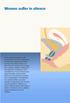 Women suffer in silence Stress urinary incontinence is the involuntary loss of urine resulting from increased intra-abdominal pressure. In people who suffer with this condition, forms of exertion such
6/3/2011. High Prevalence and Incidence. Low back pain is 5 th most common reason for all physician office visits in the U.S.
 High Prevalence and Incidence Prevalence 85% of Americans will experience low back pain at some time in their life. Incidence 5% annual Timothy C. Shen, M.D. Physical Medicine and Rehabilitation Sub-specialty
Physician Acupuncture Training An Integrative Approach for Pain, Stress and Mood Disorders
 Physician Acupuncture Training An Integrative Approach for Pain, Stress and Mood Disorders Acupuncture Protocols for Pain, Stress, Anxiety and Depression Course Goal: After taking this class, physicians
Rotator Cuff Pathophysiology. treatment program that will effectively treat it. The tricky part about the shoulder is that it is a ball and
 Rotator Cuff Pathophysiology Shoulder injuries occur to most people at least once in their life. This highly mobile and versatile joint is one of the most common reasons people visit their health care
Integrative Therapies and Preconception Health. Debbie Ringdahl DNP, RN, CNM
 Integrative Therapies and Preconception Health Debbie Ringdahl DNP, RN, CNM Definitions Preconception Health primary care? CAM complementary (together with) and alternative medicine (in place of) Integrative
Best Practices Treatment Guideline for Major Depression
 Best Practices Treatment Guideline for Major Depression Special Report on New Depression Treatment Technology Based on 2010 APA Practice Guidelines Best Practices Guideline for the Treatment of Patients
Complementary and alternative medicine use in Chinese women with breast cancer: A Taiwanese survey
 Complementary and alternative medicine use in Chinese women with breast cancer: A Taiwanese survey Dr Fang-Ying (Sylvia) Chu Department of Nursing, Tzu Chi College of Technology, Hua Lien, Taiwan 1 BACKGROUND
Meditation as Viable
 "Treatment of the Relapse Process using Mindfulness and Meditation as Viable Techniques" Christopher Shea, MA, CRAT, CAC-AD, LCC Adjunct Professor, Towson University Dir. Campus Ministry, St. Mary's Ryken
Course: Acupuncture Treatment of Disease 3 Date: June 29, 2009 Class #: 11 obesity and toothache
 Course: Acupuncture Treatment of Disease 3 Date: June 29, 2009 Class #: 11 obesity and toothache When you submit your stuff electronically, title it: Name ATD 3 Reading or Name ATD 3 Paper. Also, later
SUBSTANCE USE DISORDER SOCIAL DETOXIFICATION SERVICES [ASAM LEVEL III.2-D]
![SUBSTANCE USE DISORDER SOCIAL DETOXIFICATION SERVICES [ASAM LEVEL III.2-D]](/thumbs/27/9667060.jpg "SUBSTANCE USE DISORDER SOCIAL DETOXIFICATION SERVICES [ASAM LEVEL III.2-D]") SUBSTANCE USE DISORDER SOCIAL DETOXIFICATION SERVICES [ASAM LEVEL III.2-D] I. Definitions: Detoxification is the process of interrupting the momentum of compulsive drug and/or alcohol use in an individual
SUBSTANCE USE DISORDER SOCIAL DETOXIFICATION SERVICES [ASAM LEVEL III.2-D] I. Definitions: Detoxification is the process of interrupting the momentum of compulsive drug and/or alcohol use in an individual
Insomnia and Vivid Dreaming in Chinese Medical Thinking
 Insomnia and Vivid Dreaming in Chinese Medical Thinking just like other traditional cultures, the Chinese have always attached a great deal of importance to the occurrence as well as the contents of dreams.
Mental health issues in the elderly. January 28th 2008 Presented by Éric R. Thériault [email protected]
 Mental health issues in the elderly January 28th 2008 Presented by Éric R. Thériault [email protected] Cognitive Disorders Outline Dementia (294.xx) Dementia of the Alzheimer's Type (early and late
Major Depression. What is major depression?
 Major Depression What is major depression? Major depression is a serious medical illness affecting 9.9 million American adults, or approximately 5 percent of the adult population in a given year. Unlike
Cold as an adjunctive therapy for headache
 Cold as an adjunctive therapy for headache Seymour Diamond, MD Frederick G. Freltag, DO Preview Patients with acute headache are often so vexed by pain that they seek out numerous physicians and headache
Tai Chi: : A Mind-body Exercise for Pain Relief and Well-being
 Tai Chi: : A Mind-body Exercise for Pain Relief and Well-being Chenchen Wang, MD, MSc Associate Professor of Medicine Director, Center for Integrative Medicine Tufts Medical Center/Tufts University School
Chinese Herbal Medicine for the treatment of Dysmenorrhea: a Community-based Qualitative Study
 Chinese Herbal Medicine for the treatment of Dysmenorrhea: a Community-based Qualitative Study Research project submitted in partial fulfilment of the degree of MSc in CHINESE HERBAL MEDICINE Validated
Applied Psychology. Course Descriptions
 Applied Psychology s AP 6001 PRACTICUM SEMINAR I 1 CREDIT AP 6002 PRACTICUM SEMINAR II 3 CREDITS Prerequisites: AP 6001: Successful completion of core courses. Approval of practicum site by program coordinator.
Autism Spectrum Disorders and Comorbid Behavioral Health Symptoms
 Autism Spectrum Disorders and Comorbid Behavioral Health Symptoms Cynthia King, MD Child and Adolescent Psychiatrist Associate Professor of Psychiatry UNMSOM Psychopharmacologic and Alternative Medicine
Wellness for People with MS: What do we know about Diet, Exercise and Mood And what do we still need to learn? March 2015
 Wellness for People with MS: What do we know about Diet, Exercise and Mood And what do we still need to learn? March 2015 Introduction Wellness and the strategies needed to achieve it is a high priority
North Pacific Epilepsy Research 2311 NW Northrup Street Suite #202 Portland, Oregon 97210 Tel: 503-291-5300 Fax: 503-291-5303
 North Pacific Epilepsy Research 2311 NW Northrup Street Suite #202 Portland, Oregon 97210 Tel: 503-291-5300 Fax: 503-291-5303 Post-Traumatic Stress Disorder (PTSD) Post-traumatic stress disorder (PTSD)
Depression in the Menopause and Perimenopause
 Depression in the Menopause and Perimenopause David A. Forstein, DO, FACOOG, (Dist) Associate Professor of Obstetrics and Gynecology University of South Carolina School of Medicine Greenville Residency
Acupuncture in Back Pain Management. Victoria Chan Harrison M.D. Assistant Professor of Rehabilitation Medicine Weill Cornell Medical College
 Acupuncture in Back Pain Management Victoria Chan Harrison M.D. Assistant Professor of Rehabilitation Medicine Weill Cornell Medical College Objective Review the roots of acupuncture theory and basic Traditional
Dr. Fabio Boylan. Introduction to Herbalism: TCM, Ayurvedic and Western Phytotherapy.
 Introduction to Herbalism: TCM, Ayurvedic and Western Phytotherapy. 3. Western Medical Herbalism - Phytotherapy based on physicomedicalistic theory or on theory of humours. Dr. Fabio Boylan HERBALISM 1.
DSM-5: A Comprehensive Overview
 1) The original DSM was published in a) 1942 b) 1952 c) 1962 d) 1972 DSM-5: A Comprehensive Overview 2) The DSM provides all the following EXCEPT a) Guidelines for the treatment of identified disorders
How To Understand Traditional Chinese Medicine
 Background paper What is Traditional Chinese Medicine (TCM)? From acupuncture, herbal decoctions, nutrition for the centre, touching Tuina and moving Qigong Traditional Chinese Medicine (TCM) is a healing
Depressive disorders among older residents in a Chinese rural community. Risk for Depression by Age and Sex. Risk for Depression by Age and Sex
 Risk for Depression by Age and Sex Risk for Depression by Age and Sex Depressive disorders among older residents in a Chinese rural community. Liu CY, et al: Psychological Medicine 1997:27: 943-949 Male
Health Information Sheet
 Health Information Sheet What is depression? Depression -- How Medicine Can Help Depression is a medical illness like diabetes or high blood pressure. It affects about 17% of people at some time in their
Vitamins and Supplements for Cancer Survivors
 Vitamins and Supplements for Cancer Survivors Moving Beyond Cancer to Wellness Fred Hutchinson Cancer Research Center Dan Labriola ND Lisa Price ND Tara Stacker ND Carrie Dennett RD, MPH Northwest Natural