
Life is suffering (The First Noble Truth)
|
|
|
- Avis Little
- 9 years ago
- Views:
Transcription
1

2

3 Life is suffering (The First Noble Truth)

4

5 List of Papers This thesis is based on the following papers, which are referred to in the text by their Roman numerals. I II III IV Dimberg, A., Rylova, S., Dieterich, L.C., Olsson A.K., Schiller P., Wikner C., Bohman S., Botling J., Lukinius A., Wawrousek E.F., Claesson-Welsh L. (2008) αb-crystallin promotes tumor angiogenesis by increasing vascular survival during tube morphogenesis. Blood Feb 15;111(4): Dieterich L.C., Schiller P., Huang H., Wawrousek E.F., Moons L., Dimberg A. (2011) αb-crystallin regulates expansion of CD11b + Gr-1 + cells during tumor progression. Manuscript Dieterich L.C., Massena S., Huang H., Wawrousek E.F., Phillipson M., Dimberg A. (2011) αb-crystallin influences endothelial-leukocyte interactions by increasing surface E-selectin. Manuscript Dieterich L.C., Mellberg S., Zhang L., Langenkamp E., Salomäki H., Olofsson T., Larsson E., Molema G., Pontén F., Georgii-Hemming P., Alafuzoff I., Dimberg A. (2011) Transcriptional profiling reveals a distinct gene expression signature of vessels in high grade human glioma. Manuscript Reprints were made with permission from the publishers.

6

7 Contents Introduction Tumor Growth and Tumor Microenvironment Tumors Resemble Organs Tumor Stroma and Prognosis The Microenvironment Restricts Tumor Growth Angiogenesis Molecular Regulation of Angiogenesis Tumor Angiogenesis Anti-Angiogenic Therapy Inflammation Endothelial Activation and Leukocyte Recruitment Inflammation and Angiogenesis Tumor Associated Inflammation Glial Tumors - Classification and the Role of the Tumor Stroma Glioma Subtypes, Growth, and Prognosis Stromal Characteristics of Glioma Small Heat Shock Proteins and their Role in Tumors The α-crystallin Type Small Heat Shock Protein Family Special Aspects of αb-crystallin Present Investigations Paper I Paper II Paper III Paper IV Concluding Remarks and Outlook Acknowledgment Bibliography

8 Abbreviations ANGPT Angiopoietin BBB Blood-brain barrier CNS Central nervous system CSC Cancer stem-like cell CSF Colony stimulating factor EAE Experimental autoimmune encephalitis ECM Extracellular matrix FACS Fluorescence activated cell sorting FDA Food and Drug Administration FGF Fibroblast growth factor GPCR G-protein coupled receptor HEV High endothelial venule HIF Hypoxia inducible factor HSP Heat shock protein HSPG Heparan sulfate proteoglycan IFN Interferon IL Interleukin LPS Lipopolysaccharide LT Lymphotoxin MAPK Mitogen activated protein kinase MDSC Myeloid derived suppressor cell MMP Matrix metalloproteinase MS Multiple sclerosis NO Nitric oxide PAF Platelet activating factor PDGF Platelet derived growth factor PlGF Placental growth factor PNAd Peripheral lymph node addressin PCR Polymerase chain reaction ROS Reactive oxygen species RTK Receptor tyrosine kinase TAM Tumor associated macrophage Th T-helper cell TLR Toll-like receptor TNF Tumor necrosis factor T-reg Regulatory T-cell VEGF Vascular endothelial growth factor

9 Introduction Tumor Growth and Tumor Microenvironment Tumor initiation, growth, and progression clearly depend on malignant traits of the tumor cells. During the last decades, many oncogenes and tumor suppressor genes have been identified, which together control the malignant transformation of cells. This has fostered the concept that accumulation of mutations is responsible for the stepwise alterations and finally fully malignant potential of tumor cell clones, making tumors essentially a "genetic disease". In their seminal review "The Hallmarks of Cancer", Douglas Hanahan and Robert Weinberg listed and discussed several traits which tumors need to acquire in order to grow and progress 1. Some of those traits, for example limitless replicative potential, self-sufficiency in growth signals, or insensitivity to growth-restricting signals, can be regarded as tumor cell intrinsic traits, which are mostly mediated by genetic changes. However, it is becoming increasingly clear that the tumor stroma plays a role of similar importance by creating a microenvironment which either promotes or restricts tumor growth and progression. Notably, all the other key traits of cancer defined by Hanahan and Weinberg, that is evasion of apoptosis and immune responses, invasive growth and metastasis, deregulation of cellular energetics, sustained growth of blood vessels (angiogenesis), and tumor associated inflammation, are to a varying degree mediated by the tumor microenvironment 2. Tumors Resemble Organs Solid tumors are not simply clones of malignant cells, but contain various nonmalignant (stromal) components, which can account for a substantial part of the total tumor mass. Stromal cells and extracellular matrix in tumors are not randomly mixed. Despite being structurally and functionally abnormal, their general organization is reminiscent of that of a healthy organ 3. However, upon progression of the tumor to an increasingly malignant phenotype, the stromal architecture is gradually lost, facilitating continuous proliferation of tumor cells, invasive growth, and metastasis. Functionally, the tumor stroma resembles the reactive stroma of a wound, with the important difference that tumors are "wounds that never heal" 4. Two important processes in the stroma are sustained angiogenesis and tumor associated inflammation, which are molecularly closely connected and promote 9

10 Figure 1: The relationship between tumor growth and progression, inflammation and angiogenesis. Growth of solid tumors results in most cases in a hypoxic microenvironment and the release of various growth factors and cytokines, which together drive inflammation and angiogenesis in tumor stroma. At the same time, inflammatory cells and blood vessels support tumor growth and progression. Further explanations in the text. each other in a positive feedback loop. Together, they create a microenvironment in which tumor cells thrive due to constant supply with growth factors, cytokines, and oxygenated blood, and by inhibition of anti-tumor immune responses. At the same time, growth of tumor cells promotes angiogenesis and inflammation, creating a vicious circle which drives tumor progression (see Figure 1). Below follows a brief overview of the different constituents of the tumor stroma, while the processes of angiogenesis and inflammation are discussed in greater detail in the following chapters. Cellular components of the tumor stroma Depending on the tumor type, the tumor stroma contains various non-malignant cell types of hematopoietic or mesenchymal origin, which may either inhibit or promote tumor growth and progression 3. Mesenchymal stem cells can often be found in the tumor stroma, where they can differentiate into other cell types such as fibroblasts, adipocytes, and perivascular cells 5. These cells are generally considered to promote tumor growth and invasion by provision of growth factors, matrix remodeling, and 10

11 induction of angiogenesis 3, 4, 6. In addition, fibroblasts have also been shown to promote tumor inflammation 7. Endothelial cells, which are the major constituent of blood vessels, clearly play an important role in the tumor stroma by providing the tumor with an essential blood supply. The process of blood vessel growth, its molecular regulation and functional implications are described in greater detail in the following chapter ("Angiogenesis"). In addition, endothelial cells have been associated with the formation of a vascular stem cell niche, which might help to maintain a pool of undifferentiated, pluripotent "cancer stem-like cells" (CSC) 8. Immune cells, both of the lymphoid and the myeloid lineages, are another prominent cell population in the tumor stroma of almost any solid tumor, which, depending on their state of activation and phenotype, can either inhibit or promote tumor growth 9, 10. T-cells, both CD4+ helper T-cells (Th) and CD8+ cytotoxic T-cells, are commonly found in the tumor stroma and can mediate anti-tumor immune responses but also promote tumor associated inflammation. Natural killer (NK) cells and B-cells are found less commonly. Among the myeloid cells, tumor associated macrophages (TAMs) are usually the most frequent cell type and have great functional plasticity, ranging from tumor inhibitory to tumor promoting phenotypes. A similar functional dichotomy appears to exist for tumor infiltrating neutrophils. Dendritic cells are the prime inducers of anti-tumor immune responses and therefore, when mature, considered a tumor inhibitory cell type. However, immature myeloid cells, including immature dendritic cells, monocytes, and myeloid derived suppressor cells (MDSC), as well as mast cells, are increasingly recognized as potent tumor promoters, due to their pro-inflammatory, immune-inhibitory, and angiogenesis-inducing capacities. The different types of immune cells and their role in the tumor microenvironment are discussed further below (see chapter "Inflammation"). Extracellular matrix Apart from stromal cells, solid tumors contain a more or less substantial amount of extracellular matrix (ECM), which is composed of proteoglycans, hyaluronic acid, and fibrous proteins such as collagens, fibronectin, and laminin. The ECM in tumors is subject to constant turnover and remodeling due to the activity of fibroblasts and inflammatory cells, which secrete ECM proteins and matrix metalloproteinases (MMPs) 6, 11. ECM alterations in turn affect proliferation, migration and metastasis of tumor cells, both by affecting the tissue architecture as well as signaling molecules 3, 12. For example, layers of epithelial cells are usually supported by a strong basement membrane, which maintains epithelial integrity, polarity, and restricts invasive growth. Degradation of the basement membrane allows malignant epithelial cells to invade the underlying tissue. In addition, the interstitial matrix is a deposit of growth factors and cytokines which can be released upon matrix degradation. 11

12 Also, matrix proteins themselves serve as ligands for various cellular receptors, for example integrins, and can thereby directly affect cells within the tumor. Physical parameters of the tumor microenvironment Apart from the cellular and extracellular components, the tumor microenvironment is often characterized by several abnormal physical parameters, which greatly affect the phenotype of tumor and stromal cells, promote tumor progression, and impede effective treatment of the tumor. Hypoxia Hypoxia (low oxygen pressure) is a hallmark of most solid tumors. Oxygen consumption in tumors is high due to the fast proliferation of tumor cells and the high activity of stromal cells. At the same time, provision of oxygenated blood to the tumors is inefficient as perfusion of tumor associated blood vessels is often suboptimal. Hypoxia has major effects on the phenotype of cells in the tumor microenvironment. For example, it strongly stimulates angiogenesis 13, 14. There is also a direct link between hypoxia and inflammation 15, 16. These aspects are further discussed below (see chapters "Angiogenesis" and "Inflammation"). In addition, there are indications that hypoxia promotes a more invasive growth pattern of tumors and thereby contributes directly to tumor progression and metastasis 17. High interstitial fluid pressure Many solid tumors show an increased interstitial fluid pressure (IFP) which hampers tumor therapy by inhibiting transcapillary transport and thereby uptake of blood borne therapeutic agents 18. Several factors contribute to the increase in IFP, such as increased blood vessel permeability leading to edema, reduction or collapse of draining lymphatic vessels, and active contraction of the connective tissue by tumor associated fibroblasts. Tumor Stroma and Prognosis A clear evidence of the great influence which the tumor stroma exerts on tumor growth and progression is that stromal parameters can be used to efficiently predict the clinical outcome of some tumor types. Microscopy based analysis of the cellular composition and architecture of the stroma has been suggested as prognostic tool 19. Notably, it was recently shown that stromal gene expression signatures alone could predict outcome in breast and digestive cancer, in some cases with an accuracy exceeding that of conventional predictors 20,

13 The Microenvironment Restricts Tumor Growth The microenvironment in the tumor stroma not only promotes tumor progression but can also restrict it, at least as long as the stroma is not pathologically altered. In fact, with a body composed of approximately ten trillion cells which are under constant exposure to radiation, oxidative damage, and other genotoxic insults, one can wonder: Why do we not get more cancer? 22. It is a well known fact that many if not most apparently healthy individuals above a certain age carry precancerous lesions or even malignant tumors which remain dormant and are only accidentally discovered post mortem 23. Also, genetic aberrations associated with cancer, for example the Philadelphia chromosome, can be detected in many healthy adults by PCR 24. This indicates that, as long as tissue homeostasis is maintained, the normal microenvironment is able to restrain the uncontrolled outgrowth of transformed cells. Important as they are, mutations can initiate malignant cell clones but alone may not be sufficient to induce the growth of tumors. Only in the presence of tumor promoting events, the microenvironment becomes permissive for the tumor to start growing and to progress. Examples of such tumor promoting events are insults that perturb tissue homeostasis, for example wounding, infection, chronic inflammation, and others. Therefore, reverting the pathologic state of tumor stroma, in other words, "healing the wound that never heals", is emerging as a new therapeutic concept which hopefully will lead to the development of more effective tumor treatments. Angiogenesis The complex body architecture which is characteristic for higher vertebrates is dependent on efficient transport of oxygen, nutrients, signaling molecules and circulating cells between the different organs and tissues. This task is fulfilled by the vascular system, which consists of two highly branched, tree-like networks of blood and lymphatic vessels. The inner surface of all vessels is lined with a thin layer of endothelial cells, stabilized by a basal lamina on the abluminal side of the endothelium 25. Blood vessels are furthermore surrounded by one or more layers of vascular smooth muscle cells, which give physical strength to the vessel and help to maintain blood pressure and the vascular tone. In smaller vessels (capillaries), vessel stabilizing cells are commonly referred to as pericytes. All organs and tissues are dependent on a sufficient blood supply. Thus, if an organism or a specific organ or tissue is growing, the vascular system has to grow equally and form new branches. Correspondingly, apart from some exceptions like wound healing, the menstrual cycle, or muscle exercise, formation of new blood vessels does generally not occur in a healthy, full-grown organism 26. However, vessel growth can be induced in the adult in the course of various pathological conditions, including inflammation, tissue ischemia, 13

14 and tumor growth, and often contributes to the pathogenesis of these conditions. Principally, formation of new vessels may happen in three different ways 25 : firstly, vessels can form de novo by aggregation of vascular progenitor cells, which is called vasculogenesis; secondly, new vessels can be derived by longitudinal splitting of other vessels and by formation of a tissue pillar or bridge between them, which is called intussusception; and thirdly, new vessels can sprout from preexisting vessels by local proliferation and migration of endothelial cells. This last process is referred to as angiogenesis. The following sections will be limited to a description of angiogenesis only, focusing on blood vessels. However, sprouting and growth of lymphatic vessels (lymphangiogenesis) is regulated in a similar way. Molecular Regulation of Angiogenesis During the last decades our knowledge about the induction and regulation of angiogenesis has grown rapidly, and many of the key growth factors, receptors, and signaling pathways have been identified. Some of these signaling pathways are described below. Induction of angiogenesis by hypoxia There are several triggers that can initiate the angiogenic process among which hypoxia is probably the most prominent one 13, 14. Cells experiencing low oxygen pressure react by up-regulation of several pro-angiogenic factors which act on nearby endothelial cells and induce their proliferation and migration towards the hypoxic area. One of the most important transcription factors in this context is hypoxia inducible factor 1 (HIF-1). The active transcription factor is a heterodimer of an α and a β subunit. Both HIF-1α and HIF-1β are constitutively expressed in many cell types and can be further induced upon certain stimuli including inflammation (see also chapter "Inflammation"). However, under normoxic conditions HIF-1α is very unstable due to the activity of prolyl hydroxylase domain (PHD) proteins 27. Active PHDs hydroxylate HIF-1α which leads to rapid polyubiquitination and degradation by the proteasome. If oxygen tension is low PHDs become inactive, allowing HIF-1α to accumulate, pair with β subunits, and induce the expression of various pro-angiogenic factors, most notably vascular endothelial growth factor (VEGF) 28. Pro-angiogenic growth factors VEGF is the most studied of the pro-angiogenic growth factors so far, but it is certainly not the only one. Several other growth factors induce angiogenesis equally or are otherwise indispensable for the angiogenic process. 14

15 VEGF family proteins The VEGF family of growth factors comprises several members with partially overlapping functions during angiogenesis and lymphangiogenesis, namely VEGF-A, -B, -C, -D, and placental growth factor (PlGF) 29. Their biologically active forms are homodimers which bind to and activate the receptor tyrosine kinases (RTK) VEGF receptor (VEGFR) 1-3. Among the VEGFs, VEGF-A (also called vascular permeability factor, VPF) was the first member to be identified and has been shown to be absolutely indispensable for vascular development. Deletion of just a single vegfa allele leads to embryonic lethality due to strong vascular defects 30, 31. VEGF-A mainly transmits its pro-angiogenic activity by binding to VEGFR2 expressed by endothelial cells. Consequently, knockout of VEGFR2 in mice is also embryonically lethal 32. Binding of VEGF-A to VEGFR2 leads to dimerization and subsequent tyrosine phosphorylation of the two receptor chains, creating docking sites for several adaptor molecules 33. Subsequently, several key signaling molecules are activated, including phosphatidylinositol 3 kinase (PI3K), protein kinase C (PKC), and mitogen activated protein kinases (MAPKs) p42/44 and p38, which regulate endothelial survival, proliferation, migration and vascular permeability. VEGF-A also binds to VEGFR1 which is expressed by endothelial cells and subsets of bone marrow derived hematopoietic progenitor cells and pro-inflammatory cells. Binding of VEGF-A to VEGFR1 has only minor effects on angiogenesis and induces low kinase activity of the receptor. In fact, since knockout of VEGFR1 in mice results in endothelial overgrowth, VEGFR1 has been suggested to act as decoy receptor for VEGF-A which limits angiogenesis 34, 35. However, VEGFR1 can also positively contribute to angiogenesis, for example by transmitting chemotactic signals in hematopoietic progenitor cells. Due to alternative splicing, VEGF-A is expressed in several isoforms, with VEGF-A 121, VEGF-A 165, and VEGF-A 189 being the most prominent ones in human 36. Differential splicing of VEGF-A has several functional implications 29, 33. For example, the larger VEGF isoforms VEGF-A 165, and VEGF-A 189 bind to heparan sulfate proteoglycans (HSPGs) which are abundantly present on the plasma membrane of most cells and in the extracellular matrix. Therefore, these isoforms are partly retained in the tissue, allowing them to form concentration gradients that guide migrating endothelial cells towards an area of hypoxia. Furthermore, VEGF-A 165, and VEGF-A 189 bind to neuropilin 1 (NRP1) which, together with HSPGs, acts as co-receptor for signaling via VEGFR2. VEGF 121 on the other hand lacks the exons necessary for binding to HSPG and NRP1. It is therefore relatively freely diffusible in the tissue and activates VEGFR2 less efficiently than the co-receptor binding isoforms. The other members of the VEGF family are also involved in the regulation of angiogenesis (and lymphangiogenesis). VEGF-B and PlGF bind to VEGFR1 only and are believed to be less critical for angiogenesis than VEGF-A since vegfb and plgf knockout mice are viable. VEGF-B has been implicated in the 15

16 development of the cardiac vasculature, endothelial survival, and uptake of fatty acids PlGF on the other hand was reported to synergize with other VEGFs in regulating angiogenesis in pathological conditions, including myocardial infarction, ischemia and tumor growth 40. VEGF-C and VEGF-D bind to VEGFR3 and have mostly been implicated in the development of the lymphatic system 41. However, they can also bind to VEGFR2 after proteolytic processing 33. Deletion of the vegfc gene in mice leads to early embryonic death due to severe edema and complete lack of lymphatics, while vegfd knockout mice have only a mild lymphatic phenotype 42, 43. Their receptor, VEGFR3, is predominantly expressed by lymphatic endothelial cells, but expression on blood vessel endothelial cells during development has also been reported. Mice lacking the vegfr3 gene die at a very early embryonic stage due to heart malformations, even before the onset of lymphatic development, indicating that VEGFR3 is also involved in development of blood vessels and / or the myocardium 44. Angiopoietins The angiopoietin system in humans comprises 3 ligands, angiopoietin (ANGPT) 1, 2, and 4, and their cognate receptor, TIE-2 45, 46. The function of a closely related orphan receptor, TIE-1, is less well understood, but it has been shown to dynamically interact with TIE-2 and to modulate its function upon binding of different angiopoietins 47. The role of ANGPTs in angiogenesis are rather complex and context dependent. Depending on the level of expression and the presence of other factors such as VEGF, ANGPT1 and ANGPT2 have either pro- or anti-angiogenic effects and are believed to oppose each others function by competing for binding to TIE The general model is that ANGPT1, which is expressed by mural cells, pericytes and fibroblasts, activates TIE-2 on endothelial cells which results in stabilization of endothelial junctions and recruitment of pericytes, ultimately leading to vascular quiescence 49, 50. ANGPT2 on the other hand is predominantly expressed by endothelial cells and stored in specialized granules (Weibel-Palade bodies), from where it is released upon angiogenic or inflammatory activation. ANGPT2 normally does not induce TIE-2 phosphorylation. Instead, it inhibits activation of TIE-2 by ANGPT1, leading to vessel destabilization and pericyte detachment and thereby sensitizes endothelial cells to angiogenic and pro-inflammatory signals 51, 52. Consequently, ANGPT2 is emerging as therapeutic target for the inhibition of pathologic angiogenesis 53. ANGPT4 is less well characterized as the other angiopoietins, but it has been shown to bind to and activate TIE-2 which promotes angiogenesis in human glioma

17 Other pro-angiogenic growth factors There are several other growth factors which can induce angiogenesis. However, neither the growth factors nor their receptors are specific for the process of angiogenesis but are also involved in signaling between other cell types. Fibroblast growth factors (FGFs) represent a large protein family with 22 members identified so far, and some of them have potent pro-angiogenic functions 55. For example, binding of FGF-1 or FGF-2 to the FGF receptors (FGFR) 1 or 2 induces angiogenesis in several angiogenesis assays in vitro and in vivo. Up-regulation of FGF-1 or FGF-2 is considered to be one important mechanisms how tumors can circumvent VEGF targeted therapy (see section "Anti-Angiogenic Therapy"). Also epidermal growth factor (EGF), hepatocyte growth factor (HGF), and insulin like growth factor (IGF) have been reported to have pro-angiogenic activity, mostly by inducing endothelial proliferation and survival, but also by up-regulating more prominent pro-angiogenic factors like VEGF 56. Angiogenic tip cells and the formation of vessel sprouts Quiescent endothelial cells are relatively resistant to induction of angiogenesis due to ANGPT1 / TIE-2 signaling and low basal expression of VEGFR2. However, if sufficient VEGF is present, a pro-angiogenic program can be induced in the endothelium, leading to up-regulation of pro-angiogenic factors and receptors and induction of proliferation and migration. Furthermore, expression of matrix degrading proteins such as MMPs is induced, which help to degrade the basal lamina and facilitate migration into the tissue. This migration is not randomly oriented but is guided by environmental cues such as VEGF gradients and dedicated vascular guidance molecules. Usually, an endothelial cell at the tip of a forming sprout acquires a specialized "tip cell" phenotype, which is characterized by e.g. filopodia formation. Thereby, the tip cell probes the environment for VEGF and other guidance molecules. Other endothelial cells follow closely behind and form the stalk of the sprout which later gets lumenized and matures to become a true capillary. A series of publications demonstrated that Notch - delta like ligand 4 (DLL4) signaling is critically involved in the selection of tip cells and is therefore important for the organization of adequate vascular sprouting Interestingly, selection of tip cells and vascular sprouting have been shown to be very dynamic processes, with individual cells shifting quickly from positions at the tip of the sprout to the stalk, and vice versa 60. Vessel maturation and recruitment of pericytes In order for a new sprout to become a functional vessel, endothelial cells must switch back from their angiogenic phenotype to a quiescent phenotype, a process which requires ANGPT1 signaling. An important feature of mature vessels is the coverage by pericytes or smooth muscle cells which are necessary 17

18 to support and stabilize the vessel 61. Pericyte recruitment is mediated by endothelial secretion of platelet derived growth factor (PDGF) BB. PDGF-BB binds to PDGF receptor (PDGFR) β expressed by pericytes and smooth muscle cells and acts both as an inducer of proliferation as well as chemotactic factor, thereby promoting coverage of the new vessel by pericytes and smooth muscle cells. Tumor Angiogenesis The notion that tumor growth and angiogenesis are connected is relatively old. Already in 1945, Glenn Algire and coworkers described vascular changes in response to tumor transplantation and suggested that tumor progression would depend on sufficient induction of a vascular supply 62. Since then, a large number of studies has demonstrated that angiogenesis is indeed a common feature of almost all types of cancer 1. Tumors behave more or less like a growing organ and induce angiogenesis in the same way as a growing organ would, i.e. by secretion of pro-angiogenic factors which induce proliferation and migration of nearby endothelial cells. However, due to the continuous growth of tumor cells in combination with tumor related inflammation, angiogenesis is dysregulated and the ensuing blood vessels show various alterations and defects. The angiogenic switch Angiogenesis is not only regulated by pro-angiogenic factors but also by several endogenous anti-angiogenic factors, for example endostatin or thrombospondin, which are constantly produced and maintain vascular homeostasis. Small tumor lesions can remain dormant for many years without inducing angiogenesis because pro- and anti-angiogenic factors are in balance. However, at one moment during tumor development, tumors gain the capacity to secrete high amounts of pro-angiogenic factors and thereby outcompete the control of angiogenesis inhibitors, resulting in sustained angiogenesis and rapid tumor progression. This development from a dormant to a progressing, angiogenic tumor phenotype is commonly referred to as the "angiogenic switch" 63. Several factors can contribute to this switch. For example, tissue hypoxia can induce VEGF expression when the tumor lesion reaches a certain threshold size. Oncogenic mutations can also result in increased VEGF expression. This for example is the case in tumors with mutations in the von Hippel-Lindau (VHL) protein, which is a key component of the ubiquitin ligase complex responsible for degradation of HIF-1α 64. Also, recruitment of bone marrow derived cells, both endothelial progenitors and inflammatory cells of the myeloid lineage, can promote the angiogenic switch 65,

19 Angiogenic dysregulation and vessel abnormalization While under normal conditions formation of new blood vessels eventually ameliorates tissue hypoxia, leading to down-regulation of pro-angiogenic factors and allowing the new vessels to mature, this is not the case in tumors. Due to persistent proliferation of tumor cells tissue hypoxia remains high in some areas of the tumor, and so does the secretion of pro-angiogenic factors. Furthermore, pro-angiogenic factors can also be secreted independently from hypoxia both by tumor cells and stromal cells, for example infiltrating proinflammatory cells or fibroblasts. In this milieu, endothelial cells proliferate and sprout vigorously but the sprouts cannot develop and mature properly, leading to various vascular alterations and malformations 67. Often, the normal vessel hierarchy of evenly-spaced, well-differentiated arteries, arterioles, and capillaries, veins and venules is lost in tumor vessels, and is replaced by a tortuous, chaotically organized tumor vasculature. Blood flow through these vessels is inefficient, with many vessels not being perfused at all. Due to the continuous secretion of VEGF, tumor blood vessels are highly proliferative, sometimes forming glomeruloid microvascular proliferations, and are often hyper-permeable which further impedes efficient perfusion. Ultrastructurally, tumor vessels display various signs of alteration including lack of pericyte coverage, rough endothelial lining, endothelial projections into the vessel lumen, and / or partial loss of endothelial cells 68, 69. It is clear that such vessels cannot deliver blood supply efficiently. However, effects on other aspects of endothelial biology, for example recruitment of leukocytes, and whether or how these alterations contribute to tumor progression, is not fully understood. Anti-Angiogenic Therapy Since growth of solid tumors is critically dependent on angiogenesis, inhibition of this process represents an attractive way to treat various types of human cancer. This hypothesis was first formulated by Judah Folkman in In the following years, intense research led to the identification of various angiogenic regulators which could serve as therapeutic targets, and to the development of corresponding drugs, including antibodies, tyrosine kinase inhibitors, and aptamers 71, 72. Most of the these were designed to target components of the VEGF pathway due to its relative specificity for the angiogenic process 73, 74. However, side effects on the normal vasculature are not uncommon. Anti-angiogenic drugs in clinical use and testing The first anti-angiogenic drug approved by the American food and drug administration (FDA) for the treatment of cancer was bevacizumab (Avastin), a humanized monoclonal antibody neutralizing VEGF-A. Bevacizumab in combination with chemotherapy has been shown to significantly increase progression free survival of patients with metastatic colorectal cancer, non-small cell lung cancer and metastatic breast cancer However, effects on overall 19

20 survival are in most cases marginal at best, and the efficacy and safety of bevacizumab in metastatic breast cancer was questioned recently. Consequently, in December 2010 the FDA voted to withdraw its recommendation of bevacizumab for the treatment of metastatic breast cancer, though the drug remains approved for the treatment of metastatic colorectal and renal cancer, nonsmall cell lung cancer, and recurrent malignant glioma (glioblastoma) (see Apart from bevacizumab, several small molecule tyrosine kinase inhibitors with anti-angiogenic activity have been developed. These drugs act by competing with ATP for binding to the kinase domains of RTKs and thereby inhibit their phosphorylation and activation. So far, three such drugs have been approved by the FDA for use in the clinic. Sorafenib (Nexavar) and sunitinib (Sutent) have been approved for treatment of liver cancer (sorafenib), gastrointestinal cancer (sunitinib) and renal cancer (both drugs) 78, 79. Recently, pazopanib (Votrient) got approved for treatment of renal cancer 80. Furthermore, several new anti-angiogenic kinase inhibitors are being developed and / or in clinical testing 71, 81, 82. Due to their mode of action, kinase inhibitors are generally less specific for a given target molecule than antibodies. For example, both sorafenib and sunitinib which were designed to inhibit VEGFR2 kinase activity also have significant activity against PDGFRβ, FGFR and other RTKs 83. Thus, these drugs are targeting several signaling pathways not only involved in angiogenesis but also in tumorigenesis, which enhances their efficacy and reduces the risk that the tumor develops alternative mechanisms to induce angiogenesis, an effect which has been observed in bevacizumab treated tumors, for example. Anti-angiogenic drugs can reduce tumor growth in several ways, with actual inhibition of angiogenesis being only one of them. A recent concept is that VEGF-targeted therapy leads to "normalization" of the tumor vasculature, which includes vessel remodeling and maturation, improved drug delivery, perfusion and oxygenation, and thereby increases efficiency of conventional treatment such as chemotherapy and radiation therapy 84. Another proposed mechanism is a direct effect on the tumor cells themselves. This is rather obvious in the case of multi-kinase inhibitors like sorafenib or sunitinib. However, VEGF-specific drugs like bevacizumab may also have direct antitumor effects, since at least in some cases tumor cells express VEGFR2 and are believed to stimulate their own proliferation via VEGF in an autocrine or paracrine way 85, 86. Targeting VEGF also has effects on the immune system and can promote antitumor immune responses. This is due to the fact that VEGF inhibits differentiation and maturation of dendritic cells and thereby priming of T-cell responses 87. In addition, it has been suggested that anti-angiogenic therapy, possibly by normalizing the tumor vasculature, improves the recruitment of immune effector cells from the blood stream into the tumor tissue where they can contribute to anti-tumor immune responses 88,

21 Tumors escape from anti-angiogenic therapy Experiences with bevacizumab treatment in patients with colorectal cancer showed that after an initial response phase of growth attenuation or even regression, tumors often relapse and re-grow, sometimes more aggressively than before the treatments 90. Currently, there are several models how tumors can escape or resist anti-angiogenic treatment Especially in the case of bevacizumab which specifically targets the VEGF pathway, treatment can prompt tumor or stromal cells to up-regulate alternative pro-angiogenic factors. One candidate which recently received considerable attention in this respect is PlGF, but some controversies exist concerning its importance for tumor angiogenesis Resistance can also be mediated by other factors such as FGF, EGF, or HGF, which can induce angiogenesis even in the presence of VEGF inhibitors. This is less likely to occur if drugs targeting multiple pathways such as sorafenib or sunitinib are used. Still, even then it cannot be excluded that during prolonged periods of treatment tumors might switch to yet other signaling pathways not affected by the drugs or evolve other ways to maintain pro-angiogenic signaling. Another mediator of tumor escape from anti-angiogenic therapy are infiltrating myeloid cells which are emerging as important promoters of tumor angiogenesis due to their secretion of pro-angiogenic factors and MMPs 65, 97. In particular, a population of CD11b+Gr-1+ immature myeloid cells appears to play an important role in this context 98, 99. Several cytokines and chemokines, including granulocyte colony stimulating factor (G-CSF) and CXCL12, can mobilize and activate pro-angiogenic myeloid cells and may contribute to tumor angiogenesis even in the presence of anti-vegf therapy 100, 101. In addition, pericytes and fibroblasts have been suggested to contribute to tumor resistance to anti-angiogenic therapy under certain conditions 102, 103. Some tumors are also intrinsically resistant to anti-angiogenic therapy. For example, some types of tumor display a particular invasive growth pattern along pre-existing blood vessels and are therefore less dependent on angiogenesis to obtain sufficient blood supply. This growth pattern is termed "vessel cooption" and has been observed in some astrocytomas, for example 104. Adverse effects and increased malignancy The VEGF pathway is not only important for angiogenesis but also for maintenance of vascular homeostasis and renal functions. Not surprisingly, VEGF-targeting therapy is associated with several adverse effects, some of which can be very serious and even life-threatening. Reported complications include hypertension, hemorrhage, gastro-intestinal perforation, proteinuria and reduced wound healing Recently, two startling reports indicated that anti-angiogenic therapy could also have another deleterious complication, namely increased tumor malignancy. In these reports, targeting of VEGF signaling in experimental tumors in mice inhibited growth of the primary tumor but on the other hand 21
22 increased tumor invasiveness and metastasis 108, 109. The clinical relevance of these findings are still under investigation, but they indicate that current anti-angiogenic therapies may have long-term side effects which need to be assessed thoroughly. Taken together, despite many problems anti-angiogenic therapies have been developed to a level where they can be used clinically, either as single treatment or to improve the effects of conventional anti-cancer therapies like chemotherapy. Especially small molecule tyrosine kinase inhibitors seem to be promising and might have a better risk profile than conventional drugs. Nevertheless, modern anti-angiogenic therapy has not yet come up to the high expectations connected to it, both in terms of efficacy and safety. Clearly, treatment induced resistance and increased malignancy of tumors are serious problems that need to be addressed urgently. Identification of further factors and signaling pathways which mediated angiogenesis and tumor resistance to therapy may help to circumvent these problems. This is also the topic of paper I and IV in this thesis. Furthermore, a better understanding of the impact of anti-angiogenic therapy on tumor inflammation and the potentially beneficial or adverse consequences of this is warranted. Inflammation Inflammation (originally from Latin, meaning setting on fire) is commonly defined as a local tissue reaction towards infection or injury which is characterized by the four cardinal signs heat (calor), redness (rubor), swelling (tumor) and pain (dolor) 110. One of the most important steps in this reaction is the activation of blood vessels which directly accounts for three of the four cardinal signs: heat and redness are a consequence of vessel dilation and increased blood flow, and swelling is caused by increased vascular permeability which allows fluid and serum proteins to leak into the tissue. Activated vessels also allow for influx of immune cells which release inflammatory mediators which act on local nerve cells and thereby cause pain. The main purpose of inflammation is to remove the initial infection or irritation quickly and to set the stage for an ensuing wound healing response 111. However, if inflammation persists, it can lead to severe tissue damage and contribute to the pathology of various diseases. Therefore, blood vessel endothelial cells play a central role in many pathological conditions, including infections, wound healing, inflammatory disorders, and tumors. Endothelial Activation and Leukocyte Recruitment Acute inflammation is initiated when tissue resident immune cells like macrophages or mast cells encounter exogenous or endogenous danger signals such as bacterial products or necrotic cells, which typically activate 22
23 pattern recognition receptors, for example Toll-like receptors (TLRs) 112. This leads to activation of immune cells and subsequent release of inflammatory mediators, such as histamine or inflammatory cytokines, for example TNF-α or IL-1β. These mediators act directly on local vascular endothelial cells and elicit a complex signaling program collectively called endothelial activation. Endothelial activation Acute endothelial activation can be divided into two phases, one immediate type I activation phase which is independent of de novo gene expression, and a delayed type II activation phase which requires de novo gene expression by endothelial cells 113. Type I activation Type I activation of endothelial cells is mediated by signaling through G- protein coupled receptors, e.g. the histamine receptor, and is a very rapid but also short lived event (10-20 min). Binding of histamine to its receptor leads to a rise in cytosolic levels of Ca 2+, which activates endothelial nitric oxide synthase (NOS3) as well as myosin light chain kinase (MLCK). Activation of NOS3 leads to increased synthesis of NO, an important vasodilator which increases local blood flow. MLCK induces formation of actin stress fibers which leads to contraction of endothelial cells and opening of intercellular gaps, thereby increasing vascular permeability and leakage of plasma proteins into the surrounding tissue. Another consequence of MLCK activation is the luminal exocytosis of Weibel-Palade bodies which contain many proteins facilitating leukocyte-endothelial adhesion, including P-selectin and von Willebrand factor, but also ANGPT In addition, Ca 2+ stimulates synthesis of prostacyclin, a potent vasodilator which acts synergistically with NO 115, as well as the synthesis of platelet activating factor (PAF) which acts on leukocytes and platelets and increases their adhesive capacity via activation of integrins 116. Type II activation Type II activation results in more sustained endothelial responses. Prototypical mediators of this type of activation are the inflammatory cytokines TNF-α and IL-1β which bind to their cognate receptors on endothelial cells, TNF receptor 1 (TNFR1) and IL-1 receptor 1 (IL1R1), respectively. Other mediators of endothelial activation are for example bacterial lipopolysaccharides (LPS), oxidized low density lipoproteins or oxidative stress 113, 117. The active form of TNF-α is a trimer which binds to a corresponding receptor trimer on the surface of the target cell 118. Ligand binding allows for recruitment of an adaptor complex which in turn recruits and activates the inhibitor of κ B (IκB) kinase (IKK) complex 119. Active IKK phosphorylates 23
24 IκB-α which leads to its polyubiquitination and rapid degradation by the proteasome. This releases heterodimers of the NF-κB subunits p50 and p65 (Rel-A), allowing them to accumulate in the nucleus and to induce transcription of a large set of target genes, including pro-inflammatory chemokines and cytokines, anti-apoptotic genes, and genes coding for adhesion molecules. This pathway is called the canonical nuclear factor κ B (NF-κB) pathway. Induction of many NF-κB target genes is further promoted by simultaneous activation of the Jun kinase / activating factor 1 (AP-1) pathway. Similarly, activation of IL1R1 or TLRs in endothelial cells also leads to canonical NF-κB and AP-1 activation 113, 120. Several other cytokines released during inflammatory reactions also act directly on endothelial cells and thereby further support or modulate endothelial activation induced by TNF-α or IL-1β. Among those are for example other members of the TNF superfamily like CD40 ligand and lymphotoxin (LT), which typically activate a similar but distinct signaling pathway (the so called non-canonical NF-κB pathway), interleukins like IL-4 and IL-17, and Interferon-γ (IFN-γ) Notably, endothelial heterogeneity in different organs and vascular beds considerably affects the precise set of genes induced during endothelial activation 125, 126. Leukocyte recruitment Quiescent, non-activated endothelium, with the exception of high endothelial venules (HEV) in secondary lymphoid organs, does usually not support adhesion of leukocytes. Thus, endothelial activation is necessary for the recruitment of leukocytes into inflamed tissue. The general model of leukocyte recruitment divides the process into three sequential phases, namely leukocyte rolling, firm adhesion and crawling, and transmigration (diapedesis). The complex molecular interplay between leukocytes and activated endothelial cells is nowadays fairly well understood 127, 128 (Figure 2). Nevertheless, new players involved in regulation and fine-tuning of this process are continuously discovered. Leukocyte rolling Leukocytes in the blood stream get initially tethered to activated endothelial cells and roll along the vessel surface in the direction of blood flow. Capture and rolling depend on relatively weak adhesive contacts between endothelium and leukocytes, which can be formed and dissolved quickly. These interactions are mediated by selectins and their corresponding counter-receptors, scaffold glycoproteins which carry various carbohydrate groups including the tetrasaccharide sialyl-lewis-x (slex) 129. E- and P-selectin are both expressed on the luminal side of activated endothelium and bind to carbohydrate structures displayed on various proteins present on the surface of almost all leukocytes in the blood, most notably P-selectin glycoprotein ligand 1 (PSGL1) and, 24
25 Figure 2: Leukocyte recruitment Schematic overview of leukocyte adhesion to activated endothelium and the molecules involved in the process. Further explanations in the text. in the case of E-selectin, E-selectin ligand 1 (ESL1) and CD E-selectin expression is specific for activated endothelium and is strongly induced by NF-κB. However, other factors may affect the expression of E-selectin as well (see paper III in this thesis). P-selectin is also present on platelets, mediating secondary leukocyte adhesion, e.g. in the case of vessel injury. L-selectin is constitutively expressed by many leukocyte subsets and binds to sulfated slex displayed on various scaffold glycoproteins including endoglycan, CD34, and glycosylation dependent cell adhesion molecule 1 (GlyCAM-1) 131. This particular carbohydrate structure, which is referred to as peripheral lymph node addressin (PNAd), is expressed on HEVs and mediates constant recirculation of naive lymphocytes from the blood stream into peripheral lymphoid organs. Inducible expression of PNAd on endothelial cells in other tissues has also been reported, especially during chronic inflammation, and is probably mediated by LT and other activators of the non-canonical NF-κB pathway. Slow rolling and firm adhesion Rolling leukocytes either bud off from the endothelium again or slow down and become firmly arrested, which corresponds to the second phase of the adhesion cascade. Slow rolling and firm adhesion are dependent on the activation of leukocyte integrins and binding to their counter receptors expressed 25
26 on the endothelial cell. Integrins are heterodimers of a regulatory α-chain and a β-chain and can switch between a "closed", low affinity state, an intermediate state and an activated, high affinity state 132, 133. Engagement of leukocyte selectin ligands by endothelial selectins has recently been described to induce slow rolling, which is dependent on the intermediate state of leukocyte integrins Firm adhesion in turn is dependent on the high affinity state of leukocyte integrins which is induced downstream of the activation of leukocyte GPCRs by PAF and chemokines displayed on HSPGs on the luminal side of activated endothelial cells. The most important integrins during leukocyte recruitment are lymphocyte function associated antigen 1 (LFA-1, αlβ 2) and macrophage antigen 1 (MAC-1, αmβ 2) which bind to intercellular adhesion molecule (ICAM) 1 and 2; very late antigen 4 (VLA-4, α4β1) which binds to vascular cell adhesion molecule (VCAM-1); and α4β 7 integrin which binds to mucosal vascular addressin cell adhesion molecule 1 (MAdCAM-1). Transendothelial migration Once firm adhesion is established, leukocytes crawl along the luminal surface of the endothelium until they reach a suitable place for extravasation. There is evidence for both leukocyte transmigration at endothelial junctions (paracellular route) and through the body of endothelial cells (transcellular route), at least in vitro 137, 138. Some controversies exist concerning the relative contribution of the two routes under physiological conditions in different vascular beds. However, the common view nowadays is that in the vast majority of cases leukocytes extravasate at or close to endothelial junctions. Paracellular transmigration is a very fast process which often just takes a few minutes and requires the transient opening of endothelial junctions 127, 138. This is mediated by homo- and heterotypic interactions between adhesion molecules expressed by leukocytes and by endothelial cells. Binding of the leukocyte integrins LFA-1 and MAC-1 to the junctional adhesion molecules (JAMs) as well as ICAM-1 and ICAM-2 has been shown to be involved in transmigration. Additionally, homotypic interactions between JAM-A, platelet endothelial cell adhesion molecule 1 (PECAM-1, CD31) and CD99 expressed by both the leukocyte and endothelium may be required during this process. Inflammation and Angiogenesis There are many examples of molecular crosstalk between pro-inflammatory and pro-angiogenic pathways, demonstrating that a synergistic relationship exists between these two processes Correspondingly, chronic inflammation is often associated with sustained angiogenesis. 26
27 The role of hypoxia and HIFs An important link between inflammation and angiogenesis is the induction of HIFs which regulate many important pro-angiogenic growth factors as described above 13, 14. However, HIFs also directly affect inflammation 15, 16. Hypoxia is a common feature of inflamed tissues due to increased oxygen consumption by infiltrating inflammatory cells. Furthermore, HIFs can be induced independently of hypoxia by pro-inflammatory signaling via the NFκB-pathway 143. Reciprocal induction of NF-κB by HIFs has also been reported 144, 145, demonstrating that hypoxia, inflammation, and angiogenesis are closely linked processes. Cytokines and chemokines with angiogenic activity Pro-inflammatory cytokines released by tissue resident immune cells lead to activation of endothelial cells as described above but can also contribute to angiogenesis. Activation of NF-κB by TNF-α or IL-1 in endothelial cells regulates endothelial motility and induces expression of various factors involved in angiogenesis, such as endothelial αvβ 3 integrin, matrix degrading proteases, cyclooxygenase 2 (COX2), anti-apoptotic proteins, as well as genes involved in generating a tip cell phenotype 117, 139, 146, 147. Other interleukins such as IL-6 and IL-17 also have pro-angiogenic activity, both directly and indirectly by up-regulating VEGF 148, 149. Furthermore, several chemokines produced by inflammatory cells and endothelial cells regulate both inflammation and angiogenesis, for example CXCL8 and CXCL12 150, 151. Pro-angiogenic leukocytes By induction of endothelial activation, pro-inflammatory cytokines mediate recruitment of leukocytes from the blood stream to the site of inflammation. Leukocytes, especially those of the myeloid lineage, can secrete various pro-angiogenic factors including VEGF and MMPs, especially during chronic inflammatory conditions and tumor growth 65. On the other hand, proangiogenic factors also directly support inflammation. For example, VEGF and PlGF secreted at the site of inflammation attract and activate VEGFR1 expressing inflammatory cells and can mobilize various types of progenitor cells from the bone marrow. Another pro-angiogenic factor with direct effects on inflammation is ANGPT2. ANGPT2 - TIE-2 signaling has been shown to synergize with TNF signaling in endothelial cells 52 but also activates and attracts TIE-2 expressing monocytes (TEMs), a subset of monocytes with strong pro-angiogenic capacities 152, 153. Tumor Associated Inflammation Due to its potentially destructive powers, acute inflammation is normally a self-limiting process, tightly regulated by a multitude of pro- and anti-inflammatory mediators which affect cellular chemotaxis, migration, 27
28 and proliferation. Usually, removal of the eliciting inflammatory stimulus, e.g. a bacterial infection, leads to quick resolution of the inflammatory process and a subsequent healing phase, accompanied by return of vascular endothelial cells to a quiescent state 154. However, if the eliciting stimulus cannot be removed, e.g. in case of a chronic infection or autoimmune disease, sustained release of pro-inflammatory mediators lead to chronic inflammation, endothelial hyper-activation, induction of angiogenesis, and tissue damage. Chronic inflammation greatly contributes to the pathology of various human diseases, for example psoriasis, rheumatoid arthritis, Crohn s disease and metabolic disorders like diabetes or atherosclerosis. Importantly, a strong link exist also between inflammation and development of cancer, both with respect to tumor initiation and progression. Inflammation induced tumorigenesis Already in the nineteenth century, the pathologist Rudolf Virchow postulated a link between tumor growth and inflammation 155. Until today, a large number of experimental and clinical studies have demonstrated a close connection between these processes, leading to a general acceptance of Virchow s idea. One important line of evidence is that chronic inflammatory disorders greatly increase the risk of developing various types of cancer, including bladder, cervical, gastric, intestinal or prostate cancer. The mechanisms behind inflammation induced tumorigenesis are not fully understood, but tissue destruction and subsequent creation of a microenvironment which supports massive proliferation and recruitment of bone marrow derived cells are likely to facilitate the growth of malignant cells. Furthermore, reactive oxygen species (ROS) and other inflammatory mediators produced during inflammation are potentially genotoxic and could promote tumorigenesis by inducing mutations in nearby cells 156. Consequently, non-steroidal anti-inflammatory drugs have been shown to have prophylactic effects against some types of cancer Inflammation in the tumor microenvironment Inflammation is not only involved in tumor initiation but also contributes to tumor growth and progression. Inflammatory cells, cytokines and chemokines are present in almost all types of human tumors, indicating that inflammation persists during tumor progression 160. Consequently, in their recent update on the hallmarks of cancer, Douglas Hanahan and Robert Weinberg recognized inflammation as an "enabling characteristic" of cancer 2. The tumor microenvironment can essentially be regarded as a chronically inflamed tissue. Hypoxia, angiogenesis, infiltration of immune cells and fibroblasts, high levels of pro-inflammatory cytokines and growth factors, and ongoing tissue remodeling are commonly observed during inflammation and tumor growth. While in the first case removal of the inflammation inducing agent and the following wound healing response eventually re-establish tissue homeostasis, this is not the case in tumors 4. Continuous proliferation 28
29 of tumor cells both creates a hypoxic environment and leads to necrosis and apoptosis which, together with factors secreted by the tumor cells, create a milieu of "smoldering" inflammation and subsequent activation of stromal cells 160, 161. At the same time, many inflammatory mediators such as cytokines, chemokines, and eicosanoids, promote tumor growth and progression directly or indirectly One key link between tumor growth and inflammation is activation of NF-κB in tumor cells. Cytokines like TNF-α, IL-1 or LT not only act on stromal cells but also on tumor cells, inducing expression of anti-apoptotic genes. Thereby tumor cells become relatively resistant to apoptosis induction, be it through immune-mediated processes or through apoptosis-inducing chemotherapeutic drugs. Furthermore, NF-κB signaling may also promote proliferation of tumor cells 166, 167. Therefore, NF-κB signaling is regarded as a potential target for the development of new anti-cancer drugs 168. Inflammation also promotes tumor progression indirectly, for example by inducing angiogenesis which provides oxygen and nutrients to the tumor (see above). Most importantly however, chronic inflammation and hypoxia are skewing cells of the immune system from an anti-tumor towards a tumorpromoting phenotype (see the following section). Paradoxical roles of the immune system in tumor progression The role of the immune system during tumor development and progression is somewhat paradoxical 9, 10. On the one hand, anti-cancer immune responses might limit growth of the tumor or even eliminate it. On the other hand, inflammation and inflammatory cells, mostly those of the innate immune system, can promote tumor development and progression. Cytotoxic T-cells and NK cells The idea that the immune system, especially lymphocytes, might be able to suppress tumor growth was formulated more than 30 years ago by Burnet 169. He coined the term "tumor immunosurveillance", meaning that specific immune responses against pre-malignant cells could keep tumor development in check. Support for this hypothesis comes from large epidemiologic studies showing that patients with a compromised immune system, for example due to an HIV infection, have an increased risk to develop certain types of cancer 170, 171. However, the relative importance of tumor immunosurveillance has been controversial and might be relevant for certain tumor types only which are caused by infective agents such as tumor viruses 172. Anti-tumor immune responses might also occur during later stages of tumor development and are thought to be mediated mainly by CD8+ cytotoxic T- cells and by NK-cells. Correspondingly, CD8+ T-cell rich immune cell infiltrates have been associated with a good prognosis in several types of cancer 19, However, in many cases the immune system is obviously not able to control 29
30 tumor development and progression efficiently 176. Perhaps with the exception of virus induced malignancies, tumor cells are essentially "self" and are therefore by default poorly immunogenic. In recent years, large efforts have been undertaken to activate the immune system against tumors, for example by various vaccination strategies or by adoptive transfer of activated effector cells. But apart from a few exceptions, the results have generally been disappointing 177. Even in the cases where an appreciable immune response could be induced in the periphery, tumors continued to grow or relapsed after a short response phase. Some reasons for this apparent failure of many immunotherapeutic approaches are that tumor immune evasion, for example by down-regulation of major histocompatibility complex (MHC) class I, inefficient homing of effector cells in the periphery to the tumor site, and active immune suppression in the tumor microenvironment T-helper cells and regulatory T-cells CD4+ T-cells may have either tumor-promoting or anti-tumor activities, depending on their phenotype. Th1 cells produce immuno-stimulatory cytokines like IFN-γ and IL-12 which are essential for mounting cytotoxic immune responses. Th2 cells on the other hand promote humoral immune responses while inhibiting development of Th1 cells and cytotoxic T-cells. Furthermore, Th2 cells activate tumor associated macrophages (TAMs) and have been implicated in metastasis 183. Thus, Th2 cells are often regarded as promoters of tumor growth and progression. Th1 and Th2 are the "classic" types of CD4+ T-cells, but there at least two more subsets with potentially tumor-promoting capabilities, namely Th17 cells and regulatory T-cells (T-reg) 184. Th17 cells are identified by their high production of IL-17, a cytokine with strong pro-inflammatory activity 185. Therefore, Th17 cells might be involved in inflammation-induced development of tumors and in maintaining the chronic inflammatory state during tumor progression 186. T-reg cells are well known for their immuno-suppressive functions 187. Especially in humans, T-reg cells were found in many types of tumors and signals derived from the tumor stroma have been shown to drive CD4+ T-cells towards a T-reg phenotype. Immuno-suppression by T-reg cells is mediated by secretion of cytokines like IL-10 and TGF-β which directly inhibit cytotoxic T-cells and drive TAMs towards a tumor-promoting phenotype 188, and by induction of immuno-suppressive proteins like B7-H4 or indoleamine 2,3-dioxygenase (IDO) in antigen-presenting cells 187. B-cells The role of B-cells in tumors has been largely disregarded in the last decades. Despite their well-known functions in mediating humoral immune responses which potentially could have anti-tumor effects, for example by induction of antibody dependent cellular cytotoxicity (ADCC) or complement dependent 30
31 cytotoxicity, B-cells are also involved in the regulation of T-cell responses, and might thereby contribute to anti-tumor immune responses 189, 190. On the other hand, by producing antibodies, B-cells are responsible for the intra-tumoral accumulation of immune complexes which play a key role in driving inflammation and skewing of TAMs towards a tumor-promoting phenotype 191. Furthermore, B-cells are also prominent producers of cytokines with tumor and inflammation promoting activities, for example LT 192. Macrophages TAMs are one of the most prominent leukocyte subtypes in many types of tumor and have recently received increasing attention from the scientific community due to their substantial influence on many aspects of tumor biology 193. Macrophages are a very heterogeneous cell type which displays great phenotypic plasticity. Based on gene expression studies, the current model is that dependent on the microenvironment macrophages can be polarized towards one of two prototypical phenotypes 194. Classically activated "M1" macrophages are induced by TLR ligands such as LPS and by IFN-γ. M1 macrophages are believed to inhibit tumor growth in several ways, for example by secreting the anti-angiogenic chemokine CXCL10, by stimulating Th1 cells and thereby cytotoxic anti-tumor immune responses, and by direct killing of tumor cells, for example via ADCC. However, in the majority of tumors TAMs are polarized towards the alternatively activated "M2" phenotype, which is usually associated with wound healing and tissue remodeling. The M2 phenotype is induced by various factors present in the tumor microenvironment, for example by hypoxia, apoptotic or necrotic cells, immune complexes and several cytokines including IL-4, IL-10, IL-13, and colony stimulating factors (CSFs). M2 cells promote tumor progression by inducing angiogenesis via secretion of VEGF, CXCL12 and MMPs. They also have strong immuno-suppressive capacities, for example by producing cytokines like IL-10 and TGF-β. In addition, at least in mice, M2 macrophages have been shown to suppress cytotoxic T-cell responses by production of ROS, NO, and expression of arginase-1 194, 195. Consequently, infiltration of macrophages is associated with a poor prognosis in many types of cancer Granulocytes Granulocytes, especially neutrophils, are the first type of leukocytes to be recruited to acutely inflamed tissue and their main task is to fight and contain infections until other, more specialized immune cells arrive on the scene 200. Neutrophils have commonly not been considered a very prominent leukocyte population in the stroma of solid tumors but this might strongly depend on the organ in which the tumor develops. Interestingly, a recent report suggested a phenotypic dichotomy for neutrophils very similar to that of macrophages, with "N1" neutrophils having a potential anti-tumor function (e.g. by mediat- 31
32 ing ADCC) and "N2" neutrophils having more tumor-promoting and immunosuppressive functions 201. Myeloid derived suppressor cells Myeloid derived suppressor cells (MDSCs) are another class of myeloid cells with potent immuno-suppressive and pro-angiogenic properties 202, 203. MD- SCs do not represent a specific cell type but rather are a mixture of immature myeloid cells of the granulocytic and monocytic lineage. In mice, MDSCs are commonly identified by surface expression of the markers CD11b (αm integrin) and Gr-1. These markers however are problematic because they are also expressed by neutrophils and because the most common Gr-1 antibody (clone RB6-8C5) binds to two different leukocytic differentiation markers, Ly6G and Ly6C, which are expressed by different subsets of immature and mature myeloid cells. There are some controversies concerning the identity and definition of various MDSC subsets and their relative contribution to immuno-suppression Clearly, identification of more markers is warranted to phenotypically dissect and understand this cell population more in detail. In human and mice, MDSCs are rare in healthy individuals. However, they accumulate rapidly in the bone marrow, spleens, and peripheral blood of tumor bearing individuals. This effect is probably mediated by tumor derived cytokines, including CSFs, Bv8 and IL-6, which induce proliferation, mobilization and / or a block of further differentiation of these cells Interestingly, expression of the small heat shock protein αb-crystallin appears to be involved in the regulation of tumor induced myeloid expansion, as outlined in paper II of this thesis. Functionally, MDSCs are known for their potent pro-angiogenic capabilities. In fact, tumor refractoriness to anti-angiogenic treatment has been largely ascribed to the accumulation of MDSCs at the tumor site, where they secrete key growth factors like VEGF and MMPs 65. MDSCs also promote tumor progression by suppressing CD8+ T-cell responses. T-cell inhibition by MD- SCs occurs in peripheral lymphoid organs and at the tumor site, and both antigen-specific as well as non-specific inhibition have been described. The mechanisms by which MDSC suppress T-cell responses include production of ROS, NO, and, similar to T-cell suppression by M2 macrophages, secretion of immuno-suppressive cytokines and expression of arginase Interestingly, under the influence of hypoxia, MDSCs have been described to differentiate into TAMs, demonstrating the close relationship and plasticity of these myeloid cell populations 210. Endothelial cells as regulators of inflammation and immunity In comparison to the large amount of data concerning tumor cells and inflammatory cells in the tumor stroma, relatively little is known about the roles of vascular endothelial cells in regulation of tumor related inflammation and im- 32
33 mune responses. This is somewhat surprising, given the fact that endothelial cells lining tumor associated blood vessels form the direct interface between the tumor stroma and the periphery, i.e. the circulation. Clearly, tumor associated endothelial cells play a major role in the regulation of angiogenesis, but they are also directly involved in regulation of inflammation and the immune responses in the tumor. While tumor blood vessels support the recruitment of many pro-inflammatory and immuno-suppressive cell types, they seem to impede trafficking of some cell types with anti-tumor activity, including cytotoxic T-cells 179, 211. VEGF inhibits leukocyte adhesion to endothelial cells in vitro 212, and leukocyteendothelial interactions are disturbed in angiogenic tumor blood vessels in mice 213. Correspondingly, anti-angiogenic therapy can restore these interactions and improve T-cell recruitment into tumors, suggesting that the combination of anti-angiogenic and immunotherapy may be an attractive way to improve the efficacy of either therapy 87 89, 214. Several reports indicate that endothelial cells may also regulate immune responses directly by activating or deactivating T-cells 215. Under certain conditions, endothelial cells have been shown to express MHC class II as well as several co-stimulatory proteins, including CD80, CD86, or OX40L. Therefore, endothelial cells may act as bona fide antigen presenting cells and induce antigen-specific immune responses 216, 217. On the other hand, endothelial expression of T-cell inhibitory proteins has also been reported It is tempting to speculate that in analogy to the phenotypic dichotomy of TAMs and tumor infiltrating neutrophils, cues in the tumor microenvironment might polarize endothelial cells either towards an anti-tumor, immune response promoting "E1" phenotype or an tumor-promoting, immuno-inhibitory "E2" phenotype by up- or down-regulating their expression of co-stimulatory and coinhibitory molecules. Glial Tumors - Classification and the Role of the Tumor Stroma Glioma Subtypes, Growth, and Prognosis The World Health Organization (WHO) classification system of primary brain tumors broadly distinguishes between tumors of the neuroepithelial tissue, of the cranial and paraspinal nerves, and tumors of the meninges 221. Among the malignancies of the neuroepithelial tissue, tumors are further subdivided into those arising from neuronal cells, supporting (glial) cells, and others. Glial tumors (gliomas) account for the majority of all primary brain tumors and, depending on the cellular composition, can be classified into one of four major groups: Astrocytic tumors (which include glioblastomas, the most malignant type of glial tumors), oligodendroglial tumors, mixed oligoastrocytic tumors, 33
34 and ependymal tumors. In addition to this classification based on the phenotype of the tumor cells, brain tumors are commonly separated according to their pathologic grade, which is determined based on various histological parameters such as the mitotic index, nuclear atypia, and the presence of necrosis or microvascular proliferation 222, 223. The current WHO grading system for brain tumors has four categories: - Grade I tumors are slow growing, non-malignant, and associated with longterm survival. - Grade II tumors are also slow-growing but can sometimes progress or recur as higher grade tumors. - Grade III tumors are malignant, and often recur as higher grade tumors. - Grade IV tumors are the most malignant type of brain tumors. They grow aggressively and have a very poor prognosis. Recently, advances in gene expression profiling of glial tumors allowed the definition of glioma subtypes based on molecular differences, which may improve and refine the conventional classification system 224, 225. Furthermore, data obtained by these studies has given valuable insights into the pathobiology and possible origins of glial tumors and might help to develop new targeted therapies. Among the glial tumors, glioblastoma is both the most malignant and the most common tumor in the adult, and is always classified as grade IV. Gliomas, even those of the highest grade, metastasize rarely. Nevertheless, they are extremely difficult to treat due to their rapid and invasive growth pattern, making complete tumor resection almost impossible. Correspondingly, gliomas often recur after surgery, sometimes with increased aggressiveness. Furthermore, due to the special microenvironment gliomas tend to be very resistant towards chemotherapy and radiation therapy. As a consequence, the prognosis of glioblastoma is extremely poor, with a median survival of just 15 months after diagnosis, despite treatment 222, 223. Therefore, the glioblastoma microenvironment has recently received increasing attention as a possible target for the development of new, more efficient therapy 226, 227. Stromal Characteristics of Glioma Clearly, the brain is a highly specialized organ and its stroma has various unique characteristics. For example, due to the formation of particular tight junctions, blood vessels in the brain are very restrictive in terms of transport of molecules and cells between the tissue and the circulation. This phenomenon is called "the blood-brain barrier" (BBB) and is dependent on intimate contacts between endothelial cells, pericytes, and astrocytes While small gaseous and lipophilic molecules can diffuse freely over the BBB, transcytosis of larger, hydrophilic molecules such as glucose or proteins is regulated by specific transport receptors present in the endothelial cells. Entry of circu- 34
35 lating cells, for example immune cells, into the brain is also very limited, at least under physiological conditions, making the brain an immune-privileged organ. Immune surveillance of the brain is largely mediated by a specialized type of brain resident macrophages called microglia, which play an important role in brain inflammation, degenerative disease, and brain tumors 231, 232. Consequently, the microenvironment of brain tumors has also several special characteristics, as discussed below. Glioma vasculature Gliomas are among the most vascularized tumors, and both angiogenesis and vessel co-option are believed to contribute to this. Constant pro-angiogenic signaling, for example via VEGF, leads to microvascular proliferation and pronounced vascular abnormalization which often results in formation of multilayered, pleiomorphic endothelium, called "glomeruloid vascular structures" 233, 234. Both microvascular proliferation and glomeruloid vascular structures are typical histological features of high grade gliomas which have long been used as diagnostic criteria. Notwithstanding, neither the molecular mechanisms that lead to vascular abnormalization in glioma nor its functional consequences are fully understood. It is known that this process is accompanied by a loss of the BBB and increased vascular permeability, leading to vasogenic edema which contributes significantly to the morbidity of glioma patients. However, other functional aspects, such as leukocyte recruitment from the blood stream, have not been investigated in detail. Another important feature of the vasculature in glioma is its involvement in the maintenance of a pool of pluripotent CSCs by formation of a vascular niche 8, 235. Presence of CSCs is considered a major reason for the observed resistance and refractoriness of gliomas in face of various types of therapy. These cells have been found to reside in close proximity to glioma vasculature, and signals derived from tumor endothelial cells have been shown to promote a stem-like character in glioma cells 236. On the other hand, CSC have been described to actively contribute to angiogenesis by secretion of VEGF and the pro-angiogenic chemokine CXCL How the molecular crosstalk between glioma vasculature and CSCs is affected by vascular abnormalization is not known. Several studies have aimed at the molecular characterization of glioma associated blood vessels, for example using magnetic beads or laser microdissection to isolate endothelial cells from glioma samples 238, 239. This is also the topic of paper IV in this thesis. In these studies, various genes with differential expression in glioma vessels have been identified, including well-known proangiogenic factors. However, many of these genes are less well characterized and it remains to be investigated whether and how they contribute to pathological vessels abnormalization. Given the prominent role of the vasculature in the glioma microenvironment, anti-angiogenic therapy has been suggested to be particularly beneficial for 35
36 glioma patients. Various VEGF-targeting drugs have been or are currently tested in glioma patients, and the anti-vegf antibody bevacizumab has been approved by the FDA for treatment of recurrent glioblastoma. Most glioblastoma patients initially respond very well to anti-vegf therapy, and in some cases the effects in terms of vascular normalization and reduction of edema have been quite dramatic 240, 241. However, as discussed above (see section "Anti-Angiogenic Therapy"), it soon became clear that glioblastomas, as other tumors as well, tend to acquire resistance towards the treatment and recur after a short responsive phase, sometimes with increased invasiveness and aggressiveness 242. Several modes of resistance against anti-vegf therapy have been suggested in glioma, for example switching of pro-angiogenic signaling pathways, changes in the growth pattern to a more infiltrative, vessel co-opting behavior, and recruitment of myeloid cells However, there might be yet another reason for the marked resistance of glioma against anti-angiogenesis. Recently, it was discovered that the vasculature in glioblastoma is at least in part derived from transdifferentiated CSC and can therefore be expected to be transformed and genetically unstable The implications of this phenomenon are not understood to their full extent yet, but they might well affect our very basic understanding of the relationship between tumor and stromal cells, at least in glioblastoma. Glioma associated inflammation and microglia Much like tumors in other organs, gliomas often contain an inflammatory component, which mostly consists of activated microglia. However, infiltration of glioma with other myeloid and lymphoid cells has also been described. Inflammatory cells in the glioma microenvironment are believed to contribute to glioma growth and progression by providing growth factors, cytokines and chemokines which stimulate tumor cell proliferation, invasion and angiogenesis 232, 249. Furthermore, skewing of microglia and/or brain infiltrating macrophages towards a "M2" like phenotype has been reported to correlate with the histological grade 250. These inflammatory cells, as well as cancer initiating cells, are likely to create a microenvironment which is strongly immuno-suppressive, allowing the glioma cells to evade anti-cancer immune responses 251. Interestingly, inhibition of COX-2 and subsequent reduction in prostaglandins was shown to reduce gliomagenesis in mice by inhibiting both expansion and recruitment of MDSCs 252, indicating that targeting the inflammatory stroma might be an effective strategy to treat glioma. 36
37 Small Heat Shock Proteins and their Role in Tumors Papers I - III in this thesis deal with the multiple roles of the small heat shock protein αb-crystallin in angiogenesis and inflammation. Thus, the properties and functions of this protein will be discussed in detail in this chapter. The α-crystallin Type Small Heat Shock Protein Family αb-crystallin belongs to the α-crystallin type (α-hsps) protein family which is highly conserved and can be found in most species in all kingdoms, from bacteria and archaea up to plants and animals 253. Due to their low molecular weight (typically ranging between 12 and 40 kda), proteins of this family are often simply referred to as "small heat shock proteins", which however is not fully accurate as there are some low molecular weight heat shock proteins which bear no structural resemblance to the α-hsps, for example bacterial Hsp33 or Hsp15. Expression of α-hsps In humans, eleven α-hsps have been identified so far (Table 1) 254, 255. The name "crystallin" is originally derived from the high expression of some members of this family in the vertebrate eye lens. However, α-hsps are also expressed in many other tissues, including the heart, skeletal muscle, brain, and kidney. In addition to their constitutive expression, some of the α-hsps, including Hsp27 and αb-crystallin, are also inducible in many cell types in response to stress or other extracellular stimuli. Structure of α-hsps All α-hsps bear some common structural features. For example, they contain a moderately conserved α-crystallin domain, typically comprising around 80 amino acids, which is localized in the C-terminal half of the protein. Analysis of the crystal structure of a plant α-hsp showed that the α-crystallin domains form β-sandwich structures and mediate tight homophilic interactions, leading to the formation of homo- and hetero-dimeric units which serve as building blocks for higher order oligomers 256. The N-terminus of α-hsps is much less conserved and does not seem to form defined tertiary structures. Most α-hsps contain between one and three conserved serine phosphorylation sites. Phosphorylation at these sites occurs downstream of several stress induced signaling pathways, for example in response to toxic chemicals, ischemia, or heat shock, and affects the oligomerization state and function of the proteins. Depending on the phosphorylation site, various kinases have been implicated in the phosphorylation of α-hsps, for example p42/p44 or p38 MAPK, the latter via activation of MAPKAP 2 and 3 kinases
38 Table 1: α-crystallin type heat shock proteins expressed in human. * Expression according to the BioGPS database (Novartis foundation, Systematic name Alternative name Main tissue expression * HSPB1 Hsp27 Heart, skeletal muscle, HSPB2 Myotonic dystrophy protein Heart, CNS kinase binding protein (MKBP) HSPB3 HspL27 Heart uterus, prostate, placenta HSPB4 αa-crystallin Kidney, eye lens HSPB5 αb-crystallin Heart, skeletal muscle, CNS, kidney HSPB6 Hsp20 Heart, skeletal muscle, ovary, thyroid, uterus, adrenal gland HSPB7 cardiovascular Hsp (cvhsp) Heart, skeletal muscle HSPB8 Hsp22, H11 Heart, skeletal muscle HSPB9 Cancer testis antigen 51 Testis HSPB10 Outer dense fiber protein (ODF) Testis CNS, placenta HSPB11 Placental protein 25 (PP25) Hematopoietic system, placenta Chaperone Activity α-hsps mainly act as molecular chaperones, protecting cells from stress induced protein denaturation, aggregation and subsequent damage 253, 258, 259. α-hsps lack direct refolding capacity, but they can bind to and stabilize partially unfolded proteins via their N-terminal domain and the α-crystallin domain until they become refolded by ATP-dependent large HSPs such as Hsp70 or become degraded by the proteasome 260. In the case of αb-crystallin, chaperone activity has been shown to be dependent on the oligomerization state of the protein which in turn is dependent on serine phosphorylation Special Aspects of αb-crystallin αb-crystallin is currently one of the best characterized members of the α- HSP family. Structurally, it shows the typic α-hsp domain structure and has three serine phosphorylation sites (Ser19, Ser45, Ser59). Apart from its chaperone activity mentioned above, αb-crystallin has some additional, unique functional properties which will be discussed below 258,
39 Inhibition of apoptosis αb-crystallin protects cells from damage by virtue of its chaperone activity (see above). However, it also promotes cell survival by inhibiting apoptosis directly. Apoptotic pathways Apoptosis can be induced by both extrinsic and intrinsic pathways 265. The extrinsic pathway is induced by binding of specific ligands to cell surface expressed death receptors, for example CD95 (Fas), which belongs to the TNFR superfamily. Similar to TNFR1, binding of CD95 ligand to CD95 induces trimerization of the receptor and allows for assembly of the so-called "death inducing signaling complex" (DISC). DISC mediates activation of caspase-8, which directly cleaves and thereby activates effector caspases, for example caspase-3, ultimately leading to dismantling of the cell 266. Caspase-8 also activates the intrinsic pathway by cleaving the Bcl-2 family member Bid. Cleaved Bid (tbid) is a trigger for oligomerization of the proteins Bax and Bak in the mitochondrial membrane, leading to release of cytochrome c from the mitochondria into the cytosol. Other Bcl-2 family members, for example Bad, Bik, or Bim, also promote oligomerization of Bax/Bak, while it is inhibited by Bcl-2 X L and Bcl-2 A1, among others. Once released into the cytosol, cytochrome c binds to the adaptor protein apoptotic protease activating factor 1 (Apaf-1), which induces formation of a huge multiprotein complex (apoptosome). The apoptosome mediates activation of caspase-9 and, subsequentially, caspase-3, which executes the apoptotic program. The intrinsic pathway can also be induced by other apoptotic stimuli, for example oxidative stress 267. Inhibition of apoptosis by αb-crystallin αb-crystallin inhibits apoptosis in several ways. For example, it has been reported to bind to pro-apoptotic Bcl-2 family members and to prevent their translocation to the mitochondrial membrane 268. Furthermore, αb-crystallin directly binds to procaspase-3 and prevents its cleavage and activation, thereby inhibiting both extrinsic and intrinsic apoptotic pathways Interestingly, anti-apoptotic activity of αb-crystallin in cardiac myocytes is dependent on phosphorylation at Ser In addition, αb-crystallin impedes apoptosis indirectly by inhibiting oxidative stress 273. Regulation of the cytoskeleton and muscle function α-hsps have long been known to bind to and stabilize various components of the cytoskeleton. This interaction is not only important for protecting cells from stress induced damages of the cytoskeleton but has also been implicated in the regulation of cytoskeletal turnover, cellular locomotion, and function of muscle cells 257. This is particularly well documented for αb-crystallin, which is known to interact with various elements of the cytoskeleton, including actin, vimentin, and microtubuli, and modulates their assembly and 39
40 dynamics Constitutive expression of αb-crystallin is high in muscle cells, both in the myocardium as well as in skeletal muscle, and has been reported to increase with age 277. Mice knocked out for αb-crystallin and HspB2, another α-hsp predominantly expressed in the heart muscle, have a muscular phenotype with progressive muscular degeneration 278. In both mice and humans, mutations in the αb-crystallin gene (cryab) are associated with muscular dystrophy and cardiomyopathy, characterized by formation of inclusion bodies rich in aggregated αb-crystallin and other proteins In recent years, several reports established a critical function of αb-crystallin during heart ischemia. αb-crystallin is highly expressed in cardiomyocytes and is phosphorylated in response to ischemia 282. During heart ischemia, αb-crystallin has been shown to interact with titin, a protein which is important for muscle contraction 283, 284. Another report showed relocalization to heart mitochondria which probably reflects the anti-apoptotic function of αbcrystallin 285. Therefore, αb-crystallin might be involved both in maintaining cardiomyocyte function and in protecting cardiomyocytes from apoptosis during myocardial ischemia. However, genetic knockout of αb-crystallin and HspB2 had rather paradoxical effects on ischemia induced heart damage. While ischemia / reperfusion injury in isolated mouse hearts resulted in increased stiffness, reduced contractibility, pronounced oxidative stress as well as increased necrosis and apoptosis, infarct size in situ was actually reduced if αb-crystallin and HspB2 were absent αb-crystallin in protein ubiquitination and degradation Another noteworthy function of αb-crystallin is its ability to facilitate ubiquitination and proteasomal degradation of specific proteins, which potentially could affect a wide range of cellular functions and signaling pathways. αbcrystallin has been found to colocalize with ubiquitinated proteins in cytoplasmic "aggregosomes", a characteristic feature of some neurodegenerative diseases and muscular dystrophies 289. These interactions probably reflect the chaperone function of α-hsps mentioned above, namely to bind and stabilize proteins before their proteasomal degradation. Additionally, αb-crystallin is directly involved in the process of ubiquitination and degradation, as it has been shown to interact with F-box protein 4 (FBX4), a component of an SKP1/Cullin-1/F-box (SCF) ubiquitin ligase. This interaction is phosphorylation dependent 290, 291. The SCF-αB-crystallin complex catalyzes the ubiquitination of cell cycle regulatory proteins, for example cyclin D1, and targets them for proteasomal degradation 292. Thus, αb-crystallin is likely involved in regulation of the cell cycle, but might also affect the degradation of other, so far unidentified proteins. αb-crystallin in endothelial cells and angiogenesis αb-crystallin is expressed in some endothelial cell lines in culture, mostly in those of microvascular origin. Furthermore, expression can be induced in en- 40
41 dothelial cells in response to various types of stress and has been shown to protect endothelial cells from glucose induced apoptosis 273, 293. Two recent reports suggested that αb-crystallin might interact with and stabilize two important angiogenic growth factors, VEGF and FGF-2, and thereby contributes to angiogenesis 294, 295. However, as αb-crystallin does not have a signal peptide and is therefore predominantly located to the cytosol while VEGF and FGF-2 are present in the secretory system, these findings appear questionable. In paper I of this thesis, we demonstrate that αb-crystallin is specifically upregulated in tube forming endothelial cells in vitro and in tumor associated blood vessels in vivo, and that αb-crystallin plays an important role during angiogenesis by protecting endothelial cells from apoptosis 296. In line with our findings, another group recently confirmed tumor associated up-regulation of αb-crystallin in blood vessels in multiple myeloma 297. αb-crystallin in tumors Due to its strong cytoprotective functions, αb-crystallin expressed in tumors is likely to protect tumor cells from apoptosis, limiting efficiency of chemotherapy and anti-tumor immune responses and thereby promoting tumor growth. Accumulating experimental and clinical data demonstrate that this is indeed the case 258, 264. Expression of αb-crystallin can be induced both by cell stress and / or transformation-dependent aberrant expression or function of transcription factors in tumor cells. Indeed, overexpression of αb-crystallin has been reported in various types of cancer, including glioblastoma, squamous carcinoma of the head and neck, breast cancer, ovarian cancer, osteosarcoma and leukemia Furthermore, αb-crystallin expression in tumor cells has been associated with a poor prognosis in head and neck cancer, breast cancer, and hepatocellular carcinoma Notably, experimental overexpression of αb-crystallin in immortalized mammary epithelial cells induced their transformation 304. Therefore, αb-crystallin has been suggested as target for the development of future anti-cancer drugs 264. αb-crystallin in inflammation Accumulating data from studies on multiple sclerosis (MS) and experimental autoimmune encephalitis (EAE), a mouse model of MS, indicate that αbcrystallin is also involved in regulation of inflammatory responses, at least under these conditions 306. αb-crystallin is constitutively expressed at low levels in the CNS, but is strongly up-regulated during MS. Expression has been observed mostly in oligodendrocytes and astrocytes, both within (pre-) active MS lesions as well as in normal appearing white matter, but expression in other cell types cannot be excluded 307, 308. Furthermore, αb-crystallin was found in cerebrospinal fluid of MS patients and mice with EAE 309, 310. In fact, αb-crystallin has been suggested to be an autoantigen in MS, both for the generation of T-cell responses and autoantibodies 311, 312. However, αb-crystallin 41
42 specific T-cells alone are not encephalitogenic in mice 313, and the presence of specific anti-αb-crystallin antibodies in patients has been questioned recently 314. Notably, a recent paper demonstrated increased inflammation and a worse course of disease during EAE in αb-crystallin / HspB2 deficient mice, indicating that αb-crystallin may inhibit inflammation of the brain 310. Clearly, further studies are necessary to define the role of αb-crystallin during inflammation, both in the brain as well as in other organs. 42
43 Present Investigations Paper I αb-crystallin promotes tumor angiogenesis by increasing vascular survival during tube morphogenesis Aim In order to identify new targets for anti-angiogenic therapy, endothelial cells were screened for proteins specifically up-regulated during tube formation in vitro. One of the candidate proteins identified in this screen was the small heat shock protein αb-crystallin, which had not been associated with the angiogenic process before. In this study, we aimed to explore the role of αbcrystallin in angiogenesis using in vitro and in vivo models. Results and discussion By comparing protein expression in endothelial cells forming tubes on a collagen matrix with proliferating endothelial cells seeded on gelatin, we found that during tube formation, αb-crystallin was strongly up-regulated and phosphorylated on Ser59, a phosphorylation site previously associated with anti-apoptotic activity. This lead us to the hypothesis that αb-crystallin might promote endothelial survival during this process. In line with this, we found that sirna mediated knockdown of endogenous αb-crystallin in human microvascular endothelial cells resulted in decreased capacity to form tubes in vitro, which was accompanied by increased staining for Annexin V and activation of caspase-3, indicating a higher apoptotic index. In addition, we found that αb-crystallin dynamically co-localized with different cytoskeletal components (actin, vimentin) during the tube formation process, suggesting that it may have additional functions in regulating cytoskeletal rearrangements. We further analyzed the endothelial function of αb-crystallin in vivo. Immunofluorescence staining of human biobank tissue revealed that αb-crystallin was present in a subset of tumor associated blood vessels in renal cancer and lung cancer, but was absent from blood vessels in the corresponding healthy organs. This suggests that αb-crystallin expression is induced during pathological angiogenesis in humans. We therefore decided to study the role of αb-crystallin in angiogenesis in vivo using αb-crystallin deficient (cryab -/-) mice. These mice are viable and fertile but display a muscular phenotype which increases with age. Notably, we 43
44 found that angiogenesis was significantly reduced in cryab -/- mice, both in a subcutaneous tumor model (F9 teratocarcinoma) as well as in a matrigel plug model. In tumors, impaired angiogenesis resulted in increased tumor cell apoptosis (and necrosis), possibly as a result of deficient blood supply and increased hypoxia. However, this did not result in decreased tumor size, at least not within a 2 week observation time. Further analyzing the phenotype of tumor associated blood vessels, we found various vascular defects in tumor associated vessels in cryab -/- mice, including fibrin depositions around vessels in cryab -/- mice (indicating increased permeability) and frequent reduction in coverage with NG2+ pericytes. However, the extent of these defects was variable and was not quantified in this study. In addition, we found clear signs of endothelial apoptosis in tumor vessels in cryab -/- mice, both by staining for active caspase-3 as well as by electron microscopy. This is in line with the hypothesis that αb-crystallin mainly promotes angiogenesis by inhibiting apoptosis. Taken together, our data suggest that αb-crystallin might be a useful target for future anti-angiogenic therapy. Paper II αb-crystallin regulates expansion of CD11b + Gr-1 + cells during tumor progression Aim As cryab -/- mice have significantly reduced vasculature, therapeutic targeting of αb-crystallin appears to be a promising approach to inhibit tumor angiogenesis and thereby tumor growth. However, αb-crystallin might also have other effects on the tumor microenvironment which need to be taken into account. For example, blockade of tumor angiogenesis is likely to increase hypoxia, which together with increased tumor cell necrosis might drive tumor inflammation and progression. Furthermore, several reports suggested that αb-crystallin is directly involved in the regulation of inflammatory processes. Therefore, we aimed to elucidate whether and how αb-crystallin affects the tumor stroma, particularly tumor associated inflammation. Results and discussion Lack of αb-crystallin resulted in an about 3-fold increased infiltration of CD45+ leukocytes into the stroma of subcutaneous F9 tumors. Previously, we reported that tumors in cryab -/- mice are less vascularized and therefore are likely more hypoxic and necrotic (paper I). To determine whether these events contribute to the observed difference in the inflammatory response, we analyzed infiltration of CD45+ cells into the heart muscle after experimental induction of myocardial ischemia. Also in this model, we found that leuko- 44
45 cyte infiltration into the infarct zone was increased seven days after induction of ischemia, indicating that increased hypoxia and tumor cell necrosis resulting from αb-crystallin deficiency were not the main reasons for increased inflammation in cryab -/- mice. However, an indirect contribution on leukocyte infiltration by these secondary effects cannot be excluded. Importantly, by isolating leukocytes from tumors and spleens of tumor bearing mice, we found that αb-crystallin was expressed in leukocytes, particularly in CD11b+Gr-1+ immature myeloid cells in the spleen. As the number of these cells was significantly increased in both the tumor tissue and the spleens of tumor bearing cryab -/- mice, we believe that αb-crystallin affects inflammation directly by a myeloid cell intrinsic mechanism. Furthermore, we found that αb-crystallin expression was largely confined to tumor induced splenic CD11b+Gr-1+ cells and peritoneal macrophages, suggesting that it might be a useful marker to differentiate between myloid cell populations with similar surface marker expression such as immature CD11b+Gr-1+ cells and mature granulocytes. The markers CD11b and Gr-1 have been used to describe a population of immature myeloid cells which have potent immuno-suppressive and tumor promoting properties and are therefore called "myeloid derived suppressor cells" (MDSC). MDSC expansion and accumulation in the spleen, peripheral blood, and at the tumor site have been observed both in mice and in humans. In order to test whether spleen derived CD11b+Gr-1+ cells correspond to MDSC in our tumor model, we tested expression of several genes known to be involved in MDSC mediated immune suppression. We found robust expression of the NADPH oxidase 2 subunits p91 phox and p47 phox in these cells, indicating that they might suppress T-cells by production of ROS. However, the expression of these genes was not increased in comparison to bone marrow derived neutrophils isolated from naive mice. Expression of arginase-1 was not detectable in spleen derived CD11b+Gr-1+ cells but was evident in CD45+ cells isolated from F9 tumors, suggesting that arginase-1 might be up-regulated in the tumor microenvironment. It is currently unclear how αb-crystallin controls the expansion or accumulation of CD11b+Gr-1+ in tumor bearing mice. CD11b+Gr-1+ cells isolated from tumor bearing cryab -/- and wild type mice had the same capacity to differentiate ex vivo in response to all-trans retinoic acid, a known inducer of myeloid differentiation, at least under our experimental conditions. Therefore, accumulation of myeloid cells appears not to be due to a block in differentiation in the absence of αb-crystallin. Alternatively, αb-crystallin may control proliferation of these cells, either directly by interacting with the cell cycle machinery or indirectly by controlling the cytokine network which mediates myeloid expansion in response to tumor growth. 45
46 Future plans Clearly, several questions remain to be answered regarding the role of αbcrystallin in tumor induced myeloid cells. First of all, functional assays are needed to determine whether the CD11b+Gr-1+ cells which are induced in our model are indeed immuno-suppressive and can therefore be regarded as MDSC. It is also not known whether lack of αb-crystallin affects only the number of these cells or also their function. These are important issues with regards to the question how targeting of αb-crystallin would affect the tumor microenvironment. In addition, the precise mechanism by which αbcrystallin limits tumor induced myeloid accumulation is not clear. We are currently investigating whether proliferation of myeloid cells isolated from spleens or bone marrow is affected by αb-crystallin. Furthermore, we are interested in a possible involvement of ROS in the increased accumulation of myeloid cells in tumor bearing cryab -/- mice. Paper III αb-crystallin influences endothelial-leukocyte interactions by increasing surface E-selectin Aim αb-crystallin is expressed in endothelial cells in vitro and in a subset of tumor associated blood vessels in vivo and plays an important role during angiogenesis by protecting endothelial cells from apoptosis (paper I). However, the effects of αb-crystallin on other aspects of endothelial biology, for example endothelial activation, have not been investigated. Mice deficient of αb-crystallin show increased inflammatory responses, for example in tumors and in the ischemic myocardium, which is associated with alterations in myeloid cell accumulation (paper II). However, it cannot be excluded that an altered endothelial phenotype in cryab -/- mice contributes to increased leukocyte recruitment. We therefore aimed to analyze the effects of αb-crystallin on inflammatory activation of endothelial cells and subsequent leukocyteendothelial interactions. Results and discussion We first analyzed the effects of ectopically expressed αb-crystallin on the acute response of umbilical vein endothelial cells (HUVEC) towards the pro-inflammatory cytokine TNF-α. Using FACS analysis, we found that the level of E-selectin on the cell surface was increased in endothelial cells expressing αb-crystallin after 24 h of stimulation with TNF-α. This was accompanied by a significant increase in E-selectin transcripts at the same timepoint. Correspondingly, knockdown of endogenous αb-crystallin expression in microvascular endothelial cells (HDMEC) resulted in decreased 46
47 surface levels of E-selectin. However, in contrast to the effects of ectopically expressed αb-crystallin in HUVEC, there was no consistent effect on the transcript level of E-selectin after knockdown of αb-crystallin in HDMEC. Taken together, these data suggest that αb-crystallin promotes TNF-α induced surface expression of E-selectin, and that both transcriptional and post-transcriptional mechanisms are involved. Notably, surface expression of other TNF-α induced adhesion molecules (ICAM-1, VCAM-1) was not affected by αb-crystallin, neither in HUVEC nor in HDMEC. Since the surface level of E-selectin is known to be regulated by shedding of a soluble form, we analyzed whether increased E-selectin on the surface of αb-crystallin expressing HUVEC was associated with a reduction in shedding. However, we found that the amount of soluble E-selectin correlated with the amount of surface E-selectin (i.e. was increased in αb-crystallin expressing HUVEC). We therefore concluded that regulation of surface E-selectin by αb-crystallin does not depend on changes in shedding. Since E-Selectin is critically involved in endothelial-leukocyte interactions and is important for leukocyte rolling and recruitment in inflamed vessels, we assessed the functional consequences of αb-crystallin expression in endothelial cells. We found no effects of αb-crystallin on leukocyte adhesion to, and transmigration through, TNF-α stimulated endothelial monolayers in vitro. However, analyzing leukocyte-endothelial interactions in TNF-α activated cremaster venules in vivo, we found that leukocyte rolling speed was significantly higher in cryab -/- mice than in wild type mice. As E-selectin is well known to mediate slow rolling of leukocytes in inflamed vessels, this observation is in line with the hypothesis that αb-crystallin is required for appropriate E-selectin expression in inflamed vessels. In the same model, we found no differences in the firm adhesion or emigration of leukocytes. Therefore it is unclear whether lack of endothelial αb-crystallin would result in quantitative changes in the recruitment of leukocytes into inflamed tissues. Furthermore, we also found that the number of rolling leukocytes was increased in cryab -/- mice, a finding which cannot be explained directly by changes in the E-selectin level. Another question that remains to be solved is the apparent kinetic difference of αb-crystallin dependent alterations of E-selectin in endothelial cells in vitro and changes in rolling speed in vivo (24 h versus 4 h stimulation). Future plans Currently, the transcriptional and post-transcriptional mechanisms by which αb-crystallin increases the level of surface E-selectin in endothelial cells are unclear. On the transcriptional level, αb-crystallin may increase activity or stability of transcription factors, for example NF-κB, or may increase stability of E-selectin mrna. Post-transcriptionally, it is possible to speculate that αb-crystallin increases stability of E-selectin protein, either intracellularly or at the cell surface, promotes its transport to the surface, and 47
48 / or inhibits its re-internalization. Clearly, further in vitro experiments are necessary to elucidate which process is responsible for the observed effects on E-selectin. Concerning our in vivo observations, it remains to be proven that αb-crystallin does indeed control the expression of E-selectin in inflamed cremaster vessels. This question could be addressed by in vivo labeling of E-selectin or by staining of tissue sections. Furthermore, we plan to investigate whether higher rolling speed resulting from lack of endothelial αb-crystallin would result in quantitative changes in the recruitment of leukocytes into inflamed tissues and thereby affects the outcome of acute inflammatory processes. Paper IV Transcriptional profiling reveals a distinct gene expression signature of vessels in high grade human glioma Aim Morphological abnormalization of blood vessels and vascular overproliferation are characteristic features of high grade glioma. However, neither the precise molecular mechanisms which evoke these alterations, nor their functional, respectively pathological, implications are fully understood. Using VEGFtargeted therapy, it is possible to transiently normalize glioma associated vasculature, which is beneficial for the patients in various ways. However, the efficacy of current therapies is limited, and no direct effects on tumor growth is achieved. Aiming to identify proteins or signaling pathways which could represent targets for the development of future anti-vascular therapy, we characterized the molecular make-up of grade IV glioma associated vasculature in comparison to grade II and normal brain vasculature. Results and discussion We isolated blood vessels from a panel of high grade glioma (grade IV), low grade glioma (grade II) and non-malignant brain specimen using laser microdissection (LMD). All grade IV glioma samples used in this study showed vascular abnormalization, while grade II glioma associated vessels resembled vessels in non-malignant brain. RNA extracted from the isolated vascular material as well as corresponding whole tissue was subjected to microarray analysis. Expression of several vascular marker genes was strongly increased in samples of microdissected vessels as compared to whole tissue, indicating that our method efficiently enriched vascular transcripts. Whole genome wide clustering further revealed that vessels of grade IV glioma samples had a similar transcriptome which was clearly distinct from grade II associated and normal brain vessels. Therefore, alterations in the 48
49 transcriptome correspond very well to the morphological changes which are evident in high grade glioma vessels. From this we concluded that a limited set of proteins and signaling pathways are likely involved in the abnormalization process, a fact which could be exploited therapeutically. As we were primarily interested in vascular specific targets, we first identified a set of genes preferentially expressed in vessels by pairwise comparison of the gene expression profile of blood vessels and corresponding whole tissue. Only genes with significantly higher expression in the vasculature (n = 639) were included in the further analysis. Within this set of genes, we found a subset of 95 genes which were differentially expressed between grade IV glioma vessels and normal brain vessels, 78 of which were up-regulated while 17 were down-regulated. As expected from the sample clustering, we found no significant differences in gene expression between grade II glioma associated vessels and normal brain vessels. Gene ontology analysis of the 95 differentially expressed genes revealed a significant enrichment of terms connected to angiogenesis and blood vessel formation as well as terms connected to formation and adhesion to basement membranes. This reflects the high level of angiogenesis and matrix reorganization which are ongoing in grade IV glioma. Some of the differentially expressed genes identified by us had also previously been found to be enriched in tumor or even glioma vessels, indicating that our study successfully identified genes relevant for the glioma vasculature. We selected four differentially expressed genes (ANGPT2, CD93, EDNRA, ESM1) for validation by immunohistochemical staining of a tissue microarray representing various grade IV glioma, grade II glioma, and non-malignant control brain samples. Semi-quantitative scoring of the fraction of stained vessels revealed that ANGPT2, CD93 and ESM1 were more prominently expressed at the protein level in grade IV glioma associated vessels, which is in line with the gene expression data. Differential expression of EDNRA however could not be confirmed by immunohistochemistry, as almost all vessels in all glioma grades and control brain stained positive for this protein. Therefore, more quantitative techniques might be necessary to confirm differential expression of this gene. Future plans In order to find suitable targets for future therapy, further studies are necessary to investigate the functional aspects of the differentially expressed genes which were found in this study. By literature mining and initial in vitro tests we plan to identify candidate genes for further analysis in glioma models in vivo. Genetic mouse models, blocking antibodies, and / or targeted delivery of antisense constructs will be used to delineate the specific functions and pathological implications of these genes in glioma. In this way, we aim to identify promising therapeutic targets in the glioma vasculature. 49
50
51 Concluding Remarks and Outlook As outlined in the introduction, tumor growth and progression are not only dependent on tumor cell intrinsic traits but are strongly influenced by the surrounding stroma. Solid tumors have a complex organization which, despite the fact that the tumor stroma is structurally and functionally abnormal to a variable degree, still resembles that of a healthy organ. The tumor stroma consists of several components such as blood (and lymphatic) vessels, inflammatory cells, fibroblast, and extracellular matrix. All these components are in constant communication with each other and with the malignant cells of the tumor and together create a microenvironment which either promotes or restricts tumor growth. Accordingly, stroma targeting therapies, for example anti-angiogenic or anti-inflammatory therapies which aim to "normalize" the non-malignant cells in the stroma, are becoming increasingly recognized as important tools to fight cancer, either as single treatment or in combination with conventional treatment such as chemotherapy or radiation therapy. In order to target the abnormal stromal compartments efficiently and specifically, it is of fundamental importance to understand the molecular interplay between stromal cells and malignant cells, and to identify the signaling pathways involved in the functional and structural abnormalization of the stroma. The search for, and characterization of, some of the molecules involved in regulation of stromal functions is the topic of this thesis. One candidate protein, the small heat shock protein αb-crystallin, which exerts multiple functions in various cell types, has been characterized more in detail in this thesis (paper I - III). αb-crystallin is expressed in endothelial cells, is up-regulated during angiogenesis, and promotes (pathological) angiogenesis by protecting endothelial cells from apoptosis. Correspondingly, therapeutic targeting of αb-crystallin might be useful to inhibit angiogenesis, for example in tumors. At the same time, we found that endothelial αbcrystallin is also involved in the regulation of E-selectin expression, a key adhesion molecule responsible for leukocyte recruitment into inflamed tissues. Therefore, lack of αb-crystallin function in endothelial cells might reduce acute leukocyte recruitment. In addition to its function in endothelial cells, αb-crystallin expression was also found in leukocytes, particularly in tumor induced CD11b+Gr-1+ immature myeloid cells. Notably, we found that lack of αb-crystallin was associated with increased expansion of these cells in response to tumor growth. Due to the multiple, tumor growth promoting functions of immature myeloid cells, inhibition of αb-crystallin function might 51
52 therefore have undesired effects on tumor growth. In conclusion, αb-crystallin is involved in the regulation of processes which may affect the tumor microenvironment, such as angiogenesis, leukocyte recruitment, and myelopoiesis. Therapeutic targeting of αb-crystallin might therefore have both tumor growth inhibiting and promoting effects. Clearly, more studies are needed to elucidate which function(s) of αb-crystallin predominate in different pathological conditions, and under which conditions targeting of the protein might be beneficial. Another question to be solved is how αb-crystallin could be targeted at all in vivo, as it is an intracellular protein with no enzyme activity. However, future progress in the field of targeted delivery of antisense constructs might make it feasible to knock down genes in specific cell types in the clinical setting. Another strategy might be therapeutic interference with kinases that regulate αb-crystallin phosphorylation and thereby its function. Paper IV of this thesis represents an approach to identify new vascular targets in tumor associated blood vessels. We chose human glioma as a model due to its particularly severe prognosis, lack of efficient therapy, and the highly abnormal vascular phenotype present in high grade disease. With the help of laser microdissection technology, we were able to isolate material highly enriched in vascular transcripts which allowed us to analyze the transcriptome of the tumor vasculature in high and low grade glioma. Notably, several of the genes we identified to be up-regulated in grade IV associated vessels were already known before as tumor or glioma vascular markers and / or have been functionally characterized. Others however, for example CD93, are less well characterized and it will be exciting to investigate their role in the glioma vasculature and whether or how it can be exploited therapeutically. Currently, we are studying some of the candidate proteins that we found in this study, and we hope that our results will contribute to the development of more efficient treatment for glioma patients in the future. 52
53 Acknowledgment The work presented in this thesis was carried out at the Department of Immunology, Genetics and Pathology (Uppsala University), and was supported by grants from the Swedish Research Council, the Swedish Cancer Foundation, the Swedish Childhood Cancer Foundation, Magnus Bergvall Foundation, Åke Wiberg Foundation, Linné Foundation, Vleugels Foundation, Svenska Läkaresällskapet, and the Medical Faculty (Uppsala University). I would not have been able to finish this thesis without the help and contribution of many people. In particular, I would like to thank: My supervisor Anna, for all your advice, support and enthusiasm! I was your first PhD student, and maybe not the easiest one ;-). Nevertheless, you always managed to keep your positive attitude and cheerfulness, no matter what. I hope you will always stay like that! My co-supervisor Lena Claesson-Welsh, for advice and support, especially in the beginning of my time as PhD student. All present and former members of our little group: Elise, Henriikka, Hua, Lei, and Sofie. Thanks for all the help, discussions, and good times in the lab! All the co-authors and collaborators, both in Uppsala and abroad. All present and former members of the Claesson-Welsh group and the Hellström group. Thanks for the help, discussions, and the cooperative spirit in the lab throughout these years! In particular, I would like to thank Sónia, Laura, and Laurens (the flying Dutchman), who have not only been THE BEST COLLEAGUES ONE COULD WISH FOR but have also become dear friends... I don t know how to thank you guys - I wouldn t have made it without you!!! Antonia (a.k.a. Dr. Kalashnikov) and Kathrin, whose friendship has accompanied me since I met them during my very first days at Rudbeck. Thank you for the warm welcome and all the good times and talks since then! 53
54 All my friends outside the lab, especially Andrea, Andreas, Bernhard, Erika, Hannes, Kathie and Philipp. Thanks for being my refuge from the lab, for all the fun, the endless discussion about anything but sciene, the outdoor adventures, culinary experiences, and and and... Pacho, master microscope jockey and reliable source of unconventionel music and films. Janne, the tireless cell sorter. The staff at the IGP administration and the animal facility. All the other nice people at Rudbeck I had the pleasure to work or deal with during these years! Last, but certainly not least: my family. 54
55 Bibliography 1. Hanahan, D. & Weinberg, R. A. The hallmarks of cancer. Cell 100, (2000). 2. Hanahan, D. & Weinberg, R. A. Hallmarks of cancer: the next generation. Cell 144, (2011). 3. Egeblad, M., Nakasone, E. S. & Werb, Z. Tumors as organs: complex tissues that interface with the entire organism. Dev.Cell 18, (2010). 4. Schafer, M. & Werner, S. Cancer as an overhealing wound: an old hypothesis revisited. Nat.Rev.Mol.Cell Biol. 9, (2008). 5. Bergfeld, S. A. & DeClerck, Y. A. Bone marrow-derived mesenchymal stem cells and the tumor microenvironment. Cancer Metastasis Rev 29, (2010). 6. Kalluri, R. & Zeisberg, M. Fibroblasts in cancer. Nat.Rev.Cancer 6, (2006). 7. Erez, N., Truitt, M., Olson, P., Arron, S. T. & Hanahan, D. Cancer- Associated Fibroblasts Are Activated in Incipient Neoplasia to Orchestrate Tumor-Promoting Inflammation in an NF-kappaB-Dependent Manner. Cancer Cell 17, (2010). 8. Calabrese, C. et al. A perivascular niche for brain tumor stem cells. Cancer Cell 11, (2007). 9. de Visser, K. E., Eichten, A. & Coussens, L. M. Paradoxical roles of the immune system during cancer development. Nat.Rev.Cancer 6, (2006). 10. Talmadge, J. E., Donkor, M. & Scholar, E. Inflammatory cell infiltration of tumors: Jekyll or Hyde. Cancer Metastasis Rev. 26, (2007). 11. Kessenbrock, K., Plaks, V. & Werb, Z. Matrix metalloproteinases: regulators of the tumor microenvironment. Cell 141, (2010). 12. Hynes, R. O. The extracellular matrix: not just pretty fibrils. Science 326, (2009). 13. Fong, G. H. Regulation of angiogenesis by oxygen sensing mechanisms. J.Mol.Med. 87, (2009). 14. Majmundar, A. J., Wong, W. J. & Simon, M. C. Hypoxia-inducible factors and the response to hypoxic stress. Mol Cell 40, (2010). 15. Taylor, C. T. Interdependent roles for hypoxia inducible factor and nuclear factor-kappab in hypoxic inflammation. J.Physiol 586, (2008). 16. Nizet, V. & Johnson, R. S. Interdependence of hypoxic and innate immune responses. Nat.Rev.Immunol. 9, (2009). 17. Lu, X. & Kang, Y. Hypoxia and hypoxia-inducible factors: master regulators of metastasis. Clin Cancer Res 16, (2010). 18. Heldin, C. H., Rubin, K., Pietras, K. & Ostman, A. High interstitial fluid pressure - an obstacle in cancer therapy. Nat Rev Cancer 4, (2004). 55
56 19. Pages, F. et al. Immune infiltration in human tumors: a prognostic factor that should not be ignored. Oncogene 29, (2010). 20. Finak, G. et al. Stromal gene expression predicts clinical outcome in breast cancer. Nat.Med. 14, (2008). 21. Saadi, A. et al. Stromal genes discriminate preinvasive from invasive disease, predict outcome, and highlight inflammatory pathways in digestive cancers. Proc.Natl Acad.Sci.U.S.A 107, (2010). 22. Bissell, M. J. & Hines, W. C. Why don t we get more cancer? A proposed role of the microenvironment in restraining cancer progression. Nat Med 17, (2011). 23. Folkman, J. & Kalluri, R. Cancer without disease. Nature 427, 787 (2004). 24. Bose, S., Deininger, M., Gora-Tybor, J., Goldman, J. M. & Melo, J. V. The presence of typical and atypical BCR-ABL fusion genes in leukocytes of normal individuals: biologic significance and implications for the assessment of minimal residual disease. Blood 92, (1998). 25. Adams, R. H. & Alitalo, K. Molecular regulation of angiogenesis and lymphangiogenesis. Nat.Rev.Mol.Cell Biol. 8, (2007). 26. Carmeliet, P. Angiogenesis in health and disease. Nat.Med. 9, (2003). 27. Bruick, R. K. & McKnight, S. L. A conserved family of prolyl-4-hydroxylases that modify HIF. Science 294, (2001). 28. Forsythe, J. A. et al. Activation of vascular endothelial growth factor gene transcription by hypoxia-inducible factor 1. Mol.Cell Biol. 16, (1996). 29. Ferrara, N., Gerber, H. P. & LeCouter, J. The biology of VEGF and its receptors. Nat.Med. 9, (2003). 30. Carmeliet, P. et al. Abnormal blood vessel development and lethality in embryos lacking a single VEGF allele. Nature 380, (1996). 31. Ferrara, N. et al. Heterozygous embryonic lethality induced by targeted inactivation of the VEGF gene. Nature 380, (1996). 32. Shalaby, F. et al. Failure of blood-island formation and vasculogenesis in Flk- 1-deficient mice. Nature 376, (1995). 33. Olsson, A. K., Dimberg, A., Kreuger, J. & Claesson-Welsh, L. VEGF receptor signalling - in control of vascular function. Nat.Rev.Mol.Cell Biol. 7, (2006). 34. Fong, G. H., Rossant, J., Gertsenstein, M. & Breitman, M. L. Role of the Flt- 1 receptor tyrosine kinase in regulating the assembly of vascular endothelium. Nature 376, (1995). 35. Fong, G. H., Zhang, L., Bryce, D. M. & Peng, J. Increased hemangioblast commitment, not vascular disorganization, is the primary defect in flt-1 knockout mice. Development 126, (1999). 36. Ladomery, M. R., Harper, S. J. & Bates, D. O. Alternative splicing in angiogenesis: the vascular endothelial growth factor paradigm. Cancer Lett. 249, (2007). 37. Bellomo, D. et al. Mice lacking the vascular endothelial growth factor-b gene (Vegfb) have smaller hearts, dysfunctional coronary vasculature, and impaired recovery from cardiac ischemia. Circ.Res. 86, E29 E35 (2000). 38. Zhang, F. et al. VEGF-B is dispensable for blood vessel growth but critical for their survival, and VEGF-B targeting inhibits pathological angiogenesis. 56
57 Proc.Natl Acad.Sci.U.S.A 106, (2009). 39. Hagberg, C. E. et al. Vascular endothelial growth factor B controls endothelial fatty acid uptake. Nature 464, (2010). 40. Carmeliet, P. et al. Synergism between vascular endothelial growth factor and placental growth factor contributes to angiogenesis and plasma extravasation in pathological conditions. Nat.Med. 7, (2001). 41. Alitalo, K., Tammela, T. & Petrova, T. V. Lymphangiogenesis in development and human disease. Nature 438, (2005). 42. Karkkainen, M. J. et al. Vascular endothelial growth factor C is required for sprouting of the first lymphatic vessels from embryonic veins. Nat.Immunol. 5, (2004). 43. Baldwin, M. E. et al. Vascular endothelial growth factor D is dispensable for development of the lymphatic system. Mol.Cell Biol. 25, (2005). 44. Dumont, D. J. et al. Cardiovascular failure in mouse embryos deficient in VEGF receptor-3. Science 282, (1998). 45. Augustin, H. G., Koh, G. Y., Thurston, G. & Alitalo, K. Control of vascular morphogenesis and homeostasis through the angiopoietin-tie system. Nat.Rev.Mol.Cell Biol. 10, (2009). 46. Saharinen, P., Bry, M. & Alitalo, K. How do angiopoietins Tie in with vascular endothelial growth factors? Curr.Opin.Hematol. 17, (2010). 47. Seegar, T. C. et al. Tie1-Tie2 interactions mediate functional differences between angiopoietin ligands. Mol Cell 37, (2010). 48. Maisonpierre, P. C. et al. Angiopoietin-2, a natural antagonist for Tie2 that disrupts in vivo angiogenesis. Science 277, (1997). 49. Fukuhara, S. et al. Differential function of Tie2 at cell-cell contacts and cellsubstratum contacts regulated by angiopoietin-1. Nat.Cell Biol. 10, (2008). 50. Saharinen, P. et al. Angiopoietins assemble distinct Tie2 signalling complexes in endothelial cell-cell and cell-matrix contacts. Nat Cell Biol 10, (2008). 51. Holash, J. et al. Vessel cooption, regression, and growth in tumors mediated by angiopoietins and VEGF. Science 284, (1999). 52. Fiedler, U. et al. Angiopoietin-2 sensitizes endothelial cells to TNF-alpha and has a crucial role in the induction of inflammation. Nat.Med. 12, (2006). 53. Huang, H., Bhat, A., Woodnutt, G. & Lappe, R. Targeting the ANGPT-TIE2 pathway in malignancy. Nat Rev Cancer 10, (2010). 54. Brunckhorst, M. K., Wang, H., Lu, R. & Yu, Q. Angiopoietin-4 promotes glioblastoma progression by enhancing tumor cell viability and angiogenesis. Cancer Res 70, (2010). 55. Murakami, M. & Simons, M. Fibroblast growth factor regulation of neovascularization. Curr.Opin.Hematol. 15, (2008). 56. Shibuya, M. Vascular endothelial growth factor-dependent and -independent regulation of angiogenesis. BMB.Rep. 41, (2008). 57. Hellstrom, M. et al. Dll4 signalling through Notch1 regulates formation of tip cells during angiogenesis. Nature 445, (2007). 58. Ridgway, J. et al. Inhibition of Dll4 signalling inhibits tumour growth by deregulating angiogenesis. Nature 444, (2006). 57
58 59. Noguera-Troise, I. et al. Blockade of Dll4 inhibits tumour growth by promoting non-productive angiogenesis. Nature 444, (2006). 60. Jakobsson, L. et al. Endothelial cells dynamically compete for the tip cell position during angiogenic sprouting. Nat Cell Biol 12, (2010). 61. Jain, R. K. Molecular regulation of vessel maturation. Nat.Med. 9, (2003). 62. Algire, G. H. Vascular reactions of normal and malignant tissues in vivo. I. Vascular reactions of mice to wounds and to normal and neoplastic transplants. J.Natl Cancer Inst. 6, (1945). 63. Bergers, G. & Benjamin, L. E. Tumorigenesis and the angiogenic switch. Nat Rev Cancer 3, (2003). 64. Maxwell, P. H. The HIF pathway in cancer. Semin.Cell Dev.Biol. 16, (2005). 65. Murdoch, C., Muthana, M., Coffelt, S. B. & Lewis, C. E. The role of myeloid cells in the promotion of tumour angiogenesis. Nat.Rev.Cancer 8, (2008). 66. Gao, D. et al. Endothelial progenitor cells control the angiogenic switch in mouse lung metastasis. Science 319, (2008). 67. Nagy, J. A., Chang, S. H., Shih, S. C., Dvorak, A. M. & Dvorak, H. F. Heterogeneity of the tumor vasculature. Semin.Thromb Hemost. 36, (2010). 68. McDonald, D. M. & Choyke, P. L. Imaging of angiogenesis: from microscope to clinic. Nat.Med. 9, (2003). 69. Raza, A., Franklin, M. J. & Dudek, A. Z. Pericytes and vessel maturation during tumor angiogenesis and metastasis. Am J Hematol. 85, (2010). 70. Folkman, J. Tumor angiogenesis: therapeutic implications. N.Engl.J Med 285, (1971). 71. Folkman, J. Angiogenesis: an organizing principle for drug discovery? Nat.Rev.Drug Discov. 6, (2007). 72. Chung, A. S., Lee, J. & Ferrara, N. Targeting the tumour vasculature: insights from physiological angiogenesis. Nat Rev Cancer 10, (2010). 73. Ferrara, N. & Kerbel, R. S. Angiogenesis as a therapeutic target. Nature 438, (2005). 74. Ellis, L. M. & Hicklin, D. J. VEGF-targeted therapy: mechanisms of antitumour activity. Nat.Rev.Cancer 8, (2008). 75. Chan, A., Miles, D. W. & Pivot, X. Bevacizumab in combination with taxanes for the first-line treatment of metastatic breast cancer. Ann.Oncol 21, (2010). 76. Welch, S., Spithoff, K., Rumble, R. B. & Maroun, J. Bevacizumab combined with chemotherapy for patients with advanced colorectal cancer: a systematic review. Ann.Oncol 21, (2010). 77. Meter, M. E. V. & Kim, E. S. Bevacizumab: current updates in treatment. Curr.Opin.Oncol 22, (2010). 78. Goodman, V. L. et al. Approval summary: sunitinib for the treatment of imatinib refractory or intolerant gastrointestinal stromal tumors and advanced renal cell carcinoma. Clin.Cancer Res. 13, (2007). 79. Kane, R. C. et al. Sorafenib for the treatment of advanced renal cell carcinoma. Clin.Cancer Res. 12, (2006). 58
59 80. Keisner, S. V. & Shah, S. R. Pazopanib: the newest tyrosine kinase inhibitor for the treatment of advanced or metastatic renal cell carcinoma. Drugs 71, (2011). 81. Bagri, A., Kouros-Mehr, H., Leong, K. G. & Plowman, G. D. Use of anti-vegf adjuvant therapy in cancer: challenges and rationale. Trends Mol Med 16, (2010). 82. Bhargava, P. & Robinson, M. O. Development of second-generation VEGFR tyrosine kinase inhibitors: current status. Curr.Oncol Rep. 13, (2011). 83. Karaman, M. W. et al. A quantitative analysis of kinase inhibitor selectivity. Nat.Biotechnol. 26, (2008). 84. Jain, R. K. Normalization of tumor vasculature: an emerging concept in antiangiogenic therapy. Science 307, (2005). 85. Dallas, N. A. et al. Functional significance of vascular endothelial growth factor receptors on gastrointestinal cancer cells. Cancer Metastasis Rev. 26, (2007). 86. Lichtenberger, B. M. et al. Autocrine VEGF signaling synergizes with EGFR in tumor cells to promote epithelial cancer development. Cell 140, (2010). 87. Szala, S., Mitrus, I. & Sochanik, A. Can inhibition of angiogenesis and stimulation of immune response be combined into a more effective antitumor therapy? Cancer Immunol Immunother. 59, (2010). 88. Griffioen, A. W. Anti-angiogenesis: making the tumor vulnerable to the immune system. Cancer Immunol.Immunother. 57, (2008). 89. Shrimali, R. K. et al. Antiangiogenic agents can increase lymphocyte infiltration into tumor and enhance the effectiveness of adoptive immunotherapy of cancer. Cancer Res 70, (2010). 90. Ruegg, C. & Mutter, N. Anti-angiogenic therapies in cancer: achievements and open questions. Bull.Cancer 94, (2007). 91. Bergers, G. & Hanahan, D. Modes of resistance to anti-angiogenic therapy. Nat.Rev.Cancer 8, (2008). 92. Crawford, Y. & Ferrara, N. Tumor and stromal pathways mediating refractoriness/resistance to anti-angiogenic therapies. Trends Pharmacol.Sci. 30, (2009). 93. Azam, F., Mehta, S. & Harris, A. L. Mechanisms of resistance to antiangiogenesis therapy. Eur.J Cancer 46, (2010). 94. Fischer, C. et al. Anti-PlGF inhibits growth of VEGF(R)-inhibitor-resistant tumors without affecting healthy vessels. Cell 131, (2007). 95. Bais, C. et al. PlGF blockade does not inhibit angiogenesis during primary tumor growth. Cell 141, (2010). 96. van de Veire et al. Further pharmacological and genetic evidence for the efficacy of PlGF inhibition in cancer and eye disease. Cell 141, (2010). 97. Ferrara, N. Role of myeloid cells in vascular endothelial growth factorindependent tumor angiogenesis. Curr.Opin.Hematol. 17, (2010). 98. Shojaei, F. et al. Tumor refractoriness to anti-vegf treatment is mediated by CD11b+Gr1+ myeloid cells. Nat.Biotechnol. 25, (2007). 99. Shojaei, F. et al. Bv8 regulates myeloid-cell-dependent tumour angiogenesis. Nature 450, (2007). 59
60 100. Shojaei, F. et al. G-CSF-initiated myeloid cell mobilization and angiogenesis mediate tumor refractoriness to anti-vegf therapy in mouse models. Proc.Natl.Acad.Sci.U.S.A 106, (2009) Xu, L. et al. Direct evidence that bevacizumab, an anti-vegf antibody, upregulates SDF1alpha, CXCR4, CXCL6, and neuropilin 1 in tumors from patients with rectal cancer. Cancer Res 69, (2009) Crawford, Y. et al. PDGF-C mediates the angiogenic and tumorigenic properties of fibroblasts associated with tumors refractory to anti-vegf treatment. Cancer Cell 15, (2009) Helfrich, I. et al. Resistance to antiangiogenic therapy is directed by vascular phenotype, vessel stabilization, and maturation in malignant melanoma. J Exp.Med 207, (2010) Kaur, B., Tan, C., Brat, D. J., Post, D. E. & Meir, E. G. V. Genetic and hypoxic regulation of angiogenesis in gliomas. J.Neurooncol. 70, (2004) Chen, H. X. & Cleck, J. N. Adverse effects of anticancer agents that target the VEGF pathway. Nat.Rev.Clin.Oncol. 6, (2009) Ranpura, V., Hapani, S. & Wu, S. Treatment-related mortality with bevacizumab in cancer patients: a meta-analysis. JAMA 305, (2011) Hapani, S., Sher, A., Chu, D. & Wu, S. Increased risk of serious hemorrhage with bevacizumab in cancer patients: a meta-analysis. Oncology 79, (2010) Ebos, J. M. et al. Accelerated metastasis after short-term treatment with a potent inhibitor of tumor angiogenesis. Cancer Cell 15, (2009) Paez-Ribes, M. et al. Antiangiogenic therapy elicits malignant progression of tumors to increased local invasion and distant metastasis. Cancer Cell 15, (2009) Medzhitov, R. Inflammation 2010: new adventures of an old flame. Cell 140, (2010) Medzhitov, R. Origin and physiological roles of inflammation. Nature 454, (2008) Takeuchi, O. & Akira, S. Pattern recognition receptors and inflammation. Cell 140, (2010) Pober, J. S. & Sessa, W. C. Evolving functions of endothelial cells in inflammation. Nat.Rev.Immunol. 7, (2007) Rondaij, M. G., Bierings, R., Kragt, A., van Mourik, J. A. & Voorberg, J. Dynamics and plasticity of Weibel-Palade bodies in endothelial cells. Arterioscler Thromb Vasc Biol 26, (2006) Teixeira, M. M., Williams, T. J. & Hellewell, P. G. Role of prostaglandins and nitric oxide in acute inflammatory reactions in guinea-pig skin. Br.J.Pharmacol. 110, (1993) Lorant, D. E. et al. Coexpression of GMP-140 and PAF by endothelium stimulated by histamine or thrombin: a juxtacrine system for adhesion and activation of neutrophils. J.Cell Biol. 115, (1991) Martin, R. D., Hoeth, M., Hofer-Warbinek, R. & Schmid, J. A. The transcription factor NF-kappa B and the regulation of vascular cell function. Arterioscler Thromb Vasc Biol 20, E83 E88 (2000) Hehlgans, T. & Pfeffer, K. The intriguing biology of the tumour necrosis fac- 60
61 tor/tumour necrosis factor receptor superfamily: players, rules and the games. Immunology 115, 1 20 (2005) Hayden, M. S. & Ghosh, S. Shared principles in NF-kappaB signaling. Cell 132, (2008) Magder, S., Neculcea, J., Neculcea, V. & Sladek, R. Lipopolysaccharide and TNF-alpha produce very similar changes in gene expression in human endothelial cells. J Vasc Res 43, (2006) Kotowicz, K., Dixon, G. L., Klein, N. J., Peters, M. J. & Callard, R. E. Biological function of CD40 on human endothelial cells: costimulation with CD40 ligand and interleukin-4 selectively induces expression of vascular cell adhesion molecule-1 and P-selectin resulting in preferential adhesion of lymphocytes. Immunology 100, (2000) Murakami, S. et al. Expression of adhesion molecules by cultured human glomerular endothelial cells in response to cytokines: comparison to human umbilical vein and dermal microvascular endothelial cells. Microvasc.Res 62, (2001) Madge, L. A., Kluger, M. S., Orange, J. S. & May, M. J. Lymphotoxin-alpha 1 beta 2 and LIGHT induce classical and noncanonical NF-kappa B-dependent proinflammatory gene expression in vascular endothelial cells. J Immunol 180, (2008) Roussel, L. et al. IL-17 promotes p38 MAPK-dependent endothelial activation enhancing neutrophil recruitment to sites of inflammation. J Immunol 184, (2010) Langenkamp, E. & Molema, G. Microvascular endothelial cell heterogeneity: general concepts and pharmacological consequences for anti-angiogenic therapy of cancer. Cell Tissue Res 335, (2009) Aird, W. C. Phenotypic heterogeneity of the endothelium: I. Structure, function, and mechanisms. Circ.Res 100, (2007) Ley, K., Laudanna, C., Cybulsky, M. I. & Nourshargh, S. Getting to the site of inflammation: the leukocyte adhesion cascade updated. Nat.Rev.Immunol. 7, (2007) Petri, B., Phillipson, M. & Kubes, P. The physiology of leukocyte recruitment: an in vivo perspective. J Immunol 180, (2008) Ley, K. & Kansas, G. S. Selectins in T-cell recruitment to non-lymphoid tissues and sites of inflammation. Nat Rev Immunol 4, (2004) Hidalgo, A., Peired, A. J., Wild, M. K., Vestweber, D. & Frenette, P. S. Complete identification of E-selectin ligands on neutrophils reveals distinct functions of PSGL-1, ESL-1, and CD44. Immunity. 26, (2007) Rosen, S. D. Ligands for L-selectin: homing, inflammation, and beyond. Annu.Rev Immunol 22, (2004) Rose, D. M., Alon, R. & Ginsberg, M. H. Integrin modulation and signaling in leukocyte adhesion and migration. Immunol Rev 218, (2007) Evans, R. et al. Integrins in immunity. J Cell Sci. 122, (2009) Zarbock, A. et al. PSGL-1 engagement by E-selectin signals through Src kinase Fgr and ITAM adapters DAP12 and FcR gamma to induce slow leukocyte rolling. J Exp.Med 205, (2008) Kuwano, Y., Spelten, O., Zhang, H., Ley, K. & Zarbock, A. Rolling on E- or 61
62 P-selectin induces the extended but not high-affinity conformation of LFA-1 in neutrophils. Blood 116, (2010) Yago, T. et al. E-selectin engages PSGL-1 and CD44 through a common signaling pathway to induce integrin alphalbeta2-mediated slow leukocyte rolling. Blood 116, (2010) Engelhardt, B. & Wolburg, H. Mini-review: Transendothelial migration of leukocytes: through the front door or around the side of the house? Eur.J Immunol 34, (2004) Vestweber, D. Adhesion and signaling molecules controlling the transmigration of leukocytes through endothelium. Immunol.Rev. 218, (2007) Costa, C., Incio, J. & Soares, R. Angiogenesis and chronic inflammation: cause or consequence? Angiogenesis. 10, (2007) Angelo, L. S. & Kurzrock, R. Vascular endothelial growth factor and its relationship to inflammatory mediators. Clin Cancer Res 13, (2007) Arroyo, A. G. & Iruela-Arispe, M. L. Extracellular matrix, inflammation, and the angiogenic response. Cardiovasc.Res 86, (2010) Tartour, E. et al. Angiogenesis and immunity: a bidirectional link potentially relevant for the monitoring of antiangiogenic therapy and the development of novel therapeutic combination with immunotherapy. Cancer Metastasis Rev 30, (2011) Rius, J. et al. NF-kappaB links innate immunity to the hypoxic response through transcriptional regulation of HIF-1alpha. Nature 453, (2008) Walmsley, S. R. et al. Hypoxia-induced neutrophil survival is mediated by HIF- 1alpha-dependent NF-kappaB activity. J.Exp.Med. 201, (2005) Scortegagna, M. et al. HIF-1alpha regulates epithelial inflammation by cell autonomous NFkappaB activation and paracrine stromal remodeling. Blood 111, (2008) Busk, L. M. D., Massion, P. P. & Lin, P. C. IkappaB kinase-alpha regulates endothelial cell motility and tumor angiogenesis. Cancer Res 68, (2008) Sainson, R. C. et al. TNF primes endothelial cells for angiogenic sprouting by inducing a tip cell phenotype. Blood 111, (2008) Shinriki, S. et al. Humanized anti-interleukin-6 receptor antibody suppresses tumor angiogenesis and in vivo growth of human oral squamous cell carcinoma. Clin Cancer Res 15, (2009) Pickens, S. R. et al. IL-17 contributes to angiogenesis in rheumatoid arthritis. J Immunol 184, (2010) Romagnani, P., Lasagni, L., Annunziato, F., Serio, M. & Romagnani, S. CXC chemokines: the regulatory link between inflammation and angiogenesis. Trends Immunol. 25, (2004) Dimberg, A. Chemokines in angiogenesis. Curr.Top.Microbiol.Immunol 341, (2010) Huang, H. et al. Specifically targeting angiopoietin-2 inhibits angiogenesis, tie2-expressing monocyte infiltration, and tumor growth. Clin Cancer Res 17, (2011) Coffelt, S. B. et al. Angiopoietin-2 regulates gene expression in TIE2- expressing monocytes and augments their inherent proangiogenic functions. 62
63 Cancer Res 70, (2010) Winsauer, G. & de, M. R. Resolution of inflammation: intracellular feedback loops in the endothelium. Thromb.Haemost. 97, (2007) Balkwill, F. & Mantovani, A. Inflammation and cancer: back to Virchow? Lancet 357, (2001) Colotta, F., Allavena, P., Sica, A., Garlanda, C. & Mantovani, A. Cancer-related inflammation, the seventh hallmark of cancer: links to genetic instability. Carcinogenesis 30, (2009) Flossmann, E. & Rothwell, P. M. Effect of aspirin on long-term risk of colorectal cancer: consistent evidence from randomised and observational studies. Lancet 369, (2007) Chan, A. T., Ogino, S. & Fuchs, C. S. Aspirin and the risk of colorectal cancer in relation to the expression of COX-2. N.Engl.J.Med. 356, (2007) Bradley, M. C., Hughes, C. M., Cantwell, M. M., Napolitano, G. & Murray, L. J. Non-steroidal anti-inflammatory drugs and pancreatic cancer risk: a nested case-control study. Br.J Cancer 102, (2010) Mantovani, A., Allavena, P., Sica, A. & Balkwill, F. Cancer-related inflammation. Nature 454, (2008) Ullrich, E., Bonmort, M., Mignot, G., Kroemer, G. & Zitvogel, L. Tumor stress, cell death and the ensuing immune response. Cell Death.Differ. 15, (2008) Robinson, S. C. & Coussens, L. M. Soluble mediators of inflammation during tumor development. Adv.Cancer Res. 93, (2005) Rollins, B. J. Inflammatory chemokines in cancer growth and progression. Eur.J.Cancer 42, (2006) Lin, W. W. & Karin, M. A cytokine-mediated link between innate immunity, inflammation, and cancer. J.Clin.Invest 117, (2007) Wang, D. & Dubois, R. N. Eicosanoids and cancer. Nat Rev Cancer 10, (2010) Karin, M. & Greten, F. R. NF-kappaB: linking inflammation and immunity to cancer development and progression. Nat Rev Immunol 5, (2005) Wolf, M. J., Seleznik, G. M., Zeller, N. & Heikenwalder, M. The unexpected role of lymphotoxin beta receptor signaling in carcinogenesis: from lymphoid tissue formation to liver and prostate cancer development. Oncogene 29, (2010) Baud, V. & Karin, M. Is NF-kappaB a good target for cancer therapy? Hopes and pitfalls. Nat.Rev.Drug Discov. 8, (2009) Burnet, F. M. The concept of immunological surveillance. Prog.Exp.Tumor Res. 13, 1 27 (1970) Gallagher, B., Wang, Z., Schymura, M. J., Kahn, A. & Fordyce, E. J. Cancer incidence in New York State acquired immunodeficiency syndrome patients. Am.J.Epidemiol. 154, (2001) Frisch, M., Biggar, R. J., Engels, E. A. & Goedert, J. J. Association of cancer with AIDS-related immunosuppression in adults. JAMA 285, (2001) Willimsky, G. & Blankenstein, T. The adaptive immune response to sporadic cancer. Immunol.Rev. 220, (2007). 63
64 173. Lee, H. E. et al. Prognostic implications of type and density of tumourinfiltrating lymphocytes in gastric cancer. Br.J.Cancer 99, (2008) van Houdt, I. et al. Favorable outcome in clinically stage II melanoma patients is associated with the presence of activated tumor infiltrating T-lymphocytes and preserved MHC class I antigen expression. Int.J.Cancer 123, (2008) Leffers, N. et al. Prognostic significance of tumor-infiltrating T-lymphocytes in primary and metastatic lesions of advanced stage ovarian cancer. Cancer Immunol.Immunother. 58, (2009) Zitvogel, L., Tesniere, A. & Kroemer, G. Cancer despite immunosurveillance: immunoselection and immunosubversion. Nat.Rev.Immunol. 6, (2006) Lizee, G., Cantu, M. A. & Hwu, P. Less yin, more yang: confronting the barriers to cancer immunotherapy. Clin Cancer Res 13, (2007) Bubenik, J. MHC class I down-regulation: tumour escape from immune surveillance? (review). Int.J.Oncol. 25, (2004) Fisher, D. T. et al. Hurdles to lymphocyte trafficking in the tumor microenvironment: implications for effective immunotherapy. Immunol.Invest 35, (2006) Gajewski, T. F. et al. Immune resistance orchestrated by the tumor microenvironment. Immunol Rev 213, (2006) Stewart, T. J. & Abrams, S. I. How tumours escape mass destruction. Oncogene 27, (2008) Singer, K., Gottfried, E., Kreutz, M. & Mackensen, A. Suppression of T-cell responses by tumor metabolites. Cancer Immunol Immunother. 60, (2011) DeNardo, D. G. et al. CD4(+) T cells regulate pulmonary metastasis of mammary carcinomas by enhancing protumor properties of macrophages. Cancer Cell 16, (2009) Zhou, L., Chong, M. M. & Littman, D. R. Plasticity of CD4+ T cell lineage differentiation. Immunity. 30, (2009) Bettelli, E., Korn, T., Oukka, M. & Kuchroo, V. K. Induction and effector functions of Th17 cells. Nature 453, (2008) Tesmer, L. A., Lundy, S. K., Sarkar, S. & Fox, D. A. Th17 cells in human disease. Immunol.Rev. 223, (2008) Zou, W. Regulatory T cells, tumour immunity and immunotherapy. Nat.Rev.Immunol. 6, (2006) Tiemessen, M. M. et al. CD4+CD25+Foxp3+ regulatory T cells induce alternative activation of human monocytes/macrophages. Proc.Natl.Acad.Sci.U.S.A 104, (2007) Nelson, B. H. CD20+ B cells: the other tumor-infiltrating lymphocytes. J Immunol 185, (2010) Lund, F. E. & Randall, T. D. Effector and regulatory B cells: modulators of CD4(+) T cell immunity. Nat Rev Immunol 10, (2010) Tan, T. T. & Coussens, L. M. Humoral immunity, inflammation and cancer. Curr.Opin.Immunol. 19, (2007) Ammirante, M., Luo, J. L., Grivennikov, S., Nedospasov, S. & Karin, M. B- cell-derived lymphotoxin promotes castration-resistant prostate cancer. Nature 64
65 464, (2010) Qian, B. Z. & Pollard, J. W. Macrophage diversity enhances tumor progression and metastasis. Cell 141, (2010) Biswas, S. K. & Mantovani, A. Macrophage plasticity and interaction with lymphocyte subsets: cancer as a paradigm. Nat Immunol 11, (2010) Gordon, S. & Martinez, F. O. Alternative activation of macrophages: mechanism and functions. Immunity. 32, (2010) Tsutsui, S. et al. Macrophage infiltration and its prognostic implications in breast cancer: the relationship with VEGF expression and microvessel density. Oncol.Rep. 14, (2005) Kurahara, H. et al. Significance of M2-Polarized Tumor-Associated Macrophage in Pancreatic Cancer. J.Surg.Res. (2009) Lee, C. H. et al. Prognostic significance of macrophage infiltration in leiomyosarcomas. Clin.Cancer Res. 14, (2008) Canioni, D. et al. High numbers of tumor-associated macrophages have an adverse prognostic value that can be circumvented by rituximab in patients with follicular lymphoma enrolled onto the GELA-GOELAMS FL-2000 trial. J.Clin.Oncol. 26, (2008) Borregaard, N. Neutrophils, from marrow to microbes. Immunity. 33, (2010) Fridlender, Z. G. et al. Polarization of tumor-associated neutrophil phenotype by TGF-beta: "N1" versus "N2" TAN. Cancer Cell 16, (2009) Gabrilovich, D. I. & Nagaraj, S. Myeloid-derived suppressor cells as regulators of the immune system. Nat.Rev.Immunol. 9, (2009) Ostrand-Rosenberg, S. & Sinha, P. Myeloid-derived suppressor cells: linking inflammation and cancer. J.Immunol. 182, (2009) Youn, J. I. & Gabrilovich, D. I. The biology of myeloid-derived suppressor cells: the blessing and the curse of morphological and functional heterogeneity. Eur.J.Immunol. 40, (2010) Ribechini, E., Greifenberg, V., Sandwick, S. & Lutz, M. B. Subsets, expansion and activation of myeloid-derived suppressor cells. Med.Microbiol.Immunol. 199, (2010) Peranzoni, E. et al. Myeloid-derived suppressor cell heterogeneity and subset definition. Curr.Opin.Immunol. 22, (2010) Wilcox, R. A. Cancer-associated myeloproliferation: old association, new therapeutic target. Mayo Clin Proc. 85, (2010) Talmadge, J. E. Pathways mediating the expansion and immunosuppressive activity of myeloid-derived suppressor cells and their relevance to cancer therapy. Clin Cancer Res 13, (2007) Condamine, T. & Gabrilovich, D. I. Molecular mechanisms regulating myeloidderived suppressor cell differentiation and function. Trends Immunol. 32, (2011) Corzo, C. A. et al. HIF-1alpha regulates function and differentiation of myeloidderived suppressor cells in the tumor microenvironment. J.Exp.Med. 207, (2010) Castermans, K. & Griffioen, A. W. Tumor blood vessels, a difficult hurdle for infiltrating leukocytes. Biochim.Biophys.Acta 1776, (2007). 65
66 212. Bouzin, C., Brouet, A., Vriese, J. D., Dewever, J. & Feron, O. Effects of vascular endothelial growth factor on the lymphocyte-endothelium interactions: identification of caveolin-1 and nitric oxide as control points of endothelial cell anergy. J Immunol 178, (2007) Dirkx, A. E. et al. Tumor angiogenesis modulates leukocyte-vessel wall interactions in vivo by reducing endothelial adhesion molecule expression. Cancer Res. 63, (2003) Dirkx, A. E. et al. Anti-angiogenesis therapy can overcome endothelial cell anergy and promote leukocyte-endothelium interactions and infiltration in tumors. FASEB J. 20, (2006) Danese, S., Dejana, E. & Fiocchi, C. Immune regulation by microvascular endothelial cells: directing innate and adaptive immunity, coagulation, and inflammation. J.Immunol. 178, (2007) Choi, J., Enis, D. R., Koh, K. P., Shiao, S. L. & Pober, J. S. T lymphocyteendothelial cell interactions. Annu.Rev Immunol 22, (2004) Marelli-Berg, F. M. & Jarmin, S. J. Antigen presentation by the endothelium: a green light for antigen-specific T cell trafficking? Immunol.Lett. 93, (2004) Rodig, N. et al. Endothelial expression of PD-L1 and PD-L2 down-regulates CD8+ T cell activation and cytolysis. Eur.J.Immunol. 33, (2003) Mulligan, J. K., Lathers, D. M. & Young, M. R. Tumors skew endothelial cells to disrupt NK cell, T-cell and macrophage functions. Cancer Immunol Immunother. 57, (2008) Huang, X. et al. Lymphoma endothelium preferentially expresses Tim-3 and facilitates the progression of lymphoma by mediating immune evasion. J Exp.Med 207, (2010) Louis, D. N. et al. The 2007 WHO classification of tumours of the central nervous system. Acta Neuropathol. 114, (2007) Wen, P. Y. & Kesari, S. Malignant gliomas in adults. N Engl J Med 359, (2008) Huse, J. T. & Holland, E. C. Targeting brain cancer: advances in the molecular pathology of malignant glioma and medulloblastoma. Nat Rev Cancer 10, (2010) Riemenschneider, M. J., Jeuken, J. W., Wesseling, P. & Reifenberger, G. Molecular diagnostics of gliomas: state of the art. Acta Neuropathol. 120, (2010) Vitucci, M., Hayes, D. N. & Miller, C. R. Gene expression profiling of gliomas: merging genomic and histopathological classification for personalised therapy. Br.J Cancer 104, (2011) Barcellos-Hoff, M. H., Newcomb, E. W., Zagzag, D. & Narayana, A. Therapeutic targets in malignant glioblastoma microenvironment. Semin.Radiat.Oncol 19, (2009) Anderson, J. C., McFarland, B. C. & Gladson, C. L. New molecular targets in angiogenic vessels of glioblastoma tumours. Expert.Rev Mol Med 10, e23 (2008) Daneman, R., Zhou, L., Kebede, A. A. & Barres, B. A. Pericytes are required for blood-brain barrier integrity during embryogenesis. Nature 468,
67 (2010) Armulik, A. et al. Pericytes regulate the blood-brain barrier. Nature 468, (2010) Abbott, N. J., Ronnback, L. & Hansson, E. Astrocyte-endothelial interactions at the blood-brain barrier. Nat Rev Neurosci. 7, (2006) Rivest, S. Regulation of innate immune responses in the brain. Nat Rev Immunol 9, (2009) Watters, J. J., Schartner, J. M. & Badie, B. Microglia function in brain tumors. J Neurosci.Res 81, (2005) Brat, D. J. & Meir, E. G. V. Glomeruloid microvascular proliferation orchestrated by VPF/VEGF: a new world of angiogenesis research. Am J Pathol 158, (2001) Jain, R. K. et al. Angiogenesis in brain tumours. Nat Rev Neurosci. 8, (2007) Gilbertson, R. J. & Rich, J. N. Making a tumour s bed: glioblastoma stem cells and the vascular niche. Nat Rev Cancer 7, (2007) Charles, N. et al. Perivascular nitric oxide activates notch signaling and promotes stem-like character in PDGF-induced glioma cells. Cell Stem Cell 6, (2010) Folkins, C. et al. Glioma tumor stem-like cells promote tumor angiogenesis and vasculogenesis via vascular endothelial growth factor and stromal-derived factor 1. Cancer Res 69, (2009) Madden, S. L. et al. Vascular gene expression in nonneoplastic and malignant brain. Am.J.Pathol. 165, (2004) Pen, A., Moreno, M. J., Martin, J. & Stanimirovic, D. B. Molecular markers of extracellular matrix remodeling in glioblastoma vessels: microarray study of laser-captured glioblastoma vessels. Glia 55, (2007) Batchelor, T. T. et al. AZD2171, a pan-vegf receptor tyrosine kinase inhibitor, normalizes tumor vasculature and alleviates edema in glioblastoma patients. Cancer Cell 11, (2007) Brastianos, P. K. & Batchelor, T. T. Vascular endothelial growth factor inhibitors in malignant gliomas. Target Oncol. 5, (2010) Verhoeff, J. J. et al. Concerns about anti-angiogenic treatment in patients with glioblastoma multiforme. BMC.Cancer 9, 444 (2009) Miletic, H., Niclou, S. P., Johansson, M. & Bjerkvig, R. Anti-VEGF therapies for malignant glioma: treatment effects and escape mechanisms. Expert.Opin.Ther.Targets. 13, (2009) Lucio-Eterovic, A. K., Piao, Y. & de Groot, J. F. Mediators of glioblastoma resistance and invasion during antivascular endothelial growth factor therapy. Clin Cancer Res 15, (2009) di Tomaso, E. et al. Glioblastoma recurrence after cediranib therapy in patients: lack of "rebound" revascularization as mode of escape. Cancer Res 71, (2011) Ricci-Vitiani, L. et al. Tumour vascularization via endothelial differentiation of glioblastoma stem-like cells. Nature 468, (2010) Wang, R. et al. Glioblastoma stem-like cells give rise to tumour endothelium. Nature 468, (2010). 67
68 248. Soda, Y. et al. From the Cover: Feature Article: Transdifferentiation of glioblastoma cells into vascular endothelial cells. Proc.Natl Acad.Sci.U.S.A 108, (2011) Sciume, G., Santoni, A. & Bernardini, G. Chemokines and glioma: invasion and more. J Neuroimmunol. 224, 8 12 (2010) Komohara, Y., Ohnishi, K., Kuratsu, J. & Takeya, M. Possible involvement of the M2 anti-inflammatory macrophage phenotype in growth of human gliomas. J Pathol 216, (2008) Wei, J. et al. Glioma-associated cancer-initiating cells induce immunosuppression. Clin Cancer Res 16, (2010) Fujita, M. et al. COX-2 Blockade Suppresses Gliomagenesis by Inhibiting Myeloid-Derived Suppressor Cells. Cancer Res 71, (2011) Narberhaus, F. Alpha-crystallin-type heat shock proteins: socializing minichaperones in the context of a multichaperone network. Microbiol.Mol.Biol.Rev. 66, (2002) Kappe, G. et al. The human genome encodes 10 alpha-crystallin-related small heat shock proteins: HspB1-10. Cell Stress.Chaperones. 8, (2003) Bellyei, S. et al. Preventing apoptotic cell death by a novel small heat shock protein. Eur.J.Cell Biol. 86, (2007) van Montfort, R. L., Basha, E., Friedrich, K. L., Slingsby, C. & Vierling, E. Crystal structure and assembly of a eukaryotic small heat shock protein. Nat.Struct.Biol. 8, (2001) Gusev, N. B., Bogatcheva, N. V. & Marston, S. B. Structure and properties of small heat shock proteins (shsp) and their interaction with cytoskeleton proteins. Biochemistry (Mosc.) 67, (2002) Parcellier, A. et al. Small heat shock proteins HSP27 and alphab-crystallin: cytoprotective and oncogenic functions. Antioxid.Redox.Signal. 7, (2005) Richter, K., Haslbeck, M. & Buchner, J. The heat shock response: life on the verge of death. Mol Cell 40, (2010) Jaya, N., Garcia, V. & Vierling, E. Substrate binding site flexibility of the small heat shock protein molecular chaperones. Proc.Natl Acad.Sci.U.S.A 106, (2009) Aquilina, J. A. et al. Phosphorylation of alphab-crystallin alters chaperone function through loss of dimeric substructure. J.Biol.Chem. 279, (2004) Ahmad, M. F., Raman, B., Ramakrishna, T. & Rao, C. Effect of phosphorylation on alpha B-crystallin: differences in stability, subunit exchange and chaperone activity of homo and mixed oligomers of alpha B-crystallin and its phosphorylation-mimicking mutant. J Mol Biol 375, (2008) Benesch, J. L., Ayoub, M., Robinson, C. V. & Aquilina, J. A. Small heat shock protein activity is regulated by variable oligomeric substructure. J.Biol.Chem. 283, (2008) Arrigo, A. P. et al. Hsp27 (HspB1) and alphab-crystallin (HspB5) as therapeutic targets. FEBS Lett. 581, (2007) Kurokawa, M. & Kornbluth, S. Caspases and kinases in a death grip. Cell 138, (2009). 68
69 266. Fischer, U., Janicke, R. U. & Schulze-Osthoff, K. Many cuts to ruin: a comprehensive update of caspase substrates. Cell Death.Differ. 10, (2003) Ott, M., Gogvadze, V., Orrenius, S. & Zhivotovsky, B. Mitochondria, oxidative stress and cell death. Apoptosis. 12, (2007) Mao, Y. W., Liu, J. P., Xiang, H. & Li, D. W. Human alphaa- and alphabcrystallins bind to Bax and Bcl-X(S) to sequester their translocation during staurosporine-induced apoptosis. Cell Death.Differ. 11, (2004) Kamradt, M. C., Chen, F. & Cryns, V. L. The small heat shock protein alpha B-crystallin negatively regulates cytochrome c- and caspase-8-dependent activation of caspase-3 by inhibiting its autoproteolytic maturation. J.Biol.Chem. 276, (2001) Kamradt, M. C. et al. The small heat shock protein alpha B-crystallin is a novel inhibitor of TRAIL-induced apoptosis that suppresses the activation of caspase- 3. J.Biol.Chem. 280, (2005) Shin, J. H. et al. alphab-crystallin suppresses oxidative stress-induced astrocyte apoptosis by inhibiting caspase-3 activation. Neurosci.Res 64, (2009) Morrison, L. E., Hoover, H. E., Thuerauf, D. J. & Glembotski, C. C. Mimicking phosphorylation of alphab-crystallin on serine-59 is necessary and sufficient to provide maximal protection of cardiac myocytes from apoptosis. Circ.Res. 92, (2003) Liu, B., Bhat, M. & Nagaraj, R. H. AlphaB-crystallin inhibits glucose-induced apoptosis in vascular endothelial cells. Biochem.Biophys.Res.Commun. 321, (2004) Xi, J. H., Bai, F., McGaha, R. & Andley, U. P. Alpha-crystallin expression affects microtubule assembly and prevents their aggregation. FASEB J. 20, (2006) Singh, B. N., Rao, K. S., Ramakrishna, T., Rangaraj, N. & Rao, C. Association of alphab-crystallin, a small heat shock protein, with actin: role in modulating actin filament dynamics in vivo. J.Mol.Biol. 366, (2007) Song, S., Hanson, M. J., Liu, B. F., Chylack, L. T. & Liang, J. J. Protein-protein interactions between lens vimentin and alphab-crystallin using FRET acceptor photobleaching. Mol.Vis. 14, (2008) Doran, P., Gannon, J., O Connell, K. & Ohlendieck, K. Aging skeletal muscle shows a drastic increase in the small heat shock proteins alphabcrystallin/hspb5 and cvhsp/hspb7. Eur.J.Cell Biol. 86, (2007) Brady, J. P. et al. AlphaB-crystallin in lens development and muscle integrity: a gene knockout approach. Invest Ophthalmol.Vis.Sci. 42, (2001) Maloyan, A. et al. Mitochondrial dysfunction and apoptosis underlie the pathogenic process in alpha-b-crystallin desmin-related cardiomyopathy. Circulation 112, (2005) Simon, S. et al. Myopathy-associated alphab-crystallin mutants: abnormal phosphorylation, intracellular location, and interactions with other small heat shock proteins. J.Biol.Chem. 282, (2007) Rajasekaran, N. S. et al. Human alpha B-crystallin mutation causes oxidoreductive stress and protein aggregation cardiomyopathy in mice. Cell 130, (2007) Shu, E. et al. alphab-crystallin is phosphorylated during myocardial infarction: 69
70 involvement of platelet-derived growth factor-bb. Arch.Biochem.Biophys. 438, (2005) Golenhofen, N., Arbeiter, A., Koob, R. & Drenckhahn, D. Ischemia-induced association of the stress protein alpha B-crystallin with I-band portion of cardiac titin. J.Mol.Cell Cardiol. 34, (2002) Bullard, B. et al. Association of the chaperone alphab-crystallin with titin in heart muscle. J.Biol.Chem. 279, (2004) Jin, J. K. et al. Localization of phosphorylated alphab-crystallin to heart mitochondria during ischemia-reperfusion. Am.J.Physiol Heart Circ.Physiol 294, H337 H344 (2008) Morrison, L. E., Whittaker, R. J., Klepper, R. E., Wawrousek, E. F. & Glembotski, C. C. Roles for alphab-crystallin and HSPB2 in protecting the myocardium from ischemia-reperfusion-induced damage in a KO mouse model. Am.J.Physiol Heart Circ.Physiol 286, H847 H855 (2004) Golenhofen, N., Redel, A., Wawrousek, E. F. & Drenckhahn, D. Ischemiainduced increase of stiffness of alphab-crystallin/hspb2-deficient myocardium. Pflugers Arch. 451, (2006) Benjamin, I. J. et al. CRYAB and HSPB2 deficiency alters cardiac metabolism and paradoxically confers protection against myocardial ischemia in aging mice. Am.J.Physiol Heart Circ.Physiol 293, H3201 H3209 (2007) Ito, H. et al. Inhibition of proteasomes induces accumulation, phosphorylation, and recruitment of HSP27 and alphab-crystallin to aggresomes. J.Biochem. 131, (2002) den Engelsman, J., Keijsers, V., de Jong, W. W. & Boelens, W. C. The small heat-shock protein alpha B-crystallin promotes FBX4-dependent ubiquitination. J.Biol.Chem. 278, (2003) Lin, D. I. et al. Phosphorylation-dependent ubiquitination of cyclin D1 by the SCF(FBX4-alphaB crystallin) complex. Mol.Cell 24, (2006) Barbash, O. & Diehl, J. A. SCF(Fbx4/alphaB-crystallin) E3 ligase: when one is not enough. Cell Cycle 7, (2008) Golenhofen, N., Ness, W., Wawrousek, E. F. & Drenckhahn, D. Expression and induction of the stress protein alpha-b-crystallin in vascular endothelial cells. Histochem.Cell Biol. 117, (2002) Ghosh, J. G., A. K. Shenoy, J. & Clark, J. I. Interactions between important regulatory proteins and human alphab crystallin. Biochemistry 46, (2007) Kase, S. et al. alphab-crystallin regulation of angiogenesis by modulation of VEGF. Blood 115, (2010) Dimberg, A. et al. alphab-crystallin promotes tumor angiogenesis by increasing vascular survival during tube morphogenesis. Blood 111, (2008) Ria, R. et al. Gene expression profiling of bone marrow endothelial cells in patients with multiple myeloma. Clin.Cancer Res. 15, (2009) Odreman, F. et al. Proteomic studies on low- and high-grade human brain astrocytomas. J.Proteome.Res. 4, (2005) Boslooper, K., King-Yin, L. A., Gao, J., Weinstein, S. & Johnson, N. The clinicopathological roles of alpha-b-crystallin and p53 expression in patients with head and neck squamous cell carcinoma. Pathology 40, (2008). 70
71 300. Sitterding, S. M. et al. AlphaB-crystallin: a novel marker of invasive basal-like and metaplastic breast carcinomas. Ann.Diagn.Pathol. 12, (2008) Ciocca, D. R. & Calderwood, S. K. Heat shock proteins in cancer: diagnostic, prognostic, predictive, and treatment implications. Cell Stress.Chaperones. 10, (2005) Goplen, D. et al. alphab-crystallin is elevated in highly infiltrative apoptosisresistant glioblastoma cells. Am J Pathol 177, (2010) Chin, D. et al. Alpha B-crystallin, a new independent marker for poor prognosis in head and neck cancer. Laryngoscope 115, (2005) Moyano, J. V. et al. AlphaB-crystallin is a novel oncoprotein that predicts poor clinical outcome in breast cancer. J.Clin.Invest 116, (2006) Tang, Q. et al. Expression and prognostic significance of the alpha B-crystallin gene in human hepatocellular carcinoma. Hum.Pathol. 40, (2009) Holmoy, T. & Vartdal, F. The immunological basis for treatment of multiple sclerosis. Scand.J.Immunol. 66, (2007) Sinclair, C., Mirakhur, M., Kirk, J., Farrell, M. & McQuaid, S. Up-regulation of osteopontin and alphabeta-crystallin in the normal-appearing white matter of multiple sclerosis: an immunohistochemical study utilizing tissue microarrays. Neuropathol.Appl.Neurobiol. 31, (2005) van Noort, J. M. et al. Alphab-crystallin is a target for adaptive immune responses and a trigger of innate responses in preactive multiple sclerosis lesions. J Neuropathol.Exp.Neurol. 69, (2010) Stoevring, B., Vang, O. & Christiansen, M. (alpha)b-crystallin in cerebrospinal fluid of patients with multiple sclerosis. Clin.Chim.Acta 356, (2005) Ousman, S. S. et al. Protective and therapeutic role for alphab-crystallin in autoimmune demyelination. Nature 448, (2007) van Noort, J. M. et al. The small heat-shock protein alpha B-crystallin as candidate autoantigen in multiple sclerosis. Nature 375, (1995) van Noort, J. M., Bajramovic, J. J., Plomp, A. C. & van Stipdonk, M. J. Mistaken self, a novel model that links microbial infections with myelin-directed autoimmunity in multiple sclerosis. J.Neuroimmunol. 105, (2000) Wang, C. et al. AlphaB-crystallin-reactive T cells from knockout mice are not encephalitogenic. J.Neuroimmunol. 176, (2006) Rothbard, J. B. et al. Chaperone Activity of alpha B-Crystallin Is Responsible for Its Incorrect Assignment as an Autoantigen in Multiple Sclerosis. J Immunol 186, (2011). 71
72
Chapter 43: The Immune System
 Name Period Our students consider this chapter to be a particularly challenging and important one. Expect to work your way slowly through the first three concepts. Take particular care with Concepts 43.2
Autoimmunity and immunemediated. FOCiS. Lecture outline
 1 Autoimmunity and immunemediated inflammatory diseases Abul K. Abbas, MD UCSF FOCiS 2 Lecture outline Pathogenesis of autoimmunity: why selftolerance fails Genetics of autoimmune diseases Therapeutic
VPM 152. INFLAMMATION: Chemical Mediators
 General Pathology VPM 152 INFLAMMATION: Chemical Mediators CHEMICAL MEDIATORS OF INFLAMMATION Definition: any messenger that acts on blood vessels, inflammatory cells or other cells to contribute to an
STEM CELL FELLOWSHIP
 Module I: The Basic Principles of Stem Cells 1. Basics of Stem Cells a. Understanding the development of embryonic stem cells i. Embryonic stem cells ii. Embryonic germ cells iii. Differentiated stem cell
The Immune System: A Tutorial
 The Immune System: A Tutorial Modeling and Simulation of Biological Systems 21-366B Shlomo Ta asan Images taken from http://rex.nci.nih.gov/behindthenews/uis/uisframe.htm http://copewithcytokines.de/ The
B Cell Generation, Activation & Differentiation. B cell maturation
 B Cell Generation, Activation & Differentiation Naïve B cells- have not encountered Ag. Have IgM and IgD on cell surface : have same binding VDJ regions but different constant region leaves bone marrow
Inflammation and Healing. Review of Normal Defenses. Review of Normal Capillary Exchange. BIO 375 Pathophysiology
 Inflammation and Healing BIO 375 Pathophysiology Review of Normal Defenses Review of Normal Capillary Exchange 1 Inflammation Inflammation is a biochemical and cellular process that occurs in vascularized
Name (print) Name (signature) Period. (Total 30 points)
 AP Biology Worksheet Chapter 43 The Immune System Lambdin April 4, 2011 Due Date: Thurs. April 7, 2011 You may use the following: Text Notes Power point Internet One other person in class "On my honor,
T Cell Maturation,Activation and Differentiation
 T Cell Maturation,Activation and Differentiation Positive Selection- In thymus, permits survival of only those T cells whose TCRs recognize self- MHC molecules (self-mhc restriction) Negative Selection-
specific B cells Humoral immunity lymphocytes antibodies B cells bone marrow Cell-mediated immunity: T cells antibodies proteins
 Adaptive Immunity Chapter 17: Adaptive (specific) Immunity Bio 139 Dr. Amy Rogers Host defenses that are specific to a particular infectious agent Can be innate or genetic for humans as a group: most microbes
One of the more complex systems we re looking at. An immune response (a response to a pathogen) can be of two types:
 Immune system. One of the more complex systems we re looking at. An immune response (a response to a pathogen) can be of two types: (pathogen - disease causing organism) 1) Non specific. Anything foreign
Vascular System The heart can be thought of 2 separate pumps from the right ventricle, blood is pumped at a low pressure to the lungs and then back
 Vascular System The heart can be thought of 2 separate pumps from the right ventricle, blood is pumped at a low pressure to the lungs and then back to the left atria from the left ventricle, blood is pumped
2) Macrophages function to engulf and present antigen to other immune cells.
 Immunology The immune system has specificity and memory. It specifically recognizes different antigens and has memory for these same antigens the next time they are encountered. The Cellular Components
The Immune System. 2 Types of Defense Mechanisms. Lines of Defense. Line of Defense. Lines of Defense
 The Immune System 2 Types of Defense Mechanisms Immune System the system that fights infection by producing cells to inactivate foreign substances to avoid infection and disease. Immunity the body s ability
Lymph capillaries, Lymphatic collecting vessels, Valves, Lymph Duct, Lymph node, Vein
 WLHS/A&P/Oppelt Name Lymphatic System Practice 1. Figure 12-1 provides an overview of the lymphatic vessels. First color code the following structures. Color code in Figure 12-1 Heart Veins Lymphatic vessels/lymph
Successes and Limitations of Targeted Therapies in Renal Cell Carcinoma
 g Tumor Res. Basel, Karger, 2014, vol 41, pp 98 112 (DOI: 10.1159/000355906) Successes and Limitations of Targeted Therapies in Renal Cell Carcinoma Marc Pracht Dominik Berthold Medical Oncology Unit,
Department of BioScience Technology Chung Yuan Christian University 2015/08/13
 Department of BioScience Technology Chung Yuan Christian University 2015/08/13 Cancer Cells Cancer, the 1st leading cause of death, is an example of a disease that arises from abnormalities in cell function
Platelet Review July 2012. Thomas S. Kickler M.D. Johns Hopkins University School of Medicine
 Platelet Review July 2012 Thomas S. Kickler M.D. Johns Hopkins University School of Medicine Hemostasis Hemostasis is the process that leads to the stopping of bleeding Hemostasis involves blood vessels,
Inflammation and wound healing in presence of biomaterials
 Inflammation and wound healing in presence of biomaterials Gemma Mestres Applied Materials in Medicine, Department of Engineering Science [email protected] Outline Why is it important? 1. Immunity
LESSON 3.5 WORKBOOK. How do cancer cells evolve? Workbook Lesson 3.5
 LESSON 3.5 WORKBOOK How do cancer cells evolve? In this unit we have learned how normal cells can be transformed so that they stop behaving as part of a tissue community and become unresponsive to regulation.
A disease of populations of cells that live, divide, invade and spread without regard to normal limits
 1 Targeted Cancer Therapies Mark McKeage Medical Oncology Specialist Professor in Clinical Pharmacology 2 Cancer Definition- A disease of populations of cells that live, divide, invade and spread without
MULTIPLE MYELOMA. Dr Malkit S Riyat. MBChB, FRCPath(UK) Consultant Haematologist
 MULTIPLE MYELOMA Dr Malkit S Riyat MBChB, FRCPath(UK) Consultant Haematologist Multiple myeloma is an incurable malignancy that arises from postgerminal centre, somatically hypermutated B cells.
Dendritic Cells: A Basic Review *last updated May 2003
 *last updated May 2003 Prepared by: Eric Wieder, PhD MD Anderson Cancer Center Houston, TX USA What is a dendritic cell? Dendritic cells are antigen-presenting cells (APCs) which play a critical role in
Supplemental Material CBE Life Sciences Education. Su et al.
 Supplemental Material CBE Life Sciences Education Su et al. APPENDIX Human Body's Immune System Test This test consists of 31 questions, with only 1 answer to be selected for each question. Please select
Drug Development Services
 Drug Development Services USING BLOOD AND BONE MARROW PRIMARY CELL SYSTEMS Clinically Relevant In Vitro Assays Broad Spectrum of Drug Classes Multi-Species Platforms Enhancing Drug Development through
Chapter 16: Innate Immunity
 Chapter 16: Innate Immunity 1. Overview of Innate Immunity 2. Inflammation & Phagocytosis 3. Antimicrobial Substances 1. Overview of Innate Immunity The Body s Defenses The body has 2 types of defense
Cancer SBL101. James Gomes School of Biological Sciences Indian Institute of Technology Delhi
 Cancer SBL101 James Gomes School of Biological Sciences Indian Institute of Technology Delhi All Figures in this Lecture are taken from 1. Molecular biology of the cell / Bruce Alberts et al., 5th ed.
The immune system. Bone marrow. Thymus. Spleen. Bone marrow. NK cell. B-cell. T-cell. Basophil Neutrophil. Eosinophil. Myeloid progenitor
 The immune system Basophil Neutrophil Bone marrow Eosinophil Myeloid progenitor Dendritic cell Pluripotent Stem cell Lymphoid progenitor Platelets Bone marrow Thymus NK cell T-cell B-cell Spleen Cancer
10. T and B cells are types of a. endocrine cells. c. lymphocytes. b. platelets. d. complement cells.
 Virus and Immune System Review Directions: Write your answers on a separate piece of paper. 1. Why does a cut in the skin threaten the body s nonspecific defenses against disease? a. If a cut bleeds, disease-fighting
targeted therapy a guide for the patient
 targeted therapy FOR LUNG CANCER a guide for the patient TABLE OF CONTENTS lung cancer basics... 2-3 Gene changes... 4-5 Testing... 7-8 Targeted therapy... 9-11 Drugs Targeting EGFR... 12 Drugs Targeting
Unit 1 Higher Human Biology Summary Notes
 Unit 1 Higher Human Biology Summary Notes a. Cells tissues organs body systems Division of labour occurs in multicellular organisms (rather than each cell carrying out every function) Most cells become
Understanding How Existing and Emerging MS Therapies Work
 Understanding How Existing and Emerging MS Therapies Work This is a promising and hopeful time in the field of multiple sclerosis (MS). Many new and different therapies are nearing the final stages of
Understanding the immune response to bacterial infections
 Understanding the immune response to bacterial infections A Ph.D. (SCIENCE) DISSERTATION SUBMITTED TO JADAVPUR UNIVERSITY SUSHIL KUMAR PATHAK DEPARTMENT OF CHEMISTRY BOSE INSTITUTE 2008 CONTENTS Page SUMMARY
The Body s Defenses CHAPTER 24
 CHAPTER 24 The Body s Defenses PowerPoint Lectures for Essential Biology, Third Edition Neil Campbell, Jane Reece, and Eric Simon Essential Biology with Physiology, Second Edition Neil Campbell, Jane Reece,
Microbiology AN INTRODUCTION EIGHTH EDITION
 TORTORA FUNKE CASE Microbiology AN INTRODUCTION EIGHTH EDITION Differentiate between innate and acquired immunity. Chapter 17 Specific Defenses of the Host: The Immune Response B.E Pruitt & Jane J. Stein
LEUKEMIA LYMPHOMA MYELOMA Advances in Clinical Trials
 LEUKEMIA LYMPHOMA MYELOMA Advances in Clinical Trials OUR FOCUS ABOUT emerging treatments Presentation for: Judith E. Karp, MD Advancements for Acute Myelogenous Leukemia Supported by an unrestricted educational
2006 7.012 Problem Set 6 KEY
 2006 7.012 Problem Set 6 KEY ** Due before 5 PM on WEDNESDAY, November 22, 2006. ** Turn answers in to the box outside of 68-120. PLEASE WRITE YOUR ANSWERS ON THIS PRINTOUT. 1. You create an artificial
B cell activation and Humoral Immunity
 B cell activation and Humoral Immunity Humoral immunity is mediated by secreted antibodies and its physiological function is defense against extracellular microbes (including viruses) and microbial exotoxins.
Immunity. Humans have three types of immunity innate, adaptive, and passive: Innate Immunity
 Immunity Humans have three types of immunity innate, adaptive, and passive: Innate Immunity Everyone is born with innate (or natural) immunity, a type of general protection. Many of the germs that affect
TEMA 10. REACCIONES INMUNITARIAS MEDIADAS POR CÉLULAS.
 TEMA 10. REACCIONES INMUNITARIAS MEDIADAS POR CÉLULAS. The nomenclature of cytokines partly reflects their first-described function and also the order of their discovery. There is no single unified nomenclature,
Recognition of T cell epitopes (Abbas Chapter 6)
 Recognition of T cell epitopes (Abbas Chapter 6) Functions of different APCs (Abbas Chapter 6)!!! Directon Routes of antigen entry (Abbas Chapter 6) Flow of Information Barrier APCs LNs Sequence of Events
ANIMALS FORM & FUNCTION BODY DEFENSES NONSPECIFIC DEFENSES PHYSICAL BARRIERS PHAGOCYTES. Animals Form & Function Activity #4 page 1
 AP BIOLOGY ANIMALS FORM & FUNCTION ACTIVITY #4 NAME DATE HOUR BODY DEFENSES NONSPECIFIC DEFENSES PHYSICAL BARRIERS PHAGOCYTES Animals Form & Function Activity #4 page 1 INFLAMMATORY RESPONSE ANTIMICROBIAL
Your Life Your Health Cariodmetabolic Risk Syndrome Part VII Inflammation chronic, low-grade By James L. Holly, MD The Examiner January 25, 2007
 Your Life Your Health Cariodmetabolic Risk Syndrome Part VII Inflammation chronic, low-grade By James L. Holly, MD The Examiner January 25, 2007 The cardiometabolic risk syndrome is increasingly recognized
B Cells and Antibodies
 B Cells and Antibodies Andrew Lichtman, MD PhD Brigham and Women's Hospital Harvard Medical School Lecture outline Functions of antibodies B cell activation; the role of helper T cells in antibody production
Thought for the Day. Courage is not simply one of the virtues, but the form of every virtue at the testing point. ~ C. S. Lewis
 Thought for the Day Courage is not simply one of the virtues, but the form of every virtue at the testing point. ~ C. S. Lewis Anatomy & Physiology Bio 2401 Lecture Instructor: Daryl Beatty Section 2 Lecture
Activation and effector functions of HMI
 Activation and effector functions of HMI Hathairat Thananchai, DPhil Department of Microbiology Faculty of Medicine Chiang Mai University 25 August 2015 ว ตถ ประสงค หล งจากช วโมงบรรยายน แล วน กศ กษาสามารถ
HUMORAL IMMUNE RE- SPONSES: ACTIVATION OF B CELLS AND ANTIBODIES JASON CYSTER SECTION 13
 SECTION 13 HUMORAL IMMUNE RE- SPONSES: ACTIVATION OF B CELLS AND ANTIBODIES CONTACT INFORMATION Jason Cyster, PhD (Email) READING Basic Immunology: Functions and Disorders of the Immune System. Abbas,
Update in Hematology Oncology Targeted Therapies. Mark Holguin
 Update in Hematology Oncology Targeted Therapies Mark Holguin 25 years ago Why I chose oncology People How to help people with possibly the most difficult thing they may have to deal with Science Turning
What is Cancer? Cancer is a genetic disease: Cancer typically involves a change in gene expression/function:
 Cancer is a genetic disease: Inherited cancer Sporadic cancer What is Cancer? Cancer typically involves a change in gene expression/function: Qualitative change Quantitative change Any cancer causing genetic
Pulling the Plug on Cancer Cell Communication. Stephen M. Ansell, MD, PhD Mayo Clinic
 Pulling the Plug on Cancer Cell Communication Stephen M. Ansell, MD, PhD Mayo Clinic Why do Waldenstrom s cells need to communicate? Waldenstrom s cells need activating signals to stay alive. WM cells
The Circulatory System. Chapter 17 Lesson 1
 The Circulatory System Chapter 17 Lesson 1 Functions of the Circulatory System Your circulatory system maintains an internal environment in which all the cells in your body are nourished. As your heart
Ground substance is the component of connective tissue between the cells and the fibers
 Connective Tissues Directions: Insert and install your Interactions: Foundations CD. a. Click the "Contents" button. b. Open the Tissue Level of Organization file. c. Click on Anatomy Overviews. d. Work
Effets biologiques des facteurs de croissance sur la régénération musculaire
 Effets biologiques des facteurs de croissance sur la régénération musculaire Xavier Bigard (MD, PhD) Professeur Agrégé du Val-de-Grâce Institut de Recherche Biomédicale des Armées (IRBA) La Tronche (Grenoble)
How do plasma cells survive
 How do plasma cells survive Claudia Berek Deutsches Rheuma Forschungs Zentrum, Berlin Institut der Leibniz Gemeinschaft Immune response Naive B cell Peripheral lymphoid organs Memory B cell Germinal T
5 Frequently Asked Questions About Adult Stem Cell Research
 5 Frequently Asked Questions About Adult Stem Cell Research Stem cells are often referred to in the sociopolitical realm with some level of controversy and beyond that, some level of confusion. Many researchers
Ischemia and Infarction
 Harvard-MIT Division of Health Sciences and Technology HST.035: Principle and Practice of Human Pathology Dr. Badizadegan Ischemia and Infarction HST.035 Spring 2003 In the US: ~50% of deaths are due to
White Blood Cells (WBCs) or Leukocytes
 Lec.5 Z.H.Al-Zubaydi Medical Physiology White Blood Cells (WBCs) or Leukocytes Although leukocytes are far less numerous than red blood cells, they are important to body defense against disease. On average,
Neurotrophic factors and Their receptors
 Neurotrophic factors and Their receptors Huang Shu-Hong Institute of neurobiology 1 For decades, scientists believed that brain cells of the central nervous system could not regrow following damage due
Report series: General cancer information
 Fighting cancer with information Report series: General cancer information Eastern Cancer Registration and Information Centre ECRIC report series: General cancer information Cancer is a general term for
How To Expand Hematopoietic Stem Cells
 Purification and Expansion of Hematopoietic Stem Cells Based on Proteins Expressed by a Novel Stromal Cell Population Our bodies are constantly killing old, nonfunctional, and unneeded cells and making
Exelixis Showcases R&D Pipeline at JPMorgan Healthcare Conference
 Exelixis Showcases R&D Pipeline at JPMorgan Healthcare Conference Two New Clinical Programs and Significant Expansion of Cancer Pipeline Planned for 2004 SOUTH SAN FRANCISCO, Calif., Jan. 13 /PRNewswire-FirstCall/
An Overview of Cells and Cell Research
 An Overview of Cells and Cell Research 1 An Overview of Cells and Cell Research Chapter Outline Model Species and Cell types Cell components Tools of Cell Biology Model Species E. Coli: simplest organism
Corporate Medical Policy
 Corporate Medical Policy Ado-Trastuzumab Emtansine (Trastuzumab-DM1) for Treatment of File Name: Origination: Last CAP Review: Next CAP Review: Last Review: ado_trastuzumab_emtansine_(trastuzumab-dm1)_for_treatment_of_her-2_positivemalignancies
Leukemias and Lymphomas: A primer
 Leukemias and Lymphomas: A primer Normal blood contains circulating white blood cells, red blood cells and platelets 700 red cells (oxygen) 1 white cell Neutrophils (60%) bacterial infection Lymphocytes
Malignant Lymphomas and Plasma Cell Myeloma
 Malignant Lymphomas and Plasma Cell Myeloma Dr. Bruce F. Burns Dept. of Pathology and Lab Medicine Overview definitions - lymphoma lymphoproliferative disorder plasma cell myeloma pathogenesis - translocations
Natalia Taborda Vanegas. Doc. Sci. Student Immunovirology Group Universidad de Antioquia
 Pathogenesis of Dengue Natalia Taborda Vanegas Doc. Sci. Student Immunovirology Group Universidad de Antioquia Infection process Epidermis keratinocytes Dermis Archives of Medical Research 36 (2005) 425
Cardiovascular System. Blood Components
 Cardiovascular System Blood Components 1 Components of Blood Formed elements: erythrocytes, leukocytes, platelets Plasma: water, proteins, other solutes The components of blood can be divided into two
Overview. Transcriptional cascades. Amazing aspects of lineage plasticity. Conventional (B2) B cell development
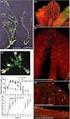 Overview B cell development Transcriptional cascades Amazing aspects of lineage plasticity Conventional (B2) B cell development What happens to an autoreactive B cell? B1 vs B2 cells Key anatomical sites
37 2 Blood and the Lymphatic System Slide 1 of 34
 1 of 34 Blood is a connective tissue that contains both dissolved substances and specialized cells. 2 of 34 The functions of blood include: collecting oxygen from the lungs, nutrients from the digestive
A Genetic Analysis of Rheumatoid Arthritis
 A Genetic Analysis of Rheumatoid Arthritis Introduction to Rheumatoid Arthritis: Classification and Diagnosis Rheumatoid arthritis is a chronic inflammatory disorder that affects mainly synovial joints.
Uses of Flow Cytometry
 Uses of Flow Cytometry 1. Multicolour analysis... 2 2. Cell Cycle and Proliferation... 3 a. Analysis of Cellular DNA Content... 4 b. Cell Proliferation Assays... 5 3. Immunology... 6 4. Apoptosis... 7
Current Issues in Stem Cell Technologies. Lance D. Trainor, MD OneBlood, Inc.
 Current Issues in Stem Cell Technologies Lance D. Trainor, MD OneBlood, Inc. Objective: The big picture of stem cell therapy Outline: Relevant definitions History of Stem Cell Therapy Hematopoietic Stem
Absorption of Drugs. Transport of a drug from the GI tract
 Absorption of Drugs Absorption is the transfer of a drug from its site of administration to the bloodstream. The rate and efficiency of absorption depend on the route of administration. For IV delivery,
How Cancer Begins???????? Chithra Manikandan Nov 2009
 Cancer Cancer is one of the most common diseases in the developed world: 1 in 4 deaths are due to cancer 1 in 17 deaths are due to lung cancer Lung cancer is the most common cancer in men Breast cancer
Acute myeloid leukemia (AML)
 Acute myeloid leukemia (AML) Adult acute myeloid leukemia (AML) is a type of cancer in which the bone marrow makes abnormal myeloblasts (a type of white blood cell), red blood cells, or platelets. Adult
The Biological Basis of Cancer. Annie Young, Professor of Nursing, University of Warwick, University Hospitals Coventry and Warwickshire
 The Biological Basis of Cancer Annie Young, Professor of Nursing, University of Warwick, University Hospitals Coventry and Warwickshire Aim of Presentation By the end of this presentation you will: Be
What is New in Oncology. Michael J Messino, MD Cancer Care of WNC An affiliate of Mission hospitals
 What is New in Oncology Michael J Messino, MD Cancer Care of WNC An affiliate of Mission hospitals Personalized Medicine Personalized Genomics Genomic Medicine Precision Medicine Definition Application
Compartmentalization of the Cell. Objectives. Recommended Reading. Professor Alfred Cuschieri. Department of Anatomy University of Malta
 Compartmentalization of the Cell Professor Alfred Cuschieri Department of Anatomy University of Malta Objectives By the end of this session the student should be able to: 1. Identify the different organelles
Basics of Immunology
 Basics of Immunology 2 Basics of Immunology What is the immune system? Biological mechanism for identifying and destroying pathogens within a larger organism. Pathogens: agents that cause disease Bacteria,
Blood & Marrow Transplant Glossary. Pediatric Blood and Marrow Transplant Program Patient Guide
 Blood & Marrow Transplant Glossary Pediatric Blood and Marrow Transplant Program Patient Guide Glossary Absolute Neutrophil Count (ANC) -- Also called "absolute granulocyte count" amount of white blood
Lung Cancer Research: From Prevention to Cure!
 Lung Cancer Research: From Prevention to Cure! Ravi Salgia, M.D, Ph.D Associate Professor of Medicine Director, Thoracic Oncology Research Program Department of Medicine Section of Hematology/Oncology
ACUTE MYELOID LEUKEMIA (AML),
 1 ACUTE MYELOID LEUKEMIA (AML), ALSO KNOWN AS ACUTE MYELOGENOUS LEUKEMIA WHAT IS CANCER? The body is made up of hundreds of millions of living cells. Normal body cells grow, divide, and die in an orderly
Types of Cancers [-oma growth ]!
![Types of Cancers [-oma growth ]!](/thumbs/27/10363750.jpg "Types of Cancers [-oma growth ]!") Cancer: disease of transcription factors and replication 1 Uncontrolled cell growth and division -> immortalized cells -> tumor growth -> metastasis (cells float away from tumor and spread throughout the
Cancer: disease of transcription factors and replication 1 Uncontrolled cell growth and division -> immortalized cells -> tumor growth -> metastasis (cells float away from tumor and spread throughout the
The Immune System and Disease
 Chapter 40 The Immune System and Disease Section 40 1 Infectious Disease (pages 1029 1033) This section describes the causes of disease and explains how infectious diseases are transmitted Introduction
Cell Division Mitosis and the Cell Cycle
 Cell Division Mitosis and the Cell Cycle A Chromosome and Sister Chromatids Key Points About Chromosome Structure A chromosome consists of DNA that is wrapped around proteins (histones) and condensed Each
Biotechnology. Srivatsan Kidambi, Ph.D.
 Stem Stem Cell Cell Engineering-What, Biology and it Application Why, How?? to Biotechnology Srivatsan Kidambi, Ph.D. Assistant Professor Department of Chemical & Biomolecular Engineering University of
Asthma (With a little SCID to start) Disclosures Outline Starting with the Immune System The Innate Immune System The Adaptive Immune System
 1 2 3 4 5 6 7 8 9 Asthma (With a little SCID to start) Lauren Smith, MD CHKD Pediatric Allergy/Immunology Disclosures None Will be discussing some medications that are not yet FDA approved Outline SCID
What Does My Bone Marrow Do?
 What Does My Bone Marrow Do? the myelodysplastic syndromes foundation, inc. Illustrations by Kirk Moldoff Published by The Myelodysplastic Syndromes Foundation, Inc. First Edition, 2009. 2012. Table of
Mechanism of short-term ERK activation by electromagnetic fields at mobile phone frequencies. Biochemistry Journal. August 1, 2007 405, pp.
 Mechanism of short-term ERK activation by electromagnetic fields at mobile phone frequencies 1 Biochemistry Journal August 1, 2007 405, pp. 559 568 Joseph Friedman, Sarah Kraus, Yirmi Hauptman, Yoni Schiff
Cancer: Cells Behaving Badly
 Cancer: Cells behaving badly It s quite likely your body is harboring precancerous cells. Don t panic: this doesn t mean you have cancer. Many of us have cells here and there with defense mechanisms that
Antibody Function & Structure
 Antibody Function & Structure Specifically bind to antigens in both the recognition phase (cellular receptors) and during the effector phase (synthesis and secretion) of humoral immunity Serology: the
Human Anatomy & Physiology I with Dr. Hubley. Practice Exam 1
 Human Anatomy & Physiology I with Dr. Hubley Practice Exam 1 1. Which definition is the best definition of the term gross anatomy? a. The study of cells. b. The study of tissues. c. The study of structures
Muscular dystrophy: basic facts
 Muscular dystrophy: basic facts - heterogenous group of inherited disorders characterized by progressive muscle weakness and wasting (regeneration of muscle tissue fails) - most apparent or symptomatic
Section B: Epithelial Tissue 1. Where are epithelial tissues found within the body? 2. What are the functions of the epithelial tissues?
 Tissue worksheet Name Section A: Intro to Histology Cells are the smallest units of life. In complex organisms, cells group together with one another based on similar structure and function to form tissues.
Pathophysiology of bone metastasis : how does it apply to pain treatment in palliative care? JP Vuillez, Grenoble, France
 Pathophysiology of bone metastasis : how does it apply to pain treatment in palliative care? JP Vuillez, Grenoble, France Bone metastases 70 % of prostate and breast cancers 30 % of lung, bladder and thyroid
Functions of Blood System. Blood Cells
 Functions of Blood System Transport: to and from tissue cells Nutrients to cells: amino acids, glucose, vitamins, minerals, lipids (as lipoproteins). Oxygen: by red blood corpuscles (oxyhaemoglobin - 4
CHAPTER 2: UNDERSTANDING CANCER
 CHAPTER 2: UNDERSTANDING CANCER INTRODUCTION We are witnessing an era of great discovery in the field of cancer research. New insights into the causes and development of cancer are emerging. These discoveries
ALLIANCE FOR LUPUS RESEARCH AND PFIZER S CENTERS FOR THERAPEUTIC INNOVATION CHALLENGE GRANT PROGRAM PROGRAM GUIDELINES
 ALLIANCE FOR LUPUS RESEARCH AND PFIZER S CENTERS FOR THERAPEUTIC INNOVATION CHALLENGE GRANT PROGRAM PROGRAM GUIDELINES DESCRIPTION OF GRANT MECHANISM The Alliance for Lupus Research (ALR) is an independent,
Anti-angiogenesis Treatment
 Anti-angiogenesis Treatment The search for better cancer drugs Today we are better able to treat cancer than ever. More than half of all people with cancer now live at least 5 years after being diagnosed.