
Management of atopic eczema in children
|
|
|
- Jasmine Holmes
- 9 years ago
- Views:
Transcription
1 PRESCRIBING IN CHILDREN n Management of atopic eczema in children REBECCA PHILLIPS, HYWEL WILLIAMS and JANE RAVENSCROFT Atopic eczema is a common condition, affecting about a fifth of children in the UK. Although the severity varies, it can cause great distress to a child and their family. This article discusses the evidencebased management of atopic eczema in children. Atopic eczema, or atopic dermatitis, is a very common chronic inflammatory skin condition with a genetic tendency that is influenced by environmental factors. Around 20 per cent of UK children are affected, with most presenting in infancy. The symptoms can cause a great deal of distress to both a child and their family. Up to 60 per cent of children will grow out of the condition by early adolescence although many will have future relapses. While the severity of the condition varies greatly, most children will suffer with mild disease and the majority of these patients rely on primary care input. Atopic eczema is characterised by skin dryness, itching, redness, vesicles and crusting in the acute stage, and lichenification in the chronic phase. The clinical presentation of eczema varies depending on the age of the child affected; infants under the age of one year usually present with eczema on the cheeks and scalp, whereas in those older than one year, eczema often extends to affect the extensor surfaces. In older children, eczema may become more widespread and typically involves the flexural surfaces (see Figure 1). Simple validated diagnostic criteria have been developed that may assist in diagnosis (see Table 1). 1 Figure 1. Moderate-to-severe eczema in a 9-year-old girl This article focuses on the management of atopic eczema in children. It presents the evidence supporting current interventions and proposes treatment approaches for example cases. Aim of management The aim of the management in atopic eczema is first, to get control of skin inflammation and second, to then maintain control while at the same time enhancing the skin hydration and barrier through emollient use. This management approach first involves identifying and minimising potential trigger factors. Once allergic or irritant factors are identified and dealt with, Prescriber January 2016 z 33

2 n PRESCRIBING IN CHILDREN l Eczema Must have: An itchy skin condition in the last 12 months Plus three or more of: i. Onset below age two years* ii. History of flexural involvement iii. History of a generally dry skin iv. Personal history of other atopic disease** v. visible flexural dermatitis as per photographic protocol * not used in children under four years ** in children aged under four years, history of atopic disease in a first-degree relative may be included Table 1. UK diagnostic criteria for atopic eczema 1 the key is then to control skin inflammation. The NICE guideline presents a stepwise management approach to eczema depending on the severity, as shown in Table 2. Patient and family education, along with a clear written care plan, are vital to ensure a good understanding of the condition, compliance and effective management of future flares. This is particularly important, as topical treatments can be time-consuming and messy. It is also imperative to address any potential fears regarding side-effects of medications, such as topical steroids, which may hinder adequate treatment. Table 3 outlines the factors to consider when managing a child with atopic eczema and Table 4 summarises the treatment approaches in mild-to-moderate and moderate-to-severe eczema flares. Management of mild-tomoderate eczema Emollients Liberal use of emollient therapy in managing eczema is currently recommended but should be tailored according to the individual patient and degree of skin dryness. Even though the evidence for using these products is limited, recent studies have highlighted the steroid-sparing effects of emollient therapy and their ability to prevent eczema flares. 2,3 Emollients are safe to use and have few adverse effects, which are usually mild and include transient burning and poor cosmetic acceptability. However, some emollients such as the aqueous cream have actually been shown to cause harm. 4 Because emollients need to be applied daily and lifelong, patients should be given a choice of emollients and more than one may need to be prescribed, for example, a different emollient for the face and body. Topical corticosteroids Topical corticosteroids have been shown to be significantly more effective at treating patients with atopic eczema in the short-term compared with placebo. 5 Intermittent treatment with fluticasone propionate using various regimens has been shown to significantly reduce relapse rates of eczema. 6 Such intermittent use (also known as weekend therapy as it refers to application at previously active sites on two to three days a week) is perhaps one of the most useful evidence-based treatment approaches to emerge for those with chronic or relapsing eczema. All patients should be started on once daily treatments as twice daily applications have shown no additional benefits. 6 Pulsed treatment has also not shown any benefit over continuous treatment, and there is no good evidence to support dilution of preparations. Shortterm treatment is not associated with any serious systemic effects or skin atrophy. 6 It should be stressed that side-effects of topical corticosteroids rarely occur when they are used appropriately and it is important to dispel any anxieties surrounding their use. The largest eczema trial ever conducted showed that mild or moderate topical corticosteroids are extremely safe when used as needed over a five-year period; just one case of clinical skin thinning out of 1213 children (0.1 per cent) was noted. 7 Bandaging Application of wet-wrap bandaging over emollients or topical steroids may be of some benefit to certain patients. Studies have shown that bandaging can significantly reduce the severity of the condition; however, other studies have found no benefit Oral antihistamines There seems to be no clear benefit of administering oral antihistamines and these are not recommended. However, the sedative effect may be of some benefit in individual cases. 6 Mild atopic eczema Moderate atopic eczema Severe atopic eczema Emollients Emollients Emollients Mild-potency topical corticosteroids Moderate-potency topical corticosteroids used proactively Topical calcineurin inhibitors Bandages Potent topical corticosteroids Topical calcineurin inhibitors Bandages Phototherapy Systemic therapy Table 2. NICE guideline: a stepwise approach to the management of atopic eczema 13 Topical tacrolimus and pimecrolimus Topical tacrolimus (Elidel) and pimecrolimus (Protopic 0.03% and 0.1%) are immunosuppressive agents. Both have been shown to be more effective than placebo. Topical tacrolimus is more effective than topical pimecrolimus and of similar efficacy to mild or moderate corticosteroids in the treatment of eczema. 11,12 Topical pimecrolimus is aimed at milder atopic eczema where its main claimed advantage is absence of skin thinning, yet a direct comparison of topical pimecrolimus against mild or moderate topical corticosteroids did not show any significant skin thinning in the 34 z Prescriber January 2016

3 Eczema l PRESCRIBING IN CHILDREN n corticosteroid group. 7 NICE recommends both topical tacrolimus and pimecrolimus as second-line therapy in moderately severe and severe eczema. 13 Various safety studies have demonstrated that short-term use of tacrolimus is safe and there is no clear evidence of increased risk of skin malignancy. 6 The precise role of topical pimecrolimus for mild eczema is unclear, although it appears to be safe over a five-year period. Higher potency 0.1% tacrolimus is more likely to cause local skin burning and irritation than 0.03% tacrolimus or moderate potency topical corticosteroids. 11 In clinical practice, topical tacrolimus may be useful as an alternative for patients requiring almost continuous topical preparations or in those with resistant facial eczema. Lower potency 0.03% tacrolimus is licensed for use in children from the age of two years, while 0.1% tacrolimus is licensed only for children aged 16 years and above. They should be used once or twice daily until symptoms have resolved or can be used intermittently to prevent flares. These medications should usually be initiated under the guidance of a GP with a special interest (GPSI) in dermatology or a dermatologist. Allergens Sensitisation to aeroallergens and food allergens is present in per cent of children with moderate-to-severe eczema, but this does not imply clinical allergy, which is best assessed through thorough questioning. 14 Common food allergens in young children include cow s milk, egg, peanuts, soya and tree nuts, while allergies to fish, tree nuts and peanuts are more frequent in older children. Many children will grow out of milk and egg allergies by the age of about three years. 14 A food allergy should be considered in children with a history of a reaction to certain foods, those with moderate-to-severe eczema who have not responded to usual treatment, those with early-onset eczema in infancy and those with associated gut symptoms. There is no evidence that exclusion diets have a beneficial impact on eczema in unselected patients. 15 However, in infants with a suspected Factor Age of child Severity of eczema Pattern of eczema Skin dryness Previous treatments and their effect Possible trigger factors, eg irritants, allergens, stress, infections Compliance/attitudes Psychosocial impact Growth and development Sleep disturbance Personal history of atopic disease Comment allergy to egg and a positive specific IgE test, exclusion diets may help. 6 Children with suspected food allergies should be referred for specialist assessment and advice, which may include skin prick tests and specific IgE tests. A six-toeight week trial of hypoallergenic bottle formula may also be tried in babies with moderate-to-severe eczema younger than six months old. 14 Allergy to environmental aeroallergens such as house dust mites, pets and pollens, and to contact allergens such as fragrances and preservatives, is more common in older children. It may be suspected in those with a seasonal or environmental variation in their eczema and those with a particular distribution of eczema. Response to these allergens may also be investigated by skin prick tests, specific IgE or patch testing if indicated, which can help guide advice on allergen avoidance. Evidence for the efficacy of house dust mite reduction methods is limited and of low quality. 16 They are generally not recommended as they are time consuming and probably not beneficial. 13 Washing and bathing routines There is no randomised controlled trial (RCT) evidence on the effects of bathing frequency, showers versus baths or Side-effects are more common in young infants Important to prescribe a steroid of adequate potency Discoid and extensor eczema are often more stubborn and require longer or more aggressive treatment with topical agents To guide emollient use To guide future treatment Discuss avoidance of triggers and consider referral for allergy assessment if indicated Parents may have preconceived ideas about eczema or treatments The psychosocial impact on the child and family should be explored. Consider involving school nurses Severe eczema may affect the growth of a child Poor sleep can have a negative psychological impact Consider and treat co-morbidities in children with atopic disease Table 3. Factors to consider when managing a child with atopic eczema water temperature. 6 Bath additives may appear to be a useful way to use emollients but there is no clear evidence to support their use over and above direct topical application. In practice, patients are advised to avoid soaps and bubble bath and instead to use emollients exclusively to moisturise and wash. Washing powders and clothing There is no evidence to suggest that biological washing powders provoke worsening of eczema compared to nonbiological products. 6 Synthetic fibres and rough textiles in clothing may be irritating and should be avoided. Psychological interventions Some psychological interventions may be useful as an adjunct in managing eczema, such as cognitive behavioural therapy (CBT), habit reversal and hypnotherapy Severe eczema Systemic therapy and ultraviolet light Systemic immunosuppressive therapy, including ciclosporin, methotrexate, azathioprine, and phototherapy, can be used to gain control of severe atopic eczema. Despite not being licensed for use in children, there is reasonable evidence to suggest that these agents are Prescriber January 2016 z 35

4 n PRESCRIBING IN CHILDREN l Eczema Case Mild-to-moderate eczema flare Moderate-to-severe eczema flare Example of treatment approach Liberal use of emollients and soap substitutes tailored to skin dryness. These should be prescribed regularly and used even when the eczema is not active Consider infection and triggers Short bursts (3 7 days) of a mild topical steroid such as hydrocortisone 1% once daily to control flares. If this is not adequate, a moderately potent topical steroid such as clobetasone butyrate 0.05% ointment can be tried using such a reactive approach Liberal use of emollients and soap substitutes as above Consider infection and triggers Potent topical corticosteroid such as betnovate valerate 0.1% ointment once daily to eczematous areas of the body for 1 3 weeks until clear, followed by an emollient-only period. Any future flares should be treated with short bursts of the same potent steroid Areas on the face, axillae and groin should be treated with a moderately potent steroid such as clobetasone butyrate 0.05% ointment to avoid side-effects In the case of frequent flares, once the initial 1 3 week treatment has been completed, a topical corticosteroid can be continued as weekend therapy (Sat/Sun) to maintain control of the eczema and prevent relapses. Alternatively, Protopic ointment may be used intermittently, eg twice weekly Mon/Thur, to keep control of flares in the same way Antiseptics Antiseptics preparations can be used in patients who suffer with recurrent clinical skin infections but their long-term regular use is not supported by any studies. The use of bleach baths appears to have some benefit in children with moderate-to-severe eczema who have recurrent significant skin infections. 6 One study has recommended that 250ml Milton Sterilising Fluid (containing 2% sodium hypochlorite) is added to a full bath tub (about 120 litres). The patient should soak in the water for 5 10 minutes before rinsing thoroughly, once or twice weekly. 24 Aciclovir If a child with eczema is suspected to have a localised herpes simplex infection, oral aciclovir should be commenced. 13 Eczema herpeticum presents with widespread, rapidly worsening and painful eczema, clustered vesicles and punched-out lesions. If this is suspected, systemic aciclovir should be started immediately and the patient must be referred for urgent specialist advice. 13 Table 4. Treatment approaches in mild-to-moderate and moderate-to-severe eczema effective. They should be initiated and monitored in a secondary care setting. Short-term (five to seven days) oral prednisolone may be useful in a crisis, but this is not recommended longer term due to rebound. 20 Ultraviolet light in the form of narrow-band UVB is commonly used in a hospital setting for those with more severe eczema with inadequate responses to topical therapies. Infected eczema Patients with atopic eczema are more prone to acquiring bacterial, viral and fungal skin infections. Infection might present with weeping, oozing and serous crusting overlying the eczematous lesions. Staphylococcus aureus is the most commonly implicated organism, which is found in around 80 per cent of people with atopic eczema even in the absence of clinical infection. Other organisms include β-haemolytic streptococci, herpes simplex and the yeast Malassezia furfur. Systemic antibiotics Clinically infected eczema has been shown to respond to systemic antibiotics, such as flucloxacillin. 21 However, there is no benefit for their use in clinically uninfected eczema. 22 Patients should continue to use topical corticosteroids and emollients to treat the underlying eczema, although it is reasonable to delay the use of topical corticosteroids by hours in cases of widespread or severe infection. Topical antibiotics NICE recommends that topical antibiotics, including those in combination with topical steroids, should only be used for short periods (less than 14 days) in cases of clinically infected eczema. 13 However, there is no clear evidence that the addition of antibiotics to topical corticosteroids offers any advantage over topical corticosteroids alone, and they are not recommended in noninfected eczema. 6,23 References 1. Williams HC. UK diagnostic criteria for atopic dermatitis. Centre of Evidence Based Dermatology, Nottingham (cited 2015). Available at: research/groups/cebd/resources/ukdiagnostic-criteria-for-atopic-dermatitis.aspx. 2. Grimalt R, et al. The steroid-sparing effect of an emollient therapy in infants with atopic dermatitis: a randomized controlled study. Dermatology 2007;214(1): Wiren K, et al. Treatment with a barrier-strengthening moisturizing cream delays relapse of atopic dermatitis: a prospective and randomized controlled clinical trial. J Eur Acad Dermatol Venereol 2009;23(11): Cork MJ, Danby S. Aqueous cream damages the skin barrier. Br J Dermatol 2011;164(6): Hoare C, et al. Systematic review of treatments for atopic eczema. Health Technol Assess 2000;4(37): Williams HC, Bigby ME. Evidence-based Dermatology. 3rd edn. Chichester, West Sussex: John Wiley & Sons, Ltd, Sigurgeirsson B, et al. Safety and efficacy of pimecrolimus in atopic dermatitis: a 5-year randomized trial. Pediatrics 2015;135(4): z Prescriber January 2016

5 Eczema l PRESCRIBING IN CHILDREN n 8. Pei AY, et al. The effectiveness of wet wrap dressings using 0.1% mometasone furoate and 0.005% fluticasone proprionate ointments in the treatment of moderate to severe atopic dermatitis in children. Pediatr Dermatol 2001;18(4): Hindley D, et al. A randomised study of wet wraps versus conventional treatment for atopic eczema. Arch Dis Child 2006;91(2): Beattie PE, Lewis-Jones MS. A pilot study on the use of wet wraps in infants with moderate atopic eczema. Clin Exp Dermatol 2004;29(4): Svensson A, et al. A systematic review of tacrolimus ointment compared with corticosteroids in the treatment of atopic dermatitis. Curr Med Res Opin 2011;27(7): Cury Martins J, et al. Topical tacrolimus for atopic dermatitis. Cochrane Database Syst Rev 2015;7:CD NICE. Atopic eczema in children: management of atopic eczema in children from birth up to age of 12 years. CG57. December Harper J, et al. Textbook of Pediatric Dermatology. 3rd edn. Oxford: Blackwell Publishing, Bath-Hextall F, et al. Dietary exclusions for established atopic eczema. Cochrane Database Syst Rev 2008;1:CD Nankervis H, et al. House dust mite reduction and avoidance measures for treating eczema. Cochrane Database Syst Rev 2015;1:CD Melin L, et al. Behavioural treatment of scratching in patients with atopic dermatitis. Br J Dermatol 1986;115(4): Noren P, Melin L. The effect of combined topical steroids and habit-reversal treatment in patients with atopic dermatitis. Br J Dermatol 1989;121(3): Sokel B, et al. The development of a hypnotherapy service for children. Child Care Health Dev 1990;16(4): Schmitt J, et al. Prednisolone vs. ciclosporin for severe adult eczema. An investigator-initiated double-blind placebo-controlled multicentre trial. Br J Dermatol 2010;162(3): Salo OP, et al. Efficacy and tolerability of erythromycin acistrate and erythromycin stearate in acute skin infections of patients with atopic eczema. J Antimicrob Chemother 1988;21(Suppl. D): Ewing CI, et al. Flucloxacillin in the treatment of atopic dermatitis. Br J Dermatol 1998;138(6): Birnie AJ, et al. Interventions to reduce Staphylococcus aureus in the management of atopic eczema. Cochrane Database Syst Rev 2008;3:CD Vlachou C, et al. Bleach baths using Milton Sterilising Fluid for recurrent infected atopic dermatitis. Am J Acad Dermatol 2010; 63(Suppl. 1):126. Further reading NICE. Eczema - atopic. Clinical Knowledge Summaries. July uk/eczema-atopic University of Nottingham. The Global Resource for Eczema Trials. December Index.php University of Nottingham Centre of Evidence- Based Dermatology. Maps of systematic reviews on atopic eczema. May groups/cebd/documents/methodologicalresources/maponaewebsite.pdf Declaration of interests None to declare. Dr Phillips is a clinical fellow in paediatric dermatology at Nottingham University Hospital/Nottingham Children s Hospital, Dr Ravenscroft is a consultant dermatologist at Nottingham University Hospital/Nottingham Children s Hospital and Professor Williams is professor of dermato-epidemiology and co-director of the Centre of Evidence- Based Dermatology, Nottingham University Hospitals NHS Trust Visit Prescriber online at Prescriber.co.uk The Prescriber website provides an easy-to-use search function and visitors have free access to all articles published since In addition there are up-to-date news items, CPD, blogs, Ask Prescriber and diary dates. Visit us at Prescriber.co.uk www. Prescriber January 2016 z 37

Atopic eczema in children
 Issue date: December 2007 Atopic eczema in children Management of atopic eczema in children from birth up to the age of 12 years NICE clinical guideline 57 Developed by the National Collaborating Centre
Topical Tacrolimus or Pimecrolimus for the treatment of mild, moderate or severe atopic eczema. Effective Shared Care Agreement
 Topical Tacrolimus or Pimecrolimus for the treatment of mild, moderate or severe atopic eczema. Effective Shared Care Agreement A Copy of this page signed by all three parties should be retained in the
Atopic Dermatitis/Eczema
 Atopic Dermatitis/Eczema Symptoms Eczema, also known as atopic eczema or atopic dermatitis, is a skin condition causing inflammation and intense irritation. Eczema symptoms tend to be caused by dry skin.
Atopic eczema is a relapsing and remitting disease.
 Vol 2 September 2010 Clinical Pharmacist 291 The education of patients and their carers on avoiding trigger factors, using emollients effectively and adopting a stepped management plan is essential for
TOP TIPS FOR TREATING
 TOP TIPS FOR TREATING Sandra Lawton OBE (Nurse Consultant Dermatology and Queen s Nurse, Nottingham University Hospitals NHS Trust) suggests practical ways to manage eczema. Caring for eczema can present
DIET AND ECZEMA IN CHILDREN
 DIET AND ECZEMA IN CHILDREN It has been known for many years that what children eat may have an effect on their eczema. There has been an ever-increasing interest in the part that diet plays in the development
PACKAGE LEAFLET: INFORMATION FOR THE USER. Elidel 10 mg/g Cream. pimecrolimus
 PACKAGE LEAFLET: INFORMATION FOR THE USER Elidel 10 mg/g Cream pimecrolimus Read all of this leaflet carefully before you start using Elidel cream Keep this leaflet. You may need to read it again. If you
March 2011. Management of atopic eczema in primary care. A national clinical guideline. Scottish Intercollegiate Guidelines Network
 SIGN Scottish Intercollegiate Guidelines Network Part of NHS Quality Improvement Scotland Help us to improve SIGN guidelines click here to complete our survey 125 Management of atopic eczema in primary
ECZEMA: YOUR GP THE SECRETS WON T TELL YOU
 ECZEMA: THE SECRETS YOUR GP WON T TELL YOU As a sufferer of eczema or dry skin, it s likely that you ll understand the frustrations associated with trying various creams and lotions that are supposed to
Dry skin, eczema, psoriasis and flare-ups
 Dry skin, eczema, psoriasis and flare-ups Let s feel comfortable in our skin FL4368_1000031525 BTS LFGT Specialist Skin A5LFT 12pp V7.indd 1 21/02/2014 09:58 Some of us live with a dry or sore skin condition.
Prescribing advice for the management and treatment of psoriasis
 Prescribing advice for the management and treatment of psoriasis This guidance contains suggested advice for the management and treatment of patients presenting with psoriasis. This guidance applies to
Treatments for allergy are usually straightforward, safe and effective. Common treatments include:
 Allergy Medications The treatments prescribed for allergy control the symptoms and reactions; they do not cure the condition. However, using treatments as prescribed can show a huge change in a patient
FastTest. You ve read the book... ... now test yourself
 FastTest You ve read the book...... now test yourself To ensure you have learned the key points that will improve your patient care, read the authors questions below. Please refer back to relevant sections
Protection for hand eczema
 Oxford University Hospitals NHS Trust Department of Dermatology Protection for hand eczema Information for patients What can I do to help my hand eczema? Hand eczema (the same as hand dermatitis) is normally
MEDICATION GUIDE. PROTOPIC [pro-top-ik] (tacrolimus) Ointment 0.03% Ointment 0.1%
![MEDICATION GUIDE. PROTOPIC [pro-top-ik] (tacrolimus) Ointment 0.03% Ointment 0.1%](/thumbs/27/10084771.jpg "MEDICATION GUIDE. PROTOPIC [pro-top-ik] (tacrolimus) Ointment 0.03% Ointment 0.1%") MEDICATION GUIDE PROTOPIC [pro-top-ik] (tacrolimus) Ointment 0.03% Ointment 0.1% Read the Medication Guide every time you or a family member gets PROTOPIC Ointment. There may be new information. This Medication
MEDICATION GUIDE PROTOPIC [pro-top-ik] (tacrolimus) Ointment 0.03% Ointment 0.1% Read the Medication Guide every time you or a family member gets PROTOPIC Ointment. There may be new information. This Medication
Professor Andrew Wright,
 Professor Andrew Wright, Systemic treatments are drugs taken as tablets or injections that travel through the bloodstream, dampening down the immune system to reach and treat eczema all over the body.
X-Plain Psoriasis Reference Summary
 X-Plain Psoriasis Reference Summary Introduction Psoriasis is a long-lasting skin disease that causes the skin to become inflamed. Patches of thick, red skin are covered with silvery scales. It affects
Treatment options a simple guide
 Guide Treatment options a simple guide To decide which treatment is right for you, a good starting point is to know what options you have and to understand the pros and cons of each one. People respond
Common Skin Conditions in Children. Liz Moore and Emma King Dermatology Nurse Consultants
 Common Skin Conditions in Children Liz Moore and Emma King Dermatology Nurse Consultants Diagnosis? Nummular Dermatitis Disc pattern rash (discoid eczema) Clearly demarcated edges Occurs at any age Can
llergy Testing: When to test, when not to and what to do with the results
 llergy Testing: When to test, when not to and what to do with the results Kelly Maples, MD, FAAAAI, FACAAI Assistant Professor of Pediatrics and Internal Medicine CHKD/EVMS Sensitization Allergy The results
Product: Tazarotene, cream, 500 micrograms per g (0.05%) and 1.0 mg per g (0.1%), 30 g, Zorac
 PUBLIC SUMMARY DOCUMENT Product: Tazarotene, cream, 500 micrograms per g (0.05%) and 1.0 mg per g (0.1%), 30 g, Zorac Sponsor: Genepharm Australasia Ltd Date of PBAC Consideration: July 2007 1. Purpose
TOPICAL TREATMENTS FOR PSORIASIS
 TOPICAL TREATMENTS FOR PSORIASIS What are the aims of this leaflet? Patients with psoriasis are usually treated with preparations that are applied to the skin. This leaflet has been written to help you
TOPICAL THERAPY. ADVANTAGES - increased dose of medication to affected area. - reduced systemic side effects and toxicity
 TOPICAL THERAPY ADVANTAGES - increased dose of medication to affected area. - reduced systemic side effects and toxicity DISADVANTAGES - takes time - may be greasy or messy - may have different preparations
Gestione della dermatite atopica
 Gestione della dermatite atopica Peroni Diego Clinica Pediatrica di Verona Pathogenesis of atopic eczema Genes Environment Abnormal TH2 immune response to environmental allergens Skin hyperresponsiveness
COMMON BACTERIAL SKIN INFECTIONS IN GENERAL PRACTICE
 COMMON BACTERIAL SKIN INFECTIONS IN GENERAL PRACTICE The two most common bacteria to cause skin infections are staphylococcus aureus (staph aureus ) and streptococcus pyogenes ( strep) (see Table 1). Staphylococcus
Conjunctivitis - Pink Eye
 Conjunctivitis - Pink Eye Introduction Conjunctivitis is often called pink eye. It causes inflammation of the thin, clear lining inside the eyelid and on the white of the eye. The inflammation gives the
Get Your Head In The Game. Matthew Voorman, MD Hutchinson Clinic March 21, 2016
 Get Your Head In The Game Matthew Voorman, MD Hutchinson Clinic March 21, 2016 About Me Otolaryngology Head & Neck Surgery Geisinger Medical Center General Surgery University of California San Francisco
ImmunoCAP allergy blood testing. Why, who and what difference it makes
 ImmunoCAP allergy blood testing Why, who and what difference it makes 2 Contents Is it allergy or not? 5 Who should I test for allergy? 7 Why should I test for allergy? 9 Why isn t medical history sufficient?
FURTHER EXPERIENCE WITH SUBCUTANEOUS IMMUNOGLOBULIN THERAPY IN CHILDREN WITH PRIMARY IMMUNE DEFICIENCIES
 FURTHER EXPERIENCE WITH SUBCUTANEOUS IMMUNOGLOBULIN THERAPY IN CHILDREN WITH PRIMARY IMMUNE DEFICIENCIES Dr Alison Jones Great Ormond Street Hospital for Children NHS Trust London WC1N 3JH United Kingdom
ASTHMA IN INFANTS AND YOUNG CHILDREN
 ASTHMA IN INFANTS AND YOUNG CHILDREN What is Asthma? Asthma is a chronic inflammatory disease of the airways. Symptoms of asthma are variable. That means that they can be mild to severe, intermittent to
NEHSNORTH EASTERN HEALTH SPECIALISTS
 COSMETIC DERMATOLOGY NEHSNORTH EASTERN HEALTH SPECIALISTS nehs.com.au CONSENT FORM ACNE Treatment I, DOB:, of authorize of North Eastern Health Specialist to perform hair removal with the BBL / Nd-Yag
What are the symptoms of a vulval skin condition?
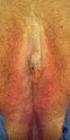 Information for you Published in December 2013 (next review date: 2016) Skin conditions of the vulva About this information This information is for you if you want to know about skin conditions affecting
Common paediatric skin disease
 Common paediatric skin disease Emma King Nurse Practitioner Dermatology Department and Private Suites The Royal Children s Hospital Melbourne, Australia Diagnosis? Hand Foot and Mouth Disease (Coxsackie
PSORIASIS AND ITS. Learn how vitamin D medications play an important role in managing plaque psoriasis
 PLAQUE PSORIASIS AND ITS TREATMENTS Learn how vitamin D medications play an important role in managing plaque psoriasis 2 Understanding Plaque Psoriasis WHAT CAUSES PLAQUE PSORIASIS? No one knows exactly
Hand Dermatitis in Health Care Workers
 Hand in Health Care Workers Safety and Health Assessment and Research for Prevention (SHARP) Program Washington Department of Labor and Industries PO Box 44330 Olympia, WA 98504-4330 1-888-66-SHARP www.lni.wa.gov/sharp/derm
Public Assessment Report. Pharmacy to General Sales List Reclassification. Pirinase Hayfever Relief for Adults 0.05% Nasal Spray.
 Public Assessment Report Pharmacy to General Sales List Reclassification Pirinase Hayfever Relief for Adults 0.05% Nasal Spray (Fluticasone) PL 00079/0688 Glaxo Wellcome UK Limited TABLE OF CONTENTS Introduction
Guide to. Allergies 020 8742 7042. A guide to allergies
 If you need advice on taking over-the-counter medicines speak to a pharmacist or call the Consumer Health Information Centre s Over-the-Counter Medicines Advice Line on 020 8742 7042. The advice line is
Atopic dermatitis: A practice parameter update 2012
 Practice parameter Atopic dermatitis: A practice parameter update 2012 Authors: Lynda Schneider, MD, Stephen Tilles, MD, Peter Lio, MD, Mark Boguniewicz, MD, Lisa Beck, MD, Jennifer LeBovidge, PhD, and
Psoriasis Treatment Transition Pathway
 Psoriasis Treatment Transition Pathway A Treatment Support Tool Adapted from Circle Nottingham NHS Treatment Centre Psoriasis Pathway (under consultation) with support from Abbvie Ltd Treatment Pathways
Pimecrolimus cream (Elidel) for facial atopic dermatitis
 for facial atopic dermatitis (pi-me-kro-ly-mus) Summary Pimecrolimus 1% cream is PBS listed for treating facial atopic dermatitis in adults and children when topical corticosteroids are contraindicated
A guide for people with genital herpes
 A guide for people with genital herpes Contents Getting the facts 4 The key facts 6 What is genital herpes? 8 Genital herpes symptoms 10 Getting tested 12 The first outbreak 14 Recurrent outbreaks 16 Common
Wellness for People with MS: What do we know about Diet, Exercise and Mood And what do we still need to learn? March 2015
 Wellness for People with MS: What do we know about Diet, Exercise and Mood And what do we still need to learn? March 2015 Introduction Wellness and the strategies needed to achieve it is a high priority
On completion of this chapter you should be able to: discuss the stepwise approach to the pharmacological management of asthma in children
 7 Asthma Asthma is a common disease in children and its incidence has been increasing in recent years. Between 10-15% of children have been diagnosed with asthma. It is therefore a condition that pharmacists
Allergy Shots and Allergy Drops for Adults and Children. A Review of the Research
 Allergy Shots and Allergy Drops for Adults and Children A Review of the Research Is This Information Right for Me? This information may be helpful to you if: Your doctor* has said that you or your child
RELAPSE MANAGEMENT. Pauline Shaw MS Nurse Specialist 25 th June 2010
 RELAPSE MANAGEMENT Pauline Shaw MS Nurse Specialist 25 th June 2010 AIMS OF SESSION Relapsing/Remitting MS Definition of relapse/relapse rate Relapse Management NICE Guidelines Regional Clinical Guidelines
COST-EFFECTIVE TREATMENT OF ACNE, ATOPIC DERMATITIS AND MOLLUSCUM. Jan Yusk, M.D.
 COST-EFFECTIVE TREATMENT OF ACNE, ATOPIC DERMATITIS AND MOLLUSCUM Jan Yusk, M.D. Conflicts of Interest I have no conflicts of interest to disclose. ACNE Pathogenesis Epidermis Dermis Hair Follicle Hair
Childhood Asthma / Wheeze
 Childhood Asthma / Wheeze Symptoms Asthma causes a range of breathing problems. These include wheezing, feeling of tightness in the lungs/chest and a cough (often in the night or early morning). The most
Lung Pathway Group Nintedanib (Vargatef) in advanced Non-Small Cell Lung Cancer (NSCLC)
 Lung Pathway Group Nintedanib (Vargatef) in advanced Non-Small Cell Lung Cancer (NSCLC) Indication: In combination with docetaxel in locally advanced, metastatic or locally recurrent NSCLC of adenocarcinoma
Allergies: ENT and Allergy Center of Missouri YOUR GUIDE TO TESTING AND TREATMENT. University of Missouri Health Care
 Allergies: YOUR GUIDE TO TESTING AND TREATMENT ENT and Allergy Center of Missouri University of Missouri Health Care 812 N. Keene St., Columbia, MO 65201 (573) 817-3000 www.muhealth.org WHAT CAUSES ALLERGIES
Version History. Previous Versions. Drugs for MS.Drug facts box fingolimod Version 1.0 Author
 Version History Policy Title Drugs for MS.Drug facts box fingolimod Version 1.0 Author West Midlands Commissioning Support Unit Publication Date Jan 2013 Review Date Supersedes/New (Further fields as required
Lesson 3 Managing Food Allergies
 Lesson 3 Managing Food Allergies Lesson at a Glance Time Allowed (1 hour) 5 minutes Introduction to Managing Food Allergies 15 minutes Objective 1: Creating a Food Allergy Policy Topic Activity Materials
SHINGLES (Herpes zoster infection)
 SHINGLES (Herpes zoster infection) What are the aims of this leaflet? This leaflet has been written to help you understand more about shingles. It will tell you what it is, what causes it, what can be
GP Symposium Dermatology Dr Seow Hoong Foo Dr Shireen Velangi March 6th 2014
 Psoriasis : It s not just skin de eep NICE Guidelines and Quality Standards: a collaboration to deliver quality care GP Symposium Dermatology y p gy Dr Seow Hoong Foo Dr Shireen Velangi March 6th 2014
VARICELLA ZOSTER (VZ) VIRUS, CHICKENPOX & SHINGLES GUIDANCE
 VARICELLA ZOSTER (VZ) VIRUS, CHICKENPOX & SHINGLES GUIDANCE Summary This guidance provides background information on varicella zoster (VZ), chickenpox and shingles and sets out the infection control measures
COMMON SKIN DISEASES OF THE DOG ALLERGIES Dog Owners and Breeders Symposium University of Florida College of Veterinary Medicine July 29, 2000
 COMMON SKIN DISEASES OF THE DOG ALLERGIES Dog Owners and Breeders Symposium University of Florida College of Veterinary Medicine July 29, 2000 Gail Kunkle, D.V.M., Dip A.C.V.D. Professor, SACS, CVM, UF
1g cream or ointment contains 1 mg methylprednisolone aceponate.
 CONSUMER MEDICINE INFORMATION ADVANTAN 1g cream or ointment contains 1 mg methylprednisolone aceponate. What is in this leaflet Please read this leaflet carefully before you start using ADVANTAN. It will
Food allergy /anaphylaxis
 Food allergy /anaphylaxis A food allergy or hypersensitivity is an abnormal response to a food that is triggered by the immune system. Allergic reactions are often mild, but can be sometimes very dangerous.
Guidance on Investigational Medicinal Products (IMPs) and other medicinal products used in Clinical Trials
 EUROPEAN COMMISSION ENTERPRISE AND INDUSTRY DIRECTORATE-GENERAL Consumer goods Pharmaceuticals Guidance on Investigational Medicinal Products (IMPs) and other medicinal products used in Clinical Trials
Immunotherapy For Control Of Allergies In Your Pets
 Immunotherapy For Control Of Allergies In Your Pets Pet owner information from The Quality Clinical Pathology Service What is Immunotherapy? Immunotherapy is a medical treatment where allergens (pollens,
Subject ID: Subject Initials Date completed Interviewer. Person answering questions. 1 yes 2 no
 COAST III Childhood Origins of ASThma Asthma Allergy Symptoms COAST 3 year visit Subject ID Subject ID: Subject Initials Date completed Interviewer Person answering questions 99. This form was completed
understanding the professional guidelines
 SEVERE ASTHMA understanding the professional guidelines This guide includes information on what the European Respiratory Society (ERS) and the American Thoracic Society (ATS) have said about severe asthma.
TREATING INFLAMMATORY BOWEL DISEASE (IBD) BACKGROUNDER
 Press information for journalists only TREATING INFLAMMATORY BOWEL DISEASE (IBD) BACKGROUNDER Why treat IBD? IBD describes a range of chronic diseases of the gastrointestinal system, encompassing Ulcerative
Staff Skin Care Policy
 This is an official Northern Trust policy and should not be edited in any way Staff Skin Care Policy Reference Number: NHSCT/10/350 Target audience: All Trust staff and in particular those involved in
Chapter 11. Everting skin edges
 Chapter 11 PRIMARY WOUND CLOSURE KEY FIGURE: Everting skin edges In primary wound closure, the skin edges of the wound are sutured together to close the defect. Whenever possible and practical, primary
Patient Information Leaflet for Flixonase Aqueous Nasal Spray (fluticasone propionate)
 Patient Information Leaflet for Flixonase Aqueous Nasal Spray (fluticasone propionate) Your doctor has decided to prescribe Flixonase Aqueous Nasal Spray as part of your treatment. This leaflet tells you
NATIONAL INSTITUTE FOR HEALTH AND CARE EXCELLENCE. Multiple Technology Appraisal
 NATIONAL INSTITUTE FOR HEALTH AND CARE EXCELLENCE Multiple Technology Appraisal Infliximab, adalimumab and golimumab for treating moderately to severely active ulcerative colitis after the failure of conventional
10. Treatment of peritoneal dialysis associated fungal peritonitis
 10. Treatment of peritoneal dialysis associated fungal peritonitis Date written: February 2003 Final submission: July 2004 Guidelines (Include recommendations based on level I or II evidence) The use of
Is Monotherapy Treatment of Etanercept Effective Against Plaque Psoriasis?
 Philadelphia College of Osteopathic Medicine DigitalCommons@PCOM PCOM Physician Assistant Studies Student Scholarship Student Dissertations, Theses and Papers 2011 Is Monotherapy Treatment of Etanercept
Indication under review: cutaneous treatment of acne vulgaris when comedones, papules and pustules are present.
 Resubmission adapalene 0.1%/benzoyl peroxide 2.5% gel (Epiduo ) SMC No. (682/11) Galderma UK Ltd 07 March 2014 The Scottish Medicines Consortium (SMC) has completed its assessment of the above product
Allergy Testing Test Request and Result Interpretation. Learning Objectives
 Allergy Testing Test Request and Result Interpretation Dr. Kareena Schnabl, MSc, PhD, FCACB Clinical Biochemist, Genetic Laboratory Services University of Alberta Hospital Newborn Screening & Biochemical
MicroSilver BG TM. The innovative agent for beautiful, healthy skin.
 The innovative agent for beautiful, healthy skin. Inhalt Why MicroSilver BG TM? 3 What is MicroSilver BG TM? 3 How does MicroSilver BG TM work? 3 Products and usage 4 MicroSilver BG TM still used today
Key words: Psoriasis, Calcipotriol, Tazarotene. tazarotene. 16 ( 4 ) tazarotene calcipotriol ( 22 : 23-34, 2004)
 In the treatment of plaque psoriasis, tazarotene was known to be effective, but its efficacy in a Taiwanese population has not been reported. Our purpose was to compare the efficacy, side effects and the
FAQs on Influenza A (H1N1-2009) Vaccine
 FAQs on Influenza A (H1N1-2009) Vaccine 1) What is Influenza A (H1N1-2009) (swine flu) 1? Influenza A (H1N1-2009), previously known as "swine flu", is a new strain of influenza virus that spreads from
HOMEOPATHY AS AN ALTERNATIVE TO ANTIBIOTICS
 HOMEOPATHY AS AN ALTERNATIVE TO ANTIBIOTICS Professor Dr. Michael FRASS Medical University of Vienna, Department Medicine I Doctor s Asscociation for Classical Homeopathy www.aekh.at President, Umbrella
Wound Care on the Field. Objectives
 Wound Care on the Field Brittany Witte, PT, DPT Cook Children s Medical Center Objectives Name 3 different types of wounds commonly seen in sports and how to emergently provide care for them. Name all
Acne. Objectives. Conflicts of Interest. Acne 05/18/2015
 Objectives Acne Jonathan A. Dyer, MD Associate Professor of Dermatology and Child Health University of Missouri Discuss acne pathogenesis Recognize common acne subtypes Implement a treatment plan based
Pre-operative M.R.S.A. Screening Information for Patients
 Infection Prevention and Control Pre-operative M.R.S.A. Screening Information for Patients This information is designed for patients undergoing MRSA screening before coming into hospital for a planned
100% WHEY PROTEIN PARTIALLY HYDROLYZED in Infant Formula and REDUCING THE RISK OF ALLERGY IN INFANTS EXECUTIVE SUMMARY
 QUALIFIED HEALTH CLAIM PETITION 100% WHEY PROTEIN PARTIALLY HYDROLYZED in Infant Formula and REDUCING THE RISK OF ALLERGY IN INFANTS EXECUTIVE SUMMARY The prevalence of allergic (atopic) diseases continues
Frequency of application of topical corticosteroids for atopic eczema
 Frequency of application of topical corticosteroids for Issued: August 2004 guidance.nice.org.uk/ta81 NICE 2004 Contents 1 Guidance... 3 2 Clinical need and practice... 4 3 The technology... 8 4 Evidence
Anaphylaxis: a severe, life threatening allergic reaction usually involving swelling, trouble breathing, and can progress to shock
 Allergy is a condition in which the immune system causes sneezing, itching, rashes, and wheezing, or sometimes even life-threatening allergic reactions. The more you know about allergies, the better prepared
Taking Care of Your Skin During Radiation Therapy
 Taking Care of Your Skin During Radiation Therapy Princess Margaret Information for patients who are having radiation therapy Read this pamphlet to learn about: What a radiation skin reaction is How to
What is Psoriasis? Common Areas Affected. Type Who Does it Affect Characteristics
 What is? is a term derived from the Greek word psōra which means itch and is a common, long lasting, inflammatory skin condition which affects 1-3% of the UK population and about 80 million people worldwide.
TAKING CARE OF WOUNDS KEY FIGURE:
 Chapter 9 TAKING CARE OF WOUNDS KEY FIGURE: Gauze Wound care represents a major area of concern for the rural health provider. This chapter discusses the treatment of open wounds, with emphasis on dressing
Treating your skin condition with narrowband ultraviolet B radiation (NB-UVB)
 Treating your skin condition with narrowband ultraviolet B radiation (NB-UVB) Your doctor has referred you to the Dowling Day Treatment Centre for a course of narrow band ultraviolet treatment for your
Psoriasis. Student's Name. Institution. Date of Submission
 Running head: PSORIASIS Psoriasis Student's Name Institution Date of Submission PSORIASIS 1 Abstract Psoriasis is a non-contagious chronic skin disease that is characterized by inflammatory and multiplying
OCCUPATIONAL SKIN DISEASES IN NURSES
 International Journal of Occupational Medicine and Environmental Health, 2003; 16(3): 241 247 OCCUPATIONAL SKIN DISEASES IN NURSES RUTA TELKSNIENE 1 and VIDMANTAS JANUSKEVICIUS 2 1 Department of Environmental
Clinical guideline Published: 28 January 2009 nice.org.uk/guidance/cg78
 Borderline personality disorder: recognition and management Clinical guideline Published: 28 January 2009 nice.org.uk/guidance/cg78 NICE 2009. All rights reserved. Your responsibility The recommendations
Service delivery interventions
 Service delivery interventions S A S H A S H E P P E R D D E P A R T M E N T O F P U B L I C H E A L T H, U N I V E R S I T Y O F O X F O R D CO- C O O R D I N A T I N G E D I T O R C O C H R A N E E P