
The Midwives Service Scheme in Nigeria
|
|
|
- Lauren Ford
- 9 years ago
- Views:
Transcription
1 Health in Action The Midwives Service Scheme in Nigeria Seye Abimbola 1 *, Ugo Okoli 1, Olalekan Olubajo 1, Mohammed J. Abdullahi 1, Muhammad A. Pate 2,3 1 National Primary Health Care Development Agency, Abuja, Nigeria, 2 Federal Ministry of Health, Abuja, Nigeria, 3 Duke Global Health Institute, Durham, North Carolina, United States of America Introduction Nigeria, with more than 140 million people, including 31 million women of childbearing age and 28 million children under the age of five, is by far the most populous African country. However, the maternal mortality ratio (MMR) in Nigeria is 545/100,000 live births, as only one in three births in Nigeria is attended by skilled personnel, less than 20% of children are fully immunised at age one, and 36% of pregnant women do not receive antenatal care (ANC) [1]. Thus, strengthening these services is an urgent imperative. Rationale The slow rate of progress in Nigeria makes the Millennium Development Goals (MDGs) targets unachievable using current strategies alone [2]. Health indices in Nigeria vary widely across geopolitical zones (See Box 1) and socioeconomic groups [3]. The northeast (NE) zone has the highest MMR: 1,549/100,000 live births compared to 165/100,000 live births in the southwest (SW). There are also urban and rural variations with MMR of 351/100,000 live births in urban areas compared to 828/100,000 in rural areas. The under-5 mortality rate of 171/1,000 live births also varies between the lowest (219/1,000 live births) and highest (87/ 1,000 live births) wealth quintiles. This pattern is replicated in other indices of childhood mortality. Maternal, neonatal, and child mortality rates in Nigeria are highest in the NE and northwest (NW) zones and lowest in the southeast (SE) and SW [1]. However, although the rates are lower in the SE and SW, indices in these regions still fall short of global development targets. These variations in health indices are influenced by the presence of tertiary The Health in Action section is a forum for individuals or organizations to highlight their innovative approaches to a particular health problem. hospitals, social amenities, and a population that can afford to pay for health services that in turn attract highly skilled health workers [4]. Therefore, in much of rural Nigeria, beyond issues of access, there are inadequate human resources for providing 24-hour health services in primary health care (PHC) facilities [5]. Nigeria faces a crisis in human resources for health (HRH) in the form of health worker shortages, requiring an immediate and significant increase in the number of health workers [6], or in the meantime a strategic redistribution of health workers to grossly underserved rural areas (See Box 2). Efforts to better reach underserved communities have been on task shifting to community health workers (CHWs) [7]. While task shifting has offered a costeffective expansion of the overall HRH pool, skilled attendance at birth is essential to reducing the burden of maternal mortality [8]. The shortage of skilled birth attendants in rural Nigeria impacts negatively on utilisation of services by women in these areas [5]. Launched in December 2009, the Midwives Service Scheme (MSS) was set up to address the HRH needs in rural primary care, based on the evidence that when the number of midwives increases, utilisation of services increases, women s satisfaction with care improves, and maternal and newborn mortality decrease [8,9]. To do this, three categories of midwives were recruited as part of the MSS: the newly graduated, the unemployed, and the retired. They are posted for 1 year (renewable subject to satisfactory performance) to selected PHCs in rural communities. Structure The facilities selected for the MSS were linked in an effective two-way referral system through a cluster model in which four PHC facilities with the capacity to provide basic essential obstetric care were clustered around a general hospital with the capacity to provide comprehensive emergency obstetric care. There were 815 participating health facilities: 652 PHC facilities and 163 general hospitals. Each PHC facility has four midwives to ensure 24-hour provision of skilled birth attendance at all times, as well as other maternal and child health services. MSS Geographical Distribution The number of facilities in each of the six geopolitical zones was selected on the basis of maternal mortality burden. Nigeria was divided into three zones (Figure 1) according to MMR: very high MMR (NE and NW), high MMR (north central [NC] and south south [SS]), and moderate MMR (SE and SW). NE and NW have six clusters per state, SS and NC have four clusters per state, and SW and SE have three clusters per state. The project currently serves an estimated aggregate of 15 million people in Nigeria. Citation: Abimbola S, Okoli U, Olubajo O, Abdullahi MJ, Pate MA (2012) The Midwives Service Scheme in Nigeria. PLoS Med 9(5): e doi: /journal.pmed Published May 1, 2012 Copyright: ß 2012 Abimbola et al. This is an open-access article distributed under the terms of the Creative Commons Attribution License, which permits unrestricted use, distribution, and reproduction in any medium, provided the original author and source are credited. Funding: No specific funding was received for writing this manuscript. Competing Interests: The authors have declared that no competing interests exist. Abbreviations: ANC, antenatal care; LGA, local government area; MMR, maternal mortality ratio; MNCH, maternal, newborn and child health; MSS, Midwives Service Scheme; NC, north central; NE, northeast; NMR, neonatal mortality ratio; NW, northwest; PHC, primary health care; SE, southeast; SS, south south; SW, southwest; WDC, Ward Development Committee * [email protected] Provenance: Not commissioned; externally peer reviewed. PLoS Medicine 1 May 2012 Volume 9 Issue 5 e

2 Summary Points N Maternal, newborn, and child health indices in Nigeria vary widely across geopolitical zones and between urban and rural areas, mostly due to variations in the availability of skilled attendance at birth. N To improve these indices, the Midwives Service Scheme (MSS) in Nigeria engaged newly graduated, unemployed, and retired midwives to work temporarily in rural areas. N The midwives are posted for 1 year to selected primary care facilities linked through a cluster model in which four such facilities with the capacity to provide basic essential obstetric care are clustered around a secondary care facility with the capacity to provide comprehensive emergency obstetric care. N The outcome of the MSS 1 year on has been an uneven improvement in maternal, newborn, and child health indices in the six geopolitical zones of Nigeria. N Major challenges include retention, availability and training of midwives, and varying levels of commitment from state and local governments across the country, and despite the availability of skilled birth attendants at MSS facilities, women still deliver at home in some parts of the country. Selection of MSS Facilities Participating PHC facilities and general hospitals were selected based on rigorous criteria. Selected PHC facilities are in hard-to-reach areas or among underserved populations with a population of 10,000 to 30,000 people. The PHC facilities have potable water supply and offer 24-hour basic health services with minimum equipment including blood pressure apparatus, weighing scale, and basic laboratory diagnostic facilities for malaria and anaemia. Selected general hospitals provide basic services including ANC, child delivery, postnatal care, and family planning; comprehensive emergency obstetrics care and prevention of mother-to-child transmission of HIV (PMTCT) services; administration of antibiotics and intravenous fluids; and treatment of pre-eclampsia. The general hospitals have at least 12 maternity bed spaces, a functioning operating room, blood bank, and stand-by alternative power supply. Process Recruitment The midwives under the scheme are selected with adherence to the International Confederation of Midwives (ICM) global standards for midwifery education [10]. The minimum entry level of students for Box 1. The Political Organisation of Nigeria midwifery education is completion of secondary education, and the minimum duration of A-Level-entry midwifery education is 3 years and 18 months for post-nursing midwifery education. The maximum age limit for recruitment is 60 years. Following an initial nationwide recruitment exercise, 2,488 (instead of the expected 2,608) successful midwives were deployed to 652 designated PHCs in the 36 states and Federal Capital Territory (FCT) on the scheme 45% of them are unemployed midwives recruited to the scheme, 44% are basic midwives during their mandatory preregistration community service year, and 11% of them are retired midwives. Continuing Medical Education (CME) To enhance the quality of their services, midwives are trained quarterly in life saving skills (LSS) and integrated management of childhood illness (IMCI). The competency-based training sessions are conducted at schools of midwifery in each state. The trainings run for 6 consecutive days and the class size varies from 24 to 32 people. The training programme involves interactive theoretical and illustrative lectures with skills demonstration and practical sessions. There are initial practical sessions on dummies, then on consenting patients in the wards towards the end of the course. Participants partake in a course Nigeria is divided into 36 states and one Federal Capital Territory (FCT), which are further sub-divided into 774 local government areas (LGAs). There are six geopolitical zones in Nigeria: north central (six states and the FCT), northeast (six states), northwest (seven states), southeast (five states), south south (six states), and southwest (six states). review and tests to assess the effectiveness of the training. There are no defined entry criteria for the CME, as recruitment into MSS is an ongoing process to cope with the challenge of attrition. Thus, all recruited midwives are eligible for participation in both training programmes. Political, Financial, and Community Commitment Given the high level of fragmentation in the governance of the Nigerian health system (see Box 2), a crucial initiative of the MSS programme was for state and local governments to sign a memorandum of understanding with the federal government agency responsible for PHC in Nigeria, the National Primary Health Care Development Agency (NPHCDA), which is also the implementing agency for MSS. The state governments are expected to match with N20,000, the N30,000 monthly remuneration paid to the midwives by the federal government through NPHCDA. In addition to the monthly stipend, the federal government provided basic health insurance coverage for all the midwives, provided midwifery kits for each of the participating PHC facilities and each midwife, and supplied a personal health record booklet, basic maternal and child health equipment, drugs, registers, and monitoring tools. The federal government funds the CME and provides technical support to the states and local government areas (LGAs) on the implementation, supervision, monitoring, and evaluation of MSS. The state governments support the use of general hospitals as referral facilities for the MSS by upgrading the hospitals to provide comprehensive emergency obstetric and newborn care, including basic equipment and supplies such as drugs and other consumables, ambulance services, steady electricity and potable water supply, stationery, and security for health workers and equipment. The state governments also monitor and supervise the programme within their jurisdiction and coordinate the provision by LGAs of free decent accommodation in the host communities and at least N10,000 supplementary allowances for the midwives. For each PHC facility, a ward development committee (WDC) made up of influential people in the community is established to enhance community participation and ownership and to promote demand for services. The WDCs meet monthly to discuss health and other developmental issues in the community under PLoS Medicine 2 May 2012 Volume 9 Issue 5 e

3 Box 2. The Political Economy of Health Care in Nigeria Health services in Nigeria mirror political organisation. The federal government is responsible for tertiary care, state governments for secondary care, and the local governments (LGs) run primary care. Health financing is tied to the flow of funds from the federation account, which are shared between levels of government according to an allocation formula that keeps about half of funds at the federal level, the 36 states share a quarter, and the other quarter is distributed to the LGs. These resources are not sectorally earmarked and the states and LGs are not constitutionally required to provide budget and expenditure reports to the federal government. This results in poor coordination and integration between levels of care, giving rise to a weak and disorganised health system with widely varying patterns of outcomes. The MSS is an unprecedented emergency stop gap collaborative effort among the three tiers of government to improve maternal and child health indices in rural Nigeria. the supportive supervision of the LGAs. During the monthly WDC meetings, the midwives address any concerns of the community and brief the community on their work within the month, including their challenges. The WDCs in turn provide support to the midwives by ensuring their security and accommodation. While they do not routinely provide direct financial support for women seeking care, the WDCs support the transportation of pregnant women and neonates in cases of emergency. In addition to their clinical duties, the midwives serve as change agents in the target communities by working with WDCs to mobilise the people for health action and promoting women and child health care and home visits. Training fortheserolesispartofthebasicmidwifery training, and the midwives are involved in the creation of the WDCs. Outcome Monitoring and Evaluation Platform MSS implementation was preceded by establishing key baseline maternal, newborn, and child health (MNCH) indicators to define goals and provide a clear framework for future evaluation. There was a nationwide survey conducted at all the facilities (primary and secondary) and communities where the intervention was located. Table 1 shows the seven core indicators of progress in the MSS, nationwide data from the Nigeria Demographic and Health Survey (NDHS) 2008, baseline data from the MSS primary care facilities, and the gains that the scheme hopes to achieve by Even though facilitybased data are expected to reflect better indices, the baseline survey shows that MSS target areas are worse off compared to the national average (data from Nigerian Demographic and Health Survey 2008) even though the national data is population based. Impact of the MSS Figures 2 5 show MNCH indicators for the six zones comparing data from mid to the end of 2009 and mid to the end of The gains of MSS have not been even across geopolitical zones, although it shows an overall improvement in the MNCH indices. The facility-based MMR in the same period in 2010 was 572 compared to 789 per 100,000 live births for the same period in However, facilities in the NE and SE did not show a decrease in MMR Figure 1. The states of Nigeria and their MMR categories. Red (northeast and northwest), very high MMR; yellow (north central and south south), high MMR; green (southeast and southwest), moderately high MMR. doi: /journal.pmed g001 PLoS Medicine 3 May 2012 Volume 9 Issue 5 e

4 Table 1. MSS core indicators and projected outcome, with data comparing 2008 NDHS with MSS facility baseline data. MSS Core Indicators 2008 NDHS Data MSS Baseline 5-Year Projection PHCs with 24-h maternal health services Not available 0% Increase by 80% Pregnant women with $4 ANC Visits 45% 39% Increase to 80% Deliveries by skilled birth attendants 39% 12% Increase to 72.6% Maternal mortality ratio (MMR) 545 / 100, / 100,000 Reduce by 60% Neonatal mortality ratio (NMR) 46 / 1, / 1,000 Reduce by 60% Family planning (FP) attendance 10.5% 1.02% Increase to 50% Children immunised in infancy 19.2% 20% Increase by 60% MSS, Midwives Service Scheme; NDHS, Nigeria Demographic and Health Survey. doi: /journal.pmed t001 The lack of improvement in MMR and/or NMR in specific zones may be due to an increase in the proportion of high risk deliveries in the MSS PHC facilities. As shown in Figure 4, the majority of the women who attend facilities ANC still deliver at home. The additional deliveries in MSS facilities are likely to be among women with high risk pregnancy who present too late for life saving interventions in pregnancy or the neonatal period. We hope that the continued presence of skilled birth attendants in the communities will ensure positive behaviour change, especially in seeking early and routine interventions from the PHC facilities. These data provide useful information on the progress of MSS 1 year from establishment. There have been overall improvements in the provision of MNCH services in rural areas that usually lack skilled birth attendants such as midwives. The data also provide a powerful tool for advocacy to support the scheme particularly in the NE zone where the gains have been limited. Challenges Figure 2. MSS facility-based maternal mortality ratios comparing July December 2009 with July December NE, northeast; NW, northwest; NC, north central; SS, south south; SE, southeast; SW, southwest; MSS, Midwives Service Scheme. doi: /journal.pmed g002 Figure 3. MSS facility-based neonatal mortality ratio comparing July December 2009 with July December NE, northeast; NW, northwest; NC, north central; SS, south south; SE, southeast; SW, southwest; MSS, Midwives Service Scheme. doi: /journal.pmed g003 when compared to The facilitybased neonatal mortality ratio (NMR) in the same period in 2010 was 9.3 per 1,000 compared to per 1,000 live births for the same period in Facilities in the NE, NW, and SW did not show a decrease in NMR when compared to The maternal health indicators show a general overall improvement over baseline: family planning visits, pregnant women with new ANC visits and those with at least four ANC visits, facility-based deliveries, and the number of women receiving two or more doses of tetanus vaccine. N The project is currently funded from the debt relief granted to the Nigerian government by the Paris Club. The greatest threat to MSS is the uncertainty about continued funding beyond the 3- yearcommitment from the grant. However, the National Health Bill passed in 2011 promises to further provide secure funds for the administration of PHC in Nigeria [11]. The state governments are encouraged to be fully involved in MSS programmes, as the plan is for them to gradually take over the scheme in their respective states. N Implementation of the memorandum of understanding signed with state and local governments is a persisting problem. This mainly involves provision of accommodation for the MSS midwives and irregular or delayed salary payment by state and local governments. Regular monitoring of the PHC facilities and midwives by field agents from the NPHCDA serves to coerce the state and local governments into fulfilling their roles. N Availability of qualified midwives poses a challenge to the success of the scheme particularly in the areas of most need: the NE and NW. Ongoing recruitment and deployment of midwives to these areas are strategies employed to overcome this problem. N Retention of midwives in the scheme is one of the major challenges. Most of the PLoS Medicine 4 May 2012 Volume 9 Issue 5 e

5 Figure 4. MSS facility-based maternal health indicators comparing July December 2009 with July December ANC, antenatal care; TT, tetanus toxoid; FP, family planning. doi: /journal.pmed g004 they provide support and complement the work of the midwives. They are also encouraged to spend time within the community to identify women and children who need care and refer appropriately. There is a long-term plan to identify and train locals to become midwives who will then work within their own communities. There are also ongoing discussions around providing supervised home delivery as part of the MSS in order to better reach women, especially in northern Nigeria, who present for ANC, but choose to deliver at home for sociocultural reasons. N Current training of the midwives focuses mainly on LSS and IMCI. However, there is a need to also train them on other various critical aspects of health care such as PMTCT, family planning, and information and communications technology (ICT) skills. There is also a need for capacity building of the PHC team beyond just midwives. Figure 5. MSS facility-based maternal health indicators percentage increase from July December 2009 to July December ANC, antenatal care; TT, tetanus toxoid; FP, family planning. doi: /journal.pmed g005 newly graduated midwives (44% of MSS midwives) are young, single, or newly married; a particularly mobile cohort who tend to return to their home zones (usually southern zones) after the completion of their 1-year mandatory pre-registration participation in the MSS. However, another set of newly graduated midwives replace the ones who leave at the end of the 1-year mandatory pre-registration programme. N Inadequate social amenities, language barriers between the midwives and the local community, and working in hard-to-reach rural areas are some of the factors responsible for attrition. Strategies and incentives used to overcome this include attractive pay package and provision of ambulances, accommodations, and health insurance coverage for the midwives. Some hard-to-reach areas in the northern zones (NC, NE, and NW) were further provided with an additional 1,000 CHWs. Two CHWs were deployed to each facility and Conclusion The MSS strategy of the Nigerian government recognises that strategically redistributing and improving the skill set of existing cadres of health workers is achievable on a large scale. The initiative potentially serves as a model for other developing countries within and outside sub-saharan Africa who may need to redistribute their health workforce to reduce the inequities that exist among geographical zones and between urban and rural areas. Author Contributions Wrote the first draft of the manuscript: SA UO. Contributed to the writing of the manuscript: SA UO OO MJA MAP. ICMJE criteria for authorship read and met: SA UO OO MJA MAP. Agree with manuscript results and conclusions: SA UO OO MJA MAP. References 1. National Population Commission (NPC) (2009) ICF Macro. Nigeria demographic and health survey Abuja, Nigeria: National Population Commission and ICF Macro. 2. Overseas Development Institute (2010) Millennium Development Goals (MDG) report card: measuring progress across countries. Available: pdf. Accessed 22 March Harrison KA (1997) Maternal mortality in Nigeria: the real issues. Afr J Reprod Health 1(1): WHO (2006) Working together for health: the World Health Report Available: Accessed 22 March Koblinsky M, Matthews Z, Hussein J, Mavalankar D, Mridha MK, et al. (2006) Going to scale with professional skilled care. Lancet 368(9544): WHO/UNAIDS/PEPFAR (2008) Task shifting: global recommendations and guidelines. Geneva: WHO. Available: task_shifting/en/index.html. Accessed 22 March Samb B, Celletti F, Holloway J, Van Damme W, De Cock KM, et al. (2007) Rapid expansion of the health workforce in response to the HIV epidemic. N Engl J Med 357(24): Campbell OM, Graham WJ (2006) Strategies for reducing maternal mortality: getting on with what works. Lancet 368(9543): Betran AP, Wojdyla D, Posner SF, Gulmezoglu AM (2005) National estimates for maternal mortality: an analysis based on the WHO systematic review of maternal mortality and morbidity. BMC Public Health 5: International Confederation of Midwives (ICM) (2010) Global standards for midwifery education. Available: docs/standards/en/r427_icm_2011_global_ Standards_for_Midwifery_Education_2010_ENG. pdf. Accessed 22 March Federal Government of Nigeria (2011) National health bill Available: org/docs/harmonised-national-health- BILL-2011%20doc.pdf. Accessed 22 March PLoS Medicine 5 May 2012 Volume 9 Issue 5 e

150 7,114,974 75.8 -53-3.2 -3.6 -2.9. making progress
 Per 1 LB African Region Maternal and Perinatal Health Profile Department of Maternal, Newborn, Child and Adolescent Health (MCA/WHO) Demographics and Information System Health status indicators - Maternal
68 3,676,893 86.7 -49-2.9 -3.2 -2.5. making progress
 Per 1 LB African Region Maternal and Perinatal Health Profile Department of Maternal, Newborn, Child and Adolescent Health (MCA/WHO) Demographics and Information System Health status indicators Maternal
117 4,904,773 -67-4.7 -5.5 -3.9. making progress
 Per 1 LB Eastern Mediterranean Region Maternal and Perinatal Health Profile Department of Maternal, Newborn, Child and Adolescent Health (MCA/WHO) Demographics and Information System Health status indicators
Nigeria s Health Statistics and Trends
 Nigeria s Health Statistics and Trends Dr Zipporah Kpamor Being a presentation at the Nigeria Behind the Headlines: Population, Health, Natural Resources, and Governance Conference organized by The Woodrow
World Health Day Diabetes and RMNCAH in Africa: R for Reproductive Health
 World Health Day Diabetes and RMNCAH in Africa: R for Reproductive Health Managing diabetes and reproductive health in developing contexts. The 2016 World Health Day theme to scale up prevention, strengthen
Free healthcare services for pregnant and lactating women and young children in Sierra Leone
 Free healthcare services for pregnant and lactating women and young children in Sierra Leone November 2009 Government of Sierra Leone Contents Foreword 3 Country situation 4 Vision 5 Approach 6 Focus 6
Differentials in Infant and Child Mortality Rates in Nigeria: Evidence from the Six Geopolitical Zones
 Differentials in Infant and Child Mortality Rates in Nigeria: Evidence from the Six Geopolitical Zones Aigbe, Gladys O., PhD Department of Geography and Planning Lagos State University, Ojo Lagos State,
Monitoring and Evaluation Framework and Strategy. GAVI Alliance 2011-2015
 Monitoring and Evaluation Framework and Strategy GAVI Alliance 2011-2015 NOTE TO READERS The 2011-2015 Monitoring and Evaluation Framework and Strategy will continue to be used through the end of 2016.
MATERNAL AND CHILD HEALTH 9
 MATERNAL AND CHILD HEALTH 9 Ann Phoya and Sophie Kang oma This chapter presents the 2004 MDHS findings on maternal and child health in Malawi. Topics discussed include the utilisation maternal and child
cambodia Maternal, Newborn AND Child Health and Nutrition
 cambodia Maternal, Newborn AND Child Health and Nutrition situation Between 2000 and 2010, Cambodia has made significant progress in improving the health of its children. The infant mortality rate has
HUMAN RESOURCES FOR HEALTH A KEY PRIORITY FOR THE MINISTRY OF HEALTH
 HUMAN RESOURCES FOR HEALTH A KEY PRIORITY FOR THE MINISTRY OF HEALTH BACKGROUND In line with a global awakening of the imminent crisis in human resources for health, the WHO country office has reflected
By Eden G-Sellassie and Tewuh Fomunyam. Supervised by Freeman T. Changamire, M.D., Sc.D. HST S.14 Spring 2012
 By Eden G-Sellassie and Tewuh Fomunyam Supervised by Freeman T. Changamire, M.D., Sc.D 1 HST S.14 Spring 2012 The lack of maternal health care violates women s rights to life, health, equality, and nondiscrimination.
NIGERIA: Report of the National Occupational Safety and Health Information Centre (CIS) Geneva, Switzerland 14 th 15 th September,2006
 NIGERIA: Report of the National Occupational Safety and Health Information Centre (CIS) Geneva, Switzerland 14 th 15 th September,2006 Presentation outline National OSH Strategy in Nigeria Implementation
Maternal and child health in nepal: scaling up priority health care services * A. Morgan,
 Maternal and child health in nepal: scaling up priority health care services * A. Morgan, Y. Prasai, E. Jimenez-Soto, Z. Dettrick, S. Firth, A. Byrne Aims: * The research that forms the basis of this report
Module 7 Expanded Programme of Immunization (EPI)
 Module 7 Expanded Programme of Immunization (EPI) (including Vitamin A, Tetanus Toxoid and Growth Monitoring) CONTENTS 7.1 What are the tools used for data collection?....................................2
South African Nursing Council (Under the provisions of the Nursing Act, 2005)
 South African Nursing Council (Under the provisions of the Nursing Act, 2005) e-mail: [email protected] web: www.sanc.co.za P O Box 1123, Pretoria, 0001 Republic of South Africa Tel: 012 420-1000 Fax:
Maternal and Neonatal Health in Bangladesh
 Maternal and Neonatal Health in Bangladesh KEY STATISTICS Basic data Maternal mortality ratio (deaths per 100,000 births) 320* Neonatal mortality rate (deaths per 1,000 births) 37 Births for women aged
MATERNAL AND CHILD HEALTH
 MATERNAL AND CHILD HEALTH 9 George Kichamu, Jones N. Abisi, and Lydia Karimurio This chapter presents findings from key areas in maternal and child health namely, antenatal, postnatal and delivery care,
Country Case Study E T H I O P I A S H U M A N R E S O U R C E S F O R H E A L T H P R O G R A M M E
 Country Case Study E T H I O P I A S H U M A N R E S O U R C E S F O R H E A L T H P R O G R A M M E GHWA Task Force on Scaling Up Education and Training for Health Workers S U M M A R Y Ethiopia suffers
COUNTRY REPORT: CAMBODIA Sophal Oum, MD, MTH, DrPH, Deputy Director-General for Health
 COUNTRY REPORT: CAMBODIA Sophal Oum, MD, MTH, DrPH, Deputy Director-General for Health I. ESTABLISHED PROFESSIONAL QUALIFICATIONS IN HEALTH, 2003 Sector Medical Service, Nursing, First Aid Medical Service
Questionnaire to the UN system and other intergovernmental organizations
 Questionnaire to the UN system and other intergovernmental organizations The report of the 13 th session of the UN Permanent Forum on Indigenous Issues provides a number of recommendations within its mandated
The family physician system reform in small cities in I.R. Iran
 Evaluating Impact: Turning Promises into Evidence The family physician system reform in small cities in I.R. Iran Masoud Abolhallaj, Abbas Vosoogh, Arash Rashidian, Alireza Delavari Cairo, January 2008
ORGANIZATIONS. Organization Programmatic Areas of Focus Notes Interviewed? Yes. Averting Maternal Death and Disability (AMDD)
 Averting Maternal Death and Disability (AMDD) Bixby Center for Global Reproductive Health (UCSF) Global advocacy, human rights, strengthening health systems (conducting needs assessments for EmOC, strengthening
Submission by the Australian College of Midwives (Inc.) in relation to The Australian Safety and Quality Goals for Health Care
 Submission by the Australian College of Midwives (Inc.) in relation to The Australian Safety and Quality Goals for Health Care The Consultation Paper titled Australian Safety and Quality Goals for Health
Global Health Research Internship 2016 in Boston
 801 Massachusetts Ave, Crosstown 2079 Boston, MA 02118-2335 Tel: 617-414-6933 E-mail: [email protected] Karsten Lunze, MD, MPH, DrPH, FACPM, FAAP Research Assistant Professor of Medicine Global
Liberia. Reproductive Health. at a. April 2011. Country Context. Liberia: MDG 5 Status
 Reproductive Health at a GLANCE April 211 Liberia Country Context Since the end of the 14 years of devastating civil war in 23, Liberia has made steady strides towards peace, stability, recovery and economic
Early Childhood Development Workforce Productivity Commission Issues Paper
 Early Childhood Development Workforce Productivity Commission Issues Paper Submission by KU Children s Services Introduction KU Children s Services is the leading not for profit provider of children s
CORRELATIONAL ANALYSIS BETWEEN TEENAGE PREGNANCY AND MATERNAL MORTALITY IN MALAWI
 CORRELATIONAL ANALYSIS BETWEEN TEENAGE PREGNANCY AND MATERNAL MORTALITY IN MALAWI Abiba Longwe-Ngwira and Nissily Mushani African Institute for Development Policy (AFIDEP) P.O. Box 31024, Lilongwe 3 Malawi
Factors influencing utilization of antenatal care services among pregnant women in Ife Central Lga, Osun State Nigeria
 Available online at www.pelagiaresearchlibrary.com Advances in Applied Science Research, 12, 3 (3):1309-1315 ISSN: 0976-8610 CODEN (USA): AASRFC Factors influencing utilization of antenatal care services
IFMSA Policy Statement Human Resources for Health
 IFMSA Policy Statement Human Resources for Health Location: Taipei, Taiwan. Date of Adoption: August 9 th 2014. Date of Expiry: August 9 th 2017. Summary We, the International Federation of Medical Students
NO MORE MISSED MDG4 OPPORTUNITIES: OPTIMIZING EXISTING HEALTH PLATFORMS FOR CHILD SURVIVAL. Polio Campaigns
 NO MORE MISSED MDG4 OPPORTUNITIES: OPTIMIZING EXISTING HEALTH PLATFORMS FOR CHILD SURVIVAL Polio Campaigns With fewer than 600 days remaining to the Millennium Development Goal (MDG) deadline, new strategies
SRI LANKA SRI LANKA 187
 SRI LANKA 187 List of Country Indicators Selected Demographic Indicators Selected demographic indicators Child Mortality and Nutritional Status Neonatal, infant and under-five mortality rates: trends Distribution
FIGHTING AGAINST MATERNAL AND NEONATAL MORTALITY IN DEVELOPING COUNTRIES
 PRESS KIT February 2014 FIGHTING AGAINST MATERNAL AND NEONATAL MORTALITY IN DEVELOPING COUNTRIES WIVES ID M G IN T C E CONN CONTENT 02 Key figures 03 Launch of the international "Connecting Midwives" web
Kenya National Bureau of Statistics, 2010 population census 2009 report.
 Background Kenya s child population is estimated to be about 53% that is about 19 million out of the 34 million with an annual growth rate of 2.2%. 1 Currently, there are several legislative milestones
hiv/aids Programme Use of Antiretroviral Drugs for Treating Pregnant Women and Preventing HIV Infection in Infants
 hiv/aids Programme Programmatic update Use of Antiretroviral Drugs for Treating Pregnant Women and Preventing HIV Infection in Infants EXECUTIVE SUMMARY April 2012 EXECUTIVE SUMMARY Recent developments
Formative Evaluation of the Midwifery Education Programme. Terms of Reference
 Formative Evaluation of the Midwifery Education Programme Terms of Reference 1.0 BACKGROUND Investment in midwifery is crucial for national development and is of international interest. It has strong links
South African Nursing Council (Under the provisions of the Nursing Act, 2005)
 South African Nursing Council (Under the provisions of the Nursing Act, 2005) e-mail: [email protected] web: www.sanc.co.za P O Box 1123, Pretoria, 0001 Republic of South Africa Tel: 012 420-1000 Fax:
Dual elimination of mother-to-child transmission (MTCT) of HIV and syphilis
 Training Course in Sexual and Reproductive Health Research 2014 Module: Principles and Practice of Sexually Transmitted Infections Prevention and Care Dual elimination of mother-to-child transmission (MTCT)
MDG 4: Reduce Child Mortality
 143 MDG 4: Reduce Child Mortality The target for Millennium Development Goal (MDG) 4 is to reduce the mortality rate of children under 5 years old (under-5 mortality) by two-thirds between 1990 and 2015.
Continuing Medical Education in Eritrea : Need for a System
 Original Articles Continuing Medical Education in Eritrea : Need for a System Abdullahi M. Ahmed 1, Besrat Hagos 2 1. International Centre for Health Management, Istituto Superiore di Sanita, ` Rome, Italy
BLOOD TRANSFUSION SAFETY
 BLOOD TRANSFUSION SAFETY Estimated use of red cell transfusion in developed countries 35% 15% 6 3 7% 34% Pregnancy-related 6% Children 3% Surgery 34% Trauma 7% Medical 35% Haematological 15% blood saves
Promoting Family Planning
 Promoting Family Planning INTRODUCTION Voluntary family planning has been widely adopted throughout the world. More than half of all couples in the developing world now use a modern method of contraception
III CHAPTER 2. Antenatal Care. Ornella Lincetto, Seipati Mothebesoane-Anoh, Patricia Gomez, Stephen Munjanja
 CHAPTER 2 III Antenatal Care Ornella Lincetto, Seipati Mothebesoane-Anoh, Patricia Gomez, Stephen Munjanja Antenatal care (ANC) coverage is a success story in Africa, since over two-thirds of pregnant
Challenges & opportunities
 SCALING UP FAMILY PLANNING SERVICES IN AFRICA THROUGH CHRISTIAN HEALTH SYSTEMS Challenges & opportunities Samuel Mwenda MD Africa Christian Health Associations Platform/CHAK Presentation outline Introduction
Post-Conflict Health System Assessment: The Case of Libya
 Post-Conflict Health System Assessment: The Case of Libya Department of Primary Care & Public Health School of Public Health, Faculty of Medicine Imperial College London, Charing Cross Campus 25 th September
Results Based Financing Initiative for Maternal and Neonatal Health Malawi
 Results Based Financing Initiative for Maternal and Neonatal Health Malawi Interagency Working Group on Results-Based Financing Meeting in Frankfurt/ Germany 7 th May 2013 Dr Brigitte Jordan-Harder MD
The Family Nurse Partnership Programme
 The Family Nurse Partnership Programme Information leaflet DH INFORMATION READER BOX Policy Clinical Estates HR / Workforce Commissioner Development IM & T Management Provider Development Finance Planning
Feasibility Study on Human Resources in Maternal Health with focus on Midwifery Feasibility of professional midwives in Nepal
 Feasibility Study on Human Resources in Maternal Health with focus on Midwifery Feasibility of professional midwives in Nepal ACKNOWLEDGEMENT The author is extremely grateful to the government officials,
Summary. Accessibility and utilisation of health services in Ghana 245
 Summary The thesis examines the factors that impact on access and utilisation of health services in Ghana. The utilisation behaviour of residents of a typical urban and a typical rural district are used
A proposal for measures under Norwegian foreign and international development policy to combat the global health workforce crisis
 A proposal for measures under Norwegian foreign and international development policy to combat the global health workforce crisis Report by the workgroup headed by the Ministry of Foreign Affairs, with
UNICEF Perspectives on Integrated Community Case Mangement (iccm) scale up across Africa
 UNICEF Perspectives on Integrated Community Case Mangement (iccm) scale up across Africa Valentina Buj, Malaria Health Specialist, UNICEF MMV Access Meeting, Dar Es Salaam 03 June 2011 Integrated Community
Booklet A3: Cost-effectiveness Analysis
 Booklet A3: Cost-effectiveness Analysis A3.1 Why perform a cost-effectiveness analysis? Unavoidably, the implementation of SRH programmes is limited by budgetary constraints. There is not enough money
The Evolution and Future of Social Security in Africa: An Actuarial Perspective
 w w w. I C A 2 0 1 4. o r g The Evolution and Future of Social Security in Africa: An Actuarial Perspective Presented by Members of the Actuarial Society of South Africa Social Security Committee Fatima
Annex 1 Cadre definitions used in the project
 WHO recommendations OPTIMIZEMNH Optimizing health worker roles to improve access to key maternal and newborn health interventions through task shifting Annex 1 Cadre definitions used in the project DEFINITIONS
Q&A on methodology on HIV estimates
 Q&A on methodology on HIV estimates 09 Understanding the latest estimates of the 2008 Report on the global AIDS epidemic Part one: The data 1. What data do UNAIDS and WHO base their HIV prevalence estimates
Expanded Programme on Immunization
 Expanded Programme on Immunization Expanded Programme on Immunization has been delivered the immunization services to the targeted children of under one year old child and pregnant women. Currently total
UNAIDS ISSUES BRIEF 2011 A NEW INVESTMENT FRAMEWORK FOR THE GLOBAL HIV RESPONSE
 UNAIDS ISSUES BRIEF 2011 A NEW INVESTMENT FRAMEWORK FOR THE GLOBAL HIV RESPONSE Copyright 2011 Joint United Nations Programme on HIV/AIDS (UNAIDS) All rights reserved The designations employed and the
INDICATOR REGION WORLD
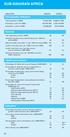 SUB-SAHARAN AFRICA INDICATOR REGION WORLD Demographic indicators Total population (2005) 713,457,000 6,449,371,000 Population under 18 (2005) 361,301,000 2,183,143,000 Population under 5 (2005) 119,555,000
Global Child Health Equity Focused Strategies Kim Wilson, MD MPH Global Pediatric program Boston s children s hospital, Harvard Medical - child
 Global Child Health Equity Focused Strategies Kim Wilson, MD MPH Global Pediatric program Boston s children s hospital, Harvard Medical child survival and MDG targets chronic diseases and disability historical
Human resources for health:
 Human resources for health: a snapshot of Zambia s Strategic Plan Ministry of Health, Zambia The World Health Organization (WHO) defines health workers, or human resources for health (HRH), as all people
August 2012. Action for Global Health call for International Development Select Committee Inquiry into health systems strengthening
 August 2012 Action for Global Health call for International Development Select Committee Inquiry into health systems strengthening Introduction In recent years DFID has prioritised health and nutrition
PPP- ROLE OF BUSINESS IN AFRICA S HEALTHCARE THE HYGEIA GROUP S EXPERIENCE
 PPP- ROLE OF BUSINESS IN AFRICA S HEALTHCARE THE HYGEIA GROUP S EXPERIENCE FOLA LAOYE MARCH 2006 NIGERIAN HEALTHCARE OVERVIEW ROLE OF PPP IN NIGERIA HYGEIA S RESPONSE TO PPP IN NIGERIA NIGERIAN HEALTHCARE
Rapid Assessment of Sexual and Reproductive Health
 BURKINA FASO Rapid Assessment of Sexual and Reproductive Health and HIV Linkages This summary highlights the experiences, results and actions from the implementation of the Rapid Assessment Tool for Sexual
The Healthy Asia Pacific 2020 Roadmap INTRODUCTION: THE HEALTHY ASIA PACIFIC 2020 INITIATIVE
 The Healthy Asia Pacific 2020 Roadmap INTRODUCTION: THE HEALTHY ASIA PACIFIC 2020 INITIATIVE In the 2014 APEC Leader s Declaration and Joint Ministerial Statement, it is recognized that the prospect of
Improving Clinical Management of Newborns at Hospitals to Reduce Neonatal Deaths
 Improving Clinical Management of Newborns at Hospitals to Reduce Neonatal Deaths Bridging the Research-Policy Divide Australian National University (ANU) Canberra BUN Sreng Department of Communicable Disease
FEDERAL REPUBLIC OF NIGERIA DRAFT NATIONAL HUMAN RESOURCES FOR HEALTH STRATEGIC PLAN
 ZERO DRAFT FEDERAL REPUBLIC OF NIGERIA DRAFT NATIONAL HUMAN RESOURCES FOR HEALTH STRATEGIC PLAN 2008 to 2012 TABLE OF CONTENTS Foreword.4 Acknowledgement..7 Executive Summary 8 A. Introduction... 12 A.1.
How Universal is Access to Reproductive Health?
 How Universal is Access to Reproductive Health? A review of the evidence Cover Copyright UNFPA 2010 September 2010 Publication available at: http://www.unfpa.org/public/home/publications/pid/6526 The designations
III CHAPTER 4. Postnatal care. Charlotte Warren, Pat Daly, Lalla Toure, Pyande Mongi
 CHAPTER 4 III Postnatal care Charlotte Warren, Pat Daly, Lalla Toure, Pyande Mongi Every year in Africa, at least 125,000 women and 870,000 newborns die in the first week after birth, yet this is when
How To Help The Ghanian Hiv Recipe Cards
 UN AID S PROGRAM M E COORDIN AT ING BO ARD UNAIDS/PCB (32)/13.CRP 3 Issue date: 07 June 2013 THIRTY-SECOND MEETING Date: 25-27 June 2013 Venue: Executive Board Room, WHO, Geneva Agenda item 4 Joint United
Annex 1 Cadre definitions used in the project
 WHO recommendations OPTIMIZEMNH Optimizing health worker roles to improve access to key maternal and newborn health interventions through task shifting Annex 1 Cadre definitions used in the project DEFINITIONS
Social determinants of mental health
 Social determinants of mental health Michael Marmot Jessica Allen, Reuben Balfour, Ruth Bell Lisbon October 2013 Overarching principles of action on SDH Social justice Material, psychosocial, political
Strategic Plan Roadmap
 Strategic Plan Roadmap Overview The Strategic Plan Roadmap illustrates the strategic direction for First Things First. This plan was approved by the First Things First Early Childhood Development and Health
HEALTH WORKFORCE. A global strategy on human resources for health. GHWA/Gibson. GHWA/Izaguirre
 HEALTH WORKFORCE 2030 GHWA/Gibson A global strategy on human resources for health. GHWA/Izaguirre Federal office of Public Health, Switzerland 1 Who are health workers? Health workers are all people engaged
GENDER AND DEVELOPMENT. Uganda Case Study: Increasing Access to Maternal and Child Health Services. Transforming relationships to empower communities
 GENDER AND DEVELOPMENT Uganda Case Study: Increasing Access to Maternal and Child Health Services The Context World Vision has been active in working with local communities to increase access to health
Health for learning: the Care for Child Development package
 Health for learning: the Care for Child Development package Charlotte Sigurdson Christiansen, Technical Officer, Chiara Servili, Technical Officer, Tarun Dua, Medical Officer, and Bernadette Daelmans,
South African Health Sector: Presented to Budget committee By Dr. Olive Shisana CEO Human Sciences Research Council
 South African Health Sector: Presented to Budget committee By Dr. Olive Shisana CEO Human Sciences Research Council Vision of the Department of Health An accessible, caring and high quality health care
OECD Reviews of Health Systems Mexico
 OECD Reviews of Health Systems Mexico Summary in English The health status of the Mexican population has experienced marked progress over the past few decades and the authorities have attempted to improve
Global Update on HIV Treatment 2013: Results, Impact and Opportunities
 June 2013 Global Update on HIV Treatment 2013: Results, Impact and Opportunities WHO/UNAIDS/UNICEF v2 Outline Results: Progress towards Global Targets - Antiretroviral treatment - Prevention of mother-to-child
TELE-NURSING AND NURSING INFORMATICS IN DEVELOPING COUNTRIES: A CASE STUDY OF NIGERIA. By OGINI AUGUSTINA NWADI (Mrs) RM, RN, RPHN, BSC, MSC, MPH,
 TELE-NURSING AND NURSING INFORMATICS IN DEVELOPING COUNTRIES: A CASE STUDY OF NIGERIA. By OGINI AUGUSTINA NWADI (Mrs) RM, RN, RPHN, BSC, MSC, MPH, CHIEF NURSING OFFICER, MULTI-DISCIPLINARY TEAM COODINATOR,
NO HEALTH WITHOUT A WORKFORCE
 EXECUTIVE SUMMARY A UNIVERSAL TRUTH: NO HEALTH WITHOUT A WORKFORCE + EXECUTIVE SUMMARY Purpose This report is intended to inform proceedings at the Third Global Forum on Human Resources for Health and
METHODOLOGICAL ISSUES IN THE MEASURES OF MATERNAL MORBIDITY MORTALITY (MM 1 MM 2 ) Dr. AKO Simon
 (1) METHODOLOGICAL ISSUES IN THE MEASURES OF MATERNAL MORBIDITY MORTALITY (MM 1 MM 2 ) Dr. AKO Simon Postgraduate Research Training in Reproductive Health 2004 Faculty of Medicine, University of Yaounde
Rio Political Declaration on Social Determinants of Health
 Rio Political Declaration on Social Determinants of Health Rio de Janeiro, Brazil, 21 October 2011 1. Invited by the World Health Organization, we, Heads of Government, Ministers and government representatives
2. THE ECONOMIC BENEFITS OF EDUCATION
 2. THE ECONOMIC BENEFITS OF EDUCATION How much more do tertiary graduates earn? How does education affect employment rates? What are the incentives for people to invest in education? What are the incentives
Central African Republic Country brief and funding request February 2015
 PEOPLE AFFECTED 2 700 000 affected with 2,000,000 target by Humanitarian response 1 472 000 of those in need, targeted for health service support by WHO 430 000 internally displaced 426 000 refugees HEALTH
Education is the key to lasting development
 Education is the key to lasting development As world leaders prepare to meet in New York later this month to discuss progress on the Millennium Development Goals, UNESCO s Education for All Global Monitoring
YESTERDAY'S STUDENT NURSES, TODAY'S NURSES: COMPETENCIES OF NEWLY- QUALIFIED MIDWIVES
 YESTERDAY'S STUDENT NURSES, TODAY'S NURSES: COMPETENCIES OF NEWLY- QUALIFIED MIDWIVES Ms. Zanele Zwane (Masters: Nursing Education) KZN COLLEGE OF NURSING SECOND SOUTH AFRICAN Nurses Conference ICC-DURBAN
Swiss Contributions to Human Resources for Health Development in Low- and Middle- Income Countries
 Swiss Contributions to Human Resources for Health Development in Low- and Middle- Income Countries Swiss TPH / SCIH Swiss Contributions to HRH Development in Low- and Middle- Income Countries Editorial
Development of the first paediatric nursing course in Zambia
 Development of the first paediatric nursing course in Zambia Eric Chisupa acting principal paediatric tutor tutor, Lusaka School of Nursing Alice Banda nurse tutor Lusaka School of Nursing Jill Durrant
Make sure you have health cover for your family. Allianz Global Assistance OSHC offers three types of policies:
 Overseas Student Health Cover Pregnancy Fact Sheet This fact sheet aims to help you understand the Australian healthcare system when having a baby. During your pregnancy Make sure you have health cover
The implementation of PHC re-engineering in South Africa
 The implementation of PHC re-engineering in South Africa Yogan Pillay, Deputy director-general in the National Department of Health currently responsible for Primary Health Care, District Health Systems
PROPOSAL. Proposal Name: Open Source software for improving Mother and Child Health Services in Pakistan". WHO- Pakistan, Health Information Cell.
 PROPOSAL Proposal Name: Open Source software for improving Mother and Child Health Services in Pakistan". Submitted by: WHO- Pakistan, Health Information Cell. Please provide a description of the proposal
HEALTH TRANSITION AND ECONOMIC GROWTH IN SRI LANKA LESSONS OF THE PAST AND EMERGING ISSUES
 HEALTH TRANSITION AND ECONOMIC GROWTH IN SRI LANKA LESSONS OF THE PAST AND EMERGING ISSUES Dr. Godfrey Gunatilleke, Sri Lanka How the Presentation is Organized An Overview of the Health Transition in Sri
Make sure you have health cover for your family. Allianz Global Assistance OSHC offers three types of policies:
 Overseas Student Health Cover Pregnancy Fact Sheet This fact sheet aims to help you understand the Australian healthcare system when having a baby. During your pregnancy Make sure you have health cover
MALARIA A MAJOR CAUSE OF CHILD DEATH AND POVERTY IN AFRICA
 MALARIA A MAJOR CAUSE OF CHILD DEATH AND POVERTY IN AFRICA CONTROLLING THE MALARIA BURDEN IN AFRICA KEY ACTIONS FOR UNICEF Strengthen UNICEF input to evidence-based antenatal services Forge partnership
This chapter assesses how efficient we are as a development institution. The 15 indicators show the
 Chapter 7 The organisation s efficiency This chapter assesses how efficient we are as a development institution. The 15 indicators show the progress we have made in reforming and strengthening our structures
To provide access for all who need reproductive health services by 2015 (p.14).
 1 EXECUTIVE SUMMARY The availability of appropriately trained, well-deployed and motivated human resources is critical for an efficiently functioning, sustainable health system. Health workers with the
Tuberculosis in Myanmar Progress, Plans and Challenges
 Tuberculosis in Myanmar Progress, Plans and Challenges Myanmar is one of the world s 22 high tuberculosis (TB) burden countries, with a TB prevalence rate three times higher than the global average and