
SARCOIDOSIS AND THE NERVOUS SYSTEM
|
|
|
- Grant August Neal
- 9 years ago
- Views:
Transcription
1 SARCOIDOSIS AND THE NERVOUS SYSTEM

2 SARCOIDOSIS AND THE NERVOUS SYSTEM What Is Neurosarcoidosis? Sarcoidosis is an inflammatory disease that can affect almost any organ in the body. It causes heightened immunity, which means that a person s immune system, which normally protects the body from infection and disease, overreacts and damages the body s own tissues. The classic feature of sarcoidosis is the formation of granulomas, microscopic clumps of inflammatory cells that group together (and look like granules, hence the name). When too many of these clumps form in an organ they can interfere with how that organ functions. In the United States, sarcoidosis most commonly affects people s lungs, but the disease can also affect many other organs and systems. (In Japan, for example, sarcoidosis frequently affects the heart.) One of the systems it can affect is the nervous system, which includes the brain, spinal cord, and nerves throughout the body. When sarcoidosis affects this system, it is called neurosarcoidosis. (For more information about 1

3 sarcoidosis in general, request the Foundation for Sarcoidosis Research brochure, Sarcoidosis and the Body. See For More Information, page 15, for contact information.) Researchers think that neurosarcoidosis affects between 5 and 10 percent, maybe even 15 percent, of sarcoidosis patients. (See Who Gets Neurosarcoidosis? page 5) Its symptoms can include seizures, behavior and mood changes, vision problems, and paralysis. Other nervous system diseases can cause these symptoms, too, so having them doesn t necessarily mean that you have neurosarcoidosis. If you have been having nervous system problems, see your doctor. They can be serious. If you do have neurosarcoidosis, it is best to diagnose and treat it early. In many cases, sarcoidosis will go away on its own within several years. Some people with neurosarcoidosis will recover completely. In other people, sarcoidosis and related nervous system symptoms are chronic, lasting a long time or even a lifetime. What Nervous System Problems Are Caused by Sarcoidosis? Experts refer to the nervous system as having two parts: the central nervous system (CNS) and the peripheral nervous system (PNS). This distinction makes it easier to think about how the nervous system functions. The CNS is your brain and spinal cord. It is your body s operations center, supervising and coordinating the actions of the rest of your body. The nerves outside the CNS are the peripheral nervous system (PNS). These nerves relay instructions and information between your brain and your muscles, skin, blood vessels, 2

4 and organs. Together, the CNS and the PNS control muscle movement, such as walking, talking, and swallowing, as well as involuntary actions, such as the beating of your heart or the production of hormones that help you digest food. Although many people with neurosarcoidosis notice symptoms, some people will feel nothing. Nervous system symptoms can come on all at once or develop gradually. Neurosarcoidosis symptoms might include facial palsy, sometimes called Bell s palsy, which is the most common nervous system symptom. It means that you have drooping and/or paralysis of the muscles on one side of your face. Although the palsy can be temporary, it requires immediate evaluation and possibly treatment to avoid long-term complications. headaches eye pain and redness blurry or double vision blindness vomiting weakness, numbness, tingling, and/or pain in the face, arms, and/or legs arm and/or leg paralysis seizures, which are usually a sign of the chronic type of neurosarcoidosis behavior and mood changes, irritability, memory loss, and hallucinations, which are rare 3

5 The problems caused by neurosarcoidosis can include nerve inflammation and damage, particularly of the cranial nerves. These are 12 important pairs of nerves that start at the bottom of your brain (rather than at your spinal cord, like other nerves). Some cranial nerves control muscles or internal organs. Others deliver sensory information, such as visual input, to your brain. Nerve inflammation and damage leads to many of the symptoms described in the list above. peripheral neuropathy, a condition that impairs your nerves ability to transmit messages between your brain and spinal cord and the rest of your body. It can cause the weakness and numbness described in the list of symptoms above. Peripheral neuropathy tends to occur in more advanced cases and is a sign of chronic neurosarcoidosis. masses of granulomas in the meninges, or, more rarely, in the brain, which can cause some of the symptoms described in the list above, such as headaches, vision problems, and muscle weakness. These masses can also cause meningitis, which means inflammation of the meninges, the membranes that surround your brain and spinal cord. Chronic meningitis can be a sign of the chronic type of neurosarcoidosis. hydrocephalus, the term for excess cerebrospinal fluid in your skull. It might occur with or after meningitis. neuroendocrine disorders, which affect how your nervous and endocrine systems interact. (The endocrine system 4

6 makes and secretes hormones.) When sarcoidosis damages an area at the base of your brain called the hypothalamus, it can lead to neuroendocrine disorders, such as hypopituitarism (an underactive pituitary gland) and diabetes insipidus (an uncommon condition in which your kidneys are unable to conserve water). coma, which is rare Who Gets Neurosarcoidosis? Like sarcoidosis in general, neurosarcoidosis can affect men and women of any age and race. Sarcoidosis usually strikes between the ages of 20 and 40, but research suggests that neurosarcoidosis symptoms might appear later. Experts can t predict who is at risk specifically for neurosarcoidosis, but we know that in the United States, sarcoidosis overall is most common in African Americans and people of European particularly Scandinavian descent. No one knows what causes sarcoidosis or neurosarcoidosis. Some research suggests that bacteria, viruses, chemicals, or a combination of factors might trigger sarcoidosis, especially in people who are genetically predisposed to it. Researchers don t know why some sarcoidosis patients develop neurosarcoidosis symptoms and others don t. How Do Doctors Diagnose Neurosarcoidosis? Nervous system symptoms are not usually the first or only sign of sarcoidosis. If you already know that you have sarcoidosis when you start having nervous system symptoms, that s a big clue that 5

7 you should talk to your doctor about screening for neurosarcoidosis. Sometimes neurosarcoidosis is the only sign of sarcoidosis, however. When this is the case, it s hard to diagnose. You will probably need to undergo a lot of testing and see some specialists before your doctor will be able to rule out other conditions. Early diagnosis and treatment, if you need treatment, are the keys to preventing the potentially serious effects of neurosarcoidosis. Only a few people who have nervous system symptoms are at risk for the most serious effects, such as paralysis or blindness, but these are risks. Some primary care doctors can diagnose and treat sarcoidosis, but it is probably best to work with a sarcoidosis specialist, a neurologist, or both to get the screening you need for nervous system complications. An ophthalmologist or neuro-ophthalmologist might be helpful if you have vision or eye problems related to neurosarcoidosis. There is no one test that a doctor can use to diagnose neurosarcoidosis, and there are no official guidelines that tell doctors how to screen patients for the condition. Most of the tests your doctor might use to check for neurosarcoidosis are described below. Although these tests are not specific for neurosarcoidosis, the ones that your doctor recommends, taken together, can give a more complete picture of your risk for nervous system complications. Imaging Technology A number of sophisticated imaging tools are available today that can detect nerve inflammation and damage. Most of the 6

8 technologies a doctor might use to get a better look at your brain, meninges, and spinal cord are described below in alphabetical order. Computed tomography: Computed tomography (CT) draws on x-ray technology that you are probably already familiar with. A traditional x-ray examination uses a stationary machine that points radiation beams at part of your body to produce a two-dimensional image. CT scanning also uses x-rays, but the machine rotates around you. A special computer then assembles the resulting x-ray image slices into a highly detailed picture of the inside of your body. Whereas a traditional x-ray image shows only bones clearly, a CT scan can show organs, glands, tissues, tumors, and blood vessels, as well. The amount of radiation exposure you receive from x-rays during a CT scan is generally considered safe. During some tests the doctor will give you a contrast agent, which is a liquid that makes parts of your body show up better in the image. Gallium scans: A gallium scan is a type of nuclear imaging. It s a nuclear technology because you are injected with a small amount of a radioactive tracer, in this case gallium. A special computer and a special camera that detects radioactivity will create a picture of the way your body absorbs the gallium. Places where your blood flow pattern is normal will look different from places where your blood flow is enhanced. And enhanced blood flow is often a sign of inflammation. Therefore, the parts of your body affected by sarcoidosis will tend to appear lit up. Gallium is radioactive, and you are exposed to a higher dosage than you would receive during 7

9 most standard x-ray examinations. The scans are generally considered safe, though, and side effects are rare. Magnetic resonance imaging: Like CT scanning, magnetic resonance imaging (MRI) produces highly detailed pictures of your brain and other organs. Unlike CT scanning, however, MRI technology uses radio frequencies and a magnetic field, not radioactivity, to produce these images. Before some scans, the doctor might give you an injection of a contrast agent called gadolinium, which makes abnormal tissue stand out more clearly against normal tissue. It has been particularly helpful in detecting nervous system abnormalities in people who have neurosarcoidosis. Doctors also use MRI to assess your response to treatment. Anyone with a heart pacemaker or an automatic implantable defibrillator cannot undergo MRI scanning due to the strong magnetic field involved. Positron Emission Tomography: Positron emission tomography (PET) scanning detects changes in the body s chemical activities. As with a gallium scan, you are injected with a radioactive tracer, in this case a kind of fluoride, before the test. The tracer travels through your bloodstream, accumulating in areas that show increased chemical activity. Since areas of inflammation often show such activity, PET scanning can help doctors determine whether an organ is healthy or inflamed. It can also help your doctor identify a good spot to biopsy if an organ biopsy seems necessary. 8

10 Laboratory Tests Your doctor might want to perform laboratory tests on a sample of your cerebrospinal fluid, which is the fluid that surrounds your brain and spinal cord. In about 80% of people with neurosarcoidosis, this fluid contains elevated protein levels and higher-than-normal numbers of white blood cells called lymphocytes. These findings are not specific to neurosarcoidosis. They are just clues that can help your doctor when combined with other findings. Your doctor might also check your cerebrospinal fluid to assess whether you have tuberculosis, fungal infections, cancer, or multiple sclerosis. The procedure that doctors use to get a sample of cerebrospinal fluid is called a lumbar puncture, or a spinal tap. The procedure is usually low risk, although it can be briefly uncomfortable and some people get headaches afterwards. Biopsies A biopsy that shows evidence of granulomas in any of your tissues is probably the best indication that you have sarcoidosis. Only rarely do doctors recommend a biopsy of your brain or spinal cord to check for neurosarcoidosis. These procedures are more invasive, with a greater risk of complications, than most other organ biopsies. Doctors usually prefer to rely on nervous system signs plus biopsy evidence of granulomas from other organs, such as the lungs. Lung Biopsy Sometimes a lung biopsy will show evidence of granulomas even in sarcoidosis patients who only outwardly show nervous system symptoms. The most common type of lung biopsy used to 9

11 diagnose sarcoidosis is a transbronchial or bronchial lung biopsy. You are usually given local anesthesia for this procedure so that a long tube, called a bronchoscope, can be inserted through one of your nostrils or mouth and into your lungs. After the tube is positioned, a pincer-like tool is passed through the tube to collect several lung tissue samples. As uncomfortable as this sounds, the procedure is usually painless when anesthesia is used. It is very low-risk when performed by an experienced doctor. Brain Biopsy In rare cases, a biopsy of your brain, meninges, or spinal cord tissue might be necessary. It can rule out a brain tumor or other dangerous conditions when your symptoms don t lead to a clear diagnosis. The doctor will probably choose the area to be biopsied using one of the imaging techniques described above. Usually, a surgeon will perform an open brain biopsy. They cut a small hole in your skull and remove a sample of the brain tissue beneath it. The skull section is then replaced and fastened back in place. This procedure is done under general (full) anesthesia. Nerve or Muscle Biopsy If your symptoms involve your muscles and/or your peripheral nerves, such as those in your arms and legs, your doctor might suggest a nerve or muscle biopsy. These are usually done under local anesthesia. In some procedures, the doctor uses a needle to extract the tissue. In others, the doctor will make a small incision to remove the sample. 10

12 Diagnostic Tests for Neurosarcoidosis Cerebrospinal fluid tests Computed tomography (CT) Gallium scan Magnetic resonance imaging (MRI) Positron emission tomography (PET) Lung biopsy Nerve or muscle biopsy Brain biopsy, rarely How Is Neurosarcoidosis Treated? In mild cases, neurosarcoidosis might not require treatment. Most of the time, however, treatment is necessary. Nerves heal slowly, so your doctor might recommend that you take medications for a long time. Ideally, doctors prescribe treatments that have been proven effective in large clinical trials. But neurosarcoidosis is relatively rare, so there are no trials comparing various drugs with each other or with placebo treatment. As a result, doctors base their treatment recommendations on smaller studies and on their experience treating other patients. Corticosteroids Corticosteroid medications are the first-line treatment for neurosarcoidosis that requires treatment. Corticosteroids are also called glucocorticoids or steroids. These medications are powerful drugs that can slow, stop, or even prevent nervous system injury by reducing the inflammation caused by sarcoidosis. Commonly prescribed types include cortisone, prednisone, and prednisolone. 11

13 Most doctors will prescribe a moderate to high dosage of corticosteroids initially. They usually try to reduce the dosage gradually as your symptoms are brought under control. High dosages of steroids and/or long-term treatment can cause serious side effects. These include mood swings, weight gain, acne, difficulty sleeping at night, and, when taken for a long time, disorders such as osteoporosis, osteonecrosis, diabetes, high blood pressure, cataracts, and glaucoma. They can also lower your resistance to infection. Most people with chronic neurosarcoidosis, which is the kind that does not go away, will need ongoing corticosteroid therapy for a long time, possibly a lifetime. As a result, doctors try to prescribe the lowest dosage that suppresses nervous system inflammation. (For more information about steroids and bone loss, request the Foundation for Sarcoidosis Research brochure, SOS: Your Bones Need Your Help. See For More Information, page 15, for contact information.) Other Medications For people who cannot take corticosteroids, or for people whose nervous system symptoms are not brought under control by steroids, doctors might prescribe any of a number of other treatments that suppress the immune system and reduce inflammation. These include methotrexate, azathioprine, cyclosphosphamide, and the antimalarial drugs chloroquine and hydroxychloroquine. In addition, doctors have reported that infliximab, a treatment given by infusion, shows some promise in relieving the symptoms of sarcoidosis that affect the spinal cord when other medications do not work. Doctors have also reported that the drug mycophenalate mofetil has some promise for 12

14 treating neurosarcoidosis when other medications do not work. Unfortunately, because of the rarity of neurosarcoidosis, these two treatments have not been well studied. Doctors can prescribe pain medicine to treat the pain associated with inflammation of the peripheral nerves or certain skin nerves due to sarcoidosis. Some doctors have prescribed antiepileptic medications to treat people who have seizures caused by neurosarcoidosis. Radiation In some cases, doctors have used targeted radiation to treat masses of granulomas in the brain. These masses either did not respond to prior treatment or were in regions of the brain that made surgery difficult. Surgery Rarely, brain or spine surgery might be necessary to remove masses formed by granulomas. In cases of hydrocephalus, inserting a shunt can relieve the pressure of excess cerebrospinal fluid in the skull. What Should I Expect? Sarcoidosis can take many forms and affect many different organs. Some people have mild disease while others have severe complications. Some people have a form that goes away after several years. Others have sarcoidosis for a lifetime. If you have neurosarcoidosis, there are certain patterns of involvement that might help your doctor predict the severity of your disease. If central nervous symptoms appear early on, it could be a sign that your case of neurosarcoidosis might respond well to treatment and eventually 13

15 resolve. Peripheral neuropathy, masses of granulomas in the brain, seizures, and chronic meningitis that occur later in the course of disease, however, are often signs of chronic neurosarcoidosis that is hard to treat. Keep in mind that these patterns are just clues. Your doctor cannot use them to predict the severity or persistence of your disease with certainty. Because you might not notice many outward signs of neurosarcoidosis, and because it is hard for doctors to detect, if you have sarcoidosis and you experience any nervous system symptoms at all, it is important to find a doctor who understands neurosarcoidosis. And, if sarcoidosis has affected other parts of your body, as well, it s important to have a good health care team with wide expertise in all of your affected body systems. If you are diagnosed with neurosarcoidosis, you will need to visit your team of doctors regularly, and you will have frequent laboratory and imaging tests to monitor your treatment s progress. You might be on certain drugs for a long time, even a lifetime. However, most people who receive an early and accurate diagnosis of neurosarcoidosis can lead active lives, even if they have a chronic form that is hard to treat. What Research Is Being Done? Research is underway to improve the diagnosis and treatment of sarcoidosis and to find new medicines that are as effective as corticosteroids but have fewer side effects. In addition, genetic researchers are trying to find out how people become predisposed to develop sarcoidosis in the first place and why people of different races are affected differently. 14

16 To request a free printed copy of this brochure or to order multiple copies for your organization, Please Click Here or contact the Foundation for Sarcoidosis Research at Other Publications from FSR The Foundation for Sarcoidosis Research offers a range of educational brochures for patients and professionals. Single copies are available for free by calling or visiting FSR online at Sarcoidosis and the Body: An Overview Sarcoidosis and the Heart: Cardiac Sarcoidosis Your Bones Need Your Help: Inflammatory Diseases and Bone Loss 15

SARCOIDOSIS. Signs and symptoms associated with specific organ involvement can include the following:
 SARCOIDOSIS Sarcoidosis is a disease that occurs when areas of inflammation develop in different organs of the body. Very small clusters of inflammation, called granulomas, are seen with sarcoidosis. They
Thymus Cancer. This reference summary will help you better understand what thymus cancer is and what treatment options are available.
 Thymus Cancer Introduction Thymus cancer is a rare cancer. It starts in the small organ that lies in the upper chest under the breastbone. The thymus makes white blood cells that protect the body against
Brain Cancer. This reference summary will help you understand how brain tumors are diagnosed and what options are available to treat them.
 Brain Cancer Introduction Brain tumors are not rare. Thousands of people are diagnosed every year with tumors of the brain and the rest of the nervous system. The diagnosis and treatment of brain tumors
X-Plain Trigeminal Neuralgia Reference Summary
 X-Plain Trigeminal Neuralgia Reference Summary Introduction Trigeminal neuralgia is a condition that affects about 40,000 patients in the US every year. Its treatment mostly involves the usage of oral
.org. Metastatic Bone Disease. Description
 Metastatic Bone Disease Page ( 1 ) Cancer that begins in an organ, such as the lungs, breast, or prostate, and then spreads to bone is called metastatic bone disease (MBD). More than 1.2 million new cancer
Mesothelioma. 1995-2013, The Patient Education Institute, Inc. www.x-plain.com ocft0101 Last reviewed: 03/21/2013 1
 Mesothelioma Introduction Mesothelioma is a type of cancer. It starts in the tissue that lines your lungs, stomach, heart, and other organs. This tissue is called mesothelium. Most people who get this
Brain Tumor Center. A Team Approach to Treating Brain Tumors
 Brain Tumor Center A Team Approach to Treating Brain Tumors Introducing Our Brain Tumor Center Making an appointment with the Brain Tumor Center at the Center for Advanced Medicine is the important first
THORACIC DIAGNOSTIC ASSESMENT PROGRAM (DAP) PATIENT INFORMATION FOR:
 central east regional cancer program in partnership with cancer care ontario THORACIC DIAGNOSTIC ASSESMENT PROGRAM (DAP) PATIENT INFORMATION FOR: Thoracic dap booklet March2012.indd 1 SCHEDULED TESTS YOUR
Epidural Continuous Infusion. Patient information Leaflet
 Epidural Continuous Infusion Patient information Leaflet April 2015 Introduction You may already know that epidural s are often used to treat pain during childbirth. This same technique can also used as
What Is an Arteriovenous Malformation (AVM)?
 What Is an Arteriovenous Malformation (AVM)? From the Cerebrovascular Imaging and Intervention Committee of the American Heart Association Cardiovascular Council Randall T. Higashida, M.D., Chair 1 What
METASTASES TO THE BONE
 RADIATION THERAPY FOR METASTASES TO THE BONE Facts to Help Patients Make an Informed Decision TARGETING CANCER CARE AMERICAN SOCIETY FOR RADIATION ONCOLOGY WHAT ARE BONE METASTASES? Cancer that starts
.org. Herniated Disk in the Lower Back. Anatomy. Description
 Herniated Disk in the Lower Back Page ( 1 ) Sometimes called a slipped or ruptured disk, a herniated disk most often occurs in your lower back. It is one of the most common causes of low back pain, as
Introduction Breast cancer is cancer that starts in the cells of the breast. Breast cancer happens mainly in women. But men can get it too.
 Male Breast Cancer Introduction Breast cancer is cancer that starts in the cells of the breast. Breast cancer happens mainly in women. But men can get it too. Many people do not know that men can get breast
Temple Physical Therapy
 Temple Physical Therapy A General Overview of Common Neck Injuries For current information on Temple Physical Therapy related news and for a healthy and safe return to work, sport and recreation Like Us
Spine University s Guide to Vertebral Osteonecrosis (Kummel's Disease)
 Spine University s Guide to Vertebral Osteonecrosis (Kummel's Disease) 2 Introduction Kummel's disease is a collapse of the vertebrae (the bones that make up the spine). It is also called vertebral osteonecrosis.
Do I Have Epilepsy? Diagnosing Epilepsy and Seizures. Epilepsy & Seizures: Diagnosis
 Epilepsy & Seizures: Diagnosis Do I Have Epilepsy? Diagnosing Epilepsy and Seizures Artwork by Studio E participant Ashley N. (details on inside cover) About the Cover: Cover artwork was created by Ashley
Acute Myeloid Leukemia
 Acute Myeloid Leukemia Introduction Leukemia is cancer of the white blood cells. The increased number of these cells leads to overcrowding of healthy blood cells. As a result, the healthy cells are not
Small cell lung cancer
 Small cell lung cancer Small cell lung cancer is a disease in which malignant (cancer) cells form in the tissues of the lung. The lungs are a pair of cone-shaped breathing organs that are found within
Magnetic Resonance Imaging
 Magnetic Resonance Imaging North American Spine Society Public Education Series What Is Magnetic Resonance Imaging (MRI)? Magnetic resonance imaging (MRI) is a valuable diagnostic study that has been used
What If I Have a Spot on My Lung? Do I Have Cancer? Patient Education Guide
 What If I Have a Spot on My Lung? Do I Have Cancer? Patient Education Guide A M E R I C A N C O L L E G E O F C H E S T P H Y S I C I A N S Lung cancer is one of the most common cancers. About 170,000
Multiple Myeloma. This reference summary will help you understand multiple myeloma and its treatment options.
 Multiple Myeloma Introduction Multiple myeloma is a type of cancer that affects white blood cells. Each year, thousands of people find out that they have multiple myeloma. This reference summary will help
![Bell s Palsy ]]> <![CDATA[Bell's Palsy]]>](/thumbs/27/10105461.jpg "Bell s Palsy ]]> <![CDATA[Bell's Palsy]]>")
X-Plain Sinus Surgery Reference Summary
 X-Plain Sinus Surgery Reference Summary Introduction Sinus surgery is a very common and safe operation. Your doctor may recommend that you have sinus surgery. The decision whether or not to have sinus
Plantar Fasciitis. Plantar Fascia
 Plantar Fasciitis Introduction Plantar fasciitis is an inflammation of the thick band of tissue that connects your heel bone to your toes. This thick band of tissue is called the plantar fascia. Plantar
X-Plain Low Testosterone Reference Summary
 X-Plain Low Testosterone Reference Summary Introduction Testosterone is the most important male sex hormone. It helps the body produce and maintain adult male features. Low levels of testosterone affect
Herniated Cervical Disc
 Herniated Cervical Disc North American Spine Society Public Education Series What Is a Herniated Disc? The backbone, or spine, is composed of a series of connected bones called vertebrae. The vertebrae
Neural Tube Defects - NTDs
 Neural Tube Defects - NTDs Introduction Neural tube defects are also known as NTDs. They happen when the spine and brain do not fully develop while the fetus is forming in the uterus. Worldwide, there
Chiari malformations
 A fact sheet for patients and carers Chiari malformations This fact sheet provides information on Chiari malformations. It focuses on Chiari malformations in adults. Our fact sheets are designed as general
Back & Neck Pain Survival Guide
 Back & Neck Pain Survival Guide www.kleinpeterpt.com Zachary - 225-658-7751 Baton Rouge - 225-768-7676 Kleinpeter Physical Therapy - Spine Care Program Finally! A Proven Assessment & Treatment Program
Benign Pituitary Tumor
 PATIENT EDUCATION patienteducation.osumc.edu The pituitary gland is a small, pea-sized endocrine gland in the center of the brain. Also known as the master gland, the pituitary gland helps control the
Endoscopic Plantar Fasciotomy
 Endoscopic Plantar Fasciotomy Introduction Plantar fasciitis is a common condition that causes pain centralized around the heel. It may be severe enough to affect regular activities. Health care providers
Rheumatoid Arthritis www.arthritis.org.nz
 Rheumatoid Arthritis www.arthritis.org.nz Did you know? RA is the second most common form of arthritis Approximately 40,000 New Zealanders have RA RA can occur at any age, but most often appears between
.org. Cervical Radiculopathy (Pinched Nerve) Anatomy. Cause
 Cervical Radiculopathy (Pinched Nerve) Page ( 1 ) Cervical radiculopathy, commonly called a pinched nerve occurs when a nerve in the neck is compressed or irritated where it branches away from the spinal
Cerebral Palsy. In order to function, the brain needs a continuous supply of oxygen.
 Cerebral Palsy Introduction Cerebral palsy, or CP, can cause serious neurological symptoms in children. Up to 5000 children in the United States are diagnosed with cerebral palsy every year. This reference
Prostate Cancer Guide. A resource to help answer your questions about prostate cancer
 Prostate Cancer Guide A resource to help answer your questions about prostate cancer Thank you for downloading this guide to prostate cancer treatment. We know that all the information provided online
Disease/Illness GUIDE TO ASBESTOS LUNG CANCER. What Is Asbestos Lung Cancer? www.simpsonmillar.co.uk Telephone 0844 858 3200
 GUIDE TO ASBESTOS LUNG CANCER What Is Asbestos Lung Cancer? Like tobacco smoking, exposure to asbestos can result in the development of lung cancer. Similarly, the risk of developing asbestos induced lung
Keeping Your Eyes Healthy after Treatment for Childhood Cancer
 Keeping Your Eyes Healthy after Treatment for Childhood Cancer High doses of radiation to the brain, eye, or eye socket (orbit) during treatment for childhood cancer can have a long-lasting affect on the
General Information About Non-Small Cell Lung Cancer
 General Information About Non-Small Cell Lung Cancer Non-small cell lung cancer is a disease in which malignant (cancer) cells form in the tissues of the lung. The lungs are a pair of cone-shaped breathing
X-Plain Rheumatoid Arthritis Reference Summary
 X-Plain Rheumatoid Arthritis Reference Summary Introduction Rheumatoid arthritis is a fairly common joint disease that affects up to 2 million Americans. Rheumatoid arthritis is one of the most debilitating
X-Rays Benefits and Risks. Techniques that use x-rays
 X-Rays Benefits and Risks X-rays are a form of electromagnetic radiation, just like light waves and radiowaves. Because X-rays have higher energy than light waves, they can pass through the body. X-rays
Herniated Disk. This reference summary explains herniated disks. It discusses symptoms and causes of the condition, as well as treatment options.
 Herniated Disk Introduction Your backbone, or spine, has 24 moveable vertebrae made of bone. Between the bones are soft disks filled with a jelly-like substance. These disks cushion the vertebrae and keep
RADIATION THERAPY FOR BRAIN METASTASES. Facts to Help Patients Make an Informed Decision TARGETING CANCER CARE AMERICAN SOCIETY FOR RADIATION ONCOLOGY
 RADIATION THERAPY FOR BRAIN METASTASES Facts to Help Patients Make an Informed Decision TARGETING CANCER CARE AMERICAN SOCIETY FOR RADIATION ONCOLOGY FACTS ABOUT BRAIN METASTASIS Brain metastases are clusters
Open Discectomy. North American Spine Society Public Education Series
 Open Discectomy North American Spine Society Public Education Series What Is Open Discectomy? Open discectomy is the most common surgical treatment for ruptured or herniated discs of the lumbar spine.
Goiter. This reference summary explains goiters. It covers symptoms and causes of the condition, as well as treatment options.
 Goiter Introduction The thyroid gland is located at the base of your neck. If the gland becomes abnormally enlarged, it is called a goiter. Goiters usually do not cause pain. But a large goiter could cause
Myelogram PROCEDURAL CONSENT FORM. A. Interpreter / cultural needs. B. Procedure. C. Risks of the procedure
 DO NOT WRITE IN THIS BINDING MARGIN v5.00-03/2011 SW9263 Facility: A. Interpreter / cultural needs An Interpreter Service is required? Yes No If Yes, is a qualified Interpreter present? Yes No A Cultural
SPINAL STENOSIS Information for Patients WHAT IS SPINAL STENOSIS?
 SPINAL STENOSIS Information for Patients WHAT IS SPINAL STENOSIS? The spinal canal is best imagined as a bony tube through which nerve fibres pass. The tube is interrupted between each pair of adjacent
Spine University s Guide to Transient Osteoporosis
 Spine University s Guide to Transient Osteoporosis 2 Introduction The word osteoporosis scares many people because they ve heard about brittle bone disease. They may know someone who has had it or seen
Understanding. Multiple Sclerosis. Tim, diagnosed in 2004.
 Understanding Multiple Sclerosis Tim, diagnosed in 2004. What Is Multiple Sclerosis? Multiple sclerosis (MS) is a neurologic disorder that affects the central nervous system (CNS). The CNS includes the
Chronic Low Back Pain
 Chronic Low Back Pain North American Spine Society Public Education Series What is Chronic Pain? Low back pain is considered to be chronic if it has been present for longer than three months. Chronic low
The Radiotherapy Department Radiotherapy to the chest wall and lymph nodes
 Oxford University Hospitals NHS Trust The Radiotherapy Department Radiotherapy to the chest wall and lymph nodes Information for patients Introduction This leaflet is for people who have had surgery for
Early Prostate Cancer: Questions and Answers. Key Points
 CANCER FACTS N a t i o n a l C a n c e r I n s t i t u t e N a t i o n a l I n s t i t u t e s o f H e a l t h D e p a r t m e n t o f H e a l t h a n d H u m a n S e r v i c e s Early Prostate Cancer:
Multiple Myeloma. Understanding your diagnosis
 Multiple Myeloma Understanding your diagnosis Multiple Myeloma Understanding your diagnosis When you first hear that you have cancer, you may feel alone and afraid. You may be overwhelmed by the large
Vision Health: Conditions, Disorders & Treatments NEUROOPTHALMOLOGY
 Vision Health: Conditions, Disorders & Treatments NEUROOPTHALMOLOGY Neuroophthalmology focuses on conditions caused by brain or systemic abnormalities that result in visual disturbances, among other symptoms.
Electrodiagnostic Testing
 Electrodiagnostic Testing Electromyogram and Nerve Conduction Study North American Spine Society Public Education Series What Is Electrodiagnostic Testing? The term electrodiagnostic testing covers a
Herniated Lumbar Disc
 Herniated Lumbar Disc North American Spine Society Public Education Series What Is a Herniated Disc? The spine is made up of a series of connected bones called vertebrae. The disc is a combination of strong
LYMPHOMA IN DOGS. Diagnosis/Initial evaluation. Treatment and Prognosis
 LYMPHOMA IN DOGS Lymphoma is a relatively common cancer in dogs. It is a cancer of lymphocytes (a type of white blood cell) and lymphoid tissues. Lymphoid tissue is normally present in many places in the
Multiple Myeloma Understanding your diagnosis
 Multiple Myeloma Understanding your diagnosis Multiple Myeloma Understanding your diagnosis When you first hear that you have cancer you may feel alone and afraid. You may be overwhelmed by the large amount
Cerebral Palsy. 1995-2014, The Patient Education Institute, Inc. www.x-plain.com nr200105 Last reviewed: 06/17/2014 1
 Cerebral Palsy Introduction Cerebral palsy, or CP, can cause serious neurological symptoms in children. Thousands of children are diagnosed with cerebral palsy every year. This reference summary explains
Lung Cancer: Diagnosis, Staging and Treatment
 PATIENT EDUCATION patienteducation.osumc.edu Lung Cancer: Diagnosis, Staging and Treatment Cancer begins in our cells. Cells are the building blocks of our tissues. Tissues make up the organs of the body.
.org. Cervical Spondylosis (Arthritis of the Neck) Anatomy. Cause
 Cervical Spondylosis (Arthritis of the Neck) Page ( 1 ) Neck pain can be caused by many things but is most often related to getting older. Like the rest of the body, the disks and joints in the neck (cervical
Epidurals for pain relief after surgery
 Epidurals for pain relief after surgery This information leaflet is for anyone who may benefit from an epidural for pain relief after surgery. We hope it will help you to ask questions and direct you to
Positron Emission Tomography - For Patients
 Positron Emission Tomography - For Patients A physician s written order is required for any PET-CT tests. How should I prepare for my PET-CT? PET-CT is more complicated than most other tests you may be
RADIATION THERAPY FOR LYMPHOMA. Facts to Help Patients Make an Informed Decision TARGETING CANCER CARE AMERICAN SOCIETY FOR RADIATION ONCOLOGY
 RADIATION THERAPY FOR Facts to Help Patients Make an Informed Decision TARGETING CANCER CARE AMERICAN SOCIETY FOR RADIATION ONCOLOGY FACTS ABOUT The lymphatic system is a network of tiny vessels extending
Blood Transfusion. There are three types of blood cells: Red blood cells. White blood cells. Platelets.
 Blood Transfusion Introduction Blood transfusions can save lives. Every second, someone in the world needs a blood transfusion. Blood transfusions can replace the blood lost from a serious injury or surgery.
Spinal cord stimulation
 Spinal cord stimulation This leaflet aims to answer your questions about having spinal cord stimulation. It explains the benefits, risks and alternatives, as well as what you can expect when you come to
Herniated Disk in the Lower Back
 Nader M. Hebela, MD Fellow of the American Academy of Orthopaedic Surgeons http://orthodoc.aaos.org/hebela Cleveland Clinic Abu Dhabi Cleveland Clinic Abu Dhabi Neurological Institute Al Maryah Island
Anatomy: The sella is a depression in the sphenoid bone that makes up part of the skull base located behind the eye sockets.
 Pituitary Tumor Your doctor thinks you may have a pituitary tumor. Pituitary tumors are benign (non-cancerous) overgrowth of cells that make up the pituitary gland (the master gland that regulates other
Smoking and misuse of certain pain medicines can affect the risk of developing renal cell cancer.
 Renal cell cancer Renal cell cancer is a disease in which malignant (cancer) cells form in tubules of the kidney. Renal cell cancer (also called kidney cancer or renal adenocarcinoma) is a disease in which
Plantar Fascia Release
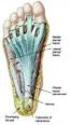 Plantar Fascia Release Introduction Plantar fasciitis is a common condition that causes pain around the heel. It may be severe enough to affect regular activities. If other treatments are unsuccessful,
Steps to getting a diagnosis: Finding out if it s Alzheimer s Disease.
 Steps to getting a diagnosis: Finding out if it s Alzheimer s Disease. Memory loss and changes in mood and behavior are some signs that you or a family member may have Alzheimer s disease. If you have
.org. Posterior Tibial Tendon Dysfunction. Anatomy. Cause. Symptoms
 Posterior Tibial Tendon Dysfunction Page ( 1 ) Posterior tibial tendon dysfunction is one of the most common problems of the foot and ankle. It occurs when the posterior tibial tendon becomes inflamed
Your anaesthetist may suggest that you have a spinal or epidural injection. These
 Risks associated with your anaesthetic Section 11: Nerve damage associated with a spinal or epidural injection Your anaesthetist may suggest that you have a spinal or epidural injection. These injections
Lung Cancer. This reference summary will help you better understand lung cancer and the treatment options that are available.
 Lung Cancer Introduction Lung cancer is the number one cancer killer of men and women. Over 165,000 people die of lung cancer every year in the United States. Most cases of lung cancer are related to cigarette
http://images.tutorvista.com/content/control5coordination/human5brain.jpeg!! 387
 http://images.tutorvista.com/content/control5coordination/human5brain.jpeg!! 387! 388! http://my.fresnounified.org/personal/lygonza/gonzalez/neuron/neuron5synapse%20communication.png!! http://www.urbanchildinstitute.org/sites/all/files/databooks/2011/ch15fg25communication5between5neurons.jpg!!
Once the immune system is triggered, cells migrate from the blood into the joints and produce substances that cause inflammation.
 HealthExchange Points For Your Joints An Arthritis Talk Howard Epstein, MD Orthopaedic & Rheumatologic Institute Rheumatic & Immunologic Disease Cleveland Clinic Beachwood Family Health & Surgery Center
Breast Cancer. Sometimes cells keep dividing and growing without normal controls, causing an abnormal growth called a tumor.
 Breast Cancer Introduction Cancer of the breast is the most common form of cancer that affects women but is no longer the leading cause of cancer deaths. About 1 out of 8 women are diagnosed with breast
Understanding Pleural Mesothelioma
 Understanding Pleural Mesothelioma UHN Information for patients and families Read this booklet to learn about: What is pleural mesothelioma? What causes it? What are the symptoms? What tests are done to
A Definition of Multiple Sclerosis
 English 182 READING PRACTICE by Alyx Meltzer, Spring 2009 Vocabulary Preview (see bolded, underlined words) gait: (n) a particular way of walking transient: (adj) temporary; synonym = transitory remission:
Intensity-Modulated Radiation Therapy (IMRT)
 Scan for mobile link. Intensity-Modulated Radiation Therapy (IMRT) Intensity-modulated radiotherapy (IMRT) uses linear accelerators to safely and painlessly deliver precise radiation doses to a tumor while
Lumbar Laminectomy and Interspinous Process Fusion
 Lumbar Laminectomy and Interspinous Process Fusion Introduction Low back and leg pain caused by pinched nerves in the back is a common condition that limits your ability to move, walk, and work. This condition
What You Should Know About Cerebral Aneurysms
 What You Should Know About Cerebral Aneurysms From the Cerebrovascular Imaging and Interventions Committee of the American Heart Association Cardiovascular Radiology Council Randall T. Higashida, M.D.,
Spine University s Guide to Cauda Equina Syndrome
 Spine University s Guide to Cauda Equina Syndrome 2 Introduction Your spine is a very complicated part of your body. It s made up of the bones (vertebrae) that keep it aligned, nerves that channel down
Understanding. Pancreatic Cancer
 Understanding Pancreatic Cancer Understanding Pancreatic Cancer The Pancreas The pancreas is an organ that is about 6 inches long. It s located deep in your belly between your stomach and backbone. Your
PERIPHERAL STEM CELL TRANSPLANT INTRODUCTION
 PERIPHERAL STEM CELL TRANSPLANT INTRODUCTION This booklet was designed to help you and the important people in your life understand the treatment of high dose chemotherapy with stem cell support: a procedure
Introduction Hemophilia is a rare bleeding disorder in which the blood does not clot normally. About 1 in 10,000 people are born with hemophilia.
 Hemophilia Introduction Hemophilia is a rare bleeding disorder in which the blood does not clot normally. About 1 in 10,000 people are born with hemophilia. Hemophilia can be mild, moderate, or severe.
Canine Lymphoma Frequently Asked Questions by Pet Owners
 Canine Lymphoma Frequently Asked Questions by Pet Owners What is lymphoma? The term lymphoma describes a diverse group of cancers in dogs that are derived from white blood cells called lymphocytes. Lymphocytes
BOTOX Treatment. for Chronic Migraine. Information for patients and their families. Botulinum Toxin Type A
 BOTOX Treatment Botulinum Toxin Type A for Chronic Migraine Information for patients and their families. Is Chronic Migraine the same as Migraine? Chronic Migraine is similar to migraine as sufferers experience
.org. Shoulder Pain and Common Shoulder Problems. Anatomy. Cause
 Shoulder Pain and Common Shoulder Problems Page ( 1 ) What most people call the shoulder is really several joints that combine with tendons and muscles to allow a wide range of motion in the arm from scratching
Significant nerve damage is uncommonly associated with a general anaesthetic
 Risks associated with your anaesthetic Section 10: Nerve damage associated with an operation under general anaesthetic Section 10: Significant nerve damage is uncommonly associated with a general anaesthetic
Whiplash and Whiplash- Associated Disorders
 Whiplash and Whiplash- Associated Disorders North American Spine Society Public Education Series What Is Whiplash? The term whiplash might be confusing because it describes both a mechanism of injury and
Cervical Spondylosis (Arthritis of the Neck)
 Copyright 2009 American Academy of Orthopaedic Surgeons Cervical Spondylosis (Arthritis of the Neck) Neck pain is extremely common. It can be caused by many things, and is most often related to getting
A Patient s Guide to Diffuse Idiopathic Skeletal Hyperostosis (DISH)
 A Patient s Guide to Diffuse Idiopathic Skeletal Hyperostosis (DISH) Introduction Diffuse Idiopathic Skeletal Hyperostosis (DISH) is a phenomenon that more commonly affects older males. It is associated
Orthopaedic Spine Center. Anterior Cervical Discectomy and Fusion (ACDF) Normal Discs
 Orthopaedic Spine Center Graham Calvert MD James Woodall MD PhD Anterior Cervical Discectomy and Fusion (ACDF) Normal Discs The cervical spine consists of the bony vertebrae, discs, nerves and other structures.
Diuretics: You may get diuretic medicine to help decrease swelling in your brain. This may help your brain get better blood flow.
 Hemorrhagic Stroke GENERAL INFORMATION: What is a hemorrhagic stroke? A hemorrhagic stroke happens when a blood vessel in the brain bursts. This may happen if the blood vessel wall is weak, or sometimes
Understanding. Brain Tumors. Jana, diagnosed in 1999, with her husband, Paul.
 Understanding Brain Tumors Jana, diagnosed in 1999, with her husband, Paul. What Is a Brain Tumor? A brain tumor, like other tumors, is a collection of cells that multiply at a rapid rate. The tumor may
MANAGING ANEMIA. When You Have Kidney Disease or Kidney Failure. www.kidney.org
 MANAGING ANEMIA When You Have Kidney Disease or Kidney Failure www.kidney.org About the Information in this Booklet Did you know that the National Kidney Foundation (NKF) offers guidelines and commentaries
Thyroid Eye Disease. Anatomy: There are 6 muscles that move your eye.
 Thyroid Eye Disease Your doctor thinks you have thyroid orbitopathy. This is an autoimmune condition where your body's immune system is producing factors that stimulate enlargement of the muscles that