
OSTEOPOROSIS. Case study 69 report. October 2011
|
|
|
- Rudolf Chapman
- 9 years ago
- Views:
Transcription
1 OSTEOPOROSIS Case study 69 report October 2011 Independent, not-for-profit and evidence based, NPS enables better decisions about medicines and medical tests. We are funded by the Australian Government Department of Health and Ageing. Level 7/418A Elizabeth St Surry Hills NSW 2010 PO box 1147 Strawberry Hills NSW 2012 P F National Prescribing Service Limited. ABN NPSCS1221

2 2011 National Prescribing Service Limited This work is copyright. You may download, display print and reproduce this work in unaltered form (only retaining this notice) for non-commercial use either personally or within your organisation. Apart from any such use or otherwise as permitted under the Copyright Act 1968, all rights are reserved. This work may contain other works (subworks) reproduced with permission from third party copyright owners. Please ensure that you have permission from the copyright owner or pursuant to the Copyright Act before using such subworks. Queries concerning reproduction and rights should be sent to Suggested citation National Prescribing Service Limited. Case study report, case study 69: Osteoporosis. Sydney: NPS, October, Acknowledgments NPS, Better choices, Better Health would like to acknowledge expert commentaries provided by the following reviewers: Dr. Simon Vanlint, Assistant Dean, Lecturer, Discipline of General Practice, University of Adelaide, South Australia Professor John Eisman, Senior Research Fellow; Director, Bone Research Program, Garvan Institute of Medical Research; Professor of Medicine, The University of New South Wales, Endocrinologist, St Vincent s Hospital, Sydney. 2

3 Contents Case study 69: Osteoporosis...3 Summary of results... 6 Results in detail... 7 Assessing absolute fracture risk... 7 Advice on lifestyle interventions to reduce risk of fracture... 7 Anti-osteoporotic drug therapy... 9 Risk factors and strategies to reduce fracture risk Commentaries Dr. Simon Vanlint Professor John Eisman References

4 CASE STUDY 69 OSTEOPOROSIS SCENARIO Bill is a 72-year-old retired train driver who was admitted to hospital six months ago after fracturing his hip, when his foot got caught on a floor mat at home. Bill has been reluctant to walk every evening since this fall. He has been a smoker for 30 years and smokes 15 cigarettes every day. Bill lives alone in the self-catered accommodation part of a retirement village and has lost about 5 kg of weight in the past few months. His diet has deteriorated since his wife passed away two years ago. Bill s daughter accompanies him to visit his GP, as she is concerned about his recent weight loss. His current medicine history includes ramipril 5 mg once daily in the morning for wellcontrolled hypertension, and occasionally temazepam 10 mg at bedtime to help him sleep. On examination Bill s blood pressure is 115/78 mmhg and he has no significant family medical history. His vitamin D level is moderately deficient (22 nmol/l) and a bone mineral density test T-score in the hip is 1.8 and in the spine is 2.7, confirming a diagnosis of osteoporosis. 1. How would you assess Bill s future absolute risk of fracture? FRAX (WHO fracture risk assessment tool) Garvan Institute fracture risk calculator Clinical assessment of risk factors (Please specify) Other, please specify 2. What information would you provide to Bill regarding his: Physical activity: Calcium intake: Vitamin D intake 4 CASE SCENARIO AND QUESTIONS

5 3. Is Bill a candidate for an osteoporotic drug (examples below)? yes no If yes, please indicate which agent you would consider (you may select more than one option) alendronate risedronate zoledronic acid teriparatide other (specify) 4. List three risk factors (different to those in Q2) that increase Bill s fracture risk and your recommendation to reduce this risk Risk factor: Recommendation: Risk factor: Recommendation: Risk factor: Recommendation: CASE SCENARIO AND QUESTIONS 5

6 SUMMARY OF RESULTS At the time of publication 1261 responses had been received from all participants, and 200 of those received from doctors have been compiled for feedback in this report. CASE SYNOPSIS Bill is a 72-year-old retired train driver who was admitted to hospital six months ago after fracturing his hip, when his foot got caught on a floor mat at home. Bill has been reluctant to walk every evening since this fall. He has been a smoker for 30 years and smokes 15 cigarettes every day. Bill s daughter accompanies him to visit his GP, as she is concerned about his recent weight loss. His current medicine history includes ramipril 5 mg once daily in the morning for wellcontrolled hypertension, and occasionally temazepam 10 mg at bedtime to help him sleep. A bone mineral density test (T-score of 1.8 in the hip and 2.7 in the spine) confirmed the diagnosis of osteoporosis. (See page 3 for more details.) Assessing absolute fracture risk Almost half (46%) of respondents reported conducting a clinical assessment of risk factors to assess Bill s fracture risk. Additionally 27% and 24% of respondents, respectively, reported using FRAX (WHO fracture risk assessment tool) and Garvan Institute fracture risk calculators to assess Bill s fracture risk. Advice on lifestyle interventions to reduce risk of fracture Almost half (44%) of respondents advised Bill to resume walking (low-impact weight-bearing exercises). Thirty-three per cent of participants suggested combining high-intensity strength (resistance) training with walking. Thirty-eight per cent of respondents recommended Bill to increase his dietary intake of calcium (three serves of low-fat products), while 22% of participants recommended a calcium supplement ( mg) daily. Half of the respondents (50%) recommended a vitamin D supplement for Bill, while 32% of participants advised him to increase exposure to sunlight in addition to taking a vitamin D supplement. Anti-osteoporotic drug therapy Most respondents (95%) considered anti-osteoporotic drug therapy appropriate for Bill. Of these, 49% and 32% of participants, respectively, chose alendronate and risedronate. Risk factors and strategies to reduce fracture risk Most respondents (98%) listed three risk factors that may increase Bill s fracture risk. Thirty per cent of respondents indicated smoking as a significant risk factor for fractures and recommended Bill to quit smoking with the aid of a smoking-cessation program. Eighteen per cent of respondents identified use of benzodiazepines as a potential risk factor and suggested that they would review the need of benzodiazepines and discuss sleep hygiene with Bill. 6 SUMMARY OF RESULTS

7 RESULTS IN DETAIL Assessing absolute fracture risk Respondents were asked how they would assess Bill s absolute fracture risk. Nearly half (46%) of respondents indicated conducting a clinical assessment to identify risk factors to assess Bill s fracture risk. Table 1 shows the proportion of participants and their choice of assessments conducted to determine Bill s fracture risk. TABLE 1: ASSESSMENTS SUGGESTED BY RESPONDENTS TO DETERMINE FRACTURE RISK Assessments % of respondents (n = 200)* Clinical assessment of risk factors 46 FRAX (WHO fracture risk assessment tool) 27 Garvan Institute fracture risk calculator 24 Other (specify) 3 * Respondents may have more than one response Clinical risk factors included modifiable (e.g. smoking, sedentary lifestyle and excessive alcohol intake) and non-modifiable (e.g. previous fracture and advanced age) risk factors Others included annual percentage of hip fractures and general state of health Practice points Conduct a comprehensive fracture risk assessment, as presence of one major risk factor (e.g. low bone mineral density [BMD]) does not reliably predict overall fracture risk. 1 Consider using a fracture risk calculator as part of the overall assessment of risk. FRAX (WHO fracture risk assessment tool) and Garvan Institute fracture risk calculator are available online. For more information on FRAX assessment tool please refer to and for Garvan Institute fracture risk calculator. Review modifiable (smoking, alcohol intake and physical activity) and non-modifiable (previous fracture) risk factors for fractures. 2 Advice on lifestyle interventions to reduce risk of fracture Physical activity Respondents were asked to indicate the type of information they would provide to Bill regarding level of physical activity, calcium and vitamin D intake to prevent fractures. Table 2 shows that nearly half (44%) of respondents advised Bill to resume walking (low-impact, weight-bearing), while 33% suggested combining high-intensity strength (resistance) training with walking. TABLE 2: TYPES OF PHYSICAL ACTIVITY SUGGESTED BY RESPONDENTS Type of activity % of respondents (n = 200) Low-impact weight-bearing exercise (walking) 44 Walking combined with high-intensity strength (resistance) training 33 Increased physical activity 19 High-intensity strength (resistance training) 2 Others* 2 * Others included need to assess risk of falls and passive exercise (not weight bearing). RESULTS IN DETAIL 7

8 Practice points Encourage people with osteoporosis to exercise regularly to build strong bones. 2 Recommend low-impact weight-bearing exercises combined with high-intensity strength (resistance) training, as it conserves BMD. 3,4 Encourage people to consult a physiotherapist or exercise physiologist to design a program specific to their needs, abilities and interests. 5 Advise people that high-impact loading (running), dynamic abdominal exercises (sit-ups), twisting movements (golf swing), trunk flexion (some exercise machines) are unsuitable for people diagnosed with osteoporosis. 2 Calcium and vitamin D intake Thirty-eight per cent of respondents recommended Bill to increase his dietary intake of calcium (three serves of low-fat products), while 22% of participants recommended a calcium supplement ( mg) daily for Bill, as shown in Table 3. TABLE 3: CALCIUM INTAKE SUGGESTED BY RESPONDENTS Calcium intake % of respondents (n = 198) Three serves of dairy per day 38 Calcium supplementation ( mg daily) 22 Three serves of dairy or calcium supplementation 18 Supplementation when dietary intake of calcium is not possible 12 Both three serves of dairy and supplementation 10 Table 4 shows that 50% of respondents recommended Bill to start taking a vitamin D supplement daily, while 32% advised him to increase exposure to sunlight in addition to a vitamin D supplement. TABLE 4: VITAMIN D INTAKE SUGGESTED BY RESPONDENTS Vitamin D intake % of respondents (n = 196) Vitamin D supplementation 50 Increase exposure to sunlight and supplementation 32 Supplementation OR exposure to sunlight 10 Increased exposure to sunlight 8 Practice points Recommend adequate dietary intake of calcium for people with osteoporosis. Three serves of dairy food daily provides enough calcium for most adults. 1 Consider calcium supplements for people who are unable to get adequate calcium from their diet. Recommend adequate sun exposure or vitamin D intake in people at risk of deficiency, especially for people diagnosed with osteoporosis. 6 For more information on recommended daily intake of calcium, please refer to the Osteoporosis Australia website ( 6 For more information about vitamin D, please refer to NPS News 72: Testing and treating vitamin D deficiency ( 7 8 RESULTS IN DETAIL

9 Anti-osteoporotic drug therapy Most respondents considered anti-osteoporotic drug therapy for Bill. Table 5 shows that 49% and 32% of respondents selected alendronate and risedronate respectively. TABLE 5: ANTI-OSTEOPOROTIC DRUG THERAPY FOR BILL SUGGESTED BY RESPONDENTS Drug % of respondents (n = 199)* Alendronate 49 Risedronate 32 Zoledronic acid 16 Others 2 Teriparatide < 1 * Respondents may select more than one response (only one anti-osteoporotic drug can be prescribed at a time to meet the PBS criteria for subsidy) Others included strontium 4 g sachets Practice points Consider anti-osteoporotic drug therapy in people who have experienced an osteoporotic fracture. 8 Choose an anti-osteoporotic drug based on age, gender, medical history and personal preference. For more information on drug doses and routes of administration refer to NPS RADAR ( or the Australian Medicines Handbook. 9 Recommend patients to continue with anti-osteoporotic drug therapy, by highlighting the benefits of adherence rather than the negative consequences of stopping. 10 Provide information to people experiencing adverse effects of anti-osteoporotic drug therapy. Consider other drugs, routes of administration or dosing regimens for people complaining of dosing inconvenience or those unable to manage adverse effects. 9 Osteonecrosis of the jaw is a rare but serious side effect of bisphosphonate therapy. For more information see the NPS fact sheet on osteonecrosis. 11 RESULTS IN DETAIL 9

10 Risk factors and strategies to reduce fracture risk Respondents were asked to identify three risk factors that may increase Bill s risk of fracture and to list strategies to reduce the risk. Tables 6 and 7 summarises the additional risk factors and strategies to reduce fracture, respectively. Thirty per cent of respondents indicated that smoking was a significant risk factor and recommended Bill to quit smoking. Some respondents advised Bill to enrol in a smoking-cessation program, while others recommended using medicines such as bupropion or varenicline. Eighteen per cent of participants identified occasional use of benzodiazepines as a potential risk factor for a fracture and recommended reviewing the ongoing need of benzodiazepines. Few participants indicated that they would discuss sleep hygiene with Bill. TABLE 6: ADDITIONAL RISK FACTORS SUGGESTED BY RESPONDENTS Additional risk factor % of respondents (n = 198)* Smoking 30 Use of benzodiazepines 18 Weight loss associated with poor diet 17 Falls hazards in the home 7 Use of antihypertensive causing postural hypotension 7 Increased risk of falls 6 Sedentary lifestyle 5 Previous fracture, low BMD and osteoporosis 5 Others 4 * Respondents may have more than one response Others included advanced age, alcohol intake, previous medical conditions, and living arrangements TABLE 7: STRATEGIES SUGGESTED BY RESPONDENTS TO REDUCE FRACTURE RISK Strategy to reduce fracture risk % of respondents (n = 197) Quit smoking* 30 Review (reduce/stop) the use of benzodiazepines and discuss sleep hygiene 18 Encourage to improve diet 17 Home assessment to identify risk factors for falls 12 Review the dose of antihypertensive and monitor blood pressure 8 Encourage to improve lifestyle 7 Start an anti-osteoporotic drug 5 Others 3 * Respondents may have more than one response Others including lower caffeine intake and no recommendations for a non-modifiable risk factor such as age Practice points Conduct a multifactorial risk assessment followed by intervention directed towards identified risk factors. Examples of risk factors reviewed include a person s lifestyle (smoking and alcohol intake) and their medical condition. 12 Encourage individuals to enrol in a smoking-cessation program and exercise regularly to reduce risk of fractures. 10 RESULTS IN DETAIL

11 Assess people for risk of falls as it is one of the most important strategies for reducing fracture risk. 3 Review medicines that may increase risk of falls such as use of benzodiazepines and antihypertensives. 1 Encourage people to attend a falls clinic and enrol in a falls-prevention program. Such programs are tailored to the individual s needs. 12,13 For more information on measures that may be a part of the multifaceted falls-prevention program, refer to NPS PPR 54: Osteoporosis at RESULTS IN DETAIL 11

12 COMMENTARY 1 Key points Assessment of fracture risk should be multifactorial, taking into account factors such as: age gender history of falls previous fractures use of glucocorticoids smoking history alcohol use. Allied health referrals (physiotherapy, exercise physiology, occupational therapy) using chronic disease management plans and the Extended Primary Care program can help patients receive tailored expert advice. While the idea of sunlight exposure is appealing, in practice the skin s ability to synthesis vitamin D reduces with age, and adherence to sun exposure recommendations appears to be poor, 14 suggesting that vitamin D supplementation is often necessary in older people. Medication use contributes to falling, and thus to fractures. Bill s story raises issues that are important for many patients with osteoporosis. It is important to remember that both morbidity and mortality after a fractured neck of femur are significant, with estimates of mortality after such a fracture in elderly men of about 30%. Those who do survive generally do not recover their premorbid level of function or quality of life and often require significant additional care. 15 Assessing Bill s risk of fracture Although 46% of respondents indicated they would assess fracture risk clinically, integrating all these factors is a complex task, and doctors could make more use of risk calculators like the Garvan Institute and FRAX tools, as did 51% of respondents. Dr. Simon Vanlint Assistant Dean Lecturer, Discipline of General Practice University of Adelaide, Adelaide, SA Only 33% of participants correctly identified that Bill should be advised to combine walking with high-intensity strength (resistance) training, suggesting that this approach could be used more widely. Many doctors will feel they lack the time and/or level of detailed expertise to provide patients with a detailed exercise prescription. Similarly, an occupational therapy assessment of his home may help preserve mobility and assist in preventing further falls. Bill s poor diet and weight loss might also be a trigger for consultation with a dietitian. Adequate intake of protein, in addition to calcium, is important for muscle and bone health. Vitamin D levels are often reduced in older individuals, as was the case for Bill. Vitamin D is difficult to obtain from diet, leaving sunshine or supplementation as the realistic options. While the idea of sunlight exposure is appealing, in practice the skin s ability to synthesis vitamin D reduces with age, and adherence to sun exposure recommendations appears to be poor, 14 suggesting that vitamin D supplementation is often necessary in older people. Daily doses of IU are recommended, although higher doses may be required to correct existing deficiency. Compounding pharmacists will make up larger doses, typically 100,000 IU per dose. While it appears that giving 100,000 IU every 3 months is safe, 16 an oral dose of 500,000 IU annually was shown in a recent Australian study to temporarily increase the risk of falling and fractures in the elderly, 17 so the optimal dose and interval remain unclear. Bill s vitamin D level could be checked after 2 3 months to ensure it has reached target levels, which for bone health and falls prevention probably means values > 60 nmol/l. 18,19 Eighteen per cent of respondents correctly identified Bill s use of a benzodiazepine (temazepam) as a risk factor for further falls and fractures, but few indicated that they would 12 COMMENTARY 1

13 discuss sleep hygiene with him. This may be due to a perceived lack of alternatives to benzodiazepine use. NPS has developed a site with useful resources for consumers and a downloadable sedative reduction plan for health professionals, located at Bill s blood pressure today was normal, but it is possible he may sometimes experience postural hypotension. Reviewing the dose of his antihypertensive (ramipril) and possibly trialling a cessation may be helpful. The ANBP2 study found that 18% of patients remained normotensive after stopping their antihypertensives. 20 Individuals using five or more regular medications may be referred to a pharmacist for a thorough medication review. Managing patients like Bill is important, but preventing osteoporotic fractures like his is even more important. Assessing elderly patients for falls risk (mobility, vision, balance, medications) is likely to be helpful, and medicare funding is available for DEXA bone mineral density screening in people aged 70 and over, as well as at-risk younger individuals. Vitamin D insufficiency and deficiency are common in the elderly, and such individuals should be considered for screening and/or supplementation, especially those in residential aged-care facilities. In 2007 the direct cost of osteoporosis was estimated be $1.9 billion per annum, with indirect costs (especially of increased need for care/supervision) likely to substantially inflate this figure. 21 Health professionals could improve both screening and primary prevention and treatment of those who sustain fragility fractures, with significant benefits for individuals, families and the general community. COMMENTARY 1 13

14 COMMENTARY 2 Key points Osteoporosis is common in men, with about one-third of fragility fractures occurring in men. After a single fracture the subsequent risk of another fracture in men increases about fourfold so that it exceeds the risk in women of the same age and is the same as in a woman who has also suffered a fracture. Fragility fractures also signal a 2-3-fold risk of premature mortality, that is, compared with other men of the same age. This increase is more marked in men than in women, and lifeyears-lost are greatest in relatively young old. Vitamin D insufficiency is common and requires adequate replacement as a first priority. This would commonly require IU daily for at least several weeks before stabilising on IU daily. Normalisation of the 25-hydroxyvitamin D (25-OHD) level should be monitored. In view of the severity of Bill s deficiency, major causes should be excluded, for example, malabsorption such as coeliac disease. Normalisation of vitamin D level, as well as effects on bone and being required for optimal response to specific therapy, can improve muscle strength that will be critical during rehabilitation and also reduce falls risk. Attention to lifestyle should include diet, alcohol and tobacco use and adequate physical activity. Causes of secondary osteoporosis, including low testosterone, malabsorption as in coeliac disease, glucocorticoid use and inflammatory states each deserve careful consideration and exclusion or specific treatment if possible. The occurrence of a fragility fracture should lead to initiation of specific anti-osteoporosis therapy, unless there is a major contraindication. If Bill had had his BMD measured before his fracture and if his T-score was < 3 at any site, he would have been eligible for specific therapy and could have avoided this first fracture. Professor John Eisman Director, Bone Research Program Garvan Institute of Medical Research Professor Of Medicine, The University of New South Wales The Garvan fracture risk calculator or WHO FRAX tools can be used to estimate the individual patient s absolute risk of future fracture. This may help the discussion with the patient about options for treatment. General comments This case represents very typical osteoporosis in that Bill has experienced a fracture with minimal trauma. It is perhaps not recognised that his risk of dying is three times that of other men of his age, independent of any other health practices or comorbidities. One can assess his future absolute risk of fracture using the Garvan Fracture Risk Calculator. However, his case meets the formal definition of a fragility fracture and should be given specific treatment. Bill is clearly vitamin D deficient, with a 25-OHD level of 22nmol/L, and vitamin D replacement should be the initial and urgent step. This would have benefit for his bones and would improve proximal muscle strength that will be critical during his rehabilitation. The possibility of Bill having a T-score < 3 at any site raises the important clinical management point that any man (or woman) aged 70 years or over is eligible for a Medicare-reimbursed bone mineral density (BMD) test. If their T-score is < 3 they are eligible for PBS-subsidised pharmacological treatment without having the need to have already experienced a fracture. Investigations Measurement of BMD helps distinguish between fractures associated with major versus minimal trauma. Lateral X-ray of the thoracic and lumbar spine should be performed, particularly if the patient has lost height since peak height in early adulthood. One is seeking evidence of vertebral deformities, including clinically silent spine fractures, that also signal major increase in fracture risk. 14 COMMENTARY 2

15 Biochemical parameters are useful to identify alterations in calcium and parathyroid function (calcium, ipth, creatinine, 25-OHD),and to exclude: coeliac disease (AntiTTG, IgA) thyroid dysfunction (TSH, ft4) hypogonadism (testosterone, LH) immune disorders, including myeloma (iepg). Markers of bone turnover are useful but more for assessment of response to treatment. The lower the BMD compared with agematched controls (Z-score), the stronger the imperative to seek potentially treatable causes of secondary osteoporosis. Most reliable diagnostic tools Bone density and spine X-rays The lower the bone density T-score (comparison to young normal mean) the more severe the osteoporosis. While a T-score of < 2.5 meets the formal definition of osteoporosis, many fragility fractures that warrant specific anti-osteoporosis therapy occur with BMD above this level. In Australia a BMD T-score < 3.0 meets PBS criteria for treatment in men (and women) aged 70 years or older even if they have not had any fractures. The presence of vertebral deformities on spine X-rays meets PBS criteria for treatment in men (and women) irrespective of measured bone density. Additional questions A history of osteoporotic fracture in the family can help identify those at increased risk before the first fracture. A history of prior fractures should be specifically sought, as it may not be volunteered, and is a signal of heightened further fracture risk. A history of falls should also be sought (again it will seldom be offered), as it is a major contributor to fracture risk, particularly in men. Recommended drug therapy Once the decision is made for treatment in men, the choice rests between various bisphosphonates. Other treatments available for women (strontium ranelate and denosumab) are expected to be useful in men but have not yet been validated in men. The choices between oral and intravenous bisphosphonates are influenced by clinical factors such as preference for weekly or monthly by mouth, or annually by intravenous infusion. Oral bisphosphonates (alendronate [Fosamax] and risedronate [Actonel]) must be taken in the fasted state with plain water, and the patient must remain upright and wait 30 minutes to an hour before eating. Even when taken in this way, bisphosphonates are poorly absorbed. However, if taken incorrectly, absorption is so poor as to be negligible. A novel enteric-coated formulation of one of the bisphosphonates (risedronate, Actonel EC) that includes EDTA can be taken with food, for example, breakfast. Absorption and clinical response are comparable to those of the normal oral formulation taken fasting. The intravenous bisphosphonate, zoledronic acid (Aclasta), is given as a once-yearly infusion. This avoids any problems with upper gastrointestinal issues and poor absorption related to method of administration and allows the doctor to be sure of the patient s compliance with therapy. Both alendronate and risedronate are available as formulations and packaging that provide a regular supplement of vitamin D (equivalent to 800 IU daily) and calcium supplements (if required). COMMENTARY 2 15

16 REFERENCES 1. U.S. Department of Health and Human Services. Bone health and osteoporosis: a report of the Surgeon General. Rockville: Office of the Surgeon General, (accessed 28 September 2011 ). 2. Forwood MR, Larsen JA. Exercise recommendations for osteoporosis. A position statement of the Australian and New Zealand Bone Mineral Society. Aust Fam Physic 2000;29: Australian Institute of Health and Welfare. Arthritis and osteoporosis in Australia Canberra: AHIW, (accessed 2 February 2011). 4. Scottish Intercollegiate Guidlines Network. Management of osteoporosis: a national clinical guideline. Edinburgh: NHS Quality Improvement Scotland, (accessed 28 September 2011 ). 5. The Royal Australian College of General Practitioners. Clinical guideline for the prevention and treatment of osteoporosis in postmenopausal women and older men. South Melbourne: RACGP, (accessed 28 September 2011 ). 6. Osteoporosis Australia. Calcium, vitamin D and osteoporosis - a guide for GPs. Sydney: Osteoporosis Australia, 2008 (accessed. 7. National Prescribing Service. Testing and treating vitamin D deficiency. NPS News 72 April Sydney: NPS, (accessed 4 April 2011). 8. Klotzbuecher CM, Ross PD, Landsman PB, et al. Patients with prior fractures have an increased risk of future fractures: a summary of the literature and statistical synthesis. J Bone Miner Res 2000;15: Rossi S, ed. Australian Medicines Handbook. Adelaide: Australian Medicines Handbook Pty Ltd, International Osteoporosis Foundation (IOF). The adherence gap: why osteoporosis patients don t continue with treatment. Nyon (Switzerland): IOF, (accessed 30 March 2011). 11. National Prescribing Service. Incidence and avoidance of osteonecrosis of the jaw associated with use of bisphosphonates. Sydney: NPS, (accessed 6 April 2011). 12. National Institute for Health and Clinical Excellence. Falls: the assessment and prevention of falls in older people. Clinical Guideline 21. London: NICE, (accessed 28 September 2011). 13. Sherrington C, Whitney JC, Lord SR, et al. Effective exercise for the prevention of falls: a systematic review and meta-analysis. J Am Geriatr Soc 2008;56: Sambrook P, Cameron I, Chen J, et al. Does increased sunlight exposure work as a strategy to improve vitamin D status in the elderly: a cluster randomised controlled trial. Osteoporosis International Randell AG, Nguyen TV, Bhalerao N, et al. Deterioration in quality of life following hip fracture: a prospective study. Osteo Inter 2000;11: Wigg A, Prest C, Slobodian P, et al. A system for improving vitamin D nutrition in residential care. MJA 2006;185: Sanders KM, Stuart AL, Williamson EJ, et al. Annual High-Dose Oral Vitamin D and Falls and Fractures in Older Women: A Randomized Controlled Trial. JAMA 2010;303: Bischoff-Ferrari HA, Dawson-Hughes B, Staehelin HB, et al. Fall prevention with supplemental and active forms of vitamin D: a metaanalysis of randomised controlled trials. BMJ 2009;339:b Bischoff-Ferrari HA, Willett WC, Wong JB, et al. Prevention of Nonvertebral Fractures With Oral Vitamin D and Dose Dependency: A Meta-analysis of Randomized Controlled Trials. Arch Intern Med 2009;169: Nelson MR, Reid CM, Krum H, et al. Short-term predictors of maintenance of normotension after withdrawal of antihypertensive drugs in the second Australian National Blood Pressure Study (ANBP2)[ast]. Am J Hypertens 2003;16: The Burden of Brittle Bones: Epidemiology, Costs & Burden of Osteoporosis in Australia: Department of Medicine, University of Melbourne, REFERENCES

Module 5 - Speaking of Bones Osteoporosis For Health Professionals: Fracture Risk Assessment. William D. Leslie, MD MSc FRCPC
 Module 5 - Speaking of Bones Osteoporosis For Health Professionals: Fracture Risk Assessment William D. Leslie, MD MSc FRCPC Case #1 Age 53: 3 years post-menopause Has always enjoyed excellent health with
DERBYSHIRE JOINT AREA PRESCRIBING COMMITTEE (JAPC) OSTEOPOROSIS GUIDELINE
 DERBYSHIRE JOINT AREA PRESCRIBING COMMITTEE (JAPC) OSTEOPOROSIS GUIDELINE This is an updated guideline It incorporates the latest NICE guidance There are strong recommendations for calcium + vitamin D
Osteoporosis has been identified by the US Surgeon General
 New Guidelines for the Prevention and Treatment of Osteoporosis E. Michael Lewiecki, MD, and Nelson B. Watts, MD Abstract: The World Health Organization Fracture Risk Assessment Tool (FRAX ) and the National
Denosumab (Prolia) for postmenopausal osteoporosis
 Denosumab (Prolia) for postmenopausal osteoporosis This Medicine Update is for women who are using, or thinking about using, denosumab. Summary Denosumab is a new medicine for women with osteoporosis.
Press Information. Vitamin D deficiency
 DSM, Corporate Communications P.O. Box 6500, 6401 HJ Heerlen The Netherlands phone +31 (0) 45 578 2421 www.dsm.com Vitamin D is one of the essential nutrients for human health. Unlike other types of vitamins
Falls and Fracture Risk assessment and management
 Falls and Fracture Risk assessment and management Disclosures: Although various guidelines and studies were reviewed, this represents my own personal bias and conclusions. What do we know? 1) Fractures
What You Need to Know for Better Bone Health
 What You Need to Know for Better Bone Health A quick lesson about bones: Why healthy bones matter The healthier your bones The more active you can be Bone health has a major effect on your quality of life
Drug treatments for osteoporosis
 Drug treatments for osteoporosis What is osteoporosis? Osteoporosis occurs when the struts which make up the mesh-like structure within bones become thin causing them to become fragile and break easily,
Falls and falls injury prevention activity audit for residential aged care facilities
 Falls and falls injury prevention activity audit for residential aged care facilities National Ageing Research Institute October 2009 www.nari.unimelb.edu.au This tool is based on a tool that was originally
How To Take A Bone Marrow Transplant
 Drug treatments to protect your bones This information is an extract from the booklet, Bone health. You may find the full booklet helpful. We can send you a copy free see page 5. Contents Bisphosphonates
Cystic fibrosis and bone health
 Cystic fibrosis and bone health Factsheet March 2013 Cystic fibrosis and bone health Introduction As we get older our bones become thinner and weaker, and may become more susceptible to fracture. However
Clinical Practice Guideline for Osteoporosis Screening and Treatment
 Clinical Practice Guideline for Osteoporosis Screening and Treatment Osteoporosis is a condition of decreased bone mass, leading to bone fragility and an increased susceptibility to fractures. While osteoporosis
Fast Facts on Osteoporosis
 Fast Facts on Osteoporosis Definition Prevalence Osteoporosis, or porous bone, is a disease characterized by low bone mass and structural deterioration of bone tissue, leading to bone fragility and an
OSTEOPOROSIS REHABILITATION PROGRAM
 OSTEOPOROSIS REHABILITATION PROGRAM Tricia Orme, R.N. BSc(N) Mary Pack Arthritis Program Victoria i Arthritis i Centre Objectives Participants will gain an understanding of what Osteoporosis is and how
Prolia 2 shots a year proven to help strengthen bones.
 Ask your doctor if Prolia (denosumab) is right for you and visit us at www.prolia.com For women with postmenopausal osteoporosis at high risk for fracture: there s Prolia. Prolia 2 shots a year proven
Osteoporosis. Dr Gordon MacDonald BSc MB BChir MRCP Consultant Rheumatologist. Rheumatology and Arthritis Seminar Tuesday 5 th February 2013
 Osteoporosis Dr Gordon MacDonald BSc MB BChir MRCP Consultant Rheumatologist Rheumatology and Arthritis Seminar Tuesday 5 th February 2013 Plan What is osteoporosis? Consequences of osteoporosis Risk factors
Drug treatment pathway for Osteoporosis in Postmenopausal Women
 Drug treatment pathway for Osteoporosis in Postmenopausal Women Version 1.0 Ratified by: East Sussex HEMC Date ratified: 26.01.2011 Job title of originator/author Gillian Ells, East Sussex HEMC Pharmacist
Clinical guideline for the prevention and treatment of osteoporosis in postmenopausal women and older men
 Clinical guideline for the prevention and treatment of osteoporosis in postmenopausal women and older men February 2010 Approved by NHMRC on 5 February 2010 The Royal Australian College of General Practitioners,
PROTOCOL FOR PATIENTS WITH ABNORMAL LAB AND X-RAY VALUES
 PROTOCOL FOR PATIENTS WITH ABNORMAL LAB AND X-RAY VALUES Patients newly diagnosed as osteopenic or osteoporotic on a radiology report or patients receiving abnormal lab values on the following lab tests
How To Choose A Biologic Drug
 North Carolina Rheumatology Association Position Statements I. Biologic Agents A. Appropriate delivery, handling, storage and administration of biologic agents B. Indications for biologic agents II. III.
NHS GGC Vitamin D Supplementation Frequently asked Questions
 Pharmacy & Prescribing Support Unit NHS GGC Vitamin D Supplementation Frequently asked Questions In February 2012 the Scottish Government issued advice on supplements for groups at risk of vitamin D deficiency.
Corporate Medical Policy
 Corporate Medical Policy File Name: Origination: Last CAP Review: Next CAP Review: Last Review: testing_serum_vitamin_d_levels 9/2015 2/2016 2/2017 2/2016 Description of Procedure or Service Vitamin D,
Medications for Prevention and Treatment of Osteoporosis
 1 Medications for Prevention and Treatment of Osteoporosis Osteoporosis is a disease where the strength of bones is less than normal, making them more susceptible to fracture, or breaking, than normal
Osteoporosis Assessment Using DXA and Instant Vertebral Assessment. Working Together For A Healthier Community
 Osteoporosis Assessment Using DXA and Instant Vertebral Assessment Working Together For A Healthier Community Osteoporosis The Silent Thief The Facts About Osteoporosis 1 in 2 women will develop osteoporosis
Osteoporosis Medications
 Osteoporosis Medications When does a doctor prescribe osteoporosis medications? Healthcare providers look at several pieces of information before prescribing a bone- preserving or bone- building medication.
Care pathways for vertebral compression fractures
 Care pathways for vertebral compression fractures SYDNEY MEDICAL SCHOOL Associate Professor Manuela L Ferreira, PhD Sydney Medical Foundation Fellow Institute of Bone and Joint Research and The George
NATIONAL OSTEOPOROSIS FOUNDATION OSTEOPOROSIS CLINICAL UPDATES Rehabilitation of Patients With Fragility-Related Fractures CE APPLICATION FORM
 NATIONAL OSTEOPOROSIS FOUNDATION OSTEOPOROSIS CLINICAL UPDATES Rehabilitation of Patients With Fragility-Related Fractures CE APPLICATION FORM First Name: Last Name: Mailing Address: City: State: Zip/Postal
BULLETIN. Slovak Republic Ministry of Health
 BULLETIN Slovak Republic Ministry of Health Part 51-53 November 13, 2009 No. 57 CONTENTS: 52. Slovak Republic Ministry of Health Guidelines for the Diagnosis of Glucocorticoidinduced Osteoporosis 52. Slovak
SIGMA sums it up: Answers to questions about osteoporosis and denosumab therapy
 SIGMA sums it up: Answers to questions about osteoporosis and denosumab therapy Table of contents Who is SIGMA? Frequently asked questions we will address: 1. What is osteoporosis? 2. Why is it important
Osteoporosis Medicines and Jaw Problems
 Osteoporosis Medicines and Jaw Problems J. Michael Digney, D.D.S. Osteoporosis is a condition that affects over 10 million patients in this country, with the majority of those being post-menopausal women.
Clinical Policy Guideline
 Clinical Policy Guideline Policy Title: Bone Density Testing Policy No: B0215A.00 Effective Date: 01/01/15 Date Reviewed: 03/25/15 I. DEFINITION/BACKGROUND Bone density testing is used to estimate the
SUMMARY OF THE RISK MANAGEMENT PLAN (by medicinal product)
 PART VI SUMMARY OF THE RISK MANAGEMENT PLAN (by medicinal product) Format and content of the summary of the RMP The summary of the RMP part VI contains information based on RMP modules SI, SVIII and RMP
25-hydroxyvitamin D: from bone and mineral to general health marker
 DIABETES 25 OH Vitamin D TOTAL Assay 25-hydroxyvitamin D: from bone and mineral to general health marker FOR OUTSIDE THE US AND CANADA ONLY Vitamin D Receptors Brain Heart Breast Colon Pancreas Prostate
Bone Basics National Osteoporosis Foundation 2013
 When you have osteoporosis, your bones become weak and are more likely to break (fracture). You can have osteoporosis without any symptoms. Because it can be prevented and treated, an early diagnosis is
Vildagliptin (Galvus) for type 2 diabetes
 Vildagliptin (Galvus) for type 2 diabetes This Medicine Update is for people who are taking, or thinking about taking, vildagliptin. Summary Vildagliptin (brand name Galvus) is a new medicine. It is a
Osteoporosis Treatments That Help Prevent Broken Bones. A Guide for Women After Menopause
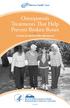 Osteoporosis Treatments That Help Prevent Broken Bones A Guide for Women After Menopause June 2008 fast facts Medicines for osteoporosis (OSS-tee-oh-puh-ROW-sis) can lower your chance of breaking a bone.
Vibration Therapy and Osteoporosis
 Vibration Therapy and Osteoporosis What is osteoporosis? Osteoporosis literally means porous bones. It occurs when the struts which make up the mesh like structure within bones become thin, causing bones
Osteoporosis and Arthritis: Two Common but Different Conditions
 and : Two Common but Different Conditions National Institutes of Health and Related Bone Diseases ~ National Resource Center 2 AMS Circle Bethesda, MD 20892 3676 Tel: 800 624 BONE or 202 223 0344 Fax:
Effect of breast cancer treatment
 Effect of breast cancer treatment on the bones 1 Effect of breast cancer treatment on the bones This information is from the booklet Managing the late effects of breast cancer treatment. You may find the
Clinical Practice Guidelines for the Diagnosis and Management of Osteoporosis in Canada: Background and Technical Report
 Clinical Practice Guidelines for the Diagnosis and Management of Osteoporosis in Canada: Background and Technical Report Authors: Alexandra Papaioannou MD MSc 1, Suzanne Morin MD MSc 2, Angela M. Cheung
Medications to Prevent and Treat Osteoporosis
 Medications to Prevent and Treat Osteoporosis National Institutes of Health Osteoporosis and Related Bone Diseases ~ National Resource Center 2 AMS Circle Bethesda, MD 20892-3676 Tel: (800) 624-BONE or
Nutrition for Family Living
 Susan Nitzke, Nutrition Specialist; [email protected] Sherry Tanumihardjo, Nutrition Specialist; [email protected] Amy Rettammel, Outreach Specialist; [email protected] Betsy Kelley,
16. ARTHRITIS, OSTEOPOROSIS, AND CHRONIC BACK CONDITIONS
 16. ARTHRITIS, OSTEOPOROSIS, AND CHRONIC BACK CONDITIONS Goal Reduce the impact of several major musculoskeletal conditions by reducing the occurrence, impairment, functional limitations, and limitation
Osteoporosis and Vertebral Compression (Spinal) Fractures Fact Sheet
 Osteoporosis and Vertebral Compression (Spinal) Fractures Fact Sheet About Osteoporosis Osteoporosis is estimated to affect 200 million women worldwide. 1 Worldwide, osteoporosis causes more than nine
Scans and tests and osteoporosis
 Scans and tests and osteoporosis What is osteoporosis? Osteoporosis occurs when the struts which make up the mesh-like structure within bones become thin causing them to become fragile and break easily,
Helping you manage your pain
 Helping you manage your pain This booklet contains confidential personal information. If found, please mail to the address below. Personal details Name Address Telephone My health care team (please tick)
Vitamin D Deficiency and Thyroid Disease. Theodore C. Friedman, M.D., Ph.D.
 Vitamin D Deficiency and Thyroid Disease Theodore C. Friedman, M.D., Ph.D. Vitamin D deficiency and thyroid diseases Vitamin D is an important vitamin that not only regulates calcium, but also has many
Pharmacists improving care in care homes
 The Royal Pharmaceutical Society believes that better utilisation of pharmacists skills in care homes will bring significant benefits to care home residents, care homes providers and the NHS. Introduction
Bone Appétit: New Information on Calcium & Vitamin D QUESTION & ANSWER
 Bone Appétit: New Information on Calcium & Vitamin D QUESTION & ANSWER Wednesday, November 17, 2010 1:30 p.m. to 3:00 p.m. ET 1. I like to drink warm milk, but I have heard that heating some vitamins can
Bone Densitometry. What is a Bone Density Scan (DXA)?
 Scan for mobile link. Bone Densitometry Bone densitometry, also called dual-energy x-ray absorptiometry or DEXA, uses a very small dose of ionizing radiation to produce pictures of the inside of the body
Osteoarthritis and osteoporosis
 Osteoarthritis and osteoporosis What is osteoporosis? Osteoporosis occurs when the struts which make up the mesh-like structure within bones become thin causing them to become fragile and break easily,
Wellness & Lifestyles Australia
 Wellness & Lifestyles Australia MANUAL HANDLING IN AGED CARE AND THE HEALTH CARE INDUSTRY E-BOOK prepared by Wellness & Lifestyles Australia 2007,2008,2009 Table of Contents Page No. IMPORTANT NOTICE...
Margaret French, Specialist Nurse, Fracture Liaison Service Glasgow Royal Infirmary Rachel Lewis Rheumatology Specialist Physiotherapist, North
 Margaret French, Specialist Nurse, Fracture Liaison Service Glasgow Royal Infirmary Rachel Lewis Rheumatology Specialist Physiotherapist, North Bristol NHS Trust Very informal workshop to facilitate discussion
 BISPHOSPHONATE RELATED OSTEONECROSIS OF THE JAW (BRONJ) BISPHOSPHONATES AND WHAT HAPPENS TO BONE VINCENT E. DIFABIO, DDS, MS MEMBER OF THE COMMITTEE ON HEALTHCARE AND ADVOCACY FROM THE AMERICAN ASSOCIATION
Complex regional pain syndrome and osteoporosis
 Complex regional pain syndrome and osteoporosis What is osteoporosis? Osteoporosis literally means porous bones. It occurs when the struts which make up the mesh-like structure within bones become thin
PRACTICAL DENSITOMETRY
 PRACTICAL DENSITOMETRY The Challenge of Osteoporosis Osteoporosis is a silent disease that develops over decades Goal: identify patients with osteoporosis before fractures occur Means: measure bone density
Osteoporosis. Am I at Risk?
 Osteoporosis Am I at Risk? TABLE OF CONTENTS What is osteoporosis?...1 Who gets osteoporosis?...2 How can I prevent osteoporosis?...3 How do I know if I have osteoporosis?...4 What is a bone mineral density
1. If I go a couple of days without my vitamin D and calcium requirements, can I make up for them?
 GOOD NUTRITION FOR BONE Calcium, Vitamin D and So Much More QUESTION & ANSWER Wednesday, March 23, 2011 (2:30 p.m. to 4:00 p.m. ET) 1. If I go a couple of days without my vitamin D and calcium requirements,
OSTEOPOROSIS -Medical Management of Men and Women who have (or are at risk of ) Osteoporosis
 Basingstoke, Southampton and Winchester District Prescribing Committee OSTEOPOROSIS -Medical Management of Men and Women who have (or are at risk of ) Osteoporosis Frail, increased fall risk + housebound
Osteoporosis/Bone Health in Adults as a National Public Health Priority
 Position Statement Osteoporosis/Bone Health in Adults as a National Public Health Priority This Position Statement was developed as an educational tool based on the opinion of the authors. It is not a
Wales National Exercise Referral Scheme (NERS)
 Wales National Exercise Referral Scheme (NERS) May 21 st 2014 Jeannie Wyatt-Williams National Exercise Referral Coordinator for Wales What is Exercise? Exercise is an alien concept to sedentary population
If you were diagnosed with cancer today, what would your chances of survival be?
 Q.1 If you were diagnosed with cancer today, what would your chances of survival be? Ongoing medical research from the last two decades has seen the cancer survival rate increase by more than 40%. However
Osteoporosis Treatment Guide
 Osteoporosis Treatment Guide An estimated 10 million Americans have osteoporosis. Another 34 million have low bone mass. If left untreated, osteoporosis can be both debilitating and painful. Fortunately,
Your Future by Design
 Retirement Research Series Your Future by Design Health, money, retirement: The different needs of men and women This research report is one of several reports in the Your Future by Design Retirement Research
Panadol Extra (paracetamol and caffeine) for pain
 Panadol Extra (paracetamol and caffeine) for pain This Medicine Update is for people who are taking, or thinking about taking, Panadol Extra. Summary Panadol Extra is a pain reliever available from pharmacies.
NATIONAL OSTEOPOROSIS FOUNDATION OSTEOPOROSIS CLINICAL UPDATES Vitamin D and Bone Health CE APPLICATION FORM
 NATIONAL OSTEOPOROSIS FOUNDATION OSTEOPOROSIS CLINICAL UPDATES Vitamin D and Bone Health CE APPLICATION FORM First Name: Last Name: Mailing Address: City: State: Zip/Postal Code: Country: Phone Number:
Measure #41: Osteoporosis: Pharmacologic Therapy for Men and Women Aged 50 Years and Older National Quality Strategy Domain: Effective Clinical Care
 Measure #41: Osteoporosis: Pharmacologic Therapy for Men and Women Aged 50 Years and Older National Quality Strategy Domain: Effective Clinical Care 2016 PQRS OPTIONS FOR INDIVIDUAL MEASURES: CLAIMS, REGISTRY
Back & Neck Pain Survival Guide
 Back & Neck Pain Survival Guide www.kleinpeterpt.com Zachary - 225-658-7751 Baton Rouge - 225-768-7676 Kleinpeter Physical Therapy - Spine Care Program Finally! A Proven Assessment & Treatment Program
Recommendations for Prescribing Exercise to Overweight and Obese Patients
 10 Recommendations for Prescribing Exercise to Overweight and Obese Patients 10 10 Recommendations for Prescribing Exercise to Overweight and Obese Patients Effects of Exercise The increasing prevalence
Southern Derbyshire Shared Care Pathology Guidelines. Vitamin D
 Southern Derbyshire Shared Care Pathology Guidelines Vitamin D Purpose of guideline Provide clear advice on when to measure vitamin D and identify patients with insufficiency and deficiency. To provide
Easy-to-Read Information for Patients and Families. U.S. Department of Health and Human Services National Institutes of Health
 BONE HEALTH FOR LIFE Easy-to-Read Information for Patients and Families U.S. Department of Health and Human Services National Institutes of Health National Institute of Arthritis and Musculoskeletal and
Benefits of a Working Relationship Between Medical and Allied Health Practitioners and Personal Fitness Trainers
 Benefits of a Working Relationship Between Medical and Allied Health Practitioners and Personal Fitness Trainers Introduction The health benefits of physical activity have been documented in numerous scientific
Treatment of Myeloma Bone Disease
 Treatment of Myeloma Bone Disease James R. Berenson, MD Medical & Scientific Director Institute for Bone Cancer & Myeloma Research West Hollywood, CA Clinical Consequences of Myeloma Bone Disease Pathological
How To Treat Osteoporosis
 Treatment Guidelines for Osteoporosis in Adults. Background Osteoporosis is a condition characterised by a reduction in bone mass density increasing the risk of fracture. Fractures occur most commonly
Vitamin D und seine Bedeutung im Immunsystem und bei der Infektabwehr
 Vitamin D und seine Bedeutung im Immunsystem und bei der Infektabwehr Stefan Pilz Department of Internal Medicine, Division of Endocrinology and Metabolism, Medical University of Graz, Austria Department
Vitamin D. Why Vitamin D is important and how to get enough
 Vitamin D Why Vitamin D is important and how to get enough Why is vitamin D vital for health? Vitamin D is needed by the body for both physical and mental health, but is best known for making sure bones
The University of Hong Kong Department of Surgery Division of Esophageal and Upper Gastrointestinal Surgery
 Program Overview The University of Hong Kong Department of Surgery Division of Esophageal and Upper Gastrointestinal Surgery Weight Control and Metabolic Surgery Program The Weight Control and Metabolic
Preventive Care Guideline for Asymptomatic Elderly Patients Age 65 and Over
 Preventive Care Guideline for Asymptomatic Elderly Patients Age 65 and Over 1. BMI - Documented in patients medical record on an annual basis up to age 74. Screen for obesity and offer counseling to encourage
SIGN 142 Management of osteoporosis and the prevention of fragility fractures. A national clinical guideline March 2015. Evidence
 SIGN 142 Management of osteoporosis and the prevention of fragility fractures A national clinical guideline March 2015 Evidence KEY TO EVIDENCE STATEMENTS AND ECOMMENDATIONS LEVELS OF EVIDENCE High-quality
Patient Information Once Weekly FOSAMAX (FOSS-ah-max) (alendronate sodium) Tablets and Oral Solution
 Patient Information Once Weekly FOSAMAX (FOSS-ah-max) (alendronate sodium) Tablets and Oral Solution Read this information before you start taking FOSAMAX *. Also, read the leaflet each time you refill
medicineupdate Tramadol for pain Asking the right questions about new medicines Page Section 1: What tramadol is 1 Section 2: What tramadol is for 1
 medicineupdate Asking the right questions about new medicines Tramadol for pain Page Section 1: What tramadol is 1 Section 2: What tramadol is for 1 Section 3: Who can take tramadol 2 Section 4: What does
Treatment of diseases affecting the kidney using steroids
 Treatment of diseases affecting the kidney using steroids Hope Building Renal 0161 206 5223 All Rights Reserved 2015. Document for issue as handout. This information has been written by the medical and
Formulating Research Questions. School of Health Sciences and Social Work
 Formulating Research Questions EBP steps Formulate a clinically relevant and answerable question Find the best evidence Evaluate the evidence Integrate with clinical expertise and patient values and apply
TRADIES NATIONAL HEALTH MONTH HEALTH SNAPSHOT
 TRADIES NATIONAL HEALTH month AUGUST 2016 TRADIES NATIONAL HEALTH MONTH HEALTH SNAPSHOT Prepared by the Australian Physiotherapy Association ABOUT THE TRADIES NATIONAL HEALTH MONTH SNAPSHOT Marcus Dripps,
Selected Questions and Answers on Vitamin D
 Selected Questions and Answers on Vitamin D Joint FAQs to the BfR, German Nutrition Society (DGE) und Max Rubner-Institute (MRI) of 03 December 2014 1 Vitamin D promotes the intake of calcium from the
Treatment of osteoporosis in fragility fractures
 Orthogeriatrics Clinical Summary Document Treatment of osteoporosis in fragility fractures Fragility fractures are extremely prevalent in older adults with a staggering cost of treatment. As the population
Drugs for osteoporosis
 Drug information Drugs for osteoporosis Drugs for osteoporosis This leaflet provides information on drugs for osteoporosis and will answer any questions you have about the treatment. Arthritis Research
NATIONAL OSTEOPOROSIS FOUNDATION OSTEOPOROSIS CLINICAL UPDATES Bariatric Surgery And Skeletal Health CE APPLICATION FORM
 NATIONAL OSTEOPOROSIS FOUNDATION OSTEOPOROSIS CLINICAL UPDATES Bariatric Surgery And Skeletal Health CE APPLICATION FORM First Name: Last Name: Mailing Address: City: State: Zip/Postal Code: Country: Phone