
Pre-Hospital Designation: This is a moderate trauma brought in by ambulance.
|
|
|
- Alexander Mitchell
- 9 years ago
- Views:
Transcription
1 Date of Service: [DATE]. Service Provided: Trauma Run Time: 07:17. Pre-Hospital Designation: This is a moderate trauma brought in by ambulance. Events: As follows, this 44-year-old male who was apparently assaulted last night. He went home after the incident, slept off and upon awakening today, his friends noticed he had multiple lacerations and brought him to the hospital. The patient arrives complaining of headache and pain in the hand, he reports no visual disturbances. He had positive EtOH. Allergies: None. Medications: None. Past Medical History: None. Past Surgical History: None. Physical Examination Vital Signs: On arrival, heart rate of 100, blood pressure 110/72, respiratory 16, temperature 36.8, and pulse oximetry 100% on 15 L. HEENT: Comprehensive physical exam reveals on the head ptosis of the left eye, left eye ecchymosis, bleeding from the left ear with laceration to the pinna. Right lower lip laceration involving the vermillion border, 1 cm laceration underneath the left eye. He has 2 stab injury to the neck. He has also very large 4 cm laceration on the top of the head anterior to posterior. Neck: 2.5 cm laceration, no hard signs of vascular or aerodigestive injury. Chest: Clear. Abdomen: Nontender. Musculoskeletal: Multiple stab wounds to the left hand. Two superficial stab wounds to the right hand. Genitalia and Perineum: Normal. Back: Normal. Neurological: Alert and oriented x3, cannot remember the events. Vascular: 2+ with the positive radial pulse on his left hand. GCS was 15. Diagnostic Data: Diagnostic workup included chest x-ray showed some bilateral apical haziness, left-hand x-ray that showed no fractures. CT of the head, C-spine, abdomen, pelvis, and CT of the neck as well as CT of the orbits and face that showed number of facial fractures, but most notably a left temporoparietal fracture without any evidence of intracranial bleed. The abdomen and pelvis was preliminary negative. The CTA showed no vascular injury. In addition, the FAST scan was negative. Further diagnostic workup include H and H 12.9 and ( ). EtOH is 173. Toxicity screen was negative. UA negative. Diagnosis and Plan: This is a 44-year-old male status post multiple stab wounds and facial fractures. At this point, he will go to the operating room urgently for neck exploration to rule out aerodigestive injury. In addition, we will get a neurosurgery consult for skull fracture, plastic consult for the facial lacerations, Ortho consult for hand lacerations, and Ophthalmology consult for the ptosis and eye swelling.
2 Date of Consultation: [DATE] Service Provided: Plastic Surgery. Consulting Service: Emergency Room and Trauma. Reason for Consultation: Multiple lacerations notably of the laceration of the left ear, left lower eyelid, and lower lip. History of Present Illness: Mr. [NAME] is a 45-year-old man who was assaulted the night previous to admission to the emergency room. He was intoxicated at that time, and cannot remember the details of the assault; however, he appears to have multiple stab wounds to the head, neck, hands, and face. Past Medical History: The patient has no past medical history. Past Surgical History: The patient has no past surgical history. Medications: The patient takes no medications. Allergies: The patient has no allergies. Social History: The patient does use alcohol. Physical Examination Vital Signs: The patient is afebrile. His vital signs are stable. HEENT: On physical exam of his head, his pupils are equal and reactive to light. He has intact extraocular muscles. He has significant edema of the left periorbital soft tissues and 2 transverse lacerations of the inferior eyelid, which are approximately 3 cm in length down to the orbicularis muscle. Additionally, there is a vertically-oriented full-thickness laceration of the right lower lip. Additionally, there is a laceration at the root of the left auricular helix with exposed cartilage, which is approximately 2 cm in length. The patient also has stab wounds to his left neck in zone 2, and multiple stab wounds on his left and right hands. Chest: The patient's chest is clear to auscultation. Abdomen: Soft. Pelvis: Intact. Extremities: The lower extremities have normal distal pulses and are grossly intact. Diagnostic Data: The patient has a CT scan of the face, which does not demonstrate, at least on initial review, any fractures of the face. There is some fluid in the right frontal sinus and also some edematous-looking mucosa in the right maxillary sinus. Assessment and Plan: This is a 45-year-old man with no significant past medical history, who was assaulted the night previously with an unknown weapon, appears that he was assaulted by multiple stab wounds. The patient has an injury to his left neck, and will be going to the operating room emergently with Trauma Surgery for exploration of his left neck. During that time, we will repair his lacerations to his lower eyelid, his lip, and to his ear. The patient was consented for the aforementioned procedures, and appeared to understand the risks of scarring and possible infection that are associated with closing these dirty wounds. Dr. [NAME] is aware of this plan and agrees.
3 Date of Consultation: [DATE] Service Provided: Inpatient Consultation I agree with the inpatient house officer's consultation note handwritten for the Neurosurgery Service by Dr. [NAME] as well as the Trauma Service history and physical examination, and Plastic Surgery Service consultation note in regards to the patient's chief complaint, present illness, allergies, habits, medications, review of systems, past medical history, past surgical history, family history, social history, vital signs, and examination. I have interviewed and examined the patient, reviewed the hospital chart and the neuroimaging, and my dictation follows. History of Present Illness: Briefly, the patient is a young Hispanic man reportedly involved in an assault which involved multiple stab wounds with a knife who was initially evaluated by Trauma and Plastic Surgery and then taken emergently for neck exploration to the operating room, and Neurosurgery was consulted intraoperatively, and one of the scalp lacerations was found to have an underlying temporal bone fracture. We did not have an opportunity to examine the patient prior to the operation. Past Medical History: Reportedly negative. Past Surgical History: Reportedly negative. Medications: None. Allergies: No known drug allergies. Physical Examination Vital Signs: Temperature 36.8, pulse 102, respirations 16, BP 110/72, and 100% saturated on controlled ventilation under anesthesia. Intraoperatively, the patient was found to have a small laceration over his left ear as well as 2 additional lacerations near his vertex just left to midline. These lacerations were of the same shape and size as the lacerations that were present on his neck and his torso suggesting that they were potentially caused by the same instrument. Intraoperatively, the left temporal laceration was explored and found to extend all the way down to the bone which was fractured. Review of the CT scan of the head shows some fracture fragments that were firmly following a convex line consistent with epidural placement restricted by dura. Intraoperatively, there were no signs of CSF or brain extravasation noted. We therefore cleaned the wound out carefully and closed it primarily. Postoperatively, the patient was alert and oriented x3, followed 3-step commands without difficulty, was GCS 15. His cranial examination was as described above. In addition, he had no Battle or Raccoon sign. He had no otorrhea, otorrhagia, rhinorrhea, or rhinorrhagia. His tympanic membranes were clear. His cranial nerves 2 through 12 were serially tested and found to be intact. Muscle strength is 5/5 in all muscle groups tested in all 4 extremities. He had no dysmetria or dysdiadochokinesis on finger-nose and finger-nose-finger testing bilaterally. Reflexes were 2+ and symmetric at biceps, triceps, brachioradialis, and patella with bilateral flexor plantar responses. No evidence of clonus. Dermatomal sensation is intact and symmetric in all dermatomes, tested in all 4 extremities. Joint position sense is normal and intact bilaterally. Diagnostic Data: CT scan is as outlined above. Laboratory Data: Laboratory showed negative tox screen, sodium 141, INR 1.0. Impression: A young Hispanic man with an open head injury, most likely from some sort of stabbing implement
4 leading to an open temporal bone fracture with no evidence of CT of intradural or intraparenchymal brain penetration and no evidence at surgical exploration of CSF or brain. This has been closed primarily after careful washout. We would recommend continuing him on IV antibiotics for a minimum of 48 hours followed by a 7- to 10-day course of p.o. antibiotics. We recommend repeating a CT scan of the head in 12 hours to rule out blossoming of underlying contusion. We would not put him on prophylactic anticonvulsants but would consider treating him Dilantin if he developed a seizure. We would watch the sodium and coags carefully, and we will follow along with you. We would continue the cervical collar until his neck can be cleared clinically.
5 Referring Physician: [NAME] Date of Consultation: [DATE] Service Provided: Orthopedic Hand Consultation History of Present Illness: This is a 44-year-old male who was out drinking last night. He was apparently assaulted by unknown assailant. He cannot remember much of the incident, but he remembers being attacked and he had been struck in the face several times and then he was trying to defend himself with hands. He had multiple lacerations to his face, neck, and bilateral hands. He slept off after the attack, after the fight and was seen by his friends who thought he should go to the hospital and seek medical attention for these injuries. Upon seeing the patient's neck injury, the trauma team immediately came to the operating room for open exploration of his neck injury, as it was a zone II injury. Intraoperatively, they consulted orthopedics for evaluation of the patient's hand injuries as well for both closure and wound exploration. Past Medical History: None. Past Surgical History: None. Medications: None. Allergies: None. Review of Systems: The patient is currently intubated and sedated, and we cannot obtain review of systems. Physical Examination Vital Signs: Temperature is 36.8, pulse is 102, respiratory rate 16, and blood pressure is 110/72. He is saturating 100% on room air. General: The patient is intubated and sedated. He is not able to follow commands. Extremities: Examination of the patient's left hand reveals multiple lacerations to the dorsal and volar aspect of his hand. I explained the wounds reveal that to greatest extent, the one of them is about a centimeter length. They do appear superficial, none of them are deep. There is no exposed tendon or bone. He has brisk cap refill in all digits and examination of the patient's right hand reveals he has only several small lacerations that also appear superficial with the greatest being about 2 cm in its greatest extent. There is no exposed tendon or bone either. He has brisk cap refill in all digits as well. Examination after the patient is extubated and off sedation reveals that he has full range of motion in bilateral hands with sensation intact to light touch in all digits. Brisk cap refill in all digits and he has full function of his AIN, PIN, median, radial, and ulnar nerves. He has full function of both the flexor digitorum superficialis, flexor digitorum profundus, and extensor tendons of all fingers. He also has full function of his FPL, EPL, and EIP. There appears to be no evidence of tendon injury to bilateral hands. This is correlated with intraoperative findings as well. Diagnostic Data: Imaging: Plain film of the patient's left hand are negative for fracture dislocation. Assessment and Plan: This is a 44-year-old male who is status post assault with unknown with bilateral multiple hand lacerations, the left side being worse than the right. However, all these appear superficial in nature. There is no evidence of fracture, nerve, or tendon deficit. I also noted evidence of arterial deficit. Due to the simple nature of these lacerations, we recommended delayed primary closure in the operating room and treating the patient with IV Ancef. After irrigation and debridement of the wounds, they do not appear grossly contaminated. He can be treated for 24 hours with antibiotics for wound prophylaxis and we can observe him to make sure that he does not develop any signs of infection due to his delayed closure. However, does not appear
6 to be any contraindication to closure at this time and also does not appear to be any need for prolonged orthopedic followup, as these are mainly superficial wounds. He will need suture removal in about 7-10 days pending clearance of these wounds and soft dressing will be applied sterilely after this procedure. We will continue to follow the patient on an inpatient basis and assess his progress and possibly we need to perform further surgeries if any of these superficial lacerations develop into infections. However at this point in time, this does not appear to be a case.
7 Date of Operation: [DATE] Preoperative Diagnosis(es): Multiple lacerations to the scalp, face, lower lid, and right lower lip involving the skin; vermilion border, the dry vermilion, and left ear, root of the helix with exposed cartilage. Postoperative Diagnosis(es): Multiple lacerations to the scalp, face, lower lid, and right lower lip involving the skin; vermilion border, the dry vermilion, and left ear, root of the helix with exposed cartilage. Operation Performed: Repair of right lower lip vermilion border and skin and dry mucosa lip laceration (2 cm) with complex repair; repair of left lower lid laceration, simple repair, 6 cm total; repair of left cheek, 2 cm laceration with intermediate repair; repair of left root of the helix ear laceration, 2 cm with complex repair involving cartilage; and repair of total 3 cm of scalp laceration with simple repair with staples. Surgeon(s): [NAME]; [NAME]. Anesthesia: General endotracheal anesthesia. Estimated Blood Loss: Less than 10 cc. Drains: None. Complications: None. Findings: There were multiple lacerations that were repaired. The right lower lip laceration, which involved the skin, vermillion border, and the dry mucosa was repaired in layers as it involved the mucosa and the orbicularis oris muscle. This was closed with 4-0 Monocryl suture in the muscle layer followed by 5-0 chromic sutures in the vermilion and 5-0 fast-absorbing suture in the skin layer. The left lower lid lacerations were in total 6 cm and they were repaired in a simple manner with 5-0 fast-absorbing chromic suture. The left cheek laceration was deep and it was 2 cm in length, and it was closed in layers with 4-0 Monocryl and 5-0 fast-absorbing suture in an intermediate repair. The left ear laceration involved the root of the helix and involved the exposed cartilage, and the cartilage had to be tucked in, and closure took place over the cartilage in layers with 4-0 Monocryl sutures in the subdermal layer and 5-0 fast-absorbing suture in the skin layer, totaling 2 cm. Finally, there were 3 lacerations to the scalp, totaling 3 cm total, and they were all closed with staples in the simple manner. Indications: The patient is a trauma patient, who was under the influence of alcohol and suffered a stab wound to the neck, face, and scalp earlier today. He was taken into the operating room urgently by the trauma service, and we were consulted for multiple lacerations involving the scalp, the left cheek, right lower lip involving the vermilion border, and the left root of the helix of the ear. He will require multiple laceration repairs, and we have discussed this with the patient including the benefits and risks such as infection, bleeding, dehiscence, scarring, asymmetry, possible nerve damage, need for revision, reoperation in the future, and poor cosmetic outcome. He understands and is willing to proceed. In addition, we have discussed possible blood clots in the veins, pulmonary embolus, heart attack, stroke, or death. He understands and is willing to proceed, and informed consent was obtained today. Procedure in Detail: The patient was in the operating room upon arrival since multiple teams were treating this patient. We started the repair of the right lower lip, which involved the vermilion border, totaling 2 cm by closure of the orbicularis oris muscle with 4-0 Monocryl sutures in an interrupted fashion followed by closure of the dry mucosa with 4-0 chromic sutures in an interrupted fashion, and closure of the vermilion border and the skin of the lower lip with 5-0 fast-absorbing suture. All these lacerations were washed out prior to closure. The second set of laceration that we repair where the left lower lid lacerations involving a 4 cm and a 2 cm open wounds, which were closed in a simple repair with 5-0 fast-absorbing suture in a continuous manner. This totaled 6 cm. Next, we closed the left cheek deep wound, which required intermediate repair, totalling 2 cm with 4-0 Monocryl sutures in the subdermal layer and 5-0 fast-absorbing suture on the skin level. The left ear
8 laceration involved the root of the helix and involved the cartilage, which was displaced. The cartilage had to be washed out and placed back into its position, tucked underneath the subdermal sutures with 4-0 Monocryl followed by closure of the skin with 5-0 fast-absorbing suture in an interrupted fashion. This totaled 2 cm. Finally, there were 3 separate scalp lacerations, approximately 1 cm each, which were reapproximated in a simple closure with staples. The patient was then left in the operating room for the remainder of the trauma team and consulting teams to finish their examination and procedures. He tolerated the procedure well and there were no complications.
9 Date of Operation: [DATE] Preoperative Diagnosis(es): Zone II penetrating injury. Postoperative Diagnosis(es): Zone II penetrating injury. Procedure Performed: Neck exploration. Surgeons: [NAME]; [NAME] Anesthesia: General. Findings: The tract of the ( ) knife had passed left lateral to the larynx, and there was no evidence of penetration to the carotid sheath. Estimated Blood Loss: Nil. Complications: None. Condition: Stable. Procedure in Detail: The patient was brought to the operating theater and placed under general endotracheal anesthesia in the supine position. The area of the lower mandible and neck were prepped and draped in sterile fashion. The knife incision was extended approximately 1.5 cm medial and lateral to allow for exposure. The knife had already penetrated the platysma. This was freed further medial and lateral to expose the underlying fascial covering enveloping the thyroid cartilage. We followed the trajectory of the knife deep and posterior. It appeared to pass well lateral to the larynx and to the surrounding subcutaneous tissue. The end point of the tract was easily visualized. The natural fibers were intact overlying the carotid sheath, and this in combination with the preoperative CT angio that showed no evidence of vascular involvement made us believe that there was no discernible injury. The wound bed was then copiously irrigated. The platysmal fibers were reapproximated using 3-0 Vicryl, the overlying skin was approximated using 4-0 Monocryl, and covered with Dermabond. We then deferred further care to Plastics, Orthopedics, and Ophthalmology teams that came in to address the patient's other issues.
10 Date of Consultation: [DATE] Attending Trauma Physician: [NAME] Reason for Consultation: Right temporal bone fracture. History of Present Illness: This is a 29-year-old male status post assault with questionable mechanism with positive loss of consciousness presented to the ER with GCS 15. Neurosurgery is being consulted for right temporal bone fracture and head laceration. Past Medical History: None. Past Surgical History: None. Medications: None. Allergies: No known drug allergies. Physical Examination Vital Signs: Temperature is 36.8, blood pressure 110/72, heart rate 102, respirations 16, and O2 saturation 100% on room air. General: The patient is in no apparent distress. Alert and oriented x3. Moving all extremities. HEENT: The head shows 2 incisions superior to hairline; one is a stellate lesion about 4 cm, and the other one is just lateral to about 2 cm in addition to an anterior auricular laceration about 2 cm deep, extends to temporalis muscle. Right pupil is 4 mm to 2 mm and is reactive; left pupil is 4 mm and minimally reactive, and there is some positive ecchymoses around that eye. Extraocular movements are intact. Ears: External auditory canals are clear. Neurologic: Cranial nerves II through XII are intact. Strength 5/5 for lateral upper and lower extremities, extensor flexors. Sensation to light touch is intact over bilateral upper and lower extremities. The reflexes are 2+ bilateral patellar and Achilles. Diagnostic Data: INR 1.0. Tox screen is negative. Sodium is 141, creatinine 1.0. ETOH is 173. CBC is pending at the time of evaluation. Radiologic studies: CT of the head showed a left temporal bone facture of the squamous portion with about 2 to 4 mm depression, gross contusion and edema related to the fracture. Assessment and Plan: This is a patient with left squamous temporal bone fracture, plan is for irrigation and exploration of the head lacerations while the patient is in the operating room for treatment of other injuries. Dr. [NAME] from Neurosurgery was allowed to examine the patient and document further recommendations.
11 Date of Operation: [DATE] Surgeon(s): [NAME]; [NAME]. Procedure in Detail: Briefly, this is a young gentleman who was assaulted last night, while intoxicated, with a sharp object, sustaining multiple stab wounds to various parts of his body including a left temporal, open, partially depressed, partial-thickness skull fracture without damage to the underlying dura. We were then consulted by Trauma regarding management. The patient was already in operating room with the orthopedic and ophthalmology services with Trauma having finished an emergent neck exploration when the left temporal wound was explored by myself. The area over his left temporal region was shaved revealing an open 3-cm laceration. The area was then prepped and draped in the usual sterile fashion. The laceration was slightly extended using a #15. A ( ) was inserted. Copious irrigation was applied. The bipolar cautery was used to coagulate the superficial temporal artery. Further copious irrigation was applied. Bovie cautery was used to cauterize the edges of the wounds further. After no visible fragments could be identified, the wound was closed with a 3-0 nylon suture in a running fashion. The wound was dressed with a 4 x 4 and tape.
Integumentary System Individual Exercises
 Integumentary System Individual Exercises 1. A physician performs an incision and drainage of a subcutaneous abscess in his office for a particularly uncooperative established patient. How should this
X-Plain Trigeminal Neuralgia Reference Summary
 X-Plain Trigeminal Neuralgia Reference Summary Introduction Trigeminal neuralgia is a condition that affects about 40,000 patients in the US every year. Its treatment mostly involves the usage of oral
Lesions, and Masses, and Tumors Oh My!!
 Lesions, and Masses, and Tumors Oh My!! Presented by: Susan Ward, CPC, CPC-H, CPC-I, CPCD, CEMC, CPRC 1 1 CPT GUIDELINES Agenda CPT DEFINITIONS OP REPORT CASES 2 Definitions Cyst - a closed sac having
Abdominal Pedicle Flaps To The Hand And Forearm John C. Kelleher M.D., F.A.C.S.
 Abdominal Pedicle Flaps To The Hand And Forearm John C. Kelleher M.D., F.A.C.S. Global-HELP Publications Chapter Eight: TECHNICAL REQUIREMENTS FOR FORMATION OF A TUBED PEDICLE FLAP Creating a tube pedicle
Chapter 11. Everting skin edges
 Chapter 11 PRIMARY WOUND CLOSURE KEY FIGURE: Everting skin edges In primary wound closure, the skin edges of the wound are sutured together to close the defect. Whenever possible and practical, primary
Chapter 7. Expose the Injured Area
 Chapter 7 GUNSHOT WOUNDS KEY FIGURES: Entrance/exit wounds This chapter describes how to treat the external, surface wounds caused by a bullet. The evaluation for underlying injury related to gunshot wounds
Traumatic Primary Eyelid and Facial Laceration Repair. Riva Lee Asbell Philadelphia, PA
 Traumatic Primary Eyelid and Facial Laceration Repair Riva Lee Asbell Philadelphia, PA I INTRODUCTION I always have to work a little harder when coding for traumatic eyelid and facial repairs. There is
6.0 Management of Head Injuries for Maxillofacial SHOs
 6.0 Management of Head Injuries for Maxillofacial SHOs As a Maxillofacial SHO you are not required to manage established head injury, however an awareness of the process is essential when dealing with
ARTHROSCOPIC HIP SURGERY
 ARTHROSCOPIC HIP SURGERY Hip Arthroscopy is a relatively simple procedure whereby common disorders of the hip can be diagnosed and treated using keyhole surgery. Some conditions, which previously were
INFORMED CONSENT - CARPAL TUNNEL RELEASE
 . Purchasers of the Patient Consultation Resource Book are given a limited license to modify documents contained herein and reproduce the modified version for use in the Purchaser's own practice only.
Certified Athletic trainers should follow a 10-step process of evaluation for orthopedic injuries, which includes but is not limited to:
 Acute Care Policy Acute Care Policy and Procedures Athletic training students within Winona State University s Athletic Training Education Program have the opportunity to evaluate acute athletic injuries
ENT Emergencies. Injuries of the Neck. Registrar Dept Trauma and emergency Medicine Tygerberg Hospital
 ENT Emergencies Injuries of the Neck Registrar Dept Trauma and emergency Medicine Tygerberg Hospital Neck Injuries Blunt and Penetrating Trauma Blunt Injuries Blunt trauma direct/indirect Trauma to larynx
Claims submission simplified for emergency dental procedure codes
 January 2002 No. 2002-02 PHC 1844 To: Dentists HMOs and Other Managed Care Programs Claims submission simplified for emergency dental procedure codes Effective immediately, both electronic and paper claims
Endoscopic Plantar Fasciotomy
 Endoscopic Plantar Fasciotomy Introduction Plantar fasciitis is a common condition that causes pain centralized around the heel. It may be severe enough to affect regular activities. Health care providers
Spinal Arthrodesis Group Exercises
 Spinal Arthrodesis Group Exercises 1. Two surgeons work together to perform an arthrodesis. Dr. Bonet, a general surgeon, makes the anterior incision to gain access to the spine for the arthrodesis procedure.
Plastic Surgery Jewish General Hospital / Montreal General Hospital
 Plastic Surgery Jewish General Hospital / Montreal General Hospital Structure of the Rotation Duration: Two weeks. Activities: Emergency Department consults Minor surgery Major surgery Plastics clinic
Extremity Trauma. William Schecter, MD
 Extremity Trauma William Schecter, MD Approach to the Evaluation of the Patient with an Extremity Injury Blood Supply Skeleton Neurologic Function Risk for Compartment Syndrome? Coverage (Skin and Soft
Preparing to Suture. 6 th Annual Pediatric Advanced Practice Conference Tuesday, February 9, 2016 1:30 pm. Workshop B: Suturing for Beginners
 Preparing to Suture Kristen Devick, MPAS, PA-C University of Colorado Department of Emergency Medicine NONE! Skin Anatomy Trott, 2012, p.11 Preparing to suture Initial evaluation Hemostasis Anesthesia
Ankle Block. Indications The ankle block is suitable for the following: Orthopedic and podiatry surgical procedures of the distal foot.
 Ankle Block The ankle block is a common peripheral nerve block. It is useful for procedures of the foot and toes, as long as a tourniquet is not required above the ankle. It is a safe and effective technique.
Clinical guidance for MRI referral
 MRI for cervical radiculopathy Referral by a medical practitioner (excluding a specialist or consultant physician) for a scan of spine for a patient 16 years or older for suspected: cervical radiculopathy
Traumatic Head Injuries
 Traumatic Brain Injury (TBI) Traumatic Head Injuries Major contributing cause of trauma deaths Many survivors have permanent disability Commonly occurs in young adults (mostly males) Spokane County EMS
Coding and Documentation in Practice
 Coding and Documentation in Practice Great Exam Documentation By: Kathy Mills Chang Kathy Mills Chang is a Certified Medical Compliance Expert, Reimbursement Consultant, Medicare Specialist, and a Documentation
Head Injury. Dr Sally McCarthy Medical Director ECI
 Head Injury Dr Sally McCarthy Medical Director ECI Head injury in the emergency department A common presentation 80% Mild Head Injury = GCS 14 15 10% Moderate Head Injury = GCS 9 13 10% Severe Head Injury
.org. Fractures of the Thoracic and Lumbar Spine. Cause. Description
 Fractures of the Thoracic and Lumbar Spine Page ( 1 ) Spinal fractures can vary widely in severity. While some fractures are very serious injuries that require emergency treatment, other fractures can
Inferior Vena Cava filter and removal
 Inferior Vena Cava filter and removal What is Inferior Vena Cava Filter Placement and Removal? An inferior vena cava filter placement procedure involves an interventional radiologist (a specialist doctor)
Facial Sports Injuries
 Facial Sports Injuries Playing catch, shooting hoops, bicycling on a scenic path or just kicking around a soccer ball have more in common than you may think. On the up side, these activities are good exercise
Maricopa Integrated Health System: Administrative Policy & Procedure
 Maricopa Integrated Health System: Administrative Policy & Procedure Effective Date: 03/05 Reviewed Dates: 09/05, 9/08 Revision Dates: Policy #: 64500 S Policy Title: Cervical & Total Spine Clearance and
KNEE LIGAMENT REPAIR AND RECONSTRUCTION INFORMED CONSENT INFORMATION
 KNEE LIGAMENT REPAIR AND RECONSTRUCTION INFORMED CONSENT INFORMATION The purpose of this document is to provide written information regarding the risks, benefits and alternatives of the procedure named
PE finding: Left side extremities mild weakness No traumatic wound No bloody otorrhea, nor rhinorrhea
 Case report A 82-year-old man was suffered from sudden onset spasm of extremities then he fell down to the ground with loss of consciousness. He recovered his consciousness 7-8 mins later but his conscious
YALE UNIVERSITY SCHOOL OF MEDICINE: SECTION OF OTOLARYNGOLOGY PATIENT INFORMATION FUNCTIONAL ENDOSCOPIC SINUS SURGERY
 YALE UNIVERSITY SCHOOL OF MEDICINE: SECTION OF OTOLARYNGOLOGY PATIENT INFORMATION FUNCTIONAL ENDOSCOPIC SINUS SURGERY What is functional endoscopic sinus surgery (FESS)? Functional endoscopic sinus surgery
EYE, EAR, NOSE, and THROAT INJURIES
 T6 EYE, EAR, NOSE, and THROAT INJURIES Management of injuries of the eyes, ears, nose, and throat focuses on airway management and initial stabilization of the injury. Bilateral comparisons can assist
Chapter 6. Hemorrhage Control UNDER FIRE KEEP YOUR HEAD DOWN
 Hemorrhage Control Chapter 6 Hemorrhage Control The hemorrhage that take[s] place when a main artery is divided is usually so rapid and so copious that the wounded man dies before help can reach him. Colonel
What Is an Arteriovenous Malformation (AVM)?
 What Is an Arteriovenous Malformation (AVM)? From the Cerebrovascular Imaging and Intervention Committee of the American Heart Association Cardiovascular Council Randall T. Higashida, M.D., Chair 1 What
Chapter 10. All chapters, full text, free download, available at http://www.divingmedicine.info SINUS BAROTRAUMA ANATOMY OF THE SINUSES
 Chapter 10 All chapters, full text, free download, available at http://www.divingmedicine.info SINUS BAROTRAUMA ANATOMY OF THE SINUSES The sinuses are air filled cavities contained within the bones of
Posterior Cervical Decompression
 Posterior Cervical Decompression Spinal Unit Tel: 01473 702032 or 702097 Issue 2: January 2009 Following your recent MRI scan and consultation with your spinal surgeon, you have been diagnosed with a
Tissue Reinforcement with Strattice Reconstructive Tissue Matrix following Correction of Severe Breast Deformity
 Tissue Reinforcement with Strattice Reconstructive Tissue Matrix following Correction of Severe Breast Deformity Robert Cohen, MD, FACS* Paradise Valley, AZ Case summary A 41-year old woman with a history
X-Plain Hip Replacement Surgery - Preventing Post Op Complications Reference Summary
 X-Plain Hip Replacement Surgery - Preventing Post Op Complications Reference Summary Introduction Severe arthritis in the hip can lead to severe pain and inability to walk. To relieve the pain and improve
Chapter 33. Nerve Physiology
 Chapter 33 NERVE AND VASCULAR INJURIES OF THE HAND KEY FIGURES: Digital nerve location on finger Epineurial repair Nerves and blood vessels of the hand and fingers usually are quite delicate, and some
INFORMED CONSENT DERMABRASION
 INFORMED CONSENT DERMABRASION INSTRUCTION This is an informed-consent document which has been prepared to help your plastic surgeon inform you about dermabrasion, its risks, and alternative treatments.
X-Plain Sinus Surgery Reference Summary
 X-Plain Sinus Surgery Reference Summary Introduction Sinus surgery is a very common and safe operation. Your doctor may recommend that you have sinus surgery. The decision whether or not to have sinus
Documentation Guidelines for Physicians Interventional Pain Services
 Documentation Guidelines for Physicians Interventional Pain Services Pamela Gibson, CPC Assistant Director, VMG Coding Anesthesia and Surgical Divisions 343.8791 1 General Principles of Medical Record
ABThera Open Abdomen Negative Pressure Therapy for Active Abdominal Therapy. Case Series
 ABThera Open Abdomen Negative Pressure Therapy for Active Abdominal Therapy Case Series Summary of Cases: USER EXPERIENCE The ABThera OA NPT system was found by surgeons to be a convenient and effective
Evaluating muscle injuries and residuals of shell fragment and gunshot wounds
 Evaluating muscle injuries and residuals of shell fragment and gunshot wounds Training conducted by: Michael Fishman and Sandrine Fisher 1 Objectives To become familiar with the application of the rating
Orthopaedic Spine Center. Anterior Cervical Discectomy and Fusion (ACDF) Normal Discs
 Orthopaedic Spine Center Graham Calvert MD James Woodall MD PhD Anterior Cervical Discectomy and Fusion (ACDF) Normal Discs The cervical spine consists of the bony vertebrae, discs, nerves and other structures.
Patient Information. Posterior Cervical Surgery. Here to help. Respond Deliver & Enable
 Here to help Our Health Information Centre (HIC) provides advice and information on a wide range of health-related topics. We also offer: Services for people with disabilities. Information in large print,
Eye Trauma: Incidence
 Ocular Emergencies and Trauma Stuart Fourman, MD Director, Glaucoma Center Department of Ophthalmology Stony Brook University Eye Trauma: Incidence 1.3 million eye injuries per year in the United States.
38 Assisting with a General Physical Examination
 Learning Outcomes 38-2 38.1 Identify the purpose of a general physical. CHAPTER 38 Assisting with a General Physical Examination 38.2 Describe the role of the medical assistant in a general physical. 38.3
Spinal Injections. North American Spine Society Public Education Series
 Spinal Injections North American Spine Society Public Education Series What Is a Spinal Injection? Your doctor has suggested that you have a spinal injection to help reduce pain and improve function. This
DERMABOND Portfolio 2012 LACERATION REPAIR REIMBURSEMENT GUIDE
 2012 LACERATION REPAIR REIMBURSEMENT GUIDE ETHICON, INC. IS PLEASED TO PROVIDE THIS LACERATION REPAIR REIMBURSEMENT GUIDE AS A RESOURCE FOR HEALTHCARE PROVIDERS. This guide is intended for informational
SPINAL STENOSIS Information for Patients WHAT IS SPINAL STENOSIS?
 SPINAL STENOSIS Information for Patients WHAT IS SPINAL STENOSIS? The spinal canal is best imagined as a bony tube through which nerve fibres pass. The tube is interrupted between each pair of adjacent
Surgical Site Infection. Kings County Hospital Center Audrey C. Durrant 6/10/2005
 Surgical Site Infection Kings County Hospital Center Audrey C. Durrant 6/10/2005 Case Presentation HPI patient xx year old presented with approximately xx days periumbillical pain 10/10 on pain scale,
Plantar Fascia Release
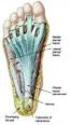 Plantar Fascia Release Introduction Plantar fasciitis is a common condition that causes pain around the heel. It may be severe enough to affect regular activities. If other treatments are unsuccessful,
INTERNATIONAL TRAUMA LIFE SUPPORT
 INTERNATIONAL TRAUMA LIFE SUPPORT What to wear STUDENT GUIDE TO INTERNATIONAL TRAUMA LIFE SUPPORT ITLS is a practical course that stresses hands-on teaching. You should wear comfortable clothes that you
www.ghadialisurgery.com
 P R E S E N T S Dr. Mufa T. Ghadiali is skilled in all aspects of General Surgery. His General Surgery Services include: General Surgery Advanced Laparoscopic Surgery Surgical Oncology Gastrointestinal
The purpose of this document is to show you how to write common ward/consult notes and dictations.
 Writing Notes and Dictations The purpose of this document is to show you how to write common ward/consult notes and dictations. CONSULT NOTES A good consult note contains the following elements, and should
Y O U R S U R G E O N S. choice of. implants F O R Y O U R S U R G E R Y
 Y O U R S U R G E O N S choice of implants F O R Y O U R S U R G E R Y Y O U R S U R G E O N S choice of implants F O R Y O U R S U R G E R Y Your Surgeon Has Chosen the C 2 a-taper Acetabular System The
PROTOCOLS FOR INJURIES TO THE EYE
 CORNEAL ABRASION PROTOCOLS FOR INJURIES TO THE EYE A corneal abrasion is usually caused by a foreign body or other object striking the eye. This results in a disruption of the corneal epithelium. Patients
Denver Spine Surgeons David Wong, MD, Sanjay Jatana, MD, Gary Ghiselli, MD
 Cervical and Lumbar Spine Health History Name: Today s Date: Referring Provider: How did you find us: (Please circle) Primary care physician, Google search, Facebook, Friend or Family member, Website (JatanaSpine
MOLLOY COLLEGE DIVISION OF NURSING NURSE PRACTITIONER PROGRAMS. Study Guide for the Basic Physical Assessment Exam
 DIVISION OF NURSING S Study Guide for the Basic Physical Assessment Exam Questions will be based on following chapters in, Bickley, L.S. (2009). (10 th ed). Bates guide to physical examination and history
X-Plain Inguinal Hernia Repair Reference Summary
 X-Plain Inguinal Hernia Repair Reference Summary Introduction Hernias are common conditions that affect men and women of all ages. Your doctor may recommend a hernia operation. The decision whether or
5 Upper eyelid blepharoplasty
 5 Upper eyelid blepharoplasty INSTRUMENTS Marking pen No. 15 scalpel blade Blade handle Castroviejo needle holder Castroviejo calipers 0.5 fixation forceps Westcott scissors 6-0 prolene suture Bovie cautery
ANESTHESIA. Anesthesia for Ambulatory Surgery
 ANESTHESIA & YOU Anesthesia for Ambulatory Surgery T oday the majority of patients who undergo surgery or diagnostic tests do not need to stay overnight in the hospital. In most cases, you will be well
3M Steri-Strip S Surgical Skin Closure. Commonly Asked Questions
 3M Steri-Strip S Surgical Skin Closure Commonly Asked Questions What are the indications for use of 3M Steri-Strip S Surgical Skin Closure? Steri-Strip S Surgical Skin Closures are indicated as a primary
Total hip replacement
 Patient Information to be retained by patient What is a total hip replacement? In a total hip replacement both the ball (femoral or thigh bone) side of the hip joint and the socket (acetabular or pelvic
INFORMED CONSENT BLEPHAROPLASTY SURGERY
 INFORMED CONSENT BLEPHAROPLASTY SURGERY INSTRUCTIONS This is informed-consent document which had been prepared to help your plastic surgeon inform you about blepharoplasty surgery, its risks, and alternative
Peripherally Inserted Central Catheter (PICC) for Outpatient
 Peripherally Inserted Central Catheter (PICC) for Outpatient Introduction A Peripherally Inserted Central Catheter, or PICC line, is a thin, long, soft plastic tube inserted into a vein of the arm. It
First Responder (FR) and Emergency Medical Responder (EMR) Progress Log
 First Responder (FR) and Emergency Medical Responder (EMR) Progress Log Note: Those competencies that are for EMR only are denoted by boldface type. For further details on the National Occupational Competencies
EMERGENCY MEDICAL RESPONDER (EMR) PRACTICAL SKILLS EXAMINATION REPORT State Form 54407 (R / 5-13)
 EMERGENCY MEDICAL RESPONDER (EMR) PRACTICAL SKILLS EXAMINATION REPT State Form 54407 (R / 5-3) INDIANA DEPARTMENT OF HOMELAND SECURITY EMERGENCY MEDICAL SERVICES CERTIFICATION 302 West Washington Street,
LOUISIANA STATE UNIVERSITY HEALTH SCIENCES CENTER - SHREVEPORT MEDICAL RECORDS CONTENT/DOCUMENTATION
 LOUISIANA STATE UNIVERSITY HEALTH SCIENCES CENTER - SHREVEPORT MEDICAL RECORDS CONTENT/DOCUMENTATION Hospital Policy Manual Purpose: To define the components of the paper and electronic medical record
Types of Brain Injury
 Types of Brain Injury The bones of your skull are hard and they protect your brain. Your brain is soft, like firm Jell-O. When your head moves, your brain moves inside your skull. When your head is hit
Hydrogel Competence in Eye Surgery
 Hydrogel Competence in Eye Surgery Self-inflating tissue expander osmed self-inflating tissue expanders are made of a specially developed hydrogel that uses the osmotic principle to gain volume. These
Total knee replacement
 Patient Information to be retained by patient What is a total knee replacement? In a total knee replacement the cartilage surfaces of the thigh bone (femur) and leg bone (tibia) are replaced. The cartilage
Procedure Information Guide
 Procedure Information Guide Total hip replacement Brought to you in association with EIDO and endorsed by the The Royal College of Surgeons of England Discovery has made every effort to ensure that the
A PATIENT S GUIDE TO CARDIAC CATHETERIZATION
 A PATIENT S GUIDE TO CARDIAC CATHETERIZATION The science of medicine. The compassion to heal. This teaching booklet is designed to introduce you to cardiac catheterization. In the following pages, we will
Shoulder Arthroscopy
 Copyright 2011 American Academy of Orthopaedic Surgeons Shoulder Arthroscopy Arthroscopy is a procedure that orthopaedic surgeons use to inspect, diagnose, and repair problems inside a joint. The word
Individualized Care Plans Fully Developed
 Appendix Individualized Care Plans Fully Developed A Refer to Chapter 1 The Nursing Process: A Synopsis, p. 32: Two Individualized Care Plans Fully Developed; Care Plan 1 for Mr. John Walters, Care Plan
Chapter 30. Rotational deformity Buddy taping Reduction of metacarpal fracture
 Chapter 30 FINGER FRACTURES AND DISLOCATIONS KEY FIGURES: Rotational deformity Buddy taping Reduction of metacarpal fracture Because we use our hands for so many things, finger fractures and dislocations
CERVICAL DISC HERNIATION
 CERVICAL DISC HERNIATION Most frequent at C 5/6 level but also occur at C 6 7 & to a lesser extent at C4 5 & other levels In relatively younger persons soft disk protrusion is more common than hard disk
Your Practice Online
 P R E S E N T S Your Practice Online Disclaimer This information is an educational resource only and should not be used to make a decision on Knee replacement or arthritis management. All decisions about
INTERNATIONAL MEDICAL COLLEGE
 INTERNATIONAL MEDICAL COLLEGE Joint Degree Master Program: Implantology and Dental Surgery (M.Sc.) Basic modules: List of individual modules Basic Module 1 Basic principles of general and dental medicine
PARAMEDIC TRAINING CLINICAL OBJECTIVES
 Page 1 of 21 GENERAL PATIENT UNIT When assigned to the General Patient unit paramedic student should gain knowledge and experience in the following: 1. Appropriate communication with patients and members
Percutaneous Abscess Drainage
 Scan for mobile link. Percutaneous Abscess Drainage An abscess is an infected fluid collection within the body. Percutaneous abscess drainage uses imaging guidance to place a thin needle through the skin
Catheter Embolization and YOU
 Catheter Embolization and YOU What is catheter embolization? Embolization therapy is a minimally invasive (non-surgical) treatment that occludes or blocks one or more blood vessels or vascular channels
FIRST AID FOR BASEBALL COACHES
 FIRST AID FOR BASEBALL COACHES Liability Issues. Do the right thing State provides qualified immunity Chapter 258 C, Section 13. Good Samaritan Law: No person who, in good faith, provides or obtains, or
KnifeLight. Carpal Tunnel Ligament Release. Operative Technique
 KnifeLight Carpal Tunnel Ligament Release Operative Technique Contents Page 1. Features & Benefits 3 Intended Use and Indications 3 Contraindications 3 Features & Benefits 3 2. Operative Technique 4 Antegrade
Adult Forearm Fractures
 Adult Forearm Fractures Your forearm is made up of two bones, the radius and ulna. In most cases of adult forearm fractures, both bones are broken. Fractures of the forearm can occur near the wrist at
Posttraumatic medial ankle instability
 Posttraumatic medial ankle instability Alexej Barg, Markus Knupp, Beat Hintermann Orthopaedic Department University Hospital of Basel, Switzerland Clinic of Orthopaedic Surgery, Kantonsspital Baselland
CHAPTER 6 HEAD INJURY AND UNCONSCIOUSNESS
 CHAPTER 6 HEAD INJURY AND UNCONSCIOUSNESS BRAIN INJURY Injury to the brain is one of the more serious outcomes that occur due to injury or illness. The first aider plays a major role in limiting damage
Femoral Nerve Block/3-in-1 Nerve Block
 Femoral Nerve Block/3-in-1 Nerve Block Femoral and/or 3-in-1 nerve blocks are used for surgical procedures on the front portion of the thigh down to the knee and postoperative analgesia. Both blocks are
Chapter 35. Volar forearm fasciotomy incisions Hand/dorsal forearm fasciotomy incisions Finger fasciotomy incisions
 Chapter 35 HAND CRUSH INJURY AND COMPARTMENT SYNDROME KEY FIGURES: Volar forearm fasciotomy incisions Hand/dorsal forearm fasciotomy incisions Finger fasciotomy incisions The previous chapters about the
INFORMED CONSENT RHINOPLASTY SURGERY
 Purchasers of the Patient Consultation Resource Book are given a limited license to modify documents contained herein and reproduce the modified version for use in the Purchaser's own practice only. All
MODIFIED STRAYER GASTROCNEMIUS RECESSION: A Technique Guide for the Supine Positioned Patient
 C H A P T E R 4 5 MODIFIED STRAYER GASTROCNEMIUS RECESSION: A Technique Guide for the Supine Positioned Patient M. Jay Groves, IV, DPM Gastrosoleal equinus is a common deforming force on the foot and ankle.
Arthroscopic subacromial decompression and rotator cuff repair
 Further sources of information http://www.patient.co.uk/showdoc/553/ http://www.shoulderdoc.co.uk/article.asp?section=11 http://www.medic8.com/healthguide/articles/painfulshoulder.html http://www.cks.nhs.uk/patientinformationleaflet/shoulderpainarc/st
What You Should Know About Cerebral Aneurysms
 What You Should Know About Cerebral Aneurysms From the Cerebrovascular Imaging and Interventions Committee of the American Heart Association Cardiovascular Radiology Council Randall T. Higashida, M.D.,
Inferior Vena Cava Filter Placement and Removal
 Scan for mobile link. Inferior Vena Cava Filter Placement and Removal What is Inferior Vena Cava Filter Placement and Removal? In an inferior vena cava filter placement procedure, interventional radiologists
Chapter 29. Initial Care
 Chapter 29 FINGERTIP AND NAIL BED INJURIES KEY FIGURES: Digital tourniquet Bone rongeur Fingernail with hematoma Thenar flap Repair of nail bed Hand injuries are commonly encountered by health care providers
THORACIC OUTLET SYNDROME
 THORACIC OUTLET SYNDROME The Problem The term thoracic outlet syndrome is used to describe a condition of compression of the nerves and/or blood vessels in the region around the neck and collarbone, called
X-Plain Perforated Ear Drum Reference Summary
 X-Plain Perforated Ear Drum Reference Summary Introduction Perforated eardrum is a common condition. The eardrum is a thin layer of tissue at the end of the ear canal inside the ear. Eardrum perforations