
Hepatic Perfusion Abnormalities
|
|
|
- Christian Nichols
- 9 years ago
- Views:
Transcription
1 Hepatic Perfusion Abnormalities Poster No.: C-2519 Congress: ECR 2015 Type: Educational Exhibit Authors: S. Unnam, N. A. Macaskill; Kilmarnock/UK Keywords: Abdomen, Gastrointestinal tract, Liver, CT, MR, Image manipulation / Reconstruction, Diagnostic procedure, Contrast agent-intravenous, Technical aspects, Hemodynamics / Flow dynamics DOI: /ecr2015/C-2519 Any information contained in this pdf file is automatically generated from digital material submitted to EPOS by third parties in the form of scientific presentations. References to any names, marks, products, or services of third parties or hypertext links to thirdparty sites or information are provided solely as a convenience to you and do not in any way constitute or imply ECR's endorsement, sponsorship or recommendation of the third party, information, product or service. ECR is not responsible for the content of these pages and does not make any representations regarding the content or accuracy of material in this file. As per copyright regulations, any unauthorised use of the material or parts thereof as well as commercial reproduction or multiple distribution by any traditional or electronically based reproduction/publication method ist strictly prohibited. You agree to defend, indemnify, and hold ECR harmless from and against any and all claims, damages, costs, and expenses, including attorneys' fees, arising from or related to your use of these pages. Please note: Links to movies, ppt slideshows and any other multimedia files are not available in the pdf version of presentations. Page 1 of 52

2 Learning objectives The purpose of this educational exhibit is to : Describe and explain the pathophysiology of hepatic perfusion abnormalities Demonstrate their imaging appearances at CT and MRI Demonstrate multiple conditions in which these abnormalities may be seen Highlight the importance of hepatic perfusion abnormalities in everyday reporting Background THAD (Transient hepatic attenuation differences) and THID (Transient hepatic intensity differences) refer to the imaging appearances of hepatic perfusion abnormalities in CT and MRI respectively. These abnormalities typically appear as hypervascular/ hyperattenuating regions in the arterial phase, which revert to normal in the venous and delayed phases. In comparison, relatively few perfusion abnormalities are only seen as hypoattenuating lesions in the venous phase. Regional variation in the proportions of arterial and venous flow in hepatic parenchyma results in differential enhancement of liver tissue on multiphasic contrast-enhanced cross sectional imaging. This was originally described in 1982 by Itai et al during the development of dynamic CT techniques for the imaging of liver lesions. Hemodynamics in dynamic liver imaging: Hepatic arterial phase Fig. 2 on page 10:During the early and late arterial phase, contrast reaching the liver via the hepatic artery is diluted approximately 3:1 within the sinusoids by unopacified portal venous blood, resulting in only minimal hepatic enhancement. Hepatic venous phase Fig. 3 on page 11 :Approximately 10 seconds after the late arterial phase, the iodinated contrast bolus completes transit through the splanchnic organs and opacifies the portal inflow to the liver. Given the duration of the contrast Page 2 of 52

3 injection in most current protocols, the hepatic arterial inflow also contains contrast during the portal venous phase, resulting in maximal enhancement of liver parenchyma. Equilibrium phase: Equilibration of contrast between artery, vein and tissue occurs 30 seconds after the hepatic venous phase. Haemodynamics in perfusion abnormality: Any pathology which decreases portal inflow, or alters arterial inflow and venous outflow, will result in perfusion abnormality. As there is a large difference between the mean hepatic arterial inflow pressure and mean portal pressure, any communication between hepatic arterial and portal venous branches at the level of the vessel trunk (or more peripherally) will direct arterial blood into portal vein territory. Whilst total blood flow to the region remains constant, the arterially derived fraction is larger than in adjacent regions. Consequently, during the arterial phase the region appears markedly enhanced relative to the surrounding parenchyma. During the portal phase the contrast inflow is equivalent. Aberrant or "non-portal" venous drainage into the liver will also produce perfusion abnormality if there is temporal separation between aberrant contrast inflow and the main portal vein. Non-portal inflow can occur through collateral pathways traversing the liver along embryologic mesenteries in superior or inferior vena caval obstruction, the parabiliary venous system and through pericholecystic veins. Table 1: Major mechanisms in perfusion abnormality 1. Inflow: Decreased Portal Venous Flow Arterioportal Shunt Increased Arterial Flow Decreased Arterial Flow 2. Outflow: Decreased Hepatic Venous Flow 3. OTHER: Variant Anatomy Miscellaneous including non-portal flow or third inflow Page 3 of 52

4 Perfusion abnormality in decreased portal venous flow: Table 2: Causes of decreased portal venous flow 1)Portal vein obstruction a) Thrombosis i) Multiple etiologies ii) Consider septic thrombosis (pylephlebitis) Fig. 7 on page 15 Fig. 8 on page 16Fig. 9 on page 17 b) Invasion i) Hepatocellular carcinoma (HCC) ii) Cholangiocarcinoma Fig. 17 on page 25 Fig. 18 on page 26 Fig. 19 on page 27 c) Compression i) Tumor Fig. 10 on page 18 Fig. 11 on page 19 Fig. 12 on page 20 ii) Infection iii) Aneurysm d)surgical ligation 2)Biliary obstruction - Large THID/THAD due to biliary obstruction is uncommon. Fig. 13 on page 21 Fig. 14 on page 22Fig. 15 on page 23 3)Hepatic parenchymal compression a. Ribs b. Haematoma c. Abscess/collection Fig. 16 on page 24 d. Tumour Page 4 of 52

5 Decreased portal venous blood flow causes perfusion abnormalities by either increased arterial blood flow or by reduced dilution of arterial contrast by unopacified portal venous blood. At the microscopic level Fig. 4 on page 12, diminished portal inflow can lead to lead to arterio-portal (AP) shunting via the peribiliary plexus which surrounds the bile ductules (transplexal shunting), the vasa vasorum of the portal venules (transvasal shunting), and at the level of the sinusoid itself (trans-sinusoidal shunting). Of these, transplexal shunting is thought to be the dominant route in the setting of portal vein obstruction, occlusion, or increased sinusoidal pressure. A fourth type of shunting (transtumoral shunting) is seen in parenchymal neoplasms. The cause of perfusion abnormalities in biliary obstruction is thought to be secondary to obstruction of peribiliary plexus. Perfusion abnormality in AP shunting: In addition to microscopic shunting in reduced portal venous flow, AP shunting can occur due to arteriovenous (AV) fistulas (traumatic or iatrogenic) and malformations. Fig. 22 on page 30 Fig. 23 on page 31 Table 3: Causes of AP shunting 1. Cirrhosis Fig. 20 on page 28 Fig. 21 on page Iatrogenic a. Biopsy-related AV fistula 3. Tumor a. Most commonly HCC 4. Trauma In the cirrhotic liver, fibrotic structural distortion of the microvascular anatomy results in occlusion of hepatic venules and retrograde filling of small portal branches. These AP shunts are theorized to occur via the transsinusoidal or transplexal route. Peripheral AP shunts in cirrhosis are a common cause of false-positive diagnosis of hepatocellular carcinoma (HCC) in contrast-enhanced CT or MRI scans of the liver. The characteristic wedge-shaped appearance of a hypervascular lesion on the arterial phase that becomes isodense/isointense during the portal venous and delayed phases should permit accurate Page 5 of 52

6 distinction from HCC. These shunts can also occur in non-cirrhotic liver. Fig. 24 on page 32 Fig. 25 on page 33 In tumours, in addition to the transplexal route, transtumoral shunts also may play a role in perfusional abnormalities. Perfusional abnormality in increased arterial flow: Hypervascular tumours like HCC may produce perfusion abnormalities by "siphoning" or increasing arterial flow in the absence of a decrease in portal flow, or by stealing arterial flow from adjacent liver parenchyma. (It can also occur by stealing arterial flow from adjacent liver parenchyma.) With this "siphon effect", the adjacent parenchyma may appear hypervascular in arterial phase, whilst with steal effect the adjacent parenchyma may have reduced attenuation. AP shunting and/or siphon effect are commonly seen with small flash-filling hemangiomas. Local parenchymal inflammation due to cholangitis or abscess may produce regional arterial hyperaemia, in addition to decreased portal flow secondary to elevated sinusoidal pressure. Table 4: Causes of increased arterial flow: 1.Tumor a. Essentially all liver tumors are fed by the hepatic artery Fig. 30 on page 38 Fig. 31 on page 39 b. Small haemangiomas Fig. 26 on page 34 Fig. 27 on page Inflammation a. Cholecystitis Fig. 28 on page 36 Fig. 29 on page 37 b. Abscess Pefusion abnormality in decreased hepatic arterial flow: Hepatic perfusion abnormalities can result from collateral vascular supply (eg. internal mammary artery) or from transplexal shunting. Page 6 of 52

7 Table 5: causes of decreased arterial flow: Iatrogenic a. Surgical ligation b. Thrombosis Atherosclerosis Embolic phenomena Vasculitis Fig. 32 on page 40 Fig. 33 on page 41 Fig. 34 on page 42 Fig. 35 on page 44 Perfusion abnormality in decreased hepatic venous flow: Table 6: Causes of decreased hepatic venous flow: Hepatic vein thrombosis Fig. 36 on page 46 Fig. 37 on page 46 Right heart failure Fig. 39 on page 48 Fig. 40 on page 49 Pericardial disease Budd-Chiari syndrome Hepatic vein branch thrombosis results in AP shunting and retrograde portal venous flow. In Budd-Chiari syndrome, venous drainage from the caudate and precaval segments is maintained. This produces a characteristic diffuse perfusion abnormality distinct from the peripheral or lobar types. More commonly, retrograde transmission of elevated right heart pressure to the sinusoids produces the characteristic reticulated and mottled appearance of passive congestion. Perfusion abnormalities secondary to third inflow: The liver is a unique organ in terms of its dual blood supply. Small areas of liver tissue, however, are known to be supplied by another venous system. This system may be composed of aberrant veins or parts of normal veins that directly enter the liver independently of the portal venous system. Such veins communicate with intrahepatic portal branches to various degrees, focally reducing portal perfusion but causing little change in the hepatic arterial perfusion. This results in the appearance of "pseudolesions". Cholecystic veins, parabiliary venous system and paraumbilical system constitue the third inflow system a. Cholecystic Vein through the Liver Bed: Page 7 of 52

8 These include small branches that directly enter the liver through the liver bed (segments IV and V) or those that run through the Calot triangle and join the parabiliary veins at the porta hepatis. They dilute the portal perfusion causing perfusion abnormalities. Fig. 5 on page 13 b. Parabiliary Venous System: This venous network is within the hepatoduodenal ligament and collects venous blood from the head of the pancreas, distal part of the stomach, and the bile duct system. These veins usually join the portal venous system but occasionally enter the liver directly around the porta hepatis. The cholecystic vein (via the Calot triangle) and the pancreaticoduodenal vein (conveying the blood from the region of the head of the pancreas) join the parabiliary system to form the superior and infero-lateral portion of the network respectively. The right gastric or pyloric vein draining the distal part of the stomach forms the medial portion of the network. The aberrant drainage of these vessels into the liver causes perfusion abnormality, typically at the dorsal aspect of segment IV. The abnormality is dependent on the direction and amount of blood flow through these anastomoses. In addition, the presence of hypervascular inflammation, a tumour, or surgical intervention in this region may change the flow through these anastomoses. Fig. 5 on page 13 c. Epigastric-Paraumbilical Venous System: Fig. 6 on page 14 This system consists of small veins around the falciform ligament that drain the venous blood from the anterior part of the abdominal wall directly into the liver. This flow dilutes the portal perfusion at these sites, causing perfusion abnormalities. The system consists of superior and inferior vein of Sappey and the vein of Burow. The superior vein of Sappey drains the upper portion of the falciform ligament and medial part of the diaphragm. It communicates with branches of the superior epigastric or internal mammary veins. The inferior vein of Sappey drains the lower portion of the falciform ligament. It communicates with branches of inferior epigastric veins around the navel. Both Sappey veins enter peripheral portal branches of the left hepatic lobe. The vein of Burow also communicates with branches of inferior epigastric veins around the navel. However, it does not enter the liver directly but terminates in the middle portion of the collapsed umbilical vein. There are small communicating intercalary veins between it and the inferior vein of Sappey. Page 8 of 52

9 This venous system is an important route for venous return to the heart in the setting of superior or inferior vena cava obstruction. When the vena cavae are obstructed, major collateral routes are recruited to bypass the obstruction. This can result in perfusion abnormality as undiluted venous blood from the arm and leg traverses the liver parenchyma. Table:7 Third inflow/ Other causes of perfusion abnormalities Variant anatomy Aberrant arterial inflow Collateral vessels Vena caval obstruction Accessory veins Capsular veins Accessory cystic vein Aberrant right gastric vein Fig. 38 on page 47 Miscellaneous Images for this section: Page 9 of 52

10 Fig. 1: Non-contrast liver image Page 10 of 52

11 Fig. 2: Arterial Phase Page 11 of 52

12 Fig. 3: Venous Phase Page 12 of 52

13 Fig. 4: Hepatic microcirculation Page 13 of 52

14 Fig. 5: Non-portal and parabiliary system Page 14 of 52

15 Fig. 6: Paraumbilical venous system Page 15 of 52

16 Fig. 7: Wedge shaped abnormality in arterial phase Page 16 of 52

17 Fig. 8: Isoattenuation in venous phase Page 17 of 52

18 Fig. 9: Thrombus in the portal vein. Page 18 of 52

19 Fig. 10: Arterial phase showing perfusion abnormality in metastasis Page 19 of 52

20 Fig. 11: venous phase showing isointensity. Metastatic nodule is now clearly evident Page 20 of 52

21 Fig. 12: Clear demarcation of nodule in hepatic-biliary phase Page 21 of 52
22 Fig. 13: Perfusion abnormality in cholangitis- Artrial phase Page 22 of 52
23 Fig. 14: Perfusion abnormality in cholangitis- Venous phase Page 23 of 52
24 Fig. 15: Perfusion abnormality in cholangitis- Delayed phase Page 24 of 52
25 Fig. 16: Perfusion abnormality in perihepatic collection Page 25 of 52
26 Fig. 17: Compression and infiltration of portal vein by cholangiocarcinoma resulting in perfusion abnormality-arterial phase Page 26 of 52
27 Fig. 18: Compression and infiltration of portal vein by cholangiocarcinoma resulting in perfusion abnormality-venous phase Page 27 of 52
28 Fig. 19: Compression and infiltration of portal vein by cholangiocarcinoma resulting in perfusion abnormality-thrombus in the portal vein Page 28 of 52
29 Fig. 20: AP Shunt perfusion abnormalities in cirrhosis-arterial phase Page 29 of 52
30 Fig. 21: AP Shunt perfusion abnormalities in cirrhosis-venous phase Page 30 of 52
31 Fig. 22: Perfusion abnormality in Arterio-portal fistula- Arterial phase Page 31 of 52
32 Fig. 23: Perfusion abnormality in Arterio-portal fistula- venous phase Page 32 of 52
33 Fig. 24: AP Shunt perfusion abnormalities in non -cirrhosis-arterial phase Page 33 of 52
34 Fig. 25: AP Shunt perfusion abnormalities in non-cirrhosis-venous phase Page 34 of 52
35 Fig. 26: Perfusion abnormality in flash filling haemangioma-arterial phase Page 35 of 52
36 Fig. 27: Perfusion abnormality in flash filling haemangioma - venous phase Page 36 of 52
37 Fig. 28: Perfusion abnormality in emphysematous cholecystitis- Arterial phase Page 37 of 52
38 Fig. 29: Perfusion abnormality in emphysematous cholecystitis - venous phase Page 38 of 52
39 Fig. 30: Perfusion abnormality in HCC due siphoning-arterial phase Page 39 of 52
40 Fig. 31: Perfusion abnormality in HCC due siphoning-venous phase Page 40 of 52
41 Fig. 32: Perfusion abnormalities in vasculitis secondary to collaterals-arterial phase Page 41 of 52
42 Fig. 33: Perfusion abnormalities in vasculitis secondary to collaterals-venous phase Page 42 of 52
43 Page 43 of 52
44 Fig. 34: Perfusion abnormalities in vasculitis secondary to collaterals-3d Page 44 of 52
45 Page 45 of 52
46 Fig. 35: Perfusion abnormalities in vasculitis secondary to collaterals-3d Fig. 36: Hepatic vein thrombosis- Arterial phase Page 46 of 52
47 Fig. 37: Venous phase Page 47 of 52
48 Fig. 38: Perfuison abnormality in aberrant gastric vein Page 48 of 52
49 Fig. 39: Perfusion abnormality in CCF -Arterial phase Page 49 of 52
50 Fig. 40: Perfuison abnormality in CCF-Venous phase Page 50 of 52
51 Findings and procedure details The hepatic perfusion abnormalities are seen in MR and CT dynamic imaging of the liver. Liver images are aquired in arterial/late arterial phase, venous phase and equilibrium phase. These abnormalities typically appear as hypervascular/hyperattenuating regions in the arterial phase, which revert to normal in the venous and delayed phases. A few perfusion abnormalities are only seen as hypoattenuating lesions in the venous phase. Please see the back ground section for images. Conclusion Hepatic perfusion abnormalities are a reasonably common incidental finding that can mimic other pathologies. Whilst the pathophysiology is complex, recognition of the appearances described will avoid false positive diagnosis of hypervascular tumours. Overestimation of the size of liver tumours may also be avoided. Personal information Dr S Unnam, Radiologist ; Crosshouse Hospital. Dr. Neil Alexander Macaskill Speciality Registrar, Radiology; Crosshouse Hospital Page 51 of 52
52 References 1. Understanding Transient Hepatic Attenuation Differences. Terry S Desser. Semin Ultrasound CT MRI 30: Itai Y, Moss AA, Goldberg HI: Transient hepatic attenuation difference of lobar or segmental distribution detected by dynamic computed tomography. Radiology 144: , Colagrande S, Centi N, Galdiero R, et al: Transient hepatic intensity differences. Part 1, Those associated with focal lesions. AJR Am J Roentgenol 188: , Colagrande S, Centi N, Galdiero R, et al: Transient hepatic intensity differences. Part 2, Those not associated with focal lesions. AJR Am J Roentgenol 188: , Colagrande S, Centi N, La Villa G, et al: Transient hepatic attenuation differences. AJR Am J Roentgenol 183: , Kim HJ, Kim AY, Kim TK, et al: Transient hepatic attenuation differences in focal hepatic lesions: Dynamic CT features. AJR Am J Roentgenol 184:83-90, Breen DJ, Rutherford EE, Stedman B, et al: Intrahepatic arterioportal shunting and anomalous venous drainage: Understanding the CT features in the liver. Eur Radiol 14: , Itai Y: Hemodynamics in and around the liver, in Okuda K, Mitchell DG, Itai Y, et al (eds): Hepatobiliary Diseases: Pathophysiology and Imaging. Oxford, Blackwell Science, 2001, pp Matsui O, Takahashi S, Kadoya M, et al. Pseudo- lesion in segment IV of the liver at CT during arte- rial portography: correlation with aberrant gastric venous drainage. Radiology 1994; 193: Ohashi I, Ina H, Gomi N, et al. Hepatic pseudolesion in the left lobe around the falciform ligament at helical CT. Radiology 1995; 196: Page 52 of 52
CT findings in Differential Diagnosis between Tuberculous Pleurisy and Malignant Effusion
 CT findings in Differential Diagnosis between Tuberculous Pleurisy and Malignant Effusion Poster No.: E-0084 Congress: ESTI 2012 Type: Scientific Exhibit Authors: S. S. Shim, Y. Kim; Seoul/KR Keywords:
Pancreatic masses: What is there besides cancer
 Pancreatic masses: What is there besides cancer Poster No.: C-0201 Congress: ECR 2010 Type: Educational Exhibit Topic: Abdominal Viscera (Solid Organs) Authors: M. A. Portilha, C. Ruivo, I. Santiago, M.
Patterns of nodal spread in thoracic malignancies
 Patterns of nodal spread in thoracic malignancies Poster No.: C-0977 Congress: ECR 2010 Type: Educational Exhibit Topic: Chest Authors: R. dos Santos, M. Duarte, J. Alpendre, J. Castaño, Z. Seabra, Â.
Hepatic Perfusion Disorders: Computer-Tomographic and Magnetic Resonance Imaging
 CT and MR imaging of hepatic perfusion disorders Hepatic Perfusion Disorders: Computer-Tomographic and Magnetic Resonance Imaging Ioana G. Lupescu, Mugur Grasu, Razvan Capºa, Alina Pitrop, Serban A.Georgescu
Acute abdominal pain in the elderly patient: Impact of early MDCT examination on diagnosis and management
 Acute abdominal pain in the elderly patient: Impact of early MDCT examination on diagnosis and management Poster No.: C-1464 Congress: ECR 2010 Type: Topic: Scientific Exhibit GI Tract Authors: A. Pinto,
Normal vascular variants of the upper extremity
 Normal vascular variants of the upper extremity Poster No.: C-1039 Congress: ECR 2014 Type: Educational Exhibit Authors: P. Paixao, A. P. Gomes, M. S. C. Sousa, I. Santiago, A. S. C. C. Germano; Amadora/PT
Preoperative evaluation of future remnant liver function by the contrast enhance ratio in hepatocellular image.
 Preoperative evaluation of future remnant liver function by the contrast enhance ratio in hepatocellular image. Poster No.: C-0564 Congress: ECR 2011 Type: Scientific Exhibit Authors: S. Matsushima, Y.
Abdominal CT Perfusion: Effects of Breath Control Technique
 Abdominal CT Perfusion: Effects of Breath Control Technique Poster No.: C-0068 Congress: ECR 2014 Type: Scientific Exhibit Authors: T. Yoshikawa, T. Kanda, Y. Ohno, Y. Fujisawa, N. Negi, M. 1 1 2 1 1 1
MR imaging of primary sclerosing cholangitis (PSC) using the hepatobiliary specific contrast agent Gd-EOB-DTPA
 MR imaging of primary sclerosing cholangitis (PSC) using the hepatobiliary specific contrast agent Gd-EOB-DTPA Poster No.: C-0019 Congress: ECR 2010 Type: Educational Exhibit Topic: Abdominal Viscera (Solid
Utilization management for successful process optimization in radiology
 Utilization management for successful process optimization in radiology Poster No.: C-0737 Congress: ECR 2011 Type: Scientific Paper Authors: H.-P. Busch 1, W. Frewer 1, A. van Est 2 ; 1 Trier/DE, 2 Eindhoven/NL
Metastatic malignant melanoma revisited
 Metastatic malignant melanoma revisited Poster No.: C-2446 Congress: ECR 2010 Type: Educational Exhibit Topic: Musculoskeletal Authors: C. Paulino, B. Gonçalves, P. Marques, M. Gonçalo, F. CaseiroAlves;
Comparison of radiation dose from X-ray, CT, and PET/ CT in paediatric patients with neuroblastoma using a dose monitoring program
 Comparison of radiation dose from X-ray, CT, and PET/ CT in paediatric patients with neuroblastoma using a dose monitoring program Poster No.: C-0591 Congress: ECR 2015 Type: Authors: Keywords: DOI: Scientific
Benign Liver Tumors. Cameron Schlegel PGY-1 3/6/2013
 Benign Liver Tumors Cameron Schlegel PGY-1 3/6/2013 Outline Benign Liver Tumors are, in general. Asymptomatic Diagnosed: imaging Treatment: Do no harm Unless Malignant potential Causing symptoms Differential
Diffuse infiltration in multiple myeloma treatment response assessment with "total-spine" contrast enhanced MR imaging
 Diffuse infiltration in multiple myeloma treatment response assessment with "total-spine" contrast enhanced MR imaging Poster No.: C-0276 Congress: ECR 2011 Type: Scientific Paper Authors: P. P. Arcuri,
Geir Folvik, MD Division of Gastroenterology Department of Medicine, Haukeland University Hospital Bergen, Norway 30.11.2015
 Benign liver diseases Geir Folvik, MD Division of Gastroenterology Department of Medicine, Haukeland University Hospital Bergen, Norway 30.11.2015 1 Agenda Benign focal liver lesions Fatty liver disease
MRI scanning of the claustrophobic patients
 MRI scanning of the claustrophobic patients Poster No.: C-0549 Congress: ECR 2014 Type: Educational Exhibit Authors: M. minov, A. Doreski, M. Popovska, G. Markoski, S. 1 2 3 2 2 1 2 2 3 Jovanoska, I. miladinovski
Catheter Embolization and YOU
 Catheter Embolization and YOU What is catheter embolization? Embolization therapy is a minimally invasive (non-surgical) treatment that occludes or blocks one or more blood vessels or vascular channels
Gross Anatomy. Henryk Dancygier. Chapter Outline. Descriptive Anatomy
 Gross Anatomy Henryk Dancygier 2 Chapter Outline Descriptive Anatomy...11 Functional Anatomy...13 References...14 The present review of gross anatomy of the liver begins with a short discussion of the
Needle crystal detector technology in mammography further dose reduction and clinical image quality with
 Needle crystal detector technology in mammography further dose reduction and clinical image quality with different beam qualities (W/Rh vs. Mo/Rh) Poster No.: C-1461 Congress: ECR 2013 Type: Scientific
Determination of bone age using MRI of hand/wrist: a pilot study
 Determination of bone age using MRI of hand/wrist: a pilot study Poster No.: C-0963 Congress: ECR 2011 Type: Scientific Exhibit Authors: E. Tomei, M. Marini, A. Stagnitti, A. sartori, L. bertana, N. Al
Contrast-Enhanced Ultrasound (CEUS)
 Contrast-Enhanced Ultrasound (CEUS) Odd Helge Gilja, MD, PhD Professor Department of Medicine Haukeland University Hospital Bergen, Norway The Micro-Bubble Contrast Agents - World View IEEE Transactions
LIVER TUMORS PROFF. S.FLORET
 LIVER TUMORS PROFF. S.FLORET NEOPLASM OF LIVER PRIMARY 1)BENIGN 2)MALIGNANT METASTATIC/SECONDARY LIVER Primary Liver Cancer the Second Killer among tumors high morbidity and mortality(20.40/100,000) etiology
LIVER CANCER AND TUMOURS
 LIVER CANCER AND TUMOURS LIVER CANCER AND TUMOURS Healthy Liver Cirrhotic Liver Tumour What causes liver cancer? Many factors may play a role in the development of cancer. Because the liver filters blood
Hepatocellular Carcinoma: A Guide to Screening and Diagnosis
 February 2012 Hepatocellular Carcinoma: A Guide to Screening and Diagnosis Reid Merryman, Harvard Medical School Year III Agenda Hepatocellular carcinoma (HCC) introduction Index patient: clinical presentation
Recanalized Umbilical Vein in the Presence of Cirrhosis-Induced Portal Hypertension
 Recanalized Umbilical Vein in the Presence of Cirrhosis-Induced Portal Hypertension Audrey Galey RDMS, RVT, Mary Grace Renfro RDSM, RVT, Lindsey Simon, RVT March 22, 2013 2 Abstract A recanalized umbilical
Differential diagnosis of vertebral compression fracture using in-phase/opposed-phase and Short TI inversion recovery imaging
 Differential diagnosis of vertebral compression fracture using in-phase/opposed-phase and Short TI inversion recovery imaging Poster No.: C-0795 Congress: ECR 2013 Type: Scientific Exhibit Authors: A.
Diagnostic performance of MRI in differentiating metastatic from acute osteoporotic compression fractures of the spine
 Diagnostic performance of MRI in differentiating metastatic from acute osteoporotic compression fractures of the spine Poster No.: C-1399 Congress: ECR 2013 Type: Scientific Exhibit Authors: J. Martel,
Role of 3D volumetry CT in the correlation between postoperative gastric volume and weight loss in obese patients undergoing gastric sleeve surgery.
 Role of 3D volumetry CT in the correlation between postoperative gastric volume and weight loss in obese patients undergoing gastric sleeve surgery. Poster No.: C-2145 Congress: ECR 2014 Type: Scientific
DICOM metadata-mining in PACS for computed radiography X-Ray exposure analysis: a mammography multisite study
 DICOM metadata-mining in PACS for computed radiography X-Ray exposure analysis: a mammography multisite study Poster No.: B-0276 Congress: ECR 2014 Type: Authors: Keywords: DOI: Scientific Paper M. R.
Clinical Anatomy of the Biliary Apparatus: Relations & Variations
 Clinical Anatomy of the Biliary Apparatus: Relations & Variations Handout download: http://www.oucom.ohiou.edu/dbms-witmer/gs-rpac.htm 24 January 2012 Lawrence M. Witmer, PhD Professor of Anatomy Department
EFSUMB EUROPEAN FEDERATION OF SOCIETIES FOR ULTRASOUND IN MEDICINE AND BIOLOGY Building a European Ultrasound Community
 MINIMUM TRAINING REQUIREMENTS FOR THE PRACTICE OF MEDICAL ULTRASOUND IN EUROPE Appendix 8: Vascular Ultrasound Level 1 Training and Practice Practical training should involve at least two half day ultrasound
School of Diagnostic Medical Sonography Course Catalog
 School of Diagnostic Medical Sonography Course Catalog 2 School of Diagnostic Medical Sonography Course Schedule Our program provides a broad base of education and performance- based clinical experience
Ultrasound of the liver
 EFSUMB European Course Book Editor: Christoph F. Dietrich Ultrasound of the liver Christoph F. Dietrich, Carla Serra 2, Maciej Jedrzejczyk 3 2 University of Bologna. 3 Department of Diagnostic Imaging,
BERGEN COMMUNITY COLLEGE DIAGNOSTIC MEDICAL SONOGRAPHY PROGRAM Division of Health Professions DMS 213 SYLLABUS
 BERGEN COMMUNITY COLLEGE DIAGNOSTIC MEDICAL SONOGRAPHY PROGRAM Division of Health Professions DMS 213 SYLLABUS Course Title: DMS 213 - Abdominal Sonography 2 2 lec. 3 lab. 3 credits (5 hours) Required
MRI of Benign Liver Lesions and Metastatic Disease Characterization with. Gadoxetate Disodium
 MRI of Benign Liver Lesions and Metastatic Disease Characterization with Gadoxetate Disodium Rocky C. Saenz, D.O. Department of Diagnostic Radiology, Botsford Hospital, Farmington Hills, MI Introduction
Lenox Hill Hospital Department of Surgery General Surgery Goals and Objectives
 Lenox Hill Hospital Department of Surgery General Surgery Goals and Objectives Medical Knowledge and Patient Care: Residents must demonstrate knowledge and application of the pathophysiology and epidemiology
PRINCESS MARGARET CANCER CENTRE CLINICAL PRACTICE GUIDELINES
 PRINCESS MARGARET CANCER CENTRE CLINICAL PRACTICE GUIDELINES GASTROINTESTINAL HEPATOCELLULAR CARCINOMA GI Site Group Hepatocellular Carcinoma Authors: Dr. Jennifer Knox, Dr. Mairead McNamara 1. INTRODUCTION
Sonographic Demonstration of Couinaud s Liver Segments
 PICTORIL ESSY Sonographic Demonstration of Couinaud s Liver Segments Dean Smith, MD, FRCPC, Donal Downey, M, Ch, FRCPC, lison Spouge, MD, FRCPC, Sue Soney, RT, RDMS, RCMS The segmental localization of
To Whipple or Not to Whipple, that is the Question: Evaluating the Resectability of Pancreatic Adenocarcinoma
 August 2009 To Whipple or Not to Whipple, that is the Question: Evaluating the Resectability of Pancreatic Adenocarcinoma Christina Ramirez, Harvard Medical School Year III Gillian Lieberman, MD Agenda
Comparison between photoacoustic mammography images of breasts cancers and histological staining patterns of CD31 and carbonic anhydrase IX
 Comparison between photoacoustic mammography images of breasts cancers and histological staining patterns of CD31 and carbonic anhydrase IX Poster No.: C-1893 Congress: ECR 2013 Type: Scientific Exhibit
Surveillance for Hepatocellular Carcinoma
 Surveillance for Hepatocellular Carcinoma Marion G. Peters, MD John V. Carbone, MD, Endowed Chair Professor of Medicine Chief of Hepatology Research University of California San Francisco Recorded on April
Spleen. Anatomy. (Effective February 2007) (1%-5%) Normal. Related Anatomy Anterior to spleen. Medial border. Posteriorly
 Spleen (Effective February 2007) (1%-5%) Anatomy Normal Intraperitoneal, except hilum Left hypochondrium Left hemidiaphragm superior generally considered to be ovoid, with a convex superior and a concave
Clinical Practice Guidelines for Hepatocellular Carcinoma, List of Clinical Questions/Recommendations. Chapter. Grade. CQ No. 1 Interferon Therapy
 Clinical Practice Guidelines for Hepatocellular Carcinoma, List of Clinical Questions/Recommendations Chapter Chapter 1 Prevention Sectio n CQ No. 1 Interferon Therapy Clinical Question 1 Does interferon
Kidney Cancer OVERVIEW
 Kidney Cancer OVERVIEW Kidney cancer is the third most common genitourinary cancer in adults. There are approximately 54,000 new cancer cases each year in the United States, and the incidence of kidney
Subclavian Steal Syndrome By Marta Thorup
 Subclavian Steal Syndrome By Marta Thorup Definition Subclavian steal syndrome (SSS), is a constellation of signs and symptoms that arise from retrograde flow of blood in the vertebral artery, due to proximal
Vascular Technology (VT) Content Outline Anatomy & physiology 20% Cerebrovascular Cerebrovascular normal anatomy Evaluate the cerebrovascular vessels
 Vascular Technology (VT) Content Outline Anatomy & physiology 20% normal anatomy Evaluate the cerebrovascular vessels hemodynamics Evaluate the cerebrovascular vessels for normal perfusion normal anatomy
What Is an Arteriovenous Malformation (AVM)?
 What Is an Arteriovenous Malformation (AVM)? From the Cerebrovascular Imaging and Intervention Committee of the American Heart Association Cardiovascular Council Randall T. Higashida, M.D., Chair 1 What
School of Diagnostic Medical Sonography Course Catalog
 School of Diagnostic Medical Sonography Course Catalog 2 School of Diagnostic Medical Sonography Course Schedule Our program provides a broad base of education and performance- based clinical experience
WHAT S WRONG WITH MY GALL BLADDER? GALL BLADDER POLYPS
 WHAT S WRONG WITH MY GALL BLADDER? GALL BLADDER POLYPS This is a patient information booklet providing specific practical information about gall bladder polyps in brief. Its aim is to provide the patient
Diagnosis and Prognosis of Pancreatic Cancer
 Main Page Risk Factors Reducing Your Risk Screening Symptoms Diagnosis Treatment Overview Chemotherapy Radiation Therapy Surgical Procedures Lifestyle Changes Managing Side Effects Talking to Your Doctor
HEPATOCELLULAR CARCINOMA (HCC) RESECTION VERSUS TRANSPLANTATION. Francis Yao, M.D.
 UCSF TRANSPLANT CONFERENCE - 9/28/2012 HEPATOCELLULAR CARCINOMA (HCC) RESECTION VERSUS TRANSPLANTATION Francis Yao, M.D. Professor of Clinical Medicine and Surgery Medical Director, Liver Transplantation
Respiratory dynamic MRI for determining aortic invasion of thoracic neoplasms
 Respiratory dynamic MRI for determining aortic invasion of thoracic neoplasms Poster No.: C-0760 Congress: ECR 2013 Type: Educational Exhibit Authors: Y. J. Hong, J. Hur, H.-J. Lee, Y. J. Kim, B. W. Choi;
Cardiac Masses and Tumors
 Cardiac Masses and Tumors Question: What is the diagnosis? A. Aortic valve myxoma B. Papillary fibroelastoma C. Vegetation from Infective endocarditis D. Thrombus in transit E. None of the above Answer:
Yttrium-90 Radioembolization
 Yttrium-90 Radioembolization Yttrium-90 radioembolization is generally used as a palliative therapy for selected patients with unresectable tumors of the liver including: Metastatic tumors from colorectal
The Fatal Pulmonary Artery Involvement in Behçet s Disease
 The Fatal Pulmonary Artery Involvement in Behçet s Disease Dr. Vedat Hamuryudan Div. Rheumatology, Dept. Internal Medicine Cerrahpasa Medical Faculty, University of Istanbul 33 years old man Sept 2011:
Hepatocellular Carcinoma (Liver Cancer):
 Hepatocellular Carcinoma (Liver Cancer): Introduction Headed by Dr. Ahmet Gurakar, our team of full-time faculty members specializing in liver cancer includes: Ahmet Gurakar, M.D. James P. Hamilton, M.D.
Human Anatomy and Physiology II Laboratory
 Human Anatomy and Physiology II Laboratory The Circulation (Two Weeks) 1 This lab involves two weeks work studying the vasculature of the human body. Both weeks involve the exercise in the lab manual entitled
1. Utility of transradial approach in endovascular management of chronic mesenteric ischemia
 PUBLICATIONS, ABSTRACTS AND PRESENTATIONS : 1. Utility of transradial approach in endovascular management of chronic mesenteric ischemia 2. Endovascular management of the suprarenal IVC agenesis 3. The
Service Definition with all Clinical Terms Service: Laprascopic Cholecystectomy Clinic (No Gallstones in bile duct)
 Service Definition with all Clinical Terms Service: Laprascopic Cholecystectomy Clinic (No Gallstones in bile duct) Section 1 Service Details Service ID: 7540540 Service Comments: Referrer Alert: Service
Carbohydrate antigen 19 9 (CA 19 9) (serum, plasma)
 Carbohydrate antigen 19 9 (CA 19 9) (serum, plasma) 1 Name and description of analyte 1.1 Name of analyte Carbohydrate antigen 19 9 (CA 19 9) 1.2 Alternative names Cancer antigen 19 9, cancer antigen GI
 P R E S E N T S Dr. Mufa T. Ghadiali is skilled in all aspects of General Surgery. His General Surgery Services include: General Surgery Advanced Laparoscopic Surgery Surgical Oncology Gastrointestinal
Liver Resection. Patient Information Booklet. Delivering the best in care. UHB is a no smoking Trust
 Liver Resection Patient Information Booklet Delivering the best in care UHB is a no smoking Trust To see all of our current patient information leaflets please visit www.uhb.nhs.uk/patient-information-leaflets.htm
190.25 - Alpha-fetoprotein
 Other Names/Abbreviations AFP 190.25 - Alpha-fetoprotein Alpha-fetoprotein (AFP) is a polysaccharide found in some carcinomas. It is effective as a biochemical marker for monitoring the response of certain
The Whipple Procedure. Sally Hodges, Ph.D.(c) Given the length and difficulty of the procedure, regardless of the diagnosis, certain
 The Whipple Procedure Sally Hodges, Ph.D.(c) Preoperative procedures Given the length and difficulty of the procedure, regardless of the diagnosis, certain assurances must occur prior to offering a patient
Provided by the American Venous Forum: veinforum.org
 CHAPTER 1 NORMAL VENOUS CIRCULATION Original author: Frank Padberg Abstracted by Teresa L.Carman Introduction The circulatory system is responsible for circulating (moving) blood throughout the body. The
Ischemia and Infarction
 Harvard-MIT Division of Health Sciences and Technology HST.035: Principle and Practice of Human Pathology Dr. Badizadegan Ischemia and Infarction HST.035 Spring 2003 In the US: ~50% of deaths are due to
UCLA Asian Liver Program
 CLA Program Update Program Faculty Myron J. Tong, PhD, MD Professor of Medicine Hepatology Director, Asian Liver Program Surgery Ronald W. Busuttil, MD, PhD Executive Chair Department of Surgery Director,
Bile Leaks After Laparoscopic Cholecystectomy. Kings County Hospital Center Eliana A. Soto, MD
 Bile Leaks After Laparoscopic Cholecystectomy Kings County Hospital Center Eliana A. Soto, MD Biliary Injuries during Cholecystectomy In the 1990s, high rate of biliary injury was due in part to learning
Pictorial Review of Tuberculosis involving the Pleura.
 Pictorial Review of Tuberculosis involving the Pleura. Poster No.: C-0207 Congress: ECR 2011 Type: Educational Exhibit Authors: S. H. Hwang; Mokpo/KR Keywords: Thorax, Thoracic wall, CT, Ultrasound, Conventional
Differential diagnosis of complex liver cysts.
 Differential diagnosis of complex liver cysts. Poster No.: C-0801 Congress: ECR 2014 Type: Educational Exhibit Authors: S. claret loaiza, C. de la Torre, L. Renza Lozada, M. C. Cañete Moslero; Malaga/ES
Endovascular Repair of an Axillary Artery Aneurysm: A Novel Approach
 Endovascular Repair of an Axillary Artery Aneurysm: A Novel Approach Bao- Thuy D. Hoang, MD 1, Jonathan- Hien Vu, MD 2, Jerry Matteo, MD 3 1 Department of Surgery, University of Florida College of Medicine,
AORTOENTERIC FISTULA. Mark H. Tseng MD Brooklyn VA Hospital February 11, 2005
 AORTOENTERIC FISTULA Mark H. Tseng MD Brooklyn VA Hospital February 11, 2005 AORTOENTERIC FISTULA diagnosis and management Mark H. Tseng MD Brooklyn VA Hospital February 11, 2005 AORTOENTERIC FISTULA Aortoenteric
Metastatic Prostate Cancer Causing Complete Obstruction of the IVC
 Department of Radiology Henry Ford Health System Detroit, Michigan Metastatic Prostate Cancer Causing Complete Obstruction of the IVC Jennifer Johnston MSIII, Wayne State Medical School Stage 4 Metastatic
Ultrasound - Vascular
 Scan for mobile link. Ultrasound - Vascular Vascular ultrasound uses sound waves to evaluate the body s circulatory system and help identify blockages and detect blood clots. A Doppler ultrasound study
Preface Emergency ultrasound
 Radiol Clin N Am 42 (2004) xi Preface Emergency ultrasound Vikram Dogra, MD Guest Editor Ultrasonography has undergone many technologic changes resulting in its present state-of-the-art equipment that
PATIENT CONSENT TO PROCEDURE - ROUX-EN-Y GASTRIC BYPASS
 As a patient you must be adequately informed about your condition and the recommended surgical procedure. Please read this document carefully and ask about anything you do not understand. Please initial
Ultrasound in Vascular Surgery. Torbjørn Dahl
 Ultrasound in Vascular Surgery Torbjørn Dahl 1 The field of vascular surgery Veins dilatation and obstruction (varicose veins and valve dysfunction) Arteries dilatation and narrowing (aneurysms and atherosclerosis)
Biliary Stone Disease
 Biliary Stone Disease Delivering the best in care UHB is a no smoking Trust To see all of our current patient information leaflets please visit www.uhb.nhs.uk/patient-information-leaflets.htm You have
Basic Abdominal Sonographic Anatomy and Protocol
 Basic Abdominal Sonographic Anatomy and Protocol Sandra Hagen-Ansert, M.S., RDMS, RDCS Ultrasound Education Specialist and Clinical Consultant Charleston, South Carolina Table of Contents 1. Objectives
Sonography of Diffuse Liver Disease
 Review Article Sonography of Diffuse Liver Disease Hisham Tchelepi, MD, Philip W. Ralls, MD, Randall Radin, MD, Edward Grant, MD Sonography is often the first imaging procedure performed in the evaluation
The digestive system. Medicine and technology. Normal structure and function Diagnostic methods Example diseases and therapies
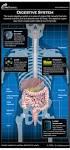 The digestive system Medicine and technology Normal structure and function Diagnostic methods Example diseases and therapies The digestive system An overview (1) Oesophagus Liver (hepar) Biliary system
An abdominal ultrasound produces a picture of the organs and other structures in the upper abdomen.
 Scan for mobile link. Ultrasound - Abdomen Ultrasound imaging of the abdomen uses sound waves to produce pictures of the structures within the upper abdomen. It is used to help diagnose pain or distention
Diseases of peritoneum Lect. Al Qassim University, Faculty of Medicine Phase II Year III, CMD 332 Pathology Department 31-32
 Diseases of peritoneum Lect Al Qassim University, Faculty of Medicine Phase II Year III, CMD 332 Pathology Department 31-32 Describe the etiology, pathogenesis and types of peritonitis Define ascites and
PANCREATIC AND PERIAMPULLARY TUMORS: PANCREATICODUODENECTOMY. Dr. Shailesh V. Shrikhande
 PANCREATIC AND PERIAMPULLARY TUMORS: PANCREATICODUODENECTOMY Dr. Shailesh V. Shrikhande Associate Professor & Consultant Surgeon GI and HPB Surgical Oncology Tata Memorial Hospital, Mumbai INDIA HELICAL
WHAT S WRONG WITH MY LIVER? HEMANGIOMA
 WHAT S WRONG WITH MY LIVER? HEMANGIOMA This is a patient information booklet providing specific practical information about hepatic hemangioma in brief. Its aim is to provide the patient & his or her family
Hepatocellular Carcinoma: What the hepatologist wants to know
 Hepatocellular Carcinoma: What the hepatologist wants to know Hélène Castel, MD Liver Unit Hôpital St-Luc CHUM? CAR Annual Scientific Meeting Saturday, April 27 th 2013 Disclosure statement I do not have
School of Diagnostic Medical Sonography
 Semester 1 Orientation - 101 This class is an introduction to sonography which includes a basic anatomy review, introduction to sonographic scanning techniques and physical principles. This curriculum
06/10/09. 64 Slice BODY CT PROTOCOLS. Table of Contents
 06/10/09 64 Slice BODY CT PROTOCOLS Table of Contents General CT Comments 1 Protocol Routine Abdomen/Pelvis.. Routine Chest, Abdomen and Pelvis Retroperitoneal Hemorrhage Trauma. CT Cystography... Triple
Pancreaticoduodenectomy (Pylorus-Preserving Whipple Procedure)
 Pancreaticoduodenectomy (Pylorus-Preserving Whipple Procedure) Operative Indications: Pancreaticoduodenectomy, or the Whipple procedure, may be indicated for a variety of benign and malignant diseases.