
Issues and Challenges
|
|
|
- Aubrey Parker
- 9 years ago
- Views:
Transcription
1 Social Protection in India: Issues and Challenges by Alakh N. Sharma Diksha Arora Institute for Human Development NIDM Building, 3 rd Floor, IP Estate Mahatma Gandhi Marg New Delhi

2 Social Protection The trickledown effect of economic growth to the poorer sections of the society did not successfully lead to poverty eradication. Poverty persists mainly due to the inability of some groups of people to participate in the process of economic growth. Philip and Rayhan (2004): the poor are more vulnerable than any other group. Vulnerability arises from the risks and insecurity caused by life cycle changes (death of an earning member), illness or health problems, natural calamities and the process of globalization and structural adjustments in the economy, global warming and increasingly flexible labour relations can lead to increased incidence of shocks. Social protection system helps to absorb the shocks and minimize its adverse impact on the vulnerable and poor and helps to make growth more pro-poor. Social security systems contribute not only to human security, dignity, equity and social justice, but also provide a foundation for political inclusion, empowerment and the development of democracy. (ILO)

3 Scope of Social Protection (SP) in India Defined in wider sense covering both absolute deprivation and contingencies Promotional vs. Protective (contingent) )Measures Both important in India because of high incidence of poverty and vulnerability (77%) 92% workers (including rural) informal, majority own account workers and self employed As a whole high level of livelihood insecurity But India has relied more on promotional measures (mainly social assistance) Protective measures mainly available to formal workers (8% of the workforce) 92% informal workers hardly covered (only 6% in 2005)

4 Promotional SP Measures Large numbers of promotional measures initiated since 1970s Food and nutrition programmes Public Distribution System (TDPS) Mid day Meals Integrated Child Development Scheme (ICDS) Housing Programme (IAY) for rural areas Self eployment programmes Swarna Jayanti Grameen Swarojgar Yojana (SGSY) Self Help Groups Pi Prime Minister i Employment tgeneration Programme (PMEGP) Swarna Jayanti Shahri Rojgar Yojana (SJSRY) Wage employment programmes Several programmesinitiated since 1970s Now all merged into NREGS for rural areas Two most important promotional programmes at present PDS NREGS

5 Targeted PDS Four major problems : High inclusion and exclusion errors Non viability of fair price shops Not fulfilling price stabilization objectives leakages (38% of rice and wheat) Manyadvocate advocate reverting back to universal PDS Several measures being taken for improvement Are food stamps or cash transfers an alternative to PDS?

6 National Rural Employment Guarantee Act (NREGA) The most important wage employment programme is National Rural Employment Guarantee Act (NREGA) now called MGNREGA. Objective is to enhance livelihood security in rural areas by providing at least 100 days of guaranteed wage employment to every household as a matter of right. Probably the largest ever public employment programme Demand for such a universal programme for urban workers is being demanded. However, government is reluctant due to complexities.

7 Social Protection for Informal Workers Dualism in Indian economy: Formal and informal India has about 456 million workers in ; around 92% are informal workers. Suffer from two sets of problems: (a) Capability Deprivation; (b) Adversity; no fallback mechanism to meet contingencies such as ill health, accident, death and old age. To some extent, promotional measures have helped in enhancing capabilities and livelihoods. But hardly any protective measure till recently. Welfare Boards, for specific workers etc.) occupational groups (such as beedi Boards set up by both state and central governments; Kerala and Tamil Nadu are the leading states As a whole only 6% workers were covered till 2005, but some measures initiated in recent years like RSBY. Steps are underway for effective PDS and a proposed food security act.

8 Old Age Pensions In India, the share of old age population is likely to increase from 6.9% in 2001 to 12.4% in 2026 (from 71 million to 173 millionduring i thisperiod). i National Old Age Pension scheme (NOAPS) introduced in Rs.75 per month was provided to persons 65 years and above among destitute t Amount enhanced to Rs.200 from and eligibility among BPL population. No. of beneficiaries increased from 6.7 million in to 15.5 million in Renamed as Indira Gandhi NOAPS since 2009; two more pensions schemes for widows and disabled d introduced. d Several State Governments have introduced own pension schemes, apart from Central Government. Scheme has performed well. But major problems low coverage and meager amount along with infrequent payments

9 Unorganised Sector Social Security Act (USSSA) 2008 A major milestone first attempt to address SP needs of informal workers Covers both self employed and wage workers Provides for formulation of schemes by central government on life and disability, health and maternity benefits, old age protection etc. Also provides for formulation of schemes relating lti to PF, employment enjoy benefits, housing, educational schemes for children, skill upgradation, old age homes, etc. by state governments. Setting up of National Social Society Board and Workers Facilitation Centres

10 USSSA Contd Schemes included in the Act Indira Gandhi National Old Age and Pensions Scheme (NOAPS) National Family Benefit Scheme Janam Suraksha Yojana (Mother s Protection Scheme) Handloom weavers comprehensive scheme Pension to Master Craft men National Scheme for welfare of fishermen Janashree Bima Yojana (Life Insurance for common people Rashtriya Swasthya Bima Yojana (RSBY) (National Health Insurance Scheme) Steps taken to include more schemes NOAPS and RSBY most important

11 Rastriya Swasthya BimaYojana (RSBY) All poor workers and their families to be covered. Scheme funded by central and state governments: 75:25 ratio Provides cashless insurance cover upto Rs. 30,000 per month (hospitalisation benefit) Migrant workers to be covered through smart card. All pre existing i diseases are covered Response very good about 100 million covered so far

12 Highlights ht from the survey data in Delhi and Ranchi (2010) This survey was undertaken to measure the informality, vulnerability, poverty, status t of migrants and social protection mechanisms of people in Delhi and Ranchi. The sample covers 3000 households: 2000 households in Delhi and 1000 households in Ranchi The different aspects of employment of workers in both the cities helps to calculate the extent of informality in labour market in both the cities and highlights the insecurity and vulnerability faced by workers and their households. h The survey also captures the extent of social protection coverage in Delhi and Ranchi. It brings out the gaps in social security measures provided by the employers, absence of social protection ti schemes in informal sector, inefficiency i of PDS provided d by the government and inadequate housing and sanitation system in cities.

13 Demographic Features of the population in Delhi and Ranchi Age Distribution of Population by Sex for Delhi and Ranchi Age Delhi Ranchi Group Male Female Total Male Female Total Below 5 years to 14 years to 25 years to 60 years years and above Sex ratio in Delhi is lower at 800 and higher at 971 in Ranchi Approximately 20% population is between 6 14 years, 25% between years and about 40% between years 23% males and 32.6 % females have no formal education, Ranchi has a much higher proportion of those with no formal education 37% males and 31% females have up till secondary level education 12.5% males and 8.9 % females have up till higher secondary education 94%males 9.4% and 8.3% 83%females have education up till graduation Delhi has slightly higher percentages for all educational levels, except technical and vocational training where, Ranchi has a higher proportion

14 Characteristics of Workers in the population Work Participation Rate for Delhi and Ranchi Delhi Ranchi All Work Participation Rate 45% 45% 45% Female Work Participation Rate 11% 18% 12% Male Work Participation Rate 72% 70% 72% Workers by Employment Status Work status Delhi Ranchi Total Own account worker Employer Unpaid family worker Regular salaried/wage worker Casual wage labourer

15 Distribution of Formal and Informal sector Definition of Informal sector: ILO Definition All the enterprises in the public sector and enterprises in private sector with 10 or more number of workers are in Formal Sector and rest all in Informal Sector Distribution of Workers by Informal and Formal sector Delhi Ranchi Total Informal sectorformal sector Male Female Total Male Female Total Male Female Total More than half of total workers are in informal sector. This % is higher for Ranchi. The % of female workers in informal sector smaller than that of male workers in Delhi, however it is same in case of Ranchi

16 The composition of informal sector Distribution of workers in formal and informal sector by their employment status Work status Informal sector Formal sector Own account worker 54.0 Employer Unpaid family worker Regular salaried worker Casual wage labourer About 3/4 th of informal sector comprises of own account workers and casual wage workers while regular salaried workers comprise more than two-thirds thirds of formal sector

17 Coverage of social protection in formal and informal sector Social protection comprises of any of the following benefits: Gratuity, Provident Fund and Pension Coverage of Social Protection by sector of Employment Social Protection Delhi Ranchi Total Yes No Yes No Yes No Informal sector Formal sector Total Of the total workers, less than one-quarter receive some form of Social Protection. More than 97% of workers in Informal sector and 65% of workers in the formal sector do not have any form of SP.

18 Informal workers include: Some facts about informal workers All workers in the informal sector and workers in the formal sector without any of the following social security benefit: 1. Gratuity 2. Provident fund The incidence of informal employment: 3. Pension Delhi Ranchi All Informal Workers Formal Workers Male Female Total Ml Male Female Total Male Female Total An overwhelming 85.5% 5% of the total workers are informal workers. Lesser female workers in informal employment in Delhi, but in case of Ranchi, much larger (about 93% of the female workers are informal workers)

19 Educational Attainment t of Informal and Formal Workers Delhi Ranchi Informal Workers Formal Workers Informal Workers Formal Workers Mean years of schooling Percentage of workers with higher education Percentage of workers with technical or vocational educatio A sharp contrast between proportion of formal and informal workers with respect to mean years of schooling, higher education and technical education

20 % Distribution of formal and informal workers by their employment status Sex wise Distribution ib ti of formal and informal workers by the their employment status tt Work status Informal Workers Formal Workers Male Female Total Male Female Total Own account worker Employer Unpaid family worker Regular salaried/wage worke Casual wage labourer A very high % of female workers are regular salaried A very low proportion of self employed female workers as compared to that of male workers Among the female informal workers, more than 60% are regular salaried workers while for male informal workers this figure is less than 40%

21 Income insecurity Average Monthly Income of Informal and formal Workers Informal Workers Formal Workers Sex Average Monthly Income Average Monthly Income Delhi Ranchi Total Delhi Ranchi Total Male Female The average monthly income of informal workers are just 1/3 rd of the average monthly income of formal workers A wide disparity in incomes of male and female informal workers whereas this disparity hardly exists for formal workers. About 17% of the informal workers were not getting wages less than Rs 100 per day.
22 Monthly Earnings of the workers (Rs.) Income insecurity (contd.) Monthly Earnings of the informal workers Percentage of Informal workers Delhi Ranchi Total Less than Rs Rs 2500 to Rs 3500 to Rs 5000 to Rs to More than Rs A huge concentration of informal workers in the lower income brackets, 72.4 % in Delhi and 87.3 % in Ranchi earn less than Rs per month On comparing the monthly earnings of male and female informal workers, the gender wage gap is quite evident. Within the informal workers and formal workers, there is a higher proportion of workers in lower income brackets in Ranchi
23 Income insecurity (contd.) Annual per capita household income of the informal workers Annual per capita income of the household (Rs.) Percentage of Informal workers Delhi Ranchi Total Less than Rs Rs to Rs to Rs25000 to Rs to More than Rs A similar pattern can be seen in the annual per capita household income of the informal workers, almost 50% households have less than Rs. 15, 000 annual per capita income
24 Income insecurity contd. Asset Ownership of Informal workers Percentage of Informal workers Ownership of Asset (value) Delhi Ranchi Total Rs Rs Rs Rs Rs and above There is considerable difference in asset ownership between Delhi and Ranchi
25 Labour market insecurity Informal workers by type of employment contract Distribution of informal workers by types of contract Percentage of Informal workers Type of contract Delhi Ranchi Total Open ended regular contract Long term contract Short term or work specific contract No written contract More than 70% of informal workers in Delhi and about 94% informal workers in Ranchi do not have a written contract
26 Labour market insecurity Informal workers by working conditions Average number of days worked by Informal workers No. of days Percentage of Informal workers worked in a week Delhi Ranchi Total one to five days six days seven days Average number of hours worked by Informal workers Percentage of Informal workers Average no. of hours worked in a day Delhi Ranchi Total 0 to 8 hours to 10 hours to 14 hours Overall, the informal workers are spending more number of hours and days working
27 Vulnerable Occupations Occupations with more than 40% of the workers in the lowest 3 income quintiles Distribution ib i of workers by their occupations in different income quintiles il Q1+Q2+Q3 Q4 Q5 Less than Rs 5000 to Rs Rs 9000 and above Occupations domestic wrokers, cleaners, washerman, caretakers, gardener street vendors, cobbler, other service providing on streets construction workers, masons, plumbers, painters, welders sweepers, sanitation workers home based workers, artisans, tailors, blacksmiths transport workers, drivers, conductors, rickshaw pullers shop workers, assistants, peons, delivery boy, waiters electricians, mechanics, fitters, repairers small shop keepers, traders clerks, defence workers, police, constables managers, operators, officers, engineers guards, loaders, coolie and packers agriculture related workers and cultivators service providers, barbers, carpentar, priest, cook % workerssecure occupations 46% workers- Less vulnerable occupations. 23% workers- Extremely vulnerable occupations. Secure occupations Less vulnerable occupations Extremely vulnerable Occupations
28 Vulnerable Occupations Distribution of Informal workers by their occupations in different income quintiles Q1+Q2+Q3 Q4 Q5 Less than Rs 5000 to Rs 9000 and Occupations Rs above domestic wrokers, cleaners, washerman, caretakers, gardener street vendors, cobbler, other service providing on streets construction workers, masons, plumbers, painters, welders sweepers, sanitation workers home based workers, artisans, tailors, blacksmiths transport workers, drivers, conductors, rickshaw pullers shop workers, assistants, peons, delivery boy, waiters electricians, mechanics, fitters, repairers small shop keepers, traders clerks, defence workers, police, constables managers, operators, officers, engineers guards, loaders, coolie and packers agriculture related workers and cultivators service providers, barbers, carpentar, priest, cook A high proportion of the informal workers are in the vulnerable occupations Some Less vulnerable occupations become extremely vulnerable occupations for informal workers For informal employment more occupations have more than 60% of the workers in the bottom 3 quintiles.
29 Social Exclusion Percentage of informal worker households by their social groups % of informal workers Caste City ST SC OBC General Delhi Ranchi All Discrimination in labour markets: the proportion of informal workers is higher for ST, SC And OBC social groups as compared to general category. The percentage of informal workers in socially discriminated groups is relatively lesser In Ranchi as compared to Delhi.
30 Health Insecurity Informal Formal Workers HH Workers HH Mean Duration of Sickness (days) Mean Health expenditure Mean Expenses covered by health insurance/govt. scheme (Rs.) Average Other expenses from your pocket (Rs.) Treated by Informal Workers HH Formal Workers HH Total Government thospital Government and private both Private medical practitioner Traditional (unani, hakim,local vaidya etc.) Mean health expenditure (Rs.) Income quintiles Informal Workers HH Formal Workers HH Q1+Q2+Q3Q2 Q Q Q % of the households have reported one or more persons falling sick Mean expenditure on health is very low amongst the informal worker households The mean expenditure covered by health insurance for formal worker households is about 3 times more than the expenditure covered by insurance for informal worker households.
31 Housing and Basic Amenities Insecurity Distribution by informal worker HH by their type of housing Type of house Delhi Ranchi Informal Formal Informal Formal Within the informal worker HH, those living in Katcha house is higher. Workers HH Workers HH Workers HH Workers HH Katcha House Semi pucca Pucca Overall, the proportion of HH living in Katcha house is greater in Ranchi Distribution by informal worker HH by no. of rooms in their house Delhi Ranchi Informal Formal Informal Formal No. of rooms Workers Workers Workers Workers in the house HH HH HH HH 1 room rooms rooms rooms and more In Delhi, about 50% of the informal worker HHs live in a house with only one room The situation is little better in Delhi. However, in both cities informal worker HHs are worse off
32 Housing Insecurity and Basic Amenities (contd.) Distribution by informal worker HH by kind of toilet facility Delhi Ranchi Informal Formal Informal Formal Workers Workers Workers Workers Toilet facility HH HH HH HH Exclusively used by household Shared by HH with other HHs in the house No toilet twithin the house Informal Workers HH Delhi Formal Workers HH Informal Workers HH Ranchi Formal Workers HH % of HH with Drainage facility % of HH with Electricity
33 Own provision for Social Protection In absence of employer or state provision for social protection, HHs opt for own provisioning mechanisms Percentage of people in Informal worker HH with their own provisions for social protection Delhi Ranchi All % of informal worker HH with Deposit link insurance % of informal worker HH with Life insurance % of informal worker HH with Health insurance Own provision is not sufficient Very few Informal worker HHs have sufficient social protection schemes
34 Own provision for Social Protection % of HH with Deposit Linked Insurance Scheme within each income quintile Annual lincome of the householdh Deposit Linked Insurance Scheme Q1+Q2+Q3 Q4 Q5 Total Informal Worker Households Formal Worker Households % of HH with Life Insurance Scheme within each income quintile Annual Income of the household Life Insurance Scheme Q1+Q2+Q3 Q4 Q5 Total Informal Worker Households Formal Worker Households % of HH with Health Insurance Scheme within each income quintile Annual Income of the household HealthInsurance Scheme Q1+Q2+Q3 Q4 Q5 Total Informal Worker Households Formal Worker Households Income plays an important role and increases the probability of having social security schemes Education too plays a role in increasing the chances of owning social security schemes.
35 Promotional measure of Social protection from the State Distribution of informal worker HH by the type of ration card Type of ration card Delhi Ranchi Overall, 50% of households without a card Antodaya card suggest poor management and functioning of PDS. BPL card APL card No card Distribution ib ti by informal worker HH by the quantity of food grains purchased form PDS Qty of foodgrains bought from PDS Delhi Ranchi None to 10 KG to 15 KG to 25 KG KG and more Amongst the Antodaya and BPL card holders, households have not been able to buy food grains from PDS.
36 Needs and Gaps in Social Protection Provision Social Protection ti Index Social Protection Index gives a value (0 to 1) that determines the coverage of social protection for individuals. The mean value of the index for each city Delhi and Ranchi gives social protection coverage throughout the city. This index is an unweighted average of employer s benefit index, state benefit index, private benefit index and private monthly income Perceptions of Individuals The perceptions from HH data are helpful in determining the needs and gaps in Social protection provisioning
37 Needs and Gaps in Social Protection Provision Mean Value of Social Protection Index by work status Delhi Ranchi All Work status Male Female Male Female Male Female Own account worker Employer Unpaid family worker Regular salaried worker Casual wage labourer Mean Value of Social Protection ti Index by sector of employment Delhi Ranchi All Male Female Male Female Male Female Informal sector Formal Sector Mean Value of Social Protection Index for informal and formal workers Mean Social Protection index Delhi Ranchi Informal workers Formal workers The mean value of Social Protection Index for the whole sample is 0.343, implying a very narrow coverage. The value of index for Delhi is 0.37 and Ranchi is Social protection Coverage being very poor for own account workers and casual wage labourers Informal sector workers as well as Informal workers observe a very low mean value of social protection index compared to formal workers However, the value of index is not encouraging for formal sector too.
38 Needs and Gaps in Social Protection Provision Mean Value of Social ProtectionIndex by different categories of Occupations City Occupation category Delhi Ranchi Extremely vulnerable occupation Less vulnerable Occupation Secure occupation Mean Value of Social Protection Index by category of occupations for informal and formal workers City Delhi Ranchi Informal Formal Informal Formal Employment Employment Employment Employment Occupation category Extremely vulnerable occupation Less vulnerable Occupation Secure occupation Mean value of social protection index relatively lower for extremely vulnerable jobs as compared to less vulnerable occupations. Overall the coverage is very poor among these 2 categories of occupations Situation is worse in Ranchi Wide disparity between the value of index for informal and formal workers in vulnerable occupations.
39 Perception of Individuals Percentage of informal workers satisfied by: Work Weekly hours Income environment worked Percentage of informal regular salaried/wage workers satisfied by: Non wage Opportunity benefits for promotion
40 Perceptions regarding governance related Issues A whooping 95% of the households believe that the government has been a failure in reducing poverty Overall about 18% of informal worker households believe that government has been successful in providing health care facilities. In Ranchi, this % is about 36%, indicating a higherh levell of satisfaction form government related health care services. As we go up the income level, the % of HHs believing in the success of government increases. About 75% of the informal worker HHs believe that the government has failed in providing food grains at subsidized rates and % of this % is little lower for Ranchi as compared to Delhi A very high 73% of informal worker HHs in Delhi as compared to 57% HHs in Ranchi believe that government has been a success in providing electricity. This point is validated by poor electrification of houses in type of housing
41 Conclusion and Policy Implications 1.Informal workers are heterogeneous and face several types of vulnerabilities and uncertainties in livelihoods. -Labour market insecurity including insufficient income -Insecurity relating to shelter and basic amenities -Insecurity relating to minimum basic needs like food and health 2.State largely failed in contingencies related social protection needs, although some measures have been recently devised -Due to low levels of income vast majority of informal workers are not able to resort to private provisioning needed for contingencies related social protection measures -State sponsored promotional measures of social protection (PDS -State sponsored promotional measures of social protection (PDS, education, employment and productivity enhancement) does not reach overwhelming majority of workers
42 Conclusion and Policy Implications 3. There is huge need for SP for informal workers Need for some universal social minimum income (including old age pension, health, food etc.) Need for different kind of strategy for variou categories of workers 4. Issue is centre of public policy debate PDS with wide coverage as well as extending RSBY Urbanemployment guarantee program Flow of credit to own account workers and small enterprises Universal registration and unique identification
43 THANK YOU
7.2. Insurance and Investments
 Personal Finance and Money Management (Basics of Savings, Loans, Insurance and Investments) ------------------------------------------------------------------------------------ Module 7 Topic-2 ------------------------------------------------------------------------------------
SOCIAL SECURITY AND PENSIONS IN INDIA
 SOCIAL SECURITY AND PENSIONS IN INDIA PRESENTATION APRIL 2-3, 2003 COLOMBO (SRI LANKA) U.KSINHA MINISTRY OF FINANCE, GOI, NEW DELHI FRAMEWORK OF THE PRESENTATION BASIC FACTS ON INDIAN ECONOMY COMPONENTS
Question 1: What does NSAP stand for and when was it launched?
 Question 1: What does NSAP stand for and when was it launched? Answer: NSAP stands for National Social Assistance Programme. NSAP was launched on 15th August, 1995. Question 2: What is the justification
Sectors of the Indian Economy
 CLASS : X SUBJECT : ECONOMICS TOPIC :SECTOR OF INDIAN ECONOMY MONTH : JULY, 2012 TEACHER S NAME: MRS. ASHIMA SHARMA Sectors of the Indian Economy Economic activities are activities that result in the production
Summary of Sachar Committee Report
 Summary of Sachar Committee Report Background On March 9, 2005 the Prime Minister issued a Notification for the constitution of a High Level Committee to prepare a report on the social, economic and educational
REDEFINING POVERTY LINES AND SURVEY OF BPL FAMILIES. ( Rural Areas)
 REDEFINING POVERTY LINES AND SURVEY OF BPL FAMILIES Proposal Submitted to Honb le CM ( Rural Areas) 1. 8 th Plan 1992-97 : Ministry of Rural Development, GoI conducts BPL census at the beginning of each
Press Note on Poverty Estimates, 2009-10
 Press Note on Poverty Estimates, 2009-10 Government of India Planning Commission March 2012 GOVERNMENT OF INDIA PRESS INFORMATION BUREAU ***** POVERTY ESTIMATES FOR 2009-10 New Delhi, 19 th March, 2012
GUIDELINES FOR IDENTIFICATION OF ELIGIBLE HOUSEHOLDS TO RECEIVE FOOD GRAINS AT SUBSIDIZED PRICES UNDER NATIONAL FOOD SECURITY ORDINANCE 2013
 GUIDELINES FOR IDENTIFICATION OF ELIGIBLE HOUSEHOLDS TO RECEIVE FOOD GRAINS AT SUBSIDIZED PRICES UNDER NATIONAL FOOD SECURITY ORDINANCE 2013 1. In case of most vulnerable & vulnerable households who are
C. DEVELOPMENT OF WOMEN AND CHILDREN IN RURAL AREAS (DWCRA) :
 C. DEVELOPMENT OF WOMEN AND CHILDREN IN RURAL AREAS (DWCRA) : 71 The scheme - DWCRA was aimed to improve the socio-economic status of the poor women in the rural areas through creation of groups of women
Enhancing Skills and Faster Generation of Employment
 The Planning Commission Approach to the 12 th Plan Enhancing Skills and Faster Generation of Employment Enhancing Skills to Reap Demographic Dividend Skill building can be viewed as an instrument to improve
Important Issues on Ageing in India Recommendations To Planning Commission- Will social improvements for elderly grow by 8 %?
 Important Issues on Ageing in India Recommendations To Planning Commission- Will social improvements for elderly grow by 8 %? HELPAGE INDIA Comparative Demographic Facts 25 21 21 20 % 15 10 8 12 India
ZAMBIA SOCIAL PROTECTION CASE STUDY. Bestone Mboozi SENIOR SOCIAL WELFARE OFFICER MINISTRY OF COMMUNITY DEVELOPMENT AND SOCIAL SERVICES ZAMBIA
 ZAMBIA SOCIAL PROTECTION CASE STUDY Bestone Mboozi SENIOR SOCIAL WELFARE OFFICER MINISTRY OF COMMUNITY DEVELOPMENT AND SOCIAL SERVICES ZAMBIA PRESENTATION OUTLINE Background History of Social Protection
Tailor-made training programmes in Bulgaria
 MUTUAL LEARNING PROGRAMME: PEER COUNTRY COMMENTS PAPER - BULGARIA Tailor-made training programmes in Bulgaria Peer Review on Tailor-made training programmes Luxembourg, 23-24 April 2009 A paper submitted
Facts on People with Disabilities in China
 Facts on People with Disabilities in China Background In China, a disabled person is defined as one who suffers from abnormalities of loss of a certain organ or function, psychologically or physiologically,
Estimating domestic workers, home-based workers, street vendors and waste pickers in India
 Estimating domestic workers, home-based workers, street vendors and waste pickers in India 1. Introduction: why improved methods are critical? In a policy brief, Global and Regional Estimates on Domestic
Primary School Net and Gross Attendance Rates, India. Primary School Net Attendance Rate in Urban and Rural Areas, India
 Primary School Net and Gross Attendance Rates, India About one-fourth of school age children in India do not attend primary school on time although of children attend primary school at some time in. of
Supporting Kerala s Additional Skill Acquisition Program in Post-Basic Education (RRP IND 47334) DEMAND ANALYSIS
 FEMALES MALES TOTAL Supporting Kerala s Additional Skill Acquisition Program in Post-Basic Education (RRP IND 47334) DEMAND ANALYSIS 1. This background note begins with a brief description of the educational
MEASURING THE SOCIOECONOMIC STATUS OF URBAN BELOW POVERTY LINE FAMILIES IN IMPHAL CITY, MANIPUR: A LIVELIHOODS STUDY
 MEASURING THE SOCIOECONOMIC STATUS OF URBAN BELOW POVERTY LINE FAMILIES IN IMPHAL CITY, MANIPUR: A LIVELIHOODS STUDY DR. G.R. RATHOD*; MR. ATHING NINGSHEN** *Director, Social Sciences Centre, Bharati Vidyapeeth
Introduction to Retirement Planning
 Introduction to Retirement Planning for School Students Retirement: is a stage in the life cycle of an individual when one stops being an active part of the productive/ working population on account of
Gender inequalities in South African society
 Volume One - Number Six - August 2001 Gender inequalities in South African society South Africa's national policy framework for women's empowerment and gender equality, which was drafted by the national
TABLE OF CONTENTS SL CONTENT PAGE NO. 1 INTRODUCTION 1 2 OBJECTIVE OF SCHEME 1 3 BENEFITS OF SCHEME 2 4 ELIGIBILITY OF SCHEME 2 5 INSURANCE COVERAGE
 TABLE OF CONTENTS SL CONTENT PAGE NO. 1 INTRODUCTION 1 2 OBJECTIVE OF SCHEME 1 3 BENEFITS OF SCHEME 2 4 ELIGIBILITY OF SCHEME 2 5 INSURANCE COVERAGE 3 6 PREMIUM FOR RSBY 3 7 MAJOR STAKE HOLDERS 3 8 ROLES
ELDER ABUSE IN INDIA
 REPORT ON ELDER ABUSE IN INDIA Don t Ignore it. Prevent it. HelpAge India (headoffice): C 14, Qutab Institutional Area. New Delhi 110016. Ph: 011-41688955 56. www.helpageindia.org Consultant: Sigma Research
G20 EMPLOYMENT WORKING GROUP COUNTRY SELF-REPORTING TEMPLATE ON IMPLEMENTATION OF G20 EMPLOYMENT PLANS
 G20 EMPLOYMENT WORKING GROUP COUNTRY SELF-REPORTING TEMPLATE ON IMPLEMENTATION OF G20 EMPLOYMENT PLANS Contents 1. Key economic and labour market indicators 2. Key policy indicators 3. Checklist of commitments
DOMESTIC WORKERS RIGHTS - KENYA
 DOMESTIC WORKERS RIGHTS - KENYA INDEX 1. Introduction... 3 2. Definition and legal rights... 3 3. Role in the economy... 3 4. Life experiences... 4 5. Forms of employment 5 6. Recommendations.. 6 7. References
Social Security and Senior Citizen
 Punita Shaw Social Security and Senior Citizen Introduction Respect to elders is an integral part our culture. Helps tender in any form to elders are consider as a sacred/ service to God. This continued
Social Policy Analysis and Development
 Social Policy Analysis and Development UNICEF/Julie Pudlowski for children unite for children UNICEF/Giacomo Pirozzi Fast facts Children 0 14 years living below the basic needs poverty line Children 0
HEALTH TRANSITION AND ECONOMIC GROWTH IN SRI LANKA LESSONS OF THE PAST AND EMERGING ISSUES
 HEALTH TRANSITION AND ECONOMIC GROWTH IN SRI LANKA LESSONS OF THE PAST AND EMERGING ISSUES Dr. Godfrey Gunatilleke, Sri Lanka How the Presentation is Organized An Overview of the Health Transition in Sri
Role of Self-help Groups in Promoting Inclusion and Rights of Persons with Disabilities
 Role of Self-help Groups in Promoting Inclusion and Rights of Persons with Disabilities *K.P.Kumaran 105 ABSTRACT Aim:This study examined the role of self help groups in addressing some of the problems
DIRECT BENEFITS TRANSFER SCHEME
 DIRECT BENEFITS TRANSFER SCHEME DIRECT BENEFITS TRANSFER FOREWORD There are many schemes and programmes of the Government of India under which many benefits are provided to the people such as subsidies,
Nepal. Country coverage and the methodology of the Statistical Annex of the 2015 HDR
 Human Development Report 2015 Work for human development Briefing note for countries on the 2015 Human Development Report Nepal Introduction The 2015 Human Development Report (HDR) Work for Human Development
It is important to understand child poverty as multidimensional. Income poverty in South Africa. Annie Leatt (Children s Institute)
 Income poverty in South Africa Annie Leatt (Children s Institute) It is important to understand child poverty as multidimensional and more than just a lack of income. Nevertheless, this essay specifically
Sierra Leone. Country coverage and the methodology of the Statistical Annex of the 2015 HDR
 Human Development Report 2015 Work for human development Briefing note for countries on the 2015 Human Development Report Sierra Leone Introduction The 2015 Human Development Report (HDR) Work for Human
Briefing note for countries on the 2015 Human Development Report. Niger
 Human Development Report 2015 Work for human development Briefing note for countries on the 2015 Human Development Report Niger Introduction The 2015 Human Development Report (HDR) Work for Human Development
DELIVERY OF SOCIAL SECURITY AND PENSION BENEFITS IN KARNATAKA
 DELIVERY OF SOCIAL SECURITY AND PENSION BENEFITS IN KARNATAKA By D Rajasekhar, G Sreedhar, N L Narasimha Reddy R R Biradar and R Manjula Submitted to Directorate of Social Security and Pensions Department
Thailand. Country coverage and the methodology of the Statistical Annex of the 2015 HDR
 Human Development Report 2015 Work for human development Briefing note for countries on the 2015 Human Development Report Thailand Introduction The 2015 Human Development Report (HDR) Work for Human Development
Briefing note for countries on the 2015 Human Development Report. Burkina Faso
 Human Development Report 2015 Work for human development Briefing note for countries on the 2015 Human Development Report Burkina Faso Introduction The 2015 Human Development Report (HDR) Work for Human
Health Security for All
 Health Security for All A joint partnership between Government of Jharkhand and ILO Sub Regional Office for South Asia, New Delhi Dr. Shivendu Ministry of Health, Family Welfare, Medical Education and
How does access to social pensions and public health care affect the well-being of elderly poor in India?
 How does access to social pensions and public health care affect the well-being of elderly poor in India? Sitakanta Panda and Sourabh B. Paul (IIT Delhi) Katharina Michaelowa and Viola Werner (UZH) Indo-Swiss
Briefing note for countries on the 2015 Human Development Report. Palestine, State of
 Human Development Report 2015 Work for human development Briefing note for countries on the 2015 Human Development Report Palestine, State of Introduction The 2015 Human Development Report (HDR) Work for
Tanzania (United Republic of)
 Human Development Report 2015 Work for human development Briefing note for countries on the 2015 Human Development Report Tanzania (United Introduction The 2015 Human Development Report (HDR) Work for
Ninety three percent of the workforce in India
 WIEGO Policy Brief (Social Protection) N o 10 September 2012 Health Insurance in India: The Rashtriya Swasthya Bima Yojana Assessing Access for Informal Workers Kalpana Jain 1 Ninety three percent of the
Briefing note for countries on the 2015 Human Development Report. Mozambique
 Human Development Report 2015 Work for human development Briefing note for countries on the 2015 Human Development Report Mozambique Introduction The 2015 Human Development Report (HDR) Work for Human
Review of Unemployment Protection in the Philippines. Sharon Faye A. Piza and Michael del Mundo
 Review of Unemployment Protection in the Philippines Sharon Faye A. Piza and Michael del Mundo Outline Background Existing schemes for unemployment protection Recent proposals for reform Analysis of the
Goal 1: Eradicate extreme poverty and hunger. 1. Proportion of population below $1 (PPP) per day a
 Annex II Revised Millennium Development Goal monitoring framework, including new targets and indicators, as recommended by the Inter-Agency and Expert Group on Millennium Development Goal Indicators At
Briefing note for countries on the 2015 Human Development Report. Philippines
 Human Development Report 2015 Work for human development Briefing note for countries on the 2015 Human Development Report Philippines Introduction The 2015 Human Development Report (HDR) Work for Human
ATAL PENSION YOJANA (APY) - SUBSCRIBER REGISTRATION FORM
 ATAL PENSION YOJANA (APY) - SUBSCRIBER REGISTRATION FORM (Administered by Pension Fund Regulatory and Development Authority) To, The Branch Manager, Bank Branch Dear Sir/Madam, I hereby request that an
INDICATOR REGION WORLD
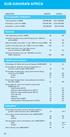 SUB-SAHARAN AFRICA INDICATOR REGION WORLD Demographic indicators Total population (2006) 748,886,000 6,577,236,000 Population under 18 (2006) 376,047,000 2,212,024,000 Population under 5 (2006) 125,254,000
Russian Federation. Country coverage and the methodology of the Statistical Annex of the 2015 HDR
 Human Development Report 2015 Work for human development Briefing note for countries on the 2015 Human Development Report Russian Federation Introduction The 2015 Human Development Report (HDR) Work for
Malawi. Country coverage and the methodology of the Statistical Annex of the 2015 HDR
 Human Development Report 2015 Work for human development Briefing note for countries on the 2015 Human Development Report Malawi Introduction The 2015 Human Development Report (HDR) Work for Human Development
United Kingdom. Country coverage and the methodology of the Statistical Annex of the 2015 HDR
 Human Development Report 2015 Work for human development Briefing note for countries on the 2015 Human Development Report United Kingdom Introduction The 2015 Human Development Report (HDR) Work for Human
Who is excluded in Ghana s National Health Insurance Scheme and why: A Social, Political, Economic and Cultural (SPEC)-bystep
 Who is excluded in Ghana s National Health Insurance Scheme and why: A Social, Political, Economic and Cultural (SPEC)-bystep Analysis Felix A. Asante; Daniel K. Arhinful; Ama P. Fenny; Anthony Kusi, Gemma
Over-Age, Under-Age, and On-Time Students in Primary School, Tanzania
 Primary School Net and Gross Attendance Rates, Tanzania More than three quarters of primary school age children in Tanzania attend school and gender parity in attendance has been achieved. 1 of children
Congo (Democratic Republic of the)
 Human Development Report 2015 Work for human development Briefing note for countries on the 2015 Human Development Report Congo (Democratic Republic of the) Introduction The 2015 Human Development Report
Primary School Net and Gross Attendance Rates, Kenya. Over-Age, Under-Age, and On-Time Students in Primary School, Kenya
 Primary School Net and Gross Attendance Rates, Kenya Nearly of primary school age children in Kenya attend school with slightly more females than males attending. of children ages - attend primary school.
2. SELF EMPLOYMENT PROGRAMMES SWARNAJAYANTI GRAM SWAROZGAR YOJANA (SGSY ) A : IRDP
 2. SELF EMPLOYMENT PROGRAMMES SWARNAJAYANTI GRAM SWAROZGAR YOJANA (SGSY ) A : IRDP 24 The Integrated Rural Development Programme (IRDP) was aimed at providing self-employment to the rural poor through
El Salvador. Country coverage and the methodology of the Statistical Annex of the 2015 HDR
 Human Development Report 2015 Work for human development Briefing note for countries on the 2015 Human Development Report El Salvador Introduction The 2015 Human Development Report (HDR) Work for Human
THE ROLE OF NSSF IN THE WELFARE AND DEVELOPMENT OF THE KENYAN SOCIETY
 THE ROLE OF NSSF IN THE WELFARE AND DEVELOPMENT OF THE KENYAN SOCIETY Said Chitembwe National Social Security Fund, Kenya Paper Presented at the Mijadala on Social Policy, Governance and Development in
Social Security in Informal Sector : A Myth
 Odisha Review September - 2012 Social Security in Informal Sector : A Myth Kabita Das, Prof. K.B. Das, Dr. Subhransubala Mohanty A B S T R A C T Social security means the overall security for a person
Madagascar. Country coverage and the methodology of the Statistical Annex of the 2015 HDR
 Human Development Report 2015 Work for human development Briefing note for countries on the 2015 Human Development Report Madagascar Introduction The 2015 Human Development Report (HDR) Work for Human
A version of this essay was published as "Reduziert die Globalisierung die Kinderarbeit?" in Neue Zürcher Zeitung, February 23/24, 2002 p29.
 Globalization and the Economics of Child Labor A version of this essay was published as "Reduziert die Globalisierung die Kinderarbeit?" in Neue Zürcher Zeitung, February 23/24, 2002 p29. Eric V. Edmonds
India. Country coverage and the methodology of the Statistical Annex of the 2015 HDR
 Human Development Report 2015 Work for human development Briefing note for countries on the 2015 Human Development Report India Introduction The 2015 Human Development Report (HDR) Work for Human Development
GOVERNMENT SPONSORED PROGRAMMES
 GOVERNMENT SPONSORED PROGRAMMES The Government at Centre and State are implementing Programmes for alleviating poverty, providing gainful employment to various sections of the people viz. Men, women, youth
Executive summary. Global Wage Report 2014 / 15 Wages and income inequality
 Executive summary Global Wage Report 2014 / 15 Wages and income inequality Global Wage Report 2014/15 Wages and income inequality Executive summary INTERNATIONAL LABOUR OFFICE GENEVA Copyright International
Therefore, AGE Platform Europe would be pleased if the Committee could take into account the following amendments.
 Suggestions for amending the Draft General Comment on the Right to just and favourable conditions of work (article 7 of the International Covenant on Economic, Social and Cultural Rights) (E/C.12/54/R.2)
A Social Protection Floor for all: The UN initiative, the ILO and the South-South dialogue
 A Social Protection Floor for all: The UN initiative, the ILO and the South-South dialogue Michael Cichon Social Security Department, ILO 16 June 2010 1 Structure of the presentation One: Two: Three: Four:
MDG INDONESIA: STATUS AND THE WAY FORWARD
 MDG INDONESIA: STATUS AND THE WAY FORWARD Endah Murniningtyas-National Development Planning Agency Widyono University of Indonesia Presented at the UN-DESA UN-ESCAP MDG Workshop Bangkok, 20-22 August 2008
Equality between women and men
 Equality between women and men Gender equality means an equal visibility, empowerment, responsibility and participation of women and men in all spheres of public and private life. It also means an equal
Summary. Accessibility and utilisation of health services in Ghana 245
 Summary The thesis examines the factors that impact on access and utilisation of health services in Ghana. The utilisation behaviour of residents of a typical urban and a typical rural district are used
GENDERED VULNERABILITY
 GENDERED VULNERABILITY AN ACCOUNT OF FEMALE HEADED HOUSEHOLDS IN INDIA Achala Gupta St. John s College, University of Cambridge, United Kingdom Nandan Kumar International Institute for Population Sciences,
INDICATOR REGION WORLD
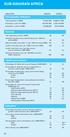 SUB-SAHARAN AFRICA INDICATOR REGION WORLD Demographic indicators Total population (2005) 713,457,000 6,449,371,000 Population under 18 (2005) 361,301,000 2,183,143,000 Population under 5 (2005) 119,555,000
Distribution of Population by Religions
 Drop-in-Article on Census - No.4 Distribution of Population by Religions Religious profile of the populace is an important socio-cultural and demographic feature noticeable from the first Census in 1872
CHAPTER-IV: IMPORTANT SOCIAL POLICIES IN INDIA {to include relevant sociopolitical-economic
 CP4.1 SOCIAL POLICY, PLANNING FOR SOCIAL DEVELOPMENT CHAPTER-I: CONCEPT OF SOCIAL POLICY 1. Concept, meaning and importance of a policy 2. Social Policy a. definition, meaning b. importance and scope c.
APPENDIX 1 QUESTIONNAIRE TO BENEFICIARIES PLEASE ANSWER FOR THE FOLLOWING QUESTIONS, YOUR IDENTITY IS GUARDED. PLEASE FEEL FREE TO GIVE YOUR COMMENTS.
 396 APPENDIX 1 QUESTIONNAIRE TO BENEFICIARIES PLEASE ANSWER FOR THE FOLLOWING QUESTIONS, YOUR IDENTITY IS GUARDED. PLEASE FEEL FREE TO GIVE YOUR COMMENTS. GENERAL INFORMATION : 1. Policy number (optional)
RESEARCH. Poor Prescriptions. Poverty and Access to Community Health Services. Richard Layte, Anne Nolan and Brian Nolan.
 RESEARCH Poor Prescriptions Poverty and Access to Community Health Services Richard Layte, Anne Nolan and Brian Nolan Executive Summary Poor Prescriptions Poor Prescriptions Poverty and Access to Community
The Gender Wage Gap by Occupation 2014
 IWPR # C431 April 2015 The Gender Wage Gap by Occupation 2014 and by Race and Ethnicity Women s are lower than men s in nearly all s, whether they work in s predominantly done by women, s predominantly
CONCEPT NOTE. High-Level Thematic Debate
 CONCEPT NOTE High-Level Thematic Debate Advancing Gender Equality and Empowerment of Women and Girls for a Transformative Post-2015 Development Agenda 6 March 2015 Introduction The UN and the international
A STUDY ON OWN FUND REVENUE GENERATION THROUGH COMMON PROPERTY RESOURCE MANAGEMENT IN MADANMOHANPUR GRAM PANCHAYAT, WEST BENGAL
 A STUDY ON OWN FUND REVENUE GENERATION THROUGH COMMON PROPERTY RESOURCE MANAGEMENT IN MADANMOHANPUR GRAM PANCHAYAT, WEST BENGAL INTRODUCTION:- Self-Governing Institutions are an integral part of the Indian
An update on the level and distribution of retirement savings
 ASFA Research and Resource Centre An update on the level and distribution of retirement savings Ross Clare Director of Research March 2014 The Association of Superannuation Funds of Australia Limited (ASFA)
2. THE ECONOMIC BENEFITS OF EDUCATION
 2. THE ECONOMIC BENEFITS OF EDUCATION How much more do tertiary graduates earn? How does education affect employment rates? What are the incentives for people to invest in education? What are the incentives
Communal Toilets in Urban Poverty Pockets
 Briefing note Communal Toilets in Urban Poverty Pockets Use and user satisfaction associated with seven communal toilet facilities in Bhopal, India Introduction During November 2008 an exploratory study
HEALTH INSURANCE: NEED OF THE HOUR IN INDIA
 HEALTH INSURANCE: NEED OF THE HOUR IN INDIA *Ramesh Verma 1, Avneet Singh 2, Ajay Tyagi 1, Suraj Chawla 1, Kapil Bhalla 3 and Shankar Prinja 4 1 Department of Community Medicine; Pt. B.D. Sharma PGIMS,
Measuring Women Status And Gender Statistics in Cambodia Through the Surveys and Census
 Global Forum on Gender Statistics 27 29 March 2012, Dead Sea, Jordan Measuring Women Status And Gender Statistics in Cambodia Through the Surveys and Census By Mrs. Hang Lina, Deputy Director General National
MOST URGENT. Ref: 227/A/2015-16 dated August 12, 2015 To: All Managing Committee and General Council Members of BAI All Office Bearers of BAI Centres
 BUILDERS UILDERS ASSOCIATION OF INDIA (All-India Association of Engineering Construction Contractors and Builders) G-1/G-20, 7th floor, Commerce Centre, J. Dadajee Road, Tardeo, Mumbai 400034 Tel : (91-22)
The IBIS Education for Change strategy states the overall objective
 CONCEPT PAPER: YOUTH EDUCATION & TRAINING 1 Concept Paper youth education & training Photo: Ricardo Ramirez The IBIS Education for Change strategy states the overall objective of IBIS work with education
7. Work Injury Insurance
 7. Work Injury Insurance A. General Work injury insurance provides an insured person who is injured at work a right to receive a benefit or other defined assistance, in accordance with the nature of the
A Study on Consumer Behavior of Aavin Milk in Bhel Township: Trichy
 ISSN: 2321-7782 (Online) Volume 1, Issue 4, September 2013 International Journal of Advance Research in Computer Science and Management Studies Research Paper Available online at: www.ijarcsms.com A Study
Tamil Nadu DATA HIGHLIGHTS : THE SCHEDULED CASTES Census of India 2001
 Tamil Nadu DATA HIGHLIGHTS : THE SCHEDULED CASTES Census of India 2001 The total population of Tamil Nadu, as per the 2001 Census is 62,405,679. Of this, 11,857,504 (19 per cent) are Scheduled Castes (SCs).
Eliminating child labour in agriculture
 Eliminating child labour in agriculture Gender, Equity and Rural Employment Division Economic and Social Development Department Food and Agriculture Organization of the United Nations May 2010 The following
Smart Pensions salary exchange. what it means
 Smart salary exchange what it means to you How the salary exchange agreement works Smart is a salary exchange agreement which allows both you and the company to make National Insurance Contribution (NIC)
COST OF HEALTH CARE- A STUDY OF UNORGANISED LABOUR IN DELHI. K.S.Nair*
 Health and Population -Perspectives and Issues: 24 (2): 88-98, 2001 COST OF HEALTH CARE- A STUDY OF UNORGANISED LABOUR IN DELHI K.S.Nair* ABSTRACT The study attempts to estimate the economic burden of
Training Construction Workers for Sustainable Environment
 International Journal of Environmental Research and Development. ISSN 2249-3131 Volume 4, Number 1 (2014), pp. 21-26 Research India Publications http://www.ripublication.com/ijerd.htm Training Construction
Chapter 9. Labour Relations and Social Security. 62 PwC
 Chapter 9 Labour Relations and Social Security 62 PwC Labour relations Availability of labour Malta s labour force is about 164,347, the majority of which are male. Malta s long-standing educational system
INDONESIA: PROVIDING HEALTH INSURANCE FOR THE POOR
 SERIES: SOCIAL SECURITY EXTENSION INITATIVES IN SOUTH EAST ASIA INDONESIA: PROVIDING HEALTH INSURANCE FOR THE POOR ILO Subregional Office for South East Asia Decent Work for All Asian Decent Work Decade
a) Identification of the needs and constraints of the target group(s)
 Foster a Child Affected by HIV/AIDS I. THE PROJECT 1.1 Title Foster a Child Programme (FCP) in the Namakkal District, Tamilnadu, India. 1.2 Place The Project is going to be implemented in 90 villages of