
The Achilles tendon spans
|
|
|
- Gervase Anthony
- 9 years ago
- Views:
Transcription
1 COVER ARTICLE PRACTICAL THERAPEUTICS Common Conditions of the Achilles Tendon MICHAEL F MAZZONE, MD, and TIMOTHY MCCUE, MD, Medical College of Wisconsin, Waukesha, Wisconsin The Achilles tendon, the largest tendon in the body, is vulnerable to injury because of its limited blood supply and the combination of forces to which it is subjected Aging and increased activity (particularly velocity sports) increase the chance of injury to the Achilles tendon Although conditions of the Achilles tendon are occurring with increasing frequency because the aging US population is remaining active, the diagnosis is missed in about one fourth of cases Injury onset can be gradual or sudden, and the course of healing is often lengthy A thorough history and specific physical examination are essential to make the appropriate diagnosis and facilitate a specific treatment plan The mainstay of treatment for tendonitis, peritendonitis, tendinosis, and retrocalcaneobursitis is ice, rest, and nonsteroidal anti-inflammatory drugs, but physical therapy, orthotics, and surgery may be necessary in recalcitrant cases In patients with tendon rupture, casting or surgery is required Appropriate treatment often leads to full recovery (Am Fam Physician 2002;65: Copyright 2002 American Academy of Family Physicians) ILLUSTRATION BY JOHN W KARAPELOU Members of various family practice departments develop articles for Practical Therapeutics This article is one in a series coordinated by the Department of Family and Community Medicine at the Medical College of Wisconsin, Milwaukee Guest editors of the series are Linda N Meurer, MD, MPH, and Douglas Bower, MD The Achilles tendon spans two joints and connects the calcaneus to the gastrocnemius and soleus muscles, comprising the largest and strongest muscle complex in the calf (Figure 1) The tendon is vulnerable to injury because of its limited blood supply, especially when subjected to strong forces The blood supply to the tendon is provided by longitudinal arteries that run the length of the muscle complex The area of the tendon with the poorest blood supply is approximately 2 to 6 cm above the insertion into the calcaneus 1 The blood supply diminishes with age, predisposing this area of the tendon to chronic inflammation and possible rupture The Achilles tendon does not have a true synovial sheath but instead has a paratenon The paratenon is a connective tissue sheath that surrounds the entire tendon and is able to stretch 2 to 3 cm with movement, which allows maximal gliding action The Achilles tendon has been shown to thicken in response to The most vulnerable area of the Achilles tendon is between 2 and 6 cm above the calcaneal insertion increased activity The morphologic changes such as decreased cell density, decreased collagen fibril density, and loss of fiber waviness that occur with aging predispose the tendon to injury 2 The normal gait cycle requires extreme motion from within the ankle With each step, the subtalar joint typically moves 30 degrees (inverts 20 degrees, everts 10 degrees) 3 This movement results in repetitive lengthening and shortening of the Achilles tendon complex Running and jumping further increase the load on the Achilles tendon Tendons that transmit large loads under these conditions are subject to injury Extreme shear forces across the tendon complex are believed to cause prolonged loading of the tendon, resulting in microtrauma and inflammation 4 Common conditions of the Achilles tendon include tendonitis, peritendonitis, tendinosis, rupture, and retrocalcaneobursitis These conditions are usually caused by overuse and can occur in adolescents and adults (Table 1)Achilles tendon injuries are increasing in prevalence as physical activity becomes more common, especially in older patients Men older than 30 years are particularly vulnerable to injuries of the Achilles tendon, but persons beginning a sport or increasing activity levels are also at risk MAY 1, 2002 / VOLUME 65, NUMBER 9 wwwaafporg/afp AMERICAN FAMILY PHYSICIAN 1805

2 ILLUSTRATION BY RENEE L CANNON Soleus-gastrocnemius complex Achilles tendon Retrocalcaneal bursa Subcutaneous calcaneal bursa Insertion of Achilles tendon FIGURE 1 Anatomy of the Achilles tendon Calcaneus Tibia Fibula Peroneus longus and brevis tendons Achilles Tendonitis and Peritendonitis ILLUSTRATIVE CASE ONE A 45-year-old man presents with pain and a knot on his right heel after increasing his running frequency, training time, and distance in preparation for a marathon INCIDENCE Achilles tendonitis occurs in about 10 percent of runners, but the condition also occurs in dancers, gymnasts, and tennis players 3,4 Running produces forces up to eight times the body s weight, placing significant repetitive stress on the tendon for prolonged periods 5 Tendonitis in athletes is usually caused by training errors such as incorrect running technique or wearing improperly fitting shoes; however, it is also related to hyperpro- TABLE 1 Summary of Achilles Tendon Injuries Predisposing Rate of Age of Recovery Injury factors onset onset Symptoms Signs Treatment time Tendonitis Increased Gradual Any Pain over tendon, heel pain, Tenderness with palpation; NSAIDs, ice, rest, Weeks to activity, stiffness tendon thickened; pain increased months poor-fitting with range of motion warm-up/ footwear, stretching, excessive heel lifts pronation, poor flexibility Rupture Explosive Sudden Late 20s Feeling of being kicked in Swelling, inability to palpate Surgery or 6 to 12 movements, back of ankle; feeling or Achilles tendon or palpable long-term months chronic hearing a pop ; mild to defect; small knot or bulge immobilization tendonitis moderate pain; inability at proximal portion of Achilles; to continue activity inability to perform single-leg toe raise on affected side; abnormal Thompson test* Bursitis Low-riding Very Late 40s Pain in back of heel, worsening Tender, palpable bursa Ice, stretching, Weeks shoes gradual with initiation of activity, posterior to calcaneus NSAIDs, heel improving with rest; pain cups while wearing shoes; limp develops over time NSAIDs = nonsteroidal anti-inflammatory drugs * An abnormal Thompson test is defined as no movement in a dorsiflexed foot with squeezing of the calf of a supine patient 1806 AMERICAN FAMILY PHYSICIAN wwwaafporg/afp VOLUME 65, NUMBER 9 / MAY 1, 2002

3 Achilles Tendon nation of the foot and contracture of the gastrocnemius-soleus complex 6 Abnormal biomechanics and friction from extrinsic or external pressure are believed to cause symptoms 7 Achilles tendonitis is common when persons first take up athletic activities Achilles tendonitis often interferes with activities One study 8 showed that 56 percent of competitive track and field athletes with Achilles tendonitis discontinued all sporting activities for a minimum of four weeks to promote healing Delayed or missed diagnosis of Achilles tendon rupture is also common, with 23 percent of patients initially being misdiagnosed 9 The tendon defect can be disguised by hematoma Plantar flexion power (from extrinsic foot flexors) may continue to be present, and the Thompson test can be falsely normal if accessory ankle flexors are squeezed during the physical examination 2 Consequently, all patients with heel pain should be evaluated for Achilles tendonitis DIAGNOSIS A detailed history is necessary, including level of training, technique, footwear, previous injury, and treatment Injury typically occurs in persons who are physically active and subject the tendon to repetitive forces beyond its ability to heal 10 The typical symptom of tendonitis is pain or tenderness proximal to or at the insertion to the calcaneus Peritendonitis, an inflammation of the tendon sheath, commonly leads to localized tenderness and burning that eventually develop into pain about 2 to 6 cm above the tendon insertion This pain is related to exercise In tendonitis and peritendonitis, symptoms usually develop gradually, and the patient typically presents with pain and stiffness over the Achilles region The pain may lessen with walking or when heat is applied to the area and worsen with more strenuous activity A thorough physical examination is very important to the diagnosis, and it should be performed with the patient lying prone, feet hanging off the examination table Palpation Even with appropriate treatment, symptoms of acute tendonitis may persist for several months of the Achilles tendon often elicits tenderness along the tendon Active range of motion may also elicit discomfort It is important to assess the thickness and consistency of the tendon and palpate for a discrepancy in thickness between right and left legs Range of motion of the ankle joint should also be evaluated Pain elicited by rubbing the tendon between the fingers is a sign of peritendonitis Crepitation is often present within the Achilles tendon, and a slight thickening of the paratenon may be felt More serious injuries to the tendon, such as tears and ruptures, must be considered during the examination TREATMENT It is important to inform patients that symptoms may persist for several months The early phase of treatment emphasizes control of inflammation and pain using ice, rest, and nonsteroidal anti-inflammatory drugs (Figure 2) Control of biomechanical factors by correcting malalignment with appropriate shoes, using appropriate training techniques, and losing weight is important to reduce further inflammation of the tendon A slow, gentle warm-up before exercise and icing after exercise will help patients who want to continue athletic training If conservative measures fail, physical modalities such as ultrasound therapy and flexibility training may be added to the treatment protocol Stretching may stimulate a healing response, and one study 11 showed that calf muscle training is associated with a faster recovery time Referral for possible surgical intervention should be made if no improvement occurs after six months of nonoperative treatment Tendinosis Tendinosis is a diffuse thickening of the tendon without histologic evidence of in- MAY 1, 2002 / VOLUME 65, NUMBER 9 wwwaafporg/afp AMERICAN FAMILY PHYSICIAN 1807

4 Rehabilitation of the gastrocnemius-soleus complex Calf stretching (leg straight and bent) Use of angled surface for stretching Toe raises Ultrasound therapy Control of inflammation and pain Local: Ice massage (20 minutes pre- and postexercise) Longer warm-up Modified activity (decreased duration and intensity of exercise) Systemic: NSAIDs (1 to 2 weeks) Acetaminophen Control of biochemical factors Heel lifts New running shoes Weight reduction Diet modification Low- to no-impact aerobic exercise FIGURE 2 Triad for treatment of Achilles tendonitis (NSAIDs = nonsteroidal anti-inflammatory drugs) Adapted with permission from DeMaio M, Paine R, Drez DJ Achilles tendonitis Orthopedics 1995;2:198 The Authors flammation caused by intertendinous degeneration This condition is common in persons older than 35 years and may gradually develop as a result of ongoing microtrauma, aging, vascular compromise, or a combination of these factors 12 Pure tendinosis may produce no clinical symptoms or present as a painless, palpable nodule on the Achilles tendon The tendinosis cycle begins with an increased demand on the Achilles tendon Factors such as vascular compromise and aging result in inadequate repair of the tendon matrix and tenocyte death 6 The cycle leads to MICHAEL F MAZZONE, MD, is assistant professor of family and community medicine and head of the sports medicine curriculum at the University of Wisconsin Waukesha Family Practice Residency Program, Waukesha, Wisc Dr Mazzone received his medical degree from Jefferson Medical College of Thomas Jefferson University, Philadelphia, and completed postgraduate training at the Lancaster Family Practice Residency in Lancaster, Penn TIMOTHY MCCUE, MD, is a third-year resident at the University of Wisconsin Waukesha Family Practice Residency Program Dr McCue is a graduate of the University of Washington School of Medicine, Seattle He will begin a fellowship in sports medicine in July 2002 Address correspondence to Michael F Mazzone, MD, 210 NW Barstow St, Suite 201, Waukesha, WI ( michaelmazzone@phciorg) Reprints are not available from the authors further impairment of matrix production, causing increased predisposition to injury and microtears within the tendon 2 The cycle ultimately results in collagen degeneration, fibrosis, and calcification within the tendon The diagnosis of tendinosis is made on physical examination when a thick unilateral or bilateral nodular cord is present Treatment of tendinosis is the same as that for tendonitis Achilles Tendon Rupture ILLUSTRATIVE CASE TWO During a basketball game, a healthy 37-yearold man planted his right foot as he moved toward the basket He later described feeling as though someone had stepped on the back of his shoe while he heard a faint pop sound and fell to the ground He was able to bear weight on his right foot but could not push off it On physical examination, the patient was found to have some strength on plantar flexion, but he could not perform a toe raise, and he had an abnormal Thompson test (described below) INCIDENCE Achilles tendon rupture occurs most commonly in men 30 to 50 years old and is increasing in frequency as more people exercise 1808 AMERICAN FAMILY PHYSICIAN wwwaafporg/afp VOLUME 65, NUMBER 9 / MAY 1, 2002

5 Achilles Tendon Most ruptures originate during strenuous physical activities, especially basketball, tennis, football, and softball 13 (Table 2) Spontaneous rupture can occur in the elderly The diagnosis can be elusive because some function frequently remains One study 14 showed that as many as 20 to 30 percent of Achilles tendon ruptures are not diagnosed at the initial visit to a physician The diagnosis is made following an appropriate history and physical examination (Table 1) 15 The most common description of injury is feeling or hearing a pop in the back of the ankle during strenuous movement The patient may have only minimal pain On physical examination, the patient may retain some strength in plantar flexion because of the action of other muscles in the foot and leg (eg, flexor digitorum, flexor hallucis longus, tibialis posterior, peroneus longus, and peroneus brevis muscles) The Thompson test should be performed on all patients with suspected Achilles tendon injury TABLE 2 Activities Related to Achilles Injuries Tendonitis Cross-country running Track and field Walking Cycling Construction work Achilles rupture Football Baseball Basketball Softball Tennis Racquetball The Thompson test should be performed on all patients with suspected injury of the Achilles tendon THOMPSON TEST The patient should lie prone on the examination table, flexing the knee on the injured side The calf should be gently squeezed by the physician, who watches for plantar flexion in the patient s foot If the foot moves, the tendon is presumed to be at least partially intact No movement is indicative of rupture, and the test results are considered abnormal If the Thompson test is equivocal, a sphygmomanometer should be placed on the patient s calf and inflated to 100 mm Hg The affected foot should be dorsiflexed The pressure will rise to approximately 140 mm Hg if the tendon is intact In a patient with an Achilles rupture, only a flicker of movement on the pressure gauge is discernible with dorsiflexion 16 If the diagnosis is still unclear, an ultrasound or magnetic resonance imaging study may be helpful TREATMENT Treatment of Achilles tendon rupture is controversial The principal treatment is surgery plus immobilization, or immobilization alone Early complications from surgery (infection and skin breakdown) occur at higher rates when compared with the rates of immobilization alone (17 percent and 08 percent, respectively) Immobilization has a higher rerupture rate than surgery (134 percent and 14 percent, respectively) and a slower time to full participation in sports 17 The trend in treatment in younger persons who want to return to sports is surgery; casting is preferred for use in older, less active persons If casting is used, immobilization is recommended for eight to 12 weeks, with at least four weeks of nonweight-bearing Surgery is usually followed by six to eight weeks of immobilization The current trend is toward a shorter period of nonweight-bearing (two to three weeks or less) A recent study 18 showed that 24 hours of nonweightbearing followed by six weeks of immobilization with physical therapy and ambulation caused no increase in complications However, most orthopedic surgeons still recommend the use of crutches for at least two to three weeks before supported ambulation is attempted MAY 1, 2002 / VOLUME 65, NUMBER 9 wwwaafporg/afp AMERICAN FAMILY PHYSICIAN 1809

6 Achilles Tendon Retrocalcaneal Bursitis ILLUSTRATIVE CASE THREE A 57-year-old woman described having significant heel pain The pain began gradually each morning, and by the end of the day she was unable to walk without a limp Symptoms seemed to improve slightly on weekends and during vacations On examination, she was found to have swelling and erythema on the posterior portion of the heel at the tendon insertion The bursa was easily palpated, and this action produced pain INCIDENCE Retrocalcaneal bursitis usually affects middleaged and elderly patients but can also occur in athletes as a result of overuse The most common presentation is pain around the insertion of the Achilles tendon The pain is usually worse at the beginning of an activity such as walking or running, and diminishes as the activity continues Patients often develop a limp, and wearing shoes may eventually become increasingly painful On examination, significant swelling and erythema are present A characteristic enlargement (known as a pump bump ) may also be present It may be possible to palpate the retrocalcaneal bursa and a bursa between the tendon and the skin Direct palpation often reproduces symptoms A radiograph of the area often shows a calcified distal Achilles tendon or a bone spur on the superior portion of the calcaneus (called a Haglund deformity) TREATMENT Treatment is a course of anti-inflammatory drugs, use of a heel cup, and alternating ice and heat therapy Stretching the Achilles tendon is very important and should be emphasized In severe cases, patients can wear an open-back shoe to reduce pain This area should not be injected with corticosteroids because the Achilles tendon often tears after such treatment If conservative treatment fails, surgery to excise any bone spurs and debridement of the retrocalcaneal bursa may be helpful The author thanks Chris McLaughlin for assistance with the manuscript The authors indicate that they do not have any conflicts of interest Sources of funding: none reported REFERENCES 1 Lagergren C, Lindholm A Vascular distribution in the achilles tendon An angiographic and microangiographic study Acta Chir Scand 1958;116: Saltzman CL, Tearse D Achilles tendon injuries J Am Acad Orthop Surg 1998;6: James SL, Bates BT, Osternig LR Injuries to runners Am J Sports Med 1978;6: Brukner P Sports medicine Pain in the Achilles region Aust Fam Physician 1997;26: Soma CA, Mandelbaum BR Achilles tendon disorders Clin Sports Med 1994;13: Tietz CC, Garrett WE Jr, Miniaci A, Lee MH, Mann RA Tendon problems in athletic individuals Instr Course Lect 1997;46: Jones DC Achilles tendon problems in runners Instr Course Lect 1998;47: Welsh RP, Clodman J Clinical survey of Achilles tendonitis in athletes Can Med Assoc J 1980;122: Inglis AE, Sculco TP Surgical repair of ruptures of the tendo Achillis Clin Orthop 1981;156: Myerson MS, McGarvey W Disorders of the Achilles tendon insertion and Achilles tendinitis Instr Course Lect 1999;48: Alfredson H, Pietila T, Jonsson P, Lorentzon R Heavy-load eccentric calf muscle training for the treatment of chronic Achilles tendinosis Am J Sports Med 1998;26: Maffulli N Rupture of the Achilles tendon J Joint Surg [Am] 1999;81: Rockwood CA, Green DP Rockwood and Green s Fractures in adults 4th ed Philadelphia: Lippincott- Raven, 1996: Inglis AE, Scott WN, Sculco TP, Patterson AH Ruptures of the tendo achillis An objective assessment of surgical and nonsurgical treatment J Bone Joint Surg [Am] 1976;58: Kuwada GT Diagnosis and treatment of Achilles tendon rupture Clin Podiatr Med Surg 1995;12: Copeland SA Rupture of the Achilles tendon: a new clinical test Ann R Coll Surg Engl 1990;72: Lo IK, Kirkley A, Nonweiler B, Kumbhare DA Operative versus nonoperative treatment of acute Achilles tendon ruptures: a quantitative review Clin J Sport Med 1997;7: Speck M, Klaue K Early full weightbearing and functional treatment after surgical repair of acute Achilles tendon rupture Am J Sports Med 1998; 26: AMERICAN FAMILY PHYSICIAN wwwaafporg/afp VOLUME 65, NUMBER 9 / MAY 1, 2002

.org. Achilles Tendinitis. Description. Cause. Achilles tendinitis is a common condition that causes pain along the back of the leg near the heel.
 Achilles Tendinitis Page ( 1 ) Achilles tendinitis is a common condition that causes pain along the back of the leg near the heel. The Achilles tendon is the largest tendon in the body. It connects your
Outline. The Agony of the Foot: Disclosure. Plantar Fasciitis. Top 5 Foot and Ankle Problems in Primary Care. Daniel Thuillier, M.D.
 The Agony of the Foot: Top 5 Foot and Ankle Problems in Primary Care Daniel Thuillier, M.D. Assistant Professor of Clinical Orthopaedics University of California San Francisco Plantar Fasciitis Achilles
Common Foot & Ankle Sports Injuries
 Common Foot & Ankle Sports Injuries Symptoms Related to Abnormal Foot Biomechanics & their Differential Diagnosis Daniel Pang BSc (Hon) P&O, Cped Certified Pedorthist (USA) Only 10% of foot having structure
ILIOTIBIAL BAND SYNDROME
 ILIOTIBIAL BAND SYNDROME Description The iliotibial band is the tendon attachment of hip muscles into the upper leg (tibia) just below the knee to the outer side of the front of the leg. Where the tendon
PLANTAR FASCITIS (Heel Spur Syndrome)
 PLANTAR FASCITIS (Heel Spur Syndrome) R. Amadeus Mason MD Description Plantar fascitis is characterized by stiffness and inflammation of the main fascia (fibrous connective [ligament-like] tissue) on the
Objectives Learn the anatomy of the foot. Identify key terms associated with plantar fasciitis. Determine the causes of plantar fasciitis and understa
 Plantar Fasciitis Objectives Learn the anatomy of the foot. Identify key terms associated with plantar fasciitis. Determine the causes of plantar fasciitis and understand why it occurs. Recognize the injury
.org. Posterior Tibial Tendon Dysfunction. Anatomy. Cause. Symptoms
 Posterior Tibial Tendon Dysfunction Page ( 1 ) Posterior tibial tendon dysfunction is one of the most common problems of the foot and ankle. It occurs when the posterior tibial tendon becomes inflamed
.org. Plantar Fasciitis and Bone Spurs. Anatomy. Cause
 Plantar Fasciitis and Bone Spurs Page ( 1 ) Plantar fasciitis (fashee-eye-tiss) is the most common cause of pain on the bottom of the heel. Approximately 2 million patients are treated for this condition
Sports Injury Treatment
 Sports Injury Treatment Participating in a variety of sports is fun and healthy for children and adults. However, it's critical that before you participate in any sport, you are aware of the precautions
.org. Rotator Cuff Tears. Anatomy. Description
 Rotator Cuff Tears Page ( 1 ) A rotator cuff tear is a common cause of pain and disability among adults. In 2008, close to 2 million people in the United States went to their doctors because of a rotator
Plantar Fasciitis. Plantar Fascia
 Plantar Fasciitis Introduction Plantar fasciitis is an inflammation of the thick band of tissue that connects your heel bone to your toes. This thick band of tissue is called the plantar fascia. Plantar
Page 2 of 6 plantar fascia. This is called the windlass mechanism. Later, we'll discuss how this mechanism is used to treat plantar fasciitis with str
 Page 1 of 6 Plantar Fasciitis (Heel Pain) Plantar fasciitis is a painful condition affecting the bottom of the foot. It is a common cause of heel pain and is sometimes called a heel spur. Plantar fasciitis
Predislocation syndrome
 Predislocation syndrome Sky Ridge Medical Center, Aspen Building Pre-dislocation syndrome, capsulitis, and metatarsalgia are all similar problems usually at the ball of the foot near the second and third
How To Treat Heel Pain
 Plantar Fasciitis, Heel Spurs, Heel Pain The Plantar Fasciitis Organization is dedicated to the understanding of Plantar Fasciitis, Heel Spurs, and all other forms of Heel Pain. Welcome to the Plantar
Hamstring Apophyseal Injuries in Adolescent Athletes
 Hamstring Apophyseal Injuries in Adolescent Athletes Kyle Nagle, MD MPH University of Colorado Department of Orthopedics Children s Hospital Colorado Orthopedics Institute June 14, 2014 Disclosures I have
RUNNING INJURIES: PREVENTION AND REHABILITATION
 RUNNING INJURIES: PREVENTION AND REHABILITATION Topics of Tonight s s Lecture Common Injuries and Treatments Causes of Common Injuries Measures to Avoid Injury Most Common Running Injuries Plantar Fascitis
Rehabilitation Guidelines for Achilles Tendon Repair
 UW HEALTH SPORTS REHABILITATION Rehabilitation Guidelines for Achilles Tendon Repair The Achilles tendon is the strongest and thickest tendon in the body. It attaches the calf muscles (soleus and gastrocnemius)
.org. Lisfranc (Midfoot) Injury. Anatomy. Description
 Lisfranc (Midfoot) Injury Page ( 1 ) Lisfranc (midfoot) injuries result if bones in the midfoot are broken or ligaments that support the midfoot are torn. The severity of the injury can vary from simple
Calcaneus (Heel Bone) Fractures
 Copyright 2010 American Academy of Orthopaedic Surgeons Calcaneus (Heel Bone) Fractures Fractures of the heel bone, or calcaneus, can be disabling injuries. They most often occur during high-energy collisions
Plantar Fascia Release
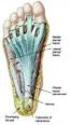 Plantar Fascia Release Introduction Plantar fasciitis is a common condition that causes pain around the heel. It may be severe enough to affect regular activities. If other treatments are unsuccessful,
PHYSICAL EXAMINATION OF THE FOOT AND ANKLE
 PHYSICAL EXAMINATION OF THE FOOT AND ANKLE Presenter Dr. Richard Coughlin AOFAS Lecture Series OBJECTIVES 1. ASSESS 2. DIAGNOSE 3. TREAT HISTORY TAKING Take a HISTORY What is the patient s chief complaint?
Lower Back Spinal Fusion & Exercise
 & Exercise with Rick Kaselj, MS More FREE Information on Exercise & Injuries $299 Fitness Education Returning the Shoulder Back to Optimal Function Seminar Exercise Modification for the Sensitive Shoulder
Endoscopic Plantar Fasciotomy
 Endoscopic Plantar Fasciotomy Introduction Plantar fasciitis is a common condition that causes pain centralized around the heel. It may be severe enough to affect regular activities. Health care providers
UK HealthCare Sports Medicine Patient Education December 09
 LCL injury Description Lateral collateral knee ligament sprain is a sprain (stretch or tear) of one of the four major ligaments of the knee. The lateral collateral ligament (LCL) is a structure that helps
Shoulder Impingement/Rotator Cuff Tendinitis
 Copyright 2011 American Academy of Orthopaedic Surgeons Shoulder Impingement/Rotator Cuff Tendinitis One of the most common physical complaints is shoulder pain. Your shoulder is made up of several joints
Elbow Injuries and Disorders
 Elbow Injuries and Disorders Introduction Your elbow joint is made up of bone, cartilage, ligaments and fluid. Muscles and tendons help the elbow joint move. There are many injuries and disorders that
Sports Injuries of the Foot and Ankle. Dr. Travis Kieckbusch August 7, 2014
 Sports Injuries of the Foot and Ankle Dr. Travis Kieckbusch August 7, 2014 Foot and Ankle Injuries in Athletes Lateral ankle sprains Syndesmosis sprains high ankle sprain Achilles tendon injuries Lisfranc
A Patient s Guide to Plantar Fasciitis. Foot and Ankle Center of Massachusetts, P.C.
 A Patient s Guide to Plantar Fasciitis Welcome to Foot and Ankle Center of Massachusetts, where we believe in accelerating your learning curve with educational materials that are clearly written and professionally
Chapter 5. Objectives. Normal Ankle Range of Motion. Lateral Ankle Sprains. Lateral Ankle Sprains. Assessment of Lateral Ankle Sprains
 Objectives Chapter 5 Assessment of Ankle & Lower Leg Injuries Review the following components of injury assessment related to the ankle and lower leg Stress tests Special tests Normal Ankle Range of Motion
GET A HANDLE ON YOUR HEEL PAIN GUIDE
 GET A HANDLE ON YOUR HEEL PAIN GUIDE American Podiatric Medical Association www.apma.org/heelpain Take a Moment to Focus in on Your Feet. Does one (or even both) of your heels hurt? If so, you aren t alone.
Adult Advisor: Plantar Fasciitis. Plantar Fasciitis
 Adult Advisor: Plantar Fasciitis Page 1 of 3 Plantar Fasciitis What is plantar fasciitis? Plantar fasciitis is a painful inflammation of the bottom of the foot between the ball of the foot and the heel.
.org. Tennis Elbow (Lateral Epicondylitis) Anatomy. Cause
 Tennis Elbow (Lateral Epicondylitis) Page ( 1 ) Tennis elbow, or lateral epicondylitis, is a painful condition of the elbow caused by overuse. Not surprisingly, playing tennis or other racquet sports can
Plantar Fasciitis Information Leaflet. Maneesh Bhatia. Consultant Orthopaedic Surgeon
 Plantar Fasciitis Information Leaflet Maneesh Bhatia Consultant Orthopaedic Surgeon What is plantar fasciitis? The plantar fascia is a strong band of tissue that stretches from the heel to the toes. It
Acute Ankle Injuries, Part 1: Office Evaluation and Management
 t June 08, 2009 Each acute ankle injury commonly seen in the office has associated with it a mechanism by which it can be injured, trademark symptoms that the patient experiences during the injury, and
Podo Pediatrics Identifying Biomechanical Pathologies
 Podo Pediatrics Identifying Biomechanical Pathologies David Lee, D.P.M., D. A.B.P.S. Purpose Identification of mechanical foot and ankle conditions Base treatments Knowing when to refer to a podiatrist
Achilles Tendon Repair Surgery Post-operative Instructions Phase One: The First Week After Surgery
 Amon T. Ferry, MD Orthopedic Surgery Sports Medicine Achilles Tendon Repair Surgery Post-operative Instructions Phase One: The First Week After Surgery Amon T. Ferry, MD Orthopedic Surgery / Sports Medicine
.org. Shoulder Pain and Common Shoulder Problems. Anatomy. Cause
 Shoulder Pain and Common Shoulder Problems Page ( 1 ) What most people call the shoulder is really several joints that combine with tendons and muscles to allow a wide range of motion in the arm from scratching
Ankle Injury/Sprains in Youth Soccer Players Elite Soccer Community Organization (ESCO) November 14, 2013
 Ankle Injury/Sprains in Youth Soccer Players Elite Soccer Community Organization (ESCO) November 14, 2013 Jeffrey R. Baker, DPM, FACFAS Weil Foot and Ankle Institute Des Plaines, IL Ankle Injury/Sprains
Self Management Program. Ankle Sprains. Improving Care. Improving Business.
 Ankle Sprains Improving Care. Improving Business. What is an ankle sprain? Ligaments attach to the ankle bones and allow for normal movement and help prevent too much motion within the joint. Ankle sprains
The Ankle Sprain That Won t Get Better. By: George E. Quill, Jr., M.D. With springtime in Louisville upon us, the primary care physician and the
 The Ankle Sprain That Won t Get Better By: George E. Quill, Jr., M.D. With springtime in Louisville upon us, the primary care physician and the orthopaedist alike can expect to see more than his or her
.org. Herniated Disk in the Lower Back. Anatomy. Description
 Herniated Disk in the Lower Back Page ( 1 ) Sometimes called a slipped or ruptured disk, a herniated disk most often occurs in your lower back. It is one of the most common causes of low back pain, as
Plantar fascia. Plantar Fasciitis (pain in the heel of the foot)
 ! Plantar fascia Plantar Fasciitis (pain in the heel of the foot) Plantar Fasciitis is the most common foot problem seen in runners and is often associated with an increase in running mileage. Typically
THE PREVENTION AND REHABILITATION OF SPORTS INJURIES THE PREVENTION AND REHABILITATION OF SPORTS INJURIES. NO, there isn t.
 THE PREVENTION AND REHABILITATION OF SPORTS INJURIES VILMOS DANI M.D. Department of Family Medicine Faculty of Medicine, Semmelweis University Budapest, Hungay GIZELLA PERÉNYI M.D. Department of Rehabilitation
July 2012 Exercise Away Your Knee Pain It seems counterintuitive, but when it hurts to move
 Exercise Away Your Knee Pain It seems counterintuitive, but when it hurts to move your knee, the best thing you can do is move your knee. A 2009 study in the British Medical Journal found that supervised
What Are Bursitis and Tendinitis?
 Bursitis and tendinitis are both common conditions that cause swelling around muscles and bones. They occur most often in the shoulder, elbow, wrist, hip, knee, or ankle. A bursa is a small, fluid-filled
ORIGINAL ARTICLE. EXCISION OF RETROCALCANEAL SPUR BY A LATERAL APPROACH FOR RELIEF OF HEEL PAIN. Nandivada V.S. Kiran Kumar
 EXCISION OF RETROCALCANEAL SPUR BY A LATERAL APPROACH FOR RELIEF OF HEEL PAIN. Nandivada V.S. Kiran Kumar 1. Assistant Professor. Department of Orthopaedics, King George Hospital. Visakhapatnam. CORRESPONDING
Plantar fasciitis is a common foot problem that occurs in 10%
 Review Article Plantar Fasciitis Heel Pain: Part 1 a Practical Management Plantar fasciitis is a common foot problem that occurs in 10% of the population. 1,2 The most involved age group is 40-50 3,4 Actually,
Most Common Running Injuries
 Most Common Running Injuries 1. Achilles Tendonitis 2. Chrondomalacia Runner s Knee 3. Iliotibial Band (ITB) syndrome 4. Plantar Fasciitis 5. Shin Splints Achilles Tendonitis inflammation of the Achilles
Shoulder Tendonitis. Brett Sanders, MD Center For Sports Medicine and Orthopaedic 2415 McCallie Ave. Chattanooga, TN (423) 624-2696
 Shoulder Tendonitis Brett Sanders, MD Center For Sports Medicine and Orthopaedic 2415 McCallie Ave. Chattanooga, TN (423) 624-2696 Shoulder tendinitis is a common overuse injury in sports (such as swimming,
www.noc.nhs.uk Achilles Tendinopathy: Advice and Management Delivering Excellence oxsport@noc Department of Sport and Exercise Medicine
 www.noc.nhs.uk Achilles Tendinopathy: Advice and Management Delivering Excellence oxsport@noc Department of Sport and Exercise Medicine Are we speaking your language? If you would like information in another
world-class orthopedic care right in your own backyard.
 world-class orthopedic care right in your own backyard. Patient Promise: At Adventist Hinsdale Hospital, our Patient Promise means we strive for continued excellence in everything we do. This means you
Hand and Upper Extremity Injuries in Outdoor Activities. John A. Schneider, M.D.
 Hand and Upper Extremity Injuries in Outdoor Activities John A. Schneider, M.D. Biographical Sketch Dr. Schneider is an orthopedic surgeon that specializes in the treatment of hand and upper extremity
Rehabilitation Guidelines for Lateral Ankle Reconstruction
 UW HEALTH SPORTS REHABILITATION Rehabilitation Guidelines for Lateral Ankle Reconstruction The ankle is a very complex joint. There are actually three joints that make up the ankle complex: the tibiotalar
.org. Arthritis of the Hand. Description
 Arthritis of the Hand Page ( 1 ) The hand and wrist have multiple small joints that work together to produce motion, including the fine motion needed to thread a needle or tie a shoelace. When the joints
November 2012 Case Study. Authors: Kyle Nagle, MD, MPH; Karl Fry, PT, DPT, OCS; David Bernhardt, MD
 CC: Right foot pain November 2012 Case Study Authors: Kyle Nagle, MD, MPH; Karl Fry, PT, DPT, OCS; David Bernhardt, MD HPI: A 17 year old female cross country runner presents with right foot pain. At a
Rehabilitation Guidelines for Patellar Tendon and Quadriceps Tendon Repair
 UW Health Sports Rehabilitation Rehabilitation Guidelines for Patellar Tendon and Quadriceps Tendon Repair The knee consists of four bones that form three joints. The femur is the large bone in the thigh
George E. Quill, Jr., M.D. Louisville Orthopaedic Clinic Louisville, KY
 George E. Quill, Jr., M.D. Louisville Orthopaedic Clinic Louisville, KY The Ankle Sprain That Won t Get Better With springtime in Louisville upon us, the primary care physician and the orthopaedist alike
1 of 6 1/22/2015 10:06 AM
 1 of 6 1/22/2015 10:06 AM 2 of 6 1/22/2015 10:06 AM This cross-section view of the shoulder socket shows a typical SLAP tear. Injuries to the superior labrum can be caused by acute trauma or by repetitive
Return to same game if sx s resolve within 15 minutes. Return to next game if sx s resolve within one week Return to Competition
 Assessment Skills of the Spine on the Field and in the Clinic Ron Burke, MD Cervical Spine Injuries Sprains and strains Stingers Transient quadriparesis Cervical Spine Injuries Result in critical loss
A Patient s Guide to Diffuse Idiopathic Skeletal Hyperostosis (DISH)
 A Patient s Guide to Diffuse Idiopathic Skeletal Hyperostosis (DISH) Introduction Diffuse Idiopathic Skeletal Hyperostosis (DISH) is a phenomenon that more commonly affects older males. It is associated
QUESTION I HAVE BEEN ASKED TO REHAB GRADE II AND III MCL INJURIES DIFFERENTLY BY DIFFERENT SURGEONS IN THE FIRST 6WEEKS FOLLOWING INJURY.
 QUESTION I HAVE BEEN ASKED TO REHAB GRADE II AND III MCL INJURIES DIFFERENTLY BY DIFFERENT SURGEONS IN THE FIRST 6WEEKS FOLLOWING INJURY. SOME ARE HINGE BRACED 0-90 DEGREES AND ASKED TO REHAB INCLUDING
.org. Ankle Fractures (Broken Ankle) Anatomy
 Ankle Fractures (Broken Ankle) Page ( 1 ) A broken ankle is also known as an ankle fracture. This means that one or more of the bones that make up the ankle joint are broken. A fractured ankle can range
Heel Pain: Heal! Amie C. Scantlin, DPM, MS, FACFAS Glencoe Regional Health Services (320) 864-3121 ext. 1933
 Heel Pain: Heal! Amie C. Scantlin, DPM, MS, FACFAS Glencoe Regional Health Services (320) 864-3121 ext. 1933 www.grhsonline.org Important Notice The information contained in this document is for informational
.org. Cervical Spondylosis (Arthritis of the Neck) Anatomy. Cause
 Cervical Spondylosis (Arthritis of the Neck) Page ( 1 ) Neck pain can be caused by many things but is most often related to getting older. Like the rest of the body, the disks and joints in the neck (cervical
Osteoarthritis progresses slowly and the pain and stiffness it causes worsens over time.
 Arthritis of the Foot and Ankle Arthritis is the leading cause of disability in the United States. It can occur at any age, and literally means "pain within a joint." As a result, arthritis is a term used
Integra. Subtalar MBA Implant
 Integra Subtalar MBA Implant Patient EDUCATION Overview: What is Flatfoot? Flatfoot is a physical deformity where there is an absence of the arch that runs from the heel of the foot to the toes. A common
HOME EXERCISE PROGRAM FOR FOOT AND ANKLE CONDITIONING Stretching and Strengthening Exercises for the Foot and Ankle
 Exercise Program for: Prepared by: Seasons Family Medicine 37 South 2nd East Rexburg ID, 83440 (208) 356-9231 HOME EXERCISE PROGRAM FOR FOOT AND ANKLE CONDITIONING Stretching and Strengthening Exercises
REHABILITATION OF TENDON AND LIGAMENT INJURIES
 REHABILITATION OF TENDON AND LIGAMENT INJURIES Carol Gillis, DVM, PhD, DACVSMR Equine Ultrasound & Rehabilitation [email protected] www.equineultrasound.com 803-522-1700 The first step to healing
Understanding. Heel Pain
 Understanding Heel Pain What Causes Heel Pain? Heel pain is a common problem that occurs when the heel is placed under too much stress. Heel pain is most often caused by walking in ways that irritate tissues
A Guide to Heel Pain
 The Society of Chiropodists and Podiatrists A Guide to Heel Pain The Society of Chiropodists and Podiatrists Heel pain may be caused by a number of different problems; for effective treatment you need
Platelet-Rich Plasma (PRP) Injections for Osteoarthritis and Chronic Tendinitis. How will you benefit from a PRP injection?
 Platelet-Rich Plasma (PRP) Injections for Osteoarthritis and Chronic Tendinitis How will you benefit from a PRP injection? Emory Healthcare patients can now benefit from a treatment called platelet-rich
Overuse injuries. 1. Main types of injuries
 OVERUSE INJURIES Mr. Sansouci is an ardent runner and swimmer. To train for an upcoming 10-km race, he has decided to increase the intensity of his training. Lately, however, his shoulder and Achilles
Rehabilitation Guidelines for Meniscal Repair
 UW Health Sports Rehabilitation Rehabilitation Guidelines for Meniscal Repair There are two types of cartilage in the knee, articular cartilage and cartilage. Articular cartilage is made up of collagen,
JOINT PAIN IN THE ADOLESCENT
 JOINT PAIN IN THE ADOLESCENT HOW SERIOUS CAN THAT BE? ROBERT A. KELLY, M.D. RESURGENS ORTHOPAEDICS JOINT PAIN IN THE ADOLESCENT INJURIES ABOUT JOINTS CAN BE CLASSIFIED AS EITHER: ACUTE/TRAUMATIC OR REPETITIVE/OVERUSE
This is caused by muscle strain to the Achilles tendon in the heel of the foot.
 Foot Facts Our feet were designed to move across uneven earthy surfaces. The hard, inflexible surfaces that we regularly walk on today, such as concrete, tile or wood, leave our feet wanting in terms of
Adult Forearm Fractures
 Adult Forearm Fractures Your forearm is made up of two bones, the radius and ulna. In most cases of adult forearm fractures, both bones are broken. Fractures of the forearm can occur near the wrist at
Rehabilitation Guidelines for Knee Arthroscopy
 Rehabilitation Guidelines for Knee Arthroscopy Arthroscopy is a common surgical procedure in which a joint is viewed using a small camera. This technique allows the surgeon to have a clear view of the
INJURIES OF THE HAND AND WRIST By Derya Dincer, M.D.
 05/05/2007 INJURIES OF THE HAND AND WRIST By Derya Dincer, M.D. Hand injuries, especially the fractures of metacarpals and phalanges, are the most common fractures in the skeletal system. Hand injuries
Arthroscopic Ankle Fusion (Arthrodesis)
 Arthroscopic Ankle Fusion (Arthrodesis) Exceptional healthcare, personally delivered Following your consultation with a member of the Foot and Ankle team you have been diagnosed with ankle arthritis and
Osteoporosis and Arthritis: Two Common but Different Conditions
 and : Two Common but Different Conditions National Institutes of Health and Related Bone Diseases ~ National Resource Center 2 AMS Circle Bethesda, MD 20892 3676 Tel: 800 624 BONE or 202 223 0344 Fax:
Foot and Ankle Injuries in the Adolescent Athlete
 Foot and Ankle Injuries in the Adolescent Athlete Kevin Latz, MD Children s Mercy Hospital Center for Sports Medicine Foot and Ankle Injuries Very common Influenced by the unique properties of growth plates
Case Studies: Treatment of 2nd Degree Ankle Sprains Using Modalities Including Kinesio-Tape
 Case Studies: Treatment of 2nd Degree Ankle Sprains Using Modalities Including Kinesio-Tape University of Hawaii Athletic Department, Athletic Trainer KTA Instructor Jayson M. Goo protocols. Ankle sprains
The Knee: Problems and Solutions
 The Knee: Problems and Solutions Animals, like people, may suffer a variety of disorders of the knee that weaken the joint and cause significant pain if left untreated. Two common knee problems in companion
Screening Examination of the Lower Extremities BUY THIS BOOK! Lower Extremity Screening Exam
 Screening Examination of the Lower Extremities Melvyn Harrington, MD Department of Orthopaedic Surgery & Rehabilitation Loyola University Medical Center BUY THIS BOOK! Essentials of Musculoskeletal Care
12. Physical Therapy (PT)
 1 2. P H Y S I C A L T H E R A P Y ( P T ) 12. Physical Therapy (PT) Clinical presentation Interventions Precautions Activity guidelines Swimming Generally, physical therapy (PT) promotes health with a
Ankle Block. Indications The ankle block is suitable for the following: Orthopedic and podiatry surgical procedures of the distal foot.
 Ankle Block The ankle block is a common peripheral nerve block. It is useful for procedures of the foot and toes, as long as a tourniquet is not required above the ankle. It is a safe and effective technique.
A compressive dressing that you apply around your ankle, and
 Ankle Injuries & Treatment The easiest way to remember this is: R.I.C.E. Each of these letters stands for: Rest. Rest your ankle. Do not place weight on it if it is very tender. Avoid walking long distances.
ACL RECONSTRUCTION POST-OPERATIVE REHABILITATION PROGRAMME
 ACL RECONSTRUCTION POST-OPERATIVE REHABILITATION PROGRAMME ABOUT THE OPERATION The aim of your operation is to reconstruct the Anterior Cruciate Ligament (ACL) to restore knee joint stability. A graft,
Treatment Guide Understanding Elbow Pain. Using this Guide. Choosing Your Care. Table of Contents:
 Treatment Guide Understanding Elbow Pain Elbow pain is extremely common whether due to aging, overuse, trauma or a sports injury. When elbow pain interferes with carrying the groceries, participating in
Heel pain and Plantar fasciitis
 A patient s guide Heel pain and Plantar fasciitis Fred Robinson BSc FRCS FRCS(orth) Consultant Trauma & Orthopaedic Surgeon Alex Wee BSc FRCS(orth) Consultant Trauma & Orthopaedic Surgeon. What causes
SCRIPT NUMBER 82 SPRAINED ANKLE (TWO SPEAKERS)
 SCRIPT NUMBER 82 SPRAINED ANKLE (TWO SPEAKERS) PROGRAM NAME: HEALTH NUGGETS PROGRAM TITLE: SPRAINED ANKLE PROGRAM NUMBER: 82 SUBJECT: PATHOLOGY, CAUSES, DIAGNOSIS, TREATMENT, PREVENTION OF SPRAINED ANKLES
Herniated Lumbar Disc
 Herniated Lumbar Disc North American Spine Society Public Education Series What Is a Herniated Disc? The spine is made up of a series of connected bones called vertebrae. The disc is a combination of strong
Ankle Fractures - OrthoInfo - AAOS. Copyright 2007 American Academy of Orthopaedic Surgeons. Ankle Fractures
 Copyright 2007 American Academy of Orthopaedic Surgeons Ankle Fractures "I broke my ankle." A broken ankle is also known as an ankle "fracture." This means that one or more of the bones that make up the
What is Osteoarthritis? Who gets Osteoarthritis? What can I do when I am diagnosed with Osteoarthritis? What can my doctor do to help me?
 Knee Osteoarthritis What is Osteoarthritis? Osteoarthritis is a disease process that affects the cartilage within a joint. Cartilage exists at the surface of the ends of the bones and provides joints with
Hand Injuries and Disorders
 Hand Injuries and Disorders Introduction Each of your hands has 27 bones, 15 joints and approximately 20 muscles. There are many common problems that can affect your hands. Hand problems can be caused
Treatment of Spastic Foot Deformities
 Penn Comprehensive Neuroscience Center Treatment of Spastic Foot Deformities Penn Neuro-Orthopaedics Service 1 Table of Contents Overview Overview 1 Treatment 2 Procedures 4 Achilles Tendon Lengthening
Treatment of Recalcitrant Intermetatarsal Neuroma With 4% Sclerosing Alcohol Injection: A Pilot Study
 Treatment of Recalcitrant Intermetatarsal Neuroma With 4% Sclerosing Alcohol Injection: A Pilot Study Christopher F. Hyer, DPM,' Lynette R. Mehl, DPM,2 Alan J. Block, DPM, MS, FACFAS,3 and Robert B. Vancourt,
Large L5 S1 Disc Protrusion Treated Successfully With Cox Technic
 Cox Technic Email Case #77 October 2009 by Dr. Greenwood 1 Large L5 S1 Disc Protrusion Treated Successfully With Cox Technic A case study presented to the Part III Hospital Based Training Course for Cox