
Breath of Life. Yoga and the Five Prana Vayus
|
|
|
- Cameron Patrick
- 9 years ago
- Views:
Transcription
1 Breath of Life Yoga and the Five Prana Vayus

2 CONTENTS 4 Prana Vayu: The Breath of Vitality 9 Apana Vayu: The Anchoring Breath 14 Samana Vayu: The Breath of Balance 19 Udana Vayu: The Breath of Ascent 24 Vyana Vayu: The Breath of Integration By Sandra Anderson Yoga International senior editor Sandra Anderson is co-author of Yoga: Mastering the Basics and has taught yoga and meditation for over 25 years. Photography: Kathryn LeSoine, Model: Sandra Anderson; Wardrobe: Top by Zobha; Pant by Prana 2011 Himalayan International Institute of Yoga Science and Philosophy of the U.S.A. All rights reserved. Reproduction or use of editorial or pictorial content in any manner without written permission is prohibited.

3 Introduction At its heart, hatha yoga is more than just flexibility or strength in postures; it is the management of prana, the vital life force that animates all levels of being. Prana enables the body to move and the mind to think. It is the intelligence that coordinates our senses, and the perceptible manifestation of our higher selves. By becoming more attentive to prana and enhancing and directing its flow through the practices of hatha yoga we can invigorate the body and mind, develop an expanded inner awareness, and open the door to higher states of consciousness. The yoga tradition describes five movements or functions of prana known as the vayus (literally winds ) prana vayu (not to be confused with the undivided master prana), apana vayu, samana vayu, udana vayu, and vyana vayu. These five vayus govern different areas of the body and different physical and subtle activities. When they re functioning harmoniously, they assure the health and vitality of the body and mind, allowing us to enjoy our unique talents and live life with meaning and purpose. Hatha yoga practices, including asana, pranayama, and traditional cleansing techniques (known as the shat kriyas, or six actions), can profoundly affect prana in all its five forms. By working directly with the body s intrinsic vitality, these practices balance and enhance the physiological system and the functions of the mind. The asanas create an inner structure which supports the efficient work of all the vayus. Pranayama augments and expands the vital life force, and, along with hatha yoga cleansing techniques, it purifies the nadis, or channels of pranic flow. A closer look at each vayu individually can help us maximize the effectiveness of our hatha practice. A Quick Look at the Five Vayus Vayu Area of Body Function Prana Chest, head Governs intake, inspiration, propulsion, forward momentum Apana Pelvis Governs elimination, downward and outward movement Samana Navel Governs assimilation, discernment, inner absorption, consolidation Udana Throat Governs growth, speech, expression, ascension, upward movement Vyana Whole body Governs circulation on all levels, expansiveness, pervasiveness 3 Breath of Life

4 PRANA VYANA VAYU The Breath of Vitality OAWAKEN THE SOURCE OF VITALITY AND INSPIRATION BY ACTIVATING THE FIRST OF THE FIVE VAYUS. f the five vayus, prana vayu is the fundamental energizing force. It is the inward moving vital energy that governs respiration and reception, allowing us to take in everything from air and food to impressions and ideas. Prana vayu is most active in the region of the lungs and heart. It provides propulsive energy, speed, motivation, and vitality. On a more subtle level, this vayu gives heightened sensitivity both to the external senses and to inner awareness. It allows us to see the world in all its brightness full of possibilities and to anchor our inner focus in a resting place of contentment. If, however, prana vayu is deranged, we suffer from cravings, fall prey to bad habits, and wrestle with a restless and dissipated mind. The hatha yoga practices that follow help enhance the balanced functioning of prana vayu, opening the body to deep breathing and boosting our energy and confidence. The following mini-sequence supports the intake of prana vayu and helps maximize the effectiveness of pranayama by creating strength, alignment, and activation through the upper body. You ll benefit most from this sequence when preceding it with standing poses and seated forward bends, and following it with twists, inverted poses, and a systematic relaxation. 4 Breath of Life

5 PRANA VYANA VAYU PARIVRITTA JANU SHIRSHASANA (revolved head-to-knee pose) Sit with the spine straight and the legs spread wide apart. Fold the right foot into the inner left groin. Wrap the right arm behind the waist and fold to the left from the left hip crease, keeping the spine neutral and looking straight ahead. Press the left forearm or hand onto the left leg or onto the floor beside the leg. Firm the lower belly to stabilize the lumbar spine, and roll the sternum toward the sky, keeping the shoulder blades drawn down and the collarbones wide. Then stretch the right arm up and alongside the ear, turning the chin over the shoulder. Draw the right sit bone down and feel the stretch along the right side of the body. Breathe into this opening, taking care not to collapse on the left side, and pressing the left leg into the floor to support the pose. Hold, keeping your attention on the fullness and ease of breath, and lift gently out of the pose when the opening feels complete. Repeat on the other side. 2. ADHO MUKHA SHVANASANA (downward-facing dog pose) Cross your legs, lean forward into your hands, and lift the pelvis as you straighten the arms and legs into downward-facing dog. Press the hands strongly into the floor to lift the sit bones. Keep the heels up or the knees bent if the back of the legs are tight, so you can lengthen the line from the sit bones through the center of the hands. Broaden the tops of the shoulders and collarbones as you push the floor away. 3. DOWNWARD-FACING PLANK POSE From downward-facing dog, press up onto the balls of the feet, shift your weight forward over the shoulders as you lift your chest between your arms, and lower the pelvis in line with the chest. Press the palms evenly into the floor, and activate the shoulders by rotating the forearms inward and the upper arms outward. Flatten the shoulder blades against the back as you draw them away from the ears. Reach back through the inner edges of the heels and draw both the lower abdomen and the sacrum deeper into the body to stabilize the pelvis in a neutral position. Hold with steady even breathing for 5 or more breaths, then lower down to the floor. 5 Breath of Life

6 PRANA VYANA VAYU 4 4. URDHVA MUKHA SHVANASANA (upward-facing dog pose) Stretch the legs back and press the tops of the feet into the floor. Place the palms on the floor and straighten the arms to lift the chest and pelvis (the hands should now be directly under the shoulders). Draw the chest forward and up, and reach the legs back to anchor the pelvis and support the lower back. Press the hands down as you spin the shoulders back and draw the upper spine toward the front of the body. Keep the back of the neck long as you take the head back slightly. Hold for several breaths, keeping the whole body strongly active, and feel the rib cage expand to the sides, back, and front. Then press back to downwardfacing dog or child s pose and breathe into the back GOMUKHASANA (cow s face pose) From your hands and knees, cross the right knee behind the left and sit back on the right heel. (Alternatively, sit between the feet.) Wrap the right arm behind the waist and draw the right elbow toward the midline with the left hand. Then stretch the left arm overhead, bend the elbow, and clasp the right hand. If the hands don t reach, either draw the right elbow toward the spine with the left hand, or draw the left arm back with the right hand. Firm the legs, draw the lower abdomen in, keep the spine neutral, and look straight ahead as you focus on the breath in the lower ribs for 5 to 10 breaths. Repeat on the other side. PRANAYAMA FOR PRANA VAYU: BHASTRIKA Of all the hatha yoga practices, pranayama most directly affects prana (the master life force) in the body. In particular, the vigorous, dynamic, and vitalizing pranayama known as bhastrika, or bellows breath, is a powerful tool for expanding prana vayu. Bhastrika clears obstructions in the respiratory system, strengthens the nervous system, increases physical vitality, and enhances clarity of mind. On the subtle level, bhastrika is treasured by the yoga tradition for awakening kundalini, removing the obstacles at the entrance to brahma nadi (the gateway to higher consciousness), and loosening the forces which bind us to ordinary awareness. Prerequisites for bhastrika include regular asana practice, strong and supple abdominal muscles, diaphragmatic breathing, a stable sitting posture, and regular practice of the balancing and cleansing practice of nadi shodhanam, or alternate nostril breathing. (Visit YogaInternational.com/breathingbasics to learn more about diaphragmatic breathing and YogaInternational.com/alternatenostril for guided instruction on nadi shodhanam.) Like a blacksmith s bellows, both the inhalation and the exhalation in bhastrika are vigorous and driven from the navel center. To begin the practice, find an effortless upright sitting posture with the spine in neutral alignment, propping the pelvis high enough for the inner thighs to relax. Exhale by contracting the abdominal muscles quickly and forcefully, and follow immediately with a quick inhalation of equal force and speed. Start slowly (about 6 Breath of Life

7 PRANA VYANA VAYU 2 breaths every three seconds) with no more than 11 breaths to maintain the rhythm and ease of movement. Then rest for at least 3 breaths. Be aware of the spontaneous flow of your breath and see if you can sense the whole body as a field of energy. A good daily beginning practice consists of one to three rounds of 7 to 11 breaths, resting between rounds. If you feel dizzy, lightheaded, or ill at ease, stop, rest, breathe normally, and practice fewer breaths next time, or check your technique with an experienced teacher. Go to YogaInternational.com/bhastrika to watch an instructional video. n Cleansing for Prana Vayu NETI WASH Your nose plays a crucial role in receiving and assimilating prana. It purifies, moisturizes, warms, and reads incoming air, transmitting information back to the brain and the rest of the body to optimize the absorption of prana. The yogic texts recommend the cleansing practice of jala neti, or nasal irrigation (also known as the neti wash, and typically performed with the neti pot), to support the intake of prana through the nose. See YogaInternational.com/neti to learn more about this practice. 7 Breath of Life

8 APANA VYANA VAYU The Anchoring Breath ACTIVATE AND DIRECT DOWNWARD-FLOWING ENERGY FOR CONFIDENCE, H STRENGTH, AND A GROUNDED SENSE OF PURPOSE. aving examined prana vayu we turn our attention to apana vayu of equal importance in the practice of hatha yoga. While prana vayu governs the intake functions, apana, which is most active in the pelvis and lower abdomen, governs the eliminative functions (excretion, urination, menstruation) and the downward and outward flow of energy in the body. On the subtle level, apana eliminates not only physical wastes but anything undesirable or threatening to good health. It supports the immune system and helps keep the mind free of destructive forces. When apana is weak, the integrity of the mind-body complex is also weakened, and we become susceptible to illness, fear, doubt, confusion, insecurity, and loss of purpose; when it is strong and balanced, apana roots and grounds us, providing the foundation for a healthy body and a flexible positive outlook on life. For most of us, however, the constant downward drain of apana necessary for proper eliminative functioning can also deplete us, leading us away from the inward unity that is the goal of yoga. The practices of hatha yoga train apana to work efficiently they help us conserve and redirect this energy so we can access deeper 8 Breath of Life

9 APANA VYANA VAYU planes of awareness. By repurposing apana, we build a foundation from which we can awaken and intensify our inner spiritual fire. With a little practice and awareness, almost all of the classical asanas can be done in a way that provides access to apana vayu; indeed, mobilizing apana in the pelvis and then redistributing it is one of the main goals of asana work. This engagement of apana is the intention behind mula bandha, the root lock a practice which is often misunderstood as a clenching of the sphincters of the pelvic floor, but which, when properly activated, can awaken and enliven asana. Initially, you can in fact approach mula bandha by contracting the muscles of the pelvic floor between the pubis and the tailbone (including both the urogenital and the anal sphincters). But in order to work with apana effectively in asana, you will need to engage a subtler, more complex aspect of mula bandha. On the muscular level, this means initiating and activating each pose from deep within the lower belly; this way you stabilize at the root without clenching, and ease the flow of apana into the structure of the pose. (It is important to note that, traditionally, mula bandha is discouraged during menstruation if you succeed in catching hold of apana at that time, you may inhibit or even stop the flow of menses.) The following selection of poses explores how apana vayu can be activated across several classes of asana and various pelvic alignments. Standing poses use the activation in the legs to energetically integrate the pelvis with the torso and the extremities, rooting us deeper into the pose and directing apana into the architecture of the asana. Sitting postures, which are intrinsically stabilizing, provide an ideal opportunity to strongly engage apana. In twists and forward- and backward-bending poses, the activation of apana anchors the body and allows for a smooth flow of energy from the root up through the spine. In the poses below, focus on the position of the pelvis, the engagement of the lower belly, and the activation of the legs. With even, full breathing and relaxed but conscious engagement, you can harness the powerful force of apana to effortlessly stabilize and energize your postures. 1. PRASARITA PADOTTANASANA (spread-legged standing forward bend) Notice how the pelvis is inverted here, drawing attention to the lower belly and pelvic floor. To start, step your feet wide apart with the toes pointed inward slightly (the feet should be close enough to feel stable in the pose). Keep your weight evenly spread across the sole of each foot and fold forward from the hip creases. Use your feet to help awaken the pelvic floor and apana vayu: Ground the big toes, lift the arches, and bend the knees slightly. Then press the feet down and away from each other, as if you were pulling the mat apart, or if you ski, executing a snowplow. Lift the sit bones and draw the pubic bones back between the inner thighs; then lift the pelvic floor and contract and hollow out the lower belly. Allow this energetic activation to draw you deeper into the pose. 1 9 Breath of Life

10 APANA VYANA VAYU 2. VRIKSHASANA (tree pose) The legs and sacrum work together to stabilize this pose and awaken and redirect apana. Start with both feet parallel under the hip joints and evenly pressed into the floor. Rotate one thigh open and bring the foot to the top of the groin (or inner thigh if half lotus is hard on your knees). Hold the pose in place by staying engaged through the lower belly, the muscles around the sacrum, and the inner thigh of the standing leg. Draw up through the standing foot, press the bent knee back, and draw the tailbone toward the floor. (If you have the foot to the inner thigh, press the thigh against the foot to lift up off the standing leg.) Then draw up through the front of the spine as well as the center of the chest, throat, and head. Keep your focus on the engagement in the lower belly and refine the breath, softening in the lower rib cage and the back of the waist. With this engagement of apana, you ll feel taller and stiller in the pose ARDHA PADMA JANU SHIRSHASANA (bound half lotus head-to-knee pose) This seated forward bend combines elements of both the standing poses just described. In the bound version, the heel presses deep into the lower belly as you fold forward. Start sitting up straight with the legs directly in front of you. Use a prop and/or bend the knees if needed to bring the pelvis into a neutral position. Rotate one thigh open, bringing the foot to either the inner thigh or the top of the groin. If your leg is in half lotus position, wrap the arm on the same side behind the waist and catch the toes if they are available; otherwise leave the hand on the floor beside the thigh. Press the bent knee down, then hinge the pelvis forward from the hip joints and draw the pubic bones down and back. To deepen the connection with apana, exhale and engage the lower belly and pelvic floor; inhale by expanding the upper belly only. The contraction just above the pubic bone deep in the abdomen provides a platform and support for the breath. The flywheel of the breath, in turn, generates energy in the body and absorbs and contains this energy at a deeper level Breath of Life

11 APANA VYANA VAYU 4. BADDHA KONASANA (bound angle pose) The inner thighs, lower back, and pelvic floor are intimately related to, and governed by, apana. Because bound angle pose activates these regions, it is one of the most powerful postures for awakening and directing apana. To begin, sit with the pelvis in a neutral position; if necessary, sit on the edge of a folded blanket to maintain the natural curve in the lower back. Then press the knees down and feel the pelvic floor lift. Tilt forward, reaching the pubic bones down and back and lengthening the lumbar spine. Continue drawing forward from the lower belly; activate the inner thighs to bring the thighs down and out away from the pelvis. Then draw the shoulder blades toward the waist and soften the jaw and the eyes. Breathe easily without releasing the action of the pose, and notice the energetic connection between the pelvic floor, the entire length of the spine, and the crown of the head SHALABHASANA (locust pose) With strong energetic and muscular engagement in the pelvis, shalabhasana powerfully activates apana and strengthens the whole backside of the pelvis, legs, and lumbar spine. You may need to start with one leg at a time to build strength; keep the pelvis on the floor in the single-leg version. For full locust, position your arms straight on the floor under the body so that you have maximum leverage to lift the pelvis up off the floor: interlace the fingers, or rest the upper thighs or groin on the little-finger side of your fists; if the elbows feel strained, try a different hand position. Consciously draw the pelvic floor in and up. Press the arms and the chest down and lift the legs and pelvis away from the floor. Keep reaching the legs back and up, and engage the inner thighs to secure the femurs in the center of the hip sockets. After releasing the pose, rest with your head to one side and notice the energy circulating from the pelvis through the whole body Breath of Life

12 APANA VYANA VAYU PRANAYAMA FOR APANA VAYU: KAPALABHATI Kapalabhati is a pranayama practice as well as a shat kriya. With its emphasis on the exhalation, kapalabhati enhances elimination of volatile metabolic wastes and dispels sluggishness and congestion, while engaging the seat of apana in the lower belly. The defining characteristic of kapalabhati is a sharp, forceful exhalation from the abdomen, followed immediately by a passive, relaxed inhalation. The inhalation and the exhalation are asymmetrical the exhalation feels like a staccato note, and the inhalation is on the rebound. Therefore, it s important to quickly and completely relax after the exhalation. A daily beginning practice consists of one to three rounds of 7 to 11 breaths at one breath every two seconds, resting between rounds. Add 5 to 10 breaths per round each week to increase your capacity, and gradually pick up speed to about one breath per second. Eventually you may practice for one to three minutes at this speed. If you feel dizzy or light-headed, feel a stitch in your side, or lose the rhythm, rest with normal breathing, and next time try fewer breaths, or consult a teacher to refine your technique. In the beginning, focus your attention at the lower belly. Work to stabilize the body while keeping your exhalations deep and rhythmic. Then refine your practice with a one-pointed inner mental focus at the eyebrow center. The name kapalabhati means illuminated skull promising a halo when the purification of body and mind is complete! Learn more about the practice of mula bandha: YogaInternational.com/rootlock. Go to YogaInternational.com/kapalabhati to watch an instructional video. n 12 Breath of Life

13 SAMANA VYANA VAYU The Breath of Balance UNITE UPWARD- AND DOWNWARD-FLOWING ENERGIES AT THE NAVEL CEN- TER TO AWAKEN AND ENHANCE THE PRANA OF TRANSFORMATION. Our discussions of the vayus bring us now to what the scriptures describe as the middle breath : samana vayu. Active at the navel center midway between the realms of prana vayu in the chest and apana vayu in the pelvis samana vayu is a concentrating, absorbing, and consolidating force. Its main function is assimilation of prana in all its forms like a power station, samana collects energy absorbed through breath, food, sensory perception, and mental experiences and processes it to empower all aspects of life. When samana is healthy, we benefit from strong digestion, vitality, and balance at every level. When samana is weak, we struggle with assimilating and digesting not only what we physically consume but also our mental and emotional experiences. In the energetic body, samana is concentrated at the navel center (manipura chakra) the center for the transformative power of the fire element. As the hub of pranic energy and vitality, the navel center is essential to hatha yoga, which aims to increase prana and transform the patterns of pranic flow in the body. Asana practice in particular is designed to draw downward-moving apana up to the navel center, and upwardmoving prana vayu down to the navel center, uniting these two opposing energies to awaken samana. This integrating action strengthens the body, balances the mind, and stabilizes instinctive urges like hunger and sex so we can more easily regulate them. It gives us the clarity and courage to truly see ourselves, and the motivation and power to transform our habits and karmic tendencies. 13 Breath of Life

14 SAMANA VYANA VAYU Moreover, the expansion of samana caused by the union of prana and apana at the navel center awakens sushumna nadi, the central energy channel essential to achieving the ultimate goal of yoga: perfect absorption of the mind in the state of samadhi. Since the energy at your navel center has the potential to be powerfully transformative, focusing your asana work here will benefit all aspects of your spiritual practice. Forward bends, twists, abdominal strengtheners, and many advanced practices like agni sara, nauli kriya, and yoga mudra are particularly effective in working with samana vayu, but we can access samana in virtually any classical asana. In the selection of postures below, we ll see how to direct the flow of apana and prana to the navel center in standing poses, stoke samana with twisting poses, strengthen the structural support for this region in a backbend, and activate samana in a seated forward bend. (These postures are meant to be practiced within a balanced overall asana sequence.) 1. PARIVRITTA PARSHVAKONASANA (revolved side angle pose) This standing twist strongly cleanses and nourishes the organs of the abdomen while balancing energy in the pelvis and lower spine. Stand with the feet hip-width apart and step the left foot straight back about three to four feet. Bend the right knee and place both hands on the thigh to assist a twist to the right. As you twist, keep the spine long and adjust your stance as needed to keep the left foot flat on the floor. Press the left upper arm or elbow on the right thigh, stacking the shoulders and pressing the hands together to lift the left ribs up off the leg, drawing the rib cage away from the pelvis and giving the belly room to twist. Focus the twist in the gut; you should feel a deep squeezing and wringing out of the organs in the abdomen. If you are feeling the pose in the muscles of the hip and pelvis, you may need to back off and take a less deep overall twist to localize the work in the navel center. Try lifting the back heel, dropping the back knee to the floor, or stepping your back foot closer to the left edge of your mat to give the belly more room. Pay attention to the breath; the movement of the diaphragm down into the belly on the inhalation accentuates the effect of the pose, and the exhalation allows you to twist a little more deeply. Coupled with attention to the breath, the strong twist in the abdomen helps to wake up and activate the navel center. When you re finished, untwist slowly with an inhalation, step the back foot to the front of the mat, and repeat on the other side Breath of Life

15 SAMANA VYANA VAYU 2. UTKATASANA (chair pose) Now we ll work with energy flow at a more subtle level in utkatasana, redirecting the flow of apana and prana vayus toward the navel center. Start with the feet parallel, either together or a few inches apart. Bend the knees and drop your weight down into the feet, simultaneously stretching upward through the arms, the crown of the head, and the length of the spine. Press the feet evenly into the floor and away from each other. Reach the tailbone toward the floor to keep the lumbar spine in neutral alignment neither arched nor flattened. Draw the upper arms toward the sides of the head, keeping the shoulders down, the elbows straight, the collarbones wide, and the neck long. Let the outer body drop, and strike a working balance between the forward lean, to balance the deep squat, and the upward lift of the torso, to resist the forward lean. The dropping of the weight and drawing down of the breath brings prana from its realm in the chest down to the navel center. The inner lift from the pelvic floor draws apana from its pelvic realm up into the navel center. The meeting of the two creates samana, which you may feel as heat at the navel center spreading through the whole body. Release and stand quietly for a moment, following the flow of breath in the body and feeling inner expansiveness and alertness. 3. JATHARA PARIVARTANASANA (reclining abdominal twist) As the name implies, jathara parivartanasana is one of the best asanas for stoking jathara agni, the fire in the digestive system. This pose also tones the navel center and activates samana. The combination of a leg lift with a twist strongly energizes and strengthens the entire region, including all four layers of the abdominal muscles; stimulates the nervous system; and cleanses and nourishes the abdominal organs. Start on your back with the knees bent and the thighs over the abdomen. Press the arms into the floor at shoulder height to stabilize the torso. Exhale, gently lowering the knees to one side. Before reaching the floor, inhale the knees back to center and then exhale and lower to the other side. Inhale back to center. Lower the knees only as far as flexibility and strength allow Breath of Life

16 SAMANA VYANA VAYU If this is easy, straighten the legs toward the ceiling, and exhale, slowly lowering the feet toward the right hand, as you press the left shoulder into the floor. Inhale, lifting the legs smoothly back to center. Repeat to the left side. Continue from side to side. You can also hold the twist while maintaining abdominal engagement. First bend your knees and plant the feet flat on the floor to lift and shift the hips to the left. Then straighten the legs and slowly lower to the right until the feet are just off the floor or at the lowest point where you can still effortlessly maintain control of the alignment in the spine. Hold the pose for a few breaths, then repeat on the other side. 4. NAVASANA (boat pose) Sometimes referred to as shalabhasana (locust pose), this backbend stretches the abdominal muscles, strengthens the lumbar spine, and supports the energy of the navel center. In this sequence it serves as a counterpose to gently move energy from the navel through the rest of the body and restore balance in the musculature. Lie face down with the arms alongside the head, or alongside the body if you have shoulder issues. Draw the legs together, reach out through the feet, press the pelvis into the floor, and lift the legs, chest, and arms on an inhalation. Breathe with your focus at the navel center pressing into the floor. Keep the arms and legs moving toward the central axis of the body while stretching away from the navel center in both directions. Hold for several breaths and feel the energy build and fill the body. Relax down on an exhalation MARICHYASANA (Sage Marichi pose, twist variation) This seated twist strongly activates samana and concentrates and absorbs awareness deep into the core of the body. Fold the left heel into the lower right abdomen in half lotus (ardha padmasana). If the knee doesn t reach the floor, or if there is discomfort in the joint, straighten the left leg on the floor instead. Bend the right knee and bring the foot flat on the floor in front of the right sit bone. Twist to the right, initiating the movement deep in the low belly. Several arm variations are possible. The bound version of this twist compresses the energy of the navel center and stabilizes the posture by locking it in place. To bind, wrap the left arm around the outside of the right 5 16 Breath of Life

17 SAMANA VYANA VAYU thigh and the right arm behind the waist, then clasp the hands. If this is challenging, place the right hand on the floor behind the pelvis and either wrap the left arm around the right knee, or brace the upper arm against the outer right thigh. Focus on the navel center and the breath as you relax and hold the deep compression without exertion. Allow the mind to become absorbed in the concentrated field of samana at the navel center. Release slowly on an inhalation, rest for a breath or two, and then do the pose on the other side. 6. PASCHIMOTTANASANA (posterior stretch) Paschimottanasana is the quintessential forward bend with a long list of benefits, including perfect digestion and the awakening of kundalini, according to the Hatha Yoga Pradipika. Tight hamstrings or a stiff lower back will hamper access to the navel center, so consider bending your knees and/or sitting on a cushion or a folded blanket if either of these problems take your attention and energetic focus away from the navel center. Draw the lower belly in and up, and hinge forward from the hip joints. Roll the inner thighs downward to keep the legs aligned, and reach gently through the heels, even if the knees are bent. Keep the lower belly engaged without restricting the easy flow of the breath. If you are deeply engaged in the core of the body, you can soften the outer body and surrender into the pose. The lower belly activation moves apana up, while the alignment of the pose, the breath, and the mental focus at the pelvis move prana down to the navel. When perfected, paschimottanasana brings about the union of apana and prana, and the awakening of sushumna, which you may experience as a drawing inward of the mind and a sense of integrated inner space extending from the pelvis to the head. 6 PRANAYAMA FOR SAMANA VAYU: SURYA BHEDI Like bhastrika (bellows breath), surya bhedi strongly activates and expands the pranic body from the navel center. Like nadi shodhanam (alternate nostril breathing), this pranayama equally stimulates the flow of energy in the two master nadis, ida and pingala, which terminate in the left and right nostrils, respectively. A balanced flow in these two energy channels establishes the flow of sushumna nadi. A regular practice of bhastrika is a prerequisite for surya bhedi (see YogaInternational.com/bhastrika for instructions). To begin surya bhedi, bring the right hand into Vishnu mudra by folding the index and mid- 17 Breath of Life

18 SAMANA VYANA VAYU dle finger to the palm; you ll use the thumb and ring finger to close the right and left nostrils, respectively, switching the breath from side to side as in nadi shodhanam. Take two forceful exhalations and inhalations (bhastrika) on one side, and without pausing, switch and take two forceful breaths on the other side. Continue, rapidly alternating between sides. Keep your speed a little slower than your usual practice of bhastrika until the rhythm is well established (this may take a week or so of daily practice). Eventually, the length of practice and the pace will be similar to your standard bhastrika practice. Regular practice of surya bhedi maintains the balanced flow of all the vayus in the body, thus supporting physical and mental health, as well as spiritual awakening. Go to YogaInternational.com/suryabhedi to watch an instructional video. n Uddiyana Bandha The poses on these pages help cultivate the strength, suppleness, and conscious control necessary for uddiyana bandha. Literally the upward flying lock, uddiyana bandha pulls the abdominal organs up and in, bringing apana vayu toward the navel center and lifting it into the realm of prana vayu. As we have seen, the convergence of these opposite forces awakens samana and gives rise to the upward movement of energy through sushumna nadi. Structurally, uddiyana bandha facilitates the free unobstructed flow of prana from the pelvis up through the spine by stabilizing the neutral alignment of the lumbar spine, which can easily overarch or collapse. Uddiyana bandha is the lion which conquers the elephant, death, says the Hatha Yoga Pradipika. Of all the bandhas, uddiyana bandha is the best. Once mastered, liberation occurs spontaneously. To learn the basic practice of uddiyana bandha, stand with the feet slightly apart and knees bent, place the hands on the thighs, and lean forward into your hands. Bring the chin toward the sternum. Exhale and contract the entire abdomen, pressing the belly toward the spine. At the end of the exhalation, hold the breath out and draw the belly up from the pubic bone by flattening the whole abdomen against the spine and sucking the diaphragm up under the rib cage. Keep the jaw, face, heart, and lungs relaxed and make sure the chest doesn t lift. Release the diaphragm and then inhale, slowly releasing first the upper and then the lower abdomen. Repeat to your comfortable capacity. Uddiyana bandha is contraindicated for heart disease, high blood pressure, and hernias, as well as pregnancy and menstruation. Practice on an empty stomach. Once you have a good feel for this basic practice, you can incorporate it (along with mula bandha) into master practices like agni sara, Ganesha mudra, and yoga mudra all of which powerfully amplify and activate samana vayu. 18 Breath of Life

19 UDANA VYANA VAYU The Breath of Ascent HARNESS THE POWER OF THIS UPWARD-MOVING ENERGY TO EXPRESS YOUR TRUTH, EXPAND YOUR AWARENESS, AND RAISE YOUR CONSCIOUSNESS. Udana vayu holds special significance in spiritual practice. Udana is the upward-moving breath, which directs the flow of prana from the lower to the higher planes of consciousness. An ascending and radiant force, udana vayu is responsible for taking the mind from waking to sleep and to deep sleep, as well as to higher planes of existence after death. It is active primarily in the region between the heart and the head, bringing prana to the energy centers deep in the brain. As the vayu moving through sushumna nadi (the central axis of the subtle body), udana is associated with kundalini shakti, the creative, blissful consciousness of enlightenment. Udana rules the throat center, manifesting as speech and other refined expressions, and governing growth and metabolism through the thyroid and parathyroid glands. When udana is balanced and strong, we stand tall and are joyous, enthusiastic, alert, articulate, and strong-willed. Deranged udana, on the other hand, may prod us to negative, inappropriate, or excessive speech or render us unable to express ourselves at all. Since the throat center controls reception, deranged udana may hamper the intake or use of physical nourishment, while on a mental level, new ideas or experiences can seem hard to swallow, leaving us obstinate, arrogant, and inflexible in a word, stiff-necked. 19 Breath of Life

20 UDANA VYANA VAYU The enlivening of udana is the result of the healthy functioning of samana vayu, which governs the navel center and is itself activated by working with prana vayu and apana vayu. Thus, a well-balanced asana practice will utilize a range of poses to awaken and direct these three vayus, and culminate in a closing sequence that focuses on udana to lead the mind and body into a refined and more subtle awareness conducive to deep relaxation and meditation. Since udana is an ascending force, poses that direct energy to the head, neck, and upper back, and poses that turn the body upside down, are especially beneficial for activating udana. To avoid the negative consequences of reversing the normal energetic flow in the body, it is best to do inversions toward the end of practice when alignment has improved and physiological functions are more balanced. The following classical finishing sequence can easily be modified to accommodate various levels of proficiency, though beginners will want to proceed with caution. Inversions are contraindicated if you are menstruating or suffering from heart disease, high blood pressure, disorders of the eyes or ears, or any other condition that may be aggravated by increased pressure in the head. In addition, sarvangasana (shoulderstand), halasana (plow pose), and shirshasana (headstand) are contraindicated for shoulder and neck injuries, osteoporosis, and obesity. Always practice inversions on an empty stomach. 1. SETU BANDHA SARVANGASANA (bridge pose) Setu bandha sarvangasana is both a preparation for sarvangasana and halasana, and a substitution for them when menstruation or any of the contraindications preclude more difficult inversions. The bridge pose helps integrate the energy of the pelvis and legs with the chest, and draws focus to the upper back and throat the provenance of udana. Lie on your back with your knees bent and the feet parallel on the floor no more than hip-width apart. Keep the ankles directly under the knees, and press the arms into the floor alongside the body. As you inhale, press into the feet and peel the spine off the floor, starting with the pelvis and rolling slowly up to the tops of the shoulders. Roll the inner thighs strongly down as you press the sacrum up into the body; do not allow the knees to splay out to the sides. To work the arms inward and underneath the body, shift slightly to one side and draw the opposite shoulder and arm in; do the same on the other side. You may be able to interlace the fingers as you press your arms into the floor to lift the sternum toward the chin. In this position, the weight of the body should rest on the outer edges of the shoulders, not the base of the neck. (Note: If you are experiencing pressure on the neck, it s a good indication that you ll need props to practice other inversions, such as the shoulderstand.) 1 20 Breath of Life

21 UDANA VYANA VAYU Relax the throat, jaw, and face, while keeping the pelvis, legs, and arms engaged. Stay in the pose for one to three minutes, feeling the energy focused in the upper chest and throat. To come out of the pose, release the arms, and on an exhalation begin to slowly roll the spine to the floor from the neck to the pelvis. 2. VIPARITA KARANI (inverted action pose) For those who can t do advanced postures like sarvangasana, halasana, or shirshasana, viparita karani is the inversion of choice. Its effects on udana are similar to setu bandhasana, but more intense. Begin in bridge pose. Bend the elbows and support the back of the pelvis with your hands. Extend one leg upward toward the sky, then the other. Angle the legs over the body to rest the pelvis in the hands; the torso will be at about a 45-degree angle relative to the floor. Keep your legs fully extended, relax the torso, and notice the natural gathering of energy in the throat, upper chest, and head. Hold the pose for one to three minutes, maintaining relaxed breathing. To come out, release the hands and roll down, or step your feet down one at a time to bridge pose, then release the hands and roll the spine down to the floor. (For a popular restorative version of this pose, rest the legs up the wall and the pelvis on a bolster.) 2 3. SARVANGASANA (shoulderstand) Sarvangasana turns the normal flow of energy in the gravitational field upside down and directs it into the throat center, the home of udana. Start with three neatly folded and evenly stacked blankets. Place your shoulders on the blankets so that you can support your entire weight on the tops of the shoulders and allow your head to rest on the floor. Either roll the legs over the torso and catch the pelvis in the hands, or step the legs up from bridge pose; avoid putting any weight on the cervical vertebrae. (You can add or subtract blankets as needed to create an effortless lift without putting pressure on the neck). Work the hands up the back toward the neck, drawing the elbows together. Press down strongly through the upper arms and elbows and extend through the legs. Stretch the spine toward the ceiling from the base of the neck. Reach up through the inner edges of the feet as you draw the sacrum into the body. Hold the pose for one to three minutes, keeping your gaze soft and your face relaxed Breath of Life
22 UDANA VYANA VAYU 4. HALASANA (plow pose) The grounding of the feet overhead in halasana provides an additional foundation from which to direct energy through the backs of the legs and up the back to the neck and head. From sarvangasana, lower one foot and then the other to the floor directly above the head. If the back is tight, rest the feet on a prop, such as a block or a bolster. As in sarvangasana draw the elbows together and press them down strongly; walk the hands up toward the neck, and extend through the spine as you move the sacrum into the body. Stretch the heels away from the sitting bones. Keep the throat and face soft, and be aware of the smooth flow of the breath. Let your attention rest in the throat and upper chest, pressing the tops of the shoulders into the floor and lengthening the upper spine. To come out of the posture, lift your legs overhead and begin to roll down your spine as you slowly lower your legs to the floor MATSYASANA (fish pose) Matsyasana is a throat-opening counterpose to sarvangasana and halasana. For most of us, it s also an intense opening for the seldom stretched and often stagnant area of the upper chest, including the collarbones and the front of the shoulders. Lie on your back and place the hands, palms down, under the pelvis to support the sacrum. Press the legs and arms into the floor, rolling the thighs inward as you lift the chest and tilt the head backward, shifting your weight onto the forearms and the top of the head. Draw the shoulder blades in and down. Fix your gaze at the eyebrow center and breathe freely. Hold for roughly half the time you held sarvangasana and halasana. To release, press down through the forearms strongly and lift the head slightly to bring the chin toward the chest. Lower onto the shoulders and the back of the head, and roll down to rest. Turn the head side to side to release the neck Breath of Life
23 UDANA VYANA VAYU 6. SHIRSHASANA (headstand) Balancing on the head focuses attention on the axial alignment of the whole body, reverses the normal effect of gravity on the pranic energy field, and recruits gravity to help the flow of udana energy. Start on the knees and forearms, with the elbows directly under the shoulders; interlace the fingers, keeping the little fingers parallel and even on the floor. This is your foundation, and it s important to keep the elbows in position so you can support most of your body weight with your arms and shoulders rather than collapsing into the neck. Place the top of the head on the floor inside the cup of the hands, press the arms into the floor, lift the pelvis, and walk the feet toward the chest. Draw one knee and then the other toward the chest and balance here with the thighs drawn into the body, knees bent, feet off the floor. (Practice only this much until you are confident and strong and can easily stay for a minute or more.) Then gradually unfold one leg at a time from the hip joint, bringing the knees toward the sky. Finally, unfold the knees and stretch the inner edges of the feet up, rolling the thighs inward, and drawing the tailbone inward and upward. Move the front ribs into the body and lift up out of the shoulders. Build up your capacity over time to stay in the pose for 10 or more breaths. Release by reversing the steps bend the knees, flex at the hip to bring the thighs to the chest, lower the feet to the floor, sit back on the heels, and rest for a few breaths in child s pose, letting the blood flow return to normal SIMHASANA (lion pose) Simhasana activates udana, and relieves blocked or excess energy in the throat center. To begin, sit on the heels in vajrasana (thunderbolt pose). Close your eyes and follow the flow of the breath, paying particular attention to the navel center and pelvis. Gather your awareness and your energy with an inhalation. Then lean forward, open the mouth, stick out the tongue, look up between the eyes, and propel the breath out with an unvocalized roaring exhalation from the navel center. Feel the energy from the pelvis, the navel center, and the upper body and arms all collecting in the throat and pushing out through the mouth. It helps to spread the fingers and stiffen the arms you re making a bold, ferocious lion-leap. Then close the mouth, inhale through the nose, and sit back down on the heels. Repeat this action three times. Then sit quietly and follow the flow of the breath between the nostrils and the heart Breath of Life
24 UDANA VYANA VAYU PRANAYAMA FOR UDANA VAYU: UJJAYI Ujjayi pranayama (victory breath) adds a slight constriction in the throat to a basic diaphragmatic breathing pattern, and thus engages and directs the flow of udana. To practice, sit in a comfortable posture with a neutral spine. Gently constrict the aperture of the throat to create a subtle hissing sound; this action is similar to saying aah without vocalizing and then closing your mouth. Keep the throat constricted on both the inhalation and the exhalation and draw the breath in and out from the diaphragm, not from the chest. Make both parts of the breath equally long and smooth, and make sure there s no pause in between. The breath will become slower and more drawn out; soothe your mind by focusing your attention on its sound. Let your attention draw deeper than the surface of the throat: exhale as you move your awareness from your eyebrow center to the navel center; inhale and draw your awareness from the navel center to the eyebrow center. Your conscious awareness of this flow in the sushumna nadi will help activate udana and collect the dormant and scattered pranic force throughout the body and mind. Practice to your comfortable capacity, then relax the throat, rest your attention at the eyebrow center, and sit quietly enjoying the subtle flow of the breath. You may bring a mantra to your awareness and allow it to resonate in this space, or feel the light and energy from the eyebrow center expanding to fill the whole mind and body. Go to YogaInternational.com/udana to watch an instructional video. n Jalandhara Bandha The classic hatha yoga practice of jalandhara bandha, or chin lock, controls the movement of udana by stabilizing the neck, directing prana and mental focus into the energy centers in the brain, and curbing the outward flow of energy through the throat. You can practice jalandhara bandha on a more physical level in asana, or on a more energetic and mental level during meditation and pranayama. To practice jalandhara bandha on the gross level, begin in a seated posture and press the hands into the thighs to activate the shoulder girdle and stabilize the upper spine. Draw the tops of the shoulders down and the chin in and slightly down toward the hollow of the throat. Avoid dropping the head too far forward think more about gently compressing the front of the throat. In meditation and pranayama, jalandhara bandha is much more subtle and does not call attention to the throat or neck, but rather channels prana to deeper levels of awareness. With as little effort as possible, and keeping the neck in neutral alignment, think about drawing the outward-moving energy of the front of the throat back into the center of the neck and up into the cranial cavity. 24 Breath of Life
25 VYANA VAYU The Breath of Integration NURTURE THE EXPANSIVE ASPECT OF YOUR LIFE FORCE AND DISTRIBUTE V HEALING ENERGY THROUGHOUT THE MIND AND BODY. yana vayu, empowers the distribution and communication systems of the body. It integrates and coordinates the other four prana vayus, keeping them balanced and nourished. A pervasive and expansive force, vyana governs the movement of prana through the nadis (energy channels); the movement of energy through the circulatory system and the nervous system; and the free flow of thoughts and feelings in the mind. Vyana also controls the muscular system, coordinates balance, and regulates movement from the core to the periphery. While it permeates the entire body, vyana is particularly active in the limbs, helping them implement the powers of locomotion and manipulation two of the five karmendriyas (or active senses). The expansive quality of vyana, with the help of apana vayu (the downward-moving force), grounds and anchors through the legs, and is especially perceptible in the arms, as reflected in their capacity to offer comfort and healing. When vyana vayu is deranged, both body and mind become disintegrated and weakened, resulting in disjointed efforts, various physical maladies, and alienation and anxiety at the mental level. The practices of hatha yoga can maximize the functioning of all aspects of vyana vayu: distributing energy throughout the body; enliv- 25 Breath of Life
26 VYANA VAYU ening the physiological functions of the circulatory system, the lymph system, and the nervous system; and removing obstacles to the circulation of nutrition, energy, and information throughout the mind and body. In asana, we can explore the nature of vyana in standing poses, which are particularly effective in integrating energy flow. Standing poses allow us to connect the various movements of the arms and legs with core strength, which is a key tool for developing focus, mental clarity, and expansion of consciousness. Properly done, standing poses help us cultivate grace and sensitivity. In the following sequence, note how the standing poses expand energy through the limbs while connecting with the deeper awareness of the axial core energy channels, driving the mind inward. 1. VIRABHADRASANA I (warrior I) With your hands on your hips, step back with one foot, keeping your hips facing forward as if your feet were on railroad tracks. Bend the front knee directly over the ankle and adjust the position of the back foot to allow the front thigh to drop toward parallel. Press down through the outer heel of the back foot and draw that hip forward as you firm the lower abdomen and lengthen through the tailbone. Extend up the front of the spine, and inhale the arms up alongside the ears, palms facing in. Draw the shoulder blades away from the neck and feel the arms lengthening from the strength of the legs and pelvis. Hold for five or more breaths. With each inhalation, root both feet more firmly and completely into the floor, descend the pelvis, and lengthen the spine and arms. With each exhalation, fill the inner space created by the inhalation with awareness. Feel the energy exchange with the earth through the soles of the feet, and extend energy out through the fingertips. When you are ready to come out, exhale and lower the arms; inhale and step the feet together. Take a moment to feel your renewed sense of strength. Then repeat the pose on the other side. As a result of the enhancement of vyana and apana vayus, virabhadrasana is deeply integrating and empowering, making a warrior out of even the most timid of yogis Breath of Life
27 VYANA VAYU 2. VIRABHADRASANA III (warrior III) Step one foot back with a slightly closer stance than for warrior I. Keeping your hips facing directly forward, bend the front knee over the ankle and stretch the arms up alongside the ears, palms facing each other. Exhale and tilt forward from the hip crease, bringing the torso over the front leg. Then inhale and step onto the front foot as you straighten that leg, and lift the back leg straight behind you, parallel to the floor. Keep the hips level and facing the floor. Lift up off the standing leg by pressing the foot strongly into the floor; stretch back through the lifted leg, and roll the inner thigh toward the ceiling. With each inhalation, lengthen through the arms, torso, and both legs, feeling the perpendicular lines of energy: through the arms, torso, and lifted leg; and from the earth through the standing leg. With each exhalation, fill the inner space of the body created by the architecture of the pose. Hold for three to five breaths, or until you feel unstable. Then exhale and bend the standing-leg knee; inhale and lower the back foot to the floor in virabhadrasana I. Lower the arms and step the feet together; then repeat on the other side. When both legs and the core are strong in this pose, there is a feeling of exhilarating lightness and grounded forward momentum, using the connection to the earth to expand into space VIRABHADRASANA II (warrior II) Separate the feet about three to four feet apart and turn the left foot out 90 degrees and the right foot in slightly. Bend the left knee directly over the ankle, firm the inner thighs, and lengthen the tailbone toward the floor. Draw the right hip open, and press the outer right foot strongly into the floor. Extend the legs away from each other and keep the chest and pelvis square between the legs. Inhale and stretch the arms to the sides, directly out from the shoulders. Broaden the collarbones, and draw the tips of the shoulder blades in and down the back. Reach out from the inner edges of the arms, and extend through the fingertips. To keep the arms from becoming rigid, soften the wrists and elbows, rotate the palms up, lengthen from the center of the chest, and then roll the forearms to face the palms down again, extending the energy of the heart center through the length of the arms and out through the fingers. Finally, turn the head and look over the left 3 27 Breath of Life
28 VYANA VAYU arm, softening the tops of the shoulders, with the right arm reaching strongly to the right. Let the strength of the pose come from the connection of the limbs to the reservoir of energy at the core of the body. Avoid hardening the jaw or eyes, and remember the arms are not weapons but rather an expression of the power of will and inner strength. Hold for five or more breaths, then exhale, straighten the left leg, lower the arms, and turn the feet to take the pose on the other side. 4. ARDHA CHANDRASANA (half moon pose) Come back to virabhadrasana II on the left side, step onto the left foot, fold from the crease of the hip over the thigh, and place the left fingertips on the floor 12 to 18 inches in front of the foot, or slightly to the outside edge of the foot. Inhale, straighten the left leg and lift the right leg, stretching it up and out of the hip joint. Stay broad across the sacrum and shoulders as you square the pelvis and chest to the long side of the mat. Then reach the right arm toward the ceiling. Broaden the collarbones, draw the shoulder blades down the back, lengthen the neck and look down at the floor, or turn the chin over the shoulder and look up. Press the left foot into the floor and expand up off the standing leg, extending out through both arms and legs. Feel the lines of energy through the foot on the floor up through the pelvis, through the fingers on the floor up through the skyward fingers, and from the sole of the lifted foot through the leg, torso, neck, and out through the crown of the head. When energy is equally activated and intensified in all these directions, the body feels spacious, light, free, weightless, and expansive, while at the same time well-collected, integrated, and contained. This exhilarating integrated expansiveness is the hallmark of vyana. To release, bend the left knee as you lower the right foot to the floor and return to virabhadrasana II. Repeat the pose on the other side. 5. GARUDASANA (eagle pose) From tadasana, exhale, bend the knees and wrap the right leg around the left, hooking the right toes behind the left calf or ankle. Simultaneously, wrap the right arm over and around the left arm, bending the elbows and rotating the forearms to bring the palms together in front of the face. Draw the tailbone toward Breath of Life
29 VYANA VAYU the floor, and keep the hips and shoulders square to the front. Inhale and draw the elbows up to shoulder level. Exhale and squeeze the arms together, broadening between the shoulder blades. On your next exhalation, press down through the left foot; on the inhalation, lengthen the torso through the crown of the head. Hold for five or more breaths, then unwind with an inhalation, coming back to tadasana. Repeat on the other side. This variation of garudasana, with the same side arm and leg wrapping, alternately pressurizes one complete side of the body, switching the dominant flow in the nadi system from one side to the other, and thus balancing and purifying the energy channels through which prana is distributed. If you hold the pose long enough and pay close attention, you ll find the nostril dominance switching from nostril to nostril, reflecting the flow in the ida and pingala nadis. PRANAYAMA FOR VYANA: ANULOMA Anuloma is an alternate nostril pranayama, which is cleansing to the body and purifying to the nadis, and thus important for work with vyana vayu. It is characterized by three breaths through one nostril, three resting breaths, then three breaths through the other nostril, followed by three more resting breaths. This practice is not appropriate if you have high blood pressure, congestion, or any conditions of the eyes or ears that are aggravated by increased pressure. Start with a stable, comfortable sitting posture either on a chair, or cross-legged on the floor. Prop the pelvis enough for the hips to be slightly higher than the knees. Use Vishnu mudra to close the nostrils: loosely fold the index and middle fingers of the right hand, and use the thumb to close the right nostril and the ring and little fingers to close the left. There are three steps in anuloma pranayama. Step 1: Exhale vigorously through one nostril by contracting strongly in the navel. Then take a long, slow, deep inhalation through the same nostril. Repeat this twice more for a total of three breaths on one side. Then take three resting breaths, and repeat the sequence on the other side, finishing with three resting breaths. Feel the whole body, and just watch the breath slowly and gently expanding and releasing. Step 2: Now make both the exhalation and the inhalation equally forceful, following the same pattern as above: take three breaths on one side, rest for three breaths, switch to the other side for three vigorous breaths, and then rest for three breaths. Pay attention to the breath in the nostrils. Let the breath be spontaneous, but keep the mind alert and focused on the sensations, movement, and subtlety of the breath. Step 3: Follow the same alternate nostril pattern, but make the exhalation and inhalation faster and lighter, resembling bhastrika pranayama. Finish by drawing your attention from the nostrils to the eyebrow center with the inhalation, and back to the nostrils with the exhalation. Focus on the point where the nostrils meet the lip, and inhale from there to the eyebrow center as if you have one nostril, and exhale back to where the two nostrils meet the lip. Continue for a few breaths, gradually intensifying your focus at the eyebrow center, and then resting your awareness there. From here, enjoy a meditation, or gradually bring your attention out by returning awareness to the touch of the breath in the nose, and then to the movement of the breath in the body. Go to YogaInternational.com/anuloma to watch an instructional video. n 29 Breath of Life
by Ellen Saltonstall and Dr. Loren Fishman
 10 Yoga Poses for Low Back Pain Prevention by Ellen Saltonstall and Dr. Loren Fishman Introduction This series of poses is designed to prevent future back pain and also to relieve back pain that you may
A proper warm-up is important before any athletic performance with the goal of preparing the athlete both mentally and physically for exercise and
 A proper warm-up is important before any athletic performance with the goal of preparing the athlete both mentally and physically for exercise and competition. A warm-up is designed to prepare an athlete
Easy Yogic Breathing for a Restful Sleep
 YOGA POSES Enliven your days with the benefits of yoga. Discover physical and breathing poses to complement your mood, calm your mind and achieve balance in your body. Easy Yogic Breathing for a Restful
Exercise 1: Knee to Chest. Exercise 2: Pelvic Tilt. Exercise 3: Hip Rolling. Starting Position: Lie on your back on a table or firm surface.
 Exercise 1: Knee to Chest Starting Position: Lie on your back on a table or firm surface. Action: Clasp your hands behind the thigh and pull it towards your chest. Keep the opposite leg flat on the surface
Yoga for Healthy Digestion
 Yoga for Healthy Digestion By Margaux Permutt CDA Annual Meeting 2015 Vocabulary Words Yoga- Means "Union" the object being to unite body and breath, mind and body. Yoga is an ancient practice from India
EGOSCUE CLINIC PAIN/POSTURE STRETCHES 1. Standing Arm Circles: Helps Restore Upper Body Strength
 EGOSCUE CLINIC PAIN/POSTURE STRETCHES 1. Standing Arm Circles: Helps Restore Upper Body Strength Two sets of 40 repetitions each. Stand with your feet pointed straight and hip-width apart. Place your fingertips
Reduce Stress with This 15-Minute Restorative Yoga Sequence
 Reduce Stress with This 15-Minute Restorative Yoga Sequence Try this short, stress-busting restorative yoga sequence to ease tension around the holidays, at work, and more Stress it s something everyone
CHAPTER 3: BACK & ABDOMINAL STRETCHES. Standing Quad Stretch Athletic Edge - www.athleticedge.biz - (650) 815-6552
 CHAPTER : BACK & ABDOMINAL STRETCHES Standing Quad Stretch ) Stand and grasp right ankle with same hand, use a wall or chair to Lower maintain Back balance with left hand. Maintain an upright Stretches
General Guidelines. Neck Stretch: Side. Neck Stretch: Forward. Shoulder Rolls. Side Stretch
 Stretching Exercises General Guidelines Perform stretching exercises at least 2 3 days per week and preferably more Hold each stretch for 15 20 seconds Relax and breathe normally Stretching is most effective
Yoga Teacher Training Home Study Course. Part 4. Teaching and Practicing Standing, Kneeling and Balance Postures
 Yoga Teacher Training Home Study Course Part 4 Teaching and Practicing Standing, Kneeling and Balance Postures Introduction This section will explain methods for teaching numerous standing, kneeling and
Yoga Teacher Training Home Study Course. Part 3b. Teaching and Practicing Sun Salutations
 Yoga Teacher Training Home Study Course Part 3b Teaching and Practicing Sun Salutations Sun Salutations (Surya Namaskar) A sun salutation is a graceful sequence of positions performed as one continuous
Kriya for Negative Mind
 Kriya for Negative Mind Bron: The Ten Light Bodies of Conciousness van Nirvair Singh Khalsa So So So So Hung Hung Hung Hung 3 MINUTES. Let s start with this pranayam. It s going to be a 4:4 breathing pattern.
Qigong. Ba Duan Jin. The Eight Pieces of Brocade
 Qigong Ba Duan Jin The Eight Pieces of Brocade by Col and g Hamilton Yiheyuan Martial Arts Contents Page Introduction 2 Preparation 2 1. Hold up the Sky 3 2. The Archer 4 3. Join Heaven and Earth 5 4a.
Stretching in the Office
 Stretching in the Office Legs: Quads, Hamstrings, IT band, Hip flexors, Gluts, Calves Quads: Standing @ desk maintaining upright posture, grab one leg @ a time by foot or ankle and bring it towards backside
Fact sheet Exercises for older adults undergoing rehabilitation
 Fact sheet Exercises for older adults undergoing rehabilitation Flexibility refers to the amount of movement possible around a joint and is necessary for normal activities of daily living such as stretching,
Range of Motion. A guide for you after spinal cord injury. Spinal Cord Injury Rehabilitation Program
 Range of Motion A guide for you after spinal cord injury Spinal Cord Injury Rehabilitation Program This booklet has been written by the health care providers who provide care to people who have a spinal
Info. from the nurses of the Medical Service. LOWER BACK PAIN Exercise guide
 Info. from the nurses of the Medical Service LOWER BACK PAIN Exercise guide GS/ME 03/2009 EXERCISE GUIDE One of the core messages for people suffering with lower back pain is to REMAIN ACTIVE. This leaflet
Psoas Syndrome. The pain is worse from continued standing and from twisting at the waist without moving the feet.
 Psoas Syndrome The iliopsoas muscle is a major body mover but seldom considered as a source of pain. Chronic lower back pain involving the hips, legs, or thoracic regions can often be traced to an iliopsoas
KNEE EXERCISE PROGRAM
 KNEE PROGRAM INTRODUCT ION Welcome to your knee exercise program. The exercises in the program are designed to improve your knee stability and strength of the muscles around your knee and hip. The strength
SAMPLE WORKOUT Full Body
 SAMPLE WORKOUT Full Body Perform each exercise: 30 secs each x 2 rounds or 2-3 sets of 8-12 reps Monday & Wednesday or Tuesday & Thursday Standing Squat Muscles: glutes (butt), quadriceps (thigh) Stand
How To Stretch Your Body
 Exercise Module A New Leaf Choices for Healthy Living University of North Carolina at Chapel Hill 2007 Center for Health Promotion and Disease Prevention Physical Activity Exercises for Keeping Active
Yoga Routine. Khun Reinhard. (www.khunreinhard.com)
 Yoga Routine by Khun Reinhard (www.khunreinhard.com) Yoga-Routine Khun Reinhard - 2 - December 2013 Introduction This yoga routine has been taught by the author of this paper over many years to more than
HELPFUL HINTS FOR A HEALTHY BACK
 HELPFUL HINTS FOR A HEALTHY BACK 1. Standing and Walking For correct posture, balance your head above your shoulders, eyes straight ahead, everything else falls into place. Try to point toes straight ahead
try Elise s toning exercise plan
 try Elise s toning exercise plan Whether you want to start things off slow and gradually build up your fi tness, or begin with a challenge, Elise s toning exercise programme is designed for all levels.
During the breathing exercises, it is important not to use your neck or shoulder muscles. Generally, ten breath cycles per session is adequate.
 Cool-Down Breathing Exercises Overview Breathing exercises help make use of the entire lung and keep the chest muscles active. They allow for more oxygen with each breath and to breathe with less effort.
Exercises for Growing Taller
 1 Exercises for Growing Taller A Mini-Guide By Rodney Williams Copyright and Legal Notice 2 Published by: Copyright 2011. All Rights Reserved. No part of this publication may be reproduced or transmitted
Spinal Exercise Program/Core Stabilization Program Adapted from The Spine in Sports: Robert G. Watkins
 Spinal Exercise Program/Core Stabilization Program Adapted from The Spine in Sports: Robert G. Watkins Below is a description of a Core Stability Program, designed to improve the strength and coordination
Exercises for Low Back Injury Prevention
 DIVISION OF AGRICULTURE RESEARCH & EXTENSION University of Arkansas System Family and Consumer Sciences Increasing Physical Activity as We Age Exercises for Low Back Injury Prevention FSFCS38 Lisa Washburn,
The Lose-the-Last-1o-Pounds Workout
 Printable Workout: www.myfitstation.com The Lose-the-Last-1o-Pounds Workout From The Women s Health Big Book of Exercises Phase 1) Week 1-4 It s time to finish off that fat for good! This 8-week plan from
Sheet 1A. Treating short/tight muscles using MET. Pectorals. Upper trapezius. Levator scapula
 Sheet 1A Treating short/tight muscles using MET Pectorals Once daily lie at edge of bed holding a half-kilo can, arm out sideways. Raise arm and hold for 10 seconds, then allow arm to hang down, stretching
Kriya for Positive Mind
 Kriya for Positive Mind Bron: The Ten Light Bodies of Conciousness van Nirvair Singh Khalsa Ego Eliminator (heart center) 6 MINUTES. Sit cross-legged. Lift left arm up to 60 degrees with the palm up. Right
A Stretch-Break Program for Your Workplace! www.healthyworkplaceweek.ca
 www.healthyworkplaceweek.ca A Stretch-Break Program for Your Workplace! Why is stretching at work important? Sitting at a desk or computer; or standing at your work station for extended periods of time
Passive Range of Motion Exercises
 Exercise and ALS The physical or occupational therapist will make recommendations for exercise based upon each patient s specific needs and abilities. Strengthening exercises are not generally recommended
The Energy Medicine Daily Routine
 The Energy Medicine Daily Routine Improve your well-being in less than 10 minutes a day! Through years of practice we have designed a Daily Energy Routine that combines the most potent techniques we know
Lumbar/Core Strength and Stability Exercises
 Athletic Medicine Lumbar/Core Strength and Stability Exercises Introduction Low back pain can be the result of many different things. Pain can be triggered by some combination of overuse, muscle strain,
The Eight Principles of Movement
 The Eight Principles of Movement At Functional Synergy we follow eight principles of movement to help maintain focus and ease. Based on the natural concepts of anatomy, physiology, and kinesiology, they
Take a few minutes for yourself and incorporate some Office Yoga into your daily routine.
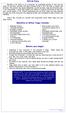 OFFICE YOGA Working in an office or at a computer for prolonged periods of time can put strain on the neck, shoulder and back muscles which in turn can lead to tension and stiffness. This tension can cause
No Equipment Agility/Core/Strength Program for Full Body No Equip Trainer: Rick Coe
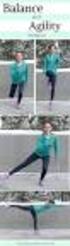 No Equipment Agility/Core/Strength Program for Full Body No Equip Trainer: Rick Coe Introduction Program designed to be performed in a circuit. Perform exercises in sequence without rest 2-3 times. Increase
EXERCISE DESCRIPTIONS PHASE I Routine #1
 EXERCISE DESCRIPTIONS PHASE I Routine #1 Hip Mobility Exercise: Forward Out-In Movement: Raise leg out to the side, and rotate around to the front. Keep shin/thigh angle at 90 degrees. Exercise: Backward
stretches and exercises
 stretches and exercises The enclosed sheets contain stretches and exercises which can be used to delay and minimise the development of contractures and deformities occurring in children with Duchenne muscular
EXERCISE INSTRUCTIONS 1
 EXERCISE INSTRUCTIONS 1 Contents ANKLE TOUCHES... 4 BACK EXTENSIONS... 4 BACK REVERSE FLYES... 4 BALL ROLL... 4 BASKETBALL SQUATS... 4 BEAR CRAWL... 4 BICEP CURL (Resistance Band)... 4 BOXING JABS... 5
How To Improve Drainage
 Rehabilitation Home Program Edema Exercises To Improve Drainage You will improve your lymph flow by doing a few exercises each day. These exercises are an important part of your home program. They may
BEACH VOLLEYBALL TRAINING PROGRAM
 2008 ELITE PERFORMANCE ATHLETE CONDITIONING BEACH VOLLEYBALL TRAINING PROGRAM Team BC 2008 Steve Van Schubert, CAT(C), CSCS Training Schedule General Outline Phase 1 2 Weeks Phase 2 3 Weeks Phase 3 3 Weeks
Self-mobilization methods
 Self-mobilization methods 5 Muscle energy techniques, as outlined in previous chapters, provide us with an excellent series of methods for relaxation and stretching of specific tight, shortened, contracted
12 Week Do-it-Yourself Fitness Program
 12 Week Do-it-Yourself Fitness Program Created by Brad Awalt, MS, ACSM Assistant Manager, Health Plus [email protected] January 2011 Do you have a goal to begin an exercise routine, but not sure
Shoulders (free weights)
 Dumbbell Shoulder Raise Dumbbell Shoulder Raise 1) Lie back onto an incline bench (45 or less) with a DB in each hand. (You may rest each DB on the corresponding thigh.) 2) Start position: Bring the DB
Spine Conditioning Program Purpose of Program
 Prepared for: Prepared by: OrthoInfo Purpose of Program After an injury or surgery, an exercise conditioning program will help you return to daily activities and enjoy a more active, healthy lifestyle.
Lower Body Exercise One: Glute Bridge
 Lower Body Exercise One: Glute Bridge Lying on your back hands by your side, head on the floor. Position your feet shoulder width apart close to your glutes, feet facing forwards. Place a theraband/mini
Cardiac Rehab Program: Stretching Exercises
 Cardiac Rehab Program: Stretching Exercises Walk around the room, step side to side, ride a bike or walk on a treadmill for at least 5 minutes to warm up before doing these stretches. Stretch warm muscles
Exercises for older people
 Exercise for older people Exercises for older people Sitting Getting started If you ve not done much physical activity for a while, you may want to get the all-clear from a GP before starting. For the
Range of Motion Exercises
 Range of Motion Exercises Range of motion (ROM) exercises are done to preserve flexibility and mobility of the joints on which they are performed. These exercises reduce stiffness and will prevent or at
Low Back Pain: Exercises
 Low Back Pain: Exercises Your Kaiser Permanente Care Instructions Here are some examples of typical rehabilitation exercises for your condition. Start each exercise slowly. Ease off the exercise if you
Living Room Bodyweight Workout Week 1 March or jog in place for 1 min to increase heart rate and lubricate joints.
 Warm Up- Living Room Bodyweight Workout Week 1 March or jog in place for 1 min to increase heart rate and lubricate joints. Protocol- All exercises will be done for 2 sets of 10 repetitions. After the
Low Back Pain Exercises Interactive Video Series Transcript July 2013
 Introduction Low Back Pain Exercises Interactive Video Series Transcript July 2013 ** Note: If an exercise causes an increase in your pain, stop the exercise.** [Music introduction; Dr. John Sheehan onscreen]
9 exercises to rehab a torn ACL without surgery
 MENU Search foxnews.com Health Home Men's Health Women's Health Children's Health Alternative Medicine Diabetes Heart Health Allergies HEALTH 9 exercises to rehab a torn ACL without surgery By Julie Wilcox
Prasara Yoga Lesson: Iguana Asana for Leg Swoops
 Prasara Yoga Lesson: Iguana Asana for Leg Swoops About the author: Jason Erickson, CST, ACE-PT, NCTMB has been teaching Circular Strength Training since 2004. A personal trainer, yoga instructor, and massage
Knee Conditioning Program. Purpose of Program
 Prepared for: Prepared by: OrthoInfo Purpose of Program After an injury or surgery, an exercise conditioning program will help you return to daily activities and enjoy a more active, healthy lifestyle.
SHOULDER PULL DOWNS. To learn efficient use of the shoulder blades and arms while maintaining a neutral spine position.
 SHOULDER INTRODUCT ION Welcome to your shoulder exercise program The exercises in the program are designed to improve your shoulder mobility, posture and the control of the muscles in your neck and shoulder
This guide book must only be used in conjunction with the accompanying audio classes.
 This guide book must only be used in conjunction with the accompanying audio classes. P.1 Medical Warning. Check with your doctor before starting this or any other exercise program in particular if you
Preventing Falls. Strength and balance exercises for healthy ageing
 Preventing Falls Strength and balance exercises for healthy ageing Exercise should be comfortable and fun. To get the most out of your home exercise book, join a class for older people to check your exercises
The Eight Pieces of Brocade
 The Eight Pieces of Brocade Ba Duan Jin (The Eight Pieces of Brocade) was developed during the twelfth century by the famous general Yueh Fei (who also created the Hsing I internal martial art) as a way
are you reaching your full potential...
 T h e r e s n o s u c h t h i n g a s b a d e x e r c i s e - j u s t e x e r c i s e d o n e b a d l y FIT for sport are you reaching your full potential... These tests are a series of exercises designed
McMaster Spikeyball Therapy Drills
 BODY BLOCKS In sequencing Breathing and Tempo Flexibility / Mobility and Proprioception (feel) Upper body segment Middle body segment Lower body segment Extension / Static Posture Office / Computer Travel
What is Separation of the Abdominal Muscles after Childbirth (also known as Divarication of Rectus Abdominis)?
 What is Separation of the Abdominal Muscles after Childbirth (also known as Divarication of Rectus Abdominis)? Following your pregnancy and the birth of your baby your abdominal (tummy) muscles may have
SELF-MASSAGE HANDOUTS
 SELF-MASSAGE HANDOUTS Self-Massage for the Head and Face Self-Massage for the Low Back and Buttocks Self-Massage for Runners Self-Massage for the Neck Self-Massage for the Feet Self-Massage for the Arms
CHINESE QI GONG EXERCISES TAUGHT BY JAKE PAUL FRATKIN, OMD
 1 CHINESE QI GONG EXERCISES TAUGHT BY JAKE PAUL FRATKIN, OMD Doctor of Oriental Medicine MORNING ROUTINE SUMMATION 1. Joint Opening Exercises 2. Meridian Stretching Exercises 3. Qi Circulation Exercises
Do you sit at a desk all day? Does your 9 to 5 leave no time for structured exercise..?
 Do you sit at a desk all day? Does your 9 to 5 leave no time for structured exercise..? Staying healthy at work is easier than you might think: Try building the following desk based exercises into your
JUNIPERO SERRA VOLLEYBALL OFF SEASON TRAINING SCHEDULE
 JUNIPERO SERRA VOLLEYBALL OFF SEASON TRAINING SCHEDULE 2007 OFF SEASON WORKOUT Our off season workout is centered around Speed, Agility & Quickness which are athletic attributes that are very trainable
Physical Capability Strength Test: One Component of the Selection Process
 Physical Capability Strength Test: One Component of the Selection Process One aspect of the Power Systems Institute selection process is to successfully complete and achieve a passing score on a physical
CORRECTIVE CHIROPRACTIC EXERCISES
 CORRECTIVE CHIROPRACTIC EXERCISES J O W E T T & M O U L T O N C h i r o p r a c t o r s introduction This booklet, presented by Jowett and Moulton Chiropractors, is designed to provide you with a general
Standing with legs slightly apart, inhale and expand chest and shoulders; exhale and draw in chest and shoulders.
 ILLUSTRATED EXERCISE #4 PAGE 1 2012 Bringing the Body to the Stage and Screen and Beyond by Annette Lust 1 Standing with legs slightly apart, inhale and expand chest and shoulders; exhale and draw in chest
Healing (and Preventing) Wrist Injuries
 { asana solutions } Healing (and Preventing) Wrist Injuries Proper alignment of the hands and balanced muscle tone in the forearms can protect vulnerable wrists. By doug keller Few things put the brakes
Coccydynia. (Coccyx Pain) Information for patients. Outpatients Physiotherapy Tel: 01473 703312
 Information for patients Coccydynia (Coccyx Pain) Outpatients Physiotherapy Tel: 01473 703312 DPS ref: 4508-12(RP) Issue 1: February 2013 Review date: January 2016 The Ipswich Hospital NHS Trust, 2013.
Functional rehab after breast reconstruction surgery
 Functional rehab after breast reconstruction surgery UHN A guide for women who had DIEP, latissimus dorsi with a tissue expander or implant, or two-stage implant based breast reconstruction surgery Read
Basic Stretch Programme 3. Exercise Circuit 4
 Basic Stretch Programme 3 Exercise Circuit 4 2 1 Calves Stand approximately 1 metre away from wall with legs straight and heels on floor. Step and lean forward and slowly push hips towards wall. Should
LEVEL I SKATING TECHNICAL. September 2007 Page 1
 SKATING September 2007 Page 1 SKATING SKILLS The game of Ice Hockey is a fast-paced, complex, team sport, which demands quick thinking, fast reactions and special athletic skills. Skating is the most important
Whole Hand Activities
 Activities Walk & Flip 5 Baton Twirl Rotate the pencil in, around and between all your fingers like it was a baton. 10 Walk your fingers up the pencil (your index will look like an inchworm climbing the
The Santa Monica Orthopaedic and Sports Medicine Research Foundation. The PEP Program: Prevent injury and Enhance Performance
 The Santa Monica Orthopaedic and Sports Medicine Research Foundation The PEP Program: Prevent injury and Enhance Performance This prevention program consists of a warm-up, stretching, strengthening, plyometrics,
Clasp hands behind hips and stretch arms down towards floor. Roll shoulder back to open chest. Do not let back arch. Power Skips
 Warm Up Exercises Jump Rope Ankle Bounces Jumping Jacks Using a fast twirl, rapidly jump up and down using spring in the feet and ankles, not in knees. V-Jumps Rapidly jump up and down using spring in
Wellness Workbook. Journaling your way to a healthier life! By Tamiko Arbuckle http://myfoggybrain.com
 Wellness Workbook Journaling your way to a healthier life! By Tamiko Arbuckle http://myfoggybrain.com Please send any questions/ feedback to [email protected] Here s to your Wellness! Welcome and
Chair Exercises For Older Adults
 Chair Exercises For Older Adults Many of these exercises were adapted from these sources: National Institute on Aging, Exercise: A Guide from the National Institute on Aging, 2001, http://www.nia.nih.gov/healthinformation/publications/exerciseguide/.
Guo Lin walking Qigong and the standing Guo Lin Qigong practices.
 Guo Lin walking Qigong and the standing Guo Lin Qigong practices. These are the forms used by Guo Lin to treat her own cancer, and used to treat the cancer of many others. If you have cancer, please consult
This is a guided meditation to enable you to begin to start clearing, balancing and energizing the Chakra s.
 This is a guided meditation to enable you to begin to start clearing, balancing and energizing the Chakra s. Julian, Reiki Master and Teacher in :- Usui Reiki, Usui Tibetan Reiki, Seichem, Kundalini Reiki,
The 11+ A complete warm-up program
 The 11+ A complete warm-up program Part 1 & 3 A A }6m Part 2 B A: Running B: Jog back B! FIELD SET-UP A: Running exercise B: Jog back The course is made up of 6 pairs of parallel cones, approx. 5-6m apart.
Breathe using your diaphragm
 Breathe using your diaphragm Diaphragmatic breathing is the healthiest form of breathing. It is also the most natural - observe how a very young baby breathes. They will use their diaphragm and full torso
Sutton & Cheam Swimming Club. Land Training for Swimming and Water Polo
 Sutton & Cheam Swimming Club Land Training for Swimming and Water Polo Why do we need to perform land work? Many of the basics for swimming and water polo can be gained by experiencing activities out
DSM Spine+Sport - Mobility
 To set yourself up for success, practice keeping a neutral spine throughout all of these movements. This will ensure the tissue mobilization is being applied to the correct area, and make the techniques
7Sciatica has a long (and painful!) history. As far back as the 5th
 ASANASOLUTIONS Soothe Your Sciatica These seven simple poses target the tight muscle that often causes sciatic pain. By Doug Keller Burning and tingling in the back of the thigh are signs of sciatica.
Care at its Best! Foam Roller Exercise Program
 Foam Roller Exercise Program Foam rollers are a popular new addition the gym, physical therapy clinics or homes. Foam rollers are made of lightweight polyethyline foam. Cylindrical in shape, foam rollers
Strength Training HEALTHY BONES, HEALTHY HEART
 Strength Training HEALTHY BONES, HEALTHY HEART No matter what your age, strength training can improve your bone health and your balance. As we age, our bones lose both tissue and strength. This condition
Keep fit at the workplace! A simple training programme for more exercise at the workplace.
 Keep fit at the workplace! A simple training programme for more exercise at the workplace. INTRODUCTION Dear Readers, Keeping your body in one position, such as sitting or standing for a long time, results
Operating Instructions
 Operating Instructions Table of Contents IMPORTANT INFORMATION 1-2 1 The backrack TM 3-6 Introduction 3 What does it do? 4 How do I use it? 5 How often should I use it? 6 2 Getting On 7-10 3 Basic Exercises
Lower Body Strength/Balance Exercises
 Compliments of (Medical Group Name & Phone # to be inserted here) Lower Body Strength/Balance Exercises Hip Flexion Strengthens thigh and hip muscles. Use ankle weights, if you are ready to. Stand to the
Instructor Training Program Levels 1 through 4 Uneven Bars
 USA Gymnastics Online: Technique: Uneven Bars Page 1 of 9 Instructor Training Program Levels 1 through 4 Uneven Bars Level 1 - Uneven Bars MOUNT: BACK HIP PULLOVER Grasp bar with hands "shoulder width"
Tai Chi Nation guide to Qigong - Part 1
 Tai Chi Nation guide to Qigong - Part 1 We hope this guide will help introduce you to and inspire you in the practice of Tai Chi Qigong. We love this wonderful art and have gained so much benefit from
Ensure that the chair you use is sturdy and stable. Wear comfortable clothes and supportive footwear.
 Page 1 Safety Ensure that the chair you use is sturdy and stable. Wear comfortable clothes and supportive footwear. Prepare a space and have your exercise band and a glass of water (for afterwards) ready
ISOMETRIC EXERCISE HELPS REVERSE JOINT STIFFNESS, BUILDS MUSCLE, AND BOOSTS OVERALL FITNESS.
 ISOMETRIC EXERCISE HELPS REVERSE JOINT STIFFNESS, BUILDS MUSCLE, AND BOOSTS OVERALL FITNESS. By Askari A. Kazmi KazmisBioscienceLabs exercise helps reverse joint stiffness, builds muscle, and boosts overall
Lower Back Pain An Educational Guide
 Lower Back Pain An Educational Guide A publication from the Center of Pain Medicine and Physiatric Rehabilitation 2002 Medical Parkway Ste 150 1630 Main St Ste 215 Annapolis, MD 21401 Chester, MD 21619
Exercises for the Hip
 Exercises for the Hip Gluteal Sets: Lie on your back, tighten buttocks and hold for 3-5 seconds. Repeat 20 times. Supine Hip ER/IR: Lie on your back with legs straight. Gently rotate knees out and in limited