
TL-WPA281/TL-WPA271 Wireless N Powerline Extender
|
|
|
- Teresa Potter
- 9 years ago
- Views:
Transcription
1 Rev:

2 COPYRIGHT & TRADEMARKS Specifications are subject to change without notice. is a registered trademark of TP-LINK TECHNOLOGIES CO., LTD. Other brands and product names are trademarks or registered trademarks of their respective holders. No part of the specifications may be reproduced in any form or by any means or used to make any derivative such as translation, transformation, or adaptation without permission from TP-LINK TECHNOLOGIES CO., LTD. Copyright 2011 TP-LINK TECHNOLOGIES CO., LTD. All rights reserved.

3 FCC STATEMENT This equipment has been tested and found to comply with the limits for a Class B digital device, pursuant to part 15 of the FCC Rules. These limits are designed to provide reasonable protection against harmful interference in a residential installation. This equipment generates, uses and can radiate radio frequency energy and, if not installed and used in accordance with the instructions, may cause harmful interference to radio communications. However, there is no guarantee that interference will not occur in a particular installation. If this equipment does cause harmful interference to radio or television reception, which can be determined by turning the equipment off and on, the user is encouraged to try to correct the interference by one or more of the following measures: Reorient or relocate the receiving antenna. Increase the separation between the equipment and receiver. Connect the equipment into an outlet on a circuit different from that to which the receiver is connected. Consult the dealer or an experienced radio/ TV technician for help. This device complies with part 15 of the FCC Rules. Operation is subject to the following two conditions: 1) This device may not cause harmful interference. 2) This device must accept any interference received, including interference that may cause undesired operation. Any changes or modifications not expressly approved by the party responsible for compliance could void the user s authority to operate the equipment. Note: The manufacturer is not responsible for any radio or tv interference caused by unauthorized modifications to this equipment. Such modifications could void the user s authority to operate the equipment. FCC RF Radiation Exposure Statement This equipment complies with FCC RF radiation exposure limits set forth for an uncontrolled environment. This device and its antenna must not be co-located or operating in conjunction with any other antenna or transmitter. To comply with FCC RF exposure compliance requirements, this grant is applicable to only Mobile Configurations. The antennas used for this transmitter must be installed to provide a separation distance of at least 20 cm from all persons and must not be co-located or operating in conjunction with any other antenna or transmitter. CE Mark Warning This is a class B product. In a domestic environment, this product may cause radio interference, in which case the user may be required to take adequate measures.

4 National restrictions This device is intended for home and office use in all EU countries (and other countries following the EU directive 1999/5/EC) without any limitation except for the countries mentioned below: Country Restriction Reason/remark Bulgaria France None Outdoor use limited to 10 mw e.i.r.p. within the band MHz General authorization required for outdoor use and public service Military Radiolocation use. Refarming of the 2.4 GHz band has been ongoing in recent years to allow current relaxed regulation. Full implementation planned 2012 Italy Luxembourg Norway None None Implemented If used outside of own premises, general authorization is required General authorization required for network and service supply(not for spectrum) This subsection does not apply for the geographical area within a radius of 20 km from the centre of Ny-Ålesund Russian Federation None Only for indoor applications Note: Please don t use the product outdoors in France.

5 TP-LINK TECHNOLOGIES CO., LTD DECLARATION OF CONFORMITY For the following equipment: Product Description: Model No.: TL-WPA281/TL-WPA271 Trademark: TP-LINK We declare under our own responsibility that the above products satisfy all the technical regulations applicable to the product within the scope of Council Directives: Directives 1999/5/EC The above product is in conformity with the following standards or other normative documents ETSI EN V1.7.1: 2006 ETSI EN V1.8.1:2008& ETSI EN V2.1.1:2009 EN :2006+A11:2009+A1:2010 Recommendation 1999/519/EC EN62311:2008 Directives 2004/108/EC The above product is in conformity with the following standards or other normative documents EN 55022:2006 +A1:2007 EN :2005 EN :2006+A1:2009+A2:2009 EN :2008 Directives 2006/95/EC The above product is in conformity with the following standards or other normative documents EN :2006+A11:2009+A1:2010 Person is responsible for marking this declaration: Yang Hongliang Product Manager of International Business TP-LINK TECHNOLOGIES CO., LTD South Building, No.5 Keyuan Road, Central Zone, Science & Technology Park, Nanshan, Shenzhen, P. R. China

6 Important Safety Instructions 1. Do not open this product or attempt to service it; it may expose you to dangerous high voltage or other risks. 2. Do not operate this product near water. 3. Do not place or operate this product near a radiator or a heat register. 4. Do not expose this product to dampness, dust or corrosive liquids. 5. Do not connect this product or disconnect it from a wall socket during a lightning or a thunderstorm 6. Do not block the ventilation slots of this product, for insufficient airflow may harm it. 7. Do not put anything on this product. 8. Plug this product directly into a wall socket (100V~240V, 50~60Hz). Do not use an extension cord between this product and the AC power source. 9. When plugging this product into a wall socket, make sure that the electrical socket is not damaged, and that there is no gas leakage. 10. Place the connecting cables properly so that people won t stumble or walk on it. 11. This product should be operated from the type of power indicated on the marking label. If you are not sure of the type of power available, consult the qualified technician. 12. Unplug this product from the mains and refer the product to qualified service personnel for the following conditions: If liquid has been spilled on the product If the product has been exposed to rain or water 13. Unplug this product from the wall socket before cleaning. Use a damp cloth for cleaning. Do not use liquid cleaners or aerosol cleaners. 14. The specification of the fuse is T2.5AL250V. To avoid damage, please do not change the fuse. 15. The Operating temperature is 0 ~40 (32 ~104 ). The Storage temperature is -40 ~70 (-40 ~158 ).

7 CONTENTS Chapter 1 Introduction System Requirement Package Contents Conventions... 2 Chapter 2 Hardware Connection Before You Begin LED Indicator Physical Interface Hardware Connection... 5 Chapter 3 Configure the Device Login Status WPS Network Wireless Wireless Settings Wireless Security Wireless MAC Filtering Wireless Advanced Wireless Statistics Powerline Network Settings Station Settings QoS Setting System Tools Firmware Upgrade Factory Defaults Backup & Restore Reboot Password System Log...34 Chapter 4 Connecting to Wireless Network In Windows In Windows Vista In Windows XP Chapter 5 Pair Buttons Pair (Secure with 128 bits-aes) Setting Up a Powerline Network with the Pair Button Reset Appendix A: Troubleshooting Guide Appendix B: Specifications... 43

8 Chapter 1 Introduction Congratulations on your purchase of this outstanding. This device is not only a 200Mbps Powerline Ethernet Adapter which transforms your house s existing electrical wiring into a ubiquitous networking infrastructure but also a 300Mbps/150Mbps Wireless N Access Point which creates a wireless network allowing for greater range and mobility. As a Powerline Ethernet Adapter, it uses the existing power lines installed in a home as a path to transmit digital data, voice, audio and video between devices. Simply plug this Wireless N Powerline Extender into an ordinary AC power outlet, and then your Cable/xDSL broadband connection or existing Ethernet (LAN) network can be easily extended to any other electrical outlet in any room of a house with the absence of cabling. With powerline data rates of 200Mbps, full multimedia application can easily be supported throughout the whole house. As a Wireless N Access Point, it uses IEEE n wireless technology and can transmit wireless data at the rate of up to 300Mbps/150Mbps. With multiple protection measures including SSID broadcast control, wireless LAN WEP encryption, and WiFi Protected Access (WPA2- PSK, WPA-PSK), the device delivers complete data privacy. It supports an easy, Web-based management utility. Even though you may not be familiar with the device, you can easily configure it with the help of this Guide. The adapter adds two new functions which are found to be useful. 1. Connection with a new unassociated device via the Pair button. 2. Reset to default settings via the Reset button. 1.1 System Requirement a) At least two AC 100V ~ 240V power outlets with standard home power wiring b) A computer with the following: Operating System of Windows XP, Windows Vista or Windows 7 Operating System with TCP/IP installed Pentium III compatible processor and above Ethernet LAN card installed with TCP/IP protocol 64 MB RAM or more 50 MB of free disk space (Minimum) CD-ROM Drive 1.2 Package Contents The package contains the following items: One One Ethernet Cable One Quick Installation Guide One Resource CD (including Management Utility and User Guide) If any of the above items are damaged or missing, please contact your distributor immediately. 1

9 1.3 Conventions The Extender, or TL-WPA281/TL-WPA271, or device mentioned in this User Guide stands for TL-WPA281/TL-WPA271 without any explanations. Parameters provided in the pictures are just references for setting up the product. They may differ from the actual situation. You can set the parameters according to your demand. This User Guide is shared by TL-WPA281 and TL-WPA271. Here in this Guide we use TL-WPA281 for example. The difference between them is: TL-WPA281 with wireless data rate of up to 300Mbps; TL-WPA271 with wireless data rate of up to 150Mbps. 2

10 Chapter 2 Hardware Connection 2.1 Before You Begin Please read this User Guide carefully before installing and using the equipment. The operating distance or range of your wireless connection varies significantly based on the physical placement of the Powerline Extender. Factors that can weaken signals by getting in the way of your network s radio waves are metal appliances or obstructions, and walls. Typical ranges vary based on the types of materials and background RF (radio frequency) noise in your home or office. For best performance of your wireless network, you are suggested to place your Powerline Extender: 1). Near the center of the area in which your wireless stations will operate. 2). In an elevated location such as a high shelf. 3). Away from the potential sources of interference, such as PCs, microwaves, and cordless phones. 4). With the Antenna in the upright position. 5). Away from large metal surfaces. Failure to follow these guidelines can result in significant performance degradation or inability to wirelessly connect to the Powerline Extender. Take notes that this works in pairs or with another powerline adapter. You need to plug the into a power outlet; you will also need another or Powerline Ethernet Adapter connected to your Cable/xDSL broadband (Ethernet port) in order to extend your broadband connection or Internet surfing. With clean powerline, the distance between two Powerline Ethernet Adapters can reach 300 meters, but the actual distance may vary due to the environment. Section below describes the s LED indicators, physical interface and hardware connection mechanism. 2.2 LED Indicator The LED indicator displays information about the device s status. 3

11 LEDs Name Status Indication Power LED Powerline LED Ethernet LED WiFi/WPS LED 2.3 Physical Interface Solid Off Solid Off Blinking Solid Off Blinking Solid Off Blinking slowly Blinking quickly There are four physical items on this device. The device is on. The device is off. The device is connected to a powerline network. The adapter isn t connected to any powerline network. The device is transferring data. The Ethernet port is connected, but there is no data being transferred. The Ethernet port isn t connected. The Ethernet port is transferring data. If the LED becomes solid light for 300 seconds, this indicates a successful WPS connection. The wireless function has been disabled. The device is waiting for client devices to connect to it by WPS. The wireless function has been enabled. 4

12 WiFi/WPS Button Ethernet Port Pair Button Reset Button Item WiFi/WPS Ethernet Reset Pair Description Press the button for 2 seconds, the Extender will wait to be connected by WPS. Pressing the button for 5 seconds will enable or disable the wireless function. One 10/100Mbps Ethernet port connected to PC LAN card or broadband device. Use a pin to press and hold this Reset button for approximately 10 seconds, then the device will restore to factory defaults. Pair buttons are used to secure a powerline network. 1. If you press the Pair button for more than 10 seconds, The Extender will leave the network it is associated with and its network name assumes a random value. 2. For detail information about the Reset button and Pair button, please refer to Chapter 5 Pair Buttons. 2.4 Hardware Connection Please first make sure that your PC can successfully access the Internet via the Router. Then connect the powerline devices following the instructions below. Step 1: Connecting to the Internet This section describes how to connect the Powerline Extender into your existing network. Follow the procedures described below: 1. Connect an Ethernet (RJ45) cable to the Ethernet port of the Powerline Extender or a compatible Powerline Adapter like TL-PA Connect the other end of the Ethernet (RJ45) cable to an available Ethernet port of your broadband Router. 3. Plug the Powerline Extender or Powerline Adapter into a wall socket. 5

13 4. Check and confirm the LEDs status. (The Power LED and Ethernet LED on the Powerline Extender should be ON.) The hardware connection mechanism is shown below: Do not connect the Powerline Extender or Powerline Adapter to an extension lead, power strip, extension cord, or surge protector as this may degrade the network performance. Step 2: Connecting the Computer Following are the steps to properly connect the Powerline Extender to your computer: 1. Connect the provided Ethernet (RJ45) cable to the Powerline Extender s Ethernet port. 2. Connect the other end of the Ethernet (RJ45) cable to you computer s LAN port. 3. Plug the Powerline Extender into a wall socket next to the computer. 4. Turn on your computer. 5. Check and confirm that the Power LED and Ethernet LED on the Powerline Extender are ON. The hardware connection mechanism is shown below: 6

14 As soon as the powerline devices are connected following the steps above, a usable powerline network is available. 7

15 Chapter 3 Configure the Device This Chapter describes how to configure your Access Point via the web-based management page. The TL-WPA281 is easy to configure and manage with the Web-based (Internet Explorer, Netscape Navigator, Firefox, Safari, Opera or Chrome) management page, which can be launched on any windows, Macintosh or UNIX OS with a web browser. 3.1 Login 1. Insert the TP-LINK Resource CD into the CD-ROM drive. The following screen will appear. Select model TL-WPA281 and then choose Management Utility from the drop-down menu. Figure 3-1 Setup Wizard 2. Find the model to be configured and click Connect to log in the Web-based management utility. Figure 3-2 Management Utility 8

16 If another TL-WPA281 is displayed on the screen above and you cannot decide which model is the one you are configuring, please refer to the MAC address under MAC Address column. The device s MAC address can be found on the label at the bottom of the device. 3. Enter admin for the User name and Password (both in lower case letters) in the screen below. Then click OK or press Enter. Figure 3-3 Login Window If the above screen does not prompt, it means that your web-browser has been set to a proxy. Go to Tools menu>internet Options>Connections>LAN Settings, in the screen that appears, cancel the Using Proxy checkbox, and click OK to finish it. After a successful login, you can configure and manage the device. There are six main menus on the leftmost column of the Web-based management page: Status, WPS, Network, Wireless, Powerline and System Tools. Submenus will be available after clicking one of the main menus. On the right of the Web-based management page lays the detailed explanations and instructions for the corresponding page. 3.2 Status The Status page displays the Powerline Extender s current status and configuration. All information is read-only. 9

17 Figure 3-4 Status Firmware Version - This field displays the current firmware version of the Powerline Extender. Hardware Version - This field displays the current hardware version of the Powerline Extender. Powerline - This field displays the current settings or information for powerline, including the MAC address, Device Password and Network Name which can be configured on the Powerline Network Settings page. MAC Address - The physical address of the Powerline Extender, as seen from powerline. Device Password - The security ID that restricts access to critical device functions. Network Name - The name that identifies a logical network. Network - The following parameters apply to the Ethernet port of the Powerline Extender. You can configure them on the Network page. MAC Address - The physical address of the Powerline Extender's Ethernet port. IP Address - The IP address of the Powerline Extender. Subnet Mask - The subnet mask associated with IP address. Wireless - This field displays the current settings or information for Wireless. They can be configured on the Wireless Wireless Settings page. 10

18 Wireless Radio - Indicates whether the wireless radio feature of the Powerline Extender is enabled or disabled. Name (SSID) - The SSID of the Powerline Extender. Channel - The wireless channel in use. Mode - The current wireless mode the Powerline Extender works on. Channel Width - The bandwidth of the wireless channel. MAC Address - The physical address of the Powerline Extender, as seen from the WLAN. System Up Time - This filed displays the length of the time since the Powerline Extender was last powered on or reset. Click the Refresh button to get the latest status and settings of the Powerline Extender. 3.3 WPS WPS (Wi-Fi Protected Setup) can help you quickly and securely connect to a network. This section will guide you to add a new wireless device to an existing network quickly by WPS function. Select menu WPS to load the next screen as shown in Figure 3-5. Figure 3-5 WPS WPS Status - Enable or disable the WPS function here. Current PIN - The current value of the Powerline Extender's PIN is displayed here. The default PIN of the Powerline Extender can be found in the User Guide or on the label at the bottom of the device. Restore PIN - Restore the PIN of the device to its default. Gen New PIN - Click this button, and then you can get a new random value for the device's PIN. You can ensure the network security by generating a new PIN. Add device - You can add a new device to the existing network manually by clicking this button. To add a new device: If a wireless adapter supports Wi-Fi Protected Setup (WPS) or QSS (Quick Secure Setup) you can establish a wireless connection between the wireless adapter and the Powerline Extender using either Push Button Configuration (PBC) method or PIN method. To build a successful connection by WPS, you should also do corresponding configuration on the new device meanwhile. For the configuration of the new device, here takes the Wireless Adapter of our company for example. 11

19 I. By PBC If the wireless adapter supports Wi-Fi Protected Setup and the Push Button Configuration (PBC) method, you can add it to the network by PBC with the following two methods. Method One: Step 1: Press the WPS button on the front panel of the device for 2 seconds. Step 2: Within two minutes, press and hold the QSS button of the adapter directly for 2 or 3 seconds. (QSS, also called WPS, is used by our company on the wireless adapter.) Step 3: Wait for a while until the next screen appears. Click Finish to complete the WPS configuration. The status LED on the Powerline Extender will light green for five minutes if the device has been successfully added to the network. The WPS Configuration Screen of Wireless Adapter 12

20 Method Two: Step 1: Press the WPS button on the front panel of the device for 2 seconds. Step 2: For the configuration of the wireless adapter, please choose Push the button on my access point in the configuration utility of the WPS as below, and click Next. (QSS, also called WPS, is used by our company on the wireless adapter.) The WPS Configuration Screen of Wireless Adapter Step 3: Wait for a while until the next screen appears. Click Finish to complete the WPS configuration. The status LED on the Powerline Extender will light green for five minutes if the device has been successfully added to the network. 13

21 The WPS Configuration Screen of Wireless Adapter Method Three: Step 1: Keep the default WPS Status as Enabled and click the Add device button in Figure 3-5, then the following screen will appear. Figure 3-6 Add a New Device Step 2: Step 3: Choose Press the button of the new device in two minutes and click Connect. For the configuration of the wireless adapter, please choose Push the button on my access point in the configuration utility of the WPS as below, and click Next. (QSS, also called WPS, is used by our company on the wireless adapter.) 14
22 The WPS Configuration Screen of Wireless Adapter Step 4: Wait for a while until the next screen appears. Click Finish to complete the WPS configuration. The status LED on the Powerline Extender will light green for five minutes if the device has been successfully added to the network. The WPS Configuration Screen of Wireless Adapter II. By PIN If the new device supports Wi-Fi Protected Setup and the PIN method, you can add it to the network by PIN with the following two methods. Method One: Enter the PIN into my Powerline Extender Step 1: Keep the default WPS Status as Enabled and click the Add device button in Figure 3-5, then the following screen will appear. 15
23 Figure 3-7 Add a New Device Step 2: Choose Enter the new device's PIN and enter the PIN code (take for example) of the wireless adapter in the field after PIN as shown in the figure above. Then click Connect. The PIN code of the adapter is always displayed on the WPS configuration screen as shown in the following figure. Step 3: For the configuration of the wireless adapter, please choose Enter a PIN into my access point or a registrar in the configuration utility of the WPS as below, and click Next. (QSS, also called WPS, is used by our company on the wireless adapter.) The WPS Configuration Screen of Wireless Adapter In this example, the default PIN code of this adapter is as the above figure shows. Method Two: Enter the PIN from my Powerline Extender Step 1: Get the Current PIN code of the Powerline Extender in Figure 3-5 (Each Powerline Extender has its unique PIN code. Here takes the PIN code of this device for example). Step 2: For the configuration of the wireless adapter, please choose Enter a PIN from my access point in the configuration utility of the WPS as below, and enter the PIN code of the Extender into the field after Access Point PIN. Then click Next. (QSS, also called WPS, is used by our company on the wireless adapter.) 16
24 The WPS Configuration Screen of Wireless Adapter The default PIN code of the Powerline Extender can be found on its label or on its WPS configuration page as shown in Figure 3-5. You will see the following screen when the new device has successfully connected to the network. Figure 3-8 Successfully Added a New Device a. The WPS LED on the Powerline Extender will light green for five minutes if the device has been successfully added to the network. b. The WPS function cannot be configured if the Wireless function of the Powerline Extender is disabled. Please make sure the wireless function is enabled before configuring the WPS. 3.4 Network You can configure the IP parameters of the Powerline Extender on this page. Figure 3-9 Network 17
25 MAC Address - The physical address of the Powerline Extender's Ethernet port. The value can not be changed. IP Address - Enter the IP address of the Powerline Extender in dotted-decimal notation (factory default setting is ). Subnet Mask - An address code that determines the size of the network. Usually it is Click the Save button to save your settings. If you change the IP address, you must use the new IP address to log in to the Powerline Extender. 3.5 Wireless The Wireless option, improving functionality and performance for wireless network, can help you make the Powerline Extender an ideal solution for your wireless network. Here you can create a wireless local area network just through a few settings. Wireless Settings is used for the configuration of some basic parameters of the Powerline Extender. Wireless Security provides three different security types to secure your data and thus providing greater security for your wireless network. MAC filtering allows you to control the access of wireless stations to the Powerline Extender. Wireless Advanced allows you to configure some advanced parameters for the Powerline Extender. Wireless statistics enables you to get detailed information about the current connected wireless stations. There are five submenus under the Wireless menu (shown in Figure 3-10): Wireless Settings, Wireless Security, Wireless MAC Filtering, Wireless Advanced and Wireless Statistics. Click any of them and you will be able to configure the corresponding function. The detailed explanations for each submenu are provided below Wireless Settings Figure 3-10 Wireless menu Selecting Wireless > Wireless Settings will enable you to configure the basic settings for your wireless network on the screen below (Figure 3-11). 18
26 Figure 3-11 Wireless Settings SSID (Set Service Identifier) - Identifies your wireless network name. Enter a value of up to 32 characters. The same Name (SSID) must be assigned to all wireless devices in your network. The default SSID is TP-LINK_XXXXXX (XXXXXX indicates the last six unique characters of each device s MAC address). This value is case-sensitive. For example, TEST is not the same as test. Region - Select your region from the pull-down list. This field specifies the region where the wireless function of the Powerline Extender can be used. It may be illegal to use the wireless function of the Powerline Extender in a region other than one of those specified in this filed. If your country or region is not listed, please contact your local government agency for assistance. When you select your local region from the pull-down list, click the Save button, then the Note Dialog appears. Click OK. Note Dialog Channel - This field determines which operating frequency will be used. It is not necessary to change the wireless channel unless you notice interference problems with another nearby access point. If you select Auto, then the Powerline Extender will choose the best channel automatically. Mode - Select the desired wireless mode. The options are: 11b only - Only b wireless stations can connect to the device. 11g only - Only g wireless stations can connect to the device. 11n only - Only n wireless stations can connect to the device. 19
27 11bg mixed - Both b and g wireless stations can connect to the device. 11bgn mixed - All b, g and n wireless stations can connect to the device. If all of the wireless devices connected with the Powerline Extender can connect in the same transmission mode (eg b), you can choose the Only mode (eg. 11b only). If you have some devices that use different transmission modes, choose the appropriate Mixed mode. Channel Width - Determines the channel width to be used. It is unnecessary to change the default value unless required. Max Tx Rate - Specifies the maximum transmit rate of the device through this field. Enable Wireless Powerline Extender Radio - The wireless radio of the Powerline Extender can be enabled or disabled to allow or deny wireless stations to access. If it is enabled, the wireless stations will be able to access the Powerline Extender; otherwise, wireless stations will not be able to access the Powerline Extender. Enable SSID Broadcast - Selecting this check box will allow the device to broadcast its name (SSID) on the air. If it s allowed, when wireless clients survey the local area for wireless networks to associate with, they will detect the SSID broadcast by the device. To apply any settings you have altered on the page, please click the Save button, and then you will be reminded to reboot the device Wireless Security Selecting Wireless > Wireless Security will enable you to configure wireless security for your wireless network to protect your data from intruders. The Powerline Extender provides three security types: WEP, WPA/WPA2 and WPA-PSK/WPA2-PSK. Wireless security can be set on the following screen shown as Figure
28 Figure 3-12 Wireless Security Disable Security - Check this radio button to disable wireless security. If disabled, the wireless stations will be able to connect this device without encryption. It is strongly recommended that you choose one of the security types to enable security. WEP - Select WEP security. Figure 3-13 WEP Type - You can select one of following types. Automatic - Select Shared Key or Open System authentication type automatically based on the wireless station's capability and request. Shared Key - Select Shared Key authentication type. Open System - Select Open System authentication. 21
29 WEP Key Format - You can select ASCII or Hexadecimal format. ASCII format stands for any combination of keyboard characters in the specified length. Hexadecimal format stands for any combination of hexadecimal digits (0-9, a-f, A-F) in the specified length. WEP Key - Select which of the four keys will be used and enter the matching WEP key information for your network in the selected key radio button. These values must be identical on all wireless stations in your network. Key Type - You can select the WEP key length (64-bit, or 128-bit) for encryption. "Disabled" means this WEP key entry is invalid. For 64-bit encryption - You can enter 10 hexadecimal digits (any combination of 0-9, a-f, A-F, zero key is not permitted) or 5 ASCII characters. For 128-bit encryption - You can enter 26 hexadecimal digits (any combination of 0-9, a-f, A-F, zero key is not permitted) or 13 ASCII characters. If you do not set the key, the wireless security function is still disabled even if you have selected Shared Key as Authentication Type. WPA/WPA2 - Select WPA/WPA2 based on Radius Server. Figure 3-14 WPA/WPA2 Version - You can select one of following versions. Automatic - Select WPA or WPA2 automatically based on the wireless station's capability and request. WPA - Wi-Fi Protected Access. WPA2 - WPA version 2. Encryption - You can select either Automatic, TKIP or AES. Radius Server IP - Enter the IP address of the Radius Server. Radius Port - Enter the port used by radius service. Radius Password - Enter the password for the Radius Server. Group Key Update Period - Specify the group key update interval in seconds. The value can be either 0 or at least 30. Enter 0 to disable the update. WPA-PSK/ WPA2-PSK - Select WPA based on pre-shared key. 22
30 Figure 3-15 WPA-PSK/WPA2-PSK Version - You can select one of following versions. Automatic - Select WPA-PSK or WPA2-PSK automatically based on the wireless station's capability and request. WPA-PSK - Pre-shared key of WPA. WPA2-PSK - Pre-shared key of WPA2. Encryption - When you select WPA-PSK or WPA2-PSK for Authentication Type, you can select either Automatic, TKIP or AES as Encryption. PSK Passphrase - Enter a passphrase here. Group Key Update Period - Specify the group key update interval in seconds. The value can be either 0 or at least 30. Enter 0 to disable the update. Be sure to click the Save button to save your settings on this page. You will be reminded to reboot the device after clicking the Save button Wireless MAC Filtering Selecting Wireless > Wireless MAC Filtering will allow you to set up some filtering rules to control wireless stations accessing the device, which depends on the station s MAC address on the following screen as shown in Figure Figure 3-16 Wireless MAC Filtering Wireless MAC Filtering - Click the Enable button to enable the Wireless MAC Address Filtering. The default setting is disabled. 23
31 To Add a Wireless MAC Address filtering entry, click the Add New button. The Add or Modify Wireless MAC Address Filtering entry" page will appear, shown in Figure Figure 3-17 Add or Modify Wireless MAC Address Filtering entry MAC Address - Enter the wireless station's MAC address that you want to control. Description - Give a simple description of the wireless station. Status - Select a status for this entry, either Enabled or Disabled. To set up an entry, follow these instructions: First, you must decide whether the unspecified wireless stations can access the device or not. If you desire that the unspecified wireless stations can access the device, please select the radio button Allow the stations not specified by any enabled entries in the list to access, otherwise, select the radio button Deny the stations not specified by any enabled entries in the list to access. To add a MAC Address Filtering entry, follow these instructions: 1. Enter the appropriate MAC Address into the MAC Address field. The format of the MAC Address is XX-XX-XX-XX-XX-XX (X is any hexadecimal digit). For example: 00-0A-EB-B0-00-0B. 2. Enter a simple description of the wireless station in the Description field. For example: wireless station A. 3. Select Enabled or Disabled for this entry on the Status pull-down list. 4. Click the Save button to save this entry. To add additional entries, repeat steps 1-4. To modify or delete an existing entry: 1. Click the Modify in the entry you want to modify. If you want to delete the entry, click the Delete. 2. Modify the information. 3. Click the Save button. Click the Enable All button to make all entries enabled Click the Disabled All button to make all entries disabled. 24
32 Click the Delete All button to delete all entries Click the Next button to go to the next page and click the Previous button to return to the previous page. For example: If you desire that the wireless station A with MAC address 00-0A-EB BE is able to access the device, while all other wireless stations cannot access the device, you should configure the Wireless MAC Address Filtering list by following these steps: 1. Click the Enable button to enable this function. 2. Select the radio button: Deny the stations not specified by any enabled entries in the list to access for Filtering Rules. 3. Delete all or disable all entries if there are any entries already. 4. Click the Add New... button and enter the MAC address 00-0A-EB BE in the MAC Address field, enter Wireless Station A in the Description field and select Enabled in the Status pull-down list. Click the Save button. The filtering rules that configured should be similar to the following list: If you enable the function and select Deny the stations not specified by any enabled entries in the list to access for Filtering Rules but there isn t any enabled entry in the list, thus, no wireless stations can access the device Wireless Advanced Selecting Wireless > Wireless Advanced will allow you to do some advanced settings for the device in the following screen shown in Figure As the configuration for each operation mode is almost the same, we take Access Point mode for example here. Figure 3-18 Wireless Advanced Transmit Power - Specifies the transmit power of the device. You can select High, Middle or Low based on your need. High is the default setting and is recommended. 25
33 Beacon Interval - Specifies a value between milliseconds. The beacons are the packets sent by the device to synchronize a wireless network. Beacon Interval value determines the time interval of the beacons. The default value is 100. RTS Threshold - Specifies the RTS (Request to Send) Threshold. If the packet is larger than the specified RTS Threshold size, the device will send RTS frames to a particular receiving station and negotiate the sending of a data frame. The default value is Fragmentation Threshold - This value is the maximum size determining whether packets will be fragmented. Setting the Fragmentation Threshold too low may result in poor network performance since excessive packets is the default setting and is recommended. DTIM Interval - Determines the interval of the Delivery Traffic Indication Message (DTIM). You can specify the value between Beacon Intervals. The default value is 1, which indicates the DTIM Interval is the same as Beacon Interval. Enable WMM - WMM function can guarantee the packets with high- priority messages being transmitted preferentially. It is strongly recommended that this function be enabled. Enable Short GI - This function is recommended for it will increase the data capacity by reducing the guard interval time. Enable AP Isolation - Isolates all connected wireless stations so that wireless stations cannot access each other through WLAN. This function will be disabled if WDS/Bridge is enabled. If you are not familiar with the setting items on this page, it's strongly recommended that you keep the provided default values; otherwise, it may result in low wireless network performance Wireless Statistics Selecting Wireless > Wireless Statistics will allow you to see the wireless transmission information in the following screen shown in Figure This page shows MAC Address, Current Status, Received Packets and Sent Packets for each connected wireless station. Figure 3-19 Statistics of the device attached wireless stations MAC Address - Shows the connected wireless station's MAC address. Current Status - The connected wireless station's running status, one of STA-AUTH / STA-ASSOC / STA-JOINED / WPA / WPA-PSK / WPA2 / WPA2-PSK / AP-UP / AP-DOWN / Disconnected. Received Packets - Packets received by the station. Sent Packets - Packets sent by the station. 26
34 You cannot change any of the values on this page. To update this page and to show the current connected wireless stations, click the Refresh button. If the numbers of connected wireless stations go beyond one page, click the Next button to go to the next page and click the Previous button to return to the previous page. This page will be refreshed automatically every 5 seconds. 3.6 Powerline There are three submenus under the Powerline menu (shown in Figure 3-10): Network Settings, Station Settings and QoS Setting. Click any of them, and you will be able to configure the corresponding function. The detailed explanations for each submenu are provided below Network Settings Figure 3-20 Wireless menu Selecting Powerline > Network Settin gs, and you can configure the network name of the Powerline Extender or all the stations in current network on this page. Figure 3-21 Network Settings MAC Address - The physical address of the Powerline Extender, as seen from the powerline. The value can not be changed. Device Password - The password of the Powerline Extender. The value can not be changed. Network Name - Enter the network name (factory default - HomePlugAV). Click the Default button to enter the default network name. Click the Set Local button to set the Powerline Extender. Click the Set All button to set all stations which entered the correct passwords in current network, including the Powerline Extender. Note: If you set all stations network name, the remote ones which power off or entered the wrong password will not take effect. 27
35 3.6.2 Station Settings The Station Settings page shows remote stations in current network and allows you to enter, modify or delete the password and name for each station. Figure 3-22 Station Settings MAC Address - The remote station's MAC address. The value can not be changed. Device Password - The security ID of remote station. Device Name - The name used for identifing a station. To add or modify a station entry, click the Add or Modify button in operation column and following these instructions: 1. Enter the station password in Device Password field. The format of the password is XXXX-XXXX-XXXX-XXXX (X is any character). For example, RLXL-BYPI-MZBO-OPAB. 2. Enter a name you want to give the station in the Device Name field or leave it empty. For example, Station A. 3. Click the Save button to save this entry. To add or modify another entries, repeat steps 1~3. Figure 3-23 Add or Modify PLC Station entry Click the Delete button in the operation column to delete a station entry. Click the Add New... button to add a station into current network. The steps are the same as adding a station entry. 28
36 Figure 3-24 Add a new station Click the Refresh button to update the current connected stations. Click the Next button to go to the ne xt page and click the Previous button to return to the previous page. You can do Add or Modify operation only when the remote station is connected. If the remote station which you entered the password is power off or leave the current network, you can only do Delete operation QoS Setting You can configure the QoS parameters of the Powerline Extender on this page. Figure 3-25 QoS Setttings 29
37 Simple Application Mapping - The group allows you to choose what type of traffic with the highest user priority you will use your local device for by pitching on one of the following four radios. Internet - The Internet Application Mapping be use to Internet server. Online Game - The Online Game Application Mapping be use to Online Game server. Audio or Video - The Audio or Video Application Mapping be use to Audio or Video server. Voice over IP - The Voice over IP Application Mapping be use to Voice over IP server. Advanced Priority Mapping: The group sets VLAN priority and TOS priority to CAP mapping and other priority. VLAN Tages - Host frames can be priority classified based on VLAN CoS bits. Each combination of the CoS bits can be independently assigned to a priority queue. TOS Bits - Classification can be based on TOS priority bits in the same manner as the VLAN CoS bits. Unicast Priority - Unicast frames are those destined to a unique MAC addresses. These frames to CAP1 by default. Mcast Priority - Multicast frames not managed by IGMP and broadcast frames such as ARP frames are transmitted at the specified priority, default is CAP1. IGMP Priority - IGMP frames are defined by the Internet Group Management Protocol and represent management messages passed between various network infrastructure components.as a management protocol, these frames are by default classified at the highest CAP3 by default. AV Stream Priority - AV Stream is placed in the specified priority queue, default is CAP2. 1. CAP3 is the highest priority while CAP0 is the lowest priority.cap3 is used for the delivery of voice and urgent MMEs and control messages such as IGMP and MLD,CAP2 is used for the delivery of video and non urgent MMEs, CAP0 and CAP1 are used for delivery of best effort data. 2. If both VLAN and TOS are enabled and a frame is found that contains both, VLAN Tags will override TOS Bits. Click the Save button to save your settings. 3.7 System Tools System Tools option helps you to optimize the configuration of your device. You can upgrade the Powerline Extender to the latest version of firmware as well as backup or restore the device s configuration files. It s suggested that you change the default password to a more secure one because it controls access to the device s web-based management page. Besides, you can find out what happened to the system in System Log. There are six submenus under the System Tools menu (shown as Figure 3-26): Firmware Upgrade, Factory Defaults, Backup & Restore, Reboot, Password and System Log. Clicking any of them will 30
38 enable you to configure the corresponding function. The detailed explanations for each submenu are provided below. Figure 3-26 The System Tools menu Firmware Upgrade Selecting System Tools > Firmware Upgrade allows you to upgrade the latest version of firmware for the device on the screen shown in Figure Firmware Version - Here displays the current firmware version. Hardware Version - Here displays the current hardware version. The hardware version of the upgrade file must accord with the current hardware version. 1 There is no need to upgrade the firmware unless the new firmware has a new feature you want to use. However, when experiencing problems caused by the device itself, you can try to upgrade the firmware. 2 Before upgrading the device s firmware, you should write down some of your customized settings to avoid losing important configuration settings of device. To upgrade the device's firmware, follow these instructions: 2. Enter the path name or click Browse to select the downloaded file on the computer into the File blank. 3. Click Upgrade. Figure 3-27 Firmware Upgrade New firmware versions are posted at and can be downloaded for free. 1. Download a more recent firmware upgrade file from the TP-LINK website ( 4. The Powerline Extender will reboot while the upgrading has been finished. 31
39 The firmware version must correspond to the hardware. The upgrade process takes a few moments and the Powerline Extender restarts automatically when the upgrade is complete. It is important to keep power applied during the entire process. Loss of power during the upgrade could damage the Powerline Extender Factory Defaults Selecting System Tools > Factory Defaults allows you to restore the factory default settings for the device on the screen shown in Figure Figure 3-28 Restore Factory Defaults Click Restore to reset all configuration settings to their default values. Default User Name: admin Default Password: admin Default IP Address: Default Subnet Mask: Any settings you have saved will be lost when the default settings are restored Backup & Restore Selecting System Tools > Backup & Restore allows you to save all configuration settings to your local computer as a file or restore the device's configuration on the screen shown in Figure Figure 3-29 Save or Restore the Configuration Click Backup to save all configuration settings to your local computer as a file. To restore the device's configuration, follow these instructions: Click Browse to find the configuration file which you want to restore. Click Restore to update the configuration with the file whose path is the one you have input or selected in the blank. 32
40 1. The current configuration will be covered with the uploading configuration file. 2. Wrong process will lead the device unmanaged. 3. The restoring process lasts for about 20 seconds and restarts automatically. Do not power off the device during the process to avoid any damage Reboot Selecting System Tools > Reboot allows you to reboot the device on the screen shown in Figure Figure 3-30 Reboot the device Click the Reboot button to reboot the device. Some settings of the device will take effect only after rebooting, which include: Change the Powerline Extender's IP Address (system will reboot automatically). Change the Wireless configurations. Upgrade the firmware of the Powerline Extender (system will reboot automatically). Restore the Powerline Extender's settings to the factory defaults (system will reboot automatically). Update the configuration with the file (system will reboot automatically) Password Selecting System Tools > Password allows you to change the factory default user name and password of the device on the screen shown in Figure Figure 3-31 Password It is strongly recommended that you change the factory default user name and password of the device. 33
41 All users who try to access the device's web-based management page or Quick Setup will be prompted for the device' s user name and password. The new user name and password must not exceed 14 characters in length and must not include any spaces. Enter the new Password again to confirm it. Click Save when finished. Click Clear All to clear all System Log Selecting System Tools > System Log allows you to query the Logs of the device on the screen shown in Figure Figure 3-32 System Log The device can keep logs of all traffic. You can query the logs to find what happened to the device. Click the Refresh button to show the latest log list. Click the Clear All button to clear all logs. 34
42 Chapter 4 Connecting to Wireless Network 4.1 In Windows 7 Windows 7 users may use the built-in wireless utility. Follow the steps below. 1. Left-click the w ireless icon in your system tray (lower-right corner). The utility will display any available wireless networks in your area. Select the wireless network (displayed using the SSID) to be connected and then click Connect. Figure If the network you would like to connect is security-enabled, enter the same security key or passphrase that is on your router; or push the WPS button on the router or access point (You will be prompted to push the button on the window if WPS function is supported as shown in the figure below). If the network to be connected is not secure, the connection will be built without entering a key. 35
43 Figure You have joined the home network and can surf the Internet now. 4.2 In Windows Vista Figure 4-3 Windows Vista users may use the built-in wireless utility. Follow the steps below. 1. Open the wireless utility by right-clicking on the wireless computer icon in your system tray as shown in the figure below. Select Connect to a network. 36
44 Figure The utility will display any available wireless networks in your area. Select the wireless network you would like to connect and then click Connect. Figure If the network you would like to connect is security-enabled, enter the same security key or passphrase that is on your router. If the network to be connected is not secure, the connection will be built without entering a key. 37
45 Figure You have joined the home network and can surf the Internet now. Click close to finish the connection. 4.3 In Windows XP Figure 4-7 Windows XP users may use the built-in wireless utility. Follow the steps below. 1. Right-click on the wireless computer icon in your system tray (lower-right corner). Select View Available Wireless Networks. 38
46 Figure The utility will display any available wireless networks in your area. Click on a network (displayed using the SSID) and click the Connect button. Figure If the network is security-enabled, you will be prompted to enter the key as shown below. If not, you will connect to the network directly without entering a key. Figure
47 Chapter 5 Pair Buttons 5.1 Pair (Secure with 128 bits-aes) The Homeplug AV standard uses 128-bit AES (Advanced Encryption Standard) to safely transmit data between powerline dvices. For the powerline devices to communicate with each other, they all need to use the same Network Membership Key (NMK). Otherwise, they cannot unscramble the encrypted data sent in the powerline network. The Pair button allows you to set up a secure powerline connection with other HomePlug AV compliant powerline devices which also support the Pair feature. Here takes TP-LINK powerline devices for example (PA211 for device A and C, WPA281 for device B). 5.2 Setting Up a Powerline Network with the Pair Button You can connect a number of devices on a powerline network, but you can use the Pair button on only two devices at a time. Create a Powerline network using the Pair button: Step 1. Press and hold the Pair button of Powerline device A TL-PA211 for 3 to 8 seconds, the Power LED will start flashing. Step 2. Press and hold the Pair button of Powerline device B TL-WPA281 for 1 second, the Power LED will start flashing. (This must be done within 120 seconds after pressing the Pair button of Powerline device A.) Step 3. Wait for about 60 seconds while your Powerline device A and B are connecting. The Power LED on both devices will stop flashing and become solid light when the connection is made. 40
48 Join an existing Powerline Network: Powerline device A and Powerline device B form a HomeplugAV Network, and Powerline device C wants to join this network. Step 1. Step 2. Press and hold the Pair button on Powerline device C TL-PA211 for 3 to 8 seconds. Press and hold the Pair button on Powerline device A/B for 1 second/3 to 8 seconds. (This step must be taken within 120 seconds after step 1 is finished.) Step 3. Wait for about 60 seconds while your Powerline devices are connecting. The Power LED on Powerline device A/B and C will stop flashing and become solid light when the connection is made. The sequence of Step 1 and Step 2 can be exchanged. Leave an existing Powerline Network: As the figure above shows, Powerline device A, B and C have formed a HomeplugAV Network. The user wants to remove one device (Powerline adapter C) from this network. Step 1. Step 2. Press and hold the Pair button on Powerline device C for at least 10 seconds. Powerline device C will reset and restart. Wait for the reset to complete. 5.3 Reset To reset the Powerline device: Press and hold the Reset button for about 10 seconds, and then release the button. You will see all LEDs begin to flash. At this moment, the default settings have been restored. Be careful, don t power off when the device is in reset process. 41
49 Appendix A: Troubleshooting Guide The Troubleshooting Guide provides answers to common problems regarding the Powerline Ethernet Adapter. 1. The Power LED does not light up. Ans. Check the following: 1. Make sure that the Powerline Extender is properly plugged into a power outlet. 2. Make sure the power outlet is active (working) by plugging another electric device into it. 3. Re-plug the Powerline Extender to the power outlet. 4. If the Power LED still fails to light up, contact your local dealer for technical support. 2. The Ethernet LED does not light up. Ans. Check the following: 1. Make sure that the Ethernet cable (RJ-45) is properly connected to the Powerline Extender s Ethernet port and the other end of the Ethernet cable (RJ-45) is properly connected to the computer LAN card or to your Cable/xDSL Ethernet port. 2. Make sure your computer LAN card is properly installed and configured. 3. Make sure your Cable/xDSL broadband access is working and configured correctly. 4. Contact your local dealer for technical support if the Ethernet LED still fails to light up above procedures. 3. Powerline LED does not light up. Ans. Check the following: after the 1. Double-click to enable the Management Utility and click the Rescan tab. The Management Utility will automatically detect all other Powerline Extender on your powerline network. 2. Try to plug a Powerline Ethernet Adapter into Powerline LED lights up or not. a nearby power outlet and check whether the 3. Make sure that the device is plugged into a wall socket instead of a power strip, 4. Follow the method in 5.2 Setting Up a Powerline Network with the Pair Button to establish the connection again. 5. Reset the device to its factory default values. 6. Contact your local dealer for technical support if the Powerline LED still fails to light up after the above procedures. 42
50 Appendix B: Specifications General Standards Modulation Technology Data Rate Range LEDs Interface Encryption HomePlug AV, IEEE802.3, IEEE802.3u OFDM, 1024/256/64/16/8-QAM, QPSK, BPSK and ROBO 200Mbps for powerline 300Mbps for wireless 300 meters in house Power, Powerline, Ethernet, WiFi/WPS 1 Ethernet LAN Port 128-bit AES Physical and Environment Operating Temperature 0 ~40 (32 ~104 ) Operating Humidity 10%~90%RH, Non-condensing 43
TL-PA411 AV500 Powerline Adapter
 REV1.0.0 1910011029 COPYRIGHT & TRADEMARKS Specifications are subject to change without notice. is a registered trademark of TP-LINK TECHNOLOGIES CO., LTD. Other brands and product names are trademarks
TL-WA830RE 300Mbps Wireless N Range Extender
 300Mbps Wireless N Range Extender Rev: 1.0.0 1910010538 COPYRIGHT & TRADEMARKS Specifications are subject to change without notice. is a registered trademark of TP-LINK TECHNOLOGIES CO., LTD. Other brands
TL-PA201 200Mbps Powerline Ethernet Adapter
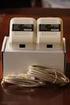 TL-PA201 200Mbps Powerline Ethernet Adapter Rev: 1.0.1 1910010156 COPYRIGHT & TRADEMARKS Specifications are subject to change without notice. is a registered trademark of TP-LINK TECHNOLOGIES CO., LTD.
TL-WA701ND 150Mbps Wireless Lite N Access Point
 150Mbps Wireless Lite N Access Point Rev: 2.0.1 1910010272 COPYRIGHT & TRADEMARKS Specifications are subject to change without notice. is a registered trademark of TP-LINK TECHNOLOGIES CO., LTD. Other
TL-WA801ND 300Mbps Wireless N Access Point
 300Mbps Wireless N Access Point Rev: 1.0.0 1910010218 COPYRIGHT & TRADEMARKS Specifications are subject to change without notice. is a registered trademark of TP-LINK TECHNOLOGIES CO., LTD. Other brands
TL-WPA4220 300Mbps AV500 WiFi Powerline Extender TL-WPA2220 300Mbps AV200 WiFi Powerline Extender
 TL-WPA4220 300Mbps AV500 WiFi Powerline Extender TL-WPA2220 300Mbps AV200 WiFi Powerline Extender REV1.0.0 1910010839 COPYRIGHT & TRADEMARKS Specifications are subject to change without notice. is a registered
TL-PA251 AV200+ Multi-Streaming Powerline Adapter With AC Pass Through
 TL-PA251 AV200+ Multi-Streaming Powerline Adapter With AC Pass Through Rev: 1.0.1 1910010542 COPYRIGHT & TRADEMARKS Specifications are subject to change without notice. is a registered trademark of TP-LINK
WUA-0605 300Mbps Wireless USB Network Adapter
 WUA-0605 300Mbps Wireless USB Network Adapter User Manual V1.0 Certification FCC CE FCC Statement This equipment has been tested and found to comply with the limits for a Class B digital device, pursuant
TL-PA201 200Mbps Powerline Ethernet Adapter
 Rev: 2.0.1 1910010323 COPYRIGHT & TRADEMARKS Specifications are subject to change without notice. is a registered trademark of TP-LINK TECHNOLOGIES CO., LTD. Other brands and product names are trademarks
TL-PA8030P AV1200 3-Port Gigabit Passthrough Powerline Adapter
 REV1.0.0 1910011105 COPYRIGHT & TRADEMARKS Specifications are subject to change without notice. is a registered trademark of TP-LINK TECHNOLOGIES CO., LTD. Other brands and product names are trademarks
TL-WR702N 150Mbps Wireless N Nano Router
 Rev: 1.0.0 1910010547 COPYRIGHT & TRADEMARKS Specifications are subject to change without notice. is a registered trademark of TP-LINK TECHNOLOGIES CO., LTD. Other brands and product names are trademarks
TL-WA500G 54M Wireless Access Point
 54M Wireless Access Point Rev: 1.0.1 1910010273 COPYRIGHT & TRADEMARKS Specifications are subject to change without notice. is a registered trademark of TP-LINK TECHNOLOGIES CO., LTD. Other brands and
TL-PA551 AV500+ Powerline Adapter with AC Pass Through
 Rev: 1.0.1 1910010649 COPYRIGHT & TRADEMARKS Specifications are subject to change without notice. is a registered trademark of TP-LINK TECHNOLOGIES CO., LTD. Other brands and product names are trademarks
WR1500N 150Mbps Wireless N Router
 WR1500N 150Mbps Wireless N Router 1910020625 REV 2.1.0 FCC STATEMENT This equipment has been tested and found to comply with the limits for a Class B digital device, pursuant to part 15 of the FCC Rules.
User Manual. PePWave Surf / Surf AP Indoor Series: Surf 200, E200, AP 200, AP 400. PePWave Mesh Connector Indoor Series: MC 200, E200, 400
 User Manual PePWave Surf / Surf AP Indoor Series: Surf 200, E200, AP 200, AP 400 PePWave Mesh Connector Indoor Series: MC 200, E200, 400 PePWave Surf AP Series: Surf AP 200-X, E200-X, 400-X PePWave Surf
TL-PA2010 AV200 Nano Powerline Adapter
 Rev: 1.0.1 1910010708 COPYRIGHT & TRADEMARKS Specifications are subject to change without notice. is a registered trademark of TP-LINK TECHNOLOGIES CO., LTD. Other brands and product names are trademarks
TL-WA5210G 2.4GHz High Power Wireless Outdoor CPE
 TL-WA5210G 2.4GHz High Power Wireless Outdoor CPE Rev: 1.0.0 1910010274 COPYRIGHT & TRADEMARKS Specifications are subject to change without notice. is a registered trademark of TP-LINK TECHNOLOGIES CO.,
TL-PA6010 AV600 Gigabit Powerline Adapter
 REV1.0.0 1910010845 COPYRIGHT & TRADEMARKS Specifications are subject to change without notice. is a registered trademark of TP-LINK TECHNOLOGIES CO., LTD. Other brands and product names are trademarks
LevelOne User Manual WPC-0600 N_One Wireless CardBus Adapter
 LevelOne User Manual WPC-0600 N_One Wireless CardBus Adapter V2.0.0-0712 Safety FCC WARNING This equipment has been tested and found to comply with the limits for a Class B digital device, pursuant to
TL-WR340G TL-WR340GD 54Mbps Wireless Router
 TL-WR340G TL-WR340GD 54Mbps Wireless Router Rev: 1.0.5 1910010474 COPYRIGHT & TRADEMARKS Specifications are subject to change without notice. is a registered trademark of TP-LINK TECHNOLOGIES CO., LTD.
Quick Start Guide. WRV210 Wireless-G VPN Router with RangeBooster. Cisco Small Business
 Quick Start Guide Cisco Small Business WRV210 Wireless-G VPN Router with RangeBooster Package Contents WRV210 Router Ethernet Cable Power Adapter Product CD-ROM Quick Start Guide Welcome Thank you for
WRE6505. User s Guide. Quick Start Guide. Wireless AC750 Range Extender. Default Login Details. Version 1.00 Edition 1, 4 2014
 WRE6505 Wireless AC750 Range Extender Version 1.00 Edition 1, 4 2014 2.4G 5G Quick Start Guide User s Guide Default Login Details LAN IP Address 192.168.1.2 User Name admin www.zyxel.com Password 1234
Wireless-N Range Extender. User Manual
 Wireless-N Range Extender User Manual Version A1.0, June 19, 2012 Preface This manual provides information related to the installation and operation of this Wireless-N Range Extender. The individual reading
TL-WPA4220 300Mbps AV500 WiFi Powerline Extender TL-WPA2220 300Mbps AV200 WiFi Powerline Extender
 TL-WPA4220 300Mbps AV500 WiFi Powerline Extender TL-WPA2220 300Mbps AV200 WiFi Powerline Extender REV1.0.2 1910010839 COPYRIGHT & TRADEMARKS Specifications are subject to change without notice. is a registered
WRE2205. User s Guide. Quick Start Guide. Wireless N300 Range Extender. Default Login Details. Version 1.00 Edition 1, 06/2012
 WRE2205 Wireless N300 Range Extender Version 1.00 Edition 1, 06/2012 Quick Start Guide User s Guide Default Login Details LAN IP Address http://192.168.1.2 User Name admin Passwordwww.zyxel.com 1234 Copyright
TL-WR740N TL-WR741ND 150Mbps Wireless N Router
 TL-WR740N TL-WR741ND Rev: 3.0.0 1910010520 COPYRIGHT & TRADEMARKS Specifications are subject to change without notice. is a registered trademark of TP-LINK TECHNOLOGIES CO., LTD. Other brands and product
TL-WR941N TL-WR941ND Wireless N Router
 TL-WR941N TL-WR941ND Wireless N Router Rev: 1.0.0 COPYRIGHT & TRADEMARKS Specifications are subject to change without notice. is a registered trademark of TP-LINK TECHNOLOGIES CO., LTD. Other brands and
PCMCIA Wireless LAN Card User s Manual
 PCMCIA Wireless LAN Card User s Manual Rev 1.0 Regulatory compliance FCC Warning This equipment has been tested and found to comply with the limits for a Class B digital device, pursuant to part 15 of
TL-PS310U Single USB 2.0 Port MFP and Storage Server
 TL-PS310U Single USB 2.0 Port MFP and Storage Server Rev: 2.0.0 1910010313 Contents Chapter 1 Introduction... 1 1.1 Product Overview...1 1.2 Network Management...1 1.3 Components and Features...1 1.4 Hardware
USER GUIDE Cisco Small Business
 USER GUIDE Cisco Small Business WBPN Wireless-N Bridge for Phone Adapters December 2011 Cisco and the Cisco Logo are trademarks of Cisco Systems, Inc. and/or its affiliates in the U.S. and other countries.
NBG2105. User s Guide. Quick Start Guide. Wireless Mini Travel Router. Default Login Details. Version 1.00 Edition 1, 11/2012
 NBG2105 Wireless Mini Travel Router Version 1.00 Edition 1, 11/2012 Quick Start Guide User s Guide LAN IP Address Default Login Details 192.168.1.1 (Router Mode) 192.168.1.2 (Other Modes) Passwordwww.zyxel.com
TL-WR340G TL-WR340GD 54Mbps Wireless Router
 TL-WR340G TL-WR340GD 54Mbps Wireless Router Rev: 1.0.4 1910010400 COPYRIGHT & TRADEMARKS Specifications are subject to change without notice. is a registered trademark of TP-LINK TECHNOLOGIES CO., LTD.
TG-3468 Gigabit PCI Express Network Adapter
 TG-3468 Rev:2.0.0 1910010580 COPYRIGHT & TRADEMARKS Specifications are subject to change without notice. is a registered trademark of TP-LINK TECHNOLOGIES CO., LTD. Other brands and product names are trademarks
WAP3205 v2. User s Guide. Quick Start Guide. Wireless N300 Access Point. Default Login Details. Version 1.00 Edition 2, 10/2015
 WAP3205 v2 Wireless N300 Access Point Version 1.00 Edition 2, 10/2015 Quick Start Guide User s Guide Default Login Details Web Address http://zyxelsetup Password www.zyxel.com 1234 Copyright 2014 ZyXEL
Chapter 2 Wireless Settings and Security
 Chapter 2 Wireless Settings and Security This chapter describes how to set up the wireless features of your WGT624 v4 wireless router. In planning your wireless network, select a location for the wireless
200M PLC User Manual
 Contents Contents 1 Introduction... 1 1.1 System Requirements... 1 1.2 Package Contents... 2 2 Safety Notice... 3 3 Getting to Know the Adapter... 5 3.1 Ethernet Interface... 5 3.2 Buttons on the Adapter...
TL-WR740N Wireless Lite N Router
 Rev: 1.0.0 1910010197 COPYRIGHT & TRADEMARKS Specifications are subject to change without notice. is a registered trademark of TP-LINK TECHNOLOGIES CO., LTD. Other brands and product names are trademarks
ALL0237R. Wireless N 300Mbit Access Point/Repeater. User s Manual
 ALL0237R Wireless N 300Mbit Access Point/Repeater User s Manual ALLNET ALL0237R User Manual Table of Contents About the Device... 3 Minimum System Requirements... 5 Package Contents... 5 Device Overview...
IEEE 802.11b WLAN PC Card
 IEEE 802.11b WLAN PC Card User s Guide Version: 1.3 August 2001 Please install the Utility/Driver first before inserting the PCMCIA Card. FCC Class B Radio Frequency Interference Statement The manufacturer
Link Link sys E3000 sys RE1000
 User Guide High Performance Extender Wireless-N Router Linksys Linksys RE1000 E3000Wireless-N Table of Contents Contents Chapter 1: Product Overview 1 Front 1 Top 1 Bottom 1 Back 2 Chapter 2: Advanced
TL-WR1043N TL-WR1043ND Wireless N Gigabit Router
 TL-WR1043N TL-WR1043ND Rev: 1.0.0 1910010216 COPYRIGHT & TRADEMARKS Specifications are subject to change without notice. is a registered trademark of TP-LINK TECHNOLOGIES CO., LTD. Other brands and product
WLAN600 Wireless IP Phone Administrator s Guide
 WLAN600 Wireless IP Phone Administrator s Guide Trademark Acknowledgement All brand names are trademarks or registered trademarks of their respective companies. Disclaimer This document is supplied by
TL-WR340G/TL-WR340GD User Guide 54M Wireless Router
 User Guide 54M Wireless Router Rev: 1.0.2 1910010064 COPYRIGHT & TRADEMARKS Specifications are subject to change without notice. is a registered trademark of TP-LINK TECHNOLOGIES CO., LTD. Other brands
A6210 WiFi USB Adapter 802.11ac USB 3.0 Dual Band User Manual
 802.11ac USB 3.0 Dual Band User Manual August 2014 202-11373-01 350 East Plumeria Drive San Jose, CA 95134 USA Support Thank you for selecting NETGEAR products. After installing your device, locate the
TL-PS310U Single USB 2.0 Port MFP and Storage Server
 Single USB 2.0 Port MFP and Storage Server REV3.0.0 1910010947 COPYRIGHT & TRADEMARKS Specifications are subject to change without notice. is a registered trademark of TP-LINK TECHNOLOGIES CO., LTD. Other
Preparing the Computers for TCP/IP Networking
 Configuration Preparing the Computers for TCP/IP Networking Configuring Windows 98, and ME for TCP/IP Networking Verifying TCP/IP Properties Configuring Windows 2000 or XP for IP Networking Install or
N300 WiFi Range Extender WN2000RPT User Manual
 N300 WiFi Range Extender WN2000RPT User Manual December 2013 202-11333-01 350 East Plumeria Drive San Jose, CA 95134 USA Support Thank you for selecting NETGEAR products. After installing your device,
AC750 WiFi Range Extender
 Model EX6100 User Manual April 2014 202-11307-03 350 East Plumeria Drive San Jose, CA 95134 USA Support Thank you for selecting NETGEAR products. After installing your device, locate the serial number
PLA4231. User s Guide. Quick Start Guide. 500 Mbps Powerline Wireless N Extender. Default Login Details. Version 1.00 Edition 1, 12/2012
 PLA4231 500 Mbps Powerline Wireless N Extender Version 1.00 Edition 1, 12/2012 Quick Start Guide User s Guide Default Login Details LAN IP Address http://192.168.1.2 Password 1234 www.zyxel.com Copyright
A Division of Cisco Systems, Inc. GHz 2.4 802.11g. Wireless-G. Access Point with SRX. User Guide WIRELESS WAP54GX. Model No.
 A Division of Cisco Systems, Inc. GHz 2.4 802.11g WIRELESS Wireless-G Access Point with SRX User Guide Model No. WAP54GX Copyright and Trademarks Specifications are subject to change without notice. Linksys
EW-7438RPn V2 User Manual
 EW-7438RPn V2 User Manual 09-2013 / v1.0 CONTENTS I. Product Information... 1 I-1. Package Contents... 1 I-2. System Requirements... 1 I-3. LED Status... 1 I-4. Hardware Overview... 3 I-5. Safety Information...
RC8021 Indoor Camera Installation Guide
 RC8021 Indoor Camera Installation Guide P/N: 957YL502GJ Document Version: 1.0 Copyright 2011. All Rights Reserved. All trademarks and trade names are the properties of their respective owners i Package
Wireless N 150 USB Adapter with 10dBi High Gain Antenna. Model # AWLL5055 User s Manual. Rev. 1.0
 Wireless N 150 USB Adapter with 10dBi High Gain Antenna Model # AWLL5055 User s Manual Rev. 1.0 Table of Contents 1. Introduction...2 1.1 Package Contents...2 1.2 Features...2 2. Install Wireless USB Adapter...3
FCC STATEMENT. FCC RF Radiation Exposure Statement. CE Declaration of Conformity
 FCC STATEMENT This equipment has been tested and found to comply with the limits for a class B digital device, pursuant to part 15 of the FCC Rules. These limits are designed to provide reasonable protection
Chapter 2 Configuring Your Wireless Network and Security Settings
 Chapter 2 Configuring Your Wireless Network and Security Settings This chapter describes how to configure the wireless features of your DG834N RangeMax TM NEXT Wireless ADSL2+ Modem Router. For a wireless
P-660HN-51. 802.11n Wireless ADSL2+ 4-port Gateway DEFAULT LOGIN DETAILS. Firmware Version 1.10 Edition 1, 9/2010. IP Address: http://192.168.1.
 P-660HN-51 802.11n Wireless ADSL2+ 4-port Gateway Firmware Version 1.10 Edition 1, 9/2010 DEFAULT LOGIN DETAILS IP Address: http://192.168.1.1 User Name: admin Password: 1234 www.zyxel.com Copyright 2010
Creatix 802.11g Adapter CTX405 V.1/V.2 User Manual
 Creatix 802.11g Adapter CTX405 V.1/V.2 User Manual 1 Safety instructions for Creatix 802.11g Adapter This equipment has been designed and tested in accordance with the requirements of Standard EN60950.
Wireless-N. User Guide. PCI Adapter WMP300N (EU) WIRELESS. Model No.
 2,4 GHz WIRELESS Wireless-N PCI Adapter User Guide Model No. WMP300N (EU) Copyright and Trademarks Specifications are subject to change without notice. Linksys is a registered trademark or trademark of
MN-700 Base Station Configuration Guide
 MN-700 Base Station Configuration Guide Contents pen the Base Station Management Tool...3 Log ff the Base Station Management Tool...3 Navigate the Base Station Management Tool...4 Current Base Station
How To Set Up A Router With A Network Address Barring (Networking) On A Pc Or Ipad On A Network With A Router On A Macbook Or Ipa On A Computer Or Ip Address On A Router (Netware) On
 54M Wireless Router Rev:1.0.0 COPYRIGHT & TRADEMARKS Specifications are subject to change without notice. is a registered trademark of TP-LINK TECHNOLOGIES CO., LTD. Other brands and product names are
Linksys WAP300N. User Guide
 User Guide Contents Contents Overview Package contents 1 Back view 1 Bottom view 2 How to expand your home network 3 What is a network? 3 How to expand your home network 3 Where to find more help 3 Operating
N300 Wireless Router WNR2000v4 User Manual
 User Manual March 2014 202-11229-03 350 East Plumeria Drive San Jose, CA 95134 USA Support Thank you for selecting NETGEAR products. After installing your device, locate the serial number on the label
11N Multi-Function Access Point EAP300 11N Multi-Function Access Point
 1 11N Multi-Function Access Point EAP300 11N Multi-Function Access Point V1.0 1 Table of Contents 1 Introduction... 4 1.1 Features and Benefits...4 1.2 Package Contents...5 1.3 System Requirements...6
TL-WR743ND 150Mbps Wireless AP/Client Router
 Rev: 1.0.0 1910010341 COPYRIGHT & TRADEMARKS Specifications are subject to change without notice. is a registered trademark of TP-LINK TECHNOLOGIES CO., LTD. Other brands and product names are trademarks
TL-WA601G 108M Wireless Access Point
 108M Wireless Access Point Rev: 1.0.3 1910010121 COPYRIGHT & TRADEMARKS Specifications are subject to change without notice. is a registered trademark of TP-LINK TECHNOLOGIES CO., LTD. Other brands and
Nokia Siemens Networks. CPEi-lte 7212. User Manual
 Nokia Siemens Networks CPEi-lte 7212 User Manual Contents Chapter 1: CPEi-lte 7212 User Guide Overview... 1-1 Powerful Features in a Single Unit... 1-2 Front of the CPEi-lte 7212... 1-2 Back of the CPEi-lte
TL-WN310G 54M Wireless CardBus Adapter
 54M Wireless CardBus Adapter Rev: 1.0.1 1910010042 COPYRIGHT & TRADEMARKS Specifications are subject to change without notice. is a registered trademark of TP-LINK TECHNOLOGIES CO., LTD. Other brands and
TL-WA601G 108M Wireless Access Point
 TL-WA601G 108M Wireless Access Point Rev 1.0.1 COPYRIGHT & TRADEMARKS Specifications are subject to change without notice. is a registered trademark of TP-LINK TECHNOLOGIES CO., LTD. Other brands and product
The Wireless LAN (Local Area Network) USB adapter can be operated in one of the two following networking configurations :
 SAGEM Wi-Fi 11g USB ADAPTER Quick Start Guide About this guide This Quick Start Guide describes how to install and operate your SAGEM Wi-Fi 11g USB ADAPTER. Please read this manual before you install the
N300 WiFi Range Extender
 Model WN3000RP User Manual September 2014 202-11409-01 350 East Plumeria Drive San Jose, CA 95134 USA Support Thank you for selecting NETGEAR products. After installing your device, locate the serial number
TL-WR743ND 150Mbps Wireless AP/Client Router
 Rev: 1.0.0 1910010341 COPYRIGHT & TRADEMARKS Specifications are subject to change without notice. is a registered trademark of TP-LINK TECHNOLOGIES CO., LTD. Other brands and product names are trademarks
N450 Wireless Router WNR2500
 User Manual September 2013 202-11311-01 350 East Plumeria Drive San Jose, CA 95134 USA Support Thank you for purchasing this NETGEAR product. After installing your device, locate the serial number on the
TL-WN7200N 150Mbps High Power Wireless USB Adapter
 150Mbps High Power Wireless USB Adapter Rev: 1.0.0 1910010295 COPYRIGHT & TRADEMARKS Specifications are subject to change without notice. is a registered trademark of TP-LINK TECHNOLOGIES CO., LTD. Other
Golden N Wireless Mini USB Adapter. Model # AWLL6075 User s Manual. Rev. 1.2
 Golden N Wireless Mini USB Adapter Model # AWLL6075 User s Manual Rev. 1.2 Table of Contents 1. Introduction...2 1.1 Package Contents...2 1.2 Features...2 2. Install the Wireless Adapter...3 3. Connect
TECHNICAL NOTE. GoFree WIFI-1 web interface settings. Revision Comment Author Date 0.0a First release James Zhang 10/09/2012
 TECHNICAL NOTE GoFree WIFI-1 web interface settings Revision Comment Author Date 0.0a First release James Zhang 10/09/2012 1/14 Web interface settings under admin mode Figure 1: web interface admin log
HG658c Home Gateway. User Guide HUAWEI TECHNOLOGIES CO., LTD.
 HG658c Home Gateway User Guide HUAWEI TECHNOLOGIES CO., LTD. HG658c Home Gateway V100R001 User Guide Issue 01 Date 2012-10-19 Part Number 202537 Huawei Technologies Co., Ltd. provides customers with comprehensive
TL-WR340G/TL-WR340GD User Guide 54M Wireless Router
 User Guide 54M Wireless Router Rev:1.0.2 COPYRIGHT & TRADEMARKS Specifications are subject to change without notice. is a registered trademark of TP-LINK TECHNOLOGIES CO., LTD. Other brands and product
TL-WR641G 108M Wireless Router
 108M Wireless Router Rev: 1.1.0 19100100141 COPYRIGHT & TRADEMARKS Specifications are subject to change without notice. is a registered trademark of TP-LINK TECHNOLOGIES CO., LTD. Other brands and product
Table of Contents. Wireless Installation Considerations... 10
 Table of Contents Table of Contents Product Overview...4 Package Contents...4 System Requirements... 4 Introduction...5 Features... 6 Hardware Overview...7 Connections... 7 LEDs... 8 Wireless Installation
150M extreme Wireless-N Router
 150M extreme Wireless-N Router Model No. ib-wrx150ne 1910020492 Ver: 1.0.0 FCC STATEMENT This equipment has been tested and found to comply with the limits for a Class B digital device, pursuant to part
TD-8616 ADSL2+ Modem. Rev: 2.0.0 1910010591
 ADSL2+ Modem Rev: 2.0.0 1910010591 COPYRIGHT & TRADEMARKS Specifications are subject to change without notice. is a registered trademark of TP-LINK TECHNOLOGIES CO., LTD. Other brands and product names
TL-WN422G High-Gain Wireless USB Adapter
 High-Gain Wireless USB Adapter Rev: 2.0.1 1910010354 COPYRIGHT & TRADEMARKS Specifications are subject to change without notice. is a registered trademark of TP-LINK TECHNOLOGIES CO., LTD. Other brands
Introduction. This product complies with the following European Union regulations: This product can be used safely in the countries listed below:
 WLX-5000 Introduction Thank you for purchasing the Sitecom WLX-5000 Wi-Fi range extender dualband N600. With this product you can easily double the signal coverage of your Wi-Fi network for better Wi-Fi
Version 1.01 28/08/2014. User Manual. DAP-1665 Wireless AC1200 Dual Band Access Point DAP-1665
 Version 1.01 28/08/2014 User Manual DAP-1665 Wireless AC1200 Dual Band Access Point DAP-1665 Preface D-Link reserves the right to revise this publication and to make changes in the content hereof without
TL-WR642G 108M Wireless Router
 108M Wireless Router Rev:1.0.1 1910010005 COPYRIGHT & TRADEMARKS Specifications are subject to change without notice. is a registered trademark of TP-LINK TECHNOLOGIES CO., LTD. Other brands and product
TL-WR642G 108M Wireless Router
 108M Wireless Router Rev:1.1.0 1910010142 COPYRIGHT & TRADEMARKS Specifications are subject to change without notice. is a registered trademark of TP-LINK TECHNOLOGIES CO., LTD. Other brands and product
N600 Wireless Dual Band Gigabit Router WNDR3700v2 Setup Manual
 N600 Wireless Dual Band Gigabit Router WNDR3700v2 Setup Manual 2010 by NETGEAR, Inc. All rights reserved. NETGEAR, Inc. 350 E. Plumeria Drive San Jose, CA 95134 USA October 2010 208-10737-01 v1.0 Trademarks
WL-5450AP & WL-5460AP Wireless Access Point. User s Guide
 WL-5450AP & WL-5460AP Wireless Access Point User s Guide 1 FCC Certifications This equipment has been tested and found to comply with the limits for a Class B digital device, pursuant to Part 15 of the
N600 Wireless Dual Band Router WNDR3400 Setup Manual
 N600 Wireless Dual Band Router WNDR3400 Setup Manual NETGEAR, Inc. 350 E. Plumeria Drive San Jose, CA 95134 USA March 2010 208-10532-03 v1.0 Trademarks NETGEAR and the NETGEAR logo are registered trademarks,
Wi-Fi EOC Slave Quick Start Guide
 Wi-Fi EOC Slave Quick Start Guide Catalog 1. Hardware Setup... 3 1.1 Unpack Your EOC salve... 3 1.2 Hardware Features... 3 1.3 Position Your EOC Slave... 5 1.4 Cable Your EOC Slave... 5 2. Getting Started...
Wireless N 300 Mini USB Adapter. Model # AWLL6086 User s Manual. Rev. 1.0
 Wireless N 300 Mini USB Adapter Model # AWLL6086 User s Manual Rev. 1.0 Table of Contents 1. Introduction...2 1.1 Package Contents...2 1.2 Features...2 2. Install the Wireless Adapter...3 3. Install the
TL-WN422G High-Power Wireless USB Adapter
 High-Power Wireless USB Adapter Rev:1.0.0 1910010090 COPYRIGHT & TRADEMARKS Specifications are subject to change without notice. is a registered trademark of TP-LINK TECHNOLOGIES CO., LTD. Other brands
N300 Wireless Gigabit Router Setup Manual
 N300 Wireless Gigabit Router Setup Manual NETGEAR, Inc. 350 E. Plumeria Drive San Jose, CA 95134 USA June 2010 208-10443-03 v1.0 2010 by NETGEAR, Inc. All rights reserved. Trademarks NETGEAR and the NETGEAR
N600 WiFi USB Adapter
 Model WNDA3100v3 User Manual December 2014 202-11470-01 350 East Plumeria Drive San Jose, CA 95134 USA Support Thank you for selecting NETGEAR products. After installing your device, locate the serial
Chapter 3 Safeguarding Your Network
 Chapter 3 Safeguarding Your Network The RangeMax NEXT Wireless Router WNR834B provides highly effective security features which are covered in detail in this chapter. This chapter includes: Choosing Appropriate
TRENDnet User s Guide. Cover Page
 Cover Page Table of contents Product Overview... 4 Package Contents... 4 Features... 4 Product Hardware Features... 5 Application Diagram... 6 Wireless Performance Considerations... 7 Basic Router Setup...
PePWave Surf Series PePWave Surf Indoor Series: Surf 200, AP 200, AP 400
 PePWave Surf Series PePWave Surf Indoor Series: Surf 200, AP 200, AP 400 PePWave Surf Outdoor Series: Surf AP 200/400-X, PolePoint 400-X, Surf 400-DX User Manual Document Rev. 1.2 July 07 COPYRIGHT & TRADEMARKS
TL-WR543G 54M Wireless AP Client Router
 54M Wireless AP Client Router Rev: 1.0.2 I 1910010062 COPYRIGHT & TRADEMARKS Specifications are subject to change without notice. is a registered trademark of TP-LINK TECHNOLOGIES CO., LTD. Other brands