
Fellowship in Upper GI Surgery
|
|
|
- Frederick Fisher
- 9 years ago
- Views:
Transcription
1 1 Fellowship in Upper GI Surgery Education and Training Dated 26 th February, 2009

2 2 INTRODUCTION The purpose of this document is to define the learning objectives of an upper GI surgery fellowship as administered by the Australian and New Zealand Gastric and Oesophageal Surgeons Association (ANZGOSA). This fellowship is designed to follow the current FRACS for General Surgery training. It is an expectation of the RACS that a qualified surgeon is knowledgeable in the management of GI surgery, therefore, this fellowship and subsequent curriculum will not restate those learning objectives required of all general surgeons but rather build upon these concepts. The purpose of Fellowship education in Upper GI Surgery is to provide a structured educational and training experience necessary to achieve expertise in the understanding, diagnosis, and management (including the necessary surgical skills) in the treatment of diseases of the oesophagus, stomach and duodenum. This curriculum provides: Upper GI Surgery Program Directors with a basis for instruction and evaluation of Fellows Fellows with a guide to the study of Upper GI Surgery and defines the essential areas of knowledge and technical skills that need to be mastered. Upper GI Units with a set of guidelines to reach sufficient standards for accreditation to qualify for fellow placement. Definitions Upper Gastrointestinal Surgeon An Upper GI surgeon is an expert surgeon who has obtained additional training and experience in the multidisciplinary approach to the diagnosis, treatment, and rehabilitation of Upper GI patients and devotes a major portion of his or her professional practice to these activities as well as Upper GI education and research. Upper Gastrointestinal Training Program An Upper GI training program should provide core knowledge and expertise to prepare its graduates to be expert Upper GI surgeons who interact with a multidisciplinary team to provide comprehensive care for Upper GI patients as well as leadership in the surgical, medical and lay communities in matters pertaining to Upper GI disease. Upper Gastrointestinal Unit A surgical unit with a significant workload in Upper GI surgery, including preoperative work-up, operative care and post op follow-up of a wide range of Upper GI surgical diseases. There should be access to and involvement in multi-disciplinary care and meetings. The unit workload may be across more than one campus (public or private) but must remain coordinated through a central organizational process.

3 3 PROGRAM REQUIREMENTS General Requirements An Upper GI Fellowship consists of a minimum of 24 months of continuous education and training following completion of a general surgery fellowship. A portion of the program should be devoted to clinical research. Fellows should have access to faculty who can mentor them in basic science research and have the option for such an experience if desired. An adequate opportunity should be provided to interact with interventional radiologists, gastroenterologists, medical oncologists, radiation oncologists, and pathologists. These experiences may be obtained by formal rotations on specialty services, participation in structured multidisciplinary conferences or attendance at specialty tumour clinics. Initial outpatient assessment, preoperative decision making, peri-operative management, and patient follow-up are essential to the training experience. To the greatest extent possible, Upper GI fellows should participate in the preoperative evaluation, assessment, treatment planning, and postoperative ambulatory care of patients in whose surgery they participate. As a guide, Upper GI fellows should see preoperative and postoperative ambulatory patients at least one full day out of five, or its equivalent. Clinical experience alone is insufficient education in Upper GI surgery. The training program must develop a regularly scheduled didactic program consisting of conferences, lectures, debate series, and/or journal club, covering not only clinical surgical problems but also non-surgical, basic science, clinical research, and ethical problems. Upper GI fellows must participate, and program directors must be able to provide proof of fellow attendance at didactic conferences. The Upper GI surgery fellowship program must not conflict with the regular general surgical training programs at the participating institution. Upper GI fellows clinical responsibilities must be in accordance with the guidelines of governing surgical trainee review bodies. In most circumstances, an Upper GI fellow should not be responsible for the same patients or for the same service as the most senior general surgical trainee. In other words, the fellows experience should not diminish the experience of general surgery trainees in their final year of training. Rather, an Upper GI surgery fellowship program should complement an institution s general surgery training program by developing a focus of excellence in Upper GI management that can be observed and experienced by all surgical trainees and attending staff. The Upper GI fellowship sponsoring institution must be accredited by the responsible national organization overseeing healthcare quality issues. The General Surgery training program of the sponsoring institution (if applicable) must be fully accredited by the appropriate national governing body charged with oversight of surgical training programs. The institution must provide an appropriate educational environment and ensure appropriate trainee supervision. Patient support services, work hours, and on-call schedules should be reasonable and allow Upper GI fellows to participate in scholarly activities such as in-house didactic conferences as well as local, regional and national meetings. Access to a library and on-site electronic literature retrieval capabilities are required.

4 4 The program director must be certified (or equivalent) in General Surgery and a member of ANZGOSA. The faculty must demonstrate evidence of scholarly activity in Upper GI disease, as evidenced by participation in basic science research; clinical research protocols; presentations at local, regional, or national meetings; and/or publications in peerreviewed journals. Each Upper GI fellow s progress during the program must be formally evaluated in writing and feedback provided to the fellow at least semi-annually by the Upper GI program director and faculty. The Upper GI fellow should be advised of any deficiencies in time to correct problems prior to completion of the fellowship. Upper GI Fellows must be given the opportunity to evaluate the program overall, as well as all rotations, conferences, and faculty. These evaluations should be obtained in as confidential a manner as possible. The program director should regularly assess the post-training clinical and research activities of past Upper GI surgery fellows to determine whether the goals of the training programs are being achieved, namely, the production of effective Upper GI surgery specialists. Additional Essential Upper GI Training The fellowship must provide exposure to and experience in the multidisciplinary management of Upper GI disease. The fellowship must provide opportunities to participate in multidisciplinary clinics, tumor boards, or conferences. Specialists involved in these opportunities should include interventional radiologists, gastroenterologists, medical oncologists, radiation oncologists and pathologists. Upper GI fellows also should gain experience in providing supportive care to Upper GI patients, including pain management, parenteral and enteral alimentation, as well as rendering emergency surgical care. Upper GI fellows also should have an understanding of rehabilitative services in various settings. Research Training Clinical research must be included in the training program. Upper GI fellows should have opportunities to design and implement clinical research protocols, and each fellow should initiate or participate in an investigative project and should be sufficiently familiar with statistical methods to properly evaluate research results. Presentation and peer-reviewed publication of at least one research project is expected.

5 5 Membership of the Training Board The Training Board in Upper GI Surgery The Training Board will be comprised of: Six members nominated by the Executive of ANZGOSA. Chairman of the Training Board The Chairman will be elected by, and from within, the six nominated Board members. The minimum term of appointment shall be 3 years, with a maximum of 6 years. The Chairman may be re-elected on a three year basis. The Chairman will represent ANZGOSA on any Post Fellowship Committee established by the RACS. Secretary of the Training Board The Secretary shall be elected by and from the members of the training Board. The Chairman may also act as Secretary if agreed to by the Executive. Co-opted Person(s) The Chairman of the Board has the right to co-opt any suitable person to the Committee. Such appointee will have no voting rights, but will be co-opted for activities such as program site inspections and applicant interviews. The term of appointment is 6 months, renewable for additional 6 monthly terms if appropriate. Training Board Meetings The Training Board may meet at any time during the year, but will always meet during the Annual Scientific Congress, at which time the office bearers will be appointed. Training Board Responsibilities a. Establish and supervise training in Upper GI surgery in Australia and New Zealand. b. Assist with the syllabus for the three year advanced general surgical training program. c. Advise the Censor-in-Chief, the Board in General Surgery, the Executive of the Section of Upper GI Surgery, and the Executive of ANZGOSA, on any matter pertaining to training in Upper GI surgery. d. The Training Board in Upper GI Surgery will abide by any regulations applicable to all Boards, as determined from time to time by the College. e. Accreditation for Upper GI training positions in Australia and New Zealand f. Selection of fellows and unit allocation of fellows.

6 6 Core Competencies The goals and objectives of the ANZGOSA are to achieve the following core competencies in Upper GI training 1) Patient care: This will include: technical expertise (including operative, endoscopic and laparoscopic skills); medical knowledge; judgment and clinical decision making. 2) Interpersonal and Communication skills 3) Scholar and teacher 4) Professionalism 5) Leadership 1. Patient care Fellows will be expected to perform pre-operative assessment of patients, demonstrate an understanding of the management options, indications and contraindications and complications associated with recommended procedures. An understanding of and ability to order, integrate and interpret peri-operative testing and evaluation related to Upper GI surgery. Demonstrate a high level of medical knowledge related to the conditions of disorders of the oesophagus and stomach. Demonstrate clinical, intra-operative and peri-operative decision-making that is based upon sound medical knowledge, which minimises complications and demonstrates an awareness of the limitations of clinical experience and technical skills. Develop fundamental competency of technical laparoscopic and endoscopic skills related to the practice of Upper GI surgery. 2. Interpersonal and Communication skills. The Fellow is able to provide concise and accurate communication of clinical information, with colleagues and other health related personnel. Provide effective communication with patients and family members that create and sustain a professional relationship. Demonstrate caring attitudes towards patients and families. Maintain comprehensive and clear medical records.

7 7 3. Scholar and Teacher The Fellow should be diligent in updating knowledge and skill bases by constantly viewing the medical literature and attending professional meetings and interaction with colleagues. Critically evaluate medical information and apply appropriately to clinical decisions. Facilitate the learning of undergraduates, surgical trainees, health professionals and the community. Contribute to the dissemination of and application of medical knowledge through research, teaching and communication in general. 4. Professionalism Demonstrate a commitment to the patients, profession and community through ethical practice. Display honesty and admission of limitations to provide patients with optimal care. Display compassion and respect for all patients and be the advocate for patients needs. Have a commitment to teamwork and offer assistance to colleagues in need. Recognise medico-legal issues, respect patient confidentially and apply appropriate government regulations to medical practice. 5. Leadership Manage and lead clinical teams in an efficient and harmonious manner to optimise patient management. Serve in administration and leadership roles as appropriate. Work in collaboration with multidisciplinary teams to advance the field of Upper GI surgery.

8 8 Requirements Completion of the Upper GI fellowship will involve the following. 1. Satisfactory completion of the curriculum requirements. 2. Completion of research requirements. 3. A minimum of 24 months of clinical training in the surgical management of gastrooesophageal disorders in posts accredited by the ANZGOSA. This may be nationally or overseas. The clinical training may be altered according to specific sub-speciality requirements. Endoscopy training should be included and must satisfy the conjoint committee requirements and may require an additional period of training. In particular, endoscopic interventional techniques cannot be covered adequately without additional training. If bariatric surgery is included, a further 12 months of training might be required to allow sufficient case load to achieve competencies. 4. Adequate clinical and operative caseload. There should be flexibility in the clinical exposure required depending on the complexity and profile of the unit. In general, there should be adequate case mix and case load to reach the required proficiency. The Fellow will maintain a detailed logbook (see example). The emphasis will be on obtaining competence rather than achievement of numbers alone however it is expected that a training unit will have a minimum of 30 gastro-oesophageal resections for malignancy (including gastric carcinoma, GIST and oesophageal carcinoma) per year. 5. Assessment: The Fellow must achieve satisfactory assessment reports from the respective unit or units. a. The assessment should be performed at three-monthly intervals as a common report by all consultants on the unit. Any deficiencies should be addressed and documented with a clear strategy to rectify these deficiencies. b. There is to be no examination at the completion of the fellowship at this stage, although this may be subject to review as the Fellowship program develops. 6. If a Fellow has been assessed as achieving an unsatisfactory performance, a meeting between the unit and the fellow must be held where the reasons for the unsatisfactory performance are enunciated. A written report is sent to the ANZGOSA training committee where a decision regarding further training (12 months) or dismissal from the program is made. In general, additional training should not extend beyond a 12 month term. The Fellow has the opportunity for an appeals process. 7. Additional research training for a higher degree will not replace the clinical training requirements.

9 9 Log Book Documentation for Upper GI Fellowship (Web-based) Procedure Oesophageal Surgery (Neoplasia) Oesophagectomy (Two-stage - open) Oesophagectomy (Three stage open) Oesophagectomy (Total laparoscopic) Oesophagectomy (Thorascopically-assisted) Oesophagectomy, colonic interposition Oesophagectomy (free jejunal graft) Local excision oesophageal tumour (open) Local excision oesophageal tumour (Laparoscopic) Other (specify) Surgeon mentor scrubbed Surgeon mentor in theatre Surgeon mentor available Assisting surgeon mentor Total Gastric Surgery (Neoplasia) Total Gastrectomy + oesophagectomy (D1) Total Gastrectomy + oesophagectomy (D2) Total Gastrectomy (D1 node dissection) Total Gastrectomy (D2 node dissection) Total Gastrectomy (Laparoscopic) Distal Gastrectomy (D1 node dissection) Distal Gastrectomy (D2 node dissection) Distal Gastrectomy (Laparoscopic) Proximal Gastrectomy (D1 node dissection) Proximal Gastrectomy (D2 node dissection) Proximal Gastrectomy (Laparoscopic) Gastric tumour, Local excision (Open) Gastric tumour, Local excision (Laparoscopic) Other (specify) Oesophageal (Reflux/motility) Fundoplication (Open) Fundoplication (Laparoscopic) Para-oesophageal Hernia Repair (open) Para-oesophageal Hernia Repair (laparoscopic) Epiphrenic diverticulectomy (Open) Epiphrenic diverticulectomy (Laparoscopic) Oesophageal myotomy (Open) Oesophageal myotomy + fundoplasty (Open) Oesophageal myotomy (Laparoscopic) Oesophageal myotomy + fundoplasty (Laparoscopic)

10 10 Zenker s diverticulectomy (Open) Zenker s diverticulectomy (Endoscopic) Endoscopy Upper GI endoscopy Endoscopy with biopsy Endoscopy with EMR Endoscopy with HALO Endoscopy with stent placement Endoscopy with PEG Endoscopy for GI Haemorrhage Endoscopy for varices (banding, injection) Endoscopic Anti-reflux procedure (RFA, plication) Endoscopy with other intervention (specify) Endoscopy + APC Endoscopy + Laser Endoscopy + foreign body removal Endoscopy + dilation Gallbladder Surgery Cholecystectomy (Laparoscopic) Cholecystectomy + IOC (Laparoscopic) Cholecystectomy (Open) Cholecystectomy + IOC (Open) Cholecystectomy + CBD exploration - Transcystic (Laparoscopic) Cholecystectomy + CBD exploration - Transcystic (Open) Cholecystectomy + CBD exploration Main duct (Laparoscopic) Cholecystectomy + CBD exploration Main duct (Open) Choledochoscopy CBD exploration (without cholecystectomy) (Open) CBD exploration (without cholecystectomy) (Laparoscopic) Transduodenal sphincteroplasty Other (specify)

11 11 Pancreas and Duodenum Transduodenal resection (polyp) Transduodenal resection (carcinoma) Peptic ulcer (underrunning) Pancreatic duct sphincteroplasty Pancreaticoduodenectomy (open-laparoscopic) Pancreatico duodenectomy (pylorus preserving) - Vascular reconstruction Retroperitoneal node dissection Distal pancreatectomy (open laparoscopic) Spleen preserving distal pancreatectomy Central pancreatectomy Enucleation of pancreatic endocrine tumour Other (specify) Total pancreatectomy Duodenal preserving pancreatectomy (Begers) Pancreas sparing duodenectomy Freys procedure Pancreaticojejunostomy Pseudocyst gastrostomy Pseudocyst enterostomy External drainage pseudocyst Pancreatic necrosectomy - open - laparoscopic - percutaneous Local excision duodenal tumour Duodenal exclusion procedures Pancreatic Duct sphincteroplasty Operations for visceral aneurisms Operations for nerve ablation procedures Pancreas transplantation Other (specify) Abdominal wall hernias Others (specify) Adjunctive Thoracic Operations Staging thoracoscopy Thoracotomy for post-operative sepsis Thoracotomy for post-operative bleeding Thoracotomy for thoracic duct leak Insertion Intercostal tube

12 12 MDT Meetings Gastric Cancer (New Cases) Gastric Cancer (Reviews) Oesophageal Cancer (New Cases) Oesophageal Cancer (Reviews) GIST Other cases Bariatric Surgery and Other Gastric Band (Laparoscopic) Gastric Band (Removal) Gastric Band (Revision) Tube Gastrectomy (Laparoscopic or Open) Roux en Y Gastric Bypass (laparoscopic) Roux en Y Gastric Bypass (open) Roux en Y Gastric Bypass (revisional) Splenectomy Adrenalectomy Jejunostomy/Gastrostrostomy Reversal of bariatric procedure Other Liver Surgery Segmentectomy Right Hepatectomy Left Hepatectomy (segments 2,3,4) Left Hepatectomy (segments 2,3) Liver Cyst Metastatectomy/Non anatomical resection Ablative treatment (eg RFA) for liver tumour Other Comments

13 13 1. Application and Eligibility Selection Criteria All candidates who have successfully completed FRACS or equivalent in General Surgery and have appropriate medical registration are eligible to apply for the Fellowship in Upper GI surgery. Applications for the Fellowship will be interviewed in May for the following year. Applications will be considered by the executive of the ANZGOSA. 2. Selection Tools Selection of candidates into the Upper GI Fellowship program will be determined by the following selection tools: Curriculum Vitae 30% Interview 30% Referees reports 40% Curriculum Vitae Consideration should be given to the following Interviews Structured Referees reports Experience in General Surgery Experience in Upper GI surgery Time from FRACS or equivalent Higher degree Research Publications - quality of journals etc Presentations at national or international meetings Administrative involvement and organisational skills Other activities leadership qualities Apart from requesting written references nominated by the candidate (2), telephone references from personnel who have worked with the candidate in the previous year (2) should also be undertaken. Notification of the successful candidates (with CV s) to appropriate hospital administration for approval and comment prior to confirmation. Feedback to failed candidates.

14 14 Hospital Accreditation Guidelines for a unit Surgical and Related Staff An Upper GI Surgery Unit would be defined as a clinical team of at least 2 predominantly Upper GI surgeons and related staff. This may include other Upper GI surgeons. Surgeons The Unit should consist of a Unit Head and at least one other surgeon with the following specifications: a. FRACS b. Postgraduate experience in Upper GI surgery, either within Australia, New Zealand or overseas c. Experience in one or more of the following: 1. Interventional endoscopy (eg oesophageal stent placement, Barrett s oesophagus ablation etc) 2. Oesophageal and Gastric Endoscopic Ultrasound 3. Oesophageal Cancer Surgery 4. Gastric Cancer Surgery 5. Antireflux Surgery and advanced laparoscopic surgery 6. Bariatric surgery 7. Postgraduate Research Degree/Diploma d. Member of ANZGOSA. e. At least 50% of practice related to Upper GI surgery Other Medical Staff The Unit shall have allocated to it: An Advanced Trainee in General Surgery or its equivalent and/or a Upper GI Fellow An HMO (RMO) as either an Intern or second year level dedicated to the Unit. Nurse Unit Manager and Staff The Upper GI Unit should have access to one ward, or part thereof, to serve the majority of the patients admitted to that Unit. Some of the nursing staff on this ward should have a specific interest in Upper GI surgery. Ideally, the ward should be shared with the Gastroenterology Unit and/or other Gastrointestinal Surgery Units of the hospital. Ancillary Staff The Unit should have available, other allied health professionals to provide a spectrum of care (for example dietician, physiotherapy, occupational therapy and medical social worker, pastoral care and liaison psychiatry).

15 15 The Hospital and Supportive Services To support an Upper GI Unit, the hospital involved should be equivalent size to, at least, a 300 bed metropolitan teaching hospital with availability of the following services: 1. Laboratory and Anatomical Pathology with a 24 hour frozen section service. 2. Intensive Care Unit and/or High Dependency Unit with the capacity to manage epidural anaesthesia. 3. Operating Theatres with a fully staffed recovery room. 4. Anaesthetic Department with at least one member of the anaesthetic staff with a particular interest in gastrointestinal surgery and pain management and regional anaesthesia. 5. Operating theatre nursing and technical staff with at least one team with a specific interest in Gastrointestinal Surgery. 6. Access to emergency endoscopy services either under the Banner of the UPPER GI unit or the Gastrointestinal Medical service. 7. There should be support for time and venue for a MDT meeting 8. Accident and Emergency Department adequately staffed 9. Radiological sciences and an accredited imaging department with facilities for x-ray screening, CT scan, Visceral Angiography, MRI and Nuclear medicine. 10. Oncology and Radiotherapy access either within the hospital, network or region for ambulatory care or inpatient radiotherapy and chemotherapy. Specifically the availability of an inpatient consultative service in medical oncology and radiotherapy. Specifications and Function of the Upper GI Surgery Unit Operating facilities Each surgeon should have, on average, one half day operating per week. Pre-admission Process The Unit should have access to a pre-admission clinic or similar arrangement to assess elective surgical patients to facilitate same day surgical admissions. Outpatient or Private Office Assessment The Unit should have a dedicated outpatient clinic. After Hours Cover The unit should provide 24 hour cover for the unit s inpatients. Weekly Ward Rounds and Meetings The Unit shall meet on a regular basis to conduct meetings to discuss the patients, protocols or any other business combined at some stage with a visit to the patients (ward round).

16 16 Quality Assurance and Audit The Unit should be involved in a regular mortality and morbidity meeting, at least on a monthly basis with a six monthly or annual review. Quality assurance programmes (for example Clinical Indicators or quality projects) should become standard and reviewed at the weekly Unit meetings or audit meetings. Research The Unit shall have an interest in research either by encouraging individual research projects within the hospital or collaborating with existing clinical research projects. Academic Affiliation The Unit should have an affiliation with one of the University Medical Schools and be involved in Undergraduate Teaching Programmes. Basic and Advanced Training in General/Upper GI Surgery Members of the Unit should be involved with the RACS activities to encourage surgical trainees in basic and advanced training in General and Upper GI Surgery. The Unit should also encourage overseas trainees or Upper GI surgeons to visit the Unit. CME and Recertification The Unit head should be responsible for ensuring that the Guidelines provided by ANZGOSA are fulfilled and participate in CME activities. The purpose of hospital accreditation is to ensure the highest quality of training for the Upper GI Fellowship and that the approved posts provide an appropriate supervision and learning environment to the prescribed standard. 1. The process for accreditation for appropriate centres for training in Upper GI surgery will be initiated by the Upper GI unit in conjunction with the hospital administration. The appropriate documentation will be completed and sent to the ANZGOSA training committee (see details). 2. The inspection will consist of at least 2 members of the ANGOSA committee. Accreditation will be provided on a five year basis. Provisions for limited accreditation for one year and subsequent review should be available. 3. The recommendation of the supervisory team will be communicated to the ANZGOSA training committee and subsequently sent to the CEO (or other appropriate representative) of the hospital for comments. The final draft will be presented to the ANZGOSA executive for final approval 4. The accreditation committee should allow for at least a half day for the process.

17 17 Meetings would normally include: a) Meeting with CEO (or representative) and administrative staff of hospital and supervisor of Upper GI training to discuss general issues b) Meeting with members of the Upper GI unit to discuss case load and other issues c) Individual, confidential meetings with current trainee(s)/fellow. d) Inspection of the facilities. e) Briefing session to the whole team regarding issues of concern.

18 18 Upper GI Accreditation Assessment Form Hospital Inspecting Team Members of Surgical Team Date of Inspection Quality of presentation Quality of provided material Clinical Coverage NS S G E Comments Major operations Numbers: Minor operations Numbers: Consultant led ward rounds Emergency vs elective mix On call emergency roster Outpatient services and patient reviews Multidisciplinary Clinics Operating Lists Numbers: Fellow log Books/ level of supervision Support Services Radiology Oncology Gastroenterology Endoscopy, ERCP, EUS Emergency Department Hospital Structure of surgical department General education facilities Surgical Education Training Program Audit process Hospital management support Physical Environment desk office /space Computer/internet access Library facilities

19 19 Team Structure Unit Activities Adequate consultant and supervisory staff Adequate interns and surgical trainees Adequate secretarial staff Adequate staff for teaching Audit meetings Radiology meetings Pathology meetings Unit ward rounds/business meetings Research Number of publications Quality of publications Number of presentations state, national and international Structure for research higher degrees Infrastructure support for research Comments: Recommendations Suggestions for Improvement Signatures:

20 20 Detailed Assessment Form Request for Hospital Accreditation Standard 1 Education Facilities and systems required All fellows must have access to the appropriate educational facilities and systems required to undertake training Accreditation Criterion 1. Computer facilities with IT support Factors Assessed Computer facilities and Internet/Broadband access 2. Tutorial room available Feedback from supervisor and fellow/trainee 3. Access to private study Designated study area area Feedback from fellow/trainee 4. Educational activities with the unit Weekly hospital educational program Feedback from fellow/trainee Minimum Requirements Computer and facilities available for information and management, online references and computer searches. Terminals available at flexible sites which may include remote access. 24-hour computer access acknowledging security issues Tutorial room available when required Designated study area/room available isolated from busy clinical areas. 24-hour access acknowledging security issues. Weekly meetings Opportunities for trainees to present cases/topics Standard 2 Quality of education, training and learning Fellows will have opportunities to participate in range of desirable activities, the focus of which is inclusive of their educational requirements Accreditation Criterion 5. Co-ordinated schedule of learning experiences for each fellow 6. Access to external educational activities for trainee 7. Opportunities for research, enquiry and scholarly activity Factors Assessed Publicised monthly timetable of activities which incorporate the learning needs of the fellow Documented hospital HR policy on educational leave for trainees. Documentation on equipment provided Feedback from fellow/trainee Recent or current research funding, publications, current research projects, recognised innovation in medicine, clinical care or medical administration Minimum Requirements Weekly Imaging meeting. One structured tutorial per week. Fellow given negotiated educational leave to attend obligatory RACS/Speciality courses For other significant course, modern educational approaches to distance learning eg. Videoconferencing available of being explored. Evidence to confirm leave is provided Regular research meetings Fellow enabled to access medical records (with ethical approval if necessary).

21 21 Standard 3 Surgical supervisors and staff Program managed by appropriate and accessible supervisor supported by the institution and committed surgeons, delivering regular education, training, assessment and feedback Accreditation Criterion 8. Designated supervisor of Upper GI training 9. Specialist surgical staff appropriately qualified to carry out surgical training 10. Surgeons committed to the training program 11. Regular supervision, workplace-based assessment and feedback to fellow 12. Hospital support for surgeons involved in education and training Factors Assessed Documentation of supervisor Feedback from fellow/trainee Documentation on qualifications of specialist surgical staff Weekly scheduled educational activities of surgeons Feedback from fellow/trainee Documentation on hospital/department practices relating to supervision, workplace based assessment and feedback to fellows. Feedback from fellow/trainee Documentation on weekly service and educational activities of surgical staff HR policy on educational leave Secretarial services available for supervisor s role Feedback from Surgeons Minimum Requirements Clearly identifiable and named supervisor FRACS and member of ANZGOSA Regularly available and accessible to fellow Surgeons have FRACS (or equivalent) in that speciality and current experience in subspecialty areas where required for training. Surgeons attend scheduled educational and audit meetings All surgeons foster the learning of core competencies (shared between surgeon and hospital) Goals discussed and agreed between surgeon and fellow at the commencement of each surgical rotation One- to one regular supervision One-to-one constructive feedback on performance every three months Opportunities for fellows to rectify any weaknesses Negotiated time for supervision/teaching Negotiated leave for surgeons who attend meetings and educational courses Accessible secretarial services for supervisor s role related to training
22 22 Standard 4 support services for fellows Hospitals and their networks committed to the education, training, learning and wellbeing of fellows who in turn acknowledge their professional responsibilities Accreditation Criterion 13. Hospital support for fellows 14. Fellow s professional responsibilities Factors Assessed Safe hours practiced Safety procedures for fellows leaving the hospital outside of normal working hours Hospital environment is free of intimidation, harassment and abuse of fellows Level and accessibility of HR services Feedback from fellow/trainee Feedback from employers Minimum Requirements Rosters and work schedules in Australia take into account the principles outlined in the AMA National Code of Practice, Hours of Work, Shift Work, and Rostering for Hospital Services, and in New Zealand the principles outlined in the Multi Employer Collective Agreement (MECA) Hospital promotes fellow safety and provides security when necessary. Hospital does not allow fellow to be intimidated, harassed or abused. Readily accessible Human Resources service available to fellows including counselling if required. Allocation of clinical rotations take fellow s career aspiration into account Fellow s recognition of the concept of Duty of Care. Joint fellow/supervisor and College responsibility Standard 5 Clinical load and theatre sessions Trainees must have access to a range and volume of clinical and operative experience which will enable them to acquire the competencies required to be an Upper GI Surgeon Accreditation Criterion 15. Supervised consultative ambulatory clinics in consultative practice (Surgical Outpatient Clinic) 16. Beds available for Upper GI Surgery patients 17. Consultant led ward rounds with educational as well a clinical goals Factors Assessed Documentation on frequency of consultative clinics Documentation which shows fellows see new and follow-up patients Documentation on alternatives provided if no consultative clinics available in hospital Documentation on accessible beds Documentation on the frequency of consultant led scheduled rounds Feedback from fellow/trainee Minimum Requirements Fellow attends a minimum of one consultative clinic per week Fellow sees new and follow-up patients under supervision Fellow attends alternative consultative clinics Sufficient beds to accommodate caseload required for training Two per week Teaching of fellow on each ward round
23 Caseload and case-mix Summary statistics of number and case-mix of surgical cases managed by Upper GI service in the previous year 19. Operative experience for fellows 20. Experience in perioperative care 21. Access to ambulatory care surgery (Day Surgery) 22. Involvement in acute/emergency care of surgical patients Documentation on weekly theatre schedule Evidence of fellow s exposure to emergency operative surgery Evidence of fellow s access to index cases from fellow s log book and feedback Timetable of postoperative wards Documentation on access to ambulatory care surgery Documentation showing frequency of involvement in acute/emergency care of surgical patients Regular elective and acute admissions. This will vary depending in the type of service and case-mix. (General guidelines will be provided as Upper GI program develops). Number and case-mix varies and the focus is on competence acquisition. Minimum of three elective theatre sessions per week per fellow (focus is on opportunities to gain competencies and is based on combination of theatre time, case numbers and case-mix). No conflicting service demands which interfere with required operative experience by trainee. Number and level of surgical procedures varies with stage of training (fellowship). The focus is on competence acquisition. Rosters and work schedule enable fellow to participate in emergency surgery. Fellow has priority access to those specialised indexed cases required for Upper GI training. Scheduled daily postoperative ward rounds & discussion with consultants Regular weekly experience with ambulatory care surgical procedures (if possible) Weekly (minimum of 1 in 7) involvement in acute/emergency care of surgical patients Standard 6 - Equipment and clinical support services A hospital must have the facilities, equipment and clinical support services required to manage surgical cases in a particular specialty 23. Theatre equipment Documentation on equipment available 24. Support/ancillary services Feedback from surgeons and trainees Documentation on services Feedback from surgeons and trainees
24 24 Standard 7 Clinical governance, quality and safety A hospital involved in surgical training must be fully accredited and have the governance structure to deliver and monitor safe surgical practices Accreditation Criterion 25. Head of Surgical Department and governance role 26. Hospital Credentialing or Privileging Committee 27. Surgical audit and peer review program 28. Experience available to fellow in root case analysis Factors Assessed Documentation on structure of surgical department Position description and reporting lines Documentation on Credentialing or Privileging Committee and its activities Documentation on audit and peer review program for unit Documentation on root cause analysis education Feedback from fellow/trainee Minimum Requirements Designated Head with negotiated role in governance and leadership Clinicians credentialed at least every 5 years Monthly audit review of morbidity/mortality All surgical staff participate Opportunities for fellow to participate Training and participation occurs in root cause analysis.
25 25 Curriculum At the conclusion of the fellowship in Upper GI surgery, the fellow will be able to provide comprehensive, state-of-the-art medical and surgical care to patients with surgical disorders/diseases of the oesophagus, stomach, non-complex biliary tract/pancreas/liver, duodenum and spleen. The curriculum for training will consist of 5 modules. The modules of the curriculum include: Module I Module II Module III Anatomy Pathophysiology Peri operative Care Subunit A General Principles Subunit B Radiology Subunit C Oncology Module IV Clinical Subunit A Subunit B Subunit C Subunit D Subunit E Subunit F Subunit G Non-neoplastic oesophageal disorders Oesophageal Tumours Gastric and Duodenal Tumours Spleen and Haemopoietic system Biliary Tree/Hepatic (non complex) Pancreatic Morbid Obesity Module V Research and Education
26 26 MODULE I Anatomy Recommended Reading Mandatory Courses Optional Courses: Assessment: 1. Objectives: (a) Embryology of the development of foregut, dorsal mesogastrium (liver, biliary tract, pancreas and spleen), diaphragm, thoracic structures (oesophagus, azygos system, thoracic duct etc) and potential anomalies. (b) The anatomy of the thorax, oesophagus, diaphragmatic hiatus, stomach, biliary tract, pancreas and spleen. 3. Content 2.1 Embryology of the oesophagus, mediastinum, azygos system, chest, oesophagus, stomach, biliary tract, spleen and diaphragm with knowledge of developmental anomalies. 2.2 Endoscopic anatomy of oesophagus, stomach and duodenum Endoscopic anatomy of the oesophagus: - Cricopharyngeus, cervical oesophagus landmark - Atrial and aortic arch relationships - Squamo-columnar junction - Lower oesophageal sphincter Endoscopic anatomy of stomach - Topographical definition of gastric cardia, fundus, body, antrum, incisura and pylorus 2.3 Anatomy of oesophagus Anatomy and relationships of the cervical and thoracic oesophagus - Relationships to mediastinal structures including recurrent laryngeal nerves, azygos veins, heart, great vessels, bronchi and thoracic duct Lymphatic drainage of oesophagus Neural innervation of oesophagus Lower oesophageal sphincter - Embryology and composition of the diaphragm - Anatomy and relationships of the diaphragmatic hiatus
27 27 - Knowledge of the attachments of the diaphragm - Intrinsic anatomy of the sphincter mechanism Histological Structure - Microscopic anatomy of oesophageal wall - Correlations with endoscopic ultrasound 2.3 Stomach and Duodenum Anatomy and relationships of the stomach and duodenum - Relationships to upper abdominal organs - Anatomical demarcation of cardia, body, antrum, pylorus and duodenal segments Blood supply of stomach Lymphatic drainage of stomach including numbered lymphatic stations Neural innervation of stomach - Vagal and sympathetic nerves - Coeliac axis Histological Structure - Microscopic anatomy of oesophageal wall - Correlations with endoscopic ultrasound - Pacemaker cells Neuro-Hormonal physiology of satiety and weight homeostasis 2.5 Spleen Anatomy of the spleen - spectrum of normal anatomy and relationship to adjacent structures - developmental anomalies including site of possible splenunculi - normal and anomalous anatomy of splenic venous and arterial blood supply including patterns of segmental branching
28 28 MODULE II Pathophysiology Recommended Reading: Assessment: 1. Objectives: Upon completion of this module, the Fellow will: 1.1 Have a thorough knowledge and understanding of the normal physiology of the oesophagus, stomach, duodenum, and spleen. 1.2 Have a thorough knowledge of relevant investigations including interpretation of manometry, ph profile and gastro-oesophageal motility and its correlation with the clinical situation. 1.3 A thorough knowledge of the underlying aetiology, pathogenesis and natural history of pathological conditions of the oesophagus, stomach, duodenum and spleen. 2. Content 2.1 Physiology of the Oesophagus Cricopharygeal function Peristalsis Lower Oesophageal Sphincter Physiology Epithelial physiology (squamous, gastric, junctional epithelium) Oesophageal motility Oesophageal epithelium and the transitional zone Factors in the production of oesophageal pain 2.2 Interpretation of Normal Manometry Resting pressure of LOS Factors in relaxation Neurohormonal control
29 Interpretation of Normal 24 hour ph studies The normal range Correlation 2.4 Pathology of the Oesophagus Non neoplastic disorders Oesophageal Infections - Viral epidemiology, molecular aspects of carcinogenesis, mechanisms of chronic inflammation, serological markers of disease activity prognosis and complications. - Pyogenic and fungal infections: classification, incidence, microbiology and pathogenesis of bacterial abscess, risk factors and natural history. - Amoebiasis and other parasitic infestations Reflux oesophagitis - Aetiology and pathophysiology, complications and prognosis - Barrett s epithelium - Classifications Caustic and acid ingestion Motility disorders - Achalasia Primary spasm - Diabetes Scleroderma Involvement in neurological disorders Trauma :( blunt and penetrating) Classification and mechanisms of injury, pathophysiology and complications - Foreign body - Iatrogenic perforation - Boerhaave s syndrome Aetiology and pathophysiology
30 30 Neoplasms of the Oesophagus This section implies a knowledge of the basic pathophysiology of neoplasia: This includes mechanisms of carcinogenesis, genetic alterations, mechanisms of chronic inflammation and principles of tumour biology including the metastatic process Benign neoplasms: Classification, histology, aetiology and pathogenesis natural history - Leiomyoma - GIST - Lipoma - Other benign lesions Primary malignancies - Adenocarcinoma oesophagus Epidemiology and risk factors, staging, pathology and pathogenesis, complications and natural history - SCC oesophagus - Epidemiology and risk factors, staging, pathology and pathogenesis, complications and natural history Secondary malignancies. Staging, pathogenesis, prognostic variables including molecular markers, natural history. - Melanoma - Neuroendocrine - Other secondaries 2.5 Pathology of the Stomach Non-neoplastic disorders Gastric Infections - Viral epidemiology, molecular aspects of carcinogenesis, mechanisms of chronic inflammation, serological markers of disease activity prognosis and complications. - Helicobacter pylori: classification, incidence, microbiology, associations and pathogenesis and natural history Non-infective Gastritis - Aetiology and pathophysiology, complications and prognosis - Atrophic gastritis and H pylori infection Caustic and acid ingestion
31 Motility disorders - Idiopathic Gastro paresis - Post-operative Gastro paresis - Diabetic gastro paresis - Involvement in neurological disorders Trauma :( blunt and penetrating) Classification and mechanisms of injury, pathophysiology and complications - Foreign body - Iatrogenic perforation Neoplasms of the Stomach This includes mechanisms of carcinogenesis, genetic alterations, mechanisms of chronic inflammation and principles of tumour biology including the metastatic process Benign neoplasms: Classification, histology, aetiology and pathogenesis natural history - Leiomyoma - Lipoma - Other benign lesions Borderline malignancies - GIST Gastric malignancy - Adenocarcinoma stomach Epidemiology and risk factors, staging, pathology and pathogenesis, complications and natural history - Lymphoma - Epidemiology and risk factors, staging, pathology and pathogenesis, complications and natural history - Other malignant conditions 2.5 Physiology of the Luminal Duodenum The duodenal mucosa physiology Neural and hormonal influences of exocrine secretion Regulation of duodenal motility Neuroendocrine (gut) hormone physiology
32 Pathology of Duodenum Non neoplastic Definition and classification of Duodenal ulcers Acute Duodenitis - aetiology and pathogenesis Coeliac disease - aetiology, pathophysiology and complications Neoplastic conditions of the Duodenum Benign Neoplasms of the Duodenum: A detailed knowledge of the classification, aetiology, pathogenesis, histology and natural history is required of the following conditions: - Lipoma, Brunner s gland adenoma - GIST - Carcinoid, Zollinger Ellison Syndrome - Neuroendocrine tumours Malignant Tumours of the Duodenum - Histological classification - GIST - Primary adenocarcinoma: Epidemiology and risk factors; Pathogenesis - genetics and molecular biology, pathology and patterns of spread; Staging classification - Lymphoma Ampullary and duodenal tumours - Staging and histological classification - epidemiology, risk factors, pathogenesis and association with other diseases - patterns of spread and natural history Duodenal injuries - epidemiology, pathophysiology and mechanisms of injury - classification 2.8 Physiology of the spleen Immune and haematological function of the spleen Interpretation of tests of immune spleen function
33 Pathology of the spleen Aetiology and pathogenesis of hypersplenism Aetiology, pathophysiology and prognosis of hypersplenism including OPSI Splenic Infarct and abscesses Parasitic Infections of the spleen including Hydatid disease Splenic Tumours: Aetiology, pathology and natural history - Benign: splenic cysts - Malignant: lymphoproliferative disorders, sarcoma, haemangiothelioma Vascular: Aetiology, pathophysiology and complications - splenic vein thrombosis - splenic artery aneurism 3.0 Physiology of weight homeostasis 3.1 Pathophysiology of obesity
34 34 MODULE III Peri-operative Care This module will consist of 3 subunits. These include: (a) General principles in the perioperative care of patients with Upper GI disorders, (b) Principles of Imaging (c) Principles of Oncology. Subunit I Objectives General Principles During this module the fellow should learn the following concepts 1. Demonstrate the ability to manage the peri-operative assessment and complications of patients with Upper GI disorders 2. Develop a detailed peri-operative and operative strategy for oesophageal, gastric, duodenal and splenic resections based on preoperative assessment and imaging of the patient with Upper GI disease. 3. Assess the overall risk of surgery by recognizing the implications of abnormalities of liver haematologic and biochemical testing on both hepatic and non-hepatic procedures. Content 1.1 Demonstrate a detailed knowledge of the impact of co-morbidities and other risk actors on the impact of management of Upper GI disease Evaluation of the high-risk patient in Upper GI Surgery - correlation of ASA and APACHE scores with operative morbidity and mortality Prognostic effect of poor nutritional state (depletion and obesity) on peri-operative morbidity and measures to minimise these effects The impact of respiratory disease on gastro-oesophageal surgery and strategies to minimise these effects. Disorders of coagulation and management. Minimising the impact of diabetes and cardio-respiratory disorders.
35 Peri operative complications and critical care management in patients with complex Upper GI disorders including Preoperative assessment of respiratory function prior to surgery including - History - Lung function tests Prophylaxis against common complications - Understanding of DVT prophylaxis and treatment - Measures to prevent sepsis Detailed operative plan based on preoperative Imaging 1.3 Management of complications Gastro paresis Anastomotic leak (thoracic and intra-abdominal) Bleeding and coagulation disorders Recurrent laryngeal nerve palsy Thoracic duct and lymphatic leaks Bronchopleural fistula 1.4 Sepsis Acquire a detailed knowledge of the various syndrome of systemic sepsis and its management including multi organ failure and supportive therapy Management of abdominal collections and abscesses, radiological percutaneous techniques for abdominal collections: indications and outcomes Approaches to peritoneal sepsis Knowledge of the spectrum of organisms involved in sepsis associated with Upper GI diseases Knowledge of common antibiotics used in the treatment of Upper GI sepsis including indications and toxicity Gut enteric organisms - translocation and pathogenesis in sepsis 1.5 Nutrition Nutritional assessment: identification of malnutrition and nutritional risk factors Specific metabolic and nutritional problems associated with Upper GI disease: dysphagia, gastric outlet obstruction alterations in metabolism following major oesophago-gastric resection Indications and timing for peri-operative nutrition enteral or parenteral. methods of administration: jejunostomy, naso-enteric, parenteral The role of preoperative nutrition in malignancy, severe achalasia, caustic injury. Principles of dietary immunomodulation.
36 36 Basic understanding of calorific requirements and protocols in nutrition Complications of parenteral and enteral nutrition. Subunit II IMAGING 1. Objectives Upon completion of this unit, the Fellow will: 1.1 Understand the physics and technology of Ultrasound and Doppler, CT Scan, MRI Scan, PET Scan and other nuclear imaging procedures including RBC scan, Octreotide scan and radionuclide Liver-Spleen Scan. 1.2 Understand the relative advantages, disadvantages and indications of each modality. 1.3 Interpret the detailed information provided by the imaging of the oesophagus, stomach, duodenum and spleen to the clinical situation. 1.4 Understand the role and application of endoscopic ultrasound in upper GI surgery 2. Content 2.1 The applied physics and technology of Ultrasound, Doppler, CT scan, MRI scan, PET Scan, radionuclide Liver Spleen Scan and other nuclear medicine imaging procedures. 2.2 The interpretation of images and application to clinical investigation. 2.3 Imaging algorithm for the investigation of oesophageal, gastric, duodenal and splenic disorders including: Malignancy of the oesophagus, stomach, duodenum Benign neoplasms oesophagus, stomach, duodenum Reflux disease and hiatus hernia Motility disorders particularly achalasia Cystic and non-cystic lesions of spleen 3. Clinical Skills 3.1 Apply the understanding of the relative merits of each imaging modality to efficiently investigate and stage lesions of the oesophagus, stomach, duodenum and pancreas.
37 Interpret images to correctly identify normal structure, anomalies and pathological abnormalities. 3.3 Integrate the findings of the various images with the clinical situation. 3.4 Perform and interpret endoscopic and laparoscopic ultrasound. Subunit III Objectives ONCOLOGY Understand the mechanisms of action of the classes of chemotherapeutic agents currently available for Upper GI malignancies Understand the physics, mechanism of action and technology of radiation therapy Apply this understanding to the multidisciplinary management of Upper GI malignancies Chemotherapy Knowledge should include: (1) Classes of drugs (2) Mechanisms of action (3) Toxicities (4) Combination therapy and available protocols Radiation therapy (1) Applied physics and technology (2) Mechanism of action (3) Toxicity (4) Combination protocols with chemotherapy Multidisciplinary management Relative roles of surgery, ablation, chemotherapy and radiation therapy as: (a) Definitive management (b) Neo- and adjuvant therapy (c) Therapy for recurrent disease (d) Palliative therapy Clinical Skills (a) Apply knowledge of tumour biology, chemotherapy and radiation therapy to recommend an appropriate treatment strategy for the management of individual Upper GI malignancies. (b) Participate regularly in multidisciplinary tumour review conferences. (c) Interact with interventional Radiologists, Medical Oncologists, Radiation Oncologists, Oncology Nurses and Allied Health Professionals, Palliative Care Physicians and Nurses.
38 38 MODULE IV CLINICAL Objectives: Upon completion of this unit the fellow will understand: (a) The pathophysiology, presentation and natural history of disorders of the oesophagus, stomach, duodenum, biliary tract and spleen. (b) The investigative procedures available to efficiently diagnose the disease. (c) The treatment options available for the condition and the results, including the risks and benefits of the operative and non-operative procedures. (d) The pre, intra- and postoperative management, including the management of complications of therapy. Optional: advanced laparoscopic workshop(s) in Upper GI Surgery Subunit A Content: NON-NEOPLASTIC OESOPHAGEAL DISORDERS GASTRO- OESOPHAGEAL REFLUX DISEASE (GORD) - Minimal change - Ulcerative oesophagitis - Stricture - Barrett s - Respiratory Describe and differentiate the clinical symptoms of this condition Describe the appropriate investigations (gastroscopy, manometry, 24 hr ph, barium swallow) Detailed knowledge of operative and postoperative complications of fundoplication Describe and evaluate the management of these conditions. Indications and options of conservative management, laparoscopic minimally invasive and open surgical techniques Describe early and late complications of operative intervention - Endoscopic assessment and techniques - Laparoscopic fundoplication - Laparoscopic repair hiatus hernia - Re-operative fundoplication - Medical management Detailed knowledge of outcomes following various treatment options including QOL
39 39 HIATUS HERNIAS Para-oesophageal, traumatic or Congenital Hiatus Hernia Acute gastric volvulus Describe the clinical features and various presentations of mechanical complications Determine the optimum imaging techniques Describe the acute clinical presentation of this condition Have a detailed knowledge of the optimum imaging techniques in characterising this problem Detailed knowledge of the management including abdominal and thoracic approaches versus conservative management Detailed knowledge of various surgical techniques. Detailed knowledge of indications and options of management including nasogastric decompression versus immediate surgery Knowledge of complications and outcomes Laparoscopic trans-abdominal repair Open trans-abdominal repair Revisional surgery Materials and techniques of mesh repair Revisional surgery Resectional surgery OESOPHAGEAL PERFORATION and FOREIGN BODIES Boerhaave s syndrome Iatrogenic perforation Foreign bodies Describe the aetiology and mechanism of spontaneous perforation Assess the clinical symptoms and signs of perforation Describe the role of gastroscopy, contrast barium swallow, CXR and CT scan Principles of non-operative, endoscopic and operative management Endoscopic Assessment Conservative Management Surgical Management of acute perforation Endoscopic management Delayed surgical options OESOPHAGEAL STRICTURES (BENIGN) Peptic and corrosive strictures Schatzki ring and webs Describe the lesion and aetiology of each type Assess the clinical symptoms Describe the role of gastroscopy and barium swallow Principles of non-operative, endoscopic and operative management Management of acute corrosive ingestion Endoscopic assessment of stricture Conservative Management of acute corrosive injury Surgical Management of acute corrosive injury Endoscopic dilatation Delayed surgical options Anti-reflux surgery
40 40 OESOPHAGEAL MOTILITY DISORDERS Achalasia Diffuse spasm Non-specific Hypomotility Zenker s diverticulum Epiphrenic diverticulum Detailed knowledge of clinical presentation, classification and pathophysiological changes Optimum imaging, and manometric techniques to define nature of problem Appreciation of appropriate options in management of achalasia including myotomy, balloon dilatation, Botox injection Appreciation of surgical options (open myotomy versus endoscopic stapled management of pharyngeal pouch Role of diverticular resection when present with achalasia. Influence of dysmotility in decision making in GORD Endoscopic assessment Laparoscopic myotomy with or without fundoplication Open cricopharyngeal myotomy Endoscopic stapled cricopharyngeal myotomy Epiphrenic diverticulectomy (transabdominal or transthoracic) Operative skills required: 1. Insertion of ports or abdominal wall incisions appropriate for the intended procedure 2. Liver retraction 3. Laparoscopic crural dissection 4. Diaphragmatic repair without mesh 5. Diaphragmatic repair with mesh 6. Dissection and mobilization of the oesophago-gastric junction 7. Laparoscopic extra peritoneal dissection of large mediastinal sac 8. Laparoscopic intra-corporeal suturing 9. Laparoscopic extra-corporeal suturing 10. Laparoscopic Nissen or posterior 270 degree fundoplication 11. Laparoscopic Anterior 180 or 90 degree fundoplication 12. Endoscopic techniques (experimental) 13. Laparoscopic Heller s myotomy (transabdominal) 14. Laparoscopic Heller s myotomy (transthoracic) 15. Laparoscopic Heller s myotomy with fundoplasty 16. Laparoscopic epiphrenic diverticulectomy 17. Endoscopic Zenker s diverticulectomy/myotomy 18. Thoracotomy for perforation 19. Endoscopic dilatation, removal foreign body, dilatation, clipping, glue techniques
41 41 Subunit B OESOPHAGEAL TUMOURS BENIGN TUMOURS Leiomyoma GIST Lipoma Awareness of clinical presentation, natural history Knowledge of imaging modalities to distinguish between malignant and benign tumours of the oesophagus Principles of management including indications expectant, resection and follow up protocols Endoscopic assessment and diagnosis Endoscopic ultrasound Principles of resection Thorascopic or laparoscopic or open surgical approaches BARRETT s METAPLASIA High-grade dysplasia Carcinoma-insitu Appreciates the natural history and has a detailed knowledge of risks of malignant transformation and concomitant invasion Principles of management: Anti-reflux measures versus ablation Screening issues Follow-up protocols and their merits Anti-reflux medication Anti-reflux surgery Endomucosal resection HALO RF ablation APC ablation Oesophagectomy CARCINOMA THORACIC OESOPHAGUS Adenocarcinoma SCC Neuroendocrine Metastatic Other Awareness of clinical presentation Knowledge of imaging and other investigations to diagnose and stage disease Complications General principles of peri-operative management Indications for curative or palliative procedures and likely outcomes The role of chemotherapy or radiotherapy in a palliative, neoadjuvant or adjuvant role Appreciate the management options for cervical, mid-thoracic and distal thoracic carcinoma Staging laparoscopy and/or biopsy Oesophagectomy Two, three stage, Open, video-assisted or total laparoscopic Feeding jejunostomy Percutaneous or endoscopic stenting procedures Lymph node clearance Carcinoma of oesophagogastric junction Resectable Non-resectable Clinical presentation Knowledge of radiology, laparoscopy and nuclear tests to assess and stage disease Staging classification complications Follow up protocols General principles of peri-operative management Indications for curative or palliative procedures and likely outcomes The role of chemotherapy or radiotherapy in a palliative, neoadjuvant or adjuvant role Appreciate the management options for cervical, mid-thoracic and distal thoracic carcinoma Follow up protocols Reconstructive techniques Staging laparoscopy and/or biopsy Gastro-Oesophagectomy Open, video-assisted or total laparoscopic, left thoracic approaches Total gastrectomy with oesophagectomy Percutaneous or endoscopic stenting procedures Lymph node clearance Reconstructive techniques
42 42 Operative skills required: 1. Insertion of ports or abdominal wall incisions appropriate for the intended procedure 2. Endoscopic ultrasound 3. Endoscopic mucosal resection or HALO 4. Gastric and oesophageal mobilisation 5. Left gastric lymph node dissection 6. Mediastinal lymph node dissection 7. Thorascopic oesophageal dissection 7. Dissection of carina 8. Preparation of gastric conduit 9. Preparation of colonic conduits 10. Preparation Free jejunal grafts 11. Anastomotic sutured techniques (chest/ neck) 12. Anastomotic stapling techniques (chest/neck) 13. Management of the thoracic duct 14. Transection of azygos vein 15. Intercostal tube insertion 16. Feeding jejunostomy techniques Subunit C GASTRIC and DUODENAL TUMOURS BENIGN TUMOURS Polyps Leioymyomata Lipomata BORDERLINE TUMOURS Awareness of clinical presentation, natural history Knowledge of imaging modalities to distinguish between malignant and benign tumours of the stomach Awareness of clinical presentation Principles of management including indications for resection and follow up protocols General principles of peri-operative management Principles of resection Open, laparoscopic or endoscopic approaches Local excision (WLE, submucosal, partial gastrectomy) Role of frozen section Open resection (WLE, partial gastrectomy) GIST Dysplastic polyps Polyp syndromes (rare) Carcinoids Knowledge of imaging and other investigations to diagnose and stage disease Complications Indications for curative or palliative procedures and likely outcomes The role of chemotherapy or radiotherapy in a palliative, neoadjuvant or adjuvant role Follow up protocols Transduodenal resection Subtotal gastrectomy Total gastrectomy (rarely) Role of lymphadenectomy
43 43 GASTRIC MALIGNANCY Awareness of clinical presentation General principles of peri-operative management Staging laparoscopy and/or biopsy Adenocarcinoma Lymphoma Other Knowledge of imaging and other investigations to diagnose and stage disease Complications Indications for curative or palliative procedures and likely outcomes The role of chemotherapy or radiotherapy in a palliative, neoadjuvant or adjuvant role Follow up protocols Resection (subtotal, total gastrectomy) Lymphadenectomy (D1/D2 etc) Surgical bypass procedures Palliative stenting DUODENAL MALIGNANCY Adenocarcinoma GIST Awareness of clinical presentation Knowledge of imaging and other investigations to diagnose and stage disease Complications General principles of peri-operative management Indications for curative or palliative procedures and likely outcomes The role of chemotherapy or radiotherapy in a palliative, neoadjuvant or adjuvant role Local excision Segmental resection Whipples resection Lymphadenectomy Follow up protocols Operative Skills 1. Abdominal incisions and placement of ports for appropriate procedure 2. Placement of and types of drains 3. Laparoscopic staging of gastric tumours 4. Local excision techniques (open or laparoscopic) 5. Local excision techniques (endoscopic) 6. Gastric mobilisation 7. Duodenal mobilisation and transection 8. Subtotal distal gastrectomy 9. Roux loop preparation 10. Total gastrectomy 11. Dissection left gastric pedicle 12. Oesophago-jejunostomy (no pouch) 13. Oesophago-jejunostomy (Lawrence pouch) 14. Gastro-oesophagectomy 15 Lymph node dissection (D1/D2) 16 Transduodenal resection 17 Duodenal resection
44 44 Subunit D SPLEEN SPLENIC TRAUMA Staging of splenic trauma Mechanisms of injury Clinical presentation Radiological investigations to diagnose, stage splenic injury as well as other injuries Complications and natural history of splenic trauma Detailed knowledge of acute and long term complications of splenectomy Management principle of splenic trauma including the indications of conservative, radiological (angiography) and open surgical intervention The complications and relative merits of these techniques Management of the complications of splenic trauma including long term management and follow up of OPSI Assessment of splenic trauma at laparotomy Total splenectomy Splenorrhaphy Splenic tumours- Primary and secondary Cystic and solid Haematological and infections involvement of spleen Clinical presentation Radiological investigation to differentiate the pathological nature Knowledge of complications of splenectomy Management principles including the indications for conservative therapy or splenectomy Peri-operative management ITP patients Splenectomy (open) Splenectomy (laparoscopic) Techniques of splenectomy for massive spleen Splenic Artery Aneurysms Lymph Nodes including Lymphoma Clinical presentation Radiological assessment Describe the role of lymph node biopsy Radiologically-guided node biopsy Open node biopsy (cervical, axillary femoral Open abdominal node biopsy (mesenteric, retroperitoneal) Laparoscopic abdominal node biopsy Operative Skills 1. Abdominal incisions and placement of ports for appropriate procedure 2. Placement of and types of drains; principles of sump drainage and peritoneal lavage 3. Splenectomy for trauma 4. Splenorrhaphy 5. Splenectomy for massive spleens, portal hypertension and tumours 6. Ligation of splenic artery aneurysm
45 45 Subunit E MORBID OBESITY Definition Body Mass Index Classification Clinical sequelae Preoperative assessment Medical consequences Conservative management of obesity The multidisciplinary team Management of the complications of bariatric surgery and long-term management Laparoscopic band Tube gastrectomy Roux en Y bypass Other procedures Detailed knowledge of acute and long term complications of bariatric surgery Basic principles of bariatric surgery and techniques Management of Complications Clinical presentation Radiological investigation to differentiate causes Knowledge of complications of bariatric procedures Management principles including the indications for conservative versus surgical intervention Re-do surgery Management of leak Acute mucosal prolapse or ischaemia from bands Operative Skills 1. Abdominal incisions and placement of ports for banding 2. Placement of and types of drains; principles of sump drainage and peritoneal lavage 3. Sleeve gastrectomy techniques 4. Roux en Y bypass 5. Re-do surgery techniques
46 46 Module IV Education and Research Clinical research must be included in the clinical program. Upper GI fellows must meet the following research requirements as part of the fellowship: a. Have published or accepted for publication an article in an international peer reviewed journal (not case report/abstract) b. Presented at a national or international forum (not a poster) c. Should initiate or participate in a research project Laboratory research or enrolment in a higher degree is optional and will not replace any time in the clinical fellowship. In addition, the fellow should have: 1. Knowledge of the design and implementation of a prospective data base 2. Knowledge of the design and conduct of prospective clinical trials 3. Knowledge of the process of translational research 4. Knowledge of statistical methods to properly evaluate the results of published research studies 5. Knowledge and skills to train students and residents in the multidisciplinary management of Upper GI patients 6. Skills to organize and conduct Upper GI related public education programs
Lenox Hill Hospital Department of Surgery General Surgery Goals and Objectives
 Lenox Hill Hospital Department of Surgery General Surgery Goals and Objectives Medical Knowledge and Patient Care: Residents must demonstrate knowledge and application of the pathophysiology and epidemiology
Specific Standards of Accreditation for Residency Programs in General Surgery
 Specific Standards of Accreditation for Residency Programs in General Surgery 2010 INTRODUCTION The purpose of this document is to provide program directors and surveyors with an interpretation of the
OSSANZ Recognised Post-fellowship Posts Bariatric Surgery
 OSSANZ Recognised Post-fellowship Posts Bariatric Surgery Executive Summary The need for post-fellowship sub-specialty training in General Surgery has been recognised by the profession and has led to the
Goals and Objectives for the General Surgery Rotation Resident PGY1 Hamilton Health Sciences or St. Joseph Healthcare (2 four-week rotational blocks)
 Goals and Objectives for the General Surgery Rotation Resident PGY1 Hamilton Health Sciences or St. Joseph Healthcare (2 four-week rotational blocks) Overview During the first year of their residency training
2. KEYWORDS International Medical Graduates, Comparability, Course, Rotations, Examinations
 1. THE ASSESSMENT OF INTERNATIONAL MEDICAL GRADUATES The standards of practice of the Royal Australasian College of Surgeons Surgical Education and Training (SET) program in Vascular Surgery have been
There must be an appropriate administrative structure for each residency program.
 Specific Standards of Accreditation for Residency Programs in Radiation Oncology 2015 VERSION 3.0 INTRODUCTION The purpose of this document is to provide program directors and surveyors with an interpretation
NP/PA Clinical Hepatology Fellowship Summary of Year-Long Curriculum
 OVERVIEW OF THE FELLOWSHIP The goal of the AASLD NP/PA Fellowship is to provide a 1-year postgraduate hepatology training program for nurse practitioners and physician assistants in a clinical outpatient
The digestive system. Medicine and technology. Normal structure and function Diagnostic methods Example diseases and therapies
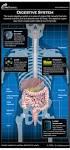 The digestive system Medicine and technology Normal structure and function Diagnostic methods Example diseases and therapies The digestive system An overview (1) Oesophagus Liver (hepar) Biliary system
Rotation Specific Goals & Objectives: University Health Network-Princess Margaret Hospital/ Sunnybrook Breast/Melanoma
 Rotation Specific Goals & Objectives: University Health Network-Princess Margaret Hospital/ Sunnybrook Breast/Melanoma Medical Expert: Breast Rotation Specific Competencies/Objectives 1.0 Medical History
PLASTIC SURGERY RESIDENTS HANDBOOK
 PLASTIC SURGERY RESIDENTS HANDBOOK I. PLASTIC SURGERY REQUIREMENTS a. AACPS Post Interview Communication Guidelines b. General Competencies c. Plastic Surgery Goals & Objectives d. ACGME Required Index
Basic Laparoscopy and Lap. Suturing and Stapling course Course Contents
 Online Courses on Laparoscopic GI Surgery for GISurgery.info Lap Skills course Harshad Soni 1. Basic Laparoscopy and Lap. Suturing and Stapling course H. Soni 2. Laparoscopic UGI Surgery Course J Mistry
The University of Hong Kong Department of Surgery Division of Esophageal and Upper Gastrointestinal Surgery
 Program Overview The University of Hong Kong Department of Surgery Division of Esophageal and Upper Gastrointestinal Surgery Weight Control and Metabolic Surgery Program The Weight Control and Metabolic
Certificate of Equivalence of Core Surgical Training
 Certificate of Equivalence of Core Surgical Training This certificate may be required to confirm the competences expected at completion of core surgical training. ALL other applicants should have this
Program Requirements for Fellowship Education in Surgical Retina & Vitreous
 Program Requirements for Fellowship Education in Surgical Retina & Vitreous I. Introduction A Definition and Scope of the Subspecialty The goal of the fellowship is to provide an advanced level of training
11/10/2014. I have nothing to Disclose. Covered Stents discussed are NOT FDA approved for the indications covered in my presentation
 I have nothing to Disclose Ramsey Dallal, MD, FACS Vice Chair Department of Surgery Chief Bariatric i and Minimally i Invasive Surgery Einstein Healthcare Network Nemacolin, PA 2014 Covered Stents discussed
Basic Standards for Residency Training in Orthopedic Surgery
 Basic Standards for Residency Training in Orthopedic Surgery American Osteopathic Association and American Osteopathic Academy of Orthopedics Adopted BOT 2/2006, Effective 7/2006 Revised BOT 9/2007, Effective
Specific Standards of Accreditation for Residency Programs in Orthopedic Surgery
 Specific Standards of Accreditation for Residency Programs in Orthopedic Surgery 2012 INTRODUCTION A university wishing to have an accredited program in Orthopedic Surgery must also sponsor an accredited
Specific Standards of Accreditation for Residency Programs in Pediatric Hematology/Oncology
 Specific Standards of Accreditation for Residency Programs in Pediatric Hematology/Oncology INTRODUCTION 2009 A university wishing to have an accredited program in Pediatric Hematology/Oncology must also
PATIENT CONSENT TO PROCEDURE - ROUX-EN-Y GASTRIC BYPASS
 As a patient you must be adequately informed about your condition and the recommended surgical procedure. Please read this document carefully and ask about anything you do not understand. Please initial
Center for Endoscopic Research & Therapeutics
 Center for Endoscopic Research & Therapeutics 5758 South Maryland Avenue (MC9028) Chicago, Illinois 60637 (773) 702-1459 www.uchospitals.edu Center for Endoscopic Research & Therapeutics To refer a patient
Training Requirements for the Specialty of Radiation Oncology
 Association internationale sans but lucratif AVENUE DE LA COURONNE, 20 BE- 1050 BRUSSELS www.uems.net International non-profit organisation T +32 2 649 51 64 F +32 2 640 37 30 [email protected] Training Requirements
AMERICAN BURN ASSOCIATION BURN CENTER VERIFICATION REVIEW PROGRAM Verificatoin Criterea EFFECTIVE JANUARY 1, 2015. Criterion. Level (1 or 2) Number
 Criterion AMERICAN BURN ASSOCIATION BURN CENTER VERIFICATION REVIEW PROGRAM Criterion Level (1 or 2) Number Criterion BURN CENTER ADMINISTRATION 1. The burn center hospital is currently accredited by The
2012 EDITORIAL REVISION NOVEMBER 2013 VERSION 3.1
 Specific Standards of Accreditation for Residency Programs in Orthopedic Surgery 2012 EDITORIAL REVISION NOVEMBER 2013 VERSION 3.1 INTRODUCTION A university wishing to have an accredited program in Orthopedic
MEDICAL INTENSIVE CARE UNIT - HEALTH SCIENCES CENTRE Reviewed August 2011
 MEDICAL INTENSIVE CARE UNIT - HEALTH SCIENCES CENTRE Reviewed August 2011 Goal The rotation in the Medical Intensive Care Unit at HSC is designed to allow the resident to encounter patients with tertiary
Basic Standards for Fellowship Training in Primary Care Osteopathic Sports Medicine
 Basic Standards for Fellowship Training in Primary Care Osteopathic Sports Medicine American Osteopathic Association American Osteopathic Academy of Sports Medicine American College of Osteopathic Family
Goals and Objectives Pediatric Surgery PGY 1 MCVH
 Goals and Objectives Pediatric Surgery PGY 1 MCVH PGY-1 Clinical Duties and Privileges Lines of Supervision During the PGY-1 each resident begins his/her clinical experience in the General Surgery Residency
UNMH Cardiothoracic Surgery Clinical Privileges
 All new applicants must meet the following requirements as approved by the UNMH Board of Trustees effective: 02/20/2015 INSTRUCTIONS Applicant: Check off the "Requested" box for each privilege requested.
Intern training National standards for programs
 Intern training National standards for programs Introduction These national standards outline requirements for processes, systems and resources that contribute to good quality intern training. Health services
International Guidelines for Specialty Training and Education in Oral and Maxillofacial Surgery
 International Guidelines for Specialty Training and Education in Oral and Maxillofacial Surgery International Guidelines for Specialty Training and Education in Oral and Maxillofacial Surgery International
Acute Abdominal Pain following Bariatric Surgery. Disclosure. Objectives 8/17/2015. I have nothing to disclose
 Acute Abdominal Pain following Bariatric Surgery Kathy J. Morris, DNP, APRN, FNP C, FAANP University of Nebraska Medical Center College of Nursing Disclosure I have nothing to disclose Objectives Pathophysiology
Medical Oncology. Rotation Goals & Objectives for rotating residents. General Objectives THE UNIVERSITY OF BRITISH COLUMBIA
 THE UNIVERSITY OF BRITISH COLUMBIA Department of Urologic Sciences Faculty of Medicine Gordon & Leslie Diamond Health Care Centre Level 6, 2775 Laurel Street Vancouver, BC, Canada V5Z 1M9 Tel: (604) 875-4301
Tuition and Fees Dentists - Full time (per annum): 20,000
 Diploma of Oral Surgery Residency Training Program in preparation for the Fachzahnarzt in Oral Surgery Specialty Examination in the Republic of Germany Degree awarded: - Diploma of Oral Surgery - Fachzahnarzt
STATEMENT ON THE DELINEATION OF EMERGENCY DEPARTMENTS
 STATEMENT Document No: S12 Approved: Jul-97 Last Revised: Nov-12 Version No: 05 STATEMENT ON THE DELINEATION OF EMERGENCY DEPARTMENTS 1. PURPOSE This document defines the minimum requirement for a health
Paediatric Intensive Care Medicine at The Royal Children's Hospital, Melbourne
 Paediatric Intensive Care Medicine at The Royal Children's Hospital, Melbourne Background The RCH PICU is an 18 bed tertiary intensive care unit that serves the state of Victoria, as well as southern New
David R. DeHaas, Jr. MD Sacred Heart Medical Center at RiverBend
 David R. DeHaas, Jr. MD Sacred Heart Medical Center at RiverBend 1. To review the surgical history of the Whipple procedure for periampullary tumors. 2. To review the differential diagnosis for patients
CARDIOLOGY ROTATION GOALS AND OBJECTIVES
 CARDIOLOGY ROTATION GOALS AND OBJECTIVES PGY-1 Core Medicine Rotation The trainee will have the opportunity to develop clinical skills, the ability to analyze patients problems, and make treatment plans
Pediatric Gastroenterology Fellowship Pediatric Nutrition Rotation Goals and Objectives - 1 st Year
 Pediatric Nutrition Rotation Goals and Objectives - 1 st Year Goal 1: Gain experience and competency in managing common and rare gastrointestinal, liver and nutritional problems. (Competencies: patient
Cancer services children s CSCF v3.2
 Cancer services children s CSCF v3.2 Module overview Please note: This module should be read in conjunction with the Fundamentals of the Framework (including glossary and acronym list), Children s Services
Goals and Objectives: Breast Cancer Service Department of Radiation Oncology
 Goals and Objectives: Breast Cancer Service Department of Radiation Oncology The breast cancer service provides training in the diagnosis, management, treatment, and follow-up of breast malignancies, including
SURGICAL PREAMBLE SPECIFIC ELEMENTS SURGICAL SERVICES WHICH ARE NOT LISTED AS A "Z" CODE
 Surgical PreambleApril 1, 2015 PREAMBLE SPECIFIC ELEMENTS In addition to the common elements, all surgical services include the following specific elements. A. Supervising the preparation of and/or preparing
JOB DESCRIPTION. Consultant Urologist REPORTING TO: HEAD OF DEPARTMENT SURGERY - FOR ALL CLINICAL MATTERS DATE:
 JOB DESCRIPTION Consultant Urologist SECTION ONE DESIGNATION: SENIOR MEDICAL OFFICER UROLOGY NATURE OF APPOINTMENT: REPORTING TO: HEAD OF DEPARTMENT SURGERY - FOR ALL CLINICAL MATTERS DATE: FULL TIME 1
Master of Physician Assistant Studies Course Descriptions for Year I
 FALL TERM COURSES: Master of Physician Assistant Studies Course Descriptions for Year I PHAC 7230 Fundamentals in Pharmacology for Health Care I Credit Hrs: 3 This course will build on foundational knowledge
Understanding. Pancreatic Cancer
 Understanding Pancreatic Cancer Understanding Pancreatic Cancer The Pancreas The pancreas is an organ that is about 6 inches long. It s located deep in your belly between your stomach and backbone. Your
THE ACADEMY OF MEDICINE OF MALAYSIA January 2005 CREDENTIALING REQUIREMENTS FOR THE SPECIALITY OF CARDIOLOGY
 THE ACADEMY OF MEDICINE OF MALAYSIA January 2005 CREDENTIALING REQUIREMENTS FOR THE SPECIALITY OF CARDIOLOGY 1 Contents 1. 2. 3. Introduction, Aims, Objectives and Terms of Reference Cardiology Advisory
MU Inpatient Consult Rotation
 MU Inpatient Consult Rotation I. Description of Rotation and Educational Goal: This is a four-week rotation in which GI fellows gain exposure and acquire expertise in the evaluation and management of adult
two years (as part-time fellows) will need discuss and receive approval from the relevant certifying Board. instead of one?
 Frequently Asked Questions: Sports Medicine Review Committees for Emergency Medicine, Family Medicine, Pediatrics, and Physical Medicine & Rehabilitation ACGME Question Scope and Duration of Program/Distance
Cancer of the Cardia/GE Junction: Surgical Options
 Cancer of the Cardia/GE Junction: Surgical Options Michael A Smith, MD Associate Chief Thoracic Surgery Center for Thoracic Disease St Joseph s Hospital and Medical Center Phoenix, AZ Michael Smith, MD
Children's Medical Services (CMS) Regional Perinatal Intensive Care Center (RPICC) Neonatal Extracorporeal Life Support (ECLS) Centers Questionnaire
 Children's Medical Services (CMS) Regional Perinatal Intensive Care Center (RPICC) Neonatal Extracorporeal Life Support (ECLS) Centers Questionnaire Date: RPICC Facility: CMS use only Include the following
BASIC STANDARDS FOR RESIDENCY TRAINING IN CARDIOLOGY
 BASIC STANDARDS FOR RESIDENCY TRAINING IN CARDIOLOGY American Osteopathic Association and the American College of Osteopathic Internists Specific Requirements For Osteopathic Subspecialty Training In Cardiology
Accreditation standards for training providers
 PREVOCATIONAL MEDICAL TRAINING FOR DOCTORS IN NEW ZEALAND Accreditation standards for training providers Introduction Prevocational medical training (the intern training programme) spans the two years
Surgery for oesophageal cancer
 Surgery for oesophageal cancer This information is an extract from the booklet Understanding oesophageal cancer (cancer of the gullet). You may find the full booklet helpful. We can send you a free copy
Kidney and Pancreas Transplant Evaluation Clinics and Committee: Inpatient Nephrology Transplant Consult Service
 Care of Renal Transplant Patients takes place in five distinct practice settings at the University of Michigan: a) Kidney and Pancreas Pre-transplant evaluation clinics (five half-day clinics per week)
MINIMUM STANDARDS FOR INTENSIVE CARE UNITS SEEKING ACCREDITATION FOR TRAINING IN INTENSIVE CARE MEDICINE
 College of Intensive Care Medicine of Australia and New Zealand ABN: 16 134 292 103 Document type: Policy Date established: 1994 Date last reviewed: 2013 MINIMUM STANDARDS FOR INTENSIVE CARE UNITS SEEKING
PG Certificate / PG Diploma / MSc in Clinical Pharmacy
 PG Certificate / PG Diploma / MSc in Clinical Pharmacy Programme Information September 2014 Entry School of Pharmacy Queen s University Belfast Queen s University Belfast - Clinical Pharmacy programme
Specific Basic Standards for Osteopathic Fellowship Training in Cardiology
 Specific Basic Standards for Osteopathic Fellowship Training in Cardiology American Osteopathic Association and American College of Osteopathic Internists BOT 07/2006 Rev. BOT 03/2009 Rev. BOT 07/2011
The MBBS/BSc programme of study is an integrated programme extending over 6 years.
 Regulations for the award of the Degrees of MBBS/BSc 1 General Information 1.1 The degrees of Bachelor of Medicine, Bachelor of Surgery and Bachelor of Science in Medical Sciences will be awarded to any
Guidelines for the Operation of Burn Centers
 C h a p t e r 1 4 Guidelines for the Operation of Burn Centers............................................................. Each year in the United States, burn injuries result in more than 500,000 hospital
Department of Neurology and Neurosurgery Clinical and Clinical Research Fellowship Application Form
 Department of Neurology and Neurosurgery Clinical and Clinical Research Fellowship Application Form Fellowship in Multiple Sclerosis and Neuroinflammatory Disorders Type of Fellowship: Clinical Research
Department of Health Sciences
 Department of Health Sciences Unless indicated to the contrary the Period of Registration, Entry Requirements, Curriculum, Assessment and Qualifications for Programmes are as follows: Period of Registration:
Oxford University Hospitals
 Oxford University Hospitals NHS Trust Department of Hepatobiliary and Pancreatic Surgery About Pancreatic Surgery A guide for patients and relatives Introduction This booklet has been written to provide
The new Stroke Nurse Practitioner candidate position at Austin Health
 The new Stroke Nurse Practitioner candidate position at Austin Health The new Stroke Nurse Practitioner (NP) candidate position offered by Austin Health provides an exciting opportunity for a senior nurse
GASTROENTEROLOGY FELLOWSHIP PANCREATICOBILARY CONSULTATION SERVICE GOALS AND OBJECTIVES University of Toledo
 GASTROENTEROLOGY FELLOWSHIP PANCREATICOBILARY CONSULTATION SERVICE GOALS AND OBJECTIVES University of Toledo Educational Purpose: The Pancreaticobiliary Service at UTMC introduces the fellow to inpatient
BERGEN COMMUNITY COLLEGE DIAGNOSTIC MEDICAL SONOGRAPHY PROGRAM Division of Health Professions DMS 213 SYLLABUS
 BERGEN COMMUNITY COLLEGE DIAGNOSTIC MEDICAL SONOGRAPHY PROGRAM Division of Health Professions DMS 213 SYLLABUS Course Title: DMS 213 - Abdominal Sonography 2 2 lec. 3 lab. 3 credits (5 hours) Required
The Whipple Procedure. Sally Hodges, Ph.D.(c) Given the length and difficulty of the procedure, regardless of the diagnosis, certain
 The Whipple Procedure Sally Hodges, Ph.D.(c) Preoperative procedures Given the length and difficulty of the procedure, regardless of the diagnosis, certain assurances must occur prior to offering a patient
Division of Cancer Surgery Information Guide
 Division of Cancer Surgery Information Guide Professor Sandy Heriot Director - Division Cancer Surgery Professor Michael Henderson Deputy Director Division Cancer Surgery Executive Sponsor Education and
How to treat early gastric cancer. Surgery
 How to treat early gastric cancer Surgery Mark I. van Berge Henegouwen Department of Surgery, AMC, Amsterdam Director upper GI surgical unit Academic Medical Center Upper GI surgery at AMC 100 oesophagectomies
CENTRAL MONITORING AUTHORITY for CARDIOLOGY at EU LEVEL
 Outline of Cardiology Training Chapter 6 Article 1 CENTRAL MONITORING AUTHORITY for CARDIOLOGY at EU LEVEL 1.1. The central monitoring authority for the specialty will be the European Board for the Specialty
South Eastern Health and Social Care Trust
 South Eastern Health and Social Care Trust JOB DESCRIPTION TITLE OF POST: Consultant General Surgeon LOCATION: This post is part of the South Eastern Trust and will be based at the Ulster Hospital. However,
Clinical Governance Development Committee October 2007 Dr Foster RTM Alerts Progress Report
 Clinical Governance Development Committee October 2007 Dr Foster RTM Alerts Progress Report 1. Background Information 1.1. Initial review of the tool in November 2006, and subsequent queries in January
Anaesthesia. A rewarding and challenging career
 Anaesthesia A rewarding and challenging career Have you considered anaesthesia as a career? Anaesthetists are specialist doctors with unique clinical knowledge and skills. They have a major role in the
SPINE SERVICE ROTATION ROTATION SPECIFIC OBJECTIVES (RSO) DEPT. OF ORTHOPEDICS AND PHYSICAL REHABILITATION UNIVERSITY OF MASSACHUSETTS
 SPINE SERVICE ROTATION ROTATION SPECIFIC OBJECTIVES (RSO) DEPT. OF ORTHOPEDICS AND PHYSICAL REHABILITATION UNIVERSITY OF MASSACHUSETTS The purpose of this RSO is to outline and clarify the objectives of
Ch. 138 CARDIAC CATHETERIZATION SERVICES 28 138.1 CHAPTER 138. CARDIAC CATHETERIZATION SERVICES GENERAL PROVISIONS
 Ch. 138 CARDIAC CATHETERIZATION SERVICES 28 138.1 CHAPTER 138. CARDIAC CATHETERIZATION SERVICES Sec. 138.1 Principle. 138.2. Definitions. GENERAL PROVISIONS PROGRAM, SERVICE, PERSONNEL AND AGREEMENT REQUIREMENTS
PARKVIEW COMMUNITY HOSPITAL MEDICAL CENTER DEPARTMENT OF SURGERY Bariatric Surgery
 STANDARDS FOR PRIVILEGES In order to be eligible to request clinical privileges for both initial appointment and reappointment, a practitioner must the following minimum threshold criteria. In addition
Cystic Neoplasms of the Pancreas: A multidisciplinary approach to the prevention and early detection of invasive pancreatic cancer.
 This lecture is drawn from the continuing medical education program Finding Hope: Prevention, Early Detection and Treatment of Pancreatic Cancer, Nov, 2011. Robert P. Jury, MD Cystic Neoplasms of the Pancreas:
Blue Distinction Centers for Bariatric Surgery Clinical Program Requirements for 2010 Mid-Point Designations
 Blue Distinction Centers for Bariatric Surgery Clinical Program Requirements for 2010 Mid-Point Designations Evaluation is based primarily on the facilities responses to the Blue Distinction Centers for
Gastrointestinal Bleeding
 Gastrointestinal Bleeding Introduction Gastrointestinal bleeding is a symptom of many diseases rather than a disease itself. A number of different conditions can cause gastrointestinal bleeding. Some causes
DEPARTMENT OF SURGERY GENERAL SURGERY SECTION
 Privilege Request Form DIRECTIONS: This Privilege Request Form must accompany all initial applications for appointment to the General Surgery Section, Department of Surgery. Please indicate those privileges
The Cardiac Society of Australia and New Zealand
 The Cardiac Society of Australia and New Zealand Guidelines on Support Facilities for Coronary Angiography and Percutaneous Coronary Intervention (PCI) including Guidelines on the Performance of Procedures
What is Barrett s esophagus? How does Barrett s esophagus develop?
 Barrett s Esophagus What is Barrett s esophagus? Barrett s esophagus is a pre-cancerous condition affecting the lining of the esophagus, the swallowing tube that carries foods and liquids from the mouth
2016 Quick Reference Coding Chart
 43197 Trans nasal esophagoscopy 43198 Biospy Trans Nasal Esophagoscopy Esophagoscopy 43200 Esophagoscopy Includes collection of specimen(s) by brushing or washing, when performed. 43201 Submucosal injection
APPLICATIONS WILL NOT BE ACCEPTED BY A THIRD PARTY
 Role Description APPLICATIONS WILL NOT BE ACCEPTED BY A THIRD PARTY Job ad reference: MNP214989 Closing Date: Tuesday, 12 July 2016 Role title: Occupational Therapist - Senior Classification: HP4 Status:
CURRICULUM FOR SPECIALIST TRAINING PROGRAMMES IN DENTAL AND MAXILLOFACIAL RADIOLOGY
 CURRICULUM FOR SPECIALIST TRAINING PROGRAMMES IN DENTAL AND MAXILLOFACIAL RADIOLOGY 1 INTRODUCTION 1.1 The specialty of Dental and Maxillofacial Radiology involves all aspects of medical imaging which
Objectives: Perform thorough assessment, and design and implement care plans on 12 or more seriously mentally ill addicted persons.
 Addiction Psychiatry Program Site Specific Goals and Objectives Addiction Psychiatry (ADTU) Goal: By the end of the rotation fellow will acquire the knowledge, skills and attitudes required to recognize
APPLICATIONS WILL NOT BE ACCEPTED BY A THIRD PARTY
 Role Description APPLICATIONS WILL NOT BE ACCEPTED BY A THIRD PARTY Job ad reference: PCH203633 Closing Date: Thursday, 18 February 2016 Role title: Social Worker Senior Classification: Status: Permanent
ENTERAL. Sincerely, Professor Ferdinand Haschke, MD Chairman Nestlé Nutrition Institute. American Society for Parenteral and Enteral Nutrition
 ENTERAL It is with pleasure that I invite you to apply for the 2010 2011 Nestlé Institute Enteral. This competitive and prestigious award is designed to provide an unparalleled educational and clinical
Training in Clinical Radiology
 Training in Clinical Radiology What is Clinical Radiology? Clinical radiology relates to the diagnosis or treatment of a patient through the use of medical imaging. Diagnostic imaging uses plain X-ray
UCLA Asian Liver Program
 CLA Program Update Program Faculty Myron J. Tong, PhD, MD Professor of Medicine Hepatology Director, Asian Liver Program Surgery Ronald W. Busuttil, MD, PhD Executive Chair Department of Surgery Director,
CAREERS IN BIOMEDICAL SCIENCE & THE IBMS. Betty Kyle Scottish Regional Representative IBMS Lead Biomedical Scientist NHS Lanarkshire
 CAREERS IN BIOMEDICAL SCIENCE & THE IBMS Betty Kyle Scottish Regional Representative IBMS Lead Biomedical Scientist NHS Lanarkshire What is a biomedical scientist? Biomedical scientists carry out investigations
Medicine in Osteopathic Family Practice and Manipulative Treatment
 0BBasic Standards for Fellowship Training in Addiction Medicine in Osteopathic Family Practice and Manipulative Treatment American Osteopathic Association and the American College of Osteopathic Family
BASIC STANDARDS FOR TRAINING IN PRIMARY CARE OSTEOPATHIC SPORTS MEDICINE
 BASIC STANDARDS FOR TRAINING IN PRIMARY CARE OSTEOPATHIC SPORTS MEDICINE American Osteopathic Association American Osteopathic Academy of Sports Medicine American College of Osteopathic Family Physicians
EAES course on Advanced Laparoscopic GI Surgery Course. Riyadh, Saudi Arabia 10-14 January 2015
 EAES course on Advanced Laparoscopic GI Surgery Course Riyadh, Saudi Arabia 10-14 January 2015 The European Association for Endoscopic Surgery and King Khalid University Hospital, Riyadh, Saudi Arabia
General and Vascular Surgery at Mount Auburn Hospital
 General and Vascular Surgery at Mount Auburn Hospital A Teaching Hospital of Harvard Medical School 2 Surgical Services in the Divisions of General and Vascular Surgery Mount Auburn Hospital s Divisions
Endoscopy and infection: Prevention of infection during endoscopy Treatment of infection by endoscopy. M. Arvanitakis SRBG June 2009
 Endoscopy and infection: Prevention of infection during endoscopy Treatment of infection by endoscopy M. Arvanitakis SRBG June 2009 Outline Antibiotic prophylaxis during endoscopy Upper GI endoscopy Lower
QUESTIONS FOR The Commonwealth Medical College
 Page 1 QUESTIONS FOR The Commonwealth Medical College PROCESS OF CURRICULUM REDESIGN Why did you redesign your curriculum? What were your goals? What was the timeframe? What lessons were learned while
Application for Pediatric Dermatology Fellowship Training Programs
 Application for Pediatric Dermatology Fellowship Training Programs The American Board of Dermatology Henry Ford Health System One Ford Place Detroit, Michigan 48202-3450 1-313-874-1088 E-Mail: [email protected]
Comparison table showing 2015 accreditation standards for specialist medical programs and professional development programs against the 2010 standards
 Comparison table showing 2015 accreditation standards for specialist medical programs and professional development programs against the 2010 standards Medical Programs and Professional Development Programs
LIVER CANCER AND TUMOURS
 LIVER CANCER AND TUMOURS LIVER CANCER AND TUMOURS Healthy Liver Cirrhotic Liver Tumour What causes liver cancer? Many factors may play a role in the development of cancer. Because the liver filters blood
COURSE APPROVAL GUIDELINES APS COLLEGE OF HEALTH PSYCHOLOGISTS
 COURSE APPROVAL GUIDELINES APS COLLEGE OF HEALTH PSYCHOLOGISTS Updated October 2000 Page 2 1. General Introduction and Principles The College of Health Psychologists aims to promote excellence in teaching,
Specialty-specific References for DIOs: Program Director Qualifications ACGME
 -specific References for DIOs: Program Director Qualifications ACGME Common Program Requirements are in BOLD Specialty Allergy and Immunology Anesthesiology II.A.3.b) current certification in the specialty