
Retrolisthesis and lumbar disc herniation: a preoperative assessment of patient function
|
|
|
- Stephany Watkins
- 9 years ago
- Views:
Transcription
1 The Spine Journal 7 (2007) Retrolisthesis and lumbar disc herniation: a preoperative assessment of patient function Michael Shen, MD a, Afshin Razi, MD a, Jon D. Lurie, MD, MS b, *, Brett Hanscom, MS c, Jim Weinstein, DO, MS c a Orthopaedic Surgery Resident, Department of Orthopaedic Surgery, NYU/Hospital for Joint Diseases, 301 E. 17th Street, New York, NY 10003, USA b Department of Medicine (General Internal Medicine) and of Community and Family Medicine, Dartmouth Medical School, 1 Rope Ferry Road, Hanover, NH 03755, USA c Department of Orthopaedic Surgery, Dartmouth Medical School, 1 Rope Ferry Road, Hanover, NH 03755, USA Received 16 June 2006; accepted 15 August 2006 Abstract BACKGROUND CONTEXT: Retrolisthesis is relatively rare but when present has been associated with increased back pain and impaired back function. Neither the prevalence of this condition in individuals with lumbar disc herniations nor its possible relation to preoperative back pain and dysfunction has been well studied. PURPOSE: The purposes of this study were as follows: (1) to determine the prevalence of retrolisthesis (alone or in combination with other degenerative conditions) in individuals with confirmed L5 S1 disc herniation who later underwent lumbar discectomy; (2) to determine if there is any association between retrolisthesis and degenerative changes within the same vertebral motion segment; and (3) to determine the relation between retrolisthesis (alone or in combination with other degenerative conditions) and preoperative low back pain, physical function, and quality of life. STUDY DESIGN/SETTING: Cross-sectional study. PATIENT SAMPLE: A total of 125 individuals were identified for incorporation into this study. All patients had confirmed L5 S1 disc herniation on magnetic resonance imaging (MRI) and later underwent L5 S1 discectomy. All patients were enrolled in the Spine Patient Outcomes Research Trial (SPORT) study; data were obtained from the multi-institutional database comprised of SPORT patients from across the United States. OUTCOME MEASURES: Retrolisthesis, degenerative change on MRI, and Modic changes. METHODS: MRI scans of the lumbar spine were assessed at spinal level L5 S1 for all 125 patients. Retrolisthesis was defined as posterior subluxation of 8% or more. Disc degeneration was defined as any loss of disc signal on T2 imaging. Modic changes were graded 1 to 3 and collectively classified as vertebral endplate degenerative changes. The presence of facet arthropathy and ligamentum flavum hypertrophy was classified jointly as posterior degenerative changes. RESULTS: The overall incidence of retrolisthesis at L5 S1 in our study was 23.2%. Retrolisthesis combined with posterior degenerative changes, degenerative disc disease, or vertebral endplate changes had incidences of 4.8%, 16%, and 4.8% respectively. The prevalence of retrolisthesis did not vary by sex, age, race, smoking status, or education level when compared with individuals with normal sagittal alignment. However, individuals with retrolisthesis were more likely to be receiving workers compensation than those without retrolisthesis. Increased age was found to be associated with individuals having vertebral endplate degenerative changes (both alone and in conjunction with retrolisthesis) and degenerative disc disease. Individuals who had retrolisthesis with concomitant vertebral endplate degenerative changes were more often smokers and had no insurance. The presence of retrolisthesis was not associated with an increased incidence of having degenerative disc disease, posterior degenerative changes, or vertebral endplate changes. No FDA device/drug status: not applicable. The authors wish to acknowledge funding from the National Institute of Arthritis and Musculoskeletal and Skin Diseases (NIAMS #U01-AR A1). * Corresponding author. Dartmouth Medical School, One Medical Center Dr, Lebanon, NH Tel.: (603) ; fax: (603) address: [email protected] (J.D. Lurie) /07/$ see front matter Ó 2007 Elsevier Inc. All rights reserved. doi: /j.spinee

2 M. Shen et al. / The Spine Journal 7 (2007) statistical significance was found between the presence of retrolisthesis on the degree of patient preoperative low back pain and physical function. Patients with degenerative disc disease were found to have increased leg pain compared with those patients without degenerative disc changes. CONCLUSIONS: We found no significant relationship between retrolisthesis in patients with L5 S1 disc herniation and worse baseline pain or function. It is possible that the contribution of pain or dysfunction related to retrolisthesis was far overshadowed by the presence of symptoms caused by the concomitant disc herniation. It remains to be seen whether retrolisthesis will affect outcome after discectomy in these patients. Ó 2007 Elsevier Inc. All rights reserved. Keywords: Retrolisthesis; Preoperative; Lumbar discectomy; Lumbar disc herniation; Back pain; Physical function; Degenerative lumbar disease Introduction Retrolisthesis (backwards slippage of one vertebral body on another) has historically been regarded as an incidental finding, one that does not cause any symptoms and is considered to be of little or no clinical significance. Few studies have been done to date, and little is known about this condition. The literature has found a possible association between retrolisthesis and increased back pain and impaired back function [1 4]. Retrolisthesis may occur more commonly than initially believed. Series have shown that retrolisthesis may be present in up to 30% of extension radiographs of patients complaining of chronic low back pain [5]. Retrolisthesis has been found to be associated with disc degeneration, decrease in lumbar lordosis, and decrease in vertebral endplate angle [6 9]. Little is known about the effect of retrolisthesis in patients with operative conditions such as lumbar disc herniation. Do individuals with lumbar disc herniations have increased levels of back pain, back dysfunction, and decreased quality of life preoperatively if they have concomitant retrolisthesis at the involved herniated disc level? Does the presence of degenerative changes (disc degeneration, degenerative endplate changes, and posterior element degenerative changes) along with retrolisthesis worsen the symptoms and/or possibly the prognosis in these operative cases? The purposes of this study were as follows: (1) to determine the prevalence of retrolisthesis (alone or in combination with other degenerative conditions) in a cohort of individuals with confirmed L5 S1 disc herniations who later underwent lumbar discectomy; (2) to determine if there is any association between retrolisthesis and degenerative changes within the same vertebral motion segment; and (3) to determine the relation between retrolisthesis (alone or in combination with other degenerative conditions) and preoperative low back pain, physical function, and quality of life. Materials and methods Study population Individuals for this study were drawn from those enrolled in the Spine Patient Outcomes Research Trial (SPORT) randomized study, a muliticenter database of spine patients from 13 institutions across the United States. All individuals in the current study population had complete sets of magnetic resonance imaging (MRI) scans confirming a L5 S1 level disc herniation and subsequently underwent L5 S1 discectomy. Individuals with anterolisthesis were excluded from this study. One hundred twenty-five individuals between 2001 and 2004 were identified for inclusion in this study. MRI scans MRI images of the lumbar spine were viewed and evaluated on a digital monitor using efilm Software (Merge emed, Milwaukee, WI, USA). Clinical scans were collected so there was no predefined magnet strength or acquisition protocol. All images were done supine. Vertebral measurements and assessment There are many published methods for determining the amount of listhesis radiographically (expressed in millimeters of subluxation or percent slippage) [10 15]. Retrolisthesis in this study was determined by measuring the position of the vertebral body of L5 relative to S1 on the central-most T1 sagittal magnetic resonance image. The central sagittal image was determined by presence of the lumbar spinous processes within the view, having a symmetrical progression of MRI images from laterally based foraminal views to the central image and having the largest measured value for the anteroposterior diameter of L5 and S1 vertebral bodies. Points were then placed along the posterior margins of L5 and S1 on the central sagittal image to measure the amount of backward slippage to the nearest 0.1 mm. All measurements were performed electronically. Percent retrolisthesis was calculated by dividing the backwards subluxation of L5 by the anteroposterior diameter of S1. T1 and T2 axial and sagittal images were also used to assess for degenerative changes at the L5 S1 level. Three areas of L5 S1 evaluated for degenerative changes included the disc space, vertebral endplates, and posterior elements. Loss of disc signal intensity on T2 imaging (signifying disc dehydration) was classified in this article as a sign of early disc degeneration and categorized as

3 408 M. Shen et al. / The Spine Journal 7 (2007) a degenerative change. Vertebral endplates were assessed for degenerative changes and classified under the Modic scale. For analytical purposes, stratification between Modic one, two, and three changes was not done in this article, and all Modic changes were combined and categorized collectively as a degenerative change of the vertebral endplates. Signs of posterior element degenerative changes included signs of facet joint arthropathy and ligamentum flavum hypertrophy. Stratification between different posterior element degenerative changes was not performed, and all changes were collectively classified together as a sign of posterior element degenerative change. SPORT study surveys Information obtained from the surveys included basic demographics; lifestyle variables; medical history; medical status; emotional status; and patient self-assessment of low back pain, leg pain, sciatica, and other symptomology. Answers given allowed calculation of Short Form-36 (SF-36) health status questionnaire, mean leg pain score (rated 0 6, 0 being not bothersome and 6 extremely bothersome), mean back pain score (rated 0 6, 0 being not bothersome and 6 extremely bothersome), and Sciatica Bothersome Index (rated 0 24, 0 being not bothersome and 24 being extremely bothersome). Definition of retrolisthesis and symptomology Measurement for posterior subluxation was done on all patients. Percent subluxation was calculated for any individual with greater than or equal to 3 mm of posterior displacement. A cutoff point of 3 mm was chosen because this criterion has been used previously both in orthopedic research and clinical practice [3,4,13,16 18]. This 3-mm cutoff corresponded to a slip of 8% that was used as the lower limit to define retrolisthesis. Information on patient symptomology was obtained from the SPORT surveys. Evaluation of reproducibility To test for intraobserver reliability, 50 of the 125 cases previously reviewed were picked at random for reevaluation. The reader was blinded as to the results obtained from previous readings. After review, the kappa coefficients for presence or absence of retrolisthesis, T2 disc signal changes, posterior element degenerative changes, and Modic changes were calculated. The kappa coefficient is designed to assess the degree of agreement observed between the readers above and beyond what could be expected by chance agreement alone [19]. Data analysis Chi-square tests were used to determine the statistical significance for differences between categorical variables. Categorical variables included sex, ethnicity, smoking status, insurance, work status, education history, and workers compensation. Continuous variables were evaluated by using Student t tests to assess statistical significance. Age; body mass index; SF-36 scoring; low back pain; leg pain and sciatica; and sensory, reflex, and motor changes were used in this article as continuous variables. Results Reproducibility The kappa values for all four reviewed parameters showed excellent agreement. The kappa values were as follows: presence of retrolisthesis (1.0), loss of T2 disc signal intensity (0.73), occurrence of posterior element degeneration (0.8), and presence of Modic changes (0.75). Prevalence and characteristics of retrolisthesis and degenerative changes at L5 S1 The overall prevalence of retrolisthesis at L5 S1 in this study was 23.2% (N5125) (Table 1). No association could be established between individuals with retrolisthesis and those without retrolisthesis when comparing patient age, sex, ethnicity, education level, insurance status, body mass index, and smoking status. However, patients with retrolisthesis were more likely to be receiving workers compensation than those who did not have retrolisthesis (p!.023) (Table 2). When evaluating for the presence of degenerative changes at L5 S1, the prevalence of posterior degenerative changes, T2 disc signal loss, and Modic changes was 36.3% (n580), 73.6% (N5106), and 28.6% (N577), respectively (Table 1). Characteristics of patients with and without these changes were very similar. Those with posterior degenerative changes were less likely to be white, and patients with T2 disc signal loss or Modic endplate changes were older (Table 2). These findings were all found to be statistically significant (p!.05). Prevalence and characteristics of retrolisthesis in combination with degenerative changes at L5 S1 The prevalence of retrolisthesis combined with disc degeneration, posterior degenerative changes, or Modic Table 1 Prevalence of retrolisthesis and degenerative changes at L5 S1 # of patients No Yes Prevalence (%) Retrolisthesis Any disc T2 signal loss Posterior degenerative changes Any modic changes Retrolisthesisþany disc T2 signal loss Retrolisthesisþposterior degenerative Changes Retrolisthesisþany modic changes

4 Table 2 Characteristics of individuals with retrolisthesis or segmental degenerative changes at L5 S1 Retrolisthesis Any posterior degen change Any disc T2 signal loss Any Modic change No (n596) Yes (n529) p Value No (n551) Yes (n529) p Value No (n528) Yes (n578) p Value No (n555) Yes (n522) p Value Mean age (SD) 40.1 (10.5) 38.8 (11.6) (9.5) 39 (8) (6.8) 40.4 (11) (11) 44.5 (11.4) 0.02 Male 54 (56%) 20 (69%) (69%) 17 (59%) (64%) 44 (56%) (65%) 13 (59%) 0.61 Race White 79 (82%) 26 (90%) (92%) 21 (72%) (71%) 67 (86%) (78%) 20 (91%) 0.45 Black 5 (5%) 2 (7%) 0 (0%) 4 (14%) 4 (14%) 3 (4%) 2 (4%) 1 (5%) Asian 0 (0%) 0 (0%) 0 (0%) 0 (0%) 0 (0%) 0 (0%) 0 (0%) 0 (0%) Other mixed 7 (7%) 0 (0%) 1 (2%) 3 (10%) 2 (7%) 5 (6%) 6 (11%) 0 (0%) No response/unknown 5 (5%) 1 (3%) 3 (6%) 1 (3%) 2 (7%) 3 (4%) 4 (7%) 1 (5%) Education High school or less 29 (30%) 8 (29%) (28%) 11 (38%) (29%) 21 (27%) (26%) 9 (41%) 0.27 Some college or more 67 (70%) 20 (71%) 36 (72%) 18 (62%) 20 (71%) 56 (73%) 40 (74%) 13 (59%) Workers compensation 7 (7%) 7 (25%) (12%) 4 (14%) 1 4 (14%) 8 (10%) (9%) 3 (14%) 0.68 Other compensation 12 (12%) 2 (7%) (14%) 5 (17%) (18%) 8 (10%) (15%) 1 (5%) 0.27 Insurance None 5 (5%) 3 (11%) (6%) 1 (3%) (7%) 4 (5%) (6%) 1 (5%) 0.52 Employer 83 (86%) 20 (71%) 42 (84%) 25 (86%) 21 (75%) 67 (87%) 45 (83%) 18 (82%) Medicare 0 (0%) 1 (4%) 0 (0%) 0 (0%) 0 (0%) 1 (1%) 0 (0%) 1 (5%) Medicaid 2 (2%) 1 (4%) 1 (2%) 2 (7%) 2 (7%) 1 (1%) 1 (2%) 1 (5%) Private 6 (6%) 3 (11%) 4 (8%) 1 (3%) 3 (11%) 4 (5%) 5 (9%) 1 (5%) Mean body mass 28 (6.1) 28.8 (5.5) (5.8) 28.8 (6.5) (4.8) 28.3 (6.2) (5.6) 29.6 (7.4) 0.12 index (BMI) (SD) Smoking Smoker 33 (34%) 10 (34%) (35%) 10 (34%) (21%) 27 (35%) (33%) 5 (23%) 0.19 Used to 20 (21%) 5 (17%) 9 (18%) 8 (28%) 6 (21%) 16 (21%) 9 (16%) 8 (36%) Never 43 (45%) 14 (48%) 24 (47%) 11 (38%) 16 (57%) 35 (45%) 28 (51%) 9 (41%) M. Shen et al. / The Spine Journal 7 (2007)

5 410 M. Shen et al. / The Spine Journal 7 (2007) Table 3 Characteristics of individuals with retrolisthesis and segmental degenerative changes at L5 S1 Retrolisthesisþposterior degen change Retrolisthesisþany disc T2/signal loss Retrolisthesisþany Modic change No (n5119) Yes (n56) p value No (n5105) Yes (n520) p value No (n5119) Yes (n56) p value Mean age (SD) 39.9 (10.9) 38.5 (6.5) (10.5) 39.4 (12.3) (10.2) 52.3 (14) Male 71 (60%) 3 (50%) (59%) 12 (60%) (57%) 6 (100%) Race White 100 (84%) 5 (83%) (84%) 17 (85%) (83%) 6 (100%) 0.75 Black 6 (5%) 1 (17%) 5 (5%) 2 (10%) 7 (6%) 0 (0%) Asian 0 (0%) 0 (0%) 0 (0%) 0 (0%) 0 (0%) 0 (0%) Other/mixed 7 (6%) 0 (0%) 7 (7%) 0 (0%) 7 (6%) 0 (0%) No response/unknown 6 (5%) 0 (0%) 5 (5%) 1 (5%) 6 (5%) 0 (0%) Education High school 33 (28%) 4 (67%) (30%) 5 (26%) (29%) 3 (50%) 0.52 or less Some college 85 (72%) 2 (33%) 73 (70%) 14 (74%) 84 (71%) 3 (50%) or more Workers compensation 12 (10%) 2 (33%) (10%) 3 (16%) (11%) 1 (17%) 0.81 Other compensation 13 (11%) 1 (17%) (12%) 1 (5%) (12%) 0 (0%) 0.81 Insurance None 8 (7%) 0 (0%) (7%) 1 (5%) (7%) 0 (0%)!0.001 Employer 97 (82%) 6 (100%) 88 (84%) 15 (79%) 98 (83%) 5 (83%) Medicare 1 (1%) 0 (0%) 0 (0%) 1 (5%) 0 (0%) 1 (17%) Medicaid 3 (3%) 0 (0%) 2 (2%) 1 (5%) 3 (3%) 0 (0%) Private 9 (8%) 0 (0%) 8 (8%) 1 (5%) 9 (8%) 0 (0%) Mean body mass 28.1 (6) 29.1 (3.4) (6.1) 29.1 (4.8) (6) 28.7 (4.5) 0.82 index (BMI) (SD) Smoking Smoker 41 (34%) 2 (33%) (34%) 7 (35%) (35%) 1 (17%) Used to 24 (20%) 1 (17%) 20 (19%) 5 (25%) 21 (18%) 4 (67%) Never 54 (45%) 3 (50%) 49 (47%) 8 (40%) 56 (47%) 1 (17%) changes was 16%, 4.8%, and 4.8%, respectively (Table 1). Individuals with both retrolisthesis and Modic changes were older than individuals without both of these disorders. Patients having retrolisthesis and Modic changes were more likely to be smokers and to be receiving Medicare (Table 3). Relation of retrolisthesis to degenerative changes at L5 S1 Previous case series and biomechanical data have found retrolisthesis to be associated with degenerative conditions ranging from disc degeneration when retrolisthesis is more mild to involving posterior structures when more severe. In our study, we were unable to correlate any association between retrolisthesis and an increased incidence of having disc degeneration, posterior degenerative changes, or Modic degenerative changes (Table 4). Table 4 Relation of retrolisthesis to segmental degenerative changes at L5 S1 Retrolisthesis No (n596) Yes (n529) p value Posterior degenerative change 23 (38%) 6 (32%) 0.79 T2 signal loss 58 (71%) 20 (83%) 0.33 Modic changes 16 (26%) 6 (40%) 0.34 Relation of retrolisthesis and degenerative changes to preoperative pain and function When evaluating for differences between patients with and without retrolisthesis, no distinction could be drawn between patient preoperative degree of low back pain, leg pain, and dysfunction relating to decrease in sensation or motor weakness. No differences were found in the sciatica bothersomeness index or SF-36 health scoring either. Individuals with disc degeneration were found to have more leg pain than those without disc degeneration (p5.02) (Table 5). Relation of retrolisthesis in combination with degenerative changes to preoperative pain and function No statistical significance was found between the presence of retrolisthesis in conjunction with other segmental changes (disc degeneration, vertebral endplate changes, and posterior element degenerative changes) and the degree of patient preoperative low back pain and physical function; however, patients having retrolisthesis with degenerative vertebral endplate changes did have a lower mental component summary score on SF-36 testing than those without retrolisthesis and vertebral endplate changes (p!.05) (Table 6). However, this subgroup was very small, and the difference must be interpreted cautiously.

6 Table 5 Pain, function, quality of life assessment of individuals with retrolisthesis or segmental degenerative changes at L5 S1 Retrolisthesis Any posterior degen change Any disc T2 signal loss Any modic change No (n596) Yes (n529) p value No (n551) Yes (n529) p-value No (n528) Yes (n578) p value No (n555) Yes (n522) p value Health/pain scores Mean Leg Pain (0 6) 5.2 (1.2) 4.9 (1.3) (1.2) 5.2 (1.3) (1.8) 5.3 (1) (1.3) 5.4 (0.9) 0.28 Mean Back 4 (1.9) 4.1 (1.8) (2) 4.1 (1.9) (2.1) 3.9 (1.9) (1.9) 4.2 (2.1) 0.78 Pain (0 6) Sciatica bothersome 17.3 (4.7) 16.8 (5.5) (5.3) 18 (3.7) (4.6) 18 (4.9) (5.2) 19.2 (4.2) index (0 24) SF-36 health status Bodily Pain (BP) Score 21.1 (15.6) 24.6 (18.4) (17.3) 19.7 (13.6) (17) 21.4 (15.8) (17.4) 19.5 (15.6) 0.74 Physical Functioning (PF) Score 30.9 (25.2) 37.1 (19.8) (24.6) 31.9 (22.6) (25) 29.2 (22) (23.8) 24.8 (22.1) 0.26 Physical Component 29.7 (7.5) 30.3 (6.4) (7.4) 30.4 (6.4) (7.6) 29 (6.7) (7.8) 28 (6.2) 0.45 Summary (PCS) Score Mental Component 40.4 (10.8) 43.1 (11.7) (10.9) 39.3 (11.9) (11) 42.1 (11.2) (10.6) 42 (13.7) 0.84 Summary (MCS) Score Oswestry (ODI) 56.4 (19.4) 51.3 (19.9) (20.7) 57.7 (19) (19.6) 57.8 (18.4) (20.2) 59.7 (20.4) 0.56 EuroQOL (EQ5D) 0.25 (0.3) 0.36 (0.3) (0.3) 0.19 (0.3) (0.3) 0.23 (0.3) (0.4) 0.18 (0.3) 0.33 Symptoms Reflexes Asymmetric Depressed 54 (57%) 12 (43%) (49%) 16 (55%) (61%) 38 (50%) (50%) 13 (62%) 0.44 Sensory Asymmetric Decrease 52 (54%) 14 (48%) (57%) 14 (48%) (54%) 41 (53%) (56%) 14 (64%) 0.62 Motor Asymmetric Weakness 39 (41%) 13 (45%) (41%) 12 (41%) 1 9 (32%) 36 (46%) (40%) 13 (59%) 0.14 M. Shen et al. / The Spine Journal 7 (2007)

7 412 M. Shen et al. / The Spine Journal 7 (2007) Table 6 Pain, function, quality of life assessment of individuals with retrolisthesis and segmental degenerative changes at L5 S1 Retrolisthesisþposterior degen change Retrolisthesisþany disc T2 signal loss Retrolisthesisþany Modic change No (n5119) Yes (n56) p value No (n5105) Yes (n520) p value No (n5119) Yes (n56) p value Health/pain scores Mean Leg Pain (0 6) 5.1 (1.2) 5.2 (1.1) (1.2) 5 (1.1) (1.2) 5.2 (0.8) 0.95 Mean Back 3.9 (1.9) 5.3 (0.9) (2) 4 (1.7) (1.9) 4.1 (2.4) 0.9 Pain (0 6) Sciatica Bothersome 17.2 (4.9) 18.2 (4.5) (4.7) 17.7 (5.8) (4.9) 20.3 (5.3) 0.11 Index (0 24) SF-36 health status Bodily Pain (BP) Score 22.2 (16.4) 16.8 (12.1) (15.9) 26.5 (18) (16) 26.5 (21.4) 0.48 Physical Functioning (PF) 32.3 (24.4) 32.5 (19.2) (24.9) 35.3 (19.5) (24.2) 31.7 (25.8) 0.94 Score Physical Component 29.8 (7.3) 30.2 (5.1) (7.5) 30.2 (5.9) (7.2) 29.2 (7.8) 0.84 Summary (PCS) Score Mental Component 41 (10.9) 41 (15.2) (10.9) 45 (11.2) (10.8) 54.8 (6.6) Summary (MCS) Score Oswestry (ODI) 55.1 (19.5) 58 (22.8) (19.8) 50.9 (18.2) (19.3) 51.3 (26.1) 0.62 EuroQOL (EQ5D) 0.28 (0.3) 0.16 (0.4) (0.3) 0.35 (0.3) (0.3) 0.29 (0.5) 0.92 Symptoms Reflexes Asymmetric 64 (55%) 2 (33%) (55%) 9 (47%) (53%) 4 (80%) 0.45 Depressed Sensory Asymmetric 63 (53%) 3 (50%) (54%) 9 (45%) (53%) 3 (50%) 0.78 Decrease Motor Asymmetric Weakness 49 (41%) 3 (50%) 1 41 (39%) 11 (55%) (39%) 5 (83%) Discussion Retrolisthesis is thought to cause symptoms because of buckling of the posterior annulus and narrowing of the lateral recesses and neuroforamina, conditions that can both cause nerve root compression. In individuals in whom posterior displacement and motion become severe, additional pain can be caused by the involvement of the facet joints and the development of degenerative facet arthropathy. Factors affecting the formation and severity of degenerative spondylolisthesis such as sagittal orientation of the lumbar facets, vertebral compression deformities, ligamentous laxity, and the degree of endplate inclination have all been documented in the literature [7 9,13,17,20 24]. Symptoms secondary to degenerative anterolisthesis (forward slippage of one vertebrae on another) can be caused by narrowing of the vertebral canal or neural foramina leading to back pain and occasionally leg pain as well [17,21 23]. Unlike anterolisthesis, little biomechanical information is known about the etiologic factors associated with the formation of retrolisthesis. More recent biomechanical research has shown retrolisthesis to be associated with a reduction of lumbar lordosis, decreased endplate inclination, and loss of segmental disc height and disc degeneration [6]. Although retrolisthesis is often seen in the context of degenerative disease (ie. disc degeneration), we were unable to show any relationship between retrolisthesis and an increased incidence of concomitant segmental degenerative changes (ie, disc degeneration, degenerative vertebral endplates, or degenerative posterior elements). The current study has several limitations. First, because this is a cross-sectional designed study, only associations between retrolisthesis and preoperative back pain, back dysfunction, and quality of life can be established. Second, the MRI scans used in this study represent only static evaluations. Evaluation of the lumbar spine using lateral extension radiographs might show patients with a dynamic retrolisthesis that was missed on static films. Third, the number of individuals in several groups is low; therefore, the statistical power to detect associations for those groups is low as well. This study was successful in addressing some of the initial questions brought forth in the introduction. Although evidence from the literature has found retrolisthesis to be associated with an increased incidence of back pain and impaired back function, in our cohort of operative patients, our results did not show any statistical difference in preoperative back pain and dysfunction when comparing individuals with retrolisthesis (alone or in combination with other segmental degenerative processes) and L5 S1 disc herniations to individuals with L5 S1 disc herniations without retrolisthesis (alone or in combination with other segmental degenerative changes). However, several questions still remain unanswered. Because our study specifically looked at individuals with disc herniations who later underwent surgery, it is possible that the contribution of pain or dysfunction related to retrolisthesis was far overshadowed by the presence of symptoms because of the concomitant disc herniation. It remains to be

8 M. Shen et al. / The Spine Journal 7 (2007) seen whether or not a relation between retrolisthesis and patient pain and function can be established postoperatively once the offending herniated disc is removed. A followup study is currently underway to investigate whether retrolisthesis (alone or combined with segmental degenerative changes) has any relationship to patient pain, function, and quality of life after L5 S1 discectomy. References [1] Deyo RA, Bass JE. Lifestyle and low-back pain. The influence of smoking and obesity. Spine 1989;14: [2] Videman T, Battie M. A critical review of the epidemiology of idiopathic low back pain. In: Weinstein JN, Gordon S, editors. Low back pain: A scientific and clinical overview. Rosemont, IL: American Academy of Orthopaedic Surgeons, 1996: [3] Vogt MT, Rubin D, Valentin RS, et al. Lumbar olisthesis and lower back symptoms in elderly white women. The Study of Osteoporotic Fractures. Spine 1998;23: [4] Vogt MT, Rubin DA, Palermo L, et al. Lumbar spine listhesis in older African American women. Spine J 2003;3: [5] Lehmann T, Brand R. Instability of the lower lumbar spine. Orthop Trans 1983;7:97. [6] Berlemann U, Jeszenszky D, Buhler D, Harm J. Mechanisms of retrolisthesis in the lower lumbar spine. A radiographic study. Act Orthop Belg 1999;4: [7] Berlemann U, Jeszenszky DJ, Buhler DW, Harms J. The role of lumbar lordosis, vertebral end-plate inclination, disc height, and facet orientation in degenerative spondylolisthesis. J Spinal Disord 1999;12: [8] Boden SD, Riew KD, Yamaguchi K, Branch TP, Schellinger D, Wiesel SW. Orientation of the lumbar facet joints: association with degenerative disc disease. J Bone Joint Surg Am 1996;78: [9] Grobler LJ, Robertson PA, Novotny JE, Pope MH. Etiology of spondylolisthesis. Assessment of the role played by lumbar facet joint morphology. Spine 1993;18: [10] Capasso G, Maffulli N, Testa V. Inter- and intratester reliability of radiographic measurement of spondlylolisthesis. Act Orthop Belg 1992;58: [11] Danielson B, Frennered K, Irstam L. Roentgenologic assessment of spondylolisthesis. I. A study of measurement variations. Acta Radiol 1988;29: [12] McAfee P, Yuan H. Computed tomography in spondylolisthesis. Clin Orthop 1982;166: [13] Sato K, Wakamatsu E, Yoshizumi A, Watanabe N, Irei O. The configuration of the laminas and facet joints in degenerative spondylolisthesis. A clinicoradiologic study. Spine 1989;14: [14] Shaffer WO, Spratt KF, Weinstein J, Lehmann TR, Goel V Volvo Award in clinical sciences. The consistency and accuracy of roentgenograms for measuring sagittal translation in the lumbar vertebral motion segment. An experimental model. Spine 1990;15: [15] Virta L, Osterman K. Radiographic correlations in adult symptomatic spondylolisthesis: a long-term follow-up study. J Spinal Disord 1994;7:41 8. [16] Imada K, Matsui H, Tsuji H. Oophorectomy predisposes to degenerative spondylolisthesis. J Bone Joint Surg Br 1995;77: [17] Nachemson AL. Instability of the lumbar spine. Pathology, treatment, and clinical evaluation. Neurosurg Clin N Am 1991;2: [18] Weinstein P. Lumbar stenosis. In: Hardy R, editor. Lumbar disc disease. New York, NY: Raven Press, Ltd., 1993: [19] Landis JR, Koch GG. The measurement of observer agreement for categorical data. Biometrics 1977;33: [20] Andersson G. Epidemiology of spinal stenosis. In: Weinstein JN, Gordon S, editors. Low back pain: a scientific and clinical overview. Rosemont, IL: American Academy of Orthopaedic Surgeons, 1996: [21] Frymoyer JW. Degenerative spondylolisthesis: diagnosis and treatment. J Am Acad Orthop Surg 1994;2:9 15. [22] Herkowitz HN. Spine update. Degenerative lumbar spondylolisthesis. Spine 1995;20: [23] Mardjetko S, Sonnolly P, Shott S. Degenerative spondylolisthesis: a meta-analysis of the literature Spine 1994;20 (Suppl): S [24] Wiltse L, Rothman S. Spondylolisthesis: classification, diagnosis and natural history. Semin Spine Surg 1989;1:78 81.

Treating Bulging Discs & Sciatica. Alexander Ching, MD
 Treating Bulging Discs & Sciatica Alexander Ching, MD Disclosures Depuy Spine Teaching and courses K2 Spine Complex Spine Study Group Disclosures Take 2 I am a spine surgeon I like spine surgery I believe
Discogenic Low Backache A clinical and MRI correlative study A DISSERTATION SUBMITTED TO UNIVERSITY OF SEYCHELLES AMERICAN INSTITUTE OF MEDICINE
 Discogenic Low Backache A clinical and MRI correlative study A DISSERTATION SUBMITTED TO UNIVERSITY OF SEYCHELLES AMERICAN INSTITUTE OF MEDICINE IN PARTIAL FULFILLMENT OF THE REGULATIONS FOR THE AWARD
Cervical Spondylotic Myelopathy Associated with Kyphosis or Sagittal Sigmoid Alignment: Outcome after Anterior or Posterior Decompression
 Cervical Spondylotic Myelopathy Associated with Kyphosis or Sagittal Sigmoid Alignment: Outcome after Anterior or Posterior Decompression 1 Journal of Neurosurgery: Spine November 2009, Volume 11, pp.
X Stop Spinal Stenosis Decompression
 X Stop Spinal Stenosis Decompression Am I a candidate for X Stop spinal surgery? You may be a candidate for the X Stop spinal surgery if you have primarily leg pain rather than mostly back pain and your
1 REVISOR 5223.0070. (4) Pain associated with rigidity (loss of motion or postural abnormality) or
 1 REVISOR 5223.0070 5223.0070 MUSCULOSKELETAL SCHEDULE; BACK. Subpart 1. Lumbar spine. The spine rating is inclusive of leg symptoms except for gross motor weakness, bladder or bowel dysfunction, or sexual
visualized. The correct level is then identified again. With the use of a microscope and
 SURGERY FOR SPINAL STENOSIS Laminectomy A one inch (or longer for extensive stenosis) incision is made in the middle of the back over the effected region of the spine. The muscles over the bone are moved
Spinal Surgery Functional Status and Quality of Life Outcome Specifications 2015 (01/01/2013 to 12/31/2013 Dates of Procedure) September 2014
 Description Methodology For patients ages 18 years and older who undergo a lumbar discectomy/laminotomy or lumbar spinal fusion procedure during the measurement year, the following measures will be calculated:
Spinal Surgery 2. Teaching Aims. Common Spinal Pathologies. Disc Degeneration. Disc Degeneration. Causes of LBP 8/2/13. Common Spinal Conditions
 Teaching Aims Spinal Surgery 2 Mr Mushtaque A. Ishaque BSc(Hons) BChir(Cantab) DM FRCS FRCS(Ed) FRCS(Orth) Hunterian Professor at The Royal College of Surgeons of England Consultant Orthopaedic Spinal
LOW BACK PAIN; MECHANICAL
 1 ORTHO 16 LOW BACK PAIN; MECHANICAL Background This case definition was developed by the Armed Forces Health Surveillance Center (AFHSC) for the purpose of epidemiological surveillance of a condition
But My Back Hurts Only When I m Standing!
 But My Back Hurts Only When I m Standing! Axial Loading for Spinal Canal Stenosis Matthew Cham, MD; Akio Hiwatashi, MD; Per-Lennart Westesson, MD, PhD, DDS Division of Diagnostic and Interventional Neuroradiology,
Cervical Spine Surgery. Orthopaedic Nursing Seminar. Dr Michelle Atkinson. Friday October 21 st 2011. Cervical Disc Herniation
 Cervical Spine Surgery Dr Michelle Atkinson The Sydney and Dalcross Adventist Hospitals Orthopaedic Nursing Seminar Friday October 21 st 2011 Cervical disc herniation The most frequently treated surgical
Measure Title X RAY PRIOR TO MRI OR CAT SCAN IN THE EVAULATION OF LOWER BACK PAIN Disease State Back pain Indicator Classification Utilization
 Client HMSA: PQSR 2009 Measure Title X RAY PRIOR TO MRI OR CAT SCAN IN THE EVAULATION OF LOWER BACK PAIN Disease State Back pain Indicator Classification Utilization Strength of Recommendation Organizations
Nonoperative Management of Herniated Cervical Intervertebral Disc With Radiculopathy. Spine Volume 21(16) August 15, 1996, pp 1877-1883
 Nonoperative Management of Herniated Cervical Intervertebral Disc With Radiculopathy 1 Spine Volume 21(16) August 15, 1996, pp 1877-1883 Saal, Joel S. MD; Saal, Jeffrey A. MD; Yurth, Elizabeth F. MD FROM
White Paper: Reducing Utilization Concerns Regarding Spinal Fusion and Artificial Disc Implants
 White Paper: Reducing Utilization Concerns Regarding Spinal Fusion and Artificial Disc Implants For Health Plans, Medical Management Organizations and TPAs Executive Summary Back pain is one of the most
Low Back Pain (LBP) Prevalence. Low Back Pain (LBP) Prevalence. Lumbar Fusion: Where is the Evidence?
 15 th Annual Cleveland Clinic Pain Management Symposium Sarasota, Florida Lumbar Fusion: Where is the Evidence? Gordon R. Bell, M.D. Director, Cleveland Clinic Low Back Pain (LBP) Prevalence Lifetime prevalence:
Biomechanical Basis of Lumbar Pain. Prepared by S. Pollak. Introduction:
 Biomechanical Basis of Lumbar Pain Prepared by S. Pollak Introduction: The lumbar area of the back is made up of five movable L1-L5 vertebrae which have intervertebral discs in between them 1. The intervertebral
Minimally Invasive Spine Surgery For Your Patients
 Minimally Invasive Spine Surgery For Your Patients Lukas P. Zebala, M.D. Assistant Professor Orthopaedic and Neurological Spine Surgery Department of Orthopaedic Surgery Washington University School of
Imaging degenerative disk disease in the lumbar spine. Elaine Besancon MS III Dr. Gillian Lieberman
 Imaging degenerative disk disease in the lumbar spine Elaine Besancon MS III Dr. Gillian Lieberman Learning Objectives Anatomy review Pathophysiology of degenerative disc disease Common sequelae of disk
Compression Fractures
 September 2006 Compression Fractures Eleanor Adams Harvard Medical School Year IV Overview Spine Anatomy Thoracolumbar Fractures Cases Compression Fractures, Ddx Radiologic Tests of Choice Treatment Options
6/3/2011. High Prevalence and Incidence. Low back pain is 5 th most common reason for all physician office visits in the U.S.
 High Prevalence and Incidence Prevalence 85% of Americans will experience low back pain at some time in their life. Incidence 5% annual Timothy C. Shen, M.D. Physical Medicine and Rehabilitation Sub-specialty
Temple Physical Therapy
 Temple Physical Therapy A General Overview of Common Neck Injuries For current information on Temple Physical Therapy related news and for a healthy and safe return to work, sport and recreation Like Us
Back & Neck Pain Survival Guide
 Back & Neck Pain Survival Guide www.kleinpeterpt.com Zachary - 225-658-7751 Baton Rouge - 225-768-7676 Kleinpeter Physical Therapy - Spine Care Program Finally! A Proven Assessment & Treatment Program
LUMBAR SPINAL STENOSIS OBSERVATIONS, EVIDENCE, AND TRENDS FULILLING THE UNMET CLINICAL NEED WRITTEN BY: HALLETT MATHEWS, MD, MBA
 LUMBAR SPINAL STENOSIS OBSERVATIONS, EVIDENCE, AND TRENDS FULILLING THE UNMET CLINICAL NEED WRITTEN BY: HALLETT MATHEWS, MD, MBA Overview of Lumbar Spinal Stenosis Spine stabilization, which has equated
Spine DJD Nomenclature. Sonia K Ghei, MD
 Spine DJD Nomenclature Sonia K Ghei, MD Recommendations of the Combined Task Forces of the North American Spine Society, American Society of Spine Radiology, and American Society of Neuroradiology http://www.asnr.org/spine_nomenclature/
ISPI Newsletter Archive Lumbar Spine Surgery
 ISPI Newsletter Archive Lumbar Spine Surgery January 2005 Effects of Charite Artificial Disc on the Implanted and Adjacent Spinal Segments Mechanics Using a Hybrid Testing Protocol Spine. 30(24):2755-2764,
Research Article Partial Facetectomy for Lumbar Foraminal Stenosis
 Advances in Orthopedics, Article ID 534658, 4 pages http://dx.doi.org/10.1155/2014/534658 Research Article Partial Facetectomy for Lumbar Foraminal Stenosis Kevin Kang, 1 Juan Carlos Rodriguez-Olaverri,
Case Studies Updated 10.24.11
 S O L U T I O N S Case Studies Updated 10.24.11 Hill DT Solutions Cervical Decompression Case Study An 18-year-old male involved in a motor vehicle accident in which his SUV was totaled suffering from
.org. Fractures of the Thoracic and Lumbar Spine. Cause. Description
 Fractures of the Thoracic and Lumbar Spine Page ( 1 ) Spinal fractures can vary widely in severity. While some fractures are very serious injuries that require emergency treatment, other fractures can
The Surgical Spine. Sergio Rivero M.D.
 The Surgical Spine Sergio Rivero M.D. Goals: Review Current literature in spinal surgery. To utilize evidence based medicine to treat spinal pathology. It is much more important to know what sort of a
NON SURGICAL SPINAL DECOMPRESSION. Dr. Douglas A. VanderPloeg
 NON SURGICAL SPINAL DECOMPRESSION Dr. Douglas A. VanderPloeg CONTENTS I. Incidence of L.B.P. II. Anatomy Review III. IV. Disc Degeneration, Bulge, and Herniation Non-Surgical Spinal Decompression 1. History
Spine Trauma: When to Transfer. Alexander Ching, MD Director, Orthopaedic Spine Trauma OHSU
 Spine Trauma: When to Transfer Alexander Ching, MD Director, Orthopaedic Spine Trauma OHSU Disclosures Depuy Spine Consultant (teaching and courses) Department education and research funds Atlas Spine
If you or a loved one have suffered because of a negligent error during spinal surgery, you will be going through a difficult time.
 If you or a loved one have suffered because of a negligent error during spinal surgery, you will be going through a difficult time. You may be worried about your future, both in respect of finances and
DUKE ORTHOPAEDIC SURGERY GOALS AND OBJECTIVES SPINE SERVICE
 GOALS AND OBJECTIVES PATIENT CARE Able to perform a complete musculoskeletal and neurologic examination on the patient including cervical spine, thoracic spine, and lumbar spine. The neurologic examination
.org. Cervical Spondylosis (Arthritis of the Neck) Anatomy. Cause
 Cervical Spondylosis (Arthritis of the Neck) Page ( 1 ) Neck pain can be caused by many things but is most often related to getting older. Like the rest of the body, the disks and joints in the neck (cervical
Introduction: Anatomy of the spine and lower back:
 Castleknock GAA club member and Chartered Physiotherapist, James Sherry MISCP, has prepared an informative article on the common causes of back pain and how best it can be treated. To book a physiotherapy
Low Back Injury in the Industrial Athlete: An Anatomic Approach
 Low Back Injury in the Industrial Athlete: An Anatomic Approach Earl J. Craig, M.D. Assistant Professor Indiana University School of Medicine Department of Physical Medicine and Rehabilitation Epidemiology
Lumbar Spondylolisthesis or Anterolisthesis Patient Educational Information
 Lumbar Spondylolisthesis or Anterolisthesis Patient Educational Information What is a Spondylolisthesis or Anterolisthesis? Spondylolisthesis is a condition of the spine when one of the vertebra slips
.org. Cervical Radiculopathy (Pinched Nerve) Anatomy. Cause
 Cervical Radiculopathy (Pinched Nerve) Page ( 1 ) Cervical radiculopathy, commonly called a pinched nerve occurs when a nerve in the neck is compressed or irritated where it branches away from the spinal
Cervical Spondylosis (Arthritis of the Neck)
 Copyright 2009 American Academy of Orthopaedic Surgeons Cervical Spondylosis (Arthritis of the Neck) Neck pain is extremely common. It can be caused by many things, and is most often related to getting
Lumbar Spinal Stenosis
 Copyright 2009 American Academy of Orthopaedic Surgeons Lumbar Spinal Stenosis Almost everyone will experience low back pain at some point in their lives. A common cause of low back pain is lumbar spinal
Lumbar Spinal Stenosis
 Lumbar Spinal Stenosis Introduction Lumbar spinal stenosis is defined as reduction in the diameter of the spinal canal, lateral nerve canals or neural foramina. The stenosis may involve multiple level
LOW BACK PAIN. common of these conditions include: muscle strain ( pulled muscle ), weak core muscles
 LOW BACK PAIN Most episodes of low back pain are caused by relatively harmless conditions. The most common of these conditions include: muscle strain ( pulled muscle ), weak core muscles (abdominal and
The outcome of Microscopic Selective Decompression of Degenerative Lumbar Spinal Stenosis
 Bahrain Medical Bulletin, Vol.28, No.4, December 2006 The outcome of Microscopic Selective Decompression of Degenerative Lumbar Spinal Stenosis A.Aziz Mohammed, CABS, FRCS (Ortho, Tr)* Tariq El Kalifa,
Lumbar Spinal Stenosis
 Lumbar Spinal Stenosis North American Spine Society Public Education Series What Is Lumbar Spinal Stenosis? The vertebrae are the bones that make up the lumbar spine (low back). The spinal canal runs through
Sample Treatment Protocol
 Sample Treatment Protocol 1 Adults with acute episode of LBP Definition: Acute episode Back pain lasting
https://www.laserspineinstitute.com/back_problems/foraminal_stenosis/e...
 Questions? Call toll free 1-866-249-1627 Contact us today. We're here for you seven days a week. MRI Review Consultation Live help Call 1-866-249-1627 Chat Live Home Laser Spine Institute Laser Spine Institute's
Soft-tissue injuries of the neck in automobile accidents: Factors influencing prognosis
 Soft-tissue injuries of the neck in automobile accidents: Factors influencing prognosis 1 Mason Hohl, MD FROM ABSTRACT: Journal of Bone and Joint Surgery (American) December 1974;56(8):1675-1682 Five years
Orthopaedic Approach to Back Pain. Seth Cheatham, MD
 Orthopaedic Approach to Back Pain Seth Cheatham, MD 262 Seth A. Cheatham, MD VCU Sports Medicine I have no financial disclosures. Focus on clinical situations where a referral to an orthopaedic surgeon
SPINAL STENOSIS Information for Patients WHAT IS SPINAL STENOSIS?
 SPINAL STENOSIS Information for Patients WHAT IS SPINAL STENOSIS? The spinal canal is best imagined as a bony tube through which nerve fibres pass. The tube is interrupted between each pair of adjacent
Effective Date: 01/01/2012 Revision Date: 07/24/2013 Comments: Policy Accepted during 2013 Annual Review with no changes.
 Health Plan Coverage Policy ARBenefits Approval: 01/01/2012 Effective Date: 01/01/2012 Revision Date: 07/24/2013 Comments: Policy Accepted during 2013 Annual Review with no changes. Title: Minimally Invasive,
Spine University s Guide to Cauda Equina Syndrome
 Spine University s Guide to Cauda Equina Syndrome 2 Introduction Your spine is a very complicated part of your body. It s made up of the bones (vertebrae) that keep it aligned, nerves that channel down
Axial Loading during MR Imaging Can Influence Treatment Decision for Symptomatic Spinal Stenosis
 AJNR Am J Neuroradiol 25:170 174, February 2004 Axial Loading during MR Imaging Can Influence Treatment Decision for Symptomatic Spinal Stenosis Akio Hiwatashi, Barbro Danielson, Toshio Moritani, Robert
.org. Herniated Disk in the Lower Back. Anatomy. Description
 Herniated Disk in the Lower Back Page ( 1 ) Sometimes called a slipped or ruptured disk, a herniated disk most often occurs in your lower back. It is one of the most common causes of low back pain, as
Correlation of Clinical Presentation, Radiography, and Magnetic Resonance Imaging for Low Back Pain a Preliminary Survey
 Radiography J HK Coll Radiol and Magnetic 2003;6:144-151 Resonance Imaging for Low Back Pain ORIGINAL ARTICLE Correlation of Clinical Presentation, Radiography, and Magnetic Resonance Imaging for Low Back
How To Understand The Anatomy Of A Lumbar Spine
 Sciatica: Low back and Leg Pain Diagnosis and Treatment Options Presented by Devesh Ramnath, MD Orthopaedic Associates Of Dallas Baylor Spine Center Sciatica Compression of the spinal nerves in the back
1. Proposal Abstract. Table 1. Degeneration distribution of tested discs Grade I Grade II Grade III Grade IV Grade V # of discs tested 13 9 12 5 1
 1. Proposal Abstract Purpose: Chronic low back pain (LBP) is a common musculoskeletal disorder that significantly impacts public health. However the mechanism of chronic LBP is still not fully understood.
Spine University s Guide to Vertebral Osteonecrosis (Kummel's Disease)
 Spine University s Guide to Vertebral Osteonecrosis (Kummel's Disease) 2 Introduction Kummel's disease is a collapse of the vertebrae (the bones that make up the spine). It is also called vertebral osteonecrosis.
Neck Pain Overview Causes, Diagnosis and Treatment Options
 Neck Pain Overview Causes, Diagnosis and Treatment Options Neck pain is one of the most common forms of pain for which people seek treatment. Most individuals experience neck pain at some point during
Effects of vertebral axial decompression on intradiscal pressure
 This article is reprinted with the permission of the authors from the Journal of Neurosurgery, Volume 81. J Neurosurg 81:350-353, 1994 Effects of vertebral axial decompression on intradiscal pressure GUSTAVO
Outcome of the L5-S1 Segment after Posterior Instrumented Spinal Surgery in Degenerative Lumbar Diseases
 Original Article 81 Outcome of the L5-S1 Segment after Posterior Instrumented Spinal Surgery in Degenerative Lumbar Diseases Jen-Chung Liao, MD; Wen-Jer Chen, MD; Lih-Huei Chen, MD; Chi-Chien Niu, MD Results:
ARTICLES. Prevalence of Herniated Intervertebral Discs of the Cervical Spine in Asymptomatic Subjects Using MRI Scans: A Qualitative Systematic Review
 Please note that this electronic prepublication galley may contain typographical errors and may be missing artwork, such as charts, photographs, etc. Pagination in this version will differ from the published
Subject: BlueCross BlueShield of North Carolina Lumbar Spine Fusion Surgery Notification
 , 2010 Don W. Bradley, M.D. Senior Vice President, Healthcare & Chief Medical Officer Blue Cross and Blue Shield of North Carolina 5901 Chapel Hill Road Durham, NC 27707 Subject: BlueCross BlueShield of
REVIEW DECISION. Review Reference #: R0103014 Board Decision under Review: March 3, 2009
 REVIEW DECISION Re: Review Reference #: R0103014 Board Decision under Review: March 3, 2009 Date: Review Officer: Lyall Zucko The worker requests a review of the decision of WorkSafeBC (the Board) dated
Sciatica Yuliya Mutsa PTA 236
 Sciatica Yuliya Mutsa PTA 236 Sciatica is a common type of pain affecting the sciatic nerve, which extends from the lower back all the way through the back of the thigh and down through the leg. Depending
Instrumented in situ posterolateral fusion for low-grade lytic spondylolisthesis in adults
 Acta Orthop. Belg., 2005, 71, 83-87 ORIGINAL STUDY Instrumented in situ posterolateral fusion for low-grade lytic spondylolisthesis in adults Mohamed A. EL MASRY, Walaa I. EL ASSUITY, Youssry K. EL HAWARY,
Employees Compensation Appeals Board
 U. S. DEPARTMENT OF LABOR Employees Compensation Appeals Board In the Matter of DEBORAH R. EVANS and U.S. POSTAL SERVICE, POST OFFICE, Orlando, FL Docket No. 02-1888; Submitted on the Record; Issued December
Important Predictors of Outcome in Patients with Cervical Spondylotic Myelopathy and Radiculopathy undergoing Surgery
 Important Predictors of Outcome in Patients with Cervical Spondylotic Myelopathy and Radiculopathy undergoing Surgery Michael G. Fehlings Professor of Neurosurgery Vice Chair Research, Department of Surgery
Complications in Adult Deformity Surgery
 Complications in Adult Deformity Surgery Proximal Junctional Kyphosis: Thoracolumbar and Cervicothoracic Sigurd Berven, MD Professor in Residence UC San Francisco Disclosures Research/Institutional Support:
The Furcal nerve. Ronald L L Collins,MB,BS(UWI),FRCS(Edin.),FICS (Fort Lee Surgical Center, Fort Lee,NJ)
 The Furcal nerve. Ronald L L Collins,MB,BS(UWI),FRCS(Edin.),FICS (Fort Lee Surgical Center, Fort Lee,NJ) The furcal nerve is regarded as an anomalous nerve root, and has been found with significant frequency
On Cervical Zygapophysial Joint Pain After Whiplash. Spine December 1, 2011; Volume 36, Number 25S, pp S194 S199
 On Cervical Zygapophysial Joint Pain After Whiplash 1 Spine December 1, 2011; Volume 36, Number 25S, pp S194 S199 Nikolai Bogduk, MD, PhD FROM ABSTRACT Objective To summarize the evidence that implicates
Lumbar spinal stenosis JA Shipley MMed(Orth) Department Orthopaedic Surgery, University of the Free State, Bloemfontein
 Page 42 / SA ORTHOPAEDIC JOURNAL Autumn 2008 CLINICAL ARTICLE C L I N I C A L A RT I C L E Lumbar spinal stenosis JA Shipley MMed(Orth) Department Orthopaedic Surgery, University of the Free State, Bloemfontein
Degenerative Spine Solutions
 Degenerative Spine Solutions The Backbone for Your Surgical Needs Aesculap Spine Backbone for Your Degenerative Spine Needs Comprehensive operative solutions, unique product technology and world-class
Hitting a Nerve: The Triggers of Sciatica. Bruce Tranmer MD FRCS FACS
 Hitting a Nerve: The Triggers of Sciatica Bruce Tranmer MD FRCS FACS Disclosures I have no financial disclosures Objectives - Sciatica Historical Perspective What is Sciatica What can cause Sciatica Clinical
Surgical Procedures and Clinical Results of Endoscopic Decompression for Lumbar Canal Stenosis
 Surgical Procedures and Clinical Results of Endoscopic Decompression for Lumbar Canal Stenosis Munehito Yoshida, Akitaka Ueyoshi, Kazuhiro Maio, Masaki Kawai, and Yukihiro Nakagawa Summary. The purpose
Balloon Kyphoplasty. Balloon Kyphoplasty is a minimally invasive procedure to treat vertebral body compression fractures.
 Balloon Kyphoplasty Overview Balloon Kyphoplasty is a minimally invasive procedure to treat vertebral body compression fractures. The technique is designed to: Reduce and stabilise the fracture in a controlled
ENTITLEMENT ELIGIBILITY GUIDELINES SPONDYLOLISTHESIS AND SPONDYLOLYSIS
 ENTITLEMENT ELIGIBILITY GUIDELINES SPONDYLOLISTHESIS AND SPONDYLOLYSIS MPC 01414 ICD-9 756.12; 738.41; 756.11 DEFINITION Spondylolisthesis is generally defined as an anterior or posterior slipping or displacement
IMPAIRMENT RATING 5 TH EDITION MODULE II
 IMPAIRMENT RATING 5 TH EDITION MODULE II THE SPINE AND ALTERATION OF MOTION SEGMENT INTEGRITY (AOMSI) PRESENTED BY: RONALD J. WELLIKOFF, D.C., FACC, FICC In conjuction with: The chapter on the spine includes
Ovid: Hidalgo Ovejero: Spine, Volume 23(17).September 1, 1998.1891-1894. 1998 Lippincott Williams & Wilkins, Inc.
 Página 1 de 7 1998 Lippincott Williams & Wilkins, Inc. Volume 23(17) 1 September 1998 pp 1891-1894 L5 Root Compression Caused by Degenerative Spinal Stenosis of the L1-L2 and L2-L3 Spaces [Case Report]
POST SURGICAL RETURN OF RIGHT LEG PAIN. TREATED SUCCESSFULLY WITH COX FLEXION DISTRACTION DECOMPRESSION ADJUSTING
 POST SURGICAL RETURN OF RIGHT LEG PAIN. TREATED SUCCESSFULLY WITH COX FLEXION DISTRACTION DECOMPRESSION ADJUSTING A 47 year old white married female was seen for the chief complaint of low back and right
Does the pain radiating down your legs, buttocks or lower back prevent you from walking long distances?
 Does the pain radiating down your legs, buttocks or lower back prevent you from walking long distances? Do you experience weakness, tingling, numbness, stiffness, or cramping in your legs, buttocks or
Incidence of symptomatic spondylolithiasis in Northern Ghana
 Al Am een J Med Sci 2015; 8(4):254-258 US National Library of Medicine enlisted journal ISSN 0974-1143 ORIGI NAL ARTICLE C O D E N : A A J MB G Incidence of symptomatic spondylolithiasis in Northern Ghana
Dynamic stabilization of the lumbar spine Robert W. Molinari
 Dynamic stabilization of the lumbar spine Robert W. Molinari Purpose of review This is a review of the recent literature involving dynamic posterior stabilization in the lumbar spine. Recent findings As
Effects of Vertebral Axial Decompression (VAX-D) On Intradiscal Pressure
 Effects of Vertebral Axial Decompression (VAX-D) On Intradiscal Pressure Gustavo Ramos, M.D., William Marin, M.D. Journal of Neursurgery 81:35-353 1994 Departments of Neurosurgery and Radiology, Rio Grande
Spinal Decompression
 Spinal Decompression Spinal decompression is just one more tool we have to treat radiculopathy. With appropriate education and exercises, this modality has been proven to assist in the resolution of symptoms
Return to same game if sx s resolve within 15 minutes. Return to next game if sx s resolve within one week Return to Competition
 Assessment Skills of the Spine on the Field and in the Clinic Ron Burke, MD Cervical Spine Injuries Sprains and strains Stingers Transient quadriparesis Cervical Spine Injuries Result in critical loss
A Patient s Guide to Diffuse Idiopathic Skeletal Hyperostosis (DISH)
 A Patient s Guide to Diffuse Idiopathic Skeletal Hyperostosis (DISH) Introduction Diffuse Idiopathic Skeletal Hyperostosis (DISH) is a phenomenon that more commonly affects older males. It is associated
OUTLINE. Anatomy Approach to LBP Discogenic LBP. Treatment. Herniated Nucleus Pulposus Annular Tear. Non-Surgical Surgical
 DISCOGENIC PAIN OUTLINE Anatomy Approach to LBP Discogenic LBP Herniated Nucleus Pulposus Annular Tear Treatment Non-Surgical Surgical Facet Joints: bear 20% of weight Discs bear 80% of weight Neural Foramen
Sorting out a work injury: Spine
 Sorting out a work injury: Spine Chris A. Cornett, MD Assistant Professor of Orthopaedic Surgery Medical Director of Physical and Occupational Therapy University of Nebraska Medical Center/TNMC May 2015
Clinical Reasoning The patient presents with no red flags and no indications of maladaptive behaviour in regard to fear avoidance.
 The McKenzie Institute International 2014 Vol. 3, No. 3 CASE REVIEW: A CLINICIAN S PERSPECTIVE Case Review: 35-Year-Old Male with History of Low Back Pain Brian Østergaard Sørensen, PT, Dip.MDT Introduction
Corporate Medical Policy
 Corporate Medical Policy File Name: Origination: Last CAP Review: Next CAP Review: Last Review: lumbar_spine_fusion_surgery 9/2010 5/2015 5/2016 5/2015 Description of Procedure or Service Low back pain
L5 S1 Extruded Disc Relieved with Cox Technic Decompression Spinal Adjusting
 1 L5 S1 Extruded Disc Relieved with Cox Technic Decompression Spinal Adjusting submitted by Joseph d'angiolillo DC 11 Clyde Road, Suite 103 Somerset, NJ 08873 (732) 873 2222 This is a case study of a patient
Degenerative Lumbar Spine Disease
 Beth Israel Deaconess Medical Center A Member of Caregroup Harvard Medical School Degenerative Lumbar Spine Disease Michael Barnett, HMS III Core Radiology Clerkship BIDMC PCE Overview Patient Presentation:
Spine Injury and Back Pain in Sports
 Spine Injury and Back Pain in Sports DAVID W. GRAY, MD 1 Back Pain Increases with Age Girls>Boys in Teenage years Anywhere from 15 to 80% of children and adolescents have back pain depending on the studies
DIFFERENTIAL DIAGNOSIS OF LOW BACK PAIN. Arnold J. Weil, M.D., M.B.A. Non-Surgical Orthopaedics, P.C. Atlanta, GA
 DIFFERENTIAL DIAGNOSIS OF LOW BACK PAIN Arnold J. Weil, M.D., M.B.A. Non-Surgical Orthopaedics, P.C. Atlanta, GA MEDICAL ALGORITHM OF REALITY LOWER BACK PAIN Yes Patient will never get better until case
SPINAL FUSION. North American Spine Society Public Education Series
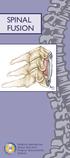 SPINAL FUSION North American Spine Society Public Education Series WHAT IS SPINAL FUSION? The spine is made up of a series of bones called vertebrae ; between each vertebra are strong connective tissues