
Articular Cartilage Repair
|
|
|
- Rosamund Welch
- 9 years ago
- Views:
Transcription
1 The Grosvenor Nuffield Hospital Chester Knee Clinic Wrexham Road Chester CH4 7QP Telephone Fax Articular Cartilage Repair WHAT IS HYALINE ARTICULAR CARTILAGE? Hyaline articular cartilage is a complex structure, developed and progressively refined over hundreds of millions of years. Articular cartilage provides smooth articulation under variable loads and impaction for very long periods of time. This tissue responds to alterations in use. It serves as the load-bearing material of joints, which has excellent friction, lubrication and wear characteristics. Hyaline cartilage has one of the lowest coefficients of friction known for any surface to surface contact. The cartilage thickness varies significantly across articular surfaces of the same joint. Although it is at most only a few millimetres thick, it has surprising stiffness to compression, resilience, and an exceptional ability to distribute variable loads. Normal hyaline cartilage has a glossy, bluish white, homogenous appearance, firm consistency and some elasticity.

2 DIAGNOSIS OF ARTICULAR CARTILAGE DEFECTS The articular cartilage defect should be diagnosed and treated early, before it becomes a large and deep osteochondral defect. Generally, the diagnosis of articular cartilage injury is difficult and unreliable. Clinical examination, standard radiography and standard clinical MRI generally provide low sensitivity and insufficient diagnostic accuracy. Arthroscopic examination: although arthroscopy is invasive and requires anaesthetic, it is still the most helpful diagnostic tool in experienced hands. Careful visual arthroscopic inspection, probing of articular surfaces and videoarthroscopic record (videoprint or stored digital image) are very useful and most of the time necessary. Your arthroscopic operation may be recorded on the videotape, and kept as a part of the hospital record and used for educational purposes. Magnetic Resonance Imaging (MRI): standard clinical MRI is still unable to diagnose most articular cartilage injuries, especially if clinical suspicion is low. However, with advanced MRI techniques, special articular cartilage scanning protocols, and increased awareness of chondral injury, magnetic resonance imaging has begun to replace more conventional methods in evaluation of articular cartilage damage and repair. Magnetic resonance is already an effective method to diagnose chondral injury, to aid in the selection of therapeutic intervention and to assess the long-term follow-up of repaired articular cartilage. MRI has unique capabilities to evaluate cartilage non-invasively. WHY IS ARTICULAR CARTILAGE REPAIR NECESSARY? Cartilage is frequently injured, often as a result of sports related trauma, but due to its avascular nature, articular cartilage has very limited capacity for repair. It is well known that the capacity of articular cartilage for repair is limited. Partialthickness defects in the articular cartilage do not heal spontaneously. Injuries of the articular cartilage that do not penetrate the subchondral bone do not heal and usually progress to the degeneration of the articular surface. Injuries that penetrate the subchondral bone undergo repair through the formation of fibrocartilage. Although fibrocartilage fills and covers the defect, this is the 2

3 wrong tissue from the biomechanical standpoint. The fibrocartilage is made to resist tension forces, while the hyaline cartilage is made to resist compression forces, to enable smooth articulation, and to withstand long-term variable cyclic load and shearing forces. Focal articular cartilage defects, often found in young adults, have been increasingly recognized as a cause of pain and functional problems. There is more and more clinical evidence that full thickness articular cartilage defects continue to progress and deteriorate, although at a slow rate. Early diagnosis and treatment of these patients is recommended prior to the development of more advanced osteoarthritis. In selecting methods of restoring damaged articular surface, it is important to distinguish articular cartilage repair from articular cartilage regeneration. Repair refers to the healing of injured tissues or replacement of lost tissues by cell proliferation and synthesis of a new extracellular matrix. Unfortunately, the repaired articular cartilage generally fails to replicate the structure, composition, and function of normal articular cartilage. Regeneration in this context refers to the formation of an entirely new articulating surface that essentially duplicates the original articular cartilage. Therefore, the best we can do at present is to repair the chondral defect. It should be clear that cartilage does not yield its secrets easily and that inducing cartilage to heal is not simple. The tissue is difficult to work with, injuries to joint surface, whether traumatic or degenerative, are unforgiving, and the progression to osteoarthritis is sometimes so slow that we delude ourselves into thinking we are doing better than we are. It is important, however, to keep trying." Dr Henry Mankin, Boston, USA. WHAT CAN BE DONE WITHOUT SURGERY? A number of symptomatic options are available today for patients with chondral defects and patients with a moderated degree of cartilage degeneration. The weight-loss is probably the most important plan of this strategy, for obvious reasons. Regular exercise like walking and swimming are often very helpful but repetitive impact activities like jumping and running on tarmac are best avoided. NEW PAIN MEDICATION: a new generation of designer pain-killers, or so-called COX-2 Inhibitors have introduced a potent and efficient pain management system, with reduced side-effects. The two COX-2 inhibitors on the market are Vioxx and Celebrex, and they represent the best and brightest of the new painkillers. It seems that these drugs have similar or better efficacy to the old nonsteroidal anti-inflammatory drugs (NSAID) but are safer in averagerisk patients as they cause less gastrointestinal tract injury. 3

4 CHONDROPROTECTIVE AGENTS: the expanding knowledge of cartilage biochemistry and pathogenesis of osteoarthritis has focused research on slowing the progression of degeneration and promoting cartilage matrix synthesis. This research has identified substances, termed chondroprotective agents, which counter the arthritic degenerative processes and encourage normalisation of the synovial fluid and cartilage matrix. Chondroprotective agents are compounds that stimulate chondrocyte synthesis of collagen and proteoglycans, as well as synoviocyte production of hyaloronan, inhibit cartilage degradation and prevent fibrin formation in the subchondral and synovial vasculature. Examples of compounds that exhibit some of these characteristics are the endogenous molecules of articular cartilage, including Hyaluronic acid, Glucosamine and Chondroitin sulfate. VISCOSUPPLEMENTATION THERAPY (hyaluronic acid): viscosupplementation is the term for a therapy that aims to be chondroprotective by restoring the fluid properties of the tissue matrix in osteoarthritis sufferers by means of intra-articular injections if highly purified viscoelastic solutions of sodium hyaluronate (HA, also known as hyaluronan). Intraarticular injections of hyaluronic acid (HA) are widely used in the Asian and European orthopaedic communities for controlling the pain and loss of joint function resulting from osteoarthritis. In more than 10 years, it has been used in approximately one million patients in 20 countries. The substance is hyaluronate, a naturally occurring viscoelastic agent that supposedly acts as a shock absorber and lubricant in the knee joint. Preliminary results of animal studies demonstrate that intraarticular injection of hyaluronic acid may have protective effects on articular cartilage. It is indicated for the pain in osteoarthritis of the knee in patients who have failed to respond adequately to non-operative treatment and other pain medication. HA is well tolerated with no demonstrable toxicity and few side effects. Because it is injected directly into the joint, the onset of action is fairly rapid. Possible mechanisms by which HA may act therapeutically include: providing additional lubrication of the synovial membrane, controlling permeability of the synovial membrane, thereby controlling effusions and directly blocking inflammation. However, the exact mechanisms of action, articular cartilage changes and short and long term results remain unknown. MATRIX ENHANCEMENT THERAPY (glucosamine and chondroitin sulfate): numerous studies have demonstrated that glucosamine stimulates the synthesis of proteoglycans and collagen by chondrocytes. Since osteoarthritis (OA) results when cartilage breakdown exceeds the chondrocytes' synthetic capacity, providing exogenous glucosamine increases matrix production and seems likely to alter the natural history of OA. Glucosamine also has a mild antiinflammatory activity that is unrelated to prostaglandin metabolisam. In randomised, double-blinded, placebo-controlled clinical trials using oral preparations, glucosamine salts have been verified as efficacious in the management of OA, and have not demonstrated any toxicity, severe side-effects, or abnormal clinical, biochemical, or hematological changes. Chondroitin sulfate is the most abundant glycosaminoglycan in articular cartilage. It plays an 4

5 important structural role in articular cartilage, notable for its role in binding with collagen fibrils. As a chondroprotective agent, it has a metabolic effect as well: its action is to competitively inhibit many of the degradative enzymes that break down the cartilage matrix and synovial fluid in OA. Because of the additional mechanism of action is via the prevention of fibrin thrombi in synovial or subchondral microvasculature, chondroitin sulfate has been investigated for its anti-atherosclerotic effect. When used together, it seems that glucosamine and chondroitin sulfate combine effects to stimulate the metabolism of chondrocytes and synoviocytes, inhibit degradative enzymes, and reduce fibrin thrombi in peri-articular microvasculature. Numerous clinical studies performed on horses at US veterinary schools have supported this combination and synergistic effect. Human randomised, double-blind clinical trials are currently underway. ARTHROSCOPIC LAVAGE AND DEBRIDEMENT: lavage is one of the most basic of traditional arthroscopic techniques. Dr Robert Jackson, the pioneer of arthroscopy in North America, observed that in the course of performing diagnostic arthroscopies patients with intra-articular knee problems had significant pain relief following joint lavage. Exactly how arthroscopic lavage and debridement may help the early symptoms of osteoarthritis is still not entirely clear. Joint lavage removes loose intra-articular tissue debris and inflammatory mediators known to be generated by the synovial lining. In early stages, removing these degradative enzymes from the joint may allow chondrocyes to increase their biosynthetic activity. Another mechanism by which lavage may relieve the symptoms and increase the resiliency and stiffness of articular cartilage is through changing the ionic environment within the synovial fluid. Lavage may provide some patients with advanced degenerative disease of the knee, which may last as long as 3 years. However, the lavage provides only short-term symptomatic relief without correction of underlying pathology. If predisposing malalignment is not corrected, the beneficial effects seem to be minimised. The outcome of this simple procedure is generally insufficient for the active population. CARTILAGE REPAIR TECHNIQUES Historically there have been a number of attempts to develop clinically useful procedures to repair damaged articular cartilage, but these have not proved entirely successful yet. Treatment options are limited and the long-term outcome is still uncertain. Today s choice of surgical techniques that can restore and maintain hyaline cartilage is very limited. Current attempts to treat articular cartilage defects can be divided into three basic categories: 1. The bone marrow stimulation (microfracture). 2. Transplantation of osteochondral autologous grafts (OATS or MosaicPlasty). 3. Transplantation or implantation of cultured autologous chondocytes (ACI). 1. MICROFRACTURE: this technique was developed and popularised by Dr Richard Stedman, from Vail, Colorado, USA. The treatment involves a disruption of subchondral bone in an attempt to induce bleeding (fibrin clot 5

6 formation) and to initiate primitive stem cell migration from the bone marrow into the cartilage defect site. These techniques utilise primitive stem cells, which are capable of differentiating into bone and cartilage under the influence of various biologic and mechanical intraarticular factors. The subchondral bone is penetrated in order to reach a zone of vascularisation, stimulating the formation of a fibrin clot containing pluripotential stem cells. This clot differentiates and remodels, resulting in a fibrocartilaginous repair tissue. Although fibrocartilage often appears to offer the patient significant pain relief, this tissue lacks several key structural components to perform the mechanical functions, as a wear-resistant and as a weight-bearing surface. The fibrocartilage repair tissue does not produce a proper compressive stiffness against applied mechanical load and thus is subjected to an excessive deformation under physiological loading. This is turn causes a mechanical failure of the repaired tissue and eventually leads to a recurrence of degeneration of the repaired cartilage. 2. OSTEOCHONDRAL AUTOGRAFT TRANSPLANTATION (OATS or MosaicPlasty): osteochondral autograft transplantation seems to be the only surgical techniques that can restore the height and the shape of articulating surface in focal osteochondral defects, with composite autologous material that contains all necessary ingredients: hyaline articular cartilage, intact tidemark and a firm bone carrier. However, like many other orthopaedic procedures that require the use of autologous tissues, osteochondral autograft transfer is the "rob Peter to pay Paul" situation. The main problem with this reconstructive technique is the limited availability of autografts, which significantly reduces the choice of treatable defects down to a small focal chondral defect, and a long-term donor morbidity in multiple donor sites. Deep and large, crater-like osteochondral defects are not suitable for osteochondral autograft transplantation, mainly because of the limited availability of autologous osteochondral grafts. Also, it is difficult to reconstruct the subchondral bone and restore the contour of the defect area, and to cover the entire defect area with hyaline articular cartilage. The dead spaces between circular grafts, the lack of integration of donor and recipient hyaline cartilage, different orientation, thickness and mechanical properties of donor and recipient hyaline cartilage are further sources of clinical concern. For more information visit the website: 6

7 3. AUTOLOGOUS CHONDROCYTE IMPLANTATION (ACI): although cartilage in unable to repair itself on its own, this advanced FDA-approved technology allows cartilage cells, know as chondrocytes to be harvested from your knee and cultured and multiplied. The fresh chondrocytes are then reimplanted in your knee and cause hyaline-like cartilage to repair the defect in articulating surface. ACI, also known as Carticel treatment, restores the articular surface you re your own hyaline-like cartilage without compromising the integrity of healthy tissue or the subchondral bone. Carticel has demonstrated important benefits in patients with a femoral focal lesion. If you have this type of lesion, then Carticel may be an appropriate treatment option. The procedure consists of two steps. The first is the harvesting of some healthy cartilage from you knee, which is done arthroscopically. This sample of cartilage is sent to the Carticel laboratory in Cambridge, Massachusetts, USA, and it is used to grow new chondrocytes, which are sent back to us after 4 to 6 weeks. The second step is the reimplantation of the cultured chondrocytes, or Carticel. This procedure is done through an arthrotomy. To derive maximum benefit from ACI, you should adhere strictly to the personalised rehabilitation plan recommended by your physiotherapist. This will include progressive weight-bearing, range of motion, and muscle strengthening exercises which may begin as early as the day after surgery. When you successfully complete ACI and rehabilitation, you should be able to resume all normal activities, including sports. This is expensive tissue engineering technology that is not yet available in most NHS hospitals. For more information visit the website: FUTURE TECHNOLOGIES A technology superior to bone marrow stimulation and osteochondral autograft transfer in repairing the articular cartilage should become available fairly soon. Autologous or synthetic, non-resorbable or resorbable matrices and scaffolds, with or without added autologous chondrocytes and transforming growth factors (TGF s) are currently the most researched and the most exciting cartilage restoration technologies. Realistically, we should expect that over the next decade several new technologies, including improved autologous cultured chondrocyte implantation, tissue engineered articular cartilage, growth factors and acellular resorbable matrices, will enter routine clinical usage. 7

8 For more information visit: os0114.bobi/mos0114.bobi-01.html. For further up-to-date and more specific information on cartilage repair techniques please visit the following websites: (go to Search and type: articular cartilage repair), or: Some articles are downloadable in the PDF format and you will need Adobe Acrobat Reader to read them. PDF (Portable Document Format) files duplicate the look and format, including all graphics, of published documents and can be read on any platform (IBM, Unix, Macintosh, etc.). In order to view and print PDF files, you must have Adobe Acrobat Reader software go to to download Acrobat Reader for free. PRE-OPERATIVE CHECK LIST! Bring your regular medication!! Bring relevant medical documents and XR/MRI films with you.! Tell us if you are allergic to any medication or food.! If you are taking the contraceptive pill - you should stop taking the pill at least 4 weeks prior to your knee surgery!! You can eat solid food up to 6 hours and drink clear fluids up to 3 hours before surgery.! Check on the program on post-operative exercises and rehabilitation.! Wear comfortable loose clothes and shoes.! Arrange for someone to drive you home after day-case surgery. WHAT HAPPENS AFTER YOUR OPERATION? Recovery: after your operation is over, the arthroscopic portals are closed with sterile surgical tape and covered with a layer of gauze and crêpe bandage. If you find that your operated leg is painted pink or brown don t worry! We use coloured skin prep routinely. If your cartilage repair operation required open knee surgery, the skin incision will be closed with continuous resorbable subcuticular stitch or a number of small metal skin clips. You will be moved from the operating room to a recovery room where a nurse will monitor your temperature, blood pressure and heartbeat. Some patients experience slight nausea, dizziness, fatigue, pain and feel cold. This is quite common and usually fades out after a couple of hours. Pain medication may be given orally, rectally or through an intravenous line. Cold pressure dressing may be applied to reduce swelling and discomfort. Once you are fully awake and all your functions are stable you will be transferred back to the ward. 8

9 Ward: Before being discharged, which ranges from several hours after your arthroscopic to a couple of days after the open knee operation, you will be seen by the ward physiotherapist. You will learn how to care for your portals, what activities you should avoid, and what exercises you should do to aid your recovery. Before your go home: be sure that you know about any special instructions on taking pain medication, how to use crutches, which home recovery exercises to do, when to schedule your first follow-up appointment, when you can drive, when you can return to work and when you can return to sports and fitness activities. Follow-up: at a follow-up visit (usually 10 to 14 days after the operation) your surgeon will inspect your skin incision and arthroscopic portals, remove the skin closure and discuss the operative findings and further rehabilitation program. HOME RECOVERY AND REHABILITATION The recovery time will depend on the joint problem, extent of surgery, your ability to heal and rehabilitation. Recovery time varies markedly from patient to patient. How quickly and fully you recover after arthroscopic or open knee surgery is, to a large degree, up to you. In any case, your knee needs special care at home. Elevation and ice can help control swelling and discomfort, and circulation exercises help prevent postoperative complications. ELEVATION reduces swelling, which in turn relieves pain and speeds your healing. Elevation also helps prevent pooling of blood in your leg. To elevate your knee correctly, be sure to keep your knee and ankle above your heart. The best position is lying down, with two pillows lengthways under your lower leg. Elevate your knee whenever you are not on your feet for the first few days after arthroscopy. ICE is a natural anaesthetic that helps relieve pain. Ice also controls swelling by slowing the circulation in your knee. To ice your knee use a bag of frozen peas or a plastic bag filled with crushed ice. Then wrap the ice bag with a small moist towel to protect your skin. Cover your knee with a blanket and leave the ice on for 30 to 60 minutes, several times a day, for the first 2 to 3 days after arthroscopy. PAIN MEDICATION allows you to rest comfortably and start your exercises with a minimum of discomfort. It is a good idea to take your pain medication at night, even if you are not in severe pain, to assure a good night's rest. Pain often signals overactivity, so you might try rest and elevation to help relieve discomfort. Avoid alcohol if you are taking pain medication. 9

10 FIRST FEW MEALS after arthroscopy should include light, easily digestible food and plenty of fluids. Some people may experience slight nausea, a temporary reaction to anaesthetic. CIRCULATION EXERCISES help prevent post-operative complications, such as blood clotting in your leg. Point and flex your foot, and wiggle your toes, every few minutes you are awake for a week or two after arthroscopy. DRESSING keeps your knee clean and helps prevent infection. Be sure to leave your dressing on for 3 to 5 days, than remove the bandage and gauze (but leave surgical tape intact and do not worry if the gauze is a bit blood-stained!) and replace bandage with a new one. Use just enough tension to get the wrinkles out. Leave this light compressive dressing until your first follow-up appointment. SHOWERS are fine if you put your leg in a large plastic bag taped above your dressing. Wait to take your first shower until you can stand comfortably for 10 to 15 minutes. CRUTCHES may be prescribed to keep weight off your knee as it heals. You can weight bear (walk tiptoe or on the heel) as tolerated. Be sure you know how to set the hand rests and the right height for you (check with your physiotherapist before you leave the hospital). Try to walk normally and keep your body upright. Your crutches should move with your bandaged leg. WALKING helps you regain range of movement in your ankle, knee and hip. A combination of joint movement and weight bearing are essential for normal joint nutrition and proprioception. Even if you are on crutches and not yet bearing full weight on your leg, you should start walking as soon as possible, to improve circulation and speed the healing process in your leg. Gradually put more weight on your leg and try to keep your ankle, knee and hip bending as normally as possible. Some cartilage repair procedures (ACI) will require non-weight bearing for a couple of weeks. FOOTWARE use shoes or trainers with semi-soft thick sole, and with good arch support EXERCISES are very important after knee surgery! Rebuilding the muscles that support and stabilise your knee (quadriceps, hamstrings and calf muscles) is one of the best ways to help your knee recover fully. Please consult your physiotherapist and ask for a separate illustrated brochure with detailed exercises. The sooner you start these exercises, the better. You will get the most benefit from these exercises if you do them with slow, steady movements, and on both legs to maintain your muscle balance. Some patients may need special equipment and supervised physiotherapy. 10

11 DRIVING is usually possible after a couple of days. However, it may take several weeks before your driving is back to normal, especially if your thigh muscles were weak before the operation. RUNNING should be avoided for at least 2 to 3 months, especially on hard surfaces (tarmac). Generally, try to avoid repetitive impact, for as long as possible. RETURN TO WORK only after your surgeon feels it is safe. It could be a few days or a few weeks, depending on how quickly you heal and how much demand your job puts on your knee. COMPLICATIONS, although uncommon, do occur occasionally during or following diagnostic and surgical arthroscopy. They include excessive swelling or bleeding, joint infection, phlebitis, blood clots and very rarely technical problems with arthroscopic instruments. There are also anaesthetic risks, both during and after the procedure, but they are minimal. PROBLEMS? Please contact your GP if you bleed or discharge continuously from arthroscopic portals, if you have a fever of or above, severe nausea, increased pain unrelieved by medication and rest, increased painful swelling unrelieved by elevation and ice, pain in the calf, shortness of breath, chest pain or abnormal coughing. REHABILITATION QUESTIONS: if you have any questions or problems with your rehabilitation please contact Physiotherapy Department on APPOINTMENTS: if you wish to change the time or the date of your appointment please call Consultation Booking on Vladimir Bobic, MD, Consultant Orthopaedic Knee Surgeon, Orthopaedic Patient Information , GNH Chester Knee Clinic, Chester, UK 11

12 HOW TO FIND US? The Grosvenor Nuffield Hospital is located on the southern outskirts of Chester. If you are driving, we are on the A483, towards Wrexham. There is ample parking space for you and your guests. 12

Knee Arthroscopy Exercise Programme
 Chester Knee Clinic & Cartilage Repair Centre Nuffield Health, The Grosvenor Hospital Chester Wrexham Road Chester CH4 7QP Hospital Telephone: 01244 680 444 CKC Website: www.kneeclinic.info Email: [email protected]
Knee arthroscopy advice sheet
 Knee arthroscopy advice sheet During an arthroscopy, a camera is inserted into the knee through two or three small puncture wounds. It allows the surgeon to look at the joint surfaces, cartilage and the
.org. Knee Arthroscopy. Description. Preparing for Surgery. Surgery
 Knee Arthroscopy Page ( 1 ) Arthroscopy is a common surgical procedure in which a joint (arthro-) is viewed (-scopy) using a small camera. Arthroscopy gives doctors a clear view of the inside of the knee.
ARTHROSCOPIC HIP SURGERY
 ARTHROSCOPIC HIP SURGERY Hip Arthroscopy is a relatively simple procedure whereby common disorders of the hip can be diagnosed and treated using keyhole surgery. Some conditions, which previously were
KNEE ARTHROSCOPY. Dr C.S. Waller. Orthopaedic Surgeon
 KNEE ARTHROSCOPY Dr C.S. Waller Orthopaedic Surgeon Specializing in surgery of the hip and knee 83826199 What is Arthroscopy? Arthroscopy involves the inspection of the inside of the knee joint with a
Knee Microfracture Surgery Patient Information Leaflet
 ORTHOPAEDIC UNIT: 01-293 8687 /01-293 6602 BEACON CENTRE FOR ORTHOPAEDICS: 01-2937575 PHYSIOTHERAPY DEPARTMENT: 01-2936692 Knee Microfracture Surgery Patient Information Leaflet Table of Contents 1. Introduction
Knee Arthroscopy Post-operative Instructions
 Amon T. Ferry, MD Orthopedic Surgery Sports Medicine Knee Arthroscopy Post-operative Instructions PLEASE READ ALL OF THESE INSTRUCTIONS CAREFULLY. THEY WILL ANSWER MOST OF YOUR QUESTIONS. 1. You may walk
.org. Arthritis of the Hand. Description
 Arthritis of the Hand Page ( 1 ) The hand and wrist have multiple small joints that work together to produce motion, including the fine motion needed to thread a needle or tie a shoelace. When the joints
YOUR GUIDE TO TOTAL HIP REPLACEMENT
 A Partnership for Better Healthcare A Partnership for Better Healthcare YOUR GUIDE TO TOTAL HIP REPLACEMENT PEI Limited M50 Business Park Ballymount Road Upper Ballymount Dublin 12 Tel: 01-419 6900 Fax:
Total Knee Replacement
 Chester Knee Clinic at The Grosvenor Nuffield Hospital Wrexham Road Chester CH4 7QP website: www.kneeclinic.info email: [email protected] Total Knee Replacement Knee Anatomy Sitting, standing, and walking
Hip arthroscopy Frequently Asked Questions
 Hip arthroscopy Frequently Asked Questions What is a hip arthroscopy? Hip arthroscopy is key hole surgery. Usually 2-3 small incisions (about 1 cm long) are made on the side of your hip. Through these
This is my information booklet: Introduction
 Hip arthroscopy is a relatively new procedure which allows the surgeon to diagnose and treat hip disorders by providing a clear view of the inside of the hip with very small incisions. This is a more complicated
.org. Achilles Tendinitis. Description. Cause. Achilles tendinitis is a common condition that causes pain along the back of the leg near the heel.
 Achilles Tendinitis Page ( 1 ) Achilles tendinitis is a common condition that causes pain along the back of the leg near the heel. The Achilles tendon is the largest tendon in the body. It connects your
Cartilage Repair Center
 Cartilage Repair Center Tom Minas, MD, MS 850 Boylston Street, Suite 112 Andreas Gomoll, MD Chestnut Hill, MA 02467 Courtney VanArsdale, PA-C P: 617-732-9967 Lindsey Oneto, PA-C F: 617-732-9272 (Minas)
it s time for rubber to meet the road
 your total knee replacement surgery Steps to returning to a Lifestyle You Deserve it s time for rubber to meet the road AGAIN The knee is the largest joint in the body. The knee is made up of the lower
.org. Posterior Tibial Tendon Dysfunction. Anatomy. Cause. Symptoms
 Posterior Tibial Tendon Dysfunction Page ( 1 ) Posterior tibial tendon dysfunction is one of the most common problems of the foot and ankle. It occurs when the posterior tibial tendon becomes inflamed
A Patient s Guide to Arthritis of the Big Toe (Hallux Rigidus) With Discussion on Cheilectomy and Fusion
 A Patient s Guide to Arthritis of the Big Toe (Hallux Rigidus) With Discussion on Cheilectomy and Fusion The foot and ankle unit at the Royal National Orthopaedic Hospital (RNOH) is a multi-disciplinary
Self Management Program. Ankle Sprains. Improving Care. Improving Business.
 Ankle Sprains Improving Care. Improving Business. What is an ankle sprain? Ligaments attach to the ankle bones and allow for normal movement and help prevent too much motion within the joint. Ankle sprains
Brian P. McKeon MD Jason D. Rand, PA-C, PT Patient Information Sheet: Anterior Cruciate Ligament
 Brian P. McKeon MD Jason D. Rand, PA-C, PT Patient Information Sheet: Anterior Cruciate Ligament The anterior cruciate ligament or ACL is one of the major ligaments located in the knee joint. This ligament
Total Hip Joint Replacement. A Patient s Guide
 Total Hip Joint Replacement A Patient s Guide Don t Let Hip Pain Slow You Down What is a Hip Joint? Your joints are involved in almost every activity you do. Simple movements such as walking, bending,
OPERATION:... Proximal tibial osteotomy Distal femoral osteotomy
 AFFIX PATIENT DETAIL STICKER HERE Forename.. Surname NHS Organisation. Responsible surgeon. Job Title Hospital Number... D.O.B.././ No special requirements OPERATION:..... Proximal tibial osteotomy Distal
Ankle Stabilisation Procedure
 Ankle Stabilisation Procedure Exceptional healthcare, personally delivered Following your consultation with a member of the Foot and Ankle team you have been diagnosed with an unstable ankle. This leaflet
Hip Replacement. Department of Orthopaedic Surgery Tel: 01473 702107
 Information for Patients Hip Replacement Department of Orthopaedic Surgery Tel: 01473 702107 DMI ref: 0134-08.indd(RP) Issue 3: February 2008 The Ipswich Hospital NHS Trust, 2005-2008. All rights reserved.
Femoral artery bypass graft (Including femoral crossover graft)
 Femoral artery bypass graft (Including femoral crossover graft) Why do I need the operation? You have a blockage or narrowing of the arteries supplying blood to your leg. This reduces the blood flow to
Shoulder Arthroscopy
 Copyright 2011 American Academy of Orthopaedic Surgeons Shoulder Arthroscopy Arthroscopy is a procedure that orthopaedic surgeons use to inspect, diagnose, and repair problems inside a joint. The word
Shared Decision Making
 Deciding what to do about osteoarthritis of the knee This short decision aid is to help you decide what to do about your knee osteoarthritis. You can use it on your own, or with your doctor, to help you
Frequently Asked Questions following Anterior Cruciate Ligament Reconstruction Surgery 1
 Frequently Asked Questions following Anterior Cruciate Ligament Reconstruction Surgery 1 Will my knee be normal after surgery and recovery? Unfortunately, even with an ACL reconstructive procedure, it
Total Hip Replacement
 Please contactmethroughthegoldcoasthospitaswityouhaveanyproblemsafteryoursurgery. Dr. Benjamin Hewitt Orthopaedic Surgeon Total Hip Replacement The hip joint is a ball and socket joint that connects the
Patient Information for Lumbar Spinal Fusion. What is a lumbar spinal fusion? Page 1 of 5
 Patient Information for Lumbar Spinal Fusion What is a lumbar spinal fusion? You have been offered surgery to the lumbar region of your spine, your lower back. The operation is called a lumbar spinal fusion.
Level 1, 131-135 Summer Street ORANGE NSW 2800 Ph: 02 63631688 Fax: 02 63631865
 Write questions or notes here: Level 1, 131-135 Summer Street ORANGE NSW 2800 Ph: 02 63631688 Fax: 02 63631865 Document Title: Total Knee Replacement Further Information and Feedback: Tell us how useful
SPINAL STENOSIS Information for Patients WHAT IS SPINAL STENOSIS?
 SPINAL STENOSIS Information for Patients WHAT IS SPINAL STENOSIS? The spinal canal is best imagined as a bony tube through which nerve fibres pass. The tube is interrupted between each pair of adjacent
PHYSIOTHERAPY REHAB AFTER HIP ARTHROSCOPY
 PHYSIOTHERAPY REHAB AFTER HIP ARTHROSCOPY Information Leaflet Your Health. Our Priority. Page 2 of 6 Introduction This leaflet has been compiled by the Physiotherapy Team to help you understand the hip
Elbow arthroscopy. Key points
 Patient information Elbow arthroscopy This information has been produced to help you gain the maximum benefit and understanding of your operation. It includes the following information: Key points About
Osteoarthritis of the ankle
 1 What is osteoarthritis of the ankle? The ankle joint is formed by the upper bone at the front of the foot (the talus) and the leg bones (the tibia and fibula). The ankle is made up of a hinge joint which
Procedure Information Guide
 Procedure Information Guide Total hip replacement Brought to you in association with EIDO and endorsed by the The Royal College of Surgeons of England Discovery has made every effort to ensure that the
Y O U R S U R G E O N S. choice of. implants F O R Y O U R S U R G E R Y
 Y O U R S U R G E O N S choice of implants F O R Y O U R S U R G E R Y Y O U R S U R G E O N S choice of implants F O R Y O U R S U R G E R Y Your Surgeon Has Chosen the C 2 a-taper Acetabular System The
Plantar Fascia Release
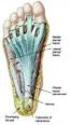 Plantar Fascia Release Introduction Plantar fasciitis is a common condition that causes pain around the heel. It may be severe enough to affect regular activities. If other treatments are unsuccessful,
A Patient s Guide to Post-Operative Physiotherapy. Following Anterior Cruciate Ligament Reconstruction of the Knee
 A Patient s Guide to Post-Operative Physiotherapy Following Anterior Cruciate Ligament Reconstruction of the Knee Introduction The anterior cruciate ligament (ACL) is one of the main supporting ligaments
world-class orthopedic care right in your own backyard.
 world-class orthopedic care right in your own backyard. Patient Promise: At Adventist Hinsdale Hospital, our Patient Promise means we strive for continued excellence in everything we do. This means you
.org. Plantar Fasciitis and Bone Spurs. Anatomy. Cause
 Plantar Fasciitis and Bone Spurs Page ( 1 ) Plantar fasciitis (fashee-eye-tiss) is the most common cause of pain on the bottom of the heel. Approximately 2 million patients are treated for this condition
Rehabilitation guidelines for patients undergoing knee arthroscopy
 Rehabilitation guidelines for patients undergoing knee arthroscopy At the RNOH, our emphasis is patient specific, which encourages recognition of those who may progress slower then others. We also want
Total hip replacement
 Patient Information to be retained by patient What is a total hip replacement? In a total hip replacement both the ball (femoral or thigh bone) side of the hip joint and the socket (acetabular or pelvic
MAKOplasty MAKOplasty MAKOplasty MAKOplasty MAKOplasty MAKOplasty MAKOplasty MAKOplasty MAKOplasty
 Pre-op Patient Guide to Partial Knee Resurfacing Your Guide to Partial Knee Resurfacing Page I 1 Partial Knee Resurfacing...2 Benefits Possible with the Procedure...4 Your Guide to Surgery...5 Frequently
Lumbar or Thoracic Decompression and Fusion
 Lumbar or Thoracic Decompression and Fusion DO NOT TAKE ANY ASPIRIN PRODUCTS OR NON-STEROIDAL ANTI- INFLAMMATORY DRUGS (ie NSAIDs, Advil, Celebrex, Ibuprofen, Motrin, Naprosyn, Aleve, etc) FOR 2 WEEKS
Total Hip Replacement Surgery Home Care Instructions
 Total Hip Replacement Surgery Home Care Instructions Surgery: Date: Doctor: This handout will review the care you need to follow once you are home. If you have any questions or concerns, please ask your
Further information You can get more information and share your experience at www.aboutmyhealth.org
 OS01 Total Hip Replacement Further information You can get more information and share your experience at www.aboutmyhealth.org Local information You can get information locally from: Taunton and Somerset
Arthroscopy of the Hip
 Arthroscopy of the Hip Professor Ernest Schilders FRCS, FFSEM Consultant Orthopaedic Surgeon Specialist in Shoulder and Hip Arthroscopy, Groin and Sports Injuries Private consulting rooms The London Hip
Orthopaedic Spine Center. Anterior Cervical Discectomy and Fusion (ACDF) Normal Discs
 Orthopaedic Spine Center Graham Calvert MD James Woodall MD PhD Anterior Cervical Discectomy and Fusion (ACDF) Normal Discs The cervical spine consists of the bony vertebrae, discs, nerves and other structures.
What is Osteoarthritis? Who gets Osteoarthritis? What can I do when I am diagnosed with Osteoarthritis? What can my doctor do to help me?
 Knee Osteoarthritis What is Osteoarthritis? Osteoarthritis is a disease process that affects the cartilage within a joint. Cartilage exists at the surface of the ends of the bones and provides joints with
Endoscopic Plantar Fasciotomy
 Endoscopic Plantar Fasciotomy Introduction Plantar fasciitis is a common condition that causes pain centralized around the heel. It may be severe enough to affect regular activities. Health care providers
Arthritis of the Shoulder
 Arthritis of the Shoulder In 2011, more than 50 million people in the United States reported that they had been diagnosed with some form of arthritis, according to the National Health Interview Survey.
Calcaneus (Heel Bone) Fractures
 Copyright 2010 American Academy of Orthopaedic Surgeons Calcaneus (Heel Bone) Fractures Fractures of the heel bone, or calcaneus, can be disabling injuries. They most often occur during high-energy collisions
Orthopaedic Stem Cell Treatment
 Orthopaedic Stem Cell Treatment Stem Cell Injections Surgically Implanted Stem Cells Learn about the treatment option that is best for you. Emory Healthcare patients can benefit from surgical implantation
Forefoot deformity correction
 Contact us Pharmacy Medicines Helpline If you have any questions or concerns about your medicines, please speak to the staff caring for you or call our helpline. t: 020 7188 8748 9am to 5pm, Monday to
Arthritis of the hip. Normal hip In an x-ray of a normal hip, the articular cartilage (the area labeled normal joint space ) is clearly visible.
 Arthritis of the hip Arthritis of the hip is a condition in which the smooth gliding surfaces of your hip joint (articular cartilage) have become damaged. This usually results in pain, stiffness, and reduced
Patient Labeling Information System Description
 Patient Labeling Information System Description The Trident Ceramic Acetabular System is an artificial hip replacement device that features a new, state-of-the-art ceramic-on-ceramic bearing couple. The
cartilage regeneration
 COLLAGEN MEMBRANE The membrane for safe cartilage regeneration WWW.CARTIMAIX.COM About Cartimaix Cartimaix is a cell-free, biodegradable collagen membrane used to cover articular cartilage defects during
Arthroscopic Ankle Fusion (Arthrodesis)
 Arthroscopic Ankle Fusion (Arthrodesis) Exceptional healthcare, personally delivered Following your consultation with a member of the Foot and Ankle team you have been diagnosed with ankle arthritis and
Total knee replacement
 Patient Information to be retained by patient What is a total knee replacement? In a total knee replacement the cartilage surfaces of the thigh bone (femur) and leg bone (tibia) are replaced. The cartilage
Anterior Hip Replacement
 Disclaimer This movie is an educational resource only and should not be used to manage Orthopaedic health. All decisions about the management of hip replacement and arthritis management must be made in
Osteoarthritis progresses slowly and the pain and stiffness it causes worsens over time.
 Arthritis of the Foot and Ankle Arthritis is the leading cause of disability in the United States. It can occur at any age, and literally means "pain within a joint." As a result, arthritis is a term used
Total Knee Replacement Surgery
 Total Knee Replacement Surgery On this page: Overview Reasons for Surgery Evaluation Preparing for Surgery Your Surgery Risks Expectations after Surgery Convalescence Also: Partial Knee Replacement Overview
Rehabilitation Guidelines for Knee Arthroscopy
 Rehabilitation Guidelines for Knee Arthroscopy Arthroscopy is a common surgical procedure in which a joint is viewed using a small camera. This technique allows the surgeon to have a clear view of the
Patellofemoral Chondrosis
 Patellofemoral Chondrosis What is PF chondrosis? PF chondrosis (cartilage deterioration) is the softening or loss of smooth cartilage, most frequently that which covers the back of the kneecap, but the
HEADER TOTAL HIP REPLACEMENT SURGERY FROM PREPARATION TO RECOVERY
 HEADER TOTAL HIP REPLACEMENT SURGERY FROM PREPARATION TO RECOVERY ABOUT THE HIP JOINT The hip joint is a ball and socket joint that connects the body to the legs. The leg bone is called the femur. The
.org. Herniated Disk in the Lower Back. Anatomy. Description
 Herniated Disk in the Lower Back Page ( 1 ) Sometimes called a slipped or ruptured disk, a herniated disk most often occurs in your lower back. It is one of the most common causes of low back pain, as
KNEE ARTHROSCOPIC SURGERY IN INJURY AND DISEASE
 KNEE ARTHROSCOPIC SURGERY IN INJURY AND DISEASE INFORMATION FOR PATIENTS and peri-oerative health WORKERS IN GHANA AND SUB-SAHARAN AFRICA RACHEL GEVEL (chartered physiotherapist) & P OFORI-ATTA (orthopaedic
Spine University s Guide to Transient Osteoporosis
 Spine University s Guide to Transient Osteoporosis 2 Introduction The word osteoporosis scares many people because they ve heard about brittle bone disease. They may know someone who has had it or seen
Arthritis www.patientedu.org
 written by Harvard Medical School Arthritis www.patientedu.org Arthritis is the most common chronic disease in the world, and it s the leading cause of disability in the United States. There are more than
HIP ARTHROSCOPY : PATIENT INFORMATION
 !! HIP ARTHROSCOPY : PATIENT INFORMATION Contents Diagram of a labral tear 2 Operative technique 4 Operating time 6 Complications 6 After hip arthroscopy 7 Further reading : Femoro-Acetabular Impingement
Shoulder Joint Replacement
 Shoulder Joint Replacement Many people know someone with an artificial knee or hip joint. Shoulder replacement is less common, but it is just as successful in relieving joint pain. Shoulder replacement
Recent Injuries. www.physiofirst.org.uk
 Recent Injuries www.physiofirst.org.uk A recent or acute injury can occur suddenly during any activity, from tripping over the kerb, to making the bed, to playing sport. In some cases, an acute injury
Total Hip Replacement
 NOTES Total Hip Replacement QUESTIONS DATES PHONE NOS. Compiled by Mr John F Nolan FRCS for The British Hip Society 2009. A patient s information booklet 16 1 Introduction This booklet has been produced
Breast Augmentation. If you are dissatisfied with your breast size, augmentation surgery is a choice to consider. Breast augmentation can:
 Breast Augmentation What is Breast Augmentation? Also known as augmentation mammaplasty, breast augmentation involves using implants to fulfill your desire for fuller breasts or to restore breast volume
Patella Realignment Tibial Tuberosity Transfer with Lateral Release
 Patella Realignment Tibial Tuberosity Transfer with Lateral Release Alan M. Reznik, M.D. The Orthopaedic Group, LLC The knee is made of three bones, the kneecap (patella), the shin bone (tibia) and thigh
ACCELERATED REHABILITATION PROTOCOL FOR POST OPERATIVE POSTERIOR CRUCIATE LIGAMENT RECONSTRUCTION DR LEO PINCZEWSKI DR JUSTIN ROE
 ACCELERATED REHABILITATION PROTOCOL FOR POST OPERATIVE POSTERIOR CRUCIATE LIGAMENT RECONSTRUCTION DR LEO PINCZEWSKI DR JUSTIN ROE January 2005 Rationale of Accelerated Rehabilitation Rehabilitation after
Varicose Veins Operation. Patient information Leaflet
 Varicose Veins Operation Patient information Leaflet 22 nd August 2014 WHAT IS VARICOSE VEIN SURGERY (HIGH LIGATION AND MULTIPLE AVULSIONS) The operation varies from case to case, depending on where the
www.noc.nhs.uk ACL Reconstruction Information for Patients Delivering Excellence Hip and Knee service
 www.noc.nhs.uk ACL Reconstruction Information for Patients Hip and Knee service Delivering Excellence Contents Page The classic injury 3 Why does the anterior cruciate ligament fail to heal? 4 Rationale
Laparoscopic Cholecystectomy
 Laparoscopic Cholecystectomy Removal of Gall Bladder Page 12 Patient Information Further Information We endeavour to provide an excellent service at all times, but should you have any concerns please,
CorCap Cardiac Support Device Patient Information Booklet
 What is Heart Failure? CorCap Cardiac Support Device Patient Information Booklet Heart failure is a condition in which the heart is unable to pump enough blood to meet the needs of the body. To compensate
Medial patellofemoral ligament (MPFL) reconstruction
 Medial patellofemoral ligament (MPFL) reconstruction Introduction Mal-tracking (when the knee cap doesn t move smoothly in the grove below) and instability of the patella (knee Normal patella (above) on
Delivering Excellence. Nuffield Orthopaedic Centre NHS Trust. Information for Patients. Hip and Knee service. Total Knee Replacement NHS
 www.noc.nhs.uk/hipandknee/default.aspx Nuffield Orthopaedic Centre NHS Trust www.noc.nhs.uk NHS Total Knee Replacement Information for Patients Hip and Knee service Delivering Excellence Contents Page
Department of Neurosciences Dorsal Root Ganglion (DRG) Stimulation Information for patients
 Oxford University Hospitals NHS Trust Department of Neurosciences Dorsal Root Ganglion (DRG) Stimulation Information for patients We have recently seen you in clinic as you have had pain for a long period
Posterior Cervical Decompression
 Posterior Cervical Decompression Spinal Unit Tel: 01473 702032 or 702097 Issue 2: January 2009 Following your recent MRI scan and consultation with your spinal surgeon, you have been diagnosed with a
Rehabilitation Guidelines for Meniscal Repair
 UW Health Sports Rehabilitation Rehabilitation Guidelines for Meniscal Repair There are two types of cartilage in the knee, articular cartilage and cartilage. Articular cartilage is made up of collagen,
Rehabilitation Guidelines for Autologous Chondrocyte Implantation. Ashley Conlin, PT, DPT, SCS, CSCS
 Rehabilitation Guidelines for Autologous Chondrocyte Implantation Ashley Conlin, PT, DPT, SCS, CSCS Objectives Review ideal patient population Review overall procedure for Autologous Chondrocyte Implantation
Total Knee Replacement
 Dr C.S. Waller MB BS FRCS(Ed) FRACS FA(Orth)A Specialist Hip and Knee Surgeon Total Knee Replacement If your knee is severely damaged by arthritis or injury, it may be hard for you to perform simple activities
Heel pain and Plantar fasciitis
 A patient s guide Heel pain and Plantar fasciitis Fred Robinson BSc FRCS FRCS(orth) Consultant Trauma & Orthopaedic Surgeon Alex Wee BSc FRCS(orth) Consultant Trauma & Orthopaedic Surgeon. What causes
Before Surgery You will likely be asked to see your family physician or an internal medicine doctor for a thorough medical evaluation.
 Anterior Hip Replacement - Before and After Surgery Your Hip Evaluation An orthopaedic surgeon specializes in problems affecting bones and joints. The surgeon will ask you many questions about your hip
SCRIPT NUMBER 82 SPRAINED ANKLE (TWO SPEAKERS)
 SCRIPT NUMBER 82 SPRAINED ANKLE (TWO SPEAKERS) PROGRAM NAME: HEALTH NUGGETS PROGRAM TITLE: SPRAINED ANKLE PROGRAM NUMBER: 82 SUBJECT: PATHOLOGY, CAUSES, DIAGNOSIS, TREATMENT, PREVENTION OF SPRAINED ANKLES
What to Expect from your Hip Arthroscopy Surgery A Guide for Patients
 What to Expect from your Hip Arthroscopy Surgery A Guide for Patients Sources of Information: http://orthoinfo.aaos.org http://dev.aana.org/portals/0/popups/animatedsurgery.htm http://www.isha.net/ http://
Cheilectomy. For more information please go to Mr Singh s Website: http://www.footandanklesurgeon.co.uk
 Cheilectomy This leaflet aims to answer your questions about having surgery for a cheilectomy procedure under the care of Mr Sam Singh. It explains the benefits, risks and alternatives, as well as what
Ankle Sprain. Information and Rehabilitation. Grade II. Grade I. Grade III
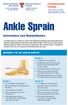 514-412-4400, ext. 23310 2300 Tupper street, C-831, Montreal (Quebec) H3H 1P3 Ankle Sprain Information and Rehabilitation An ankle sprain is a stretch or a tear of the ligaments (bands of tissue that hold
Total Knee Replacement
 Total Knee Replacement Contents Introduction Total Knee Replacement Preparing for surgery Pre-op visit Day of surgery After surgery (In Hospital) After surgery (In Rehab) Exercise Program and Physical