
Botox for chronic anal fissure: is it useful? A clinical experience with mid-term follow-up
|
|
|
- Dominick Gregory
- 9 years ago
- Views:
Transcription
1 ACTA BIOMED 2009; 80: Mattioli 1885 O R I G I N A L A R T I C L E Botox for chronic anal fissure: is it useful? A clinical experience with mid-term follow-up Giuseppe Piccinni, Elisabetta Poli, Anna Angrisano, Andrea Sciusco, Mario Testini Department of Application in Surgery of Innovative Technologies (D.A.C.T.I.), Unit of General Surgery, University of Bari, Italy Abstract. Background: Sphincterotomy has been the most commonly used treatment for chronic anal fissures. Although effective it is associated with incontinence (0-20%). Intrasphincteric Botulinum Toxin A injection seems to be a reliable option. The aim of this clinical report is to verify the effectiveness of this treatment in relieving symptoms and healing fissures without relapse. Methods: The study design was an open label non-comparative prospective trial to evaluate the efficacy of botulinum toxin injection in anal sphincters. In the period sixty patients were enrolled in our Unit of Coloproctology. After inoculation hygiene measures (sitz baths, Vaseline oil and water intake) were recommended. After the first 4 weeks without improvement we administered a second injection (30 U.I). After failure of the second administration the patient was addressed to surgery. Mean follow-up was 24 months; patients were re-evaluated at the 6 th, 12 th and 24 th month. Results: In 29 pts the fissure was healed (48.33%) after the first injection; 31 patients (51.6%) were re-treated; 20 pts presented a complete healing of the fissure in a period ranging between 4-5 weeks from the second injection and 11 patients were introduced to surgery. In 3 cases we observed haemorrhoidal thrombosis. Gas incontinence was reported in two patients and solved spontaneously. Conclusions: Our clinical experience suggests that botulinum toxin therapy can be considered effective and safe. It can be proposed to the patient as first line therapy before surgery. ( Key words: Anal fissure, botulinum toxin, follow-up, conservative therapy Background Anal fissure, the most common disease in proctology, is a tear of the anoderma causing pain and bleeding during and after defecation. It is usually located in the posterior midline and unusual locations could be the expression of other diseases such as inflammatory bowel disease, venereal infections, tuberculosis, trauma, chemotherapy or at least malignancies. The onset of the injury is often due to hard stool or severe diarrhoea but the acute presentation can be simply solved by using stool softeners and accurate local hygiene (1) or by applying anaesthetic ointment (2). In many cases this is not true and the lesion becomes a chronic one. The cause of the lack of healing seems to be related to a high anal resting pressure that impairs anodermal blood flow, causing an ischemic lesion at the end. Internal Sphincterotomy, open or closed, has been the most commonly used treatment since the first results of Eisenhammer in the 1950s (3) but they lead to a risk of incontinence varying from 0 to 35% (4, 5). Since the middle of the 1990 s new therapies have been introduced to the armamentarium of the colo-proctologists, aimed at reducing anal resting pressure. They include toxin botulinum injection, nitroglycerine (GTN) and nifedipine and diltiazem ointments. Many papers have been published about these conservative therapies. Their aim is to demonstrate the superiority of one over the others. Many of them seem well conducted and are sustained by using

2 Usefulness of Botox for chronic anal fissure 239 anal manometry, quality-of-life questionnaire and so on. After reading all the papers, a practitioner remains dumbfounded and has some difficulty to choose which could be the best one for the patient in proposing an alternative therapy to surgery. The demonstrated efficacy of botulinum toxin (6-8) in acting as a blocker to acetylcholine release thus decreasing muscle tone, although disputed in some papers (9), has urged us to begin this prospective study by assessing its efficacy in the short and mid-term follow-up. We are attempting to understand if there is a real space for this therapy in our clinical practice. Methods The study design was an open label non-comparative prospective trial to evaluate the efficacy of botulinum toxin injection in anal sphincters in order to heal chronic fissure. In the period , sixty patients were enrolled in the study because they were affected by an anal fissure lasting for more than 30 days and previously unsuccessfully treated with other therapies. They were 23 females and 37 males with a mean age of 48.2 (29-82). A summary of data at recruitment is reported in table 1. During the first visit we recorded symptoms and performed an ano-rectal exploration. Pain was evaluated by administering to patients a visual analogue scale (VAS) 0-10 explaining that 0 is no pain and 10 corresponds to unbearable pain. The VAS score reduction was considered significant if 3 points. Exclusion criteria were association with haemorrhoids at III IV Parks degree, pregnancy, fistula and large skin tags. End-points of the study were primarily the regression of pain in the first four weeks after inoculation, secondarily the complete healing of the fissure, thirdly absence of relapse in the next two years. After clearly explaining the treatment to the patients and their acceptance of it, we inoculated 30 U.I. of BOTOX (Allergan Pharmaceuticals, Ireland), which appears to be the most effective dosage (10), divided at both edges of the fissure in an outpatient regimen. We diluted the toxin (100 U.I.), stored it at -5 C, with 5 ml of saline solution and then charged a 2.5ml syringe with 1.5 ml of solution. The toxin was preferably injected in the groove between the internal and external Table 1. Summary of data at recruitment Patients number 60 Mean Age (29-82) Sex M/F 37/23 Mean Post-defecatory pain (VAS scores) 5.7 (2-8) Bleeding 29 (49%) Pruritus 9 (15%) sphincter in order to obtain the effect over the two muscles that seem to be better (11). Daily cleaning with sitz-bath and two large spoonfuls of Vaseline oil in the evening for two weeks were prescribed as associated hygiene measures. Patients were re-evaluated at 7 days only with an interview asking about symptoms and administration of the VAS scale, then at 21 days they were submitted to a new interview and to anal inspection. If the tear was reduced in dimension, cleaned and symptoms disappeared or reduced, no more treatment was administered. On the contrary if the wound did not show objective signs of healing or the patients reported persistence of symptoms, one more administration of BOTOX (30 U.I.) was performed. The date of definitive healing was recorded. Treatment failure after the second injection led the patient to surgery consisting of lateral closed internal sphincterotomy. Complications and side effects were recorded. Mean followup was 24 months: in this period patients were clinically followed by inspection and re-evaluated at the 6 th, 12 th and 24 th months for symptoms recurrence and/or fissure relapse. Data regarding the efficacy of BOTOX in reducing pain were analyzed with the Student t test and data about healing of the fissure were analysed with chi-square test. Data regarding healing or nonhealing of the fissure after the first injection and at the end of treatment were also compared. Results Recruitment data and immediate results The pain at presentation according to the VAS scale was between 4 and 8 except for one 72 year old male who provided a VAS of 2. Twenty-nine pts out of 60 (48.33%) presented associated bleeding; 9 pts (15%) referred to suffering from pruritus too. The VAS score at

3 240 G. Piccinni, E. Poli, A. Angrisano, A. Sciusco, M. Testini 7 days from inoculation went down by almost 4 points in almost all patients except from 4 of them in whom it remained the same or 2 points less (p Value : 0,000068). Bleeding persisted in 23 (38.3%) out of 29 patients. The reported side effects concerned two patients who referred to gas incontinence that was spontaneously solved in 4 and 15 days. In 3 cases (5%) we observed haemorrhoidal thrombosis that required associated therapy with defibrotide that solved the crisis in 7-10 days. They were probably related to the fortuitous injection of some drops of the toxin in the haemorrhoidal veins. Healing after first injection Twenty-one pts presented a complete healing of the fissure (35%) in the period ranging between the 3 rd and no later than the 4 th week from treatment; 5 pts (8.33%) out of 60 arrived to the control visit with complete regression of symptoms and with a cleaned wound and clear signs of healing that occurred after days from treatment. The 3 patients who suffered from thrombosis presented healing after a period of days. Second treatment and definitive results Table 2. Summary of data after treatment Thirteen pts (21.6%) presented persistence of pain but reduced (VAS 2-3) with bleeding and 10 more pts (16.6%) presented persistent bleeding at control but without pain; 7 patients (11.6%) presented important pain measured as 5-7 at VAS scale. Finally, one more pt was symptomless but evidenced a lack of improvement of the tear tissues. These thirtyone patients (51.6%) were re-treated with a further administration of BOTOX at the dose of 30 U.I: 20 pts presented a complete healing of the fissure in a period ranging between 4-5 weeks from the second injection and 11 patients were sent for surgery because of a persistent pain (VAS scale ranged between 4 and 7) with or without bleeding. We observed a total healing rate of 48.33% after the first inoculation with a 33.33% increase of healing rate after the second treatment. In total BOTOX therapy was successfully for 49 pts out of 60 (p Value: ) with a failure rate of 18.33% (Table 2). Comparison of data regarding healing or non-healing of the fissure after the first injection and at the end of treatment did not show differences at any time. Follow-up Patients were interviewed and visited at months from the first treatment. We observed four relapses (8.16%) during the first 6 months and these patients were sent for surgery. No more relapses were recorded during the first two years of follow-up. Discussion 1 st Injection 2 nd Injection Mean Post-defecatory pain 1.1 (0-7) 0.06 (0-7) Bleeding N (%) 23 (38.3%) 1(1.6%) Pruritus N (%) 4 (6.66%) 0 Healing rate N (%) 29 (48.33%) 20 (33.3%) Side effects 2 (3.3%) 0 Complications 3 (5%) 0 The onset of anal fissure is basically described as being due to a defecation disorder consisting of multiple episodes of diarrhoea or, more frequently, of a strain to leave passage to large, hard, dehydrated faecal bolus. Conservative hygiene measures (e.g. sitz bath, diet) and topical anaesthetic frequently heals the wound. The lack of healing leads to the persistence of the split caused by an unknown mechanism that is probably related to an associated condition of hypertonic internal sphincter. In some authors opinion (12) high anal rest pressure is consequent to the fissure and not the cause of it. An evident reduction in local blood flow demonstrated by Doppler measurements is claimed as another cause of the non-healing process (13). What is evident is that anal fissure is associated with internal sphincter hypertone and, indeed, since its first description by Eisenhammer in 1950, surgical internal sphincterotomy has remained the procedure of choice (14-15). New concepts of therapy were addressed to perform a pharmacological sphincterotomy. One of the first therapies introduced was blocking acetylcholine release at the neuromuscular junction, obtained by injecting Botulinum Toxin type A in the muscular fibres of the sphincter (16,

4 Usefulness of Botox for chronic anal fissure ). It is thus described that injection of botulin toxin- A in the external or in the internal anal sphincter or in both, causes relaxation of the sphincters, stimulates local microcirculation and the healing process (18). Alternatively nitric oxide donors such as glyceryl trinitrate/ nitroglycerin (GTN) and isosorbide dinitrate (19, 20, 21), could be able to heal the fissure just like calcium channel antagonists (diltiazem and nifedipine ointments) (22, 23). However, in the end, we do not have a clear definitive answer. Not even a review published on Cochrane Database System is capable of establishing whether one treatment is better than another (24). Moreover, every day practitioners have to deal with outpatients who are increasingly capable of discussing any diseases and related therapies with their doctor thanks to the extensive coverage on the Internet. Recently the American Gastroenterological Society and some groups of surgeons, including The Association of Coloproctology of Great Britain and Ireland, recommended trying a GTN treatment and Botulinum Toxin administration to patients with chronic anal fissure before undergoing surgery (15, 25, 26, 27, 28 and 29). In view of all this, we decided to perform a personal experience using the administration of Botulinum Toxin to outpatients referred to our colo-proctology office. The aim of this clinical trial was, in the end, only to report all the aspects of a daily use of BOTOX in order to give all clinicians the answer to the question what happens if I use botulinum toxin with my patients? The results of our experience are favourable as evidenced by the data. We obtained the healing of 52 patients out of 60 treated with one or two injections. In our experience, despite an accurate stratification of patients and strictly homogenous treatment, we cannot recognize factors or conditions that determine the non-healing of the fissure in 8 persons out of 60. Moreover, the study excluded those fissures lasting for more than 6 months often associated with large skin tags because of the presence of sclerotic tissue or fissures associated with III-IV Parks degree haemorrhoids that bulk anal mucosa choking it. Another topic to discuss is the healing time: one group of patients responded well to the toxin and healing was observed in the first month (35%), on the contrary another group of patients showed the closure of the tear after a second injection thus after 2-3 months (33.3%). Analyzing the charts and the interviews with them, the only explanation of this difference seems to be linked to a lack of observation of hygiene rules (diet, baths etc.) and with the use of bike/motorbike but we cannot demonstrate it statistically. Some authors report a certain incidence of relapse during the first year, up to the figure of 55% (27) but in our two year follow up we observed only 4 relapses in the first 6 months and we sent them for surgery. No more relapses were observed in the following two years, maybe due to an aggressive dietary control and to the particular attention paid to evacuation. Patients were terrified of suffering fissure again! It seems obvious that a relapse might be expected in the first year after treatment. The major side effects of the BOTOX injection are described as gas incontinence and, occasionally, faeces incontinence but they are reversible when the toxin effect ends so the anal continence is completely regained without reliquates (30, 31, 32, and 33). Finally we believe that before performing an operation, a pharmacological sphincterotomy, whether it be NTG or a BOTOX injection, must be attempted. With this in mind we can definitively avoid surgery for 48 patients out of 60. And this is no small achievement. Conclusions Injection of botulinum toxin in the anal sphincter is a simple, safe and repeatable non-surgical therapy for chronic anal fissure that is administered in an outpatient regimen. Data coming from our clinical experience suggests that patients can be submitted to this therapy before introducing them to surgery. Complicated anal fissure with haemorrhoids and large skin tags are better treated directly with surgery. Acknowledgements Many thanks to Prof. Malcolm Clark for his help in the correction of the language. References 1. Scholefield JH, Bock JU, Marla B, et al. A dose finding study with 0.1%, 0.2%,and 0.4% glyceryl trinitrate ointment in patients with chronic anal fissures. Gut 2003; 52:

5 242 G. Piccinni, E. Poli, A. Angrisano, A. Sciusco, M. Testini 2. Katsinelos P, Kontouras J, Paroutoglu G, et al. Aggressive treatment of acute anal fissure with 0.5% nifedipine ointment prevents its evolution to chronicity. World J Gastroenterol 2006; 12: Eisenhammer S. Surgical correction of chronic internal anal (sphincteric) contracture. S Afr Med J 1951; 25: Hsu TC, MacKeigan JM. Surgical treatment of chronic anal fissure: a retrospective study of 1753 cases. Dis Colon Rectum 1984 ; 27: Khubchandani IT, Reed JF. Sequelae of internal sphincterotomy for chronic fissure in ano. Br J Surg 1989; 76: Brisinda G, Maria G, Bentivoglio AR, Cassetta E, Gui D, Albanese A. A comparison of injections of botulinum toxin and topical nitroglycerin ointment for the treatment of chronic anal fissure. N Engl J Med 1999; 341: Godevenos D, Pikoulis E, Pavlakis E, et al. The treatment of chronic anal fissure with botulinum toxin. Acta Chir Belg 2004; 104: Fruehauf H, Fried M, Wegmueller B, Bauerfeind P, Thumshirn M. Efficacy and safety of botulinum toxin A injection compared with topical nitroglycerin Ointment for the treatment of chronic anal fissure: a prospective randomized study. Am J Gastroenterol 2006; 101: Siproudhis L, Sébille V, Pigot F, Hémery P, Juguet F, Bellissant E. Lack of efficacy of botulinum toxin in chronic anal fissure. Aliment Pharmacol Ther 2003; 18: Arroyo A, Pérez-Vicente F, Serrano P, Candela F, Sanchez A, Pérez-Vazquéz MT, Calpena R. Tratamiento de la fisura anal crónica. Cir Esp 2005; 78: Jost WH. One hundred cases of anal fissure treated with botulin toxin. Dis Colon Rectum 1997; 40: Coller JA, Karulf RE. Anal Fissure. In Current therapy in colon and rectal surgery. Edited by Fazio VW. Toronto- Philadelphia B.C. Decker Inc 1990, Schouten WR, Briel JW, Auwerda JJA, DeGraaf EJR. Ischaemic nature of anal fissure. Br J Surg 1996; 83: Nelson R. Operative procedure for fissure in ano. Cochrane Database of Systematic Reviews 2005; Issue 2. Art. No.: CD pub Brown CJ, Dubreuil D, Santoro L, Liu M, O Connor BI, McLeod RS. Lateral internal sphincterotomy is superior to topical nitroglycerin for healing chronic anal fissure and does not compromise long-term fecal incontinence: sixyear follow-up of a multicenter, randomized, controlled trial. Dis Colon Rectum 2007; 50: Jost WH, Schimrigk K. Use of botulinum toxin in anal fissure. Dis Colon Rectum 1993; 36: Jost WH, Schimrigk K. Therapy of anal fissure using botulin toxin. Dis Colon Rectum 1994; 37: Madalinski M, Chodorowski Z. Relation between botulinum toxin and nitric oxide donors in the treatment of chronic anal fissure Med Sci Monit 2005; 11: HY Loder PB, Kamm MA, Nicholls RJ, Phillips RK. Reversible chemical sphincterotomy by local application of glyceryl trinitrate. Br J Surg 1994; 81: Songun I, Boutkan H, Delemarre JB, Breslau PJ. Effect of isosorbide dinitrate ointment on anal fissure. Dig Surg 2003; 20: Simpson J, Lund J, Thompson R, Kapila L, Scholefield J. The use of glyceryl trinitrate (GTN) in the treatment of chronic anal fissure in children. Med Sci Monit 2003; 9: PI Jonas M, Neal KR, Abercrombie JF, Scholefield JH. A randomized trial of oral vs. topical diltiazem for chronic anal fissures. Dis Colon Rectum 2001; 44: Ezri T, Susmallian S. Topical nifedipine vs. topical glyceryl trinitrate for treatment of chronic anal fissure. Dis Colon Rectum 2003; 46: Nelson R. Non surgical therapy for anal fissure. Cochrane Database of Systematic Reviews 2006; Issue 4. Art. No.: CD DOI: / CD pub Lindsey J, Jones OM, Cunningham C, George BD, Mortensen NJ. Botulinum toxin as second-line therapy for chronic anal fissure failing 0.2 percent glyceryl trinitrate. Dis Colon Rectum 2003; 46: Utzig MJ, Kroesen AJ, Buhr HJ.Concepts in pathogenesis and treatment of chronic anal fissure a review of the literature. Am J Gastroenterol 2003; 98: Arroyo A, Pérez F, Serrano P, Candela F, Calpena R. Surgical versus chemical (botulinum toxin) sphincterotomy for chronic anal fissure: long term results of a prospective randomized clinical and manometric study. Am J Surg 2005; 189: American Gastroenterological Association. American Gastroenterological Association medical position statement: Diagnosis and care of patients with anal fissure. Gastroenterology 2003; 124: Cross KLR, Massey EJD, Fowler AL, Monson JRT. The Management of anal fissure: ACPGBI Position Statement. Colorectal Disease 2008; 10 (Suppl 3): Brisinda G, Maria G, Sganga G, Bentivoglio AR, Albanese A, Castagneto M. Effectiveness of higher doses of botulinum toxin to induce healing in patients with chronic anal fissures. Surgery 2002; 131: Madalinski MH. Nonsurgical treatment modalities for chronic anal fissure using botulinum toxin. Gastroenterology 1999; 117: Madalinski MH, Slawek J, Duzynski W, et al. Side effects of botulinum toxin injection for benign anal disorders. Eur J Gastroenterol Hepatol 2002; 14: Tranqui P, Trottier DC, Victor C, Freeman JB. Nonsurgical treatment of chronic anal fissure : nitroglycerin and dilatation versus nifedipine and botulinum toxin. Can J Surg 2006; 49: Accepted: December 18th 2009 Correspondence: Giuseppe Piccinni M.D. Department of Application in Surgery of Innovative Technologies (D.A.C.T.I.) Unit of General Surgery, University Hospital of Bari Piazza G. Cesare 11, 70124, Bari, Italy Tel Fax [email protected]

The Management of Anal Fissure: ACPGBI Position Statement
 Position statement The Management of Anal Fissure: ACPGBI Position Statement K. L. R. Cross North Devon General Hospital, Barnstaple, UK E. J. D. Massey Gloucester Royal Hospital, Gloucester, UK A. L.
Fissure-in-Ano and Treatment
 FISSURE PHYSIOLOGY: Fissure-in-Ano and Treatment Written By: David B. Rosenfeld, M.D., F.A.C.S., F.A.S.C.R.S. 2650 Jones Way #25 Simi Valley, CA 93065 Office (805) 579-8972 Fax (805) 579-9784 A fissure
What is an Anal Fissure?
 Patient information regarding care and surgery associated with ANAL FISSURE by Robert K. Cleary, M.D., John C. Eggenberger, M.D., Amalia J. Stefanou., M.D. location: Michigan Heart and Vascular Institute,
Removal of Haemorrhoids (Haemorrhoidectomy) Information for patients
 Removal of Haemorrhoids (Haemorrhoidectomy) Information for patients What are Haemorrhoids? Haemorrhoids (piles) are enlarged blood vessels around the anus (back passage). There are two types of haemorrhoids:
PREPARING FOR YOUR STOMA REVERSAL
 PREPARING FOR YOUR STOMA REVERSAL Information Leaflet Your Health. Our Priority. Page 2 of 6 Introduction- What you need to know As part of your bowel operation you may have had a temporary stoma formed.
Alan Rosenberg, MD VP Medical Policy, Technology Assessment and Credentialing WellPoint, Inc. 233 S. Wacker Drive, Suite 3900 Chicago, IL 60606
 October 5, 2010 Alan Rosenberg, MD VP Medical Policy, Technology Assessment and Credentialing WellPoint, Inc. 233 S. Wacker Drive, Suite 3900 Chicago, IL 60606 Dear Dr. Rosenberg, The American Gastroenterological
Treatment of Fistula in Ano. Johanna Basa M.D. SUNY Downstate Medical Center August 2, 2012
 Treatment of Fistula in Ano Johanna Basa M.D. SUNY Downstate Medical Center August 2, 2012 Case Presentation HPI:54 yr old male with PMH of HTN, presented to clinic with complaints of 3rd perianal abscess
Transanal Radiofrequency Treatment of Fecal Incontinence
 Transanal Radiofrequency Treatment of Fecal Incontinence Policy Number: 2.01.58 Last Review: 12/2015 Origination: 1/2012 Next Review: 1/2016 Policy Blue Cross and Blue Shield of Kansas City (Blue KC) will
Treatment of fissure in ano- revisited.
 PRACTICE POINTS Treatment of fissure in ano- revisited. Pravid J. Gupta Gupta Nursing Home, D/9 Laxminagar Nagpur-440022, India ABSTRACT Introduction: Fissure in ano is a troubling and painful condition
The Work Up of Pelvic Floor Dyssynergia and Fecal Incontinence. Gina R. Sam, MD/MPH Director, Mount Sinai Gastrointestinal Motility Center
 The Work Up of Pelvic Floor Dyssynergia and Fecal Incontinence Gina R. Sam, MD/MPH Director, Mount Sinai Gastrointestinal Motility Center Constipation Overview Constipation Normal Transit Constipation
CHOC CHILDREN SUROLOGY CENTER. Constipation
 Constipation What is constipation? Constipation is a condition in which a person has uncomfortable or infrequent bowel movements. Generally, a person is considered to be constipated when bowel movements
Prevention and Recognition of Obstetric Fistula Training Package. Module 8: Pre-repair Care and Referral for Women with Obstetric Fistula
 Prevention and Recognition of Obstetric Fistula Training Package Module 8: Pre-repair Care and Referral for Women with Obstetric Fistula Early detection and treatment If a woman has recently survived a
Direct Current Therapy for Treatment of Hemorrhoids
 Direct Current Therapy for Treatment of Hemorrhoids [For the list of services and procedures that need preauthorization, please refer to www.mcs.com.pr Go to Comunicados a Proveedores, and click Cartas
TREATING INFLAMMATORY BOWEL DISEASE (IBD) BACKGROUNDER
 Press information for journalists only TREATING INFLAMMATORY BOWEL DISEASE (IBD) BACKGROUNDER Why treat IBD? IBD describes a range of chronic diseases of the gastrointestinal system, encompassing Ulcerative
BOWEL CANCER. The doctor has explained that you have a growth or tumour, in your bowel or rectum and could be cancer.
 Patient and Carer Information BOWEL CANCER Please read this leaflet carefully. It is important that you take note of any instructions or advice given. If you have any questions or problems that are not
How common is bowel cancer?
 information Primary Care Society for Gastroenterology Bowel Cancer (1 of 6) How common is bowel cancer? Each year 35,000 people in Britain are diagnosed with cancer of the bowel, that is to say cancer
Bowel Control Problems
 Bowel Control Problems WOMENCARE A Healthy Woman is a Powerful Woman (407) 898-1500 Bowel control problems affect at least 1 million people in the United States. Loss of normal control of the bowels is
Inguinal Hernia (Female)
 Inguinal Hernia (Female) WHAT IS AN INGUINAL HERNIA? 2 WHAT CAUSES AN INGUINAL HERNIA? 2 WHAT DOES TREATMENT / MANAGEMENT INVOLVE? 3 DAY SURGERY MANAGEMENT 3 SURGICAL REPAIR 4 WHAT ARE THE RISKS/COMPLICATIONS
Tone Up Your Pelvic Floor. A regular pelvic floor exercise ( Kegel ) routine can prevent symptoms before, during, and after childbirth.
 Will Breastfeeding Affect Incontinence and Pelvic Symptoms? Yes, often for as long as you re nursing. Many breastfeeding women are unaware that a natural drop in estrogen which persists for as long as
Laparoscopic Surgery of the Colon and Rectum (Large Intestine) A Simple Guide to Help Answer Your Questions
 Laparoscopic Surgery of the Colon and Rectum (Large Intestine) A Simple Guide to Help Answer Your Questions What are the Colon and Rectum? The colon and rectum together make up the large intestine. After
Probiotics for the Treatment of Adult Gastrointestinal Disorders
 Probiotics for the Treatment of Adult Gastrointestinal Disorders Darren M. Brenner, M.D. Division of Gastroenterology Northwestern University, Feinberg School of Medicine Chicago, Illinois What are Probiotics?
Registered Charity No. 5365
 THE MULTIPLE SCLEROSIS SOCIETY OF IRELAND Dartmouth House, Grand Parade, Dublin 6. Telephone: (01) 269 4599. Fax: (01) 269 3746 MS Helpline: 1850 233 233 E-mail: [email protected] www.ms-society.ie
LIFT : A New approach to anal fistula Ligation of Intersphincteric FistulaTract
 LIFT : A New approach to anal fistula Ligation of Intersphincteric FistulaTract Charles TSANG Division of Colorectal Surgery, National University Health System [email protected] Evolution in the
Perianal Abscess and Fistula-in-ano. Background
 Perianal Abscess and Fistula-in-ano Background Anorectal abscesses are some of the more common anorectal conditions encountered, and they are potentially debilitating conditions. The current theory as
I can t empty my rectum without pressing my fingers in or near my vagina
 Since the birth of my baby, I can t control my bowel movements Normally bowel movements (stools) are stored in the rectum until the bowel sends a message to the brain that it is full, and the person finds
WHAT ARE HEMORRHOIDS?
 Patient information regarding care and surgery associated with HEMORRHOIDS by: Robert K. Cleary, M.D., John C. Eggenberger, M.D., Amalia Stefanou, M.D. location: Michigan Heart & Vascular Institute, 5325
Individualized Care Plans Fully Developed
 Appendix Individualized Care Plans Fully Developed A Refer to Chapter 1 The Nursing Process: A Synopsis, p. 32: Two Individualized Care Plans Fully Developed; Care Plan 1 for Mr. John Walters, Care Plan
THE PRIMARY CARE MANAGEMENT OF CHRONIC CONSTIPATION. Dr Richard Stevens GP in Oxford and editor-in-chief of the Digest and Eurodigest
 THE PRIMARY CARE MANAGEMENT OF CHRONIC CONSTIPATION Dr Richard Stevens GP in Oxford and editor-in-chief of the Digest and Eurodigest Introduction Bowel functions are private. When bowels misfunction, privacy
Fecal Incontinence. What is fecal incontinence?
 Scan for mobile link. Fecal Incontinence Fecal incontinence is the inability to control the passage of waste material from the body. It may be associated with constipation or diarrhea and typically occurs
NHS Greater Glasgow and Clyde Yorkhill Hospital CONSTIPATION IN CHILDREN
 NHS Greater Glasgow and Clyde Yorkhill Hospital CONSTIPATION IN CHILDREN Constipation in Children Version: 1 Page 1 of 8 Background Constipation is a common complaint in infants and children. The aetiology
Non-surgical treatment of severe varicose veins
 Non-surgical treatment of severe varicose veins Yasu Harasaki UCHSC Department of Surgery General Surgery Grand Rounds March 19, 2007 Definition Dilated, palpable, subcutaneous veins generally >3mm in
Information and advice following placement of seton for anal fistula
 Oxford University Hospitals NHS Trust Information and advice following placement of seton for anal fistula page 2 What is a fistula? You can get an anal fistula as a result of an infection or a collection
Chapter 6 Gastrointestinal Impairment
 Chapter 6 Gastrointestinal This chapter consists of 2 parts: Part 6.1 Diseases of the digestive system Part 6.2 Abdominal wall hernias and obesity PART 6.1: DISEASES OF THE DIGESTIVE SYSTEM Diseases of
C A R O L I N A S. Hernia Handbook ( C H A P T E R 2 ) B. Todd Heniford, MD
 C A R O L I N A S Hernia Handbook ( C H A P T E R 2 ) B. Todd Heniford, MD C H A P T E R 2 Umbilical Hernias C A R O L I N A S H E R N I A H A N D B O O K 17 Umbilical Hernias W H AT I S A N U M B I L
Femoral Hernia Repair
 Femoral Hernia Repair WHAT IS A FEMORAL HERNIA REPAIR? 2 WHAT CAUSES A FEMORAL HERNIA? 2 WHAT DOES TREATMENT/ MANAGEMENT INVOLVE? 3 DAY SURGERY MANAGEMENT 3 SURGICAL REPAIR 4 WHAT ARE THE RISKS/COMPLICATIONS
Anorectal Abscess and Fistula
 Anorectal Abscess/Fistula by: Robert K Cleary MD, John C Eggenberger MD, Amalia J Stefanou, MD location: Michigan Heart & Vascular Institute, 5325 Elliott Dr, Suite 104 mailing address: PO Box 974, Ann
Colocutaneous Fistula. Disclosures
 Colocutaneous Fistula Madhulika G. Varma MD Associate Professor Chief, Colorectal Surgery University of California, San Francisco Honoraria Applied Medical Covidien Disclosures 1 Colocutaneous Fistula
The enigma of the transsphincteric anal fistula. Per-Olof Nyström, M.D., Ph.D. Karolinska University Hospital, Stockholm, Sweden
 The enigma of the transsphincteric anal fistula Per-Olof Nyström, M.D., Ph.D. Karolinska University Hospital, Stockholm, Sweden Four principles of treatment for anal fistula 1. Inactivate the fistula 2.
Management of Constipation in Adults
 Hull and East Riding Prescribing Committee Management of Constipation in Adults Definition Constipation is defecation that is unsatisfactory because of infrequent stools, difficult stool passage, or seemingly
Female Urinary Incontinence
 Female Urinary Incontinence Molly Heublein, MD Assistant Professor Clinical Medicine UCSF Women s Health Primary Care Disclosures I have nothing to disclose. 1 Objectives Review the problem Feel confident
New York State Office of Alcoholism & Substance Abuse Services Addiction Services for Prevention, Treatment, Recovery
 New York State Office of Alcoholism & Substance Abuse Services Addiction Services for Prevention, Treatment, Recovery USING THE 48 HOUR OBSERVATION BED USING THE 48 HOUR OBSERVATION BED Detoxification
Uterine Fibroid Symptoms, Diagnosis and Treatment
 Fibroids and IR Uterine Fibroid Symptoms, Diagnosis and Treatment Interventional radiologists use MRIs to determine if fibroids can be embolised, detect alternate causes for the symptoms and rule out misdiagnosis,
Normal bladder function requires a coordinated effort between the brain, spinal cord, and the bladder.
 .. Urinary Incontinence Urinary incontinence is not an inevitable part of aging, and it is not a disease. The loss of bladder control - called urinary incontinence - affects between 13 and 17 million adult
Back & Neck Pain Survival Guide
 Back & Neck Pain Survival Guide www.kleinpeterpt.com Zachary - 225-658-7751 Baton Rouge - 225-768-7676 Kleinpeter Physical Therapy - Spine Care Program Finally! A Proven Assessment & Treatment Program
The Oxford IBD Service
 Gastroenterology Unit, John Radcliffe Hospital The Oxford IBD Service Information for patients Information for patients 1 The Oxford Inflammatory Bowel Disease (IBD) Service Consultant Gastroenterologists
Recurrent Varicose Veins
 Information for patients Recurrent Varicose Veins Sheffield Vascular Institute Northern General Hospital You have been diagnosed as having Varicose Veins that have recurred (come back). This leaflet explains
Are any artificial parts used in the ACE Malone surgery?
 ACE Malone (Antegrade Continence Enema) What is the ACE Malone? The Antegrade Continence Enema (ACE) is a type of surgery designed for the child who has chronic bowel problems with bouts of constipation,
Bard: Continence Therapy. Stress Urinary Incontinence. Regaining Control. Restoring Your Lifestyle.
 Bard: Continence Therapy Stress Urinary Incontinence Regaining Control. Restoring Your Lifestyle. Stress Urinary Incontinence Becoming knowledgeable about urinary incontinence Uterus Normal Pelvic Anatomy
Radiation Therapy for Prostate Cancer
 Radiation Therapy for Prostate Cancer Introduction Cancer of the prostate is the most common form of cancer that affects men. About 240,000 American men are diagnosed with prostate cancer every year. Your
Oral Zinc Supplementation as an Adjunct Therapy in the Management of Hepatic Encephalopathy: A Randomized Controlled Trial
 Oral Zinc Supplementation as an Adjunct Therapy in the Management of Hepatic Encephalopathy: A Randomized Controlled Trial Marcus R. Pereira A. Study Purpose Hepatic encephalopathy is a common complication
Millions of Americans suffer from abdominal pain, bloating, constipation and diarrhea. Now new treatments can relieve your pain and discomfort.
 3888-IBS Consumer Bro 5/8/03 10:38 AM Page 1 TAKE THE IBS TEST Do you have recurrent abdominal pain or discomfort? YES NO UNDERSTANDING IRRITABLE BOWEL SYNDROME A Consumer Education Brochure Do you often
Commissioning guide:
 2014 Commissioning guide: Sponsoring Organisation: Association of Coloproctology of Great Britain and Ireland Date of evidence search: June 2013 Date of publication: January 2014 Date of Review: January
Guide to Abdominal or Gastroenterological Surgery Claims
 What are the steps towards abdominal surgery? Investigation and Diagnosis It is very important that all necessary tests are undertaken to investigate the patient s symptoms appropriately and an accurate
Constipation in Adults
 Information about Constipation in Adults What are the commonest causes? What are the unusual causes? Constipation in Adults Will I need to have tests? What does constipation mean? What research is needed?
Crohn's disease and pregnancy.
 Gut, 1984, 25, 52-56 Crohn's disease and pregnancy. R KHOSLA, C P WILLOUGHBY, AND D P JEWELL From the Gastroenterology Unit, Radcliffe Infirmary, Oxford SUMMARY Infertility and the outcome of pregnancy
Acticon. Neosphincter. Getting Back to Life. Information Guide treatment for fecal incontinence
 Acticon Neosphincter Information Guide treatment for fecal incontinence Getting Back to Life Introduction If you suffer from loss of bowel control, you are not alone. Did you know that over 2% of the worldwide
Plantar Fascia Release
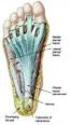 Plantar Fascia Release Introduction Plantar fasciitis is a common condition that causes pain around the heel. It may be severe enough to affect regular activities. If other treatments are unsuccessful,
Effects of Pregnancy & Delivery on Pelvic Floor
 Effects of Pregnancy & Delivery on Pelvic Floor 吳 銘 斌 M.D., Ph.D. 財 團 法 人 奇 美 醫 院 婦 產 部 婦 女 泌 尿 暨 骨 盆 醫 學 科 ; 台 北 醫 學 大 學 醫 學 院 婦 產 學 科 ; 古 都 府 城 台 南 Introduction Pelvic floor disorders (PFDs) include
Early Colonoscopy in Patients with Acute Diverticulitis Simon Bar-Meir, M.D.
 Early Colonoscopy in Patients with Acute Diverticulitis Simon Bar-Meir, M.D. Professor of Medicine Germanis Kaufman Chair of Gastroenterology Director, Dept. of Gastroenterology Chaim Sheba Medical Center,
Spinal Cord Stimulation (SCS) Therapy: Fact Sheet
 Spinal Cord Stimulation (SCS) Therapy: Fact Sheet What is SCS Therapy? Spinal cord stimulation (SCS) may be a life-changing 1 surgical option for patients to control their chronic neuropathic pain and
Medical Policy An independent licensee of the Blue Cross Blue Shield Association
 Afrezza Page 1 of 6 Medical Policy An independent licensee of the Blue Cross Blue Shield Association Title: Afrezza (human insulin) Prime Therapeutics will review Prior Authorization requests Prior Authorization
Feline Cystitis (Feline Lower Urinary Tract Disease)
 Feline Cystitis (Feline Lower Urinary Tract Disease) The term "cystitis" literally means inflammation of the urinary bladder. Although this term is rather general, there is a common form of cystitis that
Patient Information Leaflet Anal Fistula operation
 Patient Information Leaflet Anal Fistula operation SM07/04 Anal Fistula operation What is a fistula? An anal fistula is a track between the skin on the outside of the buttock/anal area and the anal canal
A Phase 2 Study of Interferon Beta-1a (Avonex ) in Ulcerative Colitis
 A Phase 2 Study of (Avonex ) in Ulcerative Colitis - Study Results - ClinicalTrials.gov A Phase 2 Study of (Avonex ) in Ulcerative Colitis This study has been completed. Sponsor: Biogen Idec Information
However, each person may be managed in a different way as bowel pattern is different in each person.
 Department of colorectal surgery Reversal of ileostomy A guide for patients Introduction This booklet is designed to tell you about your reversal of ileostomy operation and how your bowels might work after
Webinar title: Know Your Options for Treating Severe Spasticity
 Webinar title: Know Your Options for Treating Severe Spasticity Presented by: Dr. Gerald Bilsky, Physiatrist Medical Director of Outpatient Services and Associate Medical Director of Acquired Brain Injury
Bowel Obstruction and Constipation
 Bowel Obstruction and Constipation Robert Baldor, MD Department of Family Medicine & Community Health UMass Medical School. 3 Welcome & Introduction Gail Grossman, Assistant Commissioner for Quality Management
Vaginal Repair- with Mesh A. Interpreter / cultural needs B. Condition and treatment C. Risks of a vaginal repair- with mesh
 The State of Queensland (Queensland Health), 2011 Permission to reproduce should be sought from [email protected] DO NOT WRITE IN THIS BINDING MARGIN v2.00-03/2011 SW9226 Facility: A. Interpreter
Navigating Anorectal Anatomy: Terms, Planes, Spaces, Structures
 Navigating Anorectal Anatomy: Terms, Planes, Spaces, Structures Lawrence M. Witmer, PhD Lawrence M. Witmer, PhD Department of Biomedical Sciences College of Osteopathic Medicine Ohio University Athens,
The irritable bowel severity scoring system: a simple method of monitoring irritable bowel syndrome and its progress
 Aliment Pharmacol Ther 1997; 11: 395 402. The irritable bowel severity scoring system: a simple method of monitoring irritable bowel syndrome and its progress C. Y. FRANCIS*, J. MORRIS & P. J. WHORWELL*
RECOVERY AFTER STOMA REVERSAL
 RECOVERY AFTER STOMA REVERSAL Information Leaflet Your Health. Our Priority. Page 2 of 6 Introduction Surgery to reverse a stoma is basically to reconnect the bowel and is a successful surgical procedure
Having a circumcision information for men
 Having a circumcision information for men This leaflet aims to answer your questions about having a circumcision. It explains the benefits, risks and alternatives, as well as what you can expect when you
The use of botulinum toxin is considered medically necessary for the FDA-labeled indications of:
 COVERAGE: The use of botulinum toxin is considered medically necessary for the FDA-labeled indications of: Strabismus, Blepharospasm, Facial nerve (VII) disorders, or Cervical dystonia. The use of botulinum
Antenatal perineal massage. Information for women
 Antenatal perineal massage Information for women Research has shown that antenatal perineal massage from approximately 35 weeks gestation reduces the likelihood of perineal trauma that needs stitching.
A Physical Therapist s Perspective
 You Can Do Something About INCONTINENCE A Physical Therapist s Perspective American Physical Therapy Association 1 You Can Do Something About Urinary Incontinence Incontinence, involuntary loss of bladder
Acute Low Back Pain. North American Spine Society Public Education Series
 Acute Low Back Pain North American Spine Society Public Education Series What Is Acute Low Back Pain? Acute low back pain (LBP) is defined as low back pain present for up to six weeks. It may be experienced
Updates into Therapeutic Exercise Programs for Patients with LBP. Maximizing Patient Motivation and Outcomes Alice M.
 Updates into Therapeutic Exercise Programs for Patients with LBP Maximizing Patient Motivation and Outcomes Alice M. Davis, PT, DPT Objectives Review Statistics on LBP Discuss current research findings
AORTOENTERIC FISTULA. Mark H. Tseng MD Brooklyn VA Hospital February 11, 2005
 AORTOENTERIC FISTULA Mark H. Tseng MD Brooklyn VA Hospital February 11, 2005 AORTOENTERIC FISTULA diagnosis and management Mark H. Tseng MD Brooklyn VA Hospital February 11, 2005 AORTOENTERIC FISTULA Aortoenteric
GYNECOLOGIC CANCERS Facts to Help Patients Make an Informed Decision
 RADIATION THERAPY FOR GYNECOLOGIC CANCERS Facts to Help Patients Make an Informed Decision TARGETING CANCER CARE AMERICAN SOCIETY FOR RADIATION ONCOLOGY FACTS ABOUT GYNECOLOGIC CANCERS Gynecologic cancers
Approach to Constipation. Dr. S. Budree (Paed GIT Fellow) Dr. L. Goddard (HOD PaedGIT) Dr. R. De Lacy (Snr Consultant Paed GIT)
 Approach to Constipation Dr. S. Budree (Paed GIT Fellow) Dr. L. Goddard (HOD PaedGIT) Dr. R. De Lacy (Snr Consultant Paed GIT) Definition: Constipation No standardized or comparable definition Constipation
Trans Urethral Resection of the Prostate (TURP) Trans Urethral Incision of the Prostate (TUIP) Department of Urology
 Trans Urethral Resection of the Prostate (TURP) Trans Urethral Incision of the Prostate (TUIP) Department of Urology Where is the Prostate Gland? The prostate gland sits below the bladder which lies behind
Epi procolon The Blood Test for Colorectal Cancer Screening
 Epi procolon The Blood Test for Colorectal Cancer Screening Epi procolon is an approved blood test for colorectal cancer screening. The US Preventive Services Task Force, the American Cancer Society and
Bladder and Bowel Control
 Bladder and Bowel Control Dr Sue Woodward Lecturer, Florence Nightingale School of Nursing and Midwifery 2 Why do we need to understand anatomy? Normal physiology Normal adult bladder capacity = 450-500mls
Spine Vol. 30 No. 16; August 15, 2005, pp 1799-1807
 A Randomized Controlled Trial of an Educational Intervention to Prevent the Chronic Pain of Whiplash Associated Disorders Following Rear-End Motor Vehicle Collisions 1 Spine Vol. 30 No. 16; August 15,
An Introduction to PROSTATE CANCER
 An Introduction to PROSTATE CANCER Being diagnosed with prostate cancer can be a life-altering experience. It requires making some very difficult decisions about treatments that can affect not only the
Laparoscopic Gallbladder Removal (Cholecystectomy) Patient Information from SAGES
 Laparoscopic Gallbladder Removal (Cholecystectomy) Patient Information from SAGES Gallbladder removal is one of the most commonly performed surgical procedures. Gallbladder removal surgery is usually performed
FAQ About Prostate Cancer Treatment and SpaceOAR System
 FAQ About Prostate Cancer Treatment and SpaceOAR System P. 4 Prostate Cancer Background SpaceOAR Frequently Asked Questions (FAQ) 1. What is prostate cancer? The vast majority of prostate cancers develop
Geriatric Medicine. Advice on. Constipation and Laxatives
 Geriatric Medicine Advice on Constipation and Laxatives 1 Constipation Constipation is defined as having bowel movements less than three times a week. Stools are usually hard, dry, small in size and difficult
Managing Acute Side Effects of Colorectal & Anal Radiation Therapy
 RADIATION THERAPY SYMPTOM MANAGEMENT Managing Acute Side Effects of Colorectal & Anal Radiation Therapy In this booklet you will learn about: Common side effects when you receive radiation therapy to your
ANTERIOR RESECTION YOUR OPERATION EXPLAINED
 ANTERIOR RESECTION YOUR OPERATION EXPLAINED Information Leaflet Your Health. Our Priority. Page 2 of 10 Introduction This leaflet explains the procedure known as an Anterior Resection. It includes what
Botox (Botulinum Toxin) injections into the bladder
 York Teaching Hospital NHS Foundation Trust Botox (Botulinum Toxin) injections into the bladder Information for patients, relatives and carers Department of Urology York Teaching Hospital NHS Foundation
Laparoscopic Repair of Incisional Hernia. Maria B. ALBUJA-CRUZ, MD University of Colorado Department of Surgery-Grand Rounds
 Laparoscopic Repair of Incisional Hernia Maria B. ALBUJA-CRUZ, MD University of Colorado Department of Surgery-Grand Rounds Overview Definition Advantages of Laparoscopic Repair Disadvantages of Open Repair