
The Alpha and Beta of Private Equity Investments
|
|
|
- Stanley Marshall
- 9 years ago
- Views:
Transcription
1 The Alpha and Beta of Private Equity Investments Axel Buchner University of Passau, Germany October 24, 2014 IwouldliketothankOlegGredil, LudovicPhallippou, andrüdigerstuckeforhelpfulcommentsand discussions. I am also grateful to Daniel Schmidt of the Center of Private Equity Research (CEPRES GmbH) for making the data used in this study available. All errors are my responsibility. Corresponding information: Department of Business and Economics, University of Passau, Passau, Germany, Phone: , Fax: , [email protected]

2 The Alpha and Beta of Private Equity Investments Abstract This paper introduces a novel methodology to estimate abnormal performance and systematic risk of private equity investments from observable cash flow data. The methodology is validated using detailed Monte-Carlo simulations and is applied to a unique and comprehensive sample of 10,798 (6,380 venture capital and 4,418 buyout) fully realized portfolio company investments by private equity funds. The results show that both venture capital and buyout investments have substantial loadings on the market factor and earn statistically significant positive abnormal returns before fees. The paper also provides the first comprehensive analysis of the differences in systematic risk and abnormal returns across time periods, exit routes, regions, industries, and across companies with different characteristics, such as their stage of development in the venture segment. The results help to develop a more nuanced view of the risk and return characteristics of private equity investments and have important implications for the valuation of private companies. Keywords: private equity, venture capital, abnormal return, systematic risk JEL Classification: C51, G12, G23, G24

3 Despite the increasing importance of private equity as an asset class, relatively little is known on the abnormal performance and systematic risk of private equity investments. This gap is due to econometric problems and lack of comprehensive data. Estimating the risk and return characteristics of private equity investments is inherently difficult because of the illiquid nature of the asset class. For private equity investments one can typically only observe a stream of multiple cash flows but no intermediate market valuations. Thus, no time series of returns can be constructed which precludes the use of the standard econometric methods to estimate risk loadings and abnormal returns of the investments. The first main contribution of this paper is to develop a novel econometric approach to estimate abnormal returns and systematic risk of private equity investments from a cross-section of observable investments cash flows. The methodology assumes that the returns of a private equity investment are generated by the standard market model, and that the dividends from the investment occur at a stochastic, yet increasing rate from its unobservable interim values until the investment finally liquidates. 1 Using a non-linear least-squares optimization, the methodology then estimates the systematic risk and abnormal returns of private equity by minimizing the distance between the model expected dividends and the cross-section of observed dividends over time. It is important to note that the estimation approach does not require any assumption on how intermediate capital outflows are re-invested by the investor. This assures that the method only measures systematic risk and abnormal returns of a pure private equity investment, and not that of a combined investment into private equity and other asset classes. The estimation method is validated using detailed Monte-Carlo simulations. For the Monte-Carlo simulations, we generate investment cash flows assuming a given set of realistic model parameters and different non-standard one-period return specifications. As the estimation method relies on the fact that idiosyncratic shocks in investment returns average out across a large sample of investments, the simulation results show that the precision of the estimation method depends on the size of the idiosyncratic volatility and sample size. However, even for very large levels of idiosyncratic volatility 1 As shown, this assumption fits well with the typical bounded lifecycle of private equity investments, for which dividends are low in the beginning and increase over time, with deals and funds eventually liquidating. 1

4 and small samples, obtained parameter estimates are very close to the true values. This behavior underlines the statistical consistency of the presented estimation methodology. The method is applied to a unique and comprehensive dataset containing the exact monthly (gross of fee) cash flows generated by a large number of portfolio company investments from private equity funds. The data come directly from a large general partner network and are less exposed to the self-reporting and survivorship biases that plague standard commercial private equity databases (see Harris et al. (2010) for a discussion). Overall, the data contains 10,798 (6,380 venture capital and 4,418 buyout) fully liquidated private equity investments from all regions worldwide and spans the period from 1980 to Previous research (e.g., Driessen et al. (2012) and Ang et al. (2013)) often uses fund level data to estimate abnormal returns and risk loadings. The main advantage of using deal level data, as done here, is that this leads to substantially more independent observations and consequently greater statistical power. Additionally, this more disaggregated data allows to identify differences across shorter time periods, across industries, across regions, and across companies with different characteristics, such as their stage of development. The estimation results show that both venture capital and buyout investments have substantial loadings on the market factor. For the venture capital segment, the estimated beta coefficient is statistically significant and equals 2.6 relative to the S&P 500 which is broadly consistent with previous evidence indicating a large systematic risk exposure of this segment. For the buyout segment, the results show a statistically significant beta coefficient of 2.2 relative to the S&P 500. This result is consistent with contemporaneous work of Axelson et al. (2013) who report beta coefficients of Previous studies, including Driessen et al. (2012), Franzoni et al. (2012), and Ang et al. (2013), find markedly lower single-factor market model betas around 1.3. These low betas seem puzzling from a corporate finance theory perspective because they would suggest that the sharp increase in debt that is typically associated with leveraged buyout transactions coincides only with a surprisingly small increase in equity beta. The results also provide evidence for a strong positive abnormal performance of both venture capital and buyout investments before fees. For the venture capital segment, the alpha before fees is statistically significant and equals 8.9% per annum when the S&P 500 is used as proxy for market returns. For the buyout segment, the results indicate a 2

5 slightly lower outperformance before fees of 7.0% annually. This outperformance is also statistically significant. These figures represent the average annual abnormal returns for companies receiving private equity financing. In addition, the results provide evidence that abnormal returns are highly positively skewed among the sample investment, particularly in the venture segment. That is, there is a small fraction of investments that considerably outperform the S&P 500 while the largest fraction of deals shows relatively low (or even negative) alphas. The data also allows to study abnormal returns and systematic risk over different time periods. For the venture segment, the results indicate negative alphas during the period before 1996, whereas the period is characterized by high positive alphas which corresponds well with the technology and venture capital boom in the late 1990s. Post-2000 the alpha appears to have turned to zero. In the buyout segment, abnormal returns were moderately positive and relatively stable during 1980s and 1990s and then increased sharply in the 2000s. This sharp increase coincides with the well-known buyout boom in the mid 2000s. The second main contribution of the paper is to provide a comprehensive analysis of the differences in risk and return characteristics across exit routes, regions, industries, and across companies with different characteristics, such as their stage of development in the venture segment. These results help to develop a more nuanced view of the abnormal returns and systematic risk of private equity investments than provided in previous studies and have important implications for the valuation of private companies. The most important findings are: (i) For venture investments the exposure to market risk decreases with the development stage of the investment. This is consistent with the theory of Berk et al.(2004) that growth opportunities, which are particularly relevant for the valuation of venture-backed companies at early development stages, typically include embedded options that add implicit leverage to the companies. (ii) Venture investments in the high growth sectors Biotechnology and Information Technology significantly outperform the S&P 500. However, as shown, the large risk-adjusted returns are mainly due to good industry timing of the venture capitalists and not due to sound company selection. (iii) Venture investments in continental Europe show similar abnormal returns when compared to their US counterparts but carry markedly lower market risk. Buyout investment in continental Europe, UK, and US show similar market risk and abnormal 3

6 returns. (iv) Investments that are exited via IPOs generate extraordinarily large alphas and have surprisingly low betas. Additionally, the results indicate that risk-adjusted returns earned in sales exits are substantially larger for the venture investments. The remainder of this paper is organized as follows. Section 1 discusses related literature. Section 2 describes the estimation approach and validates it using Monte- Carlo simulations. Section 3 describes the private equity data used for the empirical analysis. Section 4 presents the empirical results. The paper concludes with Section 5. 1 Related Literature This paper is related to the literature that investigates abnormal returns and risk exposures of private equity investments. Important previous research in this area includes Cochrane (2005), Ewens (2009), Korteweg and Sorensen (2010), Driessen et al. (2012), Franzoni et al. (2012), Axelson et al. (2013), and Ang et al. (2013). Cochrane (2005), Ewens (2009), and Korteweg and Sorensen (2010) assess the abnormal returns and loadings on the market factor of US venture-backed companies using round-to-round valuation data. Round-to-round valuation data has the advantage that a time-series of returns can be constructed and consequently standard regression methods can be applied to estimate risk loadings and abnormal returns. However, the drawback of this approach is that one has to deal with missing rounds andselection bias that arises from the problem that one can only observe valuations for companies that perform well and get additional financing or are being acquired. Correcting for this sort of selection bias is difficult and requires explicit assumptions on the shape of the probability distribution of returns and on the selection process. In a second line of research, Axelson et al. (2013) and Franzoni et al. (2012) estimate abnormal returns and risk loadings with standard regression techniques by using either internal rates of return (IRRs) or modified internal rates of return (MIRRs). 2 A main concern regarding the approach of Axelson et al. (2013) are several methodological problems that arise when estimating betas from standard IRRs. First, for a given 2 The difference between the two measures is the underlying reinvestment hypothesis. While the IRR method assumes that intermediate cash flows from an investment are reinvested at the corresponding IRR, the MIRR method assumes that intermediate cash flows are reinvested into a stock market index. 4

7 cash flow, the IRR may not exist and it may not be unique. Second, this performance measure implicitly assumes that all intermediate cash flows can be reinvested at the corresponding IRR. Third, when using investment IRRs that are measured over several years in regressions, it may be difficult to construct the appropriate market returns because the actually invested capital can vary heavily over time. Using MIRRs instead, as proposed in Franzoni et al. (2012), avoids some of these methodological issues but has the drawback that abnormal returns and risk loading are essentially estimated for a mixed private equity and stock market investment. This might introduce a bias into the estimated coefficients that is difficult to assess. 3 The method presented here is not exposed to the aforementioned problems as it allows estimating abnormal returns and systematic risk directly from a cross-section of observable investment cash flows. Regarding methodology, the closest works are Driessen et al. (2012) and Ang et al. (2013) who present an approach that extends the standard internal rate of return (IRR) calculation to a dynamic setting in which they can solve for the abnormal returns and risk exposures using the Generalized Method of Moments (GMM). Similar to the method developed here, this approach requires only a cross-section of observable investment cash flows. The main difference is that this paper assumes a dividend process for private equity investments which allows estimating parameters by minimizing the distance between the model expected dividends and the cross-section of observed dividends over time. In contrast, Driessen et al. (2012) and Ang et al. (2013) identify parameters by using a net present value (NPV) framework. A major difficulty that arises from using this NPV framework are numerical issues because the resulting goal function is not globally convex. 4 This makes the implementation of this method challenging. In a Monte-Carlo simulation experiment, it is shown that the method presented here does not suffer from such numerical problems. In terms of data, this study makes use of a high-quality research dataset that has also been used by Franzoni et al. (2012). The main difference is that Franzoni et al. (2012) only had access to the sub-sample of liquidated buyout investments while this study makes use of all liquidated buyout and venture capital deals. The overall dataset 3 In particular, onemight expect that this approachleads todownwardbiased estimates ofsystematic risk because the beta of a stock market investment will essentially be equal to one. 4 In an earlier version of the paper, Driessen et al. (2008) also point out this problem and conclude that Using this method is therefore problematic in practice, especially if one does not have good starting values for the optimization algorithm. (see Driessen et al. (2008), p.16.) 5

8 contains 10,798 private equity deals which is the largest sample yet used in the literature that estimates systematic risk and abnormal returns of private equity investments. This feature may lead to more precise parameter estimates and also allows for a detailed analysis of systematic risk and abnormal returns as a function of project characteristics. In particular, this is the first study that examines how abnormal returns and systematic risk differ across industries, regions, and exit routes. In terms of empirical results, Axelson et al. (2013) report beta coefficients for the buyout segment of which is consistent with the estimated 2.2 of this paper, while Driessen et al.(2012), Franzoni et al.(2012), and Ang et al.(2013) report markedly lower single-factor market model betas between 0.9 and 1.5. For the venture segment, beta coefficients reported by Korteweg and Sorensen (2010) and Driessen et al. (2012) both average to 2.8 which is close to the estimated beta of 2.6 given here. Cochrane (2005), Ewens (2009), and Ang et al. (2013) estimate somewhat lower betas for venture capital between 1.7 and 1.9. The alpha coefficients found in this study are significantly positive before fees in the venture and buyout segment which also is broadly consistent with previous evidence. For the buyout segment, Axelson et al. (2013) report annual alphas before fees of 8.3%-8.6% and Franzoni et al. (2012) report an annual alpha before fees of 9.3%. These results are close to the estimated before-fee alpha of 7.0% annually reported in this study for the overall sample of buyout investments. For the venture segment, the previous empirical evidence regarding the magnitude of alpha is less conclusive. Using round-to-round valuation data, Cochrane (2005), Ewens (2009), and Korteweg and Sorensen (2010) find very large before-fee alphas of over 30% annually. Using cash flow data, Ang et al. (2013) find after-fee alphas of 4.0%-5.0% annually. This latter result is largely consistent with the before-fee alpha of 8.9% annually reported in this study for the overall venture segment. 5 2 Estimation Methodology Estimating risk and return of private equity investments is complicated by the fact that observable market values are missing because of the illiquid nature of the asset 5 In addition, note that Driessen et al. (2012) reportlarge negativealphas ofboth buyout and venture capital funds before and after fees. However, this result is most likely due to incomplete records in the dataset they use (see also Stucke (2011) for a detailed discussion). 6

9 class. Therefore, standard econometric methods to estimate risk and return fail in this situation as periodic returns cannot be calculated. 6 This section develops a novel estimation methodology that overcomes the problem of missing valuations as it relies only on the observable cash flows from private equity investments. In the first part, we define the assumptions underlying the estimation framework. Next, we present the estimation function and outline its derivation. We then provide evidence for the consistency of the derived methodology and test for potential biases of the estimates using a detailed Monte Carlo simulation experiment. Note that our estimation methodology can be applied to both, investments in private equity funds by institutional investors, as well as investments in portfolio companies by the funds themselves. In the following, we use the term investment and note that this can refer likewise to a private equity fund or portfolio company investment. 2.1 Assumptions The goal is to develop an approach that allows to estimate systematic risk and abnormal returns from a cross-section of private equity investment cash flows. Basis of the estimation is a sample of N private equity investments for which the the following four main assumptions hold: Assumption 2.1 (Value Dynamics) The dynamics of the value V i,t of investment i = 1,...,N are given by V i,t = V i,t 1 (1+R i,t )+ T i,t D i,t, (2.1) where R i,t is the period-t return of investment i, T i,t denotes capital inflows (i.e., investments) that occur in period-t, and D i,t denotes capital outflows (i.e., dividends) that occur in period-t. 7 6 Note that a return can only be computed if the cash flow stream consists of a single inflow at the start of the investment and a single outflow at the end. When there are multiple in- and outflows, returns can only be computed at the cost of making an assumption on how intermediary cash flow are re-invested. An example for this is the internal rate of return. 7 Note that by period-t we refer to the time period ranging from t 1 to t. 7

10 Specification (2.1) is straightforward. The first term, V i,t 1 (1 + R i,t ), states that the change in value of a private equity investment is, at first, the result of the performance of the investment already in place. In addition, the second and third term show that the value is increased by capital inflows (i.e., investments) T i,t and decreased by capital outflows (i.e., dividends) D i,t. Including T i,t and D i,t into equation (2.1) takes into account that private equity investments typically involve several investment rounds and generate substantial intermediate dividends during their bounded lifecycle. As an investment is gradually exited, the dividends (whether in form of cash or marketable securities) are directly distributed to the investors. Therefore, dividends simply decrease the investment value and there is no need to impose any assumption about the reinvestment of cash flows. Assumption 2.2 (Dividends)Dividendsor cashoutflows D i,t of investmentiin periodt occur at a non-negative rate from the beginning of period investment value, i.e., D i,t = δ i,t V i,t 1, (2.2) where δ i,t is the period-t dividend rate of investment i. The dividend rate δ i,t is assumed to be a stochastic function of time given by δ i,t = ( ) τ δ +z i,t t, (2.3) τ i where δ > 0 is a common factor for all investments, τ i is the investment duration of investment i, and τ is the average duration of all sample investments (i.e., τ = 1 N N i=1 τ i), and z i,t is an i.i.d. random variable with zero mean. Equation (2.2) represents the standard approach in the literature to model the dynamics of dividend paying assets. 8 It states that a fraction δ i,t of the beginning of period asset value V i,t 1 of investment i is paid out in period-t. Equation (2.3) adds the assumption that the rate δ i,t is a stochastic function of time t. Taking expectations of (2.3) yields E[δ i,t ] = τ δt, (2.4) τ i 8 See, for example, Björk (1998), Chapter 11. 8

11 which shows that the dividend rate increases in a linearly over time. 9 From an economic perspective, this specification is reasonable since it reflects well the typical lifecycle of private equity investments, where dividends are low at the beginning and increase over the bounded life of an investment as it gets gradually realized and eventually liquidated. Specification (2.3) also allows incorporating that investments with shorter investment durations typically pay out capital faster than investments with longer durations. This is achieved by scaling thecommonfactorδ by τ/τ i, where τ i isthedurationofinvestment i, and τ is the average duration of all sample investments, i.e., τ = 1 N N i=1 τ i. In addition, equation (2.3) further accounts for the fact that the dividend rate of an investment can change over time by including the stochastic component z i,t to the specification. Assumption 2.2 is important for the estimation methodology. It enables us to overcome the problem of missing market valuations of private equity investments. This holds because the equation gives a direct connection between the unobservable market values V i,t 1 and the observable dividends D i,t of the investment. Moreover, the dividend rate δ provides information on the average speed at which investments are liquidated. In this context, the parameter δ can be seen as a measure of cash flow liquidity of private equity investments. Substituting equation (2.2) into (2.1), it follows that the value dynamics can be expressed by V i,t = V i,t 1 (1+R i,t δ i,t )+ T i,t. (2.5) Assumption 2.3 (Return Dynamics) The return R i,t of investment i in period-t is generated by a one-factor market model of the form R i,t = r f,t +α i +β i (R M,t r f,t )+ǫ i,t, (2.6) for which r f,t and R M,t are the period-t returns on the risk-free asset and on the market portfolio, respectively. Variable ǫ i,t is an i.i.d. disturbance term with zero mean that is uncorrelated with the market returns for all t. In addition, it holds that disturbance terms of different investments are also uncorrelated. 9 Note that various linear and non-linear functions of time have been tested for the dividend rate in the empirical implementation. The linear function of time given in equation (2.3) provided the best fit with the empirical data. The excellent fit of this specification is also illustrated in Section 4 by various measures of goodness-of-fit. 9

12 This is a standard specification used in the performance measurement literature. For a constant β i over time, the intercept α i equals Jensen s alpha, which directly measures a manager s selection or micro-forecasting ability (see Jensen (1968) and Fama (1972)). In the private equity literature, e.g. Cochrane (2005), Driessen et al. (2012), and Korteweg and Sorensen (2010) use similar specifications. We use this as a base case in our estimation and also extend it to multi-factor pricing models which include other macroeconomic variables. Assumption 2.4 (Cross-Sectional Restrictions) Investments can be categorized according to their strategy (i.e., the sub-asset class like venture capital or buyout), their geographic focus, etc. It is assumed that investments from a certain category have a similar exposure to systematic risk β and abnormal returns α. In order to being able to correctly estimate α and β from a cross-section of private equity fund cash flows, it is necessary to assume that all sample investments have similar risk and return characteristics. The assumption of a similar α and β is also used by, for example, Cochrane (2005) and Driessen et al. (2012). The economic justification behind this assumption is that the performance of a given investment type is subject to the same systematic risk together with an idiosyncratic component. 2.2 Estimation Function In the following, the estimation function is presented. Given is a sample of N investments for which Assumptions hold. For each of the i = 1,...,N investments, we can observe a stream of periodic cash flows, i.e. periodic capital inflows T i,1,..., T i,k and dividends D i,1,..., D i,k over the total observation period of length K. In order to make investments of different sizes comparable, the capital inflows and dividends are thereby scaled on the basis the corresponding total invested capital. In addition, we can also observe the market return R M,k and the riskless rate r f,k in each period k = 1,...,K. Under these specification, the parameters α, β and δ can be estimated using a non-linear least squares approach. 10

13 Theorem 2.1 Given a sample of N investments and a total observation period of length K, model parameters α, β and δ can be estimated by min α,β,δ K ( D k E[ D k ]) 2, (2.7) k=1 where D k are the average dividends of the N sample investments in period-k, i.e., D k = 1 N N D i,k, (2.8) i=1 and E[ D k ] are the expected dividends in period-k, given by E[ D k ] = 1 N N k 1 i=1 j=1 k 1 δ i,k T i,j s=j+1 [1+r f,s +α+β(r M,s r f,s ) δ i,s ], (2.9) for the expected dividend rate δ i,k = τ τ i δk. The idea underlying this estimation is straightforward. We estimate parameters such that the distance between the empirically observed dividends (2.8) and the model expected dividends (2.9) is minimized. Given that the sample size N and the observation period K are sufficiently large, this generates asymptotically consistent estimates. 10 Based on this approach, the systematic risk β and the abnormal returns α of private equity investments can be estimated, even though intermediate market values of the investments are unobservable. In addition, this approach allows us to estimate the dividend rate δ, which can be interpreted as a measure of cash flow liquidity of the investments. Note that the estimation approach in Theorem 2.1 does not require any assumption on how intermediate capital outflows are re-invested by the investor. That is, the estimation results are not affected by whether an investor re-invests capital outflows e.g. in a stock market index or government bonds. This assures that we only measure systematic risk and abnormal returns of a pure private equity investment, and not that of a combined investment into private equity and other asset classes. 10 Note that there is no closed-form solution to the non-linear least squares problem defined in (2.7). Instead, numerical algorithms are used to find the value of the parameters α, β and δ which minimize the objective. 11
![8) i=1 and E[ D k ] are the expected dividends in period-k, given by E[ D k ] = 1 N N k 1 i=1 j=1 k 1 δ i,k T i,j s=j+1 [1+r f,s +α+β(r M,s r f,s ) δ i,s ], (2.](/docs-images/47/20041651/images/page_13.jpg "9) for the expected dividend rate δ i,k = τ τ i δk. The idea underlying this estimation is straightforward. We estimate parameters such that the distance between the empirically observed dividends (2.")
14 2.3 Derivation To derive the estimation approach presented in Theorem 2.1, first note that under equation (2.2) (Assumption 2.2), expected dividends of an investment i in period-k are given by E[ D i,k ] = E[δ i,k V i,k 1 ] = δ i,k E[V i,k 1 ], (2.10) with δ i,k E[δ i,k ] = τ τ i δk. The second equality in equation (2.10) because it is implicitly assumed here that the dividend rate and value dynamics are uncorrelated. 11 As outlined above, one can only observe a stream of cash flows (i.e., capital inflows and dividends) for each investment i. Therefore, the valuev i,k 1 that enters the expectation onthe right hand side of (2.10) is unobservable. However, it can be expressed in terms of observable variables. A starting point for this is the specification of the value dynamics of a private equity investment (Assumption 2.1 and 2.2) given by V i,k = V i,k 1 (1+R i,k δ i,k )+ T i,k. (2.11) While the value here still enters the right hand side of the equation, it can be eliminated as follows. First, note that V i,0 = 0 holds for all investments, i.e., the value of all investments is zero when they are set-up and no capital inflow has yet occurred. Based on this condition, we can recursively solve equation (2.11) for the value at any point in 11 The extend to which this assumption introduces a bias into the estimation methodology is analyzed in Section 2.4. Using Monte Carlo simulations we show that under more general specifications, assuming various cross-dependencies of the dividend rate, the precision of the estimates is largely unaffected. 12

15 time. It turns out: V i,0 =0, (2.12) V i,1 = T i,1, (2.13) V i,2 =V i,1 (1+R i,2 δ i,2 )+ T i,2 = T i,1 (1+R i,2 δ i,2 )+ T i,2, (2.14) V i,3 =V i,2 (1+R i,3 δ i,3 )+ T i,3 = T i,1 (1+R i,2 δ i,2 )(1+R i,3 δ i,3 ) + T i,2 (1+R i,3 δ i,3 )+ T i,3 (2.15). k V i,k = k (1+R i,s δ i,s ). (2.16) T i,j j=1 s=j+1 Substituting the return dynamics (Assumption 2.3) from equation (2.6) into (2.16) yields V i,k = k T i,j j=1 s=j+1 k [1+r f,s +α+β(r M,s r f,s )+ǫ i,s δ i,s ]. (2.17) This equation states that the value of an investment i is the sum of compounded capital inflows, where compounding is carried out with the one-factor market model that is corrected for the periodical dividends. Taking expectations on both sides of equation (2.17) gives E[V i,k ] = E { k k T i,j j=1 s=j+1 [1+r f,s +α+β(r M,s r f,s ) δ i,s ] }. (2.18) Note that the error term ǫ i,s does no longer need to appear in the expectation on the right hand side of equation (2.18). This follows as ǫ i,s has zero expectation. Moreover, the error term ǫ i,s and the market return R M,t are uncorrelated for all t and s and the expectations of cross-products of the form ǫ i,s ǫ i,t (as well as higher-order cross-products) are equal to zero for s t. Additionally, we have replaced δ i,s by its expectation δ i,s = τ τ i δs, which is again feasible under the assumption that the dividend rate is 13

16 independently distributed. Inserting(2.18) into equation(2.10), the expected dividends of investment i in periodk can be represented by E[ D i,k ] = δ i,k E { k 1 j=1 k 1 T i,j s=j+1 [1+r f,s +α+β(r M,s r f,s ) δ i,s ] }. (2.19) Using this specification, and assuming a sufficiently large sample of N investments that satisfy the cross-sectional restrictions given in Assumption 2.4, expected dividends of the sample investments can be approximated by averaging across all N investments, i.e., E[ D k ] = 1 N N k 1 i=1 j=1 k 1 δ i,k T i,j s=j+1 [1+r f,s +α+β(r M,s r f,s ) δ i,s ]. (2.20) E[ D k ] gives the expected dividends of the sample investments predicted by the model for period-k. In addition, as the dividends of the sample investments can be observed directly, we can calculate the average sample dividends in each period-k, i.e., D k = 1 N N D i,k. (2.21) i=1 E[ D k ] in equation (2.20) gives the expected model dividends for period-k, whereas D k in equation (2.21) gives the empirical average dividends of the sample investments forthesameperiod. Giventhesetwotypesofinformation, theideaisnowtoestimatethe parameters α, β and δ by minimizing the distance between the empirical averages and model expectations over time. This can be done by a non-linear least squares estimation. For a total observation period of length K, the goal function for the estimation is then given by the optimization problem min α,β,δ K ( D k E[ D k ]) 2, (2.22) k=1 where E[ D k ] and D k are given by Equations (2.20) and (2.21), respectively. 14

17 2.4 Monte-Carlo Simulation As argued above, our methodology generates asymptotically consistent estimates of the model parameters when the sample size N is sufficiently large. To validate the consistency of the derived methodology and to test for potential biases of the estimation, we conduct a detailed Monte Carlo simulation experiment in the following. A. Implementation To match the type of data used in the empirical application below, deal level cash flows are simulated for the Monte-Carlo experiment. This requires some additional assumptions on the cash flow dynamics of private equity investments. We assume that all investments to be modeled have a total size given by C. Cumulated capital inflows of investment i up to time t are denoted by T i,t, capital inflows in period-t are T i,t. In the following, we assume that capital inflows in each period-t occur at some constant and non-negative rate from the remaining capital at the beginning of the period, C T i,t 1. That is, the dynamics of the capital inflows can be described by T i,t = γ(c T i,t 1 ), (2.23) where γ > 0 denotes the constant investment rate that is assumed to be the same for all investments. 12 In the following simulations, we choose model parameters such that they closely match the characteristics of venture capital investments. The reason for this choice is that model parameters of venture capital investments will typically be more difficult to estimate because they exhibit higher levels of idiosyncratic risk compared to buyout investments. Consistent with the sample venture capital investments used in the empirical analysis, we set γ = 0.8 per annum. This implies that 80 percent of the total investment size C is invested within the first year. Dividends of the investments occur according to the specification (see Assumption 12 Thisdeterministicmodelingframeworkforthecapitalinflowsofprivateequityinvestmentsissimilar to the one developed by Takahashi and Alexander (2002). It could easily be extended to stochastic settings by assuming that γ follows some stochastic process. See, for example, Malherbe (2004). 15

18 2.2) D i,t = ( ) τ δ +z i,t tv i,t 1, (2.24) τ i For simplicity, we assume that all investments have identical durations τ (i.e., τ/τ i = 1) and that variable z i,t is i.i.d. normal with zero mean and identical volatility σ δ for all investments. Consistent with the estimation results for the venture capital investments below, we set δ = 0.18 per annum. In the base case, we use σ δ = 0 and extend this to a stochastic setting later on. The unobservable value dynamics of the investments are given by (see Assumptions 2.1 and 2.3) V i,t = V i,t 1 [1+r f +α+β(r M,t r f )+ǫ i,t ]+ T i,t D i,t, (2.25) for which the returns are generated by the standard market model, in which R M,t is the market return in period t and r f is the risk-free rate. Given the large idiosyncratic volatility of the returns of venture capital investments, assuming a normal distribution for R M,t and ǫ i,t would generate returns that could fall below -100% with non-negligible probability. We therefore use shifted log-normal distributions for both variables (see Driessen et al. (2012)). For the market return R M,t we assume an i.i.d. shifted log-normal distribution over time, i.e., R M,t = exp(x)+c M, where X is normally distributed with mean µ M and variance σ 2 M, and c M is a constant. Similarly, we assume ǫ i,t is i.i.d. shifted log-normal across investments and over time. Finally, we assume that the risk-free rate is constant at r f = 0.05 per annum. For the market return, we match the S&P 500 total return index over the sample period from January 1980 till June We set c m = 0.2 which is close to the minimum monthly return of % during this period. The mean µ M and variance σ 2 M of the shifted log-normal distributed market returns are calculated by [ ] (E(R M,t ) c M ) 2 µ M = ln, (2.26) Var(RM,t )+(E(R M,t ) c M ) 2 [ ] σm 2 = ln Var(R M,t ) (E(R M,t ) c M ) +1, (2.27) 2 16
![The unobservable value dynamics of the investments are given by (see Assumptions 2.1 and 2.3) V i,t = V i,t 1 [1+r f +α+β(r M,t r f )+ǫ i,t ]+ T i,t D i,t, (2.](/docs-images/47/20041651/images/page_18.jpg "25) for which the returns are generated by the standard market model, in which R M,t is the market return in period t and r f is the risk-free rate.")
19 for which E(R M,t ) and Var(R M,t ) are the average and the variance of the arithmetic monthly S&P 500 returns, respectively. It turns out that µ M = 1.58 and σ M = 0.18 per month. For the idiosyncratic error ǫ i,t, parameter c ǫ is fixed such that returns cannot fall below -100%, i.e., r f +α+β(c M r f )+c ǫ = 1 holds. In the base case the true alpha is set to zero and the true beta is set to 2.5. This gives c ǫ = Similar to above, the mean µ ǫ and variance σ 2 ǫ calculated by 13 of the shifted log-normal distributed error terms can be µ ǫ = ln [ c 2 ǫ Var(ǫi,t )+c 2 ǫ σ 2 M = ln [ Var(ǫi,t ) c 2 ǫ ], (2.28) ] +1, (2.29) for which Var(ǫ i,t ) is the idiosyncratic variance of the private equity investments. We set Var(ǫ i,t ) = 0.16 per month, which closely matches the monthly idiosyncratic volatility of 41% as reported by Korteweg and Sorensen (2010) for venture capital deals. Using this result, we get µ ǫ = 1.17 and σ 2 ǫ = Table 1 summarizes all model parameters for the base case of our Monte Carlo simulation experiment. B. Simulation Results The simulation is carried out using 5,000 iterations, i.e. parameters are estimated from a sample of 5,000 investments. 14 The simulation is repeated 1,000 times and the mean, standard deviation, median, and 80%-interval of the 1,000 estimated pairs of parameters is calculated. Table 2 presents the estimation results from the Monte Carlo simulation. The results show that all parameters can be estimated with very high precision. In the Base Case in Panel A, the methodology estimates an average alpha of -0.01% per month, an average beta of 2.51, and an average delta of 0.18 across simulations. These numbers are very close or equal to the true parameters of alpha=0%, beta=2.5, and delta=0.18. Note 13 Note that E(ǫ i,t ) = 0 holds by definition. 14 This is similar to the sample sizes used in the empirical analysis. 17

20 that we have repeated the simulations using different pairs of the true parameters alpha, beta, and delta. In all cases, the precision of the resulting estimates remained at the same high level. Moreover, Figure 1 indicates that our estimation approach does not suffer from any numerical problems. The figure shows the objective function space of parameters alpha and beta for the optimal value of delta. We can observe that the objective function exhibits a well defined and easy to determine minimum in the parameters alpha and beta. The estimation methodology relies on the fact that idiosyncratic shocks in investment returns average out over large samples. Consequently, the precision of the estimation depends on the idiosyncratic volatility of the investments and on the size of the sample. Panel A shows how a change in the idiosyncratic volatility affects the accuracy of the estimates. We assume two different cases, Low and High, with an idiosyncratic volatility of 20% per month (i.e., about 69% p.a.) and 60% per month (i.e., about 208% p.a.), respectively. The results illustrate that the level of precision further increases when the idiosyncratic volatility is relatively lower, whereas the precision slightly decreases in case of larger idiosyncratic shocks. Nevertheless, given the very large idiosyncratic shocks in the high volatility case, the accuracy of the resulting estimates is still at a high level for all model parameters. The last two columns in Panel A show how a change in the sample size affects the precision of the parameter estimates. As expected, the estimators converge towards the true values with increased precision as the sample size increases, whereas the precision slightly decreases as the sample size is reduced. This behavior provides further evidence of the statistical consistency of the estimation methodology. In Panel B, we relax the assumption that the dividend rate is deterministic, and examine how different cross-dependencies between the dividend rate and other model variables affect the precision of the estimates. First of all, we make the dividend rate stochastic by setting σ δ = In the Base Case, the dividend rate is independently distributed. In the next two columns, we add the property that the dividend rate is correlated with lagged market returns over the last six months. The results show that a positive correlation, i.e., higher proportional dividends following strong public markets, leads to slightly upward biased estimates of beta, whereas alpha and delta can still be 18

21 estimated with very high precision. However, with less than 3%, the bias of the estimated beta is rather small given the relatively large correlation of 0.5. In the last two columns, we analyze to what extent cross-dependencies between the dividend rate and the parameters alpha and beta can affect the precision of the estimation. We first create a cross-sectional variation in alpha among the simulated sample deals by assuming that alpha is normally distributed with a zero mean and a standard deviation of 8%. This specification generates a variation of alpha among the sample such that about 99% of the deals have alphas being in the interval between -20% and +20%. To incorporate a dependency between alpha and the dividend rate, we make the constant δ in equation (2.24) investment specific via the function δ i = exp(α i )δ. In this case, investments with a low (negative) abnormal returns α i will distribute capital slower, which seems reasonable as private equity fund managers typically hold on to their less successful investments. The estimation results show that this specification does not have any material effect on the estimation precision. The average beta is slightly too low, but this bias seems negligible. In the last column we examine the effect a cross-dependency between beta and the dividend rate. To incorporate a dependency between beta and the dividend rate, we replace the constant δ in equation (2.24) via the function δ i = (β/β i )δ, for which β is the average beta of all sample deals and β i is the beta of investment i. This specification results in a lower dividend rate of high beta investments, which seems reasonable due to the longer time needed to reestablish a sustainable capital structure and exit the investment. The beta of the sample investments is assumed to be normally distributed with a mean of 2.5 and a standard deviation of 0.4. This results in a variation of beta among the sample such that about 99% of the deals have a beta between 1.5 and 3.5. Again, the results show only a very small effect on the estimation precision and all estimates are close to the true values. Overall, the simulations in Panel B confirm that, even though we assume independently distributed dividend rates in our derivation of the estimation methodology, the results do not exhibit any meaningful bias under more general specifications where the dividend rate is correlated with (lagged) market returns or depends on the parameters alpha and beta of the investments. 19
22 3 The Data This section describes the data used for the empirical analysis. First, the data source and data collection process is outlined. Second, descriptive statistics of the data are presented. 3.1 Data Source We study systematic risk and abnormal returns of private equity investments using a quality-research dataset of individual private equity deals. The unique dataset that contains monthly cash flows generated by private equity investments is provided by the Center for Private Equity Research (Cepres). Cepres is a private consulting company that obtains data from private equity firms that participate in a general partner network. Private equity firms that participate in this network report monthly cash flows and investment details (e.g. industry, investment stage, etc.) for each deal they have made in the past. In return, they receive statistics such as risk-adjusted performance measures for their own investments and for the aggregate private equity market. It is important to stress that Cepres treats all information anonymously to meet the confidentiality requirements of the private equity industry and, as a result, the data providers have only little incentive towards a positive reporting bias. Particularly, no third parties are able to identify individual funds or managers performances. This improves data accuracy and representativeness, as it eliminates incentives to manipulate cash flows or cherry-pick past investments. In addition, this also minimizes survivorship bias because there is no direct incentive for poor performing private equity firms to cease to report, as holds for many other commercially available databases (see Harris et al. (2010) for a discussion). The total database includes over 30,000 worldwide investments covering early- and later-stage venture capital, buyout and mezzanine investments. Earlier versions of this dataset have been used in several previous studies. A subset of this database covering mainly venture capital investments is used by Cumming et al. (2010), Cumming and Walz (2010), and Krohmer et al. (2009). Franzoni et al. (2012) use the subset of all liquidated buyout investments for their study on systematic liquidity risk. For the purpose 20
23 of this study, Cepres granted access to all investments in the database as of September 2009, covering the full universe of venture capital and buyout deals. We restrict the following analysis to fully realized investments thereby avoiding any issues regarding the accuracy of the estimated net asset values (NAVs) of unrealized investments, or timing issues regarding when the NAVs were reported. The data set contains all monthly deal-level gross cash flows (before management fees, carried interest payments, or other fund-related costs) between the private equity firms and the portfolio companies. This feature allows precisely measuring the systematic risk and abnormal returns using the methodology developed above. 3.2 Descriptive Statistics The total sample used for the empirical analysis contains 10,798 fully liquidated private equity deals with 81,989 monthly cash flows. This data set is the largest sample yet used in the literature that estimates systematic risk and abnormal returns of private equity investments. Roughly 59 percent (6,380) of the deals are venture capital while 41 percent (4,418) are buyout deals. Detailed descriptive statistics for the sample are provided in Table 3. The average size of the investments in the sample is $12.01 million, with venture capital investments being substantially smaller on average than buyout investments, $7.25 million versus $18.89 million. In addition, the high standard deviations reveal that there is a very large variation investment sizes among the samples. The geographical split of investments shown in Table 3 indicates that the sample is characterized by a large proportion (57.09%) of investments in the US, consistent with earlier work showing the US has the dominant private equity market worldwide (see Armour and Cumming(2006)). However, there is a marked difference in the geographical split between the sample venture capital and buyout investments. More than twothirds (72.51%) of the venture capital investments are in the US, whereas the buyout investments are more evenly distributed across the main investment regions: US 34.83%, UK 29.09%, and Europe (excluding UK) 25.31%. Table 3 further shows that the sample investments represent a wide range of industries. Industries are aggregated into five sectors: Biotechnology, Consumer In- 21
24 dustry, Industrials, Information Technology, and Others/Unspecified. In line with expectations, the largest fraction of sample venture capital investments are in Information Technology (63.71%). Buyout investments are concentrated in the sectors Consumer Industry (40.63%) and Industrials (26.78%). The statistics in Table 3 also allow insights into the investment durations and the exit routes chosen by the investment management firms. On average, it takes around 4.25 years (median 3.83 years) until an investment is fully exited. Venture capital investments are on average exited faster than buyout investments, 4.07 years versus 4.50 years. However, the large standard deviations reported imply that this difference is not statistically significant. The dominant exit route among the sample is Sales, which occur at a substantially higher frequency than IPOs in both investment segments. In addition, companies in the buyout segment have a greater likelihood to be successfully exited. This is reflected by the high percentage of write-off for venture capital investments (28.51%), which is almost three times the fraction of write-offs for buyout investments (10.30%). The sample split by investment years is illustrated in Table 4 and Figure 2. 4 Estimation Results In this section we estimate the exposure of private equity to systematic risk and the corresponding abnormal returns. In the first part, we estimate beta coefficients and alpha residuals for the full samples of venture capital and buyout investments. Next, we analyze to which degree parameter estimates differ across stage sub-classes, exit routes, regions, time periods, and industries. 4.1 Benchmark Estimation Results We analyze systematic risk and abnormal returns in the context of the one-factor market model described in Section 2.1. The S&P 500 total return index is used as a proxy for market returns, which allows examining the sensitivity of our sample investments to US stock markets. The one-month US Treasury Bill rate is employed as the risk-free rate in all subsequent estimations. 22
25 Panel A of Table 5 presents the estimation results, corresponding standard errors, and measures of goodness-of-fit of the estimation. The systematic risk estimates are 2.57 for venture capital investments and 2.25 for buyout investments. These results suggest that the sample investments have a large and statistically significant exposure to market risk. The estimated beta of the venture capital investments is largely consistent with previous research. Beta coefficients reported by Korteweg and Sorensen (2010) and Driessen et al. (2012)) both average to 2.8. Cochrane (2005), Ewens (2009), and Ang et al. (2013) find somewhat lower beta coefficients of venture capital investments which are, however, still consistently above one. From a theoretical perspective the large beta of venture capital investments can be explained by the fact that growth opportunities play an important role in the valuation of young entrepreneurial companies. Growth opportunities typically include embedded options, which add implicit leverage to this type of, usually, all-equity financed investments (see Berk et al. (2004) and Bernardo et al. (2007)). As a result, venture capital investments carry substantial systematic risk. For the buyout segment, the estimated beta is consistent with Axelson et al. (2013) who report betas on the deal level ranging from 2.2 to 2.4. In contrast, Driessen et al. (2012), Franzoni et al. (2012), and Ang et al. (2013) report a market betas around 1.3. This is considerably less than the estimated coefficient of 2.25 given here. However, Driessen et al. (2012)) also suspect their estimation result and wonder how highly leveraged buyout investments can yield such a low market beta. The estimation result given here seems to be more reasonable for highly leveraged buyout transactions. Standard corporate finance theory confirms this impression. Assuming a debt beta equal to zero, for simplicity, the unlevered beta β u (or asset beta) of an investment can be calculated from the corresponding levered beta (or equity beta) β l by the relationship β u = β l 1+(1 τ c ) D E, (4.1) where τ c is the corporate tax rate and D/E is the debt/equity ratio. By definition, the levered beta of an average stock market investment equals one. Given a typical capital structure of publicly-listed companies with 25% debt and 75% equity, and assuming a corporate tax rate of 30%, this yields an average unlevered beta of For buyout transactions, Groh and Gottschalg (2009) and Axelson et al. (2013) report an average 23
26 debt/equity ratio of around 3 (i.e., a capital structure with 75% debt and 25% equity). Assuming that buyout investments have average unlevered betas that are comparable to publicly traded stocks, this yields an equity beta for buyout transactions of 2.3. This is considerably larger than the beta of around 1.3 estimated in previous empirical studies. A number of this magnitude would suggest that the sharp increase in debt that is typically associated with buyout transactions coincides only with a surprisingly small increase in equity beta. The results in Panel A of Table 5 also suggest that the sample private equity investments earn significantly positive abnormal returns (alpha). The estimated abnormal return is significantly positive at 8.9% per annum for the venture capital investments and significantly positive at 7.0% per annum for the buyout segment. Given these estimates for alpha and beta, Panel B of Table 5 reports the cost of capital and the market model implied expected returns of the investments. Using weighted averages of the monthly S&P 500 returns and of the monthly US Treasury Bill rates over the sample period, the cost of capital according to the CAPM is 15.7% per annum for the venture and 19.5% per annum for the buyout investments. Expected returns implied by the market model for the venture and buyout investments are 24.6% and 26.6% per annum, respectively. Note that these estimated expected returns are very close to the average sample internal rates of return (IRR) that are also reported in Panel B, which lends further confidence to the estimation results. The estimation methodology also allows drawing inferences on the cash flows liquidity of the sample private equity investments via the estimated dividend rates delta. The coefficient delta equals 0.17 per annum for the buyout investments and 0.18 for the venture capital investments. For sample of buyout investments, this suggests that the expected dividends are approximately 17% in the first year, as measured relative to the overall invested capital. The solid lines in Figure 3 further illustrate the expected dividend flows that follow from equation (2.9). Interestingly, these dynamics suggest that, despite being considered as highly illiquid investments, private equity deals show high average cash flow liquidity, even in the very early times of their lifetime. For comparison, the average annual dividend yield of the S&P 500 index stocks in the sample period was much lower at 3.11 percent annually. Figure 3 also illustrates the excellent fit between the model expected dividends (solid 24
27 lines) and the empirical observations (dotted lines). This close relationship is quantified by the two measures of the goodness-of-fit in Table 5. With a coefficient of determination, R 2, of 83.7% our model explains a very high degree of the variation in monthly dividends of all buyout investments. In addition, the root mean squared error, RMSE, is as low as per month. For venture capital investments, the measured R 2 is slightly lower at 75.1%. This slightly lower number is due to the higher level of idiosyncratic risk in the venture segment. It is important to keep in mind that care must be taken when interpreting the reported estimates of alpha as measures of risk-adjusted investment returns of private equity fund investors. The estimates reflect the average annual abnormal returns for companies receiving private equity financing, which may not directly translate to the abnormal returns earned by a private equity fund investor. The reason for this is that gross cash flows on the deal level are used that are not adjusted for fixed management fees and performance related carried interest payments. A simple back-of-the-envelope calculation can illustrate the effect of these payments on alpha. For the calculation exercise, we use a typical fund lifetime of 10 years and employ the most common terms for private equity funds which are a 2 percent annual management fee, a carried interest level of 20 percent per annum, and a hurdle rate of 8 percent per annum (see Sahlman (1990), Metrick and Yasuda (2010) and Buchner and Wagner (2012)). For the buyout segment, the market model estimation results in Table 5 suggest an expected gross return of 26.6% annually. Given this level of expected return, management fee payments reduce alpha by approximately 2.8% p.a. and carried interest payments by an additional 3.2% p.a. 15 Overall, this reduces alpha of buyout investments before fees from a 7% p.a. to 1% p.a. after fees. Similarly, for the venture capital segment alpha decreases from a high 9% p.a. to a low 3.5% p.a. In addition, it is important to note that the distribution of alpha among the sample investments is highly positively skewed, there is a small fraction of investments that 15 Note that this a simple approximation that assumes that capital committed capital is steadily and fully invested over the lifetime and that fee and carry payments only reduce alpha but have no effect on beta. Let E[R F ] denote expected gross returns, f the annual management fee, c the carried interest level per annum, h the hurdle rate per annum, and T the lifetime of the fund. The reduction in alpha caused by management fees is can be approximated by: α fee = E[R F ] [(1 ft) 1/T (1+E[R F ]) 1]. The reduction in alpha caused by carried interest payments can be approximated by: α carry = [E[R F ] α fee h]c. 25
28 considerably outperform the S&P 500 while the largest fraction of deals show relatively low (or even negative) alphas. Table 6 illustrates this point by showing estimation results for different performance quartiles. In the venture segment, the results indicate a stunning positive alpha of 79.00% p.a. for the fourth quartile, while the third quartile investments already exhibit a negative alpha of -4.27% p.a. For the buyout segment, a similar pattern can be observed. However, the positive skewness is much less pronounced here, as indicated by the lower difference between the alpha of the third and fourth quartile investments. Overall, these results suggest that the alpha earned by private equity fund investors will depend on the selection and/or timing abilities of the fund managers with whom he invests. Interestingly, the results in Table 6 also imply that the top-performing deals in both segments show considerably lower levels of beta compared to the full sample averages. That is, the large market betas are essentially driven by the low-performing sample deals. This result can most likely be explained by leverage considerations. As noted above, venture capital investments have implicit leverage because growth options play an important role for young entrepreneurial companies. For the top-performing companies the embedded growth options, which are essentially call options, will typically turn (far) in-the-money during the lifetime of the deals. This drives down the average betas of these deals because the implicit leverage of a call option decreases with its moneyness. Similarly, the beta of the top-performing buyout transactions is lower due to lower average financial leverage during the lifetime of the transactions. This holds because rising equity valuations and the ability to redeem high initial debt quickly deceases the debt/equity ratio substantially over the deal lifetime (see also Groh and Gottschalg (2009)). 4.2 Estimation Results Across Stage Sub-Classes Recognizing that the samples span different stage sub-classes, we now present estimates with separate coefficients for investments in Early-Stage and Later-Stage for the venture segment and Leveraged Buyout and Growth investments for the buyout segment Note that the following stage definitions are used: Early-Stage includes the categories Seed, Start-Up and Early ; Later-Stage includes Expansion and Later ; Leveraged Buyout in- 26
29 In the venture segment, the results in Table 7 suggest that early-stage investments earn slightly negative but statistically insignificant abnormal returns while later-stage investments show substantial and statistically significant positive abnormal returns. A possible reason for this marked difference is that it is more difficult to screen for attractive deals in the early-stage segment since early-stage investments in high-technology industries are typically associated with high levels of uncertainty about product/technology, market size, future customer adoption, quality of management, and so on (see, for example, Kaplan and Stromberg (2004)). Additionally, Figure 2(a) shows that a very large part of the sample early-stage investments were being started at the height of the internet bubble around the year During this period many investments were not properly screened and had to be written-off after the bubble burst. Consistent with this observation the data reveals a much larger fraction of write-off deals in the early-stage segment (33.33%) compared to the later-stage segment (18.75%). In addition, it is interesting to see that the exposure to market risk tends to decrease with the development stage of the investments, as indicated by the lower beta coefficient of later-stage investments. This is consistent with the theoretical models of Berk et al. (2004) and Bernardo et al. (2007) that show that the beta of growth opportunities is generally much larger than the beta of assets-in-place for entrepreneurial companies. Early-stage venture capital investments are primarily investments to develop young ideas or prototypes where growth options play a dominant role in the valuation. As the companies mature the value of the growth options decreases relative to the value of the assets-in-place, decreasing their overall exposure to market risk. Besides, the results also indicate that later-stage investments distribute capital faster, as indicated by the somewhat higher coefficient delta. This is in line with the general view that investments into young entrepreneurial companies require longer time periods until they deliver significant cash outflows for investors. For the buyout segment, the results reveal a somewhat lower market risk of growth investments. This is consistent with lower average leverage ratios associated with these transactions (see, for example, Mooradian et al. (2013)). Growth capital is a type of buyout investment in relatively mature companies that are looking for capital to expand or restructure operations, enter new markets or finance a significant acquisition. cludes the categories LBO, MBO/MBI, Turnaround, Acquisition Financing, Public to Private, Spin-Off, Special Situations, Recapitalization and Secondary Trading ; Growth includes all Growth investments. 27
30 The companies targeted by growth capital typically benefit from high levels of organic growth and profitability and are less reliant on debt capital to sustain themselves. For this reason, growth investments are typically characterized by low or no use of leverage. Additionally, the results show that both categories earn significantly positive abnormal returns. However, the alpha of the growth investments is roughly twice that of the leveraged buyout investments. As noted, growth capital investors target companies with rapid organic growth, which gives these investments a high upside return potential. To mitigate downside risk, these transactions typically involve low or no leverage, are senior to management s equity ownership, and have a full set of protective shareholder and governance provisions. The limited downside risk of growth investments is also confirmed in the data by their relatively moderate fraction of write-off deals (growth: 13.54%; leveraged buyout: 9.58%). This combination of high upside return potential with relatively limited downside seems to generate a very attractive risk/return relationship and result in high abnormal returns of the sample investments. In addition, the sample distribution given in Figure 2(a) shows that a large part of the growth investments were being started in the 2000s where large abnormal returns were easy to achieve due favorable market environment for buyout investments in the mid-2000s. 4.3 Estimation Results Across Exit Routes Table 8 compares the abnormal performance and market risk of the sample investments across different exit routes. We restrict the analysis to successful exits and consider the main exit routes: IPOs and Sales. Regarding abnormal returns of Sales exits, the estimation results show that alpha is substantially lower for the buyout segment. This difference can possibly be explained by the strong trend towards so-called secondary buyouts (i.e., buyout transactions in which a private equity firm sells the company to another private equity firm) that exhibit modest returns according to Degeorge et al. (2013). In contrast, the most common sales channel in the venture segment are trade sales, i.e., transactions in which a private equity firm sells the company to a strategic investor. According to Cumming and MacIntosh (2003) venture capital deals exited by trade sales offer very attractive returns. The results in Table 8 also suggest that extraordinarily large abnormal returns can 28
31 be earned in IPO exits. Venture capital investments that are exited via IPO show a stunningalphaof62.6%p.a., whichismorethansixtimesthealphaofallsampleventure capital deals and more than two times the alpha of deals exited by Sales. The alpha of buyout-backed IPOs is only slightly lower at 52.6%. Previous research also indicates that investments exited via IPOs generate high absolute returns when compared to other exit routes (see Gompers (1995) and Das et al. (2003)). The novel insight provided by the results in Table 8 is that high absolute returns earned in IPO exits are a direct result of high abnormal returns and not of high levels of market risk of the investments. Indeed, the results even indicate that beta of deals that are exited by IPOs is surprisingly low when compared to the beta of all sample deals or to the beta of the subsample of deals that are exited by Sales. A main reason for the high abnormal returns is that IPOs are primarily an exit route for the top-performing companies (see Schwienbacher and Giot (2007)). Additionally, they might also indicate some degree of overpricing of private equity-backed IPOs. Consistent with this conjecture, Ritter(1991) and Loughran and Ritter(1995) point out that investors cyclically overprice IPOs of young growth companies because they are overoptimistic about the future prospects of these firms. Megginson and Weiss (1991) present additional evidence indicating that overpricing might even be more pronounced for private equity-backed IPOs because these are typically associated with high underwriter prestige, high institutional holdings, and a low level of IPO underpricing compared to non venture-backed IPOs. 17 Additionally, Lerner (1994) examines the timing of initial public offerings and finds that venture capitalists take firms public at market peaks to coincide with hot-issue markets. That is, the large abnormal returns of IPO exits may partly also be a result of good exit market timing. In order to test to which degree exit market timing affects abnormal returns, Table 8 also shows estimation results including an investment specific bubble dummy equaling one if the deal is exited during the internet bubble (January 1998 to March 2000), and zero otherwise. As expected, estimation results reveal that abnormal returns of venturebacked IPOs were significantly higher during the internet bubble, as can be inferred from the statically significant coefficient for the bubble dummy. In contrast, abnormal 17 However,BravandGompers(1997)notethatoverpricingandassociatedlong-rununderperformance of IPOs is almost entirely concentrated in non-private equity-backed IPOs. 29
32 returns of buyout-backed IPOs are not affected by the bubble. Interestingly, the results also suggest that the bubble had a particularly large and statistically significant effect on the abnormal returns of Sales exits of both venture capital and buyout investments. 4.4 Estimation Results Across Different Regions Since the venture capital and buyout sample contains investments from all regions worldwide, the analysis now turns to the question whether there are systematic differences in risk and return characteristics of investments across different regions. Table 9 illustrates estimation results across the main geographical regions. The S&P 500 index is used as benchmark for deals of all regions in Panel A of the table, whereas Panel B shows estimation results with different benchmark indices being used for deals outside the US. 18 In the venture segment, deals done in US and Europe (ex UK) show relatively similar (and statistically significant) positive abnormal returns, but the beta coefficient of European deals is markedly lower. The lower beta of the European deals can most likely be attributed to the trend that European fund managers traditionally focused more on later-stage financing of lower technology industries (see Black and Gilson (1998) and Metrick and Yasuda (2011)). 19 Overall the results reveal that US deals do not outperform Europe (ex UK) deals on a risk-adjusted basis. At first sight, this contrasts with previous evidence from Hege et al. (2009) who conclude that European deals underperform their US peers over their sample period ranging from 1997 to This different result can, however, be explained by the fact that Hege et al. (2009) only look at absolute returns (as measured by the IRR). The results presented here also imply higher average absolute returns of US deals over the sample period, but suggest that this is due to a higher market risk and not due to higher abnormal returns of the deals. Additionally, it is interesting to see that Rest of World deals show the largest outperformance in the venture segment, both with respect to the S&P 500 and to the MSCI 18 Refer to the description of Table 9 for more information on the benchmark indices being used for each region. 19 These trends are also evident from the sample data. The fraction of later stage venture capital deals equals 32% for US compared to 40% for Europe (ex UK). Additionally, the fraction of investments into the high technology sectors Information Technology and Biotechnology in US equals 84% compared to 67% for Europe (ex UK). 30
33 World index used in Panel B. Note that estimation results for UK venture capital investments are not shown in the table because the overall number of deals (232) is too small to draw any reliable inferences. In the buyout segment, estimation results with the S&P 500 index show large and statistically significant positive abnormal returns for US and UK, slightly lower abnormal returns for Europe (ex UK), and insignificant negative abnormal returns for Rest of World deals. This picture is slightly reversed when different benchmark indices are being used for each region. The results in Panel B suggest that deals done in Europe (ex UK) and UK show a similar outperformance that is slightly higher but not statistically different from that of deals done in US. Regarding market risk of the investments, the results reveal very similar beta coefficients of US and Europe (ex UK) deals. This suggests that there are relatively small differences in terms of deals characteristics and leverage ratios applied among the US and Europe. Consistent with this finding, Axelson et al. (2007) show that leverage ratios applied in the US and Europe exhibit similar patterns over time. 4.5 Estimation Results Across Different Time Periods To identify cycles in alpha and beta, Table 10 illustrates estimation results for different time periods. Consistent with industry and research practice deals are grouped according to their investment year, i.e., the year in which the deals were initiated. For the venture segment, we consider three distinct periods: the pre-boom period from 1980 to 1995; the boom period from 1996 to 2000; the post-boom period from 2001 to 2005 (see Metrick and Yasuda (2011) for a similar definition). The results in Panel A of Table 10 reveals that the abnormal performance and systematic risk of venture capital investments vary considerably over time. For deals done in the pre-boom period, the results suggest a statistically significant underperformance of -6.4% p.a. with respect to the S&P 500 and a large market beta of The large market beta can be attributed to the fact that venture capital investments in this pre-boom period were mainly concentrated in the early-stage segment (see Metrick and Yasuda (2011)). The underperformance in this period can be explained by the high competition for hot startups, many inexperienced venture capital fund managers entering 31
34 the market, and unfavorable exit opportunities due to a cooling market for IPOs in the mid-1980s that completely collapsed after the stock market crash in In the period from 1996 to 2000, during the dot-com boom, the abnormal performance increased substantially to an annual alpha of 26.3%. This finding is consistent with anecdotal evidence that some of the most profitable deals were being made during this time period. The main reason for this large outperformance was a huge surge of interest in the nascent internet and other computer technologies that could easily be exited with high profits due to the flourishing IPO market at that time. The excellent exit opportunities during this time are also illustrated by the high level of delta. Interestingly, the beta during this period somewhat decreased to This decrease can partly be explained by the trend towards later-stage investing as angel investors had largely replaced venture capital fund managers in the early-stage segment by the late 1990s. In addition, the growth options of many investments were far in-the-money during this boom period which also decreased beta because of lower average option leverage of the deals. With the NASDAQ crash and technology slump that started in March 2000 the entire venture capital industry virtually collapsed. Over the next years, many venture firms had been forced to write-off large proportions of their investments as valuations for startup technology companies crumbled away. Consistent with collapsing valuations and vanishing profitable exit opportunities the results in Table 10 show that alpha decreased to an statistically insignificant -0.9% p.a. In contrast, beta was relatively similar compared to the previous bubble period. The performance of buyout contrasts considerably with that of venture capital over time, as can be inferred from Panel B of Table 10. The results indicate that buyout investments consistently outperform the S&P 500 over the sample period, which confirms previous evidence presented by Higson and Stucke (2012) and Harris et al. (2013) based on IRR spreads and public market equivalents (PMEs). Deals done in the 1980s show a statistically significant outperformance of 4.3% p.a. and a large market beta of The large market beta is consistent with high leverage ratios applied particularly in the second half ofthe 1980s(see HigsonandStucke (2012)). Investments in the1990sshow a relatively similar outperformance of 5.0% p.a. but a considerably lower beta of The lower beta of the deals is, at least, partly due to lower average leverage ratios applied in the 1990s. Additionally, the sound economic conditions in the second half of the 1990s led to rising equity valuations and the ability to redeem high initial debt quickly 32
35 which further decreased average leverage ratios over the deal lifetimes. Investments from 2000 onwards show a large abnormal return of 16.8% p.a. and a large market beta of The likely reasons for this pattern are relatively low entry multiples until the mid-2000s, unprecedented levels of cheap debt, and leveraged recapitalizations of the investments. However, note that the sample employed includes only fully realized deals. Because buyout funds tend to hang on to their losers (see also Degeorge et al. (2013)), the estimated alpha from 2000 onwards might to some degree be upward biased. 4.6 Estimation Results Across Different Industries Table 11 illustrates differences among the risk and return characteristics of investments made in different industries. The S&P 500 total return index is being used as proxy for market returns in Panels A and C to explore abnormal returns and systematic risk with respect to the overall stock market. Additionally, value-weighted returns on all NYSE, AMEX, and NASDAQ stocks of the corresponding industries are being used as proxies for market returns in Panels B and D to explore abnormal returns and systematic risk with respect to traded stocks of the same industry. 20 Table 11 reveals interesting patterns regarding abnormal returns across industries. When the S&P 500 is being used as a proxy for market returns, the results indicate that venture capital investments in the high-growth sectors Information Technology and Biotechnology earn large positive and statistically significant abnormal returns, while venture capital investments in the lower-growth sectors Consumer Industry and Industrials underperformed the S&P 500. At first glance this is consistent with general view that venture capitalists possess special selection and monitoring skills that can best be exploited with investments in high-growth sectors (see Sahlman (1990) and Kaiser and Westarp (2010)). However, this picture gets more refined when corresponding industry returns are being used as relevant benchmarks. The results in Panel B reveal that investments in Information Technology did not outperform traded stocks of the same industry on a risk-adjusted basis and that the outperformance of investments in Biotechnology drops substantially to 4.8% p.a. when compared to traded stocks of this sector. These striking differences in abnormal returns suggest that the large outperfor- 20 Data obtained from the website of Kenneth R. French: faculty/ken.french/data_library.html 33
36 mance of investments in Information Technology and Biotechnology with respect to the S&P 500 is mainly a consequence of sound industry timing (i.e., venture capitalists invested into these sectors at times when they outperformed the overall stock market) and not of refined selection and monitoring skills. Some additional indication for the positive industry timing abilities of venture capitalists can also be gained by comparing the sample distribution by industries in Figure 2(b) with the industry performance cycles illustrated in Figure 4. The comparison reveals that the number of Information Technology deals increased substantially in the late 1990s when hitech stocks outperformed the S&P 500 index. In the buyout segment, Consumer Industry investments do not show economically significant outperformance with respect to the S&P 500 or with respect to corresponding industry returns. In contrast, investments in Industrials significantly outperform the S&P 500 and corresponding traded stocks from the same industry. The outperformance with respect to industry returns is markedly lower which, again, implies some positive timing effects in this sector. Investments in Information Technology do not show statistically significant out- or underperformance, whereas Biotechnology investments show large and statistically significant outperformance with respect to the S&P 500 and to traded stocks of the same industry. Regarding the exposure to market risk, venture capital and buyout investment show relatively similar patterns. The results imply a large exposure to overall market risk (as measured relative to the S&P 500) of investments in Information Technology and Consumer Industry, while investments in Biotechnology and buyout investments in Industrials show a low exposure. The large market betas of Information Technology and Consumer Industry investments is consistent with these sectors being highly cyclical in the sense that investment returns strongly depend on the overall state of the economy. The low beta of buyout investments in Industrials is most likely a direct result of a large fraction of deals being made in defensive sectors, such as Energy and Waste/Recycling (10%), Transportation (11%), Business Support Services (19%), and Materials (25%). Finally, the low market beta of investments in Biotechnology reflects that the risks of investments in this sector are mainly driven by technological uncertainty that represents diversifiable (i.e., unsystematic) risk. 21 In addition, previous 21 For example, the technical uncertainty associated with success or failure during product develop- 34
37 studies point out that healthcare firms are primarily financed by equity because of long research and development cycles and relatively low scientific success rates that prevent high leverage ratios (see Harrington (2009)). 5 Summary and Conclusion This paper develops a novel econometric methodology to estimate the risk and return characteristics of private equity investments from cash flow data. The methodology is validated using detailed Monte-Carlo simulations and is applied to a comprehensive sample of 10,798 fully liquidated private equity investments. The estimation results extend previous research in that they provide the first comprehensive analysis of the differences in systematic risk and abnormal returns across different time periods, exit routes, regions, industries, and across companies with different characteristics, such as their stage of development in the venture segment. It should be acknowledged that although this paper focuses on private equity investments, the developed estimation methodology can also be used for other non-traded alternative asset investments (e.g. infrastructure, real estate, and mezzanine) and for corporate investments in case that one can only observe a stream of cash flows but no market valuations. ment and approval of a new drug typically reflects unique risk that can be diversified. 35
38 References Ang, A., B. Chen, W. N. Goetzmann, and L. Phalippou (2013). Estimating private equity returns from limited partner cash flows. Working paper, Columbia University. Armour, J. and D. Cumming (2006). The legislative road to Silicon Valley. Oxford Economic Papers 58(4), Axelson, U., T. Jenkinson, P. Strömberg, and M. S. Weisbach (2013). Borrow cheap, buy high? the determinants of leverage and pricing in buyouts. Journal of F 68(6), Axelson, U., T. Jenkinson, P. Stromberg, and M. S. Weisbach (2007). Leverage and pricing in buyouts: An empirical analysis. Working paper, Swedish Institute for Financial Research (SIFR). Axelson, U., M. Sorensen, and P. Stromberg (2013). The alpha and beta of buyout deals. Working paper, Columbia Business School. Berk, J. B., R. C. Green, and V. Naik (2004). Valuation and return dynamics of new ventures. Review of Financial Studies 17(1), Bernardo, A. E., B. Chowdhry, and A. Goyal (2007). Growth options, beta, and the cost of capital. Financial Management 36(2), Björk, T. (1998). Arbitrage Theory in Continuous Time (1st ed.). Oxford University Press. Black, B. S. and R. J. Gilson(1998). Venture capital and the structure of capital markets: Banks versus stock markets. Journal of Financial Economics 47(3), Brav, A. and P. A. Gompers (1997). Myth or reality? the long-run underperformance of initial public offerings: Evidence from venture and nonventure capital-backed companies. Journal of Finance 52(5), Buchner, A. and N. Wagner (2012). Private equity fund fees: Valuation and incentives. Working paper, University of Passau. 36
39 Cochrane, J. H. (2005). The risk and return of venture capital. Journal of Financial Economics 75(1), Cumming, D. and J. G. MacIntosh (2003). Venture-capital exits in Canada and the United States. The University of Toronto Law Journal 53(2), Cumming, D., D. Schmidt, and U. Walz (2010). Legality and venture capital governance around the world. Journal of Business Venturing 25(1), Cumming, D. and U. Walz (2010). Private equity returns and disclosure around the world. Journal of International Business Studies 41(4), Das, S. R., M. Jagannathan, and A. Sarin (2003). Private equity returns: An empirical examination of the exit of venture-backed companies. Journal of Investment Management 1(1), Degeorge, F., J. Martin, and L. Phalippou (2013). Is the rise of secondary buyouts good news for investors? Working paper, University of Oxford. Driessen, J., T.-C. Lin, and L. Phalippou (2008). A new method to estimate risk and return of non-traded assets from cash flows: The case of private equity funds. Working paper, NBER. Driessen, J., T.-C. Lin, and L. Phalippou (2012). A new method to estimate risk and return of non-traded assets from cash flows: The case of private equity funds. Journal of Financial and Quantitative Analysis 47(3), Ewens, M. (2009). A new model of venture capital risk and return. Working paper, University of California San Diego. Fama, E. F. (1972). Components of investment performance. Journal of Finance 27(3), Franzoni, F., E. Nowak, and L. Phalippou (2012). Private equity performance and liquidity risk. Journal of Finance 67(6), Gompers, P. A. (1995). Optimal investment, monitoring, and the staging of venture capital. Journal of Finance 50(5),
40 Groh, A. P. and O. Gottschalg (2009). The opportunity cost of capital of us buyouts. Working paper, HEC School of Management. Harrington, S. E. (2009). Cost of capital for pharmaceutical, biotechnology, and medical device firms. Working paper, University of Pennsylvania. Harris, R. S., T. Jenkinson, and S. N. Kaplan (2013). Private equity performance: What do we know? Working paper, University of Virginia - Darden School of Business. Harris, R. S., T. Jenkinson, and R. Stucke (2010). A white paper on private equity data and research. Working paper, UAI Foundation Consortium. Hege, U., F. Palomino, and A. Schwienbacher (2009). Venture capital performance: The disparity between europe and the united states. Working paper, HEC Paris. Higson, C. and R. Stucke (2012). The performance of private equity. Working paper, University of Oxford - Said Business School. Jensen, M. (1968). The performance of mutual funds in the period Journal of Finance 23(2), Kaiser, K. and C. Westarp (2010). Value creation in the private equity and venture capital industry. Working paper, INSEAD. Kaplan, S. N. and P. Stromberg(2004). Characteristics, contracts, and actions: Evidence from venture capitalist analyses. Journal of Finance 59(5), Korteweg, A. and M. Sorensen (2010). Risk and return characteristics of venture capitalbacked entrepreneurial companies. Review of Financial Studies 23(10), Krohmer, P., R. Lauterbach, and V. Calanog(2009). The bright and dark side of staging: Investment performance and the varying motivations of private equity. Journal of Banking and Finance 33(9), Lerner, J. (1994). Venture capitalists and the decision to go public. Journal of Financial Economics 35(3), Loughran, T. and J. R. Ritter (1995). The new issues puzzle. Journal of Finance 50(1),
41 Malherbe, E.(2004). Modeling private equity funds and private equity collateralised fund obligations. International Journal of Theoretical and Applied Finance 7(3), Megginson, W. L. and K. A. Weiss (1991). Venture capitalist certification in initial public offerings. Journal of Finance 46(3), Metrick, A. and A. Yasuda (2010). The economics of private equity funds. Review of Financial Studies 23(6), Metrick, A. and A. Yasuda (2011). Venture Capital and the Finance of Innovation (2nd ed.). John Wiley & Sons. Mooradian, P., A. Auerbach, and M. Quealy (2013). U.S. market commentary: Growth equity is all grown up. Working paper, Cambridge Associates LLC. Ritter, J. R. (1991). The long-run performance of initial public offer. Journal of Finance 46(1), Sahlman, W. A. (1990). The structure and governance of venture-capital organizations. Journal of Financial Economics 27, Schwienbacher, A. and P. Giot (2007). Ipos, trade sales and liquidations: Modeling venture capital exits using survival analysis. Journal of Ba 31(3), Stucke, R. (2011). Updating history. Working paper, University of Oxford. Takahashi, D. and S. Alexander (2002). Illiquid alternative asset fund modeling. Journal of Portfolio Management 28(2),
42 Figures and Tables Table 1: Monte Carlo Simulation Parameters This table reports the base case parameters used in the Monte Carlo simulation experiment. Model parameters represent monthly values, if not stated otherwise. Parameter Symbol Value Riskless rate (p.a.) r f 0.05 Alpha α 0.00 Beta β 2.50 Dividend rate (p.a.) δ 0.18 Investment rate (p.a.) γ 0.80 Minimum market return c M Lognormal mean market µ M Lognormal volatility market σ M 0.18 Minimum error term c ǫ Lognormal mean error term µ ǫ Lognormal volatility error term σ ǫ
43 Table 2: Monte Carlo Simulation This table presents the estimation results from the Monte Carlo simulation experiment. The simulation is carried out using 5,000 iterations, i.e., parameters are estimated from a sample of 5,000 investments. Investment returns are modeled by a single-factor market model, for which market returns and error terms are assumed to follow a shifted log-normal distribution. In the base case of Panel A, idiosyncratic volatility is matched to that of Korteweg and Sorensen (2010) at 40% per month. Idiosyncratic volatility is set to 20% per month and 60% per month in the lower and higher volatility case, respectively. The last two columns of Panel A show the results when the sample size is reduced to 1,000 and increased to 10,000 observations. In Panel B, we relax the assumption that the dividend rate is deterministic and analyze how different cross-dependencies between the dividend rate and other model variables affect estimation precision (see text for details). All simulations are repeated 1,000 times with the true parameters set to alpha=0, beta=2.5, and delta=0.18. The mean, median, standard deviation, and interquartile range are based on 1,000 sets of estimated parameters. 41 Panel A True Model Idiosyncratic Volatility Sample Size Parameters Base Case Low High 1,000 10,000 Alpha mean 0.00% -0.01% 0.00% -0.02% -0.02% 0.00% median -0.07% 0.00% -0.28% -0.19% 0.00% std. 0.52% 0.08% 1.49% 1.04% 0.19% interquartile [-0.24%,0.11%] [-0.05%,0.05%] [-0.68%,0.31%] [-0.50%,0.23%] [-0.10%,0.08%] Beta mean median std interquartile [2.23,2.77] [2.43,2.56] [1.76,3.28] [1.91,3.12] [2.41,2.58] Delta mean median std interquartile [0.17,0.19] [0.18,0.18] [0.18,0.20] [0.17,0.20] [0.18,0.18]
44 Table 2 continued Panel B True Model Dividend Rate Stochastic Dividend Rate Dependent on... Parameters Base Case Corr=0.25 Corr=0.5 Alpha Beta Alpha mean 0.00% -0.03% 0.01% 0.03% 0.08% 0.08% median -0.07% -0.07% -0.05% 0.00% -0.04% std. 0.43% 0.59% 0.70% 0.60% 1.09% interquartile [-0.25%,0.14%] [-0.24%,0.15%] [-0.24%,0.17%] [-0.18%,0.20%] [-0.23%,0.21%] Beta mean median std interquartile [2.18,2.89] [2.54,2.90] [2.21,2.94] [2.11,2.80] [2.17,2.83] 42 Delta mean median std interquartile [0.18,0.19] [0.17,0.20] [0.17,0.20] [0.18,0.19] [0.17,0.19]
45 Table 3: Descriptive Statistics This table shows descriptives for the investment data provided by CEPRES. The overall dataset includes 10,798 liquidated private equity investments that were started between 1980 and The follwing stage definitions are used: Venture capital (VC) represent the universe of all early- and later-stage venture investing. Buyout (BO) represent the universe of all growth and leveraged buyout investing. All Deals VC Deals BO Deals Number of Observations absolute 10,798 6,380 4,418 relative % 59.09% 40.91% Investment Size (in USD Mio.) mean median std Region US 57.09% 72.51% 34.83% UK 14.05% 3.64% 29.09% Europe (ex. UK) 19.86% 16.10% 25.31% Rest of World 8.99% 7.75% 10.77% Industry Industrials 15.43% 7.57% 26.78% Consumer Industry 23.65% 11.90% 40.63% Information Technology 45.24% 63.71% 18.56% Biotechnology 11.99% 14.86% 7.85% Others/Unspecified 3.69% 1.96% 6.18% Exit Type IPO 12.55% 13.53% 11.14% Sale/Merger 33.55% 29.51% 39.38% Write-Off 21.06% 28.51% 10.30% Unspecified 32.84% 28.45% 39.18% Investment Duration (in Years) mean median std
46 Table 4: Sample Distribution This table shows the distribution of venture capital and buyout deals by investment year. We show numbers for all buyout and venture capital investments worldwide (All), as well as for the respective sub-samples of venture capital and buyout deals by geographic location of the companies. 44 Venture Capital Deals All US UK Europe (ex UK) Rest of World Buyout Deals All US UK Europe (ex UK) , Rest of World
47 Table?? continued Venture Capital Deals All US UK Europe (ex UK) Rest of World Buyout Deals All US UK Europe (ex UK) Total 6,380 4, , ,418 1,539 1,285 1, Rest of World 45
48 Table 5: Market Model Estimation Results Panel A reports the estimated abnormal performance (Alpha p.a.), market risk (Beta Market), and dividend rate (Delta p.a.) using the one-factor market model. The S&P 500 total return index is used as proxy for market returns and the one-month US Treasury Bill rate is employed as the risk-free rate. Standard errors of the estimated coefficients are given in parentheses and are derived from the Hessian matrix of the estimates. ***, ** and * denotes statistical significance at the 1%, 5% and 10% level, respectively. Below each estimation, the root mean squared error (RMSE) and the coefficient of determination (R 2 ) are reported to indicate the goodness-of-fit of the estimation. In Panel B, market return and riskless rate give the weighted averages of the S&P 500 return and the US Treasury Bill rate over the sample period. Weighted averages are calculated by weighting monthly returns by the number of deals running in each month. The reported values are annualized by multiplying monthly estimates by 12. The risk premium is the product of the estimated beta coefficient times the average market return in excess of the average riskless rate. The cost of capital according to the CAPM is the sum of the average riskless rate plus the risk premium. Expected return according to the market model is the sum of the cost of capital plus the estimated alpha. For comparison, Panel B also reports the average IRRs of the sample investments. Panel A: Model Estimates Venture Capital Buyout Alpha (p.a.) 0.089*** 0.070*** (0.018) (0.014) Beta Market 2.567*** 2.248*** (0.204) (0.127) Delta (p.a.) 0.183*** 0.173*** (0.001) (0.002) No. Obs. 6,380 4,418 RMSE R % 83.73% Panel B: Cost of Capital and Expected Returns Market Return (p.a.) Riskless Rate (p.a.) Risk Premium (p.a.) Cost of Capital (CAPM; p.a.) Expected Return (Market Model; p.a.) Average IRR (Sample; p.a.)
49 Table 6: Estimation Results Across Quartiles This table reports estimation results for different quartiles using the one-factor market model. To construct the quartiles, corresponding investments are ranked by their money-multiples, i.e. the cumulative capital outflows returned to investors as a proportion of the cumulative invested capital. The S&P 500 total return index is used as proxy for market returns and the one-month US Treasury Bill rate is employed as the risk-free rate. Standard errors of the estimated coefficients are given in parentheses and are derived from the Hessian matrix of the estimates. ***, ** and * denotes statistical significance at the 1%, 5% and 10% level, respectively. Panel A: Venture Capital Alpha Beta Delta R 2 No. (p.a.) Market (p.a.) Obs. 4th quartile 0.790*** *** 77.68% 1,595 (0.071) (0.720) (0.001) 3rd quartile *** 0.955*** 0.068*** 91.31% 1,595 (0.010) (0.143) (0.001) 2nd, 3rd, and 4th quartile 0.277*** *** 82.05% 4,785 (0.067) (0.949) (0.005) All quartiles 0.089*** 2.567*** 0.183*** 75.10% (0.018) (0.204) (0.001) Panel B: Buyout 4th quartile 0.495*** 1.548*** 0.330*** 76.96% 1,105 (0.020) (0.168) (0.003) 3rd quartile 0.173*** 1.464*** 0.200*** 87.59% 1,105 (0.009) (0.091) (0.001) 2nd, 3rd, and 4th quartile 0.272*** 1.289*** 0.225*** 84.55% 3,314 (0.015) (0.138) (0.001) All quartiles 0.070*** 2.248*** 0.173*** 83.73% (0.014) (0.127) (0.002) 47
50 Table 7: Estimation Results Across Stages This table reports estimation results for different stage specifications using the one-factor market model. The S&P 500 total return index is used as proxy for market returns and the one-month US Treasury Bill rate is employed as the risk-free rate. Standard errors of the estimated coefficients are given in parentheses and are derived from the Hessian matrix of the estimates. ***, ** and * denotes statistical significance at the 1%, 5% and 10% level, respectively. Below each estimation, the root mean squared error (RMSE) and the coefficient of determination (R 2 ) are reported to indicate the goodness-of-fit of the estimation. All Venture Capital Early Stage Later Stage All Buyout Leveraged Buyout Growth Alpha (p.a.) 0.089*** * 0.169*** 0.070*** 0.058*** 0.119*** (0.018) (0.012) (0.053) (0.014) (0.014) (0.017) Beta Market 2.567*** 3.663*** 1.871*** 2.248*** 2.357*** 1.748*** (0.204) (0.128) (0.666) (0.127) (0.125) (0.199) Delta (p.a.) 0.183*** 0.166*** 0.210*** 0.173*** 0.177*** 0.155*** (0.001) (0.001) (0.001) (0.002) (0.002) (0.001) No. Obs. 6,380 4,284 2,096 4,418 3, RMSE R % 70.93% 75.26% 83.73% 84.64% 69.15% 48
51 Table 8: Estimation Results Across Exit Routes This table reports estimation results for different exit routes using the following one-factor market model specification: R i,t = r f,t + (α + α Dummy Dummy i ) + β M (R M,t r f,t ) + ǫ i,t, where Dummy i is an investment specific dummy variable that equals one if the deal is exited during the bubble period (January 1998 to March 2000), and zero otherwise. The S&P 500 total return index is used as proxy for market returns and the one-month US Treasury Bill rate is employed as the risk-free rate. Standard errors of the estimated coefficients are given in parentheses and are derived from the Hessian matrix of the estimates. ***, ** and * denotes statistical significance at the 1%, 5% and 10% level, respectively. Below each estimation, the root mean squared error (RMSE) and the coefficient of determination (R 2 ) are reported to indicate the goodness-of-fit of the estimation. 49 Venture Capital Buyout IPO IPO Sales Sales IPO IPO Sales Sales Alpha (p.a.) 0.626*** 0.412* 0.291* *** 0.526*** 0.528*** 0.090*** (0.095) (0.241) (0.150) (0.021) (0.037) (0.090) (0.010) (0.033) Alpha Dummy (p.a.) 0.372** 0.915*** *** (0.189) (0.031) (0.568) (0.037) Beta Market *** *** 2.566*** (0.972) (1.391) (2.006) (0.112) (0.328) (1.943) (0.085) (0.154) Delta (p.a.) 0.352*** 0.406*** 0.240*** 0.466*** 0.346*** 0.347*** 0.190*** 0.198*** (0.008) (0.025) (0.004) (0.009) (0.004) (0.004) (0.001) (0.003) No. Obs ,883 1, ,740 1,740 RMSE R % 72.14% 75.17% 77.72% 73.42% 73.41% 84.14% 83.80%
52 Table 9: Estimation Results Across Regions This table reports estimation results for different regions using the one-factor market model. In Panel A, the S&P 500 total return index is used as proxy for market returns and the one-month US Treasury Bill rate is employed as the risk-free rate. In Panel B, different total return indices are used for different regions: S&P 500 for US; MSCI Europe ex UK for Europe (ex UK); MSCI UK for UK; MSCI World for Rest of World. Standard errors of the estimated coefficients are given in parentheses and are derived from the Hessian matrix of the estimates. Note that estimation results for UK venture capital investments are not shown because the overall number of deals (232) is too small to draw any reliable inferences. ***, ** and * denotes statistical significance at the 1%, 5% and 10% level, respectively. Below each estimation, the root mean squared error (RMSE) and the coefficient of determination (R 2 ) are reported to indicate the goodness-of-fit of the estimation. 50 Panel A: Benchmark Index S&P 500 Venture Capital Buyout US Europe Rest of US Europe UK Rest of (ex UK) World (ex UK) World Alpha (p.a.) 0.116*** 0.096*** 0.153*** 0.067*** 0.041** 0.119*** (0.026) (0.024) (0.010) (0.015) (0.016) (0.014) (0.018) Beta Market 2.493*** 1.423*** 2.270*** 2.515*** 2.800*** 1.438*** 2.934*** (0.306) (0.348) (0.135) (0.136) (0.145) (0.122) (0.174) Delta (p.a.) 0.198*** 0.117*** 0.178*** 0.174*** 0.170*** 0.187*** 0.175*** (0.001) (0.004) (0.002) (0.002) (0.002) (0.002) (0.001) No. Obs. 4,626 1, ,539 1,118 1, RMSE R % 64.81% 42.27% 72.46% 80.58% 84.07% 66.53% Panel B: Different Benchmarks Indices Alpha (p.a.) 0.116*** 0.099*** 0.156*** 0.067*** 0.089*** 0.091*** *** (0.026) (0.017) (0.009) (0.015) (0.006) (0.010) (0.013) Beta Market 2.493*** 1.427*** 2.230*** 2.515*** 2.865*** 2.687*** 3.280*** (0.306) (0.313) (0.128) (0.136) (0.086) (0.158) (0.160) Delta (p.a.) 0.198*** 0.116*** 0.177*** 0.174*** 0.147*** 0.172*** 0.173*** (0.001) (0.002) (0.002) (0.002) (0.004) (0.003) (0.002) No. Obs. 4,626 1, ,539 1,118 1, RMSE R % 64.25% 41.71% 72.46% 80.38% 84.41% 66.66%
53 Table 10: Estimation Results Over Time This table reports estimation results for different periods using the one-factor market model. The S&P 500 total return index is used as proxy for market returns and the one-month US Treasury Bill rate is employed as the risk-free rate. Standard errors of the estimated coefficients are given in parentheses and are derived from the Hessian matrix of the estimates. ***, ** and * denotes statistical significance at the 1%, 5% and 10% level, respectively. Investment Years Alpha Beta Delta R 2 No. (p.a.) Market (p.a.) Obs. Panel A: Venture Capital *** 3.494*** 0.102*** 65.10% 1,800 (0.013) (0.102) (0.002) *** 2.559*** 0.232*** 70.05% 3,455 (0.004) (0.107) (0.004) *** 0.101*** 60.08% 1,076 (0.018) (0.409) (0.002) Panel B: Buyout *** 2.010*** 0.150*** 57.67% 325 (0.006) (0.111) (0.002) *** 1.350*** 0.127*** 83.23% 2,983 (0.009) (0.076) (0.002) *** 3.301*** 0.177*** 81.11% 1,073 (0.006) (0.163) (0.002) 51
54 Table 11: Estimation Results Across Industries This table reports estimation results for different industries using the one-factor market model. The S&P 500 total return index is used as proxy for market returns in Panels A and C. A value-weighted return on all NYSE, AMEX, and NASDAQ stocks of the corresponding industry is used as proxy for market returns in Panels B and D (data obtained from faculty/ken.french/data_library.html). The one-month US Treasury Bill rate is employed as the risk-free rate. Standard errors of the estimated coefficients are given in parentheses and are derived from the Hessian matrix of the estimates. ***, ** and * denotes statistical significance at the 1%, 5% and 10% level, respectively. Below each estimation, the root mean squared error (RMSE) and the coefficient of determination (R 2 ) are reported to indicate the goodness-of-fit of the estimation. Panel A: Venture Capital Against S&P 500 Information Biotechnology Consumer Industrials Technology Industry Alpha (p.a.) 0.080*** 0.196** *** *** Beta 3.511*** *** 2.744*** Delta 0.231*** 0.128*** 0.104*** 0.082*** No. Obs. 4, RMSE R % 67.28% 54.95% 60.94% Panel B: Venture Capital Against Industry Returns Alpha (p.a.) ** *** *** Beta 3.930*** *** 3.773*** Delta 0.204*** 0.103*** 0.097*** 0.077*** No. Obs. 4, RMSE R % 67.81% 55.46% 61.07% 52
55 Table 11 continued Panel C: Buyout Against S&P 500 Information Biotechnology Consumer Industrials Technology Industry Alpha (p.a.) *** *** Beta 3.741*** 1.493*** 2.480*** 1.110*** Delta 0.209*** 0.196*** 0.141*** 0.188*** No. Obs ,579 1,272 RMSE R % 65.79% 81.27% 80.40% Panel D: Buyout Against Industry Returns Alpha (p.a.) *** 0.009*** 0.052*** Beta 2.668*** 1.273*** 4.375*** 2.981*** Delta 0.208*** 0.206*** 0.125*** 0.165*** No. Obs ,579 1,272 RMSE R % 65.06% 80.89% 82.19% 53
56 Figure 1: Objective Function Space of Parameters Alpha and Beta for the Optimal Delta 54
57 Number of Investments Number of Investments Investment Year Investment Year All Venture Capital Early Stage Later Stage All Buyout Leveraged Buyout Growth (a) Sample Distribution by Sub-Stages: Venture Capital (Left) and Buyout (Right) Number of Investments Number of Investments Investment Year Investment Year Biotechnology Information Technology Consumer Goods and Services Industrials Others/Unspecified (b) Sample Distribution by Industries: Venture Capital (Left) and Buyout (Right) Figure 2: Sample Distribution of the Venture Capital and Buyout Deals by Sub-Stages and Industries 55
58 Cumulated Dividends Cumulated Dividends Time (in months) Time (in Months) Figure 3: Goodness-of-Fit: Venture Capital (left) and Buyout (right) Model expectations of the dividends are plotted as compared to sample average dividends. Solid lines represent model expectations, dotted lines represent sample means Index Value Jan/1980 Jan/1982 Jan/1984 Jan/1986 Jan/1988 Jan/1990 Jan/1992 Jan/1994 Jan/1996 Jan/1998 Jan/2000 Jan/2002 Jan/2004 Jan/2006 Jan/2008 Jan/2010 Time Information Technology Healthcare/LS Consumer Industry Industrials S&P 500 Figure 4: Industry and S&P 500 Index Performance Industry performance is calculated using value-weighted returns on all NYSE, AMEX, and NASDAQ stocks of the corresponding industry. 56
Asymmetry and the Cost of Capital
 Asymmetry and the Cost of Capital Javier García Sánchez, IAE Business School Lorenzo Preve, IAE Business School Virginia Sarria Allende, IAE Business School Abstract The expected cost of capital is a crucial
Private Equity Fund Valuation and Systematic Risk
 An Equilibrium Approach and Empirical Evidence Axel Buchner 1, Christoph Kaserer 2, Niklas Wagner 3 Santa Clara University, March 3th 29 1 Munich University of Technology 2 Munich University of Technology
The Tangent or Efficient Portfolio
 The Tangent or Efficient Portfolio 1 2 Identifying the Tangent Portfolio Sharpe Ratio: Measures the ratio of reward-to-volatility provided by a portfolio Sharpe Ratio Portfolio Excess Return E[ RP ] r
SYSTEMS OF REGRESSION EQUATIONS
 SYSTEMS OF REGRESSION EQUATIONS 1. MULTIPLE EQUATIONS y nt = x nt n + u nt, n = 1,...,N, t = 1,...,T, x nt is 1 k, and n is k 1. This is a version of the standard regression model where the observations
Cash Holdings and Mutual Fund Performance. Online Appendix
 Cash Holdings and Mutual Fund Performance Online Appendix Mikhail Simutin Abstract This online appendix shows robustness to alternative definitions of abnormal cash holdings, studies the relation between
Numerical Methods for Option Pricing
 Chapter 9 Numerical Methods for Option Pricing Equation (8.26) provides a way to evaluate option prices. For some simple options, such as the European call and put options, one can integrate (8.26) directly
The problems of being passive
 The problems of being passive Evaluating the merits of an index investment strategy In the investment management industry, indexing has received little attention from investors compared with active management.
Working Paper. Performance Characteristics of Private Equity
 Working Paper Performance Characteristics of Private Equity An Empirical Comparison of Listed and Unlisted Private Equity Vehicles - Abridged Version - October 2005 Corresponding Author: Matthias Huss
GN47: Stochastic Modelling of Economic Risks in Life Insurance
 GN47: Stochastic Modelling of Economic Risks in Life Insurance Classification Recommended Practice MEMBERS ARE REMINDED THAT THEY MUST ALWAYS COMPLY WITH THE PROFESSIONAL CONDUCT STANDARDS (PCS) AND THAT
Performance Evaluation on Mutual Funds
 Performance Evaluation on Mutual Funds Dr.G.Brindha Associate Professor, Bharath School of Business, Bharath University, Chennai 600073, India Abstract: Mutual fund investment has lot of changes in the
by Maria Heiden, Berenberg Bank
 Dynamic hedging of equity price risk with an equity protect overlay: reduce losses and exploit opportunities by Maria Heiden, Berenberg Bank As part of the distortions on the international stock markets
Journal of Exclusive Management Science May 2015 -Vol 4 Issue 5 - ISSN 2277 5684
 Journal of Exclusive Management Science May 2015 Vol 4 Issue 5 ISSN 2277 5684 A Study on the Emprical Testing Of Capital Asset Pricing Model on Selected Energy Sector Companies Listed In NSE Abstract *S.A.
Models of Risk and Return
 Models of Risk and Return Aswath Damodaran Aswath Damodaran 1 First Principles Invest in projects that yield a return greater than the minimum acceptable hurdle rate. The hurdle rate should be higher for
Equity Risk Premium Article Michael Annin, CFA and Dominic Falaschetti, CFA
 Equity Risk Premium Article Michael Annin, CFA and Dominic Falaschetti, CFA This article appears in the January/February 1998 issue of Valuation Strategies. Executive Summary This article explores one
Do Direct Stock Market Investments Outperform Mutual Funds? A Study of Finnish Retail Investors and Mutual Funds 1
 LTA 2/03 P. 197 212 P. JOAKIM WESTERHOLM and MIKAEL KUUSKOSKI Do Direct Stock Market Investments Outperform Mutual Funds? A Study of Finnish Retail Investors and Mutual Funds 1 ABSTRACT Earlier studies
How Much Equity Does the Government Hold?
 How Much Equity Does the Government Hold? Alan J. Auerbach University of California, Berkeley and NBER January 2004 This paper was presented at the 2004 Meetings of the American Economic Association. I
An introduction to Value-at-Risk Learning Curve September 2003
 An introduction to Value-at-Risk Learning Curve September 2003 Value-at-Risk The introduction of Value-at-Risk (VaR) as an accepted methodology for quantifying market risk is part of the evolution of risk
Online Appendices to the Corporate Propensity to Save
 Online Appendices to the Corporate Propensity to Save Appendix A: Monte Carlo Experiments In order to allay skepticism of empirical results that have been produced by unusual estimators on fairly small
Investment Statistics: Definitions & Formulas
 Investment Statistics: Definitions & Formulas The following are brief descriptions and formulas for the various statistics and calculations available within the ease Analytics system. Unless stated otherwise,
EVALUATION OF THE PAIRS TRADING STRATEGY IN THE CANADIAN MARKET
 EVALUATION OF THE PAIRS TRADING STRATEGY IN THE CANADIAN MARKET By Doris Siy-Yap PROJECT SUBMITTED IN PARTIAL FULFILLMENT OF THE REQUIREMENTS FOR THE DEGREE OF MASTER IN BUSINESS ADMINISTRATION Approval
Sensex Realized Volatility Index
 Sensex Realized Volatility Index Introduction: Volatility modelling has traditionally relied on complex econometric procedures in order to accommodate the inherent latent character of volatility. Realized
Chapter 5. Conditional CAPM. 5.1 Conditional CAPM: Theory. 5.1.1 Risk According to the CAPM. The CAPM is not a perfect model of expected returns.
 Chapter 5 Conditional CAPM 5.1 Conditional CAPM: Theory 5.1.1 Risk According to the CAPM The CAPM is not a perfect model of expected returns. In the 40+ years of its history, many systematic deviations
t = 1 2 3 1. Calculate the implied interest rates and graph the term structure of interest rates. t = 1 2 3 X t = 100 100 100 t = 1 2 3
 MØA 155 PROBLEM SET: Summarizing Exercise 1. Present Value [3] You are given the following prices P t today for receiving risk free payments t periods from now. t = 1 2 3 P t = 0.95 0.9 0.85 1. Calculate
Executive Summary of Finance 430 Professor Vissing-Jørgensen Finance 430-62/63/64, Winter 2011
 Executive Summary of Finance 430 Professor Vissing-Jørgensen Finance 430-62/63/64, Winter 2011 Weekly Topics: 1. Present and Future Values, Annuities and Perpetuities 2. More on NPV 3. Capital Budgeting
Quantitative Methods for Finance
 Quantitative Methods for Finance Module 1: The Time Value of Money 1 Learning how to interpret interest rates as required rates of return, discount rates, or opportunity costs. 2 Learning how to explain
A liability driven approach to asset allocation
 A liability driven approach to asset allocation Xinliang Chen 1, Jan Dhaene 2, Marc Goovaerts 2, Steven Vanduffel 3 Abstract. We investigate a liability driven methodology for determining optimal asset
The Merits of a Sector-Specialist, Sector-Neutral Investing Strategy
 leadership series investment insights July 211 The Merits of a Sector-Specialist, Sector-Neutral Investing Strategy Perhaps the primary concern faced by asset managers, investors, and advisors is the need
What Level of Incentive Fees Are Hedge Fund Investors Actually Paying?
 What Level of Incentive Fees Are Hedge Fund Investors Actually Paying? Abstract Long-only investors remove the effects of beta when analyzing performance. Why shouldn t long/short equity hedge fund investors
Private Equity Performance: Returns, Persistence and Capital Flows
 Private Equity Performance: Returns, Persistence and Capital Flows Steve Kaplan and Antoinette Schoar Abstract This paper investigates the performance and capital inflows of private equity partnerships.
CAPM, Arbitrage, and Linear Factor Models
 CAPM, Arbitrage, and Linear Factor Models CAPM, Arbitrage, Linear Factor Models 1/ 41 Introduction We now assume all investors actually choose mean-variance e cient portfolios. By equating these investors
Matching Investment Strategies in General Insurance Is it Worth It? Aim of Presentation. Background 34TH ANNUAL GIRO CONVENTION
 Matching Investment Strategies in General Insurance Is it Worth It? 34TH ANNUAL GIRO CONVENTION CELTIC MANOR RESORT, NEWPORT, WALES Aim of Presentation To answer a key question: What are the benefit of
Daily vs. monthly rebalanced leveraged funds
 Daily vs. monthly rebalanced leveraged funds William Trainor Jr. East Tennessee State University ABSTRACT Leveraged funds have become increasingly popular over the last 5 years. In the ETF market, there
Cost of Capital, Valuation and Strategic Financial Decision Making
 Cost of Capital, Valuation and Strategic Financial Decision Making By Dr. Valerio Poti, - Examiner in Professional 2 Stage Strategic Corporate Finance The financial crisis that hit financial markets in
Modeling the Cash Flow Dynamics of Private Equity Funds Theory and Empirical Evidence
 Modeling the Cash Flow Dynamics of Private Equity Funds Theory and Empirical Evidence Axel Buchner, Christoph Kaserer and Niklas Wagner This Version: February 29 Axel Buchner is at the Technical University
Interpreting Market Responses to Economic Data
 Interpreting Market Responses to Economic Data Patrick D Arcy and Emily Poole* This article discusses how bond, equity and foreign exchange markets have responded to the surprise component of Australian
Standard Deviation Estimator
 CSS.com Chapter 905 Standard Deviation Estimator Introduction Even though it is not of primary interest, an estimate of the standard deviation (SD) is needed when calculating the power or sample size of
OVERVIEW. The goals of this paper are to:
 Private Equity Investments: A Review of Current IRR Practice and an Alternative Approach to Evaluating Private Equity Investments Stephen C. Johnson and Brian D. Uchikata OVERVIEW Generally, the analysis
Rethinking Fixed Income
 Rethinking Fixed Income Challenging Conventional Wisdom May 2013 Risk. Reinsurance. Human Resources. Rethinking Fixed Income: Challenging Conventional Wisdom With US Treasury interest rates at, or near,
Financial Development and Macroeconomic Stability
 Financial Development and Macroeconomic Stability Vincenzo Quadrini University of Southern California Urban Jermann Wharton School of the University of Pennsylvania January 31, 2005 VERY PRELIMINARY AND
Generating Random Numbers Variance Reduction Quasi-Monte Carlo. Simulation Methods. Leonid Kogan. MIT, Sloan. 15.450, Fall 2010
 Simulation Methods Leonid Kogan MIT, Sloan 15.450, Fall 2010 c Leonid Kogan ( MIT, Sloan ) Simulation Methods 15.450, Fall 2010 1 / 35 Outline 1 Generating Random Numbers 2 Variance Reduction 3 Quasi-Monte
Life Cycle Asset Allocation A Suitable Approach for Defined Contribution Pension Plans
 Life Cycle Asset Allocation A Suitable Approach for Defined Contribution Pension Plans Challenges for defined contribution plans While Eastern Europe is a prominent example of the importance of defined
Payout Ratio: The Most Influential Management Decision a Company Can Make?
 leadership series market research Payout Ratio: The Most Influential Management Decision a Company Can Make? January 2013 In today s equity market, payout ratios have a meaningful impact on both equity
Overview of Violations of the Basic Assumptions in the Classical Normal Linear Regression Model
 Overview of Violations of the Basic Assumptions in the Classical Normal Linear Regression Model 1 September 004 A. Introduction and assumptions The classical normal linear regression model can be written
About Our Private Investment Benchmarks
 1. What is a benchmark? FREQUENTLY ASKED QUESTIONS A benchmark is a standard of measurement for investment performance. One of the more common types of benchmarks is an index which, in this case, measures
Econometrics Simple Linear Regression
 Econometrics Simple Linear Regression Burcu Eke UC3M Linear equations with one variable Recall what a linear equation is: y = b 0 + b 1 x is a linear equation with one variable, or equivalently, a straight
CHAPTER 16: MANAGING BOND PORTFOLIOS
 CHAPTER 16: MANAGING BOND PORTFOLIOS PROBLEM SETS 1. While it is true that short-term rates are more volatile than long-term rates, the longer duration of the longer-term bonds makes their prices and their
MANAGEMENT OPTIONS AND VALUE PER SHARE
 1 MANAGEMENT OPTIONS AND VALUE PER SHARE Once you have valued the equity in a firm, it may appear to be a relatively simple exercise to estimate the value per share. All it seems you need to do is divide
Estimating Industry Multiples
 Estimating Industry Multiples Malcolm Baker * Harvard University Richard S. Ruback Harvard University First Draft: May 1999 Rev. June 11, 1999 Abstract We analyze industry multiples for the S&P 500 in
Is success in private equity repeatable? A study on the persistence of alpha. Executive summary
 Is success in private equity repeatable? A study on the persistence of alpha Executive summary The idea of repeatability is one of core elements of investing in private equity. But recent research has
RISK PARITY ABSTRACT OVERVIEW
 MEKETA INVESTMENT GROUP RISK PARITY ABSTRACT Several large plans, including the San Diego County Employees Retirement Association and the State of Wisconsin, have recently considered or decided to pursue
Modified dividend payout ratio =
 15 Modifying the model to include stock buybacks In recent years, firms in the United States have increasingly turned to stock buybacks as a way of returning cash to stockholders. Figure 13.3 presents
Long Term Investment Pool (LTIP) Investment Policy Statement Level 1
 Long Term Investment Pool (LTIP) Level 1 CONTENTS I. OVERVIEW II. FINANCIAL GOALS OF THE LTIP III. INVESTMENT OBJECTIVES OF THE LTIP IV. INVESTMENT STRATEGIES OF THE LTIP V. PORTFOLIO REBALANCING VI. ASSET
Hedge Fund Index Replication - A Numerical Approach using Futures
 AlphaQuest Research Series #5 The goal of this research series is to demystify hedge funds and specific black box CTA trend following strategies and to analyze their characteristics both as a stand-alone
Using simulation to calculate the NPV of a project
 Using simulation to calculate the NPV of a project Marius Holtan Onward Inc. 5/31/2002 Monte Carlo simulation is fast becoming the technology of choice for evaluating and analyzing assets, be it pure financial
A Test Of The M&M Capital Structure Theories Richard H. Fosberg, William Paterson University, USA
 A Test Of The M&M Capital Structure Theories Richard H. Fosberg, William Paterson University, USA ABSTRACT Modigliani and Miller (1958, 1963) predict two very specific relationships between firm value
11.3% -1.5% Year-to-Date 1-Year 3-Year 5-Year Since WT Index Inception
 WisdomTree ETFs WISDOMTREE HIGH DIVIDEND FUND DHS Nearly 10 years ago, WisdomTree launched its first dividend-focused strategies based on our extensive research regarding the importance of focusing on
A Basic Introduction to the Methodology Used to Determine a Discount Rate
 A Basic Introduction to the Methodology Used to Determine a Discount Rate By Dubravka Tosic, Ph.D. The term discount rate is one of the most fundamental, widely used terms in finance and economics. Whether
Market Efficiency: Definitions and Tests. Aswath Damodaran
 Market Efficiency: Definitions and Tests 1 Why market efficiency matters.. Question of whether markets are efficient, and if not, where the inefficiencies lie, is central to investment valuation. If markets
Calculating VaR. Capital Market Risk Advisors CMRA
 Calculating VaR Capital Market Risk Advisors How is VAR Calculated? Sensitivity Estimate Models - use sensitivity factors such as duration to estimate the change in value of the portfolio to changes in
1 Portfolio mean and variance
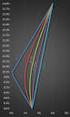 Copyright c 2005 by Karl Sigman Portfolio mean and variance Here we study the performance of a one-period investment X 0 > 0 (dollars) shared among several different assets. Our criterion for measuring
Risk, Return and Cash Flow. Infrastructure Fund Investments
 Risk, Return and Cash Flow Characteristics of Infrastructure Fund Investments Florian Bitsch Axel Buchner Christoph Kaserer CEFS-Infrastructure Finance Initiative sponsored by the European Investment Bank
Stock Valuation: Gordon Growth Model. Week 2
 Stock Valuation: Gordon Growth Model Week 2 Approaches to Valuation 1. Discounted Cash Flow Valuation The value of an asset is the sum of the discounted cash flows. 2. Contingent Claim Valuation A contingent
Venture Capital Fund Performance
 Venture Capital Fund Performance and the IPO Market Abstract In this paper, the investment performance of a large database of venture funds is considered over a 28 year period. The results suggest that
Chapter 5 Financial Forwards and Futures
 Chapter 5 Financial Forwards and Futures Question 5.1. Four different ways to sell a share of stock that has a price S(0) at time 0. Question 5.2. Description Get Paid at Lose Ownership of Receive Payment
INDIRECT INFERENCE (prepared for: The New Palgrave Dictionary of Economics, Second Edition)
 INDIRECT INFERENCE (prepared for: The New Palgrave Dictionary of Economics, Second Edition) Abstract Indirect inference is a simulation-based method for estimating the parameters of economic models. Its
MANAGED FUTURES AND HEDGE FUNDS: A MATCH MADE IN HEAVEN
 JOIM JOURNAL OF INVESTMENT MANAGEMENT, Vol. 2, No. 1, (4), pp. 1 9 JOIM 4 www.joim.com MANAGED FUTURES AND HEDGE FUNDS: A MATCH MADE IN HEAVEN Harry M. Kat In this paper we study the possible role of managed
Single Manager vs. Multi-Manager Alternative Investment Funds
 September 2015 Single Manager vs. Multi-Manager Alternative Investment Funds John Dolfin, CFA Chief Investment Officer Steben & Company, Inc. Christopher Maxey, CAIA Senior Portfolio Manager Steben & Company,
Internet Appendix for Taxes on Tax-Exempt Bonds
 Internet Appendix for Taxes on Tax-Exempt Bonds Andrew Ang Columbia University and NBER Vineer Bhansali PIMCO Yuhang Xing Rice University This Version: 11 November 2008 Columbia Business School, 3022 Broadway
Equity Market Risk Premium Research Summary. 12 April 2016
 Equity Market Risk Premium Research Summary 12 April 2016 Introduction welcome If you are reading this, it is likely that you are in regular contact with KPMG on the topic of valuations. The goal of this
Auxiliary Variables in Mixture Modeling: 3-Step Approaches Using Mplus
 Auxiliary Variables in Mixture Modeling: 3-Step Approaches Using Mplus Tihomir Asparouhov and Bengt Muthén Mplus Web Notes: No. 15 Version 8, August 5, 2014 1 Abstract This paper discusses alternatives
STOCK MARKET VOLATILITY AND REGIME SHIFTS IN RETURNS
 STOCK MARKET VOLATILITY AND REGIME SHIFTS IN RETURNS Chia-Shang James Chu Department of Economics, MC 0253 University of Southern California Los Angles, CA 90089 Gary J. Santoni and Tung Liu Department
I. Estimating Discount Rates
 I. Estimating Discount Rates DCF Valuation Aswath Damodaran 1 Estimating Inputs: Discount Rates Critical ingredient in discounted cashflow valuation. Errors in estimating the discount rate or mismatching
Contents. List of Figures. List of Tables. List of Examples. Preface to Volume IV
 Contents List of Figures List of Tables List of Examples Foreword Preface to Volume IV xiii xvi xxi xxv xxix IV.1 Value at Risk and Other Risk Metrics 1 IV.1.1 Introduction 1 IV.1.2 An Overview of Market
Evaluation of Private Equity Real Estate Indices
 Evaluation of Private Equity Real Estate Indices Unlike investments in stocks and bonds, private equity real estate (PERE) has no widely accepted passive index available, which is being used to measure
Earnings Announcement and Abnormal Return of S&P 500 Companies. Luke Qiu Washington University in St. Louis Economics Department Honors Thesis
 Earnings Announcement and Abnormal Return of S&P 500 Companies Luke Qiu Washington University in St. Louis Economics Department Honors Thesis March 18, 2014 Abstract In this paper, I investigate the extent
Minimum LM Unit Root Test with One Structural Break. Junsoo Lee Department of Economics University of Alabama
 Minimum LM Unit Root Test with One Structural Break Junsoo Lee Department of Economics University of Alabama Mark C. Strazicich Department of Economics Appalachian State University December 16, 2004 Abstract
Financial Time Series Analysis (FTSA) Lecture 1: Introduction
 Financial Time Series Analysis (FTSA) Lecture 1: Introduction Brief History of Time Series Analysis Statistical analysis of time series data (Yule, 1927) v/s forecasting (even longer). Forecasting is often
Is the Forward Exchange Rate a Useful Indicator of the Future Exchange Rate?
 Is the Forward Exchange Rate a Useful Indicator of the Future Exchange Rate? Emily Polito, Trinity College In the past two decades, there have been many empirical studies both in support of and opposing
The Effects of Start Prices on the Performance of the Certainty Equivalent Pricing Policy
 BMI Paper The Effects of Start Prices on the Performance of the Certainty Equivalent Pricing Policy Faculty of Sciences VU University Amsterdam De Boelelaan 1081 1081 HV Amsterdam Netherlands Author: R.D.R.
Subordinated Debt and the Quality of Market Discipline in Banking by Mark Levonian Federal Reserve Bank of San Francisco
 Subordinated Debt and the Quality of Market Discipline in Banking by Mark Levonian Federal Reserve Bank of San Francisco Comments by Gerald A. Hanweck Federal Deposit Insurance Corporation Visiting Scholar,
Rebalancing Leveraged and Inverse Funds
 Rebalancing Leveraged and Inverse Funds Joanne M. Hill, PhD, and Solomon G. Teller, CFA ProFund Advisors LLC and ProShare Advisors LLC November 2009 ABSTRACT Leveraged and inverse Exchange Traded Funds
How To Outperform The High Yield Index
 ROCK note December 2010 Managing High Yield public small caps with Robeco s corporate bond selection model COALA For professional investors only By Sander Bus, CFA, portfolio manager Daniël Haesen, CFA,
Credit Risk Stress Testing
 1 Credit Risk Stress Testing Stress Testing Features of Risk Evaluator 1. 1. Introduction Risk Evaluator is a financial tool intended for evaluating market and credit risk of single positions or of large
How Fair are the Valuations of Private Equity Funds?
 How Fair are the Valuations of Private Equity Funds? Tim Jenkinson*, Miguel Sousa** and Rüdiger Stucke*** 1 Abstract The ultimate performance of private equity funds is only known once all investments
A Simple Model of Price Dispersion *
 Federal Reserve Bank of Dallas Globalization and Monetary Policy Institute Working Paper No. 112 http://www.dallasfed.org/assets/documents/institute/wpapers/2012/0112.pdf A Simple Model of Price Dispersion
Chapter 7 Risk, Return, and the Capital Asset Pricing Model
 Chapter 7 Risk, Return, and the Capital Asset Pricing Model MULTIPLE CHOICE 1. Suppose Sarah can borrow and lend at the risk free-rate of 3%. Which of the following four risky portfolios should she hold
Evolution of GTAA Investment Styles. In This Issue: June 2012
 June 2012 ALPHA GROUP TOPIC The Alpha Group researches investment managers. In This Issue: n Evolution of GTAA Investment Styles n Risk-Parity vs. GTAA Managers n Implementation n Investing in a GTAA Strategy
Research Research Paper
 Performance Measurement and Asset Allocation for European Private Equity Funds Research Research Paper March 2004 Contributors CDC IXIS Capital Markets Center for Entrepreneurial and Financial Studies
Understanding the JPMorgan ETF Efficiente SM 5 Index
 Fact Sheet Understanding the JPMorgan ETF Efficiente SM 5 Index FAM-1197 3/15 Important Information Disclaimers This document contains important information prepared by Symetra Life Insurance Company (
Understanding the Impact of Weights Constraints in Portfolio Theory
 Understanding the Impact of Weights Constraints in Portfolio Theory Thierry Roncalli Research & Development Lyxor Asset Management, Paris [email protected] January 2010 Abstract In this article,
LDA at Work: Deutsche Bank s Approach to Quantifying Operational Risk
 LDA at Work: Deutsche Bank s Approach to Quantifying Operational Risk Workshop on Financial Risk and Banking Regulation Office of the Comptroller of the Currency, Washington DC, 5 Feb 2009 Michael Kalkbrener
Current account deficit -10. Private sector Other public* Official reserve assets
 Australian Capital Flows and the financial Crisis Introduction For many years, Australia s high level of investment relative to savings has been supported by net foreign capital inflow. This net capital
READING 11: TAXES AND PRIVATE WEALTH MANAGEMENT IN A GLOBAL CONTEXT
 READING 11: TAXES AND PRIVATE WEALTH MANAGEMENT IN A GLOBAL CONTEXT Introduction Taxes have a significant impact on net performance and affect an adviser s understanding of risk for the taxable investor.