
Diagnosis and Treatment of Osteoporosis
|
|
|
- Alban Griffith
- 9 years ago
- Views:
Transcription
1 Diagnosis and Treatment of Osteoporosis Mary Gayle Sweet, MD, Carilion Clinic Family Medicine Residency Program, Roanoke, Virginia Jon M. Sweet, MD, Carilion Clinic Internal Medicine Residency Program, Roanoke, Virginia Michael P. Jeremiah, MD, Carilion Clinic Family Medicine Residency Program, Roanoke, Virginia Sim S. Galazka, MD, University of Virginia School of Medicine, Charlottesville, Virginia Osteoporosis affects approximately 8 million women and 2 million men in the United States. The associated fractures are a common and preventable cause of morbidity and mortality in up to 50 percent of older women. The U.S. Preventive Services Task Force recommends using dual energy x-ray absorptiometry to screen all women 65 years and older and women 60 to 64 years of age who have increased fracture risk. Some organizations recommend considering screening in all men 70 years and older. For persons with osteoporosis diagnosed by dual energy x-ray absorptiometry or previous fragility fracture, effective first-line treatment consists of fall prevention, adequate intake of calcium (at least 1,200 mg per day) and vitamin D (at least 700 to 800 IU per day), and treatment with a bisphosphonate. Raloxifene, calcitonin, teriparatide, or hormone therapy may be considered for certain subsets of patients. (Am Fam Physician. 2009;79(3): , Copyright 2009 American Academy of Family Physicians.) ILLUSTRATION BY john w. karapelou See related editorial on page 189. Patient information: A handout on osteoporosis, written by the authors of this article, is provided on page 201. Approximately 8 million women and 2 million men in the United States have osteoporosis, and 34 million persons have osteopenia. 1 About one in two white women will experience an osteoporotic fracture in her lifetime. 2,3 Osteoporosis also occurs in older men, who have a higher mortality from hip fractures and a lower frequency of screening and treatment. 4,5 Overall, hip fractures cause an excess mortality of 10 to 20 percent at 12 months, and up to 25 percent of patients with hip fractures require long-term nursing home care. 2 In 2002, the cost of a hip fracture was estimated to be $34,000 to $43,000, with the annual cost of all osteoporotic fractures as high as $18 billion. 1 Despite broadly accepted screening, diagnosis, and treatment guidelines, there is a large gap between knowledge and effective clinical practice. One study showed that only 49 percent of women were evaluated or treated in accordance with accepted guidelines. 5 Definition Osteoporosis is characterized by low bone mass and structural deterioration of bone tissue, leading to an increased risk of fractures. The World Health Organization (WHO) defines osteoporosis as a spinal or hip bone mineral density (BMD) of 2.5 standard deviations or more below the mean for healthy, young women (T-score of 2.5 or below) as measured by dual energy x-ray absorptiometry (DEXA). 6 Osteopenia is defined as a spinal or hip BMD between 1 and 2.5 standard deviations below the mean. 3,6 Primary osteoporosis is the result of bone loss related to the decline in gonadal function associated with aging. 6 Selected factors that are associated with fracture or low BMD are listed in Table 1. 2,3 Secondary osteoporosis may result from chronic diseases, exposures, or nutritional deficiencies that adversely impact bone metabolism. Causes of secondary osteoporosis are listed in Table 2. 1,2,6,7 Screening Recommendations for Practice Published guidelines that address screening criteria vary because of gaps in evidence and differences in the way guidelines are formulated (i.e., evidence-based versus expert opinion). The U.S. Preventive Services Task Downloaded from the American Family Physician Web site at Copyright 2009 American Academy of Family Physicians. For the private, noncommercial use of one individual user of the Web site. All other rights reserved. Contact [email protected] for copyright questions and/or permission requests.

2 SORT: KEY RECOMMENDATIONS FOR PRACTICE Clinical recommendation Evidence rating References Prevention of fractures and treatment of osteoporosis Older persons at risk of falls should consider exercise, physical therapy, home hazard B 26, 27 assessment, and withdrawal of psychotropic medication to decrease fall risk. Daily vitamin D supplementation (at least 700 to 800 IU), with or without calcium, should be B 15, 31 used to decrease fracture risk in persons 60 years and older. Bisphosphonates should be used to prevent osteoporotic fractures (see Table 5 for specific A 14, 16, 17, 21, 33, 34 indications). Raloxifene (Evista) can be used to prevent vertebral fractures in postmenopausal women with A 22, 33, 34 osteoporosis, especially if at high risk of breast cancer. Calcitonin (Miacalcin) can be used to prevent recurrent vertebral fractures in postmenopausal B 23, 34 women. Teriparatide (Forteo) can be used to prevent vertebral and fractures in A 24, 34 postmenopausal women with prior vertebral fractures. Screening The following populations should be screened for osteoporosis: All women 65 years and older A 2, 3 Selected postmenopausal women and men 50 to 69 years of age with risk factors for fracture C 2, 13 All men 70 years and older C 2, 13 A = consistent, good-quality patient-oriented evidence; B = inconsistent or limited-quality patient-oriented evidence; C = consensus, diseaseoriented evidence, usual practice, expert opinion, or case series. For information about the SORT evidence rating system, go to org/afpsort. Force (USPSTF) guideline, based on a systematic review of the evidence, recommends screening DEXA in all women 65 years and older, as well as in women 60 to 64 years of age who have increased fracture risk. The USPSTF states that the evidence is insufficient to recommend for or against screening in postmenopausal women younger than 60 years. 3 The National Osteoporosis Foundation (NOF), which receives substantial support from the pharmaceutical industry, developed a guideline using an expert panel that recommends screening in women 65 years and older, men 70 years and older, adults with a fracture, and selected postmenopausal women and men with clinical risk factors for fracture (Table 1 2,3 ). 2 Table 1. Selected Factors Associated with Fracture or Low Bone Mineral Density in Postmenopausal Women Increasing age Low body weight (< 127 lb [58 kg]) Personal history of fracture Family history of osteoporotic fracture Not using hormone therapy White or Asian race Information from references 2 and 3. Excessive alcohol (> 2 drinks per day), caffeine, and tobacco use History of falls Low level of physical activity Low calcium or vitamin D intake Use of certain medications or presence of certain medical conditions (Table 2) It is reasonable to clinically assess age and risk factors when deciding which women to screen. Validated clinical rules, such as the Simple Calculated Osteoporosis Risk Estimation (SCORE) tool, may be considered as well. The SCORE tool is a six-item instrument with a sensitivity of 91 percent and a specificity of 40 percent. It is used to predict which women may benefit from DEXA screening. 8 This calculator may be found at The USPSTF found that, for women 55 to 59 years of age, the number needed to screen (NNS) over five years was more than 4,000 to prevent one hip fracture and 1,300 to prevent one vertebral fracture. The NNS to prevent one hip fracture over five years declines with age, to 1,856 for women 60 to 64 years of age, 731 for women 65 to 69 years of age, and 143 for women 75 to 79 years of age. 9 Diagnosis Osteoporosis is diagnosed clinically or radiographically. Osteoporosis may present with low-impact fractures (occurring from a fall at or below standing height) or fragility fractures (occurring spontaneously). 7 Osteoporosis is most commonly diagnosed with a T-score of 2.5 or below as determined by central DEXA scan of the total hip, femoral neck, or lumbar spine. 2,3,6 Quantitative computed tomography can be 194 American Family Physician Volume 79, Number 3 February 1, 2009

3 Table 2. Causes of Secondary Osteoporosis Cause Examples Cause Examples Chronic medical and systemic diseases Endocrine and metabolic disorders Amyloidosis Ankylosing spondylitis Chronic obstructive pulmonary disease Human immunodeficiency virus or acquired immunodeficiency syndrome Inflammatory bowel diseases Liver disease (severe) Multiple myeloma Renal insufficiency or renal failure Rheumatoid arthritis Systemic lupus erythematosus Athletic amenorrhea Cushing syndrome Diabetes mellitus, type 1 Hemochromatosis Hyperadrenocorticism Hyperparathyroidism (primary) Hyperthyroidism Hypogonadism (primary and secondary) Hypophosphatasia Medication Nutrition Anticonvulsants (e.g., phenobarbital, phenytoin [Dilantin]) Drugs causing hypogonadism (e.g., parenteral progesterone, methotrexate, gonadotropinreleasing hormone agonists) Glucocorticoids Heparin (long-term) Immunosuppressants (e.g., cyclosporine [Sandimmune], tacrolimus [Prograf]) Lithium Thyroid hormone excess Alcohol (> 2 drinks per day) Anorexia nervosa Celiac disease Gastric bypass or gastrectomy Vitamin D deficiency Information from references 1, 2, 6, and 7. used to assess BMD, but is limited by radiation exposure and cost. Quantitative calcaneal ultrasonography and peripheral DEXA, which measures BMD in the heel, finger, and forearm, are more portable and less costly than central DEXA and can effectively predict fracture risk. Their results, however, do not correlate well enough with central DEXA to be used diagnostically, and they have not been shown to be useful in monitoring treatment over time. 10 Biochemical markers of bone turnover in the serum or urine are not currently recommended for diagnosis. 6,11 Evaluating for Suspected Secondary Osteoporosis The number of postmenopausal women with osteoporosis from a secondary cause is unknown, but thought to be low. A careful history and physical examination may identify common causes of secondary osteoporosis. If clinical evaluation does not raise suspicion of a secondary cause, there is currently little evidence to warrant additional testing in postmenopausal women. 12 In contrast, approximately 50 percent of pre- and perimenopausal women with osteoporosis have an associated underlying cause. 12 There are no evidence-based guidelines to direct the evaluation of a suspected secondary cause of osteoporosis. 11,12 In pre- and perimenopausal women, a basic laboratory evaluation should be considered if there is no clear etiology evident by history and physical examination (Table 3 7 ). Screening and Diagnosis of Osteoporosis in Men In the United States, one in eight men will have an osteoporotic fracture in his lifetime, accounting for 30 percent of hip fractures and 18 percent of the total annual cost of osteoporosis. 1,4 Men have nearly twice the mortality from hip fractures compared with women. 1,4,13 Because data on the screening, diagnosis, and treatment of osteoporosis in men are limited, most published recommendations are based on expert opinion. 7,12 The NOF and the International Society for Clinical Densitometry recommend screening all men 70 years and older and men 50 to 69 years of age with risk factors (the USPSTF guidelines do not address screening in men). 2,13 Based on a recent systematic review, the American College of Physicians also recommends that older men be periodically assessed for risk of osteoporosis and have DEXA performed if at increased risk. 14 The validity of using a T-score of 2.5 or below as the diagnostic criterion for osteoporosis in men is unclear, but this is a commonly used standard. 12,13 Approximately 50 percent of men with osteoporosis have a secondary cause and warrant additional evaluation, along with a careful history and physical examination. 7,12 In addition to treating any underlying cause, interventions February 1, 2009 Volume 79, Number 3 American Family Physician 195

4 Table 3. Evaluation for Suspected Secondary Osteoporosis in Selected Patients Test Initial screening tests Chemistry panel Alkaline phosphatase Calcium Liver or kidney function Complete blood count Thyroid-stimulating hormone Total testosterone (men) 25-hydroxyvitamin D (men) Possible etiology High levels in Paget disease, immobilization Low levels in vitamin D deficiency, malabsorption High levels in hyperparathyroidism Liver or kidney disease Bone marrow malignancy, malabsorption Hyperthyroidism Hypogonadism Vitamin D deficiency Additional tests (based on level of severity of osteoporosis or clinical suspicion of underlying disease) Estradiol (pre- or perimenopausal women) Intact parathyroid hormone Serum protein electrophoresis 25-hydroxyvitamin D (women) Hypogonadism Hyperparathyroidism Multiple myeloma Vitamin D deficiency Adapted with permission from Mauck KF, Clarke BL. Diagnosis, screening, prevention, and treatment of osteoporosis. Mayo Clin Proc. 2006;81(5):665. proposed by experts are similar to those for women, as discussed below. Indications for Treatment Recommendations about which persons with osteoporosis should receive treatment vary. 2,6 The NOF recommends treatment of postmenopausal women and men with a personal history of hip or vertebral fracture, T-score of 2.5 or below, or low bone mass (T-score between 1 and 2.5) and a 10-year probability of hip fracture of at least 3 percent or any major fracture of at least 20 percent. 2 The 10-year probability of fracture is calculated using the WHO fracture risk assessment tool ( The WHO recommendations are less specific, and they differ from those of the NOF. The WHO recommends treating persons with or at risk of osteoporosis. 6 Table 4 summarizes the effectiveness of different pharmacologic approaches to treatment Table 5 summarizes prescribing and cost information for medications approved by the U.S. Food and Drug Administration (FDA). 25 Table 4. Therapy Outcomes for Postmenopausal Women with Osteoporosis Therapy Hip fracture Vitamin D (700 to 800 IU per day) 15 Alendronate (Fosamax) 16 Risedronate (Actonel) 17 Zoledronic acid (Reclast) 18 Hormone therapy 19 Vertebral fracture Alendronate 16 Ibandronate (Boniva) 20 Risedronate 21 Zoledronic acid 18 Raloxifene (Evista) 22 Calcitonin (Miacalcin) 23 Teriparatide (Forteo) 24 Nonpharmacologic Treatment FALL PREVENTION A multifactorial approach that addresses vision deficits, balance and gait abnormalities, cognitive impairment, and dizziness is the cornerstone of fall prevention. Improving lighting; removing loose rugs; and adding grab bars near bathtubs, toilets, and stairways can enhance safety. 26 Formal home safety evaluations and physical therapy treatments are beneficial. 27 Eliminating medications that can affect alertness and balance is critical. 26,27 The use of hip protectors is no longer considered effective. 28,29 CALCIUM Number needed to treat to decrease the risk of fracture 45 for 2 to 5 years* 91 for 3 years 77 for 3 years* 91 for 3 years* 385 for 5 years* 37 for 3 years 20 for 3 years 15 for 3 years 13 for 3 years* 29 for 3 years* 10 for 5 years 11 for 1.5 years NOTE: There were differences in the study populations (age, T-scores, and presence or absence of previous vertebral fractures) in these studies. * This study included women with and without a previous vertebral fracture (primary and secondary prevention). This study included only women who had a previous vertebral fracture (secondary prevention). This study included only women who did not have a previous vertebral fracture (primary prevention). Information from references 15 through 24. The results of studies examining the effectiveness of calcium on fracture risk are mixed, but one subgroup from a recent meta-analysis showed decreased fracture rates in older women with 80 percent or greater adherence 196 American Family Physician Volume 79, Number 3 February 1, 2009

5 to calcium supplementation. 30 A daily intake of at least 1,200 mg of calcium is recommended for all women with osteoporosis. 2,12 A detailed list of dietary sources of calcium can be found at under Building Healthy Bones. Most postmenopausal women consume inadequate amounts of dietary calcium; therefore, supplementation is needed. For optimal absorption, a single dose of calcium supplement should contain 500 mg or less of elemental calcium, necessitating multiple daily doses. Calcium carbonate is the least expensive, requires acid for absorption, and should be taken with meals. Calcium citrate is more expensive and does not need to be taken with meals. All calcium supplements may cause constipation and gastrointestinal upset. 7 The absorption of numerous medications, most notably levothyroxine, fluoroquinolones, tetracycline, phenytoin (Dilantin), angiotensinconverting enzyme inhibitors, iron, and bisphosphonates, can be significantly decreased when given with calcium. These medications should be given several hours before or after calcium supplements. 7 VITAMIN D The NOF recommends 800 to 1,000 IU of vitamin D daily for persons 50 years and older. 2 Daily intake of at least 700 to 800 IU of vitamin D is shown to prevent hip fractures in older persons, 31 with a number needed to treat (NNT) of 45 over two to five years of treatment. 15 Because it is difficult to consume this amount of dietary vitamin D, supplementation is important. For patients with documented vitamin D deficiency, oral ergocalciferol (vitamin D 2 ) in a dosage of 50,000 IU weekly for eight weeks is usually an effective treatment. This should be followed by a maintenance dosage of 50,000 IU every two to four weeks or oral cholecalciferol (vitamin D 3 ) in a dosage of 1,000 IU once daily. The goal of treatment is a sustained serum 25-hydroxyvitamin D level greater than 30 ng per ml (74 nmol per L). 32 Measurement of serum levels following treatment is important because of the possible risk of vitamin D toxicity, but the optimal interval for testing is not known. Multiple alternative strategies for treating vitamin D deficiency exist. 32 Table 5. Medications Approved by the U.S. Food and Drug Administration for Osteoporosis Indication Medication Typical dosage Route Fracture type Monthly cost* Prevention Estrogen, with or without progesterone mg daily Oral Hip, vertebral, With progesterone: $40 Without progesterone: $47 Prevention and treatment Alendronate (Fosamax) 70 mg weekly Oral Hip, vertebral, Ibandronate (Boniva) 150 mg monthly Oral Vertebral $100 Risedronate (Actonel) 35 mg weekly Oral Hip, vertebral, Raloxifene (Evista) 60 mg daily Oral Vertebral $108 Tablet: $87, $77 (generic) Solution: $96 $92 Treatment Ibandronate 3 mg every three months for four doses Zoledronic acid (Reclast) 5 mg annually for three doses Intravenous Intravenous Increases bone mineral density, but fracture end point not evaluated Hip, vertebral, $162 $104 Calcitonin (Miacalcin) 200 IU daily Nasal Vertebral $126 Teriparatide (Forteo) 20 mcg daily up to two years Subcutaneous Vertebral, $675 * Estimated cost to the pharmacist based on average wholesale prices (rounded to the nearest dollar) in Red Book. Montvale, NJ: Medical Economics Data; Cost to the patient will be higher, depending on prescription filling fee. Costs are for brand name drugs only, unless otherwise indicated. Hormone therapy is only appropriate in women with significant vasomotor symptoms for whom benefit outweighs risk. Cost per 3-mg dose (given once every three months). Information from reference 25. February 1, 2009 Volume 79, Number 3 American Family Physician 197

6 Pharmacologic Treatment BISPHOSPHONATES Oral bisphosphonates inhibit osteoclastic activity and are potent antiresorptive agents. Randomized clinical trials demonstrate a reduction of vertebral and hip fractures with alendronate (Fosamax) 16,33,34 and risedronate (Actonel). 17,21,33,34 Alendronate and risedronate have also demonstrated effectiveness in men 35,36 and in glucocorticoid-induced osteoporosis. 37,38 Both daily and intermittent uses of ibandronate (Boniva) have demonstrated antifracture effectiveness at the spine only. 20,34 As age increases, the NNT to prevent all types of fractures decreases. 9 Weekly and monthly dosing make taking bisphosphonates easier. Nevertheless, nonadherence is problematic and is associated with worse outcomes. 39 Oral bisphosphonates must be taken with a full glass of water. A 30- to 60-minute wait is required before reclining or consuming other medications, beverages, or food to lower the risk of upper gastrointestinal adverse effects. The optimal length of oral bisphosphonate therapy is unknown. A recent study found that women who take alendronate for five years followed by five years of placebo have no increase in the incidence of or hip fractures compared with women who take alendronate for 10 years. There is, however, an increase in vertebral fractures. 40 This suggests that relatively low-risk women (i.e., no personal history of vertebral fractures and only modestly reduced T-score) may consider an interruption in bisphosphonate treatment. The intravenous bisphosphonates currently approved by the FDA for the treatment of postmenopausal osteoporosis are zoledronic acid (Reclast), given 5 mg yearly (shown to decrease vertebral and hip fractures), 18,34 and ibandronate, given 3 mg every three months (shown only to increase BMD in the intravenous form; the oral form has been shown to decrease vertebral fractures). 41 Although the cost of these medications is high, use may prove to be an attractive strategy for high-risk patients who are unable to tolerate or are noncompliant with oral therapy, or those currently hospitalized for hip fracture. Recent concerns have been raised about the association of bisphosphonates with osteonecrosis of the jaw. To date, this rare complication is most often associated with the frequent infusion of intravenous bisphosphonates in patients with cancer. 42 RALOXIFENE Raloxifene (Evista), a selective estrogen receptor modulator, is approved for the treatment of postmenopausal osteoporosis. Raloxifene has estrogen agonist activity on the bones and lipids, and an estrogen antagonist effect on the breast and uterus. Raloxifene is effective for reducing the incidence of vertebral fractures, but effectiveness at the hip has not been shown. 22,33,34 Raloxifene is commonly associated with increased vasomotor symptoms. Although raloxifene increases the risk of venous thromboembolism, it is indicated to decrease the risk of invasive breast cancer in postmenopausal women with osteoporosis. Perhaps it may be best used in postmenopausal women with osteoporosis who are unable to tolerate bisphosphonates, have no vasomotor symptoms or history of venous thromboembolism, and have a high breast cancer risk score. CALCITONIN Calcitonin nasal spray (Miacalcin) is an antiresorptive agent approved for the treatment of postmenopausal osteoporosis at a dosage of 200 IU in alternating nostrils each day. It is shown to decrease the occurrence of vertebral compression fractures, but not or hip fractures. 23,34 Although calcitonin has modest analgesic properties in the setting of acute and chronic vertebral compression fracture, 43 it is not considered first-line treatment for osteoporosis because more effective medications are available. 7 TERIPARATIDE Teriparatide (Forteo) is a recombinant human parathyroid hormone with potent bone anabolic activity. In a dosage of 20 mcg per day given subcutaneously for up to two years, teriparatide decreases vertebral and fractures. 24,34 Adverse effects may include orthostatic hypotension, transient hypercalcemia, nausea, arthralgia, and leg cramps. Increased risk of osteosarcoma is seen in rats exposed to high doses. Consequently, teriparatide is contraindicated in patients with risk of osteosarcoma, such as those with Paget disease, previous skeletal radiation, or unexplained elevation of alkaline phosphatase level. Teriparatide is approved for the treatment of postmenopausal women with severe bone loss, men with osteoporosis who have a high risk of fractures, and persons who have not improved on bisphosphonate therapy. One study suggests that it is advisable to follow teriparatide therapy with bisphosphonate therapy to maintain BMD gained. 44 HORMONE THERAPY The Women s Health Initiative confirmed that estrogen, with or without progesterone, slightly reduced the risk of hip and vertebral fractures, but found that this benefit did not outweigh the increased risk of stroke, venous 198 American Family Physician Volume 79, Number 3 February 1, 2009

7 thromboembolism, coronary heart disease, and breast cancer, even for women at high risk of fractures. 19 Lower doses of conjugated equine estrogens and estradiol have been shown to improve BMD, but the reduced risk of fracture has not been demonstrated 45 and the safety is unknown. The FDA recommends hormone therapy for osteoporosis only in women with moderate or severe vasomotor symptoms, using the lowest effective dose for the shortest time. COMBINATION THERAPY Bisphosphonates do not have additive effects on BMD when used concomitantly with parathyroid hormone, 44 but they do have additive effects on BMD when combined with hormone therapy. 45,46 Antifracture effectiveness of these combinations has not been shown. Although research continues, there is currently a limited role for combination therapy beyond subspecialty consultation or clinical trials. Treatment Follow-Up There is no clear evidence to guide follow-up recommendations once the diagnosis of osteoporosis is made and treatment is initiated. It is reasonable to assess response to therapy at least once, after no less than 24 months. More frequent testing might be appropriate in the setting of accelerated bone loss, such as the chronic administration of glucocorticoids. Successful treatment is best determined by lack of fracture, but the surrogate outcome of stability or increase in BMD suggests treatment effectiveness. A decrease in BMD suggests noncompliance, inadequate calcium and vitamin D supplementation, an unidentified secondary cause of osteoporosis, or treatment failure. The Authors MARY GAYLE SWEET, MD, is on the faculty at the Carilion Clinic Family Medicine Residency Program and is an assistant professor of family medicine at the Virginia Tech Carilion School of Medicine, both in Roanoke, Va. She received her medical degree from the University of Virginia, Charlottesville, and completed a family medicine residency at Miami Valley Hospital in Dayton, Ohio. JON M. SWEET, MD, is program director of the Carilion Clinic Internal Medicine Residency Program in Roanoke, Va., and is an associate professor of medicine at the Virginia Tech Carilion School of Medicine. He received his medical degree from the University of Virginia, and completed an internal medicine residency at Wright-Patterson Air Force Base Medical Center in Dayton, Ohio. MICHAEL P. JEREMIAH, MD, is medical director of the Carilion Clinic Family Medicine Residency Program office practices and is an associate professor of family medicine at the Virginia Tech Carilion School of Medicine. He received his medical degree from the University of Florida College of Medicine, Gainesville, and completed a family medicine residency at Carolinas Medical Center in Charlotte, N.C., and a faculty development and obstetrics fellowship at the University of North Carolina at Chapel Hill. SIM S. GALAZKA, MD, is the Walter M. Seward Professor and chair of the Department of Family Medicine at the University of Virginia School of Medicine. He received his medical degree from the University of Michigan School of Medicine in Ann Arbor, and completed a family medicine residency at Grand Rapids (Mich.) Medical Education and Research Center. Address correspondence to Mary Gayle Sweet, MD, Carilion Clinic, 1314 Peters Creek Rd., Roanoke, VA ( [email protected]). Reprints are not available from the authors. Author disclosure: Nothing to disclose. REFERENCES 1. U.S. Department of Health and Human Services. Bone health and osteoporosis: a report of the surgeon general (2004). gov/library/bonehealth/content.html. Accessed December 7, National Osteoporosis Foundation. Physician s guide to prevention and treatment of osteoporosis. cians_guide.htm [registration required]. Accessed December 7, U.S. Preventive Services Task Force. Screening for osteoporosis in postmenopausal women: recommendations and rationale. Rockville, Md.: Agency for Healthcare Research and Quality; September Accessed December 7, Amin S, Felson DT. Osteoporosis in men. Rheum Dis Clin North Am. 2001;27(1): Feldstein A, Elmer PJ, Orwoll E, Herson M, Hillier T. Bone mineral density measurement and treatment for osteoporosis in older individuals with fractures: a gap in evidence-based practice guideline implementation. Arch Intern Med. 2003;163(18): Prevention and management of osteoporosis: report of a WHO Scientific Group. Geneva, Switzerland; WHO_TRS_921.pdf. Accessed December 7, Mauck KF, Clarke BL. Diagnosis, screening, prevention, and treatment of osteoporosis. Mayo Clin Proc. 2006;81(5): Lydick E, Cook K, Turpin J, Melton M, Stine R, Byrnes C. Development and validation of a simple questionnaire to facilitate identification of women likely to have low bone density. Am J Manag Care. 1998;4(1): Nelson HD, Helfand M, Woolf SH, Allan JD. Screening for postmenopausal osteoporosis: a review of the evidence for the U.S. Preventive Services Task Force. Ann Intern Med. 2002;137(6): ahrq.gov/clinic/3rduspstf/osteoporosis/osteosumm1.htm. Accessed December 7, Nayak S, Olkin I, Liu H, et al. Meta-analysis: accuracy of quantitative ultrasound for identifying patients with osteoporosis. Ann Intern Med. 2006;144(11): Osteoporosis in postmenopausal women: diagnosis and monitoring. Evidence report/technology assessment No. 28. Rockville, Md.: Agency for Healthcare Research and Quality; February gov/clinic/epcsums/osteosum.htm. Accessed December 7, NIH Consensus Development Panel on Osteoporosis Prevention, Diagnosis, and Therapy. Osteoporosis prevention, diagnosis, and therapy. JAMA. 2001;285(6): International Society for Clinical Densitometry. Updated 2005 official positions of the International Society for Clinical Densitometry. text.pdf. Accessed December 7, Qaseem A, Snow V, Shekelle P, Hopkins R Jr, Forciea MA, Owens KD, for the Clinical Efficacy Assessment Subcommittee of the American Col- February 1, 2009 Volume 79, Number 3 American Family Physician 199

8 lege of Physicians. Screening for osteoporosis in men: a clinical practice guideline from the American College of Physicians [published correction appears in Ann Intern Med. 2008;148(11):888]. Ann Intern Med. 2008;148(9): Bischoff-Ferrari HA, Willett WC, Wong JB, Giovannucci E, Dietrich T, Dawson-Hughes B. Fracture prevention with vitamin D supplementation: a meta-analysis of randomized controlled trials. JAMA. 2005;293(18): Black DM, Cummings SR, Karpf DB, et al. Randomised trial of effect of alendronate on risk of fracture in women with existing vertebral fractures. Fracture Intervention Trial Research Group. Lancet. 1996;348(9041): McClung MR, Geusens P, Miller PD, et al., for the Hip Intervention Program Study Group. Effect of risedronate on the risk of hip fracture in elderly women. N Engl J Med. 2001;344(5): Black DM, Delmas PD, Eastell R, et al., for the HORIZON Pivotal Fracture Trial. Once-yearly zoledronic acid for treatment of postmenopausal osteoporosis. N Engl J Med. 2007;356(18): Cauley JA, Robbins J, Chen Z, et al., for the Women s Health Initiative Investigators. Effects of estrogen plus progestin on risk of fracture and bone mineral density: the Women s Health Initiative randomized trial. JAMA. 2003;290(13): Chesnut CH III, Skag A, Christiansen C, et al., for the Oral Ibandronate Osteoporosis Vertebral Fracture Trial in North America and Europe (BONE). Effects of oral ibandronate administered daily or intermittently on fracture risk in postmenopausal osteoporosis. J Bone Miner Res. 2004;19(8): Heaney RP, Zizic TM, Fogelman I, et al. Risedronate reduces the risk of first vertebral fracture in osteoporotic women. Osteoporos Int. 2002;13(6): Ettinger B, Black DM, Mitlak BH, et al. Reduction of vertebral fracture risk in postmenopausal women with osteoporosis treated with raloxifene: results from a 3-year randomized clinical trial. Mutiple Outcomes of Raloxifene Evaluation (MORE) Investigators. JAMA. 1999;282(7): Chesnut CH III, Silverman S, Andriano K, et al. A randomized trial of nasal spray salmon calcitonin in postmenopausal women with established osteoporosis: the prevent recurrence of osteoporotic fractures study. PROOF Study Group. Am J Med. 2000;109(4): Neer RM, Arnaud CD, Zanchetta JR, et al. Effect of parathyroid hormone (1-34) on fractures and bone mineral density in postmenopausal women with osteoporosis. N Engl J Med. 2001;344(19): U.S. Food and Drug Administration. FDA. data.fda.gov/scripts/cder/drugsatfda/. Accessed December 7, Tinetti ME. Clinical practice. Preventing falls in elderly persons. N Engl J Med. 2003;348(1): Gillespie LD, Gillespie WJ, Robertson MC, Lamb SE, Cumming RG, Rowe BH. Interventions for preventing falls in elderly people. Cochrane Database Syst Rev. 2003;(4):CD Parker MJ, Gillespie WJ, Gillespie LD. Effectiveness of hip protectors for preventing hip fractures in elderly people: systematic review. BMJ. 2006;332(7541): Kiel DP, Magaziner J, Zimmerman S, et al. Efficacy of a hip protector to prevent hip fracture in nursing home residents: the HIP PRO randomized controlled trial. JAMA. 2007;298(4): Prince RL, Devine A, Dhaliwal SS, Dick IM. Effects of calcium supplementation on clinical fracture and bone structure: results of a 5-year, double-blind, placebo-controlled trial in elderly women. Arch Intern Med. 2006;166(8): Cranney A, Horsley T, O Donnell S, et al. Effectivness and safety of vitamin D in relation to bone health. Evidence report/technology assessment No Rockville, Md.: Agency for Healthcare Research and Quality; August pdf/vitamind/vitad.pdf. Accessed December 7, Holick MF. Vitamin D deficiency. N Engl J Med. 2007;357(3): Marcus R, Wong M, Heath H III, Stock JL. Antiresorptive treatment of postmenopausal osteoporosis: comparison of study designs and outcomes in large clinical trials with fracture as an endpoint. Endocr Rev. 2002;23(1): MacLean C, Newberry S, Maglione M, et al. Systematic review: comparative effectiveness of treatments to prevent fractures in men and women with low bone density or osteoporosis. Ann Intern Med. 2008;148(3): Ringe JD, Faber H, Farahmand P, Dorst A. Efficacy of risedronate in men with primary and secondary osteoporosis: results of a 1-year study. Rheumatol Int. 2006;26(5): Orwoll E, Ettinger M, Weiss S, et al. Alendronate for the treatment of osteoporosis in men. N Engl J Med. 2000;343(9): Adachi JD, Saag KG, Delmas PD, et al. Two-year effects of alendronate on bone mineral density and vertebral fracture in patients receiving glucocorticoids: a randomized, double-blind placebo-controlled extension trial. Arthritis Rheum. 2001;44(1): Wallach S, Cohen S, Reid DM, et al. Effects of risedronate treatment on bone density and vertebral fracture in patients on corticosteroid therapy. Calcif Tissue Int. 2000;67(4): Siris ES, Harris ST, Rosen CJ, et al. Adherence to bisphosphonate therapy and fracture rates in osteoporotic women: relationship to vertebral and fractures from 2 US claims databases. Mayo Clin Proc. 2006;81(8): Black DM, Schwartz AV, Ensrud KE, et al., for the FLEX Research Group. Effects of continuing or stopping alendronate after 5 years of treatment: the Fracture Intervention Trial Long-term Extension (FLEX): a randomized trial. JAMA. 2006;296(24): Delmas PD, Adami S, Strugala C, et al. Intravenous ibandronate injections in postmenopausal women with osteoporosis: one-year results from the dosing intravenous administration study. Arthritis Rheum. 2006;54(6): Woo SB, Hellstein JW, Kalmar JR. Narrative review: bisphosphonates and osteonecrosis of the jaws [published correction appears in Ann Intern Med. 2006;145(3):235]. Ann Intern Med. 2006;144(10): Silverman SL, Azria M. The analgesic role of calcitonin following osteoporotic fracture. Osteoporos Int. 2002;13(11): Black DM, Bilezikian JP, Ensrud KE, et al., for the PaTH Study Investigators. One year of alendronate after one year of parathyroid hormone (1-84) for osteoporosis. N Engl J Med. 2005;353(6): Lindsay R, Gallagher JC, Kleerekoper M, Pickar JH. Effect of lower doses of conjugated equine estrogens with and without medroxyprogesterone acetate on bone in early postmenopausal women. JAMA. 2002;287(20): Greenspan SL, Resnick NM, Parker RA. Combination therapy with hormone replacement and alendronate for prevention of bone loss in elderly women: a randomized controlled trial. JAMA. 2003;289(19): American Family Physician Volume 79, Number 3 February 1, 2009

Clinical Practice Guideline for Osteoporosis Screening and Treatment
 Clinical Practice Guideline for Osteoporosis Screening and Treatment Osteoporosis is a condition of decreased bone mass, leading to bone fragility and an increased susceptibility to fractures. While osteoporosis
PROTOCOL FOR PATIENTS WITH ABNORMAL LAB AND X-RAY VALUES
 PROTOCOL FOR PATIENTS WITH ABNORMAL LAB AND X-RAY VALUES Patients newly diagnosed as osteopenic or osteoporotic on a radiology report or patients receiving abnormal lab values on the following lab tests
Medications for Prevention and Treatment of Osteoporosis
 1 Medications for Prevention and Treatment of Osteoporosis Osteoporosis is a disease where the strength of bones is less than normal, making them more susceptible to fracture, or breaking, than normal
Fast Facts on Osteoporosis
 Fast Facts on Osteoporosis Definition Prevalence Osteoporosis, or porous bone, is a disease characterized by low bone mass and structural deterioration of bone tissue, leading to bone fragility and an
Medications to Prevent and Treat Osteoporosis
 Medications to Prevent and Treat Osteoporosis National Institutes of Health Osteoporosis and Related Bone Diseases ~ National Resource Center 2 AMS Circle Bethesda, MD 20892-3676 Tel: (800) 624-BONE or
Osteoporosis Medications
 Osteoporosis Medications When does a doctor prescribe osteoporosis medications? Healthcare providers look at several pieces of information before prescribing a bone- preserving or bone- building medication.
Osteoporosis Treatments That Help Prevent Broken Bones. A Guide for Women After Menopause
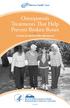 Osteoporosis Treatments That Help Prevent Broken Bones A Guide for Women After Menopause June 2008 fast facts Medicines for osteoporosis (OSS-tee-oh-puh-ROW-sis) can lower your chance of breaking a bone.
How To Choose A Biologic Drug
 North Carolina Rheumatology Association Position Statements I. Biologic Agents A. Appropriate delivery, handling, storage and administration of biologic agents B. Indications for biologic agents II. III.
DERBYSHIRE JOINT AREA PRESCRIBING COMMITTEE (JAPC) OSTEOPOROSIS GUIDELINE
 DERBYSHIRE JOINT AREA PRESCRIBING COMMITTEE (JAPC) OSTEOPOROSIS GUIDELINE This is an updated guideline It incorporates the latest NICE guidance There are strong recommendations for calcium + vitamin D
Osteoporosis has been identified by the US Surgeon General
 New Guidelines for the Prevention and Treatment of Osteoporosis E. Michael Lewiecki, MD, and Nelson B. Watts, MD Abstract: The World Health Organization Fracture Risk Assessment Tool (FRAX ) and the National
Bone Basics National Osteoporosis Foundation 2013
 When you have osteoporosis, your bones become weak and are more likely to break (fracture). You can have osteoporosis without any symptoms. Because it can be prevented and treated, an early diagnosis is
Osteoporosis Assessment Using DXA and Instant Vertebral Assessment. Working Together For A Healthier Community
 Osteoporosis Assessment Using DXA and Instant Vertebral Assessment Working Together For A Healthier Community Osteoporosis The Silent Thief The Facts About Osteoporosis 1 in 2 women will develop osteoporosis
Corporate Medical Policy
 Corporate Medical Policy File Name: Origination: Last CAP Review: Next CAP Review: Last Review: testing_serum_vitamin_d_levels 9/2015 2/2016 2/2017 2/2016 Description of Procedure or Service Vitamin D,
Module 5 - Speaking of Bones Osteoporosis For Health Professionals: Fracture Risk Assessment. William D. Leslie, MD MSc FRCPC
 Module 5 - Speaking of Bones Osteoporosis For Health Professionals: Fracture Risk Assessment William D. Leslie, MD MSc FRCPC Case #1 Age 53: 3 years post-menopause Has always enjoyed excellent health with
Treatment of osteoporosis in fragility fractures
 Orthogeriatrics Clinical Summary Document Treatment of osteoporosis in fragility fractures Fragility fractures are extremely prevalent in older adults with a staggering cost of treatment. As the population
BULLETIN. Slovak Republic Ministry of Health
 BULLETIN Slovak Republic Ministry of Health Part 51-53 November 13, 2009 No. 57 CONTENTS: 52. Slovak Republic Ministry of Health Guidelines for the Diagnosis of Glucocorticoidinduced Osteoporosis 52. Slovak
Clinical Policy Guideline
 Clinical Policy Guideline Policy Title: Bone Density Testing Policy No: B0215A.00 Effective Date: 01/01/15 Date Reviewed: 03/25/15 I. DEFINITION/BACKGROUND Bone density testing is used to estimate the
Osteoporosis/Bone Health in Adults as a National Public Health Priority
 Position Statement Osteoporosis/Bone Health in Adults as a National Public Health Priority This Position Statement was developed as an educational tool based on the opinion of the authors. It is not a
How To Take A Bone Marrow Transplant
 Drug treatments to protect your bones This information is an extract from the booklet, Bone health. You may find the full booklet helpful. We can send you a copy free see page 5. Contents Bisphosphonates
 BISPHOSPHONATE RELATED OSTEONECROSIS OF THE JAW (BRONJ) BISPHOSPHONATES AND WHAT HAPPENS TO BONE VINCENT E. DIFABIO, DDS, MS MEMBER OF THE COMMITTEE ON HEALTHCARE AND ADVOCACY FROM THE AMERICAN ASSOCIATION
What You Need to Know for Better Bone Health
 What You Need to Know for Better Bone Health A quick lesson about bones: Why healthy bones matter The healthier your bones The more active you can be Bone health has a major effect on your quality of life
Osteoporosis. Am I at Risk?
 Osteoporosis Am I at Risk? TABLE OF CONTENTS What is osteoporosis?...1 Who gets osteoporosis?...2 How can I prevent osteoporosis?...3 How do I know if I have osteoporosis?...4 What is a bone mineral density
Drug treatments for osteoporosis
 Drug treatments for osteoporosis What is osteoporosis? Osteoporosis occurs when the struts which make up the mesh-like structure within bones become thin causing them to become fragile and break easily,
Osteoporosis Medicines and Jaw Problems
 Osteoporosis Medicines and Jaw Problems J. Michael Digney, D.D.S. Osteoporosis is a condition that affects over 10 million patients in this country, with the majority of those being post-menopausal women.
Drug treatment pathway for Osteoporosis in Postmenopausal Women
 Drug treatment pathway for Osteoporosis in Postmenopausal Women Version 1.0 Ratified by: East Sussex HEMC Date ratified: 26.01.2011 Job title of originator/author Gillian Ells, East Sussex HEMC Pharmacist
Objectives. Osteoporosis a major public health threat. Bone-Up on Osteoporosis Update 2011
 Bone-Up on Osteoporosis Update 2011 3/30/11 Kristine Olson, MS, APN, FNP-BC Nurse Practitioner Mercer Bucks Hematology Oncology 1 Objectives Review risk factors and screening for osteoporosis. Describe
PRACTICAL DENSITOMETRY
 PRACTICAL DENSITOMETRY The Challenge of Osteoporosis Osteoporosis is a silent disease that develops over decades Goal: identify patients with osteoporosis before fractures occur Means: measure bone density
Recent Topics in Treatment of Osteoporosis
 Review Article Recent Topics in Treatment of Osteoporosis JMAJ 49(9 10): 309 314, 2006 Satoshi Soen* 1 Abstract It has come to light that osteoporosis-related fractures are more critical than previously
Osteoporosis Diagnosis: BMD, FRAX and Assessment of Secondary Osteoporosis. Disclosure and Conflicts of Interest Steven T Harris MD 2014-2015
 Osteoporosis Diagnosis: BMD, FRAX and Assessment of Secondary Osteoporosis Steven T Harris MD FACP Clinical Professor of Medicine University of California, San Francisco [email protected] Disclosure
The Role of Bisphosphonates in Multiple Myeloma: 2007 Update Clinical Practice Guideline
 The Role of Bisphosphonates in Multiple Myeloma: 2007 Update Clinical Practice Guideline Introduction ASCO convened an Update Committee to review and update the 2002 recommendations for the role of bisphosphonates
Proposed Changes to Existing Measure for HEDIS 1 2015: Osteoporosis Management in Women Who Had a Fracture (OMW)
 Draft Document for HEDIS 2015 Public Comment Obsolete After March 19, 2014 1 Proposed Changes to Existing Measure for HEDIS 1 2015: Osteoporosis Management in Women Who Had a Fracture (OMW) NCQA seeks
Bone Densitometry. What is a Bone Density Scan (DXA)?
 Scan for mobile link. Bone Densitometry Bone densitometry, also called dual-energy x-ray absorptiometry or DEXA, uses a very small dose of ionizing radiation to produce pictures of the inside of the body
Treatment of Myeloma Bone Disease
 Treatment of Myeloma Bone Disease James R. Berenson, MD Medical & Scientific Director Institute for Bone Cancer & Myeloma Research West Hollywood, CA Clinical Consequences of Myeloma Bone Disease Pathological
A Treatment Algorithm for Indian Patients of Osteoporosis
 Indian Medical Gazette FEBRUARY 2012 67 Symposia Update A Treatment Algorithm for Indian Patients of Osteoporosis Shailendra Mohan Lakhotia, Senior Consultant Orthopedic Surgeon, Kolkata 700 045. Prashant
RISK EVALUATION AND MITIGATION STRATEGY (REMS)
 Page 1 Initial REMS Approval: July 2009 Most Recent Modification: August 2013 NDA 21-318 FORTEO (teriparatide) (rdna origin) Injection RISK EVALUATION AND MITIGATION STRATEGY (REMS) Eli Lilly and Company
Measure #41: Osteoporosis: Pharmacologic Therapy for Men and Women Aged 50 Years and Older National Quality Strategy Domain: Effective Clinical Care
 Measure #41: Osteoporosis: Pharmacologic Therapy for Men and Women Aged 50 Years and Older National Quality Strategy Domain: Effective Clinical Care 2016 PQRS OPTIONS FOR INDIVIDUAL MEASURES: CLAIMS, REGISTRY
Osteoporosis Treatment Guide
 Osteoporosis Treatment Guide An estimated 10 million Americans have osteoporosis. Another 34 million have low bone mass. If left untreated, osteoporosis can be both debilitating and painful. Fortunately,
Scans and tests and osteoporosis
 Scans and tests and osteoporosis What is osteoporosis? Osteoporosis occurs when the struts which make up the mesh-like structure within bones become thin causing them to become fragile and break easily,
Bone Markers in Osteoporosis: Prediction of Fractures & Treatment Monitoring
 Bone Markers in Osteoporosis: Prediction of Fractures & Treatment Monitoring Richard Eastell, MD FRCP FRCPath FMedSci, Professor of Bone Metabolism, University of Sheffield, Sheffield, UK Usefulness of
Cystic fibrosis and bone health
 Cystic fibrosis and bone health Factsheet March 2013 Cystic fibrosis and bone health Introduction As we get older our bones become thinner and weaker, and may become more susceptible to fracture. However
OSTEOPOROSIS REHABILITATION PROGRAM
 OSTEOPOROSIS REHABILITATION PROGRAM Tricia Orme, R.N. BSc(N) Mary Pack Arthritis Program Victoria i Arthritis i Centre Objectives Participants will gain an understanding of what Osteoporosis is and how
25-hydroxyvitamin D: from bone and mineral to general health marker
 DIABETES 25 OH Vitamin D TOTAL Assay 25-hydroxyvitamin D: from bone and mineral to general health marker FOR OUTSIDE THE US AND CANADA ONLY Vitamin D Receptors Brain Heart Breast Colon Pancreas Prostate
D. Vitamin D. 1. Two main forms; vitamin D2 and D3
 D. Vitamin D. Two main forms; vitamin D2 and D3 H H D3 - Cholecalciferol D2 - Ergocalciferol Technically, vitamin D is not a vitamin. It is the name given to a group of fat-soluble prohormones (substances
Osteoporosis: key concepts. Azeez Farooki, MD Endocrinologist
 Osteoporosis: key concepts Azeez Farooki, MD Endocrinologist Outline I) Composition of bone II) Definition & pathophysiology of osteoporosis III) Peak bone mass IV) Secondary osteoporosis V) Vitamin D
Falls and Fracture Risk assessment and management
 Falls and Fracture Risk assessment and management Disclosures: Although various guidelines and studies were reviewed, this represents my own personal bias and conclusions. What do we know? 1) Fractures
Osteoporosis and Arthritis: Two Common but Different Conditions
 and : Two Common but Different Conditions National Institutes of Health and Related Bone Diseases ~ National Resource Center 2 AMS Circle Bethesda, MD 20892 3676 Tel: 800 624 BONE or 202 223 0344 Fax:
(212) 733-2324 [email protected]
 For immediate release: July 9, 2012 Media Contacts: MacKay Jimeson (212) 733-2324 [email protected] Pfizer Recognizes 10 th Anniversary Of The Women s Health Initiative: A Modern Day Perspective
.org. Metastatic Bone Disease. Description
 Metastatic Bone Disease Page ( 1 ) Cancer that begins in an organ, such as the lungs, breast, or prostate, and then spreads to bone is called metastatic bone disease (MBD). More than 1.2 million new cancer
Bone Mineral Density Studies
 Bone Mineral Density Studies Policy Number: 6.01.01 Last Review: 5/2015 Origination: 10/1988 Next Review: 5/2016 Policy Blue Cross and Blue Shield of Kansas City (Blue KC) will provide coverage for bone
Osteoporosis. Dr Gordon MacDonald BSc MB BChir MRCP Consultant Rheumatologist. Rheumatology and Arthritis Seminar Tuesday 5 th February 2013
 Osteoporosis Dr Gordon MacDonald BSc MB BChir MRCP Consultant Rheumatologist Rheumatology and Arthritis Seminar Tuesday 5 th February 2013 Plan What is osteoporosis? Consequences of osteoporosis Risk factors
Barriers to Osteoporosis Identification and Treatment Among Primary Care Physicians and Orthopedic Surgeons
 334 Original Article Barriers to Osteoporosis Identification and Treatment Among Primary Care Physicians and Orthopedic Surgeons CHRISTINE SIMONELLI, MD; KATHLEEN KILLEEN, MOT; SUSAN MEHLE, BS; AND LEAH
Vitamin D. Sources of vitamin D
 1 has been in the news frequently this past year, including an article in The New York Times on November 16, 2009. So what is this vitamin? Why is it important? Most people have heard that vitamin D is
16. ARTHRITIS, OSTEOPOROSIS, AND CHRONIC BACK CONDITIONS
 16. ARTHRITIS, OSTEOPOROSIS, AND CHRONIC BACK CONDITIONS Goal Reduce the impact of several major musculoskeletal conditions by reducing the occurrence, impairment, functional limitations, and limitation
The Women s Health Initiative: The Role of Hormonal Therapy in Disease Prevention
 The Women s Health Initiative: The Role of Hormonal Therapy in Disease Prevention Robert B. Wallace, MD, MSc Departments of Epidemiology and Internal Medicine University of Iowa College of Public Health
Osteoporosis Screening, Diagnosis, and Treatment Guideline
 Osteoporosis Screening, Diagnosis, and Treatment Guideline Prevention 2 Screening Recommendations and Tests 2 Diagnosis 4 Treatment Goals 5 Lifestyle Modifications/Non-Pharmacologic Options 5 Pharmacologic
Osteoporosis. The inside looks like honeycomb, with blood vessels and bone marrow in the spaces between bone.
 Osteoporosis The bones in our skeleton are made of a thick outer shell and a strong inner mesh filled with collagen (protein), calcium salts and other minerals. Osteoporosis The inside looks like honeycomb,
Nutrition Management After Bariatric Surgery
 Nutrition Management After Bariatric Surgery Federal Bureau of Prisons Clinical Practice Guidelines October 2013 Clinical guidelines are made available to the public for informational purposes only. The
Patient Tools: What You Need to Know about Paying for Your Osteoporosis Medications. February 2012. Developed by the National Osteoporosis Foundation
 Patient Tools: about Paying for Your Osteoporosis Medications Developed by the National Osteoporosis Foundation February 2012 Paying for Your Osteoporosis Medications: What You Need to Know How much your
SIGMA sums it up: Answers to questions about osteoporosis and denosumab therapy
 SIGMA sums it up: Answers to questions about osteoporosis and denosumab therapy Table of contents Who is SIGMA? Frequently asked questions we will address: 1. What is osteoporosis? 2. Why is it important
NATIONAL OSTEOPOROSIS FOUNDATION OSTEOPOROSIS CLINICAL UPDATES Vitamin D and Bone Health CE APPLICATION FORM
 NATIONAL OSTEOPOROSIS FOUNDATION OSTEOPOROSIS CLINICAL UPDATES Vitamin D and Bone Health CE APPLICATION FORM First Name: Last Name: Mailing Address: City: State: Zip/Postal Code: Country: Phone Number:
COMMITTEE FOR MEDICINAL PRODUCTS FOR HUMAN USE (CHMP) GUIDELINE ON THE EVALUATION OF MEDICINAL PRODUCTS IN THE TREATMENT OF PRIMARY OSTEOPOROSIS
 European Medicines Agency London, 16 November 2006 Doc. Ref. CPMP/EWP/552/95 Rev. 2 COMMITTEE FOR MEDICINAL PRODUCTS FOR HUMAN USE (CHMP) GUIDELINE ON THE EVALUATION OF MEDICINAL PRODUCTS IN THE TREATMENT
Press Information. Vitamin D deficiency
 DSM, Corporate Communications P.O. Box 6500, 6401 HJ Heerlen The Netherlands phone +31 (0) 45 578 2421 www.dsm.com Vitamin D is one of the essential nutrients for human health. Unlike other types of vitamins
Healthy Aging Lab: Current Research Abstracts
 Healthy Aging Lab: Current Research Abstracts Arsenic Exposure and Women s Health Environmental exposure to inorganic arsenic is an indisputable source of increased risk of several human cancers and chronic
X-Plain Vertebral Compression Fractures Reference Summary
 X-Plain Vertebral Compression Fractures Reference Summary Introduction Back pain caused by a vertebral compression fracture, or VCF, is a common condition that affects thousands of people every year. A
Bone Appétit: New Information on Calcium & Vitamin D QUESTION & ANSWER
 Bone Appétit: New Information on Calcium & Vitamin D QUESTION & ANSWER Wednesday, November 17, 2010 1:30 p.m. to 3:00 p.m. ET 1. I like to drink warm milk, but I have heard that heating some vitamins can
CMAJ JAMC. 2002 clinical practice guidelines for the diagnosis and management of osteoporosis in Canada
 CANADIAN M EDICAL A SSOCIATION J OURNAL J OURNAL DE L ASSOCIATION MÉDICALE CANADIENNE CMAJ JAMC 2002 clinical practice guidelines for the diagnosis and management of osteoporosis in Canada CMAJ 2002;167(10
Denosumab (Prolia) for postmenopausal osteoporosis
 Denosumab (Prolia) for postmenopausal osteoporosis This Medicine Update is for women who are using, or thinking about using, denosumab. Summary Denosumab is a new medicine for women with osteoporosis.
Calcium. 1995-2013, The Patient Education Institute, Inc. www.x-plain.com nuf40101 Last reviewed: 02/19/2013 1
 Calcium Introduction Calcium is a mineral found in many foods. The body needs calcium to maintain strong bones and to carry out many important functions. Not having enough calcium can cause many health
Osteoporosis and Vertebral Compression (Spinal) Fractures Fact Sheet
 Osteoporosis and Vertebral Compression (Spinal) Fractures Fact Sheet About Osteoporosis Osteoporosis is estimated to affect 200 million women worldwide. 1 Worldwide, osteoporosis causes more than nine
Osteoporosis is the most common bone disease in humans
 CONCISE REVIEW FOR CLINICIANS Diagnosis, Screening, Prevention, and Treatment of Osteoporosis KAREN F. MAUCK, MD, MSc, AND BART L. CLARKE, MD Osteoporosis Is the most common bone disease In humans and
Endocrine issues in FA SUSAN R. ROSE CINCINNATI CHILDREN S HOSPITAL MEDICAL CENTER
 Endocrine issues in FA SUSAN R. ROSE CINCINNATI CHILDREN S HOSPITAL MEDICAL CENTER 80% of children and adults with FA have an endocrine abnormality Endocrine cells make a hormone (message) Carried in bloodstream
OSTEOPOROSIS -Medical Management of Men and Women who have (or are at risk of ) Osteoporosis
 Basingstoke, Southampton and Winchester District Prescribing Committee OSTEOPOROSIS -Medical Management of Men and Women who have (or are at risk of ) Osteoporosis Frail, increased fall risk + housebound
optimal use of thyroid function tests (TFTs) to diagnose and monitor thyroid disease.
 Guidance for Thyroid Function Testing in Primary Care in Lothian In July 2006 following a lengthy consultation process, a joint working group comprising representatives from the Association of Clinical
NATIONAL OSTEOPOROSIS FOUNDATION OSTEOPOROSIS CLINICAL UPDATES Bariatric Surgery And Skeletal Health CE APPLICATION FORM
 NATIONAL OSTEOPOROSIS FOUNDATION OSTEOPOROSIS CLINICAL UPDATES Bariatric Surgery And Skeletal Health CE APPLICATION FORM First Name: Last Name: Mailing Address: City: State: Zip/Postal Code: Country: Phone
Testosterone Treatment in Older Men
 Testosterone Treatment in Older Men J. Bruce Redmon, M.D. Professor Division of Endocrinology Departments of Medicine and Urologic Surgery Disclosure Information I have no financial relationships to disclose.
Vitamin D Deficiency and Thyroid Disease. Theodore C. Friedman, M.D., Ph.D.
 Vitamin D Deficiency and Thyroid Disease Theodore C. Friedman, M.D., Ph.D. Vitamin D deficiency and thyroid diseases Vitamin D is an important vitamin that not only regulates calcium, but also has many
Performance of Osteoporosis Risk Assessment Tools in Iranian Postmenopausal Women
 Int J Endocrinol Metab 2007; 1: 26-32 Performance of Osteoporosis Risk Assessment Tools in Iranian Postmenopausal Women ORIGINAL ARTICLE Dabbaghmanesh MH a, Sabet R b, Aria A a, R Omrani GR a aendocrine
ECG may be indicated for patients with cardiovascular risk factors
 eappendix A. Summary for Preoperative ECG American College of Cardiology/ American Heart Association, 2007 A1 2002 A2 European Society of Cardiology and European Society of Anaesthesiology, 2009 A3 Improvement,
Preventive Care Guideline for Asymptomatic Elderly Patients Age 65 and Over
 Preventive Care Guideline for Asymptomatic Elderly Patients Age 65 and Over 1. BMI - Documented in patients medical record on an annual basis up to age 74. Screen for obesity and offer counseling to encourage