
Recent Topics in Treatment of Osteoporosis
|
|
|
- Madison Ferguson
- 9 years ago
- Views:
Transcription
1 Review Article Recent Topics in Treatment of Osteoporosis JMAJ 49(9 10): , 2006 Satoshi Soen* 1 Abstract It has come to light that osteoporosis-related fractures are more critical than previously thought from the perspective of ADL and QOL disorders, and mortality. The goal of osteoporosis treatment is fracture prevention. The diagnosis of osteoporosis is evident by the reduction of bone mineral density. However, in addition to bone mineral density, other important risk factors include bone metabolism markers, preexisting fractures, body weight, genetic predisposition, smoking, falling, and so forth. In the future, overall assessment of these factors will be necessary for starting the treatments. Drug therapy is one of most effective treatment in fracture prevention which increases bone strength. Drugs proven to prevent fractures in all areas of the body are alendronate and risedronate. Hip protectors are also effective to relieve the shock from falls. Key words Postmenopausal osteoporosis, Fracture, Bone mineral density, Bone quality, Bisphosphonate, Hip protector Introduction Recent advancements in the field of bone metabolism such as osteoporosis are remarkable. In this paper, I would like to describe the definition of osteoporosis, the severity of osteoporosisrelated fractures, diagnosis and treatment of primary osteoporosis, mainly focusing on issues after What Is Osteoporosis? First, I would like to discuss what osteoporosis is. In 1993, a WHO consensus group advocated that the osteoporosis is a systemic skeletal disease characterized by low bone density and microarchitectural deterioration of bone tissue with a consequent increase in bone fragility. At the time, about 80% of bone strength was thought to be defined by bone mineral density. However, today it is widely believed that 50% at most, or under some conditions, only a couple of percent in bone strength is related to bone mineral density. In 2000, a new definition of osteoporosis was advocated in the National Institutes of Health (NIH) consensus statement. 1 According to the NIH, Osteoporosis is defined as a skeletal disorder characterized by compromised bone strength predisposing a person to an increased risk of fracture. Bone strength is thought to be decided by the integration of bone mineral density and bone quality. Bone quality is defined by the ultrastructure of bones, bone turnover, accumulation of micro damages, level of calcification, properties of the bone matrix such as collagen, and so forth. In Japan, since insurance covers the cost of bone metabolism markers, and the measurement of bone turnover can be easily done in clinical practice, the easiest way of measuring bone quality at the present time is by bone metabolism markers. Historically, postmenopausal osteoporosis was thought to indicate high metabolic turnover, while senile osteoporosis showed low metabolic turnover. However, after the bone metabolism marker came to be used in actual clinical settings, it was found in Japan that in *1 Department of Orthopaedic Surgery and Rheumatology, Nara Hospital, Kinki University School of Medicine, Nara Correspondence to: Satoshi Soen MD, Department of Orthopaedic Surgery and Rheumatology, Nara Hospital, Kinki University School of Medicine, Otoda-cho, Ikoma, Nara , Japan. Tel: , Fax: , [email protected] JMAJ, September/October 2006 Vol. 49, No

2 Soen S many cases of postmenopausal women, even at an advanced age, postmenopausal osteoporosis indicated high metabolic turnover. 2 The Severity of Osteoporosis-Related Fractures Osteoporosis-related fractures rank as the second most common underlying cause of being bedridden for those over 65 years of age in Japan. Japan is a long-life country with its high life expectancy. According to the 2002 Japanese abridged life table, the average life expectancy is years old for men and for women. While the average life expectancy for Japanese men ranks No. 2 in the world, that of Japanese women has been the world s highest for more than 10 years. As the elderly population increases in number, femoral neck fractures, which are the number one contributing factor to being bedridden, will increase. The number exceeded 100,000 per year in On the other hand, among osteoporosisrelated fractures, vertebral fractures are the highest in frequency. One of the characteristics of this fracture is that only 1/3 of the cases are symptomatic. 3 In most other osteoporosis-related fractures, the majority of the patients visit hospitals with pain caused by injuries. However, in many vertebral fractures, there is no injury or pain. Even without pain, it is proven that as the number of vertebral fractures increases, ADL and QOL disorders deteriorate. 4 In addition, although QOL disorders associated with other osteoporosis-related fractures subside over time, QOL disorders associated with vertebral fractures are known to be difficult to treat effectively. One reason for this is that in spite of the success of treating most non-vertebral fractures without deformities, many successful treatments of vertebral fractures result in remaining deformities. In addition, the level of QOL disorders associated with these osteoporosis-related fractures are thought to be equivalent to that of rheumatoid arthritis or heart failure and could lead to death. 5 Japanese data show that among those with femoral neck fractures, approximately 13% die within 1 year and about 25% within 2 years. North European data show that the mortality rate of femoral neck fractures per 100,000 to be equal to that of strokes. Osteoporosis as a whole has a 5-year mortality rate, about the same as that of breast cancer and it also has 4 times the mortality rate of uterine cancer, a cause of death in women. As these facts are revealed, it is clear that osteoporosis and its related fractures are far more critical than previously thought in terms of ADL and QOL disorders, and mortality. As a result, fracture prevention has become the dominant goal in treatment for osteoporosis. Diagnosis of Primary Osteoporosis Next, I would like to discuss the diagnosis of primary osteoporosis. Many cases of primary osteoporosis are postmenopausal osteoporosis. In Japan, the Diagnostic Criteria (revised in 2000) by the Japanese Society for Bone and Mineral Research is used for diagnosis (Table 1). 6 Physicians are expected to diagnosis osteoporosis from two conditions. One is in cases of fragility fractures, which are non-traumatic fractures caused by minor external forces due to low bone mass. Especially, if patients have existing vertebral fractures, the risk of both new vertebral fractures and nonvertebral fractures such as femoral neck fractures increase, 7 and active treatment is needed. On the other hand, as mentioned earlier, since 2/3 of the cases of vertebral fractures exhibit no symptoms, including back pain, and so forth, when vertebral fractures are suspected, a spinal X-ray is necessary. Since X-rays in all cases suspected to be osteoporosis are not possible, if there is evidence or an alternative examination method which point to the existence of vertebral fractures, they would be useful in everyday practice. In the past, a decrease of more than 2 cm of body height from the maximum body height has been used as criteria for diagnosing of vertebral fractures. However, in many cases, patients do not remember their body height, and measuring the arm span is used as a substitute for maximum body height. Recent studies have indicated that both the sensitivity and specificity of this measurement method are not so high. As a result, new examination methods such as the Wall-Occiput Test, or the Rib-Pelvis Distance Test have been found to be effective in both sensitivity and specificity. 8 In the Wall-Occiput Test, patients stand against the wall with heels, hip, and back touching the wall. While keeping the eyes and auricula horizontal with the floor, a 310 JMAJ, September/October 2006 Vol. 49, No. 9 10

3 RECENT TOPICS IN TREATMENT OF OSTEOPOROSIS Table 1 Diagnostic criteria for primary osteoporosis (Year 2000 revision) I With fragility fracture II Without fragility fracture Radiographic Bone mineral osteopenia of density (BMD) the spine Normal YAM: more than 80% Absent Decreased bone mass YAM: 70% 80% Possible Osteoporosis YAM: less than 70% Present YAM: young adult mean (age, years) Bone mineral density usually refers to lumbar BMD. However, when the measurements is inappropriate for reasons such as spinal deformity, the femoral neck BMD should be used. When measurement at those site is difficult, BMD of the radius, second metacarpal bone, or calcaneus will be used. (Diagnostic criteria for primary osteoporosis : year 2000 revision 6 ) space is created between the wall and the occipital region. With the Rib-Pelvis Distance Test, patients stand with arms extended forward. The distance between the lower end of the ribs and the crest of the ilium becomes less than the breadth of 2 fingers. If the results of these tests are found to be positive, the possibility of vertebral fracture is high. In these cases, X-rays are necessary, and if a vertebral fracture is confirmed, it is diagnosed as osteoporosis. In cases other than fragility fractures, if the bone mineral density value is less than 70% of the Young Adult Mean (YAM), or if osteoporosis is found in spinal X-ray, osteoporosis is diagnosed. As for bone mineral density measurements, for patients younger than 65 years of age, the diagnostic criteria recommends measuring bone mineral density at the lumbar region of the spine and for patients over 65 years of age, at the femoral neck. In fact, study have shown that when measuring bone mineral density and bone strength of the vertebra, the femur, and the radius from human cadavers, the concordance rate of the results was 50 to 60% at identical sites. At different sites, it was only 20 to 30%. 9 Since the goal of osteoporosis treatment is to prevent fractures, it is necessary to decide which bone of patients body to target for prevention and to measure the bone mineral density at that site. Based on the incidence rate of fractures by age, for those younger than 65 it seems necessary to prevent the most frequent vertebral fractures. However, for those above 65, the risk of femoral neck fractures is rising. Since this type of fracture is more critical than vertebral fractures from the standpoint of ADL and QOL disorders, and mortality for those in this age range, it can be said that femoral neck fractures should be prevented. With this background, the setting of bone mineral density measurement sites by age as mentioned earlier is ideal. However, since this type of measurement method is difficult unless using DXA for the entire body, if it is not available, other measurement methods can be used. Currently, the diagnosis of osteoporosis worldwide is done by measuring bone mineral density. However, a monotonic relation is observed between bone mineral density and the risk of fracture, it seems better to think of this value as merely a cut-off value, not a threshold value. In other words, as the risk of fractures associated with osteoporosis not only decrease in bone mineral density, there are various other factors such as disorders in bone metabolism markers, a history of fractures, body weight, genetic predisposition, smoking, risk of falls, and so forth (Table 2), 10 and ideally it seems desirable to evaluate all these risk factors and decide appropriate treatment to prevent fractures. Treatment of Primary Osteoporosis Lastly, I would like to discuss the treatment of primary osteoporosis. There are several methods to prevent fractures: increase of bone strength, fall prevention, shock absorption when falling. JMAJ, September/October 2006 Vol. 49, No

4 Soen S Table 2 Examples of significant relative risks of hip fractures in women with and without adjustment for BMD Relative risk Risk factor Crude Adjusted for BMD Hip BMD 1SD (standard deviation) below mean population value 2.6 Non-carboxylated osteocalcin above normal range Biochemical index of bone resorption (CTX) above premenopausal range Prior fragility fracture after age 50 years Body weight below 57.8Kg First-degree relative with a history of fragility fractures and aged 50 years or over Maternal family history of hip fracture Current cigarette smoking Poor visual acuity ( 2/10) Low gait speed (1SD decrease) Increase in body sway (1SD increase) (Prevention and Management of Osteoporosis 10 ) Table 3 Classification of drugs used for osteoporosis 1. Calcium 2. Antiresorptive drugs Bisphosphonate Estrogen Calcitonin SERM 3. Stimulators of bone formation Parathormone 4. Others Active forms of vitamin D 3 Vitamin K 2 Increasing bone strength is done mainly by drug therapy especially with sufficient calcium and vitamin D supplementation. In this sense, it can be said that dietetic therapy is also important. Exercise therapy is useful for reducing the risk of falls. Although it is confirmed that exercise therapy is effective to prevent falls, its effect on fracture prevention is yet to be confirmed. Hip protectors are effective for absorbing shock during falls, though they are not easy to put on and take off. The types of fractures to be prevented in the treatment of primary osteoporosis are as mentioned earlier. In postmenopausal women, they are mainly vertebral fractures, while for those above 65 or 70 years of age, they are femoral neck fractures. The purpose of drug therapy was previously pain reduction. Nowadays, with the increase in bone mineral density, it has shifted to improvement of bone strength including the correction of bone metabolic disorders. In clinical trials as well, the effectiveness of prevention against fractures has been investigated. Drugs used for osteoporosis can be divided into 4 types: 1) calcium, 2) antiresorptive drugs such as bisphosphonates including etidronate, alendronate, and risedronate, calcitonin, estrogen, and selective estrogen receptor modulator such as raloxifene, 3) stimulators of bone formation such as PTH, and 4) other drugs such as active forms of vitamin D 3, and vitamin K 2 (Table 3). Calcitonin, which is available in spray forms, is proven to have antiresorptive effects. However, in Japan, the parenteral form is used, although its effectiveness in fracture prevention is not confirmed. PTH is only approved abroad. Active forms of vitamin D 3 has a bone metabolic modulating effect, while vitamin K 2 stimulates bone formation. Both of these effects are mild compared with antiresorptive drugs and PTH. According to the WHO Technical Report Series 2003, 10 drugs with the highest evidence 312 JMAJ, September/October 2006 Vol. 49, No. 9 10

5 RECENT TOPICS IN TREATMENT OF OSTEOPOROSIS Table 4 Evidence for the efficacy of therapies in osteoporosis Intervention BMD Vertebral Non-vertebral fracture fracture Hip fracture Calcium A B B D Calcium vitamin D A A A Estrogen A A A A Tibolone A Alendronate A A A A Etidronate A B D D Risedronate A A A A Ibandronate A Calcitonin A C C D Fluoride A C Anabolic steroids A D Calcitriol C C C Alfacalcidol C C D Raloxifene A A Ipriflavone B Menatetrenone B B Evidence A: positive evidence from one or more, adequately powered, randomized controlled trials; B: positive evidence from smaller non-definitive randomized controlled trials; C: inconsistent results from randomized controlled trials; D: positive results from observational studies; : efficacy not established or not tested (Prevention and Management of Osteoporosis 10 ) levels for preventing vertebral fractures are as follows: estrogen, alendronate, risedronate, and raloxifene; for preventing non-vertebral fractures and femoral neck fractures, Ca vitamin D, estrogen, alendronate, and risedronate (Table 4) 10 are recommended. As recent research has shown that the risk of estrogen treatment is greater than its benefits for women, 11 it is used less than other drugs in osteoporosis treatment. Furthermore, although the effectiveness of Ca vitamin D treatment has been proven in the very elderly, such as those who are in nursing homes, it should be taken into consideration that the results vary. For these reasons, regardless of fracture sites, drugs with proven fracture preventative effects are alendronate and risedronate, while raloxifene is effective only for vertebral fractures. Both of these drugs have antiresorptive effects. Since postmenopausal osteoporosis indicates high metabolic turnover in many cases, these results seem inevitable. For assessment of the efficacy of these drugs, the use of bone metabolism markers is recommended. Generally, during a period of 3 to 6 months, a reduction of increased metabolic markers can be observed. Stabilization of architecture Fig. 1 Antiresorptive drugs Normalization of bone metabolism Reduction of fracture risk Increase of BMD Mechanism of fracture prevention by antiresorptive drugs On the other hand, as for bone mineral density, it has been shown that the bone mineral density of the lumbar spine indicates the biggest increase, while that of the proximal femur shows relatively less increase, and it is difficult to see meaningful variation with peripheral DXA or ultrasound. 12 With the limitation in the assessment of efficacy by bone mineral density, measurement using a bone metabolism marker is recommended. JMAJ, September/October 2006 Vol. 49, No

6 Soen S First, antiresorptive drugs correct bone metabolic disorders. With this, architecture is stabilized and bone mineral density is increased. The increase in bone strength has the effect of fracture prevention (Fig. 1). In addition, at the present time, there is evidence of definite fracture preventative effects for osteoporosis. It can be said that we have no choice but to choose inevitable effective drugs. As for directions for future research, there is no evidence of fracture preventative effects in combination with drugs. Further research in this field is needed. Furthermore, the issues of osteoporosis among young people are becoming clear. We are now in a decade when we have to consider the necessity of osteoporosis prevention for the younger generation. References 1. NIH Consensus Development Panel on Osteoporosis Prevention, Diagnosis, and Therapy. Osteoporosis prevention, diagnosis, and therapy. JAMA. 2001;285: Yoshimura N, Hashimoto T, Sakata K, et al. Biochemical markers of bone turnover and bone loss at the lumbar spine and femoral neck: the Taiji study. Calcif Tissue Int. 1999;65: Cummings SR, Black DM, Thompson DE, et al. Effect of alendronate on risk of fracture in women with low bone density but without vertebral fractures: results from the Fracture Intervention Trial. JAMA. 1998;280: The relationship of health-related quality of life to prevalent and incident vertebral fractures in postmenopausal women with osteoporosis: results from the Multiple Outcomes of Raloxifene Evaluation Study. Arthritis Rheum. 2001;44: Cooper C, Atkinson EJ, Jacobsen SJ, et al. Population-based study of survival after osteoporotic fractures. Am J Epidemiol. 1993;137: Orimo H, Hayashi Y, Fukunaga M, et al. Diagnostic criteria for primary osteoporosis: year 2000 revision. J Bone Miner Metab. 2001;19: Black DM, Arden NK, Palermo L, et al. Prevalent vertebral deformities predict hip fractures and new vertebral deformities but not wrist fractures. Study of Osteoporotic Fractures Research Group. J Bone Miner Res. 1999;14: Green AD, Colon-Emeric CS, Bastian L, et al. Does this women have osteoporosis? JAMA. 2004;292: Eckstein F, Lochmuller EM, Lill CA, et al. Bone strength at clinically relevant sites displays substantial heterogeneity and is best predicted from site-specific bone densitometry. J Bone Miner Res. 2002;17: Prevention and Management of Osteoporosis. WHO Technical Report Series 921; Rossouw JE, Anderson GL, Prentice RL, et al. ;Writing Group for the Women s Health Initiative Investigators. Risks and benefits of estrogen plus progestin in healthy postmenopausal women: principal results From the Women s Health Initiative randomized controlled trial. JAMA. 2002;288: Bone HG, Hosking D, Devogelaer J-P, et al. Ten years experience with alendronate for osteoporosis in postmenopausal women. N Engl J Med. 2004;350: JMAJ, September/October 2006 Vol. 49, No. 9 10

Fast Facts on Osteoporosis
 Fast Facts on Osteoporosis Definition Prevalence Osteoporosis, or porous bone, is a disease characterized by low bone mass and structural deterioration of bone tissue, leading to bone fragility and an
BULLETIN. Slovak Republic Ministry of Health
 BULLETIN Slovak Republic Ministry of Health Part 51-53 November 13, 2009 No. 57 CONTENTS: 52. Slovak Republic Ministry of Health Guidelines for the Diagnosis of Glucocorticoidinduced Osteoporosis 52. Slovak
Osteoporosis Assessment Using DXA and Instant Vertebral Assessment. Working Together For A Healthier Community
 Osteoporosis Assessment Using DXA and Instant Vertebral Assessment Working Together For A Healthier Community Osteoporosis The Silent Thief The Facts About Osteoporosis 1 in 2 women will develop osteoporosis
Module 5 - Speaking of Bones Osteoporosis For Health Professionals: Fracture Risk Assessment. William D. Leslie, MD MSc FRCPC
 Module 5 - Speaking of Bones Osteoporosis For Health Professionals: Fracture Risk Assessment William D. Leslie, MD MSc FRCPC Case #1 Age 53: 3 years post-menopause Has always enjoyed excellent health with
16. ARTHRITIS, OSTEOPOROSIS, AND CHRONIC BACK CONDITIONS
 16. ARTHRITIS, OSTEOPOROSIS, AND CHRONIC BACK CONDITIONS Goal Reduce the impact of several major musculoskeletal conditions by reducing the occurrence, impairment, functional limitations, and limitation
Osteoporosis has been identified by the US Surgeon General
 New Guidelines for the Prevention and Treatment of Osteoporosis E. Michael Lewiecki, MD, and Nelson B. Watts, MD Abstract: The World Health Organization Fracture Risk Assessment Tool (FRAX ) and the National
Medications for Prevention and Treatment of Osteoporosis
 1 Medications for Prevention and Treatment of Osteoporosis Osteoporosis is a disease where the strength of bones is less than normal, making them more susceptible to fracture, or breaking, than normal
Clinical Policy Guideline
 Clinical Policy Guideline Policy Title: Bone Density Testing Policy No: B0215A.00 Effective Date: 01/01/15 Date Reviewed: 03/25/15 I. DEFINITION/BACKGROUND Bone density testing is used to estimate the
Medications to Prevent and Treat Osteoporosis
 Medications to Prevent and Treat Osteoporosis National Institutes of Health Osteoporosis and Related Bone Diseases ~ National Resource Center 2 AMS Circle Bethesda, MD 20892-3676 Tel: (800) 624-BONE or
Bone Basics National Osteoporosis Foundation 2013
 When you have osteoporosis, your bones become weak and are more likely to break (fracture). You can have osteoporosis without any symptoms. Because it can be prevented and treated, an early diagnosis is
How To Choose A Biologic Drug
 North Carolina Rheumatology Association Position Statements I. Biologic Agents A. Appropriate delivery, handling, storage and administration of biologic agents B. Indications for biologic agents II. III.
A Treatment Algorithm for Indian Patients of Osteoporosis
 Indian Medical Gazette FEBRUARY 2012 67 Symposia Update A Treatment Algorithm for Indian Patients of Osteoporosis Shailendra Mohan Lakhotia, Senior Consultant Orthopedic Surgeon, Kolkata 700 045. Prashant
PRACTICAL DENSITOMETRY
 PRACTICAL DENSITOMETRY The Challenge of Osteoporosis Osteoporosis is a silent disease that develops over decades Goal: identify patients with osteoporosis before fractures occur Means: measure bone density
Osteoporosis/Bone Health in Adults as a National Public Health Priority
 Position Statement Osteoporosis/Bone Health in Adults as a National Public Health Priority This Position Statement was developed as an educational tool based on the opinion of the authors. It is not a
Bone Densitometry. What is a Bone Density Scan (DXA)?
 Scan for mobile link. Bone Densitometry Bone densitometry, also called dual-energy x-ray absorptiometry or DEXA, uses a very small dose of ionizing radiation to produce pictures of the inside of the body
Measure #41: Osteoporosis: Pharmacologic Therapy for Men and Women Aged 50 Years and Older National Quality Strategy Domain: Effective Clinical Care
 Measure #41: Osteoporosis: Pharmacologic Therapy for Men and Women Aged 50 Years and Older National Quality Strategy Domain: Effective Clinical Care 2016 PQRS OPTIONS FOR INDIVIDUAL MEASURES: CLAIMS, REGISTRY
Osteoporosis Treatments That Help Prevent Broken Bones. A Guide for Women After Menopause
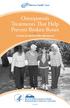 Osteoporosis Treatments That Help Prevent Broken Bones A Guide for Women After Menopause June 2008 fast facts Medicines for osteoporosis (OSS-tee-oh-puh-ROW-sis) can lower your chance of breaking a bone.
Drug treatments for osteoporosis
 Drug treatments for osteoporosis What is osteoporosis? Osteoporosis occurs when the struts which make up the mesh-like structure within bones become thin causing them to become fragile and break easily,
Osteoporosis. The inside looks like honeycomb, with blood vessels and bone marrow in the spaces between bone.
 Osteoporosis The bones in our skeleton are made of a thick outer shell and a strong inner mesh filled with collagen (protein), calcium salts and other minerals. Osteoporosis The inside looks like honeycomb,
Osteoporosis Medications
 Osteoporosis Medications When does a doctor prescribe osteoporosis medications? Healthcare providers look at several pieces of information before prescribing a bone- preserving or bone- building medication.
Clinical Practice Guideline for Osteoporosis Screening and Treatment
 Clinical Practice Guideline for Osteoporosis Screening and Treatment Osteoporosis is a condition of decreased bone mass, leading to bone fragility and an increased susceptibility to fractures. While osteoporosis
X-Plain Vertebral Compression Fractures Reference Summary
 X-Plain Vertebral Compression Fractures Reference Summary Introduction Back pain caused by a vertebral compression fracture, or VCF, is a common condition that affects thousands of people every year. A
Drug treatment pathway for Osteoporosis in Postmenopausal Women
 Drug treatment pathway for Osteoporosis in Postmenopausal Women Version 1.0 Ratified by: East Sussex HEMC Date ratified: 26.01.2011 Job title of originator/author Gillian Ells, East Sussex HEMC Pharmacist
COMMITTEE FOR MEDICINAL PRODUCTS FOR HUMAN USE (CHMP) GUIDELINE ON THE EVALUATION OF MEDICINAL PRODUCTS IN THE TREATMENT OF PRIMARY OSTEOPOROSIS
 European Medicines Agency London, 16 November 2006 Doc. Ref. CPMP/EWP/552/95 Rev. 2 COMMITTEE FOR MEDICINAL PRODUCTS FOR HUMAN USE (CHMP) GUIDELINE ON THE EVALUATION OF MEDICINAL PRODUCTS IN THE TREATMENT
CMAJ JAMC. 2002 clinical practice guidelines for the diagnosis and management of osteoporosis in Canada
 CANADIAN M EDICAL A SSOCIATION J OURNAL J OURNAL DE L ASSOCIATION MÉDICALE CANADIENNE CMAJ JAMC 2002 clinical practice guidelines for the diagnosis and management of osteoporosis in Canada CMAJ 2002;167(10
How To Take A Bone Marrow Transplant
 Drug treatments to protect your bones This information is an extract from the booklet, Bone health. You may find the full booklet helpful. We can send you a copy free see page 5. Contents Bisphosphonates
What You Need to Know for Better Bone Health
 What You Need to Know for Better Bone Health A quick lesson about bones: Why healthy bones matter The healthier your bones The more active you can be Bone health has a major effect on your quality of life
Osteoporosis Treatment Guide
 Osteoporosis Treatment Guide An estimated 10 million Americans have osteoporosis. Another 34 million have low bone mass. If left untreated, osteoporosis can be both debilitating and painful. Fortunately,
DERBYSHIRE JOINT AREA PRESCRIBING COMMITTEE (JAPC) OSTEOPOROSIS GUIDELINE
 DERBYSHIRE JOINT AREA PRESCRIBING COMMITTEE (JAPC) OSTEOPOROSIS GUIDELINE This is an updated guideline It incorporates the latest NICE guidance There are strong recommendations for calcium + vitamin D
Osteoporosis and Vertebral Compression (Spinal) Fractures Fact Sheet
 Osteoporosis and Vertebral Compression (Spinal) Fractures Fact Sheet About Osteoporosis Osteoporosis is estimated to affect 200 million women worldwide. 1 Worldwide, osteoporosis causes more than nine
Osteoporosis. Dr Gordon MacDonald BSc MB BChir MRCP Consultant Rheumatologist. Rheumatology and Arthritis Seminar Tuesday 5 th February 2013
 Osteoporosis Dr Gordon MacDonald BSc MB BChir MRCP Consultant Rheumatologist Rheumatology and Arthritis Seminar Tuesday 5 th February 2013 Plan What is osteoporosis? Consequences of osteoporosis Risk factors
Scans and tests and osteoporosis
 Scans and tests and osteoporosis What is osteoporosis? Osteoporosis occurs when the struts which make up the mesh-like structure within bones become thin causing them to become fragile and break easily,
Treatment of osteoporosis in fragility fractures
 Orthogeriatrics Clinical Summary Document Treatment of osteoporosis in fragility fractures Fragility fractures are extremely prevalent in older adults with a staggering cost of treatment. As the population
Orthopaedic Issues in Adults with CP: If I Knew Then, What I Know Now
 Orthopaedic Issues in Adults with CP: If I Knew Then, What I Know Now Laura L. Tosi, MD Director, Bone Health Program Children s National Medical Center Washington, DC Epidemiology 87-93% of children born
NATIONAL OSTEOPOROSIS FOUNDATION OSTEOPOROSIS CLINICAL UPDATES Rehabilitation of Patients With Fragility-Related Fractures CE APPLICATION FORM
 NATIONAL OSTEOPOROSIS FOUNDATION OSTEOPOROSIS CLINICAL UPDATES Rehabilitation of Patients With Fragility-Related Fractures CE APPLICATION FORM First Name: Last Name: Mailing Address: City: State: Zip/Postal
Osteoporosis and Arthritis: Two Common but Different Conditions
 and : Two Common but Different Conditions National Institutes of Health and Related Bone Diseases ~ National Resource Center 2 AMS Circle Bethesda, MD 20892 3676 Tel: 800 624 BONE or 202 223 0344 Fax:
PROTOCOL FOR PATIENTS WITH ABNORMAL LAB AND X-RAY VALUES
 PROTOCOL FOR PATIENTS WITH ABNORMAL LAB AND X-RAY VALUES Patients newly diagnosed as osteopenic or osteoporotic on a radiology report or patients receiving abnormal lab values on the following lab tests
Back & Neck Pain Survival Guide
 Back & Neck Pain Survival Guide www.kleinpeterpt.com Zachary - 225-658-7751 Baton Rouge - 225-768-7676 Kleinpeter Physical Therapy - Spine Care Program Finally! A Proven Assessment & Treatment Program
FRAX Identifying people at high risk of fracture
 FRAX Identifying people at high risk of fracture WHO Fracture Risk Assessment Tool, a new clinical tool for informed treatment decisions Authored by Dr. Eugene McCloskey International Osteoporosis Foundation
Cystic fibrosis and bone health
 Cystic fibrosis and bone health Factsheet March 2013 Cystic fibrosis and bone health Introduction As we get older our bones become thinner and weaker, and may become more susceptible to fracture. However
Clinical Practice Guidelines for the Diagnosis and Management of Osteoporosis in Canada: Background and Technical Report
 Clinical Practice Guidelines for the Diagnosis and Management of Osteoporosis in Canada: Background and Technical Report Authors: Alexandra Papaioannou MD MSc 1, Suzanne Morin MD MSc 2, Angela M. Cheung
BONE MINERAL DENSITOMETRY REPORTING
 CAR TECHNICAL STANDARDS FOR BONE MINERAL DENSITOMETRY REPORTING APPROVED: JANUARY 25, 2013 KERRY SIMINOSKI, MD, FRCPC; MARGARET O'KEEFFE, MD, FRCPC; JACQUES P. BROWN, MD, FRCPC; STEVEN BURRELL, MD, FRCPC;
 BISPHOSPHONATE RELATED OSTEONECROSIS OF THE JAW (BRONJ) BISPHOSPHONATES AND WHAT HAPPENS TO BONE VINCENT E. DIFABIO, DDS, MS MEMBER OF THE COMMITTEE ON HEALTHCARE AND ADVOCACY FROM THE AMERICAN ASSOCIATION
Falls and Fracture Risk assessment and management
 Falls and Fracture Risk assessment and management Disclosures: Although various guidelines and studies were reviewed, this represents my own personal bias and conclusions. What do we know? 1) Fractures
Osteoporosis Medicines and Jaw Problems
 Osteoporosis Medicines and Jaw Problems J. Michael Digney, D.D.S. Osteoporosis is a condition that affects over 10 million patients in this country, with the majority of those being post-menopausal women.
Osteoarthritis and osteoporosis
 Osteoarthritis and osteoporosis What is osteoporosis? Osteoporosis occurs when the struts which make up the mesh-like structure within bones become thin causing them to become fragile and break easily,
Healthy Aging Lab: Current Research Abstracts
 Healthy Aging Lab: Current Research Abstracts Arsenic Exposure and Women s Health Environmental exposure to inorganic arsenic is an indisputable source of increased risk of several human cancers and chronic
Osteoporosis. Am I at Risk?
 Osteoporosis Am I at Risk? TABLE OF CONTENTS What is osteoporosis?...1 Who gets osteoporosis?...2 How can I prevent osteoporosis?...3 How do I know if I have osteoporosis?...4 What is a bone mineral density
NATIONAL OSTEOPOROSIS FOUNDATION OSTEOPOROSIS CLINICAL UPDATES Bariatric Surgery And Skeletal Health CE APPLICATION FORM
 NATIONAL OSTEOPOROSIS FOUNDATION OSTEOPOROSIS CLINICAL UPDATES Bariatric Surgery And Skeletal Health CE APPLICATION FORM First Name: Last Name: Mailing Address: City: State: Zip/Postal Code: Country: Phone
Clinical guideline for the prevention and treatment of osteoporosis in postmenopausal women and older men
 Clinical guideline for the prevention and treatment of osteoporosis in postmenopausal women and older men February 2010 Approved by NHMRC on 5 February 2010 The Royal Australian College of General Practitioners,
Corporate Medical Policy
 Corporate Medical Policy File Name: Origination: Last CAP Review: Next CAP Review: Last Review: testing_serum_vitamin_d_levels 9/2015 2/2016 2/2017 2/2016 Description of Procedure or Service Vitamin D,
OSTEOPOROSIS REHABILITATION PROGRAM
 OSTEOPOROSIS REHABILITATION PROGRAM Tricia Orme, R.N. BSc(N) Mary Pack Arthritis Program Victoria i Arthritis i Centre Objectives Participants will gain an understanding of what Osteoporosis is and how
Requests. Who requests a DXA scan? DXA. DXA Technology. Adequate Clinical Information
 Requests Define a protocol for validation and prioritisation of densitometry requests. Registered medical practitioners In writing Include adequate clinical information Unsuitable requests should be discussed
Bone Markers in Osteoporosis: Prediction of Fractures & Treatment Monitoring
 Bone Markers in Osteoporosis: Prediction of Fractures & Treatment Monitoring Richard Eastell, MD FRCP FRCPath FMedSci, Professor of Bone Metabolism, University of Sheffield, Sheffield, UK Usefulness of
SUMMARY OF THE RISK MANAGEMENT PLAN (by medicinal product)
 PART VI SUMMARY OF THE RISK MANAGEMENT PLAN (by medicinal product) Format and content of the summary of the RMP The summary of the RMP part VI contains information based on RMP modules SI, SVIII and RMP
Care pathways for vertebral compression fractures
 Care pathways for vertebral compression fractures SYDNEY MEDICAL SCHOOL Associate Professor Manuela L Ferreira, PhD Sydney Medical Foundation Fellow Institute of Bone and Joint Research and The George
Hormone Restoration: Is It Right for You? Patricia A. Stafford, M.D. Founder, Wellness ReSolutions
 Hormone Restoration: Is It Right for You? Patricia A. Stafford, M.D. Founder, Wellness ReSolutions IMPORTANCE OF HORMONE BALANCE Importance of Hormone Balance Help you live a long, healthy life Help you
Proposed Changes to Existing Measure for HEDIS 1 2015: Osteoporosis Management in Women Who Had a Fracture (OMW)
 Draft Document for HEDIS 2015 Public Comment Obsolete After March 19, 2014 1 Proposed Changes to Existing Measure for HEDIS 1 2015: Osteoporosis Management in Women Who Had a Fracture (OMW) NCQA seeks
Barriers to Osteoporosis Identification and Treatment Among Primary Care Physicians and Orthopedic Surgeons
 334 Original Article Barriers to Osteoporosis Identification and Treatment Among Primary Care Physicians and Orthopedic Surgeons CHRISTINE SIMONELLI, MD; KATHLEEN KILLEEN, MOT; SUSAN MEHLE, BS; AND LEAH
Animal Systems: The Musculoskeletal System
 Animal Systems: The Musculoskeletal System Tissues, Organs, and Systems of Living Things Cells, Cell Division, and Animal Systems and Plant Systems Cell Specialization Human Systems The Digestive The Circulatory
Bone Mineral Density Studies
 Bone Mineral Density Studies Policy Number: 6.01.01 Last Review: 5/2015 Origination: 10/1988 Next Review: 5/2016 Policy Blue Cross and Blue Shield of Kansas City (Blue KC) will provide coverage for bone
HEALTH CARE COSTS 11
 2 Health Care Costs Chronic health problems account for a substantial part of health care costs. Annually, three diseases, cardiovascular disease (including stroke), cancer, and diabetes, make up about
Press Information. Vitamin D deficiency
 DSM, Corporate Communications P.O. Box 6500, 6401 HJ Heerlen The Netherlands phone +31 (0) 45 578 2421 www.dsm.com Vitamin D is one of the essential nutrients for human health. Unlike other types of vitamins
The Women s Health Initiative: The Role of Hormonal Therapy in Disease Prevention
 The Women s Health Initiative: The Role of Hormonal Therapy in Disease Prevention Robert B. Wallace, MD, MSc Departments of Epidemiology and Internal Medicine University of Iowa College of Public Health
Margaret French, Specialist Nurse, Fracture Liaison Service Glasgow Royal Infirmary Rachel Lewis Rheumatology Specialist Physiotherapist, North
 Margaret French, Specialist Nurse, Fracture Liaison Service Glasgow Royal Infirmary Rachel Lewis Rheumatology Specialist Physiotherapist, North Bristol NHS Trust Very informal workshop to facilitate discussion
The menopausal transition usually has three parts:
 The menopausal transition usually has three parts: Perimenopause begins several years before a woman s last menstrual period, when the ovaries gradually produce less estrogen. In the last 1-2 years of
Preventive Care Guideline for Asymptomatic Elderly Patients Age 65 and Over
 Preventive Care Guideline for Asymptomatic Elderly Patients Age 65 and Over 1. BMI - Documented in patients medical record on an annual basis up to age 74. Screen for obesity and offer counseling to encourage
Facts About Aging and Bone Health
 Facts About Aging and Bone Health A Guide to Better Understanding and Well Being with the compliments of Division of Health Services Diocese of Camden Exercise as treatment Along with medication, proper
Vitamin K 2 treatment for postmenopausal osteoporosis in Indonesia
 Blackwell Publishing AsiaMelbourne, AustraliaJOGThe Journal of Obstetrics and Gynaecology Research1341-87626 Asia and Oceania Federation of Obstetrics and Gynaecology2632223234Original ArticleVitamin K2
Us TOO University Presents: Estrogen Deficiency Side Effects Due to Androgen Deprivation Therapy
 Us TOO University Presents: Estrogen Deficiency Side Effects Due to Androgen Deprivation Therapy Today s speaker is Samir Taneja, MD Program moderator is Pam Barrett, Us TOO International Made possible
WOMENCARE A Healthy Woman is a Powerful Woman (407) 898-1500. Hormone Therapy
 Hormone Therapy WOMENCARE A Healthy Woman is a Powerful Woman (407) 898-1500 At menopause, a woman's body makes less estrogen and she stops having menstrual periods. This is a natural stage in a woman's
Overview of osteoporosis: Epidemiology and clinical management
 Vertebral Fracture Initiative Part I Overview of osteoporosis: Epidemiology and clinical management Authored by: Pawel Szulc 1, Mary L Bouxsein 2 1. INSERM 831 Research Unit, University of Lyon, Hôpital
MOH/P/PAK/240.12(GU) June 2012. Clinical Guidance on Management. Osteoporosis 2 0 12. Malaysian Osteoporosis Society
 MOH/P/PAK/240.12(GU) June 2012 Clinical Guidance on Management of Osteoporosis 2 0 12 Malaysian Osteoporosis Society Academy of Medicine Ministry of Health Malaysia Published by: Malaysian Osteoporosis
QCT BMD Imaging vs DEXA BMD Imaging
 QCT BMD Imaging vs DEXA BMD Imaging by Charles (Chuck) Maack Prostate Cancer Advocate Wichita, Kansas Chapter, Us TOO Intl., Inc. Dual-Energy X-ray Absorptiometry (DEXA) or Quantitative Computerized Tomography
A Patient s Guide to Diffuse Idiopathic Skeletal Hyperostosis (DISH)
 A Patient s Guide to Diffuse Idiopathic Skeletal Hyperostosis (DISH) Introduction Diffuse Idiopathic Skeletal Hyperostosis (DISH) is a phenomenon that more commonly affects older males. It is associated
SIGN 142 Management of osteoporosis and the prevention of fragility fractures. A national clinical guideline March 2015. Evidence
 SIGN 142 Management of osteoporosis and the prevention of fragility fractures A national clinical guideline March 2015 Evidence KEY TO EVIDENCE STATEMENTS AND ECOMMENDATIONS LEVELS OF EVIDENCE High-quality