
Safe storage and handling of vaccines
|
|
|
- Myron Neal Mathews
- 9 years ago
- Views:
Transcription
1 CONTINUING PROFESSIONAL CPDDEVELOPMENT 4 Page 53 Vaccines multiple choice questionnaire 4 Page 54 Read Lorna Young s practice profile on patient safety 4 Page 55 Guidelines on how to write a practice profile Safe storage and handling of vaccines NS731 Chiodini J (2014) Safe storage and handling of vaccines. Nursing Standard. 28, 25, Date of submission: October ; date of acceptance: December Abstract Safe vaccine storage and handling is essential to ensure that the cold chain that refrigerates the vaccine at a temperature between +2 C and +8 C is maintained from manufacture, through delivery and storage, to patient administration. This article considers the available literature on vaccine storage and handling. Although the UK provides significant guidance on the topic, global resources can increase understanding of areas that are not particularly clear for the practitioner undertaking cold chain management. It is hoped that readers will appreciate the importance of this subject not only within their own practice, but also on a global scale. The article aims to increase readers confidence to review and enhance, or if necessary develop, a vaccine storage and handling protocol, thus ensuring the highest standard of care in this area. Author Jane Chiodini Travel health and immunisation specialist nurse, The Village Medical Centre, Great Denham, Bedfordshire. Correspondence to: [email protected] Keywords Cold chain, data loggers, protocols, vaccination, vaccine management, vaccine storage Review All articles are subject to external double-blind peer review and checked for plagiarism using automated software. Online Guidelines on writing for publication are available at For related articles visit the archive and search using the keywords above. Aims and intended learning outcomes In the UK, vaccination programmes are undertaken predominantly in primary care although many vaccines are also administered in occupational health (private companies and NHS secondary care), private travel clinics, school and military settings. Vaccines and many medications such as insulin and chemotherapy require storage in the cold chain, which in this case involves maintaining a temperature range of between +2 C and +8 C. Therefore, the topic of cold chain storage is wide-reaching and important in vaccine management. This article focuses on vaccine storage and handling in the healthcare setting, with minimal reference to ordering and disposal of vaccines. However, resources will also direct the reader to further information and perhaps evoke greater consideration for more unusual settings such as the home or travel abroad. After reading this article and completing the time out activities you should be able to: 4Define the cold chain and describe the importance of such knowledge. 4Identify the elements required to ensure safe vaccine storage and handling. 4Apply knowledge of safe vaccine storage and handling to practice and consider writing a protocol for your workplace. 4Evaluate the principles of vaccine storage and apply this knowledge, where appropriate, to more unusual settings. Introduction Vaccination is one of the most effective public health interventions worldwide, second NURSING STANDARD / RCN PUBLISHING february 19 :: vol 28 no 25 ::

2 CPD vaccination only to providing clean water, to help save people s lives and improve their health (Public Health England 2013a). Vaccination has been part of the UK s public health programme for many years as the latest historical timeline illustrates (Public Health England 2013b) (Figure 1). Figure 1 is a useful reference tool for all healthcare professionals involved in immunisation. However, when the first vaccine was developed, the smallpox vaccine in 1796, vaccine storage and management would not have been a topic for consideration. Figure 1 also illustrates the importance of vaccination for individuals of all ages in UK childhood and adult immunisation programmes, in addition to some travel vaccines. Complete time out activity 1 For a vaccination programme to be effective and provide maximum protection, it is essential for vaccines to be stored in optimum conditions. If vaccines become too hot or too cold, their effectiveness may be compromised. Vaccines naturally biodegrade over time and this process may be accelerated if they are stored outside the recommended temperature range. Vaccines must never be frozen because in addition to vaccine deterioration, this increases reactogenicity by irreversible denaturing of the proteins in the vaccine. This causes the emulsions in the vaccine to become unstable and produces hairline cracks in the ampoule, vial or prefilled syringe, potentially contaminating the contents. Any glass spicules produced may also cause serious local adverse reactions. These factors may result in the failure of the vaccine to stimulate the FIGURE 1 Historical vaccine development and introduction of vaccines in the UK BCG Bacillus Calmette-Guerin; DTaP diphtheria, tetanus and pertussis; Hib Haemophilus influenzae; IPV inactivated polio vaccine; MenC meningitis C; MMR measles, mumps, rubella; Td tetanus and diptheria (Public Health England 2013b) 46 february 19 :: vol 28 no 25 :: 2014 NURSING STANDARD / RCN PUBLISHING

3 intended immune response, therefore providing poor protection to the individual (Department of Health (DH) 2013), which in turn may also affect herd immunity and have wide-reaching public health implications. Complete time out activity 2 Global need for effective vaccine management Worldwide, conditions are such that it is difficult for the cold chain to be maintained, for example if power is non-existent or power cuts occur regularly in a particular area. Vaccination programmes may need to be performed in remote areas, where road and transport problems may make them difficult to access. Complete time out activity 3 The History of Vaccines (Hammond et al 2013) explain that the eradication of smallpox was, in part, a success because the smallpox vaccine remained viable for reasonable lengths of time even when stored at relatively high temperatures. However, some of the newer vaccines cannot withstand such temperatures. In 2010, a volcanic ash cloud in Iceland brought air traffic to a standstill. Some of the aeroplanes involved were transporting 15 million doses of polio vaccine, destined for West Africa. There was significant concern that the cargo hold temperatures of the grounded planes would increase and render the vaccines ineffective. Incidents such as this are a stark reminder of the need for vaccines to be easily and safely transported in a range of conditions to ensure their effectiveness. In 2010, research at the Jenner Institute, University of Oxford in the UK, involved coating a small filterlike membrane with an ultra thin layer of sugar glass, with viral particles trapped inside it. This enabled viruses to be stored at temperatures of up to 45 C for six months without compromising their potential to provoke an immune response (Hammond et al 2013). Such research and development will help to improve the effectiveness of immunisation programmes globally. Vaccine management in resource-wealthy countries Resource-wealthy countries have the facilities to ensure vaccines are always available in optimum conditions, but poor practice means this is not always the case. In June 2009, a UK primary care trust shared data with the National Patient Safety Agency (NPSA) on its two-year retrospective audit of 96 practices, which revealed storage of vaccines outside the recommended temperature range, resulting in 560 patients from two practices having to be recalled for repeat vaccination (NPSA 2010). Vaccine storage may be perceived as a tedious area. However, all staff involved in immunisation should be aware of training requirements and be compliant with the storage and handling of vaccines as detailed in published core curriculum guidance to ensure best practice (Health Protection Agency (HPA) 2005a, 2005b, 2012a). UK policy and resources In the UK and abroad, guidance on vaccines and vaccination procedures is provided from a variety of sources. The main resource on this topic Immunisation Against Infectious Disease, also known as the Green Book (DH 2013), should now only be accessed online. Chapter 3 of this publication focuses on storage, distribution and disposal of vaccines, and was last updated in June It includes links to the processes undertaken for the ordering of centrally purchased vaccines in England, Scotland, Wales and Northern Ireland, as well as provision for immunoglobulins and antitoxins. It should be noted that processes in the four countries vary slightly. The chapter also addresses spillage and disposal of vaccines, indicating the need for locally written policies and procedures in this area (DH 2013). Policy for vaccine storage Emphasis on optimum protection from correctly stored vaccines is paramount, but in addition, inappropriate storage and transport also results in wastage and unnecessary costs to the NHS. Many vaccines are expensive and whether they are supplied centrally or purchased directly from the manufacturer as is the case with travel vaccines, the financial burden of wastage should be avoided at all times. A protocol for ordering, storing and handling vaccines should be available in the workplace that provides detailed information on the roles and responsibilities of all those involved. The aim of such a protocol is to ensure that vaccines are stored and managed appropriately, thus reducing the risk of compromising the quality, efficiency and safety of the vaccine, and improving the service for 1 Access and print a copy of the vaccine development timeline (Public Health England 2013b). Consider laminating it and placing it on a noticeboard in the clinical area of your workplace, making it available for all to study. 2 Look at slides for core topic 8: storage and handling of vaccines available at tinyurl. com/mfruh7a. From these slides, identify which vaccines are heat-sensitive, which are cold-sensitive and which are light-sensitive. 3 Watch UNICEF ambassador Ewan McGregor illustrating how operationally difficult it is to maintain the cold chain and transport much-needed vaccines to protect vulnerable children at tinyurl.com/ ok86sg6. Reflect on the difficulties encountered. NURSING STANDARD / RCN PUBLISHING february 19 :: vol 28 no 25 ::

4 CPD vaccination TABLE 1 Topics for consideration when developing a protocol for ordering, storing and handling of vaccines Topic Action Comment Staff involved Vaccine ordering Vaccine delivery Equipment Stock rotation and storage Stock monitoring and management Routine maintenance Incident reporting Audit All staff, but at least two named trained people one from the nursing team and one from administration or management need to be responsible for ordering, receipt and care of vaccines. No more than 2-4 weeks supply of vaccines should be stored at any time. Small quantities should be ordered on a regular basis. Ordering needs to be done in sufficient time to ensure adequate supply of the vaccine. Details of various ordering methods for England, Scotland, Wales and Northern Ireland are detailed in the Green Book. Vaccines should be checked: correct order supplied against the delivery note and that there is no damage or leakage before accepting and signing for them. Vaccines should be put into the validated vaccine fridge immediately to ensure the cold chain is maintained. New stock details should be entered on the stock inventory. It is the responsibility of the named individuals to ensure this process takes place. 4A validated fridge must be used to store the vaccines between +2 C and +8 C. Aiming for +5 C is considered good practice. A domestic fridge is not suitable for storing vaccines. 4A validated cool box or carrier, such as a portable vaccine fridge, must be used if vaccines are to be administered in a separate place to where the vaccine fridge is situated. Domestic cool boxes should not be used. 4Two maximum/minimum thermometers should be available per fridge, one being independent of mains power. Stock should be properly rotated using stock with the shortest expiry date first. Vaccines should be left in their original packaging and storing boxes against the back or side walls of the fridge should be avoided. Prolonged exposure to ultraviolet light causes loss of potency. A system needs to be in place to keep track of records; keep track of expiry dates; and keep a running total of vaccines, including wastage. Such systems are most effective when kept up to date on ordering, delivery and after administration. Vaccine stock should be checked and records updated at least every month. The named persons are responsible for ensuring this task is undertaken. Regular maintenance should be arranged to ensure the vaccine fridge is clean, annual contract for servicing and calibration of the temperature gauge. Vaccine management review should be performed quarterly and maintenance of the cold chain should form part of the immunisation training update. In the event of vaccine fridge failure, the protocol should have explicit documentation of all procedures to be followed. 4Daily vaccine fridge temperatures should be recorded as a minimum and this task could be allocated to any staff member as long as he or she understands the process of the four Rs : read, record, reset and react, in addition to regular downloading of the USB or SD card recordings. 4Content of the vaccine fridge should be checked weekly. 4Review of vaccine stock should be undertaken monthly. (Adapted from Department of Health 2010, 2012b, 2013, Public Health England 2013c, 2013d) Delegated persons to be named in the protocol. Care should be taken regarding bank holiday periods, ensuring advance planning. Central stock should be used appropriately and legally. The delivery check needs to be well managed as delivery personnel have little time to wait and damaged stock cannot be claimed after signing for receipt. See further details regarding equipment in the main text of this article. The Green Book provides comprehensive information about the vaccine fridge. Consider investing in a portable vaccine fridge for greater reliability. Use of a marking system on vaccine packaging can be useful for use first identifiers. The Green Book states that sophisticated stock information systems are available, but as a minimum, a paper-based record or a spreadsheet could be used. A record of calibration certification should be kept. See the Green Book for full details, and ImmForm Helpsheet 18. Guidance states that audit of stock and temperature management should be shared with the clinical commissioning group every three months. See also ImmForm Helpsheet february 19 :: vol 28 no 25 :: 2014 NURSING STANDARD / RCN PUBLISHING

5 patients. Table 1 outlines some of the topics that might be covered in such a protocol. Complete time out activity 4 Effects of vaccine storage outside the recommended temperature range The summary of product characteristics for a vaccine will provide details of the storage conditions required, between +2 C and +8 C. If vaccines have not been stored at the recommended temperature range, they are no longer covered by the terms of the marketing authorisation or product licence. It is essential that the cold chain is maintained from the point of manufacturing, through delivery and storage, to patient administration. If this cannot be guaranteed: 4The vaccine should not be used without a risk assessment based on a thorough understanding of the likely effect of the temperature of the vaccine. 4The vaccine cannot be administered within a patient group direction for that product. 4Use of the vaccine becomes the responsibility of the user and/or prescriber. 4Full details should be provided to the recipient of the vaccine since it would be administered outside the licence use. Policies and procedures should be in place to deal with a breach in the cold chain and incorporated into the protocol for ordering, storing and handling of vaccines. Vaccine Incident Guidance (HPA 2012b) not only addresses all aspects of errors in vaccine storage, but also covers topics such as responding to errors in vaccine preparation and administration. This document should be read in its entirety and would make a useful addition to the protocol for vaccine storage. Complete time out activity 5 Equipment details While advice is given to use specific equipment for vaccine storage, limited information is provided and there is no longer a document advising on recommended suppliers. Some policies recommend contacting the local health organisation for information (Health Protection Scotland (HPS) 2013), however, with significant changes in the NHS, the most appropriate person to provide advice in this area, for example an immunisation manager, may be difficult to identify. For the purpose of this article, the author has reviewed the available information to detail the practicalities of such equipment. Vaccine fridge Specialised vaccine fridges are indicated for the storage of pharmaceutical products ordinary domestic fridges cannot be used. Food, drink and clinical specimens must not be kept in the vaccine fridge under any circumstances. These fridges have no storage compartments on the door and are available with glass front doors for easy viewing, and to minimise the length of time the fridge remains open. The fridge should be lockable because vaccines are prescription-only medicines. Vaccine fridges are more expensive than domestic fridges, but they are purpose-built and designed with the following features (Ontario Ministry of Health and Long-Term Care 2013): 4Internal temperatures are regulated by a temperature regulation mechanism, which ensures minimal tolerance for any deviation. 4Air is circulated continuously ensuring the temperature is distributed evenly throughout the fridge. 4The internal temperature is maintained between +2 C and +8 C. 4An evaporator operates at +2 C to prevent vaccines from freezing. 4The temperature recovery system works quickly. 4The forced air which is circulated helps to ensure the temperature inside the fridge is kept between +2 C and +8 C, even when the temperature outside the fridge fluctuates. Consideration must be given to the size of the fridge. It should be large enough to store products required for immunisation programmes at any time of the year, while ensuring there is sufficient space for air to circulate around the products ideally, the fridge should never be more than two thirds full. Having a plan in the fridge for storage of specific items is good practice to minimise the time the door needs to be kept open. A glass door or labelling systems on the door can also speed up the selection of vaccines required. The fridge should not be positioned near a heat source and there should be adequate ventilation space around the fridge. The power supply to the fridge should be secure so that accidental interruption of electricity does not occur, for example by installing a switchless socket (DH 2013). A vaccine fridge will have an integrated thermometer and newer models will also have standardised internal data loggers. 4 Before you look at Table 1, consider the topics that you would include in a protocol for ordering, storing and handling of vaccines. Now compare your findings with the information in Table 1. 5 Read Vaccine Incident Guidance (HPA 2012b). Identify information that is relevant to your area of practice and arrange a session to discuss this with your colleagues. NURSING STANDARD / RCN PUBLISHING february 19 :: vol 28 no 25 ::

6 CPD vaccination Vaccine transporter To transport vaccines, UK guidance recommends the use of a validated cool box costing around 300 and validated cool packs to be obtained from a recognised medical supplier and used according to manufacturers instructions (DH 2010, 2013). Monitoring temperature throughout use is essential the transporter should contain only sufficient vaccines for the required session and any unused vaccines can be returned to the vaccine fridge as long as the cold chain has been maintained (DH 2013). The Ontario Ministry of Health and Long-Term Care (2013) provides further information that might be useful before purchase of a vaccine transporter. The vaccine transporter is in an insulated solid-walled container with a tight lid. The required temperature inside the container is maintained by using ice packs or gel packs, but should only be used for short storage periods because most containers can only maintain the required temperature for up to three or four hours. Preparation of the container involves placing it in the vaccine fridge until its temperature is between +2 C and +8 C before use, which will take a few hours, or pre-chilling the container with icepacks for at least one hour before use. If this method is used, the ice packs or gel packs must be pre-conditioned. When an ice pack is removed from a freezer, its temperature is approximately -20 C so it needs to be kept at room temperature for a period of time to allow its core temperature to rise to 0 C. This process is called conditioning and beads of water will cover the surface of the ice pack when adequately conditioned a process that can take minutes. Conditioning is essential, particularly for gel packs because they can remain colder than 0 C for even longer. Packing of the insulated container is critical because freezing episodes can occur, particularly in the first two hours of use. The ice pack needs to be placed at the bottom of the container followed by a pre-conditioned (between +2 C and +8 C) vaccine blanket then the vaccine boxes, placing the maximum/minimum thermometer sensor in the centre of these packages, then another layer of the vaccine blanket followed by the ice pack on top. Newspaper or bubble wrap can be placed to fill the vertical void and the lid should be placed on top. The maximum/minimum thermometer should be read frequently to ensure the cold chain is maintained at all times and records of this should be kept. The container should not be transported in the boot of a car because of the extremes of temperature that can occur in this environment (Ontario Ministry of Health and Long-Term Care 2013). Portable vaccine fridge Several portable vaccine fridges are available and are a sensible option if working outside the regular workplace frequently. They come in a variety of sizes and are designed to work on a normal 12 Volt DC (fitted with a car cigarette lighter connection for mobile operation) or Volt AC (fitted with a three-pin plug for mains power operation). The fridge then works like a normal vaccine fridge with a calibrated maximum/minimum thermometer to keep the temperature between +2 C and +8 C (Ellis Spencer, national accounts manager, Shoreline (UK), Littlehampton, 2013, personal communication). Although a portable vaccine fridge is an expensive option, it is possibly easier to operate and there may be more confidence in its temperature stability than in that of a validated cool box. Temperature monitoring devices UK guidance advises continual monitoring of the temperature inside a vaccine fridge using a maximum/minimum thermometer and suggests that digital thermometers are the most reliable (DH 2013). The thermometer should be independent of mains power so that temperatures can be measured in the event of electricity disruption (DH 2013). New vaccine fridges have integral probes connected to a digital display. A calibration certificate should be supplied by the manufacturer and retained as evidence of calibration. The thermometer should have an accuracy of at least +/-1 C (HPS 2013). If the fridge is older, a calibrated independent maximum/minimum digital thermometer should be used, but if only one device is in place, then a monthly check should be carried out to confirm that its calibration is accurate (DH 2010). The probe should be positioned in the middle of the fridge among the vaccines and recordings should be read from outside the door if possible (HPS 2013). Data loggers are devices that are used to record the fridge temperature continuously and can provide a historical record of the temperature. The frequency of temperature recordings can be set as often as every minute if desired. Data loggers are typically battery-operated and last up to ten years, depending on the device. The information can 50 february 19 :: vol 28 no 25 :: 2014 NURSING STANDARD / RCN PUBLISHING

7 be downloaded to a computer via software supplied, preferably on a regular basis, for example weekly and ideally at the same time each week. Data loggers will display information about temperature recordings and log the length of time a storage unit has been operating outside the recommended temperature range (Centers for Disease Control and Prevention (CDC) 2012), unlike a maximum/minimum thermometer that will only provide the warmest and coolest temperatures reached. There are different data loggers available, ranging from simple ones starting at about 70, to more technologically advanced systems that can be monitored remotely. As a minimum, the data logger chosen should be capable of displaying the current temperature as well as the maximum/minimum temperatures and should have an alarm that can be set to ring at a specified temperature (CDC 2012). The Green Book (DH 2013) now includes consideration of the use of a data logger. New vaccine fridges often come with an integrated system and memory card, which stores the same information as a standalone data logger. Importance of temperature records and summary of cold chain disruption The DH (2013) advises that temperature within the vaccine fridge is recorded at least once each working day, with emphasis placed on the four Rs : read, record, reset and react (Box 1). Complete time out activity 6 Records of temperature readings should be kept for at least one year and cover the full storage history of products kept in the vaccine fridge. Since the shelf life of a vaccine can be up to four years or longer, it is recommended that records are kept for five years (DH 2013, HPS 2013). If a vaccine fridge is large, for example to store seasonal influenza vaccines, but has periods when it is not as full and it is harder to stabilise the internal temperature, then bottles of water can be placed in the fridge, ensuring they are labelled not for drinking, to keep the temperature more even, particularly if the fridge is opened frequently (CDC 2012). Arrangements need to be in place for back-up facilities to be available in the event of the vaccine fridge failing or breaking down. A protocol explicitly outlining the action to be taken can be helpful when this type of event occurs (DH 2010, 2013). The DH (2012a) has BOX 1 The four Rs of vaccine fridge temperature recordings Read: Daily reading of the thermometer s maximum, minimum and current temperature at the same time every day, during the working week. Record: Recording temperatures in a standard fashion and on a standard form, including signing each entry on the recording sheet. Reset: Resetting the thermometer after each reading. Thermometers should also be reset when temperatures have stabilised after periods of high activity. React: The person making the recording should take action if the temperature falls outside the +2 C to +8 C range and document this action. required reporting of details of vaccine fridge failures, vaccine wastages and other stock incidents since January The ImmForm Helpsheet 18 (DH 2012b) also outlines what to do in such an event, including isolating or quarantining the affected vaccines within the cold chain, which should then not be used or destroyed until advice has been obtained. The guidance advises that pharmacists at regional medicines information centres can provide NHS staff and contractors with access to the UK Medicines Information database, which collates published and unpublished information from manufacturers (DH 2012b). Complete time out activity 7 Cold chain issues in travel health Travel vaccines can be purchased from individual vaccine manufacturers, although some surgeries will buy stock from a medical wholesaler or chemist, which may secure a reasonable wholesale price. The cost of the NHS vaccine is then claimed back in a variety of ways depending on where in the country the surgery operates. However, some surgeries simply issue a prescription (FP10 or GP10) and the patient goes to the chemist to obtain the drug before its administration. If a system is set up with a pharmacy on site or next door to the surgery or if it is known that the pharmacy can deliver the vaccine maintaining the cold chain, this would be satisfactory. However, many will leave the delivery of the drug up to the patient, with some keeping it at home possibly in their domestic fridge until the appointment time. DH (2013) advise that patients should not normally be asked to store vaccines or immunoglobulins, but if this need 6 Consider recreating Box 1 for the four Rs and place it in a suitable place near your vaccine fridge in your workplace to remind your colleagues of the process. 7 Access the ImmForm Helpsheet 18 (DH 2012b) and ensure you and all relevant personnel in your clinical area are familiar with the guidance. NURSING STANDARD / RCN PUBLISHING february 19 :: vol 28 no 25 ::

8 CPD vaccination 8 Obtain a copy of the current vaccine storage and handling protocol in your workplace if you have one and review its content. Consider updating this document if required, or if you do not have one, consider developing such a document. 9 Now that you have completed the article, you might like to write a practice profile. Guidelines to help you are on page 55. should arise, advice on appropriate storage must be given to the patient or parents or carers. In a travel context, since such vaccines can be ordered, giving patients responsibility in this way would not seem sensible or advisable. Those travelling overseas may attend appointments with insufficient time to complete a vaccine course before departure. It is not advisable to give these individuals a vaccine to take with them for administration when overseas. The cold chain, in this instance, cannot be guaranteed and would put the person responsible for prescribing that vaccine in a tenuous position. Instead, these individuals should be advised to seek completion of their vaccine course if necessary at a travel clinic abroad. Those who travel abroad with other medications such as insulin that are required for health conditions can obtain equipment to help keep products cool. Complete time out activity 8 Conclusion Safe vaccine handling and storage is an important area of practice. It is essential to ensure that processes are in place to provide maximum protection to patients. UK guidelines have improved in recent years, but further and clearer guidance is needed to help practitioners develop good protocols and ensure their equipment and processes comply with best practice NS Complete time out activity 9 USEFUL RESOURCES A travel health website that offers healthcare professionals access to specifically designed tools to use in travel health care. A travel medicine website that contains a travel clinic directory for overseas destinations. References Centers for Disease Control and Prevention (2012) Vaccine Storage and Handling Toolkit. tiny.cc/cdcp_ vaccine (Last accessed: January Department of Health (2010) Protocol for Ordering, Storing and Handling Vaccines. tiny.cc/vaccines_ protocol (Last accessed: January Department of Health (2012a) Vaccine Update. tiny.cc/vaccine_ update (Last accessed: January Department of Health (2012b) ImmForm Helpsheet 18: Fridge Failures and Stock Incidents. tiny. cc/immform_18 (Last accessed: January Department of Health (2013) Storage, Distribution and Disposal of Vaccines: The Green Book, Chapter 3. tiny.cc/chapter_3 (Last Hammond B, Sipics M, Youngdahl K (2013) The future of vaccines. In The History of Vaccines. The College of Physicians of Philadelphia, Philadelphia PA, Health Protection Agency (2005a) Core Curriculum for Immunisation Training. www. hpa.org.uk/webc/hpawebfile/ HPAweb_C/ (Last Health Protection Agency (2005b) National Minimum Standards for Immunisation Training. tiny.cc/ HPA_standards (Last accessed: January Health Protection Agency (2012a) National Minimum Standards and Core Curriculum for Immunisation Training of Healthcare Support Workers. tiny.cc/hcsw_standards (Last Health Protection Agency (2012b) Vaccine Incident Guidance: Actions to Take in Response to Vaccine Errors. tiny.cc/hpa_vac_guide (Last Health Protection Scotland (2013) Guidance on Vaccine Storage and Handling. tiny.cc/ HPS_guidance (Last accessed: January National Patient Safety Agency (2010) Vaccine Cold Storage. alerts/?entryid45=66111 (Last Ontario Ministry of Health and Long-Term Care (2013) Vaccine Storage and Handling Guidelines. tiny.cc/ontario_guidance (Last Public Health England (2013a) Vaccination Immunisation. tiny.cc/ Vacc_imm (Last accessed: January Public Health England (2013b) Historical Vaccine Development and Introduction of Vaccines in the UK. tiny.cc/phe_development (Last Public Health England (2013c) Vaccine Update: Issue 209, November tiny.cc/nov_ update (Last accessed: January Public Health England (2013d) ImmForm Helpsheet 21: Creation of a Vaccine Stock Take. Public Health England, London. 52 february 19 :: vol 28 no 25 :: 2014 NURSING STANDARD / RCN PUBLISHING

Protocol for ordering, storing and handling vaccines. March 2014
 Protocol for ordering, storing and handling vaccines March 2014 Introduction This protocol applies to all staff involved in immunisation. It aims to ensure that vaccines are stored and managed properly
HSE Guidelines for maintaining the vaccine cold-chain including maintenance of vaccine fridges and management of vaccines
 HSE Guidelines for maintaining the vaccine cold-chain including maintenance of vaccine fridges and management of vaccines Document reference number Revision number Approval date NIO01 Document developed
1 Temperature Monitoring of Medication and Vaccine Fridges
 1 Policy Fridges used to store medications and vaccines are monitored to ensure the viability of the medications and vaccines. Food and medications must be stored in separate fridges to guard against contamination.
11 MEDICATION MANAGEMENT
 1 11 MEDICATION MANAGEMENT OVERVIEW OF MEDICATION MANAGEMENT Depending on the size, structure and functions of the health facility, there may be a pharmacy with qualified pharmacists to dispense medication,
Best-Practice Guide Pharmaceutical-Chain Temperature Control and Recording
 Best-Practice Guide Pharmaceutical-Chain Temperature Control and Recording Introduction Medicinal products require controlled storage and transit conditions in order to ensure that their quality is not
The Cold Chain and Vaccine storage
 The Cold Chain and Vaccine storage Cliona Kiersey Chief Pharmacist National Immunisation Office Objectives To explain the cold chain and vaccine delivery service including importance of using vaccine returns
The Cold Chain and Vaccine storage
 The Cold Chain and Vaccine storage Cliona Kiersey Chief Pharmacist National Immunisation Office Objectives To explain the cold chain and vaccine delivery service including use of vaccine returns service
Vaccine Storage Practices Appropriate Vaccine and Diluent Storage Conditions
 Vaccine Storage Practices Appropriate Vaccine and Diluent Storage Conditions Live Vaccines Live vaccines are sensitive to heat. MMRV, varicella, and zoster vaccines must be stored in a continuously frozen
SECTION 7 STORAGE AND HANDLING OF IMMUNIZATION AGENTS
 SECTION 7 STORAGE AND HANDLING OF IMMUNIZATION AGENTS Table of Contents 1.0 STORAGE AND HANDLING OF IMMUNIZATION AGENTS... 1 1.1 ORDERING PROCEDURES... 1 1.2 RECEIVING SHIPMENTS OF IMMUNIZING AGENTS...
Guidance for registered pharmacies providing pharmacy services at a distance, including on the internet
 Guidance for registered pharmacies providing pharmacy services at a distance, including on the internet April 2015 The General Pharmaceutical Council is the regulator for pharmacists, pharmacy technicians
Unit 205 Order, receive and store pharmaceutical stock
 Element 1 Element 2 Element 3 Order pharmaceutical Receive pharmaceutical Store pharmaceutical 223 224 Element 1 Element 2 Element 3 Order pharmaceutical Receive pharmaceutical Store pharmaceutical Background
OBJECTIVE: To provide safe storage and handling for vaccines and medications that require refrigeration.
 Refrigerator / Freezer Temperature Policy #: ADM 134 APPROVED BY: Anthony Dallas, MD, CMO SUPERCEDES POLICY: ADOPTED: 05/2011 REVISED: REVIEWED: 12/2014 OBJECTIVE: To provide safe storage and handling
Storage and Handling. Vaccine Storage and Handling. Storage and Handling Plans
 This chapter provides an overview of best practice guidance for storage and handling. CDC s Vaccine Toolkit, http://www.cdc.gov/vaccines/recs/storage/toolkit/ storage-handling-toolkit.pdf, contains comprehensive
Chapter 3. Immunity and how vaccines work
 Chapter 3 Immunity and how vaccines work 3.1 Objectives: To understand and describe the immune system and how vaccines produce immunity To understand the differences between Passive and Active immunity
How To Get Immunisation Coverage In The Uk
 NHS Immunisation Statistics England 2012-13 Published 26 September 2013 We are the trusted source of authoritative data and information relating to health and care. www.hscic.gov.uk [email protected]
New York State Department of Health (NYSDOH) Bureau of Immunization Vaccine Storage and Handling Plan
 Vaccines need to be properly stored and administered to ensure maximum efficacy and safety. Check yes or no for each item. Implement changes for items marked no. Personnel: 1. We have designated a primary
Vaccination: It s what your child would choose. Your guide to childhood vaccinations.
 Vaccination: It s what your child would choose No-one likes an injection, but your child would never choose to suffer from serious conditions like measles, mumps or whooping cough. Your guide to childhood
Immunisation Services - Authority for Registered Nurses and Midwives
 Policy Directive Ministry of Health, NSW 73 Miller Street North Sydney NSW 2060 Locked Mail Bag 961 North Sydney NSW 2059 Telephone (02) 9391 9000 Fax (02) 9391 9101 http://www.health.nsw.gov.au/policies/
Draft guidance for registered pharmacies providing internet and distance sale, supply or service provision
 Draft guidance for registered pharmacies providing internet and distance sale, supply or service provision September 2014 1 The General Pharmaceutical Council is the regulator for pharmacists, pharmacy
Patient Group Directions. Guidance and information for nurses
 Patient Group Directions Guidance and information for nurses Patient Group Directions Guidance and information for nurses Contents Introduction 4 What is a patient group direction (PGD)? 4 When can PGDs
Immunization Healthcare Branch. Storage & Handling Questions and Answers. Prepared by. Immunization Healthcare Branch (IHB), Defense Health Agency
 Immunization Healthcare Branch Storage & Handling Questions and Answers Prepared by Immunization Healthcare Branch (IHB), Defense Health Agency Last Updated: 06 Feb 15 www.vaccines.mil 877-GET-VACC [email protected]
Professional Standards and Guidance for the Sale and Supply of Medicines
 Professional Standards and Guidance for the Sale and Supply of Medicines About this document The Code of Ethics sets out seven principles of ethical practice that you must follow as a pharmacist or pharmacy
Margaret Wing, B.Sc. Pharmacy, MBA Alberta Pharmacists Association (RxA) Director of Professional Services September 19, 2009
 Margaret Wing, B.Sc. Pharmacy, MBA Alberta Pharmacists Association (RxA) Director of Professional Services September 19, 2009 A health care provider who is administering drugs by injection, should only
Refrigeration Guidelines. Requirements for the Storage of Blood and Blood Products
 Refrigeration Guidelines Requirements for the Storage of Blood and Blood Products 4 th Edition, February 2011 Contents Introduction... Section 1 Terminology... Section 2 General requirements... Section
Draft guidance for registered pharmacies preparing unlicensed medicines
 Draft guidance for registered pharmacies preparing unlicensed medicines January 2014 1 The General Pharmaceutical Council is the regulator for pharmacists, pharmacy technicians and registered pharmacies
Immunity and how vaccines work
 1 Introduction Immunity is the ability of the human body to protect itself from infectious disease. The defence mechanisms of the body are complex and include innate (non-specific, non-adaptive) mechanisms
Local Enhanced Service Specification for the Supply of Pharmaceutical Services to Care Homes through Community Pharmacy
 Local Enhanced Service Specification for the Supply of Pharmaceutical Services to Care Homes through Community Pharmacy Contents: 1. Introduction and purpose 2. Period of Service 3. Aim of the Service
Facility Name. Day of Month 1 2 3 4 5 6 7 8 9 10 11 12 13 14 15
 F Temperature Log for Refrigerator Fahrenheit Month/Year VFC PIN or other ID # Page 1 of 3 DAYS 1 15 Facility Name Monitor temperatures closely! 1. Write your initials below in Staff Initials, and note
2 months Diptheria; Tetanus; Whooping Cough; Hib & Polio 1st dose Pneumococcal Conjugate Vaccination
 IMMUNISATIONS You may want to know if your child should have routine immunisations and whether there could be an increased risk of complications because of the heart condition. We have sought the opinions
Introduction 2. 1. The Role of Pharmacy Within a NHS Trust 3. 2. Pharmacy Staff 4. 3. Pharmacy Facilities 5. 4. Pharmacy and Resources 6
 Index Index Section Page Introduction 2 1. The Role of Pharmacy Within a NHS Trust 3 2. Pharmacy Staff 4 3. Pharmacy Facilities 5 4. Pharmacy and Resources 6 5. Prescription Charges 7 6. Communication
VACCINE MANAGEMENT GUIDE
 VACCINE MANAGEMENT GUIDE Brought to you by Oregon Immunization Program As a Vaccines for Children clinic you must designate primary and backup staff to manage routine and emergency vaccine handling. Primary
CONNECTICUT. Downloaded January 2011 19 13 D8T. CHRONIC AND CONVALESCENT NURSING HOMES AND REST HOMES WITH NURSING SUPERVISION
 CONNECTICUT Downloaded January 2011 19 13 D8T. CHRONIC AND CONVALESCENT NURSING HOMES AND REST HOMES WITH NURSING SUPERVISION (d) General Conditions. (6) All medications shall be administered only by licensed
DOLLAR HEALTH CENTRE TRAVEL CLINIC
 DOLLAR HEALTH CENTRE TRAVEL CLINIC Please read carefully and retain the WHITE SHEET for your information. Please return the completed GREEN SHEETS and return to reception. You need to complete one form
Patient Eligibility: Ontarians who are five years of age and older that have a valid Ontario Health Card.
 Ontario Public Drug Programs, Ministry of Health and Long-Term Care Notice from the Executive Officer: Pharmacist Administration of Publicly Funded Influenza Vaccine and Claims Submission using the Health
Pharmacist Administration of Publicly Funded Influenza Vaccine and Claims Submission using the Health Network System
 Ontario Public Drug Programs, Ministry of Health and Long-Term Care Pharmacist Administration of Publicly Funded Influenza Vaccine and Claims Submission using the Health Network System For the 2012-2013
Children & Young People s Directorate. School Nursing Procedure For Administration of Immunisations
 Children & Young People s Directorate School Nursing Procedure For Administration of Immunisations Author Mrs Gladys Bleakley & Mrs Barbara Ervine Directorate responsible for Children & Young Peoples this
How To Be A Senior Pharmacy Technician
 JOB DESCRIPTION JOB TITLE : Senior Pharmacy Technician DEPARTMENT : Pharmacy Heartlands, Solihull & Good Hope Hospitals GRADE : Band 5 HOURS OF DUTY : 37.5 hours per week. The Trust operates a 7 day working
Guidelines for Storage and Temperature Monitoring of Refrigerated Vaccines
 Guidelines for Storage and Temperature Monitoring of Refrigerated Vaccines Project funded by the Centers for Disease Control and Prevention CDC Contact: Tony Richardson, Public Health Advisor What kind
Nurse-Managed Medication Inventory
 Nurse-Managed Medication Inventory Information for Employers College of Registered Nurses of British Columbia 2855 Arbutus Street Vancouver, BC Canada V6J 3Y8 T: 604.736.7331 F: 604.738.2272 Toll-free:
Issue: June 2009 PROFESSIONAL STANDARDS AND GUIDANCE FOR THE SALE AND SUPPLY OF MEDICINES
 Issue: June 2009 PROFESSIONAL AND GUIDANCE FOR THE SALE AND SUPPLY OF MEDICINES PROFESSIONAL AND GUIDANCE FOR THE SALE AND SUPPLY OF MEDICINES CONTENTS Status of this document About this document 1 Pharmaceutical
Guidelines and Procedure for the Safe Administration and Management of Medicines
 Appendix 7 Guidelines and Procedure for the Safe Administration and Management of Medicines 1. INTRODUCTION 1.1 This procedure must be read in conjunction with the Policy for the Administration of Medication
http://www.ilga.gov/commission/jcar/admincode/077/077006650b0240...
 1 of 5 7/30/2014 9:47 AM TITLE 77: PUBLIC HEALTH CHAPTER I: DEPARTMENT OF PUBLIC HEALTH SUBCHAPTER i: MATERNAL AND CHILD HEALTH PART 665 CHILD HEALTH EXAMINATION CODE SECTION 665.240 BASIC IMMUNIZATION
Monitoring manufacturing, production and storage environments in the pharmaceutical industry
 Application Description AD/RandC/005-EN Monitoring manufacturing, production and storage environments in the pharmaceutical industry - Provides independent verification and validation of the manufacture,
How To Understand Your Role In A Pharmacy
 Element 1 Element 2 Assist with the maintenance of pharmaceutical Issue pharmaceutical 277 278 Element 1 Element 2 Assist with the maintenance of pharmaceutical Issue pharmaceutical Background See background
VFC. Vaccine Management Guide. Vaccines for children. Chicago Department of Public Health
 VFC Vaccines for children Chicago Department of Public Health Vaccine Management Guide Vaccine Coordinator The Role of the Vaccine Coordinator Vaccines are expensive and sensitive to temperature. Careful
Supporting information for appraisal and revalidation
 Supporting information for appraisal and revalidation During their annual appraisals, doctors will use supporting information to demonstrate that they are continuing to meet the principles and values set
Site visit inspection report on compliance with HTA minimum standards. London School of Hygiene & Tropical Medicine. HTA licensing number 12066
 Site visit inspection report on compliance with HTA minimum standards London School of Hygiene & Tropical Medicine HTA licensing number 12066 Licensed under the Human Tissue Act 2004 for the storage of
EX GRATIA PROVISION OF XYREM TO PANDEMRIX AND NARCOLEPSY PERSONAL INJURY CLAIMANTS BY THE DEPARTMENT OF HEALTH
 EX GRATIA PROVISION OF XYREM TO PANDEMRIX AND NARCOLEPSY PERSONAL INJURY CLAIMANTS BY THE DEPARTMENT OF HEALTH Introduction 1. This note describes the Department of Health s (DH) ex gratia and time-limited
NATIONAL SPORTS MEDICINE STRUCTURES
 PART 1 NATIONAL SPORTS MEDICINE STRUCTURES Each member Federation shall have a Sports Medicine Committee as a part of its basic organisational structure. The size and complexity of the Sports Medicine
How To Immunise Health Workers
 GUIDELINE Vaccination of Health Care Workers Version 2 December 2012 Centre for Healthcare Related Infection Surveillance and Prevention Introduction This guideline provides information to support Hospital
Assessment of compliance with the Code of Practice for Official Statistics
 Assessment of compliance with the Code of Practice for Official Statistics Statistics on Community Health in England (produced by the NHS Information Centre for Health and Social Care) Assessment Report
Data Logger Basics For VFC Providers. Montana Immunization Program
 Data Logger Basics For VFC Providers Montana Immunization Program Webinar House Keeping We mute participants to reduce background noise. Please do not unmute your line. At the end of the presentation,
Accreditation of a Dispensing and Pharmacy Assistant programme, Boots UK
 Accreditation of a Dispensing and Pharmacy Assistant programme, Boots UK Report of an accreditation event, 19 November 2010 Introduction The General Pharmaceutical Council (GPhC) is the statutory regulator
MULTI AGENCY POLICY FOR THE ADMINISTRATION OF MEDICATION AND HEALTH CARE PROCEDURES:
 MULTI AGENCY POLICY FOR THE ADMINISTRATION OF MEDICATION AND HEALTH CARE PROCEDURES: Early years provision, Educational Establishments and Voluntary Services Document reference number: C O R P O L O 0
Annex 9 Guide to good storage practices for pharmaceuticals 1
 World Health Organization WHO Technical Report Series, No. 908, 2003 Annex 9 Guide to good storage practices for pharmaceuticals 1 1. Introduction 125 2. Glossary 126 3. Personnel 128 4. Premises and facilities
National Minimum Standards for Immunisation Training
 National Minimum Standards for Immunisation Training Contributors The following formed the advisory group which, hosted by the Health Protection Agency, produced these Minimum Standards for Immunisation
Useful contacts. Call 0800 1 513 513 to hear the latest information on swine flu. England: www.nhs.uk www.direct.gov.uk/swineflu
 Useful contacts Call 0800 1 513 513 to hear the latest information on swine flu. England: www.nhs.uk www.direct.gov.uk/swineflu Scotland: www.nhs24.com Wales: www.nhsdirect.wales.nhs.uk www.wales.gov.uk/health
Guidelines for VACCINATIONS in General Practice. July 2015
 Guidelines for VACCINATIONS in General Practice July 2015 Table of Contents Executive Summary 3 1 Purpose 4 2 Scope of the Guidelines 4 3 Immunisation Schedules 5 3.1 Introduction 5 3.2 Primary Childhood
National Guidelines for Vaccine Storage and Distribution
 National Guidelines for Vaccine Storage and Distribution 2012 Developed on behalf of the Ministry of Health by Immunisation Advisory Centre (IMAC) University of Auckland Citation: Ministry of Health. 2012.
Vaccination against pertussis (whooping cough) - the replacement of Repevax with Boostrix -IPV an update for registered healthcare practitioners
 Vaccination against pertussis (whooping cough) - the replacement of Repevax with Boostrix -IPV an update for registered healthcare practitioners Questions and Answers May 2014 Health Protection Scotland
TEXAS ADMINISTRATIVE CODE
 TEXAS ADMINISTRATIVE CODE TITLE 25 PART 1 CHAPTER 97 SUBCHAPTER B HEALTH SERVICES DEPARTMENT OF STATE HEALTH SERVICES COMMUNICABLE DISEASES IMMUNIZATION REQUIREMENTS IN TEXAS ELEMENTARY AND SECONDARY SCHOOLS
Health (Drugs and Poisons) Regulation 1996. Drug Therapy Protocol Immunisation Program Nurse
 Health (Drugs and Poisons) Regulation 1996 Drug Therapy Protocol Immunisation Program Nurse Health Protection Unit Medicines Regulation and Quality PO Box 21 Fortitude Valley BC QLD 4006 Telephone (07)
Vaccinations and Spina Bifida and Hydrocephalus
 shinecharity.org.uk [email protected] 42 Park Road Peterborough PE1 2UQ 01733 555988 Vaccinations and Spina Bifida and Hydrocephalus Vaccines are made from parts of bacteria or viruses that cause
Off Site Sample Storage Specialists
 0115 9753743 www.mtscryostores.co.uk Off Site Sample Specialists Bio Banking Transport of Frozen Specimens Disaster Recovery Equipment About us MTS Cryo Stores is a secure, offsite bio repository facility
Vaccines for International Travelers
 Vaccines for International Travelers Vaccinations, Destinations, Clinics for Vaccinations JMAJ 44(10): 441 447, 2001 Nobuhiko OKABE National Institute of Infectious Diseases Abstract: The types, frequency
Putting information at the heart of nursing care. How IT is set to revolutionise health care and the NHS
 Putting information at the heart of nursing care How IT is set to revolutionise health care and the NHS Introduction Welcome to the 21st century! Information technology (IT) has become part of our everyday
Veterinary Practice Management
 Veterinary Practice Management Inventory Management for Veterinary Practices Although it plays a critical role in any business, inventory management is a task that is often handled ineffectively in veterinary
Pentavalent Vaccine. Guide for Health Workers. with Answers to Frequently Asked Questions
 Pentavalent Vaccine Guide for Health Workers with Answers to Frequently Asked Questions Ministry of Health and Family Welfare Government of India 2012 Immunization is one of the most well-known and effective
Overview. Eligibility. Ontario Public Drug Programs, Ministry of Health and Long-Term Care
 Ontario Public Drug Programs, Ministry of Health and Long-Term Care Frequently Asked Questions for Pharmacists October 2012 Pharmacist Administration of Publicly Funded Influenza Vaccine and Claims Submission
Humulin R (U500) insulin: Prescribing Guidance
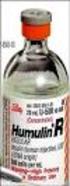 Leeds Humulin R (U500) insulin: Prescribing Guidance Amber Drug Level 2 We have started your patient on Humulin R (U500) insulin for the treatment of diabetic patients with marked insulin resistance requiring
Vaccination against pertussis (Whooping cough) for pregnant women- 2014. Information for healthcare professionals
 Vaccination against pertussis (Whooping cough) for pregnant women- 2014 Information for healthcare professionals About Public Health England Public Health England s mission is to protect and improve the
UW School of Dentistry Comprehensive Medication Policy
 UNIVERSITY OF WASHINGTON SCHOOL OF DENTISTRY Subject: UW School of Dentistry Comprehensive Medication Policy Policy Number: Effective Date: December 2014 Revision Dates: June 2015 PURPOSE This policy provides
Information Governance. A Clinician s Guide to Record Standards Part 1: Why standardise the structure and content of medical records?
 Information Governance A Clinician s Guide to Record Standards Part 1: Why standardise the structure and content of medical records? Contents Page 3 A guide for clinicians Pages 4 and 5 Why have standards
Electronic Prescription Service. Guidance for community pharmacy contractors on implementing Release 1
 Electronic Prescription Service The Electronic Prescription Service Guidance for community pharmacy contractors on implementing Release 1 Contents With about 1.3 million prescriptions now being issued
IM&T Infrastructure Security Policy. Document author Assured by Review cycle. 1. Introduction...3. 2. Policy Statement...3. 3. Purpose...
 IM&T Infrastructure Security Policy Board library reference Document author Assured by Review cycle P070 Information Security and Technical Assurance Manager Finance and Planning Committee 3 Years This
Module 7 Expanded Programme of Immunization (EPI)
 Module 7 Expanded Programme of Immunization (EPI) (including Vitamin A, Tetanus Toxoid and Growth Monitoring) CONTENTS 7.1 What are the tools used for data collection?....................................2
Vaccination Requirements for U.S. Immigration: Technical Instructions for Panel Physicians. December 14, 2009
 Vaccination Requirements for U.S. Immigration: Technical Instructions for Panel Physicians December 14, 2009 Table of Contents Preface... iii Significant Changes in the Vaccination Requirements... 1 Procedure
NHS Professionals. Guidelines for the Administration of Medicines
 NHS Professionals Guidelines for the Administration of Medicines Introduction The control of medicines in the United Kingdom is primarily through the Medicines Act (1968) and associated British and European
site monitoring Kit Site Monitoring Kit User Manual we prove it.
 site monitoring Kit 1 User Manual Site Monitoring Kit User Manual we prove it. 2 site monitoring Kit Content 1. Introduction 3 2. Content of the Site Monitoring Kit 4 3. Preparation 6 1. Positioning of
Plan early - get your vaccinations in time for full protection. To prepare for your trip, schedule an appointment: (910) 347-2154, option #2.
 The Onslow County Health Department Travel Clinic offers a complete line of immunizations and prescriptions to protect you while traveling abroad. The most appropriate immunizations and travel medications
Beginner's guide to Hepatitis C testing and immunisation against hepatitis A+B in general practice
 Beginner's guide to Hepatitis C testing and immunisation against hepatitis A+B in general practice Dr Chris Ford GP & SMMGP Clinical Lead Kate Halliday Telford & Wrekin Shared Care Coordinator Aims Discuss:
STAFF SCREENING AND IMMUNISATION POLICY
 2GETHER NHS FOUNDATION TRUST GLOUCESTERSHIRE HOSPITALS NHS FOUNDATION TRUST NHS GLOUCESTERSHIRE GLOUCESTERSHIRE CARE SERVICES STAFF SCREENING AND IMMUNISATION POLICY Version: 1 Consultation: Ratified by:
Facility Name. Day of Month 1 2 3 4 5 6 7 8 9 10 11 12 13 14 15
 C Temperature Log for Refrigerator Celsius Month/Year VFC PIN or other ID # Page 1 of 3 DAYS 1 15 Facility Name Monitor temperatures closely! 1. Write your initials below in Staff Initials, and note the
2015 Kentucky VACCINES FOR CHILDREN PROGRAM PROVIDER AGREEMENT
 2015 Kentucky VACCINES FOR CHILDREN PROGRAM PROVIDER AGREEMENT FACILITY INFORMATION Facility Name: Facility Address: VFC Pin#: City: County: State: Zip: Telephone: Fax: Shipping Address (if different than
Putting information at the heart of nursing care
 ehealth and nursing practice Putting information at the heart of nursing care How IT is revolutionising health care Introduction Information technology (IT) has become part of our everyday lives. We watch
Purpose: To assist the GPs and practice nurse team in the service and delivery of the care management of the practice population
 BILLERICAY MEDICAL PRACTICE Job description Health Care Assistant in General Practice Purpose: To assist the GPs and practice nurse team in the service and delivery of the care management of the practice
Vaccines for Children Fraud/Abuse/Wastage Policy
 Vaccines for Children Fraud/Abuse/Wastage Policy Primary Position: Denise Strickland, Director, VFC Secondary Position: Chevonne Tyner, Vaccine Manager Overview As the cost of childhood vaccines increases
VFC Program Requirements for 2015
 VFC Program Requirements for 2015 Objectives After viewing this presentation, you will: o Understand the CDC requirements for a back-up Thermometer o Rules on transporting vaccine from one location to
EMA Clinical Laboratory Guidance - Key points and Clarifications PAUL STEWART
 EMA Clinical Laboratory Guidance - Key points and Clarifications PAUL STEWART Framework Labs generate data that are used to make decisions on the safety and efficacy of medicinal products; consequently,
Food delivery & storage
 screen 1 Food delivery & storage 7. Rubbish bags in the way of deliveries This screen shows a delivery scene with a number of potential hazards to food safety. As a starting point students are encouraged
CALIFORNIA CODE OF REGULATIONS TITLE 17, DIVISION 1, CHAPTER 4
 CALIFORNIA CODE OF REGULATIONS TITLE 17, DIVISION 1, CHAPTER 4 Subchapter 8. Immunization Against Poliomyelitis, Diphtheria, Pertussis, Tetanus, Measles (Rubeola), Article 1. Definitions Haemophilus influenzae
 It is recommended that you contact your MS Nurse and Neurologist before booking your overseas trip. This ensures that all options and issues can be discussed. Air Travel and MS Therapies For international