
Class IV Companion Therapy Laser Post Surgical Pain Management Feline Neuter
|
|
|
- Juliana Stevenson
- 9 years ago
- Views:
Transcription
1 Post Surgical Pain Management Feline Neuter Application Use of the Class IV Companion Therapy Laser after routine surgeries will decrease post op swelling, accelerate healing and help reduce post op pain. Tiger Tom, DSH, 4 mo, M, 5 lb Procedure Feline Orchidectomy Technique Class IV Companion Therapy Laser treatment of the surgical site after surgery. Class IV Companion Therapy Laser Settings (980nm) Post op - 2 watts / 30 sec / 20 Hz 2 watts / 30 sec / 500 Hz 2 watts / 30 sec / 5000 hz Rationale Pulsed laser energy at 20 Hz reduces pain, at 500 Hz reduces edema and at 5000 Hz accelerates healing. Further Post-op Care The Class IV Companion Therapy Laser is used as part of the overall pain management protocol, as an adjunct to appropriate pharmacological agents. Additional Companion Laser treatment is not used in routine elective surgeries. Fig. 1-2 Post op treatment of the incision site and the surrounding area at 500 Hz and 10 Hz. Note: digital photography makes the laser light appear blue and white, although being in the near infrared spectrum it is not visible to the eye. Copyright 2008

2 Post Surgical Pain Management Ovariohysterectomy Application Use of the Class IV Companion Therapy Laser after routine surgeries will accelerate healing and help reduce post operative pain. Puddles, Shih Tzu, 6 mo, Fe, 10 lb Procedure Canine Ovariohysterectomy Technique Class IV Companion Therapy Laser treatment of the surgical site after surgery. Class IV Companion Therapy Laser Settings (980nm) Post op - 2 watts / 30 sec / 20 Hz 2 watts / 30 sec / 500 Hz 2 watts / 30 sec / 5000 hz Fig. 1 Post op treatment of the incision site and the surrounding area. Technician uses visible aiming beam to facilitate non-contact treatment. Rationale Pulsed laser energy at 20 Hz reduces pain, at 500 Hz reduces edema and at 5000 Hz accelerates healing. Further Post-op Care The Class IV Companion Therapy Laser is used as part of the overall pain management protocol, as an adjunct to appropriate pharmacological agents. Additional Companion Laser treatment is not used in routine elective surgeries. Fig. 2 Note: digital photography makes the laser light appear blue and white although being in the near infrared spectrum it is not visible to the eye. Copyright 2008

3 Post Surgical Pain Management Feline Onchyectomy (Declaw) Application Use of the Class IV Companion Therapy Laser after routine surgeries will accelerate healing and help reduce post operative pain. Marigold, DSH, 2 yr, FeS, 7 lb Procedure Feline Onchyectomy Technique Class IV Companion Therapy Laser treatment of the surgical site after surgery. Class IV Companion Therapy Laser Settings (980nm) Post op - 2 watts / 30 sec / 20 Hz 2 watts / 30 sec / 500 Hz 2 watts / 30 sec / 5000 hz Fig. 1 Post op treatment of the incision sites and the surrounding area. Technician uses visible aiming beam to facilitate non-contact treatment. Rationale Pulsed laser energy at 20 Hz reduces pain, at 500 Hz reduces edema and at 5000 Hz accelerates healing. Further Post-op Care The Class IV Companion Therapy Laser is used as part of the overall pain management protocol, as an adjunct to appropriate pharmacological agents. Additional Companion Laser treatment is not used in routine elective surgeries. Fig. 2 Note: digital photography makes the laser light appear blue and white although being in the near infrared spectrum it is not visible to the eye. Copyright 2008

4 Adjunct Pain and Edema Management Terminal Osteosarcoma Foreleg osteosarcoma with metastasis. The owner s goal is maintaining quality of life using multiple pain medications and pain relief modalities. Informed that the use of laser therapy in areas of tumors is possibly contraindicated, the owners accepted the risk for Kirby to gain short term mediation of pain and swelling. Kirby, Golden Retriever, 9 yr, MN, 86 lb Treatment Technique Every other day treatments with the Class IV Companion Therapy Laser. Hz appropriate for pain relief (CW, 2, 10 Hz) were applied to the tumor and surrounding area. Hz appropriate for edema reduction (500, 1000 Hz) were applied in a scanning mode working from proximal to distal over the edematous areas proximal and distal to the osteosarcoma. Fig. 1 Technicians administering a scanning Companion Laser Therapy treatment to Kirby s antebrachium to reduce pain and edema caused by a metastasized distal radial osteosarcoma. Class IV Companion Therapy Laser Settings (980nm) 6 watts / 2 min each / CW, 2 Hz, 10 Hz 6 watts / 2 min each / 500, 1000 Hz Treatment Results After two treatments the edema reduced 50%. The owners reported Kirby is still barely using his leg, but our guy has re-joined us! He s back in the middle of the den floor at night, playing with his stuffed bunny. Thank you. Fig. 2 Note: digital photography makes the laser light appear blue and white although being in the near infrared spectrum it is not visible to the eye. Copyright 2008

5 Acute Dorsal Lumbar Epaxial Pain presented with acute lumbar muscle pain. showed muscle spasms and marked pain on palpation of dorsal lumbar area and no neurological deficits. Radiographic studies are within normal limits. Blackjack, Schnauzer, 10 yr, MN, 18 lb Treatment Technique One treatment session with the Class IV Companion Therapy Laser using an Acute Pain / Back Injury program. Hz appropriate for pain relief (CW, 2 Hz, 10 HZ) were applied to the dorsal lumbar area in a scanning mode. The plastic spray bottle in the picture contains water and is used to wet dark colored coats to facilitate laser penetration. Class IV Companion Therapy Laser Settings (980nm) 4 watts / 2 min / CW 4 watts / 1min / 2 Hz 4 watts / 1min / 10 Hz Treatment Results Within one hour of treatment Blackjack was moving about normally. At discharge he was jumping up on the owner for the first time in several days. Blackjack was discharged on NSAIDs. Further treatment was not necessary. Fig. 1 Technician administering a scanning Companion Laser Therapy treatment to Blackjack s lumbar region. Note: The spray bottle in the picture contains water which is used to wet the hair and skin of darker coated animals to facilitate t transmission of the laser energy through the hair and skin. Copyright 2008

6 Post Surgical Pain Management Oral Surgery Application Use of the Class IV Companion Therapy Laser after oral surgery will accelerate healing and help reduce post operative pain. Sophia, Siamese Mix, 1 yr, FeS, 8 lb Procedure Surgical extraction of a fractured lower left premolar. Technique Class IV Companion Therapy Laser treatment of the surgical site after surgery. Class IV Companion Therapy Laser Settings (980nm) Post op - 2 watts / 30 sec / 20 Hz 2 watts / 30 sec / 500 Hz 2 watts / 30 sec / 5000 Hz Rationale Pulsed laser energy at 20 Hz reduces pain, at 500 Hz reduces edema and at 5000 Hz accelerates healing. Further Post-op Care The Class IV Companion Therapy Laser is used as part of the overall pain management protocol, as an adjunct to appropriate pharmacological agents. Additional Class IV Companion Therapy Laser treatment is not used in routine oral surgeries. Fig. 1 Post op treatment of the surgery site and the surrounding area at 20, 500 and 5000 Hz. Note: digital photography makes the laser light appear blue and white although being in the near infrared spectrum it is not visible to the eye. Copyright 2008

7 Pyotraumatic Dermatitis (Hot Spot) presented with acute pyotraumatic dermatitis, with intense pain and was obsessively licking the affected area. Dolly, Mix, 5 yr, FeS, 32 lbs Treatment Technique After application of a topical anesthetic agent, the area was clipped and rinsed with sterile saline. No topical medication was applied One treatment session with the Class IV Companion Therapy Laser using a Contaminated Wound Setting program. This combination of settings is appropriate for pain reduction, reduction of swelling, bio-stimulation and anti-microbial effect. Fig. 1 Technicians administering a scanning Companion Laser Therapy treatment to Dolly s pyotraumatic dermatitis. Class IV Companion Therapy Laser Settings (980nm) 2 watts / 30 sec / 20 Hz 2 watts / 30 sec / 500 Hz 2 watts / 30 sec / 5,000 Hz 2 watts / 30 sec / 10,000 Hz Treatment t Results Within three hours the lesion was showing marked reduction of erythemia, was dry, and the patient was no longer licking it. She was given an injection of dexamethasone and discharged on oral antibiotics with instructions for no topical treatment at home. Fig. 2 Left - before treatment. Right - 3 hours after treatment. Treatment resulted in decreased erythemia, drying of the lesion and the patient t no longer licking the affected area. Copyright 2008

8 Penetrating Wound to Carpus Acute lameness right forelimb with swelling and pain in the carpus. A fresh 1cm penetrating wound was noted. No radiographic changes were noted in bones or joints. TJ, Mix, 1yr, MN, 47 lbs Treatment Technique One treatment session with the Class IV Companion Therapy Laser using a Contaminated Wound Setting program. This combination of settings is appropriate for pain reduction, reduction of swelling, bio-stimulation and anti-microbial effect. Fig. 1 Penetrating injury to the right carpus prior to treatment. Class IV Companion Therapy Laser Settings (980nm) 2 watts / 30 sec / 20 Hz 2 watts / 30 sec / 500 Hz 2 watts / 30 sec / 5,000 Hz 2 watts / 30 sec / 10,000 Hz Treatment Results Within two hours of treatment the swelling had reduced 50% and TJ was weight bearing. He was discharged on NSAIDs and antibiotics. The owner noted that when TJ got home he ran around the yard normally. She reported an uneventful recovery. Fig. 2 Technicians treating TJ with Companion Class IV Therapy Laser. Note: digital photography makes the laser light appear blue and white, although being in the near infrared spectrum it is not visible ibl to the eye. Copyright 2008

9 Generalized Arthritis Osteoarthritis of stifles, hips and lumbar spine. s activity had declined and he was having difficulty rising and moving up and down steps. is on an oral NSAID. Sandy, Boxer, 11 yr, M, 63 lbs Procedure Six treatments with Companion Laser over three weeks. No change in additional therapy during initial laser treatment. Follow-up treatments as needed every 3-4 weeks. Technique Treatments on Days 1, 3, 5, 8, 11 & 18, then PRN. Companion Laser Settings Treated each joint area with Companion s Arthritis/Chronic Pain program. CW / 2 min. / 5 watts 10 Hz / 1 min. / 5 watts 500 Hz / 1 min / 5 watts Rationale Laser energy induces photobiomodulation ti in arthritic tissue, decreases pain and swelling, increases circulation and induces decreased inflammation. Results The patient s activity increased and post treatment he moved about much more easily on a reduced dose of oral NSAID. Fig. 1 Technicians treating Sandy with Companion Class IV Therapy Laser. Note: digital photography makes the laser light appear blue and white, although being in the near infrared spectrum it is not visible to the eye. Copyright 2008

10 Atoptic Pedal Dermatitis has chronic seasonal atopic pedal dermatitis. Maintained on oral medication (no cortisone) with poor success. Marked licking and chewing of all feet. Maverick, Pit Bull, 4 yr, Mn, 80 lbs Treatment Technique Stage I - Right Fore Multiple Hz treatment 2 W / 30 sec / 20 Hz 2 W / 30 sec / 500 Hz 2 W / 30 sec / 5000 / Hz Left Fore - CW only treatment 2 W / CW / 2 min each foot Stage II Evaluated duration of response to CW only treatment. Treatment Results During Stage I the patient displayed significantly greater relief from symptoms with CW only treatment. During Stage II the patient consistently showed 1 ½ - 2 days of complete symptom relief. Fig. 1 Before treatment. Fig hours after CW only treatment. Although Class IV Laser Therapy treatment is not a practical protocol for long term management of recurring atopic pedal dermatitis, this case demonstrates the technology s profound anti-inflammatory effect. Short term use during acute episodes of atopic pedal dermatitis is indicated. Fig. 3 Before treatment. Fig hours after CW only treatment. Multiple Hz treatment resulted in moderate relief of symptoms. CW only treatment e t resulted in decreased eased erythemia, e drying of the lesions s and complete relief of symptoms for 1 ½ days. Note resolved area of intense erythemia and rawness indicated by arrows in Fig. 1 & 3. Copyright 2008

11 Cystotomy Pain Management Application Use of the Class IV Companion Therapy Laser after cystotomy surgery will accelerate healing and reduce postoperative inflammation, swelling and pain. Aly, Dach, 8 yr, FeS, 17 lb Procedure Cystotomy for removal of cystic calculi. Technique Class IV Companion Therapy Laser treatment of the urinary bladder during surgery and the abdominal surgical site after surgery. Class IV Companion Therapy Laser Settings (980nm) Intra and Post op - 2 watts / 30 sec / 20 Hz 2 watts / 30 sec / 500 Hz 2 watts / 30 sec / 5000 Hz Fig. 1 Treatment of the bladder incision site and the surrounding tissue area at 20, 500 and 5000 Hz. Rationale Pulsed laser energy at 20 Hz reduces pain, at 500 Hz reduces edema and at 5000 Hz accelerates healing. Further Post-op Care The Class IV Companion Therapy Laser is used as part of the overall pain management protocol, as an adjunct to appropriate pharmacological agents. Additional Companion Laser treatment is not used in routine bladder surgery. Fig. 2 Post op treatment t t of the incision i i site and the surrounding area at 20, 500 and 5000 Hz. Note: digital photography makes the laser light appear blue and white, although being in the near infrared spectrum it is not visible to the eye. Copyright 2008

12 Lick Granuloma Lick granuloma of several years duration over the right metatarsus. Previous temporary improvements had been noted following oral antibiotic therapy and bandaging. The patient had received no therapy for this lesion for over a year prior to laser treatment. Daisy, Mix, 5 yr, FeS, 48 lbs Procedure Treatment with the Companion Class IV Therapy Laser three times a week for four weeks, then two times a week for four weeks. Fig. 1 Before treatment Fig. 2: Recording measurements Companion Laser Settings before treatment At each treatment the entire lesion was treated with: 2 W / 30 sec / 20, 500, 5000 Hz 3 W / 30 sec / 10,000 Hz PRE AND POST TREATMENT MEASUREMENTS Rationale (cm) Pulsed laser energy at 20 Hz reduces pain, at 500 Hz reduces edema, at 5000 Hz accelerates healing, and, at Pre Post 10,000 Hz has an anti-microbial effect. Width cm Results Height cm After two weeks of therapy the patient was no longer Depth cm licking the lesion and it had begun to reduce in size. Measurements taken before and after eight weeks of treatment indicate significant reduction in the mass of Fig. 3: After eight weeks of Class IV Note: This case underscores the granulomatous tissue. Therapy Laser treatment as only importance of continuing treatment e t modality treatment for long enough a period of time to allow chronic tissue changes to begin to reverse and resolve. Copyright 2008

13 Feline Lower Urinary Tract Disease Frequent small volume micturation in a young male neutered cat. Urine showed a minimal number of leukocytes and was negative for bacteria, red blood cells, crystals and casts. Urine ph was 6.5. S.G. was Other dipstick parameters were normal. The bladder was palpably normal and manual compression resulted in a normal urine flow. The presumptive cause of feline lower urinary tract disease was idiopathic interstitial cystitis and urethritis. Hobo, DSH, 3 yr, MN, 18.5 lbs Procedure Treatment with the Companion Class IV Therapy Laser one time during initial diagnosis and treatment. Companion Laser Settings After clipping, the area over the urinary bladder and pelvic and penile urethra was treated with: 5 W / 2 min / CW, 500 Hz Rationale Laser energy delivered at CW reduces pain and when pulsed at 500 Hz reduces edema and inflammation. Results After the initial Class IV laser therapy the patient was treated with anti-inflammatory medication (Metacam 2.5mg injection) and discharged with oral medication (Metacam.15mg orally daily) for 5 days. The owner reported no further symptoms after discharge. Fig. 1: Trans abdominal wall treatment of the bladder and pelvic and penile urethra of patient with FLUTD caused by interstitial cystitis/urethritis. Treatment was applied in both scanning and contact mode. Note: in this picture digital photography makes the laser light appear blue and white, although being in the near infrared spectrum it is not visible to the eye. Copyright 2008

14 Feline Digital Pad Wound and Toe Abscess Case Study Provided By: John C. Godbold, Jr., DVM Penetrating fight wound injury to the right front 3 rd digital pad resulting in a painful abscessed toe. The patient presented with an intermittent weight bearing limp of the right forelimb. Baby, DSH, 5 yr, FS, 9.75 lbs Procedure Treatment with the Companion Class IV Therapy Laser one time during initial diagnosis and treatment. Companion Laser Settings After opening and draining the abscessed toe through the original wound in the digital pad, the toe and adjacent structures were treated with a Contaminated Wound protocol: 2 W / 30 sec / 20, 500, 5000, 10,000 Hz Fig. 1 Painful fight wound abscess of right front 3 rd digital pad and toe Rationale Laser energy delivered at CW reduces pain, when pulsed at 500 and 5000 Hz reduces edema and inflammation, and at 10,000 Hz has an anti-microbial effect. Results After the initial Class IV laser therapy the patient was treated with anti-inflammatory inflammatory medication (Metacam 1.4mg injection) and discharged with oral antibiotics and oral anti-inflammatory medication (Metacam.09mg orally daily) for 5 days. The patient was fully weight bearing at discharge and the owner reported no further symptoms after discharge. Fig. 2 Treatment t after surgical drainage of a painful abscessed toe at 20, 500, 5000 and 10,000 Hz. Note: digital photography makes the laser light appear blue and white, although being in the near infrared spectrum it is not visible to the eye. Copyright 2008

15 Post Immiticide Lumbar Myositis Acute myositis with pain and swelling resulting from Immiticide injections into dorso-lateral epaxial lumbar muscles. Therapy laser treatment was included as part of the pain control protocol when this patient received two contralateral injections of Immiticide. Daisy, Mix, 10 yr, FeS, 19.2 lbs Procedure Treatment of the dorsolateral epaxial lumbers muscles with the Companion Class IV Therapy Laser once a day for three days beginning 24 hours after Immiticide injections in each muscle mass. Initial treatment of each side was delayed 24 hours to avoid altering absorption of Immiticide. Companion Laser Settings At each treatment each muscle mass was treated with: 4 W / 1 min / CW 4 W / 2 min / 500, 5000 Hz Rationale Pulsed laser energy at CW reduces pain, at 500 Hz reduces edema and at 5000 Hz accelerates healing. Fig. 1: Acute swelling of left dorsolateral epaxial lumbar muscles 24 hours after Immiticide injection. Fig. 2: Acute swelling of right dorsolateral epaxial lumbar muscles 24 hours after Immiticide injection. Results Twenty-four hours after each side was initially treated there was marked reduction of pain and swelling in the affected muscles. Fig. 3: Treatment of dorsolateral Fig. 4: Bilateral reduction of lumbar epaxial lumbar muscles with muscle swelling after third daily Class IV Therapy Laser treatment e t with Class IV Therapy Laser Copyright 2008

16 Case Study Provided By: Class IV Companion Therapy Laser Canine Rear Leg - Soft Tissue Trauma Sandra K. Pettit, MS, DVM Milton Animal Hospital Milton, Florida Acute trauma to the medial aspect of the left rear leg with severe injury to the skin, muscles and tendons, and, the ligaments and joint capsule of the hock joint. The wounds were contaminated; sepsis was present. The owners had severe financial constraints. Pit Bull, 6 mo, Fe Procedure Standard wound care was instituted, including lavage, wet to dry bandages, and, oral medications including antibiotics and pain medication. Laser therapy began on day three and was repeated six more times during the next two weeks. Companion Laser Settings At each treatment the wound area was treated with two cycles through the contaminated wound program: 2 W / 30 sec / 20, 500, 5,000, 10,000 Hz Rationale Pulsed laser energy at 20 Hz reduces pain, at 500 Hz reduces edema, at 5000 Hz accelerates healing and at 10,000 Hz has an anti-microbial effect. Results The wound showed rapid healing with faster than expected Day 1- Medial aspect of the left rear leg as presented after trauma granulation and epithelial migration. Laser therapy made the presumably caused by a ditch digging machine. Tissue loss difference with this patient since the owners would not have and maceration, bone exposure, and heavy contamination been able to afford wound care for the prolonged time by foreign material and microorganisms pose significant required for conventional healing. challenges in managing ag g this wound. (Images continued on page 2) Case Study Prepared By: John C. Godbold, Jr., DVM,

17 Canine Rear Leg - Soft Tissue Trauma Case Study Provided By: Sandra K. Pettit, MS, DVM Milton Animal Hospital Milton, Florida Day 2 Day 3: Each treatment was applied to the wound and to the surrounding tissues. Day 8 Day 15 Day 17: At 2 ½ weeks the wound had granulated more rapidly than expected with almost complete coverage of the exposed tibia. Wound contraction and epithelial migration is significantly advanced. Day 30: At one month the wound has advanced well beyond healing that t would be expected without the addition of laser therapy. Case Study Prepared By: John C. Godbold, Jr., DVM,

18 Copperhead Snake Bite Treatment Pain, swelling and edema, and tissue necrosis following a copperhead snakebite. Thirty-six hours after the bite the patient was markedly painful and barely weight bearing. Swelling and edema persisted. Baxter, Mix, 4 yr, Mn, 19.4 lbs Procedure Treatment using a Class IV therapy laser was instituted as an adjunct to appropriate medical and wound care. Companion Laser Settings The area of tissue necrosis was treated for pain and the more proximal and distal areas were treated for swelling and edema. Fig. 1: Acute swelling of right foreleg and axilla 36 hours after a copperhead snake bite to the right carpus The Acute Pain Protocol was applied to the area of tissue necrosis. 2 watts / 2 min / CW 2 watts / 1 min / 2 Hz 2 watts / 1 min / 20 Hz The Edema / Swelling Protocol was applied proximal and distal to area of tissue necrosis. 4 watts / 1 min / 100 Hz 4 watts / 2 min / 2500 Hz 4 watts / 2 min / 5000 Hz (Continued on Page 2) Fig. 2: Focal tissue necrosis at site of a copperhead snakebite. (Images continued on page 2) Copyright 2008

19 Copperhead Snake Bite Treatment Treatment Technique For best effect the treatment should be directed into the target tissue from several different angles. All affected areas should be treated with all of the Hz in each protocol. Rationale Treatment of this patient utilized laser energy delivered at CW and pulsed at low (2, 20) Hz for the reduction of pain. Treatment of the areas proximal and distal to the bite site utilized higher Hz (100, 2500, 5000) which are more effective in opening lymphatics and reducing tissue edema and swelling. Results This patient was only moderately affected by the copperhead bite but still experienced severe pain and tissue reactions. Figs. 3 & 4: Treatment of focal tissue necrosis from both posterior and lateral directions. Treatment is directed into target tissue from multiple directions for best effect. Adjunct use of the Class IV therapy laser resulted in a marked reduction in pain and swelling within hours of the initial treatment. Twenty four hours after the initial treatment a second treatment was administered and the patient was discharged on oral medications. The owners reported uneventful recovery and complete healing. Fig. 5: Twenty four hours after initial Class IV therapy laser treatment the patient displayed full weight bearing and marked reduction in swelling and edema. Copyright 2008

20 Acute Otitis Externa Acute exacerbation of chronic otitis externa. Severe pain and swelling that occluded the ear canals prevented complete diagnostics. Petey, Jack Russell Terrier, 2 yr, M, 20 lb. Procedure Treatment with a Class IV therapy laser was used as an adjunct to initial medical care. The goals were to reduce pain, inflammation and swelling so more complete diagnostics could be performed. Companion Laser Settings Each ear was treated with a single Contaminated Wound Protocol, treating the pinna and ear canal opening directly and the proximal ear canal transcutaneous. Fig. 1: Acute exacerbation of chronic otitis externa with pain, swelling and edema, discharge and and canal occlusion. Standard diagnostics including video-otoscopy must be delayed until the swelling is reduced. 4 W / 30 sec / 20, 500, 5,000, 10,000 Hz Because of the mass of tissue involved the power was increased to 4 watts during this treatment. Rationale Treatment of this patient utilized laser energy pulsed at low (20) Hz for the reduction of pain, at higher (500, 5,000) Hz for swelling and edema, and at very high (10,000) Hz for anti-microbial effect. (Continued on Page 2) Fig. 2: Treatment of the pinna and Fig. 3: Transcutaneous treatment of directly into the ear canal. the proximal ear canal. Note: digital it photography h makes the laser light appear blue and white, although being in the near infrared spectrum it is not visible to the eye. (Images continued on page 2) Copyright 2008

21 Case Study Provided By: Class IV Companion Therapy Laser Acute Otitis Externa John C. Godbold, Jr., DVM Overall Treatment Plan Use the Class IV therapy laser a single time to initially reduce pain, swelling, and edema was added to a standard protocol of oral prednisone and topical cleanser and anti-bacterial agents. Initial cytological examination demonstrated a mixed Malassezia and gram positive bacterial infection without polymorphonuclear cells. This common presentation calls for cleansers, and, anti-inflammatory and antimicrobial medications. A frequent challenge in this condition is the time lag between initial presentation and effect from medications. Occlusion of the ear canal makes topical treatment unsuccessful. Fig. 4: Acute exacerbation of chronic otitis externa with pain, swelling and edema, discharge and and canal occlusion. These images were taken on initial presentation before any treatment was initiated. The value of using Class IV laser therapy laser treatment in cases of acute otitis externa is the rapid reduction in swelling and edema that allows early initiation of successful topical treatment. Results Twenty-four hours after an initial single therapy laser treatment the owner was able to begin treating with topical medications at home. Five days after initial treatment the edema, swelling, pain, discharge and debris were markedly reduced. Lichenification was reduced and the patient tolerated bilateral digital video otoscopy of the entire ear canals. Fig. 5: Dramatic resolution of edema and swelling five days after Class IV therapy laser treatment e t and beginning g of parenteral a and topical medication. Copyright 2008
22 Anal Gland Sacculitis Recurrent anal gland sacculitis. Fetid anal sac discharge, patient self trauma (scooting) and inflammation and abrasion of the anal tissues. The patient was non-responsive to medical therapy (oral antibiotics and cortisone) and anal sac flushing and packing. Roy, Bassett, 7 yr, M, 60 lb. Procedure Class IV therapy laser treatment of the anus and anal gland sacs was performed three times a week for two weeks. Prior to each treatment the sacs were emptied for evaluation of the secretions. Companion Laser Settings The entire anal area was treated with 3 W / 1 min / CW. The anal sacs were treated trans-cutaneous with 6 W / 1 min / 10,000 Hz. Fig. 1 Anus and perianal area prior to treatment. Rationale Treatment of this patient utilized non-pulsed (CW) laser energy for the reduction of pain, swelling and edema, and, pulsed (10,000 Hz) ) laser energy for anti-microbial effect. Both applications delivered 3.5 J /CM 2. Results Twenty-four hours after the initial treatment the owner reported decreased anal irritation and discharge. After two treatments the anal sac secretions returned to normal color, consistency and odor. Comment This treatment was remarkably successful in the first week but was continued over two weeks in an attempt to delay future recurrence. Fig. 2 Anus and perianal a area 72 hours after initial treatment. Redness, swelling, abrasion, and patient self trauma have subsided and anal sac secretions have returned to normal. Copyright 2008
23 Unilateral Elbow Arthritis Chronic, progressive osteoarthritis of the left elbow following elbow trauma as a juvenile. On presentation the patient had a weight bearing limp, the elbow was markedly enlarged, had limited range of motion and was painful on palpation. Medical therapy was limited to glucosamine chondroitin sulfate supplement by the referring veterinarian. Titan, German Shepherd, 11 yr, FS, 81 lb. Procedure Treatment using a Class IV therapy laser was used to reduce pain and inflammation in the left elbow. The joint and surrounding area were treated three times a week for three weeks, then once every two weeks for maintenance. Companion Laser Settings The left elbow and surrounding tissues were treated from all directions with the joint in normal position as well as maximum limits of flexion and extension. Fig. 1: Treatment of the left arthritic elbow from the posterior aspect with the left forelimb in normal position. 10 W / 2 min / CW Target Dose: 8 joules/cm 2 Rationale CW only treatment with appropriate target dose gives excellent pain control, reduces treatment time and has been demonstrated to be as effective as multiple Hz treatments in many patients. Results Titan showed increased weight bearing and decreased limp after three treatments. The owners reported an increase in activity at home. Fig. 2: Treatment of the tissue surrounding the left elbow from the anterolateral aspect. Copyright 2009
24 Feline Geriatric Arthritis Geriatric osteoarthritis, stiffness, and loss of muscle mass accompanying chronic renal disease. Pokey, DSH, 16 yr, MN, 6.5 lb. Procedure Treatment using a Class IV therapy laser was used to reduce pain, inflammation and stiffness, enhance mobility and improve the quality of life. Pokey s chronic renal disease, intermittent anorexia and the inability of the owners to medicate Pokey at home precluded the use of medical therapy for musculoskeletal discomfort. Companion Laser Settings The lumbar spine, hip joints, stifles, proximal coccygeal vertebral joints and associated muscle masses were treated twice a week using a scanning technique. Fig. 1: Geriatric patient with cachexia of chronic renal disease accompanied by age associated arthritis, stiffness, loss of muscle mass and discomfort moving about. 8 W / 5 min / CW Target Dose: 8 joules/cm 2 Results Twenty-four hours after the initial treatment Pokey trotted for the first time in over a year. With subsequent treatments mobility and activity increased and Pokey moved in a wider range around his home. Pokey was maintained with twice weekly treatments administered during outpatient visits for fluid therapy. Fig. 2: Treatment of the right coxofemoral joint and stifle and associated muscles. Treatment is directed from multiple angles with joints in normal position as well as extension and flexion. Treatments t were administered i d along with twice a week outpatient fluid therapy. Copyright 2009
25 Canine Fore Leg - Soft Tissue Trauma Acute trauma to the anterior aspect of the right fore leg with severe injury to the skin, muscles and tendons, and, the ligaments and joint capsules of the carpal and metacarpalphalangeal joints. The wounds were contaminated and significant amounts of skin was no longer present in two areas. Scarlett, Mix, 7yr, FeS Procedure Standard wound care was instituted, including lavage, wet to dry bandages, and oral medications including antibiotics and pain medication. Laser therapy began on day two and was repeated at each bandage change for three weeks. Class IV Therapy Laser Settings At each bandage change each wound area was treated with one Contaminated Wound protocol: 2 Watts / 30 sec / 20 Hz 2 Watts / 30 sec / 500 Hz 2 Watts / 30 sec / 5,000 Hz 2 Watts / 30 sec / 10,000 Hz Rationale Pulsed laser energy at 20 Hz reduces pain, at 500 Hz reduces edema, at 5000 Hz accelerates healing and at 10,000 Hz has an anti-microbial effect. Day 2- Anterior aspect of the right fore leg twenty four hours after presentation for automobile trauma. Tissue loss and maceration, bone and joint exposure, and heavy contamination by foreign material and microorganisms pose significant challenges in managing these wounds. (continued on next page ) Copyright 2009
26 Canine Fore Leg - Soft Tissue Trauma Treatment Protocol and Technique Starting twenty four hours after presentation the wounds were therapy laser treated at each bandage change for the next three weeks. (It is not possible to treat through bandage material). At each bandage change the wounds were flushed, cleaned and debrided prior to laser treatment. The wounds were treated from multiple angles with all frequencies (Hz) of the Contaminated Wound protocol being applied to all areas of each wound. Day 2- Initial treatment of the open wounds with the Class IV Therapy Laser using a Contaminated Wound preset protocol on each wound. (continued on next page) Copyright 2009
27 Canine Fore Leg - Soft Tissue Trauma Day 7: Both wounds show attachment of the skin margins and both have begun to form granulation tissue. (continued on next page) Copyright 2009
28 Canine Fore Leg - Soft Tissue Trauma Day 13: Continued granulation and epithelial migration in both proximal and distal wounds. Day 20: Significant reduction in wound sizes with wide borders of epithelial migration. Day 27: Progression of epithelial migration from Day 20 is well beyond that expected. (continued on next page) Copyright 2009
29 Canine Fore Leg - Soft Tissue Trauma Results Because of the loss of skin in this injury, significant areas required healing by contraction and epithelial migration. On presentation this wound had potential for requiring grafting of skin for complete closure. The wounds showed rapid healing with faster than expected granulation and successful epithelial migration. Skin grafts were not required. This case required continued bandaging for five weeks, followed by an additional three weeks of a light bandage for protection from contact trauma. The patient made no attempt to disrupt the bandages - a benefit of the pain reducing effect of the therapy laser. Day 34 Copyright 2009
30 Hemivertebrae Neuropathy Progressive neurological deficits since 3 years of age. Multiple hemivertebrae and moderate kyphosis. A neurological exam demonstrated proprioceptive deficits and reduced spinal reflexes and reactions. The owner reported that urinary and fecal incontinence had recently developed. The owner also reported previous unsuccessful use of steroids and non-steroid anti-inflammatory medications. Macy, Boston Terrier, 7 yr, FeS Treatment Rationale This case presented interesting challenges since the neuropathy was long term, progressive and nonresponsive to medications. The owner s main goal in seeking therapy laser treatment was to improve the quality of Macy s life and to decrease the urinary and fecal incontinence. During the initial consultation the owner was advised that although some neuropathies respond to laser therapy, Macy s prognosis was not good, and that treatment would have to be considered experimental and open-ended. The owner agreed to twelve treatments over four weeks with a re-evaluation of Macy s condition after four weeks. Fig. 2: Multiple hemivertebrae with collapsed disc spaces and kyphosis. (continued on next page) Copyright 2008
31 Case Study Provided By: Class IV Companion Therapy Laser Hemivertebrae Neuropathy John C. Godbold, Jr., DVM Treatment Protocol To maximize the possibility of improving Macy s neurological function, a target dose of 10 Joules/cm 2 was prescribed three times a week. Companion Laser Settings The thoracic and lumbar spine were treated with: 10 Watts / 3 min / CW The dorsocaudal abdomen was treated with: 10 Watts / 2 min / CW Results This patient showed no change in neurological status until after the ninth treatment. At that time her neurologic deficits had improved with an increase in proprioception. The owner reported Macy was able to go up and down steps at home for the first time in several years and that involuntary urinations and defecations were no longer being noted. Discussion Although this patient s long term prognosis is not good, laser therapy improved her quality of life. The return of urine and fecal control was the most significant improvement. Macy continues being treated. The frequency of treatments is being titrated down for long term maintenance. Fig. 2: Macy being treated with a Roller Ball handpiece attached to a ten watt therapy laser. Copyright 2008
32 General Lower Urinary Tract Disease Small animal veterinarians see a diversity of lower urinary tract diseases. Regardless of etiology, lower urinary tract disease includes pain, inflammation and the need for a healing process. Both canine and feline patients with lower urinary tract disease are candidates for treatment with Class IV Laser Therapy. Procedure As an adjunct to traditional protocols for managing lower urinary tract disease, Class IV Laser Therapy can facilitate reduction of pain and inflammation and acceleration of healing. The lower urinary tract can easily be laser therapy treated with patients in positions that do not require sedation. s can be treated in a standing position, in a position with the fore limbs elevated, or, in dorsal or lateral recumbency. The soft tissue isolating the urinary bladder and pelvic and external urethra is minimal; thus, the effects of laser therapy are easily achieved in the target tissues. Fig. 1: Trans abdominal wall treatment of the bladder and pelvic and penile urethra of patient with FLUTD caused by interstitial cystitis/urethritis. Treatment was applied in both scanning and contact mode. Note: in this picture digital photography makes the laser light appear blue and white, although being in the near infrared spectrum it is not visible to the eye. (continued on next page) Copyright 2010
33 General Lower Urinary Tract Disease Class IV Therapy Laser Settings s can be treated with a diversity of laser therapy protocols. An excellent protocol for routine lower urinary tract disease when infection is present is the Contaminated Wound protocol: 2 Watts / 30 sec / 20 Hz 2 Watts / 30 sec / 500 Hz 2 Watts / 30 sec / 5,000 Hz 2 Watts / 30 sec / 10, Hz Pulsed laser energy at 20 Hz reduces pain, at 500 Hz reduces edema, at 5000 Hz accelerates healing and at 10,000 Hz has an anti-microbial effect. Other protocols may be used. Those utilizing laser therapy as an adjunct in treatment of lower urinary tract diseases should consider each case individually and use a laser therapy protocol that best affects the symptoms of individual patients. Size of the patient and the mass of tissue being treated should be considered d with laser power settings being adjusted to deliver appropriate an appropriate target dose to the affected tissue. Fig. 2: Trans abdominal wall treatment of the bladder and pelvic urethra of patient with lower urinary tract disease. Smaller patients require fore limb elevation as shown. Larger patients can be treated in a standing position. (continued on next page) Copyright 2010
34 General Lower Urinary Tract Disease Fig. 3: Trans-abdominal treatment of the urinary bladder in a fore limb elevated positioning. Figs 4 & 5: Treatment of the urinary bladder in scanning and contact modes. Figs 6 & 7: Treatment of the pelvic and post pelvic urethra from cranial and caudal directions. Copyright 2010
35 Fracture Healing This stray patient was presented non-weight bearing on the left foreleg. Palpation revealed a non-mobile painful swelling of the distal antebrachium. Radiographs showed a partially healed fracture with anterior override of the distal segments and acceptable medial and lateral alignment. Teddy, Mix, 7m, M Fracture management Approach The adopting owners were given the option of surgery and internal fixation. Since the fracture site was non-mobile, they choose conservative management including laser therapy. Class IV Therapy Laser Settings The fracture was treated every other day for a total of six treatments. 4 Watts / 1 min / 500 Hz 4 Watts / 1 min / 1,000 Hz 4 Watts / 1 min / 2,500 Hz 4 Watts / 1 min / 5,000 Hz Each treatment delivered 480 Joules to a 95 cm 2 area giving a target dose of 5 Joules/cm 2. Rationale Pulsed laser energy at 500 Hz reduces edema and at 1,000 Hz, 2,500 and 5,000 Hz has a biostimulatory effect and enhances healing. Day 1 Non-mobile partially healed fracture with anterior override of the distal segments. was non-weight bearing (continued on next page) Copyright 2010
36 Fracture Healing Treatment Protocol and Technique The patient was treated on day one with five subsequent every other day treatments. During each treatment the fracture site was treated with a scanning technique, moving at a speed of one inch per second. The area was treated from all directions (360 degree treatment). Management The patient was confined to allow moderate activity indoors and leash controlled activity outside. No splint or cast was applied. Weight bearing was allowed as healing progressed. Results The patient began limited weight bearing forty-eight hours after the initial therapy laser treatment. Weight bearing increased rapidly with full weight bearing noted twenty-one days after the initial treatment. Radiographs showed much faster than expected ossification of the callus and remodeling of the fracture ends. Day 9 Nine days after initial therapy laser treatment. Greater than expected ossification of the callus. (continued on next page) Copyright 2010
37 Fracture Healing Day 28: Twenty-eight days after initial laser treatment. Continued rapid ossification of the callus is seen as well as significant remodeling of the ends of the fractured bones. The patient was non-symptomatic at this time. (continued on next page) Copyright 2010
38 Fracture Healing Day 1: Initial presentation and day of first therapy laser treatment. Day 9: Greater than expected ossification of the callus. The patient was partially weight bearing. Day 28: Marked ossification of the callus and significant remodeling of the ends of the fractured bones. The patient was non-symptomatic. Copyright 2010
39 Case Study Provided By: Class IV Companion Therapy Laser Penguin Geriatric Arthritis Donald W. Streeme, VMD Adventrure Aquarium Camden, New Jersey 1 Degenerative joint disease of the stifles and hips. Penguin #10 18 yr., Fe, 5.9 lb. History Penguin #10 developed a right sided limp in 2008 at 16 years of age. The limp became constant in Radiographs and CT scans at of the School of Veterinary Medicine at The University of Pennsylvania demonstrated degenerative joint disease of both stifles, more pronounced in the right stifle. Medical Treatment Dr. Donald W. Streeme initiated iti t medical treatment t t with trials of Omega-3 Fatty Acids, Tramadol and Meloxicam. Penguin 10 showed the best response to meloxicam. A challenge in managing her arthritis medically was a lack of data about dose and long term toxic effects of meloxicam in the species. Fig. 1: Treatment of the right stifle and associated soft tissues. Treatment is directed from multiple angles with joint in normal position as well as extension and flexion. Note: those treating Penguin #10 discovered she offered less resistance to handling if her head was gently cupped between an assistant s s hands. (continued on next page) Case Study Prepared By: John C. Godbold, Jr., DVM,
40 Case Study Provided By: Class IV Companion Therapy Laser Penguin Geriatric Arthritis Donald W. Streeme, VMD Adventrure Aquarium Camden, New Jersey 2 Class IV Therapy Treatment With the cooperation of LiteCure Coporation, Dr. Streeme began treating Penguin #10 with a Companion Therapy Laser in March, 2010 in an attempt to reduce arthritis symptoms and reduce reliance on nonsteroid anti-inflammatory medication. Class IV Therapy Laser Settings (980nm ) Initially treatments were administered three times a week. The first several treatments were to her right stifle only, then treatment was expanded to include both stifles and hips. When treating both stifles and hips a total of 1200 Joules was administered: 5 Watts / 4 min / CW Target Dose: 8-10 Joules/cm 2 Results After nine treatments, administrered over three weeks, Penguin #10 was able to walk normally. At that time Dr. Streeme began reducing the frequency of treatments to find the minimum frequency that would maintain Penguin #10 without symptoms. Results available at publication indicated she would require treatment every two weeks to maintain effect. Fig. 2: Treatment of the right stifle and associated soft tissues. Treatment is directed from multiple angles with joint in normal position as well as extension and flexion. Case Study Prepared By: John C. Godbold, Jr., DVM,
Post Surgical Care of Patella Luxation Repair
 Post Surgical Care of Patella Luxation Repair Home patient care after orthopedic surgery is critical to the success of the surgery. Allowing your pet too much activity may alter the anticipated outcome
CLASS IV THERAPY LASERS
 CLASS IV THERAPY LASERS 80% More than 80% of your patients can benefit from K-Laser therapy. 970 - - - - - - - - - - - - - - - - - - - - - - - - - - - - - PEAK OF WATER 905 - - - - - - - - - - - - - -
Is Your Horse Off Behind?? Hindlimb Facts. Common Hindlimb Lameness. Diagnostic Techniques. Gait Analysis 3/21/2012
 Is Your Horse Off Behind?? Nathaniel A. White II DVM MS DACVS Jean Ellen Shehan Professor and Director Common Hindlimb Lameness Sacroiliac joint pain Hip Lameness Stifle Lameness Stress Fractures Hock
.org. Arthritis of the Hand. Description
 Arthritis of the Hand Page ( 1 ) The hand and wrist have multiple small joints that work together to produce motion, including the fine motion needed to thread a needle or tie a shoelace. When the joints
Orthopaedic Spine Center. Anterior Cervical Discectomy and Fusion (ACDF) Normal Discs
 Orthopaedic Spine Center Graham Calvert MD James Woodall MD PhD Anterior Cervical Discectomy and Fusion (ACDF) Normal Discs The cervical spine consists of the bony vertebrae, discs, nerves and other structures.
6/3/2011. High Prevalence and Incidence. Low back pain is 5 th most common reason for all physician office visits in the U.S.
 High Prevalence and Incidence Prevalence 85% of Americans will experience low back pain at some time in their life. Incidence 5% annual Timothy C. Shen, M.D. Physical Medicine and Rehabilitation Sub-specialty
Goals of Rehabilitating Cranial Cruciate Ligament Rupture (CCL) (aka ACL in people)
 Goals of Rehabilitating Cranial Cruciate Ligament Rupture (CCL) (aka ACL in people) California Animal Rehabilitation (CARE) www.calanimalrehab.com Heather Oxford, DVM, MPH, CVA, CCRT Jessica H. Waldman,
Calcaneus (Heel Bone) Fractures
 Copyright 2010 American Academy of Orthopaedic Surgeons Calcaneus (Heel Bone) Fractures Fractures of the heel bone, or calcaneus, can be disabling injuries. They most often occur during high-energy collisions
Managing Chronic Maladaptive Pain
 W h a t s t h e Ta k e - H o m e? P A I N M A N A G E M E N T Peer Reviewed Robin Downing, DVM, CVA, Diplomate AAPM The Downing Center for Animal Pain Management, LLC, Windsor, Colorado Managing Chronic
Therapeutic Canine Massage
 Meet our Certified Canine Massage Therapist, Stevi Quick After years of competitive grooming and handling several breeds in conformation, I became interested in training and competing with my dogs in the
Urinary Incontinence
 Urinary Incontinence (Involuntary Passage of Urine) Basics OVERVIEW Loss of voluntary control of urination, usually observed as involuntary urine leakage while resting SIGNALMENT/DESCRIPTION OF PET Species
A Patient s Guide to Diffuse Idiopathic Skeletal Hyperostosis (DISH)
 A Patient s Guide to Diffuse Idiopathic Skeletal Hyperostosis (DISH) Introduction Diffuse Idiopathic Skeletal Hyperostosis (DISH) is a phenomenon that more commonly affects older males. It is associated
Information for the Patient About Surgical
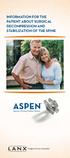 Information for the Patient About Surgical Decompression and Stabilization of the Spine Aging and the Spine Daily wear and tear, along with disc degeneration due to aging and injury, are common causes
Feline Lower Urinary Tract Disease (FLUTD)
 Feline Lower Urinary Tract Disease (FLUTD) VETERINARY GUIDE 2 What is FLUTD? FLUTD describes a collection of common conditions that affect the bladder and/or urethra the narrow tube that carries urine
Self Management Program. Ankle Sprains. Improving Care. Improving Business.
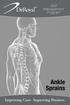 Ankle Sprains Improving Care. Improving Business. What is an ankle sprain? Ligaments attach to the ankle bones and allow for normal movement and help prevent too much motion within the joint. Ankle sprains
Sciatica Yuliya Mutsa PTA 236
 Sciatica Yuliya Mutsa PTA 236 Sciatica is a common type of pain affecting the sciatic nerve, which extends from the lower back all the way through the back of the thigh and down through the leg. Depending
Urinary Diversion: Ileovesicostomy/Ileal Loop/Colon Loop
 Urinary Diversion: Ileovesicostomy/Ileal Loop/Colon Loop Why do I need this surgery? A urinary diversion is a surgical procedure that is performed to allow urine to safely pass from the kidneys into a
REHABILITATION OF TENDON AND LIGAMENT INJURIES
 REHABILITATION OF TENDON AND LIGAMENT INJURIES Carol Gillis, DVM, PhD, DACVSMR Equine Ultrasound & Rehabilitation [email protected] www.equineultrasound.com 803-522-1700 The first step to healing
PowerLight LED Light Therapy. The FUTURE of corrective skin
 PowerLight LED Light Therapy The FUTURE of corrective skin care TODAY LED facial treatments Effective when used with correct protocols Non thermal stimulation of collagen Increases circulation and lymphatic
.org. Posterior Tibial Tendon Dysfunction. Anatomy. Cause. Symptoms
 Posterior Tibial Tendon Dysfunction Page ( 1 ) Posterior tibial tendon dysfunction is one of the most common problems of the foot and ankle. It occurs when the posterior tibial tendon becomes inflamed
Urinary Tract Infections
 1 Infections in the urinary tract are relatively common. These infections are often referred to as bladder infections. They are also known as UTI s or urinary tract infections. When an infection is confined
Arthritis of the Shoulder
 Arthritis of the Shoulder In 2011, more than 50 million people in the United States reported that they had been diagnosed with some form of arthritis, according to the National Health Interview Survey.
X Stop Spinal Stenosis Decompression
 X Stop Spinal Stenosis Decompression Am I a candidate for X Stop spinal surgery? You may be a candidate for the X Stop spinal surgery if you have primarily leg pain rather than mostly back pain and your
Spinal Arthrodesis Group Exercises
 Spinal Arthrodesis Group Exercises 1. Two surgeons work together to perform an arthrodesis. Dr. Bonet, a general surgeon, makes the anterior incision to gain access to the spine for the arthrodesis procedure.
Cervical Spondylosis (Arthritis of the Neck)
 Copyright 2009 American Academy of Orthopaedic Surgeons Cervical Spondylosis (Arthritis of the Neck) Neck pain is extremely common. It can be caused by many things, and is most often related to getting
Back & Neck Pain Survival Guide
 Back & Neck Pain Survival Guide www.kleinpeterpt.com Zachary - 225-658-7751 Baton Rouge - 225-768-7676 Kleinpeter Physical Therapy - Spine Care Program Finally! A Proven Assessment & Treatment Program
.org. Cervical Spondylosis (Arthritis of the Neck) Anatomy. Cause
 Cervical Spondylosis (Arthritis of the Neck) Page ( 1 ) Neck pain can be caused by many things but is most often related to getting older. Like the rest of the body, the disks and joints in the neck (cervical
Temple Physical Therapy
 Temple Physical Therapy A General Overview of Common Neck Injuries For current information on Temple Physical Therapy related news and for a healthy and safe return to work, sport and recreation Like Us
Streptococcal Infections
 Streptococcal Infections Introduction Streptococcal, or strep, infections cause a variety of health problems. These infections can cause a mild skin infection or sore throat. But they can also cause severe,
.org. Herniated Disk in the Lower Back. Anatomy. Description
 Herniated Disk in the Lower Back Page ( 1 ) Sometimes called a slipped or ruptured disk, a herniated disk most often occurs in your lower back. It is one of the most common causes of low back pain, as
The Effects of Cox Decompression Technic in the Treatment of Low Back Pain and Sciatica in a Golf Professional
 Cox Technic Email Case Report 72, June 2009, James Schantz DC 1 The Effects of Cox Decompression Technic in the Treatment of Low Back Pain and Sciatica in a Golf Professional James E. Schantz, D.C. Leading
Y O U R S U R G E O N S. choice of. implants F O R Y O U R S U R G E R Y
 Y O U R S U R G E O N S choice of implants F O R Y O U R S U R G E R Y Y O U R S U R G E O N S choice of implants F O R Y O U R S U R G E R Y Your Surgeon Has Chosen the C 2 a-taper Acetabular System The
Total Shoulder Arthroplasty
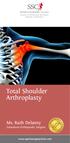 Specialists in Joint Replacement, Spinal Surgery, Orthopaedics and Sport Injuries Total Shoulder Arthroplasty Ms. Ruth Delaney Consultant Orthopaedic Surgeon www.sportssurgeryclinic.com Introduction Arthritis
Herniated Lumbar Disc
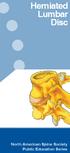 Herniated Lumbar Disc North American Spine Society Public Education Series What Is a Herniated Disc? The spine is made up of a series of connected bones called vertebrae. The disc is a combination of strong
CLINICAL PRACTICE GUIDELINES FOR MANAGEMENT OF LOW BACK PAIN
 CLINICAL PRACTICE GUIDELINES FOR MANAGEMENT OF LOW BACK PAIN Low back pain is very common, up to 90+% of people are affected by back pain at some time in their lives. Most often back pain is benign and
Spinal Cord Diseases in Bernese Mountain Dogs
 Spinal Cord Diseases in Bernese Mountain Dogs 0 A N O V E R V I E W F O R BERNER O W N E R S O R G A N I Z E D B Y N A N C Y M E L O N E, P H. D. Based on materials obtained from the Berner Garde Foundation
Informed Patient Tutorial Copyright 2012 by the American Academy of Orthopaedic Surgeons
 Informed Patient Tutorial Copyright 2012 by the American Academy of Orthopaedic Surgeons Informed Patient - Carpal Tunnel Release Surgery Introduction Welcome to the American Academy of Orthopaedic Surgeons'
Lumbar Spinal Stenosis
 Lumbar Spinal Stenosis North American Spine Society Public Education Series What Is Lumbar Spinal Stenosis? The vertebrae are the bones that make up the lumbar spine (low back). The spinal canal runs through
Less stress for you and your pet
 Less stress for you and your pet Canine hyperadrenocorticism Category: Canine Cushing s disease, Cushing s syndrome Affected Animals: Although dogs of almost every age have been reported to have Cushing
Acute Low Back Pain. North American Spine Society Public Education Series
 Acute Low Back Pain North American Spine Society Public Education Series What Is Acute Low Back Pain? Acute low back pain (LBP) is defined as low back pain present for up to six weeks. It may be experienced
What is Osteoarthritis? Who gets Osteoarthritis? What can I do when I am diagnosed with Osteoarthritis? What can my doctor do to help me?
 Knee Osteoarthritis What is Osteoarthritis? Osteoarthritis is a disease process that affects the cartilage within a joint. Cartilage exists at the surface of the ends of the bones and provides joints with
Prevention and Recognition of Obstetric Fistula Training Package. Module 8: Pre-repair Care and Referral for Women with Obstetric Fistula
 Prevention and Recognition of Obstetric Fistula Training Package Module 8: Pre-repair Care and Referral for Women with Obstetric Fistula Early detection and treatment If a woman has recently survived a
Pre - Operative Rehabilitation Program for Anterior Cruciate Ligament Reconstruction
 Pre - Operative Rehabilitation Program for Anterior Cruciate Ligament Reconstruction This protocol is designed to assist you with your preparation for surgery and should be followed under the direction
Herniated Cervical Disc
 Herniated Cervical Disc North American Spine Society Public Education Series What Is a Herniated Disc? The backbone, or spine, is composed of a series of connected bones called vertebrae. The vertebrae
Scaphoid Fracture of the Wrist
 Page 1 of 6 Scaphoid Fracture of the Wrist Doctors commonly diagnose a sprained wrist after a patient falls on an outstretched hand. However, if pain and swelling don't go away, doctors become suspicious
BRYAN. Cervical Disc System. Patient Information
 BRYAN Cervical Disc System Patient Information 3 BRYAN Cervical Disc System PATIENT INFORMATION BRYAN Cervical Disc System PATIENT INFORMATION 1 BRYAN Cervical Disc System This patient information brochure
Total Knee Replacement
 Total Knee Replacement Contents Introduction Total Knee Replacement Preparing for surgery Pre-op visit Day of surgery After surgery (In Hospital) After surgery (In Rehab) Exercise Program and Physical
MEDICAL BREAKTHROUGHS RESEARCH SUMMARY
 MEDICAL BREAKTHROUGHS RESEARCH SUMMARY TOPIC: STEM CELLS FOR SPORTS INJURIES REPORT: MB # 3975 BACKGROUND: Sports injuries can occur during any sports or exercise activities. The term typically refers
URINARY CATHETER CARE
 URINARY CATHETER CARE INTRODUCTION Urinary catheter care is a very important skill, and it is a skill that many certified nursing assistants (CNAs) must know. Competence at providing urinary catheter care
CRUCIATE STIFLE REHABILITATION PROGRAM TRIAL VERSION
 CRUCIATE STIFLE REHABILITATION PROGRAM TRIAL VERSION CRUCIATE STIFLE REHABILITATION PROGRAM DISCLAIMER: Please be aware that these notes are guidelines and are not intended to over-ride personal observation
Predislocation syndrome
 Predislocation syndrome Sky Ridge Medical Center, Aspen Building Pre-dislocation syndrome, capsulitis, and metatarsalgia are all similar problems usually at the ball of the foot near the second and third
Low Back Pain Protocols
 Low Back Pain Protocols Introduction: Diagnostic Triage And 1. Patient Group Adults aged 18 years and over with routine low back problems. Patients who have had recent surgery should be referred directly
By James D. Gould, MD FACS
 By James D. Gould, MD FACS BACKGROUND Balloon devices enlarge narrowed sinus ostia and outflow tracts by remodeling the surrounding bone and paranasal sinus structures. Multiple studies have demonstrated
Arthritis VETERINARY GUIDE 1
 Arthritis VETERINARY GUIDE 1 Arthritis causes inflammation of the joint and the condition is extremely common in cats. Unfortunately, it often goes unnoticed as owners think the cat is just slowing down
VCA Animal Specialty Group 5610 Kearny Mesa Rd., Suite B San Diego, CA 92111 858-560-8006 www.vcaanimalspecialtygroup.com.
 Disk Disease While not limited to small breeds, disc disease is much more prevalent among Dachshunds, Lhasa Apsos, Poodles, Beagles and Pekingese primarily due to genetic factors. These traits result in
Canine Lymphoma Frequently Asked Questions by Pet Owners
 Canine Lymphoma Frequently Asked Questions by Pet Owners What is lymphoma? The term lymphoma describes a diverse group of cancers in dogs that are derived from white blood cells called lymphocytes. Lymphocytes
Laparoscopic Repair of Hernias. A simple guide to help answer your questions
 Laparoscopic Repair of Hernias A simple guide to help answer your questions What is a hernia? A hernia is defined as a hole or defect in the abdominal (belly) wall. A hernia can either be congenital (a
Open Discectomy. North American Spine Society Public Education Series
 Open Discectomy North American Spine Society Public Education Series What Is Open Discectomy? Open discectomy is the most common surgical treatment for ruptured or herniated discs of the lumbar spine.
.org. Fractures of the Thoracic and Lumbar Spine. Cause. Description
 Fractures of the Thoracic and Lumbar Spine Page ( 1 ) Spinal fractures can vary widely in severity. While some fractures are very serious injuries that require emergency treatment, other fractures can
James A. Sanfilippo, M.D. CONSENT FOR SPINAL SURGERY PATIENT: DATE:
 James A. Sanfilippo, M.D. CONSENT FOR SPINAL SURGERY PATIENT: DATE: 1. I have been strongly advised to carefully read and consider this operative permit. I realize that it is important that I understand
DIFFERENTIAL DIAGNOSIS OF LOW BACK PAIN. Arnold J. Weil, M.D., M.B.A. Non-Surgical Orthopaedics, P.C. Atlanta, GA
 DIFFERENTIAL DIAGNOSIS OF LOW BACK PAIN Arnold J. Weil, M.D., M.B.A. Non-Surgical Orthopaedics, P.C. Atlanta, GA MEDICAL ALGORITHM OF REALITY LOWER BACK PAIN Yes Patient will never get better until case
Vaginal prolapse repair surgery with mesh
 Vaginal prolapse repair surgery with mesh Your doctor has recommended a vaginal reconstructive procedure using mesh to treat your condition. The operation involves surgery to reattach the vagina to its
LYMPHOMA IN DOGS. Diagnosis/Initial evaluation. Treatment and Prognosis
 LYMPHOMA IN DOGS Lymphoma is a relatively common cancer in dogs. It is a cancer of lymphocytes (a type of white blood cell) and lymphoid tissues. Lymphoid tissue is normally present in many places in the
Lumbar Disc Herniation/Bulge Protocol
 Lumbar Disc Herniation/Bulge Protocol Anatomy and Biomechanics The lumbar spine is made up of 5 load transferring bones called vertebrae. They are stacked in a column with an intervertebral disc sandwiched
Radiation Therapy for Prostate Cancer
 Radiation Therapy for Prostate Cancer Introduction Cancer of the prostate is the most common form of cancer that affects men. About 240,000 American men are diagnosed with prostate cancer every year. Your
Adult Forearm Fractures
 Adult Forearm Fractures Your forearm is made up of two bones, the radius and ulna. In most cases of adult forearm fractures, both bones are broken. Fractures of the forearm can occur near the wrist at
ACCELERATED REHABILITATION PROTOCOL FOR POST OPERATIVE POSTERIOR CRUCIATE LIGAMENT RECONSTRUCTION DR LEO PINCZEWSKI DR JUSTIN ROE
 ACCELERATED REHABILITATION PROTOCOL FOR POST OPERATIVE POSTERIOR CRUCIATE LIGAMENT RECONSTRUCTION DR LEO PINCZEWSKI DR JUSTIN ROE January 2005 Rationale of Accelerated Rehabilitation Rehabilitation after
Thyroid Eye Disease. Anatomy: There are 6 muscles that move your eye.
 Thyroid Eye Disease Your doctor thinks you have thyroid orbitopathy. This is an autoimmune condition where your body's immune system is producing factors that stimulate enlargement of the muscles that
Sample Treatment Protocol
 Sample Treatment Protocol 1 Adults with acute episode of LBP Definition: Acute episode Back pain lasting
FUNCTIONS OF THE SKIN
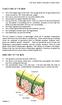 FUNCTIONS OF THE SKIN Skin is the largest organ of the body. The average adult has 18 square feet of skin which account for 16% of the total body weight. Skin acts as a physical barrier for you to the
2. Does the patient have one of the following appropriate indications for placing indwelling urinary catheters?
 A. Decision to Insert a Urinary Catheter: 1. Before placing an indwelling catheter, please consider if these alternatives would be more appropriate: Bladder scanner: to assess and confirm urinary retention,
ARTHROSCOPIC HIP SURGERY
 ARTHROSCOPIC HIP SURGERY Hip Arthroscopy is a relatively simple procedure whereby common disorders of the hip can be diagnosed and treated using keyhole surgery. Some conditions, which previously were
High Dose Laser Therapy Revolutionizing Pain Management
 High Dose Laser Therapy Revolutionizing Pain Management The Best New Profit Center In Physical Medicine & Rehabilitation TECHNOLOGICAL MEDICAL ADVANCEMENTS, LLC High Dosage Laser Therapy (HDLT) Common
Thermal Imaging for Dressage Horses: What you can t see, does hurt
 Thermal Imaging for Dressage Horses: What you can t see, does hurt Joanna Robson, DVM, CVMST, CVA, CSFT, CIT Inspiritus Equine, Inc., www.inspiritusequine.com The health of our dressage sport horses is
BANDAGES AND BANDAGING TECHNIQUES
 BANDAGES AND BANDAGING TECHNIQUES Your role as a veterinary assistant is to understand the theory behind bandaging, as bandaging is the veterinary technician s and the veterinarian s role. You ll need
YALE UNIVERSITY SCHOOL OF MEDICINE: SECTION OF OTOLARYNGOLOGY PATIENT INFORMATION FUNCTIONAL ENDOSCOPIC SINUS SURGERY
 YALE UNIVERSITY SCHOOL OF MEDICINE: SECTION OF OTOLARYNGOLOGY PATIENT INFORMATION FUNCTIONAL ENDOSCOPIC SINUS SURGERY What is functional endoscopic sinus surgery (FESS)? Functional endoscopic sinus surgery
Lymph Node Dissection for Penile Cancer
 Lymph Node Dissection for Penile Cancer Exceptional healthcare, personally delivered Removal of Lymph Nodes Why are the Lymph Nodes so important when I have penile cancer? Lymph nodes are small bean shaped
.org. Distal Radius Fracture (Broken Wrist) Description. Cause
 Distal Radius Fracture (Broken Wrist) Page ( 1 ) The radius is the larger of the two bones of the forearm. The end toward the wrist is called the distal end. A fracture of the distal radius occurs when
.org. Plantar Fasciitis and Bone Spurs. Anatomy. Cause
 Plantar Fasciitis and Bone Spurs Page ( 1 ) Plantar fasciitis (fashee-eye-tiss) is the most common cause of pain on the bottom of the heel. Approximately 2 million patients are treated for this condition
.org. Achilles Tendinitis. Description. Cause. Achilles tendinitis is a common condition that causes pain along the back of the leg near the heel.
 Achilles Tendinitis Page ( 1 ) Achilles tendinitis is a common condition that causes pain along the back of the leg near the heel. The Achilles tendon is the largest tendon in the body. It connects your
Advanced Practice Provider Academy
 (+)Dean T. Harrison, MPAS,PA C,DFAAPA Director of Mid Level Practitioners; Assistant Medical Director Clinical Evaluation Unit, Division of Emergency Medicine, Department of Surgery, Duke University Medical
.org. Shoulder Pain and Common Shoulder Problems. Anatomy. Cause
 Shoulder Pain and Common Shoulder Problems Page ( 1 ) What most people call the shoulder is really several joints that combine with tendons and muscles to allow a wide range of motion in the arm from scratching
How To Treat Injured Dogs With Physical Therapy
 By Janet D. Collins Physical therapy (PT) for animals: A new and exploding field of treatment for injured pets, principally dogs. Just as in humans, PT can have amazing results, giving the animals a new
X-Plain Temporomandibular Joint Disorders Reference Summary
 X-Plain Temporomandibular Joint Disorders Reference Summary Introduction Temporomandibular joint disorders, or TMJ disorders, are a group of medical problems related to the jaw joint. TMJ disorders can
150640_Brochure_B 4/12/07 2:58 PM Page 2. Patient Information. Freedom From an Enlarged Prostate
 150640_Brochure_B 4/12/07 2:58 PM Page 2 Patient Information Freedom From an Enlarged Prostate 150640_Brochure_B 4/12/07 2:58 PM Page 3 GreenLight Laser Therapy 1 150640_Brochure_B 4/12/07 2:58 PM Page
The Knee: Problems and Solutions
 The Knee: Problems and Solutions Animals, like people, may suffer a variety of disorders of the knee that weaken the joint and cause significant pain if left untreated. Two common knee problems in companion
Imagine LIFE WITHOUT PAIN
 Imagine LIFE WITHOUT PAIN High Dosage Laser Therapy (HDLT) What does it do? High Dosage Laser Therapy (HDLT) from Diowave offers a powerful new solution for numerous painful conditions previously refractive
HEADER TOTAL HIP REPLACEMENT SURGERY FROM PREPARATION TO RECOVERY
 HEADER TOTAL HIP REPLACEMENT SURGERY FROM PREPARATION TO RECOVERY ABOUT THE HIP JOINT The hip joint is a ball and socket joint that connects the body to the legs. The leg bone is called the femur. The
1 REVISOR 5223.0070. (4) Pain associated with rigidity (loss of motion or postural abnormality) or
 1 REVISOR 5223.0070 5223.0070 MUSCULOSKELETAL SCHEDULE; BACK. Subpart 1. Lumbar spine. The spine rating is inclusive of leg symptoms except for gross motor weakness, bladder or bowel dysfunction, or sexual
X-Plain Rheumatoid Arthritis Reference Summary
 X-Plain Rheumatoid Arthritis Reference Summary Introduction Rheumatoid arthritis is a fairly common joint disease that affects up to 2 million Americans. Rheumatoid arthritis is one of the most debilitating
Incontinence. What is incontinence?
 Incontinence What is incontinence? Broadly speaking, the medical term incontinence refers to any involuntary release of bodily fluids, but many people associate it strongly with the inability to control
FAQ About Prostate Cancer Treatment and SpaceOAR System
 FAQ About Prostate Cancer Treatment and SpaceOAR System P. 4 Prostate Cancer Background SpaceOAR Frequently Asked Questions (FAQ) 1. What is prostate cancer? The vast majority of prostate cancers develop
Spine Trauma: When to Transfer. Alexander Ching, MD Director, Orthopaedic Spine Trauma OHSU
 Spine Trauma: When to Transfer Alexander Ching, MD Director, Orthopaedic Spine Trauma OHSU Disclosures Depuy Spine Consultant (teaching and courses) Department education and research funds Atlas Spine
Dealing with Navicular Disease. Dr. Chris Bell BSc, DVM, MVetSc, DACVS
 Dealing with Navicular Disease Dr. Chris Bell BSc, DVM, MVetSc, DACVS Navicular disease is a degenerative condition of the navicular bone and soft tissues in the back of the foot. Over the years there
Clinical guidance for MRI referral
 MRI for cervical radiculopathy Referral by a medical practitioner (excluding a specialist or consultant physician) for a scan of spine for a patient 16 years or older for suspected: cervical radiculopathy
New York State Workers' Comp Board. Mid and Lower Back Treatment Guidelines. Summary From 1st Edition, June 30, 2010. Effective December 1, 2010
 New York State Workers' Comp Board Mid and Lower Back Treatment Guidelines Summary From 1st Edition, June 30, 2010 Effective December 1, 2010 General Principles Treatment should be focused on restoring
Lumbar or Thoracic Decompression and Fusion
 Lumbar or Thoracic Decompression and Fusion DO NOT TAKE ANY ASPIRIN PRODUCTS OR NON-STEROIDAL ANTI- INFLAMMATORY DRUGS (ie NSAIDs, Advil, Celebrex, Ibuprofen, Motrin, Naprosyn, Aleve, etc) FOR 2 WEEKS
Use of Packing for Surgical Wounds. Maggie Benson Clinical Problem Solving II
 Use of Packing for Surgical Wounds Maggie Benson Clinical Problem Solving II Purpose Present patient management s/p Incision and Drainage in an outpatient setting Examine evidence for the use of wound
STANDARD OPERATING PROCEDURE #201 RODENT SURGERY
 STANDARD OPERATING PROCEDURE #201 RODENT SURGERY 1. PURPOSE The intent of this Standard Operating Procedure (SOP) is to describe procedures for survival rodent surgery. 2. RESPONSIBILITY Principal investigators
Metastatic Cervical Cancer s/p Radiation Therapy, Radical Hysterectomy and Attempted Modified Internal Hemipelvectomy
 Metastatic Cervical Cancer s/p Radiation Therapy, Radical Hysterectomy and Attempted Modified Internal Hemipelvectomy Sarah Hutto,, MSIV Marc Underhill, M.D. January 27, 2009 Past History 45 yo female