
GAVI Data Quality Audit. North Korea (DPRK) December 2004 AUDIT YEAR 2003
|
|
|
- Cameron Scott
- 9 years ago
- Views:
Transcription
1 GAVI Data Quality Audit North Korea (DPRK) December 2004 AUDIT YEAR 2003 Prepared by: The LATH Consortium* On behalf of: GAVI (Global Alliance for Vaccines and Immunisation) December 2004 *Liverpool Associates in Tropical Health (LATH) and Euro Health Group (EHG)

2 GAVI DQA, North Korea - Report TABLE OF CONTENTS EXECUTIVE SUMMARY 2 Key Recommendations: 3 1. INTRODUCTION 3 2. BACKGROUND 6 3. KEY FINDINGS Data accuracy verification factor National level County level Health Unit Level Other findings KEY RECOMMENDATIONS ANNEXES Health facilities visited and key Informants (National and County levels) Core indicators tables Quality Index Analysis Table 24 LIST OF TABLES Table 1. DQA Indicator Dashboard... 2 Table 2. Audit Team Members... 3 Table 3. County denominators found at national and at county levels Table 4. Coverage and Drop-out Rates Table 5. Core indicators at National level Table 6. Core indicators at county level Table 7. County Quality Indices and county average (over 5) Table 8. HU Quality indices and HU average (over 5) LIST OF FIGURES Figure 1. Map of DPRK indicating counties visited... 4 Figure 2. DTP3 total doses to under-1s according to different sources... 8 Figure 3. Annual provincial DTP3 coverage found at national level (2003)... 9 Figure 4. Monthly tabulation of DTP3 doses in the county of Tanchon... 9 Figure 5. Quality of the system components scores at national level Figure 6. Quality System Indices per Component - All Counties Figure 7. Quality of the System by Components - Hyongjesan County Figure 8. Recounted divided by reported DTP3 doses at HU level Figure 9. HUs average scores by quality component and county Figure 10. DTP1-3 drop out rate by health facility (2003) Figure 11. Drop out rate and DTP3 doses in 2003 for each HU i

3 Executive summary Objective of DQA The DQA has been designed to assist the countries receiving GAVI support to improve the quality of their information systems for immunisation data. In addition, it calculates a measure of the accuracy of reporting. Method Two senior auditors, who worked at national level of EPI before visiting four counties (districts) and six health facilities in each county, undertook the DQA. All four counties and 24 health facilities were selected randomly. The standard DQA method (GAVI, 2003) was applied, which included use of interviews, administration of questionnaires and recounting. Table 1. DQA Indicator Dashboard Audit Year 2003 Provisional Verification Factor (threshold 80%) 0.93 Core Indicators DTP3 Coverage 68.1 % Drop Out Rates (DTP<1 to DTP3<1) 3.7% Injections and Vaccine Safety Yes DTP Vaccine Wastage Rate Not calculated Completeness of Reporting 100% Vaccine Stock-Outs None recorded Action Plans for Counties Yes QSI at National Level 73.5 % Average QSI for Counties 72 % (48% 87%) Average QSI for Health Units 78% (54% - 92%) Main findings The immunisation reporting system in DPRK is well designed, was functional and information was easily retrievable at all levels. There was a high degree of completeness of reporting, documents were stored properly and staff were in general aware of the reporting procedures for immunisations, vaccines, syringes and AEFI. This contrasted with the relatively low DTP3 in under-1s coverage seen at all levels (less than 70%). Accordingly, a high verification factor was obtained (93.0%), which is attributable to the availability of primary recording forms and reports. However, data accuracy showed potentially serious shortcomings: monthly subtotals of DTP3 in two districts and provincial annual coverage figures showed unusual distributions, suggesting a systematic error. The concept of targets and denominators was not clearly defined nor used and monitoring of performance was undertaken only on a monthly basis rather than annually. Data at all levels was not thoroughly analysed and vaccine wastage and drop out rates were either not calculated or miscalculated. Drop out rate figures were negative in several HUs and vaccine wastage was found to be generally high. 2

4 Key Recommendations: A further study, involving a wider selection of districts in the country is suggested, to clarify issues around data accuracy at county, provincial and national levels. Expertise in epidemiology could be sourced from UNICEF/WHO to assist with this study. To strengthen national capacity, additional training may be required in the areas of public health, epidemiology, and bio statistics. EPI could consider approaching UNICEF/WHO for advice and assistance. EPI to train on monitoring and evaluation of immunisation activities (wastage, dropout, targets, denominators, coverage, immunisation schedule) including analysis of data at all levels. EPI should clearly define and disseminate the national policy in relation to denominators, targets, wastage and drop-out rate to all levels. 1. Introduction The Data Quality Audit (DQA) is part of the Global Alliance of Vaccines and Immunisation (GAVI) programme. It has been designed to assist the countries receiving GAVI support in improving the quality of their information systems for immunisation data. In addition, it calculates a measure of the accuracy of reporting, the country's 'verification factor' for reported DTP3 vaccinations given to children under one year of age (DTP3 <1). In 2003, the DQA is being performed in up to 14 countries. It is hoped that participation in the DQA will assist each country in understanding the extent and details of the current issues in the immunisation programmes while providing guidance on how the country's system for recording and reporting immunisation data can be improved. It is the explicit goal of the DQA to build capacities in the participating countries. This DQA was undertaken in the Democratic People s Republic of Korea, 30 November 18 December 2004, by the following team: Table 2. Audit Team Members Name Dr Xavier Bosch-Capblanch Ms Valerie Remedios Dr Choe Sun Bom Dr Kim Jong Ran Dr Kim Son Il Dr Han Hui Suk Position Senior External Auditor Senior External Auditor National Auditor National Auditor Interpreter Interpreter Approach and Mobilisation To conduct the DQA the standard method previously used on other countries was applied at national, county and health unit levels consisting of (1) a set of questions concerning the functioning of the EPI programme and vaccines stock management at each level; (2) a set of questions specific for each level to estimate the quality scores and (3) a recounting of DTP3 doses administered during the audit year from the section doctor ledgers present at health unit level. The team worked at the national level EPI office before going to county and health facility levels. Based on a random selection carried out in advance, the following four counties were visited: Hyongjesan, Yomju, Hwangju and Tanchon, and six Health Units (HU) were selected randomly in each county. The organisation of the DQA required a revised planning schedule to fit in with the timing of the mission (the team arrived mid-week) and the long distances between one county (Tanchon) and the capital (Pyongyang). In order to undertake the DQA within the timeframe, the entire DQA team visited two counties, Hyongjesan and Hwanju and separated to visit Tanchon and Yomju counties. 3

5 Sampling in North Korea was based on district data received from the country. However, it was only once in-country and working at national level that the auditors recognised that a provincial level of reporting existed, and that district data was not sent to the national level, but aggregated at the provincial level and submitted to the national level on a quarterly basis. Districts report on a monthly basis to the provincial level. Therefore, sampling should have been based on provincial data with the selection of two provinces; however, for methodological issues, the sampling cannot be repeated once in-country. For logistical reasons it was evident that the teams could not visit the headquarters of the four provinces, therefore it was agreed that the provincial staff would meet the DQA teams at the counties with the required documentation. District reports were not available for two of the districts. Figure 1. Map of DPRK indicating counties visited A brief summary of the visits to each county is indicated below (see Figure 1 above): Hyongjesan county is based in Pyongyang City (Pyongyang Province) within close proximity of the centre. The team were informed, only after the selection of health units, that one of the selected health unit s could not be easily visited as the road had been closed for major works; bicycles could pass but not cars. As the health unit was some distance from the road block itself, and after some discussion on the possibility of walking to the health unit, the team decided to visit the reserve health unit. 4

6 Yomju county is situated in North Pyongan Province, close to the border with China. It is approximately 350 Km northeast of Pyongyang and can be reached within 4.5 hours driving. One ri was not accessible due to major road works, and was situated some 10 Km from the road. This was deemed ineligible before the selection process. Temperatures were much colder than the capital and dropped to as low as 7ºC. This resulted in very icy road conditions at the start of the day and equally poor conditions during the day when the snow had melted and the roads became extremely muddy and slushy. Access to three ri s, which were some way off the main road, became extremely hazardous. Hwangju county is situated in North Hwangae Province, approximately 40 Km south of Pyongyang (around 30 minutes driving). HUs are quite close to the centre and there were no access problems. Tanchon county is situated in South Hamgyong Province, northeast of Pyongyang and can be reached within 1.5 days. An overnight stop is required at Hamhung, approximately two thirds way between Tanchon and Pyongyang City. Tanchon is located in a mountainous area with narrow winding roads with steep inclines. Routes do not follow the coastal line but rather climb and descend the mountains. A significant proportion of HUs were located in the highlands while the others were down close to town. Mountainous HUs had to be excluded due to reported impossible access at this time of the year. A meeting was held towards the end of the DQA to agree on the findings and recommendations between national and external auditors. Then, a debriefing meeting was held on 17 November 2004, chaired by the Vice Director, Ministry of Population and Health and In-Charge of International Cooperation, Dr Jong Bong Ju. Present at the meeting were the EPI staff, representatives from the donor partners, WHO, UNICEF and interpreters. A comprehensive list of persons met during the DQA including the debriefing is included in Annex 1 of this report. The members acknowledged the report and confirmed their commitment to addressing the recommendations as outlined in the recommendations section of this report. 5

7 2. Background This is DPRK s first DQA. Out of 206 counties, only 168 were included in this DQA, the rest were excluded from the DQA by the national authorities for security concerns. Therefore this DQA cannot be seen as representative for the whole country. DPRK s Expanded Programme on Immunization is established within the National Hygiene and Anti-epidemic Institute (NHAI), a unit under the National Hygiene Control Committee (NHCC) which reports to the Ministry of Population and Health (MoPH). The country provides immunization against seven vaccine preventable diseases; diphtheria, pertussis, tetanus, poliomyelitis, tuberculosis, measles and hepatitis B to all children (0-11 months) in the DPRK, free of charge. Hepatitis B has recently, in September 2003, been added to the immunization schedule and is being supported through GAVI. Both UNICEF and WHO provide support to the national immunisation programme in the form of vaccines, cold chain, transport and technical assistance. The DPRK has a very extensive network of health care institutions and providers. This comprises section (or household) doctors 1 attached to each work team, one per 130 families; clinics, polyclinics and hospitals in each ri and dong 2 ; a hospital and anti-epidemic station in each county or urban district; and hospitals in significant factories, specialised institutions and in each province and municipal city. EPI information follows a vertical upward flow from the ri (health unit), to county, to province, to the national level (National Hygiene and Anti-Epidemic Institute) and the MOPH. A separate HMIS exists for the reporting of communicable diseases, also following an upward flow to MOPH but via a completely different route. Immunization services are offered by the government to service providers in 206 counties in the eleven provinces of DPRK. Only children under one year of age are immunised. Individual vaccinations are recorded in the Child Health Card (CHC) and in the section doctor s own ledgers. The latter are nonstandard books, however if a doctor leaves a health facility these ledgers should remain in the health facility to be taken over by the incoming incumbent. The Child Health Card s are retained at each health facility and only follow a child if re-location occurs. BCG is normally given at birth by the midwife, whether at a home delivery or in a health institution. Pregnant women are only given two doses of tetanus toxoid, TT1 and TT2 which is normally administered by the section doctor or obstetrician and recorded in the section doctors/obstetricians own book or in a TT specific ledger. Following the monthly immunisation day, information from the section doctors/obstetricians own books is transferred to the immunisation ledgers (where these are available) from which the monthly reports are compiled. The ris and county follow a monthly reporting schedule, whilst the provinces report to national level on a quarterly basis. 1 Section doctors are the main point of contact between the ri and the community. The section (or household) doctors are assigned to village work teams and urban neighbourhoods, each covering around 130 families. Field motivators, often the section doctor, are also present at ri/dong level. The Ministry of Public Health s Health Education Institute employs informers, whose role is to inform about campaigns or mobilise action. There is a high ratio of doctors to population: 568 per 100,000, compared with 162/100,000 in China and 48/100,000 in Vietnam. There is also a high number of doctors over nursing staff, in a ratio that is inverse to that found in other countries. Section doctors have a wide range of responsibilities including prophylactic and curative care. Analysis of the situation of children and women in the DPRK, UNICEF, The ris and dongs are sub-district levels of governance in, respectively, rural and urban areas. The ri corresponds to the area of a cooperative or state farm. 6

8 From 2001, child health cards (CHC), ledgers for submitting monthly reports, monthly and annual immunisation recording ledgers and vaccine stock ledgers have been provided by UNICEF and were distributed to the ri, county and province levels. In general, resources are scarce and those that are available are used as optimally as possible (paper). Outside the national level where one computer was available for entering EPI data, no computers were seen. Vaccines are distributed from the national level via the province to the county. Each province is allocated an immunization day, between 1-15 th of each month when immunisation is undertaken in the ris; mobile and outreach immunisation services are not provided. Prior to the immunisation day, section doctors remind households with those infants requiring OPV, DPT, HVB or measles vaccines to attend the immunisation day. Staff from the ris collects vaccine from the county on the immunization day, AD syringes and safety boxes are collected prior to this date. AD syringes and safety boxes are considered as consumables and distributed through the Central Medical Stores who are represented at the county, provincial and national levels. 7

9 3. Key findings 3.1. Data accuracy verification factor The verification factor (VF) is one of the indicators to assess data accuracy. It is the ratio between the DTP3<1 doses found in reports and DTP3<1 doses recounted in individual recording forms at health facility level. Numerator and denominator have been extrapolated to have a figure for the whole country. However, it should be kept in mind that the sampling frame for this DQA was a subpopulation of counties accessible according to the Korean authorities (168 out of 206; 81% of counties). The VF, and other data presented, cannot be seen as representative of the whole country. Principal pre-requisites for a good verification factor are: Accurate aggregations whereby national reported values for DTP3<1 reflect the exact number of clients tallied. Complete reports available at the HUs, at the counties and at National level. The county tabulations should be up-to-date and complete Complete individual recording forms for the audit year (2003) available at all HUs. This requires that the records are not only completed, but well organized and easily retrievable as well. Korea verification factor for DTP3 in % CI: 78.3%-109.6% The similarity between the partial county level reported vs. recounted ratios (100.9%, 99.8%, 79.7%, 95.3%) was translated in the relative narrow 95% confidence interval of the VF. Reasons for this high verification factor include: optimal availability of individual recording forms, 100% completeness of reporting at HU, county and national levels and high standards of record keeping at ri level. Looking at the consistency of the total national DTP3<1 in 2003 reported from different sources, there was a slight difference between the WHO/UNICEF JRF and the provincial tabulation at national level (285,456 vs. 285,856); the difference in one single figure suggests a transcription error. Figure 2. DTP3 total doses to under-1s according to different sources WHO/UNICEF report (JRF) 285,456 Recent National district tabulation 285,856 In Districts Eligible for DQA 251, , , , , , , ,000 8

10 Contrasting with these good results in data accuracy, the auditors observed some unusual data distributions on three occasions. 1) DTP3 coverage annual tabulation for 2003 found at national level: the 11 provinces of the country showed coverages between 68.03% and 68.18% (range width: 0.15%), and 5 provinces had the same value of (see Figure 3 below). Figure 3. Annual provincial DTP3 coverage found at national level (2003) Provincial coverage estimates 2003 Number of children 70,000 60,000 50,000 40,000 30,000 20,000 10,000 - Pyongyang City S. Pyongan N. Pyongan Jagang Hw anghae N. Hw anghae Kangwon S. Hamgyonyong N. Hamg- Ryanggang Nampo 100% 90% 80% 70% 60% 50% 40% 30% 20% 10% 0% Coverage Denominator 59,447 54,756 49,022 22,485 47,826 36,420 26,923 56,413 39,902 12,642 13,952 DPT3 40,443 37,333 33,421 15,320 32,538 24,815 18,343 38,437 27,187 8,613 9,506 Coverage 68.03% 68.18% 68.18% 68.13% 68.03% 68.14% 68.13% 68.14% 68.13% 68.13% 68.13% 2) Tanchon county. Monthly DTP3 doses taken from the monthly tabulation (DTP3 for each HUs and month). All months had values for DTP3 between 331 and 336 and for six months the value was exactly the same, 334. However, when the tabulation was entered in the computer and monthly totals added up, the results showed much greater variation (range: ). See Figure 4. Figure 4. Monthly tabulation of DTP3 doses in the county of Tanchon 400 Tanchon county tabulation 2003 DPT3 doses to under-1s (number) Jan Feb Mar Apr May Jun Jul Aug Sep Oct Nov Dec Computer Manual ) Yomju county. A similar phenomenon was observed in the county of Yomju. Monthly (for 2003) DTP3 figures for each HU were added up to obtain monthly 9

11 totals for the county (equivalent to computer in figure above). These totals were compared with the monthly totals sent by the county to the provincial level ( manual in the figure above). In this case, all months in the manual addition had values for DTP3 between 123 and 131 and for six months the value was exactly the same, 124. The computer additions showed figures ranging from 119 up to 129, with greater variability. Moreover, 2002 monthly sub-totals were exactly the same as the 2003 ones for DTP1 <1 and DTP3 <1 (data not shown). It is difficult to find explanations for these unusual distributions. Reasons provided included homogeneity of the population and the fact that the system is strongly centralised. However, in the cases of county data, many errors were detected in the addition of monthly subtotals, suggesting some type of systematic error. The issue in Yomju where the same figures for DTP1 and DTP3 <1 were found for 2002 and 2003 could not be explained by the district staff. The auditors conclude that the district used 2003 figures rather than admit the missing 2002 data, in order to meet the criteria of the DQA National level The quality of the system index (QSI) is a composite indicator of the overall quality of the immunization reporting system, which is calculated for each health unit and county visited, as well as for the national level. Please note the national QSI is not a composite of the scores at all other levels, but rather a score for findings at one level only. At the national level the QSI is composed of scores in five specific areas, namely: Recording, Reporting/Storage, Monitoring/Evaluation, Denominators and System Design. See Figure 5 below for a detail of the scores by component. National level quality of the system index 72.0% System design The reporting system in the DPRK is monolithic and centralised (sic). Management of information is regarded as an essential part of the health system, including the EPI programme. There seemed to be written procedures available in the EPI office and the same directives are present at the different levels of the system. Computer files are comprehensive, well kept, the same headings were found on tabulations and information from 2002, 2003 and 2004 was readily accessible. The data clerk was familiar with files and had a good knowledge of the software used. The AEFI reporting system seemed functional and a list of cases was made available to the auditors. However, data does not allow for calculation of vaccine wastage. 10

12 Figure 5. Quality of the system components scores at national level Performance by component Recording practices 5 4 System Design Storing /Reporting Denominator Monitoring /Evaluation Recording Processing of reports were up to date and vaccine stock management was optimal, with a ledger book containing up to date essential information. Not surprisingly, this component of the quality index had the second best score (4.3 over 5). This strikingly contrasted with the record keeping of the AD syringes stocks in the Central Medical Store in Pyongyang. There, no balance from the previous book was carried forward and no balance was either updated after each entry or exit of syringes. At the time of our visit it was stated that the remaining stock of AD syringes was zero. It was not possible for the auditors to check this personally. Storing/reporting Provincial reports were 100% complete for both 2002 and 2003, well classified and properly stored. All documents were very well kept and preserved. Monitoring and Evaluation The basic items assessed under monitoring and evaluation were present: like a map showing some provincial performance, there were up to date and recent reports and tabulations and provincial vaccine stock-outs were being monitored at national level. However, some other essential issues were not present. For example, drop-out rate and vaccine wastage were not monitored. Denominators Denominators (children under-1) were consistent with standard WHO definitions and no coverage, either at national, provincial or county level showed values above 100%. Under-1s denominators were consistency across documents (JRF, GAVI documents, tabulations). However, denominators for 2002 and 2003 were identical. This was not the case for the pregnant women denominator (420,088 for 2002 and 420,045 for 2003). Some explanations given included the fact that denominators were estimated from the number of births registered in the previous year or the effect of rounding up provincial denominators. None of those explanations seemed to really justify it. Furthermore, in two out of the four counties the number of children under-1 reported at national level was significantly lower than those reported at county level. This component (denominator) had the lowest score. Table 3. County denominators found at national and at county levels Hyongjesan Yomju Hwangju Tanchon At national level 2,405 2,181 2,641 5,247 At county level 2,405 2,181 3,016 5,590 Difference (+14.2%) 343 (+6.5%) 11

13 3.3. County level The Quality of System Index (QSI) for the four counties was as follows: Hyongjesan 79.3% Yomju 48.3% Tanchon 86.7% Hwangju 72.4%. The four components of the county level QSI are Recording, Storing/Reporting, Monitoring/Evaluation, and Demographics/Planning. The QSI component scores for each county are shown in Figure 6. Figure 6. Quality System Indices per Component - All Counties Hjongjesan Yomju Hwangju Tanchon Average 0 Recording Storing - reporting Monitoring & Evaluation Demography - planning As can be seen from Figure 6, one county in particular, Yomju, performed considerably poorly when compared to the three other counties. However, despite this overall poor performance, all four counties showed a similar high level of performance in the area of Recording. The weakest area for all counties appears to be Storing and Reporting. This can also be seen from the Figure 7 below which presents a spider graph of the performance of Hyongjesan county from the DQA for the Audit Year 2003 in DPRK. 12

14 Figure 7. Quality of the System by Components - Hyongjesan County Demographics/ planning Performance by component Recording Storing /Reporting Monitoring /Evaluation Recording All four counties scored well in the recording component. All vaccine ledger books were upto-date and with complete vaccine receipts. Other supplies, including syringes, are well monitored in three of the four counties. Although the health units all use the same format for reporting to the counties, the individual recording of vaccinations is not consistently the same in all health units. Some use the child register format, others record each child s name in a style particular to North Korea, and some use both styles. However, this is not a major issue and should not be changed unless any benefit can be seen from such a change. Demographics/Planning Two of the four counties had targets set for the current year for child immunisations and pregnant women, however in one of these counties the target was set as the denominator for both groups. Only one county appeared to have a realistic target. County managers do not appear to take into consideration previous years achievements in order to set realistic targets for the next year. One county could not provide any information on denominators for children under one or for pregnant women. Of the remaining three counties, two indicated a change in the denominator value from 2002 to 2003 for children under one, contrary to the trend seen at national level. However, the same counties also indicated that different denominators were being used at county and national levels for the audit year. Only one county had the same denominator at county and national level. Microplans and other organisational tools (including maps) were available in all four counties, some of the maps even indicate the level of performance of the health units. Monitoring/Evaluation Three of the four selected counties had charts displaying updated immunization coverage for the audit year. Timelines and completeness of the HU reports was monitored in three of the four counties. Provision of feedback is conducted through regular monthly meetings with ri staff. Supervision of immunization activities was found to be weak, only two counties could provide a written schedule of supervision. No monitoring of HU vaccine wastage takes place even though the information could be obtained fairly easily as none of the health units store vaccines. Drop-out is only monitored in only two of the four counties, however the method used to calculate drop-out is incorrect (as compared with the WHO standard). 13

15 Storing/Reporting Three of the four counties are able to store health unit reports in a well-organised manner such that they can be retrieved easily. However different procedures and regulations appear to exist in different counties on the retention and storage of previous reports at county and health unit level. In one county it was not possible to obtain any 2002 data at health unit level, as the records had been destroyed, in another county, at the year end all health unit reports are sent to the file store at the public health department in the county. All four selected counties are able to process data and report on time, however, none of the four counties had any procedures for dealing with late reports. There appears to be good awareness and reporting of AEFI. Coverage and drop-out At the national level there has been an increase in the absolute number of children (19,000) vaccinated for DTP3 from 2002 to 2003, with an increase in coverage over the same period. In contrast, three out of four counties indicate a negative change in DTP3 from 2002 to 2003 (see 4 below). The county denominator was not found in one county (Yomju), and therefore it is not possible to measure coverage, however, the remaining two counties indicate a fall in coverage from 2002 to 2003, which does not follow the national trend. Three out of four counties indicate an increase in drop-out from 2002 to 2003, which continues to be a concern especially with the lower coverage of DTP as compared with other antigens. Table 4. Coverage and Drop-out Rates County Year Hyongjesan Yomju Tanchon Hwangju Coverage rate DTP3< % missing 73.6 % 63.4 % % missing 71.5 % 59.6 % Changes in DTP3< (absolute figures) Drop-out rate % 2.2 % 3.7 % 3.1 % % 3.1 % 0.6 % 4.5 % 3.4. Health Unit Level Data consistency Primary immunisation data is recorded simultaneously in two places: the doctor s book and the child health card. The child health card is a standard 8 page small booklet, one for each infant, with spaces to record the identification information of the infant and the date when each antigen is administered. Doctors recorded each immunisation in their books in two different ways: (a) a new page is opened for each immunisation day and the names of children due for immunisation written in advance; then, defaulting children noted; or (b) the typical child register format under the responsibility of each doctor with the appropriate columns completed for each antigen.. Recounting was based on the doctors book as some child health cards could be missing due to migration; if the doctors books were incomplete or missing, as a second option the child health cards were used. Doctors books were generally available and kept in good condition. 17 out of 23 HUs had DTP3 recounts which matched the monthly reported values on a month by month bases. In general, the monthly number of DTP3 doses administered was quite low and this probably facilitated the high level of congruence. The following figure also shows that it was not 14

16 possible to recount at one HU, as neither the doctors books nor the child health cards were available on the day of the visit. Figure 8. Recounted divided by reported DTP3 doses at HU level 120% Reconted / reported DPT3 at HU level 100% 80% 60% 40% 20% 0% Hjongjesan Yomju Hw angju Tanchon System index quality The following figure shows the average scores for each one of the three components of the quality index assessed at HU level, by county. Storing and reporting had the highest score in all counties except Yomju, while monitoring and evaluation had the lowest in the four counties. Figure 9. HUs average scores by quality component and county Hjongjesan Yomju Hwangju Tanchon HU Average 0 Rec Sto/Rep M&E Recording Recording practices were very good: individual immunisation forms were available, infants vaccination histories were easily retrievable and even vaccine ledger books were complete and up to date despite the fact that none of the HUs visited stored vaccines (limited vials are received for every monthly immunisation session). The child health card exercise however showed poor results. Of the three antigens assessed in this exercise, only 11/24 (46%) HUs answered correctly for DTP1 immunisations dates, 10/24 (42%) for DTP3 immunisations and 6/24 (25%) for measles immunisation. 15

17 Storing and Reporting All HUs reports for the audit year were available in all HUs and reports were neatly kept and were easily retrievable. Only in one HU the individual immunisation recording forms were not retrievable on the day of the visit, because they were under lock and the key of the padlock was not available. Reporting of AEFI seemed to be well known and functional. Not surprisingly, this component had the highest scores in 3/4 counties. Monitoring and Evaluation Monitoring and evaluation was the worst component. Very good findings included the 100% registration of new births in the HU catchments areas, the existence of a map in the wall of the HUs, the monthly interaction with the communities specifically for immunisation issues and the existence of a mechanism to track defaulters. Targets were presented in almost three quarters of HUs but were generally ill-defined or erroneous. In several HUs different denominators were being used to estimate coverage of different antigens. Interestingly, all coverage estimates were consistently assessed on a monthly bases against monthly targets. Since DTP3 figures were small in many HUs, slight variations in the absolute numbers of monthly DTP3 administrations caused major variation in monthly coverages. Therefore there was no year-wide perspective to assess performance. Only one HU monitored vaccine wastage rate and only 5/24 monitored DTP1-3 drop out rates. The methods of calculating DTP1-3 drop out rates and vaccine wastage were repeatedly discussed. In some instances DTP1-3 drop out rates were actually based on the following: 100 coverage rate. Drop out rates estimated from the DTP1 and DTP3 figures collected at HU level showed some negative values. Several reasons were given, including the organisation of a campaign at the beginning of 2003 to catch-up defaulters of the previous year (Yomju, Tanchon) or migration of children to the area the majority of whom were due for DTP3 rather than for DTP1(!). Figure 10. DTP1-3 drop out rate by health facility (2003) 15.0% Drop out rate 10.0% 5.0% 0.0% -5.0% -10.0% -15.0% -20.0% Hjongjesan Yomju Hw angju Tanchon Some HUs estimated vaccine wastage by taking into account the supposed amount of vaccine remaining in the needle at the top of the syringe after each immunisation. This gave some aberrant figures Other findings Safety of Injections and Vaccine Safety (AEFI) AD syringes and safety boxes are distributed via a parallel system to vaccines through the Medical Stores found at national, provincial and county levels. Based on their planned immunizations, ri s collect these items every month from the county medical store. 16

18 Recording of AD syringes at the national level was found to be poor, in contrast to three of the four counties where ledgers were well maintained. Insufficient time was available to visit one of the county medical stores. In some of the ri s, records for syringes are maintained by the pharmacy department and in others by the immunization department. Records were well maintained in 16 out of 24 ri. Safety boxes are issued at the same time as the syringes, on a monthly basis, and in general discarded after the immunization session irrespective of the number of immunizations given. AEFI Surveillance: at national level written procedures are available for AEFI reporting. Individual cases following an AEFI were found at national level. The routine method of reporting AEFI from ri upwards appears to be mainly by telephone, however some ri are also using the monthly reporting form although zero reporting is not implemented. According to the national guidelines, cases of AEFI should be reported by telephone and through the monthly reporting system. Wastage rate Wastage refers to the proportion of doses of vaccines that are in the system but that never will reach a child. Wastage may be due either to unopened vials that get expired, broken or lost (unopened or system wastage) or doses in opened vials remaining after vaccination sessions, which are no longer usable. Global wastage refers to the combination of both and is possible to calculate at the HU level only. To estimate vaccine wastage rate for a given vaccine in a given period of time we need two sets of information: the number of doses actually administered during this period of time and the total number of doses delivered, but not held in stock (unopened vials going to secondary stores in the case of unopened wastage and opened vials due for vaccination session, for global wastage). Unopened wastage: wastage occurring within the vaccine stores due to losses of unopened vials can only be estimated if complete data on vaccines stock management exists. Unopened/system wastage has been 0 at National level and in each of the four counties. Global wastage: it was not possible to estimate global wastage at national level since not all the necessary data is reported from the peripheral levels. However, in the JRF the wastage was 30% taking into account the 206 counties. It was not clear how this figure was reached. Global wastage at HU level could be estimated and ranged from 6.9% - to 72.1%. The following figure examines the relationship between wastage and the absolute number of DTP3 doses in 2003 for each HU (each point represents 1 HU). The figure suggests that vaccine wastage was not arbitrary but reasonably related to the amount of doses administered in each HU. High levels of wastage could partially be attributed to the size of the vials used. In 2003, the 20 dose vial was used and has since been replaced with a 10 dose vial which should assist in reducing wastage. 17

19 Figure 11. Drop out rate and DTP3 doses in 2003 for each HU 80% 70% Wastage rate 60% 50% 40% 30% 20% Hjongjesan Yomju Hw angju Tanchon Tendency line 10% 0% DPT (number) Completeness of Reporting At National level the timeliness of reporting is not measured, however the completeness of reporting from the provinces was found to be 100%. During the DQA, provincial officials were called to the respective counties and asked to carry the county reports for the audit year. Reports were only available from two provincial offices. For these counties, completeness of reporting was found to be 66.7% and 100% respectively. Those provincial officers who did not carry the reports to the county claimed that the reports had been left behind at the provincial offices, which seemed credible to the auditors. For these two counties the completeness of reporting is indicated as 0%, however this should be viewed with some caution. At county level, reporting from the health units to the county was complete in each county, for every health unit reporting in 2003, i.e. 100% completeness. This is an excellent level of performance. Three of the four counties monitor timeliness of reporting. 4. Key Recommendations Priority Recommendations A further study, involving a wider selection of districts in the country is suggested, to clarify issues around data accuracy at county, provincial and national levels. Expertise in epidemiology could be sourced from UNICEF/WHO to assist with this study. To strengthen national capacity, additional training may be required in the areas of public health, epidemiology, and biostatistics. EPI could consider approaching UNICEF/WHO for advice and assistance. EPI to train on monitoring and evaluation of immunisation activities (wastage, dropout, targets, denominators, coverage, immunisation schedule) including analysis of data at all levels. EPI should clearly define and disseminate the national policy in relation to denominators, targets, wastage and drop-out rate to all levels. 18

20 At HU level Encourage HU s to follow national guidelines in the calculation of monitoring and evaluation indicators. Seek the participation of HUs to build consensus on the need of annual (as opposed to monthly) monitoring. Participate in the assessment of the reasons for a lower coverage of DTP. A specific study may be necessary in coordination with WHO/UNICEF. At county level Consider whether the implementation of uniform format for recording at HU level would benefit the reporting process. Ensure availability of paper/ledgers and other monitoring tools. Improve the use and analysis of available data on immunisation. At national level EPI/UNICEF to assess national needs for reporting and recording tools (doctors books, immunisation and vaccine ledgers, reporting forms, etc) and ensure adequate availability at all levels. The national level to update technical guidelines in line with WHO standards and disseminate to all levels. EPI to support CMS in the recording of AD syringes EPI to agree on a policy for storage and retention of past immunisation information. 19

21 5. ANNEXES 5.1. Health facilities visited and key Informants (National and County levels) Health Units by County Hjongjesan Yomju Hwangju Tanchon Sopo Harsan Ganri 2 Sangdang Hyongsan CONAM Tasa Town Hakso Naezung Tongsong Samgae Samjon Wolpa Ryedong Samhum Sunchon Kumsok Tanchon Jikjol Ssangryong. Packsan Jikjol clinic Ryongsan Name Hjongjesan Dr Ri Gil Won Dr Ri Myong Suk Dr Jon Yong Ho Dr Kong Kun Sun Dr Kim Kum Ju Yomju Dr Kim Gi Hong Dr Pak In Sil Dr Ri Tung Rin Dr Ri Byong Giuk Dr Kim Yong Il Dr Choe Tan Yong Dr Kim In Sun Hwangju Dr. Ri Dong Muk Dr. No Yong Ryol Dr. Kim Yong Suk Dr. Kim Il Man Tanchon Yun Gi Yong So Bok Hyon Rim Myong Gil Mun Un Chol XXX Position Director, HA Station, Pyongyang City, Province Dr, HA Station, Pyongyang City, Province Director, HA Centre Section Chief, HA Centre Dr, In-Charge of Immunization HA Centre Director, HA Station, Province Section Chief of Immunization, Province Director, Health Department, County People s Committee Health Officer, Health Department, County People s Committee, Director, HA Centre Dr, In Charge of Immunization, HA Centre County Medical Store, Supply Officer Head of County HAE Station Immunisation doctor Immunisation doctor in training Chief Immunisation Department Provincial HAE Station Director of Health Department, Tanchon City People s Committee Head Tanchon City Anti-Epidemic-Hygienic station Chief Immunisation department South Hamgyon province Chief Immunisation department Tanchon City Anti- Epidemic-Hygienic station County stores 20
22 National Dr. Jong Bong Ju Dr. Kim Jong Hwan Dr. Choe Sun Bom Dr. Kim Jons Ran Dr. Kim Jon Il Dr. Han Hui Suk Dr. Ye Jong Sun Dr. Jo Tae Hyok Dr. Han Kyong Ho Dr. Kim Twk Ho National Debriefing Dr. Jong Bong Ju Dr. Kim Yun Chol Dr. Hong Sung Gwam Dr. Han Kyong Ho Dr. Kim Tuk Ho Dr. Ri Kil Won Dr. Kong Kum Sun Dr. Kim Chol Ho Dr. Kim Kum Ran Dr. Kim Tung Hyok Dr. Kim Jong Ran Dr. Choe Sum Bom Dr. Nagi Shapie Dr. Vason Pinyowiwat Val Remedios Xavier Bosch-Capblanch Vice-director, MOPH Vice-chairman, MOPH Immunization Department, NHAE Interpreter Interpreter Immunisation section, NAEHS Immunisation section, NAEHS Director, AEHS Section Chief, Immunization Section Deputy Director, GAVI focal point, MOPH Officer, National EPI, MOPH Officer, National EPI, MOPH Head, Central Hygienic and Anti-Epidemic Institute Director, EPI Department, Central HAEI Director, Pyonyang City, HAEI EPI Director, Pyonyang City HAEI NPO, UNICEF, Pyonyang Doctor, Central HAEI NPO, WHO, Pyonyang National Auditor National Auditor Health Officer, UNICEF, Pyonyang Health Officer, WHO, Pyonyang External Auditor External Auditor 21
23 5.2. Core indicators tables Table 5. Core indicators at National level JRF Reported at time of audit Counties with DTP3<1 coverage > 80% 0, 0% 0, 0% Counties with measles<1 coverage > 90% 206, 100% NA Counties with drop-out rate<10% 206, 100% 206, 100% Type of syringes AD AD Counties with AD syringes 206, 100% NA Introduction HVB 2003; 2004 whole country April 2004 Introduction Hib NO NO Vaccine wastage DPT 30% 0% Wastage rate HVB NA NA Wastage rate Hib NA NA Interruption in vaccine supply 2003 NA Stock out at national level of any vaccine? NO NA % Counties disease surveillance reports received/expected 100% NA % province coverage reports received/expected 100% % Provinces coverage reports received on time 11 Number of Counties supervised at least once in 2003 NA Number of Counties which supervised all HUs in NA Number of Counties with microplans including routine immunisation 206 NA 22
24 Table 6. Core indicators at county level Hjongjesan Yomju Hwangju Tanchon At national 68.5% 68.6% 68.1% 76.2% County DTP3 coverage At county 68.5% 68.2% 68.1% 76.2% At national NA NA NA NA County measles coverage At county 95.2% 92.2% 102.0% 97.5% At national 2.2% 2.2% 4.5% 0.6% County Drop-out DTP1-3 At county 2.2% 2.6% 3.1% 2.5% At national NA NA NA NA Syringes supplied in 2003 At county NA 25,800 26,700 NA Number of counties coverage reports received/sent at provincial level At national At county 0/12 12/12 8/12 8/12 12/12 12/12 0/12 12/12 Number of coverage reports At national NA 8/12 12/12 NA received on time/sent on time At county NA NA NA NA Number of HU coverage At national reports received/sent At county 192/ / / /660 Number of HU reports At national received/sent on time At county 192/192 NA 396/ /660 At national None None None None County vaccine stock out At county None None None None Has the county been supervised by higher level on 2003 At national At county Yes Yes Yes Yes Yes Yes Yes Yes Has the county been able to At national supervise all HUs in 2003 At county Yes No Yes No Did the county have a At national microplan for 2003 At county Yes Yes Yes Yes 23
25 5.3. Quality Index Analysis Table Table 7. County Quality Indices and county average (over 5) Recording Stor/Repo Monitoring Demo/Pla Hjongjesan Yomju Hwangju Tanchon County Average Table 8. HU Quality indices and HU average (over 5) Hjongjesan Yomju Record. Stor/Rep. Mon/Eval Recording Stor/Repo Mon/Eval Sopo Tasa Harsan Town Ganri Hakso Sangdang Naezung Hyongsan Tongsong Chonnam Samgae HU average HU average Hwangju Tanchon Record. Stor/Rep. Mon/Eval Recording Stor/Repo Mon/Eval Samjon Tanchon Policlinic Wolpa Jikjol Hospital Ryedong Ssangryong Hospital Samhum Packsan Ri Clinic Sunchon Jikjol Ri clinic Kumsok Ryongsan Ri clinic HU average HU average
GAVI DATA QUALITY AUDIT COUNTRY: LIBERIA
 GAVI DATA QUALITY AUDIT COUNTRY: LIBERIA From 18 th July to 4 th August 2005 LIVERPOOL ASSOCIATES IN TROPICAL HEALTH, UK in association with EURO HEALTH GROUP, c o n s u l t a n t s DENMARK Table of Contents
Module 7 Expanded Programme of Immunization (EPI)
 Module 7 Expanded Programme of Immunization (EPI) (including Vitamin A, Tetanus Toxoid and Growth Monitoring) CONTENTS 7.1 What are the tools used for data collection?....................................2
GUIDE TO THE HEALTH FACILITY DATA QUALITY REPORT CARD
 GUIDE TO THE HEALTH FACILITY DATA QUALITY REPORT CARD Introduction No health data is perfect and there is no one definition of data quality.. No health data from any source can be considered perfect: all
Expanded Programme on Immunization
 Expanded Programme on Immunization Expanded Programme on Immunization has been delivered the immunization services to the targeted children of under one year old child and pregnant women. Currently total
No Goal Indicator Operational definition Data source/ collection Baseline Target Milestones
 No Goal Indicator Operational definition Data source/ collection Baseline Target Milestones G 1.1 Achieve a world free of poliomyelitis Interrupt wild poliovirus transmission globally G1.2 Certification
Immunisation Services - Authority for Registered Nurses and Midwives
 Policy Directive Ministry of Health, NSW 73 Miller Street North Sydney NSW 2060 Locked Mail Bag 961 North Sydney NSW 2059 Telephone (02) 9391 9000 Fax (02) 9391 9101 http://www.health.nsw.gov.au/policies/
Chapter 20: Analysis of Surveillance Data
 Analysis of Surveillance Data: Chapter 20-1 Chapter 20: Analysis of Surveillance Data Sandra W. Roush, MT, MPH I. Background Ongoing analysis of surveillance data is important for detecting outbreaks and
Using Routine Data for OR/IS & Data Quality Audits. Sarah Gimbel, MPH, RN HAI/DGH
 Using Routine Data for OR/IS & Data Quality Audits Sarah Gimbel, MPH, RN HAI/DGH Introduction: Measurement Measurement of exposures, outcomes, other characteristics are a key part of most epidemiologic
Children in Egypt 2014 A STATISTICAL DIGEST
 Children in Egypt 2014 A STATISTICAL DIGEST CHAPTER 4 IMMUNIZATION AND HEALTH Children in Egypt 2014 is a statistical digest produced by UNICEF Egypt to present updated and quality data on major dimensions
MATERNAL AND CHILD HEALTH
 MATERNAL AND CHILD HEALTH 9 George Kichamu, Jones N. Abisi, and Lydia Karimurio This chapter presents findings from key areas in maternal and child health namely, antenatal, postnatal and delivery care,
FACILITATOR GUIDE for the EPI Coverage Survey
 TRAINING FOR MID LEVEL MANAGERS FACILITATOR GUIDE for the EPI Coverage Survey EXPANDED PROGRAMME ON IMMUNIZATION WORLD HEALTH ORGANIZATION WHO/EPI/MLM/91.11 Distribution: General Original: English WHO
Content Introduction. Pag 3. Introduction. Pag 4. The Global Fund in Zimbabwe. Pag 5. The Global Fund Grant Portfolio in Zimbabwe.
 Content Introduction The Global Fund in Zimbabwe The Global Fund Grant Portfolio in Zimbabwe Capacity Development 2009-2014 Capacity Development and Transition Planning 2014 Overview of the Capacity Development
Summary of GAVI Alliance Investments in Immunization Coverage Data Quality
 Summary of GAVI Alliance Investments in Immunization Coverage Data Quality The GAVI Alliance strategy and business plan for 2013-2014 includes a range of activities related to the assessment and improvement
INCREASING COMPLETE IMMUNIZATION IN RURAL UTTAR PRADESH
 INCREASING COMPLETE IMMUNIZATION IN RURAL UTTAR PRADESH The Government of India has recommended that a child must be vaccinated against six vaccine-preventable diseases (polio, tuberculosis [TB], diphtheria,
The Gavi grant management change process
 The Gavi grant management change process Overall change process Frequently asked questions June 2015 1. How was it decided that grant management changes were needed? Over recent years, through a series
MATERNAL AND CHILD HEALTH 9
 MATERNAL AND CHILD HEALTH 9 Ann Phoya and Sophie Kang oma This chapter presents the 2004 MDHS findings on maternal and child health in Malawi. Topics discussed include the utilisation maternal and child
OPTIMIZE. Albania Report
 OPTIMIZE Albania Report This report was commissioned by Optimize: Immunization Systems and Technologies for Tomorrow, a collaboration between the World Health Organization and PATH. The report was authored
How To Get Immunisation Coverage In The Uk
 NHS Immunisation Statistics England 2012-13 Published 26 September 2013 We are the trusted source of authoritative data and information relating to health and care. www.hscic.gov.uk [email protected]
Technical Note. Consumer Confidence Survey Technical Note February 2011. Introduction and Background
 Technical Note Introduction and Background Consumer Confidence Index (CCI) is a barometer of the health of the U.S. economy from the perspective of the consumer. The index is based on consumers perceptions
Pentavalent Vaccine. Guide for Health Workers. with Answers to Frequently Asked Questions
 Pentavalent Vaccine Guide for Health Workers with Answers to Frequently Asked Questions Ministry of Health and Family Welfare Government of India 2012 Immunization is one of the most well-known and effective
Measles and rubella monitoring
 SURVEILLANCE REPORT Measles and rubella monitoring February 213 Measles and rubella are targeted for elimination in Europe by 215. ECDC closely monitors progress towards interruption of endemic transmission
Assessment of compliance with the Code of Practice for Official Statistics
 Assessment of compliance with the Code of Practice for Official Statistics Statistics on Community Health in England (produced by the NHS Information Centre for Health and Social Care) Assessment Report
AT&T Global Network Client for Windows Product Support Matrix January 29, 2015
 AT&T Global Network Client for Windows Product Support Matrix January 29, 2015 Product Support Matrix Following is the Product Support Matrix for the AT&T Global Network Client. See the AT&T Global Network
Expanded Program on Immunisation (EPI)
 Expanded Program on Immunisation (EPI) Infant mortality and under five mortality rates in Ethiopia are among the highest in the world. Diarrhoeal diseases, vaccine preventable diseases (VPDs) and malnutrition
National EPI Review Report
 National EPI Review Report Vietnam 30 March to 10 April 2009 1 Table of Contents List of Figures and Tables... 3 Acronyms... 4 1. Executive Summary... 5 Key Recommendations... 8 Immunization Services...
The Data Improvement Guide. A curriculum for improving the quality of data in PMTCT
 The Data Improvement Guide A curriculum for improving the quality of data in PMTCT TABLE OF CONTENTS Introduction... 3 Module #1: Introduction, forming a Data Improvement Team, and developing an Aim Statement...
For Conducting Comprehensive Data Quality Audit among Health Facilities supported by EGPAF Mozambique
 REQUEST FOR PROPOSALS #03485 For Conducting Comprehensive Data Quality Audit among Health Facilities supported by EGPAF Mozambique in support of ELIZABETH GLASER PEDIATRIC AIDS FOUNDATION (EGPAF) Firm
Student visa and Temporary Graduate visa programme quarterly report
 Student visa and Temporary Graduate visa programme quarterly report quarter ending at 30 June 2015 This page is left blank intentionally. Table of Contents Page About this report 1 Enquiries 1 Definition
Vaccines for International Travelers
 Vaccines for International Travelers Vaccinations, Destinations, Clinics for Vaccinations JMAJ 44(10): 441 447, 2001 Nobuhiko OKABE National Institute of Infectious Diseases Abstract: The types, frequency
This document was published by: The National Department of Health. Editorial team: Provincial EPI Team National EPI Team Dr NJ Ngcobo
 REVISED : OCTOBER 2010 This document was published by: The National Department of Health Editorial team: Provincial EPI Team National EPI Team Dr NJ Ngcobo Copies may be obtained from: The National Department
DATA QUALITY ASSESSMENT FOR NATIONAL NTD PROGRAMMES
 DATA QUALITY ASSESSMENT FOR NATIONAL NTD PROGRAMMES DR. MBABAZI, Pamela Sabina Medical Epidemiologist, WHO/HTM/NTD/PCT Content 1. Background 2. Definition and Objectives of DQA 3. Process of development
Monitoring and Evaluation Framework and Strategy. GAVI Alliance 2011-2015
 Monitoring and Evaluation Framework and Strategy GAVI Alliance 2011-2015 NOTE TO READERS The 2011-2015 Monitoring and Evaluation Framework and Strategy will continue to be used through the end of 2016.
Student visa and Temporary Graduate visa programme quarterly report
 2010-11 Student visa and Temporary Graduate visa programme quarterly report Quarter ending at 31 December 2014 Contents Page About this report 1 Enquiries 1 Definition of terms 2 Background to the student
Information Management
 Health Centre Management (HCM 03) Information Management Learner Manual - HCM 03 The ACT PRIME Study Infectious Disease Research Collaboration, Uganda. ACT Consortium, London School of Hygiene & Tropical
Immunisation for registered nurses Course outline
 Immunisation for registered nurses Course outline IMMUNISATION FOR REGISTERED NURSES Course Dates 1. 03 Feb 24 25 Apr 24 2. 03 Mar 24 23 May 24 3. 07 Apr 24 27 Jun 24 4. 05 May 24 25 Jul 24 5. 02 Jun 24
Analysis One Code Desc. Transaction Amount. Fiscal Period
 Analysis One Code Desc Transaction Amount Fiscal Period 57.63 Oct-12 12.13 Oct-12-38.90 Oct-12-773.00 Oct-12-800.00 Oct-12-187.00 Oct-12-82.00 Oct-12-82.00 Oct-12-110.00 Oct-12-1115.25 Oct-12-71.00 Oct-12-41.00
Statement of Guidance
 Statement of Guidance Internal Audit Unrestricted Trust Companies 1. Statement of Objectives 1.1. To provide specific guidance on Internal Audit Functions as called for in section 3.6 of the Statement
4. Supportive supervision
 L=D$>K7$%-#%) ORIGINAL : ENGLISH Training for mid-level managers (MLM) 4. Supportive supervision Setting up a supportive supervision system Planning regular supportive supervision visits Conducting a supervisory
GLOBAL GUIDELINES Independent Monitoring of Polio Supplementary Immunization Activities (SIA)
 GLOBAL GUIDELINES Independent Monitoring of Polio Supplementary Immunization Activities (SIA) Introduction What is independent monitoring? Independent monitoring of SIAs is an objective measure of SIA
CALIFORNIA CODE OF REGULATIONS TITLE 17, DIVISION 1, CHAPTER 4
 CALIFORNIA CODE OF REGULATIONS TITLE 17, DIVISION 1, CHAPTER 4 Subchapter 8. Immunization Against Poliomyelitis, Diphtheria, Pertussis, Tetanus, Measles (Rubeola), Article 1. Definitions Haemophilus influenzae
GAVI FULL COUNTRY EVALUATION 2013 PROCESS EVALUATION OF PNEUMOCOCCAL VACCINE INTRODUCTION
 GAVI FULL COUNTRY EVALUATION 2013 PROCESS EVALUATION OF PNEUMOCOCCAL VACCINE INTRODUCTION ALLIANCE RESPONSE JULY 2014 The GAVI Alliance is a learning organisation; we take the need for independent evaluation
CONNECTICUT DEPARTMENT OF PUBLIC HEALTH HEALTH CARE AND SUPPORT SERVICES HIV MEDICATION ADHERENCE PROGRAM PROTOCOL
 CONNECTICUT DEPARTMENT OF PUBLIC HEALTH HEALTH CARE AND SUPPORT SERVICES HIV MEDICATION ADHERENCE PROGRAM PROTOCOL Revised July 2013 HIV MEDICATION ADHERENCE PROGRAM PROGRAM OVERVIEW People living with
VICTORIAN CARDIAC OUTCOMES REGISTRY. Data Management Policy
 VICTORIAN CARDIAC OUTCOMES REGISTRY Data Management Policy Version 1.0 26 February 2014 Table of Contents 1. Document Version Control... 1 1. Preface... 2 2. Project Information... 2 2.1 Purpose of VCOR...
REPUBLIC OF RWANDA MINISTRY OF HEALTH. Data Validation and Verification. Procedure Manual
 REPUBLIC OF RWANDA MINISTRY OF HEALTH Data Validation and Verification Procedure Manual Version, 2011 2 ACKNOWLEDGEMENT The Ministry of Health is grateful to all the different stakeholders who contributed
Botswana s Integration of Data Quality Assurance Into Standard Operating Procedures
 Botswana s Integration of Data Quality Assurance Into Standard Operating Procedures ADAPTATION OF THE ROUTINE DATA QUALITY ASSESSMENT TOOL MEASURE Evaluation SPECIAL REPORT Botswana s Integration of Data
COMPARISON OF FIXED & VARIABLE RATES (25 YEARS) CHARTERED BANK ADMINISTERED INTEREST RATES - PRIME BUSINESS*
 COMPARISON OF FIXED & VARIABLE RATES (25 YEARS) 2 Fixed Rates Variable Rates FIXED RATES OF THE PAST 25 YEARS AVERAGE RESIDENTIAL MORTGAGE LENDING RATE - 5 YEAR* (Per cent) Year Jan Feb Mar Apr May Jun
COMPARISON OF FIXED & VARIABLE RATES (25 YEARS) CHARTERED BANK ADMINISTERED INTEREST RATES - PRIME BUSINESS*
 COMPARISON OF FIXED & VARIABLE RATES (25 YEARS) 2 Fixed Rates Variable Rates FIXED RATES OF THE PAST 25 YEARS AVERAGE RESIDENTIAL MORTGAGE LENDING RATE - 5 YEAR* (Per cent) Year Jan Feb Mar Apr May Jun
Results Based Financing Initiative for Maternal and Neonatal Health Malawi
 Results Based Financing Initiative for Maternal and Neonatal Health Malawi Interagency Working Group on Results-Based Financing Meeting in Frankfurt/ Germany 7 th May 2013 Dr Brigitte Jordan-Harder MD
A MANUAL FOR STRENGTHENING HMIS DATA QUALITY
 Ministry of Health A MANUAL FOR STRENGTHENING HMIS DATA QUALITY Self Monitoring Information Use Feedback Mechanism This report was made possible by the generous support of the American people through the
Philippines: PCV Introduction and Experience. Dr. Enrique A. Tayag Assistant Secretary Department of Health Philippines
 Philippines: PCV Introduction and Experience Dr. Enrique A. Tayag Assistant Secretary Department of Health Philippines Outline Evidence Communications and Advocacy Role of professional Organizations Role
Case 2:08-cv-02463-ABC-E Document 1-4 Filed 04/15/2008 Page 1 of 138. Exhibit 8
 Case 2:08-cv-02463-ABC-E Document 1-4 Filed 04/15/2008 Page 1 of 138 Exhibit 8 Case 2:08-cv-02463-ABC-E Document 1-4 Filed 04/15/2008 Page 2 of 138 Domain Name: CELLULARVERISON.COM Updated Date: 12-dec-2007
Key performance indicators
 Key performance indicators Winning tips and common challenges Having an effective key performance indicator (KPI) selection and monitoring process is becoming increasingly critical in today s competitive
Climatography of the United States No. 20 1971-2000
 Climate Division: CA 4 NWS Call Sign: Month (1) Min (2) Month(1) Extremes Lowest (2) Temperature ( F) Lowest Month(1) Degree s (1) Base Temp 65 Heating Cooling 1 Number of s (3) Jan 59.3 41.7 5.5 79 1962
Streamlining Immunization Logistics in the Provinces of Central Java and Yogyakarta, Indonesia
 Streamlining Immunization Logistics in the Provinces of Central Java and Yogyakarta, Indonesia A Collaborative Project of the Ministry of Health, Republic of Indonesia and PATH April 2005 March 2006 1455
National Family Health Survey-3 reported, low fullimmunization coverage rates in Andhra Pradesh, India: who is to be blamed?
 Journal of Public Health Advance Access published March 15, 2011 Journal of Public Health pp. 1 7 doi:10.1093/pubmed/fdr022 National Family Health Survey-3 reported, low fullimmunization coverage rates
INDICATOR REGION WORLD
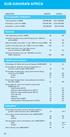 SUB-SAHARAN AFRICA INDICATOR REGION WORLD Demographic indicators Total population (2006) 748,886,000 6,577,236,000 Population under 18 (2006) 376,047,000 2,212,024,000 Population under 5 (2006) 125,254,000
Climatography of the United States No. 20 1971-2000
 Climate Division: CA 6 NWS Call Sign: SAN Month (1) Min (2) Month(1) Extremes Lowest (2) Temperature ( F) Lowest Month(1) Degree s (1) Base Temp 65 Heating Cooling 100 Number of s (3) Jan 65.8 49.7 57.8
Patient Experiences with Acute Inpatient Hospital Care in British Columbia, 2011/12. Michael A. Murray PhD
 Patient Experiences with Acute Inpatient Hospital Care in British Columbia, 2011/12 Michael A. Murray PhD Dec 7, 2012 Table of Contents TABLE OF CONTENTS... 2 TABLE OF FIGURES... 4 ACKNOWLEDGEMENTS...
Breakeven Analysis for Various Human Papillomavirus Vaccine Presentations in Vietnam and Uganda
 Breakeven Analysis for Various Human Papillomavirus Vaccine Presentations in Vietnam and Uganda August 2010 Batiment Avant Centre 13 Chemin du Levant 01210 Ferney Voltaire France Phone: 33.450.28.00.49
CASE STUDY: E-PHARMACY AT CHELSEA AND WESTMINSTER HOSPITAL, UK
 e-business W@tch European Commission, DG Enterprise & Industry E-mail: [email protected], [email protected] This document is based on sector studies, special reports or other publications
Monitoring, Evaluation and Learning Plan
 Monitoring, Evaluation and Learning Plan Cap-Net International Network for Capacity Building in Sustainable Water Management November 2009 The purpose of this document is to improve learning from the Cap-Net
Chapter 11 QUALITY IMPROVEMENT (QI)
 Chapter 11 QUALITY IMPROVEMENT (QI) 11.1 INTRODUCTION TO QUALITY IMPROVEMENT The quality of care delivered in your health centre is determined by many factors, including how its services are organized,
INDICATOR REGION WORLD
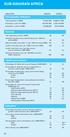 SUB-SAHARAN AFRICA INDICATOR REGION WORLD Demographic indicators Total population (2005) 713,457,000 6,449,371,000 Population under 18 (2005) 361,301,000 2,183,143,000 Population under 5 (2005) 119,555,000
UN JOINT COMMUNICATIONS STRATEGY AND WORKPLAN
 UN JOINT COMMUNICATIONS STRATEGY AND WORKPLAN 2010 UNITED NATIONS LIBERIA 1 UN LIBERIA JOINT COMMUNICATIONS STRATEGY AND WORKPLAN 2010 Communications Strategy and Workplan United Nations in Liberia 2010
Summary of the Measuring Organizational Development & Effectiveness Tool
 Summary of the Measuring Organizational Development & Effectiveness Tool The tool consists of 11 organizational domains and 3-5 sub domains within each domain. A staff survey, document review and interview
Accelerated Immunization Risk Mitigation Strategy in Peel Region Public Health in Action
 Accelerated Immunization Risk Mitigation Strategy in Peel Region in Action CPHA Conference Toronto June 15, 2010 Presented by: Isabelle Mogck Director, Communicable Diseases Loretta Rowan Manager, Vaccine
PERFORMANCE MONITORING & EVALUATION TIPS CONDUCTING DATA QUALITY ASSESSMENTS ABOUT TIPS
 NUMBER 18 1 ST EDITION, 2010 PERFORMANCE MONITORING & EVALUATION TIPS CONDUCTING DATA QUALITY ASSESSMENTS ABOUT TIPS These TIPS provide practical advice and suggestions to USAID managers on issues related
Information for action
 WHO/EPI/GEN/98.17 English only Distribution: General Information for action Developing a computer-based information system for the surveillance of EPI and other diseases GLOBAL PROGRAMME FOR VACCINES AND
P/T 2B: 2 nd Half of Term (8 weeks) Start: 24-AUG-2015 End: 18-OCT-2015 Start: 19-OCT-2015 End: 13-DEC-2015
 2015-2016 SPECIAL TERM ACADEMIC CALENDAR For Scranton Education Online (SEOL), Masters of Business Administration Online, Masters of Accountancy Online, Health Administration Online, Health Informatics
jobsdb Compensation and Benefits Survey Report 2015
 jobsdb Compensation and Benefits Survey Report 2015 Content Introduction. 7 Scope and methodology. 8-9 Chart Size of participating companies Definition...10-11 1. Hiring plan and market expectation 1.1
Hedging Foreign Exchange Rate Risk with CME FX Futures Canadian Dollar vs. U.S. Dollar
 Hedging Foreign Exchange Rate Risk with CME FX Futures Canadian Dollar vs. U.S. Dollar CME FX futures provide agricultural producers with the liquid, efficient tools to hedge against exchange rate risk
Health Impact Assessment
 Program Evaluation Kane County Farmland Protection Ordinance Health Impact Assessment Jim Ciesla, Associate Dean College of Health and Human Sciences David Stone, Associate Vice President for Research
DEVELOPMENT OF ROAD ACCIDENT REPORTING COMPUTERIZED SYSTEM IN THAILAND
 DEVELOPMENT OF ROAD ACCIDENT REPORTING COMPUTERIZED SYSTEM IN THAILAND Sattrawut PONBOON Yordphol TANABORIBOON Research Associate Professor School of Civil Engineering School of Civil Engineering Asian
Malaria programmatic gap analysis : Guidance notes. Introduction
 Malaria programmatic gap analysis : Guidance notes Introduction A comprehensive programmatic gap analysis outlines the complete programmatic requirement needed to fully implement the strategic plan of
The Logistics Management Information System Assessment Guidelines
 The Logistics Management Information System Assessment Guidelines FPLM The Logistics Management Information System Assessment Guidelines FPLM FPLM The Family Planning Logistics Management (FPLM) project
TANZANIA - Agricultural Sample Census 2007-2008 Explanatory notes
 TANZANIA - Agricultural Sample Census 2007-2008 Explanatory notes 1. Historical Outline In 2007, the Government of Tanzania launched 2007/08 National Sample Census of Agriculture as an important part of
On the Setting of the Standards and Practice Standards for. Management Assessment and Audit concerning Internal
 (Provisional translation) On the Setting of the Standards and Practice Standards for Management Assessment and Audit concerning Internal Control Over Financial Reporting (Council Opinions) Released on
DATA QUALITY ASSESSMENT TOOL INSTRUCTIONS FOR DATA PREPARATION
 DATA QUALITY ASSESSMENT TOOL INSTRUCTIONS FOR DATA PREPARATION 1 The data quality assessment (DQA) tool provides a stepwise method to assess the quality of health facility data for some key coverage indicators.
BROMSGROVE DISTRICT COUNCIL PERFORMANCE MANAGEMENT BOARD 16 DECEMBER 2008 PERFORMANCE MANAGEMENT BOARD PROPOSED PROGRAMME 2008/09
 BROMSGROVE DISTRICT COUNCIL PERFORMANCE MANAGEMENT BOARD 16 DECEMBER 2008 PERFORMANCE MANAGEMENT BOARD PROPOSED PROGRAMME 2008/09 Responsible Member Responsible Head of Service Councillor - James Duddy,
Certification Procedure of RSPO Supply Chain Audit
 : 1 of 19 Table of Contents 1. Purpose 2. Scope 3. Unit of Certification 3.1 Identity Preserved, Segregation, Mass Balance, 3.2. Book and Claim 4. Definitions 5. Responsibilities 5.1 Head of the Certification
Home Health Education Programme Thatta - Pakistan
 Home Health Education Programme Thatta - Pakistan Programme Update July 2014-April 2015 Supported by: Association of Medical Doctors of Asia (AMDA) Funded by: Chigasaki -Chuo Rotary Club (CCRC)-Japan Implemented
Registered Actively Seeking Work May 2015
 Registered Actively Seeking Work May 2 Statistics Unit: www.gov.je/statistics Summary On 31 May 2: on a seasonally adjusted 1 basis, the total number of people registered as actively seeking work (ASW)
MDG 4: Reduce Child Mortality
 143 MDG 4: Reduce Child Mortality The target for Millennium Development Goal (MDG) 4 is to reduce the mortality rate of children under 5 years old (under-5 mortality) by two-thirds between 1990 and 2015.
Kansas School Immunization Requirements FAQ
 Kansas Statute Q: Why do some school boards not exclude students who are not compliant with the required school immunizations? A: Kansas statute 72-5211a.states: School boards may exclude students who
Government proposals to reform vocational qualifications for 16-19 year olds in England
 Government proposals to reform vocational qualifications for 16-19 year olds in England A consultation published by the Department for Education (DfE) on 7 th March 2013 What reforms does the consultation
Accident & Emergency Department Clinical Quality Indicators
 Overview This dashboard presents our performance in the new A&E clinical quality indicators. These 8 indicators will allow you to see the quality of care being delivered by our A&E department, and reflect
Internal Audit. Audit of the Inventory Control Framework
 Internal Audit Audit of the Inventory Control Framework June 2010 Table of Contents EXECUTIVE SUMMARY...4 1. INTRODUCTION...7 1.1 BACKGROUND...7 1.2 OBJECTIVES...7 1.3 SCOPE OF THE AUDIT...7 1.4 METHODOLOGY...8