
APPENDIX B HAZARDOUS MATERIALS
|
|
|
- Jemima Flynn
- 9 years ago
- Views:
Transcription
1 APPENDIX B HAZARDOUS MATERIALS

2 Detailed Historical Usage Findings Land use in the study area over the past century included predominantly residential, retail and office space rather than industrial uses. Historical and current land uses in the area that pose potential environmental concerns include: coal and petroleum storage, manufacturing, dry cleaning, printing and painting shops, electrical substations, vehicle maintenance and fueling, and ash or junk dump sites. As discussed in the previous section, additionally, the entire study area is expected to be underlain by historic fill, which could include municipal trash, street sweepings, soil, rubble, ship ballast, ash, and possibly industrial wastes. Numerous petroleum spills, many of which have not yet been cleaned up to the satisfaction of the New York State Department of Environmental Conservation (NYSDEC), are located within the project site and in the surrounding neighborhood. It is therefore possible that petroleum contaminated soil and groundwater could be encountered in the subsurface during construction. A listing of findings, organized by street intersection, is presented below. The list includes potential or confirmed usage of hazardous materials within the project site, as well as activities occurring in the remainder of the study area that may have affected environmental conditions at the project site. The study area included the neighborhood within approximately 500 feet of the project site, which comprised the area between South Street and either Cherry Street or Water Street, as applicable. Kenneth Takagi of AKRF, Inc. obtained access to the New Market Building and the piersheds on Pier 36 and 42 to identify any potential environmental concerns. Southern The Southern Section is bounded to the west by South Street, to the south by State Street, to the north by Old Slip, and to the east by the East River. The Southern Section contains primarily large office buildings and public spaces, including Vietnam Veterans Plaza and Battery Park, and includes the Battery Maritime Building. Whitehall Street: The US Coast Guard building is located at the southeastern edge of Battery Park. The Whitehall Ferry Terminal is located south of the intersection of Whitehall and South Streets. The Battery Maritime Building (BMB) stands south of South Street between Whitehall and Broad Streets. The BMB provides ferry service to Governor s Island. The BMB was built in 1909, and replaced a previous building. Both the BMB and the earlier building provided ferry service to 39th Street in Brooklyn. After the ferry to Brooklyn stopped in 1938, the BMB was occupied by a succession of government agencies and provided ferry service to Ellis Island and Governor s Island. The BMB was listed three times under separate operators for the generation of RCRA hazardous waste including chromium, lead, ignitable solid waste and polychlorinated biphhenyls. The SPILLS database listed six releases at the project site or immediately adjacent, including a 1998 No. 6 fuel oil tank failure at the BMB that was contained in a concrete room and cleaned up (on-site), a 1999 No. 6 fuel oil spill at the Staten Island Ferry Terminal that caused the US Coast Guard to respond, a 1991 release of asbestos and petroleum during a fire at the Staten Island Ferry Terminal, a 1994 release from unknown causes causing a white foam on the surface waters, a 1996 tank removal that uncovered soil contamination at the Whitehall Ferry Terminal (see next paragraph), and two abandoned drums found floating in New York Bay in The Whitehall Ferry Terminal was listed twice for the generation of RCRA hazardous waste (lead), and the US Coast Guard building was listed for the generation of RCRA hazardous ignitable and corrosive solid wastes. The petroleum bulk storage database listed two 10,000-gallon aboveground storage tanks containing No. 5 or 6 fuel oil and a 550-gallon gasoline underground storage tank at the Whitehall Ferry Terminal. The database indicated that the gasoline tank was removed July 1, 1996, and the fuel oil tanks are active. A tank removal project in 1996 at the Whitehall Ferry Terminal B-1

3 revealed soil contaminated with petroleum. Due to nearby utilities and building foundations, contaminated soil was left in place. A US Army depot was located on Water and Whitehall Streets in The Manhattan Railroad Supply Depot was located on Front Street near Moore Street in A metal works and manufacturing facility was located on Front Street near Moore Street in The adjacent land area contains primarily office buildings and Battery Park. During the visual inspection, an unidentified drum and an aboveground storage tank containing approximately 1,000 gallons of fuel oil were observed in the fenced area underneath the BMB. A generator that appeared to be leaking a petroleum substance was observed in the fenced area underneath the BMB. A transformer vault was observed in the sidewalk on Water Street near Whitehall Street. Fourteen generators of RCRA hazardous waste generators, two petroleum bulk storage sites, and eleven releases were listed in the regulatory databases for the area between Water Street and the BMB. Broad Street: No piers are currently located near the intersection of South and Broad Streets. Former Piers 4 and 5 were located near this intersection, and housed the New York Central Railroad Company, along with former Pier 6 at the intersection Coentie s Slip and South Street, in By 1905, Piers 4 and 5 were demolished and replaced with a new Pier 4, including a boiler room over the East River at the base of the pier. The pier was vacant in 1951, and was removed by Manhattan Railroad powerhouse was located on Front Street near Broad Street in Oils and greases were stored or manufactured at the intersection of Front and Moore Streets in Two garages were located on Front Street near Broad Street, and on South Street between Moore and Broad Streets in The adjacent land area contains primarily large office buildings. Two RCRA hazardous waste generators, four petroleum bulk storage sites and six releases were listed in the regulatory databases for the area between Water Street and the intersection of Broad and South Streets. One release involved a 2005 excavation that uncovered floating petroleum product near the intersection of South and Broad Streets. Coentie s Slip: South of Franklin Delano Roosevelt (FDR) Drive, Pier 6 is currently used as the Manhattan Heliport. Three releases were listed in the SPILLS database on Pier 6, including a 1998 release of five gallons of jet fuel during landing, a 1993 investigation by the US Coast Guard of an unknown petroleum, and a 1990 investigation by the US Coast Guard of an unknown petroleum sheen. In 1894, former Piers 6, 7, 8 and 9 were located near the intersection of Coentie s Slip and South Street. Former Pier 6 was part of the New York Central and Hudson River Railroad barge operation in Former Pier 6 was designated Pier 5, and served as a berth for canal boats and barges in 1905, becoming part of the New York State Barge Canal terminal by Pier 5 was removed by Former Pier 7 housed the Western Transit and Lehigh Valley Railroad freight terminals and the Northern Transport Steamship line in By 1905, the pier was designated Pier 6, and served as part of the New York State Barge Canal freight terminal. Pier 6 was converted for use as the Manhattan Heliport by Former Pier 8 served as the New York Lake Erie and West railroad pier in Former Pier 8 was designated Pier 7 by 1905, and served as the Erie railroad freight pier. An oil room at the seaward end and a boiler room at the landward end of Pier 7 were indicated in Pier 7 was removed by Former Pier 9 was located near the intersection of Cuyler s Alley and South Street, and served as a berth for Australia and New Zealand packets in By 1905 the pier was demolished, and replaced by 1928 by Pier 8, which served as the freight and passenger pier for the Spanish line. Pier 8 contained a boiler room on the landward edge of the pier in Pier 8 was removed by A small, floating metal dock serving as a seaplane base was shown at the former site of Pier 8 in The floating dock was removed by B-2

4 Historically, a street named Cuyler s Alley was formerly located between Old Slip and Coentie s Slip, connecting South Street through Water Street to Pearl Street. Cuyler s Alley was eliminated in Lubricating oils were stored or manufactured on Coentie s Slip near South Street in 1923, on Front Street near Coentie s Slip in 1923, and on Front Street near Cuyler s Alley in 1923 and A soap works was located on Front Street near Coentie s Slip in Paints and oils were stored or manufactured on Water Street near Broad Street in A factory was shown on Water Street near Coentie s Slip in The adjacent land area contains primarily large office buildings, with Vietnam Veterans Plaza on the former site of Jeanette Park. During the visual inspection, a structure was observed beneath the elevated FDR Drive. Two compressed gas cylinders were observed outside of the building. Two transformer vaults were observed in the sidewalk on South Street. A transformer vault was observed on Water Street near Coentie s Slip. Three RCRA hazardous waste generators, one petroleum bulk storage site, and four releases were listed in the regulatory databases for the area between Water Street and Pier 6. One release involved a 2003 excavation that indicated contaminated soil near the intersection of Water Street and Coentiels Slip. Old Slip: No piers are currently located near the intersection of South Street and Old Slip. Former Piers 10, 11 and 12 were located near this intersection. Former Pier 10 had a boiler room on the landward edge of the pier, and housed steamship lines to Spain, South America and Central America in Former Pier 11 was unidentified in 1894, and was shown as the Baltimore Transportation Line freight pier in Former Piers 10 and 11 were removed by Former Pier 12 was unidentified in 1894, and was removed by In 1922, new Piers 9 and 10 replaced the former piers, and provided berths for the Munson steamship line. By 1951, Pier 9 served the US Coast Guard and Pier 10 was removed. Pier 9 contained an auto rental and parking facility in Pier 9 was removed after A release was reported in the SPILLS database due to a vessel deliberately dumping their waste tanks into the East River while docked at Pier 9 in Lubricating oils were stored or manufactured on Water Street between Coentie s Slip and Old Slip, on Front Street near Old Slip, on South Street near Governeur Lane, on South Street near Old Slip and on South Street between Cuyler s Alley and Old Slip in Paints were stored or manufactured on South Street between Cuyler s Alley and Old Slip in 1923 and on South Street near Cuyler s Alley in The adjacent land area contains primarily office buildings. During the visual inspection, a transformer vault was observed on Front Street near Old Slip. A transformer vault was observed on Water Street near Old Slip. Seven RCRA generators, five petroleum bulk storage sites, two historic utility facilities, an air discharge, and five releases were listed in the regulatory databases for the area between Water Street and the intersection of Old Slip and South Street. Central The Central Section is bounded to the west by South Street, to the south by Old Slip, to the north by Catherine Slip, and to the east by the East River. The Central Section contains primarily office buildings from Old Slip to Maiden Lane. Smaller, older buildings comprise most of the area north of Maiden Lane, surrounding South Street Seaport. Residential developments characterize the area north of the Brooklyn Bridge. The Central Section includes the South Street Seaport and Piers 11, 13, 14, 15, 16 and 17. Governeur Lane: East of the intersection of South Street and Governeur Lane, Pier 11 serves as a dock for chartered boats and also provides space for auto parking. A release was listed in the SPILLS database near Pier 11 in 1992, when the US Coast Guard noticed a plastic jug floating in the East River containing approximately five gallons of an unknown petroleum product. In 1894, former Pier 13 was located near the intersection of Governeur Lane and South Street, and former Pier 14 was located near the intersection of Jones Lane and South Street, between Governeur Lane and Wall B-3

5 Street. Former Pier 13 launched ships to California in 1894 and served as the Montauk Steamship freight and passenger pier by Former Pier 14 berthed steamships bound for the west coast of South America and for Australia in By 1905, former Pier 14 was part of the Munson Steamship line and contained an upright boiler at the landward edge of the pier. By 1922, former Piers 13 and 14 were removed and replaced by Pier 11, located between Governeur and Jones Lanes. Pier 11 contained the New York Steam Corporation in At that time, the downtown skyport was located on a floating dock near the intersection of Jones Lane and South Street, and was served by an office building with four gas tanks located on land at the base of the floating dock. The floating dock, office building and gas tanks were not shown in By 1994, Pier 11 was used for auto parking. Historically, a road called Jones Lane ran from Front Street to South Street, approximately midway between Governeur Lane and Wall Street. Jones Lane was eliminated by a large development in Oils were stored or manufactured on South Street near Governeur Lane in two places in 1923, one of which continued operations at least through The adjacent land area contains primarily office buildings. During the visual inspection, two transformer vaults were observed in the sidewalk on Front Street, one vault was observed in the sidewalk on Governeur Lane, and one vault was observed in the sidewalk on Water Street. Two RCRA hazardous waste generators, one petroleum bulk storage site, and two air discharge facilities were listed in the regulatory databases for the area between Water Street and Pier 11. Wall Street and Pine Street: East of the intersection of South Street and Wall Street, Pier 13 contains the Wall Street Racquet Club. A release was listed in the area between Piers 13 and 14 due to the 1994 spill of approximately 15 gallons of No. 2 fuel oil. A release was listed for Pier 13 in the SPILLS database due to the leak of oil from a compressor that created a sheen on the East River. Two releases were listed for spills to the East River near the coast at the intersection of Wall and South Streets, including a gasoline sheen observed in 1997, and the deliberate release of oil from a private boat in In 1894, former Piers 15 and 16 were located near the intersection of Wall Street and South Street. The space between the piers provided ferry service to Montague Street in Brooklyn. The ferry building contained a boiler over the water near former Pier 16. Former Pier 15 housed the San Domingo steamship line, and Former Pier 16 served the New York and Cuba mail service in By 1905, former Piers 15 and 16 were designated Piers 12 and 13. Pier 12 was used by the quartermaster s department of the US Army in 1905 and had a boiler near the landward edge of the pier. By 1928, Pier 12 was used by the American Fruit and Steamship Company. Almost all of Pier 12 was removed by 1951, except for a small portion containing an upright boiler. In 1951, Pier 13 was the Standard Fruit and Steamship freight and passenger pier and contained a boiler room at the landward edge of the pier and an oil room at the seaward edge of the pier. By 1977, all of the former buildings were removed from Pier 13 and the remains of Pier 12, to be replaced by the pressurized buildings used by the Wall Street Racquet Club. A filling station was located at the intersection of Wall and South Streets in The Sanborn maps contained no other indications of current or historical hazardous material usage in the area. The adjacent land area contains primarily office buildings. During the visual inspection, three transformer vaults were observed in the sidewalk on Wall Street, two vaults were observed in the sidewalk on Front Street and one vault was observed in the sidewalk on South Street. Two suspected vent pipes were observed on South Street near Pine Street. Three significant releases were reported at 60 Wall Street, near Pearl Street, resulting in releases totaling approximately 2,000 gallons of hydraulic oil and 200 gallons of diesel fuel in 2004 and 2005, respectively. Eleven RCRA hazardous waste generators, two petroleum bulk storage sites, and four nearby releases were listed in the regulatory databases for the area between Water Street and Pier 13. One of the nearby releases uncovered soil contaminated with diesel fuel in 2000, near the intersection of Wall and South Streets. B-4

6 Maiden Lane and Fletcher Street: Southeast of the intersection of South Street and Maiden Lane, Pier 14 contains the New York Health and Racquet Club. Northeast of the intersection of South Street and Fletcher Street. Pier 15 has been removed and is now outlined by four piles. A release was listed in the area between Piers 14 and 15 due to the 1994 spill of petroleum into the East River from a docked cruise ship. In 1894, former Piers 17, 18 and 19 were located near the intersection of Maiden Lane and South Street. Former Piers 17 and 18 were used by the New York and Cuba Mail Steamship Company, and former Pier 19 contained two boilers and launched ships bound for California. By 1905, former Piers 18 and 19 were removed and replaced by Piers 14 and 15. Former Pier 17 was removed by In 1922, Pier 14 was used as the New York and Cuba Mail Steamship Company freight and passenger pier and Pier 15 berthed the United Fruit Company. Pier 14 was used by the North Atlantic and Gulf Steamship Company as a freight and passenger pier with a boiler room on the landward edge of the pier in Pier 15 was the Clipper Line freight and passenger pier in 1951, and had an oil room at the seaward end of the pier. By 1977, Pier 14 was used by the Wall Street Racquet Club, and Pier 15 became part of the South Street Seaport Museum. Pier 14 was used by the New York Health and Racquet Club by 2004 but is now vacant. Historically, a road named Depeyster Street ran from South Street to Water Street approximately one third of the distance from Pine Street to Maiden Lane. Depeyster Street was truncated to one block in length (from South Street to Front Street) in 1971, and was eliminated entirely in An 18th century merchantman ship was unearthed during construction on Front Street between John and Fletcher Streets in The ship was reportedly covered with tons of rubble fill, and was possibly buried there to stabilize the filled shoreline. Dry chemicals were stored at the intersection of Maiden Lane and Front Street in A ship chandler was located at the corner of Front and Fletcher Streets in 1923, and was converted to an oil manufacturing or storage facility by A chemical lab was located at the corner of Fletcher and South Streets in 1923, and was converted a printer by 1951 which continued operating at least until A freight warehouse was located at the corner of Front and Depeyster Streets in Oils and chemicals were stored or manufactured at the corner of Fletcher and Water Streets in A filling station was located at the corner of Front Street and Maiden Lane in The adjacent land area contains office buildings, residences and retail stores. During the visual inspection, a transformer vault was observed in the sidewalk on Maiden Lane and another on the property of the office building at the corner of Maiden Lane and Front Street. A fill pipe was observed on Fletcher Street between South and Front Streets. A pipe construction project caused the closure of Front Street between Maiden Lane and Fletcher Street. Two RCRA hazardous waste generators, four petroleum bulk storage site, and eight releases were listed in the regulatory databases for the area between Water Street and Piers 14 and 15. Burling Slip / John Street: No Piers are currently located near the intersection of South Street and Burling Slip. In 1894, former Pier 20 was located near the intersection of South Street and Burling Slip. Former Pier 20 had three boilers running along the pier, and served the Mallory Steamship Line and the Key West and Texas Steamers. Former Pier 20 served as the New York Texas Steamship Company s Mallory Line freight pier in By 1922, former Pier 20 was removed. The section of Front Street between John Street and Fulton Street was removed from the Sanborn maps between 1994 and That section of Front Street had been used only as a pedestrian walkway since the 1990s. The New York Steam Corporation facility, located at the corner of Water Street and John Street at least from 1923 through 1951, contained coal pockets, boilers and an ash dump. A blacksmith was located on Burling Slip near South Street in Oils and greases were stored or manufactured at two locations on Front Street near Burling Slip. A print shop was located on Front Street near John Street in A filling station was located at the corner of John and South Streets in 1951, and continued operations at least until A private garage was located on South B-5

7 Street between John and Fletcher Streets in A filling station was located at the corner of South and John Streets in 1977 and continued operations at least until A paints warehouse was located on John Street near Front Street in The adjacent land area contains offices, residences and retail stores. During the visual inspection, two transformer vaults were observed in the sidewalk on Burling Slip / John Street. Eight RCRA hazardous waste generators, three petroleum bulk storage sites, and four releases were listed in the regulatory databases for the area between Water Street and the intersection of Burling Slip and South Street. One of the releases uncovered contaminated soil and USTs found in an excavation in 2000 near the intersection of Burling Slip and South Street. Consolidated Edison s Farragut Substation, located at the corner of Gold and John Streets, approximately 1,400 feet inland of the study area, was listed 185 times for releases of more than one hundred thousand gallons of transformer oil, diesel fuel and other petroleum products. Fulton Street and Beekman Street: Piers 16 and 17 are located near the intersections of South Street with Fulton and Beekman Streets, and serve as part of the South Street Seaport Museum. In 1894, former Piers 21, 22 and 23 were located in the area. Former Pier 21 had three boilers running along the pier, and served the Mallory Steamship Line. The space between former Piers 21 and 22 provided ferry service to Fulton Street in Brooklyn in Former Pier 22 served the Harlem and Morr. (sic) Transportation Line and contained one boiler near the landward edge of the pier. The space between former Piers 22 and 23 contained the Fulton Fish Market building in Former Pier 23 launched Florida Steamers. Three oyster boat launch pads were shown adjacent to former Pier 23 in Former Piers 21 and 22 were renamed Pier 16 and former Pier 17, and served as the New York Texas Steamship Company s Mallory Line freight and passenger pier in Former Pier 23 housed the American Ice Company in Pier 16 housed the United Fruit Company and a powerhouse was shown at the landward edge of former Pier 17, serving the Fulton Fish Market in Former Pier 23 was removed and replaced with Pier 18 by A second Fulton Fish Market building was shown between Piers 18 and 19 by In 1951, Pier 16 was vacant, former Pier 17 contained a boiler room adjacent to the powerhouse, and the building between Piers 18 and 19 was noted to contain asbestos. In 1977, Pier 16 served as part of the South Street Seaport Museum, and former Pier 17 and Pier 18 comprised a portion of the Fulton Fish Market. Former Pier 17 was removed by 1985 and replaced with a much broader Pier 17 by Eleven releases were listed in the SPILLS database for Piers 16, 17 and 18. Most of these were minor incidents involving small releases into the East River. A tank test failure occurred at South Street Seaport in 2001, involving a 550-gallon No. 2 fuel oil tank. No further information was provided in the database regarding this incident. Currently, the New Market Building is vacant. The building consisted of a ground floor, mezzanine overlooking the ground floor and a second floor. The ground floor was accessible through a row of garage doors along the west side of the building. The ground floor consisted of an open area used for loading and unloading trucks, a series of small offices, and a row of walk freezers along the eastern wall. Exposed piping, both insulated and non-insulated, was present along the ceiling and walls. The mezzanine and second floors contained offices related to the fish market. Linoleum tiled floors were observed in the second floor offices. An inspection of the boiler room in the building as well as an interview with the building manager did not reveal any evidence of above ground or below ground storage tanks. The building manager stated that Consolidated Edison provided natural gas to the building for heating purposes, though utilities to the building have been shut off since the fish market relocated to the Bronx in November The Edison Pearl Street Station the nation s first electricity generating plant was located on Pearl Street near Fulton Street from 1882 until A printer and an auto repair shop with two 1,000- gallon gasoline underground storage tanks were located in the Fulton Fish Market at the corner of Water and Beekman Streets in A Chinese laundry was located at the corner of Front and Fulton B-6

8 Streets in A printer was located on Fulton Street between Front and Water Streets in A storage yard containing old metals and rubber was located on Front Street near Beekman Street in Chemicals were manufactured or stored at the corner of Fulton and Water Streets in A lacquer spraying operation was located on the corner of Fulton and Water Streets in The adjacent land area is primarily composed of older brick buildings containing restaurants, shops, residences and museums in the South Street Seaport historical area. The New Street Ice Company was present underneath the raised FDR Drive near Beekman Street. Two transformer vaults were observed in the sidewalk on Beekman Street. A fill pipe was observed on Beekman Street near Front Street. The Tatham Brothers site at the corner of Beekman and Pearl Streets was listed in the regulatory database as a CERCLIS site. After a preliminary assessment was completed at the site, no further remedial action was planned. Nine RCRA hazardous waste generators, one petroleum bulk storage site, and five releases were listed in the regulatory databases for the area between Water Street and Piers 16 and 17. One of the releases uncovered soil contaminated with gasoline found during a 2000 tank removal near the intersection of Front and Beekman Streets. Peck Slip: No piers are currently located near the intersection of Peck Slip and South Street. In 1894, former Piers 24, 25 and 26 were located in the area. The Hartford Transfer Company and steamboats bound for Boston used former Pier 24 in Former Pier 25 housed the New Haven Steamboat Company. The Montauk Steamboat Company used former Pier 26 in By 1905, former Piers 24, 25 and 26 were removed and replaced with Piers 19 and 20. Pier 19 was the New York and Hartford Transportation Company s freight and passenger pier in Pier 20, containing a boiler at the landward edge of the pier, housed the New England Navigation Company s freight and passenger pier, and also launched steamboats to New Haven and Baltimore. A freight shed was located between Pier 20 and former Pier 27. By 1922, the Hartford and New York Transportation Company used both Piers 19 and 20 as freight and passenger piers. Pier 20 was taken over by the Atlantic Navigation Company by The freight shed was no longer shown. In 1951, Pier 19 was used as a city pier associated with the nearby Fulton Fish Market, and Pier 20 was used as a freight and passenger pier by the Iceland Steamship Company. Piers 19 and 20 were removed by A shot and lead works was located on Water Street near Peck Slip in Oil and grease was manufactured on Front Street near Peck Slip in Dye was stored and manufactured on Front Street near Peck Slip and on the corner of Water Street and Peck Slip in A paint, varnish and shellac store was located on Front Street near Peck Slip in 1923, and was converted to a chemicals and oil warehouse by Dry colors were stored or manufactured on Front Street near Peck Slip. A Consolidated Edison transformer yard took over the entire block bound by Front Street, Peck Slip, Dover Street and South Street from at least 1977 through A garage and auto repair shop was located on Water Street between Peck Slip and Dover Street by 1977 and continued operations through The adjacent land area contains restaurants, shops, residences and museums near the South Street Seaport historical area. During the visual inspection, a transformer vault was observed in the sidewalk on Peck Slip near Front Street. One RCRA hazardous waste generator, two petroleum bulk storage sites, and twenty-three releases (including twenty releases from the Consolidated Edison substation) were listed in the regulatory databases for the area between Water Street and the intersection of Peck Slip and South Street. Dover Street: No piers are currently located near the intersection of Dover and South Streets. In 1894, former Piers 27 and 28 were located in the area. The Baltimore and Ohio Railroad Company used former Pier 27, and steamboats bound for Florida used former Pier 28 in In 1905, former Pier 27 had an oil room on land near the base of the pier, and former Pier 28 was used for coal boats and as the freight pier for the Norwalk Steamboat Company. By 1922, former Piers 27 and 28 were B-7

9 removed and replaced by Pier 21, which was used as a freight pier by the Baltimore and Ohio Railroad Company. Pier 21 was vacant in 1951 and removed by Oils were stored or manufactured on Water Street near Dover Street, and on the corner of Front and Dover Streets in An Express Depot with a gas tank was located on Front Street near Dover Street in The same location was shown as a garage in A Consolidated Edison transformer yard took over the entire block bound by Front Street, Peck Slip, Dover Street and South Street from at least 1977 through The adjacent land area contains restaurants, shops, residences and museums near the South Street Seaport historical area. During the visual inspection, the area underneath the Brooklyn Bridge, north of Dover Street, was observed to contain storage for New York City government vehicles and equipment. Four RCRA hazardous waste generators, one petroleum bulk storage site, and twentythree releases (including twenty releases from the Consolidated Edison substation) were listed in the regulatory databases for the area between Water Street and the intersection of Dover Street and South Street. Brooklyn Bridge: No piers are currently located under the Brooklyn Bridge. In 1894, former Piers 29, 30 and 31 were located in the area. Clyde s New York Charleston and Florida Steamship Company used former Pier 29, located underneath the Brooklyn Bridge. A boiler was located near the landward edge of the pier in Former Piers 30 and 31 launched ferries to Broadway, Brooklyn. The Long Island Express Company had an office with a boiler on land near the base of former Pier 31 in An oil room was shown at the seaward end of former Pier 29 in By 1922, former Pier 29 was unnamed and served as a dump for the Department of Street Cleaning. Former Piers 30 and 31 were removed and replaced with Pier 22 near the intersection of South Street and James Slip. The Colonial Sand and Stone Company constructed a hopper on land underneath the Brooklyn Bridge by Former Pier 29 was used as a Department of Sanitation dump in Pier 22 was used by the Houston Coal Company in 1951, which had coal pockets on land between Former Pier 29 and Pier 22 and a tractor garage on Pier 22. A Department of Highways storage yard was located on land beneath the Brooklyn Bridge in Pier 22 was removed by 1977 and former Pier 29 was removed by The area underneath the Brooklyn Bridge was listed four times for the generation of hazardous wastes. The New York State Department of Transportation generated 14,400 pounds of lead waste in 1992 and 3,300 pounds of lead waste in The New York City Transit Authority (NYCTA) generated 280 kilograms of liquid containing between 50 and 500 parts per million (ppm) of polychlorinated biphenyls (PCBs), and 136 kilograms of liquid containing over 500 ppm of PCBs in The NYCTA generated 4,500 pounds of lead waste in The area beneath and adjacent to the Brooklyn Bridge was composed of residences, industries, retail shops and schools in Front and South Streets merged at the intersection with Roosevelt Street, which connected with Pearl Street farther inland. James Street continued through to South Street, becoming James Slip near the East River. Cherry and Water Streets connected through the area from James Street to Dover Street. The Governor Alfred E. Smith housing development was constructed in 1950, and the Avenue of the Finest (also known as Robert F. Wagner Sr. Place, or Wagner Place) was constructed by 1977, replacing the entire area. Roosevelt Street was eliminated, James Street was truncated at Madison Street, and James Slip was eliminated. By 1950, no roads between Madison and South Streets connected Catherine Street in the north to Dover Street in the south. A map from 1755 indicated a distillery between Roosevelt and James Streets on Cherry Street, which was then Manhattan s coastline. A coal yard was located on Cherry Street between Roosevelt and James Streets in A brush factory and a storage yard for old metals and rubber were located on the corner of Front and Roosevelt Streets in A printing shop was located on Front Street near Roosevelt Street in Junk was stored on Roosevelt Street near Water Street in A wagon builder was located on Water Street near James Slip in A garage with two gasoline tanks was B-8

10 located on South Street near Dover Street in Three metal shops were located on Front Street between Dover and Roosevelt Streets in A filling station was located at the site of the former metal and rubber storage yard on the corner of Front and Roosevelt Streets in A metal shop was located on South Street near Dover Street in A power plant with two 50-ton refrigeration machines was located on Front Street near Roosevelt Street in A sheet metal works was located on Front Street near Dover Street in The adjacent land area contains the Brooklyn Bridge and the Alfred E. Smith housing development. During the visual inspection, the area underneath the Brooklyn Bridge, north of Dover Street, was observed to contain storage for New York City government vehicles and equipment. Three RCRA hazardous waste generators, one air discharge site, and eleven releases were listed in the regulatory databases for the area between Pearl Street and the intersection of Wagner Place and South Street. Catherine Street / Slip (also spelled Catharine Street / Slip): No piers are currently located near the intersection of Catherine Slip and South Street. In 1894, former Piers 32, 33, 33 ½, 34, 35, 35 ½ and 36 were located in the area. Former Pier 32 had an office on land containing a boiler, and was used by ferries to Long Island City. The Long Island Railroad freight depot building was located on land between former Piers 32 and 33. A building on land between former Piers 34 and 35 contained a boiler, and was used by ferries to Main Street, Brooklyn. The Bridgeport Steamboat Company used former Pier 35 in Former Pier 35 ½ served as a freight depot, and former Pier 36 was used by the Central Railroad of Vermont and the New London and Norwich freight line in By 1905, former Pier 34 was used as a freight and passenger pier by the West India line of the Clyde Steamship Company. Former Pier 35 was renamed Pier 27, and was used as the Joy Steamship Company s freight and passenger pier in Former Piers 32, 33, 33 ½, 34, 35 ½ and 36 were removed and replaced by Piers 25, 26 and 28 by The area between Piers 22 and 25 was used as a freight pier by the Pennsylvania and Long Island Railroad Company in Pier 26 was used as the freight pier for the Lackawanna Railroad Company. In 1922, Piers 27 and 28 were used as freight and passenger piers by branches of the New England Navigation Company. Pier 28 was used as a freight pier for the New York, New Haven and Hartford Railroad Company in A boiler room was shown on land near the base of Pier 25, and an oil room was shown at the seaward edge of Pier 26, in Pier 27 was vacant in 1951, while Pier 28 contained a boiler near the landward edge of the pier, and served as a freight pier for the James W. Elwell Company. A note on the 1977 Sanborn map indicates that Piers 25, 26, 27 and 28 were removed by 1977, although they are still shown on the Sanborn maps until The area between Catherine Street and the Brooklyn Bridge was composed of residences, industries, retail shops and schools in James Street continued through to South Street, becoming James Slip near the East River. Oliver Street continued through to South Street. Cherry and Water Streets connected through the area from Catherine Street to Dover Street. The Governor Alfred E. Smith housing development was constructed in 1950, and the Avenue of the Finest (also known as Robert F. Wagner Sr. Place, or Wagner Place) was constructed by 1977, replacing the entire area from Catherine Street to Dover Street. James and Oliver Streets were truncated at Madison Street, and James Slip was eliminated. By 1950, no roads between Madison and South Streets connected Catherine Street in the north to Dover Street in the south. A machine shop was located on Water Street between Catherine and Market Streets in Coal yards were located on Water Street between James and Oliver Streets, and on South Street between Catherine and Market Slips, in A garage with a 1,000-gallon gasoline underground storage tank was located at the former site of the machine shop on Water Street between Catherine and Market Slips in Junk was stored on Water Street near Oliver Street in A blacksmith was located on the corner of Water and Catherine Streets in A Chinese laundry was located on Cherry Street near Oliver Street in A private garage with a 650-gallon gasoline underground storage tank was located on Water Street near Oliver Street in A garage with a 550-gallon gasoline B-9

11 underground storage tank was located on Water Street near Catherine Slip in A garage with a 550-gallon gasoline underground storage tank was located on the former site of the coal yard on South Street between Catherine and Market Slips in Junk storage and a Chinese laundry were located on Catherine Slip near Water Street in The American Newspapers (later New York Post) building dominated the block bound by Catherine Slip, South Street, Water Street and Market Slip, including paper storage and manufacturing, from at least 1951 through The adjacent land area contains the Alfred E. Smith housing development, the Knickerbocker Village housing development, a playground, and the NY Post building. During the visual inspection, a transformer vault was observed in the sidewalk on Catherine Slip near Water Street. Consolidated Edison s site on Water Street between Catherine and Market Slips is listed in the regulatory database for membership in the voluntary cleanup program. No further information on this site was provided in the database. Two RCRA hazardous waste generators and nine releases were listed in the regulatory databases for the area between Cherry Street and the intersection of Catherine Slip and South Street. One of the releases involved the 1994 release of 300 gallons of petroleum due to tank overfill near the intersection of South Street and Catherine Slip. Northern The Northern Section is bounded to the west by South Street, to the south by Catherine Slip, to the north by Jackson Street, and to the east by the East River. The Northern Section includes Piers 35 and 44. Market Slip: No piers are currently located near the intersection of Market Slip and South Street. In 1894, former Piers 37, 38 and 39 were located in the area. Former Pier 38 contained a boiler, and served the Main Steamship line in The area between former Piers 39 and 40 contained screw docks, a church, and an office with a boiler on land. Former Piers 37, 38 and 39 were removed and replaced with Piers 29 and 30 by Pier 29 contained a boiler at the landward edge of the pier, and served as the Central Vermont Railroad Company s freight pier. Pier 30 was a public pier used for recreational purposes in Pier 29 was vacant, and contained an oil room at the seaward edge of the pier in Pier 30 was removed by 1951, and Pier 29 was removed by A rubber plant was located on Water Street between Market and Pike Slip in 1894 and continued operations through An iron works was located on Water Street near Market Slip in A dental manufacturing building was located at the corner of Cherry Street and Market Slip in A wagon builder was located on Market Slip near South Street in A garage and auto repair shop with a gas tank was located on Water Street near Market Slip in A garage and service station with a grease pit was located at the former site of the iron works on Water Street near Market Slip in A filling station was located on South Street near Market Slip in The adjacent land area contains mostly residential developments, including the Knickerbocker Village housing development, a playground and the NY Post building. During the visual inspection, a transformer vault was observed in the sidewalk on Cherry Street near Market Slip. Three RCRA hazardous waste generators and three releases were listed in the regulatory databases for the area between Cherry Street and the intersection of Market Slip and South Street. Two of the releases uncovered contaminated soil at two separate locations in 2002, near the intersection of South Street and Market Slip, and the intersection of Cherry and Market Streets. Pike Slip: No piers are currently located near the intersection of Pike Slip and South Street. In 1894, former Piers 40, 41 and 42 were located in the area. Former Pier 40 served the New York and Northern Railroad Company. Sectional docks were located on either side of former Pier 42, and each contained two boilers. By 1905, the Manhattan Bridge was constructed and former Piers 40, 41 and 42 were replaced by Piers 31, 32 and 33. Pier 31 contained a boiler near the landward edge of the pier, and served as the New York, New Haven and Hartford Railroad Company s freight pier. Pier 32 contained a boiler near the landward edge of the pier, and served as the Main Steamship Company s B-10

12 freight and passenger pier. In 1905, Pier 33 was a public pier. Pier 32 was used as a public freight pier by 1922, and had oyster boat berths on its southern side, underneath the Manhattan Bridge. By 1928, Pier 31 was used as a freight pier by the United Fruit Company, and Pier 33 was used as a freight pier by the New York Central Railroad. Pier 31 served as the Isbrandtsen Shipping Company s freight pier in An extension against the northern side of the pier, underneath the Manhattan Bridge, housed the Premium Coal Company and included four coal pockets. Pier 32 was removed by A note on the 1977 Sanborn map indicates that Pier 31 was demolished, although the pier is shown on the map as auto storage for the New York Department of Purchase until The area underneath the Manhattan Bridge served as the Water Front Disposal Station in Pier 33 is not identified on the 1977 and 1985 Sanborn maps, and is noted to be demolished by Although the Premium Coal Company extension to Pier 31, located underneath the Manhattan Bridge, is not shown on the 1985 or 1994 Sanborn maps, it reappears on the 2004 Sanborn map. A 1766 map indicated shipyards along Cherry Street between Pike Slip and Montgomery Street, which was then Manhattan s coast. A shipwright s yard was located on Water Street between Market and Pike Slips in Two coal yards were located on water Street between Pike and Rutgers Slips in 1894, and operated at least through A machine oil manufacturing plant was located on Water Street near Pike Slip in 1894, and continued operations at least through A paint shop was located on South Street near Pike Slip in 1905, and continued operations at least through Two machine shops were located on Pike Slip near South Street in A wagon builder was located on Water Street near Pike Slip in 1905 and continued operations at least through A garage with two 550-gallon gasoline underground storage tanks was located at the corner of Pike Slip and South Street in 1922, and continued operations at least through A repair shop was located on Water Street near Pike Slip in A coppersmith was located on South Street between Pike and Market Slips in 1922, and continued operations at least through An iron works was located at the former site of the wagon builder on Water Street near Pike Slip in Chemicals were stored or manufactured on South Street near Pike Slip in A filling station was located at the corner of South Street and Pike Slip in 1951, and continued operations at least through A filling station and auto repair shop was located at the corner of Water Street and Pike Slip in 1951, and continued operations at least through A motor freight storage building was located on Pike Slip near Water Street in A garage and fill station with two gasoline tanks was located at the corner of Cherry and Pike Streets in An auto repair shop was located on Water Street near Pike Slip in A private garage was located at the former site of the shipwright s yard on Water Street between Market and Pike Slips in An auto body repair shop was located at the corner of Cherry Street and Pike Slip in The adjacent land area contains mostly residential developments, including the Rutgers Houses development and associated grounds, and a large Path Mark store. During the visual inspection, a transformer vault was observed in the sidewalk on Pike Slip near Cherry Street. Three releases occurred on Madison Street near Pike Street in 1996, 2001 and Soil contaminated with petroleum products was found in 1996 and Four RCRA hazardous waste generators and seven additional releases were listed in the regulatory databases for the area between Cherry Street and the intersection of Pike Slip and South Street. Contaminated soil was found near the intersection of South Street and Pike Slip in 1996, 1998, 2004, and 2005, and No. 2 fuel oil was reported coming through a basement wall in 1997 near the intersection of South Street and Pike Slip. Rutgers Slip: No piers are currently located near the intersection of Rutgers Slip and South Street. In 1894, former Piers 43 and 44 were located in the area. By 1905, former Piers 43 and 44 were removed and replaced by Pier 34. The pier contained a freight shed and boiler at the landward edge of the pier and an oil room at the seaward edge of the pier. Pier 34 was used by the New York Central Railroad Company as a freight pier in Pier 34 was abandoned by 1977, and removed by B-11

13 A 1766 map indicated shipyards along Cherry Street between Pike Slip and Montgomery Street, which was then Manhattan s coast. Historically, a small road named Pelham Street connected Monroe and Cherry Streets between Pike and Rutgers Streets. Pelham Street was removed by 1951 to make room for the Rutgers Houses development. An iron and brass foundry was located on Water Street between Pike and Rutgers Slips in A boiler shop was located on South Street near Rutgers Slip in 1894, and continued operations at least through A shipsmith and bolt plant was located on South Street near Rutgers Slip in A wire springs factory was located on Rutgers Street near Cherry Street in A wagon factory was located at the former site of the iron and brass foundry on Water Street near Rutgers Slip in A tin can factory was located on South Street near Rutgers Slip in 1905, and continued operations at least through A garage with one 550-gallon and one 1,000-gallon gasoline underground storage tank was located on South Street near Rutgers Slip in A garage with a 550-gallon gasoline underground storage tank was located on Cherry Street near Pelham Street in A paint shop was located at the corner of Rutgers Slip and Water Street in An iron works was located at the corner of Rutgers Slip and Cherry Street in 1951, and continued operations at least through A repair and paint shop was located on Cherry Street near Rutgers Slip in 1951, and continued operations at least through An iron works was located on Water Street near Rutgers Slip in A large Consolidated Edison transformer station was located on Cherry Street near Pelham Street from 1951 at least through A bus garage with three gasoline tanks was located on Cherry Street near Pelham Street in 1951, and continued operations at least through A private garage with a gasoline tank was located on Cherry Street between Jefferson Street and Rutgers Slip in A bed springs manufacturing plant was located on South Street near Rutgers Slip in A motor freight station was located on Rutgers Slip near Water Street in A garage with a 550-gallon gasoline underground storage tank was located on Rutgers Slip near Water Street in An equipment storage facility was located at the corner of Rutgers Slip and Franklin Delano Roosevelt (FDR) Drive in The adjacent land area is dominated by residential developments, including the Rutgers Houses development, Lands End Housing, and the LaGuardia Houses development. During the visual inspection, a transformer vault was observed in the sidewalk on Rutgers Slip near South Street and one on Cherry Street near Rutgers Slip. Two RCRA hazardous waste generators, three petroleum bulk storage sites and seven releases were listed in the regulatory databases for the area between Cherry Street and the intersection of Pike Slip and South Street. One of the releases involved contaminated soil found in 1999 near the intersection of South Street and Rutgers Slip. Jefferson Street: Pier 35 is currently located on South Street between Rutgers Slip and Clinton Street and is currently vacant. In 1894, former Piers 45, 46 and 47 were located in the area. Former Piers 45 and 46 were used by the New York, New Haven and Hartford Railroad Company, and had a freight shed on the land between the piers. By 1905, former Pier 47 was removed and replaced with Pier 36, which served as a public pier and included the Anchor Ice Company. Former Pier 45 was used as a freight pier by the New York Central Lines in Former Pier 46 was used as the freight pier for the Richmond Navigation Steamship Company in By 1928, former Piers 45 and 46 were removed and replaced with Pier 35, which was used as a freight pier by the New York Central Lines. Pier 35 showed an oil room at the seaward edge of the pier and a boiler room at the landward edge of the pier in By 1977, Pier 35 became the southern boundary of the New York City Department of Ports and Terminals, and Pier 36 was replaced with a shallower, broader Pier 36. A 1766 map indicated shipyards along Cherry Street between Pike Slip and Montgomery Street, which was then Manhattan s coast. Historically, Jefferson Street connected through the area from Madison to South Street. Between 1951 and 1977, Jefferson Street was stopped at Madison Street to make room for the LaGuardia Houses and the Lands End housing development. An iron works was located at the corner of Water and Jefferson Streets in A wagon builder was located on Water Street near Jefferson Street in A steam laundry was located on Water Street near Jefferson B-12

14 Street in A tin can factory was located on South Street near Jefferson Street in A garage with a 1,000-gallon gasoline underground storage tank was located on Cherry Street near Jefferson Street in 1922, and continued operations at least through A motor freight station with an unspecified number of gasoline tanks was located at the corner of Jefferson and South Streets in An auto service station with two 550-gallon gasoline underground storage tanks was located at the former site of the tin can factory on South Street near Jefferson Street in A private garage with a gas tank was located on Cherry Street near Jefferson Street in A garage with a 550-gallon gasoline underground storage tank was located on Cherry Street near Jefferson Street in The adjacent land area is composed of Lands End Housing and the LaGuardia Houses development. During the visual inspection, a transformer vault was observed in the sidewalk on Cherry Street near Rutgers Slip. One RCRA hazardous waste generator, two petroleum bulk storage sites and five releases were listed in the regulatory databases for the area between Cherry Street and Pier 35. Clinton Street: Pier 36 is currently located at the intersection of Clinton Street and South Street and is used by the New York City Department of Sanitation, Fire Department Rescue Units, and the Police Department. In 1894, former Piers 48 and 49 were located in the area. Former Pier 49 served the New York, New Haven and Hartford Railroad Company and the Old Colony Steamboat Company. By 1905, former Pier 48 (misidentified on the 1905 Sanborn map as Old 47) was renamed Pier 37, and was used as a rubbish dump by the New York Department of Street Cleaning. Former Pier 49 was renamed Pier 38 by Pier 37 served the New York, New Haven and Hartford Railroad Company by In 1951, Piers 37 and 38 housed the Flomarcy Company freight piers, including a boiler at the landward edge of Pier 38. Freight sheds were shown on land between Piers 37 and 38, and between Piers 38 and 39 in Piers 37 and 38 were removed to make room for the New York City Department of Ports and Terminals by A 1766 map indicated shipyards along Cherry Street between Pike Slip and Montgomery Street, which was then Manhattan s coast. A machine shop was located on Cherry Street near Clinton Street in A lime and cement shed was located at the corner of Clinton and South Streets in A coal yard was located on South Street near Clinton Street in 1894 and continued operations at least through A machine shop was located on Water Street near Clinton Street in A steam laundry was located at the former site of the machine shop on Cherry Street near Clinton Street in An auto repair and filling station was located at the former site of the coal yard on South Street near Clinton Street in A private garage with a gas tank was located at the former site of the machine shop and steam laundry on Cherry Street near Clinton Street in A garage with three 550-gallon gasoline underground storage tanks was located on South Street near Clinton Street in A garage with a 550-gallon gasoline tank was located on Cherry Street near Clinton Street in A coal bunker was located in the basement of one of the LaGuardia Houses towers, at the corner of Clinton and Cherry Streets in 1977, and continued to be shown on the maps through The adjacent land area is composed of Lands End Housing and the LaGuardia Houses development. During the visual inspection, a transformer vault was observed in the sidewalk on Clinton Street near South Street. Two RCRA hazardous waste generators, one petroleum bulk storage site and nine releases were listed in the regulatory databases for the area between Cherry Street and the intersection of Clinton and South Streets. One of the releases involved contaminated soil found in 2000 on South Street between Clinton and Montgomery Streets. Montgomery Street: Pier 36 is located at the intersection of Montgomery Street and South Street and is used by the New York City Department of Sanitation, Fire Department Rescue Units, and the Police Department. In 1894, former Pier 50 was located in the area. Former Pier 50 served the New York, New Haven and Hartford Railroad Company in 1894, and freight sheds were located on land on either side of the pier. In 1905, former Pier 50 contained an oil room at the seaward edge of the pier. By 1922, former Pier 50 was removed and replaced with Pier 39, which continued to serve the B-13

15 New York, New Haven and Hartford Railroad Company. Pier 39 was removed to make room for the New York City Department of Ports and Terminals by Pier 36 was listed as a hazardous waste generator and/or transporter by the USEPA in 1984, and included one 4,000-gallon diesel underground storage tank, three 3,000-gallon diesel underground storage tanks, two 3,000-gallon lubricating oil aboveground storage tanks, and one 275-gallon used oil aboveground storage tank. Currently, Pier 36 consists of a fenced-in concrete and asphalt lot used by the New York City Department of Sanitation, Fire Department Rescue Units, and the Police Department. During the visual inspection, seven 55-gallon drums containing basecoat asphalt was observed, as was a storage area for both empty and full propane tanks. The asphalt within the pier was heavily stained with oil drippings from equipment and vehicles and some areas were covered with hardened tar. No evidence was observed suggesting the presence of underground or above ground storage tanks. A number of drains were present within the pier, with the east river visible through some of them. A 1766 map indicated shipyards along Cherry Street between Pike Slip and Montgomery Street, which was then Manhattan s coast. A freight shed was located at the corner of Montgomery and South Streets in Junk was stored on Montgomery Street near Water Street in A private garage and warehouse with a gasoline tank, and a private garage and warehouse with four gasoline tanks, were located on Cherry Street near Montgomery Street in A cigarette factory was located at the corner of Water and Montgomery Streets in A private garage with two gasoline underground storage tanks was located at the corner of South and Montgomery Streets in A private garage was located on South Street near Montgomery Street in A private garage with a 550-gallon gasoline underground storage tank was located on water Street between Montgomery and Clinton Streets. The adjacent land area is dominated by residences. During the visual inspection, a suspected underground storage tank was observed at a school on Cherry Street near Montgomery Street, and a transformer vault was observed in the sidewalk on Montgomery Street near Water Street. The area near the coastline was observed to contain equipment and vehicle storage for the New York Police Department, and included compressed gas cylinders. Three RCRA hazardous waste generators, one petroleum bulk storage site and five releases were listed in the regulatory databases for the area between Cherry Street and the intersection of Montgomery and South Streets. One of the releases involved the release of No. 6 fuel oil into East River Park and the East River in 1995, near the intersection of Montgomery and South Streets. Governeur Slip: Pier 42 is currently located at the intersection of Governeur Slip and South Street, and serves the New York City Department of Ports and Terminals. In 1894, former Piers 51 and 52 were located in the area, along with a dry dock containing a boiler north of former Pier 52. A building on land between former Piers 51 and 52 was used as a freight shed by the New York, New Haven and Hartford Railroad Company in A short pier used as a dirt dump was located north of former Pier 52 in Former Piers 51 and 52, along with the short pier used as a dirt dump, were removed and replaced by Piers 40, 41 and 42 by Piers 40, 41 and 42 were used as freight piers by the New York, New Haven and Hartford Railroad Company in Piers 40, 41 and 42 were removed by 1977 to make room for the shallow, broad pier used by the Standard Fruit and Steamship Company, which contained a garage at the seaward edge of the pier, on the southern end. Historically, a road named Scammel Street was located four houses north of Governeur Street, beginning at Water Street and running farther inland. Scammel Street was truncated in 1940 to make room for the Vladeck Houses development. A lard oil factory was located on South Street near Governeur Slip in A boiler shop was located at the corner of Front Street and Governeur Slip in A furniture factory was located at the corner of Water Street and Governeur Slip in 1894, and continued operations at least through An iron safe factory was located at the corner of Governeur Slip and Front Street in A wagon builder was located at the former site of the lard B-14

16 oil factory at the corner of South Street and Governeur Slip in A wagon builder was located on Governeur Slip near Front Street in 1905, and continued operations at least through A toy and tinware factory was located at the former site of the iron safe factory on the corner of Governeur Slip and Front Street in A safe plant was located on South Street near Governeur Slip in A stearic acid plant was located on South Street near Governeur Slip in 1905, and continued operations at least through A fat and oil refining plant was located on Front Street near Governeur Slip in An iron works was located on Governeur Slip near Front Street in A wagon builder was located at the corner of Governeur Slip and Front Street in 1922, and continued operations at least through A factory was located at the former site of the iron safe factory and the toy and tinware factory at the corner of Governeur Slip and South Street in A garage with a 1,000-gallon gasoline underground storage tank was located on the corner of Scammel and Water Streets in A garage with a 250-gallon gasoline underground storage tank was located on Front Street near Governeur Slip in 1922, and continued operations at least through A private garage was located at the corner of Governeur Slip and Water Street in A hospital dispensary was located at the corner of Governeur Slip and Front Street in The Mental Hygiene Governor State School, including a gasoline tank, was located at the corner of Governeur Slip and FDR Drive in 1977, and continued operations at least through The gas tank was not shown in The adjacent land area is dominated by residences, East River Park, and Corlears Park. Three RCRA hazardous waste generators and twelve releases were listed in the regulatory databases for the area between Water Street and the intersection of Governeur Slip and South Street. Jackson Street: The former pier 44 was located near the intersection of Jackson and South Streets, and served the Standard Fruit and Steamship Company. In 1894, former Piers 53 and 54 were located in the area. Former Pier 53 served an ice company and contained a boiler at the landward edge of the pier. Former Pier 54 was used as a coal dock in A boiler was shown on former Pier 54 in Former Pier 53 was removed and replaced by Pier 43, which was used as a dump by the New York Department of Street Cleaning, by The Sanborn maps from 1922 and 1928 do not include the area of former Pier 54. Pier 43 was used by the Department of Street Cleaning in Former Pier 54 was removed and replaced with Pier 44 by The Lehigh Valley Railroad Company used Pier 44 as a freight pier in 1951, and installed a boiler at the landward edge of the pier. Pier 43 was removed by 1977 to make room for the shallow, broad pier used by the Standard Fruit and Steamship Company. Pier 44 served as the northern edge of the Standard Fruit and Steamship Company operation by A machine shop was located on South Street near Jackson Street in 1894, and was later converted into a marine engine works by A coppersmith was located on Front Street between Jackson Street and Governeur Slip in 1905, and continued operations at least through A brass foundry was located on Water Street near Jackson Street in A wagon factory was located on Water Street near Jackson Street in A garage with a 500-gallon gasoline underground storage tank and a garage with two 500-gallon gasoline underground storage tanks were located on Front Street near Jackson Street in A trucking garage with a 1,000-gallon gasoline underground storage tank was located on Front Street near Jackson Street in A garage with a 500-gallon gasoline underground storage tank was located on Water Street near Scammel Street in A machine oil mixing and compounding plant was located on Water Street between Scammel and Jackson Streets in A mineral water factory with a 500-gallon gasoline underground storage tank was located on water Street between Scammel and Jackson Streets in A private garage was located on FDR Drive near Governeur Slip in A private garage with a gas tank was located at the former site of the brass foundry on Water Street near Jackson Street in The adjacent land area is dominated by residences, East River Park and Corlears Park. Twelve RCRA hazardous waste generators, two petroleum bulk storage sites, two air discharge facilities and thirty B-15

17 releases were listed in the regulatory databases for the area between Water Street and the intersection of Jackson and South Streets. B-16

New York State Department of Environmental Conservation 625 Broadway, Albany, NY 12233 www.dec.ny.gov. Environmental Self Audit For Small Businesses
 New York State Department of Environmental Conservation 625 Broadway, Albany, NY 12233 www.dec.ny.gov Environmental Self Audit For Small Businesses Disclaimer The materials in this document are intended
Critical Regulations SUMMARY OF. Stormwater Management Regulations (National Pollutant Discharge Elimination System or "NPDES ) 40 CFR 122.
 SUMMARY OF Critical Regulations Stormwater Management Regulations (National Pollutant Discharge Elimination System or "NPDES ) 40 CFR 122.26 Spill Prevention, Control, and Countermeasures Rule (SPCC) 40
SOP 4: Spill Response and Cleanup Procedures SOP 4: SPILL RESPONSE AND CLEANUP PROCEDURES
 SOP 4: SPILL RESPONSE AND CLEANUP PROCEDURES Municipalities are responsible for any contaminant spill or release that occurs on property they own or operate. Particular areas of concern include any facilities
Spill Prevention, Control and Countermeasure (SPCC) Training
 Spill Prevention, Control and Countermeasure (SPCC) Training Fort Jackson 2015 Origins of SPCC Regulatory History 1972 Clean Water Act Oil Pollution Act of 1990 Spill Prevention Control and Countermeasures
Exhibit A - Scope of Work
 Exhibit A - Scope of Work The Emergency Response and Hazardous Waste Management program responds to both emergency and non-emergency chemical spills, releases of regulated and/or hazardous materials, and
ACTIVITY NAME. Training Requirements for Spill Prevention Control and Countermeasures (SPCC) 40 CFR Part 112 Naval Air Station Corpus Christi Texas
 ACTIVITY NAME Training Requirements for Spill Prevention Control and Countermeasures (SPCC) 40 CFR Part 112 Naval Air Station Corpus Christi Texas CY 2014 BOTTOM LINE UP FRONT To prevent oil discharges
Extraction Oil and Gas, LLC. Diamond Valley Central Oil Terminal Waste Management Plan
 Extraction Oil and Gas, LLC. Diamond Valley Central Oil Terminal Waste Management Plan Scope: This Extraction Oil and Gas Waste Management Plan has been prepared to provide operations personnel at the
FINAL PLAN OF REMEDIAL ACTION
 FINAL PLAN OF REMEDIAL ACTION 1000 FRENCH STREET SITE Wilmington, Delaware DE 1115 June 1999 Department of Natural Resources and Environmental Control Division of Air and Waste Management Site Investigation
V. ENVIRONMENTAL IMPACT ANALYSIS E. Hazardous Materials
 E. HAZARDOUS MATERIALS An Environmental Site Assessment Phase I Update was performed on the subject properties by California Environmental Inc. in March 2000 1. This report is included in Appendix E of
Twenty-four contracting services environmental claim scenarios you may not have thought about.
 Environmental DIVISION Twenty-four contracting services environmental claim scenarios you may not have thought about. Contracting Services Environmental Liability Policy Great American Insurance Group
CITY OF WASHINGTON SPILL PREVENTION, CONTROL AND COUNTERMEASURE PLAN
 CITY OF WASHINGTON SPILL PREVENTION, CONTROL AND COUNTERMEASURE PLAN Adopted October 5, 2009 Table of Contents Chapter Description Page 1 Facility Descriptions... 3 1.1 Municipal Power Plant, 1001 Park
SPILL PREVENTION, CONTROL AND COUNTERMEASURE PLAN
 SPILL PREVENTION, CONTROL AND COUNTERMEASURE PLAN XXXX FARM (CITY OR COUNTY), MICHIGAN CONTACT (NAME), OWNER CERTIFICATION: I hereby certify that I have examined the facility, and being familiar with the
SPILL PREVENTION, CONTROL, AND COUNTER MEASURES PLAN (SPCC)
 SPILL PREVENTION, CONTROL, AND COUNTER MEASURES PLAN (SPCC) UNIVERSITY RISK MANAGEMENT Occupational and Health Programs 19 Hagood Avenue, Suite 908 Charleston SC 29425 843-792-3604 Revised: June 2015 Spill
How To Safely Handle A Spill
 WD DWGB 22 6 2010 Best Management Practices for Fueling and Maintenance of Excavation and Earthmoving Equipment Env Wq 401, Best Management Practices for Groundwater Protection, applies to a variety of
EPA CLEANUP GRANT APPLICATIONS December 1, 2015 Anne Wallace, Deputy Director, Office of Redevelopment Sharon McKee, S&ME Inc. Rick Bruce, S&ME, Inc.
 Sanitary Laundry and McClung Warehouse Sites Knoxville, TN EPA CLEANUP GRANT APPLICATIONS December 1, 2015 Anne Wallace, Deputy Director, Office of Redevelopment Sharon McKee, S&ME Inc. Rick Bruce, S&ME,
APPENDIX O. Spill Prevention and Emergency Response Plan. G3 Terminal Vancouver Port Metro Vancouver Project Permit Application APPENDIX O
 APPENDIX O Spill Prevention and Emergency Response Plan APPENDIX O G3 Terminal Vancouver Port Metro Vancouver Project Permit Application G3 TERMINAL VANCOUVER: PORT METRO VANCOUVER SPILL PREVENTION AND
History of the SPCC Rule
 2010 SPCC Training SPCC Rule History of the SPCC Rule The SPCC plan is a document required under the clean water act (CWA) It became effective in 1972 and has changed little in 32 years. The rule was formally
MAINE DEPARTMENT OF ENVIRONMENTAL PROTECTION
 Oxford Hills Bus Garage 36 Brown St, Norway, ME Oil Storage Inspection 2/20/14 CONDITIONS OBSERVED Underground Oil Storage: 12,000 gallon underground oil storage tank (split 10,000 gallon diesel/2,000
4.7 HAZARDS AND HAZARDOUS MATERIALS
 LSA ASSOCIATES, INC. MARCH 2008 FINAL ENVIRONMENTAL IMPACT REPORT YUCCA VALLEY RETAIL SPECIFIC PLAN The State defines hazardous material as any material that, because of its quantity, concentration, or
Appendix VIII: Spill Prevention, Control and Countermeasure (SPCC) Plans
 Appendix VIII: Spill Prevention, Control and Countermeasure (SPCC) Plans Background What is a Spill Prevention, Control and Countermeasure (SPCC) Plan? An SPCC plan is a written document that describes
Spill Control Prevention Plan (SCPP)
 Spill Control Prevention Plan (SCPP) FACILITY INFORMATION PLEASE PRINT Facility Name: Mailing Address: Physical address if different: Owner Name: Owner Address: Primary Contact Name: Work Phone Number:
A GROUNDWATER PROTECTION PLAN FOR HOME HEATING OIL TANKS
 A GROUNDWATER PROTECTION PLAN FOR HOME HEATING OIL TANKS What is a groundwater protection plan? A groundwater protection plan identifies the activities being conducted that can pollute groundwater and
Cuyahoga County s Clean Ohio Revitalization Fund Round 5 Application Great Lakes Shipyard Expansion Project Attachment A1 Application Summary Document
 Cuyahoga County s Clean Ohio Revitalization Fund Round 5 Application Great Lakes Shipyard Expansion Project Attachment A1 Application Summary Document A1-1 ATTACHMENT A1 Great Lakes Shipyard Expansion
A Guide to Hazardous Substance Storage Capacity
 New Jersey Department of Environmental Protection Bureau of Release Prevention A Guide to Hazardous Substance Storage Capacity August 7, 2014 Introduction The Spill Compensation and Control Act (the Spill
Wyckoff/Eagle Harbor Site Bainbridge Island, Washington
 Alaska Region 10 Idaho 1200 Sixth Avenue Oregon Seattle WA 98101 Washington Superfund Fact Sheet Wyckoff/Eagle Harbor Site Bainbridge Island, Washington April 1998 Many significant developments have taken
Safety Manual Title: Spill Prevention & Response Review Date: 6/1/2014
 Operation s Purpose The purpose of this plan is to document spill prevention and response requirements. Each Elkhorn Construction, Inc. jobsite will develop a spill prevention and response plan based on
Spill Prevention, Control & Cleanup SC-11
 Objectives Cover Contain Educate Reduce/Minimize Product Substitution Description Spills and leaks, if not properly controlled, can adversely impact the storm drain system and receiving waters. Due to
Compliance Guidance for Motor Vehicle Waste Disposal Wells in Oregon September 2015
 Compliance Guidance for Motor Vehicle Waste Disposal Wells in Oregon September 2015 Underground Injection Control Program 700 NE Multnomah Street Suite 600 Portland, OR 97232 Phone: 503-229-6371 800-452-4011
FUELING AND FUEL STORAGE
 FUELING AND FUEL STORAGE BENCHMARK Implement spill prevention measures whenever fuel is handled or stored. Report, minimize, contain and clean up spills that do occur. FUELING BMPS Spills of diesel, oil,
Spill Prevention, Control and Countermeasure (SPCC) Rule
 Spill Prevention, Control and Countermeasure (SPCC) Rule Code of Federal Regulations Title 40 CFR Part 112 Training Guide for Oil and Fuel handlers on Farms 1 Purpose of SPCC Rule To prevent oil discharges
ALLEGANY WIND POWER PROJECT CONSTRUCTION SPILL PREVENTION PLAN
 ALLEGANY WIND POWER PROJECT CONSTRUCTION SPILL PREVENTION PLAN Best Management Practices (BMPs) will be implemented during construction of the Allegany Wind Power Project to prevent and contain spills.
University of Iowa Main Power Plant 2008 Flood Preparations, Event, & Recovery
 University of Iowa Main Power Plant 2008 Flood Preparations, Event, & Recovery Yellow Alert for Mayflower Residence hall Peak at 31.5 feet Power Plant floods from steam tunnel and shuts down 1993 Flood
DIRECT TRANSFER COAL FACILITY SPILL RESPONSE PLAN
 DIRECT TRANSFER COAL FACILITY SPILL RESPONSE PLAN Last revised June 5th, 2015 Page 1 of 13 Table of Contents 1. PURPOSE... 2 2. ROLES AND RESPONSIBILITIES... 2 3. SAFETY... 2 4. COAL SPILLS... 3 4.1. COAL
Center for Sustainable Business Growth
 Center for Sustainable Business Growth Progress Report; December 2014 Bridgeport Eco-Technology Park The south and west ends of Bridgeport, where the Eco-Technology Park resides, have been the home of
UNDERGROUND OIL STORAGE TANKS
 L E S P E R A N C E M E N D E S L A W Y E R S UNDERGROUND OIL STORAGE TANKS A Property Owner s Guide Robert J Lesperance and Naomi R Rozenberg If your home, townhouse or condominium was built before 1970,
DIRECTIVE 055: STORAGE REQUIREMENTS FOR THE UPSTREAM PETROLEUM INDUSTRY. August 2012
 DIRECTIVE 055: STORAGE REQUIREMENTS FOR THE UPSTREAM PETROLEUM INDUSTRY August 2012 SECTION 2 The storage requirements in Directive 055 apply to upstream petroleum facilities, well sites, and pipelines
Waste Oil Collection / Storage
 ENVIRONMENTAL & REGULATORY SERVICES Storage Tank Regulation Section P. O. Box 7837 Madison, Wisconsin 53707-7837 TDD #: (608) 264-8777 http://www.commerce.state.wi.us http://www.wisconsin.gov Jim Doyle,
Environmental Health & Safety
 Environmental Health & Safety Title: Oil Spill Notification, Reporting, and Response Effective Date: 04/01/2008 Document #: PBS-007-001.JPB Revision Date: Rev. 0 I. Purpose of the Policy: To ensure Oil
BLUE ISLAND NORTHEAST MIXED-USE COMMERCIAL PARK 119TH STREET & VINCENNES AVENUE BLUE ISLAND, COOK COUNTY, ILLINOIS
 DRAFT ANALYSIS OF BROWNFIELDS CLEANUP ALTERNATIVES BLUE ISLAND NORTHEAST MIXED-USE COMMERCIAL PARK 119TH STREET & VINCENNES AVENUE BLUE ISLAND, COOK COUNTY, ILLINOIS PREPARED BY: Office of Sustainability
Fuel Storage Who to ask: tank farm owners/operators
 Fuel Storage Fuel Storage Who to ask: tank farm owners/operators 89. How many tank farms are there in the village and who owns them? Fuel tank farm The questions in the following section should be answered
Civil Engineering Sector Labour-Management Health and Safety Committee
 PROCEDURE FOR THE STORAGE AND HANDLING OF FUEL ON CONSTRUCTION SITES Civil Engineering Sector Labour-Management Health and Safety Committee July 2008 PROCEDURE FOR THE STORAGE AND HANDLING OF FUEL ON CONSTRUCTION
MEMORANDUM. Further discussion regarding the Community s solid waste facility is described further in this memorandum.
 MEMORANDUM File: Sanikiluaq Improvement of the Existing Wastewater Treatment Facility To: Government of Nunavut Department of Community and Government Services Attention: Mr. Grigor Hope,, Project Officer
Storage Tank Guidance for Real Estate Professionals
 MARYLAND DEPARTMENT OF THE ENVIRONMENT Land Management Administration Oil Control Program 1800 Washington Boulevard Suite 620 Baltimore Maryland 21230-1719 410-537-3442 800-633-6101 x3442 www.mde.state.md.us
Appendix N Framework Spill Prevention, Containment, and Countermeasures Plan Prepared by: Idaho Power Company 1221 W Idaho Street Boise, ID 83702
 Appendix N Framework Spill Prevention, Containment, and Countermeasures Plan Prepared by: Idaho Power Company 1221 W Idaho Street Boise, ID 83702 November 2011 TABLE OF CONTENTS 1.0 PURPOSE... 1 2.0 RESPONSIBILITY
Technical Memorandum: Land Use Study
 2. Development Density The Lower East Side covers a large area, and so it is reasonable that it represents more than a third of all buildable surface area in the study area (Table 1). Looking at existing
 CLASSIFICATION SYSTEM BY FIELD AND SUB-FIELD OF EXPERTISE SUPPLIERS REGISTRY OF GOODS AND SERVICES ENAP GROUP OF COMPANIES I. Suppliers are classified in three groups: Classification Equipments, materials
TYPICAL FIRE SAFETY INSPECTION VIOLATIONS
 TYPICAL FIRE SAFETY INSPECTION VIOLATIONS The following is a list of typical violations often found by inspectors and a generic solution. You can use this list to improve the safety of your facility, to
ENVIRONMENTAL QUESTIONNAIRE - REAL ESTATE SECURED LOANS
 ENVIRONMENTAL QUESTIONNAIRE - REAL ESTATE SECURED LOANS Borrower: Property Known As: Property Address: City State NC Zip Code INSTRUCTIONS: For all loans, complete pages 1-3, answering all questions. If
ATTACHMENT 12 CONTAINERS
 ATTACHMENT 12 CONTAINERS Attachment 12 - Page 1 Table of Contents Table of Contents List of Tables List of Acronyms 12.1 Applicability 12.2 Description of 12.3 Reserved 12.4 Reserved 12.5 Description of
For Sale - $11,000,000 - Negotiable Excellent User Opportunity -
 4770 White Plains Road Bronx, New York For Sale - $11,000,000 - Negotiable Excellent User Opportunity - Jerry Houlihan GHP Office Realty One West Red Oak Lane White Plains, New York 10604 Phone: 914.642.9300
RCRA Corrective Action Environmental Indicator (EI) RCRIS code (CA750) Migration of Contaminated Groundwater under Control
 Page 1 DOCUMENTATION OF ENVIRONMENTAL INDICATOR DETERMINATION RCRA Corrective Action Environmental Indicator (EI) RCRIS code () Migration of Contaminated Groundwater under Control Facility Name: Veolia
SOIL AND GROUNDWATER MANAGEMENT PLAN For Site Located at 420 South Avenue Rochester, New York NYSDEC Spill No. 1000563 PREPARED FOR: PREPARED BY:
 SOIL AND GROUNDWATER MANAGEMENT PLAN For Site Located at 420 South Avenue Rochester, New York NYSDEC Spill No. 1000563 PREPARED FOR: FLOWER CITY MANAGEMENT & DEVELOPMENT THE MEDICAL ARTS BUILDING (USGBC
Hazardous Materials in Project Development
 Hazardous Materials in Project Development Environmental Documentation TxDOT Environmental Affairs Division Release Date: 2/2014 510.01.DS Version 1 Table of Contents Overview... 3 Assessment Type and/or
Analysis of Brownfields Cleanup Alternatives. Axles & Gears Facility 4808 South 26 th Street Omaha, Nebraska. Prepared For:
 Analysis of Brownfields Cleanup Alternatives Axles & Gears Facility 4808 South 26 th Street Omaha, Nebraska Prepared For: Metropolitan Area Planning Agency MAPA) 2222 Cuming Street Omaha, Nebraska 68102
UPDATE ON MAINE'S UNDERGROUND TANK LAWS
 MAINE OIL DEALERS ASSOCIATION TECHNICAL BULLETIN #6.5 MAINE UNDERGROUND TANK LAW CHANGES September, 1992 [Replaces Technical Bulletin #6.4, issued January, 1992] UPDATE ON MAINE'S UNDERGROUND TANK LAWS
UNDERGROUND STORAGE TANK SYSTEM CLOSURE REPORT FORM
 APPENDIX D COMMONWEALTH OF PENNSYLVANIA DEPARTMENT OF ENVIRONMENTAL PROTECTION BUREAU OF ENVIRONMENTAL CLEANUP AND BROWNFIELDS UNDERGROUND STORAGE TANK SYSTEM CLOSURE REPORT FORM - Facility I.D. Facility
LOS ANGELES UNIFIED SCHOOL DISTRICT INDUSTRIAL WASTEWATER MANAGEMENT PROCEDURES
 LOS ANGELES UNIFIED SCHOOL DISTRICT INDUSTRIAL WASTEWATER MANAGEMENT PROCEDURES Office of Environmental Health and Safety 333 S. Beaudry Avenue, 20 th Floor Los Angeles, California 90017 (213) 241-3199
Contact Person Sarah Morris-Benavides Revision 1.1 Document Plan 10200.037 Effective Date 07/01/2014 Review Date 03/15/2017.
 Ames Laboratory Federal SPCC regulations (40 CFR Part 112) were created under the authority of the Clean Water Act. The stated purpose is " to prevent oil discharges from reaching navigable waters of the
Now available on your iphone!
 Now available on your iphone! 1 2 3 4 West 53rd Street Columbus Avenue West 64th Str West 77th Street West 76th Street West 75th Street West 74th Street West 73rd Street West 72nd Street West 71st
NATIONAL INSTITUTE OF GOVERNMENT PURCHASING (NIGP) DESIGN AND CONSTRUCTION CODES
 NATIONAL INSTITUTE OF GOVERNMENT PURCHASING (NIGP) DESIGN AND CONSTRUCTION CODES All searches and notifications on Bid4Michigan are based on National Institute of Government Purchasing (NIGP) codes. It
Draft ABCA : USEPA 2015 Brownfields Cleanup Grant Application for Former Hudepohl Brewery Site by Port of Greater Cincinnati Development Authority
 Analysis of Brownfield Cleanup Alternatives (ABCA) for Hudepohl Brewery Site Introduction & History The Port of Greater Cincinnati Development Authority (Port Authority) has developed a draft proposal
Law No. (9) of 2012 Amending some provisions of Law No. (13) of 1997 Concerning the Civil Defense
 Law No. (9) of 2012 Amending some provisions of Law No. (13) of 1997 Concerning the Civil Defense We, Hamad Bin Khalifa Al-Thani, Emir of the State of Qatar Having pursued the Constitution, And the Law
Pollution Prevention And Best Management Practices For Dry Cleaners Operating In Broward County
 FORWARD In 1991, the Broward County Environmental Protection and Growth Management Department, who was then known as the Department of Natural Resource Protection (DNRP), initiated the development of Pollution
164,491 SF Food Production Facility Situated on 10 Acres Available in
 164,491 SF Food Production Facility Situated on 10 Acres Available in Buffalo, New York CONSTRUCTION Acid resistant brick and coated floors in the production area with drains; clear ceiling heights from
Erection of replacement warehouse building and erection of two buildings in connection with builder s merchants
 Plan: O 02/00708/FUL Thames Ward (A) Address: Development: Applicant: London Works, Ripple Road, Barking Erection of replacement warehouse building and erection of two buildings in connection with builder
How To Prevent Over Water Activities
 Objectives Cover Contain Educate Reduce/Minimize Product Substitution Description Over-water activities occur at boat and ship repair yards, marinas, and yacht clubs. The discharge of pollutants to receiving
POLLUTION PREVENTION FACT SHEET: AUTOMOBILE MAINTENANCE
 POLLUTION PREVENTION FACT SHEET: AUTOMOBILE MAINTENANCE Description This pollution prevention measure involves creating a program of targeted outreach and training for businesses involved in automobile
BUSINESS EMERGENCY/CONTINGENCY PLAN COVER SHEET
 BUSINESS EMERGENCY/CONTINGENCY PLAN COVER SHEET I. IDENTIFICATION For Dept Use Only Log In/Date Stamp FACILITY ID # F A 1 2 3 4 5 6 7 BUSINESS NAME (Same as FACILITY NAME or DBA) 3 CUPA Automotive Repair
 Section A SPCC Plan Implementation Checklist This section of the report addresses compliance with certain requirements of Federal Regulations 40 CFR 112. I. STATUS OF SPCC PLAN (40 CFR 112.3) YES NO A.
Domestic heating Fuel storage tanks
 Domestic heating Fuel storage tanks Oil leaks Prevention and action www.west-norfolk.gov.uk Environmental Health and Housing Borough Council of King s Lynn & West Norfolk, King s Court, Chapel Street,
Spill Prevention Control and Countermeasure (SPCC) Regulations Fact Sheet
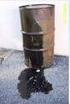 Spill Prevention Control and Countermeasure (SPCC) Regulations Fact Sheet REGULATORY SUMMARY The Spill Prevention Control and Countermeasure (SPCC) regulations strive to prevent oil from entering navigable
Underground Storage Tanks
 Underground Storage Tanks An Informational and Guidance Document for the University Community. Please contact Yale Environmental Health and Safety for latest Regulatory Requirements. A typical UST installation
GUIDANCE FOR DEVELOPMENT OF SPILL AND SLUG PREVENTION CONTROL PLANS AND FACILITIES FOR THE CITY OF ATTLEBORO SEWER USERS
 Company Name: Address: The City of Attleboro s Rules and Regulations for the use of Wastewater Facilities require each user to provide protection from accidental discharge of prohibited materials and substances
SPILL PREVENTION AND RESPONSE PLAN TEMPLATE FOR BUSINESSES IN DAYTON S SOURCE WATER PROTECTION AREA
 SPILL PREVENTION AND RESPONSE PLAN TEMPLATE FOR BUSINESSES IN DAYTON S SOURCE WATER PROTECTION AREA Regulated Substance Management: All Regulated Substances, including chemical wastes, are to be managed
Outdoor Storage of Raw Materials SC-33
 Objectives Cover Contain Educate Reduce/Minimize Description Raw materials, by-products, finished products, containers, and material storage areas exposed to rain and/or runoff can pollute stormwater.
PREVENTING GROUNDWATER POLLUTION: SECONDARY CONTAINMENT
 PREVENTING GROUNDWATER POLLUTION: SECONDARY CONTAINMENT PREVENTING GROUNDWATER POLLUTION IS EVERYONE S JOB! Even if our drinking water comes from rivers, lakes, or reservoirs, we need to be mindful of
OIL STORAGE REQUIREMENTS OF THE SPCC REGULATIONS. Christopher J. Ecsedy, P.E. Fuss & O'Neill, Inc. 146 Hartford Road Manchester, CT 06040
 ABSTRACT OIL STORAGE REQUIREMENTS OF THE SPCC REGULATIONS Christopher J. Ecsedy, P.E. Fuss & O'Neill, Inc. 146 Hartford Road Manchester, CT 06040 The SPCC regulations entail numerous requirements for the
Citgo Service Station (Former Gulf Oil/Chevron) 14226 Jarrettsville Pike Baltimore County Jacksonville, Maryland Open Case No.
 MARYLAND DEPARTMENT OF THE ENVIRONMENT 1800 Washington Boulevard Suite 620 Baltimore, Maryland 21230-1719 410-537-3442 800-633-6101 x 3442 www.mde.state.md.us Land Management Administration Oil Control
4.8 Hazards and Hazardous Materials
 This section describes the environmental and regulatory setting for hazards and hazardous materials 1 related to the Project, the impacts that may result, and feasible and appropriate mitigation measures
PLAN APPLICATION HAZARDOUS MATERIALS USE AND SPILL PREVENTION CONTROL (HMPC) PLAN
 PLAN APPLICATION HAZARDOUS MATERIALS USE AND SPILL PREVENTION CONTROL (HMPC) PLAN A. GENERAL INFORMATION A1. Business Name: Acme Company Street Address: 1000 Stroll St. City: Louisville State: Kentucky
Hazardous Waste Determination and Management Plan
 Hazardous Waste Determination and Management Plan Prepared By: Triumvirate Environmental Developed: November 2014 Updated: Program Approval Associate Vice President of Public Safety & Administrative Services
PCB STORAGE. 1) 2-drum unit (4 x 2 x 4 ) 2) 4-drum unit (4 x 4 x 4 ) 3) 8-drum unit (8 x 4 x 4 ) 4) 16-drum unit (8 x 8 x 10 )
 PCB STORAGE With the exception of utilities, very few PCB owners are choosing to store their PCB wastes on site. The practice of on-site PCB storage was commonplace before Swan Hills opened up in 1996
SPILL CONTAINMENT AND CONTROL PLAN
 SPILL CONTAINMENT AND CONTROL PLAN PUD NO. 1 TREATMENT PLANT 1257 GLASS ROAD PORT ANGELES, WASHINGTON PUD No. 1 Treatment Plant 2431 East Highway 101 P.O. Box 1090 Port Angeles, WA 98362 Facility Description:
Equipment Breakdown. The extended property coverage you need for the equipment you rely on.
 Equipment Breakdown The extended property coverage you need for the equipment you rely on. Equipment Breakdown When it comes to protecting the equipment and machinery you need to keep your business operating
District of Columbia Municipal Regulations UNDERGROUND STORAGE TANKS: GENERAL PROVISIONS 5500 COMPLIANCE WITH OTHER DISTRICT LAWS
 CHAPTER 55 UNDERGROUND STORAGE TANKS: GENERAL PROVISIONS Section 5500 Compliance with Other District Laws 5501 Applicability of UST Regulations 5502 Partial Applicability of UST Regulations to Particular
Pollution Liability Exposure: Adjustments your automotive business should consider to maintain compliance
 : Adjustments your automotive business should consider to maintain compliance Pollution sounds like such a dirty word. And as an automotive service business owner, employee or operator, you might be producing
MARINA ENVIRONMENTAL MANAGEMENT POLICY
 MARINA ENVIRONMENTAL MANAGEMENT POLICY Clean Water & A Clean Environment Are Essential To Good Boating The Abbey Marina Is Committed To Being Environmentally Compatible STATEMENT OF PURPOSE: CLEAN & PROTECT
Secondary Containment: Regulations & BMPs. Beth Powell Vice-President and General Manager New Pig Energy [email protected]
 Secondary Containment: Regulations & BMPs Beth Powell Vice-President and General Manager New Pig Energy [email protected] Federal Secondary Containment Safeguarding method in addition to the primary
SOCALGAS APROACH TO PIPELINE INTEGRITY
 SUMMER 2011 SOCALGAS APROACH TO PIPELINE INTEGRITY Southern California Gas Company (SoCalGas ) is committed to providing clean, safe and reliable natural gas to its customers and takes important steps
The Federal Spill Prevention, Control & Countermeasures (SPCC) Rule Overview
 The Federal Spill Prevention, Control & Countermeasures (SPCC) Rule Overview January 2012 Presented by: Annie Macmillan, Stephanie Congo The purpose of the SPCC rule is to prevent discharges of oil into
2012 Annual Report. Greene County Buildings and Grounds
 2012 Annual Report Greene County Buildings and Grounds January, 2012 Added shelving for storage in the room off of room 430 Filing cabinets moved around in the Courthouse Reconfiguration of office space
REHABILITATION AND EXTENSION PROJECT FOR PORT OF LOBITO
 REHABILITATION AND EXTENSION PROJECT FOR PORT OF LOBITO Advantages of Port Lobito (1) Predominant geological locations Facing the Atlantic, Port Lobito locates around 30km north to Beguela City, and it