
INTRODUCTION TO FRAUD EXAMINATION
|
|
|
- Howard Freeman
- 9 years ago
- Views:
Transcription
1 INTRODUCTION TO FRAUD EXAMINATION GLOBAL HEADQUARTERS THE GREGOR BUILDING 716 WEST AVE AUSTIN, TX USA

2 VII. FRAUDULENT FINANCIAL TRANSACTIONS: FRAUD SCHEMES Introduction Fraud can be committed internally or externally from a company by employees, customers, vendors, and other parties. Internal fraud is fraud that originates from within an organization and is committed by employees. External fraud is fraud committed by outsiders; it involves any scheme in which the perpetrator is not an employee, manager, officer, or owner of the victim company. External fraud covers a broad range of schemes, from vendor and customer frauds that attack businesses to traditional consumer frauds and confidence schemes. This section will provide an overview of some of the most common and threatening internal schemes, by addressing asset misappropriations and corruption along with contract and procurement fraud schemes that involve vendors. Fraudulent financial statements, while a type of internal fraud, will be covered in a separate section. Asset Misappropriation Schemes Asset misappropriation schemes include both the theft of company assets, such as cash, and the misuse and theft of company assets, such as using a company car for a personal trip. The asset misappropriation schemes to be discussed here are cash schemes and misuse of noncash assets, such as inventory and all other assets. Cash Schemes Theft of cash on hand Theft of cash receipts Fraudulent disbursements Theft of Cash on Hand Theft of cash on hand is any scheme in which the perpetrator misappropriates cash kept on hand at the victim organization s premises (e.g., employee steals cash from a company vault). Theft of Cash Receipts Skimming Larceny SKIMMING Skimming is the process by which cash is removed from the entity before it enters the accounting system. This is an off-book scheme because the receipt of the cash is never reported to the entity. Introduction to Fraud Examination 75

3 The most common skimming schemes are: Sales schemes Unrecorded sales Understated sales Accounts receivable schemes Write-off schemes Lapping schemes Unconcealed receivables Refund and other schemes CASH LARCENY In the occupational fraud setting, a cash larceny may be defined as the intentional taking away of an employer s cash (the term cash includes both currency and checks) without the consent and against the will of the employer. Skimming was defined above as the theft of off-book funds. Cash larceny schemes, conversely, involve the theft of money that has already appeared on a victim company s books. Therefore, cash larceny schemes are on-book frauds. Detection of Theft of Cash Receipt Schemes Detection methods for theft of cash receipt schemes include: Analyze sales accounts by employee. Review journal entries for: False credits to inventory to conceal unrecorded or understated sales Other write-offs of inventory for reasons of lost, stolen, or obsolete product Write-offs of accounts receivable Irregular entries to cash accounts Compare the dates of the customer s payments with the dates the payments are posted to the customer s accounts. Analyze cash receipts and their recording. Analyze the relationship between sales, cost of sales, and returns and allowances. Watch for altered register tapes. Follow up on complaints and inquiries from customers. Look for unusual deposits in transit. Conduct surprise cash counts. Use surveillance. Analyze deposit slip books. 76 Introduction to Fraud Examination

4 Fraudulent Disbursements Fraudulent disbursements are the most common form of asset misappropriation, and they occur when an employee uses his position of employment to cause a payment for some inappropriate purpose. Fraudulent disbursements are on-book fraud schemes, meaning that cash (checks) leaves the entity fraudulently, but it is recorded on the books and thus an audit trail exists. Fraudulent disbursement schemes are broken down into the following types: Check tampering schemes Register disbursement schemes Billing schemes Expense reimbursement schemes Payroll schemes CHECK TAMPERING SCHEMES Check tampering is a type of fraudulent disbursement scheme whereby an employee either (1) prepares a fraudulent check for his own benefit or (2) intercepts a check intended for a third party and converts the check to his own benefit. Other fraudulent disbursement schemes, such as false billings or payroll fraud, tend to rely on false claims for payment. Some false document, perhaps an invoice or a time card, is submitted to the victim organization and generates the fraudulent payment. Such schemes are based on trickery convincing the victim to make a payment based on a fraudulent invoice, time card, expense report, or other document. Check tampering schemes are a more direct form of fraud. Instead of relying on false support to generate a fraudulent disbursement, the perpetrator of a check tampering scheme takes physical control of a check and places false information on that instrument. The fraudster might forge a signature, alter a payee, alter the amount of the check, or forge an endorsement. The key is that the perpetrator places false information on a company check and that this action enables the fraudster to illegally obtain funds from his employer. The major methods of check tampering are: Forged maker schemes Forged endorsement schemes Altered check schemes Authorized maker schemes Detection of Check Tampering Schemes Detection methods for check tampering schemes include: Investigate customer complaints. Review canceled check images. Introduction to Fraud Examination 77

5 Investigate past-due notices received by the entity. Review unusual endorsements on checks. Review unusual payee names (i.e., handwritten or typewritten vs. computer written, or employee names as payee). Conduct analytical reviews. Reconcile checks using a positive pay checking account system, which identifies checks that have not been issued and compares the amount of each check issued to the amount tendered. REGISTER DISBURSEMENT SCHEMES Refunds and voided sales are transactions processed at the register when a customer returns an item of merchandise purchased from that store. The transaction entered on the register indicates the merchandise is being replaced in the store s inventory and the purchase price is being returned to the customer. In other words, a refund or void shows a disbursement of money from the register as the customer gets his money back. Fraudulent refunds and voids represent a class of occupational fraud that is a hybrid between cash theft and fraudulent disbursements. Since these schemes appear on the books as legitimate disbursements of funds from the cash register, they are classified as fraudulent disbursements. In practice, an employee physically removes cash from his cash register and absconds with it. In that respect, such schemes are very similar to cash larceny schemes. The major register disbursement schemes are: False voids False refunds Detection of Register Disbursement Schemes Detection methods for register disbursement schemes include: Accounting for consecutive sales orders and cash register transactions Comparing volume of credits issued by period Accounting for missing register tapes Investigating voided transactions not properly documented Investigating refunds or voids just under the review limit Performing computer analysis of: Sales volume by employee Voids/refunds by employee 78 Introduction to Fraud Examination

6 BILLING SCHEMES The most common and costly example of a fraudulent disbursement is the billing scheme. Billing schemes attack the purchasing function of an organization. They cause the victim organization to buy goods or services that are nonexistent, overpriced, or not needed by the organization. A billing scheme can result in an illicit gain of cash, goods, or services for the fraudster. The purpose of most billing schemes is to generate cash. In a typical scheme, the perpetrator creates false support for a fraudulent purchase. The fraudulent support documents (which can include invoices, purchase orders, purchase requisitions, receiving reports, and so on) cause the victim organization to issue a check. The fraudster collects the check and cashes it, thereby reaping an illegal gain. Employees can use utilize false billings to receive goods or services rather than cash. In these cases, the fraudster makes a personal purchase and charges it to his employer as if the purchase were a business expense. This type of scheme is accomplished in one of two ways. One method is to run a voucher for a personal purchase through the payables system. The perpetrator misrepresents the nature of the purpose, claiming that the goods or services are being bought on the company s behalf. The second method is to purchase personal goods or services on the company s credit card or on a credit account. The following categories of billing schemes are: Shell companies Non-accomplice vendors Personal purchases Detection of Billing Schemes Detection methods for billing schemes include: Investigate customer complaints. Investigate unusual payees (e.g., employees, non-vendors, or non-corporate-sponsored credit card companies). Perform site visits of vendors. Perform computer analysis to search for: Vendor addresses that match employee addresses Unusual activity in soft accounts (e.g., consulting, professional, advertising, etc.) Increased payments to certain vendors Investigate noticeable changes in an employee s lifestyle. Conduct analytical reviews. Review high-volume vendor activity for new vendors. Investigate refunds sent to addresses other than the organization s permanent address on file. Research state business registries. Introduction to Fraud Examination 79

7 EXPENSE REIMBURSEMENT SCHEMES Travel and expense budgets are a common target for occupational fraud. Employees may falsify information about their business expenses and cause their employers to overcompensate them in the form of inflated expense reimbursements. This type of scheme is most commonly perpetrated by sales personnel who overstate or create fictitious expenses in areas such as client entertainment and business travel. Outside sales personnel are not the only employees who commit this type of fraud, however. Any person who is in a position to incur travel or business entertainment expenses is potentially capable of committing expense reimbursement fraud. Expense reimbursement schemes fall into four general categories: Mischaracterized expenses Overstated expenses Fictitious expenses Multiple or duplicate reimbursements Detection of Expense Reimbursement Schemes Detection methods for expense reimbursement schemes include: Compare actual and budgeted expenses by cost center. Investigate reimbursements over a certain amount or in even amounts. Investigate reimbursements charged to unusual accounts. Examine accounts that have unusual activity (i.e., high reimbursements at the end of a period). Compare employee calendar to expenses submitted. PAYROLL SCHEMES Payroll schemes occur when an employee fraudulently generates overcompensation on his behalf. These schemes are similar to billing schemes in that the perpetrator generally produces some false document or otherwise makes a false claim for a distribution of funds by his employer. In billing schemes, the false claim typically comes in the form of a fraudulent invoice. In payroll schemes, the false claim generally occurs when the fraudster falsifies payroll records, timekeeping records, or some other document concerned with the payroll function. The most common forms of payroll fraud are: Ghost employee schemes Falsified wages Commission schemes 80 Introduction to Fraud Examination

8 Detection of Payroll Schemes Detection methods for payroll fraud schemes include: Independent payroll distribution Analysis of payee addresses or accounts Search for duplicate government identification numbers Review of overtime Analysis of deductions Investigation of other employees complaints Noncash Asset Schemes Other than stealing cash from an employer directly, some employees might steal or abuse other assets. This might include taking office supplies home for personal use or stealing expensive company equipment. The schemes in this category are: Misuse of inventory and all other assets Larceny or theft of inventory and all other assets Misuse of Inventory and All Other Assets How many times have we heard someone say, I m just going to borrow this, or I took it home to work on the project over the weekend? In fact, a great deal of inventory is stolen under the pretense that it is being borrowed. In actuality, the inventory is being converted to personal use. Some employees might use company assets to do personal work on the side that can lead to productivity issues. Even if the assets are not stolen, they are exposed to additional wear and tear that decreases their value. Theft of Inventory and All Other Assets Most inventory fraud schemes involve misappropriating inventory for personal use, stealing inventory and scrap, or charging embezzlements to inventory. Inventory is an asset that can be stolen by employees to sell to third parties. There are many ways to convert stolen inventory into cash. On method involves selling the inventory through an employee s personal business, at flea markets, or at garage sales to unknowing purchasers or co-conspirators. Fixed assets are the company s property, plant, and equipment. Often, fixed assets are the targets of employee theft and unauthorized personal use. Fixed assets that are easily removed from the premises (such as tools and computers) are especially prone to employee theft. Introduction to Fraud Examination 81

9 Another common asset scheme is the unauthorized personal use of fixed assets by employees. This is especially true for fixed assets that are easily removed from the company premises. For example, the personal use of computers or company-owned vehicles can develop into a fraud or an abuse situation if the subject is not addressed. In addition, the loss of productive time might be more costly than the improper usage of the asset itself. Detection of Noncash Asset Schemes Detection methods for noncash asset schemes include: Perform physical counts of fixed assets, including computer software. Analyze depreciation schedules for unusual patterns. Compare fixed asset purchases for multiple years. Analyze salvage and scrap sales for unusual patterns. Review surveillance camera videos, if available. Perform trend analysis comparing cost of goods sold to sales. Conduct physical inventory counts on a periodic basis a surprise inventory count is even more effective. Investigate significant discrepancies between physical counts and perpetual inventory (shrinkage). Conduct a historical analysis of inventory, looking for significant levels of shrinkage. Compare shipping addresses to employee addresses. Periodically reconcile shipments of merchandise to sales records, searching for instances where merchandise was shipped but no corresponding sale was booked. Look for sales that were canceled after shipment. Make sure all outgoing invoices match sales orders and look for signs of alterations on sales records. Perform trend analysis, looking for unusually high levels of inventory being designated as scrap. Look for unusually high levels of re-orders for particular items, which could indicate that a particular item of inventory is being stolen. Ensure that the beginning balance for each month s inventory ties to the ending balance from the previous month. Determine that the dollar value of ending inventory is reasonably close to previous comparable amounts. Carefully review any unexplained entries in perpetual inventory records. Look for an increase in bad debt expense, which might indicate that an employee is creating fraudulent sales to account for stolen inventory. Perform price-testing procedures to ensure that the inventory unit costs have not been artificially inflated. 82 Introduction to Fraud Examination

10 Corruption Corruption is the wrongful use of influence in a business dealing to procure a benefit for the actor or another person, contrary to the duty or the rights of others. Corruption occurs in various forms, including bribery, kickbacks, illegal gratuities, economic extortion, collusion, and conflicts of interest. The recipients of these schemes range from a low-level clerk to a chief executive officer or a public official. Corrupt payments may be in the form of food and liquor or large cash payments. Whatever the situation, corruption creates an unhealthy situation for businesses. Corruption is broken down into the following four scheme types: Bribery and kickbacks Illegal gratuities Economic extortion Conflicts of interest Bribery and Kickbacks Bribery and kickbacks are off-book frauds that occur in the form of payments, gifts, or gratuities to employees from contractors or vendors. They are classified as corruption schemes because they involve collusion between employees and vendors. These schemes usually involve the purchasing function of the victim company, since purchasing employees frequently have direct contact with vendors and therefore have an opportunity to establish a collusive relationship. Bribery can be defined as the offering, giving, receiving, or soliciting of anything of value to influence an official act or business decision. Kickbacks are the giving or receiving of anything of value to influence a business decision without the employer s knowledge and consent. Unfortunately, bribery and kickback schemes can be very difficult to detect. In a sense, the victim company is being attacked from two directions. Externally, a corrupt vendor submits false invoices that induce the victim organization to pay for goods or services that it does not receive. Internally, one or more of the victim company s employees waits to corroborate the false information provided by the vendor. Illegal Gratuities Illegal gratuities are something of value given to an employee to reward a decision after it has been made, rather than influence it before the decision is made. This crime is similar to bribery except that an illegal gratuity does not require proof of intent to influence the employee s decision-making. Instead of paying an employee to make a decision (e.g., award a contract), the vendor pays the employee because of a decision the employee previously made. Illegal gratuities are merely offered as a thank you for Introduction to Fraud Examination 83

11 something that has been done. In proving an illegal gratuity, there is no need to show that the vendor intended to influence the employee s actions; it is enough to show that the employee accepted an award based on his performance. Economic Extortion Economic extortion occurs when an employee or official, through the wrongful use of actual or threatened force or fear, demands money or some other consideration to refrain from discriminating against a business decision. Economic extortion is the opposite of bribery. Instead of a vendor offering payment to an employee to influence his business decision, the employee demands that the vendor pay him for favorable treatment or to avoid unfavorable treatment. Conflict of Interest A conflict of interest occurs when an employee has an undisclosed personal or economic interest in a transaction. These schemes involve self-dealing by an employee. These include: An agent taking an interest in a transaction That is actually or potentially adverse to the interest of the principal Without disclosure to the principal A conflict of interest that causes actual or potential economic loss to the principal may be prosecuted criminally or civilly as a fraud. Methods of Making Illegal Payments In corruption schemes, the method of payment need not be money and often is not. Any tangible benefit given or received with the intent to corruptly influence the recipient may be an illegal payment. However, there are certain traditional methods of making illegal payments that fall into the following hierarchical pattern: Gifts, travel, and entertainment Cash payments Checks and other financial instruments Hidden interests Other methods Gifts, Travel, and Entertainment Most corruption schemes begin with gifts and favors. Commonly encountered items include: Wine and liquor (consumables) Clothes and jewelry for the recipient or spouse 84 Introduction to Fraud Examination

12 Sexual favors Lavish entertainment Paid vacations Free transportation on corporate jets Free use of resort facilities Gifts of the briber s inventory or services, such as construction of home improvements by a contractor Cash Payments The next step is usually cash payments. However, cash is not practical if large sums are required because significant amounts are difficult to generate and draw attention when they are deposited or spent. The use of currency in major transactions may in itself be incriminating. Checks and Other Financial Instruments As the scheme grows, illicit payments are often made by normal business check, cashier s check, or wire transfer. Payments are disguised on the books of the payer as some sort of legitimate business expense, often as consulting or referral fees. Payments may be made directly or through an intermediary (the wellknown bagman ), or they may be made through a series of such people, entities, or accounts. Hidden Interests In the latter stages of sophisticated schemes, the payer may give a hidden interest in a joint venture or other profit-making enterprise. The recipient s interest may be concealed through a straw or nominee, hidden in a trust or other business entity, or merely included by an undocumented verbal agreement. Such arrangements are very difficult to detect. Even if identified, proof of corrupt intent may be hard to demonstrate, particularly if the intended recipient produces some type of evidence of payment for his interest. (This may still leave the individual open to conflict of interest charges.) Other Methods The following are other common methods of making illegal payments: Loans Payment of credit card bills Transfers at other than fair market value Promises of favorable treatment LOANS Three types of loans frequently turn up in corruption and fraud cases. Introduction to Fraud Examination 85

Introduction to Fraud Examination. World Headquarters the gregor building 716 West Ave Austin, TX 78701-2727 USA
 Introduction to Fraud Examination World Headquarters the gregor building 716 West Ave Austin, TX 78701-2727 USA VII. FRAUDULENT FINANCIAL TRANSACTIONS: FRAUD SCHEMES Introduction Fraud can be committed
Presented by: Donald F. Conway, CPA Mercadien, P.C., Certified Public Accountants. Forensic Accounting, Political Corruption & White Collar Offenses
 Presented by: Donald F. Conway, CPA Mercadien, P.C., Certified Public Accountants Forensic Accounting, Political Corruption & White Collar Offenses Defining Fraud The dictionary defines fraud as a deception
BRIBERY AND CORRUPTION
 FRAUD SCHEMES Fraud An intentional act by one or more individuals among management, those charged with governance, employees, or third parties, involving the use of deception to obtain an unjust or illegal
Fraud and internal controls, Part 3: Internal fraud schemes
 Fraud and internal controls, Part 3: Internal fraud schemes By EVERETT COLBY, CFE, FCGA This is the third and final article in a series by Mr. Colby on Fraud and internal controls to be carried on PD Net.
Fundamentals of Computer and Internet Fraud WORLD HEADQUARTERS THE GREGOR BUILDING 716 WEST AVE AUSTIN, TX 78701-2727 USA
 Fundamentals of Computer and Internet Fraud WORLD HEADQUARTERS THE GREGOR BUILDING 716 WEST AVE AUSTIN, TX 78701-2727 USA II. THE USE OF COMPUTERS IN OCCUPATIONAL FRAUD Occupational fraud refers to the
716 West Ave Austin, TX 78701-2727 USA
 Fundamentals of Computer and Internet Fraud GLOBAL Headquarters the gregor building 716 West Ave Austin, TX 78701-2727 USA II. THE USE OF COMPUTERS IN OCCUPATIONAL FRAUD Occupational fraud refers to the
Office of the Inspector General
 Office of the Inspector General Commonwealth of Massachusetts Gregory W. Sullivan Inspector General Guide to Developing and Implementing Fraud Prevention Programs April 2005 Dear Public Officials: April
Financial Transactions and Fraud Schemes
 Financial Transactions and Fraud Schemes Asset Misappropriation: Cash Receipts 2016 Association of Certified Fraud Examiners, Inc. Fraud Tree 2016 Association of Certified Fraud Examiners, Inc. 2 of 27
How To Handle A Fraud At Psc
 FRAUD POLICY Purpose and Background PSC is committed to the highest standards of moral and ethical behavior. The purpose of PSC s Fraud Policy is to foster an environment that promotes awareness to fraudulent
Fraud Prevention: The Prevention and Detection of Fraud Begins with You
 Fraud Prevention: The Prevention and Detection of Fraud Begins with You Takeaways What is fraud? Definition Facts Four factors Fraud risk assessment Four evaluation criteria Common fraud schemes Case studies
Financial Transactions and Fraud Schemes
 Financial Transactions and Fraud Schemes Asset Misappropriation: Fraudulent Disbursements Fraudulent Disbursement Schemes Register disbursement schemes Check tampering schemes Payroll schemes Billing schemes
Fraud Awareness and Prevention Program Report
 Internal Audit Department Fraud Awareness and Prevention Program Report Project 2009-263 A Review of Fraud Awareness, Prevention, Detection and Risk Mitigation Practices in Landfill Operations, Central
Conversion. Concealment methods. Example #1: Skimming. Example #2: Skimming. 2015 GASBO Conference. Thomas Buckhoff, Ph.D.
 Top Five Employee Fraud Schemes Forensic Solutions, LLC Forensic accounting and litigation support services Presented by: Thomas Buckhoff, Ph.D., CPA/CFF, CFE Fraudsters love cash! Cash is the asset most
FRAUD RISK IN PUBLIC PROCUREMENT NATIONAL PUBLIC ENTITIES RISK MANAGEMENT FORUM
 FRAUD RISK IN PUBLIC PROCUREMENT NATIONAL PUBLIC ENTITIES RISK MANAGEMENT FORUM Presenter: Zamani Nxumalo SAS, National Treasury 30 March 2011 CONTENTS Key Terms & Definitions Process & Challenges Fraud
Internal Controls for Small Organizations. Jen Parker, CPA Director of Accounting & Finance US Youth Soccer
 Internal Controls for Small Organizations Jen Parker, CPA Director of Accounting & Finance US Youth Soccer Fraud Statistics: The following statistics about fraud and white collar crime are from the Association
Understanding Business Fraud Presenter Paul A. Rodrigues, CPA, MST, CFE, CFF, Principal Presenter David G Friedman, CPA, CFF, CFE, Partner
 Understanding Business Fraud Presenter Paul A. Rodrigues, CPA, MST, CFE, CFF, Principal Presenter David G Friedman, CPA, CFF, CFE, Partner Check Fraud Hand-Out Despite the heavy use of credit cards and
Fraud Awareness Training
 UT System Administration General Compliance Training Fall 2014 This training will take approximately 20 minutes to complete Objectives What is occupational fraud Common myths about fraud Conditions for
Centre for Corporate Governance. Sample listing of fraud schemes
 Centre for Corporate Governance Sample listing of fraud schemes Sample listing of fraud schemes The following listing of possible fraud schemes can be utilized by management and auditors to assist in identifying
REPORT TO THE NATIONS ON OCCUPATIONAL FRAUD AND ABUSE
 REPORT TO THE NATIONS ON OCCUPATIONAL FRAUD AND ABUSE 2010 Global Fraud Study Letter from the President When the ACFE published its first Report to the Nation on Occupational Fraud and Abuse in 1996, it
COMPLIANCE POLICY MANUAL
 COMPLIANCE POLICY MANUAL FOREIGN CORRUPT PRACTICES ACT 07/24/2012 Policy Number 16-100 SUBJECT: FOREIGN CORRUPT PRACTICES ACT Application: Worldwide Strategic Business Units and Subsidiaries. It is the
FRAUD RISK ASSESSMENT
 FRAUD RISK ASSESSMENT All agencies are subject to fraud risks and need to complete a fraud risk assessment for their agency at least every biennium. A detailed fraud assessment needs to be performed by
Worldwide Anti-Corruption Policy
 Worldwide Anti-Corruption Policy I. PURPOSE The laws of most countries make the payment or offer of payment or even receipt of a bribe, kickback or other corrupt payment a crime, subjecting both Eaton
Chapter 15: Accounts Payable and Purchases
 Accounting Research Manager - Audit Private Accounting Research Manager Miller Interpretations and Other Resources Knowledge-Based Audit Procedures Chapter 15: Accounts Payable and Purchases Chapter 15:
Accounts Payable Best Practices
 Accounts Payable Best Practices Presented by: Eddy Castaneda, CPA, MBA Accounts Payable Best Practices Top Practices AP Top Practices Document your current AP procedures Can identify overlapping work Can
Fraud: Real Stories, Real People, Real Impact
 Fraud: Real Stories, Real People, Real Impact Chris Harper, CPA, MBA Senior Manager Types of Fraud Asset misappropriation Fraudulent financial reporting Identity theft Detection Skills The Fraud Triangle
716 West Ave Austin, TX 78701-2727 USA
 How to Detect and Prevent Financial Statement Fraud GLOBAL HEADQUARTERS the gregor building 716 West Ave Austin, TX 78701-2727 USA VI. GENERAL TECHNIQUES FOR FINANCIAL STATEMENT ANALYSIS Financial Statement
REPORT TO THE NATIONS ON OCCUPATIONAL FRAUD AND ABUSE 2012 GLOBAL FRAUD STUDY
 REPORT TO THE NATIONS ON OCCUPATIONAL FRAUD AND ABUSE 2012 GLOBAL FRAUD STUDY Letter from the President & CEO More than 15 years ago, the ACFE s founder and Chairman, Dr. Joseph T. Wells, CFE, CPA, conceptualized
Fraud Control Theory
 13 Fraud Control Theory Using a variation of a saying from the 1960s, fraud happens. Like all costs of doing business, fraud must be managed. Management must recognize that people commit fraudulent acts
5 Important Controls to Mitigate Employee Fraud
 5 Important Controls to Mitigate Employee Fraud LMCIT WEBINAR : FEBRUARY 10, 2015 IN PARTNERSHIP WITH EIDE BAILLY Presenter: Jason Olson, MBA, CPA/CFF, CFE, CFI Presentation Disclaimer These seminar materials
Fraud Prevention Training
 Fraud Prevention Training Kim Turner, Chief Audit Executive Emily Knopp, Audit Director Fraud Prevention: WHAT YOU WILL LEARN & FRAUD FACTS What you will take away with you: Glossary of Fraud Terms Details
Fraud and Fraud Detection. A Data Analytics Approach + Website. Wiley Corporate F&A
 Brochure More information from http://www.researchandmarkets.com/reports/2866056/ Fraud and Fraud Detection. A Data Analytics Approach + Website. Wiley Corporate F&A Description: Detect fraud faster no
Internal Control Guidelines
 Internal Control Guidelines The four basic functions of management are usually described as planning, organizing, directing, and controlling. Internal control is what we mean when we discuss the fourth
Cressey s fraud triangle: All 3 conditions must be present for fraud to occur
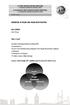 DEfINITION Of fraud AND fraud INvESTIgATION Dilek ÇİLİNgİR Ernst & Young What is fraud? According to International Standard on Auditing (240): An intentional act By one or more individuals among management,
Internal Controls and Fraud Detection & Prevention. Harold Monk and Jennifer Christensen
 Internal Controls and Fraud Detection & Prevention Harold Monk and Jennifer Christensen 1 Common Fraud Statements Everyone in government has an honest and charitable heart. It may happen other places,
Financial Transactions and Fraud Schemes:
 Financial Transactions and Fraud Schemes: Asset Misappropriation: Inventory and Other Assets 2013 Association of Certified Fraud Examiners, Inc. Misuse of Inventory and Other Assets There are basically
Knox College PNC BANK PNC PURCHASING CARD. Policy and Procedures Manual
 Knox College PNC BANK PNC PURCHASING CARD Policy and Procedures Manual March 1, 2014 Table of Contents Introduction General Guidelines..Page 4-5 - Card Issuance - Account Maintenance - Card Usage - Preferred
Introductions, Course Outline, and Other Administration Issues. Ed Ferrara, MSIA, CISSP [email protected]. Copyright 2015 Edward S.
 MIS 520 Week 2 Fraud Detection & Prevention Introductions, Course Outline, and Other Administration Issues Ed Ferrara, MSIA, CISSP [email protected] Fraud Awareness & Internal Controls Awareness Internal
FINANCIAL CONTROLS POLICIES AND PROCEDURES FOR SMALL NONPROFIT ORGANIZATIONS
 By Cindy Cumfer NOTE: These policies and procedures are designed for small nonprofits that do not have an administrator with financial expertise. They are set up to divide the fiscal control roles between
HOW TO DETECT AND PREVENT FINANCIAL STATEMENT FRAUD (SECOND EDITION) (NO. 99-5401)
 HOW TO DETECT AND PREVENT FINANCIAL STATEMENT FRAUD (SECOND EDITION) (NO. 99-5401) VI. INVESTIGATION TECHNIQUES FOR FRAUDULENT FINANCIAL STATEMENT ALLEGATIONS Financial Statement Analysis Financial statement
Is There Anyway to Prevent Fraud? Bill Gady, CGA CPA Partner
 Is There Anyway to Prevent Fraud? Bill Gady, CGA CPA Partner Learning Objectives: Understand how fraud can occur Learn procedures you can implement to prevent fraud Learn how to detect fraud Common Situations
Pitt County Schools Individual School Accounting. Internal Controls and Responsibilities Fiscal Year 2009-10
 Individual School Accounting Internal Controls and Responsibilities Fiscal Year 2009-10 Individual School Accounting Internal Controls and Responsibilities Fiscal Year 2009-10 Contents Page Principal Statement
REPORT TO THE NATIONS ON OCCUPATIONAL FRAUD AND ABUSE
 REPORT TO THE NATIONS ON OCCUPATIONAL FRAUD AND ABUSE 2014 Global Fraud Study Letter from the President & CEO In 1988, Dr. Joseph T. Wells founded the ACFE with a stated mission to reduce the incidence
The Practice of Internal Controls
 Office of the New York State Comptroller Division of Local Government and School Accountability LOCAL GOVERNMENT MANAGEMENT GUIDE The Practice of Internal Controls Thomas P. DiNapoli State Comptroller
For special fraud investigations the Audit Committee has the authority to:
 Prepared Document Number: Anders Haker CORP-07:009 Approved Security Class Date Revision Document Type Board of Directors Public 2007-09-12 C Policy FRAUD REPORTING AND INVESTIGATION ( WHISTLE BLOWER )
SCHOOLS FRAUD RESPONSE PLAN
 SCHOOLS FRAUD RESPONSE PLAN Author Jean Gleave, Chief Internal Auditor Date Last Agreed May 2012 Review Date May 2014 1 WARRINGTON BOROUGH COUNCIL SCHOOLS FRAUD RESPONSE PLAN Introduction The purpose of
BDO Consulting. Segregation of Duties Checklist
 BDO Consulting Segregation of Duties Checklist August 2009 BDO Consulting s Fraud Prevention practice is pleased to present the 2009 Segregation of Duties Checklist. We have developed this tool to assist
OIG Hotline. Overview... 2. Examples of Allegations That Should Be Reported to the OIG Hotline... 3. Guidelines for Reporting Fraud...
 OIG Hotline Overview... 2 Examples of Allegations That Should Be Reported to the OIG Hotline... 3 Guidelines for Reporting Fraud... 4 False Claims... 4 Embezzlement of Government Funds... 4 Contract Fraud...
Destiny Media Technology s Code of Conduct
 Destiny Media Technology s Code of Conduct INTRODUCTION Destiny Media Technology s ( Destiny ) reputation depends on the conduct of its employees, officers and directors who have an obligation to Destiny
Diploma in Forensic Accounting (Level 4) Course Structure & Contents
 Brentwood Open Learning College Diploma in Forensic Accounting (Level 4) Course Structure & Contents Diploma in Forensic Accounting Course Structure & Contents Page 1 Unit 1 Introduction Forensic Accounting
INTERNAL CONTROL QUESTIONNAIRE OFFICE OF INTERNAL AUDIT UNIVERSITY OF THE VIRGIN ISLANDS
 Cabinet Member or Representative responsible for completing this form: INSTRUCTIONS FOR COMPLETING THIS FORM: Answer each question by placing an X in the either the Yes, No,, or Applicable () column. Provide
RED FLAGS OF FRAUD MAY 13, 2014 IIA AUSTIN CHAPTER
 MAY 13, 2014 IIA AUSTIN CHAPTER 2014 by the Association of Certified Fraud Examiners, Inc. Revised: 3/26/14 No portion of this work may be reproduced or transmitted in any form or by any means electronic
Student Fraud Project: Forensic Analysis of Personal and Corporate Bank Statements
 Student Fraud Project: Forensic Analysis of Personal and Corporate Bank Statements Economic Crime and the Online World 22 nd Annual ECI Conference November 2, 2011 Moderator: Bernard Hyman Jr., Esq. (315)
Asterias Biotherapeutics, Inc. Code Of Business Conduct And Ethics. March 10, 2013
 Asterias Biotherapeutics, Inc. Code Of Business Conduct And Ethics March 10, 2013 This Code of Business Conduct and Ethics (the "Code") sets forth legal and ethical standards of conduct for directors,
How To Prevent Fraud On A Credit Card
 Fraud Detection and Prevention Financial Management Advisory Council August 28, 2014 Sarah Mahugh, CPA, MBA Financial Audit Audit Manager Overview Fraud trends Fraud Risks and internal controls Case Studies
How To Prevent Fraud In The United States
 Fraud Detection & Prevention for Accounts Payable! Presented by Larry Holmes! Accounts Payable With Fraud! Paying for goods and services that were not received! Paying inflated prices for goods and services!
FRAUD PREVENTION STRATEGIES FOR HEALTH CARE A FORENSIC ACCOUNTANT S PERSPECTIVE
 FRAUD PREVENTION STRATEGIES FOR HEALTH CARE A FORENSIC ACCOUNTANT S PERSPECTIVE CPAs & ADVISORS experience reach // S. Todd Burchett, CPA, ABV, ASA, CFF, CFE Partner [email protected] 210.268.1932 AGENDA
TITLE: Fraud Prevention and Detection Program IDENTIFIER: S-FW-LD-1008 APPROVED: Executive Cabinet (Pending)
 PAGE 1 of 5 TITLE: Fraud Prevention and Detection Program IDENTIFIER: S-FW-LD-1008 APPROVED: Executive Cabinet (Pending) ORIGINAL: 11/03 REVISED: 10/07, 09/10, 04/13 REVIEWED: EFFECTIVE DATE Acute Care
ACFE Toronto Chapter 1
 ACFE Toronto Chapter 1 Mortgage Fraud William Vasiliou CFE ACFE Toronto Chapter 2 Equifax report February 2012 Uncovered $400 million in mortgage fraud in Canada a fraction of the cheating in the R/E market
GLOBAL PORTS INVESTMENTS PLC
 Adopted by the Directors of GLOBAL PORTS INVESTMENTS PLC Resolution of 14 July 2008 GLOBAL PORTS INVESTMENTS PLC (previously GLOBAL PORTS INVESTMENTS LTD) ANTI-FRAUD POLICY TABLE OF CONTENTS 1. INTRODUCTION.....
INTERNATIONAL STANDARD ON AUDITING (UK AND IRELAND) 240 THE AUDITOR S RESPONSIBILITY TO CONSIDER FRAUD IN AN AUDIT OF FINANCIAL STATEMENTS CONTENTS
 INTERNATIONAL STANDARD ON AUDITING (UK AND IRELAND) 240 THE AUDITOR S RESPONSIBILITY TO CONSIDER FRAUD IN AN AUDIT OF FINANCIAL STATEMENTS CONTENTS Paragraphs Introduction... 1-3 Characteristics of Fraud...
The following figures summarize ways in which dut:es could be segregated with two, three and four people.
 The following figures summarize ways in which dut:es could be segregated with two, three and four people. Segregation of Duties- Two people Accountant or other financial personnel 11,,. Rec()rdpl~dges
Module #9 Payroll Schemes
 Module #9 Payroll Schemes Payroll Schemes include: Ghost employee schemes, which occur when a person not employed by the company is on the payroll Overpayment schemes, which occur when a company pays an
The state and challenges of insurance fraud
 Grand Hotel Union 14. maj 2013 The state and challenges of insurance fraud James E. Whitaker Agenda 1. About ACFE 2. Statistics for insurance fraud 3. Insurance fraud schemes 4. Case study 5. Fight against
Avoiding Theft in Your Nonprofit Ohio Attorney General Mike DeWine
 Avoiding Theft in Your Nonprofit Ohio Attorney General Mike DeWine 1 Dear Nonprofit Leader, The single greatest asset of a nonprofit is arguably its reputation. When theft or misappropriation of assets
Cash, Petty Cash, Change Funds, and Credit Cards
 CASH As public servants, it is our responsibility to safeguard taxpayer s dollars while adhering to laws and regulations governing processes over cash handling. Internal controls over cash are necessary
Amgen GLOBAL CORPORATE COMPLIANCE POLICY
 1. Scope Applicable to all Amgen Inc. and subsidiary or affiliated company staff members, consultants, contract workers and temporary staff worldwide ( Covered Persons ). Consultants, contract workers,
INTERNAL ACCOUNTING CONTROLS CHECKLIST FOR NTMA CHAPTERS
 P R E C I S I O N INTERNAL ACCOUNTING CONTROLS CHECKLIST FOR NTMA CHAPTERS Presented at NTMA 2004 Annual Convention Palm Springs, CA February 2004 National Tooling & Machining Association 9300 Livingston
Perp Poetry. Fraud & Embezzlement: Lessons From the Trenches. Presented by. acumen insight. ideas attention reach. expertise depth agility talent
 acumen insight Fraud & Embezzlement: Lessons From the Trenches ideas attention reach Presented by Angela Morelock, CPA, CFE, CFF, ABV, Certified Forensic Accountant www.bkdforensics.com expertise depth
Fraud Prevention & Detection
 Fraud Prevention & Detection Dave Tate, CPA, Esq. http://davidtate.us [email protected] This discussion primarily pertains to financial statement fraud--that is, financial statements that contain intentionally,
Helix Energy Solutions Group, Inc. Code of Business Conduct and Ethics
 Helix Energy Solutions Group, Inc. Code of Business Conduct and Ethics Introduction This Code of Business Conduct and Ethics ( Code ) covers a wide range of business practices and procedures. It does not
INTERNATIONAL STANDARD ON AUDITING (UK AND IRELAND) 240 THE AUDITOR S RESPONSIBILITIES RELATING TO FRAUD IN AN AUDIT OF FINANCIAL STATEMENTS
 INTERNATIONAL STANDARD ON AUDITING (UK AND IRELAND) 240 Introduction THE AUDITOR S RESPONSIBILITIES RELATING TO FRAUD IN AN AUDIT OF FINANCIAL STATEMENTS (Effective for audits of financial statements for
ACCOUNTING RECORDS: HOW THEY ARE USED TO CONCEAL FRAUD. ROSANNE TERHART, CFE, CA Senior Manager BDO Canada LLP Vancouver, British Columbia Canada
 Once an employee commits fraud, he has limited time to conceal the financial transaction in the accounting records. Learn how employees hide these fraudulent transactions and what to look for when reviewing
Discovering the Secrets of Detecting Fraud in Accounts Receivable
 Discovering the Secrets of Detecting Fraud in Accounts Receivable Speaker Joseph R. Dervaes, CFE, CIA 1995 ACFE Distinguished Achievement Award 2003 ACFE Donald R. Cressey Award 2007 ACFE Outstanding Achievement
Policy-Standard heading. Fraud and Corruption Policy
 Policy-Standard heading Fraud and Corruption Policy September 2013 Table of contents Introduction 3 Purpose 3 Scope 3 Related Policies and Processes 3 Definition of Fraud and Corruption 4 Policy 4 Code
Vance County Schools Individual School Accounting
 Individual School Accounting Internal Controls and Responsibilities Individual School Accounting Internal Controls and Responsibilities Contents Page Principal Statement of Understanding 3 Treasurer Statement
by: Scott Baranowski, CIA
 Community Bank Auditors Group A/P, Procurement and Credit Card Internal Controls June 4, 2014 by: Scott Baranowski, CIA MEMBER OF PKF NORTH AMERICA, AN ASSOCIATION OF LEGALLY INDEPENDENT FIRMS 2013 Wolf
Internal Controls Best Practices
 Internal Controls Best Practices This list includes the most common internal controls applied by small to medium sized businesses to their operations. It includes controls that apply to the processes most
CIVEO CORPORATION CORPORATE CODE OF BUSINESS CONDUCT AND ETHICS. Effective as of May 5, 2014
 CIVEO CORPORATION CORPORATE CODE OF BUSINESS CONDUCT AND ETHICS Effective as of May 5, 2014 Purpose This Corporate Code of Business Conduct and Ethics (this Code ) contains the policies that relate to
Liberty County School District Purchasing Card Procedures
 PURCHASING CARD POLICY All purchases made using the Purchasing Card must be for official school business and in accordance with the District procurement code. The card must not be used for personal expenditures
Advanced Data Analytics, the Fraudsters Worst Enemy
 Advanced Data Analytics, the Fraudsters Worst Enemy Introducing Powerful Tools and Techniques to Uncover Fraud Agenda Overview of data analytics in the anti-fraud and fraud investigation context Capability
SAMPLE FRAMEWORK FOR A FRAUD CONTROL POLICY
 SAMPLE FRAMEWORK FOR A FRAUD CONTROL POLICY NOTE: This appendix is a sample from another entity. As such, no adjustment has been made to this material. The information may or may not agree with all the
Steven Boyer Vice-President, Gallagher Bassett Services Inc.
 Employee Dishonesty and Fraud Motive, Rationale & Opportunity Steven Boyer Vice-President, Gallagher Bassett Services Inc. Randall Wilson, CPA/CFF, CFE, Cr.FA Partner, National Practice Director Fraud
5:31-7 Appendix B LOCAL AUTHORITIES - ACCOUNTING AND AUDITING IF ANY ARE NOT APPLICABLE, INSERT N/A AS YOUR ANSWER. FIRE DISTRICT YEAR UNDER AUDIT
 5:31-7 Appendix B LOCAL AUTHORITIES - ACCOUNTING AND AUDITING AUDIT QUESTIONNAIRE FOR FIRE DISTRICT AUDITS EACH QUESTION MUST BE ANSWERED. PLEASE CIRCLE YES OR NO. IF ANY ARE NOT APPLICABLE, INSERT N/A
Tips For An Efficient And Effective Fraud Investigation
 Tips For An Efficient And Effective Fraud Investigation Law360, New York (July 14, 2015, 12:03 PM ET) -- Internal fraud can be defined as the use of one s occupation for personal enrichment through the
Leonard W. Vona, CPA, CFE
 Leonard W. Vona, CPA, CFE Certified Public Accountant Certified Fraud Examiner 3331 Route 9 Valatie, NY 12184 Tel: (518) 784-2250 Fax: (518) 784-2251 e-mail: [email protected] Part of an auditor s job is
BEDFORD PUBLIC SCHOOLS BUSINESS OFFICE PROCEDURES MANUAL
 BEDFORD PUBLIC SCHOOLS BUSINESS OFFICE PROCEDURES MANUAL Revised 3-27-2014 TABLE OF CONTENTS Section 1: Section 2: Section 3: Section 4: Section 5: Section 6: Section 7: Section 8: Section 9: Cash Management
Red Flags for Fraud. Thomas P. DiNapoli. Steven J. Hancox Deputy Comptroller Division of Local Government and School Accountability
 Thomas P. DiNapoli State of New York Office of the State Comptroller Red Flags for Fraud Steven J. Hancox Deputy Comptroller Division of Local Government and School Accountability Introduction Why didn
Account a service provided by a bank allowing a customer s money to be handled and tracks money coming in and going out of the account.
 Account a service provided by a bank allowing a customer s money to be handled and tracks money coming in and going out of the account. Account fee the amount charged by a financial institution for the
Supplier Anti-Corruption and Anti- Bribery Policy
 Supplier Anti-Corruption and Anti- Bribery Policy 2014 Dwellworks Contents Purpose and Scope... 3 Core Principles... 4 Guidelines for Anti-Corruption and Anti-Bribery Compliance... 5 Applicable Definitions...
EADS-NA Code of Ethics
 Page: 1 of 7 EADS-NA Code of Ethics Introduction The Company demands high ethical standards of conduct from its directors, employees, and agents and will conduct its business with honesty, integrity, and
Fraud Detection & Data Analytics
 September 2008 Fraud Detection & Data Analytics How to Utilize CAATs to detect fraud AN INDEPENDENT MEMBER OF BAKER TILLY INTERNATIONAL 505 AFFILIATE OFFICES WORLDWIDE Course Topics Overview of Data Analytics
Investigative Techniques
 Investigative Techniques Data Analysis and Reporting Tools 2016 Association of Certified Fraud Examiners, Inc. Data Mining v. Data Analysis Data mining is the science of searching large volumes of data