
Procedure for Community Detoxification using Prescribed Lofexidine with or without Naltrexone
|
|
|
- Elwin McCormick
- 10 years ago
- Views:
Transcription
1 NHS Fife Community Health Partnerships Subject Title Addiction Services Procedure for Community Detoxification using Prescribed Lofexidine with or without Naltrexone Intranet Procedure No. A2 Author Dr A Baldacchino Copy No 3 Reviewer Lead Clinician Implementation Date December 2003 Status Authorised 2011 Last Review Date April 2011 Approved by Medical Director Primary Care Next Review Date April 2013 Head of Nursing NHS Fife 1. Introduction 1.1 Lofexidine is an alpha adrenergic agonist drug that suppresses withdrawal overactivity of noradrenergic neurons. Thus it effectively suppresses autonomic signs of withdrawal, but is less effective at suppressing symptoms of subjective discomfort. It is a structural analogue of clonidine, but less sedating and less hypotensive. Lofexidine is formulated as 200 microgram tablets Lofexidine is a treatment option for: Patients who are opioid dependent and seeking opioid detoxification e.g. heroindependent clients, opioid-dependent clients using combinations of heroin and illicit methadone (equivalent to less than 30ml methadone), methadone-dependent clients reduced/stabilised at doses 30ml or less or patients dependent on other prescribed opioids (usually for analgesia). Community detoxification from heroin/methadone as alternative to buprenorphine or continuing methadone reduction. Priority should be given to younger heroin users, heroin smokers and those not wanting or previously failed on methadone or buprenorphine substitution treatment. Stable immediate social environment is highly desirable with a nominated significant other present, such as immediate relatives. 1.3 Function To ensure safe and effective prescribing of lofexidine and minimise the negative effects of withdrawal from opioids. 2. Location Page 1 of 10
2 2.1 In client s homes, GP practices and NHS Fife premises. 3. Responsibility 3.1 Clinicians employed by NHS Fife who have received training in the use of lofexidine for opioid detoxification. 4. Operational System 4.1 Exclusions criteria to consider when using lofexidine treatment include: Under 18 years of age Hypersensitivity to lofexidine or to other imidazoline derivatives or any other excipient of tablet. Risk assessment using NHS Fife risk assessment tool indicates unacceptable risk of harm to self or others (If a home based detoxification is being carried out). 4.2 Caution if any of the following: Severe coronary insufficiency Recent myocardial infarction Cerebrovascular disease Chronic renal failure Bradycardia or hypotension Known history of QT interval prolongation or relevant family history Concomitant administration of drugs that prolong QT interval Pregnancy or breast-feeding (se BNF) Ongoing hazardous or harmful alcohol use or delirium tremens Acute mental health problems especially depressive illness 4.3 Lofexidine is not licensed for use in pregnancy and during breastfeeding or in children under 18 years old. 4.4 Criteria for community and home detoxification using Lofexidine: Completed Initial Assessment by Addiction Services clinicians including mental health assessment, physical health assessment, drug-using history, life/social history. The client must be opioid dependent and must not be taking stimulants, steroids or prescribed or illicit benzodiazepines as evidenced by recent drug testing. The results of a laboratory urine specimen or laboratory oral fluid test, taken within 14 days, must be available before prescribing Lofexidine to confirm current pattern of drug use. The client will provide a current drug and alcohol diary. Discussion with the responsible prescriber to establish if lofexidine prescribing is appropriate and the nature of the continuing treatment programme from either NHS Addiction Services or the General Practitioner. The Treatment plan will be recorded in the patient s clinical record. Page 2 of 10
3 The patient will have signed a contract which explains the procedure. A copy of this will be placed in the patients clinical records. The community detoxification programme will be monitored by a nurse trained in the use of lofexidine. Lofexidine will be prescribed by the client s General Practitioner or Addiction Services staff. The regime is agreed and the prescription is issued to be dispensed on a daily basis by the pharmacist. The Lofexidine Detoxification Chart (Appendix 1) will be completed by the Nurse undertaking community detoxification. 4.5 Lofexidine supply The pharmacist will agree in advance to dispense the lofexidine in the appropriate instalments prior to the detoxification taking place A telephone call to the community pharmacist indicating the day s requirements will facilitate the process Lofexidine will be dispensed daily to the designated patient or named carer. 4.6 Induction of Lofexidine Induction onto lofexidine from methadone: Prior to day 1 methadone dose should be reduced to 30mg or less. Ideally the last methadone dose should be hours before the initial dose of lofexidine is issued. 4.7 Procedure: Day Ensure a current drug diary and recent drug screen result is availab.00le The client should complete the Short Opioid Withdrawal Scale (SOWS) and the dedicated staff member should complete the Clinical Opioid Withdrawal Scale (COWS) where blood pressure, pulse rate and temperature are recorded. (Appendices 2 & 3) The client will have collected the lofexidine and the first dose will be taken in front of the clinician The initial dose of lofexidine will be 200microgram. Following the initial dose the patient is observed for any signs of distress or reported light headedness and will have their blood pressure checked at half-hourly intervals. If there is no adverse effect further doses of 200microgram may be administered, according to withdrawal score, to a maximum of 800microgram in 24 hours If there is a significant drop in blood pressure (systolic less than 90mmHg or 30mmHg below reading recorded earlier), or pulse is below 55, lofexidine should be withheld. Treatment should be reviewed with the option to either continue at a reduced dose or discontinue. 4.8 Procedure: Day Confirm patient s drug use since last seen The clinician will visit the client at home and the COWS is completed If no signs of withdrawal are apparent then a quarter of the total dose from Day 1 should be repeated. If obvious withdrawal features are present through the COWS then half of the total dose from Day 1 should be administered. Further doses can be introduced at six hourly intervals to a maximum of 1600microgram daily. Page 3 of 10
4 4.8.4 In all cases patients are monitored for a period of 30 minutes by the clinician. 4.9 Procedure: Day Confirm patient s drug use since last seen Patients will be given a quarter of the Day 2 dosage and an extra micrograms (1 2 tablets) if COWS shows further opioid withdrawal, To a maximum of 600microgram per dose or total daily dose of 2400microgram split over 4 doses The detoxification regimen is agreed and a prescription organised for the remaining days. Patients will be reviewed every 2-3 days as required The patient may also receive zopiclone 7.5mg per day for night sedation. This will be dispensed on a daily basis Sometimes a client may present with opioid withdrawal symptoms other than irregular sleep patterns. In exceptional circumstances the following maybe prescribed: Ibuprofen 400 mg four times daily prescribed for muscular aches and pain Hyoscine butylbromide 20 mg four times daily prescribed for stomach cramps Buccal prochlorperazine 3 6mg twice daily prescribed for nausea and vomiting It is essential that all patients undergoing this procedure are provided with a copy of the lofexidine information booklet and the contents discussed on Day 1 of the procedure. Because of the time available it may also be an opportunity to reinforce harm reduction initiatives and undertake motivational work. Page 4 of 10
5 4.10 Detoxification/dose reduction schedule using Lofexidine: Table for detoxification schedule using lofexidine (interpreted from Maudsley Prescribing Guidelines 9 th edition). Day 9.00 am 1.00 pm 6.00 pm Notes pm 1 1 tablet 1 tablet 1 tablet 1 tablet Max 800mcg / 24 hours (Induction phase) Max 1600mcg / 24 hours Max 2400 mcg / 24 hours 4 Max 2400 mcg / 24 hours (Treatment phase) 5 Max 2400 mcg / 24 hours 6 Max 2400 mcg / 24 hours 7 Max 2400 mcg / 24 hours 8 Max 2400 mcg / 24 hours 9 (Reduction 2 tablets 1 tablet 1 tablet 2 tablets phase) 10 1 tablet 1 tablet 1 tablet 1 tablet 11 1 tablet 0 1 tablet 1 tablet 12 1 tablet tablet In the treatment phase the total dose required to prevent withdrawals should be given in four equal doses If withdrawals re-emerge on reduction of dose then the treatment phase may be extended for another 5 to 10 days prior to reduction Lofexidine should not be stopped abruptly as it may cause a rebound rise in blood pressure. The dosage should be reduced to a level at which the client has no side effects. If there is a need to stop lofexidine completely, this should be undertaken over 3 days In-patient use Higher doses of lofexidine may be given initially for detoxification in the in-patient setting, up to a maximum of 2.4mg daily from day 1 provided that there is adequate monitoring of blood pressure, pulse and adverse effects If there is a significant drop in blood pressure (patients with a systolic blood pressure below 90 mm Hg, or 30mmHg below the baseline) or pulse less than 55bpm, then lofexidine should be with-held. The patient should be reassessed at least four hours later and if the blood pressure has recovered, they should recommence on a lower dose. If in doubt medical staff should be consulted. People with a pulse above 120 bpm or below 50 bpm should be discussed with the doctor. Page 5 of 10
6 4.12 Naltrexone for relapse prevention Naltrexone is a long acting opioid antagonist without agonist action and is given in tablet form. If taken by a dependent individual it will precipitate opioid withdrawal symptoms, but has no subjective effect if taken 7 10 days after completion of opioid detoxification. If taken on a regular basis after detoxification it can assist in relapse prevention by producing blockade or marked attenuation of the subjective effects of exogenously administered opioids. The blockade effect is competitive and the patient is warned that it is possible, but hazardous, to override the block with very large doses of opioids Initiate naltrexone treatment between day 8 day 12 of the lofexidine detoxification programme A negative urine test to confirm no opioids within 12 hours of initiation of naltrexone is essential The patient is given a caution card issued by the drug manufacturer Liver function tests should be monitored before commencing treatment, after 4 weeks and then every 6 months. Naltrexone should not be given if there is evidence of hepatic impairment Give naltrexone 25mg initially on day 1 then 50mg a day from day 2 for the subsequent two weeks. Then total weekly dose may be divided and given on 3 days of the week. For example, 100mg on Mondays and Wednesdays and 150mg on Fridays Ideally naltrexone should be supervised by health care worker or responsible relative Naltrexone needs to be continued for at least 6 12 months. Prescribing will normally revert to the G.P. after 4 weeks Naltrexone does not prevent the use of other classes of drugs. There is some evidence that it reduces alcohol consumption Naltrexone should be used with caution in pregnant opioid users Naltrexone should be used only as an adjunct to other forms of support and treatment for patients who have recently come off opioids, in this case lofexidine Role of the key worker To provide a safe and effective home detoxification programme tailored to meet the needs of the client who wishes to become free from opioids Throughout the detoxification programme the key worker will undertake motivational work exploring issues relating to lifestyle changes which will assist the client in his / her goal of abstinence The home detoxification nurse practitioner will see the client every day for the first three days, then every 2-4 days as required. 5 Risk Management Page 6 of 10
7 5.1 The importance of regular supervision and observation of clients undergoing lofexidine detoxification cannot be overstated. Any unexplained absences of clients should be a cause for concern and signs of intoxication should prompt an urgent clinical evaluation. This is then dealt with in consultation with the Consultant in Addictions. 6 Related Documents 6.1 The Lofexidine Detoxification Chart (Appendix 1) 6.2 Short Opioid Withdrawal Scale (Appendix 2) 6.3 Clinical Opioid Withdrawal Scale (Appendix 3) 7 References 7.1 Drug Misuse and Dependence Guidelines on Clinical Management (2007) Department of Health, London. 7.2 Prescribing Guidelines 9 th Edition D.Taylor et al Maudsley Ghodse.H. (1995) Drugs and Addictive Behaviour: A Guide to Treatment (2 nd Edition) Blackwell Scientific Publication, Oxford. 7.4 Johnson RE, Jaffe JH, Fudale PJ (1992). A controlled trial of Buprenorphine treatment for opioid dependence. JAMA 267(20): White R, Alcorn R, Feinmann C (2001). Two methods of community detoxification from Opioids: an open-label comparison of Lofexidine and Buprenorphine. Drug and Alcohol Dependence 65; Southend Community Care Services NHS Trust. Britlofex (Lofexidine) Home Detoxification Programme: A Users Guide. 7.7 Forth Valley Primary Care NHS Trust Community Alcohol & Drug Services (1998) Lofexidine Detoxification Protocol and Guidelines 7.8 Ayrshire & Arran Primary Care NHS Trust (2000) Working Through It A Workbook to assist in the detoxification process Page 7 of 10
8 Appendix 1 The Lofexidine Detoxification Chart Start Date of Detoxification:-... Please enter Lofexidine dose taken in appropriate times am 1.00 pm 6.00 pm pm Extra Dose 1 Monday 2 Tuesday 3 Wednesday 4 Thursday 5 Friday 6 Saturday 7 Sunday 8 Monday 9 Tuesday 10 Wednesday 11 Thursday 12 Friday OBSERVATIONS Week 1 Day Monday Tuesday Wednesday Thursday Friday BP Pulse Pupil size Week 2 Day Monday Wednesday Friday BP Pulse Pupil size Designated home detoxification practitioner Appendix 2 Page 8 of 10
9 SHORT OPIOID WITHDRAWAL SCALE None (0) Mild (1) Moderate (2) Severe (3) TOTAL Feeling sick Stomach Cramps Muscle Spasms/Twitching Feelings of Coldness Heart Pounding Muscular Tension Aches and Pains Yawning Runny Eyes Insomnia/Problems Sleeping TOTAL /30 Page 9 of 10
10 Appendix 3 Clinical Opioid Withdrawal Scale For each item, circle the number that best describes the patient s signs or symptom. Rate on just the apparent relationship to opioid withdrawal. For example, if heart rate is increased because the patient was jogging just prior to assessment, the increase pulse rate would not add to the score. Patient s Name: Date and Time / / : Reason for this assessment: Resting Pulse Rate: beats/minute Measured after patient is sitting or lying for one minute 0 pulse rate 80 or below 1 pulse rate pulse rate pulse rate greater than 120 Sweating: over past ½ hour not accounted for by room temperature or patient activity. 0 no report of chills or flushing 1 subjective report of chills or flushing 2 flushed or observable moistness on face 3 beads of sweat on brow or face 4 sweat streaming off face Restlessness Observation during assessment 0 able to sit still 1 reports difficulty sitting still, but is able to do so 3 frequent shifting or extraneous movements of legs/arms 5 Unable to sit still for more than a few seconds Pupil size 0 pupils pinned or normal size for room light 1 pupils possibly larger than normal for room light 2 pupils moderately dilated 5 pupils so dilated that only the rim of the iris is visible Bone or Joint aches If patient was having pain previously, only the additional component attributed to Opioids withdrawal is scored 0 not present 1 mild diffuse discomfort 2 patient reports severe diffuse aching of joints/ muscles 4 patient is rubbing joints or muscles and is unable to sit still because of discomfort Runny nose or tearing Not accounted for by cold symptoms or allergies 0 not present 1 nasal stuffiness or unusually moist eyes 2 nose running or tearing 4 nose constantly running or tears streaming down cheeks GI Upset: over last ½ hour 0 no GI symptoms 1 stomach cramps 2 nausea or loose stool 3 vomiting or diarrhea 5 Multiple episodes of diarrhea or vomiting Tremor observation of outstretched hands 0 No tremor 1 tremor can be felt, but not observed 2 slight tremor observable 4 gross tremor or muscle twitching Yawning Observation during assessment 0 no yawning 1 yawning once or twice during assessment 2 yawning three or more times during assessment 4 yawning several times/minute Anxiety or Irritability 0 none 1 patient reports increasing irritability or anxiousness 2 patient obviously irritable anxious 4 patient so irritable or anxious that participation in the assessment is difficult Gooseflesh skin 0 skin is smooth 3 piloerrection of skin can be felt or hairs standing up on arms 5 prominent piloerrection Total Score The total score is the sum of all 11 items Initials of person completing Assessment: Score: 5-12 = mild; = moderate; = moderately severe; more than 36 = severe withdrawal D:\bup curr update\cl Tools fr ECS\22 COWS.doc Page 10 of 10
Guidelines for Titration onto Buprenorphine in Opioid Dependence
 NHS Fife Community Health Partnership Addiction Services Guidelines for Titration onto Buprenorphine in Opioid Dependence Intranet Procedure No. A7 Author Dr L. Cockayne Copy No 1 Reviewer Lead Clinician
CLINICAL GUIDELINE FOR THE MANAGEMENT OF OPIATE DEPENDENT PATIENTS AT RCHT 1. Aim/Purpose of this Guideline
 CLINICAL GUIDELINE FOR THE MANAGEMENT OF OPIATE DEPENDENT PATIENTS AT RCHT 1. Aim/Purpose of this Guideline 1.1. These guidelines are aimed at Medical Staff at RCHT treating patients admitted that are
COMMUNITY BUPRENORPHINE PRESCRIBING IN OPIATE DEPENDENCE
 COMMUNITY BUPRENORPHINE PRESCRIBING IN OPIATE DEPENDENCE INTRODUCTION High dose sublingual buprenorphine (Subutex) tablets are available in the following strengths 0.4 mg, 2 mg, and 8 mg. Suboxone tablets,
This controlled document shall not be copied in part or whole without the express permission of the author or the author s representative.
 This document can be made available in large print and other formats and languages, upon request. Please call NHS Grampian Corporate Communications on 01224 551116 or 01224 552245. This controlled document
Guidelines for the Prescribing, Supply and Administration of Methadone and Buprenorphine on Transfer of Care
 Hull & East Riding Prescribing Committee Guidelines for the Prescribing, Supply and Administration of Methadone and Buprenorphine on Transfer of Care 1. BACKGROUND Patients who are physically dependent
Naltrexone Shared Care Guideline for the treatment of alcohol dependence and opioid dependance
 Naltrexone Shared Care Guideline for the treatment of alcohol dependence and opioid dependance Introduction Indication/Licensing information: Naltrexone is licensed for use as an additional therapy, within
WORCESTERSHIRE MENTAL HEALTH PARTNERSHIP NHS TRUST GUIDELINES FOR THE MANAGEMENT OF ADULT OPIATE DEPENDENT PATIENTS IN THE ACUTE HOSPITAL SETTING
 WORCESTERSHIRE MENTAL HEALTH PARTNERSHIP NHS TRUST GUIDELINES FOR THE MANAGEMENT OF ADULT OPIATE DEPENDENT PATIENTS IN THE ACUTE HOSPITAL SETTING This policy should be read in conjunction with Worcestershire
Adjunctive psychosocial intervention. Conditions requiring dose reduction. Immediate, peak plasma concentration is reached within 1 hour.
 Shared Care Guideline for Prescription and monitoring of Naltrexone Hydrochloride in alcohol dependence Author(s)/Originator(s): (please state author name and department) Dr Daly - Consultant Psychiatrist,
Oxford Health NHS Foundation Trust. A guide to Opioid Detoxification
 Oxford Health NHS Foundation Trust A guide to Opioid Detoxification If you re considering detox, congratulations. You have obviously been visualising a drug free life and planning your future goals. Detox
Methadone treatment Information for service users Page
 South London and Maudsley NHS Foundation Trust Methadone treatment Information for service users Page What can happen if I stop using heroin? If you are addicted to or dependent on heroin, you develop
SCOTTISH PRISON SERVICE DRUG MISUSE AND DEPENDENCE OPERATIONAL GUIDANCE
 SCOTTISH PRISON SERVICE DRUG MISUSE AND DEPENDENCE OPERATIONAL GUIDANCE 1 P a g e The following Operational Guidance Manual has been prepared with input from both community and prison addictions specialists
DRUG AND ALCOHOL DETOXIFICATION: A GUIDE TO OUR SERVICES
 01736 850006 www.bosencefarm.co.uk DRUG AND ALCOHOL DETOXIFICATION: A GUIDE TO OUR SERVICES An environment for change Boswyns provides medically-led drug and alcohol assessment, detoxification and stabilisation.
THE BASICS. Community Based Medically Assisted Alcohol Withdrawal. World Health Organisation 2011. The Issues 5/18/2011. RCGP Conference May 2011
 RCGP Conference May 2011 Community Based Medically Assisted Alcohol Withdrawal THE BASICS An option for consideration World Health Organisation 2011 Alcohol is the world s third largest risk factor for
Guidelines for the use of unlicensed and off label medication within NHS Fife Addiction Services
 NHS Fife Community Health Partnerships Addiction Services Guidelines for the use of unlicensed and off label medication within NHS Fife Addiction Services Intranet Procedure No. A11 Author Dr A. Baldacchino
Management of benzodiazepine misuse
 York Service Management of benzodiazepine misuse Version 2 JT July 2013 page 1 background Note: not all those who use benzodiazepines are dependent, and not all those who are dependent will benefit from
Treatments for drug misuse
 Understanding NICE guidance Information for people who use NHS services Treatments for drug misuse NICE clinical guidelines advise the NHS on caring for people with specific conditions or diseases and
New York State Office of Alcoholism & Substance Abuse Services Addiction Services for Prevention, Treatment, Recovery
 New York State Office of Alcoholism & Substance Abuse Services Addiction Services for Prevention, Treatment, Recovery USING THE 48 HOUR OBSERVATION BED USING THE 48 HOUR OBSERVATION BED Detoxification
MEDICATION GUIDE. What is Morphine Sulfate Oral Solution?
 MEDICATION GUIDE Morphine Sulfate (mor-pheen) (CII) Oral Solution IMPORTANT: Keep Morphine Sulfate Oral Solution in a safe place away from children. Accidental use by a child is a medical emergency and
Like cocaine, heroin is a drug that is illegal in some areas of the world. Heroin is highly addictive.
 Heroin Introduction Heroin is a powerful drug that affects the brain. People who use it can form a strong addiction. Addiction is when a drug user can t stop taking a drug, even when he or she wants to.
Assessment and Management of Opioid, Benzodiazepine, and Sedative-Hypnotic Withdrawal
 Assessment and Management of Opioid, Benzodiazepine, and Sedative-Hypnotic Withdrawal Roger Cicala, M. D. Assistant Medical Director Tennessee Physician s Wellness Program Step 1 Don t 1 It is legal in
It is important that you tell your family and the people closest to you of this increased sensitivity to opioids and the risk of overdose.
 MEDICATION GUIDE VIVITROL (viv-i-trol) (naltrexone for extended-release injectable suspension) Read this Medication Guide before you start receiving VIVITROL injections and each time you receive an injection.
Opioids Research to Practice
 Opioids Research to Practice CRIT Program May 2011 Daniel P. Alford, MD, MPH Associate Professor of Medicine Boston University School of Medicine Boston Medical Center 32 yo female brought in after heroin
Maintenance of abstinence in alcohol dependence
 Shared Care Guideline for Prescription and monitoring of Acamprosate Calcium Author(s)/Originator(s): (please state author name and department) Dr Daly - Consultant Psychiatrist, Alcohol Services Dr Donnelly
Opioid Agreement for Center for Pain Management S.C.
 Opioid Agreement for Center for Pain Management S.C. Patient Name: DOB: I am the patient named above. I have agreed to use pain medication as part of my treatment for chronic pain. I understand that these
Opioids Research to Practice
 Opioids Research to Practice CRIT/FIT 2015 May 2015 Daniel P. Alford, MD, MPH, FACP, FASAM Associate Professor of Medicine Assistant Dean, Continuing Medical Education Director, Clinical Addiction Research
Buprenorphine: what is it & why use it?
 Buprenorphine: what is it & why use it? Dr Nicholas Lintzeris, MBBS, PhD, FAChAM Locum Consultant, Oaks Resource Centre, SLAM National Addiction Centre, Institute of Psychiatry Overview of presentation
methadonefact.qxd 8/11/01 2:05 PM Page 1 INFORMATION Advantages of methadone treatment DEPRESSANT Methadone maintenance Pregnancy METHADONE
 methadonefact.qxd 8/11/01 2:05 PM Page 1 INFORMATION Advantages of methadone treatment 10 DEPRESSANT Methadone maintenance Pregnancy METHADONE methadonefact.qxd 8/11/01 2:05 PM Page 2 WHAT IS METHADONE
Alcohol Liaison Service. Alcohol Withdrawal. Information
 Alcohol Liaison Service Alcohol Withdrawal Information Alcohol withdrawal If you are dependent on alcohol and suddenly stop drinking, there are a series of symptoms that you may experience. These include:
KAP Keys. For Physicians. Based on TIP 40 Clinical Guidelines for the Use of Buprenorphine in the Treatment. of Opioid Addiction
 Clinical Guidelines for the Use of Buprenorphine in the Treatment of Opioid Addiction Knowledge Application Program KAP Keys For Physicians Based on TIP 40 Clinical Guidelines for the Use of Buprenorphine
GUIDELINES FOR COMMUNITY ALCOHOL DETOXIFICATION IN SHARED CARE
 GUIDELINES FOR COMMUNITY ALCOHOL DETOXIFICATION IN SHARED CARE Dr Millicent Chikoore MBBS MRCPsych Dr O Lagundoye MBBS MRCPsych Community based alcohol detoxification is a safe and effective option for
MEDICALLY SUPERVISED OPIATE WITHDRAWAL FOR THE DEPENDENT PATIENT. An Outpatient Model
 MEDICALLY SUPERVISED OPIATE WITHDRAWAL FOR THE DEPENDENT PATIENT An Outpatient Model OBJECTIVE TO PRESENT A PROTOCOL FOR THE EVALUATION AND TREATMENT OF PATIENTS WHO ARE CHEMICALLY DEPENDENT ON OR SEVERLY
SPECIFICATION FOR THE LOCAL COMMISSIONED SERVICE FOR THE MANAGEMENT ALCOHOL MISUSE
 SPECIFICATION FOR THE LOCAL COMMISSIONED SERVICE FOR THE MANAGEMENT OF ALCOHOL MISUSE Date: March 2015 1 1. Introduction Alcohol misuse is a major public health problem in Camden with high rates of hospital
INTOXICATED PATIENTS AND DETOXIFICATION
 VAMC Detoxification Decision Tree Updated May 2006 INTOXICATED PATIENTS AND DETOXIFICATION Patients often present for evaluation of substance use and possible detoxification. There are certain decisions
Treatment of Opioid Dependence with Buprenorphine/Naloxone (Suboxone )
 Treatment of Opioid Dependence with Buprenorphine/Naloxone (Suboxone ) Elinore F. McCance-Katz, M.D., Ph.D. Professor and Chair, Addiction Psychiatry Virginia Commonwealth University Neurobiology of Opiate
Information for Pharmacists
 Page 43 by 42 CFR part 2. A general authorization for the release of medical or other information is NOT sufficient for this purpose. Information for Pharmacists SUBOXONE (buprenorphine HCl/naloxone HCl
Reintegration. Recovery. Medication-Assisted Treatment for Alcohol Dependence. Reintegration. Resilience
 Reintegration Recovery Medication-Assisted Treatment for Alcohol Dependence Reintegration Resilience 02 How do you free yourself from the stress and risks of alcohol dependence? Most people cannot do it
A G U I D E F O R U S E R S N a l t r e x o n e U
 A GUIDE FOR USERS UNaltrexone abstinence not using a particular drug; being drug-free. opioid antagonist a drug which blocks the effects of opioid drugs. dependence the drug has become central to a person
UNIT VIII NARCOTIC ANALGESIA
 UNIT VIII NARCOTIC ANALGESIA Objective Review the definitions of Analgesic, Narcotic and Antagonistic. List characteristics of Opioid analgesics in terms of mechanism of action, indications for use and
Care Management Council submission date: August 2013. Contact Information
 Clinical Practice Approval Form Clinical Practice Title: Acute use of Buprenorphine for the Treatment of Opioid Dependence and Detoxification Type of Review: New Clinical Practice Revisions of Existing
Medications Used in the Treatment of Addiction Developed by Randall Webber, MPH. Alcohol Withdrawal
 Medications Used in the Treatment of Addiction Developed by Randall Webber, MPH Alcohol Withdrawal MEDICATION Long/intermediateacting benzodiazepines (e.g., chlordiazepoxide/ Librium, diazepam/valium)
Berkshire West CCGs Alcohol Treatment Pathway for Nalmefene (Selincro) Primary Care Guidance
 Berkshire West CCGs Alcohol Treatment Pathway for Nalmefene (Selincro) Primary Care Guidance Nalmefene (trade name Selincro) was given approval by NICE in November 2014 and should be available to use with
Withdrawal Symptoms: How Long Do They Last?
 Withdrawal Symptoms: How Long Do They Last? Posted by First Step Medical Detox on November 24, 2015 When considering stopping drugs or alcohol, many addicts and alcoholics are concerned about the withdrawal
GUIDELINES FOR MANAGEMENT OF ADULT OPIATE DEPENDENT PATIENTS IN THE ACUTE HOSPITAL SETTING
 GUIDELINES FOR MANAGEMENT OF ADULT OPIATE DEPENDENT PATIENTS IN THE ACUTE HOSPITAL SETTING This guidance does not override the individual responsibility of health professionals to make appropriate decision
a five-day medically supervised residential detoxification programme
 Substance PICU and Acute Misuse and Services Detox Services Psychiatric Cygnet Hospital Intensive Harrogate Care and Acute services a five-day medically supervised residential detoxification programme
How To Use Naltrexone Safely And Effectively
 Naltrexone And Alcoholism Treatment Treatment Improvement Protocol (TIP) Series 28 Executive Summary and Recommendations Psychosocial treatments for alcoholism have been shown to increase abstinence rates
Share the important information in this Medication Guide with members of your household.
 MEDICATION GUIDE BUPRENORPHINE (BUE-pre-NOR-feen) Sublingual Tablets, CIII IMPORTANT: Keep buprenorphine sublingual tablets in a secure place away from children. Accidental use by a child is a medical
Medication for the Treatment of Alcohol Use Disorder. Pocket Guide
 Medication for the Treatment of Alcohol Use Disorder Pocket Guide Medications are underused in the treatment of alcohol use disorder. According to the National Survey on Drug Use and Health, of the estimated
Opioid Treatment Agreement
 Opioid Treatment Agreement 1. I understand that my provider and I will work together to find the most appropriate treatment for my chronic pain. I understand the goals of treatment are not to eliminate
1. According to recent US national estimates, which of the following substances is associated
 1 Chapter 36. Substance-Related, Self-Assessment Questions 1. According to recent US national estimates, which of the following substances is associated with the highest incidence of new drug initiates
Prior Authorization Guideline
 Prior Authorization Guideline Guideline: CSD - Suboxone Therapeutic Class: Central Nervous System Agents Therapeutic Sub-Class: Analgesics and Antipyretics (Opiate Partial Agonists) Client: County of San
Opioid Prescribing for Chronic Pain: Guidelines for Marin County Clinicians
 Opioid Prescribing for Chronic Pain: Guidelines for Marin County Clinicians Although prescription pain medications are intended to improve the lives of people with pain, their increased use and misuse
Abstral Prescriber and Pharmacist Guide
 Abstral Prescriber and Pharmacist Guide fentanyl citrate sublingual tablets Introduction The Abstral Prescriber and Pharmacist Guide is designed to support healthcare professionals in the diagnosis of
What you need for Your to know Safety about longterm. opioid pain care. What you need to know about long-term opioid
 What you need to know about longterm opioid pain care. What you need to know about long-term opioid and the Safety of Others pain care. TAKING What you OPIOIDS need to know about long-term RESPONSIBLY
Relapse prevention clinic
 Relapse prevention clinic Doncaster drug and alcohol services RDaSH Substance Misuse Services Relapse Prevention Clinic Sinclair House 29-31 Thorne Road Doncaster DN1 2EZ Tel: 01302 303900 Treatment, support
WITHDRAWAL OF ANALGESIA AND SEDATION
 WITHDRAWAL OF ANALGESIA AND SEDATION Patients receiving analgesia and/or sedation for longer than 5-7 days may suffer withdrawal if these drugs are suddenly stopped. To prevent this happening drug doses
Heroin. How is Heroin Abused? What Other Adverse Effects Does Heroin Have on Health? How Does Heroin Affect the Brain?
 Heroin Heroin is a synthetic opiate drug that is highly addictive. It is made from morphine, a naturally occurring substance extracted from the seed pod of the Asian opium poppy plant. Heroin usually appears
Donepezil (Aricept ), Galantamine (Reminyl XL ), Rivastigmine (Exelon ) and Memantine (Ebixa )
 Donepezil (Aricept ), Galantamine (Reminyl XL ), Rivastigmine (Exelon ) and Memantine (Ebixa ) ESCA: For the treatment of Alzheimer s disease. SECONDARY CARE SECTION TO BE COMPLETED BY INITIATING DOCTOR
One example: Chapman and Huygens, 1988, British Journal of Addiction
 This is a fact in the treatment of alcohol and drug abuse: Patients who do well in treatment do well in any treatment and patients who do badly in treatment do badly in any treatment. One example: Chapman
Use of Buprenorphine in the Treatment of Opioid Addiction
 Use of Buprenorphine in the Treatment of Opioid Addiction Multiple Choice Identify the choice that best completes the statement or answers the question. 1. Executive Summary Which of the following is an
Guidance for the Detoxification of Alcohol Dependent Patients in Community or Outpatient Settings
 Title: Identifier: Replaces: Guidance for the Detoxification of Alcohol Dependent Patients in Community or Outpatient Settings NHSG/Guid/Detox_ADP/MGPG663 N/A - New document Across NHS Boards Organisation
Considerations in Medication Assisted Treatment of Opiate Dependence. Stephen A. Wyatt, D.O. Dept. of Psychiatry Middlesex Hospital Middletown, CT
 Considerations in Medication Assisted Treatment of Opiate Dependence Stephen A. Wyatt, D.O. Dept. of Psychiatry Middlesex Hospital Middletown, CT Disclosures Speaker Panels- None Grant recipient - SAMHSA
Heroin. How Is Heroin Abused? How Does Heroin Affect the Brain? What Other Adverse Effects Does Heroin Have on Health?
 Heroin Heroin is an opiate drug that is synthesized from morphine, a naturally occurring substance extracted from the seed pod of the Asian opium poppy plant. Heroin usually appears as a white or brown
Stowe School Medications Policy
 INTRODUCTION Most pupils will need medication at some stage of their school life. Although this will mainly be for short periods there are a few pupils with chronic conditions who may require regular medication
Dosing Guide. For Optimal Management of Opioid Dependence
 Dosing Guide For Optimal Management of Opioid Dependence KEY POINTS The goal of induction is to safely suppress opioid withdrawal as rapidly as possible with adequate doses of Suboxone (buprenorphine HCl/naloxone
OPIOID PAIN MEDICATION Agreement and Informed Consent
 OPIOID PAIN MEDICATION Agreement and Informed Consent I. Introduction Research and clinical experience show that opioid (narcotic) pain medications are helpful for some patients with chronic pain. The
Heroin. How Is Heroin Abused? How Does Heroin Affect the Brain? What Other Adverse Effects Does Heroin Have on Health?
 Heroin Heroin is an opiate drug that is synthesized from morphine, a naturally occurring substance extracted from the seed pod of the Asian opium poppy plant. Heroin usually appears as a white or brown
Opiate Abuse and Mental Illness
 visited on Page 1 of 5 LEARN MORE (HTTP://WWW.NAMI.ORG/LEARN-MORE) FIND SUPPORT (HTTP://WWW.NAMI.ORG/FIND-SUPPORT) GET INVOLVED (HTTP://WWW.NAMI.ORG/GET-INVOLVED) DONATE (HTTPS://NAMI360.NAMI.ORG/EWEB/DYNAMICPAGE.ASPX?
MOH CLINICAL PRACTICE GUIDELINES 2/2008 Prescribing of Benzodiazepines
 MOH CLINICL PRCTICE GUIELINES 2/2008 Prescribing of Benzodiazepines College of Family Physicians, Singapore cademy of Medicine, Singapore Executive summary of recommendations etails of recommendations
Triage, Assessment & Treatment
 Triage, Assessment & Treatment Launette Rieb, MSc, MD, CCFP, FCFP, dip ABAM Clinical Associate Professor, Dept. Family Practice, UBC Physician Director, St. Paul's Hospital Goldcorp Addiction Medicine
Alcohol information. A standard drink contains about 10g of alcohol takes a healthy liver about 1 hour to remove alcohol from the body.
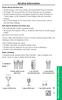 Alcohol information Facts about alcohol use Alcohol (grog) is the most widely used recreational drug in Australia NT drinks 70% more and WA 25% more than the rest of Australia Alcohol related deaths for
the facts about NALTREXONE
 the facts about NALTREXONE for Treatment of Opioid Addiction It s not like I woke up one day when I was young and told myself, I wanna be a drug addict. I wanna ruin my life and ruin the lives of those
The CCB Science 2 Service Distance Learning Program
 S2S 2055 DETOXIFICATION Module 1 Post-Test 1. A common use of a biochemical marker is. a. to support or refute other information that leads to proper diagnosis b. for forensic purposes c. in detecting
 Medication-Assisted Treatment (MAT) & What It Means Long-Term Gary K. Byrd., M.Ed., MAC, CCS, CAMS Methadone is the Gold Standard for treatment of chronic heroin addiction Gary Byrd 2015 1 Gary Byrd 2015
MEDICATIONS USED IN THE MANAGEMENT OF SUBSTANCE USE DISORDERS
 MEDIATIONS USED IN THE MANAGEMENT OF SUBSTANE USE DISORDERS Opioid Agonist Therapy (OAT) for Opioid Dependence Methadone (Dolophine, Methadose) Specialty consultation advised. Titrate carefully, consider
The Pharmacological Management of Cancer Pain in Adults. Clinical Audit Tool
 The Pharmacological Management of Cancer Pain in Adults Clinical Audit Tool 2015 This clinical audit tool accompanies the Pharmacological Management of Cancer Pain in Adults NCEC National Clinical Guideline
Pain and problem drug use
 Pain and problem drug use Information for patients Prepared by the British Pain Society in consultation with the Royal College of Psychiatrists, the Royal College of General Practitioners and the Advisory
Naltrexone Pellet Treatment for Opiate, Heroin, and Alcohol Addiction. Frequently Asked Questions
 Naltrexone Pellet Treatment for Opiate, Heroin, and Alcohol Addiction Frequently Asked Questions What is Naltrexone? Naltrexone is a prescription drug that effectively blocks the effects of heroin, alcohol,
DrugFacts: Treatment Approaches for Drug Addiction
 DrugFacts: Treatment Approaches for Drug Addiction NOTE: This is a fact sheet covering research findings on effective treatment approaches for drug abuse and addiction. If you are seeking treatment, please
DERBYSHIRE JOINT AREA PRESCRIBING COMMITTEE (JAPC) SHARED CARE AGREEMENT FRAMEWORK
 DERBYSHIRE JOINT AREA PRESCRIBING COMMITTEE (JAPC) SHARED CARE AGREEMENT FRAMEWORK ACAMPROSATE CALCIUM (Campral EC) for alcohol abstinence ESCA: Adjunct in the treatment of chronic alcohol dependence (under
Integrating Medication- Assisted Treatment (MAT) for Opioid Use Disorders into Behavioral and Physical Healthcare Settings
 Integrating Medication- Assisted Treatment (MAT) for Opioid Use Disorders into Behavioral and Physical Healthcare Settings All-Ohio Conference 3/27/2015 Christina M. Delos Reyes, MD Medical Consultant,
CONTROLLED SUBSTANCE CONTRACT
 CONTROLLED SUBSTANCE CONTRACT The purpose of this contract is to protect my access to controlled substances and to protect our ability to prescribe for you. The long-term use of substances such as opiates
Clinical Algorithm & Preferred Medications to Treat Pain in Dialysis Patients
 Clinical Algorithm & Preferred Medications to Treat Pain in Dialysis Patients Developed by the Mid Atlantic Renal Coalition and the Kidney End of Life Coalition September 2009 This project was supported,
Substance Abuse Treatment. Naltrexone for Extended-Release Injectable Suspension for Treatment of Alcohol Dependence
 Spring 2007 Volume 6 Issue 1 ADVISORY News for the Treatment Field Naltrexone for Extended-Release Injectable Suspension for Treatment of Alcohol Dependence What is naltrexone for extendedrelease injectable
The Federation of State Medical Boards 2013 Model Guidelines for Opioid Addiction Treatment in the Medical Office
 The Federation of State Medical Boards 2013 Model Guidelines for Opioid Addiction Treatment in the Medical Office Adopted April 2013 for Consideration by State Medical Boards 2002 FSMB Model Guidelines
Question one. 1. You increase her to 90mg 2. You increase her to 95mg 3. You hold her dose where it is (80mg)
 What it all means Question one. Ms. Presley was on methadone under your care years ago. She had been off the program for a few years and restarted back on methadone after a lengthy IV heroin and Oxycontin