
The Dababiya corehole, Upper Nile Valley, Egypt: Preliminary
|
|
|
- Lauren Hunt
- 9 years ago
- Views:
Transcription
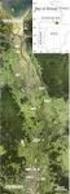
1 CLIMATE & BIOTA EARLY PALEOGENE of the Austrian Journal of Earth Sciences Volume 105/1 Vienna 2012 The Dababiya corehole, Upper Nile Valley, Egypt: Preliminary results 1)2)*) 3) 1) 4) 5) 6) William A. BERGGREN, Laia ALEGRET, Marie-Pierre AUBRY, Ben S. CRAMER, Christian DUPUIS, Sijn GOOLAERTS, 1)7) 8) 9) 10) 11) 10) Dennis V. KENT, Christopher KING, Robert W. O B. KNOX, Nageh OBAIDALLA, Silvia ORTIZ, Khaled A. K. OUDA, 10) 1)12) 10) 10) 12)13) Ayman ABDEL-SABOUR, Rehab SALEM, Mahmoud M. SENOSY, Mamdouh F. SOLIMAN & Ali SOLIMAN 1) Department of Earth and Planetary Sciences, Rutgers University 610 Taylor Rd., Piscataway, NJ , USA; 2) Department of Geology and Geophysics, Woods Hole Oceanographic Institution, Woods Hole, MA 02543, USA; 3) Universidad de Zaragoza, Calle Pedro Cerbuna, E-50009, Zaragoza, Spain; 4) Theiss Research, Eugene, Oregon, USA; 5) UMONS-GFA, rue de Houdain, 9- B 7000 Mons, Belgium; 6) Royal Belgian Institute of Natural Sciences, Vautierstraat 29, 1000 Brussels, Belgium; 7) Lamont-Doherty Earth Observatory of Columbia University, Palisades, NY USA; 8) 16A Park Rd., Bridport DT6 5DA, UK; 9) British Geological Survey, Keyworth NG12 5GG, UK; 10) Department of Geological Sciences, University of Assiut, Assiut, Egypt; 11) Universidad del País Vasco, PO Box 644, Bilbao, Spain; 12) Geology Department, Faculty of sciences, Tanta University, Tanta, Egypt; 13) Karl-Franzens, University of Graz, Institute of Earth Sciences, Heinrichstrasse 26 A-8010 Graz, Austria; *) Corresponding author, [email protected] KEYWORDS Dakhla and Esna Shale Formations Upper Cretaceous and Paleocene Dababiya Quarry Tarawan Chalk stratigraphy Abstract The Dababiya corehole was drilled in the Dababiya Quarry (Upper Nile Valley, Egypt), adjacent to the GSSP for the Paleocene/ Eocene boundary, to a total depth of 140 m and bottomed in the lower Maastrichtian Globotruncana aegyptiaca Zone of the Dakhla Shale Formation. Preliminary integrated studies on calcareous plankton (foraminifera, nannoplankton), benthic foraminifera, dinoflagellates, ammonites, geochemistry, clay mineralogy and geophysical logging indicate that: 1) The K/P boundary lies between 80.4 and 80.2 m, the Danian/Selandian boundary between ~ 41 and 43 m, the Selandian/Thanetian boundary at ~ 30 m (within the mid-part of the Tarawan Chalk) and the Paleocene/Eocene boundary at m (base [planktonic foraminifera] Zone E1 and [calcareous nannoplankton] Zone NP9b); 2) the Dababiya Quarry Member (=Paleocene/Eocene Thermal Maximum interval) extends from to 9.5 m, which is ~1 m less than in the adjacent GSSP outcrop.; 3) the Late Cretaceous (Maastrichtian) depositional environment was nearshore, tropical-sub tropical and nutrient rich; the latest Maastrichtian somewhat more restricted (coastal); and the early Danian cooler, low(er) salinity with increasing warmth and depth of water (i.e., more open water); 4) the Paleocene is further characterized by outer shelf (~ 200 m), warm water environments as supported by foraminifera P/B ratios > 85% (~79-28 m), whereas benthic foraminifera dominate (>70%) from ~27-12 m (Tarawan Chalk and Hanadi Member) due, perhaps, in part to increased dissolution (as observed in nearby outcrop samples over this interval); 5) during the PETM, enhanced hydrodynamic conditions are inferred to have occurred on the sea-floor with increased river discharge (in agreement with sedimentologic evidence), itself a likely cause for very high enhanced biological productivity on the epicontinental shelf of Egypt; 6) correlation of in situ measured geophysical logs of Natural Gamma Ray (GR), Single-Point Resistance (PR), Self-Potential (SP), magnetic susceptibility (MS), and Resistivity, and Short Normal (SN) and Long Normal (LN) showed correspondence to the lithologic units. The Dababiya Quarry Member, in particular, is characterized by very high Gamma Ray and Resistivity Short Normal values. 1. Introduction The GSSP for the base of the Eocene Series is located at 1.58 m above the base of Section DBH in the Dababiya Quarry, on the east bank of the Nile River, about 35 km south of Luxor, Egypt (Aubry et al., 2007). It is the base of Bed 1 of the Dababyia Quarry Beds of the El Mahmiya Member of the Esna Shale Formation, interpreted as having recorded the basal inflection of the carbon isotope excursion (CIE), a prominent (3 to 5 ) geochemical signature which is recorded in marine (deep and shallow) and terrestrial settings around the world. The Paleocene/Eocene (P/E) boundary is thus truly a globally correlatable chronostratigraphic level. It may be correlated also on the basis of 1) the mass extinction of abyssal and bathyal benthic foraminifera (Stensioeina beccariiformis microfauna), and reflected at shallower depths by a minor benthic foraminiferal turnover event; 2) the transient occurrence of the excursion taxa among the planktonic foraminifera (Acarinina africana, A. sibaiyaensis, Morozovella allisonensis); 3) the transient occurrence of the Rhomboaster spp. Discoaster araneus (RD) nannoplankton assemblage); 4) an acme of the dinoflagellate Apectodinium complex. The GSSP-defined Paleocene/Eocene boundary is approximately 0.8 Myr older than the base of the stratotypic Ypresian Stage in epiconti-

2 The Dababiya corehole, Upper Nile Valley, Egypt: Preliminary results nental northwestern Europe. We retain the term Sparnacian Stage for the interval separated by these two stratigraphic horizons. Calcareous and organic-walled microfossils in Paleogene and Upper Cretaceous outcrops in most of Egypt are poorly to only moderately well preserved as a result of post-depositional carbonate recrystallization. The Dababiya Quarry microfossils are no exception and, indeed, both calcareous nannoplankton and planktonic foraminifera suffered from dissolution/ recrystallization and no dinoflagellates were preserved. Benthic foraminifera fared somewhat better. Additionally, no paleomagnetic stratigraphy was possible in outcrop because 1) stable magnetizations are carried by hematite with no evidence of a primary magnetic mineral such as magnetite, 2) the magnetic polarity stratigraphy is inconsistent with patterns expected from the geomagnetic time scales, and 3) directions correspond to late Cenozoic directions and are far from those expected from early Cenozoic directions for Africa (Kent and Dupuis, 2003). In the hope of obtaining material of better preservation and reliable magnetostratigraphy we obtained funding to drill a corehole in the vicinity of the outcrop section(s). We describe below some of the preliminary results of our studies while noting that microfossil preservation has proved only marginally better, except for the dinoflagellates, and paleomagnetic measurements have again been found to be unreliable with occurrences of hematite remanence carriers, suggesting that chemical alteration and remagnetization are not simply due to surficial weathering. 2. Background The Dababiya corehole ( N, E) was drilled in February It is located ~200 m east of the Eocene GSSP DBH section (Aubry et al., 2007; Fig. 1). It was spudded in the El Mahmiya Member of the Esna Shale Formation, ~9.5 m above the Dababiya Quarry Member. It penetrated to a total depth of m, and bottomed in ammonite nuculid bearing phosphatic shales of the Dakhla Shale Formation in the lower Maastrichtian Globotruncana aegyptiaca Zone. Recovery was generally good but the upper/initial ~ 6 m of the corehole were poorly recovered. Figure 1: Geographic location of the Dababyia Corehole. 3. Lithostratigraphy and sedimentology The core consists of, in stratigraphic order, the Dakhla Shale Formation (140 to 39 m), the Tarawan Chalk (39 to 22 m; Fig. 2), and the Hanadi (22 to m), Dababiya Quarry (11.40 to 9.5 m) and El Mahmiya (9.5 to 0 m) members of the Esna Shale Formation. The Dakhla Shale Formation is provisionally divided into five informal lithologic units. A phosphate-rich bed at 136 m separates units 1 and 2. A strongly burrowed surface at 111 m separates units 2 and 3. The latter extends up to 83 m marked by a bioturbated surface at the base of a phosphatic bed. Unit 5 is thin (4 m) and topped by a pyritized horizon marking the K/P boundary. Unit 4 extends to the base of the Tarawan Chalk, marked by a sharp increase in CaCO 3 content. Bioturbation is conspicuous between ~73 and 78 m (Lower Danian) and between ~42 and 47 m (in the vicinity of the Danian/Selandian boundary). The interval from 9.4 m to 6.0 m in the corehole is readily correlated with the interval from 5.4 m to 9.0 m in the DBH (outcrop) subsection and the interval from 0.0 m to 3.5 m in the DBD subsection. The clay mineral content (chlorite, illite, illite-smectite [R0 type], kaolinite) varies in the core. The interval from 140 to 80 m (unit 4) contains chlorite with illite and kaolinite, indicating detrital input. The interval from 80 m to 15/20 m is characterized by smectitic mixed layers with lesser amounts of illite and kaolinite. This may reflect reduced detrital input into the basin. From 15/20 m to the top of the core, kaolinite and illite are abundant, indicating continental erosion. The peak in kaolinite and illite at the P/E boundary likely reflects an episode of runoff associated with global warming, as supported by geochemical analysis (see below). Chlorite and illite are broadly regarded as anchimetamorphic minerals. However, considering the shallow burial depth (~350 to 500 m) of the lower Paleogene sediments at Dababyia, such an origin is not possible. As is often case in sedimentary successions, illite and chlorite are of detrital origin in the core. Kaolinite is typically a product of continental weathering associated with acidic leaching processes. Smectites and particularly the IS-mixed layers may form in sea water by aggradation, but they may also form in soils. Their detrital origin is thus blurred by marine aggradation processes, as might be the case here. For a comprehensive discussion on the origin of clays we refer the rea- der to Thiry and Jacquin (1993). A high-resolution mineralogical and geochemical study of the Dababiya Quarry Member in the Dababiya core was carried out by Soliman et al. (2011) complementing the studies of Dupuis et al. (2003), Ernst et al. (2006), Soliman et al. (2006) and Schulte et al. (2011) on the adjacent Gabal Dababiya (Paleocene- Eocene GSSP) outcrop section. The sediments of the Dababiya Quarry Member are distinctive in containing relatively high amounts of phosphatic

3 William A. BERGGREN, Laia ALEGRET, Marie-Pierre AUBRY, Ben S. CRAMER, Christian DUPUIS, Sijn GOOLAERTS, Dennis V. KENT, Christopher KING, Robert W. O B. KNOX, Nageh OBAIDALLA, Silvia ORTIZ, Khaled A. K. OUDA, Ayman ABDEL-SABOUR, Rehab SALEM, Mahmoud M. SENOSY, Mamdouh F. SOLIMAN & Ali SOLIMAN components (fish debris and coprolites), bacterial pyrite framboids and organic matter. Strong positive anomalies in the trace elements Zn, V, Mo, Ni, Cr, Cu, P and S are present at the top of Bed 1 (clay bed) and in Bed 2 (bone-bearing bed), corresponding to the core of the CIE. These geochemical and mineralogical signatures indicate deposition during a period of upwelling and high productivity, with the development of suboxic to anoxic conditions at or just above the sediment-water interface. High Ti/Al ratios indicate increased river discharge at this time, most probably in response to climatic warming. The sediments of the recovery phase of the CIE reflect a gradual return to open marine environments similar to those that prevailed during the Late Paleocene. 4. Biostratigraphy 4.1 Planktonic foraminifera The core spans from lower Eocene (Zone E2) to lower Maastrichtian (Globotruncana aegyptiaca Zone) (Figure 2). Planktonic foraminifera are generally rare and moderately preserved. The biostratigraphy of the Tarawan Chalk to El-Mahmiya Member is the same as in the nearby GSSP section (see Berggren and Ouda, 2003; Chapter 4) with predominantly morozovellid and acarininid taxa and subordinate numbers of subbotinids. The Dababiya Quarry Member ( m) contains a mixed acarininid-morozovellid assemblage with subordinate subbotinids and the excursion taxa (Acarinina africana, A. sibaiyaensis and Morozovella allisonensis). The greater part of the Hanadi Member corresponds to Subzone P4c ( m) and Zone P5 ( m). The P4a-b/P4c subzonal boundary is placed at the contact between the Tarawan Chalk and Hanadi Member (= lowest occurrence [LO] of Acarinina soldadoensis at ~21 m); the E1/E2 zonal boundary corresponds with the Dababiya Quarry/El Mahmiya boundary at 9.5 m. The Cretaceous/Paleogene (K/P) boundary is located at ~ 80 m. Sediments between 81 and 80 m are characterized by, i.al., Pseudotextularia deformis, Peudoguembelina costulata, P. kempensis, P. palpebra and Globigerinelloides aspera denoting the uppermost Maastrichtian P. palpebra Zone. Zone Pα spans the interval between 80 and 79 m. Zone P1 extends from 79 to m (~11 m) and can be divided into Subzones P1a (up to 76.4 m), P1b (to m) and P1c (up to m). Zone P2 extends from m to m (LO of M. angulata). Zone P3 extends from m to m. The LO of Igorina albeari (P3a/b subzonal boundary) occurs at m below a black layer at 46.5 m. The highest occurrence (HO) of Praemurica carinata is at this level. The Danian/Selandian boundary is placed at ~46.5 m on this basis. Zone P4 is denoted by the LO of Gl. pseudomenardii just below the Tarawan Chalk/Dakhla Shale contact at ~ 39 m. The P4a/b boundary is denoted by the HO of Parasubbotina variospira at 34 m in the lower part of the Tarawan Chalk. Assemblages from 137 to 140 m (base of the corehole) are characterized by Globotruncana arca, G. aegyptiaca, G. lin- Figure 2: Lithology, biostratigraphy, geochemistry and mineralogy of Dababya Corehole. Formation and Member names shown in left column. Cretaceous/Paleogene (K/P) boundary lies at ~80 m; Paleocene/Eocene (=Thanetian/Sparnacian) boundary lies at m (= [PF] P5/E1 and [CN] NP9a/b) zonal boundaries). PETM= m. See text for discussion/explanation of P/B ratios, carbonate and clay mineralogy data; DBM: Dababiya Quarry Member.

4 The Dababiya corehole, Upper Nile Valley, Egypt: Preliminary results neiana, G. ventricosa, Archeoglobigerina cretacea, Heterohelix globulosa, H. moremani and H. reussi indicative of the lower Maastrichtian G. aegyptiaca Zone. Maastrichtian samples between 137 and 81 m were not examined with few exceptions and will form the subject of future studies. 4.2 Calcareous Nannoplankton Coccoliths are common to abundant at most levels throughout the section, but preservation varies greatly. Assemblages are of rather low diversity, and some markers are unexpectedly rare. Species of Heliodiscoaster and Heliolithus were generally rare, causing difficulties in determining the presence and /or extent of Zones NP6, NP7 and NP8 (Figure 2). For this preliminary study only the zonal markers of Martini (1971) and Sissingh (1977) are considered. The Paleocene/Eocene boundary lies at the base of Bed 1 of the Dababyia Quarry Member, with the upper part of the Hanadi Member belonging to Subzone NP9a, and the Dababyia Quarry Member Bed 2 belonging to the older part of Subzone NP9b as characterized by the so-called RD assemblage (which consists of Rhomboaster spp., Helio-discoaster araneus and H. anartios). The youngest beds belong to Zone NP9b, and lie very close to the NP9/NP10 zonal boundary. The Tarawan Chalk is extremely difficult to date, encompassing Zone NP5 to NP9a (39 to 22 m). The bulk of the Dakhla Shale belongs to Zone NP4 (69 m to 33 m). The Neo-Duwi beds (see Aubry et al., this volume) are predicted to occur in the interval between and 41 m. The LO of Diantholitha mariposa at m, those of D. alata, D. magnolia, Lithoptychius collaris and L. felis at m, and the HO of Diantholithus spp. at 41 m constitute a characteristic sequence in the vicinity of the Neo-Duwi beds at Gebel Qreyia (Aubry et al., this volume). The radiation of Lithoptychius (first radiation of the fasciculiths, Romein, 1979; second radiation of the fasciculiths, Bernaola et al., 2009) that marks the Danian/Selandian boundary begins at m. The LO of Sphenolithus primus was noted at 35 m. The Selandian/Thanetian boundary is extremely difficult to delineate. It possibly corresponds to a burrowed surface between 23 and 24 m, and a substantial stratigraphic gap is inferred. Zonal boundaries are difficult to delineate below 69 m because of the scarcity of the marker species. The NP3/NP4 zonal boundary lies Figure 3: Benthic foraminiferal assemblages in the Cretaceous Dakhla Shales Formation through lowermost Eocene Esna Shales Formation. DQM: Dababiya Quarry Member.

5 William A. BERGGREN, Laia ALEGRET, Marie-Pierre AUBRY, Ben S. CRAMER, Christian DUPUIS, Sijn GOOLAERTS, Dennis V. KENT, Christopher KING, Robert W. O B. KNOX, Nageh OBAIDALLA, Silvia ORTIZ, Khaled A. K. OUDA, Ayman ABDEL-SABOUR, Rehab SALEM, Mahmoud M. SENOSY, Mamdouh F. SOLIMAN & Ali SOLIMAN between 70.5 m and 72.5 m. The base of Zone NP2 occurs between and m. The K/P boundary is denoted by the LO of B. sparsus at m. The interval between m and 84 m is characterized by the occurrence of Nephrolithus frequens and belongs to Zone CC26. The occurrence of Micula prinsii at and characterizes Subzone CC26b. No samples were studied between 84 m and m. A sample from m belongs to Zone CC24 or older. 4.3 Dinoflagellates Diverse and well-preserved dinoflagellate cyst assemblages were recovered from the Dakhla Formation. The interval between 70 and 140 m is Upper Cretaceous Lower Paleocene, but there is no sharp qualitative changes in the dinoflagellate cyst associations that would help in precisely delineating the K/P boundary. The LOs of Damassadinium californicum and Carpatella coronata (80.25 m), Senoniasphaera inornata (81 m), Membranilarnacia?, Tenella and Kallosphaeridium yorubaense (80.75 m), Palynodinium grallator (80.75 m) and Kenleyia leptocerata (81 m) and the HOs of Dinogymnium spp. (80.75 m), Damassadinium fibrosum (82.1 m) and Alisogymnium euclaense (84 m) are significant markers around the Maastrichtian/Danian boundary (e.g., Slimani et al., 2010). Thus the K/P boundary is between 80 m and 81 m or, possibly, at m. 4.4 Ammonites In the Cretaceous part of the core, ammonites are observed at several levels between and m. They are almost all heteromorph ammonites such as scaphitids and baculitids. The presence of the stratigraphically restricted scaphitid species Indoscaphites pavana (Forbes, 1846), previously only known from southern India, Algeria and Tunisia (Goolaerts et al., 2004; Goolaerts, 2010), suggests that the interval from ~100 to 80 m represents the latest 420 kyr of the Maastrichtian. This is supported by the presence of the latest Maastrichtian planktonic foraminifer Abathomphalus mayaroensis in the same interval. 5. Paleoenvironments 5.1 Benthic foraminifera Benthic foraminiferal assemblages are dominated by taxa typical of the Midway-type fauna and of outer shelf environments, and indicate deposition at about 200 m depth for most part of the studied section (Fig. 3). Significant changes in composition have been observed, with very low diversity assemblages characteristic of low-oxygen environments in the Cretaceous dark-colored levels of the Dakhla Shale Formation, followed by the typical Paleocene assemblages dominated by the Midway type fauna (e.g., Angulogavelinella avnimelechi, Bulimina midwayensis, Cibicidoides alleni, Cibicidoides succeedens, Loxostomoides applinae, Osangularia plummerae, Siphogenerinoides eleganta; Berggren and Aubert, 1975) in the Dakhla Shale and Tarawan Formations. _ The uppermost Paleocene assemblages from the El Hanadi Member of the Esna Shale Formation contain abundant buliminids (Bulimina callahani), which may indicate an abundant flux of food to the seafloor and partially dissolved tests that may be indicative of corrosive bottom waters. The HOs of species such as Anomalinoides rubiginosus, Cibicidoides hyphalus and Gyroidinoides globosus in the Dababiya Corehole can be correlated with the Benthic Foraminiferal Extinction Event (BEE) that occurred in deep-water settings during the PETM. Less than 10% of the benthic foraminiferal species disappeared at the Paleocene/Eocene boundary in the section, confirming that the BEE was less prominent in shallow epicontinental environments compared to the deep sea (Alegret and Ortiz, 2006). Lowermost Eocene assemblages (Dababiya Quarry Member) contain abundant pyritized molds and dissolved tests. Low diversity assemblages are mainly dominated by uniserial taxa, trochamminids, Lenticulina, Anomalinoides cf. zitteli, C. pseudoperludicus, Globocassidulina subglobosa and Oridorsalis umbonatus. Samples available from the Dababiya Quarry Member were insufficient to assess in detail the paleoenvironmental turnover across the PETM in comparison to earlier high resolution studies (e.g., Alegret and Ortiz, 2006). Available data confirm the previous pattern of recovery documented by these authors. In particular, the presence of abundant pyritzed moulds of benthic foraminifera and dissolved tests in the Dababiya Quarry Beds suggest carbonate dissolution during the PETM. 5.2 Ratio planktonic/benthic foraminifera The ratio of planktonic to benthic foraminifera in the µm size fraction varies considerably in the interval 81 m 12 m and characterizes three markedly different intervals. Between 81 and 80 m the planktonic foraminifera are in very low proportions (< 10% compared with 60% at 82 m). This prominent event between 81 and 82 m is latest Maastrichtian. Between 79 and 28.5 m the planktonic foraminifera occur in very high proportions (mostly > 85%). This is typical for outer neritic to upper bathyal open marine environments. Between 28.0 and 12.0 m the benthic foraminifera dominate (>70%). This abrupt drop in the abundance of the planktonic foraminifera occurs in the upper part of the Tarawan Chalk and low abundances persist through the Hanadi Member. These abrupt changes clearly indicate major oceanographic events and need to be calibrated with other environmental parameters. 5.3 Dinoflagellates Dinoflagellate assemblages indicate that environmental changes occurred through the Maastrichtian and Danian. The interval between 140 and 86 m is marked by the abundance of peridinioid cysts such as Palaeocystodinium, Phelodinium, Cerodinium and Deflandrea. This is indicative of near-shore, tropical-subtropical and nutrient-rich environments (Lentin and Williams, 1980). Based on the abundance of Manumiella the interval between 86 and 80 m corresponds to a restricted, low

6 The Dababiya corehole, Upper Nile Valley, Egypt: Preliminary results salinity and cold environment (Habib and Saeedi, 2007). A gradual increase in water depth from a near shore to open marine (warm) environment is inferred for the interval between 80 and 70 m based on the abundance of gonyaulacoid cysts such as Glaphyrocysta, Areoligera, Operculodinium and Spiniferites (Brinkhuis and Zachariasse, 1988). 6. Geophysical logging The geophysical logging was carried out by the Egyptian Geological Survey and Mining Authority (EGSMA). It included Natural Gamma Ray (GR), Single-Point Resistance (PR), Self-Potential (SP), and Resistivity, Short Normal (SN) and Long Normal (LN). The magnetic susceptibility of the core was measured in Assiut University. The geophysical logs were correlated with each other as well as the magnetic susceptibility. From this correlation it was easy to separate five geophysical zones. These zones are described from top to bottom as follows (Figure 4). The first geophysical zone extends from the ground surface to 9.7 m. This zone is characterized by high to moderate MS values ( CGS units), GR values ( API), PR (51-53 Ohm), SN (75-80 Ohm-m), and SP values (-2328 to mv), while LN values are high (49-50 Ohm.m). This geophysical zone corresponds to the El-Mahmiya Member. The second geophysical zone extends from 9.7 to m and has moderate to low MS ( CGS units) while characterized by very high values of GR ( API) and SN (72-87 Ohm.m). The PR values change from Ohm and the SP values from to mv; LN is high (50-52 Ohm-m). This zone corresponds to the Dababyia Quarry Member. The third geophysical zone extends from to m. It is characterized by moderate to very low values of MS ( CGS units) and moderate to low values of GR (52-94 API), SN (50-77 Ohm-m) and SP from to mv. PR values change from 49 to 53 Ohm and the LN from 2 to 52 Ohm-m. This zone corresponds to the El-Hanadi Member. The fourth geophysical zone extends from to 39 m, and is characterized by moderate to very low values of MS (0.7-5 CGS units), with high GR ( API) and SP values ( mv). The PR ranges between 49 and 57 Ohm, the SN values be- Figure 4: Geophysical logging of Dababiya corehole. See text for further explanation.

7 William A. BERGGREN, Laia ALEGRET, Marie-Pierre AUBRY, Ben S. CRAMER, Christian DUPUIS, Sijn GOOLAERTS, Dennis V. KENT, Christopher KING, Robert W. O B. KNOX, Nageh OBAIDALLA, Silvia ORTIZ, Khaled A. K. OUDA, Ayman ABDEL-SABOUR, Rehab SALEM, Mahmoud M. SENOSY, Mamdouh F. SOLIMAN & Ali SOLIMAN tween 50 and 73 Ohm-m, and the LN between 2 and 5 Ohmm). This zone is encountered in the Tarawan Chalk Formation. The fifth geophysical zone extends from 39 m to the bottom of the well. It has very high to very low values of MS ( CGS units) and SN (25-94 Ohm-m) and high to low values of GR ( API) and PR (46-53 Ohm). The SP values range between and mv, and the LN values between Ohm-m). This zone encompasses the Dakhla Shale Formation. The geophysical zones clearly reflect different lithologies. In addition, the biostratigraphically identified P/E and K/P boundaries are marked by sharp peaks in all logs particularly in the GR and PR as well as in the magnetic susceptibility. Of special interest are the major GR peaks associated with the Dababiya Quarry Member and the Neo-Duwi beds. These peaks are associated with relatively high concentrations of phosphate and organic matter, both of which are commonly enriched in uranium and other radioactive elements. 7. Conclusions The Dababiya Corehole provides basic information on the litho-, bio- and chemostratigraphy of the Late Cretaceousearliest Eocene (~70-56 Ma) of the Upper Nile Valley. This will be expanded in a more thorough analysis as a monograph in the near future. At this stage of our work we can cite the following (preliminary) conclusions: 1) The Dababiya corehole recovered ~ 80 m of lower Eocene- Paleocene shales and chalk, and ~60 m of Upper Cretaceous (Maastrichtian) black shales. 2) The Dababiya corehole recovered a relatively complete succession of Paleocene and lowermost Eocene planktonic foraminiferal and calcareous nannoplankton zones. The hole terminated in the Lower Cretaceous Globotruncana aegyptiaca Zone. 3) Assemblages characteristic of low-oxygen environments in the Cretaceous dark levels of the Dakhla Shale Formation are followed by typical Midway-type Paleocene assemblages. The latter suggests deposition at upper bathyal to outer neritic depths (~200 m) which is supported by P:B ratio studies. 4) The presence of the stratigraphically restricted scaphitid species Indoscaphites pavana suggests that the interval from 100 to 80 m represents the latest 420 kyr of the Maestrichtin. This is supported by the presence of the latest Maestrichtian planktonic foraminifera Abathomphalus mayorensis in the same interval. 5) Dinoflagellate assemblages indicate notable environmental changes from Late Maestrichtian to earliest Paleocene. An abundance of peridinoid cysts indicates a near-shore, (sub)tropical, nutrient-rich environment during the Late Cretaceous; the presence of Manumiella indicates a cold, restricted, low salinity environment in the latest Maestrichtian, and an abundance of Gonyaulacoid cysts indicates a gradual increase in water depth from a nearshore to open marine (warm) environment. 6) Five geophysical zones were identified, which clearly reflect different lithologies. The main chronostratigraphic boundaries were also marked by sharp peaks in the GR. PR and MS. Acknowledgements This paper is an outgrowth of a poster presented at the Climate and Biota of the Early Paleogene Conference (CBEP 8) held in Salzburg, June 5-8, We are grateful to Hans Egger (Geological Survey of Austria) for organizing the conference and to Michael Wagreich (University of Vienna) for his editing the proceedings volume of the conference. We thank the many colleagues who were kind enough to offer comments on the poster during the course of the meeting, and to Werner Piller and Peter Schulte for reviewing the paper. We are grateful to Dave Bord for assistance with the preparation of the figures. The Dababiya corehole was made possible by the financial support of the National Geographic Society. RK publishes with the approval of the Executive Director, British Geological Survey (NERC). References Alegret, L. and Ortiz, S., Global extinction event in benthic foraminifera across the Paleocene/Eocene boundary at the Dababiya Stratotype section. Micropaleontology, 52(5), Aubry, M.-P., Rodriguez, O., Bord, D., Godfrey, l., Schmitz, B. and Knox, R. W. O B., Paleocene evolution of the Order Discoasterales (Coccolithophores): biostratigraphic and paleoceanographic implications. In: H. Egger (ed.), Climate and Biota of the Early Paleogene. Conference Program and Abstracts, 5-8 June 2011, Salzburg, Austria. Berichte der Geologischen Bundesanstalt, 85, 36. Aubry, M.-P., Ouda, Kh., Dupuis, C., Berggren, W. A., Van Couvering, J. A., and the Members of the Working Group on the Paleocene/Eocene Boundary, Global Standard Stratotype-section and Point (GSSP) for the base of the Eocene Series in the Dababiya Section (Egypt). Episodes, 30(4), Berggren, W. A. and Aubert, J., Paleocene benthonic foraminiferal biostratigraphy, paleobiogeography and paleoecology of Atlantic-Tethyan regions: Midway-type fauna. Palaeogeography, Palaeoclimatology, Palaeoecology, 18, Berggren, W.A. and Ouda, Kh., Upper Paleocene-lower Eocene planktonic foraminiferal biostratigraphy of the Dababiya section, Upper Nile Valley (Egypt). In: Kh. Ouda and M.- P. Aubry (eds.), The Upper Paleocene-Lower Eocene of the Upper Nile Valley: Part 1, Stratigraphy. Micropaleontology, 49, supplement 1,

8 The Dababiya corehole, Upper Nile Valley, Egypt: Preliminary results Bernaola, G., Martin-Rubio, M. and Baceta, J. J., New high resolution calcareous nannofossil analysis across the Danian/Selandian transition at the Zumaya section: Comparison with South Tethys and Danish sections. Geologica Acta, 7(1-2), Brinkhuis, H. and Zachariasse, W. J., Dinoflagellate cysts, sea level changes and planktonic foraminifera across the Cretaceous/Tertiary boundary at El Haria, northwest Tunisia. Marine Micropaleontology, 13, Dupuis, C., Aubry, M.-P., Steurbaut, E., Berggren, W.A., Ouda, K., Magioncalda, R., Cramer, B.S., Kent, D.V., Speijer, R.P. and Heilmann-Clausen, C., The Dababiya Quarry section: lithostratigraphy, clay mineralogy, geochemistry and paleontology. Micropaleontology, 49, Ernst, S. R., Guasti, E., Dupuis, C. and Speijer, R. P., Environmental perturbation in the southern Tethys across the Paleocene/Eocene boundary (Dababiya, Egypt): Foraminiferal and clay mineral records. Marine Micropaleontology, 60, Goolaerts, S., Late Cretaceous ammonites from Tunisia: chronology and causes of their extinction and extrapolation to other areas. Aardkundige Mededelingen 21, xii + 220pp. Goolaerts, S., Kennedy, W.J., Dupuis, C. and Steurbaut, E., Terminal Maastrichtian ammonites from the Cretaceous- Paleogene Global Stratotype Section and Point, El Kef, Tunisia. Cretaceous Research 25, Habib D. and Saeedi F The Manumiella seelandica global spike: Cooling during regression at the close of the Maastrichtian. Palaeogeography, Palaeoclimatology, Palaeoecology, 255, Kent, D.V. and Dupuis, C., Paleomagnetic study of the Paleocene-Eocene Tarawan Chalk and Esna Shale: Dual polarity remagnetizations of Cenozoic sediments in the Nile Valley (Egypt). In: Kh. Ouda and M.-P. Aubry, (eds.), The Upper Paleocene-Lower Eocene of the Upper Nile Valley: Part 1: Stratigraphy. Micropaleontology, 49, supplement 1, _ Lentin, J. and Williams, G.L., Dinoflagellate provincialism with emphasis on Campanian Peridiniaceans. American Association of Stratigraphic Palynologists, Contributions, Series, 7, 1-4. Romein, A.T.J., Lineages in Early Paleogene calcareous nannoplankton. Utrecht Micropaleontological Bulletins, 22, Schulte, P., Scheibner, C. and Speijer, R. P., Fluvial discharge and sea-level changes controlling black shale deposition during the Paleocene Eocene Thermal Maximum in the Dababiya Quarry section, Egypt. Chemical Geology, 285, Sissingh, W., Biostratigraphy of Cretaceous calcareous nannoplankton. Geologie in Mijnbouw, 56, Slimani, H., Louwye, S. and Taoufiq, A., Dinoflagellate cysts from the Cretaceous Paleogene boundary at Ouled Haddou, southeastern Rif, Morocco: biostratigraphy, paleoenvironments and paleobiogeography. Palynology, 34(1), Soliman, M. F., Ahmed, E. and Kurzweil, H., Geochemistry and mineralogy of the Paleocene/Eocene boundary at Gabal Dababiya (GSSP) and Gabal Owaina sections, Nile Valley, Egypt. Stratigraphy, 3, Soliman, M., Aubry., M.-P., Schmitz, B. and Sherrell, R. M., Enhanced coastal productivity and nutrient supply in Upper Egypt (PETM) during the Paleocene/Eocene Thermal Maximum: Mineralogical and geochemical evidence. Palaeogeography, Palaeoclimatology, Palaeoecology, 310, Thiry M. and Jacquin T., Clay mineral distribution related to rift activity, sea-level changes and paleoceanography in the Cretaceous of the Atlantic Ocean. Clay Minerals, 28, _ Received: 21 October 2011 Accepted: 15 March )2)*) 3) William A. BERGGREN, Laia ALEGRET, Marie-Pierre 1) 4) 5) AUBRY, Ben S. CRAMER, Christian DUPUIS, Sijn GOO- 6) 1)7) 8) LAERTS, Dennis V. KENT, Christopher KING, Robert W. 9) 10) 11) O B. KNOX, Nageh OBAIDALLA, Silvia ORTIZ, Khaled A. 10) 10) 1)12) K. OUDA, Ayman ABDEL-SABOUR, Rehab SALEM, 10) 10) Mahmoud M. SENOSY, Mamdouh F. SOLIMAN & Ali SO- 12)13) LIMAN 1) 2) 3) 4) 5) 6) 7) 8) 9) 10) 11) 12) 13) *) Department of Earth and Planetary Sciences, Rutgers University 610 Taylor Rd., Piscataway, NJ , USA; Department of Geology and Geophysics, Woods Hole Oceanographic Institution, Woods Hole, MA 02543, USA; Universidad de Zaragoza, Calle Pedro Cerbuna, E-50009, Zaragoza, Spain; 4 Theiss Research, Eugene, Oregon, USA; UMONS-GFA, rue de Houdain, 9- B 7000 Mons, Belgium; Royal Belgian Institute of Natural Sciences, Vautierstraat 29, 1000 Brussels, Belgium; Lamont-Doherty Earth Observatory of Columbia University, Palisades, NY USA; 16A Park Rd., Bridport DT6 5DA, UK; British Geological Survey, Keyworth NG12 5GG, UK; Department of Geological Sciences, University of Assiut, Assiut, Egypt; Universidad del País Vasco, PO Box 644, Bilbao, Spain; Geology Department, Faculty of sciences, Tanta University, Tanta, Egypt; Karl-Franzens, University of Graz, Institute of Earth Sciences, Heinrichstrasse 26 A-8010 Graz, Austria; Corresponding author, [email protected]

principles of stratigraphy: deposition, succession, continuity and correlation
 Relative Age Dating Comparative Records of Time Nature of the rock record principles of stratigraphy: deposition, succession, continuity and correlation Stratigraphic tools biological succession of life:
45 mm A MULTIPROXY APPROACH OF THE LATE HOLOCENE EVOLUTION OF THE PARATI-MIRIM RIA, SOUTHERN COAST OF THE RIO DE JANEIRO STATE, BRAZIL
 A MULTIPROXY APPROACH OF THE LATE HOLOCENE EVOLUTION OF THE PARATI-MIRIM RIA, SOUTHERN COAST OF THE RIO DE JANEIRO STATE, BRAZIL Sousa, S.H.M. 1 ; Nagai, R.H. 1 ; Yamashita, C. 1 ; Endo, C.A.K. 1 ; Salaroli,
What are the controls for calcium carbonate distribution in marine sediments?
 Lecture 14 Marine Sediments (1) The CCD is: (a) the depth at which no carbonate secreting organisms can live (b) the depth at which seawater is supersaturated with respect to calcite (c) the depth at which
Climate and Biota of the Early Paleogene: recent advances and new perspectives
 Geologica Acta, Vol.7, N os 1-2, March-June 2009,1-9 Available online at www.geologica-acta.com Climate and Biota of the Early Paleogene: recent advances and new perspectives V. PUJALTE A. PAYROS and E.
Summary of Basalt-Seawater Interaction
 Summary of Basalt-Seawater Interaction Mg 2+ is taken up from seawater into clay minerals, chlorite, and amphiboles, in exchange for Ca 2+, which is leached from silicates into solution. K + is taken up
Broadband seismic to support hydrocarbon exploration on the UK Continental Shelf
 Broadband seismic to support hydrocarbon exploration on the UK Continental Shelf Gregor Duval 1 1 CGGVeritas Services UK Ltd, Crompton Way, Manor Royal Estate, Crawley, RH10 9QN, UK Variable-depth streamer
Geologic History Review
 1. The climate that existed in an area during the early Paleozoic Era can best be determined by studying (1) the present climate of the area (2) recorded climate data of the area since 1700 (3) present
Paleocene GSSPs introduction and background
 220 220 Articles by Birger Schmitz 1, Victoriano Pujalte 2, Eustoquio Molina 3, Simonetta Monechi 4, Xabier Orue-Etxebarria 2, Robert P. Speijer 5, Laia Alegret 3, Estibaliz Apellaniz 2, Ignacio Arenillas
Petrophysical Well Log Analysis for Hydrocarbon exploration in parts of Assam Arakan Basin, India
 10 th Biennial International Conference & Exposition P 153 Petrophysical Well Log Analysis for Hydrocarbon exploration in parts of Assam Arakan Basin, India Summary Ishwar, N.B. 1 and Bhardwaj, A. 2 *
Cretaceous environmental changes
 WG.1.4 Extreme events and punctuated evolution Cretaceous environmental changes Reishi Takashima, Hiroshi Nishi (Hokkaido University) Abstract The Cretaceous is a typical greenhouse period due to high
Well-logging Correlation Analysis and correlation of well logs in Rio Grande do Norte basin wells
 Well-logging Correlation Analysis and correlation of well logs in Rio Grande do Norte basin wells Ricardo Afonso Salvador Pernes (March, 2013) [email protected] Master thesis Abstract During drilling
Activity Title: Introduction to Ocean Zones
 BEST OF COSEE HANDS-ON ACTIVITIES Activity Title: Introduction to Ocean Zones Learning Objectives Students will create a diagram of the ocean zones and determine what organisms live in each zone. Students
FROM SEDIMENT INTO SEDIMENTARY ROCK. Objectives. Sediments and Sedimentation
 FROM SEDIMENT INTO SEDIMENTARY ROCK Objectives Identify three types of sediments. Explain where and how chemical and biogenic sediments form. Explain three processes that lead to the lithification of sediments.
Great Barrier Reef Marine Park sedimentology revealed
 issue 84 Dec 2006 Great Barrier Reef Marine Park sedimentology revealed New research into inter-reefal environments will assist reef managers Emma Mathews and Andrew Heap Geoscience Australia has completed
References. Acknowledgements
 Frida-1 GR Sonic m Fig. 62. Frida-1, reference well for the Freja Member. Black bar shows cored section. 1400 Lark Fm 1487.7 1500 ber in the Inez-1 well (shown as unnamed sandstones in Fig. 2); these sandstones
Using the Cretaceous Impact Event to Teach Science Process
 Using the Cretaceous Impact Event to Teach Science Process Sixty five million years ago, a 10 km wide meteorite crashed into what is now Mexico s Yucatan Peninsula, creating a 177 km wide crater and a
Department of Earth and Environmental Sciences, Wesleyan University GRADUATE STUDENT HANDBOOK Revised 11/15
 Department of Earth and Environmental Sciences, Wesleyan University GRADUATE STUDENT HANDBOOK Revised 11/15 Overview The Department of Earth and Environmental Sciences offers a program leading to the degree
The Next Generation Science Standards (NGSS) Correlation to. EarthComm, Second Edition. Project-Based Space and Earth System Science
 The Next Generation Science Standards (NGSS) Achieve, Inc. on behalf of the twenty-six states and partners that collaborated on the NGSS Copyright 2013 Achieve, Inc. All rights reserved. Correlation to,
The concepts developed in this standard include the following: Oceans cover about 70% of the surface of the Earth.
 Name Date Grade 5 SOL 5.6 Review Oceans Made by SOLpass - www.solpass.org [email protected] Reproduction is permitted for SOLpass subscribers only. The concepts developed in this standard include
12. THE SPECTRAL GAMMA RAY LOG 12.1 Introduction. 12.2 Principles
 12. THE SPECTRAL GAMMA RAY LOG 12.1 Introduction The spectral gamma ray log measures the natural gamma radiation emanating from a formation split into contributions from each of the major radio-isotopic
All sediments have a source or provenance, a place or number of places of origin where they were produced.
 Sedimentary Rocks, Processes, and Environments Sediments are loose grains and chemical residues of earth materials, which include things such as rock fragments, mineral grains, part of plants or animals,
Sedimentary Rocks, Depositional Environments and Stratigraphy
 Sedimentary Rocks, Depositional Environments and Stratigraphy The Nature of Sedimentary Rocks Sedimentary rocks are composed of: Fragments of other rocks (detrital or clastic) Chemical precipitates Organic
New York Science Journal, 2009, 2(3), ISSN 1554-0200 http://www.sciencepub.net/newyork, [email protected]
 Electrical Method in Engineering and Environmental Studies: A Case Study of Gbagada Area, Lagos State, Nigeria. Oyedele, K.F and Ojo, A.O Dept of physics (Geophysics Programme) University of Lagos, Lagos
OFFSHORE Information Management
 OFFSHORE Information Management 1 a b c 1: Examples of Australian fossil markers: (a) Phoberocysta necomica; (b) Permian striate pollen; (c) trilobites tied to the internationally accepted Geologic Time
"49 39' 49 38.7' E 49 39.0' E 37 46.7' S 37 47.1' S.
 Appendix Template for Submission of Scientific Information to Describe Ecologically or Biologically Significant Marine Areas Note: Please DO NOT embed tables, graphs, figures, photos, or other artwork
Last Time. Sedimentary Facies. Facies Modeling. Walther s Law. Overall beach dynamics. MAS 603: Geological Oceanography
 UNIVERSITY OF SOUTH ALABAMA Last Time MAS 603: Geological Oceanography Lecture 13: Sedimentary Facies Facies versus depositional environments Walther s Law Beaches Sedimentary Facies Facies Modeling There
Geology. Administered by the Department of Physical Sciences within the College of Arts and Sciences.
 Geology Administered by the Department of Physical Sciences within the College of Arts and Sciences. The Bachelor of Science degree in Geology prepares students for entry-level positions in Earth- Science-related
28. PALYNOLOGY OF DEEP-SEA CORES FROM DSDP SITE 275, SOUTHEAST CAMPBELL PLATEAU
 28. PALYNOLOGY OF DEEP-SEA CORES FROM DSDP SITE 275, SOUTHEAST CAMPBELL PLATEAU Graeme J. Wilson, New Zealand Geological Survey, Lower Hutt, New Zealand INTRODUCTION Site 275 (50 26'S, 176 19'E) is located
1 GeoZentrum Nordbayern, Universität Erlangen Schlossgarten 5, D-91054 Erlangen, Germany. E-mail: [email protected]
 Geologica Acta, Vol.7, N os 1-2, March-June 2009, 11-34 Available online at www.geologica-acta.com Late Maastrichtian-Early Paleocene sea level and climate changes in the Antioch Church Core (Alabama,
Chapter 3 Communities, Biomes, and Ecosystems
 Communities, Biomes, and Ecosystems Section 1: Community Ecology Section 2: Terrestrial Biomes Section 3: Aquatic Ecosystems Click on a lesson name to select. 3.1 Community Ecology Communities A biological
Building the Wireline Database and Calculation of Reservoir Porosity
 This presentation is a publication of the Bureau of Economic Geology at The University of Texas at Austin. Although it is posted here as a source of public information, those wishing to use information
Introduction to Petroleum Geology and Geophysics
 GEO4210 Introduction to Petroleum Geology and Geophysics Geophysical Methods in Hydrocarbon Exploration About this part of the course Purpose: to give an overview of the basic geophysical methods used
SEDIMENTARY ROCKS. Sedimentary rocks are formed near or at the surface of the earth.
 SEDIMENTARY ROCKS Sedimentary rocks are formed near or at the surface of the earth. They are derived from preexisting source rocks. They are composed by sediments, this is material that has been weathered,
WELL LOGGING TECHNIQUES WELL LOGGING DEPARTMENT OIL INDIA LIMITED
 WELL LOGGING TECHNIQUES WELL LOGGING DEPARTMENT OIL INDIA LIMITED The Hydrocarbon E & P Process In the exploration process, a most probable hydrocarbon bearing rock structure is defined based on seismic
89.215 - FORENSIC GEOLOGY GEOLOGIC TIME AND GEOLOGIC MAPS
 NAME 89.215 - FORENSIC GEOLOGY GEOLOGIC TIME AND GEOLOGIC MAPS I. Introduction There are two types of geologic time, relative and absolute. In the case of relative time geologic events are arranged in
1. The diagram below shows a cross section of sedimentary rock layers.
 1. The diagram below shows a cross section of sedimentary rock layers. Which statement about the deposition of the sediments best explains why these layers have the curved shape shown? 1) Sediments were
Chapter 5 - Sediments
 Chapter 5 - Sediments Distribution of sediments on the sea floor Seabed Resources Study of Sediments is important to oceanography because: 1. Sediments and volcanism are the most important agents of physical
Recent ostracods from the Azores archipelago
 Joannea Geol. Paläont. 11: 132-136 (2011) Recent ostracods from the Azores archipelago Ricardo P. MEIRELES, Antonio FRIAS MARTINS & Sérgio ÁVILA The Azores is an archipelago in the Atlantic Ocean between
STRATI 2013. 1 st INTERNATIONAL CONGRESS ON STRATIGRAPHY. 1 7 July Lisboa. www.strati2013.org. First Circular. Welcome! Organisation.
 First Circular 1 7 July Lisboa STRATI 2013 1 st INTERNATIONAL CONGRESS ON STRATIGRAPHY www.strati2013.org Welcome! It is with pleasure that the Organising Committee announces the 1st International Congress
Seasonal Changes in the Mekong River Delta's Distributary Channels and Nearshore Sedimentary Environments
 DISTRIBUTION STATEMENT A. Approved for public release; distribution is unlimited. Seasonal Changes in the Mekong River Delta's Distributary Channels and Nearshore Sedimentary Environments LONG-TERM GOALS
VOCALS-CUpEx: The Chilean Upwelling Experiment
 VOCALS-CUpEx: The Chilean Upwelling Experiment René D. Garreaud 1, José Rutllant 1,2, Ricardo Muñoz 1, David Rahn 1, Marcel Ramos 2 and Dante Figueroa 3 (1) Department of Geophysics, Universidad de Chile;
N O T E S. Environmental Forensics. Identification of Natural Gas Sources using Geochemical Forensic Tools. Dispute Scenarios
 Environmental Forensics N O T E S V o l u m e 2 9 Identification of Natural Gas Sources using Geochemical Forensic Tools By Paul Boehm, Ph.D. and Tarek Saba, Ph.D. F o r m o r e i n f o r m a t i o n o
Rocks and Plate Tectonics
 Name: Class: _ Date: _ Rocks and Plate Tectonics Multiple Choice Identify the choice that best completes the statement or answers the question. 1. What is a naturally occurring, solid mass of mineral or
Securing the future of decom
 R E Q U I R E D R E A D I N G F O R T H E G L O B A L O I L & G A S I N D U S T R Y S I N C E 1 9 7 5 AUGUST 2011 Deep thinking on the Latin American beat Floating production tales of the unexpected OFFSHORE
How Did These Ocean Features and Continental Margins Form?
 298 10.14 INVESTIGATION How Did These Ocean Features and Continental Margins Form? The terrain below contains various features on the seafloor, as well as parts of three continents. Some general observations
7) A clastic sedimentary rock composed of rounded to subrounded gravel is called a A) coal. B) shale. C) breccia.
 Please read chapters 10 and 5 CHAPTER 5 Sedimentary Rocks 1) Sedimentary rocks A) form by compaction and cementation of loose sediment. B) are widespread on the continents and ocean floor. C) are common
THE CURIOUS CASE OF THE PLIOCENE CLIMATE. Chris Brierley, Alexey Fedorov and Zhonghui Lui
 THE CURIOUS CASE OF THE PLIOCENE CLIMATE Chris Brierley, Alexey Fedorov and Zhonghui Lui Outline Introduce the warm early Pliocene Recent Discoveries in the Tropics Reconstructing the early Pliocene SSTs
TEXAS A&M UNIVERSITY CORPUS CHRISTI COLLEGE OF SCIENCE AND TECHNOLOGY PROPOSAL FOR NEW COURSE/ELECTIVE. Credit Hours: 6 Semester: Summer Year: 2009
 TEXAS A&M UNIVERSITY CORPUS CHRISTI COLLEGE OF SCIENCE AND TECHNOLOGY PROPOSAL FOR NEW COURSE/ELECTIVE Course Number: GEOL 46xx Instructor: James R. Garrison, Jr. Credit Hours: 6 Semester: Summer Year:
http://video.nationalgeographic.com/video/oceans narrated by sylvia earle/oceans overview 71% is covered by the Earth's Ocean
 Chapter 13 Exploring the Oceans Section 1 Earth's Ocean List the major divisions of the global ocean. Describe the history of Earth's oceans Identify the properties of ocean water. Describe the interactions
North Atlantic and Rio Tinto Joint Venture Potash Project in Saskatchewan, Canada. Resource Summary
 North Atlantic and Rio Tinto Joint Venture Potash Project in Saskatchewan, Canada Resource Summary The Canadian Potash Project is located in the central Saskatchewan Potash district that represents nearly
Chapter 9: Earth s Past
 Chapter 9: Earth s Past Vocabulary 1. Geologic column 2. Era 3. Period 4. Epoch 5. Evolution 6. Precambrian time 7. Paleozoic era 8. Shield 9. Stromatolite 10. Invertebrate 11. Trilobite 12. Index fossil
Data Quality Working Group
 Data Quality Working Group In order to get an overview of the issues that have been discussed so far, I have summarized them a little and added some links and references. The interesting discussion is
Deep Geothermal energy and groundwater in
 Deep Geothermal energy and groundwater in the UK Jon Busby Deep Geothermal energy and groundwater in the UK Outline 1. UK geothermal 2. Deep saline aquifers 3. Engineered geothermal systems 4. Fractured
CIVL451. Soil Exploration and Characterization
 CIVL451 Soil Exploration and Characterization 1 Definition The process of determining the layers of natural soil deposits that will underlie a proposed structure and their physical properties is generally
Distribution of Chemical Elements In Urban Sediments in Slovenia (Extended Abstract)
 Robert SAJN and Simon PIRC Distribution of Chemical Elements In Urban Sediments in Slovenia (Extended Abstract) The goal of the study work was to assess the distribution of chemical elements in anthropogenic
Sedimentary Rocks Practice Questions and Answers Revised September 2007
 Sedimentary Rocks Practice Questions and Answers Revised September 2007 1. Clastic sedimentary rocks are composed of and derived from pre-existing material. 2. What is physical weathering? 3. What is chemical
REGULATIONS FOR THE POSTGRADUATE DIPLOMA IN EARTH SCIENCES (PGDES)
 REGULATIONS FOR THE POSTGRADUATE DIPLOMA IN EARTH SCIENCES (PGDES) (See also General Regulations) The Postgraduate Diploma in Earth Sciences is a postgraduate diploma awarded for the satisfactory completion
SEDIMENTARY GEOLOGY STABLE ISOTOPES. SEPM Short Course No. 10. Dallas 1983. MICHAEL A. ARTHUR, Organizer THOMAS F. ANDERSON JAN VEIZER LYNTON S.
 STABLE ISOTOPES IN SEDIMENTARY GEOLOGY SEPM Short Course No. 10 Dallas 1983 by MICHAEL A. ARTHUR, Organizer THOMAS F. ANDERSON ISAAC R. KAPLAN JAN VEIZER and LYNTON S. LAND Printed in U.S.A. Additional
Geologic Time Scale Newcomer Academy Visualization Three
 Geologic Time Newcomer Academy Visualization Three Chapter Subtopic/Media Key Points of Discussion Notes/Vocabulary Introduction Title NA NA Various Pictures of Geologic Time It s About Time Personal Timeline
GLOSSARY OF TERMS CHAPTER 11 WORD DEFINITION SOURCE. Leopold
 CHAPTER 11 GLOSSARY OF TERMS Active Channel The channel that contains the discharge Leopold where channel maintenance is most effective, sediment are actively transported and deposited, and that are capable
Plate Tectonics Short Study Guide
 Name: Class: Date: Plate Tectonics Short Study Guide Multiple Choice Identify the letter of the choice that best completes the statement or answers the question. 1. The existence of coal beds in Antarctica
CIESIN Columbia University
 Conference on Climate Change and Official Statistics Oslo, Norway, 14-16 April 2008 The Role of Spatial Data Infrastructure in Integrating Climate Change Information with a Focus on Monitoring Observed
Field Meeting Report: The Shelve Inlier, led by Bill Dean 17 th May 1987
 ISSN 1750-855X (Print) ISSN 1750-8568 (Online) Field Meeting Report: The Shelve Inlier, led by Bill Dean 17 th May 1987 Susan Beale 1 BEALE, S. (1988). Field Meeting Report: The Shelve Inlier, led by Professor
CLIMATE CHANGE, HUMAN SYSTEMS, AND POLICY - Vol.I - Effects of Global Warming on Marine Ecosystems - G.G. Matishov
 EFFECTS OF GLOBAL WARMING ON MARINE ECOSYSTEMS G.G. Murmansk Marine Biological Institute, Russia Keywords: Marine environment, trends, water temperature, circulation, ecological factors, primary production,
./01&2/M./T34 1MP36T ST3T.M./T. 1a$t3l$4 536e-al4 13$7363 83%3te9. Sol9ara 1 Pro;ect. !"l$%e ( Mai$ &e(ort. Te-t. )e*te%,e- 2//0 :; <//0=>=?
 ./01&2/M./T34 1MP36T ST3T.M./T 1a$t3l$4 536e-al4 13$7363 83%3te9 Sol9ara 1 Pro;ect!"l$%e ( Mai$ &e(ort Te-t )e*te%,e- 2//0 :; =?@ ENVIRONMENTAL IMPACT STATEMENT VOLUME A: MAIN REPORT TEXT CR 7008_09_v4
California Standards Grades 9 12 Boardworks 2009 Science Contents Standards Mapping
 California Standards Grades 912 Boardworks 2009 Science Contents Standards Mapping Earth Sciences Earth s Place in the Universe 1. Astronomy and planetary exploration reveal the solar system s structure,
Seismic stratigraphy and small 3D seismic surveys
 Seismic stratigraphy and small 3D seismic surveys BRUCE HART, SABRINA SARZALEJO, and TIM MCCULLAGH, McGill University, Montreal, Canada The establishment of seismic stratigraphic principles in the 1970s
RIDDARHYTTAN RESOURCES PRESS RELEASE August 11, 2003
 1 RIDDARHYTTAN RESOURCES PRESS RELEASE August 11, 2003 New drill holes in the Suurikuusikko area, Finland, have further intersected high gold grades over considerable widths, increasing the depth extent
INTERPRETATION ADDENDUM CANADIAN MINING COMPANY INC. SUITE 2300-1066 WEST HASTINGS STREET VANCOUVER, BC V6E 3X2 3D INDUCED POLARIZATION
 INTERPRETATION ADDENDUM FOR CANADIAN MINING COMPANY INC. SUITE 2300-1066 WEST HASTINGS STREET VANCOUVER, BC V6E 3X2 3D INDUCED POLARIZATION ON THE SAN BERNARDO PROJECT EL GOCHICO GRID Approximate Location:
ES Chapter 10 Review. Name: Class: Date: Multiple Choice Identify the choice that best completes the statement or answers the question.
 Name: Class: Date: ES Chapter 10 Review Multiple Choice Identify the choice that best completes the statement or answers the question. 1. Scientists used the pattern of alternating normal and reversed
MINERAL COMPOSITION OF THE AVERAGE SHALE
 MINERAL COMPOSITION OF THE AVERAGE SHALE By D. H. YAAtON Department of Geology, The Hebrew University, Jerusalem. [Received 7th October, 1961] ABSTRACT Mineralogical compositions have been calculated from
A new planktonic foraminifera species ( northwestern Tethys (Mattsee, Austria) Abstract. 1. Introduction KEYWORDS. Fred RÖGL & Hans EGGER
 Austrian Journal of Earth Sciences Volume 104/1 Vienna 2011 A new planktonic foraminifera species ( Hantkenina gohrbandti nov. spec.) from the Middle Eocene of the northwestern Tethys (Mattsee, Austria)
WILLOCHRA BASIN GROUNDWATER STATUS REPORT 2009-10
 WILLOCHRA BASIN GROUNDWATER STATUS REPORT 2009-10 SUMMARY 2009-10 The Willochra Basin is situated in the southern Flinders Ranges in the Mid-North of South Australia, approximately 50 km east of Port Augusta
CHEMICAL SIGNATURES OF ASTEROID IMPACTS
 CHEMICAL SIGNATURES OF ASTEROID IMPACTS INTRODUCTION The film The Day the Mesozoic Died identifies the presence of high quantities of iridium (Ir) in the clay layer at the boundary between the Cretaceous
Geoscientists follow paths of exploration and discovery in quest of solutions to some of society's most challenging problems.
 Page 1 of 5 Geoscientists follow paths of exploration and discovery in quest of solutions to some of society's most challenging problems. Predicting the behavior of Earth systems and the universe. Finding
GEL 113 Historical Geology
 GEL 113 Historical Geology COURSE DESCRIPTION: Prerequisites: GEL 111 Corequisites: None This course covers the geological history of the earth and its life forms. Emphasis is placed on the study of rock
Geological Maps 1: Horizontal and Inclined Strata
 Geological Maps 1: Horizontal and Inclined Strata A well-rounded geologist must be familiar with the processes that shape the Earth as well as the rocks and minerals that comprise it. These processes cover
Rocks & Minerals. 10. Which rock type is most likely to be monomineralic? 1) rock salt 3) basalt 2) rhyolite 4) conglomerate
 1. Of the Earth's more than 2,000 identified minerals, only a small number are commonly found in rocks. This fact indicates that most 1) minerals weather before they can be identified 2) minerals have
RECALLING Paragraph b of Article 13 of the Convention on the Protection of the Marine Environment of the Baltic Sea Area, 1974 (Helsinki Convention),
 CONVENTION ON THE PROTECTION OF THE MARINE ENVIRONMENT OF THE BALTIC SEA AREA HELSINKI COMMISSION - Baltic Marine HELCOM 19/98 Environment Protection Commission 15/1 Annex 3 19th Meeting Helsinki, 23-27
How To Manage Water Resources
 NB: Unofficial translation; legally binding texts are those in Finnish and Swedish Ministry of the Environment, Finland Government Decree on Water Resources Management (1040/2006) Given in Helsinki on
PALEOENVIRONMENTS OF THE LAKE BALATON AREA
 Eötvös Loránd University Department of Geophysics HUNGARY 1117 Budapest Pázmány Péter sétány 1/C Tel: +36-1-3812191 Fax: +36-1-3812192 E-mail: [email protected] PALEOENVIRONMENTS OF THE LAKE BALATON
Chapter 18 Introduction to. A f r i c a
 Chapter 18 Introduction to A f r i c a Ch. 18:1 Landforms & Resources 1. Africa s shape & landforms are the result of its location in the southern part of the ancient supercontinent of. Pangaea Over thousands
Nautilus Global Schedule 2016
 Geophysics N004a The Essentials of Rock Physics and Seismic Amplitude Interpretation 18-21 Apr Houston, US N049a Seismic Attributes for Exploration and Reservoir Characterisation 25-29 Apr Houston, US
Present Status of Coastal Environmental Monitoring in Korean Waters. Using Remote Sensing Data
 Present Status of Coastal Environmental Monitoring in Korean Waters Using Remote Sensing Data Sang-Woo Kim, Young-Sang Suh National Fisheries Research & Development Institute #408-1, Shirang-ri, Gijang-up,
OCEANOGRAPHY Vol.II Morphology of Ocean Floor and Plate Tectonics - Chengsung Wang MORPHOLOGY OF OCEAN FLOOR AND PLATE TECTONICS
 MORPHOLOGY OF OCEAN FLOOR AND PLATE TECTONICS Chengsung Wang National Taiwan Ocean University, Keelung 202, Taiwan, China Keywords: Morphology of sea floor, continental margins, mid-ocean ridges, deep-sea
International School on Foraminifera
 International School on Foraminifera 6 th Course Urbino, 4-18 June, 2013 First Circular Course Description The 6 th Course on Foraminifera is designed to provide an overview of the Taxonomy, Ecology, Biodiversity
Offshore monitoring for geological storage
 Offshore monitoring for geological storage Dr Douglas Connelly National Oceanography Centre University of Southampton Waterfront Campus Southampton [email protected] IEAGHG Taking stock of progress and
Multilevel Monitoring and Characterization of the Edwards and Trinity Aquifers of Central Texas
 Multilevel Monitoring and Characterization of the Edwards and Trinity Aquifers of Central Texas Brian A. Smith and Brian B. Hunt Barton Springs / Edwards Aquifer Conservation District, 1124 Regal Row,
Data Mining and Exploratory Statistics to Visualize Fractures and Migration Paths in the WCBS*
 Data Mining and Exploratory Statistics to Visualize Fractures and Migration Paths in the WCBS* Jean-Yves Chatellier 1 and Michael Chatellier 2 Search and Discovery Article #41582 (2015) Posted February
Alfred Wegener s Theory of Continental Drift Became Modern Plate Tectonics. Wegener in Greenland about 1912. He froze to death there in 1930.
 Alfred Wegener s Theory of Continental Drift Became Modern Plate Tectonics Wegener in Greenland about 1912. He froze to death there in 1930. Science is self correcting. The Scientific Method The history
Geothermal. . To reduce the CO 2 emissions a lot of effort is put in the development of large scale application of sustainable energy.
 Geothermal Energy With increasing fossil fuel prices, geothermal energy is an attractive alternative energy source for district heating and industrial heating. In recent years the use of geothermal energy
Aquatic Biomes, Continued
 Aquatic Biomes, Continued Introduction Extent of Marine biomes Issues & challenges Factors influencing distribution Dynamics in time & space Depth Tour of marine biomes Issues (by biome) Freshwater biomes