
When you are finished with this section, you will be able to: Define medication order (p 2) Define prescribing practitioner (p 2)
|
|
|
- Loreen Kennedy
- 9 years ago
- Views:
Transcription
1 Section III When you are finished with this section, you will be able to: Define medication order (p 2) Define prescribing practitioner (p 2) Define PRN Protocol (p 3) Describe the process for administering a PRN medication (p 4) List the Seven Important Questions (p 6) Translate common abbreviations (p 7) Translate medication orders (p 12) Translate liquid measurements (p 15) Transcribe medication orders (p 17) List the considerations for administering and maintaining controlled medications (p 21) Describe the importance of accurate documentation (p 23) BDS Medication Administration Curriculum Section III

2 Medication Orders A medication order is written directions provided by a prescribing practitioner for a specific medication to be administered to an individual. The prescribing practitioner may also give a medication order verbally to a licensed person such as a pharmacist or a nurse. Examples of some different types of medication orders are: Copy of a written prescription Written order on a consultation form, signed by the practitioner Written list of medication orders, signed by the practitioner Copy of a pharmacy call-in order, given to you by the pharmacist* A verbal order given to a licensed person* Electronic prescriptions signed electronically via a secured system What do we mean when we use the term "prescribing practitioner"? This is a term that describes the various health care professionals who can give medication orders. The following health care professionals are "prescribing practitioners": Physicians (MD, DO) Nurse Practitioners (APRN, NP) Dentists (DMD, DDS) Physician's Assistants (PA) Optometrist (OD) Podiatrist (DPM) As an authorized provider, you must have a medication order in order to administer medications to individuals. You may not take verbal medication orders from a prescribing practitioner. This is outside the scope of what you can do as an authorized provider. *These orders need to be cosigned by the prescribing practioner for verification purposes. BDS Medication Administration Curriculum Section III

3 PRN Medication Orders PRN medications are given on an "as needed" basis for specific signs & symptoms. Signs or symptoms of illness or discomfort can include: Tiredness Increased anxiety or agitation Headache Earache Redness in a cut or a scrape Coughing Sneezing Fever Itching Cramping PRN medications may be prescription medications or over-the-counter medications (non-prescription). In order to give a PRN medication, you must have a medication order and a PRN Protocol. The PRN Protocol gives you directions about how to administer an as needed medication. For example: Mary has a medication order and a PRN protocol for Tylenol, 650 mg by mouth every four hours as needed for pain or fever. Mary has a headache. You have checked the medication log to see that Mary has not received any Tylenol within the past 4 hours. According to the PRN protocol, the specific symptoms that Mary can have the Tylenol for are "pain and "fever". This means that you can give Mary Tylenol for her headache. BDS Medication Administration Curriculum Section III

4 When administering a PRN medication, you must follow the medication order and the directions in the PRN Protocol. A PRN protocol is needed for PRN medication orders because, unlike medications that are ordered on a regular daily basis, you have to know when a PRN medication should be given. The PRN Protocol gives you additional information about the medication order and helps you to understand when and how much of the medication to give. ONLY the prescribing practitioner or a nurse trainer can write or approve the PRN protocol. The PRN protocol will include: All of the information found in the medication order, plus: The specific signs and symptoms that the medication should be given for A maximum daily dosage Any special instructions, such as when to call a nurse or the prescribing practitioner You must follow the PRN Protocol exactly when giving a PRN medication. This is the procedure that you will follow when an individual is showing signs or symptoms of illness: 1. Check to see if the individual has a medication order and PRN protocol for the signs or symptoms that the individual is showing. 2. If there is no medication order or PRN protocol for the signs or symptoms of illness or discomfort that the individual is showing, follow your agency's policy or procedure for notifying a supervisor or nurse. 3. If there is a medication order and PRN protocol for the signs and symptoms that the individual has, check the medication log to see when the medication was last given. 4. If the medication has not been administered or if enough time has elapsed since it was last given, administer the PRN medication according to the PRN protocol, following the Six Rights and the Three Checks. BDS Medication Administration Curriculum Section III

5 5. Write a note about why the PRN medication was given. 6. Watch to see if the PRN medication has taken care of the signs or symptoms of illness and you must document the effect of the PRN medication on the individual. If you have any question about giving a PRN medication, nurse trainer or prescribing practitioner. and call the Please answer the following questions about PRN protocols: 1. What is a PRN Protocol? 2. What should you do if an individual is showing signs or symptoms of illness or discomfort? 3. What if an individual is showing signs or symptoms of illness or discomfort and they do not have a PRN Protocol? What should you do? 4. What kind of special instructions might you find in a PRN protocol? 5. Do you need to document the effect of the PRN medication? Yes or No BDS Medication Administration Curriculum Section III

6 The Seven Important Questions Whenever a medication is ordered for an individual, you must get the answers to the Seven Important Questions before you can give the medication: 1. What is the name of the medication? 2. What is the purpose of the medication? What is the medication supposed to do? 3. What effect will the medication have on the individual? How will I know that it is working? 4. How long will it take the medication to work? Will it take hours, days or weeks to work? 5. What are the side effects, adverse reactions and/or signs of over dosage of this medication? What are the signs or symptoms of these? Are blood levels or other blood tests needed to monitor the effects of this drug? 6. Are there any interactions with the medications that the individual is taking? Based on review of the individual's medications, are there any medications that will interact with this medication? 7. Are there any special administration or storage instructions for this medication? Does this medication need to be given with meals, before meals, with water or with milk? Is this medication a controlled medication? Does this medication need to be refrigerated? You must get this information from the prescribing practitioner and the pharmacist and keep the information in the medication log so that you can review it frequently. Remember: never give a medication if you do not have all of the information that you need to give the medication safely! BDS Medication Administration Curriculum Section III

7 In order to "translate" medication orders, you need to know the common abbreviations that are used when a prescription or medication order is written. The most common abbreviations are listed below*: *Note the JCAHO DO NOT USE list. qd= daily q=every pr=rectal bid=twice daily tid=three times daily qid=four times daily prn=as needed a=before p=after hr or h= hours gtts= drops qod=every other day Ears: Eyes: i=one AU=both ears OU=both eyes ii=two AD=right ear OD=right eye iii=three AS=left ear OS=left eye iv=four v=five D/C or disc=discontinue w/=with c=with ac=before meals s=without pc=after meals po=by mouth, per oral hs=bedtime, hour of sleep top=topically The problem with abbreviations is that it is sometimes difficult to understand what an abbreviation means. You may find an abbreviation that you are not familiar with. The medication order may not be written neatly and you can't figure out what the order or abbreviation is. This can (and does) lead to mistakes in how the pharmacist fills the medication order and mistakes in how the medication is given. pr=rectally, per rectum If you do not understand an abbreviation, or any part of a medication order,. ac= before meals, ante consumption Ask the prescribing practitioner, pharmacist or nurse for help. BDS Medication Administration Curriculum Section III

8 Official Do Not Use List Although the NH Board of Nursing has endorsed this list, prescribing practitioners still use these abbreviations, so it is important that you know what they are but that you Do Not Use them. Do Not Use Potential Problem Use Instead U, u (unit) Mistaken for 0 (zero), the number 4 (four) or cc Write "unit" IU (International Unit) Q.D., QD, q.d., qd (daily) Q.O.D., QOD, q.o.d, qod (every other day) Trailing zero (X.0 mg)* Lack of leading zero (.X mg) MS MSO4 and MgSO4 Mistaken for IV (intravenous) or the number 10 (ten) Mistaken for each other Period after the Q mistaken for "I" and the "O" mistaken for "I" Decimal point is missed Can mean morphine sulfate or magnesium sulfate Confused for one another Write "International Unit" Write "daily" Write "every other day" Write X mg Write 0.X mg Write "morphine sulfate" Write "magnesium sulfate" For more information Visit contact the Standards Interpretation Group at (630) , or complete the Standards Online Question Submission Form at BDS Medication Administration Curriculum Section III

9 Liquid Measurements A teaspoon is a common measured liquid amount. The abbreviation is tsp or t. A Tablespoon is another common liquid measurement. It is abbreviated Tbsp, Tbs or T. A tablespoon is bigger than a teaspoon. 3 teaspoons = 1 Tablespoon. If you mix these two up, you would give the individual the wrong dose! The use of a regular household teaspoon or tablespoon is not the same as a measured teaspoon or measured tablespoon. You may be familiar with the metric system. A common way of measuring liquids in the metric system is a "ml" (milliliter). You may see the abbreviation "ml" and the abbreviation "cc" (cubic centimeter) used interchangeably. The most appropriate liquid measure is the "ml", but generally speaking, the "ml and the "cc" can be used in place of each other. In the metric system, 1 cc = 1 ml. We ve talked about teaspoon, tablespoon, cc, and ml. Here are some equivalents for you to remember: 1 teaspoon (tsp.) = 5 mls 1 Tablespoon (Tbs.) = 15 mls 2 Tablespoons (Tbs.) = 30mls One ounce = 30mls BDS Medication Administration Curriculum Section III

10 A medicine cup with liquid measures marked on the side or other pharmacistapproved measuring device provides the most accurate measurement. If you do not have an approved measuring device, ask the pharmacist to recommend one or give one to you. Often, pharmacy-measuring spoons are given free when a liquid medication is dispensed. Practice Exercise: Fill in the blanks 2 teaspoons = mls 10 mls = teaspoons 1 ml = cc 1 Tablespoon = teaspoons The abbreviation for teaspoon is The abbreviation for Tablespoon is 2 Tablespoons= ounce Some liquid medications are ordered by the number of drops or are to be given in a certain amount with a dropper. Others may be measured using a syringe. Since medication droppers come in different sizes, you must ask the pharmacist for the dropper that goes with the medication that you are giving. BDS Medication Administration Curriculum Section III

11 Liquid medication orders Medication orders for liquid medications are similar in many ways to the medication orders that you get for pills. There are some important things to consider for liquid medications. Medication orders for liquid medications contain information about the strength or concentration of the drug in the liquid. Liquid medication orders also contain information about the amount of the liquid medication to be given. For example, you have a medication order that reads: Penicillin VK oral suspension, 125mg/5ml, 250 mg po tid x 10 days (a liquid suspension is a type of liquid that must be shaken well before you give it) The strength or concentration of the Penicillin VK in the liquid is 125mg for every 5mls of liquid. The dosage is 250 mg. The amount that you would need to give to equal 250mg of Penicillin VK is 10mls. The directions on the prescription label will say: Take 2 tsps (10 ml) by mouth 3 times a day for 10 days BDS Medication Administration Curriculum Section III

12 Practice Exercise: Translating Medication Orders Write your answers under each numbered example. 1) Tegretol 200 mg 2 tabs po bid a. How many milligrams of Tegretol are in each tablet? b. What is the dosage of Tegretol that needs to be given in milligrams? c. What is the route? d. How many times per day will you be giving the Tegretol? 2) Erythromycin 333 mg 1 tab po qid X 10 days. a. What is the route? b. How many times per day will you be giving the Erythromycin? c. Over the 10-day period, how many dosages (total) of the Erythromycin will be given? BDS Medication Administration Curriculum Section III

13 3) Digoxin 0.25 mg tab 1 po qam and hold for pulse less than 60 a. At what time of day is the Digoxin to be given? b. What do you need to do before you can give the Digoxin? c. How many times per day is the Digoxin given? d. What do you need to do if the pulse rate is less than 60 beats per minute? 4) Acetaminophen 325 mg tabs 2 po or 650 mg pr q4h prn for headache or fever a. How many milligrams are in each Acetaminophen tablet? b. What is the Acetaminophen dosage that needs to be given in milligrams? c. Under what conditions would you give the Acetaminophen? d. What routes could be used to administer the Acetaminophen? 5) Hydrocortisone 1% cream thin layer to (L) inner wrist area tid a. What is the concentration of the Hydrocortisone cream? b. What is the route? c. Where should the cream be applied? d. How many times per day? BDS Medication Administration Curriculum Section III

14 6) Dilantin Infatabs 150 mg tabs, 2 tabs po tid a. What is the Dilantin dosage that needs to be given in milligrams? b. How often should it be given? 7) Dilantin 100 mg caps 1 po qod at 8 am a. How often is the Dilantin to be given? b. At what time of day? c. How many times per day? 8) Maalox 30 ml po before meals and at hs a. How would you measure this medication? b. If you were using tablespoon measurements, how many tablespoons would you need to give to equal 30 ml? c. At what times of the day is this medication given? 9) Debrox 4 gtts AD 1x week a. What is the route? b. How often is the Debrox given? c. What is the dosage that needs to be given? BDS Medication Administration Curriculum Section III

15 Translating Liquid Medication Orders You have a new order for Jeff Smith. The medication order says: Tegretol suspension 200 mg po bid You pick up the Tegretol liquid from the pharmacy. The label on the bottle looks like this: RX #: Town Pharmacy 100 Main Street Pineville, NH (617) Jeff Smith 09/29/00 Carbamazepine suspension 100 mg/5 ml (I.C. Tegretol suspension) Take 2 teaspoons (10 ml) by mouth twice a day By Dr. B.J. Honeycutt Lot 1. #: Circle PS the strength on the label. E.D. 9/29/01 Refills: 4 Practice Exercise: On the Tegretol label for Jeff Smith, above: 1. Underline the strength or concentration of the Tegretol liquid 2. Circle the amount of the liquid that should be given BDS Medication Administration Curriculum Section III

16 The Medication Log Each agency has its own unique medication log. All medication logs will contain at least the following: Individual's name The guardian's name and contact information, if applicable Allergies, if applicable For each medication prescribed: Name Dosage Frequency Route Prescribing Practitioner name Order date Special Considerations in administering the medication, if applicable, as directed by the prescribing practitioner or the pharmacist. Date and time of administration A place for you to sign in to show your initials and signature Now take some time to review the medication log used by your agency. BDS Medication Administration Curriculum Section III

17 Transcribing a Medication Order To transcribe means to write down or copy. To transcribe a medication order, take the information from the prescribing practitioner's order and write it in the proper place on the Medication Log. This is called making a medication log entry. As an authorized provider, it is your responsibility to transcribe medication orders. You may want to ask another authorized provider to double-check your work, if possible, after you have transcribed an order. Remember: All medication log entries must match the prescribing practitioner order and pharmacy label. This means that: The medication log entry and the order must match The medication order and the prescription label must match The medication log entry and the prescription label must match If the medication log entry, order and pharmacy label do not match, you must and call the nurse trainer for clarification and follow your agency's policy for reporting medication occurrences. BDS Medication Administration Curriculum Section III

18 Scheduling Times to Give Medications Some medication orders include a specific time of day that you are supposed to give the medication. If this is the case, make sure to follow the order and transcribe the medication for that time of day. Remember that: Some medications will interact if taken together, and Some medications must be given: _ before meals (ac) on an empty stomach or _ after meals (pc) so that there will be food in the stomach If the medication order does not include a specific time or times to give the medication, consult with the nurse trainer or the pharmacist to determine the best time(s) to give the medication. Also consider: When does the individual take other meds? Try to schedule medications so that they will have the least impact on the individual s daily activities. If you must choose a time of day that differs from the time that other medications are administered, beware! New or off-time meds are more likely to be forgotten or overlooked. If the person is receiving enteral feedings, you must ask the pharmacist if the medication and the feeding will interact. If the answer is yes, you will need to separate the enteral feeding and the medication by at least 30 minutes. BDS Medication Administration Curriculum Section III

19 Practice Exercise: Transcribe these medication orders onto your agency's medication log 1. Joe Snow, MD 555 Sunny St. Rainy Day, CA NAME: Nancy Jones DATE: 00/00/00 ADDRESS: DOB: 10/5/55 Zyprexa 5 mg Dispense: 60 tabs Refills: 2 Take 2 tabs PO QHS 2. Fanny B. Hinde, MD 14 True Lane Bird in Hand, CA NAME: Nancy Jones DATE: 00/00/00 ADDRESS: DOB: 10/5/55 Dispense 28 tabs Refills 0 Augmentin 875 mg. Take 1 tab PO BID For 14 days SIGNATURE OF PRESCRIBING PRACTITIONER: Joe Snow MD SIGNATURE OF PRESCRIBING PRACTITIONER: Fanny B Hinde MD 3. Dan LeMan, MD 333 Ladyview Dr. Muscle Beach, CA NAME: Nancy Jones DATE: 00/00/00 ADDRESS: DOB: 10/5/55 Ativan 0.5 mg Take 1 tab PO QHS and 1 TAB q4h PRN for extreme anxiety Dispense: 60 tabs Refills: 2 SIGNATURE OF PRESCRIBING PRACTITIONER: DanLeMan,MD BDS Medication Administration Curriculum Section III

20 4. Ima I. Ball, MD 1A Contact St. Seeingstraight, CN Ben A. Doctor, M.D. 625 Hospital Drive Ambulance, TN NAME: Nancy Jones DATE: 00/00/00 ADRESS: DOB: 10/5/55 Dispense: 15 Refills: _4 Dulcolax Suppository 10mg Administer 1 Suppository PR hs SIGNATURE OF PRESCRIBING PRACTITIONER: Ima I Ball MD NAME: Nancy Jones DATE: 00/00/00 ADDRESS: DOB: 10/2/55 Triamcinolone cream 0.5mg Apply thin layer to rash on right hand BID X 10 days Dispense: 1.5 oz. Refills: 4 SIGNATURE OF PRESCRIBING PRACTITIONER: Ben A Doctor, MD 6. Ben N. Gerry, A.R.N.P Rocky Road Hershey, CA NAME: Nancy Jones DATE: 00/00/00 ADDRESS: DOB: 10/5/55 Dispense: # 3 Refills: 0 Diflucan 150 mg Take 1 tab PO 1X per month as needed for vaginal discharge and itching. SIGNATURE OF PRESCRIBING PRACTITIONER: Ben.N.Gerry, ARNP BDS Medication Administration Curriculum Section III

21 Controlled Medications If you are not sure if a medication is a controlled medication, ask the pharmacist. This is one of the "Seven Important Questions" that you have learned. A controlled medication log must be started as soon as a controlled medication is received from the pharmacy. Controlled medications must be counted as soon as they are received from the pharmacy, and the count must be documented on the controlled medication log. Always "physically" count the pills. Never "assume" that the bottle or supply contains the number of pills listed on the label. Controlled medications must be counted before administering the medication to confirm that the count is correct before giving the medication. Controlled medication must be counted at least daily, even if not given, and documented on the controlled medication log. Controlled medications must be disposed of by a minimum of two people and one of the people must be a nurse or other licensed person. Controlled medications must be kept under double-lock (in a locked container within a locked container or cabinet.) If a controlled medication order is discontinued by the prescribing practitioner or if the medication supply has expired, you must continue to count the supply daily until a nurse or other licensed professional is available to dispose of the medication. Each agency has its own unique controlled medication log. Take time now to review your agency's controlled medication log. In the terminology of the United States Drug Enforcement Administration, diversion is the use of prescription drugs for recreational purposes. Narcotic diversion is a felony, and the Bureau of Developmental Services takes very seriously any suspicions of drug diversion. BDS Medication Administration Curriculum Section III
22 Counting Controlled Medications: Some pharmacies dispense controlled medications in pill bottles. This means that you must pour the pills out of the bottle in order to count them. You should use a pill counting tray like the one shown below to do this The pill counting tray helps you to count the pills and pour them back into the bottle without spilling them. When you use a pill counting tray, be sure that the tray is clean and dry before you pour the pills onto it. You also need to remember to wash your hands before you count medications and avoid touching the pills with your hands. Use a clean and dry knife or other utensil to move the pills around. If you do not have a pill counting tray, you can use a clean and dry plate or a clean paper plate to pour the pills onto. Some pharmacies dispense controlled medications in what is called a "unit dose" or in containers that allow you to see and count the pills without opening the container. These are very helpful and can make counting easier. Any incident involving a controlled medication must be reported immediately according to your agency's policy or procedure for reporting medication occurrences. Use this space to list 5 different things that you must do when you are working with controlled medications: BDS Medication Administration Curriculum Section III
23 Documentation Documentation (record keeping) is very important. Whenever medication is administered, you must remember to: 1. Always follow the medication log exactly when you are giving medications and sign off on the medication log immediately. 2. Double-check the medication log after you have given medications and again at the end of the day to make sure that your documentation is complete. 3. Some general principles for documentation are listed below: It is important that all documentation: Can be read and understood by others Is complete, with no blanks left to be filled in later Is done in blue or black ink. Do not use whiteout! Do not write over, scribble over or cross out mistakes. 4. If you make a mistake documenting, or if you forget to document when you have given a medication, you should circle the error in ink and write a note of explanation on the log. Please answer the following questions about documentation: 1. When do you sign off on the med log? 2. Is it OK to go back the next day to initial the medication log? 3. Can documentation be done in pencil? 4. If you make a mistake documenting, what should you do? 5. Why is it important to double-check your medication log documentation after you give meds? BDS Medication Administration Curriculum Section III
Healthcare Math: Calculating Dosage
 Healthcare Math: Calculating Dosage Industry: Healthcare Content Area: Mathematics Core Topics: Applying medical abbreviations to math problems, using formulas, solving algebraic equations Objective: Students
The following book is required for purchase prior to the beginning of the semester:
 Dear Student: As a faculty member of the Johns Hopkins University School of Nursing, we are pleased to welcome you to the School. In preparation for a key nursing course, Principles and Applications in
How to Use Liquid Medications
 How to Use Liquid Medications Liquid medications include products such as solutions, suspensions, syrups, and elixirs. These prescription and nonprescription products are mostly used for children, but
Section II When you are finished with this section, you will be able to: Define medication (p 2) Describe how medications work (p 3)
 Section II When you are finished with this section, you will be able to: Define medication (p 2) Describe how medications work (p 3) List the different medication effects (p5) List the ways that medications
Medication Management: A Family Caregiver s Guide
 Family Caregiver Guide Medication Management: A Family Caregiver s Guide Types of Medications You should make sure all of your family member s doctors and the home care nurse know all the overthe-counter
Chapter 3: Medicines. Teacher s Guide
 Chapter 3: Medicines Teacher s Guide 39 Chapter 3: Medicines Teacher s Guide Learning Objectives: Students will understand the difference between over-the-counter medicines and prescription medicines Students
Medication Administration Training for School Personnel. Waynesboro Public Schools Created: November 2010
 Medication Administration Training for School Personnel Waynesboro Public Schools Created: November 2010 Medication Administration Training for School Personnel Purpose: To teach school personnel basic
Assistance. Teaching Plan. With Self-Administered Medication
 Assistance With Self-Administered Medication Teaching Plan Note to leader: Complete Page 4 of the learning guide and insert it in the learning guide before making copies of the lesson for each learner.
Who is the DEA? New Narcotic Regulations and How They Affect Your Assisted Living Facility. 2009 DEA Audits. Scheduled/Controlled Drugs
 Who is the DEA? New Narcotic Regulations and How They Affect Your Assisted Living Facility Nancy Lamb RPh Good Day Pharmacy DEA- Drug Enforcement Administration This is not the State Health Department
HealthStream Regulatory Script
 HealthStream Regulatory Script Medication Terminology: Use of Abbreviations & Symbols Release Date: December 2011 HLC non-pa Version: 603 HLC PA Version: 603 Lesson 1: Introduction Lesson 2: Risky Terms
Verbalize knowledge of laws and policies for administration of prescribed and over the counter medication to students.
 Medication Administration for Non-Licensed School Staff Canton City Schools School Health Issues: A federal mandate created in the 1970s obligated schools to provide children with medical services, including
Medication Administration Procedure
 Medication Administration Procedure Procedure Name Medication Administration Approved by Category Work Practice Approval date April 2014 Version 1 Review date April 2016 Why do we need this procedure?
How to Measure and Give Medicine
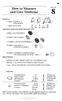 59 How to Measure and Give Medicine CHAPTER 8 SYMBOLS: = means: is equal to or is the same as + means: and or plus HOW FRACTIONS ARE SOMETIMES WRITTEN: 1 + 1 = 2 One plus one equals two. 1 tablet = one
Medication Administration Program Certification Training
 Medication Administration Program Certification Training Administering Medication the Right Way Company LOGO Successful Completion 100% Attendance Pre-Test(s) Computer Based Pretest Medication Administration
ADMINISTERING MEDICINES TO STUDENTS
 Adopted June 1977 Revised November 1985 Revised April 2004 Revised September 2007 APS Code: JLCD Students shall not be permitted to take medication while at school unless such medication is administered
Date Submitted: July 20, 2000 Date Reviewed: May 31, 2005 January 17, 2006 March 17, 2009 Subject: Administration of Medication
 POLICY SOMERSET COUNTY BOARD OF EDUCATION 1. PURPOSE Date Submitted: July 20, 2000 Date Reviewed: May 31, 2005 January 17, 2006 March 17, 2009 Subject: Administration of Medication Number: 600-32 Date
HOUGHTON COLLEGE & CSEHY SUMMER SCHOOL OF MUSIC MEDICAL RECORD & WAIVER FORMS
 HOUGHTON COLLEGE & CSEHY SUMMER SCHOOL OF MUSIC MEDICAL RECORD & WAIVER FORMS COMPLETION AND RETURN OF THIS FORM TO THE CAMP DIRECTORS IS REQUIRED FOR ADMISSION TO CAMP. Either Mail This Completed Form
Medication Administration for Non-Licensed School Staff
 Medication Administration for Non-Licensed School Staff School Health Issues A federal mandate created in the 1970s obligated schools to provide children with medical services, including medication administration.
Please put above in a plastic Ziploc bag with your child s name on it.
 Dear Parent(s), You have noted your child has medications related to an allergic reaction. The Stamford Museum & Nature Center s requirements for noted medications are as follows: Epi-pen requirements
Medical Information Services Medical Transcription Services. New Housestaff Orientation. Sheila Bowlds Director of Medical Information Services
 Medical Information Services Medical Transcription Services New Housestaff Orientation Sheila Bowlds Director of Medical Information Services MISD/MTSD Manual Explains the functions of the Medical Information
Medicines: Use Them Safely
 What Are Medicines? What Are Drugs? Medicines: Use Them Safely When Jerry, age 71, came home from the drug store with his latest prescription, he placed all his pill bottles on the kitchen counter and
Medication Safety and Error Prevention
 Medication Safety and Error Prevention 16 LEARNING OBJECTIVES By the end of this chapter, students will be able to competently: 1. Explain the process for reporting errors. 2. Explain the difference between
Licensed Child Day Center Program Decision on the Administration of Medication
 Licensed Child Day Center Program Decision on the Administration of Medication NOTE: This sample PROGRAM S DECISION REGARDING MEDICATION plan meets and in many cases exceeds the licensing requirements
Medication Administration Student Syllabus and Study Guide
 Medication Administration Student Syllabus and Study Guide Revised March 2012 Health Facilities and Emergency Medical Services Division Colorado Department of Public Health and Environment 4300 Cherry
LESSON ASSIGNMENT. After completing this lesson, you should be able to: 2-1. Compute medication dosages by the ratio and proportion method.
 LESSON ASSIGNMENT LESSON 2 Pharmacology TEXT ASSIGNMENT Paragraphs 2-1 through 2-34. LESSON OBJECTIVES After completing this lesson, you should be able to: 2-1. Compute medication dosages by the ratio
Pharmacy Technician. Study Guide. Assessment: 38616 Pharmacy Technician. Aligned with the Pharmacy Technician Certification Board and the National
 Pharmacy Technician Study Guide Assessment: 38616 Pharmacy Technician Aligned with the Pharmacy Technician Certification Board and the National Pharmacy Technician Association Overview This study guide
STUDENT HANDBOOK. 2008 Fifth Edition
 Guidelines for Medication Administration: An Instructional Program for Training Unlicensed Personnel to Give Medications in Out-of-Home Child Care, Schools and Camp Settings STUDENT HANDBOOK 2008 Fifth
Basic Medications Activity 1
 Basic Medications Activity 1 Directions: Choose the correct meaning for each abbreviation listed below and write it in the blank. Abbreviation Meaning q.i.d (QID) afternoon/evening morning Tab teaspoon
PERRYSBURG EXEMPTED VILLAGE SCHOOL DISTRICT
 PERRYSBURG EXEMPTED VILLAGE SCHOOL DISTRICT MEDICATION IN SCHOOL 5330 F1/page 1 of 5 Before the student will be permitted to take medication during school hours or to use a self-administer medication and
All Wales Prescription Writing Standards
 All Wales Prescription Writing Standards These standards should be read in conjunction with completing the All Wales Medication Chart e- learning package, available on the Learning@NHSWales internet site
Section 13. administering medicine to a child. Regulation 45. 13. Administering Medicine. to a Child
 Section 13 Regulation 45 administering medicine to a child 13. Administering Medicine to a Child Section 13 Regulation 45 ADMINISTERING MEDICINE TO A CHILD This regulation explains the procedures that
Safe Medication Administration Preparation Guide C.O.R.E Essentials
 Safe Medication Administration Preparation Guide C.O.R.E Essentials As a new IU Health employee, a portion of your orientation will focus on Safe Medication Administration practices. You will participate
ROLE OF THE PARENT/LEGAL GUARDIAN IN THE ADMINISTRATION OF MEDICATION AT SCHOOL
 ROLE OF THE PARENT/LEGAL GUARDIAN IN THE ADMINISTRATION OF MEDICATION AT SCHOOL The parent/legal guardian who wishes medication to be administered at school to his/her child has the following responsibilities:
SPRINGFIELD PUBLIC SCHOOLS COMPREHENSIVE SCHOOL HEALTH PROGRAM Administration of Medication in Springfield Public Schools
 SPRINGFIELD PUBLIC SCHOOLS COMPREHENSIVE SCHOOL HEALTH PROGRAM Administration of Medication in Springfield Public Schools LAW: Massachusetts General Law, Chapter 94 C These medical guidelines are established
Electronic Medication Administration Record (emar) (For Cerner Sites Only)
 POLICY NO. 1009 Approved: 12/05 Effective: 12/05 Reviewed: 9/10; 5/12 1. Purpose: Electronic Medication Administration Record (emar) (For Cerner Sites Only) To provide direction for the transcription and
MARY T. INC. PROGRAM POLICY MANUAL
 MARY T. INC. PROGRAM POLICY MANUAL POLICY Safe Medication Assistance and SECTION: 2-2C TITLE: Administration Policy REVISED BY: Jane Strobel, RN PAGE: 1of 6 APPLIES TO: All Services Operating Under Rule
Guidelines for Completing the Medication Administration Clinical Skills Checklist Section 1: The employee must be knowledgeable of at least:
 Section 1: Basic Medication Administration Information and Medical Terminology Guidelines for Completing the Section 1: The employee must be knowledgeable of at least: A. Match common medical abbreviations
ADMINISTRATION OF MEDICATION
 SOUTH LYON COMMUITY SCHOOLS 5330/page 1 of 6 ADMINISTRATION OF MEDICATION Definitions Medication includes both prescription and non-prescription medications including those taken by mouth, inhaler, injection,
D( desired ) Q( quantity) X ( amount ) H( have)
 Name: 3 (Pickar) Drug Dosage Calculations Chapter 10: Oral Dosage of Drugs Example 1 The physician orders Lasix 40 mg p.o. daily. You have Lasix in 20 mg, 40 mg, and 80 mg tablets. If you use the 20 mg
MEDICATION ADMINISTRATION ALL Procedures in this Section Apply to Community Living Programs
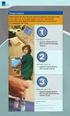 MEDICATION ADMINISTRATION ALL Procedures in this Section Apply to Community Living Programs Administering the right medication to the right person at the right time of day, and documenting all the issues
Self-Assessment Questions
 Self-Assessment Questions 1. According to the Manual, functions that technicians are generally allowed to perform include: a. Receive oral prescriptions from prescribers. b Tell patients how to use their
DISPENSING OF DRUGS BY PUBLIC HEALTH REGISTERED NURSES POST TRAINING TEST
 DISPENSING OF DRUGS BY PUBLIC HEALTH REGISTERED NURSES POST TRAINING TEST June 2015 Introduction This is part three of a three-step educational program approved by the North Carolina Board of Pharmacy.
Managing Your Medications
 Managing Your Medications Table of Contents Managing Your Medications Handout 1 Personal health goals & medications... 4 Handout 2 Pharmacists can help you... 6 Handout 3 Managing your medications... 7
ADMINISTRATION OF MEDICATIONS POLICY
 Policy 6.007. ADMINISTRATION OF MEDICATIONS POLICY It is the policy of Cooperative Educational Services (C.E.S.) that students who require any medications to be administered during school hours, including
Medicines: Use Them Safely
 National Institute on Aging AgePage Medicines: Use Them Safely When Jerry, age 71, came home from the drug store with his latest medication, he placed all his pill bottles on the kitchen counter and counted
Nursing 131 Household to Metric Conversion
 Nursing 3 Household to Metric Conversion Slide 2 & 3 In the metric system liquid volumes are measured in milliliters or liters. Weight is measured in micrograms, milligrams, grams, or kilograms. liter
Medication Administration For Non-Licensed Personnel Handbook
 Medication Administration For Non-Licensed Personnel Handbook DIVISION OF DEVELOPMENTAL & INTELLECTUAL DISABILITIES 2013 Page 1 ACKNOWLEDGEMENTS The Medication Administration for Non-Licensed Personnel
Revised: X Date: 04/07/14. 1. All medication orders shall be reviewed, signed, or co-signed by a Registered Nurse (RN).
 Vermont Psychiatric Care Hospital Procedure Revised: X Date: 04/07/14 I. Medication Orders 1. All medication orders shall be reviewed, signed, or co-signed by a Registered Nurse (RN). 2. Medication orders
ADMINISTRATION OF MEDICATION BY AUTHORIZED POLK COUNTY SCHOOL PERSONNEL
 ADMINISTRATION OF MEDICATION BY AUTHORIZED POLK COUNTY SCHOOL PERSONNEL 1. Principals/Directors of each school are required to designate a minimum of three staff members as Health Contacts who will be
Section 2 Solving dosage problems
 Section 2 Solving dosage problems Whether your organization uses a bulk medication administration system or a unit-dose administration system to prepare to administer pediatric medications, you may find
Medication Administration Quick Guide
 Medication Administration Quick Guide Catholic Mutual Group INDEX INDEX 1. Common Medical Abbreviations 2. Oral Medication Skill Competency 3. Topical Skill Competency 4. Ear Medication Skill Competency
105 CMR: DEPARTMENT OF PUBLIC HEALTH 105 CMR 210.000: THE ADMINISTRATION OF PRESCRIPTION MEDICATIONS IN PUBLIC AND PRIVATE SCHOOLS
 105 CMR 210.000: THE ADMINISTRATION OF PRESCRIPTION MEDICATIONS IN PUBLIC AND PRIVATE SCHOOLS Section 210.001: Purpose 210.002: Definitions 210.003: Policies Governing the Administration of Prescription
DDS. Medication Administration Certification. Re-certification Review Manual July 2006
 DDS Medication Administration Certification Re-certification Review Manual July 2006 DDS Med Admin Re-certification Review Manual July 2006 1 I. Medication Administration Responsibilities Authorization
Dosage Calculation. Key Terms. Learning Outcomes
 6 Dosage Calculation Key Terms Amount to dispense Desired dose Dosage ordered Dosage strength Dosage unit Dose on hand Estimated Days Supply Learning Outcomes When you have successfully completed Chapter
ADMINISTRATION OF MEDICATION
 ADMINISTRATION OF MEDICATION IN SCHOOLS MARYLAND STATE SCHOOL HEALTH SERVICES GUIDELINE JANUARY 2006 (Reference Updated March 2015) Maryland State Department of Education Maryland Department of Health
MEDICINES MANAGEMENT STANDARD OPERATING PROCEDURE (MMSOP018) Preparation of Medication Administration Record (MAR) Charts
 MEDICINES MANAGEMENT STANDARD OPERATING PROCEDURE (MMSOP018) Preparation of Medication Administration Record (MAR) Charts Any deviation in practice from this procedure must be discussed with the Community
CONNECTICUT. Downloaded January 2011 19 13 D8T. CHRONIC AND CONVALESCENT NURSING HOMES AND REST HOMES WITH NURSING SUPERVISION
 CONNECTICUT Downloaded January 2011 19 13 D8T. CHRONIC AND CONVALESCENT NURSING HOMES AND REST HOMES WITH NURSING SUPERVISION (d) General Conditions. (6) All medications shall be administered only by licensed
Custodial Procedures Manual Table of Contents
 Custodial Procedures Manual Table of Contents Page 1. Drug Policies and Procedures 1 A. Procurement of Prescription Drugs 1 i. Prescription drugs may only be accepted from 1 pharmacies and or practitioners.
If you have any questions, please do not hesitate to contact us. We look forward to meeting you!
 Welcome to Children s Mercy. We are pleased that you will be joining the nursing staff. As the Education Specialists coordinating Nursing Orientation we look forward to meeting you this week. We want to
OFFICE OF CATHOLIC SCHOOLS ARCHDIOCESE OF CHICAGO
 OFFICE OF CATHOLIC SCHOOLS ARCHDIOCESE OF CHICAGO SCHOOL MEDICATION PROCEDURES Parents/guardians have the primary respomibility for (he adminislration of medical ion to their children. The administration
Plum Borough School District Nursing Services Department
 Information Regarding the Student with an Allergy Student s Name Grade Homeroom Date Physician s Name Physician s Phone # Type of Allergy (Food, Bee, Wasp, Latex, Other: Specify): Type of Reaction: For
GUIDELINES ON PREVENTING MEDICATION ERRORS IN PHARMACIES AND LONG-TERM CARE FACILITIES THROUGH REPORTING AND EVALUATION
 GUIDELINES GUIDELINES ON PREVENTING MEDICATION ERRORS IN PHARMACIES AND LONG-TERM CARE FACILITIES THROUGH REPORTING AND EVALUATION Preamble The purpose of this document is to provide guidance for the pharmacist
Pharmacy Technician. Study Guide. Assessment: 8616 Pharmacy Technician. Aligned with the Pharmacy Technician Certification Board and the National
 Pharmacy Technician Study Guide Assessment: 8616 Pharmacy Technician Aligned with the Pharmacy Technician Certification Board and the National Pharmacy Technician Association Overview This study guide
MEDICATION INFORMATION & RESOURCES (including medical alert bracelets & medical record organizers)
 MEDICATION INFORMATION & RESOURCES (including medical alert bracelets & medical record organizers) 1 6. Keep Taking your Medication. Don t stop taking your medicine just because you are feeling better.
Definitions For the purpose of this policy, the following definitions shall apply:
 5141.21 Administration of Student Medications in the Schools A licensed school nurse, or in the absence of such nurse, qualified personnel for schools may administer medication to students in the school
Basic Medication Administration Exam LPN/LVN (BMAE-LPN/LVN) Study Guide
 Basic Medication Administration Exam LPN/LVN (BMAE-LPN/LVN) Study Guide Review correct procedure and precautions for the following routes of administration: Ear drops Enteral feeding tube Eye drops IM,
ARKANSAS. Downloaded January 2011
 ARKANSAS Downloaded January 2011 302 GENERAL ADMINISTRATION 302.11 Pharmacies operated in nursing homes shall be operated in compliance with Arkansas laws and shall be subject to inspection by personnel
HOW TO PREVENT MEDICATION ERRORS
 These books provide more information: Safe use of Medications by Older People. National Institutes of Health, National Institute on Aging. Bethesda, MD: U.S. Department of Health and Human Services, 2000
MEDICATION ADMINISTRATION PROCEDURE
 MEDICATION ADMINISTRATION PROCEDURE Objective: To provide procedure and protocols to ensure the safe administration of medication to students at school. Always refer to FFAC Legal and FFAC Local for district-approved
Script/Notes for PowerPoint Presentation. Medication Use Safety Training for Seniors (MUST for Seniors)
 Script/Notes for PowerPoint Presentation Medication Use Safety Training for Seniors (MUST for Seniors) Instructions: You can use the following script to help you prepare your remarks to your organization
Electronic Medical Record (EMR) Safety Results of CAH Testing. Tom Johns, PharmD Shands at the University of Florida
 Electronic Medical Record (EMR) Safety Results of CAH Testing Tom Johns, PharmD Shands at the University of Florida Vendors Evaluated CPSI Healthland Cerner Test Patients Test Patient A Age: 76 y/o Sex:
BROCKTON AREA MULTI-SERVICES, INC. MEDICAL PROCEDURE GUIDE. Date(s) Reviewed/Revised:
 Page 1 of 5 PROCEDURE FOR: MAP-certified staff and RN/LPN MAP-certified staff are to be trained in the use of epinephrine administration via pre-filled autoinjector devices(s) annually. Certified staff
ISMP Canada. Dangerous abbreviations: U can make a difference!
 ISMP Canada Dangerous abbreviations: U can make a difference! By Christine Koczmara, RN, BScPsy, Valentina Jelincic, RPh, BScPhm, and Carol Dueck, RN, BScN Abstract Dangerous abbreviations are also known
Nursing Division. PN Dosage Proficiency Exam Study Guide. Effective Fall 2012
 Nursing Division PN Dosage Proficiency Exam Study Guide Effective Fall 2012 Page 2 PN Dosage Proficiency Exam (DPE) Study Guide Description This study guide is for Practical Nursing (PN) and Associate
CHAPTER 6: MEDICATION ADMINISTRATION PROCEDURES TABLE OF CONTENTS. Definitions... VI-1. Purpose... VI-1. Guidelines... VI-2
 CHAPTER 6: MEDICATION ADMINISTRATION PROCEDURES TABLE OF CONTENTS Definitions... VI-1 Purpose... VI-1 Guidelines... VI-2 Responsibilities Related to Medication Administration... VI-2 Delegating Nurse Responsibilities...
How To Treat An Alcoholic Patient
 Height Weight Allergies If appropriate for patient condition, please consider the following order sets: Initiate Electrolyte Replcement: Med/Surg, Med/Surg Tele Physician Order #842 Discontinue all lorazepam
Medication Administration 10/15 Hour Training Course for Adult Care Homes Student Manual
 Medication Administration 10/15 Hour Training Course for Adult Care Homes Student Manual North Carolina Department of Health and Human Services Division of Health Service Regulation Center for Aide Regulation
Medicines and You: A Guide for Older Adults
 Medicines and You: A Guide for Older Adults Council on Family Health Provided in cooperation with U.S. Department of Health and Human Services Food and Drug Administration and the Administration on Aging
MEDICAL ORDERS AND MEDICATION ADMINISTRATION RECORD (MAR)
 MEICAL ORER AN MEICATION AMINITRATION RECOR (MAR) The purpose of this section is to assist the learner in understanding medical orders and how to document medications, treatments and therapies on the medication
Calculations Practice Problems
 Calculations Practice Problems Note: A variety of types of problems are provided for practice. Not all situations will be encountered in all states, depending on state limitations to LPN/LVN practice.
STATE OF CONNECTICUT REGULATION of State Department of Education Name of Agency
 Page 1 of 12 STATE OF CONNECTICUT REGULATION of State Department of Education Name of Agency Concerning Subject Matter of Regulations Administration of Medication by School Personnel and Administration
RULE. The Administration of Medication in Louisiana Public Schools
 RULE The Administration of Medication in Louisiana Public Schools Developed in 1994 by The Louisiana State Board of Elementary and Secondary Education and The Louisiana State Board of Nursing Amendments
Don t Make Me Think: Essential Pharmacy Math for Pharmacy Technicians Made Easy
 J & D Educational Services, Inc. In association and co-sponsorship with Texas Tech University HSC School of Pharmacy Provides continuing education for certified pharmacy technicians. Texas Tech University
Pharmacy. Page 1 of 10
 Department: Pharmacy PP # RX 6007.1 Policy and Procedure Effective Date: August, 2010 Page 1 of 10 Subject/Title: Pharmacy Tech-Check-Tech Program Dates of Review/Revision: Approved By and Title: Director,
St Bernard s Catholic School. Administration of Medicine Policy
 St Bernard s Catholic School Page 1 of 10 The St Bernard s administration of medicine policy has been developed to ensure that children with medical needs have the same access to education as their peers
ADMINISTRATION OF DRUG PRODUCTS/MEDICATIONS TO STUDENTS
 ADMINISTRATION OF DRUG PRODUCTS/MEDICATIONS TO STUDENTS 453.4 Drug products/medications are given to students in the school setting to continue or maintain a medical therapy which promotes health, prevents
Your Medicine: Play It Safe
 Your Medicine: Play It Safe Learn more about how to take medicines safely. Use the Medicine Record Form at the back of this booklet to keep track of your medicines. Keep this guide with your medicines
Guidelines and Procedure for the Safe Administration and Management of Medicines
 Appendix 7 Guidelines and Procedure for the Safe Administration and Management of Medicines 1. INTRODUCTION 1.1 This procedure must be read in conjunction with the Policy for the Administration of Medication
ORAL ANTICOAGULANTS - RIVAROXABAN (XARELTO) FOR DEEP VEIN THROMBOSIS (DVT)
 ORAL ANTICOAGULANTS - RIVAROXABAN (XARELTO) FOR DEEP VEIN THROMBOSIS (DVT) Information Leaflet Your Health. Our Priority. Page 2 of 6 What Are Anticoagulants And What Do They Do? This information leaflet
Opioid Agreement for Center for Pain Management S.C.
 Opioid Agreement for Center for Pain Management S.C. Patient Name: DOB: I am the patient named above. I have agreed to use pain medication as part of my treatment for chronic pain. I understand that these
UW School of Dentistry Comprehensive Medication Policy
 UNIVERSITY OF WASHINGTON SCHOOL OF DENTISTRY Subject: UW School of Dentistry Comprehensive Medication Policy Policy Number: Effective Date: December 2014 Revision Dates: June 2015 PURPOSE This policy provides
Dosage Calculations INTRODUCTION. L earning Objectives CHAPTER
 CHAPTER 5 Dosage Calculations L earning Objectives After completing this chapter, you should be able to: Solve one-step pharmaceutical dosage calculations. Set up a series of ratios and proportions to