
Once the preliminary. Serum bile acids. Debra Deem Morris, 34 Banfield
|
|
|
- Diana Haynes
- 9 years ago
- Views:
Transcription
1 Ban0508_ /20/08 8:56 AM Page 34 Diagnostic testing for liver disease Careful selection and interpretation of diagnostic tests is key in determining cause and treatment. Debra Deem Morris, DVM, MS, DACVIM Contributing Author Once the preliminary diagnostic testing suggests that a Pet may have liver disease (See Indicators of liver disease, page 24), further tests are needed to document whether the liver disease is primary or secondary, to determine the degree of liver dysfunction, and finally to reach a definitive diagnosis. The liver has a large reserve capacity and ability to regenerate. A significant amount of liver function must be lost before the Pet shows overt clinical signs of hepatobiliary disease, such as icterus. 1 Whether the Pet shows clinical signs of liver dysfunction depends upon the extent of the disease and the rate of development (Figure 1, page 36). This article discusses the arsenal of diagnostic tests used when trying to determine the cause of liver disease. Serum bile acids Bile acids (cholic and chenodeoxycholic acids) are synthesized by hepatocytes from cholesterol. They are secreted into the bile canaliculi after conjugation with taurine or glycine and are stored in the gall bladder. After entering the intestinal lumen subsequent to gallbladder contraction, bile acids are reabsorbed in the ileum and cleared from the portal circulation on the first pass through the liver. Thus, bile acids present in the serum represent the bile acids that were not cleared by the liver (the spillover ). Impaired hepatic function results in decreased first pass clearance of bile acids from the portal blood and an increase in the measured serum bile acids concentration. In fasting Pets, portal bile acids concentration is usually low, so serum bile acids may be normal despite impaired hepatic function. Food, especially fat, stimulates gallbladder contraction, causing a bolus of bile acids to enter the intestinal tract and then the portal circulation. Even Pets with normal hepatic function experience a slight elevation of serum bile acids concentrations in the post-prandial state due to the spill-over effect, normally lasting for a few hours. However, in Pets with impaired hepatic function, serum levels of bile acids increase markedly after a meal. The maximal information from bile acids testing is always obtained using a stimulation test (outlined below) Banfield

2 Ban0508_ /20/08 8:56 AM Page 36 Figure 1 Diagram of liver shows rounded margin (normal/bottom; swollen/top). Elevated serum bile acids concentration is usually associated with hepatic dysfunction. A bile acids stimulation test should be performed in any Pet with clinical or biochemical findings supporting the differential diagnosis of liver dysfunction. Common causes of elevated serum bile acids concentrations include: portosystemic shunts (PSS), hepatic cirrhosis and hepatocellular disease caused by diffuse inflammation or necrosis. 3,4 Focal hepatic diseases, such as certain forms of hepatic neoplasia, may not impair hepatic clearance of bile acids sufficiently to cause a measurable increase in serum levels. Thus serious, even terminal, diseases involving the liver may be associated with normal serum bile acids concentrations. It is unnecessary to perform a serum bile acids assay with overt evidence of liver disease, such as icterus (typically when the serum bilirubin exceeds 5 mg/dl) because they will be elevated. Conditions other than hepatic disease can also alter bile acid metabolism sufficiently to increase or decrease the serum bile acids concentrations, and interfere with the accuracy of the bile acids test. 5 These include: pancreatitis, which may obstruct the common bile duct; gastrointestinal motility changes, which alter the delivery of bile acids to the ileum for absorption; and severe inflammatory bowel disease or lymphosarcoma, which impair the absorption of bile acids. Hemolysis and/or lipemia of the blood sample will interfere with the spectrophotometric assay used for measurement of serum bile acids and markedly complicate end-point determination. Although there is some disagreement on this matter, ursodiol (ursodeoxycholic acid, Actigall Watson Phamaceuticals, Inc.) therapy should be discontinued for at least four days prior to bile acids testing because the drug may be measured in the assays. 6,7 A single, random, markedly elevated serum bile acids concentration makes liver dysfunction very likely; however the sensitivity of detecting hepatic disease with only one sample is significantly lower than using the two sample bile acids stimulation test. There is great day-to-day variation in serum bile acids in some Pets, and a random value in the normal range may merely reflect the absence of a significant enterohepatic challenge at that point in time. A normal serum bile acids concentration without a food challenge cannot be relied upon to rule out the presence of liver disease. Performance of the bile acids stimulation test The standard protocol recommended by most reference laboratories includes: 1) 12- hour fast; 2) collect pre-prandial serum sample; 3) feed; 4) collect two-hour postprandial serum sample. 36 Banfield

3 Ban0508_ /20/08 8:56 AM Page 37 What to feed and how much to feed has been widely debated. It is now accepted that 2 tablespoons for small dogs and cats and 4 tablespoons for the larger dogs, of a canned maintenance diet, seems sufficient for adequate gallbladder stimulation/contraction. If the Pet is anorexic or refuses to eat in the hospital, force-feeding is required. Recently, the necessity of the pretest 12- hour fast has been questioned. Some clinicians have argued that a random preprandial sample and two-hour post-prandial sampling is sufficient, and the test is positive if either value is elevated. This is based on the fact that a small percentage of cats and dogs have higher fasting than postprandial bile acids concentrations. 2 This may be due to gallbladder contraction during fasting, intestinal malabsorption associated with disease or motility changes and bacterial overgrowth causing intestinal bile acids metabolism. Blood should be collected from the jugular vein with the largest bore needle practical to avoid hemolysis of the sample. Gently place the sample in a plain serum tube (not a serum separator). Allow the sample to clot at least 30 minutes, then centrifuge the sample and remove the serum from the clot and place into a separate plain serum tube. Bile acids are then stable at room temperature for several days. Interpretation of the bile acids stimulation test The patient with hepatic dysfunction may have a normal or elevated fasting serum bile acids concentration with an elevated post-prandial bile acids concentration. Serum bile acids concentrations of greater than 25 µmol/l in dogs and 20 µmol/l in cats are considered abnormal. 8 The quantitative association between absolute bile acids concentrations and the cause, degree or severity of liver disease has never been proven. Because serum bile acids concentrations can fluctuate markedly hour-tohour and day-to-day in the same Pet, serial monitoring of bile acids is of no value in evaluating the activity or progression of liver disease. Complete normalization of If there is doubt in evaluating the size of the liver, a few milliliters of barium sulfate can be administered by mouth, which will outline the stomach and allow visualization of its cranial border. serum bile acids after therapy would, however, suggest improvement of liver function. Patients with hepatic dysfunction confirmed by elevated serum bile acid concentrations indicate the need for further diagnostics including, but not limited to, imaging and histopathology. Radiography Radiographs of the abdomen should be a routine part of any diagnostic workup of a Pet with suspected liver disease. The attributes and limitations of this diagnostic procedure, however, must be appreciated. Radiography, as opposed to ultrasonography, is the best way of determining the size and shape of the liver. Hepatomegaly, microhepatica, asymmetry and the presence of masses that change the shape of the liver can be visualized by the use of radiographs. If there is doubt in evaluating the size of the liver, a few milliliters of barium sulfate can be administered by mouth, which will outline the stomach and allow visualization of its cranial border. The area between the cranial border of the stomach May/June

4 Ban0508_ /20/08 8:56 AM Page 38 and the diaphragm is occupied by the liver. Microhepatica is classically seen in Pets with PSS, although sometimes the change is mild and difficult to appreciate. 9 Liver cirrhosis causes microhepatica, and the shape of the liver may be irregular. Alternatively, some normal Pets appear to have a small liver. Hepatomegaly can be Ultrasonography is the best diagnostic imaging modality to evaluate the internal structure of the liver. seen in a number of conditions, many of which are not primary liver diseases. The latter include hyperadrenocorticism (Cushing s disease), diabetes mellitus and right-sided heart failure. Primary liver diseases that may cause hepatomegaly include hepatic lipidosis, lymphosarcoma and other types of diffuse neoplasia. Radiographs are of little or no use in evaluating liver parenchyma or changes in the architecture of the liver that are not associated with a change in size or border contour. Ultrasonography Ultrasonography is the best diagnostic imaging modality to evaluate the internal structure of the liver. The liver is found in the abdomen immediately caudal to the diaphragm and cranial to the stomach centrally, the spleen on the left and the right kidney on the right. The liver is bounded ventrally by the falciform fat. Normal hepatic parenchyma has a uniform, medium echogenicity, slightly greater than the right kidney cortex and less than that of the spleen. The uniform normal echo pattern of the normal liver is interrupted only by the hepatic and portal veins (Figure 2, page 40). These structures can be differentiated by echogenic walls in the portal veins (for an example of portal hypertension in the liver, see Figure 3, page 40) and the ability to trace the hepatic veins to the caudal vena cava. Intrahepatic branches of the hepatic arteries are not normally seen within the liver. The gallbladder is found in the liver just to the right of the midline as a normally round-to-oval anechoic structure. The gallbladder size varies depending on when the Pet last ate, increasing with anorexia or fasting. Echogenic sediment (sludge) may be present in the lumen (Figure 4, page 40). Intrahepatic bile ducts are not normally visualized. The extrahepatic biliary ducts are more commonly visualized in cats, with overlying bowel gas typically obstructing their view in normal dogs. Lesions in the parenchyma of the liver are divided into diffuse (or nonfocal) disease and focal (may also be multifocal). Examples of focal liver disease include cysts, hematomas, abscesses, nodular hyperplasia and certain types of neoplasia. Depending upon the cause, hepatic necrosis may appear as multifocal or diffuse. The detection of focal abnormalities of the liver by ultrasound is excellent because the normal hepatic parenchyma provides a uniform background. Ultrasonography is less valuable in recognizing diffuse liver diseases that cause increased, decreased or mixed overall echogenicity. A biopsy is generally necessary to reach a definitive diagnosis in these diseases and often with multifocal lesions. One of the most important diagnostic and prognostic uses of ultrasonography is the detection of parenchymal changes compatible with neoplasia. 10 Metastatic neoplasia is more common than primary liver tumors, the latter including hepatocellular adenoma and carcinoma and cholangiocellular 38 Banfield

5 Ban0508_ /20/08 8:56 AM Page 40 Figure 2 Figure 3 Portal hypertension Portal vein Hepatic vein Porta hepatis Diaphragm Figure 2. Ultrasound image shows normal liver. Figure 4 Figure 3. Ultrasonographic appearance of portal hypertension in the liver. Figure 4. This gallbladder shows the presence of sludge as assessed by ultrasonography. Gall bladder adenoma and carcinoma. Metastatic tumors are generally carcinomas that may originate from the stomach, intestines, pancreas, mammary gland, spleen (e.g., hemangiosarcoma) or lymphoid tissue (e.g., lymphosarcoma). 11 The type of neoplasia, whether primary or metastatic, cannot be determined by ultrasonography alone. Definitive diagnosis always depends upon identification of the cell type via cytologic examination of needle aspirates or histopathologic examination (Figure 5, page 42) of liver biopsies. However, the tumor type may be predicted using general guidelines. Hepatic lymphosarcoma in dogs usually presents as focal or multifocal parenchymal hypoechoic lesions associated with peripheral or abdominal lymphadenopathy. Focal or multifocal hyperechoic masses or those with mixed echogenicity are usually metastatic carcinomas. 11 Multifocal target lesions having a hyperechoic center and hypoechoic rim are commonly associated with but not limited to hepatic carcinomas. Cats with hepatic lymphosarcoma often have a general overall increase in size and echogenicity of the liver and lymphadenopathy may be absent. Thin-walled hypoechoic lesions in the liver of a Pet usually represent benign cysts or adenomas. A 40 Banfield

6 Ban0508_ /20/08 8:56 AM Page 41 solitary liver lesion in a Pet without clinical signs is usually benign; however the abdomen should always be thoroughly searched for free fluid, enlarged lymph nodes or masses in other organs. Diffuse liver diseases that cause either an increase or decrease in overall echogenicity are much more difficult to appreciate. The echogenicity of the liver is compared to that of the adjoining right kidney cortex and the spleen. Significant error may be introduced in evaluation of liver echogenicity by operator inexperience (adjustments of power output and gain settings are critical) and variability of ultrasound equipment. Diseases which may produce an overall decrease in echogenicity of the liver with more pronounced portal vein walls include infiltrative lymphosarcoma, amyloidosis, acute hepatitis and passive venous congestion of the liver caused by cardiac disease. Overall increase in liver echogenicity has been associated with fatty infiltration, steroid hepatopathy, chronic hepatitis, cirrhosis and lymphosarcoma, especially in cats. 12 Fat accumulation in the liver most often accompanies diabetes mellitus (dogs and cats) or hepatic lipidosis in cats, causing an increase in liver size. Fat accumulation in cats may be associated with obesity or secondary to dietary restriction. Cirrhosis and chronic hepatitis usually reduce overall size of the liver. This being said, liver size is more accurately assessed by radiographs than with ultrasound. Regenerative nodules, common in the small echogenic liver affected by cirrhosis, appear as distinct less echogenic masses with rounded contour. Focal increases in liver echogenicity may be produced by fibrosis or dystrophic calcification. A unique pattern of mixed echogenicity pattern occurs in the liver of dogs affected by hepatocutaneous syndrome, 13 a disease of unknown etiology that is characterized by erosions, ulcers and adherent crusts of the mucocutaneous junctions, pressure points, and foot pads. The ultrasound findings in the liver include 0.5 to 1.5 cm diameter hypoechoic regions surrounded by hyperechoic borders producing a honeycomb pattern. As discussed below, liver cytology or a biopsy is required to differentiate and Fat accumulation in the liver most often accompanies diabetes mellitus (dogs and cats) or hepatic lipidosis in cats, causing an increase in liver size. definitively diagnose inflammatory, toxic or neoplastic conditions of the liver parenchyma since the ultrasonographic appearance of each of these conditions can be the same. Ultrasonography is useful to evaluate changes in the gallbladder and biliary system associated with extrahepatic biliary obstruction, gallbladder wall disease or biliary calculi. Biliary obstruction outside the liver causes dilation of the gallbladder and common bile duct, wherein the neck becomes more tortuous than when there is only anorexia. If the obstruction persists, extrahepatic bile ducts appear as anechoic tubes with echogenic walls ventral to the gallbladder neck. The bile ducts can be differentiated from portal veins by their sudden changes in lumen size and abrupt branching patterns. The amount of sludge within the gallbladder is variable and not associated with particular disease, and thus should be considered incidental. 14 Biliary tract calculi are rare and likewise often not associated with clinical signs. Thickening of the gallbladder wall is a nonspecific finding that may occur in acute May/June

7 Ban0508_ /20/08 8:56 AM Page 42 Figure 5 presence of sludge or intraluminal masses that do not move with changes in the Pet s position. With gallbladder mucocele or biliary obstruction, gallbladder wall necrosis and perforation can occur if the gallbladder is not surgically removed. Normal hepatocyte in the liver. Figure 6 Vacuolar degeneration of hepatocyte cytoplasm in the liver. Figure 7 Bile accumulation in hepatocytes. or chronic hepatitis, cholangiohepatitis or cholecystitis. The normally thin echogenic line that represents the gallbladder wall can become thicker or show an echogenic double rim indicating edema within the wall. Gallbladder mucoceles are represented by thickening of the gallbladder wall and Liver biopsy for histopathology or aspirate for cytology Ultimately, the best way to reach a definitive diagnosis of liver parenchymal disease is by histopathologic examination of affected tissue. The definitive diagnosis of portosystemic shunts is often only made by use of nuclear scintigraphy. Fine-needle aspiration for cytologic examination is most useful when vacuolar histopathology (Figure 6) (e.g., steroid hepatopathy), hepatic lipidosis or diffuse lymphoid neoplasia is suspected. Accumulation of bile within the hepatocytes upon aspiration is suggestive of cholestasis (Figure 7). This technique is much less invasive than biopsy and may yield a diagnosis with proper evaluation of other clinical and laboratory data. Percutaneous needle biopsy is indicated when there is ultrasonographic evidence of diffuse or multifocal hepatic parenchymal disease. Needle biopsy is not performed if there is a chance that the liver condition could be corrected surgically (e.g., single solid or cavitary lesion, PSS), since a better specimen could be obtained at the time of surgery. One study suggests only a 40 percent correlation between 18-gauge needle biopsy and surgical wedge biopsy findings for certain hepatobiliary diseases; 15 therefore, 16- or 14-gauge instruments should be used, if at all possible. In most Pets, heavy sedation and local anesthetic block are sufficient for immobilization for the procedure. General anesthesia is an option but is not required. The biopsy should be ultrasound- 42 Banfield

8 Ban0508_ /20/08 8:56 AM Page 43 guided to prevent perforation of major blood vessels or the gallbladder, and multiple (at least three) specimens collected. When properly performed, serious complications are rare. Surgically obtained (laparotomy, laparoscopy) biopsy is indicated if the liver is small and/or firm, making it difficult to obtain diagnostic samples by the percutaneous approach. 16 Coagulation status should be determined prior to liver biopsy since liver disease can lead to clotting factor deficiencies. Although a complete coagulation panel is preferable, activated clotting time and a platelet count are adequate. Platelet function (buccal mucosal bleeding time, or BMBT) should be assessed in breeds prone to von Willebrand disease, or the von Willebrand factor level should be measured. A BMBT provides indirect measurement of platelet function as well as determining if an adequate number of platelets are present. Mild coagulation abnormalities do not preclude liver biopsy, but the latter should be delayed if there is clinical evidence of bleeding or marked coagulation deficiencies. Fresh frozen plasma or vitamin K 1 may be indicated 24 hours before biopsy to normalize coagulation before the procedure. If bleeding is excessive during or after biopsy, fresh whole blood transfusion is indicated. Peritoneal fluid analysis Liver diseases that either are associated with portal venous congestion or cause significant hypoalbuminemia (usually less than 2 g/dl) may cause the development of ascites (free fluid in the peritoneal cavity).

9 Ban0508_ /20/08 8:56 AM Page 44 Abdominocentesis in affected Pets yields clear, yellow fluid that classically has a total protein less than 3 g/dl (transudate) and low total white cell count (less than 5,000/µl). Ascites is most often seen in association with right-sided congestive heart failure or hepatic cirrhosis, both of which cause acquired portosystemic shunting. Peritoneal fluid exudate (protein concentration greater than 3 gm/dl) should increase the suspicion of neoplasia or infections. Conclusion There are many causes of liver disease with widely divergent forms of treatment and overall prognosis. Differentiating the cause in order to guide proper treatment requires careful selection and interpretation of diagnostic tests. The bile acids test is noninvasive and documents liver dysfunction. Imaging of the liver, using radiography and ultrasonography, is invaluable to narrow the list of causes for liver disease. The ultimate diagnosis is usually based on results of liver biopsy. However, even extensive diagnostic testing may not reveal the cause of hepatic disease. Without a definitive diagnosis, empirical therapy could be worthwhile and will be discussed in the next article. References 1. Webster CRL. History, clinical signs, and physical findings in hepatobiliary disease. In: Ettinger SJ, Feldman EC, eds. Textbook of Veterinary Internal Medicine, 6th ed. St Louis, Mo.: Elsevier/Saunders, 2005: Center SA. Serum bile acids in companion animal medicine. Vet Clin of North Am Small Animal Pract 1993;23: Gerritzen-Bruning MJ, van den Ingh TSGAM, Rothuizen J. Diagnostic value of fasting plasma ammonia and bile acid concentrations in the identification of portosystemic shunting in dogs. J Vet Intern Med 2006;20: Turgut K, Demir C, Ok M, Ciftci K. Pre- and post-prandial total serum bile acid concentration following acute liver damage in dogs. Zentralbl Veterinarmed A 1997;44(1): Richter K. Current Evaluation of Liver Disease. Proceedings of Western Veterinary Conference, Abraham LA, Charles JA, Holloway SA. Effect of oral ursodeoxycholic acid on bile acids tolerance tests in healthy dogs. Aust Vet J 2004;82: Center SA, Randolph JF, Warner KL. Influence of oral ursodeoxycholic acid on serum and urine bile acid concentrations in clinically normal dogs. Proceedings of American College of Veterinary Internal Medicine Forum, Nelson RW, Couto CG. Small Animal Internal Medicine, 3 rd ed. St. Louis, Mo.: Mosby, 2003: Miller MW, Fossum T, Bahr AM. Transvenous retrograde portography for identification and characterization of portosystemic shunts in dogs. J Am Vet Med Assoc 2002;221: Nyland TG, Mattoon JS. Small Animal Diagnostic Ultrasound, 2nd ed. Philadelphia, Pa.: W.B. Saunders, 2002: Whiteley MB, Feeney DA, Whiteley LO, Hardy RM. Ultrasonographic appearance of primary and metastatic canine hepatic tumors. A review of 48 tumors. J. Ultrasound Medicine 1989;8: Newell SM, Selcer BA, Girard E. et al. Correlations between ultrasonographic findings and specific hepatic diseases in cats: 72 cases ( ). J. Am Vet Med Association 1998;213: Jacobson LS, Kirgerger RM, Nesbit JW. Hepatic ultrasonography and pathological findings in dogs with hepatocutaneous syndrome: New concepts. J Vet Int Med 1995; Bromel C, Barthez PY, Leveille R, Scrivani PV. Prevalence of gallbladder sludge as assessed by ultrasonography. Vet Radio Ultrasound 1998; Nelson RW, Couto CG (eds). Small Animal Internal Medicine, 3 rd ed. St. Louis, Mo.: Mosby, 2003: Fossum TW ed. Small Animal Surgery, 3 rd ed. St Louis, Mo.: Mosby, 2007: Debra Deem Morris, DVM, MS, DACVIM, graduated from Purdue University School of Veterinary Medicine in 1978 and was boardcertified in internal medicine in Dr. Morris has taught at the University of Georgia College of Veterinary Medicine and worked in private practice most of her career. She joined Banfield in 2004 and is currently chief of staff at Banfield, The Pet Hospital, in East Hanover, N.J. In her free time, Dr. Morris enjoys horseback riding, reading and watching movies. 44 Banfield

Ultrasonography of the Adrenal Glands CVM 6105 Kari L. Anderson, DVM, Diplomate ACVR Associate Clinical Professor of Veterinary Radiology
 1: US of adrenal glands, KLA Ultrasonography of the Adrenal Glands CVM 6105 Kari L. Anderson, DVM, Diplomate ACVR Associate Clinical Professor of Veterinary Radiology Ultrasound has quickly become an important
ABNORMAL LIVER ENZYMES: A PRACTICAL CLINICAL APPROACH. David C. Twedt, DVM, Diplomate ACVIM Colorado State University twedt@colostate.
 ABNORMAL LIVER ENZYMES: A PRACTICAL CLINICAL APPROACH David C. Twedt, DVM, Diplomate ACVIM Colorado State University [email protected] The detection of abnormal liver biochemical tests in the asymptomatic
The Anorexic Cat For this reason, any cat that stops eating for any reason is considered an emergency situation.
 The Anorexic Cat Introduction Any cat that stops eating (anorexic) or begins to eat much less than their normal amount should be seen by a veterinarian right away. The primary reason why a cat stops eating
LIVER CANCER AND TUMOURS
 LIVER CANCER AND TUMOURS LIVER CANCER AND TUMOURS Healthy Liver Cirrhotic Liver Tumour What causes liver cancer? Many factors may play a role in the development of cancer. Because the liver filters blood
LYMPHOMA IN DOGS. Diagnosis/Initial evaluation. Treatment and Prognosis
 LYMPHOMA IN DOGS Lymphoma is a relatively common cancer in dogs. It is a cancer of lymphocytes (a type of white blood cell) and lymphoid tissues. Lymphoid tissue is normally present in many places in the
Geir Folvik, MD Division of Gastroenterology Department of Medicine, Haukeland University Hospital Bergen, Norway 30.11.2015
 Benign liver diseases Geir Folvik, MD Division of Gastroenterology Department of Medicine, Haukeland University Hospital Bergen, Norway 30.11.2015 1 Agenda Benign focal liver lesions Fatty liver disease
Bile Duct Diseases and Problems
 Bile Duct Diseases and Problems Introduction A bile duct is a tube that carries bile between the liver and gallbladder and the intestine. Bile is a substance made by the liver that helps with digestion.
Diagnostics: Page 2 of 5
 Proteinuria Proteinuria is a condition in which there are increased amounts of protein in the urine. There are a number of different diseases which can result in proteinuria. In the early stages of the
WHAT S WRONG WITH MY GALL BLADDER? GALL BLADDER POLYPS
 WHAT S WRONG WITH MY GALL BLADDER? GALL BLADDER POLYPS This is a patient information booklet providing specific practical information about gall bladder polyps in brief. Its aim is to provide the patient
1333 Plaza Blvd, Suite E, Central Point, OR 97502 * www.mountainviewvet.net
 1333 Plaza Blvd, Suite E, Central Point, OR 97502 * www.mountainviewvet.net Diabetes Mellitus (in cats) Diabetes, sugar Affected Animals: Most diabetic cats are older than 10 years of age when they are
Recanalized Umbilical Vein in the Presence of Cirrhosis-Induced Portal Hypertension
 Recanalized Umbilical Vein in the Presence of Cirrhosis-Induced Portal Hypertension Audrey Galey RDMS, RVT, Mary Grace Renfro RDSM, RVT, Lindsey Simon, RVT March 22, 2013 2 Abstract A recanalized umbilical
Liver tumors: diagnosis and treatment
 Liver tumors: diagnosis and treatment Introduction Primary liver neoplasms are infrequent in the dog and cat, with an estimated prevalence in necropsy studies of 0.6-2.6% in canines and 1.5-2.3% in felines.
Understanding. Pancreatic Cancer
 Understanding Pancreatic Cancer Understanding Pancreatic Cancer The Pancreas The pancreas is an organ that is about 6 inches long. It s located deep in your belly between your stomach and backbone. Your
PATIENT CONSENT TO PROCEDURE - ROUX-EN-Y GASTRIC BYPASS
 As a patient you must be adequately informed about your condition and the recommended surgical procedure. Please read this document carefully and ask about anything you do not understand. Please initial
1. What is the prostate-specific antigen (PSA) test?
 1. What is the prostate-specific antigen (PSA) test? Prostate-specific antigen (PSA) is a protein produced by the cells of the prostate gland. The PSA test measures the level of PSA in the blood. The doctor
190.25 - Alpha-fetoprotein
 Other Names/Abbreviations AFP 190.25 - Alpha-fetoprotein Alpha-fetoprotein (AFP) is a polysaccharide found in some carcinomas. It is effective as a biochemical marker for monitoring the response of certain
Liver, Gallbladder, Exocrine Pancreas KNH 406
 Liver, Gallbladder, Exocrine Pancreas KNH 406 2007 Thomson - Wadsworth LIVER Anatomy - functions With disease blood flow becomes obstructed Bile All bile drains into common hepatic duct Liver Bile complex
Carbohydrate antigen 19 9 (CA 19 9) (serum, plasma)
 Carbohydrate antigen 19 9 (CA 19 9) (serum, plasma) 1 Name and description of analyte 1.1 Name of analyte Carbohydrate antigen 19 9 (CA 19 9) 1.2 Alternative names Cancer antigen 19 9, cancer antigen GI
Dogs and cats with pancreatitis can have a wide variety of signs, which include, but are not limited to the following:
 Pancreatitis is defined as inflammation of the pancreas and can be caused by a number of inciting factors. The pancreas is responsible for tasks such as glucose regulation and aids in the digestion of
Consent for Treatment/Procedure Laparoscopic Sleeve Gastrectomy
 Patient's Name: Today's Date: / / The purpose of this document is to confirm, in the presence of witnesses, your informed request to have Surgery for obesity. You are asked to read the following document
Less stress for you and your pet
 Less stress for you and your pet Canine hyperadrenocorticism Category: Canine Cushing s disease, Cushing s syndrome Affected Animals: Although dogs of almost every age have been reported to have Cushing
The Whipple Procedure. Sally Hodges, Ph.D.(c) Given the length and difficulty of the procedure, regardless of the diagnosis, certain
 The Whipple Procedure Sally Hodges, Ph.D.(c) Preoperative procedures Given the length and difficulty of the procedure, regardless of the diagnosis, certain assurances must occur prior to offering a patient
Amylase and Lipase Tests
 Amylase and Lipase Tests Also known as: Amy Formal name: Amylase Related tests: Lipase The Test The blood amylase test is ordered, often along with a lipase test, to help diagnose and monitor acute or
Service Definition with all Clinical Terms Service: Laprascopic Cholecystectomy Clinic (No Gallstones in bile duct)
 Service Definition with all Clinical Terms Service: Laprascopic Cholecystectomy Clinic (No Gallstones in bile duct) Section 1 Service Details Service ID: 7540540 Service Comments: Referrer Alert: Service
Canine Lymphoma Frequently Asked Questions by Pet Owners
 Canine Lymphoma Frequently Asked Questions by Pet Owners What is lymphoma? The term lymphoma describes a diverse group of cancers in dogs that are derived from white blood cells called lymphocytes. Lymphocytes
Cystic Neoplasms of the Pancreas: A multidisciplinary approach to the prevention and early detection of invasive pancreatic cancer.
 This lecture is drawn from the continuing medical education program Finding Hope: Prevention, Early Detection and Treatment of Pancreatic Cancer, Nov, 2011. Robert P. Jury, MD Cystic Neoplasms of the Pancreas:
Abnormal Uterine Bleeding FAQ Sheet
 Abnormal Uterine Bleeding FAQ Sheet What is abnormal uterine bleeding? Under normal circumstances, a woman's uterus sheds a limited amount of blood during each menstrual period. Bleeding that occurs between
Gallbladder - gallstones and surgery
 Gallbladder - gallstones and surgery Summary Gallstones are small stones made from cholesterol, bile pigment and calcium salts, which form in a person s gall bladder. Medical treatment isn t necessary
ENDOSCOPIC ULTRASOUND (EUS)
 ENDOSCOPIC ULTRASOUND (EUS) What you need to know before your procedure Your Doctor has decided that an EUS is necessary for further evaluation and treatment of your condition. This information sheet has
Preoperative Laboratory and Diagnostic Studies
 Preoperative Laboratory and Diagnostic Studies Preoperative Labratorey and Diagnostic Studies The concept of standardized testing in all presurgical patients regardless of age or medical condition is no
Surveillance for Hepatocellular Carcinoma
 Surveillance for Hepatocellular Carcinoma Marion G. Peters, MD John V. Carbone, MD, Endowed Chair Professor of Medicine Chief of Hepatology Research University of California San Francisco Recorded on April
Liver Function Tests. Dr Stephen Butler Paediatric Advance Trainee TDHB
 Liver Function Tests Dr Stephen Butler Paediatric Advance Trainee TDHB Introduction Case presentation What is the liver? Overview of tests used to measure liver function RJ 10 month old European girl
The digestive system. Medicine and technology. Normal structure and function Diagnostic methods Example diseases and therapies
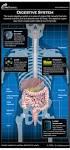 The digestive system Medicine and technology Normal structure and function Diagnostic methods Example diseases and therapies The digestive system An overview (1) Oesophagus Liver (hepar) Biliary system
Clinical Practice Guidelines for Hepatocellular Carcinoma, List of Clinical Questions/Recommendations. Chapter. Grade. CQ No. 1 Interferon Therapy
 Clinical Practice Guidelines for Hepatocellular Carcinoma, List of Clinical Questions/Recommendations Chapter Chapter 1 Prevention Sectio n CQ No. 1 Interferon Therapy Clinical Question 1 Does interferon
The State of the Liver in the Adult Patient after Fontan Palliation
 The State of the Liver in the Adult Patient after Fontan Palliation Fred Wu, M.D. Boston Adult Congenital Heart Service Boston Children s Hospital/Brigham & Women s Hospital 7 th National Adult Congenital
Lenox Hill Hospital Department of Surgery General Surgery Goals and Objectives
 Lenox Hill Hospital Department of Surgery General Surgery Goals and Objectives Medical Knowledge and Patient Care: Residents must demonstrate knowledge and application of the pathophysiology and epidemiology
MR imaging of primary sclerosing cholangitis (PSC) using the hepatobiliary specific contrast agent Gd-EOB-DTPA
 MR imaging of primary sclerosing cholangitis (PSC) using the hepatobiliary specific contrast agent Gd-EOB-DTPA Poster No.: C-0019 Congress: ECR 2010 Type: Educational Exhibit Topic: Abdominal Viscera (Solid
NUTRITION IN LIVER DISEASES
 NUTRITION IN LIVER DISEASES 1. HEPATITIS: Definition: - Viral inflammation of liver cells. Types: a. HAV& HEV, transmitted by fecal-oral route. b. HBV & HCV, transmitted by blood and body fluids. c. HDV
Learning Objectives. Introduction to Medical Careers. Vocabulary: Chapter 16 FACTS. Functions. Organs. Digestive System Chapter 16
 Learning Objectives Introduction to Medical Careers Digestive System Chapter 16 Define at least 10 terms relating to the digestive Describe the four functions of the digestive Identify different structures
Elevated Liver Enzymes: Now What? A Diagnostic Approach to Hepatopathies Todd Cohen, DVM, DACVIM (Internal Medicine)
 Elevated Liver Enzymes: Now What? A Diagnostic Approach to Hepatopathies Todd Cohen, DVM, DACVIM (Internal Medicine) Providing the best quality care and service for the patient, the client, and the referring
Chapter 6 Gastrointestinal Impairment
 Chapter 6 Gastrointestinal This chapter consists of 2 parts: Part 6.1 Diseases of the digestive system Part 6.2 Abdominal wall hernias and obesity PART 6.1: DISEASES OF THE DIGESTIVE SYSTEM Diseases of
A912: Kidney, Renal cell carcinoma
 A912: Kidney, Renal cell carcinoma General facts of kidney cancer Renal cell carcinoma, a form of kidney cancer that involves cancerous changes in the cells of the renal tubule, is the most common type
Diseases of peritoneum Lect. Al Qassim University, Faculty of Medicine Phase II Year III, CMD 332 Pathology Department 31-32
 Diseases of peritoneum Lect Al Qassim University, Faculty of Medicine Phase II Year III, CMD 332 Pathology Department 31-32 Describe the etiology, pathogenesis and types of peritonitis Define ascites and
Liver Diseases. An Essential Guide for Nurses and Health Care Professionals
 Brochure More information from http://www.researchandmarkets.com/reports/1047385/ Liver Diseases. An Essential Guide for Nurses and Health Care Professionals Description: Liver disease is a rapidly growing
Disclosures. Interpreting Liver Tests: What Do They Mean? Liver Function Tests. Objectives. Common Tests. Case 1
 Disclosures Interpreting Liver Tests: What Do They Mean? I have no financial disclosures to make. Roman Perri, MD Vanderbilt University Medical Center Nashville, TN Objectives Discuss tests commonly used
Frequently Asked Questions About Ovarian Cancer
 Media Contact: Gerri Gomez Howard Cell: 303-748-3933 [email protected] Frequently Asked Questions About Ovarian Cancer What is ovarian cancer? Ovarian cancer is a cancer that forms in tissues
FVMA 2015: Diagnosis and Management of Pericardial Disease PERICARDIAL EFFUSION Pathophysiology of Cardiac Tamponade
 FVMA 2015: Diagnosis and Management of Pericardial Disease Jonathan A. Abbott, DVM, Dipl. ACVIM (Cardiology) VA-MD College of Veterinary Medicine Virginia Tech, Blacksburg, Virginia Pericardial disease
What to do with abnormal LFTs? Andrew M Smith Hepatobiliary Surgeon
 What to do with abnormal LFTs? Andrew M Smith Hepatobiliary Surgeon "it looks like there's something wrong.with your television set. Matt Groenig, creator of The Simpsons Probability of an abnormal screening
Laparoscopic Surgery of the Colon and Rectum (Large Intestine) A Simple Guide to Help Answer Your Questions
 Laparoscopic Surgery of the Colon and Rectum (Large Intestine) A Simple Guide to Help Answer Your Questions What are the Colon and Rectum? The colon and rectum together make up the large intestine. After
Gallbladder Diseases and Problems
 Gallbladder Diseases and Problems Introduction Your gallbladder is a pear-shaped organ under your liver. It stores bile, a fluid made by your liver to digest fat. There are many diseases and problems that
Prof. of Tropical Medicine Faculty of Medicine Alexandria University
 prof. Dr. Ali El-Kady (MD) Prof. of Tropical Medicine Faculty of Medicine Alexandria University DRUGS THAT MAY CAUSE LIVER DYSFUNCTION DAMAGE The liver is the principal organ that is capable of converting
Pericardium. Pericardial Diseases. Function of Pericardium 10/1/2012
 NO LASIX, PLEASE! PERICARDIAL DISEASE IN THE DOG Pericardium Michael Luethy, DVM Diplomate ACVIM Cardiology September 13 th, 2012 Tough, outer, parietal pericardium Delicate, serous, visceral pericardium
Hepatocellular Carcinoma: A Guide to Screening and Diagnosis
 February 2012 Hepatocellular Carcinoma: A Guide to Screening and Diagnosis Reid Merryman, Harvard Medical School Year III Agenda Hepatocellular carcinoma (HCC) introduction Index patient: clinical presentation
Vetsulin. CurveKit. Unparalleled support for managing canine and feline diabetes only from Merck Animal Health
 Vetsulin CurveKit Glucose curve workpad How-to instructions Interpretation guidelines Unparalleled support for managing canine and feline diabetes only from Merck Animal Health How to chart your patients
Diagnosis and Prognosis of Pancreatic Cancer
 Main Page Risk Factors Reducing Your Risk Screening Symptoms Diagnosis Treatment Overview Chemotherapy Radiation Therapy Surgical Procedures Lifestyle Changes Managing Side Effects Talking to Your Doctor
MANAGEMENT OF LIVER CIRRHOSIS
 MANAGEMENT OF LIVER CIRRHOSIS Information Leaflet Your Health. Our Priority. Page 2 of 6 What is cirrhosis? Cirrhosis is a result of long-term, continuous damage to the liver and may be due to many different
To Whipple or Not to Whipple, that is the Question: Evaluating the Resectability of Pancreatic Adenocarcinoma
 August 2009 To Whipple or Not to Whipple, that is the Question: Evaluating the Resectability of Pancreatic Adenocarcinoma Christina Ramirez, Harvard Medical School Year III Gillian Lieberman, MD Agenda
PSA Screening for Prostate Cancer Information for Care Providers
 All men should know they are having a PSA test and be informed of the implications prior to testing. This booklet was created to help primary care providers offer men information about the risks and benefits
gross evidence of acute pancreatitis. Lipase is produced by the canine gastric mucosa which explains why inflammation or damage to the stomach can
 CANINE PANCREATITIS Michael D. Willard, DVM, Diplomate ACVIM-SA Professor of Small Animal Clinical Sciences Department of Small Animal Clinical Sciences College of Veterinary Medicine Texas Veterinary
By Anne C. Travis, M.D., M.Sc. and John R. Saltzman, M.D., FACG Brigham and Women's Hospital Harvard Medical School Boston, MA
 SMALL BOWEL BLEEDING: CAUSES, DIAGNOSIS AND TREATMENT By Anne C. Travis, M.D., M.Sc. and John R. Saltzman, M.D., FACG Brigham and Women's Hospital Harvard Medical School Boston, MA 1. What is the small
Informed Consent for Laparoscopic Vertical Sleeve Gastrectomy. Patient Name
 Informed Consent for Laparoscopic Vertical Sleeve Gastrectomy Patient Name Please read this form carefully and ask about anything you may not understand. I consent to have a laparoscopic Vertical Sleeve
V: Infusion Therapy. College of Licensed Practical Nurses of Alberta, Competency Profile for LPNs, 3rd Ed. 181
 V: Infusion Therapy College of Licensed Practical Nurses of Alberta, Competency Profile for LPNs, 3rd Ed. 181 Competency: V-1 Principles of V-1-1 V-1-2 V-1-3 V-1-4 V-1-5 Demonstrate knowledge and ability
The child with abnormal liver function tests
 The child with abnormal liver function tests Dr Jane Hartley Consultant Paediatric Hepatologist Birmingham Children s Hospital, UK 1 st Global Congress CIP, Paris 2011 Contents Over view of liver anatomy,
chronic leukemia lymphoma myeloma differentiated 14 September 1999 Pre- Transformed Ig Surface Surface Secreted Myeloma Major malignant counterpart
 Disease Usual phenotype acute leukemia precursor chronic leukemia lymphoma myeloma differentiated Pre- B-cell B-cell Transformed B-cell Plasma cell Ig Surface Surface Secreted Major malignant counterpart
Spleen. Anatomy. (Effective February 2007) (1%-5%) Normal. Related Anatomy Anterior to spleen. Medial border. Posteriorly
 Spleen (Effective February 2007) (1%-5%) Anatomy Normal Intraperitoneal, except hilum Left hypochondrium Left hemidiaphragm superior generally considered to be ovoid, with a convex superior and a concave
Presence and extent of fatty liver or other metabolic liver diseases
 UC San Diego Health System Patient Information Sheet: Liver Biopsy What is a Liver Biopsy? A liver biopsy is a procedure where a qualified doctor (typically a hepatologist, radiologist or gastroenterologist)
Liver Function Essay
 Liver Function Essay Name: Quindoline Ntui Date: April 20, 2009 Professor: Dr. Danil Hammoudi Class: Anatomy and Physiology 2 Liver function The human body consist of many highly organize part working
The degree of liver inflammation or damage (grade) Presence and extent of fatty liver or other metabolic liver diseases
 ilearning about your health Liver Biopsy www.cpmc.org/learning What is a Liver Biopsy? A liver biopsy is a procedure where a specially trained doctor (typically a hepatologist, radiologist, or gastroenterologist)
Hepatitis C. Laboratory Tests and Hepatitis C
 Hepatitis C Laboratory Tests and Hepatitis C If you have hepatitis C, your doctor will use laboratory tests to check your health. This handout will help you understand what the major tests are and what
Digestive System AKA. GI System. Overview. GI Process Process Includes. G-I Tract Alimentary Canal
 Digestive System AKA G-I Tract Alimentary Canal Overview GI System Consists of Mouth, pharynx, esophagus, stomach, small intestine, large intestine, anus About 30 in length Accessory Organs Teeth, tongue,
Gastrointestinal Bleeding
 Gastrointestinal Bleeding Introduction Gastrointestinal bleeding is a symptom of many diseases rather than a disease itself. A number of different conditions can cause gastrointestinal bleeding. Some causes
CEU Update. Pancreatic Cancer
 CEU Update A semi-annual publication of the National Association for Health Professionals June 2015 Issue #0615 Pancreatic Cancer The Pancreatic Cancer Action Network, Inc. (PanCAN), established in 1999,
Benign Liver Tumors. Cameron Schlegel PGY-1 3/6/2013
 Benign Liver Tumors Cameron Schlegel PGY-1 3/6/2013 Outline Benign Liver Tumors are, in general. Asymptomatic Diagnosed: imaging Treatment: Do no harm Unless Malignant potential Causing symptoms Differential
Liver, Gallbladder and Pancreas diseases. Premed 2 Pathophysiology
 Liver, Gallbladder and Pancreas diseases Premed 2 Pathophysiology Pancreas Pancreatitis Acute Pancreatitis Autodigestion of the pancreas due to activation of the enzymes Hemorrhagic fat necrosis, calcium
Albumin. Prothrombin time. Total protein
 Hepatitis C Fact Sheet February 2016 www.hepatitis.va.gov Laboratory Tests and Hepatitis If you have hepatitis C, your doctor will use laboratory tests to about learn more about your individual hepatitis
OMG my LFT s! How to Interpret and Use Them. OMG my LFT s! OMG my LFT s!
 How to Interpret and Use Them René Romero, M.D. Clinical Director, Pediatric Hepatology CPG Gastroenterology, Hepatology and Nutrition Emory University School of Medicine Objectives Understand the anatomy
How To Know If Your Cat Is Healthy And Happy
 Senior Cat Care As cats get older, they can experience many changes in their bodies. Not all cats will have these changes at the same time in their lives but we can categorize their life stages. Stage
Kidney Cancer OVERVIEW
 Kidney Cancer OVERVIEW Kidney cancer is the third most common genitourinary cancer in adults. There are approximately 54,000 new cancer cases each year in the United States, and the incidence of kidney
GENERAL CODING. When you review old cases that were coded to unknown, make corrections based on guidelines in effect at the time of diagnosis.
 GENERAL CODING When you review old cases that were coded to unknown, make corrections based on guidelines in effect at the time of diagnosis. Exception: You must review and revise EOD coding for prostate
INFORMED CONSENT FOR LAPAROSCOPIC GASTRIC SLEEVE SURGICAL PROCEDURE
 INFORMED CONSENT FOR LAPAROSCOPIC GASTRIC SLEEVE SURGICAL PROCEDURE It is very important to [insert physician, practice name] that you understand and consent to the treatment your doctor is rendering and
Drug Excretion. Renal Drug Clearance. Drug Clearance and Half-Life. Glomerular Filtration II. Glomerular Filtration I. Drug Excretion and Clearance
 t/.drugexcretion AINTRAVENOUSDOSE 36848765430TIME(hours) t/ Drug Excretion Dr. Robert G. Lamb Professor Pharmacology & Toxicology Drug Excretion and Clearance Drug Excretion: is the movement of drug from
Cardiovascular diseases. pathology
 Cardiovascular diseases pathology Atherosclerosis Vascular diseases A disease that results in arterial wall thickens as a result of build- up of fatty materials such cholesterol, resulting in acute and
Overview of Diabetes Management. By Cindy Daversa, M.S.,R.D.,C.D.E. UCI Health
 Overview of Diabetes Management By Cindy Daversa, M.S.,R.D.,C.D.E. UCI Health Objectives: Describe the pathophysiology of diabetes. From a multiorgan systems viewpoint. Identify the types of diabetes.
Pancreatic Cancer Understanding your diagnosis
 Pancreatic Cancer Understanding your diagnosis Let s Make Cancer History 1 888 939-3333 cancer.ca Pancreatic Cancer Understanding your diagnosis When you first hear that you have cancer you may feel alone
Smoking and misuse of certain pain medicines can affect the risk of developing renal cell cancer.
 Renal cell cancer Renal cell cancer is a disease in which malignant (cancer) cells form in tubules of the kidney. Renal cell cancer (also called kidney cancer or renal adenocarcinoma) is a disease in which
Laparoscopic Cholecystectomy
 Laparoscopic Cholecystectomy Removal of Gall Bladder Page 12 Patient Information Further Information We endeavour to provide an excellent service at all times, but should you have any concerns please,
Section 2. Overview of Obesity, Weight Loss, and Bariatric Surgery
 Section 2 Overview of Obesity, Weight Loss, and Bariatric Surgery What is Weight Loss? How does surgery help with weight loss? Short term versus long term weight loss? Conditions Improved with Weight Loss
Acute Abdominal Pain following Bariatric Surgery. Disclosure. Objectives 8/17/2015. I have nothing to disclose
 Acute Abdominal Pain following Bariatric Surgery Kathy J. Morris, DNP, APRN, FNP C, FAANP University of Nebraska Medical Center College of Nursing Disclosure I have nothing to disclose Objectives Pathophysiology
Facing Pancreatic Surgery? Learn about minimally invasive da Vinci Surgery
 Facing Pancreatic Surgery? Learn about minimally invasive da Vinci Surgery The Condition: Pancreatitis/Pancreatic Cancer The pancreas is an organ that produces enzymes and hormones to help your body digest
PERITONEAL (ABDOMINAL) PARACENTESIS
 PERITONEAL (ABDOMINAL) PARACENTESIS Indications 1. To determine the cause of ascites. 2. To determine if ascites is infected. 3. For therapeutic removal of fluid: (a) (b) When distention is pronounced
Abdomen X-Ray (AXR) Collimation is ideally from diaphragms to lower border of the symphysis pubis and the lateral skin margins.
 Abdomen X-Ray (AXR) Collimation is ideally from diaphragms to lower border of the symphysis pubis and the lateral skin margins. LMP of child-bearing age female patients should be checked. 1. Acute abdomen
Open the Flood Gates Urinary Obstruction and Kidney Stones. Dr. Jeffrey Rosenberg Dr. Emilio Lastarria Dr. Richard Kasulke
 Open the Flood Gates Urinary Obstruction and Kidney Stones Dr. Jeffrey Rosenberg Dr. Emilio Lastarria Dr. Richard Kasulke Nephrology vs. Urology Nephrologist a physician who has been trained in the diagnosis