
Turf and Ornamental Herbicide
|
|
|
- Dora Bradford
- 10 years ago
- Views:
Transcription
1 PULL HERE TO OPEN Turf and Ornamental Herbicide For the control of grass weeds in landscape areas, roadsides, nurseries, greenhouses, flower beds, groundcovers, interiorscapes, parks, sports fields, golf courses, commercial and residential areas. Active Ingredient: Fluazifop-P-butyl Butyl (R)-2-[4-[[5-(trifluoromethyl)-2-pyridinyl]oxy] phenoxy]propanoate* % Other Ingredients: 75.5% Total: 100.0% *Fusilade II Turf and Ornamental Herbicide contains 2 pounds (+) isomer (fluazifop-p-butyl) per gallon. Contains petroleum hydrocarbons. KEEP OUT OF REACH OF CHILDREN. CAUTION See additional precautionary statements and directions for use inside booklet. EPA Reg. No EPA Est IA-01 VWC EPA Est TN-003 NTM (Superscript is first three letters of batch code on container.) Product of United Kingdom Formulated in the USA SCP 1084A-L1B quart Net Contents

2 If on skin or clothing If inhaled FIRST AID Take off contaminated clothing. Rinse skin immediately with plenty of water for minutes. Call a poison control center or doctor for treatment advice. Move person to fresh air. If person is not breathing, call 911 or an ambulance, then give artificial respiration, preferably mouth-to-mouth if possible. Call a poison control center or doctor for further treatment advice. If in eyes Hold eye open and rinse slowly and gently with water for minutes. Remove contact lenses, if present, after the first 5 minutes, then continue rinsing eye. Call a poison control center or doctor for treatment advice. If swallowed Call a poison control center or doctor immediately for treatment advice. Do not give any liquid to the person. Do not induce vomiting unless told to do so by a poison control center or doctor. Do not give anything by mouth to an unconscious person. NOTE TO PHYSICIAN Contains petroleum distillate. Vomiting may cause aspiration pneumonia. Have the product container or label with you when calling a poison control center or doctor, or going for treatment. HOT LINE NUMBER For 24 Hour Medical Emergency Assistance (Human or Animal) or Chemical Emergency Assistance (Spill, Leak, Fire, or Accident), Call PRECAUTIONARY STATEMENTS Hazards to Humans and Domestic Animals CAUTION Harmful if absorbed through skin or inhaled. Causes eye irritation. Prolonged or frequently repeated skin contact may cause allergic reactions in some individuals. Avoid contact with skin, eyes or clothing. Avoid breathing vapor or spray mist. continued...

3 PRECAUTIONARY STATEMENTS (continued) Personal Protective Equipment (PPE) Some materials that are chemical-resistant to this product are listed below. If you want more options, follow the instructions for Category E on an EPA chemical resistance category selection chart. Applicators and handlers (other than mixers and loaders) must wear: Long-sleeved shirt and long pants Chemical-resistant gloves, such as barrier laminate or nitrile rubber or Viton or neoprene rubber Shoes plus socks Mixers and Loaders must wear: Long-sleeved shirt and long pants Chemical-resistant gloves, such as barrier laminate or nitrile rubber or Viton or neoprene rubber Shoes plus socks Protective eyewear Chemical-resistant apron when mixing or loading Follow manufacturer s instructions for cleaning/maintaining PPE. If no such instructions for washables exist, use detergent and hot water. Keep and wash PPE separately from other laundry. Engineering Control Statements When handlers use closed systems, enclosed cabs, or aircraft in a manner that meets the requirements listed in the Worker Protection Standard (WPS) for agricultural pesticides [40 CFR (d)(4-6)], the handler PPE requirements may be reduced or modified as specified in the WPS. User Safety Recommendations Users should: Wash hands before eating, drinking, chewing gum, using tobacco or using the toilet. Remove clothing/ppe immediately if pesticide gets inside. Then wash thoroughly and put on clean clothing. Remove PPE immediately after handling this product. Wash the outside of gloves before removing. As soon as possible, wash thoroughly and change into clean clothing. Environmental Hazards Fluazifop-P-butyl is known to leach through soil into ground water under certain conditions as a result of label use. This chemical may leach into ground water if used in areas where soils are permeable, particularly where the water table is shallow. This product is toxic to fish. Do not apply directly to water, or to areas where surface water is present, or to intertidal areas below the mean high water mark. Do not contaminate water when disposing of equipment washwaters. Do not apply when weather conditions favor drift from target area.

4 This product may impact surface water quality due to runoff of rain water. This is especially true for poorly draining soils and soils with shallow ground water. This product is classified as having high potential for reaching surface water via runoff for several months or more after application. A level, weli-maintained vegetative buffer strip between areas to which this product is applied and surface water features such as ponds, streams, and springs will reduce the potential loading of fluazifop-p-butyl from runoff water and sediment. Runoff of this product will be reduced by avoiding applications when rainfall is forecasted to occur within 48 hours. Physical or Chemical Hazards Do not use or store near heat or open flame. CONDITIONS OF SALE AND LIMITATION OF WARRANTY AND LIABILITY NOTICE: Read the entire Directions for Use and Conditions of Sale and Limitation of Warranty and Liability before buying or using this product. If the terms are not acceptable, return the product at once, unopened, and the purchase price will be refunded. The Directions for Use of this product must be followed carefully. It is impossible to eliminate all risks inherently associated with the use of this product. Crop injury, ineffectiveness or other unintended consequences may result because of such factors as manner of use or application, weather or crop conditions, presence of other materials or other influencing factors in the use of the product, which are beyond the control of SYNGENTA CROP PROTECTION, INC. or Seller. To the extent permitted by applicable law, Buyer and User agree to hold SYNGENTA and Seller harmless for any claims relating to such factors. SYNGENTA warrants that this product conforms to the chemical description on the label and is reasonably fit for the purposes stated in the Directions for Use, subject to the inherent risks referred to above, when used in accordance with directions under normal use conditions. To the extent permitted by applicable law: (1) this warranty does not extend to the use of this product contrary to label instructions, or under conditions not reasonably foreseeable to or beyond the control of Seller or SYNGENTA, and (2) Buyer and User assume the risk of any such use. TO THE EXTENT PERMITTED BY APPLICABLE LAW, SYNGENTA MAKES NO WARRANTIES OF MERCHANTABILITY OR OF FITNESS FOR A PARTICULAR PURPOSE NOR ANY OTHER EXPRESS OR IMPLIED WARRANTY EXCEPT AS WARRANTED BY THIS LABEL.

5 To the extent permitted by applicable law, in no event shall SYNGENTA be liable for any incidental, consequential or special damages resulting from the use or handling of this product. TO THE EXTENT PERMITTED BY APPLICABLE LAW, THE EXCLUSIVE REMEDY OF THE USER OR BUYER, AND THE EXCLUSIVE LIABILITY OF SYNGENTA AND SELLER FOR ANY AND ALL CLAIMS, LOSSES, INJURIES OR DAMAGES (INCLUDING CLAIMS BASED ON BREACH OF WARRANTY, CONTRACT, NEGLIGENCE, TORT, STRICT LIABILITY OR OTHERWISE) RESULTING FROM THE USE OR HANDLING OF THIS PRODUCT, SHALL BE THE RETURN OF THE PURCHASE PRICE OF THE PRODUCT OR, AT THE ELECTION OF SYNGENTA OR SELLER, THE REPLACEMENT OF THE PRODUCT. SYNGENTA and Seller offer this product, and Buyer and User accept it, subject to the foregoing Conditions of Sale and Limitation of Warranty and Liability, which may not be modified except by written agreement signed by a duly authorized representative of SYNGENTA. DIRECTIONS FOR USE It is a violation of Federal law to use this product in a manner inconsistent with its labeling. Do not apply this product in a way that will contact workers or other persons, either directly or through drift. Only protected handlers may be in the area during application. For any requirements specific to your State or Tribe, consult the agency responsible for pesticide regulation. This labeling must be in the possession of the user at the time of application. AGRICULTURAL USES: COMMERCIAL SOD FARMS, ORNAMENTALS GROWN IN COMMERCIAL GREENHOUSES AND NURSERIES AGRICULTURAL USE REQUIREMENTS Use this product only in accordance with its labeling and with the Worker Protection Standard, 40 CFR part 170. This Standard contains requirements for the protection of agricultural workers on farms, forests, nurseries, and greenhouses, and handlers of agricultural pesticides. It contains requirements for training, decontamination, notification, and emergency assistance. It also contains specific instructions and exceptions pertaining to the statements on this label about personal protective equipment (PPE), and restricted-entry interval. The requirements in this box only apply to uses of this product that are covered by the Worker Protection Standard. Do not enter or allow worker entry into treated areas during the restricted entry interval (REI) of 12 hours.

6 AGRICULTURAL USE REQUIREMENTS (continued) PPE required for early entry to treated areas that is permitted under the Worker Protection Standard and that involves contact with anything that has been treated, such as plants, soil, or water, is: Coveralls Chemical-resistant gloves, such as barrier laminate or nitrile rubber or Viton or neoprene rubber Shoes plus socks NON-AGRICULTURAL USE REQUIREMENTS The requirements in this box apply to uses of this product that are NOT within the scope of the Worker Protection Standard for agricultural pesticides (40 CFR Part 170). The WPS applies when this product is used to produce agricultural plants on farms, forests, nurseries, or greenhouses. The area being treated must be vacated by unprotected persons. Do not treat areas while unprotected humans or domestic animals are present in the treatment areas. Do not allow entry into treated areas without protective clothing until sprays have dried. Because certain states may require more restrictive reentry intervals for various crops treated with this product, consult your State Department of Agriculture for further information. Written or oral warnings must be given to workers who are expected to be in a treated area or in an area about to be treated with this product. When oral warnings are given, warnings shall be given in a language customarily understood by workers. Oral warnings must be given if there is reason to believe that written warnings cannot be understood by workers. Warnings must include the following information: CAUTION: Area treated with Fusilade II Turf and Ornamental Herbicide on (date of application). Do not enter without appropriate protective clothing until sprays have dried. In case of accidental exposure to pesticide spray, wash the skin thoroughly with soap and water. Remove contaminated clothing and wash before reuse. If in eyes, flush with plenty of water. If irritation persists, get medical attention. GENERAL INFORMATION Read all label directions before using. Fusilade II Turf and Ornamental Herbicide is a postemergence herbicide for control of annual and perennial grass weeds in ornamentals and certain turf grasses. Fusilade II Turf and Ornamental Herbicide does not control broadleaf weeds or sedges (nutgrass). Fusilade II Turf and Ornamental Herbicide may be applied directly over the top of ornamentals or as a directed spray. Refer to the Ornamental Plant Tables for specific plant safety.

7 Fusilade II Turf and Ornamental is a systemic herbicide which moves from the treated foliage into the shoots, roots, rhizomes, stolons, and growing points (meristematic regions) of treated grass weeds. Fusilade II Turf and Ornamental Herbicide is rainfast in one hour. CONTROL SYMPTOMS Growth of treated grass weeds stops soon after application. Symptoms include loss of vigor, yellowing and/or reddening, and eventual death to the treated grass plant. Symptoms are generally observed within 7-14 days after treatment, depending on grass weed species and environmental conditions. Complete control occurs from days following application. INFORMATION ON WEED RESISTANCE Naturally occurring biotypes of certain grass species with resistance to this herbicide and related products (same mode of action) are known to exist. Selection of resistant biotypes, through repeated use of these herbicides, may result in control failures. If poor performance cannot be attributed to adverse weather conditions or improper application methods, a resistant biotype may be present. In such a case, additional treatments with this herbicide or related products is not recommended. Consult your local company representative or agricultural advisor for assistance. APPLICATION DIRECTIONS Thorough coverage of all weed plant foliage is important for good activity. Optimum weed control is achieved when young actively growing weeds are treated that are not under stress from moisture, temperature, low soil fertility, mechanical, or chemical injury. TIMING Best control of susceptible grasses is obtained when Fusilade II Turf and Ornamental Herbicide is applied to actively growing grasses before they exceed the listed growth stages shown on this label. Refer to the grass weed table for specific directions on weed growth stages. For best control, use sufficient spray volume and pressure to ensure complete coverage of the target grasses. Apply in 1-2 gallons final spray per 1,000 sq. ft. with spray pressures of psi at the nozzle tip. When grass foliage is dense, use 60 psi and a minimum of 2 gallons per 1,000 sq. ft. to ensure coverage of weed foliage. Do not exceed the maximum application rates for Fusilade II Turf and Ornamental Herbicide. Always add a high quality nonionic surfactant containing at least 75% surface-active agent, at % v/v ( 1 /2-1 pint per 25 gallons) of the finished spray volume for ground sprays.

8 FOR BEST RESULTS, DO NOT USE FLOOD TYPE OR OTHER SPRAY NOZZLE TIPS WHICH DELIVER COARSE, LARGE DROPLET SPRAYS. FOR BEST RESULTS, DO NOT APPLY FUSILADE II TURF AND ORNAMENTAL HERBICIDE WITH CONTROLLED DROPLET APPLICATORS (CDA) OR ANY SIMILAR DEVICES. DO NOT APPLY THIS PRODUCT THROUGH ANY TYPE OF IRRIGATION SYSTEM. Disturbance (such as mowing, hand weeding, etc.) of treated grasses is not recommended within 7 days prior to or within 7 days after application of Fusilade II Turf and Ornamental Herbicide, as weeds may be put under stress, reducing weed control. Timely cultivation 2-3 weeks before or after applying Fusilade II Turf and Ornamental Herbicide may assist weed control. Apply to actively growing grasses. Application to grasses which are stressed due to moisture, temperature, low soil fertility, mechanical or chemical injury may result in reduced weed control. For best results, apply at the directed rate to grasses at the recommended growth stages as outlined in Table 5 Annual and Perennial Grass Controlled by Fusilade II Turf and Ornamental Herbicide. Application to grasses which have tillered, formed seed heads, or exceeded listed growth stages may require additional treatment. Apply when the first grass weed species in a mixed grass weed population reaches the listed growth stages for treatment. Use the highest directed rate for grasses in that group. Where irrigation is used, best results may be obtained when Fusilade II Turf and Ornamental Herbicide is applied within 7 days after irrigation. Best perennial grass control can be obtained if rhizomes or stolons are cut up by hoeing, etc., to stimulate maximum emergence of grass shoots. Avoid drift to all other crops and nontarget areas. Grass crops are highly susceptible to Fusilade II Turf and Ornamental Herbicide. For established turf, do not reseed desirable grasses to treated areas for 14 days following the application. For bare ground areas which have been treated, wait 30 days to reseed. Fusilade II Turf and Ornamental Herbicide may be tank mixed with other pesticides, liquid fertilizers or any other additives according to this label or if local experience indicates that each product on the tank mix are safe to the treated crop. Sequential applications of other herbicides except as specified on this label or on supplemental labeling within five days before or after Fusilade II Turf and Ornamental Herbicide application may result in ornamental injury and/or reduced grass control.

9 Thoroughly clean spray tank with water and a commercial tank cleaner before and after each use. Reduced grass control may be observed if rainfall or irrigation occurs within one hour of application. DO NOT GRAZE ANIMALS IN TREATED AREAS OR FEED TREATED PLANTS. REFER TO GRASS WEED TABLES FOR SPECIFIC DIRECTIONS ON WEED GROWTH STAGES. NOTICE TO BUYER AND USER: It is impossible to test every species and variety or cultivar of ornamental or nursery plants under all conditions. Plant tolerance of pesticides vary as conditions vary. Plant tolerance of Fusilade II Turf and Ornamental Herbicide at label rates has been found to be acceptable within the ranges specified for the indicated genera and species. Neither the manufacturer nor the seller has determined whether or not Fusilade II Turf and Ornamental Herbicide can safely be used on plants not specified on this label. The professional user should determine if Fusilade II Turf and Ornamental Herbicide can be used safely prior to use. Fusilade II Turf and Ornamental Herbicide may be applied as an over-the-top spray or a directed spray application in ornamentals. APPLICATION RATES For landscaped areas, roadsides, field grown ornamentals, greenhouses, nurseries, flower beds and all other non-turf areas: Apply oz./1000 sq. ft. (16-24 oz./a) of Fusilade II Turf and Ornamental Herbicide in sufficient water along with 0.25% ( 1 /2 pt./25 gals.) of a nonionic surfactant. Use only nonionic surfactant on ornamentals. DO NOT USE A CROP OIL CONCENTRATE WITH FUSILADE II TURF AND ORNAMENTAL HERBICIDE ON ORNAMENTALS. Table 1. Over-the-Top Applications May be Applied to the Following Ornamentals. Use only nonionic surfactants on ornamentals. COMMON NAME/VARIETY Abelia, Glossy Acacia, Jim wheat Acacia, Shoe-string Acacia, Willow Acacia, Willow-leafed Ageratum sp. Abelia grandiflora Acacia schafnerii Acacia stenophylla Acacia saligna Acacia salacina Ageratum sp.

10 COMMON NAME/VARIETY Almond, Flowering Aloe, Barbados Aloe vera Aloe zanzibarica Alyssum sp. Ash, American Mountain Ash, Arizona Ash, Green Ash, White Asparagus, Myres Asparagus, Sprenger Aucuba Aucuba japonica variegata Aurea Banana, Ethiopia Banksia Barberry, Mentor Barberry, Redleaf Japanese Bearberry, Red Begonia, Scarletta Bellflower Birch, Eastern white Bird, Giant of paradise Bird of paradise Bird of Paradise Bittle bush Bottle-brush Bougainvilea sp. Boxwood, Common Boxwood, Japanese Prumus trialoba Aloe barbadensis Aloe vera Aloe zanzibarica Alyssum sp. Sorbus americana* Fraxinus velutina Fraxinus pennsylvanica* Fraxinus americana* Asparagus densiflorus Asparagus densiflorus Aucuba japonica Aucuba japonica variegata Philadelphius coronarius Musa maurelli Rosa Banksiae Berberis mentorensis Berberis thunbergii* Arctostaphylos uva-ursi Begonia Semperflorens cultoreum* Campanula carpatica Betula pendula* Strelitzia nicolai Caesalpinia gilliesii Strelitzia reginae Encelia farinosa Callistemon lanceolatus Bougainvilea spp. Buxus sempervirens Buxus microphylia var. japonica continued...

11 COMMON NAME/VARIETY Boxwood, Korean Buckthorn, Tallhedge Burningbush, Compact Bush, Lily-of-the-Valley Bush, Purple hopseed Cactus, Barrel Cactus, Cholla Cactus, Hedgehog Cactus, Saguaro Caesalpinia cacalaco Camelia Camelia, Sasanqua Cape weed Carissa tuttlei Cassia, African Cassia, Feathery Cassia sturdii Centaurea, Dusty miller Century plant Cerastium, Snow in summer Ceratoria, Carob tree Cercis, Red bud Cherry, Australian bush Cherry, Brush Cherry, Carolina Chives Cleyera Cleyera Clover, Pink Coffee Coleus Coleus, Jade wizard Buxus microphylia koreana Rhamnus frangula Kochia scoparia f. trychophylla Pieris japonica Dodonea viscosa purplurea Ferocactus sp. Opuntia Cholla Echinocatus sp. Carnegiea gijantea Caesalpinia cacalaco Camelia japonica Camelia sasanqua Arctotheca calendula Carissa tuttlei Cassia didymobrotrya Cassia artemisioides Cassia sturdii Centaurea cineraria Agave americana Cerastium tomentosum Ceratoria siliqua Cercis canadiensis Syzgium paniculatum Eugenia myrtifolia Prunus caroliniana ompacta Allium schoenoprasum Cleyera spp. Ternstroemia gymnanthera Polygonum capitatum Coffea arabica Coleus x hybridus* Coleus x hybridus

12 COMMON NAME/VARIETY Coolibah, Gum-barked Coreopsis, Threadleaf Coronet, Orange Cotoneaster Cotoneaster Cotoneaster apiculata Cotoneaster, Coral beauty Cotoneaster, Royal beauty Cotoneaster, Spreading Cotoneaster, Willowleaf Crabapple, Showy Cranesbill Creeper, Blue star Crossandra Croton Crown Vetch Cypress, Allum lawson Cypress, Cripps hinoki false Cypress, Italian Daisy, Shasta Daisy, White africans Daylily Deutzia, Slender Dianthus, Sweet William Dogwood, Cornelia cherry Dogwood, Flaviramea Dogwood, Flowering Dogwood, Red twig Dumbcane, Giant Emerald mound Eucalyptus microtheca Coreopsis verticillata Calendula officinalis* Cotoneaster microphyllus Cotoneaster repens Cotoneaster apiculata Cotoneaster dammeri Cotoneaster dammeri Cotoneaster divaricatus Cotoneaster salicifolius franch Malus floribunda Geranium pratense Isotoma spp. Crossandra nilotica Codiaeum variegatum Vicia sp. Chamaecyparis lawsoniana Chamaecyparis obtusa Cupressus sempervirens Chrysanthemum x superbum Osteospermum fruticosum alba Hemerocallis hybrids Deutzia gracilis Dianthus barbatus Cornus mas Cornus sericea Cornus florida Cornus sericea Dieffenbachia amoena Lonicera xylosteum continued...

13 COMMON NAME/VARIETY Eranthemum, Purple false Erythrina, Fastadiata Erythrina, Swamp immortella Escallonia fradessii Escallonia rubra Euonymus fortunei Euonymus, Siebold Euonymus, Silver king Euonymus, Spreading Euryops Evergreen, Fransher Evergreen, Painted Evergreen, Silver queen Evergreen, Treubii ribbon Fatshedera Fern, Desert tree Fern, Leatherleaf Fern, Sword Fig, Creeping Fig, Exotica weeping Fig, Trailing hottentot Fir, Balsam Fir, Concolor Fir, Douglas Fir, Noble Firethorn Firethorn, Mojave Firethorn, Scarlet, Lalandei Firethorn, Variegated Flower, Spider Pseuderanthemum atropurpureum Erythrina fusca Erythrina fusca Escallonia fradessii Escallonia rubra Euonymus fortunei Euonymus alata Euonymus japonica Euonymus kiautschovicus Euryops pectinatus Aglanoema commutatum Aglanoema crispum Aglanoema commutatum Aglanoema commutatum Fatshedera lizei Lysiloma thornberii Rumohra adiantiformis Nephrolepsis exaltata Ficus repens Ficus benjamina Carpobrotus chilensis* Abies balsamea* Abies concolor Pseudotsuga mensiessi Abies procera Pyracanths graberi Pyracanths koidzumii x coccinea Pyracanths coccinea Pyracanths angustifolia Grevillea rosmarinifolia

14 COMMON NAME/VARIETY Forsythia intermedia Forsythia spp. Forsythia, weeping Forsythia x intermedia Gardenia, dwarf Gardenia, Tahitian Gay feather Gazania gold rush Gazania uniflora leucoleana Geranium Geranium, Ivy Geranium, Smash Hit Red Gimlet, Narrow-leaf Gladiolus, Debbie, Jennie, Mahoganny, stargazer Grapefruit Grapholly, Oregon Grass, Red fountain Gum, Desert Gum, Red Gum, Red box Hackberry Hawthorn, Yedda / Indian Heather, Scotch Hemlock, Eastern Hen and chickens Hesperaloe parviflora Hibiscus, Althea Hibiscus, Chinese Holly, American Holly, Dwarf buford Forsythia intermedia Forsythia spp. Forsythia suspensa Forsythia x intermedia Gardenia jasminoides Gardinia taitensis Liatris spicata Gazania splendens Gazania uniflora leucoleana Pelargonium domesticum Pelargonium peltatum Pelargonium x hortorum* Eucalyptus spathulata Gladiolus x hortulanus Citrus paradist Magnolia sp. Pennisetum setaceum Eucalyptus rudis Eucalyptus rostrata Eucalyptus polyanthemus Celtis occidentalis* Raphiolepsis unbellata Calluna vulgaris Tsuga canadensis Sempervivum tectorum Hesperaloe parviflora Hibiscus syriacus Hibiscus rosa-sinensis Ilex opaca Ilex cornuta continued...

15 COMMON NAME/VARIETY Holly, Fosteri Holly, Japanese Holly, Meserve Hollyhock Honey locust / shade master Honeysuckle, Bush Honeysuckle, Cape Honeysuckle, Marrow Hosta, Variegated Hydrangea, Oakleaf Hydrangea, Panicle Iberis, Candytuff Ice plant, Purple trailing Ice plant, Red spike Ice plant, Rose Indigo, Firecracker, Mexican Inkberry, Compact Iris Ironwood Ivy, Algerian Ivy, Ellen Danica, grape Ivy, English Ivy, Hahn s Ixora Jacaranda Jacobina ghiesbreghtiana Jasmine, Star Jasmine, Asiatic Jessamine, Carolina Ilex x attenuata Ilex crenata Ilex x Meserveae Alcea rosa Gleditsia triancanthos var. inermis Diervila Ionicera Tecomaria capensis Lonicera x marrowii Hosta lanciflora Hydrangea querciflora Hydrangea paniculata Iberis sempervirens Mesembryanthemum drosanhemum productus Mesembryanthemum lampranthus spectabilis Mesembryanthemum drosanhemum hispidum Justicia spicigera Ilex glabra Iris spp. Olneya tesota Hedera canariensis Cissus rhombifloia Hedera helix Hedera helix hahnii Ixora coccinea Jacaranda acutifolia Jacobina ghiesbreghtiana Trachelospermum jasminoides Trachelospermum asiaticum Gelsemium sempervirens

16 COMMON NAME/VARIETY Jojoba Juniper, Admiral Juniper, Cologreen Juniper, Red ceder Lantana, Bush Lantana, Purple (trailing) Lantana, Twistwood Lantana, Wayfaring tree Laurel, Indian Laurel, Indian Legume, O Conners Lentago, Nannyberry Leptospermum laevigatum Ligustrum, Amur River Ligustrum, Privet / California Ligustrum, Texas privet Ligustrum, Vicari Ligustrum, Wax Lilac, James McFarlane Lilac, Korean Lily, Kaffir Lily of the Nile, Peter Pan Linden, Little-leaf Liriope Liriope, Green / Variegated Magnolia, Southern Magnolia, Star Mahonia Mahonia, King s Ransom Maple, Flame amur Maple, Japanese Maple, Norway Simmiondsia chinensii Juniperus horizontalis* Juniperus scopulorum Juniperus virginiana Lantana camera Lantana sellowiana Viburnum lantana* Viburnum lantana* Ficus microcarpa nitida Ficus nitida Trifolium fragiferum Viburnum lentago* Leptospermum laevigatum Ligustrum amurense Ligustrum ovalifolium Ligustrum texanum Ligustrum x Vicari Ligustrum lucidum Syringa villosa Syringa patula Clivia miniata Agapanthus africanus Tilia cordata* Liriope spicata Liriope muscari Magnolia grandiflora Magnolia stellata Mahonia aquifolium Mahonia wagoneri* Acer ginnala* Acer palmatum Acer platanoides continued...

17 COMMON NAME/VARIETY Maple, Silver Maple, Sugar Marigold Marigold Mesquite, Chilean Morningglory, Bush Myoponum, Prostrate Myrtle, Crepe Myrtle, Wax Oak, live Oak, Pin Oak, Silk Ocotillo Odocanthus sp. Oleander, Pink, variegated, petite Olive, Osmanthus, tea Olive, Russian Olive tree Ongerops, Acacia Orange, Sour Pachysandra, Japanese Pagoda flower Palibin Palm, Canary Island date Palm, Chinese fan Palm, Golden fruited (small) Palm, Mediterranean fan Palm, Mexican fan Palm, Pygmy date Palm, Queen Palm Queen Acer sacharinum* Acer sacharum Calendula sp. Tagetes sp. Prosopis chilensis Convolvulus oneorum Myoponum parvifolium Lagerstroemia indica Myrica cerifera Quercus virginiana Quercus palustris* Grevillea robusta Fouqueria splendens Odocanthus sp. Nerium oleander Osmanthus fragrans Elaeagnus angustrifolia Olea europaea Acacia redolens Citrus aurantium Pachysandra terminalis Clerodendrum speciosum Syringa meyeri Phoenix canariensis Livistona chinensis Chrysalidocarpus lutescens Chamaerops humilis Washington robusta Phoenix roebelenii Acrecastrum romanzoffianum Cocos plumosa

18 COMMON NAME/VARIETY Palm, Sago Palm, Windmill Palo Verde, green Panax, Parsley Passion vine Pear, Bradford Pepper, Brazilian Periwinkle Periwinkle, Myrtle, dwarf Petunia spp. Philodendron selloum Philodendron, Micans velvetleaf Photinia Phyllostachys, Golden bamboo Physocarpus, Abbotswood Physocarpus, Dwarf Ninebark, Nanus Physocarpus, Gold drop Physocarpus, Jackmanni Pilea, Creeping Charlie Pine, African fern Pine, Black / Austrian pine Pine, Canary Island Pine, Dwarf Swiss mountain Pine, Eastern white Pine, Loblolly Pine, Longleaf Pine, Mexican border Pine, Norfolk Island Pine, Pitch Pine, Pond Pine, Red Cycus revoluta Chamaerops excelsa Parkensonia aculeata Polyscias fruticosa Passiflora pfordtii Pyrus calleryana Schinus terebinthifolius Vinca major Vinca minor Petunia spp. Philodendron selloum Philodendron oxycardium Photinia x fraseri Phyllostachys aurea Physocarpus fruticosa Physocarpus opulifolius Physocarpus fruticosa Physocarpus fruticosa Pilea nummulariifolia Podocarpus gracilor Pinus nigra Pinus canariensis Pinus mugo Pinus strobus Pinus taeda* Pinus palustris* Pinus strobiformus Araucaria heterophylla Pinus rigids* Pinus serotina* Pinus resinosa continued...

19 COMMON NAME/VARIETY Pine, Sand Pine, Scotch Pine, Shortleaf Pine, Slash Pine, Spruce Pine, Table-Mountain Pine, Virginia Pine, Western / Ponderosa Pine, Yew Pink lady Plant, Candelabra Plant, Caricature Plant, Mirror Plant, Ti Plant, Variegated mirror Plant, Waffle plant / metallic Plum, Natal Plumbago, Cane Plumosa Polystichum capense Portulaca, Sunglo Potentilla, Gold drop, Primrose beauty Potentilla verna Protea Protea Protea Protea, Giant / King Protea, Oleander-leaved Pygym, Crimson Pinus clause* Pinus sylvestris Pinus echinata* Pinus elliottii Pinus glabra* Pinus pungens* Pinus virginiana Pinus ponderosa Podocarpus macrophylla Raphiolepsis indica Euphorbia lactea Graptophyllum pictum Coprosma baueri Cordyline terminalis Coprosma repens Hemigraphis sp. Carissa grandiflora Plumbrago capensis Chamaecyparis pisifera Polystichum capense Portulaca grandiflora* Potentilla fructosa Potentilla verna* Protea compacts* Protea eximia* Protea repens* Protea cynaroides Protea nerifolia* Berberis thunbergii*

20 COMMON NAME/VARIETY Pyracanths, Lodense Quince, Flowering Radiator plant Rhododendron Rhododendron, Amoenum Rhododendron, Blaauw s pink Rhododendron, Boule de neige Rhododendron, Chionoides Rhododendron, Coral bells Rhododendron, Delaware Valley white Rhododendron, Elizabeth Gable Rhododendron, English roseum Rhododendron, Fashio Rhododendron, Gerard s Rose Rhododendron, Gibraltar Rhododendron, Gloria Rhododendron, Greeting Rhododendron, Gumpo pink Rhododendron, Gumpo white Rhododendron, H. H. Hume Rhododendron, Hahm red Rhododendron, Herbert Rhododendron, Hino red Rhododendron, Kaempo Rhododendron, Kluis sensation Rhododendron, Korean azalea/poukhanense Rhododendron, Less dark purple Rhododendron, Masasoit Pyracanths koidzumii Chaenomeles speciosa* Peperomia scandens Rhododendron formosa Rhododendron obtusum Rhododendron catawbiense Rhododendron obtusum Rhododendron catawbiense Rhododendron catawbiense Rhododendron yedoense Rhododendron catawbiense continued...

21 COMMON NAME/VARIETY Rhododendron, Mother s Day Rhododendron, Pericat Rhododendron, Pink pearl Rhododendron, President Lincoln Rhododendron, Prize Rhododendron, Purple elegans Rhododendron, Purple gem Rhododendron, Purple splendor Rhododendron, Red ruffle Rhododendron, Red wing Rhododendron, Road runner Rhododendron, Rose greeley Rhododendron, Rosebud Rhododendron, Roseum elegans Rhododendron, Roseum superbum Rhododendron, Royalty Rhododendron, Rutherfordiana Constances Rhododendron, Salmon spray Rhododendron, Snow Rhododendron, Stewartstonian Rhododendron, Sweethart Rhododendron, Tabor Rhododendron, Tradition Rhododendron, White cascade Rhododendron, White catawba Rhododendron Gable Hybrid Rhuellia californica Rhododendron catawbiense Rhododendron sp. Rhododendron catawbiense Rhododendron sp. Rhododendron sp. Rhododendron sp. Rhododendron catawbiense Rhododendron catawbiense Rhododendron catawbiense Rhododendron catawbiense Rhododendron Gable Hybrid Rhuellia californica
22 COMMON NAME/VARIETY Rose Rose, Hybrid tea Rose, Rock Rosemary dwarf Rubber tree Sage, Texas Sally, Moneywort / Wandering Saltbush Salvia greggii Sandwort Sansevieria, Hahaii / Mother-in-law s tongue Sansevieria, Moon Glow Santolina, Lavendar cotton Schefflera, Manila Ripple Schinus, California pepper Sedum Sedum, Brown bean Sedum, Green stone crop Sedum x rubrotinctum Snapdragon Snapdragon, Yellow floral carpet Spirae, Anthony Waterer Spirae, Billiard Spirae, Coccinea Spirae, Crispa Spirae, Froebelii Spirae, Gold Flame Spirae, Snowmound Spirae, Thunberg Spirea, False Rosa spp. Rosa hybrida Cistus hybridus Rosmarinus officinalis prostratus Ficus elastica decora Leucophyllum frutescens Lysimachia nummularia Atriplex spp. Salvia greggi Arenaria verna Sansevieria trifasciata Sansevieria spp. Santolina chanaecy parissus Schefflera arboricola Schinus molle Sedum spectabile Sedum quatemalense Sedum brevifolium Sedum x rubrotinctum Antirrihinum majus* Antirrihinum majus Spirae x bumalda Spirae x billiardi Spirae japonica* Spirae x bumalda Spirae x bumalda Spirae x bumalda Spirae nipponica Spirae thunbergii Astilbe x arendsii continued...
23 COMMON NAME/VARIETY Sprengeri Spruce, Blue Spruce, Dwarf Alberta, Black Hills, Densata Spruce, Norway Spruce, Serbian Statice, Annual Strawberry, Ornamental Sumac, fragrant Sumar, African standard Sweetgum, American Sycamore Tecoma, Yellow Bells Thuga, Berkman s Thuga, Emerald green Thuga, Globosa Thuga, Pyramidalis Thuga, Techny Thuga, Techny american arborvitae Thuga, White Cedar Thuga, Woodwardii Trachelospermum asiaticum Tree, Firewheel Tree, Golden-rain Tree, New Zealand Christmas Tree, Pagoda Tree, Varnish Tree, Yellow oleander Viburnum, Arrowwood Viburnum, Compact cranberrybush Viburnum, Doublefile / tomentosum Asparagus densiflorus Picea pungens Picea glauca Picea abies Picea omarika Statice sinuata Fragaria chiloensis Rhus aromatica Rhus lancea Liquidambar styraciflua Platanus spp.* Tecoma stans angustate Thuga orientalis Thuga occidentalis Thuga occidentalis Thuga occidentalis Thuga occidentalis Thuga occidentalis Thuga occidentalis Thuga occidentalis Trachelospermum asiaticum Stenocarpus sinuatus Koelreuteria paniculata* Metrosideros excelsus Sophora japonica* Koelreuteria panicalata Thevetia peruvianaa Viburnum dentatum Viburnum trilobum Viburnum plicatum
24 COMMON NAME/VARIETY Viburnum, Japanese snowball Viburnum, Judd Viburnum, Nanum Viburnum, Spandankwa Viburnum, Willowwood Weigelia, Newport red Weigelia, Pink Welleri Willow, Australia Willow, Basket Willow, Desert Willow, Purple Willow, Tortuosa corkscrew Willow, Weeping Willow, Wheelers dwarf, variegated Willow, White Xylosma senticosa Yarrow, Common Yarrow, Coronation gold, fernleaf Yaupon, Dwarf yaupon / Tall Yew, Dense Yew, Hicks Yew, Japanese Yew, Thayeri Yucca Yucca, Spanish dagger Yucca, Weeping dagger Zinnia sp. *Not applicable in California Viburnum japonicum Viburnum x juddi Viburnum opulus Viburnum suspensum Viburnum x rhytidophylloides Weigelia florida Weigelia florida Buxus sempervirens Geijera parviflora Salix purpurea Pittosporum phillyraeoides Salix purpurea* Salix matsudana Salix babylonia* Pittosporum Tobira Salix alba Xylosma senticosa Achilea milefolium Achilea filipendulina Ilex vomitoria Taxus x media Taxus x media Taxus cuspidata Taxus x media Yucca filamentosa Yucca gloriosa Yucca pendula Zinnia spp.
25 Table 2. Directed Applications. When plant growth habit allows, applications should be made as a directed spray to the ornamental plants listed below to minimize phytotoxicity. Limited testing of the ornamental plants listed below has shown phytotoxicity of up to 20% when Fusilade II Turf and Ornamental Herbicide is applied over-the-top at label rates. (Phytotoxicity can occur whenever spray comes in contact with the foliage, even during directed sprays.) COMMON NAME / VARIETY Bamboo, Heavenly Bottle-brush, Weeping Bugle weed Cactus, Prickly pear Cats Claw. Yellow trumpet Ceonothus griseus Cinquefoil, Spring Columbine Cypress, Leyland Dracaena, Massangeana Dracaena, Tricolor Eureka Fetterbush Fir, Fraser Gallery Gamolepsis chrysanthemoides Gazania ringens Grass, Green fountain Grass, Mondo Green carpet Guava, Pineapple Gum, Lemon-scented Honesuckle, Japanese Indica Juniper, Arcadia Juniper, Blue Pacific Juniper, Blue Rug Nandina domestica Callistemon viminalis Ajuga variegata Opuntia sp. Begonia tweediana Ceonothus griseus Potentilla verna Aquilegia hybrida Cupressocyparis leylandi Dracaena fragans Dracaena marginata Rhododendrum obtusum Leucothoe axillaris Abies fraser Gladiolus x hortulanus Gamolepsis chrysanthemoides Gazania ringens Pennisetum sectaceum Ophiopogon japonicum Herniaria glabra Feijoa sellowiana Eucalyptus citriodora Lonicera japonica Rhododendrum indicum Juniperus sabina Juniperus conferta Juniperus horizontalis
26 COMMON NAME / VARIETY Juniper, Broadmoor Juniper, Grey Owl Juniper, Hughes Juniper, Maney Juniper, Nana Juniper, Old Gold Juniper, Pathfinder Juniper, Pfitzeriana Juniper, Prostrata Juniper, Robdsta Juniper, San Jose Juniper, Scandia Juniper, Skyrocket Juniper, Spearmint Juniper, Tamariseifolia Juniper, Variegata Juniper, Webberi Juniper, Welchii Juniper, Wiltonii Juniper, Youngtown Compacta Kurume Lantana, White Lilac Maki Maple, Red Oleander Oyster plant P.I.M. Philodendrum sp. Plumeria, Temple Tree Privet, Japanese Protea Protea Protea Juniperus sabina Juniperus virginiana Juniperus horizontalis Juniperus chinensis Juniperus chinensis Juniperus chinensis Juniperus scopulorum Juniperus chinensis Juniperus chinensis Juniperus chinensis Juniperus japonica Juniperus sabina Juniperus virginiana Juniperus chinensis Juniperus sabina Juniperus horizontalis Juniperus horizontalis Juniperus scopulorum Juniperus horizontalis Juniperus horizontalis Rhododendrum obtusum Lantana montevidensis x Syringa chinensis Podocarpus macrophyllus Acer rubrum Nerium oleander standard Rhoeo spathacea Rhododendrum spp. Philodendrum spp. Plumeria acuminata Ligustrum japonicum Banksia prinotes* Banksia victoria* Banksia speciosa* continued...
27 COMMON NAME / VARIETY Protea, Pincushion Ruelia Snowball, Chinese Spirea, Vanhoutte Star plant, Lavender Sunglow Tree, Strawberry Varigated ajuga Willow *Not applicable in California. Table 3. Directed Applications. Leucospermum cordifolium* Ruelia ciliosa Viburnum macrocephalum Spirea x vanhouteii Grewia caffra Rhododendrum obtusum Arbustus unedo Ajuga reptans Salix caroliniana When plant growth habit allows, applications should be made as a directed spray to the ornamental plants listed below to minimize phytotoxicity. Limited testing of the ornamental plants listed below has shown phytotoxicity of up to 50% when Fusilade II Turf and Ornamental Herbicide is applied over-the-top at label rates. (Phytotoxicity can occur whenever spray comes in contact with the foliage, even during directed sprays). COMMON NAME VARIETY Acacia Acacia sweet Bleeding heart Blueberry tifblue Bottle tree Carrot wood Cassia Cherry mazzard Cordyline Coromandel Croton chinese crenate Desert broom Eucalyptus Fiddlewood Hearts and flowers Hibiscus Acacia latifolia Acacia farnesiana Dicentra spectabilis Vaccinum achei Brachychiton populneum Cupaniopsis anacardioides Cassia condolioma Avium* prunum Cordyline stricta Asystasia gangetica Exococaria cochichinensis Baccharis sarothorides Eucalyptus nicholii Citharexylum spinosum Aptenia cordifolia Hibiscus lepenk
28 COMMON NAME VARIETY Ice plant white (trailing) Ivy swedish Jade plant Janet Craig/Warnecki Juniper, Armstrongii Juniper, Burkii Juniper, Excelsa Strieta Juniper, Spiny Greek Justicia red Kings crown Knotweed pinkhead Magnolia southern Pothos/Marble Queen Primrose, mexican evening Rhododendron, Formosa Rhododendron, Hersey red Rhododendron, Hino pink Rhododendron, Hinodegeri Rhododendron, Karen Rubber plant baby Shrimp plant Shrimp plant yellow Slipper flower Sonoran palo verde Thunbergia laurel-leaved Umbrella plant White shrimp plant *Not applicable in California Mesembryanthemum delosperma alba Plectranthus australis Crassula argentea Dracaena deremensis Juniperus chinensis Juniperus virginiana Juniperus scopulorum Juniperus scopulorum Odontonema strictum Justicia carnea Polygonum capitatum Magnolia gradiflora Epipremnum aureum Oenothera berlandier Rhododendron indicum Rhododendron obtusum Rhododendron poukhanensis Peperomia obtusifolia Justicia brandegeana Pachystachys lutea Pedilanthus tithymaloides Cercidium praecox Thunbergia laurifloia Cyperus alternifolius Justicia betonia
29 Table 4. Directed Applications. When plant growth habit allows, applications should be made as a directed spray to the ornamental plants listed below to minimize phytotoxicity. Limited testing of the ornamental plants listed below has shown phytotoxicity greater than 50% when Fusilade II Turf and Ornamental Herbicide is applied over-the-top at label rates. (Phytotoxicity can occur whenever spray comes in contact with the foliage, even during directed sprays.) COMMON NAME/VARIETY Birch river Chandelier plant Compacta Falsecypress boulevard Fern australia tree Grass pampas Juniper, Bar Harbor Juniper, Blue chip Juniper, Blue Haven Juniper, Prince of Wales Juniper, Sea green Katherine Dykes Lavender-scallops Periwinkle madagascar Purple heart Spider plant Wandering jew Alsophia australis Kalanchoe tubiflora Euonymus alata Chamaecyparis pisifera Acalypha godsefeiana hertophylla Coprtederia selloana Juniperus spp. Juniperus horizontalis Juniperus scopulorum Juniperus spp. Juniperus chinensis Physocarps fruticosa Kalanchoe fedtschenkoi Catharanthus roseus Setcreasea purpurea Chlorophytum comosum Zebrina pendula NONCROP AREAS ROADSIDE, INDUSTRIAL AND OTHER AREAS Fusilade II Turf and Ornamental Herbicide can be used to control annual and perennial grass weeds in noncrop areas. Noncrop areas include airports, cemeteries, electric transformer stations and sub- stations, pipeline pumping stations, around buildings, storage yards, fence lines, parkways, roadsides, rights-of-way, and similar noncropland areas. See Tables 1-4 for specific recommended uses.
30 Fusilade II Turf and Ornamental Herbicide can be used to control annual and perennial grass weeds in many newly transplanted and established nongrassy ornamentals, trees, shrubs and ground covers. See Tables 1-4 for specific recommended uses. Fusilade II Turf and Ornamental Herbicide may also be used to suppress and eventually control some undesirable grasses in turf areas of golf courses and residential, commercial, public and industrial buildings. SPOT TREATMENTS AND DIRECTED SPRAYS (NOT FOR USE ON DESIRABLE TURF) Mix Fusilade II Turf and Ornamental Herbicide and a nonionic surfactant with water according to the amounts shown below. Spray to obtain thorough coverage, but do not spray to runoff. Retreat if necessary. SPOT SPRAY MIXING DIRECTIONS To Make This Spray Volume Add These Amounts Fusilade II Turf and Ornamental Herbicide Nonionic Surfactant 1 gal fl. oz. 1 /2 fl. oz. 10 gals. 6.5 fl. oz. 3 fl. oz 25 gals. 1 pt. 1 /2 pt. 50 gals. 1 qt. 1 pt. GENERAL PRECAUTIONS FOR USE ONLY BY COMMERCIAL OR LICENSED APPLICATORS WHEN APPLICATIONS ARE TO BE MADE IN OR AROUND HOMES. Do not store Fusilade II Turf and Ornamental Herbicide in or around homes. WEED CONTROL IN DESIRABLE TURFGRASS For the suppression and/or control of Common Bermudagrass, Hybrid Bermudagrass and other grass weeds in Zoysia and Tall Fescue. Not for use on home lawns. Keep off fescue in summer.
31 Apply oz/1000 sq. ft. (3-6 oz./a) along with 0.25% v/v ( 1 /2 pt./25 gals.) of a nonionic surfactant. Application should be made every 28 days when the grass weeds are actively growing. The higher rates may result in temporary discolorization of the desirable turf with recovery in days. Do not apply to desirable turf which is under stress. For best results, make applications in spring and fall and avoid treatments during July and August. Complete control of undesirable grass may take 1-2 growing seasons. Over-spray Zoysia: Application should be made at a rate of 3-4 oz./a with Fusilade II Turf and Ornamental Herbicide, and a nonionic surfactant. Applications should be made in late spring (around June 1) and repeated about every days. Latesummer application can be reduced to 2-3 oz./a as bermudagrass is preparing for dormancy. During hot summer weather the rates could be increased to 4-5 oz./a. Note: The 5 oz. rate could cause temporary turf discoloration. Over-spray Tall Fescue: Application rate should be 5-6 oz./a. Application should be made during warm weather in early spring (April, May) when bermudagrass is breaking dormancy. This should be repeated in fall (September/October) when bermudagrass is preparing for dormancy. Applications during the hot months of summer should be avoided. Note: This application will show slight discoloration to desirable turfgrass. Desirable grasses should recover within days. Weather and cultural treatments can also effect applications. Use a minimum of 30 gallons of water per acre. TANK MIX RECOMMENDATIONS NON-CROP AREAS WEED CONTROL Fusilade II Turf & Ornamental Herbicide with Reward Landscape and Aquatic or Reward LS Landscape Herbicide Fusilade II Herbicide and Reward herbicides may be applied together in a tank mix program for desiccation plus systemic control of grassy weeds. Apply oz. Fusilade II Herbicide with oz. Reward Landscape and Aquatic or Reward LS Landscape Herbicides per acre. Add 8-16 oz. of a 75% or greater nonionic surfactant per 100 gallons of water.
32 Tank Mix Precautions Fusilade II and Reward Landscape and Aquatic or Reward LS Landscape Herbicides Use the full label rate of Fusilade II Herbicide. Always add 8-16 oz. of a 75% or greater nonionic surfactant per 100 gallons of water. Due to the very fast desiccation of photosynthesizing plant tissue, Reward herbicides may cause some antagonism of the activity of Fusilade II Herbicide, which must be translocated to cause its effect. Application in the evening, at night, or under cloudy conditions will enhance translocation of Fusilade II Herbicide and increase systemic control. Annual and Perennial Grasses Controlled by Fusilade II Turf and Ornamental Herbicide COMMON NAME GROWTH STAGE (INCHES) Barnyardgrass Echinochloa crus galli 2-8 Bermudagrass Cynodon dactylon 4-8 Broadleaf signalgrass Brachiaria platyphylla 2-8 Crabgrass, Large Digitaria sanguinalis 2-8 Crabgrass, Smooth Digitaria ischaemum 2-8 Crabgrass, Southern Digitaria ciliaris 2-8 Crabgrass, Tropical Digitaria bicornis 2-8 Downy brome Bromus tectorum 2-8 Fall Panicum Panicum dichotomiflorum 2-8 Field Sandbur Cenchrus incertus 2-8 Foxtail, Giant Setaria faberi 2-8 Foxtail, Green Setaria viridis 2-8 Foxtail, Yellow Setaria lutescens 2-8 Goosegrass Eleusine indica 2-8 Guineagrass, seedling Panicum maximum 6-12 Italian Ryegrass Lolium multiflorum 2-8 Itchgrass Rottboellia exaltata 2-8 Johnsongrass, Rhizome Sorghum halepense 8-18 continued...
33 COMMON NAME GROWTH STAGE (INCHES) Johnsongrass, Seedling Sorghum halepense 8-18 Junglerice Echinochloa colonum 2-8 Kikuyugrass* Pennisetum clandestinum 4-8 Prairie cupgrass Eriochloa contracta 2-8 Quackgrass Agropyron repens 6-10 Rabbitfootgrass Polypogon monspeliersis 2-8 Red Rice Oryza sativa 2-8 Shattercane Sorghum bicolor 2-8 Sorghum almum Sorghum almum 2-8 Southern Sandbur Cenchrus echinatus 2-8 Southwestern cupgrass Eriochloa gracilis 2-8 Texas Panicum Panicum texanum 2-8 Torpedograss** Panicum repens 3-10 Volunteer Cereals V. Barley Hordeum vulgare 2-8 V. Corn Zea mays 2-8 V. Milo Sorghum bicolor 2-8 V. Oats Avena sativa 2-8 V. Rye Secale cereals 2-8 V. Wheat Triticum aestivum 2-8 Wild Proso Millet Panicum miliaceum 2-8 Witchgrass Panicum capillare 2-8 Wild oats Avena fatua 2-8 Wirestem muhly Muhlenbergia frondosa 4-12 Witchgrass Panicum capillare 2-8 Woolly cupgrass Eriochloa villosa 2-8 Note: For best results, apply before tillering and/or herding. *Not for use in California ** Use 24 oz./a per application up to three applications may be needed for complete control.
34 CONVERSION TABLE Fusilade II Turf and Ornamental Herbicide Rate to be Applied Lb. a.i./acre Pts./Acre Fl. Oz./Acre Acres/Gal /16 1 /4 5 /16 3 /8 1 /2 5 /8 3 / / STORAGE AND DISPOSAL Do not contaminate water, food or feed by storage and disposal. Pesticide Storage Store in original container only. Keep container closed when not in use. Do not store near food or feed. In case of spill or leak on floor or paved surfaces, soak up with sand, earth or synthetic absorbent. Remove to chemical waste area. Pesticide Disposal Open dumping is prohibited. Pesticide wastes are toxic. Improper disposal of excess pesticide, spray mixture or rinsate is a violation of Federal law. If these wastes cannot be disposed of by use according to label instructions, contact your State Pesticide or Environmental Control Agency or the Hazardous Waste Representative at the nearest EPA Regional Office for guidance. Container Handling Non-refillable container. Do not reuse or refill this container. Offer for recycling if available. Triple rinse container (or equivalent) promptly after emptying. Triple rinse as follows: Empty the remaining contents into application equipment or mix tank. Drain for 10 seconds after the flow begins to drip. Fill the container 1 /4 full with water and recap. Shake for 10 seconds. Pour rinsate into application equipment or mix tank or store rinsate for later use and disposal. Drain for 10 seconds after the flow begins to drip. Repeat this procedure two more times.
35 Fusilade, Reward, the Syngenta logo and the CP FRAME are trademarks of a Syngenta Group Company Viton trademark of E. I. du Pont de Nemours and Company 2009 Syngenta For non-emergency (e.g., current product information) call Syngenta Crop Protection at Manufactured for: Syngenta Crop Protection, Inc. P.O. Box Greensboro, North Carolina SCP 1084A-L1B 0609
36 Turf and Ornamental Herbicide For the control of grass weeds in landscape areas, roadsides, nurseries, greenhouses, flower beds, groundcovers, interiorscapes, parks, sports fields, golf courses, commercial and residential areas. Active Ingredient: Fluazifop-P-butyl Butyl (R)-2-[4-[[5-(trifluoromethyl)-2-pyridinyl]oxy] phenoxy]propanoate* % Other Ingredients: 75.5% Total: 100.0% * Fusilade II Turf and Ornamental Herbicide contains 2 pounds (+) isomer (fluazifop-p-butyl) per gallon. Contains petroleum hydrocarbons. EPA Reg. No EPA Est IA-01 VWC EPA Est TN-003 NTM (Superscript is first three letters of batch code on container) KEEP OUT OF REACH OF CHILDREN. CAUTION See directions for use in attached booklet. AGRICULTURAL USE REQUIREMENTS Use this product only in accordance with its labeling and with the Worker Protection Standard, 40 CFR part 170. Refer to supplemental labeling under Agri cultural Use Require ments in the Directions for Use section for information about this standard. SCP 1084A-L1B quart Net Contents
37 BAR CODE # IS (01) LAST DIGIT IS CHECK DIGIT UCC/EAN 128 KEEP OUT OF REACH OF CHILDREN. CAUTION Precautionary Statements Hazards to Humans and Domestic Animals CAUTION Harmful if absorbed through skin or inhaled. Causes eye irritation. Prolonged or frequently repeated skin contact may cause allergic reactions in some individuals. Avoid contact with skin, eyes or clothing. Avoid breathing vapor or spray mist. FIRST AID If on skin or clothing: Take off contaminated clothing. Rinse skin immediately with plenty of water for minutes. Call a poison control center or doctor for treatment advice. If inhaled: Move person to fresh air. If person is not breathing, call 911 or an ambulance, then give artificial respiration, preferably mouth-to-mouth if possible. Call a poison control center or doctor for further treatment advice. If in eyes: Hold eye open and rinse slowly and gently with water for minutes. Remove contact lenses, if present, after the first 5 minutes, then continue rinsing eye. Call a poison control center or doctor for treatment advice. If swallowed: Call a poison control center or doctor immediately for treatment advice. Do not give any liquid to the person. Do not induce vomiting unless told to do so by a poison control center or doctor. Do not give anything by mouth to an unconscious person. NOTE TO PHYSICIAN: Contains petroleum distillate. Vomiting may cause aspiration pneumonia. Have the product container or label with you when calling a poison control center or doctor, or going for treatment. HOT LINE NUMBER: For 24 Hour Medical Emergency Assistance (Human or Animal) or Chemical Emergency Assistance (Spill, Leak, Fire, or Accident), Call Environmental Hazards: Fluazifop-p-butyl is known to leach through soil into ground water under certain conditions as a result of label use. This chemical may leach into ground water if used in areas where soils are permeable, particularly where the water table is shallow. This product is toxic to fish. Do not apply directly to water, or to areas where surface water is present, or to intertidal areas below the mean high water mark. Do not contaminate water when disposing of equipment washwaters. Do not apply when weather conditions favor drift from target area. This product may impact surface water quality due to runoff of rain water. This is especially true for poorly draining soils and soils with shallow ground water. This product is classified as having high potential for reaching surface water via runoff for several months or more after application. A level, weli-maintained vegetative buffer strip between areas to which this product is applied and surface water features such as ponds, streams, and springs will reduce the potential loading of fluazifop-p-butyl from runoff water and sediment. Runoff of this product will be reduced by avoiding applications when rainfall is forecasted to occur within 48 hours. Physical or Chemical Hazards: Do not use or store near heat or open flame. Container Handling: Non-refillable container. Do not reuse or refill this container. Offer for recycling if available. Triple rinse container (or equivalent) promptly after emptying. Triple rinse as follows: Empty the remaining contents into application equipment or mix tank. Drain for 10 seconds after the flow begins to drip. Fill the container 1 /4 full with water and recap. Shake for 10 seconds. Pour rinsate into application equipment or mix tank or store rinsate for later use and disposal. Drain for 10 seconds after the flow begins to drip. Repeat this procedure two more times. Fusilade and the Syngenta logo are trademarks of a Syngenta Group Company Product of United Kingdom Formulated in the USA 2009 Syngenta Manufactured for: Syngenta Crop Protection, Inc. P.O. Box Greensboro, North Carolina SCP 1084A-L2B 0609
THE PLANTSMAN'S LIST OF RECOMMENDED TREES AND SHRUBS FOR OUTDOOR CONTAINER PLANTINGS
 THE PLANTSMAN'S LIST OF RECOMMENDED TREES AND SHRUBS FOR OUTDOOR CONTAINER PLANTINGS The most important criteria for selecting plants for outdoor containers are: (i) hardiness for site; (ii) suitability
INCENTIVE RTA. Fungicide. A seed treatment for control of diseases of wheat and barley
 Page 1 of 7 INCENTIVE RTA Fungicide A seed treatment for control of diseases of wheat and barley Active Ingredients: Difenoconazole*...3.21% Mefenoxam**...0.27% Other Ingredients: 96.52% Total: 100.00%
ACTIVE INGREDIENTS. Methylated seed oils, surfactants and emulsifiers. All ingredients are exempt from tolerance as specified in 40 CFR 180.1001(c).
 Coastal AgroBusiness, Inc. Product Label ACTIVE INGREDIENTS Methylated seed oils, surfactants and emulsifiers 100% TOTAL 100% All ingredients are exempt from tolerance as specified in 40 CFR 180.1001(c).
Systemic. Granules. Insect Control. Protects against damaging insects for up to 8 weeks CAUTION. Root Weevils. Birch Leaf Miner.
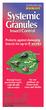 Systemic Granules Insect Control Protects against damaging insects for up to 8 weeks Root Weevils Birch Leaf Miner Beetles Internal insect protection won t wash off with rain or water For use outdoors
Concep. CAUTION See additional precautionary statements and directions for use inside booklet. ONE GALLON U.S. Standard Measure HERBICIDE ANTIDOTE
 PULL HERE TO OPEN Concep Active Ingredient: Fluxofenin (CAS No. 88485-37-4).......... 74.3% Other Ingredients: 25.7% Total: 100.0% HERBICIDE ANTIDOTE For use as a seed dressing to protect grain or forage
Power Planting. The Right Tree in the Right Place
 Power Planting The Right Tree in the Right Place 2 Power Planting Trees and Power Lines We are committed to providing safe, reliable, low-cost electricity for the benefit of all our customers. However,
Power Planting. The Right Tree in the Right Place
 Power Planting The Right Tree in the Right Place Trees and Power Lines We are committed to providing safe, reliable, low-cost electricity for the benefit of all our customers. However, trees that grow
TREE & SHRUB Insect Control
 TREE & SHRUB Insect Control this concentrate quickly dissolves in water allowing the insecticide to move through the soil into the root zone. once in the roots, the insecticide moves up through the tree
DISTANCE. Insect Growth Regulator for control of whiteflies on greenhouse ornamentals and greenhouse vegetables (tomatoes, peppers, cucumbers)
 DISTANCE Insect Growth Regulator for control of whiteflies on greenhouse ornamentals and greenhouse vegetables (tomatoes, peppers, cucumbers) COMMERCIAL GUARANTEE: Pyriproxyfen... 103 g/l REGISTRATION
0.15 EC WARNING/AVISO. 1 quart
 Ardent 0.15 EC Miticide/Insecticide For control of leafminers and mites and suppression of aphids, whiteflies, and thrips on ornamental plants Recommended for Agricultural/Commercial Use Active Ingredients:
Low Desert Pruning Guide for Commonly Used Shrubs
 Low Desert Pruning Guide for Commonly Used Shrubs Use the following tables as a guideline to determine the right time to prune for many common shrubs. Most plants will do their best if allowed to grow
ANNUAL TREE & SHRUB Insect Control with SYSTEMAXX
 ANNUAL TREE & SHRUB Insect Control with SYSTEMAXX this concentrate dissolves in water allowing the insecticide to move through the root zone. once in the roots, the insecticide moves up through the tree
MOFARNO 160EC MATERIAL SAFETY DATA SHEET. SECTION 1 Chemical product and Company identification
 MOFARNO 160EC MATERIAL SAFETY DATA SHEET Product Name: Mofarno 160EC Active Ingredients: Fomesafen + Quizalofop-p-ethyl Chemical name: SECTION 1 Chemical product and Company identification Fomesafen: 5-(2-chloro-a,a,a-trifluoro-p-tolyloxy)-N-methylsulfonyl-2-nitrobenzamide
Insect Control CAUTION. On: Roses, Flowers, Ornamentals, Shrubs & Shade Trees
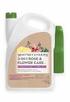 Systemic Insect Control Controls: Aphids, Flower Thrips, Leafminers, Mealybugs, Tent Caterpillars, Whiteflies and other listed leaf eating caterpillars On: Roses, Flowers, Ornamentals, Shrubs & Shade Trees
REGISTRATION NO: 28672 PEST CONTROL PRODUCTS ACT
 2006-0359 08-NOV-2007 Page 1 of 5 COMMERCIAL ACTINOVATE SP FUNGICIDE For suppression of Botrytis fruit rot (Botrytis cinerea) and powdery mildew (Sphaerotheca macularis) on field and greenhouse strawberry,
FOR AGRICULTURAL OR COMMERCIAL USE ONLY NOT FOR USE BY HOMEOWNERS
 ASULAM HERBICIDE FOR AGRICULTURAL OR COMMERCIAL USE ONLY NOT FOR USE BY HOMEOWNERS For Postemergent Weed Control in Sugarcane, Turf, Ornamentals, Christmas Tree Plantings and Non-Cropland ACTIVE INGREDIENT:
US84433926A (150304) LABMC BAY2100 NO CONTENT US colors: cmyk 3/9/15. 5.75" (147mm) BAY2100
 US84433926A (150304) LABMC BAY2100 NO CONTENT US colors: cmyk 3/9/15 5.75" (147mm) BAY2100 ACTIVE INGREDIENT: Bacillus pumilus strain QST 2808 (spores, solids, solubles, and water)*.... 1.38% OTHER INGREDIENTS:....98.62%
Dormant Season. Of Dormant Oil Spray Apple scab, Pear scab, Powdery mildew. pre-pink, pink, calyx, 1st & 2nd cover spray.
 99/2004 CLEAN CROP(R) LIME SULPHUR Lime Sulphur Insecticide Miticide Fungicide COMMERCIAL CAUTION CORROSIVE READ THE LABEL BEFORE USING REGISTRATION NO. 16465 PEST CONTROL PRODUCTS ACT GUARANTEE: Sulphide
LIME SULPHUR INSECTICIDE MITICIDE FUNGICIDE COMMERCIAL DANGER: CORROSIVE TO EYES READ THE LABEL AND ATTACHED BOOKLET BEFORE USING
 datapak group M fungicide LIME SULPHUR INSECTICIDE MITICIDE FUNGICIDE COMMERCIAL DANGER: CORROSIVE TO EYES READ THE LABEL AND ATTACHED BOOKLET BEFORE USING REGISTRATION NO. 16465 PEST CONTROL PRODUCTS
How to Prune Specific Plants
 PRUNING TREES & SHRUBS How to Prune Specific Plants This final publication in the Pruning Trees & Shrubs series gives tips for pruning specific plants. The plants listed in Tables 4.1 through 4.8 (pp.
CASORON G-4 Granular Herbicide contains dichlobenil
 2006-423928-MAR-2008 GROUP 20 HERBICIDE CASORON G-4 Granular Herbicide contains dichlobenil COMMERCIAL READ THE LABEL BEFORE USING GUARANTEE: Dichlobenil 4% REGISTRATION NO. 12533 PEST CONTROL PRODUCTS
UNITED STATES ENVIRONMENTAL PROTECTION AGENCY WASHINGTON D.C., 20460
 'Is- UNITED STATES ENVIRONMENTAL PROTECTION AGENCY WASHINGTON D.C., 20460 OFFICE OF PREVENTION, PESTICIDES AND TOXIC SUBSTANCES Sea-Bird Electronic Inc. 1808-136 th Place Northeast Bellevue, Washington
Peregrine TURF AND ORNAMENTAL FUNGICIDE
 Peregrine FUNGICIDE TURF AND ORNAMENTAL FUNGICIDE ACTIVE INGREDIENT BY WT. Chlorothalonil: tetrachloroisophthalonitrile... 50.00% Thiophanate-methyl: dimethyl 4,4 -o-phenylenebis (3-thioallophanate)...
SPRINT 330. Iron Chelate* Micronutrient. Specimen Label
 SPRINT 330 Specimen Label Iron Chelate* Micronutrient Net Weight: 5 lb./2.26 kg 136OZ. IRON CHELATE* MICRONUTRIENT For correction of iron deficiency in slightly acid to slightly alkaline soils. For use
Flood Damage Tree and Shrub Assessment Minot Park District, North Dakota
 Flood Damage Tree and Shrub Assessment Minot Park District, North Dakota Executive Summary NDSU-North Dakota Forest Service Compiled by: Joel Nichols and Sharon Bartels, Community Forestry Specialists
VAPONA INSECTICIDE DAIRY CATTLE SPRAY
 VAPONA INSECTICIDE DAIRY CATTLE SPRAY ACTIVE INGREDIENT: Dichlorvos: 2,2-Dichlorovinyl dimethyl phosphate............... 1.0% INERT INGREDIENTS.............. 99.0% TOTAL 100.0% Contains petroleum distillates.
PPA NATIVE PLANT SALE 2015
 PPA NATIVE PLANT SALE 2015 PLANT HABITAT LISTS Use these lists to find the best plants for your property. If you live in the Pine Barrens, the best choices for your home are listed in the Pine Barrens
ANNUAL TREE & SHRUB Insect Control with SYSTEMAXX
 ANNUAL TREE & SHRUB Insect Control with SYSTEMAXX This concentrate dissolves in water allowing the insecticide to move through the root zone. Once in the roots, the insecticide moves up through the tree
For disease control on golf course turfgrass
 Group 7 Fungicide For disease control on golf course turfgrass Active Ingredient: Boscalid: 3-pyridinecarboxamide, 2-chloro-N-(4'-chloro(1,1'-biphenyl)-2-yl)-... 70.0% Other Ingredients:... 30.0% Total:...
MOSQUITO & GNAT BARRIER Kills & Repels Insects for up to 4 weeks
 MOSQUITO & GNAT BARRIER Kills & Repels Insects for up to 4 weeks Spray on Yard, Patio, Plants & Flowers Contains Permethrin, a long lasting insecticide, providing weeks of control. ACTIVE INGREDIENTS PERMETHRIN*
SYNERGIZED POUR-ON CAUTION NET CONTENTS: 1 GALLON CONTROLS: Lice. Flies ON CATTLE KEEP OUT OF REACH OF CHILDREN * TREATS 252 CATTLE
 * TREATS 252 CATTLE CONTROLS: Lice Flies ON CATTLE Fly-ban SYNERGIZED POUR-ON For use on beef cattle, lactating and non-lactating dairy cattle, calves, horses, foals, sheep and lambs Premise spray in and
KEEP OUT OF REACH OF CHILDREN. DANGER - EYE IRRITANT and SKIN IRRITANT
 GROUP 3 FUNGICIDE FUNGINEX DC Fungicide Emulsifiable Concentrate AGRICULTURAL GUARANTEE: Triforine...190 g/l REGISTRATION NO. 27686 PEST CONTROL PRODUCTS ACT KEEP OUT OF REACH OF CHILDREN READ THE LABEL
U.S. ENVIRONMENTAL PROTECTION AGENCY Office of Pesticide Programs Registration Division (7505C) 1200 Pennsylvania Ave., NW Washington, D.C.
 (under FIFRA, as amended) U.S. ENVIRONMENTAL PROTECTION AGENCY Office of Pesticide Programs Registration Division (7505C) 1200 Pennsylvania Ave., NW Washington, D.C. 20460 NOTICE OF PESTICIDE: ll Registration
PULL HERE TO OPEN. For use of optional Optigard ZT Unit Dose Dispenser, see instructions under Mixing Procedures. SCP 1170A-L4B 0706
 PULL HERE TO OPEN Insecticide To be applied only by or under the supervision of commercial applicators responsible for pest control programs. For Remedial Control of Localized Infestations of Drywood Termites
I. PRODUCT IDENTIFICATION COMPOSITION INFORMATION OF INGREDIENTS
 Mizzen Page 1 of 5 MATERIAL SAFETY DATA SHEET Lake Restoration, Inc. General Information No. 763-428-9777 12425 Ironwood Circle In Case of Emergency, ChemTel, Inc. 800-255-3924 Rogers, MN 55374 or National
FULCRUM. Net Contents: 1 Quart (32 fl. oz.) (946 ml)
 FULCRUM INSECT GROWTH REGULATOR GROUP 7C INSECTICIDE SPECIMEN LABEL FOR CONTROL OF INSECTS ON SHRUBS, ORNAMENTALS, FLOWERING PLANTS, FOLIAGE PLANTS, GROUND COVERS, ORNAMENTAL TREES, AND NON-BEARING FRUIT,
Pesticide Disposal: Securely wrap original container in several layers of newspaper and discard in trash.
 YEAR-ROUND SPRAY OIL Kills Garden Insects Without Synthetic Chemicals right through Harvest Day KILLS: Whitefly, Aphids, Spider Mites, Mealybug, Scale, Mites, Thrips, Fungus Gnats & more. USE ON: Fruits,
Orthene. Systemic Insect Control. Kills Bugs on Contact Lasting Protection & Control CONCENTRATE MAKES 10 GALLONS DILUTED SPRAY
 Orthene Systemic Insect Control CONCENTRATE Use on Lawns & Over 100 Plant Varieties Kills Bugs on Contact Lasting Protection & Control MAKES 10 GALLONS DILUTED SPRAY OUTDOOR USE ONLY For use on non-edible
Frequently asked Questions about Weeds
 Frequently asked Questions about Weeds Q: Why do I have so many weeds in my yard? A: Some combination of the following factors will contribute to high weed populations: A large number of weed seeds or
bioinsecticide Novozymes Biologicals Inc. 5400 Corporate Circle Salem, VA 24153 1-800-245-4104
 Met 52 EC bioinsecticide IF IN EYES: FIRST AID Hold eye open and rinse slowly and gently with water for 15 20 minutes. Remove contact lenses, if present, after the first 5 minutes, then continue rinsing
FINAL RODENTICIDE COMMERCIAL KILLS RATS & MICE
 FINAL RODENTICIDE COMMERCIAL KILLS RATS & MICE PELLETS Kills Warfarin Resistant Norway Rats and House Mice Norway rats and house mice may consume a lethal dose in one feeding with first dead rodents appearing
Ornamental and Native Plants for the Rain Garden. Madeline Flahive DiNardo County Agricultural Agent Rutgers Cooperative Extension of Union County
 Ornamental and Native Plants for the Rain Garden Madeline Flahive DiNardo County Agricultural Agent of Union County Rain Garden Native Plants Plants for the Rain Garden Blue Flag Bald Cypress Iris Cardinal
Shrub Pruning Calendar prepared by Walter Reeves, The Georgia Gardener
 Shrub Pruning Calendar prepared by Walter Reeves, The Georgia Gardener Pruning is an important cultural practice for maintaining shrubs. There are several reasons for pruning. Sometimes you want to train
Havoc Rodenticide Bait Packs (Pellets) Kills Rats and Mice
 2014-2373 2014-08-13 HACCO, INC. 110 Hopkins Drive NET CONTENTS: 50 g Place Pack s Randolph, WI 53956 READ THE LABEL AND CARTON BEFORE USING Tel: 1-920-326-5141 REGISTRATION NO: 31137 Havoc Rodenticide
DEVELOPMENT GUIDELINES OAK TREES CARE AND MAINTENANCE
 DEVELOPMENT GUIDELINES OAK TREES CARE AND MAINTENANCE This guide will offer basic information for the preservation and maintenance of oak trees as a part of an overall landscape use. Unfortunately, oak
Saline Soils. generally are not a widespread problem. However, saline soils do occur in specific situations such as:
 Publication 430-031 Trees and Shrubs that Tolerate Saline Soils and Salt Spray Drift Bonnie Appleton, Extension Specialist Vickie Greene, Graduate Student Aileen Smith, Graduate Student; Hampton Roads
ROVRAL GREEN GT FLOWABLE FUNGICIDE
 2008-2599 19-MAR-2009 ROVRAL GREEN GT FLOWABLE FUNGICIDE GROUP 2 FUNGICIDE For control of Brown patch, fusarium patch, dollar spot, leaf spot, Snow moulds and melting out in turf COMMERCIAL: READ THE LABEL
Updated: 5/31/2016. Acer, 'MAPLE' Acer Rubrum 'Armstrong Red' 2.0" 1 $255. Acer Rubrum 'Armstrong Red' 2.5" $280
 Acer, 'MAPLE' Acer Rubrum 'Armstrong Red' 2.0" 1 $255 Acer Rubrum 'Armstrong Red' 2.5" $280 Acer Rubrum 'Armstrong Red' 3.5" 4 $355 Acer Rubrum 'Armstrong Red' 4.0" 3 $400 Acer X Freemanii ' Autumn Blaze"'
420 SL. Turf and Ornamental Insecticide
 PULL HERE TO OPEN 420 SL Turf and Ornamental Insecticide Net Contents 2.5 Gallons 79105568 79116969D 091130A For control of listed insects on landscape flowers, shrubs and trees and landscape and recreational
A GUIDE TO PLANTING AND MANAGING TREES NEAR POWERLINES
 A GUIDE TO PLANTING AND MANAGING TREES NEAR POWERLINES FOR SAFETY S SAKE Vegetation management near powerlines The right trees in the right place provide shade, privacy, wildlife habitat and help prevent
Summary of Pre- and Post-Project Vegetation Survey Results
 3921 East Bayshore Road Palo Alto CA 94303-4326 tel 650.962.9876 fax 650.962.8234 www.acterra.org [email protected] Introduction Summary of Pre- and Post-Project Vegetation Survey Results Acterra Stewardship
GENERAL WATERING & CARE GUIDE
 GENERAL WATERING & CARE GUIDE Between 30-60 percent of water applied to lawns and gardens is never absorbed by the plants. Water is often wasted because it is applied too quickly and runs off, evaporates
2015 WHOLESALE PRICE LIST
 6818 Friedens Church Road Gibsonville, NC 27249 CELEBRATING 25 YEARS 2015 WHOLESALE PRICE LIST 6818 Frieden Church Road Gibsonville, NC 27249 (336)449-5532 (336)449-0134 fax (336)516-3995 cell [email protected]
Tips on Flower Conditioning
 Tips on Flower Conditioning AGAPANTHUS - Cut 1" from the stems and place in 10"- 12" of cool water with amount of floral preservative. the correct ALLIUM Add a few drops of Bleach to the water to eliminate
FOR DISTRIBUTION AND USE ONLY WITHIN THE STATE OF OHIO. Dual MAGNUM. EPA Reg. 100-816. EPA SLN No. OH-110002
 FOR DISTRIBUTION AND USE ONLY WITHIN THE STATE OF OHIO Dual MAGNUM EPA Reg. 100-816 This label for Dual Magnum expires and must not be distributed or used in accordance with this SLN registration after
Hedge Plants and Privacy Screens
 Hedge Plants and Privacy Screens A hedge can be any row of shrubs or trees used as a living fence to define a boundary or to separate areas. A hedge can be planted as a windbreak, to protect from hot sun,
from other laundry, with soap and water before reuse. KEEP AWAY FROM FEED AND FOODSTUFFS.
 2011-0536 20-SEP-2011 CONTRAC BLOX KILLS RATS & MICE SOLID Kills Warfarin Resistant Norway Rats Norway rats and house mice may consume a lethal dose in one feeding with first dead rodents appearing four
Embark 2-S. Plant Growth Regulator. Reduces frequency of mowing and trimming of certain grasses and ornamentals
 Embark 2-S Plant Growth Regulator Reduces frequency of mowing and trimming of certain grasses and ornamentals ACTIVE INGREDIENT: Diethanolamine salt of mefluidide (N-[2,4-dimethyl- 5-[[(trifluoromethyl)sulfonyl]amino]phenyl]acetamide)........
EPA Reg. No. 33657-16-59639 (Except California and New York)
 Supplemental Label EPA Reg. No. 33657-16-59639 (Except California and New York) SAFARI 20 SG INSECTICIDE FOR UPDATED ORNAMENTAL PLANT APPLICATIONS AND TRUNK SPRAY IN TREES AND LARGE SHRUBS DIRECTIONS FOR
Edible Plants. For an extensive weed list (and pictures for easy ID) please visit www.tortoises.net
 Edible Plants This edible plant list was originally written by the late Jane Nicoll and was updated/amended in March 07 by Martin Dann. Jane spent many hours observing the plants and flowers that her tortoises
Royal North Shore Hospital, St Leonards
 Royal North Shore Hospital, St Leonards TREE HERITAGE STUDY DRAFT 17 April 2005 LANDSCAPE ARCHITECT TAYLOR BRAMMER LANDSCAPE ARCHITECTS PTY LTD Sydney Office 218 OXFORD STREET WOOLLAHRA NSW 2025 TELEPHONE:
Podium. 1gallon U.S. Standard Measure. For Turf Growth Management KEEP OUT OF REACH OF CHILDREN. CAUTION SCP 937B-L1 0605
 PULL HERE TO OPEN Podium For Turf Growth Management For managing growth, improving quality and stress tolerance, and edging of warm- and cool-season turfgrasses Active Ingredient: Trinexapac-ethyl (CAS
Tordon* 22K Herbicide
 Tordon* 22K Herbicide For the control of deep-rooted perennial and biennial weeds on rangeland, permanent grass pastures and non-cropland in Western Canada. For spot treatment on cultivated cropland in
2016 Healthy Yards Plant Guide
 2016 Healthy Yards Plant Guide SUN KIT Each Wildflower Kit includes a tray of 17 wildflowers in 10cm pots Black-Eyed Susan Rudbeckia hirta Average Height: 30 to 150 cm Quantity: 3 Flowers: Yellow, Orange,
MATERIAL SAFETY DATA SHEET
 MATERIAL SAFETY DATA SHEET SECTION 1 -- CHEMICAL PRODUCT AND COMPANY IDENTIFICATION PRODUCT NAME Sav-A-Hoof Protectant PRODUCT CODE 309 ISSUE DATE 11/15/14 EMERGENCY TELEPHONE NUMBERS DISTRIBUTOR SBS EQUINE
SALT TOLERANT Trees and Shrubs
 SALT TOLRANT Trees and Shrubs The following Trees and Shrubs are selected from Landscape Ontario s Survival Guide for Professionals. Trees highlighted yellow can be found on this site. Trees and Shrubs
Integrated Pest Management At Boise State University
 Integrated Pest Management At Boise State University Purpose The purpose of this document is to provide an overview of Boise State University Landscape Service department s philosophy regarding plant health
Approved Arsenal Label (Minor Use Site Preparation), August 21, 2007. contains imazapyr
 Approved Arsenal Label (Minor Use Site Preparation), August 21, 2007 GROUP 2 HERBICIDE contains imazapyr COMMERCIAL GUARANTEE: Imazapyr, present as the isopropylamine salt.. 240 g/l REGISTRATION NO. 23713
Other Animals: Vertebrates as Pests
 Other Animals: Vertebrates as Pests 8-1 Other Animals: Vertebrates as Pests James A. Parkhurst, Extension Wildlife Specialist, Virginia Tech A vertebrate is an animal that has a backbone or spinal column.
Safety Data Sheet Steam Cylinder Oil C 460
 1. Identification of the substance/mixture and of the company/undertaking Trade name Synonyms Company, Steam Cylinder Oil Sasol Oil 32 Hill Street Randburg, 2125 Republic of South Africa Information (Product
Tattoo C SUSPENSION CONCENTRATE FUNGICIDE
 2009-1140 25-MAY-2009 10-DEC-2009 2009-4949 Notification : Change in Address Base Label Group U M Fungicide Tattoo C SUSPENSION CONCENTRATE FUNGICIDE For Control of Late Blight in Potatoes and Downy Mildew
Pesticide Harmful Effects And Emergency Response
 Pesticide Harmful Effects And Emergency Response Most pesticides are designed to harm or kill pests. Because some pests have systems similar to the human system, some pesticides also can harm or kill humans.
ARTICLE 25 REGULATION OF THE PLANNING, MAINTENANCE, AND REMOVAL OF TREES, SHRUBS, AND OTHER PLANTS
 ARTICLE 25 REGULATION OF THE PLANNING, MAINTENANCE, AND REMOVAL OF TREES, SHRUBS, AND OTHER PLANTS SECTION 1: DEFINITIONS PARK TREES: Park Trees are herein defined as trees, shrubs, bushes, and all other
EPA Reg. No. 59639-166 (Except California and New York)
 Supplemental Label EPA Reg. No. 59639-166 (Except California and New York) LEAGUE HERBICIDE USE ON MELONS AND POTATO This supplemental label expires on August 31, 2016 and must not be used or distributed
ALL SEASONS 1 HORTICULTURAL AND DORMANT SPRAY OIL Concentrate
 ALL SEASONS 1 HORTICULTURAL AND DORMANT SPRAY OIL Concentrate for organic gardening CONTROLS scale insects, mealybugs, apple aphids, european red spider mites, leafminers, leaf rollers (redbanded, obliquebanded,
Identifying Pennsylvania Trees. Pennsylvania Forest Stewardship Program
 Identifying Pennsylvania Trees Pennsylvania Forest Stewardship Program Tree Identification In this presentation you will learn to identify trees using the Summer Key to Pennsylvania Trees. Trees can be
PLANT GROWTH REGULATOR BONZI. A suspension concentrate containing 4 g/litre (0.39% w/w) paclobutrazol
 PLANT GROWTH REGULATOR BONZI A suspension concentrate containing 4 g/litre (0.39% w/w) paclobutrazol A growth regulator for container and pot grown ornamentals Product registration number: MAPP 13623 Regulates
S A F E T Y D A T A S H E E T (GHS)
 Page 1 of 5 S A F E T Y D A T A S H E E T (GHS) SECTION 1 IDENTIFICATION OF THE PRODUCT AND COMPANY 1.1. PRODUCT NAME: PYRANHA ZERO-BITE NATURAL INSECT REPELLENT - CONCENTRATE EPA Est. No: 47258-TX-1 1.2.
Nufarm. Parasol Flowable Fungicide SUSPENSION AGRICULTURAL COPPER HYDROXIDE WARNING: EYE IRRITANT KEEP OUT OF REACH OF CHILDREN
 2014-5815 2014-12-17 Page 1 of 7 GROUP M1 FUNGICIDE Nufarm Parasol Flowable Fungicide SUSPENSION AGRICULTURAL COPPER HYDROXIDE CAUTION POISON WARNING: EYE IRRITANT KEEP OUT OF REACH OF CHILDREN READ THE
correspondence,on,this product always refer to the above EPA registration number.
 f//6 U.S. ENVIRONMENTAL PROTECTION AGENCY Office of Chemical Safety and Pollution Prevention Office of Pesticide Programs Registration Division (7504P) 1200 Pennsylvania Ave., N.W. Washington, DC 20460
SAFETY DATA SHEET WINTERHALTER A81 BLUE ENZYME DRAIN CLEANER
 SAFETY DATA SHEET SECTION 1: Identification of the substance/mixture and of the company/undertaking 1.1. Product identifier Product name 1.2. Relevant identified uses of the substance or mixture and uses
Weed Control in Landscape Plantings
 Agriculture and Natural Resources Weed in Landscape Plantings FSA6137 John Boyd Professor - Weed Science James Robbins Professor and Horticulture Specialist Ornamentals Arkansas Is Our Campus Visit our
Dress for Success! Some Things to Know About Personal Protective Equipment BEFORE You Handle a Pesticide
 Dress for Success! Some Things to Know About Personal Protective Equipment BEFORE You Handle a Pesticide Always read and follow label directions before buying or using a pesticide. Follow all appropriate
Pruning Ornamental Shrubs Reasons for Pruning Improving the Quality of Flowers, Fruit, and Stems Training a Plant Restricting Growth
 Pruning Ornamental Shrubs In a single motion pruning demonstrates both the art and science of horticulture. Perhaps that s why so many homeowners get nervous and postpone or ignore the task. Understanding
WEED MANAGEMENT LEARNING OBJECTIVES
 C 6 H A P TE R WEED MANAGEMENT LEARNING OBJECTIVES After completely studying this chapter, you should: Be able to define a weed and its four stages of development. Understand the differences between annual,
INTEGRATED PEST MANAGEMENT SYSTEM FOR KENNESAW STATE UNIVERSITY
 INTEGRATED PEST MANAGEMENT SYSTEM FOR KENNESAW STATE UNIVERSITY KENNESAW, GEORGIA PREPARED JANUARY 1997 REVISED NOVEMBER 2006 TABLE OF CONTENTS Introduction and Principles of Integrated Pest Management
BUMPER 418 EC FUNGICIDE COMMERCIAL
 Container label BUMPER 418 EC FUNGICIDE COMMERCIAL GROUP 3 FUNGICIDE Emulsifiable Concentrate for: Broad-spectrum disease control in Wheat, Barley, Oats, Canola, Corn and Soybeans (grown for seed), Dry
Version: 1.0 Revision Date: 06/25/2013 Print Date: 06/25/2013 POOL TIME D.E. FILTER POWDER
 SECTION 1. PRODUCT AND COMPANY IDENTIFICATION Product name: Product Use Description: Recreational Water Product Chemical nature: Silica Company: Recreational Water Products Pool Time PO Box 1449 Buford,
Calendula Extract Safety Data Sheet
 Calendula Extract Safety Data Sheet SECTION 1: Identification of the substance/mixture and of the company/undertaking Product name: Calendula Extract Product code: 305-109 Supplier: Majestic Mountain Sage
SAFETY DATA SHEET EMERGENCY CALL: 1-800-424-9300 (CHEMTREC)
 SAFETY DATA SHEET EMERGENCY CALL: 1-800-424-9300 (CHEMTREC) 1. IDENTIFICATION PRODUCT NAME: Kenja 400SC Fungicide DESCRIPTION: A liquid fungicide. EPA Reg. No.: 71512-22-88783 COMPANY IDENTIFICATION: Summit
Apricot Tree Prunus armeniaca
 Apricot Tree Prunus armeniaca Up to 25-30 tall x 15-20 wide or partial shade 10 degrees F. General: The Apricot Tree is a subspecies of the peach and dates back 3,000 years to northeastern China. Apricots
United States Standards for Grades of Christmas Trees
 United States Department of Agriculture Agricultural Marketing Service Fruit and Vegetable Programs United States Standards for Grades of Christmas Trees Fresh Products Branch Effective October 30, 1989
Gardening in the Shade
 Gardening in the Shade Presented by Joseph Hill Advanced Master Gardener West Michigan Green Gardeners www.wmigreengardeners.com [email protected] 2009, West Michigan Green Gardeners Types