
Interventions. Key Concepts. On successful completion of this chapter you should be able to:
|
|
|
- Amie Cunningham
- 9 years ago
- Views:
Transcription
1 CH 8 Interventions

2 Chapter 8 Interventions On successful completion of this chapter you should be able to: 1) Identify the guiding principles for intervention with children and adolescents exposed to disasters 2) Describe the guiding principles of early psychosocial intervention in the immediate aftermath of disaster 3) Describe the key principles and core actions of Psychological First Aid 4) Recognize the range of available interventions following large-scale disaster Key Concepts Evidence-based science has begun to identify the most promising interventions for use with disaster survivors. Interventions are provided in a staged sequence across a timeline. Psychological First Aid is administered in the immediate aftermath of disaster. Crisis intervention strategies, enhanced interventions, and sustained therapy may be used for persons with severe and persistent distress and impairment. Medications may be prescribed on an individual basis according to specific clinical indications. Source: FEMA photolibrary 114 Children: Stress, Trauma and Disasters

3 Introduction As research on traumatized children and their families has increased, so has the level of thoughtfulness regarding psychosocial interventions to facilitate recovery. Early intervention in the aftermath of trauma is designed to reduce the initial distress and to foster adaptive coping for disaster survivors of all ages (NCTSN/NCPTSD, 2006). Effective intervention restores function and enhances recovery by providing Psychological First Aid; creating a safe and secure environment; reducing uncertainty, fear and anxiety; and mobilizing family and social supports. Scientific studies have begun to define the most effective interventions for use in the immediate aftermath of disaster and for sustaining long-term recovery. Identify traumatic reminders Facilitate tolerance for disaster-related thoughts, feelings and moods Provide therapy for identified psychiatric disorders Facilitate the continued integrity of family and social support systems Promote adaptive coping General Intervention Principles The following principles guide the selection and implementation of interventions for child survivors of traumatic experiences: Provide a sense of safety and security Connect the child with family and social supports Clarify reality and decrease uncertainty Provide opportunities for children to tell their stories Reconstruct the child s understanding of what occurred Determine the child s definition of the situation Identify and help correct cognitive distortions Assess the inventory of stressors the child is experiencing Assess for psychological and psychiatric disorders Promote and facilitate resiliency Provide carefully-guided and controlled re-exposure to the trauma as appropriate Clarify themes of guilt, betrayal, revenge, helplessness and excitement Assess the impact of the event on child development Work with changed attitudes toward self, others and the future Work with the loss of cherished beliefs Promote assimilation and integration of the traumatic experience Colombia: children are often the first victims in conflicts situations 2005 EC/ECHO/Susana Perez Diaz Visit our Website: Center for Disaster & Extreme Event Preparedness 115

4 Approaches to Intervention Psychological interventions are sequenced and implemented over a timeline. Psychological First Aid (PFA) is appropriately provided in the immediate aftermath of disaster. As necessary, PFA may be followed by crisis intervention strategies and subsequently by more intensive and specialized therapeutic interventions. Depending on the scope of the disaster, community interventions may be implemented, possibly within a multi-faceted federal response. Psychoeducation and psychopharmacological interventions may be used at any point in the time-line as indicated. Early interventions should be carefully selected and employed only as necessary based upon accurate assessment of psychological indications (Figure 8.1). Figure 8.1 Psychological First Aid Since disasters impact the individual child and have reverberating effects on the family and larger community, interventions must be tailored for application to the individual, the family unit and the encompassing community. This chapter is organized to present interventions at each of these three levels (Figure 8.2). Figure 8.2 Community Family Individual Psychoeducation Crisis Intervention Strategies Specialized Treatment Psychopharmacology Some early interventions such as PFA can be provided by a wide range of disaster response professionals. Some responders are directly tasked with providing PFA or other forms of early psychosocial intervention as the primary focus of their job duties. However, most disaster professionals will continue to operate within their traditional emergency roles while simultaneously contributing to one or more of the Core Actions of PFA. 116 Children: Stress, Trauma and Disasters

5 1. Individual Interventions Chapter 8 Psychological First Aid Psychological First Aid is an evidence-informed early intervention for disaster survivors of all ages, and for response professionals, that can be applied in the immediate aftermath of disaster. Psychological First Aid is intended to reduce acute psychological distress, enhance resilience and foster adaptive coping (NCTSN/NCPTSD, 2006; Everly & Flynn, 2006). The conceptual origins of psychological first aid derive from diverse approaches for mitigating stress following trauma exposure such as crisis intervention, military psychiatry, disaster psychiatry, and trauma psychiatry (Lindemann, 1944; Mitchell, 1983; Pynoos & Nader, 1988; Ursano & Friedman, 2006). Following September 11, 2001, the National Institute of Mental Health convened two expert consensus conferences to review the scientific research literature and recommend a comprehensive approach to early intervention following mass trauma (NIMH, 2002). The international expert panel recommended a multi-faceted approach that specified Psychological First Aid as one key component. Thereafter, federal funding was appropriated for the creation of a model Psychological First Aid intervention. The outcome of this expert-driven endeavor was the development of Psychological First Aid ( PFA ) and the PFA Field Operations Guide was released concurrently with the federal response to Hurricane Katrina (NCTSN/ NCPTSD, 2006). The two lead agencies that coordinated the development of PFA were the National Center for Child Traumatic Stress and the National Center for PTSD; thus, ensuring the applicability of this intervention to children and adolescents as well as adults of all ages. The five essential elements of effective early intervention are those that move survivors upward in each of these domains (Reissman et al., 2006): From risk to safety From fear to calming From loss to connectedness From helplessness to efficacy From despair to hopefulness Psychological First Aid (PFA) Field Operations Guide, 2nd Edition (NCTSN/NCPTSD, 2006) Psychological First Aid (PFA) is an evidence-informed modular approach to help children, adolescents, adults and families in the immediate aftermath of disaster and terrorism. Psychological First Aid is designed to reduce the initial distress caused by traumatic events and to foster short- and long-term adaptive functioning and coping for disaster survivors in the acute phases of a disaster or mass casualty event. Principles and techniques of Psychological First Aid meet four basic standards. They are: (1) consistent with research evidence on risk and resilience following trauma; (2) applicable and practical in field settings; (3) appropriate for developmental levels across the lifespan; and (4) culturally informed and adaptable. Psychological First Aid does not assume that all survivors will develop severe mental health problems or long-term difficulties in recovery, but instead is based on an understanding that disaster survivors and others affected by such events will experience a broad range of early reactions (for example, physical, psychological, behavioral, spiritual). Some of these reactions will cause enough distress to interfere with adaptive coping, and may be alleviated by support from compassionate and caring disaster responders. Psychological First Aid is designed for delivery by mental health and other disaster response workers who provide early assistance to affected children, families, and adults as part of an organized disaster response effort. Psychological First Aid is a supportive intervention for use in the immediate aftermath of disasters, mass casualty events and terrorism. The suggested period of time to utilize these intervention strategies is days to weeks post event. If symptoms persist longer than a few weeks, a referral to more formal mental health services is recommended. Visit our Website: Center for Disaster & Extreme Event Preparedness 117

6 The goal of PFA is to facilitate the normal impetus of individuals to recover and to restore psychological equilibrium. PFA involves the employment of psychosocial supports to provide comfort, mitigate distress and physiological arousal. PFA providers reduce uncertainty by providing credible disaster event information regarding what has happened and what to expect. Basic Objectives of Psychological First Aid Establish a human connection in a non-intrusive and compassionate manner Enhance immediate and ongoing safety Provide physical and emotional comfort Calm and orient emotionally overwhelmed and distraught survivors Encourage survivors to express their needs and concerns Provide information and practical assistance Connect with family and social supports Facilitate positive coping strategies and resiliency Link survivors with available services Source: NCTSN/NCPTSD, 2006 Psychological First Aid is premised on the fact that disaster survivors will experience a spectrum of psychological reactions. While most will experience brief, transient distress, a smaller proportion will experience more enduring distress that interferes with adaptive functioning. Psychological First Aid assumes that relatively few disaster survivors will progress to severe impairment or psychiatric illness. Many survivors will need no formal early intervention. Nonetheless, almost all survivors will benefit from compassionate, available and non-intrusive care and support provided by disaster responders. Survivors who are most likely to benefit from PFA participate are those with acute stress response symptoms and those with pre-existing risk factors that increase vulnerability to the disaster or traumatic event. While PFA may reduce distress in both adults and children, no evidence has shown that it will reduce the risk of subsequent psychological disorders. The PFA intervention facilitates recovery and does not intrude upon emotional processing, nor does it require elicitation of trauma narratives. Participation is voluntary on the part of survivors. PFA providers are most effective when they approach disaster survivors with a calm, available compassionate presence. In their interactions with disaster-affected children, PFA providers will comfort, educate, listen supportively and empathically and convey a sense of confidence that things are under control. The modular format of PFA allows providers the flexibility to gather information from the survivor in order to customize the intervention to the survivor s specific situation. This differs markedly from earlier, regimented interventions that were applied using a one size fits all sequence of procedures. When providing PFA, the initial tasks are to make contact with the child; provide life-sustaining safety, security, shelter, and sustenance (food, water, and clothing); and attend to basic comforts. As a high priority, PFA providers attempt to reunite the child with family members from whom they are separated. Psychological First Aid (PFA) Core Actions 1. Contact and engagement 2. Safety and comfort 3. Stabilization 4. Information gathering: current needs and concerns 5. Practical assistance 6. Connection with social supports 7. Information on coping 8. Linkage with collaborative services Source: NCTSN/NCPTSD, 2006 PFA Core Actions focus on restoring the child s and the families adaptive coping capacities. Based on the information gathered in a non-intrusive manner, the PFA provider selects and tailors one or more Core Actions to 118 Children: Stress, Trauma and Disasters

7 the individual survivor. Among the Core Actions that may be selected, PFA providers may educate survivors about the effects of trauma and trauma reminders, normalize and validate distress responses, and identify available resources to aid recovery. PFA attempts to facilitate the family s natural resiliency through reassurance, encouragement for positive coping behaviors, and mobilization of social support. By linking survivors to available, practical resources, PFA encourages survivors to take constructive actions toward rapid recovery from disaster and to resume normal routines as quickly as possible. It is essential that PFA providers observe and identify adults and children who are judged to be at elevated psychological risk and may require more selective professional attention and support. Children at risk who might benefit from crisis intervention are those who manifest hyperarousal, intense anxiety, disorientation, psychological numbness, regressive behaviors, grief reactions and dissociative responses. Providers identify specific disaster stressors the child has experienced. It is important to assess which children have been personally physically or have family members who were injured or killed, those who have been separated from loved ones, and those who lost their homes or valued personal possessions. Clinicians also ascertain the child s pre-disaster level of functioning for comparison with the child s current capacities to help decide whether further professional attention is indicated. Psychoeducation Psychoeducation is an intervention which informs persons about the effects of trauma exposure, bereavement, risk and protective factors, coping strategies, problem-solving skillsand stress management techniques. Psychoeducation is beneficial for most survivors, carries little stigma and can be delivered either informally or in formal structured presentations (Gard & Ruzek, 2006). The goal is to normalize disaster reactions, increase the survivor s sense of control, help families recognize situations requiring further evaluation or intervention, encourage children and families to identify and use social supports, and promote adaptive coping (Gard & Ruzek 2006; Young 2006). Psychoeducation can be reassuring for parents by increasing their confidence in their own parenting skills and providing specific guidance on how to support their children (Cohen et al., 2006b). Psychoeducation is an ongoing process throughout all the stages of recovery from trauma exposure. Parents may need assistance in understanding how to talk with their children about traumatic events. Parents are encouraged to listen to their child s story of what happened, respecting the child s expression of fears and anxieties. Ideally, parents will be honest in their communications, create a safe environment, empathize with their children, provide reassurance and hopeful expectations and be supportive and understanding when children briefly regress in their behaviors after exposure to a disaster. Parents are able to encourage children s natural tendency to attempt to master the disaster experience and allow expression of emotions such as anger, anxiety and unhappy feelings. Parents should encourage children to ask questions; consider sharing their own feelings; serve as a role model for managing emotions; and maintain household routines around work, eating, sleeping and recreation. Parents can help their children identify trustworthy and dependable community helpers such as police, firefighters and emergency personnel, and can provide children with emergency numbers and guidance on how to access help. Parents and caretakers are encouraged to minimize children s exposure to traumatic reminders such as situations, activities or locations that trigger memories of the disaster. Parents should limit television viewing. When children do watch television coverage of the disaster, parents should attend and be ready to answer questions. Visit our Website: Center for Disaster & Extreme Event Preparedness 119

8 Psychoeducation for Parents GATHER TOGETHER AS A FAMILY. The best safeguard against disaster stress is the love and support of family members. REASSURE THE CHILD THAT HE OR SHE IS SAFE. Let children know the family will be safe and will stay together. RECOGNIZE THAT CHILDREN ARE CHILDREN. Younger children may not be able to verbalize their fears and anxieties. When they are afraid, they are most fearful of being left alone. Be sure to include them in your activities before and after an anticipated disaster such as a hurricane. TALK TO YOU CHILD IN LANGUAGE THAT HE OR SHE CAN UNDERSTAND. Explain to your child what happened, what is happening and what is going to happen in a language that he or she can understand. LISTEN TO YOUR CHILD S THOUGHTS. Try to understand how your child thinks and how he/she explains what has happened. Listen and answer questions honestly, but do not volunteer more information than they need or are prepared to hear. LISTEN TO YOUR CHILD S FEELINGS. Listen continuously and reassure children who are afraid. Try not to minimize or ignore their feelings. Where possible join with your child in understanding their feelings, but in a way that conveys that you will manage the situation. Allow your children to mourn or grieve over a lost toy, a missing blanket and the loss or damage to your home. ENCOURAGE CHILDREN TO TALK. Provide an atmosphere of acceptance in which children feel free to express their anxieties. Include family, friends or other children in the discussions. Another way of communicating is to have children draw pictures of the events surrounding the disaster. Have the child tell you about their drawings. ROUTINIZE AND NORMALIZE YOUR CHILD S LIFE. Get back to a routine as quickly as possible. This signifies to your children that you are maintaining control, another sign of adaptive coping. Observing regular meal schedules, planning calming pre-bedtime activities and reinstating a bedtime will revitalize family structure and help provide a sense of security for your children. REGULATE EXPOSURE TO DISASTER IMAGERY. Limit your child s exposure to the imagery associated with the disaster (television news, newspapers, gratuitous violence, injury and death). Avoid situations and traumatic reminders that bring back your child s fears. Psychological Debriefing There is no evidence in the psychiatric literature to support a policy of a formal single session therapeutic intervention for all survivors of a traumatic event (Bisson et al., 2007). Serious questions have been raised regarding the efficacy of psychological debriefing as well as the risk of potential harm for some recipients (Bisson et al., 2007). There is little empirical data on psychological debriefing with children, particularly those who have experienced a disaster. Most experts have concluded that no empirical evidence exists to support the use of intensive emotional processing, a hallmark of psychological debriefing, in the immediate aftermath of trauma exposure (Orner et al., 2006). 120 Children: Stress, Trauma and Disasters

9 Psychopharmacological Intervention Psychological reactions to disasters vary from brief psychological distress, which frequently improves without intervention, to more enduring posttraumatic anxiety symptoms that may lead to diagnosed PTSD and other mental disorders. A survey of the adolescent population has estimated that lifetime prevalence of PTSD is six percent (Giaconia et. al., 1995). Little empirical evidence exists, however, to support the use of psychotropic medications for PTSD in children and adolescents. Donnelly et al. (1999) suggest that children with PTSD are more likely to manifest additional psychiatric conditions such as depression (Giaconia et al., 1995; Sack et al., 1995); anxiety disorders (Kinzie et al., 1986; Giaconia et al., 1995); and disruptive behaviors such as attention deficit hyperactivity disorder, conduct disorder, substance abuse and oppositional defiant disorder (Steiner et al., 1997; McLeer et al., 1998). It is often the presence of co-existing psychiatric disorders that require psychopharmacological intervention. Few controlled studies of psychotropic drugs in children exist (Baldwin et al., 2005). Psychopharmacologic interventions are not generally used with children following disaster except in those instances when the clinical presentation is severe or there is evidence of other simultaneous psychiatric conditions that warrant intervention. The use of psychotropic medications in children should focus on target symptoms such as agitation, aggressive behaviors, anxiety and depression when they impair the child s capacities to meet the ordinary demands of everyday life. Adult studies have demonstrated the efficacy of using several classes of medications to treat PTSD including selective serotonin reuptake inhibitors (SSRIs), tricyclics, alpha-2 agonists, monoamine oxidase inhibitors (MAOIs) and beta-blockers (Foa et al., 2000; van der Kolk, 2001; Baldwin et al., 2005). The United Kingdom Committee on Safety of Medicines has suggested that the use of SSRIs is generally acceptable for the treatment of anxiety disorders because the risk of self-harm is minimal and the therapeutic benefits are well-documented (Baldwin et al., 2005). The use of benzodiazepines, while they may reduce distress and promote sleep, do not improve PTSD nor alter the progress of the psychological reactions to trauma over time (van der Kolk, 2001). Specific Crisis Intervention Strategies A crisis involves an acute disruption of psychological equilibrium. The elements that combine to precipitate a crisis are exposure to a traumatic or hazardous event coupled with the perception that this event is the cause of distress or disruption that is not easily resolved through the usual coping mechanisms. Crisis intervention is a strategy for reducing or eliminating specific symptoms with the intent of restoring disaster survivors to their precrisis level of functioning. Specific attention should be given to extreme acute stress reactions such as intense anxiety, depressed mood, anger or hyperarousal which interferes with coping; dissociative symptoms such as derealization, depersonalization and frozen emotionality; bodily symptoms; disturbed sleep; and impaired cognitive processing including decreased concentration, confusion and poor decision-making (Young, 2006). Crisis intervention is a brief psychotherapy usually presented in one to six sessions. Specific crisis intervention techniques include the use of relaxation exercises such as slow breathing, muscle relaxation and guided imagery; cognitive reframing; and psychoeducation about expectable responses to trauma, positive and negative coping, and problem-solving strategies. Stress management approaches may include distraction techniques such as participating in social activities, play or watching television. As much as possible, the mental health professional normalizes the child s psychological response to the traumatic event. In a supportive manner, the therapist allows the child to tell his/her story, but doesn t interrogate or press for reactions. The therapist actively promotes recreation and physical activities such Visit our Website: Center for Disaster & Extreme Event Preparedness 121

10 as exercise, sports and dance; healthful diet and sleep patterns; social interactions with loved ones; and productive task or work experiences. The therapist also discourages the use of alcohol or drugs, social isolation, and excessive work. Crisis intervention has been shown to be efficacious in restoring pre-disaster functioning for both adults and youth (Koss & Butcher, 1986; Auerbach & Kilmann, 1977; Goenjian, et. al., 1997). Sustained Psychological Interventions Children and family members with sustained posttraumatic stress symptoms, mood disorder, disruptive behaviors, dissociation, traumatic bereavement, and bodily symptoms may not respond to crisis intervention. While most children experience anxiety following a disaster, many also need an intervention that is sensitive to the spectrum of posttraumatic stress symptoms as well as any co-existing mental disorders. There is empirical evidence that psychotherapy is efficacious but more research is required before we fully understand the mechanisms that lead to change. Most empirical studies of psychotherapy have focused on brief cognitive behavioral therapies as they have been more readily manualized for research purposes. The mainstream psychosocial approaches are psychodynamic in nature and usually involve play therapy, family interventions and group therapies. While less utilized, cognitive behavioral therapy has the most empirical evidence to support its use. Cognitive Behavioral Therapy (CBT): Trauma-Focused Cognitive Behavioral Therapy (TF-CBT) and cognitive behavioral interventions have been found to be efficacious for use with trauma survivors (Cohen et al, 2006a). Cognitive behavioral interventions have been employed in both individual and group formats in various community and school programs, usually over a week period. CBT approaches include providing information about predictable and expected responses to trauma; engaging children in exercises to identify and appropriately express emotions; practicing anxiety reduction techniques such as relaxation, focused breathing, positive self-talk and thought-stopping; discovering the relationship between thoughts, feelings and behaviors (cognitive restructuring); and guiding children through titrated re-exposure using trauma narratives, story-telling, poems, and drawings to help the child slowly achieve mastery over the traumatic situation (Cohen et al, 2006a). Cognitive processing of the event helps the child to examine and correct misperceptions and distortions. Reconstructing the trauma experience is an integral aspect of processing the event. The goal is to desensitize the child to the trauma event and traumatic reminders so the child can integrate the trauma into his or her life (Cohen et al. 2006a). This can be done verbally, in writing or in the context of art or play. A modification of CBT has been developed for childhood traumatic grief following the loss of a loved one (Cohen et al., 2006a). In one study, 24 children, ages 8-18 years, who had experienced a single-incident traumatic event, were randomly assigned to a 10-week CBT intervention or to a wait-list control condition (Smith et al., 2007). At the 6-month follow-up, only one child in the CBT group continued to meet criteria for PTSD compared with 60 percent of children in the control group. CBT subjects also experienced improved function and significant reductions in anxiety and depression. Cognitive-Behavioral Therapies Psychoeducation Parenting skills Anxiety management techniques Affect modulation Cognitive restructuring Exposure therapies Emotional/ information processing therapies Conjoint child and family sessions Enhancing safety and future developmental trajectory Source: Bisson and Cohen, Children: Stress, Trauma and Disasters

11 Play Therapy: Play has been defined as the child s version of the human ability to deal with experience by creating model situations and mastering reality by experimentation (Erikson, 1963). Play is fantasy woven around objects. Play activity has been described as pretend, imaginative, dramatic, spontaneous, self-generated and an end in itself (Fein, 1981). In play, the child s innermost conflicts, concerns and fears are expressed. Wish fulfillment, expression of pent-up emotions, and experimentation, or trial action, are employed as the child turns passive into active and creates in fantasy what was often absent in reality ways of mastering trauma (American Academy of Child and Adolescent Psychiatry, 2004). Fein (1981) describes several childhood activities that meet the criteria of pretend play: 1) familiar activities are performed in the absence of necessary equipment, 2) activities are not carried to their usual outcome, 3) inanimate objects are treated as if they are animate and 4) the child performs an activity usually performed by an adult. Play therapy focuses on understanding the meaning that the child places on the traumatic experience. Play therapy explores how the trauma experience relates to other childhood experiences, prior traumatic exposures, internal conflicts, defense mechanisms and coping strategies (American Academy of Child and Adolescent Psychiatry, 2007). Through play, the child may relive and repeat the traumatic situation in fantasy but bring it to a different resolution with a sense of empowerment and mastery (Gillis, 1993). After the Chowchilla bus kidnapping, children played games in which kidnapping occurred and the children in fantasy triumphed over the kidnappers, turning anxiety into mastery (Terr, 1981). As reenacted in traumatic play, the child may deal with the shattering loss of such cherished childhood beliefs such as: goodness will triumph over evil, people are inherently good, parents are powerful and can always provide for and protect the child, and children are invulnerable to injury and death (Shaw, 2000). The therapist interprets the child s thoughts and actions exhibited through play, helping the child deal with feelings of helplessness experienced during the disaster, integrating the trauma into the child s life experiences and offering the child new coping strategies (Terr, 1981). Through the use of play activities, children learn to distinguish adaptive and maladaptive coping, enhance resiliency, increase self-awareness of internal emotional states and learn empowerment strategies. In some instances the symbolic repetition of the traumatic situation may result in relief of anxiety as the treatment scenario is mastered; and in other instances the anxiety may continue unabated (Terr, 1981). The therapist must know when to allow the child to freely express emotions related to the traumatic event and when to clarify meaning, label emotions and interpret what is being played out. Play therapy has been shown to provide significant clinical improvement for about 75 percent of children who are treated (Target & Fonagy 1994a,b, 1997). Guided activity coloring workbooks have been developed for younger children, families and teachers that allow children to move at their own pace to achieve mastery over traumatic events with adult assistance. Kliman et al. (2001) developed such a manual, My Book about War and Terrorism, which allows the child to describe memories, perceptions and fears, and to evolve positive coping strategies. Source: FEMA Photo Library Visit our Website: Center for Disaster & Extreme Event Preparedness 123

12 2. Family Interventions When possible, the traumatized child is treated in conjunction with family members. The effect of the traumatic stressor on the family influences the child s psychological response, while the child s response in turn impacts the family s adaptation to trauma. The family reaction to a traumatic event is shaped by the nature of the stressors and the reactions of individual family members, mediated by the family s religious, ethnic and cultural beliefs. As a caretaking unit for the child, the family is challenged by its experience of traumatic exposure, death and separation from loved ones. Family and parental support can mitigate the child s risk for developing posttraumatic stress symptoms. Conversely, the presence of poor family functioning, or parents with psychological disorders, predicts elevated levels of psychological disorders in the children (American Academy of Child and Adolescent Psychiatry, 1998). The efficacy of family interventions following trauma exposure remains to be proven (Miller, 2003). Several studies that have attempted to supplement child-focused CBT for anxiety disorders with family CBT have not convincingly demonstrated incremental efficacy for the family component (Barrett et al., 1996; Cobham et al., 1998; Spence et al., 2000). However, Wood et al. (2006) compared child-focused CBT with family-focused CBT (12-16 sessions) for children, ages 6-13 years, with anxiety disorders (no PTSD) and found that the family CBT approach was associated with decreased severity of the anxiety disorder coupled with improved social and school functioning. Berkowitz and Marans (2006) developed the Child and Family Traumatic Stress Intervention (CFTSI), a brief therapy designed for families with children, ages 7-18 years, that is implemented in the wake of trauma exposure. Four sessions of CFTSI are delivered in the family home or in an office setting. CFTSI involves extensive reporting on symptoms and feelings. CFTSI is intended to decrease the negative impact of children s exposure to traumatic events and serves concurrently as an assessment and engagement strategy as well as a secondary prevention intervention. The goals of the CFTSI are to prevent a child from developing posttraumatic symptoms and to increase the likelihood that children will actively engage and sustain participation in longer-term treatments when these are indicated. CFTSI seeks to enhance family communication and support for the trauma-exposed child through the following approaches: 1. Increasing the level of understanding of the impact of trauma exposure on symptoms, behavior changes and daily functioning 2. Increasing the child s ability to communicate feelings and symptoms to the parent 3. Increasing parents ability to respond appropriately and supportively to the child s difficulties by teaching parents strategies to use with their child 4. Providing case management and care coordination related to trauma exposure 5. Helping the family access needed services and maintain parents focus on their children rather than on the external stressors associated with the traumatic event 124 Children: Stress, Trauma and Disasters

13 3. Community Interventions Chapter 8 Social Support: Social support has been defined as the social interactions that provide individuals with actual assistance and embed them into a web of social relationships perceived to be loving, caring and readily available in times of need (Kaniasty, 2005). The presence of strong and available social support has been documented to mitigate both acute and longterm mental health effects of trauma (Kaniasty, 2005; Pine & Cohen, 2002). Beyond the family sphere, children s development is influenced by continuous interaction with peers, teachers, community members and mass media. Through social interaction, children internalize culturallyconstructed norms, values and beliefs, including modes of expressing emotion and acceptable social behavior. Children s development is inextricably connected to the social and cultural influences that surround them, particularly the families and communities that function as children s life-support systems. School-Based Interventions: One of the most effective and expeditious interventions for child survivors of disaster is rapid restoration of an operating school system. A school-based behavioral health response plan should include assessment strategies to identify children at risk and to distinguish whether these children can be managed in the school setting or require referral to community mental health professionals. Subsequent to disaster, intervention teams composed of mental health professionals and crisis intervention specialists are formed and assigned to specific schools or regions to assist the school in assessment and intervention programs. In the school community, it is essential to address the emotional needs of teachers, counselors and school administrators who not only interact daily with the disaster-affected children and their families, but frequently are themselves survivors of the same disaster. Using available social supports is a helpful strategy in a community-based shelter or disaster recovery setting. If individuals are disconnected from their usual sources of social support, they should be encouraged to make use of immediately available options (the disaster responder, health care professionals, relief workers, other survivors in the shelter environment), while being respectful of individual preferences (NCCTS/NCPTSD, 2006). Systems of Care: Community-based interventions following disaster involve setting up a system of care for the benefit of children and their families (AACAP Parameter, 2007). System of Care refers to a comprehensive network of mental health services, child-serving programs and natural community support services organized to meet the needs of children and families. Ursano and Friedman (2006) have suggested that disaster mental health care requires a systematic approach that integrates a community-level public health focus with an individualized clinical treatment focus. Systems of care represent an organized effort to integrate government, community and school-based services that are sensitive to the needs of the family, individualized to meet the child s needs and delivered in the least restrictive environment. Source: FEMA Photo Library The school system is often staffed with counselors and crisis intervention specialists who identify children at risk and intervene when necessary on behalf of children and their families. For example, 58 percent of children seen for counseling after September 11 were managed in the school setting (Stuber et al., 2002). Schools can implement programs and create opportunities for children to connect with each other and share their experiences. In addition, schools provide routine academic tasks requiring focused attention, and opportunities for success experiences that help facilitate resiliency and recovery. Post-disaster, schools disseminate accurate disaster Visit our Website: Center for Disaster & Extreme Event Preparedness 125

14 recovery information, provide health care for school-aged youth and distribute life-sustaining supplies. Group CBT strategies have been designed for implementation in schools (Cohen et al., 2006). Community Resilience: Resilience is a measure of the rapidity and efficacy with which a community recovers from disaster. For a community to be resilient, its members must work together to quickly take effective actions to respond to emerging adversities. The best contribution to the resiliency of a community is preparation and anticipation of the consequences of disaster. If residents, agencies and organizations take meaningful and intentional actions before an event, they can help the community reestablish stability after the event. Resilience implies that after an event, a community may not only be able to cope and to recover, but that it may also change to reflect different priorities arising from the disaster. To be most effective, community plans must address the emotional well being of residents, families and their children. NCTSN has put together a guidebook that provides information about building community resilience aimed at helping communities improve their capacity to respond effectively to natural or man-made disasters or acts of terrorism (Gurwitch et al., 2007). The Federal Response: The federal government is responsible for a number of initiatives and programs that are designed to provide relief to the survivors of disaster. The Disaster Relief Act of 1974 established the Federal Emergency Management Agency (FEMA) to have responsibility for coordinating the federal response. In 2003, FEMA became a part of the newly-formed Department of Homeland Security. Federal involvement occurs after a major disaster has overwhelmed local resources and the state requests such assistance. Once the President declares a major disaster, a federal-state agreement is drawn up delineating the types of assistance to be provided and the areas eligible for assistance. Programs are initiated to provide support for individuals experiencing mild to moderate psychological stress and to facilitate recovery. The Secretary of the Department of Homeland Security appoints a Principal Federal Official (PFO), who oversees the disaster response including local, state and federal governmental disaster resources and coordination with voluntary disaster relief agencies such as the Red Cross or Salvation Army. Disaster mental health services are provided through the Disaster Branch of the Center for Mental Health Services (CMHS) within the Substance Abuse and Mental Health Services Administration (SAMHSA). The Stafford Act provides funding for training and services to implement psychological services. Two types of grants are provided by FEMA through the Center of Mental Health Services: 1) Immediate Services Programs providing screening, diagnostic and counseling outreach services for up to 60 days, and 2) Regular Services which funds crisis counseling, community outreach and consultation to assist people affected by disaster. The network of public and private community mental health centers and academic institutions provides education and training to crisis intervention specialists who are mobilized at times of disaster. The American Red Cross, an independent humanitarian organization, is privately funded and mandated by Congress to have a central and unique role in disaster response. The American Red Cross provides designated mass care venues for disaster survivors where psychosocial interventions can be implemented, along with psychoeducation. Federal Response to Terrorism: The Federal Bureau of Investigation (FBI) has the primary responsibility to direct the response to terrorism, spearheading the crisis management of the event. Consequence management includes measures to protect public health and safety, restore essential government services and provide emergency relief to government, businesses and individuals affected by the terrorist act (Siegrist & Graham, 2000). The Department of Health and Human Services assumes major responsibility for the medical, public health and mental health emergency support activities, including coordination with state and local governments in providing resources to the community. 126 Children: Stress, Trauma and Disasters

15 Summary As research on traumatized children and their families has increased there has been growing interest in defining and promulgating evidence-based interventions. Empiricallybased studies have begun to distinguish which interventions are most helpful in the immediate aftermath of disaster and which may be most efficacious for sustained recovery. Psychosocial interventions occur across a time-line. Psychological First Aid is administered in the immediate aftermath of disaster, and is followed by more focused crisis intervention strategies as needed. If continuing assessment documents persistent distress and emerging psychological morbidity, then sustained therapeutic interventions are employed. Psychopharmacological interventions may be used at any time according to specific clinical indications. Visit our Website: Center for Disaster & Extreme Event Preparedness 127

Psychological First Aid Red Cross Preparedness Academy 2014
 Caring for Survivors of Trauma and Disaster: An Introduction to Psychological First Aid Biographical Information Rev. William F. Engfehr III LutheranChurch MissouriSynod DisasterResponseChaplain Senior
Supporting children in the aftermath of a crisis
 Supporting children in the aftermath of a crisis David J. Schonfeld, MD Thelma and Jack Rubinstein Professor of Pediatrics Director, National Center for School Crisis and Bereavement Division of Developmental
Supporting Children s Mental Health Needs in the Aftermath of a Disaster: Pediatric Pearls
 Supporting Children s Mental Health Needs in the Aftermath of a Disaster: Pediatric Pearls Satellite Conference and Live Webcast Thursday, August 25, 2011 5:30 7:00 p.m. Central Time Faculty David J. Schonfeld,
For Mental Health and Human Services Workers in Major Disasters
 Page 1 of 5 Home Programs Mental Health Topics Newsroom Publications Resources This Site Search For Mental Health and Human Services Workers in Major Disasters POTENTIAL RISK GROUPS Online Publications
FACT SHEET. What is Trauma? TRAUMA-INFORMED CARE FOR WORKING WITH HOMELESS VETERANS
 FACT SHEET TRAUMA-INFORMED CARE FOR WORKING WITH HOMELESS VETERANS According to SAMHSA 1, trauma-informed care includes having a basic understanding of how trauma affects the life of individuals seeking
Under the Start Your Search Now box, you may search by author, title and key words.
 VISTAS Online VISTAS Online is an innovative publication produced for the American Counseling Association by Dr. Garry R. Walz and Dr. Jeanne C. Bleuer of Counseling Outfitters, LLC. Its purpose is to
Evidence Based Approaches to Addiction and Mental Illness Treatment for Adults
 Evidence Based Practice Continuum Guidelines The Division of Behavioral Health strongly encourages behavioral health providers in Alaska to implement evidence based practices and effective program models.
Schools Helping Students Deal with Loss
 GUIDANE NOTES Schools Helping Students Deal with Loss In the aftermath of the Hurricane Katrina, while schools will need to plan to address the suffering and loss of many, we will also be awed by many
CHAPTER 6 Diagnosing and Identifying the Need for Trauma Treatment
 CHAPTER 6 Diagnosing and Identifying the Need for Trauma Treatment This chapter offers mental health professionals: information on diagnosing and identifying the need for trauma treatment guidance in determining
WHAT IS PTSD? A HANDOUT FROM THE NATIONAL CENTER FOR PTSD BY JESSICA HAMBLEN, PHD
 WHAT IS PTSD? A HANDOUT FROM THE NATIONAL CENTER FOR PTSD BY JESSICA HAMBLEN, PHD Posttraumatic Stress Disorder (PTSD) is an anxiety disorder that can occur following the experience or witnessing of a
Helping Children After a Wildfire: Tips for Parents and Teachers
 Helping Children After a Wildfire: Tips for Parents and Teachers Natural disasters can be traumatic for children and youth. Experiencing a dangerous wildfire can be frightening even for adults, and the
POST-TRAUMATIC STRESS DISORDER PTSD Diagnostic Criteria PTSD Detection and Diagnosis PC-PTSD Screen PCL-C Screen PTSD Treatment Treatment Algorithm
 E-Resource March, 2014 POST-TRAUMATIC STRESS DISORDER PTSD Diagnostic Criteria PTSD Detection and Diagnosis PC-PTSD Screen PCL-C Screen PTSD Treatment Treatment Algorithm Post-traumatic Stress Disorder
Psychological First Aid Training. For Emergency Responders
 Psychological First Aid Training For Emergency Responders Overview What You Will Learn Impact of disaster on communities Psychological First Aid When to refer Disaster do s/don ts Taking care of self and
Psychotherapeutic Interventions for Children Suffering from PTSD: Recommendations for School Psychologists
 Psychotherapeutic Interventions for Children Suffering from PTSD: Recommendations for School Psychologists Julie Davis, Laura Lux, Ellie Martinez, & Annie Riffey California Sate University Sacramento Presentation
Post-traumatic stress disorder overview
 Post-traumatic stress disorder overview A NICE pathway brings together all NICE guidance, quality standards and materials to support implementation on a specific topic area. The pathways are interactive
Questions and Answers about Child Sexual Abuse Treatment
 Questions and Answers about Child Sexual Abuse Treatment An Interview with Judith Cohen, MD Dr. Judith Cohen is a member of the and Medical Director of the Center for Traumatic Stress in Children, Department
Disaster Behavioral Health Capacity Assessment Tool
 What is Disaster Behavioral Health? Disaster behavioral health is the provision of mental health, substance abuse, and stress management services to disaster survivors and responders. Following an emergency
TIP Prospectus for Concept Clearance Substance Abuse Treatment and Trauma
 TIP Prospectus for Concept Clearance Substance Abuse Treatment and Trauma Introduction The events of September 11, 2001, have reminded Americans that they are vulnerable to international terrorism and
Acute Stress Disorder and Posttraumatic Stress Disorder
 Acute Stress Disorder and Posttraumatic Stress Disorder Key Messages Traumatic Events Events that involve actual or threatened death or serious injury (real or perceived) to self or others (e.g., accidents,
Age-Appropriate Reactions & Specific Interventions for Children & Adolescents Experiencing A Traumatic Incident
 The Florida Crisis Consortium is supported by the Florida Dep:ntment ofhealth. Age-Appropriate Reactions & Specific Interventions for Children & Adolescents Experiencing A Traumatic Incident The following
Helping Children Cope with Disaster
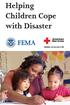 Helping Children Cope with Disaster This booklet offers parents, caregivers, and other adults suggestions on how to help children cope with the effects of disaster, as well as how to be prepared before
Depression Assessment & Treatment
 Depressive Symptoms? Administer depression screening tool: PSC Depression Assessment & Treatment Yes Positive screen Safety Screen (see Appendix): Administer every visit Neglect/Abuse? Thoughts of hurting
Post Traumatic Stress Disorder & Substance Misuse
 Post Traumatic Stress Disorder & Substance Misuse Produced and Presented by Dr Derek Lee Consultant Chartered Clinical Psychologist Famous Sufferers. Samuel Pepys following the Great Fire of London:..much
Substance Abuse and Mental Health Services Administration Reauthorization
 Substance Abuse and Mental Health Services Administration Reauthorization 111 th Congress Introduction The American Psychological Association (APA) is the largest scientific and professional organization
2) Recurrent emotional abuse. 3) Contact sexual abuse. 4) An alcohol and/or drug abuser in the household. 5) An incarcerated household member
 Co Occurring Disorders and the on Children: Effectively Working with Families Affected by Substance Abuse and Mental Illness Definition (Co-Occurring also called Dual Dx) A professional diagnosis of addictive/substance
What is Narrative Exposure Therapy (NET)?
 What is Narrative Exposure Therapy (NET)? Overview NET is a culturally universal short-term intervention used for the reduction of traumatic stress symptoms in survivors of organised violence, torture,
Optum By United Behavioral Health. 2015 Florida Medicaid Managed Medical Assistance (MMA) Level of Care Guidelines
 Optum By United Behavioral Health 2015 Florida Medicaid Managed Medical Assistance (MMA) Level of Care Guidelines Therapeutic group care services are community-based, psychiatric residential treatment
Do you help people recover from trauma? training programs
 Do you help people recover from trauma? 2015 training programs Do you or your staff help people who have experienced trauma? Phoenix Australia s training programs teach the skills required by a range of
Essential Trauma Informed Practices in Schools. Shannon Cronn, N.C.S.P. Barb Iversen, M.C.
 Essential Trauma Informed Practices in Schools Shannon Cronn, N.C.S.P. Barb Iversen, M.C. Objectives: Participants attending this session will be able to: Define trauma Explain how trauma may impact child/teen
Post-traumatic stress disorder (PTSD): the treatment of PTSD in adults and children
 Post-traumatic stress disorder (PTSD): the treatment of PTSD in adults and children Understanding NICE guidance information for people with PTSD, their advocates and carers, and the public March 2005 Information
Applied Psychology. Course Descriptions
 Applied Psychology s AP 6001 PRACTICUM SEMINAR I 1 CREDIT AP 6002 PRACTICUM SEMINAR II 3 CREDITS Prerequisites: AP 6001: Successful completion of core courses. Approval of practicum site by program coordinator.
Guidelines for Mental Health Practitioners
 Normality of Trauma Response Guidelines for Mental Health Practitioners Our understanding of Post-Traumatic Stress Disorder has changed dramatically over the past 10 years. We now recognize that it is
Traumatic Stress. and Substance Use Problems
 Traumatic Stress and Substance Use Problems The relation between substance use and trauma Research demonstrates a strong link between exposure to traumatic events and substance use problems. Many people
Lisa R. Fortuna, MD, MPH Michelle V. Porche, Ed. D Sripallavi Morampudi, MBBS Stanley Rosenberg, PhD Douglas Ziedonis, MD, MPH
 CBT for Youth with Co-Occurring Post Traumatic Stress Disorder and Substance Disorders Lisa R. Fortuna, MD, MPH Michelle V. Porche, Ed. D Sripallavi Morampudi, MBBS Stanley Rosenberg, PhD Douglas Ziedonis,
How To Treat A Mental Illness At Riveredge Hospital
 ABOUT US n Riveredge Hospital maintains the treatment philosophy of Trauma Informed Care. n Our commitment to providing the highest quality of care includes offering Animal Assisted Therapy, and Expressive
AGENCY OVERVIEW MFT & MSW* Intern-Trainee Program 2015-2016 Training Year
 AGENCY OVERVIEW MFT & MSW* Intern-Trainee Program 2015-2016 Training Year Non-profit mental health agency established in 1945 Recipient of the CAMFT School and Agency Award for 2009 Clients from diverse
Florida s Disaster Behavioral Health Response: Escambia County Floods (May, 2014) Governor s Hurricane Conference Orlando, Florida May 15, 2015
 Florida s Disaster Behavioral Health Response: Escambia County Floods (May, 2014) Governor s Hurricane Conference Orlando, Florida May 15, 2015 Presenters Michael L. Haney, PhD, NCC, CISM, LMHC Florida
Trauma FAQs. Content. 1. What is trauma? 2. What events are traumatic?
 Trauma FAQs Content 1. What is trauma? 2. What events are traumatic? 3. Who experiences trauma? 4. What are symptoms of trauma? 5. How can I help someone who may be experiencing trauma? 6. Where can people
Management Assistance Program
 Management Assistance Program COMMUNICATING WITH EMPLOYEES DURING A CRISIS: How to prepare and help employees cope with a workplace related crisis GOALS: The goal of this module is to provide organizations,
The Amazing Brain: Trauma and the Potential for Healing. By Linda Burgess Chamberlain, PhD, MPH
 The Amazing Brain: Trauma and the Potential for Healing By Linda Burgess Chamberlain, PhD, MPH A baby s brain is like a flower ready to bloom. From the first moments of life, a baby s brain is absorbing
Assessing families and treating trauma in substance abusing families
 Children, Trauma and the impact of Substance abuse Day One Outpatient (874-1045) Amy Stevenson LCPC CCS ([email protected]) Don Burke LCPC CCS ([email protected]) Assessing families and treating trauma in
Minnesota Co-occurring Mental Health & Substance Disorders Competencies:
 Minnesota Co-occurring Mental Health & Substance Disorders Competencies: This document was developed by the Minnesota Department of Human Services over the course of a series of public input meetings held
Psychological First Aid: A Toolkit
 Psychological First Aid: A Toolkit Laura McGladrey, PMHNP, FNP, MSN, RN, FAWM Paul Dreyer, WEMT, Counseling Masters Workshop Objectives Define Psychological First Aid (PSA). Better understand basic brain
Post-Traumatic Stress Disorder (PTSD)
 Post-Traumatic Stress Disorder (PTSD) Post traumatic stress disorder is a condition where you have recurring distressing memories, flashbacks, and other symptoms after suffering a traumatic event. Treatment
PTSD Ehlers and Clark model
 Problem-specific competences describe the knowledge and skills needed when applying CBT principles to specific conditions. They are not a stand-alone description of competences, and should be read as part
DEPARTMENT OF THE AIR FORCE PRESENTATION TO THE SUBCOMMITTEE ON MILITARY PERSONNEL COMMITTEE ON ARMED SERVICES UNITED STATES HOUSE OF REPRESENTATIVES
 DEPARTMENT OF THE AIR FORCE PRESENTATION TO THE SUBCOMMITTEE ON MILITARY PERSONNEL COMMITTEE ON ARMED SERVICES UNITED STATES HOUSE OF REPRESENTATIVES SUBJECT: SUICIDE PREVENTION STATEMENT OF: LIEUTENANT
Optum By United Behavioral Health. 2015 Florida Medicaid Managed Medical Assistance (MMA) Level of Care Guidelines
 Optum By United Behavioral Health 2015 Florida Medicaid Managed Medical Assistance (MMA) Level of Care Guidelines Statewide Inpatient Psychiatric Program Services (SIPP) Statewide Inpatient Psychiatric
Critical Incidents. Information for schools from Derbyshire Educational Psychology Service
 Critical Incidents Information for schools from Derbyshire Educational Psychology Service Introduction to Critical Incidents A critical incident (CI) is any event that is unexpected, acute, stressful and
Understanding PTSD and the PDS Assessment
 ProFiles PUTTING ASSESSMENTS TO WORK PDS TEST Understanding PTSD and the PDS Assessment Recurring nightmares. Angry outbursts. Easily startled. These are among the many symptoms associated with Post Traumatic
Co-Occurring Substance Use and Mental Health Disorders. Joy Chudzynski, PsyD UCLA Integrated Substance Abuse Programs
 Co-Occurring Substance Use and Mental Health Disorders Joy Chudzynski, PsyD UCLA Integrated Substance Abuse Programs Introduction Overview of the evolving field of Co-Occurring Disorders Addiction and
After Sexual Assault. A Recovery Guide for Survivors SAFE HORIZON. 24-Hour Hotline: 212 227 3000. www.safehorizon.org
 After Sexual Assault A Recovery Guide for Survivors SAFE HORIZON 24-Hour Hotline: 212 227 3000 www.safehorizon.org SAFE HORIZON hopes this guide will help the recovery of anyone whose life has been affected
TRAUMA & ADDICTION. written for. American Academy of Health Care Providers in the Addictive Disorders. Sandra H. Colen, LCSW, Dip-CFC, CAS
 TRAUMA & ADDICTION written for American Academy of Health Care Providers in the Addictive Disorders by Sandra H. Colen, LCSW, Dip-CFC, CAS December 22, 2014 Purpose The purpose of this paper is to present
Healing the Invisible Wound. Recovery and Rehabilitation from a Post Traumatic. Stress Injury. By Dr. Amy Menna
 Healing the Invisible Wound Recovery and Rehabilitation from a Post Traumatic Stress Injury By Dr. Amy Menna Post Traumatic Stress Disorder can affect anyone. It is a term used to describe a reaction to
Gusman, F.D., Stewart, J., Young, B.H., Iney, S.J., Abueg, F.R., & Blake, D.D. (1996). A
 Multiculturality in PTSD Treatment 1 Elizabeth Findling PY777 Human Diversity Antioch New England Graduate School Review of Article: Gusman, F.D., Stewart, J., Young, B.H., Iney, S.J., Abueg, F.R., & Blake,
Guidelines for Responding to the Death of a Student or School Staff
 Guidelines for Responding to the Death of a Student or School Staff These guidelines are designed to help school administrators, teachers, and crisis team members respond to the needs of students and staff
Maryland s T.A.M.A.R Program
 Maryland s T.A.M.A.R Program Trauma, Addictions, Mental Health, and Recovery Presenter Alisha F. Saulsbury, LCSW - C T.A.M.A.R. Trauma Specialist/Clinical Supervisor For All Seasons Mental Health Clinic
HELPING YOUNG CHILDREN COPE WITH TRAUMA
 HELPING YOUNG CHILDREN COPE WITH TRAUMA Disasters are upsetting to everyone involved. Children, older people, and/or people with disabilities are especially at risk. For a child, his or her view of the
Understanding PTSD treatment
 Understanding PTSD treatment Do I need professional help? Whether or not you need help can only be determined by you and a mental health professional. However, you can take the self-assessment in the PTSD
Psychological First Aid
 Psychological First Aid Field Worker s Guide Dr. Vinod Singaravelu Psychological First Aid Foreword This guide was developed in order to have widely agreed upon psychological first aid material for use
Treatment of Complex PTSD and Dissociative Disorders in Clinical Practice. Victor Welzant, Psy.D
 Treatment of Complex PTSD and Dissociative Disorders in Clinical Practice Victor Welzant, Psy.D Trauma Spectrum Peritraumatic reactions (dissociation, arousal, freezing, performance) Posttraumatic reactions
SPECIALIST ARTICLE A BRIEF GUIDE TO PSYCHOLOGICAL THERAPIES
 SPECIALIST ARTICLE A BRIEF GUIDE TO PSYCHOLOGICAL THERAPIES Psychological therapies are increasingly viewed as an important part of both mental and physical healthcare, and there is a growing demand for
Trauma and the Family: Listening and learning from families impacted by psychological trauma. Focus Group Report
 Trauma and the Family: Listening and learning from families impacted by psychological trauma Focus Group Report A summary of reflections and remarks made by Baltimore City families impacted by trauma and
Standards for the School Counselor [23.110]
![Standards for the School Counselor [23.110]](/thumbs/25/6617639.jpg "Standards for the School Counselor [23.110]") II. STANDARDS FOR THE SCHOOL SERVICE PERSONNEL CERTIFICATE Standards for the School Counselor [23.110] STANDARD 1 - Academic Development Domain The competent school counselor understands the learning process
II. STANDARDS FOR THE SCHOOL SERVICE PERSONNEL CERTIFICATE Standards for the School Counselor [23.110] STANDARD 1 - Academic Development Domain The competent school counselor understands the learning process
Dr. Elizabeth Gruber Dr. Dawn Moeller. California University of PA. ACCA Conference 2012
 Dr. Elizabeth Gruber Dr. Dawn Moeller California University of PA ACCA Conference 2012 http://www.youtube.com/watch?v=9rpisdwsotu Dissociative Identity Disorder- case presentation Diagnostic criteria Recognize
TITLE: Cannabinoids for the Treatment of Post-Traumatic Stress Disorder: A Review of the Clinical Effectiveness and Guidelines
 TITLE: Cannabinoids for the Treatment of Post-Traumatic Stress Disorder: A Review of the Clinical Effectiveness and Guidelines DATE: 01 December 2009 CONTEXT AND POLICY ISSUES: Post-traumatic stress disorder
Psychopharmacotherapy for Children and Adolescents
 TREATMENT GUIDELINES Psychopharmacotherapy for Children and Adolescents Guideline 7 Psychopharmacotherapy for Children and Adolescents Description There are few controlled trials to guide practitioners
Policy for Preventing and Managing Critical Incident Stress
 Policy for Preventing and Managing Critical Incident Stress Document reference number HSAG 2012/3 Document developed by Revision number 1.0 Document approved by Consultation with 14 September 2012 Presented
2014 CPRP Knowledge, Skills & Abilities
 2014 CPRP Knowledge, Skills & Abilities The CPRP examination is designed for practitioners who work transition-aged youth and adults within the behavioral health system. The exam consists of 150 multiple-choice
Psychological First Aid: Helping Others in Times of Stress
 Welcome Psychological First Aid: Helping Others in Times of Stress July 2006 DSCLS206A Instructor Introductions Name Background 2 Housekeeping Items Breaks Location of restrooms Emergency exits Cell phones
Borderline personality disorder
 Understanding NICE guidance Information for people who use NHS services Borderline personality disorder NICE clinical guidelines advise the NHS on caring for people with specific conditions or diseases
in young people Management of depression in primary care Key recommendations: 1 Management
 Management of depression in young people in primary care Key recommendations: 1 Management A young person with mild or moderate depression should typically be managed within primary care services A strength-based
Mental Health 101 for Criminal Justice Professionals David A. D Amora, M.S.
 Mental Health 101 for Criminal Justice Professionals David A. D Amora, M.S. Director, National Initiatives, Council of State Governments Justice Center Today s Presentation The Behavioral Health System
Cognitive Behavioral Therapy for PTSD. Dr. Edna B. Foa
 Cognitive Behavioral Therapy for PTSD Presented by Dr. Edna B. Foa Center for the Treatment and Study of Anxiety University of Pennsylvania Ref # 3 Diagnosis of PTSD Definition of a Trauma The person has
UTAH STATE UNIVERSITY. Professional School Guidance Counselor Education Program Mapping
 UTAH STATE UNIVERSITY Professional School Guidance Counselor Education Program Mapping Course Key: PSY 6130 Evidence-Based Practice: School Intervention PSY 6240 Comprehensive School Counseling Programs
There are several types of trauma that can occur when people experience difficult life changing
 Trauma Informed Services Part 1 The Hidden Aspect of Addiction Many individuals struggling with addiction have personal and family histories of trauma including sexual, emotional, and/or physical abuse
treatment effectiveness and, in most instances, to result in successful treatment outcomes.
 Key Elements of Treatment Planning for Clients with Co Occurring Substance Abuse and Mental Health Disorders (COD) [Treatment Improvement Protocol, TIP 42: SAMHSA/CSAT] For purposes of this TIP, co occurring
Activity 3: Observe Psychological First Aid
 Activity 3: Observe Psychological First Aid In this activity you have the opportunity to hear a conversation between a survivor of bomb blast and a Red Cross behavioral health volunteer. This role play
Presently, there are no means of preventing bipolar disorder. However, there are ways of preventing future episodes: 1
 What is bipolar disorder? There are two main types of bipolar illness: bipolar I and bipolar II. In bipolar I, the symptoms include at least one lifetime episode of mania a period of unusually elevated
Anxiety, Panic and Other Disorders
 Methodist Assistance Program Anxiety, Panic and Other Disorders Anxiety, panic and other disorders such as agoraphobia, social phobia, compulsive disorder and posttraumatic stress disorder are all very
Trauma Informed Care: Top 10 Tips for Caregivers and Case Managers. Dr. David Ott Christina Suarez, LCSW Kimberly Brien
 Trauma Informed Care: Top 10 Tips for Caregivers and Case Managers Dr. David Ott Christina Suarez, LCSW Kimberly Brien Our Goals Today Provide information about concepts associated with trauma informed
Listen, Protect, and Connect
 Page 1 Listen, Protect, and Connect PSYCHOLOGICAL FIRST AID FOR CHILDREN, PARENTS, AND OTHER CAREGIVERS AFTER NATURAL DISASTERS Helping you and your child in times of disaster. Page 2 As a parent or adult
Traumatic Stress with Alcohol and/or Drug Addiction
 Traumatic Stress with Alcohol and/or Drug Addiction information for individuals and families Eastern Trauma Advisory Panel What is Post Traumatic Stress Disorder (PTSD)? How people react to a traumatic
Therapy and Professional Training Specialists. www.mifamilytherapy.com
 Therapy and Professional Training Specialists www.mifamilytherapy.com Help When it s Needed Everyone at some point is faced with challenges that require extra thought and attention. Most of the time people
Contents. Introduction. Guiding Principles. Shifting Trends. Goals of the Standards. Definitions. Standards. Standard 1.
 Contents Introduction Guiding Principles Shifting Trends Goals of the Standards Definitions Standards Standard 1. Ethics and Values Standard 2. Qualifications Standard 3. Assessment Standard 4. Intervention
Listen, Protect, Connect Model & Teach
 Page 1 Listen, Protect, Connect Model & Teach PSYCHOLOGICAL FIRST AID (PFA) FOR STUDENTS AND TEACHERS Helping you help your students in times of disaster, school crises, or emergencies. Page 2 As a teacher,
Physical Symptoms Mood Symptoms Behavioral Symptoms
 Prescription drugs are the 3 rd most commonly abused drugs amongst teens in Nebraska, and the same statistic holds true on a national level. The rise in prescription drug abuse is becoming increasingly
Who We Serve Adults with severe and persistent mental illnesses such as schizophrenia, bipolar disorder and major depression.
 We Serve Adults with severe and persistent mental illnesses such as schizophrenia, bipolar disorder and major depression. We Do Provide a comprehensive individually tailored group treatment program in
1. PROFESSIONAL SCHOOL COUNSELOR IDENTITY:
 Utah State University Professional School Counselor Education Program Learning Objectives (Adapted from the Standards for Utah School Counselor Education Programs and the Council for Accreditation of Counseling
Psychoeducation, Psychological first aid, Psychosocial support, terminology"
 Psychoeducation, Psychological first aid, Psychosocial support, terminology" ENPS Forum 2013, Istanbul B. Juen University of Innsbruck Austrian Red Cross Aim of the presentation To give an overview of
Teacher s Fear Never Wanes After Assault
 Theory and Practice Edward M. Kantor, M.D. Department of Psychiatric Medicine University of Virginia Teacher s Fear Never Wanes After Assault New York(AP) Students had threatened Susan Hudson before, but
PHILADELPHIA DEPARTMENT OF BEHAVIORAL HEALTH AND INTELLECTUAL disability SERVICES
 PHILADELPHIA DEPARTMENT OF BEHAVIORAL HEALTH AND INTELLECTUAL disability SERVICES Program Description Guidelines I. Introduction A. Name of the Program Please give the name of the program you plan to operate.
SUICIDAL BEHAVIOR IN CHILDREN AND ADOLESCENTS NADINE J KASLOW, PHD, ABPP [email protected] 2014 APA PRESIDENT
 SUICIDAL BEHAVIOR IN CHILDREN AND ADOLESCENTS NADINE J KASLOW, PHD, ABPP [email protected] 2014 APA PRESIDENT Setting the Stage What are the common myths about suicide in children and adolescents? If I
Helping You Choose a Counselor or Therapist
 Helping You Choose a Counselor or Therapist There are times when personal, work, or family problems make it hard to enjoy life. Maybe you're having trouble sleeping or concentrating at work. Perhaps you
Traumatic Bereavement Treatment For Children With Loss
 "When the worst is happening" Treatment for children who lost both of their parents during a car accident Dr. Adi Granat, Dr. Moshe Vardi The Post Trauma Unit for children and adolescents, Loewenstein
7/15/2010. 11 th Annual Summer Institute Sedona, AZ July 21, 2010. July 21, 2010 Sedona, AZ Workshop 1
 The Addiction-Trauma Connection: Spirals of and Healing Stephanie S. Covington, Ph.D., L.C.S.W. Center for Gender and Justice Institute for Relational Development La Jolla, CA 11 th Annual Summer Institute
DOMESTIC VIOLENCE AND CHILDREN. A Children s Health Fund Report. January, 2001
 DOMESTIC VIOLENCE AND CHILDREN A Children s Health Fund Report January, 2001 Peter A. Sherman, MD Division of Community Pediatrics The Children s Hospital at Montefiore -1- Introduction Domestic violence