
Foreclosure Counseling Standards Guide
|
|
|
- Hilary Waters
- 10 years ago
- Views:
Transcription
1 Foreclosure Counseling Standards Guide of the Minnesota Homeownership Center s Homeownership Advisors Network Effective October 1, 2013 Prior Revisions October 1, 2010, October 1, 2011 & October 1, 2012

2 Copyright 2013 Minnesota Homeownership Center 1000 Payne Avenue, Suite 200 St. Paul, MN Phone: Toll Free: The Minnesota Homeownership Center s mission is to Promote and advance successful homeownership in Minnesota

3 Table of Contents Introduction... 1 The Minnesota Homeownership Center s Homeownership Advisors Network... 2 Operating Standards... 3 National Standards... 3 Training and Certification... 3 Continuing Education... 4 Staff Changes... 4 Reporting... 4 Record Keeping... 5 Data Privacy... 6 Fair Housing... 6 Preferred Language... 7 Participant Fees... 7 Conflict of Interest... 7 Code of Ethics & Conduct... 8 Program Standards... 9 Counseling Appointment Standards Marketing Standards Appendices A. Foreclosure Counseling Program Model B. National Industry Code of Ethics and Conduct for Homeownership Professionals C. Conflict of Interest Disclosure Form D. Homeownership Advisors Network Branding Standards... 63

4 Introduction to Foreclosure Counseling Standards This document describes the foreclosure counseling standards that Provider Agencies in the Minnesota Homeownership Center s (Center) Homeownership Advisors Network follow upon becoming a member. The primary purpose of these standards is to ensure that consumers and other stakeholders receive effective, high- quality, efficient services from Providers. Adherence to these standards is part of periodic program reviews conducted by the Center and funding partners. These standards do not prescribe every aspect of programming delivery. Providers may customize their services within the parameters of the standards to meet their communities and consumers needs. Providers contracting with an individual or agency to deliver foreclosure counseling ensure the said person or entity adhere to the standards. This guide was developed with recommendations and input from the Minnesota Homeownership Center staff, Board of Directors, Advisory Council and Providers. Standards were informed by: the policies for administering HUD Housing Counseling programs, the Housing Partnership Network, and the National Industry Standards for Homeownership Education and Counseling (see STANDARDS AND BENCHMARKS Adherence to Standards is required by Providers in the Center s network. Benchmarks are highly recommended. Minnesota Homeownership Center 2013 Page 1

5 The Minnesota Homeownership Center s Homeownership Advisors Network NETWORK MEMBERS: Agencies in the Center s Homeownership Advisors Network are dedicated to providing high- quality, effective, services to consumers. These independent, non- profit and governmental organizations are committed to: following program standards and policies that are based in national best practices but reflect Minnesota s foreclosure and counseling environment; reporting programming outcomes to the Center; participating in periodic program reviews; and collaborating with network partners to promote and advance the professionalism of the network and the foreclosure counseling industry. To become a foreclosure counseling Provider member of the Homeownership Advisors Network, an agency must receive HECAT funding (see below). Center staff are available to meet with interested organizations to discuss membership and how to prepare for submitting a HECAT application. THE CENTER S ROLE The Center supports Providers by offering technical assistance, capacity building support, certification and training, and coordinated networking. They are available to provide guidance on program delivery, program management, and a range of best practices. The Center conducts public education and outreach and is responsible for research and analysis of program delivery, outcomes and trends. The Center also serves as a funder to Providers (see below). The Center participates in a variety of partnerships with industry stakeholders in an effort to further the mission of the network. FUNDING The Homeownership Education, Counseling and Training Fund (HECAT) provides financial support to eligible non- profit and government based organizations to deliver a variety of homebuyer/homeowner education, counseling and training services to Minnesotans. HECAT funded services include pre- and post- purchase education(including Home Stretch), pre- and post- purchase counseling, home equity conversion counseling, and foreclosure counseling and assistance. Annually funding partners work in partnership to offer funding to Providers via HECAT. Each of the four funding partners contributes financial resources and participates in the grant- making and award process. The funding partners currently include: Greater Minnesota Housing Fund, Minnesota Housing, and the Minnesota Homeownership Center. In addition, the Center also raises funds through other private and public entities and grants these funds to Providers. Providers also secure their own funding through grants, government contracts and donations. Minnesota Homeownership Center 2013 Page 2

6 Operating Standards NATIONAL STANDARDS The standards in this document comply with and in some instances exceed the National Industry Standards for Homeownership Education and Counseling The Center recognizes the importance of promoting professionalism and quality assurance in foreclosure counseling at the national level while supporting the standards that reflect the local counseling industry. Where these standards exceed the National Industry Standards, these standards take precedence. Standard Providers adopt the National Industry Standards for Homeownership Education and Counseling: Foreclosure Intervention Specialty upon becoming a Provider. TRAINING AND CERTIFICATION Foreclosure advisors must have strong technical knowledge about homeownership, the foreclosure process, the mortgage industry, and loss mitigation practices and be able to provide optimum service to participants. Some of this experience is gained on the job. Formal training and certification is also a critical professional development activity for individual advisors. Training and certification: 1) ensures that advisors have the knowledge to perform foreclosure counseling, 2) encourages excellence in the foreclosure counseling profession and develops criteria for assessing the level of excellence; and 3) demonstrates to homeowners and other stakeholders that foreclosure advisors have achieved a high level of professional development and expertise. Standard Advisors must complete coursework and pass the exam for one of the following within 12 months of being hired as a foreclosure advisor or within 12 months of the Provider becoming a member of the Center s network: Minnesota Homeownership Center s Foundations of Foreclosure Counseling. NeighborWorks America s HO345rq Foreclosure Intervention and Default Counseling Certification, Part I and the Minnesota Homeownership Center Foreclosure Counseling Program Model training. NCLR Homeownership Network Learning Alliance s (NHNLA) Fundamentals of Foreclosure Prevention Counseling and the Minnesota Homeownership Center Foreclosure Counseling Program Model training. Note: Any foreclosure advisor receiving certification from the Minnesota Mortgage Foreclosure Prevention Association or NeighborWorks America prior to October 1, 2009 has met the certification standard. Minnesota Homeownership Center 2013 Page 3

7 CONTINUING EDUCATION The Center supports continued learning and professional growth of foreclosure advisors to provide high quality services for participants. The Center does not offer an approved list of continuing education opportunities, but encourages you to participate in seminars, courses, conferences, etc. through relevant and trusted entities. Standard You must complete 10 hours of continuing education hours (CEH) annually. One CEH equals one hour of instruction. Continuing education must be on topics relevant to foreclosure counseling. You do not have to submit proof of completion to the Center. However, Providers are responsible for maintaining a record of completed CEHs for advisors for three years. The Center may request documentation during a program review or as needed. Advisors providing multiple services, including foreclosure counseling, pre- purchase education, or pre- purchase counseling do not have to complete more than 10 hours of CEHs annually, but must complete training relevant to all areas of expertise. STAFF CHANGES To ensure continuity of services and to facilitate communication with other network members and the Center, inform the Center of attrition or new hires. Standard Contact the Center about foreclosure advisors leaving the organization or new hires within 10 business days. The Center will discuss your plan for continuation of services and any changes in programming required as a result of the staff change. REPORTING Providers are required to collect and report participant and program data to the Center on a regular basis as defined by the Center. Centralized reporting and evaluation is a professional hallmark of participating in the Center s network. The ability to comprehensively report program outcomes is critical to demonstrating program effectiveness, securing resources, and ensuring ongoing program enhancements. Annual foreclosure program reports published by the Center are available on the Center s website. The outcomes measured by the Center include the number of households served, foreclosures averted and remedy and community impact including cost savings. You are encouraged to utilize these reports or customized reports for your stakeholder groups. For detailed reporting instructions, see the Provider section of the Center s website or contact the Center. Minnesota Homeownership Center 2013 Page 4

8 Standard Providers are responsible for timely and accurate reporting. Providers are required to use Counselor Max, a web- based case management system to report participant and program data to the Center. All participant information must be entered in CounselorMax before the last day of each month. Providers also are required to submit a quarterly narrative report to the Center using the format provided by the Center. CounselorMax is a system owned by NeighborWorks America. Providers are responsible for the cost to use the system. Each Provider signs an online terms and conditions agreement when enrolling in the system. These costs are subject to change. Contact the Center for current rates. The Center provides initial user training and ongoing customer service. For questions or training needs contact the Center. Standard Providers must authorize Counselor Max to share participant data with the Center. Verbal authorization or a signature is need from at least one member of every foreclosure counseling household to share private information with the Center. Standard Provider must capture and submit all data using the list of required data fields provided by the Center. The list can be found on the Center s website. Standard Advisors resolve cases in CounselorMax when the resolution is known. All cases must be closed. Record a resolution for each case created regardless of level of service. Cases cannot be left open indefinitely. RECORD KEEPING Participant files are maintained by Providers. Standard A file is maintained for each foreclosure counseling participant. Maintain files in a secure location. Keep them for a minimum of 3 years following the end of the program year in which the file was closed. Benchmarks Longer file retention may be necessary if the participant received a foreclosure prevention loan. Loan files typically must be retained until the loan is satisfied. At the time of disposal, paper files are shredded and electronic files are permanently deleted. Minnesota Homeownership Center 2013 Page 5

9 Standard At minimum, foreclosure counseling participant files include: 1) intake form; 2) case notes including steps taken and resolution; 3) action plan 4) release of information. Maintain files in either paper or electronic form. Benchmark Advisors use a checklist to ensure files are consistently maintained and meet reporting and quality assurance standards. DATA PRIVACY Adhere to federal regulations and statutory laws pertaining to the release of private data about individuals to outside parties. Standard Before releasing private participant data, you must secure written or verbal authorization from the participant. The authorization must include the parameters of information to be shared and may not be a blanket waiver. Participants are not required to share private data with advisors or third parties. Provision of service must not be contingent on participants providing their consent to share data. FAIR HOUSING Providers must affirmatively further fair housing by making special efforts to reach and accommodate populations that are typically underserved. Standard Providers comply with the Americans with Disabilities Act (ADA) and observe all laws pertaining to fair housing in the administration of foreclosure counseling programs. Providers ensure accessibility of services for people with disabilities and offer reasonable accommodations when necessary. In cases where reasonable accommodations are requested, document all actions taken to facilitate service delivery. Benchmarks The appointment scheduling process includes a question on whether special accommodations are necessary. Counseling space is convenient, accessible to the community by public transportation whenever possible and offers private meeting space. Minnesota Homeownership Center 2013 Page 6

10 PREFERRED LANGUAGE Providers accommodate language needs of participants. Standard Providers refer homeowners to advisors within their organization or to another Provider that offers language specific services whenever possible. Standard If language specific services are not available, interpreters are made available to participants requesting the service. The Center has limited funding available to reimburse Providers for the cost of interpreting services on a first- come, first- served basis. To receive reimbursement, Providers coordinate and pay for the service and then submit the paid invoice to the Center for reimbursement when funds are available. Benchmark Providers get at least two bids, selecting the most reasonable rate considering availability. If Providers are unable to obtain at least two bids or the cost of translation exceeds $100 per hour, contact the Center for prior approval. PARTICIPANT FEES Charging homeowners experiencing a financial crisis fees to access foreclosure counseling services would create an undue burden and limit access to services. Standard Foreclosure counseling services are provided free of charge. CONFLICT OF INTEREST The Center requires providers to disclose any conflicts of interest. A conflict of interest exists when the Provider has a relationship with a participant that has the potential to compromise the Provider s ability to fully represent the best interests of that participant in foreclosure counseling. In order for the participant to make a fully informed decision they must be made aware of any real or potential conflict of interest on the part of the Provider and advisor. The following are examples of conflicts of interest: Provider holds or services the mortgage on a participant s property. Provider offers real estate services, such as listing, selling or purchasing property, for a fee. The participant is a staff or board member of the Provider agency. Provider offers lending products that generate income and charge interest for refinancing a mortgage to prevent default or foreclosure. Minnesota Homeownership Center 2013 Page 7

11 Standard When a conflict of interest exists or may exist, Providers give a written disclosure to participants revealing the conflict and stating that the participant is under no obligation to receive additional services from the Provider. Both parties sign the disclosure. Providers offer information on alternative services and programs. The signed disclosure is maintained in the participant file. A sample disclosure is included in Appendix B. CODE OF ETHICS AND CONDUCT A Code of Ethics and Conduct for Homeownership Professionals has been developed by the Advisory Council for the National Industry Standards for Homeownership Education and Counseling. Adhering to this code of ethics is critical to demonstrating ethical conduct within the foreclosure counseling profession. This code of ethics is not intended to replace, but rather to supplement, any codes of ethics that Providers already use in their organizations. A copy of the Code of Ethics and Conduct for Homeownership Professionals is located in Appendix C. Standard Foreclosure advisors sign and adopt the written National Industry Code of Ethics and Conduct for Homeownership Professionals upon becoming a member of the Center s network. Minnesota Homeownership Center 2013 Page 8

12 Programming Standards PROGRAM MODEL The Foreclosure Counseling Program Model was created to increase standardization and efficiency among Providers and to promote professionalism through the use of proven best practices in program delivery. Standard Providers follow the Foreclosure Counseling Program Model in Appendix A. Standard Providers complete a Triage Intake and Assessment with each foreclosure counseling participant and provide referral resources for tenants and landlords. Standard Providers offer homeowners direct and immediate access to services. Time- sensitive cases are prioritized. Providers answer calls live (as opposed to voice mail) during business hours whenever possible. Benchmarks Providers give participants access to direct phone numbers or phone extensions to reach foreclosure advisors. Providers return participant calls by the end of each business day. Providers have trained back- up staff to describe the program, answer basic questions and schedule appointments when advisors are out of the office for more than one business day. Standard Providers minimize barriers to encourage participation in counseling by scheduling and holding appointments without requiring completed applications as a pre- requisite. Benchmarks If counseling is not provided immediately following Triage Intake and Assessment, Providers schedule an appointment within 3-5 business days. Providers maintain regular communication with participants while a case is active. Minnesota Homeownership Center 2013 Page 9

13 Standard Providers set clear expectations with the participant about program services and participant involvement. Benchmark Providers utilize a written Advisor and Homeowner Agreement. In the agreement, Providers commit to: provide factual information; complete the advisor s action plan steps in a timely manner; make referrals to resources; and provide services confidentially, honestly and respectfully. FOLLOW UP Follow up refers to written or verbal contact with participant while file is active. Contact may be initiated by advisor or in response to participant contact. Standard Maintain communication with participants when file is active in accordance with the action plan. The frequency of contact depends on the action plan and participant situation. At a minimum follow up contact is made once every 60 days until case is resolved. Benchmark Provide timely responses to participant contact, within 48 business hours. Standard If a case has been inactive for 3 months, advisors attempt to contact the participant to determine the resolution. If contact is not possible use best judgment based on last interaction to determine resolution. Minnesota Homeownership Center 2013 Page 10

14 In- Depth Counseling Standards These standards apply to In- Depth counseling cases in the Foreclosure Counseling Program Model. Standard Advisors develop a detailed budget with the participant to determine income and expenses and discuss options for making adjustments. Benchmarks Advisors review documentation to verify income and expenses. Advisors obtain current credit reports to verify debts. Standard In partnership with participants, advisors develop written Action Plans that include both participant action steps and advisor steps. Standard Providers help pursue workout options on behalf of participants. Benchmarks Advisors contact mortgage servicers on behalf of participants to discuss loss mitigation options. Advisors assume the lead in completing and submitting loss mitigation packages and communicating with servicers on outcomes. Advisors contact property tax departments, homeowners associations and other lien holders as needed. Standard Providers utilize foreclosure assistance loans, as available, only after exhausting all other options. Providers follow funder s loan criteria and develop additional guidelines as necessary. Benchmarks Providers use a loan review committee for determining loan eligibility. Providers have a protocol in place for handling emergency cases that are time sensitive. Minnesota Homeownership Center 2013 Page 11

15 Marketing Standards Reaching homeowners early is key to providing effective services. Early participation increases the likelihood that foreclosure will be averted. Raising awareness about the availability of free foreclosure counseling services is a critical component of foreclosure programming. In support of marketing efforts the Center has outreach materials available for provider use. Standard Providers develop, maintain, and utilize a marketing plan that employs a variety of outreach methods for reaching homeowners early. Target audiences for outreach include homeowners at risk of default and professionals in touch with at- risk homeowners such as employers, social service agencies, employment counselors, property tax departments, local banks and utility companies. Where available, Providers utilize Pre- foreclosure Notices to contact homeowners by mail and/or phone. Benchmark Providers use outreach materials created by the Center. Contact the Center to discuss partnership opportunities. Standard Providers adhere to the Homeownership Advisors Network Branding Standards Manual. A copy of the manual can be found in Appendix D. Standard Providers use an affirmative marketing process to communicate that the foreclosure counseling program is administered in a non- discriminatory manner. This may include equal housing opportunity messages, logos or slogans on written materials and tailoring marketing messages to populations less likely to participate in services. Minnesota Homeownership Center 2013 Page 12

16 FORECLOSURE COUNSELING PROGRAM MODEL A guide for foreclosure prevention counseling tailored to consumer needs Minnesota Homeownership Center

17 Foreclosure Counseling Program Model Table of Contents Overview... 2 Triage Intake... 3 Triage Intake Steps... 4 Triage Assessment Triage Assessment Tool Service Categories CURRENT SMOOTH TRANSITION WORKOUT READY Level of Service BASIC IN- DEPTH Counseling Tips Sample Forms TRIAGE INTAKE FORM BASIC MONTHLY BUDGET ADVISOR AND HOMEOWNER AGREEMENT ACTION PLAN TEMPLATE APPOINTMENT LETTER AND CHECKLIST DETAILED MONTHLY BUDGET ACTION PLAN IN- DEPTH EXAMPLE

18 Overview Foreclosure Counseling Program Model The Foreclosure Counseling Program Model was created to increase standardization and efficiency among providers and to promote professionalism through the use of proven best practices in program delivery. The model utilizes a Triage Intake and Assessment system, outlines Service Categories to guide counseling topics, and provides a framework for Basic and In- Depth counseling. The model includes gathering information to assess the situation, customizing services to best meet homeowners needs and finally determining a course of action. While providing a standardized approach to foreclosure intervention, the model also takes into account that homeowners benefit from tailored services. The Foreclosure Counseling Program Model provides flexibility for agencies to adapt and customize the model to account for different staffing structures, operating procedures and capacity. Use the model as a baseline for delivering foreclosure prevention services, and customize it to your program needs and the needs of the homeowners you serve. The model is organized into four main sections: Triage Intake and Assessment This section of the model outlines the process for gathering information to complete the Triage Intake Form and conduct Assessment. The end goal of this section is to determine the Service Category for each homeowner. Service Categories Service Categories are determined using the information provided during the Triage Intake and Assessment. Service Categories provide guidelines for minimum discussion topics and help inform whether the homeowner would benefit most from Basic or In- Depth counseling. Levels of Service Levels of Service are divided into Basic counseling or In- Depth counseling sessions. Counseling activities such as budgeting, action planning and follow up steps are outlined for each level. This section also provides guidelines for average time spent with each homeowner. Sample Forms The final section of the model includes sample forms. Editable versions of these forms are available upon request Minnesota Homeownership Center 2

19 Triage Intake Purpose The purpose of the Triage Intake is to gather the information necessary to complete your intake form for each homeowner who contacts your program. This information is necessary not only for reporting, but also to proceed through the Triage Assessment and in turn determine the Service Category. The best practice is to conduct the Triage Intake during the first point of contact. How the information on the Triage Intake is gathered can vary from agency to agency. This is one area where the model allows for flexibility. Some agencies have the foreclosure advisor gather the intake information and provide counseling during the first call. Other agencies have support staff gather the intake information and schedule an appointment with an advisor to proceed through Assessment and Service Categories. Some others are using technology or group workshops for the intake process. For example, advisors may post a simplified, consumer- friendly version of the Triage Intake Form on their website for homeowners to in advance. In these cases, use this section of the model as a guide when you read through the homeowners forms to check for omissions and figure out what additional questions to ask. Then proceed to Triage Assessment to determine the Service Category. Customize the Triage Intake questions to match your style of counseling and respond to the conversation you have with each homeowner. Homeowners may not always know the information necessary to answer all of your questions, so be creative about how you ask the questions. Help them think about things a different way to gather as much of the information as possible. If you are not getting sufficient information to conduct the Triage Intake you may need to give the homeowner a list of things to gather and schedule a follow- up time to complete it. The steps in this part of the model follow the Sample Triage Intake Form and are organized into the following categories: Purpose: Explains why the particular step is important. Tip: Gives you an idea of what you may encounter while working with the homeowner or provides advice that may be helpful. Suggested script: An example of how to phrase particular questions or start discussions. Additional comments: In parentheses you will find alternative phrasing and more insight on what to expect or how to interact with the homeowner. See Sample Forms: Triage Intake Form 2013 Minnesota Homeownership Center 3

20 Triage Intake Steps STEP ONE Understand why the homeowner is contacting you Purpose: Tip: To begin to customize your conversation with each homeowner you want to understand the reason they contacted your program and their expectations as soon as possible. Homeowners will frequently start by telling you about their situation immediately following your greeting. You may quickly understand why they are contacting you. Homeowners may have tried finding help other places before they reached you and may have a very high stress level. This may result in an outpouring of information that exceeds what you need initially. Be prepared to politely interrupt and take control of the conversation. The goal of controlling the conversation is to use your time and the homeowner s time most effectively. Suggested script: politely interrupt Excuse me, I apologize for interrupting. I want to hear what you have to say. I have some key questions that will help me understand your situation and how I may be able to help you. STEP TWO Experience working with other foreclosure advisors Purpose: Tip: Learn if the homeowner is working with another foreclosure counseling organization. The homeowner may already be working with another trusted advisor, so to avoid an unnecessary duplication of services you should ask the homeowner early in your conversation. Keep in mind that the quality of services may vary and some organizations are for- profit and charge for the same services you offer free of charge. So, if the homeowner indicate he is working with another organization you should ask more details to determine if he may still benefit from working with you. Suggested script: Are you working with another organization to address your concerns about your mortgage? If yes, ask additional questions as appropriate to find out the name and type of organization Minnesota Homeownership Center 4

21 STEP THREE Set expectations Purpose: Help set the stage by conveying to the homeowner what to expect from your program. Suggested script: My role is to help homeowners who are concerned about making their mortgage payments or facing foreclosure. I will help you figure out what options might be available to you, and together we will come up with a plan for next steps. I m not able to help everyone stay in their home, but I will do my best so you know what to expect and can make informed decisions. Before we can talk about options, I need to understand your situation, so I am going to start by asking you some questions. Then we can talk about next steps. STEP FOUR Gather demographic information Purpose: Tip: Gather information to meet reporting requirements, including data for your client management system. Get necessary authorizations and review disclosure and privacy policies. If it is not clear that the caller is the owner of property she is calling about be sure to ask. This program serves homeowners, not tenants or landlords. The rights of tenants are very different. If you are unable to address the questions for tenants refer them to a local resource for tenants rights. If you are unable to address the questions for landlords or someone who is contacting you about a second home, you may want to suggest they contact a private attorney. Suggested script: You also need to ask for authorization to share data for reporting purposes. Verbal authorization is allowed if the Triage Intake is being conducted by phone. Also be sure to review any disclosures and the agency s privacy policy during intake and get signatures as needed. I am required to track information for each call so we can report on who we serve and use results to improve our programming.. It will just take a couple minutes to go over our authorization forms (review authorization, privacy policy, etc.). Thank you. Now let s gather some information about you and your household. What is your first and last name? What is your property address? 2013 Minnesota Homeownership Center 5
22 What phone number is best for reaching you during the day? Do you have an alternate phone? Do you have an address I can use to contact you? How many people live in the household? Are any of them children? Are you married or single? What is your gender? (you may not need to ask if apparent from their name) What is your date of birth? Are you a veteran? What is the highest level of education you have received? How did you hear about us? I m required to ask the next questions to track who we serve. They do not impact the service I will provide you. o What race do you identify with? o Are you Hispanic? (Race and ethnicity are gathered for reporting purposes and are extremely important for research and fundraising. For these reasons we ask that you do your best to gather this information. However, please note that race and ethnicity can be a sensitive subject for some people. Homeowners have the right to voluntarily opt out of these questions.) If you were to add up all the income that came into the household over the past year, what is your gross annual income? Are you employed? Who is your employer? How long have you been there? STEP FIVE Determine the status of the mortgage Purpose: Tip: To determine the subsequent questions to ask during the conversation. You may already know the answer to this question from Step 1: Understanding the reason for the call. Suggested script: Are you behind on your mortgage payments? Homeowner Response YES Homeowner Response NO Go To Step Six (A) Delinquent Mortgage Go To Step Six (B) Current Mortgage 2013 Minnesota Homeownership Center 6
23 STEP SIX (A) Delinquent mortgage Purpose: To obtain details about the loan product, degree of delinquency, stage in the foreclosure process, and reason for falling behind on mortgage payments. Suggested script: Mortgage product: What is the name of your mortgage company? Do you know if your loan has an investor such as Fannie Mae or Freddie Mac? What is your monthly payment amount? What is your interest rate? Is your interest rate fixed or adjustable? (you may need to explain the difference) If Adjustable Rate Mortgage Has your payment changed? What was your original payment and interest rate? What is the total principal balance left on the loan? Suggested script: Degree of delinquency: How many months do you owe to bring your mortgage current? Alternate question: When was the last time you made a mortgage payment? If you ask this, you may need to ask more, because even if the homeowner recently made a payment they may still be behind. How much do you owe to bring the mortgage current? Have you been behind on your payments before? Have you talked to your mortgage company (or other parties involved)? If yes: Please tell me what you discussed with them. Suggested script: Stage in the foreclosure process: Have you received anything from an attorney? If so, what have you received? Homeowners behind on bills frequently do not open the mail due to fear or avoidance when dealing with this type of stress. Depending on the conversation, you may want to ask if they have opened their mail from the mortgage company and encourage them to do so. Have you received notice about a foreclosure or Sheriff s sale date? Is so, when is it? Suggested script: Reason for default: You may need to explain that the sale notice would have been served in person and it often looks like something that was clipped from a newspaper. Please explain what led you to fall behind on payments. You may not need to ask if already known from your previous questions Minnesota Homeownership Center 7
24 STEP SIX (B) Current mortgage Purpose: Tip: To obtain details about why the homeowner is concerned about making future payments and gather information about the mortgage. You may have learned some of this information during Step 1: Understanding the reason for the call. Suggested script: Mortgage product: What is the name of your mortgage company? Do you know if your loan has an investor such as Fannie Mae or Freddie Mac? What is your current monthly payment? What is your interest rate? Is your interest rate fixed or adjustable? You may need to explain the difference. If ARM: Has your payment changed? What was your original payment and interest rate? What is the total principal balance left on the loan? Suggested script: Reason for facing default: Why are you concerned about being able to make your future mortgage payments? Note at this point you may find out the homeowner is not concerned about her mortgage payment, but rather about property taxes, association liens, or other expenses. These questions will be addressed in Step Seven. STEP SEVEN Other housing expenses Purpose: Learn about other housing related expenses and their status. Suggested script: Now I am going to ask you about some other housing related payments. I will also need to know whether you are current or behind on these. Do you have more than one mortgage? If so, how many? Are you current or behind on the payments? If behind: How far behind are you? How much do you owe? Do you pay homeowners association dues/fees? If so, are you current on payments? If no: How far behind are you? How much do you owe? Are your property taxes included in your mortgage payment? (Escrowed) If no: Are you current on your property tax payments? If no: When was the last time you paid them? How much do you owe? 2013 Minnesota Homeownership Center 8
25 Is your homeowners insurance included in your mortgage payment? (Escrowed) If no: Are you current on your insurance policy? If no: How much do you owe? Have you gotten notice from your mortgage company about force- placing insurance? STEP EIGHT Affordability Purpose: Tip: Understand whether the home is affordable and whether there are realistic adjustments that could make it affordable. You may have already discussed some of this in the previous conversation about the reason for their call, the reason for the delinquency or the details about their mortgage product. Suggested script: With your current income, do you feel you have enough income to afford to make your mortgage payment and all your other expenses (utilities, car payment, groceries, etc.) every month? Now I will ask you a few questions about your monthly income and expenses. Complete the Basic Monthly Budget. This is a simple budget to get a first impression of affordability. A homeowner may not know all the answers to income and expense questions off the top of his head but ask him to give you a best estimate. See Sample Forms: Basic Monthly Budget STEP NINE Stay or move Purpose: Tip: Understand the homeowner s intentions about wanting to stay in the home. The discussion about staying in the home or moving can occur at any point in the Triage Intake. It is an important question to ask the homeowner but can be delicate, and the reaction of the homeowner can vary greatly. You will need to use your intuition to figure out how to fit it into the conversation. If you get to the end of the form and it has not come up, ask. Depending on what the homeowner has said to this point, your understanding of the homeowner s situation and state of mind, you can approach this in a number of ways. Suggested script: Version 1 (the direct approach) Do you want to stay in your home? 2013 Minnesota Homeownership Center 9
26 This may be a difficult concept for the homeowner to grasp depending on their situation and emotional state. Use this approach cautiously. Suggested script: Version 2 (the less- direct approach) I m going to ask you a question that may be difficult, but I need to know what you ultimately want to happen. Have you considered whether you want to stay in your home? Suggested script: Version 3 (follow- up on previous comment) Earlier in our conversation you said something that led me to wonder what you want ultimately to happen with your home. You said X. This made me wonder if you are thinking that you may not want to stay in your home. Suggested script: Version 4 (researched selling) Have you had your house on the market? 2013 Minnesota Homeownership Center 10
27 Triage Assessment Purpose of Assessment The purpose of Assessment is to evaluate the homeowner s situation using the details provided during intake, with the goal of determining the Service Category you should use to proceed. The key components to consider when assessing the situation are: What is the degree of delinquency? Does the homeowner want to stay in the home? Is there enough time to prevent foreclosure? o If not in foreclosure, but at risk for losing the home for another reason such as unpaid taxes, is there enough time? Is there potential affordability going forward? Triage Assessment Tool Use the Triage Assessment Tool found on the next page to determine Service Categories. Assessment will get easier with practice and will likely become second nature. With time, many advisors find that they have already evaluated the necessary components on the Triage Assessment Tool and know the Service Category before they have completed intake! The Service Categories provide guidelines for minimum discussion topics and help inform whether the homeowner would benefit most from Basic or In- Depth counseling Minnesota Homeownership Center 11
28 FORECLOSURE COUNSELING PROGRAM MODEL Triage Assessment Tool Is the homeowner behind on the mortgage or other payments impacting homeownership? NO CURRENT YES Does the homeowner want to remain in the home? YES NO SMOOTH TRANSITION Is there enough time remaining to realistically prevent foreclosure? YES NO SMOOTH TRANSITION Does the home appear to be affordable long- term? YES NO YES Could it be affordable with adjustments to income and/or expenses? NO WORKOUT READY YES Could it be affordable with loss mitigation? NO SMOOTH TRANSITION 2013 Minnesota Homeownership Center 12
29 Service Categories Determine which of the three Service Categories to use based on the information provided during the Triage Intake and Assessment. The categories are: CURRENT SMOOTH TRANSITION WORKOUT READY These Service Categories were designed to help ensure that standard services are provided to all homeowners regardless of which foreclosure counseling agency they contact. However, this is an area where customization to best meet individual homeowner needs is crucial to providing quality services. Use the Service Categories with flexibility, adapting as needed for unique case scenarios. Each Service Category is outlined on the following pages with the following: A definition of the category and description of likely homeowner situations. Which Level of Service is most probable, Basic or In- Depth counseling. Minimum discussion topics that should be covered with each homeowner. Possible discussion topics that may be helpful depending on the specific case Minnesota Homeownership Center 13
30 Service Categories CURRENT Homeowners in this category are current on their mortgage and not at immediate risk of foreclosure. The homeowner has indicated she wants to stay in her home but is concerned she will be unable to continue to make the payments. The concern may be due to a change in income and/or expenses, or perhaps an adjustment in the mortgage payment due to a reset. Level of Service Homeowners in this category will most often receive Basic Counseling, including information and referrals to proceed with a self- directed action plan. Additional communication could take place upon the completion of certain action steps. Some homeowners who are Current may receive In- Depth Counseling if they need help contacting their mortgage servicer, applying for special refinance programs, or exploring loss mitigation options due to imminent default (hardship resulting from death, divorce or disability). Minimum Discussion Topics Depending on reason for hardship, tips on how to address problem Tips for talking with mortgage servicer Financial counseling (offer in- house or outside referral) Caution about predatory practices and scams Reminder to call with follow- up questions or change in circumstances Possible Discussion Topics Information about refinance options Imminent default and workout options Foreclosure process and timeline Set expectations for next appointment, if applicable 2013 Minnesota Homeownership Center 14
31 Service Categories SMOOTH TRANSITION Homeowners in this category have either determined they do not want to remain in their home, or you have determined it is not realistic for them to remain in the home. The reason could be due to the stage of the foreclosure process or the lack of affordability of the house. Level of Service This group of homeowners will most often receive Basic counseling, including information and referrals to help the homeowner sell the property and/or transition to alternative housing. These homeowners will proceed with a self- directed action plan to resolve their situation and make a smooth exit from their home. Some homeowners in the Smooth Transition category may receive In- Depth counseling, such as those who need help contacting their mortgage servicer to explore foreclosure alternatives (e.g. short- sale or deed in lieu) or applying for local resources for identifying alternative housing options. Minimum Discussion Topics Foreclosure process and timeline Consequences of foreclosure Alternatives to foreclosure for disposition of property Caution about predatory practices and scams Reminder to call with follow- up questions Possible Discussion Topics Other resources and referrals Redemption period and eviction, if foreclosure is unavoidable Finding alternative housing Set expectations for next appointment, if applicable 2013 Minnesota Homeownership Center 15
32 Service Categories WORKOUT READY Homeowners in this category appear to have a situation that, with your help, would result in the homeowner remaining in the home. Based on the information you gathered during the call you have determined that the homeowner wants to remain in the house, there is time remaining before the foreclosure is complete, and it appears the home is affordable or could be with adjustments to income/expenses or loss mitigation. Level of Service Homeowners who are Workout Ready and have the ability to pursue a solution to their delinquent payments on their own will only receive Basic counseling. Provide these homeowners information and tips for working with their servicer and a self- directed action plan. Additional counseling could take place if they are not successful working on their own. Most homeowners who are Workout Ready need In- Depth counseling including an action plan with both homeowner and advisor steps. Provide these homeowners help in contacting their mortgage servicer to apply for loss mitigation options, postponing an upcoming foreclosure sale or other steps towards reaching a solution. Minimum Discussion Topics Types of loss mitigation options or other workouts specific to the situation Tips for talking with mortgage servicer Financial counseling (offer in- house or outside referral) Caution about predatory practices Reminder to call with follow- up questions Possible Discussion Topics Foreclosure process and timeline Other resources and referrals Set expectations for next appointment, if applicable 2013 Minnesota Homeownership Center 16
33 Level of Service The Level of Service provided to a homeowner depends on a combination of factors including complexity of the situation, whether workout options may be available, and the homeowner s capacity and interest in pursuing next steps alone or with your help. Note the Level of Service depends on content and steps taken, not number of appointments. Counseling activities are outlined for each Level of Service including budgeting, action planning and follow up steps. The two Levels of Service are Basic and In- Depth counseling: BASIC IN- DEPTH DISCUSSION TOPICS, BASIC BUDGET, SELF- DIRECTED ACTION PLAN, FOLLOW UP DISCUSSION TOPICS, DETAILED BUDGET, JOINT ACTION PLAN, FOLLOW UP Counseling Agreement To establish expectations about counseling services create an agreement that outlines what homeowners can expect from the process and what is expected of them. This counseling agreement should be in writing and signed by both the homeowner and advisor. An agreement is especially recommended for In- Depth counseling. See Sample Forms: Advisor & Homeowner Agreement 2013 Minnesota Homeownership Center 17
34 Level of Service BASIC All homeowners who contact your agency and complete the Triage Intake are provided Basic service. During Basic counseling you will provide information to the homeowner, develop a simple budget and create a customized, self- directed action plan. Additional communication could take place upon the completion of action steps. Discussion Topics During the Basic counseling session, refer back to the Service Category you determined for the homeowner to help guide which discussion topics you will cover. Basic Counseling Case Example Scenario: Homeowners Mr. and Mrs. Johnson have a permanently reduced income and there is not enough time remaining to prevent the foreclosure sale from taking place. The Johnson family needs help making a graceful exit from their home and into other stable housing. Service Category: Smooth Transition Discussion: Make sure the Johnsons understand what happens after the foreclosure sale and their rights during the redemption period. Talk about why some alternatives to foreclosure, such as short sale or deed- in- lieu, are not likely options in their case due to the limited time remaining before the sale. Make sure they know they don t have to move right away and can use the time during redemption to save money for a security deposit and first month s rent. Caution them about any offers during the redemption period that seem too good to be true and remind them they can always contact you with questions. Discuss credit and possible tax implications of foreclosure. Basic Budget The goal of creating a basic budget is to get an outline of the household financial situation. To start, revisit the income and expense information gathered during the Triage Intake. At the Basic counseling level, estimates in each budget category are sufficient. Many times you will be developing the budget based on the homeowner s verbal responses to your questions about spending. It is certainly helpful if the homeowner has income documentation and bills to reference to develop a clear picture, but it is not necessary. Basic budgeting should also include a rough evaluation of the affordability of the house payment. Two quick ways to consider affordability are by looking at the budget bottom line (is there a deficit or surplus, and how much) and calculating the homeowner s housing ratio (front end DTI). See Sample Forms: Basic Monthly Budget 2013 Minnesota Homeownership Center 18
35 Action Plan Develop an action plan with next steps for the homeowner based on your conversation about the situation and the next steps agreed upon. All action plans should be in writing and shared with the homeowner. See Sample Forms: Action Plan Template A self- directed action plan is most common at the Basic counseling level, as generally only the homeowner will have additional steps to resolve the situation. If the homeowner would benefit from In- Depth counseling, one of the action steps will be to gather documents to prepare for the next appointment. Then at the In- Depth session the action plan will be revisited and your action steps can be added. Follow- up Steps After the Basic session is over, complete any case notes and necessary data entry. Send the homeowner a follow- up packet electronically or via mail. The follow- up packet should include: Brief summary of what was discussed Copy of action plan Informational sheets and referrals as appropriate Date and time of next appointment, if applicable Checklist of documents needed for appointment, if applicable Average Time See Sample Forms: Appointment Letter & Checklist Basic counseling sessions are generally somewhat short in duration. You can expect the time spent per homeowner to be between minutes on average Minnesota Homeownership Center 19
36 Level of Service IN- DEPTH During In- Depth counseling you will spend time getting a better understanding of the homeowner s situation, provide information, develop a detailed budget and create a customized action plan that includes steps for you and the homeowner to take towards a solution. In most cases you will have provided Basic counseling followed by a separate appointment to allow time for any necessary documentation to be gathered, but In- Depth service could be provided during the first session. Discussion Topics During an In- Depth counseling session, refer back to the Service Category you determined for the homeowner to help guide which discussion topics you will cover. If you have already done Basic counseling with the homeowner, ask the homeowner if anything has changed since you last spoke and determine if any discussion topics need to be revisited. In- Depth Counseling Case Example Scenario: Homeowner Ms. Garcia recently lost her job and just began receiving unemployment benefits. She is one month behind on her mortgage and is looking for work. This is the first time you ve had an appointment with her, but she has some paperwork with her today including unemployment insurance benefits and her mortgage statement. Service Category: Workout Ready Discussion: Based on Ms. Garcia s recent loss of work and income from unemployment benefits, discuss the possibility of applying for unemployment forbearance with her loan servicer. Make sure she knows that forbearance is a temporary workout option, and that a permanent solution will hinge on income and affordability. Let her know that you ll take a close look at the household budget and can recommend additional financial counseling as needed. Discuss the steps and paperwork required to request forbearance and set expectations about what role you will play in facilitating the process. Finally, caution her about any offers of help she may receive to resolve her situation and remind her she should never have to pay someone for help with her mortgage. Detailed Budget The goal of creating a detailed budget is to get a clear picture of the household finances. The best practice for creating a complete and accurate budget is to review documentation of income, expenses and debts. Examples of common budget documentation are listed on the next page. See Sample Forms: Detailed Monthly Budget 2013 Minnesota Homeownership Center 20
37 Budget Documentation Examples Income Expenses/Debts Paystubs Mortgage statement Unemployment letter Credit report Benefit award letter Utility bills Bank statements Bank statements Tax returns Property taxes, if not escrowed Profit and Loss statements Insurance statement, if not escrowed It might not always be realistic to get all budget documentation in- hand for developing the budget if distance or access to technology limits the homeowner s ability to provide you with it. In this case, the next best thing is to have the homeowner review the documentation as you enter the budget information. Pulling a credit report is a best practice to verify debts and other information that may impact the feasibility of a workout such as bankruptcy, liens and judgments. Note that some funding sources may require counseling files to include specific budget verification. Evaluating affordability for In- Depth cases should include determining the amount of monthly surplus or deficit from the detailed budget, calculating the homeowner s housing ratio, looking at available assets or savings, and discussing the impact of these factors on available workout options. Discussing the detailed budget with the homeowner, including spending priorities, needs vs. wants, and whether to develop a short- term/crisis budget will vary based on each homeowner s situation. During the counseling session, focus on how the budget impacts the housing situation, workout options, and the ultimate goal. Advise the homeowner on ways to increase income or reduce expenses and debt as appropriate. Additional budgeting advice can be provided as time and your comfort level allows. You may want to refer homeowners to additional, outside financial or credit counseling. Action Plan Develop a joint action plan based on the conversation about the homeowner s situation and the next steps agreed upon. The primary difference between an action plan for In- Depth counseling compared with Basic counseling is the addition of steps you will take on the homeowner s behalf, such as contacting the mortgage servicer, assisting in submitting a workout package and more. If you provided Basic counseling in a separate session, update the original action plan with the additional steps. Remember, all action plans should be in writing and shared with the homeowner. See Sample Forms: Action Plan In- Depth Example 2013 Minnesota Homeownership Center 21
38 Follow- up Steps After the session, complete any case notes and necessary data entry. Send the homeowner a follow- up packet electronically or via mail. The follow- up packet should include: Brief summary of what was discussed Copy of action plan Informational sheets and referrals as appropriate List of additional documents needed, if applicable Reminder to follow up with advisor if situation changes At the In- Depth level you will also provide ongoing case management and follow through on any future steps for which you are responsible based on the action plan. Average Time In- Depth counseling generally takes longer than Basic counseling due to the additional time involved in helping the homeowner pursue a solution. In addition to the time spent on Basic service, you can expect an additional 2-4 hours on average per homeowner depending on the situation and the amount of follow- up required Minnesota Homeownership Center 22
39 Counseling Tips Follow these best practices for conducting successful and efficient counseling sessions: In order to understand the homeowner s situation and provide the best advice possible, you will ask personal questions or ones that may be perceived as embarrassing, so it is important to build trust. It may help to start with some small talk to make the homeowner feel comfortable. Taking the time to introduce yourself, talking about your role, your experience and your organization s experience with foreclosure counseling may help build credibility. Take notes. It is easy to confuse cases when you have a large caseload and try to rely on memory. To ease potential homeowner concerns about writing things down or typing while you meet, tell the homeowner upfront that you will be taking notes because you want to accurately remember the discussion. Sometimes it helps a homeowner feel comfortable to let them talk first. You can do this several ways, for example: o Ask the homeowner about their expectations and goals for the meeting. o Ask the homeowner to explain the reason they are worried about their home. o Ask when and what they last heard from their mortgage company. Set expectations at each stage of the process by giving an overview of what will happen. Try to remain in control of the conversation. The goal of controlling the conversation is to utilize your time and the homeowner s time most effectively. Be prepared to politely interrupt and refocus the conversation if needed. When meeting with homeowners in person, the environment should be conducive to open and honest communication: o Avoid interruptions during appointment. o Have a box of tissues available. Many homeowners are under a lot of stress. o Offer the homeowner water or coffee. o Use a meeting room that ensures some privacy while keeping safety in mind. Have a plan for what to do if you do not complete everything in the time you have. For example, during In- Depth counseling you may not have enough time to pull a credit report for verifying debts. Complete the detailed budget without the verified information. Pulling and reviewing the credit report can be on your part of the action plan to complete later. As a time saver, copy only the paperwork essential to adequately document the case Minnesota Homeownership Center 23
40 FORECLOSURE COUNSELING TRIAGE INTAKE FORM Organization Name: Reason for Call Other Counseling Organization Are you working with any other foreclosure counseling organization? Yes No Organization: Authorization / Release Reviewed Release and gave authorization Yes No Demographic Information Name: Other name(s) / Co-owner: Property Address: City: State: Zip code: Home Phone: Other Phone: Number of people in household: Children: Yes No Marital Status: Single Married Gender: Male Female Date of birth: Veteran: Yes No Education Level: How referred: Ethnicity: Hispanic Non-Hispanic Single Race American Indian / Alaskan Native Asian Black or African American Native Hawaiian or Other Pacific Islander White Undisclosed Multiple Race American Indian / Alaskan Native & White American Indian / Alaskan Native & Black Asian & White Black or African American & White Native Hawaiian/Other Pacific Islander & Black Other multiple race: Household gross annual income from all sources: $ Employer Start Date Title/Position 2013 Minnesota Homeownership Center 24
41 Status of the Mortgage Delinquent Mortgage Mortgage company: Current Monthly payment: $ Investor: Fixed: Rate % ARM: Rate % Rate prior to reset % Previous payment $ Term type (30 yr, 2/28, etc.) Current Principal Balance Delinquency: # Months Past Due Amount $ Prior delinquency: Yes No Talked to mortgage company: Yes No If Yes, what was discussed: Heard from attorney: Yes No Sheriff s Sale: Yes No Date: Reason for delinquency: Proceed to Other Housing Expenses (Next Page) Current Mortgage Mortgage company: Current Monthly payment: $ Investor: Fixed: Rate % ARM: Rate % Rate prior to reset % Previous payment $ Term type (30 yr, 2/28, etc.) Current Principal Balance Reason concerned: 2013 Minnesota Homeownership Center 25
42 Other Housing Expenses Company (#) Months Delinquent Monthly Payment ($) Amount Delinquent 2 nd Mortgage: 3 rd Mortgage: Homeowners Association: Escrowed (#) Months Behind Monthly Amount ($) Amount Delinquent Property Taxes: Yes No Homeowners Insurance: Escrowed Yes No Policy lapsed? Notice of Force- Placed? ($) Amount Delinquent Affordability Complete Basic Monthly Budget. Likely affordability: Yes No Notes: Commitment Wants to stay in home: Yes No Other steps taken to resolve the situation: Proceed to Triage Assessment Tool 2013 Minnesota Homeownership Center 26
43 <<<Agency Name>>> Foreclosure Counseling Program BASIC MONTHLY BUDGET Homeowner Name Co-Owner Name Date: MONTHLY INCOME (employment) MONTHLY INCOME (other) MONTHLY INCOME (other) NET INCOME Monthly Net Gross Notes TOTAL INCOME $ - $ - 1ST MORTGAGE 2ND MORTGAGE MONTHLY EXPENSES Monthly Outstanding Balance Notes MONTHLY HOUSING EXPENSES PROPERTY TAXES (if not escrowed) HOMEOWNERS INSURANCE (if not escrowed) ASSOCIATION DUES OTHER MONTHLY EXPENSES ALL UTILITIES (including water, sewer, trash, electricity, cable, cell phone, internet) TRANSPORTATION payment, gas, insurance, repairs, bus fare) CREDIT CARDS HEALTH CARE (insurance, co-pays) CHILD CARE FOOD / HOUSEHOLD OTHER FLEXIBLE SPENDING entertainment, pets, etc.) (car (clothing, TOTAL EXPENSES $ - $ - NET SURPLUS / (DEFICIT) $ - SAVINGS / cash on hand $ 2013 Minnesota Homeownership Center 27
44 <<<Agency Name>>> Foreclosure Counseling Program ADVISOR & HOMEOWNER AGREEMENT Organization and its advisors agree to provide professional foreclosure counseling services to Homeowner(s) (you). What to expect The advisor will help you: Understand the foreclosure process so that you know what to expect and when; Explore options available to you for preventing foreclosure. Advisors are not able to prevent foreclosure in every situation but are committed to working with you so you can make the best decisions possible. The advisor will work with you to understand: The amount and cause of the mortgage default; Your income and expenses by developing a budget; Solutions to the cause of default and adjustments to your budget, as needed; Your mortgage product and communication with your mortgage company; Available options for preventing foreclosure including the pros and cons of each. Together with the advisor you will develop an action plan with next steps. Advisor Commitment The advisor agrees to: Provide you with factual information; Complete any advisor action steps in a timely manner; Make referrals to needed resources; Provide services confidentially, honestly and respectfully. Homeowner Commitment You understand that in order for the advisor to provide you with the best service possible, you agree to: Provide honest and complete information. Provide all necessary documentation and complete action plan steps within the timeframe requested. Notify the advisor immediately, preferably 6 hours before a scheduled appointment, if you will be unable to attend an appointment. Be on time for appointments. If you are late for an appointment, the appointment will still end at the scheduled time and the advisor may need to reschedule. Contact the advisor about any changes in your situation immediately. Signatures Homeowner Date Homeowner Date Advisor Date 2013 Minnesota Homeownership Center 28
45 2013 Minnesota Homeownership Center 29 Homeowner(s): Advisor: Reason(s) for actual or potential default: Homeowner s assessment of property condition: <<<Agency Name>>> FORECLOSURE COUNSELING PROGRAM ACTION PLAN c Excellent c Good c Fair c Poor Goal: (given the analysis of the homeowner s financial and overall situation and possible solutions) HOMEOWNER ACTION COUNSELOR ACTION Comments Comments Advisor Name: Phone: Plan Start Date: Est. Property Value $ DUE DATE DUE DATE DATE COMPLETED DATE COMPLETED
46 DATE NAME ADDRESS CITY, STATE ZIP Dear FIRST NAME: Thank you for taking the time to speak with me today. I understand you are experiencing a very stressful time right now. I am committed to working with you to understand what to expect when you have missed house payments, explore your options and answer your questions. We are scheduled to meet as follows: DATE: MONTH DAY, YEAR TIME: X:XX x.m. - X:XX x.m. LOCATION: STREET ADDRESS, CITY, STATE ZIP. A map with directions is enclosed. (or if meeting by phone: I will call you at this number: PHONE NUMBER. In order to use our time as effectively as possible page 2 of this letter includes a checklist to help you prepare for the meeting. Please do your best to complete bring the documentation listed on the checklist (or if meeting by phone: Please do your best to send the documentation in advance of our call). This appointment will last an hour. Please be on time. I often have appointments back to back so if we start late, I will only be able to work with you for the remaining time of your appointment. If you are unable to keep this appointment, please contact me to reschedule. You can reach me at PHONE NUMBER and ADDRESS. I look forward to working with you. Sincerely, ADVISOR NAME TITLE enclosure 2013 Minnesota Homeownership Center 30
47 <<<Agency Name>>> Foreclosure Counseling Program APPOINTMENT CHECKLIST Please gather the following documents in preparation for your appointment. Information about your mortgage will help me understand the status of your mortgage and what options are available to you. To get a better understanding of your financial situation and available workout options, we will also develop a monthly budget with the income and expense information you provide. Document Checklist: please bring to appointment (or send in advance for phone appointment) Most recent month of check stubs for all jobs. If self- employed, bring most recent Profit & Loss statement. Documentation of other income, if any (child support, disability, retirement, etc.) Most recent federal tax return with all schedules. Most recent 2 months of bank statements (checking and savings if applicable) Latest bills: homeowners association, gas, electric, water/garbage, phone, cell phone, internet, cable TV, car loan(s), credit cards, student loans, other loans or bills. Most recent mortgage statement from your lender(s). If you also received a letter about missing payments or anything from the lender s attorney, please include those. Please do your best to gather these documents as it will make our time together more effective. However, if you cannot find some of these documents please still keep the appointment and bring/send the papers you can find Minnesota Homeownership Center 31
48 <<<Agency Name>>> Foreclosure Counseling Program DETAILED MONTHLY BUDGET Date: Homeowner Name Co-Owner Name NET INCOME Monthly Gross Notes EMPLOYMENT INCOME EMPLOYMENT INCOME FOOD STAMPS MFIP CHILD SUPPORT RENTAL SSI SOCIAL SECURITY OTHER TOTAL NET INCOME $ - $ - MONTHLY EXPENSES Monthly Outstanding Balance Notes MONTHLY HOUSING EXPENSES 1ST MORTGAGE 2ND MORTGAGE PROPERTY TAXES (if not escrowed) HOMEOWNERS INSURANCE (if not escrowed) ASSOCIATION DUES OTHER MONTHLY EXPENSES ELECTRICITY HEAT / GAS TELEPHONE: LOCAL LONG DISTANCE PAGER/CELL PHONE WATER / SEWER / TRASH FOOD / GROCERIES AUTOMOBILE PAYMENT GAS / OIL FOR AUTOMOBILE BUS FARE / PARKING CHILD CARE ALIMONY / CHILD SUPPORT STUDENT LOANS CREDIT CARD CREDIT CARD 2013 Minnesota Homeownership Center 33
49 LOAN LOAN CHAPTER 13 TRUSTEE PAYMENTS PERIODIC EXPENSES AUTO INSURANCE AUTO REPAIR / MAINTENANCE LICENSE TABS HEALTH INSURANCE DOCTOR / DENTIST/ RX / CO PAY LIFE INSURANCE HOUSE MAINTENANCE 2013 Minnesota Homeownership Center 33
50 FLEXIBLE EXPENSES SAVINGS SCHOOL LUNCHES WORK RELATED FOOD / EXPENSE EDUCATION CLOTHING DRY CLEANING / LAUNDRY HOUSEHOLD SUPPLIES TOILETRIES / HAIRCUTS ENTERTAINMENT / HOBBIES CABLE / DISH INTERNET CLUB MEMBERSHIPS / HEALTH PET FOOD / VET CARE GIFTS / PRESENTS/ HOLIDAYS SMOKING / ALCOHOL / SODA ALLOWANCES DONATIONS / TITHING TOTAL EXPENSES $ - $ - NET SURPLUS / (LOSS) $ - CASH ON HAND CHECKING ACCOUNT SAVINGS ACCOUNT RETIREMENT ACCOUNT OTHER REAL ESTATE VEHICLE #1 VEHICLE #2 VEHICLE #3 OTHER ASSETS AND LIABILITIES Value/Amount Description Notes OTHER FINANCIAL INFORMATION BANKRUPTCY LIENS (TAX, MECHANICS, ETC.) JUDGEMENT(S) Date Chapter Discharge Date/Notes Date Amount Details/Notes 2013 Minnesota Homeownership Center 33
51 2013 Minnesota Homeownership Center 34 Homeowner(s): Sue & Bob Doe <<<Agency Name>>> FORECLOSURE COUNSELING PROGRAM ACTION PLAN (IN-DEPTH EXAMPLE) Counselor: Janet Counselor Plan Start Date: 6/18/11 Goal: Stay in the home. Pursue Loan Modification with ABC Mortgage. HOMEOWNER ACTION Comments DUE DATE Save money for mortgage. Goal: $1,500 7/15/08 Write hardship letter to ABC Mortgage. Mail, or drop off for counselor. 6/25/08 Provide documentation of job layoff. Mail, or drop off for counselor 6/25/08 Update counselor on any changes in your situation or communication from your lender or their attorney. Call counselor as needed ongoing COUNSELOR ACTION Comments DUE DATE Pull credit report. Talk to homeowner and update budget as needed. 6/20/08 Contact ABC to explore Loss Mitigation options. Loan Modification is best choice. 6/20/08 Need hardship letter from homeowner to complete. Complete & submit Loss Mit package to ABC. Verify with homeowner before submitting package. 6/26/08 Follow-up with ABC and homeowner as needed. ongoing Janet Counselor Phone: DATE COMPLETED DATE COMPLETED
52 National Industry Code of Ethics and Conduct for Homeownership Professionals APPENDIX B The National Industry Code of Ethics and Conduct for Homeownership Professionals is a voluntary, self- governing standard for professional performance/conduct for homeownership counselors and educators that provide homeownership education and counseling services to consumers. The National Industry Code of Ethics and Conduct was developed by a collaborative group of industry partners. Homeownership Professionals include both homeownership educators and counselors. A National Industry Code of Ethics and Conduct for Homeownership Professionals offers a set of values and principles to guide conduct and decision- making in the homeownership education and counseling field. Homeownership professionals who adhere to the National Industry Code of Ethics and Conduct agree to provide quality education and counseling to participants. National Industry Standards help organizations: Promote sustainability for homeownership in the community Create consistencies in content delivered to participants across the nation Raise awareness for the organization and homeownership counseling/education field Gain the public's trust Encourage practitioners to perform to the highest level of professionalism Promote sustainability for organizations that adopt the standards by reassuring funders and fee- paying participants of the quality and consistency of their services Allow consumers to identify organizations that adopt the standards to ensure they are receiving high quality, ethical service Elevate the industry reputation for quality service delivery 1. Commitment to Participants a. The primary responsibility of homeownership educators and counselors is to provide high quality education and counseling services to prospective and existing homeowners. b. Homeownership educators and counselors will act on behalf of a participant and observe his/her best interest. 2. Participant Decision- Making a. Homeownership educators/counselors will provide necessary tools, resources and information to assist their participants in making decisions about finances, home buying or homeownership based on the participant s needs and preferences.
53 b. In instances when participants experience literacy or language challenges, homeownership educators/counselors will take steps to ensure participants comprehension. This shall include arranging for a qualified interpreter or translator or referring the participant to a qualified language educator/counselor. 3. Competence a. Homeownership educators/counselors will provide services only within the boundaries of their education, training, certification or other relevant professional experience. Referrals will be provided to participants when essential services are beyond the scope of the individual or agency to provide. b. Homeownership educators/ counselors shall be culturally competent in their service area and sensitive to cultural differences and needs. 4. Conflicts of Interest a. Homeownership educators/ counselors will avoid actual and the appearance of conflicts of interest. They will inform participants when a real or potential conflict of interest arises and take all necessary steps to resolve the issue in a manner that makes the participants interests primary and protects participants interests. In some cases, protecting participants interests may require termination of the professional relationship with proper referral of the participant. b. Homeownership educators/counselors will not take unfair advantage of any professional relationship or exploit others to further their personal, religious, political, or business interests. c. Any potential conflicts of interest (such as a counseling agency providing low- cost loans), will be disclosed to participants in a written disclosure document. 5. Privacy and Confidentiality a. Homeownership educators/counselors will respect participants right to privacy. Private information will not be requested from participants unless it is critical to providing services. Once private information is shared, privacy laws apply as well as participant confidentiality. b. Homeownership educators/counselors will disclose confidential information only as specified by a valid written consent of participant. c. Homeownership educators/counselors will not discuss confidential information in any setting unless privacy can be ensured. Counselors and educators will abide by privacy laws and keep information confidential and protected. d. Homeownership educators/counselors will not disclose participants information, including their identity when responding to requests from members of the media without the participant s express consent. e. Homeownership educators/counselors will protect the confidentiality of participants written and electronic records and other sensitive information. Participants records shall be stored in a secure location and not made available to others who are not authorized to have access.
54 f. Homeownership educators/counselors will take precautions to ensure and maintain the confidentiality of information transmitted to other parties through the use of computers, electronic mail, facsimile machines, telephones and telephone answering machines, and other electronic or computer technology. Disclosure of identifying information will be avoided unless specifically permitted by participant. g. Homeownership educators/counselors will dispose of participants records in a manner that protects participants confidentiality and is consistent with state statutes governing records and social work licensure. h. Homeownership educators and counselors will be familiar with relevant laws and regulations with regard to local, regional, national privacy and confidentiality. 6. Professional Behaviors a. Homeownership educators/counselors will not practice, condone, facilitate, or collaborate with any form of discrimination on the basis of race, ethnicity, national origin, sex, sexual orientation, age, marital status, political belief, religion, or mental or physical disability. b. Homeownership educators/counselors will not use derogatory language in their written or verbal communications to or about participants. Accurate and respectful language will be used in all communications to and about participants. c. Homeownership educators/ counselors will not participate in, condone, or be associated with dishonesty, fraud, or deception. d. Homeownership educators/ counselors will not permit their private conduct to interfere with their ability to fulfill their professional responsibilities. 7. Payment for Services a. When setting fees, homeownership educators/ counselors will ensure that the fees are fair, reasonable, and commensurate with the services performed. Participants will be informed of any applicable fees prior to the delivery of any services. b. Homeownership educators/ counselors will not solicit a private fee or other personal remuneration for providing services to participants. 8. Discontinuation of Services a. Homeownership educators/ counselors will close files and discontinue services to participants when such services are no longer required or no longer serve the participants needs or interests. 9. Consultation a. Homeownership educators/ counselors will seek the advice and counsel of more experienced colleagues whenever such consultation is in the best interests of participants. Consultation will
55 only be sought from colleagues who have demonstrated knowledge, expertise, and competence related to the subject of the consultation. b. When consulting with colleagues about participants, homeownership educators/ counselors will disclose the least amount of information necessary to achieve the purposes of the consultation. c. Participant information will only be shared with other colleagues with the written consent of the participant. 10. Referrals a. Homeownership educators/ counselors will limit services to those within their training and expertise and refrain from giving legal, tax, accounting advice unless licensed to do so. Non- homeownership issues should be referred to other appropriate agencies to serve participants fully. b. Homeownership educators/ counselors shall not give payment or receive payment from an outside source for a referral unless professional services of comparable value have been provided. 11. Integrity of the Homeownership Education and Counseling Profession a. Homeownership educators/ counselors will work toward the maintenance and promotion of high standards of practice for the industry. b. Homeownership educators/ counselors will uphold and advance the values, ethics, knowledge, and mission of the profession. They will protect, enhance, and improve the integrity of the profession through service development, partnerships and active participation in the industry. c. Homeownership educators/ counselors will contribute time and professional expertise to activities that promote respect for the value, integrity, and competence of their profession.
56 Conflict of Interest Disclosure Form APPENDIX C The Minnesota Homeownership Center and [Name of Agency] require full disclosure of potential and actual conflicts of interest so that you are in a position to make fully informed decisions. It is up to you to choose whom you would like to work with; you are not obligated to receive any mortgage or real estate services. Agency/Individual Disclosure In working with you to provide foreclosure counseling, I and/or my agency may have one or more of the following conflicts through referral or in fact: We hold or service a mortgage secured against your property and have a stake in the performance of the loan; We provide real estate services for a fee such as listing, selling or purchasing property for the prevention of default or foreclosure; We provide lending products that generate income and charge interest for the prevention of default or foreclosure. You understand that you are not obligated to receive any other services offered by our agency or exclusive partners. You further understand that our agency is required to: Provide you with information about the foreclosure process and alternatives to foreclosure; Provide objective advice about alternatives to foreclosure; Allow you to select lenders, lending products and real estate services of your own choosing. Signature Date Signature Date
57 Homeownership Advisors Network BRANDING STANDARDS MANUAL APRIL, 2011 Homeownership Advisors Network Branding Standards Manual 0 P a g e
58 Table of Contents TABLE OF CONTENTS... 1 INTRODUCTION... 2 INTRODUCTION TO BRANDING... 2 BRAND CONCEPTS... 3 POSITIONING STATEMENT... 4 ADVISORS... 4 THE LOGO... 5 GRAPHIC SYMBOLISM... 5 TERMS OF USE, GENERAL... 6 TERMS OF USE, NETWORK MEMBERS... 7 Homeownership Advisors Network Branding Standards Manual 1 P age
59 Introduction INTRODUCTION TO THE HOMEOWNERSHIP ADVISORS NETWORK BRAND The Homeownership Advisors Network is a statewide association of agencies providing homebuyer services, foreclosure prevention counseling, reverse mortgages, and other homeownership support. Led by the Minnesota Homeownership Center, the Network s certified advisors offer non- biased, trusted education and advising on topics related to preparing to buy a home and sustaining homeownership. The agencies and individuals working in the Center s network are dedicated to providing high- quality, professional services to homebuyers and homeowners with a primary goal of successful homeownership. The member organizations of the Homeownership Advisors Network want Minnesotans to be successful at every stage of homeownership. Through the use of the network brand, we want to send a consistent message and promise about the importance of working with trusted advisors at every point in the homeownership process. Branding is more than a name, logo or slogan. In its purest sense the brand of an organization is really its reputation. By branding the network we are able to combine the successful reputations of the network members as well as that of the Minnesota Homeownership Center. Homeownership Advisors Network Branding Standards Manual 2 P age
60 BRAND CONCEPTS AND ATTRIBUTES The name Homeownership Advisors Network reflects the essence of the work and mission of the statewide network of more than 50community- based non- profit, government, tribal and for- profit organizations that deliver homebuyer education and counseling, post purchase education and counseling, reverse mortgage counseling and foreclosure counseling. Agencies in the network are dedicated to providing high- quality, effective services to consumers with the ultimate goal of empowering Minnesotans to be successful homeowners. The Homeownership Advisors Network Brand Attributes are: Quality Trusted & Trustworthy Unbiased / Objective Knowledgeable / Experts Dedicated Connected / Inside Scoop Personalized / Customized Confidential Local Homeownership Advisors Network Branding Standards Manual April P age
61 POSITIONING STATEMENT The Homeownership Advisors network brand is based on the concepts and attributes that we ve outlined, and allows us to create a point of difference from competing service providers and other industry professionals that offer similar services. The Homeownership Advisors Network is the definitive source of non- biased homeownership education and counseling services in Minnesota. Use of the brand is critical to advancing this concept and increasing recognition among consumers and partners including industry, government, funders and others. The brand will be used to further marketing and outreach activities that raise awareness about the availability of the high quality, trustworthy services provided by network members. ADVISORS The Minnesota Homeownership Center understands that network members have several different job titles depending on their organization s structure, time within the network and other reasons. Historically, these terms include, but are not limited to: Homeownership Counselor; Mortgage Advisor Financial Counselor As we continue to advance the concept of a singular brand and to increase recognition, the preferred term for the individuals that offer these services is: Homeownership Advisor. Homeownership Advisors Network Branding Standards Manual April P age
62 The Logo GRAPHIC SYMBOLISM Below is a breakdown of how the Homeownership Advisors Network logo graphically demonstrates the message of our goal: Information Sharing The i as Universal symbol for Information Knowledge / Experts Unbiased Information Call Out Boxes Denote conversational method. Network Large Font denotes Quality / Stability (Anchor) Closeness denotes confidentiality and personalized information. Homeownership Advisors Network Branding Standards Manual April P a g e
63 TERMS OF USE Working together to promote successful homeownership in Minnesota as a unified network under one brand we want a consistent image reinforced. The Homeownership Advisors Network logo is available for use in.eps,.jpeg and.pdf formats. The colors should not be changed and every attempt should be made to match the following colors as closely as possible: LIGHT GREEN TEAL PMS 369C or PMS 3292C or PMS 368U or PMS 328U or CMYK: C- 60, M- 0, Y- 100, K- 5 CMYK: C- 100, M- 0, Y- 50, K- 45 The logo may also be used in black and white where necessary. The logo is freely available to Network members by contacting the Minnesota Homeownership Center. TERMS OF USE Homeownership Advisors Network Branding Standards Manual April P a g e
64 Organizations that are members of the Homeownership Advisors Network may elect to identify themselves as a member on their own promotional materials by including the text Member of above the logo. Even when adding Member of, the colors should not be changed. Example: Member of Stone Sans ITC is our primary and preferred typeface, but Calibri may be used in the absence of the Stone Sans font. The A Member of text should never extend past the callout boxes or be larger than the word Homeownership in the network name. The Member of text should be at least 7pt to be legible. Annually, the Center will produce an Annual Member version of the logo in electronic format that lets consumers know that a given agency is a current member of the network: 2011 Member Any additional changes to the text or layout of the logo require written permission from the Minnesota Homeownership Center. Homeownership Advisors Network Branding Standards Manual April P a g e
National Industry Standards for Homeownership Counseling Foreclosure Intervention Specialty
 National Industry Foreclosure Counseling Standards The National Industry Standards for Homeownership Education and Counseling allow organizations and homeownership professionals to demonstrate that all
Steps to a Home Retention Solution. Required Document Checklist Please verify that you have submitted the following items by checking the box:
 Steps to a Home Retention Solution Follow these easy steps! 1. Call BCL of Texas and discuss your homeownership situation 2. Have Counselor explain the guidelines, check list, eligibility, and requirements
OPTIONS IN FORECLOSURE
 Section II: KEEPING YOUR HOME OPTIONS IN FORECLOSURE Deciding whether or not to keep your home is something that only you, the homeowner, can determine. The best housing counselors will ask what you d
Handling Default and Foreclosure
 Handling Default and Foreclosure Delinquency Vs. Default Delinquency = less than 3 payments behind. A collections account. Only late fees accrue Default= more than 3 payments behind. Mortgage automatically
National Industry Standards for Homeownership Education and Counseling
 National Industry Standards for Homeownership Education and Counseling Guidelines and Code of Ethics Reference Guide www.homeownershipstandards.com Table of Contents Introduction: Homeownership Done Right.............................
Mortgage Intervention Checklist
 105 14 th Avenue, Seattle, Washington 206.461.3792 Fax 206.461. 8425 Mortgage Intervention Checklist The following information is needed in order for the Urban League to effectively review your situation
H.E.L.P. COMMUNITY DEVELOPMENT CORP. Foreclosure Counseling Program DOCUMENT CHECKLIST
 H.E.L.P. COMMUNITY DEVELOPMENT CORP. Foreclosure Counseling Program DOCUMENT CHECKLIST PLEASE COMPLETE ITEMS 1 AND 2 BELOW AND FAX OR MAIL BACK TO OUR OFFICE. Complete the INTAKE FORMS as thoroughly as
Questions and Answers for Borrowers about the. Homeowner Affordability and Stability Plan
 Questions and Answers for Borrowers about the Homeowner Affordability and Stability Plan Borrowers Who Are Current on Their Mortgage Are Asking: 1. What help is available for borrowers who stay current
BORROWER Q&AS. 2. I'm current on my mortgage. Will the Home Affordable Refinance help me?
 MAKING HOME AFFORDABLE BORROWER Q&AS 1. What is Making Home Affordable" all about? Making Home Affordable is part of President Obama's comprehensive strategy to get the housing market back on track. Through
MORTGAGE DELINQUENCY AND DEFAULT RESOLUTION COUNSELING
 MORTGAGE DELINQUENCY AND DEFAULT RESOLUTION COUNSELING INTAKE PACKAGE Housing Partnership is a HUD approved nonprofit organization 1 Dear Homeowner: Congratulations for taking that tough first step and
6 Steps to Completing Your Loan Modification Yourself
 6 Steps to Completing Your Loan Modification Yourself Page 1 of 12 You hear it in the news almost every day, more and more hard working Americans are falling behind on their mortgage payments. Many real
REALTORS Guide to FORECLOSURE RESOURCES
 REALTORS Guide to FORECLOSURE RESOURCES Federal & State Programs That May Help Those Facing Foreclosure Making Home Affordable Program Designed to assist families who may face foreclosure, the federal
Central Mortgage Company
 Central Mortgage Company Dear Borrower Are you struggling with your mortgage payment? We are concerned about your missed or potentially missed mortgage payment and want you to be aware of assistance available
Homeownership Preservation Toolkit
 Homeownership Preservation Toolkit A guide to understanding and avoiding foreclosure Sponsored and Endorsed by Loveland Berthoud Association of REALTORS CONSUMER CREDIT COUNSELING SERVICE OF NORTHERN COLORADO
Step-by-step process to apply for a loan modification with your lender/servicer
 Step-by-step process to apply for a loan modification with your lender/servicer Step 1: Determine your eligibility status before contacting your lender You must have a steady income and a positive budget
How To Avoid Foreclosure
 For most families, a home is a place to live and raise children; it s a plan for the future, and also a source of pride. The Town of Davie promotes home preservation. Your home is not only a significant
There is NO fee for mortgage assistance counseling.
 Supporting Document Checklist Mortgage Assistance Counseling NOTE: If you have an impairment, disability, language barrier, or otherwise require an alternative means of completing this form or accessing
Common Mortgage and Foreclosure Terms
 H ELP FOR N EW Y ORK S TATE H OMEOWNERS C ONCERNED A BOUT F ORECLOSURE Common Mortgage and Foreclosure Terms Talking about mortgages can feel like speaking a foreign language and is even more confusing
Home Affordable Modification Program (HAMP )
 Home Affordable Modification Program (HAMP ) Training for Trusted Advisors April 2015 Making Home Affordable Objectives 1 2 3 4 5 6 Step 1 Step 2 Step 3 Step 4 Step 5 7 8 MHA Program Highlights HAMP Overview
FOR SALE. Sheeley Moving Co. AVOIDING FORECLOSURE & FORECLOSURE SCAMS
 FAIR HOUSING UNIVERSITY FOR SALE Sheeley Moving Co. AVOIDING FORECLOSURE & FORECLOSURE SCAMS WHAT IS FORECLOSURE When a lender takes possession of a house from a homeowner who has not met the mortgage
Fax completed package to: 703-580-8842
 Fax Cover Sheet/Check List Borrower Name: Please Print Co-Borrowers Name: Please Print Loan Number(s): Owner Occupied n-owner Occupied Required Documentation for Borrower and Co-Borrower If you are a Wage
HEA, Inc. 9215 N. Florida Ave., # 101, Tampa, FL 33612
 INSTRUCTIONS FOR COMPLETING FORECLOSURE COUNSELING PACKAGE Below is a list of the documents contained in this package. Please read and follow instructions as indicated. Write legibly and clearly. WELCOME
Neighborhood Housing Services of Green Bay, Inc. d/b/a NeighborWorks Green Bay Program Intake Form
 Neighborhood Housing Services of Green Bay, Inc. d/b/a NeighborWorks Green Bay Program Intake Form Return Completed Form to: NeighborWorks Green Bay Today s : 437 S. Jackson St. www.nwgreenbay.org Green
To see if you qualify for this program, send the items listed below to Northwest Savings Bank.
 COMPLETE YOUR CHECKLIST We need this information to help you modify your mortgage payment. To see if you qualify for this program, send the items listed below to Northwest Savings Bank. 1. The enclosed
To help you better understand the foreclosure process, these definitions are presented in a logical order, rather than alphabetical order.
 FORECLOSURE GLOSSARY NOTICE: This glossary of legal words and phrases related to foreclosure is provided to you by the Clermont County Common Pleas Court to help you better understand your legal problem
Metro Interfaith Housing Counseling. Tell Us About Yourself. General Information Primary
 Metro Interfaith Housing Counseling 21 New St, Binghamton, NY 13903 Phone: 607.723.0582 Fax: 607.722.8912 Tell Us About Yourself Print clearly. Use additional sheets if necessary. Information provided
General Program Questions
 General Program Questions What is Save the Dream Ohio (Ohio s Hardest-Hit Fund)? The Housing Finance Agency Innovation Fund for the Hardest-Hit Housing Markets gave 18 states including Ohio, via Save the
I. RETURN INTEGRITY & ACCURACY TO FORECLOSURE AND BANKRUPTCY PROCEEDINGS
 I. RETURN INTEGRITY & ACCURACY TO FORECLOSURE AND BANKRUPTCY PROCEEDINGS A. Put an end to robosigning - signing affidavits filed with the court without personal knowledge. Affidavits/sworn statements utilized
EHLP Homeowner Post Closing Counseling Summary and Confirmation
 EHLP Homeowner Post Closing Counseling Summary and Confirmation NOTE: This form was updated and redesigned to be used for either 5b Post-Approval Counseling or for 5d Transition Counseling as applicable.
Home Mortgage Foreclosures in Maine
 Home Mortgage Foreclosures in Maine Find more easy-to-read legal information at www.ptla.org Important Note: This is very general information about home mortgage and foreclosure rules in Maine. It is not
AVOID FORECLOSURE HOW TO A CONSUMER GUIDE. Open mail from your mortgage company. Can you afford your home? Contact your mortgage company
 HOW TO AVOID FORECLOSURE A CONSUMER GUIDE Open mail from your mortgage company Can you afford your home? Contact your mortgage company Keeping or not keeping your home What happens if you do not contact
Client Action Plan: Required Elements and Best Practices
 The U.S. Department of Housing and Urban Development Office of Housing Counseling Client Action Plan: Required Elements and Best Practices Table of Contents INTRODUCTION... 1 1. REQUIRED ELEMENTS OF A
Home Affordable Foreclosure Alternatives (HAFA)
 Home Affordable Foreclosure Alternatives (HAFA) Training for Trusted Advisors Agenda 1 2 3 4 5 6 7 Overview HAFA Eligibility Criteria HAFA Policy HAFA Documentation Protections Against Unnecessary Foreclosure
Bankruptcy Pre-Filing Appointment
 Bankruptcy Pre-Filing Appointment Welcome to Clarifi. Together, we will work to achieve your financial goals. This Welcome Packet includes important information regarding your upcoming appointment. Please
Bank of America Home Affordable Foreclosure Alternative (HAFA) Matrix
 Bank of America Home Affordable Foreclosure Alternative (HAFA) Matrix If you do not qualify for the Home Affordable Modification Program (HAMP) or other modification programs that we offer, you will be
Tip Sheet. Keep in mind we are not a law firm and this is not legal advice. All advertising should be reviewed by an attorney prior to distribution.
 Mortgage Acts and Practices Act (MAP) Advertising Rule (Regulation N) Tip Sheet Keep in mind we are not a law firm and this is not legal advice. All advertising should be reviewed by an attorney prior
GLOSSARY COMMONLY USED REAL ESTATE TERMS
 GLOSSARY COMMONLY USED REAL ESTATE TERMS Adjustable-Rate Mortgage (ARM): a mortgage loan with an interest rate that is subject to change and is not fixed at the same level for the life of the loan. These
DATA INTAKE FORM. Email Address: Fax: Send authorization via: LOAN INFORMATION
 DATA INTAKE FORM Date: Call In or Walk In CMAX #: Hud# Start Time: End Time: Borrower: DOB: Age: DOB: Age: Gender: M F Race Hispanic: Y N Gender: M F Race Hispanic: Y N Education level: Military Status:
Avoid Foreclosure. How to Help Yourself (or someone you know) A Step-By-Step Consumer Self-Help Kit. Plus: How to Spot & Report Loan Scams!
 How to Help Yourself (or someone you know) Plus: How to Spot & Report Loan Scams! Avoid Foreclosure A Step-By-Step Consumer Self-Help Kit Open mail from your mortgage company Can you afford your home?
MORTGAGE RESCUE: HomeOwnership Center Assistance. A Program of St. Mary Development Corporation
 MORTGAGE RESCUE: HomeOwnership Center Assistance A Program of St. Mary Development Corporation St. Mary Development Corporation Non-profit organization Community development and neighborhood revitalization
Financial Education and Counseling Services
 DEFINITION Financial Education and Counseling services provide educational services and programs to assist consumers with money management, budgeting, knowledge of resources needed to acquire housing,
How to Avoid Foreclosure
 How to Avoid Foreclosure M ost lenders do not want to foreclose. The process costs them money and they often sell the properties at less than the amount of the mortgage. Plus, lenders have some legal requirements
Debt Management Plan. Client Handbook. Consumer Credit Counseling Service of Delaware Valley (DMP) www.cccsdv.org
 Consumer Credit Counseling Service of Delaware Valley Debt Management Plan (DMP) Client Handbook Main Office: 1608 Walnut Street q 10th Floor q Philadelphia, PA 19103 Client Service : (800) 989-CCCS (2227)
First Time Home Buyer Glossary
 First Time Home Buyer Glossary For first time home buyers, knowing and understanding the following terms are very important when purchasing your first home. By understanding these terms, you will make
Homeowner Request for Assistance
 Homeowner Request for Assistance In this packet. Thank you in advance for allowing your Credit Union to review your account for mortgage assistance. Homeowner Checklist Details the documents and forms
Neighborhood Housing Services of New York City, Inc. 307 West 36th Street, 12th Floor NY, NY 10018 Tel: 212-519-2500 Fax: 212-727-8171
 NHS of Bedford Stuvesant 1012 Gates Avenue Brooklyn NY 11221 Tel: 718-919-2100 Fax: 718-919-2725 NHS of East Flatbush 2806 Church Avenue Brooklyn, NY 11226 Tel: 718-469-4679 Fax: 718-469-4743 NHSNYC NeighborWorks
INTAKE FORM. Signature. Signature. Date. Property Address: City: State: CA Zip Code:
 2560 W Shaw Lane #101 Fresno CA 93711 Ph 559-221-6919 Fax 559-256-1564 [email protected] INTAKE FORM HUD Approved Agency #84811 Date Property Address: City: State: CA Zip Code: County: Home Phone: Do
The key components of the Making Home Affordable Program are:
 REVISED AS OF JULY 13, 2009 HOUSING COUNSELOR FREQUENTLY ASKED QUESTIONS 1. What is the Making Home Affordable (MHA) Program? The Making Home Affordable Program is part of the Obama Administration s broad,
Short Sale Seller Advisory
 Short Sale Seller Advisory Short Sale Seller Advisory Recent economic challenges have resulted in many homeowners needing to sell their home but owing more on their home than the home is worth. This advisory
Housing Counseling Agency Activity Report
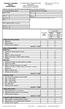 Housing Counseling Agency Activity Report U.S. Department of Housing and Urban Development Office of Housing Counseling Federal Housing Commissioner Read the instructions and Public Reporting Statement
INTAKE PACKET CHECKLIST
 Dear Homeowner, www. rupco.org Thank you for your interest in our foreclosure prevention program. We understand that this is a difficult time for your household and we are here to help. In order to be
Definitions. In some cases a survey rather than an ILC is required.
 Definitions 1. What is the closing? The closing is a formal meeting at which both the buyer and seller meet to sign all the final documentation required for the buyer's mortgage loan. Once the closing
FORECLOSURE. I don t think I can make my mortgage payments but I don t want to go through a foreclosure. What are some of my options?
 FORECLOSURE When you borrow money to buy a house or land, the creditor usually takes a security interest in the property you buy. This means that if you don t pay, the creditor can foreclose upon (or take
PATHS OF A FORECLOSURE IN NEW YORK STATE
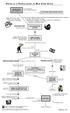 PATHS OF A FORECLOSURE IN NEW YORK STATE BORROWER DELINQUENT 2-3 months late with mortgage payments 90-DAY PRE-FORECLOSURE NOTICE Lender sends notices, bills, letters to borrower stating that he/she is
Call us today to learn more about your options. 866-743-4931
 Hello from Umpqua, Thank you for requesting information about assistance with your mortgage loan. We Are Here to Help You It is critical that you work with us on a resolution for any issues that affect
The. Path. Refinancing. www.totalmortgage.com October. totalmortgage.com 877-868-2503
 The Path Refinancing totalmortgage.com 877-868-2503 www.totalmortgage.com October 1 2012 The Path Refinancing Over time, many things change and need adjustment, and the reality is your home financing is
Borrower Response Package Directions Mortgage Assistance Request Form Follows
 Borrower Response Package Directions Mortgage Assistance Request Form Follows If you are experiencing a temporary or long-term hardship and need help, you must complete and submit this form along with
Protecting Your Investment
 Protecting Your Investment Understanding Home Financing and Avoiding Foreclosure Massachusetts Attorney General Consumer Hotline One Ashburton Place Boston, MA 02108-1518 (617) 727-8400 or (617) 727-4765
The Cumberland County Residential Mortgage Foreclosure Diversion Program
 The Cumberland County Residential Mortgage Foreclosure Diversion Program March 9, 2012 Training Materials THE CUMBERLAND COUNTY RESIDENTIAL MORTGAGE FORECLOSURE DIVERSION PROGRAM 8:30 a.m. Welcome: President
I m behind in my mortgage payments, what should I do?
 FORECLOSURES This handout was prepared by Legal Services of Greater Miami, Inc.(LSGMI) with support from the Institute for Foreclosure Legal Assistance. LSGMI represents homeowners in foreclosure and homeowners
Barbara W. Griest Trident Land Transfer Company
 Barbara W. Griest Trident Land Transfer Company 1 Why learn about Short Sales & Foreclosures? Excellent opportunity to grow your real estate business! Changes in the Real Estate Market Declining Markets
Foreclosure Intervention Client Counseling Session Packet
 Foreclosure Intervention Client Counseling Session Packet IMPORTANT CLIENT NOTICE All Clients must complete all pages in this packet and provide all requested documents before an appointment can be scheduled.
Foreclosure Process Timeline
 Foreclosure A legal process spanning 150-415+ days, by which a creditor (bank, mortgage company, etc..) takes ownership of a property to satisfy a debt (mortgage, second mortgage or home equity loan).
SHORT SALES Frequently Asked Questions
 SHORT SALES Frequently Asked Questions This factsheet is provided for information purposes only. It is not a substitute for advice from legal, accounting, housing, or real estate professionals. Please
LOSS MITIGATION APPLICATION
 Loan Number: {1} LOSS MITIGATION APPLICATION COMPLETE ALL PAGES OF THIS FORM See Instructions corresponding with numbers in brackets {} on form BORROWER {3} CO BORROWER {4} Borrower s Name Co Borrower
The Math Behind Loan Modification
 The Math Behind Loan Modification A Webinar for Housing Counselors and Loan Modification Specialists Presented by Bill Allen Deputy Director, HomeCorps Overview Types of loan modifications Estimating eligibility
Brooklyn Park Economic Development Authority
 Brooklyn Park Economic Development Authority Neighborhood Stabilization Program NSP HOMEBUYER ASSISTANCE PROGRAM FOR CITY/PARTNER ACQUISITION AND REHAB Program Description & Guidelines July 2011 TABLE
HAMP vs. HARP vs. HAFA
 HAMP vs. HARP vs. HAFA Over the last four years, the government has made a few sizable efforts to reduce the rising tide of foreclosures and help a significant number of homeowners stay in their homes.
Credit Report Appointment
 Credit Report Appointment Welcome to Clarifi. Together, we will work to achieve your financial goals. This Welcome Packet includes important information regarding your upcoming appointment. Please print
FORECLOSURE PREVENTION COUNSELING INTAKE FORM CLIENT #1
 ML-4909 FORECLOSURE PREVENTION COUNSELING INTAKE FORM CLIENT #1 Name: Address: Mailing address (if different): First Middle Last Street City State Zip Code Street City State Zip Code Home/Cell Phone: (