
207500Orig1s000 / Orig1s000
|
|
|
- Archibald Roberts
- 10 years ago
- Views:
Transcription
1 CENTER FOR DRUG EVALUATION AND RESEARCH APPLICATION NUMBER: Orig1s000 / Orig1s000 PROPRIETARY NAME REVIEW(S)

2 MEMORANDUM REVIEW OF PROPRIETARY NAME Division of Medication Error Prevention and Analysis (DMEPA) Office of Medication Error Prevention and Risk Management (OMEPRM) Office of Surveillance and Epidemiology (OSE) Center for Drug Evaluation and Research (CDER) Date of This Memorandum: March 1, 2015 Requesting Office or Division: Division of Anti-Infective Products (DAIP) Application Type and Number: NDA NDA Product Name and Strength: Cresemba (Isavuconazonium Sulfate) capsules, 186 mg Cresemba (Isavuconazonium Sulfate) for injection, 372 mg Submission Date: February 20, 2015 Applicant/Sponsor Name: Astellas Pharmaceuticals OSE RCM #: DMEPA Primary Reviewer: Jacqueline Sheppard, PharmD DMEPA Acting Team Leader: Vicky Borders-Hemphill, PharmD 1 PURPOSE OF MEMO This memorandum is to re-assess the proposed proprietary name, Cresemba based on revised strengths and dosing. The proposed name, Cresemba, was found acceptable in OSE review # and dated April 30, and OSE review # and dated August 22, The established name of the product was 1 Winiarski A. Proprietary Name Review for Cresemba (INDs and ). Silver Spring (MD): Food and Drug Administration, Center for Drug Evaluation and Research, Office of Surveillance and Epidemiology, Division of Medication Error Prevention and Analysis (US); 2014 Apr p. OSE RCM No.: and Winiarski A. Proprietary Name Memo for Cresemba (NDAs and ). Silver Spring (MD): Food and Drug Administration, Center for Drug Evaluation and Research, Office of Surveillance and Epidemiology, Division of Medication Error Prevention and Analysis (US); 2014 Aug 2. 3 p. OSE RCM No.: and Reference ID:

3 originally presented as the Astellas Pharmaceuticals has revised the strength of the product to reflect the salt, isavuconazonium sulfate as the established name with a revised capsule strength of 186 mg and powder for injection strength as 372 mg. 2 METHODS AND MATERIALS REVIEWED For reassessment of the proposed proprietary name, we evaluated previous proprietary name reviews dated April 30, 2014 and August 22, 2014 to assess whether the change in strengths would alter our previous conclusion regarding the acceptability of the proposed proprietary name. DMEPA searched the USAN stem list to determine if the name contains any USAN stems as of the last USAN updates. The February 12, 2015 search of USAN stems did not find any USAN stems in the proposed proprietary name. We searched the POCA database (see section 5 for description) to identify names with orthographic and phonetic similarity to the proposed name that have been approved since the most recent assessment of the name. Additionally, since Cresemba is being proposed in strengths that are not a commonly marketed, we searched the Pragmatic Regulated Product Labeling Listing and Registration System (PR o PLLR ) database to identify any names with potential orthographic, spelling, and phonetic similarities with Cresemba that were not identified in POCA, and found to have an overlap in strength with Cresemba. Our POCA search and PRPLLR search did not identify any new names that represent a potential source of drug name confusion. Our evaluation has not altered our previous conclusion regarding the acceptability of the proposed proprietary name. As a result, we maintain that the name is acceptable. 3 CONCLUSIONS The proposed proprietary name is acceptable. If you have further questions or need clarifications, please contact Karen Townsend, OSE Project Manager, at COMMENTS TO APPLICANT We have completed the re-evaluation of the proposed proprietary name, Cresemba, and have concluded that this name is acceptable. 2 Reference ID:

4 5 REFERENCES 1. USAN Stems ( USAN Stems List contains all the recognized USAN stems. 2. Phonetic and Orthographic Computer Analysis (POCA) POCA is a system that FDA designed. As part of the name similarity assessment, POCA is used to evaluate proposed names via a phonetic and orthographic algorithm. The proposed proprietary name is converted into its phonemic representation before it runs through the phonetic algorithm. Likewise, an orthographic algorithm exists that operates in a similar fashion. POCA is publicly accessible. 3. Pragmatic Regulated Product Labeling Listing and Registration System (PR o PLLR) Pragmatic Regulated Product Labeling Listing and Registration System (PR o PLLR ) accessed February 6, 2015 at 3 Reference ID:

5 This is a representation of an electronic record that was signed electronically and this page is the manifestation of the electronic signature /s/ JACQUELINE E SHEPPARD 03/02/2015 JAMES H SCHLICK on behalf of BRENDA V BORDERS-HEMPHILL 03/02/2015 Reference ID:

6 Department of Health and Human Services Public Health Service Food and Drug Administration Center for Drug Evaluation and Research Office of Surveillance and Epidemiology Office of Medication Error Prevention and Risk Management Proprietary Name Memorandum Date: August 22, 2014 Reviewer: Acting Team Leader Drug Name and Strength: Aleksander Winiarski, PharmD Division of Medication Error Prevention and Analysis Tingting Gao, PharmD Division of Medication Error Prevention and Analysis Application Type/Number: NDA and NDA Applicant/Sponsor: Astellas OSE RCM #: and *** This document contains proprietary and confidential information that should not be released to the public.*** Reference ID:

7 1 INTRODUCTION The proposed proprietary name, Cresemba, was found acceptable in OSE Review# and , dated April 30, 2014 under IND and IND This memorandum is to communicate that DMEPA maintains the proposed proprietary name, Cresemba, is acceptable from both a promotional and safety perspective under NDA and NDA If you have further questions or need clarification, please contact Karen Townsend, OSE project manager, at COMMENTS TO THE APPLICANT We have completed our review of the proposed proprietary name, Cresemba, and have concluded that this name is acceptable. If any of the proposed product characteristics as stated in your July 29, 2014 submission are altered, the name must be resubmitted for review. Reference ID:

8 2 REFERENCES 1. OSE Review# and : Proprietary Name Review for Cresemba (Isavuconazonium Sulfate), April 30, Reference ID:

9 This is a representation of an electronic record that was signed electronically and this page is the manifestation of the electronic signature /s/ ALEKSANDER P WINIARSKI 08/22/2014 TINGTING N GAO 08/22/2014 Reference ID:

10 Department of Health and Human Services Public Health Service Food and Drug Administration Center for Drug Evaluation and Research Office of Surveillance and Epidemiology Office of Medication Error Prevention and Risk Management Proprietary Name Review Date: April 30, 2014 Reviewer: Aleksander Winiarski, PharmD Division of Medication Error Prevention and Analysis Acting Team Leader: Julie Neshiewat, PharmD, BCPS Division of Medication Error Prevention and Analysis Acting Team Leader: Tingting Gao, PharmD, BCPS Division of Medication Error Prevention and Analysis Drug Names and Strengths: Application Type/Number: IND and IND Applicant/Sponsor: Astellas OSE RCM #: and *** This document contains proprietary and confidential information that should not be released to the public.***

11 CONTENTS 1 INTRODUCTION Regulatory History Product Information RESULTS Promotional Assessment Safety Assessment CONCLUSIONS Comments to the Applicant REFERENCES... 5 APPENDICES... 8

12 1 INTRODUCTION This review evaluates the proposed proprietary name, Cresemba, from a safety and promotional perspective. The sources and methods used to evaluate the proposed name are outlined in the reference section and Appendix A respectively. 1.1 REGULATORY HISTORY Cresemba is the proprietary name submitted by the Applicant under INDs: (powder for injection) and (capsules). The request for proprietary name review was submitted on December 11, Cresemba is the third proprietary name submitted under the INDs. Two previous names, were denied based on lookalike similarities and overlapping product characteristics with respectively. 1.2 PRODUCT INFORMATION The following product information is provided in the December 11, 2013 proprietary name submission. Active Ingredient: Isavuconazonium Sulfate Indication of Use: and Aspergillus infections Route of Administration: Oral and Intravenous Dosage Form: Capsule and Powder for injection Strength mg capsule, mg/vial Dose and Frequency: How Supplied: o Powder for injection: vial o Oral capsules: blister packs unspecified Storage: o Vial - refrigerated o Capsule - room temperature quantity 2 RESULTS The following sections provide the information obtained and considered in the overall evaluation of the proposed proprietary name. 1

13 2.1 PROMOTIONAL ASSESSMENT The Office of Prescription Drug Promotion (OPDP) determined the proposed name is acceptable from a promotional perspective. DMEPA and the Division of Anti-Infective Products (DAIP) concurred with the findings of OPDP s promotional assessment of the proposed name. 2.2 SAFETY ASSESSMENT The following aspects were considered in the safety evaluation of the name United States Adopted Names (USAN) Search There is no USAN stem present in the name Components of the Proposed Proprietary Name The Applicant did not provide information pertaining to the derivation or intended meaning of the proposed name. This proprietary name is comprised of a single word that does not contain any components (such as a modifier, route of administration, dosage form, etc.) that are misleading or can contribute to medication error FDA Name Simulation Studies Fifty-seven practitioners participated in DMEPA s prescription studies. The interpretations did not overlap with or appear or sound similar to any currently marketed products or any products in the pipeline. In the outpatient study, 15 of 19 participants correctly interpreted the name as Cresemba. Of the outpatient participants who misinterpreted the name, they misinterpreted the letter m as n, and misinterpreted the letter a as letter strings er and ar. None of the 20 verbal study participants interpreted the name correctly. Most misinterpretations included the C as K and Ch, the s as z, and vowels e as a, i, and y. In the inpatient study, 10 of 18 participants correctly interpreted the name as Cresemba. Most inpatient participants misinterpreted the letter e as the letter i and one participant also misinterpreted the letter C as a P. All of the identified misinterpretations were considered in the search and evaluation of phonetically and orthographically similar names (See Appendix B). Appendix C contains the results of the verbal and written prescription studies. 1 The March 10, 2014 search of the United States Adopted Name (USAN) stems. 2

14 2.2.4 Comments from Other Review Disciplines at Initial Review In response to the OSE, January 6, , the Division of Anti-Infective Products (DAIP) did not forward any comments or concerns relating to the proposed name at the initial phase of the proprietary name review Failure Mode and Effects Analysis of Similar Names Appendix B lists possible orthographic and phonetic misinterpretations of the letters appearing in the proposed proprietary name. These variations were used in the search for names similar to Cresemba. Table 1 lists the names with potential orthographic, phonetic, or spelling similarity to the proposed proprietary name, Cresemba, identified by the primary reviewer, the Expert Panel Discussion (EPD), and by the Drug Safety Institute (DSI). Our analysis of the 23 names determined all 23 names will not pose a risk for confusion as described in Appendices D through E. Table 1: Collective List of Potentially Similar Names (DMEPA, EPD, Other Disciplines, and External Name Study) Look Similar Name Source Name Source Name Source Celexa DSI Pamelor DSI FDA Clobex DSI Soma DSI Casodex FDA Copegus DSI Complera DSI Cambia FDA Caprelsa DSI Viorele DSI Orencia FDA Versacloz DSI Lazanda DSI Concerta FDA Sound Similar Name Source Name Source Name Source Cerezyme DSI Look and Sound Similar Name Source Name Source Name Source Crescormon DSI Cresylate DSI Cymbalta DSI Crestor DSI/FDA Cryselle DSI Treanda DSI Kcentra DSI Communication of DMEPA s Analysis at Midpoint of Review DMEPA communicated our findings to the Division of Anti-Infective Products (DAIP) via on April 4, At that time we also requested additional information or concerns that could inform our review. Per correspondence from DAIP on April 11, 2014, they stated no additional concerns with the proposed proprietary name, Cresemba. *** This document contains proprietary and confidential information that should not be released to the public. 3

15 3 CONCLUSIONS The proposed proprietary name is acceptable from both a promotional and safety perspective. If you have further questions or need clarifications, please contact Karen Townsend, OSE project manager, at COMMENTS TO THE APPLICANT We have completed our review of the proposed proprietary name, Cresemba, and have concluded that this name is acceptable. Additionally, the proposed proprietary name must be submitted at the time of NDA submission. If any of the proposed product characteristics as stated in your December 11, 2013 submission are altered, the name must be resubmitted for review. 4

16 4 REFERENCES 1. Micromedex Integrated Index ( Micromedex contains a variety of databases covering pharmacology, therapeutics, toxicology and diagnostics. 2. Phonetic and Orthographic Computer Analysis (POCA) POCA is a database which was created for the Division of Medication Error Prevention and Analysis, FDA. As part of the name similarity assessment, proposed names are evaluated via a phonetic/orthographic algorithm. The proposed proprietary name is converted into its phonemic representation before it runs through the phonetic algorithm. Likewise, an orthographic algorithm exists which operates in a similar fashion. 3. Drug Facts and Comparisons, online version, St. Louis, MO ( Drug Facts and Comparisons is a compendium organized by therapeutic course; it contains monographs on prescription and OTC drugs, with charts comparing similar products. This database also lists the orphan drugs. 4. FDA Document Archiving, Reporting & Regulatory Tracking System [DARRTS] DARRTS is a government database used to organize Applicant and Sponsor submissions as well as to store and organize assignments, reviews, and communications from the review divisions. 5. Division of Medication Errors Prevention and Analysis proprietary name consultation requests This is a list of proposed and pending names that is generated by the Division of Medication Error Prevention and Analysis from the Access database/tracking system. 6. Drugs@FDA ( Drugs@FDA contains most of the drug products approved since The majority of labels, approval letters, reviews, and other information are available for drug products approved from 1998 to the present. Drugs@FDA contains official information about FDA approved brand name, generic drugs, therapeutic biological products, prescription and over-the-counter human drugs and discontinued drugs and Chemical Type 6 approvals. 7. U.S. Patent and Trademark Office ( USPTO provides information regarding patent and trademarks. 5

17 8. Clinical Pharmacology Online ( Clinical Pharmacology contains full monographs for the most common drugs in clinical use, plus mini monographs covering investigational, less common, combination, nutraceutical and nutritional products. It also provides a keyword search engine. 9. Data provided by Thomson & Thomson s SAEGIS Online Service, available at ( The Pharma In-Use Search database contains over 400,000 unique pharmaceutical trademarks and trade names that are used in about 50 countries worldwide. The data is provided under license by IMS HEALTH. 10. Natural Medicines Comprehensive Databases ( Natural Medicines contains up-to-date clinical data on the natural medicines, herbal medicines, and dietary supplements used in the western world. 11. Access Medicine ( Access Medicine from McGraw-Hill contains full-text information from approximately 60 titles; it includes tables and references. Among the titles are: Harrison s Principles of Internal Medicine, Basic & Clinical Pharmacology, and Goodman and Gilman s The Pharmacologic Basis of Therapeutics. 12. USAN Stems ( USAN Stems List contains all the recognized USAN stems. 13. Red Book ( Red Book contains prices and product information for prescription, over-the-counter drugs, medical devices, and accessories. 14. Lexi-Comp ( Lexi-Comp is a web-based searchable version of the Drug Information Handbook. 15. Medical Abbreviations ( Medical Abbreviations dictionary contains commonly used medical abbreviations and their definitions. 16. CVS/Pharmacy ( This database contains commonly used over the counter products not usually identified in other databases. 6

18 17. Walgreens ( This database contains commonly used over the counter products not usually identified in other databases. 18. Rx List ( RxList is an online medical resource dedicated to offering detailed and current pharmaceutical information on brand and generic drugs. 19. Dogpile ( Dogpile is a Metasearch engine that searches multiple search engines including Google, Yahoo! and Bing, and returns the most relevant results to the search. 20. Natural Standard ( Natural Standard is a resource that aggregates and synthesizes data on complementary and alternative medicine. 7

19 APPENDICES Appendix A FDA s Proprietary Name Risk Assessment considers the promotional and safety aspects of a proposed proprietary name. The promotional review of the proposed name is conducted by OPDP. OPDP evaluates proposed proprietary names to determine if they are overly fanciful, so as to misleadingly imply unique effectiveness or composition, as well as to assess whether they contribute to overstatement of product efficacy, minimization of risk, broadening of product indications, or making of unsubstantiated superiority claims. OPDP provides their opinion to DMEPA for consideration in the overall acceptability of the proposed proprietary name. The safety assessment is conducted by DMEPA. DMEPA staff search a standard set of databases and information sources to identify names that are similar in pronunciation, spelling, and orthographically similar when scripted to the proposed proprietary name. Additionally, we consider inclusion of USAN stems or other characteristics that when incorporated into a proprietary name may cause or contribute to medication errors (i.e., dosing interval, dosage form/route of administration, medical or product name abbreviations, names that include or suggest the composition of the drug product, etc.). DMEPA defines a medication error as any preventable event that may cause or lead to inappropriate medication use or patient harm while the medication is in the control of the health care professional, patient, or consumer. 2 Following the preliminary screening of the proposed proprietary name, DMEPA gathers to discuss their professional opinions on the safety of the proposed proprietary name. This meeting is commonly referred to the Center for Drug Evaluation and Research (CDER) Expert Panel discussion. DMEPA also considers other aspects of the name that may be misleading from a safety perspective. DMEPA staff conducts a prescription simulation studies using FDA health care professionals. When provided, DMEPA considers external proprietary name studies conducted by or for the Applicant/Sponsor and incorporates the findings of these studies into the overall risk assessment. The DMEPA primary reviewer assigned to evaluate the proposed proprietary name is responsible for considering the collective findings, and provides an overall risk assessment of the proposed proprietary name. DMEPA bases the overall risk assessment on the findings of a Failure Mode and Effects Analysis (FMEA) of the proprietary name and misleading nature of the proposed proprietary name with a focus on the avoidance of medication errors. DMEPA uses the clinical expertise of its staff to anticipate the conditions of the clinical setting where the product is likely to be used based on the characteristics of the proposed product. DMEPA considers the product characteristics associated with the proposed product throughout the risk assessment because the product characteristics of the 2 National Coordinating Council for Medication Error Reporting and Prevention. Last accessed 10/11/

20 proposed may provide a context for communication of the drug name and ultimately determine the use of the product in the usual clinical practice setting. Typical product characteristics considered when identifying drug names that could potentially be confused with the proposed proprietary name include, but are not limited to; established name of the proposed product, proposed indication of use, dosage form, route of administration, strength, unit of measure, dosage units, recommended dose, typical quantity or volume, frequency of administration, product packaging, storage conditions, patient population, and prescriber population. DMEPA considers how these product characteristics may or may not be present in communicating a product name throughout the medication use system. Because drug name confusion can occur at any point in the medication use process, DMEPA considers the potential for confusion throughout the entire U.S. medication use process, including drug procurement, prescribing and ordering, dispensing, administration, and monitoring the impact of the medication. 3 The DMEPA considers the spelling of the name, pronunciation of the name when spoken, and appearance of the name when scripted. DMEPA compares the proposed proprietary name with the proprietary and established name of existing and proposed drug products and names currently under review at the FDA. DMEPA compares the pronunciation of the proposed proprietary name with the pronunciation of other drug names because verbal communication of medication names is common in clinical settings. DMEPA examines the phonetic similarity using patterns of speech. If provided, DMEPA will consider the Sponsor s intended pronunciation of the proprietary name. However, DMEPA also considers a variety of pronunciations that could occur in the English language because the Sponsor has little control over how the name will be spoken in clinical practice. The orthographic appearance of the proposed name is evaluated using a number of different handwriting samples. DMEPA applies expertise gained from root-cause analysis of postmarketing medication errors to identify sources of ambiguity within the name that could be introduced when scripting (e.g., T may look like F, lower case a looks like a lower case u, etc). Additionally, other orthographic attributes that determine the overall appearance of the drug name when scripted (see Table 1 below for details). 3 Institute of Medicine. Preventing Medication Errors. The National Academies Press: Washington DC

21 Table 1. Criteria Used to Identify Drug Names that Look- or Sound-Similar to a Proposed Proprietary Name. Type of Similarity Potential Causes of Drug Name Similarity Considerations when Searching the Databases Attributes Examined to Identify Similar Drug Names Potential Effects Lookalike Soundalike Similar spelling Orthographic similarity Phonetic similarity Identical prefix Identical infix Identical suffix Length of the name Overlapping product characteristics Similar spelling Length of the name/similar shape Upstrokes Down strokes Cross-strokes Dotted letters Ambiguity introduced by scripting letters Overlapping product characteristics Identical prefix Identical infix Identical suffix Number of syllables Stresses Placement of vowel sounds Placement of consonant sounds Overlapping product characteristics Names may appear similar in print or electronic media and lead to drug name confusion in printed or electronic communication Names may look similar when scripted and lead to drug name confusion in written communication Names may look similar when scripted, and lead to drug name confusion in written communication Names may sound similar when pronounced and lead to drug name confusion in verbal communication Lastly, DMEPA considers the potential for the proposed proprietary name to inadvertently function as a source of error for reasons other than name confusion. Postmarketing experience has demonstrated that proprietary names (or components of the proprietary name) can be a source of error in a variety of ways. Consequently, DMEPA considers and evaluates these broader safety implications of the name throughout this assessment and the medication error staff provides additional comments related to the 10
22 safety of the proposed proprietary name or product based on professional experience with medication errors. 1. Database and Information Sources DMEPA searches the internet, several standard published drug product reference texts, and FDA databases to identify existing and proposed drug names that may sound-alike or look-alike to the proposed proprietary name. A standard description of the databases used in the searches is provided in the reference section of this review. To complement the process, the DMEPA uses a computerized method of identifying phonetic and orthographic similarity between medication names. The program, Phonetic and Orthographic Computer Analysis (POCA), uses complex algorithms to select a list of names from a database that have some similarity (phonetic, orthographic, or both) to the trademark being evaluated. Lastly, DMEPA reviews the USAN stem list to determine if any USAN stems are present within the proprietary name. The individual findings of multiple safety evaluators are pooled and presented to the CDER Expert Panel. DMEPA also evaluates if there are characteristics included in the composition that may render the name unacceptable from a safety perspective (abbreviation, dosing interval, etc.). 2. Expert Panel Discussion DMEPA gathers gather CDER professional opinions on the safety of the proposed product and discussed the proposed proprietary name (Expert Panel Discussion). The Expert Panel is composed of Division of Medication Errors Prevention (DMEPA) staff and representatives from the Office of Prescription Drug Promotion (OPDP). We also consider input from other review disciplines (OND, ONDQA/OBP). The Expert Panel also discusses potential concerns regarding drug marketing and promotion related to the proposed names. The primary Safety Evaluator presents the pooled results of the database and information searches to the Expert Panel for consideration. Based on the clinical and professional experiences of the Expert Panel members, the Panel may recommend additional names, additional searches by the primary Safety Evaluator to supplement the pooled results, or general advice to consider when reviewing the proposed proprietary name. 3. FDA Prescription Simulation Studies Three separate studies are conducted within the Centers of the FDA for the proposed proprietary name to determine the degree of confusion of the proposed proprietary name with marketed U.S. drug names (proprietary and established) due to similarity in visual appearance with handwritten prescriptions or verbal pronunciation of the drug name. The studies employ healthcare professionals (pharmacists, physicians, and nurses), and attempts to simulate the prescription ordering process. The primary Safety Evaluator uses the results to identify orthographic or phonetic vulnerability of the proposed name to be misinterpreted by healthcare practitioners. In order to evaluate the potential for misinterpretation of the proposed proprietary name in handwriting and verbal communication of the name, inpatient medication orders and/or outpatient prescriptions are written, each consisting of a combination of marketed and unapproved drug products, including the proposed name. These orders are optically 11
23 scanned and one prescription is delivered to a random sample of participating health professionals via . In addition, a verbal prescription is recorded on voice mail. The voice mail messages are then sent to a random sample of the participating health professionals for their interpretations and review. After receiving either the written or verbal prescription orders, the participants record their interpretations of the orders which are recorded electronically. 4. Comments from Other Review Disciplines DMEPA requests the Office of New Drugs (OND) and/or Office of Generic Drugs (OGD), ONDQA or OBP for their comments or concerns with the proposed proprietary name, ask for any clinical issues that may impact the DMEPA review during the initial phase of the name review. Additionally, when applicable, at the same time DMEPA requests concurrence/non-concurrence with OPDP s decision on the name. The primary Safety Evaluator addresses any comments or concerns in the safety evaluator s assessment. The OND/OGD Regulatory Division is contacted a second time following our analysis of the proposed proprietary name. At this point, DMEPA conveys their decision to accept or reject the name. The OND or OGD Regulatory Division is requested to provide any further information that might inform DMEPA s final decision on the proposed name. Additionally, other review disciplines opinions such as ONDQA or OBP may be considered depending on the proposed proprietary name. 5. Safety Evaluator Risk Assessment of the Proposed Proprietary Name The primary Safety Evaluator applies his/her individual expertise gained from evaluating medication errors reported to FDA, considers all aspects of the name that may be misleading or confusing, conducts a Failure Mode and Effects Analysis, and provides an overall decision on acceptability dependent on their risk assessment of name confusion. Failure Mode and Effects Analysis (FMEA) is a systematic tool for evaluating a process and identifying where and how it might fail. 4 When applying FMEA to assess the risk of a proposed proprietary name, DMEPA seeks to evaluate the potential for a proposed proprietary name to be confused with another drug name because of name confusion and, thereby, cause errors to occur in the medication use system. FMEA capitalizes on the predictable and preventable nature of medication errors associated with drug name confusion. FMEA allows the Agency to identify the potential for medication errors due to orthographically or phonetically similar drug names prior to approval, where actions to overcome these issues are easier and more effective than remedies available in the postapproval phase. In order to perform an FMEA of the proposed name, the primary Safety Evaluator must analyze the use of the product at all points in the medication use system. Because the proposed product is has not been marketed, the primary Safety Evaluator anticipates the 4 Institute for Healthcare Improvement (IHI). Failure Mode and Effects Analysis. Boston. IHI:
24 use of the product in the usual practice settings by considering the clinical and product characteristics listed in Section 1.2 of this review. The Safety Evaluator then analyzes the proposed proprietary name in the context of the usual practice setting and works to identify potential failure modes and the effects associated with the failure modes. In the initial stage of the Risk Assessment, the Safety Evaluator compares the proposed proprietary name to all of the names gathered from the above searches, Expert Panel Discussion, and prescription studies, external studies, and identifies potential failure modes by asking: Is the proposed proprietary name convincingly similar to another drug name, which may cause practitioners to become confused at any point in the usual practice setting? And are there any components of the name that may function as a source of error beyond sound/look-alike? An affirmative answer indicates a failure mode and represents a potential for the proposed proprietary name to be confused with another proprietary or established drug name because of look- or sound-alike similarity or because of some other component of the name. If the answer to the question is no, the Safety Evaluator is not convinced that the names posses similarity that would cause confusion at any point in the medication use system, thus the name is eliminated from further review. In the second stage of the Risk Assessment, the primary Safety Evaluator evaluates all potential failure modes to determine the likely effect of the drug name confusion, by asking: Could the confusion of the drug names conceivably result in medication errors in the usual practice setting? The answer to this question is a central component of the Safety Evaluator s overall risk assessment of the proprietary name. If the Safety Evaluator determines through FMEA that the name similarity would not ultimately be a source of medication errors in the usual practice setting, the primary Safety Evaluator eliminates the name from further analysis. However, if the Safety Evaluator determines through FMEA that the name similarity could ultimately cause medication errors in the usual practice setting, the Safety Evaluator will then recommend the use of an alternate proprietary name. Moreover, DMEPA will object to the use of proposed proprietary name when the primary Safety Evaluator identifies one or more of the following conditions in the Overall Risk Assessment: a. OPDP finds the proposed proprietary name misleading from a promotional perspective, and the Review Division concurs with OPDP s findings. The Federal Food, Drug, and Cosmetic Act provides that labeling or advertising can misbrand a product if misleading representations are made or suggested by statement, word, design, device, or any combination thereof, whether through a PROPRIETARY name or otherwise [21 U.S.C 321(n); See also 21 U.S.C. 352(a) & (n)]. b. DMEPA identifies that the proposed proprietary name is misleading because of similarity in spelling or pronunciation to another proprietary or established name of a different drug or ingredient [CFR (C)(5)]. 13
25 c. FMEA identifies the potential for confusion between the proposed proprietary name and other proprietary or established drug name(s), and demonstrates that medication errors are likely to result from the drug name confusion under the conditions of usual clinical practice. d. The proposed proprietary name contains an USAN (United States Adopted Names) stem. e. DMEPA identifies a potential source of medication error within the proposed proprietary name. For example, the proprietary name may be misleading or, inadvertently, introduce ambiguity and confusion that leads to errors. Such errors may not necessarily involve confusion between the proposed drug and another drug product but involve a naming characteristic that when incorporated into a proprietary name, may be confusing, misleading, cause or contribute to medication errors. If DMEPA objects to a proposed proprietary name on the basis that drug name confusion could lead to medication errors, the primary Safety Evaluator uses the FMEA process to identify strategies to reduce the risk of medication errors. DMEPA generally recommends that the Sponsor select an alternative proprietary name and submit the alternate name to the Agency for review. However, in rare instances FMEA may identify plausible strategies that could reduce the risk of medication error of the currently proposed name. In that instance, DMEPA may be able to provide the Sponsor with recommendations that reduce or eliminate the potential for error and, thereby, would render the proposed name acceptable. In the event that DMEPA objects to the use of the proposed proprietary name, based upon the potential for confusion with another proposed (but not yet approved) proprietary name, DMEPA will provide a contingency objection based on the date of approval. Whichever product, the Agency approves first has the right to use the proprietary name, while DMEPA will recommend that the second product to reach approval seek an alternative name. The threshold set for objection to the proposed proprietary name may seem low to the Applicant/Sponsor. However, the safety concerns set forth in criteria a through e above are supported either by FDA regulation or by external healthcare authorities, including the Institute of Medicine (IOM), World Health Organization (WHO), the Joint Commission, and the Institute for Safe Medication Practices (ISMP). These organizations have examined medication errors resulting from look- or sound-alike drug names, confusing, or misleading names and called for regulatory authorities to address the issue prior to approval. Additionally, DMEPA contends that the threshold set for the Proprietary Name Risk Assessment is reasonable because proprietary drug name confusion is a predictable and preventable source of medication error that, in many instances, the Agency and/or Sponsor can identify and rectify prior to approval to avoid patient harm. Furthermore, post-marketing experience has demonstrated that medication errors resulting from drug name confusion are notoriously difficult to rectify post-approval. Educational and other post-approval efforts are low-leverage strategies that have had limited effectiveness at alleviating medication errors involving drug name confusion. Sponsors have undertaken higher-leverage strategies, such as drug name changes, in the 14
26 past but at great financial cost to the Sponsor and at the expense of the public welfare, not to mention the Agency s credibility as the authority responsible for approving the errorprone proprietary name. Moreover, even after Sponsors have changed a product s proprietary name in the post-approval phase, it is difficult to eradicate the original proprietary name from practitioners vocabulary, and as a result, the Agency has continued to receive reports of drug name confusion long after a name change in some instances. Therefore, DMEPA believes that post-approval efforts at reducing name confusion errors should be reserved for those cases in which the potential for name confusion could not be predicted prior to approval. Appendix B: Letters and Letter Strings with Possible Orthographic or Phonetic Misinterpretation Letters in Name Scripted May Appear as Spoken May Be Interpreted as Upper case C A, L, G, O, Q, V, P S, Z, K, Ch, P Lower case c a, e, i, l, r, v s, z, k, ch, p Lower case r s, n, e, v - Lower case e a, i, l, p, c, u, q Any vowel, y Lower case s 5, g, n, r X, z Lower case e a, i, l, p, c, u, q Any vowel, y Lower case m rn, nn, n, v, w, wi, vi, onc, z n Lower case b l, h, k, t p, d, v, th Lower case a el, o, u, e, i, er Any vowel Letter Strings cr W re a Appendix C: Prescription Simulation Samples and Results Figure 1. Cresemba Study (Conducted on December 23, 2013) Handwritten Requisition Medication Order Medication Order: Outpatient Prescription: Verbal Prescription Cresemba Directions: Take (b) (4) mg capsules daily Dispense #28 15
27 FDA Prescription Simulation Responses (Aggregate 1 Rx Studies Report) 199 People Received Study 57 People Responded Study Name: Cresemba Total INTERPRETATION OUTPATIENT VOICE INPATIENT TOTAL CHRISYMBA CHRYSIMBA CHRYSIMVA CRESEMBA CRESEMBER CRESENBA CRESIMBA CRISEMBA CRISIMBA CRIZENTHA CRYSIMBA CRYSYMBA CRESEMBAR KRASIMBA KRAZEMBA KRYSIMBA PRESIMBA PRISIMBA
28 Appendix D: Proprietary names not likely to be confused or not used in usual practice settings for the reasons described. No Proprietary Name Active Ingredient Similarity to Cresemba Celexa citalopram Looks alike Cerezyme imiglucerase Sounds alike Clobex clobetasol Looks alike Copegus ribavirin Looks alike Crescormon somatropin Looks and Sounds alike Caprelsa vandetanib Looks alike Cresylate meta cresyl acetate Looks and Sounds alike Cryselle Norgestrel and ethinyl estradiol Looks and Sounds alike Cymbalta Duloxetine Looks and Sounds alike Soma Carisoprodol Looks alike Complera emtricitabine, rilpivirine hydrochloride, and tenofovir disoproxil fumarate Looks alike Failure preventions The pair has sufficient orthographic differences The pair has sufficient phonetic differences The pair has sufficient orthographic differences The pair has sufficient orthographic differences The pair has sufficient orthographic and phonetic differences The pair has sufficient orthographic differences The pair has sufficient orthographic and phonetic differences The pair has sufficient orthographic and phonetic differences The pair has sufficient orthographic and phonetic differences The pair has sufficient orthographic differences The pair has sufficient orthographic differences 17
29 Cambia diclofenac potassium Looks alike Orencia abatacept Looks alike The name was evaluated in OSE # and was found acceptable. NDA has an Approvable status, and the product is not currently marketed. Once the issues in the Approvable letter are addressed, a re-review of the name would be needed. The pair has sufficient orthographic differences The pair has sufficient orthographic differences *** This document contains proprietary and confidential information that should not be released to the public. 18
30 Appendix E: Risk of medication errors due to product confusion minimized by dissimilarity of the names and/ or use in clinical practice for the reasons described. No. Proposed name: Cresemba Dosage Form(s): Capsule and Powder for injection Strength: Usual Dose: Failure Mode: Incorrect Product Ordered/ Selected/Dispensed or Administered because of Name confusion Causes (could be multiple) Prevention of Failure Mode In the conditions outlined below, the following combination of factors, are expected to minimize the risk of confusion between these two names Crestor (rosuvastatin calcium) tablets Strength: 5 mg, 10 mg, 20 mg, and 40 mg Orthographic similarity Both names start with the same 4 letters Cres-. Phonetic similarity Orthographic differences The letter string -emba in Cresemba appears elongated compared to the letter string -tor in Crestor. Additionally, the upstrokes in both names are in different positions, giving the names different shape. Phonetic differences 1. Dose, Route and Frequency: 5 mg to 40 mg orally once daily The first 4 letters are the same and make the same sound. Overlapping product characteristics Cresemba has 3 syllables compared to 2 syllables in Crestor. Route (oral), numerical similarity in strength and dose (200 mg and 20 mg), numerical similarity in strength (100 mg and 10 mg), frequency (once daily) 19
31 No. Proposed name: Cresemba Dosage Form(s): Capsule and Powder for injection Strength: Usual Dose: Failure Mode: Incorrect Product Ordered/ Selected/Dispensed or Administered because of Name confusion Causes (could be multiple) Prevention of Failure Mode In the conditions outlined below, the following combination of factors, are expected to minimize the risk of confusion between these two names 2. Versacloz (clozapine) oral suspension Strength: 50 mg per ml Dose, Route and Frequency: 12.5 mg once daily to 900 mg per day in divided doses or 0.25 ml to 18 ml Orthographic similarity Both names have an upstroke in the same position. When scripted Cres- may look like Vers- and -ba may look like -lo. Overlapping product characteristics Route (oral), dose (200 mg), frequency (once daily or three times daily) Orthographic differences The infix -em- in Cresemba appears elongated and sufficiently different compared to the infix -ac- in Versacloz. 20
32 No. Proposed name: Cresemba Dosage Form(s): Capsule and Powder for injection Strength: Usual Dose: Failure Mode: Incorrect Product Ordered/ Selected/Dispensed or Administered because of Name confusion Causes (could be multiple) Prevention of Failure Mode In the conditions outlined below, the following combination of factors, are expected to minimize the risk of confusion between these two names 3. Pamelor (nortriptyline) capsule Strength: 10 mg, 25 mg, 50 mg and 75 mg Dose, Route and Frequency: 25 mg orally three times or four times daily up to 150 mg per day OR 30 mg to 50 mg in divided doses or once daily Orthographic similarity Both names have an upstroke in similar positions. When scripted Cre- may look like Pa- and -ba may look like -lo. Overlapping product characteristics Route (oral), dose similarity (200 mg vs. 20 mg [e.g. 20 mg twice daily]), strength similarity (100 mg vs. 10 mg), frequency (once daily or three times daily) Orthographic differences The infix -sem- in Cresemba appears elongated compared to the infix -me- in Pamelor. 21
33 No. Proposed name: Cresemba Dosage Form(s): Capsule and Powder for injection Strength: Usual Dose: Failure Mode: Incorrect Product Ordered/ Selected/Dispensed or Administered because of Name confusion Causes (could be multiple) Prevention of Failure Mode In the conditions outlined below, the following combination of factors, are expected to minimize the risk of confusion between these two names 4. Treanda (bendamustine) for injection Strength: 25 mg per vial and 100 mg per vial Dose, Route and Frequency: 25 mg/m 2, 50 mg/m mg/m 2 intravenously on Days 1 and 2 of a 28-day cycle 60 mg/m 2 or 90 mg/m 2 or 120 mg mg/m 2 intravenously on days 1 and 2 of a 21-day cycle Orthographic similarity Both names have an upstroke in similar positions. Phonetic similarity Both names have 3 syllables, and the 1 st syllables (tre vs. cre) and 3 rd syllables (da vs. ba) may sound similar. Overlapping product characteristics Route (intravenous), strength (100 mg), dose (Treanda has an achievable dose of 200 mg, resulting in overlap with Cresemba 200 mg) Orthographic differences The infix -sem- in Cresemba appears elongated compared to the infix -an- in Treanda. Phonetic differences The 2 nd syllables in each name (sem vs. an) sound sufficiently different from each other. 22
34 No. Proposed name: Cresemba Dosage Form(s): Capsule and Powder for injection Strength: Usual Dose: Failure Mode: Incorrect Product Ordered/ Selected/Dispensed or Administered because of Name confusion Causes (could be multiple) Prevention of Failure Mode In the conditions outlined below, the following combination of factors, are expected to minimize the risk of confusion between these two names Viorele (desogestrel and ethinyl estradiol and ethinyl estradiol) kit Strength: (0.15 mg/0.02 mg tablets, 0.01 mg tablets, and inert tablets) Orthographic similarity Both names have an upstroke in similar positions. When scripted Cre- may look like Vio-. Overlapping product characteristics Orthographic differences The infix -sem- in Cresemba elongates the name compared to the infix -re- in Viorele. Key differences in product characteristics Dose: There is no overlap in dose: 200 mg or 2 capsules vs. 1 tablet 5. Dose, Route and Frequency: one tablet orally daily Route (oral), strength (Viorele tablets are a continuously administered kit and the strength is commonly omitted from prescriptions vs. single strength capsule for Cresemba), frequency (once daily) 23
35 No. Proposed name: Cresemba Dosage Form(s): Capsule and Powder for injection Strength: Usual Dose: Failure Mode: Incorrect Product Ordered/ Selected/Dispensed or Administered because of Name confusion Causes (could be multiple) Prevention of Failure Mode In the conditions outlined below, the following combination of factors, are expected to minimize the risk of confusion between these two names 6. Casodex (bicalutamide) tablet Strength: 50 mg Dose, Route and Frequency: 50 mg once daily orally (no dose adjustments) Orthographic similarity Both names start with the same letter C and have an upstroke in similar positions. When scripted Crese- may look like Caso-. Overlapping product characteristics Orthographic differences The infix -sem- in Cresemba appears elongated compared to the infix -so- in Casodex. Key differences in product characteristics Dose: There is no overlap in dose: 200 mg or 2 capsules vs. 1 tablet or 50 mg Route (oral), single strength tablet vs. single strength capsule, frequency (once daily) 24
36 No. Proposed name: Cresemba Dosage Form(s): Capsule and Powder for injection Strength: Usual Dose: Failure Mode: Incorrect Product Ordered/ Selected/Dispensed or Administered because of Name confusion Causes (could be multiple) Prevention of Failure Mode In the conditions outlined below, the following combination of factors, are expected to minimize the risk of confusion between these two names 7. Concerta (methylphenidate) extended-release tablet Strength: 18 mg, 27 mg, 36 mg and 54 mg Dose, Route and Frequency: 18 mg to 72 mg every morning orally Orthographic similarity Both names start with the same letter C, have the same number of letters (n=8), and have an upstroke in the same position. When scripted -ba may look like -ta. Overlapping product characteristics Orthographic differences The infix -sem- in Cresemba appears elongated compared to the infix -cer- in Concerta. Key differences in product characteristics Strength: There is no overlap in strength: 100 mg and 200 mg/vial vs. 18 mg, 27 mg, 36 mg and 54 mg Route (oral), dose (2 tablets [2x 36 mg = 72 mg dose] vs. 2 capsules), frequency (once daily) 25
37 No. Proposed name: Cresemba Dosage Form(s): Capsule and Powder for injection Strength: Usual Dose: Failure Mode: Incorrect Product Ordered/ Selected/Dispensed or Administered because of Name confusion Causes (could be multiple) Prevention of Failure Mode In the conditions outlined below, the following combination of factors, are expected to minimize the risk of confusion between these two names 8. Lazanda (fentanyl citrate) spray Strength: 100 mcg/100 mcl and 400 mcg/100 mcl concentration solution. Dose, Route and Frequency: starting with 100 mcg (1 spray in 1 nostril) then titrated up for breakthrough pain no more often than every 2 hours. Up to 800 mcg per dose. Additional: REMS restricted access, all parties must enroll in program Orthographic similarity Both names have an upstroke in similar positions. When scripted the Cresmay look like Laz-. Overlapping product characteristics Strength and dose (200 mg and 100 mg vs. 200 mcg and 100 mcg). Key differences in product characteristics Inpatient Setting Route: Cresemba may be administered orally or intravenously; therefore, one route must be specified to prevent prompting a clarification, especially if the dosage form (e.g. tablet or injection) is omitted. Lazanda is only administered intranasally and the route may be omitted from the order. There is no overlap in route. Outpatient Setting Frequency: Cresemba is administered three times daily for the first two days and administered once daily on subsequent days. Lazanda is administered as needed for breakthrough pain (according to a strict titration schedule). Additional prescription elements: Lazanda will be prescribed for a limited quantity such a as #1 (one spray device) with no refills because it s a Schedule 2 Controlled Substance (CII), compared to Cresemba which will likely require dispensing several tablets for the treatment of fungal infections. 26
38 No. Proposed name: Cresemba Dosage Form(s): Capsule and Powder for injection Strength: Usual Dose: Failure Mode: Incorrect Product Ordered/ Selected/Dispensed or Administered because of Name confusion Causes (could be multiple) Prevention of Failure Mode In the conditions outlined below, the following combination of factors, are expected to minimize the risk of confusion between these two names 9. Kcentra (Prothrombin Complex Concentrate) kit Strength: 500 units per 20 ml and 1000 units per 40 ml vial Dose, Route and Frequency: INR based and weight based dosing: 25 units, 35 units, or 50 units per kg (up to 100 kg) Administered as 0.12 ml/kg/min (3 units/kg/min) up to up to a maximum rate of 8.4 ml/min (210 units/min) via intravenous infusion once Orthographic similarity Both names have an upstroke in the suffix. Phonetic similarity Both names may be pronounced with 3 syllables, K-cen-tra vs. Cre-sem-ba. The K sound in the first syllables sound the same and the second syllables may sound similar Overlapping product characteristics Route (intravenous), dose similarity (200 units per minute vs. 200 mg or 2000 units [e.g 80 kg person at 25 units/kg] vs. 200 mg) Orthographic differences The prefix Kc- is significantly shorter than the prefix Cres-. Phonetic differences The names share the K sound in the first syllables; however, Cresemba also contains a re sound in the first syllable which Kcentra does not. Also, the last syllables in both names sound sufficiently different from each other (ba vs. tra). 27
39 This is a representation of an electronic record that was signed electronically and this page is the manifestation of the electronic signature /s/ ALEKSANDER P WINIARSKI 04/30/2014 TINGTING N GAO 05/01/2014 JULIE V NESHIEWAT 05/01/2014
PROPRIETARY NAME REVIEW(S)
 CENTER FOR DRUG EVALUATION AND RESEARCH APPLICATION NUMBER: 22-565 PROPRIETARY NAME REVIEW(S) Department of Health and Human Services Public Health Service Food and Drug Administration Center for Drug
Guidance for Industry
 Guidance for Industry Best Practices in Developing Proprietary Names for Drugs DRAFT GUIDANCE This guidance document is being distributed for comment purposes only. Comments and suggestions regarding this
POLICY AND PROCEDURES OFFICE OF THE CENTER DIRECTOR. Table of Contents
 POLICY AND PROCEDURES OFFICE OF THE CENTER DIRECTOR Tracking of Significant Safety issues in Marketed Drugs -- Use of the DARRTS Tracked Safety Issues Table of Contents PURPOSE...1 BACKGROUND...1 POLICY...2
February 2006 Procedural
 Guidance for Industry Reports on the Status of Postmarketing Study Commitments Implementation of Section 130 of the Food and Drug Administration Modernization Act of 1997 U.S. Department of Health and
Guidance Medication Guides Distribution Requirements and Inclusion in Risk Evaluation and Mitigation Strategies (REMS)
 Guidance s Distribution Requirements and Inclusion in Risk Evaluation and Mitigation Strategies (REMS) U.S. Department of Health and Human Services Food and Drug Administration Center for Drug Evaluation
Update From the Office of Surveillance and Epidemiology
 Update From the Office of Surveillance and Epidemiology Gerald J. Dal Pan, MD, MHS Director Office of Surveillance and Epidemiology Center for Drug Evaluation and Research Presentation to FDA-CMS Summit
PHARMACEUTICAL MANAGEMENT PROCEDURES
 PHARMACEUTICAL MANAGEMENT PROCEDURES THE FORMULARY The purpose of Coventry Health Care s formulary is to encourage use of the most cost-effective drugs. The formulary is necessary because the cost of prescription
Role of the Investigational Drug Services (IDS) in the Management of Investigational Drugs
 Role of the Investigational Drug Services (IDS) in the Management of Investigational Drugs Charlesworth Rae, BS, PharmD, JD Investigational Drug Pharmacist July 2012 1 Outline of Presentation I. Introduction
CENTER FOR DRUG EVALUATION AND RESEARCH. 203551Orig1s000
 CENTER FOR DRUG EVALUATION AND RESEARCH Approval Package for: APPLICATION NUMBER: Trade Name: Generic Name: Sponsor: 203551Orig1s000 Docetaxel Injection Concentrate, 20 mg/ml, 80 mg/4 ml, 140 mg/7 ml.
Guidance for Industry
 Guidance for Industry Toll-Free Number Labeling and Related Requirements for Over-the-Counter and Prescription Drugs Marketed With Approved Applications Small Entity Compliance Guide U.S. Department of
Guidance for Industry Time and Extent Applications for Nonprescription Drug Products
 Guidance for Industry Time and Extent Applications for Nonprescription Drug Products U.S. Department of Health and Human Services Food and Drug Administration Center for Drug Evaluation and Research (CDER)
Administrative Policies and Procedures for MOH hospitals /PHC Centers. TITLE: Organization & Management Of Medication Use APPLIES TO: Hospital-wide
 Administrative Policies and Procedures for MOH hospitals /PHC Centers TITLE: Organization & Management Of Medication Use APPLIES TO: Hospital-wide NO. OF PAGES: ORIGINAL DATE: REVISION DATE : السیاسات
Office of Clinical Standards and Quality / Survey & Certification Group
 DEPARTMENT OF HEALTH & HUMAN SERVICES Centers for Medicare & Medicaid Services 7500 Security Boulevard, Mail Stop C2-21-16 Baltimore, Maryland 21244-1850 Office of Clinical Standards and Quality / Survey
Medication Safety and Error Prevention
 Medication Safety and Error Prevention 16 LEARNING OBJECTIVES By the end of this chapter, students will be able to competently: 1. Explain the process for reporting errors. 2. Explain the difference between
Thomas Hinchliffe, Pharm.D. CDR, U.S. Public Health Service Special Assistant to the Director Office of Generic Drugs Food and Drug Administration
 Thomas Hinchliffe, Pharm.D. CDR, U.S. Public Health Service Special Assistant to the Director Office of Generic Drugs Food and Drug Administration Disclaimer & Disclosure Views presented are those of the
Coventry Health Care of Georgia, Inc. Coventry Health and Life Insurance Company
 Coventry Health Care of Georgia, Inc. Coventry Health and Life Insurance Company PRESCRIPTION DRUG RIDER This Prescription Drug Rider is an attachment to the Coventry Health Care of Georgia, Inc. ( Health
From the Text. Definitions. Definitions. Definitions. Definitions. RSPT 2217 Basic Concepts & Principles. RSPT 2217-01 Basic Concepts
 RSPT 2217 & Principles Gardenhire Chapter 1; p. 1-10 From the Text Key Terms and page 2 Orphan Drugs Table 1-1; page 6 Abbreviations Table 1-2; page 8 Aerosolized Agents Table 1-3; page 9 Drug: Pharmacology:
GUIDELINES ON PREVENTING MEDICATION ERRORS IN PHARMACIES AND LONG-TERM CARE FACILITIES THROUGH REPORTING AND EVALUATION
 GUIDELINES GUIDELINES ON PREVENTING MEDICATION ERRORS IN PHARMACIES AND LONG-TERM CARE FACILITIES THROUGH REPORTING AND EVALUATION Preamble The purpose of this document is to provide guidance for the pharmacist
Guidance for Industry
 Guidance for Industry Product Name Placement, Size, and Prominence in Advertising and Promotional Labeling DRAFT GUIDANCE This guidance document is being distributed for comment purposes only. Comments
DRAFT GUIDANCE. This guidance document is being distributed for comment purposes only.
 Guidance for Industry Format and Content of Proposed Risk Evaluation and Mitigation Strategies (REMS), REMS Assessments, and Proposed REMS Modifications DRAFT GUIDANCE This guidance document is being distributed
Welcome to the WHO Drug Dictionary Enhanced
 Welcome to the WHO Drug Dictionary Enhanced This document is a guide to the general features of the WHO Drug Dictionary Enhanced. You will get information about the structure and content of the dictionary
How To Prevent Medication Errors
 The Academy of Managed Care Pharmacy s Concepts in Managed Care Pharmacy Medication Errors Medication errors are among the most common medical errors, harming at least 1.5 million people every year. The
NDA 021879 NDA APPROVAL
 DEPARTMENT OF HEALTH AND HUMAN SERVICES Food and Drug Administration Silver Spring MD 20993 NDA 021879 NDA APPROVAL Avanir Pharmaceuticals Attention: Randall Kaye, M.D. Vice President, Clinical and Medical
CENTER FOR DRUG EVALUATION AND RESEARCH
 CENTER FOR DRUG EVALUATION AND RESEARCH APPLICATION NUMBER: 21-908s005 OTHER REVIEW(S) M E M O R A N D U M DEPARTMENT OF HEALTH AND HUMAN SERVICES PUBLIC HEALTH SERVICE FOOD AND DRUG ADMINISTRATION CENTER
A Middle Class in the United States? Behind the Counter (BTC) Drugs. Frederick H. Branding, R.Ph., J.D. Rahul Narula
 A Middle Class in the United States? Behind the Counter (BTC) Drugs Frederick H. Branding, R.Ph., J.D. Rahul Narula FDA s Regulation of Drugs Federal Food, Drug and Cosmetic Act (FDCA) passed by Congress
Medicines reconciliation on admission and discharge from hospital policy April 2013. WHSCT medicines reconciliation policy 1
 Medicines reconciliation on admission and discharge from hospital policy April 2013 WHSCT medicines reconciliation policy 1 Policy Title Policy Reference Number Medicines reconciliation on admission and
National Drug Code Directory
 The Drug Listing Act of 1972 requires registered drug establishments to provide the Food and Drug Administration (FDA) with a current list of all drugs manufactured, prepared, propagated, compounded, or
Introduction to Post marketing Drug Safety Surveillance: Pharmacovigilance in FDA/CDER
 Introduction to Post marketing Drug Safety Surveillance: Pharmacovigilance in FDA/CDER LT Andrew Fine, Pharm.D., BCPS Safety Evaluator Division of Pharmacovigilance Office of Pharmacovigilance and Epidemiology
NDA 202439/S-008 SUPPLEMENT APPROVAL
 DEPARTMENT OF HEALTH AND HUMAN SERVICES Food and Drug Administration Silver Spring MD 20993 NDA 202439/S-008 SUPPLEMENT APPROVAL Janssen Pharmaceuticals, Inc. ATTENTION: Alla Rhoge Pharm.D., Associate
Biosimilars: Additional Questions and Answers Regarding Implementation of the Biologics Price Competition and Innovation Act of 2009
 Biosimilars: Additional Questions and Answers Regarding Implementation of the Biologics Price Competition and Innovation Act of 2009 Guidance for Industry DRAFT GUIDANCE This guidance document is being
NCC MERP Taxonomy of Medication Errors 1
 Preamble NCC MERP Taxonomy of Medication Errors 1 This document provides a standard taxonomy of medication errors to be used in combination with systems analysis in recording and tracking of medication
Gen. 253] 253 HEALTH OCCUPATIONS. November 28, 2001
![Gen. 253] 253 HEALTH OCCUPATIONS. November 28, 2001](/thumbs/34/17075319.jpg "Gen. 253] 253 HEALTH OCCUPATIONS. November 28, 2001") Gen. 253] 253 HEALTH OCCUPATIONS PHARMACISTS PHYSICIANS ANTITRUST COLLABORATIVE AGREEMENTS BETWEEN PHARMACISTS AND PHYSICIANS RELATING TO DRUG THERAPY November 28, 2001 Ms. LaVerne G. Naesea Executive
Gen. 253] 253 HEALTH OCCUPATIONS PHARMACISTS PHYSICIANS ANTITRUST COLLABORATIVE AGREEMENTS BETWEEN PHARMACISTS AND PHYSICIANS RELATING TO DRUG THERAPY November 28, 2001 Ms. LaVerne G. Naesea Executive
Risk Evaluation and Mitigation Strategies: Modifications and Revisions Guidance for Industry
 Risk Evaluation and Mitigation Strategies: Modifications and Revisions Guidance for Industry The portion of this guidance document setting forth the submission procedures for risk evaluation and mitigation
ExCPT Certified Pharmacy Technician (CPhT) Detailed Test Plan* 100 scored items, 20 pretest items Exam time: 2 hours 10 minutes
 ExCPT Certified Pharmacy Technician (CPhT) Detailed Test Plan* 100 scored items, 20 pretest items Exam time: 2 hours 10 minutes # scored items 1. Regulations and Pharmacy Duties 35 A. Overview of technician
CONNECTICUT. Downloaded January 2011 19 13 D8T. CHRONIC AND CONVALESCENT NURSING HOMES AND REST HOMES WITH NURSING SUPERVISION
 CONNECTICUT Downloaded January 2011 19 13 D8T. CHRONIC AND CONVALESCENT NURSING HOMES AND REST HOMES WITH NURSING SUPERVISION (d) General Conditions. (6) All medications shall be administered only by licensed
Guidance for Industry Bar Code Label Requirements Questions and Answers
 Guidance for Industry Bar Code Label Requirements Questions and Answers For questions on the content of this guidance, contact the Center for Drug Evaluation and Research or the Center for Biologics Evaluation
Investigational Drugs: Investigational Drugs and Biologics
 : I. PURPOSE The purpose of this policy is to establish procedures for the proper control, storage, use and handling of investigational drugs and biologics to ensure that adequate safeguards are in place
Guidance for Industry ANDA Submissions Amendments and Easily Correctable Deficiencies Under GDUFA
 Guidance for Industry ANDA Submissions Amendments and Easily Correctable Deficiencies Under GDUFA DRAFT GUIDANCE This guidance document is being distributed for comment purposes only. Comments and suggestions
105 CMR: DEPARTMENT OF PUBLIC HEALTH 105 CMR 210.000: THE ADMINISTRATION OF PRESCRIPTION MEDICATIONS IN PUBLIC AND PRIVATE SCHOOLS
 105 CMR 210.000: THE ADMINISTRATION OF PRESCRIPTION MEDICATIONS IN PUBLIC AND PRIVATE SCHOOLS Section 210.001: Purpose 210.002: Definitions 210.003: Policies Governing the Administration of Prescription
Guidance for Industry
 Guidance for Industry Providing Regulatory Submissions in Electronic Format Drug Establishment Registration and Drug Listing U.S. Department of Health and Human Services Food and Drug Administration Office
Prescription Drug Program Summary
 Prescription Drug Program Summary Express Scripts is one of the most experienced full-service pharmacy benefit management firms (PBM) in the nation. Express Scripts contracts with pharmaceutical manufacturing
New Chemical Entity Exclusivity Determinations for Certain Fixed- Combination Drug Products
 New Chemical Entity Exclusivity Determinations for Certain Fixed- Combination Drug Products Guidance for Industry U.S. Department of Health and Human Services Food and Drug Administration Center for Drug
ADMINISTRATION OF MEDICATIONS POLICY
 Policy 6.007. ADMINISTRATION OF MEDICATIONS POLICY It is the policy of Cooperative Educational Services (C.E.S.) that students who require any medications to be administered during school hours, including
POLICY AND PROCEDURES OFFICE OF PHARMACEUTICAL SCIENCE
 POLICY AND PROCEDURES OFFICE OF PHARMACEUTICAL SCIENCE CLARIFICATION TELECONFERENCES BETWEEN SPONSORS, APPLICANTS, OR MASTER FILE HOLDERS AND THE ONDQA REVIEW TEAM Table of Contents PURPOSE...1 BACKGROUND...2
Ensuring Safe & Efficient Communication of Medication Prescriptions
 Ensuring Safe & Efficient Communication of Medication Prescriptions in Community and Ambulatory Settings (September 2007) Joint publication of the: Alberta College of Pharmacists (ACP) College and Association
Food and Drug Administration
 Center for Drug Evaluation and Research (CDER) Small Business Assistance Program The Information Source for Regulated Domestic and International Small Pharmaceutical Business CAPT Brenda Stodart, USPHS
Guidance for Industry
 Guidance for Industry Submitting Debarment Certification Statements DRAFT GUIDANCE This guidance document is being distributed for comment purposes only. Comments and suggestions regarding this draft document
How To Understand The Pharmacology Of The Pharmaceutical Industry
 It; MM MODERN Ul NDUSTRY 77 /
Preventable Medication Errors Look-alike/Sound-alike Drug Names
 Preventable Medication Errors Look-alike/Sound-alike Drug Names INTRODUCTION Atsushi Kawano, RPh, BSc, MSc, BScPhm School of Pharmacy, University of Waterloo Analyst, ISMP Canada Qi (Kathy) Li, BSc, MSc,
Marketed Unapproved Drugs: FDA to Take Immediate Enforcement Action at Any Time, Without Prior Notice
 Marketed Unapproved Drugs: FDA to Take Immediate Enforcement Action at Any Time, Without Prior Notice Kurt R. Karst Hyman, Phelps & McNamara, P.C. 700 Thirteenth Street, N.W., Suite 1200 Washington, D.C.
Pharmacy Policy (General)
 WORKSAFE VICTORIA Pharmacy Policy (General) WorkSafe can pay the reasonable costs of medications and other pharmacy items required as a result of a work-related injury or illness in accordance with Victorian
PRINCIPLES OF PHARMACOLOGY. MEDICAL ASSISTANT S ROLE History: Drug Legislation & Regulation. Education: indication, instructions, side effects
 PRINCIPLES OF PHARMACOLOGY Medical Assistants At the heart of health care MEDICAL ASSISTANT S ROLE History: prescription over the counter (OTC) alcohol (ETOH), recreational, smoking, herbal remedies Education:
Guidance for Industry Labeling for Bronchodilators: Cold, Cough, Allergy, Bronchodilator,
 Reprinted from FDA s website by Guidance for Industry Labeling for Bronchodilators: Cold, Cough, Allergy, Bronchodilator, Guidance And Antiasthmatic for Drug Industry Products for Over-the-Counter Labeling
Healthcare Math: Calculating Dosage
 Healthcare Math: Calculating Dosage Industry: Healthcare Content Area: Mathematics Core Topics: Applying medical abbreviations to math problems, using formulas, solving algebraic equations Objective: Students
Health Professions Act BYLAWS SCHEDULE F. PART 2 Hospital Pharmacy Standards of Practice. Table of Contents
 Health Professions Act BYLAWS SCHEDULE F PART 2 Hospital Pharmacy Standards of Practice Table of Contents 1. Application 2. Definitions 3. Drug Distribution 4. Drug Label 5. Returned Drugs 6. Drug Transfer
Objective. Failure Modes & Effects Analysis: A U-500 Insulin Case Study. What is a FMEA? Assembling a Team. Steps to Conducting a FMEA 5/12/2011
 5/12/2011 Objective Failure Modes & Effects Analysis: A U-500 Insulin Case Study Understand the role of a failure mode and effects analysis (FMEA) in developing U-500 insulin use criteria Ryan J. Bickel,
Frequently Asked Questions (FAQs) Treatment Authorization Request (TAR) Restriction on Antipsychotic Medications for the 0-17 Population
 Frequently Asked Questions (FAQs) Treatment Authorization Request (TAR) Restriction on Antipsychotic Medications for the 0-17 Population Prescriber FAQs Update January 22, 2015 1. What information is needed
Guideline of the National Institute of Pharmacy on the right choice of names for medicinal products for human use
 Guideline of the National Institute of Pharmacy on the right choice of names for medicinal products for human use 1. INTRODUCTION 2. LEGAL BACKGROUND 3. CONFORMITY CRITERIA FOR MEDICINE NAMES 3.1 Medicine
Medication Management Guidelines for Nurses and Midwives
 Medication Management Guidelines for Nurses and Midwives 1. Introduction As the statutory body responsible for the regulation of nursing and midwifery practice in Western Australia (WA), the Nurses & Midwives
GUIDELINES FOR NUCLEAR PHARMACY TECHNICIAN TRAINING PROGRAMS
 GUIDELINES FOR NUCLEAR PHARMACY TECHNICIAN TRAINING PROGRAMS Prepared by Ad Hoc Committee on Nuclear Pharmacy Technicians Nuclear Pharmacy Section Academy of Pharmacy Practice and Management American Pharmaceutical
PharmaCare is BC s public drug insurance program that assists BC residents in paying for eligible prescription drugs and designated medical supplies.
 PHARMANET AND PHARMACARE DATA DICTIONARY Date Range: September 1, 1995 to present date, data is provided by calendar year Data Source: BC Ministry of Health Description The PharmaNet system is an online,
DRAFT GUIDANCE. This guidance document is being distributed for comment purposes only.
 Guidance for Industry Internet/Social Media Platforms with Character Space Limitations Presenting Risk and Benefit Information for Prescription Drugs and Medical Devices DRAFT GUIDANCE This guidance document
U.S. Department of Health and Human Services Food and Drug Administration Center for Drug Evaluation and Research (CDER) September 2009 OTC
 Guidance for Industry Labeling of Nonprescription Human Drug Products Marketed Without an Approved Application as Required by the Dietary Supplement and Nonprescription Drug Consumer Protection Act: Questions
ehr Sharable Data - Prescribing Record Validation Rule Code Table Data requirement (Certified Level 1)
 ehr Sharable - Form Entity Name Definition Type (code) Type (description ) Validation Rule Code Table Prescription datetime Datetime when the prescription was made TS Time stamp NA M M 6/12/2010 6/12/2010
GAO NEW DRUG DEVELOPMENT. Science, Business, Regulatory, and Intellectual Property Issues Cited as Hampering Drug Development Efforts
 GAO United States Government Accountability Office Report to Congressional Requesters November 2006 NEW DRUG DEVELOPMENT Science, Business, Regulatory, and Intellectual Property Issues Cited as Hampering
PHARMACY TECHNICIAN SERIES
 PHARMACY TECHNICIAN SERIES Occ. Work Prob. Effective Last Code No. Class Title Area Area Period Date Action 4058 Pharmacy Technician I 12 446 6 mo. 02/15/04 Revised 4059 Pharmacy Technician II 12 446 6
Guidance for Industry Direct-to-Consumer Television Advertisements FDAAA DTC Television Ad Pre- Dissemination Review Program
 Guidance for Industry Direct-to-Consumer Television Advertisements FDAAA DTC Television Ad Pre- Dissemination Review Program DRAFT GUIDANCE This guidance document is being distributed for comment purposes
Guidance for Industry
 Guidance for Industry IND Exemptions for Studies of Lawfully Marketed Drug or Biological Products for the Treatment of Cancer U.S. Department of Health and Human Services Food and Drug Administration Center
Complete Pharmacy Technician Certificate Program 230 clock hours
 Complete Pharmacy Technician Certificate Program 230 clock hours Course Description Our Pharmacy Technician Career Training Program will give the pharmacy technician the knowledge to achieve the competencies
Guidance for Industry
 Guidance for Industry Tablet Scoring: Nomenclature, Labeling, and Data for Evaluation U.S. Department of Health and Human Services Food and Drug Administration Center for Drug Evaluation and Research (CDER)
Guidance for Industry Tablet Scoring: Nomenclature, Labeling, and Data for Evaluation
 Guidance for Industry Tablet Scoring: Nomenclature, Labeling, and Data for Evaluation DRAFT GUIDANCE This guidance document is being distributed for comment purposes only. Comments and suggestions regarding
Formulary Management
 Formulary Management Formulary management is an integrated patient care process which enables physicians, pharmacists and other health care professionals to work together to promote clinically sound, cost-effective
HOW TO PREVENT MEDICATION ERRORS
 These books provide more information: Safe use of Medications by Older People. National Institutes of Health, National Institute on Aging. Bethesda, MD: U.S. Department of Health and Human Services, 2000
Introduction to Drug Naming. Angela G. Long, M.S. Senior Vice President, Global Alliances and Organizational Affairs
 Introduction to Drug Naming Angela G. Long, M.S. Senior Vice President, Global Alliances and Organizational Affairs What s in a Name? International Nonproprietary Names (INN) Sponsored by World Health
FDA Fast Track and Priority Review Programs
 Order Code RS22814 February 21, 2008 FDA Fast Track and Priority Review Programs Summary Susan Thaul Specialist in Drug Safety and Effectiveness Domestic Social Policy Division By statutory requirements
The 505(b)(2) Drug Development Pathway:
 The 505(b)(2) Drug Development Pathway: When and How to Take Advantage of a Unique American Regulatory Pathway By Mukesh Kumar, PhD, RAC and Hemant Jethwani, MS The 505(b)(2) regulation offers a less expensive
Chapter 3: Medicines. Teacher s Guide
 Chapter 3: Medicines Teacher s Guide 39 Chapter 3: Medicines Teacher s Guide Learning Objectives: Students will understand the difference between over-the-counter medicines and prescription medicines Students
RE: NDA: 021876 DICLEGIS (doxylamine succinate and pyridoxine hydrochloride) delayed-release tablets, for oral use MA # 350 WARNING LETTER
 DEPARTMENT OF HEALTH & HUMAN SERVICES Public Health Service Food and Drug Administration Silver Spring, MD 20993 TRANSMITTED BY FACSIMILE Eric Gervais, Executive Vice President 919 Conestoga Road Building
CHAPTER 6 PROCUREMENT AND SUPPLY OF PHARMACEUTICAL PRODUCTS IN THE PUBLIC AND PRIVATE MEDICAL SECTORS
 CHAPTER 6 PROCUREMENT AND SUPPLY OF PHARMACEUTICAL PRODUCTS IN THE PUBLIC AND PRIVATE MEDICAL SECTORS Overview 6.1 This chapter sets out the Review Committee s findings and recommendations on procurement
Guidance for Industry Formal Meetings Between the FDA and Sponsors or Applicants
 Guidance for Industry Formal Meetings Between the FDA and Sponsors or Applicants U.S. Department of Health and Human Services Food and Drug Administration Center for Drug Evaluation and Research (CDER)
247 CMR: BOARD OF REGISTRATION IN PHARMACY
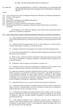 247 CMR 9.00: CODE OF PROFESSIONAL CONDUCT; PROFESSIONAL STANDARDS FOR REGISTERED PHARMACISTS, PHARMACIES AND PHARMACY DEPART- MENTS Section 9.01: Code of Professional Conduct for Registered Pharmacists,
CHAPTER 61-03-02 CONSULTING PHARMACIST REGULATIONS FOR LONG-TERM CARE FACILITIES (SKILLED, INTERMEDIATE, AND BASIC CARE)
 CHAPTER 61-03-02 CONSULTING PHARMACIST REGULATIONS FOR LONG-TERM CARE FACILITIES (SKILLED, INTERMEDIATE, AND BASIC CARE) Section 61-03-02-01 Definitions 61-03-02-02 Absence of Provider or Consulting Pharmacist
Custodial Procedures Manual Table of Contents
 Custodial Procedures Manual Table of Contents Page 1. Drug Policies and Procedures 1 A. Procurement of Prescription Drugs 1 i. Prescription drugs may only be accepted from 1 pharmacies and or practitioners.
TRANSMUCOSAL IMMEDIATE RELEASE FENTANYL (TIRF) RISK EVALUATION AND MITIGATION STRATEGY (REMS)
 Initial REMS approval: 12/2011 Most recent modification: /2014 TRANSMUCOSAL IMMEDIATE RELEASE FENTANYL (TIRF) RISK EVALUATION AND MITIGATION STRATEGY (REMS) Page 1 of 16 I. GOALS The goals of the TIRF
CALCULATION OF VOLUME- WEIGHTED AVERAGE SALES PRICE FOR MEDICARE PART B PRESCRIPTION DRUGS
 Department of Health and Human Services OFFICE OF INSPECTOR GENERAL CALCULATION OF VOLUME- WEIGHTED AVERAGE SALES PRICE FOR MEDICARE PART B PRESCRIPTION DRUGS Daniel R. Levinson Inspector General February
Content of Labeling/Product Data Elements SPL Technical Errors Training ebook
 Content of Labeling/Product Data Elements SPL Technical s Training ebook Interpretations & s for Technical s in Content of Labeling/Product Data Elements SPL Documents Submitted to FDA Version 1.0 Purpose:
PDUFA REAUTHORIZATION PERFORMANCE GOALS AND PROCEDURES FISCAL YEARS 2013 THROUGH 2017
 PDUFA REAUTHORIZATION PERFORMANCE GOALS AND PROCEDURES FISCAL YEARS 2013 THROUGH 2017 I. REVIEW PERFORMANCE GOALS A. NDA/BLA Submissions and Resubmissions B. Original Efficacy Supplements C. Resubmitted
Q(K SVJM~jPagelIof 3
 K13 0460 Q(K SVJM~jPagelIof 3 JUL 1 12013 This 51 0(k) Summary is being submitted in accordance with the requirements of the Safe Medical Device Act (SMDA) of 1990. The content contained in this 510(k)
Advanced Practice Nurses Authority to Diagnose and Prescribe
 Advanced Practice Nurses Authority to Diagnose and Prescribe ted ec ot. r p e ht ion th rig mat of ty y r y p s o cie Co inf rte So u l o a dc dic ide Me e t a St ois v ro P n Illi www.isms.org ADVANCED
The submission positioned dimethyl fumarate as a first-line treatment option.
 Product: Dimethyl Fumarate, capsules, 120 mg and 240 mg, Tecfidera Sponsor: Biogen Idec Australia Pty Ltd Date of PBAC Consideration: July 2013 1. Purpose of Application The major submission sought an
Prescription Drug Rider
 Prescription Drug Rider This Rider is part of the Evidence of Coverage and is effective on the date Your group is effective or renews its coverage with Southern Health Services, Inc. Benefits are available
Guidance for Industry and FDA Staff
 Guidance for Industry and FDA Staff Dear Health Care Provider Letters: Improving Communication of Important Safety Information U.S. Department of Health and Human Services Food and Drug Administration
WALKING THE COMPLIANCE LINE: A REGULATORY LAWYER S PERSPECTIVE
 WALKING THE COMPLIANCE LINE: A REGULATORY LAWYER S PERSPECTIVE Presented By: Alan B. Minsk Partner and Chair, Food and Drug Practice Team Arnall Golden Gregory LLP [email protected] Presented To: ISMPP
Health Literacy & Medication Safety
 Health Literacy & Medication Safety Can We Confuse Patients Less? Michael S. Wolf, MA MPH PhD Assistant Professor and Director Health Literacy and Learning Program (HeLP) Division of General Internal Medicine
Key Element VIII: Staff Competency and Education
 Key Element VIII: Staff Competency and Education Practitioners and support staff receive sufficient training and orientation to the dispensing process and medication error prevention, and undergo baseline
Guidance for Industry
 Guidance for Industry Medication Guides Adding a Toll-Free Number for Reporting Adverse Events U.S. Department of Health and Human Services Food and Drug Administration Center for Drug Evaluation and Research
Coding Systems. Understanding NDC and HCPCS. December 2014
 Coding Systems Understanding NDC and HCPCS December 2014 White Paper Coding Systems Understanding NDC and HCPCS National Drug Code The National Drug Code (NDC) serves as a universal product identifier
Guidance for Industry
 Guidance for Industry Applications Covered by Section 505(b)(2) DRAFT GUIDANCE This guidance document is being distributed for comment purposes only. Comments and suggestions regarding this draft document